
Custom Embroidery for Streetwear: Low MOQ, 5-Step QC, Fast Turnaround
Clothing Manufacturer Ltd delivers custom embroidery with a 5-step quality guarantee, low minimums, and fast turnaround for streetwear brands and startups worldwide.
Custom Embroidery Designs in Action: Samples from Our Studio
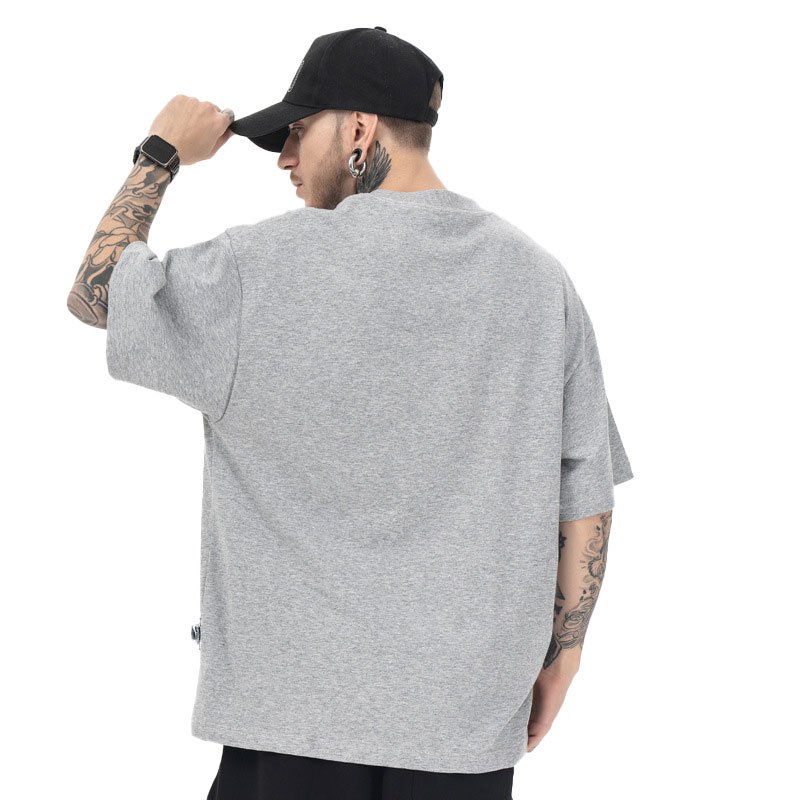
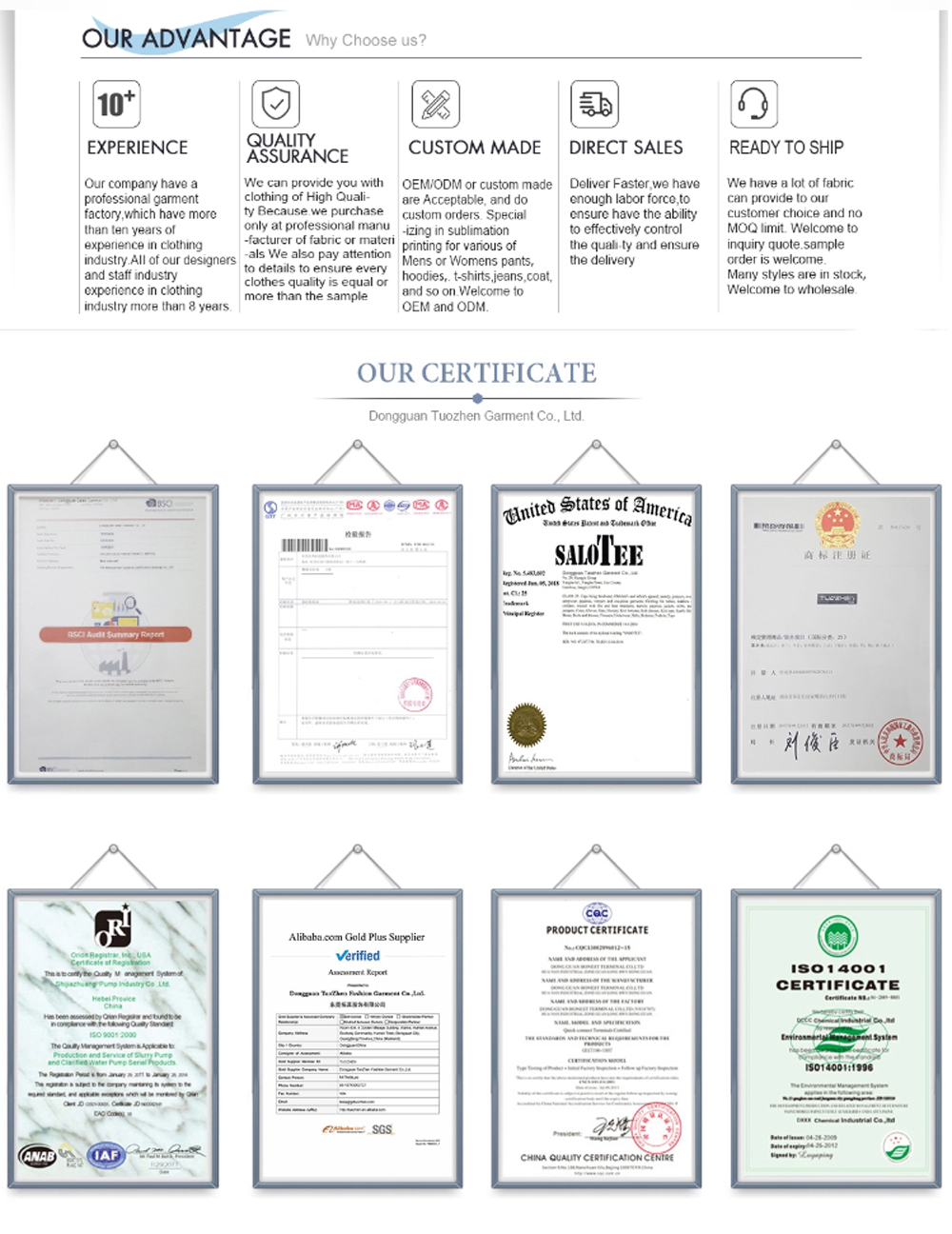
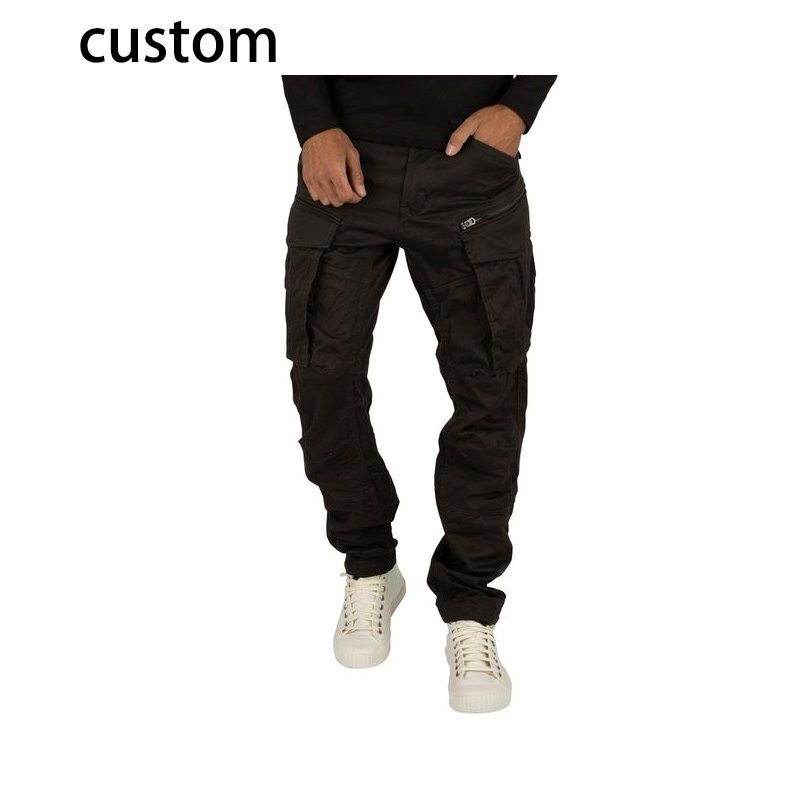
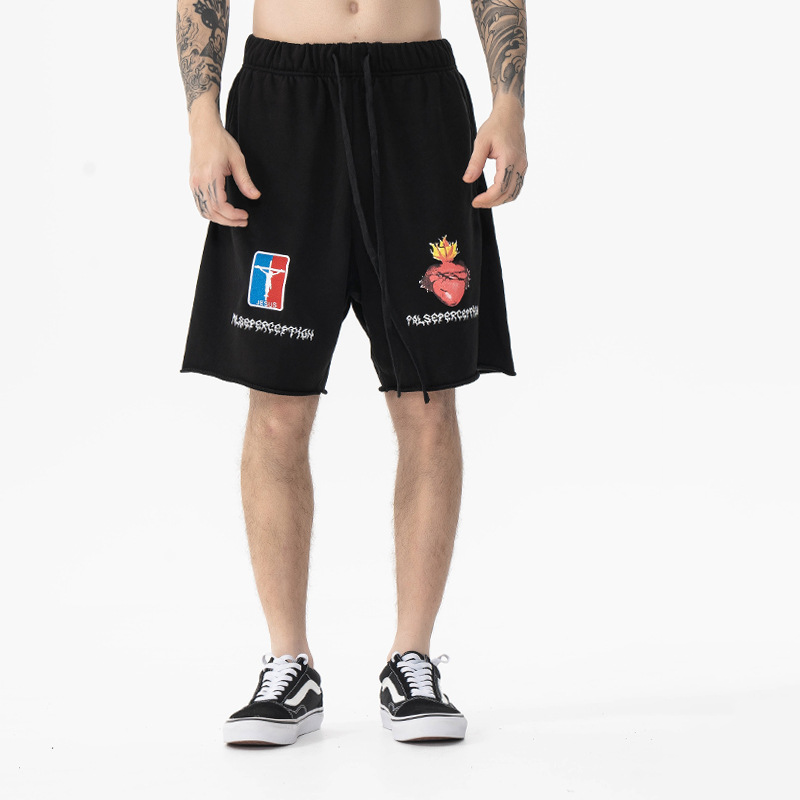
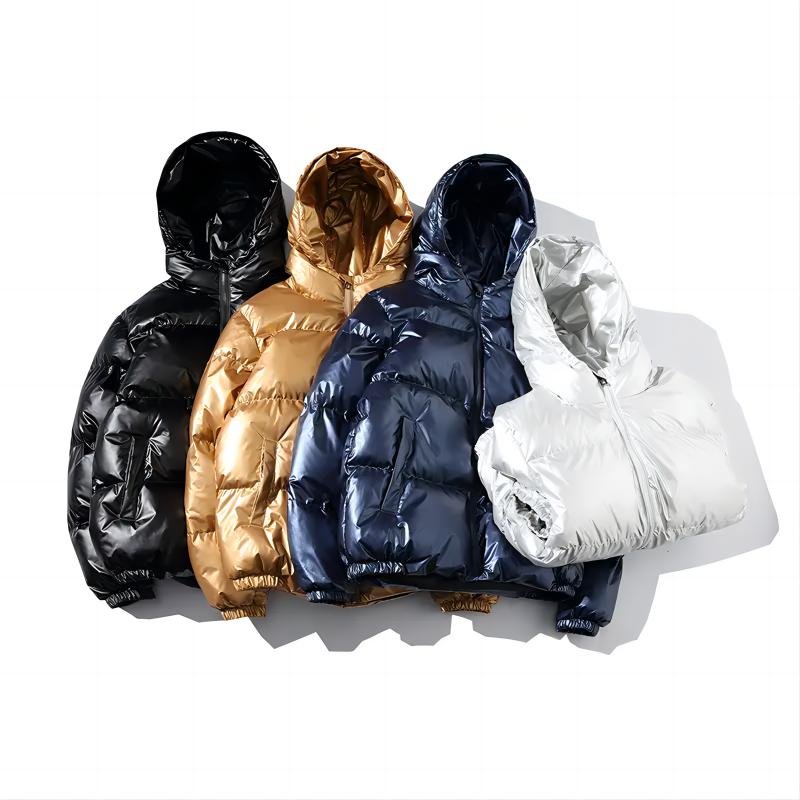
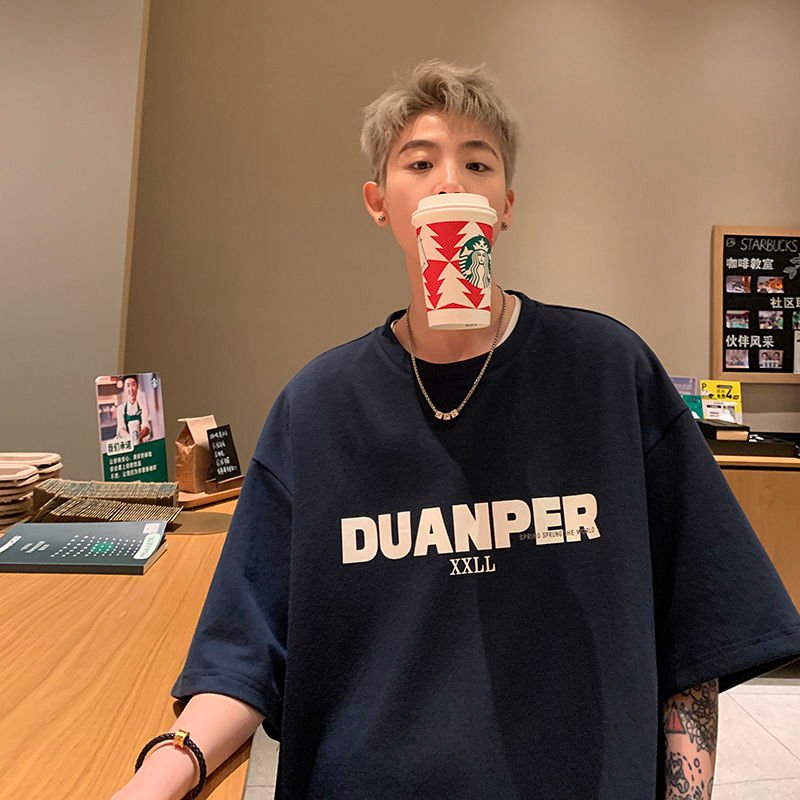
Why Custom Embroidery Stands Out
Precision stitching, lasting durability, and tactile impact that screen printing cannot touch — backed by our 5-step QC guarantee.
Razor-Sharp Precision Stitching
Computerized needlework locks in crisp edges and consistent stitch counts, faithfully reproducing intricate logos and lettering screen printing cannot replicate.
Thread Durability That Lasts
Embroidered designs withstand hundreds of wash cycles without cracking, peeling, or fading — built for streetwear worn hard every day.
Vibrant, Colorfast Thread Palette
Premium thread stock in 1,000-plus color options delivers bold, eye-catching hues that stay vivid season after season, wash after wash.
Complex Designs, Zero Compromise
From multi-layered badges to 3D puff logos, our in-house digitizing team converts your artwork into rich, dimensional stitchwork flawlessly.
Tactile Quality Elevates Brand Impact
Raised thread texture adds a luxury, dimensional feel that boosts brand perception and makes garments instantly recognizable at first touch.
Works on Any Garment Surface
Custom embroidery adheres cleanly to caps, hoodies, jackets, and denim — no surface too structured or too soft for our machines.
Every Embroidery Technique Your Brand Demands
From flat stitching and 3D puff to leather patches and tackle twill, every method is produced under our five-step quality inspection.
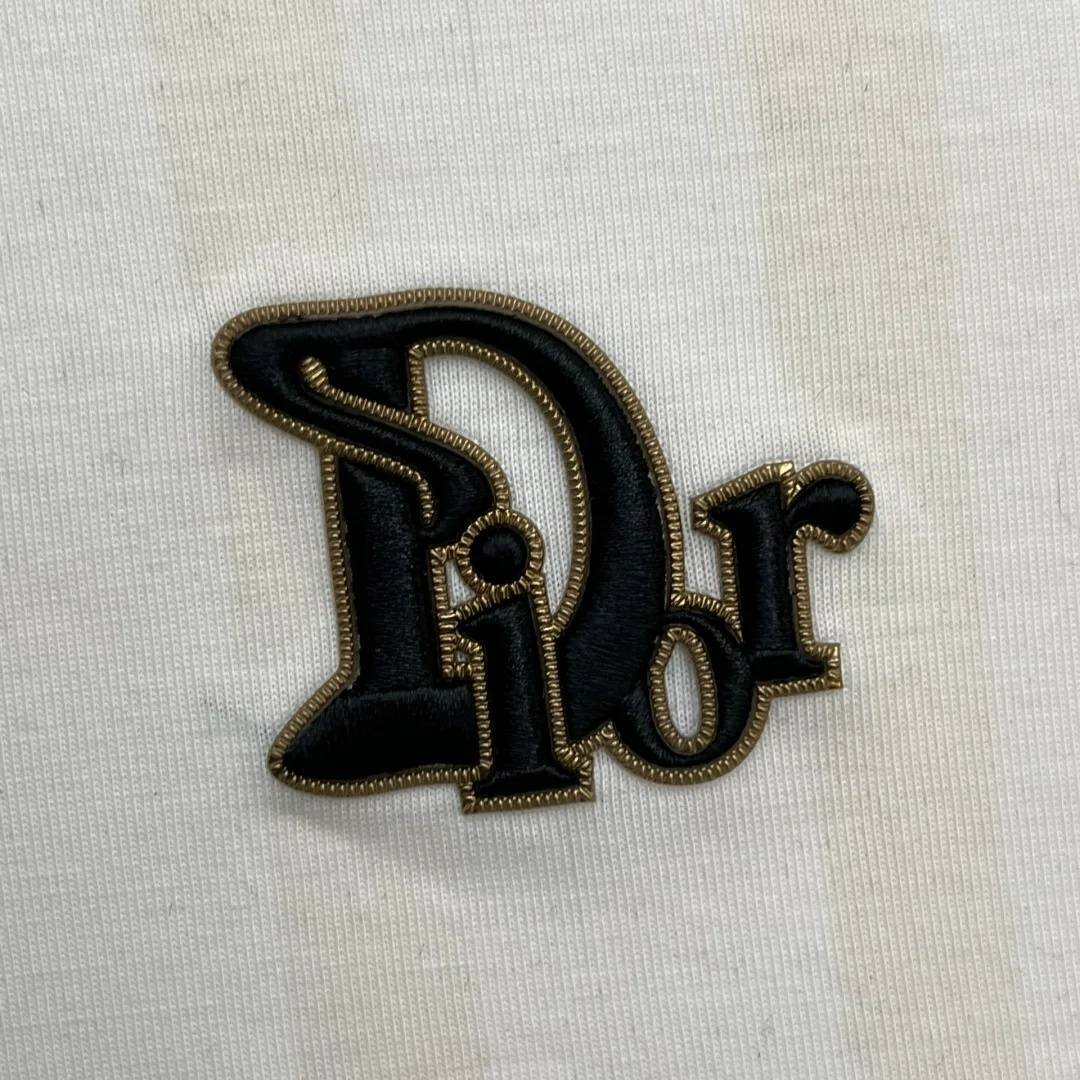
Flat Embroidery
Thread stitched directly onto fabric lying flat, producing clean linework and accurate color reproduction. Ideal for chest logos, sleeve badges, and cap branding across streetwear pieces. Durable, low-profile finish that suits minimalist brand identities and scales consistently across high-volume production runs without added bulk.
Get a Quote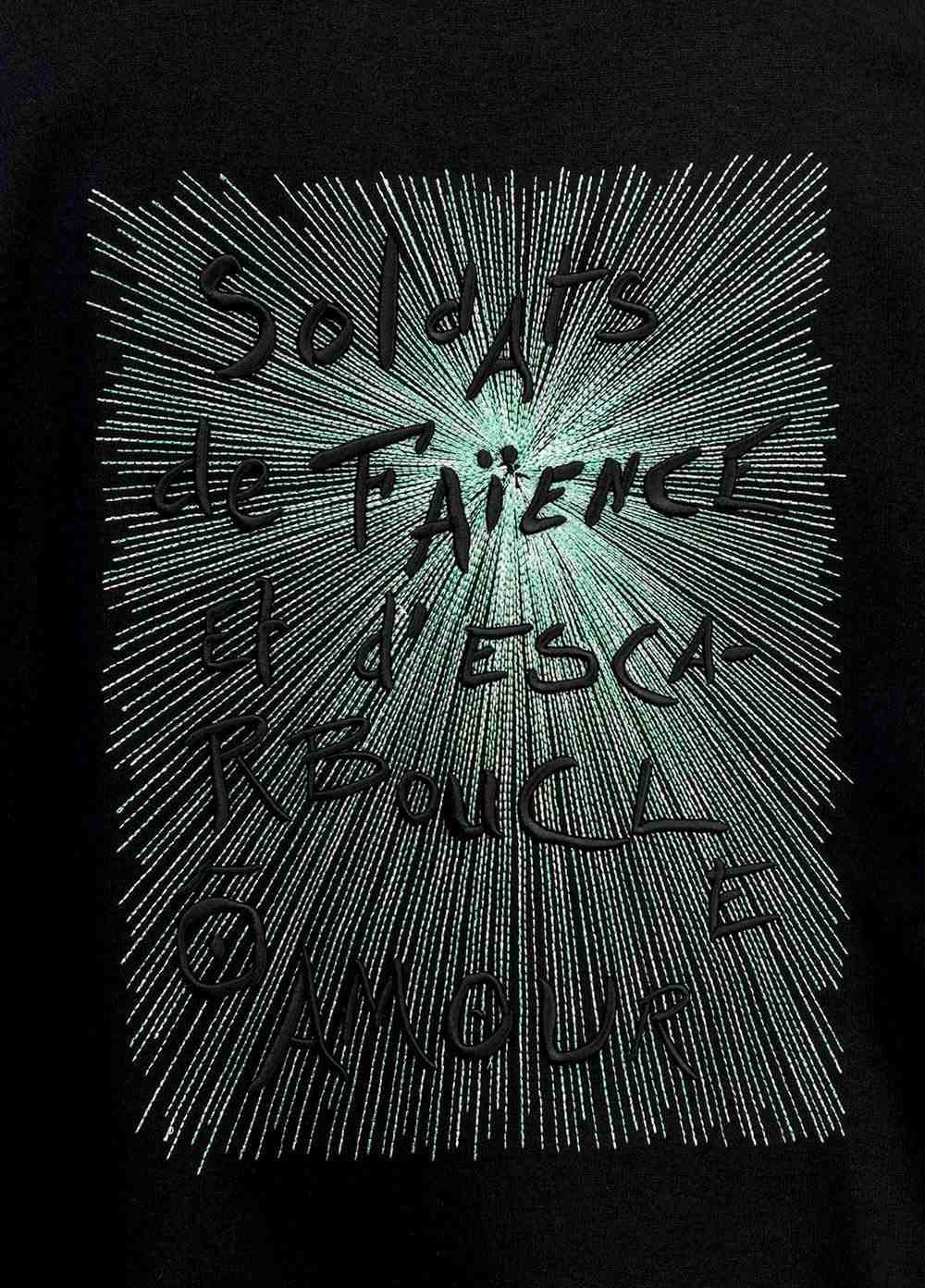
3D Puff Embroidery
A foam underlay beneath the thread creates raised, dimensional lettering and logos with strong visual impact. Standard for snapbacks, beanies, and structured caps central to streetwear. Best applied to defined shapes on thicker fabrics; a preferred choice for influencer and creator brand headwear programs requiring bold shelf presence.
Get a Quote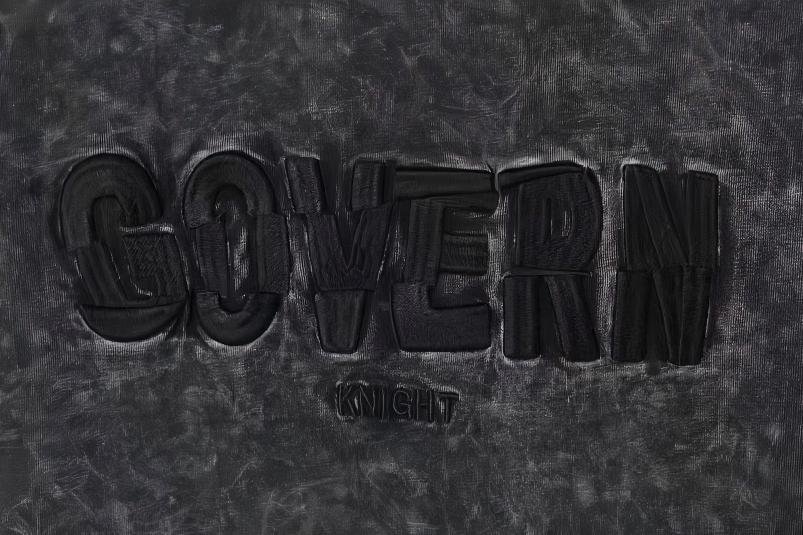
Chain Stitch Embroidery
Each stitch forms a looped chain link, producing a textured, vintage-inflected finish that holds saturated color exceptionally well. Common on denim, retro-cut jackets, and script-lettered streetwear. Especially effective for flowing text and decorative borders where traditional lock-stitch embroidery would appear flat and mechanical.
Get a Quote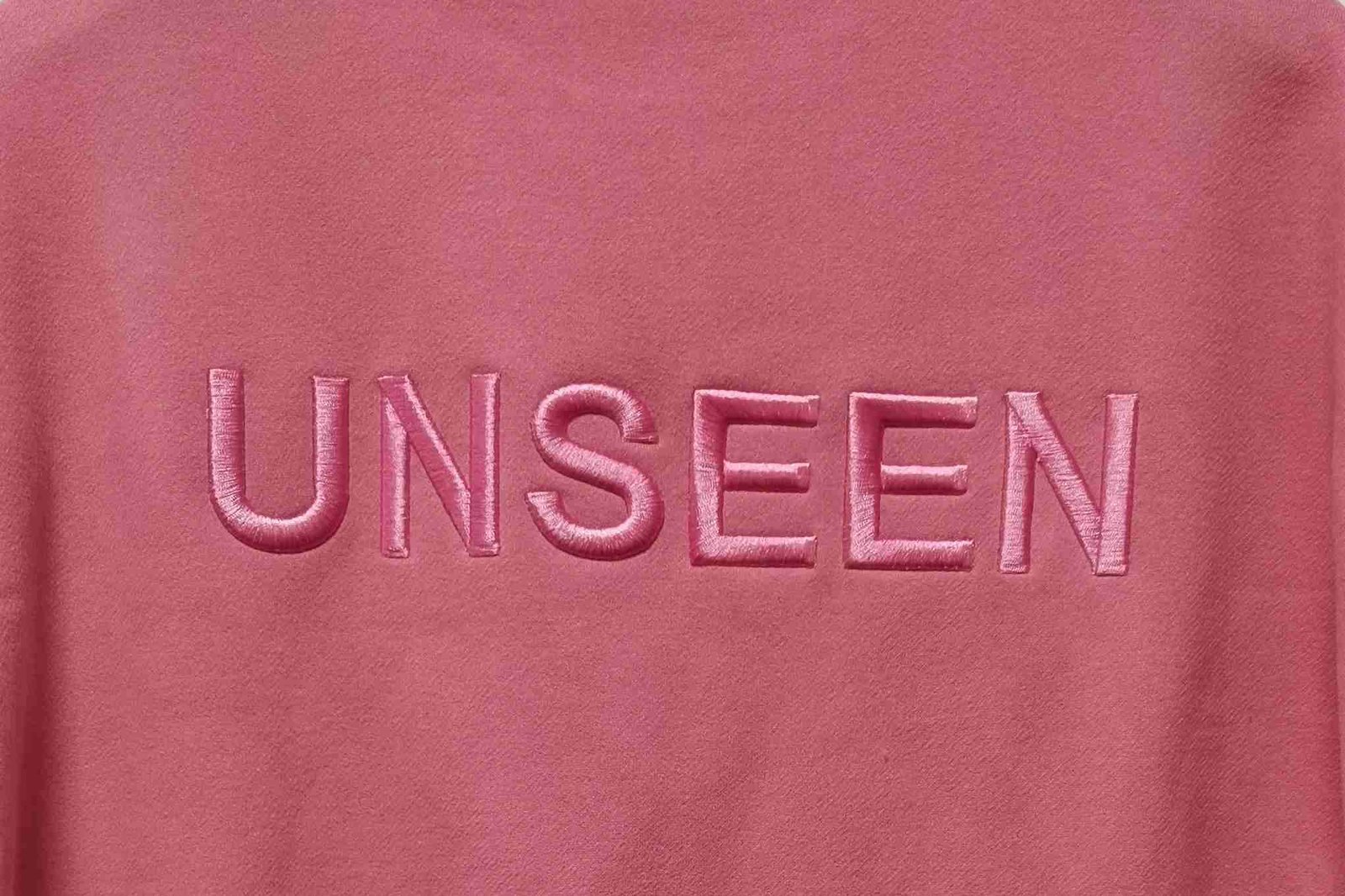
Applique Embroidery
Fabric pieces are precisely cut, positioned on the base garment, and secured with embroidery stitching along the edges. Enables oversized logo placements and number applications not practical with thread-only methods. Cost-effective for varsity jackets, athletic jerseys, and large graphic panels requiring clean, durable coverage at scale.
Get a Quote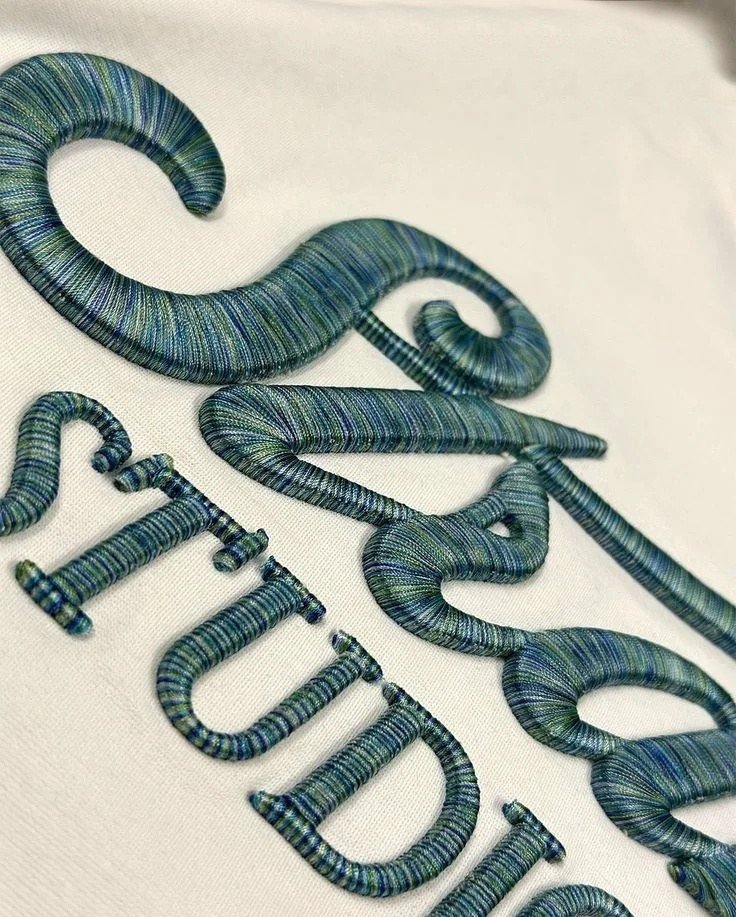
Sequin Embroidery
Reflective sequins are machine-stitched or hand-applied to produce high-impact, light-catching surface designs. Available in multi-color arrangements and varied sequin sizes for limited-edition drops and statement streetwear pieces. Our five-step QC process verifies sequin adhesion and stitch integrity at every production stage, ensuring consistent durability across the full order.
Get a Quote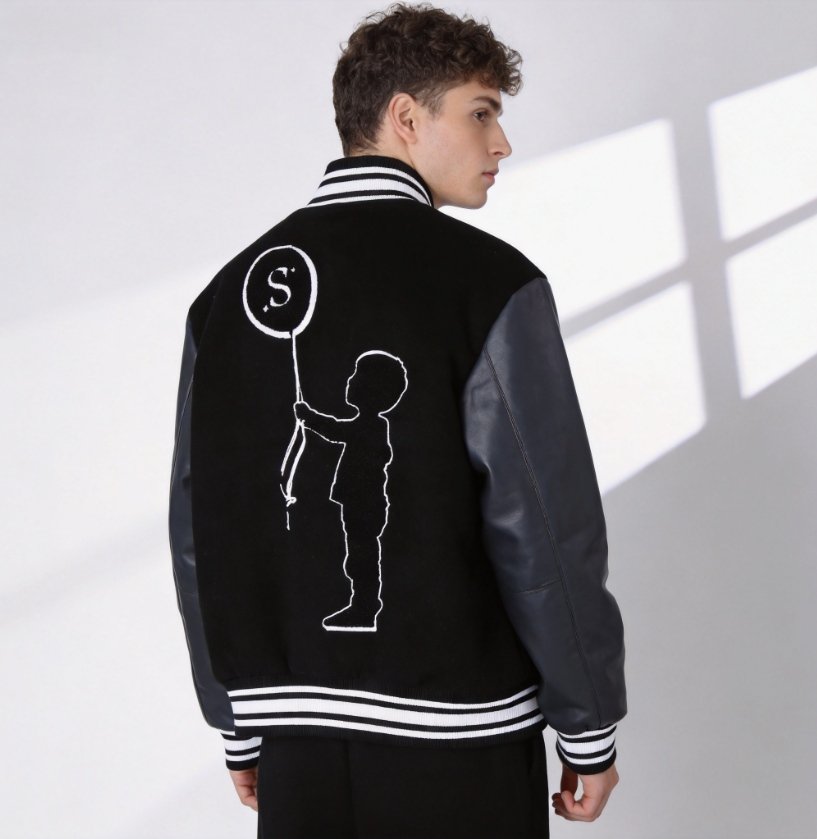
Custom Chenille Patches
Thick, looped chenille yarn builds a plush, tactile patch surface rooted in varsity and collegiate aesthetics. Fully customizable in shape, letter form, and color palette. Available with sew-on, iron-on, or Velcro backing. A natural fit for streetwear labels drawing identity from American sportswear and campus culture heritage.
Get a Quote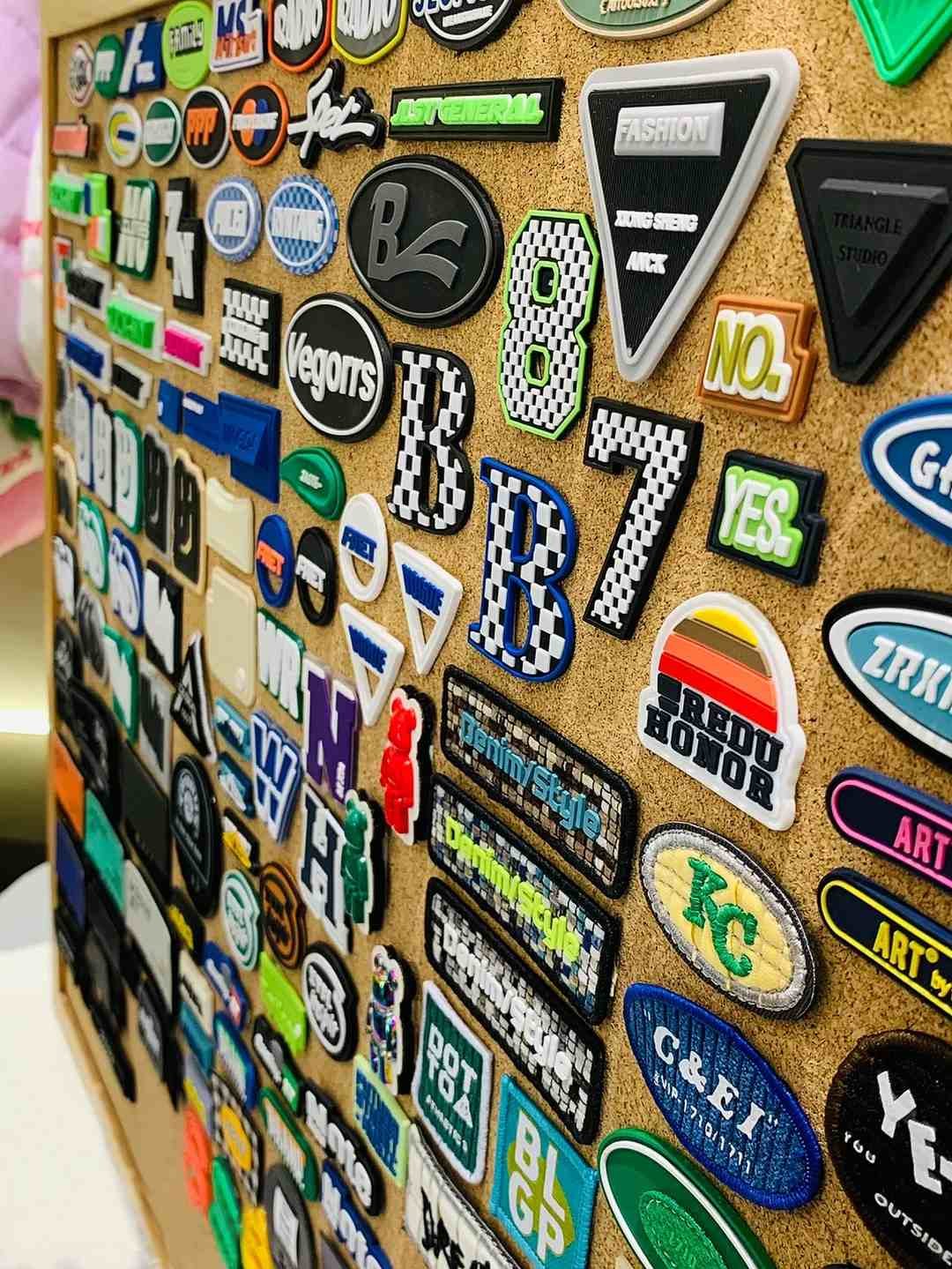
Custom Woven Patches
Woven thread construction captures intricate detail, fine typography, and smooth color gradients not achievable through standard embroidery. Thin, lightweight, and flexible, making them suitable across all garment placement zones. Commonly used for neck labels, branding tags, and small-format logos where clean edges and precise color reproduction matter most.
Get a Quote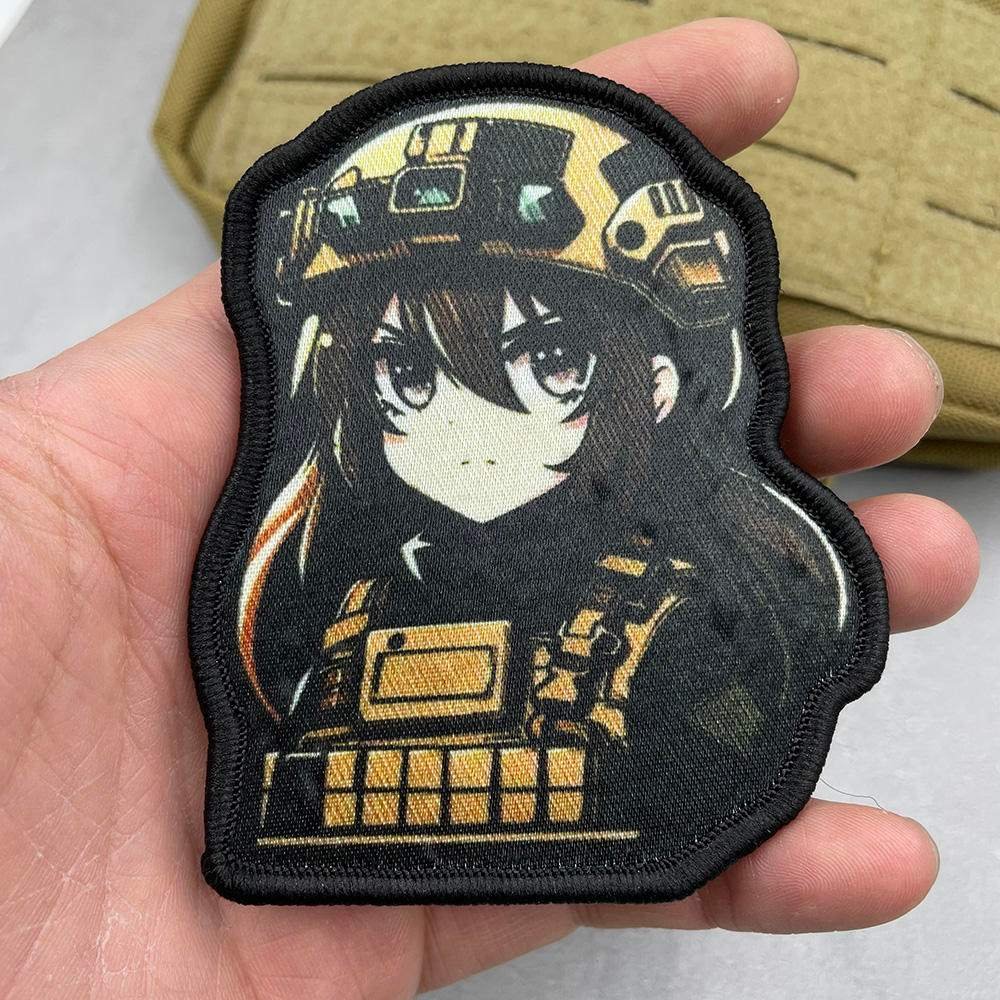
Custom Pvc Patches
Molded soft PVC produces waterproof, rubber-like patches with sharp definition, raised detail, and resilient color retention. Built for outerwear, technical streetwear, and bags requiring durability through weather and repeated washing. Available in Velcro, sew-on, or adhesive backing with custom color fills and debossed or raised text options.
Get a Quote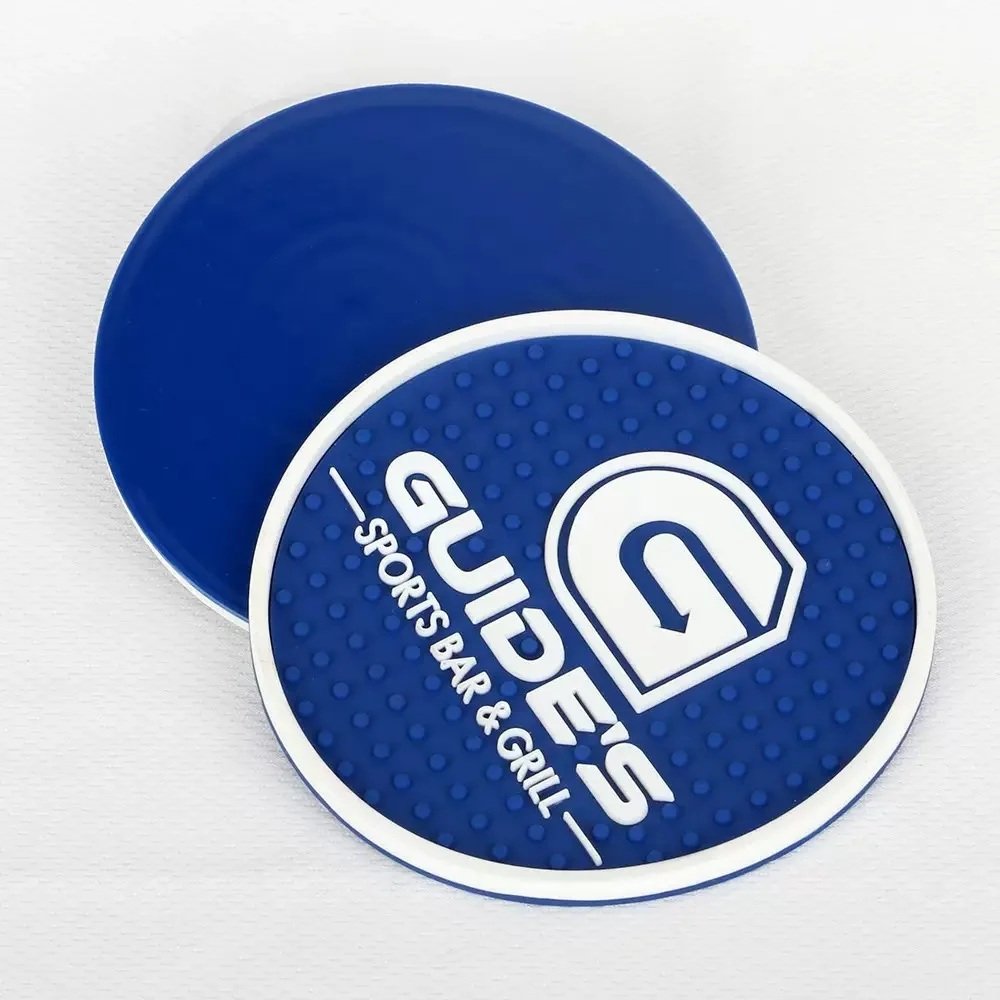
Custom Leather Patches
Genuine or vegan leather patches add a premium, tactile brand statement to denim jackets, pants, and accessories. Customizable via laser engraving, debossing, or screen printing. Leather naturally ages with wear, developing character over time. A strong choice for independent designers and upscale streetwear labels targeting quality-conscious consumers worldwide.
Get a Quote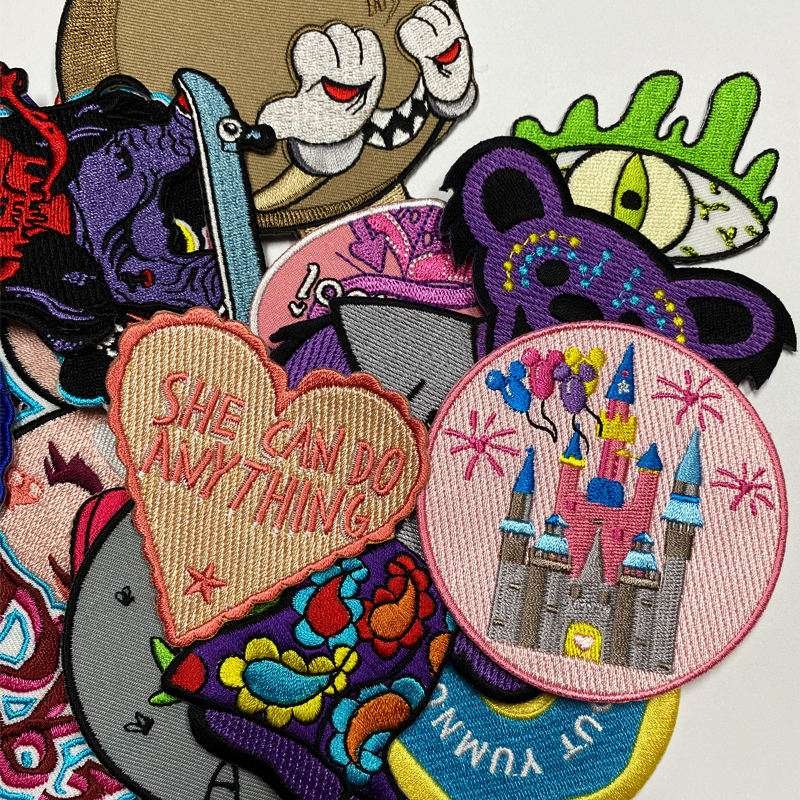
Custom Embroidered Patches
Fully embroidered on twill or felt backing with clean merrowed or laser-cut edges. Applied via sew-on, iron-on, or Velcro attachment across all garment types. Delivers precise logo and artwork reproduction at scale. Every patch passes our five-step quality inspection before shipment, ensuring consistent finish across your full production order.
Get a Quote
Tackle Twill Lettering
Pre-cut twill or felt letters and numbers are stitched directly onto garments for bold, durable text with clean edges and strong contrast. Standard across athletic jerseys, varsity jackets, and team uniforms. Available in layered colors and outlined styles. Holds form and color through heavy use and commercial laundering.
Get a QuoteCustom Embroidery Expertise: 10+ Years, 100+ Countries
Clothing Manufacturer Ltd. was founded in 2024 by Tesla Luo, a garment industry veteran with more than 10 years of production experience and 6 years of specialized streetwear expertise. Raised in a family rooted in apparel manufacturing, Luo built his career hands-on — rotating through every production role before launching his own venture with one clear mission: eliminate low-quality clothing through rigorous, end-to-end custom embroidery and garment production.
Operating from Humen Town, Dongguan — the heartland of China’s garment manufacturing industry — Clothing Manufacturer Ltd. combines the agility of a focused streetwear specialist with the production capacity of its parent company, Dongguan TuoZhen Clothing Co., Ltd. Our 15-member R&D team, 10 patents, and proprietary five-step quality control process ensure every custom embroidery order meets the highest standards before it leaves our facility.
What sets us apart is a zero-compromise philosophy built into every stitch. Since serving our first international client, we have grown to support brands across more than 100 countries, from streetwear startups placing their first custom embroidery order to global retailers requiring consistent, scalable output. Low MOQs, fast seasonal turnarounds, and full global logistics support ensure your brand never has to choose between quality and speed.
The Craft Behind Custom Embroidery Production
Design Digitization: Your Artwork, Stitch-Perfect
Every custom embroidery order starts with expert digitization — converting your artwork or logo into a precision stitch file our machines execute flawlessly. Our in-house R&D team fine-tunes stitch density, underlay layers, and direction angle for each specific fabric and placement zone.
- DST, EMB, and PES file formats accepted and verified before any production begins
- Stitch-count optimization reduces thread breaks on high-speed multi-head machines
- Separate digitization profiles built for caps, jackets, tees, and accessories
- 15-member in-house R&D team refines every file before bulk runs commence
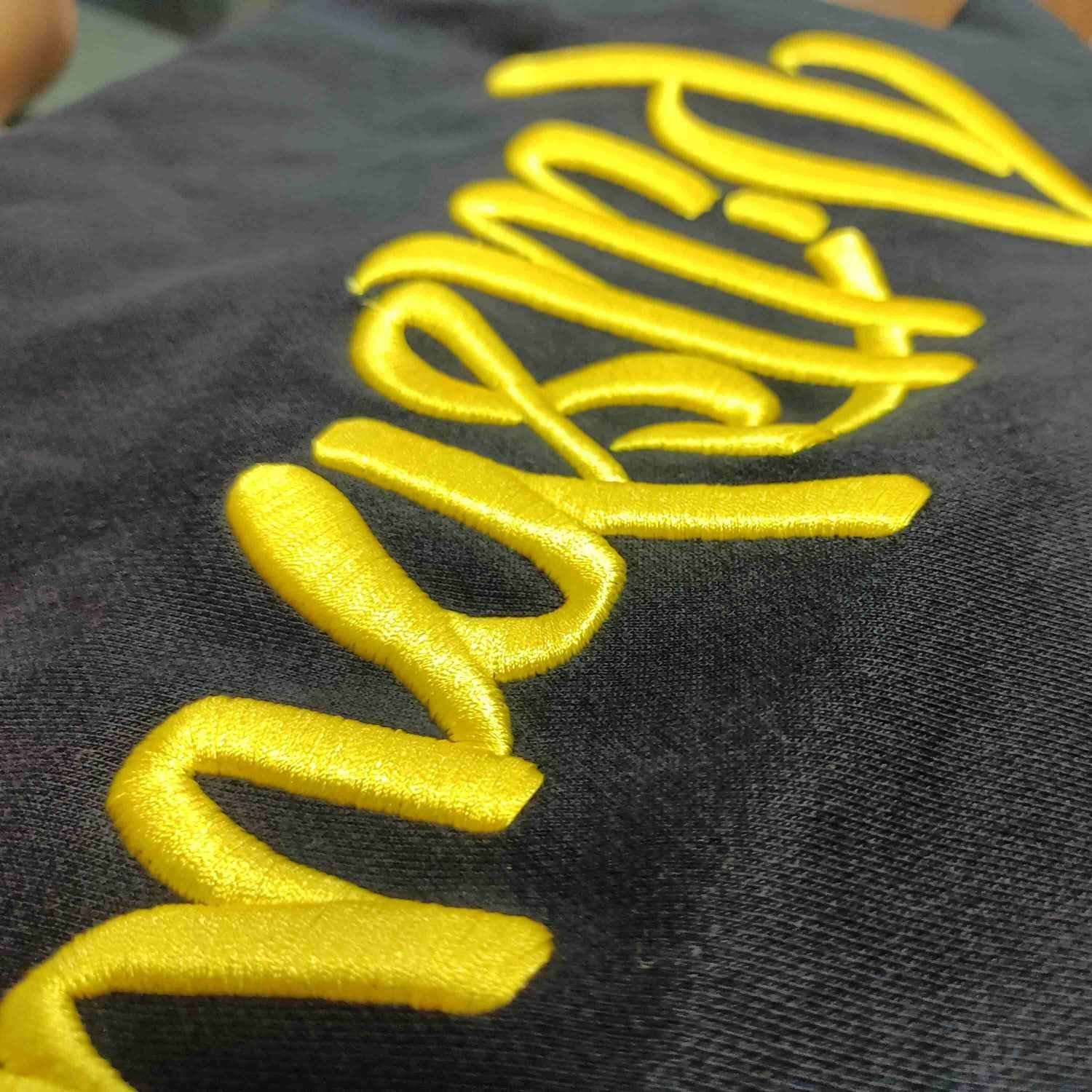
Thread Selection & Pantone Color Matching
Color accuracy defines your brand in custom embroidery. We source premium Madeira and Isacord threads across 500+ shades, matching every tone against your Pantone or hex reference so finished garments deliver brand-perfect consistency across every production run and seasonal reorder.
- 500+ thread colorways including Madeira, Isacord, and specialty metallic and glow options
- Pantone-to-thread conversion verified under standard D65 lighting before bulk production
- Physical color swatch samples included in every pre-production approval package
- Consistent color reproduction guaranteed across low-MOQ debut runs and large reorders
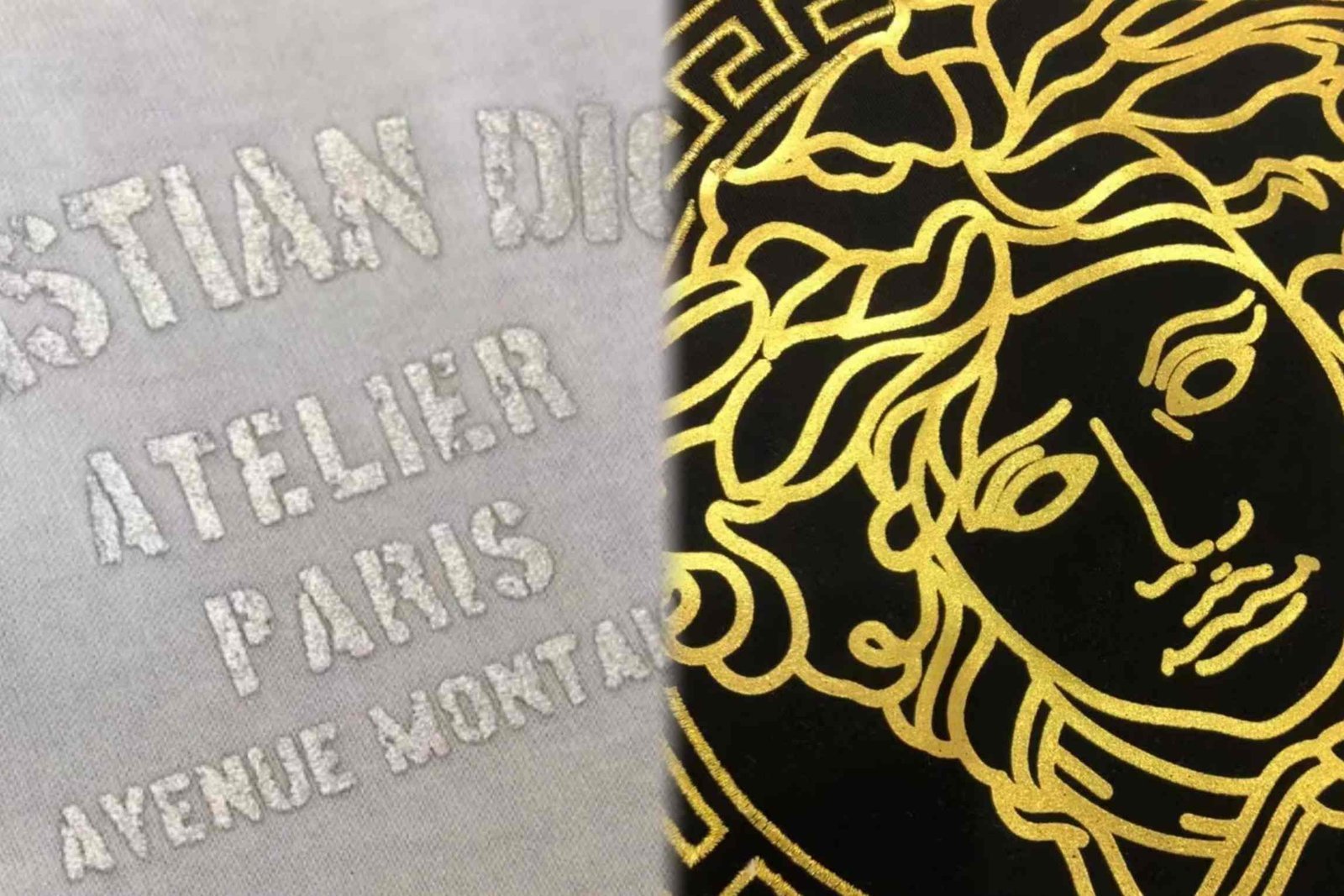
Precision Machine Setup & High-Speed Calibration
Before a single stitch is laid, our technicians calibrate each multi-head embroidery machine to your garment’s material weight, stretch, and stabilizer backing. Precise tension settings and hoop alignment eliminate puckering and misregistration, locking in the stitch quality your customers expect from a premium label.
- Per-substrate machine calibration performed for every new garment type and fabric weight
- Cut-away and tear-away stabilizers selected based on fabric stretch and structural need
- Trial stitch-out on matching material reviewed and approved before bulk production begins
- Machine speed balanced to deliver fast seasonal turnaround without sacrificing stitch definition
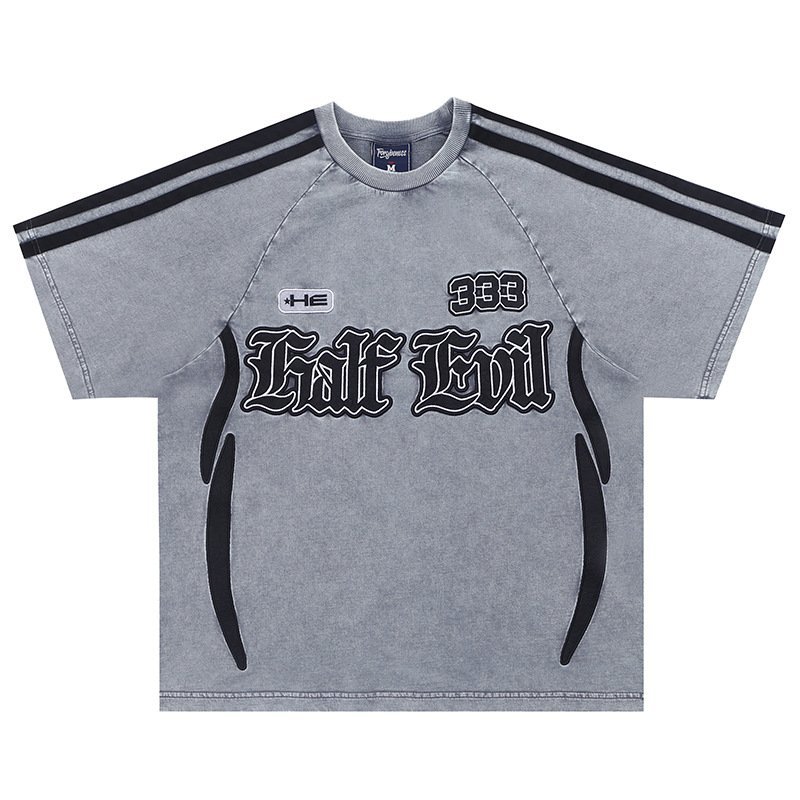
QC Stitching Verification: Zero Defects Leave Factory
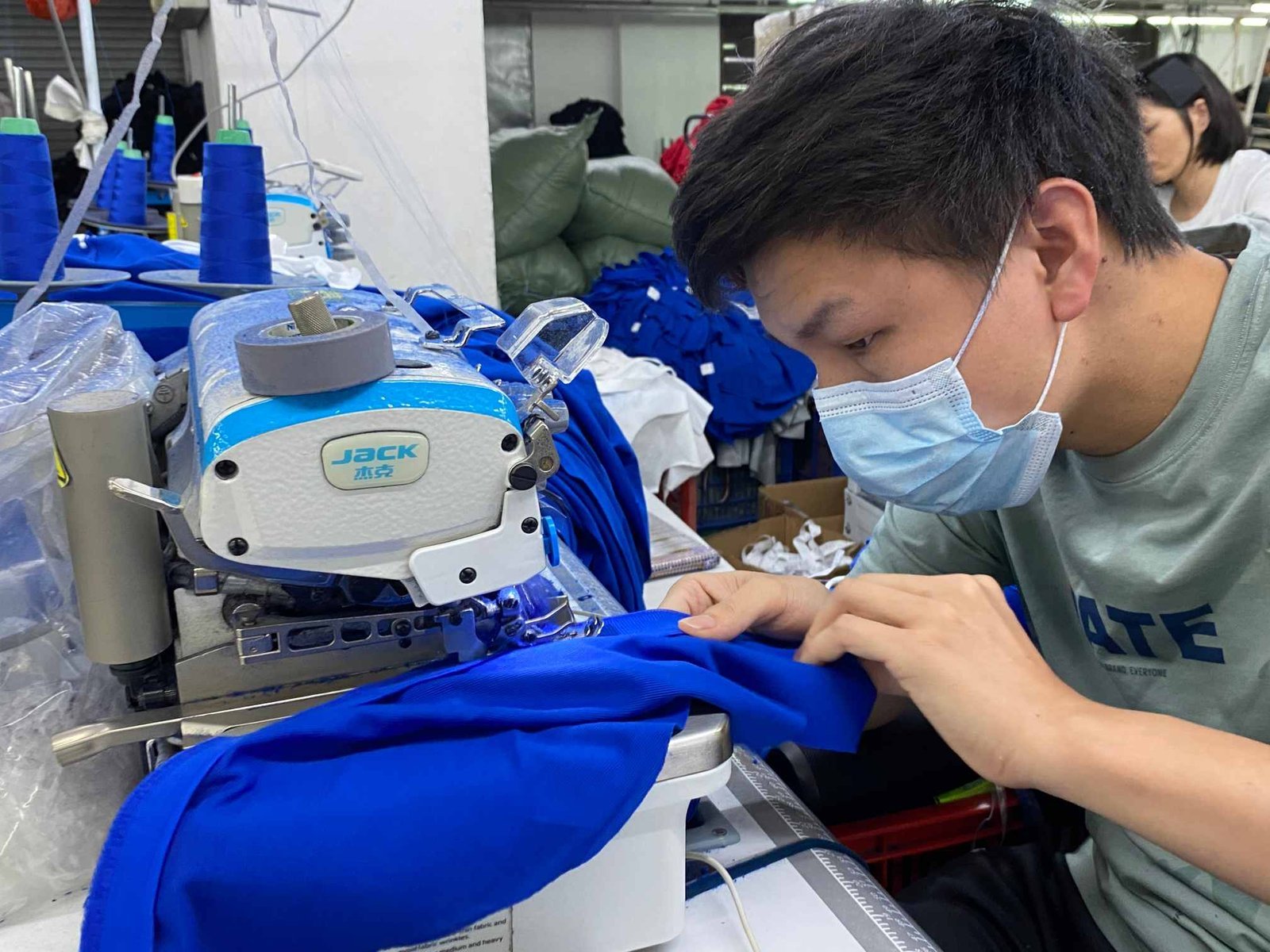
Our five-step QC process applies at the embroidery stage itself — not just at final inspection. Each piece is checked for stitch integrity, thread tension, color accuracy, and placement alignment before moving forward, catching defects early rather than at your warehouse door.
- Step 4 of our 5-step QC framework: dedicated sewing and stitching production inspection
- Pull-test and density audit conducted on representative pieces per production batch
- Misaligned, puckered, or skipped stitches rejected and corrected in-process before next stage
- Final finished-garment QC sign-off completed before packaging and global shipment dispatch
Custom Embroidery vs. the Competition: Here’s Why We Win
Most manufacturers skip the hard part. We built a 5-step QC system around it. See exactly how Clothing Manufacturer Ltd. stacks up against the typical supplier cutting corners.
← 左右滑动查看 →
Our Custom Embroidery Production Process: 6 Steps to Quality
Every phase of production is protected by a dedicated quality gate — so the piece that ships is exactly what you approved.
Artwork Approval and Design Lock
Your artwork is reviewed by our in-house design team and locked for production, ensuring color accuracy, placement, and brand consistency before any stitching begins.
Digitization and Thread Mapping
Approved designs are converted into precise stitch files by our digitization specialists, with thread colors mapped to Pantone references for exact color matching every time.
Thread Sourcing and Materials QC
Premium embroidery threads are sourced and subjected to our materials QC test, checking tensile strength, colorfastness, and sheen consistency against approved specifications before production begins.
Machine Setup and Stitch Test
Embroidery machines are calibrated and a sample stitch-out is produced, reviewed against approved artwork to verify registration, density, and coverage — zero tolerance for deviation.
Embroidery Production and Sewing QC
Full production runs under continuous sewing QC monitoring, with our technicians inspecting stitch tension, thread breaks, and edge definition at every production interval throughout the run.
Final Inspection and Packing
Every finished piece passes our completed-garment QC inspection — checking embroidery placement, color fidelity, and fabric integrity — before being pressed, folded, and packed to your brand standards.
How to Order Custom Embroidery: 4-Step Collaboration
From your first design file to your finished streetwear — here is exactly how we work together, with full visibility at every stage.
Submit Your Artwork and Specs
Share design files in DST, PNG, or AI format, specifying thread colors in Pantone or RGB, design dimensions, and stitch count so we can accurately scope your custom embroidery project.
Receive Your Quote and Sample
We return a detailed quote and a physical embroidered sample for your approval, letting you verify stitch density, color fidelity, and finish quality before committing to full production.
Approve and Launch Production
Once you sign off, production begins under our 5-step QC framework covering materials, cutting, craft, sewing, and finished-garment inspection, catching defects at every stage, not just the end.
Receive Your Finished Order
Your completed custom embroidery order is final-inspected, carefully packed, and shipped globally with full tracking, arriving on schedule and ready to reach your customers worldwide.
What Brands Say About Our Custom Embroidery
We needed 80 caps with a complex chest logo for our drop — Tesla’s team nailed the stitch density on the first sample. Delivered in 18 days, zero rejects across the full run. Our customers kept asking where we sourced the embroidery. Game-changer for our brand.
As an influencer launching my first merch line, low MOQ was everything. Clothing Manufacturer Ltd. let me start at 50 pieces per design. The 5-step QC caught a thread tension issue before production scaled — my 200k followers noticed the quality immediately and sell-through hit 94% in week one.
We order seasonal embroidered hoodies for 12 retail doors across Southeast Asia. Turnaround on our last 1,200-unit run was 22 days — on time for the winter window. Wash durability after 50 cycles is still perfect. This is the most reliable factory we have worked with in 6 years of sourcing.
Custom Embroidery FAQs: Your Questions Answered
Everything streetwear brands, startups, and independent designers need to know before placing an order — from stitch types and fabric compatibility to MOQs, lead times, and file formats.
What is the minimum order quantity for custom embroidery?
How long does custom embroidery production take?
Can you combine custom embroidery with screen printing or heat transfer on the same garment?
What fabrics work best for custom embroidery?
Are there design size or stitch count limits for custom embroidery?
What file formats do you need to digitize a custom embroidery design?
How much does the custom embroidery sampling process cost?
What thread colors and stitch types do you offer?
The Complete Buyer’s Guide to Custom Embroidery
Everything streetwear brands, fashion startups, and global retailers need to evaluate custom embroidery suppliers — covering stitch types, fabric compatibility, quality checkpoints, pricing tiers, and the critical mistakes that delay launches and erode margins.
1. What Is Custom Embroidery?
Custom embroidery converts a brand’s artwork into a digital stitch file — typically 5,000 to 15,000 stitches for a standard chest logo — and then physically sews that design into fabric using a multi-needle automated machine. Every thread is anchored directly into the base material, making the decoration a structural part of the garment rather than a surface layer.
Unlike screen printing, which deposits ink on top of fabric, or heat transfer, which bonds a film to the surface, custom embroidery produces a raised, three-dimensional texture you can feel with your fingertips. Screen-printed graphics commonly begin cracking after roughly 50 wash cycles; a well-executed embroidered logo holds its form well past 100 industrial washes, making it the finish of choice for premium streetwear, headwear, and outerwear.
Brands consistently command higher retail prices on embroidered pieces because consumers associate the tactile weight of thread with craftsmanship and longevity. A hoodie carrying an embroidered chest hit can justify a 20–40% price premium over the same blank with a printed graphic, with no change to the underlying fabric cost.
The four placements that drive the majority of brand embroidery orders are chest logos (left-chest or center-chest), sleeve hits above the cuff, cap crowns on structured 6-panel or 5-panel headwear, and back yokes on jackets and shirts. Each position carries distinct stitch-count requirements and backing specifications that experienced production teams map during the digitization stage — before a single needle touches fabric.
2. A Brief History of Custom Embroidery in Fashion
By the 13th century, European guilds had codified hand-stitched embroidery as a mark of rank, adorning heraldic crests, military insignia, and royal vestments with silk and gold thread. Couture houses like Worth and later Lesage in Paris elevated the craft further in the 19th and early 20th centuries, hand-applying thousands of stitches per square inch to signal exclusivity and artisan investment.
The 1828 invention of the Schiffli loom by Josué Heilmann mechanized the process, allowing factories to replicate intricate multi-thread patterns at scale for the first time. By the early 1900s, Schiffli machines with shuttle-driven needles dominated European apparel production, bringing embroidered ornamentation from royal courts to mass-market shirtwaists and uniforms.
Multi-head commercial embroidery machines — capable of running 6 to 36 heads simultaneously — arrived in the mid-20th century and transformed apparel decoration economics. The introduction of DST (Data Stitch Tajima) digitization in the 1980s standardized machine-readable embroidery files, allowing a single digitized design to run consistently across different machine brands worldwide.
Today, that lineage — from guild hall to Schiffli shed to DST file — is precisely why custom embroidery retains its premium signal in both streetwear and luxury. A raised, lock-stitched logo reads as craftsmanship in a way that heat-transfer or screen-print cannot replicate, and major fashion houses still reference hand-embroidery heritage to justify price premiums. The craft’s durability across seven centuries is its own credential.
3. Types of Custom Embroidery Techniques
Choosing the right custom embroidery technique is as strategic as the design itself. Each method produces a distinct texture, stitch profile, and price point — matching technique to brand identity prevents costly redos at the sampling stage.
Flat/Standard Embroidery
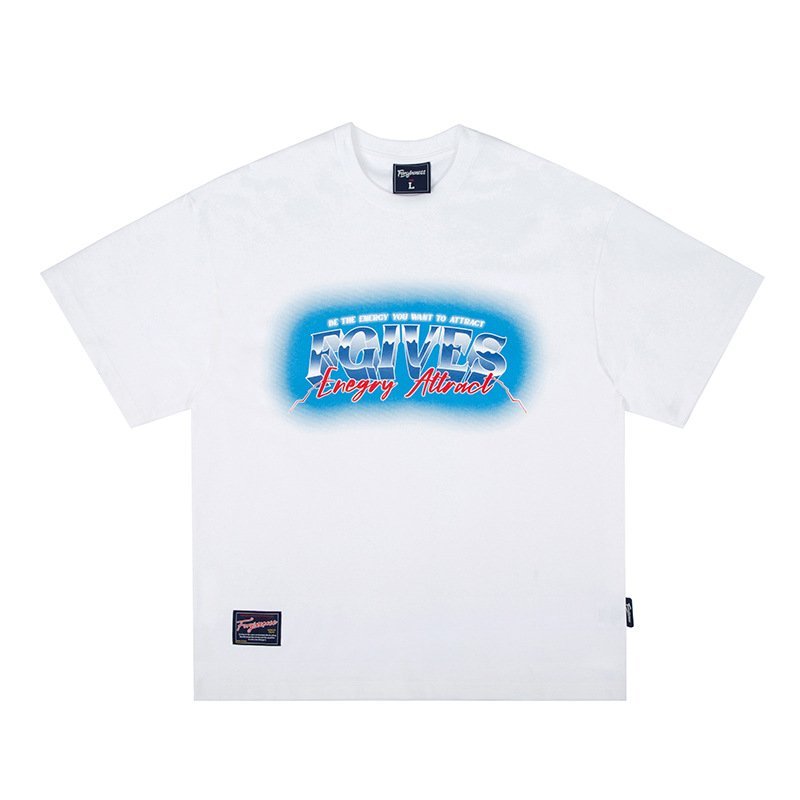
The industry workhorse, flat embroidery sits flush against the fabric surface with 1,000–15,000 stitches per design. It suits polos, caps, and tees across aesthetics ranging from corporate uniform to minimalist streetwear.
3D Puff Embroidery
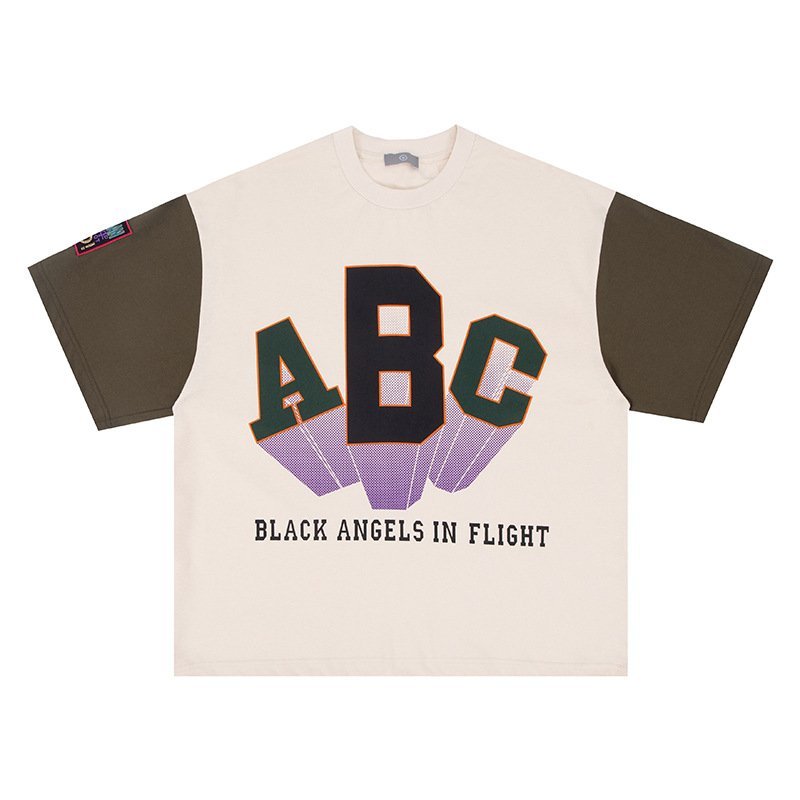
Foam backing raises stitching 4–6 mm above the garment surface for bold, sculptural logos. Stitch counts typically run 5,000–20,000; the technique is the go-to for snapback caps and hoodies targeting athletic or high-impact streetwear identities.
Appliqué Embroidery
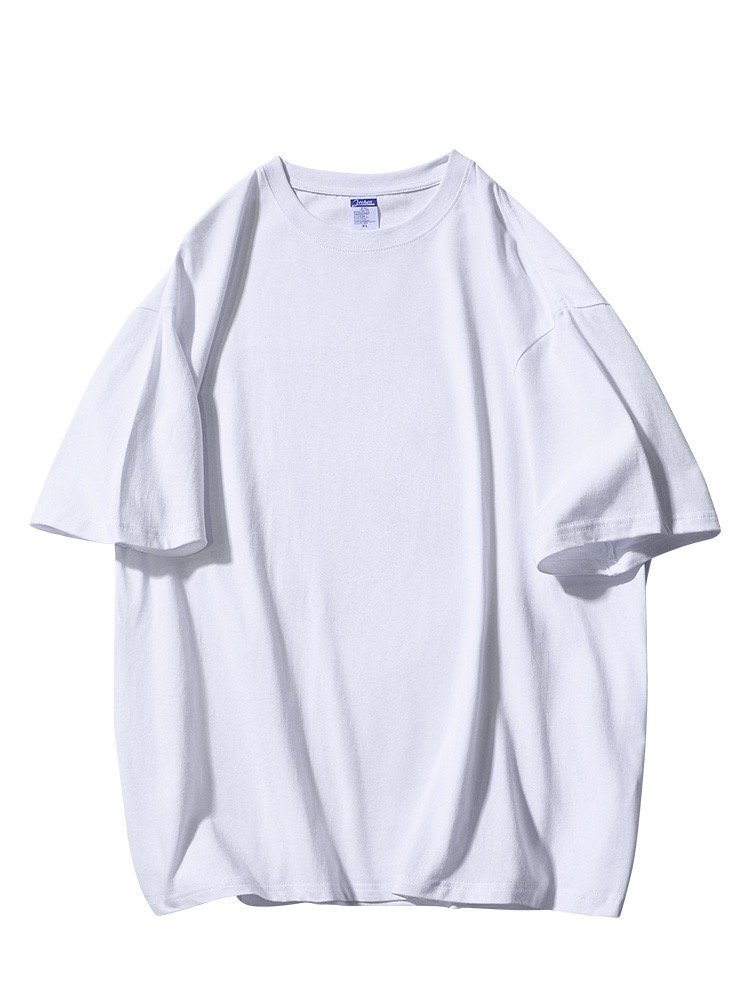
A cut fabric piece is bonded to the base garment, then locked with 2,000–8,000 edge stitches. Appliqué lowers thread cost on large fills and suits varsity jackets, coach jackets, and oversized streetwear silhouettes.
Chain Stitch
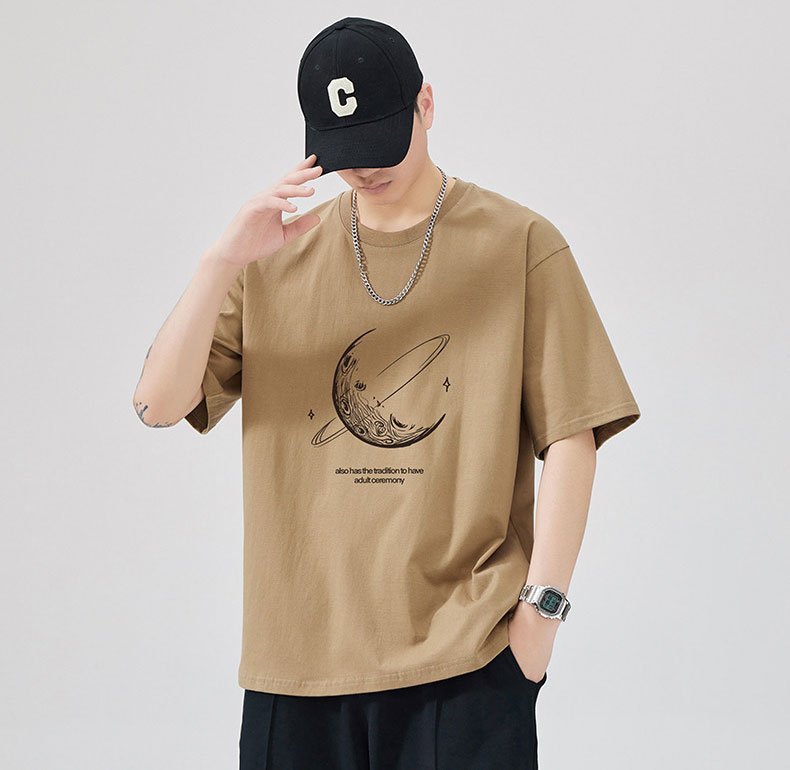
Looped chain stitches produce a raised, rope-like line associated with vintage and heritage aesthetics. Stitch density runs lower than flat embroidery; common on denim jackets, caps, and workwear-influenced streetwear drops.
Tone-on-Tone Embroidery
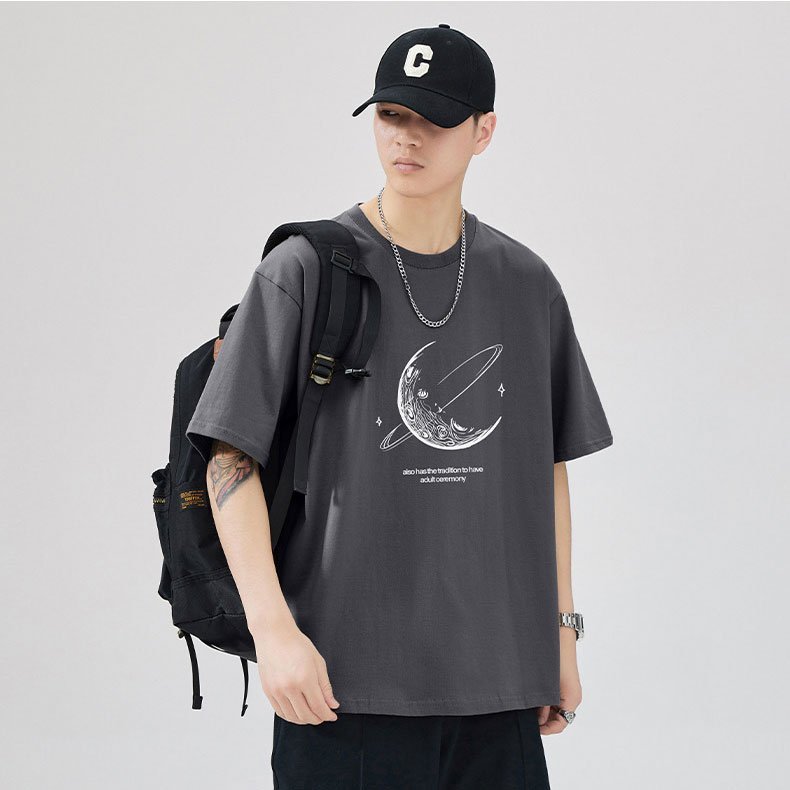
Thread is matched to base fabric within one to two Pantone shades, producing a subtle raised texture over a solid-color ground. Stitch counts mirror flat embroidery at 1,000–12,000; ideal for luxury basics and understated brand marks.
Patch Embroidery
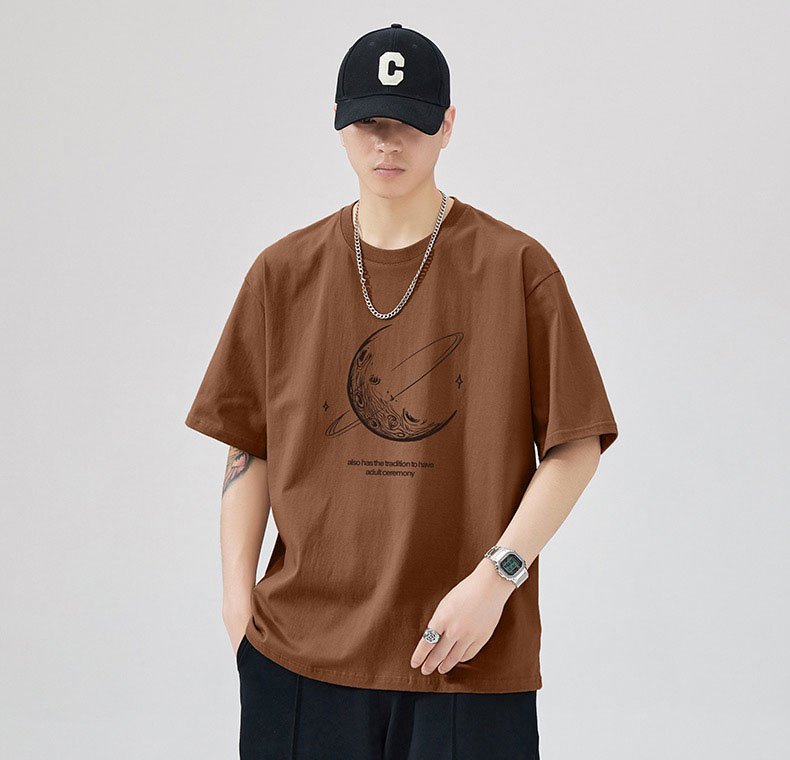
A fully embroidered design is finished on twill or felt backing, then attached by sewing or heat-seal adhesive. Patch embroidery allows one artwork to move across multiple SKUs — standard on military-inspired and collector streetwear lines.
4. Materials & Fabrics for Custom Embroidery
Fabric choice is the single biggest variable in custom embroidery outcomes. Weave structure, GSM weight, and stretch level each determine which stabilizer is required — mismatching any one causes puckering, distorted lettering, or thread bleed-through.
| Fabric Type | Recommended Stabilizer | Stitch Density | Ideal Garment Category |
|---|---|---|---|
| Heavyweight Fleece | Cut-Away + Water-Soluble Topping | Medium (4,000–7,000) | Hoodies, Crewnecks |
| Structured Twill | Cut-Away | High (7,000–12,000) | Caps, Hats |
| Denim | Cut-Away | High (8,000–12,000) | Jackets, Jeans |
| Jersey Knit | Cut-Away | Low–Medium (3,000–6,000) | T-Shirts, Polos |
| Nylon Performance | Cut-Away + Water-Soluble Topping | Low (2,000–4,000) | Activewear, Windbreakers |
| Canvas | Tear-Away | High (8,000–15,000) | Tote Bags, Workwear |
Fabric Categories and Their Embroidery Challenges
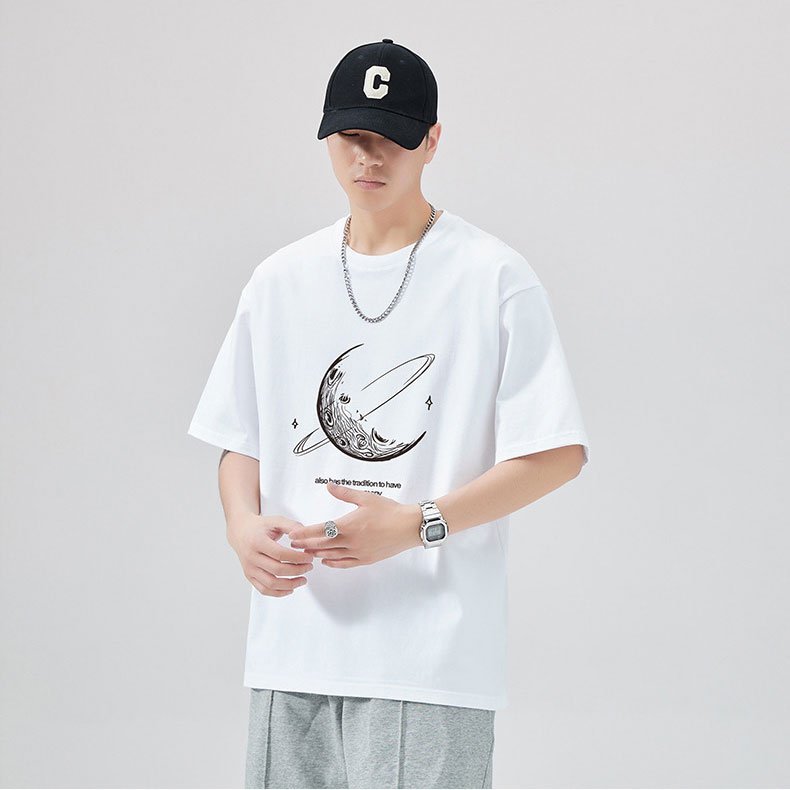
Heavyweight fleece (300–400 GSM) and structured twill caps hold dense fill stitches well but require backing to prevent design migration. Denim and canvas tolerate high stitch counts (8,000–12,000) yet shift under the needle without firm stabilization.
Jersey knit and nylon performance wear stretch with each stitch pass, distorting the registration of multi-color designs. These fabrics demand cut-away backing as a permanent anchor rather than a temporary solution.
Stabilizer Types and Correct Pairing
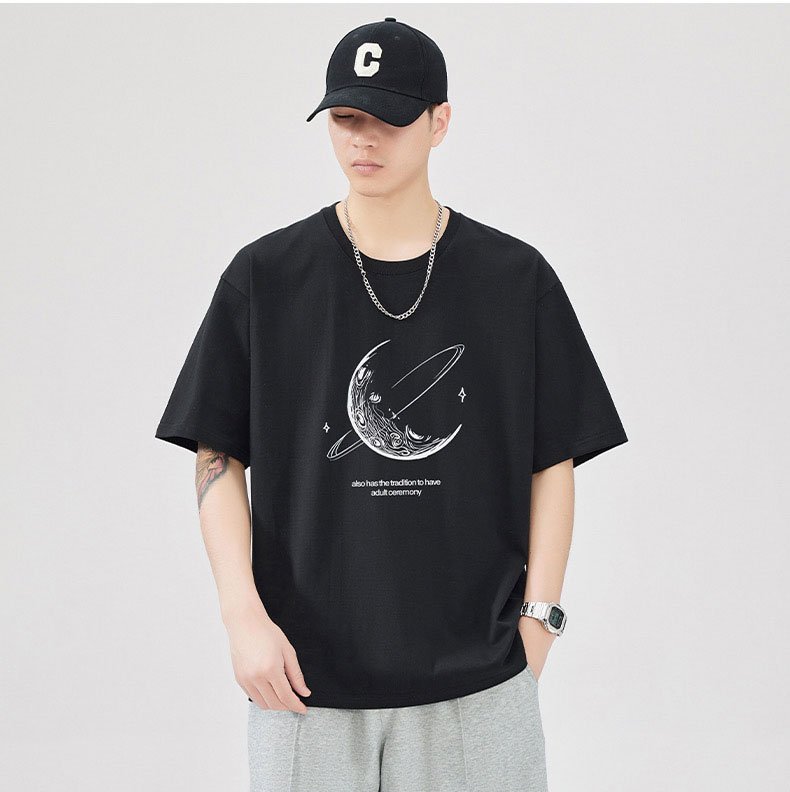
Cut-away stabilizer remains permanently stitched behind the design and is the only correct choice for knits, performance nylon, and any fabric with stretch. Tear-away is sufficient for stable wovens like twill and canvas, where it peels cleanly after stitching without distorting the ground.
Water-soluble topping is placed on top of loop-pile fleece and terry to prevent stitches sinking into the pile. Skipping it on fleece is one of the most common causes of illegible text in custom embroidery production.
5. Customization & Design Options for Custom Embroidery
Custom embroidery design decisions lock in final stitch quality before a single needle drops. Understanding thread limits, digitization formats, and artwork requirements upfront prevents costly rework and ensures your logo translates faithfully from screen to fabric.
Thread Colors and Pantone Matching
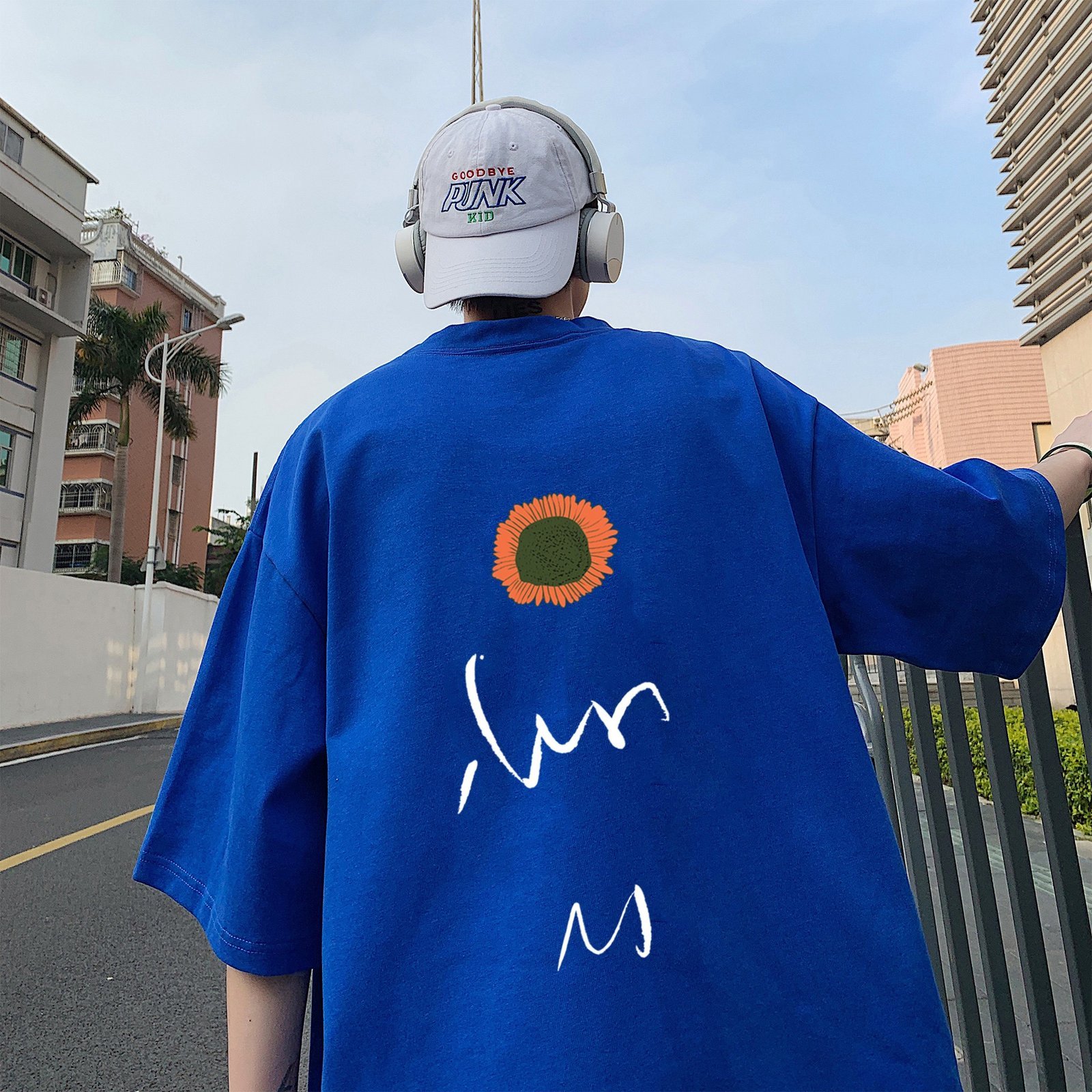
Most embroidery runs support 6–15 thread colors per design; exceeding 15 colors raises per-piece cost and slows production. Madeira and Isacord are the industry-standard thread brands — both offer 400+ colorways and map closely to Pantone references. Provide Pantone C or U codes at briefing; thread matches typically fall within 1–2 Delta-E units of target.
Gradient and Specialty Thread Limitations
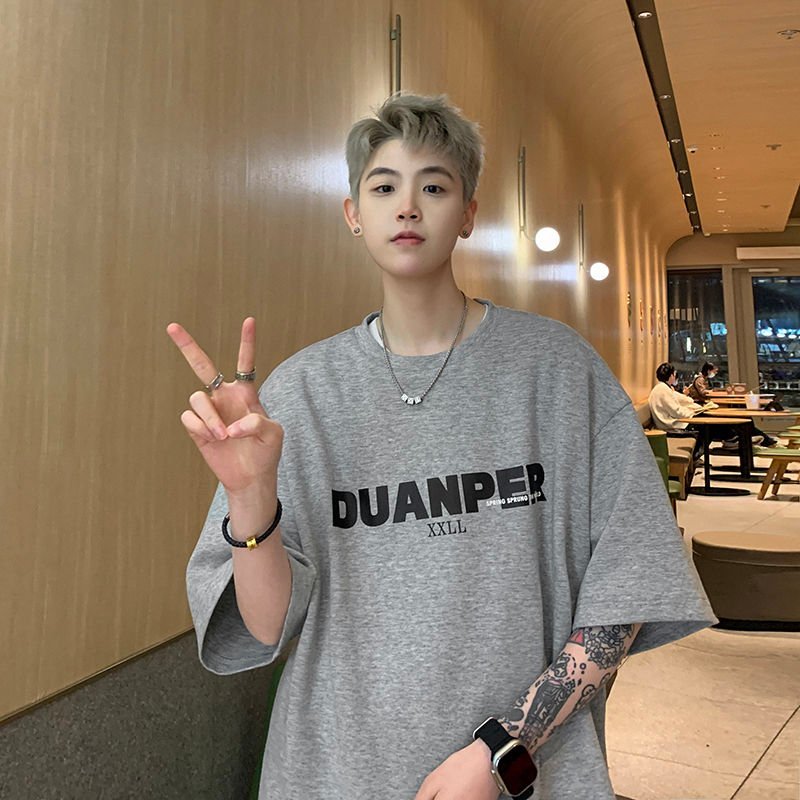
True gradients are not achievable in standard embroidery — each color zone requires a discrete thread change. Metallic threads (e.g., Madeira Metallic No. 40) add shimmer but require slower machine speeds and are prone to breakage above 5% design coverage. Glow-in-the-dark threads work on dark base fabrics but add 15–20% to thread cost.
Lettering Height and Logo Complexity
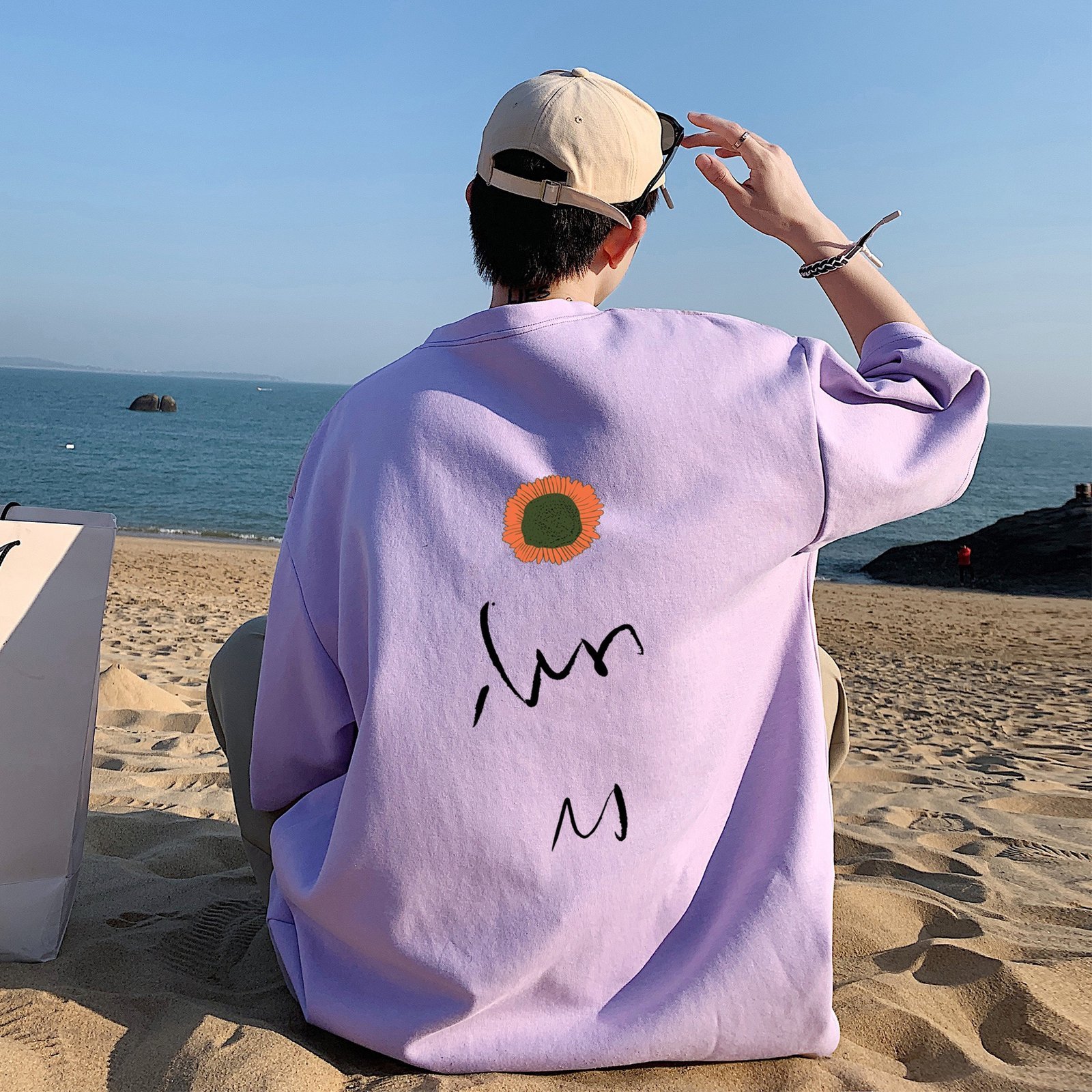
Minimum legible letter height is 4mm for sans-serif fonts; serif fonts require at least 6mm to avoid fill bleeding. Logos with more than 8 detail elements or fine lines under 1mm typically require simplification before digitization. Halftones, shadows, and photo-realistic artwork cannot be reproduced in custom embroidery — vector artwork at 300 DPI minimum is ideal.
Digitization Formats and Artwork Quality
Industry-standard stitch files are DST (Tajima), EMB (Wilcom), and PES (Brother) — confirm your manufacturer’s machine compatibility before sending files. Poor-quality source artwork (low-res JPEGs, raster logos) forces the digitizer to guess stitch paths, degrading output quality. Supply vector files (AI, EPS, SVG) to ensure clean digitization and accurate stitch counts.
6. Key Quality Elements in Custom Embroidery Production
Custom embroidery quality fails at five predictable checkpoints — digitization, stitch-out, in-line production, post-wash testing, and final AQL inspection. Understanding each check lets buyers evaluate factory QC reports and reject weak sample approval rounds before bulk production begins.
Digitization Proof and Stitch-Out Approval
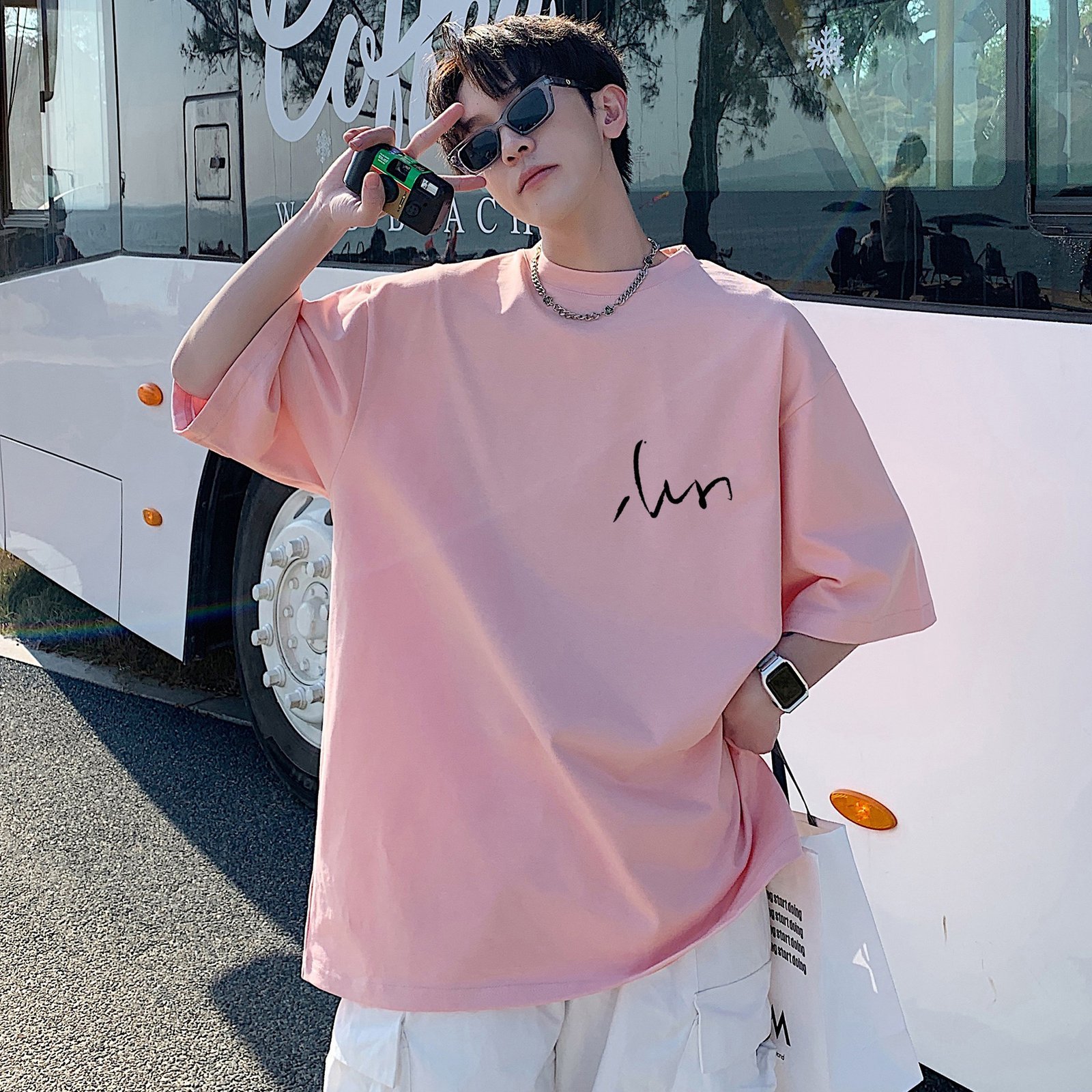
Every design converts to a .DST or .EMB file; demand a digitization proof showing stitch count, color sequence, and pull compensation values.
A physical stitch-out on the actual target fabric confirms density and registration — approve only after comparing thread colors against a Pantone-referenced color card.
Thread Tension and Underlay Stitching
Inconsistent upper-thread tension causes looping on the reverse face or thread breaks mid-run; in-line checks every 500 units catch drift before defects multiply across a batch.
Underlay stitching — a run or zigzag base layer — must be verified before top stitching begins; it anchors column stitches and prevents puckering on stretch fabrics.
Post-Wash Colorfastness Testing
ISO 105-C06 wash tests at 40°C reveal whether rayon or polyester threads bleed after laundering. A minimum ISO grey-scale rating of 4 out of 5 is the accepted fashion-industry threshold.
Request the written lab report — not a verbal assurance — and confirm that backing trim is cut flush, as excess stabilizer left on the garment is a common finishing defect caught only at this stage.
Final AQL Inspection and QC Report Standards
AQL 2.5 sampling inspects roughly 125 units from a 1,200-piece lot, accepting no more than 7 major defects. QC reports must include face-side, reverse-side, and post-wash photos for each colorway.
Flag any pull distortion or stitch gapping — these indicate pull compensation was miscalibrated at the digitization stage and must be corrected before the bulk shipment is cleared.
7. How to Choose a Custom Embroidery Manufacturer
Vetting a custom embroidery supplier demands more than a price quote. Streetwear brands and fashion startups should evaluate capacity signals, digitization capability, sampling speed, and compliance credentials before committing to a production run.
MOQ Thresholds and Capacity Signals
Low-MOQ suppliers accept orders from 50–100 pieces per colorway; a 300-piece hard minimum signals a volume-only factory unsuited to emerging labels. Machine head count is a direct capacity proxy — 12-head to 20-head embroidery machines running concurrently indicate serious throughput. Request the total active head count before committing to any supplier.
In-House Digitization vs. Outsourced
In-house digitization converts artwork to machine files on-site, cutting revision cycles from days to hours. Outsourced digitization adds 3–5 business days per revision round and compounds miscommunication risk. Private-label brands especially need in-house digitization when seasonal drop timelines are tight.
Sampling Turnaround and Red Flags
Standard physical swatch sample turnaround runs 7–14 days; any supplier quoting beyond 21 days lacks the infrastructure startups need. Suppliers offering only digital mockups — no physical swatches — are a firm red flag for quality-sensitive brands.
- No physical swatch samples offered; digital mockups substituted instead
- Lead times quoted as vague ranges with no committed ship date
- No mid-production quality checkpoints documented in writing
- Initial inquiry response time exceeds 48 hours
Certifications and Portfolio Review
OEKO-TEX Standard 100 on threads and substrates is the baseline for EU-bound goods; GOTS applies when organic cotton base layers are part of the spec. When reviewing a supplier’s portfolio, confirm stitch density consistency, clean edge definition on lettering, and documented production of streetwear-specific motifs.
8. Common Mistakes Buyers Make with Custom Embroidery
Even experienced buyers repeat the same errors when placing custom embroidery orders, and each mistake compounds cost or timeline. Knowing these six pitfalls before issuing a purchase order protects your margins and your production schedule.
Submitting Low-Resolution or Thin-Line Logos
Embroidery digitizing software cannot render lines thinner than roughly 2 mm; a 72 dpi raster file forces the digitizer to guess at detail. Supply vector files (AI or EPS) at actual production size before digitizing begins.
Skipping the Stitch-Out Approval Step
A physical stitch-out is the only proof that thread colors, density, and registration match your artwork. Waiving it to save one week routinely causes full-run reprints. Approve a sealed stitch-out sample before any bulk production starts.
Under-Specifying Thread Colors
Specifying ‘navy blue’ without a Pantone or Madeira thread number gives the factory unintended discretion. Match each color to the nearest Pantone reference, then record the thread brand and code number directly on your tech pack.
Ignoring Fabric Stretch in Jersey Orders
Embroidery backing restricts stretch in the stitched zone, causing puckering and discomfort on performance knits. Specify a cutaway or tear-away stabilizer matched to the fabric’s stretch rating when ordering on athletic or jersey substrates.
Conflating Embroidery and Print Lead Times
Screen print or DTG orders typically ship in 7–10 business days; custom embroidery digitizing, stitch-out approval, and production add 5–10 days minimum on top. Build at least 3 weeks into your launch calendar for embroidered styles.
Ordering Production Before Validating Fit Samples
Locking a 500-piece run before approving a fit sample means any pattern error multiplies across every unit. Confirm graded fit and embroidery placement on a sealed pre-production sample before issuing the final purchase order.
9. Steps to Launch Your Brand with Custom Embroidery
Launching a brand with custom embroidery follows five sequential steps — compress any stage and you risk rework, re-digitization fees, or missed ship windows. Influencer and creator brands can phase production runs across these steps to smooth cash flow without delaying launch.
| Step | Action | Timeline |
|---|---|---|
| 1 — Vectorize | Convert logo to .AI or .EPS at 300 DPI minimum | 1–3 days |
| 2 — Digitize | Get .DST stitch file and stitch-out on target fabric | 2–4 days |
| 3 — Approve | Match Pantone thread card; lock colorways (max 3) | 3–5 days |
| 4 — Submit PO | Send tech pack with 30–50% deposit | 1–2 days |
| 5 — QC | AQL 2.5 check: tension, color match, backing trim | 1–3 days |
Vectorize and Finalize Artwork
Deliver logo files as .AI or .EPS at 300 DPI minimum before engaging any manufacturer. Raster PNGs degrade during digitization, adding 3–5 revision days and unnecessary rework cost.
Request Digitization and Stitch-Out Sample
Digitization maps thread paths, density (0.4–0.5 mm), and underlay into a .DST or .PES stitch file. Always request a physical stitch-out on your actual garment fabric — thread tension reads differently on fleece versus structured twill.
Approve Sample and Lock Colorways
Compare thread color against Pantone or Madeira/Robison-Anton swatch cards — never a monitor. Lock colorways at 3 maximum here; adding variants after PO submission triggers re-digitization fees of $30–$60 per colorway.
Submit Production PO with Tech Pack
A complete tech pack includes placement coordinates, stitch count, size breakdown, and the approved swatch reference. Submit with a 30–50% deposit; low-MOQ runs of 50–100 pieces carry a 15–20 business day lead time.
QC Inspection Before Shipment
Pre-shipment QC checks thread tension, color match, backing trim, and seam alignment under AQL 2.5 standards. For phased creator-brand orders, inspect batch one before releasing the second PO — this aligns quality gates with cash flow management.
10. Custom Embroidery Pricing & Cost Breakdown
Digitization — converting artwork into a machine-readable DST or PES file — carries a one-time setup fee of $20–100; amortized across a larger run, that cost shrinks from roughly $6–8 per piece at 12 units to under $0.20 at 500+. Stitch count is the primary per-piece cost driver: a chest logo under 5,000 stitches sits at the bottom of the rate card, while a 20k+ back-panel graphic can triple that figure.
Thread color trim stops, backing/stabilizer material, and small-order surcharges are the hidden line items most buyers miss until the final invoice arrives.
- Digitization setup fee: $20–100 one-time per design; reorders on the same DST/PES file pay zero.
- Thread color trim stops: $5–15 per stop above 6 colors on a single design placement.
- Backing/stabilizer material: $0.10–0.30 per piece for cut-away or tear-away, added to unit cost.
- Small-order surcharge: 15–25% per-piece premium is typical for runs under 50 units.
- 3D puff embroidery commands a $0.50–1.50 premium per piece over standard flat-stitch custom embroidery.
| Quantity | Unit Cost (<5k stitches) | Unit Cost (5–10k stitches) | Unit Cost (20k+ stitches) | Setup Amortized/pc | Lead Time |
|---|---|---|---|---|---|
| 12 pcs | $8–12 | $13–17 | $22–30 | ~$6–8 | 12–15 days |
| 50 pcs | $5–7 | $8–11 | $14–19 | ~$1.40–2 | 12–15 days |
| 100 pcs | $3.50–5 | $6–8 | $10–14 | ~$0.70–1 | 10–14 days |
| 300 pcs | $2–3.50 | $4–6 | $7–10 | ~$0.23–0.33 | 10–14 days |
| 500+ pcs | $1.50–2.50 | $3–4.50 | $5.50–8 | ~$0.14–0.20 | 8–12 days |
Ready to Elevate Your Brand with Custom Embroidery?
Send your artwork today for a free quote — low MOQ, 5-step QC, and fast turnaround included as standard.