
Custom Woven Patches: Fine Detail, Vivid Color, Zero Compromise
Elevate your streetwear line with custom woven patches engineered for thread-level precision, lasting durability, and colors that stay vivid wash after wash.
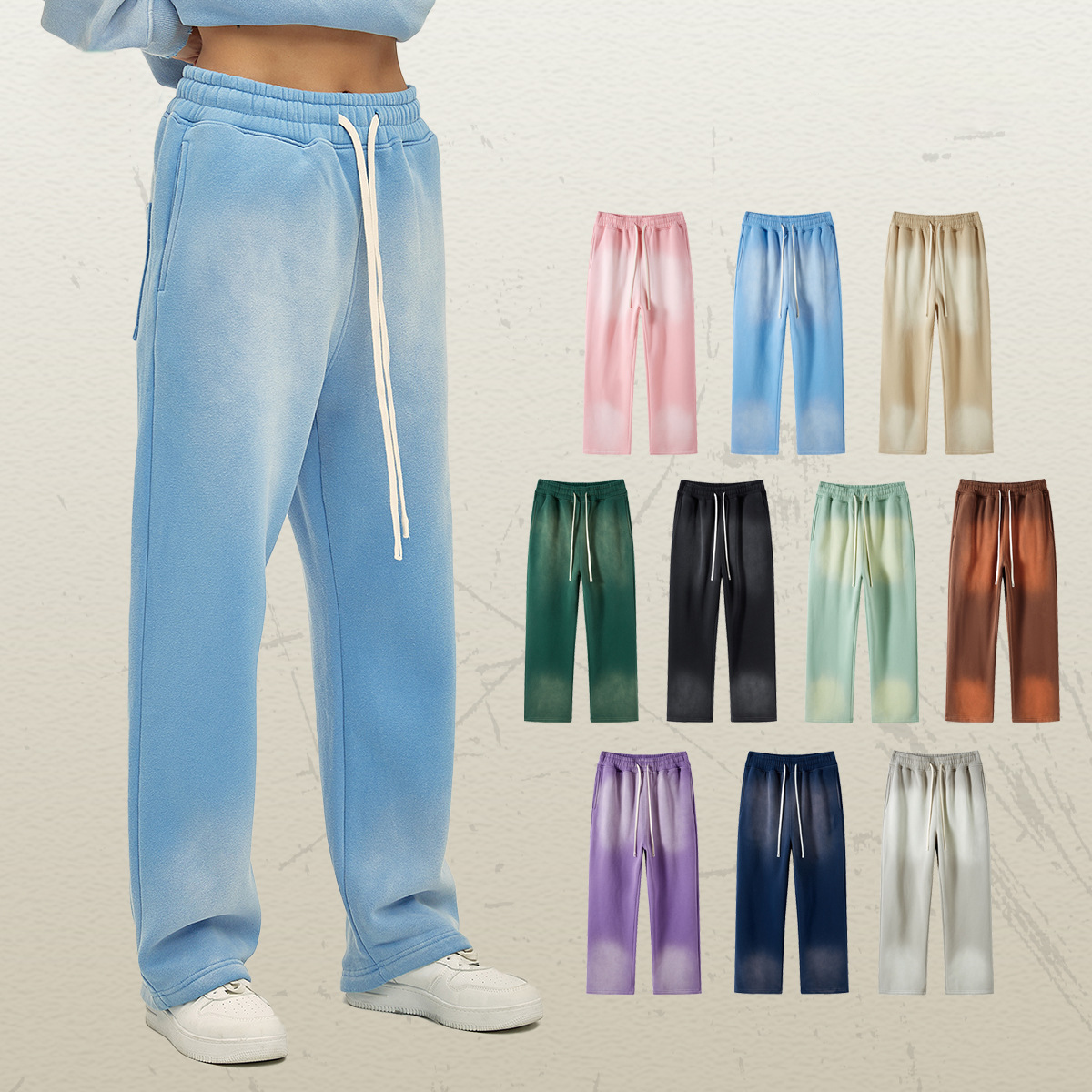
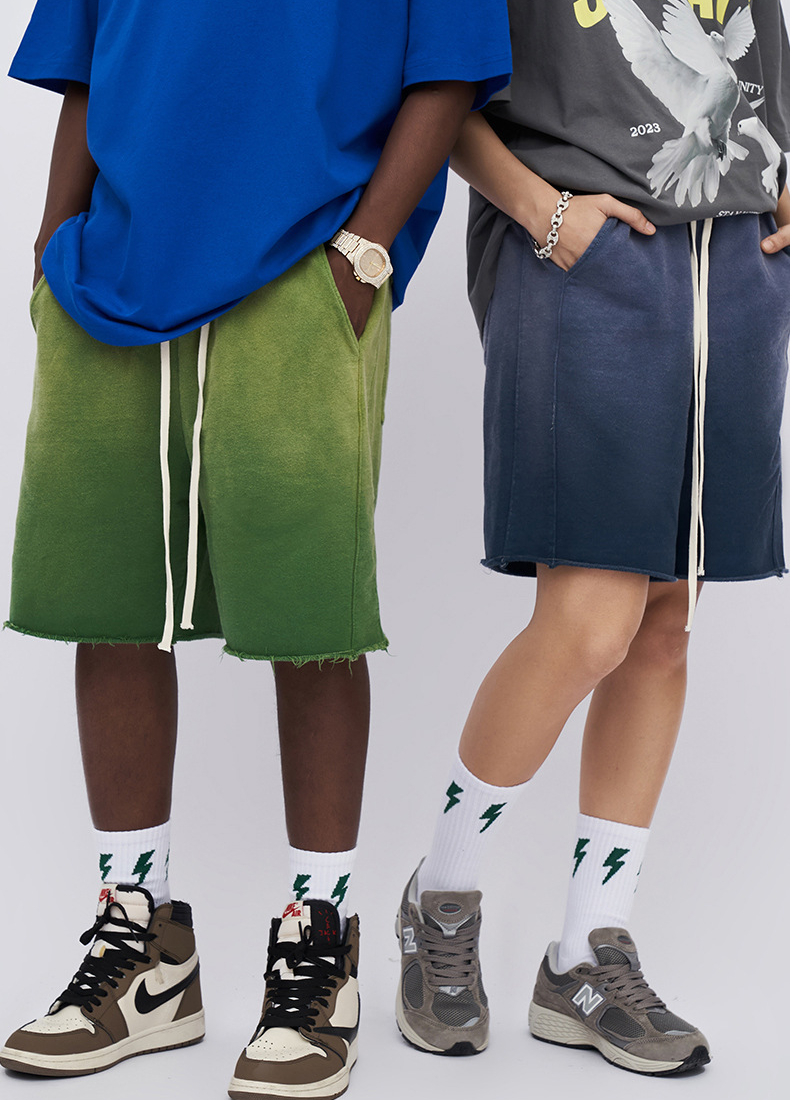
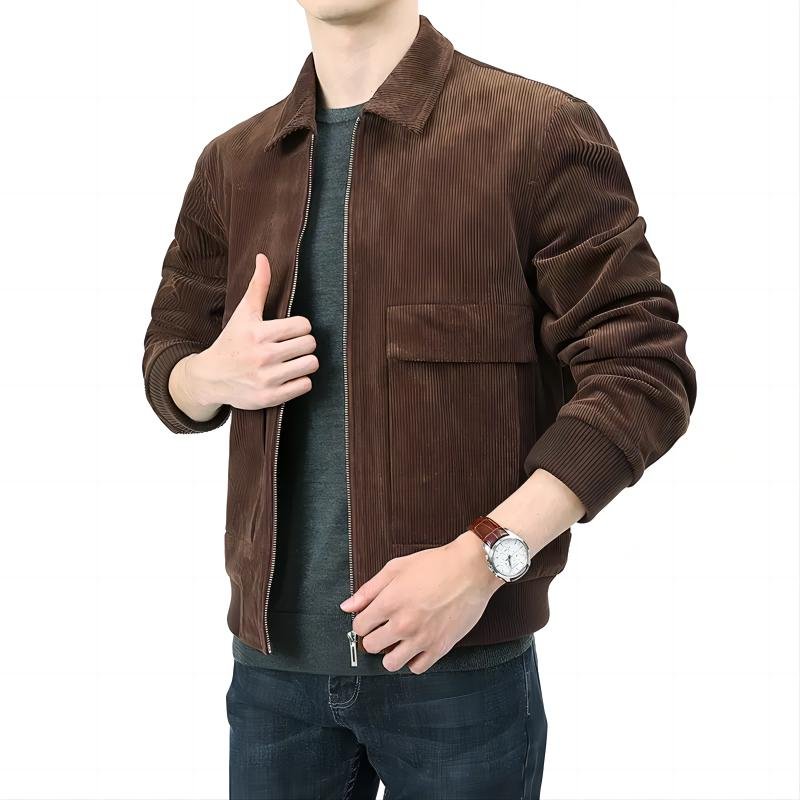
Gallery of Custom Woven Patches
What Sets Custom Woven Patches Apart
Six craft advantages that make custom woven patches the premium choice for streetwear brands that refuse to compromise on detail or durability.
Ultra-Fine Thread Detail
Fine-gauge threads capture intricate logos and micro-text with crisp, sharp definition that standard embroidered patches simply cannot replicate.
Vibrant, True-to-Pantone Color
Flat-woven threads lock in rich, Pantone-accurate hues that stay brilliant wash after wash, with zero fading or color bleed.
Clean Merrow-Stitched Edges
Precisely finished merrow-stitched borders prevent fraying and give every custom woven patch a clean, retail-ready edge that endures.
Maximum Thread Density
Dense thread counts fill the patch surface completely, eliminating visible gaps for a smooth, premium, full-coverage finish.
Long-Term Wash Durability
Engineered to survive repeated industrial washing, our patches retain color vibrancy, structural shape, and edge integrity for years.
5-Step QC on Every Patch
Our proprietary five-step QC process checks materials, stitching craft, and finished output so every patch ships defect-free.
Custom Woven Patches vs. the Full Patch Family
Not every design calls for the same technique. Explore our complete patch range — embroidered, printed, PVC, and chenille — and see how each stacks up against custom woven patches before you commit.
Bold Raised Embroidered Badges
You want the classic raised-thread aesthetic for logos and lettering, but worry that custom woven patches won't deliver the same tactile depth and dimensional presence on heavyweight streetwear fabrics.
Our embroidered patches deliver iconic raised texture and rich thread fill, backed by our 5-step QC guarantee — the ideal companion or alternative in any multi-technique patch lineup.
Photo-Real Printed Patch Designs
Complex gradients, photographic artwork, or full-color illustrations lose critical fidelity with woven or embroidered techniques — you need a patch that reproduces every color shift flawlessly at scale.
Our sublimation-printed patches capture photographic detail and unlimited color with no thread count limits, giving influencer brands and streetwear drops pixel-perfect results from a low MOQ.
Rugged 3D PVC Patch Badges
Your tactical streetwear, outdoor gear, or accessories line demands a weatherproof badge that woven patches can't match — one that survives moisture, UV exposure, and heavy daily wear without fraying.
Molded PVC patches from our factory add bold dimensional structure and long-term durability to outerwear and bags, with fast turnaround and global shipping alongside any woven patch order.
Plush Varsity Chenille Patches
Your collegiate-inspired or retro streetwear collection calls for the signature plush, fuzzy chenille texture — an aesthetic that standard woven or embroidered patches simply cannot replicate for that coveted varsity feel.
Our chenille patches bring varsity-letter softness to hoodies, jackets, and totes — complementing a mixed-technique patch strategy that can include custom woven patches from the same trusted supplier.
Our Custom Woven Patches Expertise
Clothing Manufacturer Ltd. was founded in 2024 by Tesla Luo, a second-generation garment professional with over 10 years of production experience and 6 years specializing in streetwear. Raised inside factory environments and trained across every production role, Luo built this company on one conviction: every custom woven patch and garment we produce must pass rigorous quality checks at every stage, not just the last.
Today we serve brands across more than 100 countries through a 15-member R&D team, 10 registered production patents, and a proprietary five-step QC process covering materials, cutting, craft, sewing, and finished goods. Our low MOQ policy and in-house design and sampling team make us an ideal production partner whether you are launching a debut streetwear collection or scaling a growing influencer line.
What sets us apart is the depth behind every order. Our founder personally studied streetwear culture from hip-hop motifs to graffiti-inspired graphics, giving our team authentic design fluency alongside technical precision. Backed by the infrastructure of our parent company in Humen Town, Dongguan, we combine boutique agility with full-scale production capacity, global logistics support, and fast seasonal turnarounds.
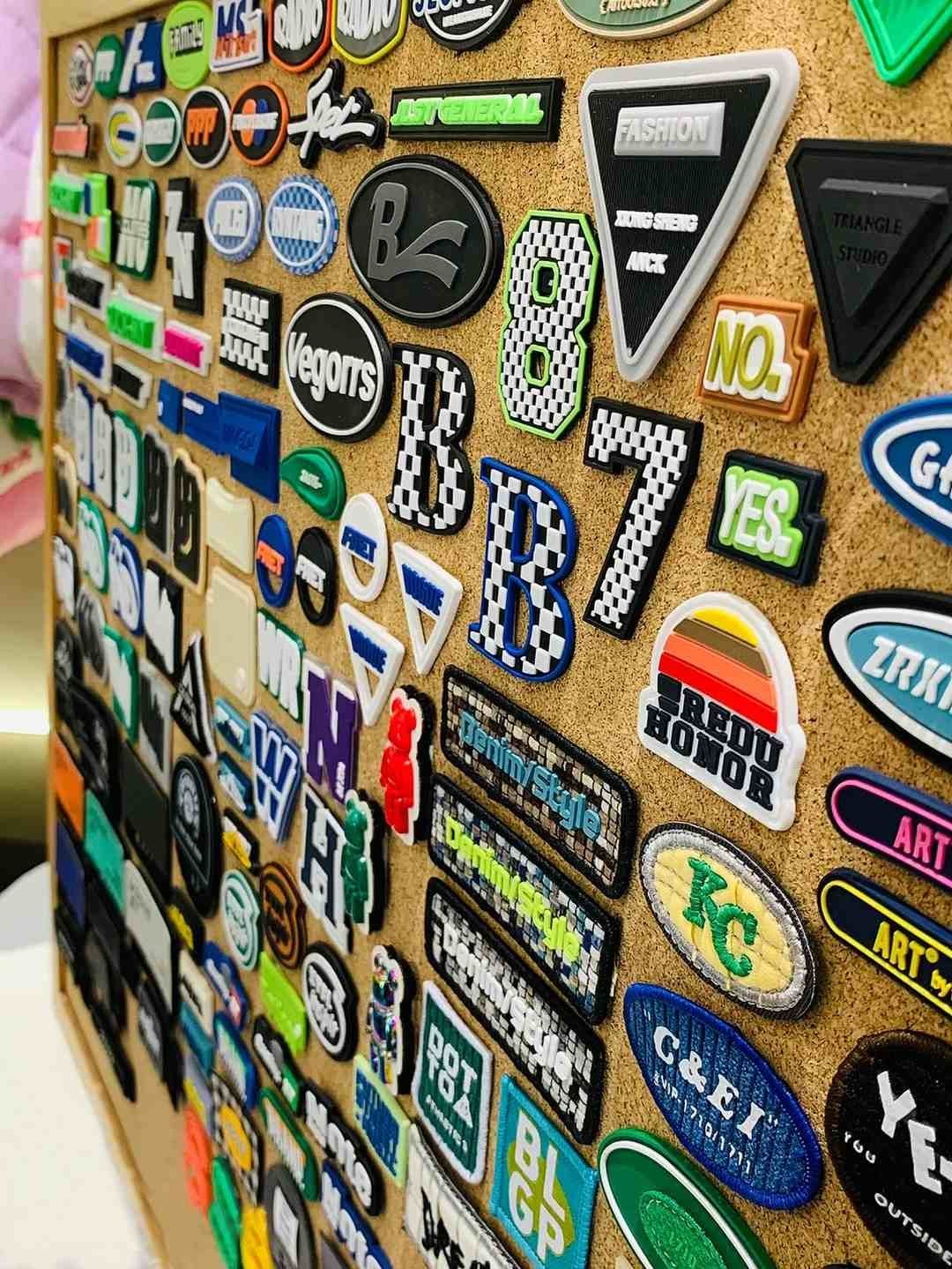
Engineering Durability: Custom Woven Patches
Thread Composition Built for Vibrant Precision
Every custom woven patch begins with thread selection. We source high-tenacity polyester and rayon threads rated for 200-plus Pantone-matched shades, woven at densities up to 300 threads per inch to reproduce fine lines and gradient tones with exacting fidelity.
- High-tenacity polyester threads resist pilling, fading, and abrasion across extended wear cycles
- Rayon-blend options deliver a subtle sheen suited for premium streetwear and influencer collection drops
- Up to 300 threads per inch captures micro-detail and sharp color boundaries at any artwork scale
- Pantone-matched color accuracy verified at our in-house sampling stage before any bulk production begins
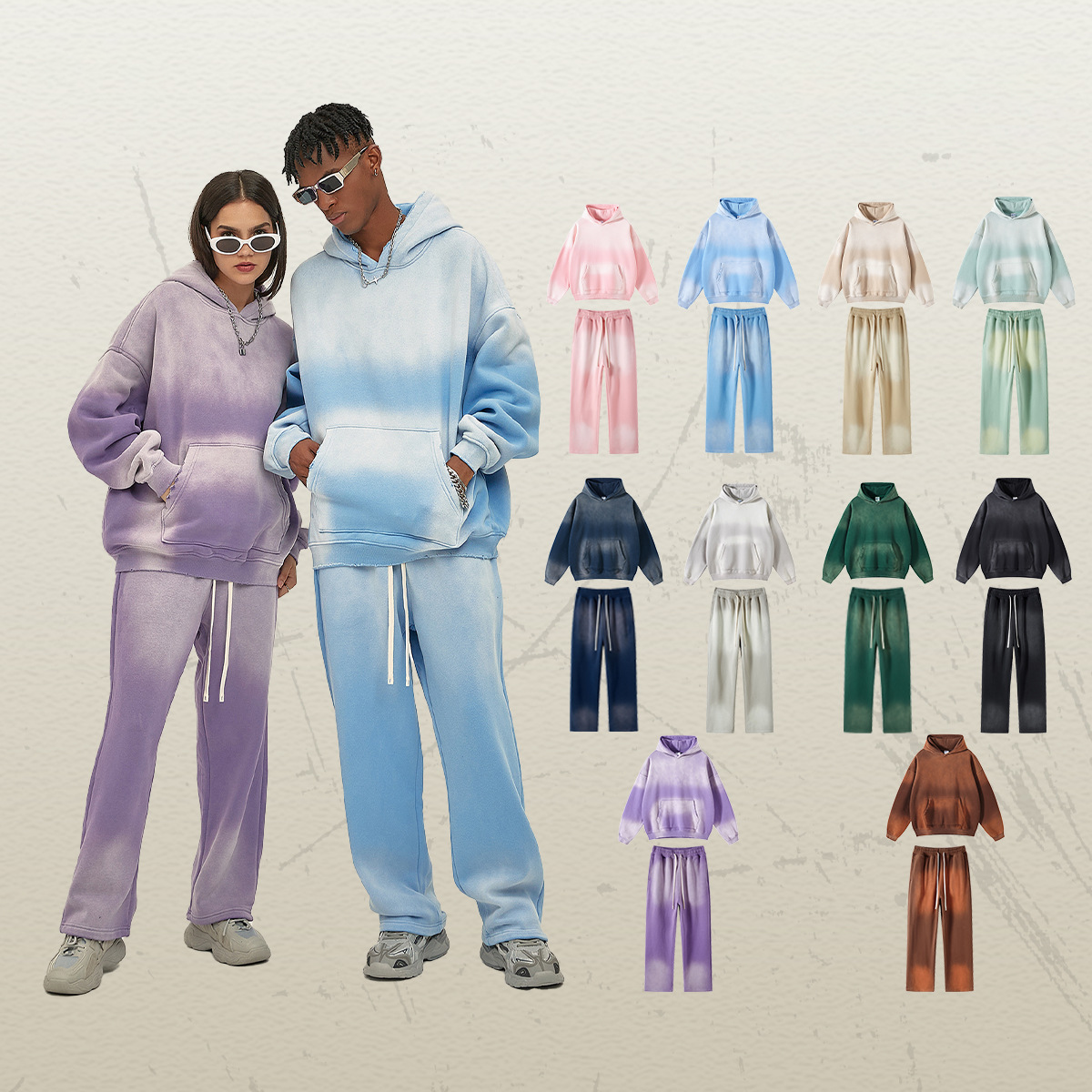
Backing Materials for Every Attachment Method
The right backing turns a woven patch into a production-ready component. We offer six backing types so brands specify the exact attachment method that suits their garment construction, retail packaging format, and end-use environment without compromise.
- Iron-on heat-seal backing bonds permanently to cotton, denim, and poly-blend fabrics at standard press temperatures
- Sew-on twill base provides maximum long-term hold for performance, workwear, and high-wash-cycle applications
- Velcro hook-and-loop backing enables interchangeable styling — a staple for streetwear capsules and collector drops
- Peel-and-stick plastic backing suits promotional and retail display use without permanent garment alteration
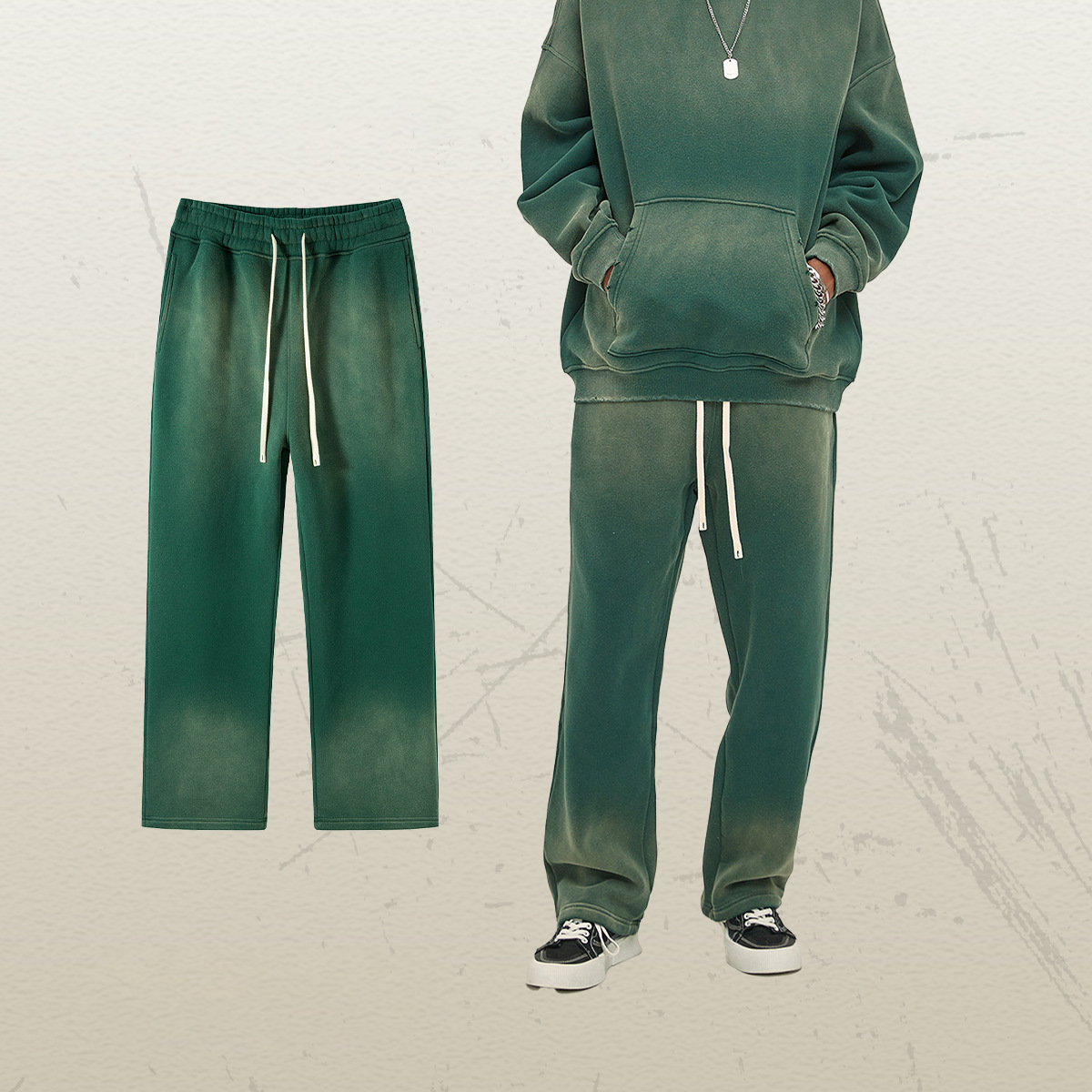
Seam-Finish Methods That Seal Every Edge
Edge treatment separates a premium custom woven patch from a commodity one. Our three finish methods — merrowed overlock, laser-cut, and hot-cut — each seal the woven border against fraying while shaping the patch silhouette with measurable precision.
- Merrowed overlock border adds a raised, textured rim that reinforces the patch edge and elevates tactile quality
- Laser-cut finish produces flush, razor-clean edges for geometric and die-cut shapes with no stray thread tails
- Hot-cut heat-sealing fuses synthetic thread ends at the perimeter, ideal for ultra-flat, low-profile patch constructions
- Edge finish is specified at sampling and validated through our 5-step QC process before the bulk run is approved
Wash-Resistance Standards That Outlast the Garment
Colorfastness and structural integrity under repeated washing define the real-world value of custom woven patches. Our thread-and-finish combinations are tested to ISO 105-C06 wash-resistance standards, ensuring vivid color and tight construction survive 50-plus machine-wash cycles.
- ISO 105-C06 wash-fastness testing confirms color retention through repeated hot and cold machine-wash cycles
- UV stabilizer-treated threads protect against solar fading on outdoor apparel, headwear, and accessories
- Post-wash edge inspections verify thread integrity and shape retention with no dimensional distortion
- Full wash-resistance test report available on request as part of our transparent pre-production sampling package
Custom Woven Patches vs. Embroidered Patches: Which Is Right for Your Brand?
Not all patch techniques deliver equal results. See how custom woven patches stack up against embroidered patches across every factor that shapes your final product — from color range to wash durability.
← 左右滑动查看 →
The 6-Step Custom Woven Patches Production Process
From your first design file to the finished patch in your hands, every stage is governed by precision engineering and our embedded 5-step QC guarantee — zero defects, zero compromises.
Design & Artwork Finalization
Our in-house design team converts your logo or concept into a production-ready woven patch file, confirming stitch density, color zones, and exact dimensions.
Thread Color Mapping
We match your brand palette to Pantone-referenced thread swatches, locking in up to 15 vibrant thread colors for consistent, batch-accurate reproduction across every run.
Loom Programming & Setup
Technicians program high-density jacquard looms to your exact patch specs, calibrating weave structure, thread tension, and repeat patterns before generating an approval sample.
Precision Jacquard Weaving
Your custom woven patches are produced on industrial jacquard looms, capturing fine detail and sharp color transitions that embroidery and direct printing cannot replicate.
Edge Finishing & Backing
Each patch receives clean-cut or merrow-border edge finishing and your chosen backing — iron-on, sew-on, or hook-and-loop — applied to garment-ready professional standards.
5-Step QC Inspection
Our proprietary five-checkpoint protocol covers materials, cut, craft, sewing, and finished-product inspection, ensuring every outgoing patch meets our strict zero-defect standard before shipment.
How to Spec & Order Custom Woven Patches
Five clear steps — from artwork submission to global delivery — so your patches arrive on spec, on time, and zero-compromise in quality.
Submit Vector Artwork & Color Specs
Share your AI, EPS, or PDF files along with Pantone color codes and patch dimensions. Our team reviews for woven-patch compatibility within 24 hours.
Confirm MOQ, Pricing & Lead Time
Choose a low-MOQ run or bulk production. We provide a transparent quote covering unit cost, standard or 7-day rush lead time, and global shipping.
Approve Digital Proof & Sample
Review a detailed digital mockup, then sign off on a physical woven sample before production begins. Zero surprises on color accuracy or texture.
Lock In Production Documentation
Countersign a final spec sheet covering thread colors, backing type, border style, and size, ensuring your custom woven patches are built exactly to brief.
Receive Globally, Scale Confidently
Your order clears our 5-step QC inspection, then ships worldwide with full tracking and export documentation, ready to elevate any streetwear collection.
Global Brands Love Our Custom Woven Patches
We ordered 500 custom woven patches for our fall drop and the color accuracy was unbelievable — 12 thread colors matched our Pantone spec perfectly. After 30-plus washes in our stress tests, zero fading. This is exactly the quality our customers expect.
As a startup, low MOQ was non-negotiable for us. Clothing Manufacturer Ltd. let us start at 100 pieces, reproduced every detail of our intricate multi-layer logo design flawlessly, and delivered in 7 days flat. We sold out in under 48 hours of launch.
We source for influencer brands that live and die by drop dates. Our 1,200-unit order of custom woven patches shipped on schedule for a limited-edition collab — complex gradient artwork came out razor-sharp. That drop drove a 40% spike in our client’s online following.
Custom Woven Patches: Your Top Questions Answered
Everything you need to know about specs, MOQ, lead times, and quality standards before you commit to a production run.
What is the minimum order quantity for custom woven patches?
What fabrics are custom woven patches compatible with?
How long does it take to produce custom woven patches?
What file format do I need to submit for my woven patch artwork?
Can I combine custom woven patches with embroidery or screen prints on the same garment?
How many colors can a woven patch include, and is there a per-color surcharge?
How do custom woven patches hold up after repeated washing?
How much does a sample cost, and what is the turnaround time?
The Complete Buyer’s Guide to Custom Woven Patches
Discover a practical decision framework for sourcing custom woven patches — covering material specs, supplier vetting criteria, construction quality benchmarks, pricing tiers, and the most costly mistakes brands make before placing their first order.
1. What Are Custom Woven Patches?
Custom woven patches are constructed on a shuttle or rapier loom, where polyester or cotton threads are woven directly into the base fabric at densities typically ranging from 80 to 200 threads per centimeter. The design becomes part of the textile itself — not stitched on top — producing a flat, smooth surface capable of reproducing fine text, small logos, and intricate line work. This construction method makes them a go-to choice for brands that need sharp, high-resolution marks at a compact size.
Embroidered patches, by contrast, use raised thread loops stitched over a twill or felt backing, which limits minimum detail to roughly 4 mm lettering before legibility breaks down. Woven patches hold clean detail down to 1–2 mm characters and typically run 0.5–1.0 mm thinner in profile. That flatter hand translates to less bulk when applied to structured caps, lightweight denim, or technical outerwear.
If your brand mark contains fine typography, complex iconography, or detailed streetwear motifs such as skeleton elements, mystery symbols, or intricate animal prints, custom woven patches are the technically correct choice. They accommodate up to 12 Pantone-matched thread colors within a single patch and maintain color fidelity wash after wash when secured with a heat-seal or iron-on backing.
The most frequent end-uses are jacket chest and sleeve panels, structured caps, tote bags, and denim. Sizes from 5 cm × 5 cm to 12 cm × 8 cm optimize detail reproduction and cost efficiency.
| Feature | Woven Patches | Embroidered Patches |
|---|---|---|
| Thread placement | Woven into base fabric | Stitched on top of backing |
| Minimum detail | 1–2 mm lettering | ~4 mm lettering |
| Best for | Fine logos, detailed graphics | Bold, raised tactile marks |
2. A Brief History of Woven Patches in Fashion
By World War I, military units on both sides were commissioning woven insignia to identify rank and regiment — durability under field conditions made tightly interlocked weft threads the obvious choice over printed alternatives. That functional logic carried directly into postwar workwear: railroad crews, mechanics, and union laborers wore woven patches as a marker of trade identity throughout the mid-20th century.
The 1970s biker and motorsport subcultures pushed woven patches into youth fashion, where back-panel ‘cuts’ displayed allegiance and craft simultaneously. By the mid-1980s, hip-hop and skateboarding crews had adopted the format for logo identification, drawn to the tactile weight and colorfastness that screen-printed transfers simply could not match.
Through the 1990s, independent streetwear labels — many operating from single storefronts — used custom woven patches on caps, hoodies, and jackets to signal authenticity without the overhead of full embroidery. The patch became shorthand for ‘made with intention,’ distinguishing limited runs from mass-market product.
Today, the creator economy has reopened the patch as a primary branding vehicle. Influencer-founded labels and independent designers now use custom woven patches on drops of 50–200 units to build tangible brand equity before scaling — a playbook that mirrors exactly how heritage workwear and military suppliers built lasting recognition a century earlier.
3. Types of Custom Woven Patches Explained
Custom woven patches fall into distinct structural and finish categories, each suited to specific garment types and branding needs. Matching the right patch type to your product category directly affects durability, detail resolution, and attachment reliability.
Standard Woven Patches
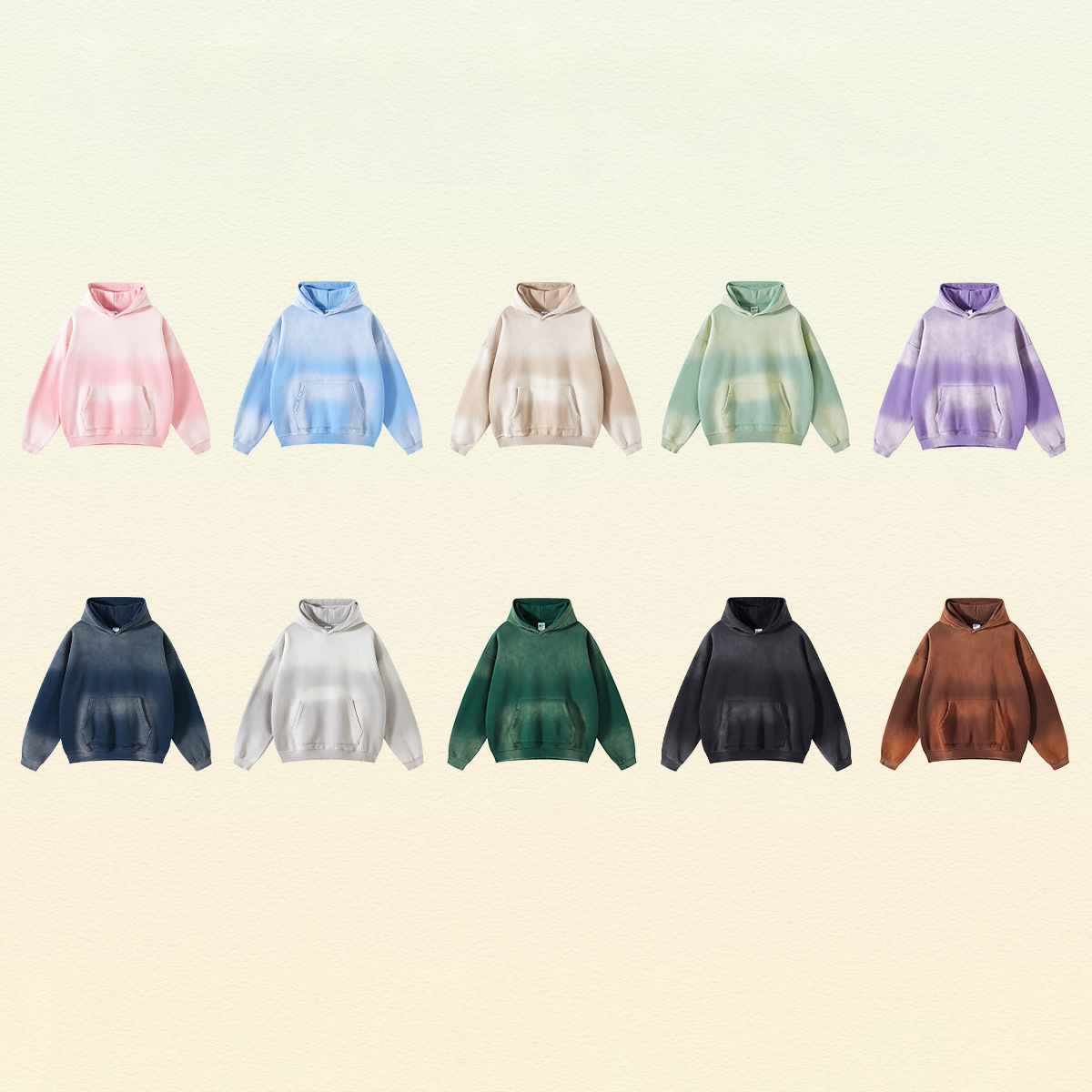
Woven at 100–150 threads per inch, standard patches handle bold logos and text cleanly. Best for outerwear — jackets, hoodies, and caps — where a slightly raised texture reads as premium. MOQ typically starts at 50–100 pieces.
Damask Woven Patches
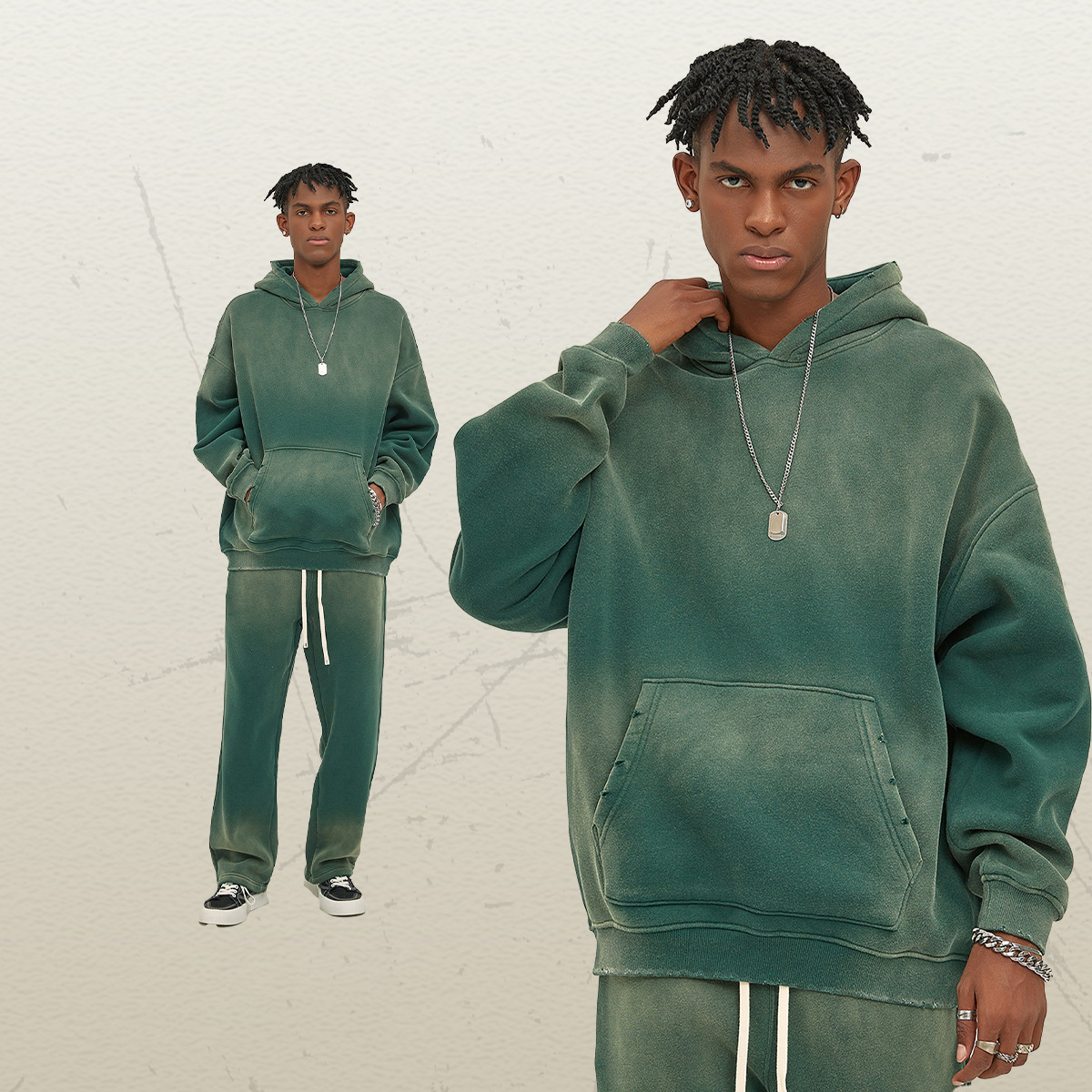
Damask construction reaches 200–300 threads per inch, enabling photographic-level detail and fine gradients. Ideal for complex streetwear graphics featuring skeleton motifs, roses, or multi-color artwork. Compatible with accessories and headwear where small patch size demands high resolution.
Twill-Backed Patches
A twill backing — 100% polyester or cotton-poly blend — adds structural rigidity without significant weight gain. Best suited for heavy outerwear like denim jackets or canvas totes where a firm edge prevents curling. Pairs with both standard and damask face weaves.
Iron-On and Sew-On Attachment
Iron-on patches use a heat-activated adhesive that bonds at 150–180°C, delivering a quick retail-friendly finish. Sew-on versions anchor mechanically to fabric — preferred for performance outerwear subjected to repeated washing. For structured headwear panels, sew-on is the industry-standard choice.
Peel-and-Stick and PVC Hybrid Woven
Peel-and-stick patches use pressure-sensitive adhesive — useful for packaging mockups and limited drops on smooth surfaces but not rated for laundry cycles. PVC hybrid woven patches combine a soft woven face with a rubber PVC border, adding dimensional depth suited to bags and accessories.
4. Materials & Fabrics for Custom Woven Patches
Thread fiber, backing substrate, and adhesive method each determine how custom woven patches age through wash cycles and wear. Matching material specs to garment use-frequency and brand values prevents costly sample remakes.
| Thread Type | Count | Best Use | Wash Durability |
|---|---|---|---|
| Polyester | 40/2 | Logos, vibrant colors | 50+ cycles at 60°C |
| Rayon | 40/2 | Sheen, fashion patches | ~30 cycles |
| Cotton | 40/3 | Eco, organic collections | ~25 cycles |
| Metallic (lurex) | 80/2 | Streetwear accents | ~20 cycles, hand-wash |
Thread Types and Performance Trade-Offs
Polyester at 40/2 count is the industry default, reaching ISO 105 colorfastness grade 4–5 and surviving 50+ wash cycles at 60°C. Rayon delivers superior sheen but fades noticeably after roughly 30 machine washes.
Cotton thread qualifies for OEKO-TEX STANDARD 100 certification, making it attractive for eco-focused collections. Metallic lurex adds visual impact for streetwear accents but restricts fine detail below 80-thread-count and requires delicate-cycle care.
Backing Materials: Twill, Felt, and PU Leather
150–300 GSM cotton-poly twill is the dominant patch backing — breathable, dimensionally stable, and compatible with both sew-on and iron-on attachment. Felt suits bold, chunky graphic designs but shows edge fraying after repeated washing.
PU leather-look backing is vegan, REACH-compliant, and wipe-clean. It is gaining traction with streetwear and influencer brands that need cruelty-free credentials without sacrificing premium hand-feel.
Vegan and Sustainable Sourcing
GOTS-certified organic cotton and rPET (recycled polyester spun from post-consumer bottles) are now baseline specs for indie and influencer brands. rPET matches virgin polyester in tensile strength while cutting carbon output by 30–50%.
Request a Bluesign- or REACH-certified material spec sheet before sampling to verify sustainability claims. Iron-on adhesive (150–170°C, 15–20 sec) suits casual use; sew-on merrowed backing extends service life past 50 wash cycles.
5. Customization Options for Custom Woven Patches
Every design variable in custom woven patches — shape, thread density, border finish, and attachment method — carries a direct cost or lead-time consequence. Confirming each lever before submitting artwork prevents expensive mid-production revisions.
Shape, Size & Border Styles
Standard geometric shapes — rectangles, circles, ovals — carry no die-cut fee. Custom contour shapes add a one-time tooling charge of $15–$30 and 1–2 extra production days.
Size ranges typically span 0.5 in to 4 in on the longest axis. Merrow borders are the factory default at no surcharge; laser-cut and folded edges each add $0.05–$0.15 per piece and 1–2 days to lead time.
Thread Density & Color Limits
Standard weave runs 80–120 threads/cm² and reproduces bold logos cleanly. Damask weave (160–200 threads/cm²) captures fine gradients and sub-1mm detail, adding 15–25% to unit cost.
Most mills cap colors at 8–12 per patch. Each color beyond the included base tier carries a small per-color fee — simplifying the palette is the fastest lever for reducing unit price.
Attachment Methods & Backing Options
Specify attachment type at order placement — switching after backing material is cut wastes material and adds 1–3 days. Sew-on carries no backing surcharge; iron-on heat-activated backing adds $0.05–$0.10 per piece; Velcro or peel-and-stick runs $0.15–$0.30 per piece.
Artwork File Requirements & Color Matching
Submit vector files (.AI, .EPS, .SVG) at 1:1 final size; raster files (.PNG, .JPG) require a minimum of 300 DPI at finished patch dimensions. Minimum line weight is 0.5 pt — finer strokes collapse into adjacent warp threads during weaving.
Use Pantone (PMS) codes for color matching; RGB or HEX values introduce dye-lot variance across production runs. Confirm all PMS references with your manufacturer before pre-production sampling.
6. Key Construction Quality Elements to Inspect
Not all custom woven patches are equal — five construction variables separate a patch that lasts from one that frays after a single wash. Knowing each signal lets brands build a concrete QC checklist before any bulk approval.
Thread Tension Consistency
Uneven thread tension creates loose loops or pulled weft floats visible at 2× magnification. Inspect pre-production strike-offs under a loupe; every weft thread should lie flat with no slack at yarn intersections.
Edge-Finish Tightness
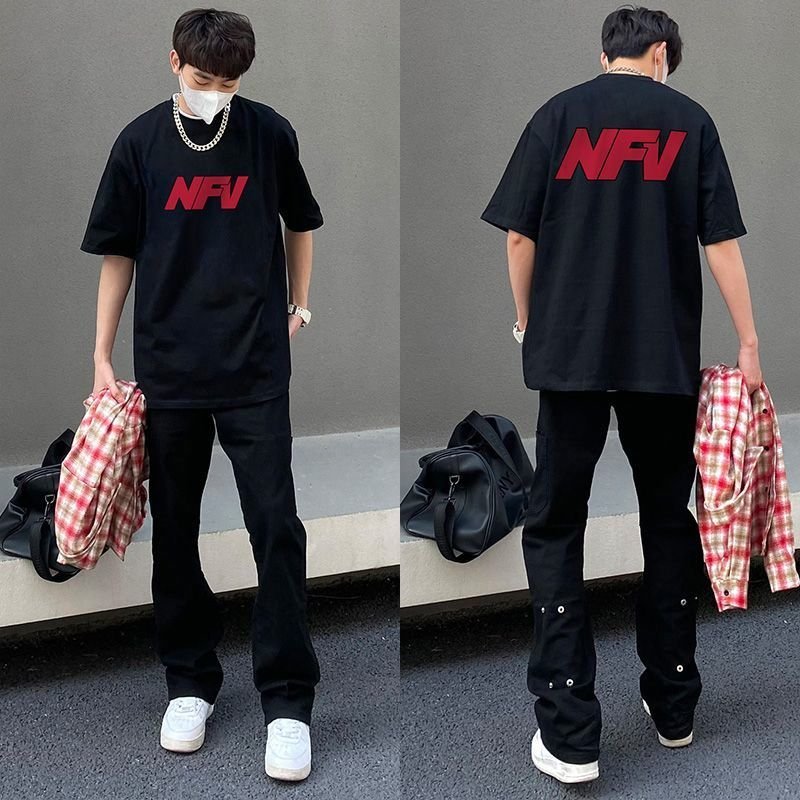
A tight merrow border or laser-cut edge locks the weave and resists fraying through repeated garment washes. Reject any sample where border threads lift away from the patch body under light fingernail pressure.
Backing Adhesion Strength
Iron-on backings must survive a 180° peel test without delaminating. Heat-seal adhesives typically require 150°C at 15 seconds; confirm those parameters match your specific garment fabric before committing to bulk.
Color Registration Accuracy
Pantone-matched thread should fall within ΔE ≤ 2.0 under D65 lighting against the approved swatch. In streetwear, where color signals identity, a half-shade drift reads as a quality failure to core buyers.
Pre-Production QC Checklist to Request
Request these five checks in writing from any supplier before approving a bulk production run.
- Strike-off vs. Pantone swatch comparison under D65 light
- Edge pull test — zero thread separation at merrow or laser border
- 40°C × 10-cycle wash test: no color bleed or dimensional shrinkage
- Backing peel test at 180° both before and after washing
- Dimensional tolerance check — patch must stay within ±1 mm of approved spec
7. How to Choose the Right Custom Woven Patches Manufacturer
Choosing a manufacturer for custom woven patches requires more than a competitive quote. Verify MOQ flexibility, in-house production capacity, and turnaround guarantees before signing any agreement — these three criteria separate reliable partners from risky ones.
Questions to Ask Before Committing
Ask whether looms and embroidery machinery are owned or outsourced — in-house production typically cuts lead times by 3–5 days and reduces defect handoff risk. Confirm minimum order quantities: reputable suppliers offer MOQs as low as 50–100 pieces for startups.
Also request a written turnaround guarantee, ideally 7 days for standard patches. Ask about OEKO-TEX Standard 100 or REACH compliance documentation if your target market requires it.
Red Flags to Avoid
Several patterns signal a supplier is not ready for brand-level commitments.
- No physical sample offered before bulk production begins
- MOQ above 500 pieces with no negotiation flexibility
- Weaving outsourced to undisclosed subcontractors with no disclosure
- Response time exceeding 48 hours during initial vetting
- No OEKO-TEX Standard 100 or REACH compliance documentation available
How to Evaluate Samples
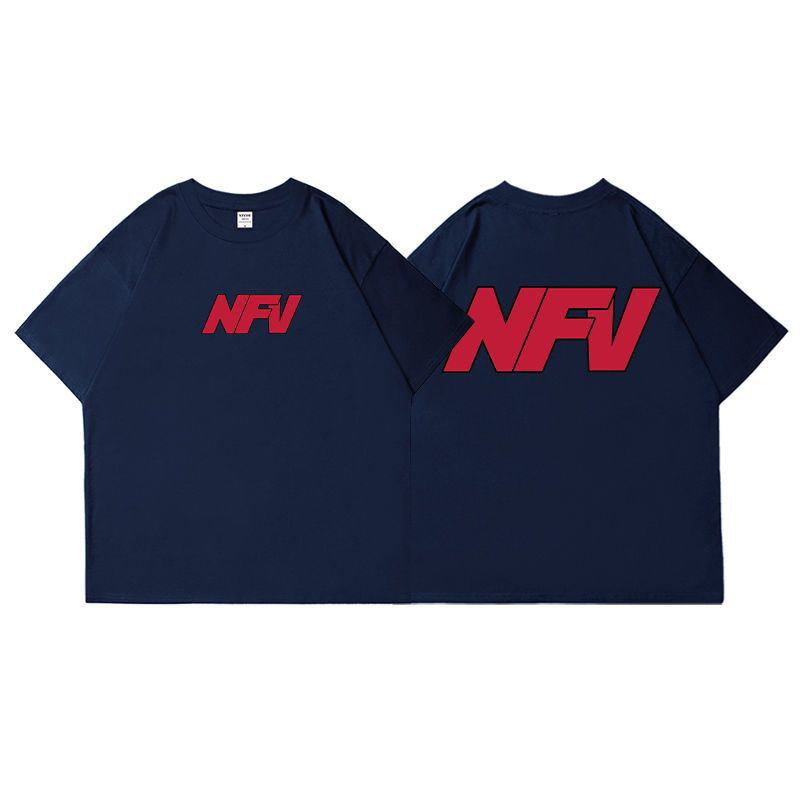
Request a physical sample produced from your actual artwork file, not a generic demo. Inspect thread density — minimum 300 picks per inch for sharp detail — edge finishing, and backing adhesion under a 10x loupe.
Compare color accuracy against your Pantone reference; acceptable Delta-E variance is under 2.0. Confirm that the merrowed or heat-cut border lies flat without puckering.
8. Common Mistakes Buyers Make with Custom Woven Patches
Even experienced buyers stumble on the same handful of avoidable errors when ordering custom woven patches for the first time. Catching these early saves sample costs, delays, and landfill-bound overstock.
Submitting Low-Resolution Artwork
Files below 300 DPI force the factory to interpret line details, and woven output rarely recovers the original intent. Submit vector files (AI or EPS) or 600 DPI rasters; your production rep should flag anything borderline before looms are set.
Ignoring Thread-Count Limits for Fine Logos
Woven patches max out around 150–200 threads per inch. Logos with hairline serifs or sub-2mm text blur at that resolution. Simplify fine lettering to a minimum stroke of 2 mm and verify legibility on the pre-production proof.
Skipping Pre-Production Samples
A loom sample costs $30–$80 and takes 5–7 days; a rejected bulk run costs 10× that and weeks of delay. Always approve a physical sample against your Pantone color references before authorizing full production.
Over-Ordering on Untested Designs
Starting at a 500-piece MOQ feels economical per unit, but an untested colorway or shape can sit unsold. Pilot at the lowest available MOQ — often 50–100 pieces — then scale once sell-through confirms the design.
Choosing Price Over Quality on First Orders
A factory quoting 30% below market is typically cutting thread density or skipping edge finishing. On a first order, prioritize documented QC steps — such as the five-stage inspection used at Clothing Manufacturer Ltd. — over the lowest unit price.
Not Specifying Attachment Method
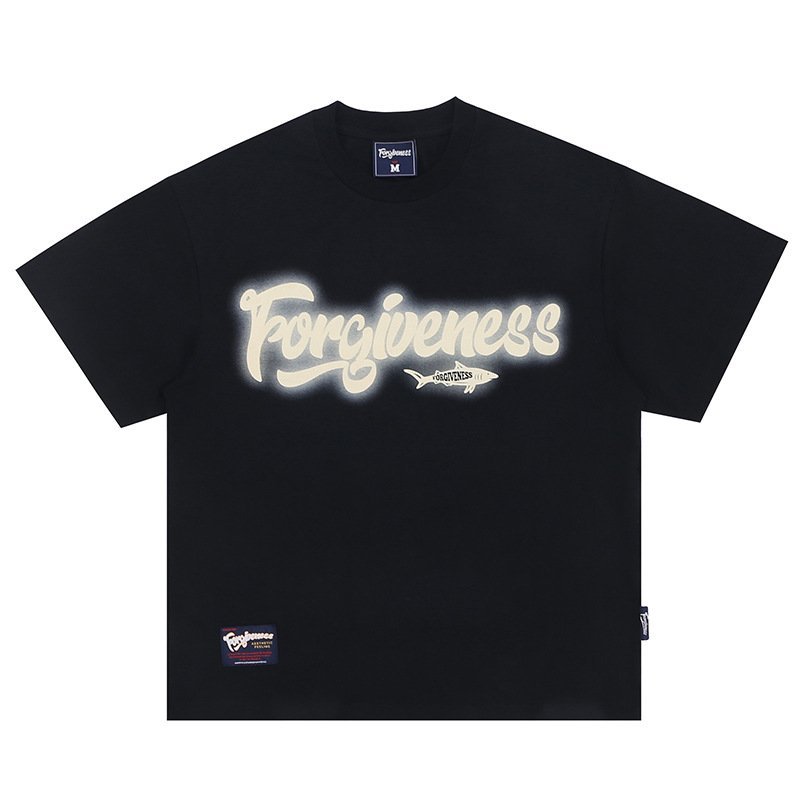
Iron-on, sew-on, Velcro, and peel-and-stick backings each require different materials applied during production. Changing attachment method after cutting adds cost and lead time. Confirm backing type in writing before the factory sources any materials.
9. Steps to Launch Your Brand with Custom Woven Patches
Launching a patch-driven collection requires six sequential steps, each with hard deadlines. Mapping them to your release calendar — especially for limited drops — prevents costly delays and ensures custom woven patches arrive production-ready.
Concept and Artwork Preparation
Finalize your design at 300 DPI minimum, using Pantone-referenced colors to avoid thread-matching disputes. Vector files (AI or EPS) give weavers clean line data; raster exports above 600 DPI are acceptable for simple graphics.
Limit your palette to 6–8 thread colors for standard weave; exceeding 10 colors raises sampling costs 15–20% and extends artwork approval by 3–5 days.
Quote Request, Sample, and Approval Cycle
Submit artwork, patch dimensions (typically 2–4 inches), backing type, and target MOQ — often 50–100 pieces for woven patches — to receive a quote within 24–48 hours. Sampling takes 5–7 business days; approve or revise before committing to bulk.
Request a physical strike-off sample, not just a digital mock-up. Thread tension, edge finish, and Merrow border appearance can only be confirmed on a physical piece.
Bulk Order Placement and QC Inspection
Place the bulk order only after written sample sign-off. A five-stage QC process — covering materials, cutting, craft, sewing, and finished-goods inspection — catches defects before shipment rather than after delivery.
For orders above 500 pieces, request an in-line inspection report at the 30% production milestone. This reduces reject rates and avoids full-batch reruns on capsule quantities.
Delivery, Application, and Launch Timeline
Fast-turnaround suppliers complete bulk production in 7–10 business days after sample approval, enabling capsule drops and influencer seeding within a 3-week total window. Build in 2–3 days for iron-on heat-press or sew-on application at your fulfillment center.
For limited-edition releases, order patches 4 weeks ahead of the drop date. This buffer absorbs one revision round and one transit delay without missing your street-date.
10. Pricing & Cost Guide for Custom Woven Patches
Four variables drive the unit cost of custom woven patches: quantity tier, patch dimensions, thread color count, and attachment type (iron-on, sew-on, hook-and-loop, or adhesive backing). Smaller patches under 2 inches typically run 15–25% cheaper than 4-inch equivalents at the same MOQ, and each additional Pantone-matched thread color above 8 adds roughly 5–8% to the base price.
Rush production — a 7-day turnaround versus standard 12–15 business days — carries a 20–30% premium and requires vector artwork files submitted on day one. Hook-and-loop (Velcro-style) backing adds approximately $0.08–$0.15 per unit over iron-on pricing at any tier; merrow borders and custom die-cut shapes carry a one-time $15–$25 tooling fee.
| Quantity Tier | Unit Price Range | Setup / Tooling | Standard Lead Time | Rush Lead Time |
|---|---|---|---|---|
| 50 units | $1.80–$2.60 | $40–$60 | 15 business days | 7 business days |
| 100 units | $1.30–$1.90 | $40–$60 | 14 business days | 7 business days |
| 250 units | $0.90–$1.40 | $30–$50 | 12 business days | 7 business days |
| 500 units | $0.65–$1.00 | $20–$40 | 12 business days | 7 business days |
| 1,000+ units | $0.38–$0.65 | Waived | 10 business days | 7 business days |
Order Custom Woven Patches Today — 50-Piece MOQ, Free Artwork
Free samples, free artwork setup, 7-day production turnaround, and our 5-step QC guarantee — shipped to your door, worldwide.