
Custom Chenille Patches That Elevate Your Streetwear Brand
Order custom chenille patches from 50 pieces — backed by our 5-step QC guarantee, rapid sampling, and global shipping from Dongguan’s manufacturing hub.
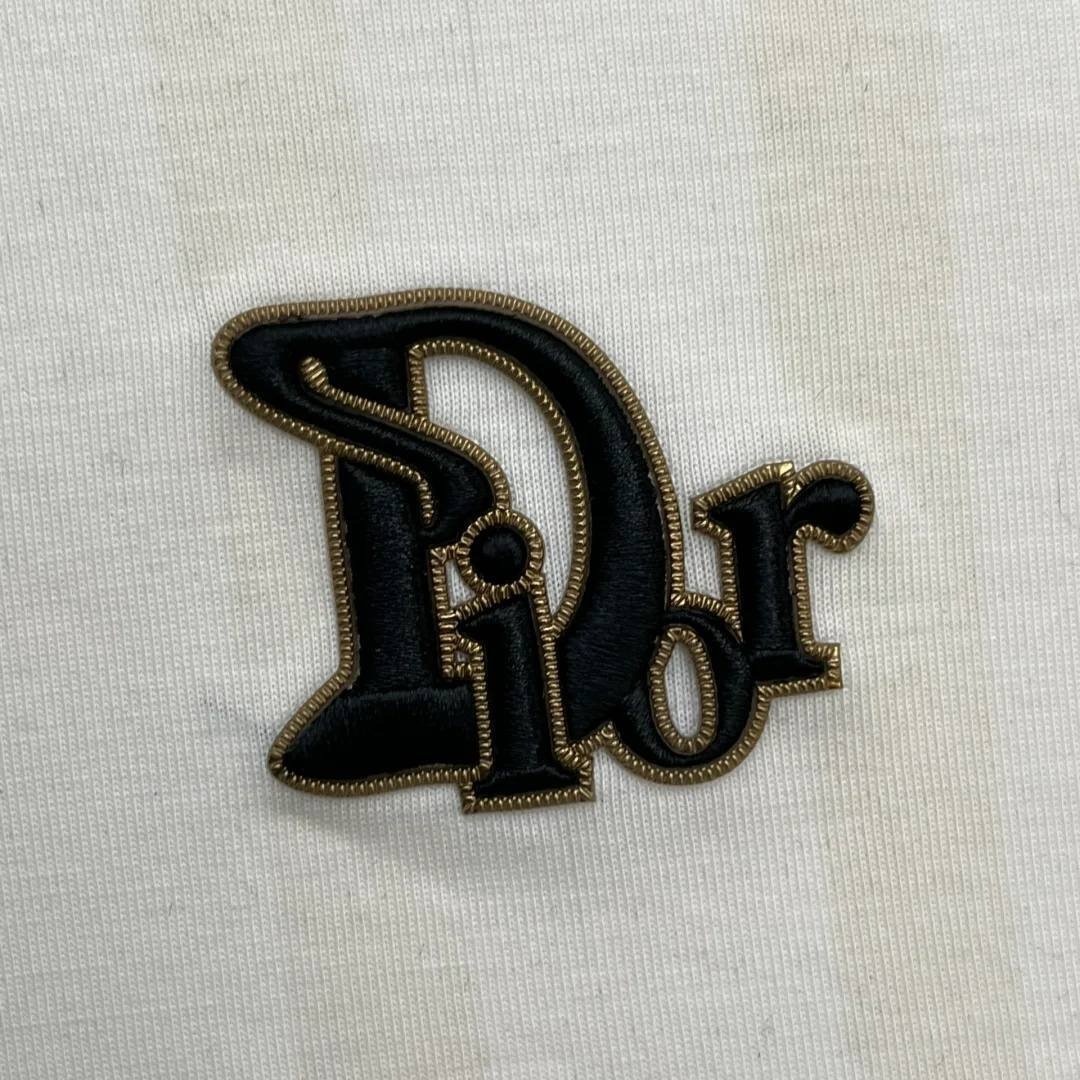
Custom Chenille Patch Designs in Action
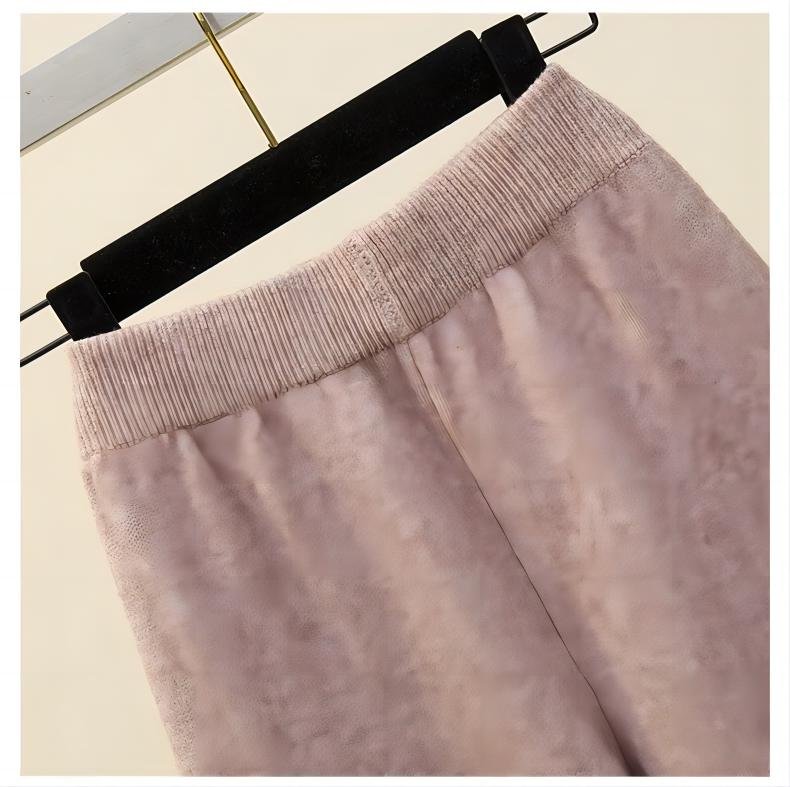
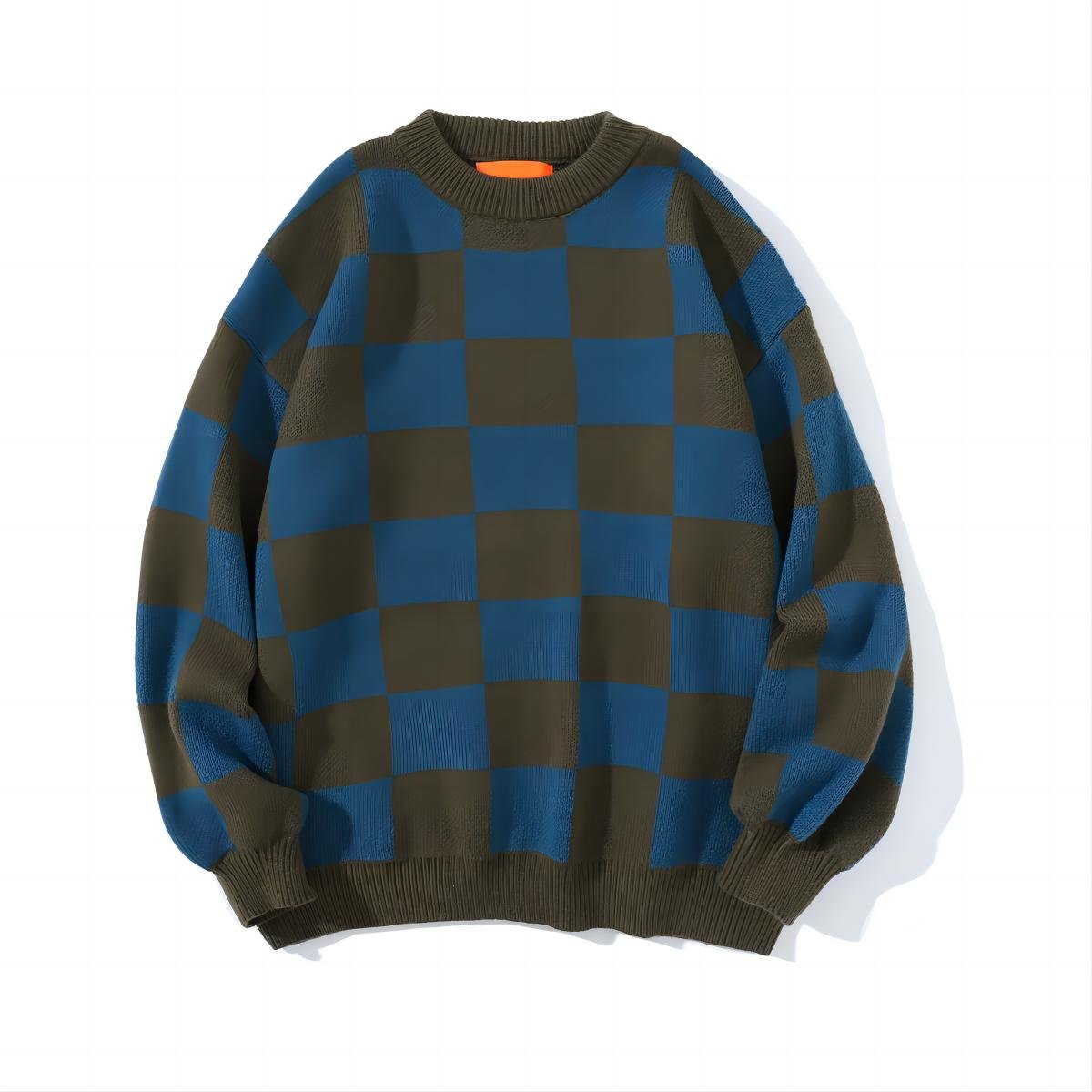
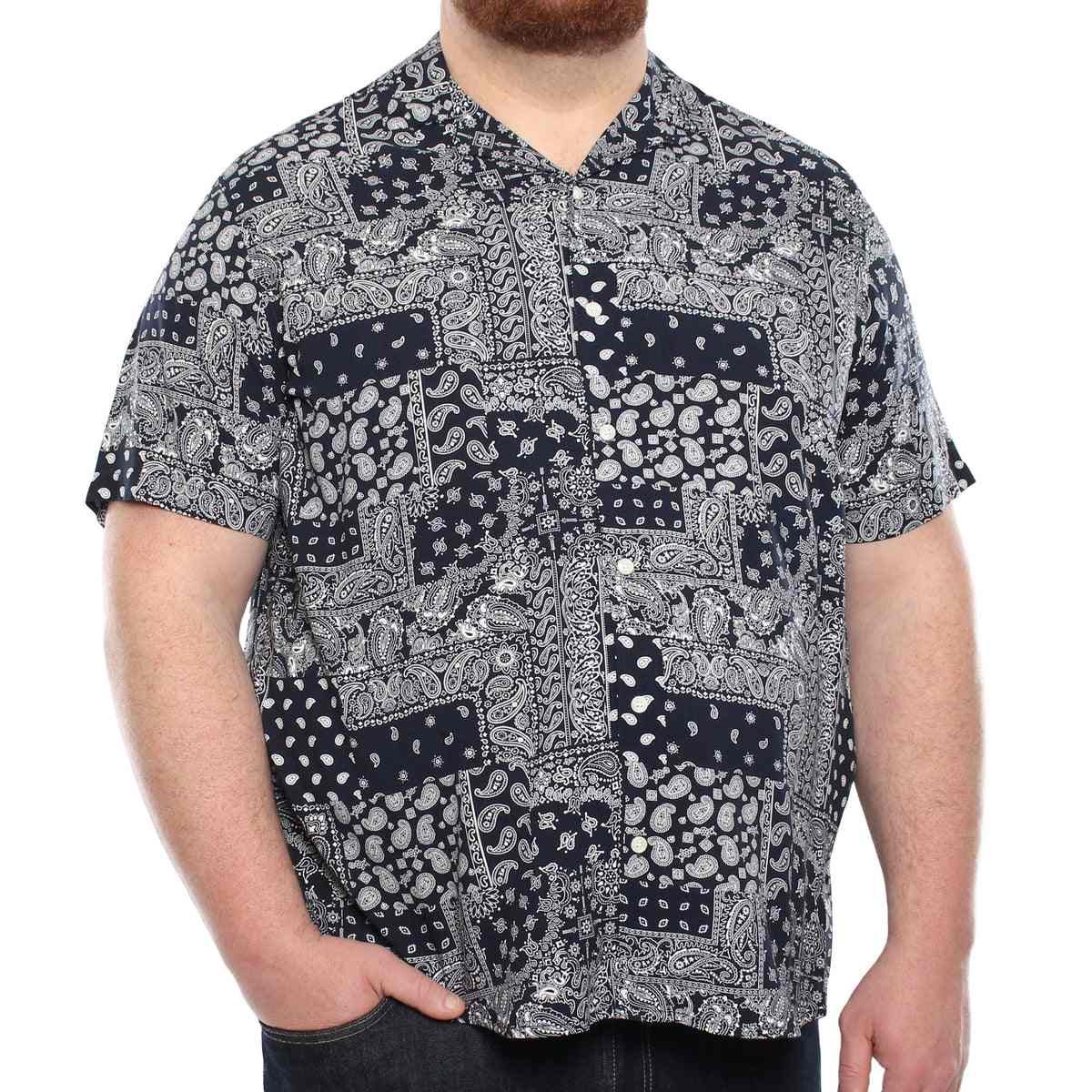
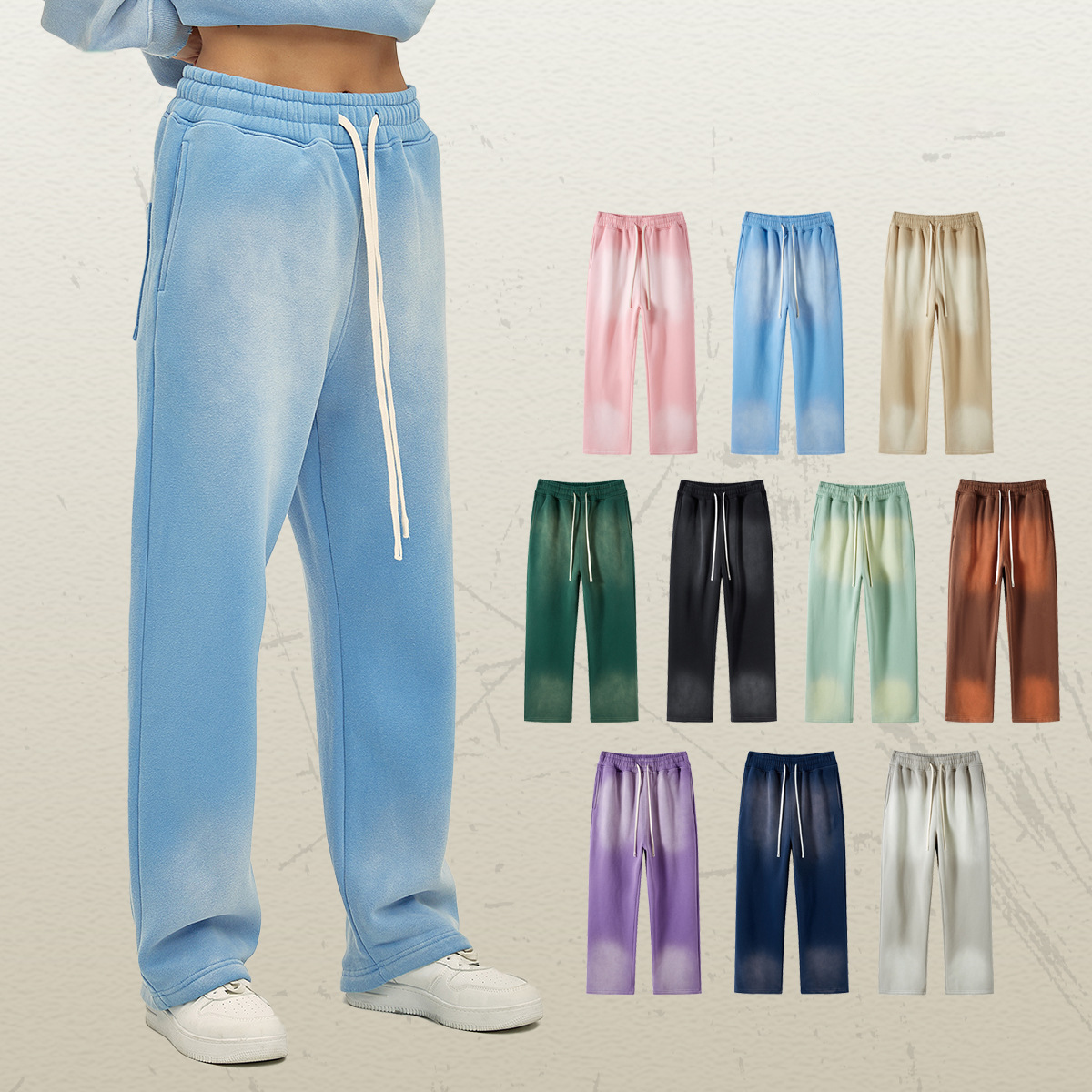
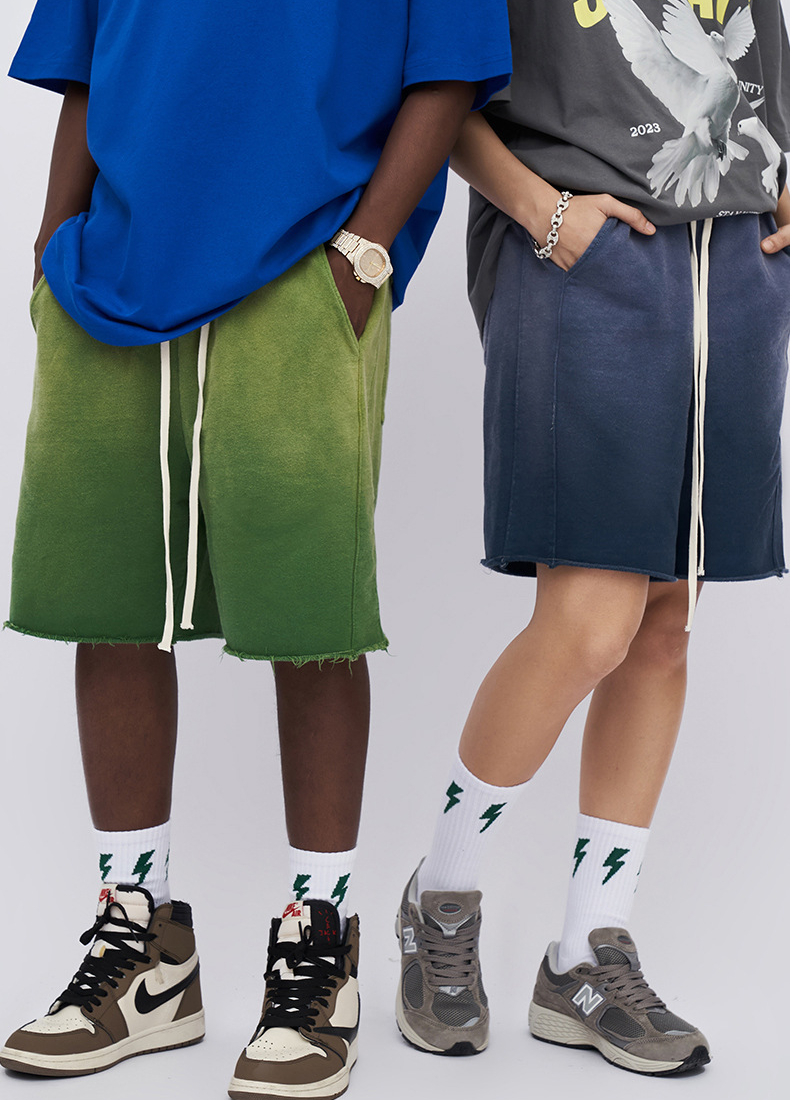
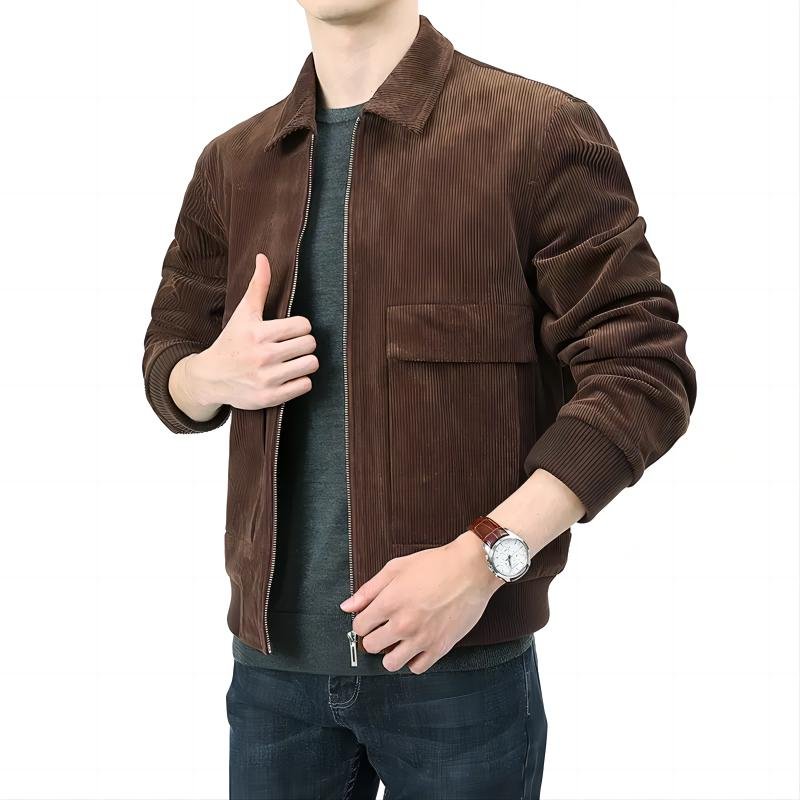
What Makes Our Custom Chenille Patches Stand Out
Every patch is engineered through our 5-step QC guarantee — from yarn sourcing to final inspection — so your brand never ships anything less than flawless.
Premium Chenille Thread Selection
We source only the finest chenille yarns for exceptional softness, rich texture depth, and lasting color retention that elevates every streetwear piece.
Embroidered Backing Built to Last
Reinforced embroidered backings anchor each patch firmly, withstanding daily wear, heat pressing, and repeated use without fraying or delamination.
Wash-Cycle Resilience, Every Time
Tested across 50-plus wash cycles, our patches hold their shape, crisp edges, and color integrity — verified at every QC stage before shipment.
Vivid Color Vibrancy That Pops
Bold, saturated hues are locked in with precision dye techniques, keeping your custom chenille patches striking through streetwear’s toughest styling demands.
Signature 3D Raised Texture Effect
Plush looped chenille pile creates a tactile, dimensional look that commands instant attention on jackets, hoodies, and varsity apparel alike.
Fast Turnaround, 50-Piece MOQ
Start with just 50 pieces and receive your order quickly — ideal for seasonal drops, influencer collabs, and emerging brand debut collections.
Explore Custom Chenille Patches and Related Embroidery Techniques
Not sure which patch method fits your brand? Compare custom chenille patches with woven, flat embroidery, PVC, and finished-garment options — all from one quality-first manufacturing partner.
Comparing Chenille and Woven Patches
A streetwear founder is torn between the varsity-inspired texture of chenille patches and the sharp, fine-line detail of woven patches, unsure which best fits their brand aesthetic and budget.
Our specialists guide you through side-by-side comparisons and provide low-MOQ samples of both methods so you can validate look and feel before committing to any full production run.
First-Time Designer Exploring Techniques
An independent designer launching a debut collection needs clarity on whether flat embroidery or custom chenille patches will deliver the bold, three-dimensional statement their streetwear line truly demands.
Our in-house design team walks you through every available technique, matching your vision to the right method — starting at just 50 pieces with full sampling support included throughout.
Creator Merch Needing PVC Patches
An influencer brand planning waterproof, high-gloss merchandise drops finds traditional embroidery too limiting and needs a reliable source for PVC and rubber patch alternatives that still feel premium.
Our full patch catalog — from PVC and rubber to custom chenille patches — lets creator brands compare every method in one place and choose the right finish for each drop.
Retailer Mixing Multiple Patch Methods
A global apparel retailer managing multi-SKU seasonal lines needs one manufacturing partner who can execute woven, chenille, and PVC patches at consistent quality and scale across every collection.
Our 5-step QC framework and full-spectrum patch capabilities ensure uniform standards across all techniques, giving retailers a single, accountable source for every patch method in their seasonal lineup.
Patches Applied to Finished Garments
A brand sourcing ready-to-ship streetwear with patches already sewn on struggles to find a partner who handles both premium patch production and finished garment assembly under one roof.
Clothing Manufacturer Ltd. connects patch production with finished-product collections, so custom chenille patches arrive on your jackets, hoodies, and caps in one seamless, quality-controlled production run.
Over 10 Years Crafting Custom Chenille Patches
Clothing Manufacturer Ltd. was founded in 2024 by Tesla Luo, whose family roots in Dongguan’s garment district and more than 10 years of production experience—including 6-plus years of streetwear specialization—shaped a company built on a single conviction: every product that leaves the factory must meet a standard worth standing behind. Our mission is to eliminate low-quality clothing and restore global trust in Chinese manufacturing.
Behind every order stands an in-house R&D team of 15 specialists, 10 registered production patents, and the full manufacturing infrastructure of parent company Dongguan TuoZhen Clothing Co., Ltd. From fabric sourcing and pattern development to cutting, sewing, finishing, and packaging, every stage is managed internally—giving streetwear brands, independent designers, and global retailers consistent quality at a low 50-piece MOQ.
What truly sets us apart is our proprietary 5-step QC system: materials inspection, cutting QC, craft QC, sewing production QC, and finished-product review. Applied to every order—including custom chenille patches—these checkpoints catch defects at the source rather than at the end of the line. The result is fast turnaround, zero-compromise output, and a manufacturing partner trusted by clients across more than 100 countries.
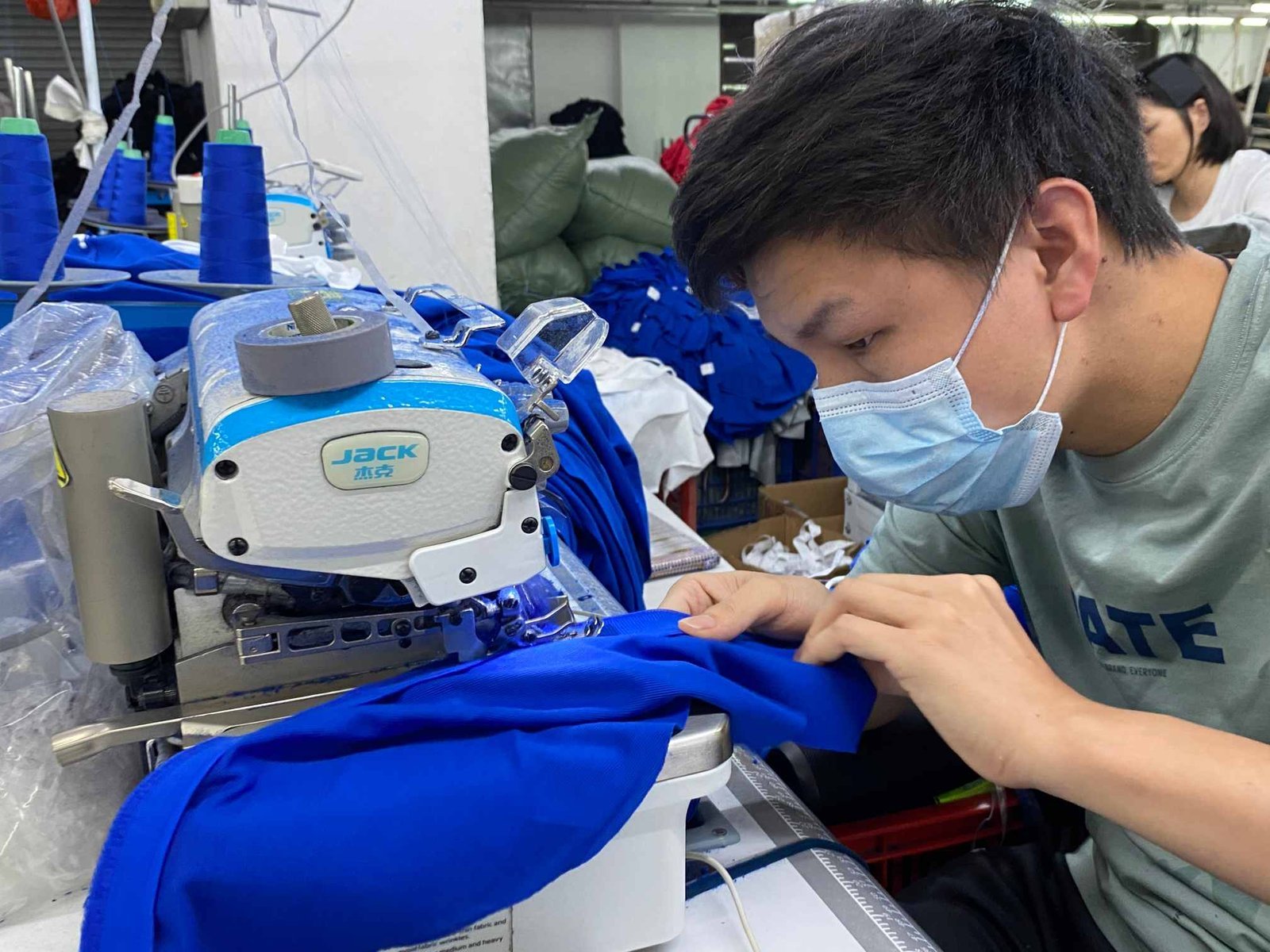
Precision Craftsmanship in Every Custom Chenille Patch
Premium Thread Sourcing for Rich Texture
Every custom chenille patch begins with hand-selected chenille yarns graded for uniform pile height and vibrant color saturation. Our sourcing team vets each supplier against tensile-strength benchmarks, ensuring the plush raised texture that defines premium streetwear embroidery from the first stitch to the last.
- Grade-A chenille yarns sourced from certified mills with ISO-compliant dyeing processes
- Pile height uniformity tested to a ±0.2 mm tolerance before production begins
- Yarn tensile strength verified at minimum 4 N/tex to prevent fraying under stress
- Color lot matching enforced across batches to guarantee consistency on large reorders
Reinforced Backing Built for Streetwear Demands
Our chenille patches are bonded to a dual-layer woven twill backing, then heat-pressed with industrial adhesive for structural integrity. This multi-layer construction prevents separation, maintains patch shape under tension, and provides a stable substrate for iron-on, sew-on, or Velcro attachment.
- Dual-layer 600-denier woven twill backing resists stretching and dimensional distortion
- Industrial heat-press bonding at 160 °C delivers a permanent, peel-resistant adhesive seal
- Merrowed or hotcut border options lock all edge threads against unraveling in use
- Peel-strength tested to exceed 8 N/25 mm in accordance with ISO 11339
Stitch Density and Registration Precision
Our programmable embroidery heads run at calibrated stitch densities between 6 and 12 stitches per centimeter, with optical registration alignment holding pattern accuracy to within 0.3 mm. The result is crisp letterforms, defined motif boundaries, and zero color bleed between design zones.
- CNC-driven embroidery frames lock fabric position throughout every production run
- Optical sensor registration automatically corrects alignment drift every 500 stitches
- Stitch density mapped per design zone: 6–8 for fill areas, 10–12 for sharp outlines
- Thread tension calibrated individually per yarn weight to eliminate puckering and distortion
Color-Fastness That Outlasts Every Wash Cycle
Every finished custom chenille patch batch undergoes wash durability testing — 40 cycles at 60 °C — with color change graded against the ISO 105-C06 scale. Our dyeing protocols lock pigment into fiber at the molecular level, preserving brightness through real-world laundering and UV exposure.
- ISO 105-C06 wash-fastness rating of Grade 4–5 achieved across all standard colorways
- UV-resistance verified to equivalent of 80-hour xenon-arc exposure per ISO 105-B02
- Anti-migration dye process prevents color bleeding onto adjacent garment fabric
- Every production batch QC-inspected post-wash under our 5-step quality control protocol before shipment
Custom Chenille Patches vs. Flat Embroidery Patches
Both live in the patch family — but the process, look, and streetwear impact are worlds apart. Here is how to choose.
← 左右滑动查看 →
How We Produce Your Custom Chenille Patches
Six tightly controlled phases. One 5-step QC guarantee. Every batch shipped to 100-plus countries on schedule.
Design Digitization
Your artwork is converted into machine-ready files, with loop density, thread paths, and patch dimensions optimized for flawless chenille reproduction within 24 to 48 hours.
Material & Thread Sourcing
Premium chenille yarn, twill backing, and adhesive materials are selected and materials-QC tested against your spec sheet before a single cut is made.
Backing Fabric Preparation
Backing fabric is precision-cut to exact dimensions; our cutting QC checkpoint verifies grain alignment and tolerances, eliminating costly errors before embroidery begins.
Embroidery & Stitching
Multi-head machines stitch every custom chenille patch at controlled tension and density; clothing craft QC and sewing production QC monitor loop uniformity and color accuracy in real time.
5-Step QC Inspection
Each patch clears all five proprietary checkpoints — materials, cutting, craft, sewing, and finished-goods — ensuring zero defects advance to the finishing stage.
Finishing & Global Shipment
Edges are heat-sealed or merrowed, patches are poly-bagged and export-packed, then dispatched via express or sea freight to over 100 countries worldwide.
Order Custom Chenille Patches in 4 Simple Steps
From your first design file to global delivery, our streamlined process keeps you informed and in control at every stage of production.
Submit Your Artwork and Specs
Upload vector files (AI, EPS, or PDF) with Pantone color references and chenille design dimensions so our team can assess your patch requirements with precision.
Receive Your Quote and Timeline
We return a detailed quote covering unit pricing, MOQ starting at 50 pieces, lead time, and your choice of chenille pile heights and backing options.
Approve Your Physical Sample
Our in-house sampling team produces a production-grade chenille sample for your sign-off, confirming colors, texture, and dimensions match your brand vision before full production begins.
Confirm, Produce, and Ship Worldwide
After approval, our 5-step QC process safeguards every production stage, and your finished custom chenille patches are packed and dispatched to your destination globally.
Brands Love Our Custom Chenille Patches
We ordered 300 custom chenille patches for our fall drop and every piece matched our Pantone specs exactly. After 40 wash cycles the texture and vibrancy held perfectly. Clothing Manufacturer Ltd. is now our exclusive patch supplier for every seasonal collection.
As a startup, low MOQ was a lifeline. We sampled 3 intricate chenille designs and received 150 finished custom chenille patches within 18 days — zero rejects across the entire run. Our launch drop sold out in under 72 hours.
We needed 1,200 custom chenille patches across 6 colorways for our Q4 influencer campaign. They arrived 5 days early with zero defects. The 5-step QC process is not a marketing claim — it shows in every single piece.
Custom Chenille Patch FAQs
Everything you need to know before placing your order — from artwork requirements and MOQ to wash durability and production timelines.
What fabrics are custom chenille patches compatible with?
How many colors can custom chenille patches include, and what is the maximum design size?
How durable are custom chenille patches after repeated washing?
Can I combine custom chenille patches with embroidery, screen printing, or appliqués?
What is the minimum order quantity for custom chenille patches?
How long does production take, and what is the lead time for custom chenille patches?
What art files are required to order custom chenille patches?
Is there a sample fee for custom chenille patch orders?
Do you ship custom chenille patches internationally?
The Complete Buyer’s Guide to Custom Chenille Patches
Everything streetwear labels, independent designers, and global retailers need to evaluate custom chenille patches — from fabric and construction quality to supplier vetting, true cost tiers, and the ordering mistakes that stall brand launches.
1. What Are Custom Chenille Patches?
Custom chenille patches are textile appliqués built from tufted chenille yarn — short-cut pile loops anchored to a twill or felt base that create a distinctly soft, raised surface unavailable in flat embroidery or woven labels. The word ‘chenille’ derives from the French for ‘caterpillar,’ a reference to the fuzzy, tactile pile that defines the construction. Each tuft is cut to a uniform height — typically 3 mm to 6 mm — giving finished patches their characteristic plush, dimensional appearance.
Brands choose custom chenille patches over standard embroidered or woven patches for three production-driven reasons: the pile height creates visual depth that reads clearly at a distance, the yarn accepts Pantone-matched dyeing for precise color accuracy, and the twill or felt backing accepts iron-on, sew-on, or Velcro attachment without adding bulk. Embroidered patches flatten under heat and repeated washing; chenille pile holds its loft through the laundry cycle when properly constructed with a dense base stitch count.
The dominant use cases for custom chenille patches are varsity jackets, streetwear hoodies, snapback caps, and structured bags — categories where tactile branding commands a measurable premium in retail perception. A single oversized chenille letter or logo on a chest panel communicates craft and intentionality in a way a printed graphic cannot. For independent designers and emerging streetwear labels working with a manufacturer experienced in cut-pile construction, these patches rank among the highest-return embellishments available at accessible minimum order quantities.
2. A Brief History of Custom Chenille Patches in Fashion
By the 1930s, American varsity athletics had standardized the chenille letterman patch as a mark of athletic achievement, with wool-on-wool construction setting a recognizable tactile standard that persists today. High school and college programs across the United States ordered patches in volume, establishing the first commercial production pipelines for chenille embroidery.
In the 1980s and early 1990s, hip-hop artists and streetwear pioneers reclaimed chenille patches from the athletic establishment, applying oversized custom chenille patches to varsity jackets, snapbacks, and hoodies as statements of crew identity and neighborhood pride. Labels like Starter and FUBU made chenille central to the street aesthetic, pushing production volumes into the millions and confirming that the format had crossed from sportswear into broader cultural currency.
By the early 2000s, advances in Jacquard weaving technology and overseas manufacturing — concentrated in Guangdong Province, China — dropped MOQs from several thousand units to as few as 50–100 pieces, making custom chenille patches financially viable for independent designers and emerging brands for the first time. Global sourcing networks then compressed standard lead times from 12–16 weeks down to 7–14 days, erasing the final production barrier that had locked out indie labels.
Since 2024, creator brands dropping limited ‘vintage varsity’ capsule collections have driven a measurable resurgence in chenille patch adoption, with the nostalgic aesthetic trending across TikTok and Instagram simultaneously. The format’s raised texture and Pantone-matched color fidelity deliver a tactile quality signal that digital-native Gen Z audiences actively seek — one that flat embroidery and heat-transfer alternatives simply cannot replicate.
3. Types of Custom Chenille Patches to Know
Not all custom chenille patches share the same production footprint — format drives cost, complexity, and minimum order quantity. Matching the right patch type to your brand need from the start prevents costly sampling restarts.
Classic Letter & Varsity Patches
Block or script letters filled with looped chenille yarn are the lowest-complexity format, with MOQs as low as 50 pieces at most factories.
Sampling costs typically run under $30 per prototype. Ideal for varsity-inspired drops, team collections, or brands launching their first patch program.
Shaped & Die-Cut Chenille Patches
Custom silhouettes — skulls, roses, animals, brand logos — require die-cut backing and typically add 15–25% to base cost versus letter patches.
Tooling setup pushes most factories’ MOQ to 100 pieces. Best for brands building a signature icon motif across an entire seasonal range.
Chenille & Embroidery Combo Patches
Combo patches layer embroidered outlines or fine detail stitching over chenille fill, creating dual-texture depth that reads as premium.
Complexity sits at a mid-range tier with MOQs of 50–100 pieces and sampling lead times of 7–10 days. Best suited for streetwear lines targeting a higher retail price point.
Puff Chenille Patches
A foam underlay — typically 4–8 mm thick — beneath the chenille yarn creates a raised 3D profile with notable tactile weight.
This is the highest-complexity standard format, and MOQs commonly start at 100 pieces. Most effective as statement chest or back patches on varsity jackets and heavyweight fleece.
Iron-On, Sew-On & Adhesive Backing Options
Backing is a separate specification applied to any patch type. Iron-on uses heat-activated adhesive rated at 180–200°C; sew-on delivers the strongest bond for frequently washed garments; peel-and-stick suits sampling or short-run pop-up merchandise.
Most manufacturers hold the same MOQ and price tier across all three choices, so backing selection adds no extra minimum-order burden.
4. Materials & Fabrics Used in Custom Chenille Patches
Material choices in custom chenille patches directly shape wash-fastness ratings, pile longevity, and the unit cost your retailer sees on an invoice. Yarn fiber and base fabric decisions should be locked before sampling begins — substitutions after approval typically add 7–14 days to the sampling cycle.
| Material | Durability Rating | Cost Index | Best Application |
|---|---|---|---|
| Acrylic yarn | High (30+ washes) | $ | Mass-market streetwear |
| Wool-blend yarn | Very High | $$ | Varsity, letterman styles |
| Cotton chenille | Medium-High | $$ | OEKO-TEX certified lines |
| Twill base | High | $–$$ | All iron-on patch types |
| Felt base | Medium | $ | Budget casual patches |
| Denim base | High | $$ | Outerwear, lifestyle patches |
Yarn Fiber Options
Acrylic chenille yarn handles 200+ Pantone-matched colorways and maintains pile integrity through 30+ machine washes at 40°C, placing it as the default choice for patches priced under $3. Wool-blend yarn (80/20 wool-acrylic) lifts material cost 40–60% but delivers the dense, tactile hand feel demanded by varsity and letterman programs. Cotton chenille suits OEKO-TEX Standard 100-certified supply chains at a modest premium over acrylic.
Base Fabrics and Adhesive Layers
Twill base fabric at 240–280 GSM provides crisp cut edges and strong anchor points for chenille pile, making it the industry default for iron-on custom chenille patches. Felt bases cost 15–20% less but absorb moisture and lose dimensional shape after repeated laundering. Denim bases at 10–12 oz suit outerwear lifestyle patches; heat-bond adhesive layers rated to 150°C press cycles add roughly $0.10–0.20 per unit.
5. Customization Options for Custom Chenille Patches
Every blank spec sheet field forces your supplier to guess — and guesses cost remakes. Mastering the full customization toolkit for custom chenille patches lets you lock price, lead time, and quality before sampling begins.
Color Matching: Pantone vs Brand Swatch
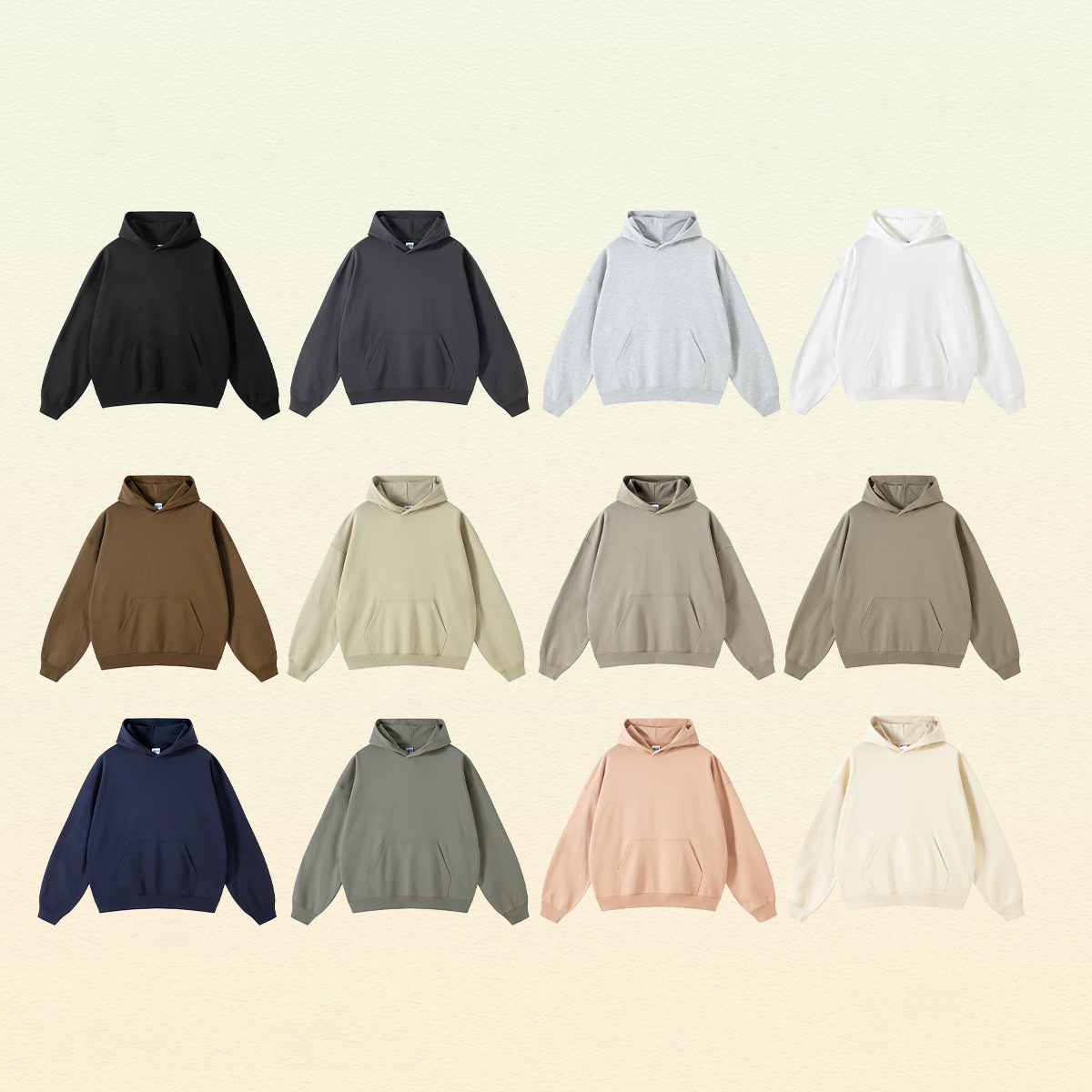
Pantone TCX/TPX numbers are the industry standard for chenille yarn color matching; without them, mills interpret ‘red’ differently across dye lots.
Provide a physical swatch when Pantone references are unavailable — digital files alone shift color 15–20% in print-to-yarn translation.
Size, Shape, and Die-Cutting
Standard patches run 2–5 inches across; oversized pieces (6–12 inches) add 20–35% to unit cost due to increased yarn consumption and longer looming time.
Die-cut shapes — letters, animals, shields — require a custom die that typically carries a one-time tooling fee of $30–80, amortized over volume.
Border Types and Edge Finishes
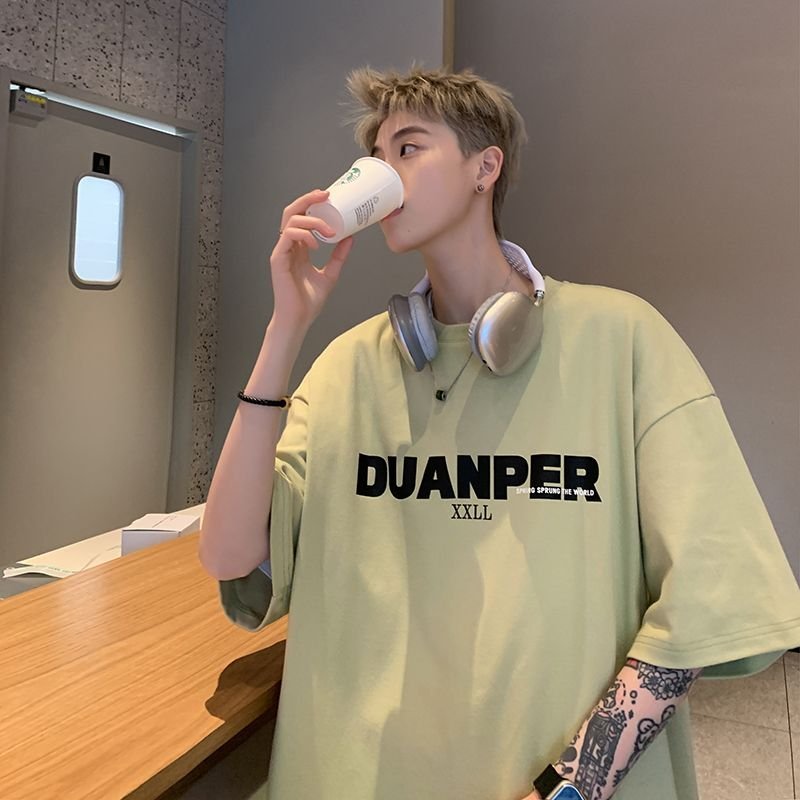
Merrow borders apply a raised overlock stitch that reinforces fraying and define the classic chenille look. Laser-cut and hot-cut edges reduce per-unit labor by roughly 10%, but require a heat-sealed perimeter to prevent unraveling.
- Merrow: raised overlock, most durable, adds 1–2 days to sewing schedule
- Laser-cut: clean flat edge, fastest turnaround, requires heat-sealed perimeter
- Hot-cut: heat-melts polyester base, lowest cost, limited to synthetic felt backings
Backing Options and Their Cost Impact
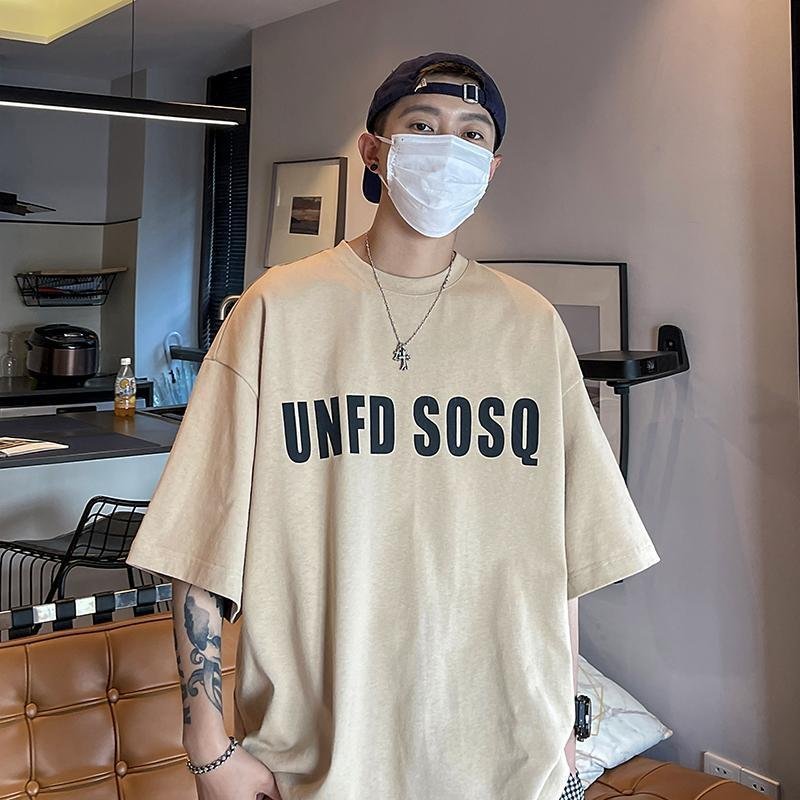
Iron-on (heat-transfer adhesive) and sew-on are the two baseline backings; iron-on adds $0.05–0.15 per piece and suits direct-to-consumer garments.
Velcro, magnetic, and peel-and-stick variants serve retail display or tactical markets and each add $0.10–0.30 per unit plus 1–2 extra production days.
Specialty Finishes: Metallic Thread and Glow Yarn
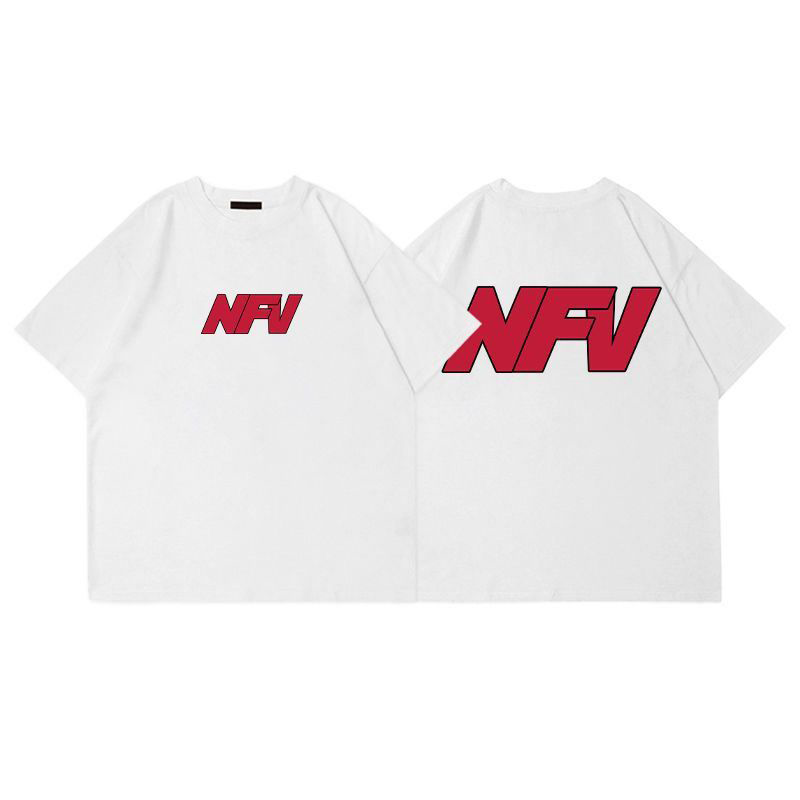
Metallic thread accents — gold, silver, copper — integrate during looming and add roughly 8–12% to yarn cost with no lead-time penalty.
Glow-in-the-dark phosphorescent yarn extends sampling lead time by 5–7 days due to specialty yarn sourcing, but carries strong visual impact for streetwear drops.
6. Key Quality Indicators in Custom Chenille Patches
Not all custom chenille patches are built equal — pile height, colorfastness, and backing adhesion separate a premium patch from a low-cost reject. Run these checks on every pre-production sample before approving bulk.
Pile Height Consistency
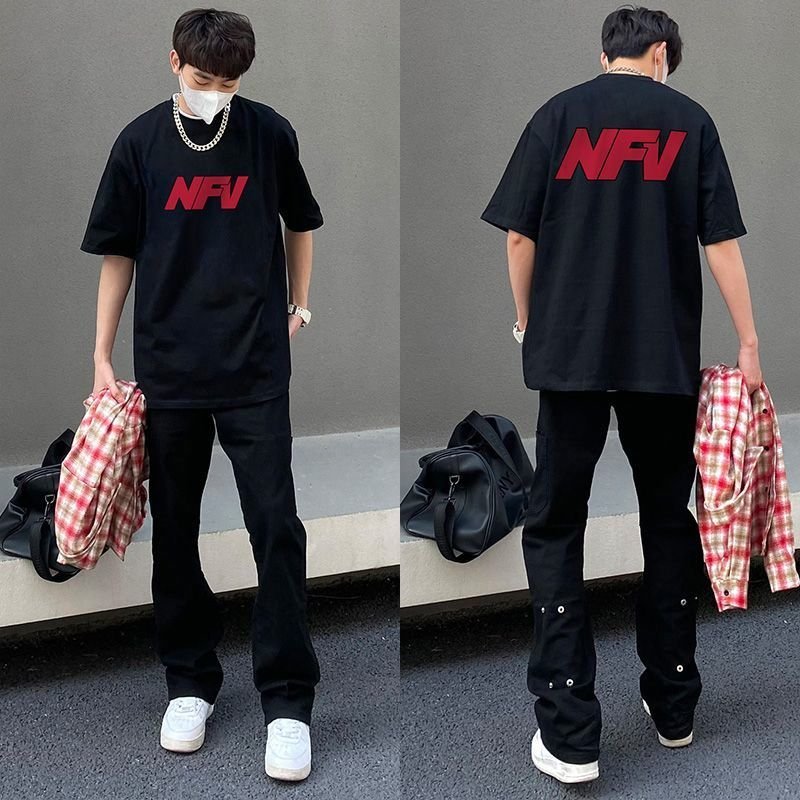
Uniform pile height — typically 4–6 mm for standard chenille — determines how crisp lettering and motifs appear. Variance greater than 0.5 mm signals inconsistent yarn tension or worn production rollers, creating a patchy look that loses detail at retail scale.
Color Bleeding and Colorfastness
ISO 105-C06 standards call for colorfastness ratings of 4 or higher at 40°C wash cycles. Ask suppliers for dye-lot test reports; bleeding risk spikes when reactive dyes are used without adequate fixation, causing adjacent colors to migrate within 3–5 wash cycles.
Backing Adhesion Strength
Iron-on backings should withstand a minimum 180° peel-force test without delaminating. Heat-seal adhesive that releases below 130°C is a common failure point in low-cost patches; specify a thermoplastic polyurethane (TPU) or hot-melt film rated for 150°C application to avoid field detachment.
Perimeter Stitch Density
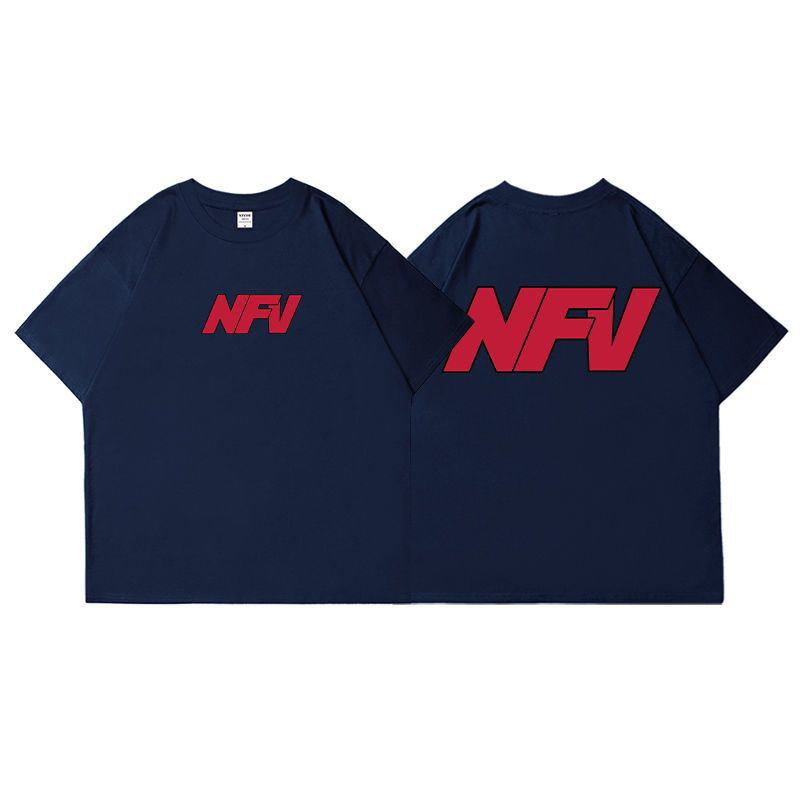
The border merrow or satin stitch locking chenille to its felt or twill base needs 8–12 stitches per centimeter to resist unraveling. Sparse corner stitching — a sign of cut cycle times — lets pile edges lift after fewer than 10 washes.
Pre-Production Sample Protocol
Any credible supplier provides a physical pre-production sample within 7–14 days of design approval. Inspect against Pantone references, verify pile direction, and run the 40°C wash test on the sample itself before signing off on bulk production.
- Check pile height variance at 3+ points — target ≤ 0.5 mm difference
- Confirm colorfastness ≥ 4 per ISO 105-C06 at 40°C wash
- Pull-test backing — patch must not peel at edges under hand tension
- Count perimeter stitches per centimeter; minimum 8 required
- Request dye-lot test report and material composition certificate
7. How to Choose a Custom Chenille Patches Manufacturer
Selecting the right supplier for custom chenille patches requires evaluating criteria beyond unit price: MOQ thresholds, sample policy, certifications, communication speed, artwork specs, and Incoterms. A structured checklist prevents costly errors that surface only after bulk production ships.
MOQ Thresholds and Sample Policy
A 50-piece MOQ marks a brand-friendly threshold; suppliers requiring 200+ pieces push emerging labels into overstock exposure before any design is market-tested. Confirm pre-production samples ship within 7-10 business days, that 2 revision rounds are included as standard, and that sample fees credit toward confirmed bulk orders.
Certifications: OEKO-TEX and BSCI
OEKO-TEX Standard 100 certification confirms all yarns and backing materials are tested free of harmful substances — a hard requirement for EU and U.S. retail placement. BSCI membership independently audits labor practices and factory social compliance across the full supply chain.
Artwork Files and Communication Standards
Quality manufacturers accept AI, EPS, or PDF vector files at 300 DPI minimum with Pantone color references. Suppliers relying solely on JPEGs cannot guarantee tufting color consistency across re-orders.
Expect initial quote responses within 24 hours; slower turnaround signals bandwidth constraints that worsen during peak production seasons.
Shipping and Incoterms Options
FOB Guangzhou transfers freight risk at port and suits brands with an established freight forwarder. DDP delivers duty-paid to your door, simplifying landed-cost calculations — the better Incoterm for first-time importers unfamiliar with customs clearance procedures.
Red Flags to Avoid
Walk away from any supplier displaying more than one of these warning signs before placing a bulk order.
- No pre-production sample offered before bulk commitment
- Lead times quoted as vague ranges with no production schedule or milestone dates
- Zero audit trail: no in-process QC reports, certification copies, or verifiable brand client references
- Full upfront payment demanded with no milestone-based payment release
8. Common Mistakes Buyers Make with Custom Chenille Patches
Sourcing custom chenille patches without a clear checklist introduces six recurring errors that drain budgets and delay launches. Each scenario below shows the before-and-after so the fix is immediately actionable.
Submitting Low-Resolution Artwork Files
Artwork submitted below 300 DPI forces the factory to redraw vectors, adding 3-5 business days and a $30-80 redraw fee. Submit layered AI or EPS files at 1:1 scale to avoid this delay entirely.
Ignoring Pantone Color Specifications
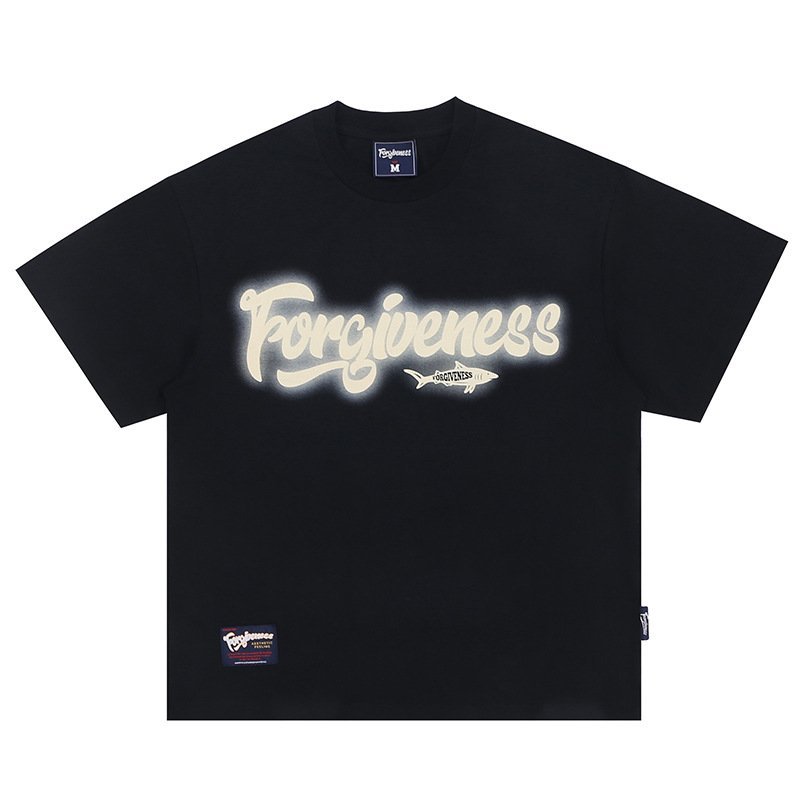
Without a Pantone TCX or TPX reference number, thread color matching drifts 10-15% in hue between sample and bulk production. Specify the exact Pantone code so your factory maps it to the nearest available yarn before sampling begins.
Skipping Sample Approval to Save Time
Bypassing the physical sample to save 7-10 days risks rejecting an entire production run after delivery, costing 2-3x the original PO value. One approved pre-production sample is non-negotiable insurance for any order of custom chenille patches.
Under-Ordering and Triggering Re-Run Setup Fees
Most factories charge a $50-150 tooling fee per production run. Ordering 48 units when 60 are needed triggers a full second setup charge on the re-run, erasing the per-unit savings from the original order.
Choosing Iron-On Backing for Heavy-Wash Garments
Iron-on adhesive degrades after 15-20 industrial washes at 60°C, causing patch lift on heavyweight fleece or denim. Specify sew-on or heat-seal-plus-sew backing for any garment that will see frequent laundering.
Skipping Backing Compatibility Checks
Applying iron-on backing to nylon or polyester-blend fabrics below 100% bonding temperature causes delamination within weeks of wear. Always confirm fabric GSM and fiber composition with your manufacturer before selecting a backing method.
9. Steps to Launch Your Brand with Custom Chenille Patches
Eight concrete steps take your custom chenille patches from concept to shelf-ready product. This action plan guides streetwear founders and creator brands through each stage, noting where Clothing Manufacturer Ltd provides direct production support.
Brand Identity, Size, and Placement
Lock your brand mark and assign every fill color a Pantone reference before briefing any factory — retroactive color changes add costly extra sample rounds. Define patch dimensions (common range: 3–8 inches) and target garment placement — chest, sleeve, or back yoke — since size directly determines price per unit.
Prepare Vector Art and Request a Quote
Export artwork as an AI or EPS vector file at 1:1 scale with Pantone codes labeled per color zone. Submit this file to Clothing Manufacturer Ltd to receive a factory quote and pre-production sample brief simultaneously, eliminating one round of back-and-forth communication.
Sample Review and Bulk Order Commitment
Evaluate the pre-production sample under natural light: check chenille loop density, felt backing alignment, and Pantone color match against your reference swatch. Once approved, place your bulk order — minimum 50 pieces per design at Clothing Manufacturer Ltd — and confirm lead time, typically 15–25 business days.
Inspect Delivery and Shoot Launch Content
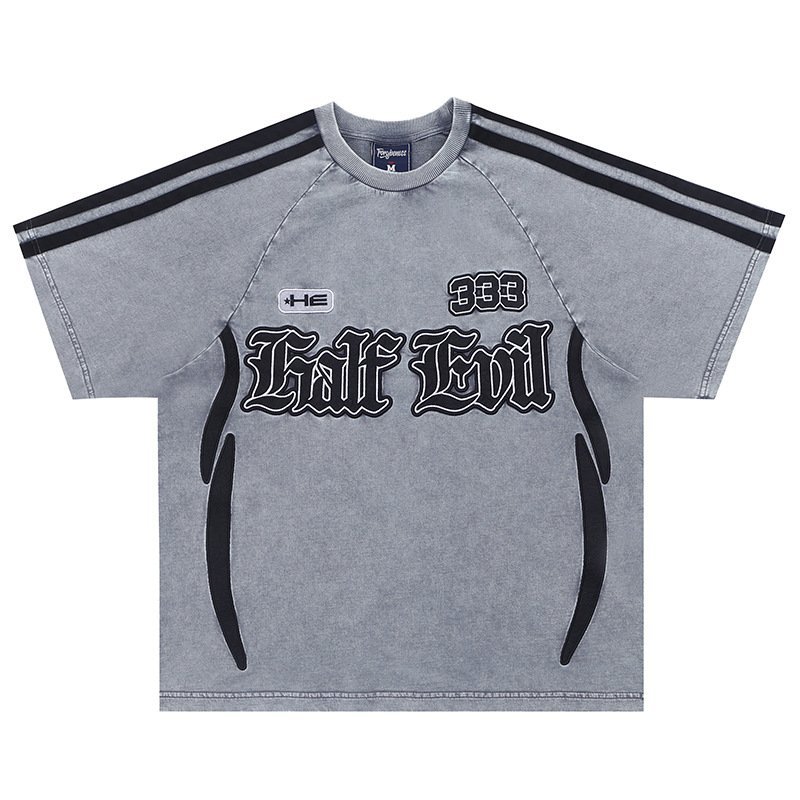
On receipt, pull a 10% random inspection lot: verify loop height uniformity, edge merrowing, backing adhesion, and color consistency against the approved sample — Clothing Manufacturer Ltd’s five-step QC methodology flags these same checkpoints before shipment.
Apply the first passed patches to hero garments and photograph them in lifestyle settings. On-body, context-driven imagery consistently outperforms isolated product shots for streetwear audiences — frame shots around the patch placement chosen in step 2 so it reads clearly at social-media image sizes.
10. Pricing & Cost Guide for Custom Chenille Patches
Setup/die fees for custom chenille patches typically run $30–$80 per design, covering the chenille winding mold and Pantone color matching; this one-time cost amortizes quickly as quantity climbs — at 1,000 pieces it adds under $0.05 per unit.
At Clothing Manufacturer Ltd., every tier includes the proprietary 5-step QC process — materials, cutting, craft, sewing, and finished-goods inspection — as a standard deliverable, not a billable add-on. Budget 7–15 business days for standard production; rush orders are available at a 15–25% unit cost premium.
- Heat-seal or iron-on backing: +$0.08–$0.15 per patch
- Combo flat embroidery detail: +$0.20–$0.40 per patch
- Individual poly-bag with hang tag: +$0.05–$0.12 per patch
- Rush production (50% lead-time cut): +15–25% on unit price
| Quantity Tier | Unit Price Range | Setup Fee | Lead Time | Best For |
|---|---|---|---|---|
| 50 pcs | $3.80–$5.50 | $50–$80 | 12–15 business days | Sampling, limited drops, influencer launches |
| 100 pcs | $2.80–$4.00 | $50–$80 | 10–14 business days | Small-batch launches, test colorways |
| 250 pcs | $1.90–$2.80 | $40–$60 | 10–12 business days | Indie labels, seasonal collections |
| 500 pcs | $1.30–$1.90 | $30–$50 | 8–12 business days | Growing streetwear brands, retailer orders |
| 1,000+ pcs | $0.85–$1.30 | $30–$50 | 7–10 business days | Established brands, wholesale accounts |
Ready to Order Your Custom Chenille Patches?
Start from just 50 pieces — backed by our 5-step QC guarantee, 7-day sample turnaround, and worldwide shipping to your door.