
3D Puff Embroidery That Makes Your Streetwear Stand Out
Achieve bold, raised-texture 3D puff embroidery with low MOQ, fast sampling, and a 5-step quality guarantee built for streetwear brands worldwide.
3D Puff Embroidery Gallery
What Makes 3D Puff Embroidery Distinctive
From raised foam pile to wash-proof durability, discover the technical advantages that set 3D puff embroidery apart from every other method.
Bold Raised Pile Height
Foam underlay lifts stitching up to 6mm, giving logos a tactile, sculptural presence that flat embroidery simply cannot replicate.
Vivid Opacity on Dark Fabrics
Dense thread saturation delivers brilliant, opaque color on black, navy, and charcoal — the staple base tones of streetwear.
True Three-Dimensional Depth
Structured foam layers create shadow and contour, transforming simple logos into eye-catching sculptural statements on any garment.
Durability Through Every Wash
Precision tension control and premium-grade thread keep raised designs crisp and vibrant through 50-plus commercial wash cycles.
5-Step Quality Guarantee
Every piece clears our proprietary QC checkpoints — from raw materials to finished goods — ensuring zero defects leave our facility.
Low MOQ, Fast Samples
Startup-friendly minimums and rapid sample turnaround give emerging brands access to premium 3D puff embroidery from day one.
3D Puff Embroidery and Related Techniques Explained
Not every design calls for the same process. Explore flat embroidery, appliqué, and digital embroidery alongside 3D puff to find the perfect fit for your next collection.
Intricate Artwork & Fine Detail
Your design features thin lines, intricate typography, or fine gradients that demand needle-level precision. Dimensional foam would obscure the detail your artwork depends on to read correctly at small sizes.
Flat embroidery delivers crisp, clean results for complex logos and fine lettering. Explore our flat embroidery resource page to compare costs and stitch counts against 3D puff embroidery before sampling.
Large Coverage & Mixed Textures
You need large covered areas, mixed fabric textures, or oversized patches that standard thread cannot fill efficiently. Appliqué unlocks design territory that 3D puff embroidery alone was not built to cover.
Appliqué layers fabric shapes with embroidered borders for bold, cost-efficient coverage on jackets and hoodies. Read our appliqué guide to see how it pairs with 3D puff techniques on a single garment.
High-Volume, Consistent Production Runs
Your catalog requires thousands of identical units across multiple colorways, and exact stitch replication matters more than a raised, textured effect on every SKU in the run.
Digital embroidery ensures stitch-perfect consistency at scale. Visit our digital embroidery page for spec sheets, turnaround benchmarks, and a direct comparison with 3D puff embroidery to inform your production decision.
Comparing Every Embroidery Method
You are evaluating multiple embroidery decorations for your next collection and need an objective breakdown of costs, lead times, and visual impact before committing to one method.
Our complete buyer's guide to 3D puff embroidery breaks down every variable — foam height, thread weight, fabric compatibility, and MOQ — so you choose the right process with full confidence.
Launching Your First Embroidered Line
You are launching your first embroidered streetwear line but unsure whether 3D puff, flat stitching, or appliqué best suits your debut collection's look, budget, and target MOQ.
Browse all our embroidery technique pages, request low-MOQ samples across methods, and let our production team advise which process — including 3D puff embroidery — fits your brand best.
Our 3D Puff Embroidery Expertise
Clothing Manufacturer Ltd. was founded in 2024 by Tesla Luo, who brings more than 10 years of garment production experience and 6 years of specialized streetwear expertise to every project. Having spent summers rotating through every role in Dongguan’s factories — cutting, sewing, quality control, and shipping — Luo built the hands-on fluency required to master technically demanding crafts like 3D puff embroidery.
Our in-house R&D team of 15 specialists, supported by 10 registered production patents, ensures every raised design meets exacting standards before a single unit ships. Our proprietary five-step quality control process — covering materials, cutting, garment craft, sewing, and finished-goods inspection — embeds verification at each production stage, so the dimensional lift and stitch consistency of your 3D puff embroidery hold across the entire run.
From first-drop startups to global retailers, we offer low MOQs, fast sample turnaround, and worldwide logistics support. Our deep cultural fluency in streetwear aesthetics — from bold graphic motifs to heritage textures — means we are a creative partner as much as a production facility. That partnership has delivered results for brands across more than 100 countries and regions.
The Science Behind 3D Puff Embroidery Quality
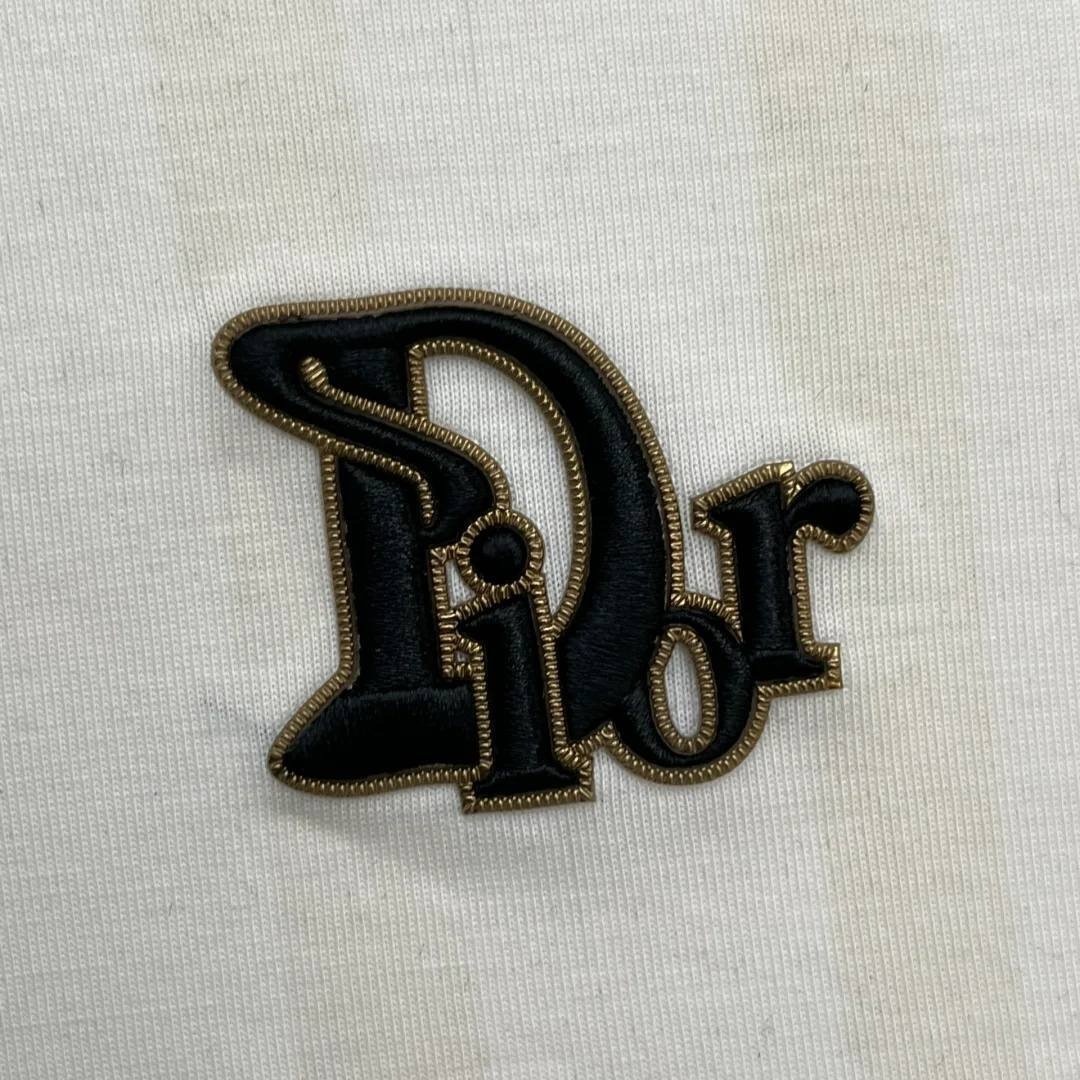
Thread Density and Pile Height Control
Precise stitch density and foam thickness determine how boldly a design rises from the fabric. Our R&D team calibrates each variable by garment type, ensuring consistent lift, sharp definition, and tactile presence that commands attention on any streetwear piece.
- Foam thickness options from 3 mm to 8 mm matched to design scale and fabric weight
- High-density underlay stitching locks foam in place and prevents shifting after repeated washes
- Stitch angle mapping ensures uniform pile height across complex, multi-element logos
- Side-by-side swatch approvals included in every sample round before bulk production begins
Backing Material Selection for Lasting Structure
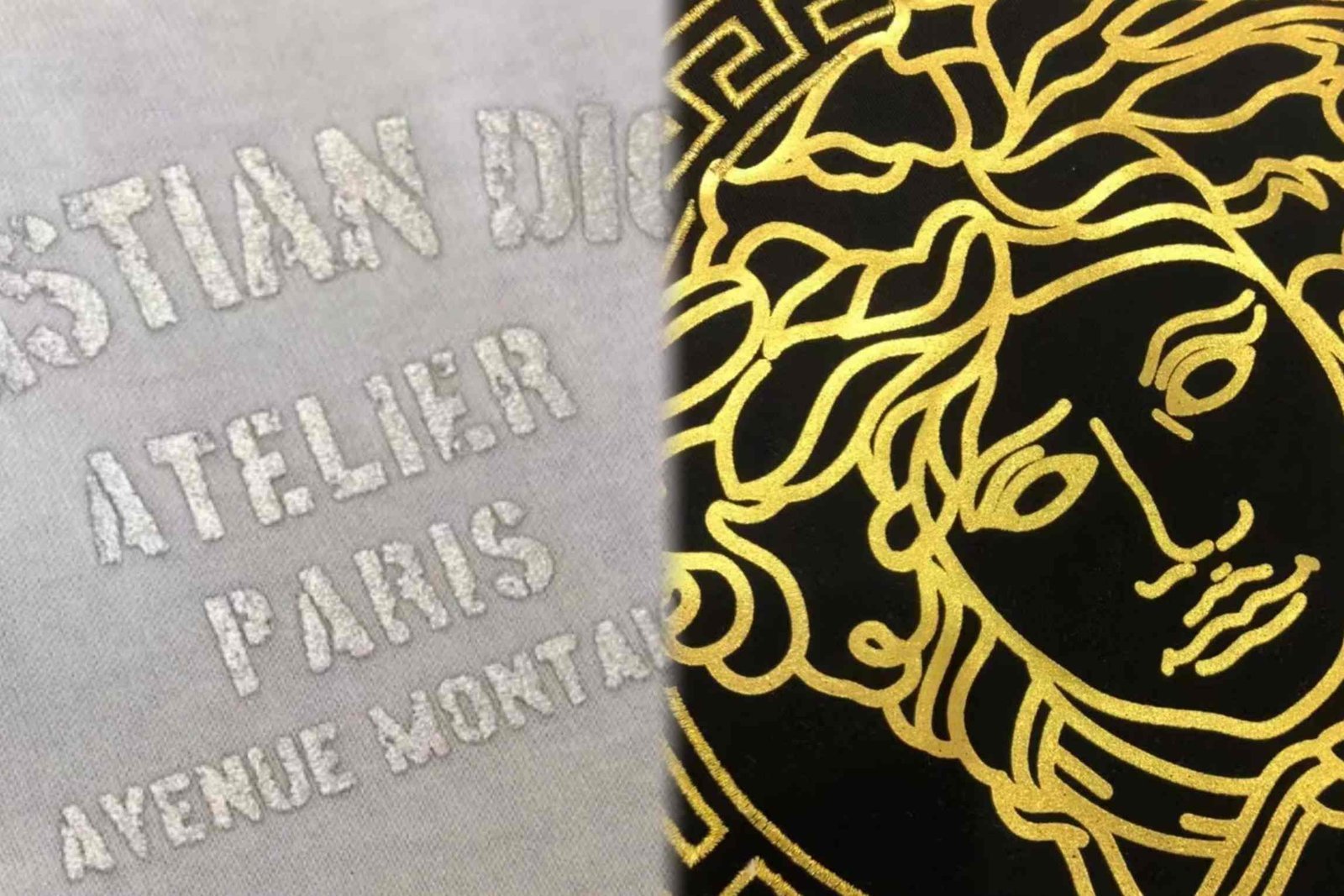
The stabilizer beneath every 3d puff embroidery design directly affects drape, hand-feel, and long-term shape retention. We select from cut-away, tear-away, and water-soluble backings based on fabric stretch, garment construction, and end-use durability requirements.
- Cut-away backings chosen for structured panels including caps, jackets, and heavyweight fleece
- Tear-away options applied on stable, non-stretch fabrics to maintain clean, lightweight finishes
- Topping films placed over foam to achieve crisp thread coverage and a smooth surface texture
- Backing weight validated during our cutting QC stage as part of the 5-step QC methodology
Heat-Setting and Curing for Dimensional Precision
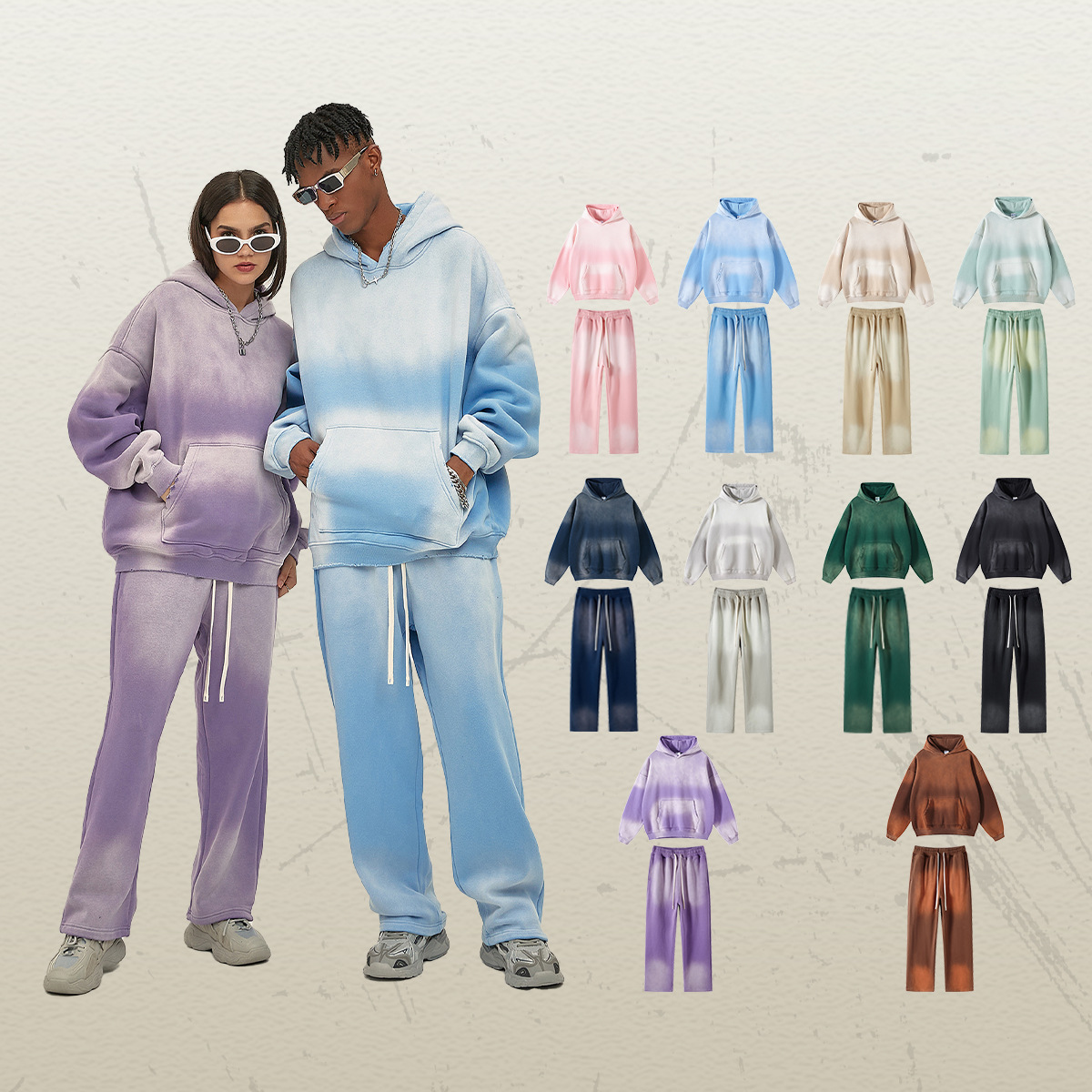
Controlled heat-setting permanently fixes foam compression under finished stitching, locking in the raised profile without distortion. Our curing protocols define precise temperature bands and dwell times tailored to each foam grade and thread type used.
- Temperature-controlled pressing stations calibrated per foam density to prevent collapse or scorching
- Post-cure inspection verifies every raised element retains its intended height and contour
- Heat protocols adapted for sensitive fabrics including nylon shells, mesh, and performance blends
- Curing data logged per production batch as part of our clothing craft QC testing step
Wash Durability Engineered Into Every Stitch
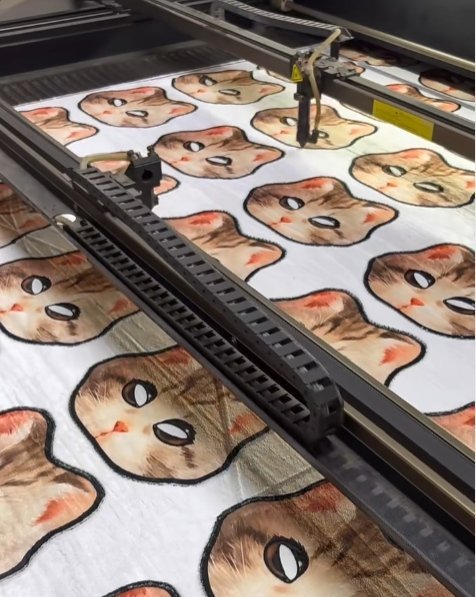
Premium 3d puff embroidery must hold its structure through repeated washing cycles. We combine thread tension calibration, foam compression ratios, and backing bonding strength to produce embroidery that looks as dimensional after 50 washes as it did on day one.
- Thread tension set to accommodate fabric relaxation during washing without pulling or puckering
- Finished-goods wash tests conducted before bulk sign-off as part of our 5-step QC guarantee
- Bobbin and top thread selected for colorfastness ratings that meet global brand standards
- Foam grades sourced from certified suppliers with tested compression-recovery data on file
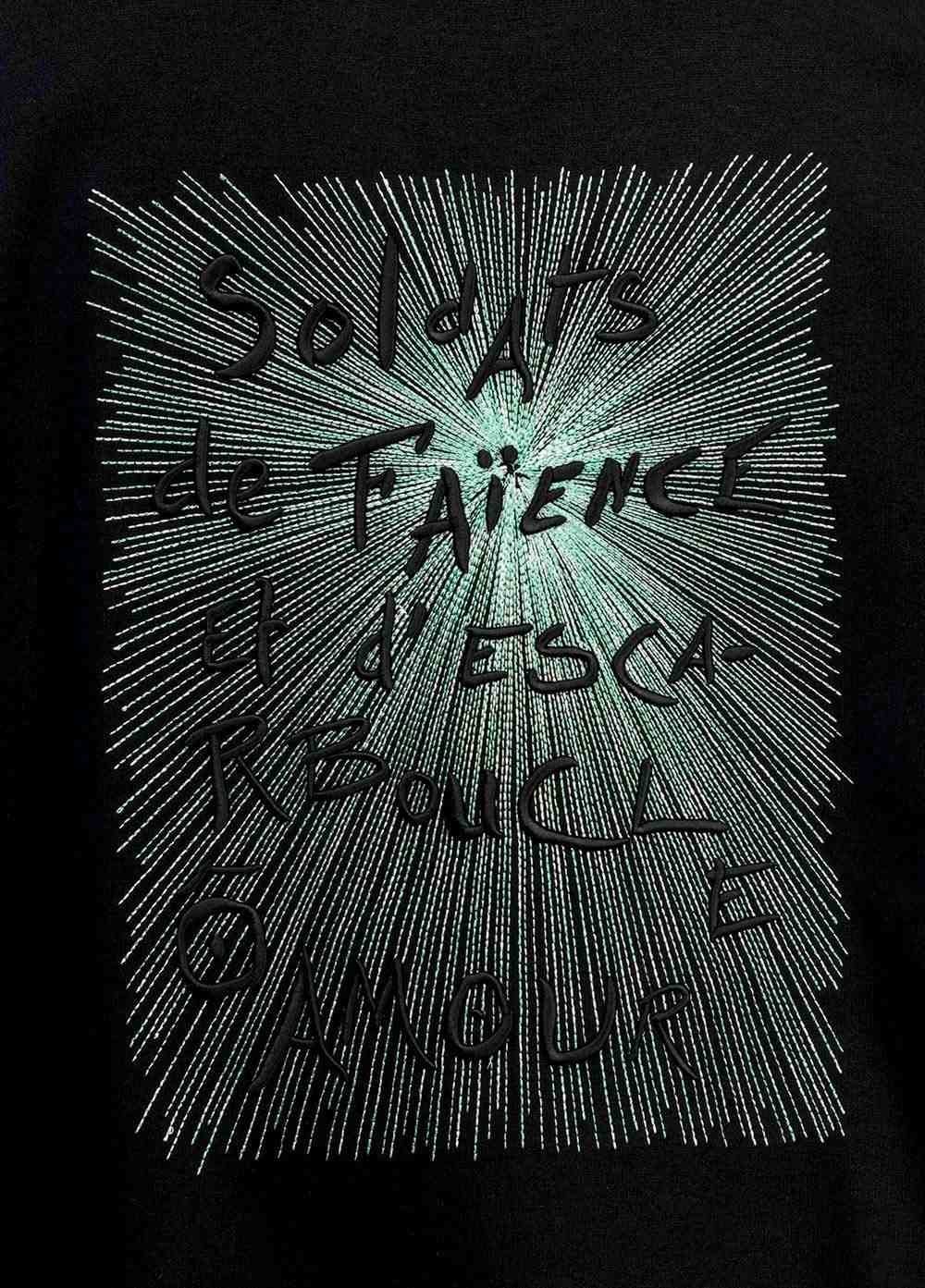
3D Puff Embroidery vs. Flat Embroidery
Before you commit to a technique, see exactly how 3D puff embroidery stacks up against standard flat embroidery on every attribute that drives your brand decision — fabric, durability, design prep, and impact.
← 左右滑动查看 →
3D Puff Embroidery Production Process
Every order moves through six precision-controlled stages, each anchored to our 5-step QC guarantee so every raised design ships flawless.
Design Digitization & Approval
Your artwork is converted into precision stitch files with foam height, stitch density, and thread paths mapped to maximize the raised 3D puff embroidery effect.
Materials QC & Frame Setup
Foam thickness, thread color, and base fabric pass our materials QC checkpoint before garments are hooped and tensioned to exact frame specifications.
Precision Machine Embroidery Run
Industrial multi-head embroidery machines execute the digitized file, stitching precisely over foam underlays to build the bold dimensional relief your brand demands.
Backing & Foam Trim
Stabilizer backing is removed and excess foam hand-trimmed, revealing crisp edges and the clean sculptural definition that makes 3D puff embroidery stand apart.
Heat-Curing & Finishing
Controlled heat bonds every stitch and locks the raised puff structure permanently, ensuring the dimensional form survives repeated washing without sagging or distortion.
Final 5-Step QC Inspection
Each finished piece is verified against our 5-step QC guarantee: stitch density, foam height uniformity, color accuracy, edge definition, and overall presentation are confirmed before shipment.
How to Order Custom 3D Puff Embroidery
Five straightforward steps — from your first file upload to global delivery — with our 5-step QC guarantee embedded at every stage.
Submit Your Artwork and Brief
Send vector art files with color separation details, your garment type, placement specs, and target quantity so our team can assess your 3D puff embroidery requirements accurately.
Confirm Your Quote and MOQ
We confirm pricing, foam and thread color options, and your minimum order quantity — low MOQ available for emerging brands — within 24 hours of receiving your files.
Approve Your Pre-Production Sample
Our in-house sampling team digitizes and stitches a physical sample for your approval, ensuring raised dimensions, color accuracy, and fabric hand all match your brand vision.
Launch Bulk Production Under QC
Bulk production runs under our five-step QC methodology — covering materials, cutting, craft, sewing, and final inspection — so every 3D puff embroidery piece meets your exact standard.
Ship Worldwide with Full Support
Finished garments are packed and dispatched globally with logistics coordination, customs documentation, and real-time tracking, delivering your order on schedule wherever your brand operates.
What Brands Are Saying About Our 3D Puff Embroidery
We launched our first capsule drop with 3D puff embroidery logo hats and sold out 300 units in 48 hours. The raised texture is exactly what our audience wanted — premium feel, zero quality complaints. Sampling took under 2 weeks.
As an independent designer, I needed low MOQ and fast turnaround. Clothing Manufacturer Ltd. delivered 80 puff embroidery hoodies on time with flawless consistency across every piece. My Shopify store went from 0 to 12,000 followers in 3 months off this collection alone.
We switched to Clothing Manufacturer Ltd. after a bad experience elsewhere. Their 5-step QC caught a foam density issue in sampling before production — saved us from a costly recall. Our 3D puff embroidery line now accounts for 40% of seasonal revenue.
3D Puff Embroidery FAQs
Everything streetwear brands, startups, and designers ask before placing an order — answered directly by our production team.
What fabrics work best for 3d puff embroidery?
How tall can the foam raise a design, and what limits the pile height?
What is the minimum order quantity for 3d puff embroidery?
Can 3d puff embroidery be combined with screen printing, appliqué, or flat embroidery?
What is the maximum design size for a single 3d puff embroidery placement?
How durable is 3d puff embroidery after repeated washing?
What art file formats do I need to supply for a 3d puff embroidery order?
How long does sampling take, and is the sample fee credited on bulk orders?
Do you ship 3d puff embroidery orders globally, and what are typical bulk lead times?
The Complete Buyer’s Guide to 3d puff embroidery
Everything streetwear brands, independent designers, and global retailers need to evaluate suppliers, specify quality standards, avoid costly ordering mistakes, and confidently launch apparel with standout 3d puff embroidery.
1. What Is 3d Puff Embroidery and How Does It Work?
3d puff embroidery uses a foam underlay — typically EVA or PE, cut to shape at 2mm to 12mm thick — placed beneath the top stitching so thread wraps tightly over the raised form. The result is a sculptural, dimensional logo or lettering that projects visibly off the fabric surface.
Flat embroidery relies on uniform stitch tension pressed flush against the base fabric, making it suitable for fine detail and small text below 8mm tall. 3d puff embroidery requires elevated digitizing tension so stitches grip and compress the foam edge cleanly, which is why bold, blocky letterforms and simple geometric shapes perform best.
Foam thickness directly controls height: 2mm–4mm delivers subtle logo elevation on structured garments, while 8mm–12mm produces the hard, chunky cap embroidery strongly associated with hip-hop and skate aesthetics. Streetwear silhouettes — snapbacks, hoodies, and varsity jackets — have driven most 3d puff adoption because the raised profile reads clearly from a distance and photographs with strong shadow contrast.
If your brand identity centers on clean, bold marks with strong silhouette — wordmarks, single-color mascots, or varsity numerals — 3d puff embroidery is a technically correct and commercially proven match. Brands requiring photorealistic fills or lettering smaller than 6mm should evaluate flat embroidery or woven labels instead.
| Feature | Flat Embroidery | 3D Puff Embroidery |
|---|---|---|
| Underlay material | None | EVA or PE foam |
| Foam thickness | N/A | 2mm–12mm |
| Stitch tension | Standard, uniform | Elevated, edge-gripping |
| Best for | Fine detail, gradients, small text | Bold logos, block letters, numerals |
| Visual result | Flush, smooth, textile-surface | Raised, sculptural, off-surface |
2. The Rise and Cultural History of Raised Embroidery
By the early 1980s, foam-backed raised lettering had become the standard decoration technique on structured athletic caps, favored by American sports leagues that needed logos readable from bleacher distances. The physical height of the stitching made insignia unmistakably bold, and licensed cap manufacturers quickly recognized its commercial leverage over flat embroidery.
Hip-hop culture seized on that visibility in the late 1980s and carried it through the 1990s. Snapbacks and six-panel caps featuring 3d puff embroidery appeared on album covers, in music videos, and courtside — worn by artists and athletes who understood that a raised logo projected status with a tactile presence flat stitching could not match. Varsity jackets with puffed chest crests followed the same logic, anchoring the technique firmly to the emerging streetwear vocabulary.
New Era’s 59FIFTY fitted cap, which became the official on-field cap of Major League Baseball in 1993, brought 3d puff embroidery to a global mass audience and established it as a mark of licensed authenticity. Supreme later reinforced that signal in its seasonal headwear drops, demonstrating that a single raised logo could function as a premium branding device for an independent streetwear label just as effectively as for a major sports franchise.
Since roughly 2020, luxury streetwear labels and influencer merchandise lines have driven a full-scale revival of the technique. Brands entering production today recognize that 3d puff embroidery carries decades of accumulated cultural credibility — street authenticity from hip-hop, premium signaling from New Era and Supreme — making it one of the few decoration methods that communicates both heritage and exclusivity at once.
3. Types of 3d Puff Embroidery Every Brand Should Know
Not all 3d puff embroidery delivers the same visual result — foam thickness, stitch architecture, and surface texture vary significantly by type. Matching the right variety to your brand identity prevents costly sampling rounds.
Flat-Top Puff
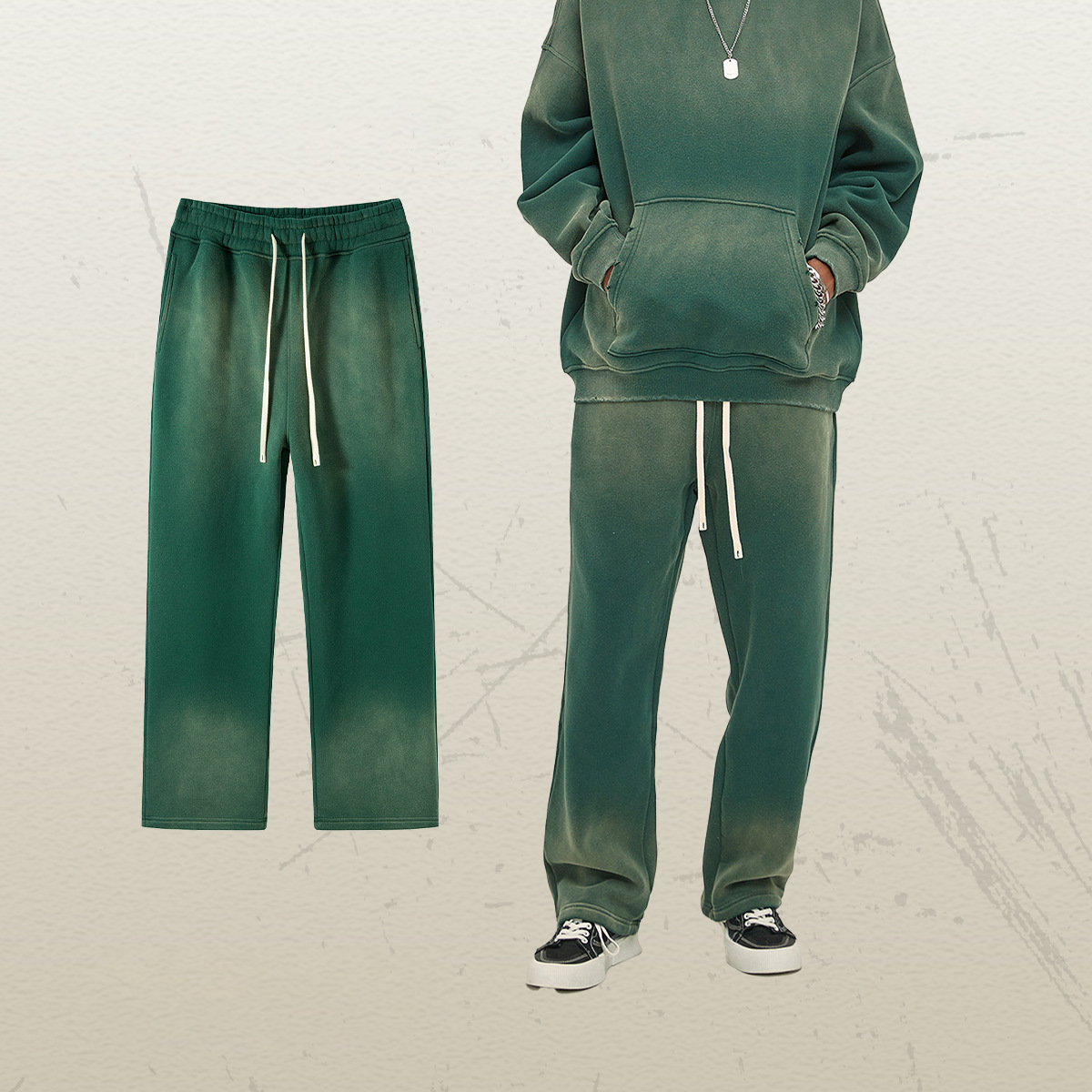
Flat-top puff uses 4–6 mm foam cut to uniform height, producing crisp, geometric edges with a billboard-clean finish. It suits structured caps, varsity jackets, and workwear where sharp logo legibility is non-negotiable.
Stitch complexity is moderate — a tight satin column run at 45° keeps foam edges sealed without flagging. Brands projecting authority or minimalist streetwear aesthetics favor this type.
Dome and Sculpted Puff
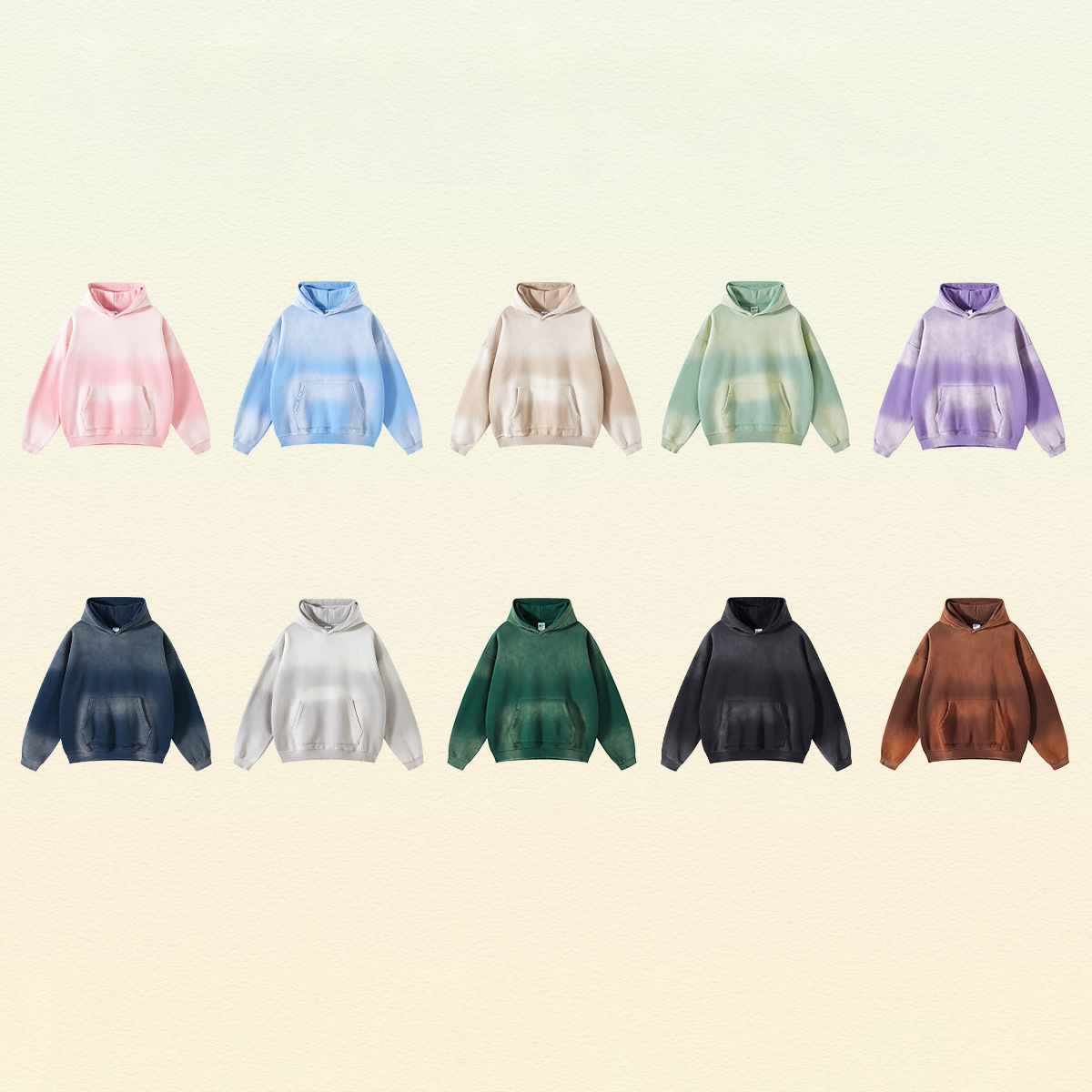
Dome puff layers 6–10 mm curved foam beneath rounded letterforms, creating a three-dimensional arc that catches light from multiple angles. It reads as premium on hoodies, bomber jackets, and collegiate knitwear.
Higher foam height demands slower machine speeds and denser fill counts, raising stitch complexity to advanced. Brands with bold, expressive identities — sports labels, hip-hop-influenced lines — get strong ROI here.
Mixed Flat-and-Puff
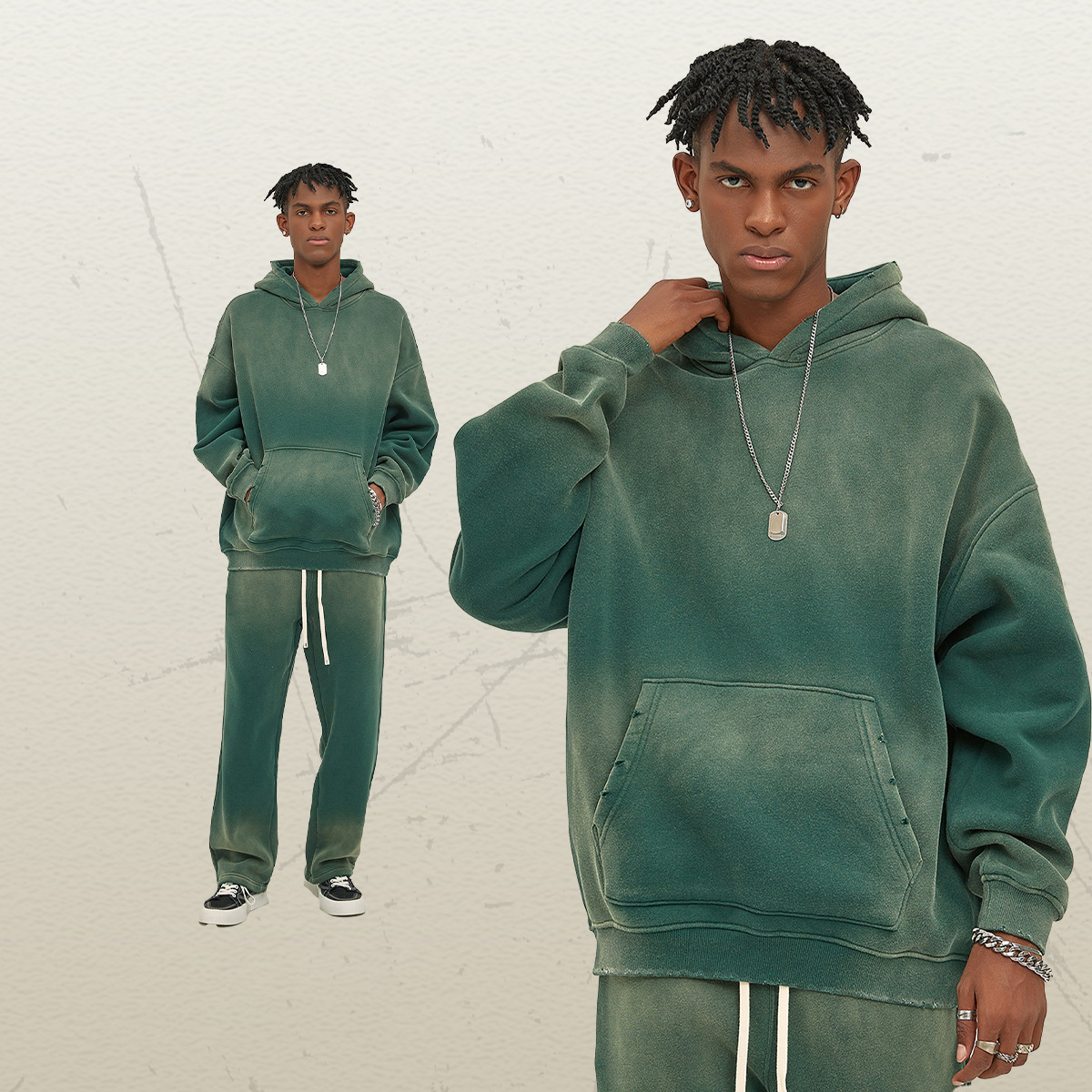
Mixed technique raises the central logo element on 4–6 mm foam while surrounding detail stitching remains flat, creating deliberate contrast in one design. This approach works well on T-shirts and sweatshirts where visual hierarchy matters.
Stitch complexity is high — the digitizer must program foam-on and foam-off zones precisely. Brands layering wordmarks over illustrative graphics benefit most from this variety.
Gradient-Density Puff
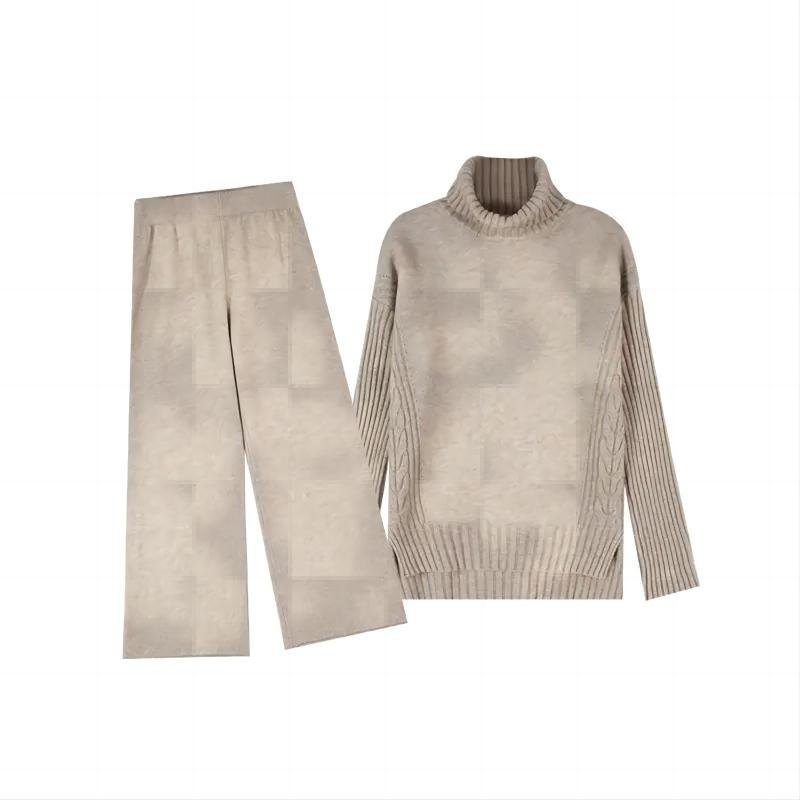
Gradient-density puff varies foam thickness from 2 mm to 8 mm across a single motif, simulating a sculptural depth that flat methods cannot replicate. It is best deployed on heavyweight fleece and outerwear where the garment can support the added foam mass.
Digitizing this type requires advanced software and experienced operators, making it the highest-complexity option. Independent designers and luxury streetwear labels use it to signal craft differentiation.
Chenille-Blend Puff
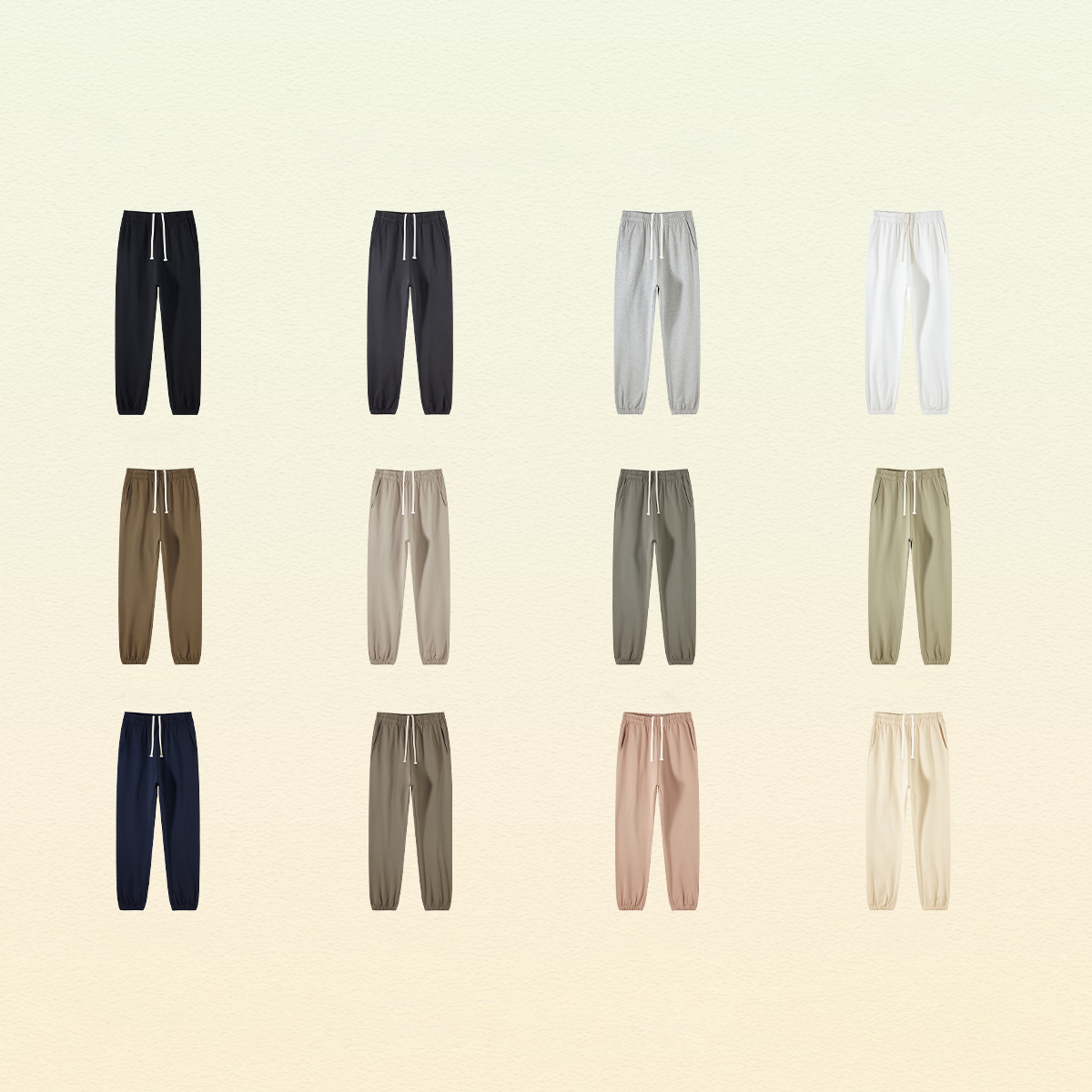
Chenille-blend puff stacks looped chenille yarn over a 4–6 mm foam base, combining tactile softness with raised dimensionality. Varsity jackets, collegiate crew necks, and retro-inspired pieces are ideal garment categories.
The looped texture obscures sharp stitch lines, so designs should favor bold, open letterforms over fine detail. Brands leaning into nostalgic or Americana aesthetics gain the most from this type.
4. Best Materials and Fabrics for 3d Puff Embroidery
Three variables — base fabric structure, foam density, and thread weight — determine whether 3d puff embroidery holds its raised profile for years or collapses after a few washes. Matching all three correctly is the most impactful production decision before sampling begins.
| Fabric Type | Foam Compatibility | Recommended End-Use | Durability Rating |
|---|---|---|---|
| Structured wool blend | EVA/PE — high | Premium fitted caps | 5/5 |
| Cotton twill | EVA — high | Snapbacks, tote bags | 5/5 |
| Canvas | EVA — high | Workwear, bags | 4/5 |
| Polyester mesh | EVA — medium | Athletic caps, jerseys | 4/5 |
| Structured fleece | EVA — medium | Hoodies, beanies | 4/5 |
| Loose knit | Not compatible | Avoid | 2/5 |
| Thin jersey | Not compatible | Avoid | 1/5 |
Best and Worst Base Fabrics
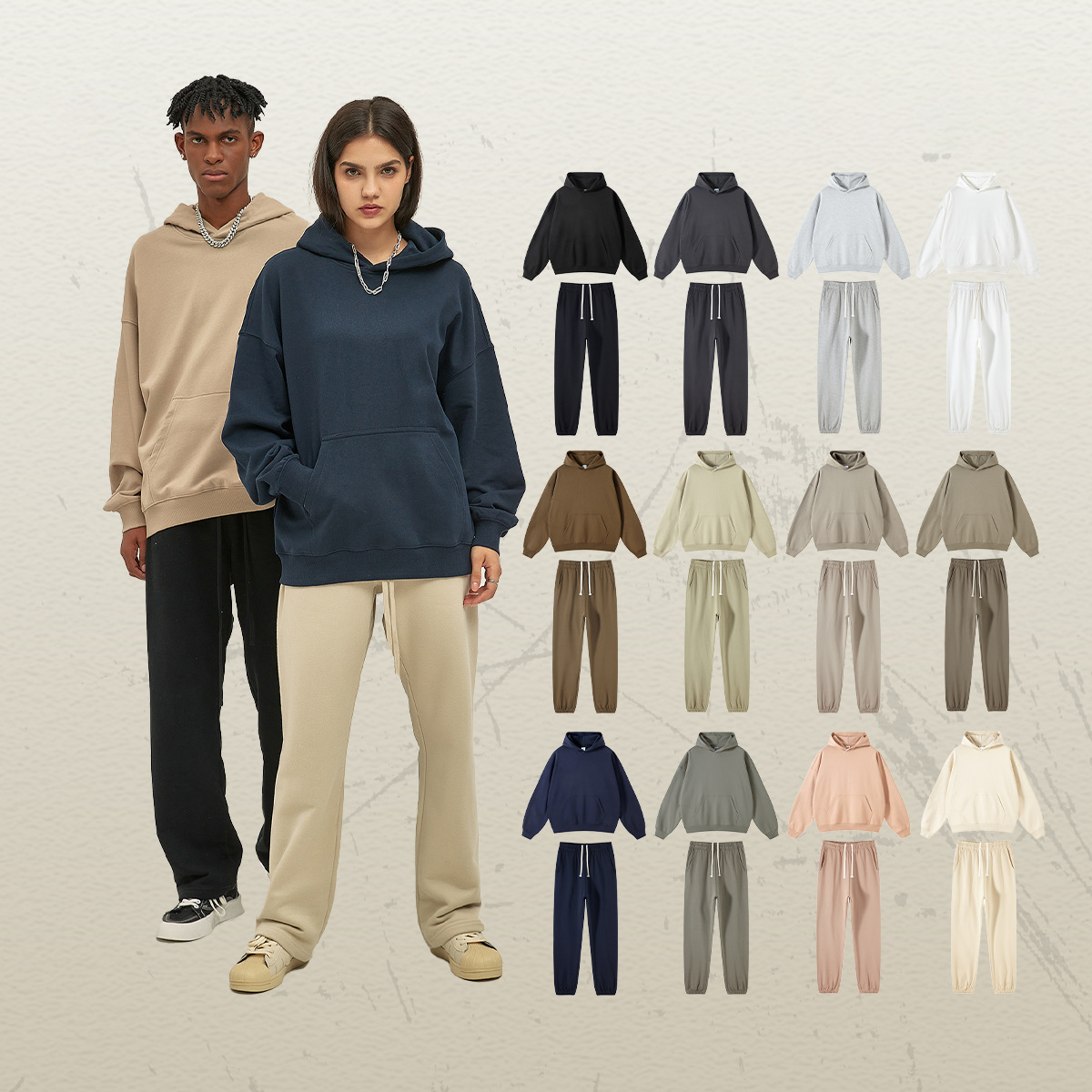
Structured wool blend (280–320 GSM), cotton twill, and canvas provide the dense weave needed to anchor foam-supported stitching without distortion. Polyester mesh and structured fleece (300+ GSM) also perform well for athletic and lifestyle silhouettes.
Four-way stretch fabrics, loose knit, and thin jersey under 180 GSM destabilize foam placement and cause stitch pull-through — avoid all three.
EVA vs. PE Foam Core
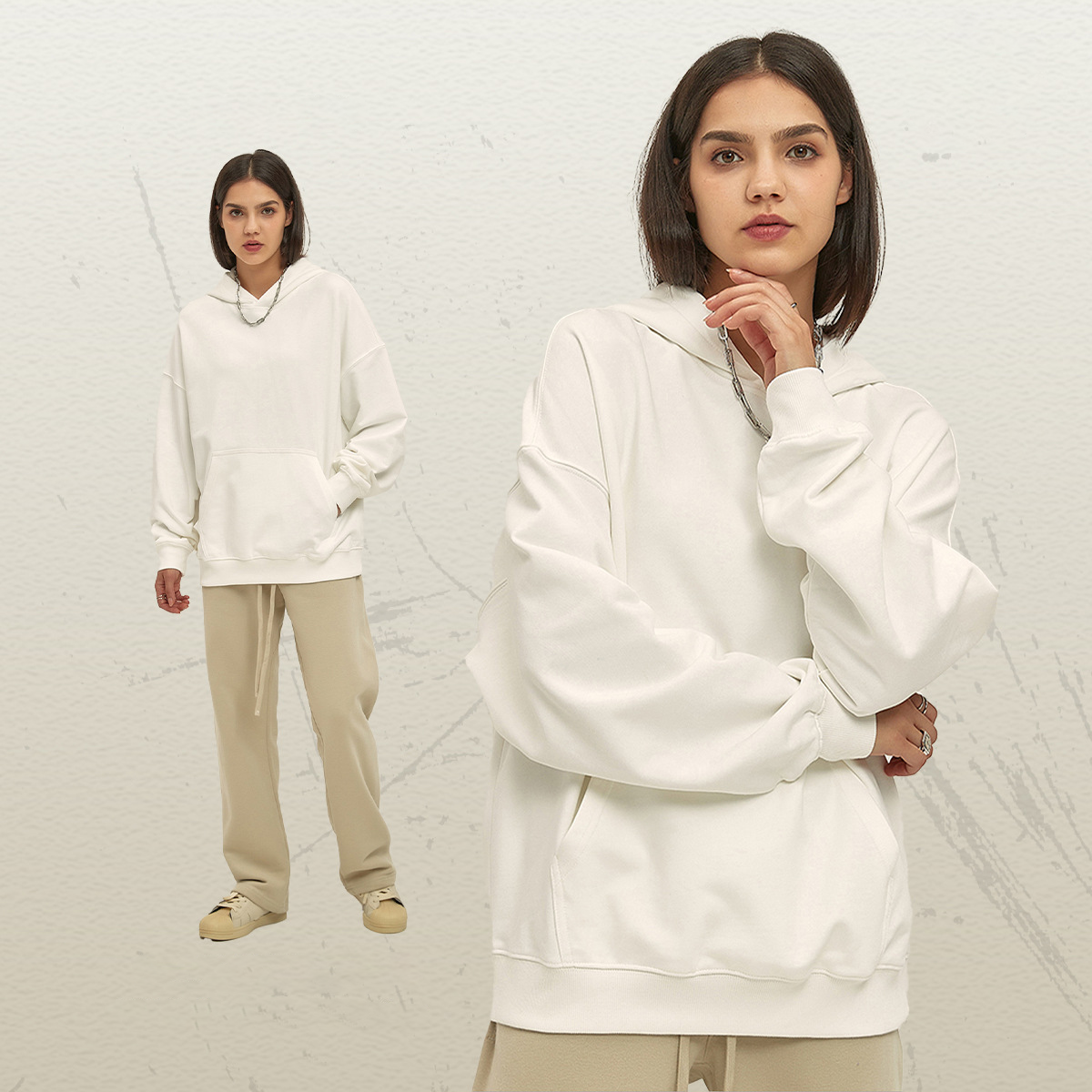
EVA foam at 3–6 mm thickness is the industry standard for 3d puff embroidery — it compresses cleanly under needle penetration and rebounds consistently after washing. PE foam supports extreme-height designs above 8 mm but increases needle wear and reduces machine throughput by roughly 15–20%.
Thread Types and Backing Stabilizers
Rayon thread (40-weight) delivers the high-sheen finish streetwear brands favor; polyester thread resists UV fade and repeated washing above 60°C, making it the durability default. Metallic thread works as a design accent but requires reduced machine tension to prevent breakage.
Cut-away stabilizer is mandatory for structured base fabrics — it permanently supports the stitch field through repeated washes. Tear-away suits lighter canvas applications but loosens under daily wear.
5. Customization and Decoration Options for Brand Distinction
3d puff embroidery offers up to 15 thread colors per design, variable foam heights, and multiple placement zones — giving brands precise, Pantone-matched control over dimensionality and garment real estate.
Thread Colors and Pantone Matching
Up to 15 thread colors per design is the practical cap for most 15-needle industrial heads. Specify Pantone codes at the order stage; factories cross-reference against Madeira or Isacord thread conversion charts to minimize color delta across production runs.
Placement Zones for Brand Impact
Primary zones — hat crown, chest left, sleeve cap, and back yoke — each carry different tension profiles and stitch-count limits. Hat crowns suit 4–6mm foam for bold wordmarks; sleeve caps demand compact designs under 3 inches wide to avoid puckering.
Digitizing Requirements: Puff vs. Flat
Puff digitizing requires satin columns 20–30% wider than flat to fully cover foam edges; underlay stitches run perpendicular to foam direction to anchor the material. Flat areas within the same design use standard density (4–5 stitches per mm²) and must be digitized on a separate layer.
Metallic and Glow-in-the-Dark Threads
Metallic threads — such as Madeira Metallic No.40 — reduce machine speed by 20–30%, adding cost per thousand stitches. Glow-in-the-dark threads use UV-reactive polyester filaments and add roughly 10–20% in material cost; confirm wash-fastness ratings before specifying for streetwear applications.
Logo Complexity, Stitch Count, and Cost
A simple 5-letter wordmark typically runs 3,000–5,000 stitches; adding multi-layer puff, color blocks, and fine detail can push counts past 15,000, increasing both run time and per-unit cost. Simplify anchor points and maintain a minimum letter height of 6mm to keep digitizing clean and pricing manageable.
6. Key Construction Quality Elements in 3d Puff Embroidery
Ordering bulk 3d puff embroidery without documented quality benchmarks invites inconsistency at scale. Six measurable criteria separate a production-ready sample from one that will fail after a few wash cycles or unravel at tie-off points.
| Quality Element | Benchmark | How to Test |
|---|---|---|
| Stitch Density | 40–60 stitches per cm² | Magnification + visual count |
| Tie-Off Security | 3+ back-stitches per point | Pull thread tail firmly |
| Foam Edge Trimming | Zero raw foam at perimeter | 10× magnification |
| Backing Weight | 60–90 g/m² cut-away | Check reverse for puckering |
| Colorfastness | ISO 105-C06 rating ≥ 4 | Request lab test report |
| Thread Tension | Flat bobbin threads | Inspect reverse for loops |
Stitch Density and Tie-Off Security
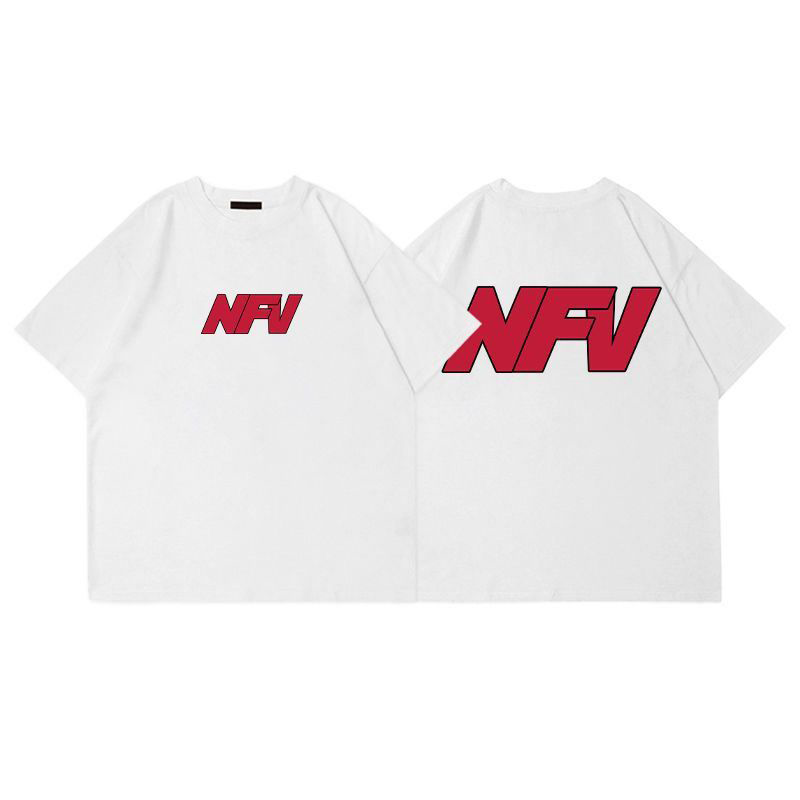
Solid fill areas require 40–60 stitches per cm² for complete foam coverage; lower density leaves foam edges visibly exposed.
Tie-offs at every start and end point need a minimum 3-stitch lockdown. On a physical sample, pull each thread tail firmly — it should not slip under moderate hand tension.
Foam Edge Trimming Precision
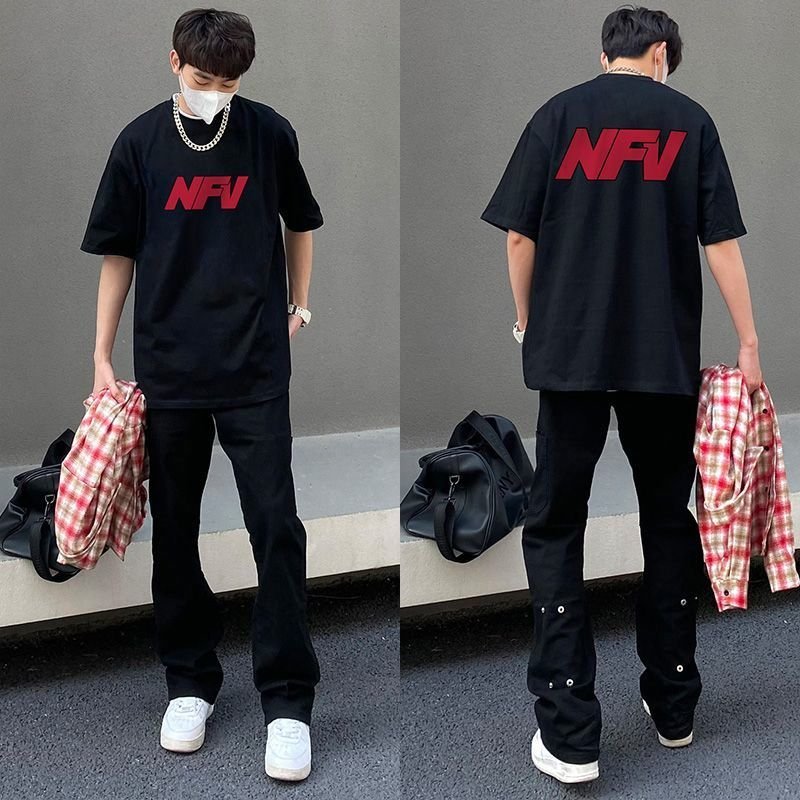
Foam must be trimmed flush to the embroidered border; raw foam protruding beyond stitching signals a production failure.
Inspect samples under 10× magnification — no foam should be visible at the perimeter. White foam fringe worsens after laundering and cannot be corrected post-production.
Backing Type Matched to Fabric Weight
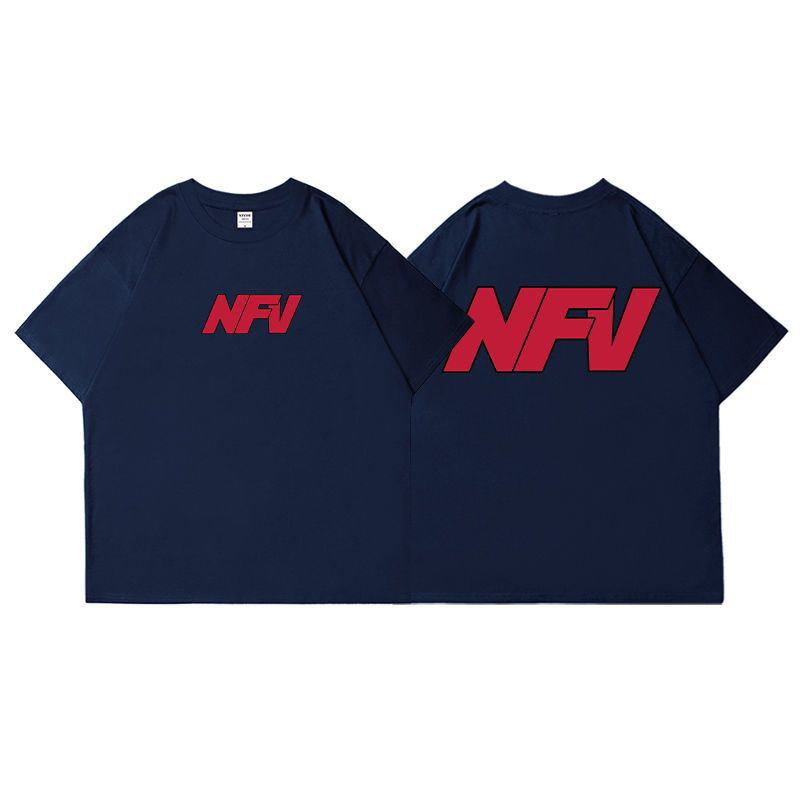
Fabrics under 200 GSM need a cut-away backing rated 60–75 g/m² to prevent distortion around the puff design.
Heavier French terry or fleece (300–400 GSM) warrants a stiffer 90 g/m² cut-away. Mismatched backing causes puckering and tunneling that no finishing process can reverse.
Colorfastness and Thread Tension Standards
Require ISO 105-C06 wash test results rated 4 or above (scale of 1–5) before confirming thread colors.
Uneven thread tension creates raised loops or ‘birdnesting’ on the reverse side. Flip the sample — all bobbin threads should lie flat with no looping across any color block.
7. How to Choose a 3d Puff Embroidery Manufacturer
Vetting a 3d puff embroidery partner requires more than a price quote. Evaluate each supplier against a structured checklist covering MOQ, equipment, digitizing, certifications, and communication before committing to bulk production.
MOQ Flexibility and Startup-Friendly Terms
Reputable manufacturers offer MOQs between 30 and 100 pieces per design for startups, scaling down to single-sample runs. Confirm whether MOQ applies per colorway or per style — a key distinction that affects launch costs significantly.
In-House Digitizing Capability
In-house digitizing, using software like Wilcom or Pulse, ensures foam height, density, and pull compensation are tuned before any stitching begins. Outsourced digitizing adds 3–7 days, introduces miscommunication risk, and signals a supplier without full technical control.
Machine Fleet and Production Capacity
Commercial-grade 15-needle, multi-head embroidery machines — brands like Tajima, ZSK, or Barudan — produce consistent stitch tension across large runs. A factory running fewer than 10 heads typically cannot meet bulk deadlines above 500 pieces per week.
Sample Turnaround and Quality Certifications
Request a pre-production sample before any bulk commitment; standard turnaround is 5–10 business days. Ask for ISO 9001 or OEKO-TEX Standard 100 documentation — these certifications confirm both process control and fabric safety compliance.
Red Flags That Should Disqualify a Supplier
Avoid suppliers who quote opaque per-stitch pricing without a full DST file review or who share no production-floor photos. Outsourced digitizing, no sample policy, and vague lead times are disqualifying signs.
- Outsourced digitizing with no in-house Wilcom or Pulse capability
- Per-stitch pricing quoted before reviewing your artwork file
- No production photos or machine-floor documentation available
- Inability to provide a pre-production sample before bulk order
- Missing ISO 9001 or OEKO-TEX certifications on request
8. Common Mistakes Brands Make When Ordering Embroidered Apparel
Even experienced buyers lose thousands of dollars to avoidable production errors. The six mistakes below account for the majority of rejected bulk orders, costly remakes, and delayed launches in 3d puff embroidery production.
Skipping Digitizing Approval Before Bulk
Approving a design file without a stitched sample causes irreversible errors at scale. Foam height, stitch density, and pull compensation all behave differently on actual fabric. Fix: always sign off on a physical digitizing sample before releasing any bulk purchase order.
Wrong Foam Thickness for Fine Design Detail
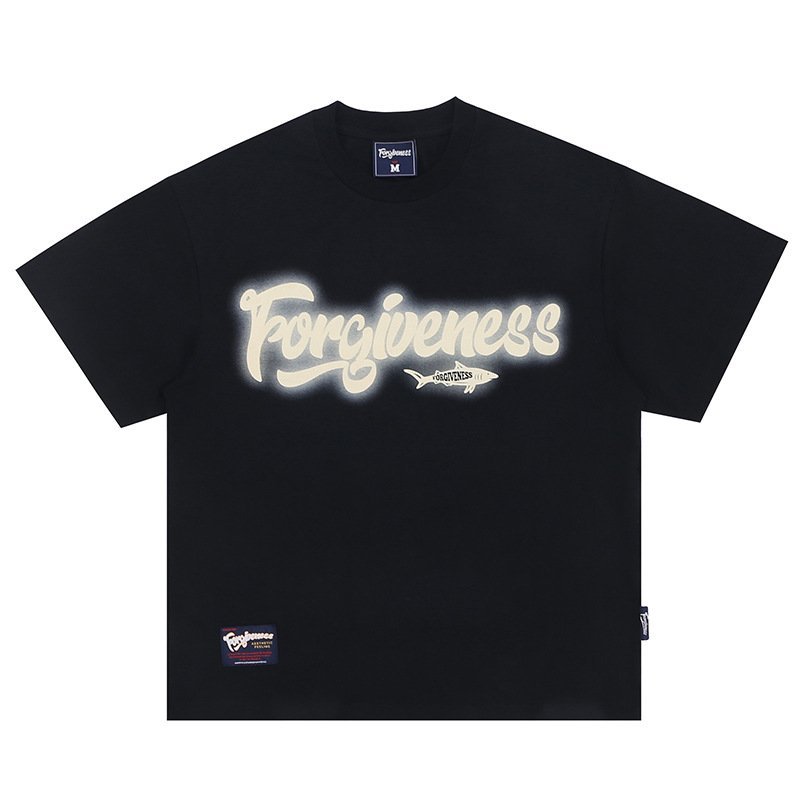
Standard 3mm foam renders lettering under 8mm illegible — stitches collapse the foam edges. Fine-detail logos require 1.5–2mm foam or flat-fill sections. Fix: require the digitizer to specify foam thickness in the tech pack, matched to your smallest design element.
Ordering on Unsupported Fabrics
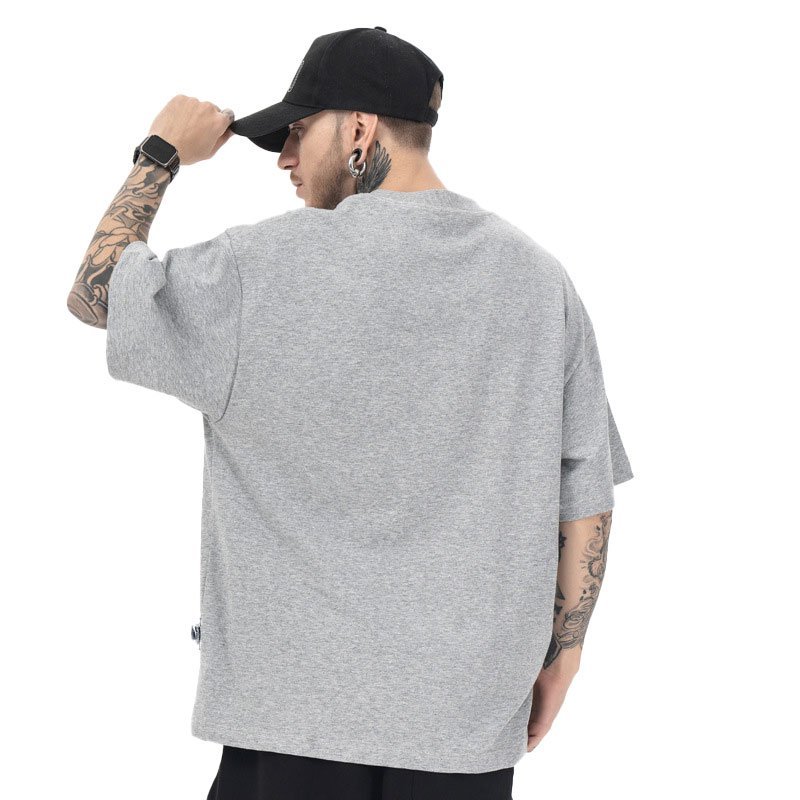
Thin jersey under 180 GSM destabilizes during hooping, causing puckering and registration drift. 3d puff embroidery requires a stable ground cloth — ideally structured cotton twill, canvas, or fleece at 280–320 GSM. Fix: confirm fabric weight and backing type before sampling.
Ignoring Garment Shrinkage Tolerances
A logo centered on a pre-wash garment can shift 8–12mm after a single 60°C wash cycle if shrinkage tolerance is unaccounted for. Fix: specify post-wash placement coordinates in your tech pack and require the factory to test on pre-washed blanks.
Failing to Specify Colorfastness Requirements
Thread color passing a visual Pantone match can still fail ISO 105-C06 wash colorfastness at grade 3 or below. Specify minimum grade 4 colorfastness and require documented test reports from your manufacturer before bulk production begins.
Confusing 3D Puff With Woven or Rubber Patches
Brands routinely receive woven labels or PVC rubber patches when they intended 3d puff embroidery, because purchase orders lack technique codes. These are distinct processes with different MOQs, tooling costs, and lead times. Fix: specify ‘raised foam embroidery’ explicitly on every order form.
9. Steps to Launch Your Brand With 3d Puff Embroidery
Launching a brand with 3d puff embroidery takes 4–8 weeks from first file to finished carton. Knowing each checkpoint — and what can stall it — keeps your timeline and supplier relationship on track.
Concept and Vector Artwork Prep
Convert all logo elements into AI or EPS vector format at 300 dpi minimum. Puff areas must be isolated on separate layers so the digitizer can assign foam underlays precisely.
Allow 2–3 business days for artwork review before submission.
Digitizing Brief Submission
Submit a written brief specifying thread color by Pantone number, puff height (typically 3–6 mm), fabric type, and garment placement. A complete brief reduces digitizing revision rounds from 3–4 to 1, saving up to five days.
Sample Order Placement
Place a sample order of 3–5 pieces. Puff embroidery samples require 7–10 days, as foam thickness and stitch density demand test stitchouts to confirm height and edge definition before bulk production is authorized.
Sample Review and Written Approval
Check puff height, edge crispness, thread color against the original Pantone swatch, and backing integrity on arrival.
Issue written approval via email — verbal sign-offs cause disputes and delay the production release date.
In-Line and Final QC Inspection
Clothing Manufacturer Ltd. runs a five-step QC process: materials, cutting, craft, sewing, and finished-goods inspection.
For puff embroidery, in-line checks at the sewing stage catch foam shift or thread breaks before they propagate across the full production run.
Delivery and Brand Rollout
Sea freight from Dongguan to the US or EU takes 18–25 days; air freight takes 5–7 days at roughly 4× the cost.
Plan reorders at 60% sell-through to avoid stockouts, and lock your digitizing file for consistent reprints across future seasons.
10. Pricing and Cost Breakdown for 3d Puff Embroidery Orders
3d puff embroidery unit costs hinge on four interacting variables: stitch count, foam height, thread color count, and garment substrate. Digitizing is a one-time fee per design file — not per order — so higher volumes amortize it fastest.
The tiers below reflect standard contract-embroidery rates at a China-based manufacturer. Rush production and artwork revisions after file approval each carry a fixed surcharge regardless of order quantity.
- Stitch count: each additional 1,000 stitches adds roughly $0.10–$0.15 per unit across all tiers.
- Foam height: 6 mm puff foam costs more than 3 mm — slower needle speed raises total labor time.
- Color count: cap thread colors at 6 to avoid machine-stoppage surcharges on lower-volume runs.
- Garment type: structured caps embroider fastest; stretch knits and fleece require stabilizer, adding cost per piece.
| Quantity Tier | Est. Unit Cost (USD) | Digitizing / Setup Fee | Standard Lead Time |
|---|---|---|---|
| 12–24 pcs | $4.50–$7.00 | $35–$50 (one-time) | 15–18 days |
| 25–99 pcs | $3.00–$5.00 | $35–$50 (one-time) | 12–15 days |
| 100–499 pcs | $1.80–$3.50 | $35–$50 (one-time) | 10–12 days |
| 500+ pcs | $1.20–$2.50 | Waived at this tier | 8–10 days |
| Rush surcharge | +20–30% on unit cost | — | Lead time cut ~40%; minimum fee applies |
| Re-digitizing fee | — | $15–$25 per revision | Triggered by artwork changes after file approval |
Ready to Elevate Your Designs with 3D Puff Embroidery?
Submit your artwork for a free sample quote — low MOQ, fast turnaround, and premium craftsmanship backed by our 5-step QC guarantee.