
Chain Stitch Embroidery: Raised Texture That Defines Premium Streetwear
Our chain stitch embroidery delivers bold, raised texture and an authentic hand-crafted look — ideal for logos, sleeve details, and statement accents on premium streetwear.
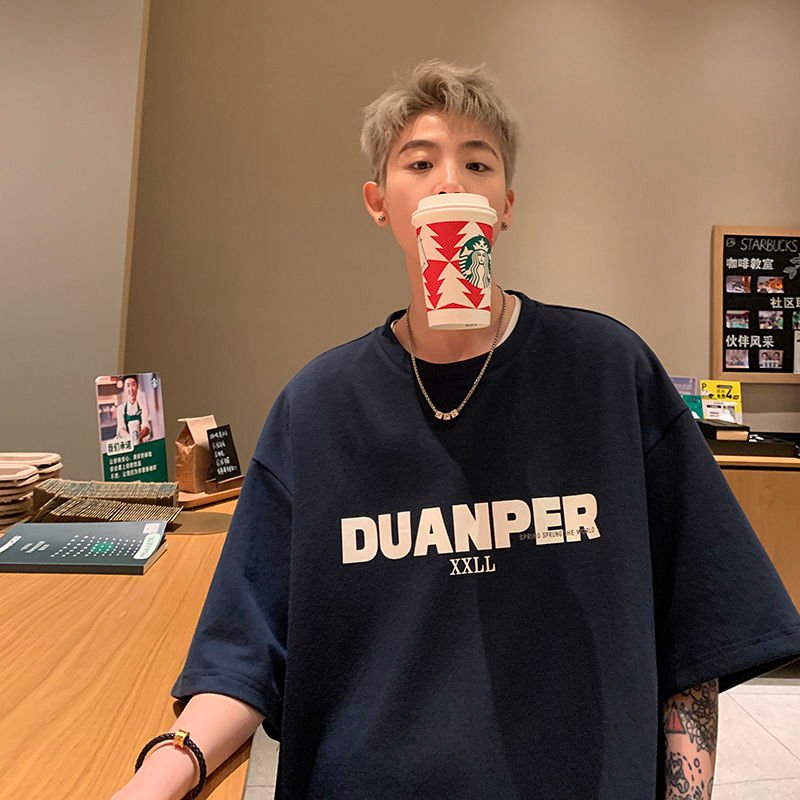
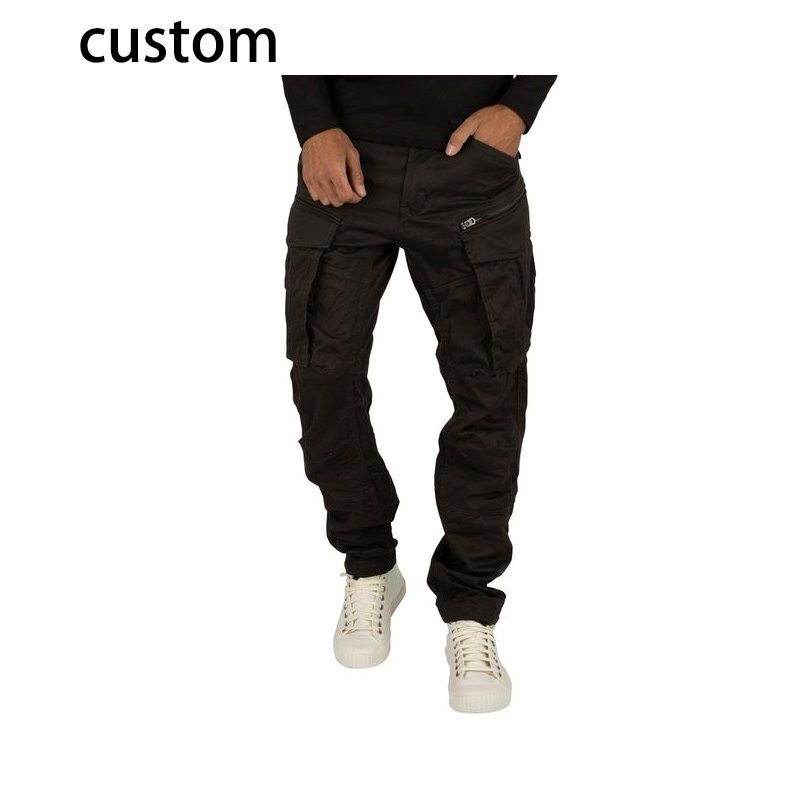
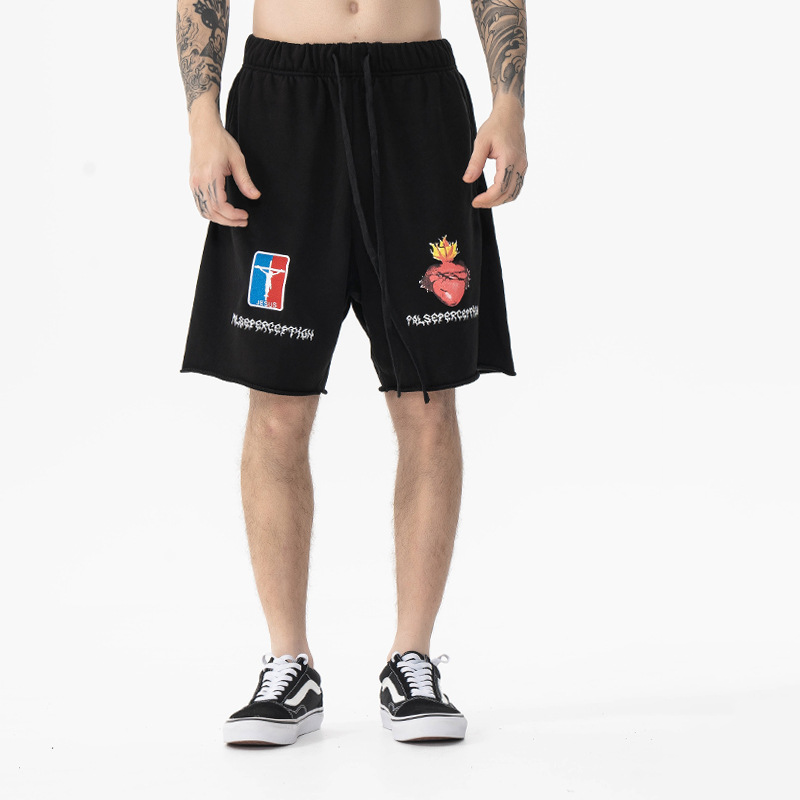
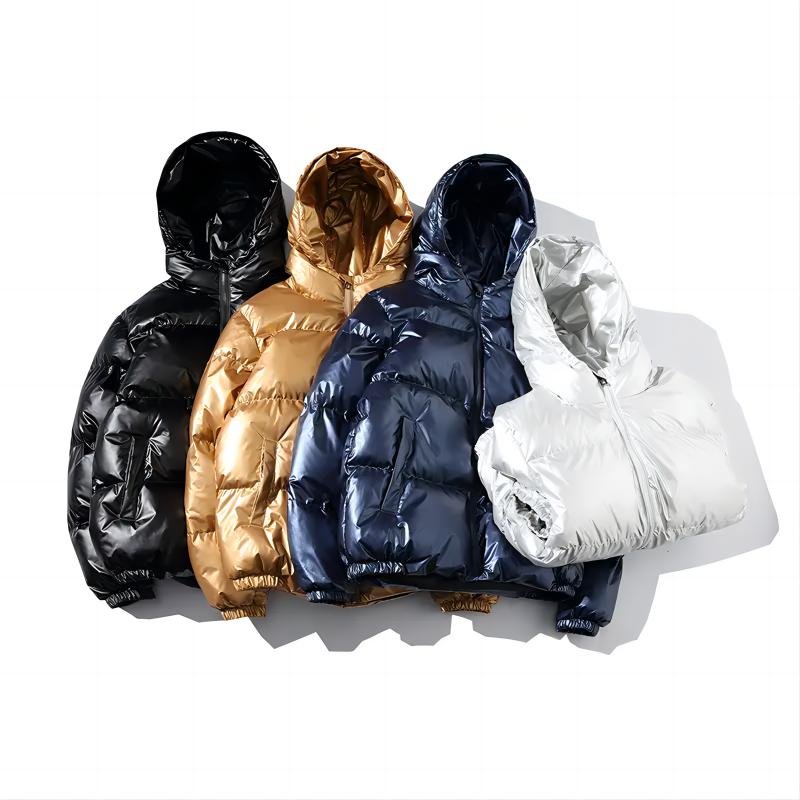
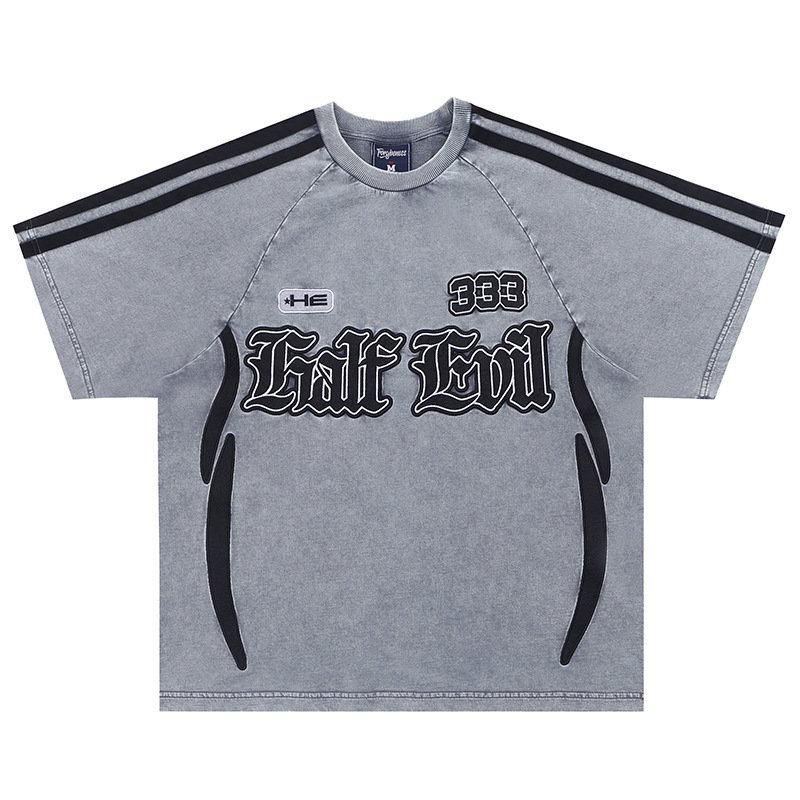
Finished Pieces: Chain Stitch Embroidery in Action
What Makes Chain Stitch Embroidery Stand Out
Six production-proven advantages that elevate garment texture, detail, and speed — built for brands that refuse to compromise.
Raised, Eye-Catching Texture
Looped thread construction creates a bold, dimensional surface that commands attention on any garment with premium tactile appeal.
Crisp, Defined Outline Detail
Chain loops stack cleanly along edges, delivering razor-sharp outlines perfect for logos, lettering, and graphic streetwear motifs.
Seamless Color Blend Effects
Smooth thread transitions between hues produce gradient and ombre effects that standard flat embroidery simply cannot replicate.
Faster Than 3D Puff
Chain stitch runs at higher machine speeds than 3D puff embroidery, shortening lead times and keeping seasonal drops on schedule.
Hundreds of Thread Colors
Access a vast thread color library matchable to any Pantone reference, so your brand palette translates exactly as envisioned.
Built for Heavy Fabrics
Chain stitch embroidery bonds reliably to fleece, denim, canvas, and other heavyweight substrates central to premium streetwear production.
Explore Chain Stitch Embroidery, Alternatives & Apparel Styles
Not sure which embroidery technique or product category is right for your brand? Browse the cards below to compare finishing methods side by side and discover how each applies across our full streetwear lineup.
Chain Stitch vs. Flat Embroidery
You love chain stitch's looped vintage texture but wonder if flat embroidery delivers a cleaner, more cost-efficient finish for simpler logos on high-volume streetwear drops.
Compare both techniques side by side — chain stitch delivers bold, rope-like depth, while flat embroidery excels at fine detail and tight color gradients on smooth garments.
Chain Stitch vs. 3D Puff
Your brand wants standout dimension on caps and hoodies, but you're torn between chain stitch's artisanal looped character and 3D puff embroidery's foam-raised relief effect.
Discover how chain stitch creates tactile, vintage-inspired elevation while 3D puff builds maximum visual height — then choose the right technique for your signature streetwear statement.
Chain Stitch vs. Applique
You want large-format artwork on outerwear but need to decide whether chain stitch embroidery or applique better handles bold, oversized designs without excessive weight or stitch counts.
Learn when applique's fabric-layered patches outshine chain stitch for pure scale, and when chain stitch wins for intricate, flexible detailing across performance streetwear and outerwear styles.
Chain Stitch on Hoodies
You're launching a hoodie collection and need embroidery that holds its looped texture through repeated washing and heavy wear on the soft fleece substrates common in premium streetwear.
See chain stitch embroidery applied to heavyweight fleece hoodies — delivering durable looped detail that stays crisp, colorfast, and visually striking from the first wear to the hundredth.
Chain Stitch on Jackets
Your jacket and outerwear line demands embroidery that reads boldly at scale, withstands outdoor conditions, and adds artisanal character without compromising the garment's drape or structure.
Explore chain stitch embroidery on varsity jackets, coach jackets, and bombers — crafted for vintage-inspired detail, superior thread density, and lasting quality across every outerwear silhouette.
Our Expertise in Chain Stitch Embroidery
Tesla Luo founded Clothing Manufacturer Ltd. in 2024 with a clear mission: produce chain stitch embroidery and streetwear apparel without the quality shortcuts that damage Chinese manufacturing’s global reputation. His 10-plus years in apparel production and 6-plus years specializing in streetwear design give the company a foundation that few contract manufacturers can match.
Our in-house R&D team of 15 specialists manages the complete chain stitch embroidery workflow, from design digitizing and specialized embroidery machine configuration through craft execution and finished-goods review. Every order is governed by our proprietary 5-step QC process, covering materials, cutting, craft, sewing production, and final inspection, ensuring brands across more than 100 countries receive defect-free, production-grade results.
What sets us apart is the combination of cultural fluency and manufacturing discipline. Luo personally immersed himself in streetwear aesthetics and built a production system that translates bold motifs and intricate stitch detail into scalable, quality-verified garments. Whether you are a startup needing a low MOQ or a global retailer requiring fast seasonal turnaround, we deliver without compromise.
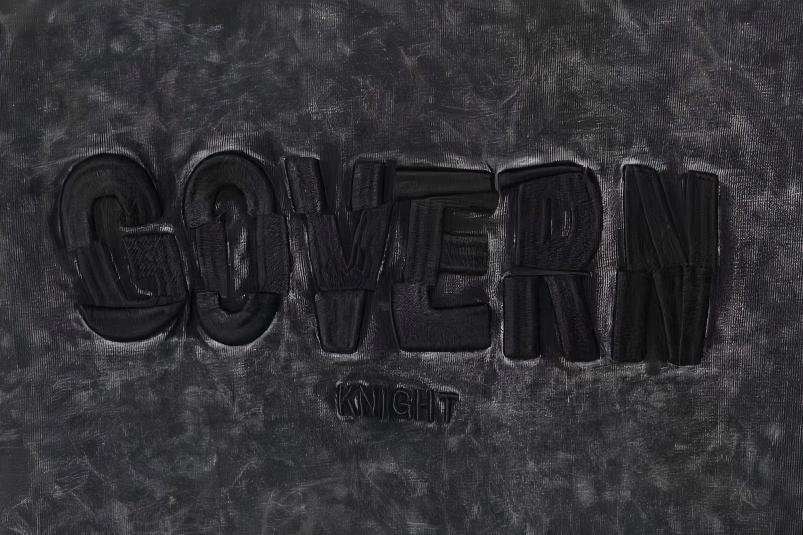
The Craft Behind Chain Stitch Embroidery: Four Defining Dimensions
Flawless Loops Start With Precise Tension
Consistent thread tension is the foundation of quality chain stitch embroidery. Our technicians calibrate tension settings per thread weight and garment substrate, ensuring each interlocked loop sits uniformly — no puckering, no gaps — across runs of any size, from sample pieces to full production.
- Thread weight matched to design complexity and fabric construction
- Machine calibration logged for repeatable tension across reorders
- Stitch density mapped per design zone for optimal saturation
- Five-step QC flags tension inconsistencies before garments reach finishing
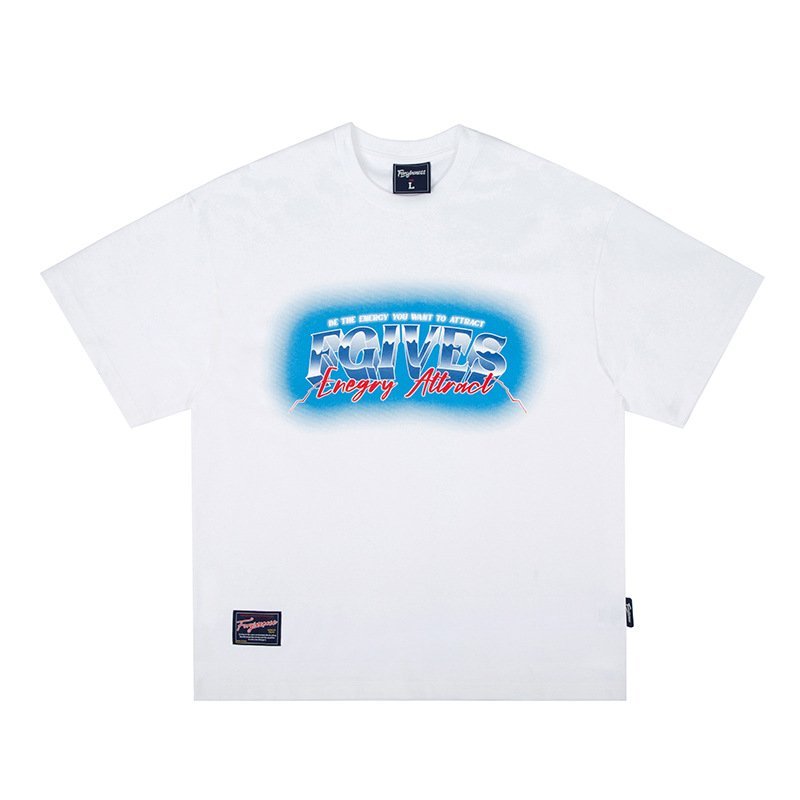
The Right Needle for Every Substrate
Chain stitch embroidery performs differently across cotton fleece, synthetic blends, and technical fabrics. We select needle gauge and point geometry for each material — protecting fabric integrity while achieving the crisp stitch definition that streetwear brands demand on hoodies, tees, and outerwear alike.
- Needle gauge optimized per fabric weight and weave structure
- Point geometry chosen to prevent snags on stretch and synthetics
- Backing material selected to stabilize formation without added bulk
- Fabric compatibility testing included in every pre-production sample run
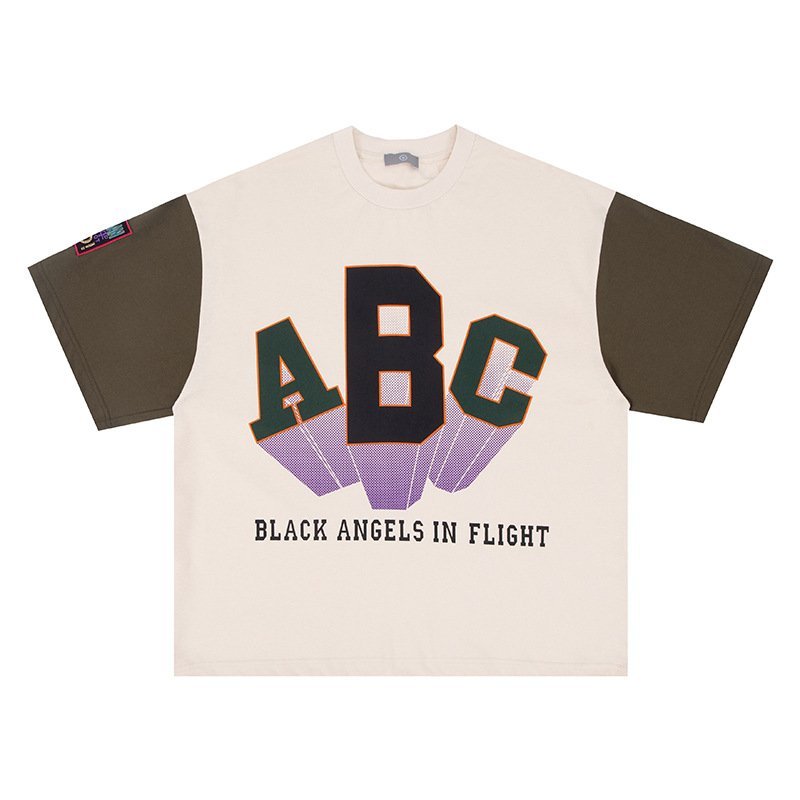
Scaling Complexity Without Sacrificing Stitch Precision
Stitch pitch — the distance between each loop — controls texture and design resolution. Our in-house digitizing team optimizes pitch for every pattern, from bold streetwear logos to intricate multi-element graphics, ensuring crisp edges and smooth fills at any scale across chain stitch embroidery artwork.
- Dense fill pitch for bold, high-impact chest and back placement
- Fine pitch settings for lettering, linework, and detailed motif work
- Pattern complexity assessed during digitizing to prevent mid-run thread breaks
- Stitch paths stress-tested internally before any sampling begins
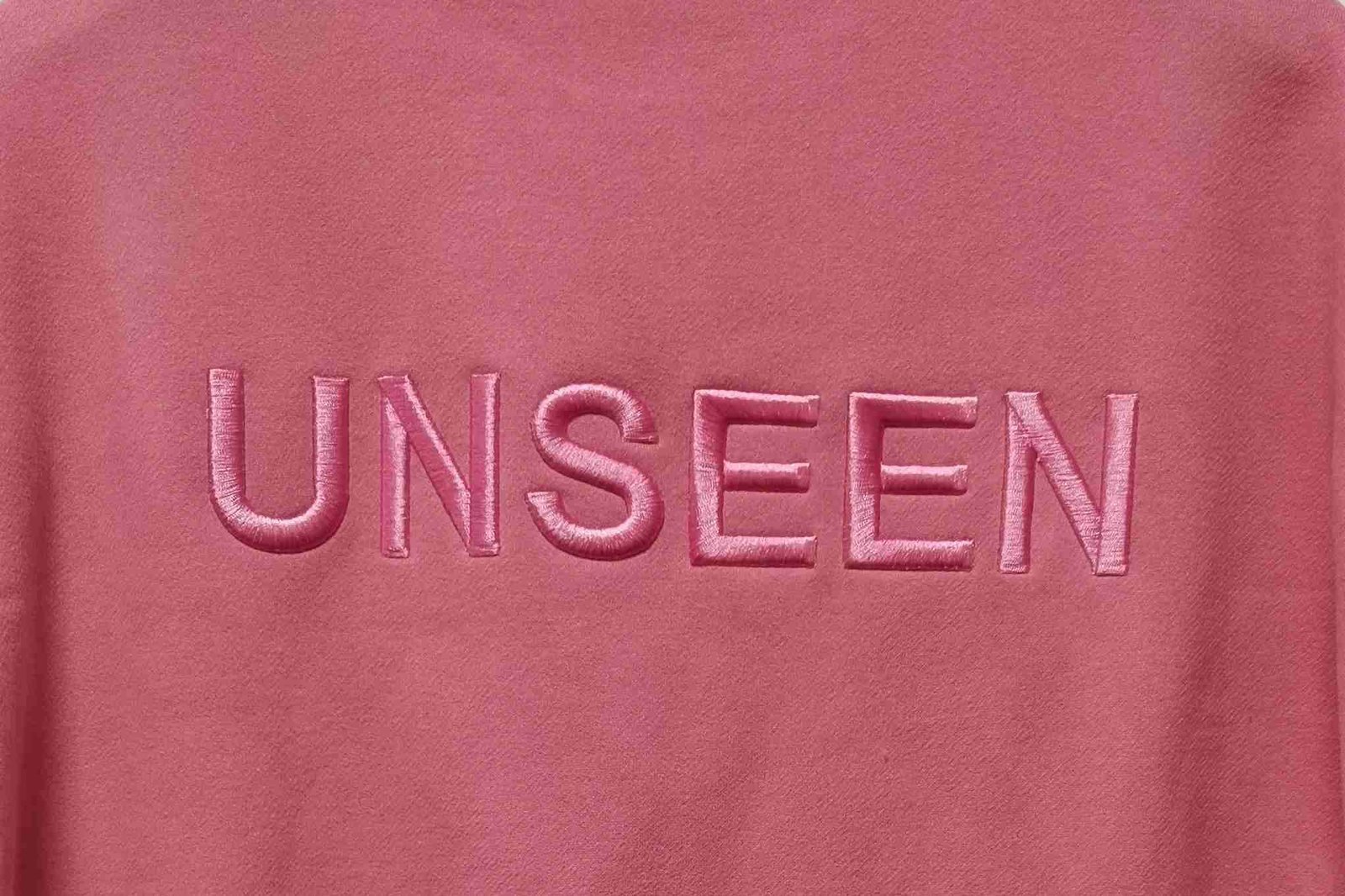
Depth and Dimension Through Strategic Color Layering
Color sequencing in chain stitch embroidery unlocks visual depth impossible with flat techniques. We layer thread colors in calculated order — shadows first, highlights last — building dimension that catches light and shifts with movement, giving streetwear graphics a three-dimensional quality that elevates any garment.
- Up to 15-plus thread colors available per design composition
- Color overlap mapping prevents muddy transitions between adjacent hues
- Gradient effects achieved through precisely controlled stitch density shifts
- Thread colors matched to Pantone references for brand-accurate consistency
Chain Stitch Embroidery vs. Flat Embroidery: Which Technique Fits Your Brand?
Not every embroidery method delivers the same result on streetwear. See how chain stitch embroidery stacks up against flat embroidery across the attributes that actually drive your production decision.
← 左右滑动查看 →
Our Chain Stitch Embroidery Production Flow
Every order moves through six disciplined phases, each with dedicated control points that protect loop integrity, color fidelity, and seam security from first file to final garment.
Artwork Review & Digitizing
We audit your artwork for chain stitch embroidery compatibility, then digitize the design with precise pattern separation and stitch path sequencing for optimal loop formation.
Thread & Needle Configuration
Our technicians select thread type and weight for your design, then calibrate needle gauge and tension settings to ensure consistent loop pull without fabric distortion or puckering.
Pattern Separation & Layering
The digitized design is divided into color zones and stitch layers, with build order established to achieve accurate color blending and the dimensional depth chain stitch embroidery demands.
Sample Stitch & Validation
A pre-production sample is stitched and inspected: stitch count is validated against the approved file, color blending is assessed, and loop consistency is confirmed before any bulk run begins.
Bulk Production Monitoring
Full-scale chain stitch embroidery production runs with continuous in-line monitoring of thread tension, needle performance, and loop consistency across every garment unit in the order.
Final QC & Seam Inspection
Our 5-step QC guarantee closes every order with a thorough check for loop uniformity, seam security, color accuracy, and surface finish before approved garments are packaged and shipped.
How to Order Chain Stitch Embroidery for Your Streetwear Line
Five straightforward steps — from submitting your vector files to receiving finished garments shipped anywhere in the world.
Submit Your Artwork and Specs
Send vector artwork with separated thread colors, Pantone or thread-match references, and exact placement and size specs so our team can assess your requirements accurately.
Receive a Tailored Quote
Our team reviews design complexity, stitch count, and fabric type to deliver a transparent quote with flexible MOQ options sized for startups and established brands alike.
Approve Your Physical Sample
We produce a chain stitch embroidery sample within 5 business days — urgent requests prioritized — so you verify thread color accuracy and stitch texture before full production.
Greenlight Production and QC
Your approved design enters our 5-step quality control process covering materials, cutting, craft, sewing, and finished-goods inspection, catching defects at every stage of production.
Receive Your Finished Garments
Completed pieces are packed and shipped worldwide with full logistics support, arriving brand-ready and on schedule whether you are a startup or a scaling global retailer.
Brand Stories: Chain Stitch Embroidery Projects We’ve Completed
We stress-tested our hoodies through 60 washes and the chain stitch embroidery on every chest logo stayed razor-sharp — zero thread pull, zero fading. Eight months in, not a single customer complaint about durability. This is the quality standard we’ve been chasing.
They matched our Pantone reference on the chain stitch embroidery logo to within a single shade. We dropped 300 units and sold out in 11 days — customers specifically mentioned the raised texture in reviews. Reordered double the quantity for the next season.
We needed 1,200 pieces with chain stitch embroidery delivered tight to our fall seasonal drop. They arrived 4 days early and the 3D texture on our signature logo exceeded every expectation. Our retail partners placed a reorder within two weeks of launch.
Frequently Asked Questions About Chain Stitch Embroidery
Everything streetwear brands, independent designers, and global retailers ask before placing their first order.
What fabrics are compatible with chain stitch embroidery?
What is the minimum order quantity for chain stitch embroidery?
How durable is chain stitch embroidery, and how many washes will it hold up?
Can I combine chain stitch embroidery with screen printing, patches, or applique on the same garment?
What is the maximum design size and color count for this technique?
What file format do I need to submit artwork for chain stitch embroidery?
How long does chain stitch embroidery sampling take, and what does it cost?
What is the full production lead time for a chain stitch embroidery order?
Do you handle global shipping for chain stitch embroidery orders?
The Complete Buyer’s Guide to Chain Stitch Embroidery
This guide gives streetwear brands, independent designers, and global retailers a proven decision framework for sourcing chain stitch embroidery — covering stitch types, fabric compatibility, quality benchmarks, supplier vetting criteria, pricing tiers, and the critical mistakes to avoid before placing your first bulk order.
1. What Is Chain Stitch Embroidery?
Chain stitch embroidery is a single-thread construction technique in which the needle pulls each new loop of thread through the previous one, building an interlocked chain along the fabric surface. This looped structure — executed at 500 to 1,000 stitches per minute on dedicated chain stitch machines — stacks thread mass above the base textile rather than anchoring it flat, producing the raised, high-relief texture buyers associate with premium garment craft.
The mechanical contrast with flat lockstitch embroidery is decisive for buyers choosing a decoration method. Lockstitch machines use a bobbin thread on the underside to lock each stitch tightly against the garment face, yielding a dense, flat fill with minimal surface relief. Chain stitch carries no bobbin; its looping construction builds thread mass vertically, creating a sculptural, three-dimensional surface that stands visibly proud of the base fabric.
That relief quality is precisely why denim labels and premium streetwear brands specify chain stitch embroidery for back-pocket arcs, logo patches, and collar graphics. When the garment is washed and worn repeatedly, the looped stitches flex and distress naturally, developing a faded, vintage character that flat lockstitch cannot replicate. Brands retailing at $80 to $300 per unit routinely cite chain stitch as a tangible, visible proof-point of quality craftsmanship.
Streetwear motifs — skeleton elements, rose graphics, bold logotype — gain visual authority from the relief that chain stitch adds. At Clothing Manufacturer Ltd., every chain stitch production run is verified at the sewing stage under the company’s five-step QC methodology, confirming that loop tension, stitch density, and color registration meet brand specification before any unit moves to finishing.
2. The History and Evolution of Chain Stitch Embroidery
Chain stitch embroidery dates back over 2,000 years, with surviving examples found in Chinese silk textiles from the Warring States period (475–221 BCE) and Egyptian linen fragments from roughly the same era. By the 18th century, European artisans had refined the tambour frame technique — named for its drum-like hoop — using a hooked needle to draw thread loops through tightly stretched fabric at speeds that handily outpaced conventional hand stitching.
By the mid-19th century, industrial chain stitch machines had reached American factory floors, enabling mass production of workwear staples including dungarees, chore coats, and selvedge denim jeans. Manufacturers favored the technique because the interlocked loop structure delivers exceptional tensile strength on heavy 12–14 oz denim — outperforming lockstitch seams under lateral stress.
Since roughly 2012, chain stitch embroidery has returned to high visibility on varsity jackets, souvenir bombers, and luxury ready-to-wear, with premium brands charging noticeably higher retail prices over flat-lock alternatives. Collectors and enthusiasts specifically seek out the technique’s signature ‘roping’ effect — the slight diagonal torque that develops on aged chain stitch seams — as a mark of authentic, heritage-quality construction.
For streetwear labels and creator-driven brands today, chain stitch embroidery carries cultural weight that no flat digital embroidery can replicate — its raised, looped texture signals craft and intention to audiences fluent in garment details. Understanding this lineage helps buyers choose techniques that resonate beyond trend cycles and build lasting brand equity with quality-conscious customers.
3. Types of Chain Stitch Embroidery Techniques Explained
Chain stitch embroidery covers five distinct technique variants, each with different visual weight, equipment requirements, and ideal garment placement. Choosing the right variant early determines both production cost and the final design impact on your streetwear piece.
Standard Single-Chain Stitch
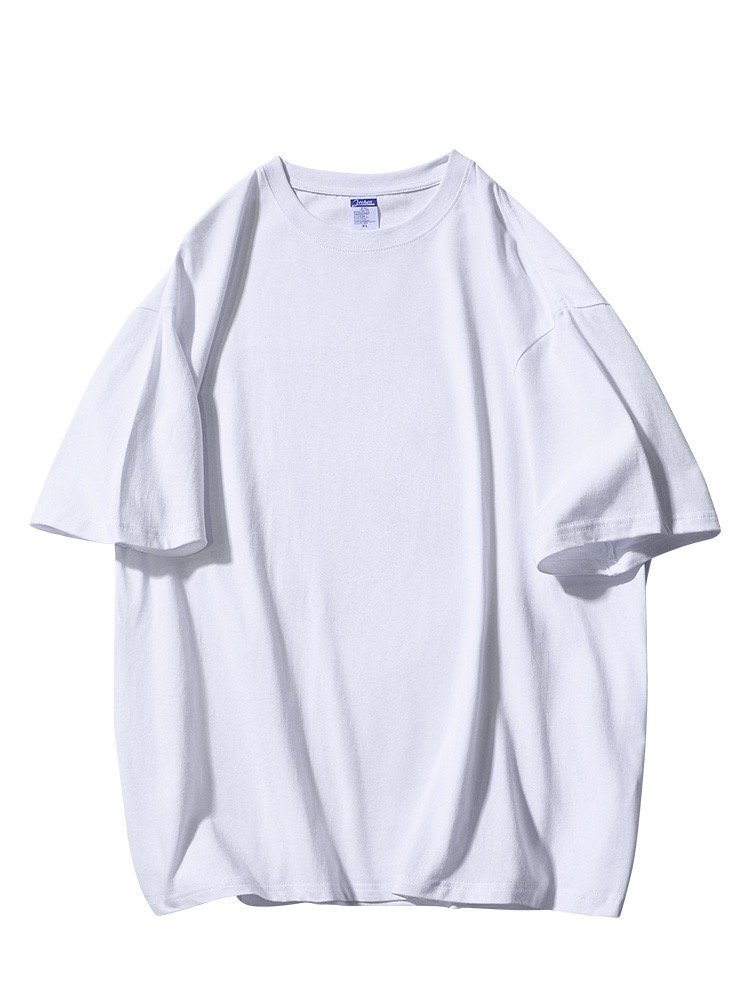
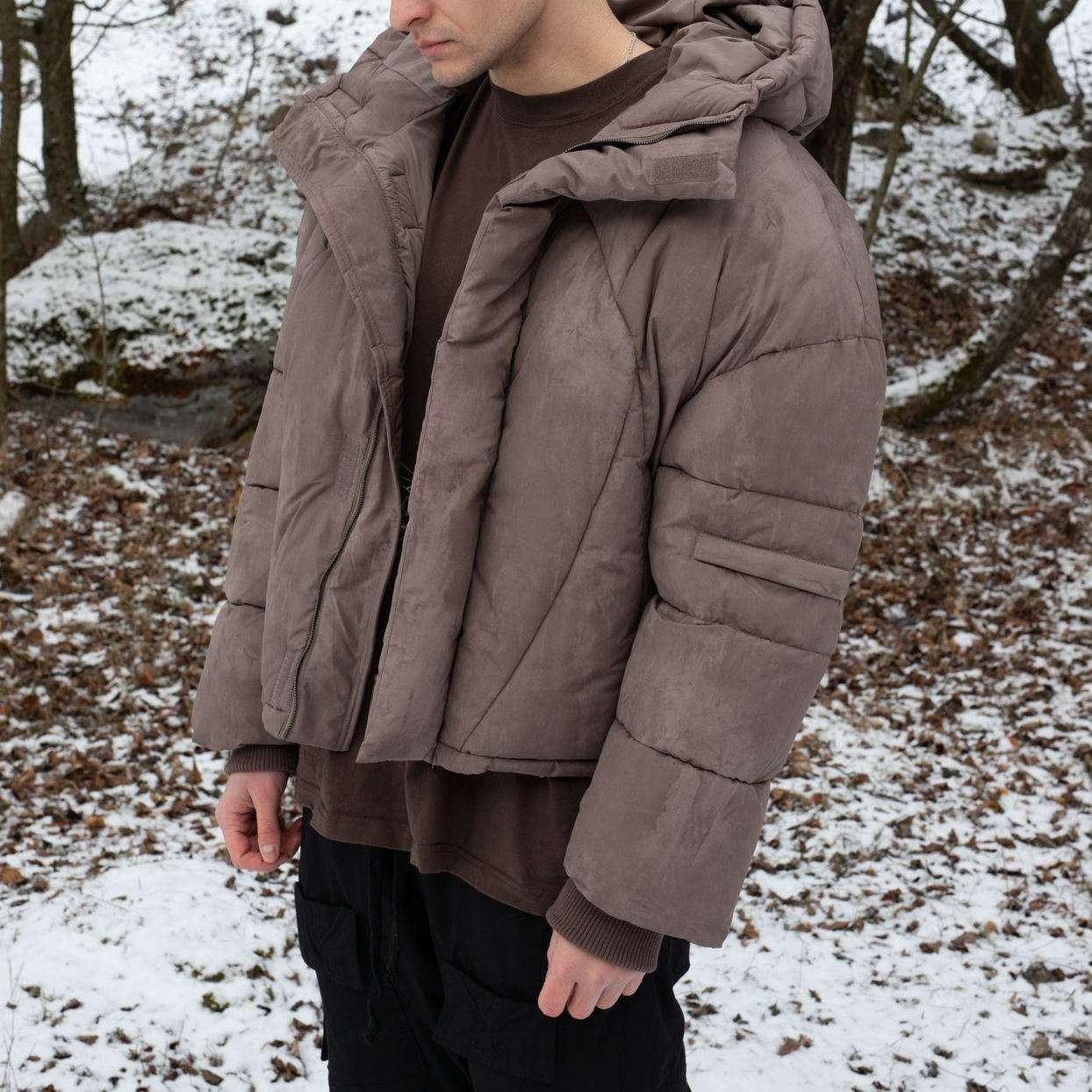
The standard single-chain stitch produces a continuous looped line 2–3 mm tall, suited to logo outlines and text on T-shirts and hoodies. Machines run at over 1,000 stitches per minute.
Choose this for repeatable lettering at MOQs of 50–200 units.
Tambour Chain Stitch
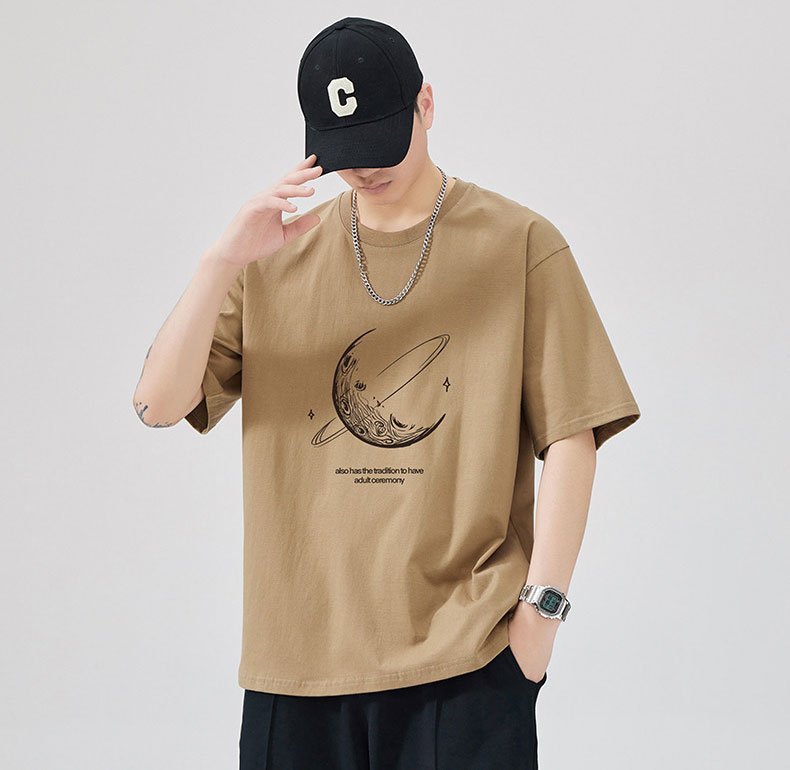
Tambour chain stitch uses a fine hook on stretched sheer or lightweight woven fabric, delivering a near-flat loop line with minimal pile. High operator skill is required, pushing labor costs above standard machine variants.
Select it for luxury pieces using organza or silk-blend panels with delicate surface detailing.
Moss and Chenille Stitch
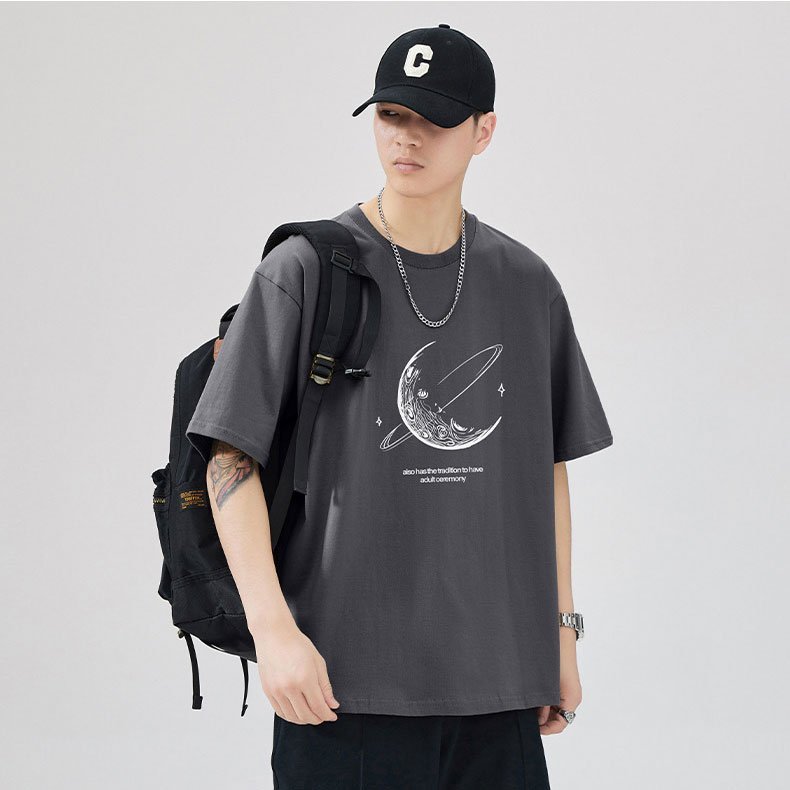
Chenille embroidery loops thick yarn through fabric backing, creating a velvet pile 5–8 mm tall. It dominates varsity jacket chest patches, delivering bold tactile presence visible at distance.
Expect a 2–3× cost premium over flat embroidery; reserve it for hero branding on structured outerwear.
Outline Chain Stitch
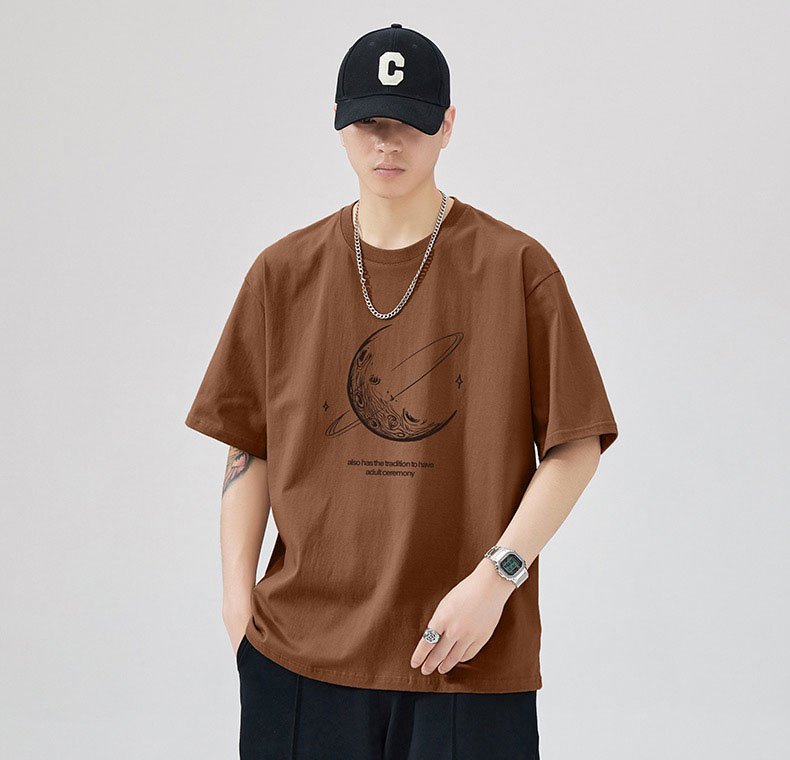
Outline chain stitch traces design edges with a single-row loop track, producing clean borders around filled regions on structured caps, bucket hats, and jacket back yokes. It pairs with satin or fill stitches at medium machine skill.
Choose it when geometric artwork requires sharper edge definition than standard lock-stitch delivers.
Lazy Daisy Detached Chain Stitch
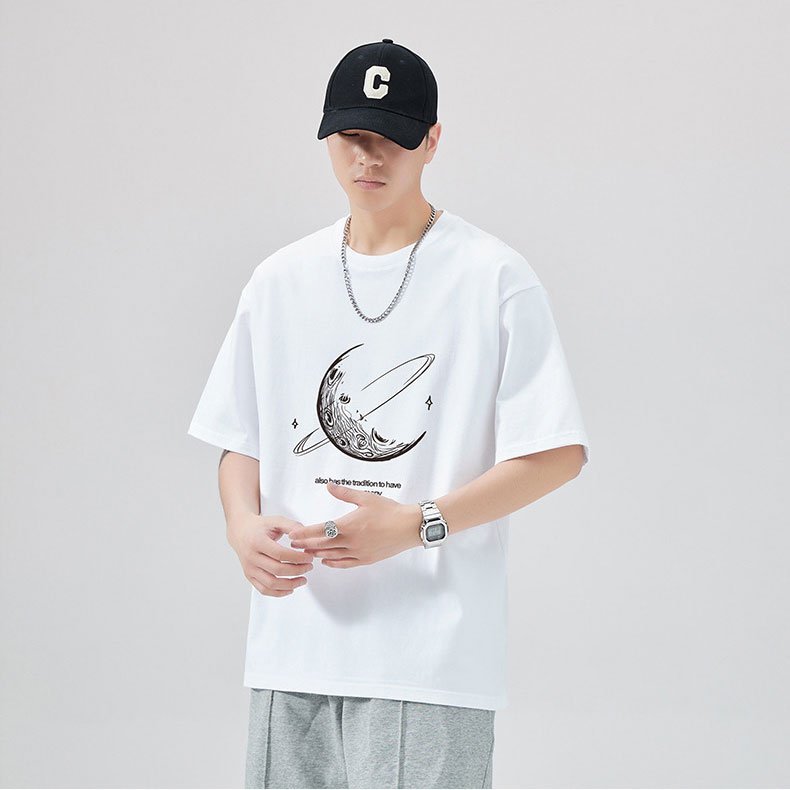
Lazy Daisy, or detached chain stitch, creates isolated petal-shaped loops — ideal for rose and floral motifs in streetwear’s rose-element aesthetic. Each loop is individually guided, capping output at 200–400 pieces per day.
Reserve it for limited-edition runs where handcrafted texture justifies the premium labor cost.
4. Best Materials and Fabrics for Chain Stitch Embroidery
Fabric choice directly controls whether chain stitch embroidery retains its raised texture after repeated washing. GSM, weave density, and stabilizer type are the three variables that determine stitch integrity, durability, and care requirements.
| Fabric Type | GSM Range | Recommended Stabilizer | Thread Compatibility | Best-Use Garment | Care Requirement |
|---|---|---|---|---|---|
| Denim | 300–450 | Tear-away | Rayon, Polyester | Jackets, jeans | Cold wash, air dry |
| Canvas | 280–400 | Tear-away | Rayon, Polyester | Tote bags, workwear | Cold wash |
| Twill | 200–300 | Tear-away | Rayon, Polyester, Metallic | Chinos, caps | Cold wash, low heat |
| Fleece | 280–350 | Cut-away + water-soluble topping | Polyester, Wool | Hoodies, sweatshirts | Cold wash, no tumble dry |
| Jersey | 150–220 | Cut-away | Polyester | T-shirts, polos | Cold wash, gentle cycle |
| Structured Cap | 280–380 | Cap frame only | Rayon, Polyester, Metallic | Baseball caps | Spot clean only |
Recommended Fabric Substrates for Chain Stitch
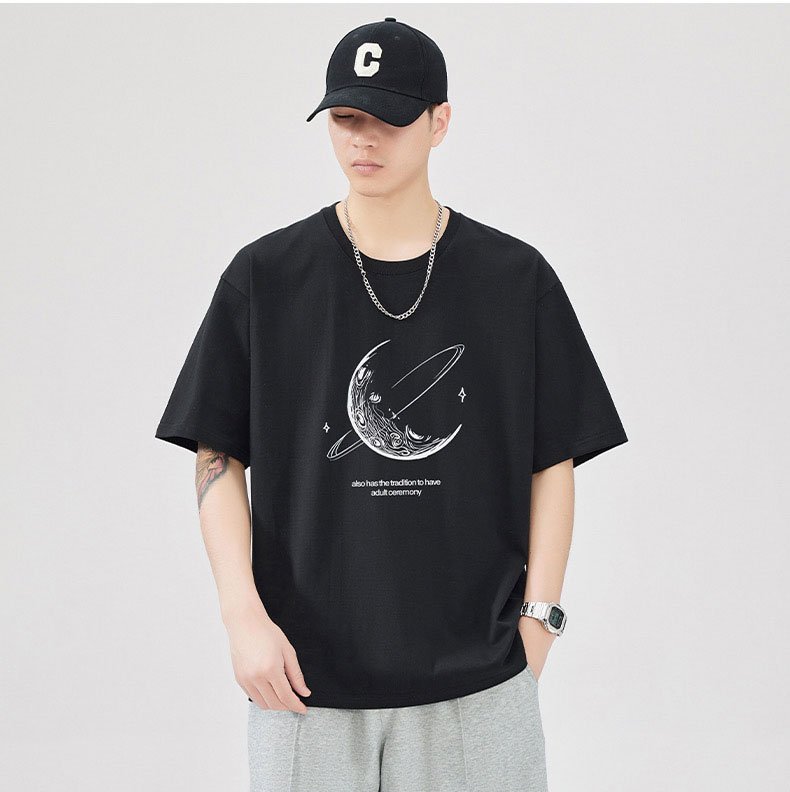
Denim (300–450 GSM) and canvas (280–400 GSM) are the top performers — tight weaves grip chain stitches firmly without tunneling. Structured cap panels, twill shirting, and fleece (280–350 GSM) also excel.
Low-GSM jersey (150–220 GSM) is viable but demands cut-away stabilizer to prevent distortion under the looped stitch tension.
Stabilizer Selection by Fabric Type
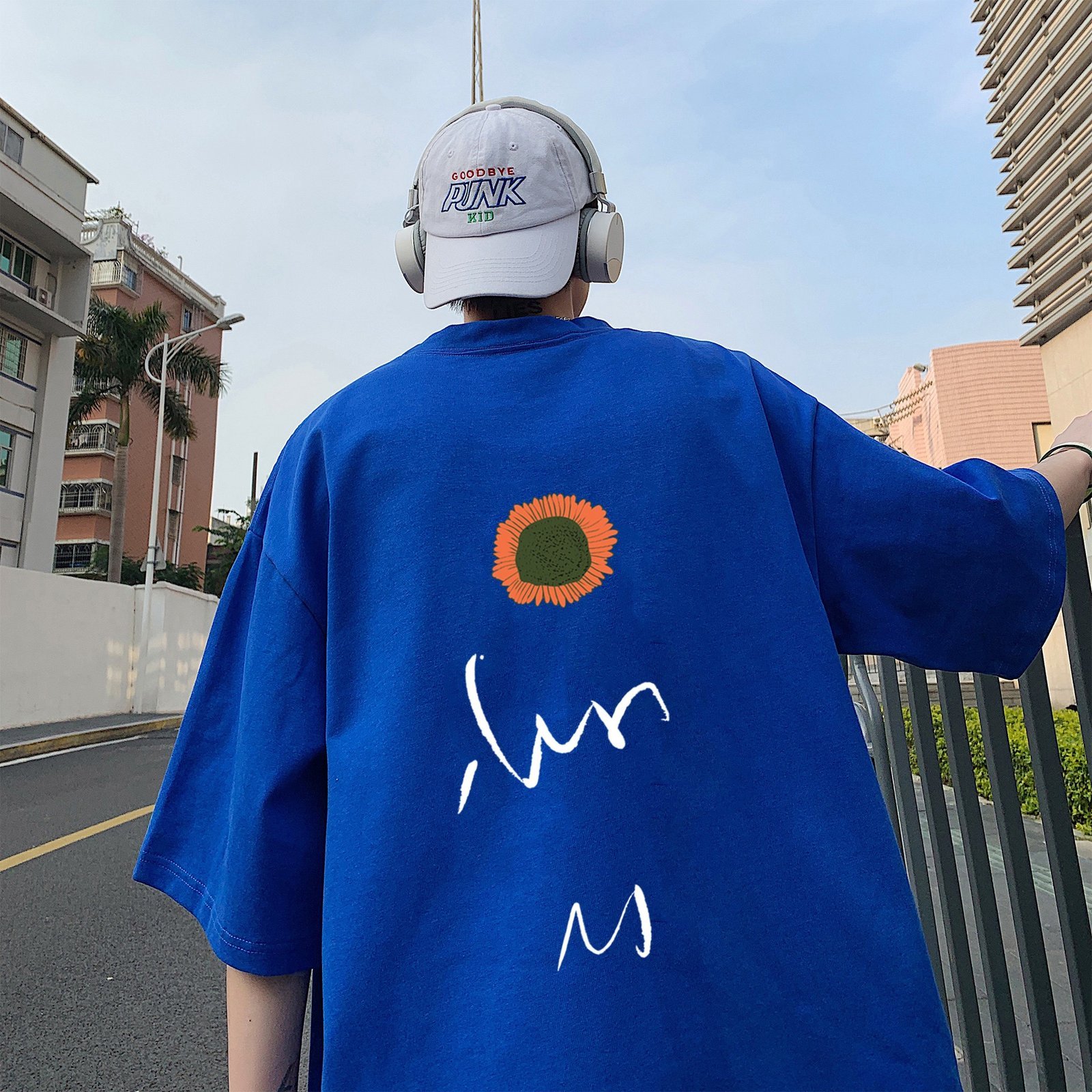
Cut-away stabilizer is mandatory for stretchy substrates like jersey and French terry; it permanently supports the embroidery backing through wash cycles. Tear-away works on stable wovens such as denim and twill.
Water-soluble topping prevents chain stitches from sinking into fleece pile and dissolves completely after stitching — skipping it causes loop collapse.
Thread Types and Performance Profiles
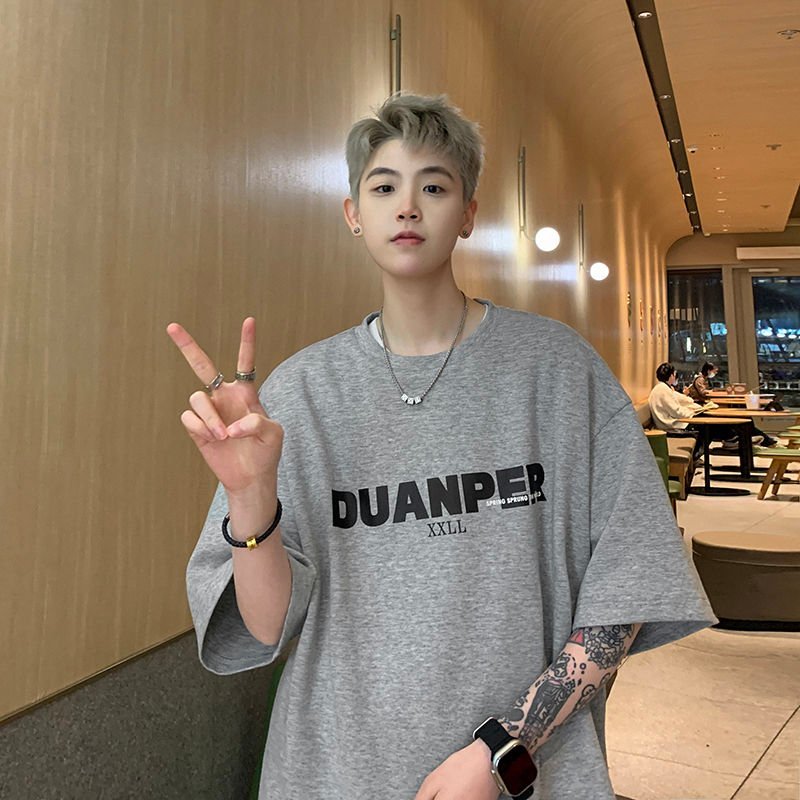
Rayon thread delivers the highest sheen and suits stable wovens for decorative streetwear logos; polyester thread resists 60°C industrial wash cycles and is preferred for athletic garments.
Wool thread adds tactile depth for premium pieces. Metallic thread requires a larger needle eye (size 90/14 or above) to reduce breakage and is best reserved for accent detailing.
5. Customization and Decoration Options for Your Brand
Chain stitch embroidery gives brands a deep customization toolkit beyond basic logo placement. Thread palettes, specialty techniques, file formats, and mixed-media combinations each affect cost, lead time, and finished quality.
Thread Color, Specialty Threads, and 3D Puff
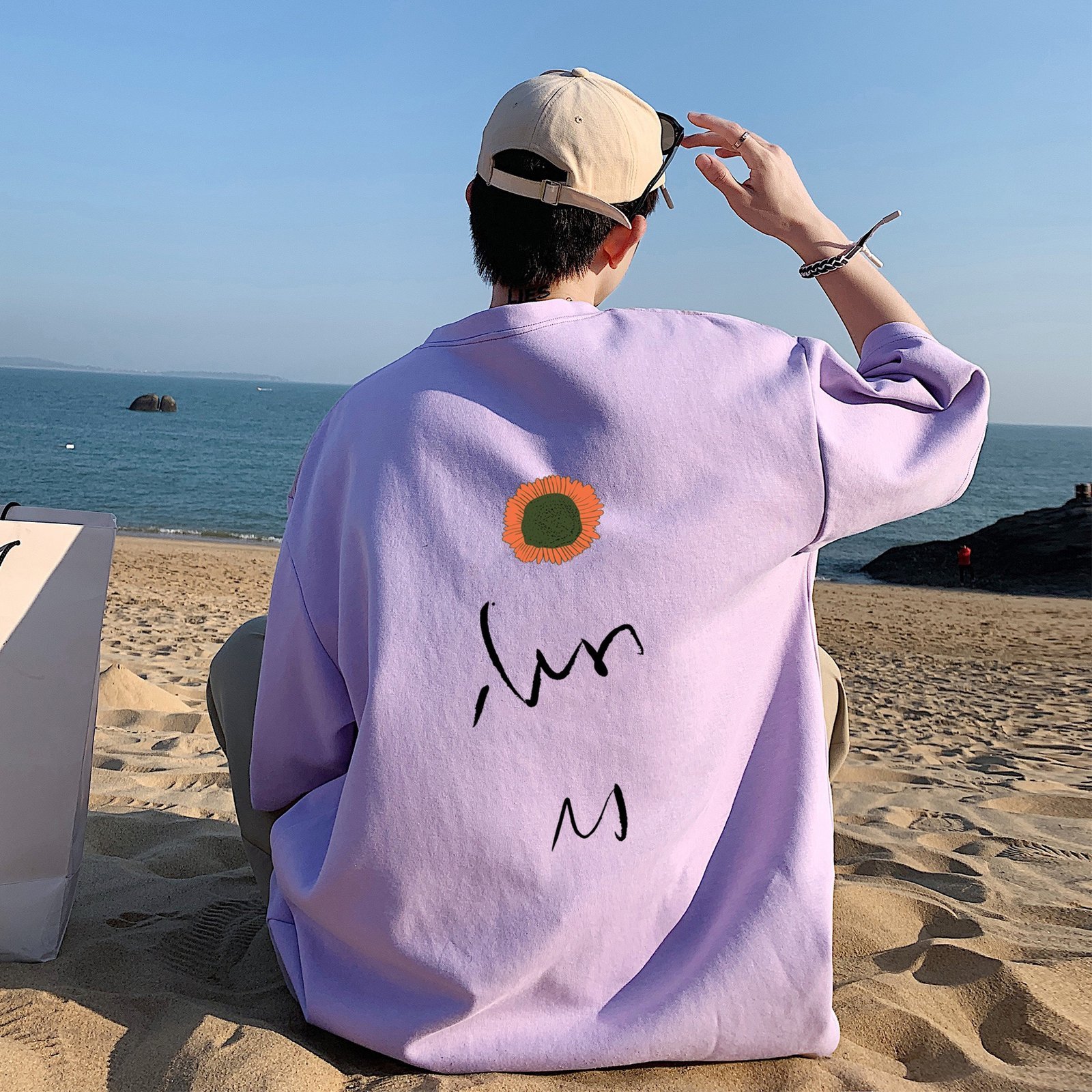
Most suppliers stock 300–500 standard thread colors; Pantone-matched custom threads add 5–10 days lead time per color. Rayon suits streetwear sheen; polyester handles 60°C+ wash cycles without fading. Metallic threads — gold, silver, copper — require needle speed reductions of 20–30% to prevent breakage, raising per-piece cost.
3D puff embroidery layers 3–12mm foam underlay beneath stitching to raise logos off the fabric surface, standard on fitted caps and chest hits. Fill density ranges from 30% (light, flexible hand feel) to 80% (solid block coverage), directly controlling opacity and production time.
Placement Zones, File Formats, and Stitch Count
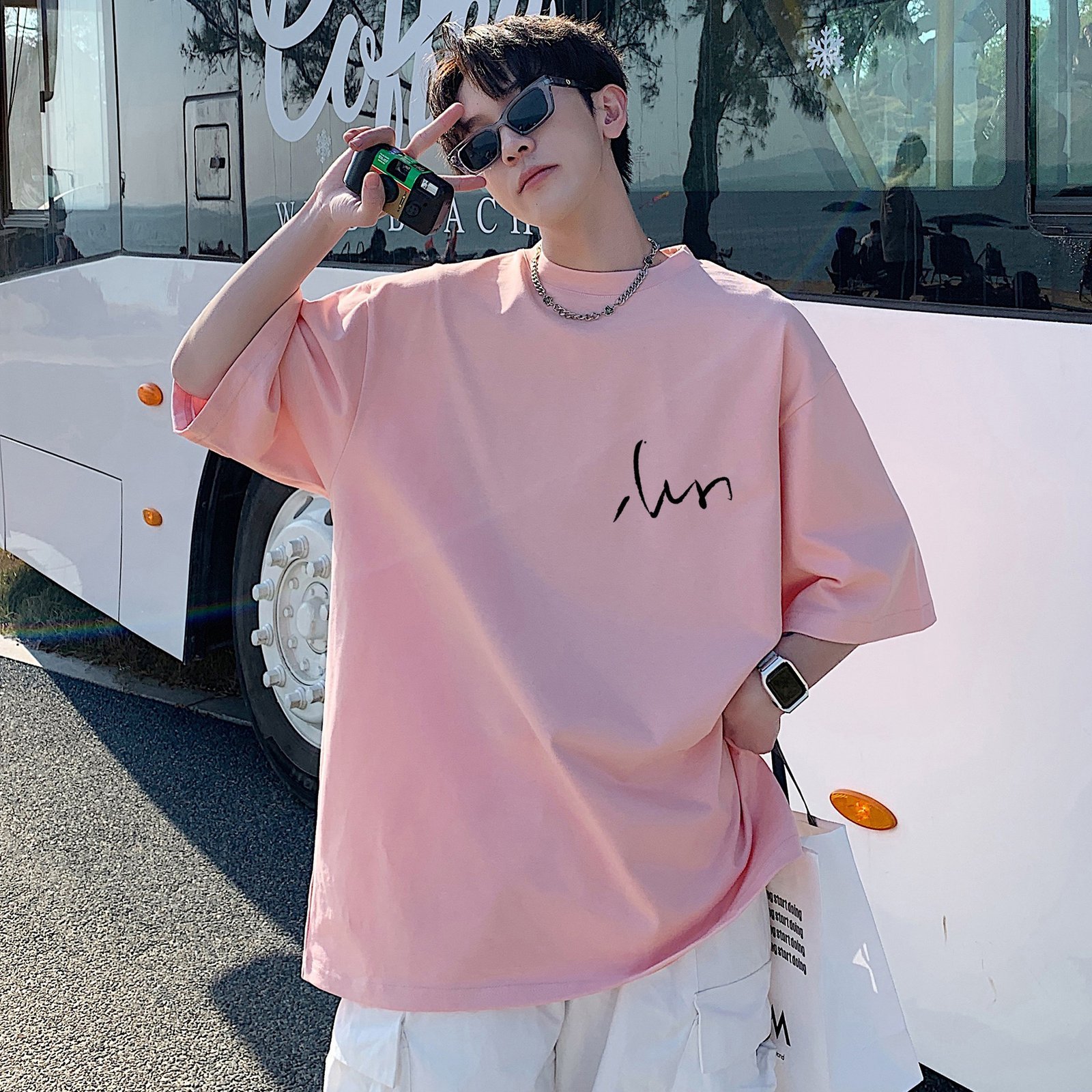
Standard chain stitch embroidery placements include left chest (8–10 cm wide), back yoke (up to 30 cm), sleeve cap, and collar edge. Each zone requires a distinct hoop setup, influencing minimum order complexity and setup fees.
Design files must be submitted in DST (Tajima) or PES (Brother) format for industrial machines. Stitch count drives cost more than physical size: a 5,000-stitch chest logo runs roughly 4 minutes per piece, while a 20,000-stitch back design takes 15–18 minutes. Digitizing fees typically run $15–$50 per design.
Tonal Stitching, Woven Labels, and Mixed Techniques
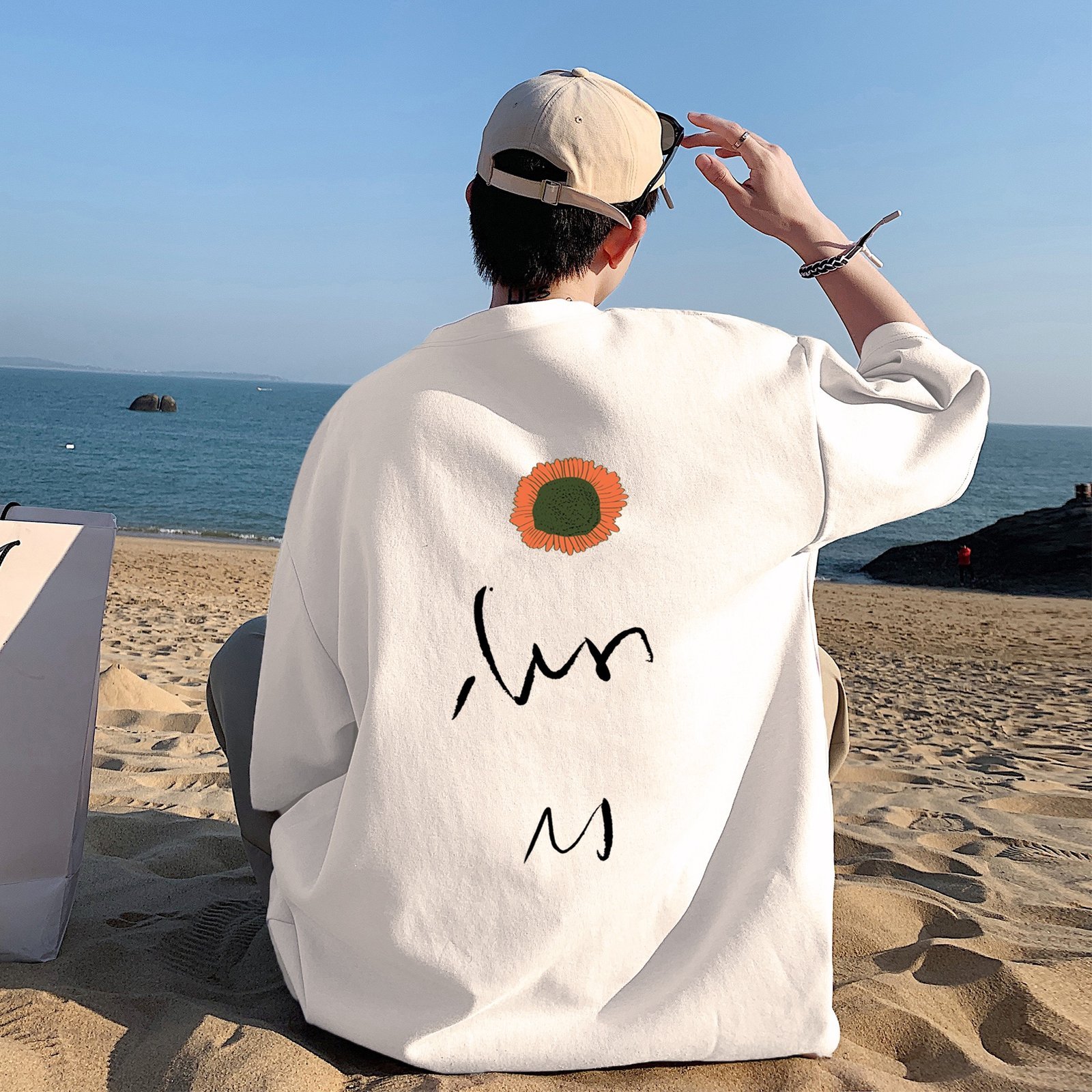
Tonal stitching — thread matched within 2 Pantone steps of the base fabric — delivers understated premium branding favored by mid-to-high-end streetwear labels. Woven labels can be integrated at the collar or hem within the same production run, reducing vendor touchpoints.
Mixed-technique garments combining chain stitch embroidery with screen print on the same panel are a growing streetwear trend. Coordinating both processes requires shared artwork files and aligned production scheduling to maintain precise register accuracy.
6. Key Quality Elements in Chain Stitch Embroidery Production
Production quality in chain stitch embroidery is measurable, not subjective. Buyers who define clear benchmarks before sampling protect their brand from costly rework, delayed shipments, and garments that fail after the first wash.
Stitch Density and Tension Consistency
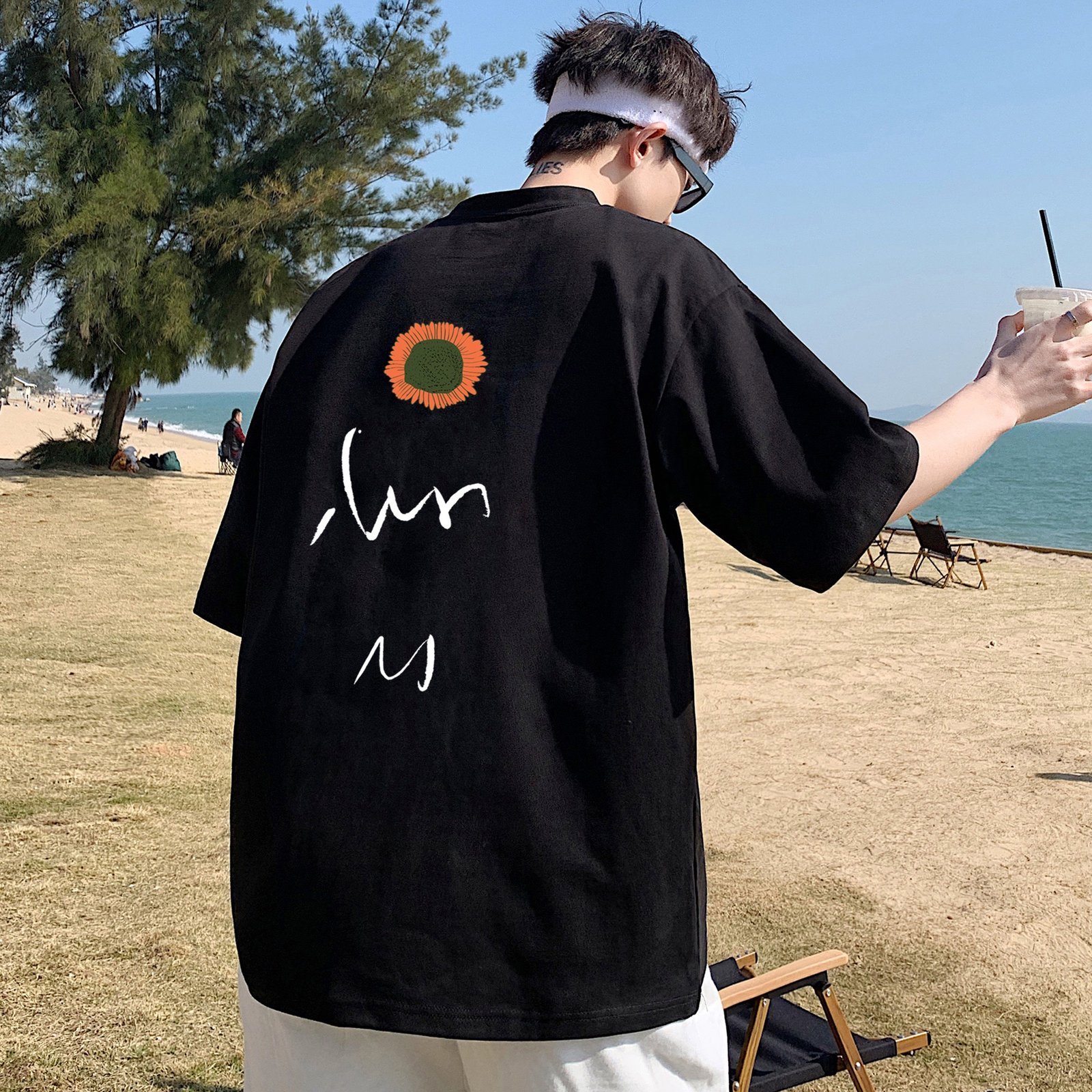
Chain stitch density typically runs 400–500 stitches per square inch for standard logo work; dropping below 350 produces visible gaps. Tension must remain uniform across the full run — inconsistent pull creates puckering that no finishing press can correct.
Stabilizer Selection and Backing Quality
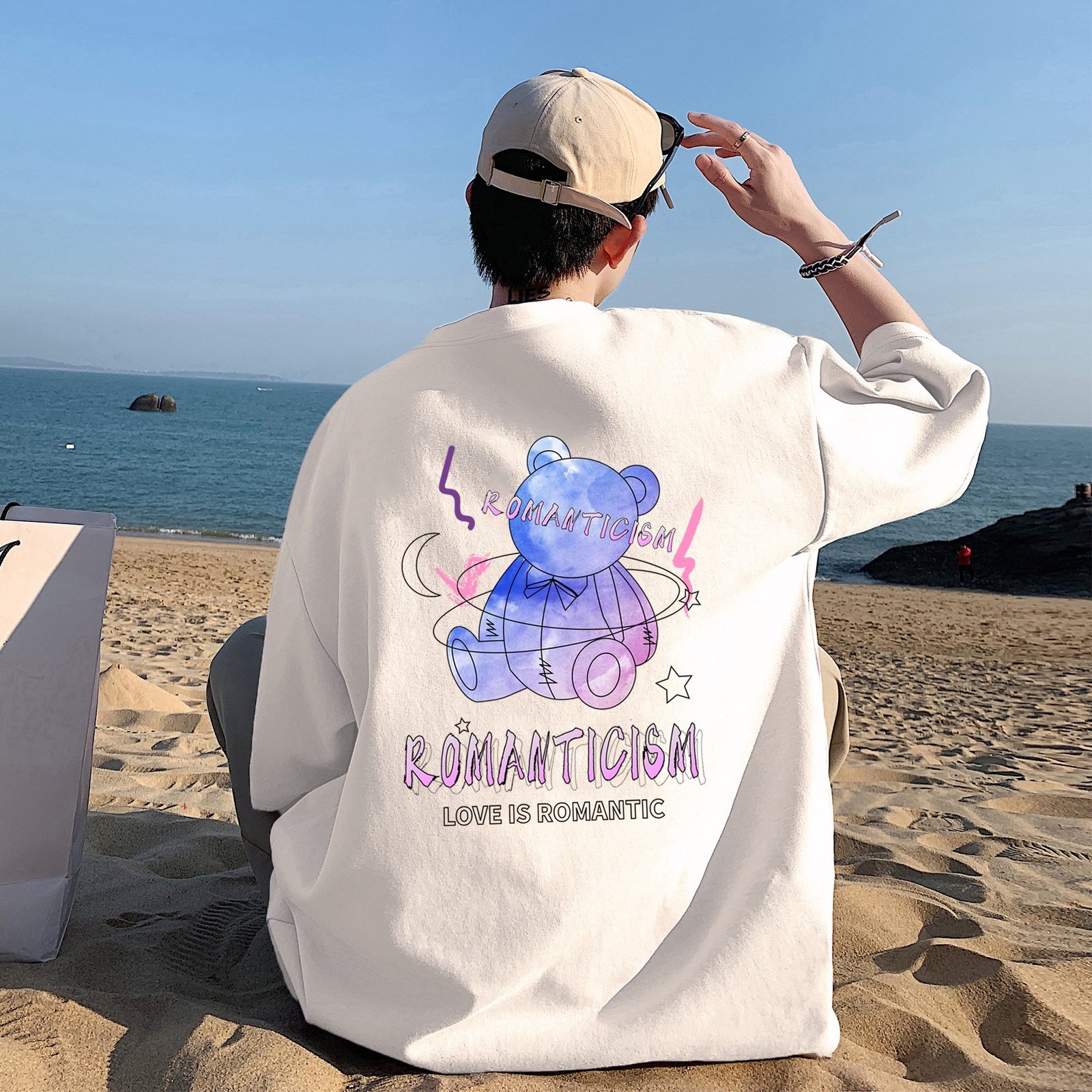
Cut-away backing is standard for stretch fabrics like jersey and French terry; tear-away suits stable wovens. Wrong stabilizer choice is the leading cause of puckering and distortion on streetwear pieces, which commonly use 240–320 GSM heavyweight cotton or fleece.
Thread Colorfastness and Registration Accuracy
ISO 105-C06 wash testing at 40°C is the industry standard for thread colorfastness; any color delta above 3.0 on the grey scale indicates a failing result. Multi-color designs require registration tolerance within 0.5 mm — misalignment beyond that reads as blurred edges at normal viewing distance.
Evaluating a Pre-Production Sample
Request a sealed pre-production sample before approving bulk production. Inspect the reverse for jump stitches — more than 3 per color change signals poor digitizing discipline. Check trim quality: thread tails longer than 3 mm on the face of the garment indicate substandard finishing.
Defects That Signal Production Failures
Four specific defects reveal systemic production issues in chain stitch embroidery manufacturing.
- Puckering: fabric drawing under the design, caused by excess tension or incorrect stabilizer selection.
- Thread breaks: visible gaps mid-stitch run, indicating poor thread quality or worn needle stock.
- Stitch gapping: density drop below spec, common when digitizing parameters are altered to cut machine run time.
- Color bleed: dye transfer between adjacent thread colors, linked to non-colorfast thread inventory.
7. How to Choose a Chain Stitch Embroidery Manufacturer
Selecting the right chain stitch embroidery partner reduces production risk and protects your brand IP from day one. Vet each candidate against five concrete criteria before committing to a sample order.
Specialization Over General Embroidery Capability
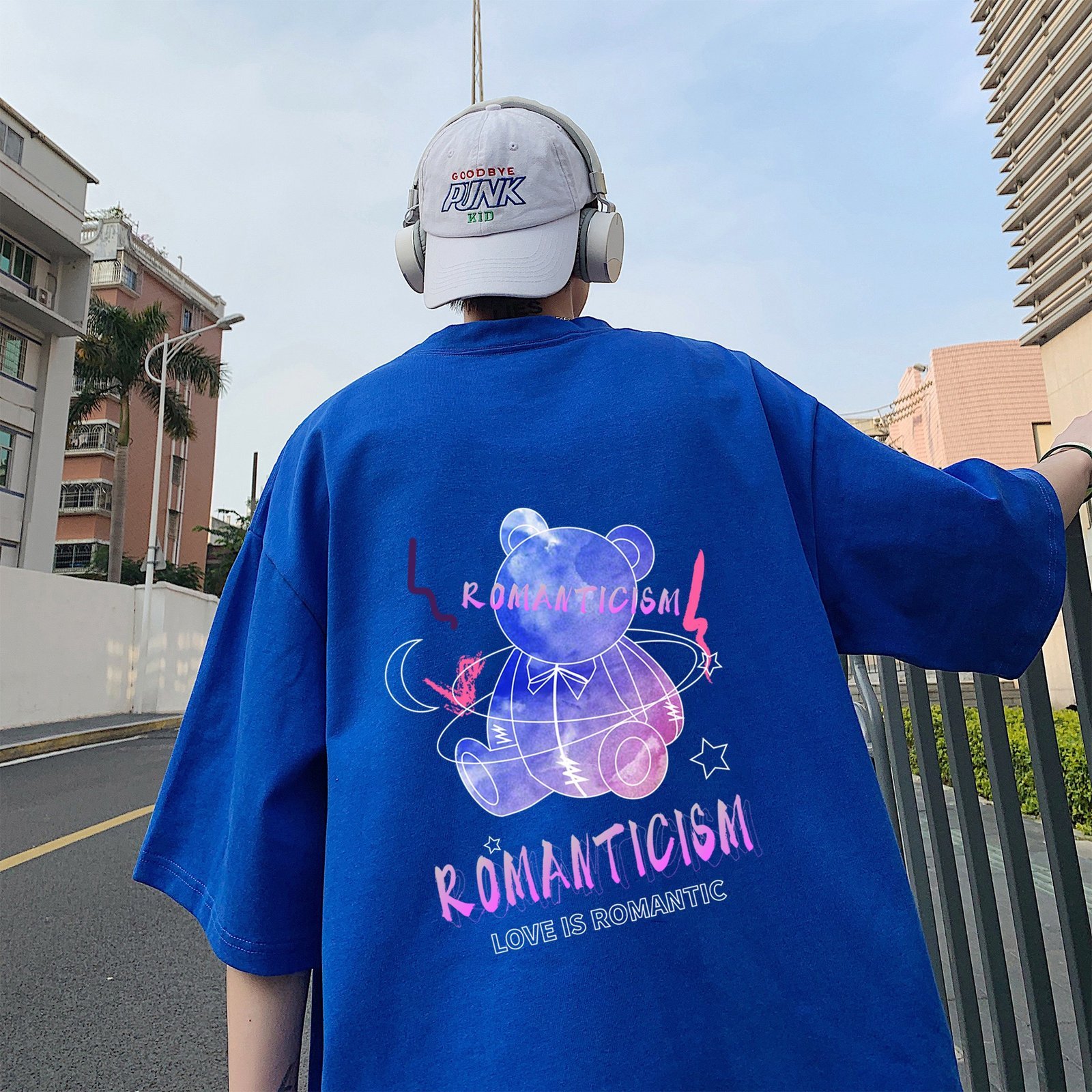
A factory running chain stitch exclusively maintains dedicated machinery — typically Cornely or Singer-style chainstitch heads — and operators who stitch daily. General embroidery shops rotate between lockstitch and chainstitch setups, increasing setup error rates and inconsistent loop density.
MOQs and Sampling Turnaround Policy
Reputable chain stitch specialists offer sample turnaround of 7–14 days with at least two revision rounds included. MOQs typically range from 50–200 pieces per colorway for startups; factories demanding 500+ upfront with no revision policy are a red flag.
Compliance Certifications to Require
Request OEKO-TEX Standard 100, BSCI audit reports, or GOTS certification depending on your target market. These third-party audits verify chemical safety, labor conditions, and organic fiber handling — critical for EU and North American retail partners.
- OEKO-TEX Standard 100: certifies finished goods free of 100+ regulated harmful substances
- BSCI: audits factory labor practices against international social compliance standards
- GOTS: required when organic cotton or natural fiber threads are specified
Direct Factory vs. Broker Identification
Direct factories hold a business license listing manufacturing as their registered scope and can provide live production-floor video calls. Brokers quote 2–3× longer lead times, cannot answer technical questions about stitch density, and typically mark up 30–50% over factory price.
Communication Capacity and IP Protection
English-fluent contacts who respond within 24 hours signal a factory built for international clients. Require an NDA covering embroidery digitization files, Pantone color specs, and pattern data before sharing artwork — IP leakage to competitors is a documented risk in high-volume contract manufacturing.
8. Common Mistakes Buyers Make with Embroidery Orders
Even experienced buyers lose money on chain stitch embroidery orders by repeating the same avoidable errors. Eight specific pitfalls account for most cost overruns, production delays, and bulk rejections across streetwear manufacturing projects.
Artwork and Color Specification Errors
Submitting raster JPEGs instead of vector files (AI, EPS, SVG) forces digitizers to rebuild artwork manually, adding $50–$150 in fees and 3–5 days of delay. Always supply vector artwork at 1:1 scale.
Specifying more than 15 thread colors often exceeds standard thread-rack stock, triggering 7–14 days of custom sourcing delays. Confirm Pantone-matched thread availability with your supplier before finalizing any design.
Stitch Count and Digitizing Fee Blind Spots
Stitch count drives embroidery cost more than design dimensions. A 10,000-stitch chest logo costs 2–3× more than a 4,000-stitch version; ignoring this when budgeting creates margin collapse at bulk scale.
Digitizing fees run $25–$100 per design file and are charged per revision. Treating digitizing as optional or negotiable leads to surprise invoices that erode per-unit margins, especially on short-run orders under 100 pieces.
Skipping Samples and Wash Validation
Bypassing pre-production samples to save 1–2 weeks leads to bulk orders with misregistered stitching, wrong thread sheen, or puckered fabric — defects requiring full remanufacture. Approve a physical sample before releasing any bulk PO.
Chain stitch unravels from the lock stitch if not wash-tested at 40°C across 5+ cycles before bulk approval. Require documented wash durability results as a condition of final sign-off.
MOQ Traps and Price-Only Supplier Selection
MOQ tiers reset per colorway and per placement, so a 300-piece order split across 3 colorways can trigger three separate minimums, tripling setup costs. Map MOQ structures across all design variants before committing.
Selecting a supplier solely on price per piece ignores QC infrastructure. Factories without in-line quality checks at every production stage — from materials through finished goods — deliver defect rates that erase any unit-cost advantage within a single bulk run.
9. Steps to Launch Your Embroidered Streetwear Line
Launching an embroidered streetwear line requires sequencing seven decisions in the right order — skipping steps costs real money. Each stage demands a specific file or document from the buyer before the manufacturer can advance.
Concept Moodboarding and Design Brief
Gather 10–20 reference images covering motifs, colorways, and garment silhouettes. Deliver a written brief specifying Pantone codes, stitch placement zones, and target fabric GSM. This document becomes the manufacturer’s binding production reference.
Artwork Vectorization and Digitization Approval
Submit artwork as an AI or EPS vector file at 1:1 scale. Your manufacturer converts it to a DST or EMB digitization file and stitches a test swatch — review stitch count, density, and loop uniformity before approving.
Manufacturer Shortlisting and RFQ Submission
Request quotes from 3–5 factories. Your RFQ must include garment type, fabric spec, chain stitch embroidery placement, color count, and MOQ target — typically 50–200 pieces per run. Compare lead times and QC policies alongside unit price.
Sample Review and Revision Rounds
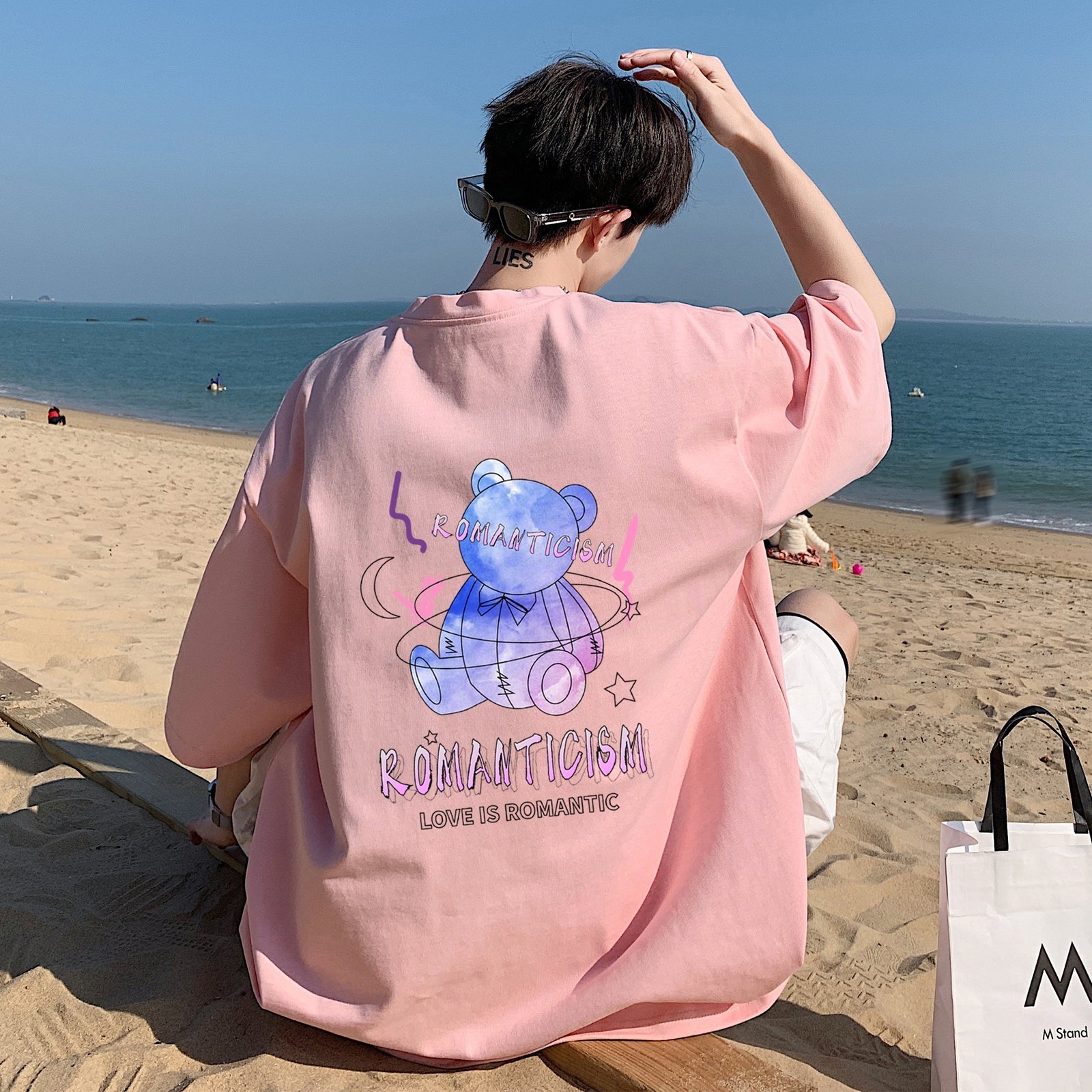
Expect 1–3 sample rounds averaging 7–14 days each. Inspect stitch tension, Pantone color match under natural light, and seam alignment. Sign a written sample approval form before authorizing bulk production.
Bulk Production Sign-Off and QC Checkpoints
A five-stage QC pass — materials, cutting, craft, sewing, and finished inspection — catches defects early rather than at final packaging. Request in-line production photos at the 30% and 70% completion marks as a written contractual requirement.
Delivery and Logistics Planning
Confirm Incoterms (FOB or EXW), carton dimensions, and HS codes before production closes. Air freight runs 5–10 days from Guangdong; sea freight takes 18–35 days. Build a 2-week customs clearance buffer into your launch calendar.
10. Pricing and Cost Guide for Chain Stitch Embroidery
Digitizing fees for chain stitch embroidery run $60–$150 as a one-time setup charge, reused across all future reorders of the same design. Unit cost drops sharply as volume scales — a 50-piece run at 5,000 stitches can reach $6.00 per unit, while the same logo at 1,000 pieces falls below $2.50.
Fill-heavy designs — dense satin areas common in streetwear skeleton and rose motifs — carry 20–40% higher thread consumption than outline-only work at equivalent stitch counts, pushing costs toward the top of each tier. Rush orders under 7 days of production add a 25–35% surcharge; pre-production samples cost $30–$80 per colorway and are typically credited against bulk orders.
Stitch count is the single strongest cost driver: every 5,000 stitches added to a design increases unit cost by $0.40–$0.80 at mid-range volumes. Scaling from 100 to 1,000 pieces can cut per-unit embroidery cost by 50% or more, making SKU consolidation a high-leverage strategy.
| Quantity Tier | Stitch Count Range | Est. Unit Cost | Digitizing / Setup Fee | Standard Lead Time |
|---|---|---|---|---|
| 50–100 pcs | 3,000–8,000 | $4.50–$7.00 | $60–$100 one-time | 15–18 days |
| 101–300 pcs | 3,000–8,000 | $3.00–$5.00 | $60–$100 one-time | 12–15 days |
| 301–500 pcs | 8,001–15,000 | $2.50–$4.00 | $80–$120 one-time | 12–15 days |
| 501–1,000 pcs | 8,001–15,000 | $1.80–$3.00 | $80–$120 one-time | 10–12 days |
| 1,001–3,000 pcs | 15,001–25,000 | $1.20–$2.00 | $100–$150 one-time | 10–14 days |
| 3,001+ pcs | 25,001+ | $0.80–$1.50 | Waived or included | 14–20 days |
Ready to Add Chain Stitch Embroidery to Your Next Collection?
Send your artwork for a free sample, lock in a quote with low MOQ, and get to market fast with our 5-step QC guarantee.