
Custom Leather Patches That Define Your Streetwear Brand
Premium custom leather patches crafted with a 5-step QC guarantee and low MOQ — built for streetwear startups, designers, and global brands ready to scale.
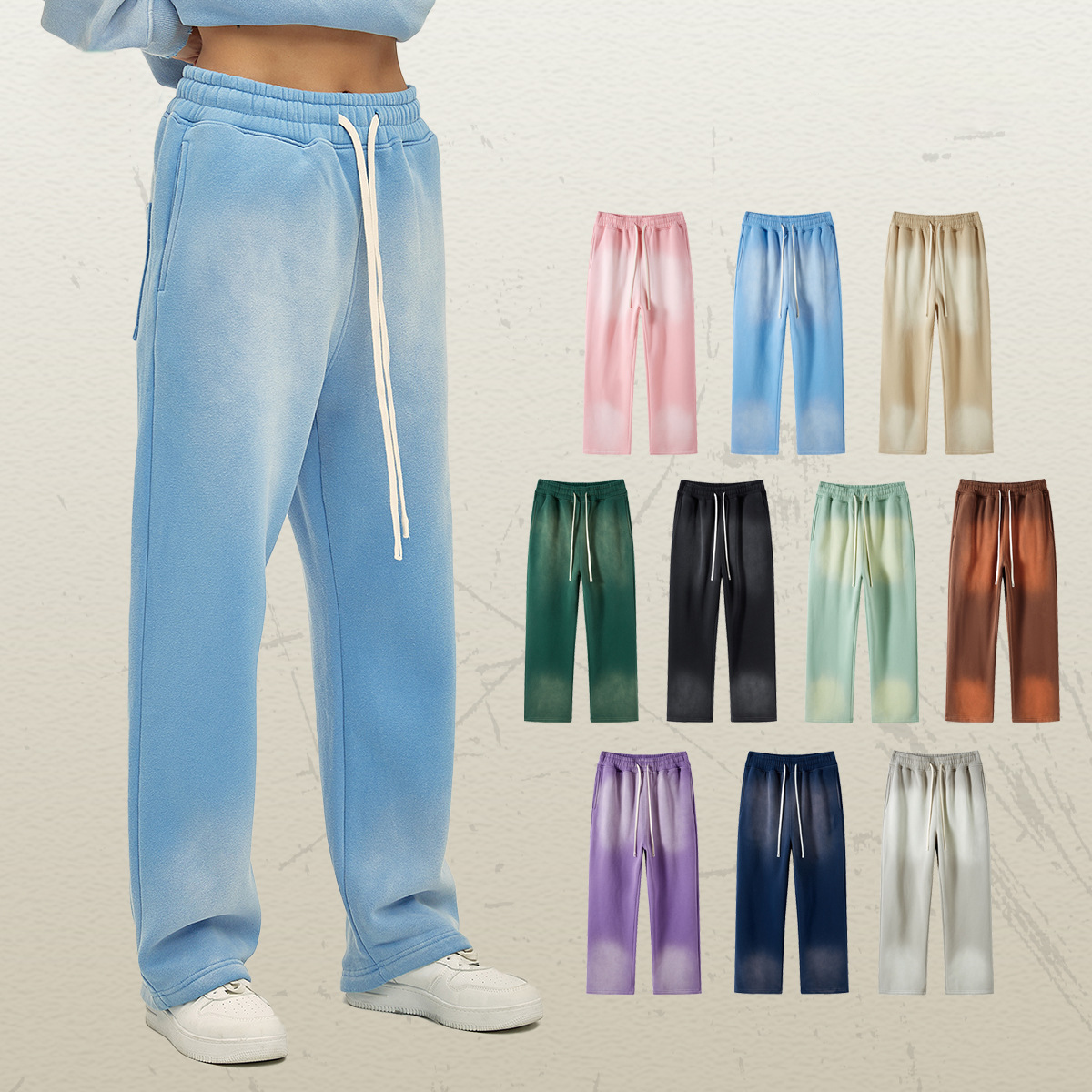
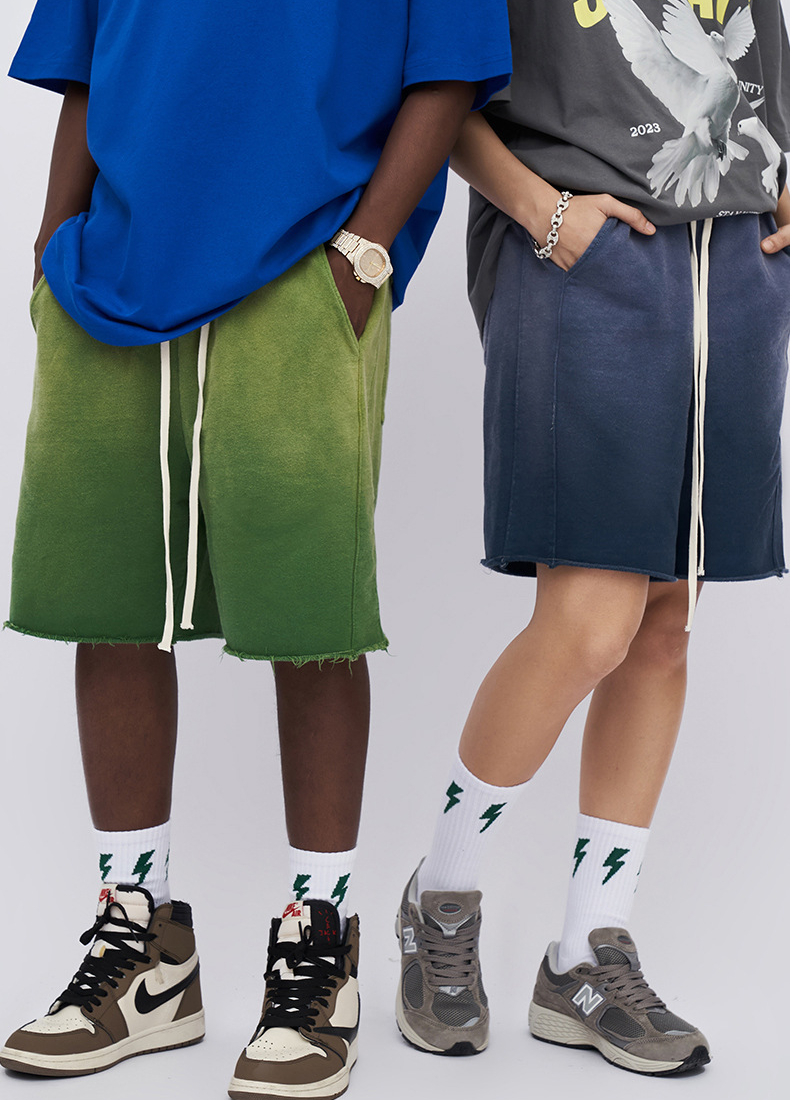
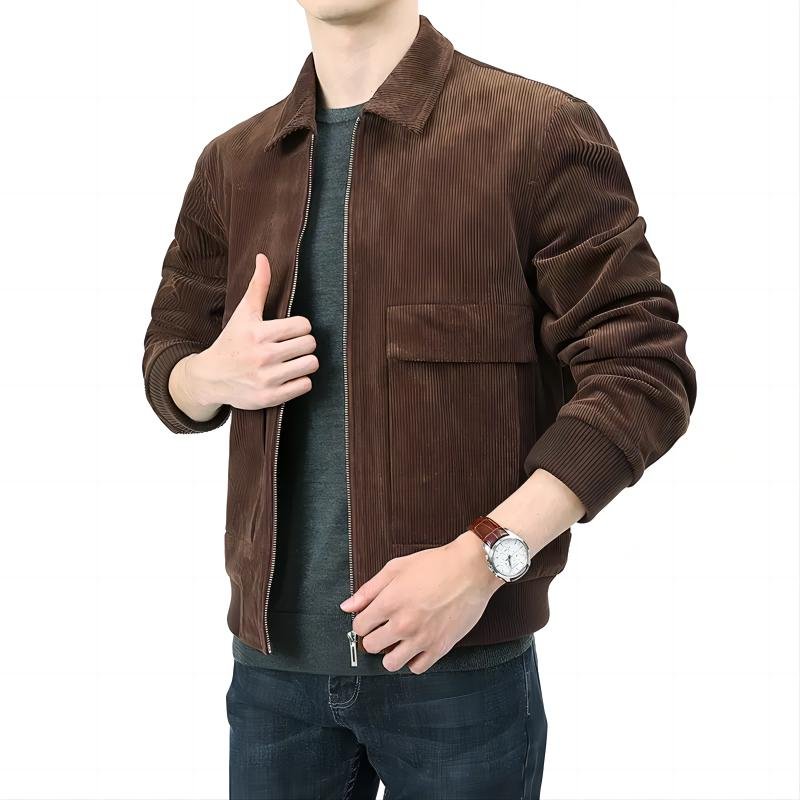
Custom Leather Patches in Action: Gallery of Finished Pieces
What Makes Custom Leather Patches Stand Out
From premium material grades to precision finishing techniques, every attribute is engineered for streetwear brands that refuse to cut corners.
Premium Leather Grade Selection
Choose genuine, faux, full-grain, or vegetable-tanned leather — every grade matched to your brand’s aesthetic and price point.
Embossing, Debossing & Laser Etching
Precision embossing, debossing, and laser etching deliver razor-sharp logo definition that holds its character wash after wash.
Fade-Resistant, Colourfast Finishes
UV-stable dyes and sealed surface treatments lock in colour so your custom leather patches stay vivid season after season.
Streetwear-Grade Durability
Reinforced backing, abrasion-resistant surfaces, and tight stitching ensure patches withstand heavy daily wear without cracking or peeling.
Unlimited Shape & Size Options
Die-cut to any contour — rectangular, oval, badge, or fully custom — with your artwork, text, or logo faithfully reproduced.
5-Step QC on Every Order
Our proprietary QC checks materials, cutting, craft, sewing, and final inspection, guaranteeing zero-compromise quality before shipment.
Beyond Custom Leather Patches: Complementary Techniques and Resources
Custom leather patches anchor your brand identity — pair them with these sibling techniques and resource pages to build a complete, cohesive embellishment strategy across every garment.
Embroidered Patches for Bold Logos
Brands needing vibrant, multi-color logo patches with raised texture struggle to find a technique that holds color wash after wash without cracking or fading over time.
Embroidered patches deliver thread-based color in hundreds of shades built to last through heavy wear, a natural complement to custom leather patches in mixed-technique streetwear collections.
Woven Labels for Interior Branding
Interior branding is often overlooked, yet discerning shoppers inspect every tag. Thin, flimsy labels undermine the premium feel your exterior custom leather patches work hard to establish.
Custom woven labels extend your brand identity inside every garment, pairing seamlessly with exterior custom leather patches to deliver a fully cohesive, premium product experience customers remember.
Metal Badges for Premium Hardware
Luxury-adjacent streetwear drops demand a hard-goods finish that fabric patches cannot replicate. Designers need a rigid, weighty badge element that clearly signals premium positioning to their audience.
Custom metal badges add tactile weight and a fashion-forward edge, complementing custom leather patches in mixed-embellishment drops that elevate perceived value and reinforce brand prestige across every garment.
All Techniques, One QC-Backed Supplier
Sourcing embroidery, woven labels, leather patches, and metal badges from separate vendors inflates lead times, creates quality inconsistencies, and leaves no single partner accountable for the finished product.
Explore every embellishment option in one place — from custom leather patches to embroidered and woven alternatives — all backed by a rigorous 5-step QC process and one reliable team.
Clothing Manufacturer Ltd: Experts in Custom Leather Patches
Clothing Manufacturer Ltd. was founded in 2024 by Tesla Luo, a second-generation garment professional with over 10 years of apparel production experience and 6 years specializing in streetwear. Raised inside Dongguan’s manufacturing ecosystem, Luo built the company on one principle: every product — from finished garments to custom leather patches — must pass rigorous quality checks at every production stage, not just the final one.
Based in Humen Town, Dongguan — the historic heart of China’s garment industry — we combine the focused expertise of a dedicated streetwear specialist with the production capacity of our parent company, Dongguan TuoZhen Clothing Co., Ltd. Our 15-member R&D team, 10 patents, and low MOQ options make us the ideal manufacturing partner for emerging startups and established global retailers, with reach spanning more than 100 countries.
What sets us apart is our proprietary 5-step quality control methodology, covering materials, cutting, clothing craft, sewing production, and finished garment inspection. Unlike factories that skip in-process checks, we embed QC at every stage so every order leaving our facility meets exact client specifications. Paired with deep streetwear cultural fluency and fast turnaround for seasonal collections, this is how we earn lasting trust from brands worldwide.

Custom Leather Patches: Materials, Techniques & Durability
Premium Hides, Sourced to Streetwear Standards
Every custom leather patch begins with full-grain and top-grain hides selected for color consistency, surface integrity, and dye absorption. Our sourcing team vets tanneries for chromium compliance and material traceability, so your brand is never built on inferior hide quality.
- Full-grain and top-grain leather options for authentic texture and long-term wear
- Chromium-safe and vegetable-tanned hides available for sustainable brand positioning
- Batch-level materials QC testing completed before a single patch is cut
- Consistent hide thickness verified across every unit in your production run
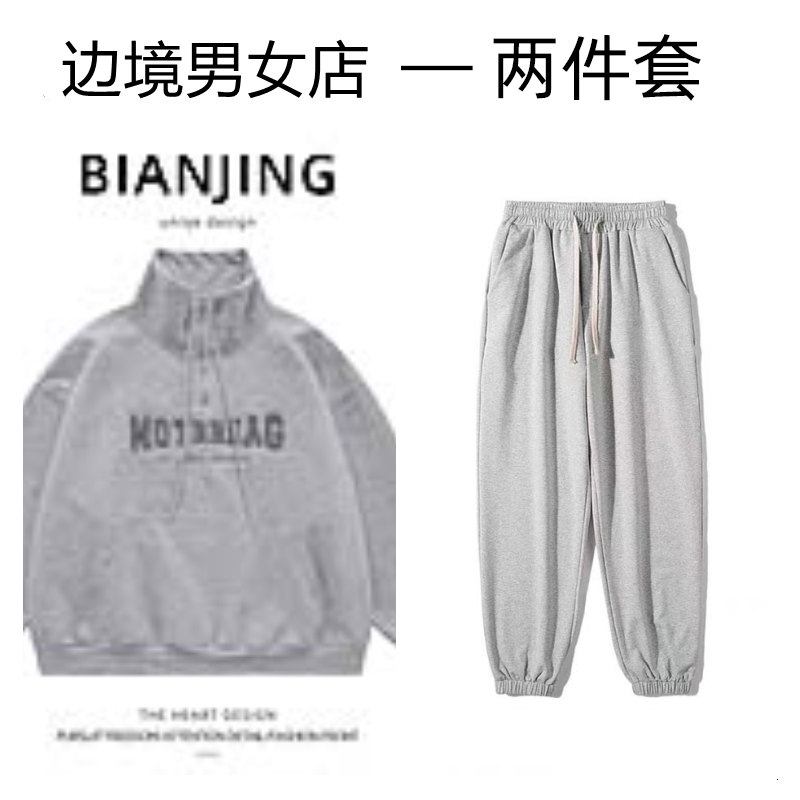
Emboss, Deboss, or Laser Etch Your Logo
Three precision finishing methods let you match your patch to your brand’s aesthetic exactly. Hot embossing raises your logo in sharp relief, debossing presses it deep into the hide, and laser etching delivers hairline-precise detail no hand tool can replicate.
- Hot embossing for bold, three-dimensional logo presence on full-grain hides
- Debossing for a recessed, luxury-tactile finish preferred by premium streetwear labels
- Laser etching for photographic-level detail on complex artwork and fine typography
- All tooling and dies crafted in-house by our 15-member R&D and sampling team
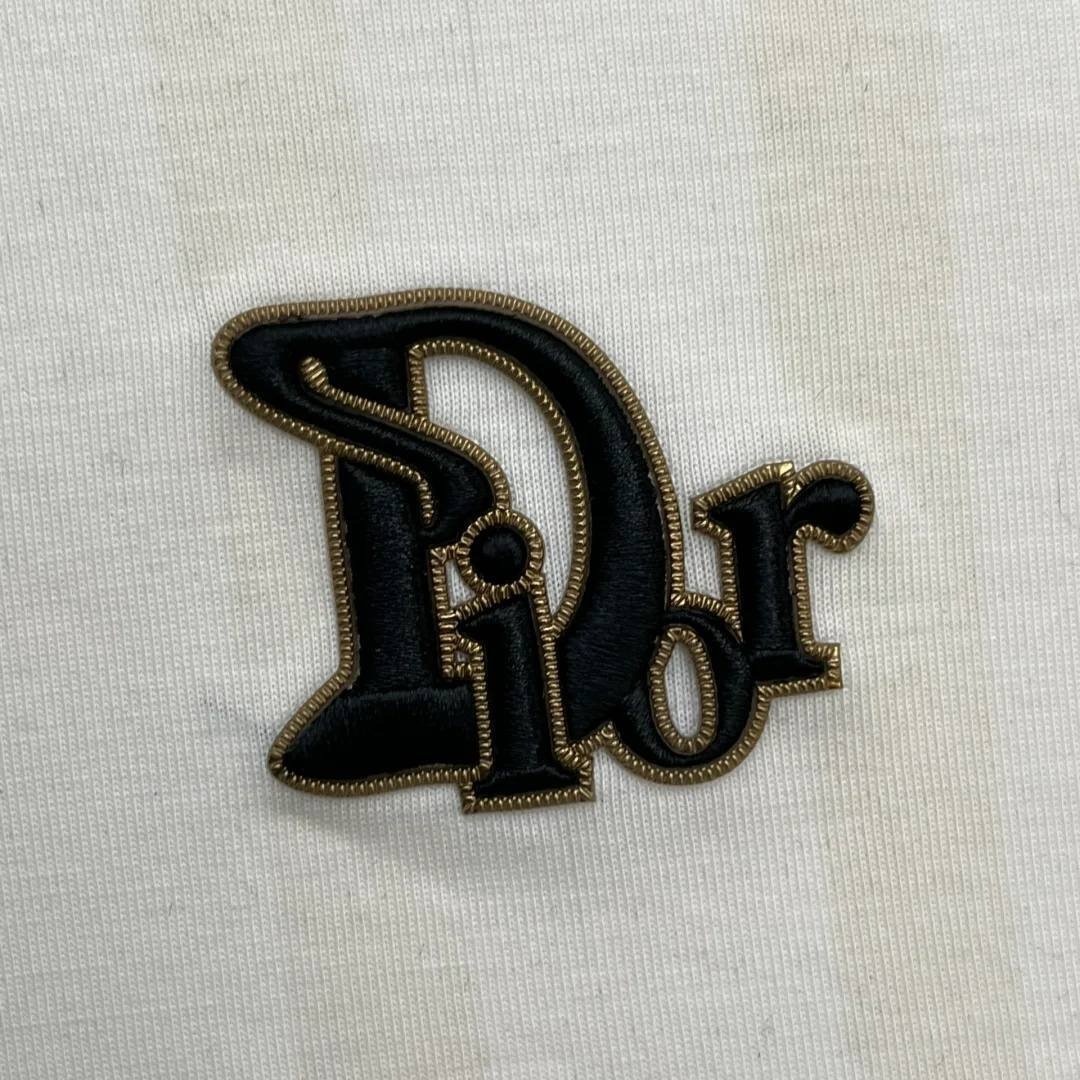
Stitching Durability Built for Streetwear Life
Attaching custom leather patches to garments demands thread and stitch counts that withstand repeated wear, stretching, and washing. Our sewing QC stage checks every stitch row for tension, alignment, and thread-break resistance before any piece moves forward in production.
- High-tenacity polyester and nylon threads rated for 200-plus wash cycles
- Stitch density specs calibrated per patch size, weight, and garment fabric type
- Thread-retention pull tests performed at sewing QC stage, not only at final inspection
- Bartack and seam reinforcement applied at all patch corners to prevent peeling or lifting
Washability Tested, Every Custom Leather Patch Batch
Before your order ships, finished patches undergo rigorous washability trials simulating real-world laundering. Color-fastness, edge integrity, and logo legibility are graded against our finished-clothing QC checklist, the final gate in our five-step quality guarantee.
- Machine-wash and tumble-dry simulation tests run at full production-batch level
- Color-fastness graded to ISO 105 standards to prevent fading or dye bleed
- Edge and corner adhesion checks confirm no curling after repeated wash cycles
- Full QC report available per batch for retail compliance and buyer documentation
Custom Leather Patches vs. Embroidered Patches: Which Is Right for Your Brand?
Not all patch techniques deliver equal results. See how custom leather patches compare against embroidered patches on the attributes streetwear buyers actually use to choose.
← 左右滑动查看 →
How We Make Custom Leather Patches: 5-Step Quality Process
From raw material inspection to finished goods approval, every custom leather patch passes five dedicated quality checkpoints — no shortcuts, no compromises.
Material Selection & QC
Every leather hide and synthetic alternative is tested for thickness, grain consistency, and durability before a single piece enters your production run.
Design Layout & Proof
Our in-house design team converts your artwork into production-ready technical files and shares digital proofs for your sign-off before any cutting begins.
Precision Cutting & QC
Computer-guided cutting tools deliver exact, repeatable shapes across every piece; our QC team verifies edge cleanliness and dimensional accuracy for the entire run.
Embossing, Etching & Stitching
Logo debossing, laser etching, and decorative stitching are each checked mid-production to catch depth, alignment, and thread-quality inconsistencies before they multiply across batches.
Finishing & Final Inspection
Every completed custom leather patch clears a multi-point finished-goods inspection — backing adhesion, hardware, color uniformity — then is carefully packed for global shipment.
How to Order Custom Leather Patches: Design to Delivery
From your first vector file to global delivery, here is exactly how we turn your vision into premium leather patches — with zero quality compromises at every stage.
Submit Your Design & Specs
Share vector artwork, Pantone color references, and preferred leather type or finish so our team can assess feasibility and return a detailed quote within 24 hours.
Receive a Precision-Crafted Sample
Our in-house sampling team produces a physical custom leather patch for your review, letting you evaluate emboss depth, edge finish, and hardware before committing to production.
Approve Revisions & Confirm Order
Request adjustments to stitching, debossing, or backing type, then lock in your quantity, delivery timeline, and any attachment specifications to officially trigger bulk manufacturing.
Watch Our 5-Step QC Run
Every batch of custom leather patches clears our proprietary five-stage quality control process — covering materials, cutting, crafting, sewing, and final inspection — before leaving our factory.
Receive Global Delivery at Your Door
We handle packaging, export documentation, and international logistics so your leather patches arrive safely at your warehouse or fulfillment center, anywhere in the world.
Brands Trust Us: Custom Leather Patches That Deliver
The logo detail on our custom leather patches is sharper than anything we’ve sourced before. After 60-plus washes, zero cracking or fading. Our customers constantly comment on the premium feel — it’s raised our whole collection’s perceived value overnight.
As a startup, the low MOQ was a game-changer. We ordered 150 custom leather patches for our debut drop and sold out in 72 hours. The craftsmanship made buyers assume we were an established brand from day one — that perception is priceless.
We needed 2,000 custom leather patches turned around in three weeks for a seasonal collab drop. Clothing Manufacturer Ltd. delivered on day 19, every piece clearing their 5-step QC check. We placed our follow-up order before the first shipment even landed.
Custom Leather Patches: Frequently Asked Questions
Everything you need to know before ordering custom leather patches for your streetwear brand.
What is the minimum order quantity for custom leather patches?
What fabrics are custom leather patches compatible with?
Can I combine custom leather patches with embroidery or screen printing on the same garment?
How long does a sample for custom leather patches take to produce?
What art files do I need to submit for custom leather patches?
What is the difference between genuine leather and faux leather for patches?
Are custom leather patches durable enough to survive regular machine washing?
What is the production lead time for a bulk order of custom leather patches?
What is the maximum design size and number of colors available for custom leather patches?
The Complete Buyer’s Guide to Custom Leather Patches
From material grades and decoration techniques to supplier vetting and MOQ negotiations, this guide gives streetwear brands and independent designers a clear decision framework, proven supplier criteria, and the critical mistakes to avoid before placing your first order.
1. What Are Custom Leather Patches?
Custom leather patches are branded label pieces — typically 5 cm to 12 cm wide — cut from real or synthetic leather and fixed to garments at high-visibility points: waistbands, chest panels, sleeve cuffs, and back yokes. Unlike a woven label tucked into a seam, a leather patch sits on the face of the fabric, functioning as both a branding asset and a design element.
Versus woven or embroidered labels, custom leather patches deliver a premium tactile signal that thread-based construction cannot match. A debossed or laser-engraved logo pressed into leather reads as craft and materiality; the edge-stitched or heat-bonded attachment and natural grain surface reinforce that perception directly at the point of sale.
Two material paths exist. Full-grain or top-grain real leather — 1.0–1.5 mm is the standard patch thickness — develops a patina over time and anchors a luxury or heritage brand positioning; PU or PVC faux leather costs 40–60% less per unit, holds debossed detail sharply, and outperforms real hide in machine-wash durability, making it the default choice for mass streetwear production.
If your product uses structured outerwear, denim, heavyweight fleece, or waxed canvas, a leather patch is the right label type: the substrate carries the stitch load and the aesthetic aligns. Lightweight jersey, sheer chiffon, or fine knits are better served by a woven or silicone label instead.
2. The History & Evolution of Custom Leather Patches
In 1873, Levi Strauss & Co. stitched a two-horse leather waistband tag onto its riveted denim trousers — the first documented use of a leather patch as a brand identifier on functional workwear. That single design decision linked leather permanently to durability, authenticity, and honest labor. Every brand that attaches custom leather patches today inherits more than 150 years of that association.
By the 1940s, U.S. military units were heat-stamping leather insignia onto flight jackets and field gear, translating the material’s toughness into rank and brotherhood. Outlaw motorcycle clubs carried the convention through the 1950s and 1960s, using back patches and smaller leather rockers as identity markers with genuine social weight. The material stopped being decorative and became declarative.
By the early 1990s, hip-hop and skate labels began reclaiming the leather patch as a premium detail on hoodies, varsity jackets, and denim — pulling the workwear-military signal directly into youth culture. Early streetwear houses used embossed leather hit labels to signal craft and limited runs in a sea of screen-printed generics, and the practice spread fast once consumers recognized the distinction.
Today, custom leather patches function as compressed brand biography — a small rectangle that communicates heritage, quality standards, and intentionality before a consumer reads a single word. For creator brands and streetwear startups, the patch telegraphs that a garment was considered, not commoditized. That trust signal is why the detail has become a go-to move for labels that want to shift perception upmarket without a full price overhaul.
3. Types of Custom Leather Patches for Streetwear Brands
Five construction methods define the custom leather patches landscape, each producing a distinct visual and tactile result. Selecting the right type early prevents costly sample revisions and ensures the final patch aligns with your product category and order volume.
Debossed and Embossed Patches
A hardened steel mold presses the design into full-grain or PU leather, creating a raised (embossed) or recessed (debossed) surface without ink. MOQs typically start at 50 pieces, making this accessible for early-stage brands. Best suited for jeans waistbands, caps, and jackets where tactile branding reads as premium.
Laser-Engraved Patches
A CO2 laser burns artwork directly into the leather surface, producing precise lines with natural color contrast — no dyes required. MOQs can start as low as 30 pieces. Ideal for minimalist logos and high-detail wordmarks on hoodies and bombers where clean edge definition matters.
Printed and Heat-Transfer Patches
UV or screen printing lays full-color artwork onto smooth leather; heat-transfer variants bond an ink film under pressure at 160–180°C. MOQs typically begin at 50 pieces. Best for collab drops or gradient graphics where debossing cannot render multiple Pantone values.
Die-Cut Shaped Patches
A steel rule die punches a custom silhouette — skull, logo shape, or animal — from a leather sheet with hairline-tolerance edges. MOQs typically run 100 pieces. Suited for hang tags, chest patches, and sleeve badges where the outline shape itself carries brand recognition.
Combination Stitched and Rivet Patches
Perimeter lock-stitching combined with 2–4 copper or brass rivets anchors the patch through heavy fabrics without delamination over time. MOQs typically start at 100–200 pieces. Best for denim jackets, canvas totes, and workwear-inspired streetwear where structural durability reinforces the industrial aesthetic.
4. Materials Used in Custom Leather Patches
Material choice for custom leather patches directly impacts durability, hand feel, and brand positioning. Five materials dominate production — each suited to a distinct budget tier and brand identity.
| Material | Durability | Feel | Eco Score | Cost Tier | Best Use Case |
|---|---|---|---|---|---|
| Full-Grain | 25–30+ yrs | Rich, natural patina | Low | $$$$ | Heritage and luxury streetwear |
| Top-Grain | 10–15 yrs | Smooth, uniform | Low | $$$ | Mid-to-premium brand labels |
| Genuine | 2–5 yrs | Stiff, coated | Low | $ | Entry-level launches and promos |
| PU (Vegan) | 5–8 yrs | Soft, consistent | High | $$ | Eco-conscious startups and creators |
| Recycled | 4–7 yrs | Textured, varied | Very High | $$ | ESG-focused global retailers |
Full-Grain and Top-Grain: Premium Tier
Full-grain leather retains the entire hide surface, delivering 25–30+ years of wear resistance and a natural patina that deepens over time. Top-grain leather is lightly sanded for a uniform surface, achieving 10–15 years of practical longevity — the industry standard for mid-to-premium streetwear labels.
Genuine Leather for Entry-Level Brands
Genuine leather uses bonded split hide with a coated finish, lasting roughly 2–5 years under regular wear. It costs 40–60% less than top-grain, making it a practical entry point for startups running initial test runs or promotional capsule drops.
PU and Recycled Leather for Eco Brands
PU (vegan) leather achieves OEKO-TEX certification more readily than animal hide and costs 30–50% below full-grain — strong positioning for influencer brands and ESG-conscious retailers. Recycled leather, produced from post-industrial hide scraps, carries the highest eco credentials and satisfies sustainability mandates increasingly required by global retail buyers.
For startups under pressure from retail partners to document material sourcing, PU and recycled options offer the clearest compliance path without sacrificing consistent surface quality.
5. Customization & Decoration Options for Custom Leather Patches
Seven decoration techniques are available for custom leather patches, each producing a distinct tactile and visual result. Method choice governs detail resolution, color range, and wash durability.
| Method | Setup Cost | Per-Unit Cost | Color Range | Durability |
|---|---|---|---|---|
| Debossing | Low | $0.15–0.30 | Monochrome | 9/10 |
| Embossing | Low | $0.20–0.35 | Monochrome | 9/10 |
| Laser Engraving | Mid | $0.25–0.45 | Monochrome | 10/10 |
| Screen Printing | Mid | $0.10–0.25 | Up to 6 Pantone | 7/10 |
| Foil Stamping | High | $0.35–0.60 | Metallic/Holographic | 8/10 |
| UV Printing | Mid | $0.40–0.70 | Full CMYK | 8/10 |
| Hand-Painting | None | $1.50–5.00 | Unlimited | 7/10 |
Debossing
Debossing presses a design into leather, creating a recessed imprint. Resolution holds to 1 mm minimum. Monochrome result; 9/10 wash durability. Setup and per-unit costs are the lowest of all methods.
Embossing
Embossing raises the design above the leather surface for a sculptural 3-D effect. Minimum line weight is 1.5 mm. No ink is added; durability rates 9/10. Per-unit cost runs slightly higher than debossing.
Laser Engraving
Laser engraving achieves 0.5 mm resolution — the finest of any method — by burning vectors directly into leather. Output is monochrome. Durability is 10/10; no ink means zero fade risk.
Screen Printing
Screen printing deposits water-based or plastisol inks in up to 6 Pantone-matched colors. Minimum resolution is 2 mm. Durability rates 7/10; colors can fade after 50+ industrial washes at low per-unit cost.
Foil Stamping
Foil stamping bonds metallic or holographic film under heat and pressure. Available finishes include gold, silver, rose-gold, and holographic. Minimum detail is 1.5 mm; durability rates 8/10. Die setup carries the highest setup cost.
UV Printing and Hand-Painting
UV printing delivers full-color CMYK output at 1 mm resolution with 8/10 durability. Hand-painting offers unlimited color but suits runs under 50 units due to artisan labor — the highest per-unit price of any method.
6. Key Quality Elements to Inspect Before Ordering
Before approving a production run of custom leather patches, request pre-production samples and evaluate six structural dimensions. Defects caught at the sample stage cost nothing to correct; defects found after bulk delivery can write off an entire season’s margin.
Edge Finishing Method and Consistency
Four edge treatments exist: raw-cut, paint-sealed, burnished (heat-friction polished), and laser-sealed. Burnished and laser-sealed edges resist fraying and moisture absorption best for streetwear end-use.
Inspect sample edges under bright light for uniform color and confirm no lifting or peeling within 48 hours of receipt.
Backing Type and Bond Strength
Iron-on backings activate at 130–150°C using thermoplastic adhesive; sew-on requires ≥8 stitches per inch along the patch perimeter. Pressure-sensitive adhesive (PSA) and heat-seal options lose tack after roughly 20 wash cycles.
Specify backing type in your tech pack and request a 10 N pull-test on the pre-production sample.
Stitching Thread Quality
Bonded polyester thread (Tex 40–70) outperforms cotton for leather patch attachment — it resists UV degradation and moisture-wicking. Inspect sample stitching for consistent tension and ≥8 stitches per inch; loose or skipped stitches indicate machine calibration problems that scale into bulk production.
Colorfastness and Pantone Accuracy
Specify ISO 105-C06 wash-fastness at Grade 4 minimum for dyed or printed patches. Pantone deviation beyond ΔE 2.0 is visible to the naked eye.
List Pantone codes — not color names — on your purchase order and compare sample swatches under D65 daylight-standard lighting before approving.
Thickness Consistency and Hardware Integrity
Patch thickness should fall within ±0.2 mm across a batch; verify with a digital caliper on 5% of sampled units. Variation beyond this causes uneven sewing-foot pressure and visible waviness on finished garments.
Metal rivets and eyelets must pass a 50 N pull-test. Specify brass or zinc alloy grade to prevent rust after repeated wash cycles.
7. How to Choose a Custom Leather Patches Manufacturer
Choosing the wrong supplier for custom leather patches costs brands more than money — it delays launches and damages product quality. Evaluate candidates across six concrete criteria before committing to any production run.
MOQ Flexibility for Startups and Scale
Direct factories typically set MOQ at 50–200 pieces per design; trading companies often require 500+. Ask: ‘Can I run 50 units per colorway?’ and confirm whether mixed-design orders count toward a combined minimum.
Sample Policy and Production Lead Times
Reputable suppliers charge $30–$80 per sample and deduct that fee on confirmed orders. Standard lead time for leather patches runs 15–25 business days; rush 7–10 day turnarounds exist but carry a 20–30% surcharge.
Certifications That Signal Credibility
OEKO-TEX Standard 100 confirms materials are free of harmful substances — essential for EU and U.S. retail. ISO 9001 certifies quality management systems; BSCI audits labor standards. Ask suppliers to share valid certificate numbers and expiry dates, not just logos.
In-House Versus Outsourced Embossing

Factories with in-house hydraulic or heat-embossing equipment hold tolerance to ±0.2mm across bulk runs. Suppliers who outsource embossing add 5–10 days and an extra margin tier. Ask directly: ‘Is embossing performed on your own production floor?’
Direct Factory Versus Trading Company
Trading companies add a 15–30% markup and insert a communication layer that slows approvals. Direct factories — such as those rooted in Humen Town, Dongguan, China’s historic garment manufacturing hub — provide floor access, real-time QC visibility, and transparent per-unit costing.
Communication Speed and Packaging Capability
Suppliers who reply within 24 hours and assign a dedicated account contact reduce costly revision cycles. Confirm whether private-label poly bags, hang tags, or custom box packaging are handled in-house; consolidating these eliminates a third-party vendor and cuts fulfillment prep time by 2–3 days.
8. Common Mistakes Brands Make When Buying Custom Leather Patches
Even experienced buyers make avoidable errors when sourcing custom leather patches for the first time — or scaling up too fast. These five mistakes consistently cause delays, quality failures, and wasted spend.
Skipping Pre-Production Samples
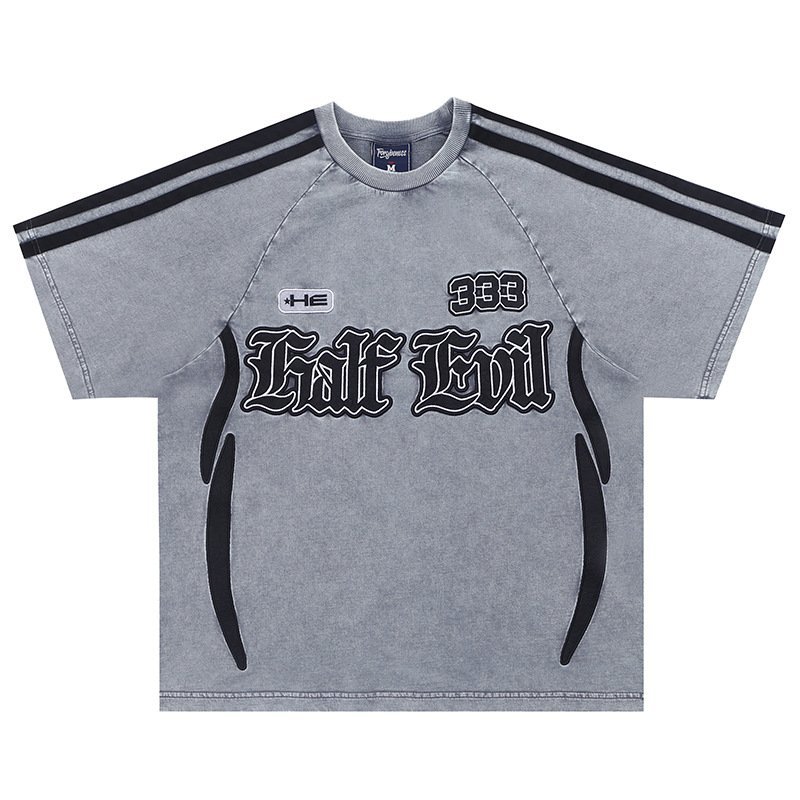
A pre-production sample costs $30–$80 but prevents a full-batch defect that can waste thousands. Without it, embossing depth, dye color, and edge finish are unverified until after production completes.
Always approve a physical sample before releasing your order — no exception, regardless of how tight the timeline feels.
Choosing Material Purely on Price
Lowest-cost split leather degrades within 6–12 months of regular wear, damaging brand perception faster than the savings justify. Full-grain or top-grain hides cost 2–3× more but maintain texture and color across the garment’s lifespan.
Request a material data sheet and specify hide grade in writing before production begins.
Ignoring Attachment Method Compatibility
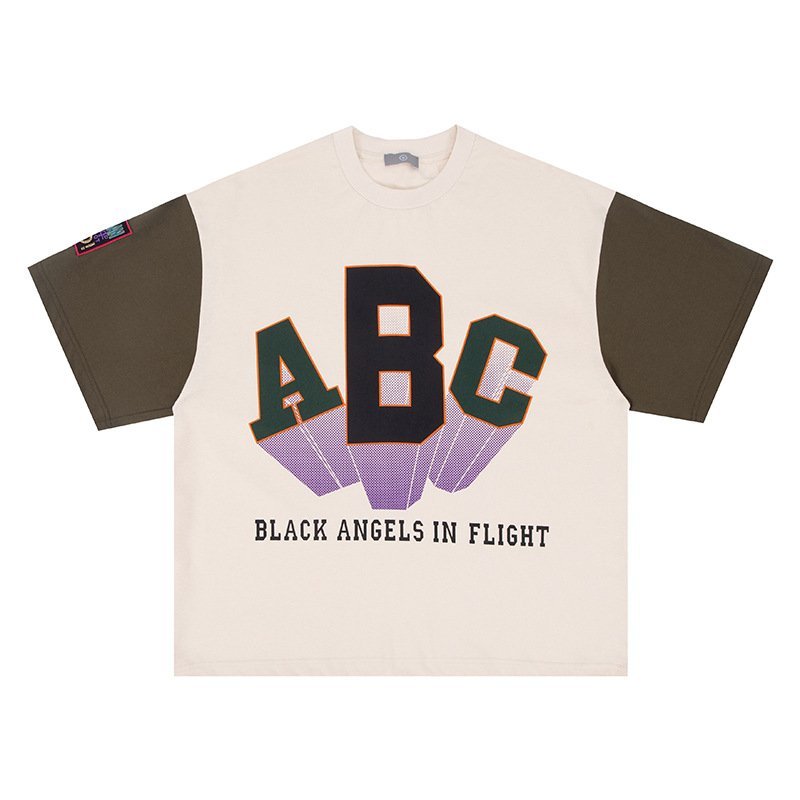
Iron-on adhesive backing fails on shell fabrics above 12 oz, and sew-on patches on lightweight 4 oz jersey can pucker the face fabric. Each combination requires a different backing type and stitch count.
Confirm your garment’s fabric weight in GSM and share it with your patch supplier before finalizing construction.
Underestimating Lead Times for Peak Seasons
Standard custom leather patch lead times run 15–25 days; during Q4 that routinely extends to 35–45 days. Brands ordering in October for November launches consistently miss their drop window.
Lock in patch orders at least 60 days before your scheduled release date and confirm production slots in writing.
Not Supplying Vector Artwork
Raster files below 300 DPI produce blurred embossing templates and force factories to redraw artwork, adding 3–7 days and a redesign fee of $50–$150. Supply AI or EPS vector files at 1:1 scale to avoid both the delay and the extra cost.
9. Steps to Launch Your Brand Using Custom Leather Patches
Launching with custom leather patches requires six sequential decisions — each one gates the next. Getting the order right the first time saves weeks of revision cycles and protects your debut collection’s margin.
Define Brand Identity and Patch Placement
Pin down your logo mark, colorway, and preferred patch shape before contacting any supplier. Common placements include chest, sleeve, back yoke, and waistband — each affects patch size (typically 3–8 cm wide) and attachment method.
Prepare Artwork Files to Spec
Submit vector files (.AI or .EPS at 300 DPI) with Pantone PMS references for every color. Open-path strokes and embedded fonts cause production errors — convert all text to outlines before sending.
Request and Evaluate Samples
Order 2–3 prototype samples before committing to bulk. Inspect edge finish (laser-cut vs. die-cut), embossing depth, and stitching density under 10× magnification — surface flaws invisible at arm’s length fail at retail.
Negotiate MOQ and Pricing Tiers
Most manufacturers set MOQs at 50–100 units per design for custom leather patches; pricing drops 15–30% at the 300-unit tier. Lock price tiers in writing and confirm whether tooling fees are amortized or billed separately.
Confirm Production Timeline and Packaging
Standard bulk lead times run 15–25 days after sample approval; rush orders add 30–50% to cost. Specify individual poly-bag packaging with moisture-absorbing desiccant if patches ship to humid climates.
Quality-Check Bulk Delivery
On receipt, pull a random 10% sample from each carton and compare against your approved prototype. Check colorfastness, edge integrity, and sew-on backing adhesion — reject any lot where defects exceed 1.5% AQL.
10. Pricing & Cost Guide for Custom Leather Patches
At 50 units, custom leather patches typically run $1.80–$3.20 per piece with a $60–$120 die or stamp tooling fee; scale to 5,000+ units and the per-unit cost drops below $0.50, with tooling often waived.
Full-grain leather, complex die-cut outlines, and multi-color foil prints push cost up — adding $0.30–$0.80 per unit or $80–$200 in one-time die fees. Simple deboss on a standard rectangle with PU leather keeps unit cost at its floor; high volume compounds the saving.
- Simple deboss, standard rectangle: lowest per-unit floor, no color setup fee.
- Screen print (1–2 colors): $50–$80 setup, ~$0.20 per-unit cost uplift.
- Full-color digital or foil print: $80–$150 setup, $0.30–$0.60 uplift per unit.
- Complex die-cut shape: adds $80–$200 one-time die fee on top of unit cost.
- Full-grain vs. PU leather: full-grain adds $0.30–$0.80 per unit across all tiers.
| Quantity | Unit Price Range | Setup / Tooling Fee | Est. Lead Time |
|---|---|---|---|
| 50 units | $1.80–$3.20 | $60–$120 | 18–22 days |
| 100 units | $1.20–$2.50 | $60–$120 | 15–20 days |
| 500 units | $0.70–$1.40 | $40–$80 | 12–18 days |
| 1,000 units | $0.45–$0.90 | $40–$80 | 10–15 days |
| 5,000+ units | $0.22–$0.50 | Waived / included | 8–12 days |
Ready to Launch Your Brand With Premium Custom Leather Patches?
Submit your artwork today for a free sample patch — low MOQ, fast turnaround, and global shipping to 100+ countries.