
Tackle Twill Lettering for Streetwear — 5-Step QC Guaranteed
Dimensional, durable tackle twill lettering built for bold streetwear brands — low 50-piece MOQ, 7-day samples, and zero-compromise quality from materials to finished piece.
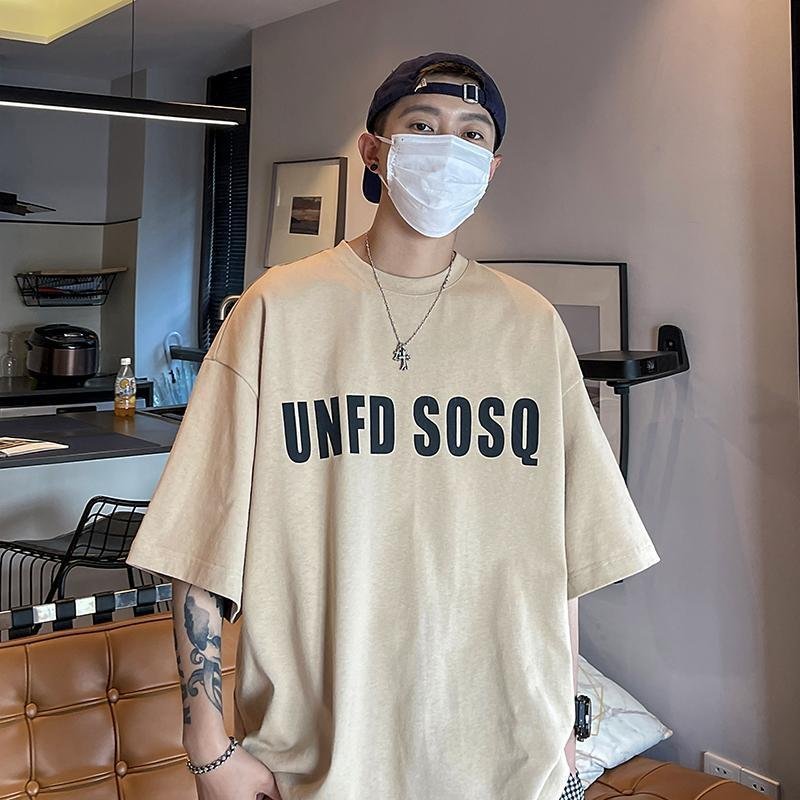
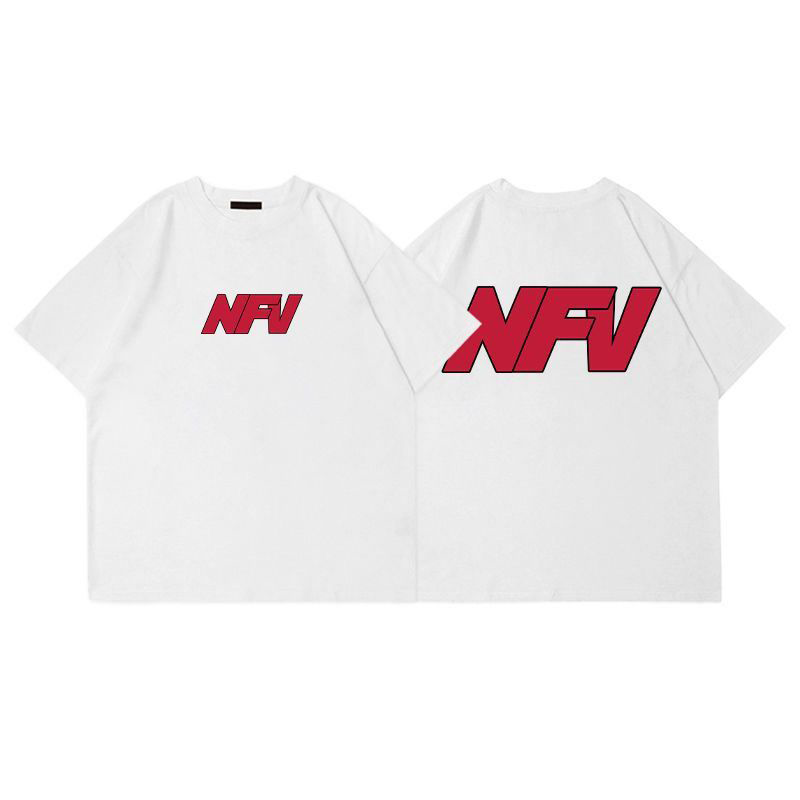
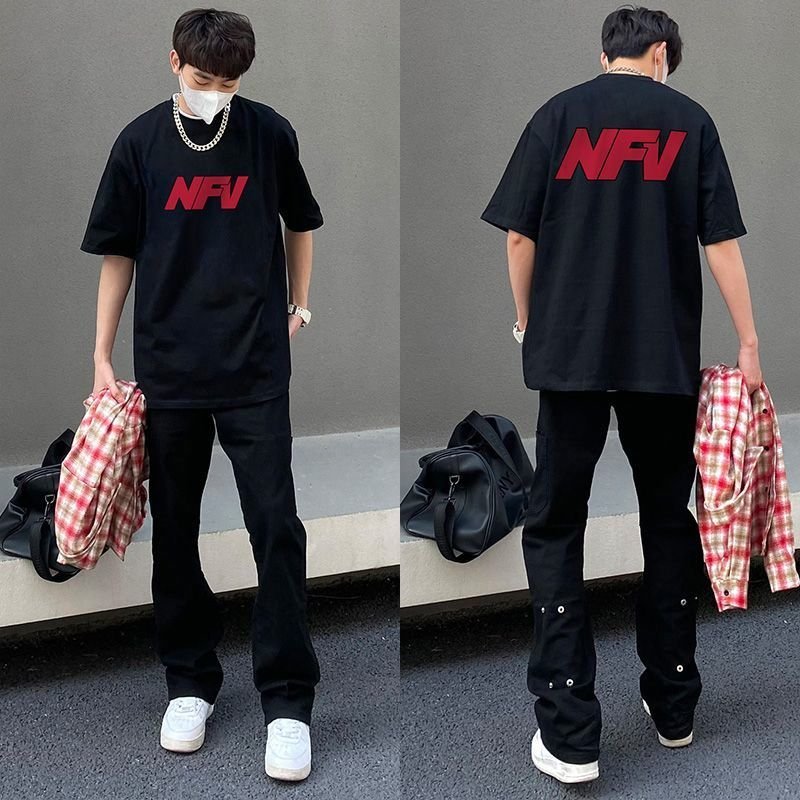
Tackle Twill Lettering Samples — Streetwear Designs in Action
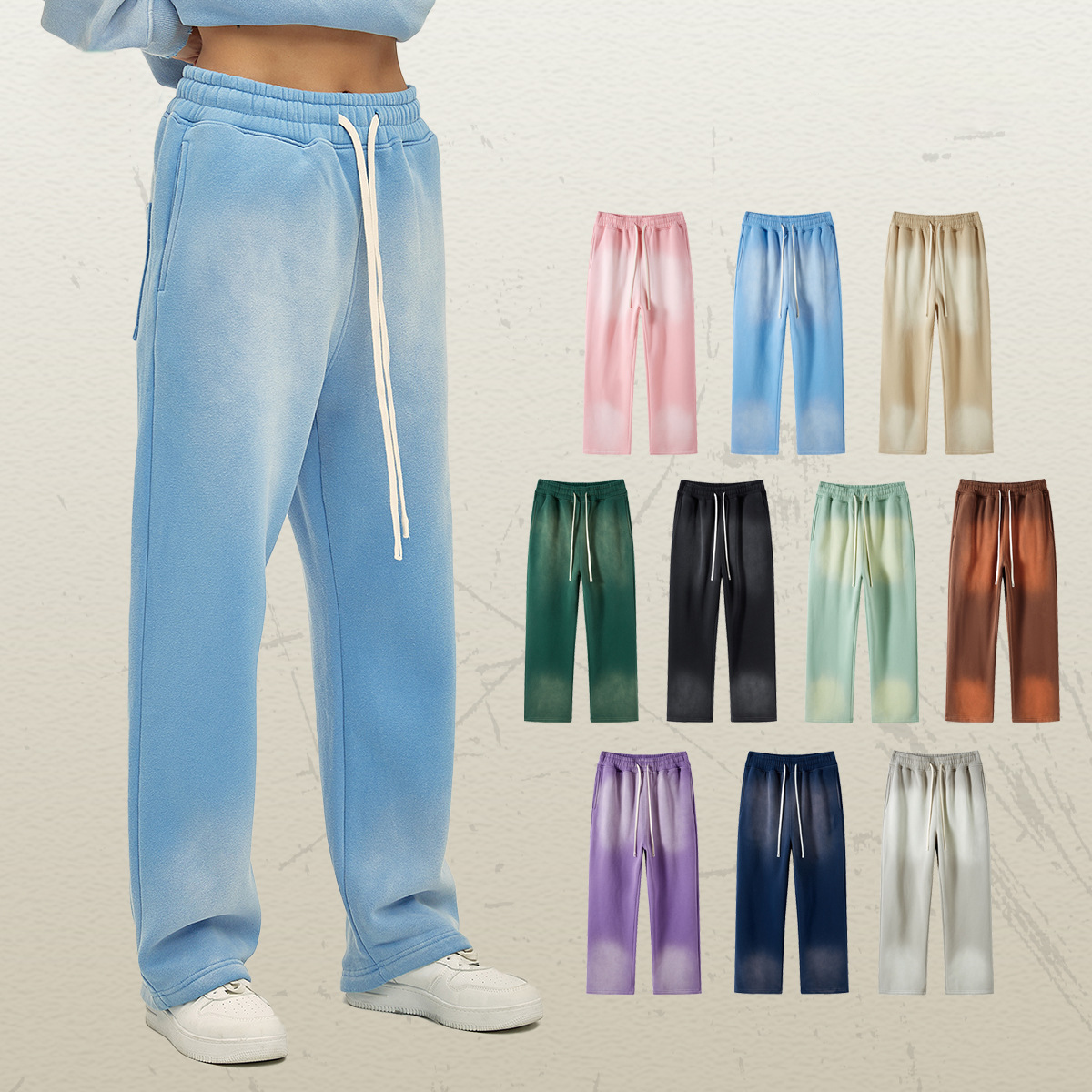
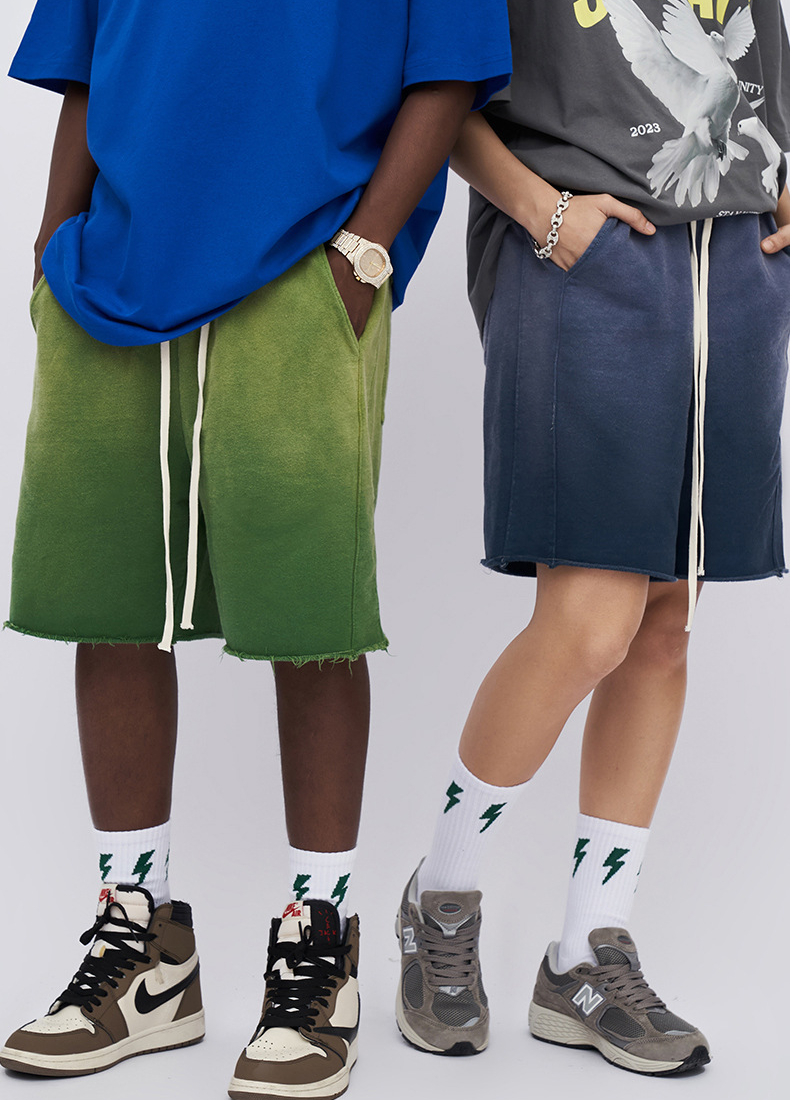
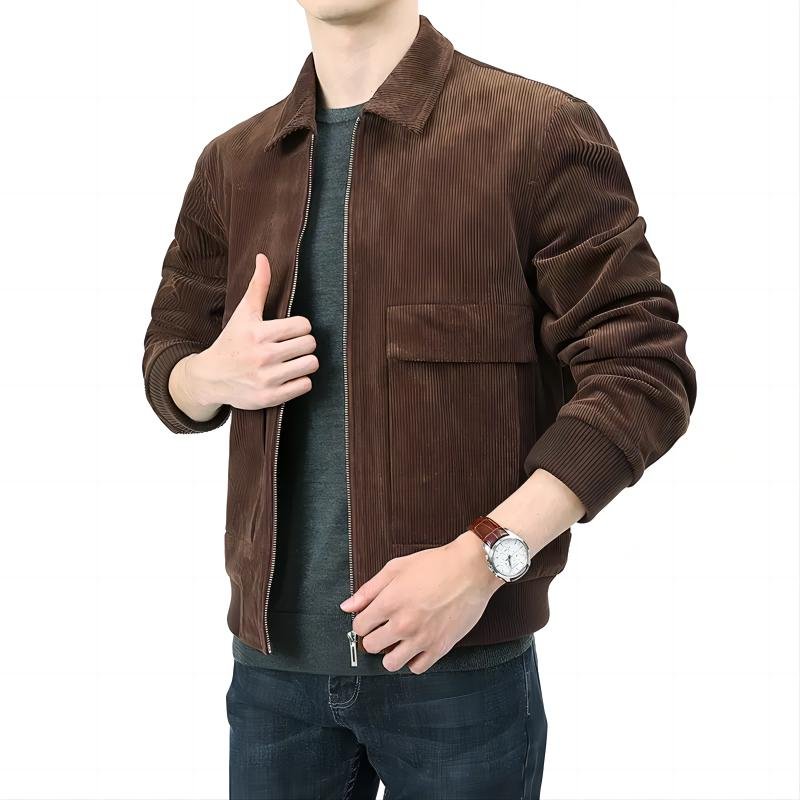
Tackle Twill Lettering Features — Why Brands Choose This Technique
From bold raised profiles to wash-proof durability, these are the performance advantages that make tackle twill lettering the definitive choice for premium streetwear.
Bold, Dimensional Raised Profile
The raised, dimensional construction of tackle twill lettering delivers instant visual impact that flat prints and standard embroidery simply cannot match.
Wash-Proof, Lasting Durability
Tackle twill lettering withstands repeated industrial washing, maintaining crisp edges and vivid color throughout the full lifetime of each garment.
Expansive On-Brand Color Range
Choose from a wide palette of twill colors, enabling precise brand-matching and striking contrast designs across every seasonal colorway.
Universal Fabric Compatibility
Compatible with fleece, jerseys, denim, and performance fabrics, making tackle twill lettering the go-to technique for diverse streetwear silhouettes.
Five-Step QC at Every Stage
Every tackle twill application passes our proprietary five-stage quality control process, from materials testing through finished-garment inspection.
50-Piece MOQ, Zero Compromise
Launch with just 50 pieces, giving emerging brands and independent designers access to premium tackle twill production without high minimums.
Tackle Twill Lettering & Related Embroidery Techniques
Not sure which embroidery method fits your next drop? Compare tackle twill lettering with flat embroidery, puff embroidery, and chain stitch to find the right technique for your brand.
Bold Raised Lettering for Streetwear
You need varsity jackets, hoodies, or team jerseys with chunky, dimensional text that commands the room. Standard embroidery lies flat and lacks the raised, tactile presence your streetwear brand demands.
Tackle twill lettering delivers thick, layered letters with a bold raised profile, perfect for streetwear drops and influencer collabs, every piece backed by our rigorous 5-step QC guarantee.
Flat Embroidery for Detailed Logos
Your brand mark features fine lines, tight text, or intricate detail that raised techniques cannot reproduce cleanly. You need precision stitching that holds sharp edges even at small decoration sizes.
Flat embroidery delivers crisp thread coverage for complex logos and detailed artwork, ideal for chest patches, hat fronts, and sleeve hits where clean, professional definition is non-negotiable.
Puff Embroidery for 3D Impact
You want a logo or wordmark that leaps off the garment with a sculptural, three-dimensional presence. Standard flat stitching reads as ordinary and fails to capture the bold premium look you need.
Puff embroidery uses foam underlays to build a dramatic 3D silhouette, elevating caps, beanies, and hoodies with a luxe, eye-catching feel that reads premium both on shelf and online.
Chain Stitch for Vintage Collections
Your collection leans into heritage, Americana, or artisan streetwear aesthetics that demand handcrafted texture. Modern machine embroidery looks too uniform and strips out the raw character your designs require.
Chain stitch creates looped, textured lines with a vintage warmth that resonates across denim, workwear, and retro streetwear collections, giving every finished garment an authentic, artisan-crafted personality customers recognize.
Explore the Full Embroidery Hub
You are evaluating multiple decoration methods for a new collection and need one trusted partner to advise on technique selection, realistic sampling, and scalable production without costly guesswork.
Our embroidery hub maps every technique side by side so you can compare aesthetics, minimums from 50 pieces, and lead times, then move straight to sampling with a team that knows streetwear.
10 Years of Tackle Twill Lettering Mastery
Clothing Manufacturer Ltd. was founded in 2024 by Tesla Luo, a garment industry veteran with over 10 years of production experience and 6 years of deep streetwear specialization. Raised in a family of senior apparel professionals and personally trained across sewing, cutting, QC, and finishing, Luo built this company on one conviction: tackle twill lettering and every craft it demands should never be shortcut.
Based in Humen Town, Dongguan — China’s premier garment manufacturing hub — we operate with a 15-member in-house R&D and design team, hold 10 production patents, and have fulfilled orders for clients across more than 100 countries. Our proprietary five-step QC process covers materials, cutting, craft, sewing, and finished inspection, ensuring every tackle twill lettering order meets exacting standards before it leaves our facility.
Unlike factories that skip in-production quality checks, we embed QC at every stage of the manufacturing cycle — a philosophy shaped by Luo’s firsthand experience witnessing how unchecked shortcuts damage the reputation of Chinese manufacturing. With a 50-piece MOQ, 7-day sample turnarounds, and full global logistics support, we are the production partner built for streetwear startups, independent designers, and influencer brands ready to scale without compromise.
Tackle Twill Lettering Quality Attributes & Specifications
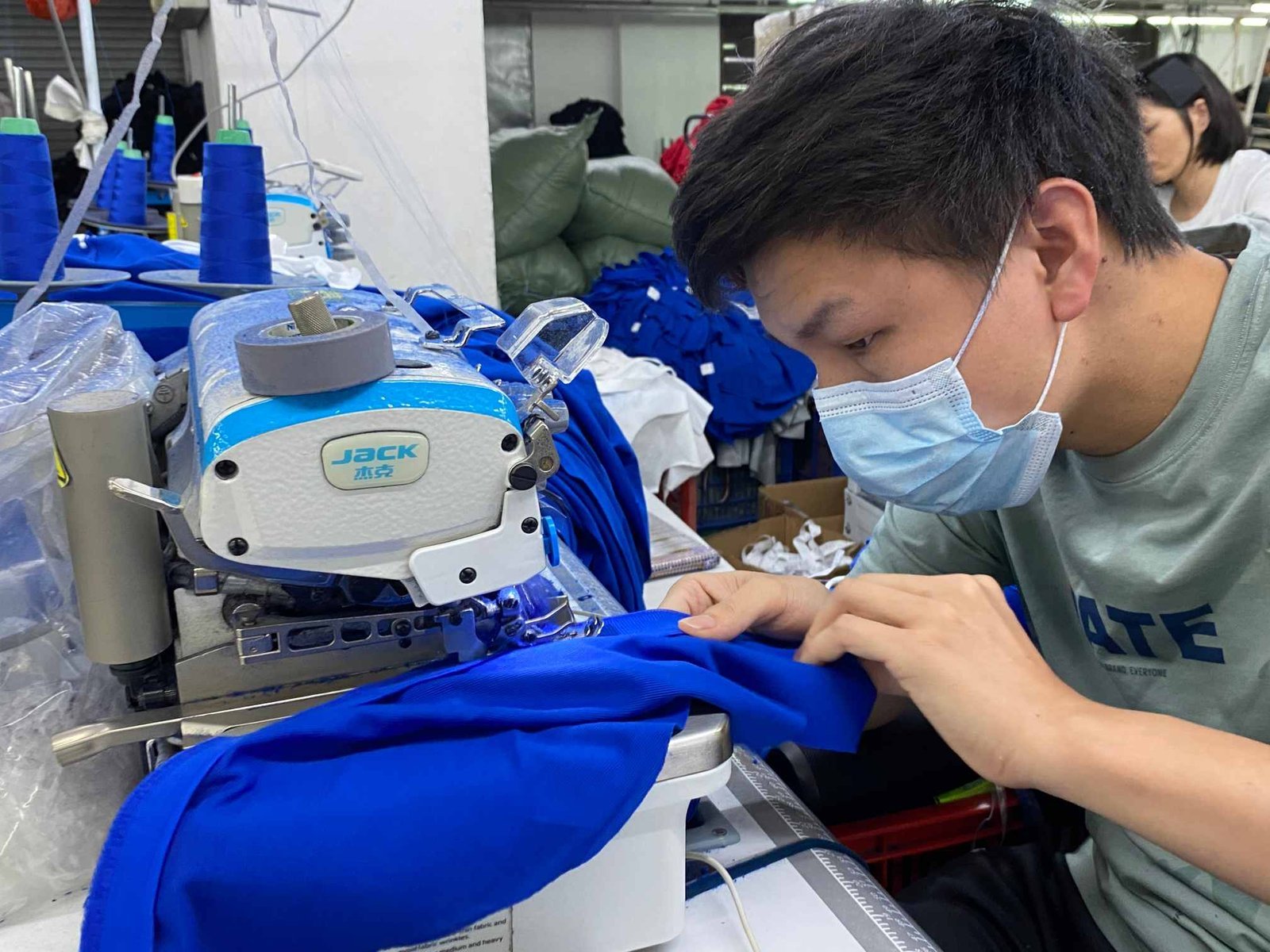
Thread Weight & Stitch Density Precision
Our tackle twill lettering process uses calibrated thread weight grades from 40wt to 60wt, matched to fabric hand and garment type. Stitch density is optimized per letter size to eliminate puckering, thread breaks, and surface distortion on every production run.
- 40wt to 60wt thread grades selected by fabric weight and garment construction
- Stitch density mapped to letter dimensions for clean, sharp edge definition
- Machine tension calibrated per run to prevent puckering and mid-production thread breaks
- Sewing-stage QC inspection within our 5-step process catches density deviations before finishing
Raise Height & Bold 3D Visual Impact
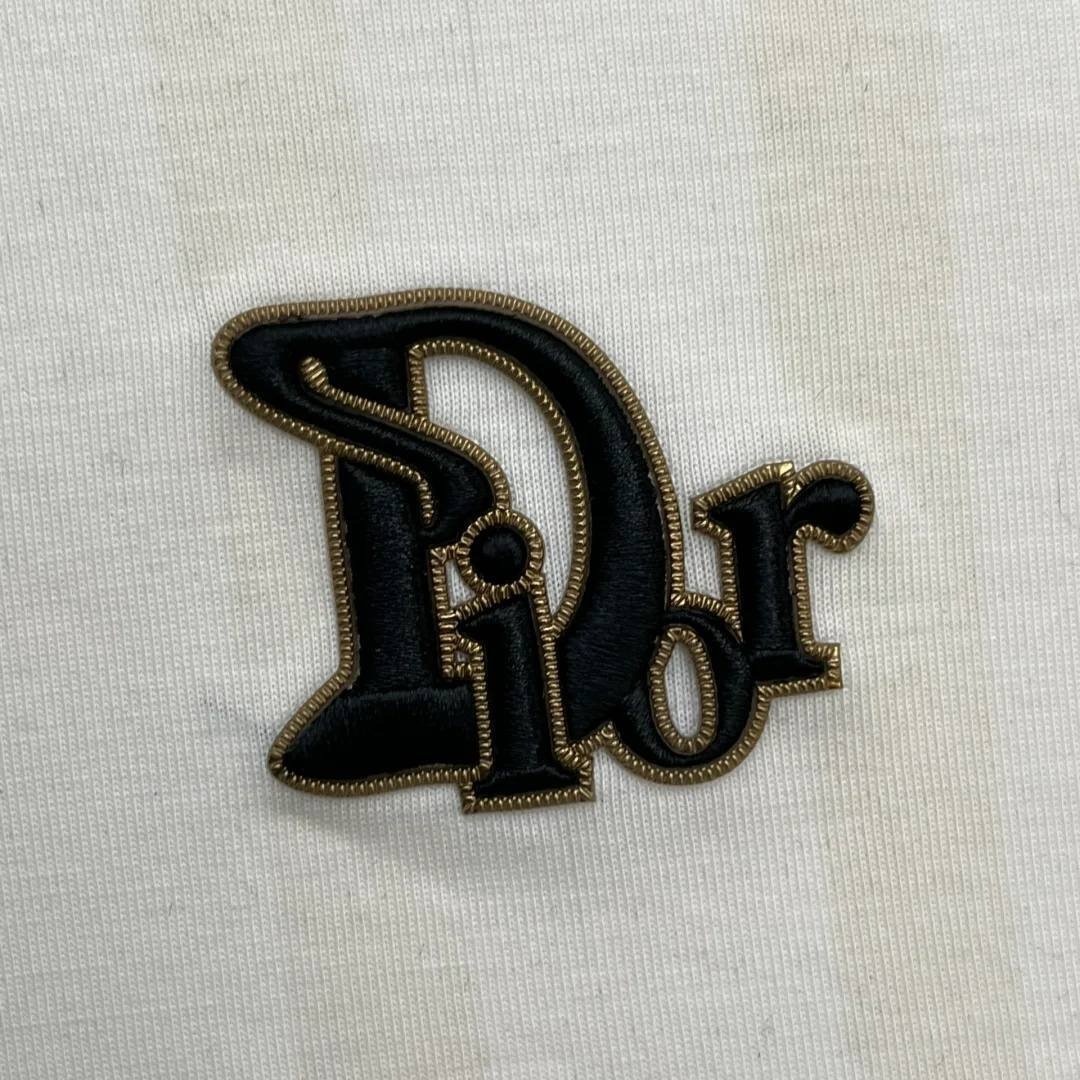
Precisely controlled raise height is what separates premium tackle twill lettering from flat alternatives. Our foam underlay and multi-layer twill construction deliver consistent 2mm to 6mm lift, creating the bold dimensional look streetwear audiences and influencer brands demand across jerseys and statement pieces.
- Foam underlay options from 2mm to 6mm for fully custom lift profiles
- Multi-layer twill construction maintains uniform raise height across large production runs
- Edge lock-stitching secures dimensional structure through repeated machine washing
- Raise height measured against approved sample spec during finished-goods QC inspection
Wash Durability & Long-Term Structural Integrity
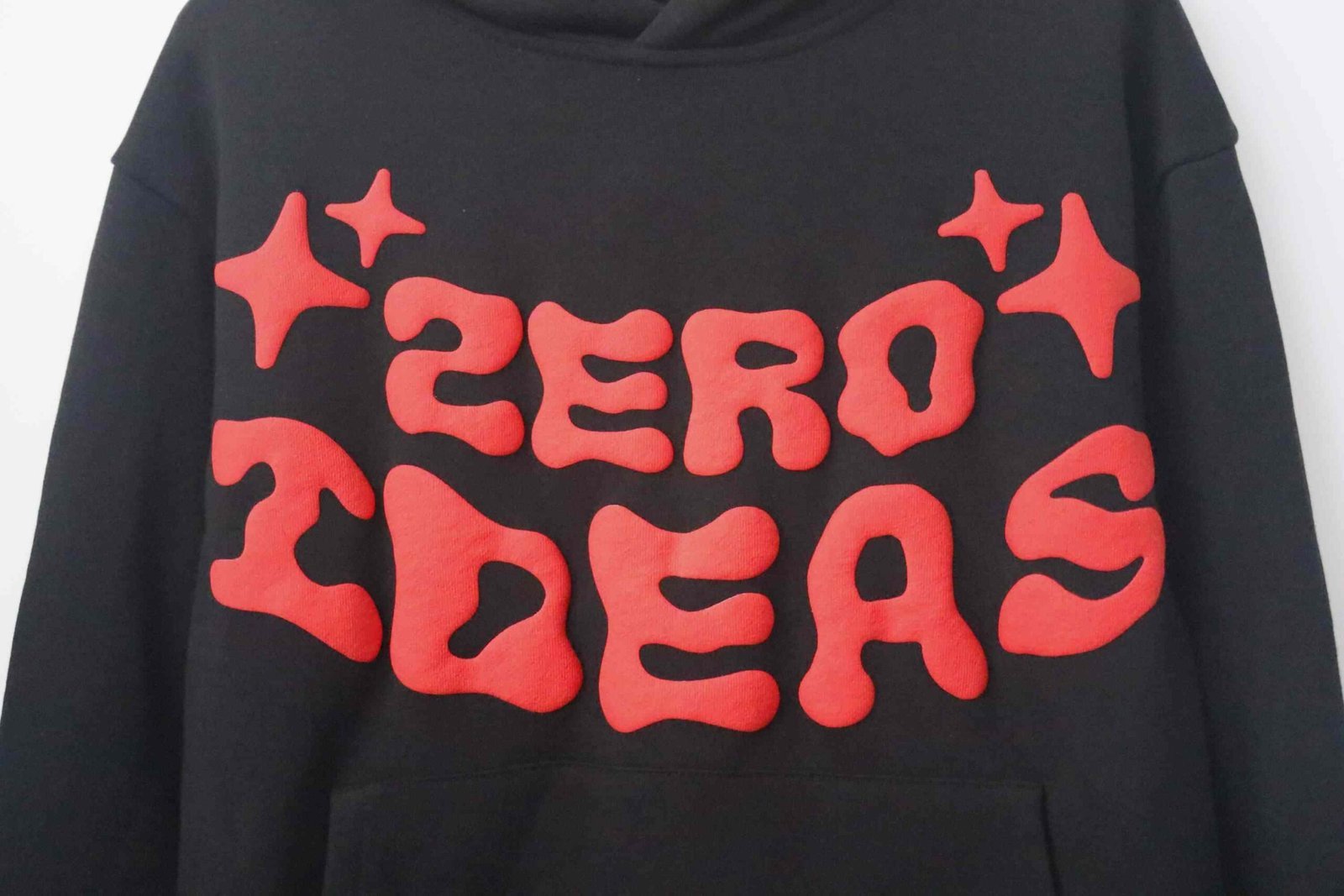
Tackle twill lettering on streetwear must survive real-world wear cycles without fraying, color bleed, or lift separation. Our bonding and sewing protocol is stress-tested to 50-plus industrial wash cycles, ensuring letters hold shape and position season after season for retail and DTC brands alike.
- Adhesive bonding layer rated for 50-plus industrial wash cycles without delamination
- Lock-stitch borders around every letter prevent edge lift and thread unraveling over time
- Fabric-compatible backing selected per garment to resist shrinkage and dimensional distortion
- Post-wash integrity check embedded in our 5-step quality control guarantee at no added cost
Color Fastness & Vibrant Longevity
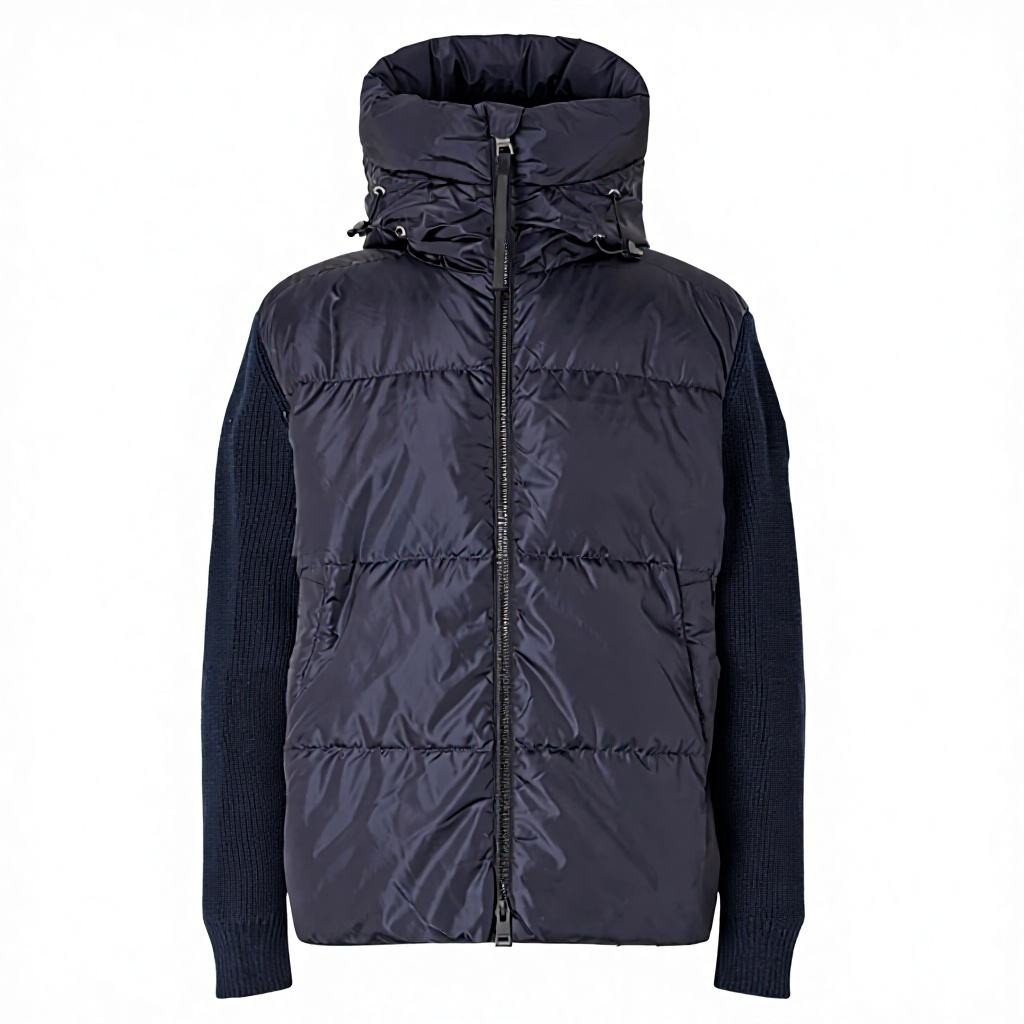
Streetwear thrives on bold color, and our tackle twill lettering stock spans 200-plus Pantone-matched shades dyed to Grade 4-plus color fastness standards. UV-resistant dye lots maintain vibrancy through sun exposure and repeated washing, keeping branded pieces looking launch-fresh on shelves and social feeds.
- 200-plus Pantone-matched twill shades available in standard production stock
- Grade 4-plus color fastness rating verified across wash, crock, and light exposure tests
- UV-resistant dye process guards against fading in outdoor and high-wear streetwear applications
- Custom color matching available to maintain consistent brand identity across full seasonal collections
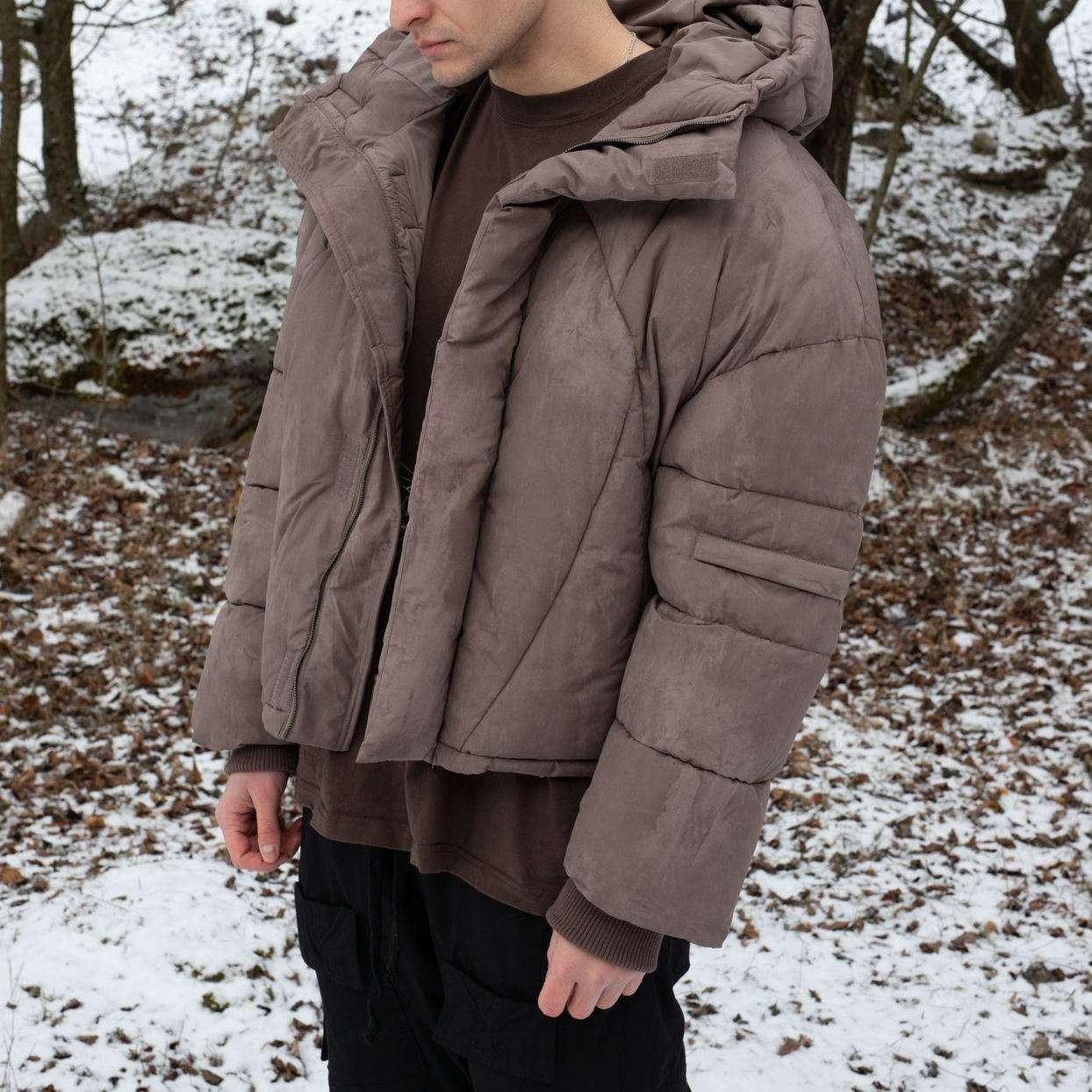
Tackle Twill Lettering vs. Flat Embroidery: Side-by-Side Comparison
See how tackle twill lettering stacks up against flat embroidery on every factor streetwear brands use to choose a decoration technique.
← 左右滑动查看 →
Tackle Twill Lettering Production: From Digitization to 5-Step QC
Every order follows a disciplined six-phase workflow engineered to deliver raised-embroidery precision and zero-defect consistency from first file to final shipment.
Art Digitization & Approval
Your artwork is converted into embroidery-ready stitch files with precise letter sizing, stitch direction mapping, and color-matching for tackle twill lettering production.
Twill Fabric Cutting
Twill panels are precision-cut to exact letter shapes using calibrated templates aligned to your approved artwork, ensuring clean edges and consistent sizing across every piece.
Machine Setup & Test Run
Multi-head embroidery machines are configured for thread tension, color sequence, and stitch density, then a test piece is produced and approved before full production begins.
Production Embroidery Run
High-density stitch layers are applied over twill panels on industrial embroidery machines, delivering the raised, dimensional texture that defines premium tackle twill lettering.
Finishing & Garment Attachment
Satin-stitch borders seal all edges, and completed twill letters are heat-bonded or sewn onto garments with exact placement alignment verified by our finishing team.
5-Step QC Inspection
Every finished piece passes our proprietary five-checkpoint QC covering materials, cutting, craft, sewing, and final inspection before packing and global shipment to your warehouse.
How to Order Tackle Twill Lettering — Engagement & Specification Steps
Five clear steps connect your vision to finished garments — covering file formats, sampling, QC approval, and global delivery at any order size.
Submit Your Inquiry and Art Files
Share your logo, lettering artwork, and Pantone color specs. Accepted formats: AI, EPS, PDF, or high-res PNG. Our team reviews every file for tackle twill lettering production suitability.
Review Your Technical Specification
Our in-house design team assesses letter dimensions, twill fabric type, and thread color matching, then returns a detailed spec sheet for your written approval.
Approve Your Physical Sample
Within 7 days, receive a tackle twill lettering sample stitched on your chosen base fabric. Review quality, request revisions, and sign off with full confidence.
Confirm Production and MOQ
Lock in your order starting at just 50 pieces. Our 5-step QC process activates immediately, covering materials, cutting, craft, sewing, and final finished-garment inspection.
Receive and Inspect Your Order
Finished garments ship worldwide with complete logistics support. Every piece clears our five-stage quality inspection before packing, ensuring zero-compromise results at your door.
Streetwear Brands & Influencers Choosing Tackle Twill Lettering — Success Stories
We switched to tackle twill lettering for our fall drop and saw a 40% drop in return complaints about logo quality. The raised texture holds up after dozens of washes — customers keep coming back specifically for that premium, durable feel.
As an influencer brand, every detail matters. Clothing Manufacturer Ltd. delivered 300 hoodies with tackle twill lettering in under 3 weeks. Our unboxing video hit 200K views and the quality comments were overwhelming — we sold out completely in 48 hours.
The 50-piece MOQ made tackle twill lettering accessible for our startup budget. The 5-step QC process meant zero defects in our debut collection, and within one month of launch, retailers across three markets were placing restock orders with us.
Tackle Twill Lettering FAQ — Specifications, Lead Times & Compatibility
Everything you need to know before placing your first tackle twill lettering order — fabric compatibility, file requirements, MOQ, and more.
What fabrics does tackle twill lettering work on?
What is the minimum order quantity (MOQ) for tackle twill lettering?
How many colors can a tackle twill lettering design include, and is there a maximum?
What is the maximum design size for tackle twill lettering?
Can tackle twill lettering be combined with embroidery, patches, or screen printing on the same garment?
How wash-durable is tackle twill lettering compared to other decoration techniques?
How long does it take to receive a tackle twill lettering sample?
What art file format do I need to provide for a tackle twill lettering order?
What is the full production lead time for a tackle twill lettering run after sample approval?
The Complete Buyer’s Guide to Tackle Twill Lettering
Master every decision in tackle twill lettering — from fabric selection and construction standards to supplier vetting criteria, cost benchmarks, and the critical mistakes that derail first-time orders — so your brand launches with confidence.
1. What Is Tackle Twill Lettering?
Tackle twill lettering is a garment-decoration method where individual letters and numbers are precision-cut from twill fabric — commonly a 150–200 GSM polyester or poly-rayon twill — then stitched onto the base garment using a zigzag or satin stitch. Each character is a standalone fabric appliqué, giving the finished letter a clean raised edge and dimensional texture no ink-based process can replicate.
For more than six decades, tackle twill lettering has been the industry standard for team jerseys, varsity jackets, and collegiate uniforms precisely because the sewn construction withstands 100-plus industrial wash cycles without cracking, peeling, or color loss. Premium streetwear labels have adopted the same technique to signal craft and durability in a market where consumers increasingly inspect construction quality.
Tackle twill lettering occupies a distinct category from three common alternatives: embroidery, screen print, and heat transfer. Embroidery stitches thread directly into fabric — precise for small logos but structurally heavy and cost-prohibitive at large letter sizes. Screen-print ink cracks within 30–50 wash cycles, and heat-transfer vinyl delaminates above 60°C (140°F) — both fail under conditions where sewn twill endures.
| Method | Application | Wash Durability | Best Use |
|---|---|---|---|
| Tackle Twill | Sewn fabric appliqué | 100+ cycles | Jerseys, varsity, streetwear |
| Embroidery | Thread stitched into fabric | 80+ cycles | Small logos, patches |
| Screen Print | Ink deposited on garment surface | 30–50 cycles | Large runs, flat graphics |
| Heat Transfer | Adhesive vinyl, heat-bonded | 20–40 cycles | Low MOQ, photographic prints |
2. The Evolution & History of Tackle Twill Lettering
By the 1940s, tackle twill lettering had become the standard decoration method on American varsity jackets, with universities and high schools commissioning chenille or twill letters sewn onto wool-body bomber shells. The technique offered durability that embroidered alternatives couldn’t match at the scale required for athletic programs issuing hundreds of uniforms per season.
Through the 1960s and 1970s, the NFL and NBA adopted tackle twill lettering for on-field and on-court jerseys, making the raised, sewn letterforms visible to millions of television viewers each week. That broadcast exposure cemented tackle twill as shorthand for elite athletic identity, associating the craft with performance, team pride, and institutional permanence.
Independent streetwear labels discovered tackle twill lettering in the 1990s, borrowing its varsity-sport vocabulary to signal authenticity within hip-hop and skateboarding subcultures. Brands could produce limited runs of jackets or jerseys carrying team-style graphics — bold arched wordmarks, number sets, and border-stitched patches — without the manufacturing minimums that had previously confined the technique to large-scale uniform contractors.
Since roughly 2018, a retro fashion cycle has driven a second resurgence, with contemporary labels and creator brands leaning on tackle twill’s institutional heritage to position new collections as culturally rooted rather than trend-chasing. For startups and influencer brands seeking immediate brand equity, the technique communicates decades of credibility the moment a consumer recognizes the raised letterform.
3. Types of Tackle Twill Lettering for Your Brand
Tackle twill lettering spans six distinct style families, each producing a different visual weight and surface character. Matching the right type to your brand identity determines how your garment reads at retail.
Classic Block Letters
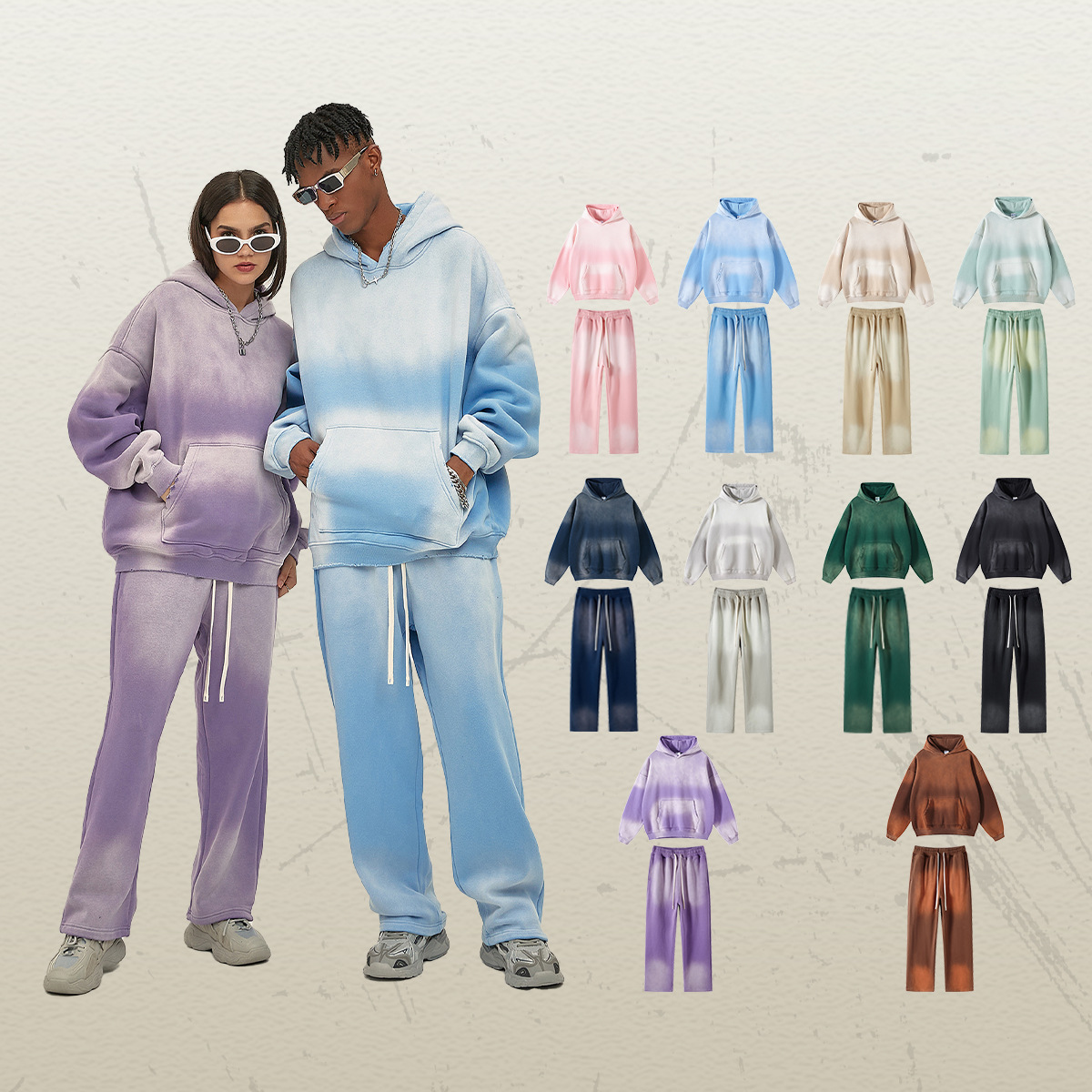
Uniform-stroke block letters cut from 100% polyester or wool-blend twill form the foundation of tackle twill lettering. The flat, bold silhouette reads clearly at distance.
Heritage sportswear labels, collegiate streetwear brands, and team-uniform buyers rely on this style for its legibility and scale versatility.
Script and Cursive Twill
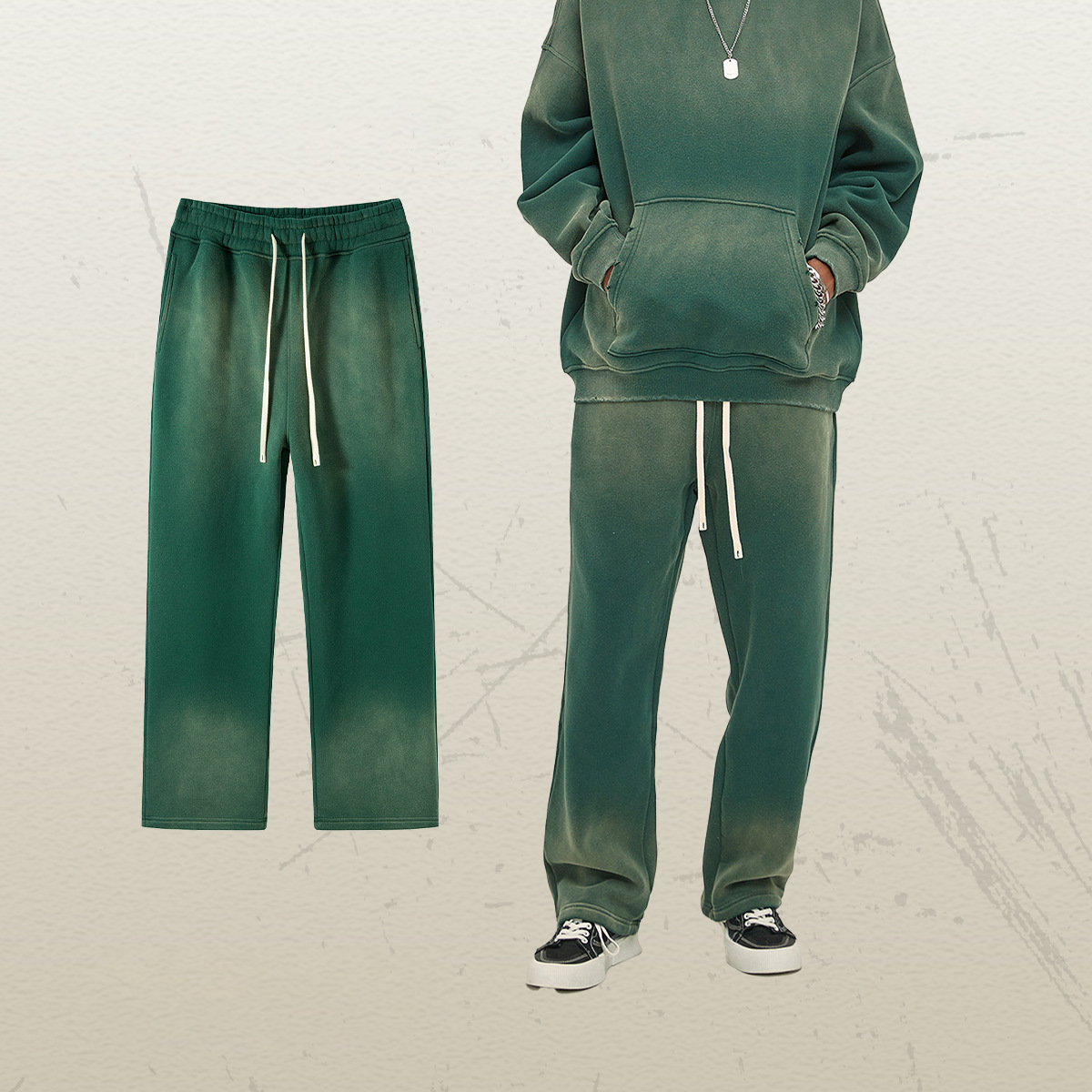
Script twill uses narrow, flowing segments cut with laser or die-cut precision, requiring tighter sewing tolerances than block styles.
Lifestyle labels and luxury streetwear brands deploy it on chest logos for premium hoodies and coach jackets.
Chenille Twill Combination
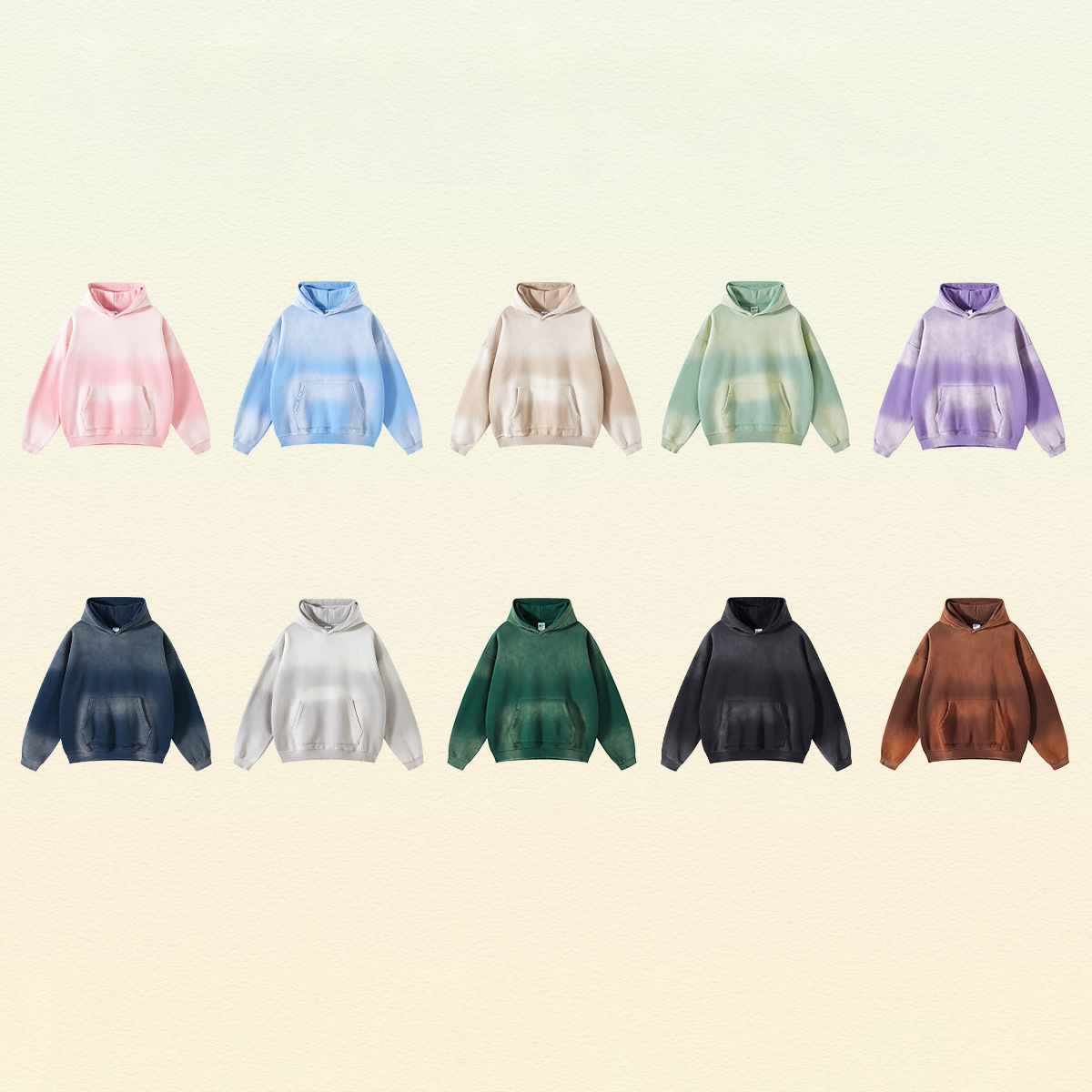
Chenille yarn is tufted onto a twill base to create a raised, velvety pile surface that signals premium quality at retail.
Varsity-jacket programs, oversized crewnecks, and collegiate-inspired brands targeting 18–28-year-old demographics are the primary application.
Layered and 3D Raised Twill
Two to four twill layers stacked and offset 2–4 mm build visible dimensional depth. Best applied to snapback panels and bomber jacket backs.
Bold streetwear labels and creator brands use this type to maximize shelf impact.
Glitter and Metallic Twill
Mylar-coated or foil-laminated twill substrates produce high-reflectivity lettering with Pantone-matched base colors. Application is restricted to low-flex zones to prevent delamination.
Influencer and creator brands releasing limited-drop hoodies or festival capsule pieces favor this style for trend-driven visual impact.
Felt-Backed Twill
Wool or acrylic felt bonded behind each twill letter adds rigidity and a soft matte border edge before sewing. This slows edge fraying and extends garment life.
Varsity jacket programs and heritage sportswear brands favor felt-backed twill for classic American finish quality.
4. Materials & Fabrics Used in Tackle Twill Lettering
Fabric selection directly determines how tackle twill lettering performs over time. Four primary substrates dominate professional production, each carrying distinct GSM ranges, durability profiles, and cost structures that affect margins and end-consumer satisfaction.
| Fabric Type | GSM Range | Wash Durability | Relative Cost | Best Use Case |
|---|---|---|---|---|
| Polyester Twill | 180–220 gsm | Excellent (50+ cycles) | Low | Athletic jerseys, activewear |
| Cotton Twill | 200–280 gsm | Good (30–40 cycles) | Moderate | Varsity jackets, casual wear |
| Wool-Blend Twill | 280–380 gsm | Very Good (40+ cycles) | High | Letterman jackets, premium drops |
| Metallic Twill | 150–200 gsm | Moderate (20–30 cycles) | High | Statement pieces, limited releases |
Primary Twill Fabric Options
Polyester twill (180–220 gsm) leads in colorfastness and wash durability, surviving 50+ industrial cycles without significant fading — the default choice for athletic and activewear programs.
Cotton twill (200–280 gsm) delivers a softer hand and better breathability, though it requires OEKO-TEX-certified reactive dyes to match polyester’s fade resistance. Wool-blend and metallic twills serve premium and limited-drop streetwear applications respectively.
Backing Materials: Heat-Bond vs. Cut-and-Sew
Heat-bond backing uses a thermoplastic adhesive film pressed at 150–165°C to temporarily secure letters before stitching — it speeds application but can delaminate after repeated washing above 60°C.
Cut-and-sew backing stitches a woven interfacing directly to each letter, adding structural rigidity and wash stability rated to 80°C cycles. For streetwear brands targeting 100+ wash-cycle durability, cut-and-sew is the industry-preferred method.
Thread Types for Stitch Outlines
The border stitch on tackle twill lettering typically uses 40-weight rayon or polyester embroidery thread. Rayon delivers higher sheen suited to premium pieces, while polyester thread carries better UV and wash resistance for everyday streetwear.
Metallic thread (typically 30-weight) adds visual impact for accent outlines but increases production time by 15–20% due to slower machine speeds and higher breakage rates.
5. Customization & Decoration Options for Tackle Twill Lettering
Each tackle twill lettering order involves at least six independent specification decisions. Getting these right before production begins determines both final cost and turnaround — misaligned specs are the leading cause of sample revisions and added tooling charges.
Letter Size, Height, and Placement Zones
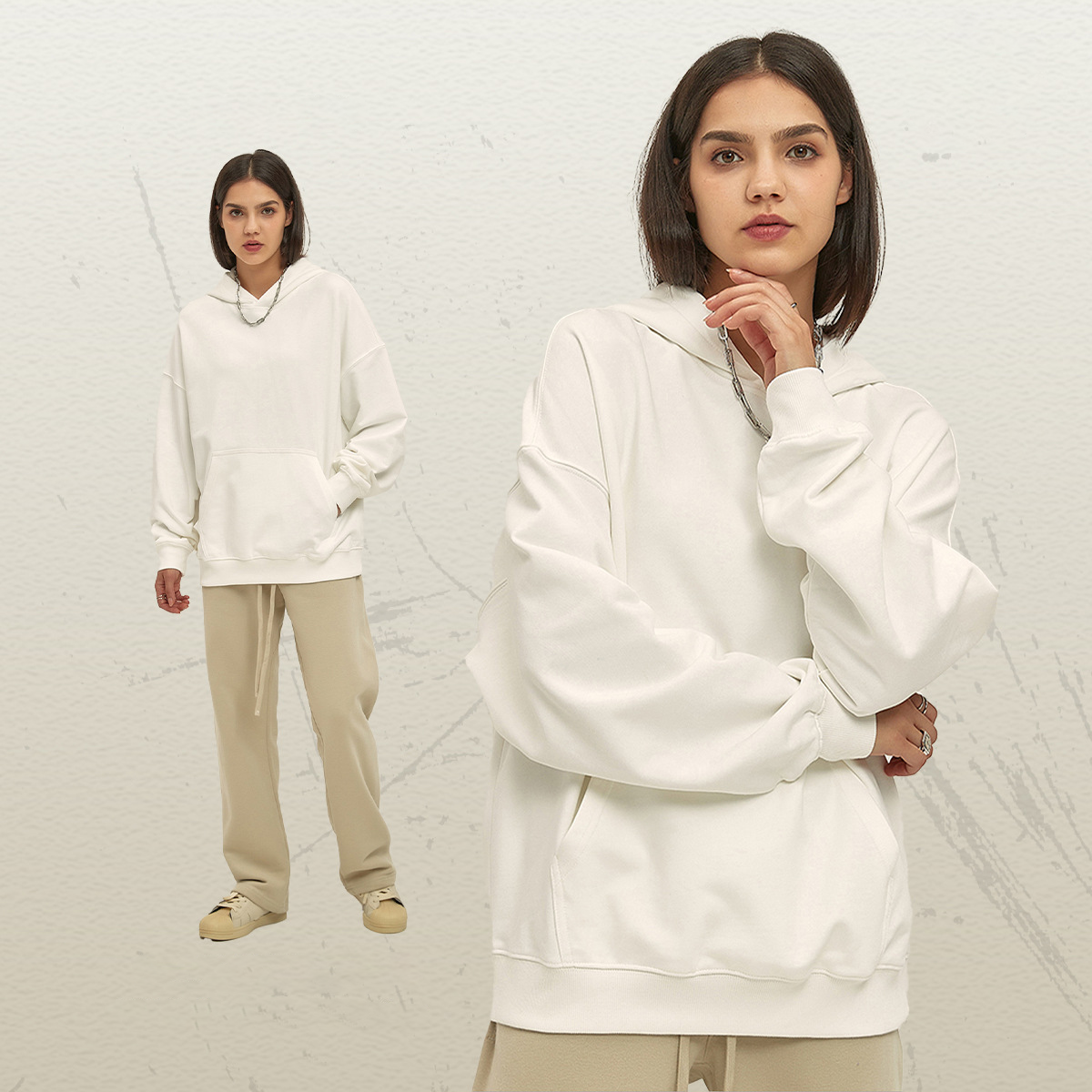
Letter height typically runs from 1 inch to 12 inches; chest placements average 3–4 inches while back panels use 6–10 inch letterforms. Each added inch of height increases material consumption by roughly 8–12%.
Sleeve and yoke zones carry a placement surcharge of $0.50–$1.50 per garment due to repositioning time on the production line.
Color Count and Layered Outline Borders
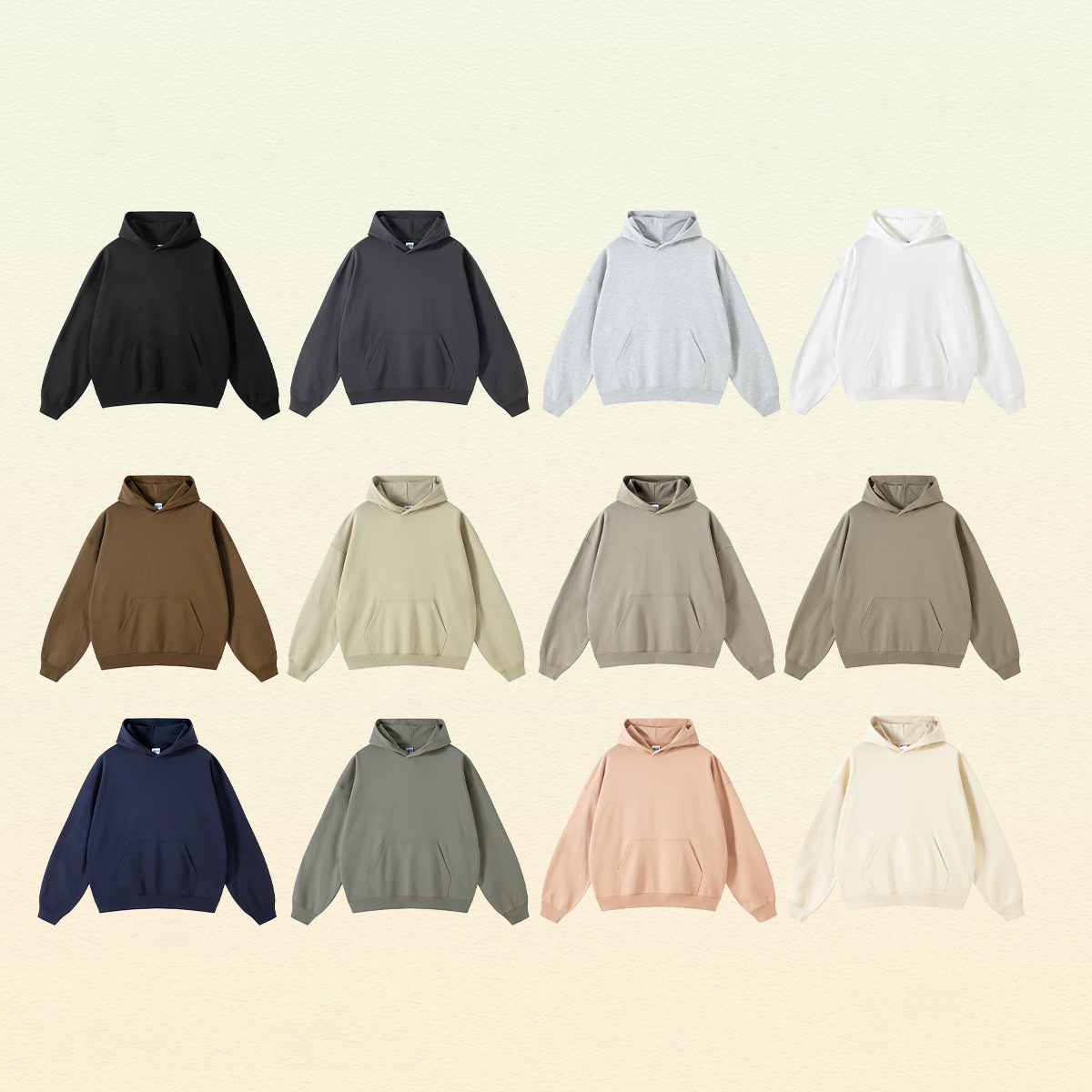
Single-color letters carry the lowest cost baseline; each additional Pantone-matched twill color adds one cutting and layering operation to the workflow.
Double and triple border outlines — each a separate twill layer — can add $0.30–$0.80 per letter to unit cost and 1–2 extra production days per order.
Stitch Type and Its Cost Trade-Offs
Zigzag stitch is the standard for raw-edge twill and the fastest to execute. Satin stitch produces a denser, more elevated edge finish but requires longer machine time per letter.
Tackle stitch — the sport-standard chain stitch variant — offers the highest durability for active-wear but runs 15–20% above the zigzag baseline per letter.
Add-On Embellishments: Rhinestones and Embroidery Infill
Rhinestone infill requires hand-setting, adding $1–$3 per garment in labor and roughly one production day. Embroidery infill within the letter body is the premium option — expect a 25–40% unit cost increase over plain twill letters and 2–3 additional production days.
- Rhinestones: hand-set, +$1–$3 per garment, +1 production day
- Embroidery infill: +25–40% unit cost, +2–3 days lead time
- Metallic twill overlay: adds one color layer, +$0.40–$0.70 per letter
6. Key Quality Elements to Inspect in Tackle Twill Lettering
Premium tackle twill lettering fails or succeeds at six measurable checkpoints. Knowing exactly what to inspect — and when — separates brands that receive consistent quality from those who absorb costly rework after shipment.
Stitch Density and Tension Consistency
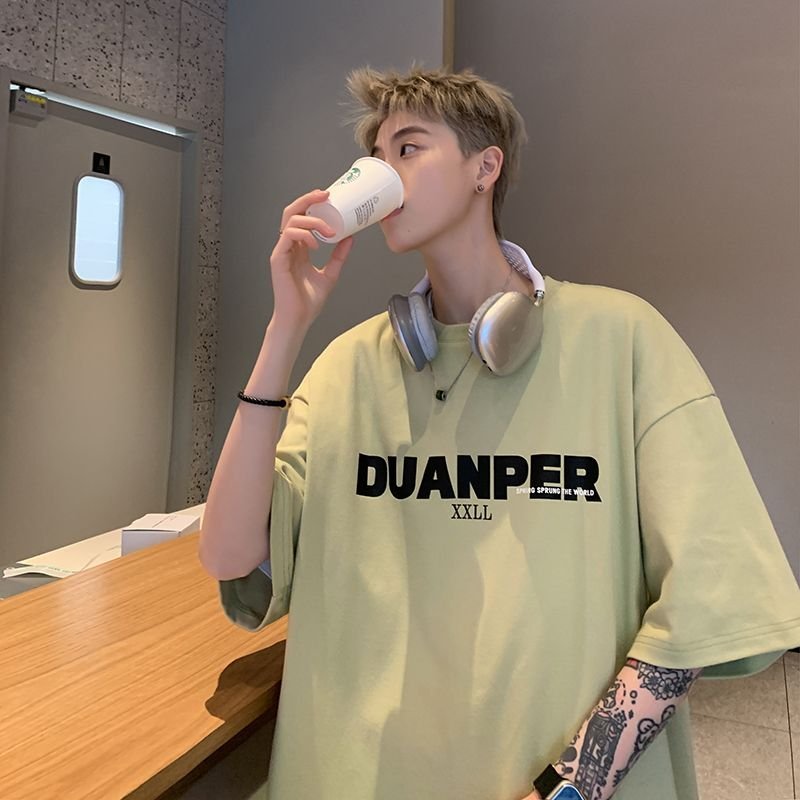
Satin-stitch borders on tackle twill should run at 60–80 stitches per centimeter for clean coverage without puckering. Uneven tension produces loose loops on one side and broken threads on the other — both visible defects that fail retail presentation standards.
Edge Finishing and Fraying Prevention
Quality tackle twill lettering uses a tight lock-stitch perimeter that fully encapsulates raw fabric edges. Letters cut from polyester twill or wool-blend fabric will fray within 5 washes if the edge stitch count drops below factory spec.
Pantone Color Matching Accuracy
Specify every letter color by Pantone TCX reference at the order stage — visual approval alone allows drift of up to 1.5 delta-E units per production run. Request a physical swatch signed off against your Pantone standard before bulk cutting begins.
Alignment and Registration Precision
On multi-letter words, acceptable horizontal baseline deviation is ±1 mm per letter. Request a first-article inspection (FAI) sample stitched on the actual garment and measure baseline alignment with a ruler before approving the production run.
Pre-Shipment Inspection Checklist
A third-party QC agent can verify all critical elements under a standard AQL 2.5 inspection. Send this checklist with your purchase order so acceptance criteria are unambiguous before shipment.
- Stitch density: 60–80 stitches/cm; no broken threads or loose loops visible
- Edge finish: zero fraying after 3 firm pull-tugs at letter perimeter
- Pantone match: delta-E ≤ 1.0 vs. approved TCX swatch
- Alignment: baseline deviation ≤ ±1 mm across full word length
- Backing adhesion: heat-bond withstands 5N peel force minimum
- Wash test: no color bleed or edge lift after 10 machine washes at 40°C
7. How to Choose the Right Tackle Twill Lettering Manufacturer
Choosing the right tackle twill lettering manufacturer requires vetting five concrete criteria before committing: MOQ tiers, production control, sample speed, certifications, and communication. Skipping this process routinely causes margin losses and missed launch windows.
MOQ Flexibility and Sample Speed
Reputable suppliers offer 50-piece MOQs per colorway for tackle twill programs — enough to test a drop without overcommitting capital. Target a sample lead time of 7 days or fewer; any supplier quoting 14-plus days on samples likely outsources key production steps.
In-House vs. Outsourced Production
In-house cutting and sewing mean the manufacturer controls tolerances, thread tension, and layer registration directly. Outsourced operations add handoff points where quality standards erode and lead times stretch unpredictably. Ask directly: ‘Is cutting and sewing performed on your own factory floor?’
Certifications and QC Standards
OEKO-TEX Standard 100, WRAP, and ISO 9001 certifications form the baseline for responsible sourcing. Beyond certificates, request a written QC checklist covering materials testing, cutting inspection, and sewing audit. Suppliers without documentation are estimating quality, not controlling it.
Red Flags to Watch
Three patterns reliably predict a poor outcome: no sample policy, vague lead time language, and no written QC process shared before order.
- No physical sample available before bulk commitment
- Lead times quoted as ranges wider than 2 weeks with no milestone dates
- QC process described verbally but no written checklist provided
- Pricing revised after specs are confirmed
How to Structure Your RFQ
A precise RFQ filters weak suppliers in 48 hours. Include garment type, twill material (wool-blend vs. polyester felt), letter count per piece, colorway count, target MOQ, and required certifications. Request a description of the digital proof workflow and two references from comparable brand clients.
8. Common Mistakes Buyers Make With Tackle Twill Lettering
Even experienced buyers lose money on tackle twill lettering orders by skipping production details that manufacturers need confirmed before cutting begins. These seven errors drive the majority of costly remakes and missed launch windows.
Wrong Fabric Weight for the Garment
Pairing heavyweight 12 oz tackle twill on a 180 GSM jersey causes visible puckering and edge distortion. State both base fabric GSM and twill weight in your tech pack, and request manufacturer confirmation before cutting begins.
Stitch Type Left Unspecified in Tech Pack
A tech pack that reads ‘sew edges down’ without a stitch code allows factories to choose cheaper, less durable methods. Specify satin stitch width (3–5 mm) and thread weight explicitly to eliminate guesswork.
Accepting ‘Close Enough’ on Colors
Color drift is invisible in digital mockups but obvious on shelves. Provide Pantone TPX or TPG codes for each twill layer and require a signed color swatch approval before bulk production starts.
Ordering Bulk Without a Physical Sample
Edge lift and thread tension only reveal themselves on an actual sewn piece. Request a physical sample — standard turnaround is 7 days — produced on the real base fabric before committing to any bulk run.
Neglecting Wash-Test Requirements
Tackle twill lettering must hold through 30-plus industrial wash cycles without fraying or color bleed. Reference ISO 6330 or AATCC 135 in the purchase order so wash-test compliance becomes a contractual requirement.
Setting Unrealistic Production Timelines
Bulk tackle twill orders typically need 25–35 days after sample approval, excluding shipping. Compressing this window pushes factories to skip intermediate QC steps, the exact shortcut that produces edge failures and unacceptable defect rates.
Failing to Clarify Artwork File Ownership
Factories that digitize lettering artwork often treat those files as proprietary. Specify in writing that all vector source files and digitizing files transfer to the buyer upon final payment to protect your switching rights.
9. Steps to Launch Your Brand With Tackle Twill Lettering
Launching a tackle twill lettering collection requires seven disciplined, stage-gated steps. Cutting corners on sampling or written QC milestones is the fastest route to a delayed drop or costly rework.
Define Style and Build Your Tech Pack
Lock in letter style — chenille, woven polyester, or satin twill — and specify a 3-color maximum palette using Pantone TPG codes. Your tech pack must include letter height (2–8 inches), font file, fabric base (GSM), stitch type, and placement tolerances in millimeters.
Key deliverable: completed tech pack sent simultaneously to 2–3 shortlisted suppliers.
Sample, Test, and Approve
Request physical samples within a 7-day window. Run 5 wash cycles at 40°C and inspect for edge lifting, stitch failure, and color shift.
Approve one pre-production sample that matches your tech pack exactly — check border stitch density (8–12 stitches per cm) — then issue written sign-off to freeze all specs before bulk cutting begins.
Place the Bulk Order With QC Milestones
A 50-piece MOQ is the standard entry point for tackle twill programs. Negotiate written inline checkpoints — post-cutting, mid-sewing, and finished goods — and define a defect-rate ceiling (typically 1.5%) with corrective-action terms.
Key deliverable: purchase order with QC milestone dates, payment schedule, and Incoterms confirmed in writing.
Plan Packaging and Drop Logistics
Finalize hang-tags, polybags, and carton labeling before bulk ships. Align the ex-factory date with your marketing calendar: sea freight from Guangdong runs 15–21 days; air freight runs 5–7 days.
Key decision point: confirm the HS code for embroidered garments before customs filing to avoid port delays.
10. Tackle Twill Lettering Pricing & Cost Breakdown
Tackle twill lettering pricing scales 3–4× between a 50-piece run and a 1,000-piece order; digitizing setup and die-cut waste drive the per-unit gap more than labor alone. A 50-piece MOQ lowers the barrier for emerging brands testing new colorways or seasonal drops without overcommitting inventory.
Decoration complexity is the second major cost driver after quantity. Single-color block tackle twill lettering sets the baseline; each additional outline layer or metallic material adds cut time and raw-material cost, compounding quickly on rosters or wordmarks with high letter counts.
Sample lead time of 7 days — roughly half the industry standard of 14–21 days — lets brands verify letter sizing, Pantone color accuracy, and fabric registration before committing to a full production run.
- Single-color block letter: baseline per-letter cost; ~2–3 min cut-and-bond per character
- Double-outline script: +25–40% per letter; ~4–5 min per character; tight Pantone registration required
- Layered metallic tackle twill: +60–90% per letter; ~6–8 min per character; best suited for limited drops
| Quantity Tier | Unit Price Range | Setup / Digitizing Fee | Lead Time | Sample Cost |
|---|---|---|---|---|
| 50 pcs | $7.50–$11.00 | $40–$60 | 18–22 days | $30–$45 |
| 100 pcs | $5.80–$8.50 | $40–$60 | 16–20 days | $30–$45 |
| 250 pcs | $4.20–$6.00 | $25–$45 | 14–18 days | $20–$35 |
| 500 pcs | $3.00–$4.50 | $15–$30 | 12–15 days | $15–$25 |
| 1,000+ pcs | $2.20–$3.20 | Waived | 10–14 days | Negotiable |
Ready to Launch Your Tackle Twill Lettering Line?
Get premium tackle twill lettering with 50-piece MOQ, 7-day samples, and our 5-step QC guarantee — zero compromises, every order.