
Flat Embroidery: Premium Stitching for Streetwear & Apparel
Get crisp, fine-detail flat embroidery on any garment — low MOQ, 5-step QC guarantee, and global shipping for brands at every stage of growth.
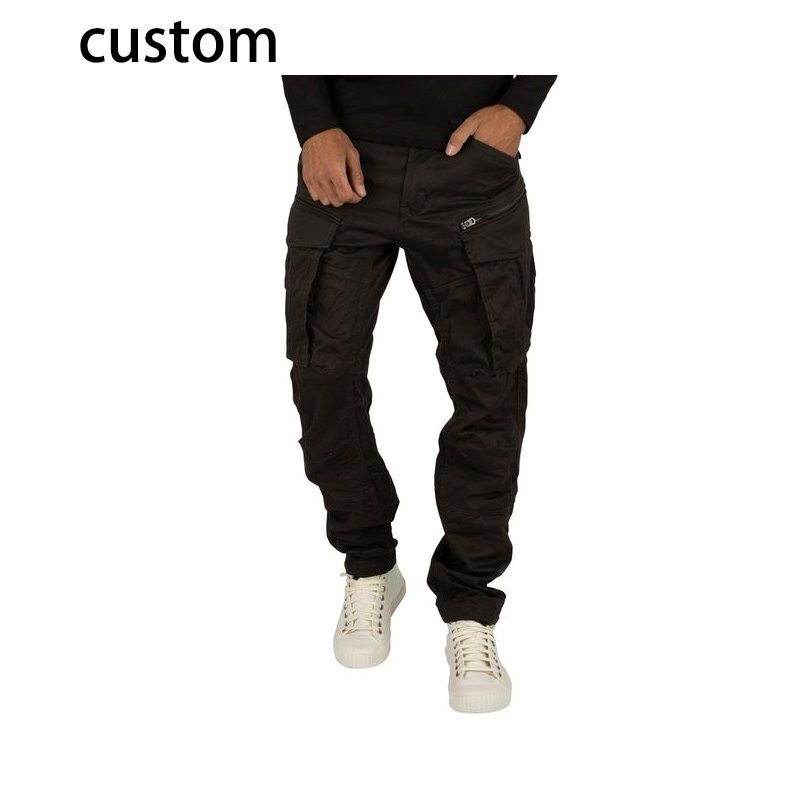
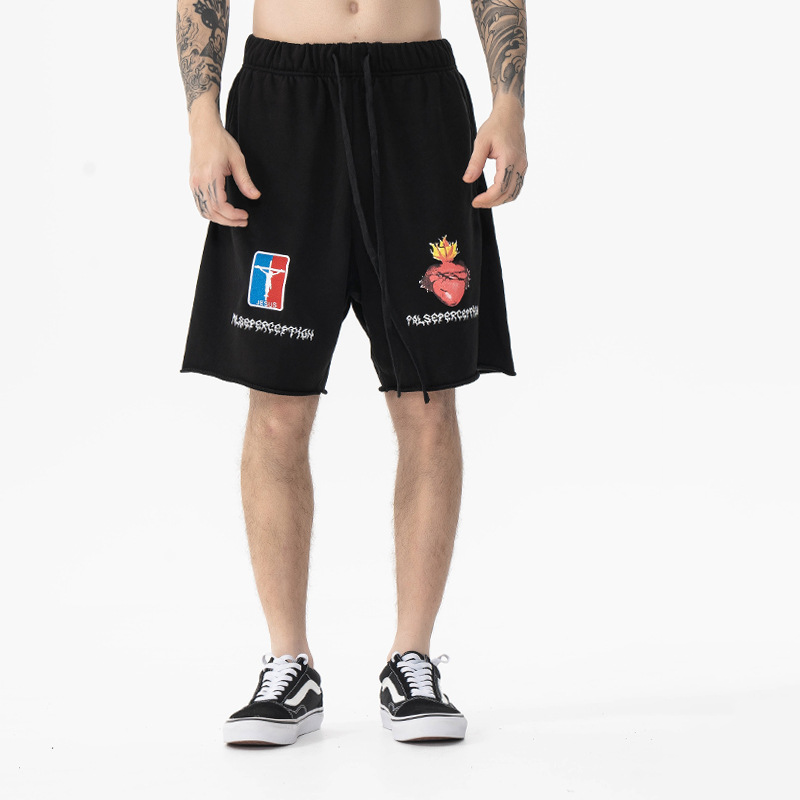
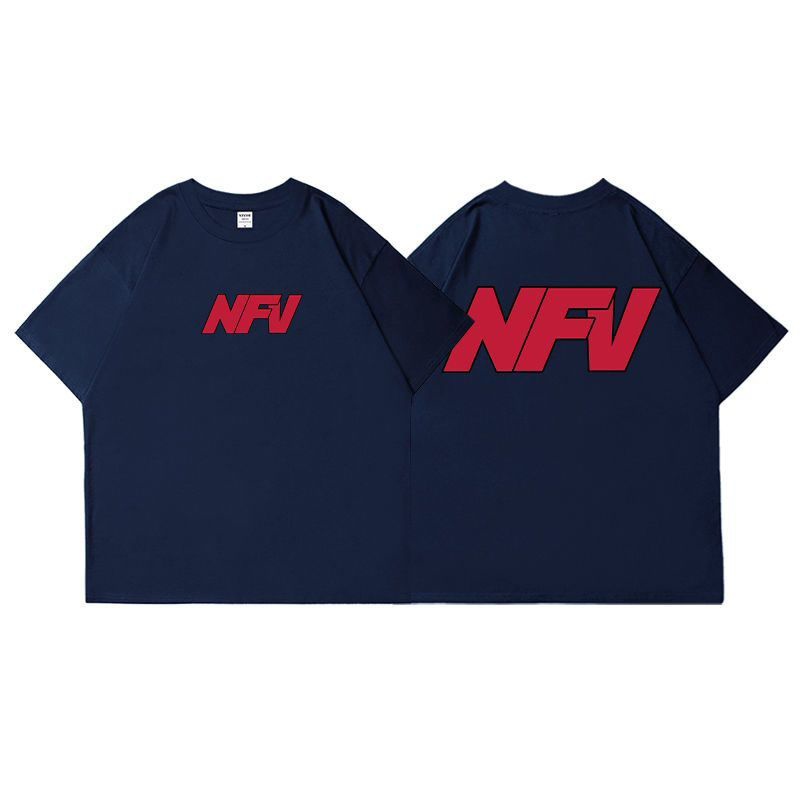
Flat Embroidery Samples
What Makes Flat Embroidery Distinctive
Six defining attributes that set flat embroidery apart — from stitch precision to long-term durability — so your brand always looks its best.
Fine, Precise Raised Stitching
Flat embroidery locks every thread with tight tension, reproducing sharp logos and intricate line-work exactly as designed, at production scale.
Smooth, Polished Surface Finish
The level, uniform surface of flat embroidery delivers a refined, premium look that elevates streetwear pieces and retailer-ready apparel alike.
Intricate Detail Compatibility
Fine text, complex motifs, and multi-color graphics that blur with other techniques stay crisp and legible with flat embroidery stitching.
Wash-Cycle Durability Guaranteed
Engineered thread tension and dense fill construction keep flat embroidery colors vivid and edges clean through hundreds of wash cycles.
Brand-Consistent Stitch Density
Uniform density across every production unit means your first piece and your thousandth piece look identical — no variance, no surprises.
5-Step QC at Every Stage
Our proprietary five-step quality control process inspects flat embroidery at each production phase, catching defects before any garment ships.
Flat Embroidery & Beyond: Find the Right Technique for Your Brand
Not every design calls for the same method. Discover when flat embroidery is your optimal choice — and when a complementary technique delivers even greater impact.
Precision Logos on Caps & Tees
Your brand needs razor-sharp logo reproduction on structured caps and fitted tees, where raised texture would look overdone and add unwanted bulk to a clean silhouette.
Flat embroidery produces precise stitch density and accurate thread color matching, delivering a sleek, professional finish that holds its crisp appearance through hundreds of wash cycles.
Bold Dimension with 3D Puff
Your streetwear aesthetic demands a raised, tactile logo that commands instant attention — flat stitching alone cannot deliver the dimensional pop and visual weight your brand identity requires.
Our 3D puff embroidery adds foam-backed elevation to your design, creating standout depth and tactile presence that pairs powerfully with flat embroidery on mixed-technique streetwear drops.
Large-Area Graphics via Appliqué
Your design spans a wide chest or back area where dense flat embroidery would make the garment stiff, heavy, and prone to thread distortion at larger scales.
Appliqué dramatically reduces thread count across broad color fields and pairs seamlessly with flat embroidery detail work, keeping garments lightweight while preserving a premium, layered aesthetic.
Luxury Embellishment with Beading
You are producing a premium limited-edition drop that needs embellishment beyond thread — sequins, beads, or rhinestones that elevate perceived value and exclusivity for high-end streetwear buyers.
Our beading and sequin embroidery integrates with flat embroidery base work in a single production run, delivering couture-level detail backed by our full 5-step QC guarantee.
Mixed-Technique Collection Runs
A single embroidery method cannot capture the full complexity of your collection — some pieces require flat precision, others need dimension or texture contrast to express your brand story.
We combine flat embroidery, 3D puff, appliqué, and beading within one production run, managed under our 5-step QC process so every mixed-technique garment meets the same exacting standard.
A Decade of Flat Embroidery Craftsmanship
Clothing Manufacturer Ltd. was founded in 2024 by Tesla Luo, a garment industry veteran with more than 10 years of apparel manufacturing experience and 6 years of focused streetwear production expertise. Flat embroidery is a core technical strength at our Dongguan facility, and every project reflects our founding mission: eliminate low-quality output and restore global trust in Chinese craftsmanship.
Our 15-member in-house R&D team manages design, sampling, and technical development for every flat embroidery order from concept through finished garment. A proprietary five-step quality control framework covering materials, cutting, craft, sewing, and finished-garment inspection ensures every stitch meets premium standards before shipment. Low MOQs make us accessible to emerging labels, while our global logistics infrastructure scales seamlessly for high-volume retailers.
What sets us apart is quality embedded at every production stage, not added as an afterthought. From Tesla Luo’s hands-on rotations through Dongguan factory floors to leading a 20-plus-person international trade team that served over 1,000 clients worldwide, our experience is your competitive edge — whether you are launching a debut collection or scaling a global streetwear line season after season.
Flat Embroidery Quality Standards & Technical Mastery
Thread Fineness That Defines Flat Embroidery
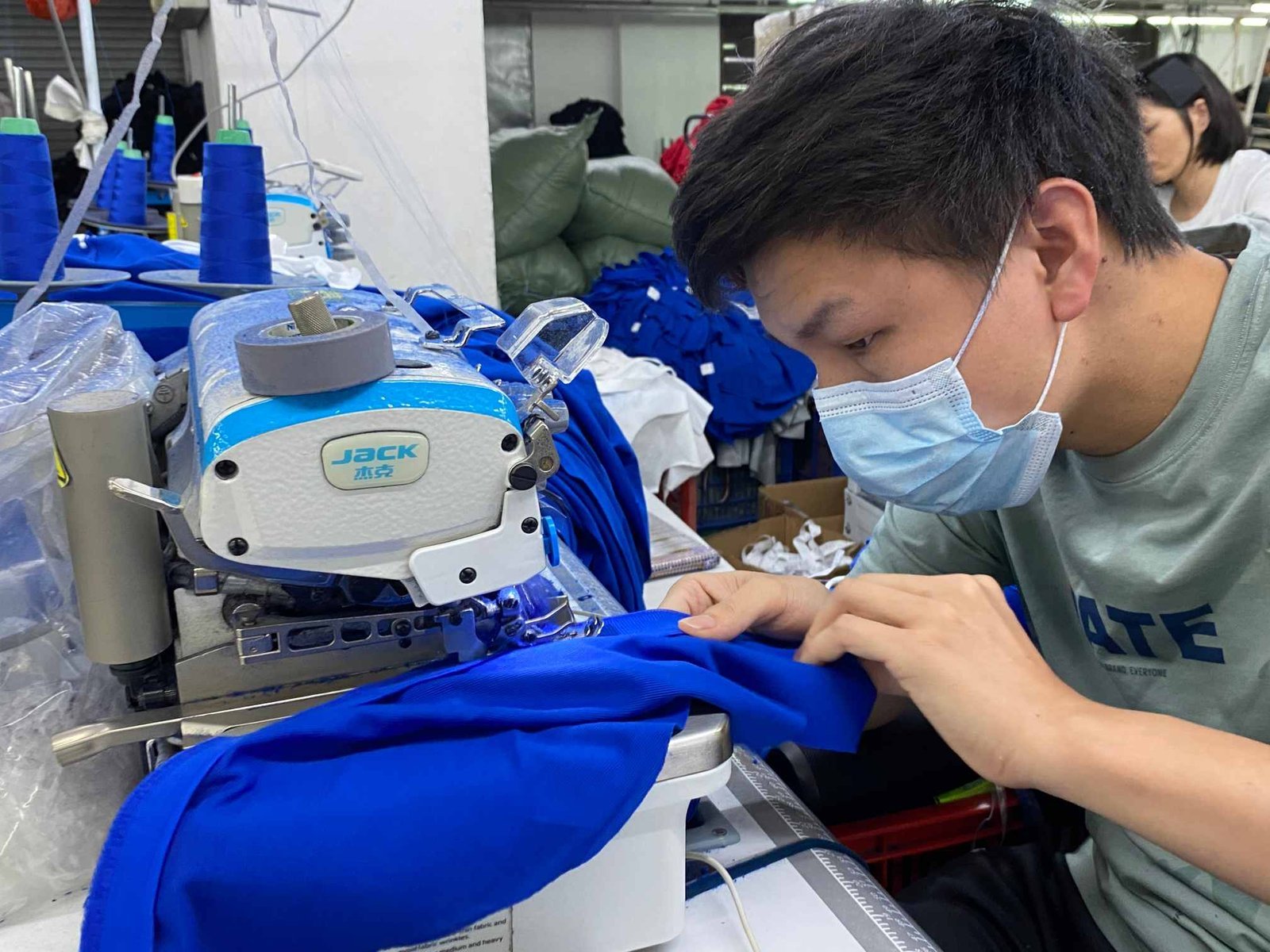
Premium flat embroidery begins with thread weight selection. We specify 40-weight and 60-weight polyester and rayon threads calibrated to each garment substrate, ensuring fine detail reproduction, consistent surface sheen, and a low-profile finish that lies perfectly flat against streetwear fabrics.
- 40-wt and 60-wt thread options matched to design complexity and fabric weight
- Uniform thread tension maintained across all multi-head embroidery machines
- Stitch density programmed per design zone to prevent fabric puckering or distortion
- Structural underlay stitches stabilize ground fabric before top-stitch layers are applied
Mesh Count & Registration Tolerance Control
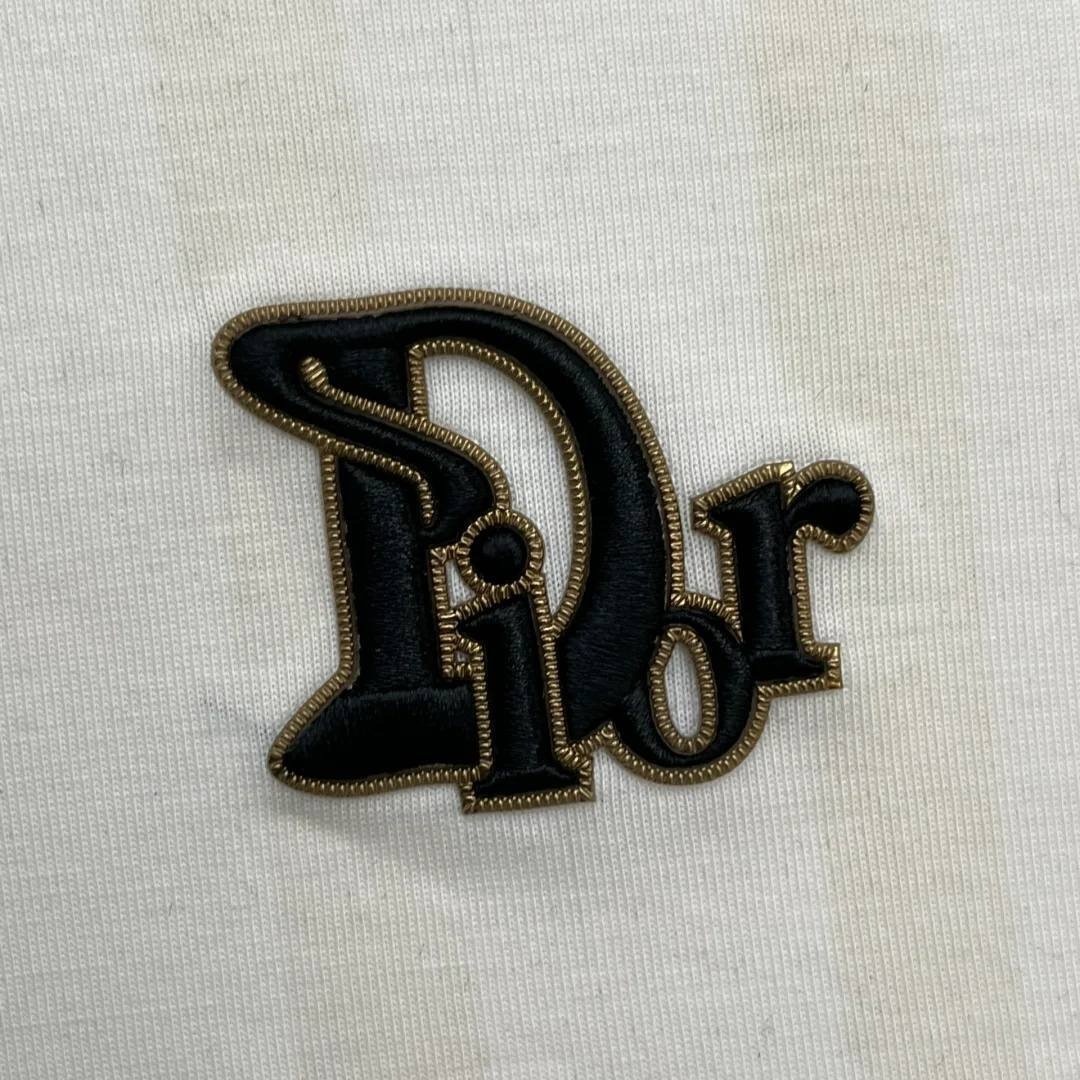
Backing stabilizer mesh count is matched to each fabric weight, holding design registration to within plus or minus 0.2 mm. This precision eliminates color bleed between fill areas and keeps multi-color flat embroidery logos sharp, aligned, and consistent across every unit in the production run.
- Stabilizer type selected per substrate: cutaway, tearaway, or water-soluble
- Registration tolerance held to within 0.2 mm for multi-color and multi-element designs
- Mandatory pre-production sew-out approval before any bulk run commences
- Color-separation mapping reviewed and signed off by our in-house digitizing team
Colorfast Thread Chemistry Built to Last
Our flat embroidery uses OEKO-TEX certified, solution-dyed polyester threads engineered for superior colorfastness. Pigments are locked at the molecular level during fiber production, resisting UV exposure, perspiration, and repeated machine washing without fading, crocking, or color migration across adjacent stitch fields.
- OEKO-TEX certified thread inventory spanning 500-plus available colors
- Solution-dyed polyester construction resists UV fading and perspiration degradation
- Crocking resistance verified on every incoming thread batch before production entry
- Anti-pilling thread twist minimizes surface wear on high-contact garment areas
ISO Wash Testing Backing Our QC Guarantee
Every flat embroidery design undergoes ISO 105-C06 wash durability testing before bulk approval. Paired with our proprietary 5-step QC process covering materials, cutting, craft, sewing, and finished goods, every garment leaving our facility meets fully documented, traceable quality benchmarks.
- ISO 105-C06 wash durability testing completed on all approved embroidery designs
- 5-step QC process: materials, cutting, clothing craft, sewing production, and finished goods inspection
- Tensile pull-tests confirm thread anchoring integrity at all garment stress points
- Full QC documentation and reports available to brand partners upon request
Flat Embroidery vs. 3D Puff Embroidery: Choose the Right Technique for Your Brand
Not every embroidery method suits every design. See how flat embroidery stacks up against 3D puff embroidery on the attributes streetwear and apparel brands rely on most when specifying a decoration process.
← 左右滑动查看 →
Flat Embroidery Production Process
Six precision-controlled stages — from your artwork to finished garment — each with dedicated quality checkpoints built in.
Design File Preparation
Convert your artwork to embroidery-ready vector files, auditing color count, stitch density, and minimum detail size to ensure clean flat embroidery output.
Expert Machine Digitization
Specialist digitizers map every stitch path, underlay sequence, and pull-compensation setting, translating your design into a production-ready DST or EMB machine file.
Frame & Stabilizer Setup
Garments are hooped onto precision frames with the correct backing stabilizer grade, ensuring zero fabric shift during the flat embroidery stitch run.
Embroidery & Tension Control
Industrial machines execute the design with real-time tension monitoring, delivering consistent stitch density and crisp edge definition across every piece in the run.
Thread Trim & Bite Inspection
Technicians trim all jump threads and inspect every thread bite point for loops, pulls, and skips — a dedicated control step unique to flat embroidery QC.
Final Quality Finish
Each finished piece is checked visually and by hand against the approved sample before packaging, completing our 5-step quality guarantee before global shipment.
How to Order Custom Flat Embroidery
From artwork upload to global delivery, our five-stage engagement process keeps every flat embroidery commission on spec, on schedule, and protected by our 5-step QC guarantee.
Submit Your Artwork and Specs
Send your vector file with design size, thread color count, and garment placement details. Our team reviews every specification and returns an accurate flat embroidery quote within 24 hours.
Confirm Quote, MOQ, and Schedule
Review your custom pricing, confirm your minimum order quantity — low MOQ options are available for startups — and lock in a production timeline that fits your seasonal launch window.
Approve Your Physical Sample
Our in-house sampling team stitches a physical flat embroidery sample for your review, verifying stitch density, color accuracy, and placement accuracy before any full-scale production begins.
Enter 5-Step QC Production
Your order advances through our proprietary 5-step QC process — materials, cutting, craft, sewing, and finished inspection — so defects are identified and corrected at every production stage.
Ship Worldwide with Logistics Support
We manage international freight, customs documentation, and real-time tracking, delivering your completed flat embroidery order reliably to brands and retailers across more than 100 countries.
What Global Brands Say About Our Flat Embroidery
We tested our flat embroidery hoodies through 50 wash cycles and the stitch definition held perfectly — zero fraying, zero color bleed. The 5-step QC process is real. Three reorders in and every batch still matches the original sample exactly.
As a startup placing our first order, the low MOQ made it possible. Our flat embroidery caps were delivered in 18 days — two weeks ahead of our pop-up launch. The logo detail was sharper than anything we had seen from previous suppliers.
Our flat embroidery chest logos became the detail our followers instantly recognized. We sold out 400 units in 36 hours after the drop. Clothing Manufacturer Ltd. helped us scale from a 50-piece test run to full production with zero quality compromise.
Flat Embroidery: Frequently Asked Questions
Everything streetwear brands, startups, and independent designers need to know before placing an order — from fabric compatibility and design limits to MOQ, lead times, and file specs.
What fabrics does flat embroidery work on?
What is the maximum number of colors in a flat embroidery design?
How durable is flat embroidery after repeated washing?
Can I combine flat embroidery with screen printing, patches, or heat transfer on the same garment?
What is the minimum order quantity (MOQ) for flat embroidery?
What are the production lead times for flat embroidery orders?
How much does a flat embroidery sample cost and how long does turnaround take?
What art file formats are required to submit a flat embroidery order?
What is the maximum design size for flat embroidery production?
The Complete Buyer’s Guide to Flat Embroidery
Everything streetwear brands, fashion startups, and global retailers need to select the right technique, evaluate manufacturer quality, set realistic budgets, and avoid the sourcing mistakes that delay launches and inflate per-unit costs — in one decision-ready framework.
1. What Is Flat Embroidery? Understanding the Core Technique
Flat embroidery is a thread-based decoration method where needle and thread build a design directly onto fabric at a uniform, level height — typically 1 to 2 mm above the base cloth — with zero foam underlay and no raised 3D profile. Every stitch lands at the same plane, producing crisp edges and consistent color reproduction across logos, wordmarks, and graphic motifs.
Puff embroidery inserts a foam backing beneath the stitches to create a raised, three-dimensional relief, while woven patches are produced on a separate loom and then heat-sealed or sewn onto the garment as a finished label. Flat embroidery, by contrast, integrates directly into the garment fabric during production, offering sharper fine-line detail and a streamlined silhouette that puff and patch methods cannot match.
Rayon thread, with a filament count typically around 120D/2, delivers a high-sheen finish ideal for bold color blocking, while 75D/2 polyester thread offers superior colorfastness against UV exposure and industrial washing — a critical factor for streetwear pieces that endure heavy use. Stitch density, measured in stitches per centimeter, directly controls coverage and texture: a density of 4 to 8 stitches per centimeter is standard for garment logos, with higher counts reserved for photographic-detail fills.
Streetwear and fashion brands consistently choose flat embroidery for caps, bomber jackets, and hoodies because its low-profile finish reads as premium against heavyweight fleece, French terry, and structured twill. The technique reproduces Pantone-matched thread colors with precision, supporting the bold palette work central to skeleton, rose, and graphic-element motifs that define contemporary streetwear design.
2. The Evolution and History of Flat Embroidery
Around 3,000 years ago, hand-stitched embroidery appeared on garments across China, Egypt, and Persia — used to signal rank, wealth, and cultural identity. These early techniques relied on silk, linen, and wool threads laid flat against fabric surfaces in controlled, closely packed rows — the direct ancestor of what manufacturers now call flat embroidery.
By the 1820s, the Swiss textile industry introduced the hand-guided Schiffli embroidery machine, collapsing production time from weeks to hours and opening the door to commercial-scale decoration. This industrialization transformed embroidery from an artisanal luxury into a reproducible branding tool that military uniforms, sports clubs, and workwear manufacturers adopted through the late 1800s.
The critical shift to modern flat embroidery came between 1980 and 1995, when digitizing software allowed designers to convert artwork into machine-ready stitch files — precisely mapping thread count, density, and direction. Platforms like Wilcom industrialized this workflow; a logo could now be programmed once and reproduced identically across thousands of garments, making flat-stitched branding viable at mass scale.
From roughly 2000 onward, streetwear labels including Supreme and Stüssy elevated the flat-stitched logo into a premium brand signal — tightly packed chest and sleeve hits that consumers learned to read as evidence of genuine production craft. That association between flat embroidery and quality is now baked into buyer expectations, meaning brands that invest in the technique inherit a heritage stretching back centuries.
3. Types of Flat Embroidery Styles and Thread Techniques
Flat embroidery spans five style categories, each carrying a distinct complexity level, stitch count threshold, and optimal garment placement. Selecting the right technique early prevents expensive sampling iterations and keeps unit costs aligned with your budget tier.
| Style | Min Stitch Count | Complexity | Best Placement | Budget Tier |
|---|---|---|---|---|
| Fill / Satin Stitch | 3,000 | Medium | Chest, Sleeve Cap | Mid–Premium |
| Running Stitch | 1,000 | Low | Sleeve Cap, Hem | Entry |
| Back-Stitch Text | 1,500 | Low | Chest, Sleeve Cap | Entry |
| Appliqué-Style | 1,500 + fabric | Medium-High | Back Yoke | Mid |
| Tonal Embroidery | 3,000 | Medium | Chest | Premium |
Fill Stitch and Satin Stitch Logos
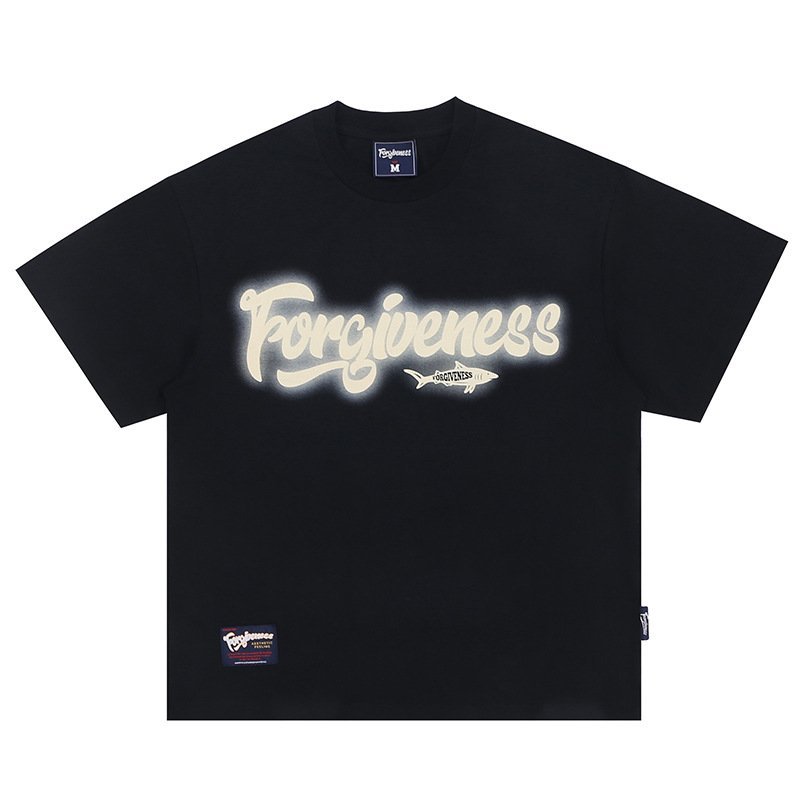
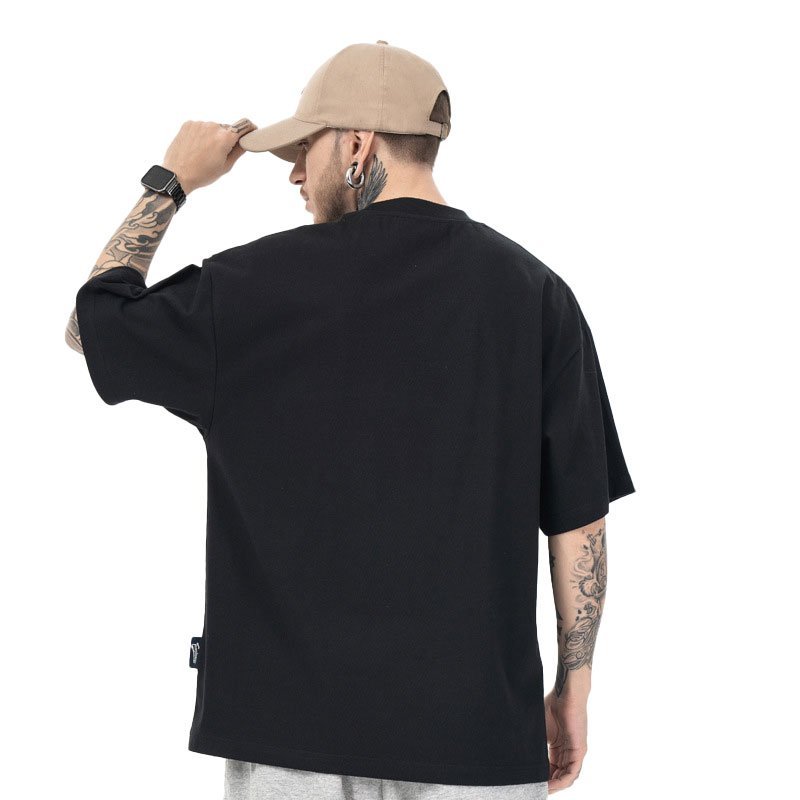
Fill stitch covers solid areas with parallel thread rows; satin stitch uses tight, angled columns for sharp, crisp edges.
Both start around 3,000 stitches for a small chest logo and suit left-chest and sleeve cap placements where bold brand marks need to read cleanly.
Running-Stitch Outlines and Back-Stitch Text
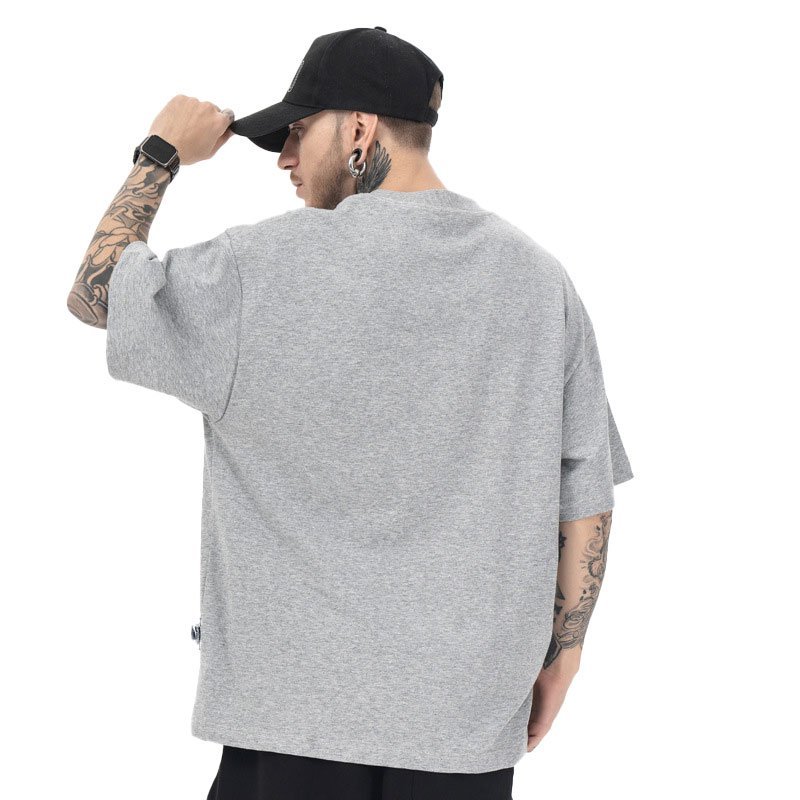
Running stitch traces outlines with evenly spaced needle passes; back stitch produces solid, legible text lines — both typically under 2,000 stitches, making them the lowest-cost options.
Sleeve caps and hem bands are ideal placements where fine fill detail is not required but consistent brand presence is.
Appliqué-Style Flat Embroidery

Appliqué bonds a fabric patch to the shell before a lock-down border stitch is applied, cutting thread count by 40–60% on large designs.
Back yoke placements exceeding 4 inches benefit most, keeping production cost lower while the layered fabric adds tactile contrast.
Tone-on-Tone Tonal Embroidery
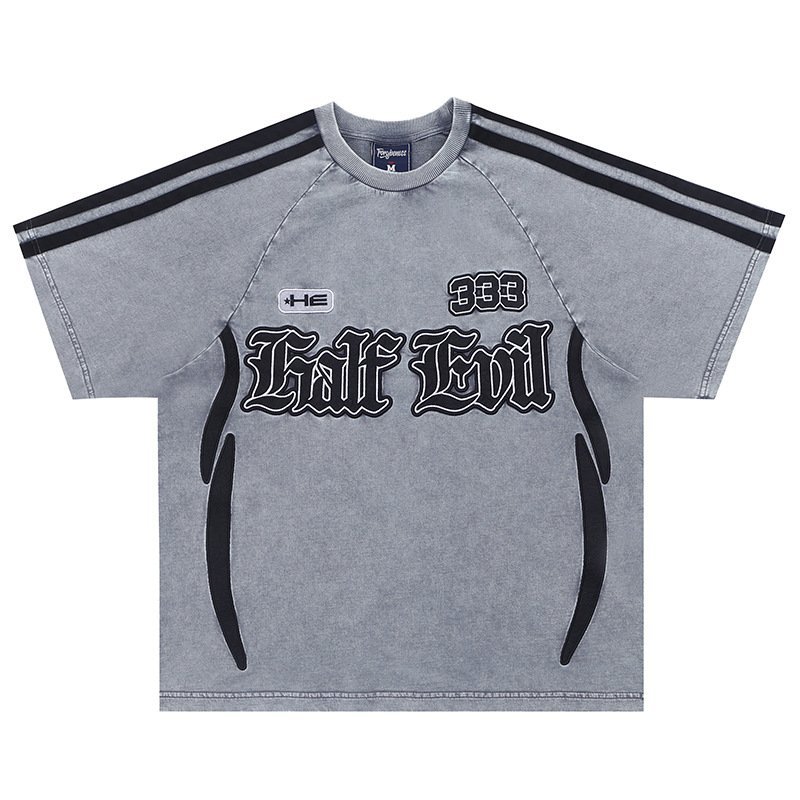
Tonal embroidery matches thread color within 2–3 Pantone steps of the base fabric, creating a subtle, upscale surface texture with no hard contrast.
Left-chest placement on premium streetwear basics suits this style best; stitch counts mirror standard fill stitch ranges starting around 3,000.
4. Fabrics and Materials That Work Best for Embroidery
Fabric construction determines whether flat embroidery registers cleanly or puckers under needle tension. Structured, medium-weight materials tolerate high stitch counts and repeated washing; lightweight and open-weave fabrics consistently fail embroidery quality checks at the stitching stage.
| Fabric Type | Weight | Backing Needed | Ideal Placement |
|---|---|---|---|
| Cotton-poly twill | 280–320 GSM | Cutaway | Cap crown, front panel |
| Denim | 10–14 oz | Tear-away | Jacket chest, sleeve |
| Canvas | 12 oz (~400 GSM) | Tear-away | Chest panel, tote face |
| Fleece / French terry | 300–360 GSM | Tear-away | Hoodie chest, back yoke |
| Lightweight jersey | Under 160 GSM | Not recommended | Avoid |
Structured Wovens: Twill, Denim, and Canvas
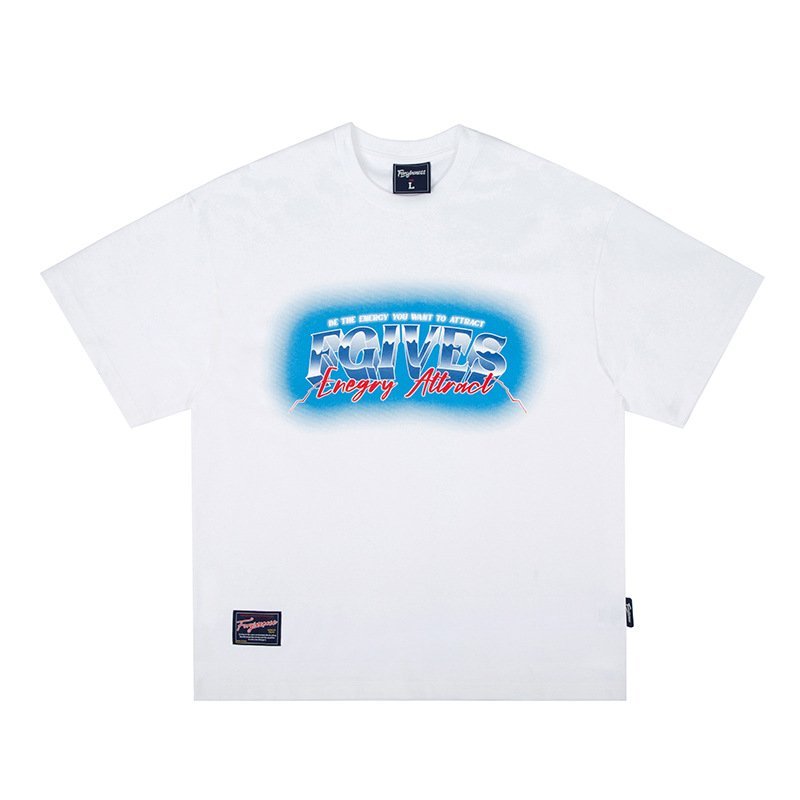
Six-panel structured caps use 280–320 GSM cotton-poly twill, dense enough to hold stitch registration without lateral shifting. Denim at 10–14 oz and 12-oz canvas both accept high stitch counts on chest and sleeve placements with minimal distortion after repeated washing.
Fleece and French Terry for Hoodies
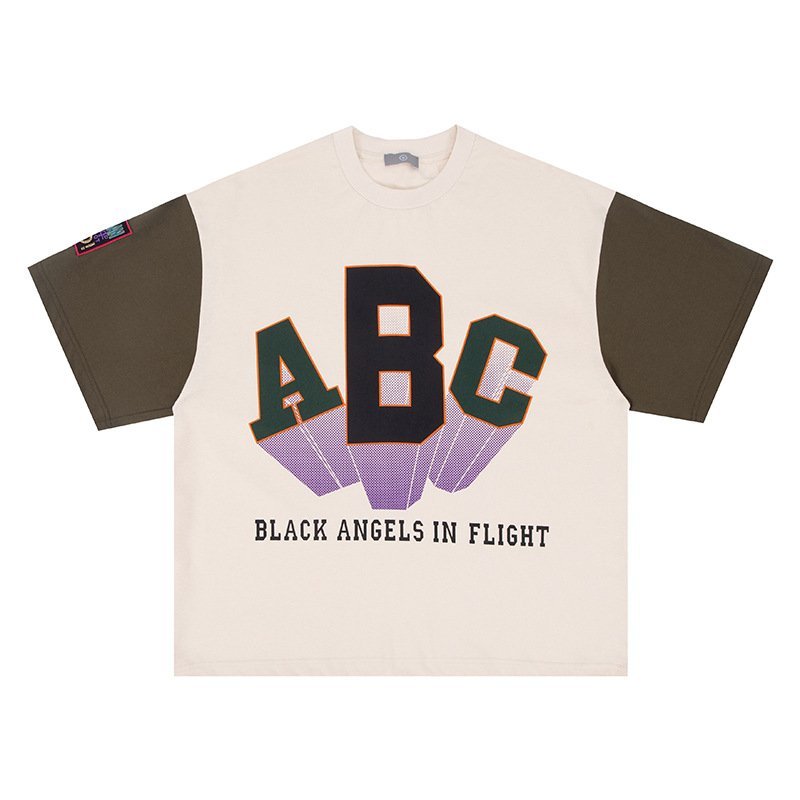
Medium-weight 300–360 GSM fleece and French terry are the standard base for embroidered hoodies. Both require a tear-away backing to prevent the brushed reverse from shifting during stitching, and 8–10 stitches per cm delivers clean edge definition on chest logo placements.
Fabrics to Avoid and Stabilizer Selection
Lightweight jersey under 160 GSM and sheer wovens lack the structural density to anchor embroidery thread, causing puckering and hoop burn that no backing can fully correct. Cutaway stabilizer suits knits requiring permanent support; tear-away backing removes post-stitch to preserve soft hand feel on denim and canvas.
5. Customization and Decoration Options for Branded Streetwear
Flat embroidery becomes a brand signature when paired with the right decoration add-ons — specialty threads, appliqué layers, and woven label overlays each add cost and complexity that creator brands must plan for upfront.
Specialty Threads, Patches, and Appliqué Options
Metallic and glow-in-the-dark threads raise base stitch cost 15–25% but sharply elevate perceived value on limited drops. Multi-color gradient fills require 6–12 color stops and add 2–3 hours of digitizing time per design.
Heat-press patches combined with flat embroidery cut per-piece sew time while adding tactile contrast. Laser-cut appliqué in 2–4mm felt or twill bonds cleanly under the stitch border, eliminating frayed edges.
Color Standards and File Format Requirements
Pantone thread equivalents use Madeira, Isacord, or Robison-Anton conversion charts — no thread brand covers 100% of PMS values, so expect 3–5 delta-E variance on saturated tones. Confirm Pantone codes on your tech pack to avoid resampling rounds that add 7–14 days per revision.
DST (Tajima) is the universal machine-ready format; EMB (Wilcom) preserves editable stitch layers for revision-heavy projects. Submit artwork as vector (AI or EPS) — raster files require manual redraw at $30–80 in added digitizing fees.
How Complexity Drives Cost and Lead Time
Each decoration add-on adds 3–7 days to sampling and triggers 1–2 extra approval rounds. A design combining flat embroidery, metallic thread, and laser-cut appliqué can push per-unit cost 40–60% above a single-technique baseline.
Budget $150–400 per sampling round and plan 21–35 day windows on complex creator drops. Woven label overlays require a separate DST layer with a 2mm lockstitch border — lock all decoration specs in the first tech pack submission to protect your launch date.
6. Key Construction Quality Elements Every Buyer Must Verify
Specifying flat embroidery quality before production locks in results and prevents the three costliest outcomes for any brand: rework charges, shipment rejection, and reorder delays. These checkpoints cover every critical variable a buyer must define in writing.
Stitch Density and Underlay Types
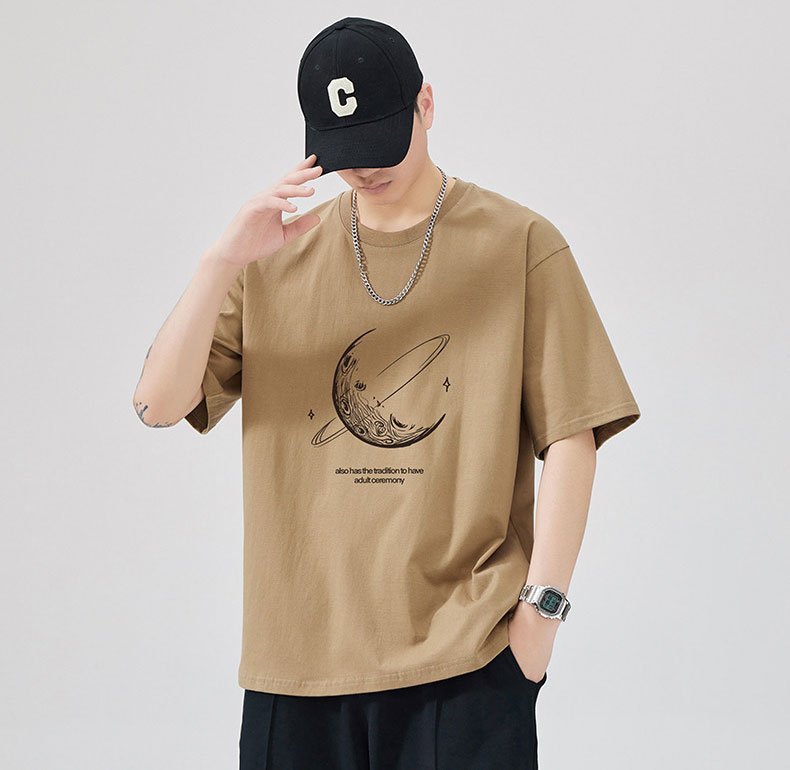
Production-grade flat embroidery targets 400–500 stitches per square centimeter; below 350, base fabric shows through and designs lose definition. Underlay type — edge-walk, zigzag, or fill — anchors thread and prevents puckering; specify it in every tech pack.
Thread Tension and Pull-Through Defects
Correct tension keeps bobbin thread invisible on the design face; loose tension causes pull-through, appearing as white lines between satin columns. On samples, drag a fingernail across column edges — raised loops or gaps confirm a tension fault requiring correction.
Edge Finishing: Tie-Off vs. Trimming
Tie-off locks each thread end with a return stitch before cutting, adding 2–3 stitches per color stop; trimming alone leaves ends that unravel after 5–10 wash cycles. Specify tie-off for streetwear expected to survive 50-plus washes.
Backing Material and Removal Method
Cut-away backing (80–90 GSM non-woven stabilizer) suits stretch fabrics like French terry and fleece; tear-away works for stable wovens. Specify whether backing stays attached, is trimmed to 3 mm of the design edge, or is removed entirely.
Colorfastness Ratings and Quality Brief
ISO 105-C06 washing colorfastness must reach grade 4–5 for streetwear threads; below grade 3, colors bleed onto adjacent fabric within 10 washes. Reference Pantone thread numbers in the brief to lock hue before bulk runs begin.
- State stitch density minimum (450 stitches per sq. cm) and underlay type per design zone
- Specify edge-finishing method: tie-off on all color stops, no trimming-only shortcuts
- List backing type, GSM, and post-production removal instructions by fabric substrate
- Require ISO 105-C06 grade 4 minimum and Pantone thread number confirmation before bulk
7. How to Choose the Right Flat Embroidery Manufacturer
Choosing a flat embroidery manufacturer requires more than price comparison. Digitizing ownership, machine fleet brand, and MOQ flexibility collectively determine whether a factory can deliver consistent quality from a 50-unit sample run to a 5,000-unit production order.
Direct Factory vs. Trading Company
Direct factories own embroidery machines and employ in-house digitizers; trading companies place orders with third-party workshops and add a 20–40% markup. Verify factory status by requesting a video of the production floor showing machine rows and digitizing workstations before signing any agreement.
Digitizing Capability and Machine Fleet
In-house digitizing eliminates the 3–5 day lag caused by outsourcing artwork conversion. Ask whether the factory runs Tajima, Barudan, or ZSK machines — these three brands define commercial-grade reliability — and confirm head count, since a 10-head machine handles volume differently than a 4-head unit.
MOQ Flexibility and Startup Scale
Startups launching first collections typically need 50–100 units per colorway to test market response without overcommitting capital. Ask specifically: ‘What is your minimum per design, and does it apply per colorway or per style?’ A factory quoting 500-unit minimums cannot serve an emerging label.
Certifications and Reference Checks
OEKO-TEX Standard 100 certification confirms threads and base fabrics are free of harmful substances — non-negotiable for brands selling in EU or US markets. Request references from comparable brand profiles: a factory serving 10,000-unit fast-fashion orders may lack the precision care a 200-unit streetwear capsule demands.
8. Common Mistakes Brands Make When Sourcing Flat Embroidery
Avoidable specification errors drive the majority of flat embroidery disputes at delivery. Six recurring mistakes trace back to a missing pre-production checklist or an incomplete tech pack — and every one is preventable before a single stitch runs.
Ordering Without a Physical Sample
Brands that skip pre-production sew-out samples receive bulk shipments where stitch density, thread sheen, or logo scale diverges from approved artwork. Requesting a sew-out on the actual production fabric — before bulk cutting begins — locks the visual reference and catches digitizing errors early.
Under-Specifying Thread Colors
RGB or HEX values look precise on screen but carry no meaning on a loom — thread manufacturers reference Madeira, Isacord, or Pantone codes. A missing thread code forces match-by-eye matching, producing color drift visible across a 300-unit production run.
Factories Without Dedicated Digitizing
Flat embroidery quality lives in the DST or EMB digitizing file, not the artwork PNG. Factories re-using generic digitizing settings misplace underlay stitches, causing puckering on stretch fabrics or thread breaks on dense canvas panels. Verify that any factory runs in-house digitizing software before committing to bulk.
Missing Placement and Packaging Notes
A tech pack without seam-allowance clearances results in embroidery stitched too close to a side seam, causing visible stitch distortion after the first wash. Omitting polybag size, hang-tag position, or carton-label specs adds 3–5 days of rework at the end of production.
- State placement in mm measured from collar, cuff, or nearest seam.
- Specify polybag dimensions, hang-tag position, and per-carton count.
- List wash-test standard and acceptable stitch-count tolerance in the tech pack.
9. Steps to Launch Your Brand With Custom Embroidery
Launching a flat embroidery line moves fastest when every production gate is defined before sampling starts. A vertically integrated factory compresses typical 60-90 day timelines to 30-45 days by running digitizing, fabric sourcing, and proto-sampling concurrently.
Brand Brief and Artwork Digitizing
Submit vector artwork in AI or EPS format alongside a brand brief specifying Pantone thread colors, stitch density, and exact placement dimensions. An in-house digitizing team converts files to DST or EMB format within 24-48 hours per design.
Fabric Selection and Colorway Lock
Confirm base fabric GSM, knit structure, and fiber blend against Pantone TCX swatches before any cutting begins. Deferring this step adds 3-5 business days and risks colorway mismatches at the bulk stage.
First Article Inspection Decision Gate
The proto sample is the iterate-vs-proceed gate: verify stitch count, thread tension, color accuracy, and logo placement before approving bulk. Reject and re-sample if any spec falls outside the agreed tolerance rather than proceeding and correcting mid-run.
In-Line QC and Bulk Confirmation
Five-stage in-line QC — covering materials, cutting, craft, sewing, and finished goods — catches defects during production rather than only at final inspection. Bulk confirmation requires a signed sample approval form and typically a 30-50% deposit before cutting commences.
Shipping, Customs, and First-Drop Launch
Finalize FOB or CIF shipping terms early and prepare a commercial invoice, packing list, and correct HS code documentation for embroidered apparel. Photograph approved production samples during the QC stage to build first-drop social content while the bulk order ships.
10. Pricing and Cost Breakdown for Flat Embroidery Orders
Digitizing setup fees typically run $15–$80 depending on design complexity and stitch count; a logo under 5,000 stitches sits at the lower end, while chest-panel flat embroidery designs exceeding 20,000 stitches push toward the ceiling.
Regional pricing varies meaningfully: China-based manufacturers in Dongguan’s Humen Town offer the most competitive unit rates backed by deep supply-chain infrastructure, Bangladesh mills undercut on labor but add 3–5 extra days to lead times, and Turkey commands a 20–35% unit-price premium while cutting Europe-bound freight windows by 7–12 days.
Three hidden costs catch first-time buyers off guard: re-digitizing fees of $20–$50 per revision when artwork changes after approval, rush surcharges of 15–30% on compressed timelines, and international air freight that can add $2–$5 per unit on small runs — erasing the savings from choosing a lower-cost region.
| Quantity Tier | Digitizing Setup Fee | Unit Price Range | Lead Time |
|---|---|---|---|
| 50–200 units (Small Run) | $30–$80 | $8–$15 per unit | 15–20 business days |
| 200–1,000 units (Mid-Tier) | $25–$60 | $4–$8 per unit | 12–18 business days |
| 1,000+ units (Bulk) | $15–$40 (often waived) | $1.50–$4 per unit | 10–15 business days |
Start Your Flat Embroidery Project Today
Request a free sample or quote now — 50-piece MOQ, fast turnaround, and our proprietary 5-step QC guarantee on every order.