
Custom Embroidered Patches Crafted for Streetwear Brands Worldwide
Order custom embroidered patches with low MOQ, fast turnaround, and our 5-step QC guarantee — trusted by streetwear and influencer brands across 100+ countries.
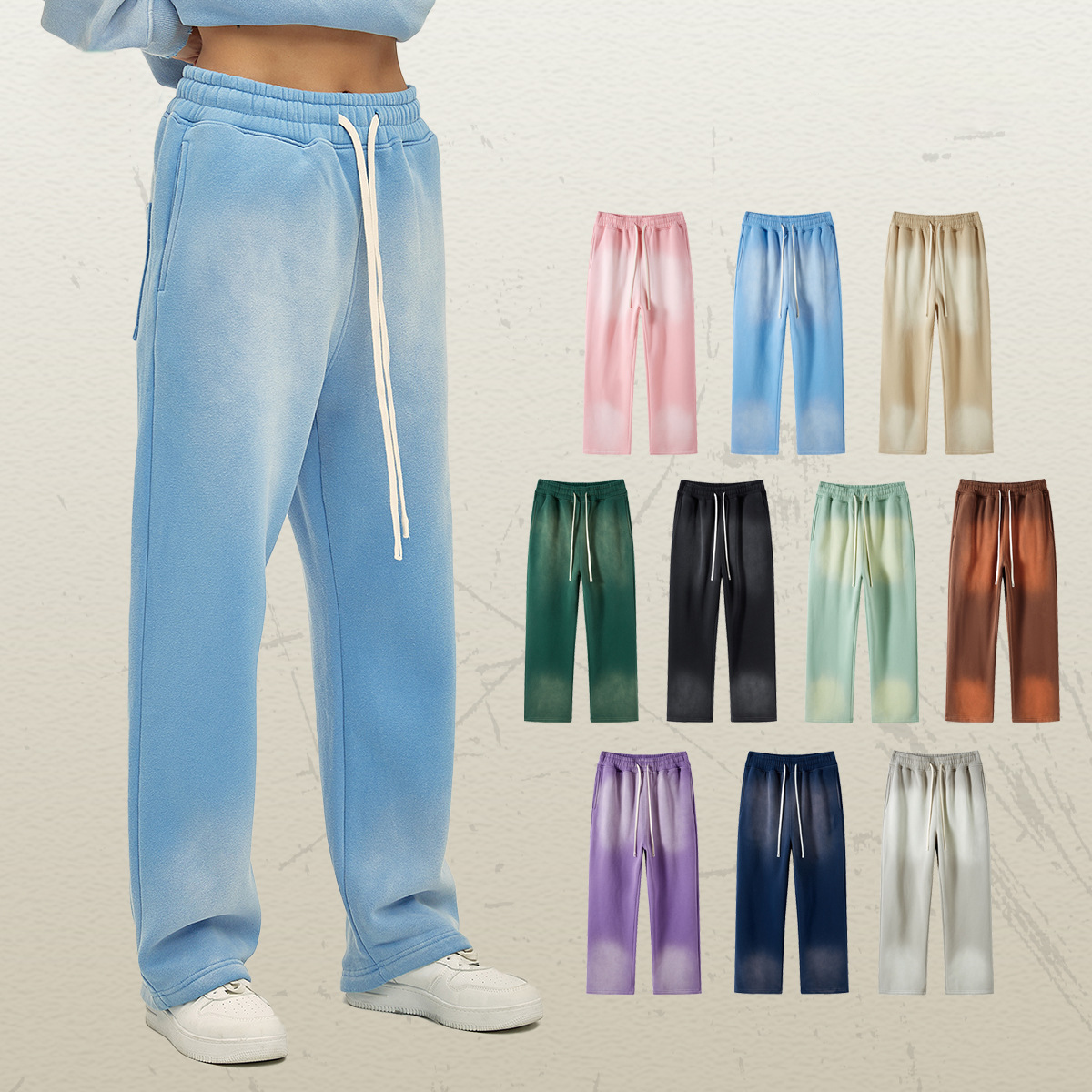
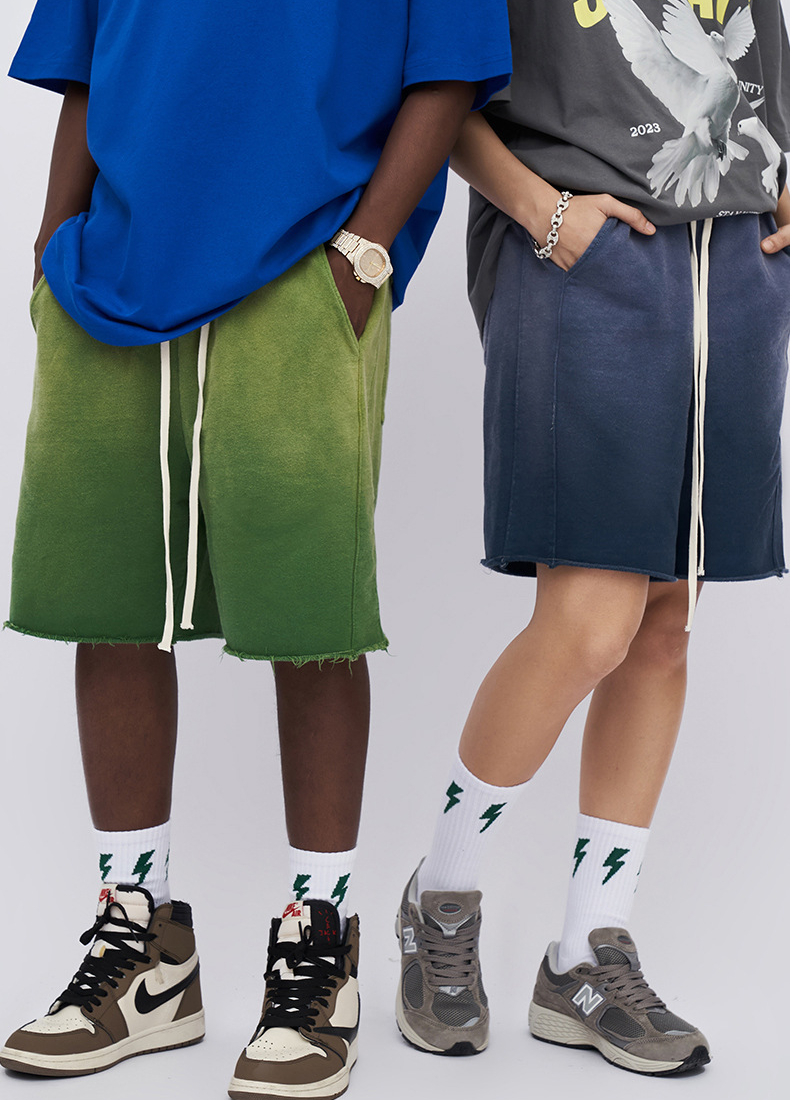
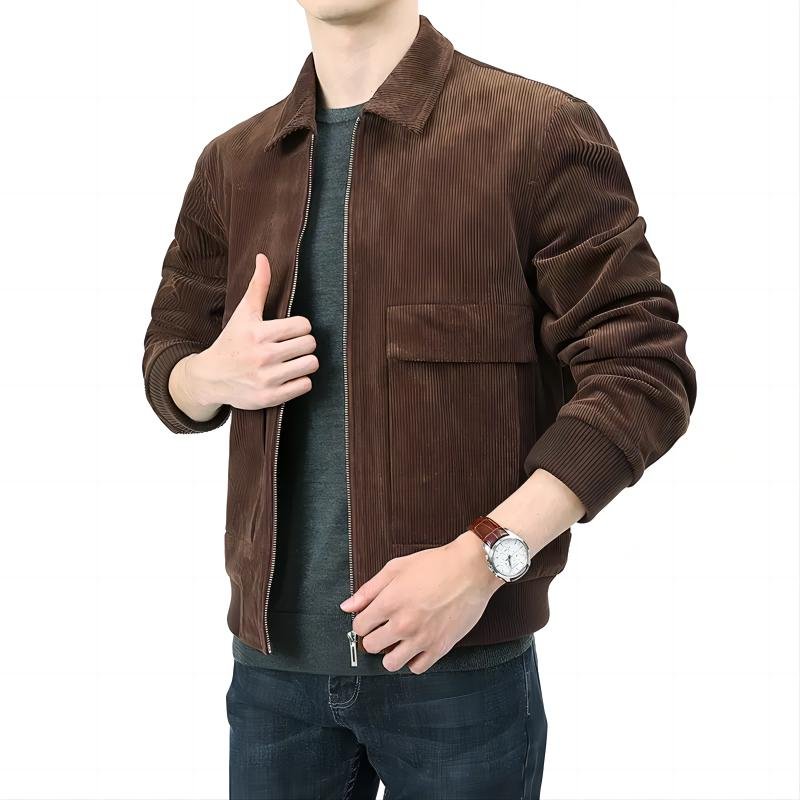
Custom Embroidered Patch Samples & Portfolio
Why Custom Embroidered Patches Stand Out
From tactile depth to bulletproof durability, here are the technical and aesthetic advantages that separate premium embroidered patches from every other method.
Rich 3D Thread Texture
Raised, layered embroidery creates eye-catching depth that flat prints cannot replicate, giving your brand a premium, handcrafted feel.
Vivid, Long-Lasting Color
High-density thread saturation delivers bold, vibrant hues that resist fading through repeated washes, keeping patches sharp season after season.
Intricate Design Complexity
Fine-detail digitizing captures logos, gradients, and lettering with precision, achieving complexity impossible with woven or screen-printed alternatives.
Exceptional Durability, Every Time
Industrial-grade threads and reinforced backing withstand heavy wear, making custom embroidered patches the most durable streetwear branding option available.
Unmistakable Tactile Appeal
The raised thread surface invites touch and signals quality instantly, elevating perceived brand value with every single customer interaction.
5-Step Quality Guarantee
Every patch clears our proprietary five-stage QC process, from materials testing to final inspection, ensuring zero defects reach your brand.
Custom Embroidered Patches & Related Embellishment Techniques
Not every design calls for the same approach. Compare our full range of patch and embellishment techniques to find the perfect match for your brand’s aesthetic, budget, and production timeline.
Fine-Detail Woven Labels
Thread buildup in standard embroidery blurs hairline logos and micro-text, leaving intricate wordmarks unreadable on-garment. Brands with complex artwork and dense typography need sharper, finer-detail reproduction than stitching allows.
Woven labels reproduce dense, intricate designs at high thread counts with razor-sharp clarity — ideal for size tags, care labels, and brand patches where precision is non-negotiable.
Iron-On Heat Transfers
Limited drops and sample testing make large minimums and long sewn-patch lead times impractical. Startups and influencer brands need speed and flexibility without locking into bulk production commitments.
Heat transfers apply in seconds per piece with no tooling costs, letting brands test colorways and sell limited drops at full speed before scaling into embroidered production runs.
Varsity Chenille Patches
Collegiate and retro streetwear aesthetics demand the thick, raised texture of chenille that flat embroidery and standard woven patches cannot replicate, leaving designs looking uninspired and visually flat.
Chenille patches deliver the plush, dimensional surface and bold block lettering that define varsity culture, giving hoodies and jackets an instantly recognizable, tactile brand statement that stands out.
Layered Embroidered Appliqués
Designers pursuing mixed-material, sculptural effects find that flat embroidery and standard patches cannot achieve the layered, three-dimensional look their high-fashion streetwear collections demand and that customers immediately notice.
Embroidered appliqués combine precision stitching with shaped fabric cutouts, creating bold, raised branding elements that add depth and a luxury feel no flat embellishment technique can match.
Full-Color Sublimation Patches
Photo-realistic gradients and unlimited color palettes exceed what thread-based embroidery can achieve, leaving brands with complex photographic imagery unable to faithfully reproduce their artistic vision on standard patches.
Sublimation patches print your full artwork — gradients, photos, and unlimited color palettes — directly onto fabric, delivering pixel-perfect branding with zero color restrictions or stitching texture trade-offs.
Our Expertise in Custom Embroidered Patches
Clothing Manufacturer Ltd. was founded in 2024 by Tesla Luo, whose roots in garment manufacturing run literally from childhood — summers spent rotating through every production role on the factory floors of Dongguan Humen. With over 10 years in apparel production and 6 years of focused streetwear expertise, Luo built this company to eliminate the quality shortcuts he witnessed firsthand, establishing a trusted home for custom embroidered patches and premium streetwear manufacturing.
Our in-house R&D team of 15 specialists and 10 production patents give us a technical edge that generalist manufacturers simply cannot match. Our proprietary five-step quality control process — covering materials, cutting, craftsmanship, sewing, and finished-goods inspection — ensures every custom embroidered patch leaving our facility meets exacting standards. That commitment has earned us clients across more than 100 countries and regions, from first-time founders to established global retail brands.
What truly sets us apart is a quality-first philosophy embedded at every production stage, not applied as an afterthought. We offer low MOQs for labels launching their debut collections, fast turnaround for time-sensitive seasonal drops, and full design and sampling support handled entirely in-house. Whether you are an independent designer testing a concept or a scaling streetwear label, we deliver the same uncompromising attention to detail on every order.
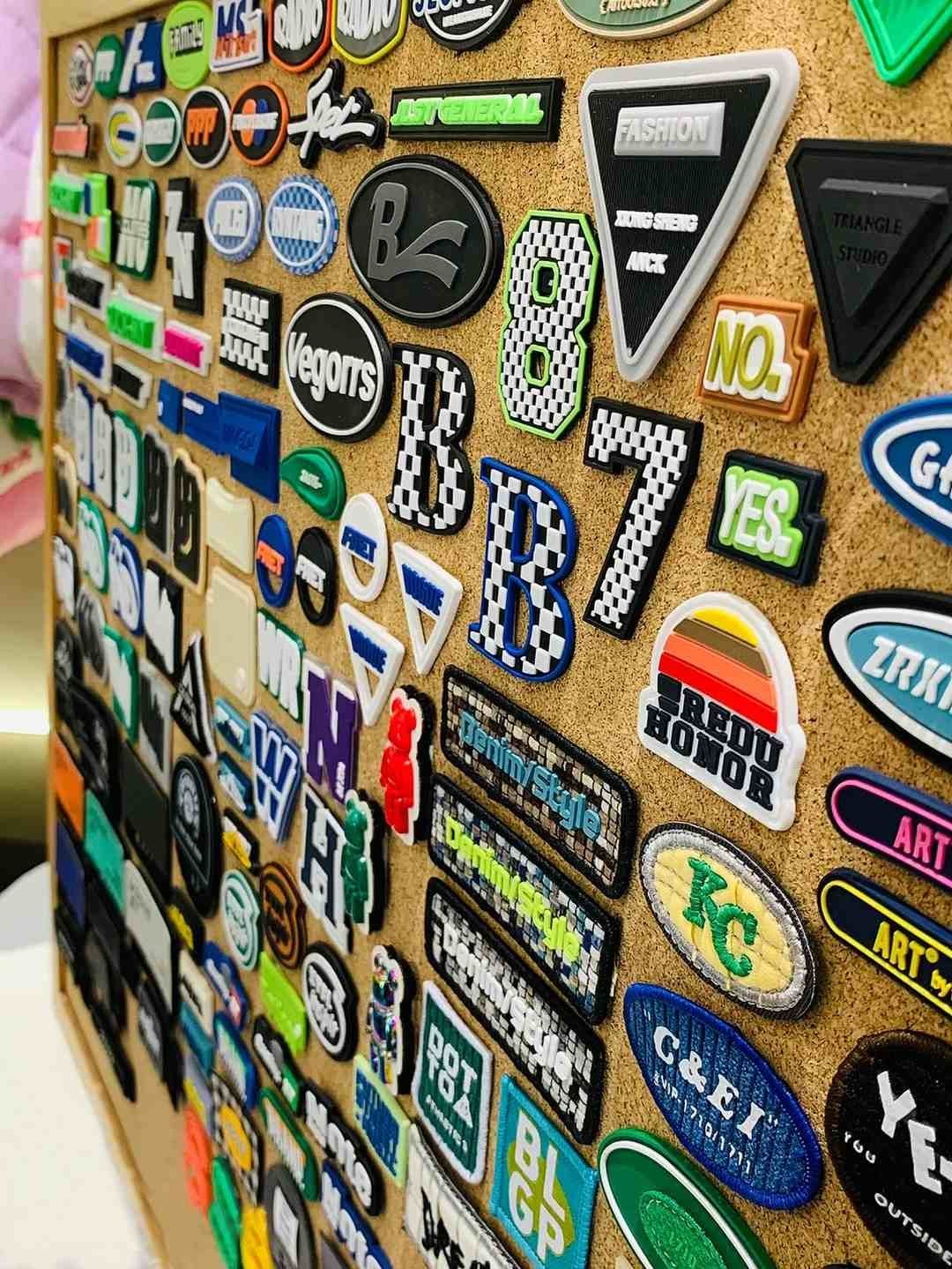
The Art & Science Behind Custom Embroidered Patches
Thread Quality That Defines Every Patch
Premium thread selection is the foundation of every custom embroidered patch we produce. We source high-tenacity polyester and rayon threads calibrated for color vibrancy, colorfastness, and tensile strength across hundreds of wash cycles.
- 120D/2 high-tenacity polyester thread for structural durability across repeated wear
- Rayon options deliver satin-like luster ideal for fashion-forward colorways
- 200+ Pantone-matched thread colors available per production run
- Colorfast to 60°C wash cycles without bleeding, fading, or color transfer
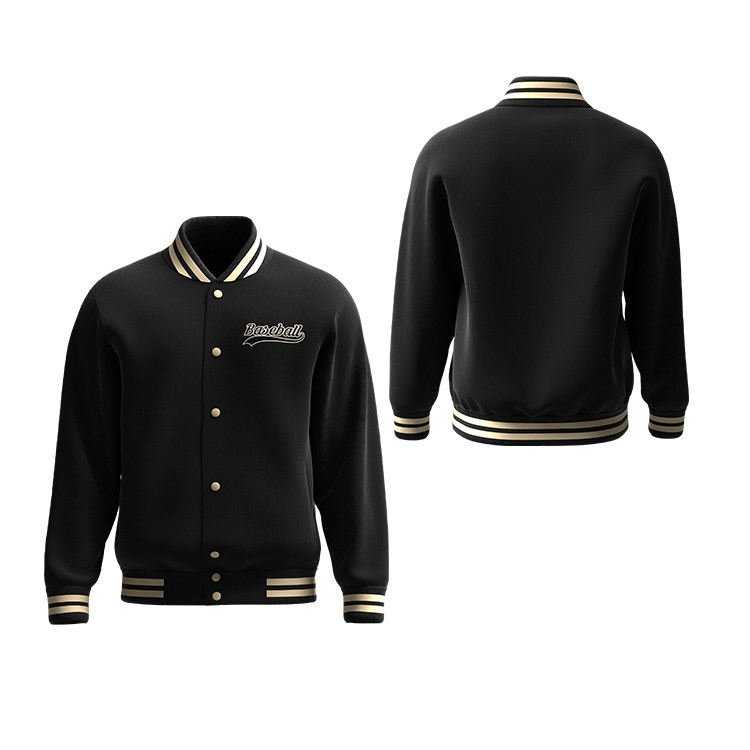
Precision Stitch Density & Full Coverage Control
Stitch density determines whether a patch looks premium or flat. Our CAD-guided digitizing maps every fill zone and outline to an exact stitch-per-millimeter count, ensuring full coverage, crisp edges, and zero fabric puckering.
- Fill density tuned per fabric type to prevent bunching or distortion
- Satin-stitch outlines as fine as 0.8mm for sharp, legible lettering
- Up to 15 thread colors per design without output quality compromise
- Programmed underlay stitches anchor base fabric before fill layers are applied
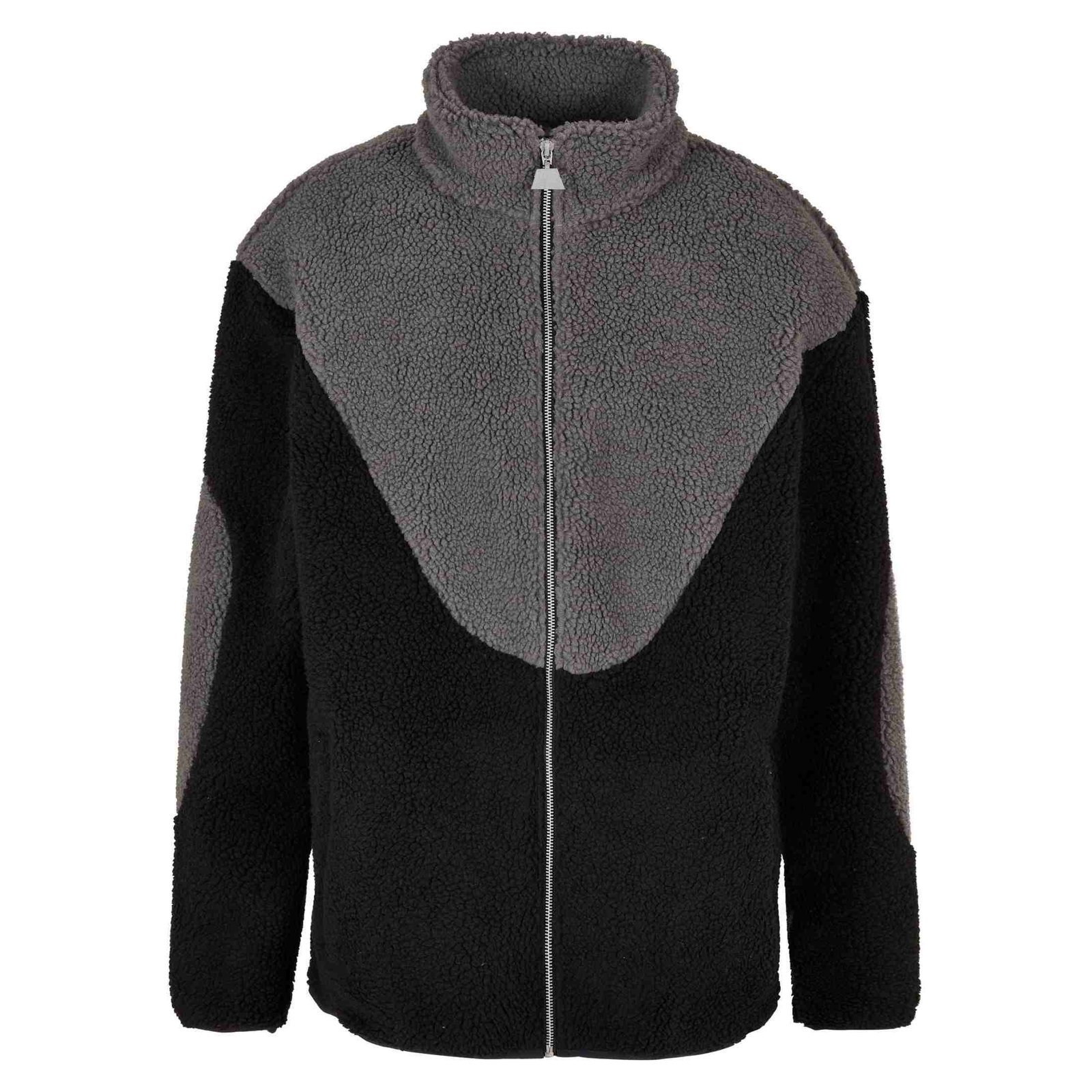
High-Stitch-Count Complexity, Executed at Scale
Intricate artwork, fine gradients, and multi-color streetwear graphics demand advanced digitizing and machine capability. Our production setup handles design complexity that most budget suppliers cannot reliably execute across a full production run.
- Supports designs up to 500,000 stitches with consistent, repeatable output
- 3D puff, metallic, and glow-in-the-dark thread options for standout styles
- In-house digitizing team optimizes every artwork file for stitch-path efficiency
- 15-needle multi-head industrial machines enable rapid, accurate color transitions mid-run
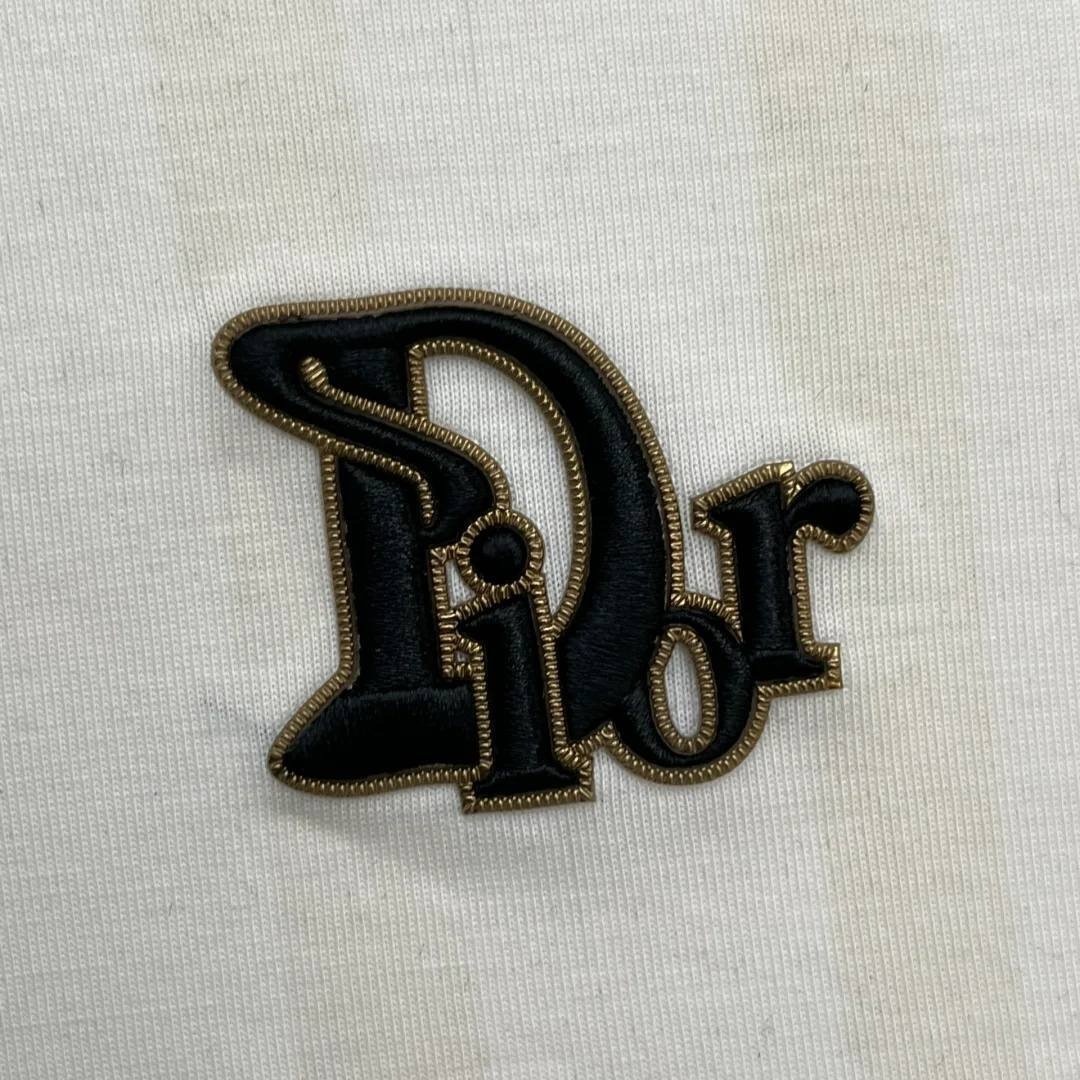
Durability Standards Verified at Every Stage
Every custom embroidered patch we ship is engineered to outlast the garment it adorns. Our five-step QC process validates stitch integrity, adhesion strength, and dimensional stability before a single unit clears production.
- Iron-on heat-bond adhesive rated to hold through 50+ wash cycles
- Merrow border and hotcut edge finishing options prevent long-term fraying
- 5-step QC includes stitch-pull and adhesion stress testing on finished goods
- Sew-on, iron-on, Velcro, and magnetic backing options to suit any application
Custom Embroidered Patches vs. Woven Patches
Both live in the same patch family, but the technique you choose shapes your brand’s look, durability, and production path. See how custom embroidered patches compare against woven patches across every attribute buyers use to decide.
← 左右滑动查看 →
Custom Embroidered Patch Production Process
Every custom embroidered patch order moves through a transparent, six-phase workflow reinforced by 5-step QC checkpoints — so defects are caught early, never shipped.
Artwork Digitizing & Conversion
Your artwork is converted into a precision stitch file, optimizing thread density, detail resolution, and clean borders for sharp, print-accurate embroidered results.
Thread & Color Matching
Our team matches your brand colors across 300-plus thread options, locking in your exact palette before a single stitch runs on any machine.
Machine Setup & Pre-Production Sample
Industrial embroidery machines are calibrated to your patch dimensions, then a pre-production sample is run, reviewed, and approved before full production begins.
Full Embroidery Production Run
The full order runs under continuous operator monitoring, catching stitch irregularities in real time against our 5-step QC standards at every production stage.
Trimming, Backing & Finishing
Loose threads are precision-trimmed, edges sealed, and your chosen backing — iron-on, sew-on, or hook-and-loop — is applied for a clean, retail-ready finish.
Final QC Inspection & Packing
Every finished patch is inspected against the approved sample, counted, and packed for global shipping under our zero-compromise quality assurance guarantee.
How to Order Custom Embroidered Patches
A transparent, spec-driven process built for streetwear brands, startups, and global retailers — with zero guesswork and a 5-step QC guarantee at every stage.
Submit Your Design Files
Upload vector artwork (AI, EPS, PDF) and specify thread colors via Pantone or Madeira codes, patch size, stitch count, and preferred backing type.
Receive Your Digital Proof
Our in-house design team digitizes your artwork into an embroidery-ready file and sends a color-accurate digital proof for your review within 24 to 48 hours.
Approve the Physical Sample
We produce a pre-production sample confirming placement, stitch density, thread codes, and patch dimensions so you sign off on every detail before bulk production.
Confirm Order and Production Slot
Lock in your MOQ — low minimums available for emerging brands — and we schedule your custom embroidered patches through our five-step QC production cycle.
Ship to Your Door Worldwide
Fast turnaround and end-to-end global logistics support ensure your finished patches arrive on schedule for seasonal collections, influencer drops, or retail restocks.
Customer Stories: Custom Embroidered Patches for Brands
We needed 150 custom embroidered patches with a 7-color gothic rose design for our drop. The stitch accuracy was flawless — after 40 wash cycles, zero color bleed or fraying. Our sell-through hit 94% in 72 hours. We will not go anywhere else.
As an independent designer, MOQ is everything. Clothing Manufacturer Ltd. let me start at 50 pieces. My sample came back in 6 days and matched my vector art perfectly — every skull detail, every thread count. It gave my debut capsule a premium edge I could not have pulled off elsewhere.
Our influencer merch line needed 800 custom embroidered patches turned around in under 3 weeks for a campaign launch. They delivered in 18 days, QC-certified at every stage. Our followers noticed the quality immediately — patch review content alone drove 12k new followers.
Frequently Asked Questions About Custom Embroidered Patches
Straight answers on fabric compatibility, file requirements, MOQ, lead times, and everything else you need to place a confident first order.
What fabrics are compatible with custom embroidered patches?
What is the minimum order quantity for custom embroidered patches?
How long does it take to get a sample of custom embroidered patches?
What file formats do I need to submit for custom embroidered patches?
How many colors and how large can custom embroidered patches be?
Are custom embroidered patches machine washable and durable long-term?
Can I combine custom embroidered patches with screen printing or other decoration techniques?
What does quality control look like for a custom embroidered patches order?
The Complete Buyer’s Guide to Custom Embroidered Patches
Everything streetwear labels, fashion startups, and global retailers need to evaluate custom embroidered patches with confidence — covering types, materials, quality benchmarks, supplier vetting criteria, pricing tiers, and the costliest ordering mistakes to avoid before you place your first bulk run.
1. What Are Custom Embroidered Patches?
Custom embroidered patches are fabric emblems built from polyester or rayon thread stitched by computerized multi-head embroidery machines onto a twill, felt, or canvas backing. The stitch density — typically 8 to 12 stitches per millimeter — determines how crisp the detail reads at final size, which commonly ranges from 1 inch to 12 inches across.
Coverage level is the first spec decision every buyer must make: full embroidery (also called 100% coverage) fills every millimeter of the patch surface with thread, producing a dense, jewel-like finish prized in streetwear and premium workwear; partial coverage leaves sections of the base fabric visible, reducing thread weight and cost while still delivering a bold branded emblem.
Patches outlast direct embroidery on finished garments for one practical reason: they are made offline, inspected flat, and applied afterward, so a defect in the patch never ruins an already-sewn jacket or cap. That production logic makes custom embroidered patches the default decoration method for streetwear drop collections, workwear uniforms, and creator-merch programs where consistent brand placement across a mixed SKU run is non-negotiable.
If your artwork uses 2 to 8 solid Pantone-matched colors, has a minimum logo width of about 1.5 inches, and needs to move across jackets, caps, bags, and tees without re-embroidering each garment, patches are the right tool. If your design relies on photographic gradients or sub-half-inch fine text, consider woven labels or sublimated transfers instead.
2. The History and Evolution of Custom Embroidered Patches
By World War I, military units were sewing embroidered insignia onto uniforms to mark rank, regiment, and division — a practice that fed directly into post-war biker culture, where clubs like the Hells Angels formalized the patch as a badge of membership as early as the 1940s. Scout organizations and sports teams adopted the format through the mid-century, cementing patches as the universal language of group identity.
The 1990s streetwear explosion — anchored in hip-hop, skateboarding, and graffiti — repositioned custom embroidered patches from subcultural codes into mainstream fashion currency. Labels began stacking patches on varsity jackets and denim, turning limited-edition drops into high-demand sell-out events.
DST digitizing software, introduced commercially in the early 1990s, converted original artwork into machine-readable stitch files with Pantone-matched thread assignments, while multi-head Barudan embroidery machines slashed per-unit production time from hours to minutes. By the early 2010s, those efficiency gains pushed small-batch minimums as low as 50 pieces, putting custom patches within reach of independent designers for the first time.
Since 2020, influencer and creator brands have treated custom embroidered patches as standalone collectible SKUs, capitalizing on low MOQ thresholds and compressed production cycles to test new designs without heavy inventory risk. Clothing Manufacturer Ltd., grounded in Tesla Luo’s 10-plus years of garment production expertise and a five-step QC process applied at every manufacturing stage, is engineered for exactly this market — where stitch consistency and turnaround reliability decide whether a drop converts.
3. Types of Custom Embroidered Patches for Modern Brands
Not all custom embroidered patches attach or perform the same way. Backing type determines placement flexibility, wash durability, and production cost — three variables that directly shape which patch construction fits your product line.
Iron-On Heat-Seal Backing
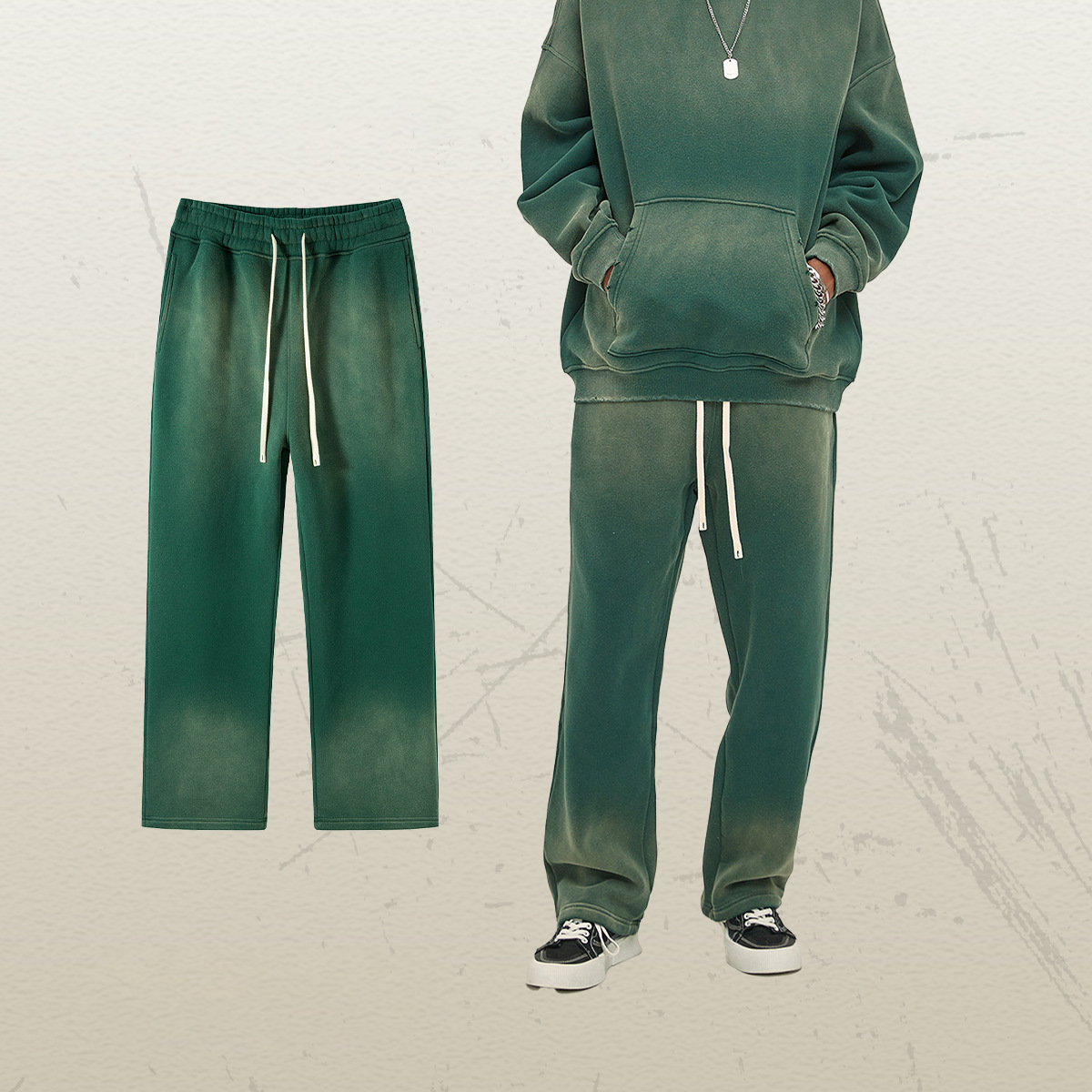
Heat-activated adhesive bonds at 150–165°C under a heat press for 15–20 seconds. Holds through 30–50 wash cycles on cotton and fleece; avoid applying to nylon or technical shell fabrics.
Sew-On Patches
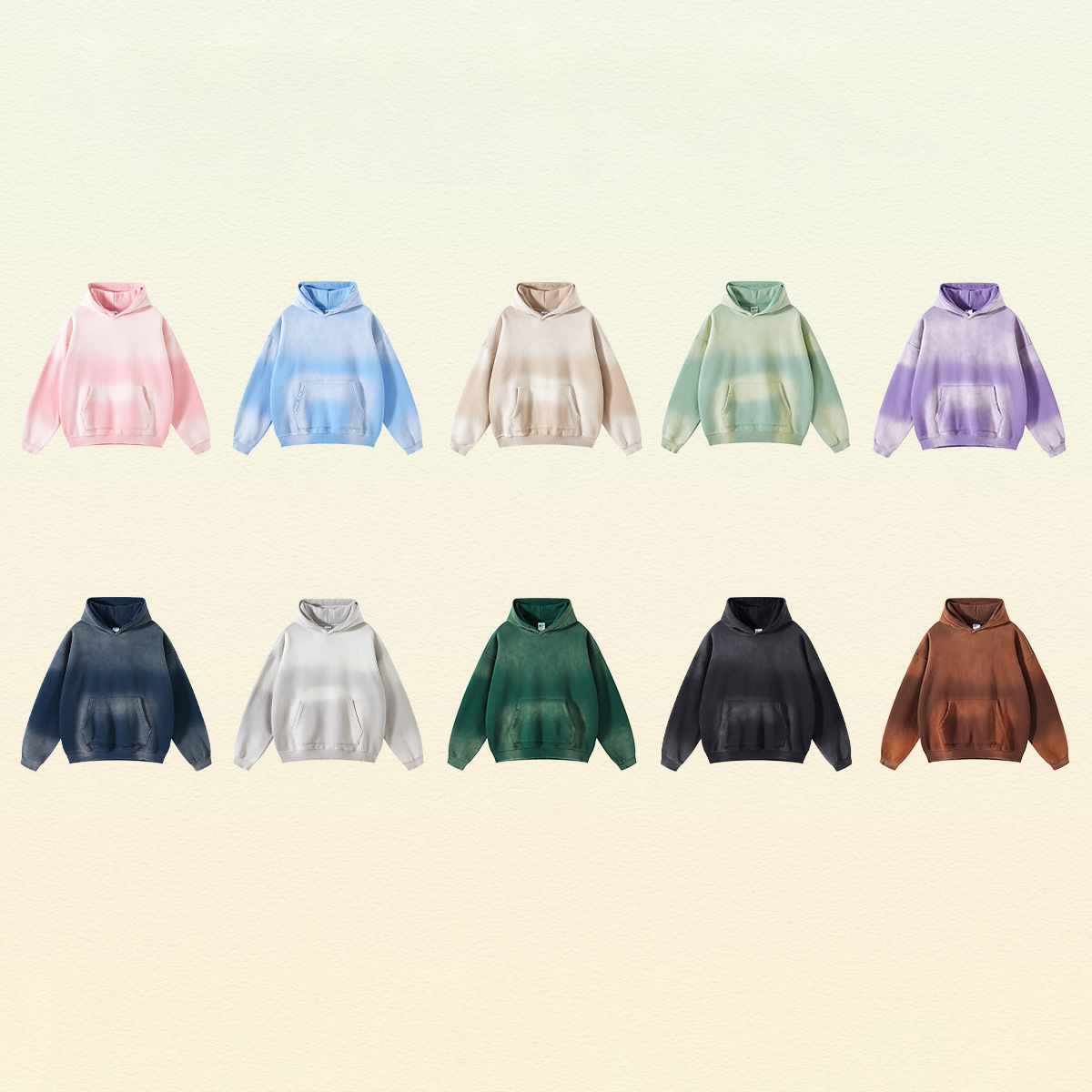
Stitched perimeter construction survives 100-plus wash cycles — the highest durability of any backing type. Works on heavyweight canvas, denim, leather, and outerwear; required for garments rated for industrial laundering.
Velcro and Hook-and-Loop Backing
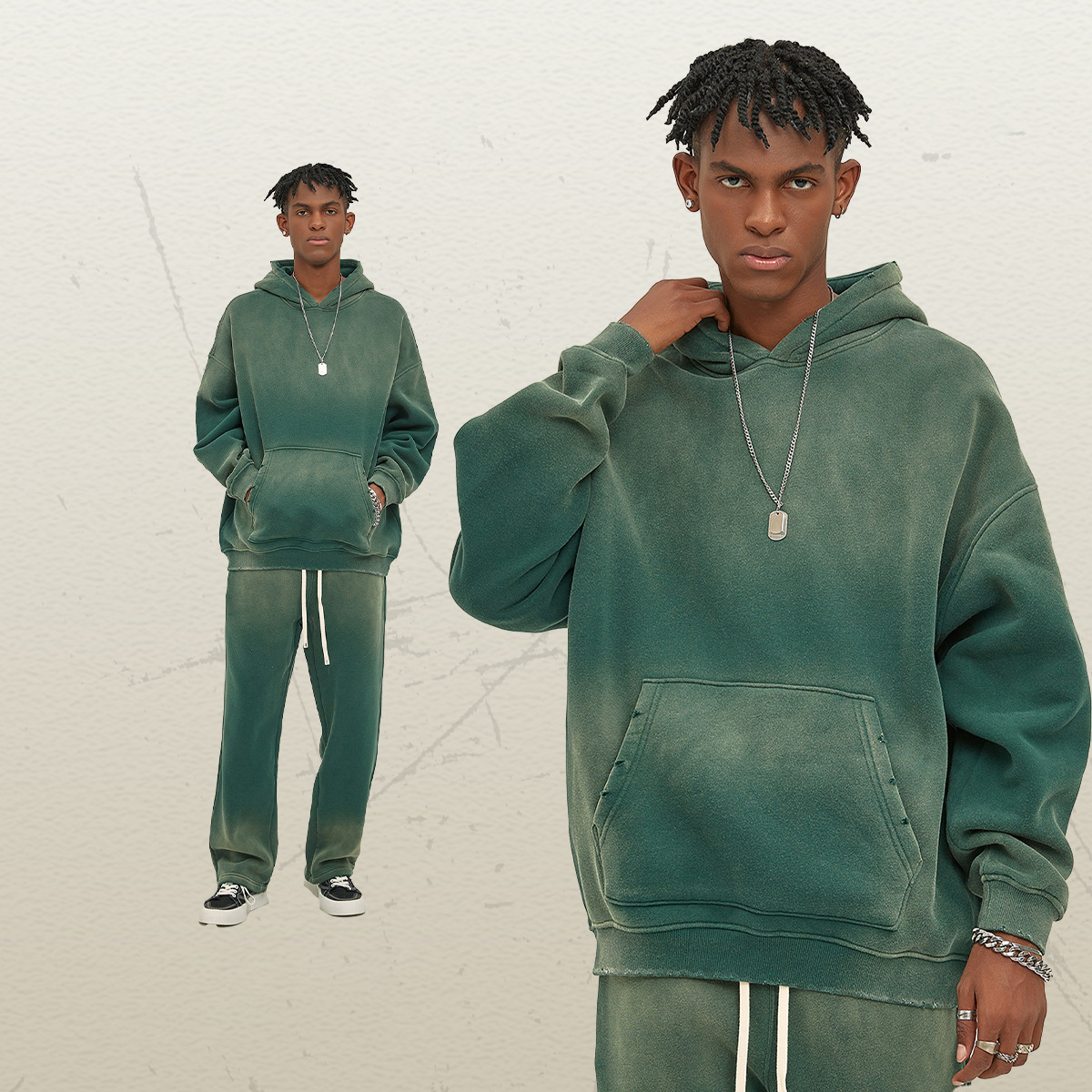
Hook-and-loop backing lets patches rotate between garments with no tools and no permanent commitment. Adds roughly $0.50–$1.00 per patch versus standard backing; ideal for tactical, military-inspired, or modular collections releasing rotating seasonal graphics.
Peel-and-Stick Adhesive
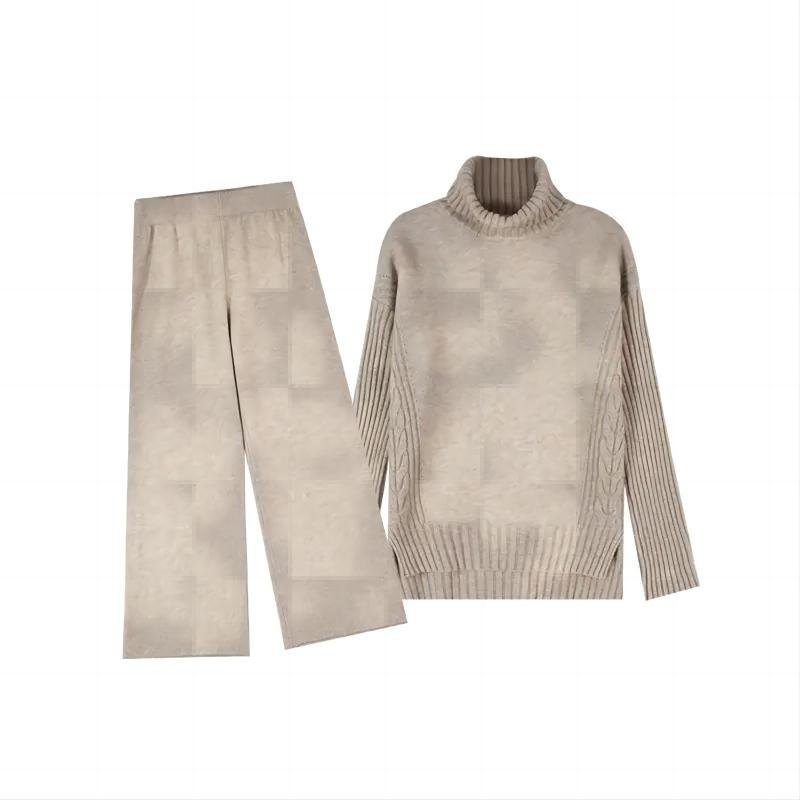
Pressure-sensitive adhesive requires no heat or sewing — application takes seconds. Durability caps at 5–10 wash cycles, making this backing best suited for promotional inserts, retail packaging, and temporary brand activations rather than permanent garment use.
PVC Hybrid Construction
A silicone or PVC border fuses to an embroidered face, producing a water-resistant, dimensionally rigid patch. Fine edge detail holds better than thread alone; best applied to outerwear, bags, and accessories where bold branding reads clearly at distance.
Chenille Patches for Varsity Drops
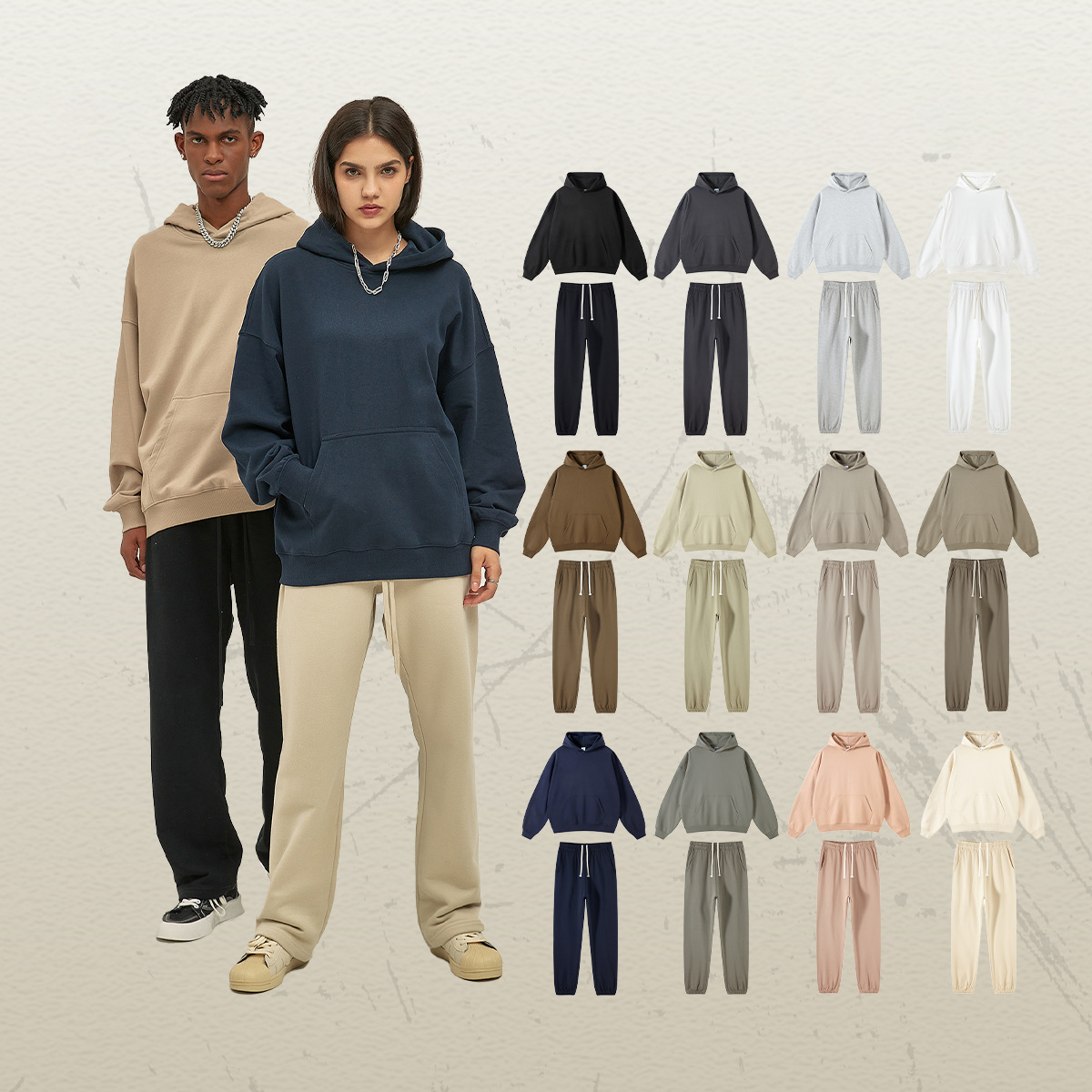
Cut-and-loop yarn construction creates a raised, tactile texture synonymous with varsity aesthetics. Designs require a minimum 3-inch span to hold detail; ideal for letterman-style drops, collegiate streetwear, and hero logo placements on chest or back yoke.
4. Materials and Fabrics for Custom Embroidered Patches
Material selection determines how custom embroidered patches survive 50+ wash cycles and read sharply at retail. Base fabric, thread fiber, and backing must align with the patch’s end use and application method.
| Base Fabric | Stitch Density | Recommended Use |
|---|---|---|
| Twill | High — 10,000–12,000 stitches/sq in | Jackets, caps, uniforms |
| Felt | Low–Medium — 3,000–6,000 stitches/sq in | Casual apparel, kids’ wear |
| Denim | Medium — 6,000–9,000 stitches/sq in | Workwear, streetwear drops |
| Canvas | Medium — 6,000–8,000 stitches/sq in | Tote bags, outerwear |
| Organza | Low — 2,000–4,000 stitches/sq in | Premium fashion, overlays |
Base Fabric Options
Twill — a 150–200 GSM woven ground — is the industry default, accepting stitch densities up to 12,000 stitches per square inch without puckering. Felt (100–140 GSM) suits low-density casual designs; organza (40–60 GSM) enables sheer, translucent fashion patches.
Denim and canvas both exceed 280 GSM, lending raw tactile weight to workwear-inspired drops and structured streetwear collections.
Thread Fiber Types
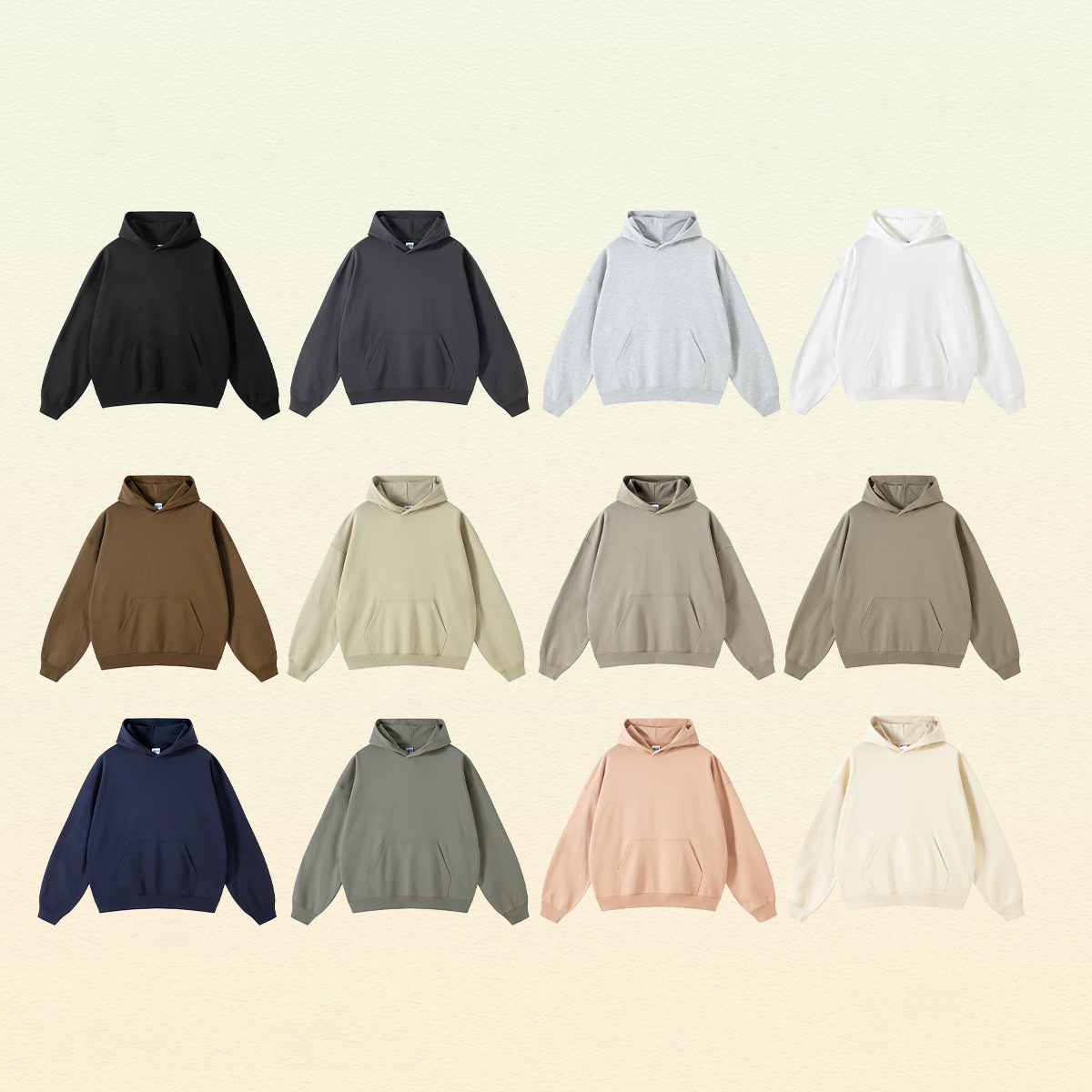
Rayon delivers high sheen at low cost and covers roughly 80% of standard production runs. Polyester matches that sheen but outperforms on wash durability — the preferred choice for athletic and streetwear patches.
Metallic thread (40-weight) adds reflective logo detail but raises stitch time 15–20%. Glow-in-dark thread remains a niche pick for limited festival and nightlife drops.
Backing Materials
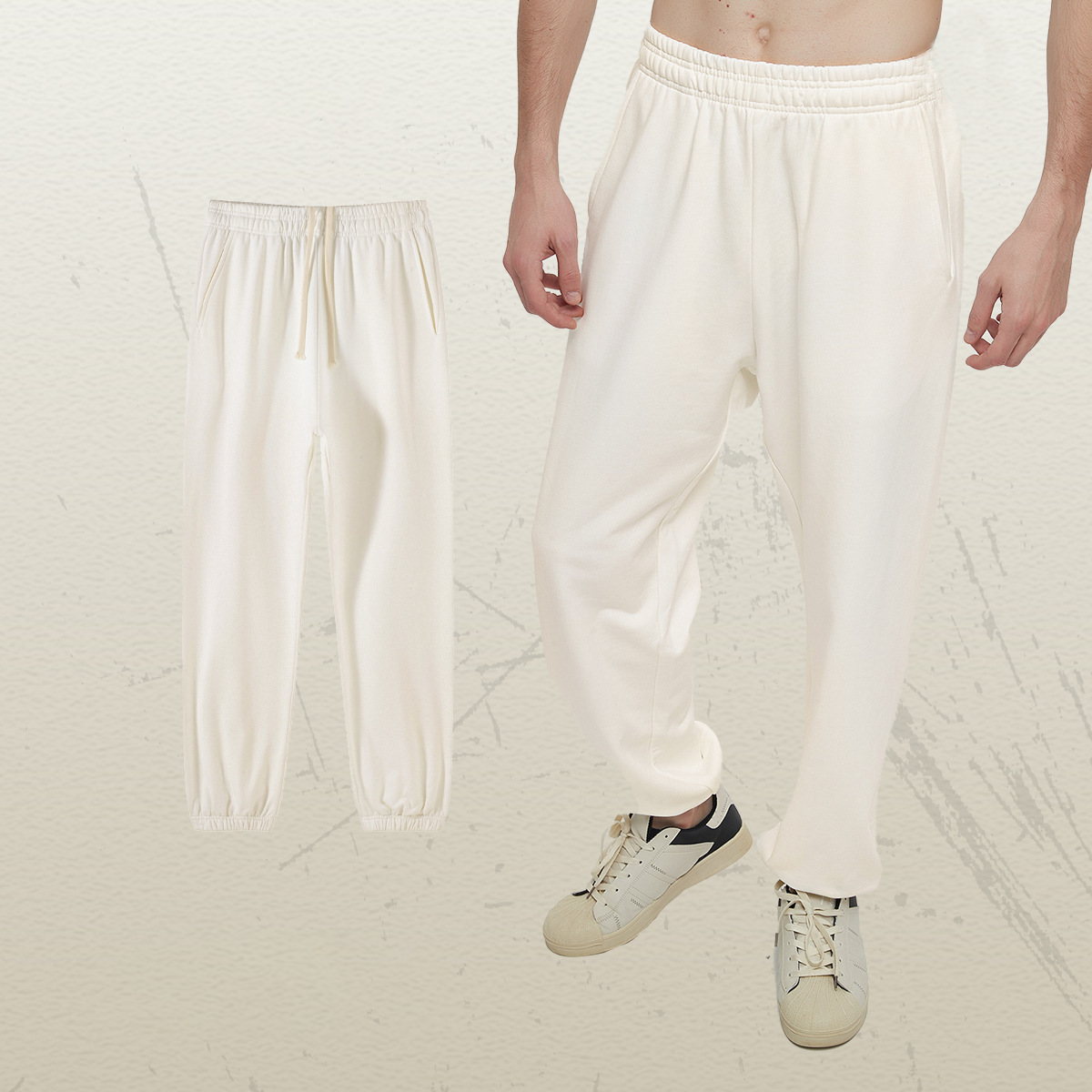
Heat-seal film is the most common backing — iron-on at 150°C bonds a patch in under 15 seconds. Pressure-sensitive adhesive suits temporary or rigid-surface placement.
Woven label backing integrates the patch directly into a garment seam for a clean, permanent finish — preferred when the patch doubles as an internal brand label.
5. Customization and Decoration Options for Embroidered Patches
Specifying custom embroidered patches correctly before sampling eliminates costly revisions. Every variable — fill percentage, border style, thread type, and media mix — directly drives unit cost, minimum order quantity, and lead time.
| Border Style | Tooling Cost | Added Lead Time | Best For |
|---|---|---|---|
| Merrow | $0 | None | Standard shapes |
| Laser-cut | $30–$60 | 2–3 days | Medium complexity |
| Die-cut | $50–$80 | 3–5 days | Intricate silhouettes |
Stitch Density and Fill Percentage
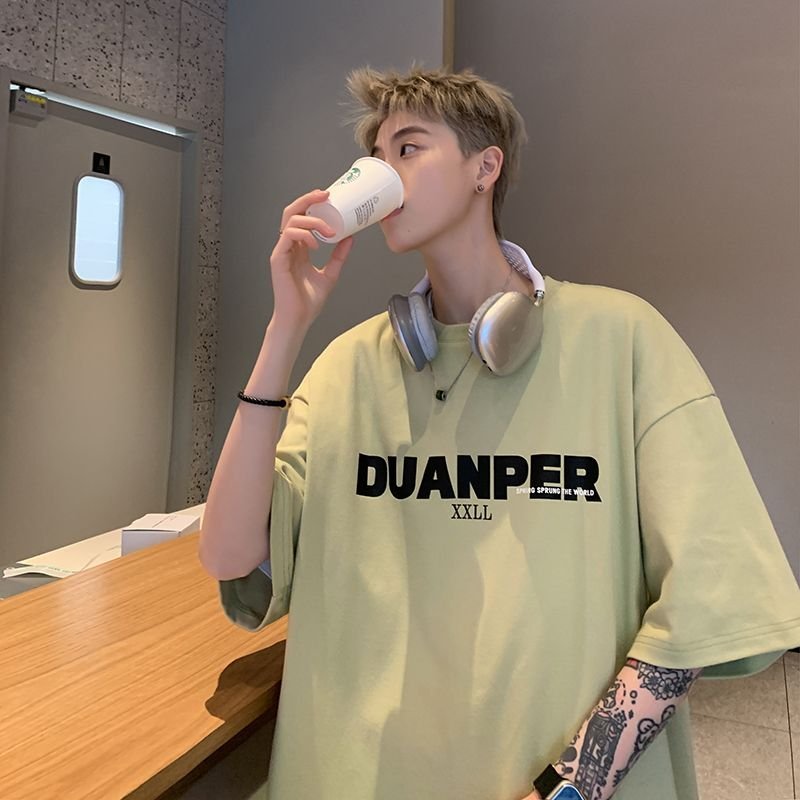
Fill percentage runs from 50% (open, lightweight) to 100% (dense, premium feel). A 75mm patch at 100% fill averages 8,000–12,000 stitches, adding roughly 15–25% to unit cost versus 70% fill.
Higher fill extends machine time and thread consumption, pushing lead times 2–3 extra days per 1,000-unit batch.
Border Styles: Merrow, Laser-Cut, Die-Cut
Merrow borders are the industry standard — no tooling fees, fastest production. Laser-cut and die-cut edges create custom silhouettes but add tooling cost and days.
Choose die-cut for intricate brand marks; merrow for clean, quick-turn rectangular or oval patches.
Color Count and Metallic Thread Accents
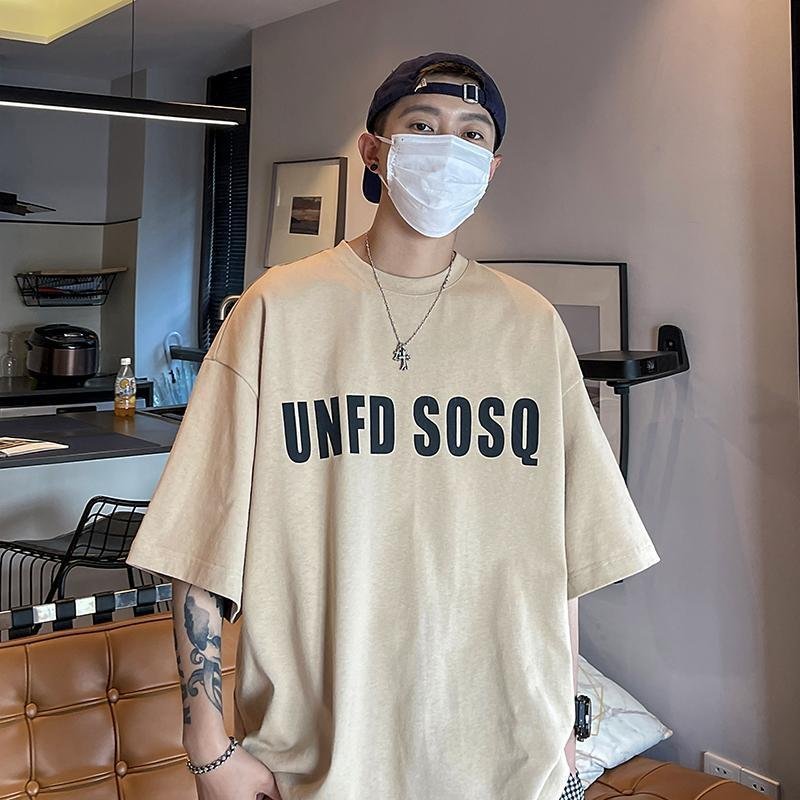
Standard production supports up to 15 Pantone-matched thread colors; exceeding 12 colors triggers a 10–15% unit price premium. Metallic threads — gold, silver, copper — reduce machine speed by 20–30%, increasing per-patch cost.
Always specify thread colors by Pantone code to lock accuracy across repeat production runs.
3D Puff, Mixed-Media, and Artwork Conversion
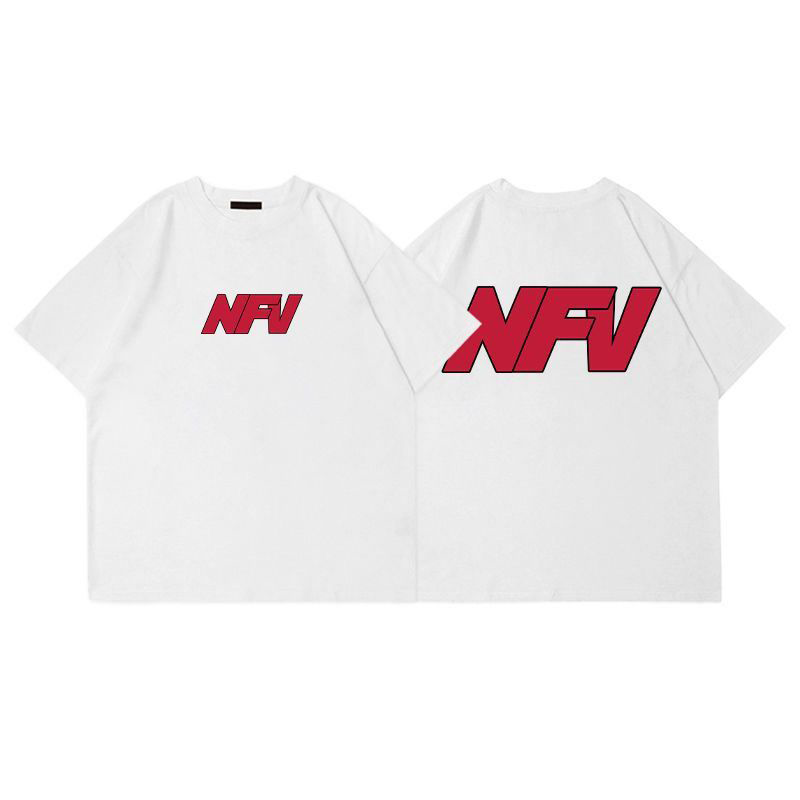
3D puff embroidery inserts foam underlay beneath stitching, raising design elements 4–8mm; expect $0.20–$0.50 added per patch and a 100-unit minimum per colorway. Mixed-media patches — embroidered face plus woven label panel — carry a 20–40% cost premium.
To convert brand artwork: supply vector files (AI or EPS) at 300 dpi minimum; digitizers translate line weights and color regions into stitch paths within 24–48 hours.
6. Key Quality Elements to Inspect Before Ordering
Pre-production samples are the cheapest place to catch quality failures. A structured inspection of custom embroidered patches at sampling and bulk stages prevents costly rework and chargebacks downstream.
Stitch Tension and Pull-Test Standards
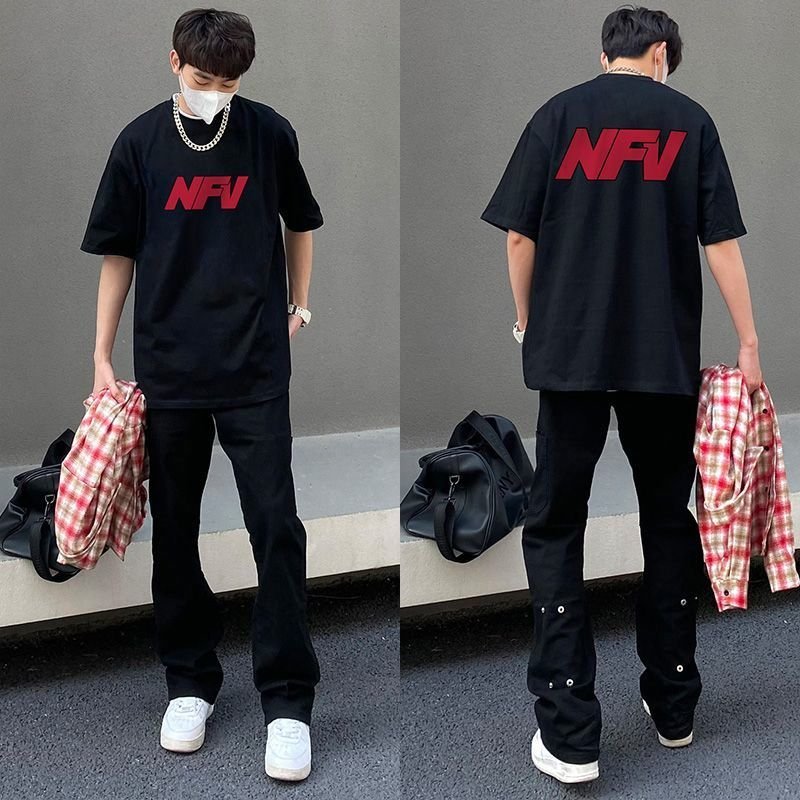
Request a 10 N pull-test — threads must not snap or unravel under load. Inconsistent lockstitch tension causes visible puckering and is the top cause of bulk-lot rejections.
Color Fastness and Thread Matching
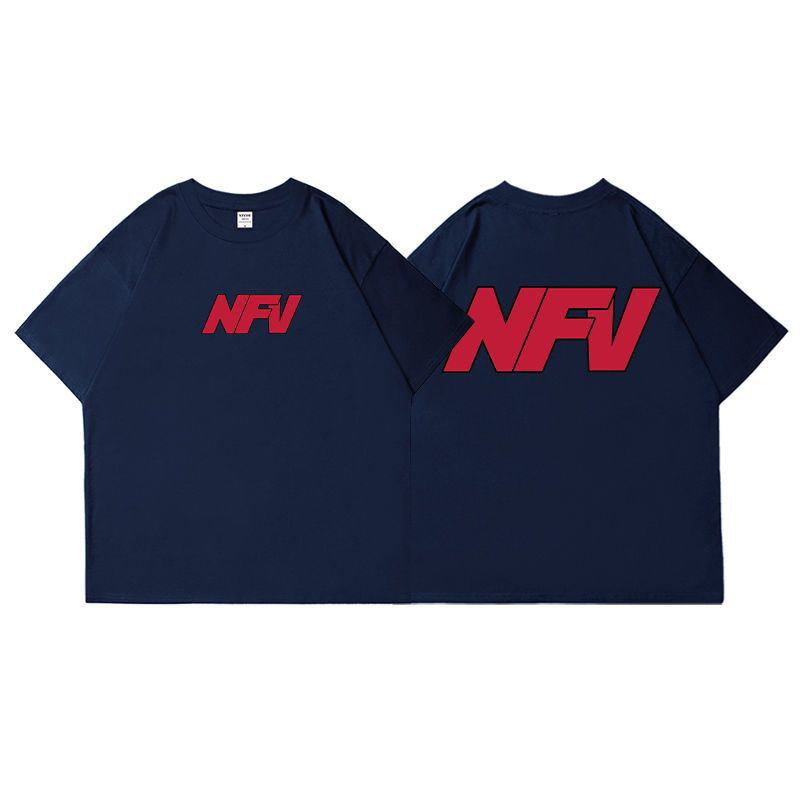
Specify thread colors using a Madeira or Isacord chart, cross-referenced to Pantone in your tech pack. Request ISO 105-C06 wash-fastness results — grade 4 or above is the accepted production standard before bulk sign-off.
Edge Finish and Backing Adhesion
A merrow or satin-stitch border must show no fraying under a 5-second finger-pull, with perimeter width consistent to ±0.5 mm.
Iron-on heat-seal backings must survive a 150°C, 15-second press and a 24-hour peel-test without lifting more than 2 mm.
Dimensional Accuracy and Supplier Questions
Finished patches must fall within ±1 mm of approved artwork dimensions across height, width, and internal cutouts. Confirm your supplier inspects at every production stage — not only at the finished-goods step. Before approving bulk, require written answers to these questions:
- What stitch density does your digitizing standard target per square centimeter?
- Can you provide Madeira or Isacord thread run cards matched to our Pantone specs?
- What is your per-lot QC rejection rate, and how are defects reworked?
- Is iron-on backing adhesion tested per production lot or per style sign-off only?
7. How to Choose the Right Custom Embroidered Patches Manufacturer
Vetting a supplier for custom embroidered patches requires more than reviewing an online portfolio. A reliable manufacturer exposes its production infrastructure, quality methodology, and sample policy upfront — risky ones deflect on all three.
Audit Checklist Before Committing to a Supplier
Confirm the factory runs in-house digitizing — outsourced digitizing adds 2–5 days and introduces quality gaps. Request OEKO-TEX or BSCI certification documents and verify machine count: a credible patch supplier runs at least 20 embroidery heads to sustain concurrent order volumes.
- In-house digitizing: artwork converted on-site, not subcontracted to a third party
- OEKO-TEX or BSCI certification documents available on request
- 20+ embroidery heads minimum signals real production capacity
- Physical pre-production sample policy: delivery within 7–10 business days
Red Flags That Signal a Risky Supplier
Reject any supplier who offers only digital mockups and cannot deliver a physical pre-production sample within 7–10 days. Vague MOQ ranges and shifting lead-time answers indicate a vendor without stable production control.
- Only digital mockups offered — no physical sample policy
- MOQ listed as a range rather than a fixed unit count
- Lead times change between inquiry and quote stage
- QC described only at end-of-line, not embedded during production
Differentiators Worth Paying For
Low MOQ programs — ideally 10–50 pieces per design — allow startups to test colorways without a large production commitment. Private-label packaging and 7-day fast-turnaround lanes separate growth-focused manufacturers from commodity patch houses.
Clothing Manufacturer Ltd.’s five-step QC methodology embeds checks from materials intake through finished goods inspection, catching defects at each stage rather than only at the end.
8. Common Mistakes Buyers Make with Custom Embroidered Patches
Even experienced buyers lose money on custom embroidered patches by overlooking a handful of technical details before placing an order. Each mistake below maps to a concrete scenario and delivers an actionable fix.
Submitting Low-Res or Gradient Artwork
A 72-DPI PNG with gradient fills forces the digitizer to approximate stitch edges, producing blurry patch outlines. Gradients cannot reproduce in thread — each tone requires a discrete solid fill.
Fix: deliver a vector file at 300 DPI minimum with all gradients replaced by flat Pantone-coded solid blocks before sending artwork.
Underestimating Small-Text Stitch-Area Limits
Text under 4 mm tall collapses into an unreadable stitch mass because thread diameter cannot resolve fine letterforms at that scale.
Fix: hold all text at 6 mm minimum height and use a bold sans-serif typeface — script fonts require at least 8 mm to stay legible.
Skipping Pre-Production Samples to Save Time
Bypassing the sample stage to gain 1–2 weeks often forces a full production re-run costing 3–5× the original sample fee when stitch density or color placement is wrong on arrival.
Fix: approve a physical pre-production sample before authorizing mass output, especially for orders above 500 units.
Ignoring Thread Color Matching
Specifying a color as an RGB hex code is meaningless to an embroidery supplier — screens and thread fiber react to light differently, so on-screen color never matches the sewn result.
Fix: reference every color by Madeira or Isacord thread chart number; Pantone bridge codes provide a reliable cross-reference when submitting the brief.
Ordering Too Many Complex Thread Colors
Each thread color beyond six adds a machine stop-and-rethread cycle, raising unit cost roughly 8–15% per extra color. A 10-color design can approach double the price of a comparable 5-color patch.
Fix: cap the palette at 6 colors or fewer and use a single border thread to visually separate tones rather than adding a dedicated outline color.
9. Steps to Launch Your Brand Using Embroidered Patches
Launching a brand around custom embroidered patches follows a repeatable six-step sequence. Mapping each stage to a realistic timeline lets founders align production with drop dates and avoid costly last-minute rush fees.
Finalize Artwork and Select Patch Type
Lock vector artwork at 300 DPI minimum and select patch type — woven, iron-on, or Velcro-back — before any vendor conversation. Pantone color codes eliminate thread-matching guesswork. Budget 1–2 business days for this step.
Request Digitizing and Review Proof
Digitizing converts artwork into machine stitch files; manufacturers typically deliver a digital proof within 2–3 business days. Review stitch density, border finish, and thread color mapping against your Pantone specs before approving.
Approve the Physical Sample
A sewn sample arrives within 7–12 days of digitizing approval. Inspect edge definition, backing adhesion, and colorfastness under 40°C wash conditions. Reject any sample with color drift or edge gaps — rework costs less than a production recall.
Confirm Production, Application, and Packaging
After sample sign-off, confirm MOQ, lead time (typically 15–20 production days), and application method — factory heat-press versus in-house iron-on. Brief your packaging vendor concurrently; poly bags with hang tags add 3–5 days to fulfillment prep.
10. Pricing, MOQ, and Lead Times for Custom Embroidered Patches
Digitizing fees — the one-time charge to convert artwork into a machine-readable stitch file — typically run $10–$25 and are often waived at the 500-unit tier and above. All figures below assume a 3-inch patch at 8,000–10,000 stitches, iron-on backing, and up to 7 Pantone-matched thread colors; deviating from any of those parameters will shift your quote.
- Stitch count: every 1,000 stitches above 10,000 adds roughly $0.05–$0.10 per unit.
- Backing type: iron-on and sew-on are baseline; Velcro hook-and-loop adds $0.10–$0.20 per unit.
- Color count: exceeding 12 thread colors triggers a per-color surcharge on most production runs.
- Border style: standard merrow (overlocked) edge is included; laser-cut or die-cut borders add $0.05–$0.15 per unit.
| Quantity Tier | Unit Price (USD) | Setup / Digitizing Fee | Standard Lead Time | Rush Lead Time |
|---|---|---|---|---|
| 50 units | $2.50–$4.00 | $15–$25 | 12–15 days | 7–8 days |
| 100 units | $1.80–$2.80 | $15–$25 | 12–15 days | 6–7 days |
| 250 units | $1.20–$1.80 | $10–$20 | 10–14 days | 5–7 days |
| 500 units | $0.80–$1.20 | $10–$20 | 10–12 days | 5–6 days |
| 1,000+ units | $0.45–$0.80 | Waived or $0–$10 | 8–12 days | 4–5 days |
Ready to Order Custom Embroidered Patches for Your Brand?
Submit your design today and get a free quote — backed by our 5-step QC guarantee and trusted by brands in 100+ countries.