
Custom Applique Embroidery That Elevates Every Streetwear Drop
Our applique embroidery layers precision-cut fabric pieces for bold, dimensional effects — backed by a 5-step QC guarantee and low MOQ for every brand.
Applique Embroidery Sample Gallery — Finished Pieces
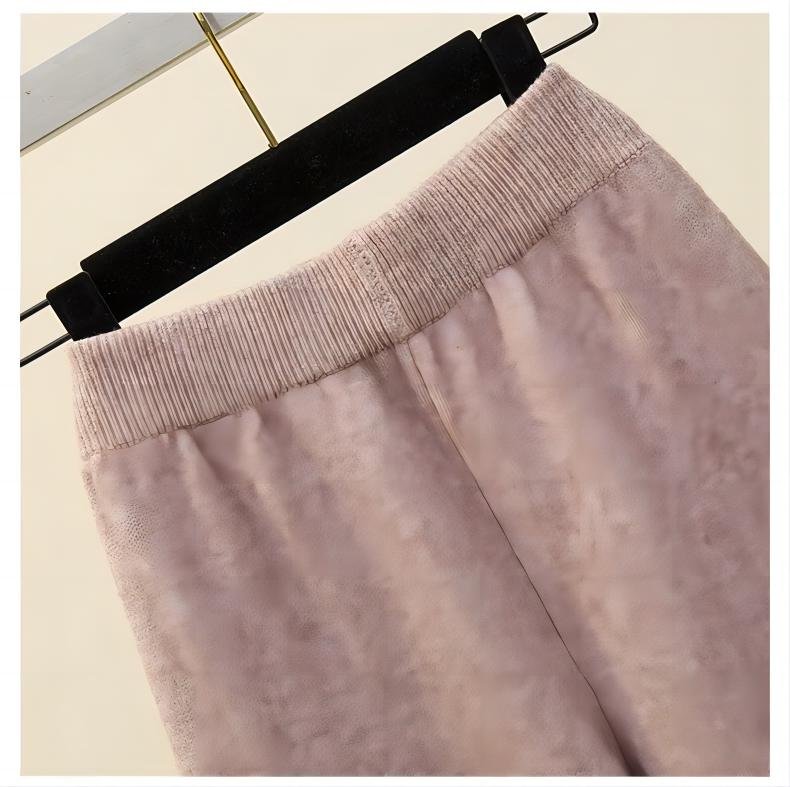
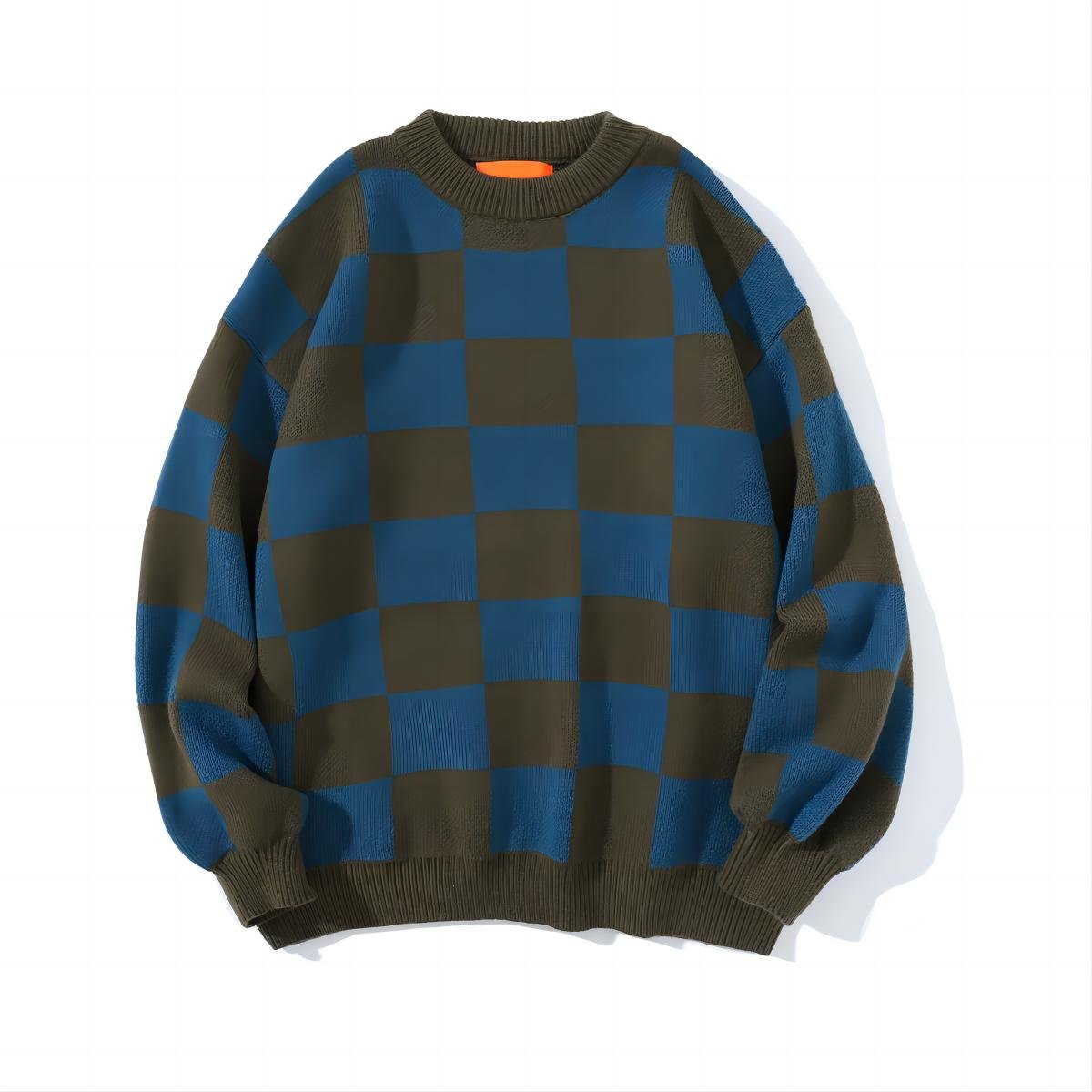
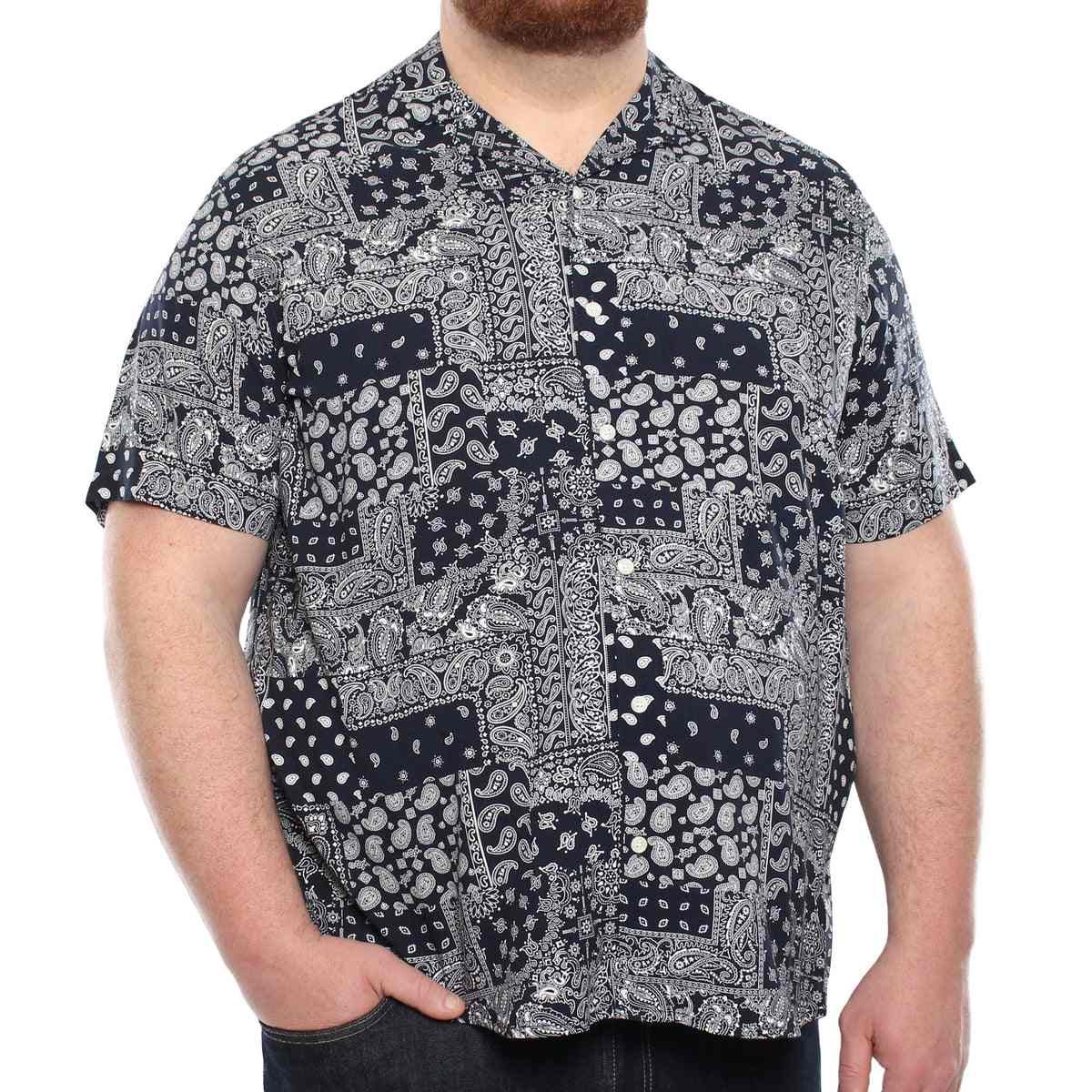
Signature Features of Applique Embroidery
Six defining qualities that make applique embroidery the premium choice for streetwear brands demanding texture, durability, and bold visual impact.
Bold Raised 3D Texture
Applique embroidery builds real dimensional depth onto fabric, giving logos and graphics a premium tactile presence no flat print can match.
Wash-Cycle Durability
Layered fabric construction and locked stitch borders hold shape and color through hundreds of washes, keeping every piece retail-ready long-term.
Vibrant, Unlimited Color Range
Pair virtually any base fabric with thread colors to achieve exact brand color matching across large and small production runs.
Flexible Design Complexity
From oversized chest patches to intricate multi-layer graphics, applique embroidery scales to complex shapes with clean, consistent results every time.
Precision Satin Stitch Edges
Tight satin-stitch borders seal every applique edge, eliminating fraying and ensuring a sharp, professional finish across the full production run.
5-Step QC at Every Stage
Our proprietary five-step quality control process checks materials, cutting, craft, sewing, and finished output — zero defects reach your customers.
Applique Embroidery & Our Full Embroidery Capabilities
From flat and 3D puff to chenille and multi-technique builds, explore the complete embroidery services that complement your applique embroidery project — all under one production roof.
Flat Embroidery for Logo Precision
Your brand needs clean, high-volume logo embroidery on polos, caps, and uniforms, but dimensional techniques add unnecessary cost and bulk where sharp, flat stitching delivers the smarter result.
Precise flat embroidery with tight stitch registration and consistent thread density, built for retail basics, branded uniforms, and any design where clarity and production cost-efficiency matter most.
3D Puff Embroidery for Streetwear
Standard flat stitching leaves streetwear caps and hoodies looking flat and generic — your brand needs the sculptural, raised dimension that only 3D puff embroidery delivers on premium headwear.
Bold 3D puff embroidery transforms logos into raised, tactile statements on snapbacks, hoodies, and jackets — produced under the same rigorous 5-step QC that governs every applique embroidery order.
Chenille Embroidery for Varsity Looks
Launching a retro or varsity-inspired collection? Standard stitching cannot replicate chenille's signature plush, velvety texture — the defining quality of authentic collegiate lettering and bold patch designs.
Soft, raised chenille embroidery with a luxurious loop finish, ideal for bomber jackets, varsity-style drops, and seasonal collections — available at low MOQ so emerging brands can launch confidently.
Multi-Technique Applique Embroidery Projects
A single embroidery technique rarely delivers the visual complexity your streetwear line demands — combining applique embroidery with puff, flat, or chenille detail creates layered designs that truly stand apart.
Our in-house design and sampling team engineers multi-technique garments — merging applique embroidery with complementary methods under one roof, with fast turnaround and 5-step QC on every production run.
Custom Embroidered Patches and Badges
Sourcing custom embroidered patches from a separate supplier creates timeline delays, mismatched quality, and logistics complexity that slows every seasonal launch and steadily erodes your brand's quality consistency.
We produce custom embroidered patches and iron-on badges in-house alongside your main garment run, with coordinated QC and global shipping — everything delivered together for a seamless product launch.
Our Applique Embroidery Expertise: 10+ Years, 100+ Countries
Clothing Manufacturer Ltd. was founded in 2024 by Tesla Luo, a garment industry veteran with more than 10 years of production experience, including 6 years specializing in streetwear. Raised inside Dongguan’s manufacturing ecosystem and hands-on trained across every production role, Luo built this company on one conviction: that rigorous quality control, not corner-cutting, defines what Chinese craftsmanship truly stands for.
Our applique embroidery production is underpinned by a proprietary five-step QC methodology covering materials, cutting, craft, sewing, and finished-garment inspection at every stage of the workflow. Backed by a 15-member R&D team, 10 production patents, and the manufacturing infrastructure of parent company Dongguan TuoZhen Clothing Co., Ltd., we deliver consistent, competition-grade precision on every single order.
From streetwear startups placing their first low-MOQ run to established global retailers scaling seasonal collections, we serve brands across more than 100 countries and regions. Our in-house design and sampling team, fast seasonal turnaround, and end-to-end global shipping support ensure that premium applique embroidery remains within reach for emerging labels, independent designers, and influencer brands alike.
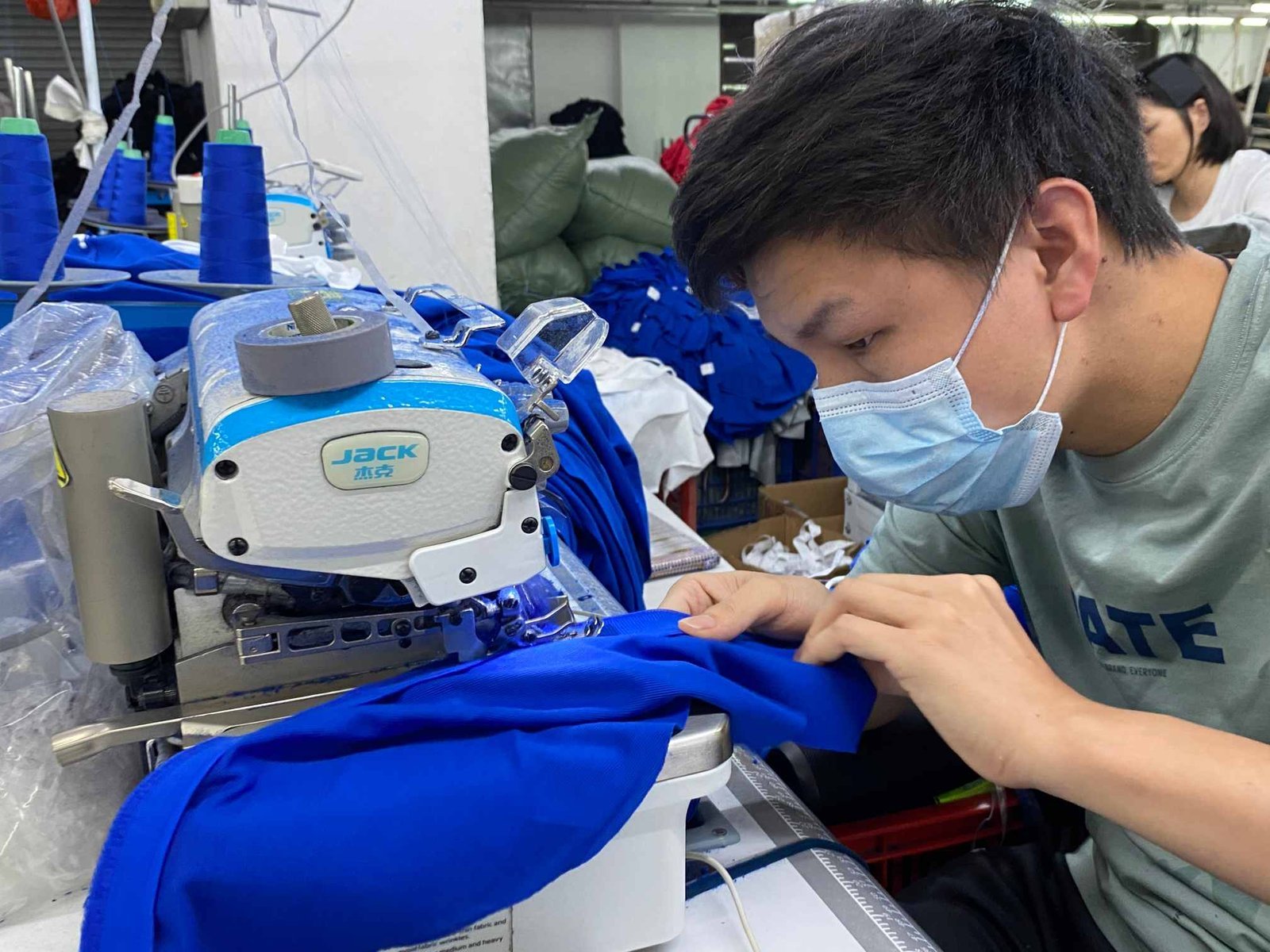
The Production Excellence Behind Applique Embroidery
Fabric Selection Built for Applique Embroidery
Every applique embroidery order begins with rigorous fabric evaluation. We source base fabrics and applique materials matched to your design’s weight, texture, and colorway—ensuring the final piece holds its shape, resists fraying, and photographs well for streetwear content.
- Pre-production materials QC tests for weight, shrinkage, and colorfastness
- Applique fabric matched to base garment for compatibility and long-term durability
- Grain-aligned cutting prep to prevent distortion during the embroidery process
- Interlining and stabilizer selection customized per design complexity and garment type
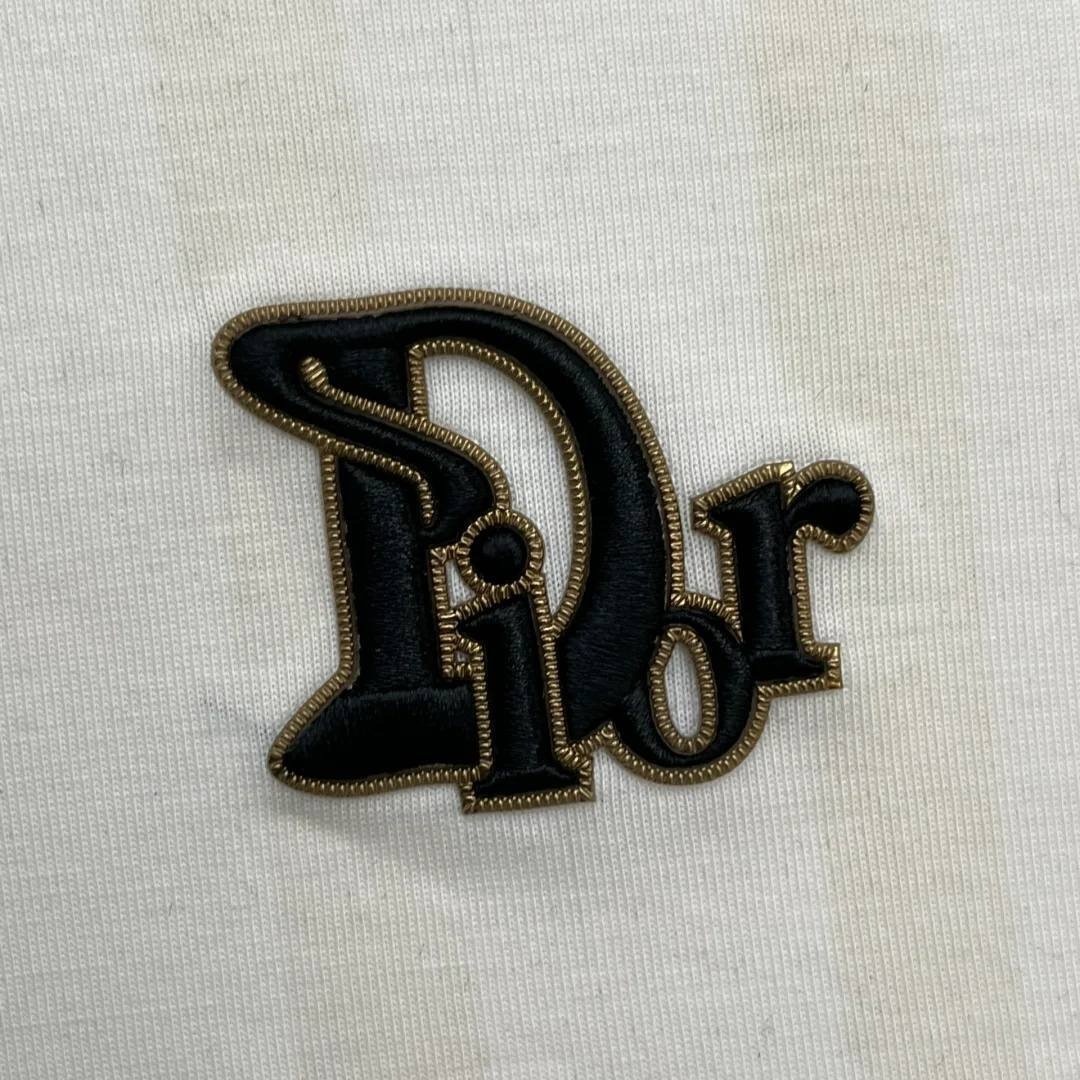
Precision Cutting Ensures Clean Applique Edges
Clean applique edges define the quality gap between premium and substandard embroidery. Our cutting team uses calibrated templates and laser-guided patterns to deliver edge tolerances under 1mm, preventing fraying before the stitch line even begins.
- Laser-guided cutting for consistent shape fidelity across full bulk runs
- Sub-1mm edge tolerances maintained on every pattern piece
- Cutting QC inspection flags misalignment before production advances to sewing
- Die-cut and manual methods selected based on fabric type and design geometry
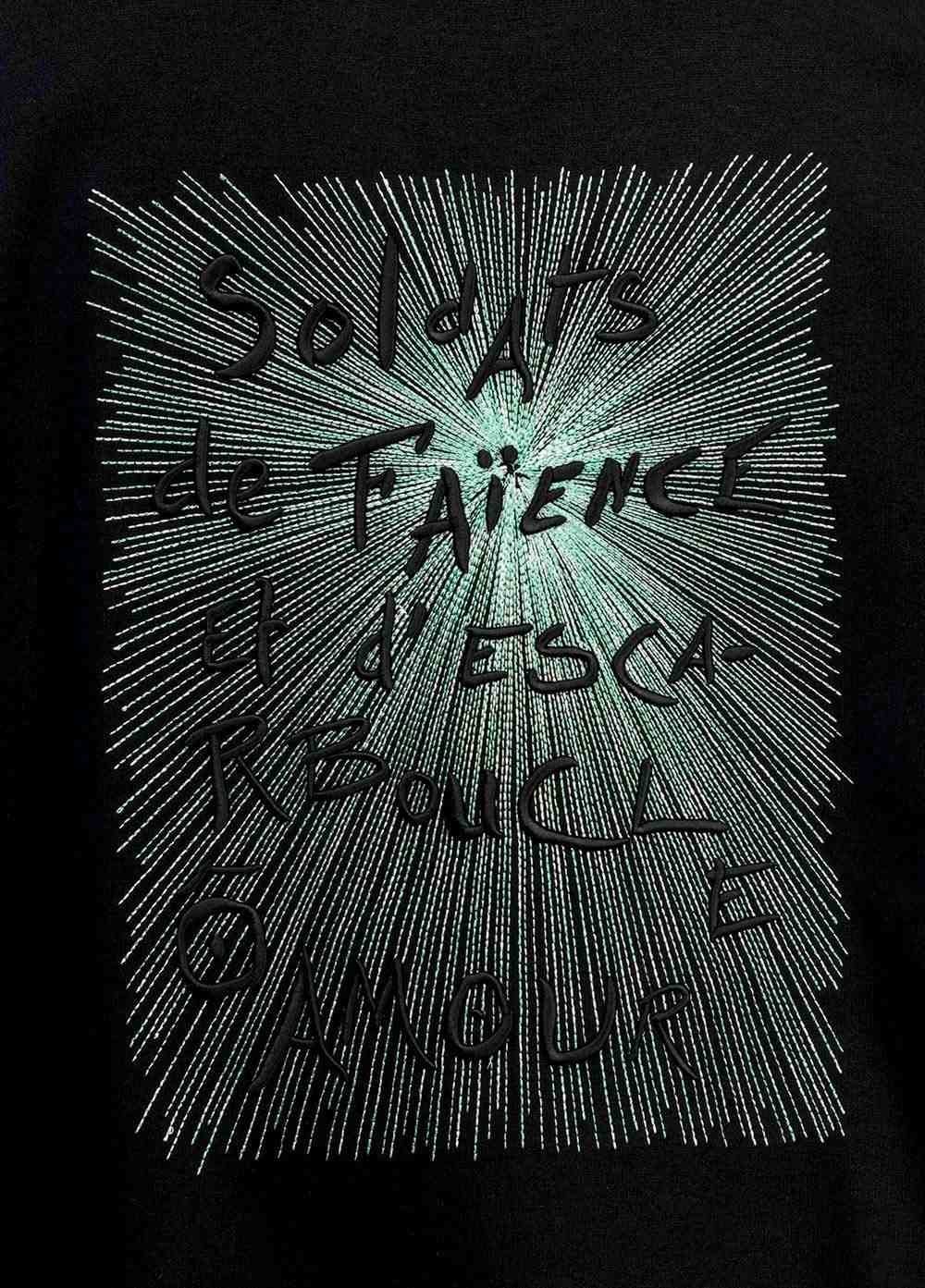
Stitch Density and Color Matching Protocols
Stitch density directly determines how long an applique embroidery piece survives washing, stretching, and daily wear. We program each design’s density map and run Pantone-matched thread verification to deliver color accuracy and structural integrity across every production run.
- Design-specific stitch density maps calibrated and approved before bulk production begins
- Pantone thread color matching verified against approved pre-production strike-off samples
- Underlay and lock stitches programmed to prevent edge lift and thread unraveling
- Pull-test and wash-test sampling conducted as part of sewing production QC
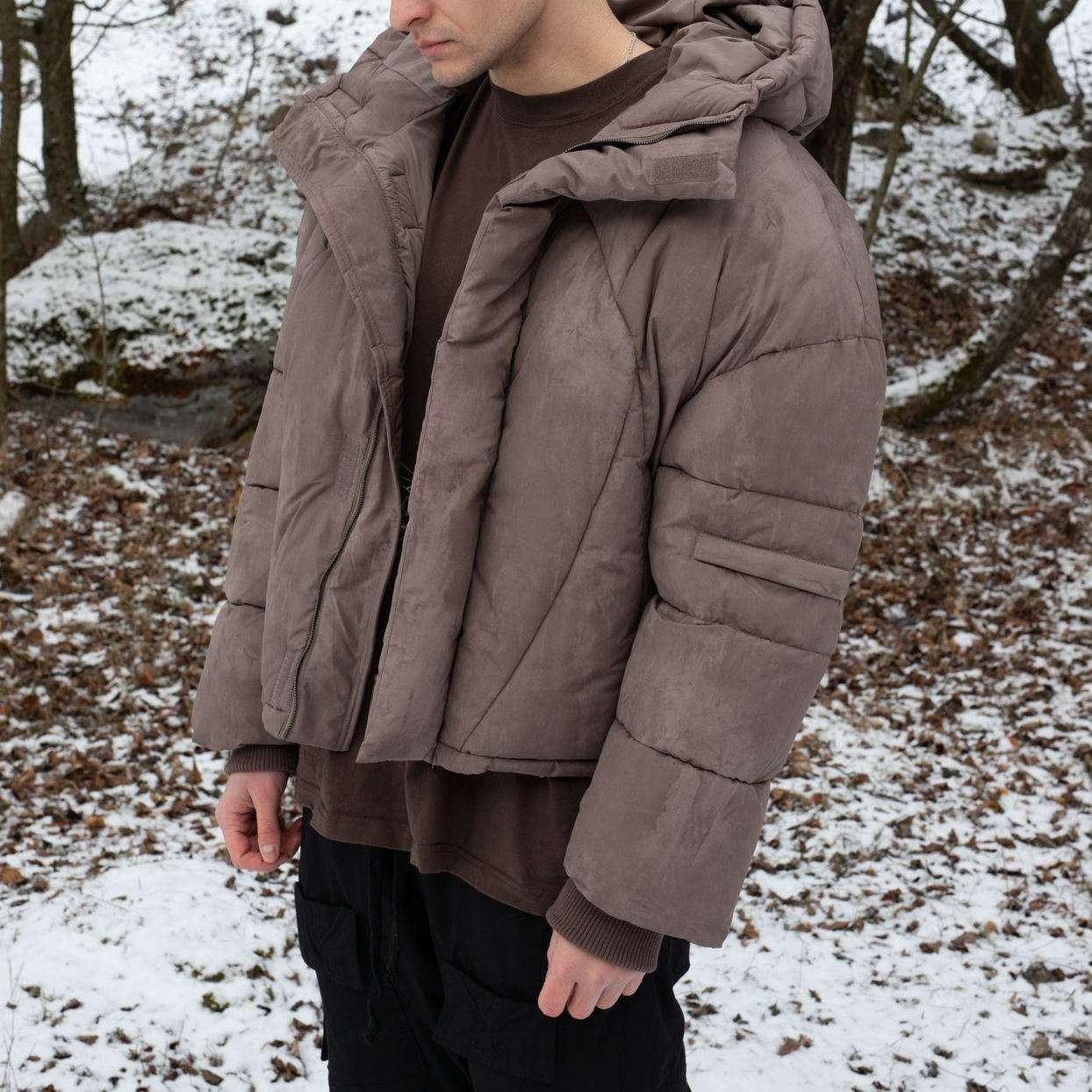
5-Step QC Embedded in Every Applique Order
Our proprietary five-step QC methodology runs parallel to production, not after it. Each applique embroidery order passes materials, cutting, craft, sewing, and finished-goods inspections, so defects are caught at the source before they ever reach your customers.
- Materials QC: fabric, thread, and stabilizer verified before a single cut is made
- Craft QC: stitch map, edge alignment, and interlining placement validated mid-process
- Sewing production QC: density, tension, and lock-stitch integrity checked during the live run
- Finished goods inspection: visual, dimensional, and wash-durability review completed before shipment
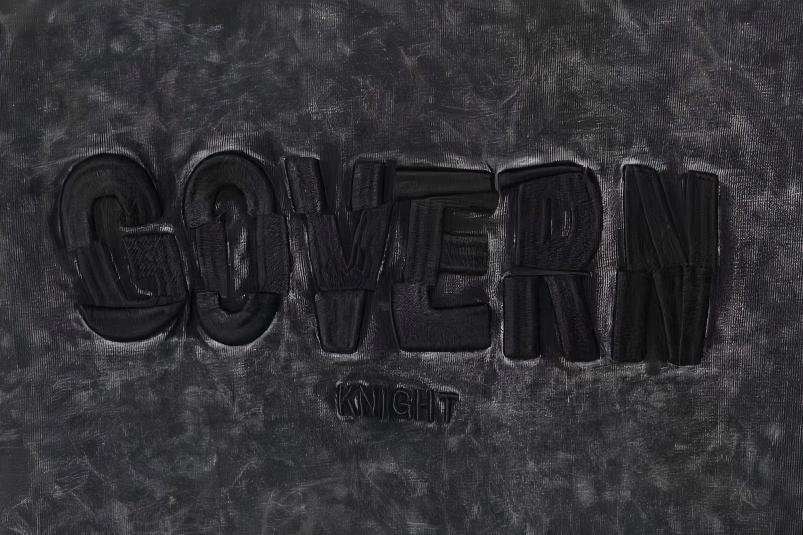
Applique Embroidery vs. Flat Embroidery: Choose the Right Finish
Both techniques share the same garment — here is how they differ across every dimension that drives your buying decision, from color capacity and design scale to durability, cost, and combination potential.
← 左右滑动查看 →
From Design to Delivery: Our Applique Embroidery Production Workflow
Six precision phases, five embedded QC gates, and zero shortcuts — here is exactly how your order moves from approved artwork to finished garment.
Design Review & Art Approval
Your artwork is digitized by our in-house team; fabric swatches, colorways, and exact placement coordinates are confirmed in writing before a single cut is made.
Materials Sourcing — QC Gate 1
Premium base fabrics and applique materials enter our first QC checkpoint, tested for colorfastness, weight tolerance, and texture consistency against your approved specifications.
Precision Cutting — QC Gate 2
Applique panels are cut to exact shape using precision templates, then inspected at our cutting QC gate to verify dimensions, grain alignment, and edge cleanliness.
Applique Stitching & Craft QC — Gate 3
Each panel is positioned using alignment jigs and locked with high-density stitch. Craft QC inspectors verify thread tension, coverage uniformity, and placement accuracy on every unit.
Edge Finishing — Sewing QC Gate 4
Satin, tackle-twill, or zigzag edge finishing is applied and checked at QC Gate 4 for adhesion strength, seam integrity, and the clean 3D profile applique embroidery demands.
Final Inspection & Global Shipping — Gate 5
Every finished garment clears our five-step QC final inspection before folding, tagging, and dispatch via your preferred global logistics channel, complete with full shipment tracking.
How to Order Custom Applique Embroidery
From artwork submission to doorstep delivery — a clear, five-stage process backed by our zero-compromise 5-step QC guarantee.
Submit Your Artwork and Brief
Upload vector files (AI, EPS, or PDF) with Pantone color specs, applique placement diagrams, and garment details. Our in-house design team reviews and flags issues within 24 hours.
Confirm Sampling and Specifications
We produce a pre-production applique embroidery sample matching your exact fabrics, thread colors, and stitch density. Approve or request revisions before bulk production begins.
Lock MOQ and Production Timeline
Low MOQ structures support emerging brands from their first drop. Confirm quantities, garment styles, and your required delivery window — fast turnarounds available for seasonal streetwear collections.
Manufacture Under 5-Step QC
Production runs through our five-stage QC protocol: materials, cutting, craft, sewing, and finished-goods inspection. Every applique piece is checked for specification compliance at each stage, not just at the end.
Pack, Ship, and Track Globally
Finished orders are carefully packed and dispatched via your preferred logistics channel. We handle customs documentation and provide full tracking — delivering to brands across more than 100 countries.
Applique Embroidery Success Stories: Real Brands, Real Results
We ordered 300 hoodies with custom applique embroidery for our fall drop. After 30+ wash cycles the patches held perfectly — zero fraying, colors just as vivid as day one. Their 5-step QC caught a stitching issue early and saved the entire run.
As a startup launching our first 150-piece streetwear line, the low MOQ made it possible. Every rose and skeleton motif in the applique embroidery landed exactly as designed. We hit shelves in 18 days — two days ahead of our pop-up deadline.
We scaled from 500 to 2,000 units across two seasonal drops in under six months. The applique embroidery on our varsity jackets is consistently sharp — our audience noticed, and we grew from 12,000 to 94,000 followers by the second collection launch.
Applique Embroidery FAQs
Everything you need to know before placing your custom applique embroidery order — from fabric compatibility and design limits to MOQ, lead times, and file formats.
What fabrics work best for applique embroidery?
What is the minimum order quantity for applique embroidery?
How long does applique embroidery production take from order to delivery?
What art file formats do you need for an applique embroidery order?
How many colors can an applique embroidery design use, and is there a maximum design size?
Can applique embroidery be combined with screen printing, puff embroidery, or other decoration techniques?
How durable and wash-resistant is applique embroidery after repeated laundering?
Do you offer pre-production samples before bulk applique embroidery production starts?
What information do I need to provide to get an accurate applique embroidery quote?
The Complete Buyer’s Guide to Applique Embroidery
Discover a proven decision framework for sourcing custom applique embroidery — covering types, materials, quality benchmarks, supplier criteria, pricing tiers, and the critical mistakes brands must avoid before placing their first order.
1. What Is Applique Embroidery?
Applique embroidery combines two distinct techniques: a shaped fabric cut-out — the ‘applique’ — is layered onto a base garment, then secured and framed with embroidery thread stitched around its edges or across its surface. The result is a raised, multi-texture element that projects visibly above the base fabric, adding real dimension to a garment rather than sitting flush with it.
Standard embroidery requires up to 20,000 or more stitches to render a large chest graphic using thread alone, adding cost, weight, and production time with no fabric dimension. Heat-transfer patches bond a pre-printed design to fabric with adhesive and heat — a faster process, but one that delivers near-flat texture and typically degrades after 30 to 50 wash cycles. Applique embroidery occupies a distinct tier: it pairs the visual depth of a fabric insert with the mechanical durability of machine-locked thread borders.
Streetwear and fashion brands favor applique embroidery for three measurable advantages: genuine dimensional texture (the applique fabric can range from 200 GSM boiled felt to 70-denier ripstop nylon), sharp color contrast without inflated stitch counts, and a tactile finish that consumers associate with premium construction. A chest-badge applique on a hoodie can reduce thread costs by 30 to 50 percent versus a fully embroidered equivalent of the same size, while producing a bolder, three-dimensional result.
2. The Evolution & History of Applique Embroidery
Around 3,000 years ago, Egyptian artisans stitched shaped fabric patches onto burial garments, making applique one of the oldest decorative textile techniques on record. Parallel traditions emerged across Asia — Han dynasty Chinese robes featured layered silk applique, and Japanese kamon (family crest) work elevated the method into a precise art of identity and status.
By the 12th century, European cathedral workshops were producing altar cloths and vestments dense with velvet applique, some requiring a decade to complete. Military tailors adopted the technique for regimental insignia and rank patches by the 17th century, embedding applique embroidery permanently into the language of belonging and authority.
American quilting circles of the 18th and 19th centuries democratized applique, transforming it from a luxury craft into a community practice. The mid-20th century locked it into Americana through the varsity jacket — wool body, leather sleeves, and chenille or woven applique lettering that colleges and brands still license today.
Since the early 2000s, luxury houses and streetwear labels alike have brought applique embroidery back to the forefront of high-visibility fashion storytelling, from runway drops to limited-edition capsules. Modern factories in Humen Town, Dongguan — a historic hub of China’s garment industry — now run CAD-driven cutting systems and multi-head embroidery machines that replicate century-old craft at commercial scale, maintaining stitch density and clean edge finishes without surrendering the handcraft heritage that gives this technique its enduring brand cachet.
3. Types of Applique Embroidery for Fashion Brands
Applique embroidery splits into six main variants, each suited to different logo styles, garment types, and production budgets. Knowing the differences before briefing a manufacturer prevents mismatched samples and unnecessary revision rounds.
Standard Flat Applique
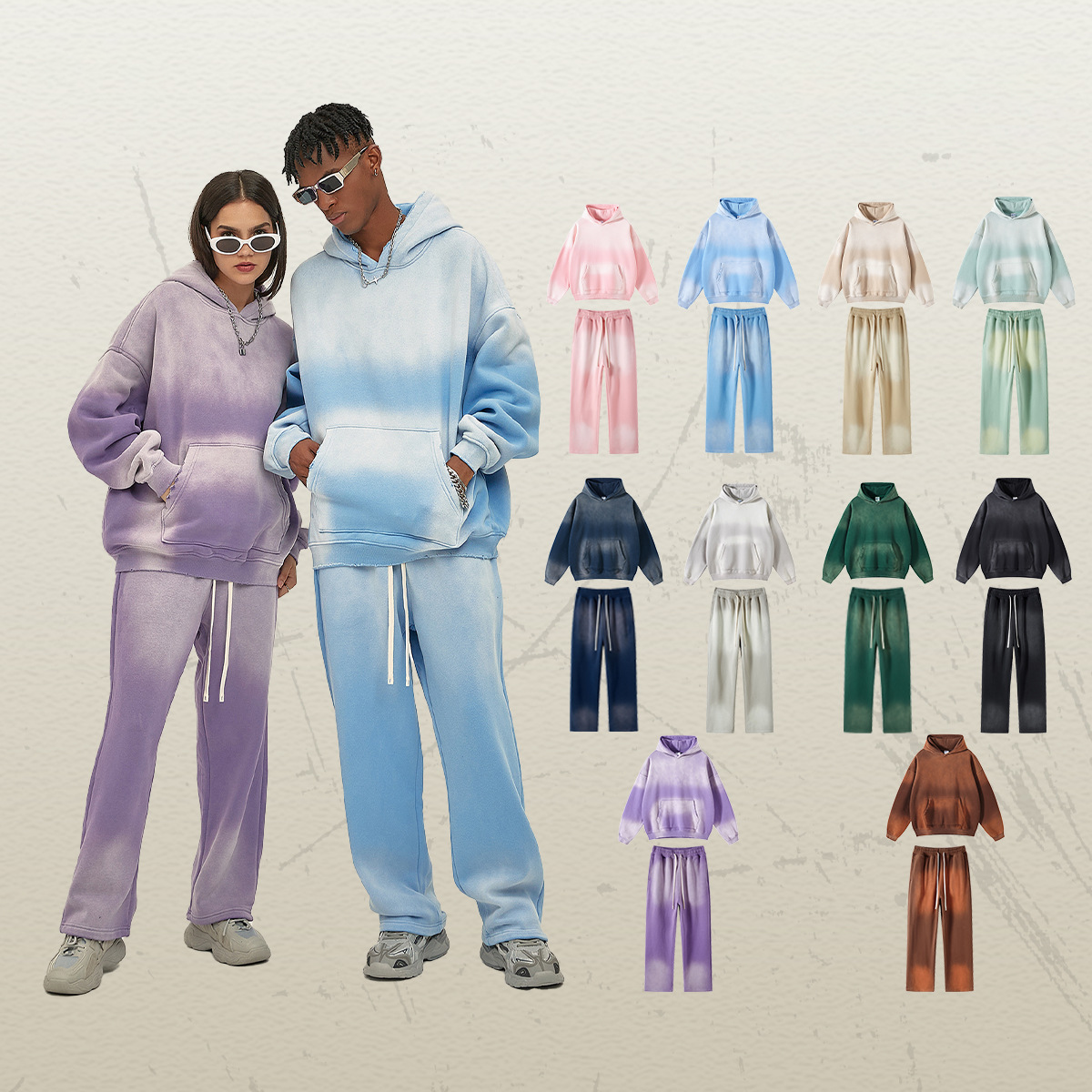
Cut fabric is stitched flat onto the base garment using a satin or zigzag border stitch, keeping the profile low and the finish clean. Best for bold, solid-fill logos on t-shirts, hoodies, and tote bags where understated, durable branding is the goal.
3D / Puff Applique
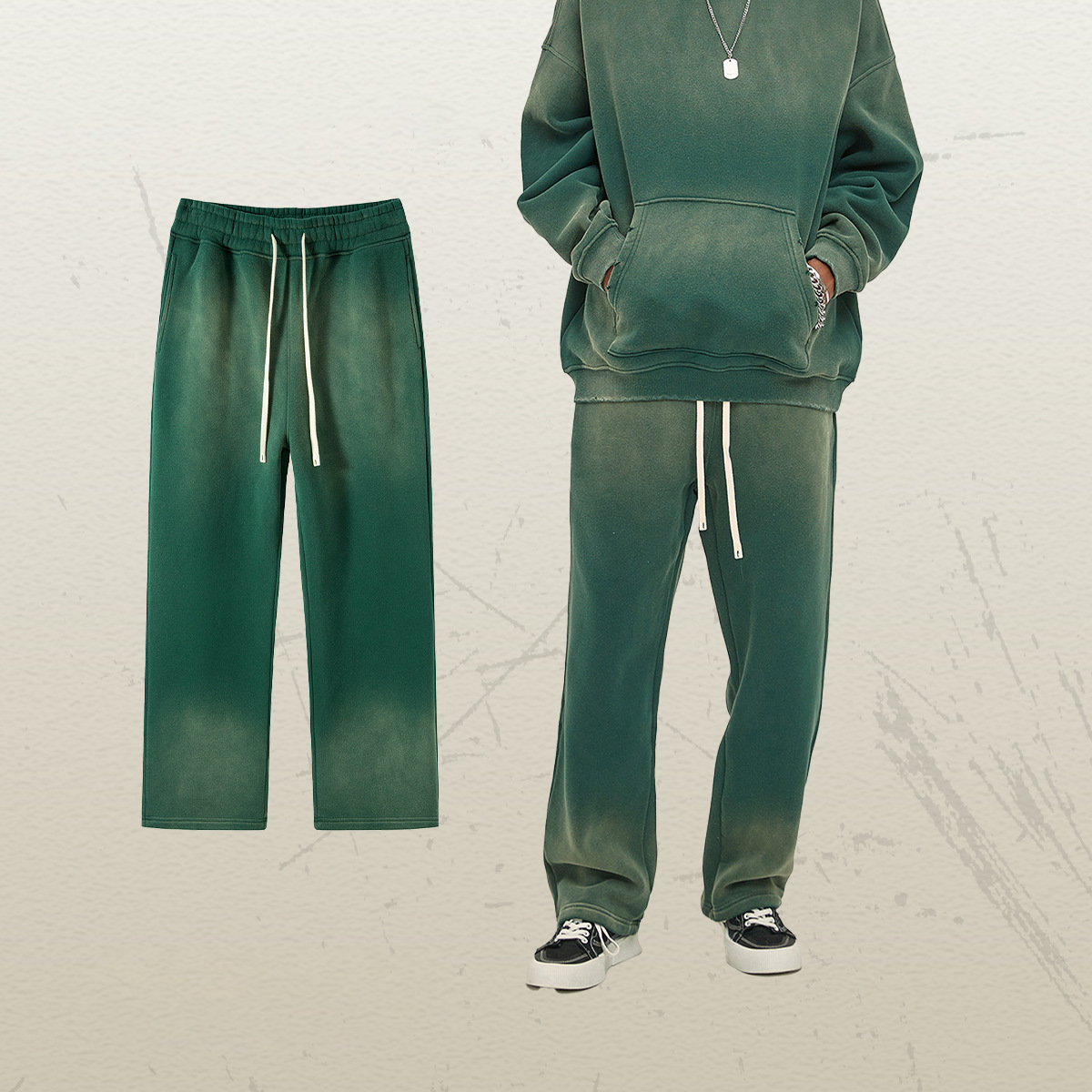
A 3mm–6mm foam underlay placed beneath the cut fabric before stitching creates a raised, sculptural effect. Ideal for structured caps, snapbacks, and bomber jackets where dimensional logos need to read clearly at a distance.
Chenille Applique
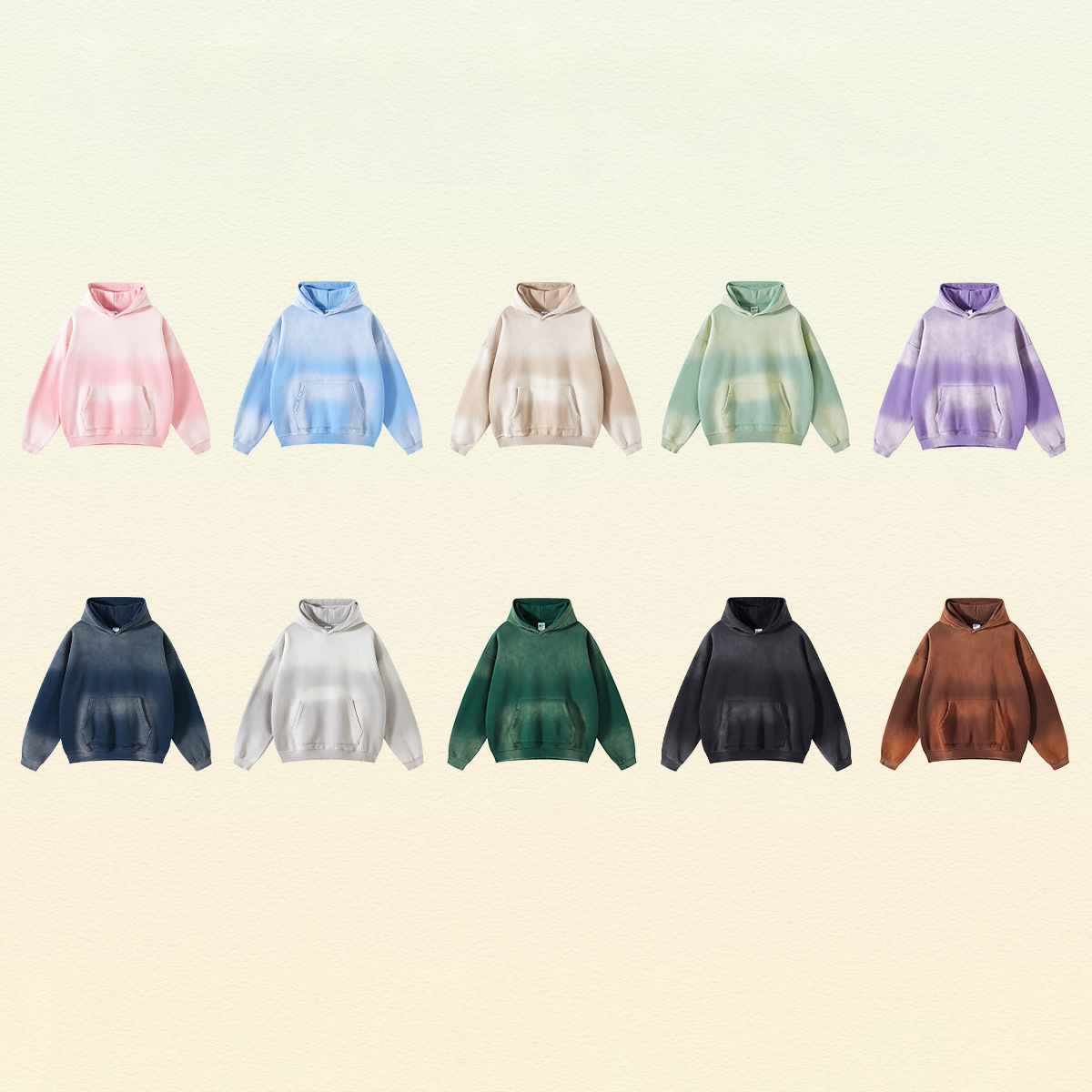
Looped chenille yarn tacked onto a twill base produces the thick, soft texture synonymous with varsity and collegiate apparel. Best applied to wool letterman jackets, fleece hoodies, and stadium blankets requiring a retro, tactile finish.
Tackle Twill Applique
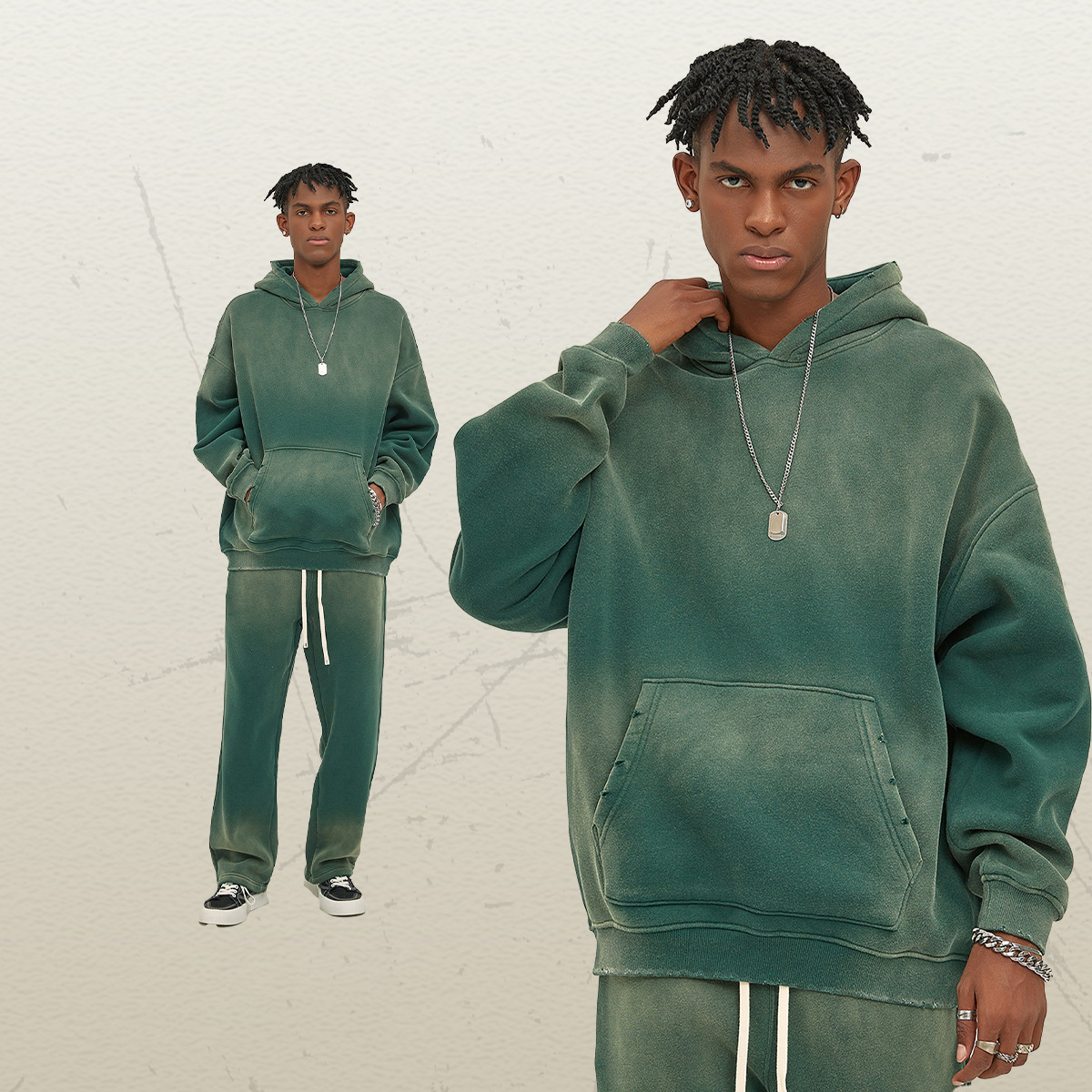
Precision-cut twill fabric letters and numbers are layered and stitched onto garments in multiple color passes. A standard choice for team jerseys, athletic shorts, and uniform tops that need colorfast, wash-durable identifiers.
Laser-Cut Applique
Laser cutting achieves edge tolerances as tight as 0.5mm, enabling intricate shapes that die-cutting cannot replicate. Best suited to streetwear graphic tees, outerwear panels, and fashion-forward denim where complex silhouettes define the design.
Embroidered Patch Applique
Pre-made embroidered patches — merrow-bordered or woven — are stitched or heat-fused onto finished garments without retooling the base production line. This method supports small-run customization on jackets, bags, and hats, making it practical for independent designers working with lower MOQs.
4. Materials & Fabrics Used in Applique Embroidery
In applique embroidery, both the applique fabric and the base garment fabric determine how finished decoration holds up across washes and wears. Choosing the right combination — and the correct stabilizer — directly controls stitch quality and long-term durability.
| Applique Fabric | Wash Durability | Texture Effect | Typical Use-Case |
|---|---|---|---|
| Twill | High — 50+ washes | Smooth, crisp | Logos on hoodies and jackets |
| Felt | Medium — 20–30 washes | Soft, matte | Patches, varsity accents |
| Denim | High — 40+ washes | Structured, casual | Streetwear chest graphics |
| Velvet | Medium — 30+ washes | Rich, plush | Premium tees, luxury drops |
| Faux-Leather | High — 40+ washes | Glossy, structured | Outerwear, streetwear drops |
| Woven Jacquard | Very High — 60+ washes | Textured, pattern-in-weave | Collab pieces, sportswear |
Applique Fabric Options
Twill weave applique (200–300 GSM) offers high wash durability and clean edges — the default for logos on hoodies and jackets. Felt (wool or acrylic blend) provides a soft, matte surface but shows wear after 30+ machine washes.
Denim applique patches deliver a structured, casual texture ideal for streetwear chest graphics. Velvet, woven jacquard, and faux-leather round out the premium tier — jacquard holds pattern through 50+ wash cycles; faux-leather requires heat-press bonding to prevent edge separation.
Base Garment Fabric Compatibility
280 GSM fleece and 180–220 GSM cotton jersey accept both cut-edge and satin-stitch finishing without distortion. Nylon shells and 10-oz canvas require heavier cut-away stabilizer to prevent pull-in at high stitch counts.
Stabilizer Backing Types
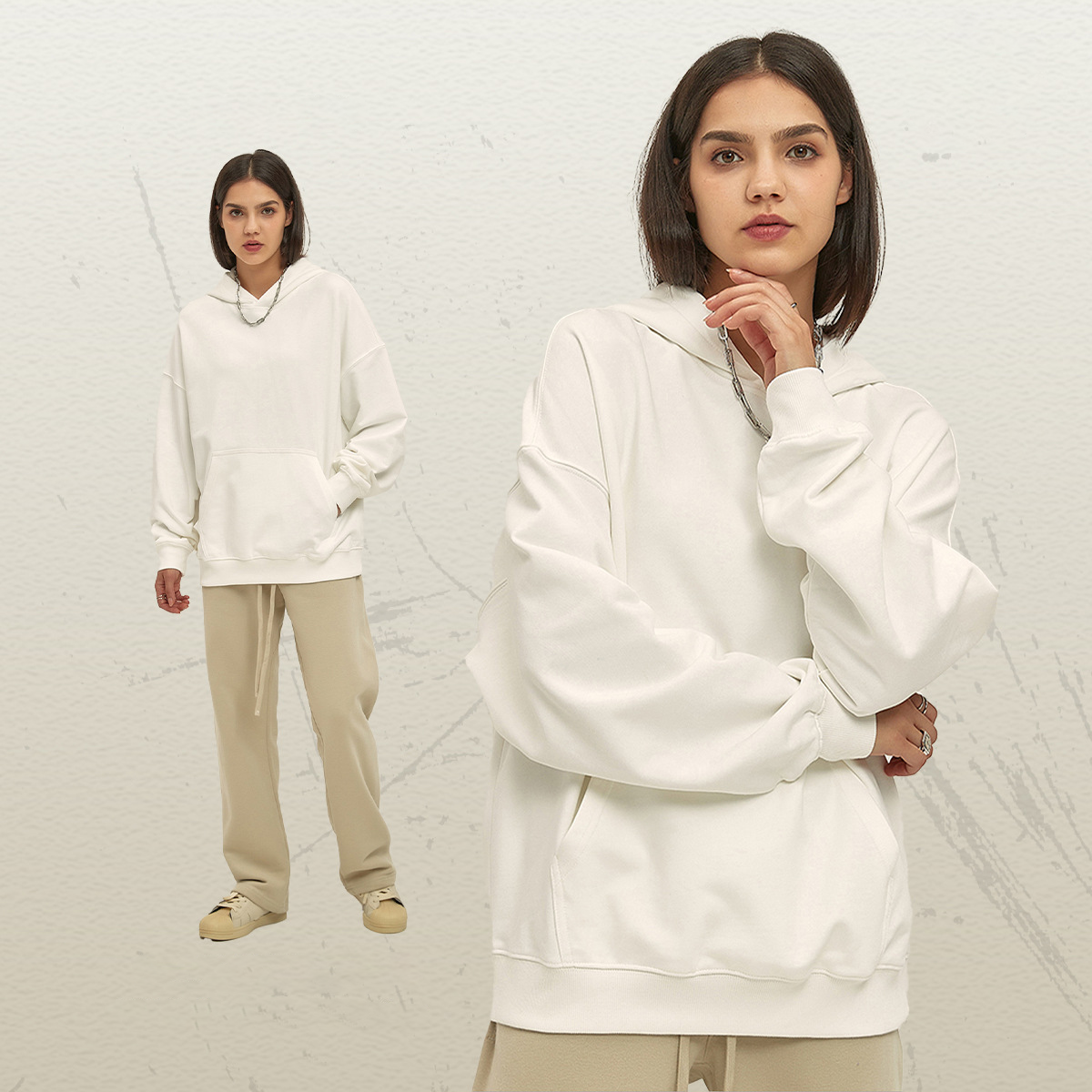
Cut-away stabilizer stays permanently under the applique — correct for stretch fabrics and loosely woven bases. Tear-away suits stable wovens like canvas. Water-soluble topping, placed on pile fabrics such as velvet, prevents stitches from sinking and losing definition.
5. Customization & Decoration Options for Applique Embroidery
Applique embroidery supports a broader creative toolkit than fabric placement alone. Thread color matching, border stitch type, specialty threads, and hybrid decoration techniques each carry different cost and MOQ implications — critical knowledge for startups and volume buyers alike.
| Stitch Type | Visual Effect | Cost Index | Startup MOQ Friendly |
|---|---|---|---|
| Satin Stitch | Smooth, raised outline | Medium | Yes |
| Running Stitch | Subtle, hand-stitched look | Low | Yes |
| Zigzag Stitch | Textured, sporty edge | Low–Medium | Yes |
| Chain Stitch | Bold, dimensional | High | Volume (300+ pcs) |
Thread Color Matching and Pantone Alignment
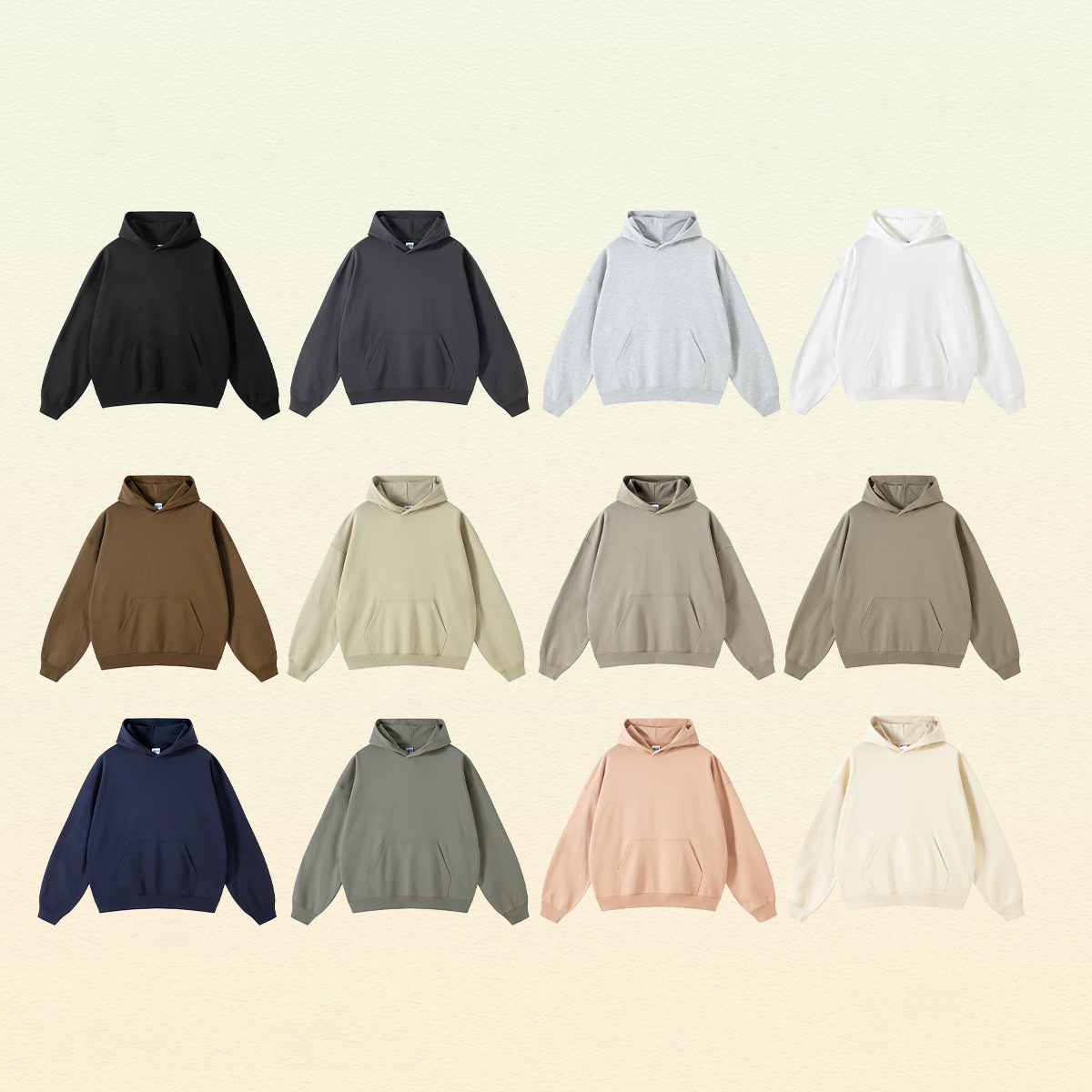
Madeira and Isacord thread lines offer 400+ colorways cross-referenced to Pantone codes, enabling precise brand color replication. Standard palette matching adds no per-color cost; custom dye-lots typically require 300–500 piece minimums, placing them in the volume tier rather than the startup-friendly range.
Specialty Threads and Embroidered Fill
Metallic (40-weight polyester-wrapped) and glow-in-the-dark threads add streetwear visual impact but increase machine run time by 20–30%, raising per-piece cost. Fill-stitch embroidery within the applique shape adds 5,000–15,000 extra stitches per logo — accessible at low MOQ but billed per additional 1,000 stitches.
Combined Techniques and Digitizing Complexity
Pairing applique embroidery with screen printing on the same garment is production-feasible but requires sequential run scheduling, adding 2–4 days to lead time.
Digitizing setup fees range from $25–$40 for a simple 5,000-stitch border to $80–$150 for multi-color fill designs with metallic threads — a one-time cost amortized across the full production run.
6. Key Quality Elements in Applique Embroidery Production
Six checkpoints separate a durable applique embroidery piece from one that frays or puckers after a few washes. Knowing what to inspect gives buyers real leverage before committing to a production run.
Digitizing Precision and Underlay Stitches
Clean digitizing sets 3–4 underlay stitch rows beneath every applique element, anchoring fabric before top stitches are applied. Poor underlay causes puckering across panels.
Ask suppliers to share a digitizing file preview and request a pre-production sample before bulk production begins.
Edge Sealing and Satin Stitch Density
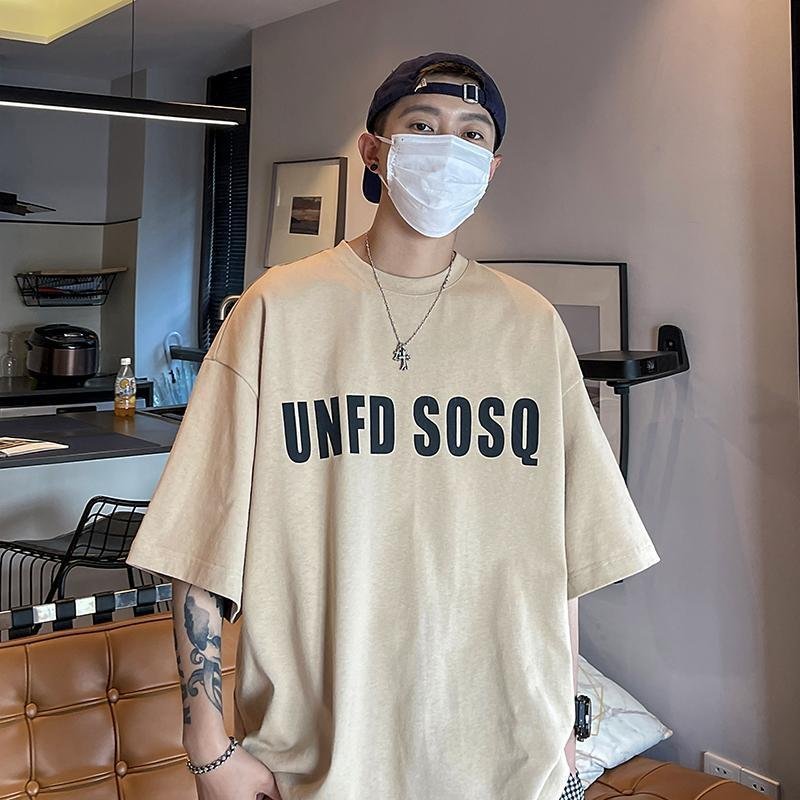
A satin stitch density of 80–100% is the industry benchmark for sealing applique edges against fraying. Densities below 70% leave gaps that unravel after laundering.
Request a cross-section inspection photo of the edge stitching on your sample before approving the production run.
Fabric Grain Alignment Before Cutting
Applique panels cut off-grain by even 5–10 degrees twist under repeated washing. Inspect whether the factory marks grain lines on pattern templates before cutting.
Ask for a cutting QC report confirming each panel was aligned to the garment’s warp direction.
Thread Tension Consistency Across a Run
Inconsistent thread tension across a 500-piece run produces visible looping on the garment’s reverse side and color variation on the face.
Request mid-run pull samples from the factory — not just first-off samples — to verify tension holds through the full order.
Wash-Test Standards for Color Retention
ISO 105-C06 wash testing at a minimum 40-cycle standard is the baseline for streetwear-grade applique embroidery color retention. Ask the supplier for a signed wash-test report, not just a verbal assurance.
Thread dyed to Pantone standards holds color more consistently than generic lot-dyed stock.
Backing Removal and Interior Finish
Cut-away or tear-away stabilizer left on a garment’s interior causes skin irritation and signals rushed finishing. Inspect the inside seam area of your pre-production sample.
Ask whether backing is removed by hand or trimmed by machine, and confirm the trim standard used.
7. How to Choose an Applique Embroidery Manufacturer
Selecting the right applique embroidery vendor separates brands that scale from those stuck fixing defects. Evaluate six hard criteria before signing any purchase order, and always request a stitched swatch plus a wash test before committing.
MOQ Requirements and Order Flexibility
Reputable manufacturers accept startup runs of 50–200 pieces per colorway without steep price penalties. Confirm whether MOQ applies per design or per full order, and ask for tiered pricing at 500 and 1,000+ pieces.
In-House Digitizing vs. Outsourced
Vendors with in-house digitizing convert artwork into stitch files without third-party delays. Ask to see pull-test density settings and underlay stitch specs — outsourced digitizing adds 3–5 business days and introduces a second point of error.
Sample Turnaround Time and Cost Policy
Standard sample lead time runs 7–14 days; anything beyond 21 days signals capacity or communication problems. Confirm whether sample fees credit against your production invoice — reliable factories typically offer this arrangement.
Certifications and Ethical Compliance
Request OEKO-TEX Standard 100 or GOTS certification for threads and base fabric, and ISO 9001 for process control. BSCI or WRAP audits verify ethical labor standards — absence of any certification is a red flag for global retail buyers.
Communication, Tech-Pack Support, and Revisions
A factory that accepts incomplete tech packs without follow-up questions will ship incorrect goods. Confirm support for annotated PDF tech packs, Pantone color callouts, and at least two revision rounds on pre-production samples.
Scaling from Startup Runs to Retailer Volumes
Confirm the factory can hold a 50-piece startup MOQ today and fulfill a 1,000-piece reorder within the same lead-time window. Ask for documented monthly unit output and peak-season booking timelines before committing.
8. Common Mistakes Buyers Make With Applique Embroidery Orders
Even experienced buyers lose time and money on applique embroidery orders by skipping foundational steps. Seven recurring mistakes account for most delays, quality rejections, and unplanned revision costs across streetwear and fashion production.
Artwork and Digitizing Errors
Submitting artwork below 300 DPI forces the digitizer to interpret shapes, compressing fine details into blocky stitch paths. Always supply vector files (AI or EPS) and request a digitized DST or EMB file review before production begins — this single step prevents most stitch-quality rejections.
Fabric Compatibility Oversights
Applying a woven twill applique to a 4-way stretch jersey (200–280 GSM) causes puckering because the patch cannot flex with the base fabric. Wash the base fabric at intended care temperature first to account for 3–5% shrinkage before cutting — skipping this shifts seam lines and misaligns patches.
Under-Specifying Thread Colors
Describing a color as ‘navy blue’ instead of specifying Pantone 19-3832 TCX lets the factory match by eye, producing batch-to-batch variation across large runs. Always specify Pantone TCX or TPX codes per thread color and confirm against physical thread cards before approving the sample.
Skipping Pre-Production Samples
Skipping the pre-production sample to save 7–14 days typically costs 3–6 weeks in rework when an error reaches bulk production. Request one sewn sample per colorway on the actual base garment and approve in writing before releasing the production order.
Unclear Placement Tolerance
Without a stated tolerance, patch placement can drift ±8–10 mm across a production run. Specify ±3–5 mm as the standard allowable tolerance in your tech pack and mark the exact anchor point — for example, 2 cm from the left chest seam — to give sewing operators a measurable reference.
9. Steps to Launch Your Brand With Applique Embroidery
Launching a brand around applique embroidery follows a repeatable six-step sequence that minimizes costly rework. Knowing each milestone — and its realistic timeline — keeps sample rounds tight and bulk production on schedule.
Define Design and Prepare Vector Artwork
Start with a finalized design in vector format (AI or EPS) at the actual production size, with Pantone color references for each fabric layer. Vague sketches add 5–7 days to the digitizing stage and inflate revision costs.
Submit a Complete Tech Pack
A tech pack should specify applique placement (distance from collar, cuff, or hem in millimeters), patch dimensions, base fabric GSM and content, and stitch border style. Missing specs are the single most common cause of first-sample rejection.
Approve the Digitized Stitch File
The manufacturer converts your artwork into a DST or EMB stitch file. Review a printed stitch preview and a paper run-out before approving — checking stitch density, underlay type, and tackle-and-jump count.
Order a Sewn Sample and Wash Test It
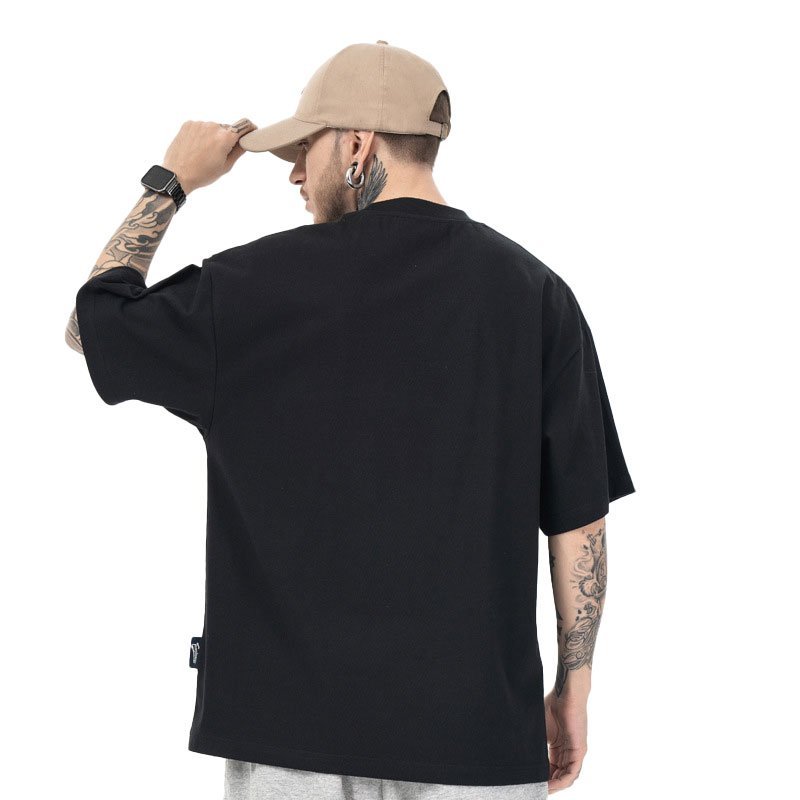
Sewn sample lead time runs 10–15 days. Once received, run three to five wash cycles at 40°C and inspect for edge fraying, color bleed, and adhesive delamination — all common failure points under OEKO-TEX wash standards.
Confirm Bulk Production and Set QC Checkpoints
Bulk runs typically ship in 30–60 days depending on order volume. Require in-line QC checks at cutting, sewing, and finishing stages — mirroring the five-step methodology used by serious streetwear manufacturers — rather than a single end-of-line inspection.
Arrange Inspection and Add Branding Touches
Book a third-party AQL inspection before shipment. Use this window to confirm woven labels, hangtags, and custom poly-bag packaging are attached correctly. FOB or DDP Incoterms should be agreed in writing before production begins.
10. Applique Embroidery Pricing & Cost Breakdown
Four variables drive applique embroidery unit costs: stitch count, number of applique pieces per garment, base fabric weight (320-GSM fleece behaves differently from 180-GSM jersey), and color count. Each additional patch on a single garment typically raises decoration cost by 25–50%.
Digitizing and template setup fees typically run $50–$150 per design, charged once regardless of quantity. Amortized across 1,000-plus pieces, that fixed cost falls below $0.20 per unit — the strongest argument for scaling order size once a design is finalized.
Three technique tiers determine the premium column: flat applique (baseline), 3D puff (foam underlay required), and chenille (loop-pile fabric and dedicated machinery). All technique premiums in the table are additive to the flat applique base rate. Learn more about Clothing Manufacturer Ltd.
- Stitch count above 10,000: expect $0.30–$0.80 added per unit across all technique types.
- Color count above 6 Pantone shades may require additional thread-change time and setup cost.
- Three or more applique patches per garment: budget 50–80% more than a single-patch design.
- Fabric choice: woven twill holds applique edges cleaner than knit, reducing rework risk and cost.
| Quantity | Flat Applique / unit | 3D Puff Premium | Chenille Premium | Lead Time |
|---|---|---|---|---|
| 50 pcs | $6.00–$10.00 | +$2.00–$3.50 | +$3.00–$5.00 | 15–18 days |
| 100 pcs | $4.50–$7.50 | +$1.50–$2.50 | +$2.00–$4.00 | 12–15 days |
| 300 pcs | $3.00–$5.00 | +$1.00–$2.00 | +$1.50–$3.00 | 10–12 days |
| 500 pcs | $2.50–$4.00 | +$0.80–$1.50 | +$1.00–$2.50 | 8–10 days |
| 1,000+ pcs | $1.80–$3.00 | +$0.50–$1.00 | +$0.80–$1.50 | 7–9 days |
Start Your Applique Embroidery Project Today
Low MOQ, fast turnaround, and a 5-step QC guarantee — request your free custom quote now.