
Sequin Embroidery: Eye-Catching Sparkle for Trend-Forward Streetwear
Premium sequin embroidery built for streetwear brands, indie designers, and influencer labels — low MOQ, 5-step QC, and global delivery from our Dongguan factory.
Sequin Embroidery Sample Gallery
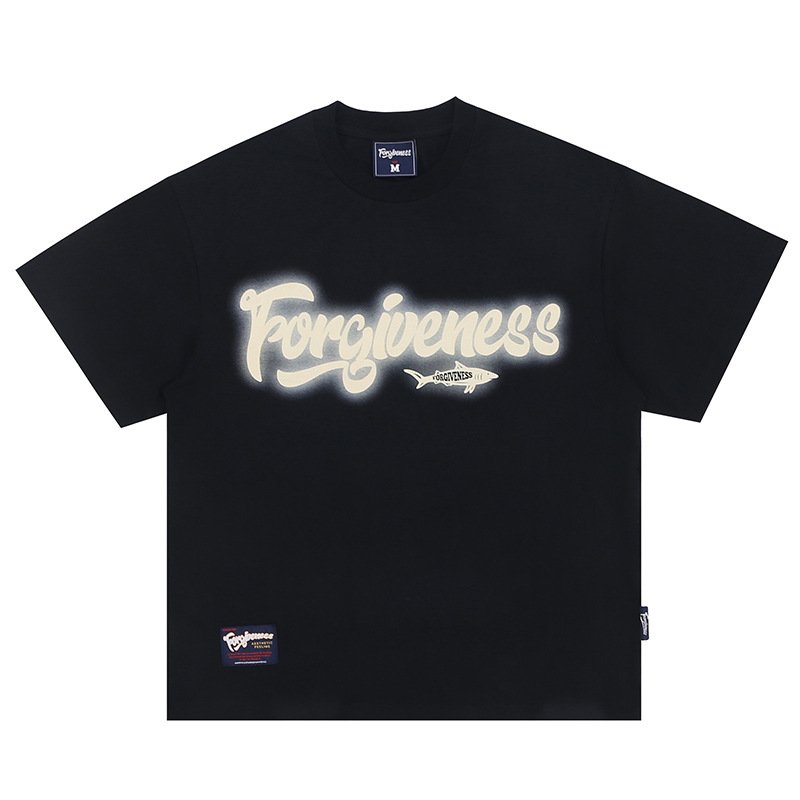
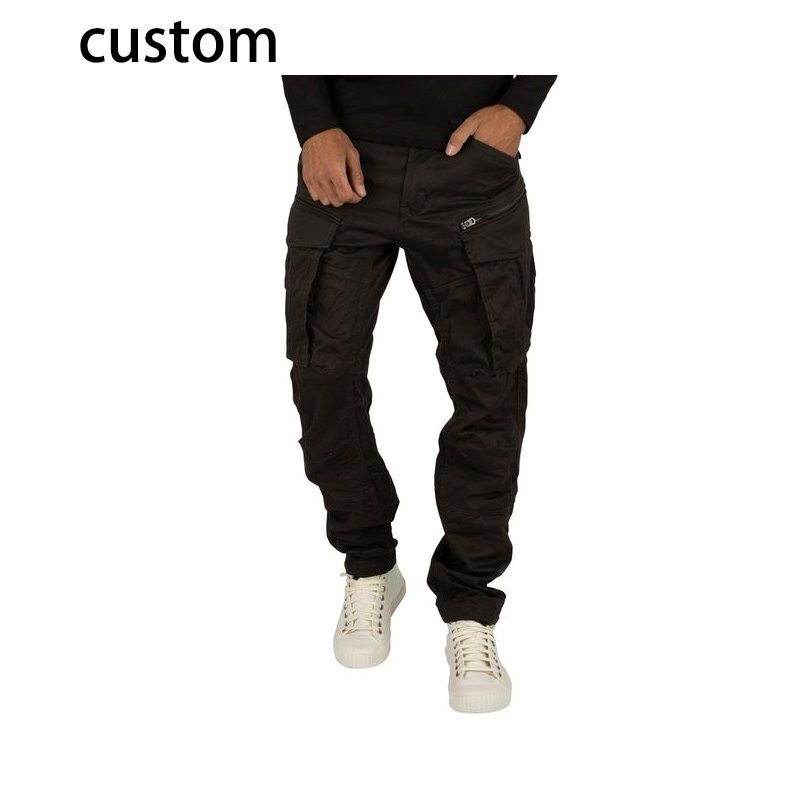
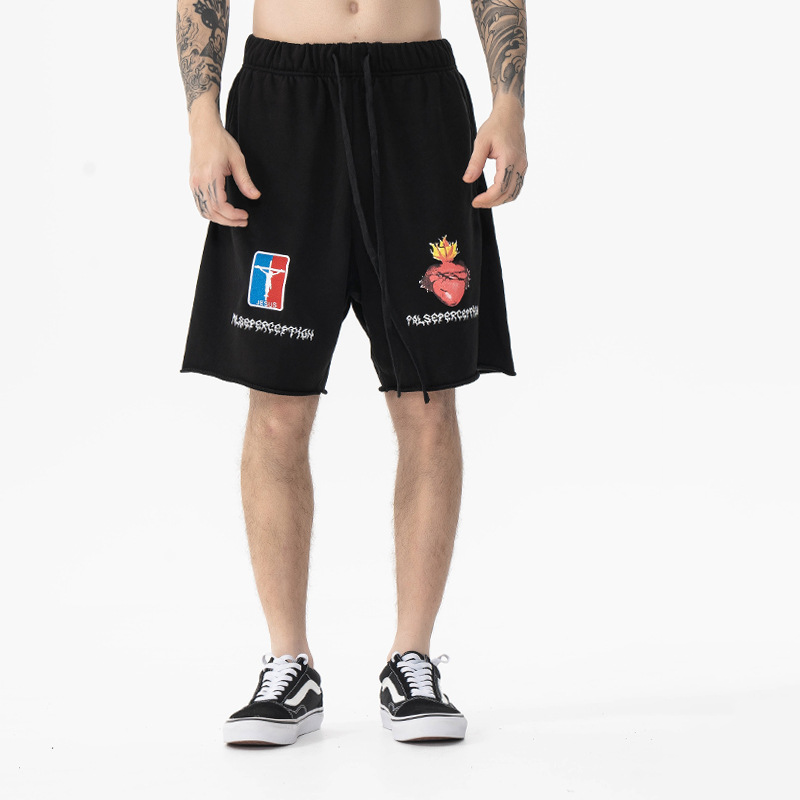
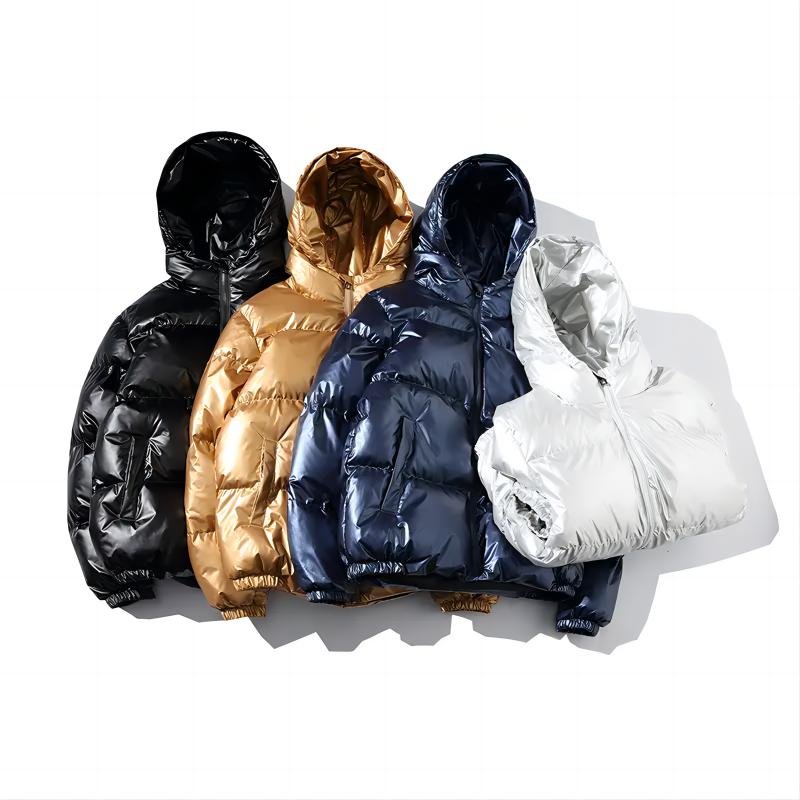
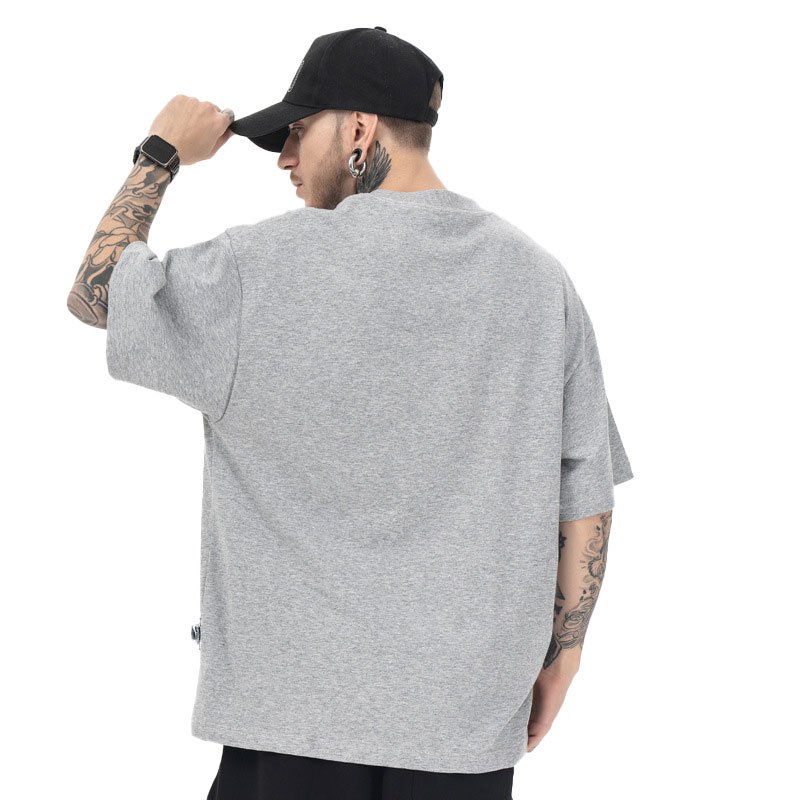
The Signature Appeal of Sequin Embroidery
From dimensional sparkle to wash-tested durability, six reasons top streetwear brands choose sequin embroidery over flatter alternatives.
3D Light-Catching Visual Depth
Layered sequins create dimensional sparkle that flat embroidery simply cannot replicate, commanding instant attention on any garment.
Vivid, Fade-Resistant Color
High-grade sequins lock in bold, vibrant color with exceptional fade resistance, staying brilliant through repeated wash and wear cycles.
Durability Across 50+ Washes
Each sequin is machine-stitched for a secure hold and passes our 5-step QC, surviving heavy wash cycles without shedding or distortion.
Stunning Pop on Dark Fabrics
Sequin embroidery shines brilliantly on black and deep-toned streetwear bases, maximizing contrast and visual drama for bold brand statements.
Unlimited Design Flexibility
Mix sequin sizes, shapes, and color combinations to execute intricate logos, all-over graphics, or fine patterns with complete creative freedom.
Premium, Brand-Ready Finish
Clean backing, secured thread ends, and professional edging deliver a polished finish that positions every label as undeniably premium.
Sequin Embroidery vs. Other Techniques: Find Your Perfect Match
Not sure sequin embroidery is the right call for your collection? Browse sibling techniques and real-world applications to make a confident production decision before requesting samples.
Clean Logo, No Sparkle
Your brand needs sharp, logo-forward decoration without shimmer or texture. You want thread-based precision that reads cleanly on hoodies, tees, and outerwear without competing visual elements or a reflective finish.
Flat embroidery delivers crisp, color-consistent stitching ideal for minimalist branding. Explore how it compares to sequin embroidery in our full technique breakdown and decide which fits your collection.
Bold Raised 3D Logos
You want logos and lettering that physically stand out from the fabric surface, giving caps and chest hits a sculptural, three-dimensional effect without sequins, metallic shine, or added garment weight.
3D puff embroidery creates raised, eye-catching designs built for streetwear headwear and outerwear. See how its dimensional impact stacks up against sequin embroidery for your next bold seasonal drop.
Varsity & Retro Aesthetics
Your collection leans collegiate or retro, and you need the soft, fuzzy-textured finish iconic to varsity jackets and athletic gear rather than a glossy, reflective, or sequin-based surface treatment.
Chenille embroidery nails the loop-pile texture and vintage feel your lineup demands. Compare it side by side with sequin embroidery to choose the right finish for your seasonal streetwear release.
Luxury Sparkle with Beads
You want upscale, tactile brilliance beyond sequins, combining hand-crafted bead application with thread detailing for premium streetwear or limited-edition drops that command higher retail price points and shelf presence.
Bead embroidery adds artisan-level sparkle and texture at a luxury tier. Explore how it differs from sequin embroidery in technique, cost, and finish before committing to samples or a production run.
Full Embroidery Capability Hub
You are still weighing which embroidery method fits your brand identity, budget, and production timeline. You need one comprehensive reference before committing to sampling, pricing, or a full-scale production run.
Our embroidery hub maps every technique side by side, from sequin embroidery to puff, chenille, flat, and beading, so you can compare options and move straight to ordering with full confidence.
Sequin Embroidery Expertise: 10+ Years, 100+ Countries
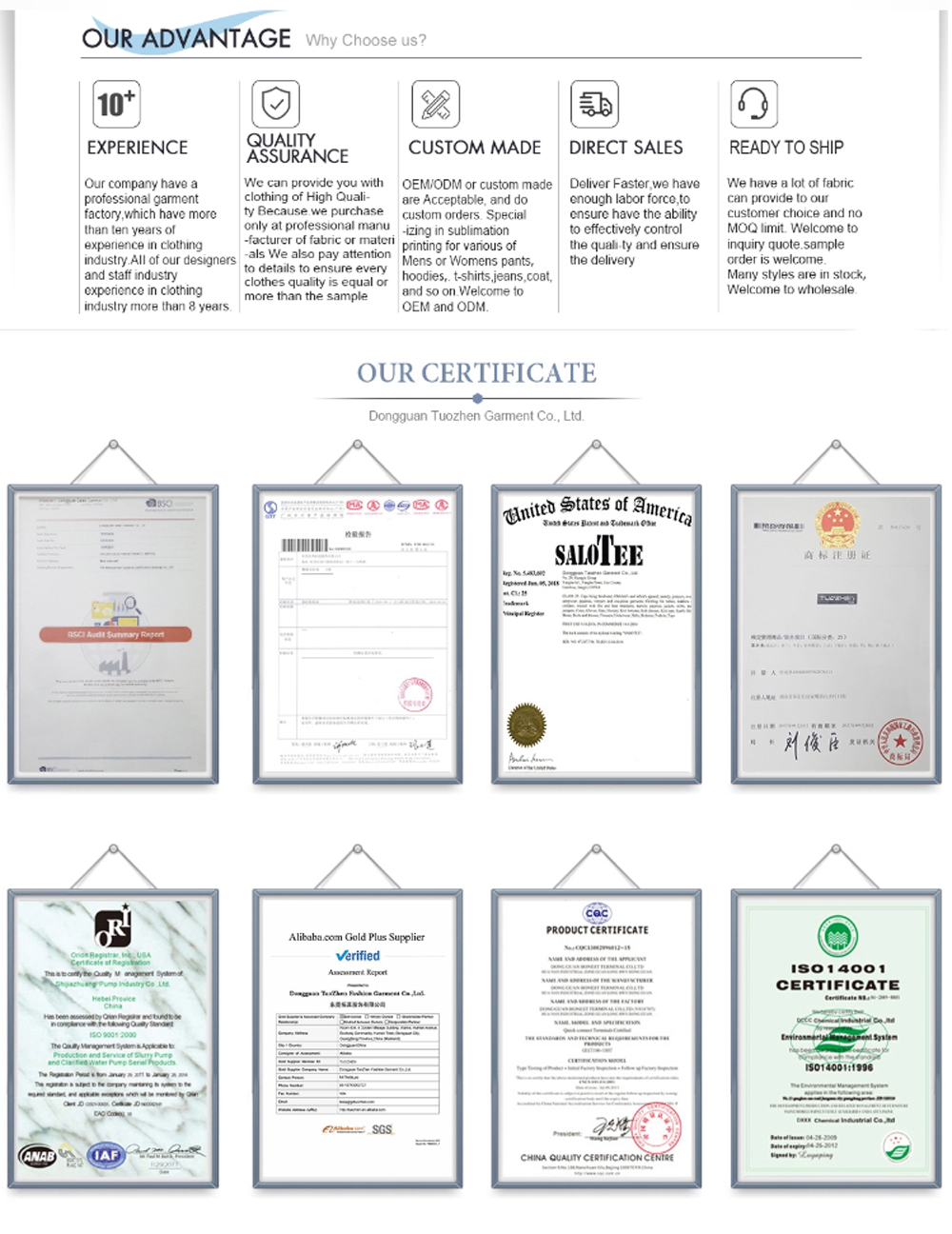
Clothing Manufacturer Ltd. was founded in 2024 by Tesla Luo, who spent summers as a child rotating through every production role in Dongguan’s garment factories and brings over 10 years of industry experience — including 6 years specializing in streetwear. Our mission is straightforward: to deliver sequin embroidery and apparel manufacturing without compromise, proving that Chinese production can set the global standard for quality, not just cost.
Our in-house R&D and design team of 15 specialists manages everything from fabric selection and pattern development to custom sequin embroidery sampling. Backed by 10 patents and the manufacturing infrastructure of parent company Dongguan TuoZhen Clothing Co., Ltd., we have served streetwear brands, startups, and independent designers across more than 100 countries — personally guiding many emerging labels from their first order to audiences of hundreds of thousands.
What differentiates us is our proprietary 5-step QC process — covering materials, cutting, craft, sewing, and finished-goods inspection — built into every stage of production, not bolted on at the end. Paired with low MOQs for emerging brands, fast seasonal turnaround, and end-to-end global shipping support, we are the manufacturing partner built to scale alongside your brand from concept sample to full production run.
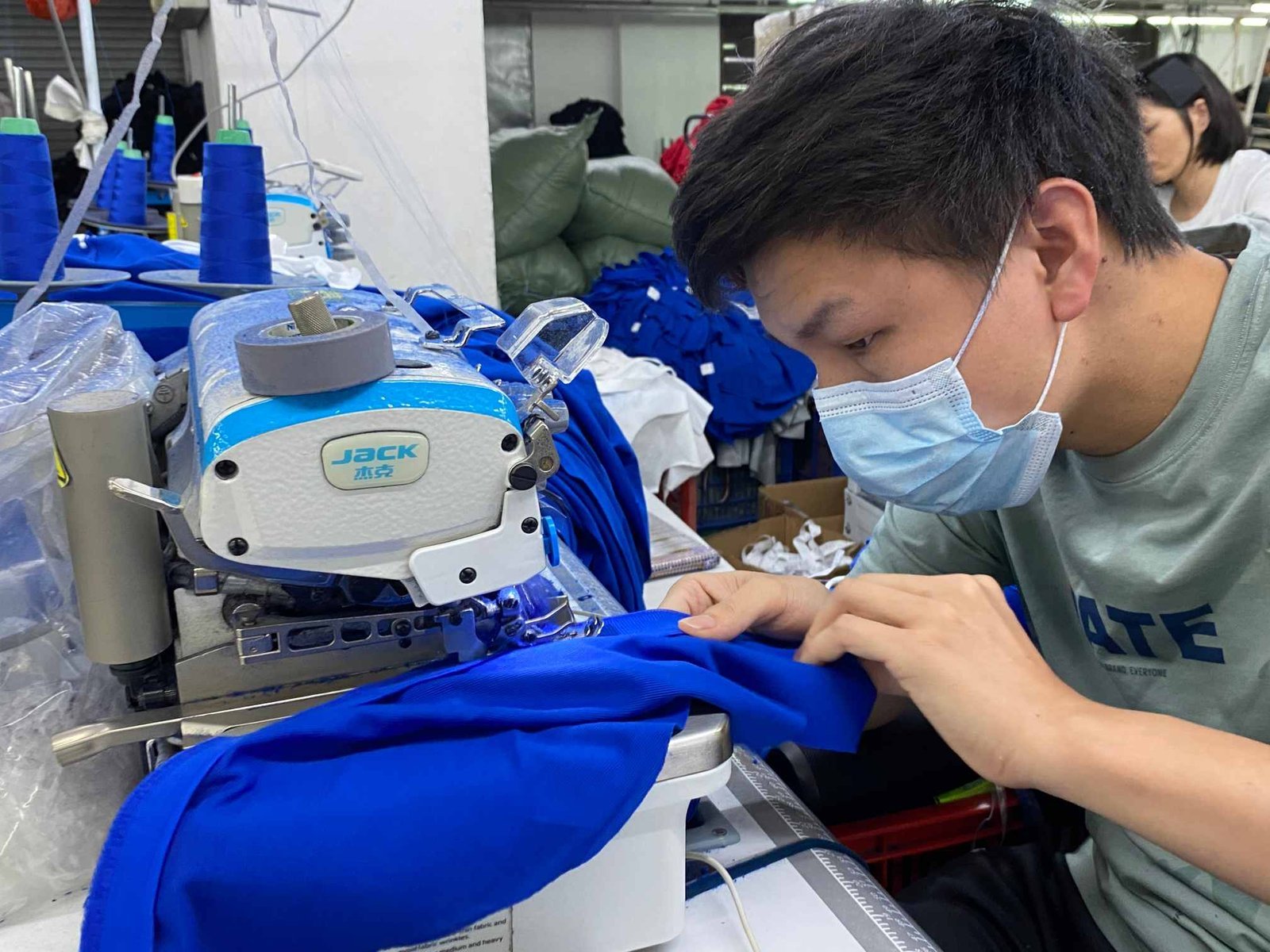
Sequin Embroidery Quality Standards: Precision, Durability & Finish
Digitization Precision That Sequin Embroidery Demands
Every sequin embroidery file starts with proprietary digitization calibrated to sub-millimeter registration tolerance. Our in-house team maps stitch density, sequin placement paths, and underlay structures before production begins, eliminating misalignment that plagues factories skipping this foundational step.
- In-house digitization team with 10+ years of sequin-specific experience
- ±0.3 mm registration tolerance maintained across all sequin placement paths
- Digital proof with underlay and density mapping reviewed before sampling
- Pre-production stitch mapping reduces rejects before a single piece of fabric is cut
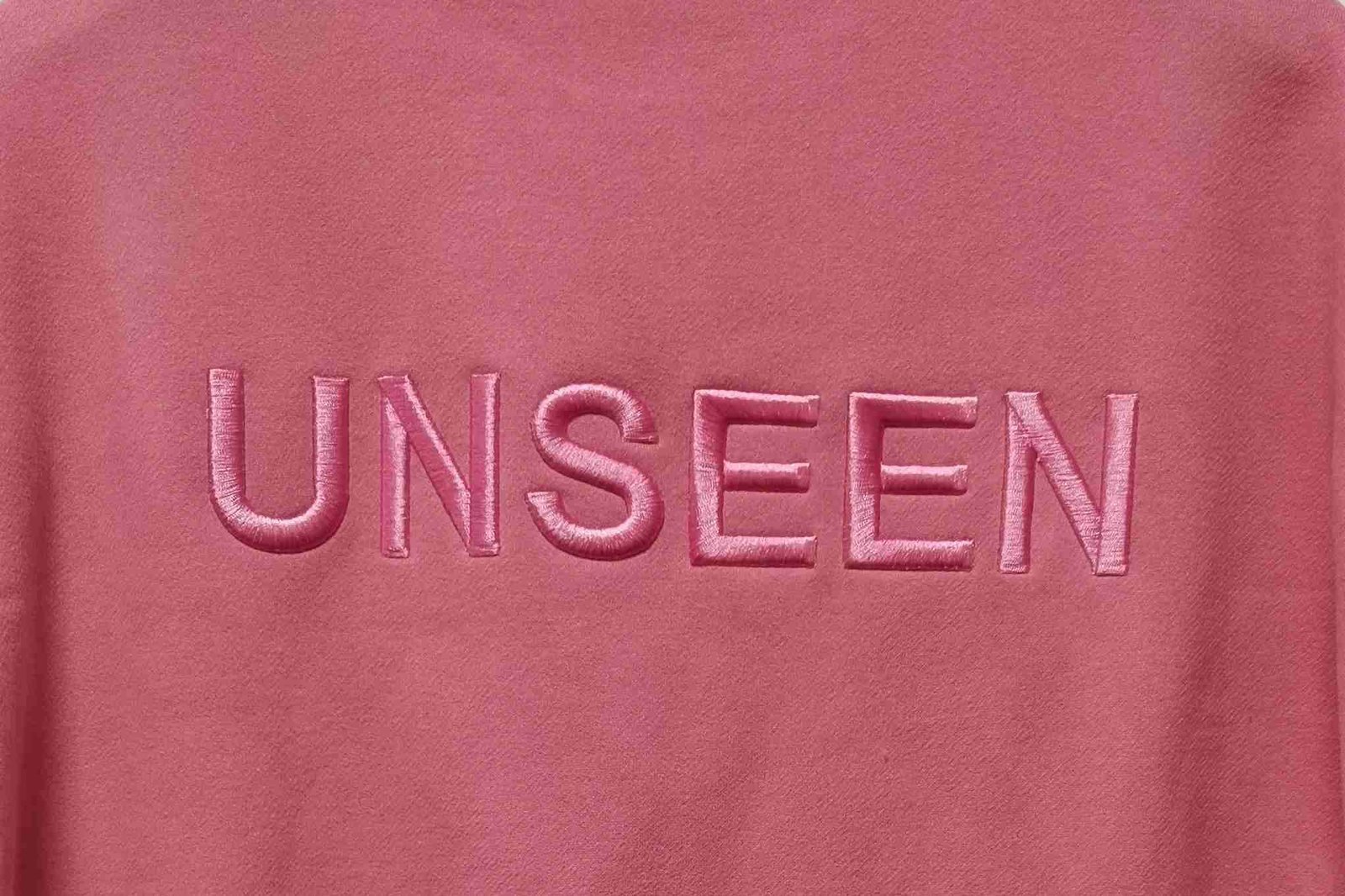
Sequin Type and Density Engineered to Perform
We select from flat, cupped, holographic, matte, and two-tone sequins matched to your garment weight and design intent. Density mapping ensures uniform coverage without puckering or bare patches, critical for bold streetwear graphics and influencer-ready statement pieces.
- Flat, cupped, holographic, matte, and two-tone sequin formats available
- Density calibrated per garment zone to prevent puckering or coverage gaps
- Sequin stock sourced from certified mills meeting colorfastness standards
- Custom color-matching available for branded palettes and seasonal drops
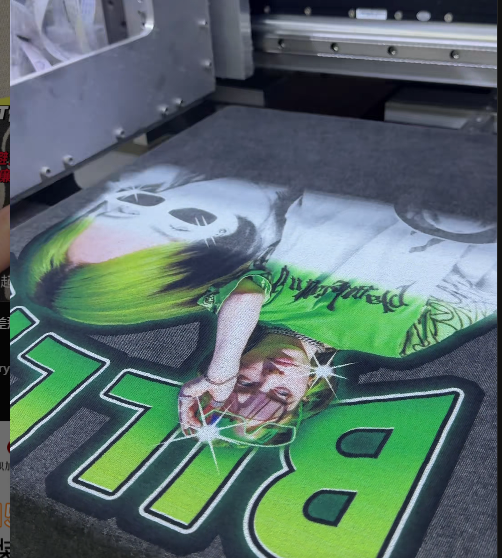
Thread Strength Specs Built for Streetwear
Sequin embroidery subjects thread to constant abrasion from sequin edges and garment flex. We specify high-tenacity polyester thread graded for tensile strength and abrasion resistance, verified at our facility before the first stitch runs on any production fabric.
- High-tenacity polyester thread rated for 50+ machine-wash cycles
- Abrasion resistance tested against sequin edges at full production speeds
- Thread color-matched for invisible underlay on sheer and delicate base fabrics
- Materials QC stage confirms thread specification before sewing commences
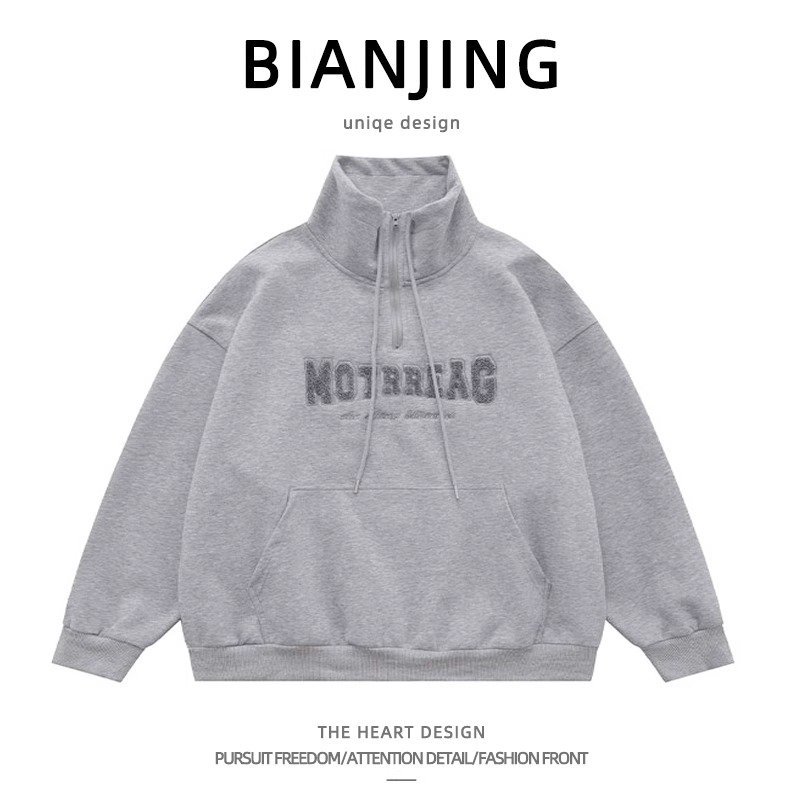
Wash and Wear Durability Tested Every Batch
Every colorway and construction undergoes multi-cycle wash testing and flex-wear simulation before sign-off. Our five-step QC process catches sequin loss, color bleed, and seam stress before garments reach your warehouse, protecting your brand reputation at scale.
- Multi-cycle machine-wash simulation run at both 40°C and 60°C settings
- Sequin attachment pull-force tested to exceed standard industry minimums
- Colorfastness graded against ISO 105 standards before batch approval
- Five-step QC gates prevent defective units from reaching final packaging
Sequin Embroidery vs. Flat Embroidery: When to Choose Each
Not every design calls for the same technique. See how sequin embroidery compares across the attributes that matter most to your brand.
← 左右滑动查看 →
Our Sequin Embroidery Production Process: 5-Step Quality Guarantee
Every sequin embroidery order moves through five tightly controlled production stages, with quality checkpoints embedded at each step to prevent defects before they compound.
Design & Digitization
Your artwork is converted into precision machine-ready embroidery files, with every sequin placement and stitch path mapped for perfect pattern registration and repeat accuracy.
Thread & Sequin Selection
Premium threads and sequins are sourced and matched to your exact brand specs, then verified for colorfastness, reflectivity, and durability through our materials QC testing protocol.
Machine Setup & Calibration
Multi-head embroidery machines are configured and test-run to confirm sequin feed tension, alignment, and registration accuracy before a single unit of your production order runs.
Production with Inline QC
Trained technicians monitor every active machine throughout the run, catching misaligned sequins, dropped stitches, or tension issues in real time before defects can multiply.
Finishing & Final Inspection
Completed garments are trimmed, pressed, and subjected to a rigorous finished-clothing quality inspection covering sequin security, coverage uniformity, and dimensional accuracy prior to packing.
Order Sequin Embroidery: From Design Submission to Finished Garment
Five clear steps — artwork to delivery — with sequin-specific quality checks built into every stage.
Submit Artwork and Sequin Specs
Upload vector artwork alongside Pantone or hex color codes and preferred sequin density notes; our team reviews feasibility and returns an accurate production quote.
Review Your Digital Proof
Our design team generates a precise digital mockup mapping sequin placement, color fields, and stitch density — review it and request adjustments at no extra cost.
Approve Your Physical Sample
We produce a sequin embroidery sample to your confirmed specs; evaluate sparkle, coverage, and hand-feel, then request refinement rounds until every detail satisfies your brand standard.
Authorize Full Bulk Production
Sign off on the approved sample and release your bulk order; our five-step QC process — materials, cutting, craft, sewing, and final inspection — activates immediately.
Receive Inspected, Ship-Ready Garments
Finished garments clear a final quality audit, then ship worldwide from our Dongguan facility with full logistics tracking and documentation for smooth customs clearance.
Customer Testimonials: Real Impact of Our Sequin Embroidery Work
Their sequin embroidery nailed our Pantone references with zero deviation. After 40 wash cycles, every sequin held firm — no lift, no color shift. Our limited drop sold out in 72 hours. The 5-step QC process is genuinely different.
I sent a complex 12-color sequin embroidery artwork and got a flawless sample back in under 2 weeks. Every gradient was replicated exactly. We launched on schedule and sold 800 units in our first month — incredible for a debut collection.
We needed sequin embroidery hoodies for an influencer merch drop starting at 150 pieces. Production finished 3 weeks ahead of schedule. The Instagram reveal hit 1.4M impressions in 48 hours — our followers went wild for the quality and sparkle.
Sequin Embroidery Buyer Questions: MOQ, Durability, Design Limits & More
Everything streetwear brands, startups, and retailers need to know before placing a sequin embroidery order—answered directly by our production team.
What is the MOQ for sequin embroidery orders?
What fabrics work best with sequin embroidery?
How durable is sequin embroidery through multiple wash cycles?
Can I combine sequin embroidery with screen printing, patches, or appliques on the same garment?
Are there maximum design size or color limits for sequin embroidery?
What artwork files do I need to submit for a sequin embroidery order?
How long does sequin embroidery production take from design approval to delivery?
What factors drive the cost of a sequin embroidery order?
The Complete Buyer’s Guide to Sequin Embroidery for Brands
Everything streetwear labels, fashion startups, and global retailers need — a proven decision framework, supplier-vetting criteria, material comparisons, and the costliest mistakes to avoid when sourcing sequin embroidery at scale.
1. What Is Sequin Embroidery and Why Does It Matter?
3 mm to 15 mm metallic or iridescent Mylar discs anchored by embroidery thread — that is the core of sequin embroidery, and the anchoring step is what separates it from competing techniques. Heat-transfer glitter films bond to the fabric surface and crack after 20 to 30 machine-wash cycles; sequin embroidery locks each disc with a two-thread lock stitch, delivering a wash durability those alternatives cannot match. Loose sequin fabric skips the thread anchor entirely, leaving discs free to shift, snag, and detach under normal cut-and-sew and wear stress.
Retail price premiums for embellished garments average 2× to 4× the cost of a plain equivalent across contemporary streetwear and premium retail channels, making sequin embroidery one of the highest-return decoration methods available to brand buyers. Social-media platforms reward high-catch-light content, and sequin embroidery’s reflective surface performs especially well in the short-form video formats that now drive discovery for independent and influencer-led labels. Demand is consistent across streetwear drops, festival collections, and premium retail exclusives — three channels where perceived craftsmanship directly converts to sell-through.
The technique suits brands whose product line carries garments priced above $60 retail, where the embellishment cost — typically $3 to $12 per piece depending on stitch count and sequin size — can be absorbed without compressing margin. If your collection leans on bold visual identity, limited-edition drops, or influencer gifting, sequin embroidery adds a tactile, photogenic quality that printed transfers or woven labels cannot replicate.
2. The Evolution and History of Sequin Embroidery
As early as 2500 BCE, Egyptian and South Asian artisans sewed hammered gold and copper discs onto ceremonial garments, establishing sequin embroidery as a marker of status and skilled craft. These hand-applied metallic accents required dozens of hours per piece, confining adorned textiles to royalty, religious ceremony, and the wealthiest courts.
By the 1920s, Hollywood costume designers had turned sequin-covered gowns into a visual signature of glamour on film and stage, sustaining demand for expert hand-embroiderers who placed thousands of individual discs per garment. That era set enduring benchmarks for sequin density and light-catch quality that premium buyers still reference when specifying production today.
The disco era of the 1970s pushed factories toward Schiffli loom technology — a wide-bed, multi-needle industrial system capable of running repeating sequin patterns across full fabric rolls far faster than hand labor. Production costs fell sharply, opening sequin embroidery to mass-market dancewear and eveningwear, though pattern complexity stayed constrained by fixed needle arrangements and limited colorway flexibility.
Since the early 2000s, CNC multi-head embroidery machines running 12 to 56 heads simultaneously have fundamentally changed what brand buyers can order. MOQs that once sat in the thousands of units have dropped to as few as 50–100 pieces per colorway on sequin embroidery programs, while sampling lead times now typically run 15–25 days and bulk production 30–45 days — a timeline that supports faster trend cycles for streetwear and independent labels alike.
3. Types of Sequin Embroidery Every Brand Buyer Should Know
Sequin embroidery spans six distinct categories, each delivering a different visual effect, durability profile, and price tier. Matching the right type to your garment and budget before sampling avoids costly revisions.
| Type | Visual Effect | Typical Application | Cost Tier |
|---|---|---|---|
| Flat/Paillette | Smooth mirror shine | Tees, caps, accessories | Low |
| Cupped | Dimensional shimmer | Dresses, bomber jackets | Low–Mid |
| 3D/Holographic | Color-spectrum refraction | Statement outerwear | Mid–High |
| Flip/Reversible | Dual-color reveal on brush | Hoodies, patches | Mid |
| Machine-embroidered | Consistent, scalable placement | Mass production runs | Low–Mid |
| Hand-embroidered | Artisanal, irregular texture | Luxury, couture | High |
| Mixed-media | Sequins plus beads plus thread | Editorial, premium | High |
Flat, Cupped, and Holographic Sequins
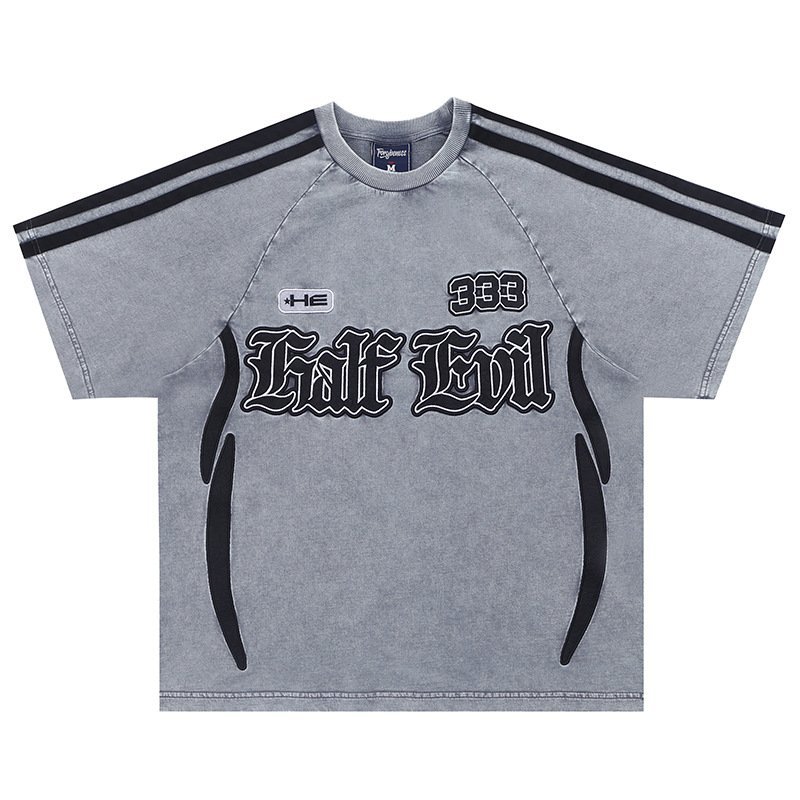
Flat paillette sequins (3–6mm) lie flush for a mirror finish — lowest cost tier, ideal for tees and caps. Cupped sequins add dimensional shimmer on dresses and bombers. Holographic types refract a full color spectrum at a 30–50% cost premium over flat.
Flip and Reversible Sequin Panels
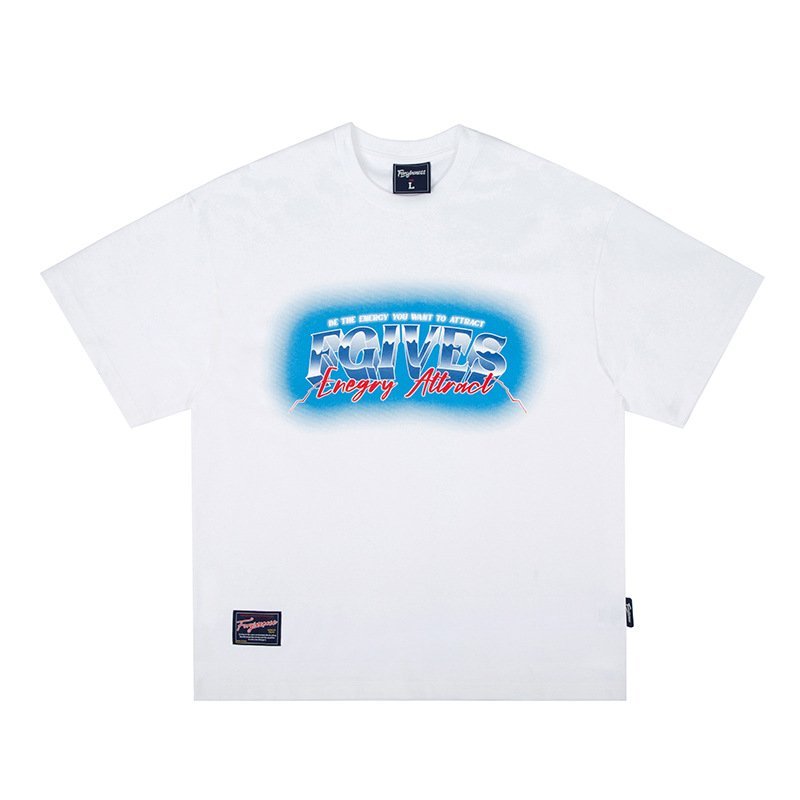
Available in sizes from 3–8mm, reversible panels flip between two colors when brushed — a high-engagement effect on hoodies and patches. They sit in the mid price tier. Specify at least 6 stitches per sequin to prevent loss after repeated wear and washing.
Hand, Machine, and Mixed-Media Sequin Work
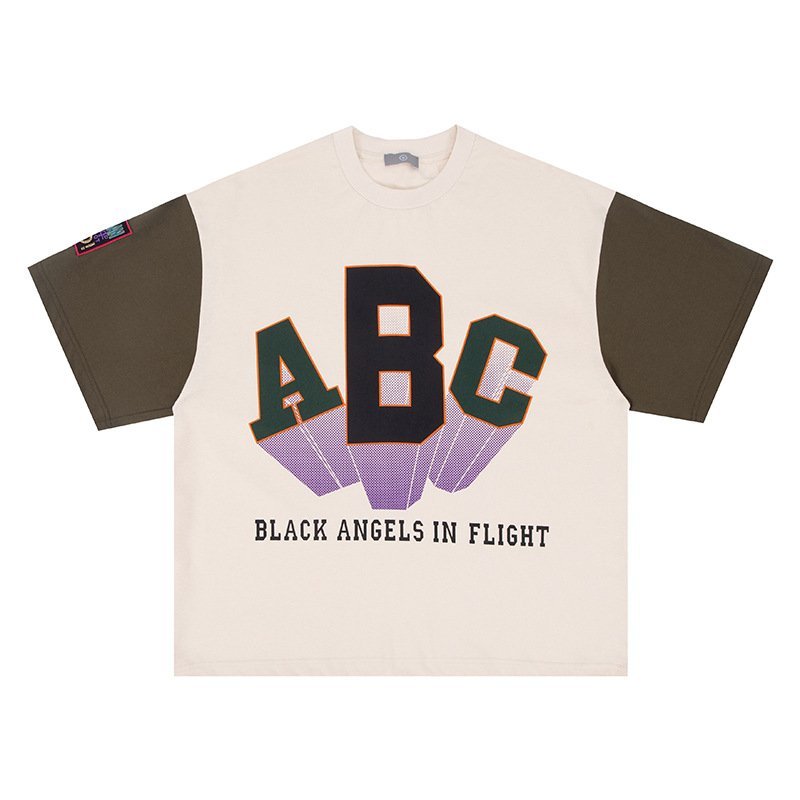
Machine sequin embroidery (800–1,200 stitches per minute) delivers consistent placement for mass production at a low-to-mid cost. Hand embroidery adds artisanal irregularity for luxury lines at 3–5× the labor rate. Mixed-media layering — sequins plus beads plus thread — creates the richest texture at the top cost tier.
4. Materials and Fabrics for Sequin Embroidery Production
Two material axes define every sequin embroidery order: the sequin disc type and the base fabric beneath it. Specifying both upfront prevents costly remakes and locks in care-label requirements before sampling begins.
| Sequin Material | Wash Cycles | Cost vs. PET | Sustainability |
|---|---|---|---|
| PET Plastic | 30–40 machine wash | Baseline | Low |
| Metallic Mylar | 15–20 hand wash | +15–20% | Low |
| Biodegradable PLA | ~20 machine wash | +25–35% | High |
| Glass / Crystal | Dry clean only | +60–80% | Medium |
Sequin Disc Materials
PET plastic sequins cover roughly 80% of commercial production — lightweight at 0.3–0.5 g per 1,000 discs and rated for 30–40 machine-wash cycles. Metallic Mylar delivers sharper brilliance but costs 15–20% more and is hand-wash-only.
Biodegradable PLA sequins suit sustainability-positioned collections and qualify for OEKO-TEX certification eligibility, though wash durability drops to approximately 20 cycles. Glass or crystal sequins weigh 3× more than PET and require dry-clean-only care labels.
Choosing the Right Base Fabric
Mesh and organza at 60–80 GSM support dense stitch patterns — up to 1,500 sequins per 10 cm² — because their open weave anchors thread without puckering. Denim at 280–350 GSM and velvet require wider stitch spacing to prevent needle damage and backing delamination.
Stretch fabrics with 8–15% elastane content require a woven interlining backer; omitting it causes sequin threads to snap within 10 washes. Cotton jersey at 180–220 GSM is the most forgiving mid-weight base for sequin embroidery on casualwear.
Care-Label Implications for Buyers
The most restrictive material in a garment governs the full care label — Mylar or glass sequins automatically push the entire SKU to hand-wash or dry-clean symbols under ISO 3758. Brands targeting mass retail or self-service laundry markets should default to PET or PLA sequins on stable wovens.
Confirm sequin spec and fiber content together before submitting for care-label compliance review; a late change from PET to Mylar can invalidate printed labels already in production.
5. Customization and Design Options for Sequin Embroidery
Reproducing your brand’s exact look in sequin embroidery requires early decisions across color, stitch construction, and placement — made before a single sample is cut. Getting these specs locked upfront prevents costly rework at production scale.
Pantone-Referenced Sequin Color Matching
Sequin suppliers stock standard palettes, but custom Pantone C-series-referenced colors are available with a minimum order of roughly 5–10 kg per color. Most designs specify 2–6 sequin colors per piece; exceeding 8 colors increases setup costs substantially.
Digitization Files and Mixed-Stitch Infill
Digitization converts your artwork into .DST or .PES machine-readable files. Fees typically run $30–$80 per design, with first-sample lead times of 5–7 days.
- Satin stitch: tight parallel columns for text and sharp logo edges
- Fill stitch: dense coverage behind large sequin-backed field areas
- Running stitch: lightweight outlines and fine detail work
Allover vs. Placement Embroidery Layouts
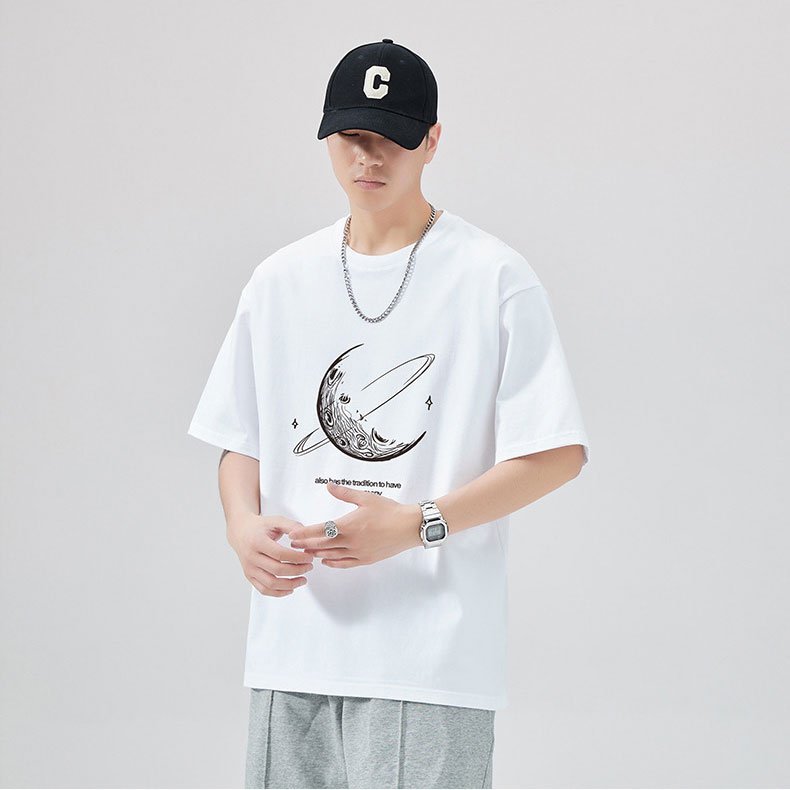
Placement sequin embroidery targets a single zone — chest logo, sleeve stripe, or back panel — keeping per-unit costs lower. Allover coverage spanning the full garment adds roughly $8–$20 per piece but delivers the high-impact look streetwear buyers expect.
Size-Run Placement and Grading Specs
A logo scaled for size M crowds on XS and floats on 3XL without graded placement specs. Define independent coordinates and field dimensions for each size break — typically 3–4 breaks across an XS–3XL run — to maintain proportional appearance at scale.
Private-Label Woven Labels and Brand Tags
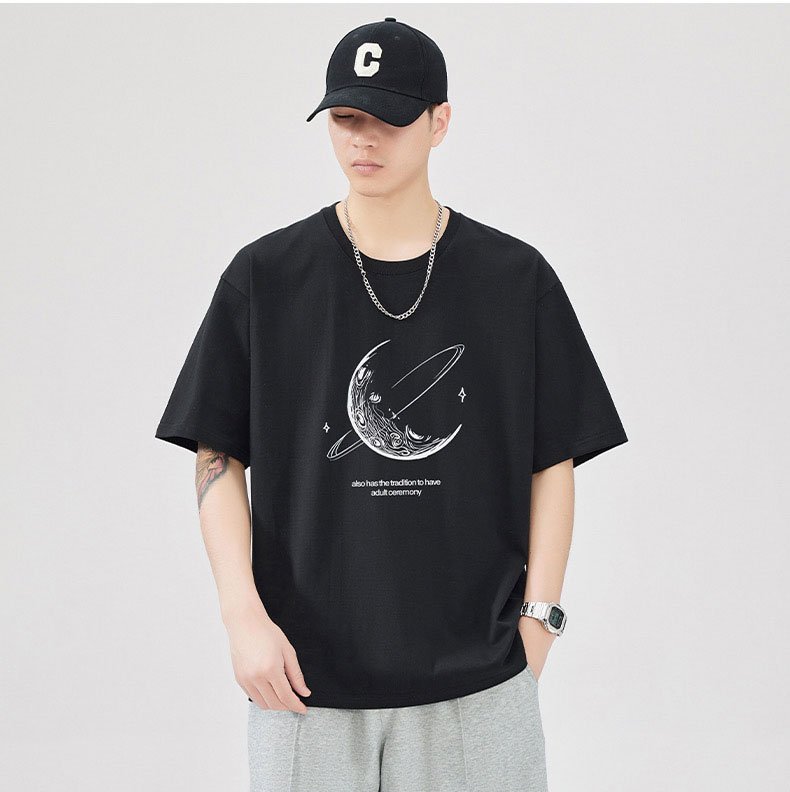
Private-label woven neck labels, hem tags, and care labels can be added to finished pieces with MOQs as low as 100 units. Submit artwork in vector format for clean reproduction at standard label widths of 25–50 mm.
6. Key Quality Elements That Define Superior Sequin Embroidery
Sequin embroidery quality breaks at predictable points, most invisible until the first wash. Lock these five checkpoints into your tech pack before production starts, and request matching factory QC documentation at every handoff.
Stitch Count and Attachment Method
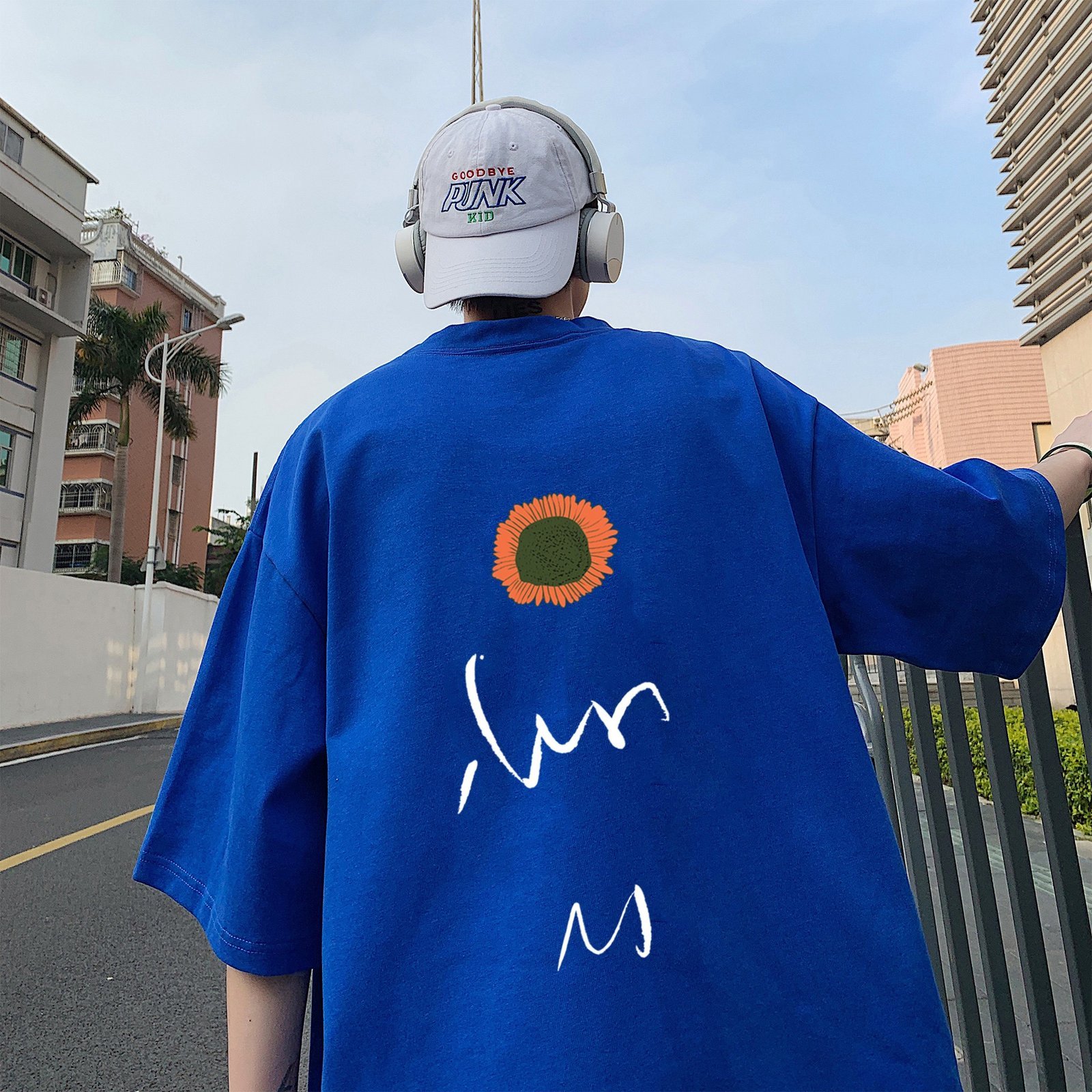
Lock-stitch (two-thread chain) holds under friction; single-thread attachment drops sequins after 10–15 wash cycles. Specify a minimum of 2–4 stitches per sequin in your embroidery spec sheet.
Sequin Lay Consistency and Directional Uniformity
Directional drift beyond ±3° creates visible light scatter across a finished piece. Request a pre-production lay test panel and approve it against a signed-off counter-sample before the bulk run.
Backing Stabilizer Type and Weight
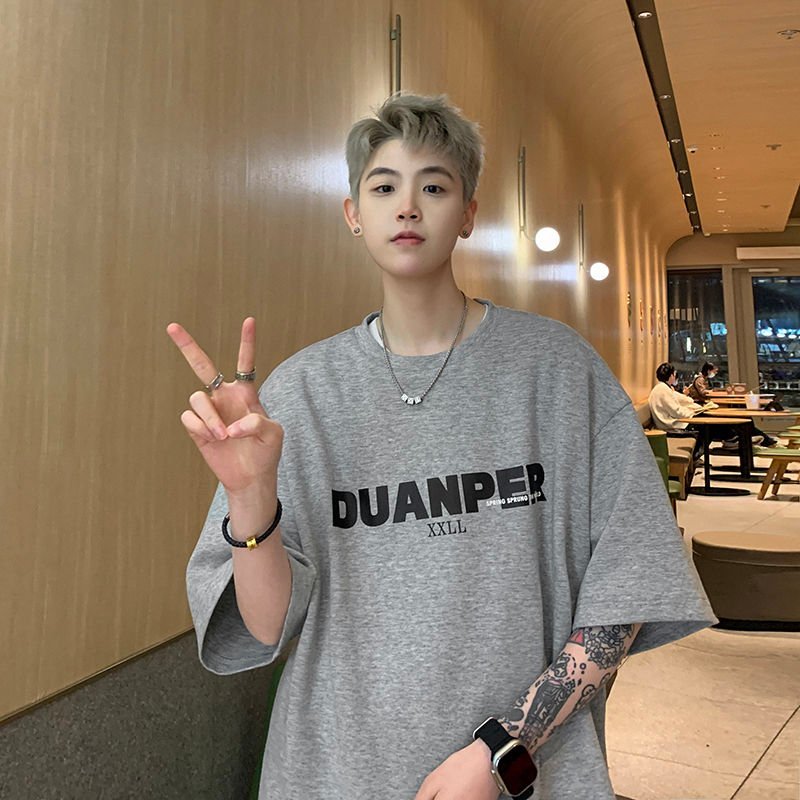
Cut-away stabilizer at 80–90 GSM suits stretch bases; tear-away works only on stable wovens. A stabilizer-to-fabric weight mismatch causes puckering that no finishing press can correct.
Edge Finish and Fraying Prevention
Raw sequin borders require overlock or satin-stitch encapsulation — specify which in the craft QC section of your tech pack. Unfinished edges unravel at design perimeters within 5–8 washes.
Wash and Colorfastness Testing Standards
ISO 105-C06 defines colorfastness to domestic and commercial laundering; require Grade 4 minimum on the 1–5 scale. Request dated wash test reports — not just verbal assurances — before approving bulk shipment.
7. How to Choose a Sequin Embroidery Manufacturer
Picking the wrong sequin embroidery partner costs brands time, money, and damaged inventory. Vet any factory across five hard criteria before issuing a purchase order.
| Criterion | Domestic Factory | Overseas Factory (e.g., China) |
|---|---|---|
| MOQ | 50–100 pcs | 30–300 pcs |
| Unit Cost | Higher | 30–60% lower |
| Lead Time | 2–4 weeks | 4–8 weeks |
| Certifications | Commonly available | OEKO-TEX, BSCI available |
| Communication | Same time zone | Dedicated manager required |
Assess Machine Count and Digitizing Software
Factories running fewer than 6 multi-head embroidery machines — with dedicated sequin-attachment heads — struggle to maintain consistent stitch tension across large runs. Ask which digitizing software they use; Wilcom and Pulse are the industry benchmarks for accurate sequin path programming.
Confirm MOQ Tiers and Sample Willingness
Reputable manufacturers offer paid samples at 1–5 units before committing to a production MOQ of 50–300 pieces. Any factory refusing a sample order is a firm red flag — you have no verifiable proof of quality before bulk commitment.
Require Verified Third-Party Certifications
OEKO-TEX Standard 100, GOTS, BSCI, or WRAP audits confirm chemical safety and ethical sourcing standards. Request audit reports dated within 24 months; verbal assurances with no supporting documentation are a dealbreaker.
Pin Down Sampling Lead Times and Revision Policy
Standard sample turnaround runs 7–14 days. Confirm in writing how many revision rounds are included — factories quoting ‘flexible timelines’ with no written policy routinely push production schedules back by weeks.
Evaluate Responsiveness and Dedicated Account Management
Overseas factories should assign one dedicated account manager fluent in your language. Test response time before ordering; a 48-hour reply delay during vetting reliably predicts worse communication failures mid-production.
8. Common Mistakes Brands Make When Sourcing Sequin Embroidery
Six recurring sourcing errors account for the majority of rework, delays, and margin erosion brands face when placing sequin embroidery orders — each preventable with structured pre-production checks.
Skipping Proofs and Under-Specifying Tech Packs
Approving flat artwork without a digitized stitch file lets the factory set sequin lay direction, stitch density, and bead count independently — rework typically adds 3–5 weeks before bulk approval.
Tech packs that omit sequin diameter (3 mm, 4 mm, or 6 mm) and shape (round, cup, or paillette) produce inconsistent samples across vendors and stall final sign-off.
Ignoring Stretch Compatibility and Skipping Wear Tests
Sequin embroidery on stretch bases — 4-way Lycra, French terry, or jersey above 200 GSM — puckers or tears when rigid stitch backing resists fabric movement, a defect invisible until the garment is worn.
Ordering bulk without minimum 10 wash cycles at 40°C risks sequin detachment and color oxidation, generating returns that erase per-unit margin entirely.
Overlooking Tariff Codes and Choosing on Price Alone
Sequin-embroidered garments commonly fall under HTS codes carrying 12–32% duty rates rather than standard garment rates — a classification gap buyers only discover when goods clear customs.
Selecting a factory on unit price alone ignores stitch-per-inch count, thread tension, and backing quality — defects invisible in samples but evident after 5–10 wears, triggering chargebacks and lasting brand damage.
9. Steps to Launch Your Brand’s Sequin Embroidery Collection
Launching a sequin embroidery collection follows a repeatable six-step process that keeps design intent intact from first sketch to shipped carton. Each step has a clear deliverable, reducing the costly rework that catches most startups off guard.
Build Your Concept and Mood Board
Gather 10–15 reference images covering placement zones, sequin size (3mm–6mm is standard), and colorway direction. Pin Pantone codes to each reference so any factory you approach quotes the exact palette, not a rough interpretation.
Create a Detailed Tech Pack
A tech pack must include a flat sketch, stitch type (satin, fill, or chain), sequin size callout, and the GSM of the base fabric. Missing specs are the single largest cause of proto rejections and avoidable re-sampling costs.
Shortlist Factories and Submit RFQs
Send RFQs to 3–5 vetted factories with your complete tech pack attached. Request unit pricing at both 100-piece and 300-piece MOQ tiers, and confirm a 10–14 day proto turnaround before committing to any one partner.
Review the Proto Sample
Evaluate the prototype against three hard criteria: sequin adhesion, stitch density (minimum 8 stitches per cm²), and Pantone color match. Allow up to two revision rounds; a third round typically signals a factory capability gap worth addressing before bulk.
Sign Off on the PP Sample
A pre-production sample locks every approved spec — fabric weight, thread color, sequin type, and label placement. Confirm sign-off in writing before bulk cutting begins to prevent mid-run substitutions that are expensive to reverse.
Run Final QC and Calculate Landed Cost
Conduct in-line and final QC checks against your signed-off PP sample, verifying sequin coverage uniformity and loose thread counts. Add ocean freight, import duties (typically 12–27% for apparel in major markets), and agent fees to calculate the true landed cost per unit.
10. Sequin Embroidery Pricing, MOQs, and Lead Times
Digitization fees for sequin embroidery designs typically run $30–$80 per file, a one-time cost that resets to zero on reorders of the same artwork. South and Southeast Asian manufacturers — including those in China’s Guangdong province, Vietnam, and Bangladesh — price 20–35% below comparable domestic U.S. or European production at every quantity tier.
Sequin material choice adds a meaningful per-unit upcharge: standard PET sequins carry no premium, holographic PET adds roughly $0.80–$1.50 per piece at mid-volume, and OEKO-TEX-certified biodegradable sequins (PLA-based) add $1.20–$2.00 per piece. Sourcing from a manufacturer with QC stages embedded across materials, cutting, craft, sewing, and finished-goods inspection limits rework costs that otherwise erode margin at small run sizes.
Rush production — compressing standard lead time by 30–40% — typically incurs a 15–25% price premium and is most accessible at the 100–300 pc tier, where factories can slot orders into existing line capacity without a full line changeover. Learn more about Clothing Manufacturer Ltd.
| Quantity Tier | Unit Price Range (USD) | Digitization Fee (USD) | Lead Time (Weeks) |
|---|---|---|---|
| 50 pcs | $18–$28 | $50–$80 | 3–4 |
| 100 pcs | $13–$20 | $40–$70 | 3–4 |
| 300 pcs | $9–$14 | $30–$60 | 4–5 |
| 500 pcs | $7–$11 | $30–$50 | 4–5 |
| 1,000+ pcs | $5–$8 | $25–$40 | 5–7 |
Launch Your Sequin Embroidery Project — Samples & Quotes Ready
Submit your artwork today and get fast sampling, competitive pricing, and our 5-step QC guarantee with worldwide shipping to 100+ countries.