
Garment Wash and Dye That Elevates Your Streetwear Brand
Professional garment wash and dye for streetwear brands and startups — 50-piece MOQ, 7-day samples, and 5-step QC embedded in every batch.
Finished Garment Wash and Dye Samples
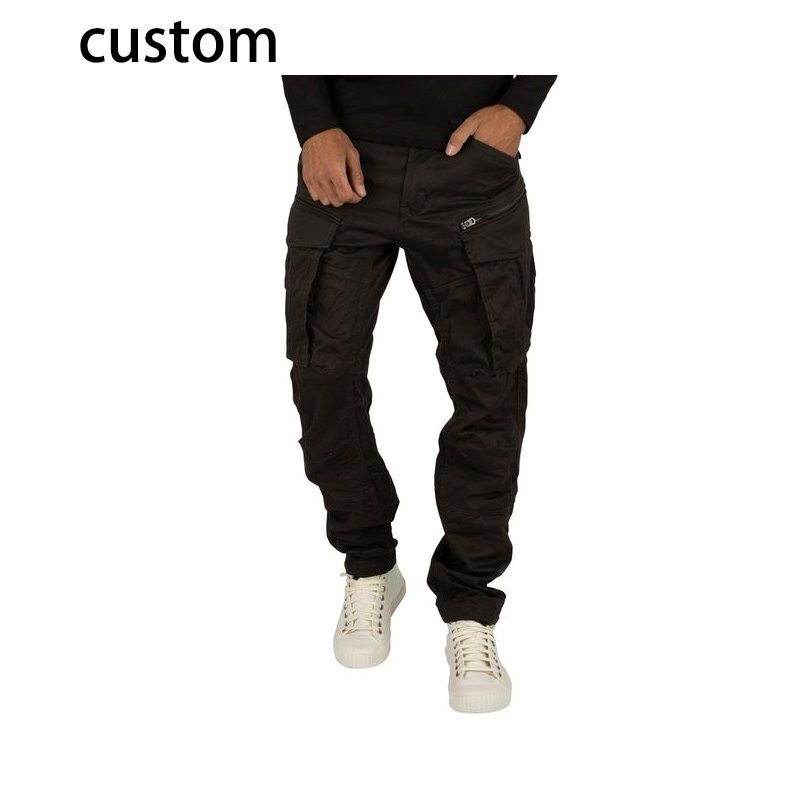
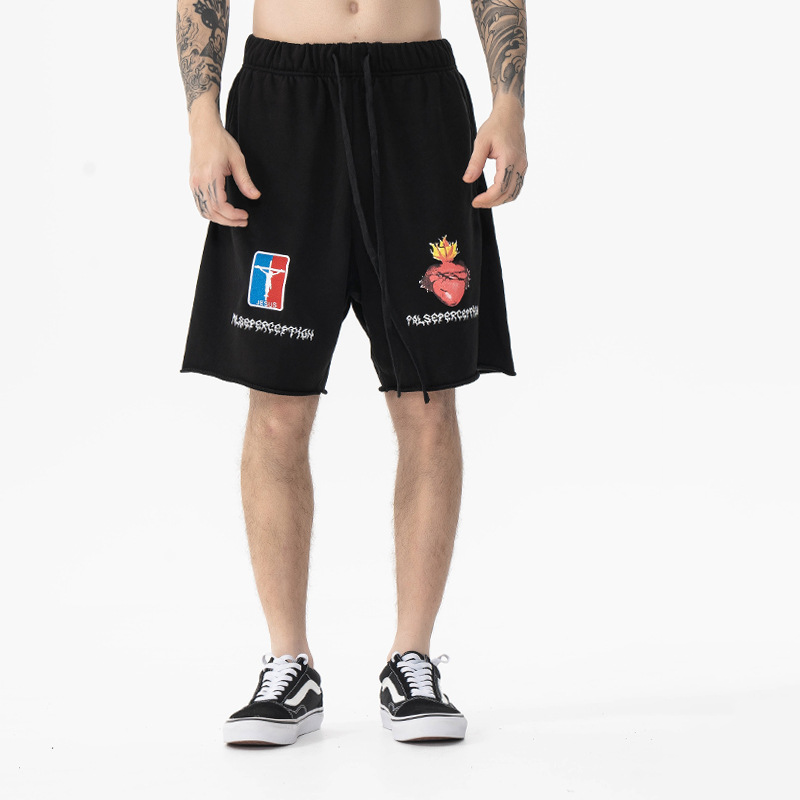
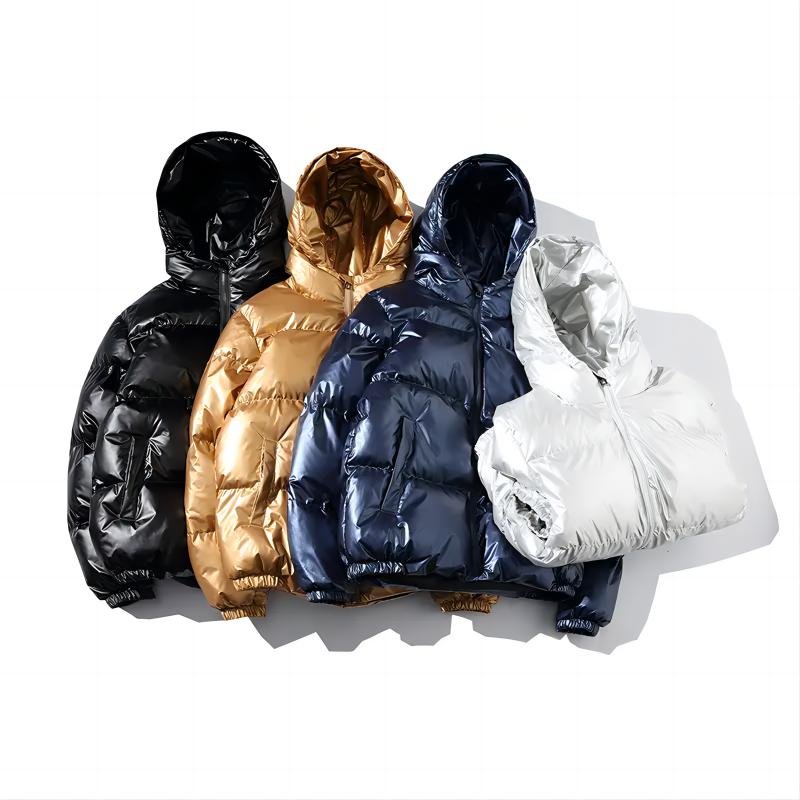
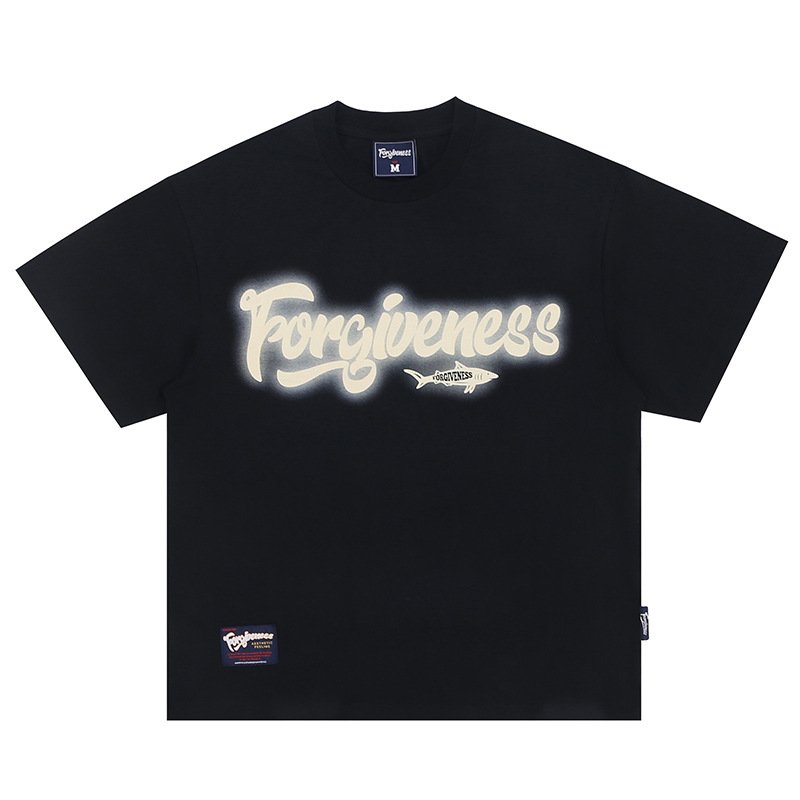
Why Garment Wash and Dye Elevates Your Brand
From acid wash to ombré gradients, our proprietary dye chemistry delivers the textures, colorways, and lasting vibrancy that set streetwear apart.
Ombré, Acid Wash & More
Achieve ombré gradients, acid wash, and tie-dye effects impossible to replicate using pre-dyed fabric alone.
85–90% Color Retention Guaranteed
Proprietary dye chemistry locks in vibrant color through 100+ wash cycles, far outlasting standard garment dyeing methods.
Consistent Results at Scale
Precision batch controls deliver uniform color and finish across every unit in large streetwear production runs.
Authentic Worn-In Hand-Feel
Post-construction dyeing softens fibers naturally, creating a worn-in texture and premium hand-feel buyers instantly recognize.
Faster Than Fabric Pre-Dyeing
Dyeing finished garments eliminates fabric pre-treatment lead times, accelerating seasonal collection delivery without sacrificing quality or consistency.
Exclusive Colorways, Higher Margins
Unique colorways from garment wash and dye signal craft and exclusivity, helping streetwear labels command higher retail prices.
The Wash and Dye Techniques Streetwear Demands
From rich solid dyes to worn-in distressed finishes, every technique runs through our five-step QC process for consistent, production-ready results at any scale.
Garment Dye
Garment dyeing applies color to the fully constructed piece rather than the raw fabric. The result is a rich, slightly uneven tone with natural variation from seam to seam. Ideal for streetwear brands seeking dimensional, lived-in color and subtle piece-to-piece uniqueness across hoodies, tees, and sweats.
Get a Quote
Custom Tie Dye
Resist techniques — folding, binding, clamping, and stitching — block dye penetration to create bold, unrepeatable surface patterns. Every piece is one of a kind, making custom tie-dye the default choice for limited-edition drops, influencer exclusives, and collections built around individual expression and social-media-ready visual impact.
Get a Quote
Acid Wash
Chlorine bleach or potassium permanganate applied with pumice stones produces the high-contrast, mottled patterns that define 80s and 90s streetwear. Acid wash remains a top-performing aesthetic in drop culture and vintage-revival lines, delivering visual aggression that resonates with consumers who want garments that make a statement on sight.
Get a Quote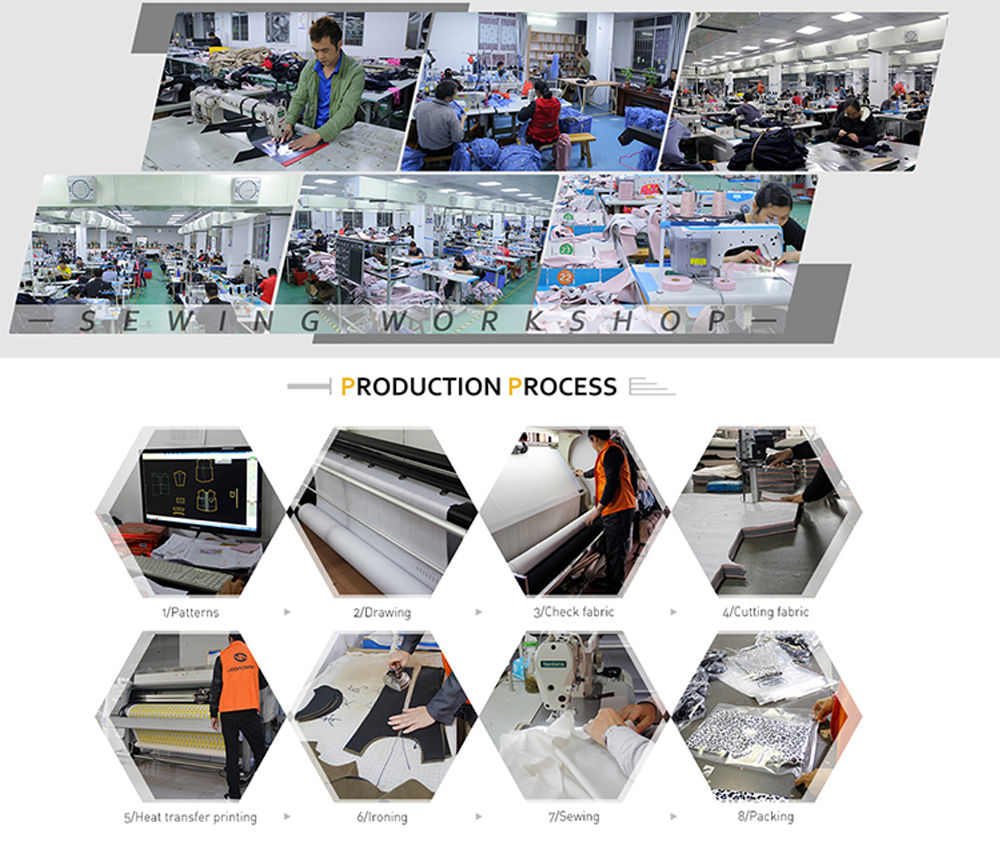
Stone Wash
Tumbling garments with pumice stones mechanically abrades the fabric surface, softening hand-feel and fading color in a pattern that mimics years of natural wear. Stone wash is the go-to finishing process for denim, canvas, and heavy-cotton streetwear basics where a broken-in texture is as important as the visual look.
Get a Quote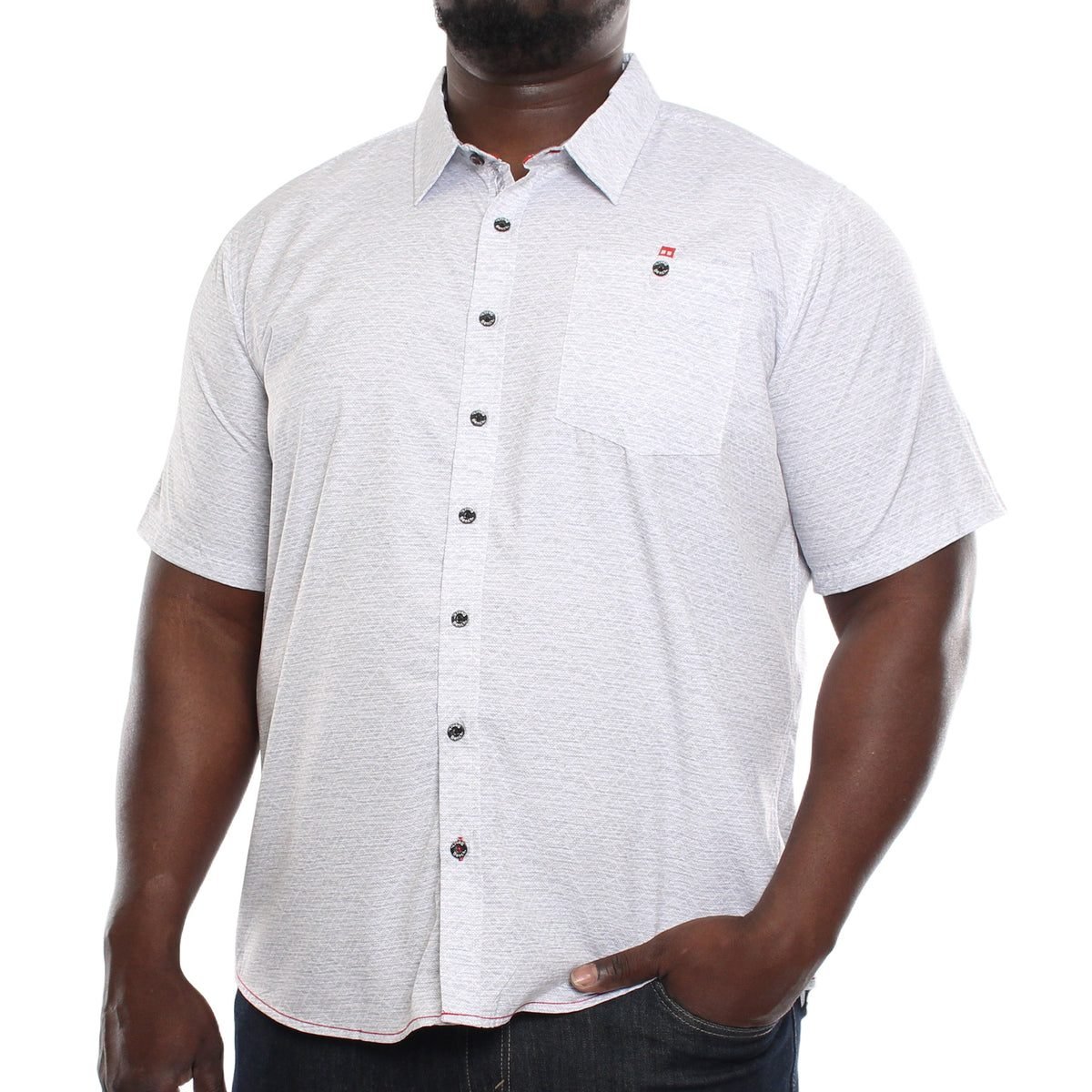
Enzyme Wash
Biological enzymes target and break down fiber surfaces at a molecular level, producing a gently faded, ultra-soft finish without the harshness of bleach or stones. The result reads clean and controlled — a subtler vintage effect suited to premium streetwear basics and any brand where fabric hand-feel is a core part of the product story.
Get a Quote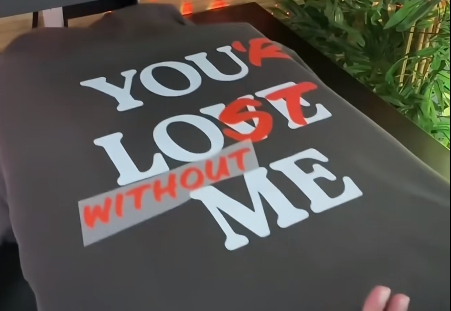
Pigment Dye
Pigment is applied to the garment surface rather than absorbed into the fiber, creating a matte, faded appearance with natural tonal variation. Unlike reactive dyes, pigment color shifts gradually with every wash, giving each garment an evolving patina over its life — a selling point for streetwear consumers who value authenticity and wear history.
Get a Quote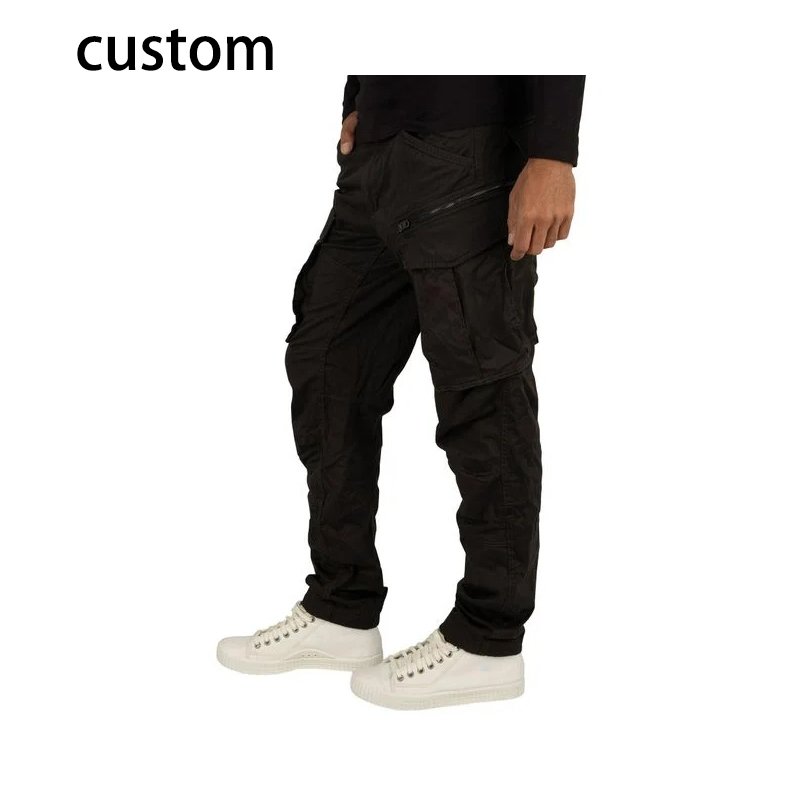
Mineral Wash
A stone-wash variant that replaces standard pumice with mineral-based solutions to produce a soft, cloudy, bleached-out effect with dimensional surface texture. The finish is more refined and less aggressive than acid or bleach wash, making mineral wash a strong option for premium streetwear and avant-garde labels targeting an elevated aesthetic without sacrificing edge.
Get a Quote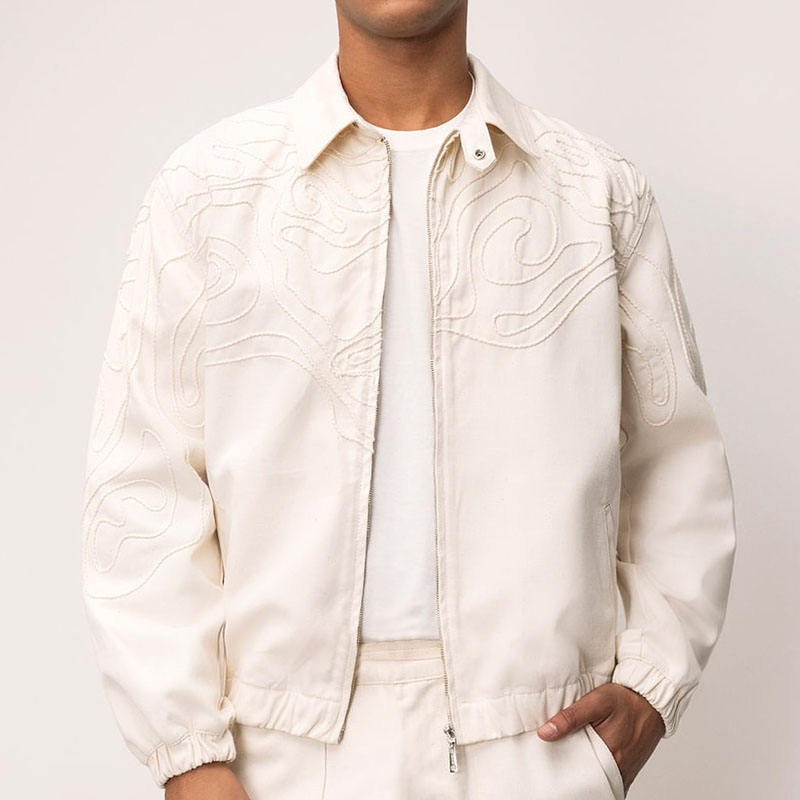
Distressed Garment Wash
Mechanical distressing — sanding, scraping, laser treatment, and hand-grinding — is layered with controlled wash processes to produce authentic wear patterns, targeted fraying, and surface breakdown across stress points. The combination achieves the earned, worn-in character that streetwear consumers recognize as genuine and that print or embroidery techniques cannot replicate on their own.
Get a Quote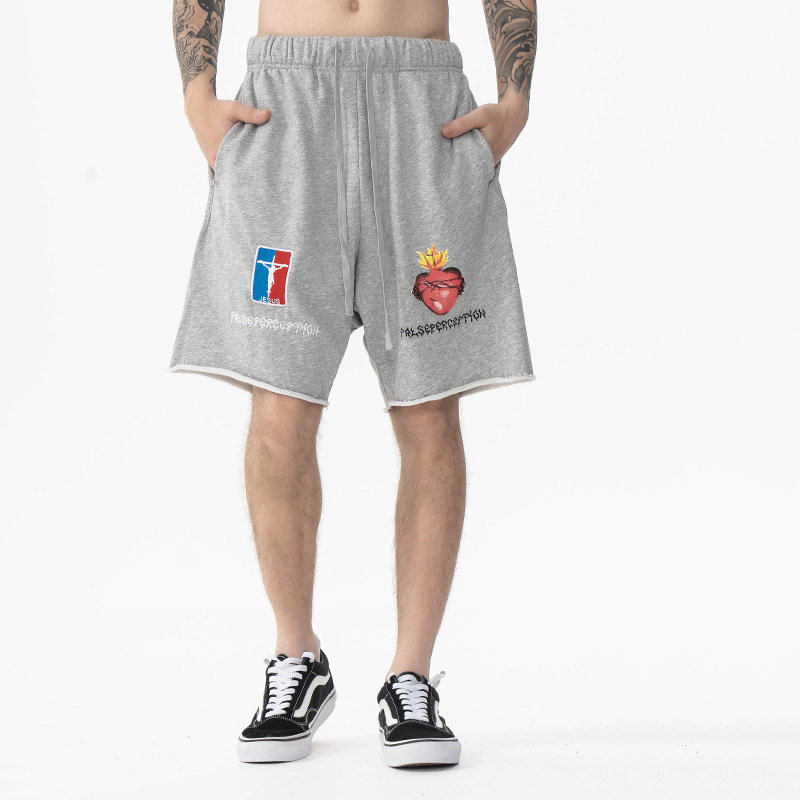
Bleach Wash
Chlorine bleach is applied across the full garment or concentrated in specific zones to strip color and create dramatic fades, high-contrast splashes, or all-over lightening effects. Bleach wash is a foundational technique for bold streetwear graphics, oversized statement pieces, and any collection where maximum tonal contrast is central to the design direction.
Get a Quote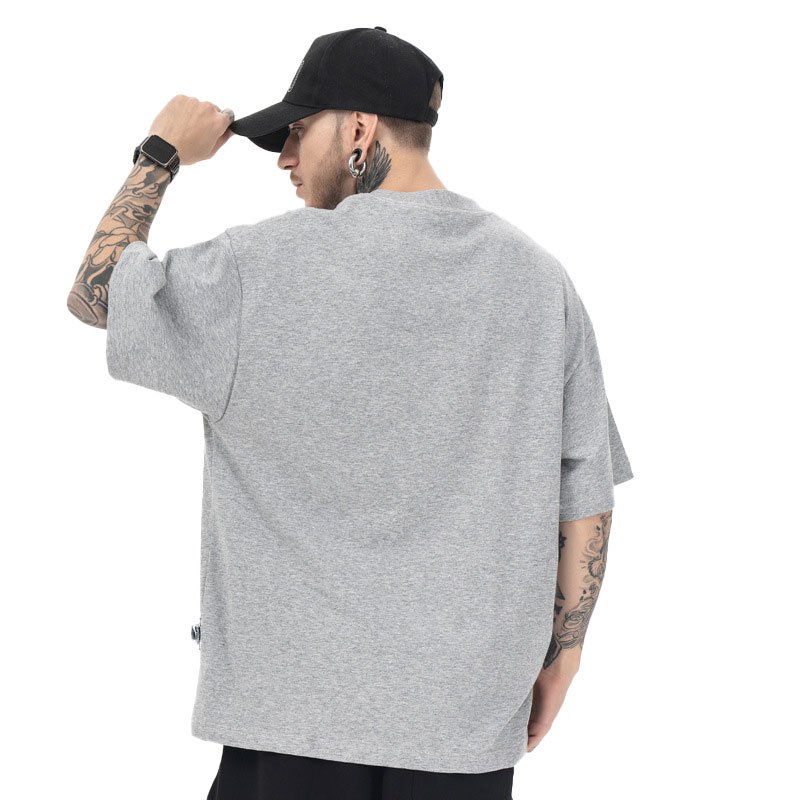
Vintage Wash
A multi-step finishing sequence combining softening agents, controlled mild bleaching, and tumble processing simulates the gradual fading and texture breakdown of decades of real-world wear. Vintage wash delivers the faded, broken-in feel that streetwear consumers associate with cultural credibility and longevity — without compromising the garment’s structural integrity or fit consistency.
Get a QuoteAbout Us: Garment Wash and Dye Leaders
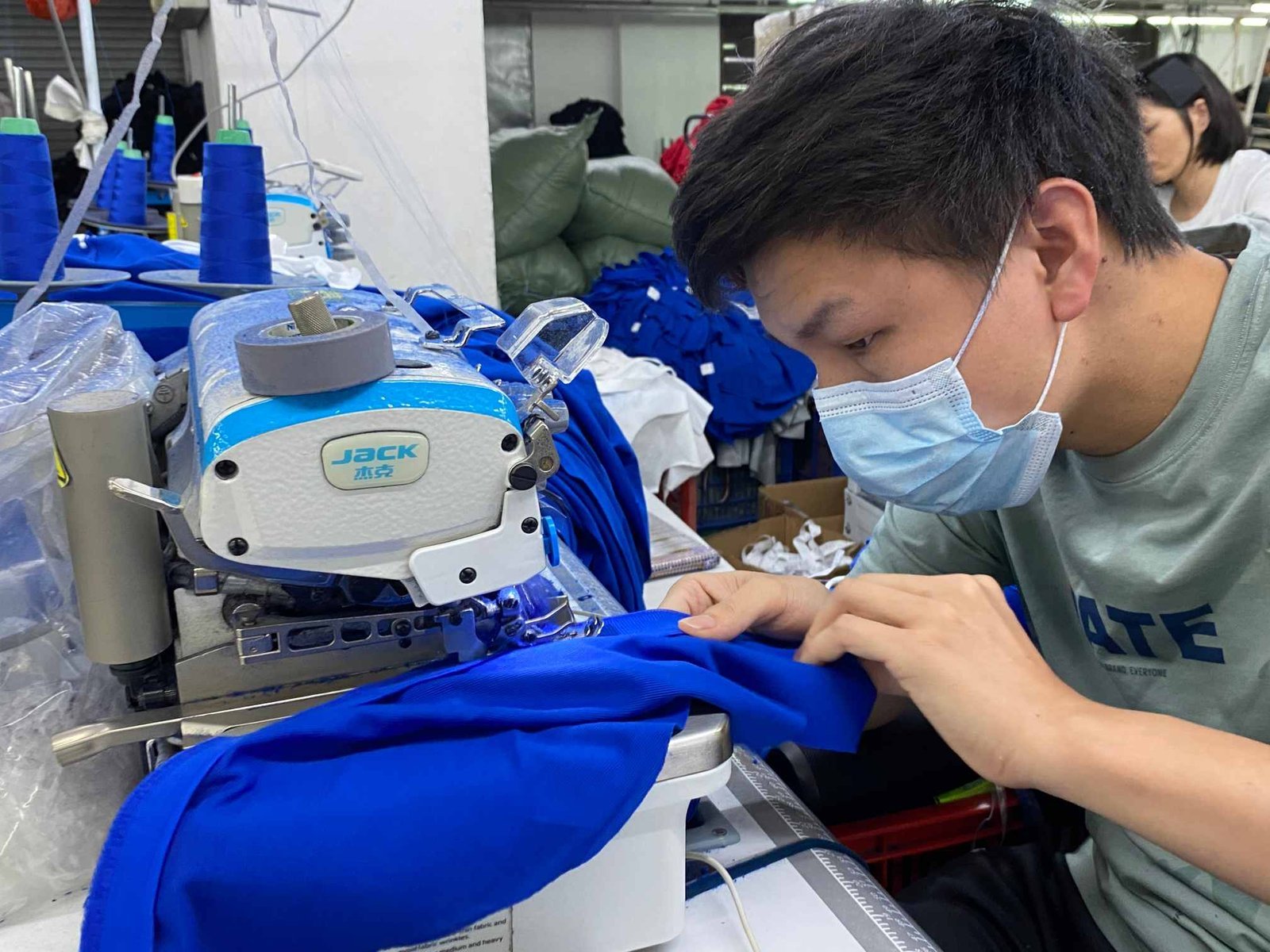
Clothing Manufacturer Ltd. was founded in 2024 by Tesla Luo, a second-generation garment professional with 10+ years of production experience and deep roots in streetwear culture. After witnessing factories ship orders with no quality checks whatsoever, Luo built this company on a different promise: that every garment wash and dye order, from the first sample to the final shipment, would meet a rigorous, documented standard.
Central to our operation is a proprietary five-step QC methodology applied at every stage, from materials selection through finished garment inspection. Our in-house R&D team of 15 specialists and 10 patents in production innovation ensure your wash and dye results are vibrant, consistent, and built to last, with defects caught and corrected long before product ever reaches your customers.
Headquartered in Humen Town, Dongguan, China’s premier garment manufacturing hub, we serve streetwear labels, independent designers, fashion startups, and global retailers across more than 100 countries. Whether you need low MOQs for a debut collection or fast turnarounds for a seasonal drop, Clothing Manufacturer Ltd. delivers garment wash and dye craftsmanship that scales with your brand.
Our Core Garment Wash and Dye Expertise
Precision Acid Wash, Consistent Results Every Batch
Our controlled acid wash process uses calibrated chemical ratios, timed soak durations, and temperature-monitored baths to produce the signature high-contrast distressed effect streetwear brands demand — batch after batch, with no color inconsistency or fabric degradation.
- Potassium permanganate concentration dialed per fabric weight for uniform fade depth across every unit
- Strict soak-time protocols prevent thinning, pinholes, and seam stress that cheaper wash shops miss
- Neutralization baths eliminate chemical residue and preserve a soft, street-ready hand-feel
- 5-step QC inspection at the wash stage identifies inconsistencies before garments advance to finishing
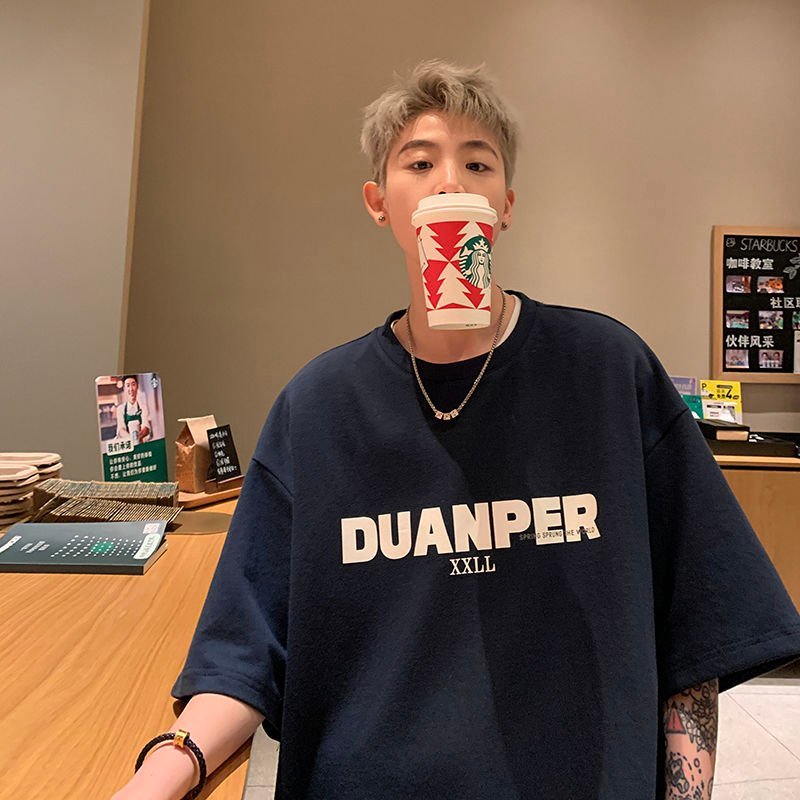
85%+ Color Retention via Advanced Dye Chemistry
We formulate every garment wash and dye bath with premium fiber-reactive dyes, pH buffering, and fabric-specific curing protocols so your colorways stay vivid through heavy use and repeated washes — meeting the durability standard serious streetwear brands require.
- Fiber-reactive dye molecules bond at the molecular level for deep, lasting color penetration
- pH-buffered dye baths eliminate streaking, bleed, and uneven uptake across all fabric weights
- Curing temperature and duration adjusted per fiber content — 100% cotton, poly blends, and fleece
- Post-dye fixative treatment achieves OEKO-TEX-aligned chemical safety benchmarks on every run
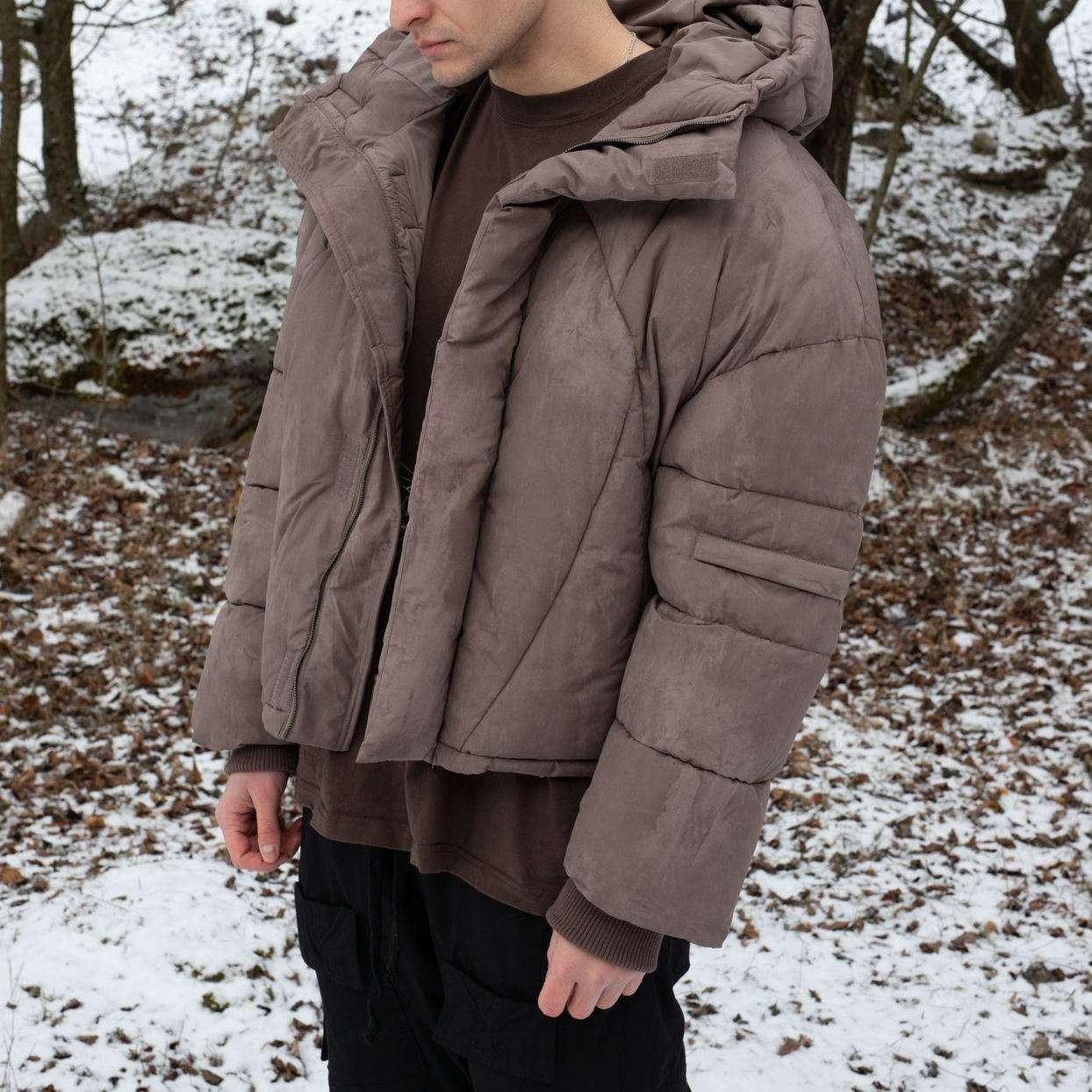
Enzyme Stone Wash for Authentic Vintage Softness
Our combined enzyme and pumice stone wash techniques break down surface fibers with surgical precision, delivering authentic vintage texture and cloud-soft hand-feel on denim, fleece, and heavyweight cotton without weakening structural integrity or seam strength.
- Pumice stone load ratios calibrated per target fabric weight to achieve the exact surface effect specified
- Bio-polishing enzyme treatments eliminate surface pilling and dramatically improve garment drape and comfort
- Pre-wash shrinkage treatment minimizes post-production dimensional change across full size runs
- Garment-to-stone ratio monitoring prevents abrasion defects, seam damage, and uneven texture distribution
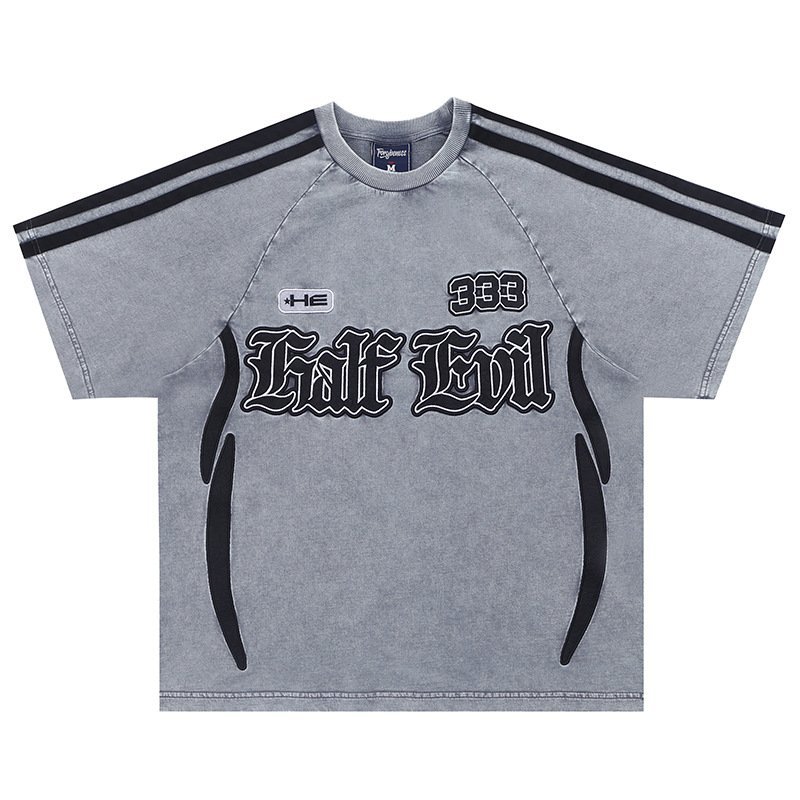
Overdye and Color Correction for Bold Colorways
Our garment wash and dye overdye service transforms base fabrics into striking seasonal colorways, corrects off-spec dye lots before they reach your customers, and builds the layered tonal depth that defines premium streetwear aesthetics.
- Layered overdye techniques produce unique mottled, tonal, and gradient effects impossible to replicate in print
- Off-spec dye-lot correction service rescues existing inventory without requiring a full re-production run
- Multi-step rinse and soaping cycles lock in overdye consistency across every unit in a bulk order
- In-house spectrophotometer readings verify Pantone-accurate color matching on every production batch
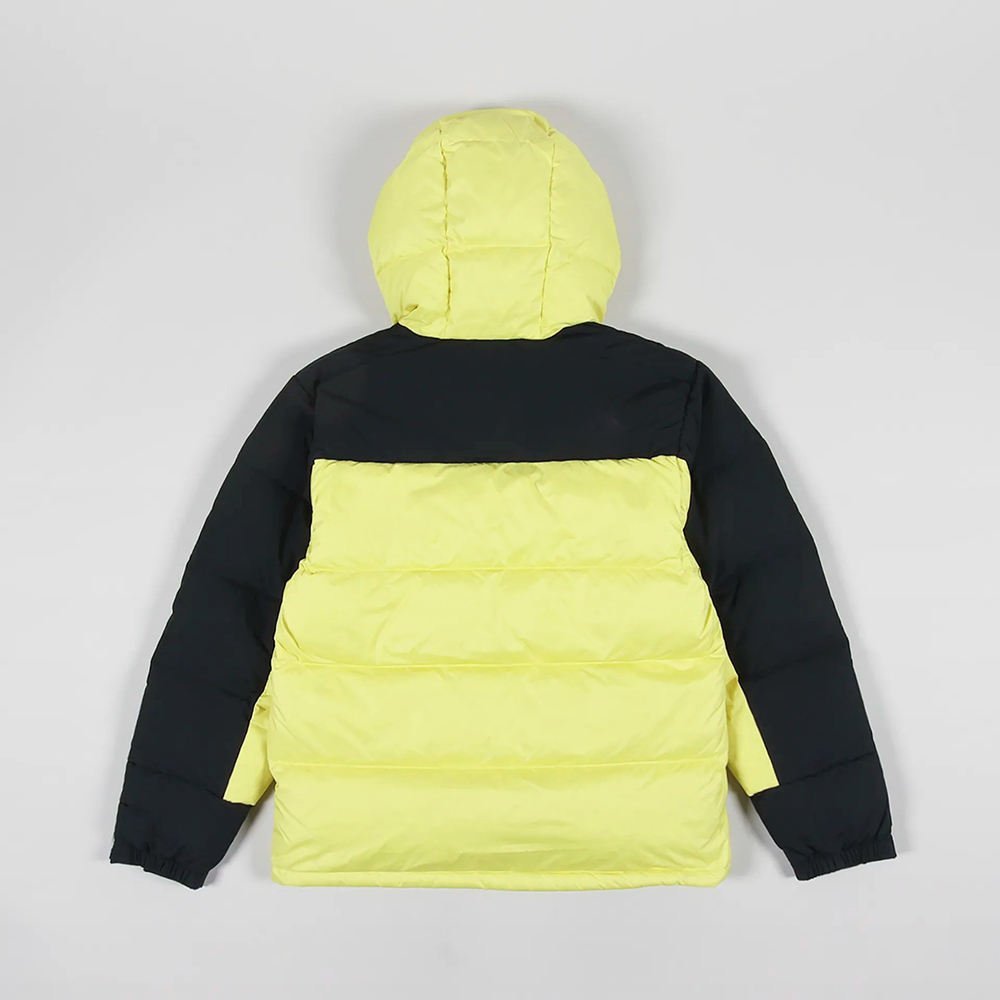
Why Choose Our Garment Wash and Dye Services?
See exactly how our garment wash and dye capabilities stack up against what typical competitors deliver — from technique depth and QC rigor to lead times and durability guarantees.
← 左右滑动查看 →
Our Garment Wash and Dye Production Process
From pre-wash inspection to final packaging, every stage is governed by our 5-step QC guarantee — delivering color-perfect results for streetwear brands worldwide.
Pre-Wash Garment Inspection
Every piece undergoes a rigorous pre-wash QC check for seam integrity, fabric defects, and construction flaws — ensuring only flawless garments enter the garment wash and dye process.
Wash & Soak Preparation
Garments are sorted by fabric type and weight, then pre-soaked in pH-balanced water with targeted pre-treatment agents to prime each piece for even, consistent dye absorption throughout.
Wash & Bleach Application
Specialty techniques — acid wash, enzyme wash, stone wash, or bleach application — are precision-executed to achieve the exact distressed, faded, or textured aesthetic your streetwear collection demands.
Immersion Dye & Heat Set
Garments are immersed in premium dye baths with controlled heat and continuous circulation, ensuring deep, uniform color penetration and vivid, batch-consistent results across every unit in production.
Rinsing & Color Neutralization
Excess dye is thoroughly rinsed and neutralized with precision chemistry to lock in color fastness, eliminate any bleeding risk, and fully stabilize each garment’s finish before proceeding.
Drying, Curing & Pressing
Garments are dried at calibrated temperatures to fully cure the dye, then expertly pressed and shaped to restore original fit, remove creasing, and achieve a premium shelf-ready finish.
Final QC & Packaging
A comprehensive final inspection verifies color consistency, dye fastness, dimensional accuracy, and surface quality. Approved garments are carefully packed and cleared for global shipment direct to your brand.
How to Order Garment Wash and Dye
Five straightforward steps take your concept from color reference to QC-inspected, finished garments shipped anywhere in the world.
Submit Samples or Artwork
Share unwashed garment samples, color swatches, or reference photos along with your fabric type and desired finish description for an accurate quote.
Get Your Quote and Samples
Receive a tailored quote based on your MOQ and wash or dye complexity, then commission 50 to 100 sample garments to evaluate firsthand.
Approve Color and Finish
Evaluate dyed samples against your color references and approve the finish, or request adjustments until every shade and texture meets your brand standard.
Confirm and Start Bulk Production
Lock in your final order and move into full-volume production, with every batch protected at each stage by our 5-step quality control guarantee.
Pass Inspection and Ship Globally
Every finished garment clears a final QC inspection before professional packaging and global shipping logistics are arranged to your warehouse or fulfillment center.
Client Testimonials: Garment Wash and Dye Excellence
We commissioned 300 acid-wash hoodies and color consistency was flawless across every single unit. After 60+ washes in durability testing, the vintage tone held perfectly. The authentic aged look matched our reference sample exactly — our drop sold out in 48 hours.
As a startup with tight timelines, the 7-day sample turnaround on our overdye tees was a game-changer. The hand-feel is genuinely premium, and after 50+ washes the color retention is still impressive. We signed a long-term production agreement within a week of receiving samples.
We needed a very specific ombré-plus-distress finish to match our brand aesthetic — Clothing Manufacturer Ltd. nailed it on the first sample submission, zero revisions. Our 85K followers delivered our biggest launch day ever. The garment wash and dye quality simply speaks for itself.
Garment Wash and Dye FAQ
Everything streetwear brands, startups, and independent designers need to know before placing an order — answered directly by our production team.
What is your MOQ for garment wash and dye services?
Can you combine acid wash with ombré dye on the same garment?
Is garment wash and dye suitable for 100% polyester fabrics?
How long does sample turnaround take for a new garment wash and dye colorway?
Can you match Pantone colors exactly in the dye process?
Does garment wash and dye affect the softness or hand feel of the fabric?
What file formats and specs do you need to start a garment wash and dye order?
Do sample costs apply toward a bulk order discount?
What is the lead time and color retention guarantee for orders of 1,000 or more garments?
The Complete Buyer’s Guide to Garment Wash and Dye
Everything streetwear brands, independent designers, and global retailers need to evaluate garment wash and dye services — from technique types and fabric compatibility to supplier vetting criteria, pricing tiers, and the most costly sourcing mistakes to avoid.
1. What Is Garment Wash and Dye?
Garment wash and dye is a post-construction finishing process applied to fully sewn garments rather than raw fabric or yarn — a critical distinction that changes how color, texture, and drape behave at retail. Unlike fabric-stage dyeing, treating completed pieces allows manufacturers to achieve precise, all-over color uniformity across seams, hems, and hardware simultaneously. The result is a finished garment with dimensional character that flat-dyed yardage cannot replicate.
The process rests on two technical pillars. Washing methods — including stone wash, enzyme wash, acid wash, and sand blast — mechanically or chemically abrade fabric surfaces to produce a worn, broken-in hand-feel that typically requires 3–5 wash cycles to achieve authentically at home. Dyeing methods such as piece dyeing (applying color to finished fabric panels) and garment dyeing (submerging the fully constructed piece in a dye bath) give brands direct control over Pantone-matched color targets without locking color choices to early-stage fabric orders.
Three buyer segments consistently drive demand for garment wash and dye capabilities: streetwear labels chasing washed-out, heavyweight aesthetics in 300–400 GSM fleece and French terry; vintage-inspired lines requiring irregular, sun-faded color gradients; and DTC startups that need premium texture at MOQs as low as 50–100 pieces per colorway. Brands using OEKO-TEX certified dye formulations can market the finished product to sustainability-conscious consumers without reformulating core designs.
2. The Evolution and History of Garment Wash and Dye
In the early 1900s, industrial laundry treatments were applied to canvas and denim workwear primarily to soften coarse fibers and improve abrasion resistance before garments reached workers. Brands like Levi Strauss used heavy 14–16 oz ring-spun denim that required mechanical washing to break in stiffness — a purely functional step with no aesthetic intent.
By the mid-1970s, manufacturers began tumbling denim with pumice stones to accelerate the fading customers had previously worn in over months — a process now standardized as stonewashing. The technique exploded commercially through the 1980s, with brands selling pre-faded jeans at a meaningful premium over raw denim counterparts and establishing ‘worn-in’ as a marketable quality rather than a sign of age.
Acid washing emerged around 1986, achieved by soaking pumice stones in sodium hypochlorite before the drum cycle, producing the high-contrast bleached patterns that defined late-1980s fashion. The technique briefly receded during the 1990s grunge era but cycled back as a streetwear reference point by the early 2010s, valued precisely for its era-specific authenticity.
From roughly 2005 onward, garment dyeing — applying color to fully constructed pieces rather than raw fabric — moved from niche Italian luxury production into mainstream streetwear and independent label manufacturing. Today, brands worldwide source garment wash and dye finishing to differentiate collections with one-of-a-kind tonal variation and vintage character that mass-produced, piece-dyed garments cannot replicate.
3. Types of Garment Wash and Dye Techniques
Six core technique families define the garment wash and dye spectrum buyers encounter in streetwear production. Each delivers a distinct visual output, suits specific fabric weights, and carries real MOQ and lead-time implications.
Stone Wash
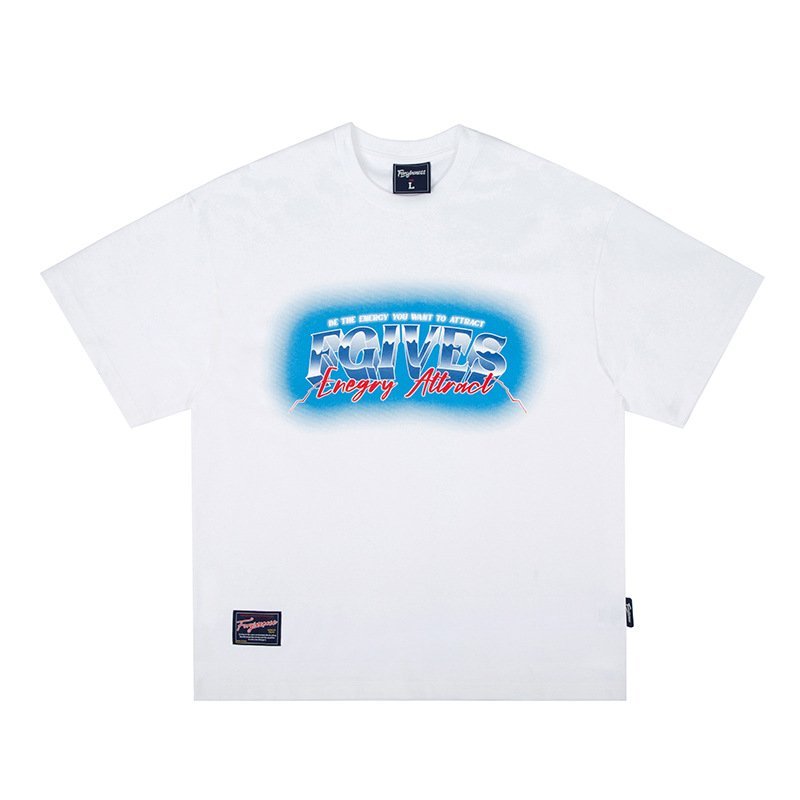
Pumice stones tumble against denim or heavy cotton (10–14 oz) in industrial washers, producing a faded, worn-in aesthetic central to classic streetwear.
MOQs typically start at 100 pieces; washing cycles add 3–5 days to standard lead time.
Enzyme Wash
Cellulase enzymes biodegrade surface fibers, softening hand-feel without pumice abrasion — a cleaner environmental profile favored by OEKO-TEX-conscious brands.
Best on 100% ring-spun cotton; adds 2–4 days with no significant MOQ premium over stone wash.
Acid Wash
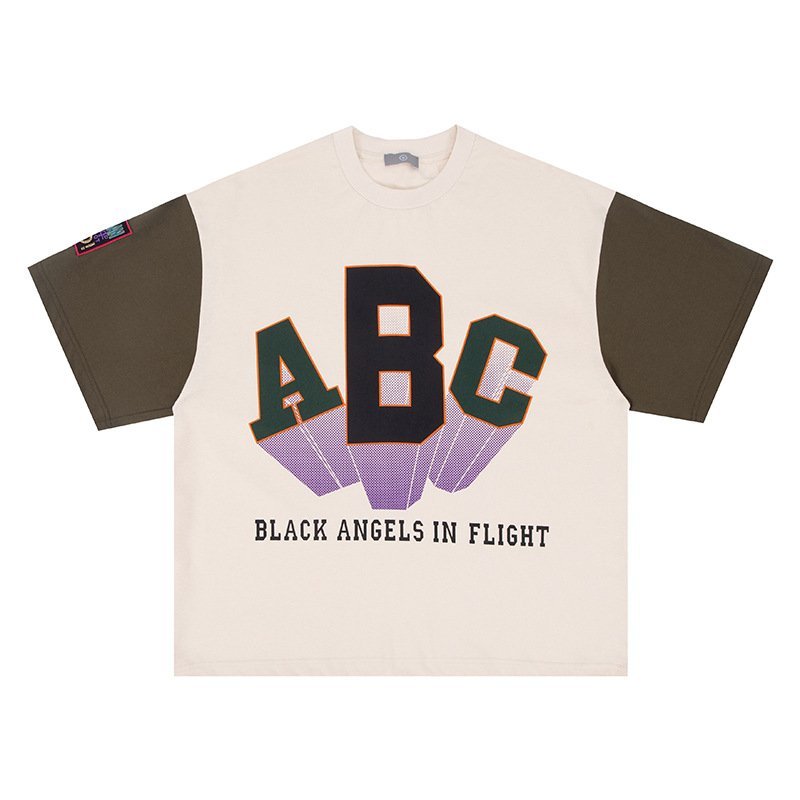
Pumice stones pre-soaked in chlorine bleach create high-contrast, cloud-like patterns on denim or fleece — the defining look of retro and modern vintage streetwear.
Bleach bath setup costs push practical minimums to 200+ pieces per colorway and add 5–7 days to lead time.
Sand Blast and Sand Wash
High-pressure abrasive compounds abrade the fabric surface, delivering an ultra-soft, matte finish most visible on 12 oz+ denim and canvas.
MOQ runs 100–300 pieces; expect 3–5 extra production days versus a standard un-washed garment.
Garment Dyeing and Piece Dyeing
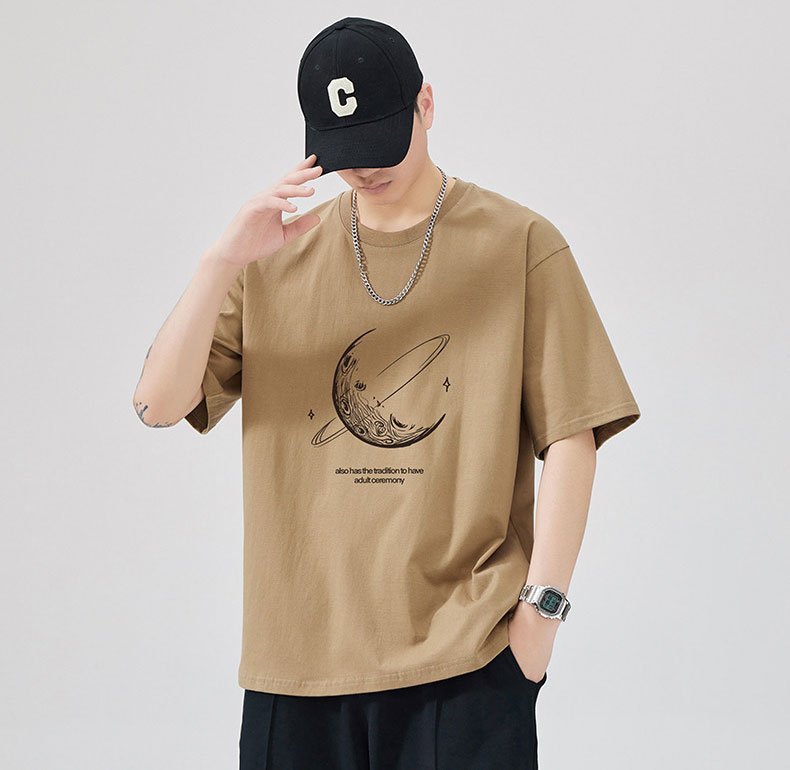
Finished garments are submerged in reactive or direct dye baths, producing rich, slightly uneven tones that deepen naturally with each wash.
Cotton and linen absorb color most evenly; Pantone-matched targets are required, and the process adds 5–10 days per dye lot.
Tie-Dye and Resist Dyeing
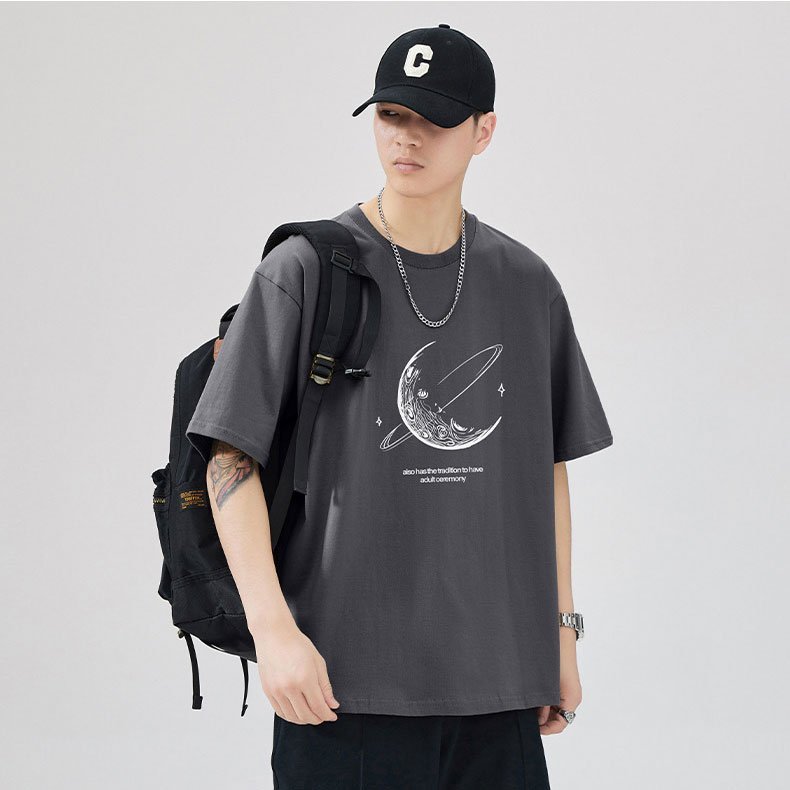
Tied, clamped, or wax-resist (batik) techniques block dye penetration, creating organic, repeatable patterns prized in drop-culture streetwear.
100% cotton at 180–220 GSM holds pattern definition sharpest; hand-tying sets practical minimums at 100–200 pieces, with each colorway adding 5–7 days.
4. Best Fabrics and Materials for Garment Wash and Dye
Fabric selection is the single most consequential variable in any garment wash and dye program. Fiber type, blend ratio, and GSM weight directly control dye uptake uniformity, texture development, and final shrinkage across the finished garment.
| Fabric Type | Dye Compatibility | Wash Technique | Shrinkage Risk |
|---|---|---|---|
| 100% Cotton | Reactive / vat — even uptake | Stone, enzyme, acid wash | Low (pre-shrunk) |
| Cotton-Poly Blend | Reactive — heathered effect | Stone, pigment wash | Low–Medium |
| Linen | Reactive — irregular texture | Stone, enzyme wash | Medium |
| Rayon / Viscose | Reactive — vivid pigment | Gentle enzyme wash | High |
| 100% Polyester | Disperse dye only | No enzyme wash | Low |
Natural Fibers: Cotton and Linen
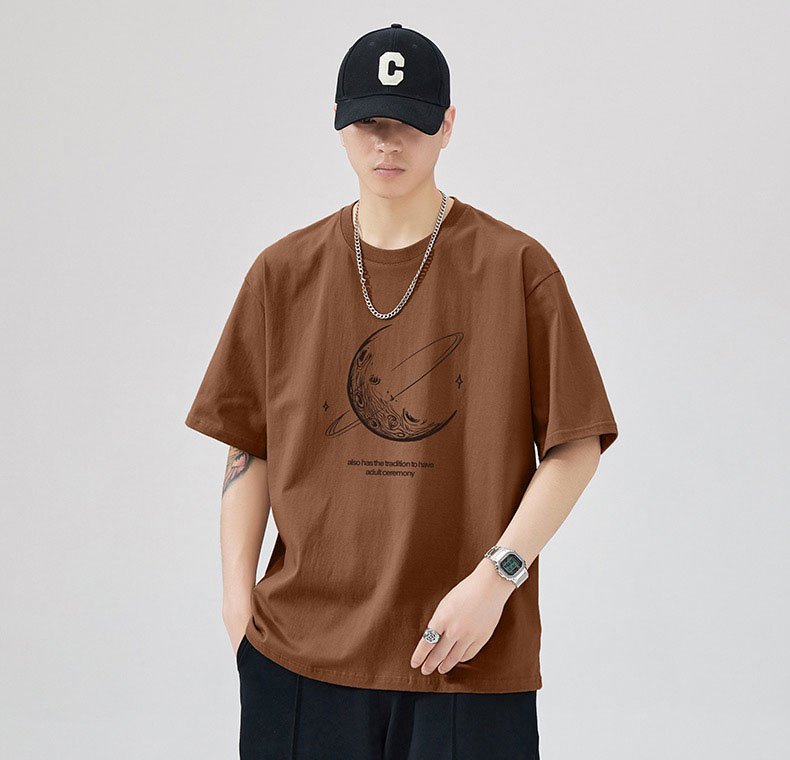
100% ring-spun cotton at 180–320 GSM absorbs reactive dye most evenly, making it the default substrate for consistent, production-grade colorways. Open-end cotton performs similarly but shows slightly more tonal variation.
Linen’s slub construction produces deliberate dye irregularity — the uneven, lived-in tone that buyers actively seek in vintage-wash and acid-wash streetwear.
Blends, Rayon, and Polyester
Cotton-poly blends (50/50 or 60/40) create heathered, two-tone results because polyester resists reactive dye while cotton accepts it fully. Rayon and viscose absorb vivid pigment at lower dye concentrations but carry high shrinkage risk — pre-shrinking before cut-and-sew is non-negotiable on both fibers.
100% polyester requires disperse dyes applied under heat and pressure. Enzyme wash, which breaks down cellulose for a soft hand, has zero effect on polyester; blends with more than 30% synthetic content risk fiber damage during the process.
5. Customization and Branding Options with Garment Wash and Dye
Garment wash and dye rarely operates in isolation — pairing it with screen printing, embroidery, and label dyeing determines the final aesthetic. Sequence decisions made at this stage carry more brand impact than any single decoration choice alone.
Screen Printing Sequence and Distressed Effects
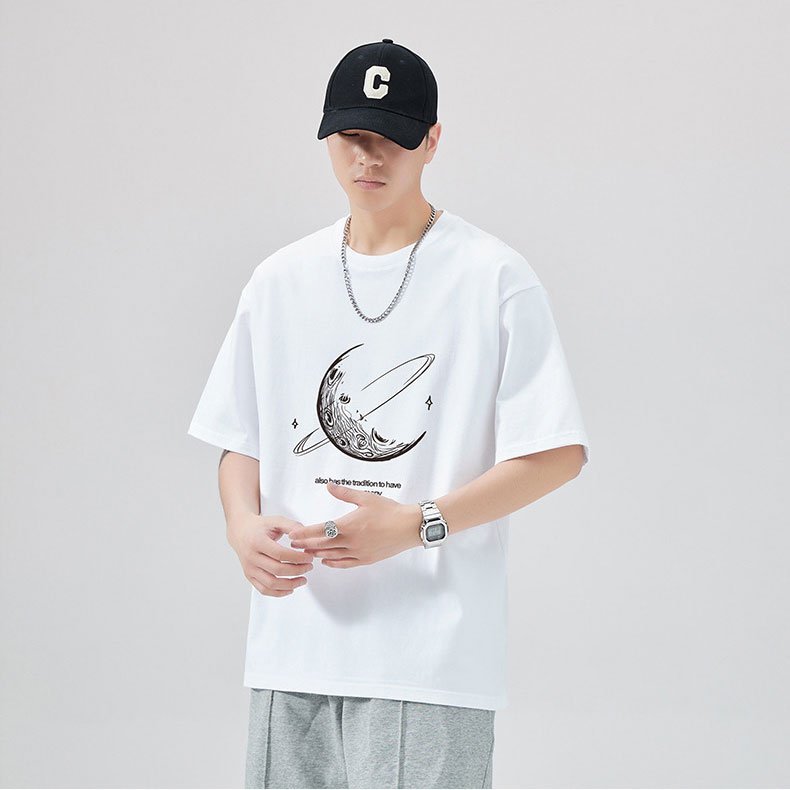
Printing before the wash produces cracked, faded ink — a hallmark of vintage and distressed streetwear. Printing after wash delivers a sharp, vivid graphic on a pre-shrunk base, eliminating post-print dimensional change. Choose the sequence deliberately to match your brand’s target aesthetic.
Embroidery Placement After Wash
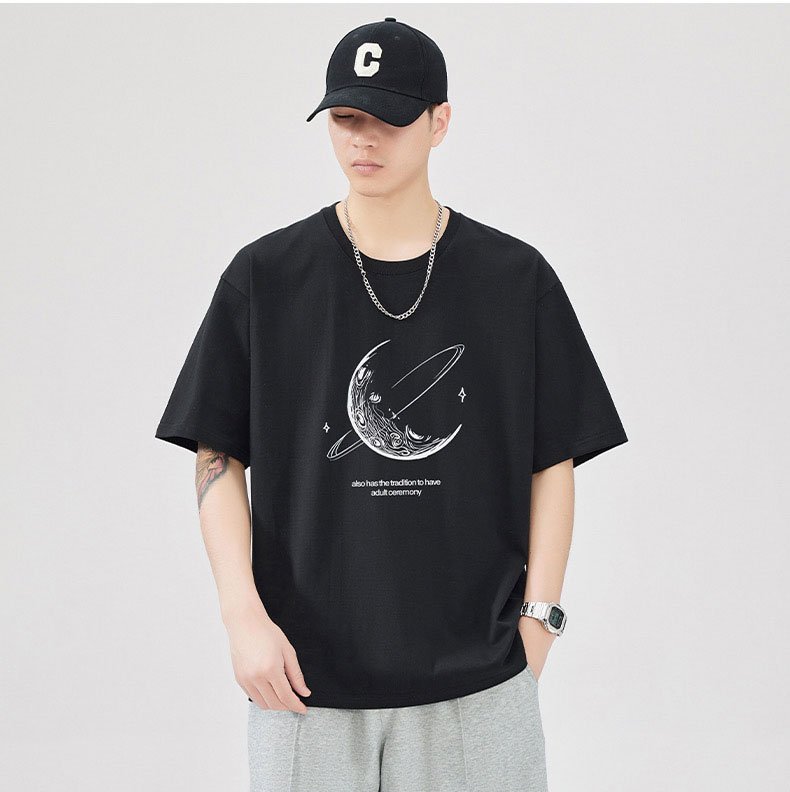
100% cotton shrinks 3–8% through stonewash or enzyme wash cycles, shifting stitch registration if embroidery is applied pre-wash. Placing embroidery after washing preserves precise logo and motif alignment. Always schedule the wash first, then embroider, to avoid registration drift.
Tone-on-Tone Label Dyeing
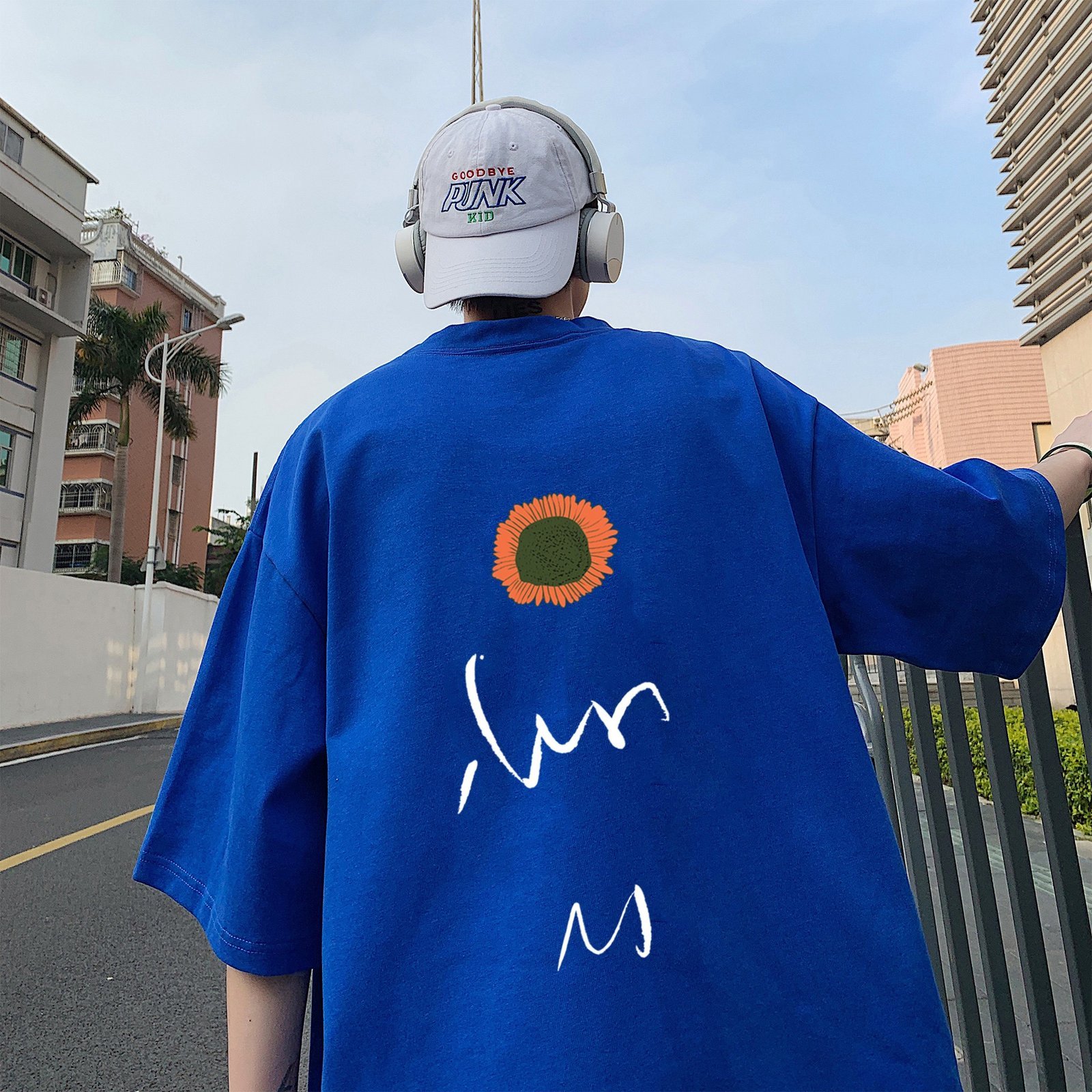
Woven or satin labels batch-dyed alongside the garment shell create a seamless tone-on-tone brand mark. This replaces high-contrast labels with a subtle, premium finish favored by independent designers. Specify label fiber content — polyester resists reactive dyes, so opt for cotton or rayon labels instead.
Custom Colorways and Pantone Matching

Reactive and pigment dyes realistically deviate ±5–10 delta-E from a submitted Pantone TCX reference. Always request a lab dip before approving bulk production. Ombre and dip-dye gradients require 2–4 sequential dye baths with separate fixation steps per gradient zone.
Unique Colorways at Low MOQ
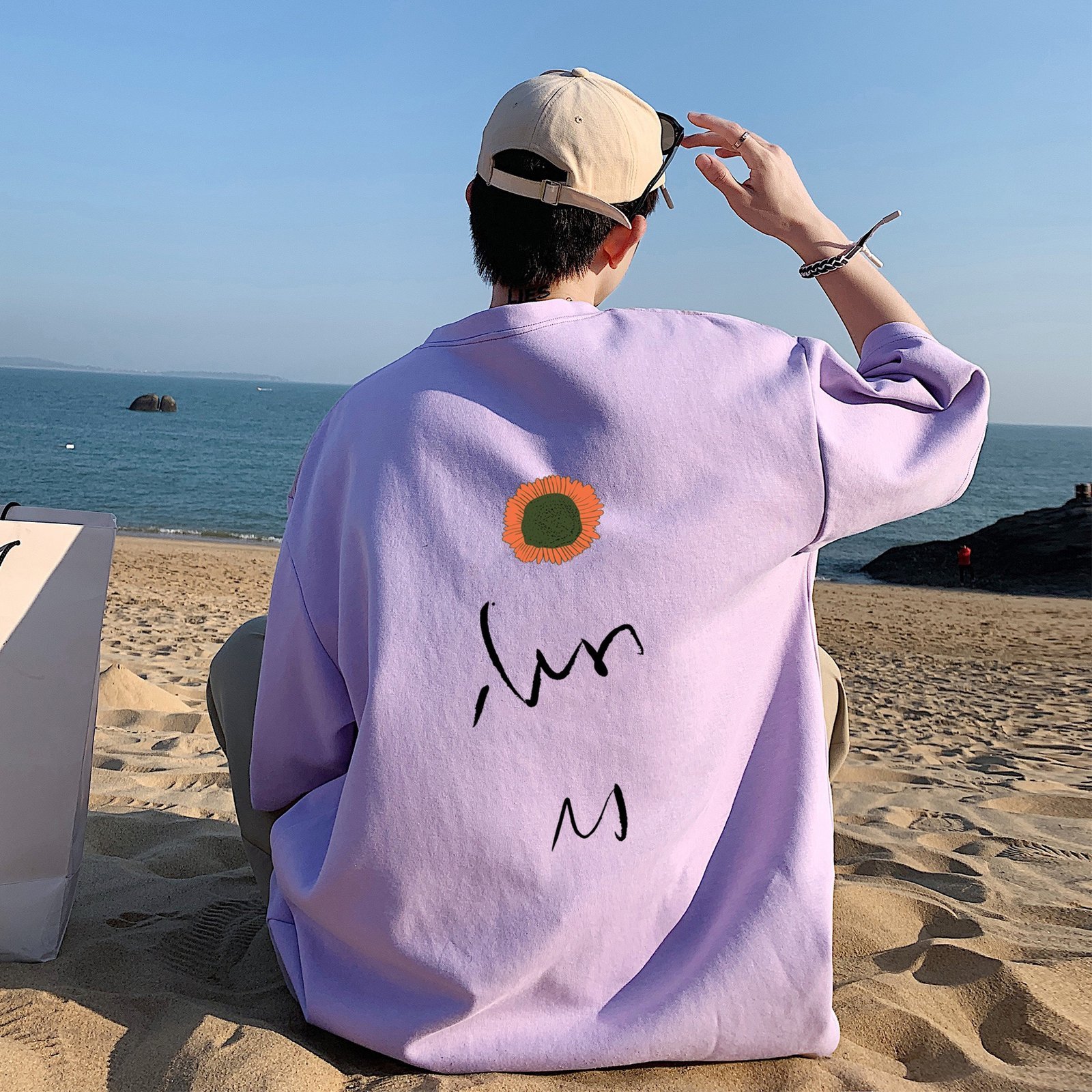
Unique colorways are achievable at MOQs as low as 50–100 pieces per colorway at specialized manufacturers. Sample dye runs typically need 3–5 pieces and a 7–14 day turnaround before bulk approval. Private-label hang tags, poly bags, and custom neck labels fold into the same production run.
6. Key Quality Factors to Evaluate in Garment Wash and Dye
Not all garment wash and dye results are equal — finishing quality varies sharply by technique, chemistry, and process control. Knowing which metrics to demand before bulk production separates brands that scale from those stuck managing costly returns.
Color Fastness
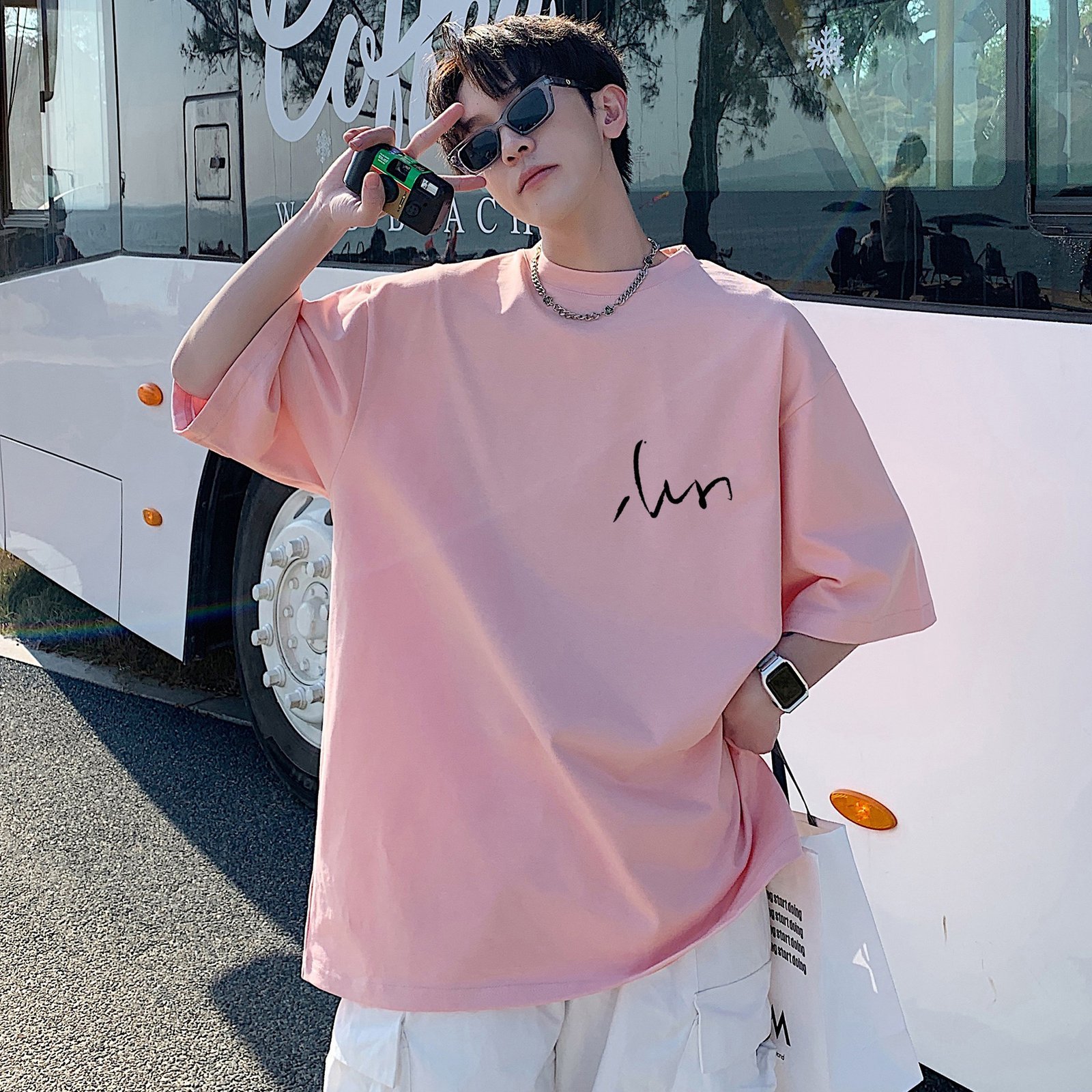
ISO 105 wash and rub tests grade color retention on a 1–5 scale; Grade 4+ is the retail-ready minimum for any branded garment. Request reports covering both wet and dry crocking scores before approving a supplier.
Reactive dyes on cotton consistently reach Grade 4–5 when fixation temperatures and dwell times are properly controlled — ask to see the process log alongside the test certificate.
Shrinkage and Dimensional Stability
Acceptable shrinkage sits at ≤3% in both warp and weft directions per AATCC 135 or ISO 6330 protocols. Enzyme wash pre-treatment relaxes cotton fibers and measurably reduces post-sale size complaints.
Request a wash test on pre-production samples before signing off on bulk — tensile strength post-wash should not drop more than 15% from the original spec.
Chemical Compliance
OEKO-TEX Standard 100 certifies that no harmful residuals exceed safe thresholds across 100+ regulated substances. ZDHC MRSL and bluesign protocols govern dyestuff sourcing for brands targeting EU or North American retail channels.
Always request test reports dated within 12 months; expired certificates do not reflect current production chemistry and should be rejected outright.
Consistency Across Batch
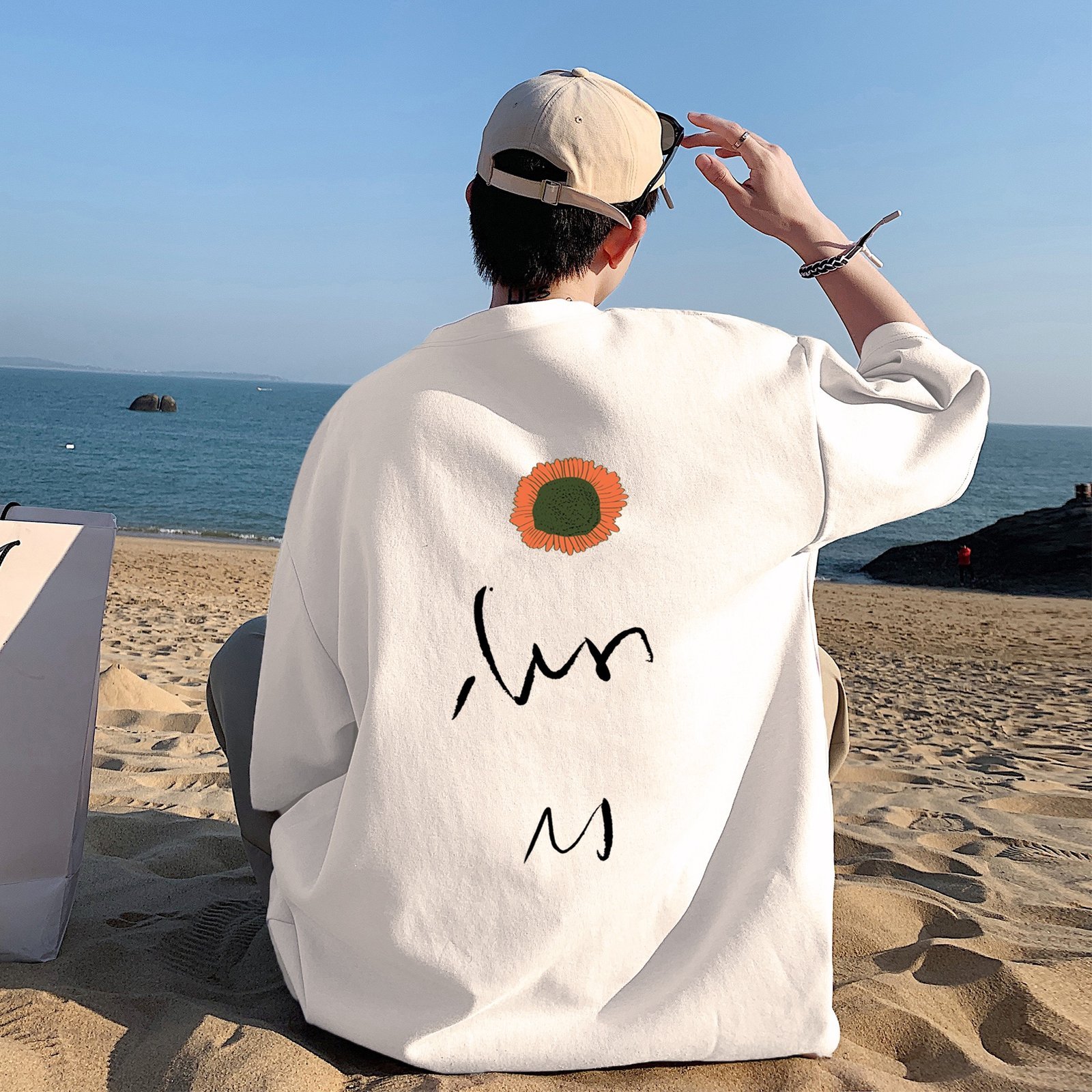
Dye lot variation, measured as Delta E on a spectrophotometer, should stay below 1.0 between cartons within the same bulk order. Blotchiness or uneven penetration signals poor liquor ratio control or inadequate agitation during the wash cycle.
Specify a Pantone reference or approved physical swatch as the binding color standard, then request spectrophotometer reports covering at least 5% of bulk units before shipment approval.
7. How to Choose a Garment Wash and Dye Manufacturer
Selecting the right garment wash and dye partner requires more than comparing price sheets. Six factors separate reliable producers from costly surprises — and the best manufacturers embed quality checks throughout production, not only at final inspection.
In-house vs. Subcontracted Wash Facilities
Factories owning their wash equipment control water temperature, chemical concentration, and cycle time directly — the three variables most responsible for batch-to-batch color consistency. Subcontracted finishing adds a handoff where Pantone color targets can shift 1–3 steps between repeat orders.
Sample Capability and MOQ Flexibility
Credible manufacturers offer 1–3 piece pre-production samples at a defined fee, typically $50–$150 per style. Startups should confirm the supplier accepts bulk MOQs of 100–300 units per colorway rather than the 500–1,000 minimums common at large factories.
Certifications That Signal Accountability
OEKO-TEX STANDARD 100 certifies that dye chemicals meet human-ecological safety thresholds. GOTS covers organic fiber and wet-processing chains, while ISO 9001 signals documented quality management — not just end-of-line inspection.
Communication and Tech-Pack Support
Reliable partners respond within 24 hours and accept structured tech packs with Pantone references, wash-effect descriptions, and finished measurements. Suppliers requesting only a reference photo — without a written spec — consistently produce off-standard wash results in bulk.
Five Questions to Ask Every Supplier
These questions filter out suppliers who subcontract critical processes, skip mid-production QC, or overpromise lead times.
- Do you own your wash and dye facility, or subcontract that process?
- Can you produce 1–3 piece wash samples before bulk production begins?
- What is your minimum order quantity per colorway for washed styles?
- Which certifications — OEKO-TEX, GOTS, or ISO 9001 — do you currently hold?
- What is your revision policy if bulk wash results deviate from the approved sample?
8. Common Mistakes Buyers Make with Garment Wash and Dye
Even experienced buyers lose 10–30% of bulk orders to preventable garment wash and dye errors. Six recurring mistakes account for most chargebacks, size complaints, and market-entry rejections — each is avoidable with sound pre-production discipline.
Skipping Wash Samples Before Bulk Approval
Factories ship bulk without a pre-approved wash sample — color, hand-feel, and sizing shift unpredictably between the lab and production line. Full-run rejections cost buyers $3,000–$15,000 or more. Require a signed wash-sample approval card before releasing any bulk production order.
Ignoring Fabric Pre-Shrink Requirements
Cotton without sanforization shrinks 5–8% after the first wash, pushing a size M garment out of tolerance. Demand a pre-shrink test report and build a 3–5% shrinkage allowance into pattern grading before bulk cutting begins.
Demanding Exact Pantone Matches Without Tolerance
Reactive dyes vary ±1–2 Delta E between dye lots — a normal outcome of batch dyeing. Locking to a single Pantone code with zero tolerance triggers mass rejection of perfectly acceptable goods. Specify a ΔE ≤ 1.5 acceptance window in your purchase order.
Mixing Incompatible Techniques on Wrong Fabrics
Acid wash on a polyester-cotton blend degrades poly fibers; reactive dye on 100% polyester achieves near-zero penetration. Mismatched technique-fabric pairings waste entire dye runs. Confirm fiber content via ISO burn test or lab analysis before selecting any garment wash and dye process.
Overlooking Chemical and Water-Use Compliance
EU REACH and US EPA regulations restrict formaldehyde, azo dyes, and factory wastewater discharge. Factories without OEKO-TEX or GOTS certification routinely fail customs audits or retailer social compliance checks. Request chemical compliance documentation and effluent treatment records before signing any production contract.
Underestimating Multi-Step Wash and Dye Lead Times
Stone wash plus over-dye plus enzyme finish sequences each add 7–14 production days. Buyers who assume a standard 30-day lead time routinely miss launch windows. Build a milestone timeline with your factory that accounts for every wash and dye stage independently.
9. Steps to Launch Your Brand with Garment Wash and Dye
Getting from concept to finished garment wash and dye product follows a repeatable six-step sequence. Expect 45–75 days from first sample request to bulk shipment, depending on treatment complexity and MOQ tier.
Define Your Wash Aesthetic and Mood Board
Collect 15–20 reference images covering fade levels, color tones, and texture effects. Specify Pantone references for targeted hues — acid wash, tie-dye, and garment-dye each read differently on cotton versus polyester blends.
Select Base Fabric and Garment Construction
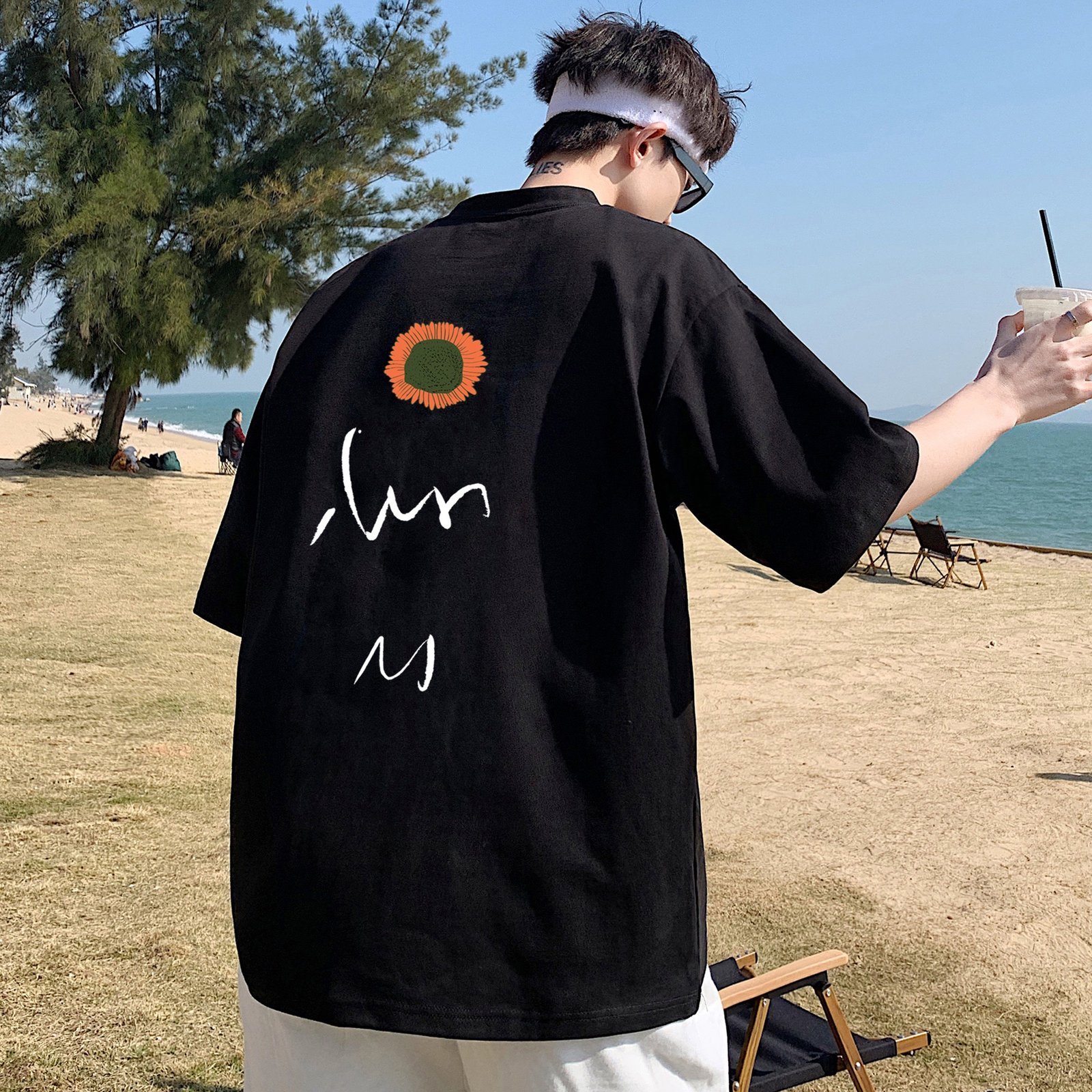
Ring-spun 100% cotton at 180–280 GSM delivers the best enzyme and acid wash results. Confirm seam construction — flatlock stitching holds better through repeated wash cycles than standard lockstitch on heavyweight streetwear pieces.
Request Strike-Off Samples
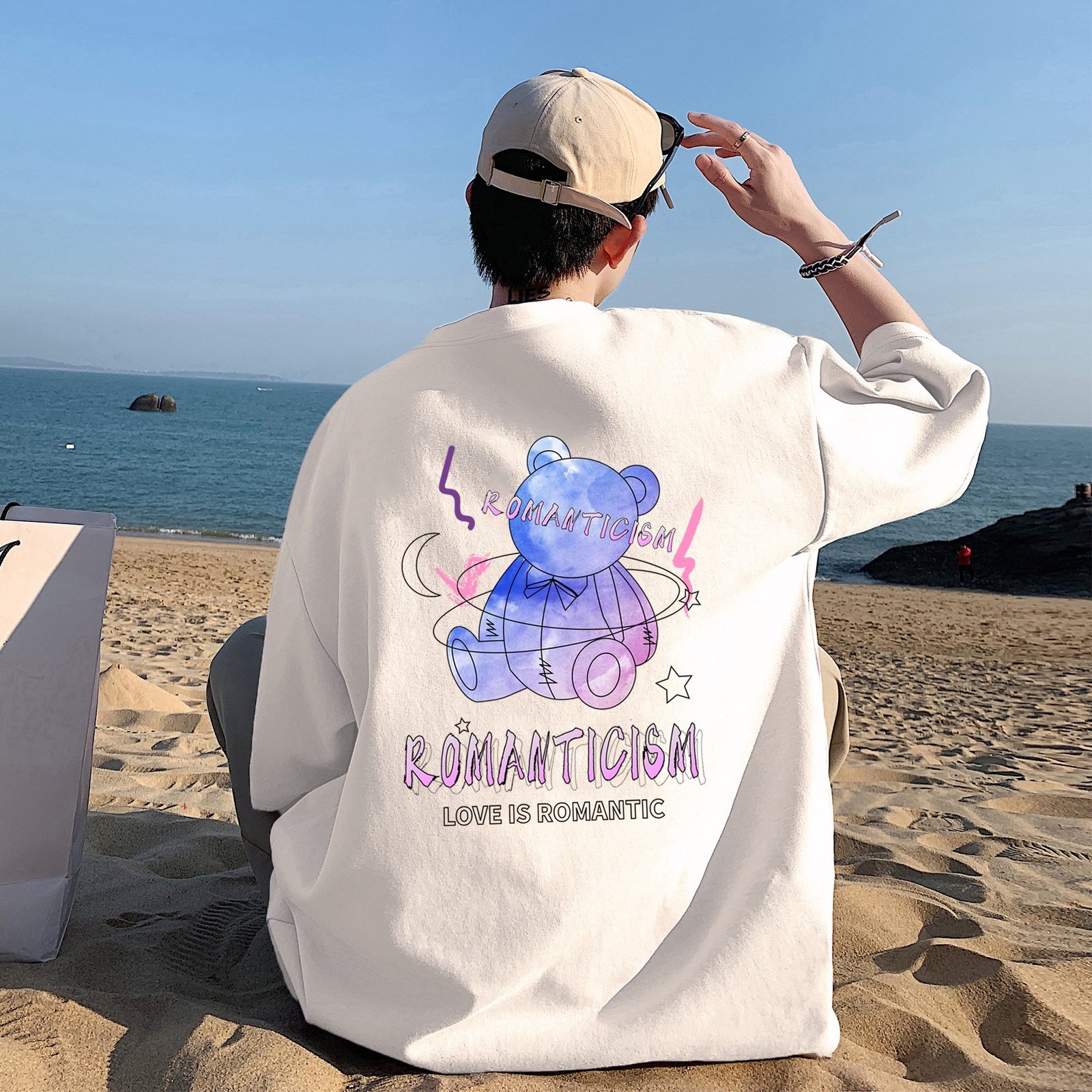
Submit your mood board and Pantone references to receive 2–3 strike-off samples per colorway. Strike-offs confirm that your chosen garment wash and dye treatment reacts correctly with the base fabric before committing to pre-production yardage.
Approve Lab Dips and Pre-Production Samples
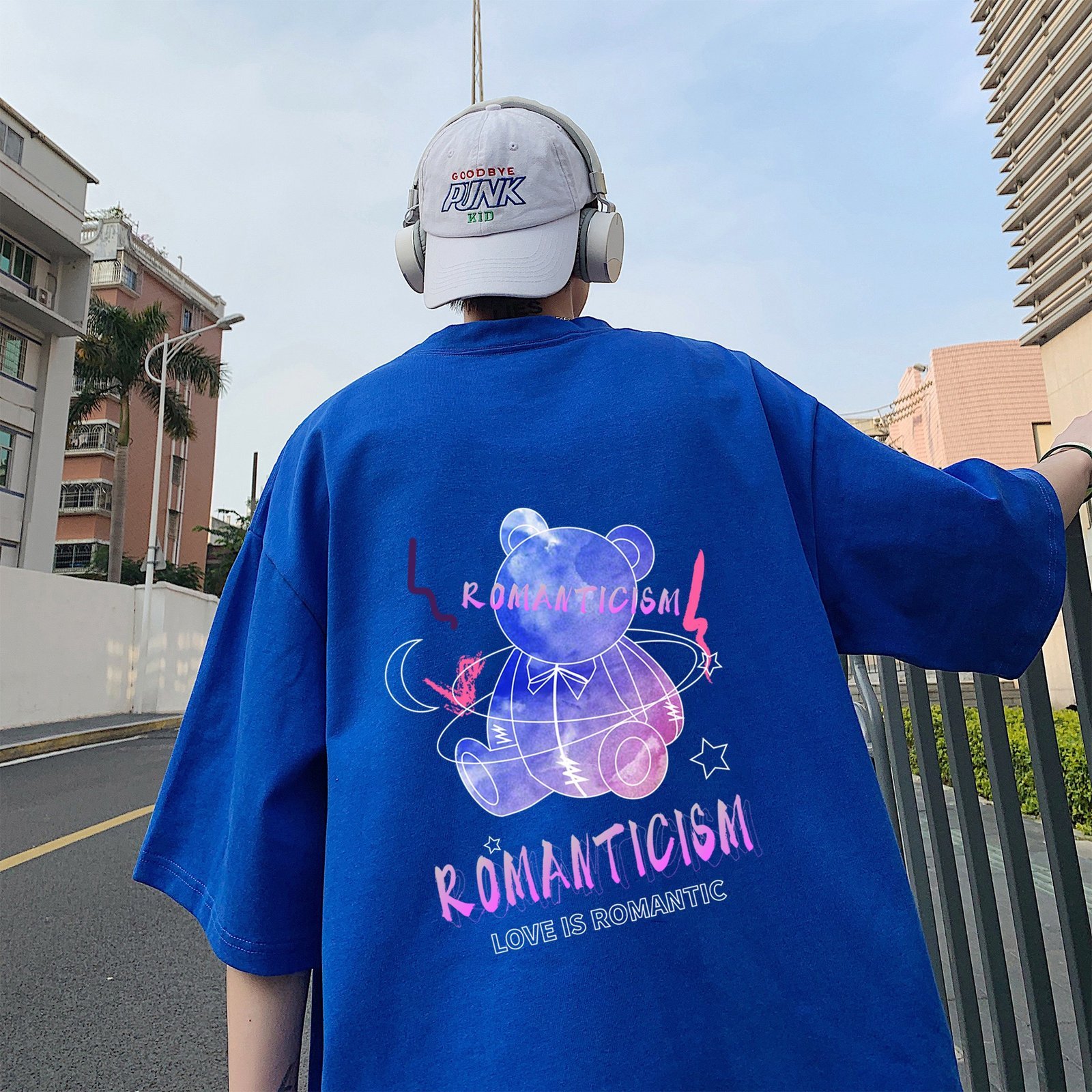
Lab dips test dye absorption and shade consistency; allow 7–10 days per revision round. Pre-production samples confirm construction, labeling placement, and wash uniformity — budget one to two rounds before sign-off.
Confirm Compliance Testing and Labeling
OEKO-TEX Standard 100 certification covers residual chemical limits for most export markets. Verify care label language, fiber content declarations, and country-of-origin marking before bulk cut — corrections after production add 5–10 days to your timeline.
Place Bulk Order with Phased Delivery
Phased delivery — typically 40% first shipment, 60% balance — lets brands test market response before receiving full inventory. Confirm bulk lead time: 30–45 days post-sample approval is standard for runs above 300 units.
10. Garment Wash and Dye Pricing and Cost Breakdown
Enzyme wash adds roughly $0.80–$1.20 per unit at 100 pieces — the lowest-cost garment wash and dye treatment available; acid wash runs $1.20–$1.80, while multi-step tie-dye or ice-dye processes reach $3.00–$4.50 per unit depending on color count and pattern complexity.
Lab-dip fees of $30–$80 per colorway apply before bulk cutting begins; most manufacturers credit that fee against orders of 300 units or more, but orders below 100 units rarely qualify.
Sample costs typically run $60–$150 per wash-and-dye sample and are credited toward bulk at 300-plus units; below that threshold, treat them as sunk budget.
- Re-dyeing off-spec garments adds $1.00–$2.00 per unit plus a 5–7 day delay.
- OEKO-TEX or compliance dye testing runs $200–$600 per dye lot, billed separately from unit cost.
- Freight weight rises 8–15% post-wash due to residual moisture; recalculate shipping before finalizing landed cost.
| Quantity Tier | Enzyme Wash ($/unit) | Acid Wash ($/unit) | Tie-Dye / Ice-Dye ($/unit) | Lead Time |
|---|---|---|---|---|
| 50 units | $1.20–$1.80 | $1.80–$2.60 | $4.00–$5.50 | 18–22 days |
| 100 units | $0.80–$1.20 | $1.20–$1.80 | $3.00–$4.50 | 15–18 days |
| 300 units | $0.55–$0.85 | $0.90–$1.40 | $2.20–$3.50 | 12–15 days |
| 500+ units | $0.30–$0.60 | $0.60–$1.00 | $1.80–$2.80 | 10–14 days |
Start Your Garment Wash and Dye Project Today
50-piece MOQ, 7-day sample turnaround, and a 5-step quality guarantee — send your garments for a free custom quote.