
Garment Dye for Streetwear: Deep Color, Unmatched Softness
Elevate your label with garment dye finishing — richer color, lived-in softness, and unique character that sets premium streetwear apart from fast fashion. Low MOQ. 5-step QC guaranteed.
Garment Dye Sample Gallery
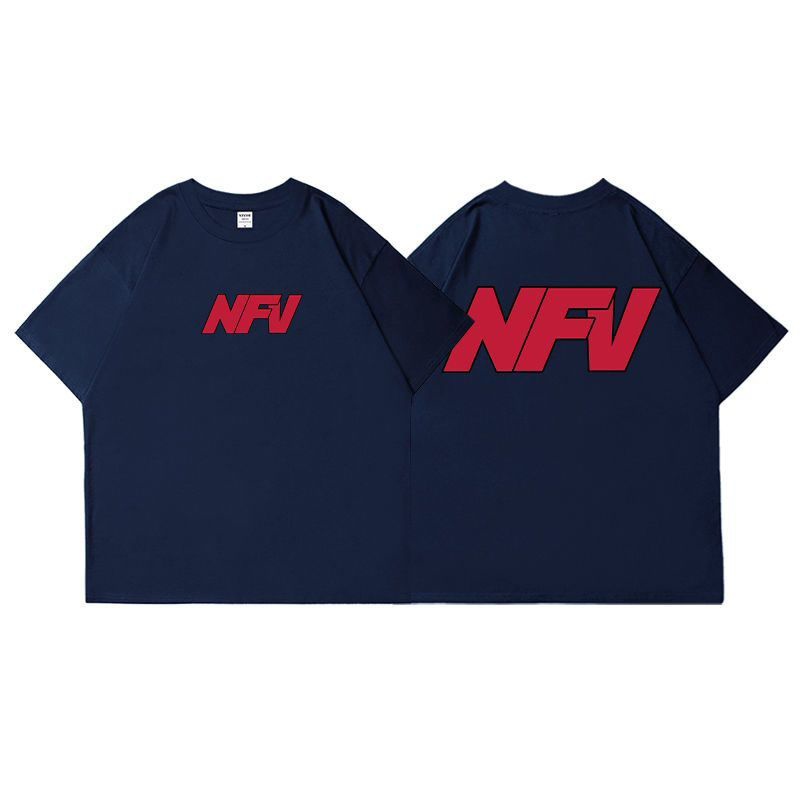
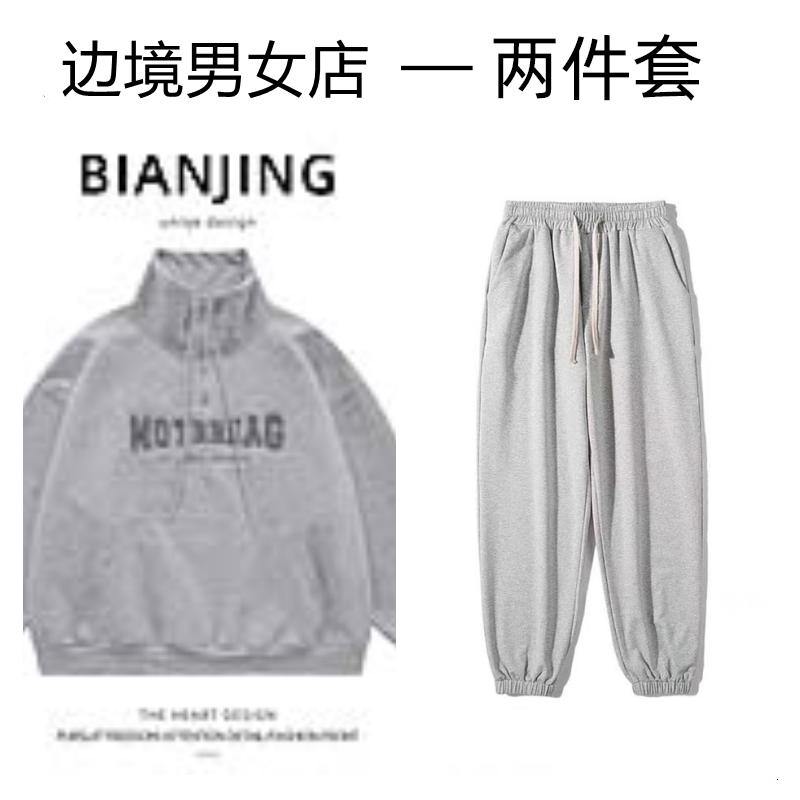
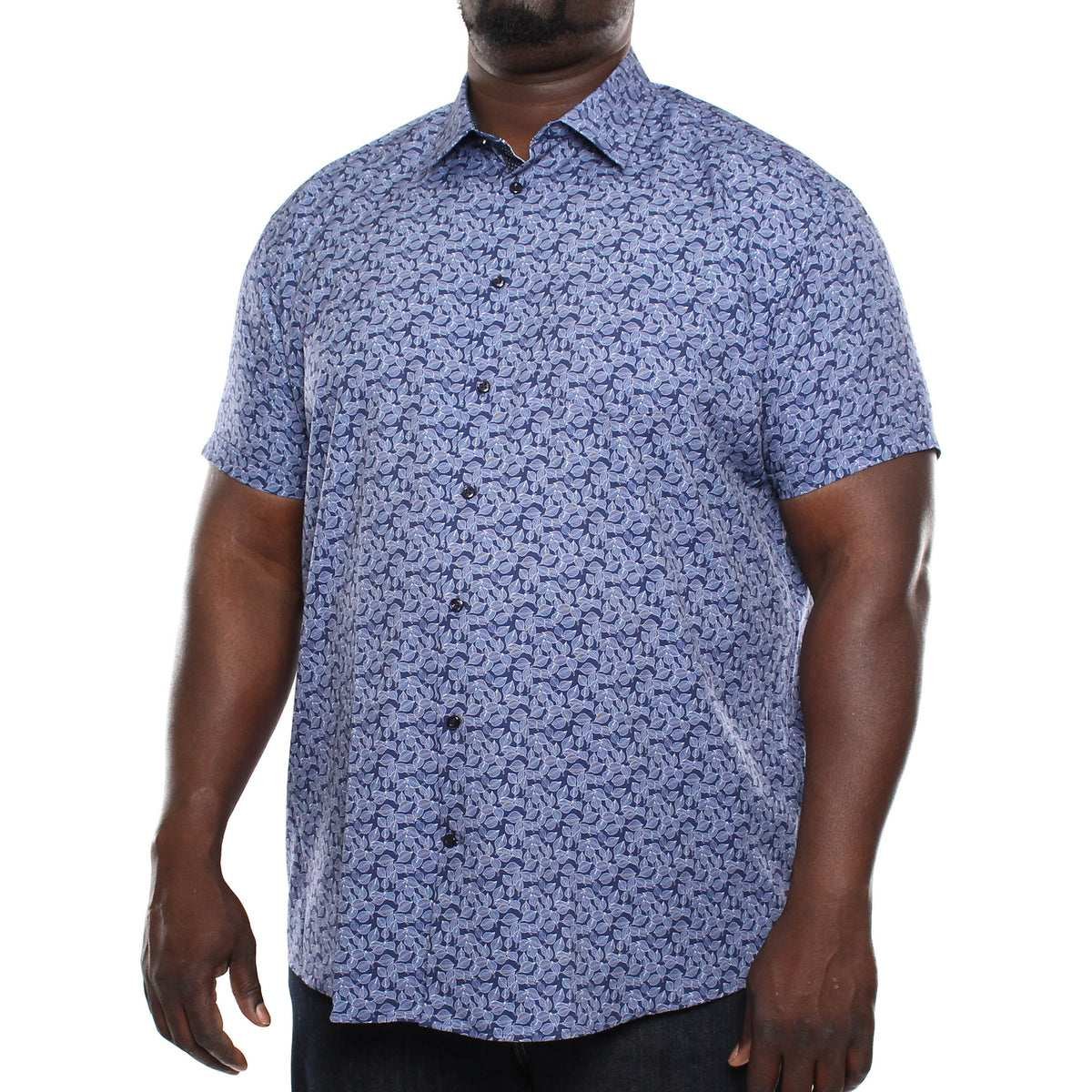
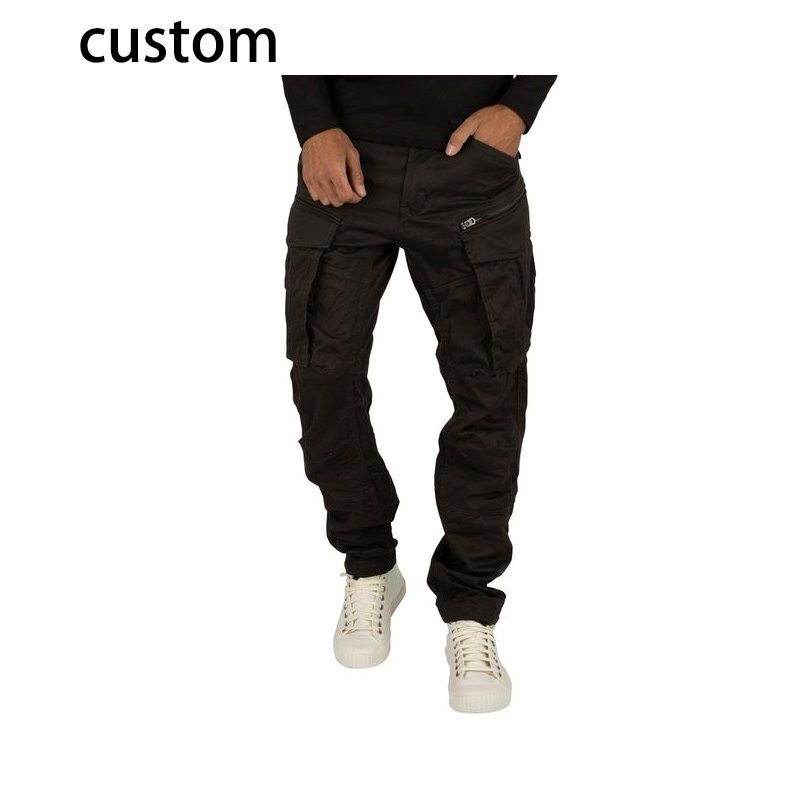
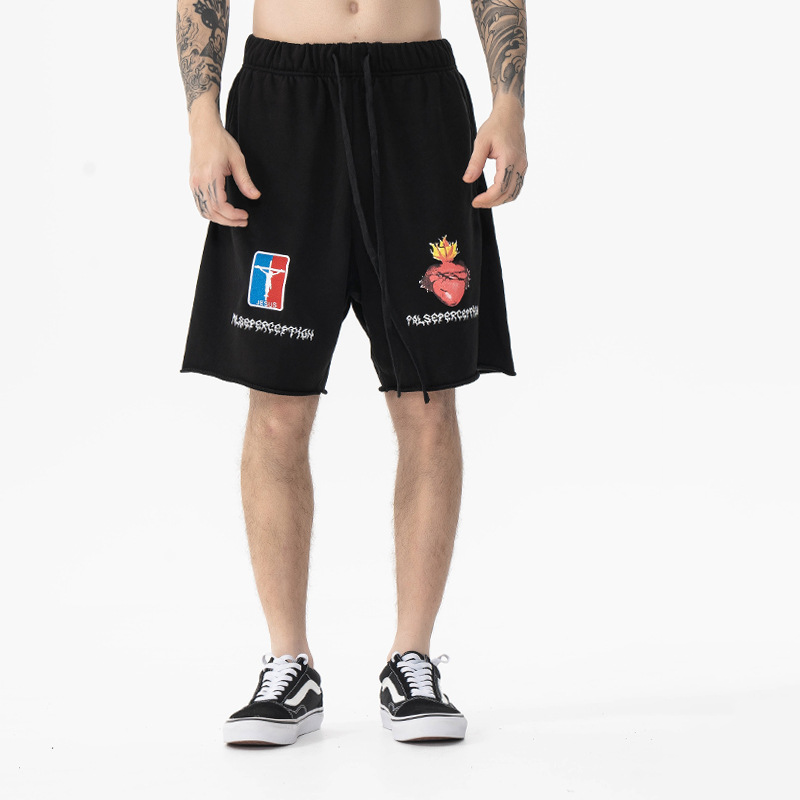
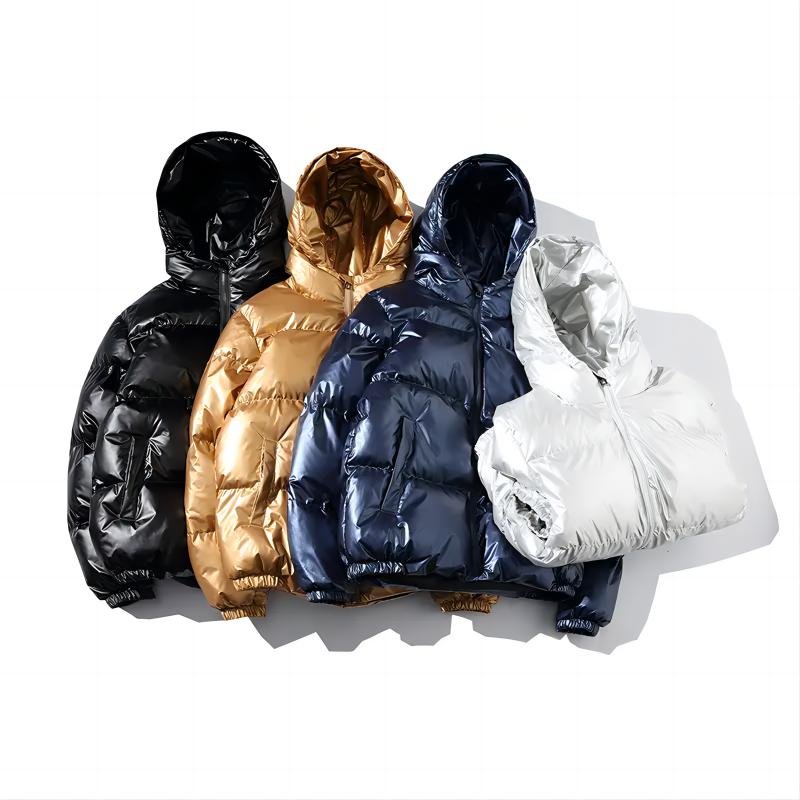
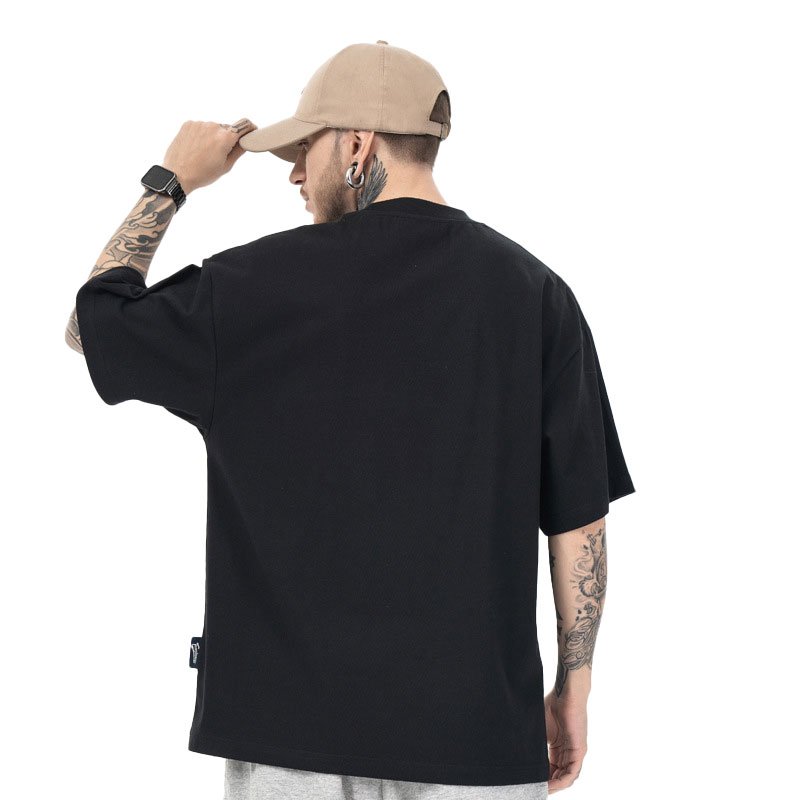
The Garment Dye Difference: Color, Feel & Character
Six reasons discerning streetwear brands choose garment dye over every alternative finishing method.
Deep, Saturated Color Results
Garment dye penetrates every fiber after construction, producing rich, consistent color saturation that piece dyeing simply cannot replicate.
Signature Soft-Hand Feel
The dyeing process relaxes fibers, delivering a lived-in softness straight out of the bag — no break-in period required.
One-of-a-Kind Color Variation
Natural tonal variation and subtle fading give each garment a unique character that resonates with streetwear audiences craving individuality.
Long-Lasting Color Durability
Our 5-step QC process includes colorfastness testing, ensuring garment dye hues resist fading through repeated washes and heavy wear.
Compatible Across Key Fabrics
From heavyweight cotton fleece to French terry and canvas, garment dye performs beautifully across the fabrics streetwear brands rely on most.
Low MOQ, Broad Color Range
Starting orders welcome. Access an extensive palette of garment dye colorways with low minimum quantities built for startups and independent designers.
Garment Dye vs. Piece Dye, Pigment Dye & DTG: Find Your Fit
Not every finishing technique serves every brand the same way. See where garment dye delivers a clear edge — and where sibling techniques play a different role.
Chasing the Vintage Wash Look
You want that lived-in, worn-soft aesthetic but piece dye produces flat, uniform color with no character — your streetwear drops deserve the natural tonal variation and tactile depth that only garment dye delivers.
Garment dye tumbles finished pieces in rich color baths, creating natural tonal variation, a broken-in hand-feel, and the authentic vintage look your customers will pay premium prices for.
Launching Your First Collection
You're comparing garment dye, piece dye, and pigment dye but can't afford large minimum orders to test each — one wrong choice wastes your launch budget and delays your first drop.
Our low-MOQ garment dye program lets emerging labels test colorways with small runs, backed by our 5-step QC guarantee so every pilot order represents your final production quality.
Earthy Tones Without Surface Coating
Pigment dye sits on the fabric surface, giving faded tones but a stiff, coated hand-feel that cracks over time — your premium basics need color absorbed deep into every fiber.
Garment dye penetrates every fiber for richer, more durable earthy tones that grow softer with every wash rather than cracking, giving your line lasting quality that builds repeat buyers.
Scaling Beyond Piece Dye Limits
Piece dye locks you into color decisions before cutting, leaving you inflexible when seasonal trends shift — late pivots mean missed windows, dead inventory, and real pressure on next season's budget.
Because garment dye applies color post-construction, you finalize colorways closer to market, respond to trending palettes within weeks, and ship globally with our full logistics and customs support.
Influencer Drops That Stand Out
Direct-to-garment printing delivers bold graphics but leaves bases feeling stiff and looking predictably printed — your influencer drops need a premium tactile experience that stops a scroll, not just a graphic.
Layer garment dye bases with select graphic techniques for drops that feel as good as they photograph — our streetwear R&D team and fast turnaround help you hit every viral release window.
10+ Years of Premium Garment Dye Expertise
Clothing Manufacturer Ltd. was founded in 2024 by Tesla Luo, a second-generation garment industry professional with over 10 years of hands-on production experience rooted in Dongguan’s manufacturing heartland. Built in direct response to an industry plagued by absent quality controls, the company exists to prove that garment dye — and every stage of apparel production — can be executed with uncompromising precision and transparency.
Our proprietary 5-step quality control process applies to every garment dye order: materials testing, cutting QC, craft inspection, sewing production checks, and a thorough finished-product review. By identifying color inconsistencies, uneven softness, and fabric defects at each stage rather than only at shipment, we deliver the batch-to-batch consistency that streetwear brands and global retailers depend on to protect their reputation.
With a 15-member R&D team, 10 registered production patents, and low MOQs designed for emerging labels, we bring enterprise-level garment dye capability to brands at every stage of growth. From a designer’s debut drop to a retailer’s large-scale seasonal run, our team combines deep technical knowledge, cultural fluency in streetwear aesthetics, and end-to-end logistics support to bring your vision to market on time.
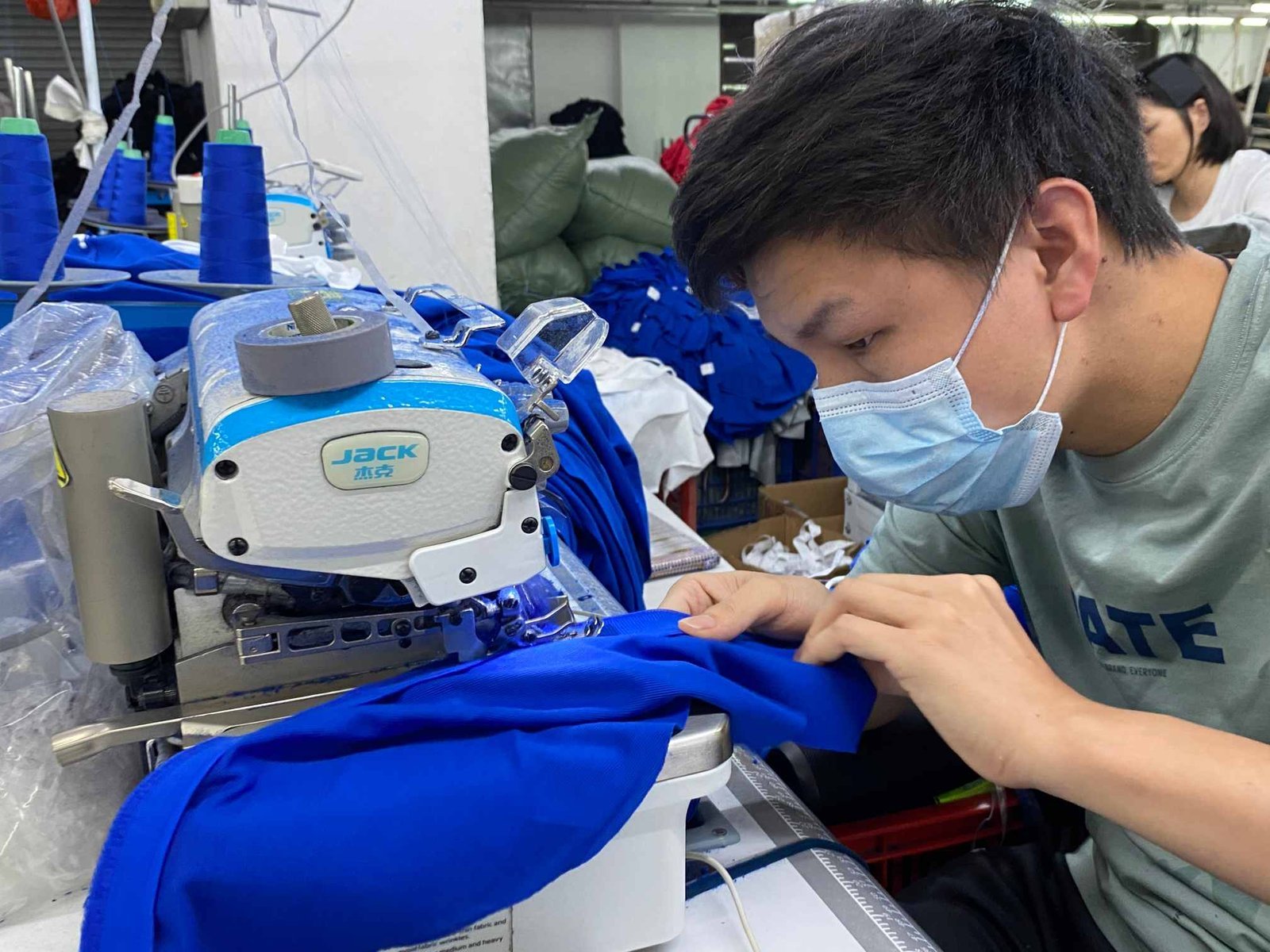
The Science & Craft of Garment Dye Excellence
Fiber-Reactive vs. Vat Dye Chemistry
Not all dyes perform equally on every fabric. We select fiber-reactive dyes for natural fibers like cotton and vat dyes for deep, rich hues, matching dye chemistry to your garment’s fiber composition for maximum color intensity and longevity.
- Fiber-reactive dyes form covalent bonds with cotton and natural fibers for vivid, wash-resistant color
- Vat dyes deliver exceptional depth and durability on heavyweight streetwear fabrics
- Custom dye bath formulations calibrated to each fabric weight and fiber blend
- Batch-to-batch color matching held within tight tolerance for consistent, scalable production runs
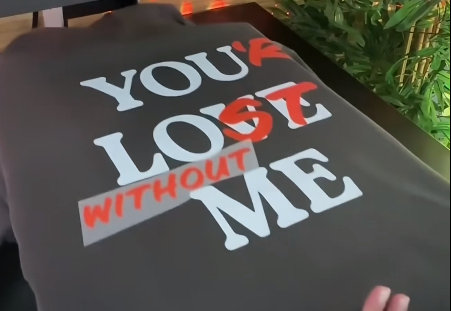
Precision Timing and Temperature, Every Batch
Dye uptake is governed by precise thermal curves. Our engineers run real-time temperature monitoring across every garment dye bath, holding critical windows within plus or minus 1 degree Celsius to prevent patchy coverage, color migration, and fiber stress at full scale.
- PLC-controlled dye machinery with continuous thermal monitoring throughout every cycle
- Temperature windows maintained within plus or minus 1 degree Celsius at all critical phases
- Controlled cool-down rates prevent fiber stress and unintended color bleeding
- Dye time calibrated per fabric weight to ensure even pigment penetration from core to surface
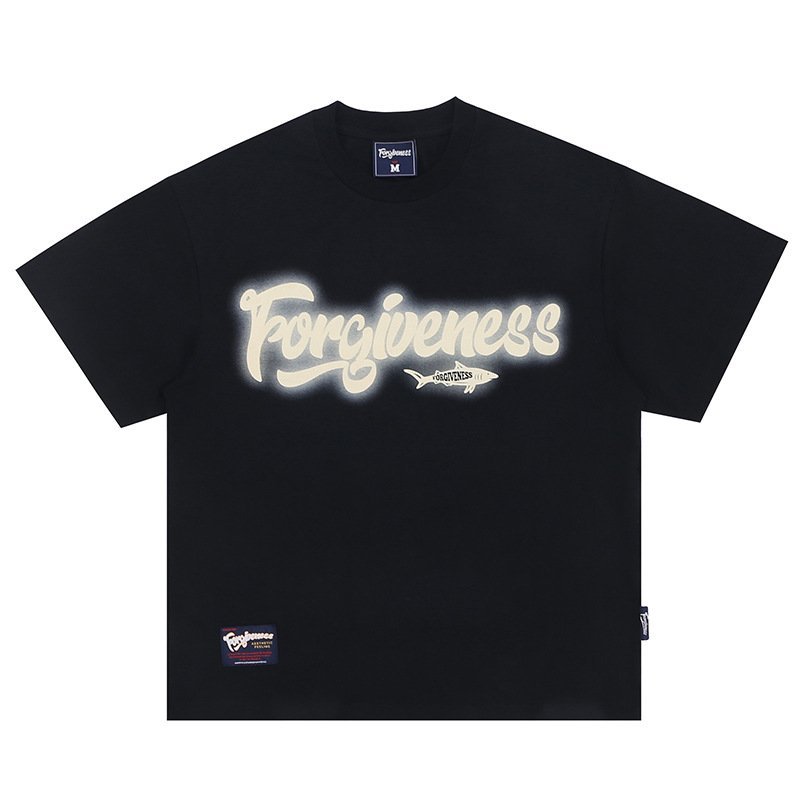
Color-Fastness Testing in Our 5-Step QC
Color that fades after the first wash is a brand liability. Our 5-step QC process embeds ISO-standard colorfastness testing for washing, crocking, light, and perspiration exposure, verifying every garment dye batch meets international durability standards before a single unit ships.
- ISO 105 wash fastness tests performed across all colorways and dye lots
- Dry and wet crocking resistance verified against AATCC standards
- UV light-exposure testing for outdoor-facing and lifestyle streetwear applications
- Any failing batch is re-dyed or rejected outright and never shipped to the client
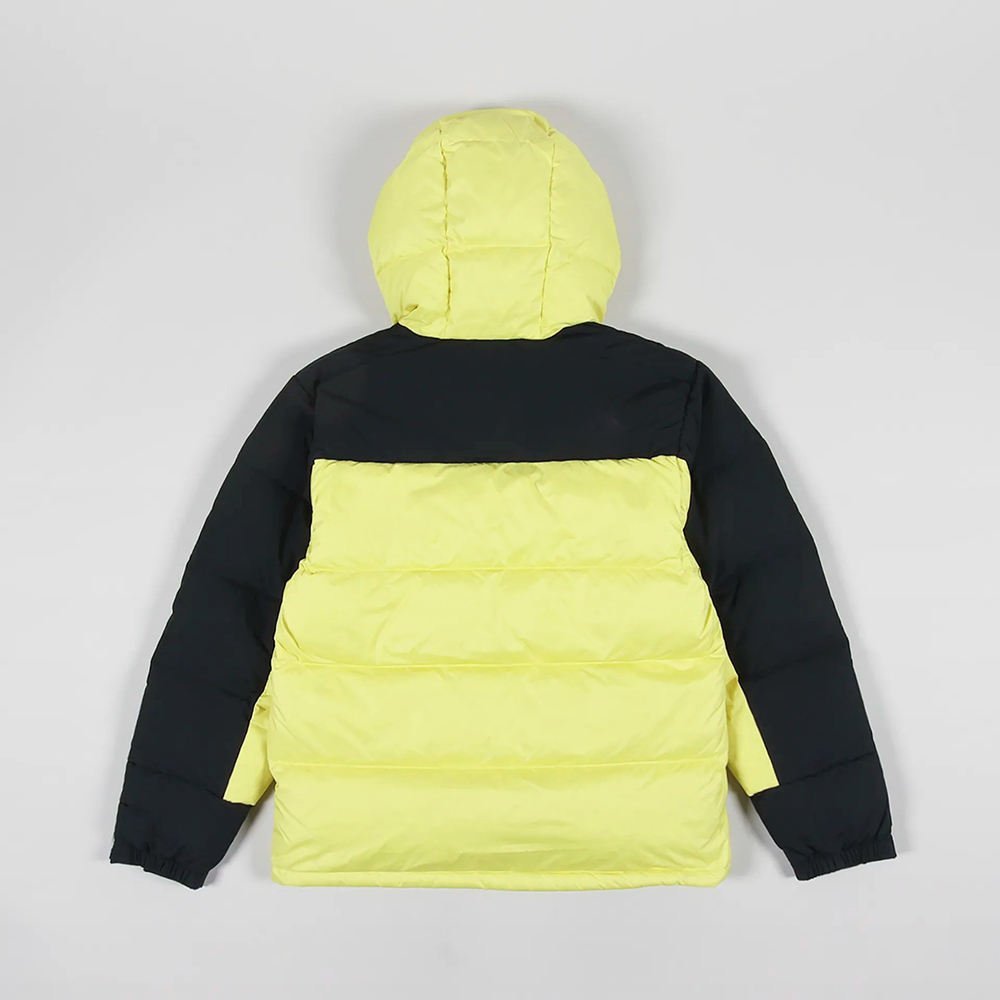
Hand-Feel Optimization for Garment Dye Softness
The signature softness of garment dye is achieved through enzymatic washing and softener application at controlled pH levels. We tune every finishing bath to your target drape and texture, whether a worn-in vintage hand or a silky premium streetwear feel.
- Enzymatic bio-wash and stone-wash finishes calibrated to each fabric weight and construction
- Softener bath pH controlled to preserve fiber integrity and color vibrancy simultaneously
- Custom hand-feel profiles available: vintage worn-in, ultra-soft premium, or structured streetwear drape
- Sealed hand-feel approval samples provided and signed off before the full production run begins
Garment Dye vs. Piece Dye: Choose the Right Process
The dye method you pick defines your product’s feel, aesthetic, and creative range. See how garment dye stacks up against piece dye on every factor streetwear brands actually use to decide.
← 左右滑动查看 →
Our Garment Dye Production Process
Seven precision-controlled phases — from blank inspection to final QC — engineered to deliver consistent color, premium softness, and zero-defect output on every run.
Pre-Dye Garment Inspection
Every blank undergoes a full materials QC check — verifying fabric weight, fiber content, seam integrity, and construction quality before any garment dye work begins.
Pre-Wash & Scouring
Garments are pre-washed to strip sizing agents, oils, and impurities, opening the fibers for even dye absorption and eliminating inconsistencies that cause blotchy or uneven results.
Dye Bath Formulation
Colorists calibrate dye concentration, pH, auxiliaries, and water temperature for each batch, ensuring repeatable, on-spec color across your full garment dye production run.
Immersion & Continuous Circulation
Garments are fully submerged and mechanically circulated throughout the bath, driving uniform color penetration, rich tonal depth, and the signature soft hand-feel garment dye is known for.
Multi-Stage Rinsing
A sequential rinsing protocol removes excess dye and chemicals, locking in color fastness and preventing bleeding or fading so your finished pieces hold up wash after wash.
Controlled Drying & Finishing
Pieces are dried under controlled heat and airflow to set color and preserve the relaxed, lived-in texture and dimensional softness that define premium garment dye aesthetics.
Final QC & Shipment Approval
Our five-step QC inspection verifies color consistency, hand-feel, measurements, and stitching on every finished piece before it is approved for packing and global dispatch.
How to Order Garment Dye Apparel
From first design brief to final delivery, our streamlined commissioning process makes premium garment dye production simple, transparent, and low-risk for brands at every stage.
Submit Your Design and Specs
Share garment specs, fabric preferences, and target color references. Our in-house design team reviews every detail and returns tailored garment dye recommendations within 24 hours.
Confirm Quote and MOQ
Receive a transparent, itemized quote matched to your exact order volume. Low MOQ options let startups and emerging brands launch a garment dye collection without costly overcommitment.
Approve Your Dye Sample
We produce a physical garment dye sample for your color and finish sign-off. Verify true-to-life hue, softness, and shrinkage specs before a single production unit begins.
Greenlight Production and Dyeing
Our team runs the 5-step QC methodology across cutting, sewing, and the full garment dye bath — catching defects at every stage, not just at the end.
Receive Inspection-Passed Garments
Final QC verifies color consistency, hand feel, and construction before packing. Global logistics support then delivers your garment dye order on time, wherever your brand ships.
What Brands Say About Our Garment Dye
We switched our core hoodie line to garment dye and saw a 42% drop in color-fade complaints within six months. The vintage softness keeps customers coming back — Clothing Manufacturer Ltd. matched our colorways perfectly on the very first sample.
As a startup I needed low MOQ and real quality. Their garment dye process delivered that broken-in feel our customers obsess over. We sold out our 150-piece debut drop in 9 days and placed a 700-piece reorder the following week.
I run an influencer-driven apparel line where every detail gets scrutinized on camera. After 30 washes the garment dye colors are still rich and saturated. Our audience grew by 80K followers that season and product quality was the most-mentioned reason why.
Garment Dye FAQs: Process, Results & Ordering
Everything streetwear brands, startups, and retailers ask before placing their first garment dye order — answered straight from our production floor.
What fabrics work best for garment dye production?
How color-fast is garment dye after repeated washing?
Can I combine garment dye with screen printing, embroidery, or patches?
What is the minimum order quantity for garment dye orders?
How long does the garment dye production process take from sample to delivery?
Will garment-dyed pieces shrink, and how do you control it?
How consistent is color matching across a full garment dye production run?
What color references or art files do I need to submit for a custom garment dye order?
Are your garment dye processes covered by safety or environmental certifications?
The Complete Buyer’s Guide to Garment Dye
Discover a practical decision framework for sourcing garment dye apparel — covering technique types, fabric compatibility, manufacturer criteria, hidden cost drivers, and the critical mistakes that derail first-time buyers before a single sample ships.
1. What Is Garment Dye?
3 distinct dyeing sequences define modern apparel production — yarn-dye, piece-dye, and garment dye — and only the last one applies color to a fully assembled, three-dimensional garment after all seaming, bartacking, and label attachment is complete. That sequence is the defining characteristic: garment dye submerges the finished piece into a dye bath, not the thread or the flat fabric.
At 180–210°F, cotton fibers in the assembled garment relax and open during the dyeing cycle, absorbing color unevenly across panels, seams, and bartacks — and that uneven uptake is intentional. The result is a natural tonal variation that mimics 2–3 years of laundering from day one, plus a dimensional softness and pre-shrunk stability that piece-dyed or yarn-dyed 280–380 GSM jersey rarely replicates through any other finishing method.
Piece-dye fixes a single, uniform color into flat yardage before cutting; yarn-dye saturates thread before weaving, enabling precise multi-color constructions like heathering or engineered stripes. Both methods deliver predictability — garment dye trades that for character: slight hand variation, faded drape, and organic dimension that automated production lines cannot replicate at scale.
Streetwear labels and independent designers favor garment dye precisely because its irregular tonal depth reads as authentic to consumers who associate perfectly uniform color with low-cost output. A single undyed base fabric also enables 10 or more Pantone-referenced colorways from one production run, giving startups the color range of a larger brand without the inventory risk of stocking separate pre-dyed yardage.
2. The Evolution and History of Garment Dye
Before synthetic fiber mills industrialized color in the mid-19th century, artisan workshops routinely dyed finished wool and linen garments in open-kettle vats — a process called piece-dyeing that accepted slight tonal irregularities as a natural outcome. That imprecision was a manufacturing limitation, not a deliberate aesthetic.
By the early 1970s, surplus military cotton — particularly 10–14 oz twill and canvas — was being over-dyed by independent vendors to mask faded olive drab and mismatched dye lots. The uneven pigment uptake caused by prior wear and UV exposure produced mottled, lived-in tones that younger consumers actively sought, reframing a production workaround as a desirable visual language.
Through the 1990s, workwear and vintage-inspired labels codified the look: garment dye applied to 280–320 GSM ring-spun fleece and enzyme-washed cotton became a deliberate production specification rather than a surplus afterthought. Brands began writing controlled pigment variation and intentional fading directly into their tech packs as core brand identity markers.
Since roughly 2015, premium streetwear labels have elevated garment dye into a strategic fabrication choice, pairing it with Pantone-referenced seasonal colorways and OEKO-TEX Standard 100–certified reactive dyes to meet both aesthetic goals and compliance requirements in export markets. What originated as workshop necessity now functions as a deliberate signal of craft, cultural authenticity, and product positioning at the upper end of the market.
3. Types of Garment Dye Techniques
Six core garment dye methods each yield a distinct color profile, wash-fastness grade, and minimum order requirement. Knowing which technique suits your fiber and production volume protects margin and minimizes costly rejections at the finish stage.
Pigment Dye
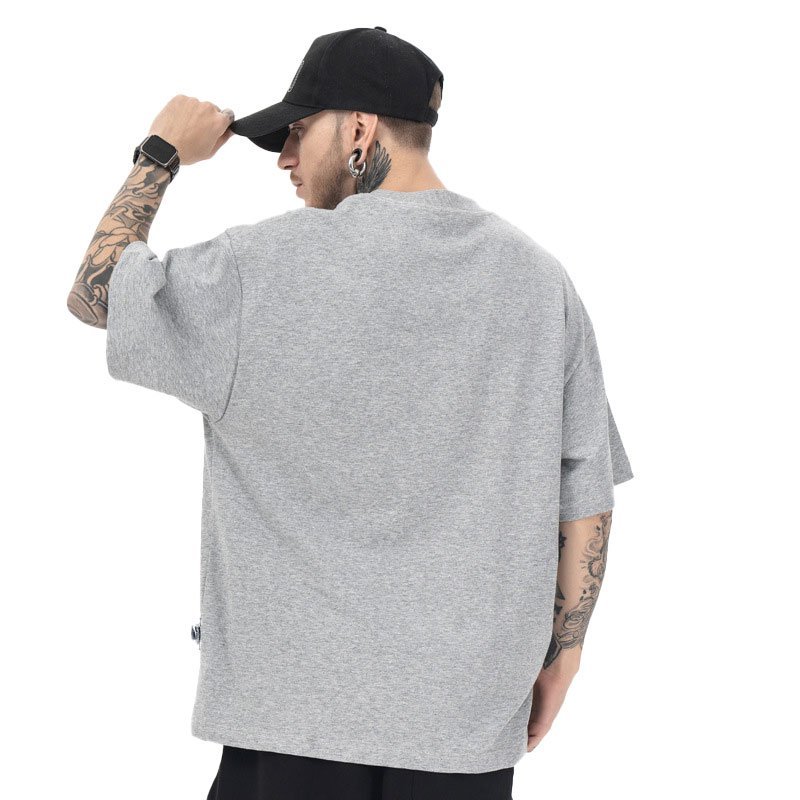
Pigment dye bonds colorant to the garment surface with a chemical binder rather than penetrating the fiber, creating muted earth tones with intentional fade. Wash-fastness grades 3–4; fading is the design feature, not a defect. Ideal for vintage streetwear tees and hoodies; MOQ starts at 50 pieces.
Reactive Dye
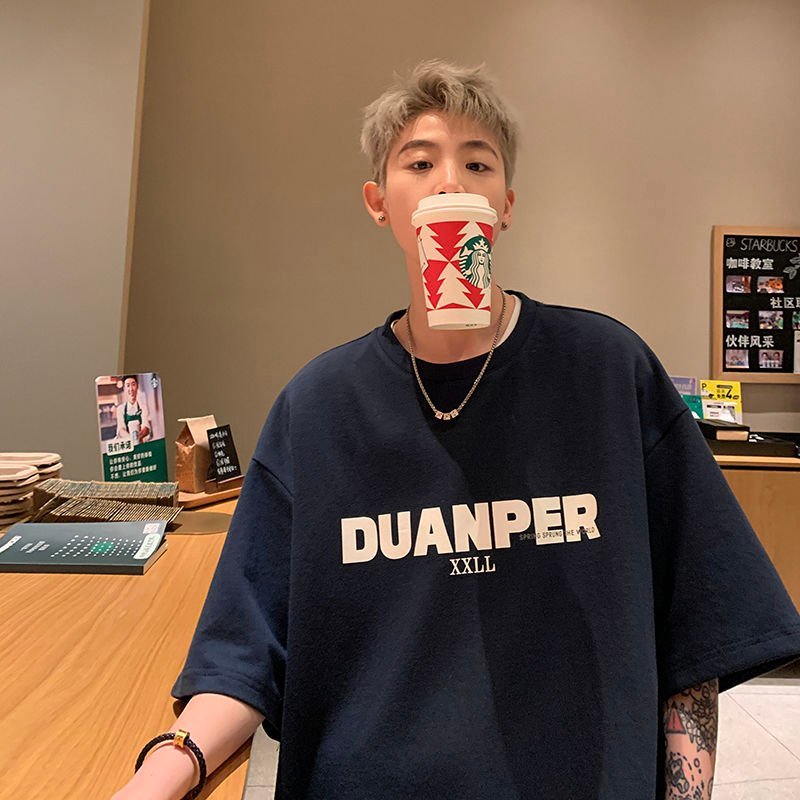
Reactive dye forms a covalent bond with cotton fibers, achieving wash-fastness grades 4–5 — the strongest rating for cellulosic fabrics. More than 100 Pantone-matched shades are achievable, from vivid primaries to deep navies. Ideal for retail basics requiring consistent color; MOQ runs 100–300 pieces per colorway.
Acid Dye
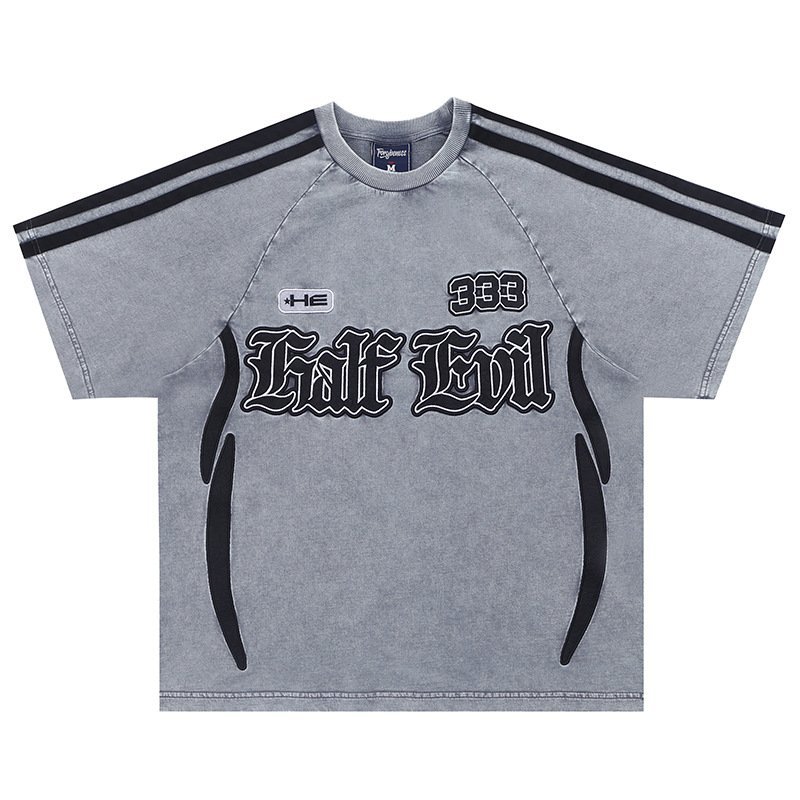
Acid dye bonds with protein fibers — wool, nylon, and silk — under low-pH conditions, delivering rich saturation and wash-fastness grades 4–5. Jewel tones and bright primaries are standard output. MOQ ranges 100–200 pieces; this method is unsuitable for pure cotton constructions.
Enzyme Wash and Dye
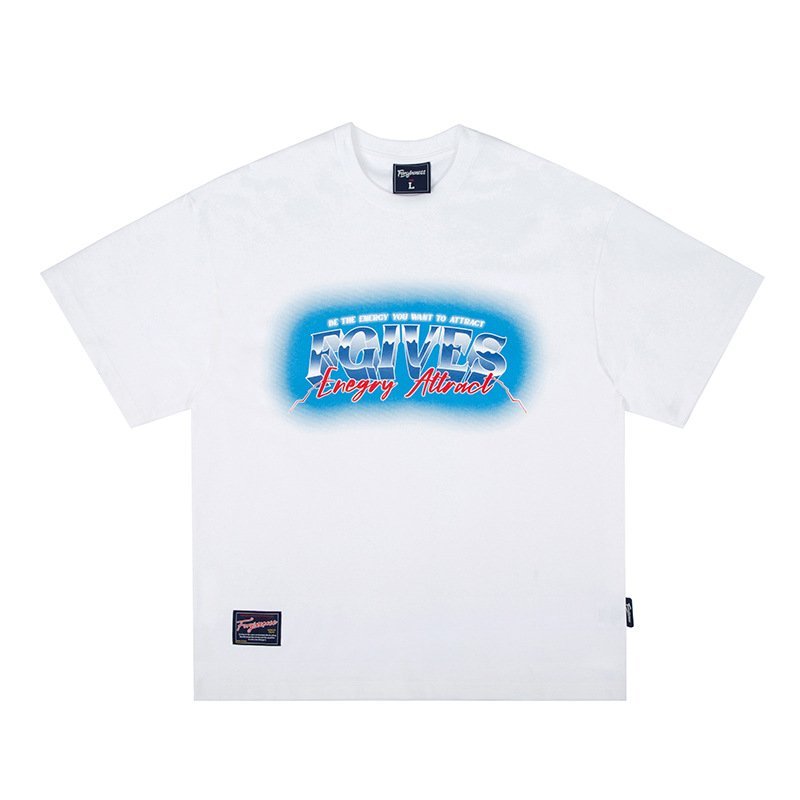
Enzyme pre-treatment partially breaks down surface fibers before the dye bath, producing a naturally aged texture and color variation across the batch. Wash-fastness grades 3–4 reflect the intentional worn-in aesthetic. Suits premium streetwear drops; minimum batch typically runs 100–200 pieces.
Over-Dye
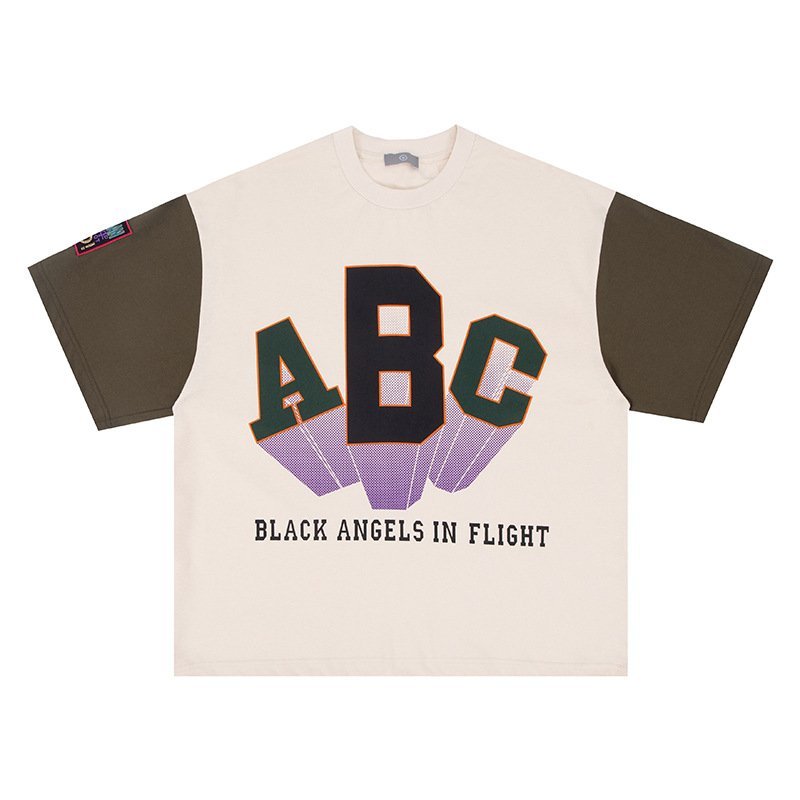
Over-dye applies a second colorant over a pre-dyed or printed blank, producing layered tonal results that vary by base hue. Wash-fastness grades 3–4; the original base color limits the achievable final palette. MOQ starts at 50 pieces, making it accessible for limited-edition drops.
Discharge Dye
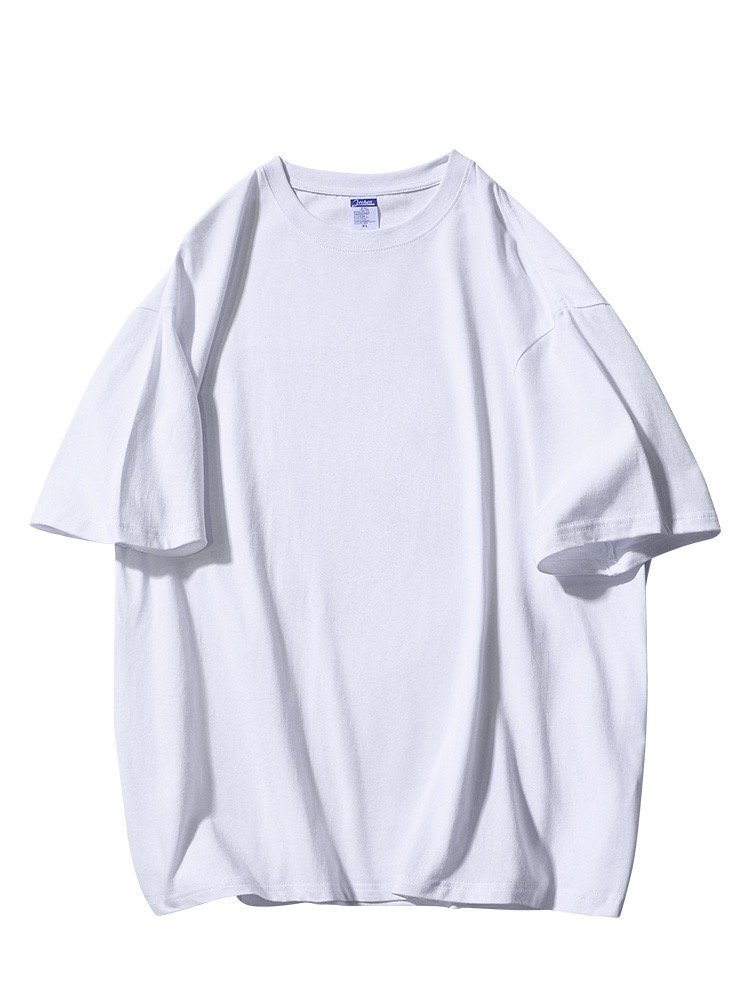
Discharge dye strips pigment from a dyed base using a bleaching agent, then introduces a new color — delivering a soft, breathable print feel with no raised ink hand. Wash-fastness grades 4–5; best suited for dark-base streetwear graphics. MOQ runs 100–300 pieces.
4. Materials and Fabrics Best Suited for Garment Dye
Fabric composition determines how uniformly a garment dye batch performs. Natural fibers bond with reactive dyes most reliably, while GSM and construction control shrinkage, hand-feel, and color depth — all variables your tech pack must specify upfront.
| Fiber | Dye Uptake | Typical GSM | Visual Effect |
|---|---|---|---|
| 100% Cotton | Uniform saturation | 180–340 gsm | Rich, consistent color |
| Cotton/Poly Blend | Heathered two-tone | 200–320 gsm | Vintage mélange look |
| Linen | Uneven, vintage fade | 180–280 gsm | Slubby, washed-out finish |
| Rayon (Viscose) | Deep saturation | 160–240 gsm | Vivid, high-contrast color |
Construction Type and Color Depth
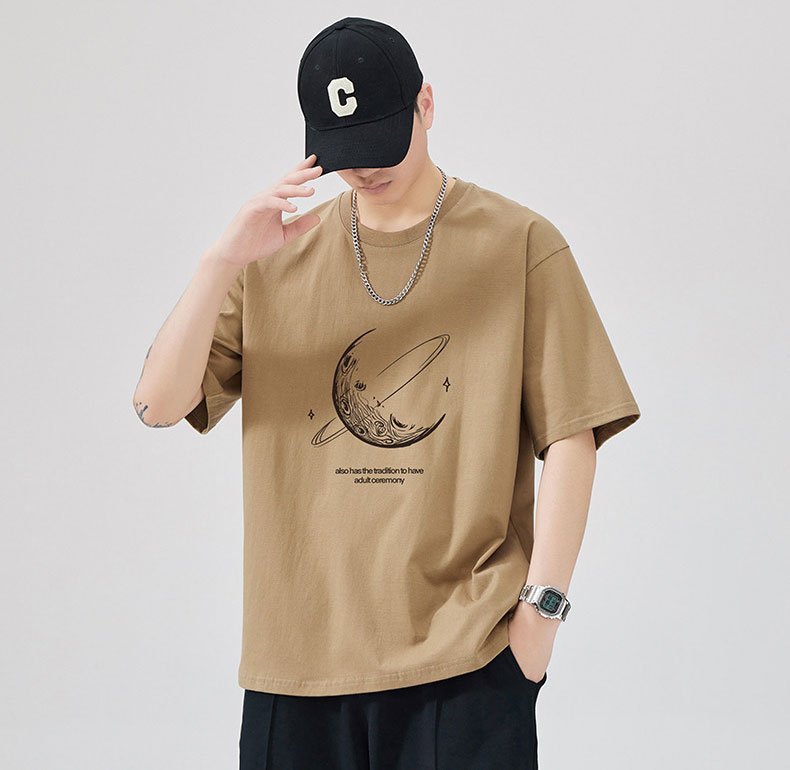
Fleece (280–340 gsm) holds dye in its looped pile, producing tonal depth that flatters vintage washes. French terry at 220–280 gsm balances color uptake with a smooth face suitable for premium streetwear staples.
Jersey (180–240 gsm) shows color most cleanly on its flat surface. Twill and canvas at 320–400 gsm require extended dye cycles but deliver saturated, structured finished pieces.
Shrinkage, Consistency, and Hand-Feel
100% cotton shrinks 5–8% in garment dye baths unless pre-shrunk; spec oversized blanks to hit finished measurements. Blends shrink 2–4% but sacrifice color uniformity — lock Pantone references early and budget for 10–15% tonal variance on heathered colorways.
Hand-feel shifts post-dye: cotton softens with silicone or enzyme wash finishing, while linen retains a textured grip that many streetwear buyers actively seek.
5. Customization and Decoration Options for Garment Dye Apparel
Garment dye creates a fully saturated, pre-washed surface that complicates adhesion for most decoration methods. Understanding each technique’s colour limits and durability trade-offs upfront prevents costly rejects and protects the premium vintage aesthetic your customers expect.
| Technique | Adhesion Challenge | Colour Limit | Durability |
|---|---|---|---|
| Discharge Print | Requires reactive-dyed 100% cotton | Natural base tones only | 50+ washes |
| Plastisol Print | Softener residue weakens bond | Opaque; full colour range | 30-40 washes; may crack |
| Embroidery | Minimal on woven base | Full Pantone range | 100+ wash cycles |
| Heat-Transfer Label | Low adhesion on pigment-dyed synthetics | Full colour range | 20-30 washes |
| Woven Patch | Needs firm sewn backing | Full colour range | High if sewn; iron-on lifts |
Screen Printing on Dyed Surfaces
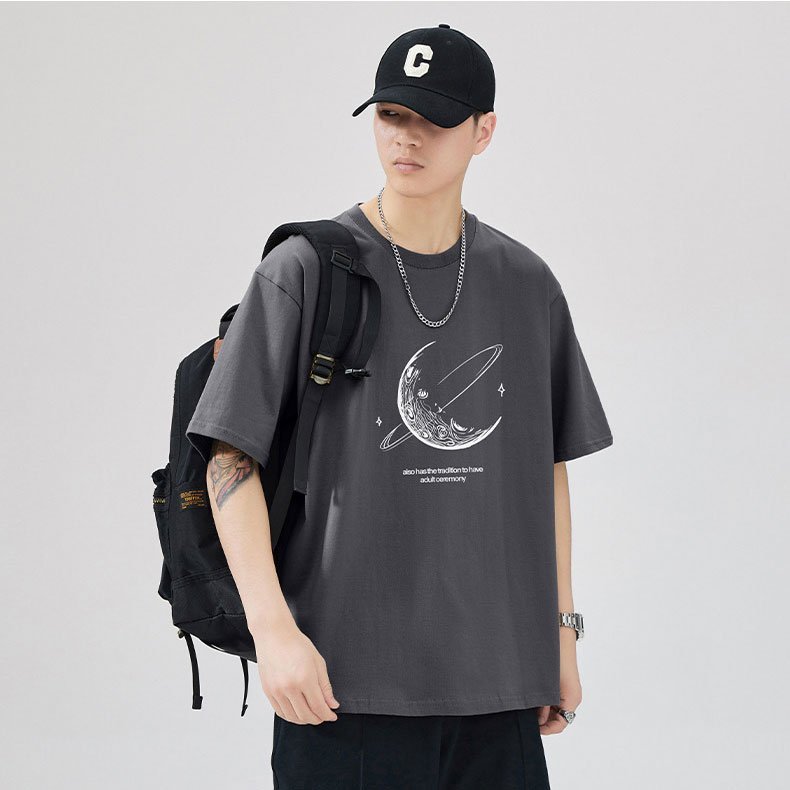
Discharge inks chemically strip the garment dye base, leaving a soft, breathable print — but only work on reactive-dyed 100% cotton.
Plastisol ink sits on top and delivers full opacity, yet softener residue from the dye bath reduces bond strength; pre-cure at 120°C before full flash.
Embroidery and Woven Patches
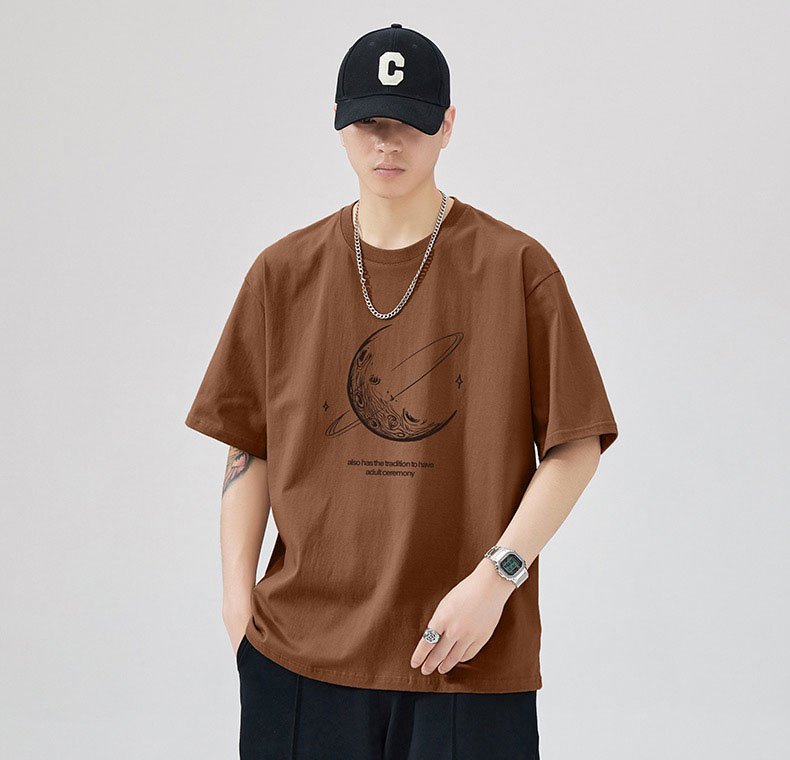
Embroidery is the most durable decoration on garment-dyed goods, tolerating 100+ wash cycles without colour shift.
Woven patches require a firm, non-stretch backing — sew-on construction outperforms iron-on adhesive by roughly 3× in peel tests on enzyme-washed fleece.
Labels, Tags, and Tonal Overdye
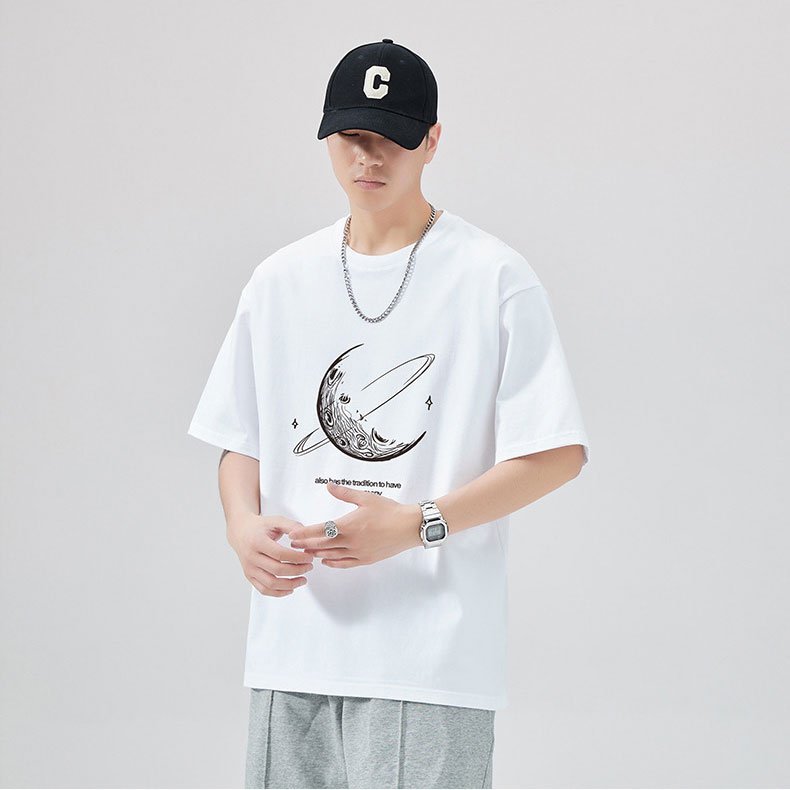
Heat-transfer labels replace woven neck labels to keep interiors clean — the standard expectation in $60–$150 streetwear.
Tonal overdye, a secondary colour bath applied after decoration, unifies the piece but demands discharge-safe inks; confirm ink compatibility before sampling. Kraft hang tags with a debossed logo reinforce the vintage positioning without adding significant unit cost.
6. Key Quality Elements in Garment Dye Construction
Not all garment dye blanks survive the dye bath equally. Blank specification, construction method, and factory color control determine whether a piece lasts 50 washes or fades in five.
Blank Quality and Pre-Shrink Standards
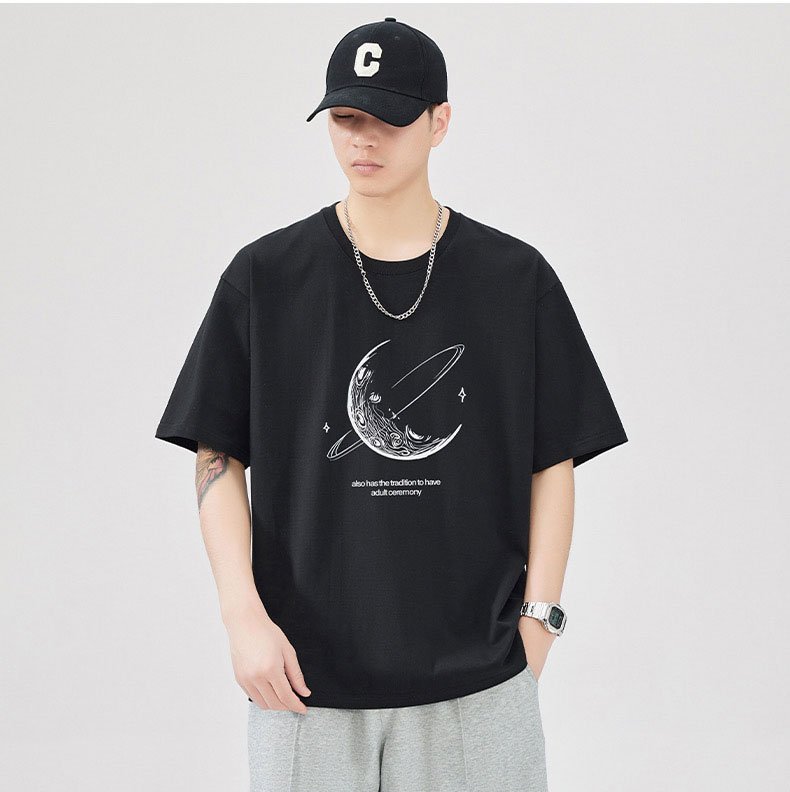
Ring-spun cotton blanks at 180–260 GSM pre-shrunk to AATCC standards hold dye more evenly than open-end constructions. Request a shrinkage test certificate; acceptable shrinkage is ≤3% after three wash cycles at 40°C.
Seam Thread Colorfastness
Polyester thread resists reactive dyes, leaving seams visibly lighter — a common defect on cheap garment dye pieces. Specify cotton-core thread rated ISO 105-C06 grade 4 or above so seams match the body.
Wash-Cycle Consistency Across a Production Run
A 500-unit run split across multiple dye lots shows visible color variance without closed-loop bath control. Require inter-lot checks at every 100-unit interval and pre-production color standard sign-off.
Side-Seam vs. Tubular Body Construction
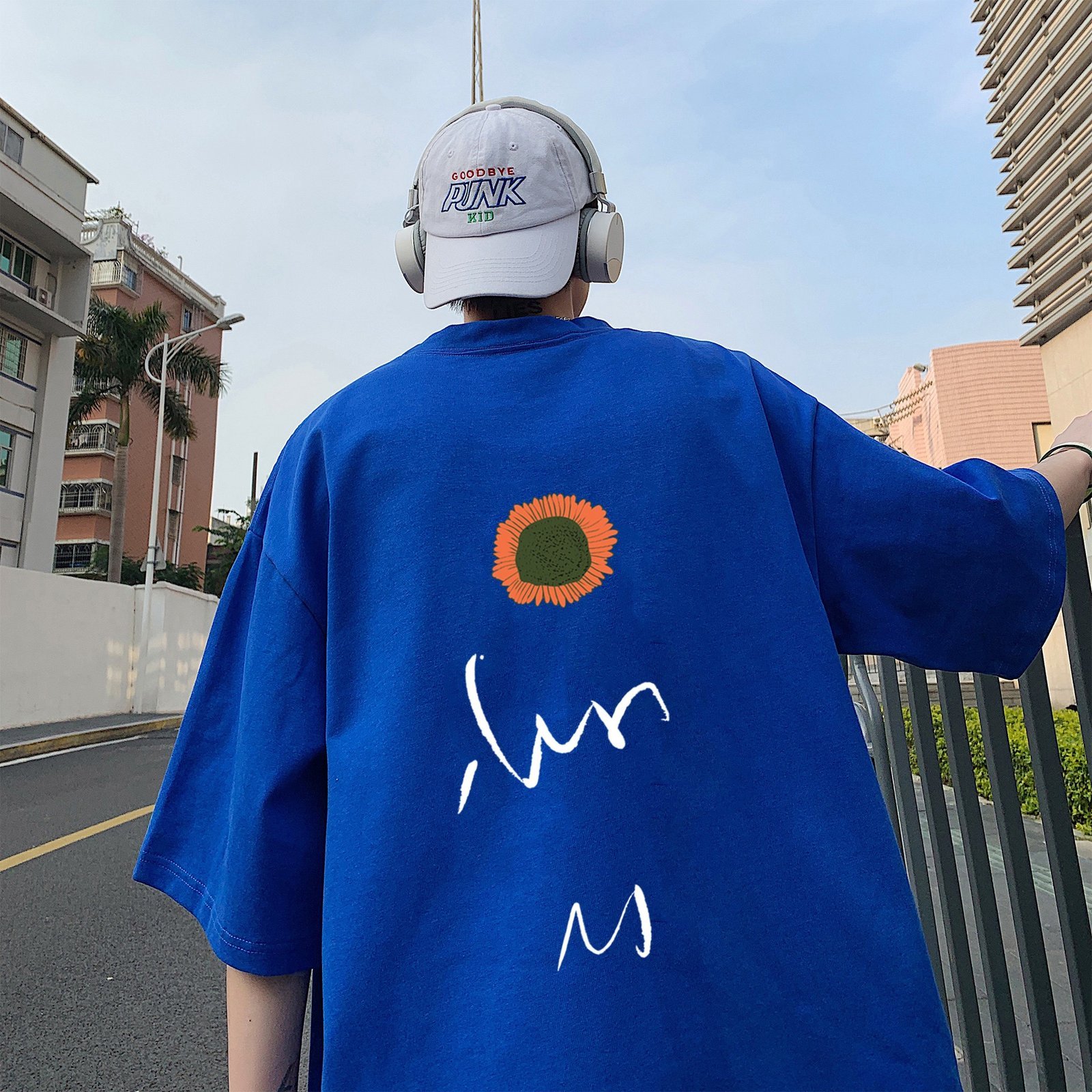
Tubular construction eliminates side seams but limits size accuracy above XL. Side-seam bodies offer better fit precision and dye more evenly at scale; specify flatlock or chain-stitch finishing for durability.
Colour-Lot Tolerance and Delta E Thresholds
Industry Delta E tolerance for garment dye is ≤1.5 on the CIE L*a*b* scale; readings above 2.0 are visible to the naked eye. Specify this threshold in your PO and require spectrophotometer readings on each approved lab dip.
Pre-Bulk Sample Inspection Checklist
Before approving bulk, inspect the sample against these five criteria.
- Verify GSM is 180–260 ring-spun cotton per spec.
- Confirm seam thread colorfastness at ISO 105-C06 grade 4 or higher.
- Wash sample 5 cycles at 40°C; measure shrinkage and color shift.
- Check Delta E ≤1.5 between approved lab dip and finished sample.
- Inspect construction type and seam finish quality under daylight conditions.
7. How to Choose a Garment Dye Manufacturer
Selecting the right garment dye partner demands a structured vetting framework covering chemistry compliance, production infrastructure, and color accuracy — not price alone. The wrong supplier introduces dye inconsistency or regulatory exposure that erodes margin and delays launch.
Certifications to Require
OEKO-TEX Standard 100 certifies that dye chemistry meets human-ecological safety thresholds — mandatory for EU and US market entry. GOTS covers organic fiber traceability alongside wet-processing and effluent controls. BLUESIGN addresses chemical management and wastewater discharge standards specific to dyehouse operations.
- OEKO-TEX Standard 100 — safe dye chemistry for human contact in finished garments
- GOTS — organic fiber traceability plus wet-processing compliance
- BLUESIGN — dyehouse chemical management and water-discharge auditing
MOQ Realities for Garment Dye
Garment dye MOQs typically range 50–300 units per colorway because each batch requires a dedicated machine load. Suppliers with in-house facilities can flex to 50 pieces; those subcontracting rarely accept under 100 units per color. Always confirm per-colorway minimums, not total order minimums.
In-House Dyehouse vs. Subcontracted Risk
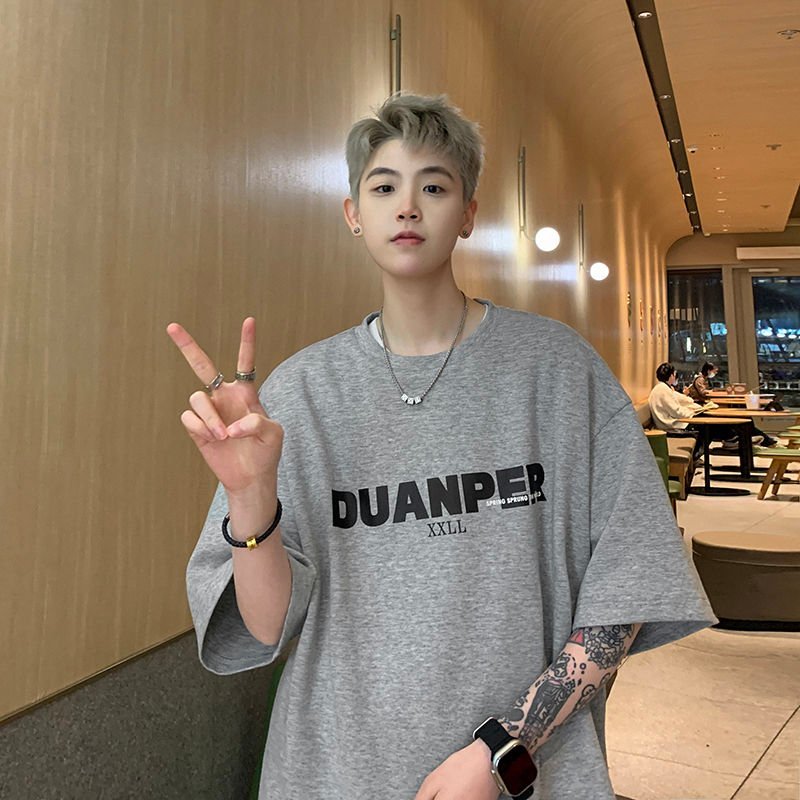
An in-house dye facility gives manufacturers direct control over bath ratios and temperature curves, reducing color deviation between repeat orders. Subcontracted dyehouses add lead time and reduce QC transparency. Request facility photos or an audit certificate before committing to a production run.
Evaluating Color-Match Accuracy
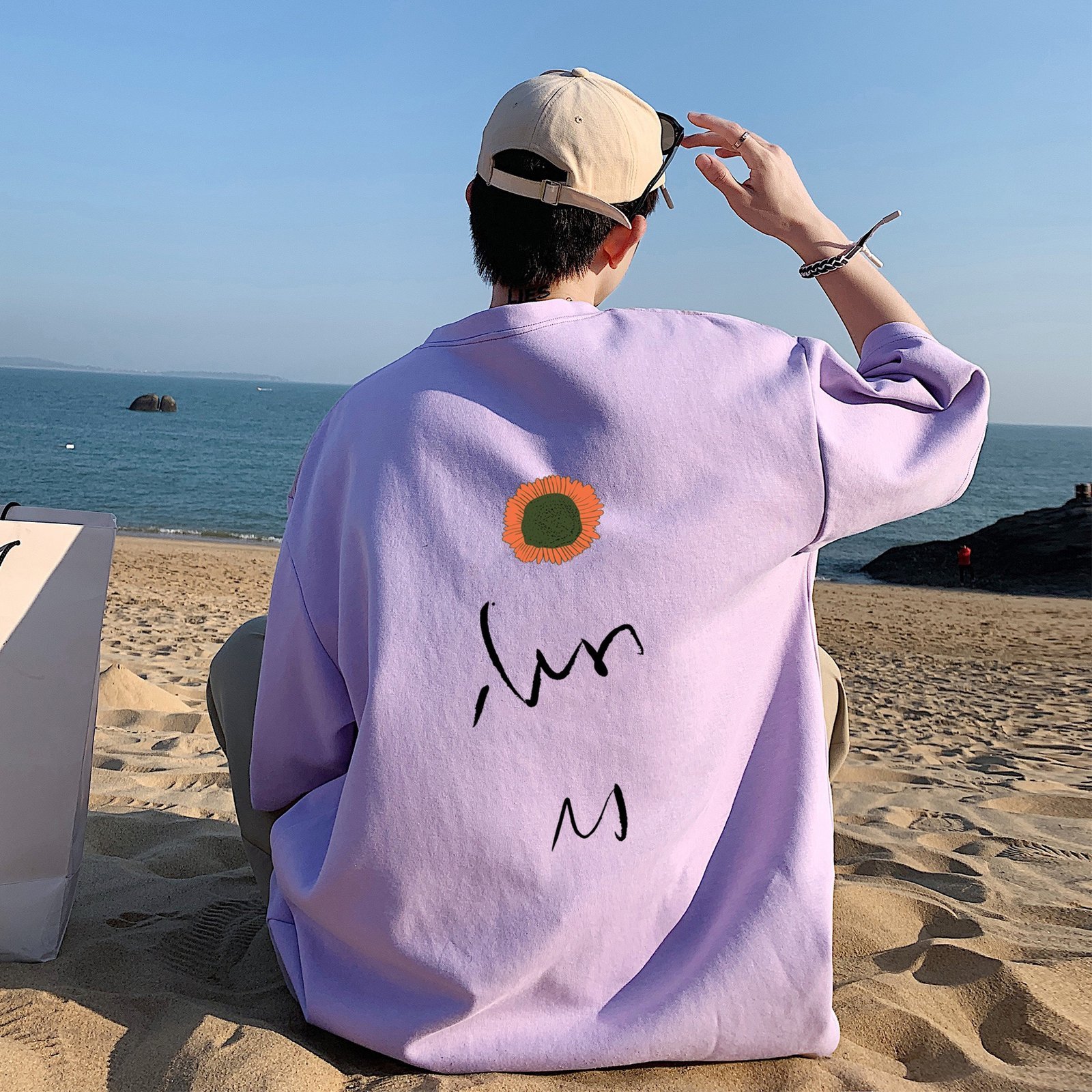
Provide a Pantone TCX reference and request a physical swatch card before approving bulk production. Acceptable tolerance is typically Delta E ≤ 1.5 under D65 lighting. Standard sample turnaround runs 7–14 days; budget an extra week per revision round when multiple colorways need simultaneous lab dips.
8. Common Mistakes Buyers Make with Garment Dye
First-time buyers routinely apply yarn-dye or print production logic to garment dye orders — paying for it with rejected samples, size complaints, and missed launch windows. Five high-frequency mistakes account for most of the friction.
Locking In Exact Pantone Codes
Garment dye tolerates batch-to-batch variation of ΔE 2–4 by design; demanding a single Pantone match triggers endless re-dye cycles and inflates unit cost.
Specify an acceptable shade band instead, and approve a strike-off range rather than a single reference chip.
Ignoring Pre-Wash Shrinkage in Size Specs
100% cotton garment-dyed pieces typically shrink 5–8% after the first wash cycle; submitting specs built on post-cut measurements means customers receive garments that run small.
Add a 5–8% shrinkage allowance to your pattern grading before cutting begins.
Ordering Identical Colorways Across Fabric Lots
Even identical GSM fabric sourced from two separate mill lots will dye to visibly different shades, producing mismatched sets that fail any professional QC review.
Consolidate your fabric purchase from a single mill lot per colorway every season.
Skipping Wash-Test Protocols
AATCC 61 and ISO 105-C06 wash-fastness tests identify color bleed and fading before bulk production ships; skipping them leads to customer returns after just one wash cycle.
Require a wash-test report on every new color before approving bulk.
Underestimating Dye Process Lead Time
The garment dye step alone adds 7–14 days to a standard cut-and-sew timeline — more if a shade is rejected and sent back for re-dye.
Build dye lead time into your critical path from day one; brands borrowing from fabric-dye schedules routinely miss launch dates.
9. Steps to Launch Your Brand with Garment Dye
Launching your first garment dye drop requires a structured, stage-gated process — skipping any step compounds defects downstream. The six-step roadmap below gives startups and influencer brands a clear timeline with defined stakeholder actions at each gate.
Define Colorway Palette and Fibre Spec
Select 3–6 Pantone TCX references and lock fibre content — 100% ring-spun cotton at 180–280 GSM absorbs reactive dyes most evenly. Confirm garment construction (jersey vs. French terry) and intended wash-finish spec. This 3–5 day alignment step prevents costly re-dye cycles later.
Request Blanks Sample and Dye Swatch
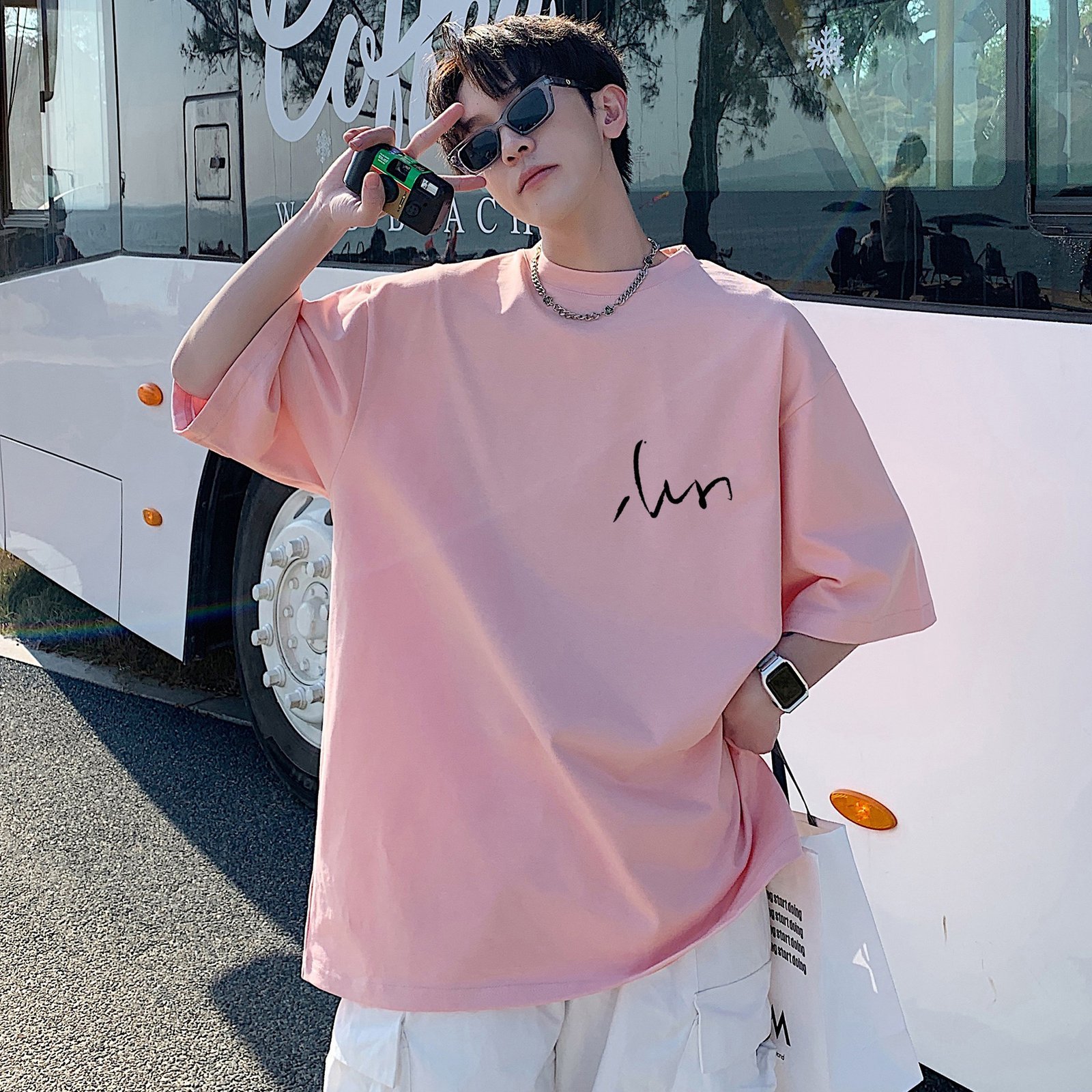
Submit your Pantone codes and request pre-dyed blanks alongside physical dye swatches. Most factories return samples within 10–14 days. Review colour depth, hand feel, and shrinkage against your spec before advancing.
Approve Wash Test and Size Set
OEKO-TEX–certified facilities run ISO 105 wash-fastness tests; request printed results alongside a full size set. Approve or redline within 5 business days. A signed size-set sign-off is your contractual green light for bulk cutting.
Confirm Bulk Colour-Lot
Before dyeing bulk, request a sealed colour-lot lab dip matched against your approved swatch — a Delta E tolerance of ≤1.5 is the standard production benchmark. Colour-lot approval should happen within 48 hours to avoid delaying the bulk dye schedule.
Add Decoration and Label
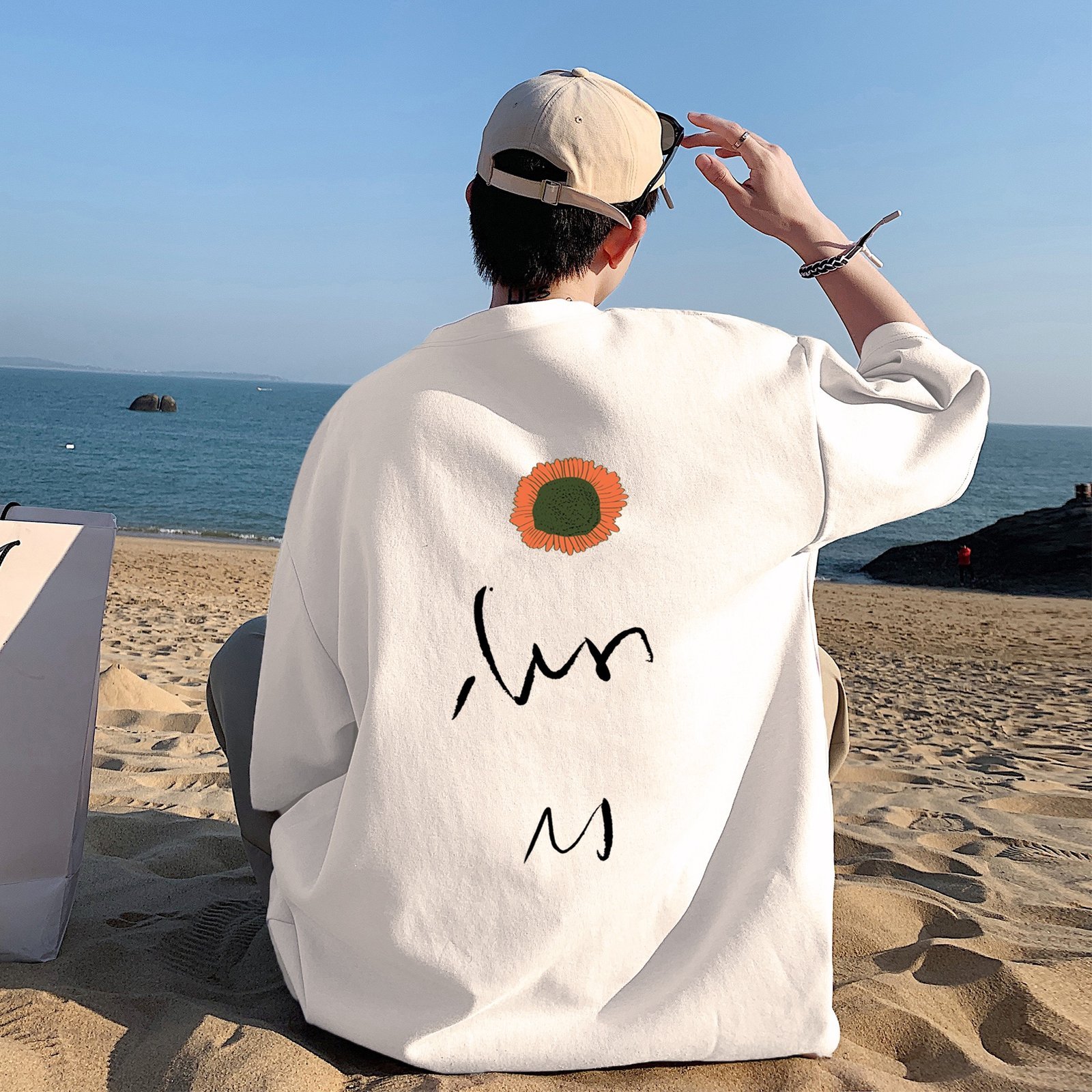
Screen-printed graphics, embroidery, and woven labels are applied post-dye to protect colour integrity. Confirm placement specs and label compliance — fibre content, care symbols, country of origin — at this stage. Allow 5–7 days for decoration production.
QC Final Goods Before Shipment
A final inspection covers measurements, colour consistency, seam integrity, wash results, and packaging. Pull a 2.5 AQL sample from each colour-lot before authorising shipment. Any failed units are reworked before the container is sealed.
10. Garment Dye Pricing and Cost Breakdown
Three factors drive garment dye unit-cost volatility more than any other: dye chemistry (reactive dyes run 2–3× the cost of pigment dyes but deliver superior wash-fastness under OEKO-TEX standards), blank weight (a 320 GSM French terry absorbs far more dye liquor than a 180 GSM jersey, raising both dye cost and machine cycle time), and wash-cycle count (each additional enzyme or stone-wash pass adds $0.50–$1.50 per unit). Colour count compounds the equation — each Pantone-matched overdye bath requires a separate machine load and extends lead time by 2–4 days.
Brands building a margin model should plan for a 4–5× retail keystone on garment dye units and factor in a 15–20% dye-loss waste allowance during costing. A five-step QC process — covering materials, cutting, craft, sewing, and finished-goods inspection — catches defects before they reach finished inventory and protects that margin from post-production rejects.
- Screen print: $45–$80 setup, $1.50–$3.00/unit — best for bold multi-colour graphic placements.
- Embroidery: $15–$30 digitizing fee, $2.50–$5.00/unit — adds tactile luxury to chest or sleeve hits.
- DTG: no setup fee, $3.00–$6.00/unit — ideal for short runs with photographic or gradient detail.
- Heat transfer: $20–$50 setup, $1.00–$2.50/unit — cost-effective for simple logo or label work.
| Quantity Tier | Unit Price (USD) | Dye Surcharge | Decoration Add-On | Lead Time |
|---|---|---|---|---|
| 50 units | $18–$24 | +$3.50–$5.00 | +$2.50–$4.00 | 25–30 days |
| 100 units | $14–$19 | +$2.50–$4.00 | +$2.00–$3.50 | 22–28 days |
| 250 units | $11–$16 | +$2.00–$3.50 | +$1.50–$3.00 | 20–25 days |
| 500 units | $9–$13 | +$1.50–$2.50 | +$1.00–$2.50 | 18–22 days |
| 1,000+ units | $7–$11 | +$1.00–$2.00 | +$0.75–$2.00 | 15–20 days |
Ready to Elevate Your Brand with Garment Dye?
Start with a low-MOQ sample, backed by our 5-step QC guarantee and fast turnaround — premium garment dye, zero compromise.