
Custom Mineral Wash Apparel With a 5-Step Quality Guarantee
We manufacture premium mineral wash streetwear with authentic vintage fades and a soft hand-feel, backed by strict 5-step QC, low MOQ, and fast turnaround.
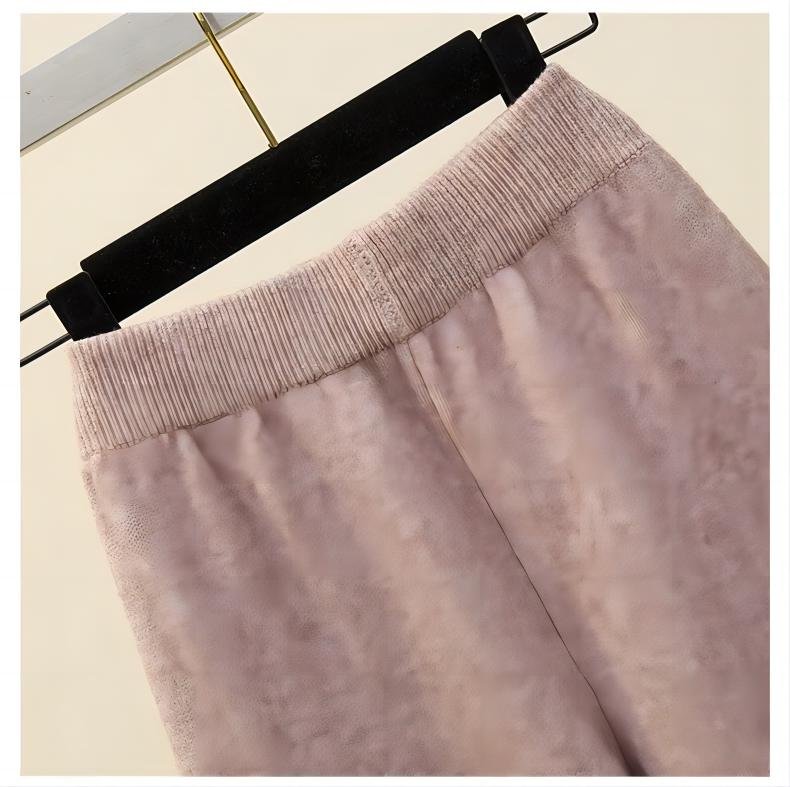
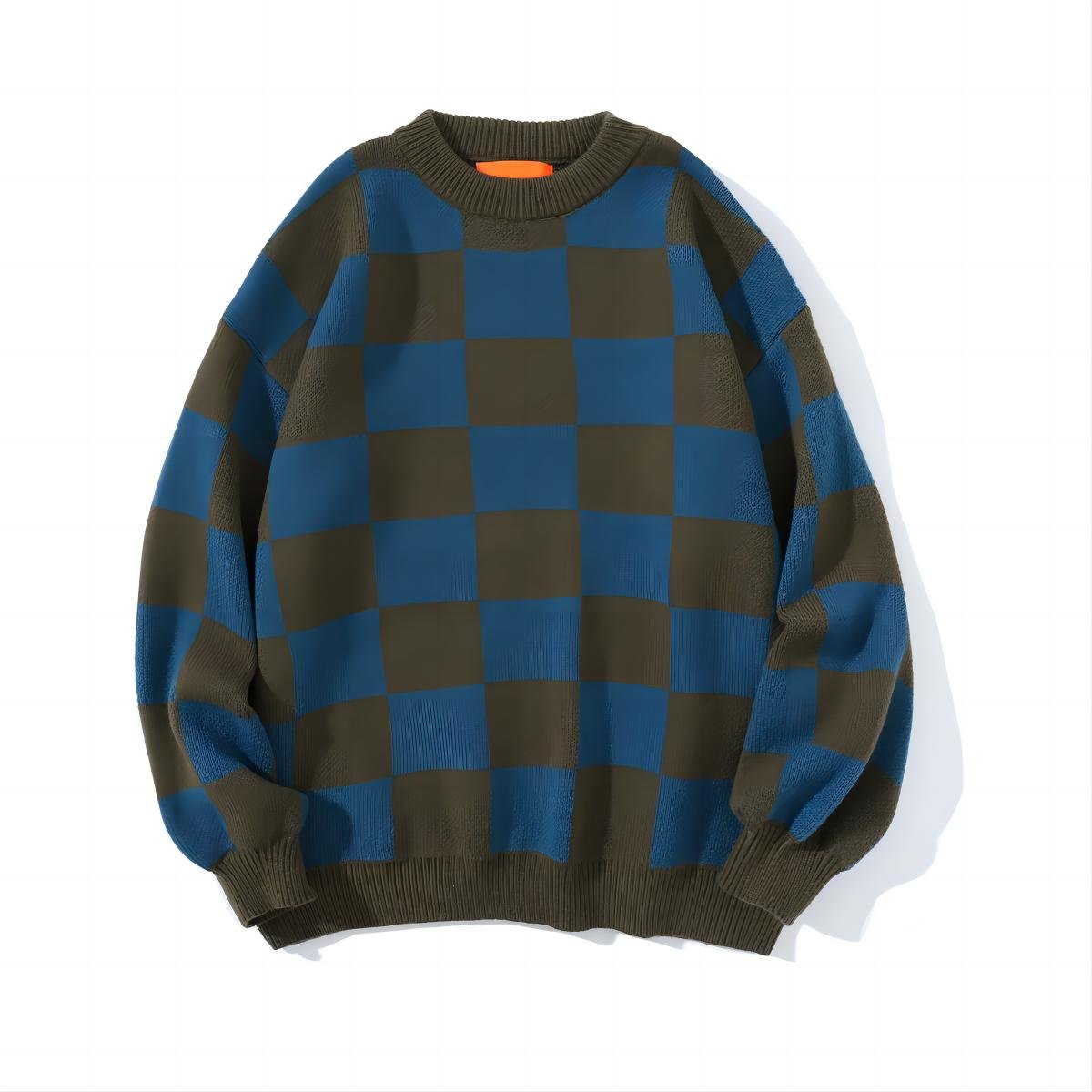
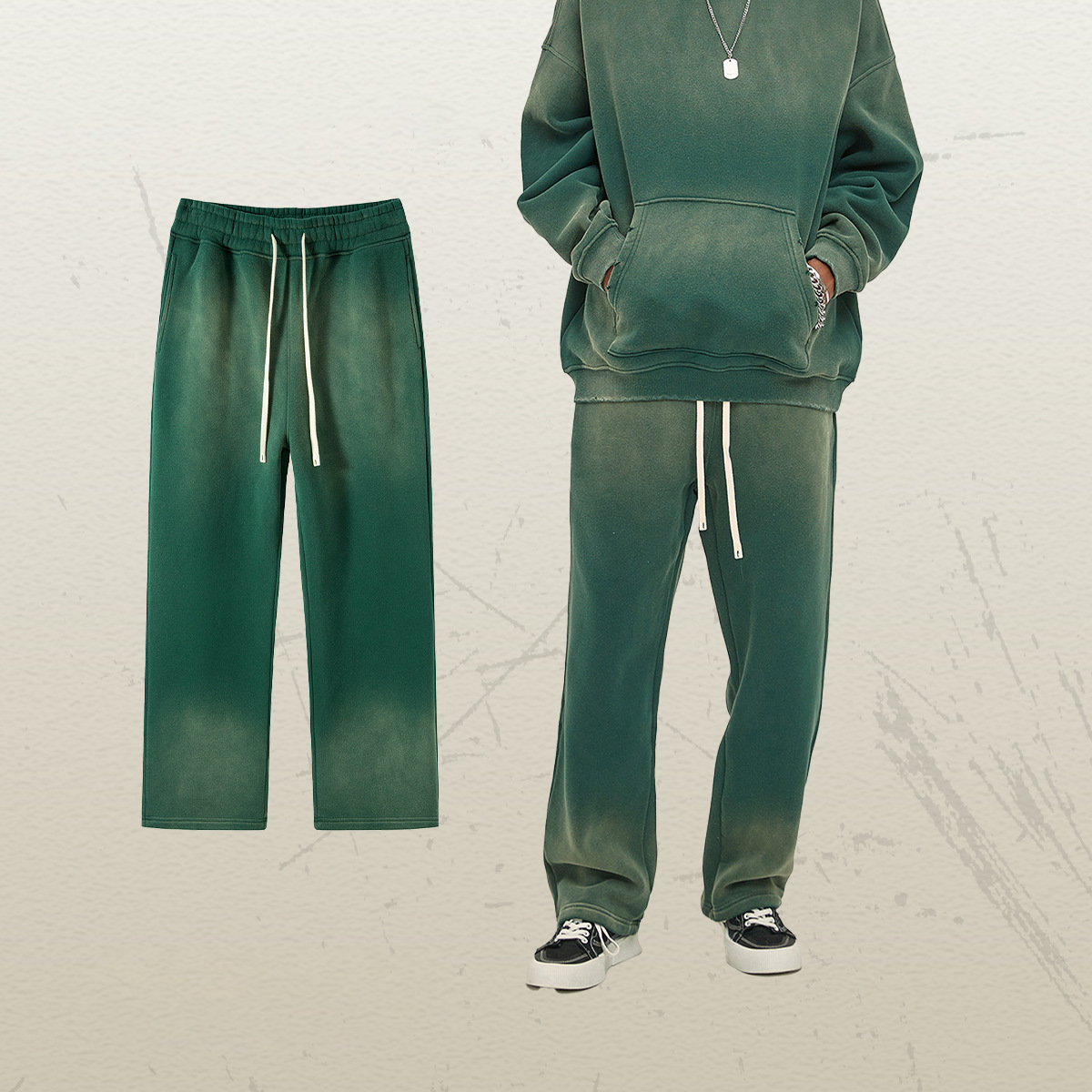
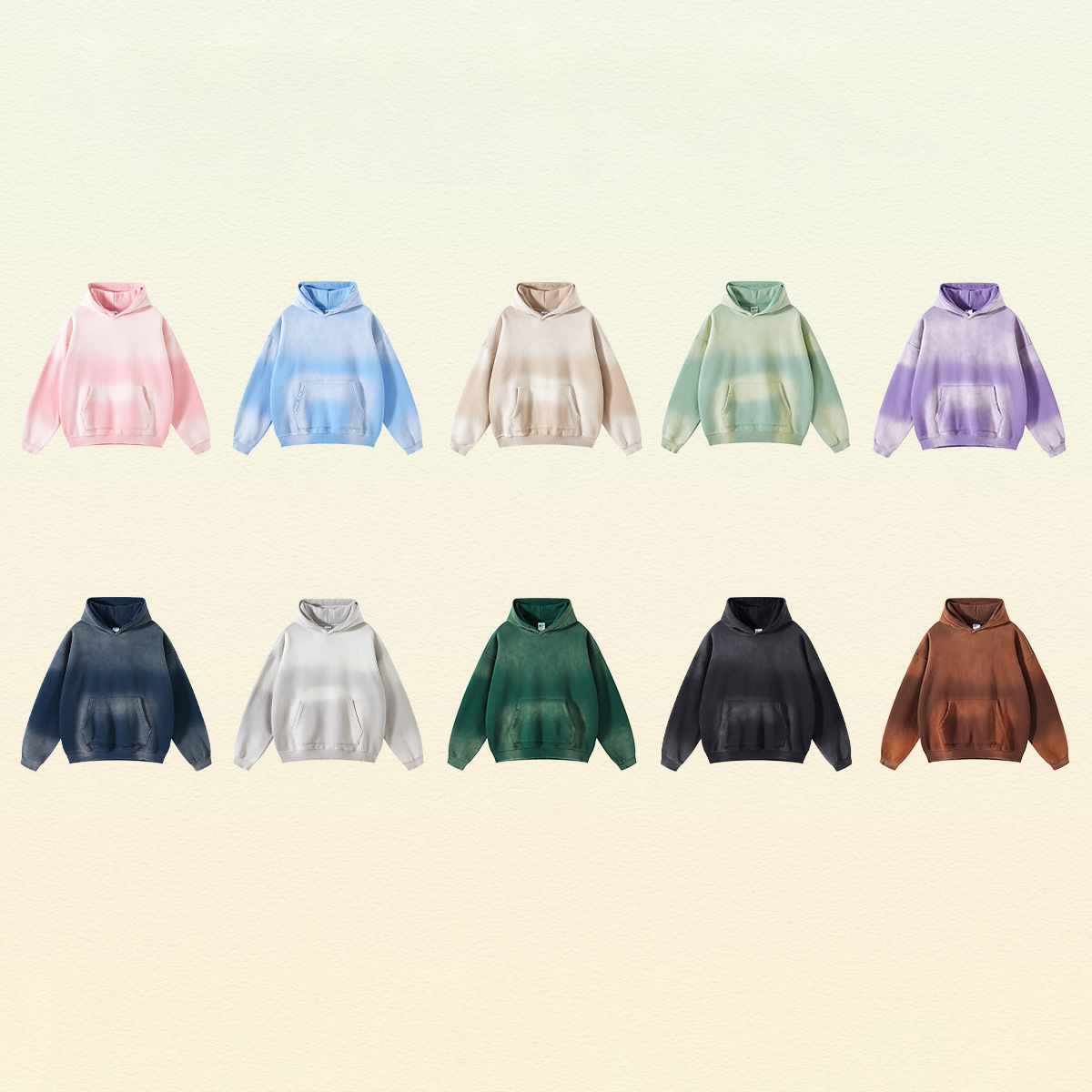
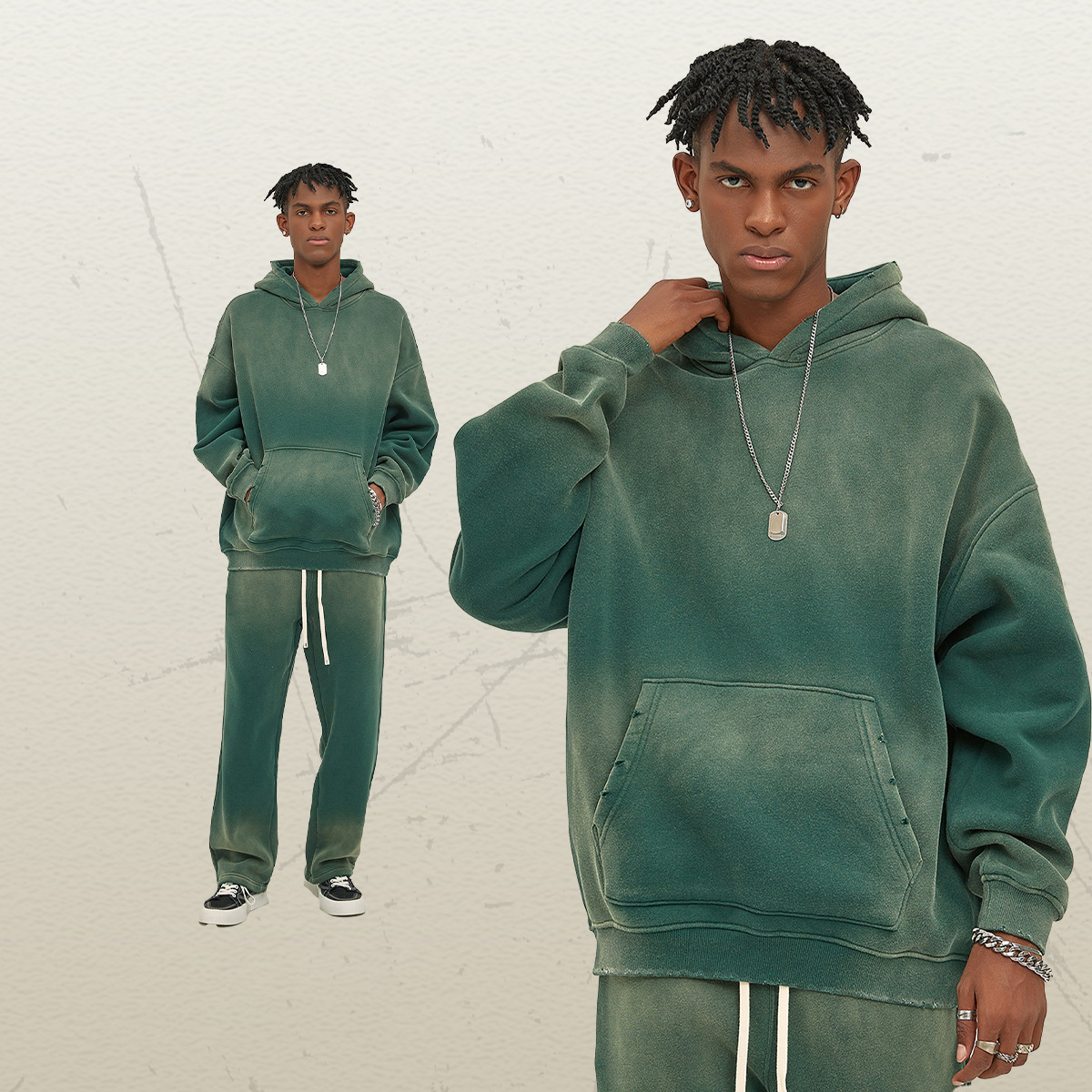
Mineral Wash Process Samples
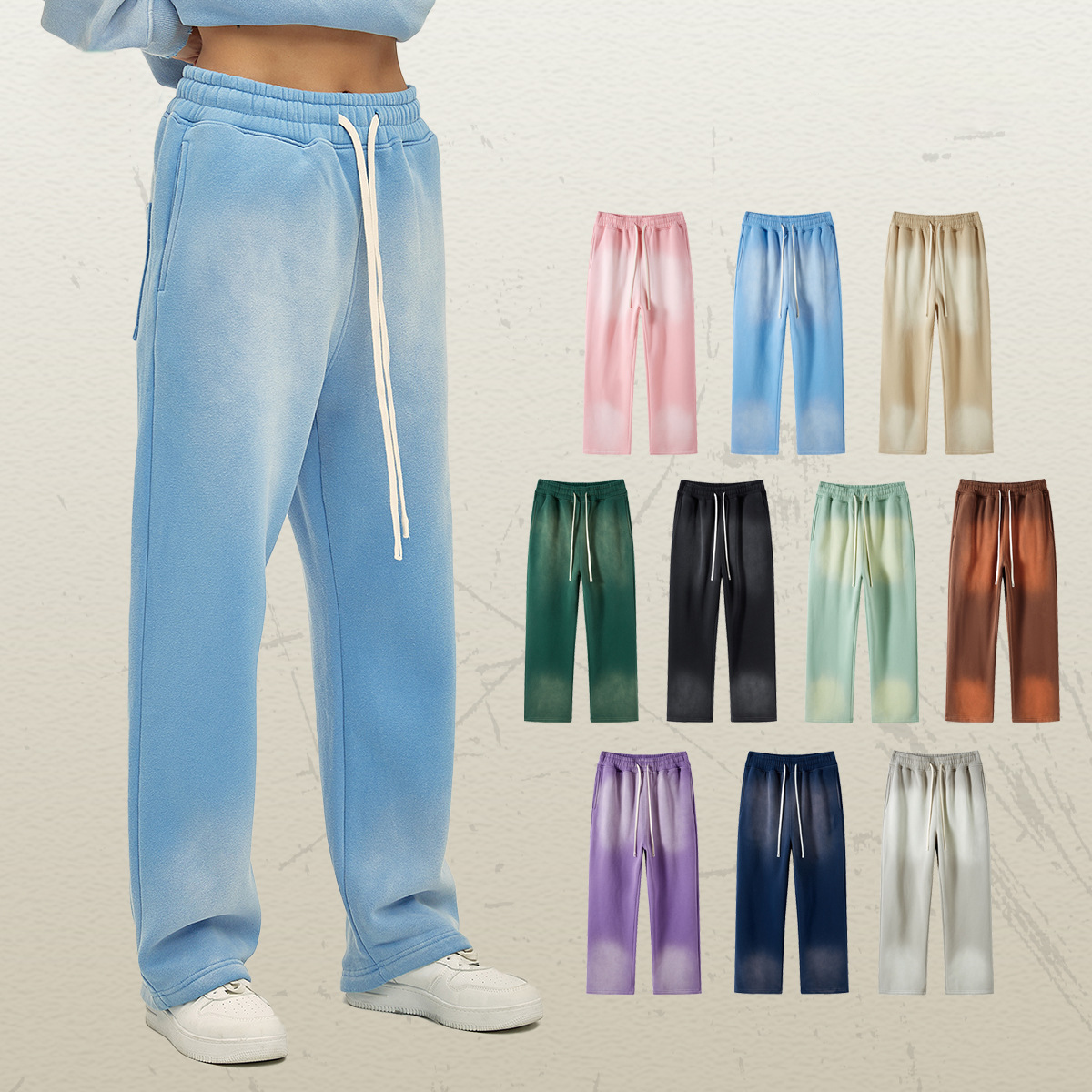
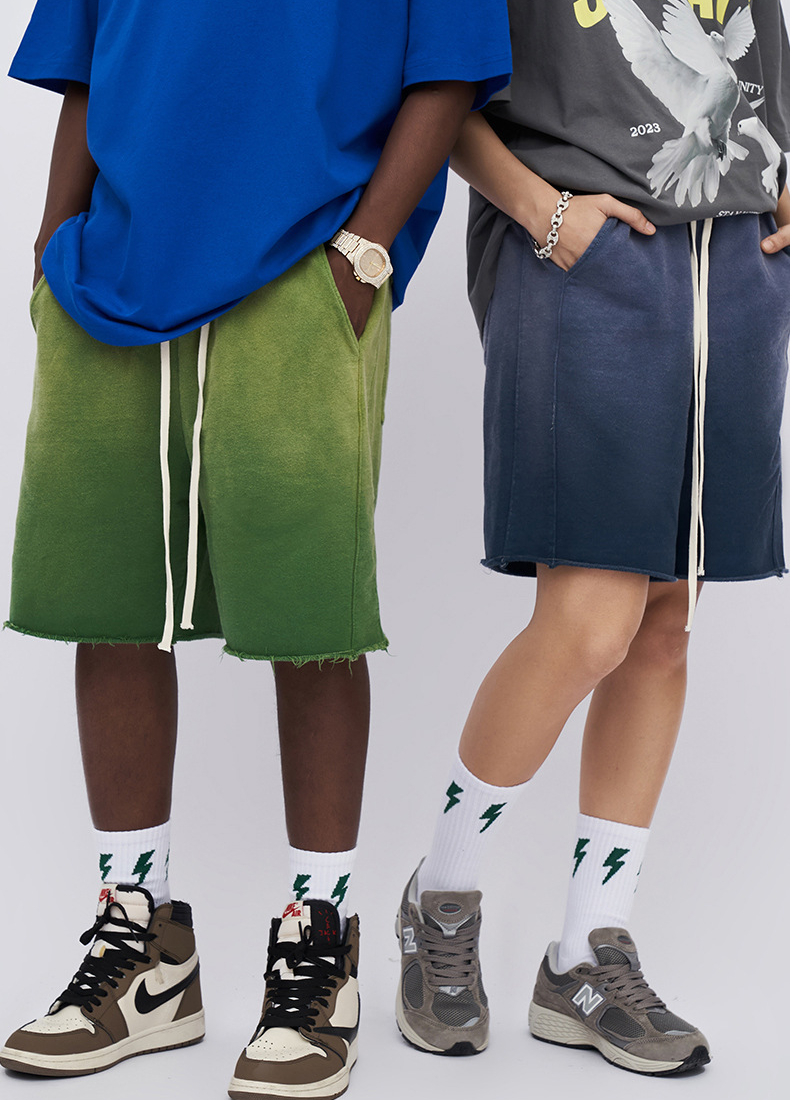
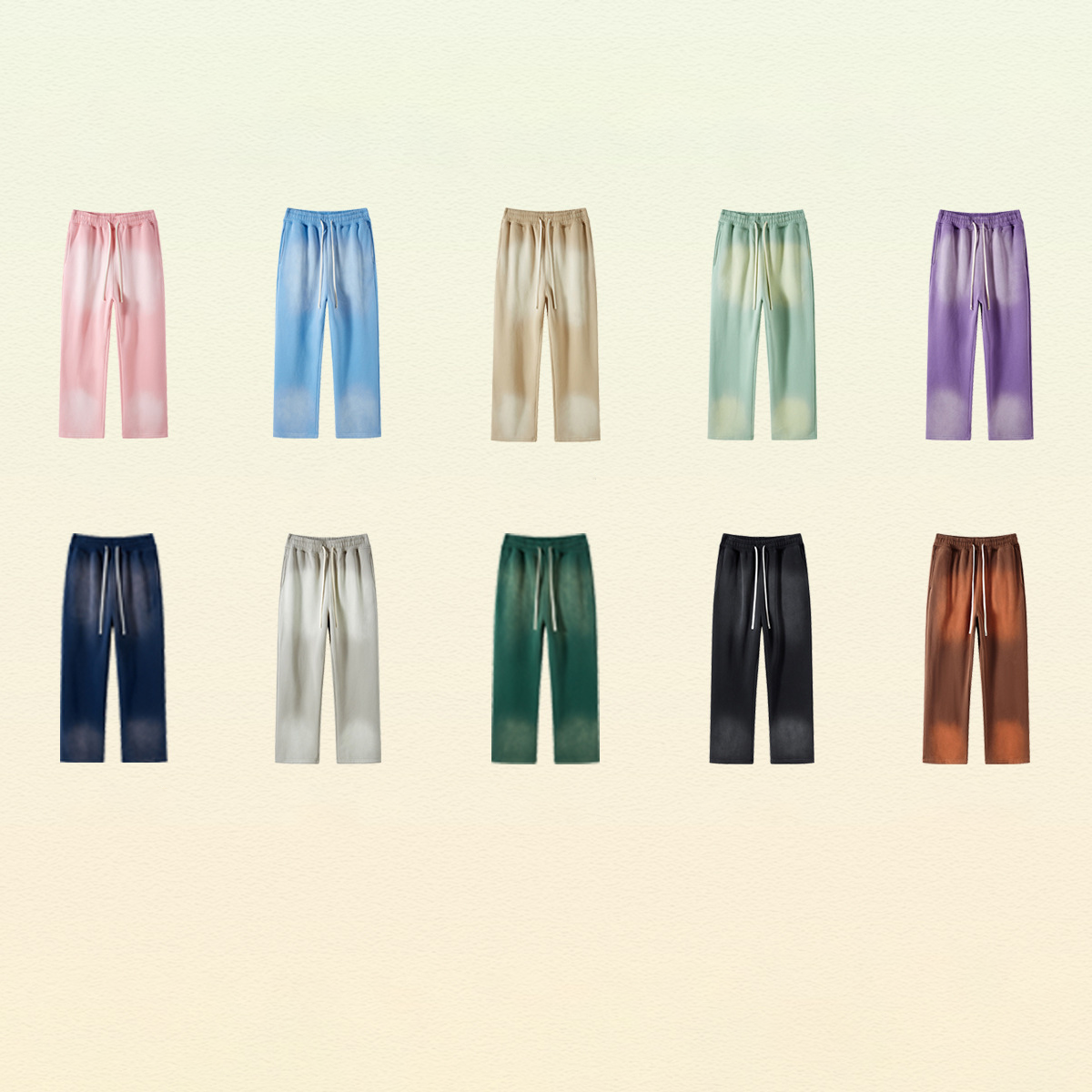
6 Reasons Mineral Wash Outperforms Standard Dyeing
From texture to color depth, every characteristic of mineral wash is engineered to deliver the vintage, high-character aesthetic that streetwear and trendy brands demand.
Authentic Vintage Faded Appearance
Mineral wash creates a genuine sun-bleached, worn-in look that standard dyeing methods simply cannot replicate at scale.
Ultra-Soft, Lived-In Texture
The wash process gently breaks down surface fibers, producing a buttery hand feel that only deepens with repeated wearing.
Natural Color Variation Per Piece
Each garment develops its own unique tonal pattern, making every unit a one-of-a-kind canvas ideal for limited-edition streetwear drops.
Long-Lasting Color Durability
Mineral-fixed pigments bond deep into the fabric structure, resisting premature fading and holding their character through heavy laundering cycles.
Compatible Across Fabric Weights
From lightweight jersey tees to heavyweight fleece, mineral wash delivers consistent, high-quality results across a wide range of fabric constructions.
Dimension Standard Dyes Can’t Match
Unlike flat, uniform conventional dyeing, mineral wash adds visible depth and texture contrast that immediately elevates a garment’s streetwear appeal.
Mineral Wash vs. Related Garment Finishes
Explore acid wash, stone wash, overdye, and garment dye — then see why so many streetwear brands choose mineral wash as their signature finish.
Acid Wash vs. Mineral Wash
Acid wash creates bold contrast but risks harsh, inconsistent results and a stiff hand feel that disappoints streetwear buyers. Brands want the edgy bleached look without the production unpredictability.
Mineral wash delivers softer, more organic contrast with comfortable drape and richer tonal variation — giving streetwear labels a wearable, modern alternative that photographs beautifully and commands premium pricing.
Stone Wash Without the Tradeoffs
Stone wash produces a classic worn-in aesthetic but can cause uneven fabric abrasion, inconsistent results across bulk runs, and damage that spikes reject rates during quality control.
Mineral wash replicates the soft, broken-in feel of stone wash with more consistent results and a gentler process — our 5-step QC catches variation early so every unit ships perfect.
Adding Depth with Overdye
Overdye adds vivid, layered color to garments but applied to untreated fabric it often looks flat and uniform — missing the artisan character that sets premium streetwear apart from basics.
Running overdye over a mineral wash base creates multi-dimensional, unpredictable color shifts and a vintage depth that independent designers and influencer brands use to justify higher retail price points.
Garment Dye Meets Distressed Edge
Garment dye creates beautiful, even color saturation but produces a finish too clean for streetwear consumers who demand a raw, weathered aesthetic. The result can feel safe rather than bold.
Combining garment dye with mineral wash finishing layers rich color and rugged texture into one statement piece — a signature look that resonates with trend-driven buyers and defines a brand's identity.
One Partner, Multiple Finishes
Sourcing acid wash, stone wash, overdye, and garment dye from separate vendors creates MOQ fragmentation, quality inconsistency, and supply chain complexity that derails seasonal collection launches and strains small team budgets.
Clothing Manufacturer Ltd. produces mineral wash, acid wash, stone wash, overdye, and garment dye under one roof — one MOQ, one QC standard, and one global shipping channel for your entire collection.
10+ Years of Mineral Wash Expertise in Streetwear
Tesla Luo founded Clothing Manufacturer Ltd. in August 2024 with a clear mission: eliminate substandard garment production and restore trust in Chinese manufacturing. Growing up in factories across Dongguan Humen and rotating through every role from sewing to quality control, he built a decade-plus of hands-on expertise that now powers every mineral wash project the company undertakes.
Based in Humen Town, Dongguan — China’s historic garment hub — Clothing Manufacturer Ltd. operates through the infrastructure of its parent company, Dongguan TuoZhen Clothing Co., Ltd., backed by a 15-member R&D team and 10 registered production patents. From low-MOQ sampling for emerging brands to high-volume seasonal runs, our in-house design and sampling team delivers fast turnarounds with consistent, on-brand results.
What sets us apart is our proprietary 5-step quality control methodology — covering materials, cutting, craftsmanship, sewing, and final inspection — applied to every mineral wash order without exception. Having personally served over 1,000 clients across more than 100 countries, including influencer-driven American brands, we understand what global streetwear labels, startups, and retailers demand: quality that ships as promised, every time.
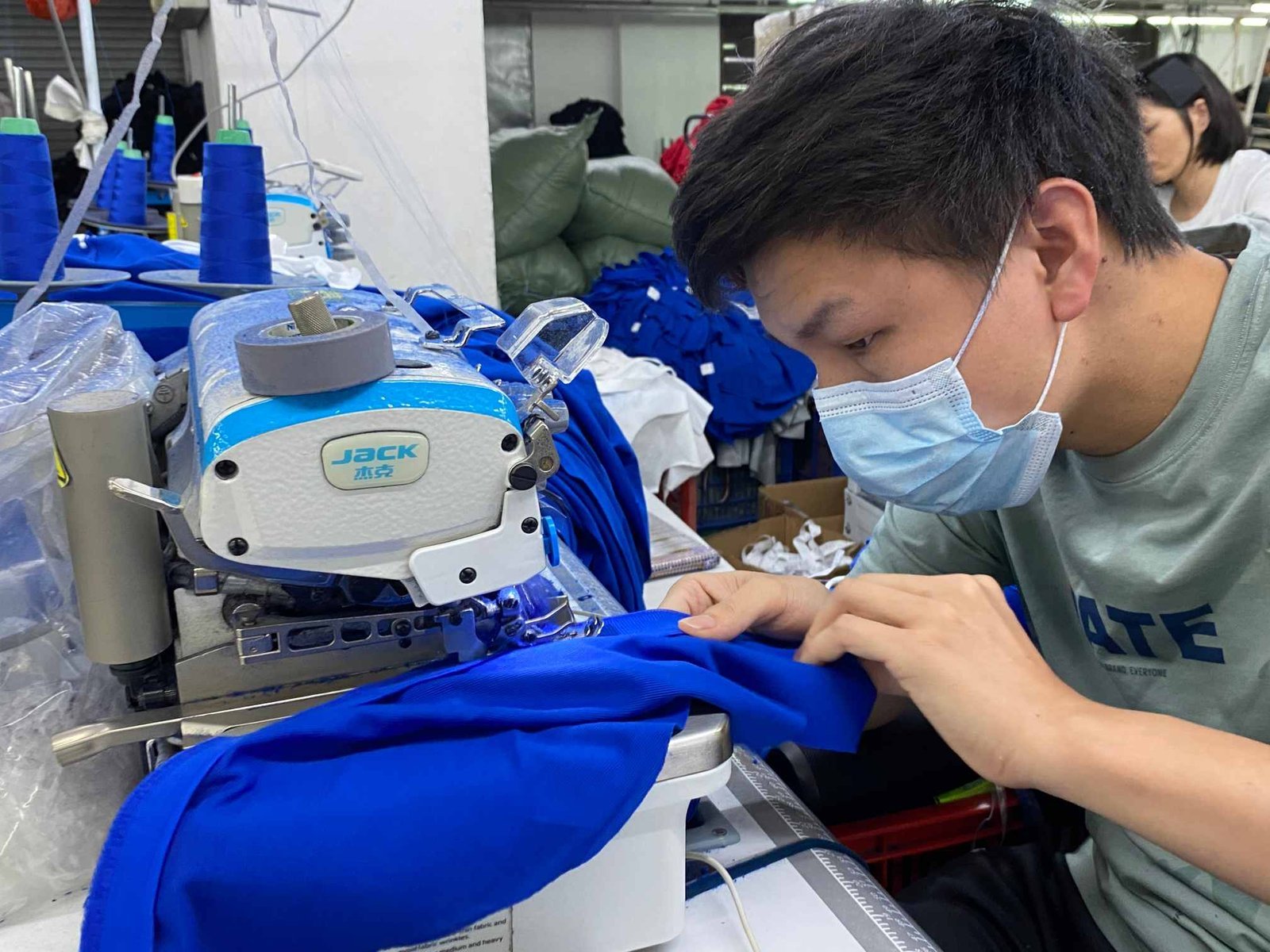
Mastering Mineral Wash: Process & Quality Control
Stone & Chemical Selection for Mineral Wash
The foundation of every authentic mineral wash result lies in matching stone type, grit, and chemical concentration to fabric weight and desired distress level. Our technicians calibrate each variable before a single garment enters the drum.
- Pumice and volcanic stone graded by density and abrasion level for precise surface distress
- Chemical bath pH tested and balanced per fabric type and target colorway
- Fabric weight mapped to stone-to-garment load ratios for batch-to-batch consistency
- Pre-soak protocols set to stabilize dye uptake before the wash cycle begins

Wash Cycle Timing and Temperature Control
Cycle duration and water temperature are the variables that most directly determine the final hand-feel, fade gradient, and surface texture of a mineral wash finish. Every parameter is logged and fully repeatable across bulk production runs.
- Cycle times calibrated in precise increments to control fade depth and gradient uniformity
- Water temperature monitored and held within tight tolerances throughout each full run
- Drum rotation speed adjusted to prevent fabric stress, pilling, or seam damage
- Rinse cycles timed to fully remove residual mineral and chemical deposits from the garment
Drying Control for Dimensional Stability
Post-wash drying is where dimensional accuracy is won or lost. Our controlled drying process preserves garment measurements, prevents over-shrinkage, and locks in the distressed surface texture achieved during the mineral wash phase.
- Tumble-dry temperatures set according to fabric composition, weight, and blend ratio
- Hang-dry protocols applied to stretch-sensitive or structured garment constructions
- Moisture content verified at exit before garments advance to the finishing stage
- Shrinkage rates recorded and benchmarked against buyer-approved fit specifications
5-Step QC Embedded at Every Stage
Our proprietary five-step quality control process runs parallel to production, not after it. Each mineral wash batch is inspected at materials, cutting, craft, sewing, and finished-goods stages, catching deviations before they compound.
- Materials QC: fabric and stone compatibility verified before any processing begins
- Craft QC: wash effect uniformity spot-checked mid-cycle on test panels per colorway
- Sewing QC: seam integrity confirmed post-wash on all high-stress construction points
- Finished QC: color consistency, hand-feel, and measurements signed off against approved samples
Mineral Wash vs. Acid Wash: Choose Your Finish
A side-by-side breakdown of the two most-requested vintage finishing techniques — so you select the right process for your fabric, creative vision, and production timeline.
← 左右滑动查看 →
Your Mineral Wash Production Timeline
Clear lead times, embedded QC at every stage, and the production capacity to scale fast for seasonal drops and influencer launches.
Fabric Pre-Treatment
Garments are sorted, pre-soaked, and prepared for stone loading. Our materials QC check confirms fabric integrity and dye readiness before any wash cycle begins.
Stone Load and Wash Cycles
Precision-calibrated mineral stones and solutions run through timed wash cycles, building the signature faded texture and tonal variation mineral wash is known for.
Mid-Process QC Checkpoint
Production pauses for craft and sewing QC testing, verifying color consistency, wash uniformity, and garment structure so defects are identified and corrected before drying.
Drying and Finishing
Garments move through controlled drying and finishing stations where hand-feel, drape, and dimensional stability are refined to meet premium streetwear quality standards.
Final QC Inspection
Every finished piece clears our 5-step QC inspection covering materials, cutting, craft, sewing, and finished output before any garment is approved for packaging.
Packaging and Global Shipping
Approved garments are tagged, folded, and packed, then handed to our global logistics partners with full customs documentation covering delivery to 100-plus countries.
How to Order Custom Mineral Wash Apparel
From your first design brief to global delivery, our streamlined process is built for speed, low MOQ flexibility, and five-step quality assurance at every stage.
Submit Your Design and Colorway Brief
Share your garment specs, mineral wash colorway preferences, and branding details. Our in-house design team refines concepts and confirms feasibility within 24 hours.
Approve Your Mineral Wash Sample
We produce fast-turnaround mineral wash samples matching your exact wash intensity and finish. Review, request adjustments, and sign off before any bulk commitment.
Lock In MOQ and Production Details
Set your order quantity — low MOQ options available for startups — then finalize fabrics, sizing, labels, and packaging specs with your dedicated account manager.
Enter 5-Step Quality-Controlled Production
Your order enters our five-step QC production line — materials, cutting, craft, sewing, and finished-goods inspection — so every piece ships completely defect-free.
Ship Globally With Full Logistics Support
We manage customs documentation, freight coordination, and global delivery so your finished mineral wash collection reaches customers on schedule, anywhere in the world.
Brands Built on Mineral Wash
We launched a 500-unit mineral wash hoodie drop and sold out in 68 hours. Every piece had that distinct, lived-in tone variation our customers expect. Zero QC complaints — not one return. We scaled to 1,800 units on the reorder without hesitation.
As a startup, I needed low MOQ and I needed it to look legit. My first mineral wash tee run was just 150 pieces. Three influencers posted organically — combined reach hit 80,000 in a week. We went from unknown to waitlisted in under a month.
We stocked 900 mineral wash joggers across our retail network this season. They earned a 4.9 out of 5 customer satisfaction score — our highest-rated finish all year. Fast turnaround kept us in stock through peak demand when other suppliers couldn’t deliver.
Mineral Wash FAQs
Everything streetwear brands, startups, and global retailers need to know before placing a mineral wash order — from fabric compatibility and color consistency to MOQ, lead times, and combination techniques.
What fabrics work best with mineral wash?
Can mineral wash be combined with embroidery or screen printing?
How consistent is the mineral wash color from batch to batch?
How durable is mineral wash through repeated wash cycles?
What is the minimum order quantity for mineral wash clothing?
How long does a mineral wash sample take, and what does it cost?
What art file formats do you need for mineral wash garment decoration?
What is the lead time for a full mineral wash production run?
What is the maximum number of colors or design size I can use alongside mineral wash?
The Complete Buyer’s Guide to Mineral Wash Apparel
Everything streetwear brands, fashion startups, and global retailers need to evaluate mineral wash garments — from fabric selection and technique types to manufacturer vetting, quality benchmarks, and the most costly sourcing mistakes to avoid.
1. What Is Mineral Wash and Why Does It Matter?
Mineral wash is a garment-finishing process that uses mineral salts, stone-like compounds, or pumice-based solutions in drum-tumbling machines to break down fiber surfaces and deposit muted, uneven tones — typically at bath temperatures of 30°C–60°C. The result is a soft hand-feel, subtle color bleeding, and a naturally faded, vintage-toned appearance that no two garments replicate exactly.
Unlike enzyme wash — which uses biological enzymes to remove surface fuzz and smooth cotton fibers — or acid wash, which bleaches fabric with chlorine-soaked pumice for high-contrast streaking, mineral wash creates gentler, earth-toned gradients without harsh chemical stripping. Garment dye colors a finished piece in a single uniform tone; mineral wash layers color variation and physical texture simultaneously, producing results that dye alone cannot replicate.
Streetwear’s core consumers — typically 16–35-year-olds aligned with hip-hop culture, skateboarding, and street art — respond strongly to tactile differentiation and visual rarity. A mineral wash hoodie in 400 GSM ring-spun French terry routinely commands a retail markup of 3x–5x over a plain-dyed equivalent, largely because each piece reads as a limited edition even in standard production runs.
If your product line targets trend-driven buyers who value one-of-a-kind color variation and premium perceived value, mineral wash is a strong fit — particularly for heavyweight staples like hoodies, tees, and joggers. Brands that can accept natural batch-to-batch color variance (a ±5–10% Pantone drift is normal in mineral wash production) gain a differentiated shelf presence without the cost of bespoke artwork or custom screen prints.
2. The Evolution and History of Mineral Wash
By 1985, commercial laundries in Los Angeles and Osaka were experimenting with pumice-stone and enzyme baths to give raw denim a worn, sun-bleached character that years of wear once produced naturally. Mineral wash — a close cousin of stone wash — emerged from those same facilities as finishers added mineral salts and oxidizing agents to create mottled, cloud-like color variation rather than uniform fade. The technique spread quickly through surf and skate shops along the California coast, where the distressed aesthetic matched the culture’s rejection of pristine, off-the-rack clothing.
Grunge’s mainstream breakthrough in 1991–1993 cemented mineral wash as shorthand for authentic, anti-corporate style, pushing it from regional surf shops into national mall chains within two years. The trend cooled through the late 1990s as minimalism took hold, but a vintage revival beginning around 2010 brought the look back — this time alongside tie-dye, acid wash, and other artisan-dyed aesthetics that resonated with a generation raised on Instagram’s visual culture. Brands in the early streetwear wave referenced worn-in mineral-finish fleece and tees, signaling that the look carried genuine cultural weight.
Production methods evolved alongside: artisan runs of 100 pieces or fewer gave way by 2015 to programmable industrial drums processing 500–2,000 garments per batch with consistent, repeatable results. Automated dosing systems now control mineral salt concentration, water temperature, and cycle time, reducing the batch-to-batch color drift that made early small-facility runs commercially unreliable.
As of 2024, mineral wash ranks among the top finishing treatments requested by independent streetwear labels and influencer-driven drops. Its longevity as a trend stems from one structural advantage: each garment carries slight tonal variation, giving mass-produced items a hand-crafted feel that consumers consistently pay a premium for.
3. Types of Mineral Wash Techniques Explained
Five distinct mineral wash processes each produce a different surface character, colorway range, and production cost profile. Matching the right technique to your brand aesthetic — and your factory’s equipment — is the first sourcing decision to lock in.
Traditional Salt Mineral Wash
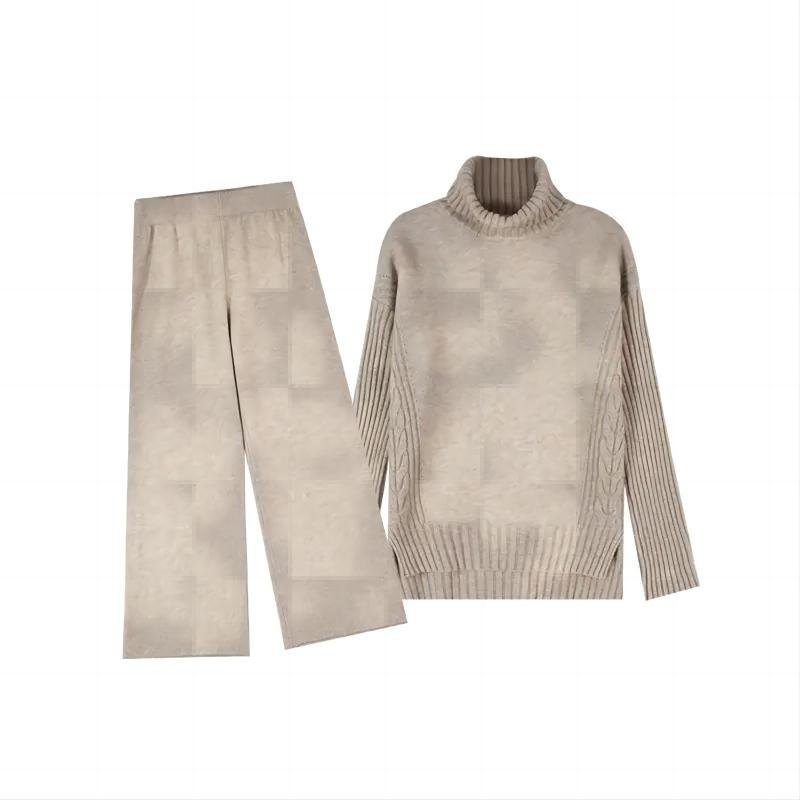
Garments tumble with mineral salts in a drum washer at 40–60°C for 30–90 minutes. The result is a soft, even fade with low tonal variation — ideal for basics, tees, and 180–280 GSM hoodies. Production complexity is low, making it the most factory-accessible entry point.
Volcanic Stone Mineral Wash
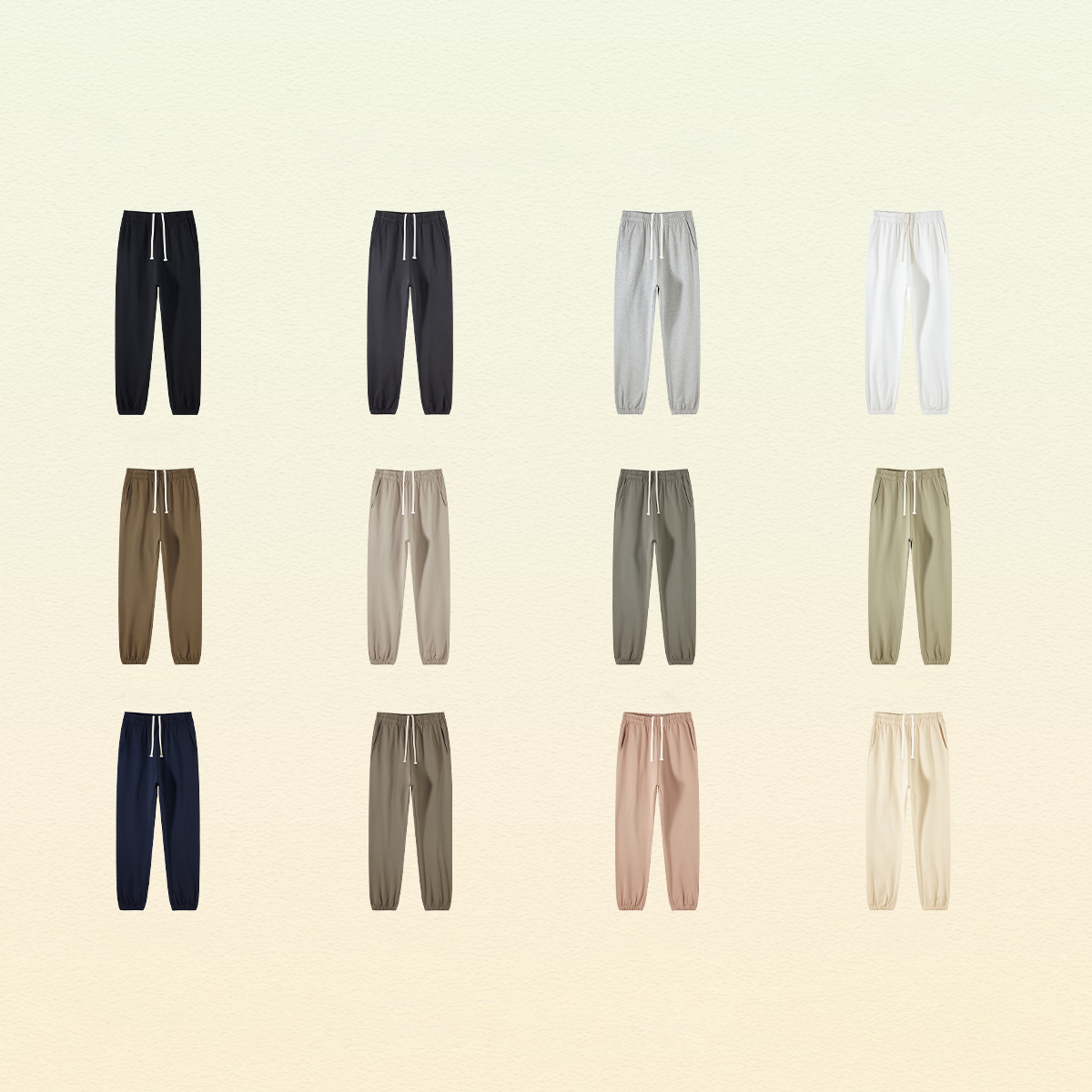
Pumice or volcanic stone tumbles alongside mineral solution, adding mechanical abrasion to chemical fading. Tonal variation runs high, with pronounced texture shifts across panels — well suited to 380 GSM+ fleece and heavyweight denim. Stone-to-garment ratios must be controlled to avoid surface pilling.
Bleach-Mineral Hybrid Wash
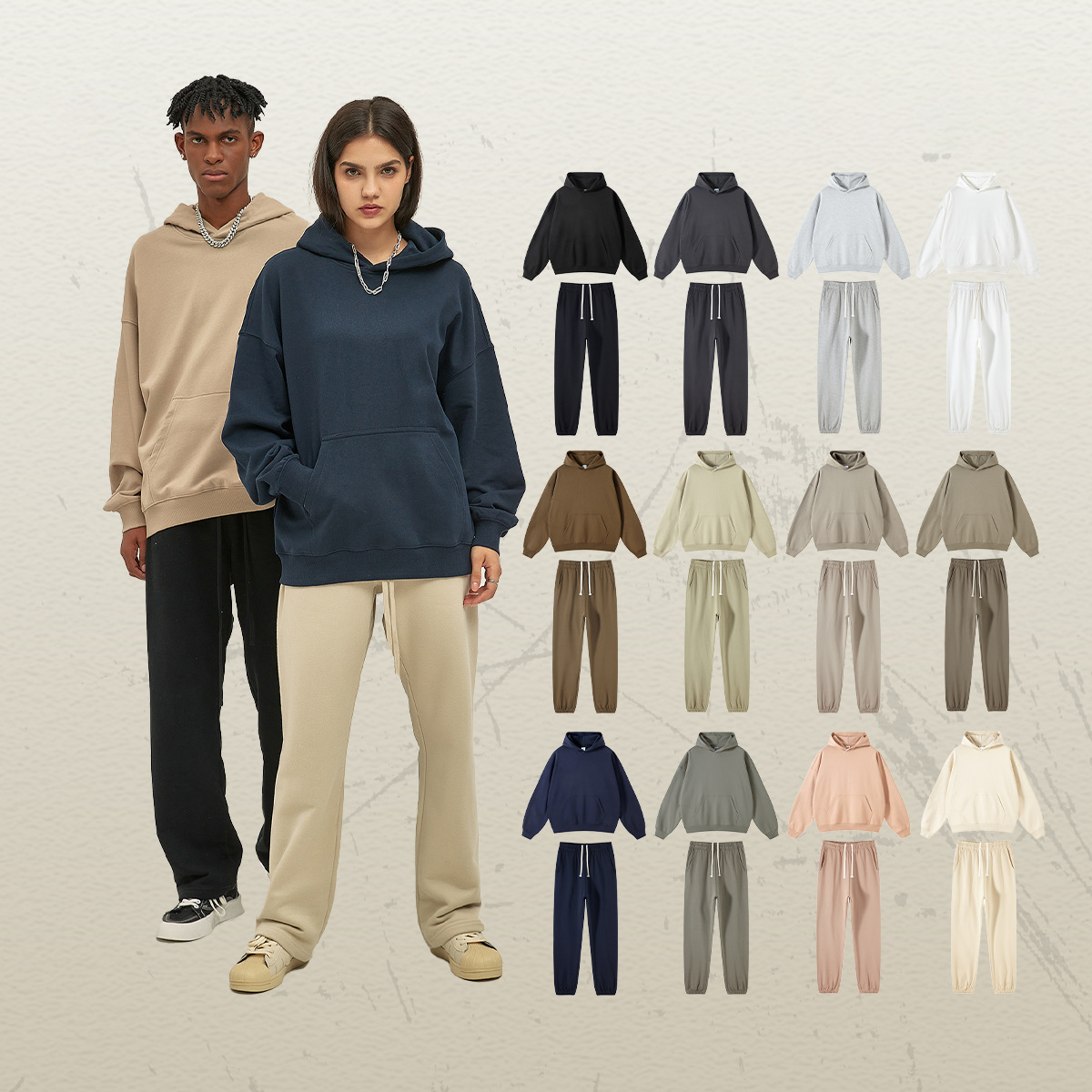
Sodium hypochlorite is introduced alongside mineral salts to strip base dye before the mineral settles into the fabric. The outcome is a high-contrast, two-tone finish — sharp enough for dark-base streetwear drops. Complexity is moderate-high; bath chemistry must be neutralized precisely to prevent fiber degradation.
Pigment-Over-Mineral Wash
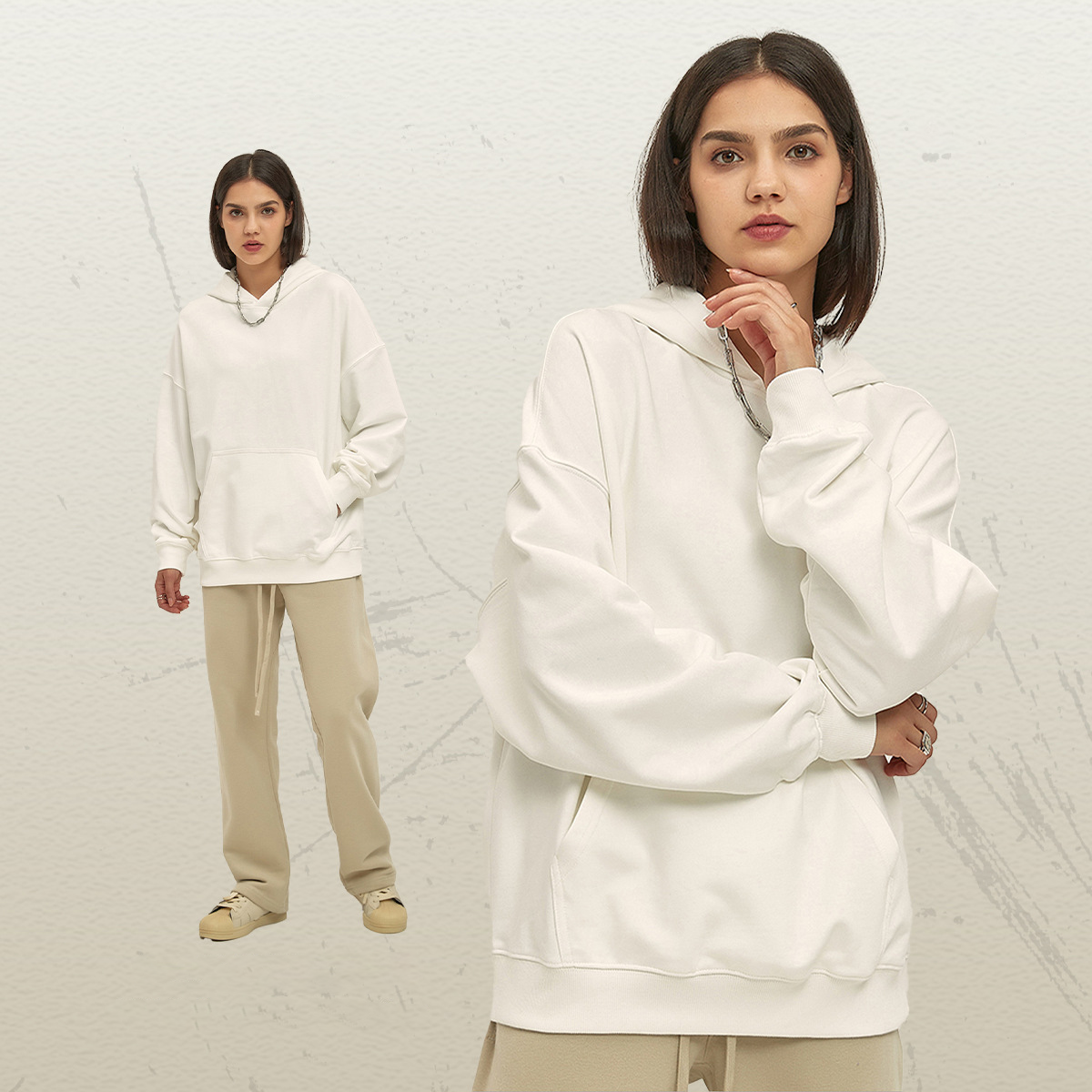
A two-stage process: the garment is mineral washed first, then overdyed with Pantone-matched pigment or reactive dye. Uneven mineral absorption produces layered saturation — rich, painterly color with visible depth. Best reserved for statement pieces and limited drops; lead time adds 3–5 days versus single-stage methods.
Ice Mineral Wash
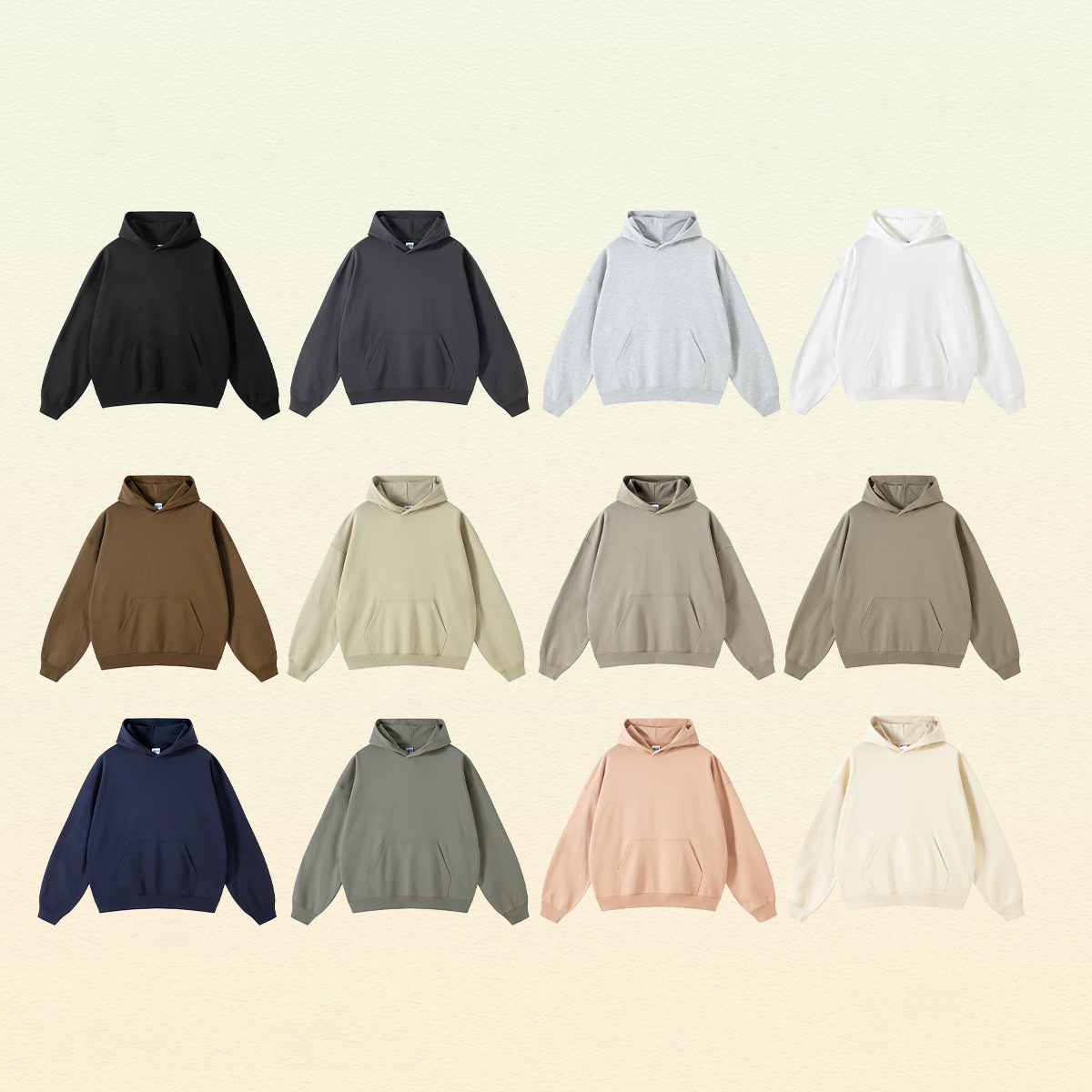
Ice crystals replace most of the water in the drum, restricting dye migration to create dramatic cloud-like patterns with very high variation. Tonal contrast can reach 4–6 shades on a single garment — striking on 200–260 GSM tees and crewnecks. Batch consistency is harder to control than wet methods.
4. Best Fabrics and Materials for Mineral Wash Garments
Fabric composition is the single biggest variable in mineral wash uptake — natural cellulosic fibers absorb treatment evenly while synthetics resist it. Specifying the wrong base at the sampling stage adds rework costs and timeline delays.
| Fabric | GSM Range | Mineral Wash Result | Notes |
|---|---|---|---|
| 100% Cotton Ring-Spun | 180–280 | Excellent | Best uptake and contrast |
| 100% Cotton Open-End | 180–260 | Good | Slight texture variance |
| French Terry | 240–320 | Excellent | Loop face adds depth |
| Fleece | 280–380 | Good | Heavier pieces need longer cycle |
| Linen-Cotton Blend | 160–220 | Good | Organic worn-in aesthetic |
| Bamboo-Cotton (60/40) | 160–240 | Good | Soft drape, even uptake |
| Polyester >30% Blend | Any | Poor | Resists aqueous treatment |
Cotton Ring-Spun vs. Open-End
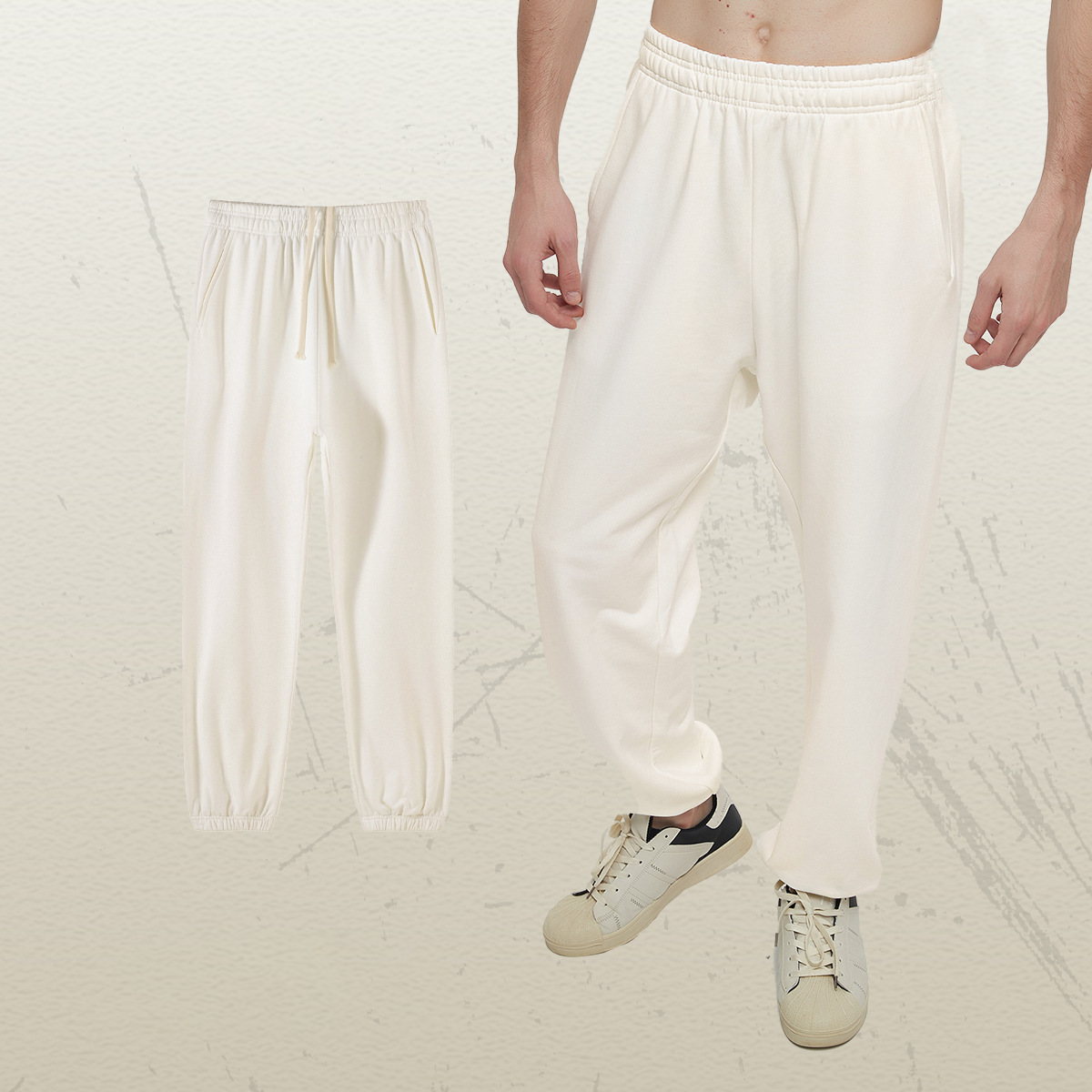
Ring-spun 100% cotton at 180–280 GSM is the gold standard for mineral wash — its tightly twisted fibers produce consistent dye uptake and sharp texture contrast. Open-end (rotor-spun) cotton costs roughly 15–20% less but delivers a rougher hand feel and less uniform wash results across a production run.
Fleece, Terry, Linen, and Bamboo-Cotton

French terry (240–320 GSM) and fleece (280–380 GSM) hold mineral wash well — the looped back face adds visible depth to the finished effect. Linen-cotton blends (55/45, 160–220 GSM) produce an organic, worn-in look; bamboo-cotton (60/40, 160–240 GSM) accepts treatment evenly and adds a naturally soft drape.
Fabrics That Resist or Distort Mineral Wash
Polyester content above 30% in a blend significantly reduces mineral wash absorption — synthetic fibers are hydrophobic and repel the aqueous treatment solution. DWR coatings, wrinkle-resist finishes, and optical brightener treatments on the base fabric block uptake entirely and must be flagged before sampling.
5. Customization and Decoration Options for Mineral Wash
Decoration sequencing is the most overlooked variable in mineral wash production. Whether print hits the garment before or after the wash cycle determines graphic longevity, distress character, and wash fastness.
| Technique | Apply Timing | Key Risk | Best Use Case |
|---|---|---|---|
| Screen Print | Pre- or post-wash | Pre-wash graphics crack or fade unevenly | Distressed all-over or sharp logo placement |
| Discharge Print | Pre-wash only | Chemical conflict after wash cycle | Tonal, dye-removed brand artwork |
| DTG | Post-wash only | Poor ink adhesion on uneven texture | Photo-quality or gradient graphics |
| Embroidery | Post-wash only | Agitation distorts thread tension | Chest logos, patches, lettering |
| Puff Ink | Post-wash | Requires pressure and temp recalibration | 3D raised lettering and graphic fills |
| Heat Transfer | Post-wash | Adhesion failure on textured surface | Small-run logos, fast-turnaround drops |
Print Timing and Wash Sequencing
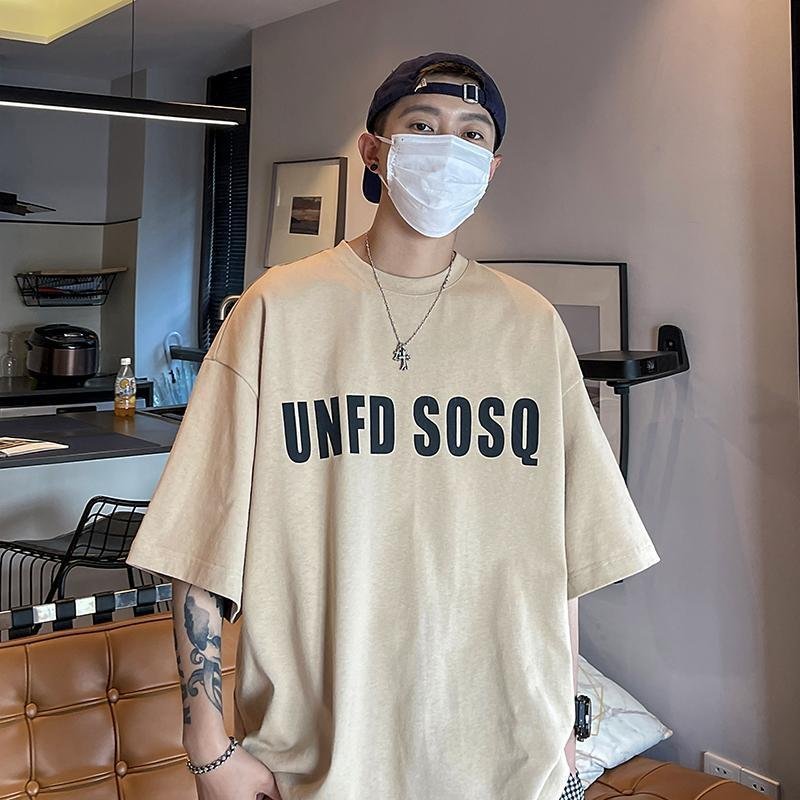
Screen printing before the mineral wash cycle produces intentionally faded, distressed graphics valued in vintage streetwear. Post-wash printing preserves sharp, full-saturation logo placement — the standard for brand graphic orders.
Discharge printing must run pre-wash to interact with base dye chemistry. Embroidery is always post-wash; agitation distorts thread tension and stitch integrity.
DTG, Puff Ink, and Heat Transfer Notes
DTG printing requires a stable post-wash surface; mineral wash texture reduces ink adhesion without a Pantone-matched pretreatment applied first. Puff ink and heat transfer tolerate post-wash application but require recalibrated pressure and temperature settings for uneven fabric surfaces.
Custom Palettes and Overdye Multi-Effect Combos
Mineral wash color can be matched to Pantone references within a 2–3 Delta-E tolerance using calibrated stone wash chemistry and controlled rinse temperatures. Adding an overdye layer after mineral wash produces dual-effect garments with deeper color complexity — a premium positioning strategy popular in high-end streetwear drops.
6. Key Quality Elements to Evaluate in Mineral Wash Production
Mineral wash quality is measurable, not subjective — manufacturers should supply documented test results before bulk production begins. Four benchmarks determine whether a supplier’s output will hold up across seasons and reorders.
| Test Standard | What It Measures | Pass Threshold |
|---|---|---|
| ISO 105-C06 | Wash color fastness | Rating ≥ 4 |
| ISO 105-X12 | Rubbing fastness | Rating ≥ 3 |
| AATCC 135 | Dimensional shrinkage | ≤ ±3% |
| ISO 13935 | Seam grab strength | ≥ 150 N |
ISO 105 Wash Fastness Ratings Explained
ISO 105 rates color fastness on a 1–5 scale; mineral wash garments should score 3–4 minimum for rubbing and 4 for laundering. Request the full test report, checking sub-codes C06 (washing) and X12 (rubbing) specifically.
A score below 3 signals dye instability — expect visible fading complaints after the first home wash cycle.
Color Consistency and Batch Variation Tolerance
Batch-to-batch color deviation on mineral wash is measured as Delta E; request ΔE ≤ 2.0 — beyond that, the shift is visible to the naked eye. Ask for a colorimetric report comparing each production lot against the approved strike-off sample.
Typical acceptable tolerance sits at ΔE 1.5–2.0 between lots; anything above 2.5 warrants a formal rejection discussion with your supplier.
Shrinkage Rates and Hand-Feel Standards
Post-wash shrinkage above 5% on 180–220 GSM cotton mineral wash garments signals insufficient pre-shrinking or weak wash chemistry. Acceptable tolerances run ±3% length and ±3% width per AATCC 135.
Hand-feel softness is harder to quantify — request pre-production samples and a silicone softener spec sheet confirming the treatment grade applied.
Seam Integrity After Chemical Wash Exposure
Mineral wash chemical baths degrade seam thread if the wrong yarn is used; polyester-core thread at 40–60 stitches per 10 cm resists acid and enzyme exposure far better than 100% cotton thread. Request seam strength results per ISO 13935, targeting a minimum 150 N grab strength.
7. How to Choose the Right Mineral Wash Manufacturer
Choosing a mineral wash partner means auditing the production chain, not just reviewing a catalog. Three checkpoints — wash infrastructure, documentation, and communication speed — separate reliable manufacturers from those who create costly surprises mid-order.
In-House vs. Subcontracted Wash Facilities
Factories that own their drum washers, stone-tumble machines, and dye vats on-site control recipe consistency from run to run. Subcontracted washing introduces undetected drift — color variation between batches can exceed 1–2 Delta-E without on-floor oversight.
Request a production-floor video or photo evidence before committing to any order. Any manufacturer unwilling to show equipment is almost certainly outsourcing the wash step.
MOQ Flexibility and Sample Turnaround Time
Legitimate low-MOQ producers support 50–100 pieces per colorway for mineral wash runs. Sample turnaround under 14 days signals an in-house workflow; anything beyond 21 days typically indicates subcontracting or an overloaded production floor.
Certifications and Wash Recipe Transparency
Ask for OEKO-TEX Standard 100, GOTS, or bluesign certification — each verifies that the chemical compounds used in mineral wash meet human-ecological and environmental safety thresholds.
A credible partner discloses mineral compound ratios, temperature curves, and wash cycle counts for your specific recipe. Vague answers on process details are a warning sign, not confidentiality.
Red Flags and Scalability Signals
A manufacturer serving clients across 100-plus countries — with a documented five-step in-line QC process covering materials, cutting, craft, sewing, and finished goods — demonstrates the infrastructure needed to scale reliably. Defects caught during cutting cost a fraction of post-wash rejects.
Communication responsiveness matters equally: a dedicated account manager replying within 24 hours indicates the operational maturity required for repeatable production cycles.
- No on-site wash facility — recipes are outsourced and batch consistency is uncontrolled
- Unable to provide chemical test reports or OEKO-TEX certification documents on request
- Lead times quoted verbally with no written production schedule attached
- Quality checks happen only at final shipment, not during sewing or cutting stages
8. Common Mistakes Buyers Make with Mineral Wash Orders
First-time mineral wash buyers consistently repeat the same five costly errors, most stemming from treating this process like standard piece-dyeing. Each mistake is preventable with the right pre-order protocol.
Skipping Pre-Production Wash Samples
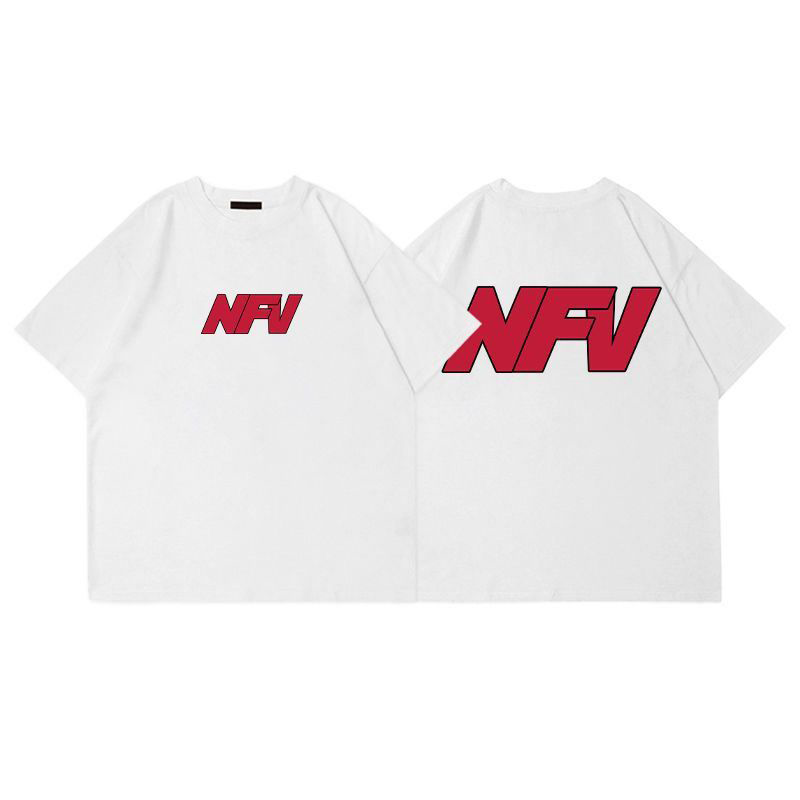
Factories that skip pre-production samples leave buyers approving a process they have never physically evaluated.
Always request 2–3 signed-off wash samples per colorway before greenlighting bulk. Sample cost runs $30–$80 per colorway but prevents thousands in unusable inventory.
Setting Unrealistic Color Tolerances
Mineral wash produces intentional variation; a Pantone ±1 tolerance that works for flat piece-dye will trigger near-total batch rejection.
Specify an acceptable range of ±2 to ±3 shade steps and document it with physical swatches, not digital color references.
Choosing the Wrong Base Fabric
Open-end spun cotton below 180 GSM absorbs mineral wash chemistry unevenly and pills within 3–5 wash cycles.
Ring-spun cotton at 240–280 GSM delivers consistent uptake and durability; confirm the base fabric carries OEKO-TEX Standard 100 certification before committing to bulk.
Ignoring Print Sequencing
Applying screen print or DTG graphics before mineral wash causes ink cracking — abrasion and chemistry degrade adhesion.
Correct sequencing is: cut, sew, wash, then decorate. Water-based or discharge inks applied post-wash on 100% cotton achieve the best long-term adhesion.
Underestimating Combined Lead Time
Standard dye orders run 15–20 production days; adding mineral wash plus print decoration pushes total lead time to 35–50 days.
Confirm whether a quoted lead time covers wash, decoration, QC, and packaging — or sewing alone — before finalizing your launch calendar.
9. Steps to Launch Your Mineral Wash Brand Collection
Turning a mineral wash concept into a shippable collection requires six disciplined steps. Each gate prevents costly late-stage revisions and protects color consistency across bulk production runs.
Define Aesthetic Direction and Wash Type
Start with a one-page mood board pinning Pantone references, fade depth, and hand-feel targets. Specify your wash technique — volcanic stone, enzyme, or acid — in writing before approaching any factory.
Select Fabric and Blank Specs
Ring-spun 100% cotton at 180–240 GSM delivers the best mineral wash absorption. Confirm blank specs — silhouette, seam type, and fit — before sampling, since fabric weight directly affects final wash tone.
Request Strike-Off Samples
Request strike-off samples in your target colorway on the exact blank spec. Most manufacturers need 7–14 days and charge $30–$80 per strike-off. Evaluate fade evenness, shrinkage, and hand-feel before sign-off.
Approve Wash and Decoration Combo
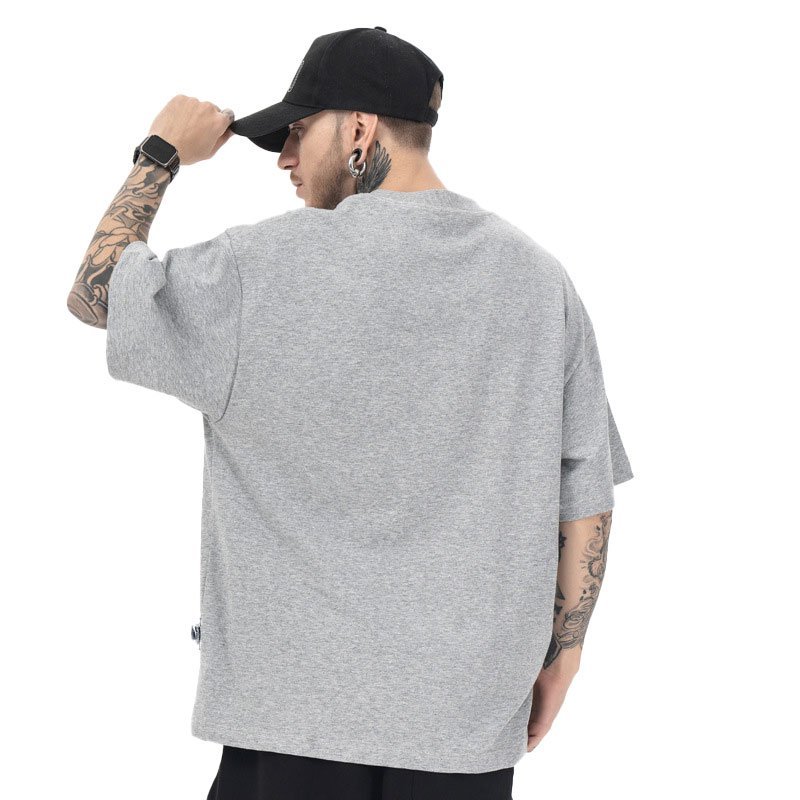
Test print or embroidery placement on a washed garment, not a raw blank. Screen ink opacity and DTG resolution both shift on mineral wash surfaces, so approve the combined effect as a single unit.
Confirm Bulk Parameters and Packaging
Lock in MOQ, colorway count, and packaging spec — poly bag, hang tag, and size breakdown — in a written purchase order. Request a pre-production QC report covering fabric and cut before sewing begins.
Plan Inventory and Reorder Cycles
Track sell-through weekly. Most mineral wash styles reorder in 60–90 days; share a versioned tech pack with your factory so repeat batches match the approved strike-off without a full sampling cycle.
10. Mineral Wash Pricing, MOQs, and Lead Times
Unit prices for mineral wash garments span $7–$28 across order volumes, anchored by fabric weight (180–320 GSM), construction (ring-spun vs. open-end cotton), and wash technique. A basic single-pigment mineral wash on a 200 GSM tee sits at the low end; multi-step layered washes on 320 GSM French terry hoodies push costs meaningfully higher.
Four variables account for most price variance: fabric weight and construction, added decoration (screen print, embroidery, or patchwork at $1.50–$4.00 per unit), wash-process complexity (single-stage vs. layered enzyme-plus-pigment systems), and private-label packaging. OEKO-TEX certified dye systems carry a modest premium over standard pigment lines but satisfy compliance requirements for many global retailers.
Setup and dye-lab fees — covering colorway calibration and wash-effect approval samples — typically run $150–$350 per colorway and are credited or waived at 500+ units. Sample lead times hold at 10–15 days industry-wide; bulk production requires 25–45 days depending on decoration complexity and factory load. Learn more about Clothing Manufacturer Ltd.
| Qty Tier | Est. Unit Price | Wash Complexity | Lead Time | Setup / Lab Fee Notes |
|---|---|---|---|---|
| 50 units | $18–$28 | Basic only | Sample: 10–15 days | $150–$350 per colorway; rarely credited |
| 100 units | $14–$22 | Basic or premium | Bulk: 25–30 days | Partially credited at reorder |
| 250 units | $11–$17 | Basic or premium | Bulk: 25–35 days | Often credited against order |
| 500 units | $9–$14 | Basic or premium | Bulk: 30–40 days | Waived or fully credited |
| 1,000+ units | $7–$11 | Basic or premium | Bulk: 35–45 days | Waived; priority scheduling available |
Get Your Free Mineral Wash Sample Today
Submit your artwork and receive a no-obligation mineral wash swatch, backed by our 5-step QC guarantee and global shipping support.