
Enzyme Wash: Achieve Premium Soft Finishes on Your Streetwear
Our enzyme wash process delivers authentic faded color and a buttery soft hand feel, backed by strict 5-step QC for streetwear brands worldwide.
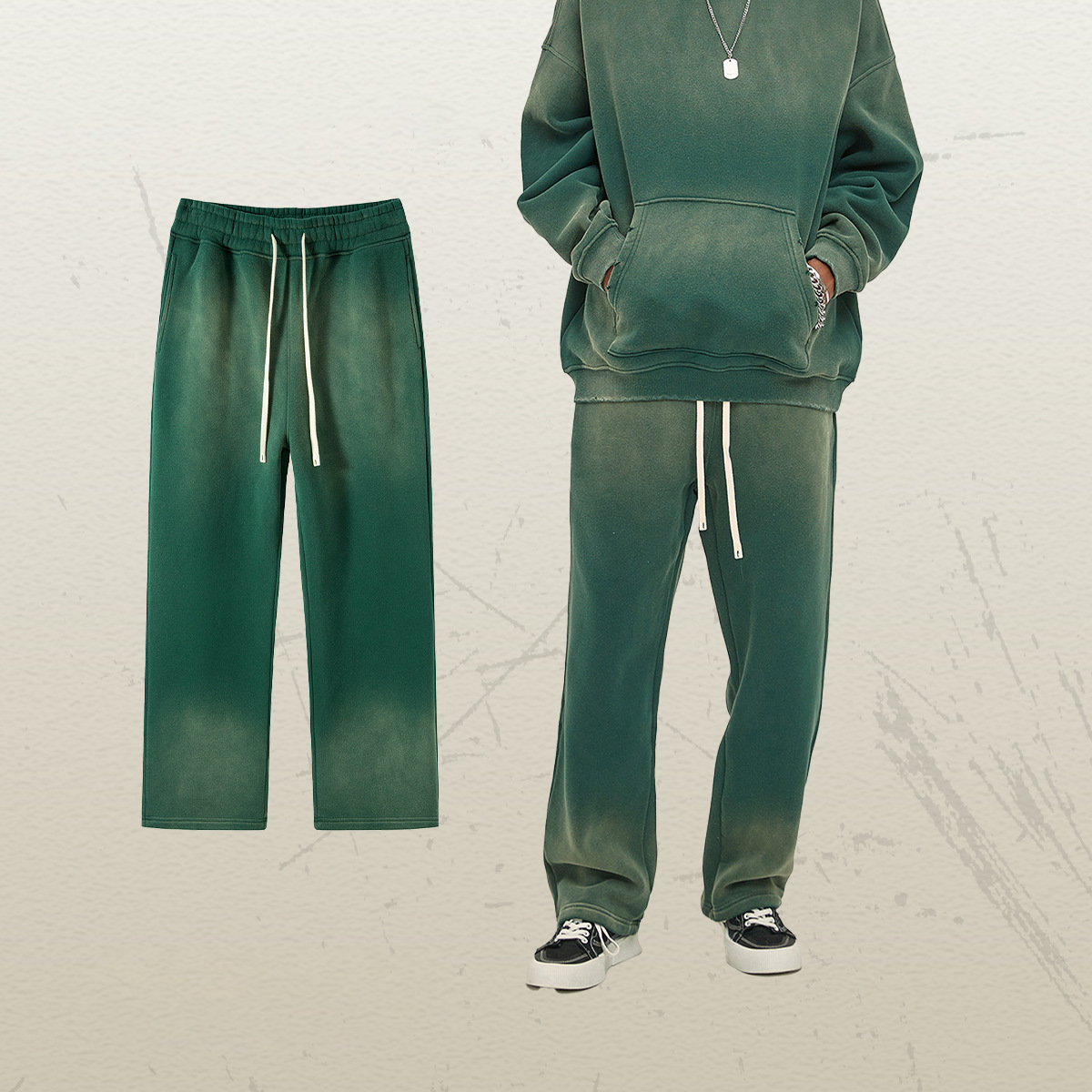
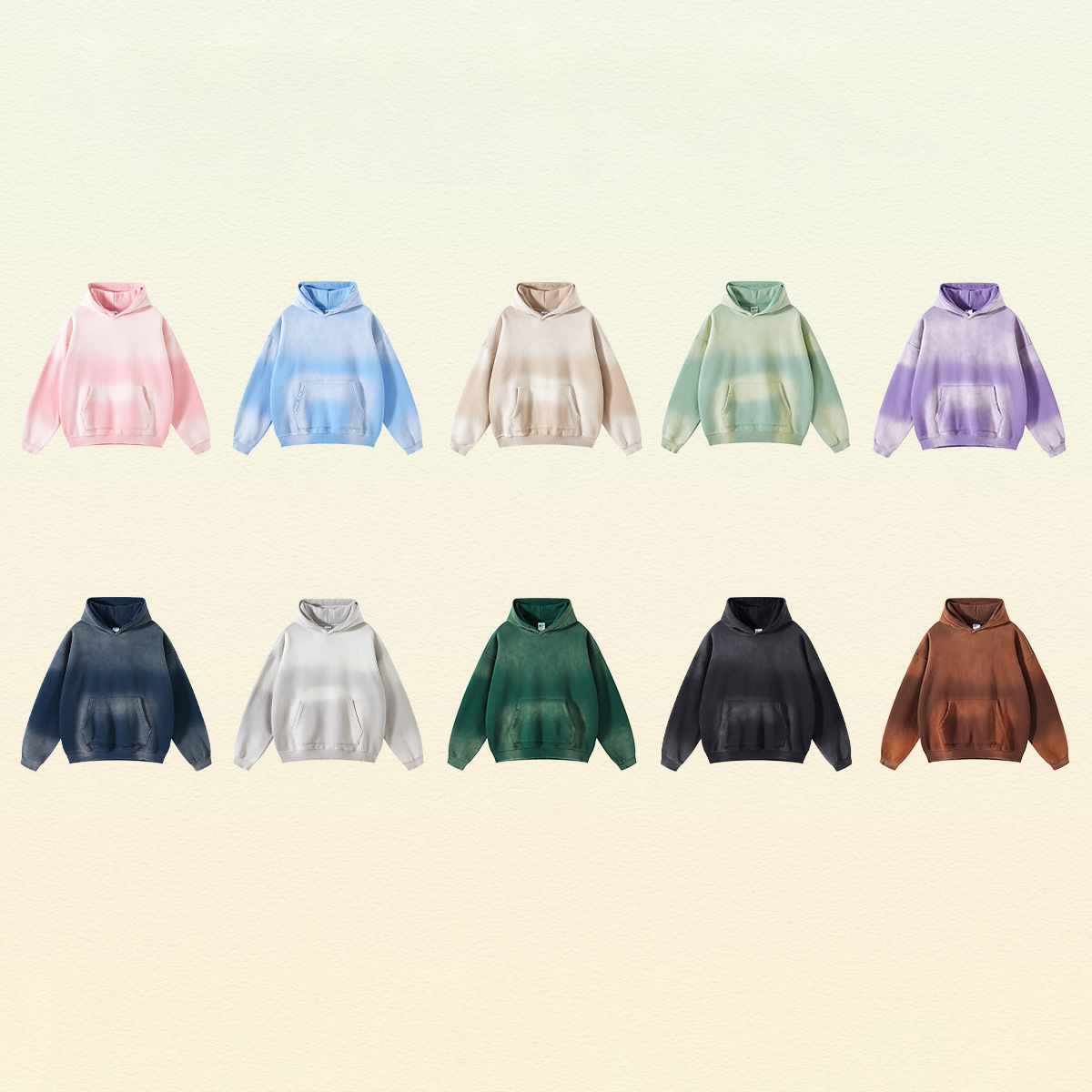
Enzyme Wash Sample Gallery
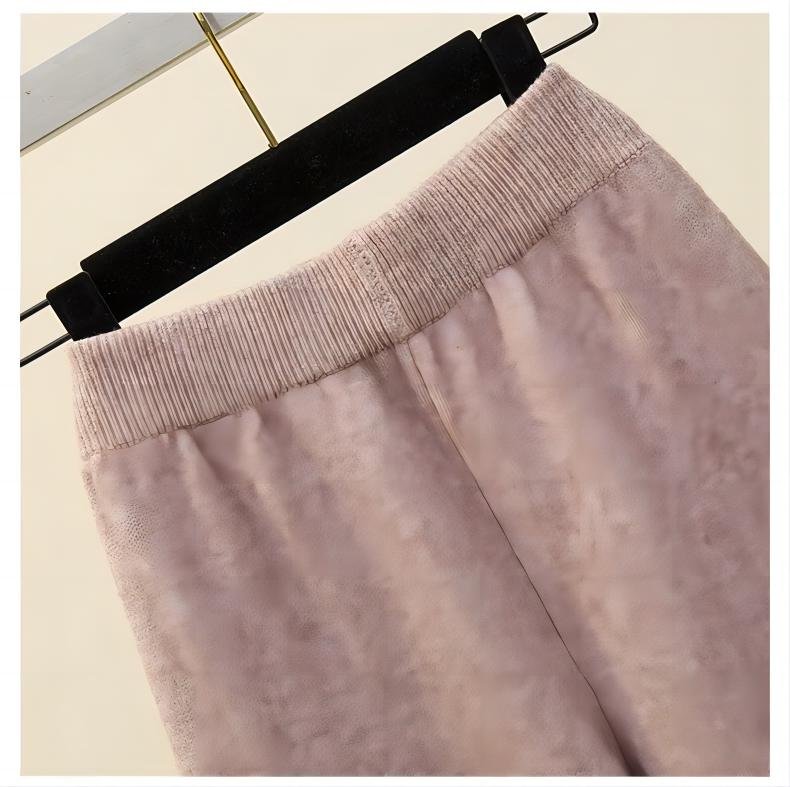
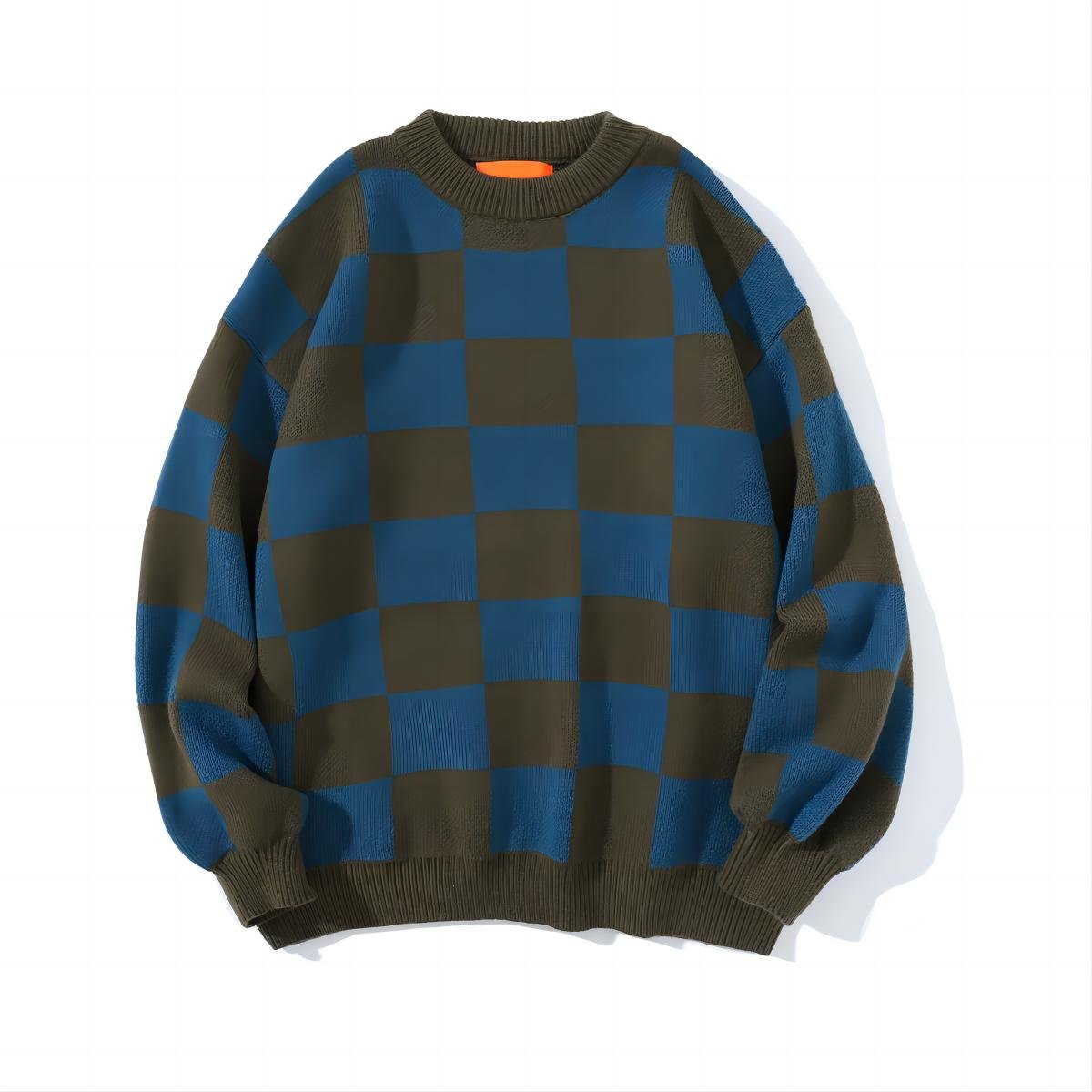
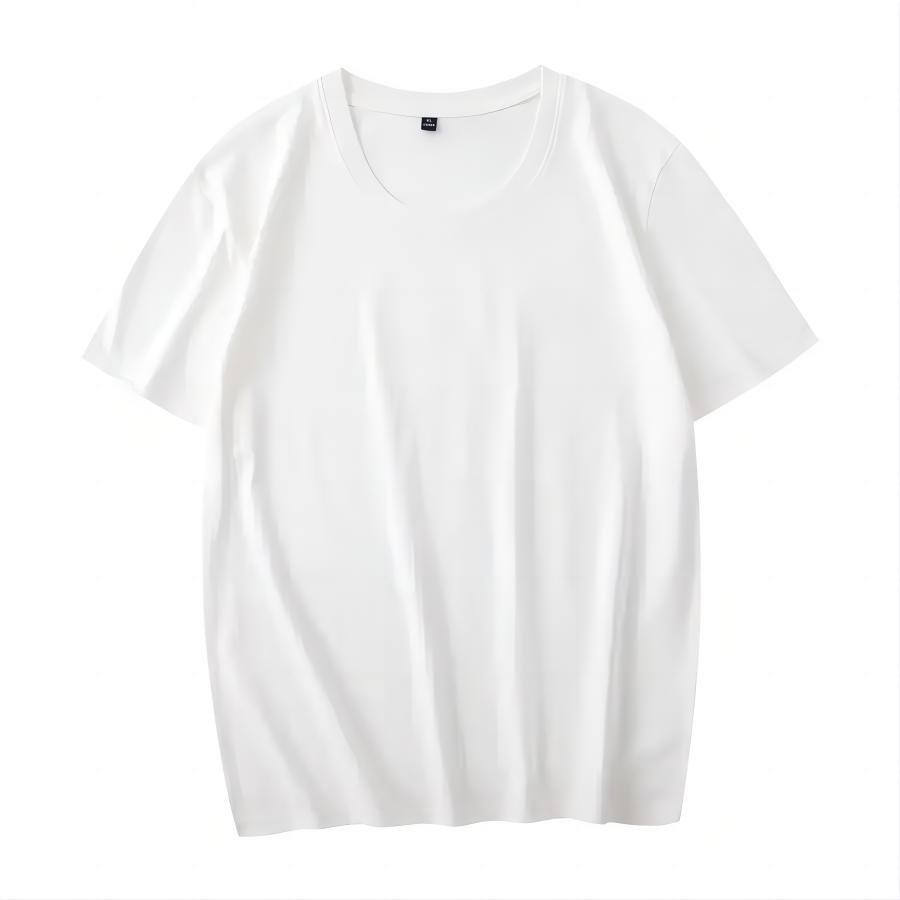
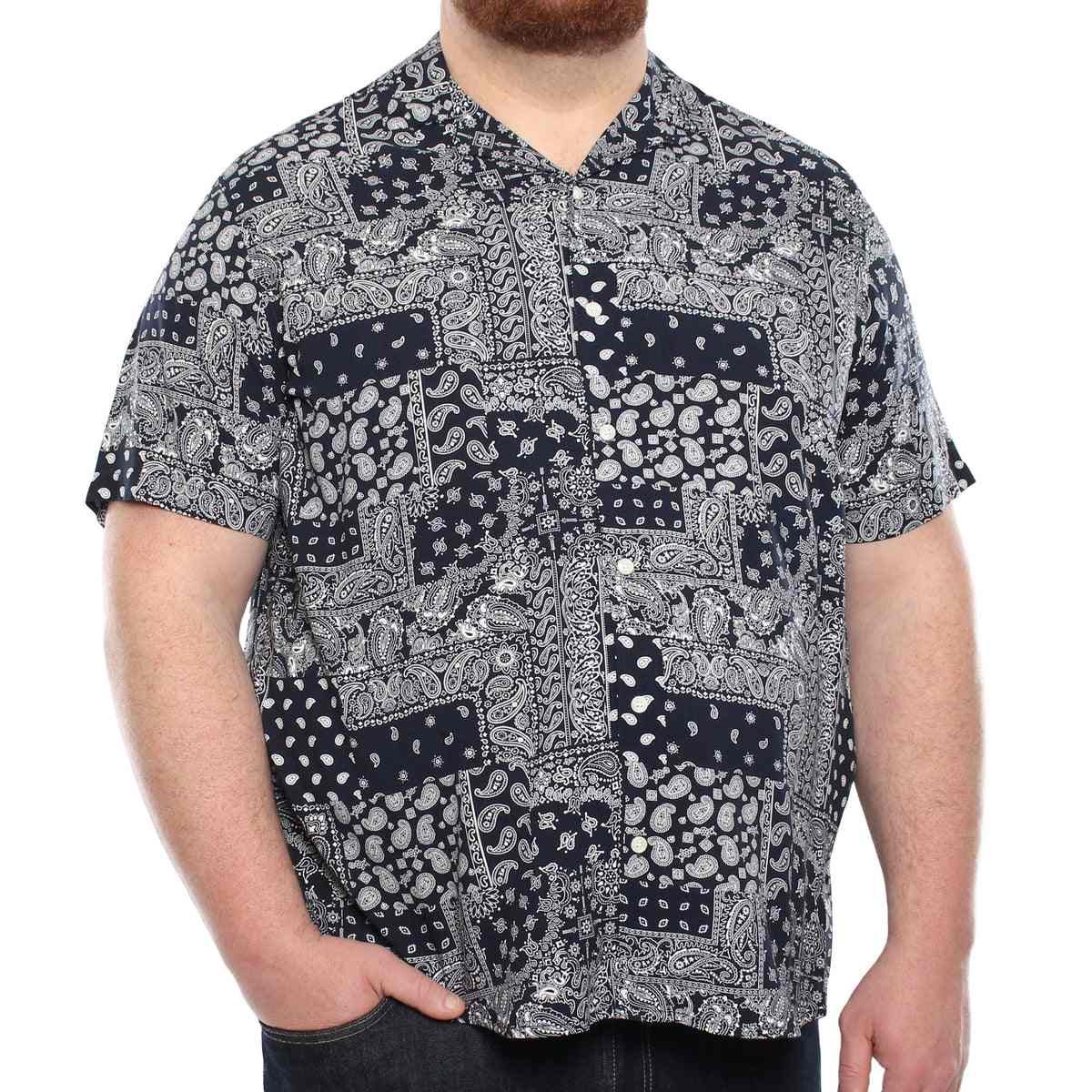
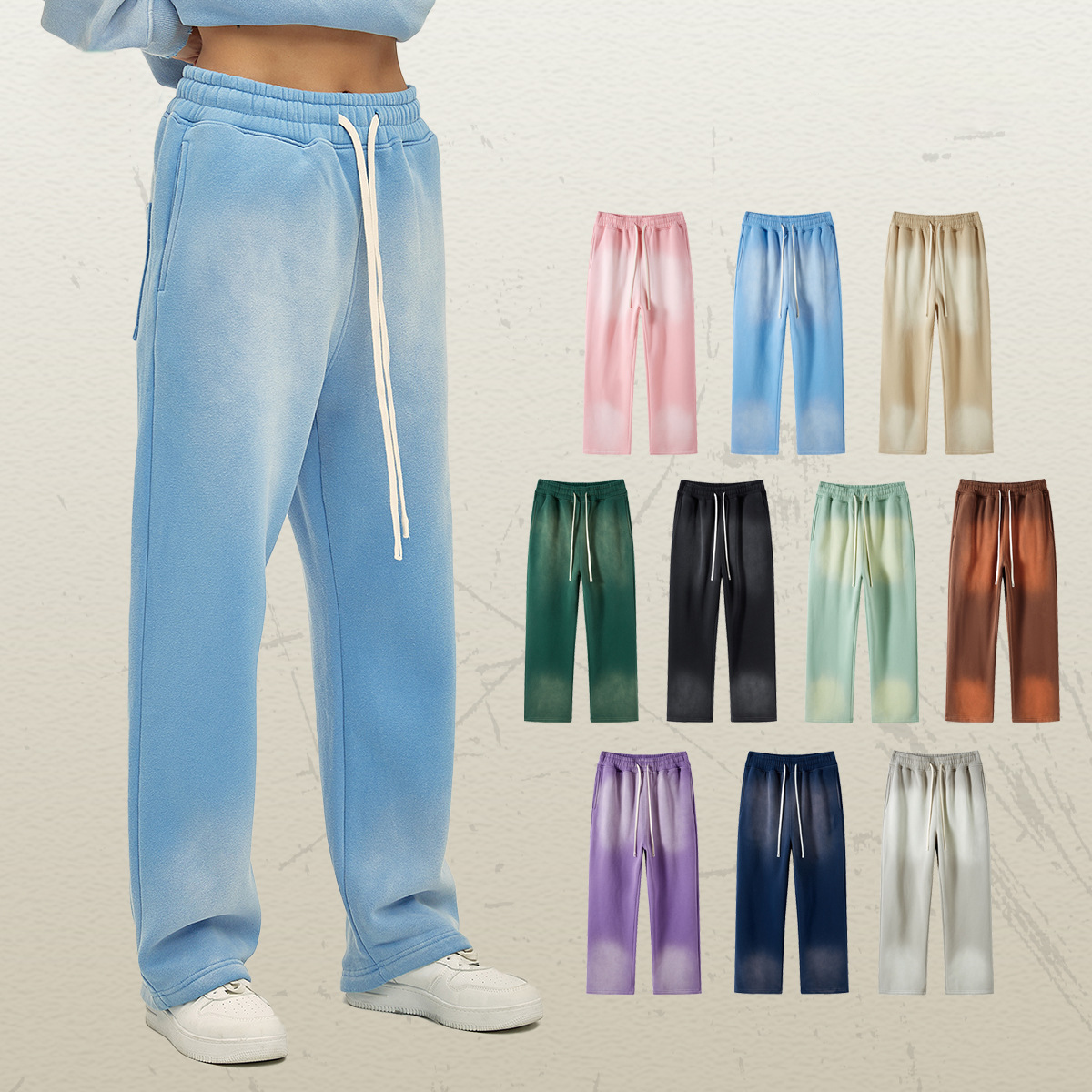
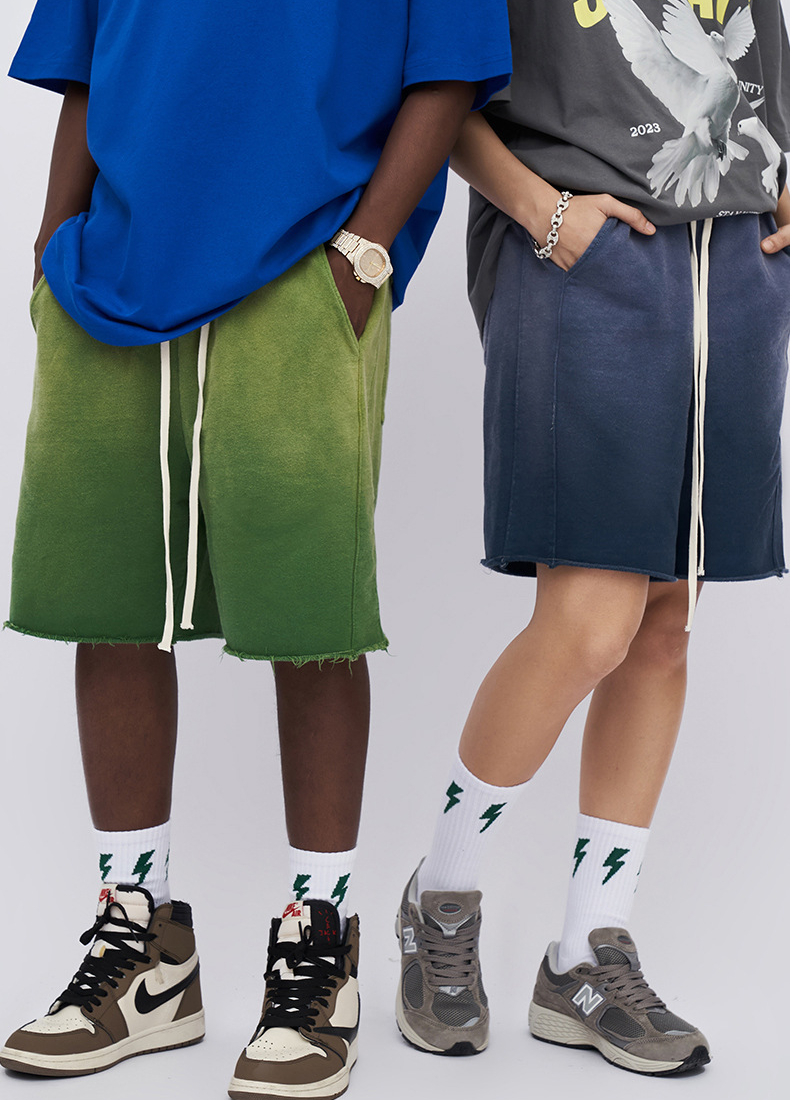
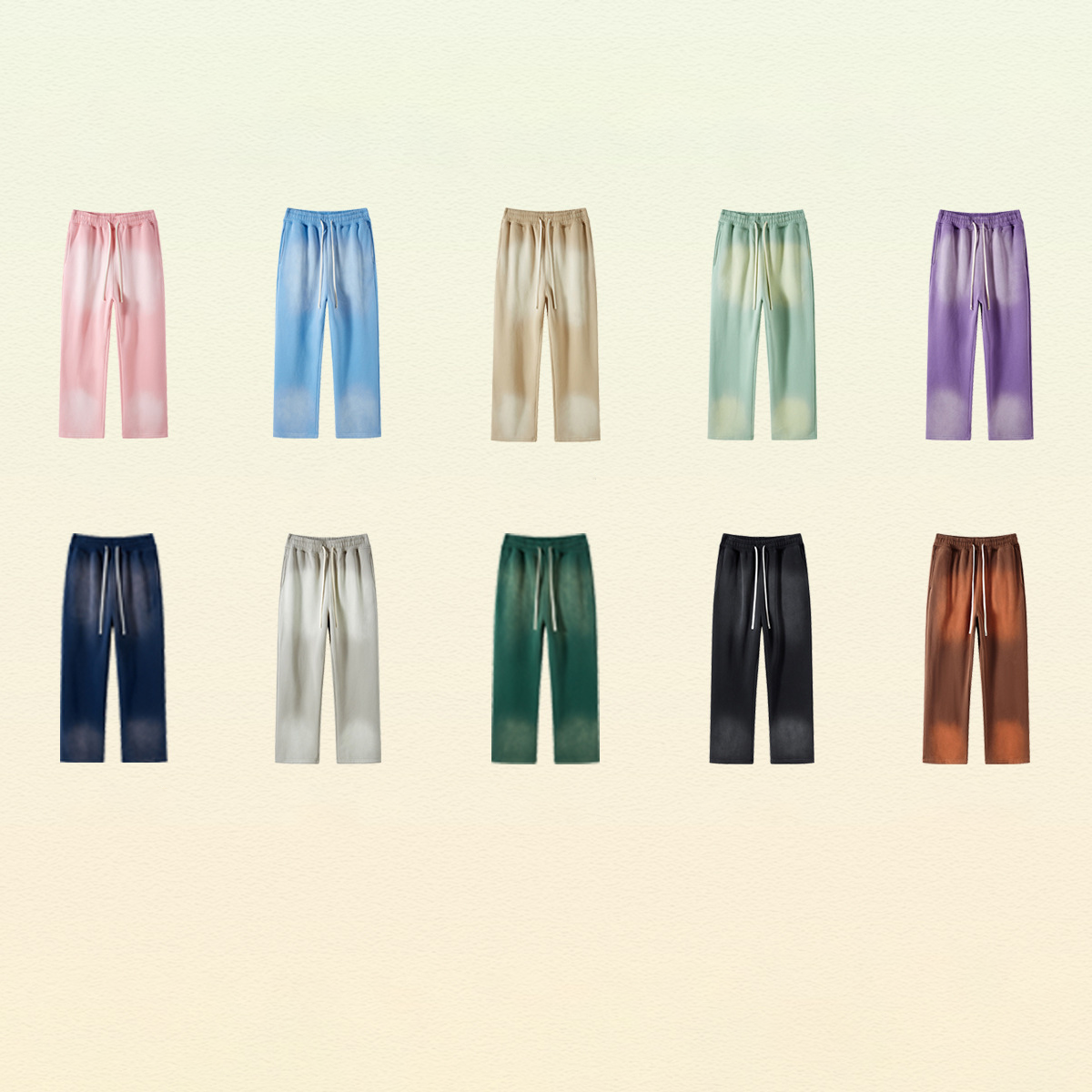
What Makes Enzyme Wash the Premier Streetwear Finish
Six performance-driven characteristics that anchor buyer decisions and set our enzyme wash garments apart from the competition.
Ultra-Soft Hand Feel
Cellulase enzymes break down surface fibers, delivering a buttery-soft texture that streetwear consumers demand from day one.
Controlled Indigo Loss
Precise enzyme concentration and bath time govern fade depth, producing repeatable indigo loss across every production run.
Biodegradable & Eco-Friendly Process
Natural cellulase enzymes replace abrasive pumice stone, cutting wastewater toxicity and aligning your brand with sustainable production values.
Lasting Wash Durability
Enzyme-treated garments retain softness and color tone through repeated consumer washes, reducing returns and boosting brand reputation.
Consistent Batch Color
Our 5-step QC process locks in color consistency across bulk orders, so every piece matches your approved sample exactly.
Authentic Worn-In Aesthetic
Enzyme wash creates a lived-in vintage look that resonates with streetwear culture — no harsh abrasion, no fiber damage.
Related Finishing Techniques & Enzyme Wash Hubs
Explore where enzyme wash fits in the garment-finishing spectrum — and discover the adjacent washes that complete your collection.
Enzyme Wash for Soft Streetwear
Your brand demands garments that feel lived-in from day one, with a consistent faded tone and ultra-soft hand feel — but off-the-shelf fabrics deliver stiffness your streetwear customers reject.
Our enzyme wash process uses controlled cellulase chemistry to gently abrade surface fibers, producing premium softness and a subtle vintage fade that elevates every hoodie, tee, and jogger.
Stone Wash for Rugged Denim
Your denim or canvas pieces need heavy surface distressing and an uneven, rugged texture that enzyme wash alone cannot achieve — your customers want a harder, more worn aesthetic.
Stone wash uses pumice abrasion to create authentic surface irregularities and a bold, tactile finish — the go-to technique for brands building tough, heritage-inspired streetwear with real character.
Sand Wash: Silky Matte Finish
Your premium collection calls for a pillowy, peach-skin surface texture on lighter fabrics — a finish softer and more matte than enzyme wash delivers on its own.
Sand wash combines fine abrasion with softening chemistry to produce a luxuriously matte, silky drape — ideal for elevated hoodies, lightweight jackets, and joggers positioned at the premium streetwear tier.
Acid Wash: Bold Bleach Patterns
Your drop demands dramatic, high-contrast bleached patterns that neither enzyme wash nor stone wash can produce — your audience expects head-turning, collector-grade pieces with unpredictable visual impact.
Acid wash creates striking, one-of-a-kind bleach contrasts on denim and cotton, delivering the raw, graphic intensity that defines statement streetwear drops and drives organic buzz on social media.
Explore the Full Wash Hub
You are still mapping your finishing direction and need a clear view of how enzyme wash, stone wash, sand wash, acid wash, and caustic wash differ before committing to samples.
Our garment wash capability hub cross-references every technique against fabric types, MOQ, and aesthetics — giving you the clarity to choose, sample, and scale the right finish with confidence.
Enzyme Wash Mastery: Dongguan's Streetwear Finishing Leaders
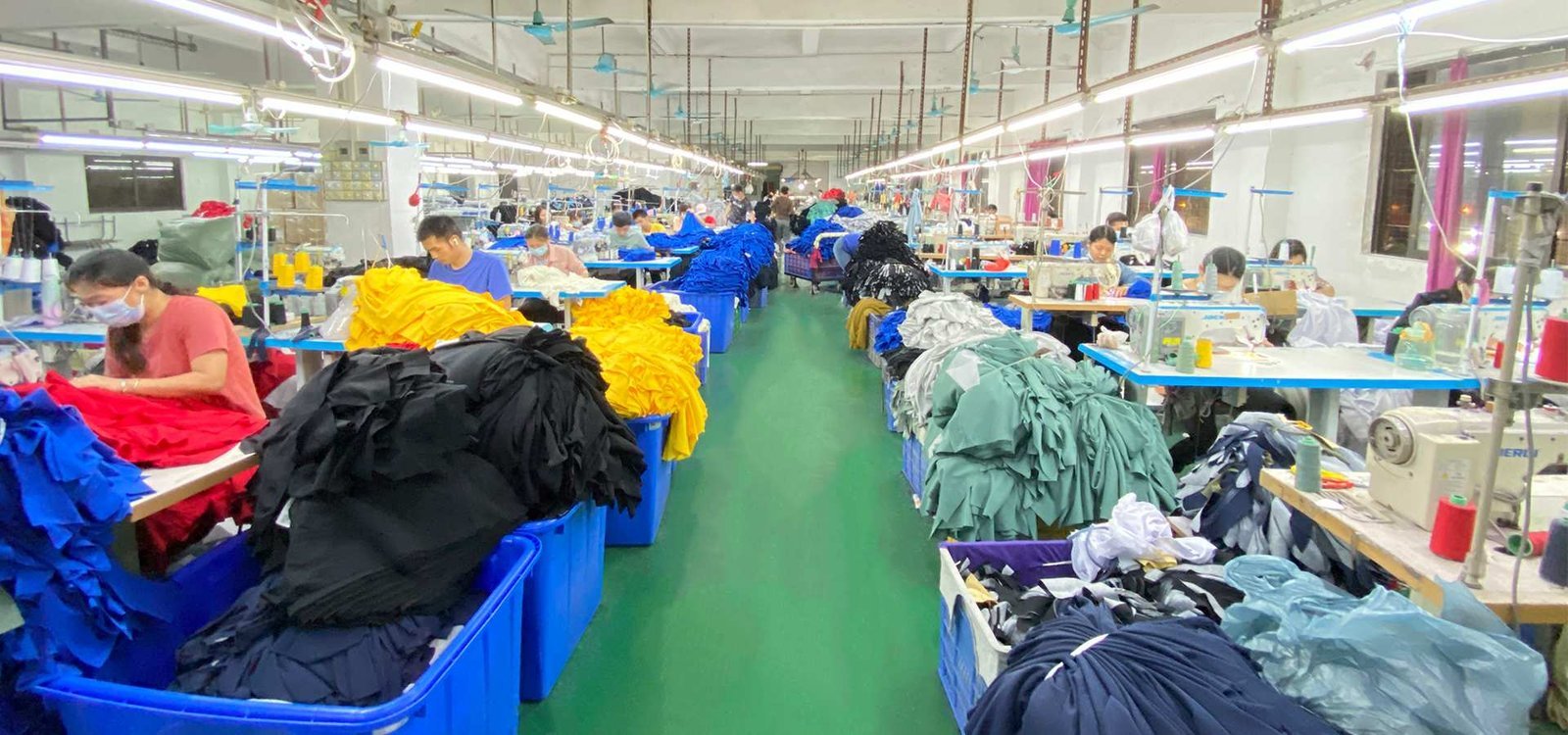
Clothing Manufacturer Ltd. was founded in 2024 by Tesla Luo, a garment industry veteran with over 10 years of production experience and deep roots in Dongguan’s Humen Town — China’s garment manufacturing heartland. Driven by a mission to eliminate low-quality output, the company built enzyme wash finishing into its core offering from day one, combining hands-on craft knowledge with rigorous, repeatable production standards.
Our in-house R&D team of 15 specialists and 10 registered patents underpin every enzyme wash project we take on. From cellulase dosing and bath temperature calibration to drum speed and neutralization, we control every variable that determines the final soft hand-feel and faded aesthetic. Low MOQs and fast seasonal turnarounds mean emerging labels and global retailers alike get premium results at any volume.
What truly sets us apart is our proprietary five-step QC methodology, applied at every stage from raw fabric intake to finished garment inspection. No batch leaves our facility without passing materials, cutting, craft, sewing, and final quality checks. Brands across more than 100 countries trust Clothing Manufacturer Ltd. for enzyme wash results that are not just beautiful but consistent — order after order.
The Chemistry of Enzyme Wash: Cellulase & Fiber Control
Cellulase Enzymes: Precision at the Fiber Level
Cellulase enzymes selectively target and degrade exposed cellulose microfibrils on cotton and cotton-blend surfaces, creating the soft hand-feel and faded aesthetic of enzyme wash without weakening the underlying yarn structure.
- Endoglucanase-rich cellulase formulations attack surface fibrils only, preserving core yarn tensile strength
- Enzyme selectivity eliminates the fabric disintegration risk associated with aggressive stone or acid washing
- Tailored enzyme grades applied per fabric weight across 100% cotton, cotton-polyester, and cotton-linen blends
- Controlled bio-polishing removes surface fuzz for a clean, pill-resistant finish batch after batch

Temperature and pH Windows We Never Compromise
Every enzyme wash cycle runs inside tightly monitored temperature and pH bands. Deviating from these parameters inactivates enzymes prematurely or triggers over-digestion, so our technicians log readings continuously throughout the full cycle.
- Optimal activity maintained at 50 to 55 degrees Celsius to maximize efficiency without denaturing enzyme proteins
- pH held between 4.5 and 5.5 using buffered acetic acid solutions for consistent acidic-cellulase performance
- Real-time digital temperature probes alert operators to any deviation exceeding plus or minus one degree
- Neutral-cellulase protocols available for garments requiring a higher pH processing window
Enzyme Dosing, Timing, and Inactivation Control
Precise enzyme concentration and strict process timing determine exactly how much surface fiber is removed. Our 5-step QC process flags construction defects before any garment enters the enzyme bath, protecting your entire order.
- Enzyme concentration calibrated by fabric weight, construction density, and target softness level for each order
- Process duration timed from 30 to 90 minutes depending on desired fading depth and handle requirement
- Enzymatic activity halted by a high-temperature inactivation rinse at 80 degrees Celsius to prevent backstaining
- Liquor ratio managed per load to guarantee uniform enzyme contact across every garment in the batch
Rinsing and Drying Specs That Lock In Consistency
Post-wash rinsing and drying specifications are the final variables that secure color uniformity and hand-feel repeatability. Our finishing team follows documented SOPs so every production batch matches the approved enzyme wash sample precisely.
- Multi-stage hot and cold rinse sequence flushes all enzyme residue, eliminating any risk of continued fiber degradation
- Tumble-drying at controlled heat settings prevents shrinkage variance and maintains dimensional stability across all sizes
- Shade and softness readings taken on finished garments against a master standard before release to packing
- Batch records retained per order, enabling exact replication for repeat runs and seasonal reorders
Enzyme Wash vs. Stone Wash: Which Finish Fits Your Drop?
Both techniques deliver that coveted worn-in aesthetic, but enzyme wash and stone wash diverge sharply on fabric safety, color precision, and design compatibility. Use this breakdown to match the right process to your collection.
← 左右滑动查看 →
Enzyme Wash Production Process: Six Controlled Steps
Every enzyme wash batch follows a strict, monitored sequence — from raw garment intake to final quality sign-off — so your finish is consistent across every unit, every run.
Fabric Sorting and Assessment
Garments are sorted by fiber content, weight, and color family to prevent cross-contamination and ensure uniform enzyme wash results across the entire production batch.
Wash Load Preparation
Loads are precisely weighed and staged in industrial drums. Water-to-garment ratios are calibrated to guarantee consistent liquor penetration and even finish distribution throughout the batch.
Enzyme Application and Soak
Cellulase enzymes are measured at controlled concentrations and introduced to the bath. Garments soak to allow enzymatic action to soften fibers and develop the target faded aesthetic.
Temperature and Timing Control
Bath temperature is held within a defined range and monitored continuously. Timed cycles prevent over-processing, protecting fabric integrity while delivering the precise soft hand-feel specified.
Multi-Stage Rinsing Cycle
Sequential hot and cold rinses flush all residual enzyme from garments, halting enzymatic activity and locking in the finish before any secondary treatments or drying are applied.
Final QC Inspection
Each enzyme wash batch clears our 5-step quality control process, verifying color consistency, hand-feel, dimensional stability, and visual appearance before garments are approved for packaging and global shipment.
How to Order Enzyme Wash Garments: Our 4-Step Engagement
From your first design brief to global delivery, we keep every enzyme wash order on brief, on quality, and on time.
Submit Your Design Brief
Share your fabric type, softness target, color specs, quantity, and deadline. Our team reviews every enzyme wash requirement and responds within 24 hours.
Receive Your Prototype Sample Fast
Our in-house sampling team produces a physical enzyme wash sample matched precisely to your finish intensity, colorway, and hand-feel targets before bulk begins.
Approve Production with Confidence
Evaluate your sample against our 5-step QC benchmarks, request refinements if needed, then greenlight bulk production with full timeline and cost transparency.
We Produce and Ship Worldwide
Your enzyme wash garments move through every QC stage, from fabric intake to finished inspection, then ship globally with full logistics tracking and support.
Success Stories: Enzyme Wash for Emerging & Established Brands
We ordered 800 enzyme wash hoodies for our fall drop and every piece matched our fade reference exactly. The hand feel was on another level — our customers kept asking what changed. Zero rejects through the 5-step QC. Reordering immediately for spring.
As a startup placing our first enzyme wash run of just 150 units, I worried about consistency. Every garment came back identical — same vintage fade, same soft texture. Delivered in 19 days. Low MOQ and this quality? Didn’t think it was possible.
We dropped a 1,200-piece enzyme wash collection tied to a creator campaign and needed zero variation. Every unit was flawless and it shipped two weeks ahead of schedule. Our influencer partners went wild over the worn-in aesthetic. Truly reliable at scale.
Enzyme Wash: Buyer Questions & Technical Specs
Everything your procurement team needs to know before placing an order — fabrics, techniques, MOQ, lead times, and quality guarantees.
What fabrics work best with enzyme wash?
How durable is enzyme wash after repeated washing at home?
Can I combine enzyme wash with embroidery or screen printing on the same garment?
What is your MOQ for enzyme wash garments?
Does enzyme wash fade colors or damage screen prints?
How long does enzyme wash production take from sample approval to delivery?
What art files or tech pack details do I need to submit before production?
How much does an enzyme wash sample cost?
Can I mix different enzyme wash intensities across one production order?
The Complete Buyer’s Guide to Enzyme Wash for Modern Streetwear Brands
A structured decision framework covering every enzyme wash technique, fabric compatibility, supplier vetting criteria, customization options, and the most costly sourcing mistakes brands make — so you choose the right finish the first time.
1. What Is Enzyme Wash and Why Does It Matter?
Cellulase enzymes — proteins derived from fungal or bacterial cultures such as Trichoderma reesei — break down the surface fibrils of cellulose-based fibers at the molecular level, producing the soft hand-feel and subtly faded appearance known as enzyme wash. A typical wash cycle runs at 45–60°C for 45–90 minutes at a controlled pH between 4.5 and 7, allowing the enzyme to selectively erode protruding yarn fibrils from the fabric surface without weakening the underlying weave structure. The result is a garment that looks and feels genuinely worn in, straight off the production line.
Stone washing achieves a similar faded look by tumbling garments with pumice rocks, generating measurable fabric weight loss of 3–8% and significant equipment wear, while acid washing applies a localized chemical bleach to create high-contrast, patchy fading. Enzyme wash, by contrast, is a biochemical process — no abrasive media, no harsh acids — meaning fabric tensile strength loss is typically under 5% versus 10–15% for stone washing, and wastewater is substantially easier to treat under OEKO-TEX and local discharge standards. This precision makes enzyme wash the preferred bio-finishing route for brands supplying markets with strict chemical compliance requirements, including the EU’s REACH regulation.
Independent designers and streetwear labels ordering as few as 100–300 units per style are specifying enzyme wash because it delivers the vintage, tactile softness that drives repeat purchases and reduces post-launch returns. Cotton ring-spun jerseys at 180–280 GSM respond especially well, emerging with a cashmere-adjacent hand-feel that resonates with consumers who value premium texture as much as graphic impact. When you request enzyme wash from a manufacturer, you are purchasing a controlled bio-finishing step applied after dyeing that simultaneously softens the fabric and builds a worn-in visual character unique to each garment.
2. The Evolution of Enzyme Wash in Fashion History
Cellulase enzyme finishing entered commercial textile production in the late 1980s, initially developed as a controlled industrial alternative to stone washing, which relied on pumice rock to abrade and soften denim at scale. Early adopters were mill operators in Italy and Japan seeking to cut machine wear and pumice dust disposal costs without sacrificing the worn, vintage surface texture that consumers already demanded.
By the mid-1990s, enzyme wash had crossed into mainstream denim manufacturing, with apparel factories across Guangdong and Bangladesh integrating cellulase baths into their finishing lines. The process demonstrated it could replicate stone-wash aesthetics using measurably less water per batch while eliminating the pumice residue that clogged drainage systems and shortened drum lifespans.
Two compliance frameworks later formalized the technique’s environmental credentials: the ZDHC Manufacturing Restricted Substances List (MRSL), first published in 2013, and the bluesign resource productivity standard both cap effluent toxicity at levels that stone washing struggles to meet but enzyme finishing routinely clears. Mills certified under OEKO-TEX or GOTS found enzyme wash a natural fit within their restricted chemical inventories.
Since 2022, independent streetwear labels and creator brands have been reinterpreting enzyme wash as a deliberate aesthetic signature — pairing it with ring-spun cotton, French terry, and heavyweight 400–500 GSM fleece to deliver surfaces that read as authentically worn from day one. With more than 35 years of documented industrial use, enzyme wash is not a trend revival — it is one of the most validated soft-finishing methods in modern apparel production.
3. Types of Enzyme Wash Techniques Explained
Four core enzyme wash variants dominate streetwear production, each delivering a distinct visual and tactile outcome. Matching the right technique to your target look prevents costly re-runs and keeps lead times predictable.
Cellulase Enzyme Wash: Bio-Polishing and Softening
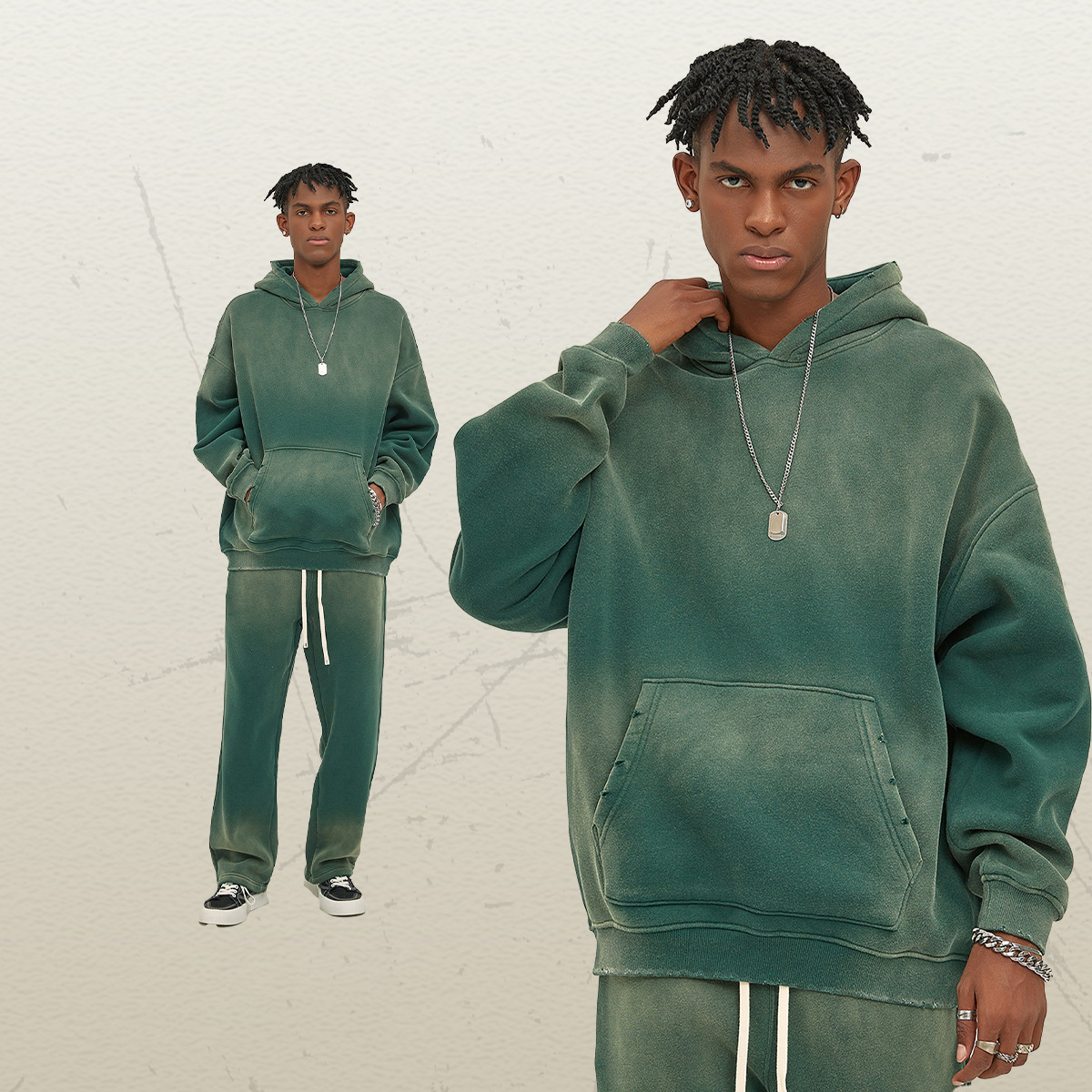
Cellulase enzymes attack surface cotton fibers at pH 5–7, shaving micro-fibrils to produce a smooth, peach-skin hand-feel without significant color loss. Typical applications include 180–280 GSM jersey tees and hoodies where softness matters more than fading.
Production complexity is low-to-medium; bath temperature runs 50–55°C for 30–60 minutes, making it accessible for startups operating standard garment-washing equipment.
Acid Enzyme Wash: Low-pH Fading Effect
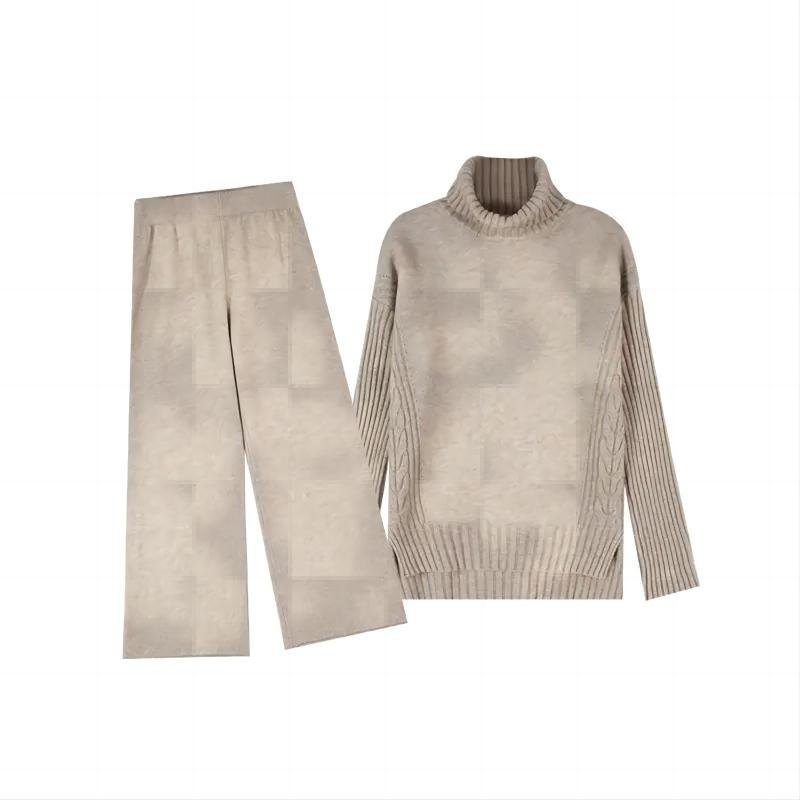
Run at pH 4.5–5.5, acid cellulase aggressively degrades fiber surface color, yielding visible vintage fade and uneven tonal contrast — ideal for denim and pigment-dyed fleece. Hand-feel is soft but slightly coarser than neutral-pH processes.
Production complexity is medium-high; precise pH control and rinse timing are critical to prevent over-degradation and measurable fiber tensile strength loss.
Neutral Enzyme Wash: Color-Safe Softening
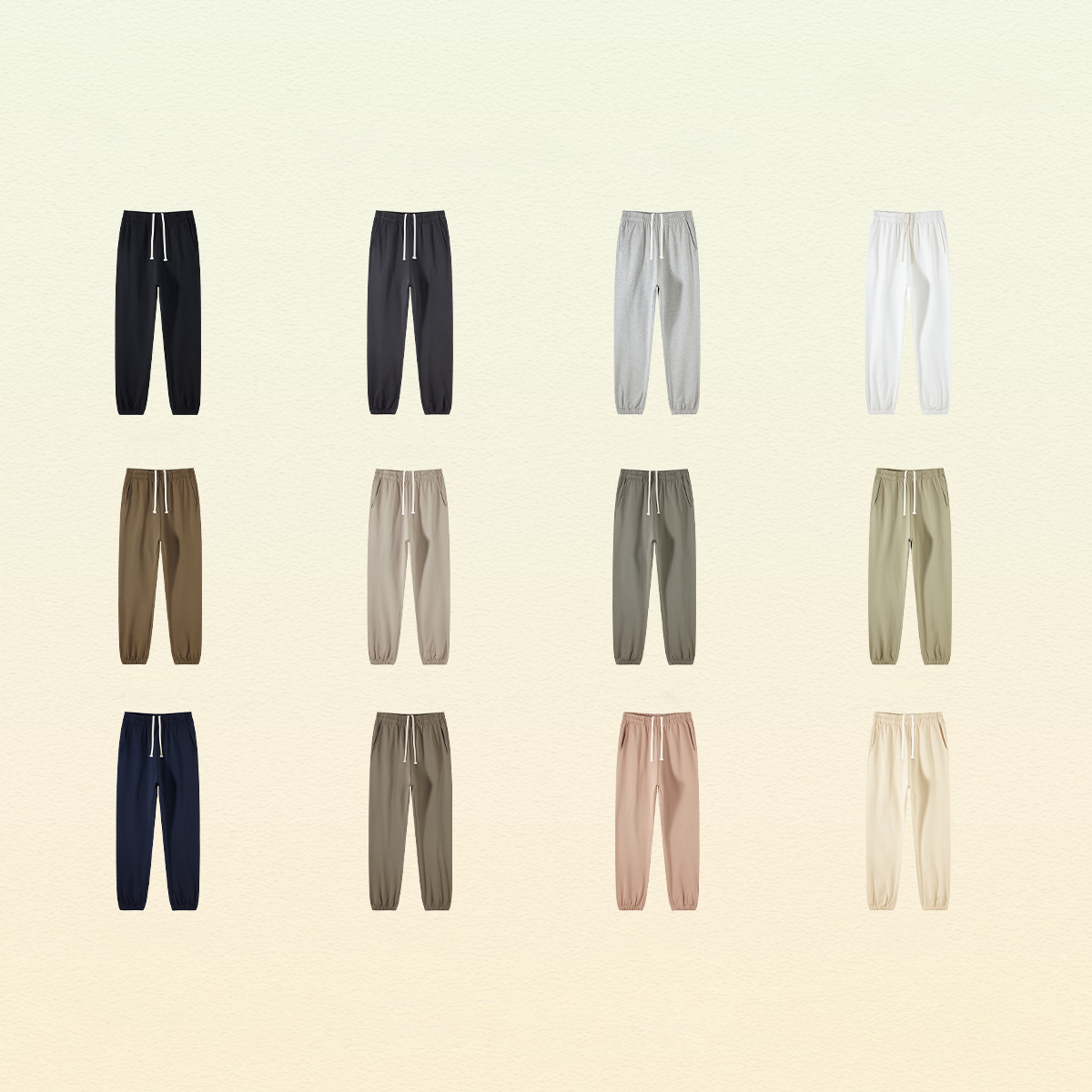
Neutral enzyme wash operates at pH 6–7, preserving dye integrity while delivering measurable softness gains — the go-to choice for reactive-dyed or discharge-printed streetwear where color accuracy is non-negotiable. Color loss typically stays under 0.5 delta-E on the greyscale.
Complexity is low, making it the default option for fashion startups and influencer brands running tight QC budgets.
Combination Treatments: Stone, Bleach, and Ozone
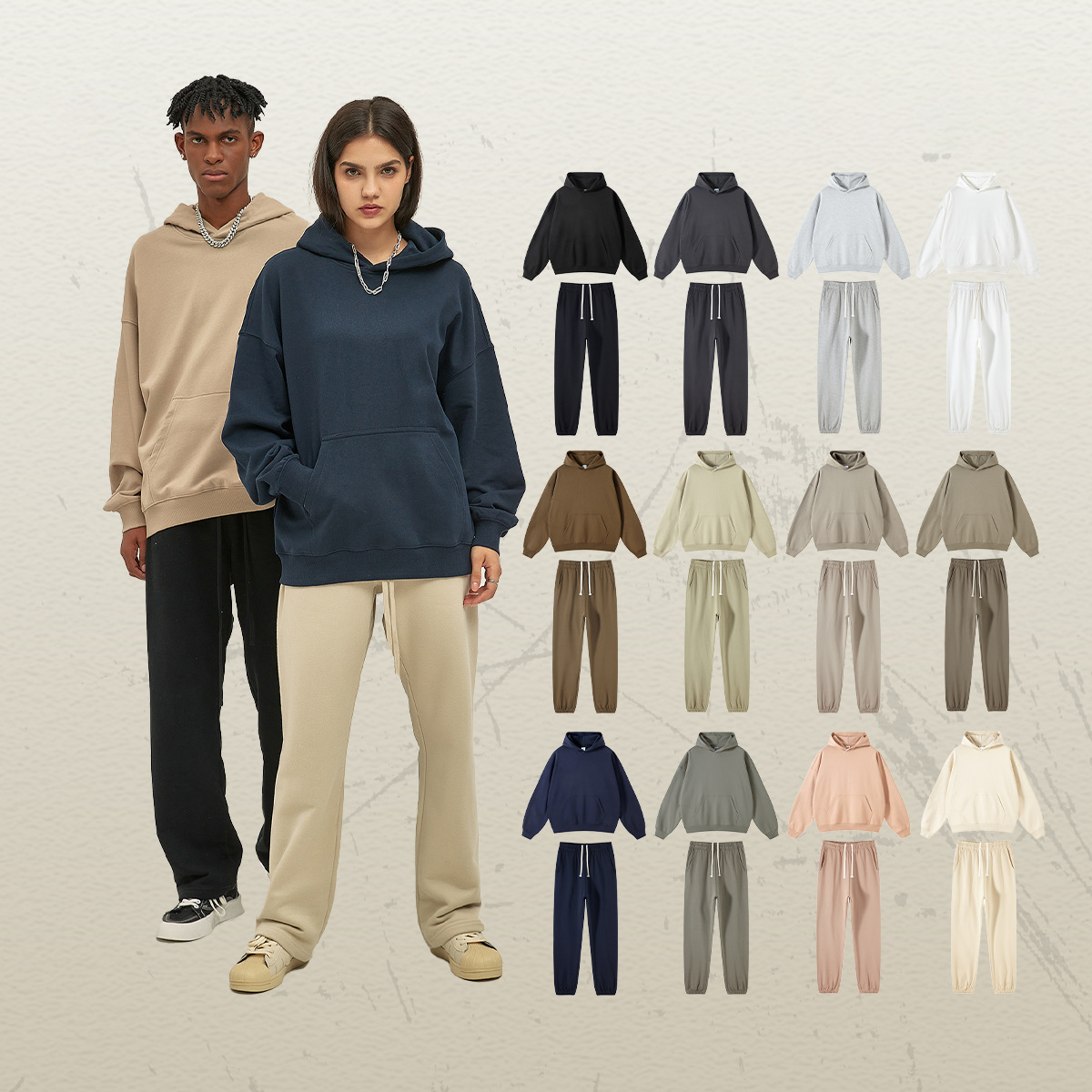
Pairing enzyme wash with pumice stone adds localized abrasion for high-low worn effects common in streetwear denim; enzyme-plus-ozone skips bleach chemistry entirely, cutting water consumption by up to 60%. Bleach-then-enzyme sequences strip color aggressively and then soften the fiber surface, producing high-contrast looks favored by drop-culture brands.
Combination runs increase production complexity and batch time by 30–50%, typically raising MOQ floors compared to single-process treatments.
4. Best Fabrics and Materials for Enzyme Wash
Not every fabric responds equally to enzyme wash. Cellulase enzymes target cellulose fibers, making natural and semi-natural textiles the safest candidates — while synthetics and blended fabrics with high polyester content resist the process entirely.
| Fabric Type | Compatibility | Expected Finish | GSM Sweet Spot |
|---|---|---|---|
| 100% Cotton | Excellent | Soft, even vintage fade | 180–320 |
| Cotton-Linen Blend | Good | Subtle texture variation | 200–300 |
| Ring-Spun Denim | Excellent | Deep, contoured fade | 280–420 |
| Open-End Denim | Good | Flat vintage effect | 280–380 |
| French Terry / Fleece | Moderate | Softened pile, light fade | 280–380 |
| Canvas | Good | Worn, matte surface | 340–480 |
| Rayon | Limited | Quick fade, fiber fragile | 150–220 |
| Polyester / Nylon | Incompatible | No effect | — |
Cotton and Cotton-Linen Blends
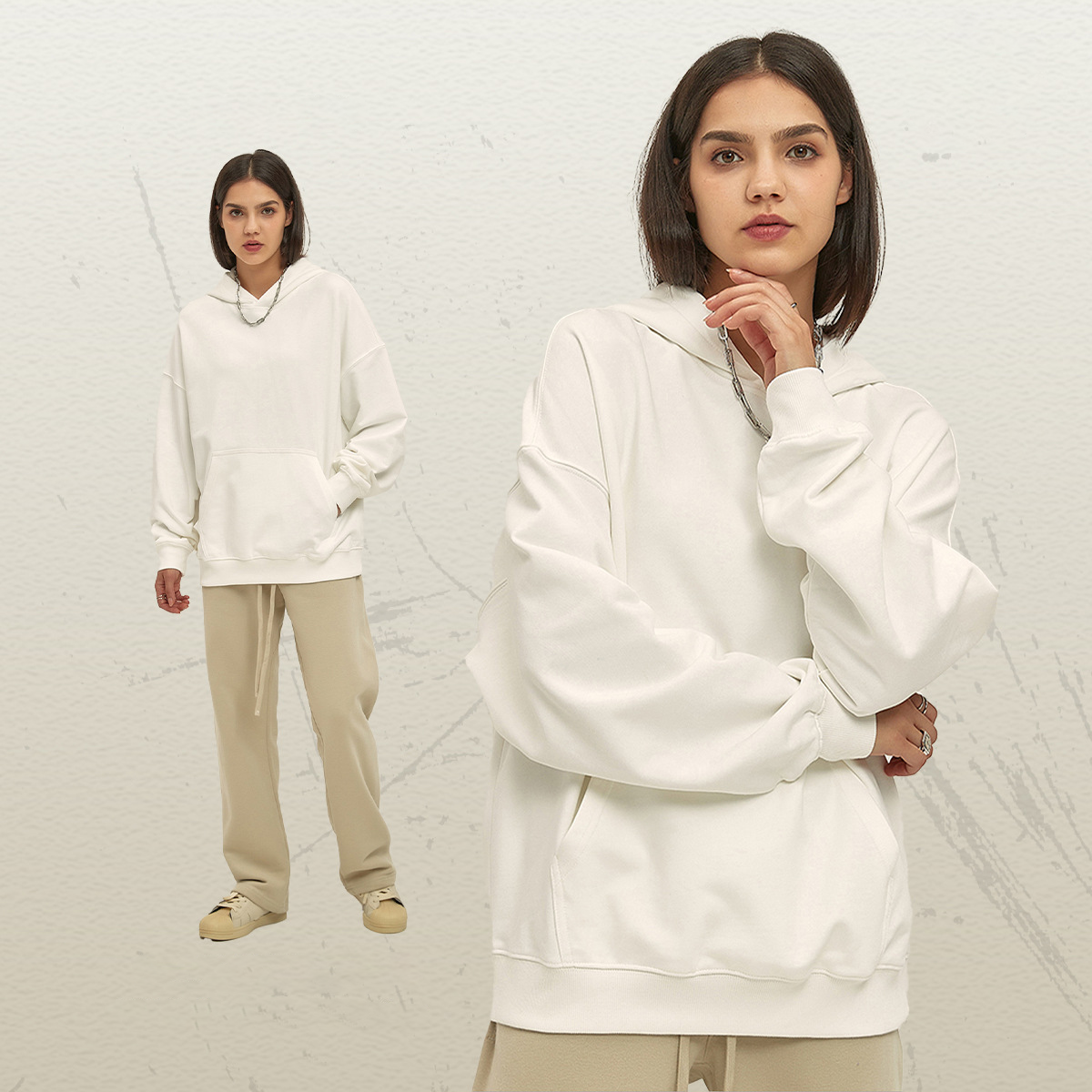
100% ring-combed cotton at 180–320 GSM delivers the most consistent enzyme wash results, with deep surface softening and even fading.
Cotton-linen blends (55/45 to 70/30) respond well but fade less uniformly — linen’s coarser fiber absorbs enzymes unevenly, creating subtle texture variation that many streetwear buyers actually prefer.
Denim: Ring-Spun vs. Open-End Yarn
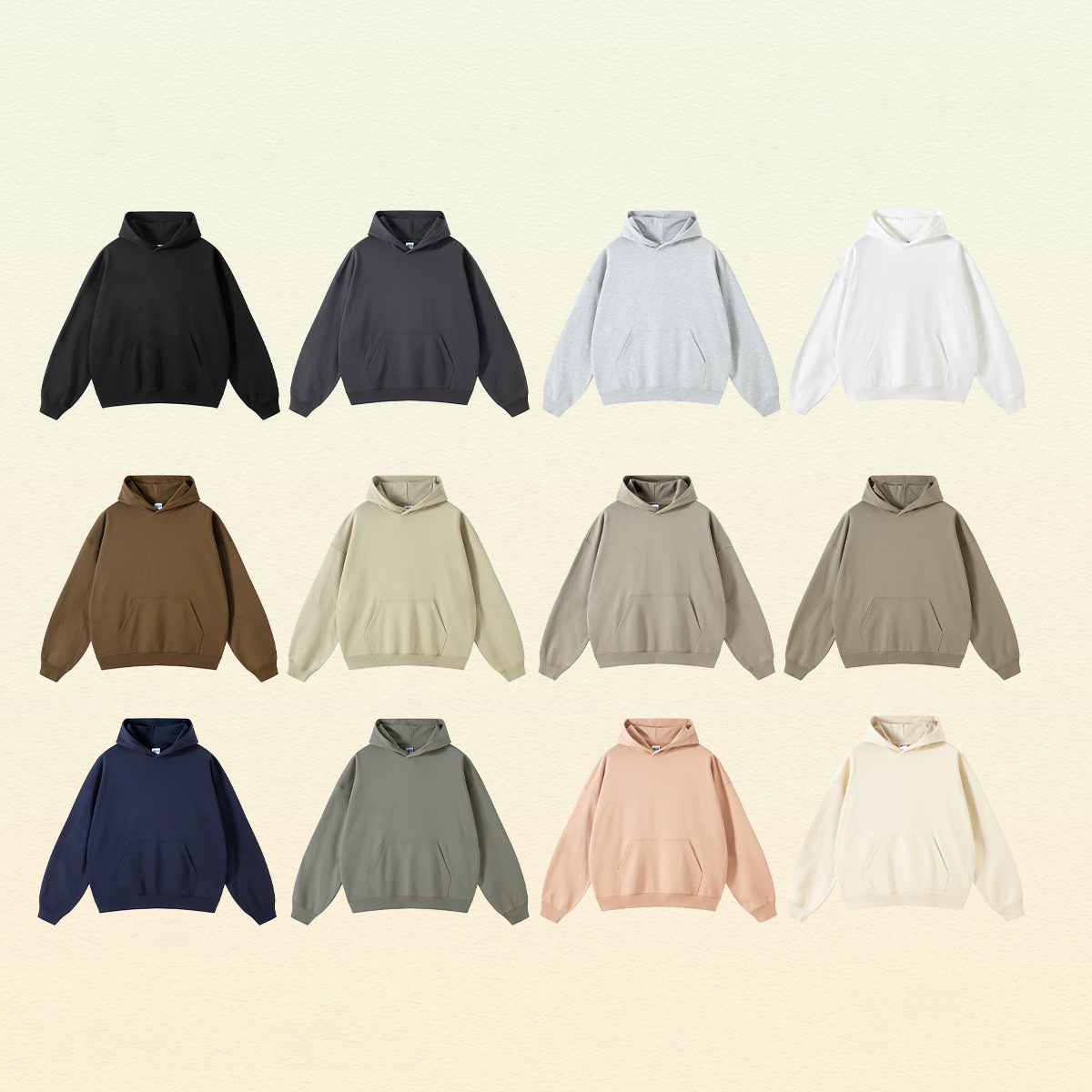
Ring-spun denim (280–420 GSM) produces deeper, more contoured fading because the tight yarn twist creates pronounced surface peaks for enzymes to attack.
Open-end denim washes down faster but delivers a flatter, less nuanced vintage effect — better suited for uniform color-break looks than character-forward distressing.
Fleece, Canvas, and Rayon
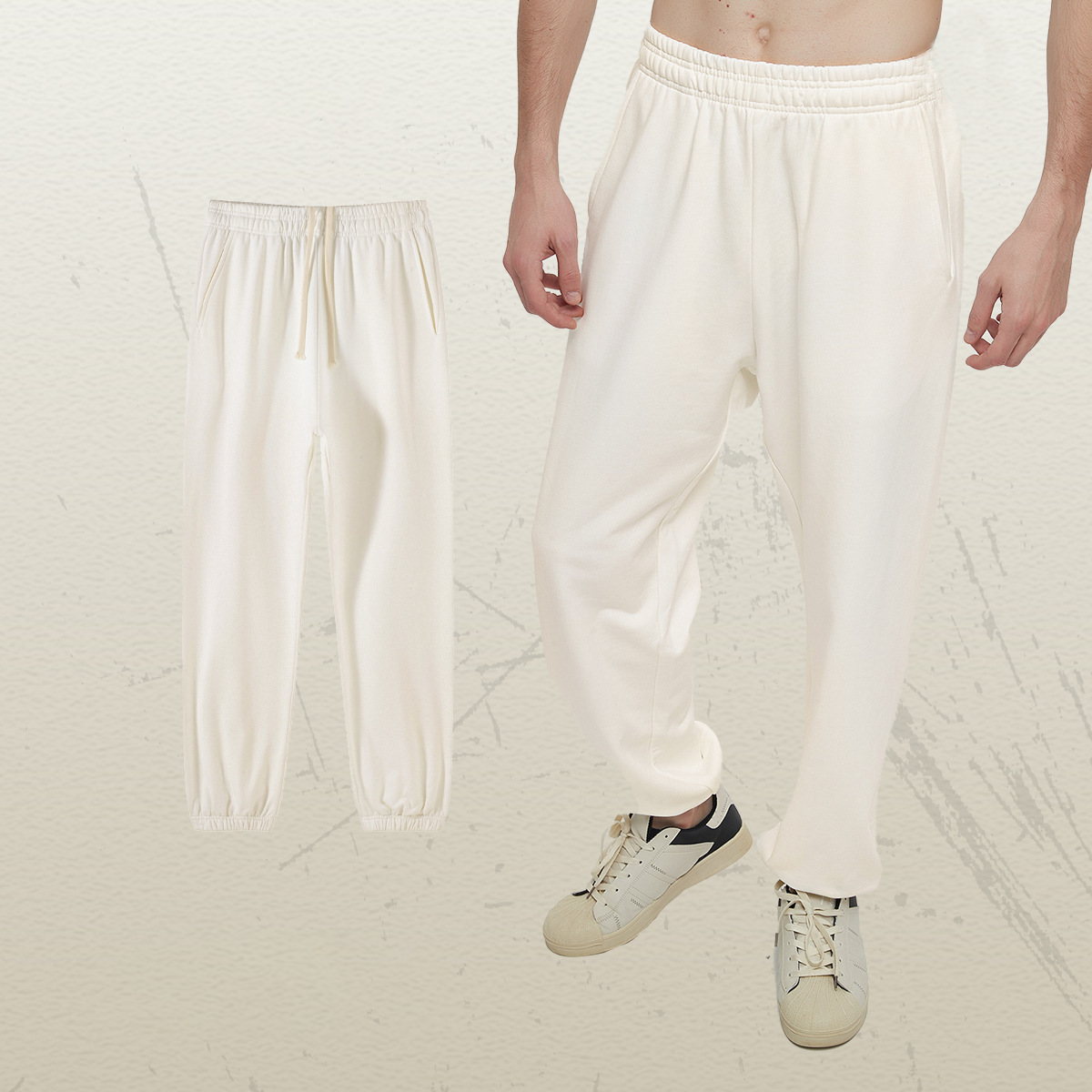
French terry and fleece at 280–380 GSM accept enzyme wash but require shorter treatment cycles — typically under 30 minutes — to avoid pilling or surface breakdown.
Canvas at 340–480 GSM develops a naturally worn matte finish; rayon responds quickly but risks fiber weakening above 45-minute treatment times.
Incompatible Fabrics to Avoid
Polyester, nylon, and synthetic blends exceeding 30% synthetic content are incompatible with enzyme wash. Cellulase enzymes cannot bond to synthetic polymer chains, so the treatment produces no visible effect while exposing the fabric to unnecessary mechanical stress.
5. Customization and Decoration Options for Enzyme Wash Garments
Yes, enzyme wash garments are fully brandable — the key is decoration sequencing. The 3–8% shrinkage introduced by enzyme wash must be resolved before applying prints, labels, or stitching to avoid distortion and registration failures.
Screen Printing Sequencing: Pre-Wash vs. Post-Wash

Post-wash printing is the production standard: finishing the enzyme wash cycle first eliminates residual shrinkage that would distort Pantone-registered plastisol or water-based ink artwork.
Pre-wash printing is reserved for intentional vintage crack effects. Manufacturers building this look must pad artwork dimensions by roughly 5–10% to compensate for post-print wash distortion.
Embroidery Risks on Over-Washed Fabric
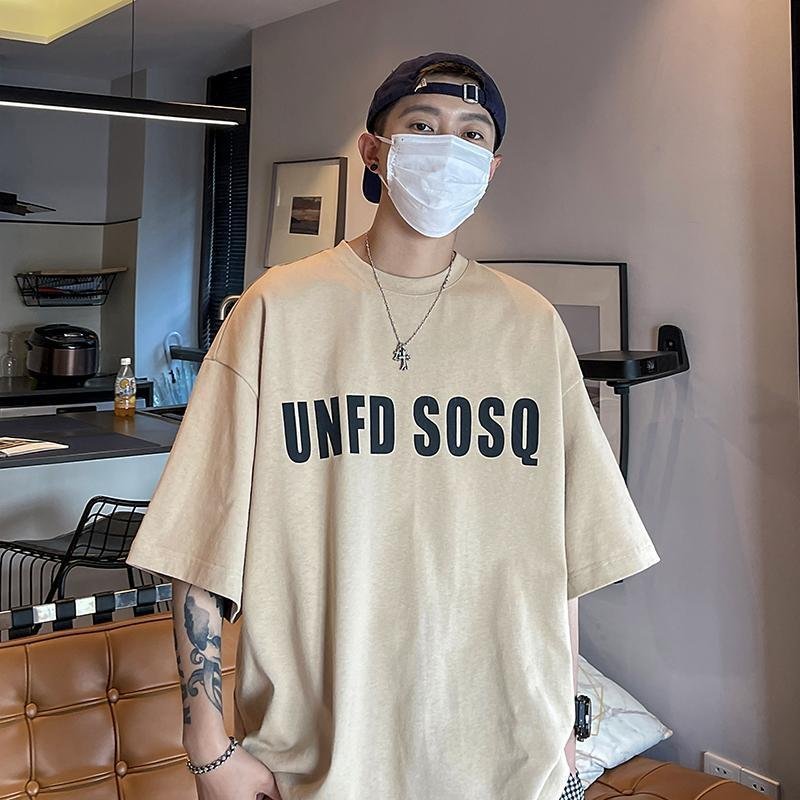
Extended enzyme cycles thin base cloth, raising thread pull-through risk on embroidered pieces. Factories should use tear-away backing on any enzyme wash garment under 300 GSM.
Minimum recommended weight for stable embroidery is 280 GSM. High-density thread fills on lightweight enzyme wash goods frequently cause puckering.
Garment Dyeing Over Enzyme Wash for Tonal Effects
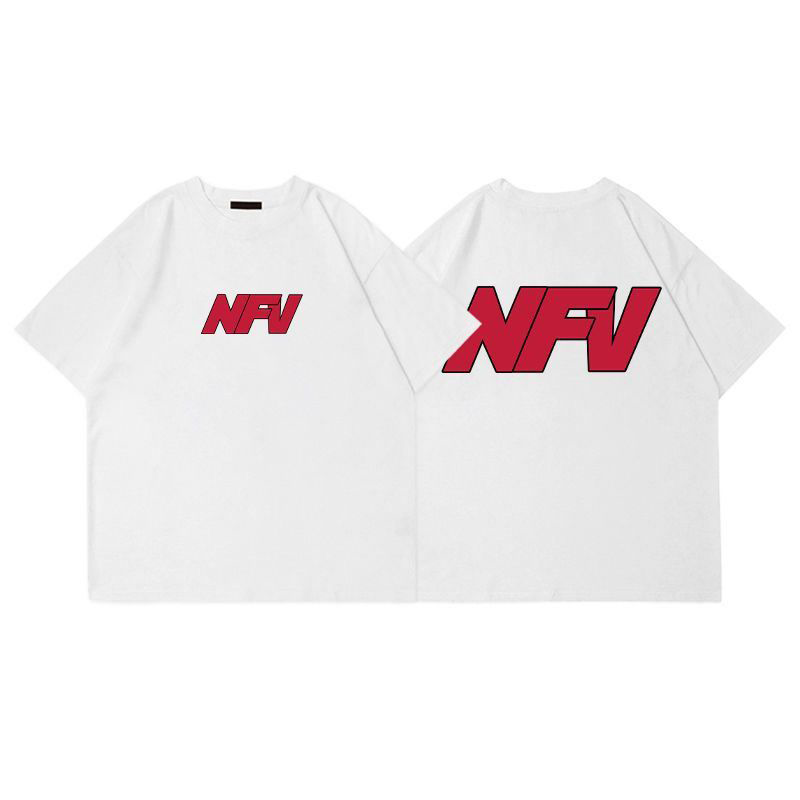
Enzyme washing before garment dyeing opens cotton fibers, producing heathered, tonal color variation that solid-dye methods cannot replicate. Expect ±1–2 Pantone shade variance on enzyme-pre-treated cloth.
This technique suits brands chasing earthy, lived-in palettes over precise color matching. Results pair well with streetwear motifs that benefit from an imperfect, artisanal finish.
Custom Labeling on Finished Washed Goods
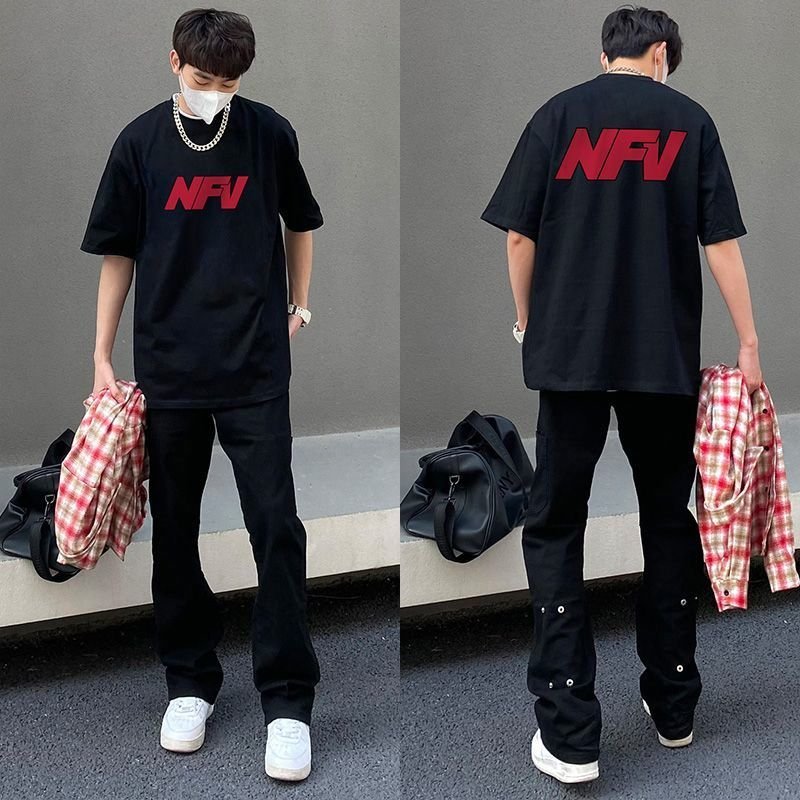
Heat-transfer and woven neck labels adhere reliably to enzyme-washed goods when applied post-wash. Screen-printed inside-neck labels applied pre-wash frequently crack or fade through the wash cycle.
Reputable factories sequence all labeling after final enzyme wash and pressing to ensure flat, stable adhesion and consistent brand presentation.
6. Key Quality Indicators in Enzyme Wash Production
A finished enzyme wash garment reveals almost nothing about the process that created it. The real quality story lives in documented process parameters — five specific checkpoints separate disciplined production from guesswork that only surfaces as defects post-delivery.
Enzyme Concentration Control
Cellulase enzyme concentration, typically 0.5–2.0 g/L depending on fabric weight, directly determines surface clarity and pilling risk. Overdosing degrades fiber structure and accelerates pilling; underdosing leaves a flat, uniform finish with no authentic vintage character.
Request the manufacturer’s enzyme dosing log for each production batch. Variance beyond ±0.2 g/L signals inconsistent process discipline and warrants concern.
Liquor Ratio and Drum Load Balance
Liquor ratio — water weight to garment weight — should run 1:8 to 1:15 for most enzyme wash applications. Deviation outside that band creates uneven abrasion, streaking, and inconsistent softness within a single batch.
Drum load balance matters equally: filling a washing machine drum beyond 80% of rated capacity prevents free tumbling. Ask suppliers for machine capacity specs and per-batch weight records.
pH Neutralization After the Wash Cycle
Residual cellulase enzyme continues attacking cellulose fibers after the wash cycle ends unless the bath pH is raised to 8.5–9.0 via a neutralization rinse. Skipping this step causes progressive fiber damage during storage and wear.
A pH test strip reading on the final rinse water is fast, verifiable documentation. Request it for every dye lot — any manufacturer that cannot produce it is skipping the step.
Colorfastness Testing Standards to Require
ISO 105-C06 (washing fastness) and ISO 105-E04 (perspiration fastness) are the two standards buyers must require before bulk sign-off. Minimum acceptable ratings are Grade 3–4 for color change and Grade 3 for staining on the standard 1–5 grey scale.
Low-grade manufacturers omit these tests entirely, discovering fastness failures only after customer returns. Demand the actual third-party lab report — not a verbal assurance.
7. How to Choose the Right Enzyme Wash Manufacturer
Choosing the wrong enzyme wash partner risks shipment delays, chemical non-compliance, and inconsistent bulk results. Three criteria separate trustworthy manufacturers from risky ones: verified certifications, wet-process audit capability, and transparent communication habits.
Certifications to Require
OEKO-TEX Standard 100 and ZDHC MRSL compliance confirm the enzyme bath and auxiliaries meet restricted substance limits. GOTS adds organic fiber chain-of-custody for brands positioning as sustainable.
Wet-Processing Facility Audit Questions
Ask specifically about water treatment — compliant factories operate effluent treatment plants (ETPs) and can share discharge test reports.
- Does the facility run in-house wet processing or outsource washing?
- Can they share ETP discharge certificates from the past 12 months?
- What enzyme chemistry is in use — cellulase, protease, or amylase blends?
Sample Approval Workflow
The standard path runs: lab dip → strike-off wash → pre-production sample → bulk wash match. Require a signed physical swatch standard before bulk cutting begins to lock in hand-feel and color shade.
MOQ and Lead Time Norms
Enzyme wash programs typically carry MOQs of 100–300 pieces per colorway; specialty finishes may need 300+ to justify bath setup costs. Bulk lead times run 25–45 days post-approval — build in 7–10 extra days for wash retests.
Red Flags in Vendor Communication
Vendors who skip sample approval steps or quote flat lead times regardless of wash complexity signal poor process control.
- No certifications on file, or certs expired over 12 months ago
- Unwilling to share ETP or ZDHC MRSL compliance documentation
- Quotes identical lead times for simple and complex wash programs
- No dedicated wet-processing QC staff cited in factory profile
8. Common Mistakes Buyers Make When Sourcing Enzyme Wash
Sourcing enzyme wash without clear technical specifications consistently produces costly rework and missed ship dates. Six recurring errors account for the majority of failed bulk orders — knowing them before placing a purchase order is non-negotiable.
No Wash Standard or Reference Sample
Verbal descriptions like ‘vintage fade’ are meaningless on a factory floor. Without a physical reference sample or a written wash standard specifying enzyme type, concentration, bath temperature, and cycle duration, every production lot lands differently — brand consistency becomes impossible to enforce.
Ignoring Post-Wash Shrinkage in Pattern Grading
Enzyme wash typically causes 3–8% shrinkage on 100% cotton. Patterns cut to pre-wash measurements produce finished garments that run short in body length and tight across the chest — size charts become inaccurate and return rates climb sharply.
Using Enzyme Wash on Incompatible Synthetics
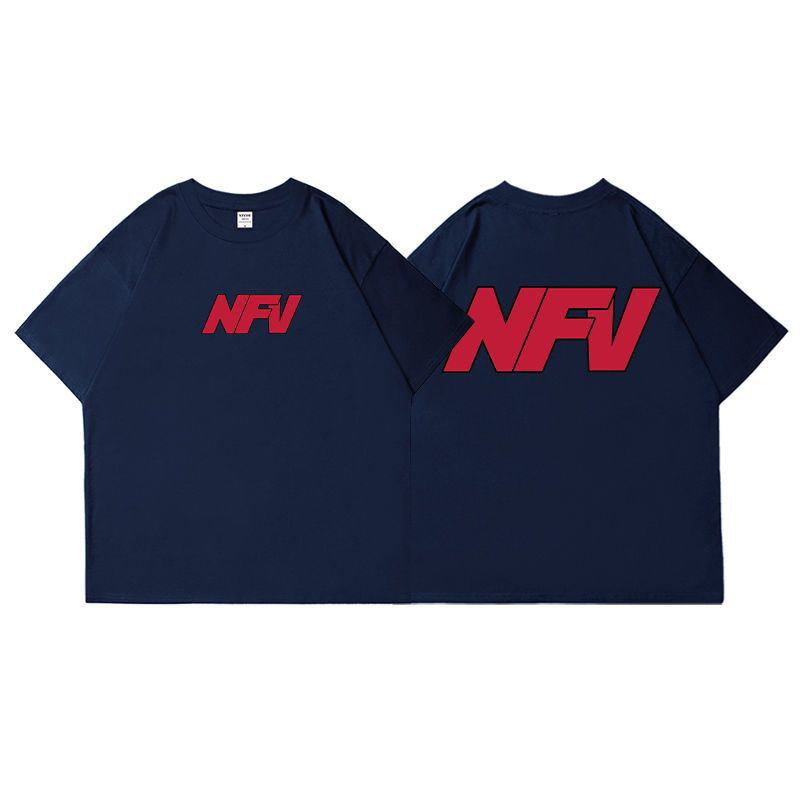
Cellulase enzymes target cellulose fibers only. Ordering enzyme wash on fabrics with polyester or nylon content above 30% delivers no visible finish change, wastes processing fees, and can cause surface pilling on the synthetic component.
Skipping Colorfast Testing on Reactive-Dyed Goods
Reactive dyes — standard on garment-dyed streetwear — bleed aggressively during enzyme wash if dye fixation was incomplete. An ISO 105-C06 wash-fastness test on strike-off samples before bulk cutting costs under $50 and prevents full dye-lot rejections.
Overlooking Wastewater Compliance
China’s GB 4287-2012 standard and the ZDHC MRSL require enzyme bath wastewater to be treated before discharge. Manufacturers skipping treatment risk production shutdowns; buyers sourcing from non-compliant facilities risk customs holds and reputational exposure with OEKO-TEX-conscious retail partners.
Accepting Bulk Without Pre-Production Wash Approval
A pre-production wash approval locks in enzyme dosage, bath ratio, and cycle time before bulk cutting begins. Skipping this gate means defects — uneven softening, pilling, unexpected color shift — surface only after thousands of finished units are already packed.
9. Steps to Launch Your Enzyme Wash Collection
Launching an enzyme wash collection demands tighter pre-production planning than a standard garment run. Shrinkage variables introduced by the wash process require two non-negotiable decision gates before bulk production begins.
Concept, Wash Spec, and Tech Pack
Start with reference imagery that pins down hand-feel target, fade intensity, and silhouette. Your tech pack must specify enzyme type (cellulase vs. laccase), wash duration, water temperature, and target GSM range post-wash.
Include a wash-spec sheet alongside your pattern files. Patterns should be drafted 8–12% larger than finished measurements to account for post-wash shrinkage before any size grading begins.
Factory Shortlisting and Pilot Wash
Shortlist factories that operate in-house washing equipment or hold verified partnerships with local wash mills. Request a pre-production pilot wash on 3–5 test panels using your specified fabric and enzyme formula before sampling begins.
A pilot wash confirms shrinkage rates, shade consistency, and surface texture. Factories that skip this gate — sewing first, washing later — produce samples that cannot be accurately measured to spec.
Sample Rounds, Bulk Sign-Off, and QC
Round 1 samples establish fit on pre-wash garments; Round 2 must be measured only after full enzyme wash and a 24-hour rest. Approve wash result and fit simultaneously — never sign off on each separately.
Bulk approval requires a sealed counter-sample retained by both parties. Care labels must include OEKO-TEX–compliant wash symbols, fabric composition, country of origin, and shrinkage warnings per destination-market regulations.
10. Enzyme Wash Pricing, MOQs, and Cost Factors
Enzyme wash adds $0.75–$6 per unit over a standard rinse wash, with the widest spread at sample quantities (1–5 pieces) where per-piece costs are highest. Once orders cross 300 units, the upcharge compresses to under $2/pc as bath volume is shared efficiently across the full production run.
Combination treatments — enzyme plus stone wash, or enzyme plus bleach — carry an additional $1.50–$3.50/pc upcharge per garment. Each step requires dedicated machine time and a full rinse cycle between stages, adding both cost and 3–5 days to the production schedule.
Decoration sequencing directly affects final unit cost. Screen printing, embroidery, or puff print applied after the enzyme wash adds $0.30–$0.80/pc in handling and re-staging fees versus pre-wash decoration, and extends lead time by 2–4 days. Learn more about Clothing Manufacturer Ltd.
| Quantity Tier | MOQ (pcs) | Base Unit Price (USD) | Enzyme Wash Upcharge | Lead Time |
|---|---|---|---|---|
| Sample / Proto | 1–5 | $18–$35 | +$4–$6/pc | 7–10 days |
| Small Batch | 50–99 | $12–$22 | +$2.50–$4/pc | 20–25 days |
| Mid-Range | 100–299 | $9–$16 | +$1.50–$2.50/pc | 25–30 days |
| Retail | 300–499 | $7–$13 | +$1.00–$2.00/pc | 30–35 days |
| Volume | 500+ | $5.50–$10 | +$0.75–$1.50/pc | 35–45 days |
Start Strong: Request Your Enzyme Wash Sample Today
Submit your artwork and fabric swatch — our five-step QC guarantee and fast turnaround move your enzyme wash collection from concept to market.