
Distressed Garment Wash That Delivers Authentic Vintage Depth
Our distressed garment wash process creates rich, lived-in color depth and authentic wear patterns — backed by 5-step QC, low MOQ, and global shipping.
Distressed Garment Wash Portfolio
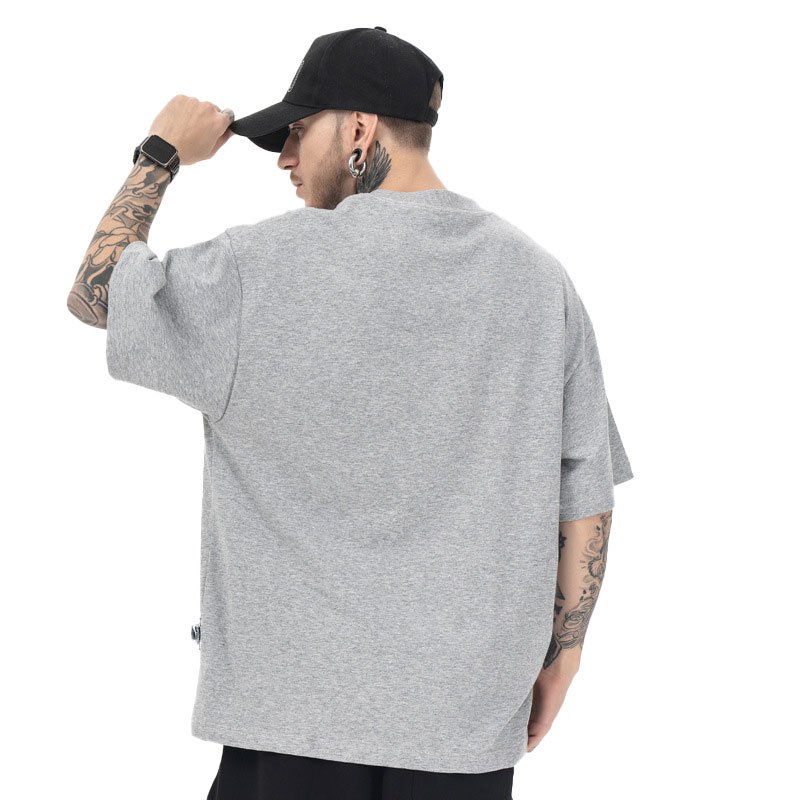
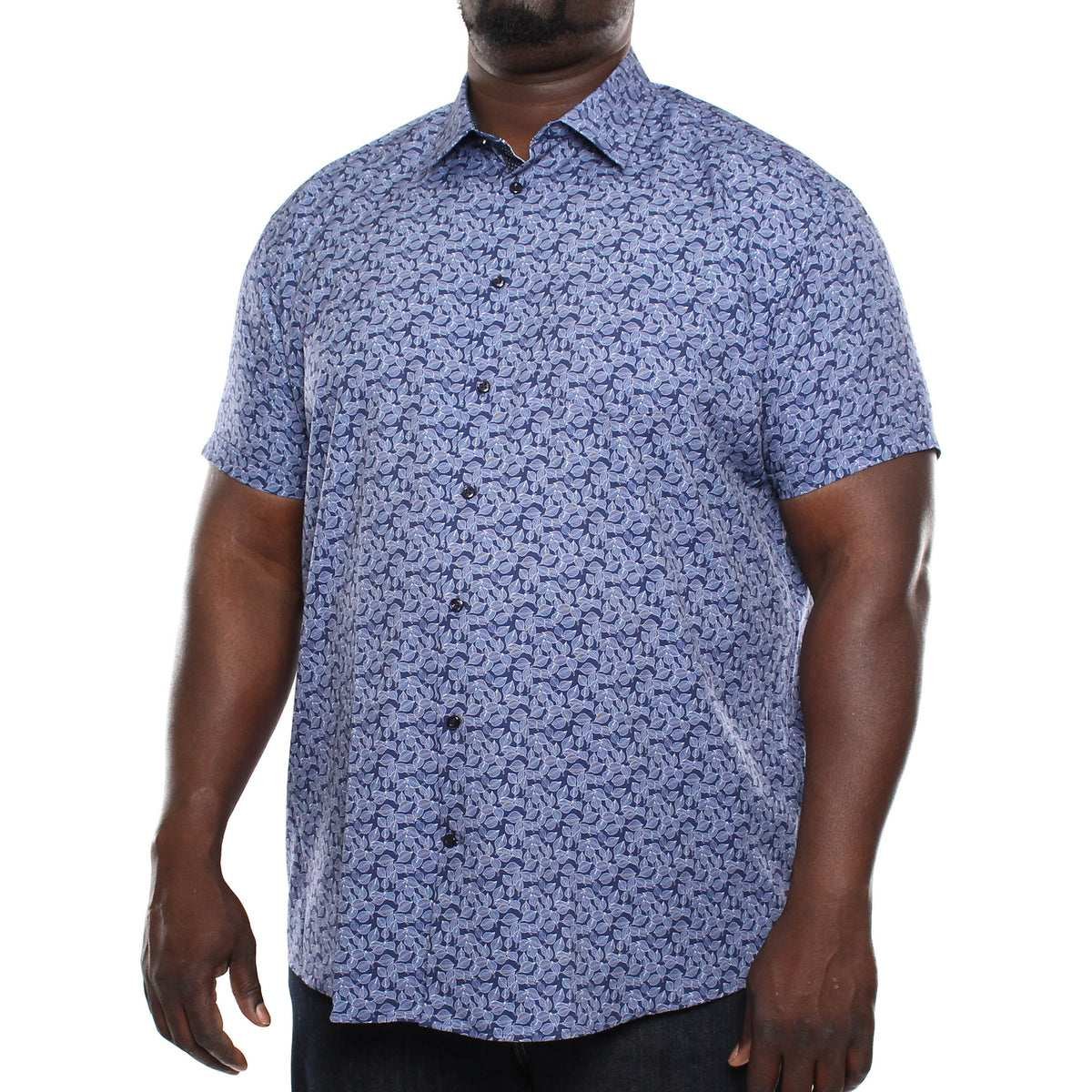
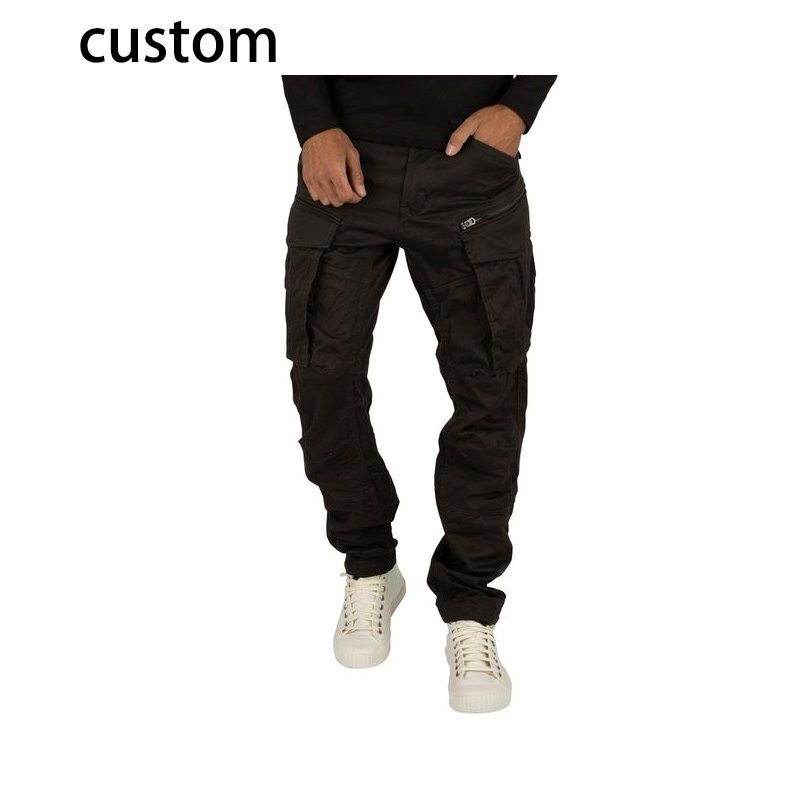
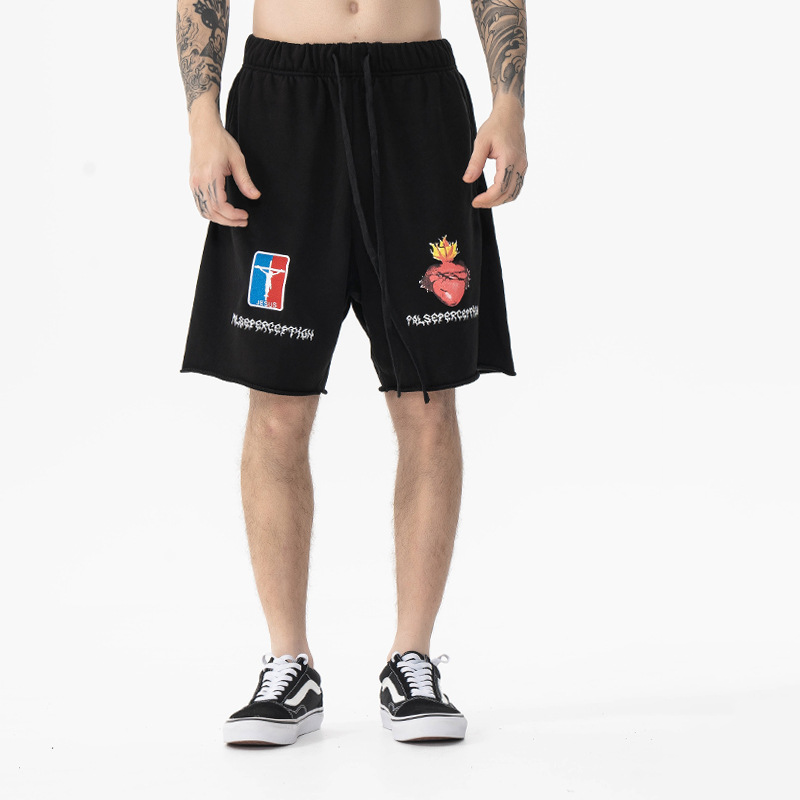
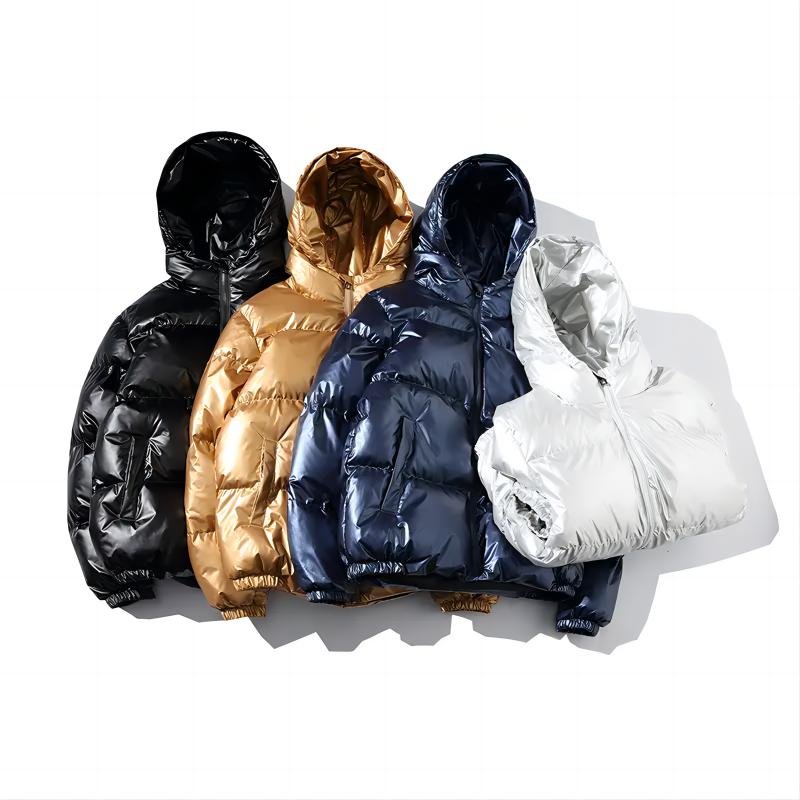
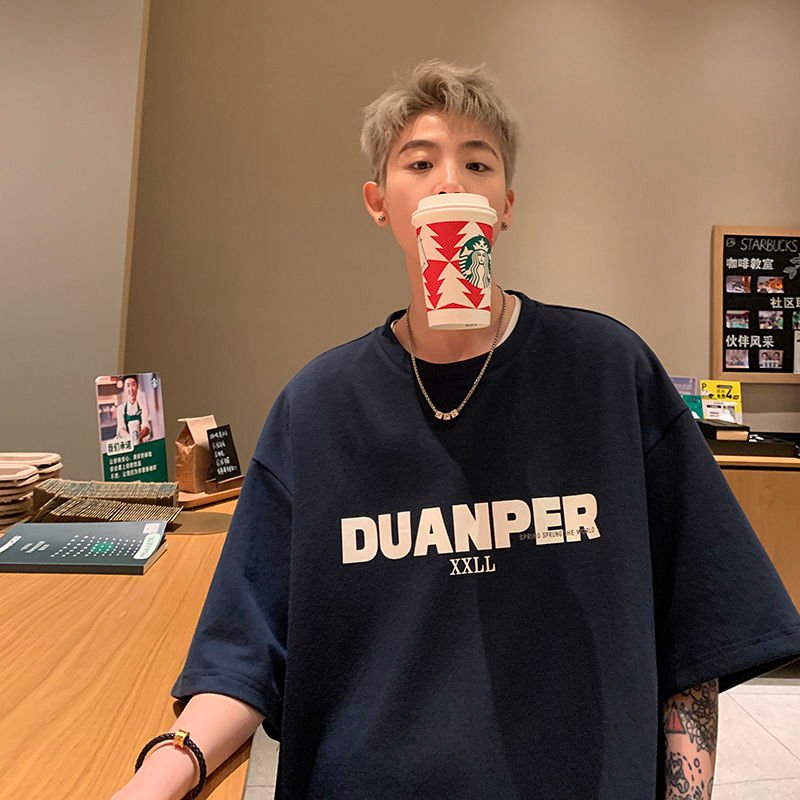
What Makes Distressed Garment Wash Stand Out
From hand-crafted wear patterns to industrial washability testing, every dimension of our distressed wash process is built to deliver consistent, premium results at scale.
Authentic Wear Patterns
Hand-crafted abrasion and sandblasting techniques create natural-looking distress marks that replicate genuine wear over time.
Rich Color Gradient Variation
Multi-zone bleaching and tinting produce seamless fades and vintage tone contrasts that make every finished garment unique.
Broad Fabric Compatibility
Optimized for denim, fleece, twill, and cotton blends, our distressed garment wash techniques adapt to each material’s texture.
5-Step Durability Testing
Every piece passes our proprietary 5-step QC protocol, verifying tensile strength and finish integrity before it leaves the factory.
Superior Washability Performance
Industrial wash simulations confirm distressed finishes retain their vintage look through 50-plus cycles without cracking or uneven fading.
Fast Sampling, Low MOQ
Receive your first distressed wash sample within days — low minimum orders make premium finishing accessible for emerging brands.
Distressed Garment Wash & Related Finishing Techniques
Explore how distressed garment wash compares to stone, acid, enzyme, and reactive dye methods — and find the right finish for your next collection.
Stone Wash for Streetwear
Brands seeking heavy, worn-in texture through stone washing face high water consumption, unpredictable results, and fabric abrasion that compromises garment longevity and batch-to-batch consistency.
Distressed garment wash replicates stone wash depth with tighter process controls, delivering consistent vintage texture across bulk runs — all backed by our proprietary 5-step QC guarantee.
Acid Wash Contrast Effects
Designers chasing high-contrast, bleached acid wash effects often struggle with chemical inconsistency, uneven bleaching, and color results that vary dramatically from sample approval to full production.
Our distressed garment wash process incorporates controlled acid wash steps that produce bold, repeatable high-contrast effects — with every batch verified against approved samples through our 5-step QC.
Enzyme Wash Soft Finish
Streetwear labels wanting a softer hand-feel without losing visual depth find enzyme-only washes too subtle to create the raw, aged aesthetic their trend-driven audience demands.
We layer enzyme wash with distressed finishing steps to deliver garments that are ultra-soft and visually aged — perfect for eco-conscious streetwear brands that refuse to compromise on look.
Reactive Dye Color Wash
Brands relying on reactive dyes for vivid, wash-resistant color often lack a partner who can integrate bold dyeing with authentic distressed finishes within a single, reliable production run.
Clothing Manufacturer Ltd. merges reactive dye expertise with distressed garment wash, giving your pieces lasting color vibrancy alongside the worn, street-ready look your customers pay a premium for.
Distressed Wash Across Silhouettes
Streetwear startups and influencer brands need a single production source for applying distressed wash across multiple silhouettes — denim, fleece, tees, and jackets — without juggling multiple vendors.
Our full-range distressed garment wash capability covers every core streetwear silhouette with low MOQ per style, fast sampling, and global shipping — so you can test and scale with confidence.
Our Distressed Garment Wash Expertise
Clothing Manufacturer Ltd. was founded in 2024 by Tesla Luo, a garment industry veteran with over 10 years of production experience and 6 years specializing in streetwear. Raised in Dongguan — China’s apparel manufacturing hub — and trained in every factory role from cutting to QC, Luo built this brand on one mission: premium craftsmanship with zero compromise on quality.
Our distressed garment wash expertise is backed by a dedicated 15-member R&D team, 10 registered production patents, and the full manufacturing infrastructure of parent company Dongguan TuoZhen Clothing Co., Ltd. From first sample to full-scale run, we have served brands across more than 100 countries, delivering authentic vintage aesthetics with consistent, repeatable results — even at low MOQs.
What truly sets us apart is our proprietary 5-step quality control process covering materials, cutting, craft, sewing, and finished garment inspection. Unlike factories that skip QC until the final stage, we embed checks at every production point. Whether you are launching a debut collection or scaling an established streetwear line, every distressed garment wash piece leaves our floor meeting your exact specification.
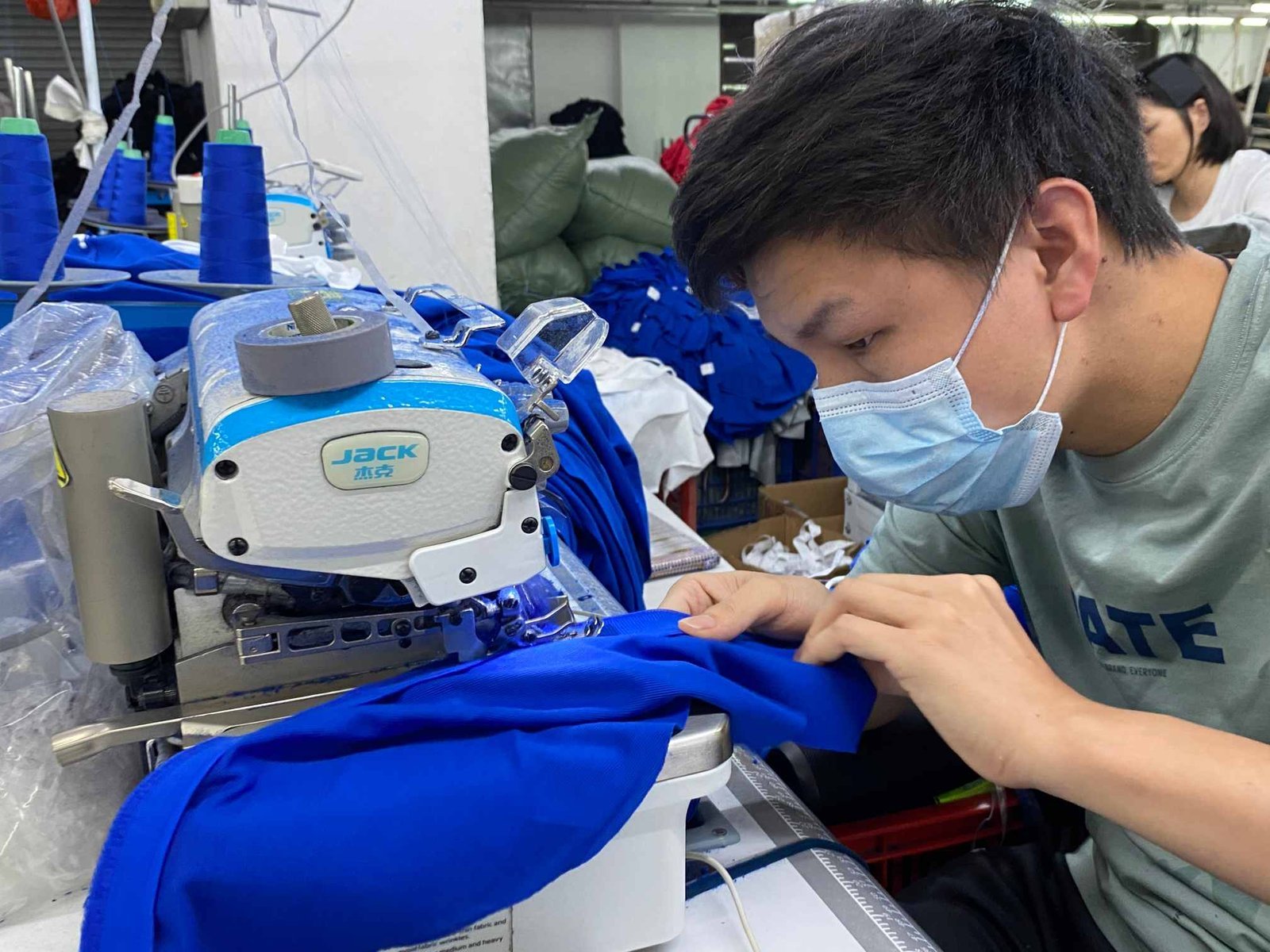
The Art & Science Behind Distressed Garment Wash
Precision Chemistry: pH & Enzyme Controls
Every distressed garment wash batch begins with laboratory-calibrated formulations. We monitor pH levels throughout each cycle and fine-tune enzyme concentrations to achieve controlled fiber degradation, delivering the exact vintage texture your brand demands without compromising structural integrity.
- pH monitoring held within plus or minus 0.2 tolerance per wash cycle
- Cellulase and amylase enzyme dosing calibrated per fabric weight and weave density
- Real-time chemical bath sampling conducted at critical process intervals
- Formulations adjusted for cotton, denim, jersey, and blended fabric compositions
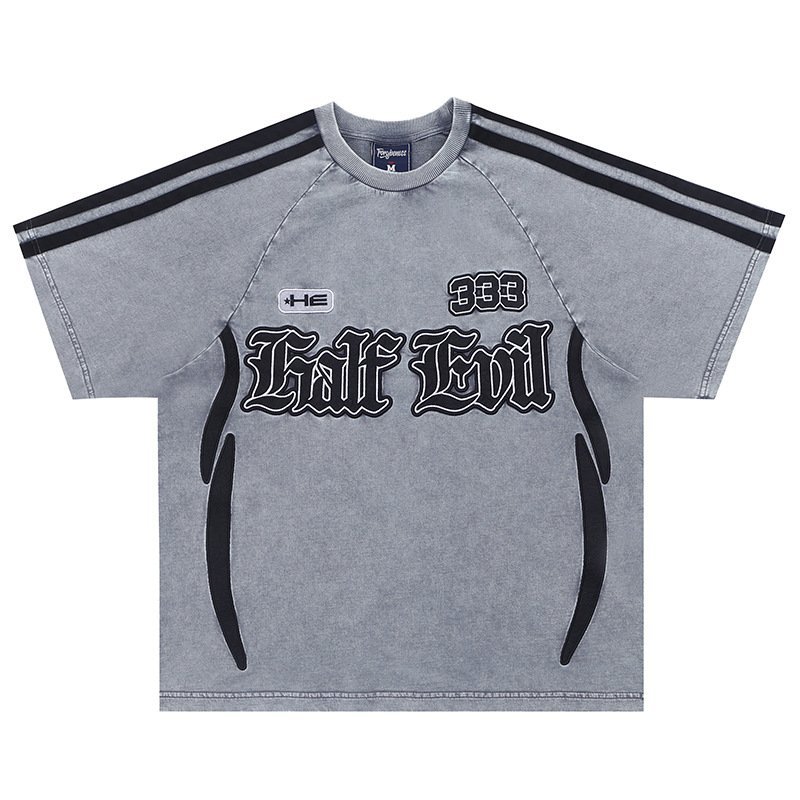
Agitation Profiles That Define Wear Patterns
The worn-in character of a premium distressed wash depends on precisely mapped agitation cycles. Our engineers program load-specific drum speeds and cycle durations, paired with temperature-controlled water to open fibers uniformly and eliminate uneven or unpredictable surface damage.
- Variable drum-speed profiles matched to garment weight and target distress level
- Water temperature maintained between 40 degrees C and 80 degrees C per fabric type
- Cycle-duration mapping prevents over-abrasion and unintended structural damage
- Stone-wash, enzyme-wash, and hybrid agitation sequences all available
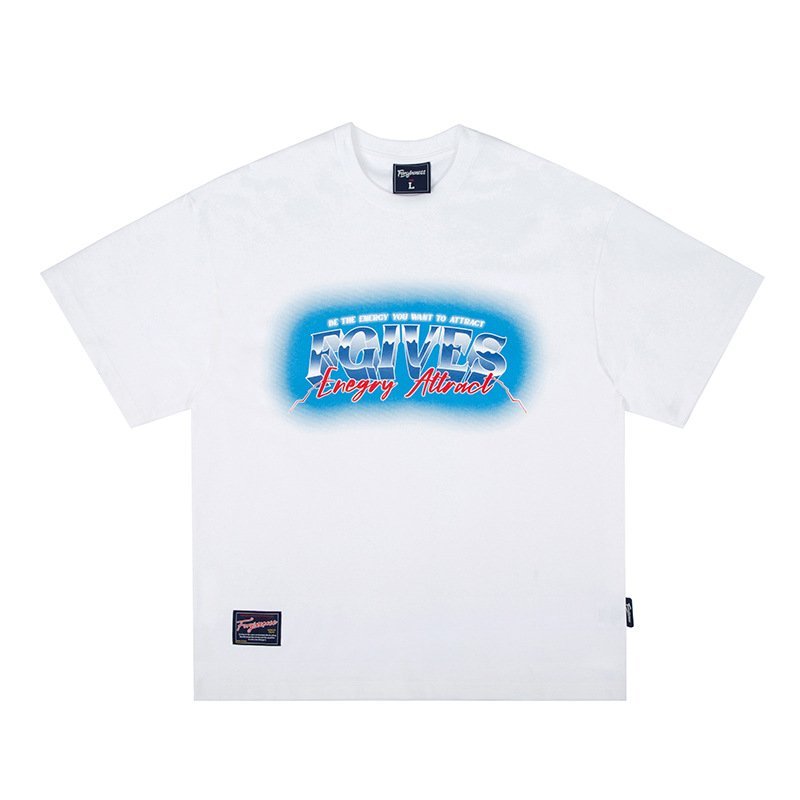
Color-Fastness Standards Built Into Every Finish
Post-wash drying method directly impacts color retention and hand-feel. We deploy tumble-drying, flat-drying, and air-flow techniques tailored to each garment’s weight and dye chemistry, then validate color-fastness against ISO and AATCC benchmarks before any batch advances to packaging.
- ISO 105-C06 and AATCC 61 color-fastness testing conducted on every production batch
- Tumble and air-dry protocols selected per dye chemistry and fabric construction
- Hand-feel evaluated against approved reference garments from the first approved sample
- Fading gradient documented and archived for precise consistency on every reorder
5-Step QC Gates Lock In Batch Consistency
Our proprietary 5-step QC methodology applies quality gates at materials, cutting, craft, sewing, and finished-garment stages. Each gate for distressed garment wash production includes wash-result verification, ensuring zero non-conforming units leave the facility regardless of order volume.
- Materials QC tests fabric weight, weave density, and dye uptake capacity before cutting
- Cutting QC confirms seam allowances will survive agitation without excess fraying
- Sewing production QC verifies stitch integrity both pre-wash and post-wash
- Finished-garment inspection checks shade consistency, hand-feel, and dimensional stability
Distressed Garment Wash vs. Stone Wash: Know Before You Choose
Not all vintage finishes deliver the same results. See how distressed garment wash outperforms traditional stone wash across every criterion that matters to serious streetwear brands.
← 左右滑动查看 →
How Distressed Garment Wash Works: Our 6-Phase Production Process
Precision at every stage — from raw fabric inspection to final QC sign-off, here is exactly what goes into every batch we produce.
Pre-Wash Fabric Inspection
Every garment undergoes materials QC testing before washing begins, checking fabric weight, dye consistency, and structural integrity to eliminate defects at the source.
Chemical Formula Mixing
Technicians blend enzyme, stone-wash, and acid-wash compounds to a precise formulation matched to your target distressed garment wash effect and fabric composition.
Controlled Wash Cycles
Garments run through calibrated machines at defined load ratios, ensuring each piece receives uniform agitation and chemical exposure for batch-consistent distressing results.
Agitation and Heat Profiling
Temperature curves and drum-speed profiles are dialed in per batch, controlling the precise depth of fading, creasing, and surface texture achieved each cycle.
Drying and Finishing Protocols
Post-wash garments follow strict drying protocols — tumble speed, heat, and hang-time are monitored to lock in vintage hand-feel without dimensional distortion.
Final QC Sign-Off
Each finished piece clears our 5-step QC inspection: shade consistency, seam integrity, and dimensional specs are verified and logged before packing and global shipment.
How to Order Custom Distressed Garment Wash
From first sample to full bulk run, our streamlined process keeps your collection on schedule — backed by zero-compromise quality at every production stage.
Submit Your Sample Request
Share your design brief, target fabric, and wash intensity references. Our team responds within 24 hours with a distressed garment wash proposal tailored to your brand.
Approve Sample & Intensity Level
Review physical samples showing your exact distressed garment wash effect. Confirm your preferred intensity — light, medium, or heavy — before production specs are finalized.
Select Your MOQ Tier
Choose the order volume that matches your stage — low minimums for emerging brands or scalable bulk runs for established labels. We lock in your fast-turnaround production slot.
Place & Produce Your Order
Submit your approved order and our 5-step QC process begins, covering materials, cutting, crafting, sewing, and finished-garment inspection to ensure every piece meets exact spec.
Receive & Ship Worldwide
Your completed distressed garment wash collection is inspected, packed, and dispatched globally with full logistics support, customs documentation, and real-time shipment tracking.
Real Brands, Real Distressed Garment Wash Results
We submitted our first distressed garment wash sample and it was approved in one round — zero revisions. Within 3 months we scaled to 1,200 units for our seasonal drop, and the vintage wash consistency across every piece was flawless.
As a startup launching with a 50-piece MOQ, we were nervous. The distressed garment wash matched our approved sample exactly, our first capsule sold out in 72 hours, and we have since placed 3 reorders totaling over 800 units.
Our influencer collab needed 600 hoodies with a custom distress wash finish in just 6 weeks. Clothing Manufacturer Ltd. nailed the aesthetic, hit every deadline, and the pieces drove over 40,000 social impressions on launch day.
Distressed Garment Wash FAQs
Everything streetwear brands, startups, and independent designers need to know before placing a distressed wash order — fabric compatibility, MOQ, lead times, file prep, and more.
What fabrics are compatible with distressed garment wash?
Can I combine distressed garment wash with embroidery or screen-print overlays?
What is the MOQ for distressed garment wash orders?
How long does a distressed garment wash sample take to produce?
Will the distressed garment wash finish hold up after repeated consumer washing?
What design file formats do you require before production starts?
Is there a fee for pre-production samples, and is it refundable?
Can cotton-polyester blends handle the distressed wash process?
The Complete Buyer’s Guide to Distressed Garment Wash
Discover the history, techniques, and sourcing criteria behind distressed garment wash — plus a decision framework for choosing the right manufacturer, avoiding costly mistakes, and launching your streetwear or fashion brand with confidence.
1. What Is Distressed Garment Wash?
Distressed garment wash is a deliberate finishing process that artificially replicates years of wear, applying chemical, mechanical, or enzymatic treatments to new fabric to produce an aged, lived-in appearance. Unlike a standard garment wash — which softens hand-feel and removes sizing — a distressed garment wash targets the textile’s surface structure, breaking down fibers, stripping dye, and introducing controlled surface damage. The result is a garment that reads as worn long before a customer ever touches it.
Three primary techniques define the category: stone washing (pumice or ceramic stones create abrasion), acid washing (chlorine-based bleach or potassium permanganate strips localized color), and enzyme washing (cellulase enzymes biologically degrade cotton surface fibers for a soft, ‘bio-polished’ fade). Each method produces distinct visual signatures — irregular fading, cracking on print surfaces, or whisker-line abrasion at stress points like knees and pockets.
Streetwear consumers — who index heavily on authenticity, individuality, and cultural storytelling — respond to these finishes because they signal history and attitude rather than newness. Hip-hop, skateboarding, and graffiti subcultures have driven demand for worn-in aesthetics since the 1980s, and that appetite has only broadened into mainstream fashion-forward retail.
If your brand targets consumers who value bold self-expression over polished uniformity — whether you’re launching a streetwear label, scaling an influencer-driven line, or differentiating a retail assortment — distressed garment wash is a high-impact, differentiated finish worth evaluating. The key questions are consistency of outcome across production runs and whether your chosen manufacturer applies quality checks during the wash process, not only after.
2. The Evolution & History of Distressed Garment Wash
In the 1950s, American laborers wore Levi’s 501 jeans until natural fading and fraying became a badge of hard use — the earliest precursor to what the industry now calls distressed garment wash. By the late 1950s, teenagers adopted these worn-in aesthetics as deliberate style, divorcing the look from labor and anchoring it firmly in youth counterculture.
Punk culture in the late 1970s and grunge’s commercial peak around 1991 transformed deliberate fabric destruction into mainstream fashion language. DIY methods — sandpaper abrasion, household bleach, and razor blades — gradually gave way to early industrial stone-washing, where pumice stones tumbled against denim in commercial laundry drums to replicate decades of wear in under two hours.
By the mid-1990s, designer labels including Helmut Lang and later Dsquared2 applied distressed garment wash finishes to premium denim retailing above $300 USD, signaling the technique’s shift from subcultural craft to a legitimate luxury product category. Levi’s own ‘vintage wash’ and engineered-distress lines, introduced commercially in the late 1990s, validated industrialized distressing as a scalable, repeatable manufacturing process.
Today, streetwear labels and global retailers specify distressed garment wash as a standard production finish, supported by laser distressing, enzyme washing, and ozone treatment that deliver consistent results across thousands of units. Production hubs like Humen Town in Dongguan — where multi-stage wash-and-finish lines have been refined over decades — now make it possible to replicate hand-crafted distress effects at industrial volume without sacrificing the authentic, one-of-a-kind aesthetic that consumers demand.
3. Types of Distressed Garment Wash Techniques Explained
Six core distressed garment wash techniques are available to buyers, each producing a distinct visual result and environmental footprint. Knowing the differences lets you match the right process to your brand aesthetic before sampling begins.
Acid Wash and Bleach Wash
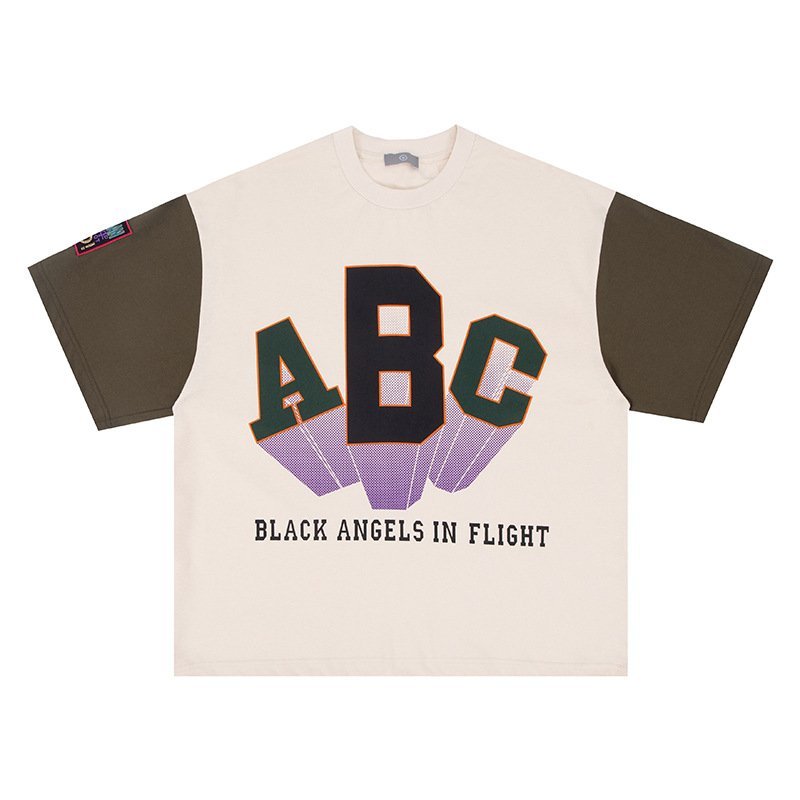
Pumice stones pre-soaked in sodium hypochlorite bleach tumble with garments, removing dye unevenly. The result is a high-contrast cloud or streak pattern favored in heavy streetwear and denim, typically 280–380 GSM cotton. Chemical discharge requires compliant wastewater treatment.
Enzyme and Bio Wash
Cellulase enzymes at 50–60°C digest surface cotton fibers, producing a soft, even fade without harsh chemicals. Results suit minimalist or premium streetwear labels pursuing OEKO-TEX compliance. This is the most eco-friendly chemical wash option available.
Stone Wash and Stone Enzyme Wash
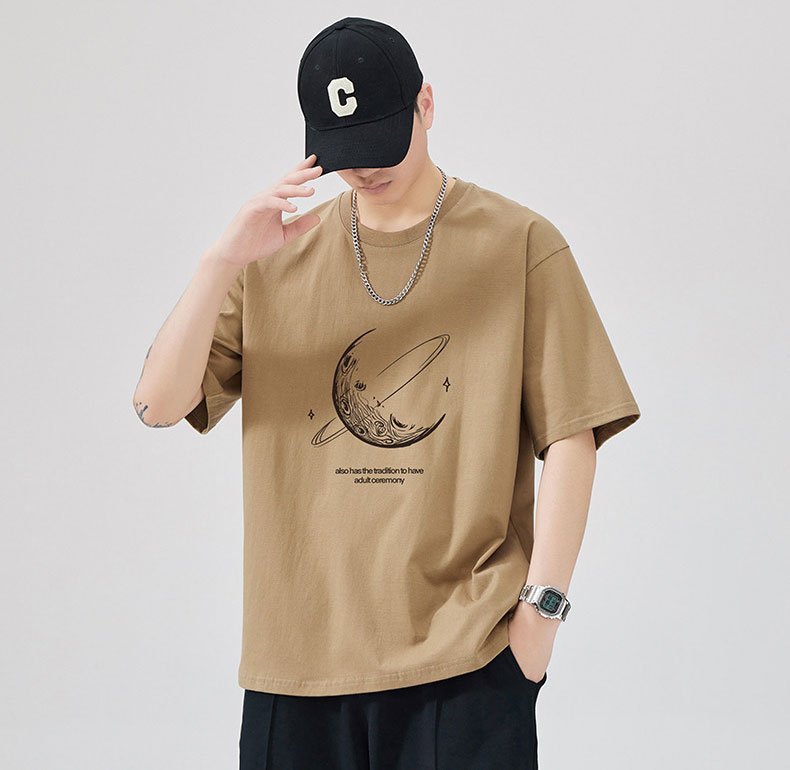
Volcanic pumice stones tumbled with garments abrade the surface, creating classic uneven fading on denim jackets and chore coats. Stone enzyme wash combines pumice with cellulase, cutting stone load by up to 50% and reducing sludge disposal costs. Standard stone wash generates significant silica sludge.
Sandblast and Sand Wash
Compressed-air blasting targets seams and stress points, replicating years of wear with sharp, localized highlights on denim panels. Health regulations in many markets restrict traditional silica sandblasting; responsible factories use silica-free abrasives or laser substitutes. Confirm your market’s compliance requirements before ordering.
Hand Scraping and Manual Distressing
Trained operators use sandpaper, wire brushes, or pumice blocks to scrape specific garment zones by hand. The technique delivers precise, art-directed distressing unavailable from machines, ideal for premium drops and limited-edition capsules. Labor intensity raises per-unit cost but adds irreplaceable authenticity.
Laser Distressing
CO₂ or fiber lasers etch denim surfaces at programmed intensities, burning away dye without water or chemicals. Patterns are digitally repeatable to 0.1mm tolerance, suiting tech-forward streetwear brands wanting consistent graphics across large runs. Zero wastewater output makes laser the most sustainable distressing option currently available.
4. Best Materials & Fabrics for Distressed Garment Wash
Fabric selection determines how deeply a distressed garment wash penetrates and whether the base cloth survives repeat processing cycles. Six fabric categories deliver the most controlled, marketable results across the most common wash techniques.
| Fabric Type | Recommended Wash Technique | Resulting Texture | Typical GSM Range |
|---|---|---|---|
| 100% Cotton Denim | Stone wash, enzyme wash | Faded with visible whiskering | 280–420 GSM |
| Cotton-Poly Blend | Enzyme wash, acid wash | Mild fade, smooth hand feel | 200–320 GSM |
| Cotton-Back Fleece | Enzyme wash, bleach wash | Pilled, worn-in surface | 280–380 GSM |
| Twill | Sand wash, stone wash | Brushed, relaxed drape | 220–340 GSM |
| Canvas | Sand wash, stone wash | Rigid-to-supple break-in | 300–450 GSM |
| Ring-Spun Cotton Jersey | Enzyme wash, bleach wash | Ultra-soft, slightly shrunken | 160–260 GSM |
Cotton Denim and Canvas for Deep Distress
100% cotton denim at 280–420 GSM absorbs stone wash and enzyme wash cycles most aggressively, producing visible whiskering, fading, and surface abrasion without fiber separation.
Canvas at 300–450 GSM starts rigid but breaks into a supple, worn drape after sand wash — the preferred base for heavy outerwear and workwear-inspired streetwear pieces.
Blends and Twill That Resist Over-Damage
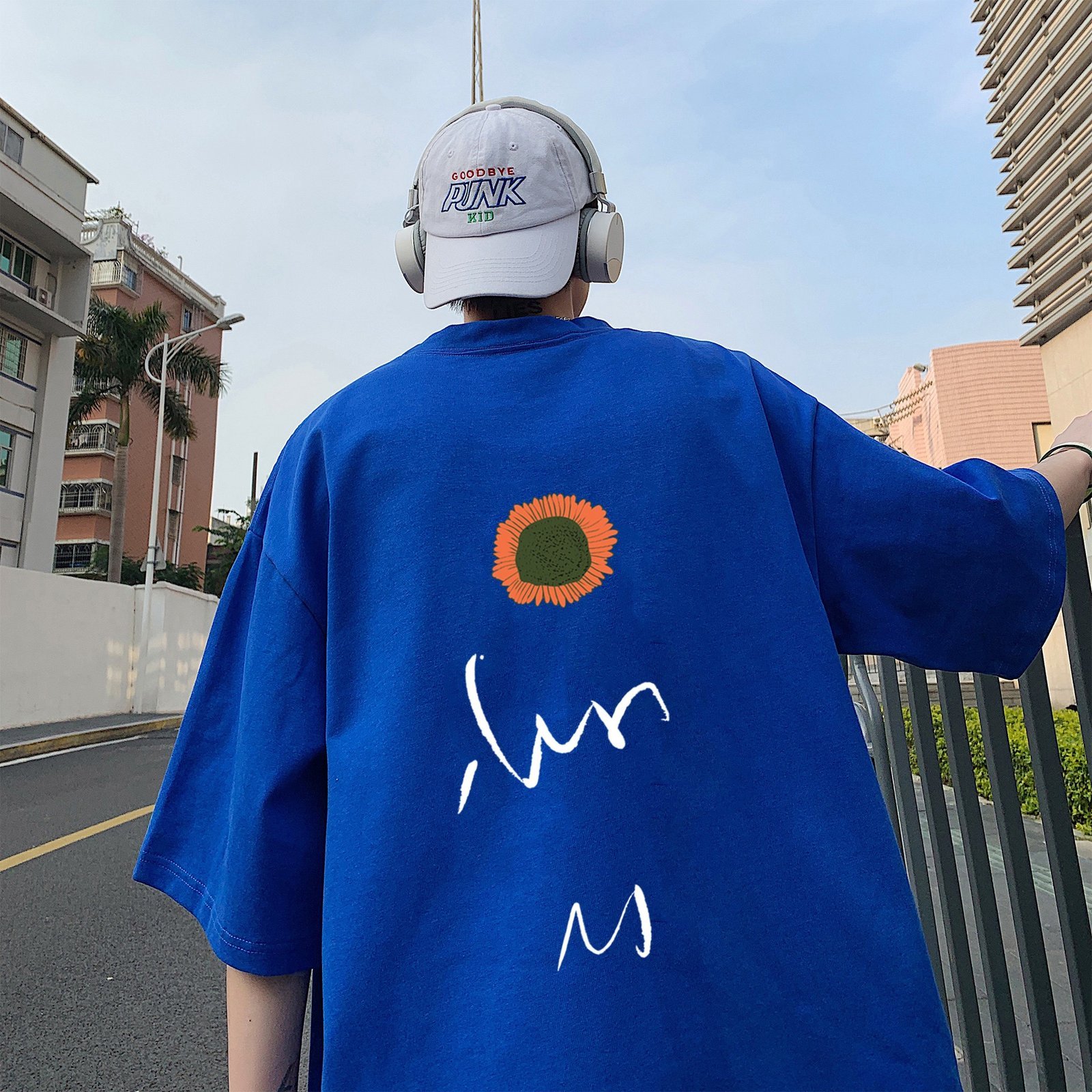
Cotton-poly blends (65/35 to 80/20) at 200–320 GSM resist over-damage better than 100% cotton because polyester fibers hold structural integrity during aggressive enzyme or acid wash cycles.
Twill at 220–340 GSM responds predictably to sand wash, developing a brushed, relaxed texture without pilling — a reliable choice when batch-to-batch consistency matters.
Fleece and Jersey for Soft Distress

Ring-spun cotton jersey at 160–260 GSM is the lightest viable base for bleach and enzyme wash, producing an ultra-soft, slightly shrunken hand feel well suited to T-shirts and casual cuts.
Cotton-back fleece at 280–380 GSM develops a pilled, worn-in surface under enzyme wash — the standard construction for distressed hoodies and crewnecks in streetwear collections.
5. Customization & Branding Options for Distressed Garment Wash
Layering branding over a distressed garment wash requires sequencing know-how — the wrong order compromises ink adhesion, dye uptake, or embroidery stability. Each decoration method interacts differently with a pre-worn surface.
Wash-Before-Print Sequencing Rules
Industry standard runs washing first, then printing: distressing opens cotton fibers and creates surface texture that discharge inks penetrate naturally. Printing before washing risks cracking or peeling as enzyme or stone wash cycles flex and stress the ink film.
For plastisol on pre-distressed fabric, specify a soft-hand additive (5–10% by weight) to maintain flexibility. Sample at least 12 pieces before committing to a 100+ unit production run.
Discharge vs. Plastisol Screen Printing
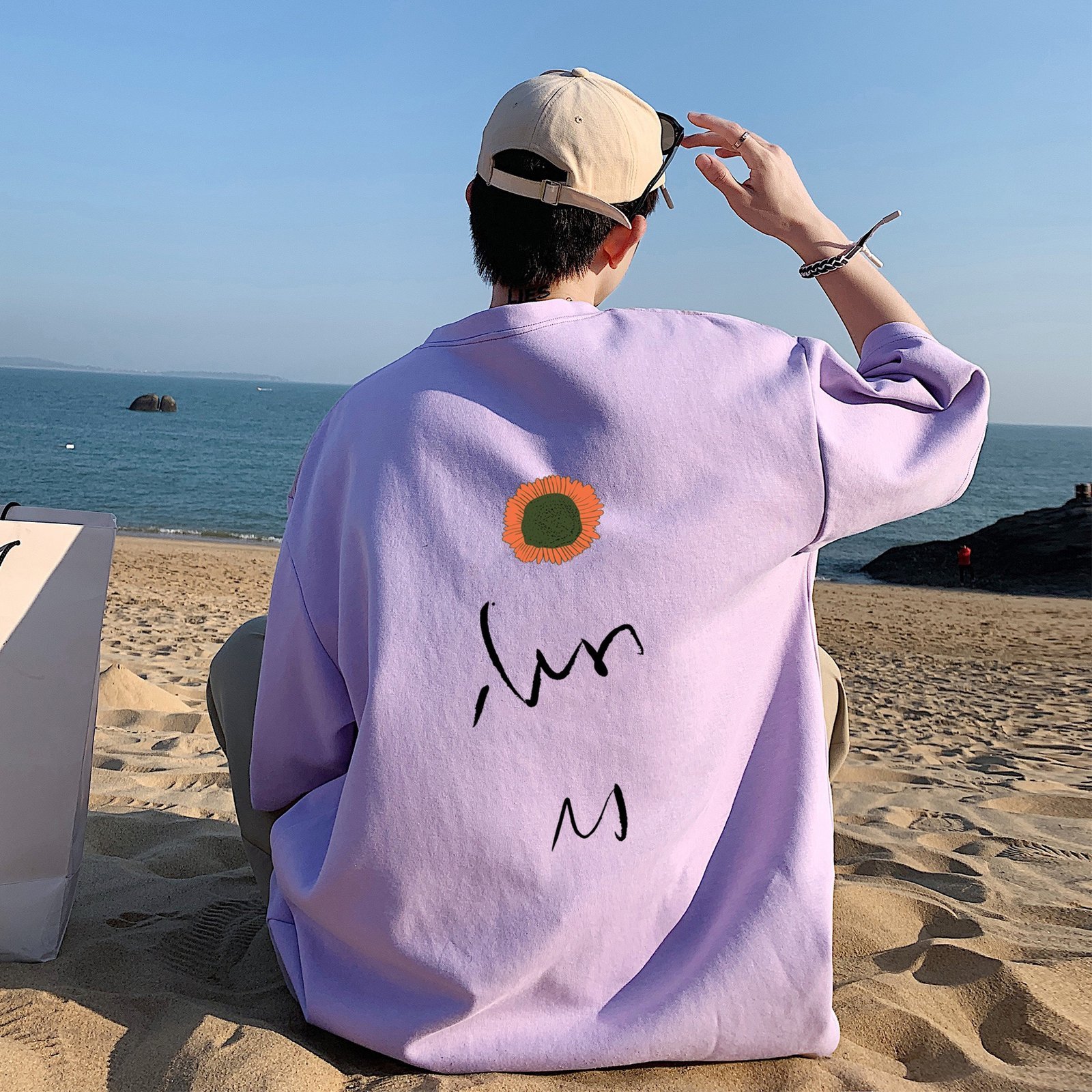
Discharge printing removes dye rather than layering on top, producing soft, breathable graphics that suit vintage-feel distressed pieces — practical up to 6 spot colors. Plastisol delivers sharper opacity but needs a finer mesh count (160–200) to avoid over-deposit on unevenly worn zones.
Embroidery, Patchwork, and Heat Transfers
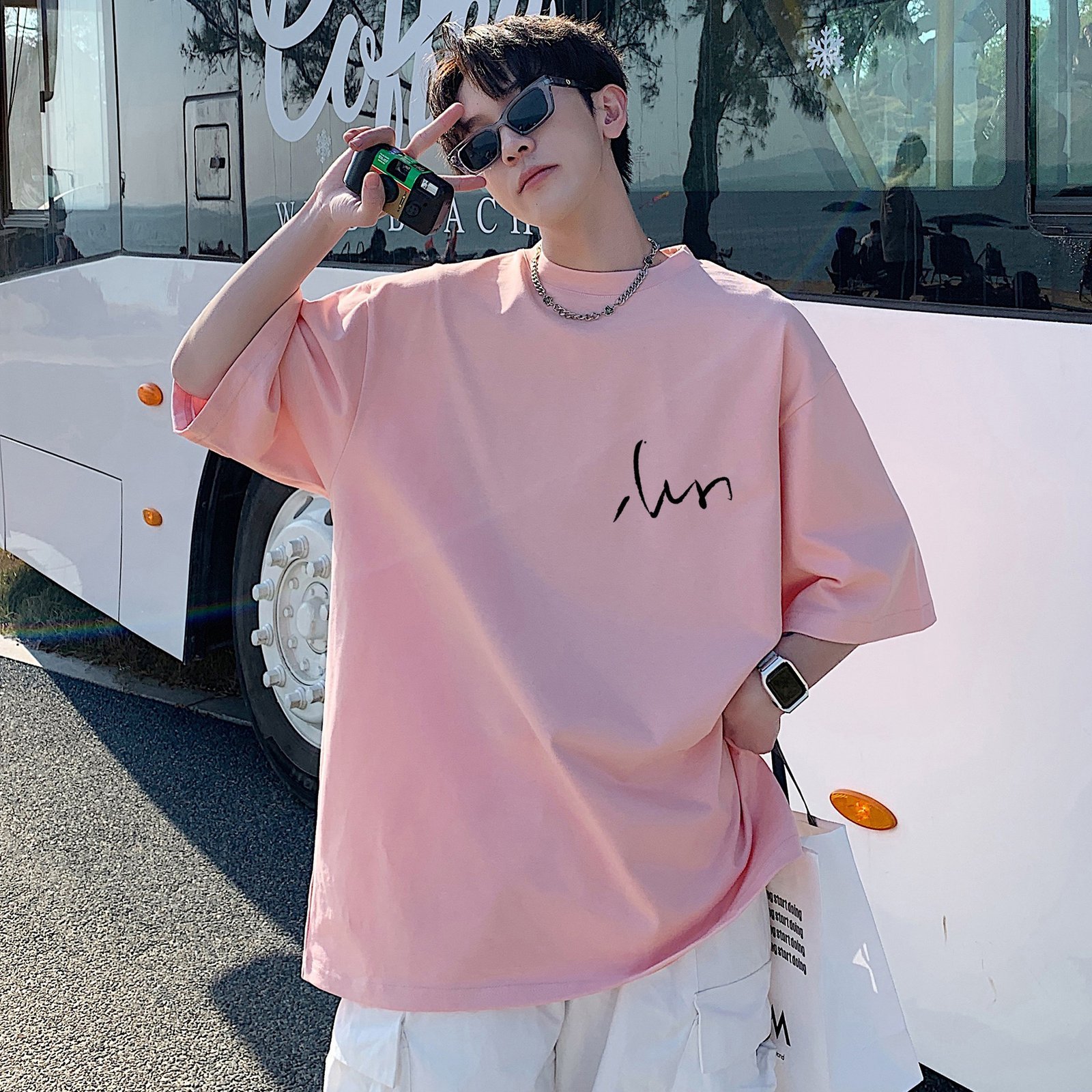
Embroidery on distressed fabric requires tear-away or cut-away stabilizer backing to prevent puckering over thinned areas; keep stitch density under 12,000 stitches per logo to avoid weight distortion. Woven or chenille patches stitched post-wash add layered texture without adhesion risk.
DTF heat transfers applied post-wash bond well at 160–170°C for 12–15 seconds — avoid pressing directly over heavily abraded zones where fabric count is reduced.
Overdyeing and Custom Labels for Brand Identity
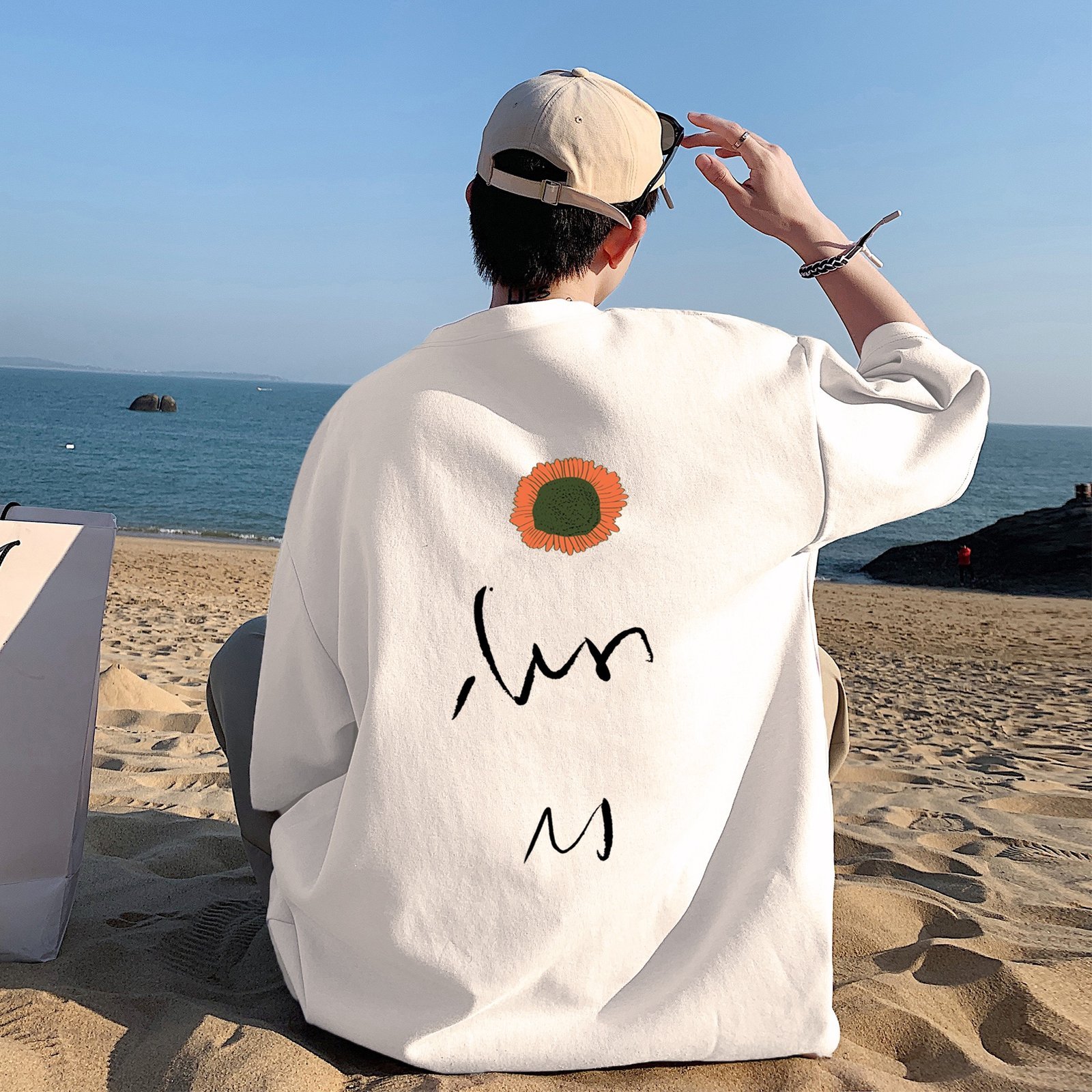
Overdyeing post-distress shifts color while preserving worn gradients — bleached denim overdyed garment-black yields complex, multi-tonal depth valued in premium streetwear. Apply custom woven labels, leather heat-stamp patches, or silicone tags after all wash and dye stages to prevent shrinkage or color bleed.
Direct neck prints using water-based ink replace tear-away labels at MOQs of 100+ pieces, cutting cost and reducing material waste.
6. Key Quality Elements in Distressed Garment Wash Production
Distressed garment wash adds complexity at every QC stage. Buyers who define measurable pass/fail benchmarks upfront — rather than relying on end-of-line visual checks — catch defects early and protect margin.
Evenness and Colorfastness Standards
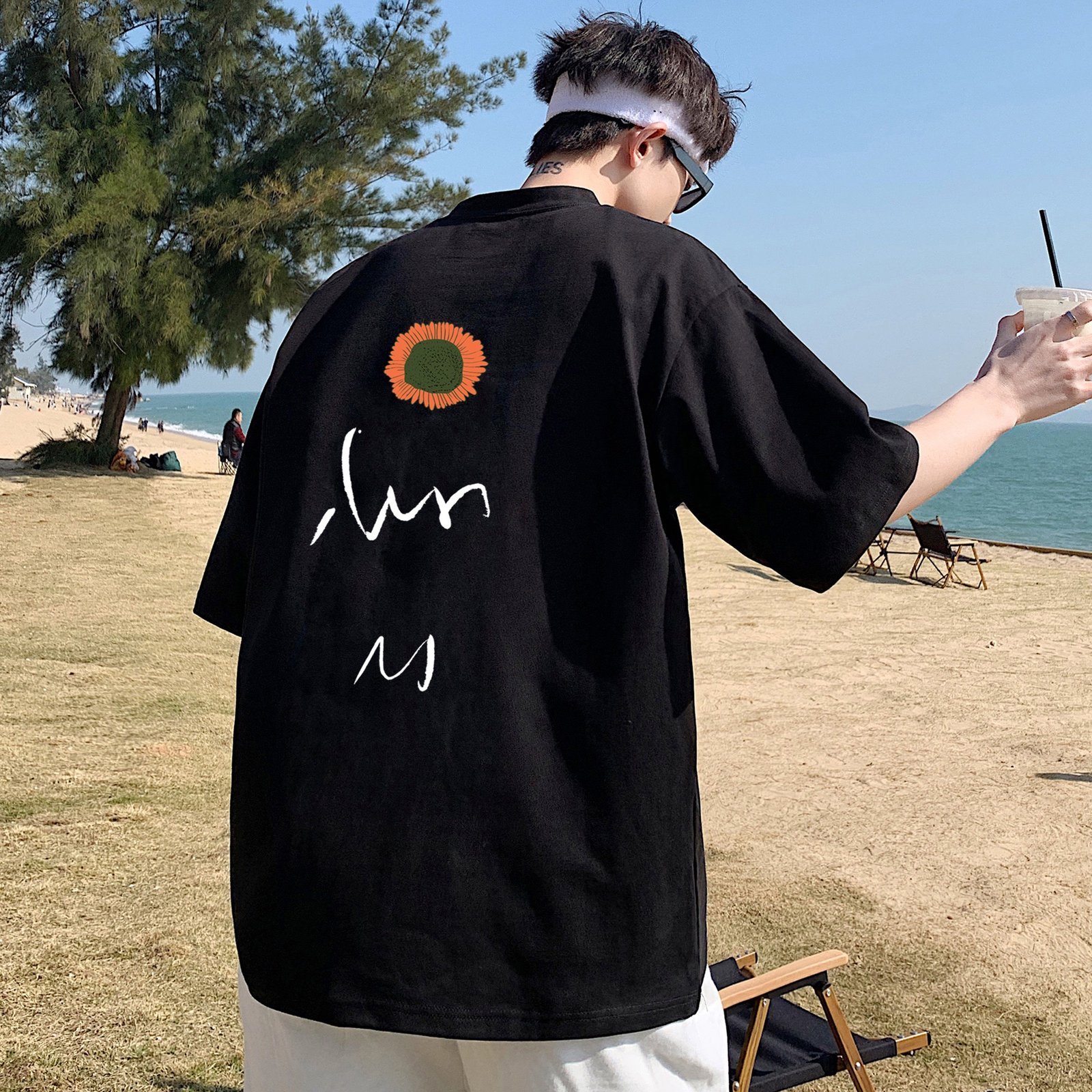
Measure fade-zone variance against a sealed pre-production sample; ±5% is the accepted tolerance across a production run. Require ISO 105-C06 wash fastness and ISO 105-X12 rubbing fastness at Grade 4 minimum on the 1–5 scale. Batch-to-batch shade must stay within a Pantone DE tolerance of 1.5.
Seam Integrity and Tensile Strength Post-Wash
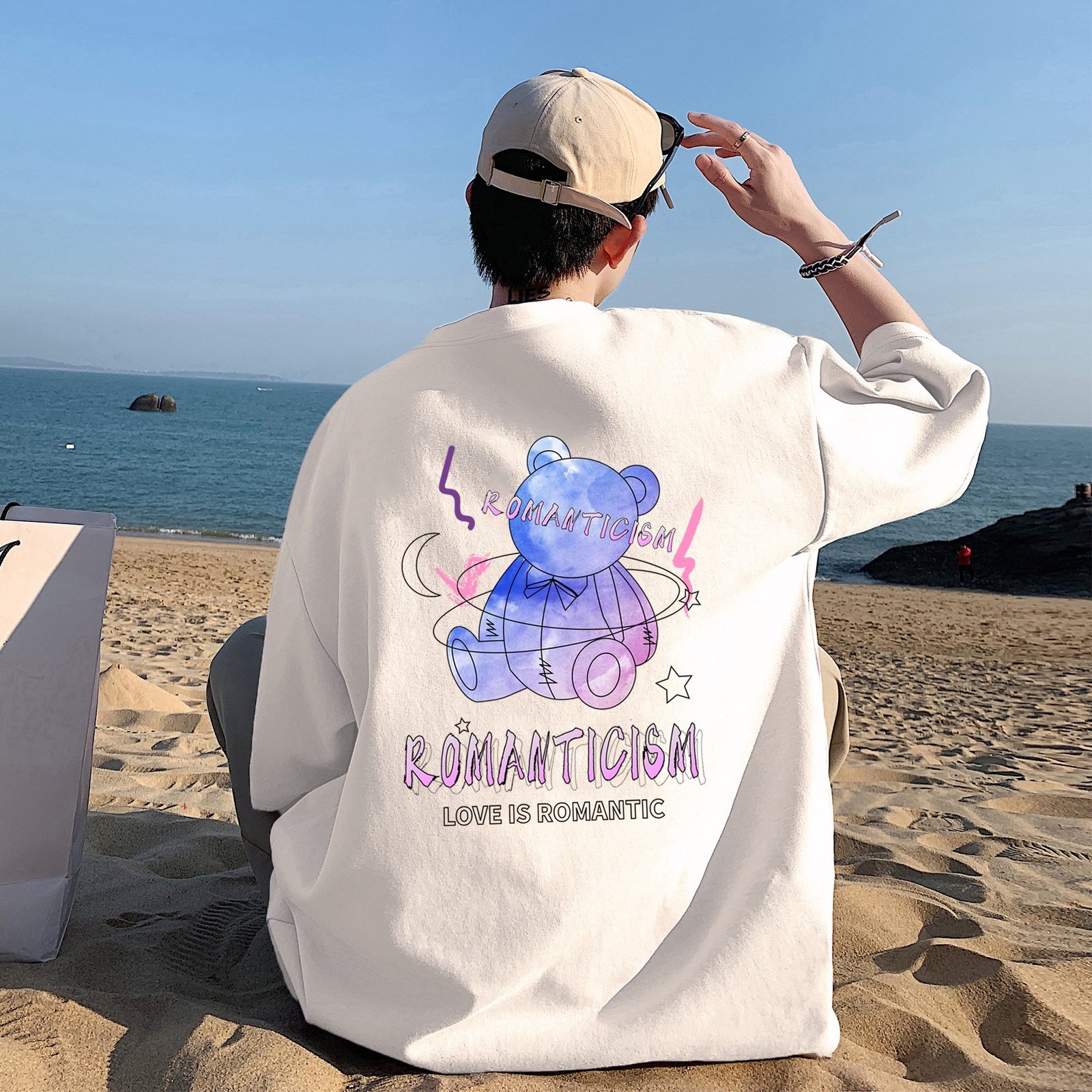
Stone-wash and enzyme cycles place 30–50% more mechanical stress on seams than standard laundering; specify flatlock or double-needle construction at all high-stress points. Post-wash, ASTM D434 seam slippage tests must clear 25 lbs minimum, and ISO 13934-1 warp/weft tensile must clear 200 N on 280–320 GSM denim.
AQL Checkpoints and Buyer QC Checklist
AQL 2.5 is the standard threshold for critical defects; AQL 4.0 covers minor cosmetic flaws. Add a dedicated wash-effect line item to your inspection table — inspectors routinely miss it under a generic ‘appearance’ category.
- Distressing evenness: ±5% fade-zone variance vs. sealed pre-production sample
- Colorfastness: ISO 105-C06 and ISO 105-X12 at Grade 4 minimum
- Seam pull: ≥25 lbs post-wash per ASTM D434
- Tensile strength: ≥200 N warp and weft per ISO 13934-1
- Batch shade: Pantone DE ≤1.5 vs. approved color standard
7. How to Choose a Distressed Garment Wash Manufacturer
Selecting the right manufacturer for distressed garment wash production separates brands that scale from those stuck reordering damaged goods. Vet every supplier across five dimensions before committing to any production run.
Certifications to Require Before Signing
Require OEKO-TEX Standard 100 for chemical safety, GOTS for organic fiber claims, and ISO 9001 for quality management systems. WRAP certification signals ethical labor practices.
Always request current certificates — vendors unable to produce valid documentation within 48 hours of request should be disqualified immediately.
Sample Turnaround and MOQ Norms
Reputable factories deliver development samples in 7–14 days and production-confirm samples in 3–5 days. MOQ for small runs typically starts at 50–100 pieces per colorway; scale orders begin at 300–500 pieces.
Factories refusing trial-run MOQs under 200 pieces — with no negotiation — signal inflexibility toward early-stage and emerging brands.
In-House vs. Outsourced Wash Facilities
An in-house wash facility gives manufacturers direct control over stone wash, enzyme wash, and acid wash outcomes — critical for batch-to-batch consistency. Outsourced washing adds 3–7 days to lead times and introduces a second quality-failure point.
Request a facility tour or video walkthrough and confirm who physically owns the wash step before signing any contract.
Red Flags to Watch For
Beyond certifications and timelines, specific warning signs reveal a vendor’s true quality posture before any deposit is paid.
- No valid OEKO-TEX or ISO 9001 certificate available on request
- Wash facility is third-party with no buyer audit rights
- Sample lead times quoted beyond 21 days for standard styles
- QC checks happen only at final inspection, not mid-production
- No NDA or IP confidentiality agreement offered for design files
Decision Rubric: Reliable Partner vs. Low-Quality Vendor
A reliable distressed garment wash partner owns its wash process, enforces mid-production QC at cutting and sewing stages, and responds to inquiries within 24 hours. Low-quality vendors outsource washing without disclosure and inspect only finished goods.
Embedded quality control throughout every production stage — not end-of-line inspection alone — is the non-negotiable differentiator.
8. Common Mistakes Buyers Make with Distressed Garment Wash
Even experienced buyers lose money on distressed garment wash orders through avoidable, repeatable errors. Six mistakes account for most rework costs, rejected shipments, and brand-damaging inconsistencies that could be caught before bulk production begins.
Skipping Pre-Production Wash Samples
Factories allocate 5-10 pieces for wash strike-offs before bulk cutting. Skipping this step leaves distress patterns in a 300-unit run varying 30-40% from your reference garment.
Fix: require a signed-off wash sample before any cutting order is issued.
Failing to Define Distress Intensity
‘Heavy distress’ reads differently in every factory. Without a 1-5 intensity scale pinned to your tech pack, suppliers default to their house standard.
Fix: define distress levels numerically and include a physical swatch or approved photo reference with each purchase order.
Ignoring Post-Wash Fabric Weight
Wash processes can strip 5-15% of fabric weight as fibers break down. Specifying 180 GSM for a garment meant to finish at 220 GSM post-wash yields sheer, structurally weak pieces.
Fix: state post-wash GSM targets explicitly in your tech pack, not pre-wash weights.
Ordering Bulk Without Consistency Testing
Color and distress variation is the top complaint in bulk distressed garment wash orders. Without a 20-30 piece pilot lot test, distress depth can diverge beyond acceptable tolerances.
Fix: contractually require a pilot wash consistency report before approving full production.
Overlooking Chemical and Wastewater Compliance
Potassium permanganate and sodium hypochlorite — common in distress washing — require licensed wastewater treatment under local discharge laws and OEKO-TEX standards. Non-compliant suppliers expose buyers to EU and US import restrictions.
Fix: request a chemical discharge compliance certificate before placing any bulk order.
Confusing Technique Names Across Factories
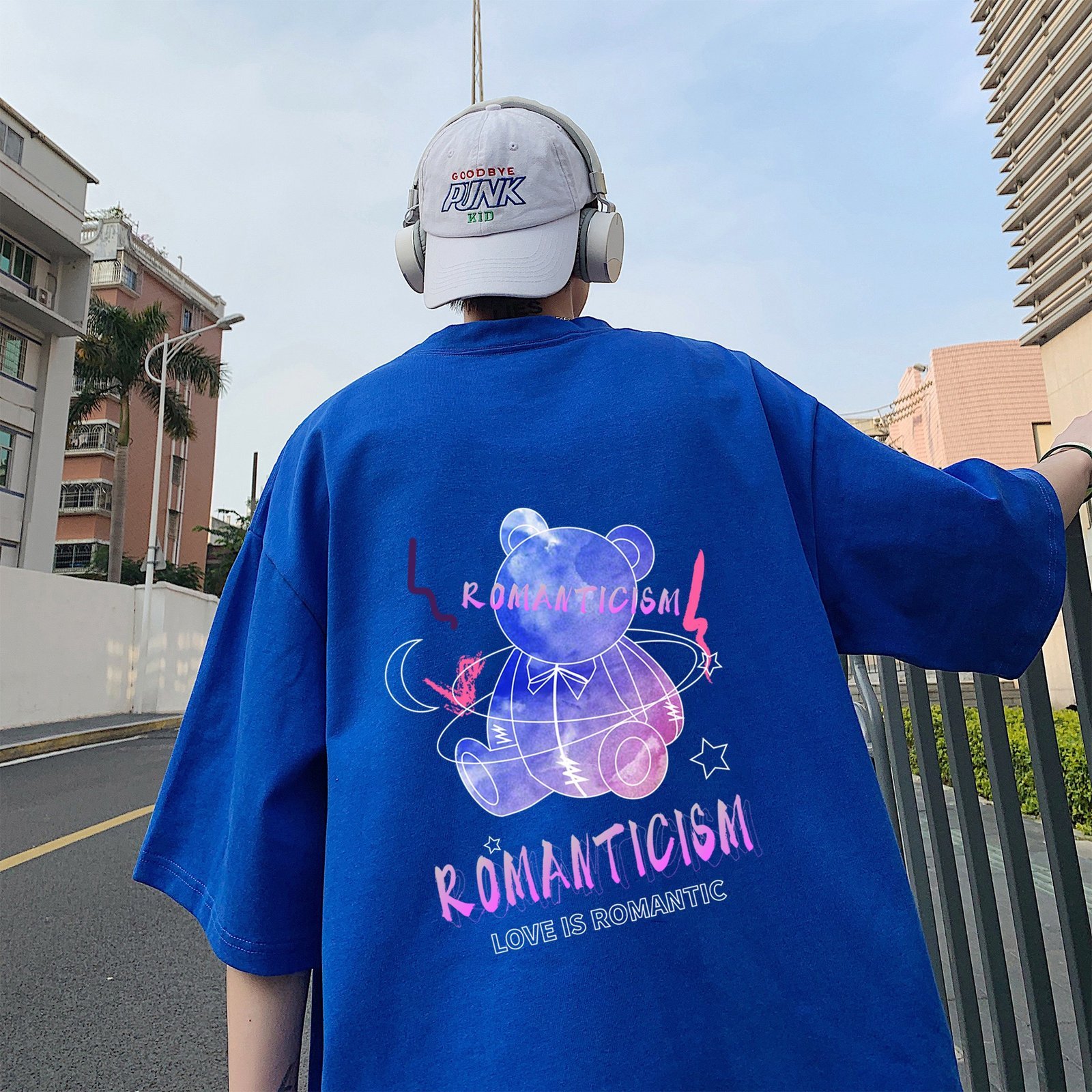
‘Acid wash,’ ‘enzyme wash,’ and ‘stone wash’ mean different things across factories, yet buyers often use them interchangeably. Referencing only a technique name without a visual causes mismatched deliveries.
Fix: attach an approved output photo to every purchase order alongside the technique name.
9. Steps to Launch Your Brand with Distressed Garment Wash
Launching a distressed garment wash line requires deliberate sequencing — aesthetic clarity first, then material and technique selection, then production. Each step builds on quality foundations covered in earlier sections of this guide.
Define Your Distressed Aesthetic with Mood Boards
Compile a mood board referencing the design motifs discussed in Section 3 — acid wash, enzyme stonewash, or sandblasted effects. Specify Pantone color references and distress intensity levels (light, medium, heavy) before contacting any manufacturer.
Select Your Base Garment and Wash Technique
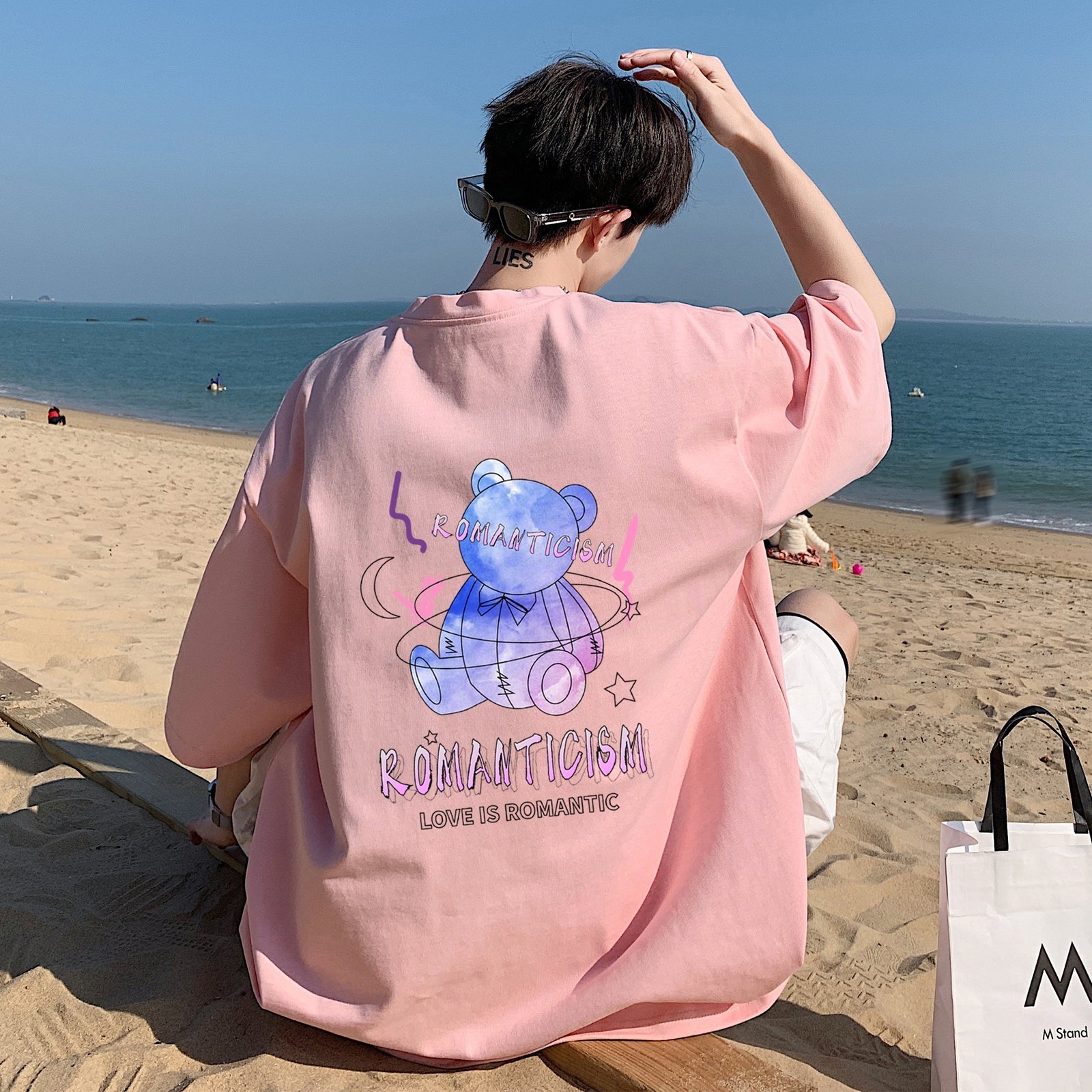
Choose ring-spun 100% cotton or a cotton-polyester blend in the 280–320 GSM range for heavyweight streetwear pieces, as outlined in Section 4. Match your aesthetic to the technique — enzyme wash for even, subtle fading; bleach splatter for high-contrast street looks.
Request and Evaluate Pre-Production Samples
Order samples from at least two manufacturers before committing to a production run. Assess wash consistency, seam integrity after distressing, and colorfast ratings — Section 6 details the key quality benchmarks to apply at this stage.
Finalize QC Standards in a Written Spec
Document acceptable distress variance in a written QC spec sheet, referencing the standards in Section 6. A manufacturer running a five-step QC process — covering materials, cutting, craft, sewing, and finished goods — should formally sign off on these specs before production begins.
Place Your Production Run with Milestone Approvals
Structure the production order with staged approvals: pre-production sample sign-off, mid-run inline inspection, and a pre-shipment final check. Most factories set MOQ at 100–300 pieces per colorway; confirm lead times (typically 30–45 days) as covered in Section 10.
Plan Packaging and Labeling for the Distressed Look
Distressed garments benefit from packaging that echoes their raw aesthetic — kraft paper wraps, recycled poly bags, or custom hang tags with worn textures. Confirm OEKO-TEX certification documentation is included with your label bundle if targeting EU or North American retailers.
10. Distressed Garment Wash Pricing, MOQ & Lead Times
Sampling for a distressed garment wash style runs $100–$300 per style; most factories, including Clothing Manufacturer Ltd., credit that fee against bulk production when orders are confirmed within 60 days of sample approval.
Two factors reliably push unit costs above the table ranges: manual distressing — hand-sanding, pumice rubbing, or operator-applied bleach spotting — adds $2–$6 per piece over automated processes, while double-process orders combining stone wash with laser detailing raise overall unit costs 20–35% across every tier.
Fifty-piece minimums are achievable when buyers consolidate colorways into one wash recipe and propose a rolling blanket order over 3–6 months; factories backed by established parent-company production capacity bear lower per-run overhead and can pass that advantage forward on repeat streetwear programs.
| Qty Tier | Technique | Unit Price (USD) | Sample Cost | Lead Time |
|---|---|---|---|---|
| 50 pcs | Enzyme wash | $18–$26 | $120–$180 | 20–25 days |
| 100 pcs | Enzyme wash | $14–$20 | $100–$160 | 18–22 days |
| 100 pcs | Stone wash | $15–$23 | $140–$200 | 20–26 days |
| 300 pcs | Stone wash | $11–$16 | $140–$200 | 22–28 days |
| 500 pcs | Laser distress | $9–$14 | $200–$300 | 25–32 days |
| 1,000+ pcs | Any technique | $6–$11 | $80–$140 | 30–45 days |
Launch Your Distressed Garment Wash Collection Today
Request a free sample wash, lock in low MOQ pricing, and trust our 5-step QC guarantee for flawless results.