
Bleach Wash Apparel Built for Authentic Streetwear Collections
From emerging labels to global retailers, our bleach wash garments deliver the vintage-worn aesthetic your customers crave — backed by a 5-step QC guarantee and low MOQ.
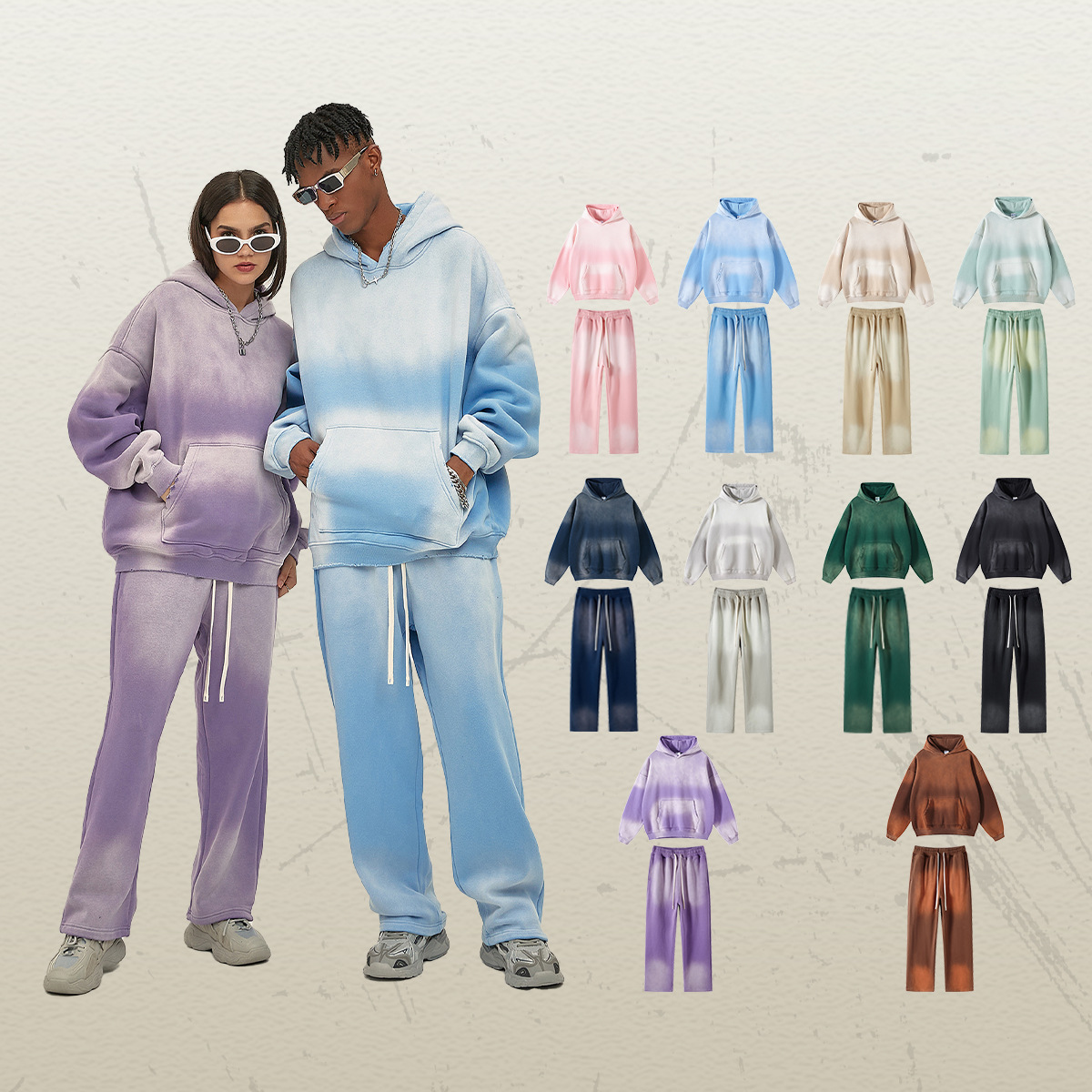
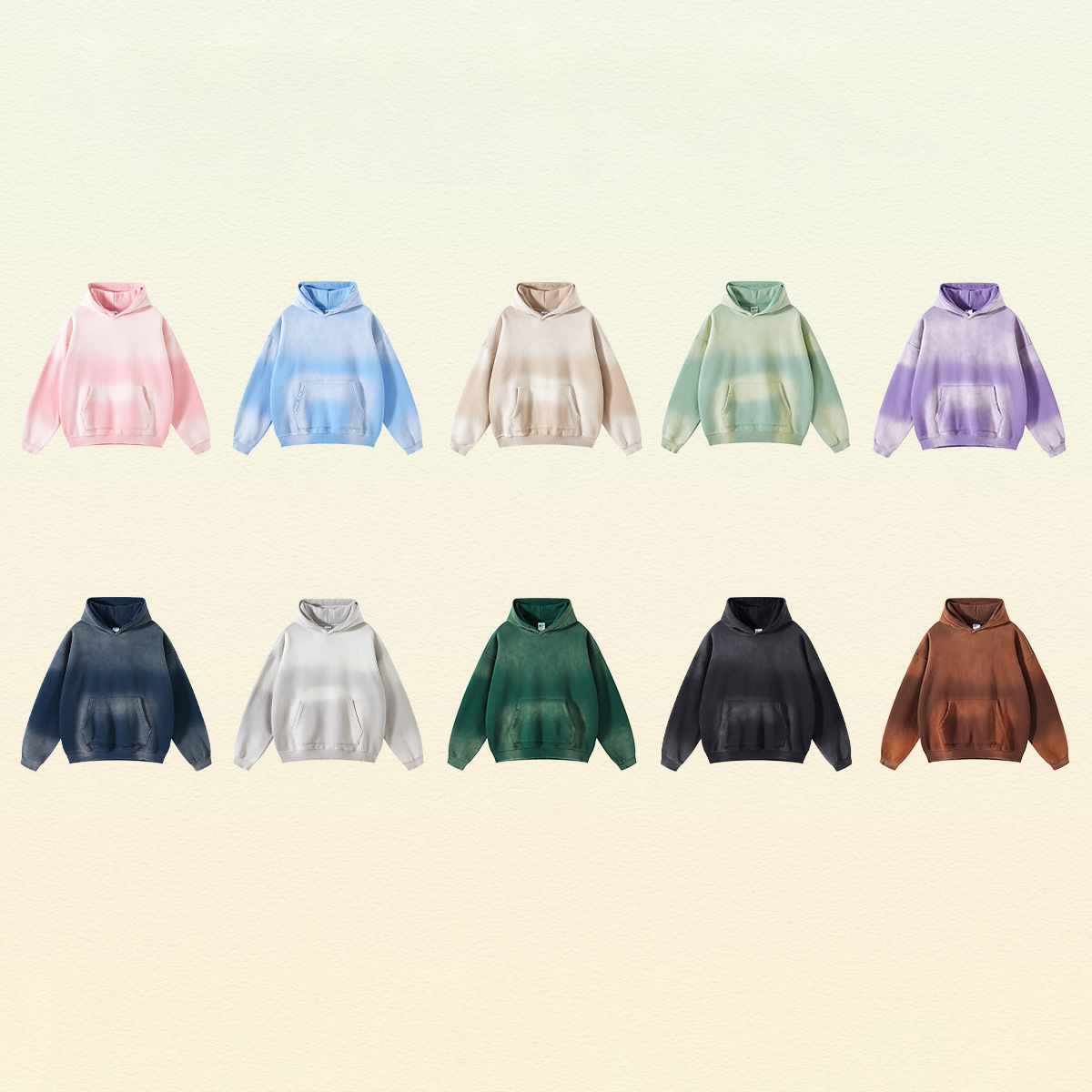
Bleach Wash Sample Gallery
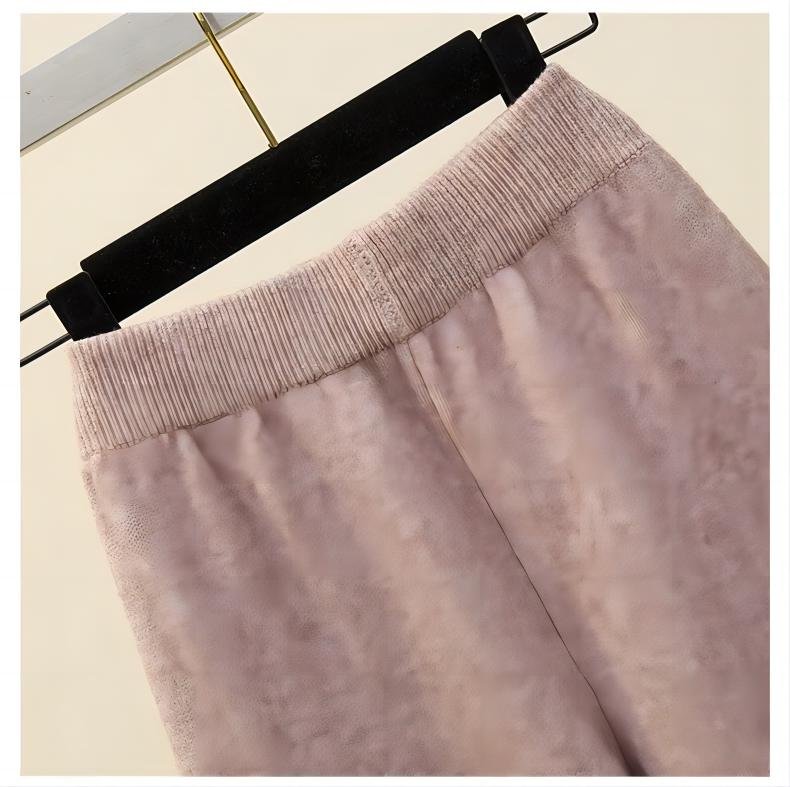
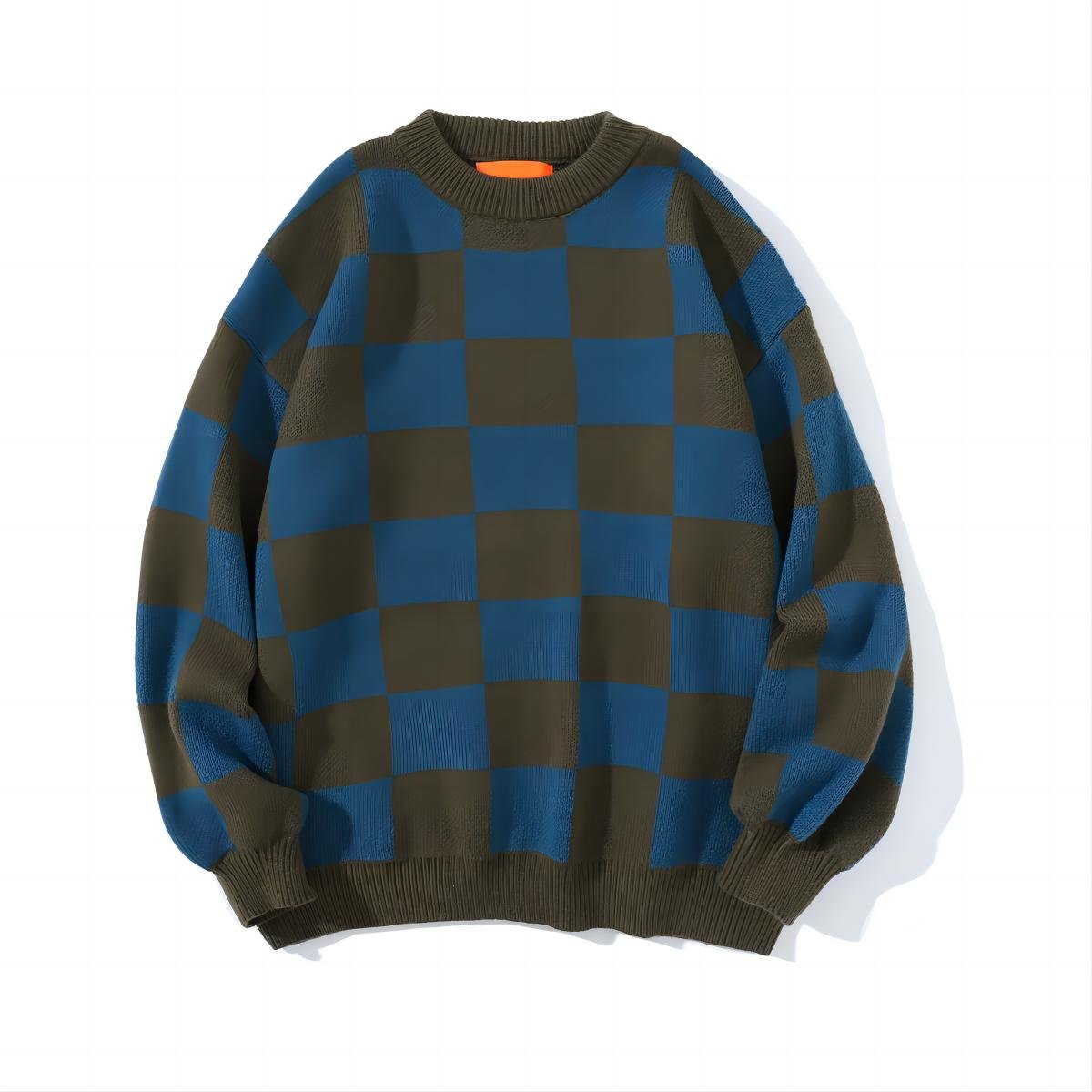
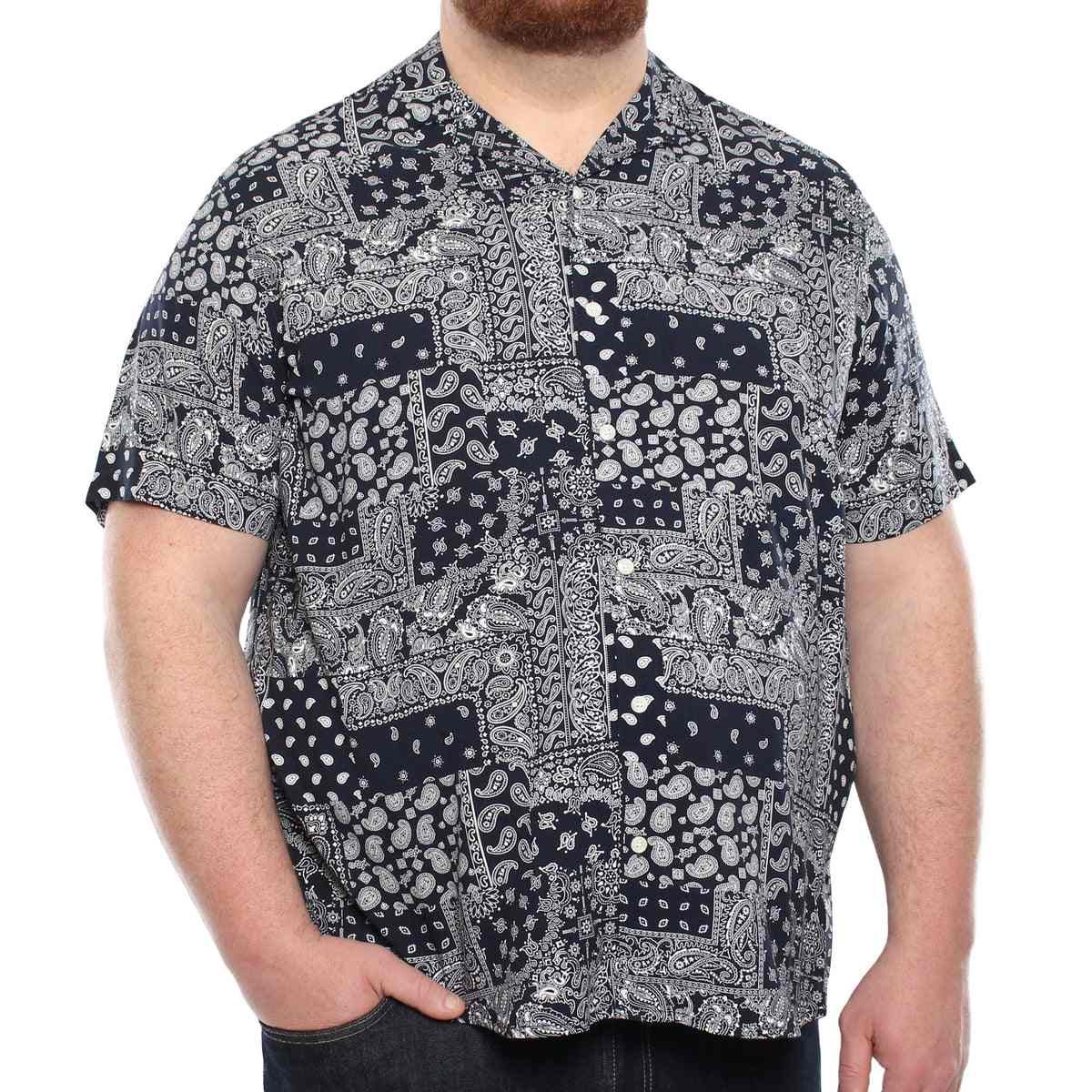
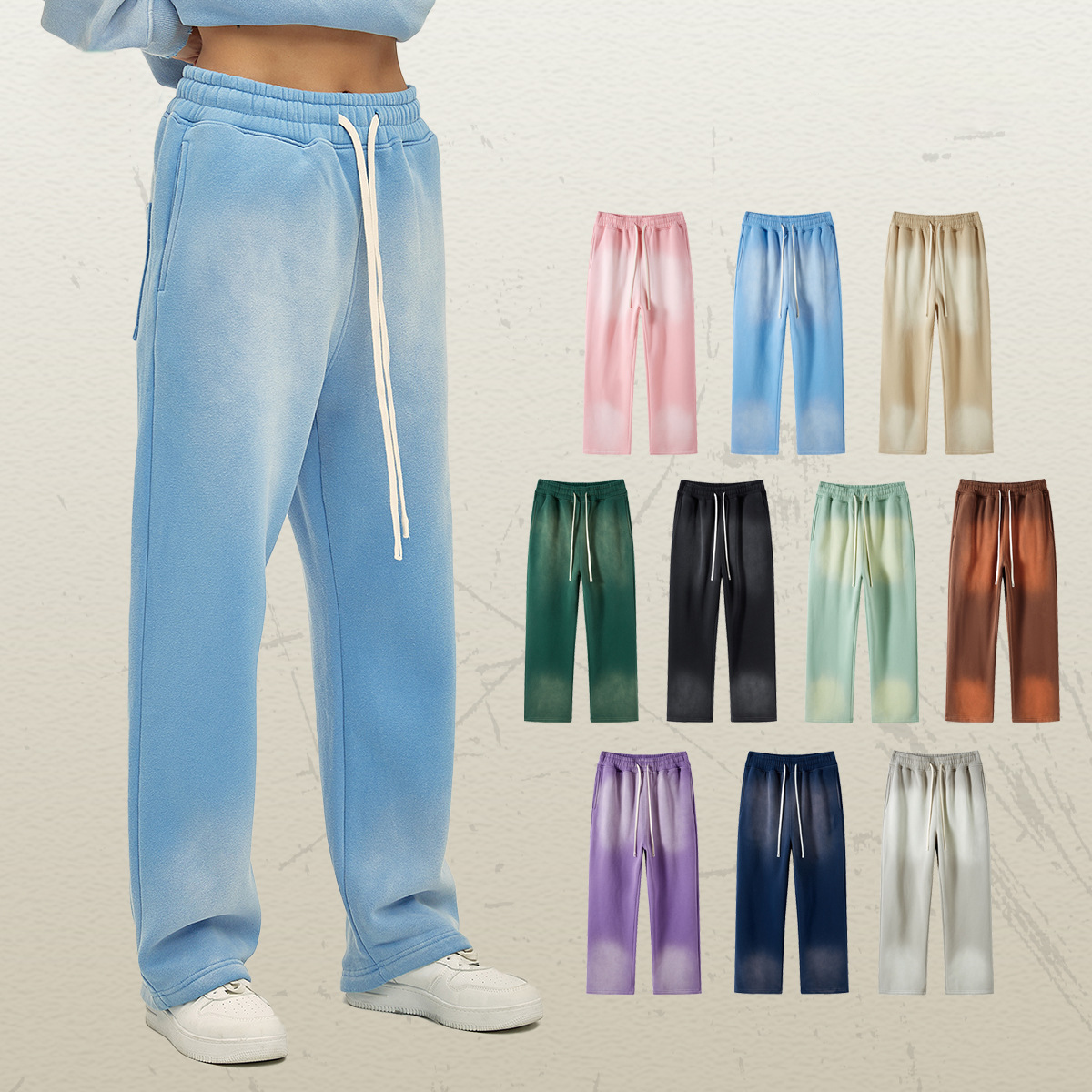
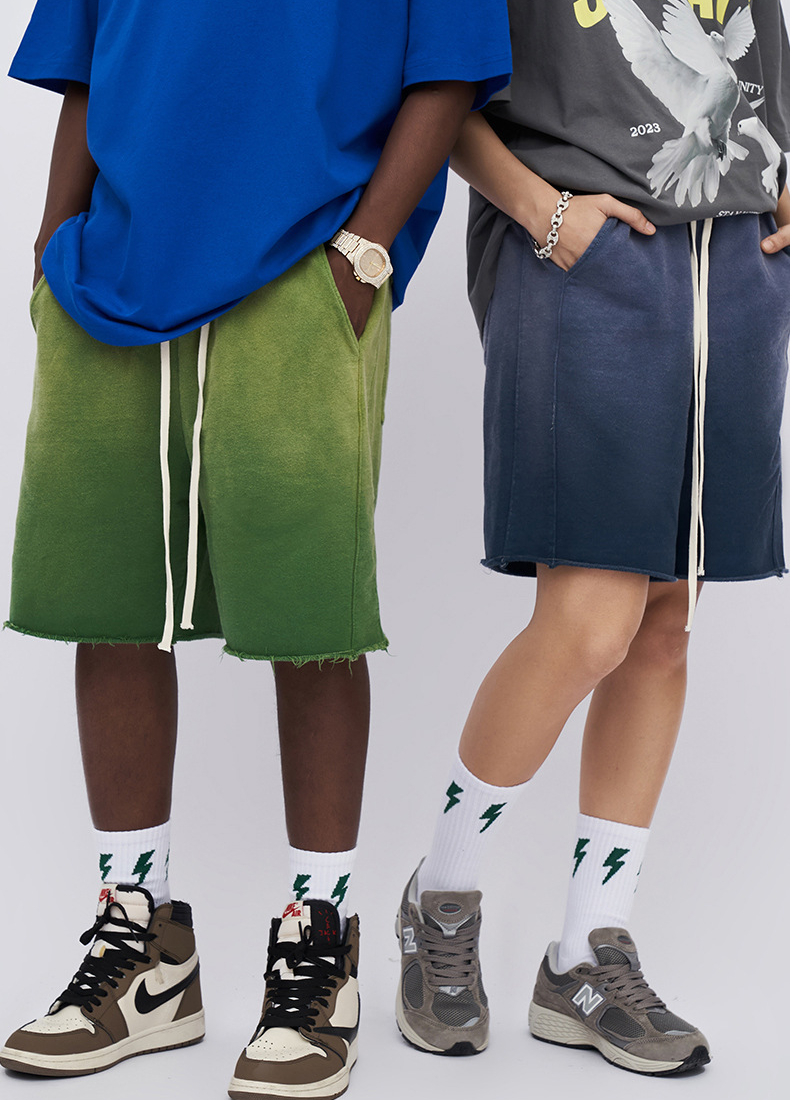
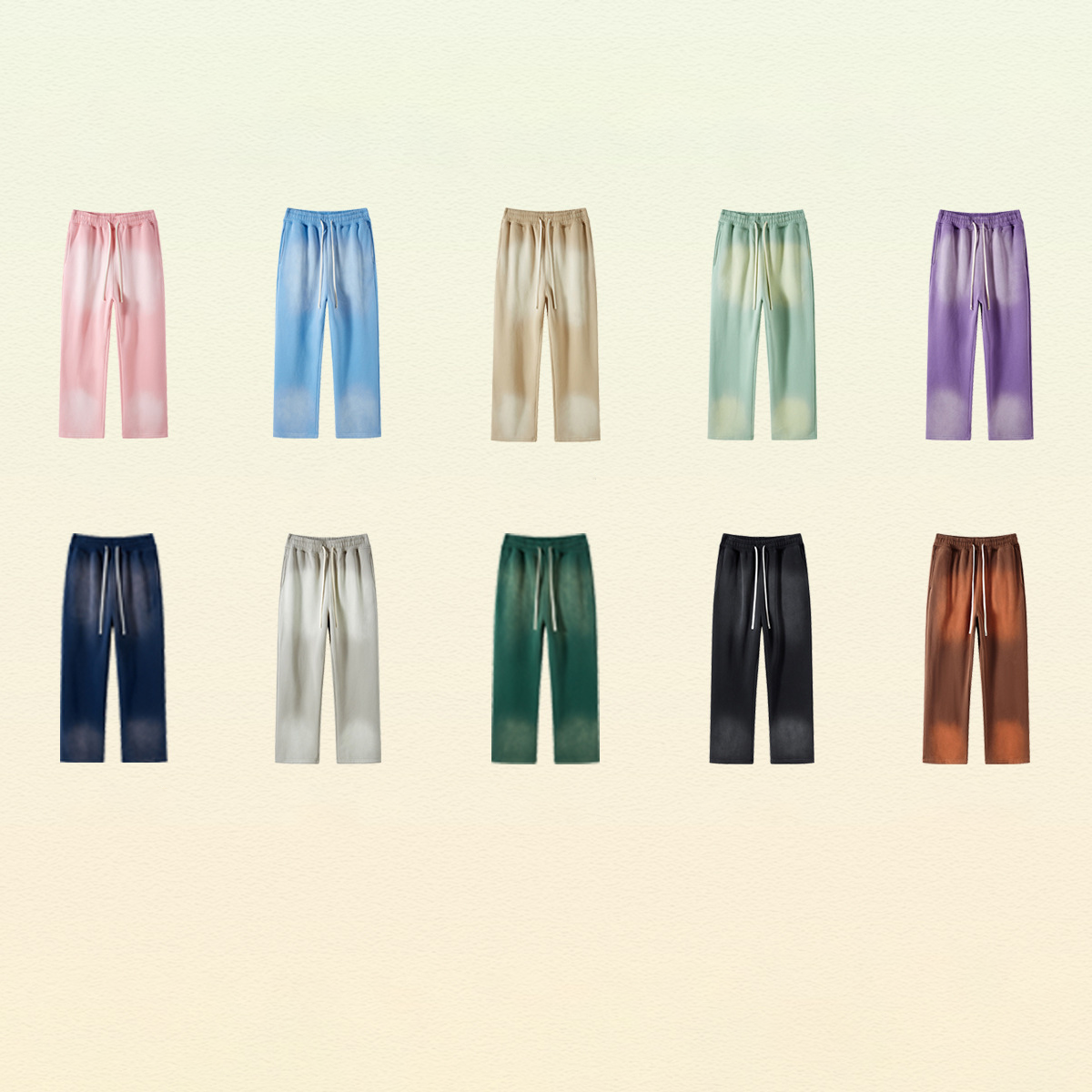
Why Bleach Wash Stands Out
From unpredictable color breaks to sun-faded depth, bleach wash delivers the raw, streetwear-authentic edge that trend-driven brands demand — backed by rigorous quality at every step.
One-of-a-Kind Color Variation
Each garment develops its own unique fade pattern, making every bleach wash piece a distinct, unrepeatable statement for your brand.
Authentic Vintage Aesthetic
The sun-bleached, worn-in look channels retro streetwear culture, resonating with consumers who value bold, nostalgic self-expression.
Controlled, Precision Fading Patterns
Skilled technicians apply bleach with precision to achieve consistent yet organic fade effects across every production run.
Color Stability After Washing
Once neutralized and set, bleach-treated colors remain locked in through repeated laundering without further unwanted fading or bleed.
5-Step QC-Backed Durability
Every bleach wash garment clears our 5-step quality control process, ensuring structure, finish, and consistency meet global streetwear standards.
Broad Fabric Compatibility
Works across cotton, denim, and fleece, giving designers maximum creative flexibility for hoodies, tees, joggers, and more.
From Bleach Wash to Tie-Dye: Finishing Techniques for Every Brand
Whether you are building your brand identity around bleach wash or weighing acid wash, stone wash, and enzyme wash alternatives, our production expertise covers every garment finishing technique from sample to scale.
Streetwear Brand Signature Bleach Wash
You need a manufacturer who can deliver a consistent bleach wash aesthetic across large runs — no patchy fading, no batch variation, just the raw vintage look your customers expect.
Our specialized bleach wash production and 5-step QC guarantee deliver uniform distressed results every time, with low MOQ options ideal for emerging streetwear labels and limited drops.
Startup Exploring Acid Wash Alternatives
You want the edgy, washed-out aesthetic of acid wash but need expert guidance on whether bleach wash, snow wash, or enzyme wash better suits your fabric and brand story.
Our in-house design and sampling team walks you through every garment finishing option, helping you find the perfect look before committing to a production run.
Retailer Sourcing Stone Wash Basics
Your buyers demand consistent stone wash texture and fade depth across bulk orders — any inconsistency leads to costly returns and damages the supplier relationships you have spent years building.
Our stone wash production line maintains uniform results at scale, backed by our 5-step QC process and global shipping support to keep your retail buyers fully satisfied.
Influencer Brand Launching Tie-Dye Drops
Tie-dye and hand-dye drops demand precise color registration and consistency across hundreds of units — one off-color batch can derail a launch and disappoint a highly engaged audience.
We deliver consistent tie-dye results with fast turnaround designed for limited creator drops, helping you ship on schedule and sustain the momentum your followers expect.
Designer Adding Enzyme Wash Basics
Soft, lived-in enzyme wash pieces require fabric choice, garment construction, and wash chemistry to align precisely — without specialist guidance, the result falls short of the premium hand-feel you envision.
Our 15-member R&D team advises on fabric and construction choices to maximize enzyme wash results, delivering the soft, elevated finish that justifies a higher retail price point.
Bleach Wash Excellence, Earned on the Factory Floor
Clothing Manufacturer Ltd. was founded in 2024 by Tesla Luo, a garment industry veteran with over 10 years of production experience — including 6 years dedicated to streetwear. Raised by senior apparel professionals and trained on factory floors from childhood, Luo built this company around one conviction: every bleach wash piece leaving our facility must meet a standard the broader market rarely delivers.
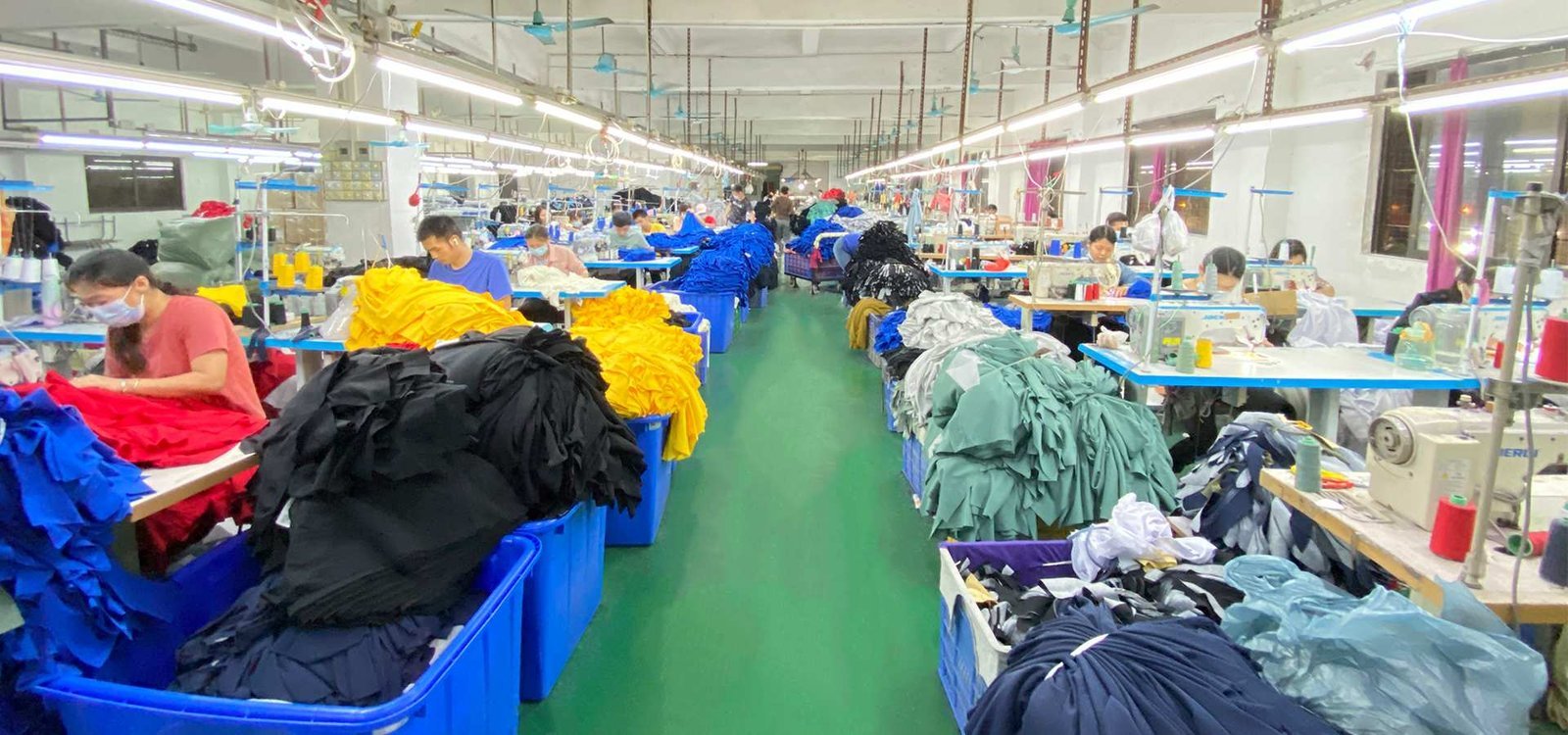
Based in Humen Town, Dongguan — China’s historic garment manufacturing hub — we combine the focus of a streetwear specialist with the infrastructure of our parent company, Dongguan TuoZhen Clothing Co., Ltd. Our 15-member R&D team and 10 proprietary production patents support everything from fabric selection and bleach wash finishing to pattern development, cutting, sewing, and packaging, taking brands from first sample to full-scale production.
What sets us apart is our proprietary five-step quality control process — embedded at materials, cutting, craft, sewing, and finished garment stages, not tacked on at the end. Whether you are launching your first bleach wash collection or scaling an established streetwear label, we offer low MOQs, fast seasonal turnarounds, and global logistics support reaching customers in over 100 countries and regions.
The Bleach Wash Technique: Controlled Chemistry for Consistent Finishes
Precision Chemical Formulation for Every Fabric
Our bleach wash process begins with exact sodium hypochlorite concentration ratios calibrated to each fabric weight and fiber blend, delivering vibrant, even fading without compromising tensile strength or shortening the garment’s wearable lifespan.
- Fabric-specific concentration charts built from years of streetwear and influencer line production data
- Sodium thiosulfate neutralization halts oxidation precisely at the target tone — no over-bleaching
- Separate formulas for 100% cotton, cotton-poly blends, and heavyweight fleece constructions
- Every batch logged and traceable back to our 5-step QC materials testing record
Temperature and Agitation Timing Done Right
Consistent bleach wash results depend on tightly controlled water temperature bands and precisely timed agitation cycles. We calibrate both variables per garment category so every unit in a production run achieves the same finish depth.
- Water temperature held within plus or minus 2 degrees Celsius throughout the full wash cycle
- Agitation speed and duration programmed independently for lightweight tees, midlayers, and heavy fleece
- Timed pre-soak phases allow bleach to penetrate evenly before mechanical agitation begins
- Real-time cycle monitoring during sewing production QC catches deviations before an entire batch is affected
Water Chemistry and pH Balance at Every Stage
Hard water minerals and pH drift are silent causes of streaking and uneven bleach wash results. Our facility uses softened, pH-monitored water at every wash and rinse stage, eliminating patchiness and protecting fiber integrity.
- Incoming water softened to remove calcium and magnesium deposits before entering any wash drum
- Digital pH meters used at the wash, neutralization, and final rinse checkpoints
- Post-rinse water targets a neutral 6.5 to 7.5 pH to stabilize fabric after bleach exposure
- All chemistry readings recorded under our clothing craft QC testing step for full batch traceability
Multi-Stage Durability Testing Before Orders Ship
Completed garments enter our finished-clothing QC inspection — step five of our proprietary 5-step guarantee — where wash durability, colorfastness, and structural integrity are verified against international standards before a single unit leaves the facility.
- ISO colorfastness-to-washing tests run on representative samples pulled from every production batch
- Seam stress tests confirm bleach exposure has not weakened thread or stitch integrity
- Visual grading under standardized lighting verifies uniform fade tone and pattern consistency across all units
- Only batches clearing every checkpoint proceed to ironing, packaging, and global logistics fulfillment
Bleach Wash vs. Acid Wash: Pick the Right Finish
Both techniques live inside the same distressed-denim family, but they differ in control, versatility, and production demands. Use these side-by-side facts to choose the finish that serves your collection best.
← 左右滑动查看 →
Our Bleach Wash Production Flow
Every garment moves through a tightly controlled, QC-checkpointed sequence — from raw fabric prep to final inspection — so each bleach wash finish ships consistent, on-spec, and on time.
Fabric Pre-Treatment Check
Garments are pre-washed and inspected to strip sizing agents, ensuring uniform bleach absorption and eliminating fabric inconsistencies before the bleach wash process begins.
Bleach Solution Formulation
Technicians precisely calibrate bleach concentration, water temperature, and timing ratios to match your target vintage effect intensity, fabric weight, and garment construction.
Bleach Application and Patterning
Skilled artisans apply bleach solution via spray, dip, or hand-brush techniques, achieving your signature pattern with precise, repeatable placement across every unit in the batch.
Oxidation and Timing Control
Garments undergo timed oxidation in controlled conditions, ensuring uniform fading depth across the full batch while preventing over-bleaching, streaking, or unwanted hot spots.
Rinse and Neutralization
A multi-stage neutralizing rinse immediately halts oxidation, locks in the intended bleach wash finish, and protects long-term fabric strength, color balance, and hand feel.
5-Step QC Final Inspection
Every finished garment clears our proprietary 5-step quality control check covering color consistency, fabric integrity, stitching, measurements, and packaging before global shipment.
How to Order Your Bleach Wash Collection
From first design brief to global delivery — here is exactly how we bring your bleach wash vision to life with premium craftsmanship and zero-compromise quality.
Submit Your Design Brief
Share your artwork, garment specs, and style references. Our in-house design team reviews every detail and aligns your vision with proven streetwear production standards.
Choose Fabric and Fading Intensity
Select from our premium streetwear fabric range and define your bleach wash fading level, from subtle sun-washed tones to bold, high-contrast distressed effects.
Approve Your Pre-Production Sample
We produce a sample so you can verify garment construction, fading pattern, and color accuracy before committing to a full production run. Low MOQ applies.
Begin Production With 5-Step QC
Production launches with our 5-step QC guarantee active at every stage, covering materials, cutting, craftsmanship, sewing, and finished garment inspection to eliminate defects early.
Receive Your Collection Worldwide
Your completed bleach wash collection is packed and dispatched with full global logistics support, meeting fast turnaround deadlines that keep your seasonal drops on schedule.
Success Stories: Bleach Wash That Delivers
We ordered 300 units of bleach wash hoodies for our spring drop and every piece came out with identical fade gradients. Their 5-step QC caught a dye irregularity before full production even started — zero rejects in our launch batch.
Low MOQ was make-or-break for us as a startup. We launched our first bleach wash tee line at just 50 pieces per colorway and sold out in 11 days. The vintage wash depth was exactly what our audience expected from a premium streetwear label.
We needed 500 bleach wash units delivered in under 3 weeks for a collab drop. Clothing Manufacturer Ltd. hit the deadline and our sell-through rate reached 94% in the first weekend. Our followers couldn’t stop talking about the finish quality.
Bleach Wash FAQs
Everything you need to know about fabric compatibility, finish durability, sampling, and ordering — straight from our production team.
What fabrics work best for bleach wash garments?
Can I combine bleach wash with embroidery or screen printing?
How consistent is the color variation in a bleach wash finish across a production run?
How durable is a bleach wash finish after repeated washing?
What is the minimum order quantity for bleach wash apparel?
How long does a bleach wash sample take, and what does it cost?
What art file formats do I need to submit for my order?
What is the production lead time for a full bleach wash order?
Can bleach wash be applied to any garment color?
The Complete Buyer’s Guide to Bleach Wash Apparel
From fabric selection and technique types to supplier vetting and cost tiers — this guide gives streetwear founders and global retailers a clear decision framework, proven quality criteria, and the critical sourcing mistakes to avoid before placing your first order.
1. What Is Bleach Wash and Why It Defines Streetwear
At concentrations between 3% and 15% sodium hypochlorite, bleach wash selectively oxidizes and strips dye from garment fibers, creating the high-contrast, worn-in surfaces that define its commercial appeal. Applied to finished or semi-finished garments — never to raw yardage — it is a post-production finishing process, not a print or graphic technique.
Streetwear’s reliance on bleach wash dates to hip-hop and skate culture’s rise in the 1980s, when visible aging and individuality became deliberate style markers. Vintage resale, limited-edition drops, and influencer-driven collections each exploit the technique’s inherent unpredictability — no two pieces fade identically — making bleach wash a commercially credible scarcity mechanism that printed graphics cannot replicate.
The single most common buyer misconception is categorizing bleach wash as a printing process similar to screen printing or DTG. It is a chemical dye-removal treatment — governed by time, temperature, agitation, and rinse chemistry — that strips pigment from an already-dyed, already-sewn garment rather than depositing any material onto its surface.
Ring-spun 100% cotton in weights from 180 GSM jersey tees to 320 GSM French terry hoodies yields the sharpest bleach contrast and most predictable fade patterns. Poly-cotton blends above 35% polyester resist the chemical reaction and produce muted, inconsistent results, making fiber content the first specification production teams must confirm before any bleach wash run.
2. The Evolution of Bleach Wash in Fashion History
In 1973, punk DIY culture in the UK turned household bleach into a deliberate design tool, damaging denim to signal anti-establishment identity. By the mid-1980s, acid-wash — a commercial variation using pumice stones soaked in chlorine — swept American mass retail, with Levi’s and Lee moving millions of units annually.
By 1991, grunge acts out of Seattle had recast bleach wash as anti-fashion authenticity, appearing on stage-worn flannels and tees that directly influenced Levi’s vintage reissue programs throughout the decade. The look faded commercially after 1998 as clean minimalism dominated early-2000s runways.
Fear of God’s 2013 launch reintroduced heavily bleach-treated denim at price points sometimes exceeding $400 per piece, legitimizing the technique for a new generation of streetwear designers. Brands including Saint Laurent and Off-White subsequently adopted the aesthetic, cementing bleach wash as a luxury-casual crossover rather than a budget DIY finish.
After 2019, resale platforms including Depop and Grailed logged consistent search growth for bleach wash styles, signaling organic consumer demand independent of top-down trend forecasting. Instagram and TikTok amplified independent makers running small-batch bleach wash drops, proving to new brands that strong visual content paired with low MOQ production could build audiences of tens of thousands before a single wholesale account existed.
3. Types of Bleach Wash Techniques Every Buyer Should Know
Six distinct bleach wash methods produce different aesthetics at different cost points. Matching technique to your brand’s visual identity and order volume is the fastest way to avoid expensive sampling rounds.
| Technique | Visual Result | Best Garment | MOQ Tier |
|---|---|---|---|
| All-over bleach wash | Uniform vintage fade | Tees, hoodies | 50–100 pcs |
| Tie-dye bleach | Spiral resist patterns | Tees, sweatshirts | 100+ pcs |
| Spray bleach | Random splatter effect | Tees, denim jackets | 50–100 pcs |
| Hand-scrape / crinkle | Distressed crease lines | Denim, fleece | 100–200 pcs |
| Panel bleach | Color-blocked section fade | Cut-and-sew pieces | 100–200 pcs |
| Bleach discharge printing | Graphic-precise dye removal | Tees, hoodies | 200+ pcs |
All-Over, Spray, and Panel Bleach
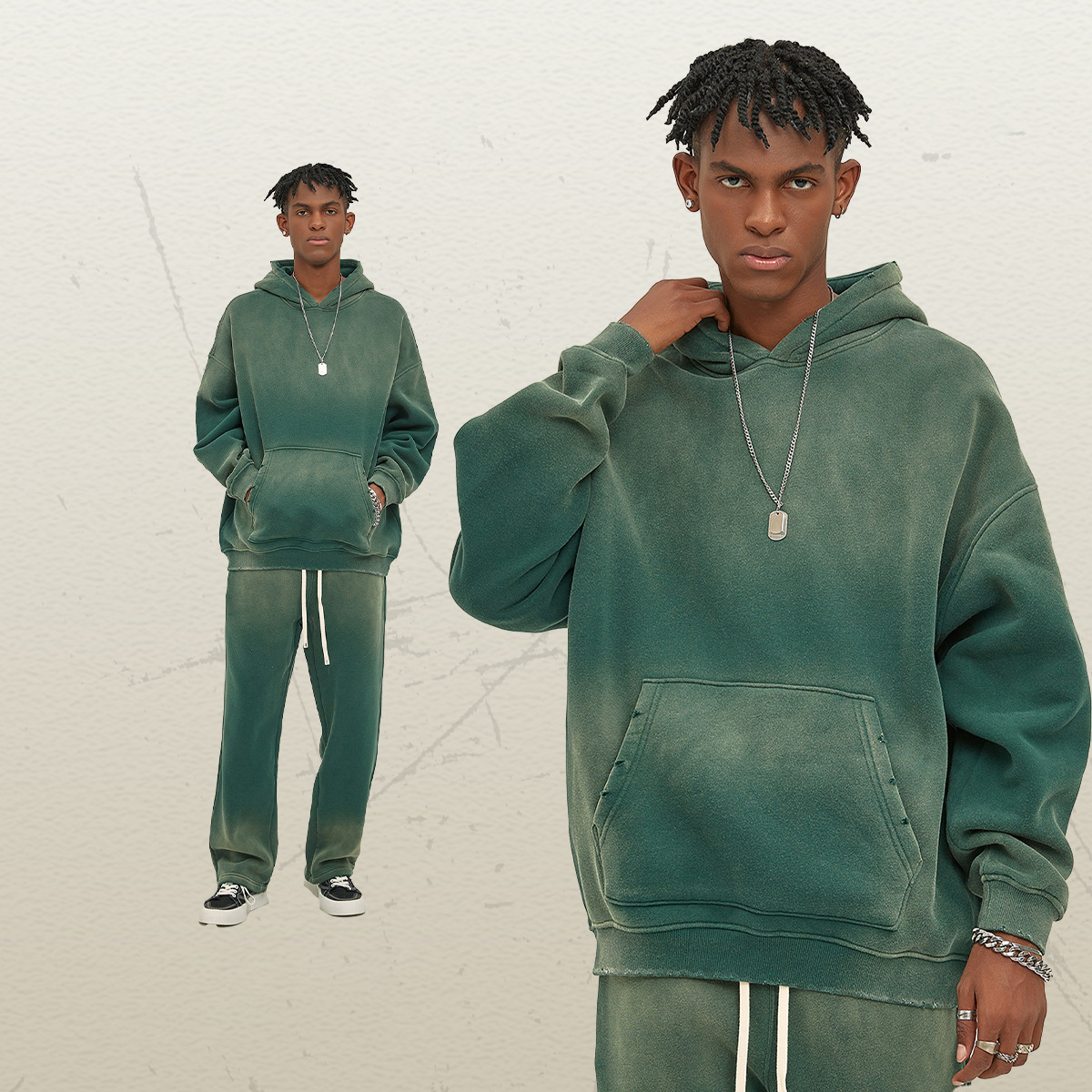
All-over bleach wash immerses the garment in diluted sodium hypochlorite for 8–15 minutes, producing an even vintage fade ideal for 180–240 GSM tees. Entry-level MOQs start at 50 pieces, making it the most accessible technique for startups.
Spray bleach uses a pressurized nozzle for scattered splatter effects at similar MOQs. Panel bleach targets specific garment sections for structured, color-blocked fades, typically requiring 100-piece minimums on cut-and-sew construction.
Tie-Dye and Hand-Scrape Bleach
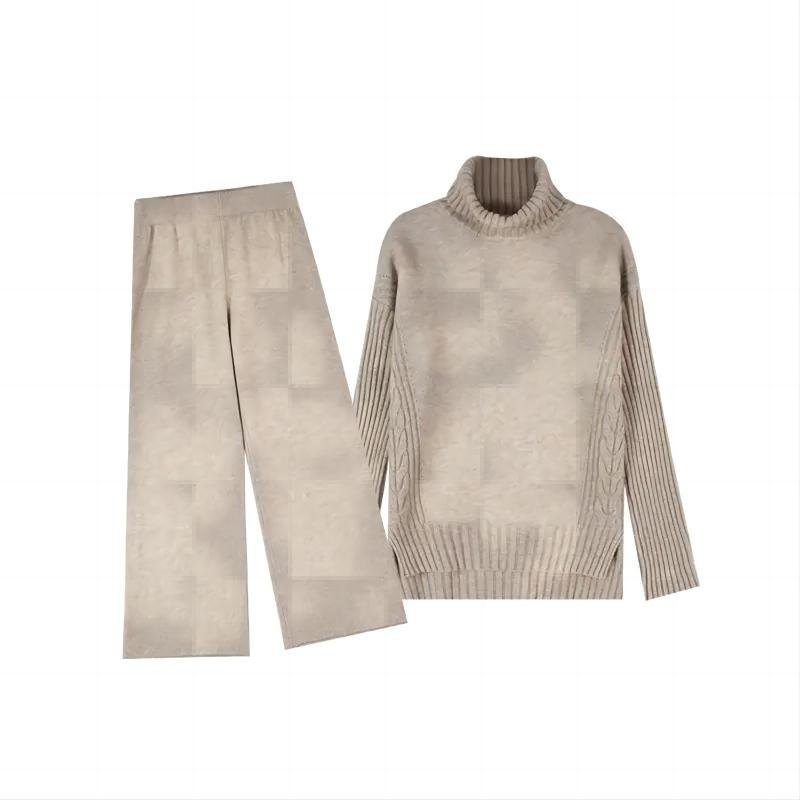
Tie-dye bleach requires rubber-banding or twisting fabric before applying bleach, creating spiral or concentric resist patterns. The binding step adds 15–25 minutes of hand labor per piece, pushing MOQs to 100+ pcs.
Hand-scrape or crinkle bleach crumples the garment and applies bleach along fold lines, producing organic distressed streaks most effective on 12-oz fleece or 14-oz denim constructions.
Bleach Discharge Printing
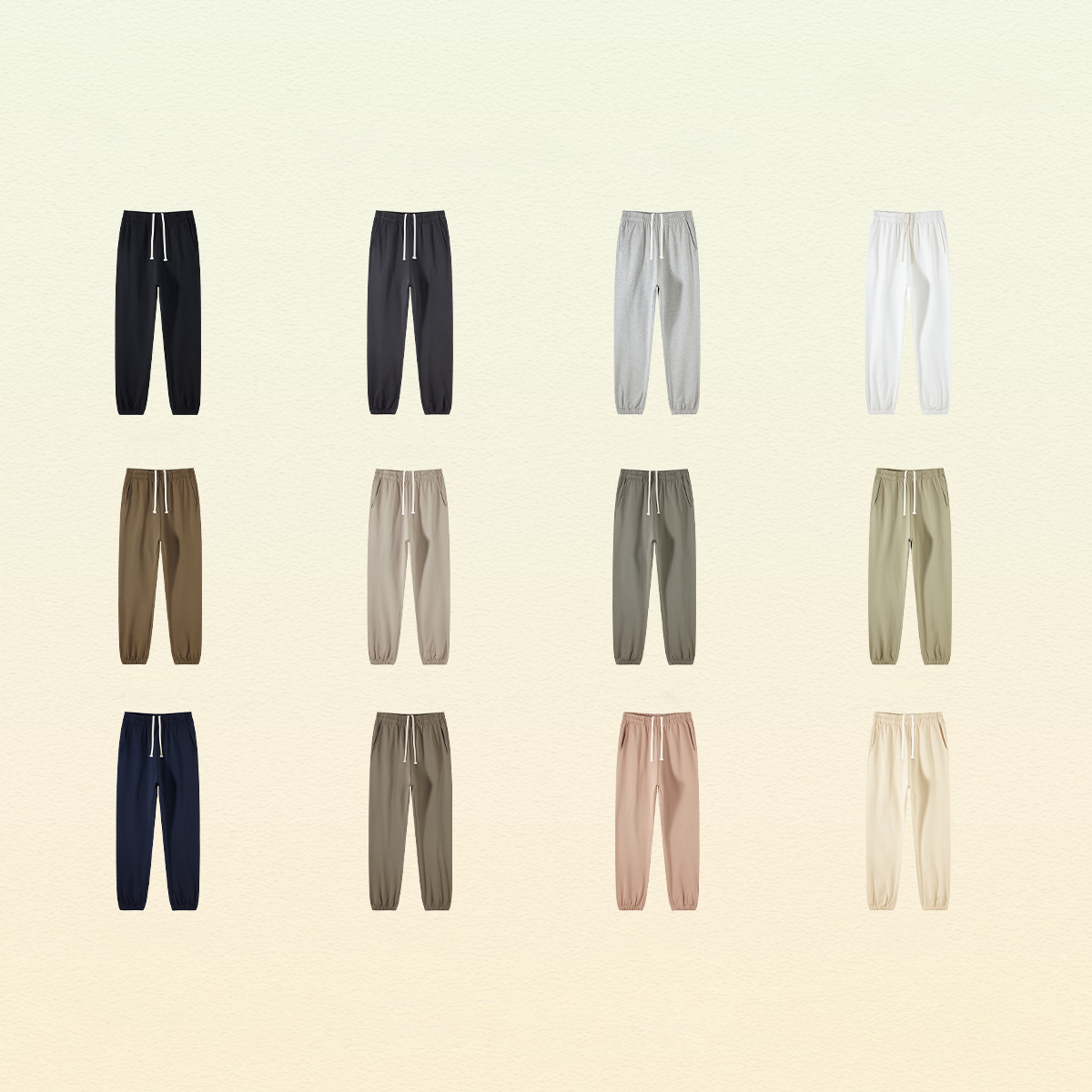
Bleach discharge printing uses a screen-printing press to apply discharge paste—thiourea dioxide or sodium formaldehyde sulfoxylate—in precise graphic shapes, removing dye to expose the base fiber color. Pantone-accurate tonal results require reactive-dyed 100% cotton.
Dedicated screens and strict chemistry controls raise MOQs to 200+ pieces. Choose this technique when logo sharpness and batch-to-batch repeatability are non-negotiable brand requirements.
4. Best Fabrics and Materials for Bleach Wash Garments
Fabric composition is the single most controllable variable in bleach wash results. Natural cellulose fibers absorb chlorine readily, while polyester resists oxidation and produces blotchy, uneven fading. Specifying the right material before production begins prevents costly remake runs.
| Fabric Type | GSM Range | Bleach Reactivity | Best For |
|---|---|---|---|
| 100% Ring-spun Cotton | 160–300 | Excellent | Tees, hoodies, joggers |
| 100% Open-end Cotton | 160–280 | Good | Budget tees, basics |
| Cotton Fleece (100%) | 380–500 | Excellent | Hoodies, sweatshirts |
| Slub Cotton | 160–220 | Excellent | Vintage tees, overshirts |
| Cotton-Poly 50/50 | 160–280 | Moderate / Uneven | Avoid for bleach wash |
| Cotton-Linen (≥70% Cotton) | 140–200 | Good | Summer shirts, shorts |
| Synthetic-Dominant (>50% Poly) | Any | Poor / Blotchy | Not recommended |
100% Cotton and Ring-Spun Quality
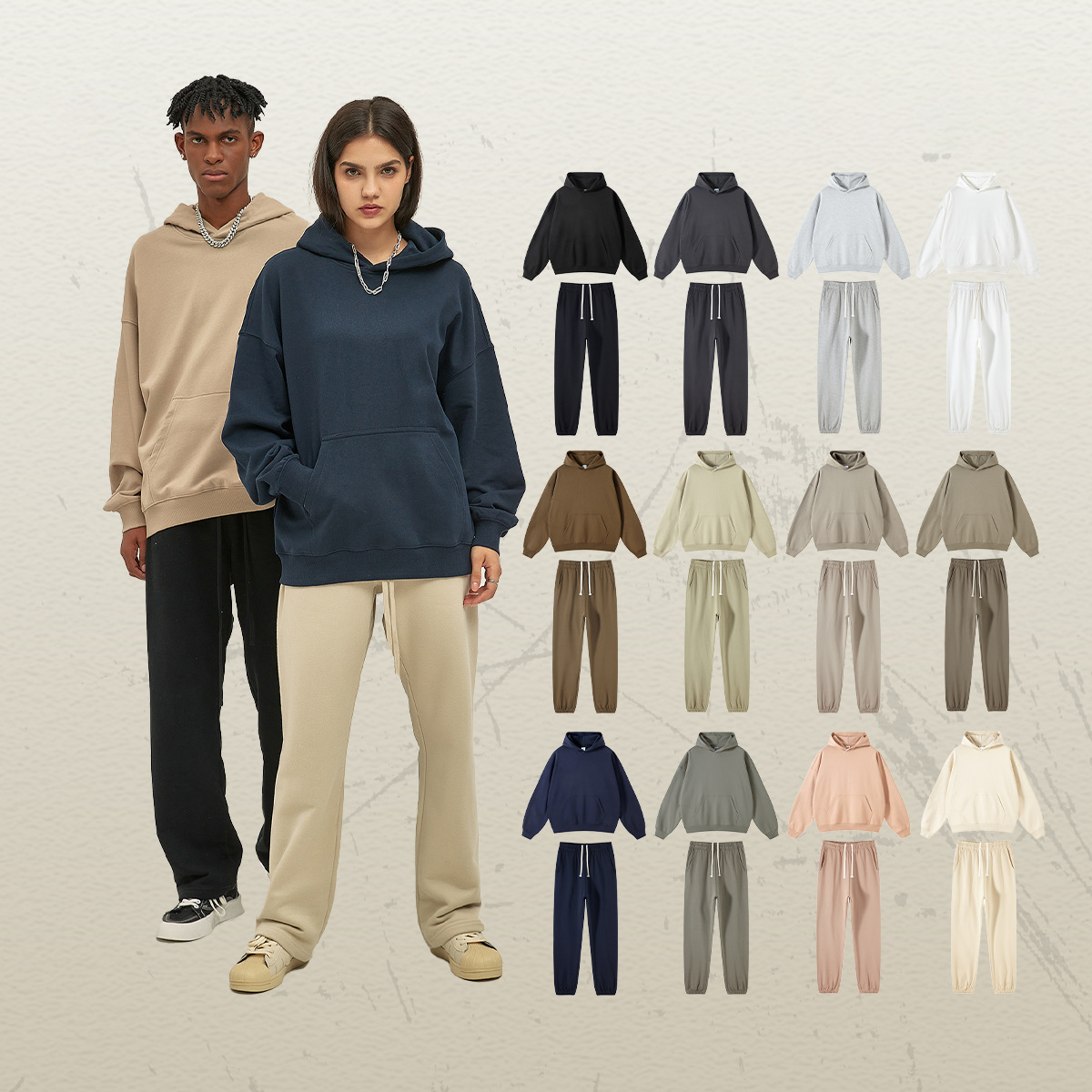
Ring-spun 100% cotton at 180–240 GSM delivers the most consistent bleach wash results. Tighter yarn construction allows chlorine to penetrate evenly, producing clean gradient fades from vivid white to deep indigo.
Open-end cotton is a cost-effective alternative, but its looser yarn structure yields slightly less uniform fading — acceptable for basics, not for hero pieces.
Heavyweight Fleece and Slub Cotton Options
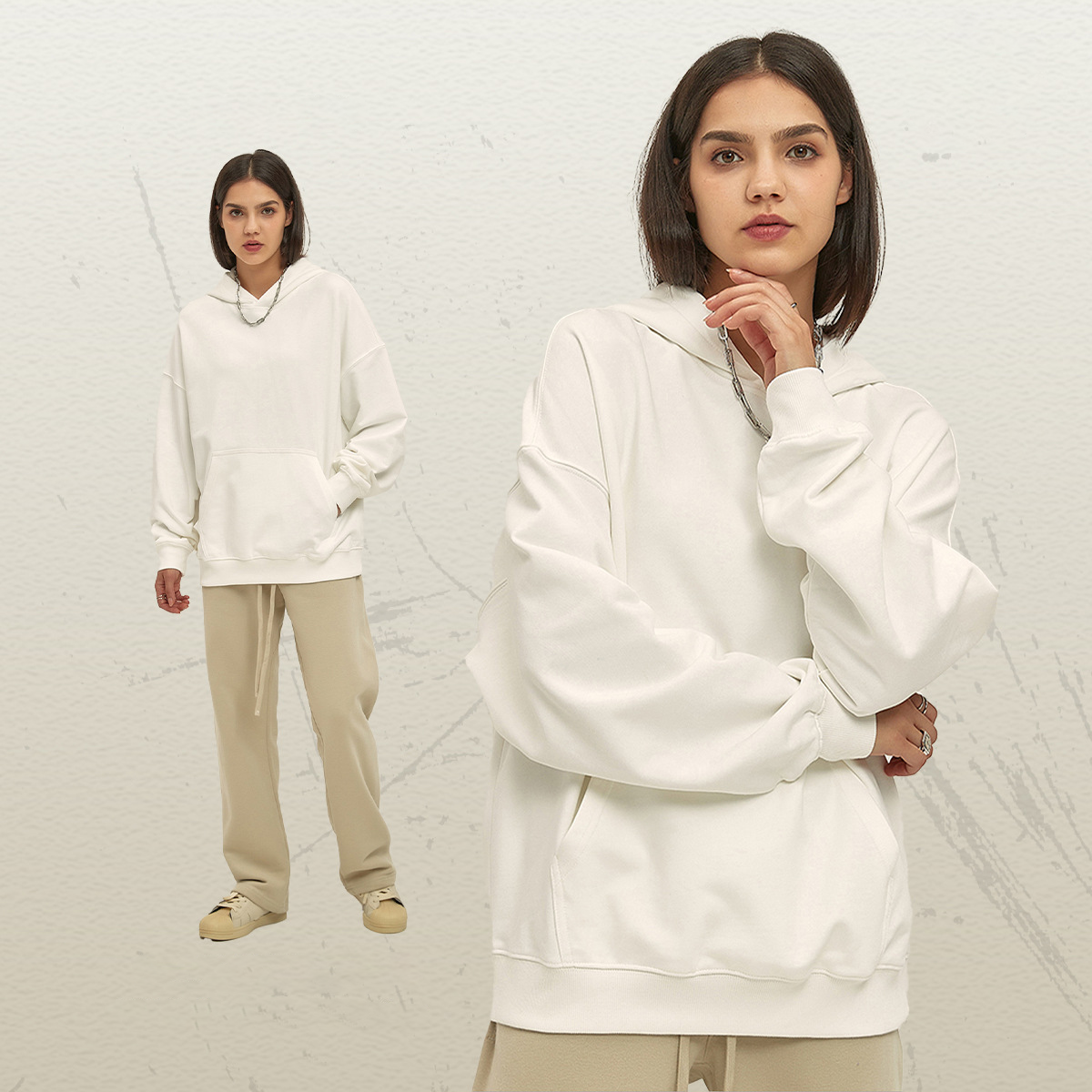
Cotton fleece at 380–500 GSM is the standard spec for bleach wash hoodies. The dense loop structure holds bleach concentration well, enabling bold contrast between treated and untreated zones.
Slub cotton at 160–220 GSM adds irregular yarn thickness that creates a vintage, lived-in texture — a strong choice for summer tee drops targeting heritage streetwear aesthetics.
Fabrics to Avoid and Safe Alternatives
Cotton-poly blends above 30% polyester absorb bleach unevenly, producing streaky patterns that rarely match approved artwork. Synthetic-dominant fabrics — anything exceeding 50% polyester, nylon, or rayon — must be excluded from bleach wash specs entirely.
For warm-weather collections, a cotton-linen blend with at least 70% cotton provides adequate reactivity while lending a natural, breathable hand feel suited to summer drops.
5. Customization and Branding Options for Bleach Wash Products
Adding branding to bleach wash garments requires sequencing every decoration step in the right order. Skip that discipline and ink bleed or faded logos will hit your first production run before a single unit ships.
Screen Printing Over Bleach Wash
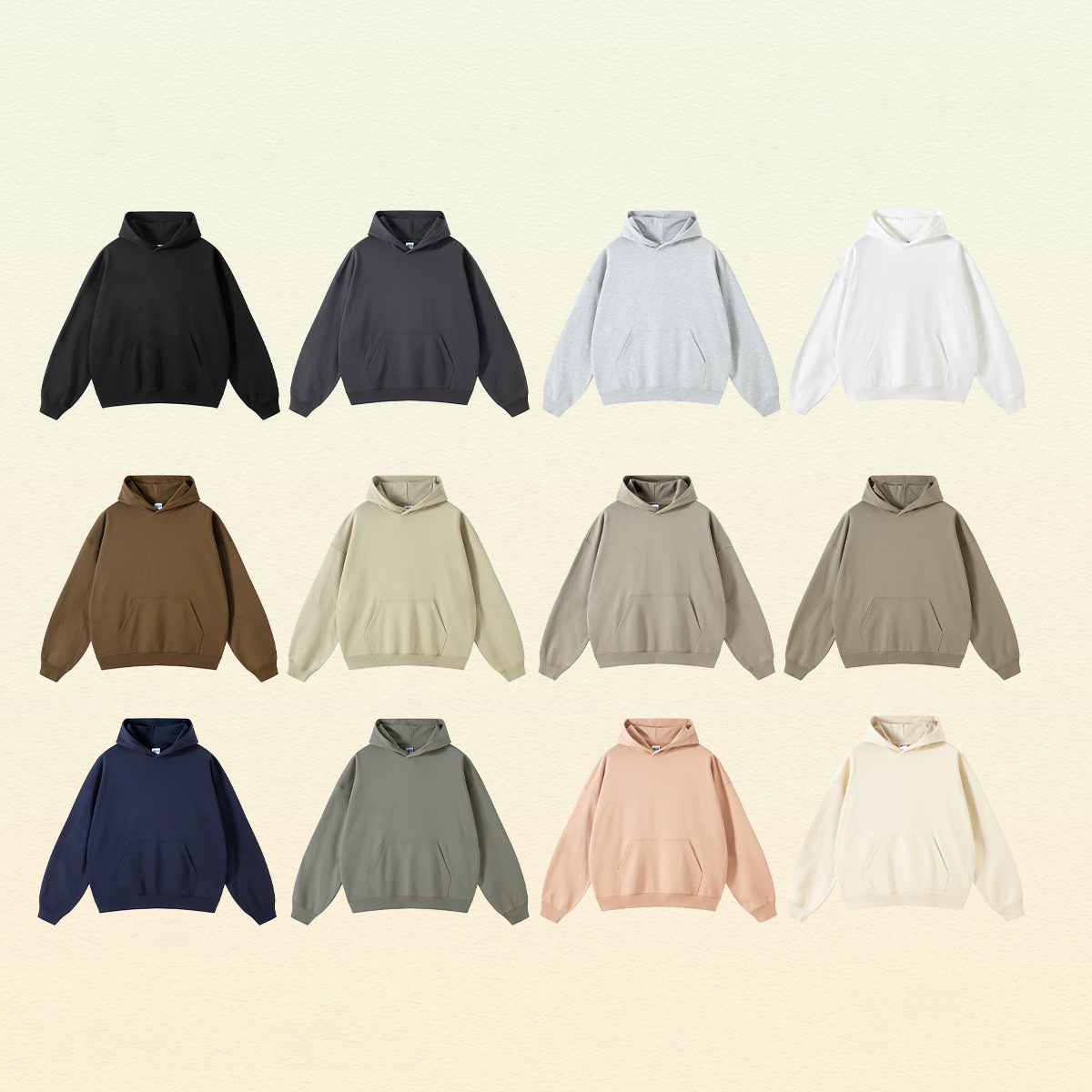
Bleach wash always runs before screen printing — reversing the sequence causes uncured ink to oxidize and lose adhesion. Bleached cotton fibers are chemically altered, raising surface pH and creating bleed risk that standard plastisol inks cannot resist.
High-opacity plastisol with a pH-neutral base qualifies as ‘bleach-resistant ink’ — specify this term explicitly in your tech pack. Confirm adhesion with a 24-hour cure test on a washed swatch before approving bulk production.
Embroidery, Labels, and Hardware Accents
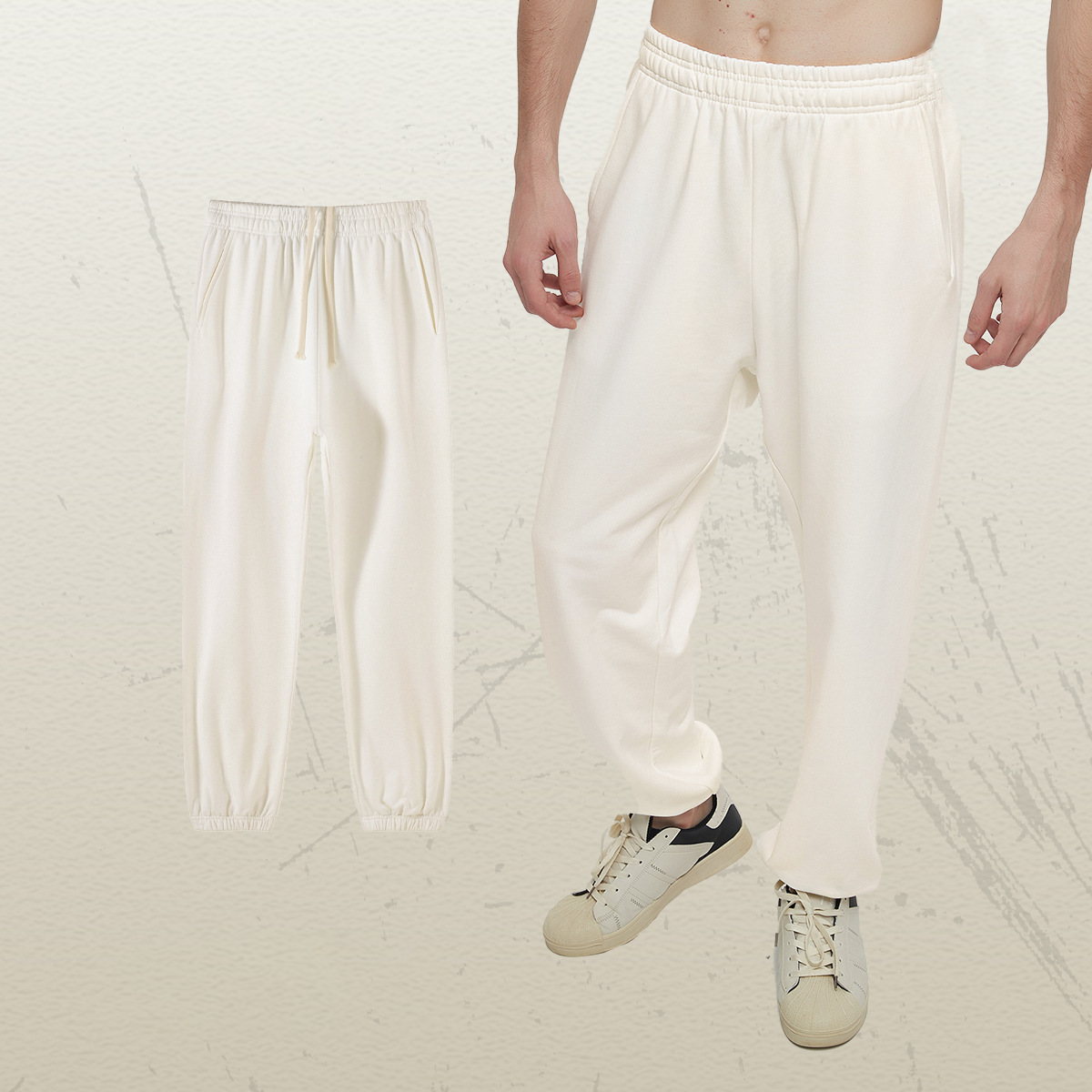
At 6,000–10,000 stitches, chest-logo embroidery holds reliably on bleach-washed panels because thread is not reactive to residual bleach chemistry. Avoid flat embroidery over heavily distressed zones where fabric density is uneven.
Woven neck labels and heat-transfer labels both perform well post-wash without lifting or edge curling. Custom YKK zipper pulls add a premium hardware touch that reinforces brand identity without affecting the bleach wash surface.
Packaging for DTC and Retail Brands

Individual poly bags prevent color transfer staining when bleach wash garments ship or stack in transit. Tissue wrap inside a branded box elevates the unboxing experience for DTC brands at premium price points.
Logo-printed branded boxes run roughly $0.80–$2.50 per unit at an MOQ of 500 boxes. Seal each poly bag before boxing to protect the washed surface from moisture damage in transit.
6. Quality Control Elements Critical to Bleach Wash Production
Bleach wash stresses fabric, thread, and dye at every production stage — standard end-of-line inspection catches only a fraction of defects. Five targeted checkpoints embedded before, during, and after the wash cycle are the minimum framework for avoiding inconsistent or damaged batches.
Pre-Wash Fabric and Concentration Testing
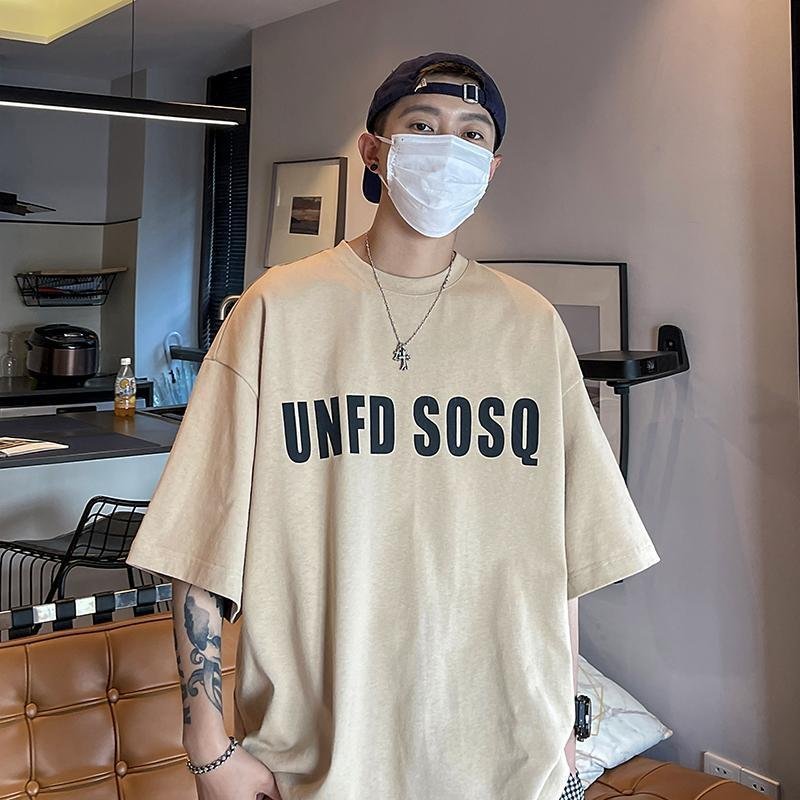
Before washing, confirm fabric GSM falls within ±5% of spec and shrinkage is ≤3% on a pre-wash swatch. Simultaneously verify sodium hypochlorite concentration sits in the 3–6% active-chlorine range; a ±0.5% drift produces visible tone inconsistency across a batch.
Document both targets in your tech pack as hard pass/fail gates, not advisory ranges.
Neutralization and Seam Integrity Verification
Residual chlorine continues degrading cotton cellulose post-wash, shortening garment lifespan by 30–50%. A sodium thiosulfate neutralization bath followed by a pH strip test (target pH 6.5–7.5) confirms full removal; require ISO 105-C06 color-fastness results at minimum grade 3–4.
Bleach weakens polyester thread on flatlock and chain-stitch seams faster than it affects the base fabric. Require a seam pull-test per ASTM D1683 with a minimum 15 kg break load as a mandatory line item in every batch report.
Final Visual Grading and Written Tolerances
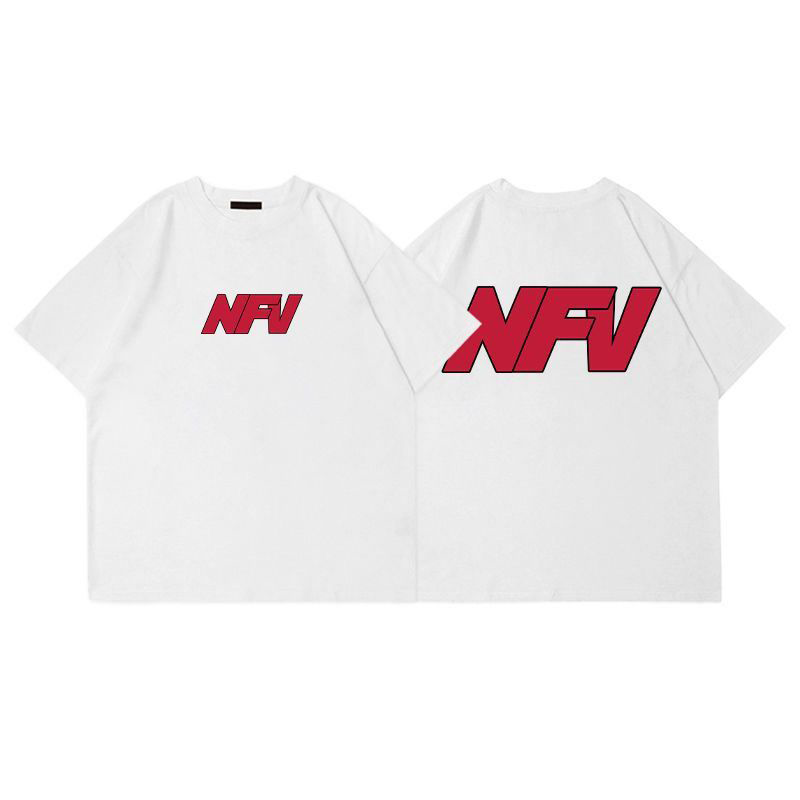
Bleach wash creates intentional variation, but ‘intentional’ must be defined in writing before production starts. Supply a 3-garment reference board spanning light, mid, and heavy wash depth, and specify ±15% tone deviation as the acceptance threshold.
State explicitly whether panel-to-panel variation is permitted and the maximum hard bleach spots allowed per piece. Without written tolerances, factories apply their own judgment — the most common root cause of inconsistent batches.
7. How to Choose the Right Bleach Wash Manufacturer
Vetting a bleach wash supplier goes beyond price. Six criteria separate reliable partners from costly mistakes — skip any before signing and you risk rejected shipments or inconsistent wash results across your entire run.
In-House vs. Subcontracted Wash Facility
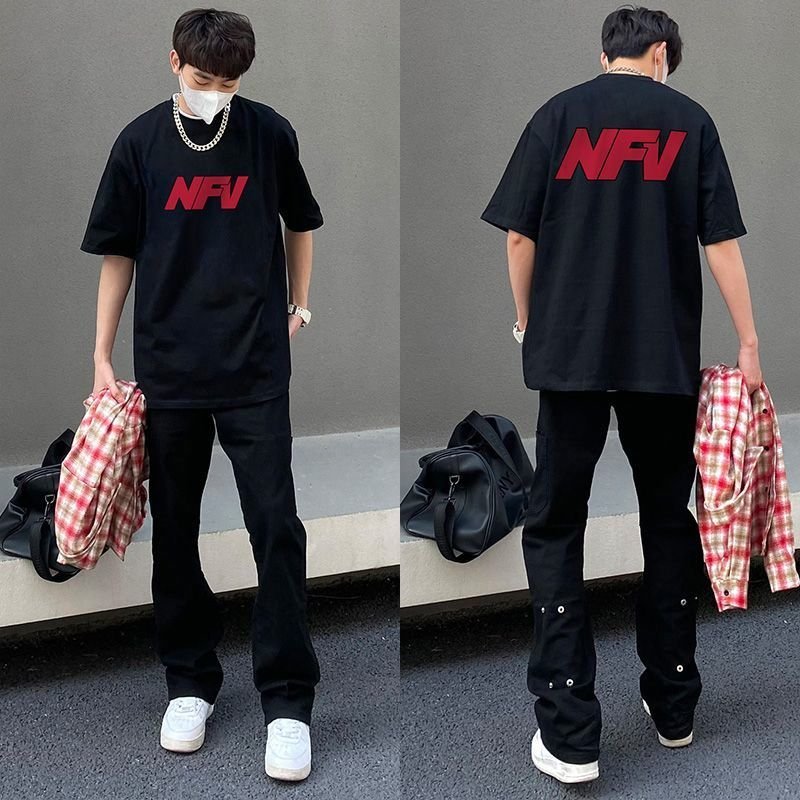
Manufacturers who run bleach wash in-house control water temperature, chemical concentration, and timing at every step. Subcontracting adds 3–7 transit days and removes direct QC oversight — always ask for the wash facility address and request audit photos before committing.
Environmental Compliance and Wastewater Certificates
Chemical discharge from sodium hypochlorite bleach falls under China’s GB 18918-2002 wastewater standards. Any supplier unable to produce a current compliance certificate is a disqualifying red flag — EU and US customs increasingly scrutinize textile chemical discharge documentation.
MOQ Flexibility and Sample Turnaround
Startups should target suppliers offering 50–100 pcs per colorway for bleach wash orders; anything above 300 pcs signals a factory not built for early-stage brands. Expect sample fees of $30–$80 per piece with a 7–14 day turnaround — suppliers with no stated sample policy or vague lead times are immediate red flags.
Questions to Ask Before Signing an Order
Request a lookbook or production photos from past bleach wash runs — consistent color within 10–15% across a 100-pc batch is the minimum standard. Confirm the team can read a full tech pack including Pantone callouts, wash symbols, and construction notes.
- Do you run bleach wash in-house or subcontract to a third-party facility?
- Can you provide your current wastewater compliance certificate?
- What is your sample turnaround time and fee per piece?
- What is your minimum order quantity per colorway?
- Can your team interpret a full tech pack with Pantone and wash callouts?
8. Common Bleach Wash Mistakes Brands Make and How to Avoid Them
Even experienced buyers repeat the same six bleach wash errors, each costing margin, time, or customer returns. Understanding where past orders broke down helps you build a tighter tech pack and set realistic expectations before production starts.
Skipping Samples and Missing Neutralization Steps
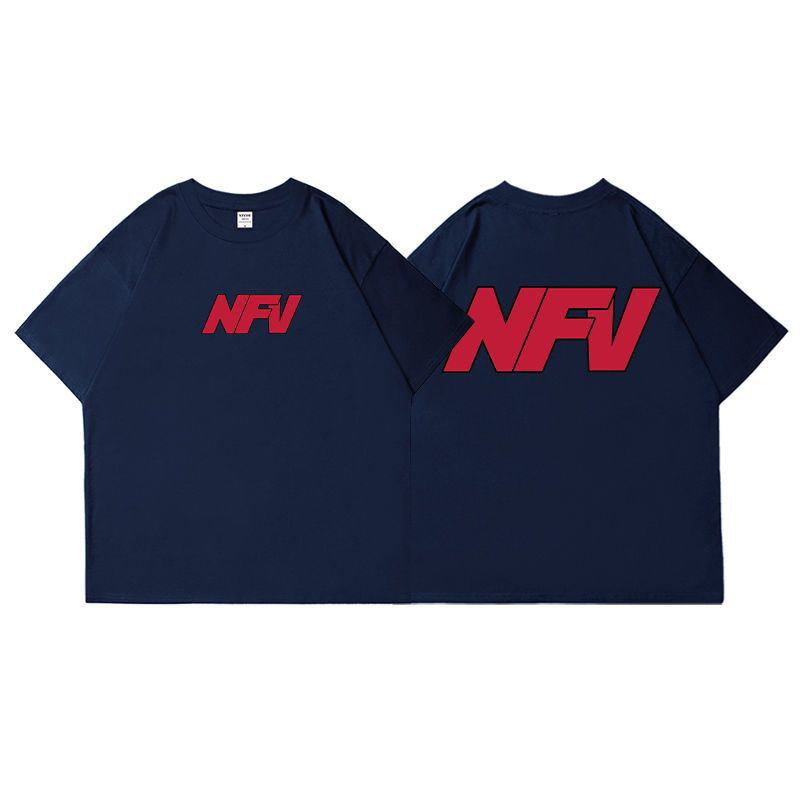
Approving a bleach effect from a verbal description or mood board instead of a physical strike-off sample is the single most common source of rejects. Bleach intensity, spread pattern, and residual color shift vary by 20–40% depending on concentration and dwell time — no description captures that.
Equally damaging is omitting sodium thiosulfate neutralization from the tech pack. Without a documented neutralization step, residual chlorine continues degrading cellulose fibers post-delivery, cutting fabric tensile strength by up to 30% within 90 days.
Poly Blend and Ink Bleed Compatibility Failures
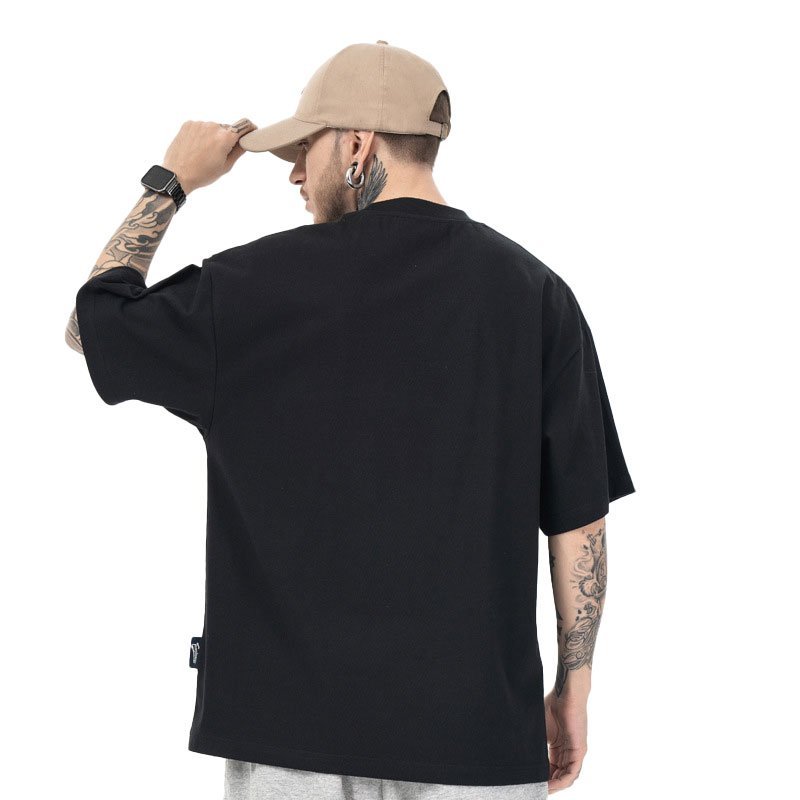
Polyester resists chlorine bleach — a 65/35 poly-cotton blend produces a muddy yellow cast rather than the clean white fade buyers expect from 100% ring-spun cotton. Always confirm fiber content before placing a bleach wash order.
Water-based inks require bleed testing before combining with bleach wash. Chlorine can dissolve binder resins in standard plastisol alternatives, causing ink migration into the bleached zone. Request a wash-bleed test on printed strike-offs as a mandatory pre-production step.
Underestimating Cost Uplift and Batch Variation Tolerance
Bleach wash adds 15–35% per-unit cost versus standard garment dyeing due to longer processing time, chemical handling, and higher reject rates. Brands that budget for basic wash pricing routinely face invoice disputes at final settlement.
Natural variation of ±10–15% in bleach intensity between units within the same batch is inherent to the process. Rejecting units outside a narrow tolerance wastes 8–12% of a production run — set an AQL-based variation band in your tech pack before production begins.
9. Steps to Launch Your Bleach Wash Apparel Line Successfully
Moving from concept to sellable bleach wash product in the shortest reliable timeline requires six deliberate steps. Skipping any one — especially sample approval or QC hold points — typically adds two to four weeks of rework and measurable cost overruns.
Define Aesthetic Direction and Technique Type
Decide whether you want all-over bleach wash, panel fade, or crumple tie-dye before ordering a single yard of fabric. Technique choice locks in chemical concentration, labor time, and expected color variation range — all direct cost drivers.
Select Fabric and Base Garment Spec
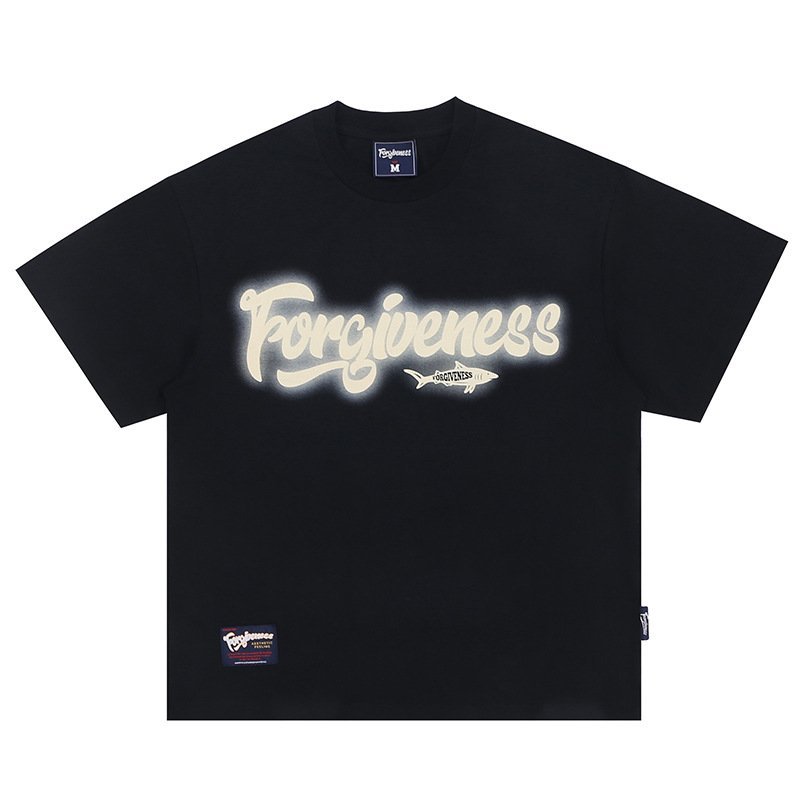
300–400 GSM ring-spun cotton fleece handles bleach chemistry better than open-end cotton, retaining structure after repeated wash cycles. Specify weight, weave, and OEKO-TEX certification status in your base garment sheet before briefing any production team.
Brief Manufacturer with a Bleach Wash Tech Pack
Supply reference imagery, a Pantone baseline for the pre-bleach color, and a fade intensity scale from 1 (light) to 5 (heavy). Clear specs reduce sampling rounds from an industry average of 3–4 iterations down to 1–2.
Approve the Pre-Production Sample
Evaluate the sample against your fade intensity scale under 5000K daylight-equivalent lighting. Sign off only when contrast, hand-feel, and stitch integrity meet spec — never waive this gate to recover a single week on the calendar.
Set QC Hold Points and Inspection Criteria
Embed checks at cutting, post-bleach chemistry, and finished-garment stages. Natural variation in bleach wash is expected; streaks, pinhole burns, or inconsistent fade zones are defects that must trigger a hold before sewing advances further.
Plan Your Drop Strategy Around Variation
Limited-edition runs of 50–200 units turn bleach wash’s natural piece-to-piece variation into a scarcity signal — no two garments identical. Evergreen SKUs demand tighter process controls and documented reorder specs to sustain repeat-customer expectations across seasons.
10. Bleach Wash Pricing, MOQs, and Cost Breakdown by Tier
Sampling runs $80–$200 per colorway and is typically non-refundable — lock your colorway decision before requesting samples to protect that spend. All-over bleach wash carries the lowest upcharge at every tier; tie-dye and discharge techniques add 20–40% to the wash line item shown below.
Three variables push unit cost upward beyond the base figures: garment weight (heavier GSM demands more bleach agent and longer cycle time), technique complexity (spot bleach vs. full-immersion vs. discharge print), and add-on decoration such as screen printing or embroidery. Landed cost estimates reflect FOB Dongguan plus standard air-freight to the US West Coast; switching to sea freight trims roughly $1.50–$2.50 per unit at 300-plus pieces.
| Quantity Tier | Base Garment Cost | Bleach Wash Upcharge | Print Add-On | Approx. Landed Cost/Unit | Lead Time |
|---|---|---|---|---|---|
| 50 units | $8–$12 | +$4–$6 | +$3–$5 | $15–$23 | 25–35 days |
| 100 units | $7–$10 | +$3–$5 | +$2–$4 | $12–$19 | 22–30 days |
| 300 units | $6–$8 | +$2–$4 | +$1.50–$3 | $9.50–$15 | 20–28 days |
| 500+ units | $5–$7 | +$1.50–$3 | +$1–$2.50 | $7.50–$12.50 | 18–25 days |
Start Your Bleach Wash Collection Today — Low MOQ, Zero Compromise
Request samples, submit your designs, or get a fast quote — our 5-step QC guarantee backs every bleach wash order.