
Stone Wash Apparel Built for Streetwear Brands That Lead
From low MOQ sampling to global delivery, our stone wash finishing delivers authentic aged texture and distressed depth — backed by a 5-step QC guarantee.
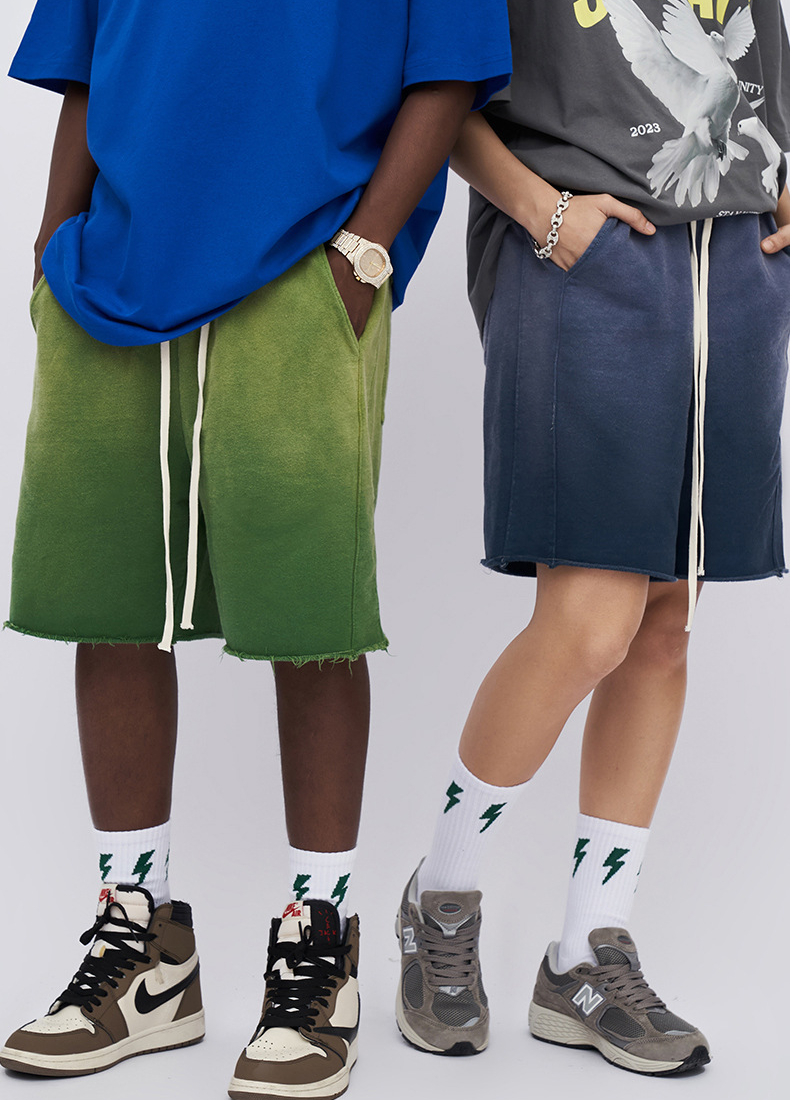
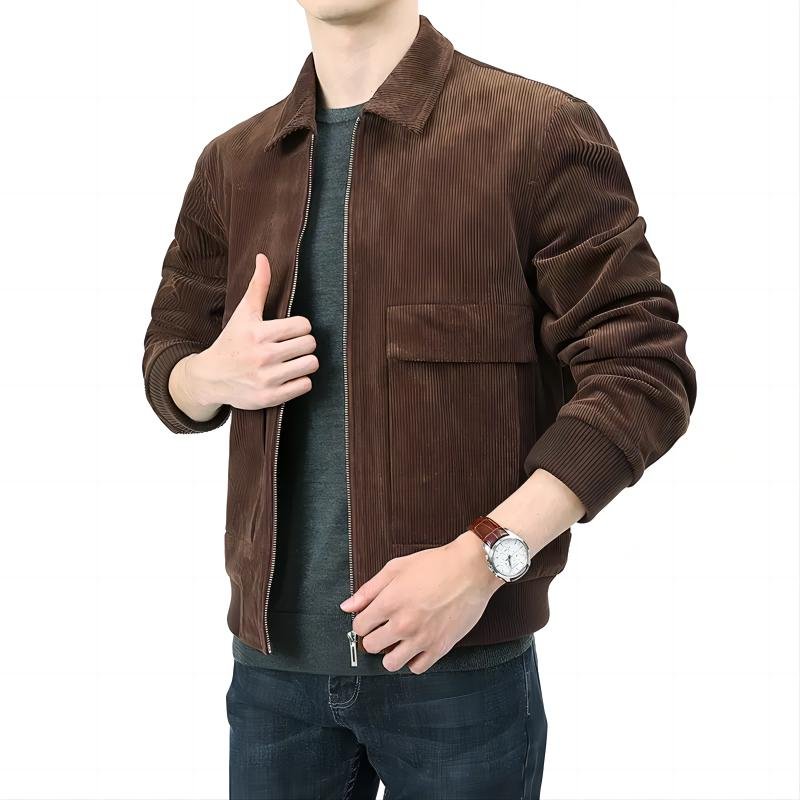
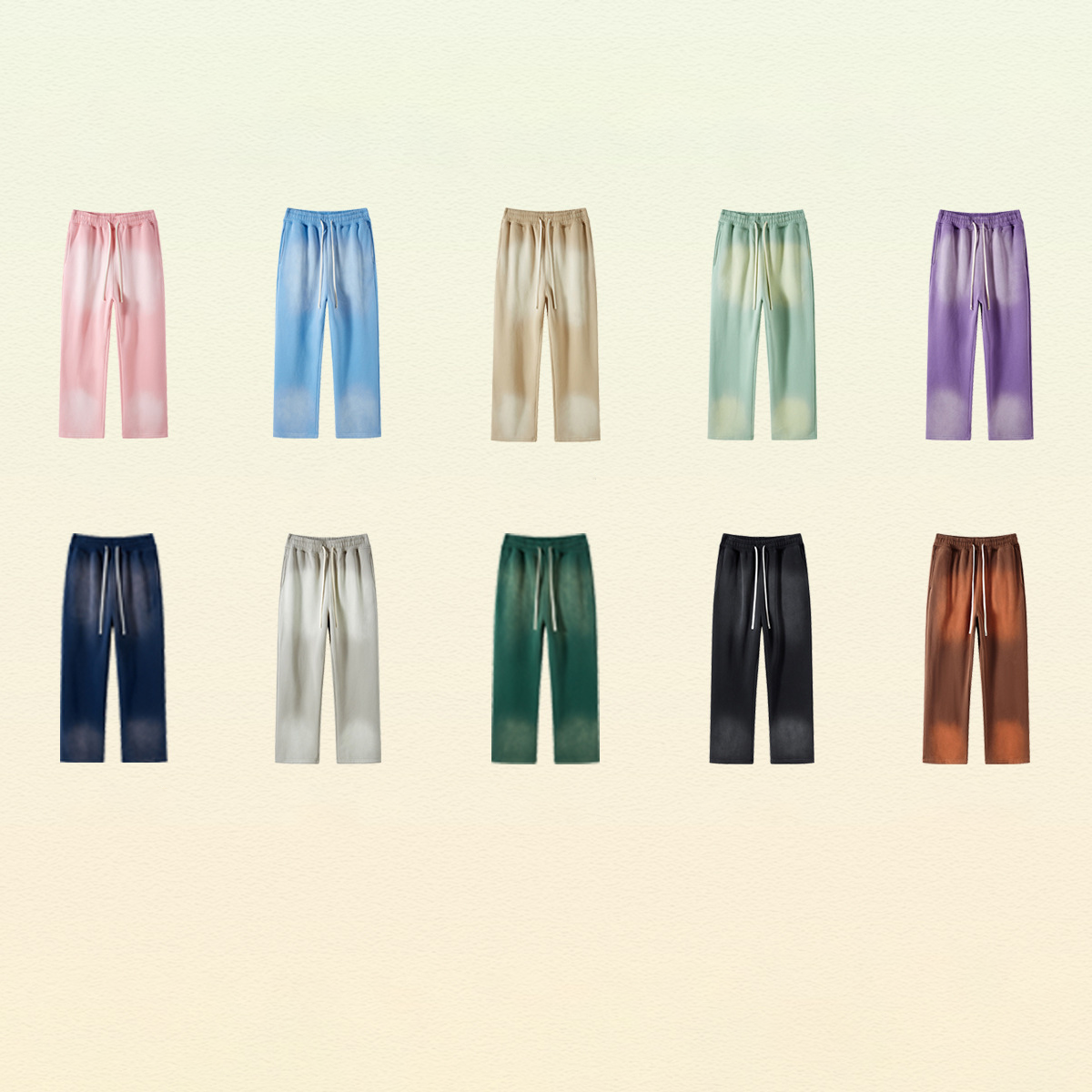
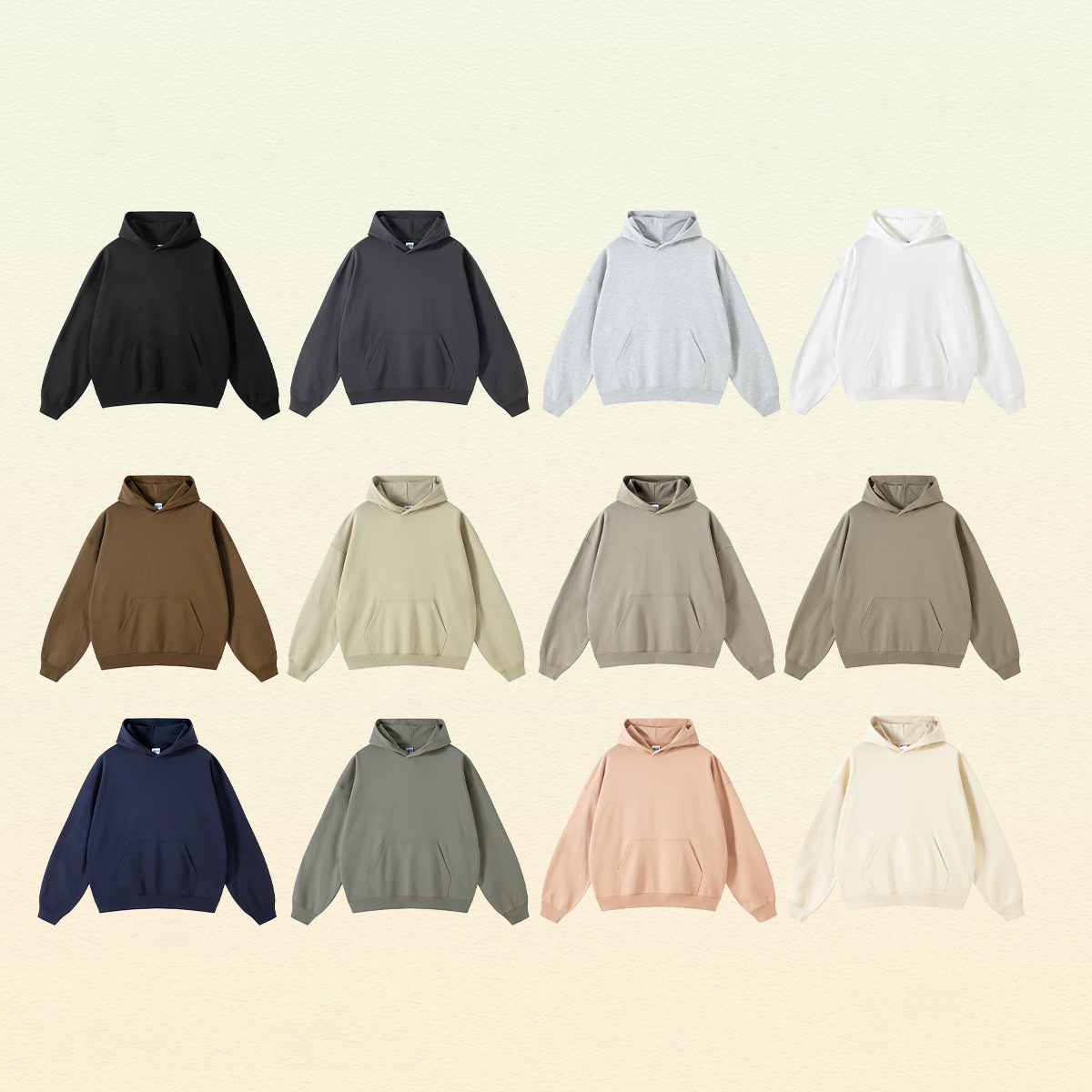
Stone Wash Sample Collection
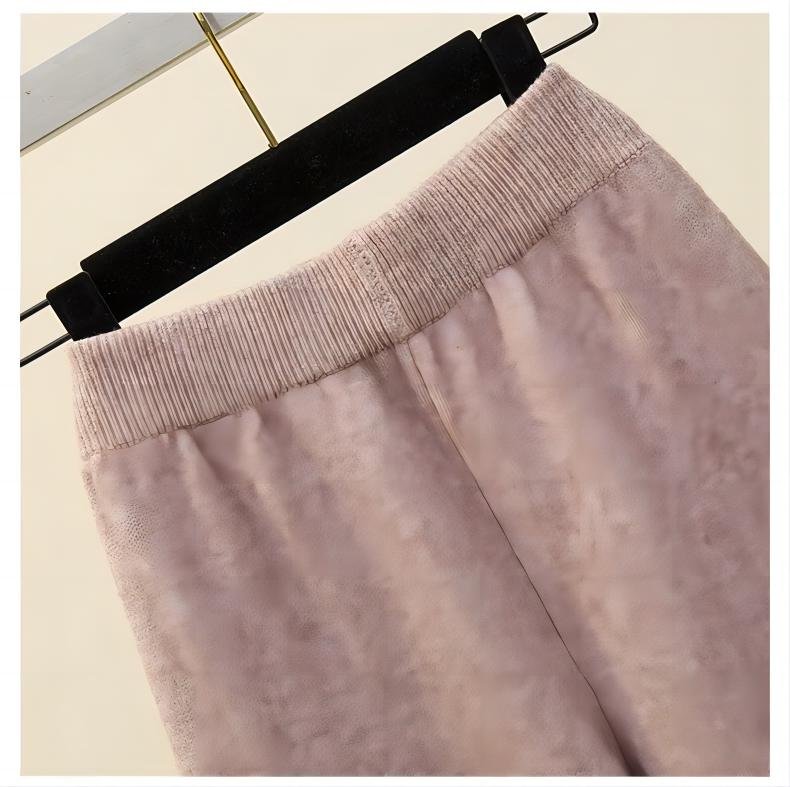
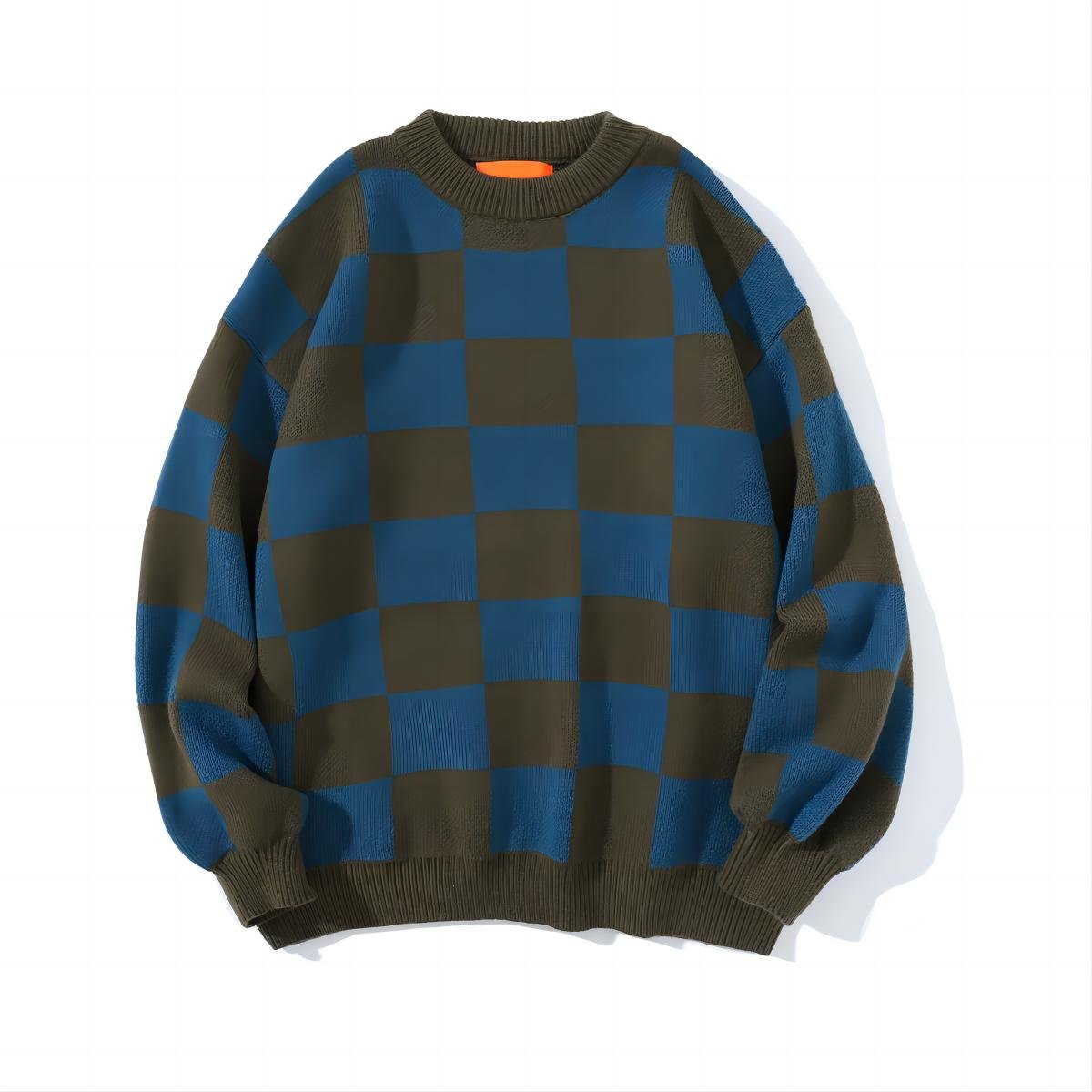
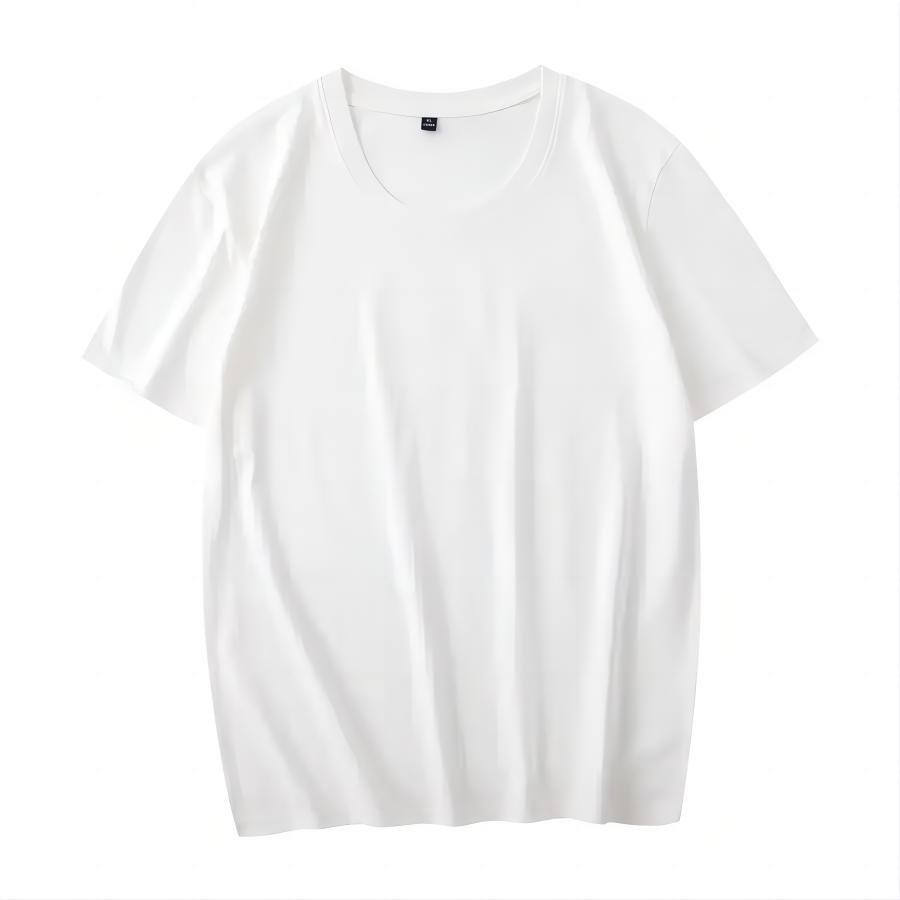
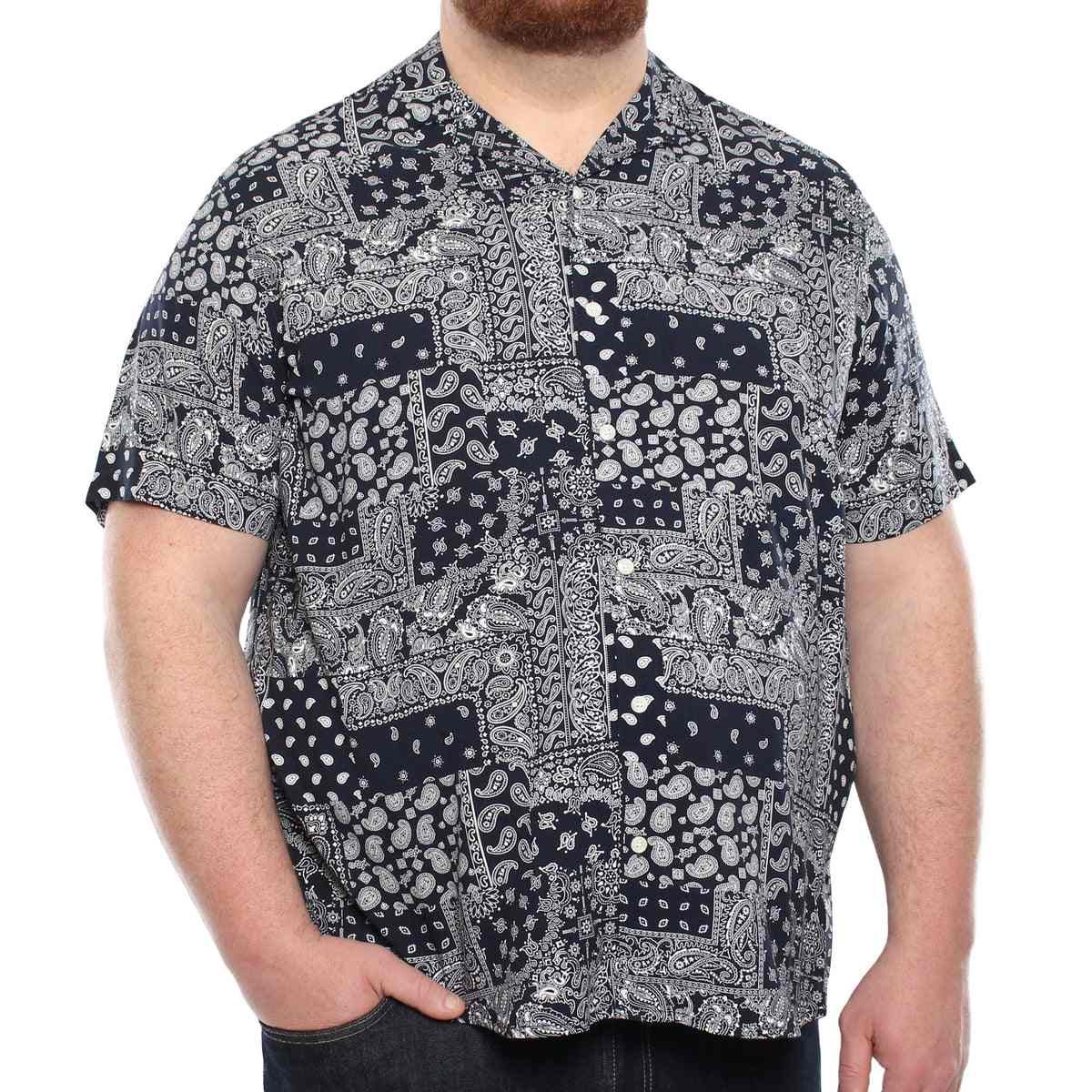

What Makes Stone Wash Special
Six production-proven qualities that make stone wash the go-to finishing choice for streetwear brands, independent designers, and global retailers.
Authentic Vintage Color Contrast
Stone wash creates rich, irregular tonal variation that gives every garment a genuinely aged, one-of-a-kind character.
Durability Across Every Wash
Stone-washed fabrics resist further fading and hold structural integrity wash after wash, delivering lasting value to end customers.
Softer Hand, Better Breathability
The stone wash process relaxes fabric fibers, producing a noticeably softer feel and improved airflow for all-day comfort.
Works Across Multiple Fabrics
Compatible with denim, canvas, cotton fleece, and twill blends — perfect for tees, hoodies, jackets, and cargo pants.
Endless Design Versatility
From subtle tonal softening to bold distressed finishes, stone wash adapts effortlessly to any streetwear aesthetic or seasonal direction.
5-Step QC, Zero Compromise
Our proprietary five-step quality control process inspects every stage, ensuring each finished piece ships defect-free and brand-ready.
Stone Wash & Garment Finishing: Who We Serve
From stone wash streetwear drops to multi-technique comparison shopping, discover which finishing solution fits your brand, your budget, and your timeline.
Streetwear Brands Scaling Collections
You need authentic, vintage stone wash aesthetics across a full seasonal collection, but inconsistent finishing between batches erodes customer trust and forces costly reworks right before launch.
Our 5-step QC process ensures every stone wash piece hits the same distressed tone and texture, so your collection ships consistent and on time, drop after drop.
Startups Launching Their First Drop
Your first stone wash collection needs to look premium, but high MOQs lock you out of quality manufacturers and force you to compromise on fabric and finish.
With low MOQ production and in-house sampling, we help emerging labels debut premium stone wash pieces that rival established brands, without overcommitting inventory or launch budget.
Retailers Comparing Wash Techniques
You are weighing stone wash against acid wash, pre-wash, or bleach wash options, but lack a manufacturing partner who can demonstrate all techniques and guide the right choice.
We produce all major garment finishing techniques under one roof, with sample sets and clear comparisons so your buying team commits to the right wash for each program.
Influencer Brands, Limited-Edition Drops
Your followers expect limited-edition stone wash drops to sell out fast, but slow sample turnarounds and unpredictable quality from suppliers kill the hype window before launch.
Fast sample turnarounds and our dedicated 5-step QC process mean your stone wash drop arrives influencer-ready, perfectly consistent, and timed to maximize audience engagement and sell-through.
Independent Designers, Custom Finishes
You have a specific distressed wash vision that off-the-shelf stone wash processing cannot replicate, and most factories refuse small custom runs or lack the necessary finishing expertise.
Our 15-person R&D team develops a custom stone wash recipe from scratch, producing samples until the finish matches your creative brief exactly, with no minimum order pressure.
Our Stone Wash Manufacturing Expertise
Founded in 2024 by Tesla Luo — a second-generation garment professional with 10+ years of hands-on production experience — Clothing Manufacturer Ltd. was built on one conviction: the world deserves better-made streetwear. Specializing in stone wash and premium apparel finishing, we partner with trendy brands, startups, and independent designers across more than 100 countries to bring bold, high-quality garments to market.
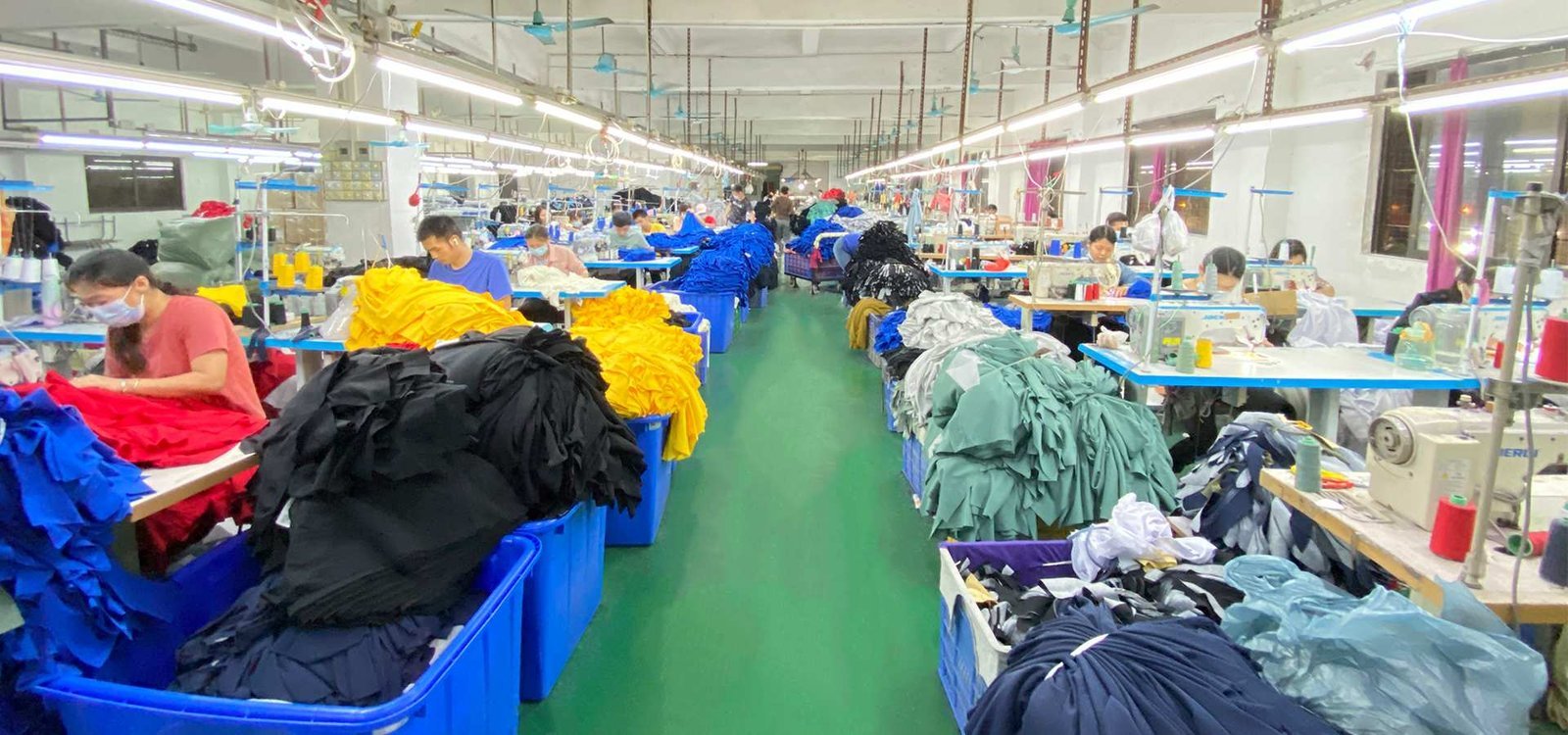
Our in-house design and sampling team of 15 R&D specialists, backed by the production infrastructure of parent company Dongguan TuoZhen Clothing Co., Ltd., gives you access to world-class stone wash craftsmanship without mega-factory minimums. We offer low MOQ options for emerging labels and fast turnaround on seasonal collections, so your brand moves at the speed of the market.
What truly sets us apart is our proprietary 5-step quality control process — covering materials, cutting, garment craft, sewing, and final inspection — embedded at every stage of production, not bolted on at the end. Where many factories ship first and check never, we guarantee that every stone wash piece leaving our facility meets the exacting standards your brand and customers expect.
The Stone Wash Process: Step-by-Step
Fabric Preparation for Consistent Stone Wash Results
Before any pumice contacts the drum, every fabric batch undergoes pre-treatment standardization. Moisture content, pH levels, and tension settings are calibrated per fabric weight, ensuring each garment enters the tumbling cycle in identical condition for uniform, repeatable stone wash output.
- Pre-washing and desizing removes sizing agents that block even abrasion distribution
- pH neutralization (6.5–7.5 range) optimizes pumice-to-fiber contact across the full batch
- Fabric tension calibrated by GSM weight to prevent distortion or uneven fade
- Batch consistency checks logged and verified before every production cycle begins

Pumice Stone Chemistry and Tumbling Mechanics
Pumice grade, stone volume, drum speed, and cycle duration are engineered to spec for each fabric and fade target. Our production team logs every parameter per SKU, eliminating guesswork and delivering the exact abrasion depth your stone wash design demands.
- Pumice grades #1 through #4 matched to fabric type and desired fade intensity
- Liquor-to-garment ratio controlled between 5:1 and 10:1 per fabric specification
- Drum RPM and cycle time recorded per SKU for fully repeatable production runs
- Stone-to-garment weight ratios adjusted separately for denim, fleece, and woven constructions
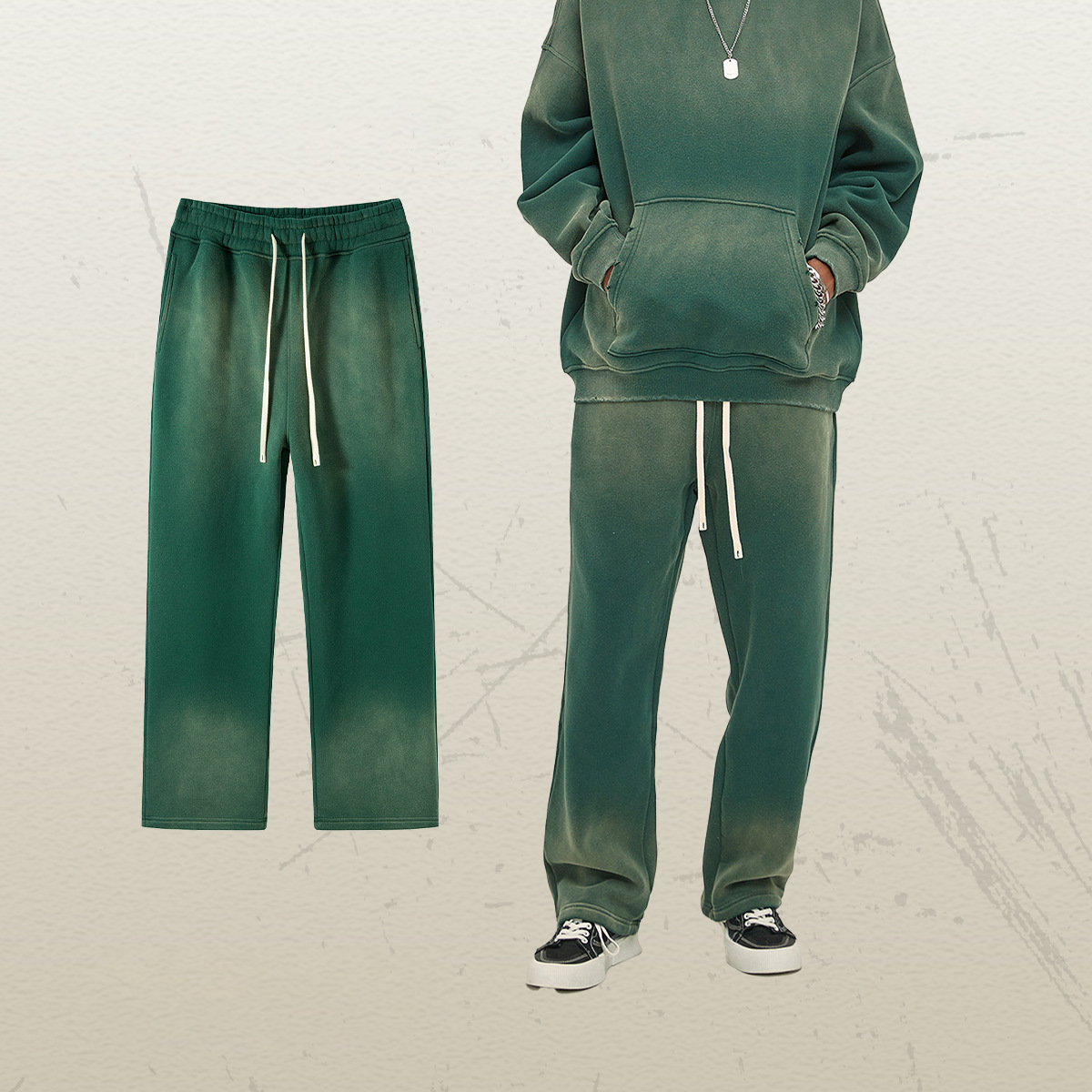
Color Calibration and Stone Wash Fade Control
Hitting your exact fade aesthetic demands spectrophotometer-verified targets, precision dye stripping, and multi-point sampling across every lot. We map your approved sample’s fade gradient and replicate it consistently whether you order 50 units or 5,000.
- Spectrophotometer readings taken at pre-wash, mid-production, and final QC checkpoints
- Dye-stripping chemistry adjusted by dye class, color depth, and fabric construction
- Fade gradient maps created from your approved sample and used as the production reference
- Bulk-to-sample side-by-side comparison required before any shipment is authorized
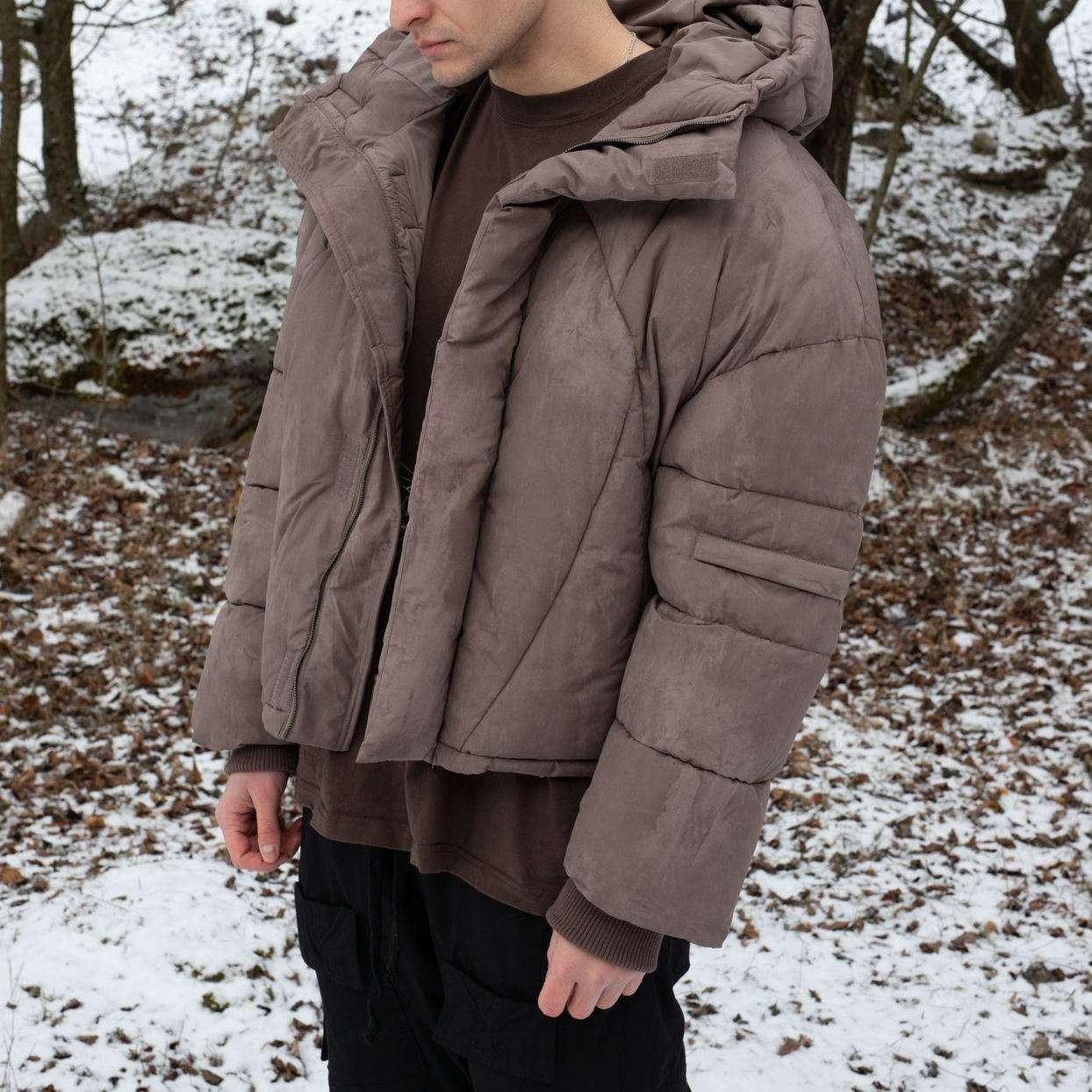
Durability Testing Behind Every Stone Wash Garment
Controlled abrasion must never compromise structural integrity. Every finished garment clears our 5-step QC process — wash-fastness testing, seam tensile checks, and pilling resistance evaluation — so your customers receive the worn-in aesthetic alongside long-wear performance they can count on.
- Wash-fastness tested to ISO 105-C06 standards for color stability across repeat laundering
- Seam tensile strength verified to withstand 50+ consumer wash cycles without failure
- Pilling resistance graded per ASTM D3512 before final shipment approval is issued
- Five-step in-line QC catches defects at every production stage, not only at the end
Stone Wash vs. Acid Wash: Which Finish Is Right for You?
Not all wash techniques deliver the same results. See how stone wash stacks up against acid wash on the decision factors that matter most to your brand.
← 左右滑动查看 →
Your Stone Wash Production Workflow
Six tightly managed phases, five embedded quality gates, zero shortcuts — here is exactly what happens between your order confirmation and delivery.
Fabric & Material Inspection
We inspect every fabric batch before cutting begins, running materials QC checks to confirm weight, texture, and dye absorption all match your approved specification.
Cutting & Pre-Wash Prep
Panels are precision-cut then pre-soaked to ensure even stone wash penetration, preventing blotchy distressing and setting the stage for a consistent, repeatable fade result.
Stone Wash Tumbling Cycle
Garments load into industrial drums with calibrated pumice stones, tumbling at controlled speeds and durations to achieve your exact target vintage fade and surface texture.
Color Management & Rinse
Post-tumble, our QC team measures color uniformity against approved swatches, then neutralizes and rinses each batch to lock in tone and halt any further distressing.
Sewing & Craft Quality Gate
All stitching, seams, and hardware are verified against your tech pack. Craft and sewing QC testing catches flaws before finishing, eliminating costly corrections at the final stage.
Final QC & Global Dispatch
Every finished piece clears our 5-step QC sign-off — dimensions, wash consistency, branding details — then packed and shipped worldwide with full logistics and tracking support.
How to Order Custom Stone Wash Apparel
From your first design brief to doorstep delivery, here is exactly how we bring your stone wash collection to life — with zero guesswork and quality checks built into every step.
Submit Your Stone Wash Brief
Share your artwork, garment type, and preferred stone wash intensity. Our team reviews your specs and confirms production feasibility within 24 hours.
Approve Samples and Wash Results
Our in-house sampling team crafts stone wash prototypes for your review. Evaluate wash depth, color fade, and fit — refine until every detail is perfect.
Confirm Sizing and Fabric Specs
Lock in your size run, fabric weight, and finishing requirements. Flexible low MOQ options let emerging brands and startups commit without overextending inventory budgets.
Scale Into Monitored Production
Our 5-step QC process covers materials, cutting, craft, sewing, and finished garments, ensuring every stone wash piece leaving the floor meets zero-compromise quality standards.
Receive Your Order Globally
We manage export documentation, customs clearance, and logistics end to end, delivering your finished stone wash apparel fast to more than 100 countries.
What Streetwear Brands Say About Our Stone Wash
We ordered 300 stone wash hoodies for our Spring drop and the color fading was perfectly consistent across every piece. Zero rejects. Turnaround was faster than any supplier we had used before. We have placed three repeat orders this year alone.
As a startup, low MOQ was everything. Clothing Manufacturer Ltd. let us open with just 50 stone wash tees, and the vintage finish was exactly what our audience wanted. Sold out in 48 hours. We scaled to 500 units on the very next run.
Our influencer collab needed 200 stone wash pieces delivered in three weeks. They hit the deadline, every garment cleared the five-step QC inspection, and the washed texture generated 40 percent more engagement on launch day than our previous drop.
Stone Wash FAQs: Your Questions Answered
Everything streetwear brands, startups, and global retailers need to know before placing a stone wash order with Clothing Manufacturer Ltd.
What fabrics work best for stone wash?
How durable are stone wash garments after repeated home washing?
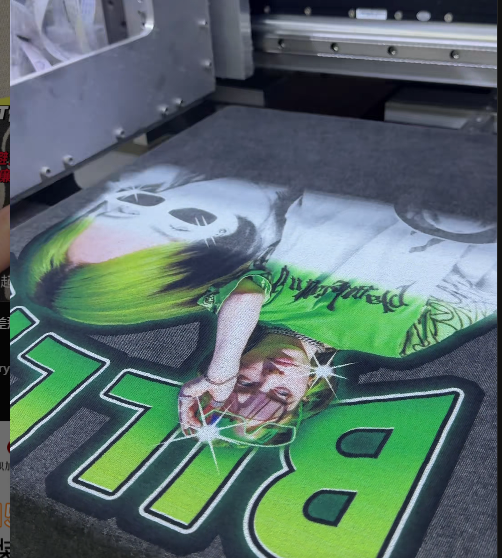
Can I combine stone wash with embroidery or screen printing?
What is the MOQ for stone wash orders?
How long does a stone wash sample take to produce?
What art file formats do I need to submit for a custom stone wash order?
Does the stone wash effect look different on dark versus light base colors?
How much does a stone wash sample cost, and is the fee refundable?
Do you handle global shipping and customs for stone wash orders?
The Complete Buyer’s Guide to Stone Wash Apparel
From technique selection and fabric compatibility to supplier vetting and pricing tiers — this guide gives streetwear brands, retailers, and independent designers a clear decision framework for sourcing premium stone wash garments with confidence.
1. What Is Stone Wash? The Timeless Fabric Finish Explained
Pumice stones ranging from 0.5 to 2 kg per garment are the traditional abrasive in a stone wash process: fully sewn garments are loaded into industrial rotary drums with the volcanic rock and tumbled in water for 45 to 90 minutes. The friction breaks down fiber surfaces, softens hand feel, and produces the characteristic faded, uneven color variation that defines the stone wash aesthetic — an effect impossible to replicate with standard dyeing or pressing.
For 100% cotton denim, the abrasion targets the raised indigo dye layer on ring-spun yarns, removing pigment from fiber tips while preserving deeper color in fabric valleys. The outcome is a garment that reads as pre-aged at the point of purchase, with irregular color gradients, seam highlighting, and tactile softness already built in.
Streetwear, workwear, and denim casualwear categories all rely heavily on stone wash as a finishing standard because it delivers shelf-ready character without requiring the consumer to break in a garment over months of wear. Chemical alternatives — including cellulase enzyme wash and bio-stone processes — now complement or replace pumice in many facilities, reducing stone dust and machine wear while achieving comparable surface effects.
3 to 8 percent fabric weight loss separates a true stone wash result from a standard rinse wash, which uses only water, detergent, and heat to remove sizing agents and pre-shrink fabric without any abrasion. Stone wash layers physical abrasion onto that baseline cycle, introducing intentional surface variation, measurable GSM reduction, and tactile softness that a rinse wash cannot produce — the clearest technical distinction a buyer should confirm when reviewing supplier samples.
2. Evolution & History of Stone Wash in Global Fashion
Stone wash emerged commercially around 1982, when denim manufacturers began tumbling garments with pumice volcanic stones to produce a pre-worn, faded aesthetic that matched the decade’s appetite for casual, lived-in style. By mid-decade, the finish had moved from niche workwear adaptation to mainstream department-store floors across the U.S. and Europe.
The 1990s layered grunge culture onto the stone wash foundation, amplifying consumer demand for distressed, anti-pristine aesthetics. Acid wash — a chemical variant producing irregular bleached cloud patterns — crossed over as a companion technique during this era, and celebrity adoption by musicians, skaters, and streetwear pioneers gave both finishes lasting cultural authority that outlasted the decade itself.
Between 2012 and 2018, major denim labels and high-street retailers reintroduced stone wash as a deliberate vintage signifier, driving a second commercial peak. The finish migrated from seasonal novelty to year-round catalog staple, marking its formal shift from cyclical trend to durable product category.
Since 2020, the Y2K revival and streetwear’s global dominance have pulled stone wash into a third sustained commercial cycle, with demand visible across fashion weeks, resale platforms, and independent streetwear drops worldwide. For brand founders, this 40-plus-year track record across radically different cultural eras — 1980s mass denim, 1990s grunge, 2010s vintage revival, 2020s Y2K — confirms stone wash as one of the most reliable signature finishes available for anchoring a long-term product line investment.
3. Types of Stone Wash Techniques Every Buyer Should Know
Five distinct stone wash techniques produce different textures, fade depths, and durability profiles. Matching the right process to your garment type and brand aesthetic is the first decision a serious buyer must make.
Classic Pumice Stone Wash
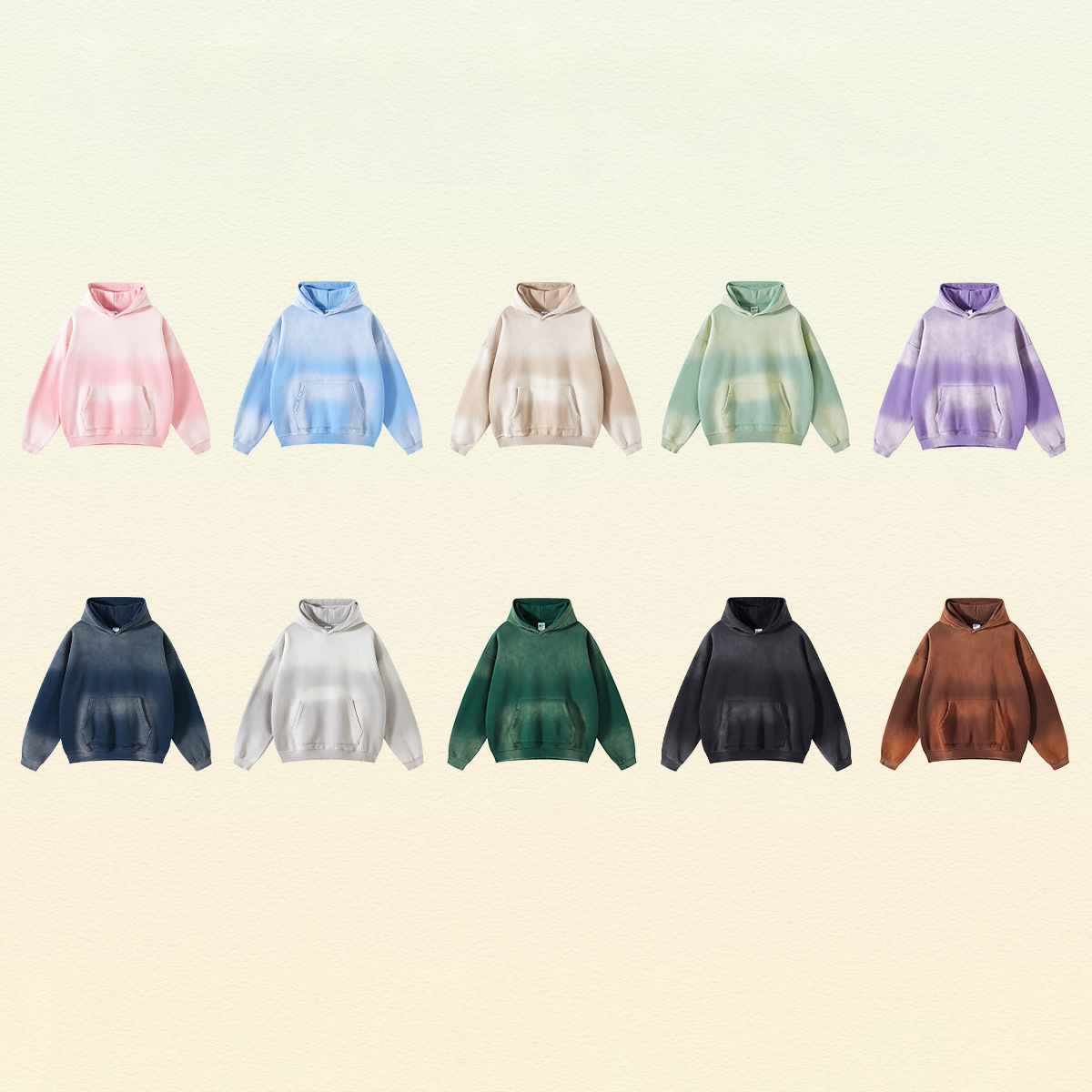
Volcanic pumice stones graded from fine to coarse tumble against fabric for 30–90 minutes, producing uneven fade with tactile surface softening.
Seam and hem contrast is pronounced. MOQ typically starts at 300 pieces; ideal for 12–14 oz denim and canvas.
Enzyme Wash for Lower Fabric Stress
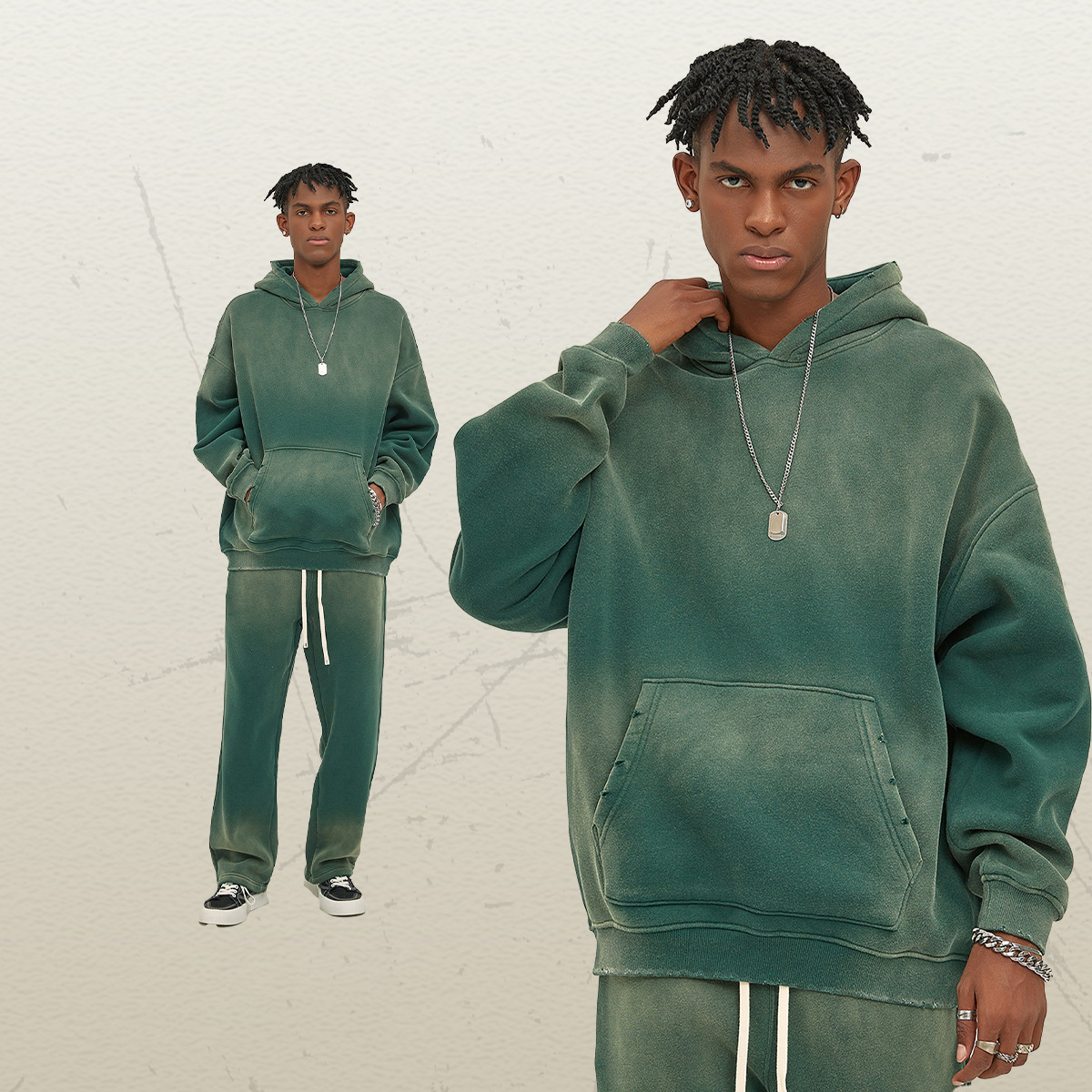
Bio-cellulase enzymes digest surface fibers at 50–60°C, producing peach-skin softness without heavy mechanical wear.
Tensile strength loss stays under 15%, versus 25–30% for pumice. MOQ can drop to 100 pieces; suits lightweight jersey and 8–10 oz denim.
Acid and Bleach Wash Distress
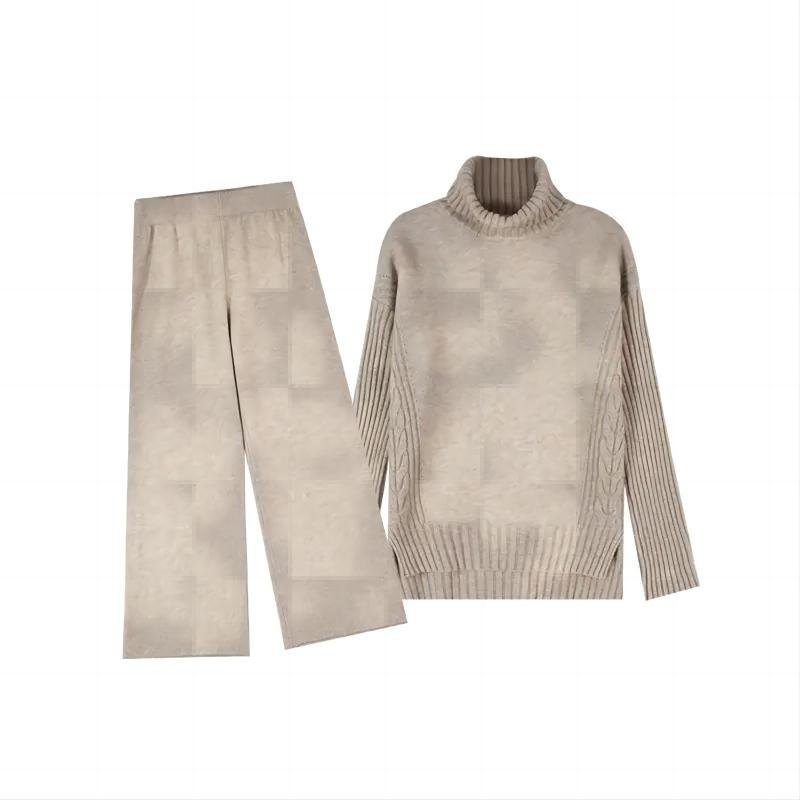
Chlorine bleach or sodium hypochlorite applied to pre-wet garments creates high-contrast, cloud-pattern distress across the fabric face.
Colorfastness ratings typically drop to ISO 3–4 after treatment, requiring careful post-neutralization. MOQ 200+ pieces; best for bold streetwear graphics on 100% cotton fleece or denim.
Sandblast Finish for Gradient Effects
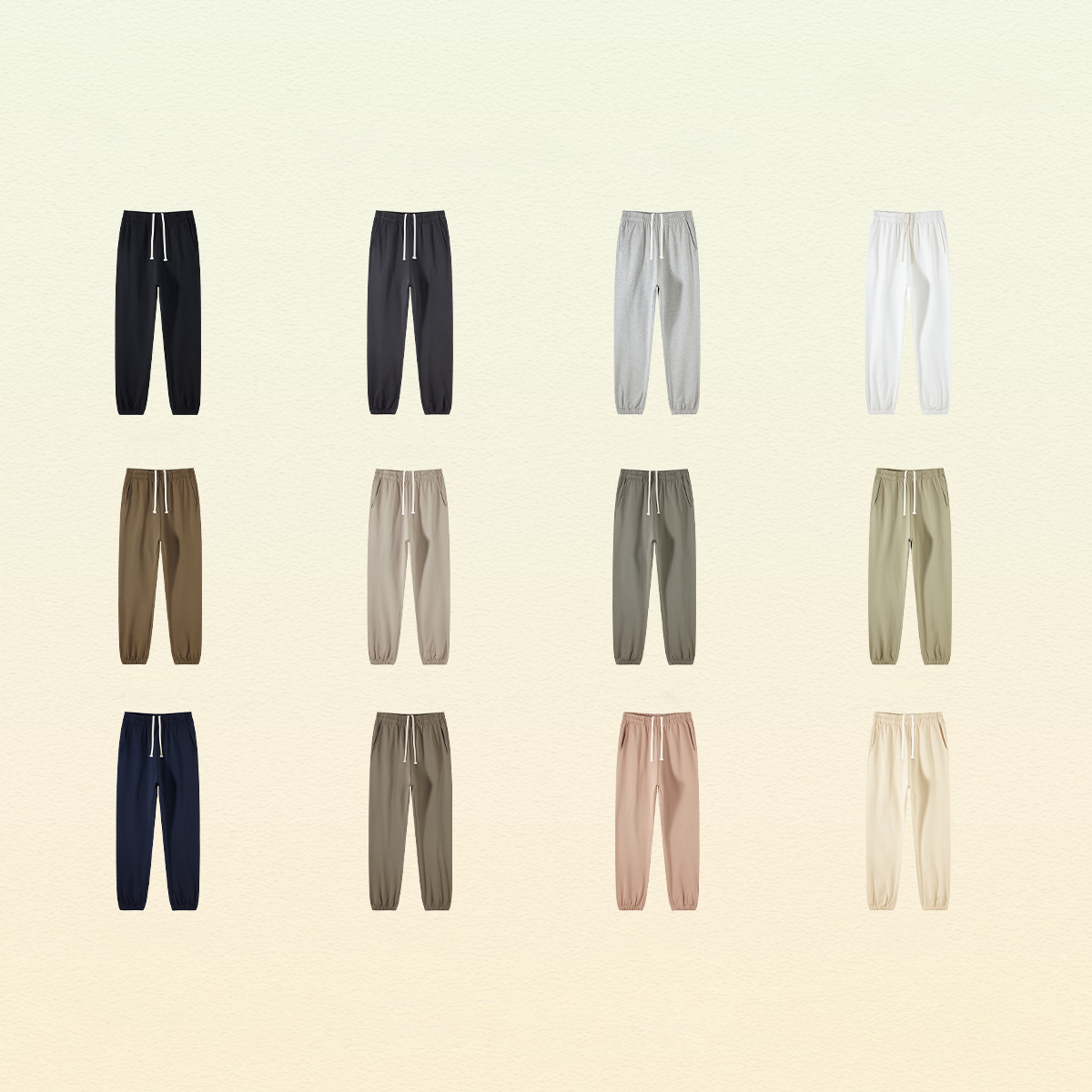
High-pressure abrasive jets strip surface dye in controlled patterns, producing gradient fades and worn-in highlights.
Compliant shops use aluminum oxide abrasives rather than restricted silica. MOQ 200 pieces; ideal for denim panels and canvas where localized distress is the goal.
Laser Stone Wash for Precision and Eco Gains

Laser units ablate surface dye using digitally mapped patterns — no water, no chemistry.
Water consumption drops up to 75% versus pumice, supporting OEKO-TEX supply-chain claims. MOQ can be as low as 50 pieces; best for premium denim and repeat-pattern streetwear.
4. Best Fabrics & Materials for Stone Wash Production
Not every fabric responds to stone wash the same way. Weave structure, fiber content, and GSM determine how evenly pumice abrasion works — and how durable the result remains after repeated laundering.
| Fabric Type | GSM Range | Wash Compatibility | Recommended End Use | Durability Post-Wash |
|---|---|---|---|---|
| 100% Cotton Denim | 340–475 | Stone wash — ideal | Jeans, jackets, shorts | High |
| Cotton-Poly Blend | 240–320 | Stone wash — limited | Casual pants, tees | Medium |
| Cotton Canvas | 280–400 | Stone wash — good | Workwear, overshirts | High |
| Linen-Cotton Blend | 180–240 | Stone wash — moderate | Shirts, light jackets | Medium |
| Fleece / French Terry | 280–400 | Not recommended | Hoodies, sweatshirts | Low |
100% Cotton Denim — The Optimal Baseline
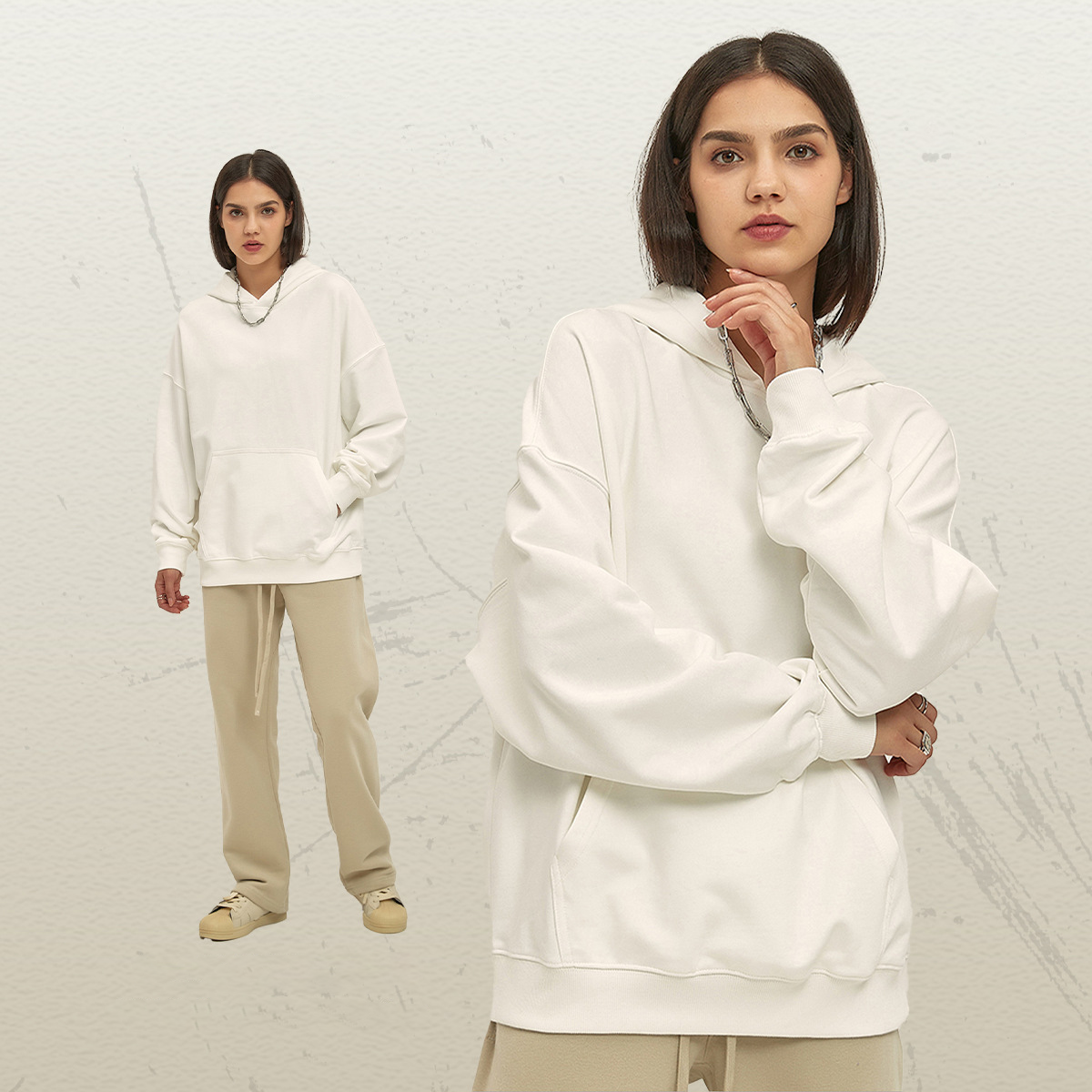
Ring-spun 100% cotton denim at 10–14 oz (340–475 GSM) with a 3×1 twill weave is the gold-standard stone wash substrate. Pumice abrasion acts evenly across warp and weft, delivering consistent vintage fading without fiber damage.
Cotton-Polyester Blends
65/35 or 80/20 cotton-poly blends (240–320 GSM) accept stone wash, but polyester fibers resist abrasion while cotton fibers wear unevenly. Keep polyester content below 35%; higher ratios produce patchy fading that fails consistent quality inspection.
Cotton Canvas
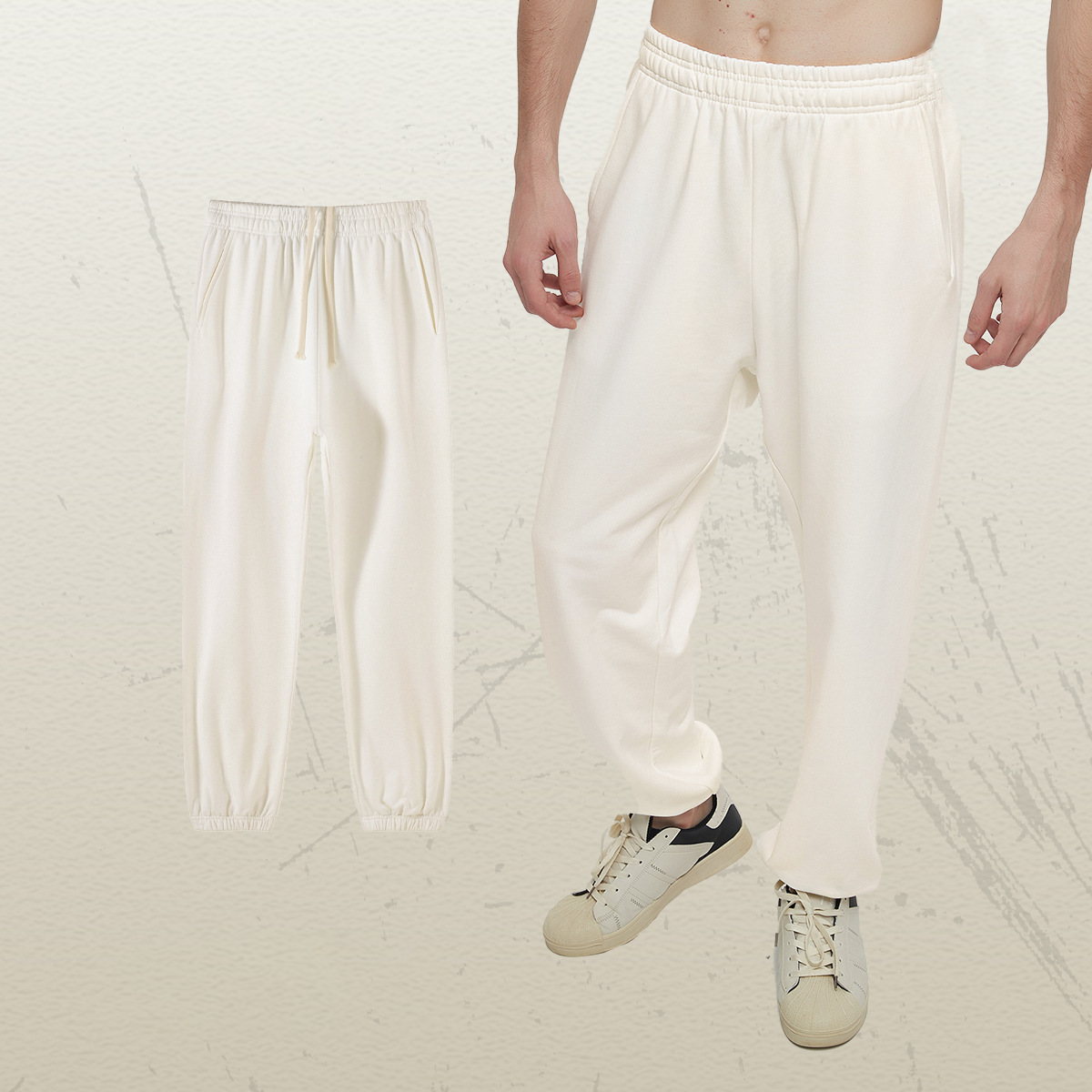
100% cotton canvas at 280–400 GSM uses a plain weave that handles pumice abrasion reliably. The dense construction requires longer drum cycles but yields a structured, worn-in surface texture well-suited to workwear jackets and overshirts.
Linen-Cotton Blends

Linen-cotton blends at 55/45 or 60/40 ratios (180–240 GSM) soften noticeably under stone wash. Pure linen above 60% risks fiber breakage and pilling; blends at or below that threshold produce a consistent, relaxed hand feel.
Fleece and French Terry — Proceed With Caution
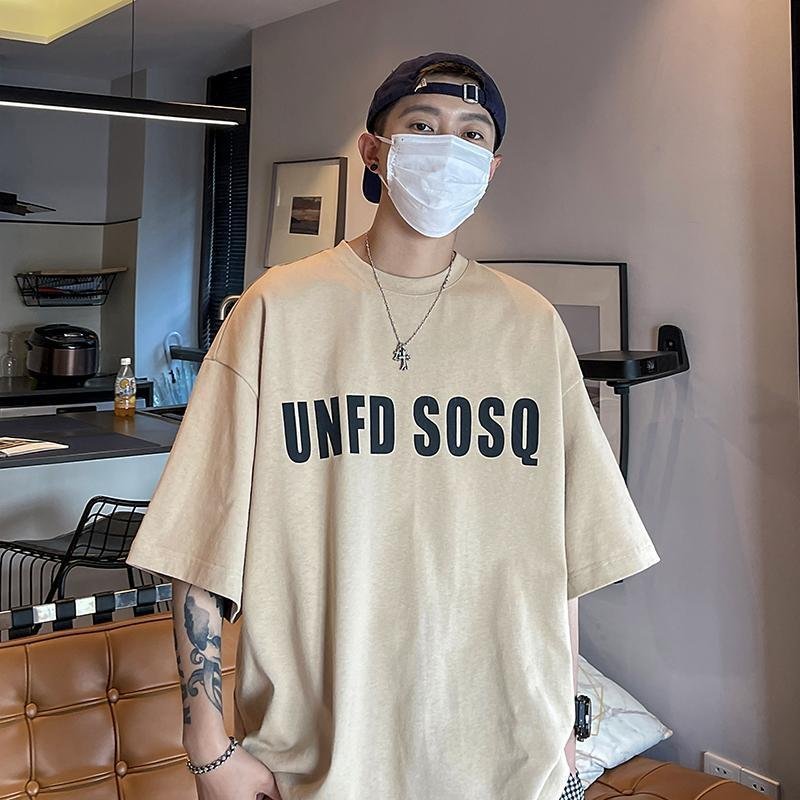
French terry and fleece (280–400 GSM) perform poorly — pumice catches loop piles and causes aggressive pilling. Enzyme wash is the correct alternative; buyers who insist on stone wash for these constructions should expect elevated defect rates.
5. Customization & Decoration Options for Stone Wash Garments
Stone wash processing alters a garment’s surface texture and fiber pH before decoration begins, making technique sequencing critical. Each decoration method interacts differently with the distressed substrate, directly affecting ink adhesion, thread tension, and long-term brand consistency across runs.
Screen Printing: Pre-Wash vs. Post-Wash Sequencing
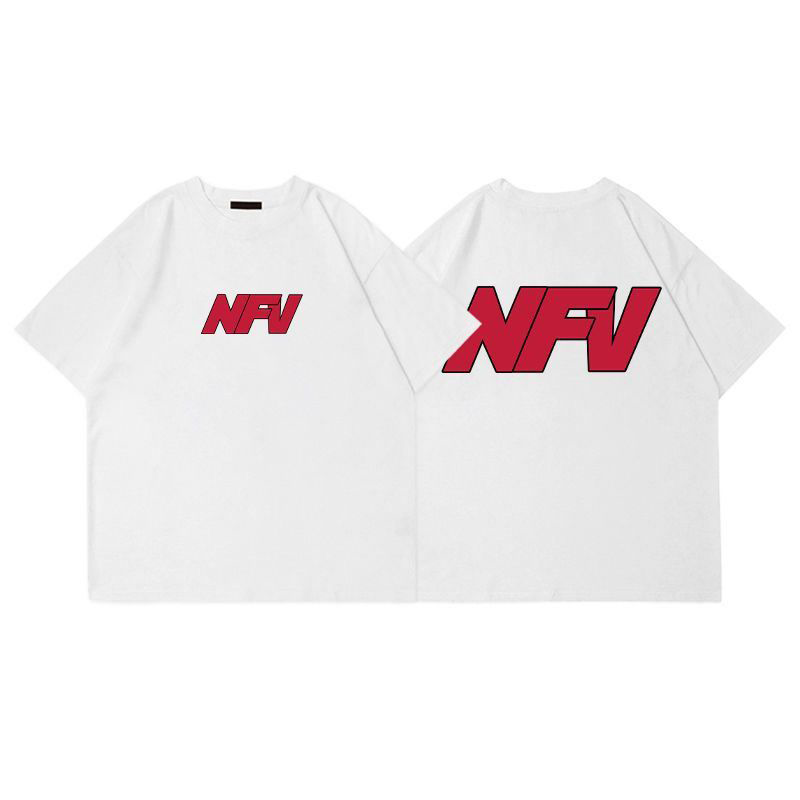
Pre-wash printing exposes pigments to 15–30% color loss during tumbling, so plastisol inks cured at 320°F are standard for durability. Post-wash printing on stabilized fabric delivers sharper registration and more reliable Pantone color matching across a full production run.
Embroidery on Distressed Fabric
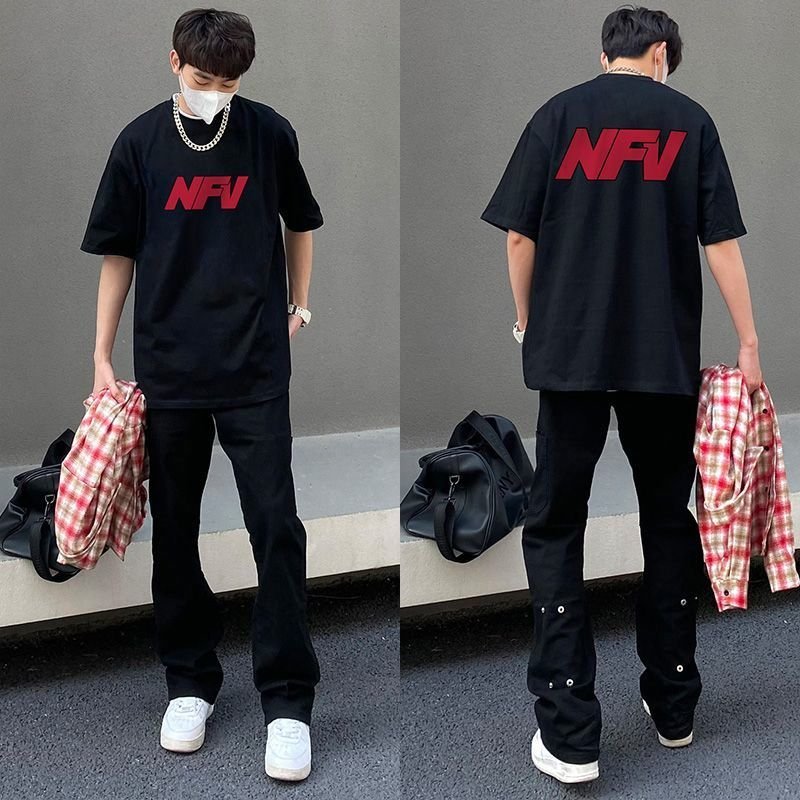
Softened, distressed weaves require a cut-away backing rated at 2.0–2.5 oz to prevent puckering under the embroidery hoop. Stitch density should drop 10–15% versus standard denim specs to avoid perforating weakened yarn at pumice-abraded zones.
Patchwork and Label Placement on Washed Substrates
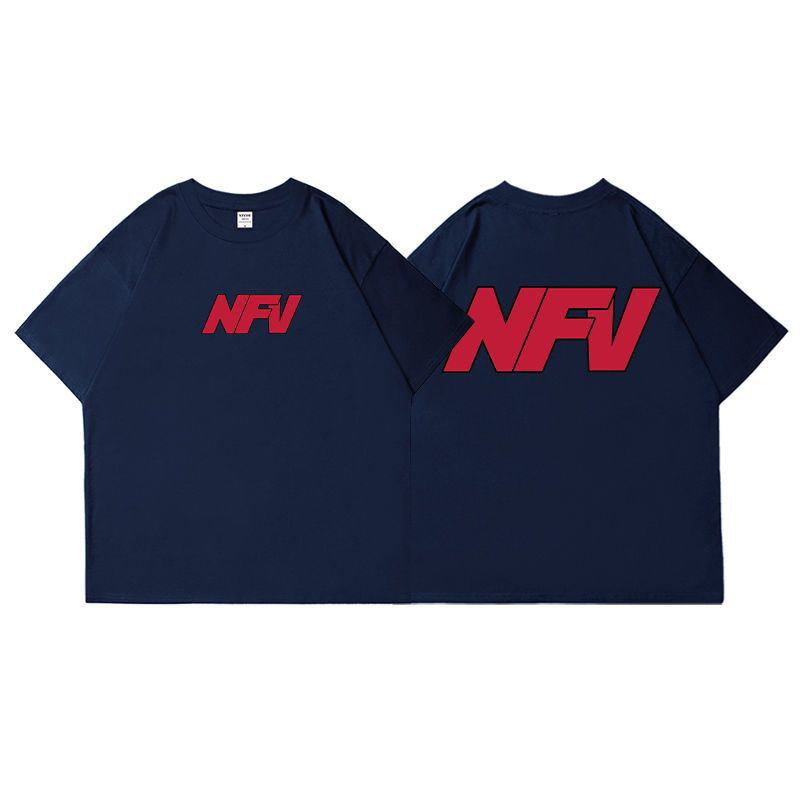
Heat-seal labels lose up to 20% bond strength on washed substrates with irregular nap; woven or sewn labels are the more reliable alternative. Patchwork panels must be pre-washed to matching shrinkage rates before attachment, preventing seam distortion after repeated customer laundering.
Laser Engraving and Flock Printing
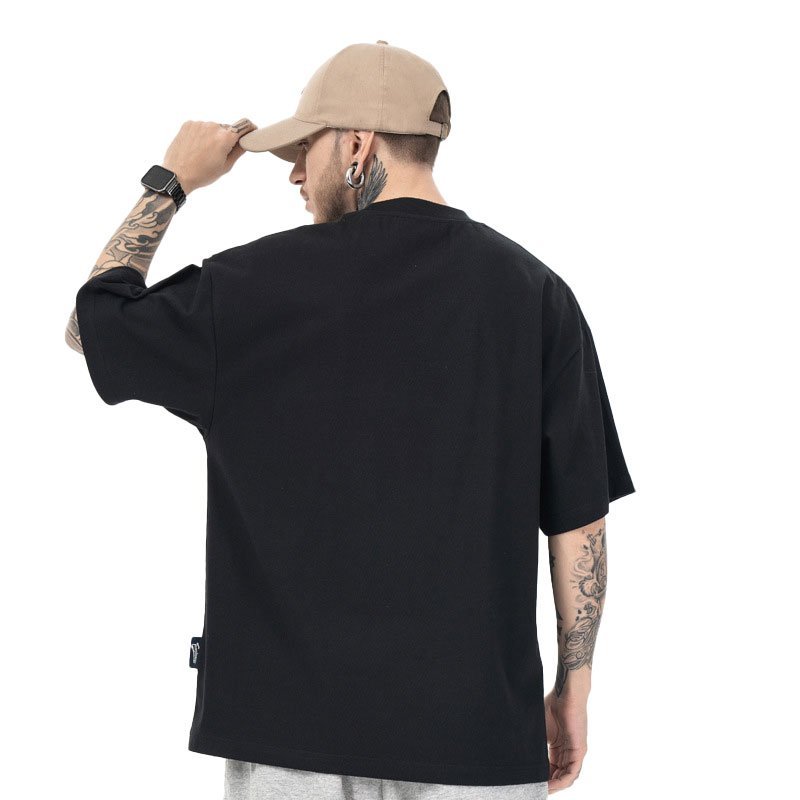
Laser engraving etches precise worn patterns into denim at 0.1–0.5 mm depth without chemical agents, delivering consistent replication across production runs. Flock printing — electrostatically applied fiber on an adhesive base — must be applied post-wash, as tumbling can delaminate flock adhesive by 30–40%.
Custom Overdye for Colorway Variation
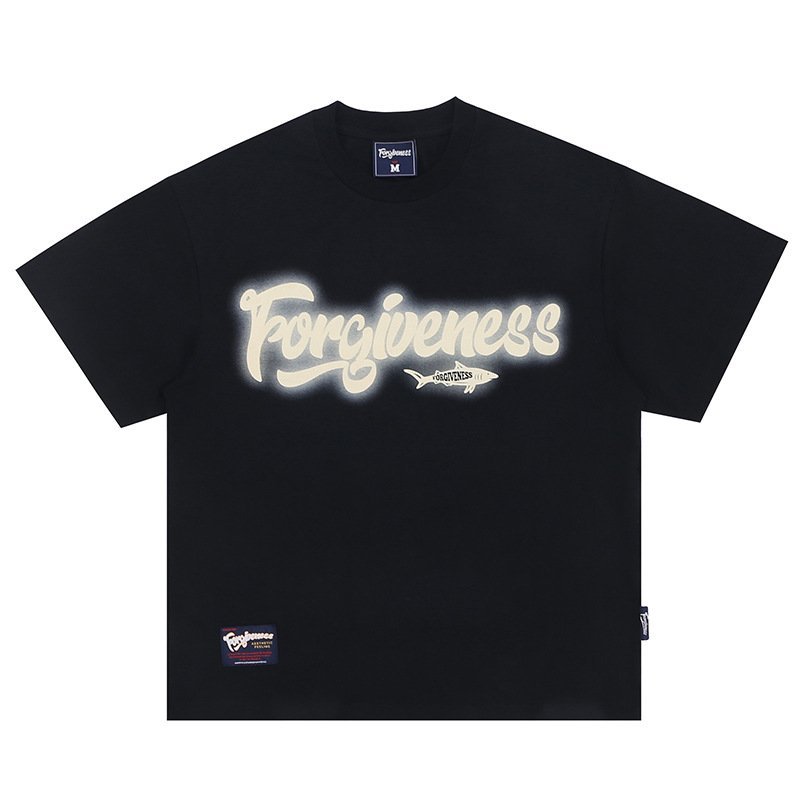
Overdyeing a stone wash base in reactive or vat dyes creates unique colorways without retooling fabric stock, cutting sampling lead time by 3–5 days. Pantone-matched overdye must account for residual mineral content left by pumice treatment, which shifts final dye uptake by 5–10% and affects cross-run color consistency.
6. Key Quality Elements in Stone Wash Garment Construction
A stone wash finish stresses every structural element of a garment — seams, threads, hardware, and dye — simultaneously. Specifying these quality dimensions in your tech pack before production prevents costly batch rejections downstream.
Seam Integrity After Tumbling
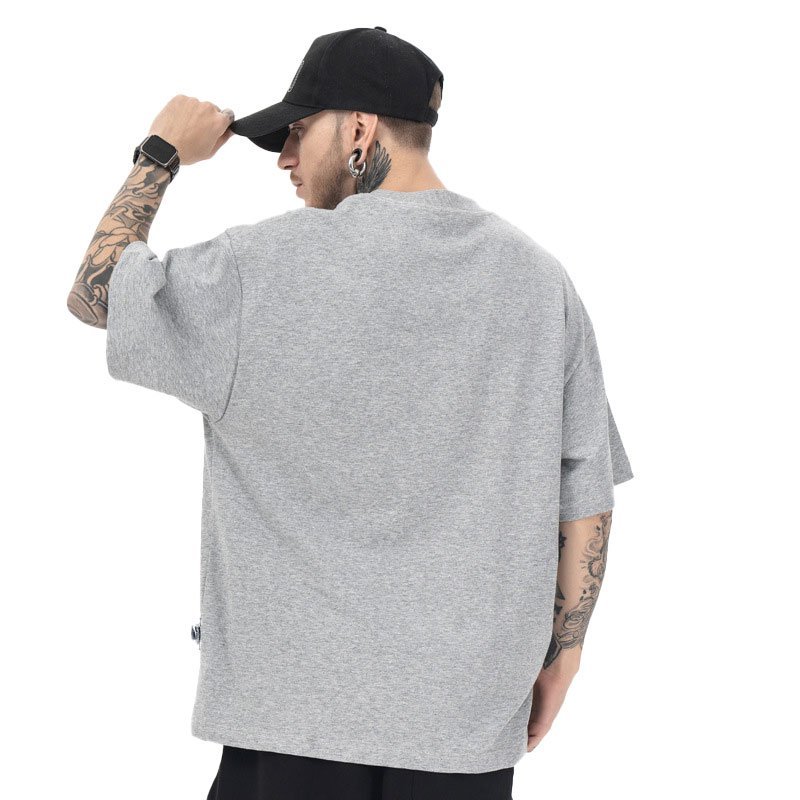
Minimum 8 stitches per centimeter on critical seams withstands repeated tumbling without fraying. Specify polyester-core spun thread (tex 40–60) in your tech pack; cotton thread degrades faster under prolonged stone abrasion cycles.
Colorfastness Standards to Specify
Require AATCC 61 laundering rating of 4 or higher and AATCC 8 crocking rating of 3 dry / 2 wet as minimums. These scores confirm dye stability after wash and prevent color transfer to adjacent garments at retail.
Even Distress Distribution Across the Batch
Request a 10-piece pull from every 100-unit production run and photograph each side under consistent lighting. Uneven stone contact — common with overloaded drums — creates visible light/dark patches that consumers immediately flag as defects.
Tensile Strength, Hardware, and Shrinkage
Post-wash tensile strength should meet ASTM D5034 minimums: 200 N for woven denim, 80 N for jersey knits. YKK or equivalent zippers and metal rivets must pass 500-cycle open/close tests; shrinkage tolerance is ±3% warp and weft — document all three in the wash spec.
Certifications and Tech Pack Wash Specifications
OEKO-TEX Standard 100, GOTS, and REACH compliance govern the pumice, enzymes, and bleaching agents used in stone wash chemistry. Your wash spec should state water temperature range, drum load ratio, stone-to-garment weight ratio, and required certifications for every chemical input.
7. How to Choose the Right Stone Wash Manufacturer
Choosing the right stone wash supplier comes down to five operational factors that directly affect consistency, compliance, and cost. Vet each manufacturer against these criteria before placing any production order.
- Do you run an in-house stone wash facility? State drum capacity.
- What is your MOQ per colorway and paid-sample turnaround time?
- Provide your OEKO-TEX certificate and latest wastewater compliance report.
- Can you execute production directly from our Illustrator tech pack?
- What was your on-time delivery rate over the past 12 months?
In-House vs. Outsourced Wash Facility

Manufacturers with in-house stone wash drums control temperature, chemical ratios, and cycle time batch-by-batch. Outsourcing wash to a third-party laundry adds 3-5 days and a coordination gap where shade variation typically originates.
MOQ Flexibility and Sample Turnaround
Entry-level stone wash MOQs typically run 100-300 pieces per colorway; factories requiring 500+ are targeting established brands. Reputable suppliers deliver pre-production samples within 7-10 business days; beyond 15 days signals capacity issues.
Certifications and Environmental Compliance
Look for OEKO-TEX Standard 100, GOTS, WRAP, or BSCI certification. Ask how the factory handles wastewater — compliant Chinese facilities use closed-loop systems meeting GB 4287-2012 discharge limits. Request Safety Data Sheets for all enzymes and pumice agents used.
Communication Quality and Tech Pack Capability
A capable factory responds within 24 hours and reads Illustrator or PDF tech packs including Pantone color calls and construction specs. Inability to execute from a detailed tech pack is the single clearest red flag.
Geographic Advantages and Trade Considerations
China (Guangdong) offers the lowest unit cost and widest fabric range; Bangladesh suits volume basics; Turkey provides 7-14 day EU shipping; Portugal delivers MADE IN EU labeling with 12-16 week lead times.
8. Common Mistakes Buyers Make When Sourcing Stone Wash
Even experienced buyers lose margin and miss launch windows on stone wash orders by skipping a handful of well-documented steps. Each mistake below maps directly to a production or returns problem — and a straightforward fix.
Approving Fabric Swatches Instead of Washed Garment Samples
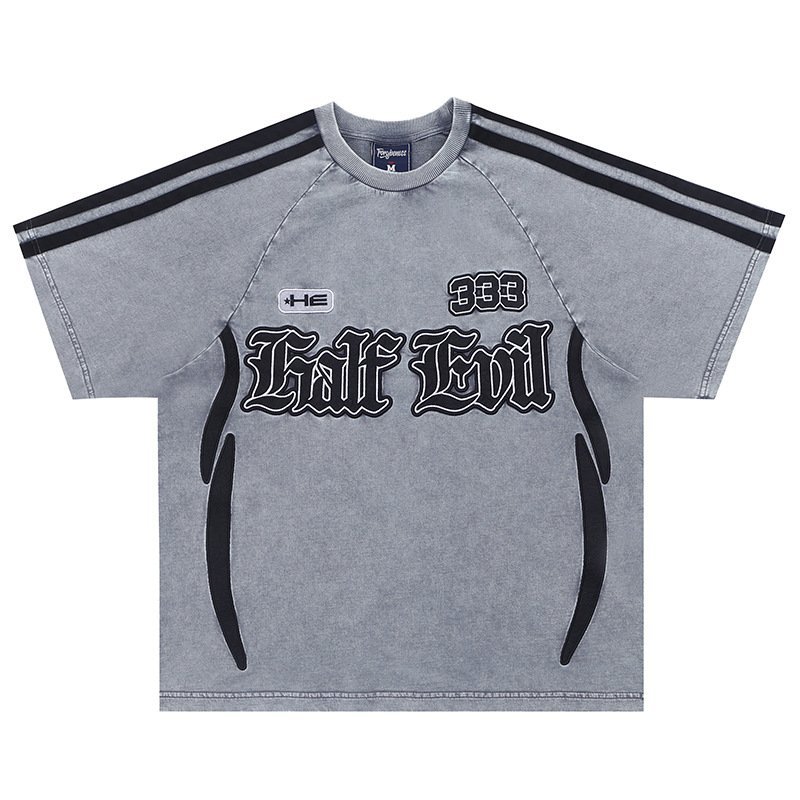
A flat swatch shows raw fabric hand-feel, not how 12-oz denim behaves after tumbling with pumice. Washed garments can shrink 3–8%, and surface distress patterns differ dramatically from unwashed fabric.
Always request a sealed, washed pre-production sample before issuing final approval.
Omitting Distress Intensity Levels From the Tech Pack
Distress intensity has no universal scale: factories interpret stone wash anywhere from a subtle vintage rinse to a fully destroyed surface finish. Omitting a Level 1–5 intensity grade and physical reference swatch from the tech pack guarantees inconsistent bulk results.
Define intensity, attach a reference swatch, and confirm via lap-dip before bulk cuts.
Ignoring Colorfastness Specs Until Customer Complaints Arrive
AATCC 61 and ISO 105-C06 set a minimum Grade 3–4 wash-fastness benchmark for most retail channels. Skipping these specs means bleach-treated or enzyme-washed pieces fade unevenly in consumer laundry, triggering returns.
Add colorfastness grades to every tech pack and test against OEKO-TEX-certified dye lots at the sampling stage.
Mixing Wash Techniques Inconsistently Across a Collection
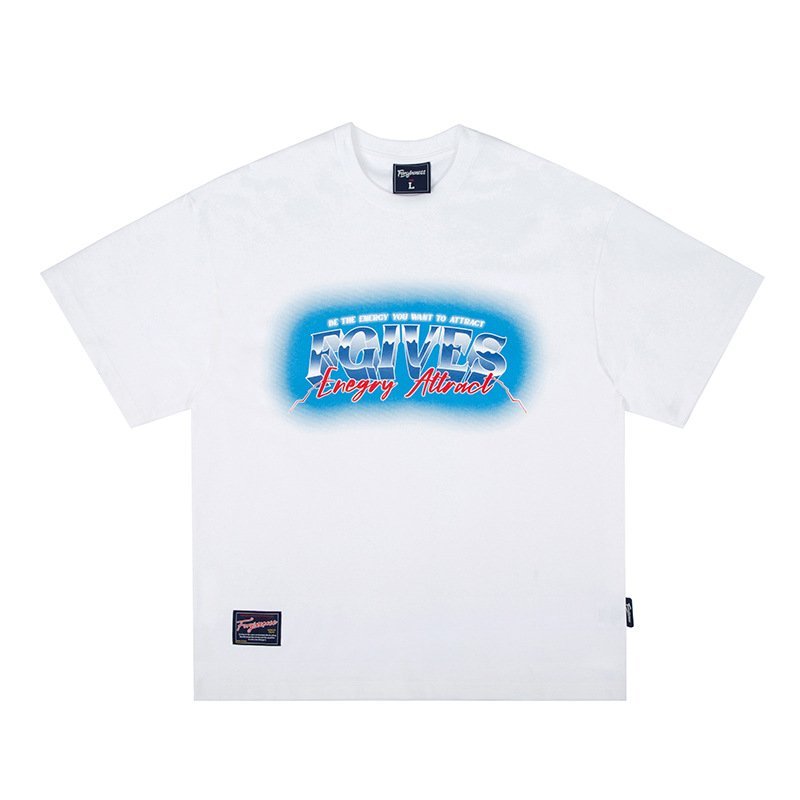
A collection mixing stone-washed denim with enzyme-washed French terry looks mismatched at retail without sealed wash standard swatches shared across all production runs. Color temperature and surface texture shift noticeably between techniques.
Produce a sealed wash swatch for every SKU and reference it at each QC checkpoint.
Underestimating Lead Times for Wash Processing and Capacity
Wash processing adds 5–10 working days to a standard cut-and-sew timeline, and industrial drum capacity books 4–6 weeks ahead during Q3–Q4 peaks. Buyers who lock fabric without reserving wash slots routinely miss holiday windows.
Confirm wash-line availability before placing purchase orders, especially for runs above 500 units per SKU.
9. Steps to Launch Your Stone Wash Clothing Brand
Launching a stone wash brand follows a 7-step production sequence where each gate decision protects the next. Compressing or skipping steps routinely adds 3–6 weeks of rework and multiplies sample costs.
Define Aesthetic and Target Customer
Collect 20–30 reference images showing preferred wash intensity, distress placement, and silhouette. Identify your target demographic’s price tolerance — street-facing labels typically position finished retail between 3× and 5× FOB cost.
Build a Tech Pack with Wash Specs
A complete tech pack includes fabric GSM (typically 300–420 gsm for heavyweight denim), Pantone color references for base shade and post-wash tone, and a distress map noting abrasion zones.
Request Pre-Production Samples and Swatches
Order 3–5 physical wash-standard swatches alongside a size-M garment sample. Evaluate shrinkage, color consistency, and hand-feel against your reference images before approving any bulk fabric purchase.
Approve Bulk Parameters and Sealed Sample
Sign off on a sealed sample that locks in wash intensity, pilling grade, and measurements. Any deviation from this standard during bulk production becomes a formal rejection criterion.
Run a Pilot Production Run with Mid-Line QC
A pilot run of 50–100 units activates mid-line QC checks — sewing, cutting, and wash-process verification — before full bulk begins. This stage catches systemic defects at the lowest unit cost.
Final Inspection Against Wash Standard
A third-party AQL 2.5 inspection compares finished garments against the sealed sample for wash tone, distress depth, and measurement tolerance. Reject lots exceeding a 1.5% major defect rate.
Arrange Freight and Labeling Compliance
Confirm OEKO-TEX or GOTS certification documentation, country-of-origin labeling, and fiber content compliance for your target market. Book ocean freight 4–6 weeks before the required in-hand date to avoid premium air charges.
10. Stone Wash Pricing, MOQ Tiers & Lead Time Breakdown
Sample development runs $80-150 USD per piece with a 10-14 day turnaround; that fee is typically credited toward your first bulk order at 300+ units. Each stone wash technique carries a distinct per-unit premium — enzyme adds roughly $0.80-1.50, pumice adds $1.50-2.50, and laser finishing adds $2.00-4.00 — so specify your wash method before sampling to lock in an accurate budget.
Air freight on a 100-unit run adds roughly $3-6 per garment to landed cost; sea freight on 500+ units typically drops that surcharge below $1.50 per piece. Orders above 1,000 units unlock consolidated dye-lot and wash-batch pricing that can reduce per-unit cost by 18-25% versus a 50-unit run.
| Quantity Tier | Unit Price (USD) | Wash Premium / Unit | Sample Cost (USD) | Lead Time (Wks) |
|---|---|---|---|---|
| 50 units | $22-32 | Enzyme +$1.50 / Pumice +$2.50 / Laser +$4.00 | $100-150 | 5-7 |
| 100 units | $18-26 | Enzyme +$1.20 / Pumice +$2.00 / Laser +$3.50 | $100-150 | 5-7 |
| 300 units | $14-20 | Enzyme +$1.00 / Pumice +$1.80 / Laser +$3.00 | $80-120 | 6-8 |
| 500 units | $11-17 | Enzyme +$0.90 / Pumice +$1.60 / Laser +$2.50 | $80-120 | 7-9 |
| 1,000+ units | $8-13 | Enzyme +$0.80 / Pumice +$1.50 / Laser +$2.00 | $80-100 | 8-12 |
Get Your Stone Wash Samples Today
Request free samples, book a design consultation, or get a fast quote — low MOQ, global shipping, and 5-step QC guaranteed.