
Pigment Dye Apparel Built for Streetwear Brands That Demand Quality
From low MOQ sampling to full-run production, we deliver authentic pigment dye garments with a 5-step QC guarantee — shipped to 100+ countries.
Pigment Dye Apparel Samples — Vintage Aesthetic, Rich Colorways
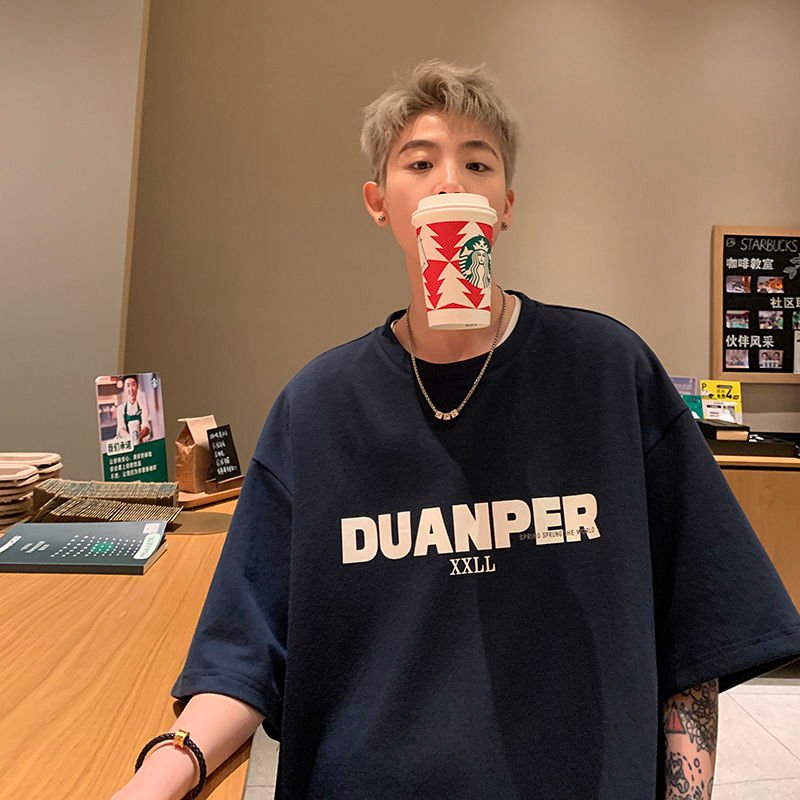
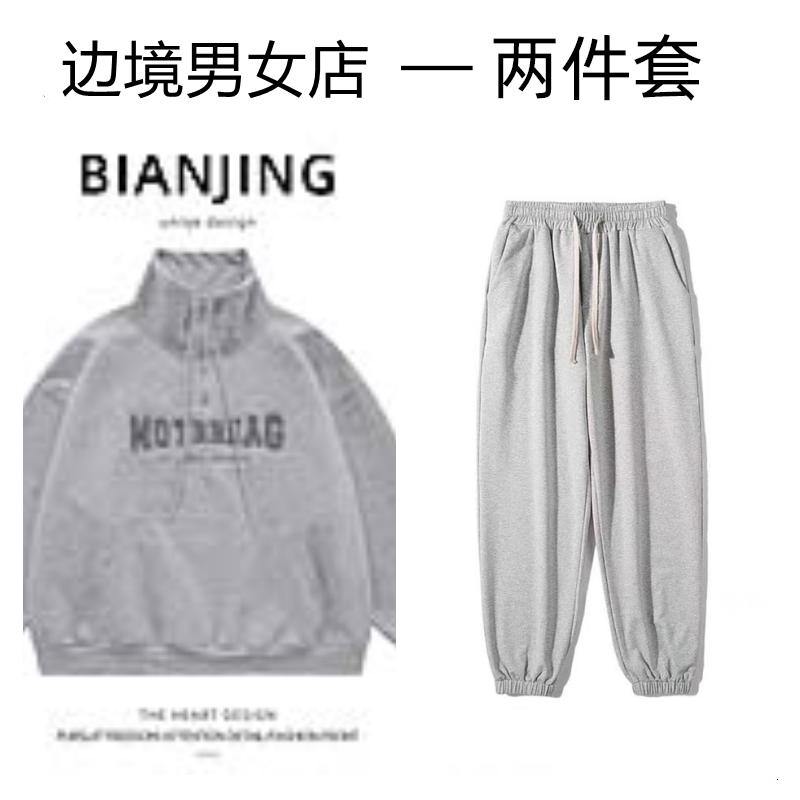
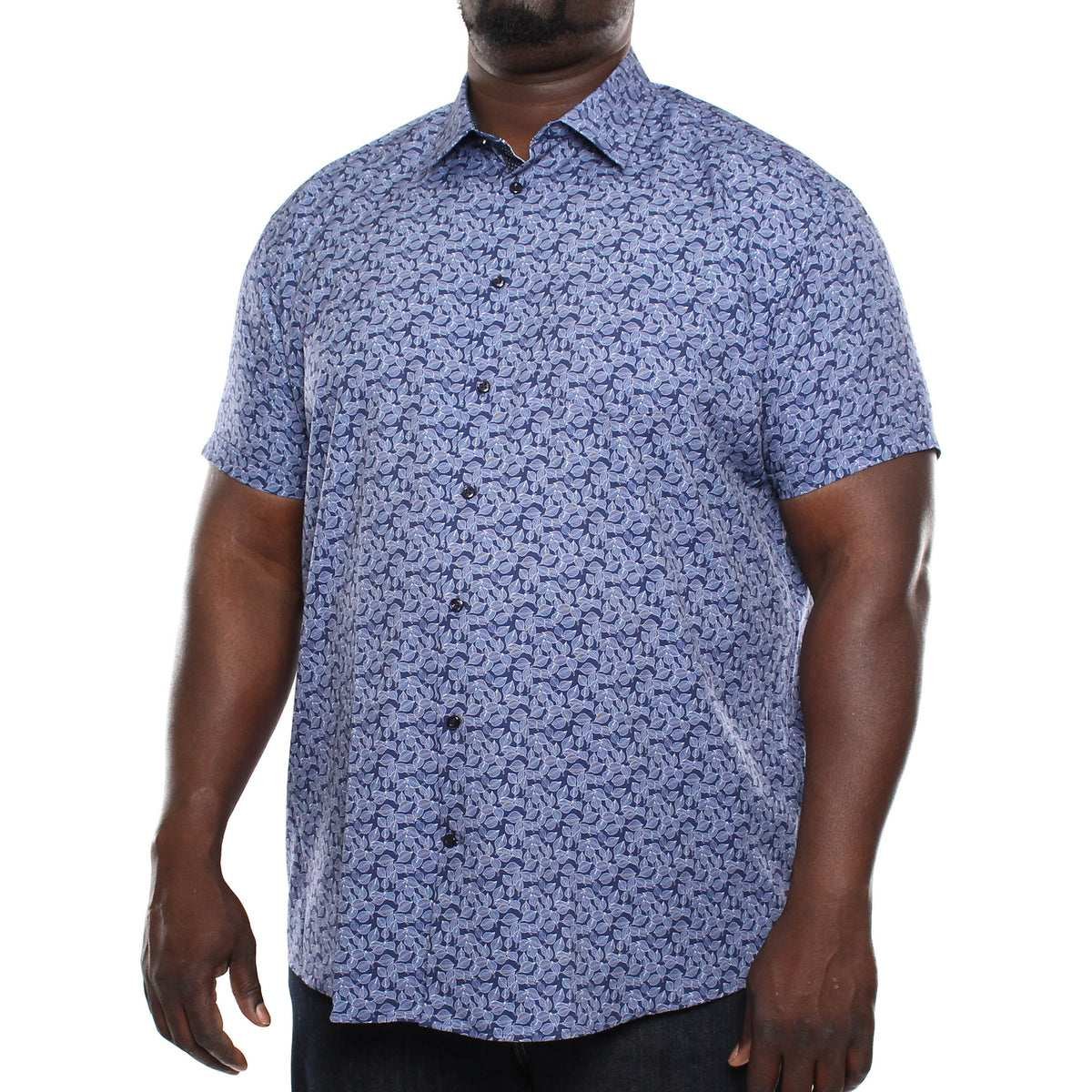
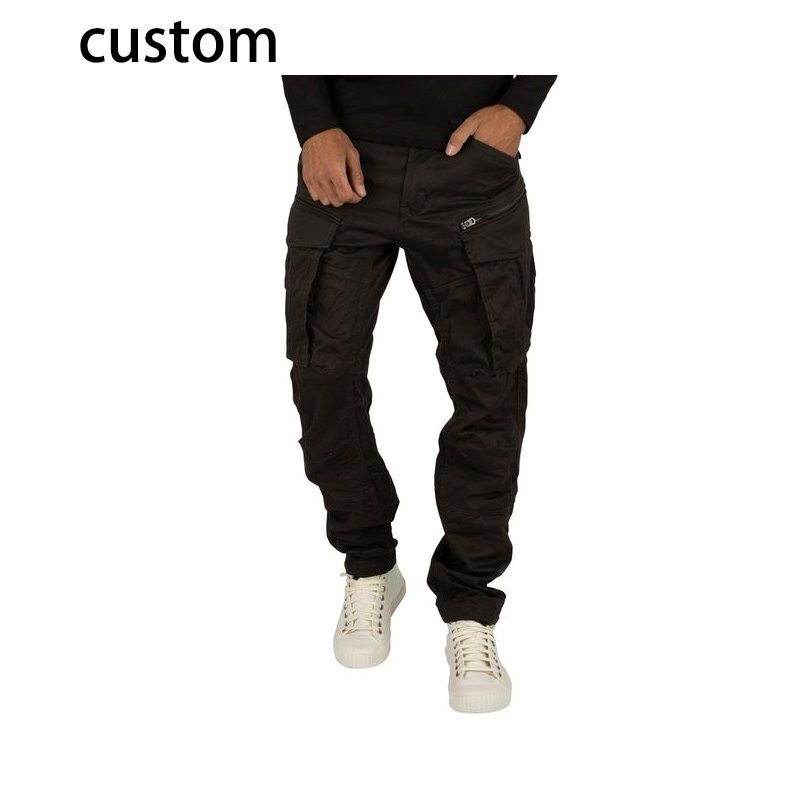
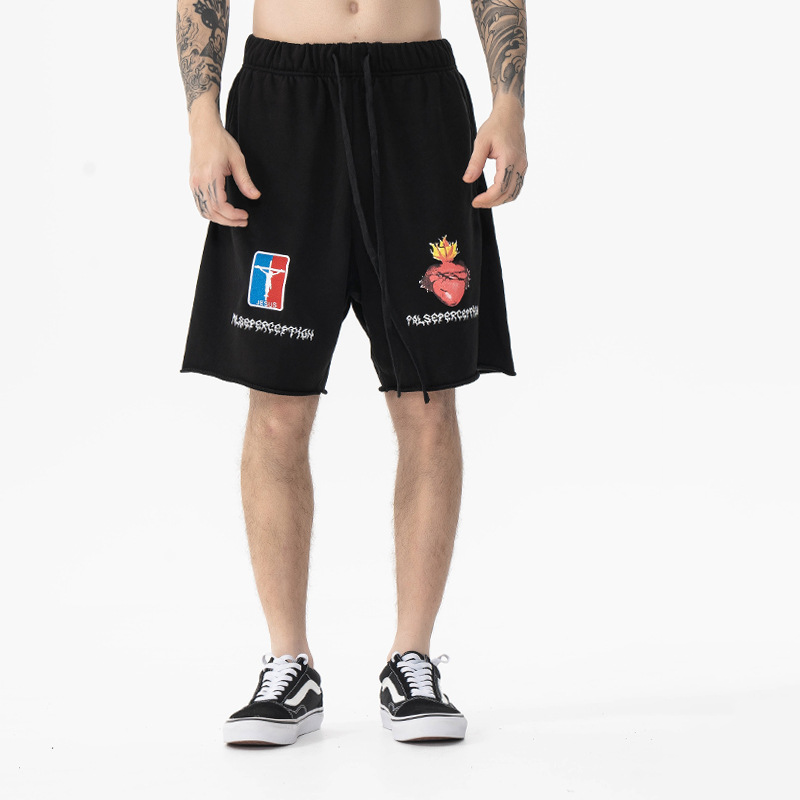
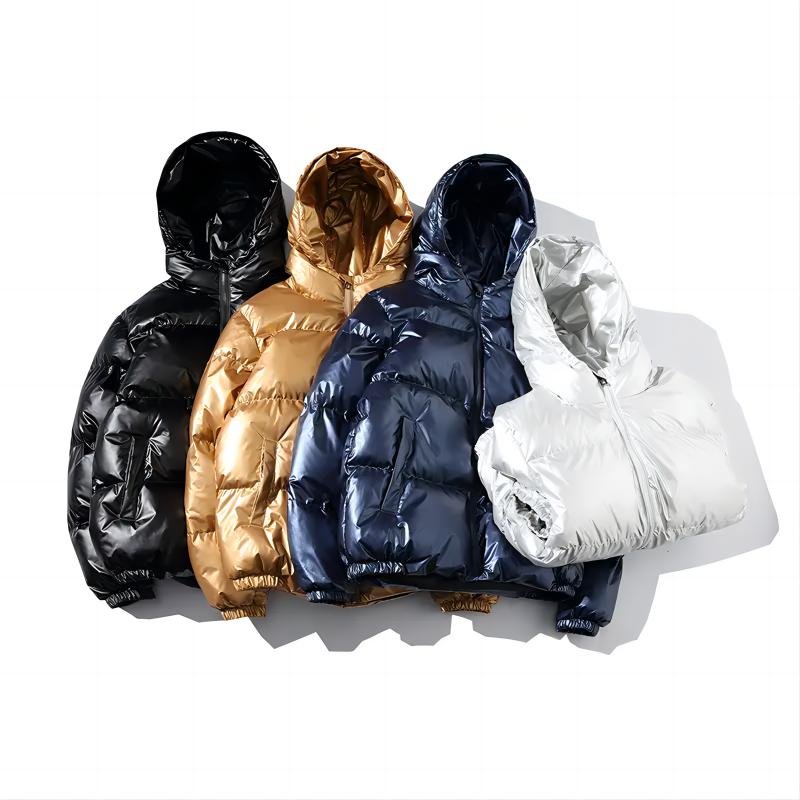
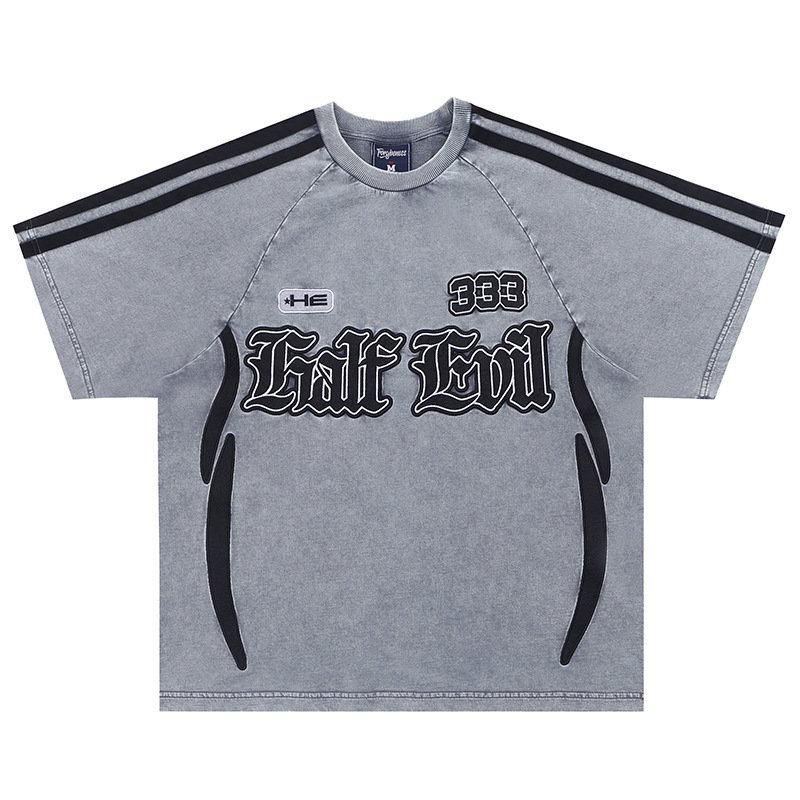
What Makes Pigment Dye Special: Heritage Look & Design Flexibility
From muted earth tones to buttery-soft hand feel, pigment dye captures the raw, lived-in energy that defines modern streetwear.
Muted, Vintage Color Palette
Pigment dye delivers earthy, washed-out tones that look naturally aged, perfectly matching streetwear’s deep love of vintage aesthetics.
Every Piece Uniquely Its Own
Subtle color variation between garments gives each piece individual character, making every drop feel limited-edition and collectible.
Buttery-Soft, Worn-In Feel
The pigment dye process leaves fabric with an exceptionally soft, broken-in texture that customers want to wear every single day.
Built for Streetwear Culture
Pigment dye’s raw, lived-in aesthetic resonates with hip-hop, skate, and street culture audiences who demand authentic, bold self-expression.
Endless Design Customization
Layer graphics, distressing, and specialty washes over pigment dye bases for uniquely customizable collections with a genuine heritage edge.
Reliable Fade Across Production Runs
Our controlled process delivers consistent, repeatable fade patterns at scale while preserving each garment’s organic, handcrafted visual character.
Pigment Dye vs. Garment Dye & Other Finishing Methods
From vintage-wash streetwear to precision piece-dye production, see which garment finishing technique matches your brand’s aesthetic, timeline, and budget — and how we deliver each one without compromise.
Streetwear Brand, Vintage Aesthetic
You need that sun-faded, lived-in look central to streetwear culture, but standard piece dye produces flat, uniform color with none of the organic character your customers expect from premium drops.
Pigment dye gives every piece that intentional vintage wash your audience recognizes. Our 5-step QC ensures consistent character across the full run — delivered fast enough to hit seasonal windows.
Startup Undecided on Dye Technique
You're weighing pigment dye against garment dye but aren't sure which fits your aesthetic, MOQ, or budget. One wrong call means costly reshoots, missed launches, and inventory you can't move.
Our sampling team produces low-MOQ test runs of both techniques side by side, so you compare hand feel, color depth, and fade character before committing to full production.
Creator Brand, Limited-Edition Drops
Your audience expects drops that stand apart from mass-market apparel, but finding a factory with genuine pigment dye expertise and low minimums to support influencer-scale limited releases is nearly impossible.
We produce low-MOQ pigment-dyed runs for creator and influencer brands with the same 5-step quality guarantee as bulk orders, so every limited drop ships photo-ready and on schedule.
Retailer Scaling Bulk Dye Orders
At retail volume, inconsistent dye lots across large pigment dye runs create costly returns and brand damage — especially when the vintage look must feel curated rather than randomly mismatched.
Materials and mid-production QC catches color deviation before it compounds across thousands of units, delivering controlled batch variation that reads as intentional craftsmanship across your entire product range.
Designer Developing Bespoke Wash Effects
You have a signature treatment in mind — somewhere between pigment dye and garment dye — but most factories lack the in-house R&D to develop truly custom color finishing formulations.
Our 15-member R&D team and 10 production patents give independent designers direct access to custom pigment dye formulations, from initial swatch development to approved sample, all under one roof.
Decade-Deep Expertise in Pigment Dye Manufacturing
Clothing Manufacturer Ltd was founded in 2024 by Tesla Luo, a garment industry veteran who grew up on the factory floors of Dongguan’s Humen Town. With over a decade of hands-on production experience spanning every role from cutting and sewing to quality control, Luo launched the company with one mission: eliminate the low-quality shortcuts that have long damaged the reputation of Chinese apparel manufacturers worldwide.
Backed by the infrastructure of parent company Dongguan TuoZhen Clothing Co., Ltd., our team serves streetwear brands, fashion startups, independent designers, and global retailers across more than 100 countries. A 15-member R&D team, 10 production patents, and a proprietary five-step QC process covering materials, cutting, craft, sewing, and finished goods ensure every pigment dye garment we ship meets an uncompromising standard from first cut to final pack.
Tesla Luo’s dedicated study of streetwear culture, from hip-hop and skateboarding to graffiti and street art, means we understand the aesthetic DNA behind every order we take on. Combined with our specialized pigment dye capabilities, low MOQ options built for emerging labels, and fast turnaround designed for seasonal collections, Clothing Manufacturer Ltd is the production partner engineered to grow alongside your brand.
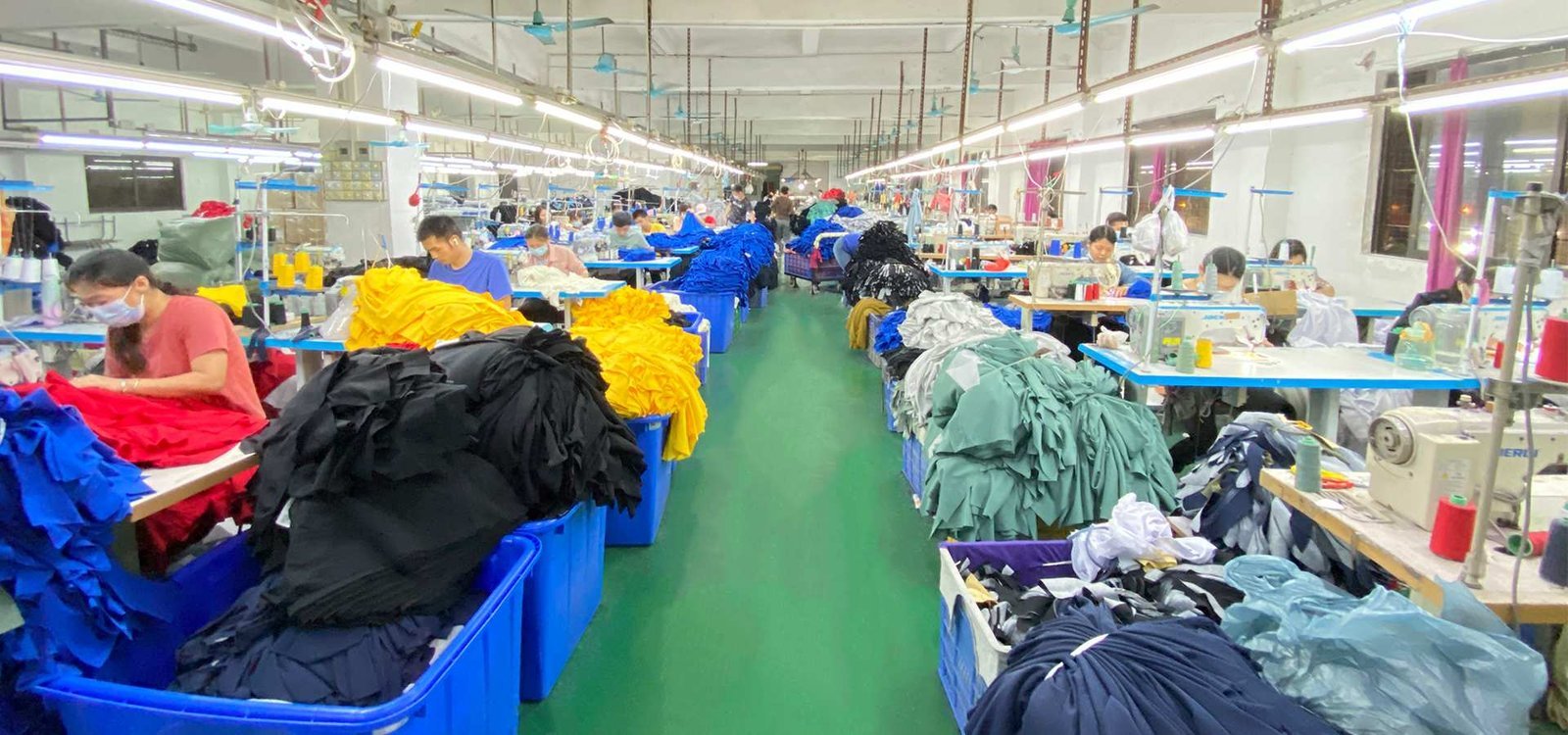
Pigment Dye Technology: Color Chemistry, Durability & Sustainability
Fiber-Coating Chemistry: How Pigment Dye Works
Unlike reactive or vat dyes that penetrate fiber structure, pigment dye bonds to the fabric surface via a resin binder. This coating mechanism enables broader substrate compatibility and delivers the signature lived-in, vintage color aesthetic streetwear brands demand.
- Resin binder locks pigment particles onto yarn surfaces without fiber penetration
- Compatible with cotton, polyester, cotton-poly blends, and mixed-fiber substrates
- Produces intentional tonal variation and a sun-faded, vintage color profile
- No fiber swelling preserves dimensional stability throughout the dyeing process
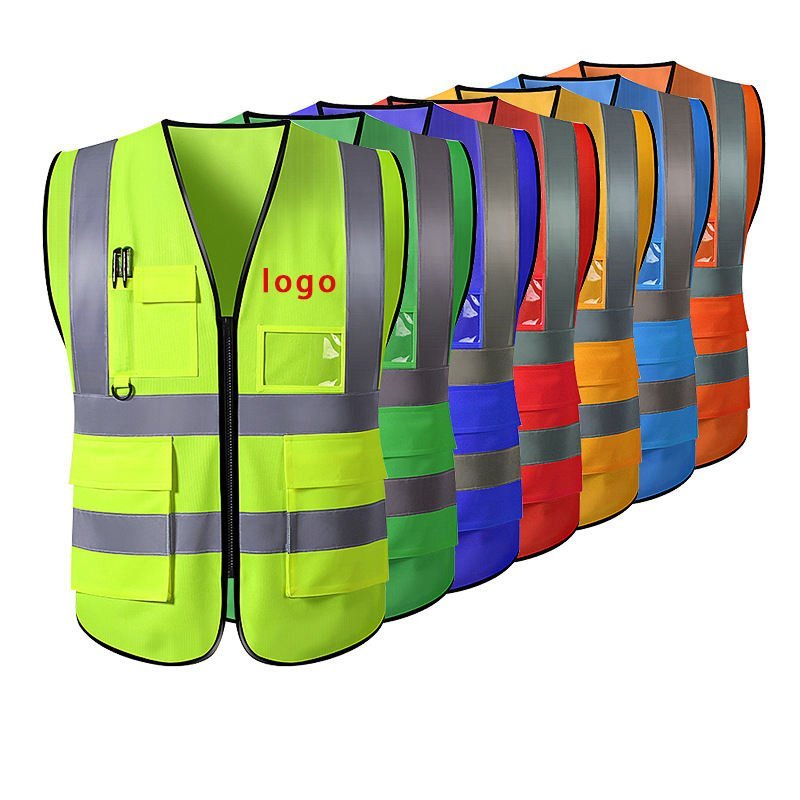
Color Fastness That Outlasts Wash Cycles
Our pigment dye formula is engineered for high wash-fastness ratings, resisting fade and crocking across repeated laundry cycles. Binder chemistry and post-cure processes are calibrated to maintain hue integrity from the first wear to the fiftieth.
- ISO 105-C06 wash-fastness rated 3–4 or above on all finished garments
- Crocking resistance tested dry and wet before bulk production approval
- Post-cure heat treatment permanently locks the binder to the fiber surface
- 5-step QC includes dedicated color-fastness checks at sewing and finishing stages
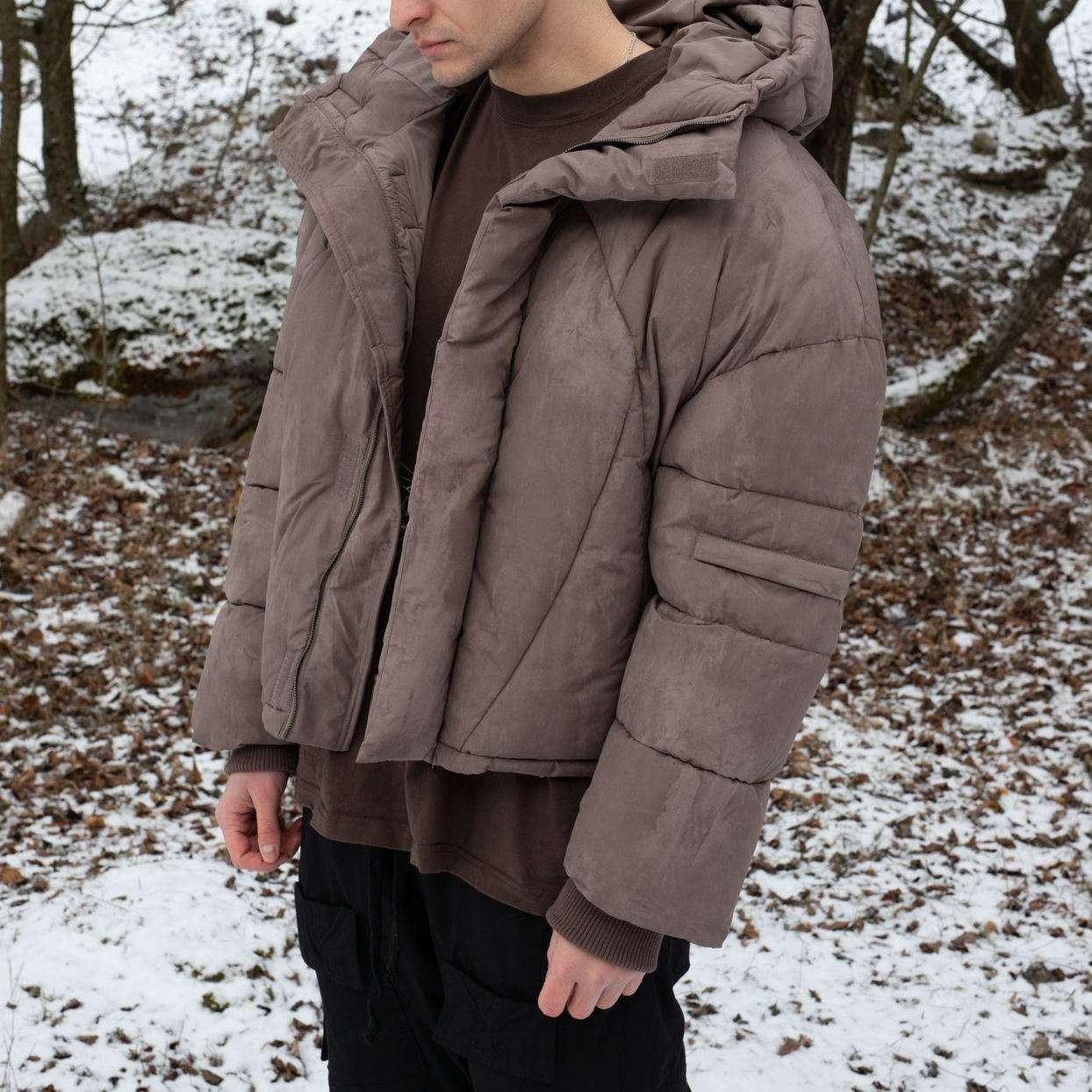
Softness Profile Built Into Every Garment
Pigment dye traditionally risks a slightly stiffer hand feel due to binder residue. We counteract this with premium low-binder ink formulations and enzyme wash finishing, delivering the supple, worn-in drape that modern streetwear consumers expect.
- Low-binder pigment inks minimize surface stiffness without sacrificing color vibrancy
- Optional enzyme wash and silicone-softener treatments enhance final fabric hand feel
- Suitable for heavyweight fleece, French terry, and 180–320 GSM cotton jerseys
- In-house sampling confirms softness profile before any full production run begins
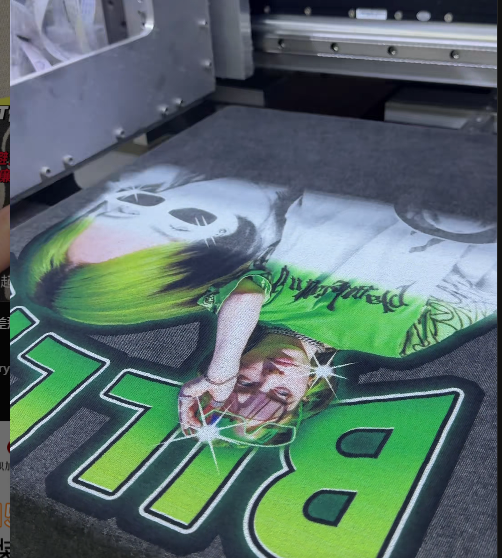
Sustainable Inks, Equipment, and Low-Water Process
Pigment dye is inherently more water-efficient than garment dye or piece dyeing. Our facility uses water-based, OEKO-TEX-compliant inks and modern pad-dyeing or spray-dye equipment, reducing effluent load while supporting brands with sustainability commitments.
- Water-based pigment inks free of AZO dyes and restricted substances
- Pad-dyeing and spray-dye application methods minimize water and chemical waste
- OEKO-TEX Standard 100 compliant inks available on request for certified orders
- Lower effluent output versus reactive dye processes, traceable for brand ESG reporting
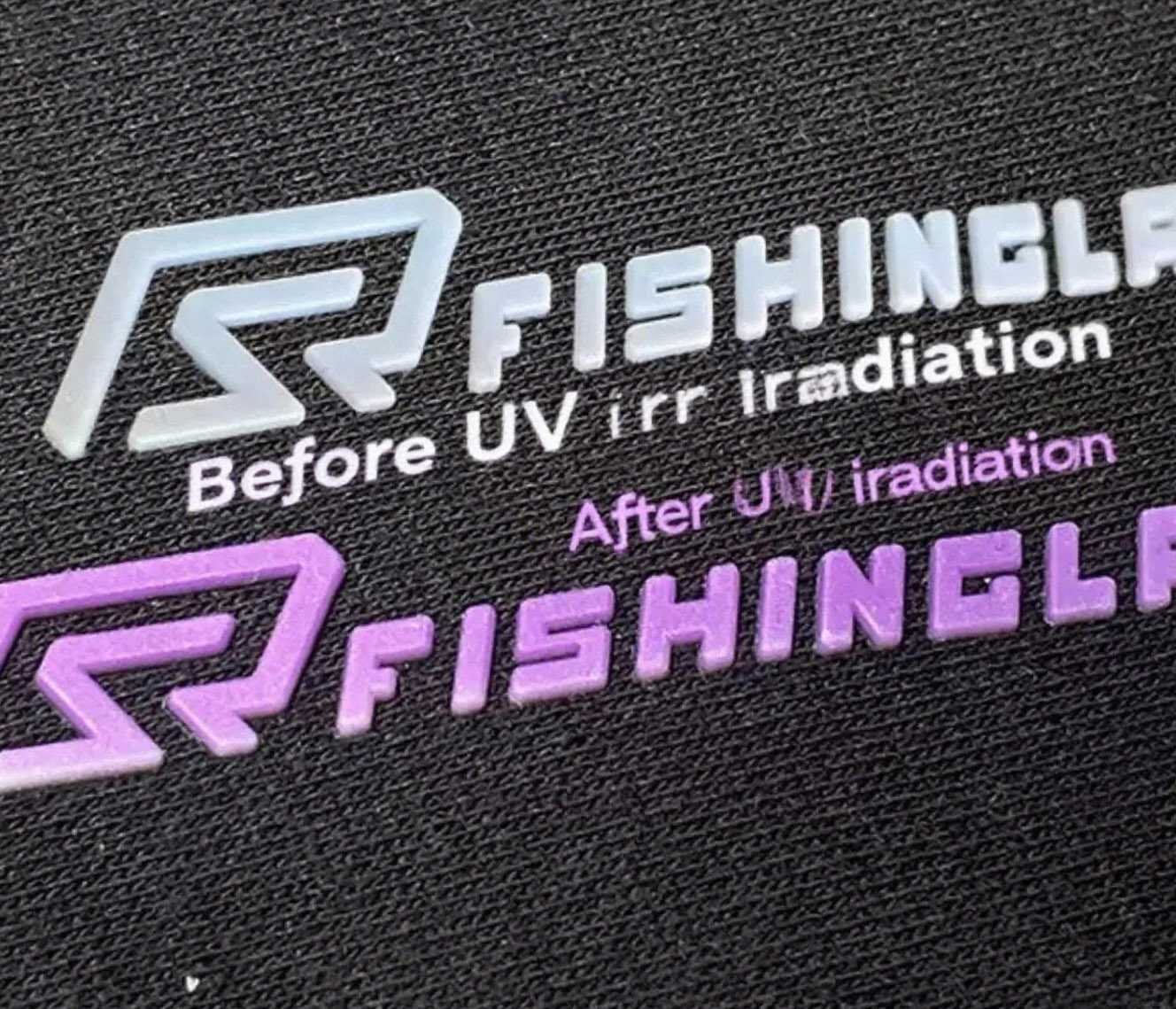
Pigment Dye vs. Garment Dye: Which Technique Suits Your Brand?
Two techniques, two very different outcomes. See how pigment dye stacks up against garment dye across the attributes streetwear and trend-driven brands actually care about.
← 左右滑动查看 →
How We Produce Pigment Dye Apparel: Our 5-Step QC Process
Every pigment dye garment passes six tightly controlled production stages, with quality checkpoints embedded at each step — catching defects early, not after the damage is done.
Fabric Selection & Materials QC
We source premium cotton and cotton-blend fabrics, then run our Step 1 materials QC check to verify weight, shrinkage tolerance, and dye-absorption capacity before cutting begins.
Pre-Treatment & Cutting QC
Garment panels are pre-washed and pre-shrunk to stabilize the base. Step 2 cutting QC validates panel accuracy, ensuring uniform pigment dye uptake across every piece.
Pigment Dye Application
Proprietary pigment dye formulas are mixed in-house and applied via controlled bath or spray techniques, achieving the rich, vintage color variation streetwear clients demand.
Color-Fastness Validation
Each dyed lot undergoes wash-fastness, rub-fastness, and light-fastness testing — our Step 3 craft QC gate — confirming colors meet international standards before sewing commences.
Sewing & Assembly QC
Panels enter assembly under Step 4 sewing QC oversight. Stitch density, seam strength, and label placement are verified at inline checkpoints throughout every production run.
Finishing & Final Inspection
Completed garments are tumble-softened, pressed, and audited through our Step 5 final QC before folding, tagging, and global-ready packaging for on-time worldwide shipment.
Order Pigment Dye Apparel: From Sampling to Full Production
Five straightforward steps connect your design vision to shelf-ready streetwear — with direct communication, low MOQs, and QC checkpoints built in at every stage.
Submit Your Design Files
Share artwork, colorways, and garment specs. Our team reviews your art files for pigment dye compatibility, color accuracy, and placement, responding within 24 hours.
Approve Your Pigment Dye Sample
We produce a pre-production sample showcasing your exact pigment dye tones and vintage wash effects. Approve or request revisions before any bulk production begins.
Confirm MOQ and Production Timeline
Low MOQs keep pigment dye accessible for startups and emerging labels. Lock in quantities, unit pricing, and your seasonal lead time with a dedicated account manager.
Track QC Throughout Production
Our 5-step quality control process covers materials, cutting, craftsmanship, sewing, and finished garments. Photo documentation and status updates are shared at each checkpoint.
Receive Your Order Worldwide
Inspected, packed, and dispatched from our Dongguan facility, your finished pigment dye apparel ships globally with full logistics and customs documentation support.
Streetwear Brands Trust Our Pigment Dye Manufacturing Quality
We tested pigment dye samples from four factories before choosing Clothing Manufacturer Ltd. Their color accuracy hit a 94% Pantone match on the first sample round, and the vintage fade held flawlessly through 50 wash cycles in our internal stress tests. Our debut drop sold out in 72 hours.
As a startup I was worried about MOQ minimums and turnaround, but the team delivered three pigment dye colorway samples in 8 days flat. We locked our palette, went straight into production, and shipped our first capsule on schedule. 200 units cleared in the opening week.
We stock pigment dye tees and crewnecks from Clothing Manufacturer Ltd. across 12 retail doors. Since switching, customer returns have fallen below 1% — the color consistency batch to batch is exceptional. The worn-in vintage aesthetic is exactly what our shoppers come back for every season.
Pigment Dye FAQs: Sourcing, Quality & Technical Specifications
Everything streetwear brands, startups, and global retailers need to know before placing a pigment dye order with us.
What fabrics work best with pigment dye?
How many colors are available for pigment dye garments?
Can pigment dye be combined with embroidery, screen printing, or woven patches?
How durable is pigment dye after repeated washing?
What is the minimum order quantity (MOQ) for a pigment dye production run?
How long does pigment dye sampling take, and what does it cost?
What art file formats do I need to submit for my pigment dye order?
What is the full production lead time after sampling is approved?
Is pigment dye more environmentally friendly than other dyeing methods?
The Complete Buyer’s Guide to Pigment Dye for Apparel Brands
From choosing the right technique and fabric to vetting suppliers and avoiding costly mistakes, this guide gives streetwear founders, retailers, and creator brands a clear decision framework for sourcing pigment dye garments with confidence.
1. What Is Pigment Dye and Why Does It Matter?
Three core commercial dyeing routes define garment coloration: reactive dye bonds chemically inside the fiber, vat dye penetrates the yarn structure under reducing conditions, and pigment dye anchors insoluble color particles to the fiber surface using a binder resin. That surface-application distinction is everything. No chemical reaction occurs between pigment and fiber, which means coverage is inherently imperfect — and that imperfection is the point.
Surface-only application means pigment particles deposit more heavily on flat panels than on seams, hems, and high-tension zones, producing natural tonal variation in every finished garment. Pantone-referenced starting colorways are achievable, but batch-to-batch shade drift is an expected outcome, not a quality failure. This built-in inconsistency is precisely why pigment dye has become the go-to technique for streetwear labels chasing a lived-in, vintage aesthetic.
Wash-down softness — one of pigment dye’s most marketable properties — develops as the binder resin breaks down through repeated laundering, delivering a hand-feel that mimics years of genuine wear from the very first use. For brands drawing on hip-hop, skate, and street art culture, that evolving tactile quality reinforces a garment’s authenticity as powerfully as any graphic does.
If your label values individuality and color stories that evolve with the wearer, pigment dye is a structurally sound aesthetic choice. Brands requiring exact Pantone matching across large replenishment orders should plan for tighter QC gates or consider a reactive-dye base with enzyme washing as an alternative.
2. The Evolution of Pigment Dye in Streetwear and Fashion
Pigment dye’s industrial origins date to the early 20th century, when workwear and military garment manufacturers applied pigment-based colorants to heavyweight cotton canvas and duck cloth. Unlike reactive dyes, pigments bond to the fiber surface through a resin binder rather than a chemical reaction, making them practical for large-batch utility production where precise color matching mattered less than durability.
By the early 1990s, Champion, Russell Athletic, and a handful of American collegiate sportswear producers began releasing pigment-dyed fleece and jersey pieces engineered to look faded and sun-bleached straight off the shelf. That ‘worn-in’ aesthetic resonated with hip-hop and skate communities, and independent streetwear labels through the late 1990s and 2000s adopted the technique to differentiate small-batch drops from mass-market basics.
In 2024–2026, pigment dye is experiencing a measurable resurgence across premium streetwear and influencer-driven limited drops. Three converging forces are accelerating demand: nostalgia for early-2000s sportswear silhouettes, sustainability narratives built around the process’s lower water and energy footprint compared to reactive bath dyeing, and a growing buyer preference for non-uniform colorways where each garment carries a slightly different tone. Brands and independent designers now specify pigment dye explicitly to achieve that organic, one-of-a-kind finish that mass reactive dyeing cannot replicate.
The result is a technique that began as an industrial shortcut and has evolved into a deliberate premium signal — one that communicates authenticity, craftsmanship, and cultural fluency to the modern streetwear buyer. Consumers increasingly recognize the irregular, slightly chalky surface texture of genuine pigment dye and actively seek it out over simulated fade finishes or discharge-washed alternatives.
3. Types of Pigment Dye Techniques Every Buyer Should Know
Pigment dye reaches finished garments through five distinct application methods, each yielding a different aesthetic, cost tier, and MOQ threshold. Matching the right technique to your product vision before sampling prevents costly production restarts.
Garment-Dye and Overdye
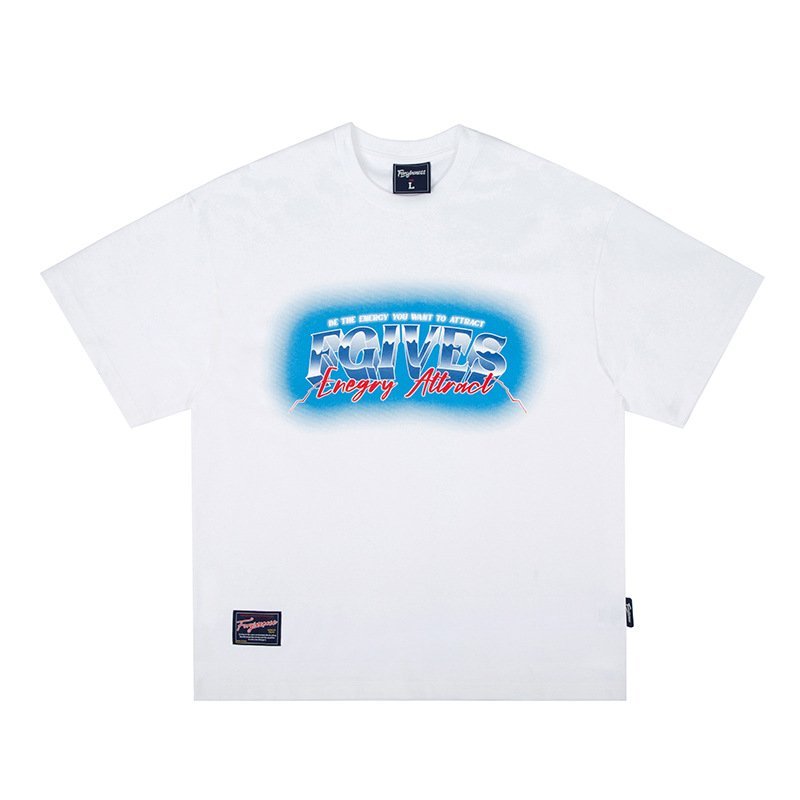
Fully sewn garments are submerged in pigment baths, creating the signature faded, worn-in look central to streetwear. Seams and hems absorb dye unevenly — that variation is the intended aesthetic.
MOQs typically start at 100–300 pieces; per-unit cost is moderate due to batch processing constraints. Best for hoodies, tees, and sweatpants.
Piece-Dye Before Cut-and-Sew
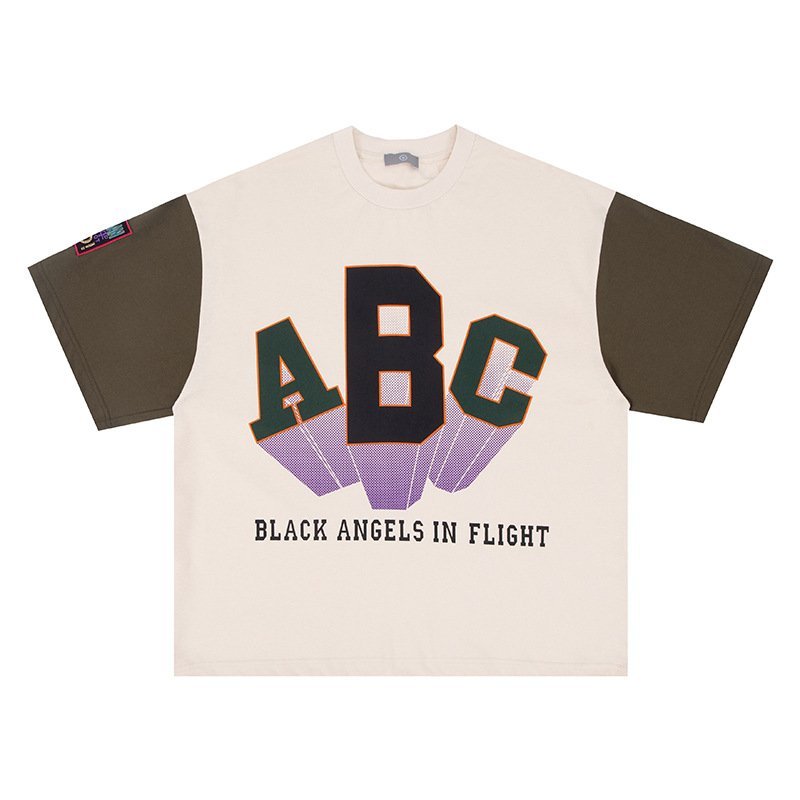
Fabric rolls are dyed before cutting, producing more uniform color with tighter Pantone matching than garment-dye methods. Cost per unit drops 15–25% since fabric moves through continuous dye lines.
MOQs run 300–500 pieces. Best for T-shirts, joggers, and programs requiring consistent color across large production runs.
Tie-Dye and Resist Techniques
Folding, binding, or waxing garments before pigment application creates high-contrast patterns without screen printing. Each piece varies slightly, suiting limited drops and one-of-a-kind collections.
Expect MOQs of 50–150 units and a 20–40% price premium over standard garment-dye. Works well on 100% ring-spun cotton tees and hoodies.
Spray and Hand-Painting Pigment
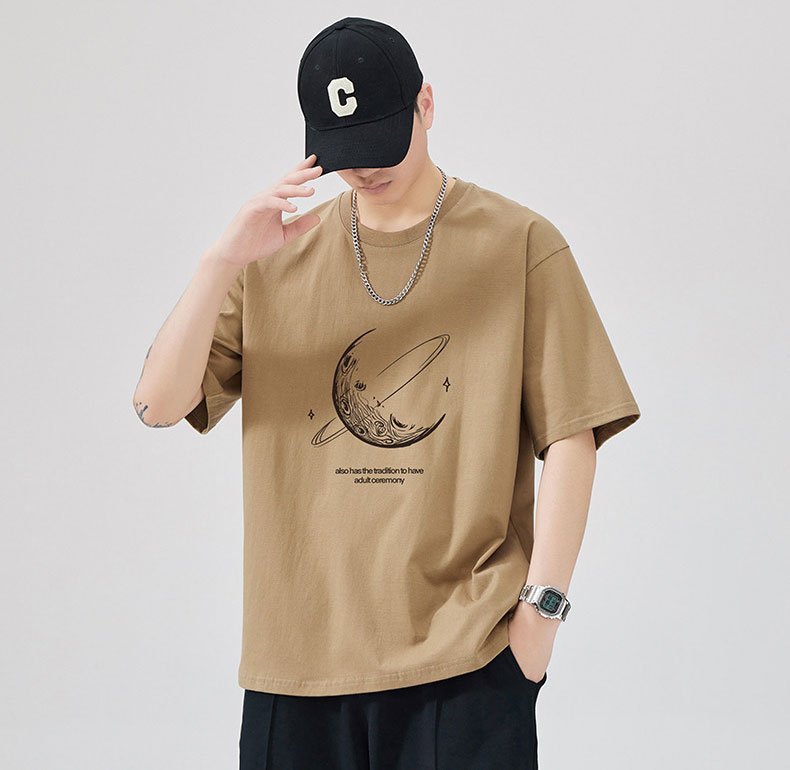
Airbrush or hand-applied pigment delivers gradient washes, logo fades, and painterly graphics directly on finished garments. Labor intensity pushes per-unit costs 30–50% above garment-dye baselines.
MOQs can be as low as 30–50 pieces — ideal for capsule drops, influencer exclusives, and artist collaborations.
Discharge Plus Pigment Overprint
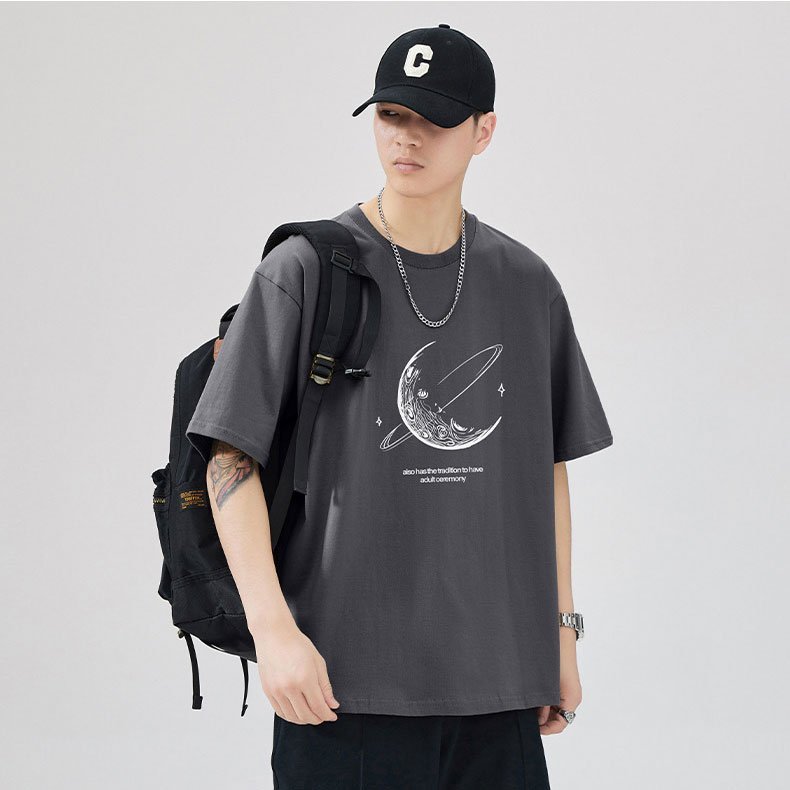
A discharge agent strips base dye from targeted zones; pigment is then overprinted into those areas, producing crisp, vibrant graphics on dark garments. This two-step process suits 180–280 GSM fleece and French terry constructions.
MOQs typically start at 200 pieces. Setup costs are higher, but per-unit graphic quality exceeds standard pigment print on dark grounds.
4. Best Fabrics and Materials for Pigment Dye Results
Cotton, linen, and other natural cellulose fibers absorb pigment binders far more readily than synthetics — a gap that controls saturation, fade character, and wash durability. Specifying the wrong fabric is the most common reason pigment dye results disappoint brands at sample approval.
| Fabric Type | GSM Range | Best Garment | Dye Result | Durability |
|---|---|---|---|---|
| 100% Cotton, Ring-Spun | 160–200 | Tee | Deep, even saturation | High |
| 100% Cotton, Ring-Spun | 280–350 | Hoodie / Sweatpant | Rich fade, uniform | High |
| Cotton/Poly Blend (60/40) | 200–280 | Tee / Hoodie | Two-tone, heathered | Medium |
| French Terry | 260–320 | Hoodie / Sweatpant | Moderate, slightly muted | Medium-High |
| Fleece | 300–400 | Hoodie / Sweatpant | Textured, muted tones | Medium |
| Linen | 140–160 | Tee / Casual Shirt | Soft, slightly uneven | Medium |
100% Cotton — The Benchmark Fabric
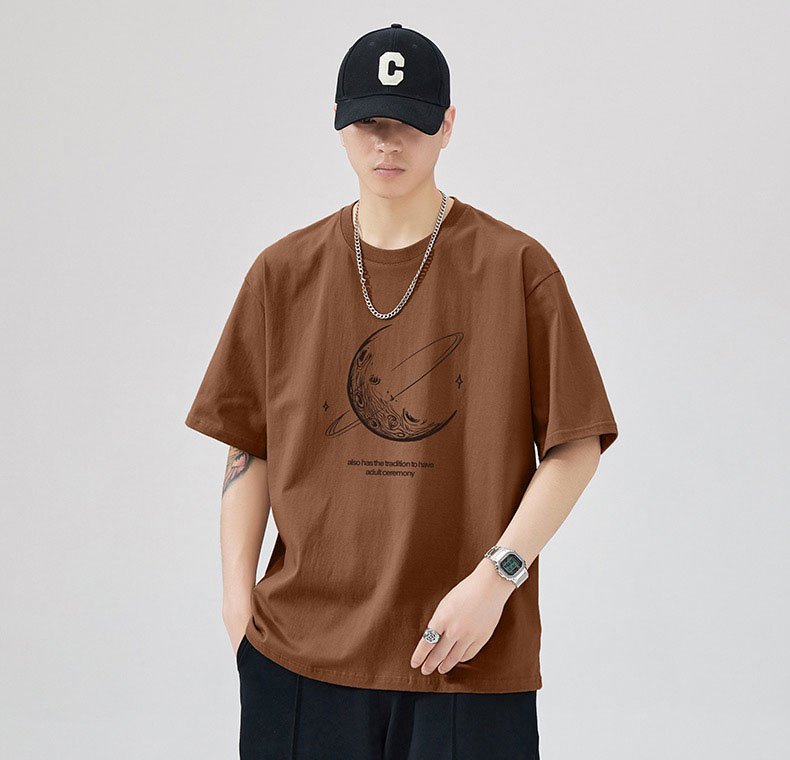
100% cotton at 160–200 GSM is the standard spec for pigment dye tees; 280–350 GSM ring-spun cotton fleece is the go-to for hoodies and sweatpants. Cotton’s cellulose structure bonds uniformly with pigment binders, delivering rich saturation and the vintage fade that defines the aesthetic.
Ringspun vs. Open-End Cotton
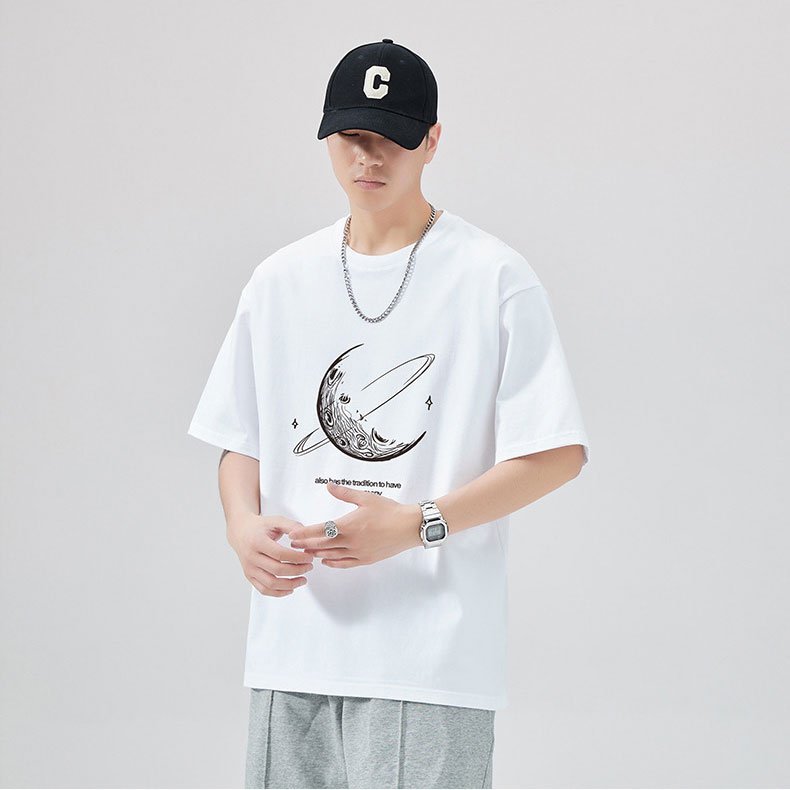
Ring-spun cotton produces a tighter, smoother yarn surface that accepts pigment dye evenly — the preferred choice for premium tees and fashion-forward hoodies. Open-end cotton’s coarser construction yields more surface variation, resulting in slightly uneven dye uptake and a raw, textured finish some streetwear brands spec intentionally.
Blends, Terry, Fleece, and Linen
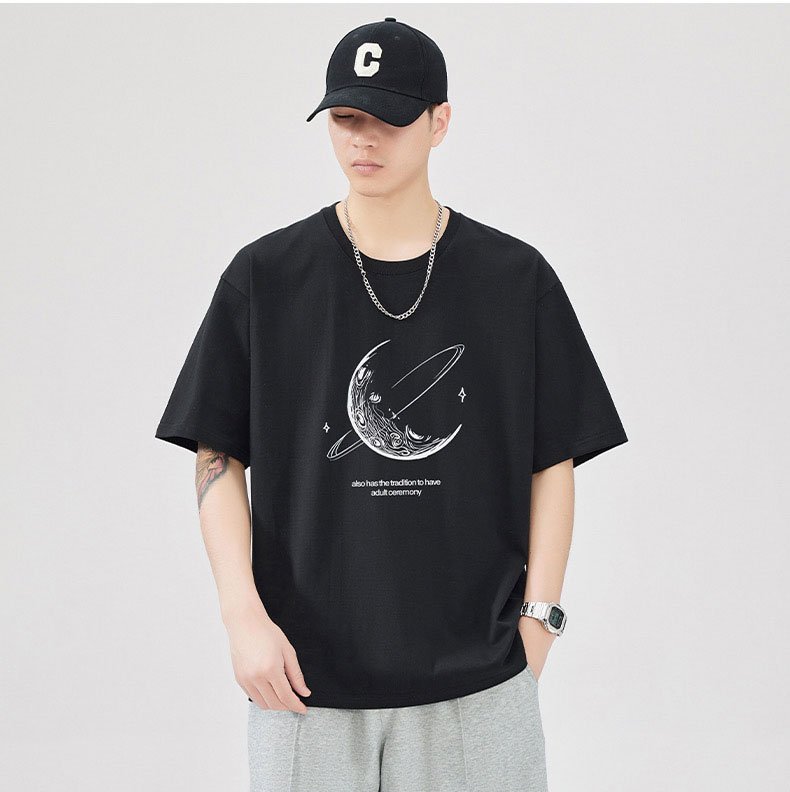
Cotton/polyester blends (60/40 or 50/50) produce a two-tone heathered effect because polyester resists pigment dye while cotton absorbs it — popular for a distressed, worn-in aesthetic. French terry (260–320 GSM) and fleece (300–400 GSM) take pigment dye with moderate saturation; linen at 140–160 GSM suits warm-weather pieces but finishes noticeably stiffer.
5. Customization and Branding Options on Pigment Dye Garments
Pigment dye garments carry a lived-in aesthetic that standard decoration methods can easily destroy. Choosing compatible techniques and specifying them correctly at the order stage protects both hand feel and the visual character buyers pay a premium for.
Decoration Techniques That Complement Pigment Dye
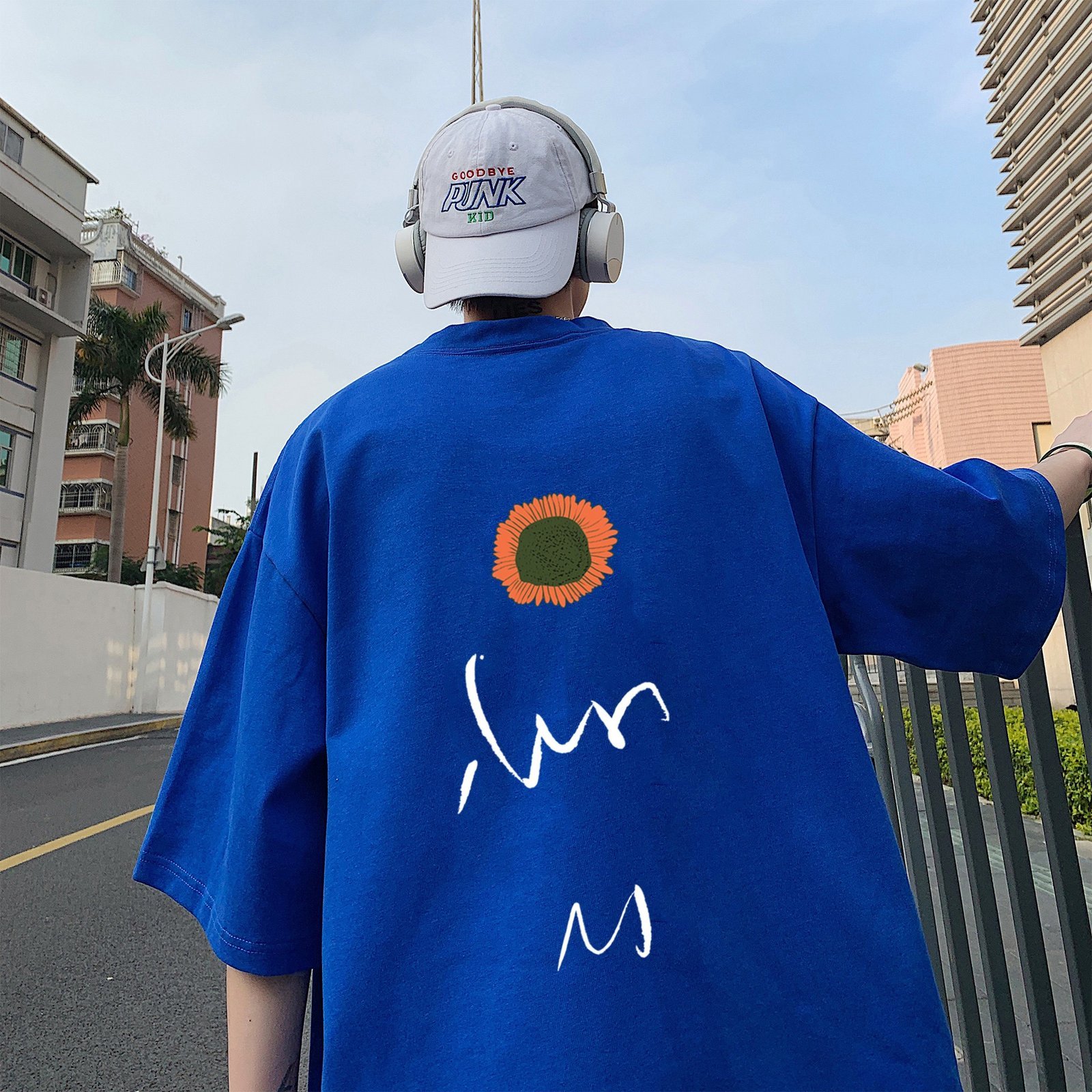
Vintage water-based screen print is the industry standard for pigment dye — low ink deposit keeps the garment’s texture visible and ages naturally with the fabric. Discharge printing chemically removes dye rather than layering ink, producing a soft, print-in-fabric look ideal for oversized graphics.
Puff ink adds tactile dimension without heavy plastisol weight, while embroidery — typically 2,000–5,000 stitch counts for chest logos — anchors brand identity without bulk. Woven patches and heat transfer labels complete the toolkit, each adding brand presence without altering the base fabric’s character.
Why Standard Plastisol Prints Fail
Standard plastisol ink forms a thick PVC film that cracks along the irregular surface of garment-dyed fabric; the uneven pigment dye wash creates micro-ridges that break the ink bond after 10–15 washes.
Specify water-based, discharge, or plastisol-free heat transfer instead. If opacity is required, a reduced-solids plastisol at under 80 microns with a soft-hand additive is the minimum viable specification — and even then, expect shorter print longevity than water-based alternatives.
Labels, Tags, and Packaging for Brand Storytelling
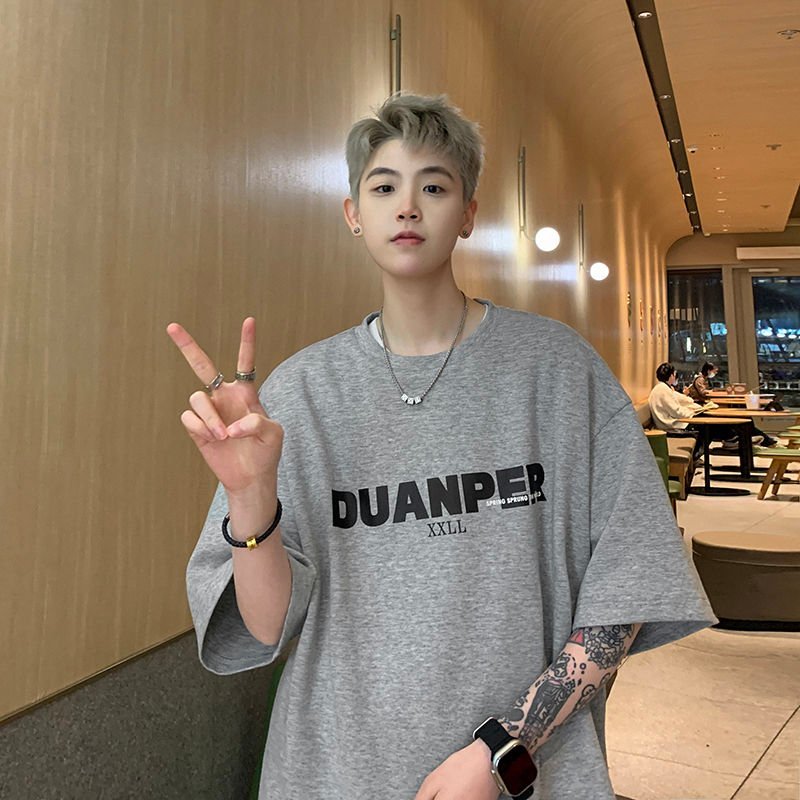
Heat transfer labels eliminate the scratchy woven neck tag that undercuts a premium hand feel; tear-away woven labels at 210 gsm are the next-best option. Both survive the garment-dye wash cycle without color bleed when applied post-dye.
Handtags printed on 350 gsm uncoated kraft stock and matte poly-bag packaging reinforce vintage positioning consistently. Woven patches — iron-on or sew-on — integrate brand marks without interrupting the distressed surface texture that defines the pigment dye aesthetic.
6. Key Quality Elements in Pigment Dye Manufacturing
Pigment dye garments require a different QC framework than conventional dyed goods — intentional variation is a selling point, not a defect. Buyers must write specs that protect desirable imperfection while giving manufacturers clear pass/fail criteria for true manufacturing errors.
Colorfastness and Crocking Minimums
ISO 105-C06 washing fastness and AATCC 8 crocking resistance are the two non-negotiable tests for any pigment dye program. Target a minimum greyscale rating of 3–4 for wash fastness, 3 for dry crocking, and 2–3 for wet crocking across all colorways.
Shade Consistency and AQL Tolerance
Within a batch, shade variation up to ΔE 3.0 against an approved strike-off is generally acceptable for pigment dye. For heavier vintage wash aesthetics, widen the ΔE window to 5.0 — but hold construction defects to AQL 2.5 regardless.
Intentional Variation vs. Defective Inconsistency
20% single-panel blotching coverage and dry-crocking transfer beyond greyscale step 2 are the objective thresholds that separate intentional variation from a true defect. Intentional variation — darker at seams, lighter at stress points — should be evenly distributed and predictable across the batch.
3 signed reference strike-offs labeled ‘lightest acceptable,’ ‘mid-range,’ and ‘darkest acceptable’ are the standard tool for specing intentionally imperfect goods — they convert a subjective aesthetic into an auditable QC boundary.
Seam Integrity, Shrinkage, and Hand-Feel
20 wash cycles at 40°C is the minimum seam stress test — puckering beyond 3mm per 10cm of seam length is a fail. For 100% cotton pigment dye, target ±5% length and ±3% width shrinkage per ISO 6330 after 3 washes.
5-wash hand-feel assessment against an approved reference swatch is the final physical check — pigment dye binders stiffen fabric when over-applied, so specify a minimum softness threshold directly in your tech pack.
7. How to Choose the Right Pigment Dye Manufacturer
Not all pigment dye suppliers offer equal capabilities — evaluating the wrong partner wastes sampling budgets and delays launches. Apply a structured checklist to every candidate before committing to bulk production.
In-House Dyeing vs. Subcontracted Production
Factories that dye in-house control wash times, pigment concentration, and hand-feel at every batch. Subcontracted dyeing adds 5–10 days to lead times and reduces QC transparency across the supply chain.
Certifications That Protect Your Brand
OEKO-TEX Standard 100 certifies garments free of harmful substances — essential for EU and US market entry. GOTS covers organic fiber chains, while bluesign certifies chemical safety within the dye process itself.
MOQ Flexibility and Factory Type
Boutique manufacturers typically accept MOQs of 50–100 pieces per colorway, suiting limited drops and test runs. Mass-production factories often require 300–500 pieces but reduce per-unit costs on repeat pigment dye reorders.
Key Questions to Ask Before Bulk Orders
Confirm these four points with any supplier before signing a production agreement.
- Do you dye in-house or subcontract, and can I audit the dye facility?
- What is your Pantone-matching tolerance on repeat pigment dye orders?
- Which certifications do you hold — OEKO-TEX, GOTS, or bluesign?
- What is your sample turnaround time and pre-production sample fee?
8. Common Mistakes Brands Make When Ordering Pigment Dye
Pigment dye orders fail most often not in the factory but in the brief. Six recurring buyer errors account for the majority of rejections, re-dos, and missed launch windows.
Expecting Exact Pantone Matches
Pigment dye is surface-coated rather than fiber-reactive, making Pantone-exact replication structurally impossible. Specify a target shade with a ±1-step tolerance range to prevent disputes without restricting the aesthetic.
Under-Specifying Wash Treatments on the Tech Pack
Omitting wash details — enzyme wash, stone wash, or acid wash duration and intensity — leaves the factory guessing. A single missing parameter can shift final hand-feel by two full grades.
Choosing Blends Without Understanding Two-Tone Risk
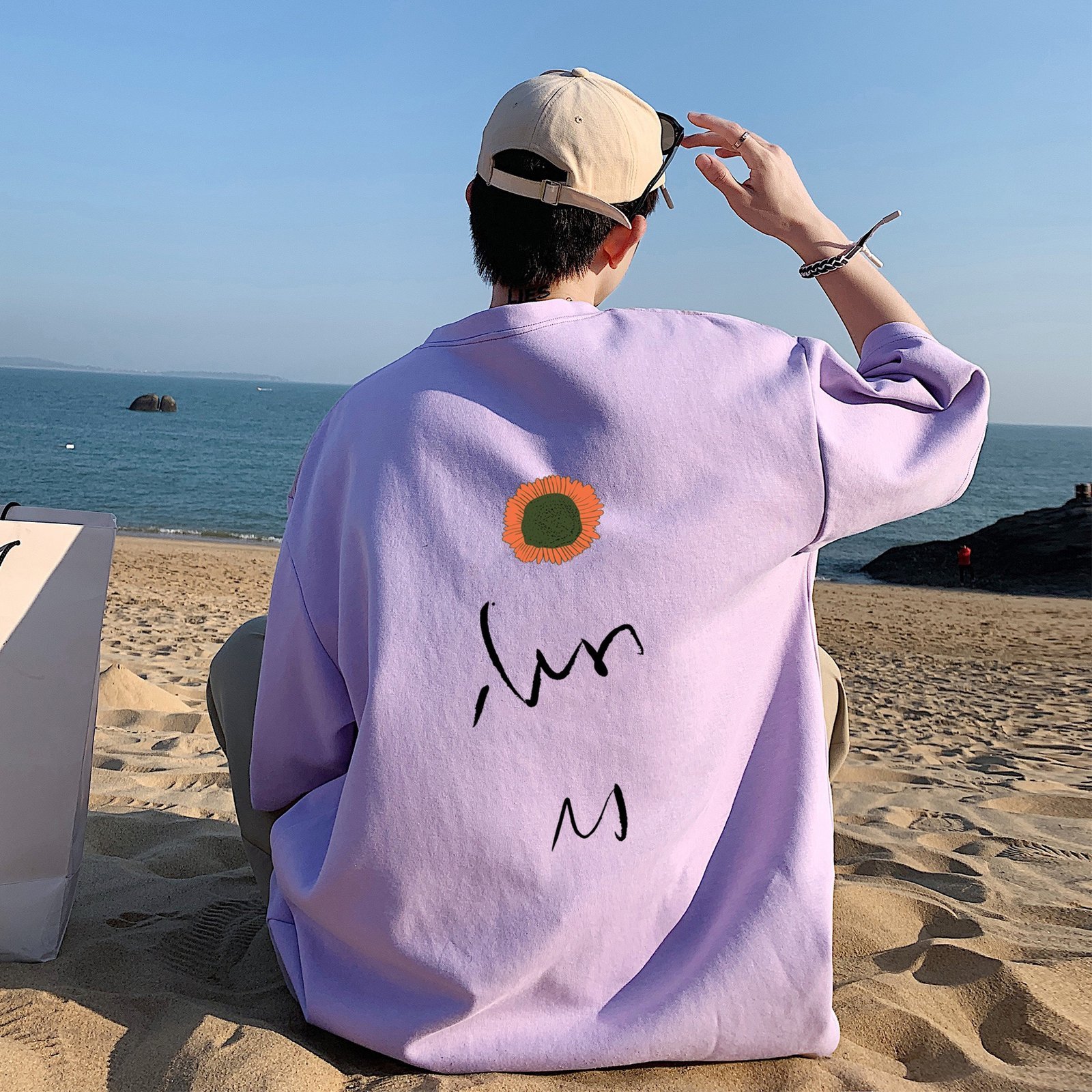
Cotton/polyester blends above 20% polyester content absorb pigment unevenly, producing an unintended heathered two-tone effect. Brands expecting a flat, solid result should spec 100% ring-spun cotton at 180–280 GSM.
Skipping Pre-Production Samples to Save Time
Bypassing a pre-production sample typically adds 3–6 weeks of delay when bulk arrives off-spec. A single salesman sample at $30–$80 per unit resolves color, wash, and fit in one round.
Ignoring Crocking on Light-Colored Pieces
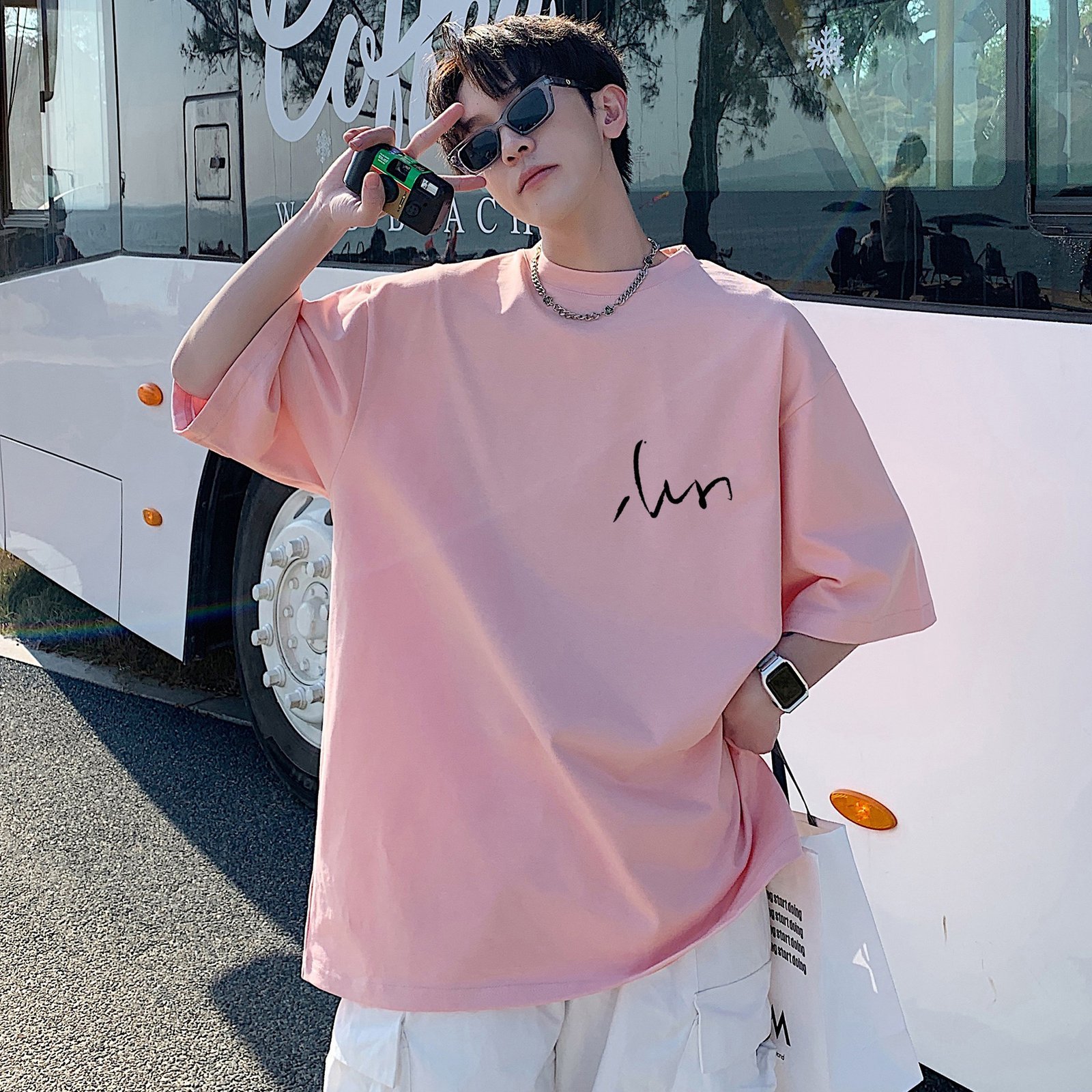
Light pigment dye garments — whites, creams, and pastels — test worst for crocking, the transfer of loose pigment to skin or adjacent fabric. Require ISO 105-X12 dry and wet crock ratings of 3 or above before approving bulk.
Ordering From Suppliers Without In-House Dye Facilities
Factories subcontracting dye work lose direct control over bath ratios and cure temperatures. Outsourced dyeing adds 5–10 days and a second quality handoff that inflates defect rates on finished garments.
9. Steps to Launch Your Pigment Dye Clothing Line Successfully
Launching a pigment dye line involves more decisions than a standard cut-and-sew order. First-time buyers who map every stage before placing a deposit reduce costly sample revisions and protect launch timelines.
Define Your Aesthetic and Colorway Brief
Anchor your brief to 3–6 Pantone references before contacting any factory. Specify finish intent — washed-out vintage, heavy pigment saturation, or crinkle texture — since each requires a different dye load and fabric weight, typically 180–280 GSM for fleece or jersey.
Select Fabric Blanks and Request Lab Dips
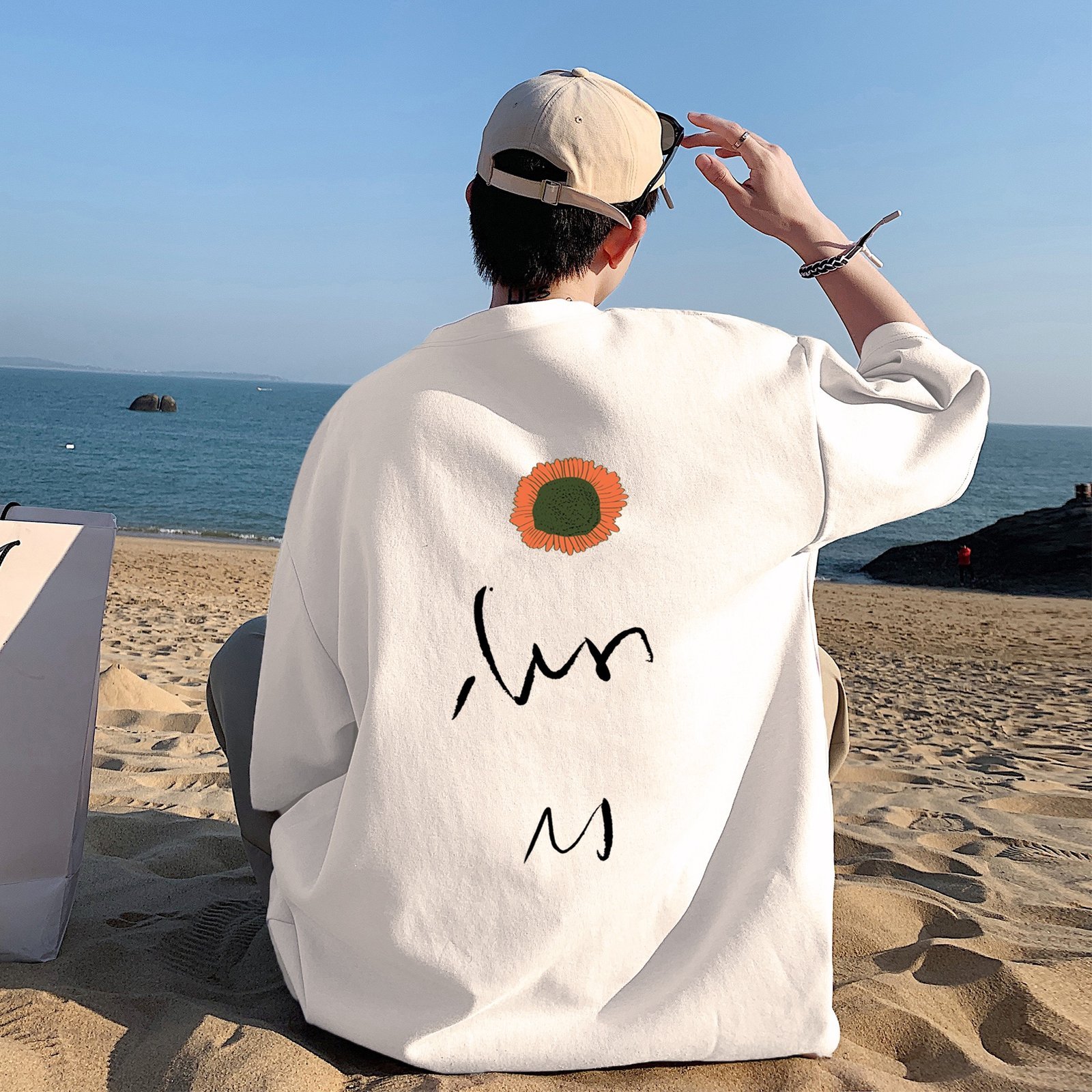
Ring-spun 100% cotton absorbs pigment dye more evenly than open-end yarn. Request lab dips — small dyed fabric swatches matched to your Pantone spec — before committing to bulk yardage; allow 5–7 days per revision round.
Approve Your Pre-Production Sample
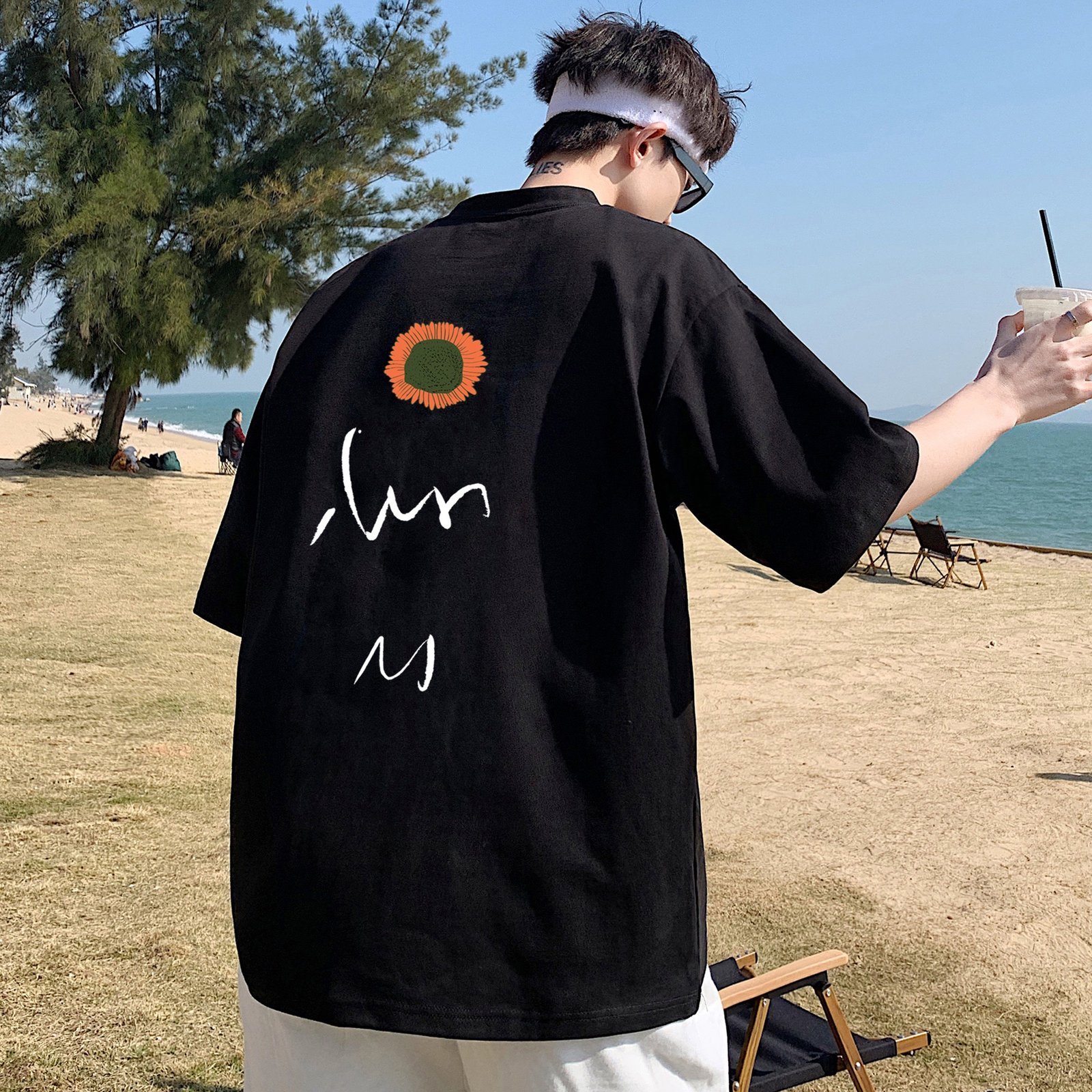
A pre-production sample confirms color, wash hand-feel, and garment construction simultaneously. Reject and re-sample if the dye hand-feel is stiff or seam strength fails a basic pull test — catching defects here costs far less than at bulk.
Lock In Packaging and Branding Details
Confirm hang tags, woven labels, poly bags, and custom box specs before bulk production begins — late changes add 3–5 days minimum. OEKO-TEX certified trims are worth specifying if your target market includes the EU or North America.
Confirm Bulk Timeline and QC Inspection Plan
Standard bulk lead times for pigment dye run 25–45 days after pre-production sample approval. Insist on a mid-production QC checkpoint — not just a finished-goods audit — to catch dye migration or seam defects before the full run completes.
Communicate Variation to Your Customers
Pigment dye produces intentional batch-to-batch and piece-to-piece variation — two shirts from the same dye lot will not match exactly. Brief your customers on this in product listings; language like ‘each piece is uniquely dyed’ turns a potential complaint into a selling point.
10. Pigment Dye Pricing, MOQs, and Lead Times Explained
A pigment dye surcharge of $1.50–$4.00 per unit sits on top of the base garment cost, which runs $5–$18 depending on fabric weight (180–320 GSM) and construction (ring-spun jersey vs. French terry). Wash treatment add-ons — stone wash, enzyme wash, or vintage distress — stack an additional $0.80–$2.50 per unit. Screen print or embroidery decoration adds $1.00–$4.50 per placement.
Each additional colorway in a single order increases dye batch setup fees by $80–$150 per color, making single-colorway runs significantly more cost-efficient at low quantities. Technique complexity — reactive overdye vs. direct pigment application vs. garment-dye-after-cut — also shifts lead time by 3–7 days. OEKO-TEX-compliant dye lots add a 5–8% cost premium but eliminate customs friction in EU and North American markets.
The five-step QC methodology at Clothing Manufacturer Ltd. catches defects during dyeing and sewing stages rather than post-shipment, reducing costly re-runs that inflate effective per-unit cost. Brands ordering 250+ units access the full decoration stack — print, embroidery, custom labels — within standard lead times. Pantone-matched colorways at any tier require a lab-dip approval round that adds 5–7 days to the final schedule.
| Qty Tier | Est. Unit Price | Typical Lead Time | MOQ Notes |
|---|---|---|---|
| 50 units | $18–$28 | 25–35 days | Trial run; single colorway advised |
| 100 units | $14–$22 | 20–30 days | Entry production; limited colorways |
| 250 units | $10–$16 | 18–25 days | Price breaks begin; up to 3 colorways |
| 500 units | $7–$12 | 15–22 days | Wash add-ons standard; multicolor viable |
| 1000+ units | $5–$9 | 12–18 days | Best unit cost; full decoration stack |
Elevate Your Brand With Premium Pigment Dye Manufacturing
Low MOQ, fast turnaround, and a 5-step QC guarantee — built for streetwear brands and startups ready to scale globally.