
Vintage Wash Finishes — Authentic Worn-In Look
Deliver the authentic aged aesthetic your streetwear buyers crave. Our vintage wash finishes combine premium quality, competitive minimums, and rapid production — backed by our zero-compromise 5-step QC guarantee.
Vintage Wash Sample Collection
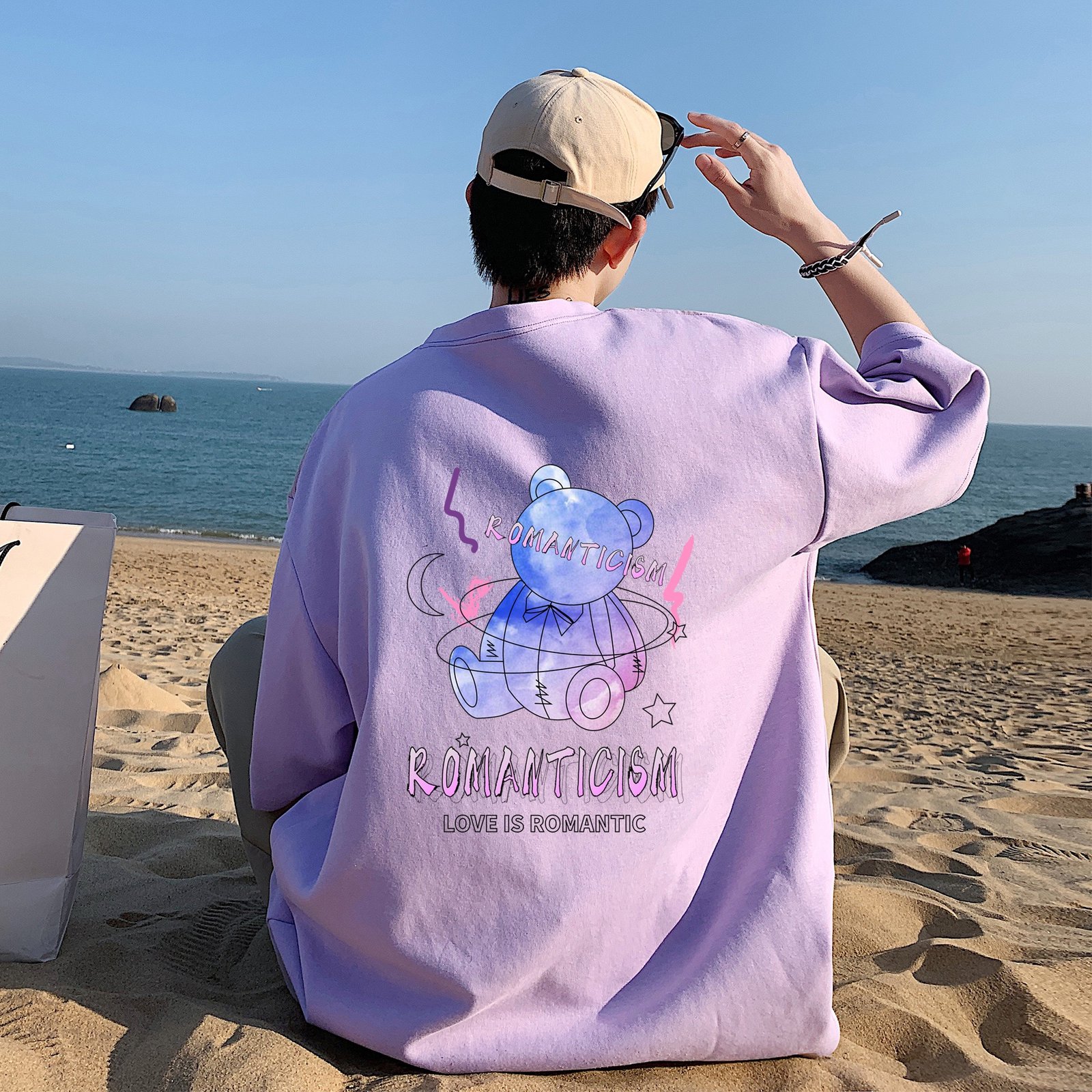
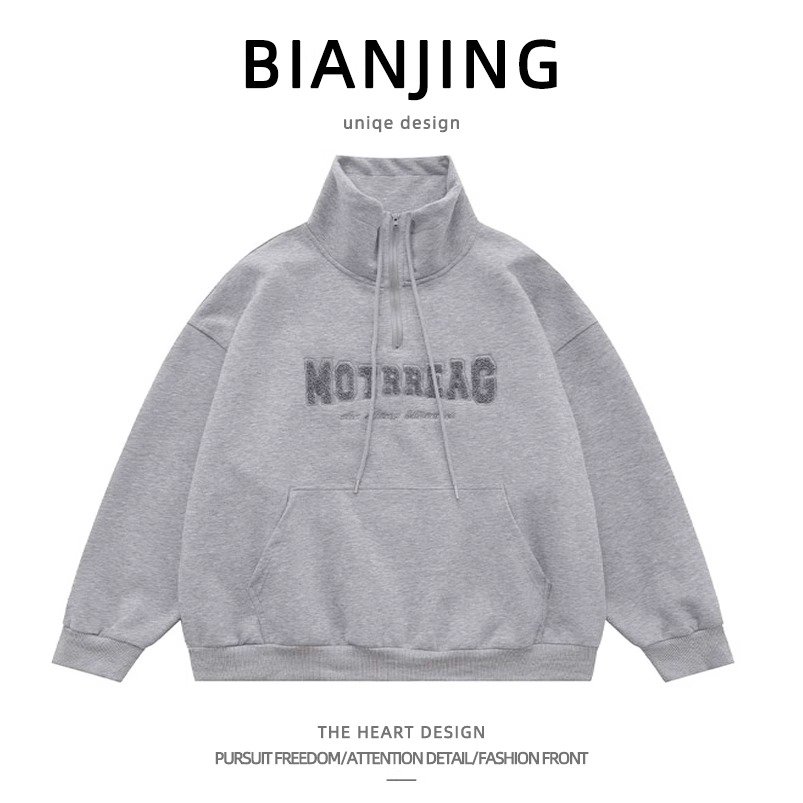
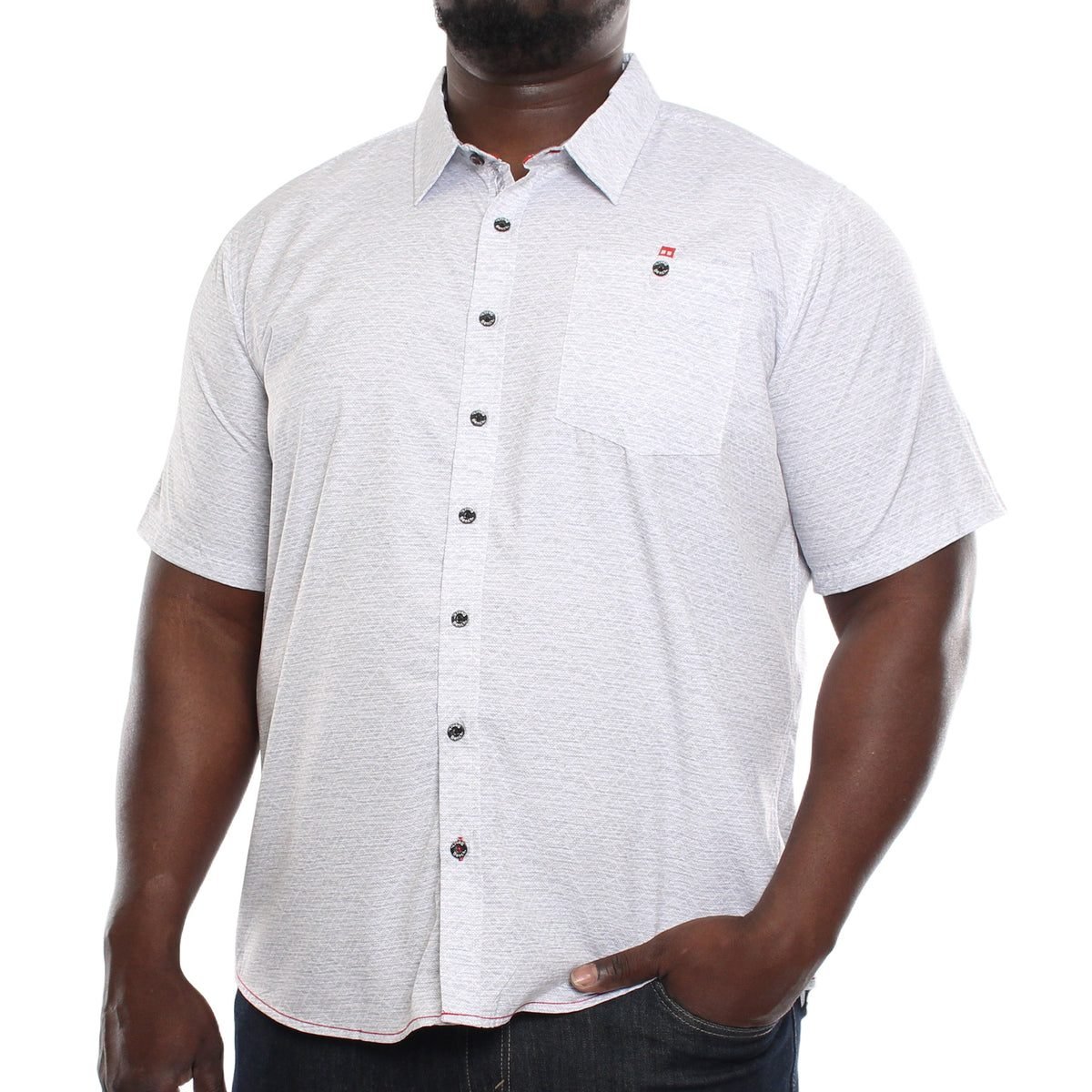
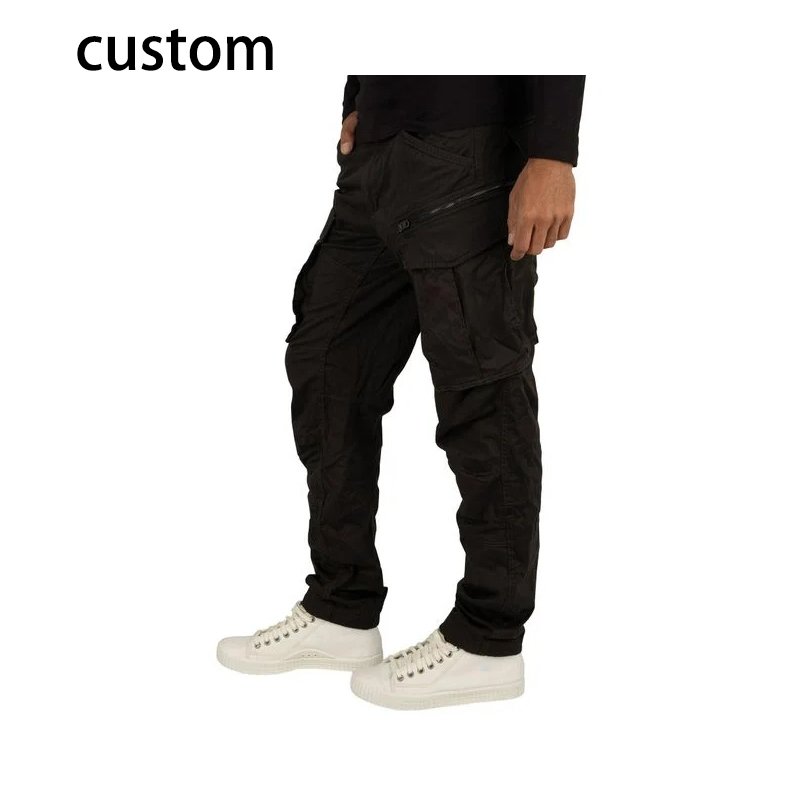
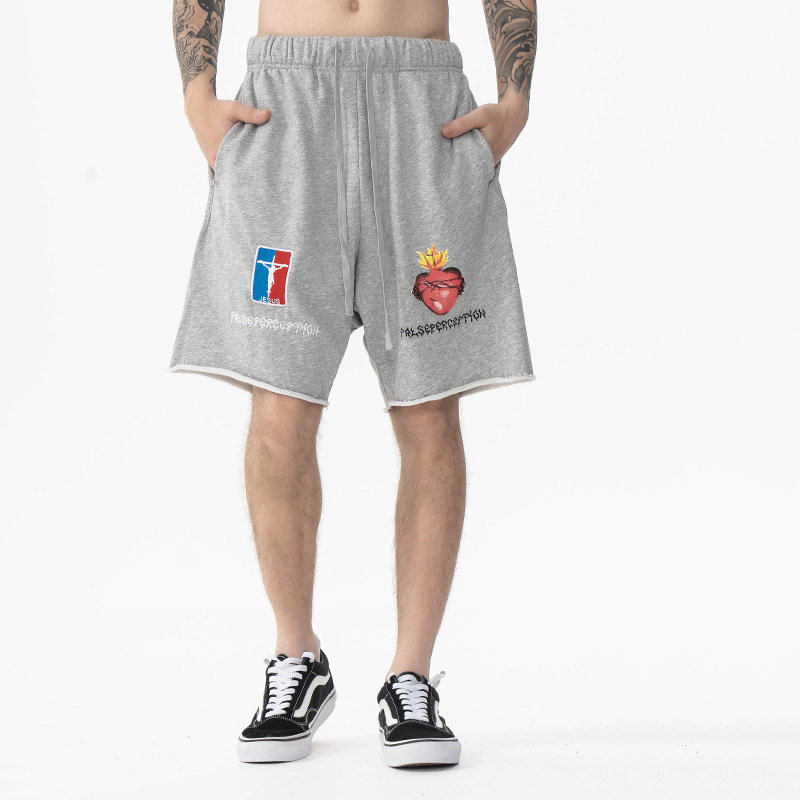
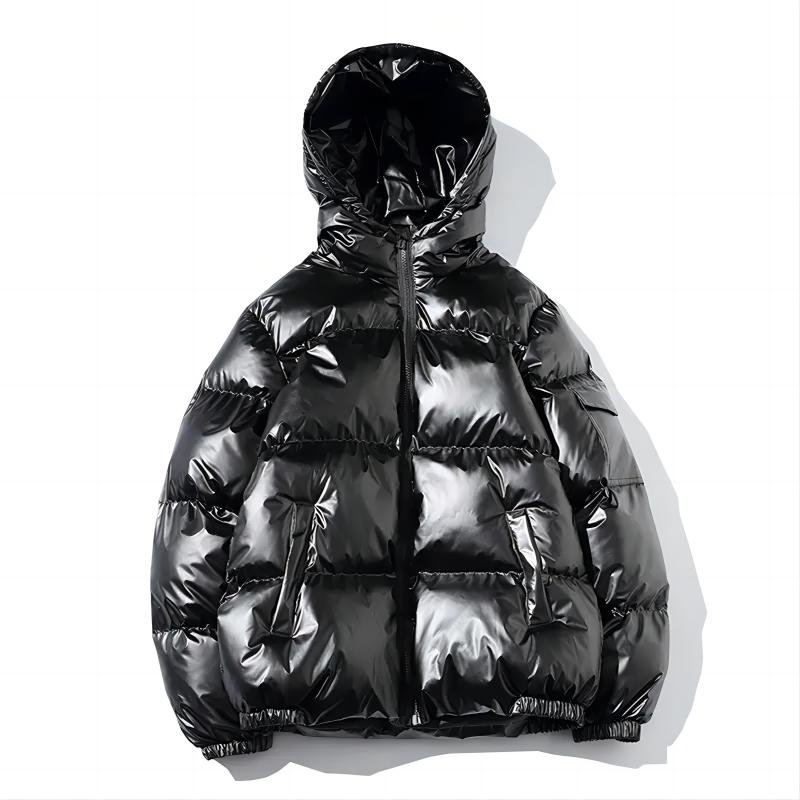

Vintage Wash Characteristics — What Sets It Apart
Controlled Color Fading
Vintage wash achieves precisely controlled color fading through proprietary techniques, creating predictable worn tones that elevate streetwear authenticity without compromising quality.
Surface Texture Variation
Subtle finish irregularities create tactile depth and visual complexity across the garment surface, enhancing the premium worn-in aesthetic that defines vintage wash appeal.
Strategic Distressing & Wear
Intentional weathering at stress points—cuffs, hems, collar edges—mimics authentic wear patterns. Our vintage wash distressing looks organically aged, never manufactured or cheap.
Post-Wash Flexibility & Drape
Our proprietary finishing process preserves fabric softness and natural drape, ensuring vintage wash garments move with the wearer while maintaining their distinctive aged appearance.
Authentic Worn-In Aesthetic
Vintage wash delivers the premium aged look that resonates with streetwear audiences—genuine character without excessive wear or compromise on garment integrity and longevity.
Durability Through Processing
Despite its vintage aesthetic, garments finished with our vintage wash process maintain structural integrity through rigorous quality control at every production stage.
Explore Vintage Wash and Related Finishes
Compare vintage wash with stone wash, acid wash, enzyme wash, and pigment dye to find the aesthetic and performance that defines your brand.
First Collection, Perfect Finish
You're launching your debut collection and want authentic worn-in streetwear aesthetic, but aren't sure if vintage wash, stone wash, or acid wash best matches your brand vision.
Browse our vintage wash sample gallery alongside stone wash, acid wash, and pigment dye. See each finish on similar garments to make an informed choice.
Comparing Wash Techniques
Different garment finishes offer distinct aesthetics and production timelines. Choosing wrong delays launch and frustrates customers expecting a specific aged or weathered appearance.
Access our comparison table and process timeline showing vintage wash versus acid wash, stone wash, and pigment dye. Understand costs, quality standards, and turnaround times.
Building Balanced Inventory
Stocking only one wash finish limits customer appeal and leaves margin opportunities untapped. You need clarity on which finishes resonate with different customer segments.
View vintage wash alongside acid wash, enzyme wash, and pigment dye with production details. Understand which finishes drive margin, appeal to trend buyers, and ensure durability.
Creating Signature Aesthetic
Differentiation is critical in crowded streetwear. Followers expect a distinctive, recognizable aesthetic your brand consistently delivers—without lengthy production delays that limit seasonal responsiveness.
Discover how vintage wash creates authentic brand identity while our five-step QC guarantee ensures consistency. Fast turnarounds for seasonal drops keep you ahead of trends.
Multi-Finish Production Planning
Managing multiple garment finishes requires expertise across different processes and quality checks. Production delays in one technique cascade through your entire seasonal schedule and margin.
Access our detailed process timeline for vintage wash and related techniques. See how our five-step QC works across finishes to prevent costly delays and ensure quality.
Our Vintage Wash Expertise & Quality Guarantee
Born from over a decade of streetwear manufacturing expertise, Clothing Manufacturer Ltd. specializes in authentic vintage wash finishes that define contemporary streetwear. Founded by Tesla Luo in 2024, our commitment to restoring Chinese garment manufacturing’s reputation centers on meticulous quality control and deep technical knowledge of vintage wash techniques that transform fabrics into premium, worn-in aesthetics.
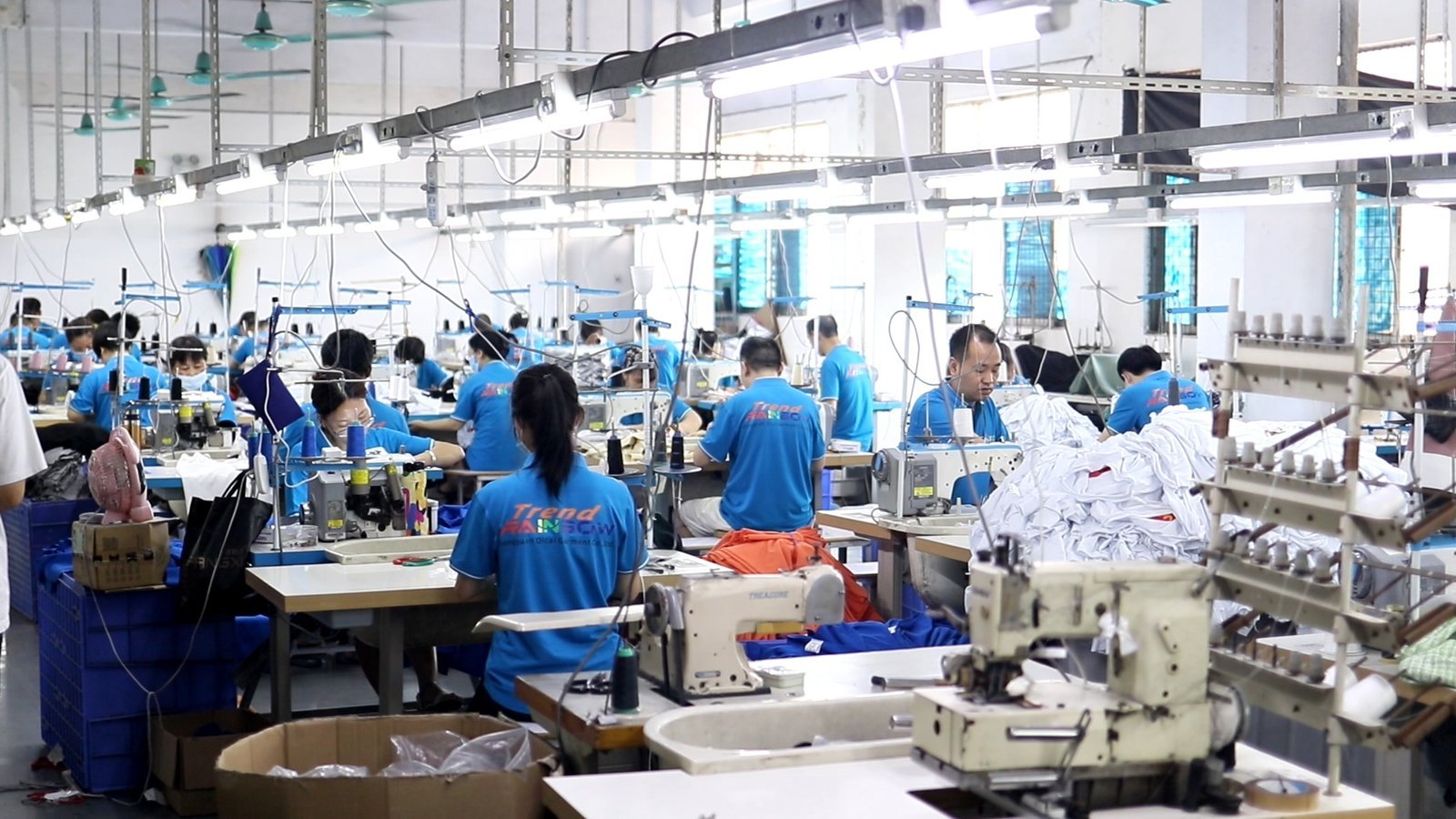
We operate a dedicated in-house design and sampling team with specialized equipment for vintage wash production, supporting everything from emerging brands with low MOQ requirements to global retailers needing fast turnaround on seasonal collections. Our production infrastructure handles high-volume orders without compromising the artisanal precision that defines authentic vintage wash finishes.
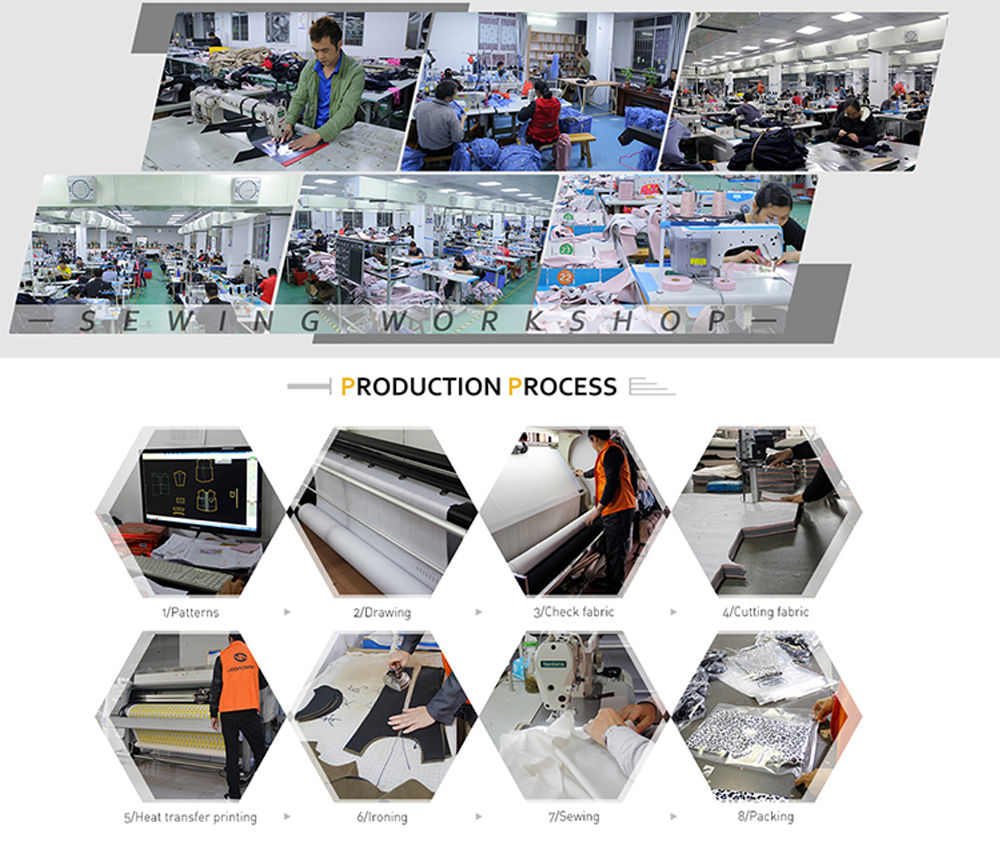
Our proprietary five-step QC process—materials inspection, cutting verification, craft assessment, sewing validation, and finished quality control—ensures every vintage wash piece meets our zero-compromise standard. This embedded quality assurance, applied at each production stage rather than only at final inspection, guarantees consistent, premium output that builds brand reputation globally.
Vintage Wash Techniques & Application Mastery
Chemical Formulation & Safety Standards
Our vintage wash process combines precision chemistry with rigorous safety protocols. Every chemical formulation undergoes strict testing to ensure color consistency, fabric durability, and environmental compliance. We prioritize both aesthetic excellence and responsible manufacturing practices for sustainable streetwear production.
- Eco-friendly dye chemistry with zero-compromise safety standards
- Rigorous testing for colorfastness and fabric compatibility
- Environmental compliance certifications and sustainable sourcing
- Proprietary formulations perfected over years of streetwear expertise
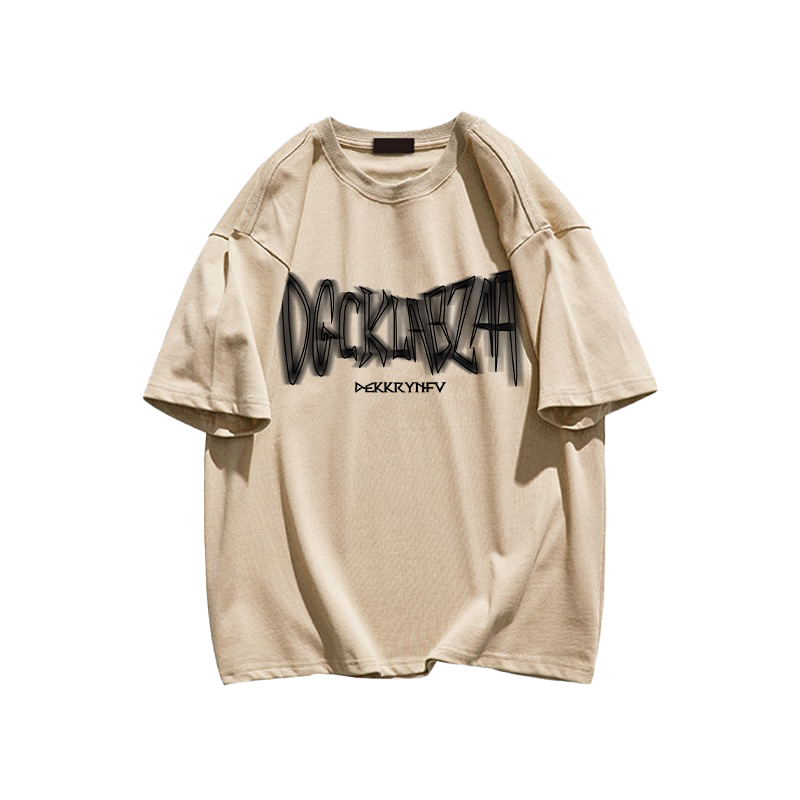
Wash Cycle Parameters & Control
Vintage wash authenticity demands precision across every cycle parameter. Temperature, duration, and agitation intensity are calibrated to achieve the exact worn-in aesthetic your brand requires. Our controlled wash cycles ensure consistent results across large production runs without compromising quality.
- Calibrated temperature ranges for controlled fade patterns
- Programmed duration and agitation profiles for consistency
- Real-time monitoring to catch deviations early
- Repeatable results across your entire production order
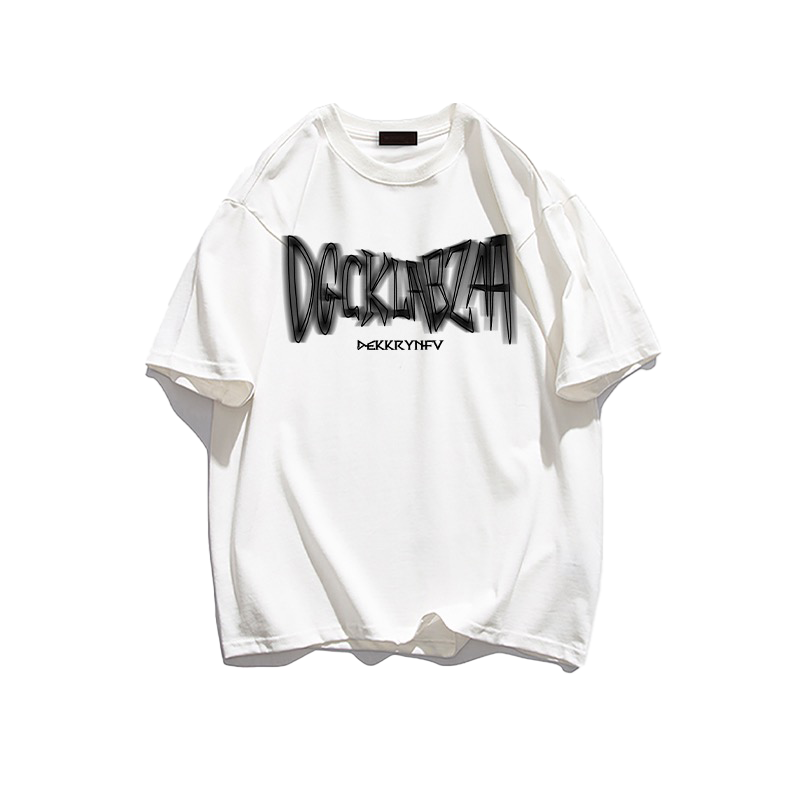
Color-Fade Precision & Distressing
Creating predictable vintage wash effects requires mastering fade patterns and edge distressing. Our techniques target specific seams, hems, and high-wear areas to achieve signature worn authenticity. Every vintage wash garment reflects intentional design, not random degradation.
- Targeted fade patterns that highlight garment structure
- Precision edge and seam distressing for authentic details
- High-wear zone emphasis matching streetwear expectations
- Signature vintage look that's repeatable batch-to-batch
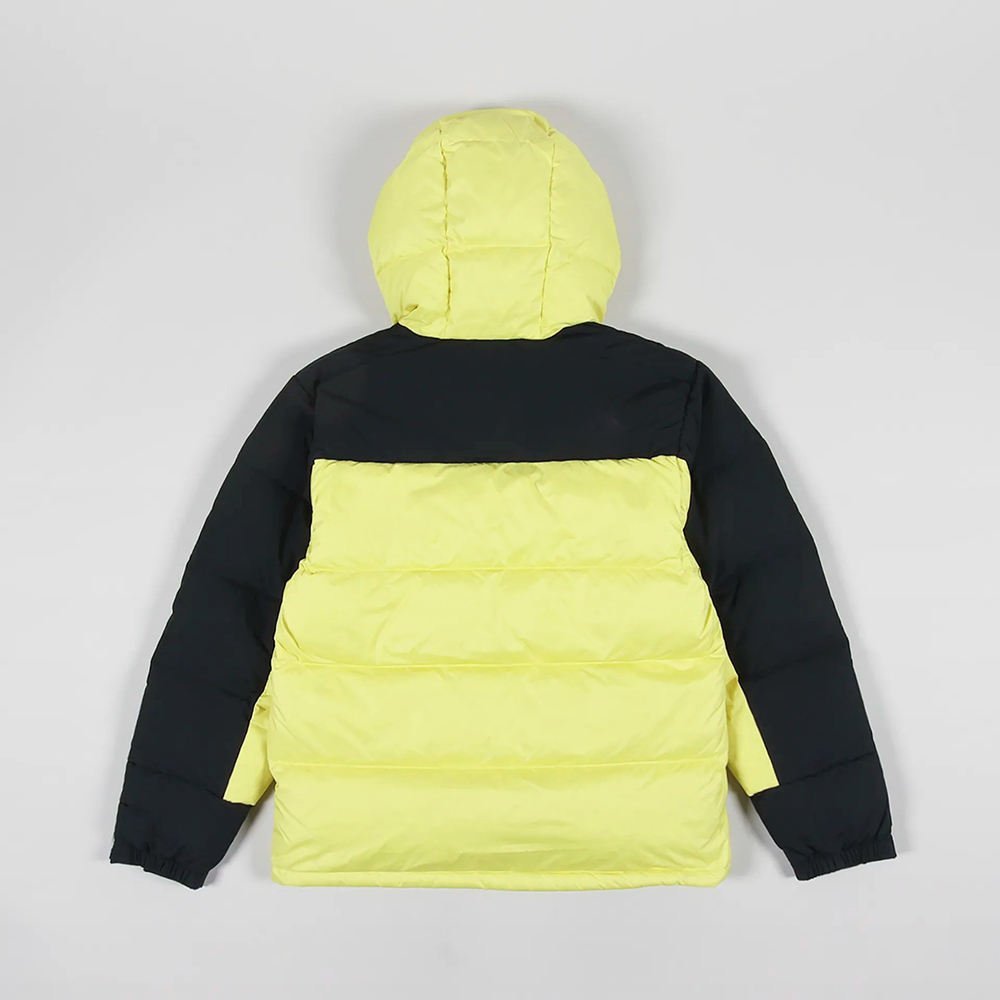
Curing & Drying for Quality
Post-wash curing and drying protocols lock in vintage wash character while ensuring long-term durability. Low-shrink processes and controlled-temperature drying prevent color bleeding, fiber damage, and finish degradation. Your vintage wash streetwear maintains its aesthetic through countless wears.
- Low-shrink curing prevents dimensional instability
- Controlled-temperature drying locks in color integrity
- Advanced color-fastness testing before shipment
- Vintage finishes that age naturally, never fade prematurely
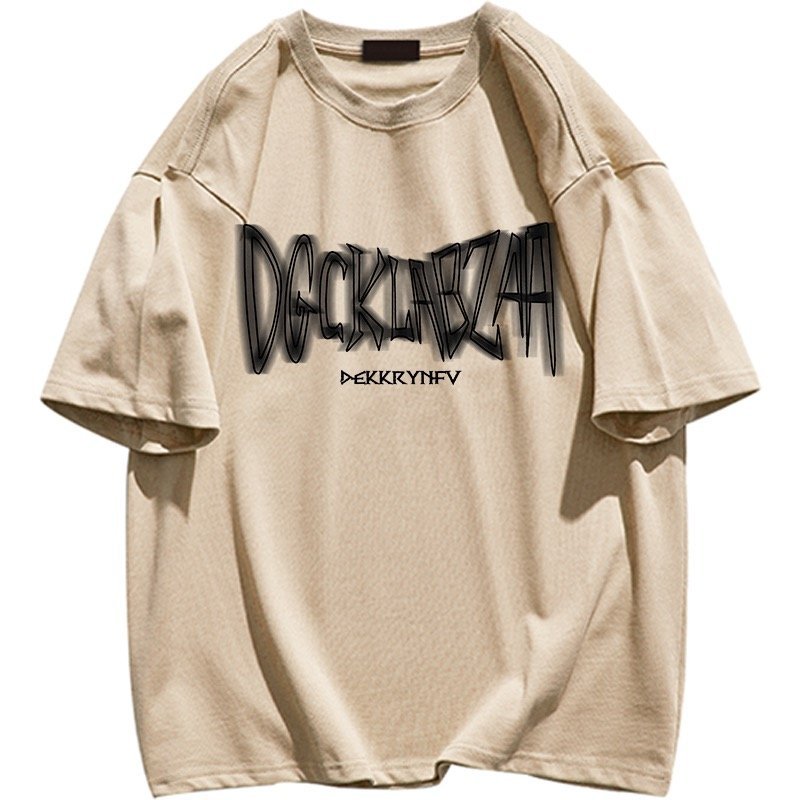
Vintage Wash vs Stone Wash vs Acid Wash vs Pigment Dye
Why vintage wash delivers superior color control, design flexibility, and batch consistency compared to alternative fabric finishing methods.
← 左右滑动查看 →
The Vintage Wash Production Process
Fabric Quality Control
Incoming fabrics undergo rigorous inspection for defects, colorfastness, weight consistency, and material composition to ensure only premium substrates enter production.
Pre-Treatment & Desizing
Garments are pre-treated with controlled soak cycles and desizing to remove finishes, preparing optimal substrate for vintage wash chemical treatments.
Chemical Washing Cycles
Multiple pH-balanced, temperature-controlled washing cycles apply vintage wash chemicals, creating authentic worn-in aesthetics through precision application and timing protocols.
Curing & Drying
Garments undergo curing at precise temperatures and humidity levels, then machine-dried at controlled heat to set vintage wash character and dimensions.
Final Quality Inspection
Final inspection verifies vintage wash quality, color evenness, seam integrity, and sizing. All garments pass our proprietary QC standards before shipping.
How to Order Custom Vintage Wash Garments
From design brief to global delivery—we guide you through every step with quality assurance built into each checkpoint.
Submit Design Brief & Artwork
Provide your vintage wash specifications, garment type, desired color palette, and wear intensity level. Our design team reviews submissions within 48 hours for feasibility.
Approve Pre-Production Sample
Receive a color strike-off and wear-pattern sample matching your vintage wash vision. You approve the finish before we proceed to bulk production.
Place Bulk Production Order
Confirm final quantities, delivery timeline, and specs. Low MOQ thresholds and fast turnaround mean your vintage wash collection launches when you need it.
Monitor 5-Step QC Checkpoints
Our quality guarantee covers materials, cutting, craft, sewing, and finished vintage wash garments. Real-time visibility keeps your order on track throughout production.
Receive & Ship Globally
Finished vintage wash inventory ships with white-glove logistics support to retailers, distributors, or direct-to-consumer channels worldwide. Full tracking and documentation included.
Proven Vintage Wash Quality: Success Stories from Global Brands
Clothing Manufacturer‘s vintage wash finishes transformed our Q3 collection. The color consistency across 2,000 units was perfect, and the fade uniformity after customer testing exceeded expectations. Sales lifted 35% vs. our previous supplier.
We needed vintage wash samples in two weeks for our spring campaign. Clothing Manufacturer delivered—not just on time, but with three colorway iterations. The quality and speed turned us into repeat customers. We’ve ordered five collections since.
As a global distributor, vintage wash consistency matters. Across our three warehouse regions, the 800+ units per order showed zero batch variation. The durability is proven—our retail partners report minimal complaints. That’s rare.
Vintage Wash Frequently Asked Questions
Everything you need to know about our vintage wash finishes—from fabrics and durability to MOQs and lead times.
What fabrics work best with vintage wash?
What’s your minimum order quantity for vintage wash?
How many colors can I use in a vintage wash design?
Can I combine vintage wash with embroidery or patches?
How long does vintage wash production take?
What’s the cost of vintage wash sampling?
What file formats and specifications do you need for vintage wash artwork?
How durable is vintage wash after repeated washing?
The Complete Buyer’s Guide to vintage wash
Navigate the complete landscape of vintage wash finishes—from acid wash to stone wash—with our essential buying criteria, supplier vetting framework, quality checkpoints, and proven mistakes to avoid when launching vintage-washed garments.
1. What is Vintage Wash?
Vintage wash employs chemical and mechanical processes to create aged, faded, and worn-in aesthetics that evoke decades-old garments. The treatment typically combines enzymatic or chemical bleaching (chlorine or stone-washing), mechanical abrasion, and specialized drying techniques to achieve uniform fading, softness, and that prized ‘lived-in’ look. Unlike distressing—which cuts, tears, or punctures fabric for a destructive aesthetic—vintage wash preserves structural integrity while aging the color palette and hand-feel.
Hip-hop, skateboarding, and street art heritage infuse vintage wash with cultural authenticity that contemporary brands leverage for market differentiation; the faded aesthetic resonates deeply with young consumers seeking bold self-expression. The technique differs fundamentally from overdyeing (which layers new pigment over original color) and pigment dyes (which sit atop rather than bond within fiber). Vintage wash integrates into the fiber structure, offering superior color permanence and repeat washability that pigment dyes cannot match.
Despite its premium market positioning—vintage-washed pieces command 20-40% retail premiums over untreated equivalents—manufacturing costs remain relatively low due to streamlined chemical and mechanical protocols. This cost-to-perception gap makes vintage wash ideal for fast-moving fashion, limited-edition drops, and startup brands seeking differentiation without excessive MOQ commitments or extended lead times. The technique scales efficiently from small batches to large production runs, making it the go-to finishing for contemporary labels launching seasonal collections.
2. The Evolution of Vintage Wash
The 1980s marked the emergence of vintage wash as a deliberate production technique in denim finishing, born from attempts to replicate worn-in aesthetics without requiring decades of consumer use. Early manufacturers employed basic acid and chlorine bleaching to artificially fade denim, creating the visual patina that mass-market consumers increasingly demanded.
By the 1990s, vintage wash had become central to grunge and hip-hop streetwear cultures, where distressed, faded garments signaled authenticity and rebellion. Producers experimented with layered approaches—stone washing, sand blasting, and enzyme treatments—to achieve varied wear patterns that resonated with young consumers seeking individual expression through their clothing.
The 2000s introduced significant technical refinement: enzyme washing replaced harsher chemical processes, reducing unintended fabric damage while improving color consistency and repeatability. Digital printing integration allowed manufacturers to layer vintage wash finishes with complex graphics and patterns, expanding creative possibilities far beyond simple fading or bleaching.
Today, vintage wash occupies a critical middle ground in sustainable streetwear—delivering the coveted worn aesthetic through finishing techniques rather than secondhand sourcing. While genuine vintage products address textile waste, the accessible vintage wash aesthetic enables emerging brands and independent designers to achieve authentic visual identity without scarcity or resale networks. For manufacturers with rigorous multi-stage quality control, vintage wash remains a cornerstone finishing technique in contemporary streetwear.
3. Types of Vintage Wash
Five primary techniques define vintage wash production, each with distinct chemical processes, durability profiles, and fabric compatibility. Understanding the differences—and how to specify intensity to manufacturers—ensures your brand receives the exact aesthetic and hand feel you’re designing for.
Acid Wash & Stone Wash
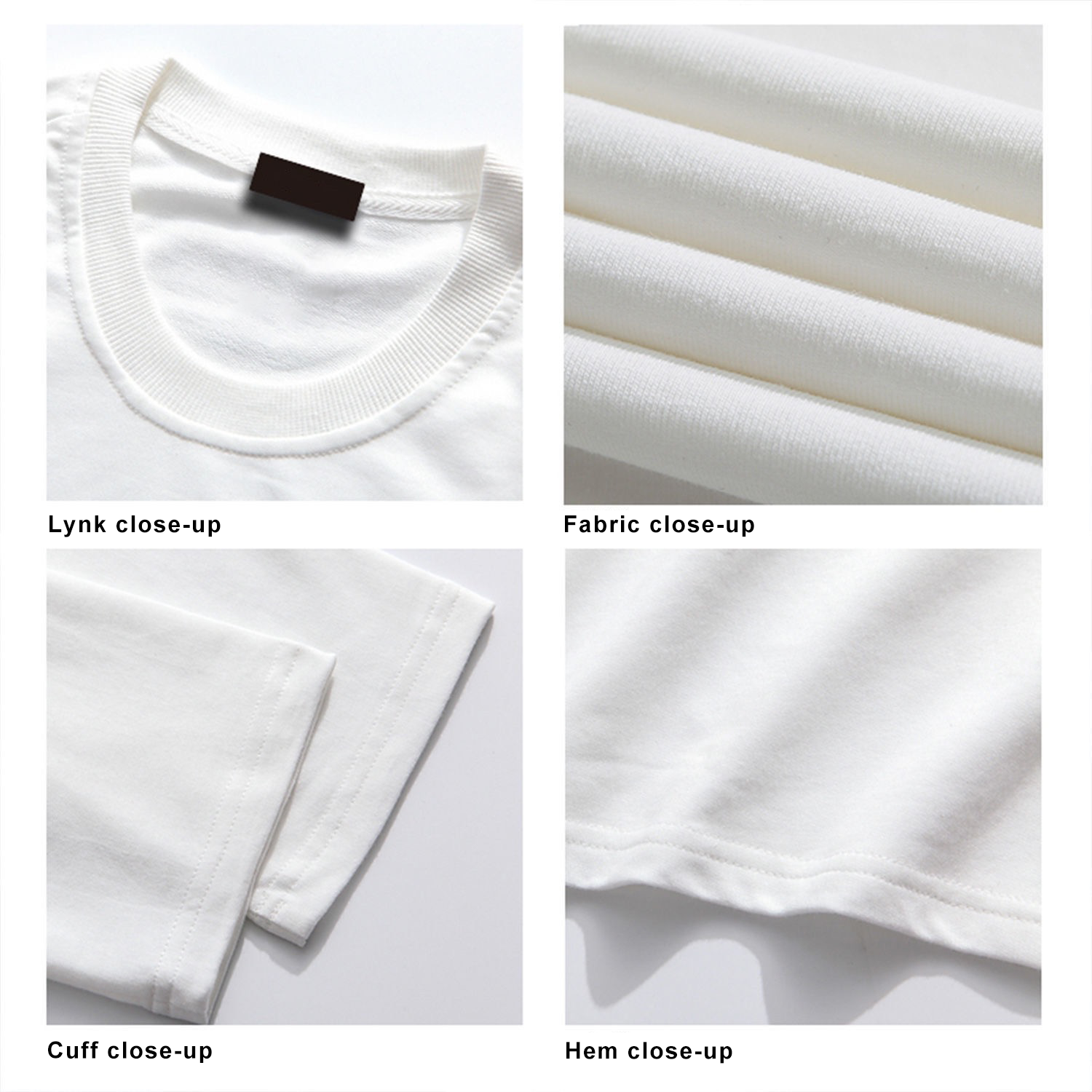
Acid wash uses potassium permanganate or hypochlorite to bleach fibers, creating high-contrast mottled patterns on heavyweight denim and twills. Results are streaky and uneven, prized in ’80s-revival streetwear.
Stone wash tumbles garments with pumice stones for softer, more uniform fading and worn-in hand feel. Both require 60–80-minute cycles. Acid wash durability is moderate; stone wash better preserves fiber structure.
Sand Wash & Ice Wash
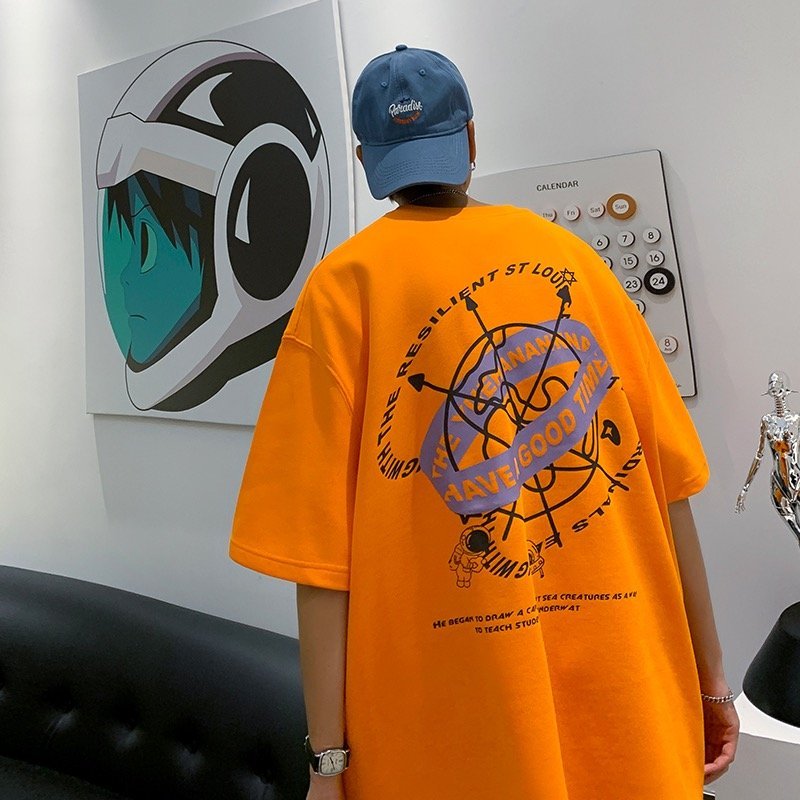
Sand wash applies abrasive silica to scuff surfaces, creating a light, velvety hand feel without deep color loss. Works well on mid-weight jersey and knits.
Ice wash freezes garments before abrasion, reducing fiber breakage and yielding subtle, consistent lightening. Both methods suit cotton-blends and synthetics. Ice wash commands premium pricing due to extended handling but delivers superior durability and minimal pilling.
Enzyme Wash (Acid-Free)
Enzyme wash uses cellulase enzymes to break down cellulose chains, creating faded, soft results without chemical bleach. Increasingly preferred for eco-certified and OEKO-TEX-compliant lines.
Results resemble stone wash with finer control over color retention. Processing requires 90–120 minutes. Enzyme wash suits all fabric weights and fiber types. Durability is excellent; fading is permanent and won’t reverse with wear or laundering.
Specifying Intensity & Lead Times
Vintage wash intensity—light, medium, heavy—determines final color depth and aging appearance. Light wash retains 70–80% of original color; medium 50–70%; heavy 20–50%.
Specify intensity by providing Pantone swatch samples or physical control garments to your manufacturer. Lead times vary: light finishes 3–4 weeks, medium 4–5 weeks, heavy 5–6 weeks. Clear intensity specs prevent rework and reduce sample cycles.
4. Materials & Fabrics for Vintage Wash
Fabric selection determines vintage wash results and durability. 100% cotton and heavyweight materials accept treatment best, while GSM weight impacts appearance and shrinkage. Understanding these variables ensures designs meet consumer expectations.
| Fabric Type | GSM Range | Vintage Wash Suitability | Typical Use |
|---|---|---|---|
| 100% Ring-Spun Cotton | 180–200 | Excellent | Tees |
| Cotton-Poly (80/20) | 220–280 | Good | Hoodies |
| Heavyweight Denim | 400–500 | Excellent | Jeans |
| Canvas | 350–400 | Excellent | Bags |
Fabric Composition & Cotton Content
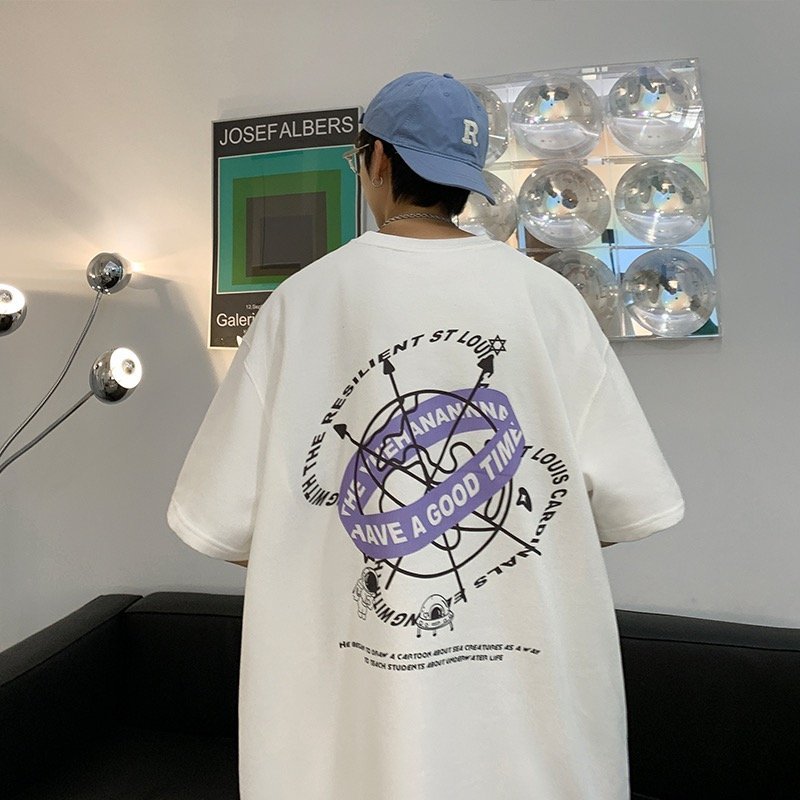
100% ring-spun cotton is the gold standard for vintage wash, offering superior dye uptake and softer hand feel after treatment.
Cotton-polyester blends (65/35 to 80/20) reduce shrinkage risk but may show uneven fading, as synthetics resist dye penetration. Below 60% cotton content, fabrics may not accept vintage wash chemicals consistently, resulting in patchy finishes.
GSM Weight & Vintage Wash Impact
180–200 GSM light jersey produces pronounced fading and lived-in texture, ideal for graphic tees. 220–280 GSM balances durability with softness, preferred for hoodies and streetwear basics.
300+ GSM retains color depth longer and maintains structure, though vintage wash effects develop more slowly on heavyweight fleece.
Pre-Wash Preparation & Shrinkage
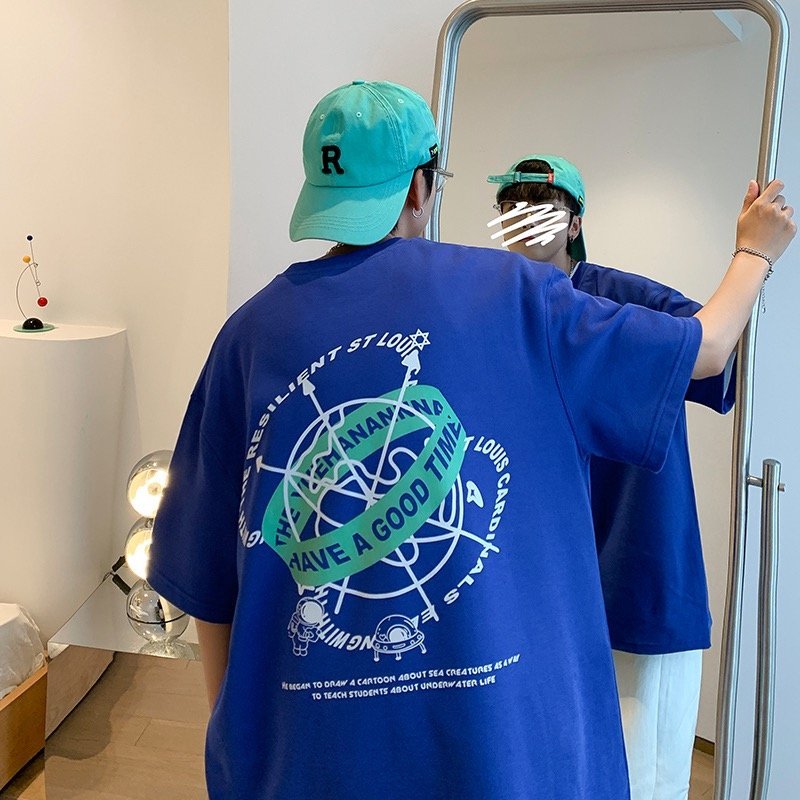
Pre-shrinking or mercerizing cotton eliminates 3–5% of shrinkage risk, extending garment lifespan. Single-ply fabrics shrink 2–3% initially; double-ply compounds to 4–6% without proper treatment.
Testing shrinkage on sample batches before full production prevents costly remakes and ensures sizing consistency across colorways.
Post-Wash Hand Feel & Durability
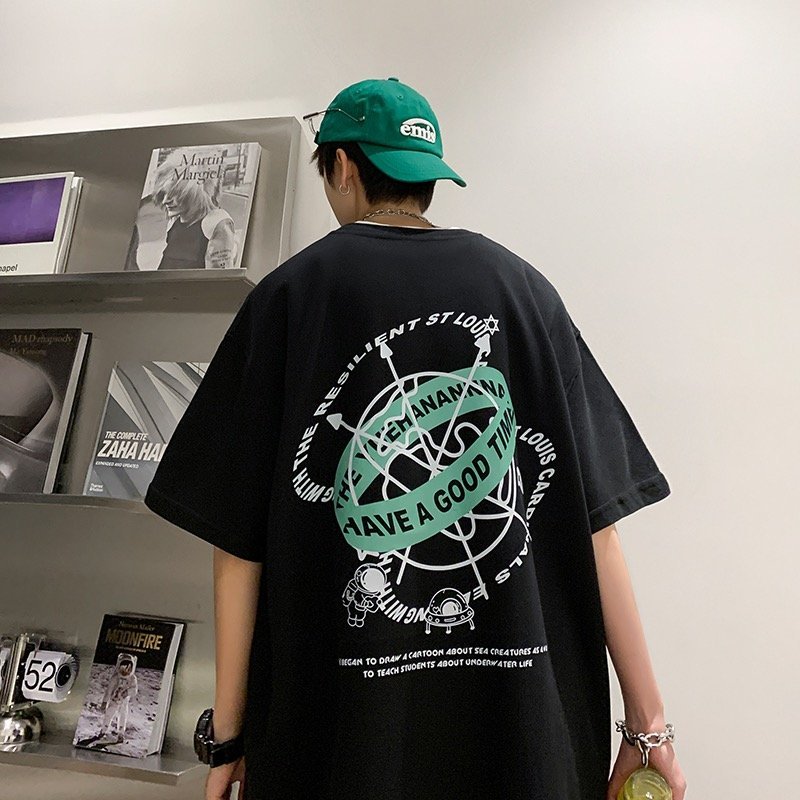
Vintage wash softens fabric by breaking cellulose fibers and relaxing tight weaves. Ring-spun yarns emerge silkier than open-end; open-end loses structural integrity faster.
Pill resistance depends on fiber cohesion—well-prepared cotton with high twist reduces fuzz-ball formation, preserving aesthetics through 30+ wash cycles.
Sustainability Certifications
OEKO-TEX 100, GOTS, and WRAP certifications document chemical safety and labor practices, increasingly required by North American and European retailers. GOTS demands 95% organic cotton minimum; OEKO-TEX screens for restricted substances.
Certified fabrics cost 8–15% more upfront but unlock premium retail placement and retail partnerships.
5. Customization & Vintage Wash Effects
Vintage wash amplifies its impact when layered with embroidery, screen print, distressing, and graphics. Design placement and application sequence significantly affect both visual appeal and production feasibility. Understanding the interplay is critical for consistent, professional results.
Embroidery & Screen Print on Washed Fabric
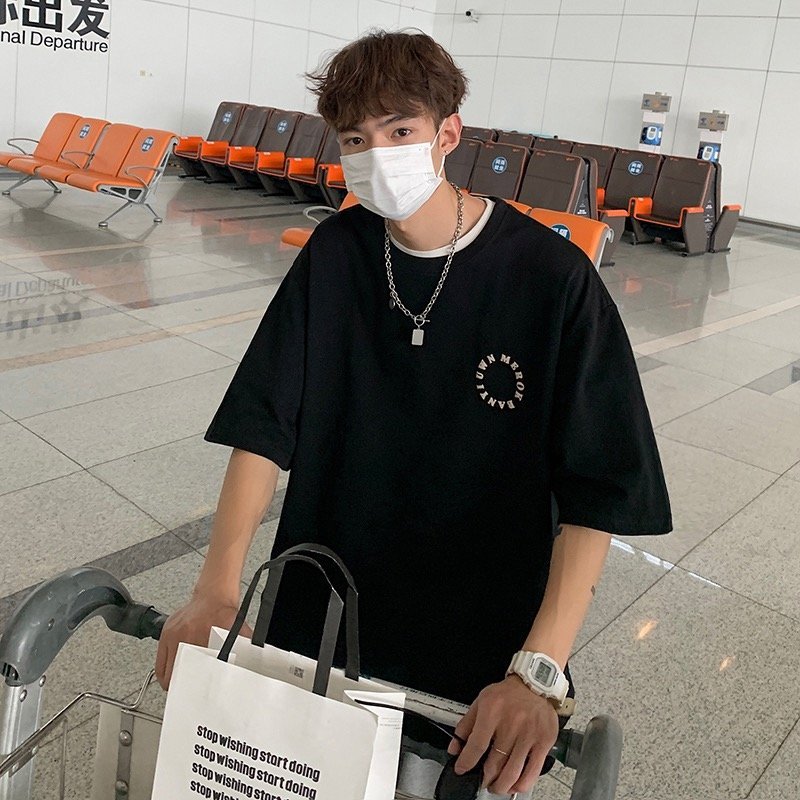
Ink adhesion challenges arise when applying embroidery or screen print over softened vintage-washed fibers. Direct-to-garment (DTG) methods perform best on pre-washed bases; plastisol and water-based inks require careful curing to prevent cracking.
Apply vintage wash after embroidery when possible, to protect stitch integrity. Test embroidery tension on washed samples before committing to full production runs.
Strategic Distressing & Color Blocking
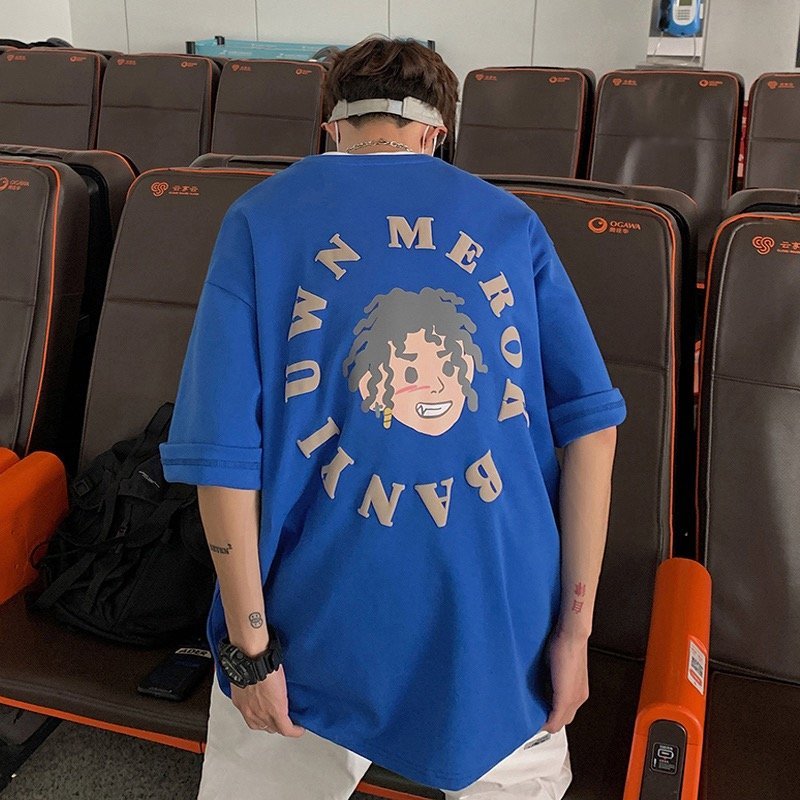
Distressing (ripping, fading, bleaching) and color blocking gain depth when paired with vintage wash effects. Apply distressing before final wash to ensure even aging across affected areas. Apply color blocking after base wash to avoid unpredictable dye reactions.
Swatch testing is mandatory. Run a 20-50 piece pilot batch before scaling to 500+ unit MOQs.
Wash First vs. Last: Sequence Strategy
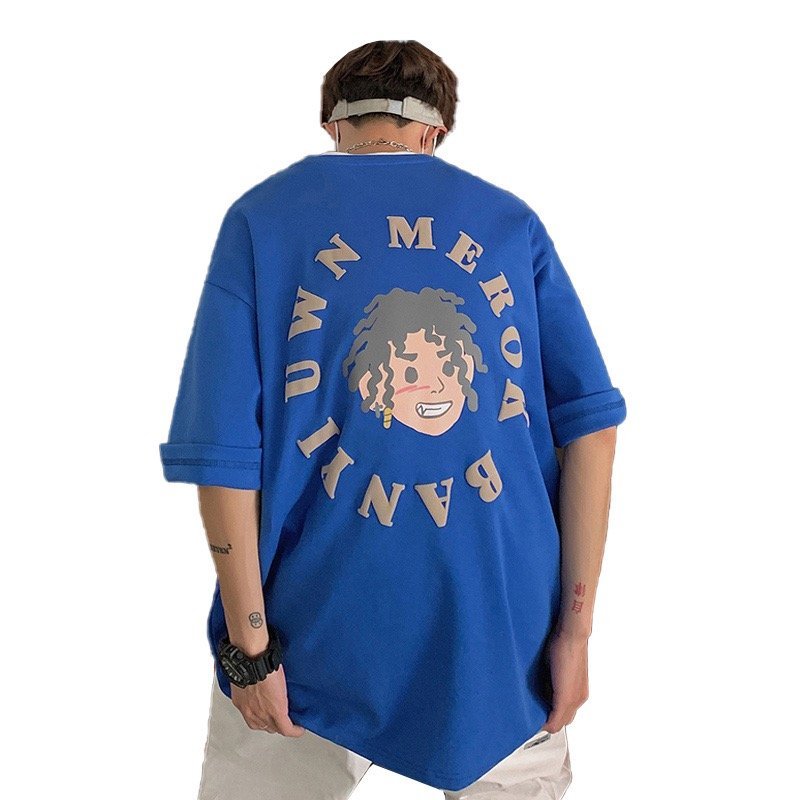
Heavy embroidery designs: wash first, then embroider, then finish with minimal further washing. Screen-print-heavy designs: some producers apply wash post-print to age graphics.
Secure SOPs for wash temperature, duration, and dye-lot consistency. Five-step QC at cutting, craft, sewing, production, and finished goods stages catches defects early, preventing costly rework.
Material Weight & Quality Challenges
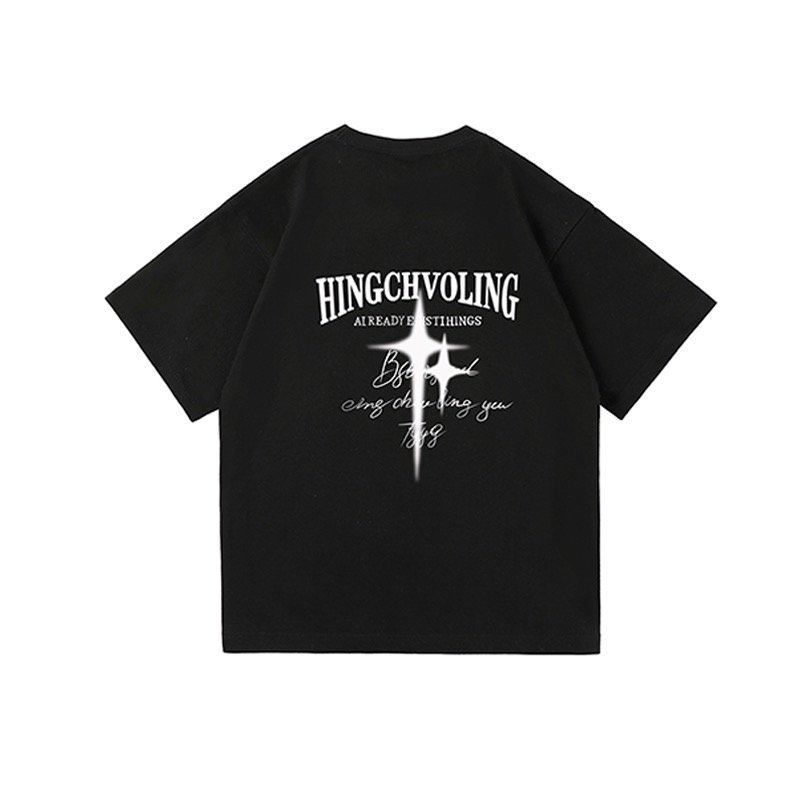
GSM (grams per square meter) matters significantly. Lightweight fabrics (150–180 GSM) accept embroidery more readily than heavy 400+ GSM fleece. Inconsistency across production runs stems from humidity, water mineral content, and chemical reaction timing.
Partner with manufacturers offering transparent documentation of wash parameters. This transparency ensures replicability across full orders and future SKUs.
6. Quality Standards & What to Inspect
Vintage wash garments require rigorous inspection beyond standard QC protocols because the aging process introduces variables that affect color, fabric feel, and durability. Clothing Manufacturer Ltd. implements stage-based testing to ensure every piece meets fade, shrinkage, and seam integrity specifications before shipment.
| Test Type | Standard/Spec | Method | Pass Criteria |
|---|---|---|---|
| Color Fastness | AATCC | Wet & dry rub | Grade 4–5 |
| Shrinkage | ISO 6330 | 5 wash cycles | 3–5% tolerance |
| Seam Strength | ISO 13445 | Tensile load | 4.5+ kg |
| Pilling Resistance | ASTM D3939 | Pill-box test | Grade 4+ minimal |
| Button Durability | ISO 3658 | 500+ cycles | No failure |
First-Sample Inspection Protocol
Five-point QC testing begins before bulk production. Vintage wash samples undergo color matching against Pantone specifications, seam-strength testing at 4.5+ kg tensile load, fabric-hand evaluation for desired softness (not cardboard-like stiffness), and shrinkage validation in ISO 6330 conditions.
Fade uniformity is assessed across the garment to confirm pattern consistency.
Color Fastness & Fade Uniformity
AATCC dye-fastness testing evaluates color stability post-wash. Vintage wash pieces are assessed for crocking (dry rub), bleeding (wet rub), and perspiration resistance.
Fade patterns must be uniform across front, back, and sleeves—no blotchy discoloration or unexpected fading zones. Customers receive color-match reference swatches to validate production consistency against approved samples.
Fabric Hand & Durability Checkpoints
The vintage wash finish must enhance hand-feel without compromising durability. Testers verify that softness doesn’t translate to fragility; seams withstand 5+ kg tension without rupture.
Button and zipper functionality is tested post-wash using 500+ open-close cycles. Pilling resistance is measured via ASTM D3939 pill-box testing to ensure long-term wear.
Bulk Validation & Shrinkage Specs
Shrinkage is measured per ISO 6330 after five wash cycles at customer-specified temperatures—typically within 3–5% tolerance for vintage-wash cotton blends.
Bulk production batches are tested on random sampling: 5% of total units for smaller orders, 2–3% for MOQ volumes over 500 pieces. Out-of-spec garments are rejected before packing and shipping.
7. How to Choose a Vintage Wash Manufacturer
Selecting a vintage wash manufacturer requires balancing technical certifications, production flexibility, and quality transparency. Evaluate vendors on MOQ thresholds, lead times, communication responsiveness, and verifiable track records before committing to production orders.
Certifications And Quality Framework
OEKO-TEX 100 and GOTS certifications confirm chemical safety and organic fiber sourcing.
Request QC documentation covering materials inspection, cutting verification, craft testing, sewing inspection, and finished goods. Dongguan Clothing Manufacturer implements five-stage QC from materials intake through shipment.
MOQ And Lead Time Expectations
Most vintage wash specialists accept 100–500-piece minimums; 50-piece trials exist for brand pilots.
Standard lead times run 8–12 weeks from approved sample to shipment. Chinese Humen manufacturers concurrently serve 100+ markets, confirming robust capacity. Flexible MOQs signal mature production infrastructure.
Sample Approval And Communication
Expect 2–3 sample rounds before production. Sample fees typically cost $300–$1,000 depending on complexity; turnaround is 5–7 days.
Responsive manufacturers reply within 24 hours to technical questions. Request communication protocols: email escalation, Slack access, or dedicated project managers become critical during production issues.
Labor Practices And Transparency
Inquire about BSCI or WRAP certifications for labor compliance and ethical sourcing practices.
Request factory facility photos, complete supplier lists, published wage scales, and independent third-party audit records. Verify compliance with Chinese textile safety regulations and GB standards.
Trial Orders And Reference Validation
Run a 200–500-piece pilot before scaling to larger volumes, validating quality and reliability. Request three customer references across different garment types.
Ask past clients about consistency, deadline adherence, and conflict resolution. Site visits to Humen facilities confirm production scale.
8. Common Mistakes Buyers Make with Vintage Wash
Vintage wash introduces manufacturing complexity that trips up first-time buyers across multiple stages. Most errors stem from underestimating process variability, skipping verification steps, or misaligning timelines and scale. Recognizing these mistakes protects margins and prevents costly reorders.
Fabric Weight & Shrinkage Miscalculation
Ordering 5 oz or 6 oz jersey without anticipating 5–8% shrinkage during vintage wash causes sizing drift. Pattern-cut 2–4% larger than finished specs and request shrinkage reports from your manufacturer for the specific wash process and fabric base.
Always confirm shrunken dimensions before bulk production to avoid reorders.
Wash Intensity & Colorway Approval
Specifying ‘medium wash’ without defining bleach ppm, stone dosage, or rinse cycles leaves room for misalignment. Provide Pantone chips and lab-dip approvals in natural daylight, not studio flash.
Reference worn examples alongside pre-wash swatches so manufacturer and brand agree on realistic outcomes before production starts.
Skipping Sample Approvals
Jumping to bulk production without approving pre-production samples wastes weeks and material. Require at least two sample rounds: size spec and wash-finish approval.
Build 2–3 weeks into your timeline for sampling. Document approved colors, finish photos, and feel before bulk production.
Timeline & Scale Misalignment
Vintage wash adds 3–5 weeks to lead time. Many buyers expect MOQs of 500 units in 4 weeks, forcing manufacturers to skip quality steps. Ordering 1,000 units when demand is 300 ties up capital.
Plan 8–10 weeks ahead and match MOQ to realistic quarterly demand.
Vintage Finish Variance & Durability Reality
Vintage wash is inherently variable—denim dust, stone wear, chemical mix variance, and water hardness all influence final appearance. Accept 10–15% visual variance as normal. Specify acceptable ranges (‘pale to medium indigo, not dark’) upfront.
Vintage finishes fade faster than standard dyeing—communicate this durability shift to end consumers.
9. Pricing & Cost Structure
Minimum order quantities for vintage wash production typically range from 50 to 500 pieces, with unit costs varying by fabric type, wash intensity, and volume. Basic heavyweight cotton garments with light vintage effects start around $8–$12 per unit at 500+ quantities, while premium ring-spun fabrics or intensive chemical washes command $15–$25 per piece. Sourcing locally in Guangdong reduces lead times to 30–45 days; international fabric imports add 10–14 days to the timeline.
Setup and sampling costs run $300–$800 for technical review and initial prototype development, typically waived for orders exceeding 1,000 units. Per-piece wash fees range from $0.50 to $2.00 depending on wash complexity—simple stone wash costs less than multi-stage acid or bleach effects. Sample orders of 5–10 pieces are available at $15–$30 per piece, allowing buyers to validate fit, color, and fabric hand before committing.
For wholesale positioning, streetwear brands typically mark vintage wash garments 2.5–3.5x the unit cost, achieving $20–$35 wholesale and $40–$85 retail depending on brand positioning and fabric tier. Influencer and creator brands moving 200–500 units monthly benefit most from 500–2,000-piece tiers, balancing cash flow with manufacturing efficiency.
| Order Quantity | Unit Cost (USD) | Lead Time (Days) | Setup Fee |
|---|---|---|---|
| 50–500 pcs | $12–$18 | 35–45 | $500–$800 |
| 500–2,000 pcs | $8–$12 | 30–40 | $300 |
| 2,000+ pcs | $6–$9 | 25–35 | Waived |
Ready to Launch Your Vintage Wash Collection?
Get a free vintage wash sample, transparent pricing, and access to our 5-step QC guarantee—all with fast turnaround and low MOQ.