
Acid Wash Apparel Built for Bold, Streetwear-Ready Brands
Get striking acid wash finishes with authentic faded depth and vibrant color effects — low MOQ, 5-step QC, and fast turnaround for trendy brands and startups worldwide.
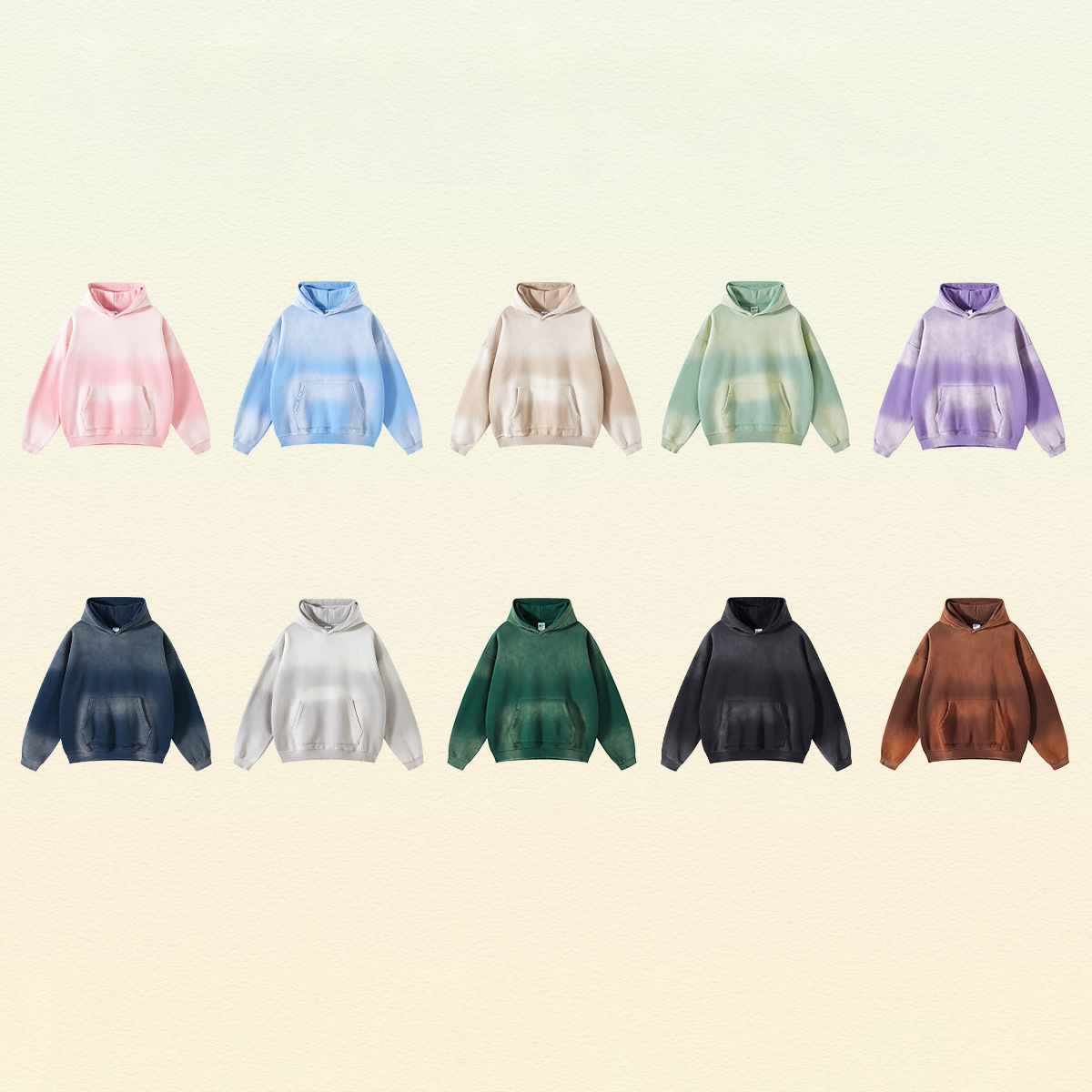
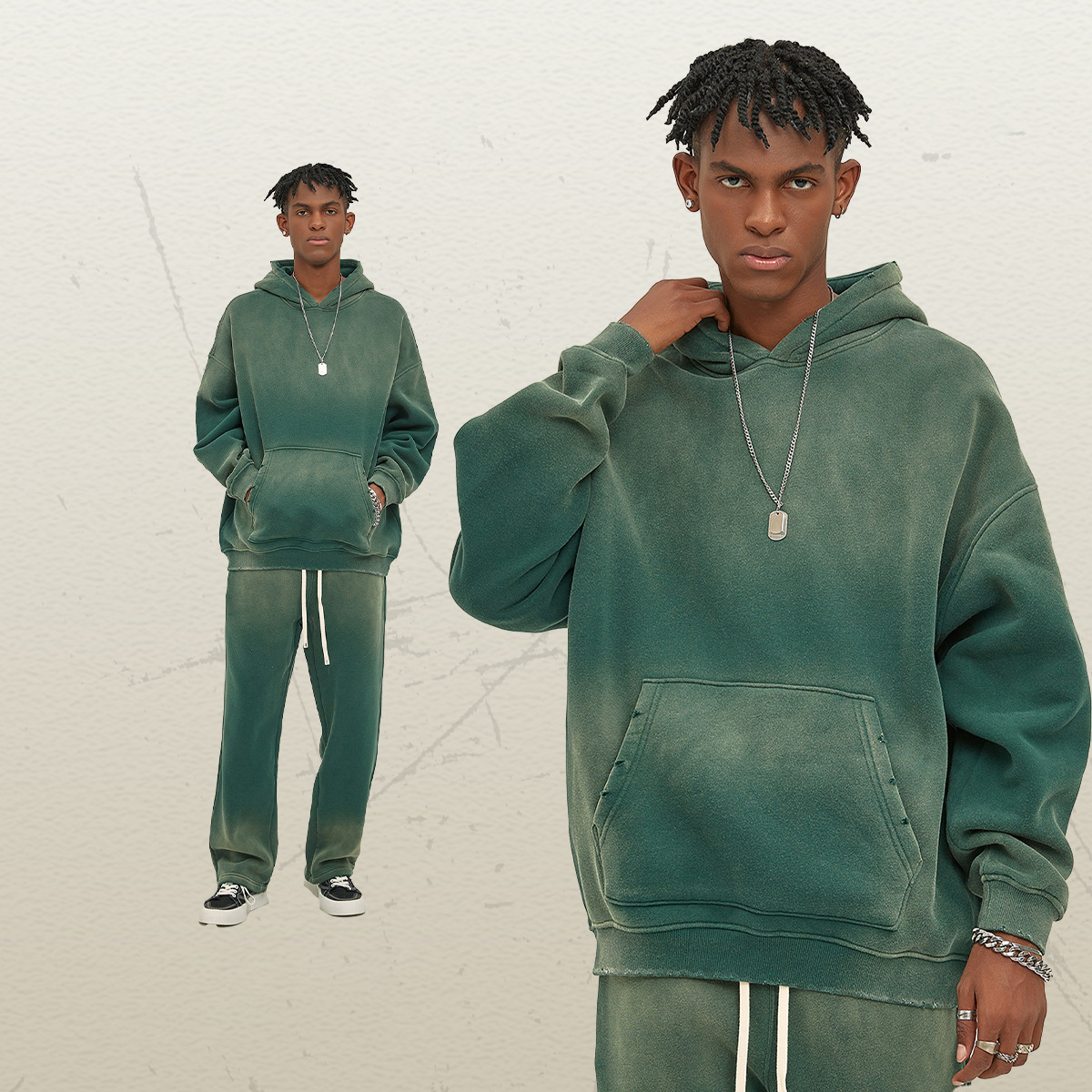
Acid Wash Samples & Finished Products
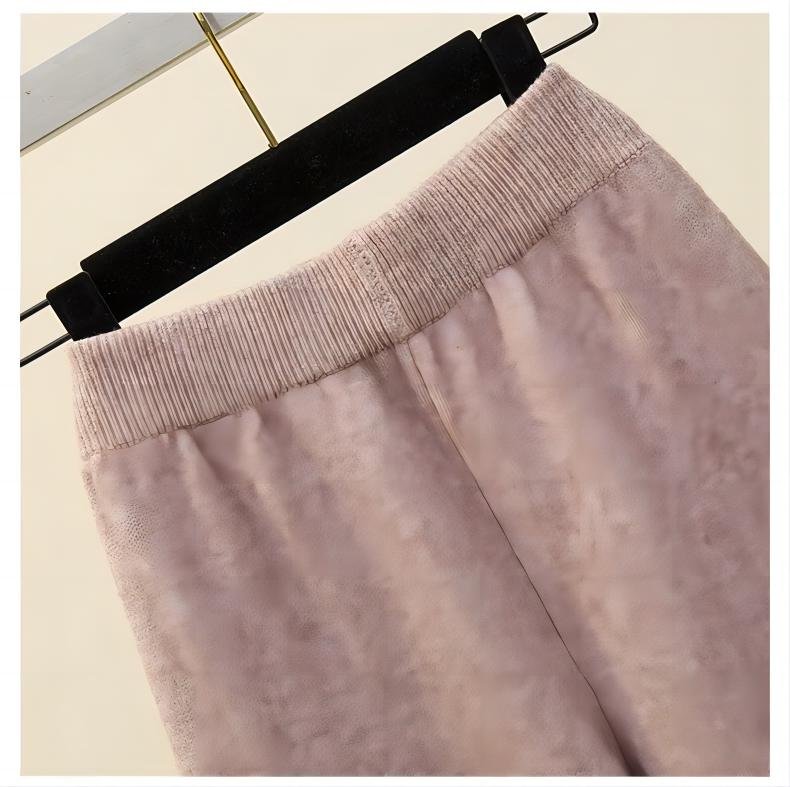
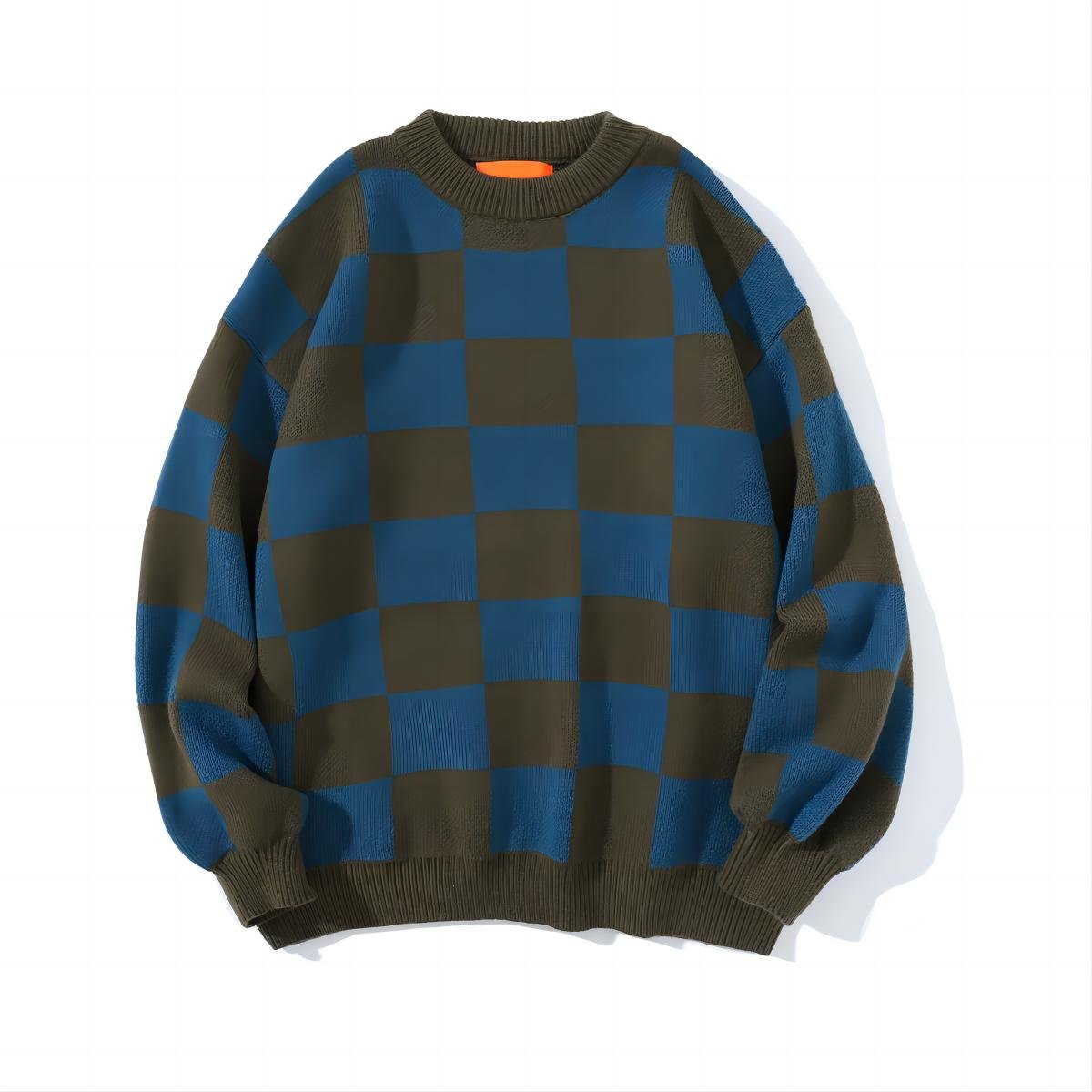
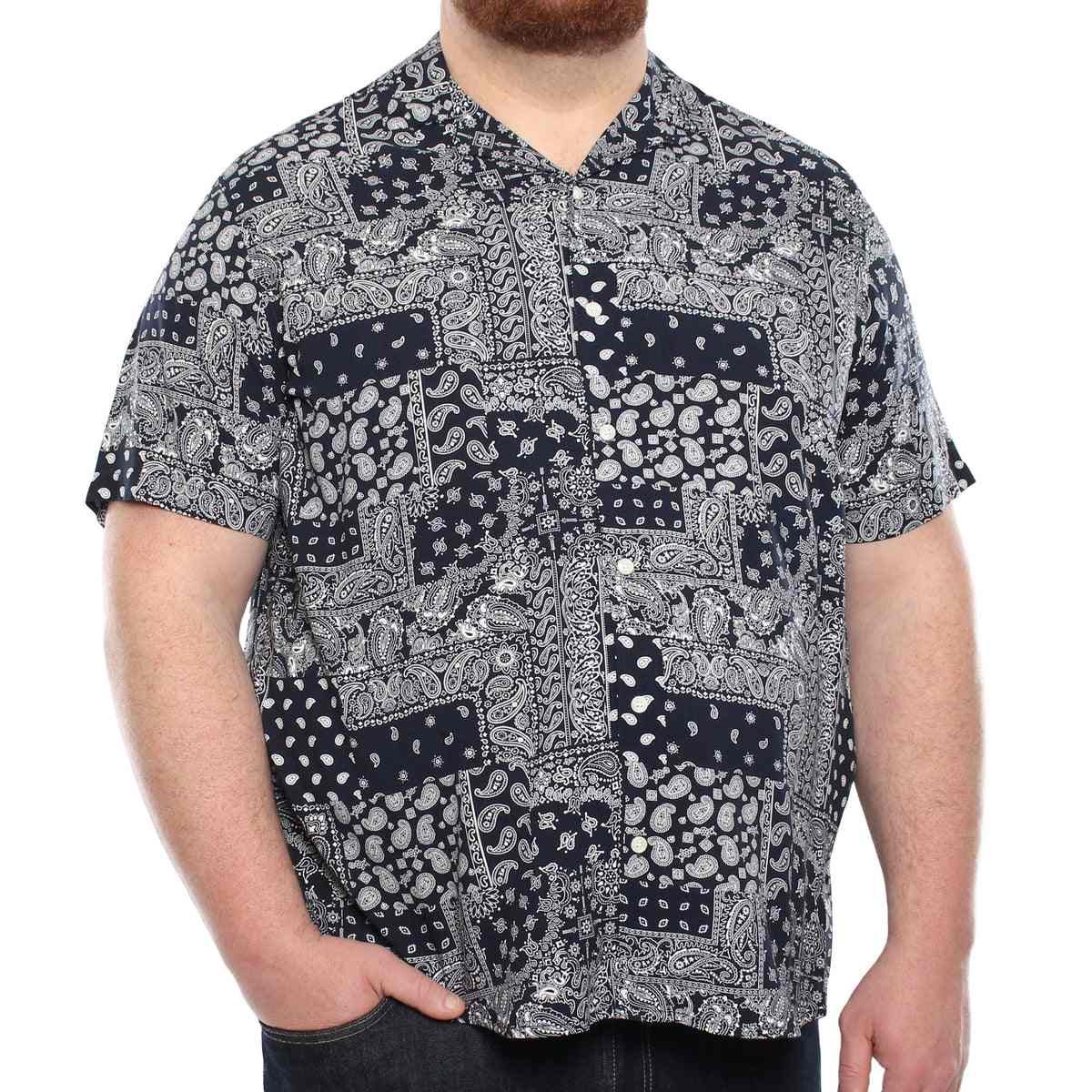
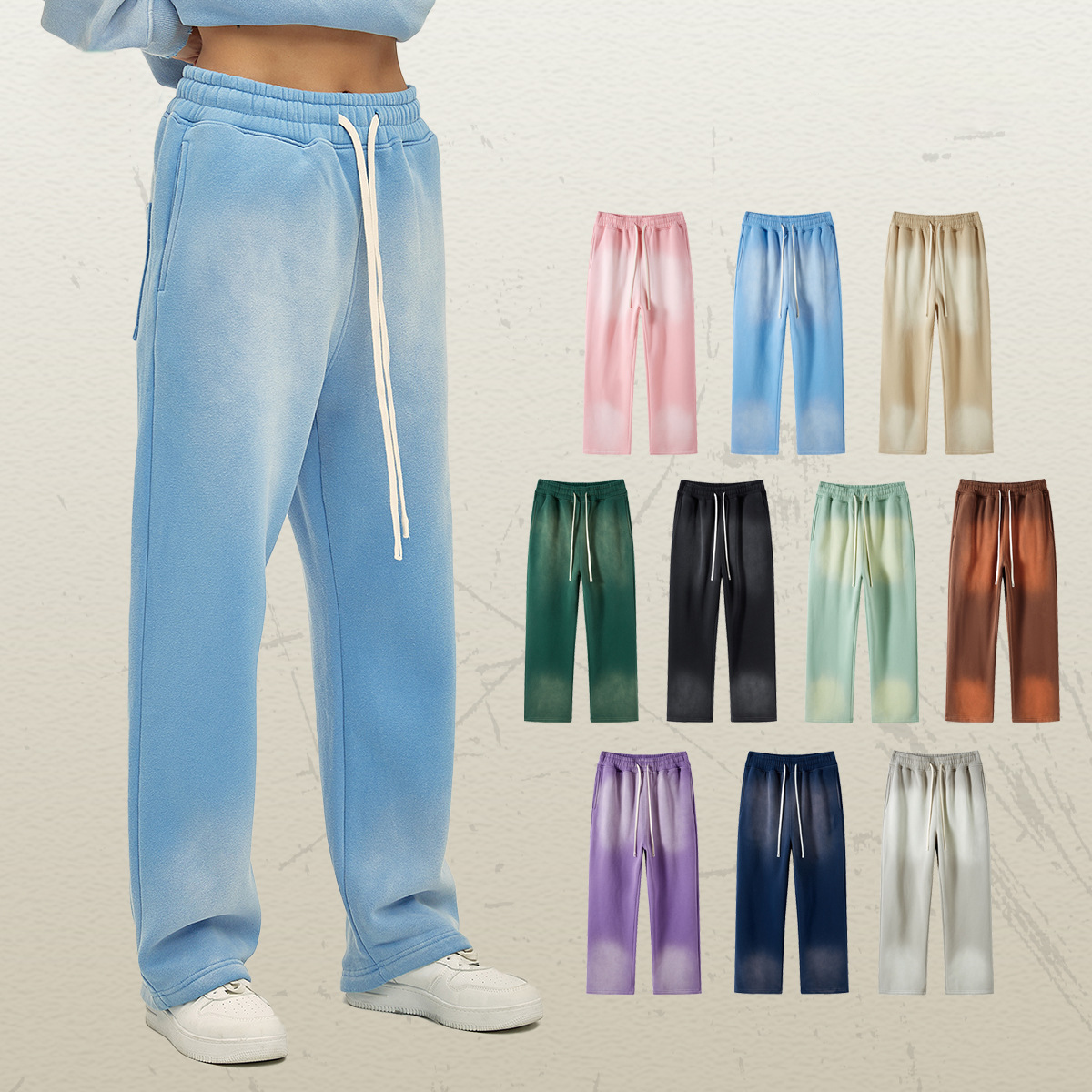
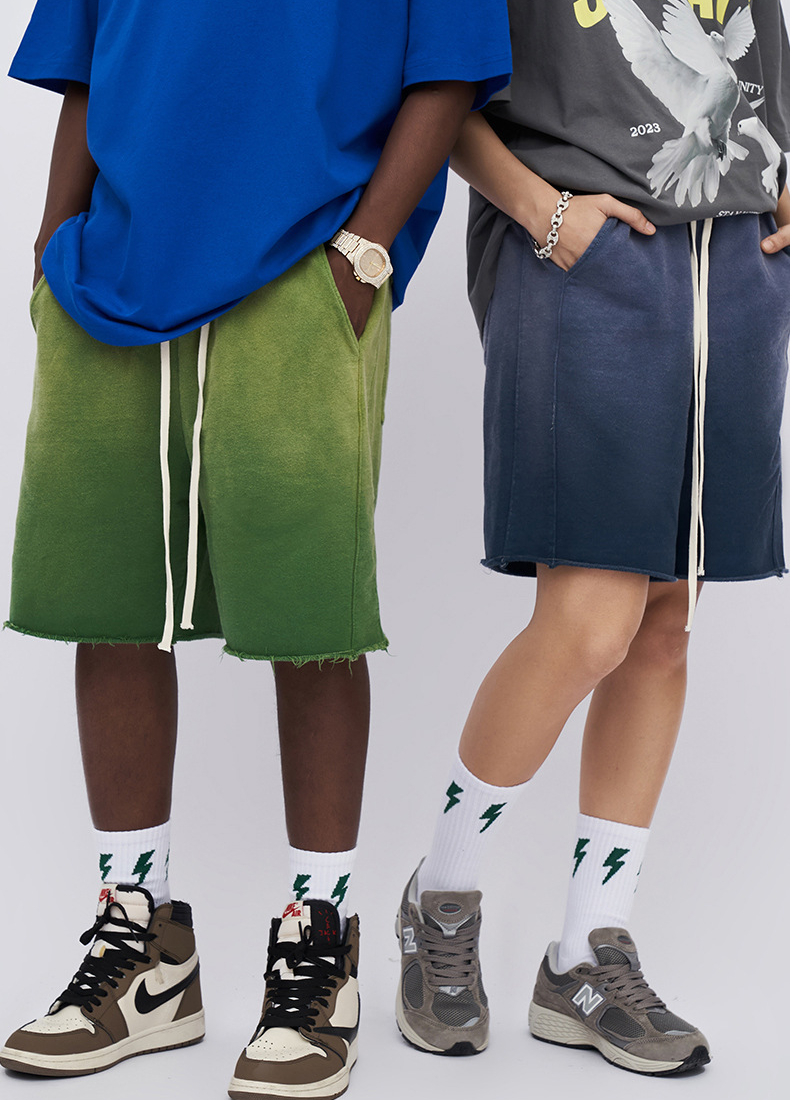
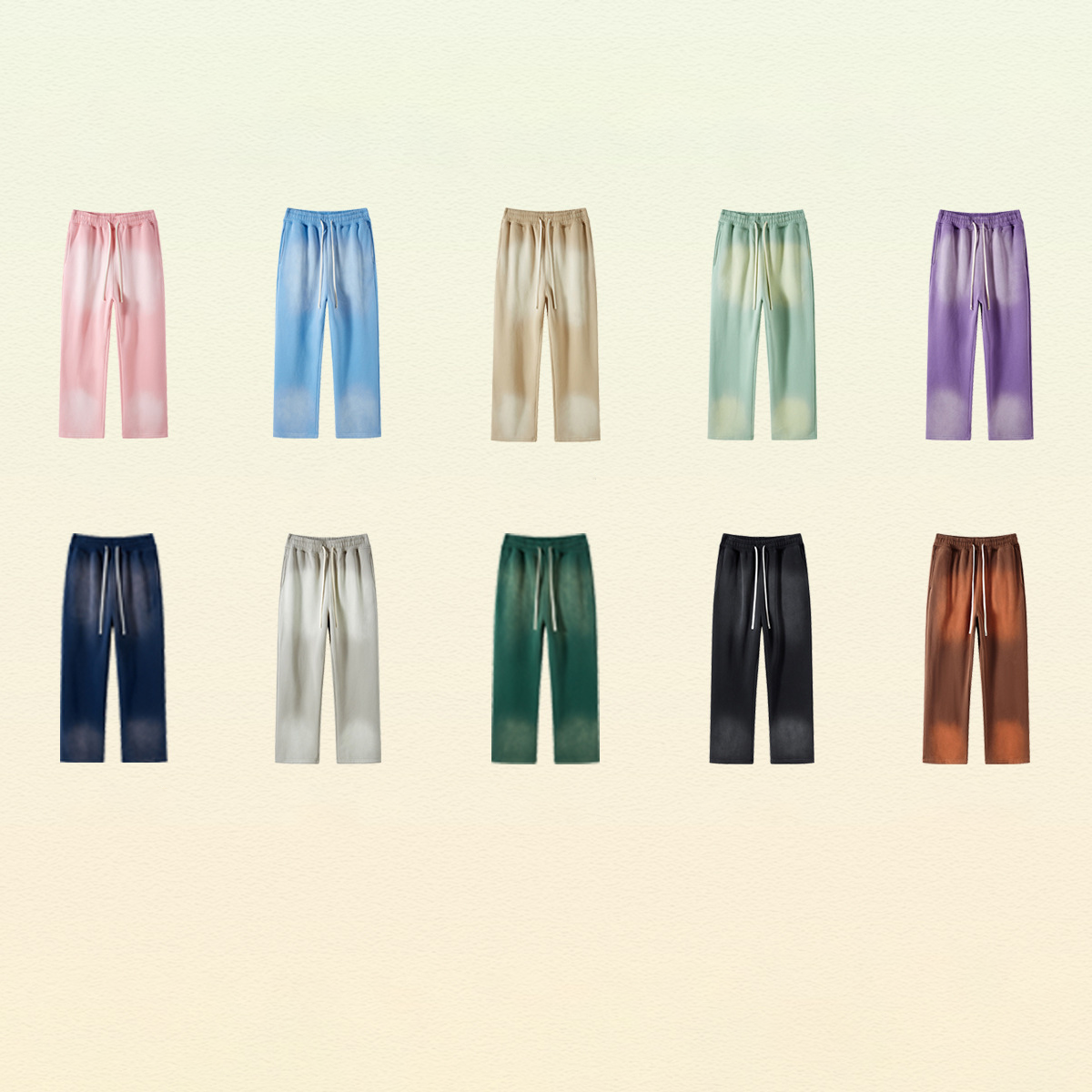
Acid Wash Qualities That Define the Aesthetic
From precise fading to softened hand-feel, every hallmark of true acid wash is engineered into each garment we produce.
Controlled Fade, Every Batch
Our acid wash process delivers precise, repeatable fading gradients — distinct per piece, yet consistently on-brand across your full run.
Signature Color Break Patterns
Distinctive marble-like color breaks create the bold, high-contrast look that defines authentic acid wash and stops the scroll every time.
Luxuriously Softened Hand-Feel
The acid wash treatment breaks down fiber stiffness, delivering a noticeably softer, broken-in texture that customers feel from the first wear.
Organic One-of-a-Kind Distress
Each garment carries its own distress pattern — giving your line the authentic, limited-edition character today’s streetwear consumers actively seek out.
Wash-Fast Color Retention
Our 5-step QC includes color-fastness testing, ensuring acid wash garments hold their faded aesthetic through repeated washing without premature color loss.
Precision Fade & Design Control
Specify fade intensity, pattern placement, and distress level — our in-house sampling team adjusts until every detail matches your exact creative vision.
Acid Wash + Other Finishes: Choose Your Process
Not every wash is right for every collection. Explore how acid wash compares to stone wash, bleach wash, enzyme wash, and print finishes — then choose the process that fits your brand.
Bold Contrast Acid Wash Drops
Your streetwear line needs high-impact pieces with dramatic, unpredictable fade patterns that photograph well, trigger impulse buys, and justify premium pricing across online drops and wholesale accounts.
Acid wash delivers high-contrast chlorine-treated fades unique to every garment, giving your drop a limited-edition feel and shelf presence that drives sell-through without the cost of custom artwork.
Subtle Vintage Stone Wash Look
Your collection targets a minimalist audience that wants an authentic worn look without aggressive chemical contrast or the risk of uneven bleaching across large wholesale and retail production runs.
Stone wash produces consistent, softened tones and a broken-in hand-feel across the entire run, delivering reliable vintage character your customers notice and feel from the very first wear.
Extreme Bleach Wash Distressing
Your punk- or grunge-inspired line demands the most aggressive wash effects available — heavy contrast, near-white highlights, and a raw, deconstructed finish that makes every garment a statement.
Bleach wash strips color to dramatic extremes, producing the boldest contrast in the garment-wash spectrum and anchoring collections that are built entirely on visual attitude and edge.
Soft Enzyme Wash Basics
Your brand sells everyday essentials and needs a finishing process that preserves color vibrancy while delivering a noticeably softer, smoother hand-feel that customers recognize and remember from the first wear.
Enzyme wash biologically removes surface fibers for a silky, pill-resistant texture and subtle luster, elevating your basics program without altering the colorway or introducing complex graphic layering.
Acid Wash With Printed Graphics
You want the acid wash aesthetic as a canvas but need custom logos, graphics, or artwork layered on top to fully express your brand identity and differentiate each piece in the collection.
Our in-house design team combines acid wash base finishing with direct-print or embroidery overlays, delivering fully branded, market-ready garments produced and quality-checked within a single coordinated production run.
Why Global Brands Trust Our Acid Wash
Clothing Manufacturer Ltd. was founded in 2024 by Tesla Luo, a garment industry veteran with over 10 years of production experience and 6 years dedicated to streetwear manufacturing. Raised inside Dongguan’s garment heartland and trained in every stage of production — including finishing and wash processes — Luo built this company on one conviction: acid wash quality begins long before the garment ever hits the wash drum.
Our 15-member R&D team specializes in wash chemistry, color development, and finish durability, engineering acid wash results that remain consistent across every production run. Every order is held to our proprietary 5-step QC process — covering materials, cutting, craft, sewing, and final inspection — so defects are caught and corrected at each stage, not discovered after shipment. We have delivered to streetwear brands and retailers across more than 100 countries.
We offer low MOQ options for emerging labels and fast turnaround for seasonal drops, with in-house design and sampling support at every step. Unlike manufacturers who move straight from sewing to packaging with no in-production checks, we apply the same rigorous standard to every acid wash order — because whether you are launching your first collection or scaling your thousandth run, your brand’s reputation is built on the finish.
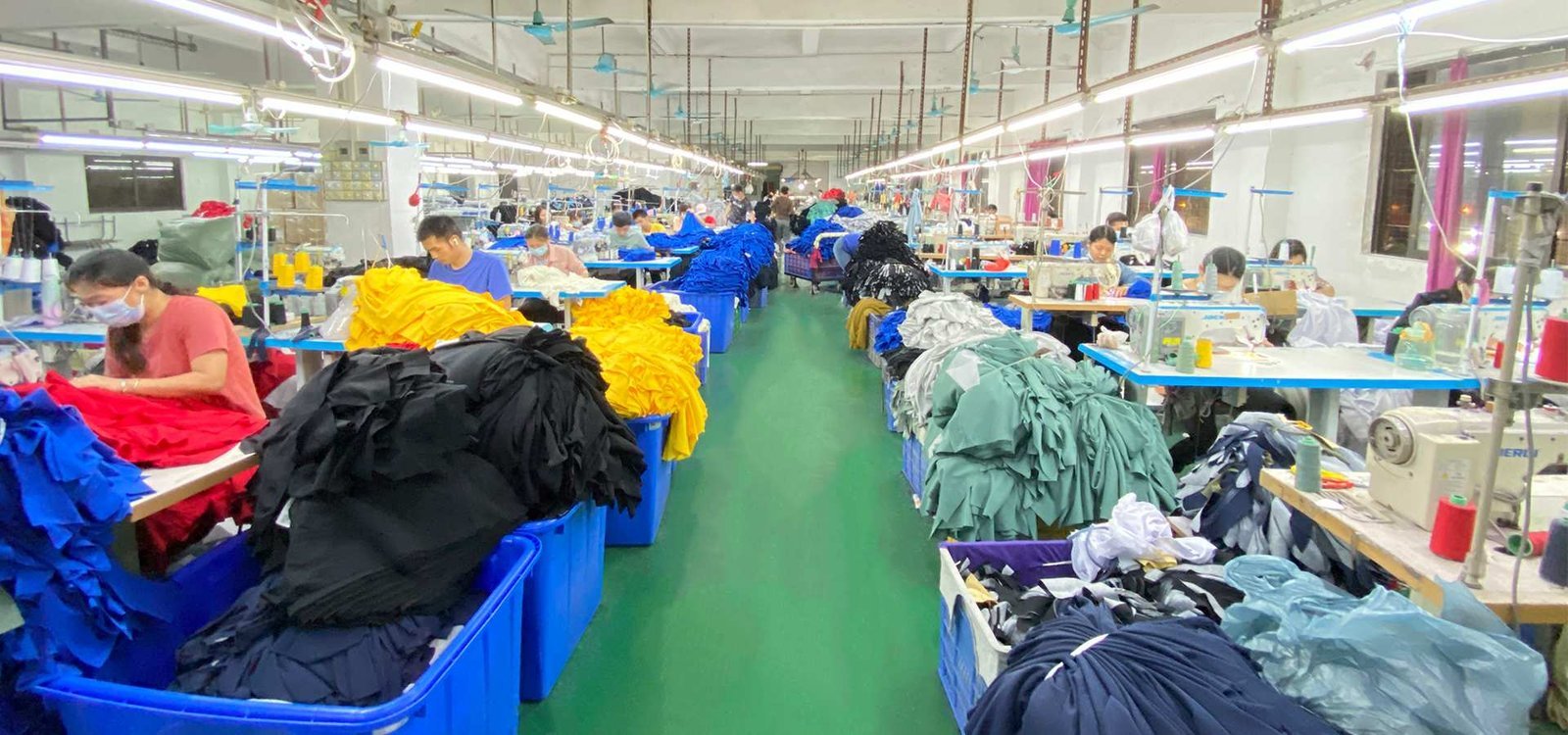
The Science of Acid Wash: Color Chemistry, Durability, and Hand-Feel
Controlled Chemical Fading, Not Random Chance
Our acid wash process uses precisely calibrated chemical concentrations and immersion times to produce intentional fading patterns — not random results. Acid-to-fabric ratios are monitored at every stage, ensuring each garment achieves the exact distressed aesthetic your brand demands.
- Controlled acid concentration and pH monitoring executed per batch
- Timed immersion cycles calibrated to fabric weight and dye type
- Multi-zone techniques deliver gradient, marble, and spot-fade effects
- Pre-treatment scouring removes residues that skew fading consistency

Color-Fastness Standards That Survive Real Wear
Post-wash color retention is where many acid wash garments fail. Our neutralization and rinse protocols lock in pigment after every chemical treatment, meeting ISO 105 color-fastness standards so the faded finish still looks intentional after dozens of customer wash cycles.
- Neutralization bath halts acid action and seals residual dye immediately
- ISO 105-certified color-fastness testing conducted on finished garments
- Minimum Grade 4 wash-fastness rating enforced across all outgoing units
- Strike-off color matching verified against approved brand samples before shipment
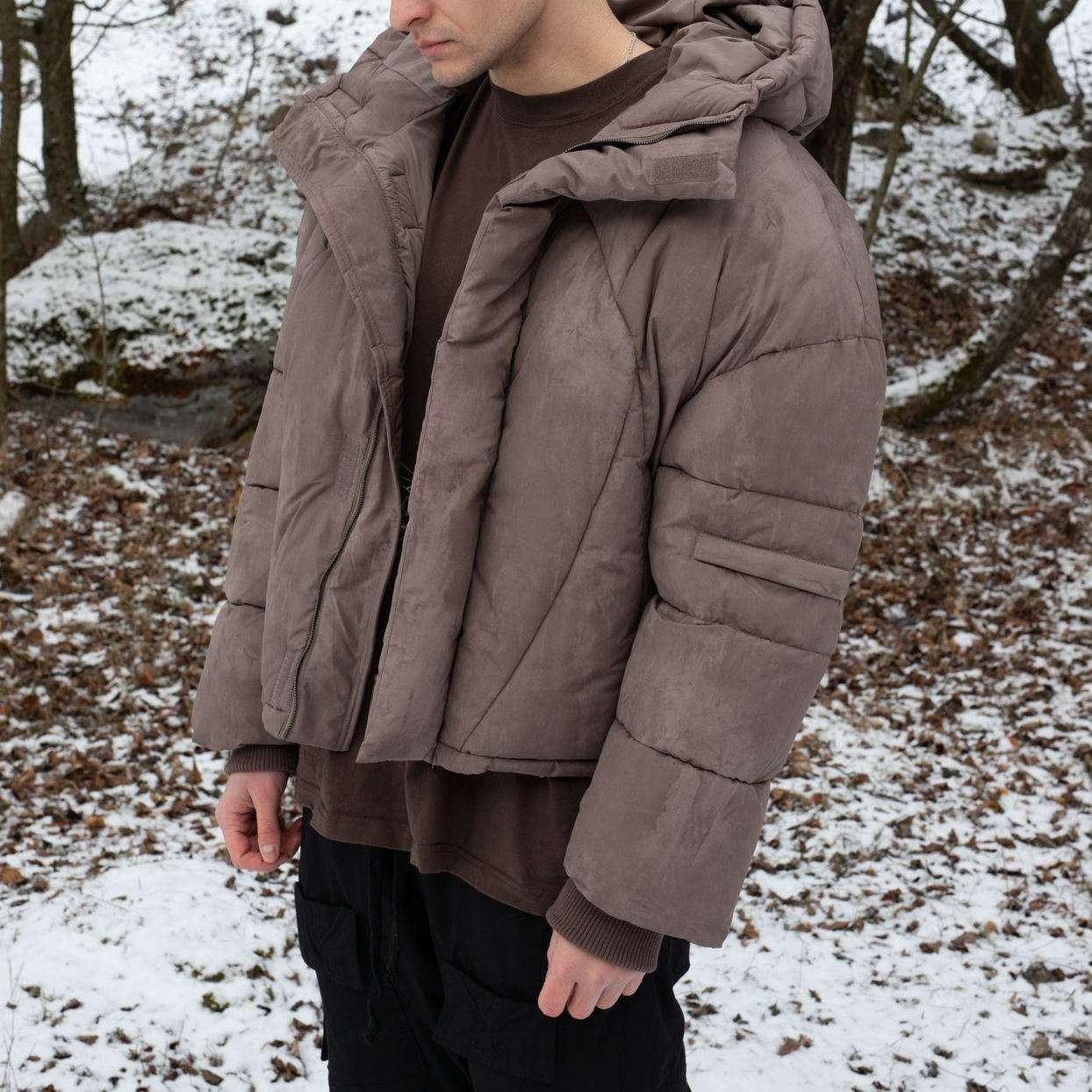
Acid Wash Hand-Feel: Soft, Worn-In, Premium
Chemical treatment fundamentally changes how a garment feels on the body. Our acid wash finishing incorporates softening agents and mechanical tumbling steps that transform stiff base fabrics into a broken-in, premium hand-feel — without compromising structural integrity or print adhesion.
- Silicone-based softener infused during the final rinse stage
- Tumble-drum conditioning calibrated to fabric GSM and weave type
- Hand-feel benchmarked against every client's approved reference sample
- Tensile-strength testing confirms zero structural degradation post-wash
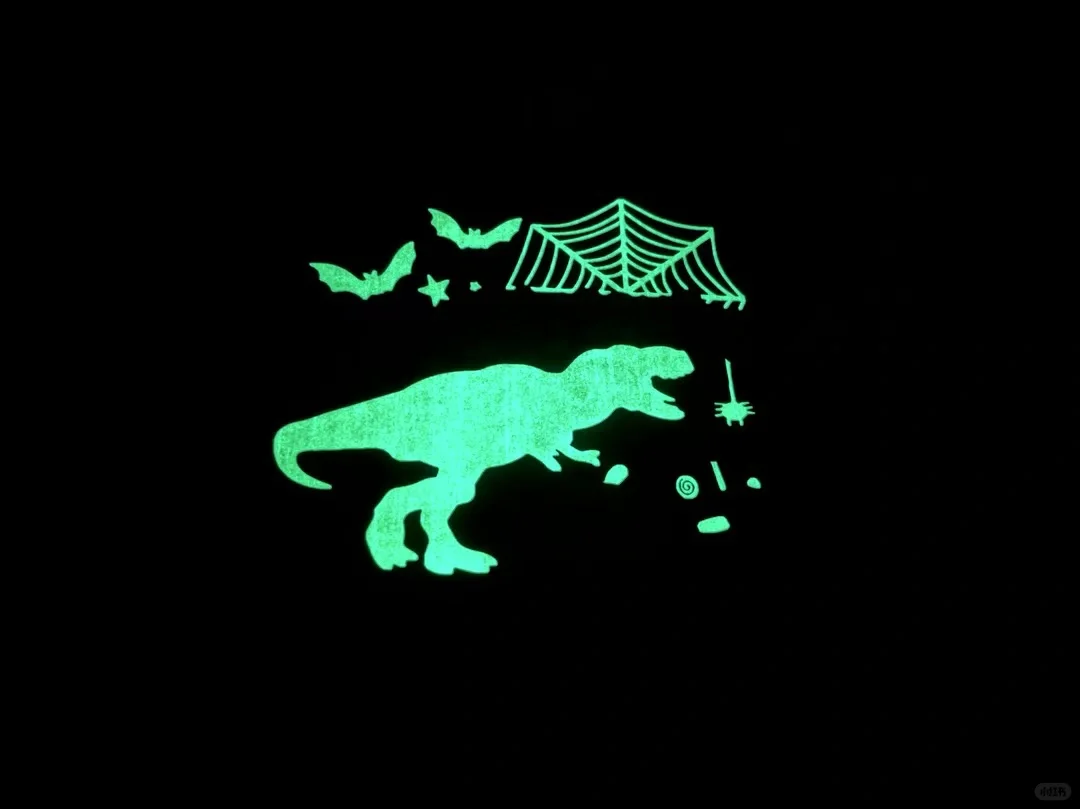
Consistent Acid Wash Results Across Every Batch
Scaling a collection demands repeatable results at volume. Our 5-step QC process includes dedicated batch-to-batch color and texture checks, so your acid wash apparel ships with the same signature look whether you order 100 or 10,000 pieces.
- Lab dip and strike-off approval locked in before bulk production starts
- Per-batch shade-band tolerance logged against a locked master standard
- Cutting and sewing QC checkpoints prevent defects from compounding downstream
- Finished-goods inspection cross-references every unit against brand specification
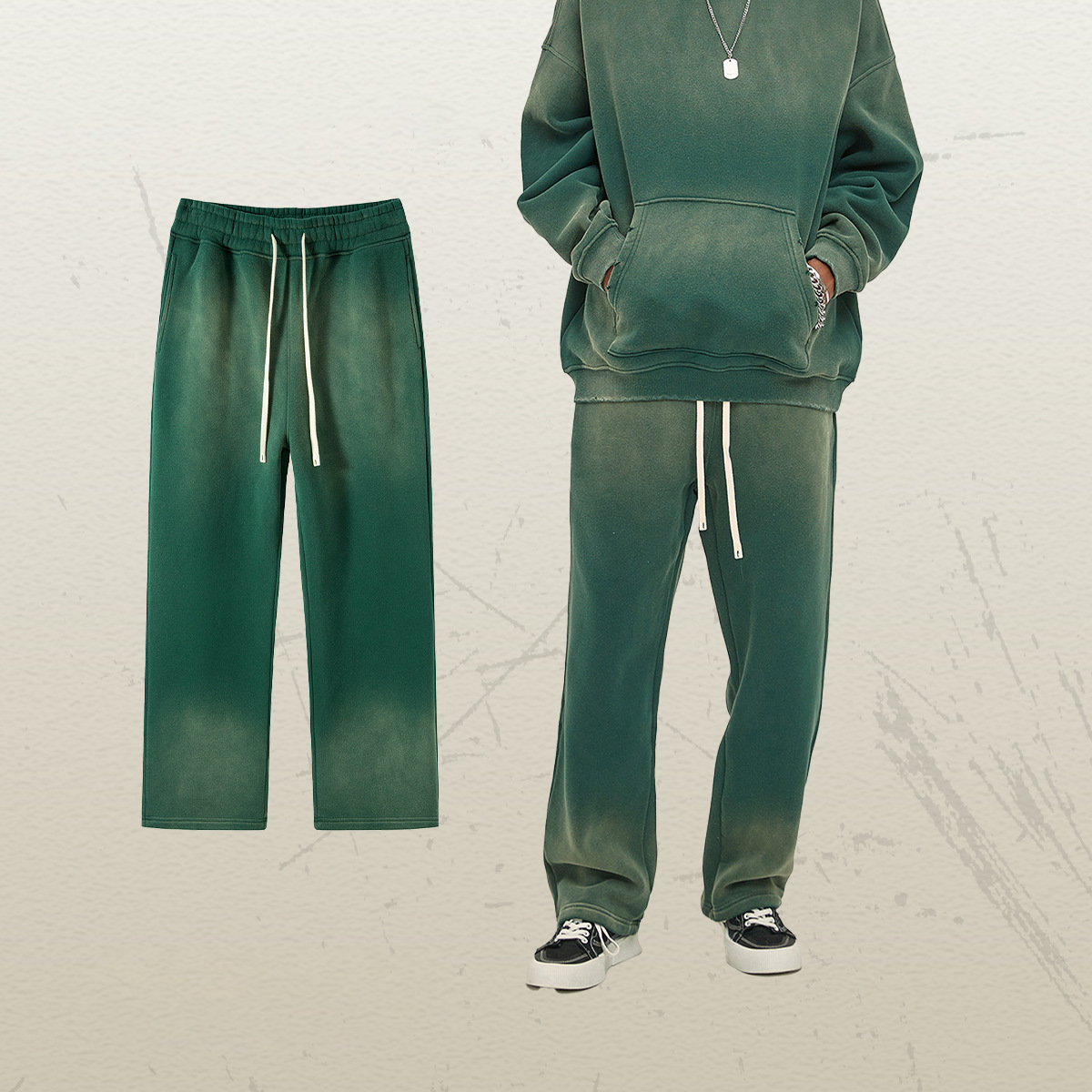
Acid Wash vs. Stone Wash: Which Finish Wins for Your Brand?
Not all wash finishes deliver the same results. See how acid wash stacks up against stone wash across every factor that drives your production decision.
← 左右滑动查看 →
Acid Wash Production Process: From Blank Garment to Finished Look
Seven tightly controlled stages — from fabric prep through chemical treatment, color consistency checks, and five-step QC — ensure every acid wash piece ships exactly to spec.
Fabric Selection & Pre-Treatment
Premium cotton blanks are sourced and pre-wash shrinkage tests run to confirm fabric weight and fiber content meet acid wash chemical compatibility standards before cutting begins.
Pattern Cutting & Bundle QC
Panels are cut to exact pattern specs and bundled by size. A cutting QC check verifies grain alignment and dimensional accuracy before any sewing commences.
Garment Assembly & Sewing QC
Panels are sewn into finished blanks with stitch density and seam tension monitored throughout. Sewing QC confirms structural integrity so every garment enters chemical treatment defect-free.
Acid Wash Chemical Treatment
Garments enter calibrated wash drums with controlled chemical concentrations, precise wash duration, and monitored rinse cycles — engineered to produce the signature high-contrast acid wash effect batch after batch.
Drying & Color Consistency Check
Post-wash garments are dried at controlled temperatures to lock in color variation. Batch-by-batch color consistency checks confirm every piece matches the approved acid wash sample standard.
Finishing, Pressing & Trim Attachment
Garments are pressed, labels and hardware attached, and residual chemical spots treated. Hand-feel and shrinkage spot-checks confirm the finished acid wash look meets each brand’s specifications.
Final QC Inspection & Packing
Every unit clears our five-step QC finished-goods inspection — color uniformity, seam strength, and wash consistency all verified — then packed, labeled, and dispatched for global delivery.
Order Your Acid Wash Samples: Our Collaboration Process
Five transparent steps take your concept from initial brief to QC-cleared, globally shipped acid wash garments — with full visibility at every production stage.
Submit Your Design and Artwork
Share design files, colorways, and reference images so our team can evaluate color-break patterns, graphic placement, and your target acid wash intensity goals.
Confirm Fabric, Color, and Fade Intensity
Select fabric weight and base color, then define your desired fade intensity — from soft vintage washes to bold, high-contrast acid wash distressing — for precise sampling.
Approve Your Acid Wash Sample
Review a physical sample built to your exact specifications. Our 5-step QC process verifies wash durability, color consistency, and hand-feel before you authorize bulk production.
Lock In Your Bulk Order
Confirm quantities using our low-MOQ-friendly minimums. We align production timelines so your seasonal acid wash collection ships on schedule without compromising craftsmanship.
Ship QC-Cleared Garments Worldwide
Every finished piece clears our five-step quality inspection before packing. We coordinate global logistics and customs so your order arrives on time, anywhere worldwide.
Streetwear Brands Love Our Acid Wash: Real Client Wins
We ordered 5,000 acid wash hoodies for our fall drop and every piece matched our reference swatch exactly. Zero QC rejects. That kind of color consistency at our volume is rare — we placed our spring reorder before the first shipment even landed.
Needed 300 acid wash tees and crewnecks for a collab drop in under two weeks. Samples were approved on day 3, finished garments shipped on day 12. The vintage fade landed exactly on brief — our audience sold out the drop in 48 hours.
Our acid wash joggers have held up through 25 wash cycles without losing the fade character. We are now on our third seasonal reorder. Clothing Manufacturer Ltd. is the only production partner we trust to nail wash consistency run after run.
Acid Wash FAQ: Design, Durability, MOQ & Delivery
Everything streetwear brands, startups, and independent designers need to know before placing an acid wash order — from fabric compatibility and color chemistry to MOQs, lead times, and combination finishes.
What fabrics work best for acid wash production?
How durable is the acid wash effect after repeated washing?
What is the minimum order quantity (MOQ) for acid wash hoodies or T-shirts?
Can I combine acid wash with embroidery, screen printing, or woven patches?
How long does an acid wash sample take, and what does it cost?
Can you Pantone-match specific colors in an acid wash finish?
What art file formats do you accept for designs on acid wash garments?
How many colors can I use for secondary prints on an acid wash piece?
What is the bulk production lead time for an acid wash collection?
The Complete Buyer’s Guide to Acid Wash Apparel
Everything streetwear brands, fashion startups, and global retailers need to evaluate acid wash techniques, compare fabric and construction quality, select a low-MOQ manufacturer, and avoid the costliest sourcing mistakes before placing a bulk order.
1. What Is Acid Wash?
Developed commercially in the early 1980s, acid wash is a garment-finishing process, not a fabric — you are paying for a technique applied to an existing textile. Pumice stones pre-soaked in chlorine-based bleaching agents are tumbled with garments inside industrial washing drums, physically abrading the surface while the bleach strips dye unevenly. The result is a high-contrast, mottled, worn-in aesthetic with lighter peaks and darker recesses across the cloth.
Three finishing processes routinely confuse buyers: acid wash, stonewash, and enzyme wash. Stonewash uses dry pumice stones without chemical bleach, producing softer, more uniform fading rather than the stark bleached contrast acid wash delivers. Enzyme wash employs cellulase enzymes — biological agents that degrade cotton surface fibers — for a subtle hand-feel improvement with minimal color shift.
12–14 oz denim is the most common acid wash substrate, but 280–350 GSM cotton fleece and French terry — core streetwear materials for hoodies and sweatshirts — respond equally well to the process. Reactive-dyed and pigment-dyed fabrics across T-shirts, joggers, and caps can all receive acid wash finishing.
Acid wash cost appears as a per-unit process charge added on top of base garment and fabric costs, not as a premium material surcharge. The manufacturer controls the result by calibrating stone-to-bleach ratios and drum time; approving a lab sample before full production is the most reliable way to lock in your target contrast and batch-to-batch consistency.
2. The Evolution and Cultural History of Acid Wash
In 1986, Italian denim brand Rifle Jeans first mass-marketed the acid wash technique by tumbling denim with pumice stones soaked in chlorine, producing the high-contrast bleached streaks that defined the decade. The finish spread rapidly across American and European retailers throughout 1987 and 1988, becoming synonymous with the era’s hard-rock and heavy-metal subcultures — band merchandise for acts like Metallica and Guns N’ Roses routinely featured acid wash denim jackets and tees.
By the early 1990s, hip-hop artists adopted acid wash into their wardrobes, pairing faded denim with oversized silhouettes that signaled creative independence. The technique lost mainstream commercial momentum by the mid-1990s as grunge’s raw, undyed aesthetic pushed bleached finishes toward the discount bin.
Around 2012 to 2015, independent streetwear labels and vintage resellers rediscovered acid wash as a mark of authenticity, sourcing deadstock 1980s pieces and reverse-engineering the look for new production runs. Designer collaborations — notably between denim specialists and Japanese vintage ateliers — repositioned the finish as a premium craft process rather than a mass-market novelty.
Today, Gen-Z consumers who research product origin stories on TikTok and Instagram Reels respond strongly to brands that can narrate the full arc of a technique from its industrial origins to its countercultural peak and artisanal reinvention. A manufacturer with documented process knowledge — covering stone-to-garment ratios, chlorine concentration controls, and post-wash neutralization — gives brand partners the factual content needed to build credible, trend-aware storytelling that converts informed shoppers.
3. Types of Acid Wash Techniques and Finishes
Six distinct techniques fall under the acid wash umbrella, each producing a different visual result, chemistry cost, and MOQ floor. Choosing the right process for your garment type and budget prevents costly rework downstream.
Classic Chlorine-Pumice Stonewash
Pumice stones soaked in sodium hypochlorite tumble with indigo denim, abrading the surface for uneven, high-contrast fading. Best suited to 12–14 oz ring-spun denim jeans, jackets, and shorts. This is the cost baseline; MOQs typically start at 100–200 pieces per colorway.
Enzyme Wash
Cellulase enzymes biodegrade surface cotton fibers, producing a softer hand-feel and subtle, uniform fading without chlorine. Compatible with 100% cotton knits and wovens including French terry hoodies. Cost runs 10–20% above the classic baseline; MOQs are comparable at 100–300 pieces.
Bleach Splatter and Spray
Diluted bleach is sprayed or splattered by hand onto garments, creating sharp white bursts against a dark base. Works best on black 100% cotton T-shirts and hoodies. Labor intensity adds 30–50% to classic cost; manual application keeps MOQs as low as 50 pieces.
Tie-Dye Acid Wash
Garments are folded, twisted, or clamped before bleach application, generating symmetrical resist patterns across the surface. Best suited to T-shirts and cotton sweatshirts. Folding labor adds 40–60% to the classic baseline cost; pattern complexity sets MOQs at 100–200 pieces minimum.
Reverse Acid Wash

A garment is dyed first, then selectively bleached to reveal the lighter base fabric, producing layered tonal depth. Suited to fleece hoodies and heavyweight cotton tees. The two-step process costs 60–80% above classic; MOQs typically start at 150 pieces.
Overdye Acid Wash
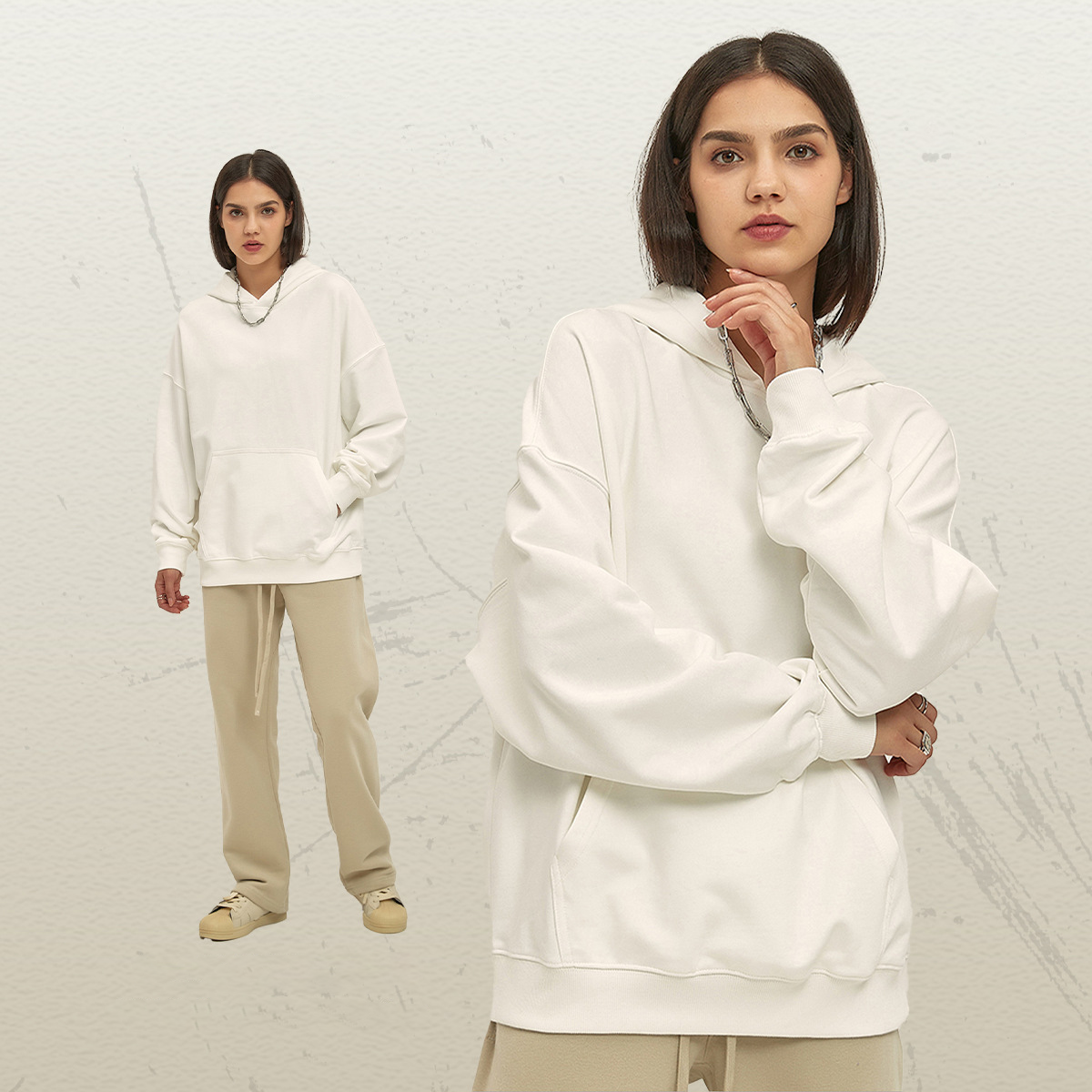
After standard acid washing, garments enter a second reactive dye bath, adding a color cast over the faded surface. This produces muted, complex colorways favored in premium streetwear. Dye cost and extended processing push pricing 70–100% above classic; MOQs begin at 200 pieces.
4. Best Materials and Fabrics for Acid Wash Apparel
Fabric choice determines whether an acid wash finish lands or fails. Cotton fibers absorb bleach readily; synthetic content resists uptake. Matching base fabric to garment type is the most impactful sourcing decision you will make.
| Fabric Type | GSM Range | Acid Wash Compatibility | Best Application |
|---|---|---|---|
| 100% Cotton | 180–260 | High | Tee, Sweatshirt |
| Cotton-Poly Blend | 200–280 | Low–Medium (flag >35% poly) | Tee (low-poly only) |
| Heavyweight Denim | 400–475 | High | Jeans, Jacket |
| French Terry | 280–380 | High | Hoodie, Jogger |
| Fleece | 300–420 | Medium | Hoodie, Jacket |
100% Cotton
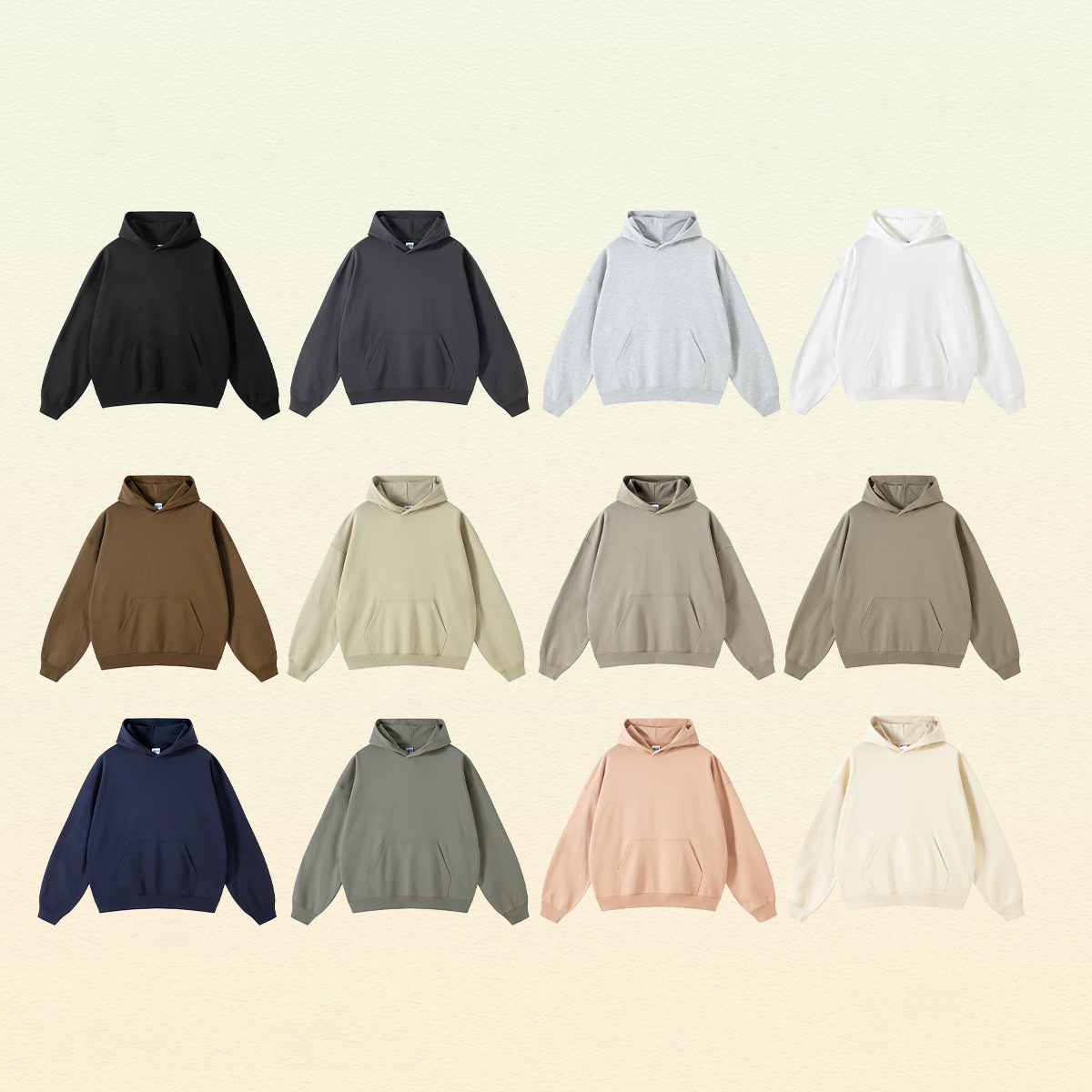
Ring-spun 100% cotton at 180–260 GSM offers the highest bleach uptake of any base fabric. Pre-wash shrinkage runs 5–8%; always pre-shrink blanks before applying acid wash. Color retention holds 15–20 wash cycles when dyed with reactive dyes.
Cotton-Poly Blends
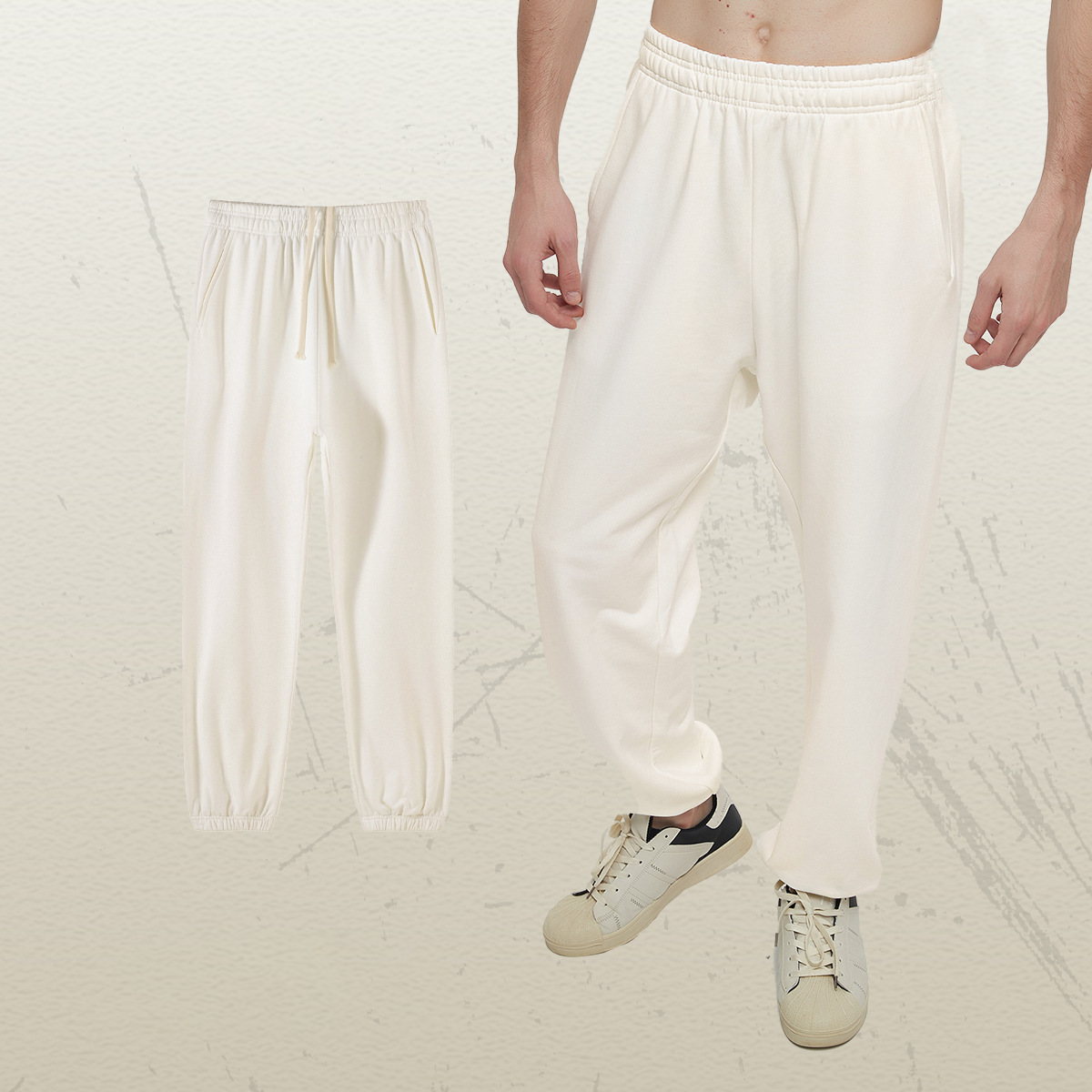
Cotton-poly blends at 50/50 or 60/40 cut material cost but polyester fibers resist bleach chemically. Blends above 35% poly produce uneven, faded results rather than sharp contrast patterns. Flag any blend over 35% poly as low-compatibility for acid wash orders.
Heavyweight Denim

Heavyweight denim at 12–14 oz (400–475 GSM) is the classic substrate for acid wash jeans and jackets. Pre-wash shrinkage is minimal at 2–3% due to tight twill construction. Indigo dye reacts strongly with sodium hypochlorite, producing high-contrast marble effects.
French Terry
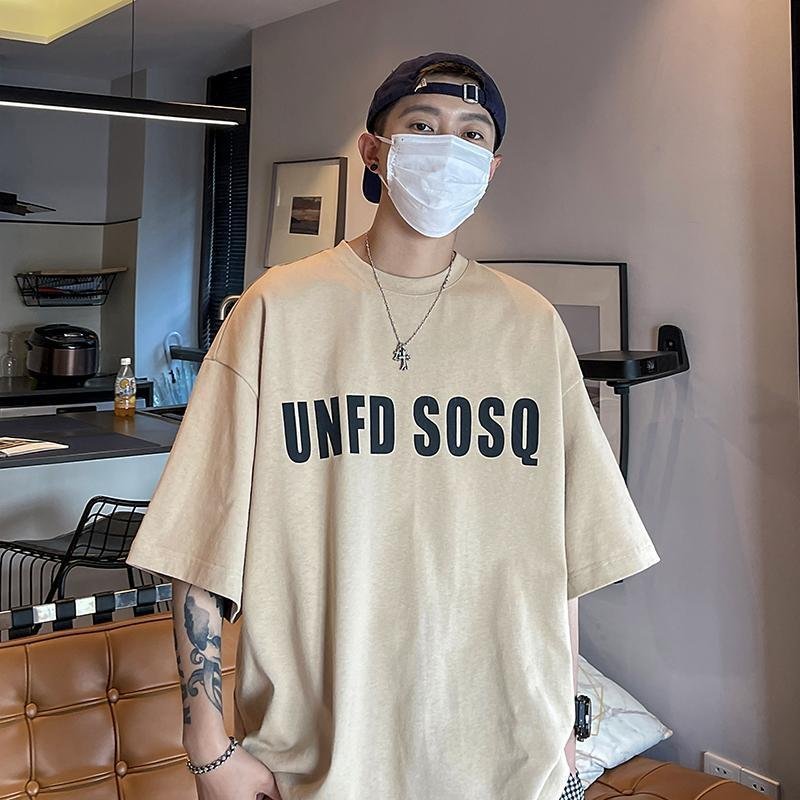
French terry at 280–380 GSM combines a smooth face with a looped interior, ideal for hoodies and joggers. Bleach penetrates the face evenly while the loops retain dye, adding subtle depth. Pre-wash shrinkage averages 4–6%; compatible with both chlorine and enzyme wash methods.
Fleece
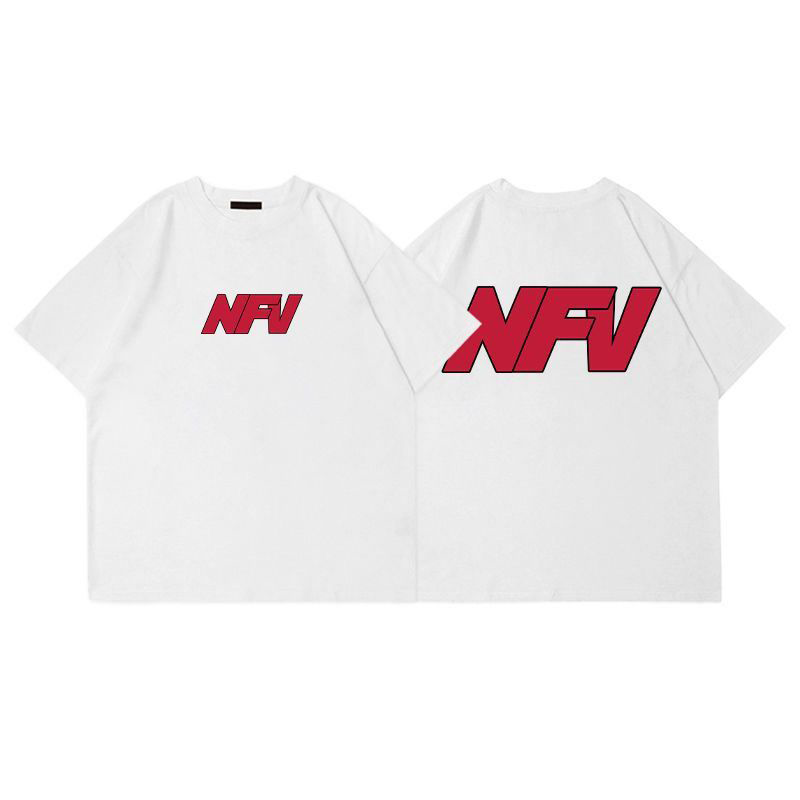
Brushed fleece at 300–420 GSM produces a softer, diffused acid wash effect versus jersey or woven fabrics. The pile distributes bleach unevenly by design, creating a cloud-like pattern. Color retention is moderate; request a lab dip approval before committing to bulk production.
5. Acid Wash Customization and Decoration Options
Acid wash bases accept multiple decoration layers, but wash chemistry directly affects ink adhesion and thread integrity. Sequencing each technique correctly — wash-first or decoration-first — determines both visual outcome and long-term durability.
| Technique | Compatibility | Cost Tier | Wash Sequence |
|---|---|---|---|
| Embroidery | High | Medium | Wash first, then embroider |
| Screen Printing | Medium | Low–Medium | Wash first, cure ink after |
| DTG | Low–Medium | Medium | Wash first; pre-treat surface |
| Heat-Transfer Vinyl | Medium | Low | Wash first, press after |
| Patchwork | High | Medium–High | Wash first, sew after |
| Intentional Distressing | High | Low | Integrate with or after wash |
Embroidery on Acid Wash
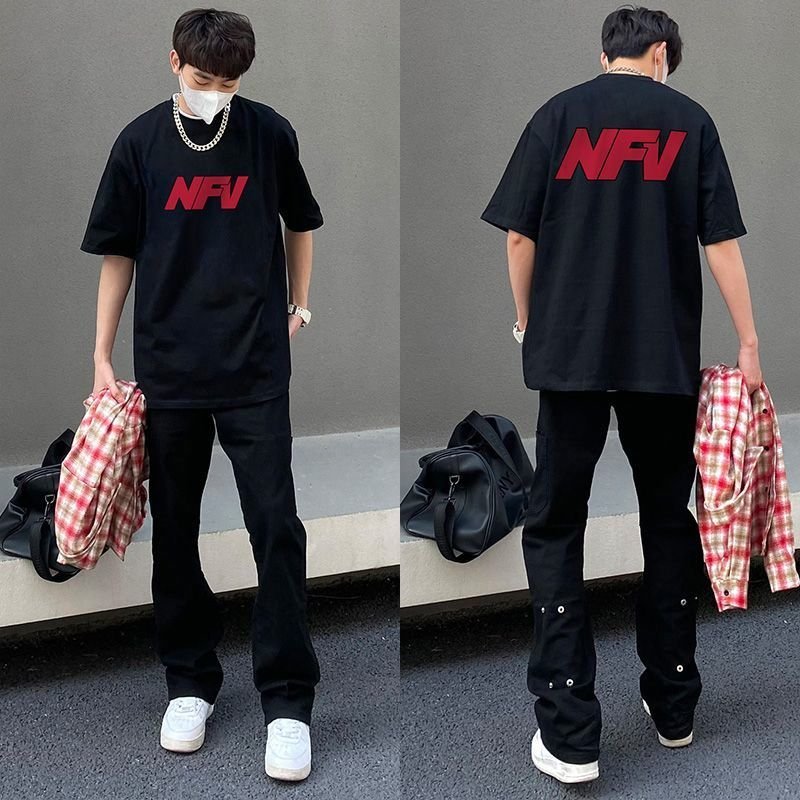
Always complete the acid wash before hooping; residual bleach wicks into thread fibers and causes premature fading. Stabilizer requirements on uneven washed fabric add roughly 15% to standard embroidery costs.
Screen Printing and DTG
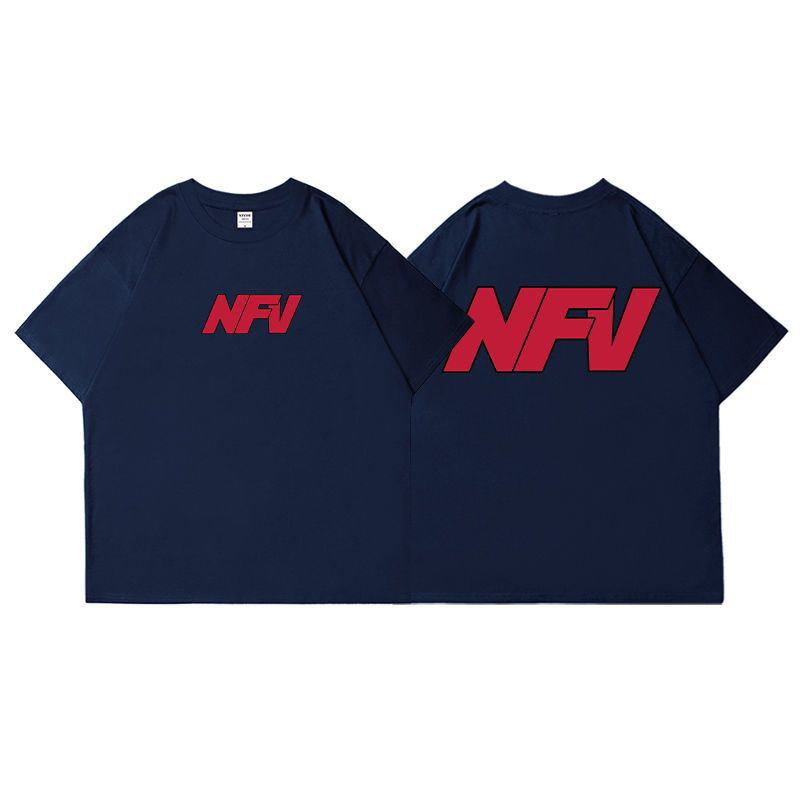
Plastisol inks bond well to pre-washed cotton, but the variable surface texture of acid wash reduces ink opacity. Printers typically add 1–2 extra passes, raising per-unit costs by $0.50–$1.50.
DTG requires a pre-treatment spray on washed surfaces to achieve acceptable ink adhesion and color vibrancy.
Intentional Distressing Techniques
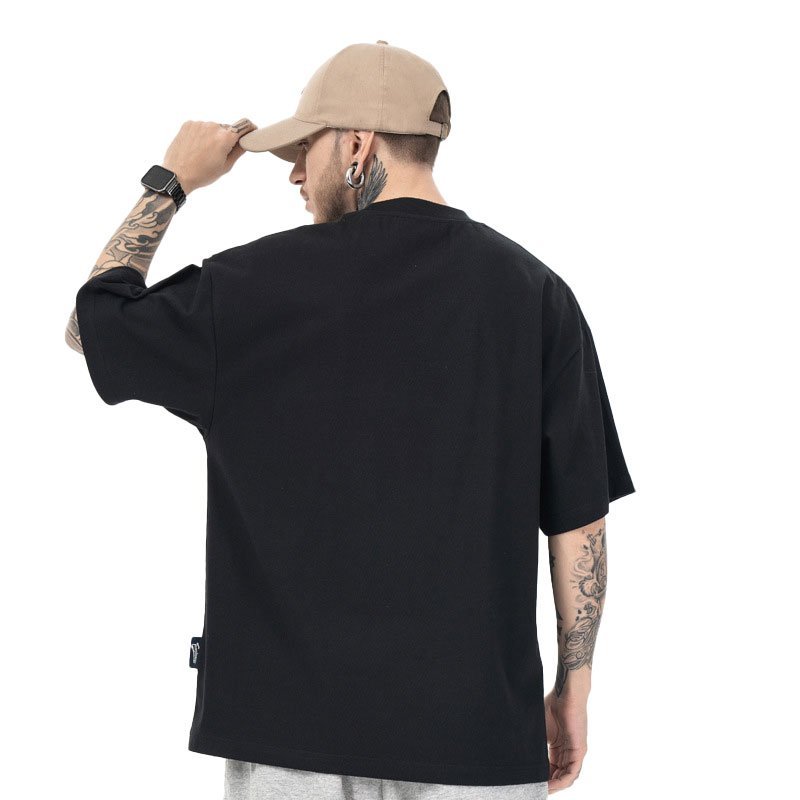
Laser abrasion and sandblasting can be integrated into the acid wash stage or applied as a separate finishing pass. Combining both in one production run saves $0.30–$0.80 per unit versus two separate passes.
6. Key Construction Quality Elements for Acid Wash Garments
Acid wash processing stresses fibers before a garment ever ships, making construction quality specs non-negotiable. Every dimension below belongs in your tech pack as a named pass/fail criterion, not a verbal assumption left to the factory floor.
Seam Integrity Under Wash Stress
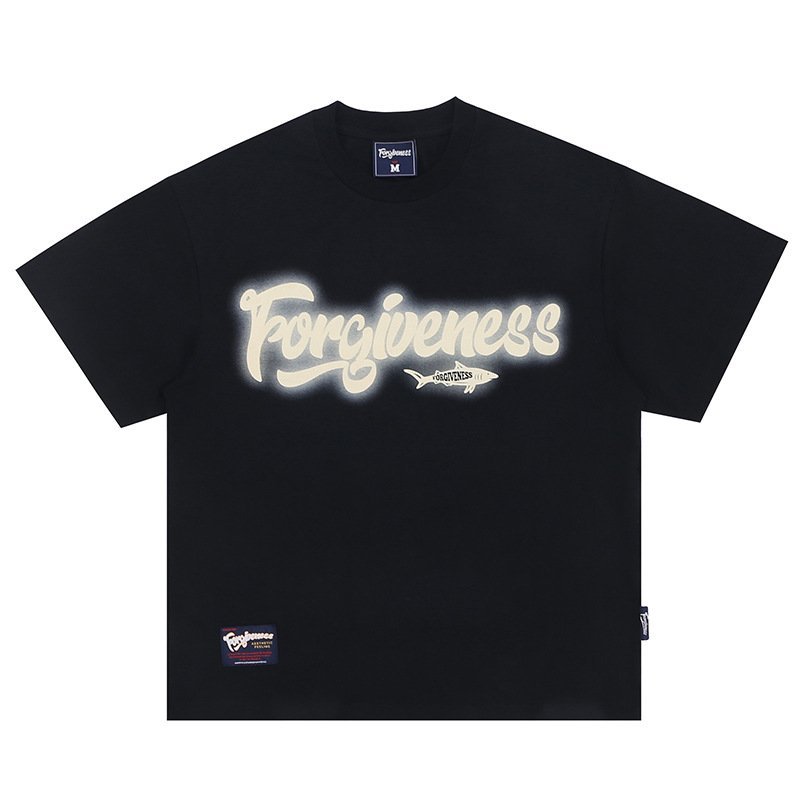
Chlorine and pumice abrasion weaken seam allowances by up to 15–20%. Require flatlock or double-needle stitching at 12–14 stitches per inch on all stress seams. Specify a minimum seam strength of 25N per ISO 13935-2 as a named pass/fail line in your tech pack.
Thread Type and Colorfastness
Use 100% polyester core-spun thread rated ISO 105-C06 grade 4 or higher for colorfastness to washing. Cotton thread degrades under repeated acid exposure and bleeds. Your tech pack must list thread denier, fiber content, and the minimum ISO 105-C06 wash-fastness rating required.
Fabric Pre-Shrinkage Protocol
Untreated cotton shrinks 5–8% after first wash; sanforizing reduces residual shrinkage to under 3%. Specify the pre-shrinkage method and maximum residual shrinkage tolerance in your tech pack before cutting begins — skipping this step makes fit consistency impossible across bulk units.
Wash-Durability Rating
A quality acid wash effect must remain visible and intentional across 20–50 wash cycles. Request a wash-durability test report documenting effect retention at the 20-, 30-, and 50-wash marks. Include the minimum acceptable retention rating as an explicit spec in your tech pack.
Colorfastness to Rubbing and Perspiration
ISO 105-X12 rub fastness and ISO 105-E04 perspiration fastness at grade 3–4 are the industry floor for streetwear. Acid-treated surfaces are porous and prone to dye transfer onto skin and other fabrics. Both ratings must appear as named, testable specs in your tech pack.
Color-Variance Tolerance Between Units
Acid wash effects are inherently irregular, but uncontrolled variance erodes brand consistency. Set a Delta E tolerance of ≤5.0 (CIELAB) for base fabric tone and document an acceptable effect-coverage range — for example, 40–60% bleach coverage per unit — in your tech pack as an enforceable standard.
7. How to Choose the Right Acid Wash Manufacturer
Sourcing acid wash production requires vetting manufacturers on six criteria that separate genuine factories from trading companies reselling generic stock. Ask direct questions about wash equipment, certifications, and QC checkpoints before placing any order.
MOQ Thresholds and Flexibility for Startups
Capable low-MOQ factories typically accept 50–100 pieces per colorway for acid wash styles. Trading companies rarely own wash equipment, so they impose 300–500-piece minimums to bundle orders from multiple buyers. Confirm the factory runs mixed-style orders at your launch quantity.
Sampling Process and Turnaround Time
A production-capable factory ships a pre-production wash sample within 7–14 days of receiving your tech pack. Request a physical sample showing the actual acid wash effect before authorizing bulk production. Sampling fees of $30–$80 per piece are standard; reputable factories credit this against bulk orders.
Certifications That Signal Capability
OEKO-TEX Standard 100 certifies no harmful substances in finished garments; GOTS covers organic fiber traceability; BSCI audits social compliance and labor practices. Request certificate numbers and verify expiry dates on the issuer’s website — certificates lapse, and factories sometimes present outdated documents.
In-House Wash Capability vs. Subcontracted Finishing
Factories with in-house stone-wash drums, ozone chambers, or enzyme-bath tanks control chemical ratios, timing, and batch consistency on the acid wash effect. Subcontracted finishing adds 3–7 days of transit and removes direct oversight, increasing the risk of inconsistent results across a bulk run.
Communication Responsiveness and Tech-Pack Support
A factory that responds within 24 hours and can annotate your tech pack — flagging construction callouts, Pantone references, and wash-effect photos — is operating at production level. Vague or slow replies on technical specs are the clearest signal you are dealing with a reseller.
QC Audit Process at Every Production Stage
Multi-stage QC — covering materials, cutting, garment construction, sewing, and finished inspection — catches defects before they compound into a costly bulk rework. Request a written QC report for each stage, not just an end-of-line pass/fail summary.
8. Common Mistakes Buyers Make with Acid Wash Orders
Acid wash orders fail more often from avoidable process gaps than from manufacturing problems. Six sourcing errors account for the majority of disputes, delays, and margin-killing remakes buyers encounter when working with this technique.
Approving Stock Photos Without Wash-Test Samples
Stock photos represent a single factory sample, not a reproducible standard. Acid wash results shift by fabric lot, chemical concentration, and stone load — differences invisible in a jpeg. Always request a physical wash-test sample and approve against it before releasing production.
Underspecifying Acceptable Color Variance
Acid wash is inherently non-uniform; no two garments match exactly. Without a written variance tolerance — typically ±15–20% pattern spread accepted — factories have no clear rejection threshold. Specify a min/max range with approval photos showing both extremes.
Choosing Wrong Base Fabric Weight

Fabrics below 240 GSM often distort or develop pinholes after chemical treatment. Heavyweight fleece above 400 GSM resists the bleach penetration needed for defined contrast. The practical sweet spot for acid wash hoodies and tees is 280–360 GSM ring-spun or French terry.
Over-Ordering SKUs on a First Run
Launching eight colorways and four cuts simultaneously before testing sell-through locks capital and compounds markdown risk. Industry practice for first runs is 2–3 SKUs at MOQ — typically 50–100 units per style — to validate demand before scaling.
Submitting Incomplete Tech Packs
A tech pack missing wash type, Pantone references, and stitch density forces factories to guess — and guesses rarely match expectations. Include garment construction specs, seam type (flatlock vs. coverstitch), and a reference image of the target wash effect alongside written tolerances.
Ignoring Chemical Compliance Requirements
EU REACH regulations restrict residual substances including formaldehyde and certain azo dyes used in wash chemistry. California Proposition 65 adds further labeling obligations for US shipments. Request OEKO-TEX Standard 100 test reports or equivalent third-party documentation before bulk production ships.
9. Steps to Launch Your Acid Wash Apparel Brand
Most founders stumble by skipping validation stages before committing to bulk acid wash production. A phased launch roadmap — from niche definition through shipment inspection — keeps your brand on schedule and protects margin.
Define Your Niche and Hero SKUs
Two to three hero SKUs — a 280 GSM+ heavyweight tee and a French terry hoodie — anchor most successful acid wash launches. Narrow your target consumer first: skate graphics, Y2K revival, and oversized streetwear each demand different fabrications and silhouettes.
Build Tech Packs and Evaluate Samples
A complete tech pack includes Pantone base-fabric references, photographic wash-effect targets showing cloud, marble, or tie-dye outcomes, and flatlock or chain-stitch construction callouts. Pre-production sampling runs 2-3 rounds at 15-25 days each — budget this time before finalizing your launch date.
Approve Bulk with Embedded QC Checkpoints
Insist on QC sign-offs at five stages: materials receipt, cutting, craft finishing, sewing, and final inspection. Factories that skip mid-production checks ship defects found only at unboxing. Embed checkpoint requirements in your purchase order to make them contractually binding.
Inspection, Packaging, and Drop Calendar
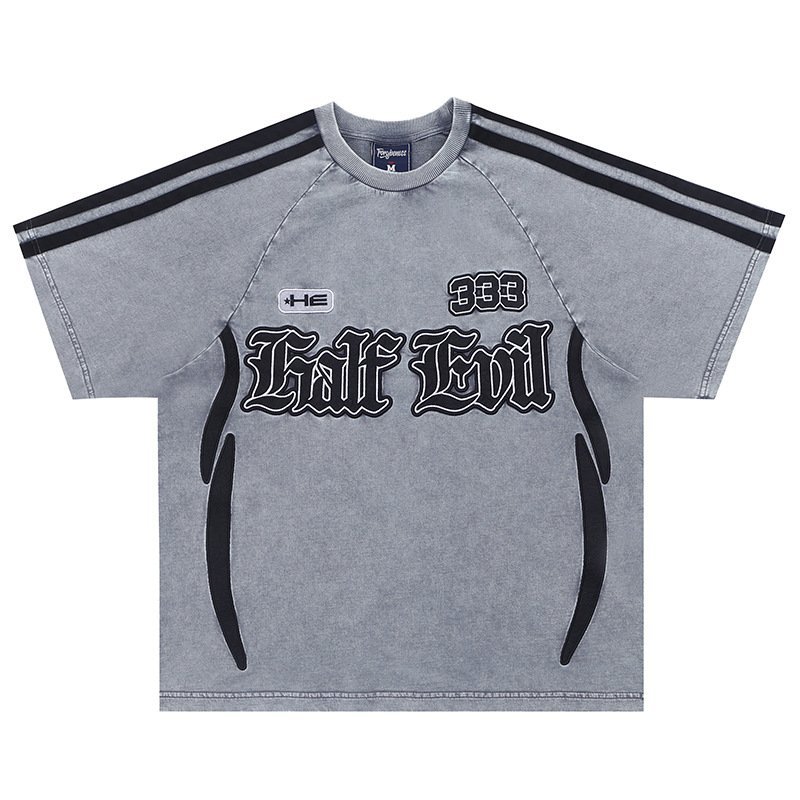
Third-party inspection — SGS, Bureau Veritas, or equivalent — must be booked before shipment is loaded, not after. Branded hang tags and tissue paper add $0.30-$0.80 per unit but generate unboxing content for creator campaigns. Backtrack 90-120 days from your launch date to set the bulk-approval deadline.
10. Acid Wash Pricing, MOQs, and Cost Breakdown
50 units is the entry-level MOQ for acid wash production at Clothing Manufacturer Ltd., making it viable for independent designers and creator brands launching first collections. Sample costs at all tiers can be credited toward full production orders placed within 90 days.
260–320 GSM cotton and cotton-blend substrates are assumed in the price ranges below (FOB Dongguan); heavier French terry or fleece adds $1.50–$3.00 per unit. Rush production reducing lead time by 3–5 days carries a 15–20% surcharge.
- Classic stonewash: $80–$120 setup, +$1.50–$2.50 per unit over a standard OEKO-TEX blank.
- Enzyme wash: $60–$100 setup, +$1.00–$2.00 per unit; best for ring-spun cotton tees.
- Bleach splatter: $100–$150 setup, +$2.50–$4.00 per unit; highest visual contrast for streetwear.
- Tie-dye: $120–$180 setup, +$3.00–$5.00 per unit; most labor-intensive hand-applied acid wash technique.
- Overdye: $80–$130 setup, +$2.00–$3.50 per unit; adds Pantone-matched tonal depth to finished garments.
| Quantity Tier | Unit Price Range | Included Wash | Sample Cost | Est. Lead Time |
|---|---|---|---|---|
| 50 units | $18–$28 | Enzyme or basic stonewash | $150 | 25–30 days |
| 100 units | $14–$22 | Enzyme, stonewash, or bleach splatter | $120 | 22–28 days |
| 250 units | $10–$16 | All standard techniques | $80 | 20–25 days |
| 500 units | $8–$13 | All techniques incl. tie-dye | $60 | 18–22 days |
| 1,000+ units | $6–$10 | Full menu incl. overdye | $0–$40 | 15–20 days |
Launch Your Acid Wash Collection — Get a Free Sample
Send your artwork today, request free acid wash swatches, and receive samples shipped worldwide — low MOQ, fast turnaround, and our 5-step QC guarantee on every piece.