
Custom Apparel Decoration Done Right, Guaranteed
Premium custom apparel decoration for streetwear and emerging brands — full-service printing, embroidery, and finishing backed by our 5-step quality control guarantee, low MOQs, and fast samples.
Featured Custom Apparel Decoration Projects
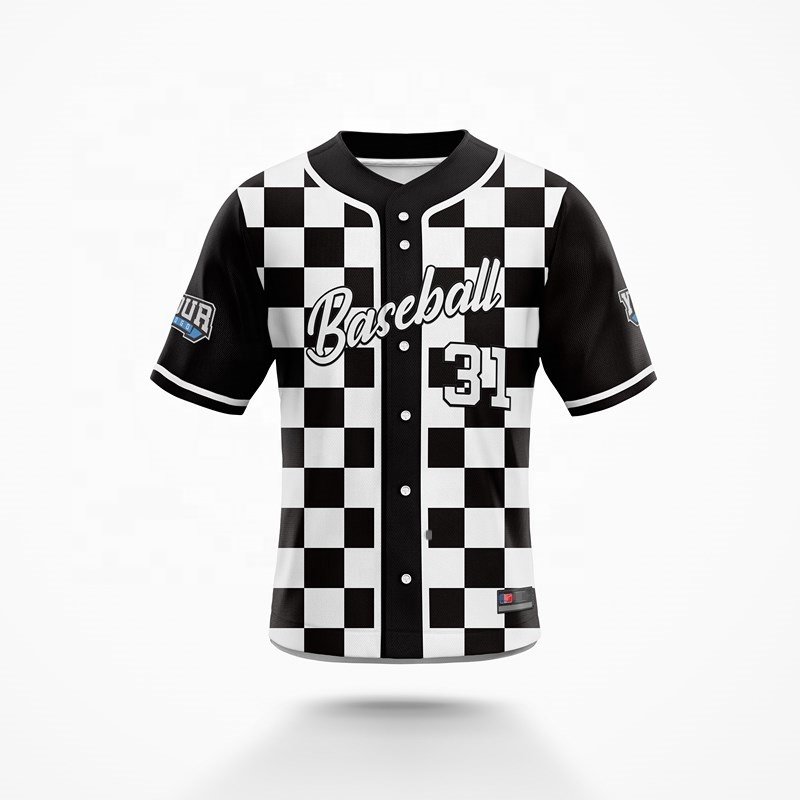
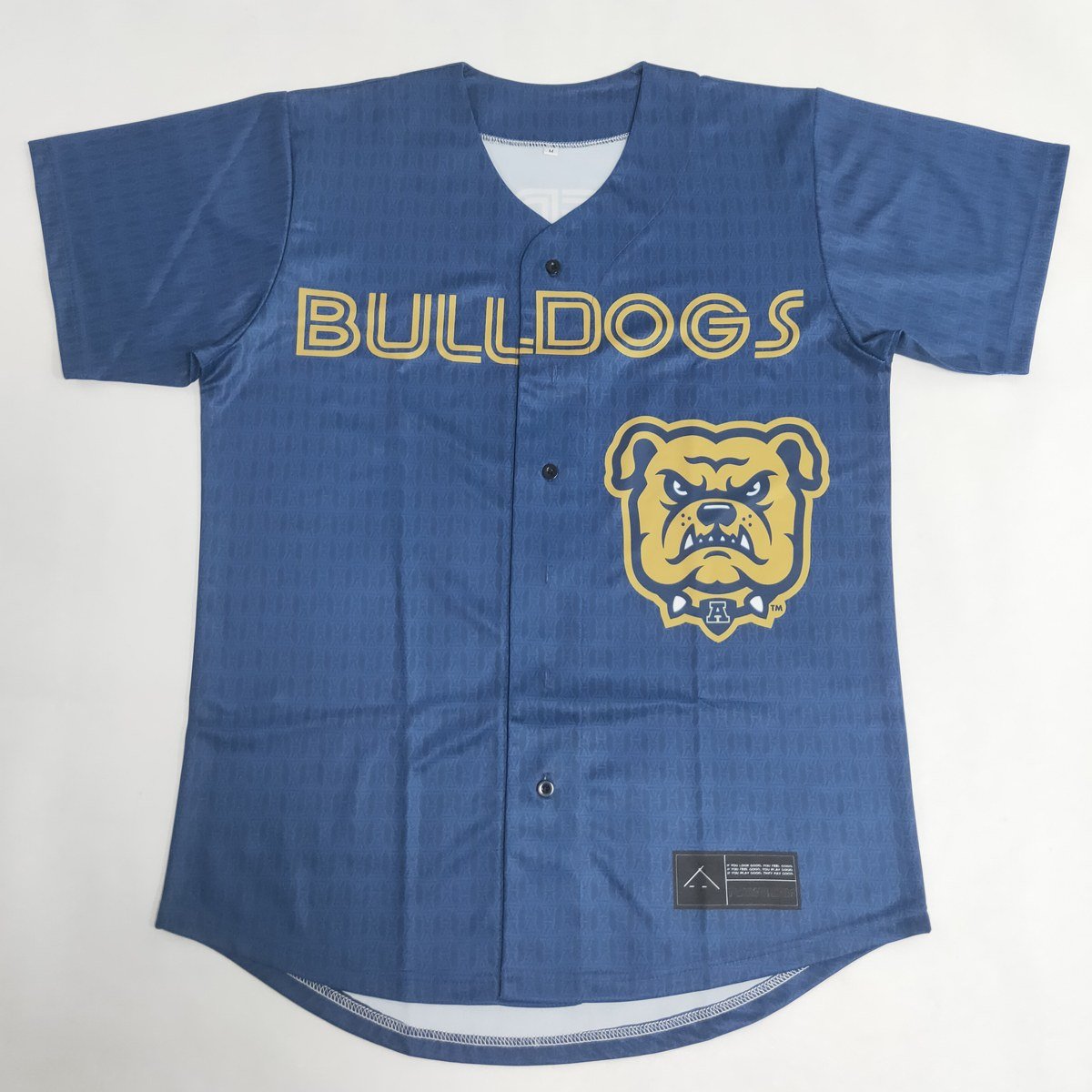
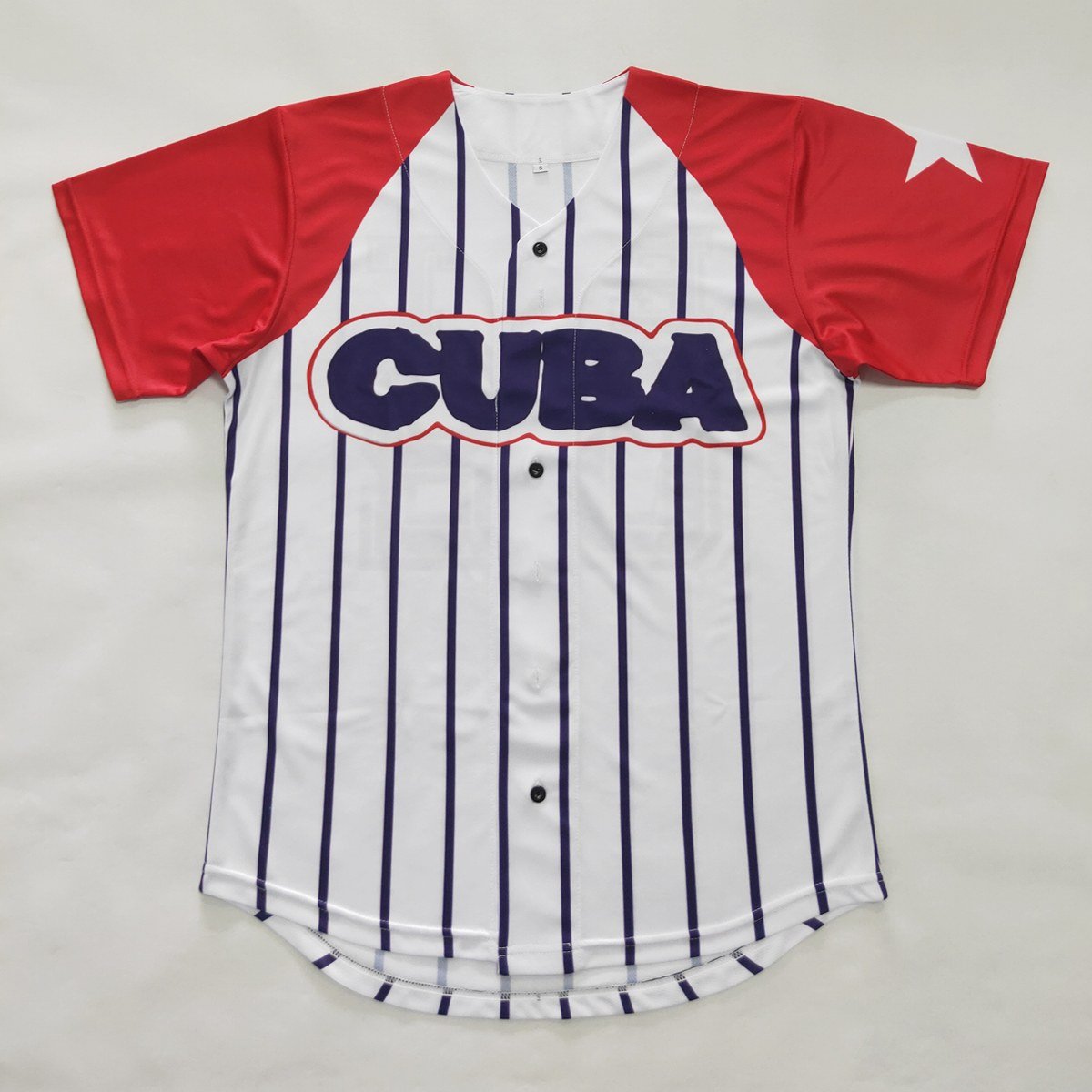
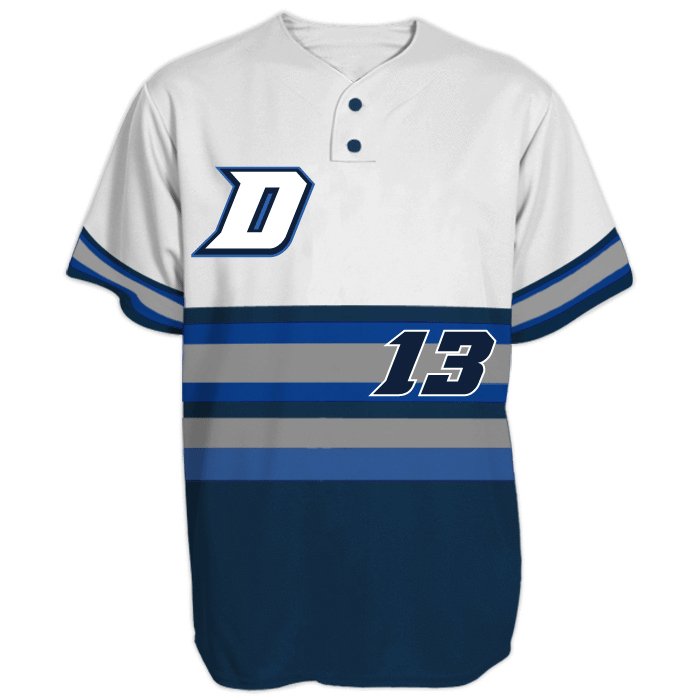
The Custom Apparel Decoration Advantage: 4 Reasons to Choose Us
Integrated custom apparel decoration built for streetwear brands, startups, and global retailers — quality-checked at every stage.
5-Step QC Guarantee
Every order passes materials, cutting, craft, sewing, and finished-garment inspections — defects caught early, never shipped, so your custom apparel decoration stays flawless.
Low MOQ For Startups
Launch your first collection without warehouse-sized minimums. We make premium custom apparel decoration accessible to emerging and independent streetwear labels.
7-Day Sample Turnaround
Our in-house design and sampling team delivers samples within seven days, keeping seasonal drops and capsule collections on schedule.
Design To Production In-House
From fabric selection and patterns to cutting, sewing, and finishing, your entire custom apparel decoration project lives under one roof — no fragmented sourcing.
Global Shipping Support
Trusted across 100+ countries, we handle logistics, customs, and freight so your finished garments reach customers worldwide reliably.
Streetwear Cultural Fluency
Six years of dedicated streetwear expertise — skeletons, roses, crosses, and bold motifs executed with authenticity for trend-driven and influencer brands.
Custom Apparel Capabilities, Organized by Service
Browse every decoration method, fabric, finish, and accessory we offer, each backed by our 5-step quality control process and in-house design and sampling team.
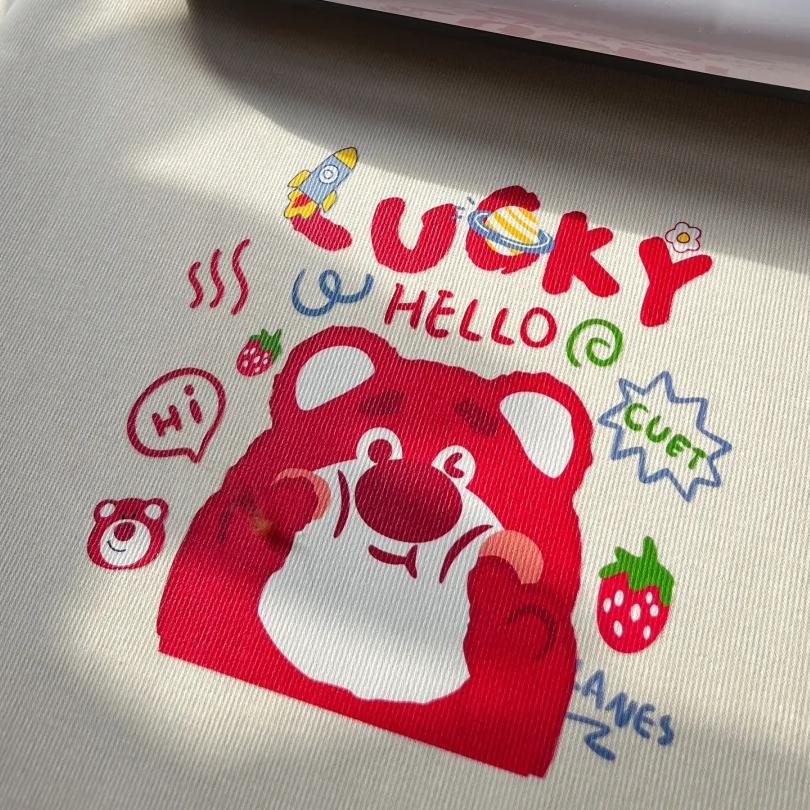
Custom Screen Printing
Plastisol, water-based, and discharge screen printing for bold streetwear graphics. Ideal for skeleton, graffiti, and cross motifs across cotton tees and hoodies, with low MOQs for emerging brands and consistent color matching verified at our finished-goods QC stage.
Get a Quote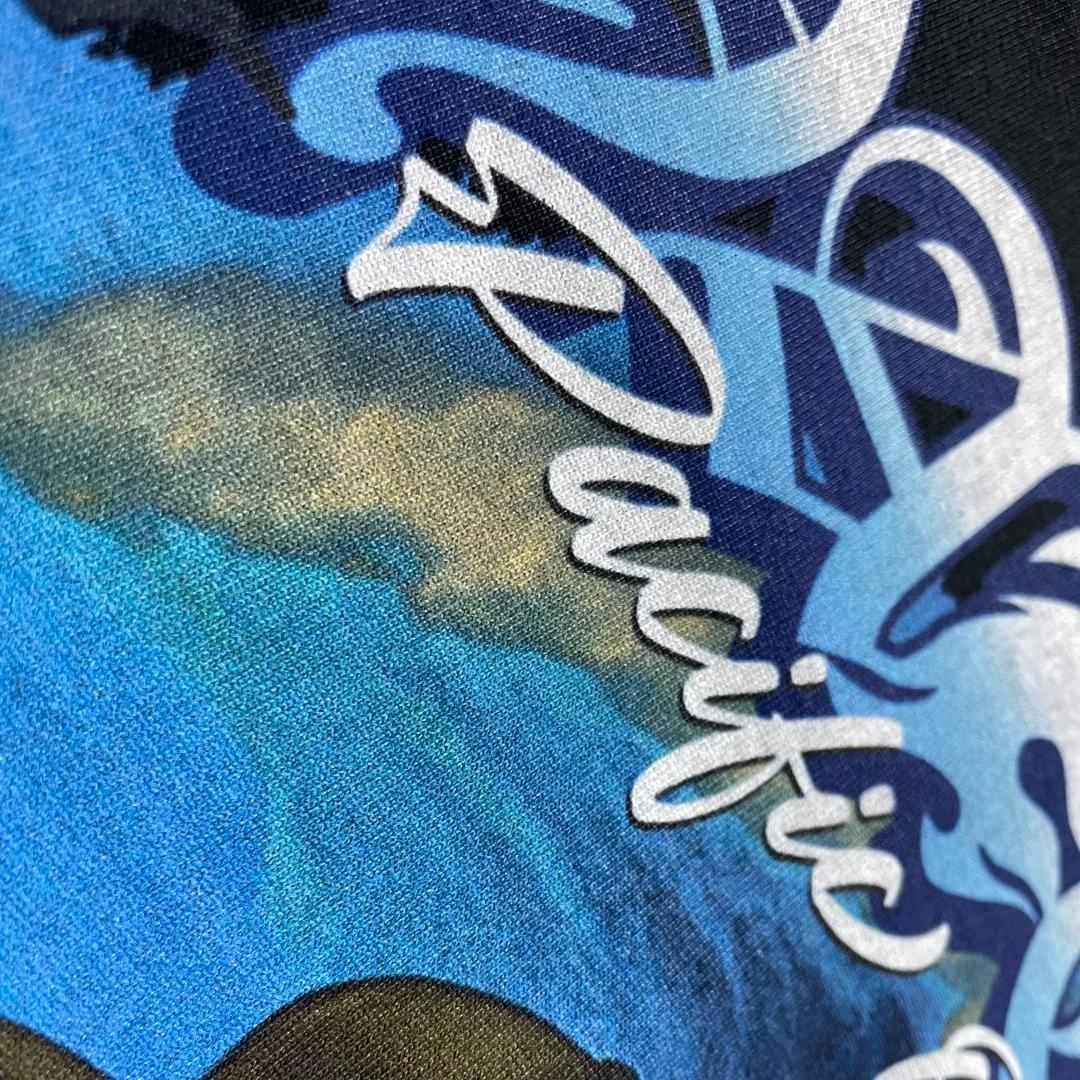
Digital Printing — DTG, DTF & Sublimation
Direct-to-garment, DTF transfers, and sublimation for full-color, photographic, and all-over prints. Suited to short runs, complex gradients, and detailed influencer-line designs, supporting fast turnaround on seasonal collections without large minimum order requirements.
Get a Quote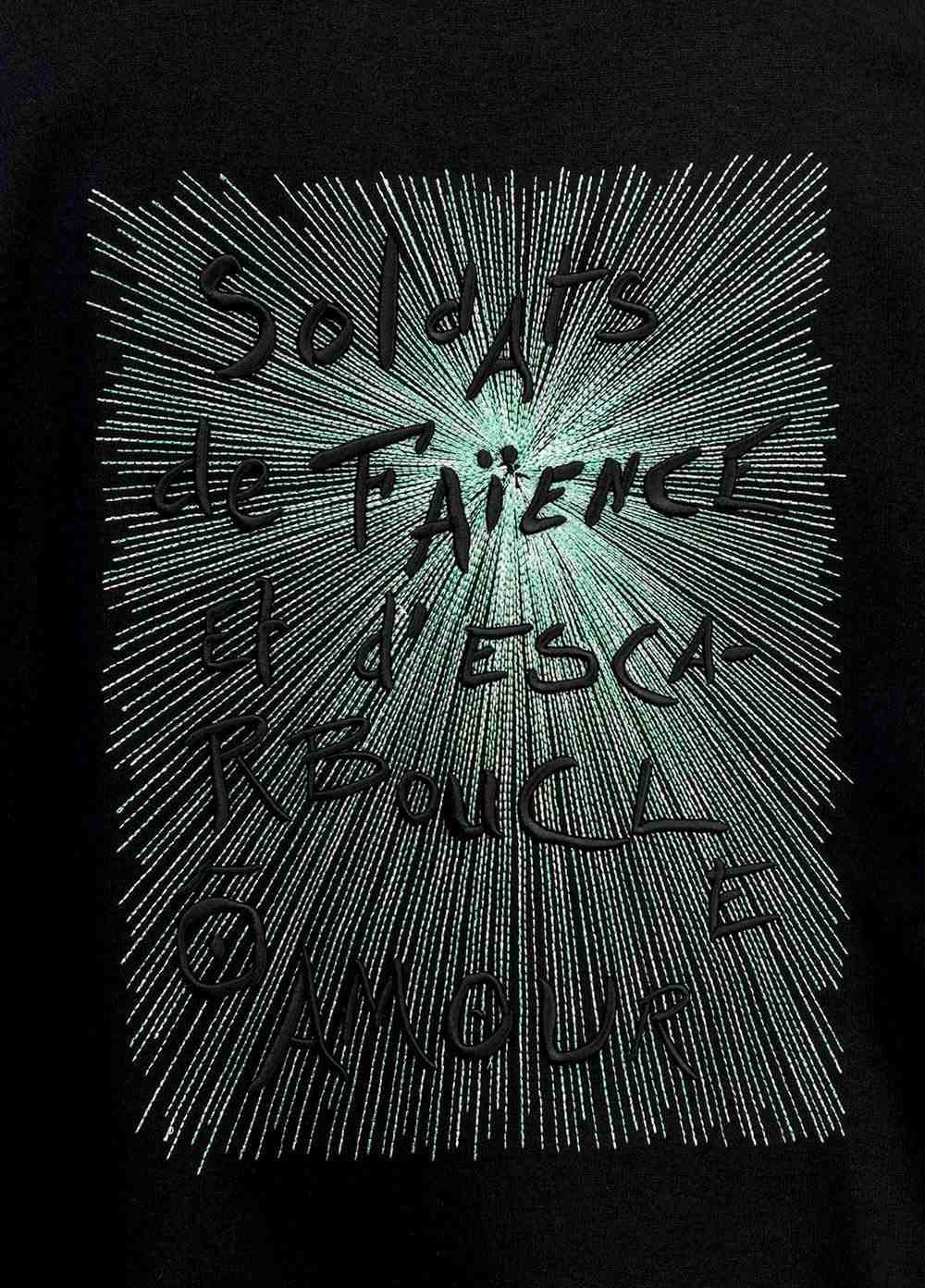
Custom Embroidery & Patches
Flat, 3D puff, and chenille embroidery plus woven, PVC, and embroidered patches for logos and branding. Our in-house team digitizes artwork and samples before production, ensuring stitch accuracy and durability through dedicated craft and sewing QC checks.
Get a Quote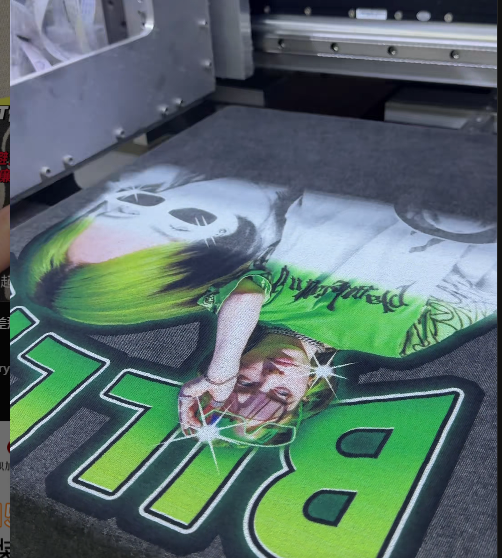
Garment Wash & Dye
Stone, enzyme, acid, and tie-dye washes plus pigment and garment dyeing for vintage and faded streetwear finishes. Each batch is color-tested and inspected at our materials and finished-clothing QC stages to ensure consistent, repeatable results across orders.
Get a Quote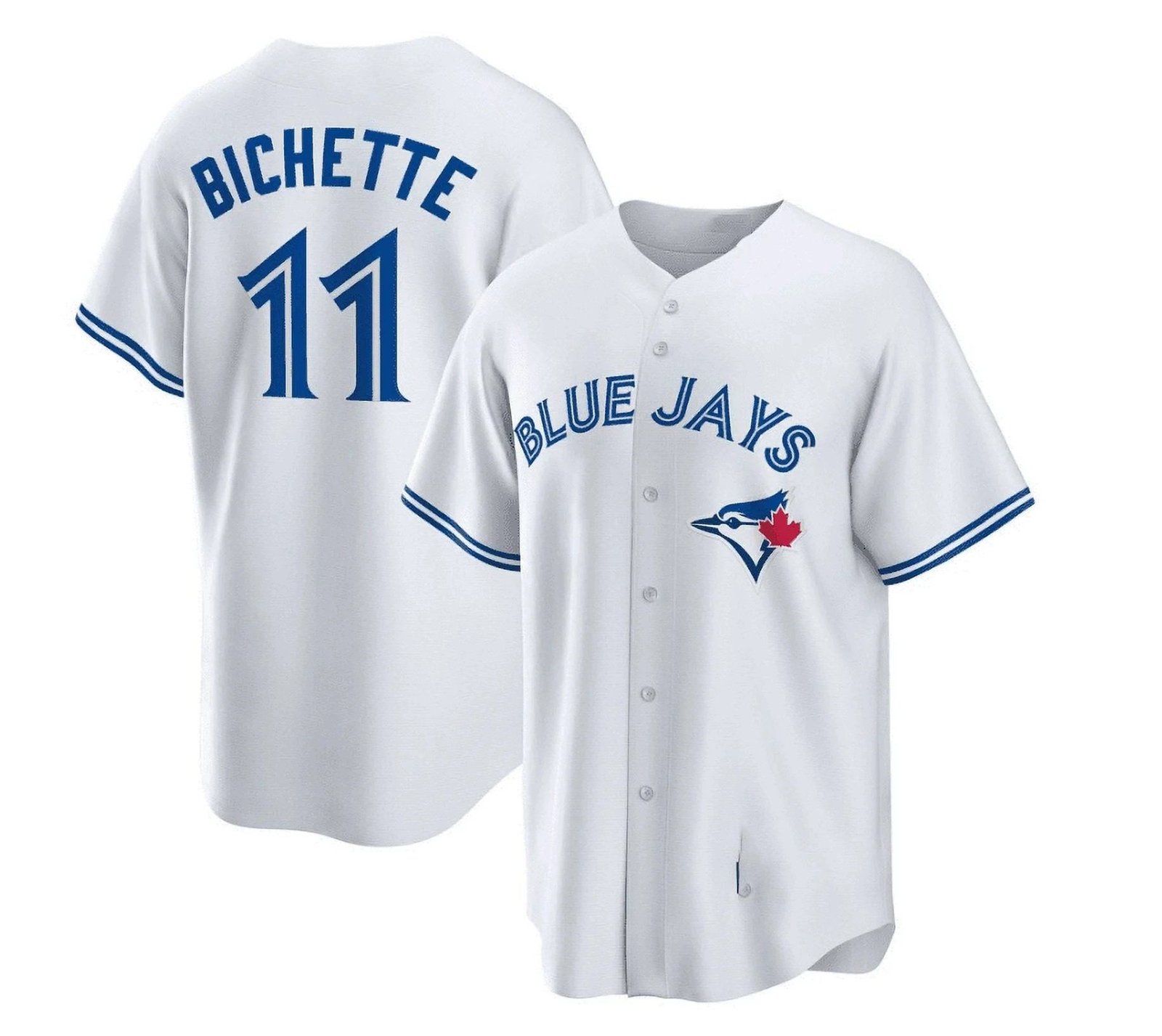
Cut & Sew Manufacturing
Full cut-and-sew production from patterns and tech packs, covering tees, hoodies, jackets, and bottoms. Our 5-step QC spans materials, cutting, craft, sewing, and finished inspection, giving startups and established brands scalable, reliable manufacturing.
Get a Quote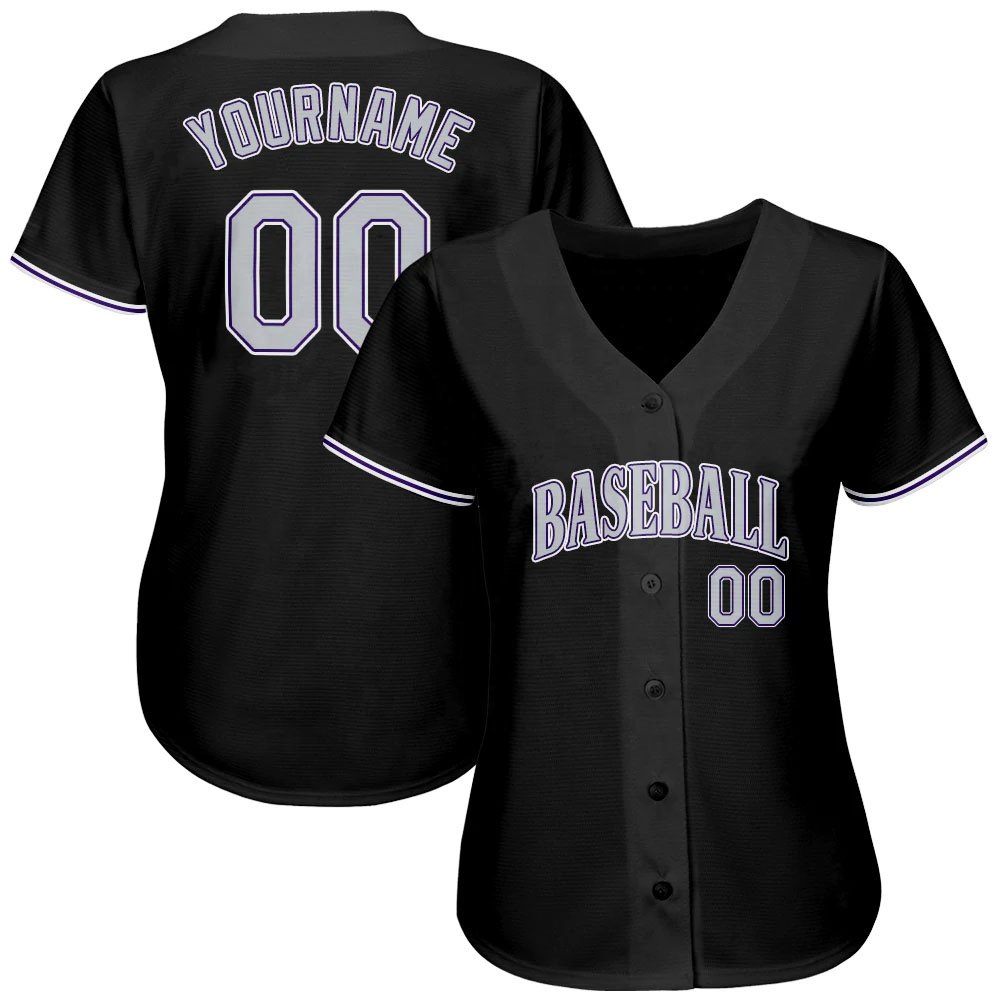
Custom Trims & Accessories
Custom woven labels, hangtags, drawcords, zippers, rivets, and embossed hardware to define your brand identity. We source and produce trims in-house, sampling each component and inspecting fit and finish during craft and finished-goods QC.
Get a Quote
Streetwear Fabrics & Materials
Premium streetwear fabrics including heavyweight French terry, ringspun cotton, fleece, twill, and performance blends. We advise on weight, hand-feel, and durability, then test every roll at our materials QC stage before cutting begins.
Get a Quote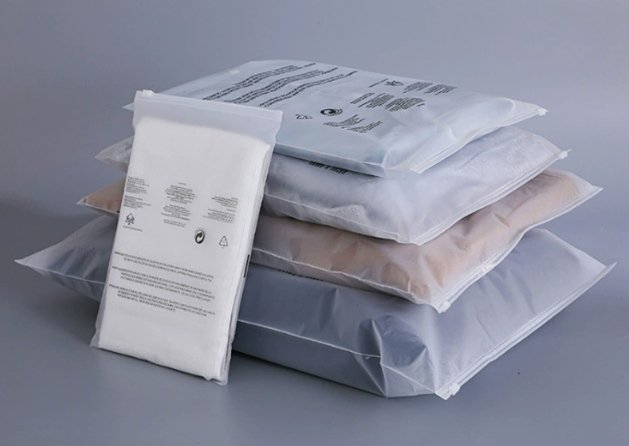
Custom Packaging & Branding
Custom poly mailers, boxes, tissue, stickers, and care labels to complete your unboxing experience. Combined with global shipping and logistics support, we help brands deliver consistent, branded products to customers across more than 100 countries.
Get a QuoteRestoring Trust in Custom Apparel Decoration
Founder Tesla Luo grew up inside Dongguan’s garment industry, rotating through sewing, cutting, QC, and shipping before serving 200-plus brands across foreign trade. In 2024 he launched Clothing Manufacturer Ltd. on one conviction: end low-quality production and prove that Chinese custom apparel decoration can earn global trust.
That conviction lives in a proprietary five-step quality control guarantee, with checks on materials, cutting, craft, sewing, and finished goods. By catching defects early instead of only at the end, we deliver streetwear and influencer lines that meet exacting standards, season after season, for trendy brands and independent designers worldwide.
As a focused startup backed by parent company Dongguan TuoZhen Clothing Co., Ltd., we pair specialist agility with established manufacturing capacity. An in-house design and sampling team, low MOQs, fast turnaround, and global logistics make our custom apparel decoration accessible to emerging labels and scaling brands alike.
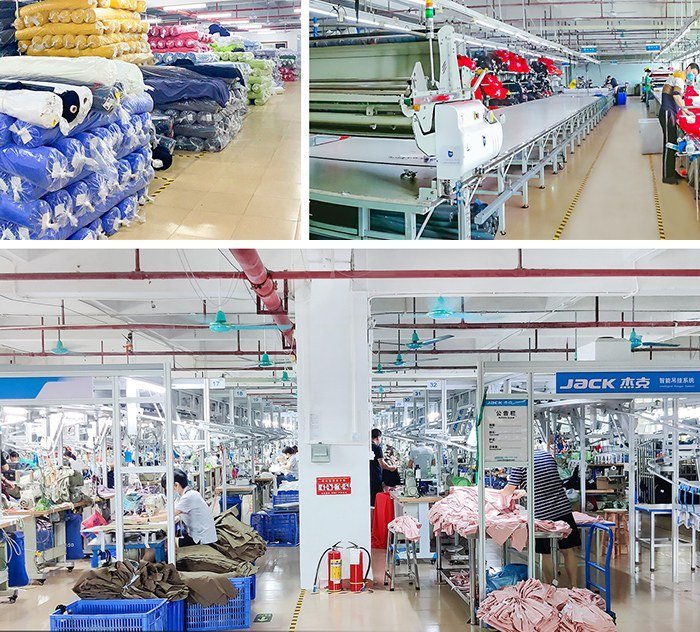
Deep Dive: How We Deliver Premium Custom Apparel Decoration
Integrated Design And Decoration Sampling
Our in-house design and sampling team turns rough concepts into production-ready custom apparel decoration fast. We iterate on prints, placements, and trims until every sample matches your vision, so streetwear brands and startups launch with confidence and zero guesswork.
- In-house design team for rapid sample iterations
- Low MOQ built for emerging and independent labels
- Print, embroidery, and trim placement refined per proof
- Fast sample turnaround for seasonal drops
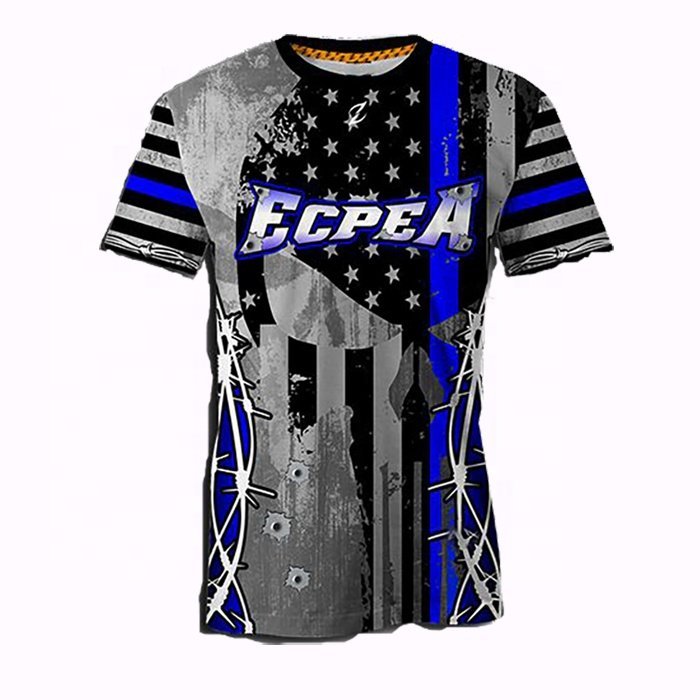
5-Step QC Embedded In Production
Our proprietary five-step quality control guarantee inspects custom apparel decoration at every stage, not just the end. Defects get caught and corrected early, ensuring consistent, scalable output that protects your brand reputation across every order, every collection, every market.
- Materials and cutting QC before assembly begins
- Craft and sewing QC during production runs
- Finished-garment inspection before any shipment
- Zero-compromise standards on every outgoing unit
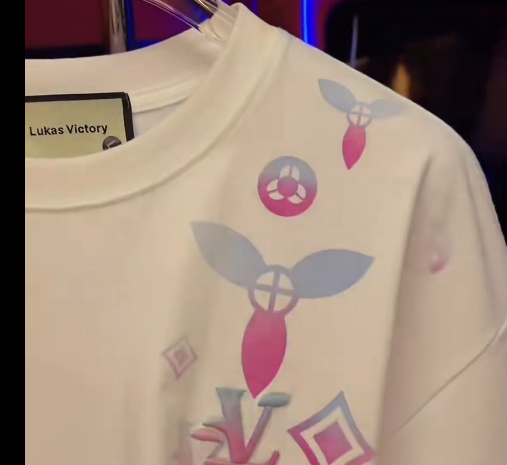
Streetwear Trend Expertise In Every Order
Six years of specialized streetwear focus inform our custom apparel decoration work. We understand skeleton, rose, cross, and graffiti-driven motifs and how to execute them cleanly, helping influencer and creator brands translate culture into wearable, sellable product.
- Deep fluency in streetwear motifs and aesthetics
- Proven experience with influencer and creator lines
- Best streetwear fabrics, technology, and finishing
- Guidance on trend-driven designs that convert
Global Logistics And Brand Protection
From Humen Town, China’s garment heartland, we ship custom apparel decoration to clients in over 100 countries. Our team manages customs, inspection, and freight while safeguarding your designs, so global retailers receive reliable delivery and protected intellectual property.
- Global shipping and logistics support included
- Customs declaration and inspection handled end to end
- Designs and artwork kept confidential and protected
- Trusted by brands across 100-plus countries
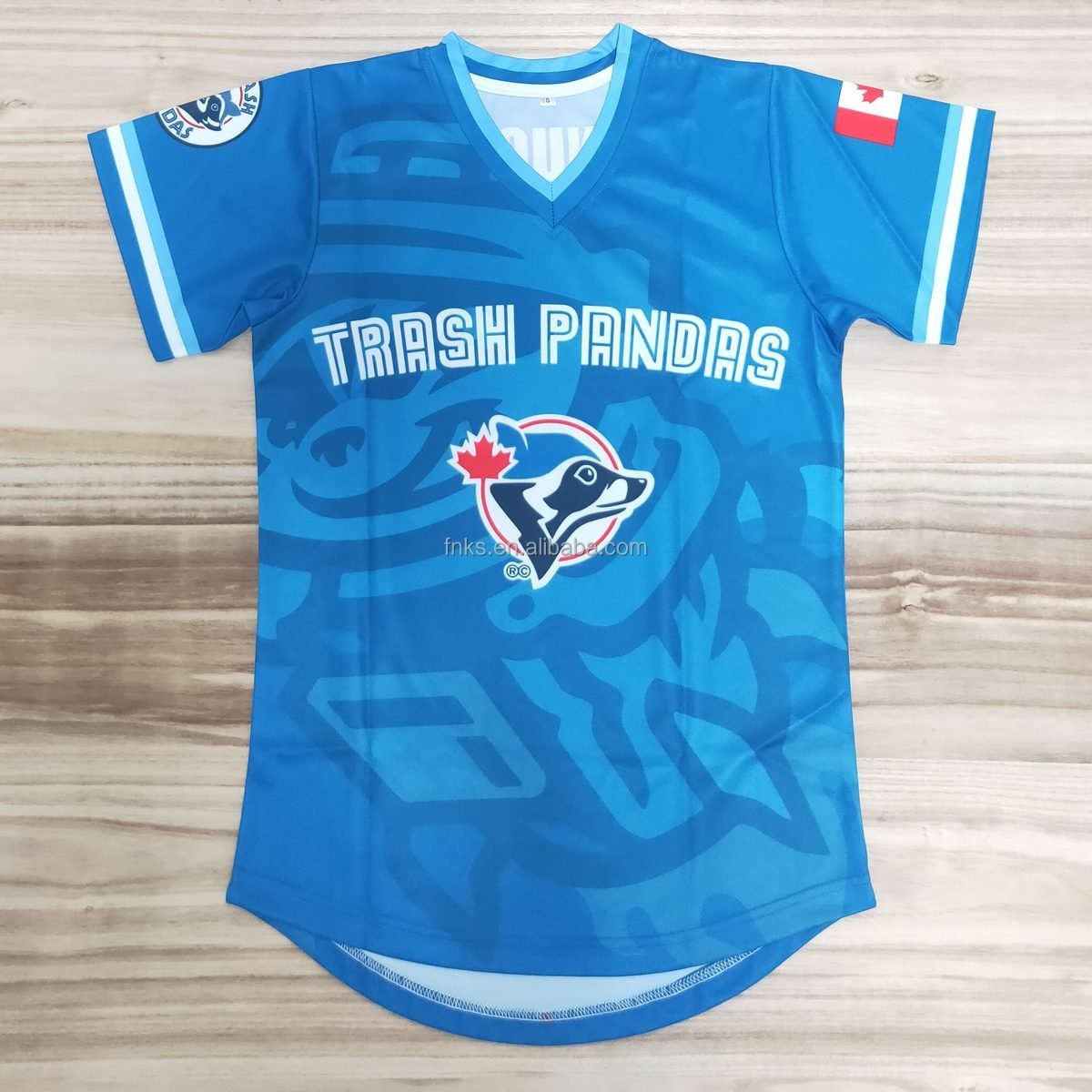
Custom Apparel Decoration: Integrated vs. Fragmented Sourcing
See why one-stop custom apparel decoration beats juggling separate decorators, fabric sources, and accessory suppliers.
← 左右滑动查看 →
The Custom Apparel Decoration Journey: From Concept to Delivery
Every custom apparel decoration order moves through a transparent, buyer-friendly workflow backed by our 5-step quality control guarantee.
Brief & Design Consultation
Share your vision and our in-house design team translates your streetwear concept into production-ready artwork, advising on fabrics, decoration techniques, and trend-driven details from day one.
Sample Development
We develop your custom apparel decoration sample with a 7-day turnaround, so you can evaluate construction, print quality, and fit before committing to bulk production.
Approval & Refinement
You review the physical sample and request adjustments. We refine colors, sizing, and finishing until every detail meets your brand standards and earns your sign-off.
Bulk Production With QC
Your approved design enters bulk production governed by our 5-step quality control, with checks on materials, cutting, craft, sewing, and finished garments at every stage.
Final Inspection
Before anything leaves our facility, finished pieces undergo a final quality inspection, catching defects early and guaranteeing the consistent custom apparel decoration your customers expect.
Packaging & Global Shipping
We package your collection to brand specifications and manage global shipping and logistics, delivering your seasonal streetwear order on time to more than 100 countries.
How to Commission Custom Apparel Decoration in 4 Steps
Skip the headache of juggling multiple suppliers. With Clothing Manufacturer Ltd., one team handles mixed techniques, multiple finishes, and full customization from brief to doorstep.
Submit Your Design Brief
Send your artwork, tech packs, and reference details. Our in-house design and sampling team reviews every element and recommends the best decoration techniques for your streetwear vision.
Receive One-Shot Quote
Get a single, transparent quote covering all custom apparel decoration services. No piecing together estimates from separate vendors, just one clear price with low MOQ options.
Approve Production Samples
Review physical samples validated by our 5-step quality control guarantee. Request adjustments freely, then approve once every finish and detail matches your brand standards.
Track Full Production
We manufacture your full order with QC checks at every stage, then handle global shipping. Follow progress with transparent updates and reliable fast turnaround.
Client Stories: Custom Apparel Decoration Success
Their in-house design team nailed our skeleton and rose graphics on the first sample. The custom apparel decoration quality was flawless across 800 hoodies, and the 5-step QC meant zero defects shipped. Easily our most reliable production partner yet.
As a startup, the low MOQ and fast samples were everything. We launched our seasonal capsule in just 18 days from sketch to delivery. Their custom apparel decoration let us test designs without gambling on huge orders.
One partner handled decoration, premium fabric, and custom accessories, so I stopped juggling three suppliers. My 40,000 followers loved the drop, which sold out in four days. The convenience and consistency are unmatched.
Custom Apparel Decoration: Frequently Asked Questions
Straight answers on MOQs, samples, IP protection, decoration methods, certification, and global shipping from Clothing Manufacturer Ltd.
What is the minimum order quantity for custom apparel decoration?
How long does a mixed custom apparel decoration order take?
Can I order samples before committing to full custom apparel decoration production?
Which decoration methods can be combined in one custom apparel decoration order?
How do you protect my designs and intellectual property?
Where do you source materials and how is quality controlled?
Do you offer certification and product testing for custom apparel decoration?
Do you ship custom apparel decoration orders worldwide?
What is your design revision policy?
The Complete Buyer’s Guide to Custom Apparel Decoration
A decision framework for sourcing custom apparel decoration: compare techniques, materials, and costs, learn supplier-vetting criteria, and avoid the expensive mistakes that derail streetwear, startup, and creator brand launches.
1. What Is Custom Apparel Decoration?
Custom apparel decoration is the family of processes that apply branding, graphics, and finishes to blank or finished garments — screen printing, embroidery, DTG, heat transfer, appliqué, and woven or printed labels. Unlike full cut-and-sew manufacturing, which builds garments from fabric up, decoration starts with an existing blank and adds your identity on top, making it the faster, lower-cost entry point for most launching brands.
Four buyer types drive demand for custom apparel decoration: streetwear labels needing bold graphic placement, fashion startups testing first collections, global retailers requiring consistent reorders, and influencer or creator brands converting audiences into product. Each shares one priority — turning a recognizable design into wearable inventory without committing to ground-up production runs.
The core buyer question is matching method to volume and budget. Decoration suits low MOQ pilots (often 25–100 units) and quick sampling, while full cut-and-sew fits brands needing proprietary fits, custom fabrics, and 300-plus unit runs. Many labels start with decoration on quality blanks, then graduate to cut-and-sew once demand and capital justify it.
Founded in 2024 in Humen Town, Dongguan, Clothing Manufacturer Ltd. serves clients across 100-plus countries with both paths — decoration on premium streetwear blanks and full production — all governed by a proprietary five-step QC process introduced February 12, 2025. The right choice depends on where your brand sits today, not where competitors are.
2. The Evolution of Apparel Decoration
Hand-painting and manual screen printing dominated apparel decoration for decades, with screen setups demanding 50-100+ piece minimums per color and 1-2 weeks of lead time just to recoup screen and film costs. Pantone color matching, multi-screen registration, and plastisol cure ovens made small runs economically impossible for emerging labels.
Direct-to-garment (DTG) printing, commercialized in the early 2000s, removed per-color screen charges and made single-unit photographic prints viable. Direct-to-film (DTF) transfers and digital embroidery extended that flexibility to blends and structured fabrics, while OEKO-TEX certified water-based and discharge inks replaced heavier plastisol for softer hand-feel and lower environmental impact.
Low-MOQ and on-demand printing reshaped the market after 2015, dropping minimums from hundreds to as few as 20-50 pieces and compressing sampling to 5-10 days. This collapse in barriers let independent designers, fashion startups, and creator brands validate designs before committing to bulk inventory, turning custom apparel decoration into a test-and-scale model rather than an all-or-nothing gamble.
Understanding this progression helps buyers judge supplier currency: a partner still quoting only high-minimum screen printing, or lacking DTG, DTF, and digital embroidery alongside sustainable ink options, is technologically behind. Clothing Manufacturer Ltd., founded in 2024 and backed by parent Dongguan TuoZhen’s infrastructure, pairs these modern decoration methods with its five-step QC process to serve clients across 100+ countries at every growth stage.
3. Types of Custom Apparel Decoration Techniques
Six core decoration methods dominate streetwear production in 2025. Matching technique to artwork complexity and order volume controls cost, durability, and turnaround—the foundation of every successful custom apparel decoration program.
| Technique | Best For | Color Range | MOQ |
|---|---|---|---|
| Screen Print | Bold graphics | 1-4 colors | 50+ |
| DTG | Photo art | Unlimited | 1 |
| DTF | Any fabric | Unlimited | 1 |
| Embroidery | Logos, caps | Limited | 24-50 |
| HTV | Text, numbers | 1-2 colors | 1 |
| Sublimation | All-over prints | Unlimited | 10-50 |
Screen Printing
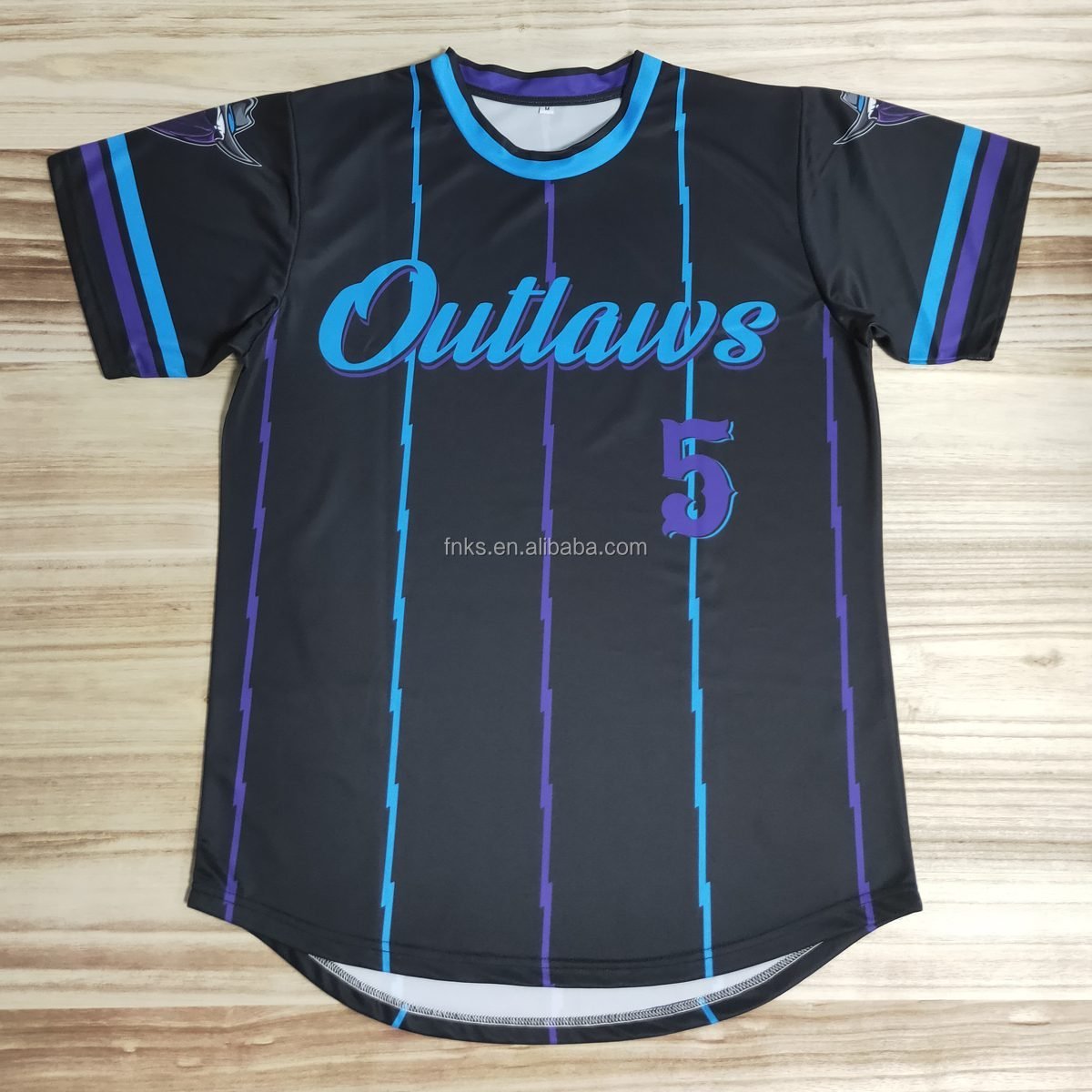
Ink is pushed through mesh screens, one screen per Pantone color. Ideal for bold 1-4 color graphics on runs of 50+ units, with durability exceeding 50 washes.
Per-color setup fees make low MOQs uneconomical, so reserve it for volume orders.
- Best for: bold graphics, 1-4 colors
- Durability: 50+ washes
- MOQ sweet spot: 50-100+ pieces
Direct-to-Garment (DTG)
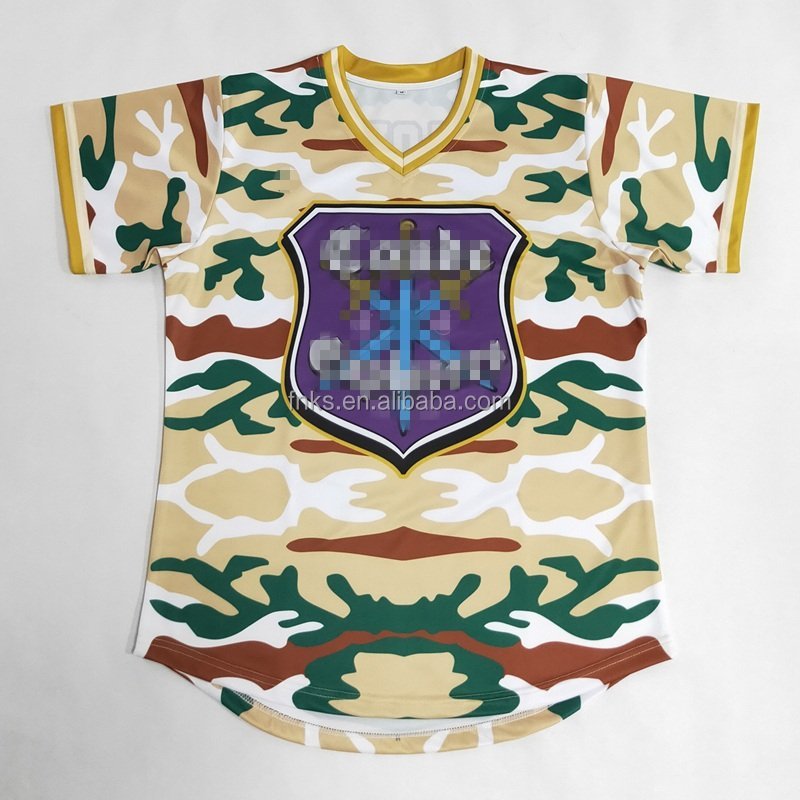
Inkjet heads spray water-based ink directly onto cotton, much like a paper printer. Best for photographic, full-color artwork with no minimums—perfect for samples and on-demand drops.
The hand feels soft, though prints fade faster than screen print on dark blends.
Direct-to-Film (DTF) Transfers
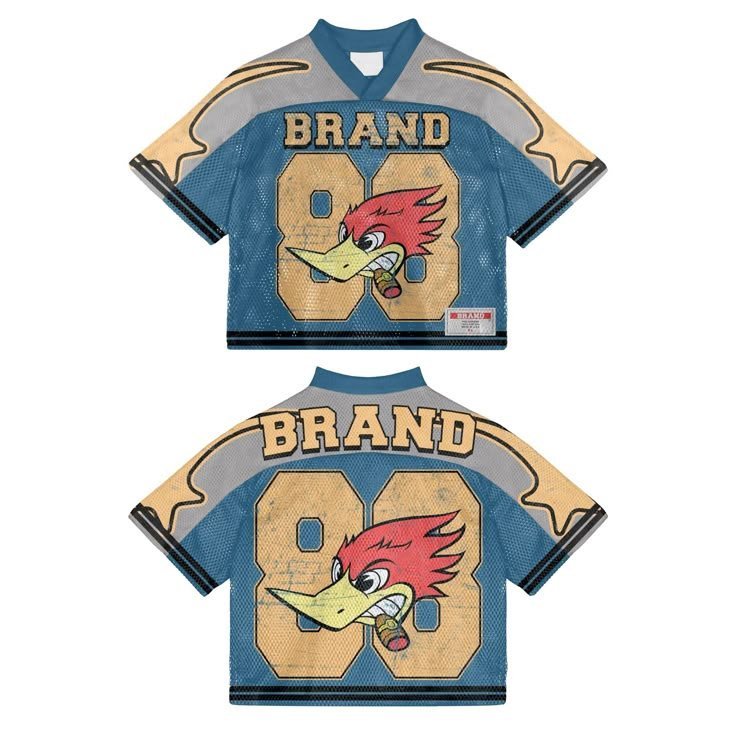
Designs print onto film, bond with adhesive powder, then heat-press onto almost any fabric. Unlimited colors, an MOQ of one, and vibrant results on cotton, polyester, and blends.
Expect a slightly raised feel and 30-50 wash durability.
Embroidery
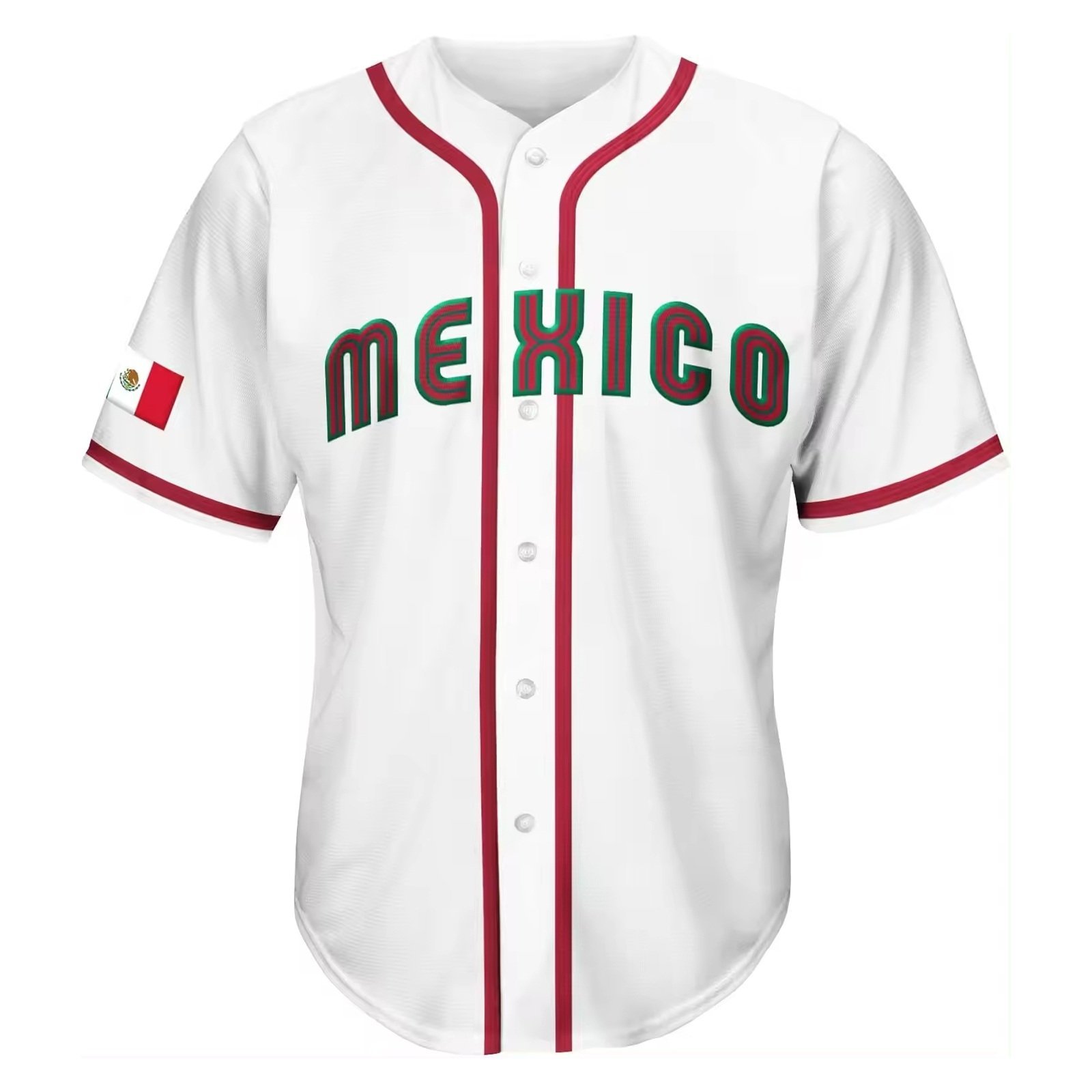
Digitized files drive stitched thread, typically 9,000-15,000 stitches per logo. A premium, textured look for caps and left-chest hits.
Fine detail and gradients are limited; MOQs run 24-50 pieces.
Heat Transfer Vinyl (HTV)
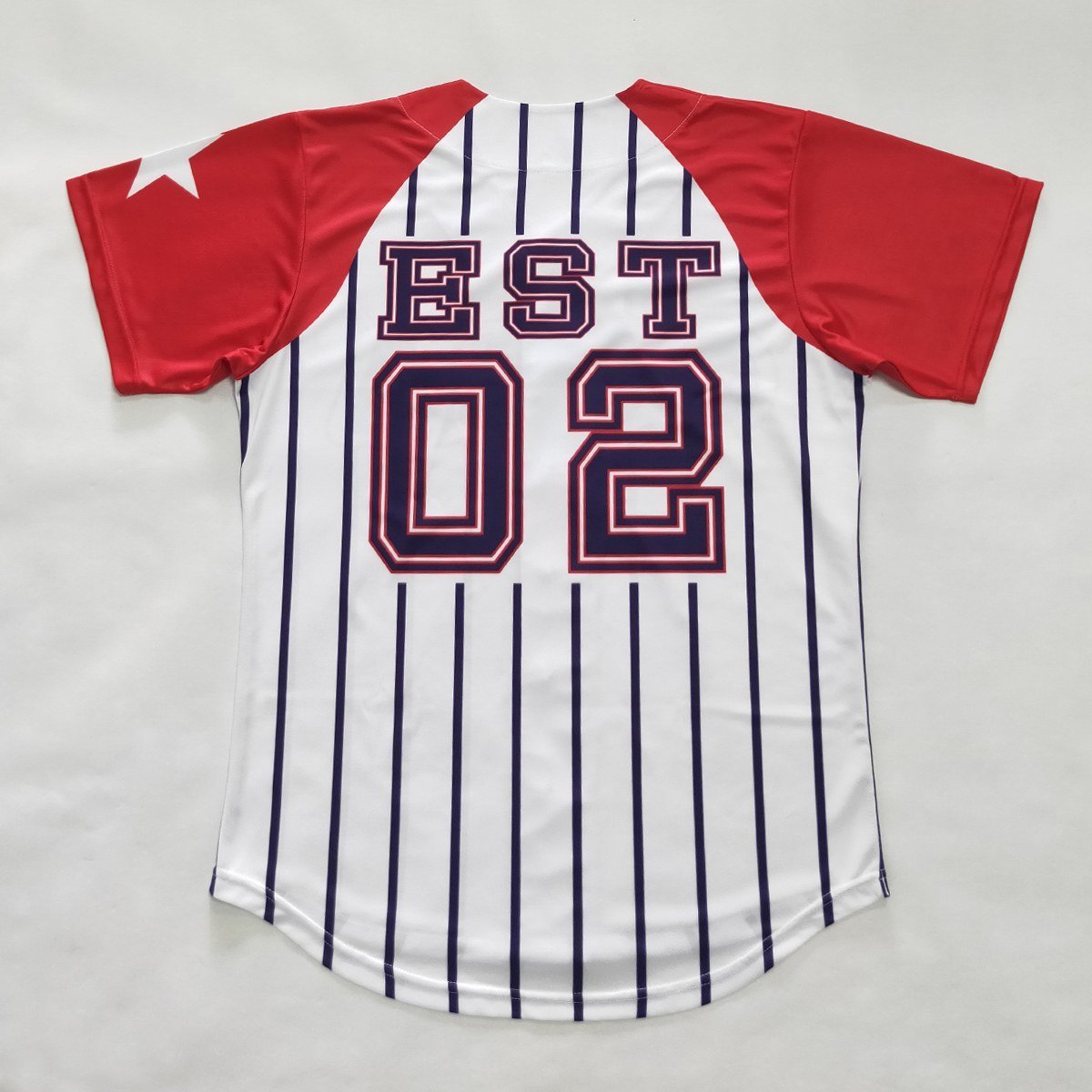
Vinyl is cut and heat-pressed for names, numbers, and single-color text—no minimums and fast turnaround. Best kept to 1-2 colors; the thicker hand suits simple lettering over intricate art.
Sublimation
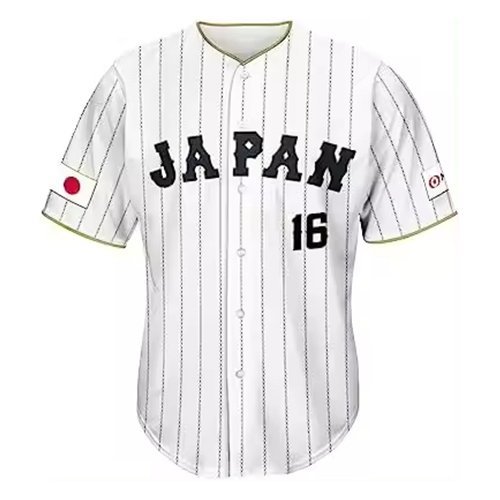
Dye gasses permanently into polyester fibers, enabling edge-to-edge all-over prints with zero hand feel that won’t crack. Limited to polyester and light-colored fabrics—not for cotton or dark garments.
4. Materials & Fabrics for Decoration
Fabric choice dictates how custom apparel decoration lands — GSM weight, fiber content, and stretch determine whether ink, dye, or stitch holds. Below, our five-step QC team maps the right substrate to each method.
| Fabric | Typical GSM | Best Decoration | End-Use |
|---|---|---|---|
| Ring-spun cotton | 180–220 | Screen print, DTG | Premium tees |
| 100% polyester | 140–180 | Sublimation | Performance, jerseys |
| Cotton-poly tri-blend | 150–200 | DTG, discharge | Vintage tees |
| Organic / rPET | 160–220 | Water-based, eco ink | Sustainable lines |
| French terry / fleece | 240–450 | Embroidery, puff print | Hoodies, crewnecks |
Cotton: Ring-Spun vs. Open-End
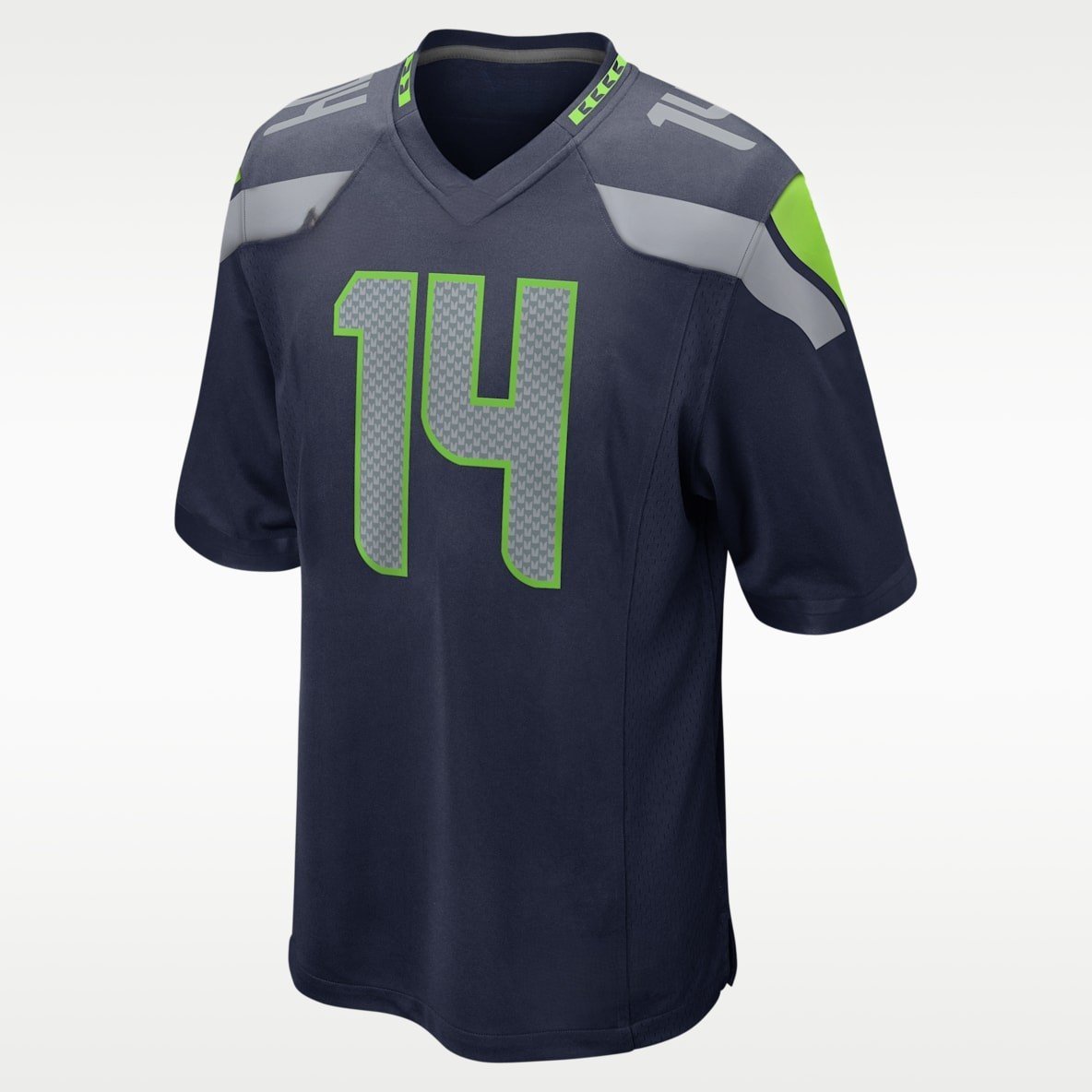
Ring-spun cotton at 180–220 GSM offers a smooth, dense face that anchors screen print and water-based DTG ink cleanly. Expect 3–5% shrinkage after the first wash unless pre-shrunk.
Open-end cotton runs coarser and cheaper, suited to high-volume tees where soft hand is secondary to budget.
Polyester & Performance Knits
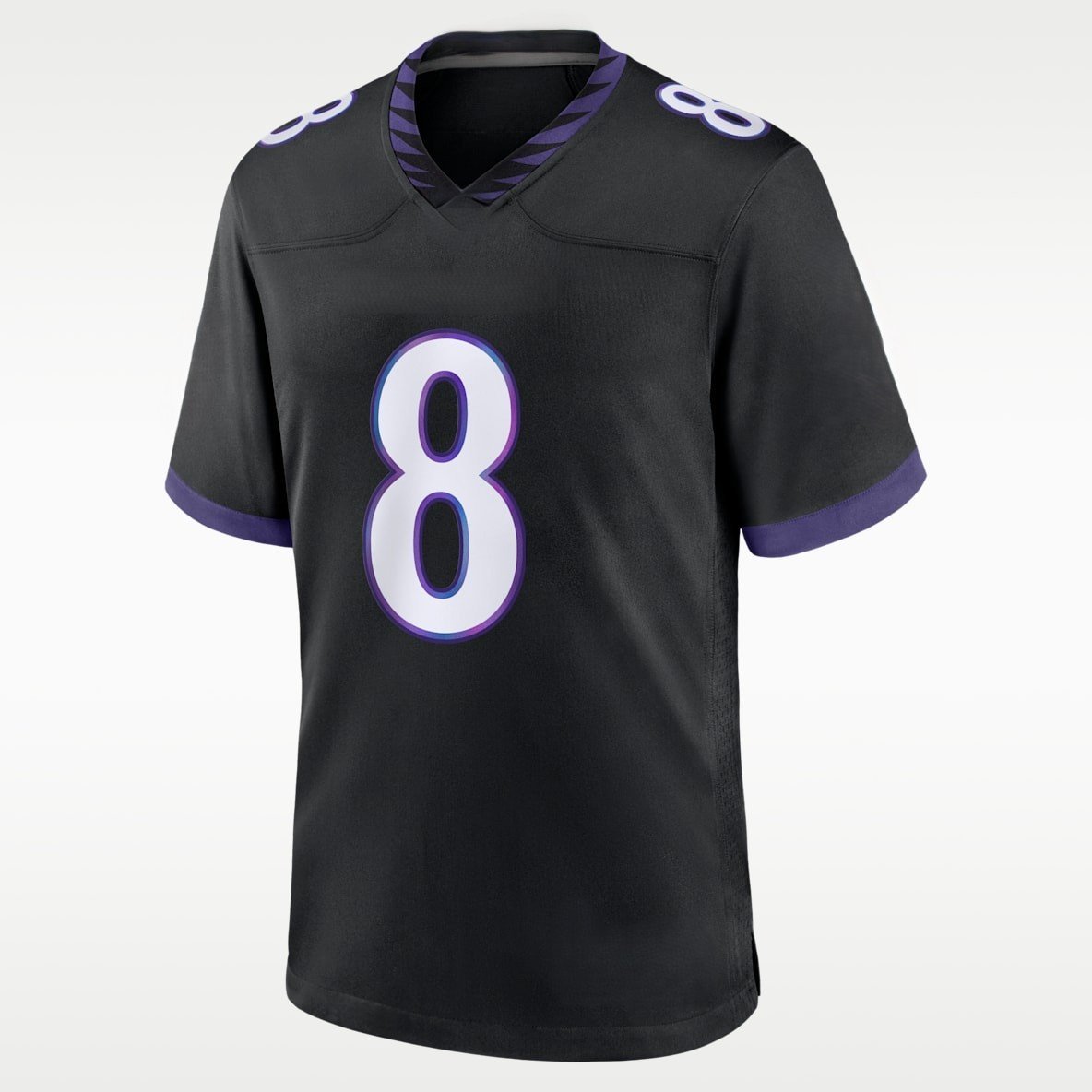
100% polyester at 140–180 GSM resists shrinkage and excels with sublimation, bonding dye into the fiber for unmatched color fastness. Avoid plastisol on poly — dye migration ghosts light prints.
Stretch interlock and spandex blends demand flexible inks or flatlock stitching to survive elongation.
Blends, Organic & Recycled Options
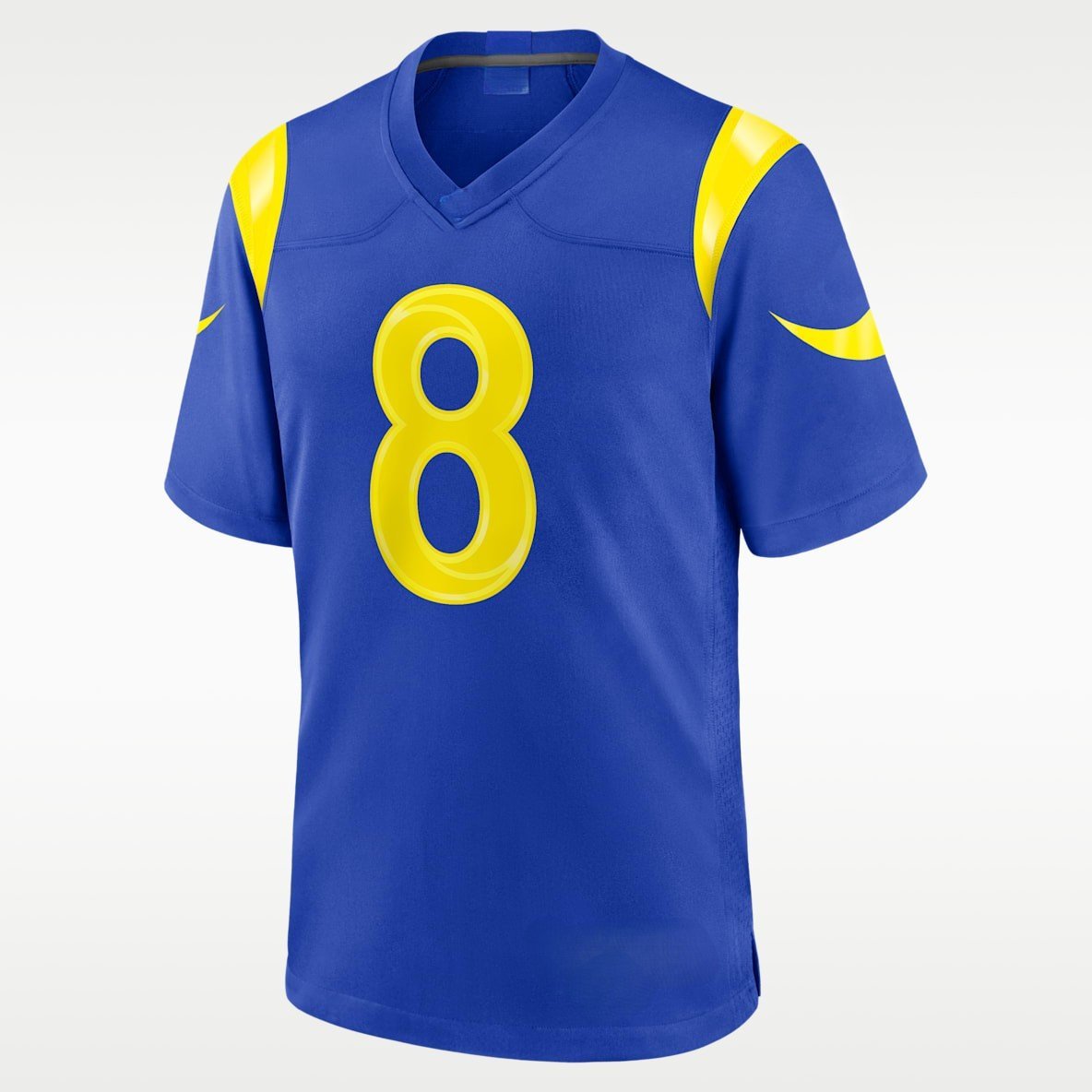
Cotton-poly blends (50/50, 60/40, tri-blend) balance softness, durability, and 1–2% shrinkage, taking both DTG and discharge print well. Tri-blends give a vintage, faded heather finish.
GOTS-certified organic cotton and recycled poly (rPET) meet sustainability specs; pair with OEKO-TEX inks for eco-conscious lines.
Fleece & French Terry for Hoodies
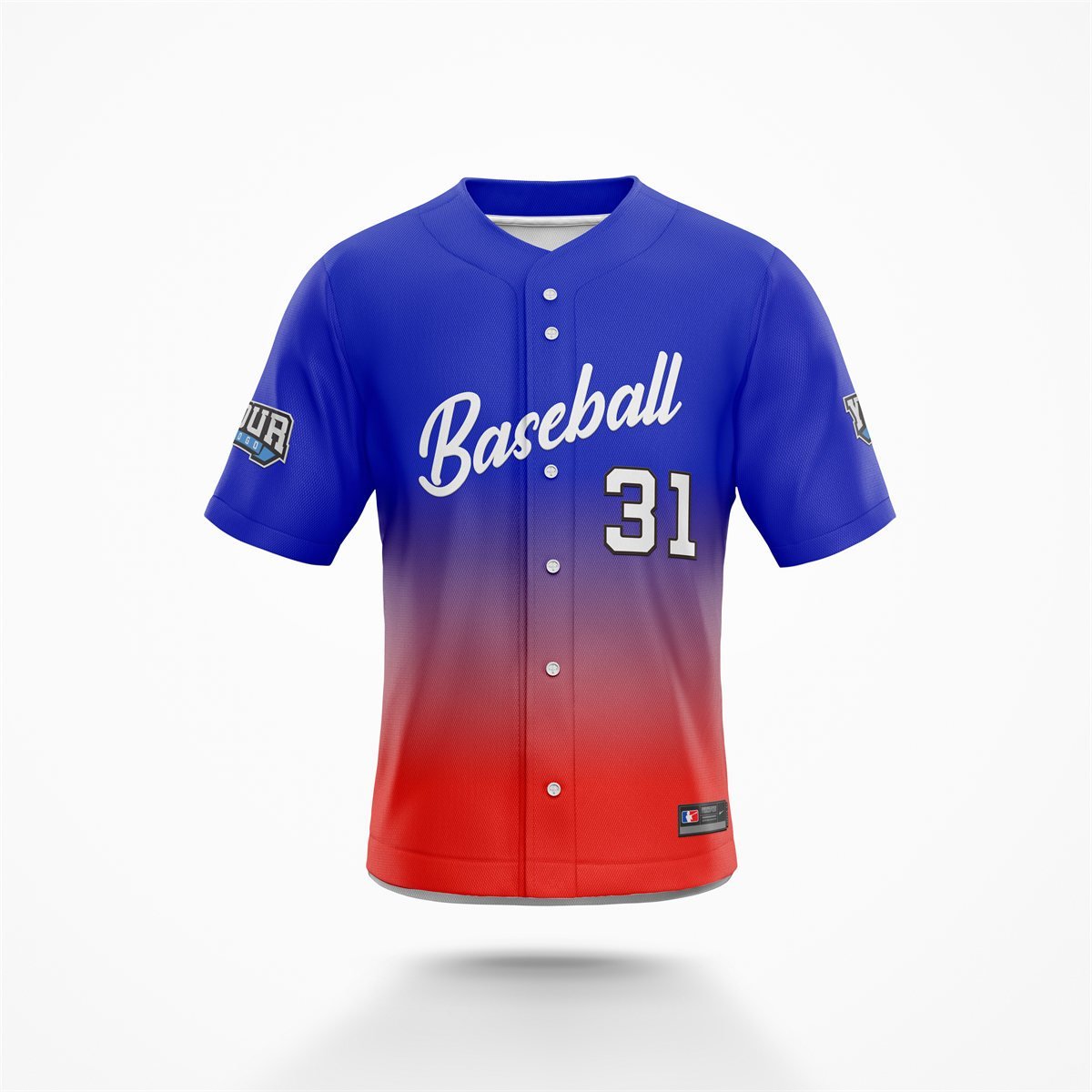
French terry at 240–320 GSM and brushed fleece at 320–450 GSM form the backbone of streetwear hoodies and crews. Heavier loft suits embroidery, puff print, and patches.
Mind nap direction during embroidery to prevent thread sinking; backing stabilizer keeps logos crisp.
5. Customization & Branding Options
Beyond the main graphic, secondary branding touches separate a $25 blank from a $60 streetwear drop. These details — labels, tags, finishes — drive perceived value and are core to custom apparel decoration.
| Option | Effect on Brand | Added Cost | When to Add |
|---|---|---|---|
| Woven neck tag | Premium credibility | Low | Launch |
| Custom hangtag + mailer | Retail unboxing | Low | Launch |
| Embroidered patch | Tactile, durable logo | Medium | Launch/later |
| Puff / 3D print | Bold streetwear texture | Medium | Later |
| Specialty inks | Standout, social-ready | Medium-high | Later |
| All-over print | Full-coverage statement | High | Later |
Labels, Woven Tags & Hangtags
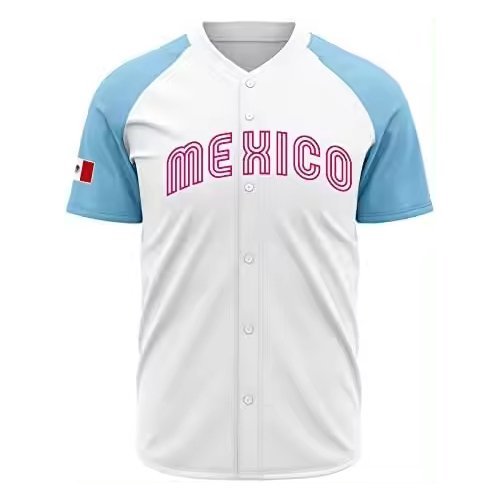
Replacing the stock neck label with a printed or woven tag is the cheapest credibility upgrade, often under $0.30 per piece at 100+ MOQ. Woven damask tags read more premium than satin.
Hangtags and custom poly mailers complete the unboxing. Prioritize these at launch — they photograph well for creator content and cost little.
- Printed neck label: lowest cost, fastest turnaround
- Woven damask tag: premium hand-feel, ideal for hoodies
- Hangtag with string and care card: retail-ready
Embroidered Patches & Puff Prints
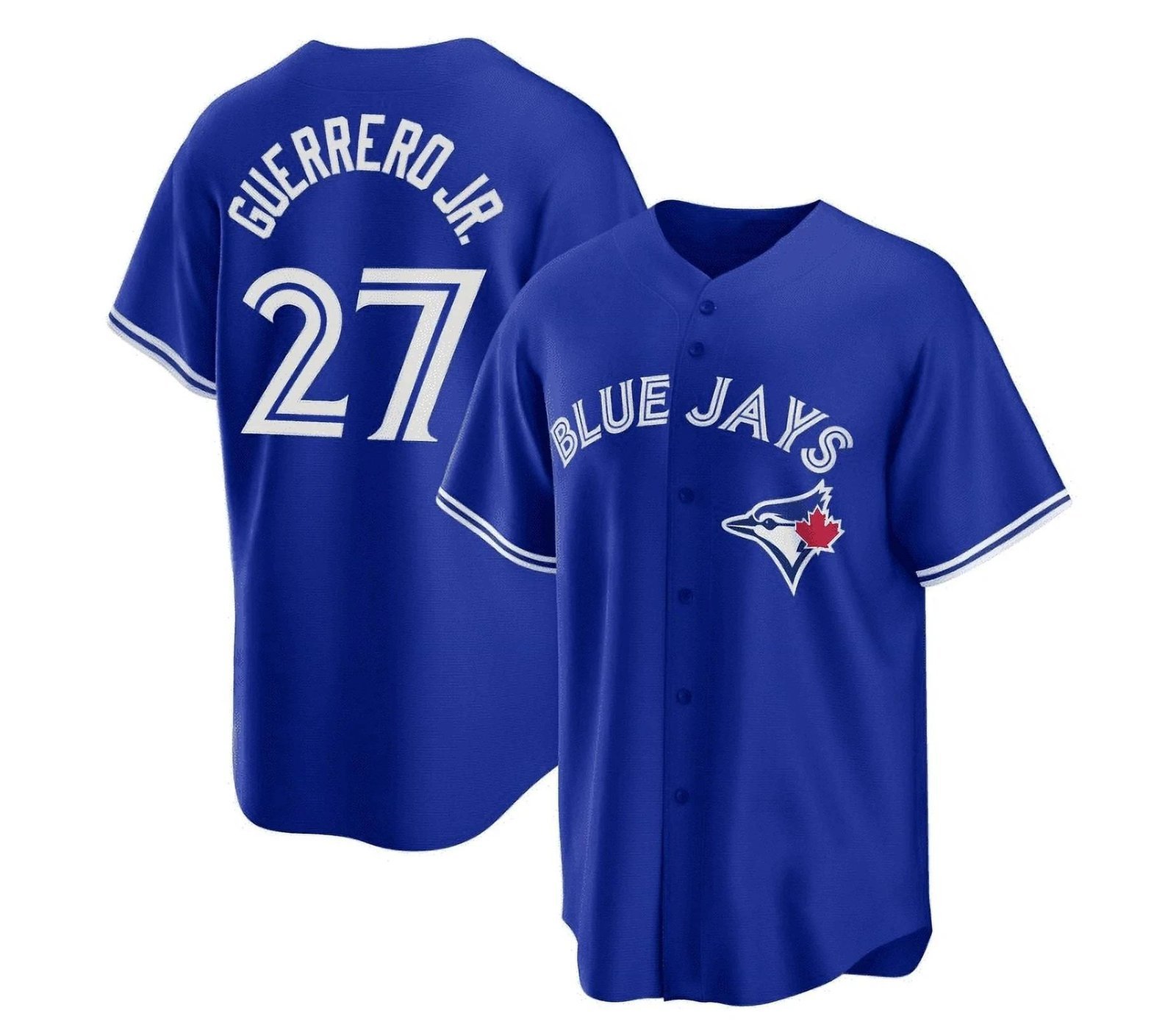
Embroidered patches and 3D puff prints add tactile depth that flat screen prints cannot. Puff ink raises the design 1-3mm using heat-expanding additive, a signature streetwear look on hoodies and caps.
These cost more per unit, so reserve them for hero pieces rather than every SKU at launch.
Specialty Inks & All-Over Prints
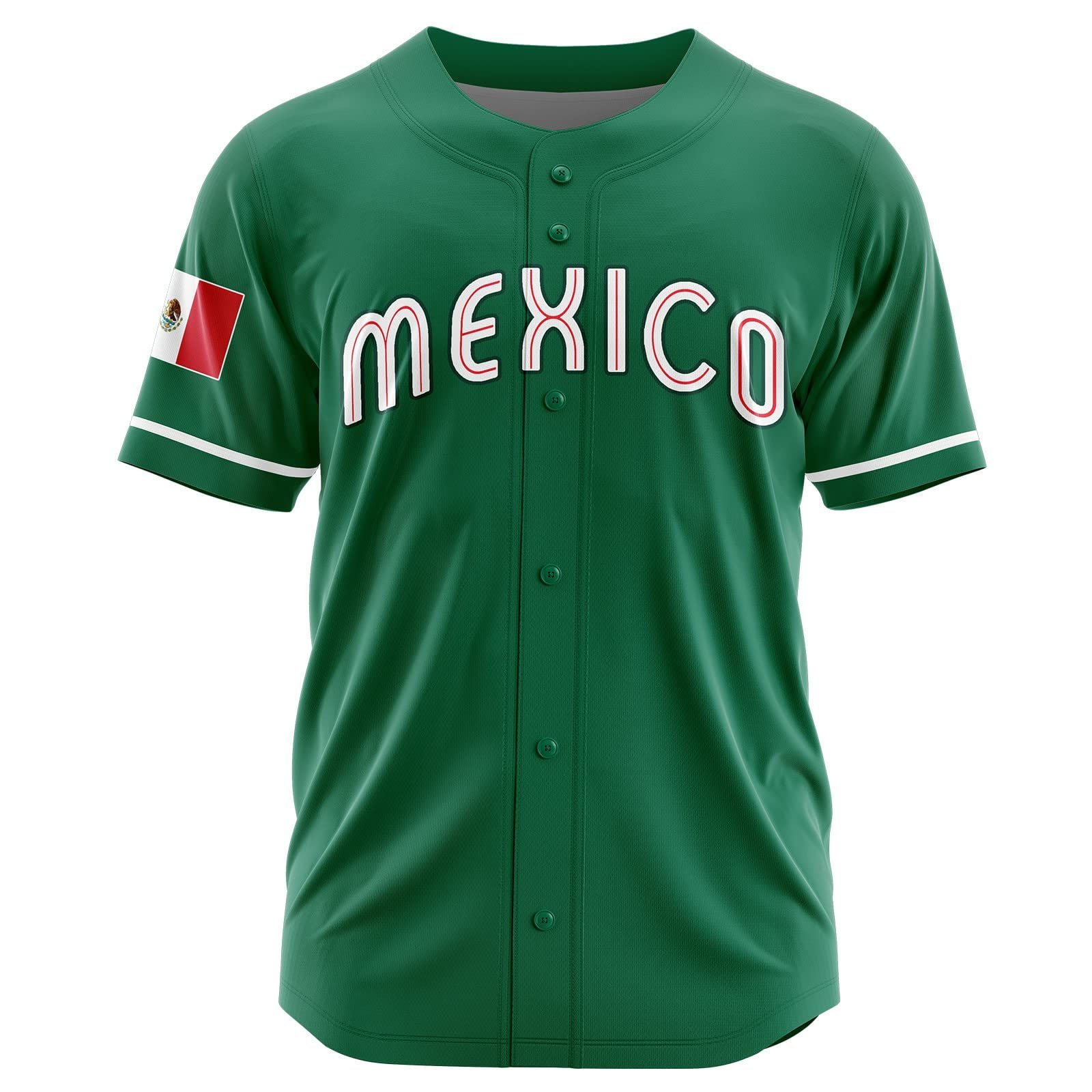
Metallic, glow-in-the-dark, and reflective inks command attention in low light and on social feeds. All-over sublimation prints cover full panels but require 100% polyester and pre-cut printing.
These are higher-cost, later-stage upgrades once your core fits and base prints are proven.
6. Key Quality Elements in Custom Apparel Decoration
Premium custom apparel decoration shows in five measurable markers: print opacity, wash durability, stitch density, Pantone accuracy, and placement consistency. Use these as inspection criteria on every sample and spec them directly in your tech pack.
Print Registration and Opacity
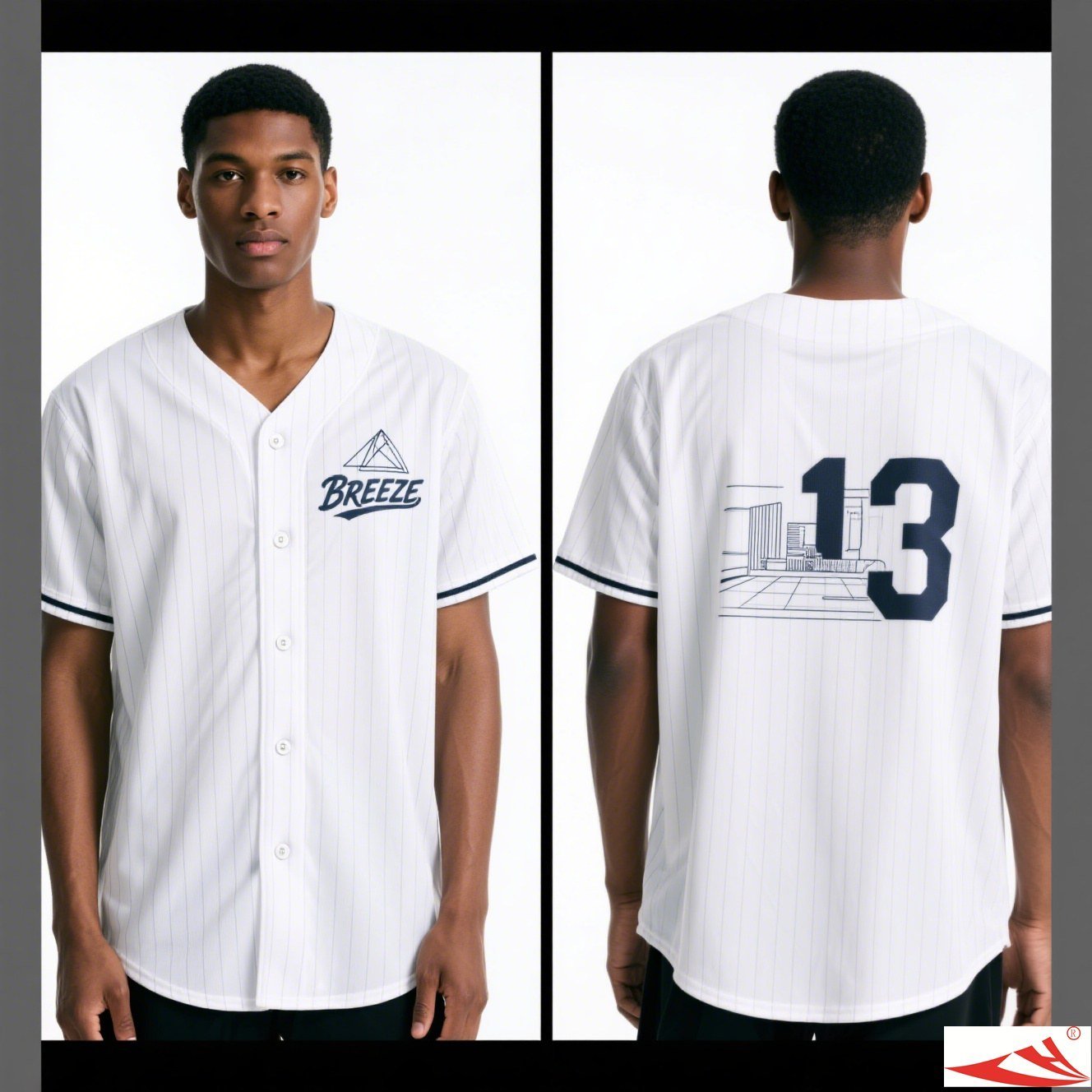
Screen-printed designs should show tight registration with multi-color art aligning within 1mm at every edge. Opacity matters most on dark garments, where a properly underbased white blocks fabric color and prevents dull, gray-shifted tones.
Inspect samples for crisp halftone dots and zero ink bleed. Our five-step QC, introduced February 2025, catches misregistration at the craft-testing stage.
Wash and Crack Durability
Quality prints survive 50-plus home wash cycles without cracking, fading, or peeling. Cured plastisol and water-based inks should pass a stretch test: pull the fabric and the print flexes rather than fractures.
DTG and vinyl transfers fail fastest on cheap output, so always wash-test before approving bulk.
Stitch Density and Backing
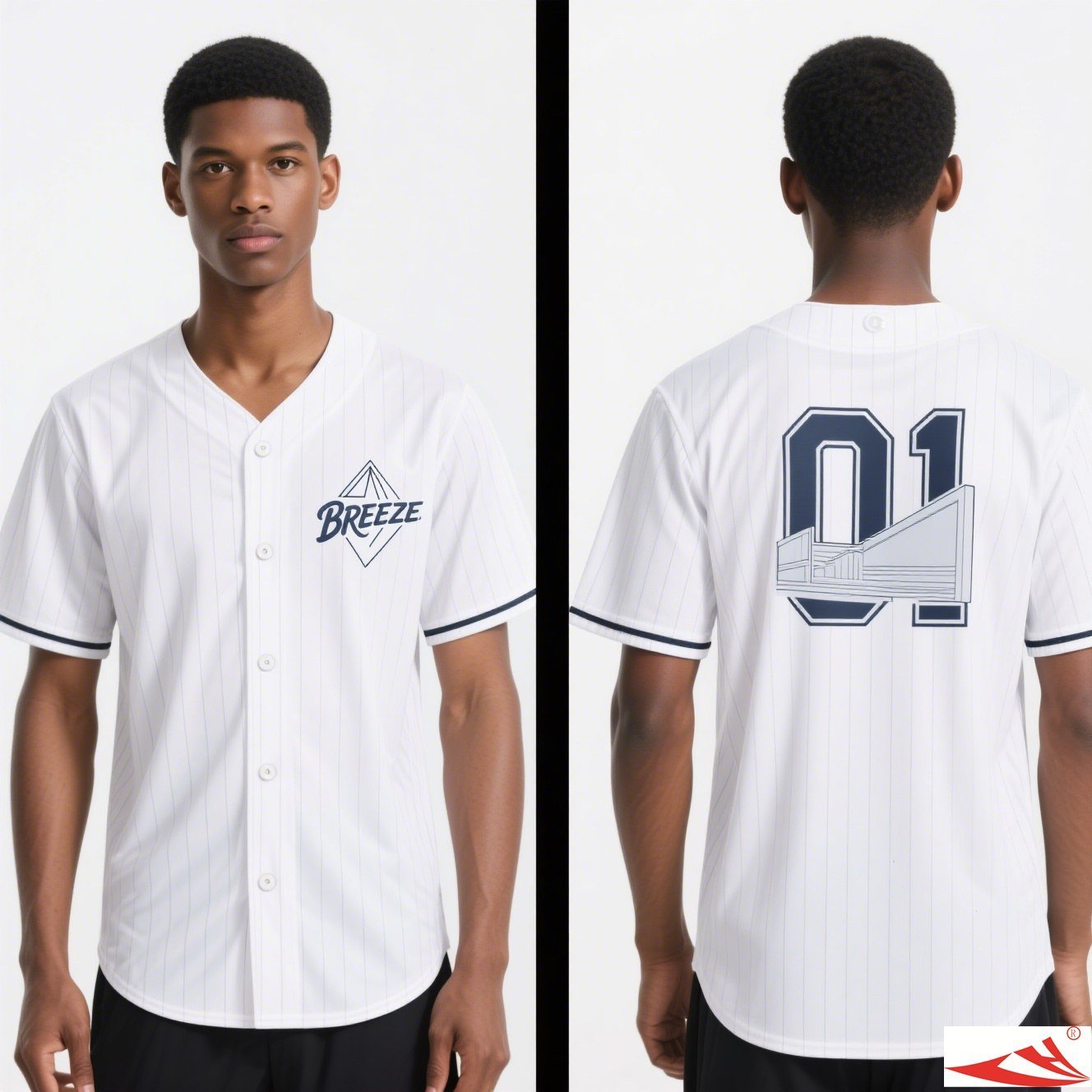
Embroidery quality depends on stitch density, typically 4-6 stitches per millimeter, with no puckering or thread gaps. Cut-away backing suits stretch knits; tear-away fits stable wovens.
Check that satin stitches lie flat and small lettering stays legible above 4mm tall.
Color Accuracy and Pantone Matching
Specify exact Pantone TCX or TPG codes in your tech pack rather than vague color names. Premium decorators match inks to within a tight Delta-E tolerance under standardized D65 lighting.
Approve a physical strike-off, never a screen render, since monitors distort hue and saturation.
Placement Consistency Across a Run
Across a 500-piece run, decoration placement should vary no more than 3-5mm from your spec’d reference points. Measure logo position from collar seam and center front on multiple sizes.
Define tolerances in the tech pack so QC can reject drifting placement early.
7. How to Choose a Custom Apparel Decoration Manufacturer
Vetting a custom apparel decoration manufacturer means scoring six factors against your brand’s stage and region. Emerging labels weight MOQ and samples; scaling retailers weight compliance and capacity. Test before committing.
MOQ Flexibility and Sample Turnaround
Startups should target tiers of 50-100 pieces per style; established retailers negotiate 300-500 for better pricing. Confirm whether MOQ is per color or per design.
Sample turnaround signals real capacity. Expect 7-14 days for a first proto, 3-5 days for revisions. Order one paid sample before any bulk run.
Technique Range and Quality Standards
Confirm the supplier handles your decoration mix in-house: screen printing, DTG, embroidery, heat transfer, and puff. Outsourced techniques add lead time and risk.
Ask how quality is checked. Clothing Manufacturer Ltd. applies a five-step QC process covering materials, cutting, craft, sewing, and finished inspection, catching defects mid-production instead of after.
Certifications, Compliance, and Sustainability
Global retailers require audited factories. Request OEKO-TEX Standard 100 for inks and fabric, plus WRAP or BSCI social compliance for EU and US import.
For sustainability claims, ask for GOTS organic certification or recycled-content documentation. Verify certificate numbers directly with the issuing body, not screenshots.
Communication and Pricing Transparency
Founded in 2024 and serving 100-plus countries, the right partner offers fluent English support and named order contacts. Slow or vague replies during sampling predict bulk-stage chaos.
Demand an itemized quote separating garment, decoration, setup, and shipping. Red flags: hidden Pantone fees, no written specs, and unwillingness to ship a sample.
8. Common Mistakes Buyers Make
First-time buyers lose money on six recurring errors. Each is preventable with one upfront decision — the right technique, a signed sample, or a realistic timeline — before bulk production begins.
Wrong Technique for the Artwork
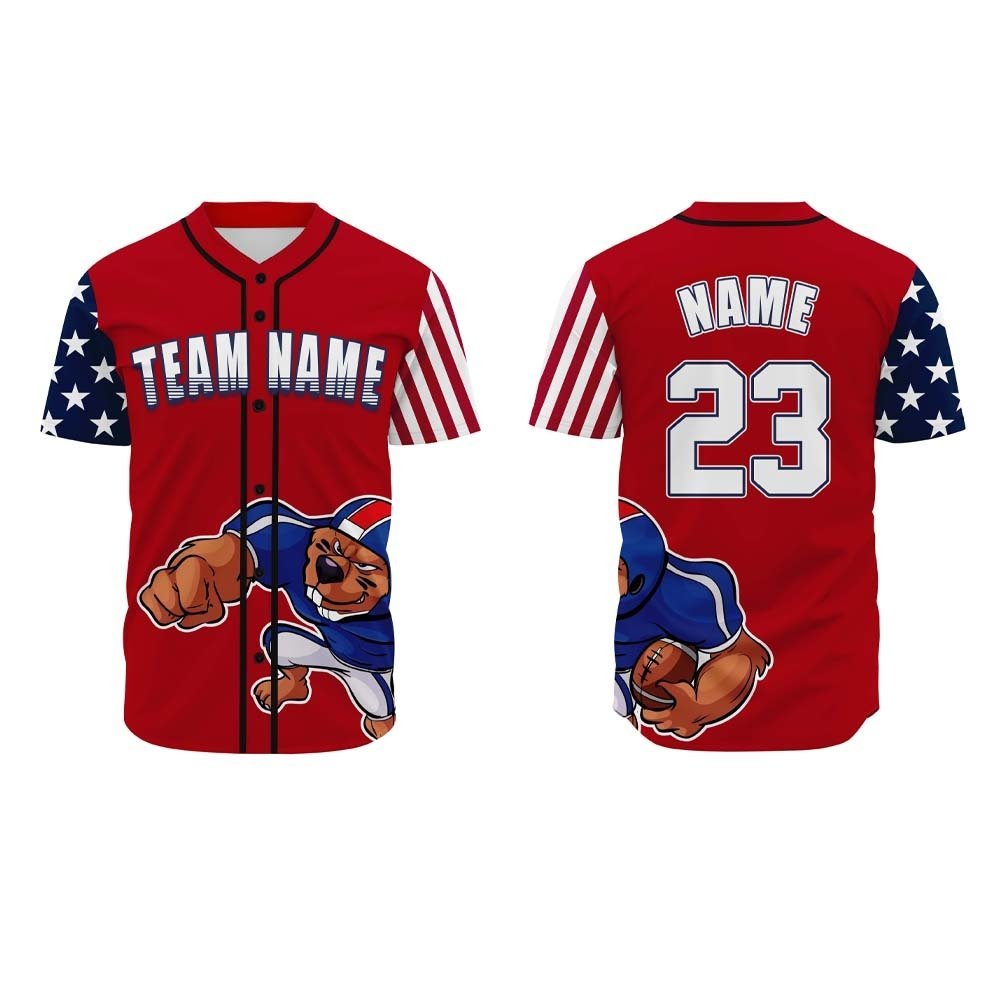
A 12-color gradient runs cheaply via DTG but cracks under screen print’s 6-screen limit. Match method to art first: screen print for 1-3 solid colors, embroidery for logos, DTG for photoreal.
Skipping Pre-Production Samples
Approving production without a physical sample is the costliest shortcut. A 1-2 piece pre-production sample catches placement, color, and hand-feel errors before they multiply across 500 units. Always sign off on a sealed sample.
Ignoring Fabric-Ink Compatibility
Plastisol on polyester causes dye migration; pigment bleeds through within days. Confirm fabric-ink pairing: water-based or discharge inks for ring-spun cotton, low-bleed plastisol for polyester blends. Request OEKO-TEX-certified inks.
Underestimating Lead Times
Buyers booking 2 weeks before launch miss every deadline. Plan 3-5 weeks for samples plus 3-4 weeks bulk production, and add buffer for sea freight, which runs 25-40 days.
Neglecting Color and Size Grading
Eyeballing color instead of specifying Pantone codes yields inconsistent batches. Lock Pantone references and a full size-graded spec sheet — XS through 3XL — so every reorder matches the original.
- Specify Pantone TCX/TPX codes, not ‘navy blue’
- Provide graded measurements per size
- Approve color on actual fabric, not screen
Over-Ordering at Launch
New brands tying capital into 1,000 units per style stall on dead stock. Start with low-MOQ runs of 50-100 pieces, validate demand, then scale reorders against real sell-through data.
9. Steps to Launch Your Apparel Brand
Launching a streetwear label follows six repeatable stages. Most independent designers move from idea to first delivery in 60–90 days when each step is scoped before contacting a manufacturer.
Define Concept and Target Customer
Pin your niche, price tier, and audience first. Decide whether you serve influencer drops, retail wholesale, or direct-to-consumer, since that dictates volume, margin, and which streetwear motifs resonate.
Document 3–5 hero designs before sourcing anything.
Build Tech Packs and Artwork Files
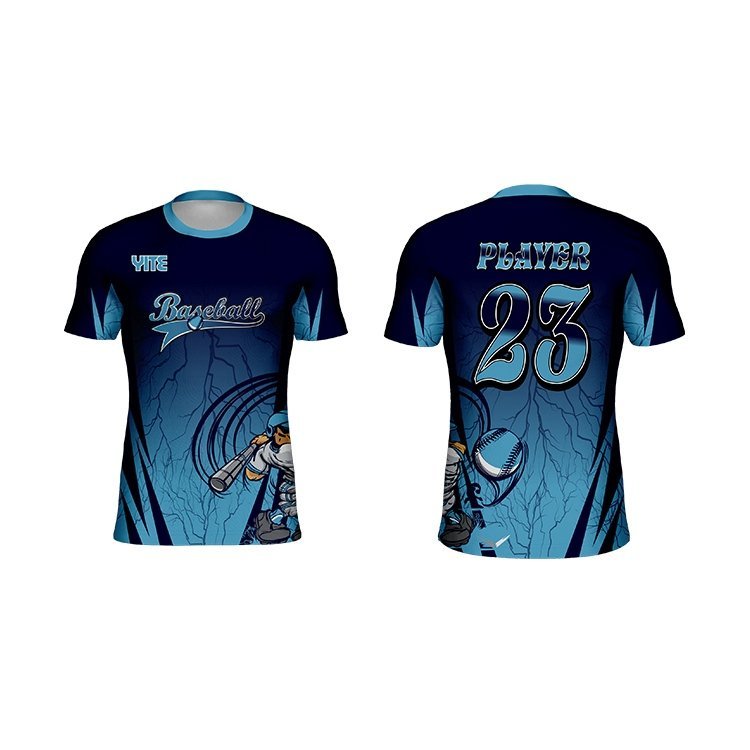
Prepare a tech pack per style: measurements, GSM, stitch type (flatlock), trims, and Pantone codes. Supply vector artwork at 300 DPI and confirm placement, size, and colorway counts.
Select Decoration Method and Blanks
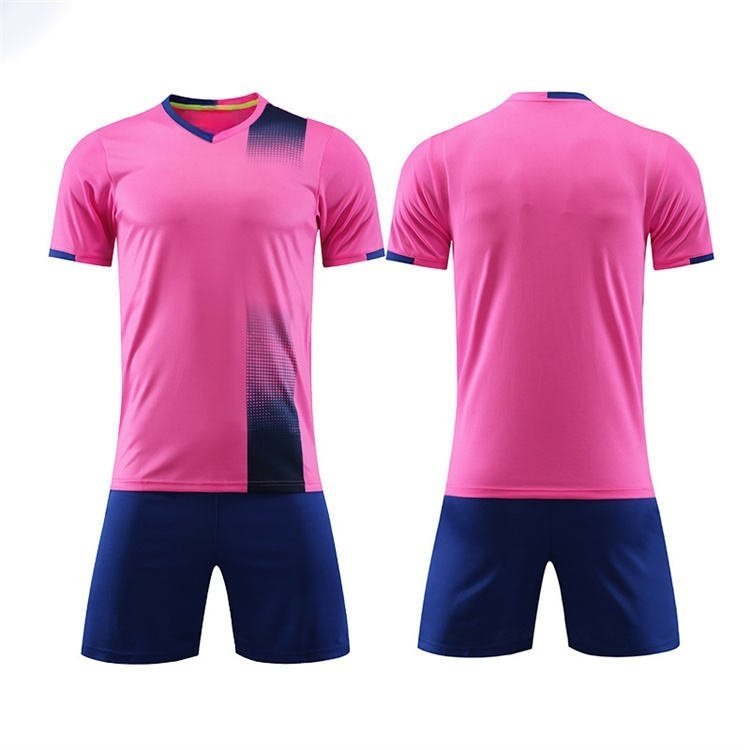
Match your artwork to the right custom apparel decoration technique — screen print, embroidery, DTG, or heat transfer — then choose blanks. Ring-spun 240–320 GSM French terry suits premium hoodies; lighter cotton fits tees.
- Screen print: bold, low-color, high-volume runs
- Embroidery: logos, caps, durable raised marks
- DTG: photographic, low-MOQ, full-color art
Request Samples and Approve
Order a pre-production sample to verify fit, print registration, and hand-feel. Our five-step QC checks materials, cutting, craft, sewing, and finished goods before sign-off, catching defects early.
Place a Low-MOQ First Run
Start small — 30–50 pieces per style — to validate demand without overcommitting capital. Confirm lead times, OEKO-TEX or BSCI compliance, and labeling before production releases.
Plan Fulfillment and Reorders
Map warehousing, shipping, and customs early. Track sell-through to time reorders, and lock consistent specs so repeat runs match the original approved sample across batches.
10. Pricing & Cost of Custom Apparel Decoration
Custom apparel decoration cost is driven by six levers: technique, setup or screen fees, quantity tier, color count, blank garment cost, and add-ons like custom labels, hangtags, or poly bags. Screen printing charges a one-time screen fee per color, so a 4-color design front and back carries meaningful setup before a single shirt prints — but per-unit cost collapses at volume.
On-demand methods flip the math. DTG and DTF carry near-zero setup, making them efficient for sampling and small runs under 50 pieces, but their per-unit price barely moves with quantity, so above roughly 200 units screen printing or embroidery wins on landed cost.
Unit price typically drops 40-60 percent from a 50-piece run to a 500-piece run as setup amortizes and blank pricing tiers down. Use the table below to match method to your MOQ, then layer in Pantone-matched colors and finishing.
| Print Method | Setup Cost | Per-Unit Cost | Lead Time | Best For |
|---|---|---|---|---|
| DTG / DTF | Minimal | High | 3-7 days | Samples, runs under 50, full-color art |
| Screen Print (1-2 color) | Per-screen fee | Low at volume | 10-15 days | 100+ units, bold solid graphics |
| Embroidery | Digitizing fee | Medium | 12-18 days | Logos, caps, premium streetwear |
| Heat Transfer / Vinyl | Low | Medium | 5-10 days | Names, numbers, short runs |
| Volume Tier 500+ | Amortized | Lowest | 18-25 days | Scaling brands, full collections |
Ready to Elevate Your Custom Apparel Decoration?
Share your design vision and brand story — we’ll quote your complete custom apparel decoration project in one conversation, with free consultation and 7-day samples.