
DTG DTF Printing for Streetwear Brands — 50-Piece MOQ
Launch or scale your label with DTG DTF printing backed by a 5-step quality guarantee, 50-piece MOQ, and 7-day sample turnaround — built for brands that refuse to compromise.
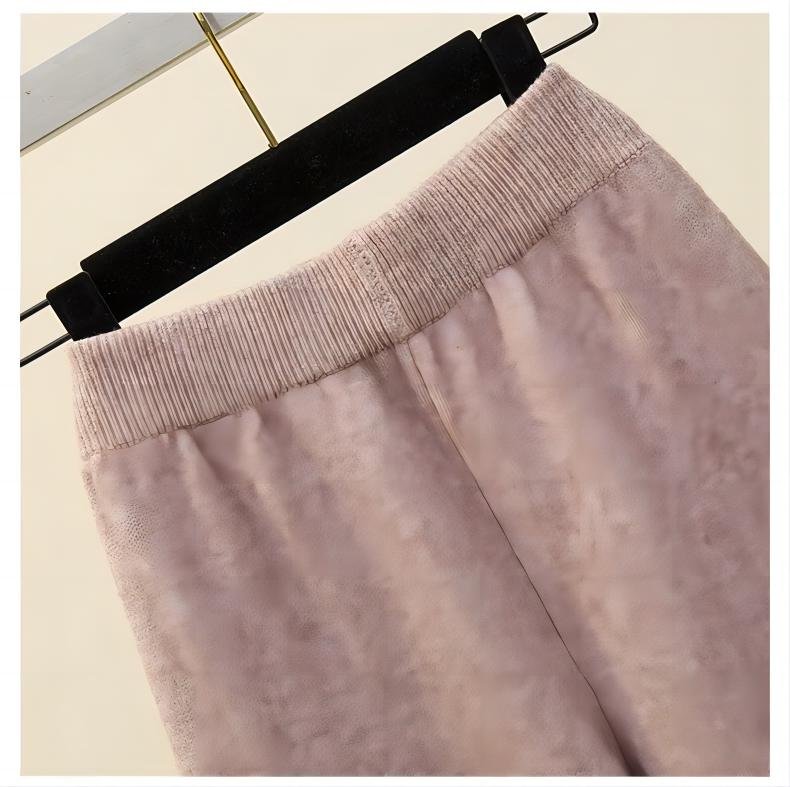
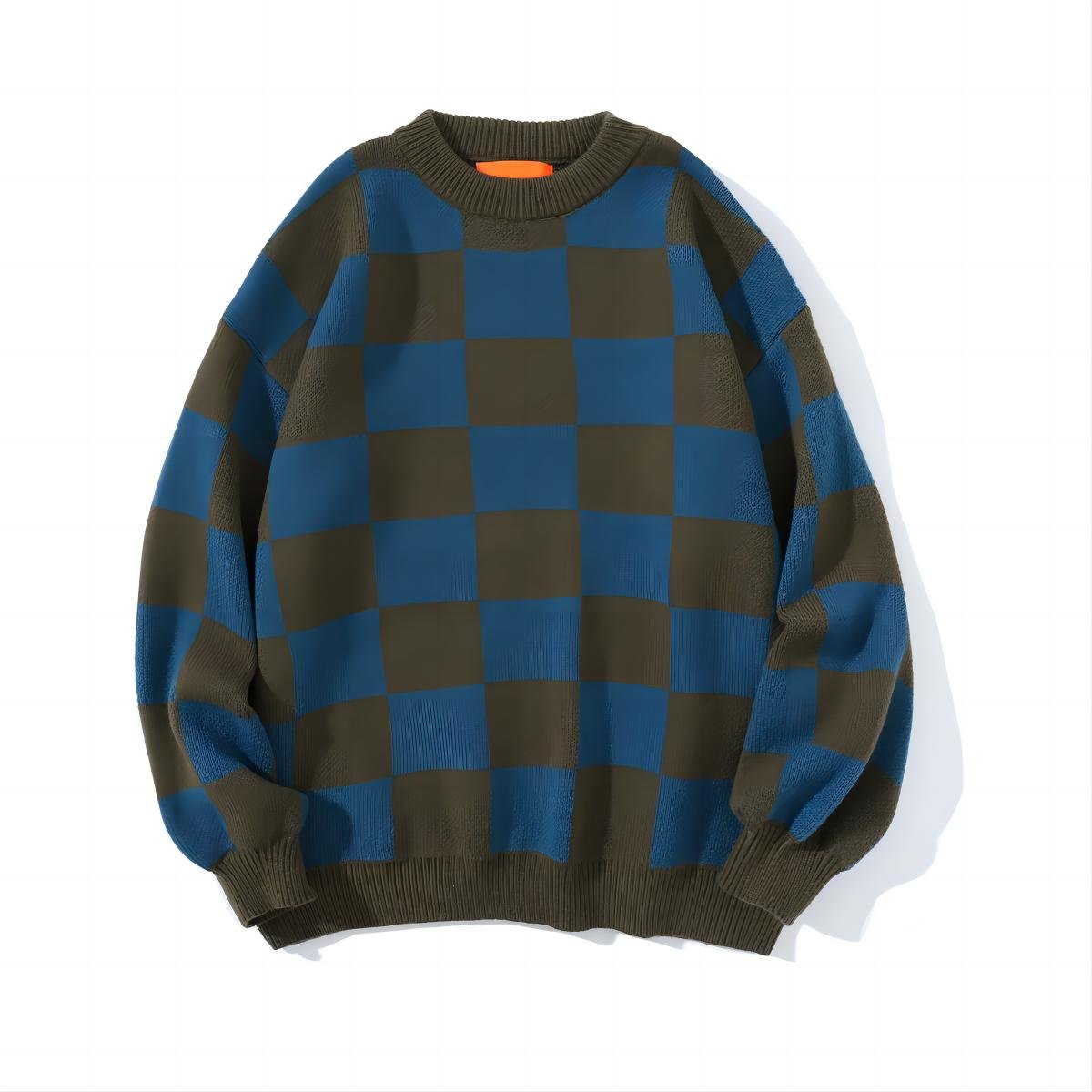
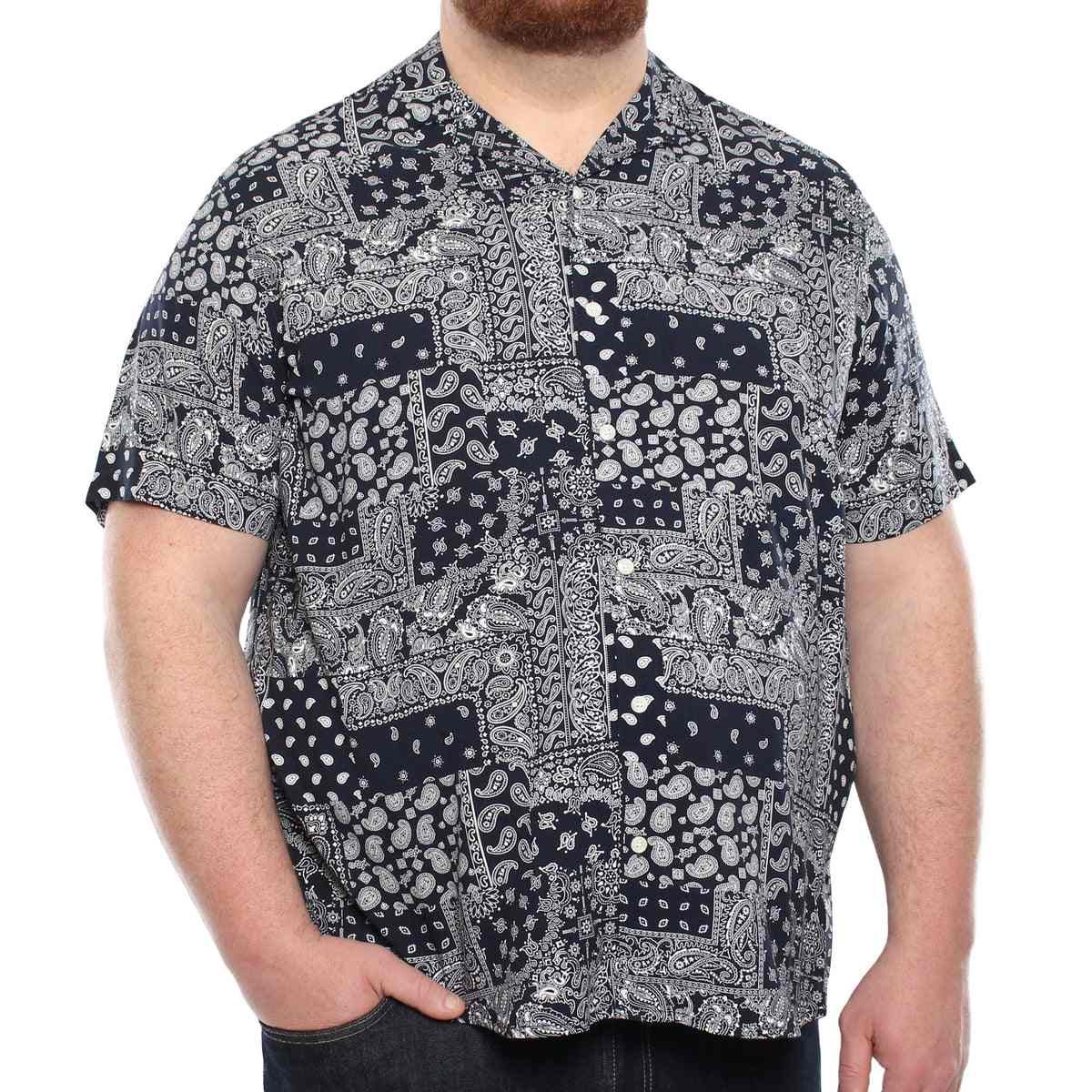
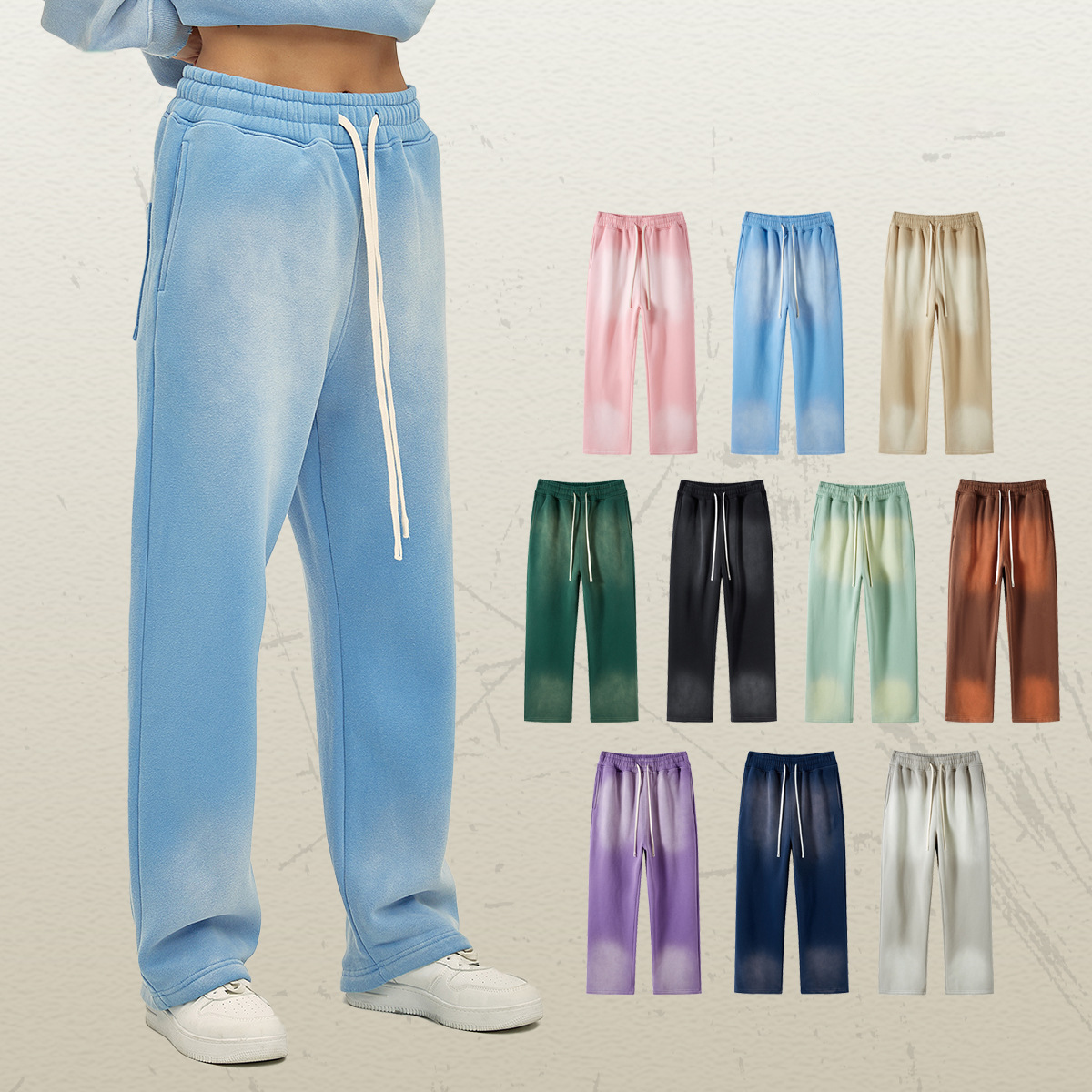
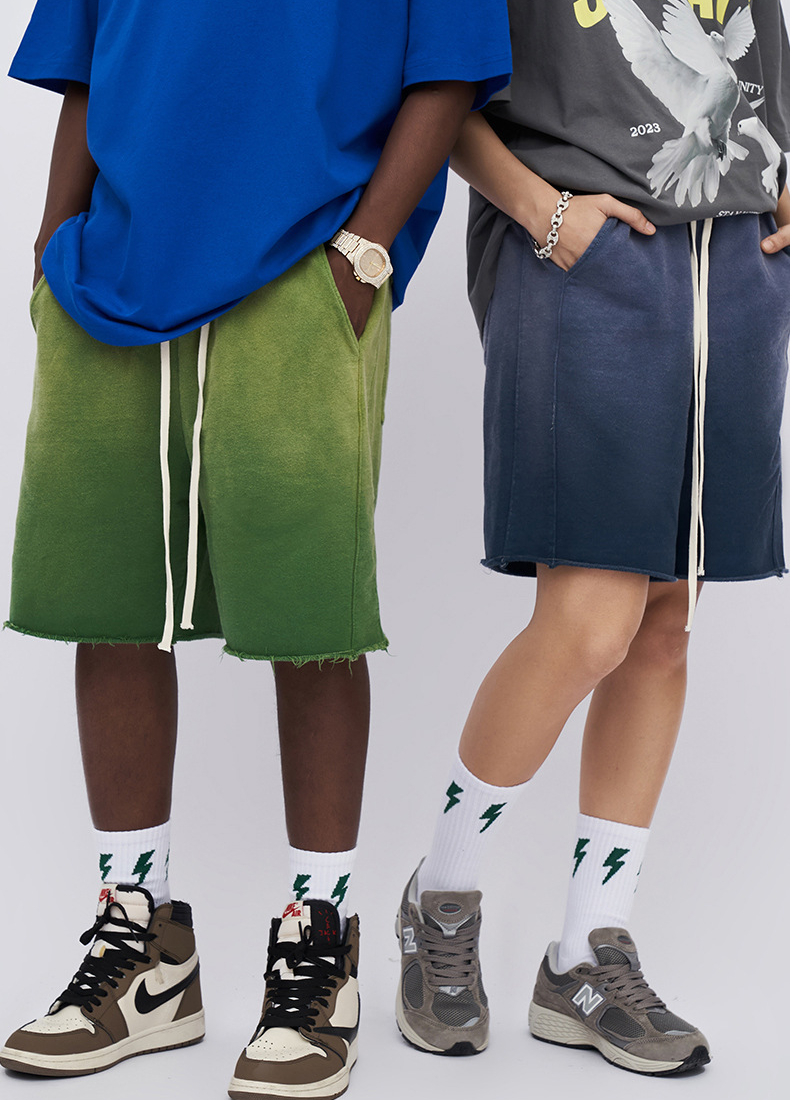
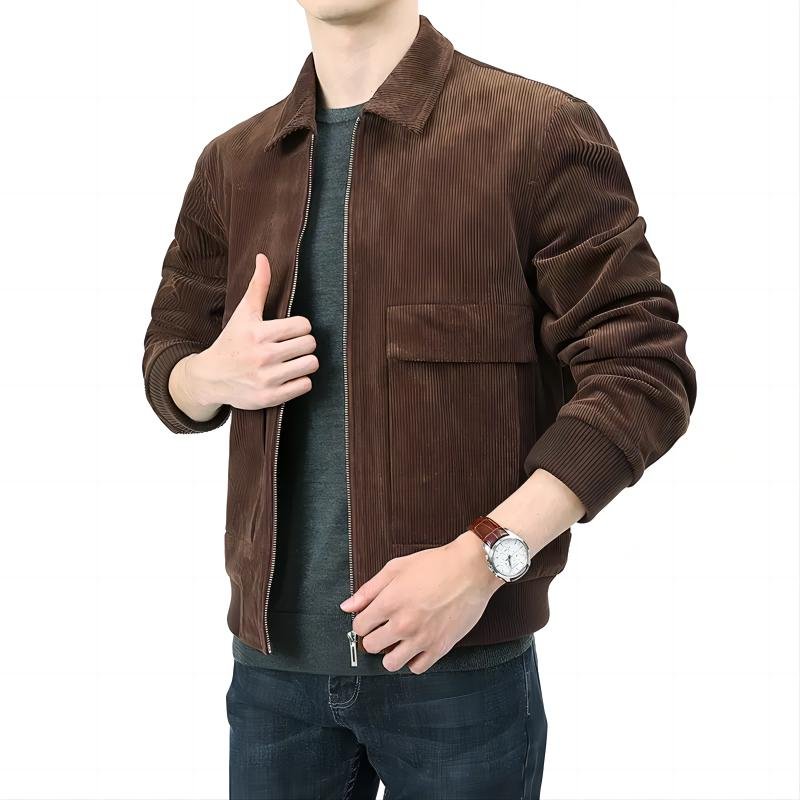
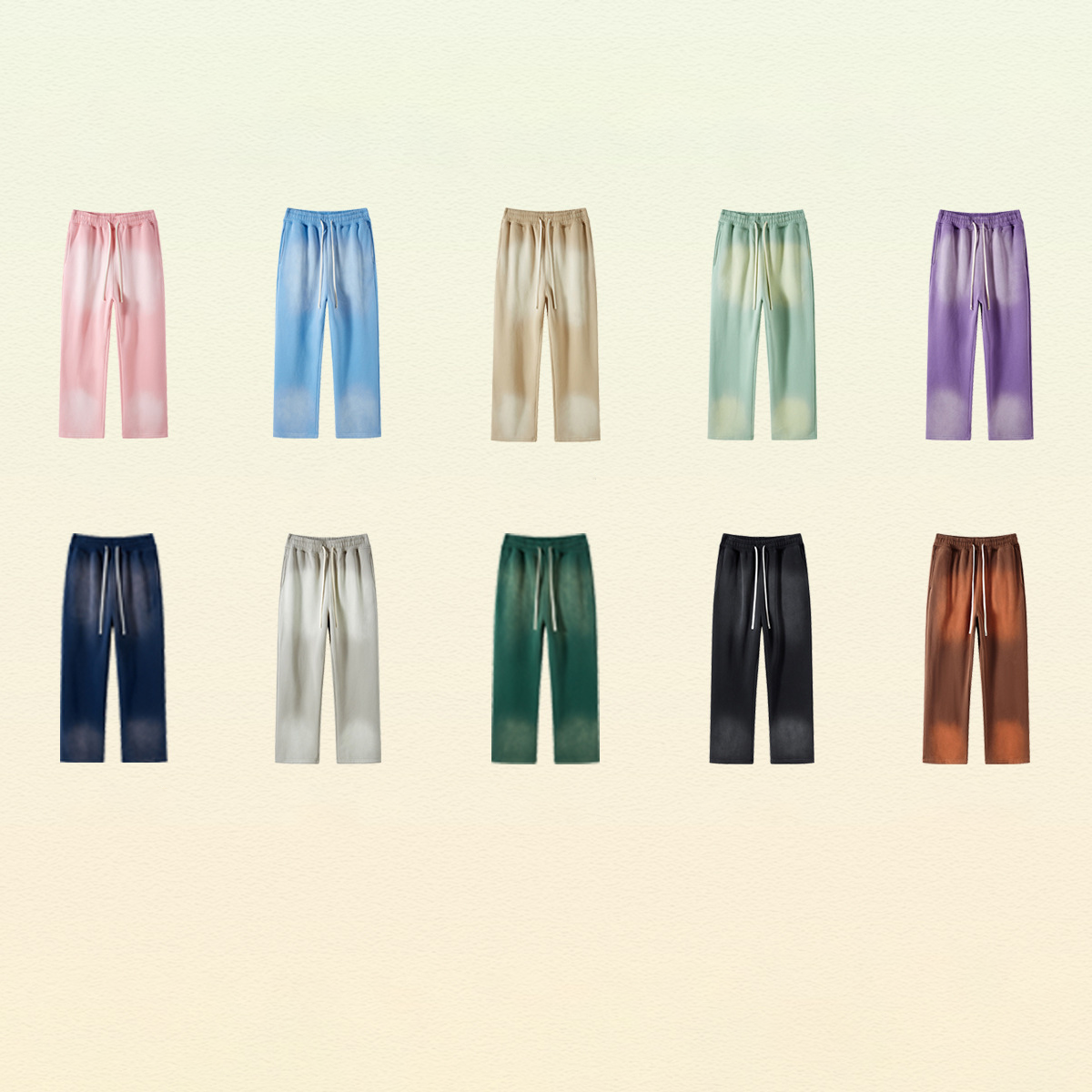
DTG DTF Printed Streetwear Samples
Why DTG DTF Printing Delivers Superior Results
From photorealistic gradients to zero-setup color runs, discover the production edge that growing streetwear brands and independent designers rely on.
Unlimited Colors, Zero Separations
DTG DTF printing reproduces full-color artwork and complex gradients in one pass — no screen setup fees, no color-count limits.
Photorealistic Print Quality
Achieve sharp detail, smooth color transitions, and true-to-life images that screen printing simply cannot match on intricate streetwear graphics.
Faster Turnaround Than Screen Printing
Skip lengthy screen preparation. Our DTG DTF workflow delivers production-ready garments in days, not weeks — critical for seasonal drops.
50-Piece MOQ for Emerging Brands
Launch collections without overcommitting inventory. Our low-MOQ DTG DTF runs give startups and independent designers real financial flexibility.
5-Step In-Process Quality Checks
Every DTG DTF order passes our proprietary QC at materials, cutting, craft, sewing, and finished-goods stages — defects caught early, not at the end.
Scalable from Sample to Full Run
Order 50-piece samples or scale to full production runs seamlessly, backed by global logistics and dedicated order management support.
DTG vs DTF: Choose the Right Method for Your Apparel
From small-batch cotton drops to high-volume poly-blend collections, we match the right printing technology to your fabric, design complexity, and order size.
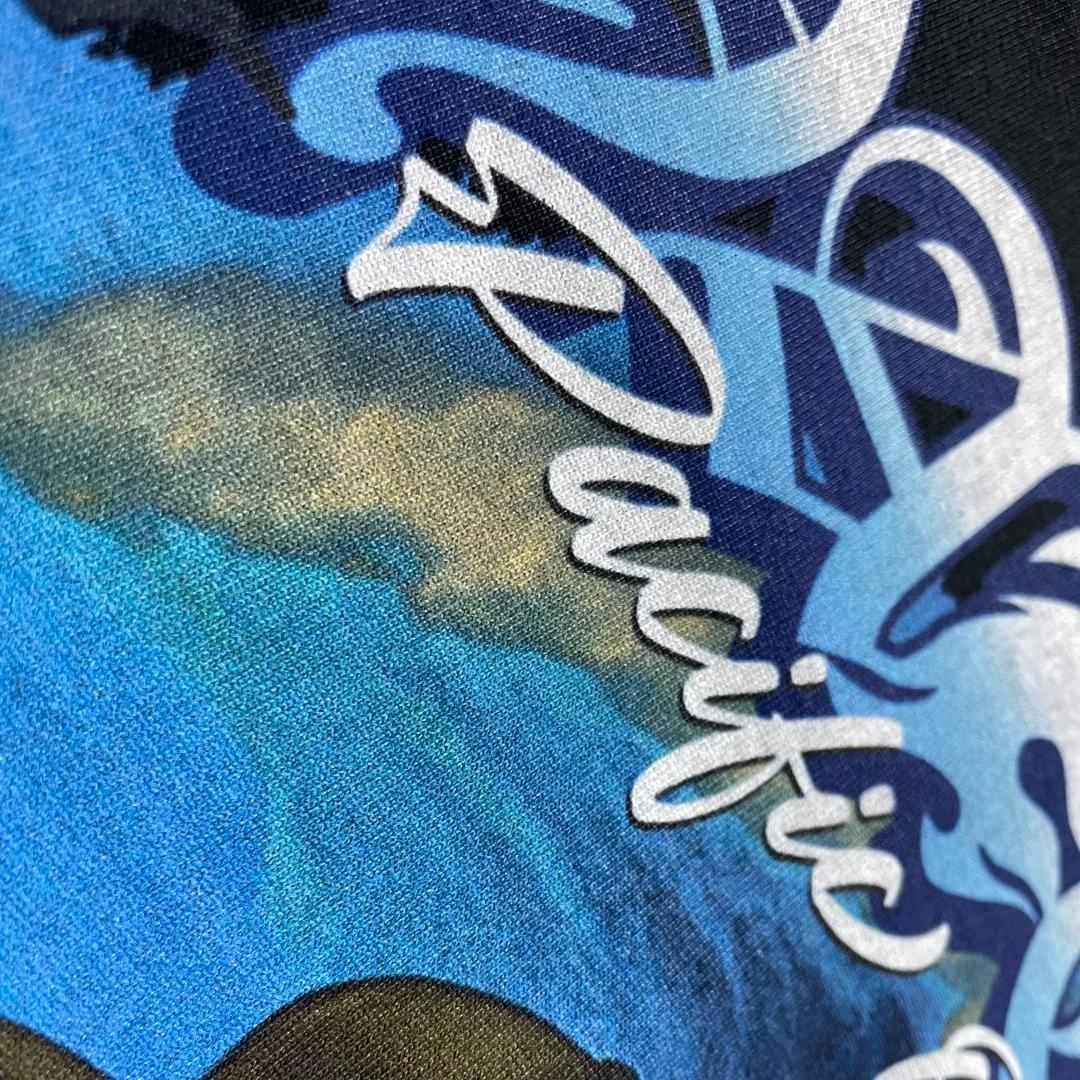
DTG Printing
Direct-to-garment printing sprays ink directly onto 100% cotton fabrics, delivering sharp, full-detail artwork with no color-count restrictions. Best suited for small-batch runs, limited-edition drops, and premium single-design pieces where color accuracy and soft hand-feel are non-negotiable. Each print batch goes through our sewing and finishing QC checks before shipment.
Get a Quote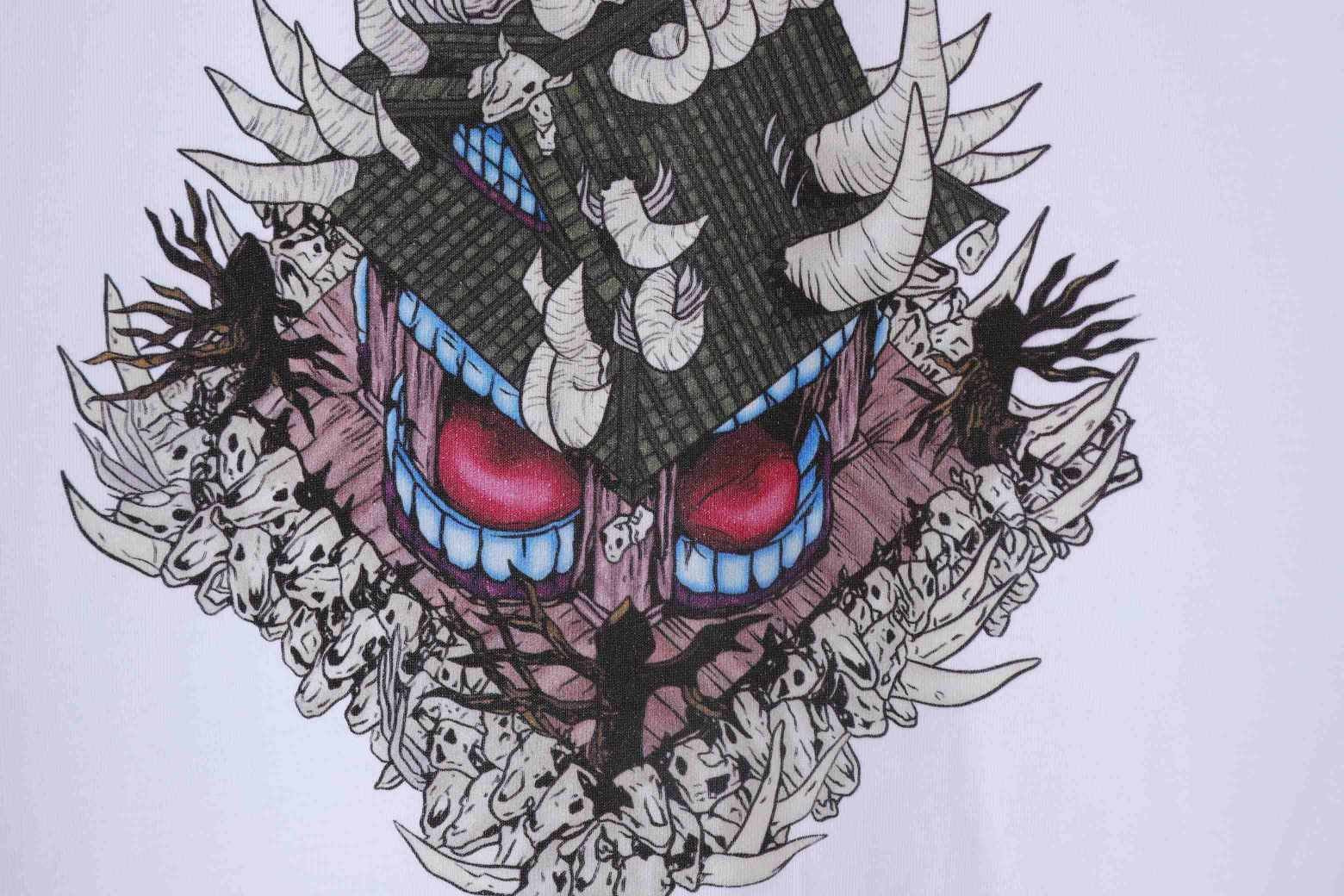
DTF Printing
Film-transfer printing bonds ink onto a PET film, then heat-presses it onto virtually any fabric including polyester blends and synthetics. Handles complex multi-color designs at scale with larger print dimensions than DTG. Ideal for bulk seasonal collections and influencer drops requiring consistent output across mixed-fabric SKUs and fast turnaround windows.
Get a Quote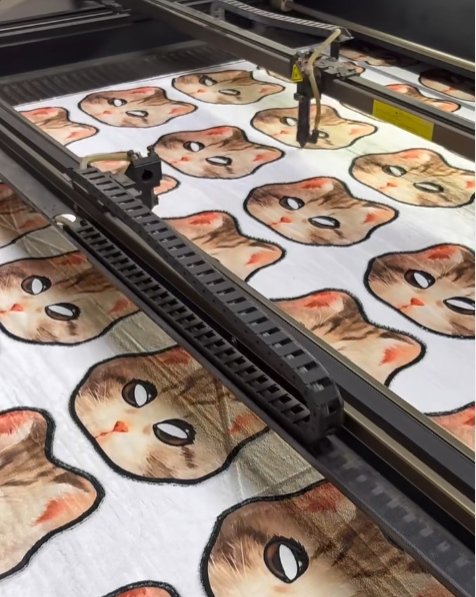
Heat Transfer Printing
Heat transfer applies pre-printed designs onto garments using calibrated pressure and heat, delivering accurate color reproduction across a wide range of base materials. Well-suited for structured graphic placements, brand logos, and custom numbered or named runs. A practical choice for retailers and independent brands managing moderate-volume orders on tight production schedules.
Get a Quote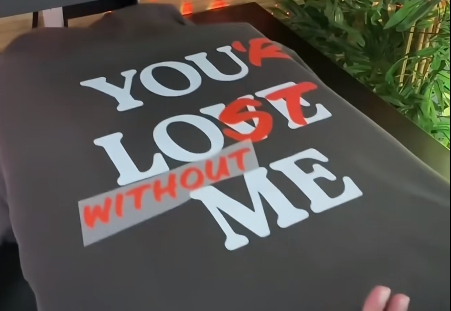
Dye Sublimation Printing
Sublimation converts dye into gas under heat, embedding color permanently into polyester fibers for vibrant, all-over prints that resist cracking, peeling, and fading through repeated washes. Optimal for performance wear, full-coverage streetwear graphics, and cut-and-sew pieces. Requires a minimum of 80% polyester composition; not compatible with cotton-dominant fabrics.
Get a QuoteDTG DTF Printing Excellence, Rooted in Real Expertise
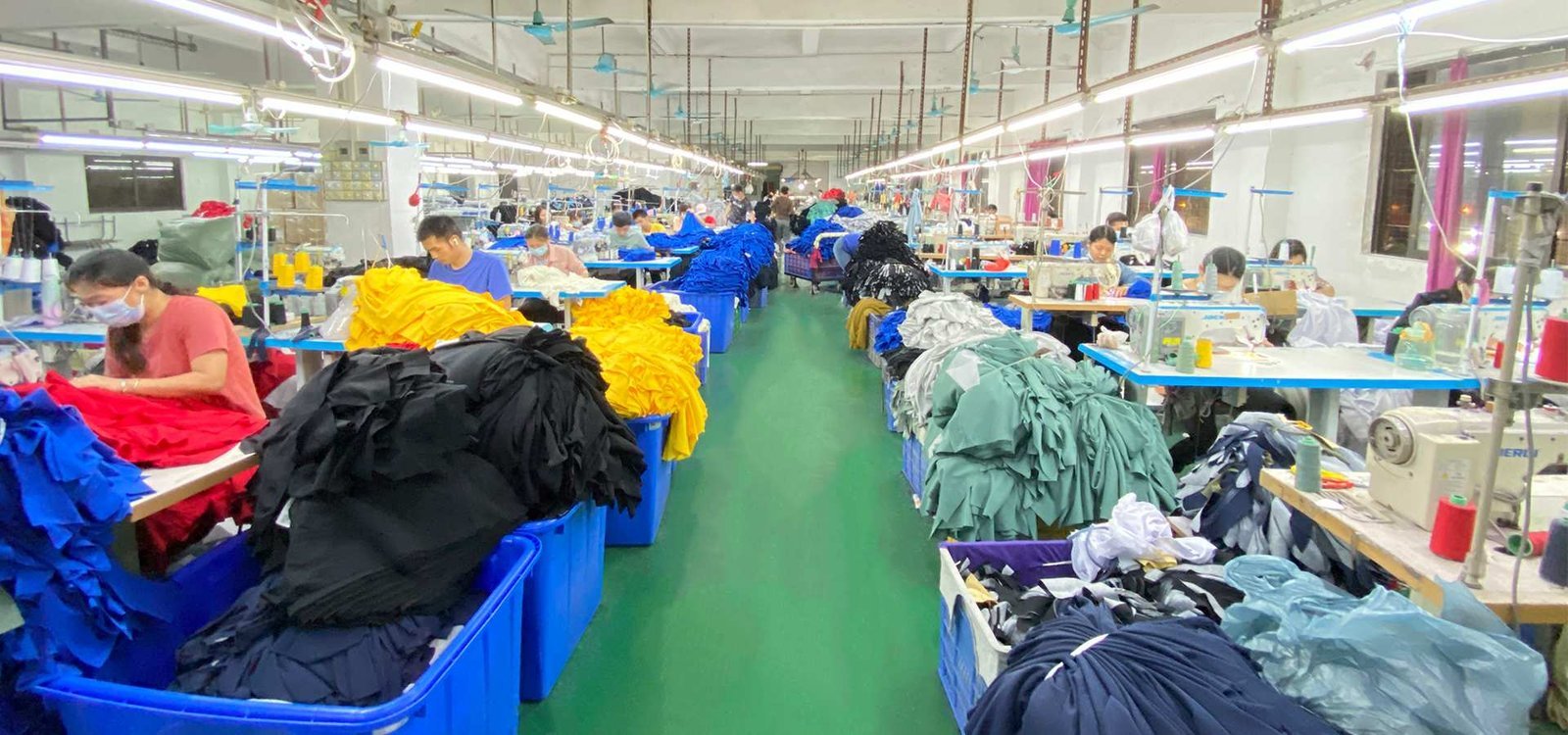
Clothing Manufacturer Ltd. was founded in 2024 by Tesla Luo, a garment industry veteran raised inside Dongguan factories and trained in every production role from cutting and sewing to QC and logistics. With 16-plus years of manufacturing experience and 6-plus years focused on streetwear, Tesla built this company on one conviction: quality must be embedded at every stage, not inspected in at the end.
After personally serving 1,000-plus international clients across 100-plus countries, Tesla identified a persistent industry failure — most Chinese manufacturers skipped in-process quality checks entirely. That insight drove him to integrate dtg dtf printing within a proprietary 5-step QC framework covering materials, cutting, craft, sewing, and finished-goods inspection. Every printed piece that leaves our facility has passed each checkpoint, eliminating the defects that define lesser producers.
Today, Clothing Manufacturer Ltd. operates a 15-person R&D team, holds 10 production patents, and leverages the full manufacturing capacity of its parent company, Dongguan TuoZhen Clothing Co., Ltd. From a first streetwear drop to a scaled influencer line, our in-house design and sampling team, low MOQ options, and global shipping support ensure your brand never compromises on quality or turnaround time.
How DTG DTF Printing Works: Technology & Process Deep Dive
DTG Ink Chemistry for Lasting Cotton Color
Direct-to-garment printing demands precise fabric preparation. Our pre-treatment process chemically opens cotton fibers, enabling pigment inks to bond at a molecular level. The result is vibrant, wash-resistant color on heavyweight streetwear blanks, tested to 50-plus wash cycles with zero cracking or fading.
- Water-based pigment inks with OEKO-TEX certified formulations for safe, skin-contact-ready garments
- Automated pre-treatment spray calibrated for consistent fabric coverage across every garment in a run
- Controlled pre-drying temperature locks treatment depth uniformly before printing begins
- Color fastness rated 4-5 on ISO 105 wash tests, validated within our 5-step QC process
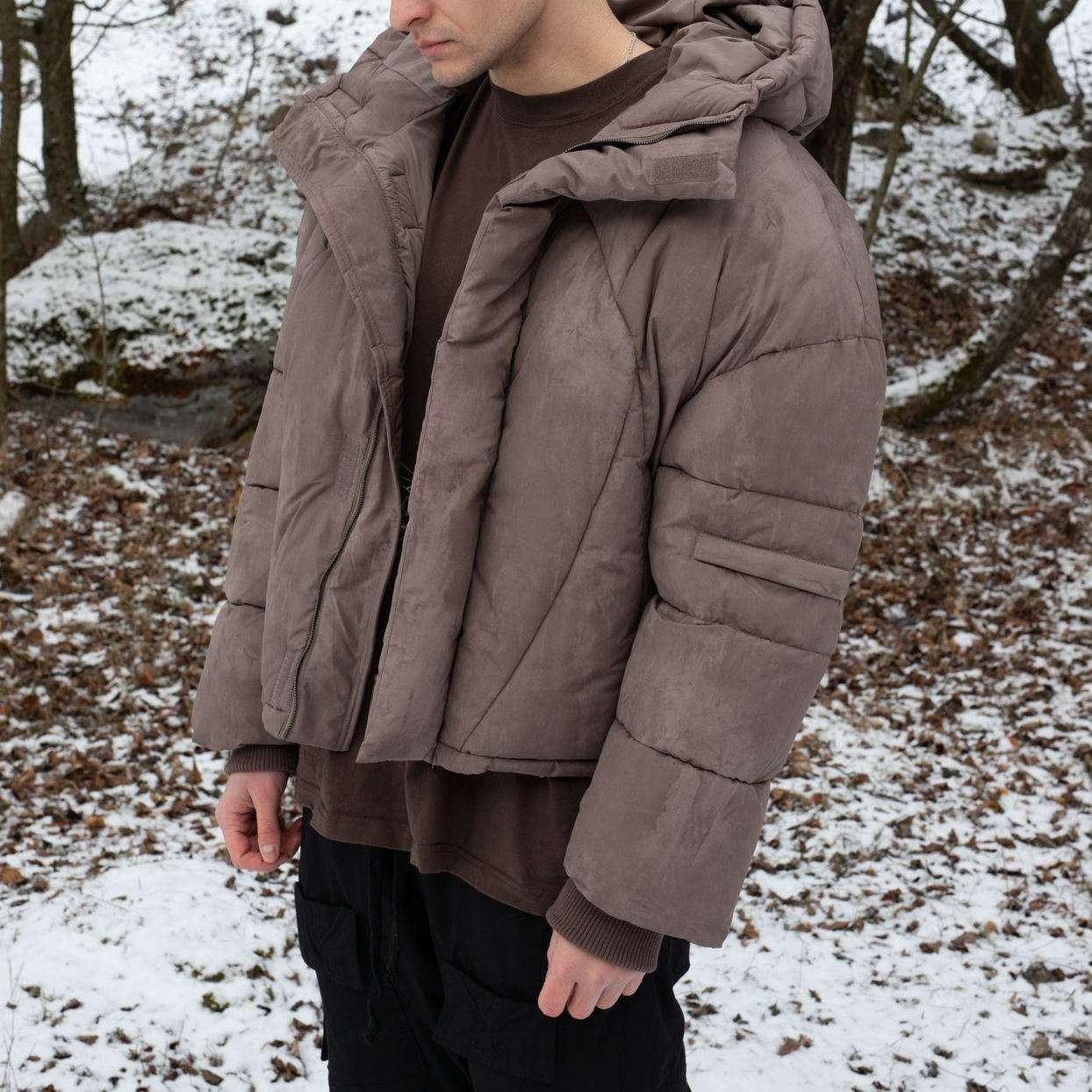
DTF Film Technology for Synthetic Fabric Adhesion
DTF printing transfers designs via a hot-melt adhesive powder applied to PET film, engineered for polyester, nylon, and performance blends that DTG cannot print on. Our powder-curing process delivers edge-sharp graphics with a soft hand feel suited to activewear and streetwear alike.
- Hot-melt TPU adhesive powder creates flexible bonds that stretch and recover without cracking
- Compatible with 100% polyester, nylon, performance blends, and cotton-poly mix substrates
- PET carrier film printed at up to 1200 dpi for photographic-grade graphic detail
- Peel-strength testing after heat press confirms adhesion uniformity across the full print area
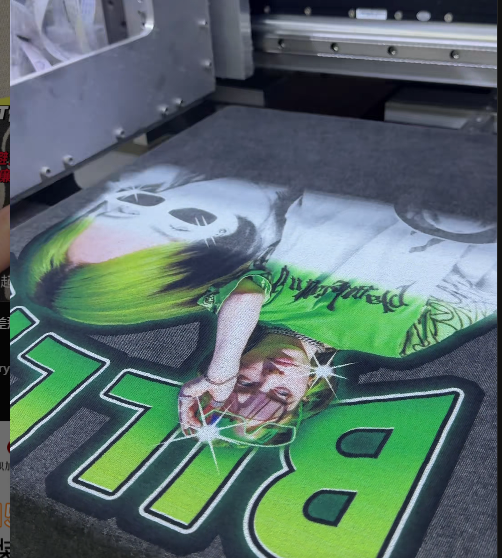
Precision Heat Curing and RIP Color Management
Achieving repeatable, brand-accurate color across hundreds of garments requires calibrated heat-press profiles and professional RIP software. Our operators dial in temperature, dwell time, and pressure per substrate while ICC profiles translate your Pantone values into precise, consistent ink-layer output.
- RIP software with ICC profile management delivers Pantone-accurate color reproduction at scale
- Per-substrate heat-press profiles set for exact temperature, pressure, and dwell time combinations
- Batch color-bar verification strips printed alongside production runs to detect color drift early
- Color consistency confirmed across the full order quantity, not only on pre-production samples
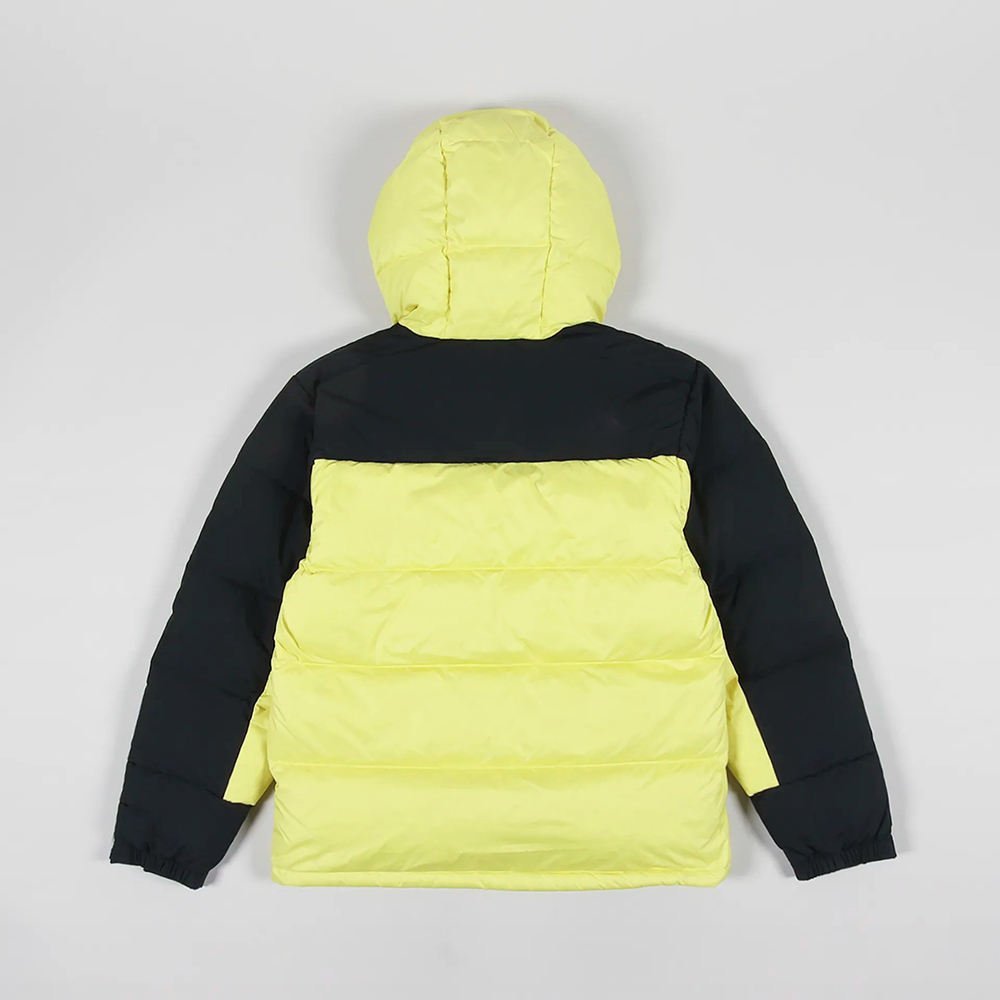
Final QC: Wash Tests and Print Durability
Every dtg dtf printing order undergoes post-curing durability evaluation as the final stage of our five-step QC process. Wash cycle testing, peel-strength checks, and visual inspection ensure prints ship at full integrity, with defects identified and corrected before delivery, never after.
- Wash cycle simulation of 30 to 50 cycles per AATCC standards to confirm long-term color retention
- Peel-strength and adhesion verification on all DTF transfers before garments advance to packing
- Visual color-shift inspection conducted under standardized D65 daylight-balanced lighting
- Every finished garment QC-signed by a dedicated inspector as part of our zero-compromise guarantee
Clothing Manufacturer vs. Typical DTG DTF Printing Services
See exactly how our 5-step quality control, premium equipment, and startup-friendly minimums set us apart from the competition.
← 左右滑动查看 →
DTG DTF Printing Production Workflow: From Art to Finished Apparel
Seven precision-controlled phases — from file validation to global dispatch — ensure every garment meets our uncompromising quality standard.
Artwork Intake & Review
We validate file formats, confirm RGB color mode, and verify a minimum 300 DPI resolution, ensuring every artwork file is fully print-ready before production begins.
Fabric Pre-Treatment
DTG garments receive a uniform pre-treatment spray, priming fibers for maximum ink adhesion. DTF orders skip this step and advance directly to RIP software processing.
RIP Software & Digital Proofing
Our RIP software performs precise color separation and generates a digital proof for client approval, optimizing ink density for vivid, consistent output across every print run.
Precision Digital Printing
DTG printers spray water-based ink directly onto pre-treated fabric. DTF units print a mirrored design onto PET film, then coat it with hot-melt adhesive powder.
Curing & Heat-Transfer
DTG prints cure in a tunnel oven, bonding ink permanently to fibers. DTF films are heat-pressed onto garments at calibrated temperature and pressure for lasting, wash-durable adhesion.
5-Step Quality Inspection
Every piece is checked for color accuracy, curing adhesion, wash durability, and print alignment under our five-step QC process — zero defective garments leave our facility.
Packing & Global Logistics
Approved garments are individually folded, poly-bagged, and export-packed with full tracking documentation. We coordinate global logistics to ensure your order arrives safely and on schedule.
Commission DTG DTF Printing: Our Simple 5-Step Process
From first artwork upload to worldwide delivery, our streamlined workflow gets your branded streetwear into production — and into your hands — faster than you expect.
Submit Artwork and Print Specs
Upload your design files and share fabric type, colorway, and order quantity. Our team checks DTG vs DTF suitability and confirms file readiness within 24 hours.
Receive Quote and Sample Plan
Get transparent bulk pricing and a 7-day sample turnaround commitment. Our 50-piece MOQ makes quality sampling accessible for startups, independent designers, and growing streetwear brands.
Approve Sample or Refine Design
Review your physical sample against brand standards. Request revisions on color accuracy, print placement, or hand-feel until every detail matches your creative vision exactly.
Confirm Specs and Place Bulk Order
Lock in finalized artwork, size breakdowns, and fabric selections. Our production team schedules your bulk run with priority lead times to hit seasonal collection deadlines.
Pass QC Inspection and Ship Worldwide
Every dtg dtf printing order clears our 5-step quality control process before dispatch. Real-time tracking and global logistics support ensure on-time delivery to any destination.
Customer Stories: Brands Trust Our DTG DTF Printing Quality
We ordered 500 DTF-printed hoodies featuring full-color gradient skull artwork and had them in hand within 10 days. Every piece matched our original files exactly. Clothing Manufacturer‘s 5-step QC caught zero defects across the entire batch — we’ve reordered twice since.
Our skeleton logo uses 8 colors and ultra-fine line detail — a nightmare for most printers. Their DTG printing nailed the Pantone match across three separate 200-piece runs with zero color drift. That consistency is what separates a real manufacturing partner from the rest.
Their 7-day sample turnaround let us test three new DTF-printed SKUs before our biggest seasonal drop. All three were approved on the first review, and the full 150-piece run shipped in 8 days flat. Fastest and smoothest launch our brand has ever executed.
DTG DTF Printing: Frequently Asked Questions
Everything streetwear brands, startups, and independent designers need to know before placing an order — answered by people who have spent 16+ years on the production floor.
Which fabric types work best for DTG vs DTF printing — cotton, polyester, or blends?
What is the maximum design size available for dtg dtf printing?
How wash-durable is dtg dtf printing — will the print crack, peel, or fade?
What is the minimum order quantity for dtg dtf printing, and can startups order in small runs?
What file formats and resolution do you require for dtg dtf printing artwork?
Can dtg dtf printing be combined with embroidery on the same garment?
Is there a color limit for dtg dtf printing, and can it reproduce photorealistic gradients?
How does Clothing Manufacturer guarantee print quality, and what is the rework policy if something fails?
How quickly can I receive a sample, and can I revise the artwork after reviewing it?
The Complete Buyer’s Guide to dtg dtf printing
Cut through the noise with a clear decision framework: compare dtg dtf printing methods, evaluate supplier quality criteria, understand true cost structures, and sidestep the five mistakes that derail first-time brand launches — all in one practical guide.
1. What Is dtg dtf printing and Why It Matters
DTG printing uses modified inkjet heads to fire water-based, OEKO-TEX-certifiable inks directly into the fibers of a garment — typically 100% cotton or cotton-rich blends at 180 GSM or above. No screens are cut and no color-separation fees apply, so a 12-color photographic graphic costs no more to set up than a single-color logo.
DTF printing routes the same digital file through a different path: inks are deposited onto a PET release film, a hot-melt adhesive powder is applied while the ink is still wet, and the cured transfer sheet is heat-pressed onto the garment at roughly 160°C for 10–15 seconds. Because the transfer bonds to the fabric surface rather than penetrating fiber, DTF adheres cleanly to cotton, polyester, nylon, denim, and blended fabrics — including dark and textured grounds — without a separate pre-treatment step.
Both methods share the same digital-file workflow, zero screen tooling costs, and a viable minimum order quantity as low as 1 piece, which is why dtg dtf printing is treated as a unified category by most sourcing and production teams. Both also deliver CMYK-accurate output that can be matched against a Pantone reference swatch, enabling consistent branding across a full SKU range.
For streetwear labels, fashion startups, and creator brands running limited drops, the practical answer to ‘Are these the right print methods for my brand?’ is yes — if your runs fall under roughly 500 units per colorway and your artwork involves gradients, photographic detail, or frequent design rotation. Screen printing’s lower per-unit ink cost becomes competitive at higher volumes, but below that threshold these two digital methods offer unmatched design freedom with no tooling risk.
2. The Evolution and History of dtg dtf printing
Screen printing dominated apparel decoration for most of the 20th century, requiring separate mesh screens for each color and minimum order quantities of 50–100 pieces per design just to recover setup costs. A five-color graphic could demand four to six hours of press setup time, making single-piece or low-MOQ custom orders economically unworkable for emerging brands.
Direct-to-garment (DTG) printing arrived commercially around 2005, adapting Epson and Brother inkjet technology to print photorealistic designs directly onto fabric. Early DTG machines struggled with dark fabrics — white ink lay-down was inconsistent, and pre-treatment chemicals required careful calibration — limiting adoption largely to light-colored 100% cotton blanks.
Between 2018 and 2022, direct-to-film (DTF) transfer technology emerged as a genuine market disruption: designs are printed onto PET film, coated with hot-melt adhesive powder, cured, and then heat-pressed onto virtually any fabric regardless of color or fiber content. DTF eliminated the cotton-only and light-fabric constraints of early DTG, and because each film sheet can be pressed on demand, minimum order quantities dropped to a single piece without tooling penalties.
Today, dtg dtf printing gives brands a spectrum of options — from one-piece sampling to scalable runs at 50+ units — without the screen fees that once made short runs cost-prohibitive. Manufacturers operating out of established garment hubs like Humen Town, Dongguan now offer both technologies under one roof, letting labels validate colorways, react to trend cycles, and launch with far greater flexibility than the old screen-print model ever allowed.
3. Types of dtg dtf printing Techniques Explained
Not all dtg dtf printing methods suit every product line equally. Four production variants — each with distinct fabric requirements, color fidelity ceilings, and wash durability ratings — determine which technique fits your specific category.
| Technique | Best Fabric | Wash Durability | Setup Cost |
|---|---|---|---|
| Standard DTG | 100% cotton, 180+ GSM blends | 30–50 washes | Low |
| DTF Gang-Sheet | Any fabric, no GSM minimum | 40–60 washes | Low–Medium |
| UV-DTF | Rigid substrates only | N/A (scratch-resistant) | Medium |
| Hybrid DTG+DTF | Cotton body + mixed-fabric panels | 40–55 washes | High |
Standard DTG on Cotton and Blends
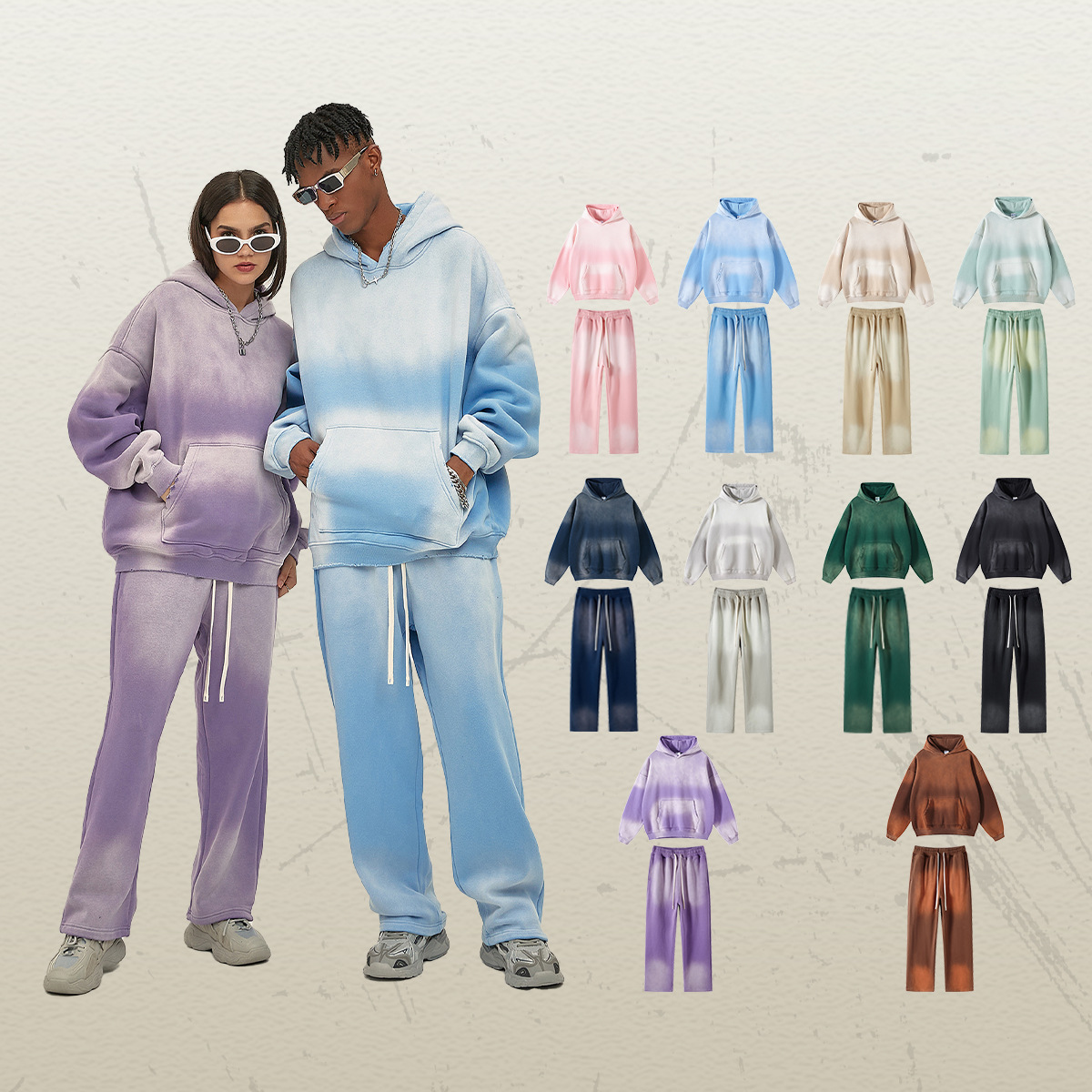
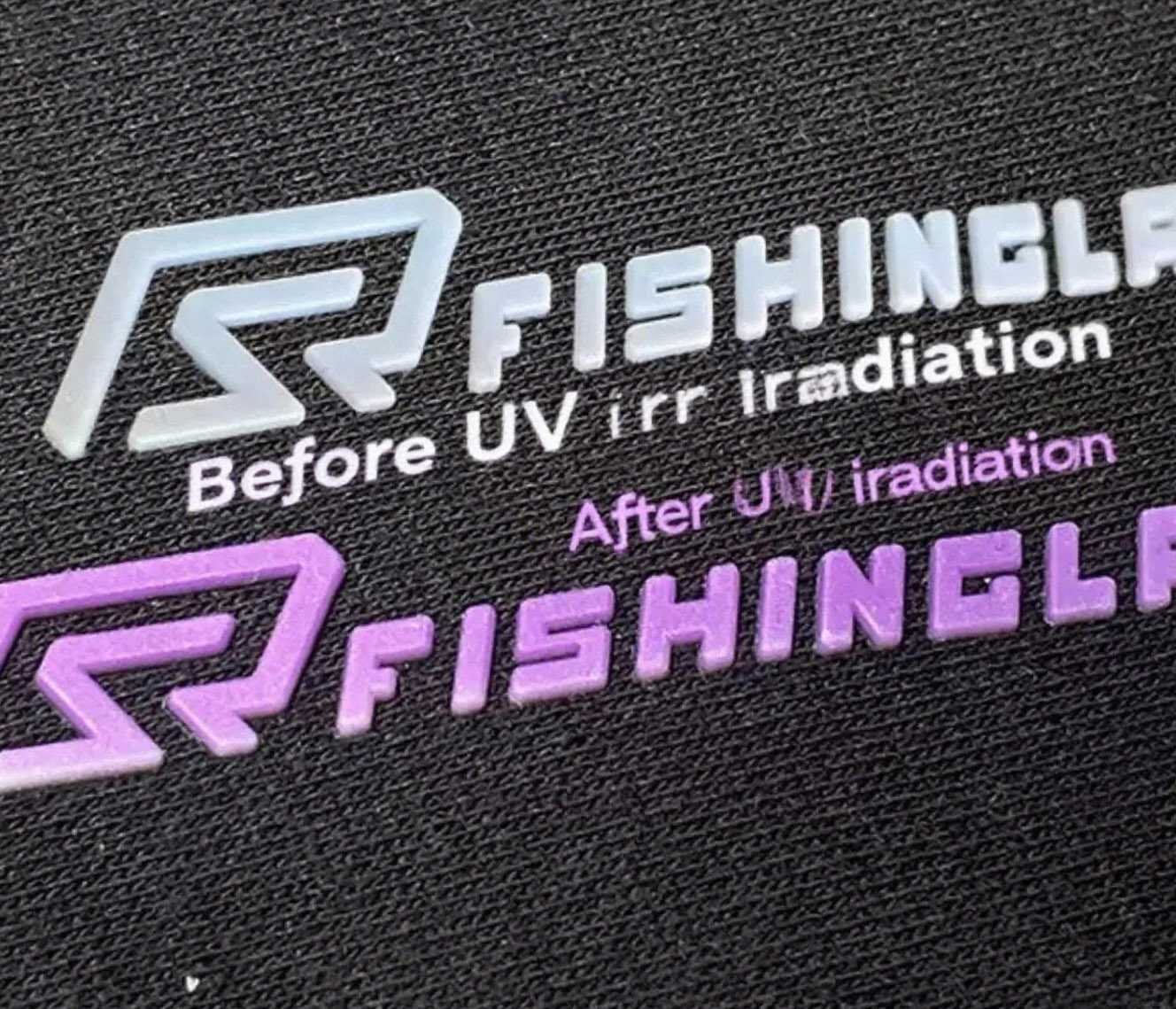
Standard DTG prints directly onto fabric using water-based CMYK+White inks, delivering up to 16.7 million colors on 100% cotton or blends above 180 GSM. Wash durability reaches 30–50 cycles with correct alkaline pretreatment. Best for T-shirts and hoodies in short-to-medium run sizes.
DTF Gang-Sheet Transfers
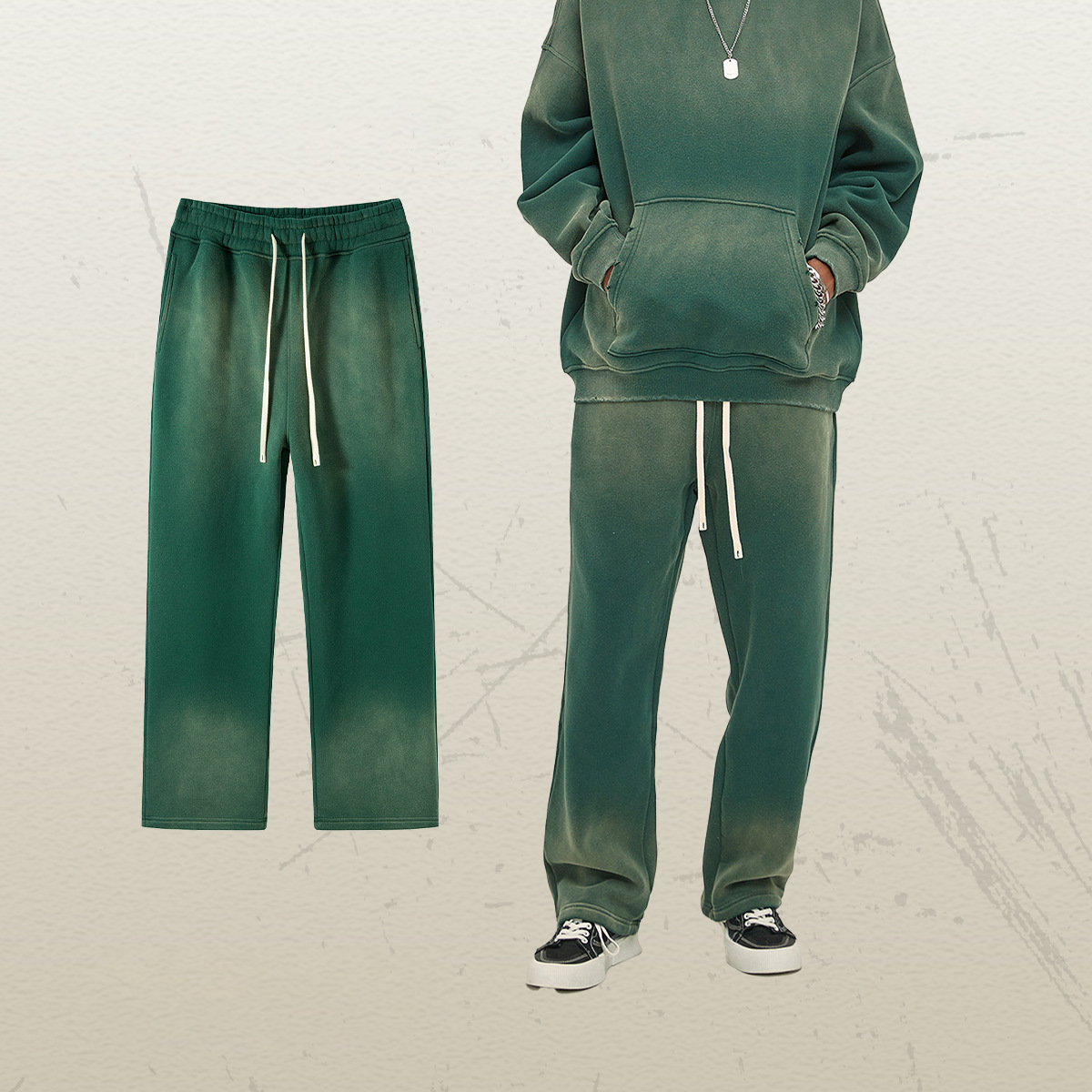
DTF prints onto PET film, coats it with hot-melt adhesive powder, then heat-transfers to virtually any fabric — polyester, nylon, or leather — with no minimum GSM requirement. Gang sheets consolidate multiple SKUs on one film, lowering per-unit cost on small runs. Wash durability averages 40–60 cycles.
UV-DTF for Hard Surfaces and Labels
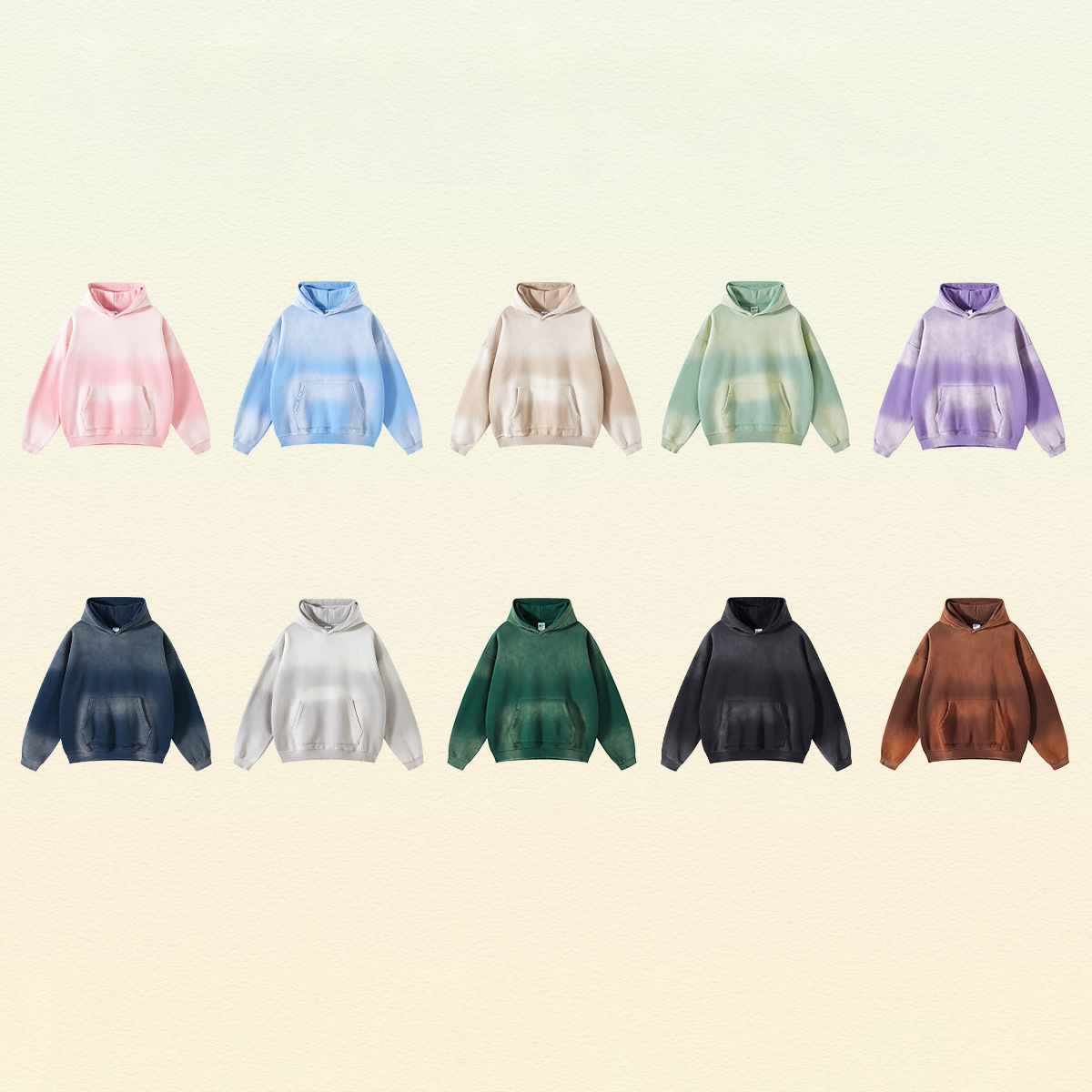
UV-DTF uses UV-cured inks on crystal film applied to rigid substrates — phone cases, hang tags, and packaging inserts — achieving scratch resistance above 3H pencil hardness. It is not fabric-compatible. Use it for branded accessories and premium retail tags that demand photographic color fidelity.
Hybrid DTG and DTF Workflows
Hybrid workflows run DTG on the garment body for large color fills, then apply DTF transfers for small logos, sleeve hits, or mixed-fabric panels within the same production order. Setup cost is higher — two machines, two cure cycles — but design flexibility is unmatched for complex streetwear collections.
4. Best Materials and Fabrics for dtg dtf printing
Fabric composition is the single biggest variable in dtg dtf printing outcomes — it governs ink adhesion, color vibrancy, and wash durability before a single garment hits a press. Choosing the wrong substrate for your print method costs brands rework, returns, and lost retail credibility.
| Fabric | GSM Range | Recommended Method | Expected Durability |
|---|---|---|---|
| 100% Ring-Spun Cotton | 180–220 GSM | DTG with pre-treatment on darks | 40–50+ washes |
| 50/50 Cotton-Poly Blend | 160–200 GSM | DTF preferred; DTG viable on lights | 30–40 washes |
| 100% Polyester | 120–200 GSM | DTF only | 40–50+ washes |
| Tri-Blend (Poly/Cotton/Rayon) | 140–160 GSM | DTF recommended | 35–45 washes |
| French Terry / Fleece Cotton | 240–280 GSM | DTG or DTF | 40–50 washes |
Cotton Fabrics and DTG Pre-Treatment
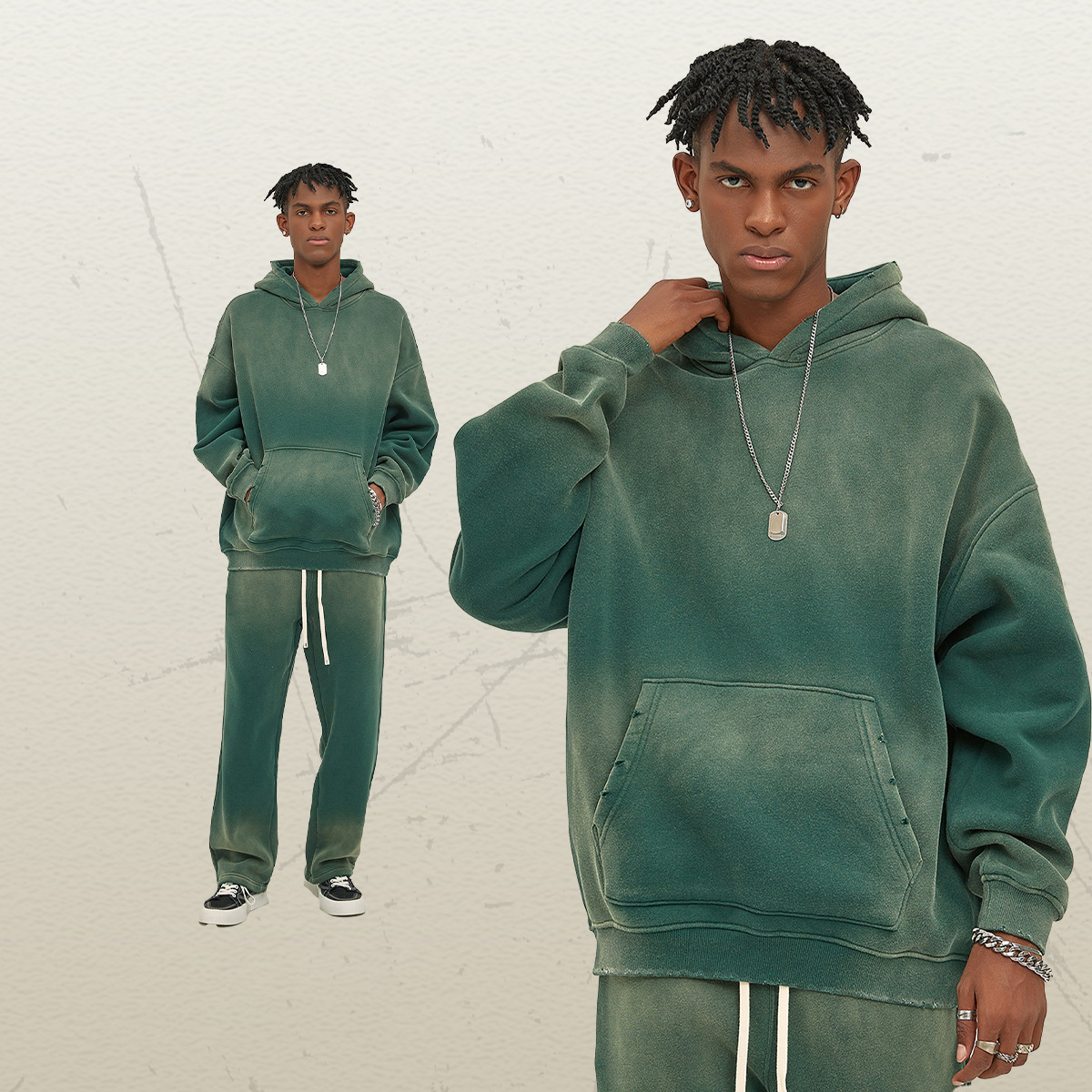
100% ring-spun cotton at 180–220 GSM delivers the best ink absorption for DTG, producing vibrant, soft-hand prints with accurate color. Dark cotton garments require aqueous pre-treatment applied and heat-cured before printing — skipping this step causes ink to sit on top of fibers rather than bond, cutting wash durability by up to 40%.
Why DTF Outperforms DTG on Synthetics
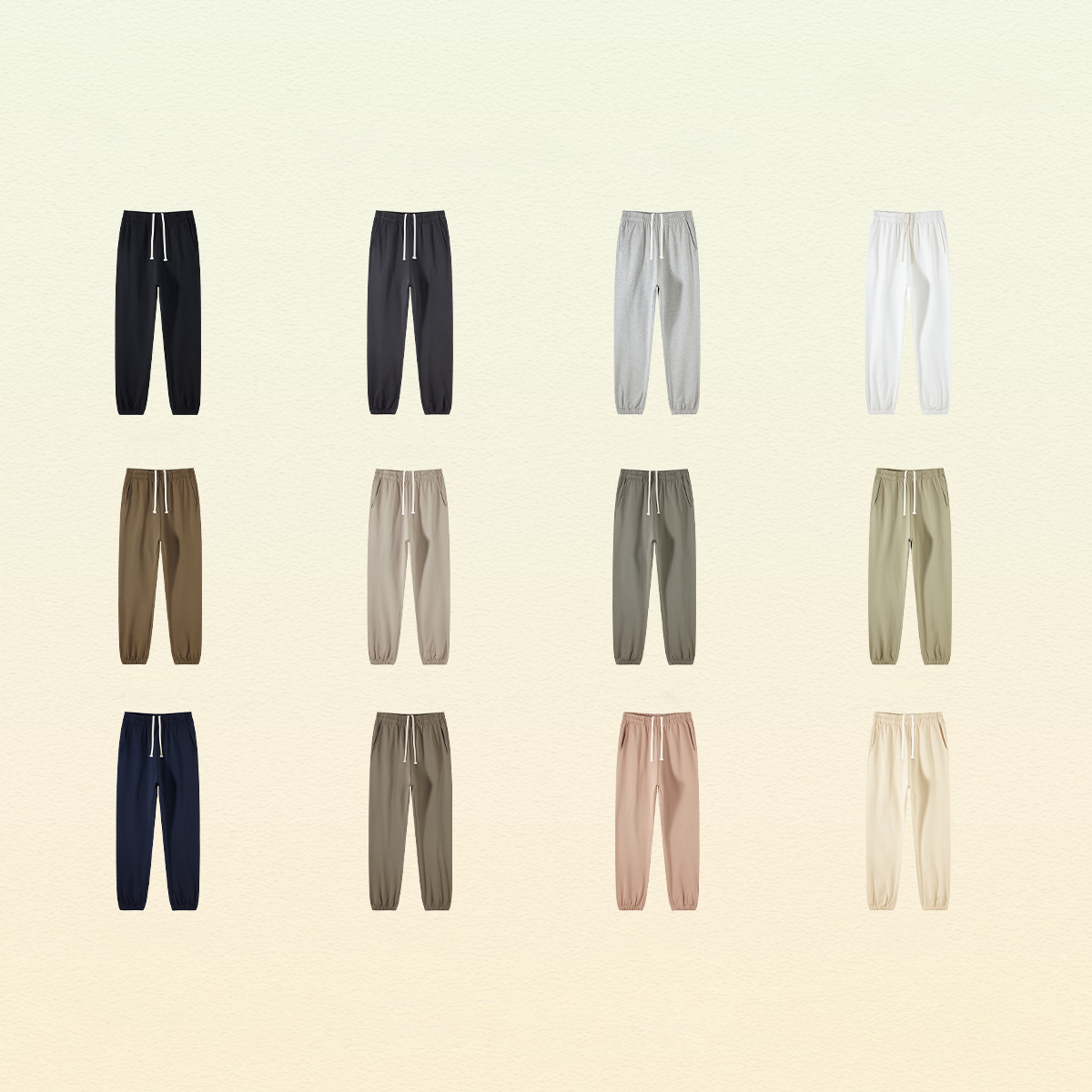
Polyester and polyester-dominant blends repel water-based DTG inks due to low surface energy, resulting in faded or cracked prints after 10–15 washes. DTF transfers bond via heat-activated adhesive powder, making them the reliable choice for 100% polyester, nylon, and moisture-wicking fabrics at any GSM.
Tri-Blends, GSM Ranges, and Retail Standards
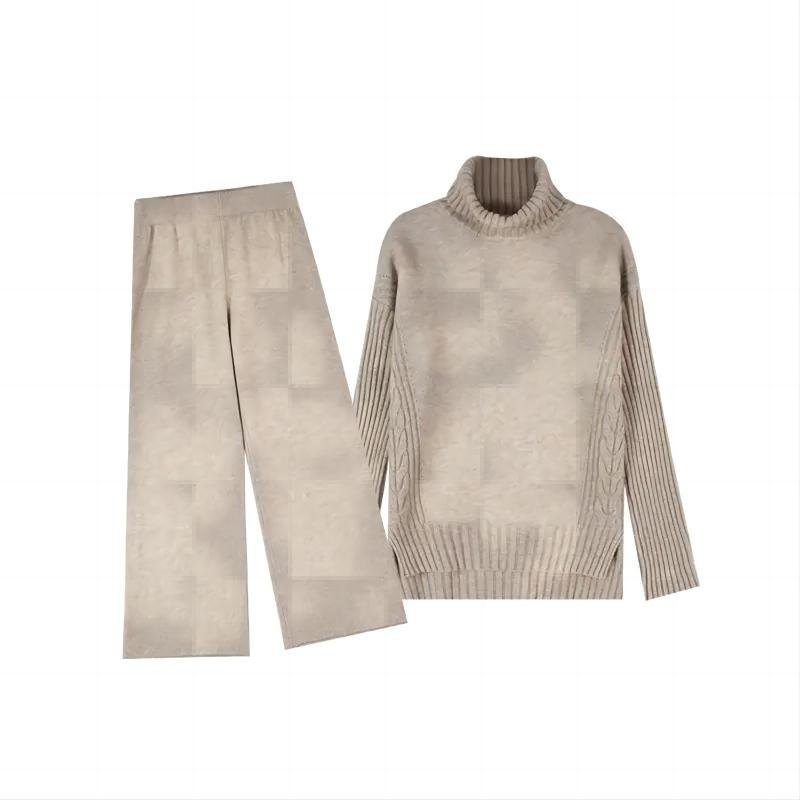
Tri-blend constructions — typically 50% polyester, 25% cotton, 25% rayon — run lightweight at 140–160 GSM and are widely used in streetwear. Their mixed fiber content creates uneven DTG coverage; DTF delivers consistent results and meets the wash-durability standards that global retailers and fashion startups require.
5. Customization and Decoration Options for Your Brand
DTG DTF printing unlocks a decoration menu far wider than a standard chest hit. Brands that map every placement option early — from all-over prints to inside-neck labels — build stronger visual identity and tighter per-unit economics.
All-Over Prints and Sleeve Hits
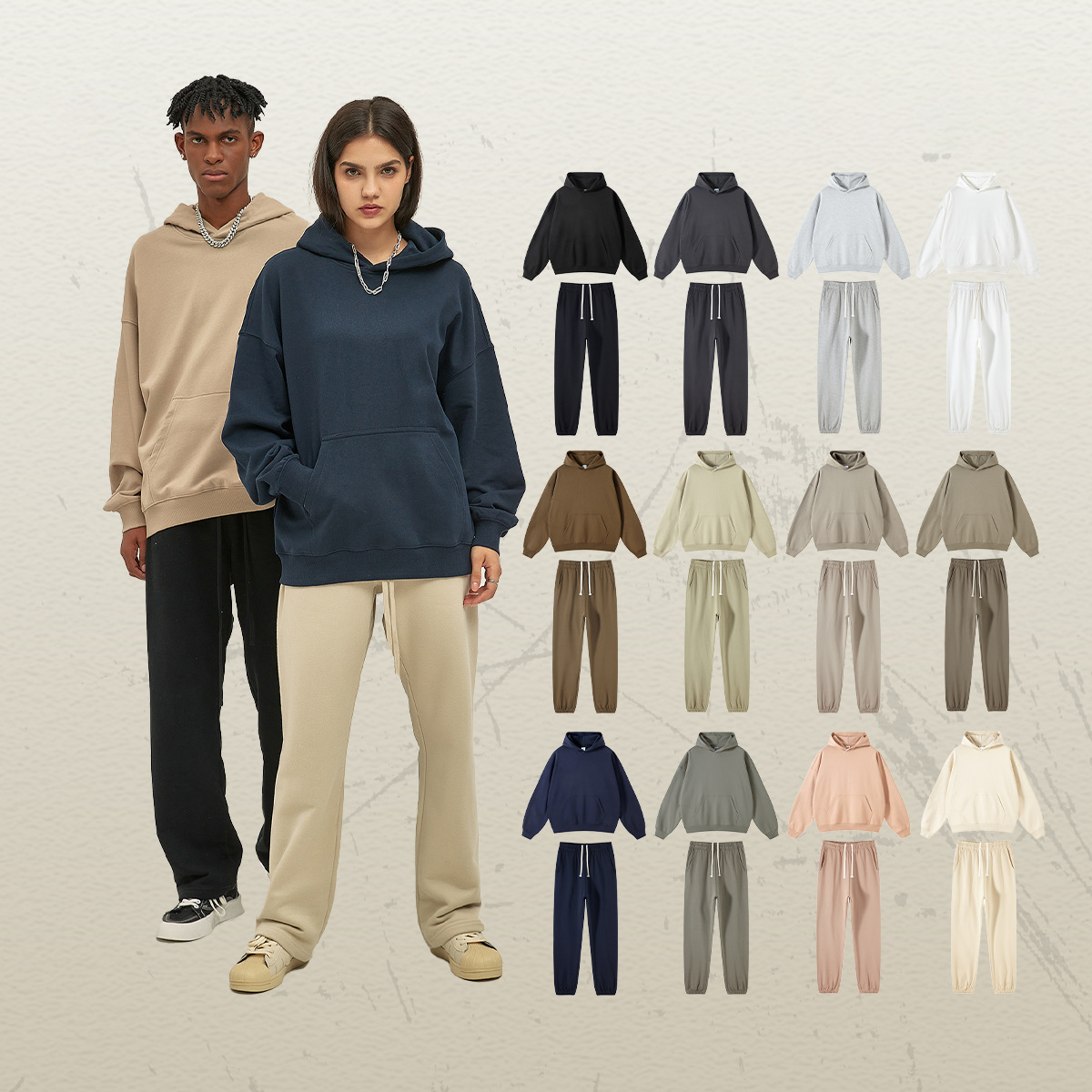
All-over printing requires a full-bleed file at 300 DPI covering the entire garment panel before cutting and sewing. Sleeve hits, typically 3×3 inches, are output as separate DTF transfers and heat-applied post-assembly. Combining both placements on one order reduces gang-sheet waste significantly.
Inside-Neck Labels via DTF
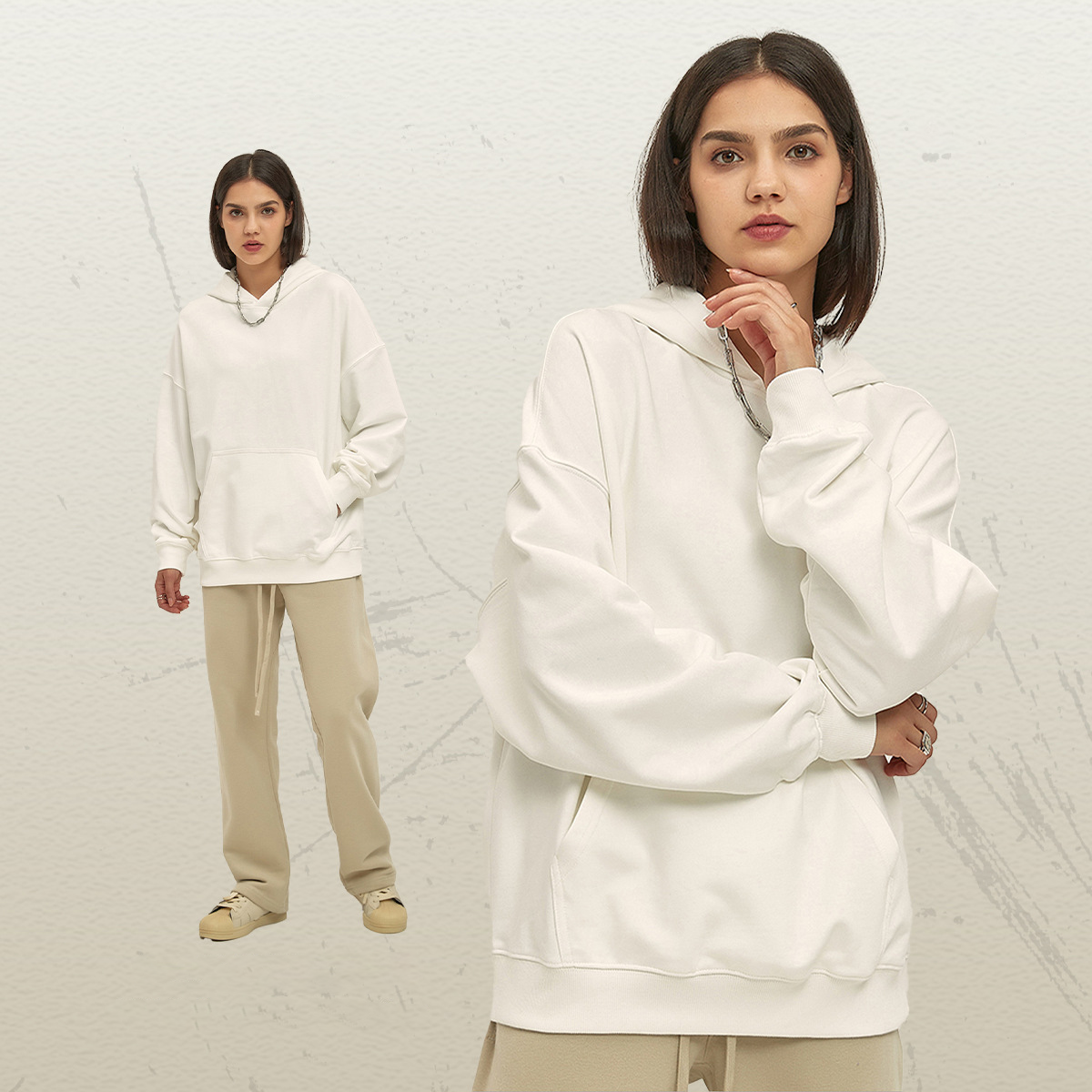
DTF neck labels replace woven tags at roughly 2×2 inches and withstand 40+ industrial wash cycles when applied at 160°C for 15 seconds. Influencer brands use this placement to eliminate itchy labels and reinforce brand recall on every unboxing video.
Tonal Prints on Dark Garments
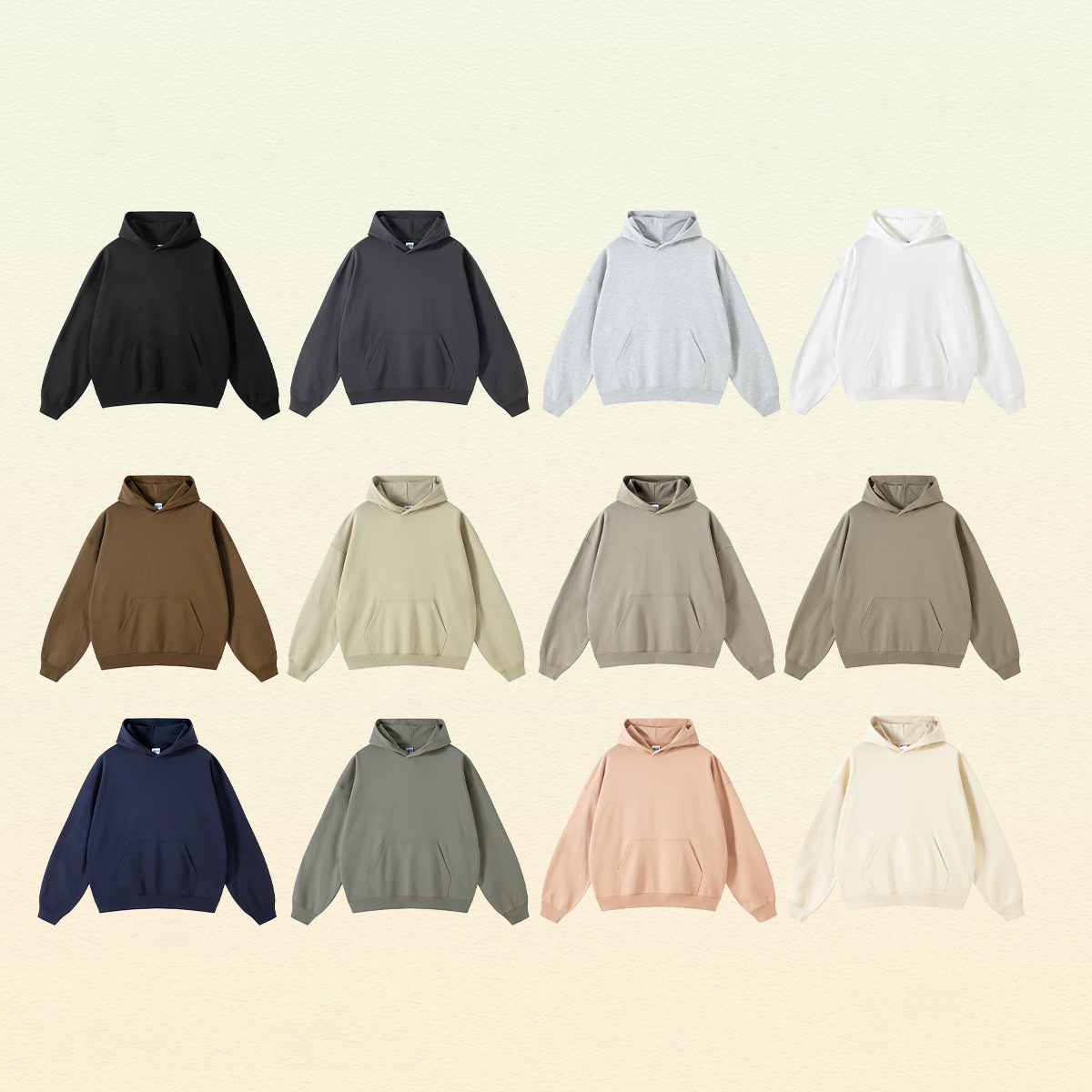
Printing on black or navy requires an opaque white underbase layer before CMYK inks, adding one press pass and raising ink cost by 15–25%. Gradient photographic artwork — portraits, cityscapes — reproduces best on 100% ring-spun cotton at 300 DPI, since polyester blends risk dye migration under heat.
File Format and Color Conversion
Submit artwork as PNG with alpha channel at 300 DPI minimum; JPEG compression destroys edge detail on fine linework and halftone dots. Pantone spot colors must be converted to CMYK before output, and fluorescent or metallic Pantone shades cannot be matched exactly — always approve a physical strike-off before committing to full production.
Gang Sheets for Small-Run Drops
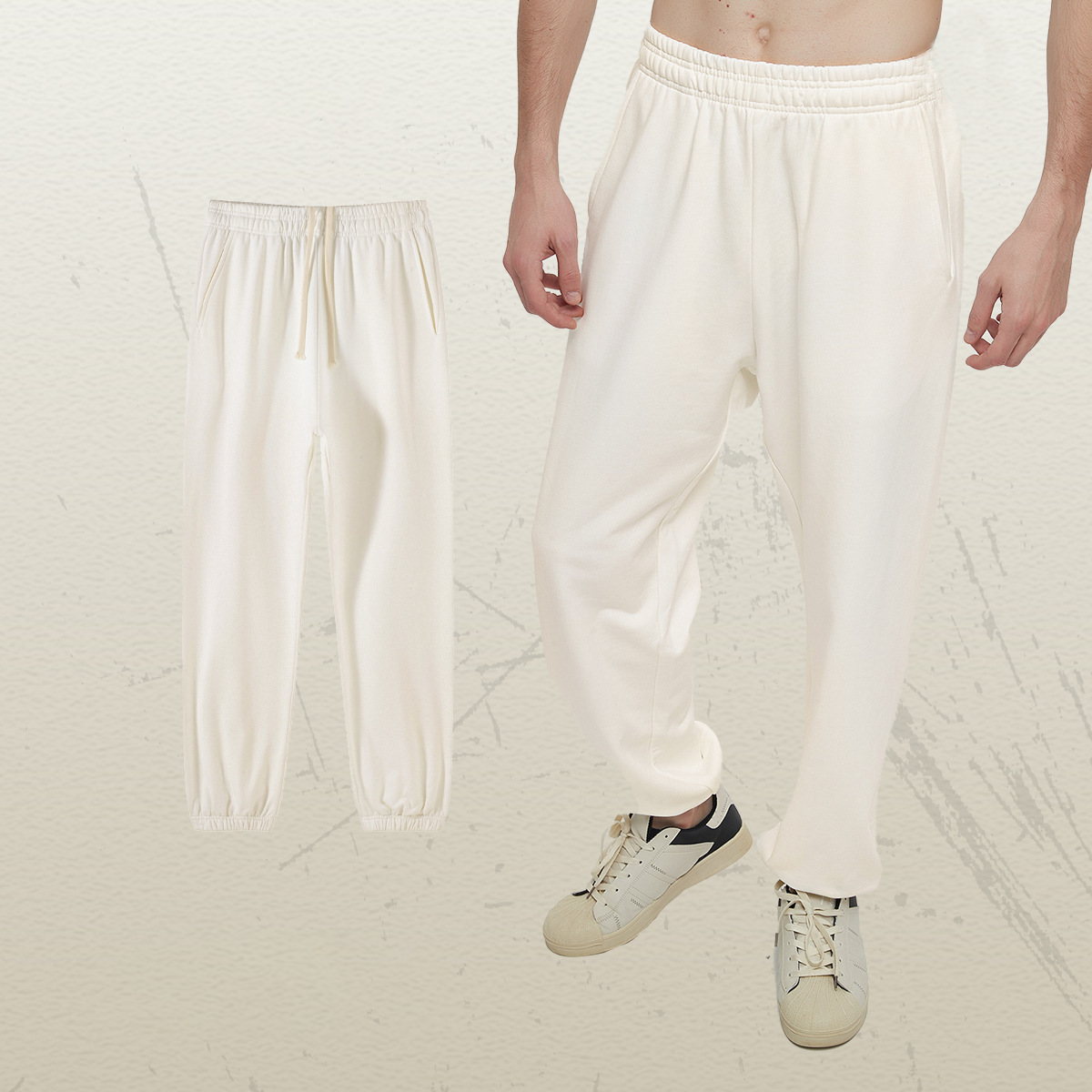
Gang sheets arrange multiple DTF motifs on a single 22×60-inch roll, letting influencer brands print hat patches, sock graphics, and bag labels alongside a limited-edition drop in one press run. At a 50-piece MOQ, splitting a gang sheet across three SKUs cuts transfer cost per unit by 30–40% versus ordering each design on its own sheet.
6. Key Quality Elements Every Brand Should Evaluate
Premium streetwear demands more than sharp graphics — every production stage carries a pass/fail threshold that separates retail-grade output from bulk commodity work. Six checkpoints in dtg dtf printing determine whether a supplier’s output will hold up under real-world use, repeated washing, and brand scrutiny.
Pre-Treatment Evenness and RIP Color Management

Pre-treatment solution must be applied at 8–12 g/m² across the full print zone; uneven coverage produces bleed, patchiness, or premature fading within five wash cycles. RIP software — Wasatch, Ergosoft, or Kothari — must be substrate-profiled: accept only Delta-E values under 3.0 for Pantone-referenced colors.
Ink Archival Rating and Curing Temperature Consistency
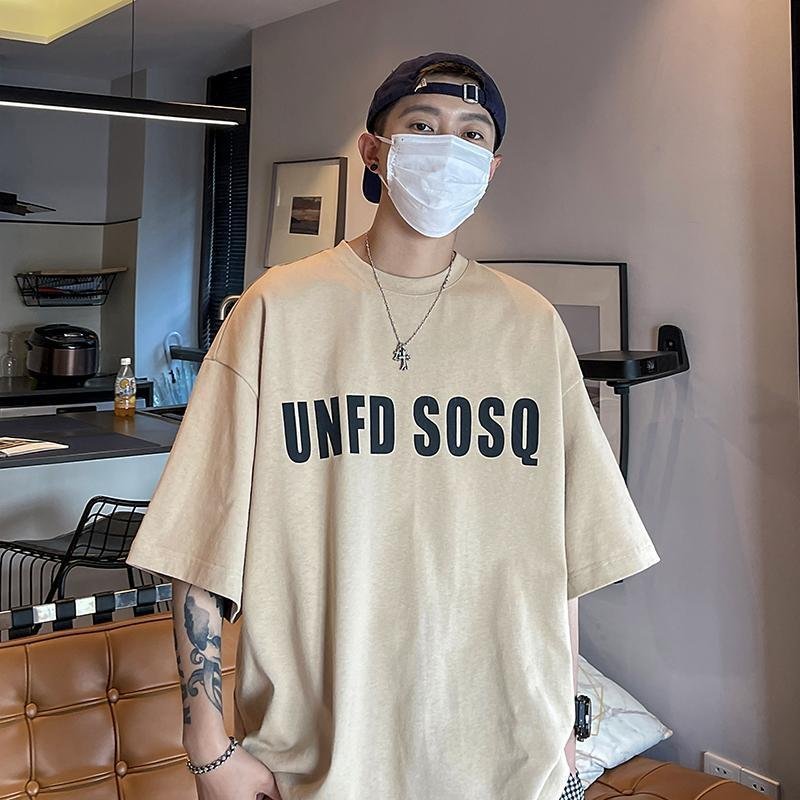
Specify named ink systems: Epson UltraChrome DG, Dupont Artistri, or Brother BES inks carry published wash-fastness ratings of 50+ cycles. Curing must hold at 160°C ±5°C for DTG and 150–165°C for DTF transfer bonding; temperature variance beyond that range causes cracking after fewer than 10 washes.
Post-Wash Hand-Feel Pass/Fail Criteria
Request a sample run through 10 wash cycles at 40°C before approving bulk production. Pass threshold: no color shift beyond Grade 3 on the ISO 105-C06 grey scale, zero cracking at flex points, and print hand-feel no stiffer than the surrounding base fabric.
- Color retention: Grade 3+ on ISO 105-C06 grey scale required after 10 washes
- Crack test: zero cracking at cuff and shoulder flex points
- Hand-feel: print surface must not feel perceptibly stiffer than base fabric
Seam and Trim Finishing Standards
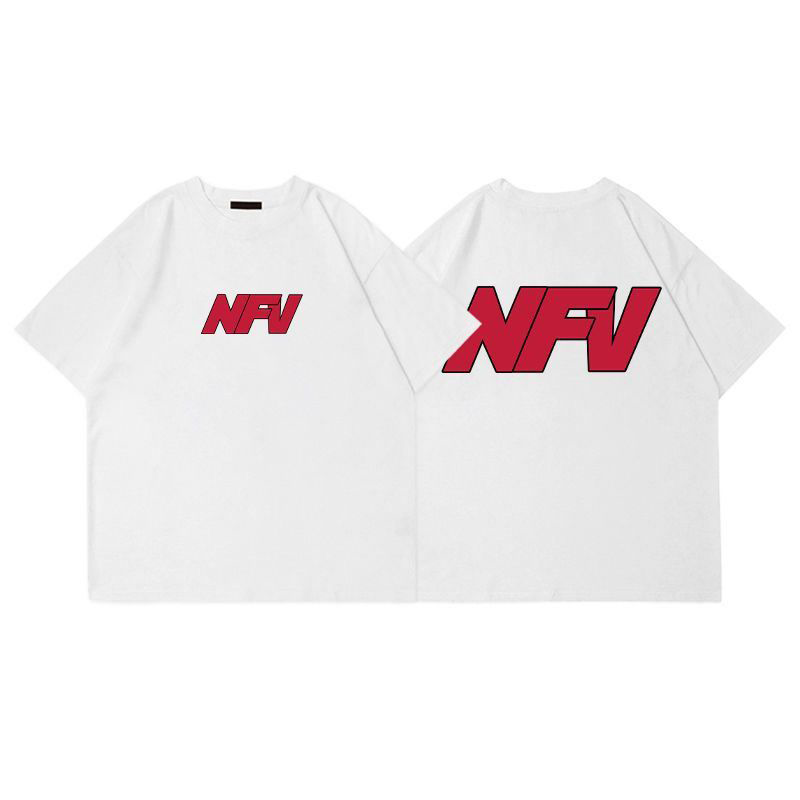
Flatlock or coverstitch seams at 5–7 stitches per inch indicate a capable factory floor. Verify YKK or equivalent-grade hardware on closures, consistent thread tension throughout, and hem allowances within ±3mm — deviations signal a facility skipping in-line quality checks rather than catching defects early.
7. How to Choose the Right dtg dtf printing Manufacturer
Selecting the right dtg dtf printing partner requires evaluating six concrete criteria before committing to a purchase order. Startups and global retailers face different constraints, so weigh each factor against your current volume and growth trajectory.
MOQ Flexibility and Sample Turnaround Speed
Fashion startups need suppliers who accept ≤50-piece MOQs without per-unit price penalties that erase margin. The industry benchmark for a finished sample is 7 days; suppliers quoting 14-plus days signal capacity or workflow bottlenecks that worsen at scale.
Color Accuracy and Washfastness Standards
Demand Pantone-matched proofs and require wash tests conducted to ISO 105-C06 before approving bulk production. A DTF transfer that passes at grade 4–5 on that scale survives 40°C machine-wash cycles without visible ink bleed or color fade.
Sustainability and Ink Safety Credentials
Water-based inks with OEKO-TEX certification produce significantly less chemical runoff than plastisol alternatives. GOTS-certified fabric sourcing matters for brands targeting EU and North American eco-conscious consumers who audit full supply-chain documentation.
In-House Production, POD Middlemen, or OEM Factory
Print-on-demand middlemen offer zero MOQ but typically mark up 40–80% over direct factory cost and rarely share QC documentation. Full-service OEM factories deliver end-to-end production control and batch-to-batch reorder consistency that scales with your brand.
| Supplier Type | Min. Order | Cost Tier | QC Control | Reorder Consistency |
|---|---|---|---|---|
| In-House POD | 1 piece | Highest | None | Low |
| POD Middleman | 1–10 pieces | 40–80% markup | Limited | Medium |
| OEM Factory | 50–100 pieces | Factory direct | Full | High |
Communication SLAs and Reorder Consistency
Require a written 24-hour response SLA and request color-delta reports from at least two prior reorder batches. Global retailers should audit three consecutive production runs for color and construction consistency before committing to seasonal volumes.
8. Common Mistakes Brands Make When Ordering Prints
Even experienced buyers repeat the same costly errors on dtg dtf printing orders. These six mistakes drive most reprints, failed retail audits, and brand disputes — and every one is avoidable.
Submitting Low-Resolution Artwork
Files below 300 DPI at print size produce visible pixelation on DTG outputs. Submit artwork at 300 DPI minimum in PNG or TIFF format; vector files (AI, EPS) are ideal for hard edges and fine text.
Skipping Pre-Treatment on Dark Garments
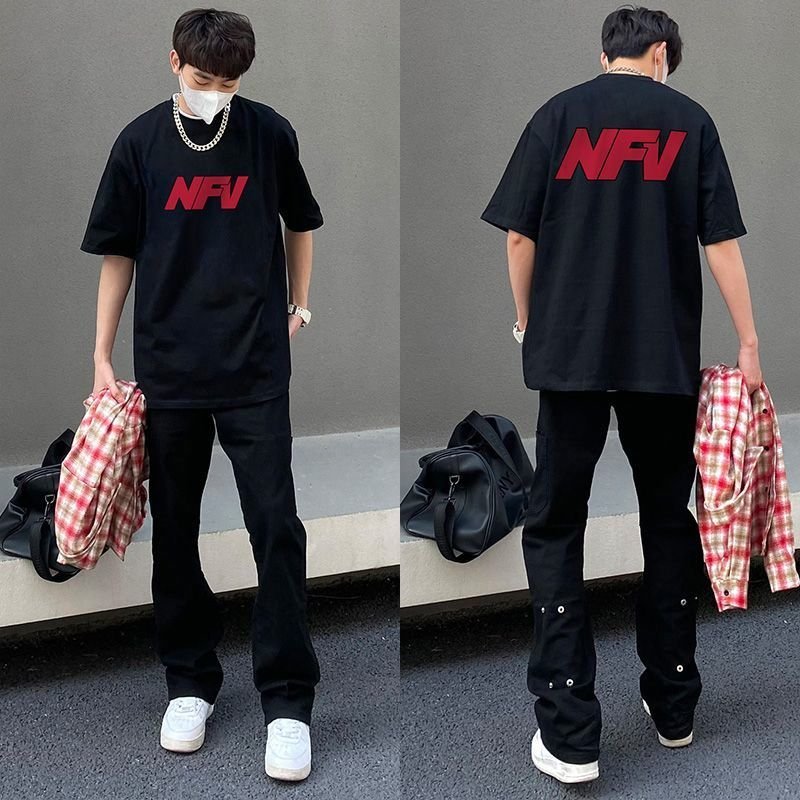
DTG ink requires a pre-treatment layer on dark and colored fabrics to achieve opacity. Confirm your manufacturer applies an even, calibrated coat — uneven application causes blotchy whites and accelerated color fade after washing.
Ordering Without a Physical Strike-Off Sample
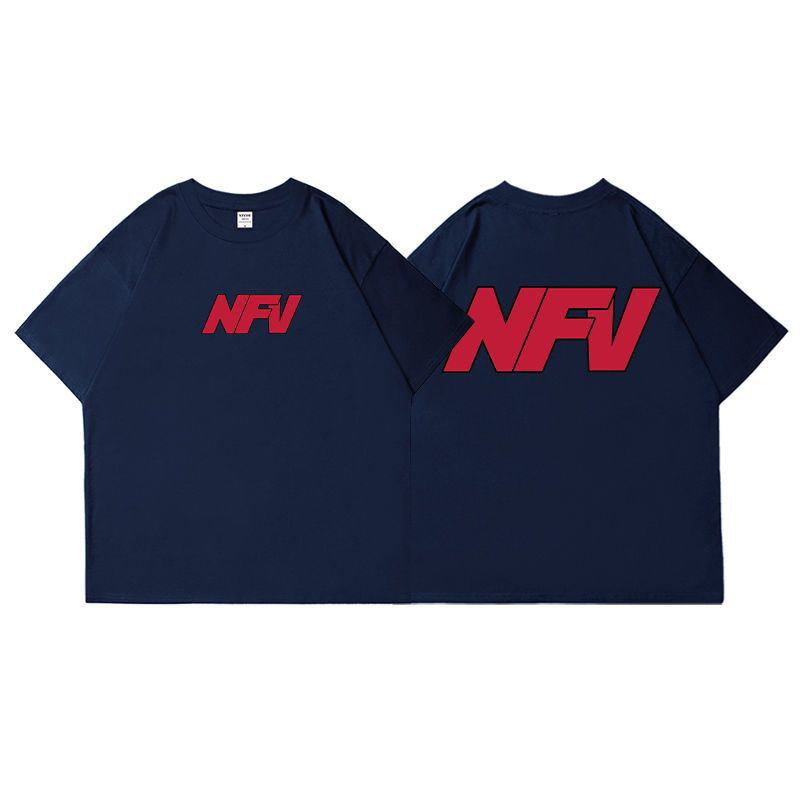
Digital proofs cannot replicate actual color output on fabric. Always require a physical strike-off before approving a production run; a 7-day sample turnaround is standard and eliminates costly full-run color surprises.
Choosing Price Over Ink-Archival Rating
Pigment-based DTG inks with a low wash-fastness rating fail ISO 105-C06 testing and visibly fade within 25 wash cycles. Specify inks rated for 50-plus washes and request the manufacturer’s documented test data before committing.
Neglecting Wash-Test Requirements for Retail Compliance
Major retailers require OEKO-TEX certification and wash-fastness reports before accepting inventory. Brands that skip this step face chargebacks and delisting; request test documentation at the sample stage, not after bulk production ships.
Missing Bleed Zones on All-Over Prints
All-over DTF prints require a 3–5 mm bleed beyond every cut line to prevent white edges after sewing and trimming. Submit print-ready files with explicit bleed zones marked and confirm the manufacturer’s template before final artwork lock.
9. Steps to Launch Your Brand Using dtg dtf printing
A first 50-piece drop with dtg dtf printing has seven distinct gates — skip one and you risk late deliveries, color mismatches, or wasted inventory. Work through each step in sequence before committing budget to full production.
Finalize Print-Ready Artwork
Export artwork at 300 DPI minimum, color-profiled to sRGB for DTG or Pantone spot references for DTF transfers. Flatten all layers, convert fonts to outlines, and confirm a 3 mm bleed margin before submitting files to your manufacturer.
Select Fabric and Blank Garment
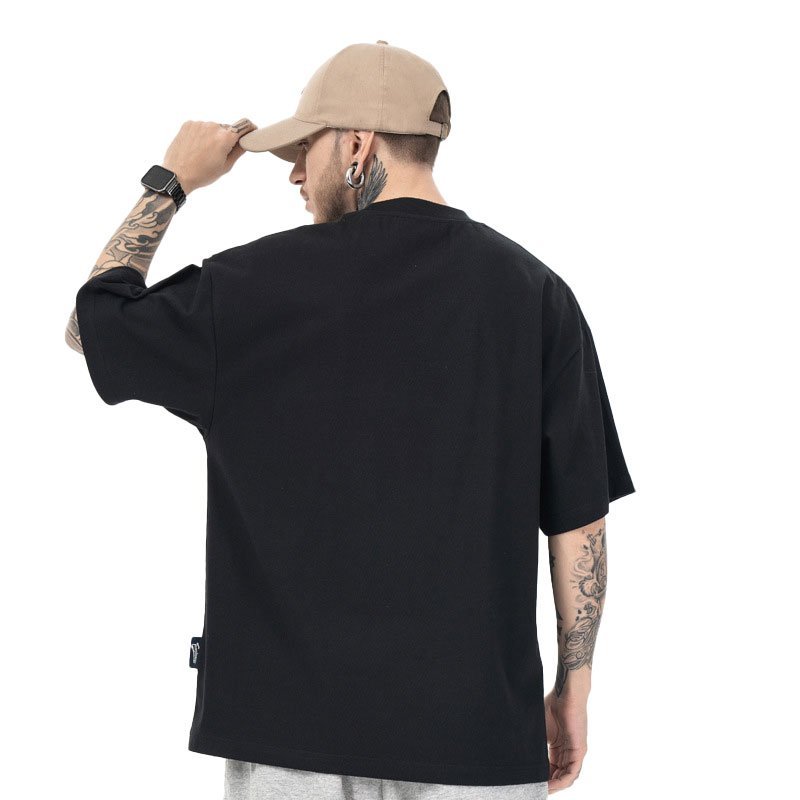
DTG bonds best to 100% ring-spun cotton or cotton-rich blends above 180 GSM; DTF transfers adhere cleanly to polyester, nylon, and mixed-fiber blanks. Confirm OEKO-TEX certification on your chosen fabric to protect end-consumer trust from the first drop.
Request a 7-Day Sample Run
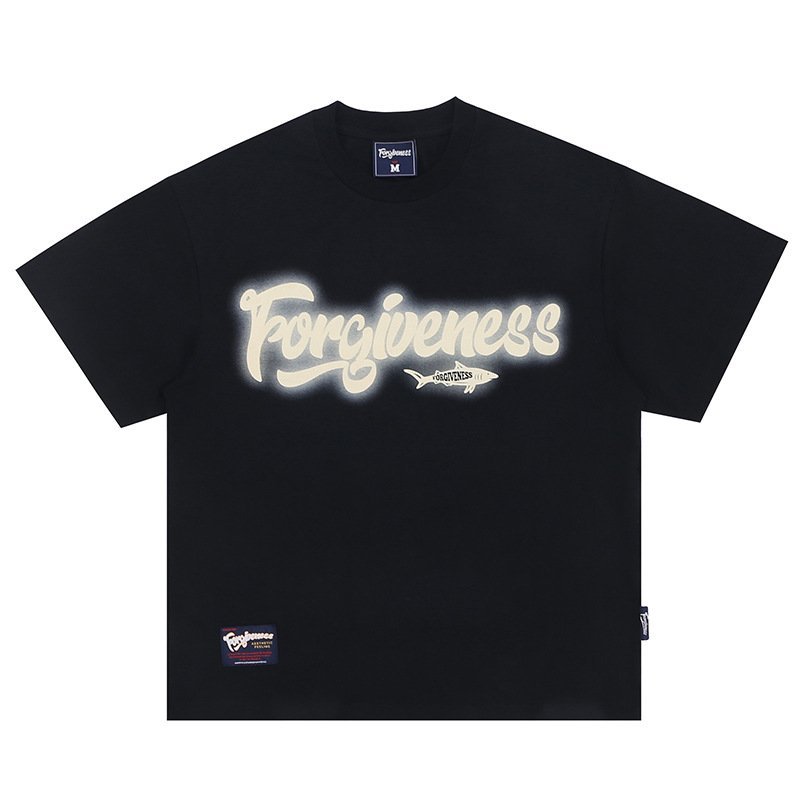
Most reliable manufacturers deliver 1–3 sample pieces within 5–7 business days. Pay the sample fee — typically $30–$80 per piece — because it locks in the exact production file, ink profile, and curing temperature before your 50-unit run.
Test Wash Durability and Color Accuracy
Run 10 machine-wash cycles at 40°C, then compare print panels against your original Pantone reference under D65 lighting. A Delta-E reading above 3.0 signals re-calibration is needed before approving full production.
Confirm Pricing, MOQ, and Lead Time
At a 50-piece MOQ, unit costs typically run $8–$18 for DTG or $6–$14 for DTF depending on print size and garment weight. Confirm a 10–15 business-day production window and incoterms — FOB or DDP — in writing before paying any deposit.
Place Your Order and Plan Reorders
Place the production order with a 30–50% deposit and request photo updates at each QC stage: materials, cutting, sewing, and finished goods. Set a reorder trigger at 20% remaining inventory to prevent stockouts during influencer-driven demand spikes.
10. Pricing, Cost Tiers, and Lead Times Compared
Benchmark quotes for dtg dtf printing against the tiers below before issuing a purchase order — costs shift sharply above 50 and 250 units.
All unit costs assume a standard front-chest print (A4 area) on 180–220 GSM cotton or polyester-cotton blend; Pantone-matched spot colors add $0.50–$1.00 per unit.
| Quantity Tier | DTG Unit Cost | DTF Unit Cost | Setup / Pre-Treatment Fee | Sample Lead Time | Production Lead Time |
|---|---|---|---|---|---|
| 1–24 pcs | $18–$25 | $12–$18 | $2.00–$3.00/unit | 5–7 days | 7–10 days |
| 25–49 pcs | $14–$18 | $9–$13 | $1.50–$2.00/unit | 5–7 days | 10–14 days |
| 50–99 pcs | $10–$14 | $7–$10 | $1.00–$1.50/unit | 5–7 days | 12–18 days |
| 100–249 pcs | $8–$11 | $5–$8 | $0.80–$1.00/unit | 5–7 days | 14–21 days |
| 250+ pcs | $6–$9 | $4–$6 | $0.50–$0.80/unit | 5–7 days | 18–25 days |
Start Your DTG DTF Printing Project Today
Upload your artwork and get a free quote within 24 hours — 50-piece MOQ, 7-day samples, and our 5-step QC guarantee on every order.