
Premium Dye Sublimation Printing, Backed by a 5-Step QC Guarantee
Get photorealistic, all-over dye sublimation printing on custom hoodies, tees, and sportswear — low MOQ, fast samples, global shipping from Dongguan.
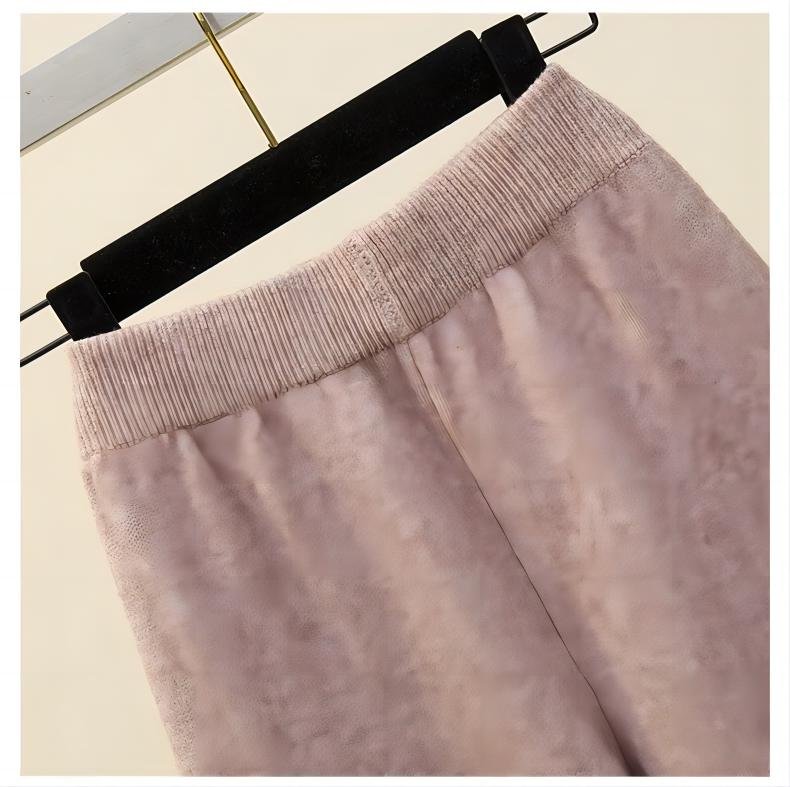
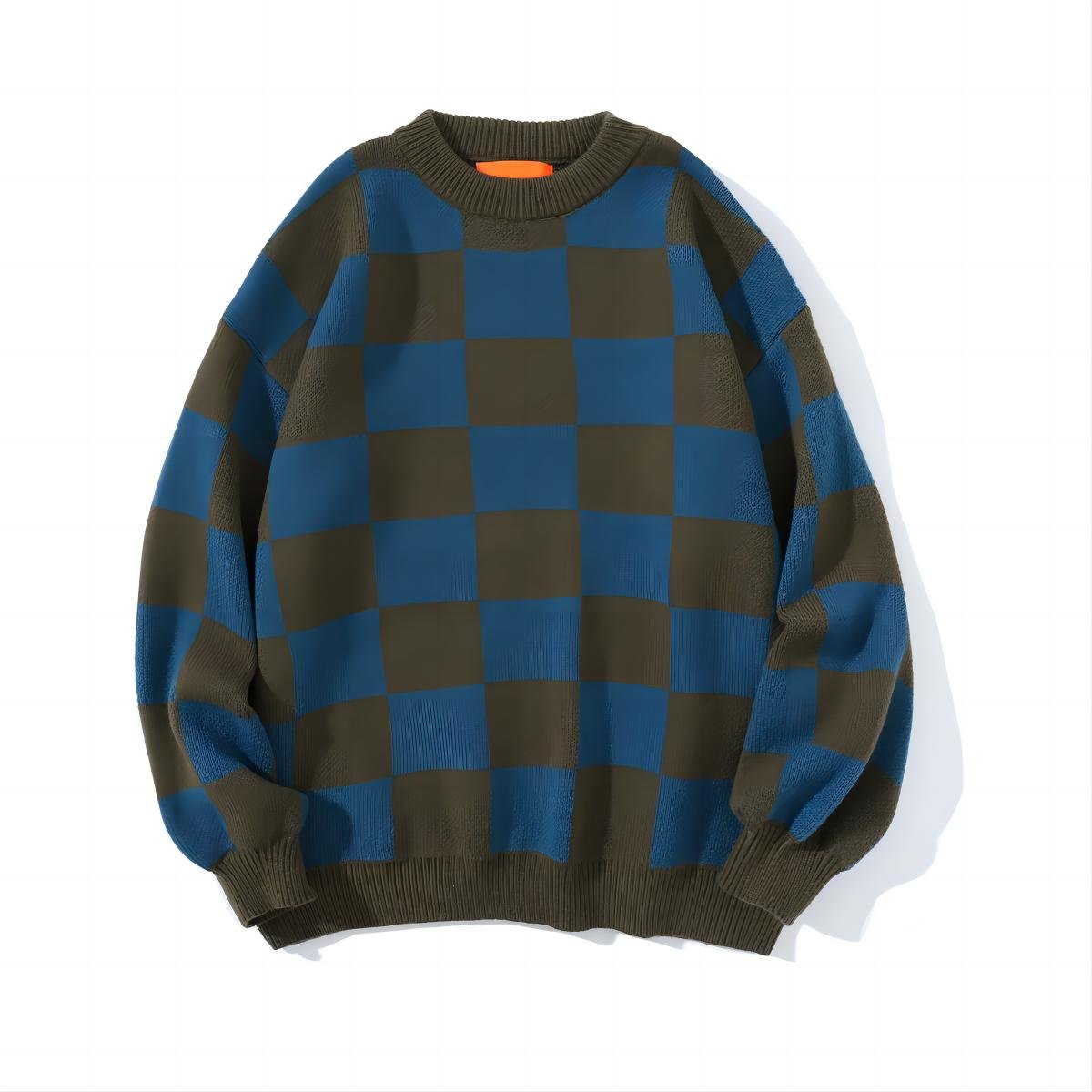
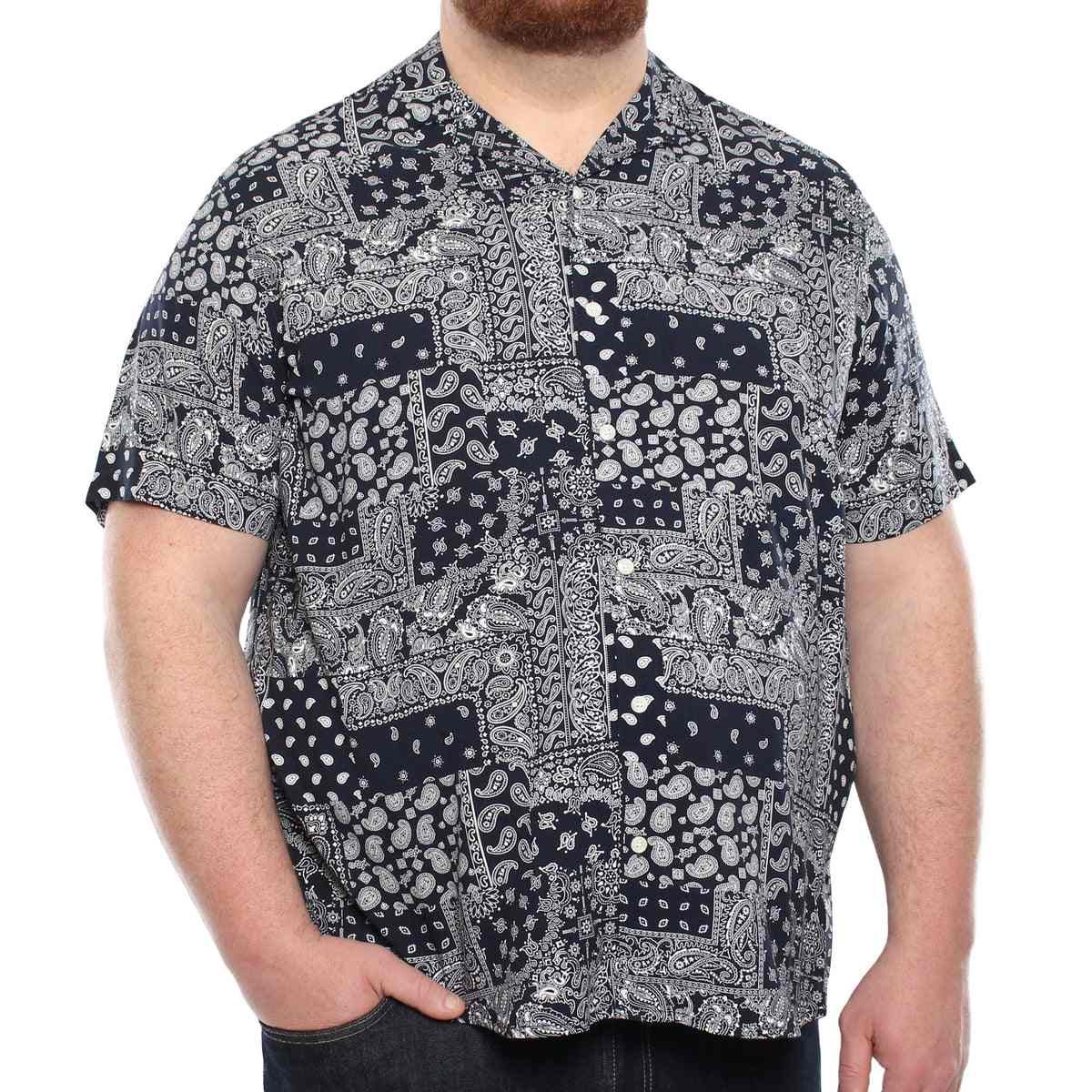
Dye Sublimation Printing Samples & Gallery
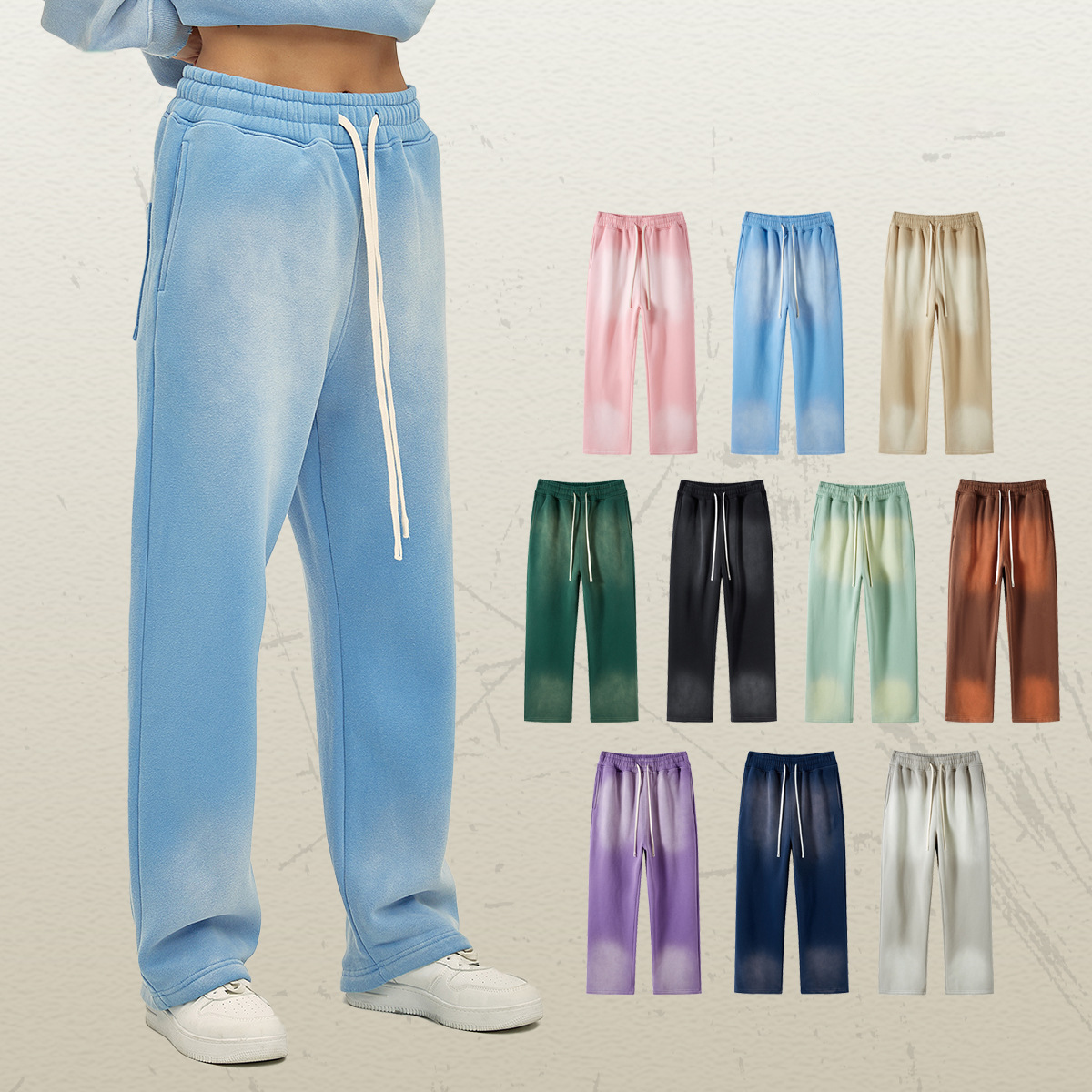
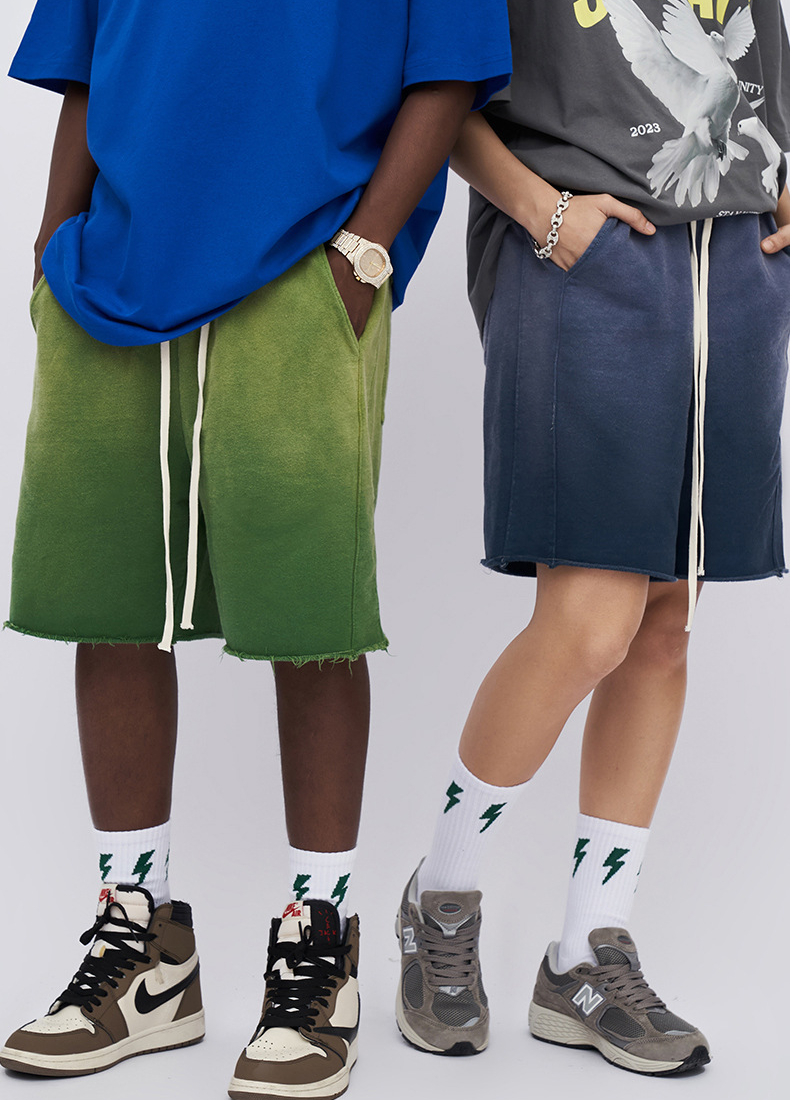
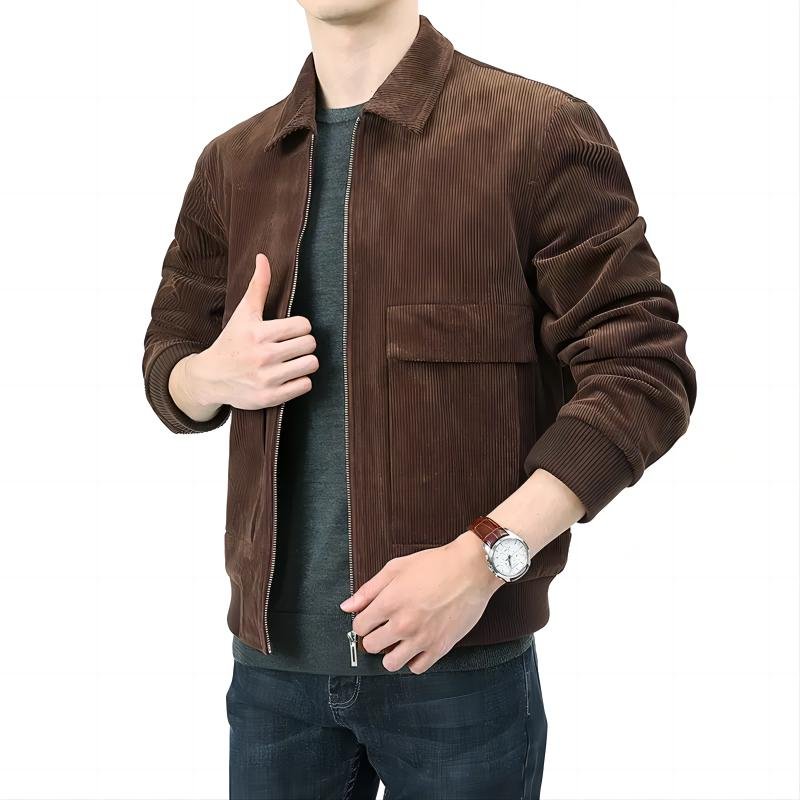
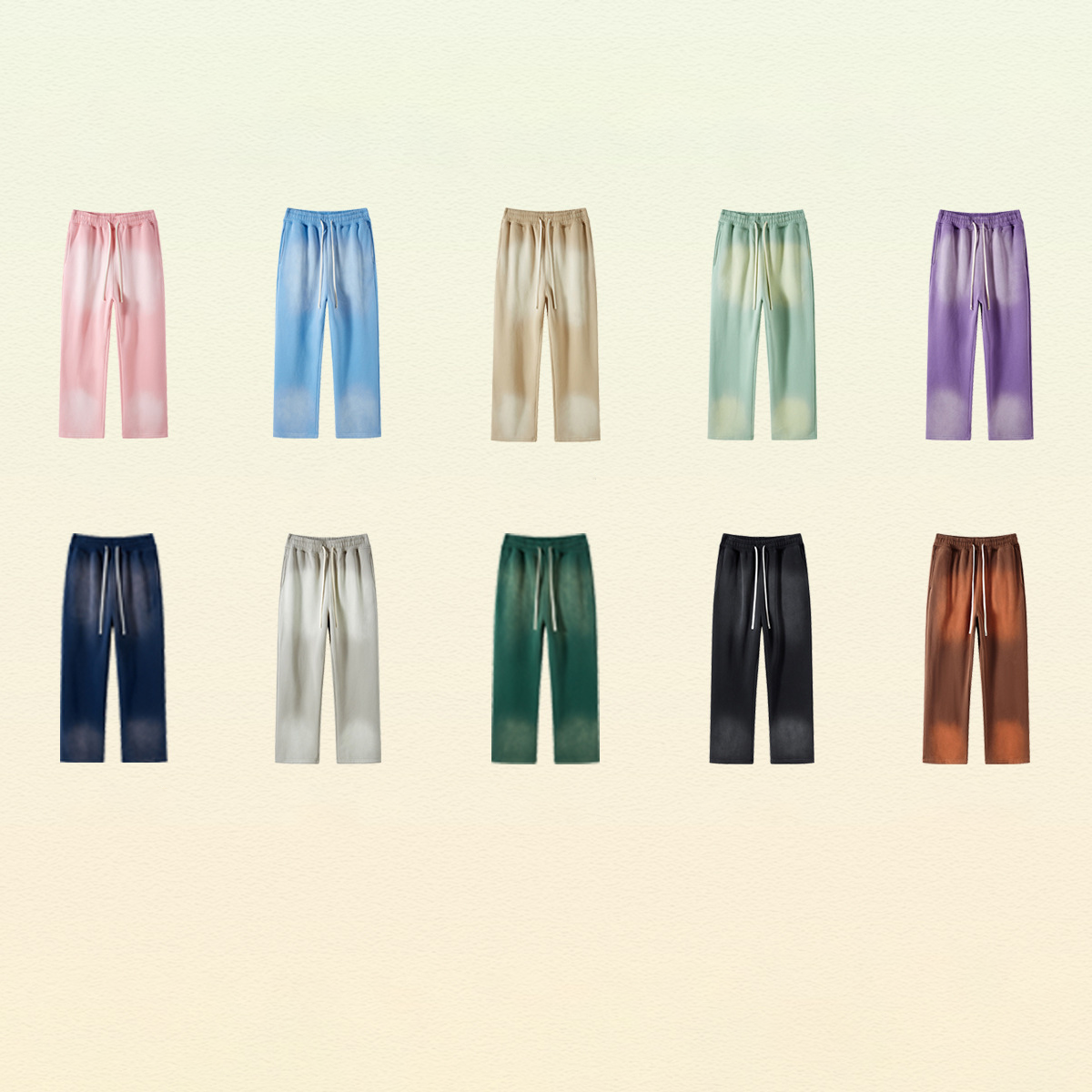
Dye Sublimation Printing Features & Advantages
Six buyer-critical advantages that make dye sublimation the defining choice for streetwear brands, independent designers, and global retailers.
Unlimited Color Complexity
Reproduce photorealistic gradients, intricate patterns, and full-spectrum artwork with zero color count limits or design restrictions.
Vivid, Lasting Color Saturation
Ink bonds permanently at the molecular level, delivering bold, show-stopping color that stays brilliant through dozens of washes.
Zero Cracking or Peeling
Dye sublimation becomes part of the fabric itself, so prints never crack, peel, or flake with wear or washing.
Polyester & Blend Compatible
Optimized for polyester and poly-blend fabrics, making it the ideal choice for streetwear, activewear, and all-over print designs.
Fast Turnaround, Scalable Runs
Our streamlined production workflows handle medium-to-large batch orders with fast, reliable lead times built for seasonal streetwear drops.
5-Step QC on Every Order
Every dye sublimation print run passes our proprietary five-step quality inspection at each production stage before it ships.
Explore Dye Sublimation Printing & All Related Techniques
Not every design calls for the same process. Compare dye sublimation printing against screen printing, DTG, embroidery, and heat transfer — then shop the product categories built for your brand.
Screen Printing for Bold Graphics
You need vivid spot-color designs on dark cotton streetwear, where dye sublimation printing's polyester requirement creates a barrier, and high-volume orders demand cost-efficient opaque ink coverage.
Our screen printing service delivers sharp, opaque colors on any fabric or garment color at scale — explore how it stacks up against dye sublimation for your collection.
Direct-to-Garment Printing Options
Your startup needs photorealistic, full-color prints on dark cotton blanks in small test runs — too low in volume for dye sublimation printing's polyester-focused sweet spot to make sense.
DTG handles cotton with flexible minimums, letting you proof limited drops and validate designs before scaling up to full-coverage dye sublimation printing runs at commercial quantities.
Embroidery for Premium Branding
You want elevated logo placement on caps, jackets, and hoodies, but dye sublimation printing isn't suited for the textured, three-dimensional finish your premium streetwear brand demands.
Our embroidery service adds structured, tactile brand marks to any garment — explore thread options, placement guides, and MOQ tiers on our dedicated embroidery service pages.
Heat Transfer for Mixed Fabrics
Your collection uses cotton-poly blends or mixed fabrics where dye sublimation printing loses saturation, but you still need vibrant, complex artwork with a fast production timeline.
Heat transfer printing bridges that gap — explore our full side-by-side comparison of sublimation vs. heat transfer to pick the right process for your fabric and volume.
Sports Apparel & Seasonal Drops
Your performance sportswear and seasonal collection drops demand a manufacturer fluent across all printing techniques and fabrics — from dye sublimation printing to screen printing — without sacrificing speed.
Browse our sports apparel and seasonal collection pages for fabric specs, MOQs, and turnaround timelines — all backed by our 5-step QC guarantee and in-house sampling team.
Dye Sublimation Printing Expertise & Manufacturing Heritage
Founded in 2024 by Tesla Luo — a garment industry veteran with over 10 years of production experience and 6 years of specialized streetwear expertise — Clothing Manufacturer Ltd. was established on a single conviction: every garment deserves rigorous, stage-by-stage quality control. Operating from Humen Town, Dongguan, China’s historic apparel manufacturing hub, our mission is to restore global trust in Chinese craftsmanship through hard work and zero-compromise standards.
Our dye sublimation printing capabilities are backed by a proprietary five-step quality control system — covering materials, cutting, craft, sewing, and finished inspection — ensuring defects are caught before they ever reach your customers. An in-house R&D team of 15 specialists, 10 registered patents, and proven production infrastructure give us the technical depth to deliver consistent, scalable results for brands across more than 100 countries and regions.
What sets us apart is the rare combination of deep streetwear cultural fluency and manufacturing discipline. From hip-hop-inspired graphics to bold seasonal colorways, we speak your brand’s language. Low MOQs make us the right partner for emerging labels launching their first drop, while our fast turnaround for seasonal collections keeps established retailers ahead of trends. Whether you are a startup or a global retailer, we produce premium apparel without compromise.
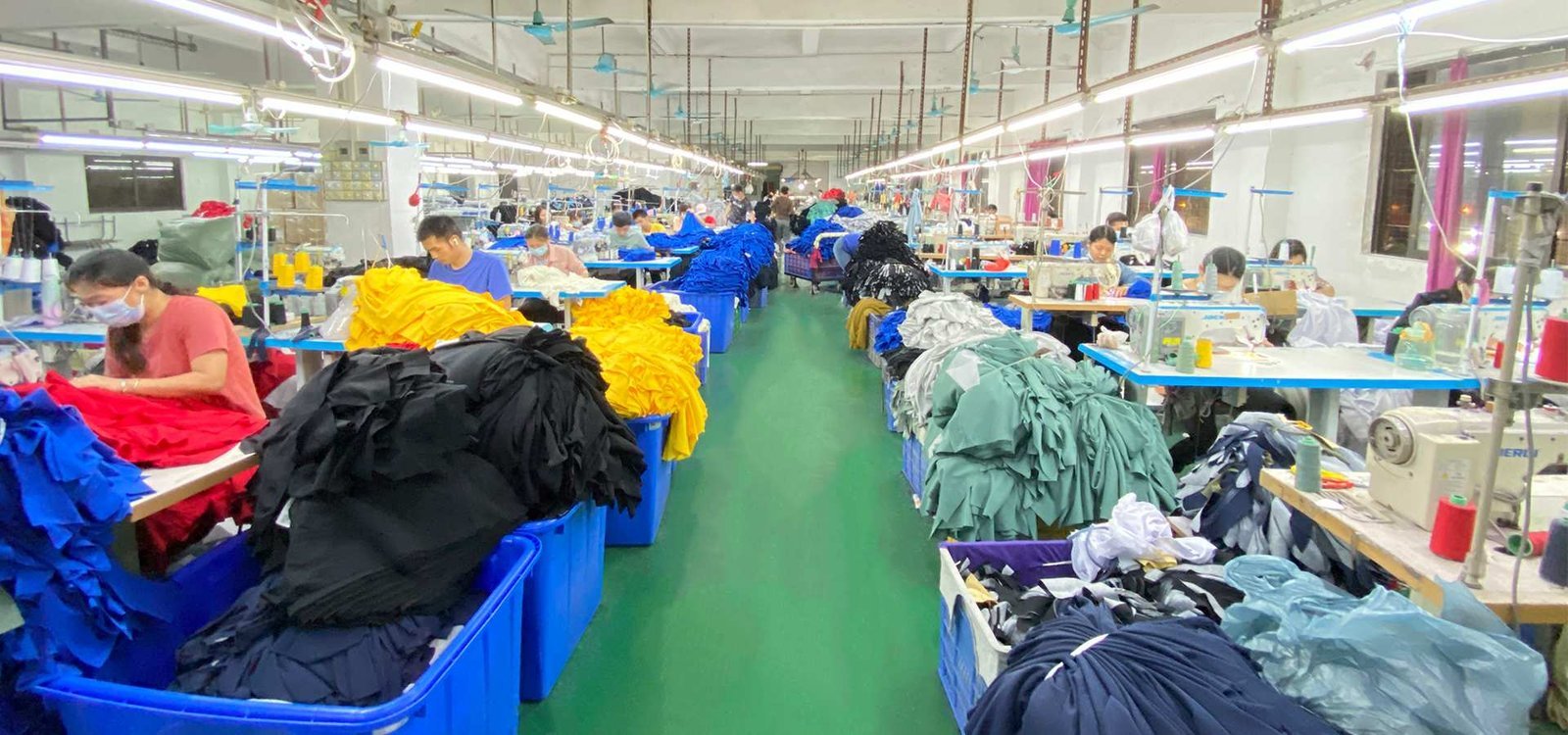
The Science Behind Premium Dye Sublimation Printing
Ink Chemistry and Precision Color Profiling
Our sublimation inks are calibrated to custom ICC color profiles, delivering an expanded color gamut that faithfully reproduces complex streetwear graphics. Spectrophotometer verification ensures sub-millimeter registration accuracy and Pantone-referenced consistency across every production run.
- Sublimation-grade inks formulated for vivid, consistent expanded-gamut CMYK output
- Custom ICC profiles matched to each fabric type and colorway
- Sub-millimeter registration accuracy verified on every print run
- Pantone-referenced color matching for brand-critical hues and seasonal collections
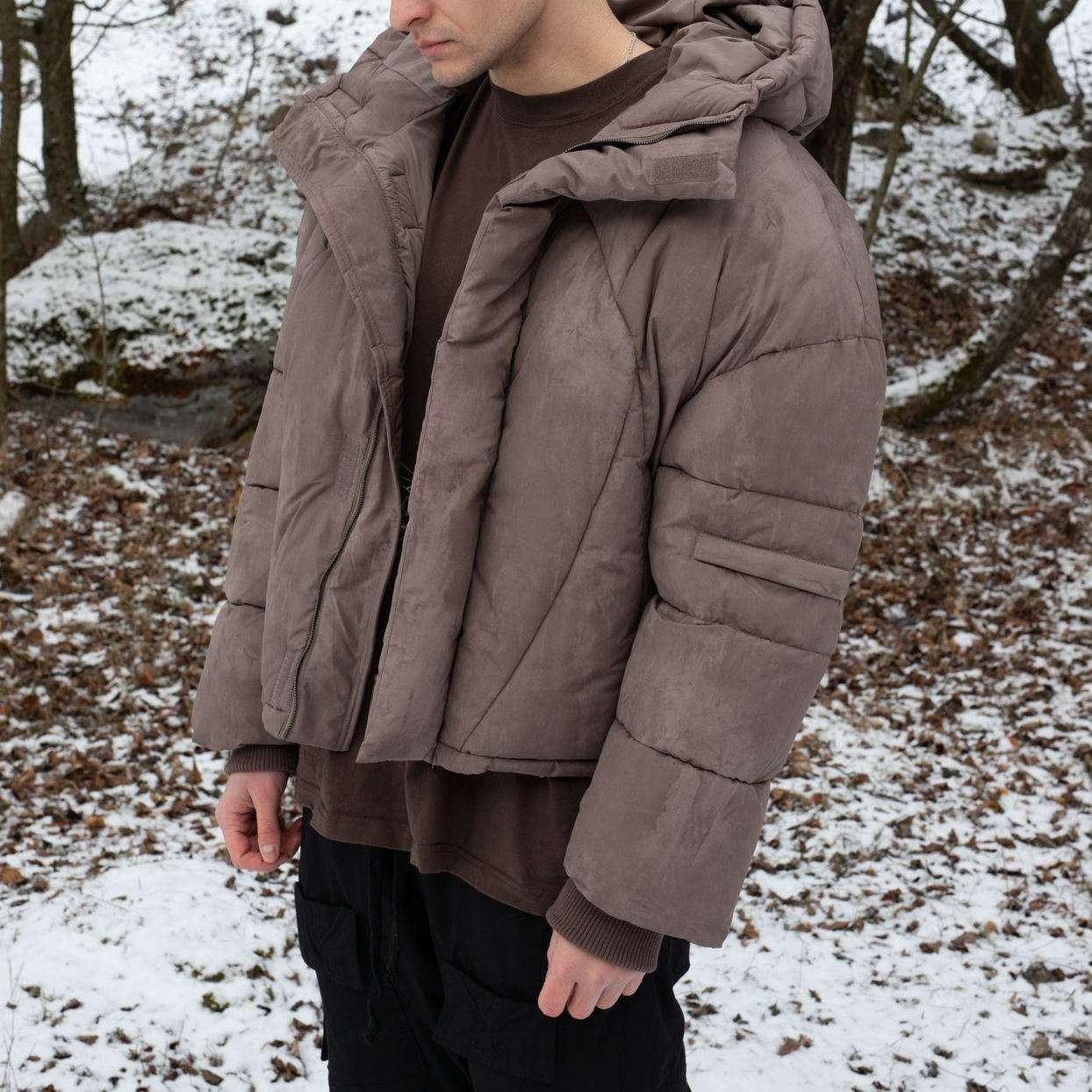
Precise Heat Calibration for Every Fabric
Every substrate demands its own sublimation temperature curve. Our production team programs and validates heat-press settings for each fabric weight and weave, eliminating color shift, ghosting, and incomplete dye transfer before a single production unit begins.
- Fabric-specific temperature curves from 180°C to 210°C for optimal dye transfer
- Dual-zone pressure calibration prevents uneven saturation and edge bleeding
- Pre-production heat tests run on strike-off samples before full production approval
- Real-time temperature monitoring logged throughout each production run
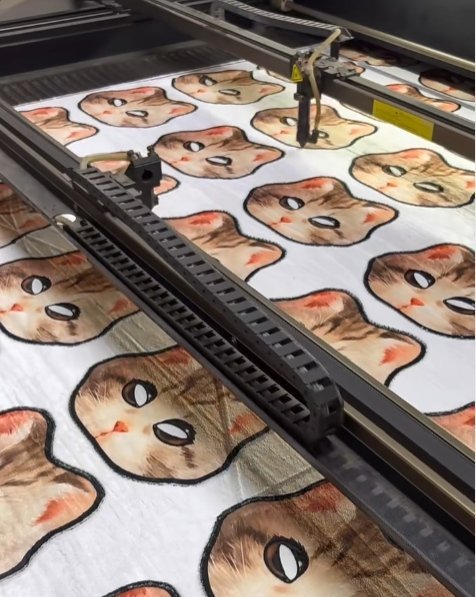
Pre-Treatment Protocols That Lock in Color
Consistent dye sublimation printing results start before the press. We vet every substrate for polyester content, surface tension, and moisture levels, applying pre-treatment protocols that guarantee uniform ink absorption and prevent banding or fading on finished garments.
- Minimum polyester-content thresholds enforced for full-saturation sublimation output
- Moisture and surface-tension testing performed on each fabric roll before printing
- Pre-treatment solutions applied to blended fabrics to maximize color adhesion
- Substrate approval sign-off required before any bulk production order begins
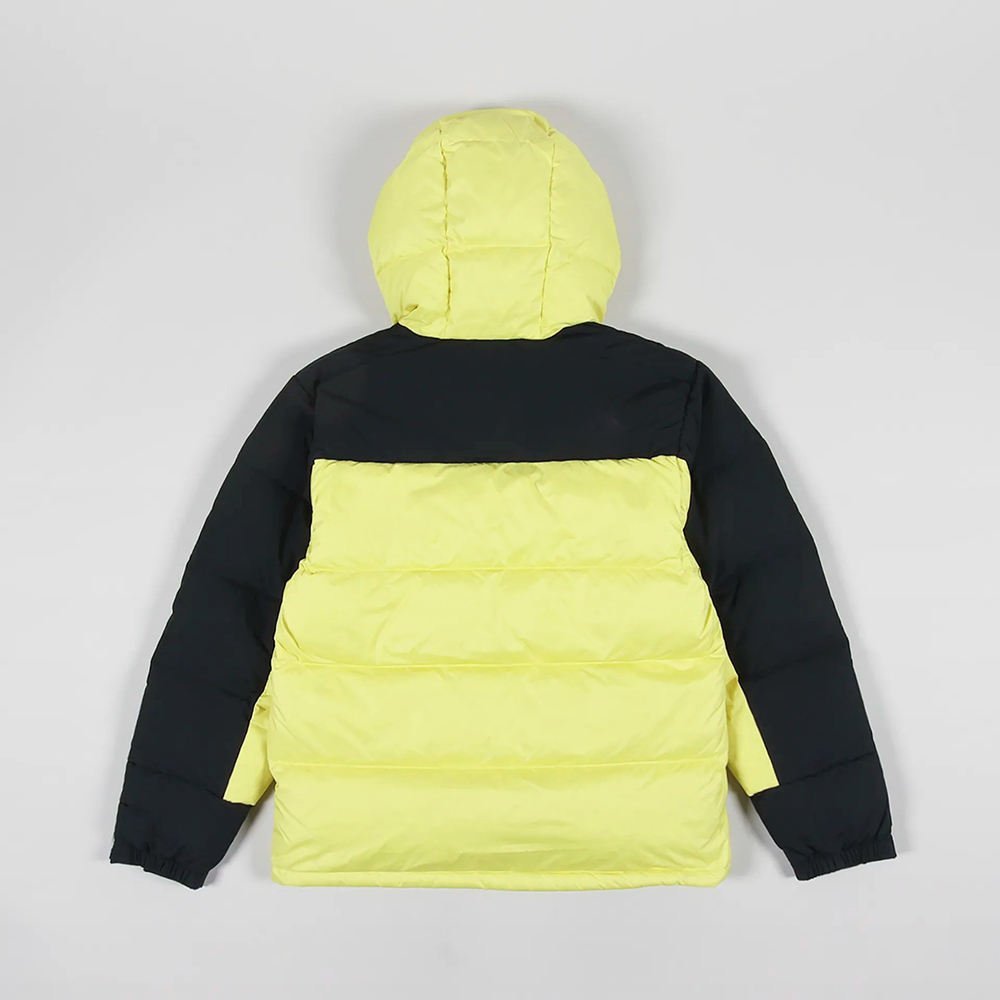
Durability Testing Built Into Every Order
Our 5-step QC framework extends to finished dye sublimation printing: every batch undergoes accelerated wash-cycle testing, colorfastness grading, and seam-stress checks before shipping. Brands receive full documented test results alongside their completed production run.
- ISO-referenced colorfastness wash tests at 40°C, 60°C, and 90°C cycles
- Abrasion and pilling resistance scored against AATCC and EN ISO standards
- Colorfastness to perspiration and rubbing tested for athletic and streetwear end-uses
- Full QC report included with every completed order for brand transparency
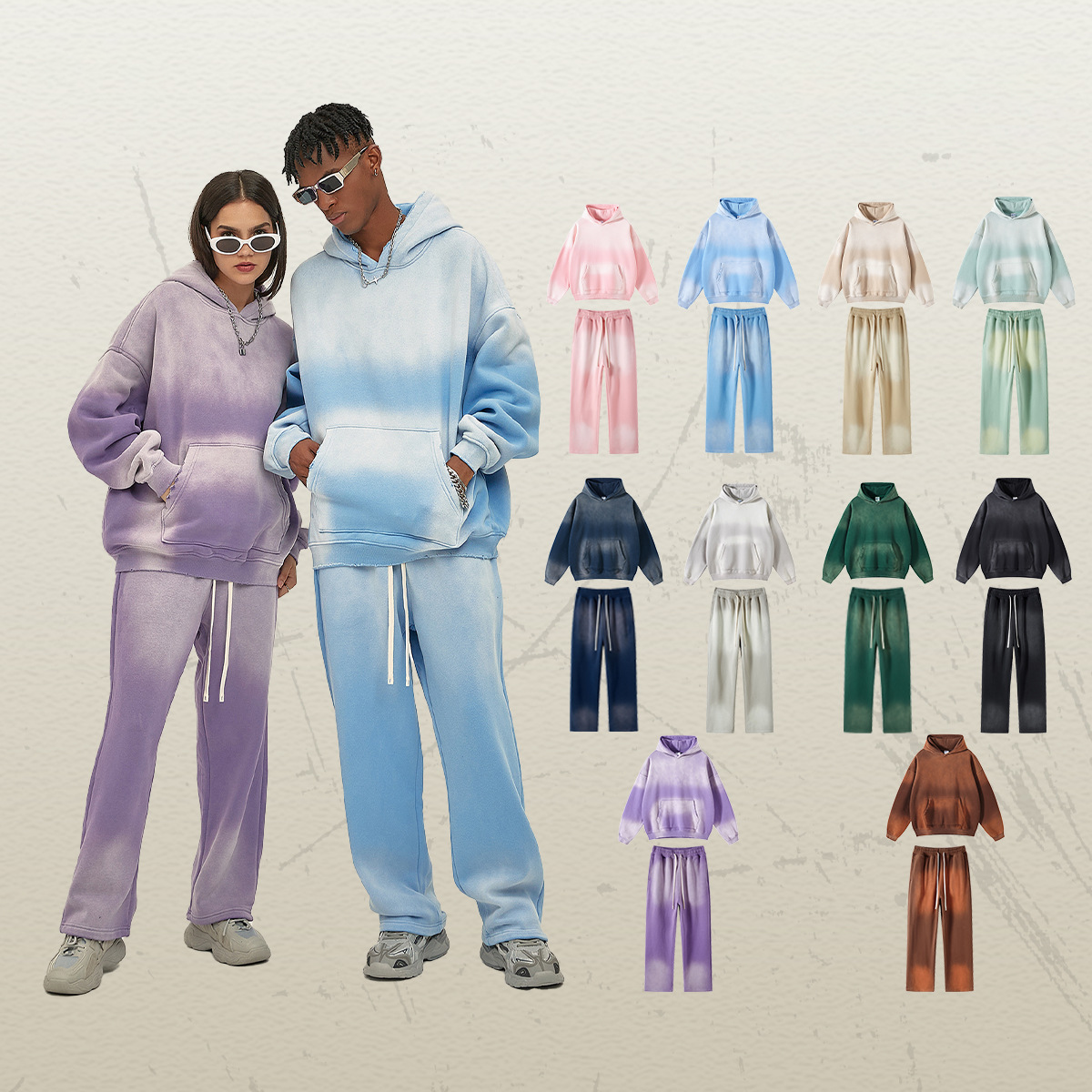
Dye Sublimation Printing vs. Screen Printing: See the Difference
Compare dye sublimation printing against screen printing on the attributes that decide production outcomes — design range, durability, MOQ, and cost — so you choose the right process for your brand from day one.
← 左右滑动查看 →
Dye Sublimation Printing Production Workflow
Seven precision-controlled stages — from your design file to QC-passed, shelf-ready garments — each backed by our 5-step quality guarantee.
Design Approval and File Prep
Your artwork is reviewed for print-readiness, color accuracy, and brand alignment. Our design team refines files and locks final approval before production begins.
Rasterization and Color Separation
Approved designs are rasterized at high resolution and color-separated into precise ICC profiles, ensuring every hue reproduces faithfully on polyester fabric.
Fabric Pre-Treatment and Sizing
All fabric is inspected, pre-treated, and sized to eliminate surface irregularities, ensuring the substrate accepts dye molecules evenly for vibrant, consistent results.
Printer Setup and Color Profiling
Sublimation printers are calibrated with custom color profiles matched to your specific fabric batch, guaranteeing color fidelity from digital proof to finished garment.
Controlled Heat-Press Sublimation
Transfer paper meets fabric under precisely controlled heat and dwell time, converting dye into gas that permanently bonds with polyester fibers at the molecular level.
Cooling and Dye Fixation
Garments exit the heat press and cool under controlled conditions, locking sublimated dyes into the fabric structure for long-lasting, wash-resistant color saturation.
5-Step QC Final Inspection
Every finished piece passes our proprietary 5-step QC inspection, checking color accuracy, hand feel, construction, measurements, and packaging before it ships worldwide.
How to Order Custom Dye Sublimation Printing
From first file upload to doorstep delivery — five straightforward steps, one zero-compromise quality guarantee, and a physical sample in your hands within 7 days.
Submit Your Design Brief
Share your high-resolution digital artwork, approved color profiles, and polyester or poly-blend fabric specifications so we can fully evaluate your dye sublimation printing requirements.
Confirm Fabric Specs and MOQ
We verify polyester or blend percentages for optimal ink penetration, confirm your MOQ threshold, and lock in print dimensions and colorway details before sampling begins.
Approve Your Digital Color Proof
Our in-house design team delivers a precise digital color proof. You review, request adjustments, and formally approve before a single meter of compatible fabric is committed.
Receive Your Sample in 7 Days
A physical dye sublimation printing sample ships within 7 days, letting you assess color vibrancy, hand-feel, wash-fastness, and garment construction quality firsthand before bulk commitment.
Launch Your Full Production Run
After sample sign-off, your bulk order enters our 5-step QC-guaranteed production line with confirmed lead times, real-time progress updates, and end-to-end global logistics support.
Dye Sublimation Printing Success Stories
We stress-tested our all-over print hoodies through 60 wash cycles — colors stayed vivid and matched our original Pantone specs within a hair. Clothing Manufacturer Ltd. delivered 800 units on schedule with zero color-fade complaints from a single retail buyer. Best dye sublimation printing we have experienced.
As a startup, low MOQ and fast sampling were non-negotiable. We had production-ready printed samples approved in 8 days and launched a 250-piece debut collection that sold out in 72 hours. Their 5-step QC meant not a single piece came back with a defect.
We scaled from a 300-unit test run to a 4,500-piece seasonal drop in under 7 weeks. Every all-over print was consistent across the full run. Our unboxing content hit 2.3 million views and the collection sold out in four days flat.
Dye Sublimation Printing FAQ
Fabric compatibility, file specs, MOQs, wash durability, and combining techniques — every question your team is asking, answered by our production specialists.
What fabrics work best with dye sublimation printing?
What is the minimum order quantity (MOQ) for dye sublimation printing?
How long does dye sublimation printing take from sample approval to bulk delivery?
How many colors can dye sublimation printing reproduce per garment?
Can I combine dye sublimation printing with embroidery or patches on the same garment?
What file formats and resolution do you need for my artwork?
How durable is dye sublimation printing — will the print crack or fade after washing?
Does the polyester percentage in a fabric blend affect dye sublimation printing results?
Is there a sampling fee, and does it apply toward my bulk order?
The Complete Buyer’s Guide to Dye Sublimation Printing
Everything streetwear labels, fashion startups, and global retailers need to evaluate dye sublimation printing suppliers — covering process types, fabric compatibility, quality benchmarks, cost tiers, and the critical mistakes that derail first-time orders.
1. What Is Dye Sublimation Printing?
At temperatures between 375°F and 425°F (190°C–218°C), solid sublimation dyes bypass the liquid phase entirely, converting directly into gas and bonding at the molecular level with polyester fiber chains. This phase-change chemistry — solid to gas, gas to fiber — is what makes dye sublimation printing fundamentally different from any surface-applied ink method. The result is a print that becomes part of the fabric itself, not a coating sitting on top of it.
Screen printing deposits plastisol or water-based ink above the fabric surface, building a tactile layer that cracks with age, while DTG uses inkjet heads to spray pigment onto the cloth — both methods remain on top of the fiber. Dye sublimation printing, by contrast, leaves zero hand-feel and delivers colorfastness that holds through 50-plus industrial wash cycles without measurable fade.
Because the dye migrates into every fiber across an unbounded surface area, dye sublimation printing supports full-bleed, edge-to-edge graphics at no extra cost — no squeegee limits, no screen counts, no per-color setup fees. The single non-negotiable condition: the process requires a minimum of 65% polyester content, with 100% polyester delivering the sharpest Pantone-accurate color reproduction. If your line runs on cotton or natural-fiber blends, this is not the right method; if it runs on performance fabrics, activewear, or synthetic streetwear, sublimation is the strongest print tool available.
| Print Method | Ink Placement | Hand-Feel | Full-Bleed | Fabric Requirement |
|---|---|---|---|---|
| Screen Printing | On surface | Noticeable | No | Any fiber |
| DTG | On surface | Light texture | Limited | Cotton preferred |
| Dye Sublimation | Inside fiber | None | Yes, edge-to-edge | 65%+ polyester |
2. The Evolution and History of Dye Sublimation Printing
Dye sublimation printing traces its industrial roots to the late 1950s, when French textile researchers developed the first heat-transfer processes using disperse dyes that convert directly from solid to gas under pressure and elevated temperature. Early commercial applications were confined to large-scale calender press operations producing polyester upholstery and technical textiles — not garments.
The 1980s brought the first wave of apparel adoption, as performance sportswear brands recognized that dye sublimation printing could reproduce photographic-quality graphics on 100% polyester jerseys and cycling kits without cracking, peeling, or adding hand weight. Through the 1990s, the technology spread across team-uniform production, where conventional screen printing’s 6–8 color ceiling and per-color setup fees made full-bleed, multi-color designs economically unviable.
Between 2000 and 2005, wide-format piezoelectric inkjet heads from manufacturers such as Epson and Mimaki crossed into textile production, enabling CMYK disperse-ink output at resolutions exceeding 1,440 dpi onto transfer paper. This eliminated costly film separations and drove equipment entry costs to under $10,000, while concurrent development of water-based, low-VOC sublimation inks opened a credible path to OEKO-TEX compliant production for independent operators.
By 2015, on-demand platforms built around wide-format sublimation printers made all-over-print tees and hoodies viable at MOQs of one unit, fundamentally lowering the barrier for startup and independent brands. Today, advanced ink sets consistently achieve Pantone-matched color accuracy on polyester substrates, and dye sublimation printing sits at the center of the global custom streetwear market — the segment Clothing Manufacturer Ltd. was built to serve from its Humen Town, Dongguan production base.
3. Types of Dye Sublimation Printing Explained
Four dye sublimation printing methods serve different scales, constructions, and budgets. Selecting the wrong process inflates per-unit cost or limits design fidelity — matching your brand’s volume to the right method is the first critical production decision.
Cut-and-Sew All-Over Sublimation
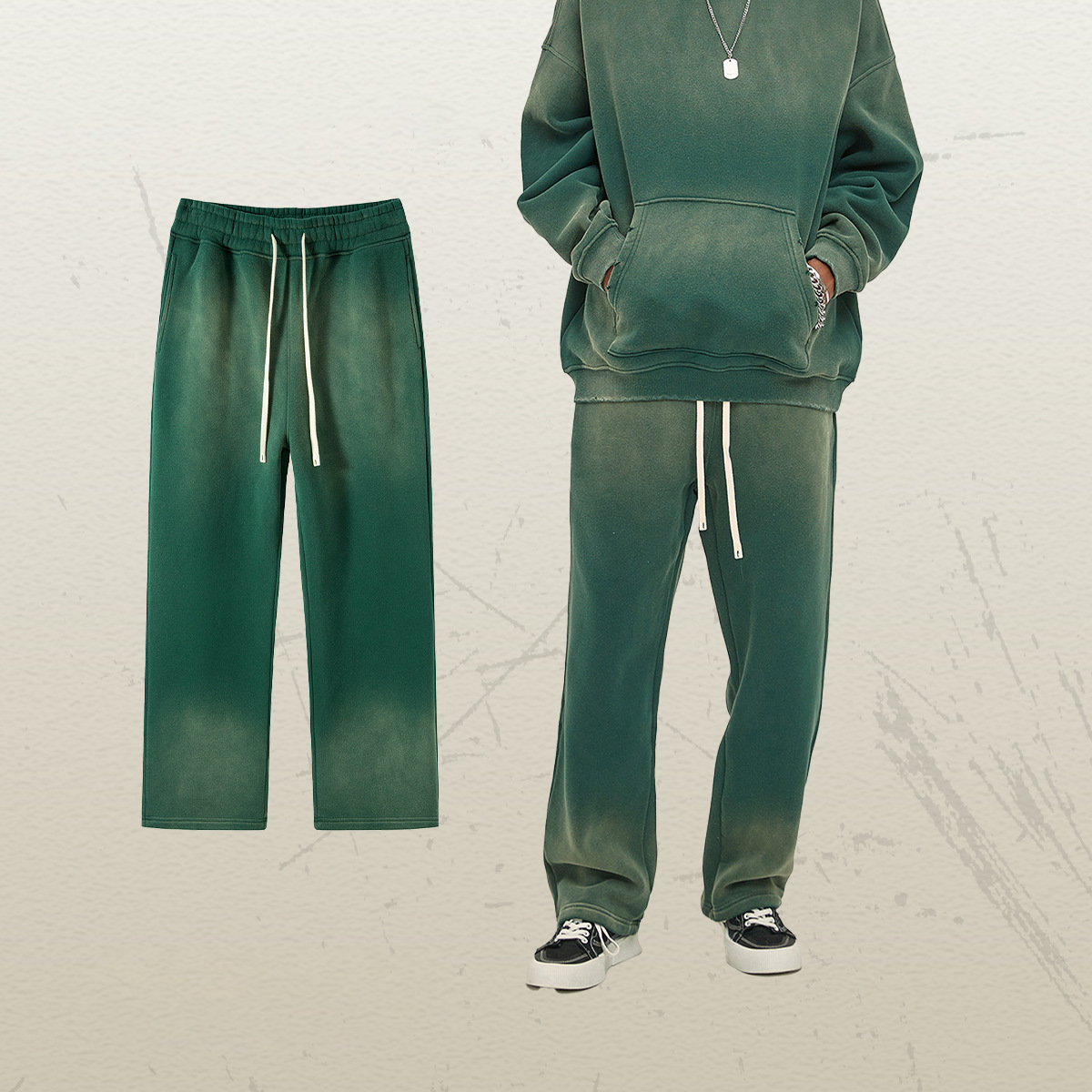
Panels print before cutting and then assemble — delivering edge-to-edge graphics with no white borders. MOQ runs 100–300 pieces per colorway. Suits hoodies and athletic jerseys; cost drops 20–30% above 200 pieces, making this the default for mid-volume streetwear brands.
Transfer Paper Sublimation
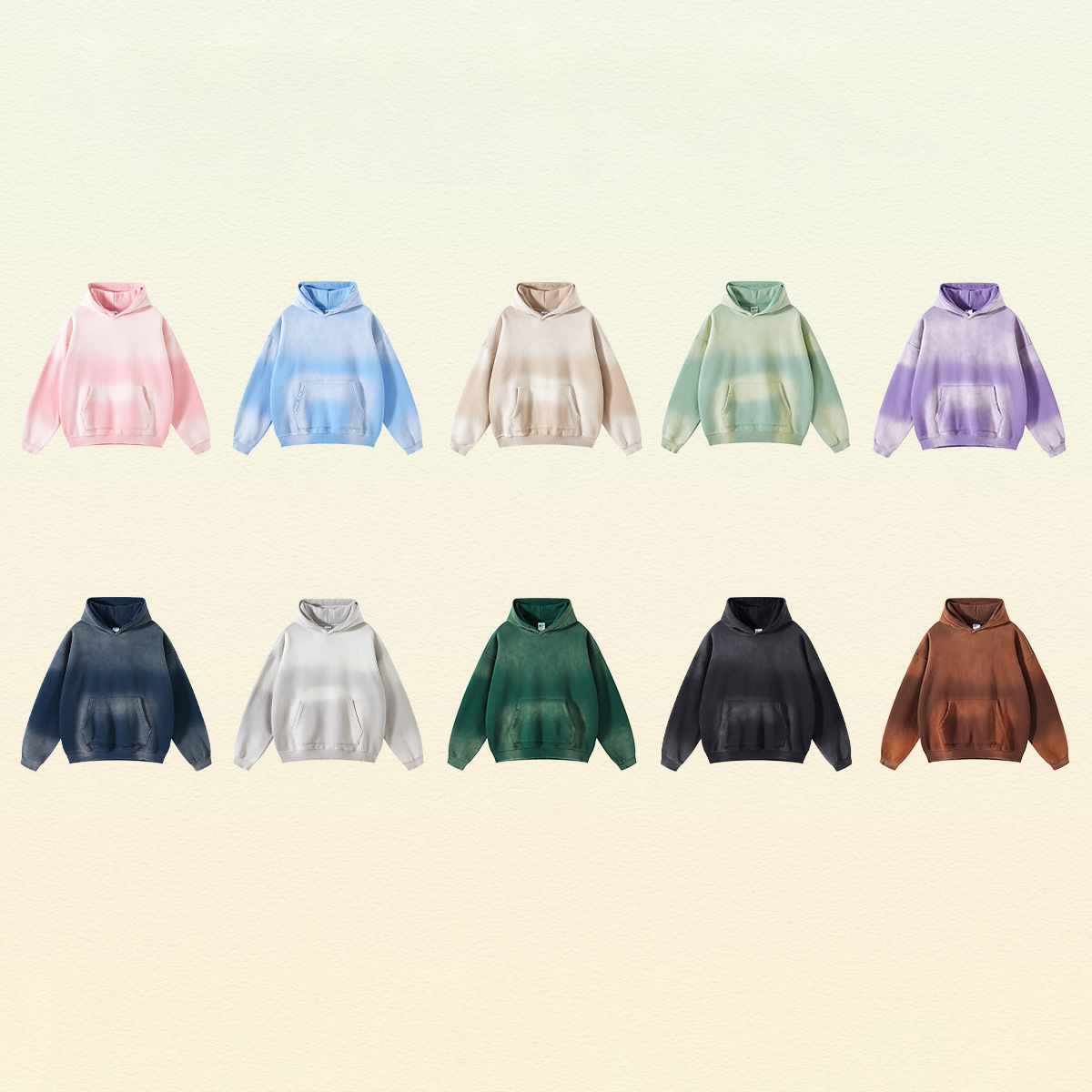
Ink prints onto release paper first, then heat-presses onto cut garments at 180–210°C. MOQ can start at 50 pieces, lowering entry cost for startups. Placement is limited to flat, seam-free zones; per-unit cost runs 15–30% above direct-fabric methods.
Direct-to-Fabric Rotary Sublimation
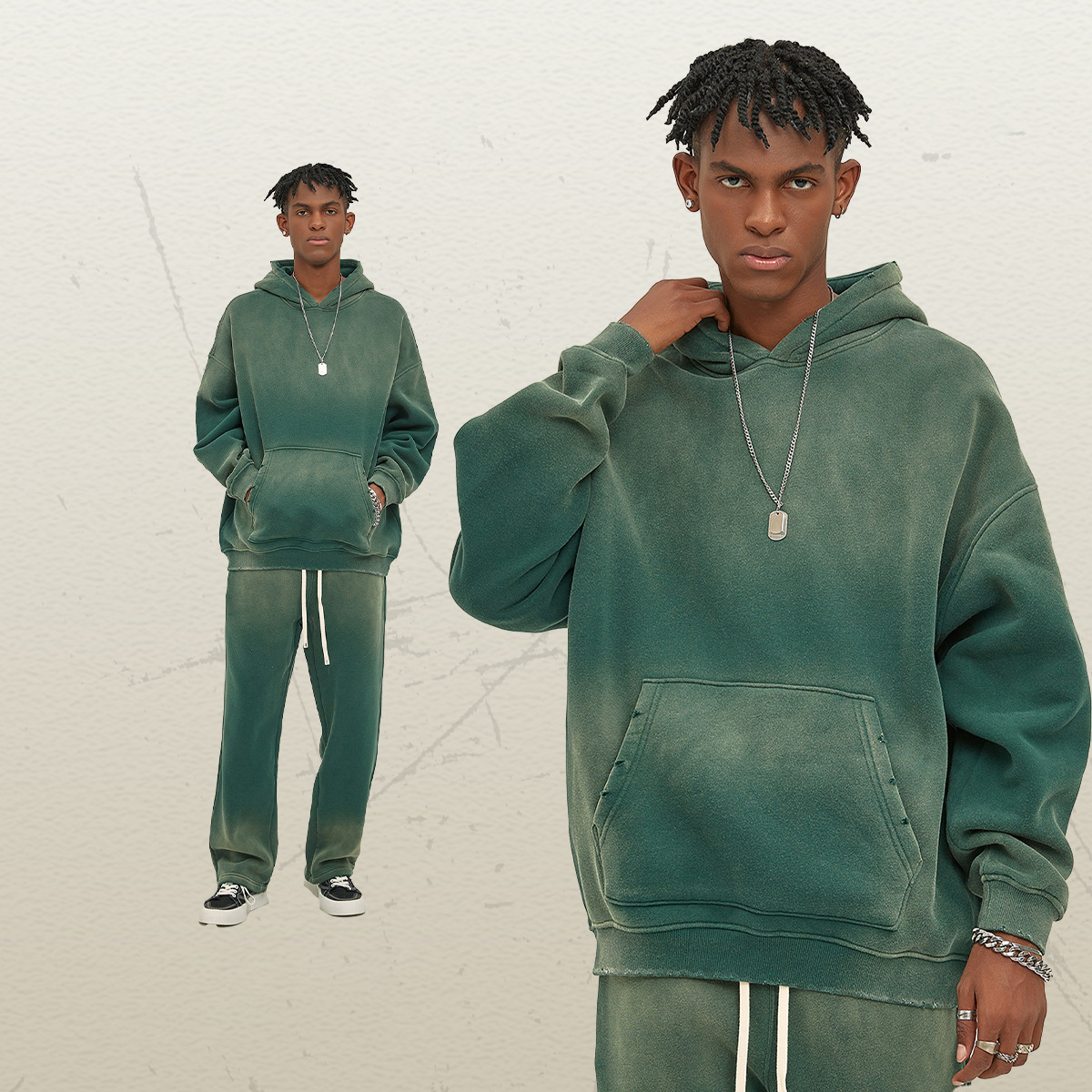
Rotary drums print continuous fabric rolls above 1,000 meters per day, with MOQs at 500 meters. Per-meter cost runs $2–5 USD — the lowest across all sublimation methods. High-volume activewear and swimwear producers benefit most; emerging labels rarely meet these minimums.
On-Demand Single-Piece Sublimation
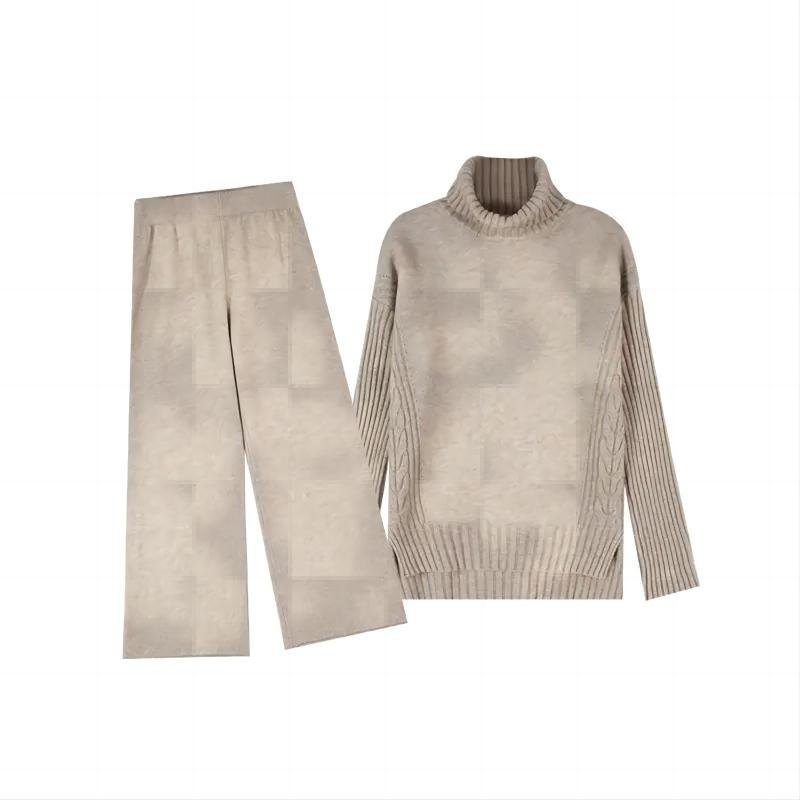
Digital inkjet printers sublimate individual garments at zero MOQ. Per-unit cost runs 3–5× above cut-and-sew sublimation. Lead time is 24–72 hours — the right fit for influencer drops, SKU validation, and creator brands testing demand before committing to bulk production.
4. Best Materials and Fabrics for Dye Sublimation Printing
Dye sublimation printing chemically bonds ink to polyester fibers under 180–210°C heat, making fiber content the single most critical fabric decision. A minimum 65% polyester is required; 100% polyester delivers the sharpest Pantone-accurate color and the longest wash durability.
| Fabric Type | Polyester % | GSM Range | Best Application |
|---|---|---|---|
| 100% Performance Polyester | 100% | 130–280 | Activewear, jerseys, full-print streetwear |
| Recycled rPET | 100% | 160–240 | Eco fashion, OEKO-TEX certified lines |
| Polyester-Spandex (88/12) | 88% | 130–200 | Fitted activewear, stretch streetwear |
| Polyester-Coated Hard Substrate | 100% coating | N/A | Accessories, hard goods |
| 50/50 Poly-Cotton | 50% | 150–280 | Not recommended — washed-out results |
The 65% Polyester Threshold Explained
At 100% polyester, sublimation gas fully penetrates the fiber matrix, locking vivid color that survives 50+ wash cycles without fading.
Blends below 65% polyester leave natural fibers that physically reject the gas-phase dye — the cotton or viscose portion prints as a pale ghost, making accurate Pantone color matching impossible.
GSM Ranges by End-Use Category
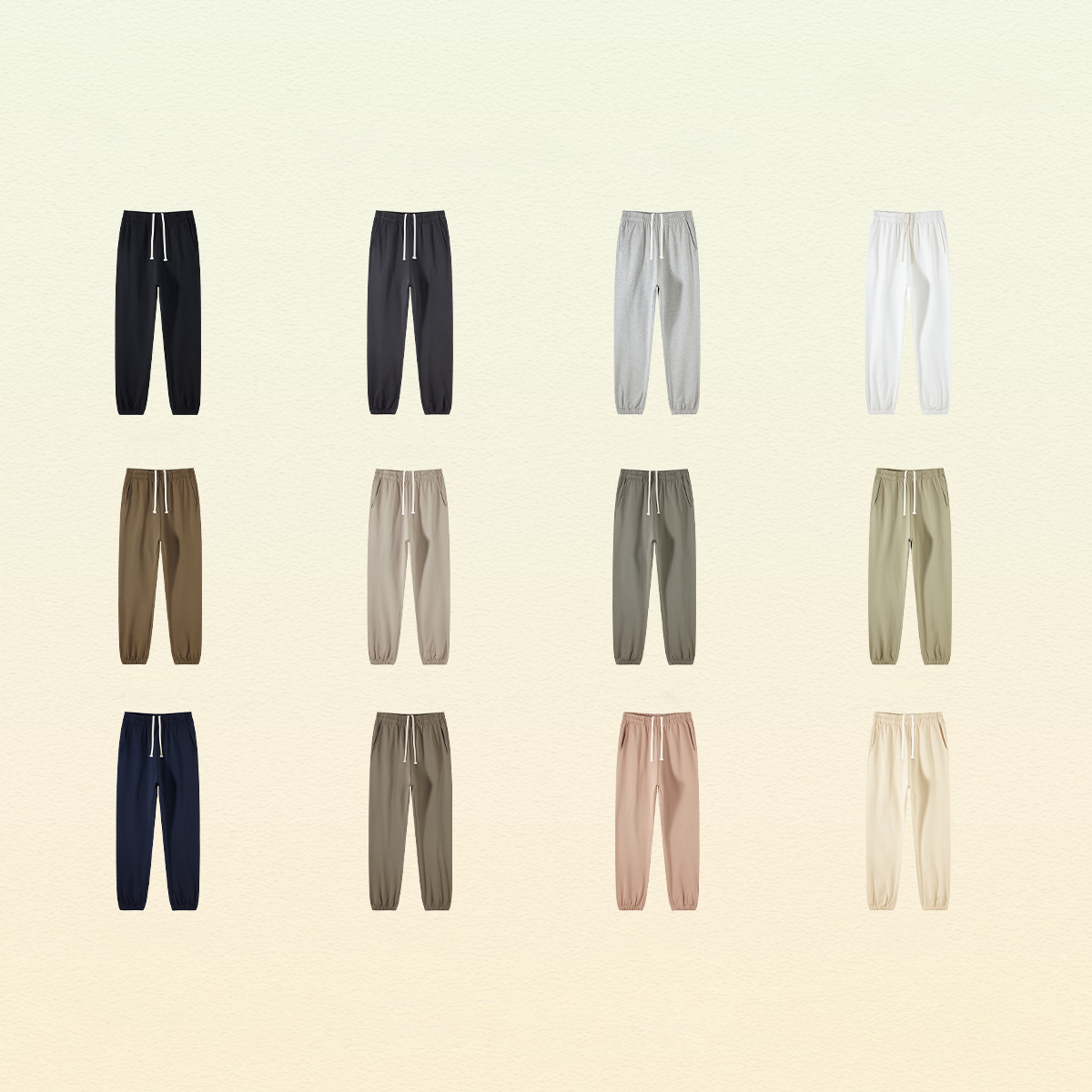
Activewear runs 130–180 GSM using performance polyester or 88/12 polyester-spandex blends, balancing moisture-wicking with four-way stretch. Recycled rPET fabrics in this range carry OEKO-TEX certification, appealing to sustainability-driven buyers.
Streetwear sits at 200–280 GSM for bold graphic weight, while fashion-forward pieces typically use 160–220 GSM for drape and refined hand feel.
Why Cotton Blends Produce Washed-Out Results
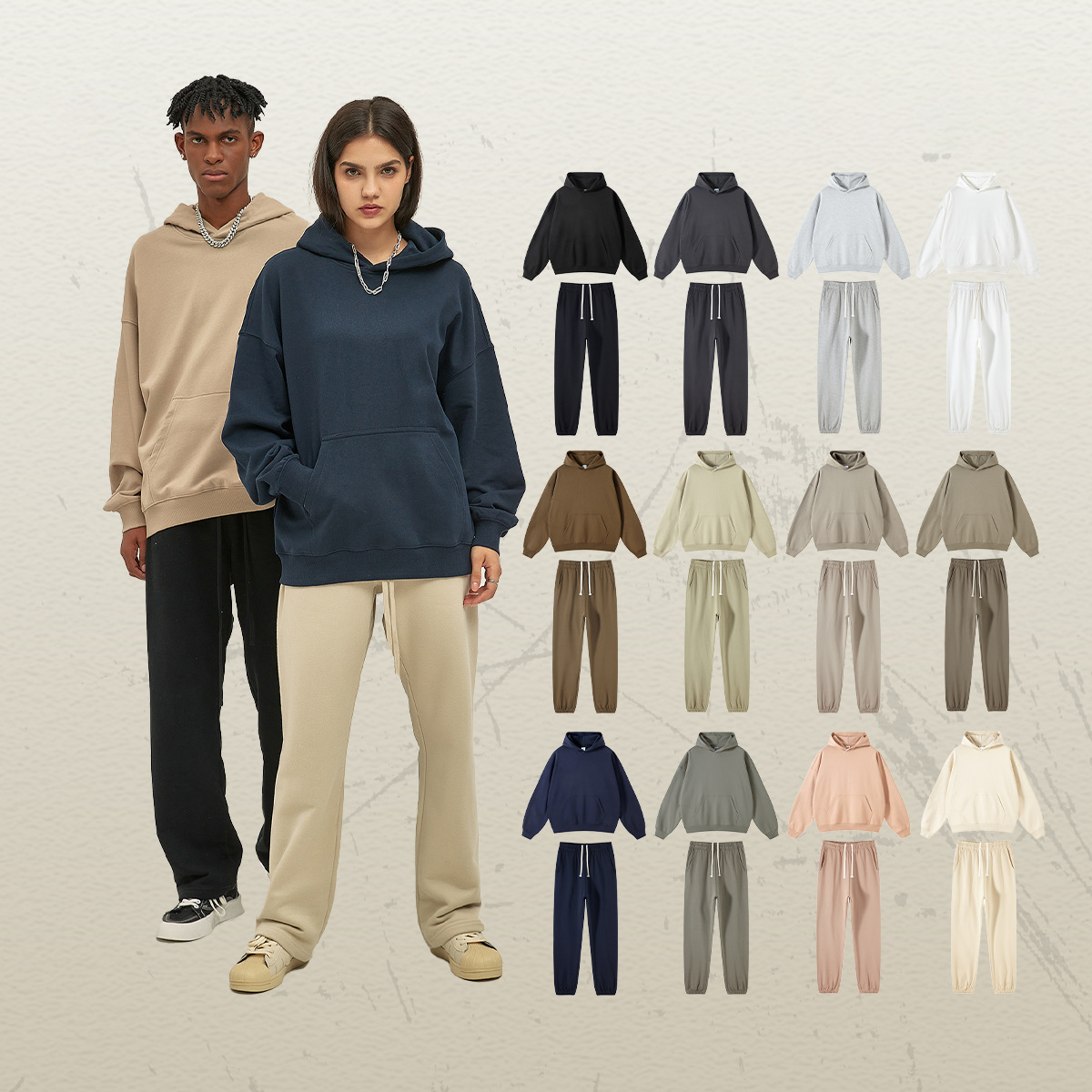
Many first-time buyers assume a 50/50 poly-cotton blend offers the best of both worlds — it does not for dye sublimation printing. The cotton portion rejects dye entirely, resulting in patchy color, reduced vibrancy, and branding that looks faded before the first wash cycle.
5. Customization and Design Options with Dye Sublimation Printing
Dye sublimation printing delivers design latitude that screen printing cannot match: edge-to-edge coverage, photographic gradients, and unlimited colorways in a single production run. Trend-driven brands exploit these capabilities to launch visually distinctive collections without per-color setup fees.
All-Over Print and Placement Capabilities
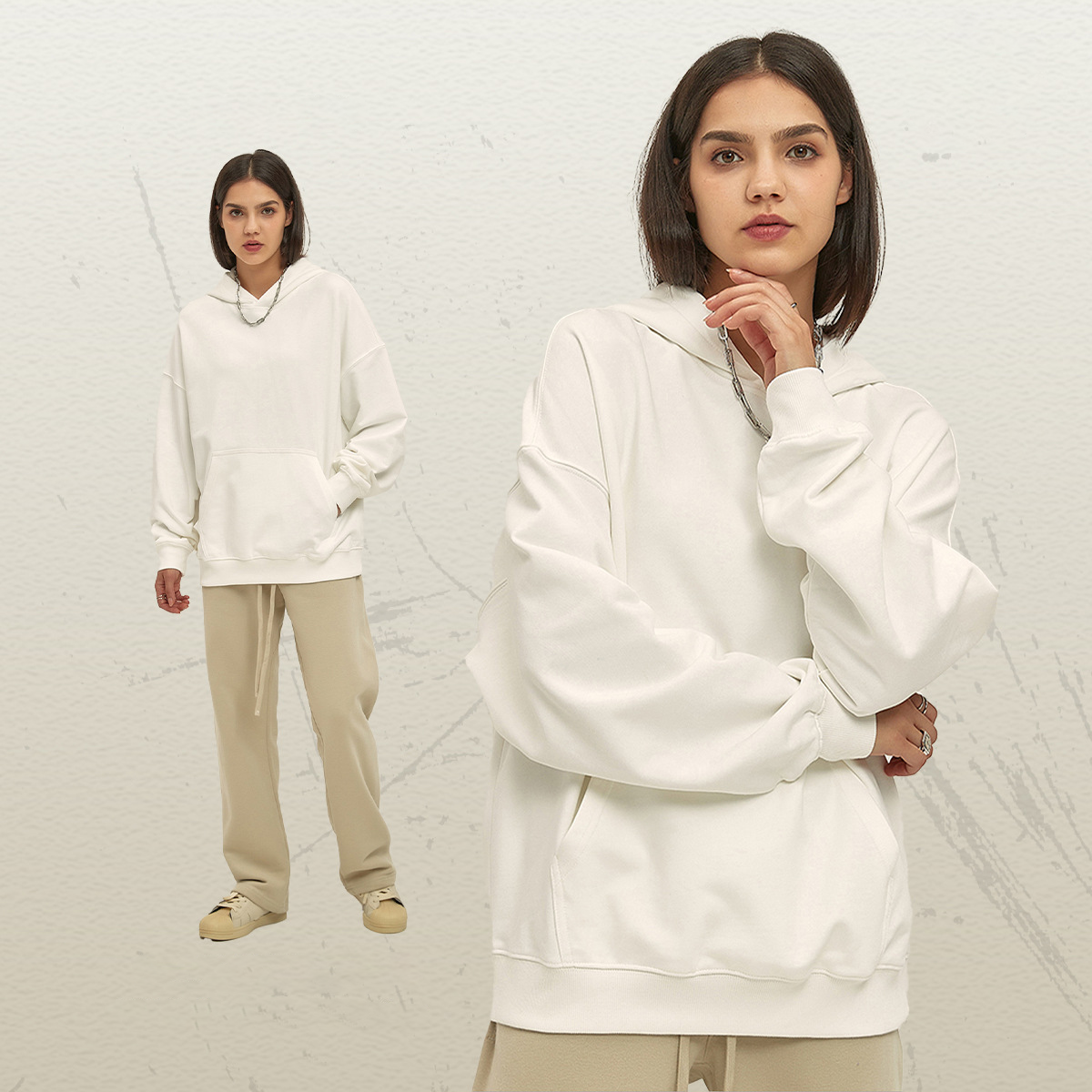
Sublimation transfers ink across the full fabric panel before cut-and-sew, enabling true edge-to-edge coverage with no registration gaps. Pattern repeats and co-branding placement zones — chest logos, sleeve graphics, back panels — are locked at the design stage, with photographic gradients reproduced at full fidelity.
File Format and Color Profile Requirements
Supply artwork at 300 DPI minimum as a flattened TIFF or high-resolution PDF. RGB color mode is mandatory — CMYK files produce muted output because sublimation inks operate within an RGB gamut on polyester.
Pantone-referenced colorways are achievable when the press ICC profile is calibrated to the specific substrate. Request a printed strike-off before bulk production, as on-screen RGB values shift when heat-transferred at 190–210°C.
Briefing the Art Team and Ink Certifications
Provide a tech pack with Pantone references, print boundary coordinates, and a placement mockup identifying every co-branding zone. Flag gradient-heavy or photographic elements explicitly — the art team must load the correct substrate ICC profile for accurate color output.
Leading sublimation ink suppliers carry OEKO-TEX ECO PASSPORT or bluesign certification, confirming dyes are free of restricted substances. Specify these certifications in your purchase order when targeting EU or North American markets with chemical compliance requirements.
6. Key Quality Elements to Inspect in Dye Sublimation Printing
A perfect sample means nothing if the production run ships with color drift, panel misalignment, or bleeding ink. These checkpoints tell you whether a supplier’s dye sublimation printing process is genuinely controlled.
Color Consistency Across a Production Run
Delta-E measurements below 2.0 across all garments indicate acceptable color accuracy against your approved Pantone or sRGB reference.
Request spectrophotometer reports on 5–10% of units pulled at random from a production batch — not just the first pieces off the press.
Wash-Fastness and Vibrancy Standards
ISO 105-C06 is the industry benchmark for wash-fastness; a rating of 4–5 out of 5 indicates colors resist fading under repeated laundering.
Reputable manufacturers verify vibrancy holds after 50 machine-wash cycles at 40°C before approving a colorway for bulk production.
Ghosting, Bleeding, and Seam Alignment
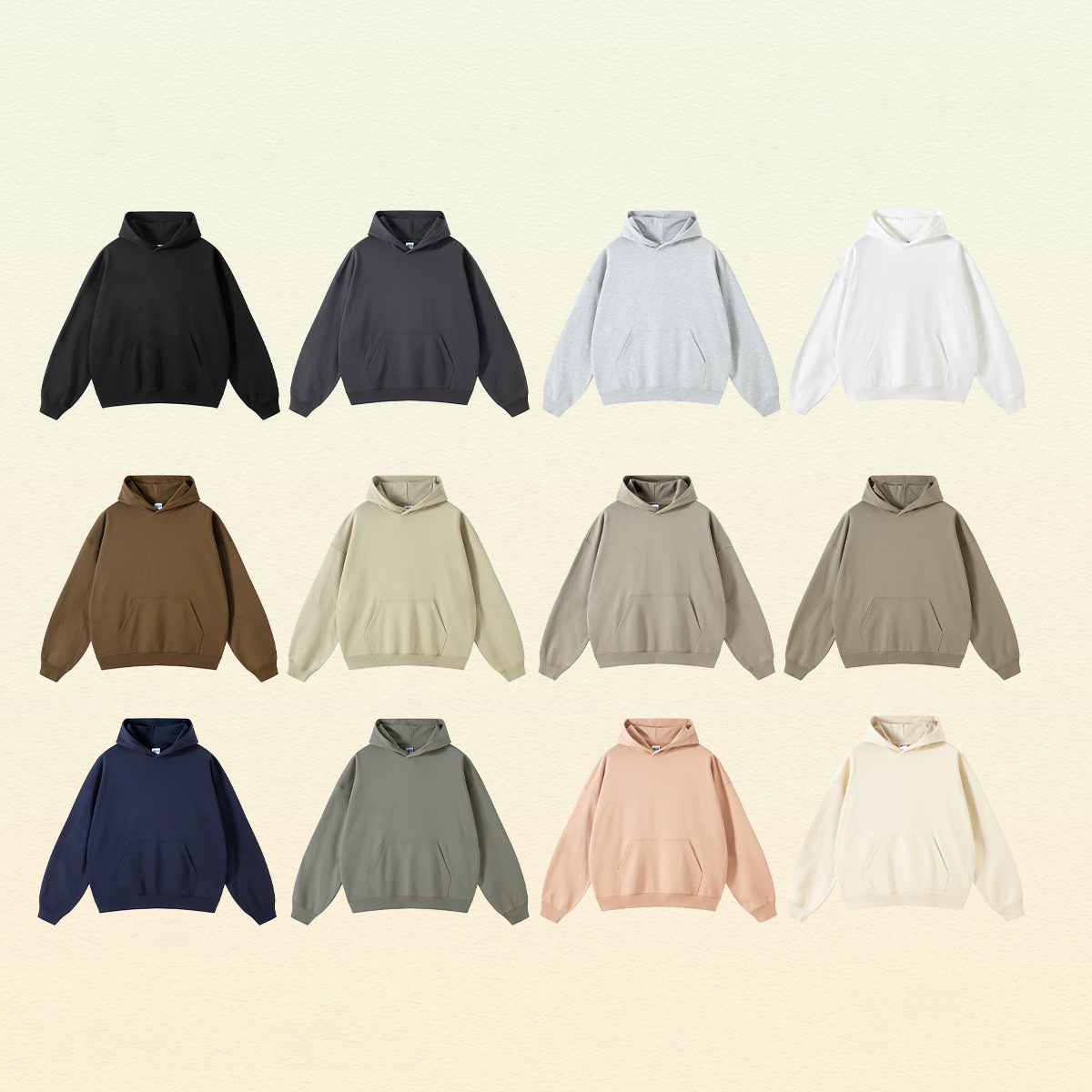
Ghosting — a faint secondary image caused by substrate shifting mid-transfer — and ink bleed at color boundaries are defects visible under normal light.
On cut-and-sew panels, demand ≤1 mm seam alignment tolerance; misaligned panels break graphic continuity across garment seams.
- Check color boundary edges under 10× magnification for ink bleed wider than 0.5 mm
- Verify seam-to-graphic registration is ≤1 mm on all cut-and-sew panels
- Inspect transfer edges under standard indoor lighting for any ghost images
Certifications That Signal Production Quality
OEKO-TEX Standard 100 certification confirms that inks and finished fabric contain no harmful substances above regulated thresholds.
GOTS-compliant inks verify dye inputs meet organic processing criteria — critical for brands marketing sustainability. Both certifications require third-party audits, not self-declaration.
7. How to Choose a Dye Sublimation Printing Manufacturer
Selecting a dye sublimation printing partner requires more than comparing price sheets. Five criteria — capacity, print ownership, sampling speed, QC documentation, and communication — separate reliable factories from risky ones.
Production Capacity and MOQ Flexibility
Reliable suppliers offer MOQ tiers starting at 50–100 pieces per colorway, scaling to 500+ for full production runs. Ask whether the factory handles rush reorders within 7–14 days — influencer brands often need fast restocks after viral drops.
In-House vs. Outsourced Printing
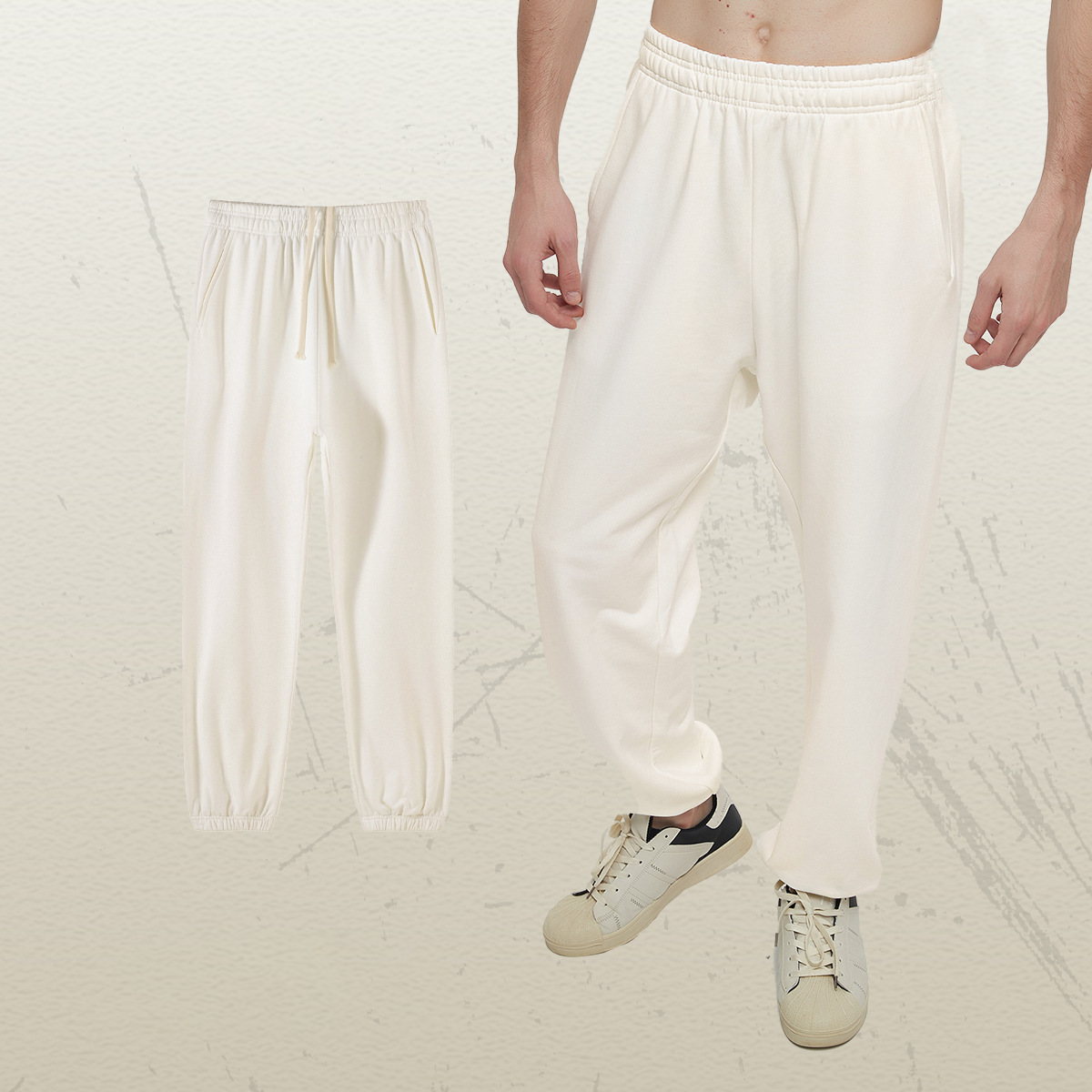
Factories with in-house sublimation presses control color calibration, heat press timing (typically 180–210°C for 30–60 seconds), and substrate selection. Outsourced printing adds 5–10 days to turnaround and removes direct QC visibility.
- Ask: ‘What is your color calibration process and how do you verify Delta-E tolerances?’
- Ask: ‘Do you offer pre-production strike-offs before bulk approval?’
- Ask: ‘Are your sublimation presses owned and operated on-site?’
Sampling Turnaround and Strike-Offs
Pre-production strike-offs — single-unit color proofs — should arrive within 7–10 business days from an overseas factory and 3–5 days from a domestic or nearshore supplier. Always request a Pantone-referenced strike-off before approving bulk production.
Quality-Control Documentation
Ask suppliers for documented QC checkpoints covering fabric GSM verification, color Delta-E tolerances, and seam-strength testing. Certifications such as OEKO-TEX Standard 100 or BSCI audit reports confirm that quality claims are independently verified, not self-reported.
Domestic, Nearshore, and Overseas Factories
Domestic U.S. factories deliver in 7–14 days but at 2–3× the unit cost of Guangdong-based suppliers. Nearshore options (Mexico, Portugal) balance speed and cost. Overseas factories offer the strongest price-to-quality ratio for runs above 200 pieces.
Communication Responsiveness
A supplier who responds within 24 hours and assigns a dedicated account manager reduces order errors significantly. Test responsiveness during sampling — slow replies at that stage reliably predict production delays.
8. Common Mistakes Buyers Make with Dye Sublimation Printing
First-time importers consistently repeat five costly errors with dye sublimation printing — most discovered only after a full production run ships. Each mistake is preventable with one targeted corrective action before production begins.
Ordering on High-Cotton Fabrics
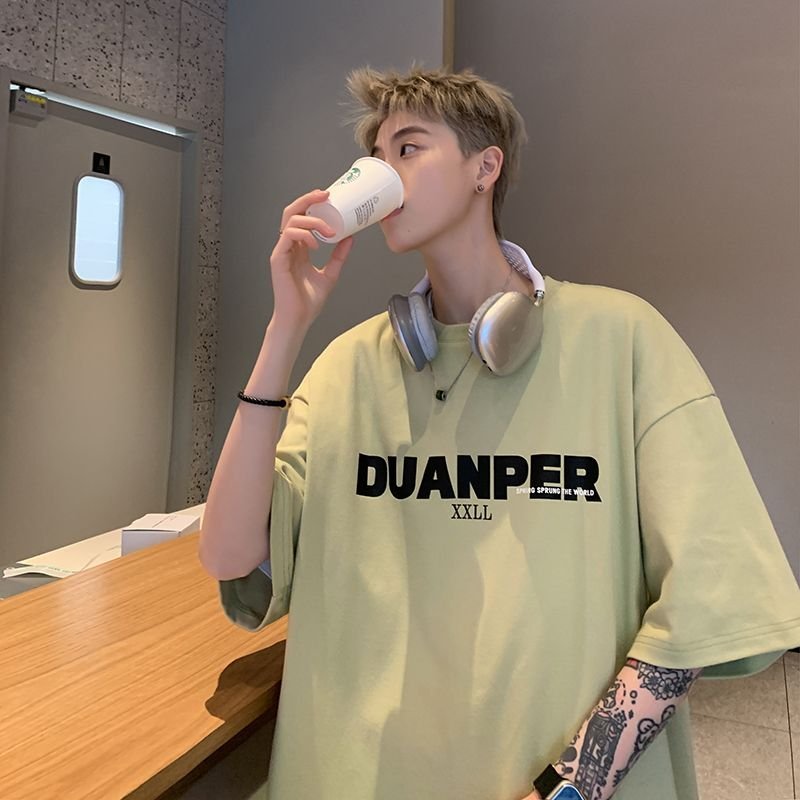
Cotton-rich blends above 50% cotton reject sublimation dye — ink sits on the fiber surface, fades within 3 washes, and prints appear washed-out and muddy. Specify 100% polyester or a blend with at least 65% synthetic content before placing any order.
Skipping Pre-Production Samples
A skipped sample means color shifts, placement errors, and sizing issues surface only on a 500-unit run. Always approve a physical strike-off and fit sample before releasing the production PO — most factories deliver samples within 7–10 days.
Submitting Low-Resolution Artwork
Files below 150 DPI at final print size produce visible pixelation on finished garments. Submit artwork at 300 DPI minimum in CMYK color mode; for all-over prints larger than A3, embed vector elements as PDF layers to preserve edge sharpness.
Ignoring Seam Allowances in All-Over Designs
All-over dye sublimation printing requires offsetting critical graphic elements at least 1.5 cm from every seam line. Designs placed without seam compensation shift dramatically after cutting and sewing, splitting logos or distorting symmetrical motifs across panel joins.
Choosing the Cheapest Supplier Without Wash-Fastness Testing
A price-first selection routinely skips ISO 105-C06 wash-fastness verification, which governs color retention after repeated laundering. Request a test report or run an in-house 40°C wash cycle on samples — suppliers unable to provide ISO documentation often under-cure ink during heat transfer.
9. Steps to Launch Your Brand Using Dye Sublimation Printing
Launching a brand with dye sublimation printing requires six disciplined steps, whether you’re an influencer dropping a 50-piece capsule or a retailer scaling to 500-unit seasonal collections. Sequencing them correctly prevents costly rework.
Define Product Category and Polyester Fabric Spec
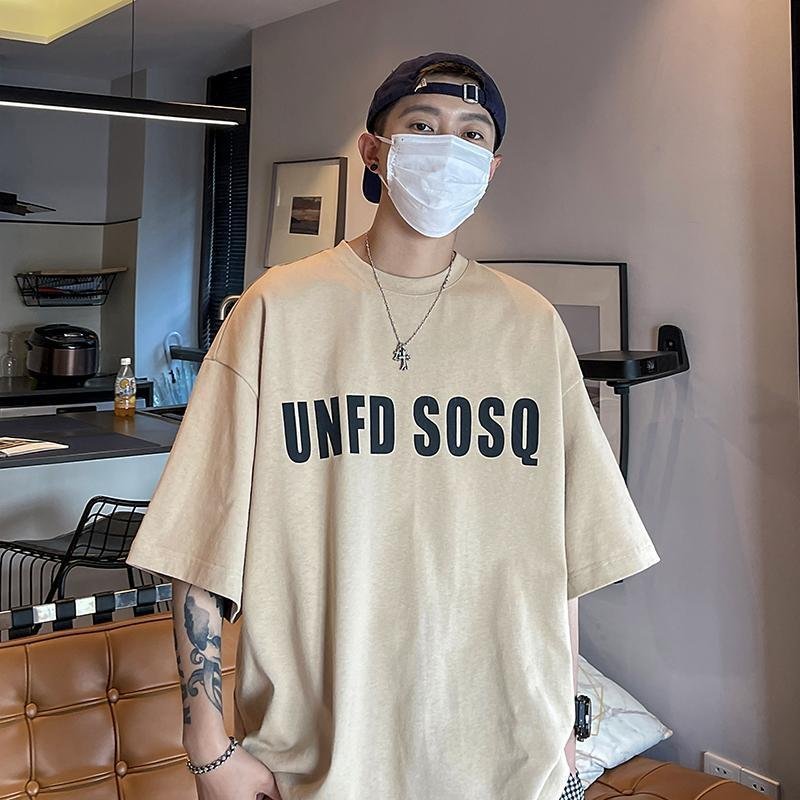
100% polyester is the only substrate that permanently bonds sublimation dye; specify 180–220 GSM interlock for activewear or 300 GSM fleece for hoodies. Influencer capsule drops often target one SKU; retailers should map a full category grid before sampling.
Create Print-Ready Artwork
150–300 DPI at true print size is the minimum spec for sublimation files; pair CMYK or sRGB color mode with Pantone references for brand accuracy. Vector source files allow rescaling without pixelation across different garment panels.
Request a Sample with Strike-Off
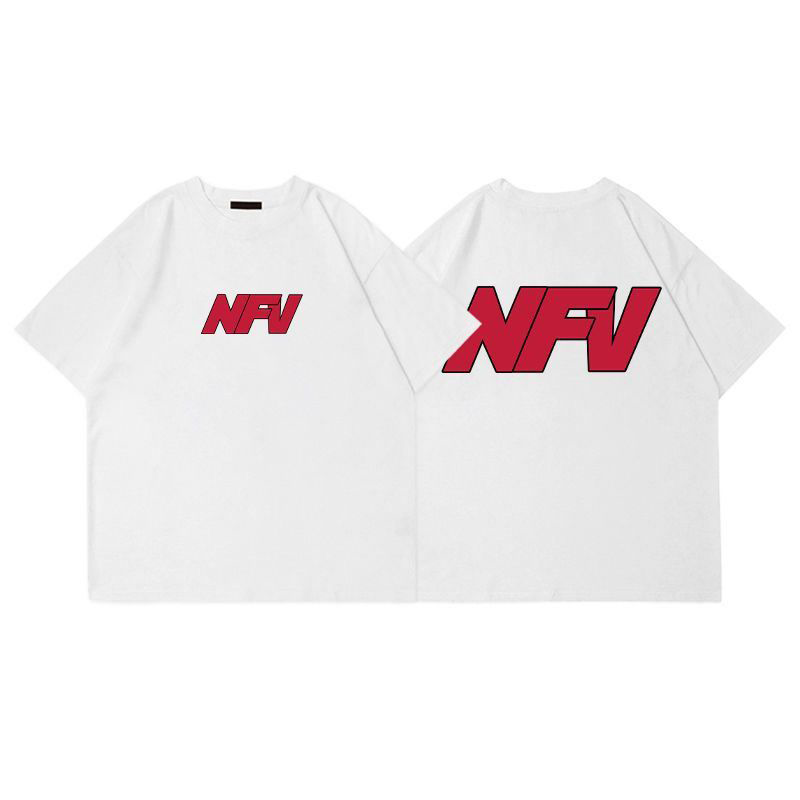
Budget 10–15 days and $50–150 per strike-off — a small test print on your exact fabric before garment construction. Approved strike-offs confirm color accuracy before committing to bulk yardage.
Conduct Wash and Wear Testing
20 wash cycles at 40°C is the standard stress test for sublimation durability; acceptable color shift is ΔE ≤ 2.0. Higher deviation signals ink-to-fabric chemistry issues requiring reformulation before bulk production.
Negotiate MOQ and Lead Time
50–100 pieces per design is the typical MOQ for dye sublimation; lead times run 25–35 days from approved sample. Influencer drops can negotiate lower MOQs at a premium per-unit price.
Place Production Order and Plan QC Inspection
Five QC checkpoints — materials, cutting, craft, sewing, and finished goods — catch more defects than end-line inspection alone. This inline approach identifies color registration errors and seam defects before packaging.
10. Dye Sublimation Printing Pricing and Cost Breakdown
Sample costs for dye sublimation printing run $150–$300 per prototype; US on-demand vendors charge no setup fee but carry a 40–60% unit-price premium over overseas cut-and-sew. The table below maps unit price, setup fees, and lead times across five standard quantity tiers and three print methods.
Overseas manufacturers in Guangdong, China deliver all-over cut-and-sew at $5–$28 per unit depending on volume, versus $20–$38 for US domestic on-demand at 50–300 pieces. The cost gap justifies overseas sourcing once orders clear 300 units and 8–12 week lead times are workable.
Landed cost equals FOB unit price plus sea freight ($0.80–$2.50 per unit at 1,000 pieces), import duties (12–32% under HTS codes 6105–6114 for knit apparel), and a customs broker fee of $150–$250 per shipment. Always run this calculation before accepting a quoted FOB price.
| Quantity Tier | All-Over Cut & Sew | Transfer Sublimation | On-Demand (US) | Setup / Sample Fee | Lead Time |
|---|---|---|---|---|---|
| 50 pcs | $22–$28 | $18–$24 | $28–$38 | $150–$300 sample | 15–20 days |
| 100 pcs | $16–$20 | $13–$18 | $24–$32 | $100–$200 | 12–18 days |
| 300 pcs | $11–$14 | $9–$13 | $20–$26 | $0–$100 | 10–15 days |
| 500 pcs | $8–$11 | $7–$10 | Not recommended | $0 | 8–12 days |
| 1,000+ pcs | $5–$8 | $5–$7 | Not available | $0 | 7–10 days |
Elevate Your Brand With Premium Dye Sublimation Printing
Submit your artwork today and receive a free sample in 7 days, backed by our 5-step QC guarantee and flexible low MOQ options.