
DTG Printing Built for Streetwear Brands That Refuse to Compromise
Get full-color DTG printing with zero setup fees, low MOQ, fast turnaround, and a 5-step QC guarantee from an experienced streetwear manufacturer.
DTG Printing Sample Gallery
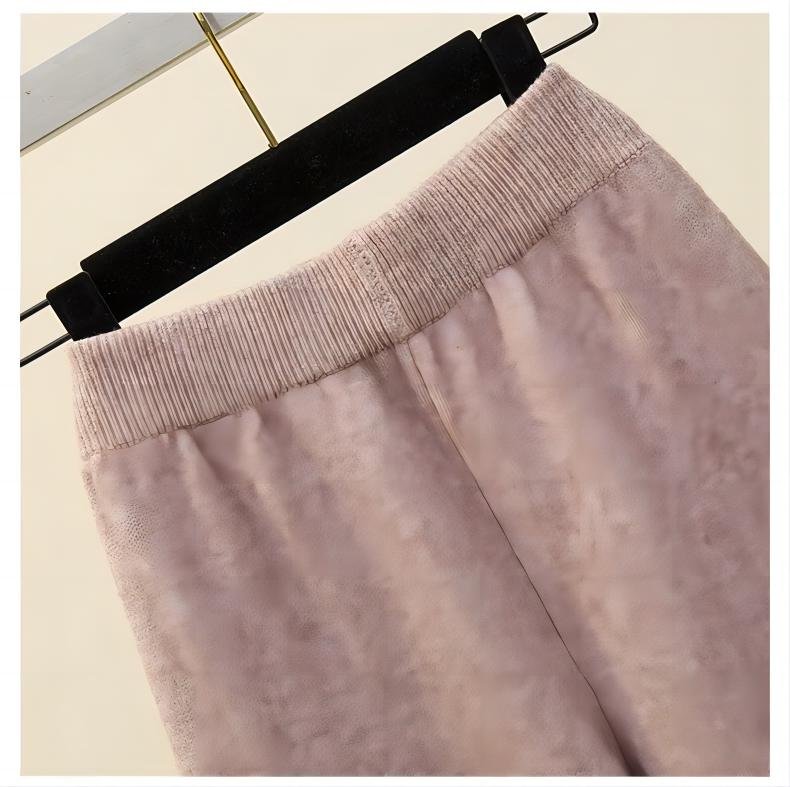
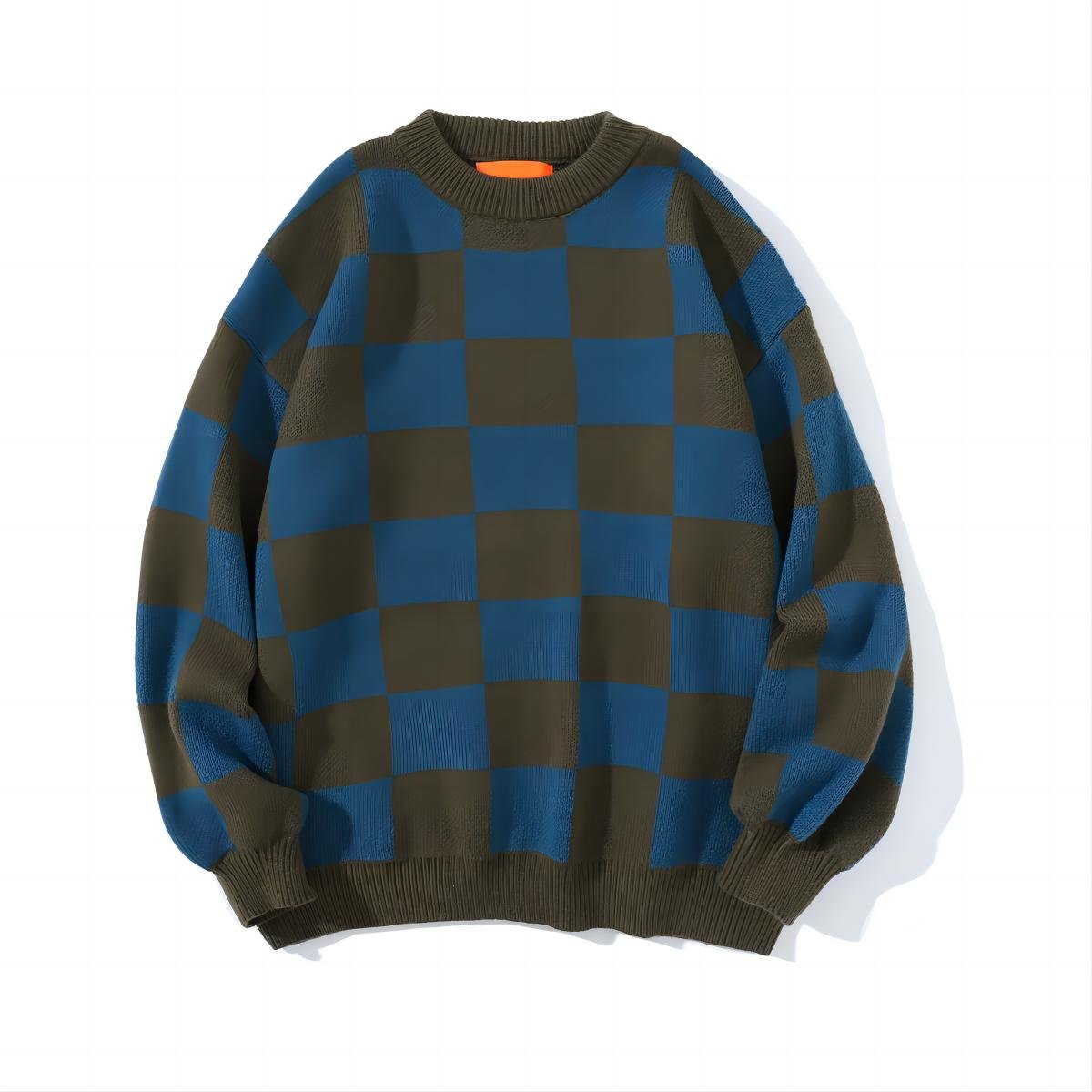
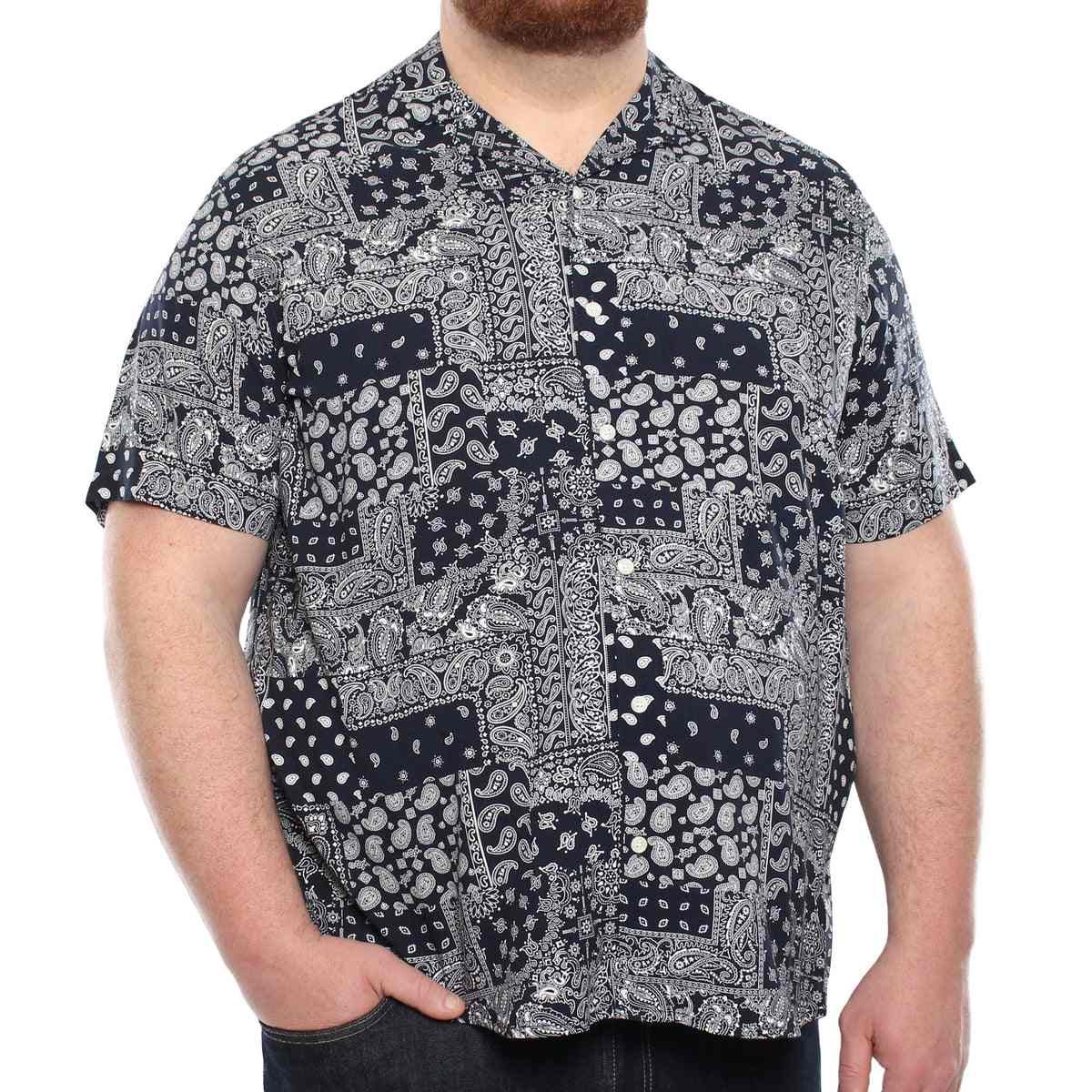
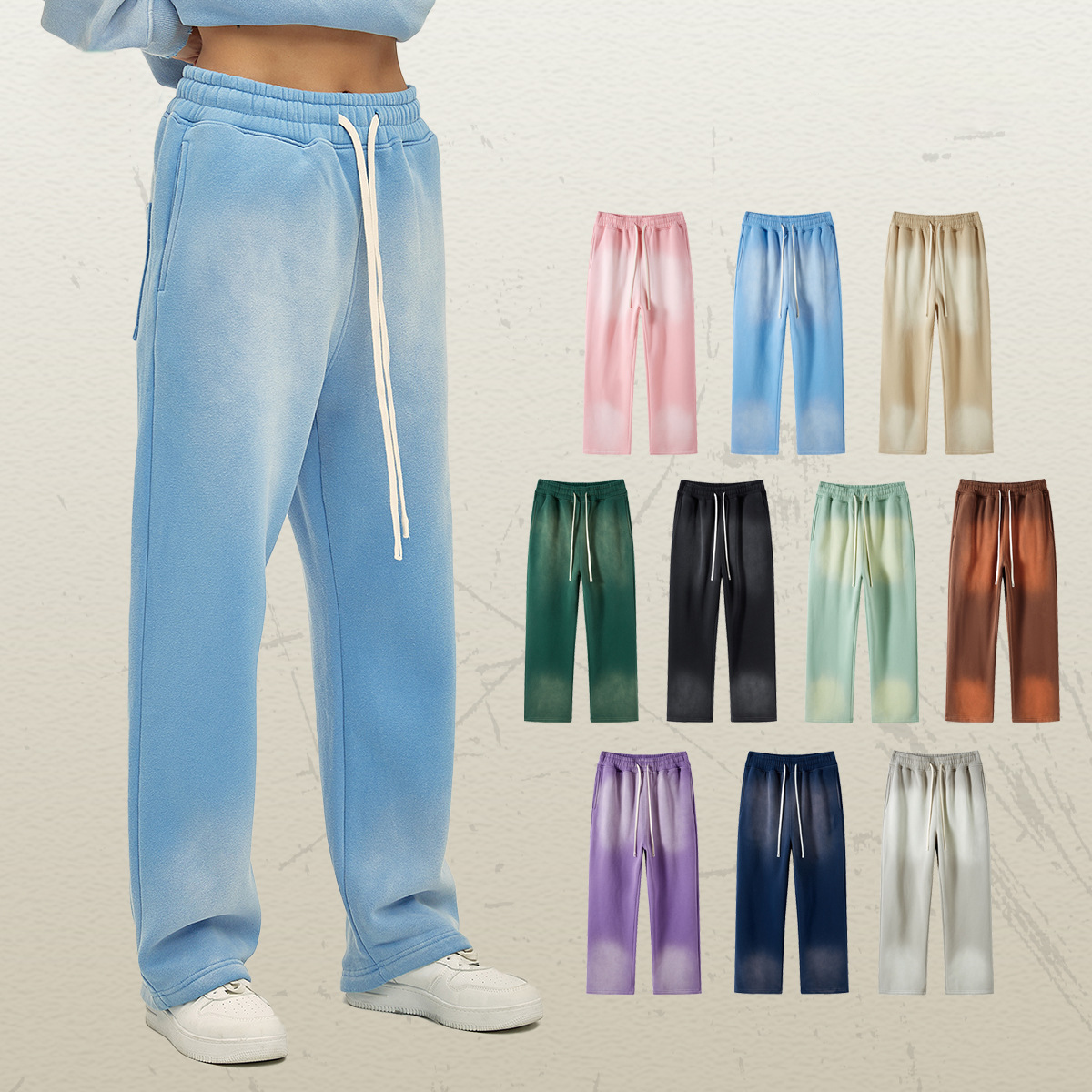
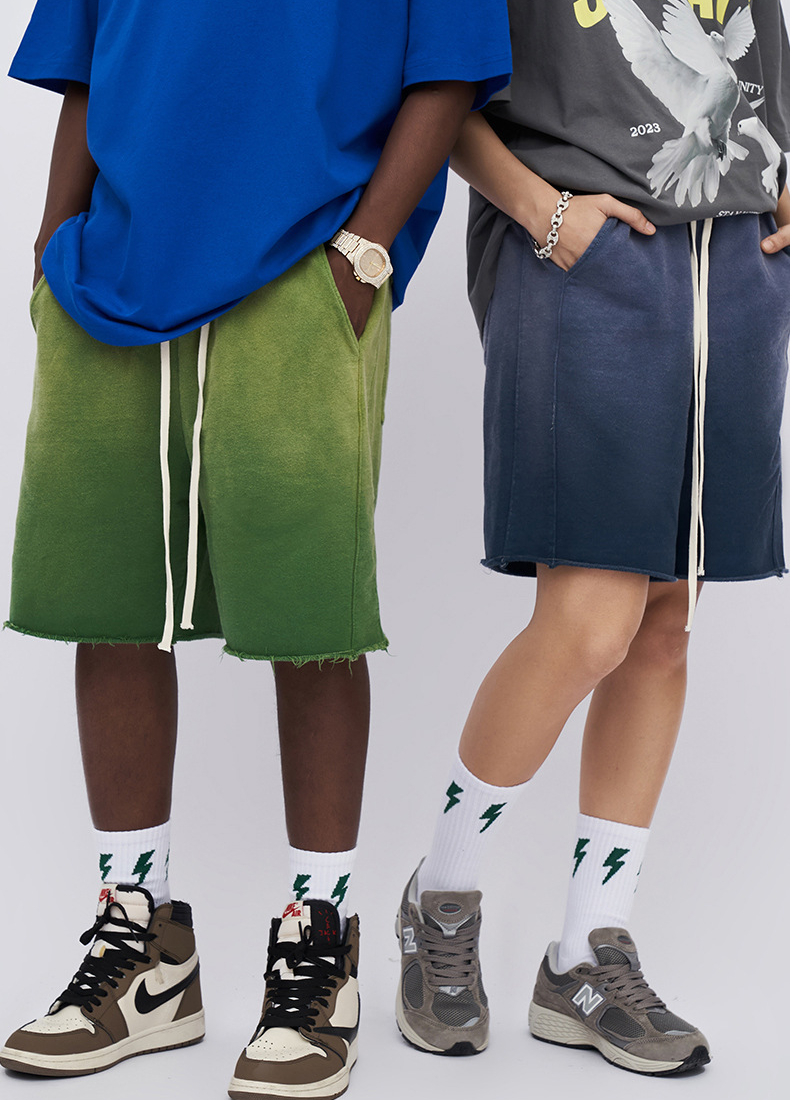
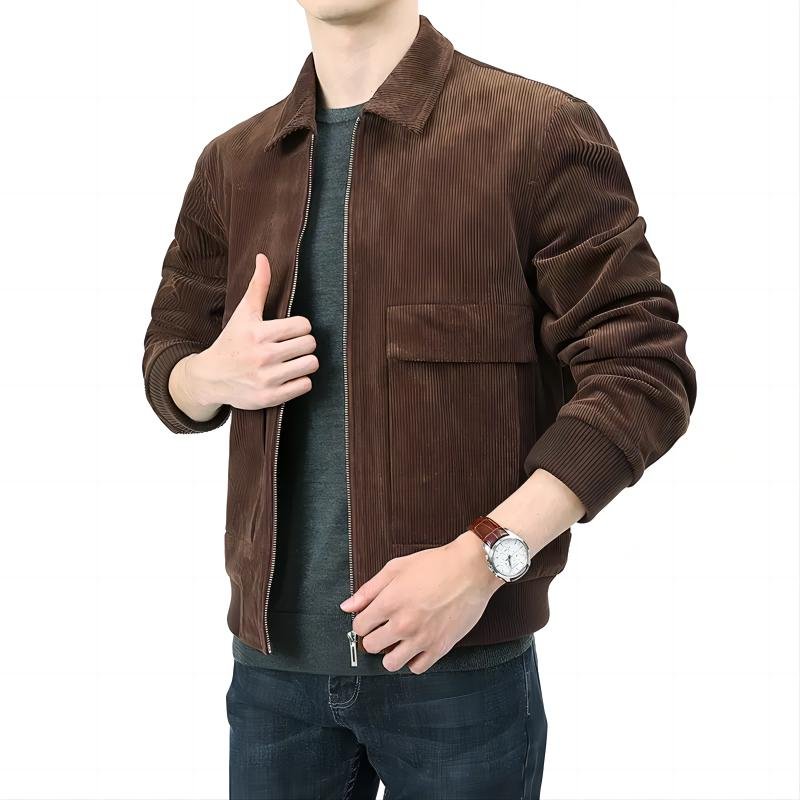
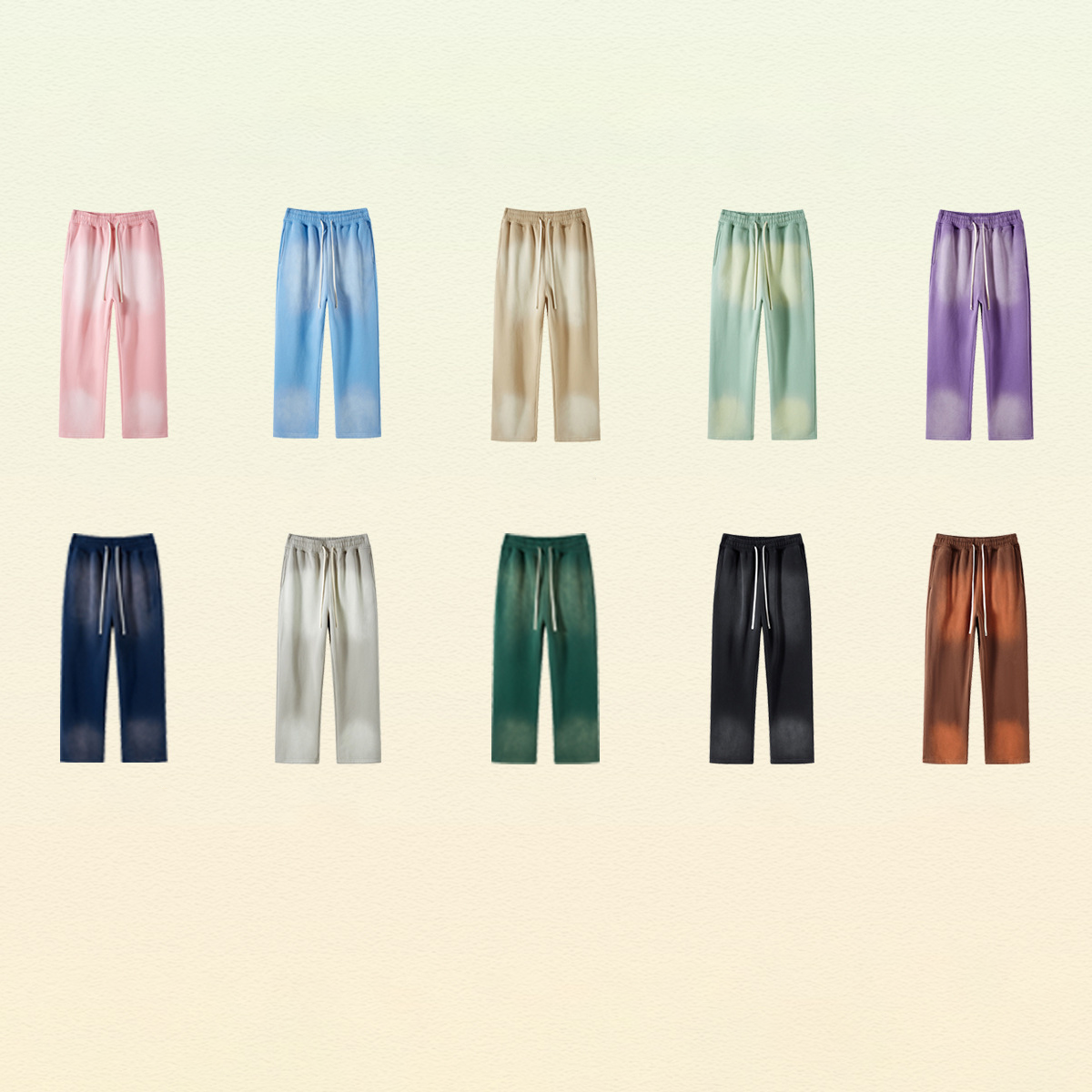
What Makes Our DTG Printing Stand Out
From unlimited colors and zero setup fees to our proprietary 5-step QC guarantee, every advantage is engineered into our in-house process.
Unlimited Colors, Zero Setup Fees
No color limits, plate fees, or setup charges — full-color artwork, gradients, and photorealistic prints produced at no extra cost.
Photographic-Grade Detail Reproduction
Pixel-precise DTG printing captures intricate streetwear graphics, fine linework, and photo-quality imagery with consistent, run-to-run accuracy.
Vibrant Prints on Any Garment
Wash-resistant DTG prints deliver bold, lasting color on both dark and light fabrics, maintaining vibrancy through repeated laundering.
Low MOQ for Emerging Brands
Start small and scale with confidence. Our low minimums make premium DTG printing accessible for startups, designers, and influencer drops.
Fast Turnaround Every Season
Our in-house DTG team delivers rapid samples and full production runs timed precisely to your seasonal collection launch calendar.
5-Step In-House Quality Control
Every DTG order clears five QC checkpoints — materials, cutting, craft, sewing, and finished-goods inspection — before global shipment.
DTG Printing and Related Decorative Techniques
Not every design calls for the same process. Explore which print method fits your artwork, fabric, and volume — then let our team build the perfect production plan.
Limited-Edition Drop Campaigns
You need photorealistic, full-color artwork on small batches of tees for a seasonal drop, but screen printing minimums and setup fees make low-volume runs cost-prohibitive.
DTG printing eliminates setup costs and color limits, delivering gallery-quality prints from as little as one piece — perfect for seasonal test drops, influencer launches, and capsule collections.
High-Volume Graphic Tee Orders
Your growing retail account demands thousands of units with consistent, vibrant spot-color graphics, and you need per-unit costs low enough to protect your wholesale margins at scale.
Screen printing locks in sharp, durable graphics across large production runs with unit economics that improve with volume, keeping your retail collections competitively priced and on schedule.
Mixed-Fabric Streetwear Collections
You want striking, detailed artwork across denim jackets, performance hoodies, and mixed-material streetwear pieces where DTG printing struggles due to fabric composition or pretreatment limitations.
DTF transfers bond to virtually any fabric type without pretreatment, reproducing intricate multi-color designs on the diverse, challenging materials that define cutting-edge streetwear and lifestyle collections.
All-Over Print Statement Pieces
Your brand vision demands seamless, edge-to-edge patterns or bold gradient colorways that conventional print methods cannot execute without visible seams, borders, or color loss after repeated washing.
Sublimation dye permanently bonds into polyester fibers, producing vibrant, wash-resistant all-over prints with unlimited color depth — ideal for athletic wear, festival collections, and bold lifestyle pieces.
Designers Testing Multiple Techniques
As an emerging designer, you need to evaluate multiple print methods across a small capsule collection without the financial risk of committing to full production too soon.
Our in-house sampling team lets you test DTG printing, screen printing, and DTF side by side with low MOQ, so you launch with the right method and full confidence.
DTG Printing Expertise Backed by 10+ Years
Clothing Manufacturer Ltd was founded in August 2024 by Tesla Luo, a garment industry veteran with more than 10 years of hands-on apparel production experience. Raised in Dongguan’s manufacturing heartland, Luo personally rotated through every production role — from sewing and cutting to quality control and shipping. Our mission: deliver DTG printing and streetwear manufacturing that replaces chronic industry shortcuts with true accountability at every stage.
Today, our 15-member R&D team holds 10 proprietary production patents and serves customers across more than 100 countries. An in-house design and sampling team, combined with low minimum order quantities, makes us the right production partner for emerging labels and established streetwear brands alike. Fast turnaround on seasonal collections and end-to-end global logistics support ensure your next drop reaches shelves exactly on schedule.
What truly sets us apart is our proprietary 5-step quality control process, applied to every order — DTG printing included. Unlike factories that inspect only at the end, we run checks at materials, cutting, craft, sewing, and finished-garment stages. This zero-compromise approach, backed by a track record of more than 1,000 global clients and deep expertise in streetwear culture, is why brands across 100+ countries choose us.
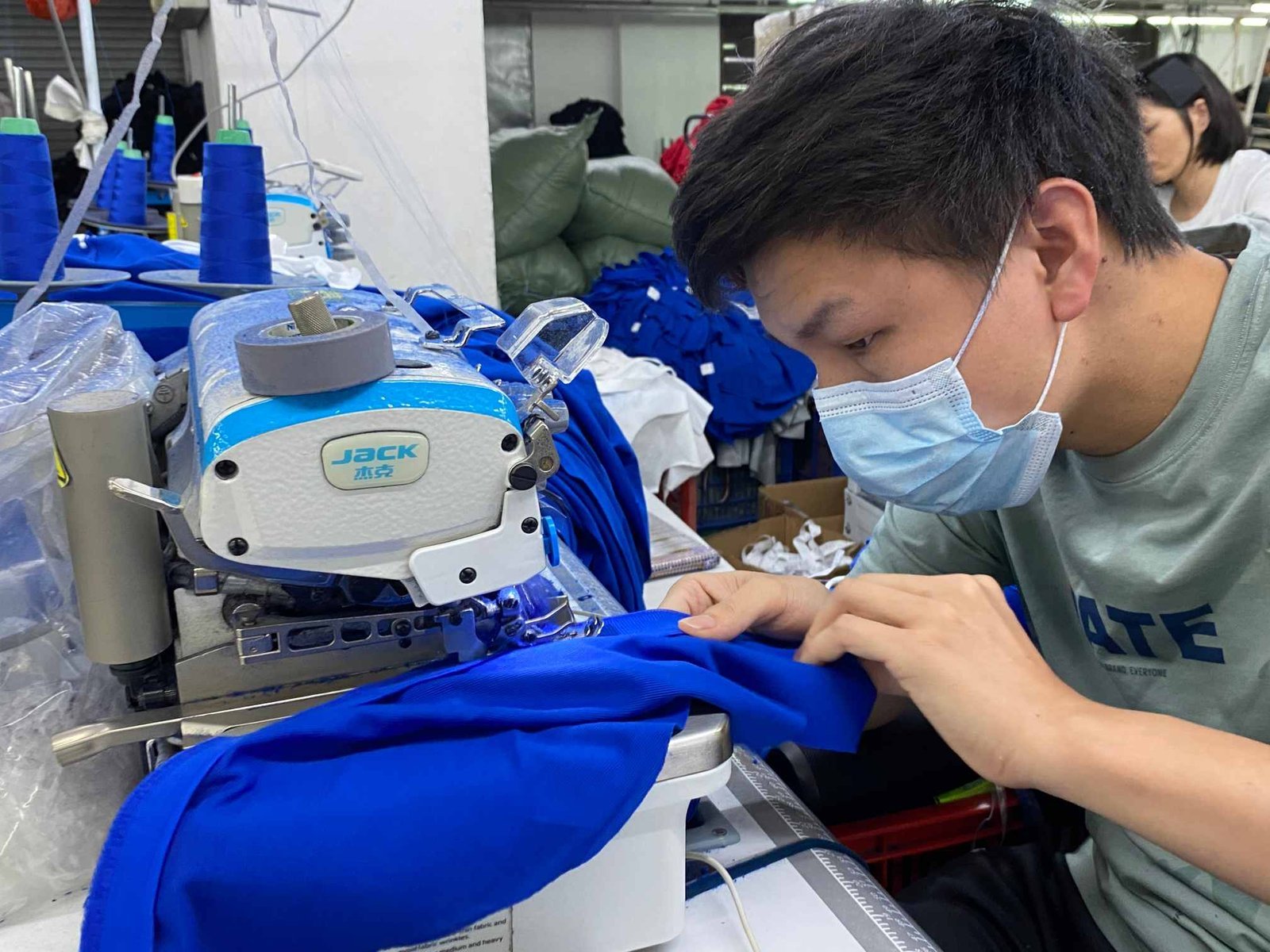
Inside Our DTG Printing: Ink Science to QC
Ink Chemistry & Color Profile Precision
Our DTG printing uses water-based CMYK plus white underbase inks, calibrated to exact ICC color profiles for each fabric type, delivering vivid, consistent color reproduction across every batch — from single samples to full production runs.
- Water-based pigment inks tested against ISO 105-E04 wash fastness standards
- Custom ICC profiles built per fabric weight, color, and fiber content
- White underbase layers optimized separately for light and dark garment variants
- Delta-E color accuracy verification run on every production batch
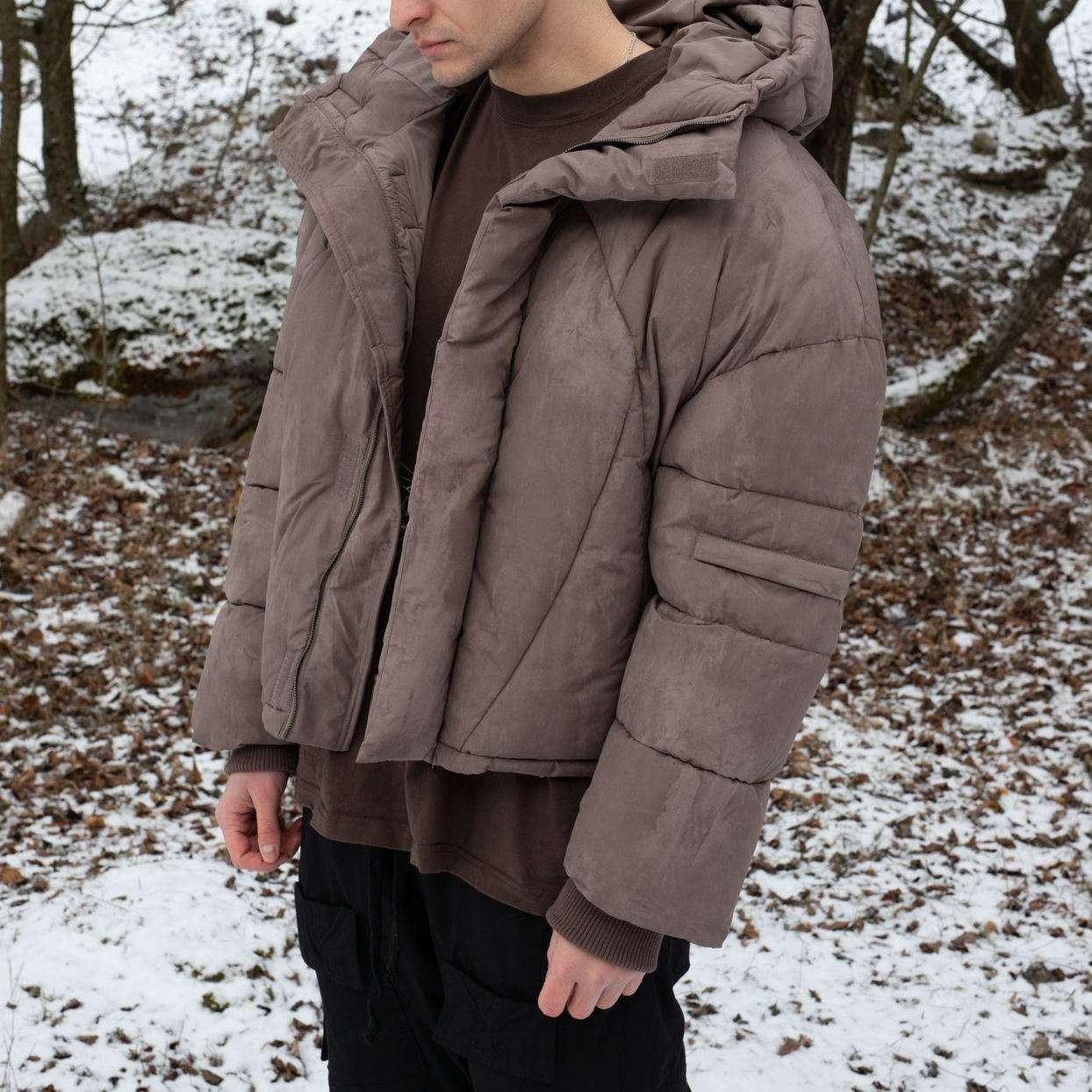
Pre-Treatment & Curing Temperature Control
Precise pre-treatment application and controlled curing temperatures are the foundation of lasting DTG results. We calibrate pre-treatment volume by fabric GSM and fiber content, then cure at exact temperatures to permanently bond ink into fibers.
- Pre-treatment volume calibrated per fabric GSM, construction, and fiber blend
- Curing at 160–165°C with heat press calibration logs maintained per batch
- Pre-treatment evenness visually inspected before every print cycle begins
- Cure consistency cross-checked across multiple garment positions per run
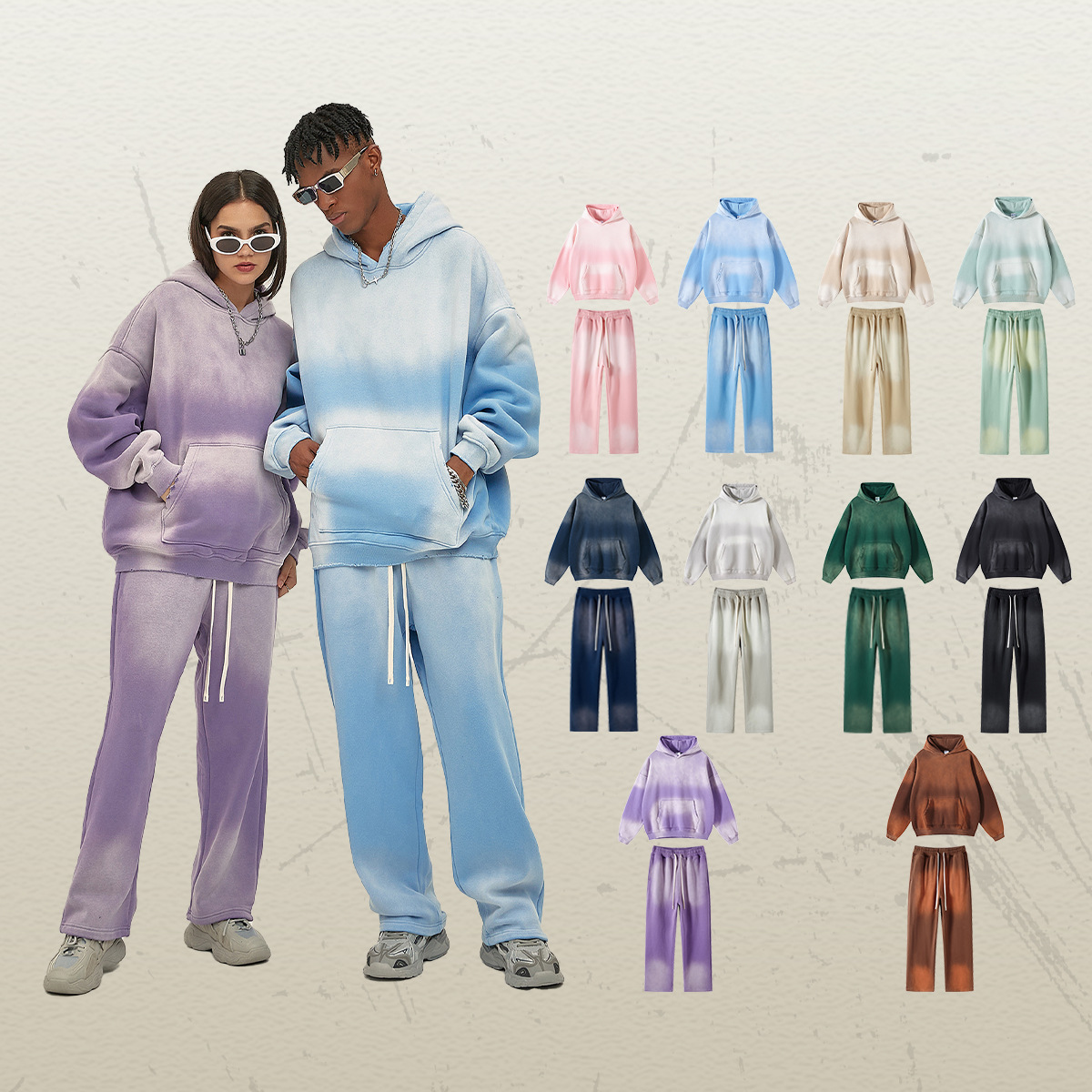
Wash Fastness & Durability Testing Standards
Every DTG printed garment undergoes rigorous wash fastness and durability testing against international standards, verifying prints survive real-world wear — essential for streetwear brands whose customers expect bold graphics that hold up wash after wash.
- ISO 105-C06 wash fastness testing on representative samples from each run
- 30-cycle stress testing completed before bulk production approval is granted
- Abrasion and crocking resistance measured per AATCC test methods
- Print flex and stretch tests applied to jersey and ribbed fabric constructions
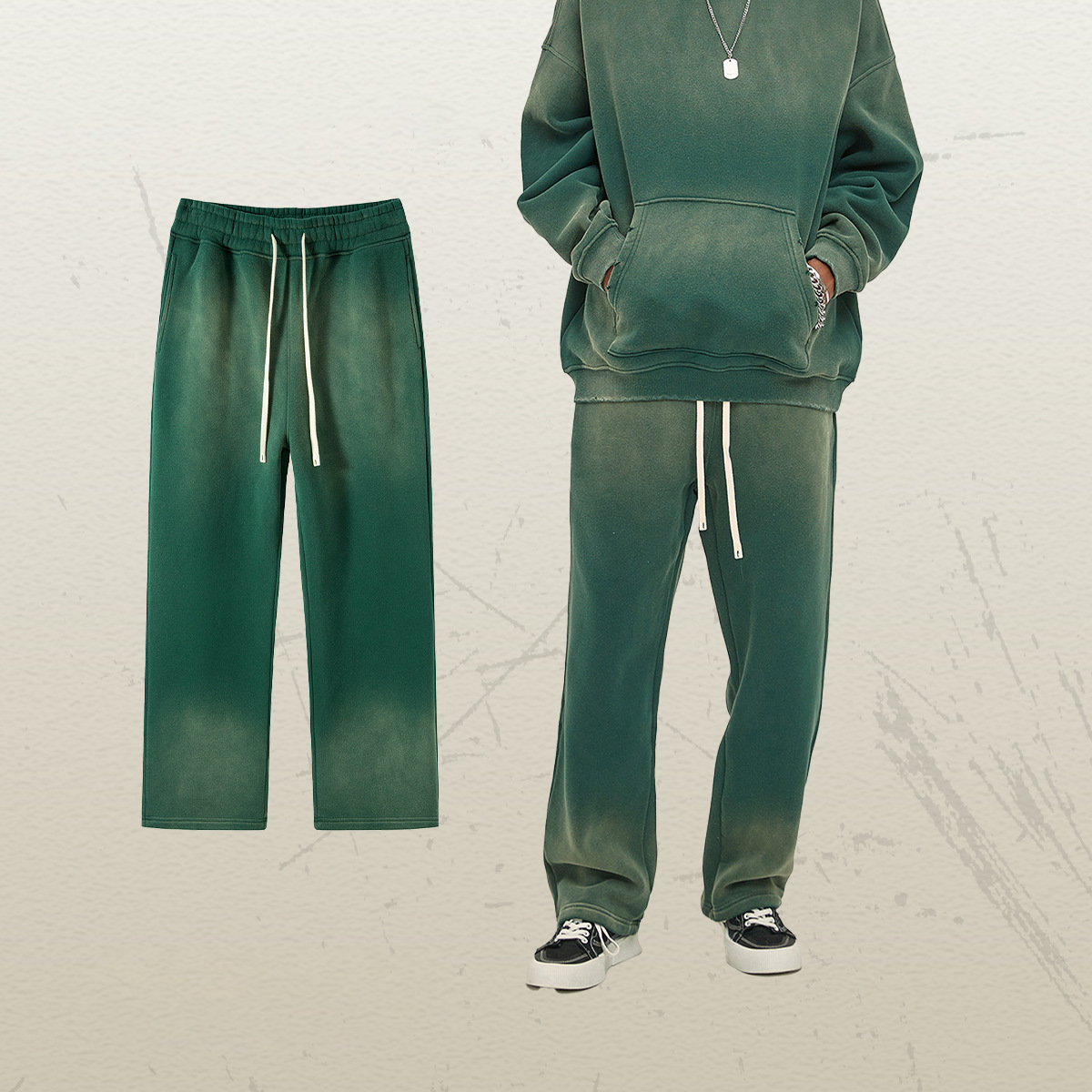
5-Step QC Embedded in Every DTG Print Run
Our proprietary 5-step QC process is built into every stage of DTG printing production — from fabric inspection and pre-treatment audit to final print review — eliminating defects before a single garment reaches your customers.
- Steps 1 and 2: Fabric and blank garment inspection to catch substrate defects early
- Step 3: Print-craft QC covering color profile, alignment, and underbase coverage
- Step 4: Post-cure assembly check verifying ink adhesion and print integrity
- Step 5: Final finished-garment inspection measured against the approved sample standard
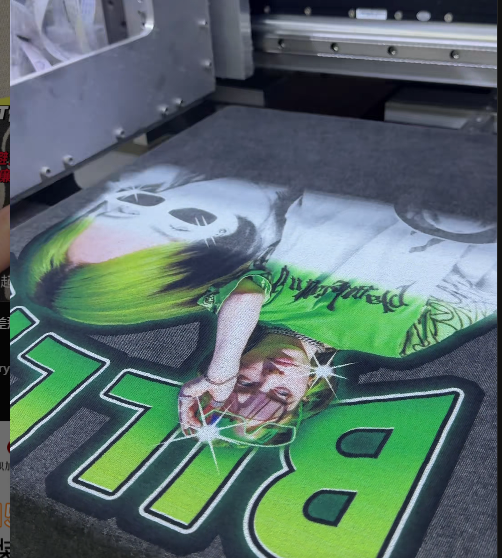
DTG Printing vs. Screen Printing: The Process Breakdown
Side-by-side, DTG printing consistently outperforms screen printing for streetwear brands that demand creative freedom, fast samples, and low minimums. See exactly where each technique wins and loses.
← 左右滑动查看 →
DTG Printing Production Workflow
Every order follows a precise six-phase process — from your first file submission to final packaged delivery — backed by our 5-step QC guarantee at every critical stage.
Artwork Intake & Color Profiling
We review your design files, optimize artwork for DTG printing output, and calibrate color profiles so on-fabric results match your brand’s exact visual specifications.
Fabric Pre-Treatment Application
Garments receive a precision pre-treatment coating critical for ink adhesion on cotton and blends, then clear a materials QC checkpoint before any printing begins.
High-Resolution Digital Printing
Industrial DTG printers deposit vibrant, full-color graphics directly onto each garment with sharp detail, consistent registration, and reliable color accuracy across every unit.
Heat Curing & Ink Bonding
Every printed piece passes through a calibrated heat tunnel to permanently cure the ink, locking in wash durability and color fastness before our craft QC review.
Multi-Point Quality Inspection
Our 5-step QC process checks color accuracy, print alignment, ink coverage, and garment construction — no piece advances to packing without a verified clean pass.
Final Pack & Global Dispatch
Approved garments are folded, tagged, and packed to your specification, then transferred to our logistics partners for reliable worldwide shipping with full order tracking.
How to Order Custom DTG Printing
From first artwork upload to global delivery, our streamlined process makes professional DTG printing straightforward — even for first-time buyers and emerging streetwear labels.
Submit Your Artwork Files
Upload vector files or high-resolution raster artwork at 300+ DPI with complete color specs. Our team reviews every file for DTG printing compatibility within 24 hours.
Choose Garments and Fabrics
Select from our curated catalog of streetwear-ready blanks. We recommend 100% cotton or cotton-blend styles optimized for DTG printing ink adhesion, vibrancy, and wash durability.
Set Quantities and Request Samples
Confirm your order size — low MOQ options are available for startups and independent designers. Order a physical sample to verify color accuracy, print placement, and fabric hand-feel.
Approve Your Digital Proof
Review a detailed mockup showing exact print dimensions, placement, and color rendering. Request revisions freely — we move to production only after receiving your written approval.
Produce, Inspect, and Ship Globally
Your DTG printing order runs through our proprietary 5-step QC process at every production stage. Finished garments ship worldwide with full logistics tracking and customs documentation support.
Real Brands, Real Results: Growing with DTG Printing
We launched our spring drop using DTG printing and sold out 340 units in 72 hours. The color accuracy on our gradient graphics was flawless — every piece matched our mockups exactly. Their 5-step QC meant zero rejects across the entire run.
As a new brand with no warehouse, low MOQ DTG printing was a total game-changer. We ordered just 30 pieces per design across 8 colorways, received samples in 7 days, and our first influencer drop hit 1,200 orders in a single weekend.
We iterated through 4 design versions in under 3 weeks before our trade show deadline. The DTG printing quality held up perfectly — rich blacks, crisp line work, zero cracking after wash testing. Our retail buyers placed a 2,000-unit reorder on the spot.
DTG Printing FAQ: Everything You Need to Know Before You Order
Straight answers on fabric compatibility, file specs, MOQ, lead times, and how DTG printing fits into your full production workflow.
What fabrics does DTG printing work best on?
What is the maximum design size for DTG printing?
How durable is DTG printing after repeated washing?
Can I combine DTG printing with embroidery, patches, or screen printing on the same garment?
What file format and resolution do I need for DTG printing artwork?
What is the minimum order quantity for DTG printing?
How long does DTG printing sampling and full production take?
How much does a DTG printing sample cost, and is the fee applied to my bulk order?
Does DTG printing support unlimited colors and photographic images without extra cost?
The Complete Buyer’s Guide to DTG Printing for Modern Brands
A practical decision framework covering dtg printing types, fabric compatibility, quality benchmarks, supplier criteria, and the costliest mistakes brands make — so you source with confidence from day one.
1. What Is DTG Printing and How Does It Work?
DTG printing (direct-to-garment) uses modified inkjet print heads to deposit water-based, OEKO-TEX certified inks directly onto fabric at resolutions up to 1,440 dpi. Unlike screen printing, which requires one stencil per color, dtg printing renders full-color artwork, photographic gradients, and unlimited Pantone-approximate hues in a single pass. A standard production unit occupies roughly 2 square meters of floor space and connects to a heat press or conveyor dryer for curing.
Pre-treatment is the non-negotiable first step: a binding solution — typically containing polyvalent metal salts such as calcium chloride — is sprayed onto the garment and dried before printing to help ink bond with cotton fibers and prevent bleeding. After printing, the garment passes through a curing oven at approximately 160°C (320°F) for 90–120 seconds, permanently setting the ink and achieving wash-fastness ratings that typically reach 40–50 wash cycles on 100% ring-spun cotton.
Screen printing requires a minimum of one screen per color — setup fees typically run $25–$50 per screen — making it cost-effective only above 50–100 units per design. Heat transfer applies pre-printed film via pressure and heat, producing a surface layer that can crack over time; dtg printing penetrates the fiber rather than sitting on top, delivering a softer hand feel. For brands running low MOQ runs of 1–30 pieces per SKU with complex, photorealistic artwork, dtg printing is generally the most cost-efficient and quality-consistent production choice.
2. The Evolution of DTG Printing: From Novelty to Industry Standard
Around 2001, the first commercial DTG printing machines appeared from small-format inkjet pioneers, producing inconsistent results on 100% cotton at roughly 20–30 prints per hour. Early adopters struggled with ink adhesion, clogged printheads, and wash-fading, confining the technology to short novelty runs rather than serious apparel production.
Kornit Digital’s industrial platforms, introduced in the mid-2000s, and Brother’s GTX series, launched in 2017, marked the turning point for commercial streetwear. Both manufacturers invested heavily in water-based pigment ink chemistry — formulations now widely OEKO-TEX certified — and automated pre-treatment spray systems that eliminated the inconsistency of manual application.
Advances in RIP (Raster Image Processing) software gave operators precise control over ink layering, color gamut, and Pantone simulation, enabling repeatable output across large production runs. By the early 2020s, high-throughput industrial DTG systems were printing 150 or more garments per hour with wash-fastness ratings meeting commercial durability benchmarks.
The rise of on-demand e-commerce after 2015 — driven by Shopify integrations and print-on-demand fulfillment networks — accelerated DTG adoption dramatically. Brands could launch collections at near-zero inventory risk, with single-unit MOQs replacing the 300-to-500-piece minimums that screen printing required, making dtg printing the backbone of agile, drop-model streetwear businesses.
3. Types of DTG Printing: Choosing the Right Approach
Not all dtg printing configurations deliver the same economics or output. Four distinct production modes exist — each optimized for different order volumes, design complexity, and aesthetic goals — making method selection the first real buying decision for any brand.
Standard DTG: On-Demand, Single-Garment Runs
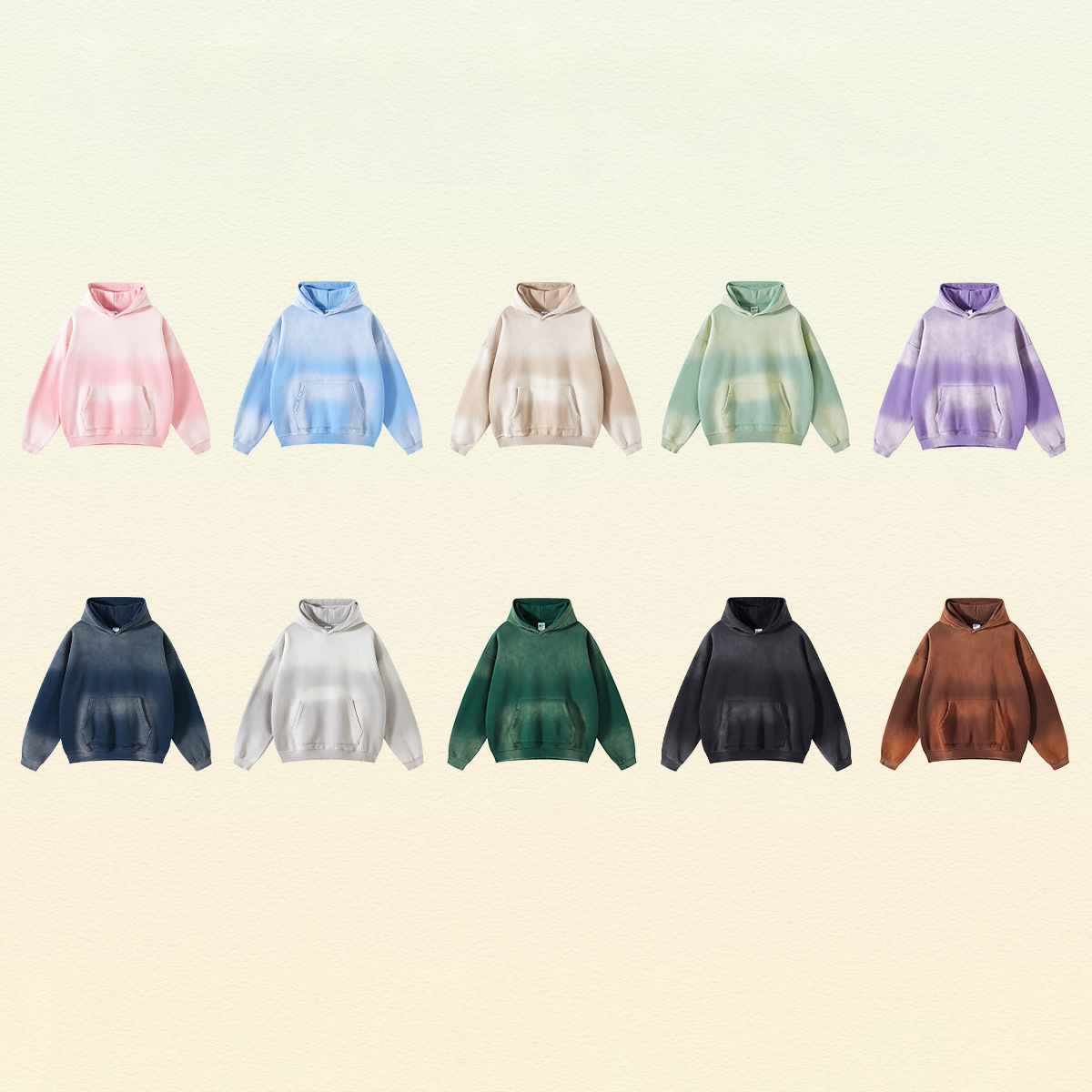
MOQ starts at 1 unit, with per-piece cost typically $8–$18 depending on ink coverage and garment weight. Resolution peaks at 1,200 DPI on 100% ring-spun cotton at 180–220 GSM, delivering photorealistic detail.
Best use-case: limited drops, influencer seeding, and SKU testing where design variety outweighs per-unit margin.
Inline Industrial DTG: Efficient Bulk Production
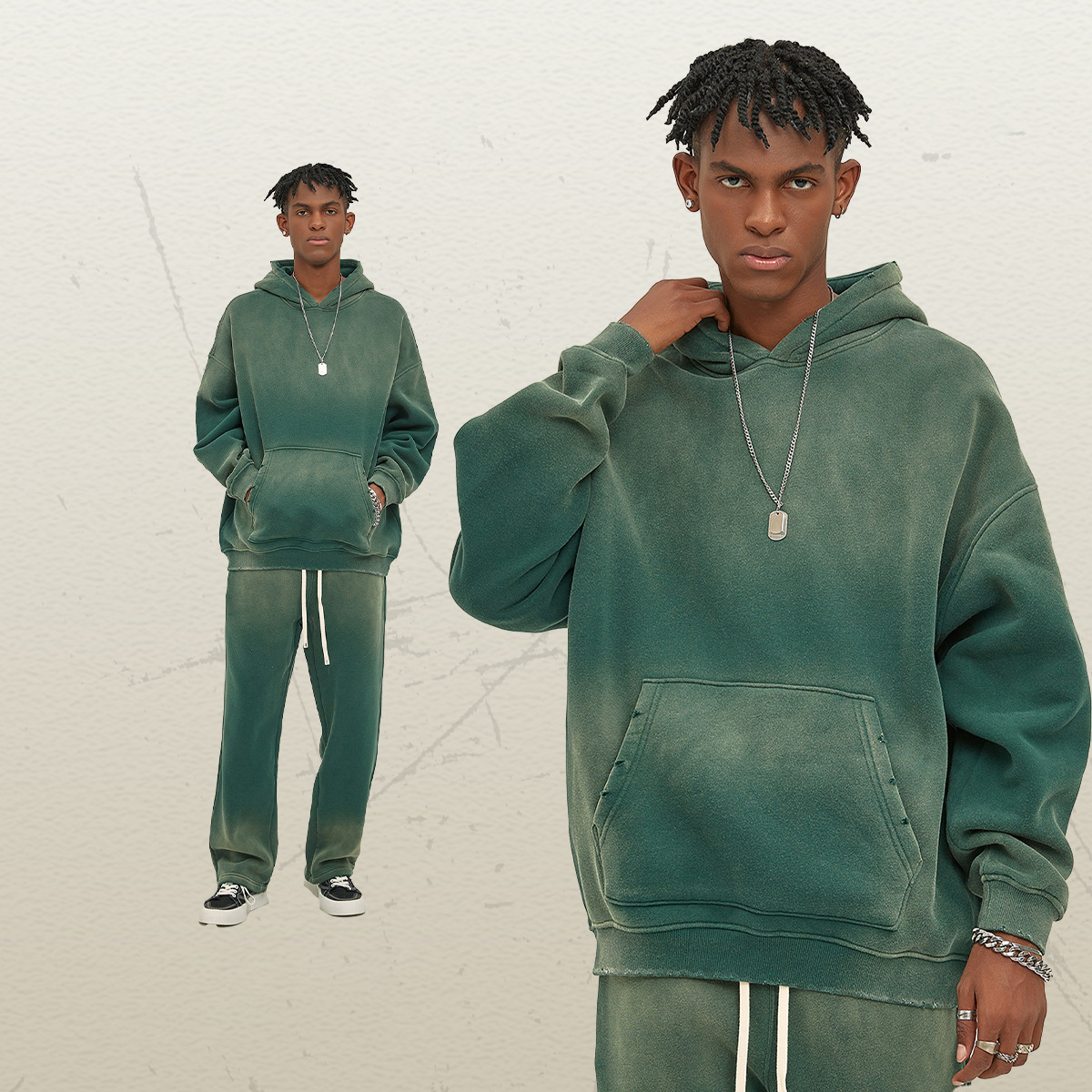
Industrial DTG systems handle 50–500+ units per run, reducing per-piece cost by 30–50% versus single-unit output. Color consistency across a full run is tightly controlled, meeting retail reorder standards.
Ideal for seasonal core collections and retail wholesale accounts requiring repeatable output at predictable cost.
DTG Hybrid: Combined with Embroidery or Screen Print
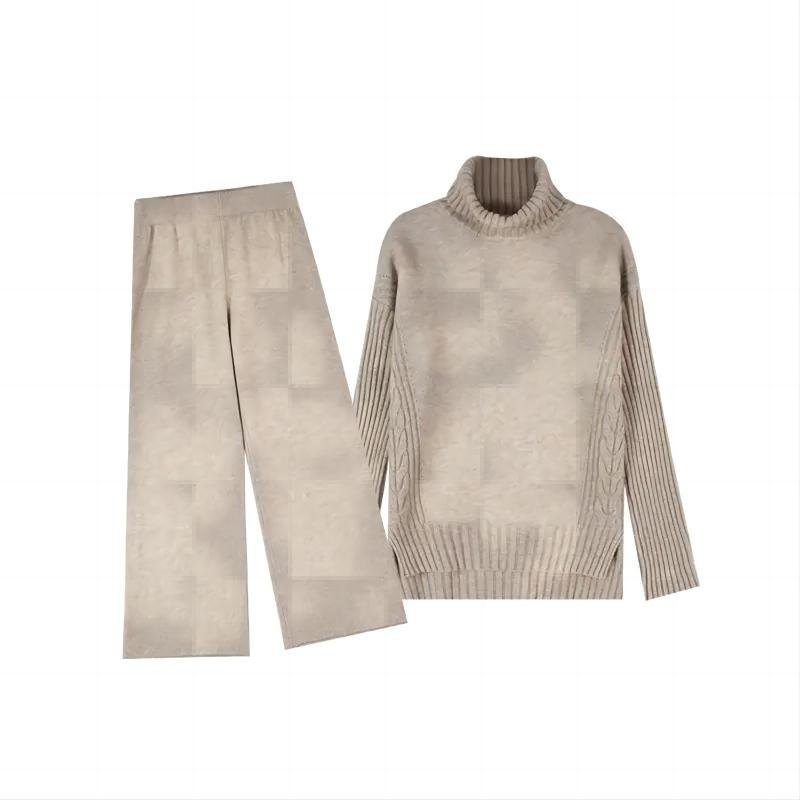
Hybrid production layers dtg printing with embroidery patches or spot screen overlays, adding tactile depth to collab capsules and premium streetwear. The secondary process adds $2–$5 per unit in setup and labor cost.
Best for brands needing luxury hand-feel alongside photorealistic ink detail — common in high-end collab drops.
White-Ink DTG on Dark Garments
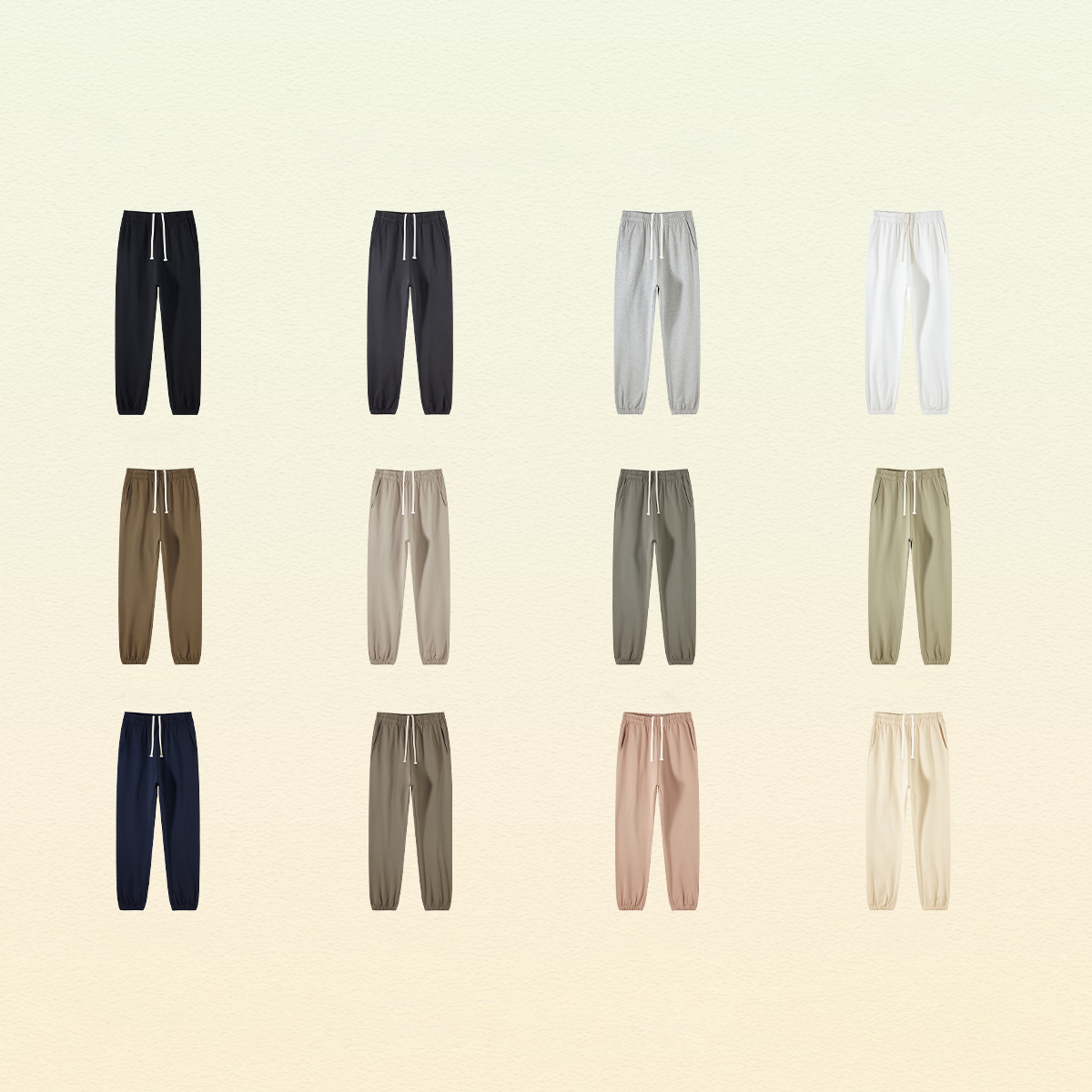
Dark substrates require a white ink underbase, adding 1–2 extra passes and raising ink consumption by up to 40%. Pantone accuracy drops versus white garments, so bold flat graphics outperform photo-realistic artwork on black.
Best fit: gothic, skeleton, and dark-palette streetwear drops where the dark base anchors the aesthetic.
4. Compatible Materials & Fabrics for DTG Printing
Fabric composition is the single biggest variable in dtg printing output. Cotton content, GSM, weave tightness, and surface texture determine how well water-based inks bond to a blank — and whether standard or specialized pre-treatment is mandatory.
| Fabric | Cotton % | GSM Range | Pre-Treatment | DTG Result |
|---|---|---|---|---|
| 100% Cotton | 100% | 140–280 gsm | Standard GTMS | Optimal vibrancy |
| 50/50 Cotton-Poly | 50% | 150–220 gsm | Standard | Good; 15–25% less saturation |
| Tri-Blend | ~50% | 130–200 gsm | Standard | Softer; vintage look |
| Performance Polyester | 0% | 100–160 gsm | Dye-blocker required | High migration risk |
| Bamboo / Organic Cotton | 100% | 140–260 gsm | Standard | Excellent; OEKO-TEX ready |
100% Cotton: The Optimal Blank
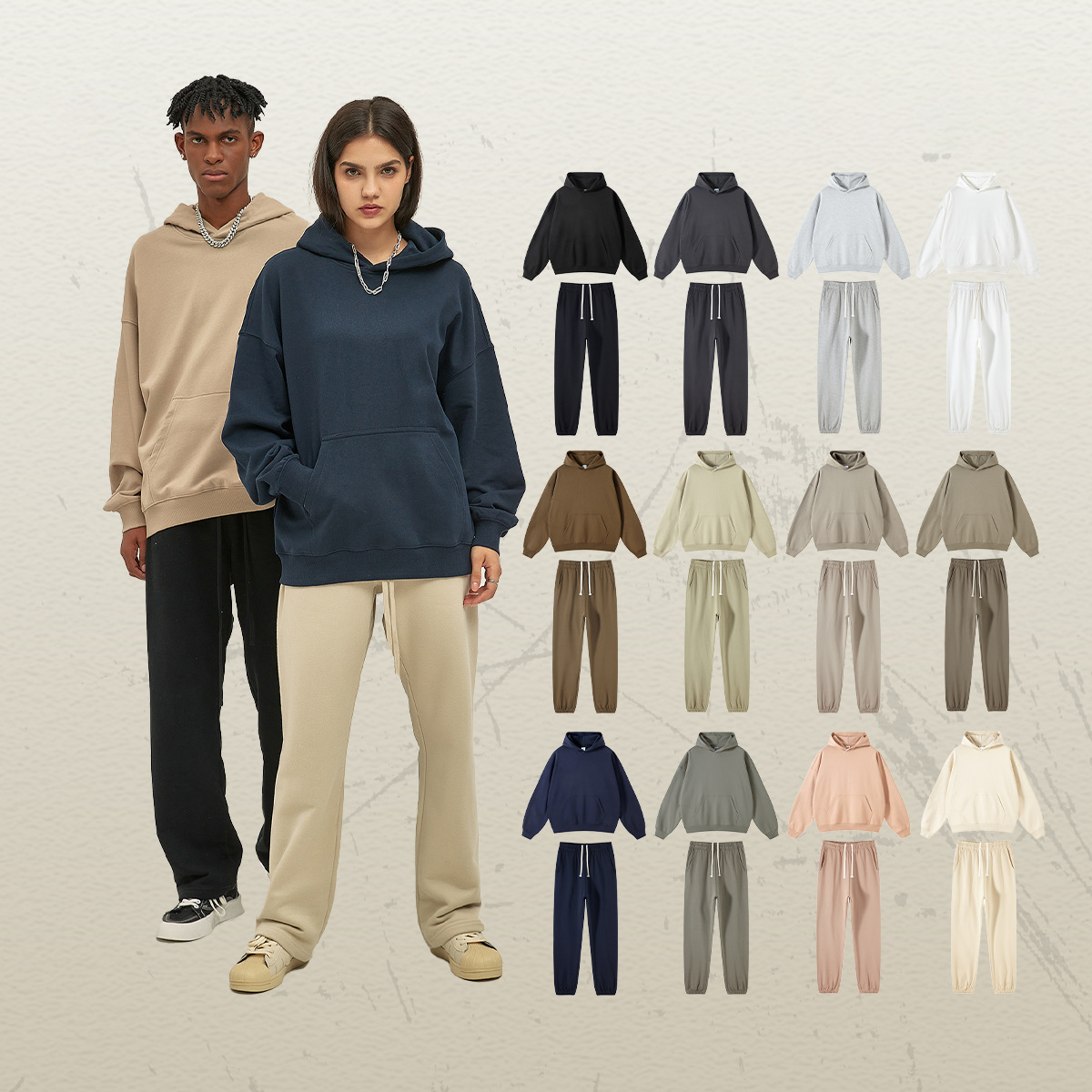
Ring-spun 100% cotton in the 160–280 gsm range gives dtg printing its best result — tight weave, high cellulose content, and a smooth surface allow water-based inks to penetrate and bond fully.
Pre-treatment with a GTMS-based solution is required to fix pigment before printing. Avoid open-end cotton below 140 gsm; loose weave causes ink bleed and poor washfastness.
Cotton-Poly Blends and Tri-Blends
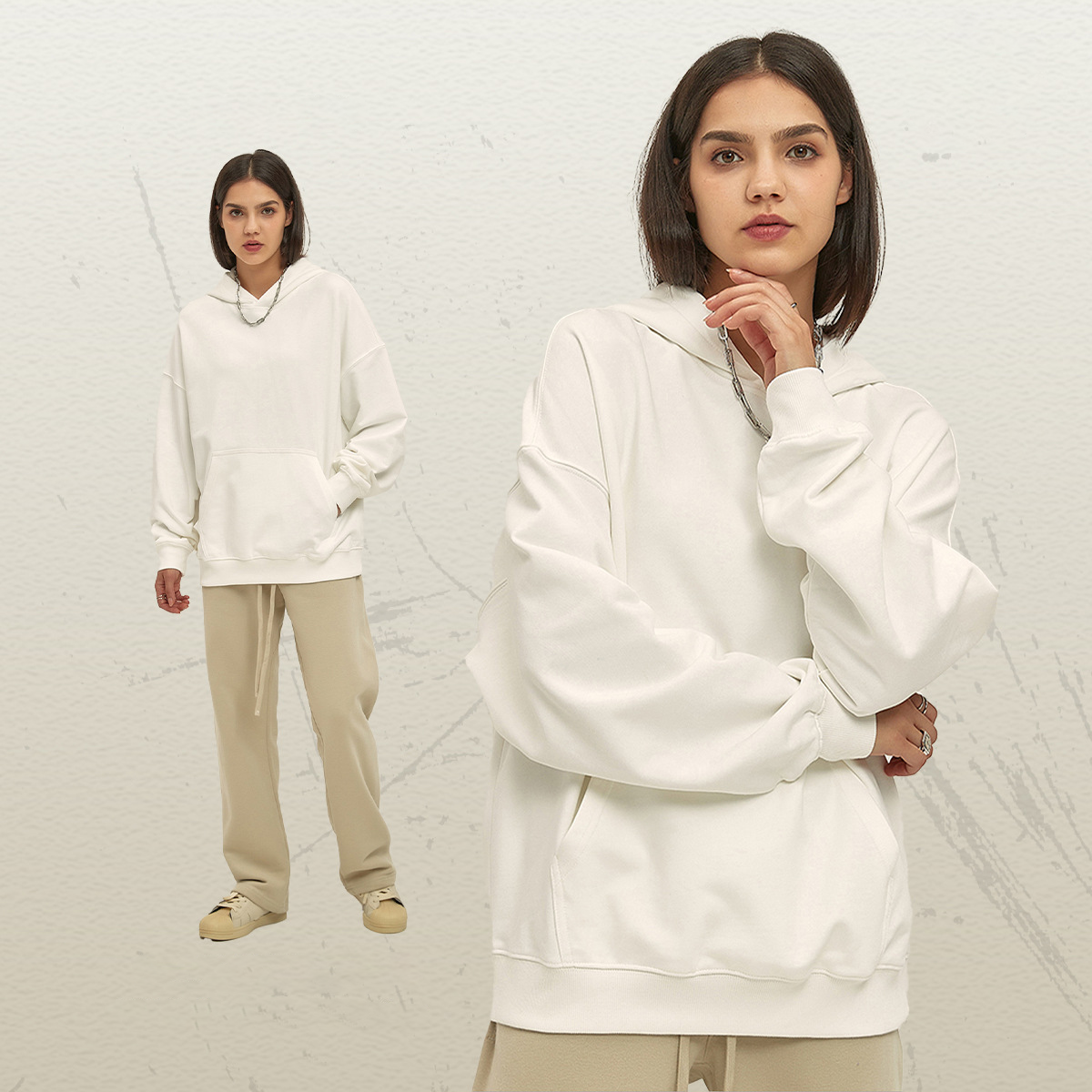
50/50 cotton-poly blends absorb less ink on the polyester fraction, softening color saturation by 15–25% versus 100% cotton. Tri-blends — typically 50% cotton, 25% polyester, 25% rayon — print well in the 140–200 gsm range but require thorough pre-treatment to prevent bleeding.
Both fabric types suit streetwear blanks where a vintage, worn-in aesthetic is preferred over ultra-vivid graphics.
Performance Polyester and Alternative Fabrics
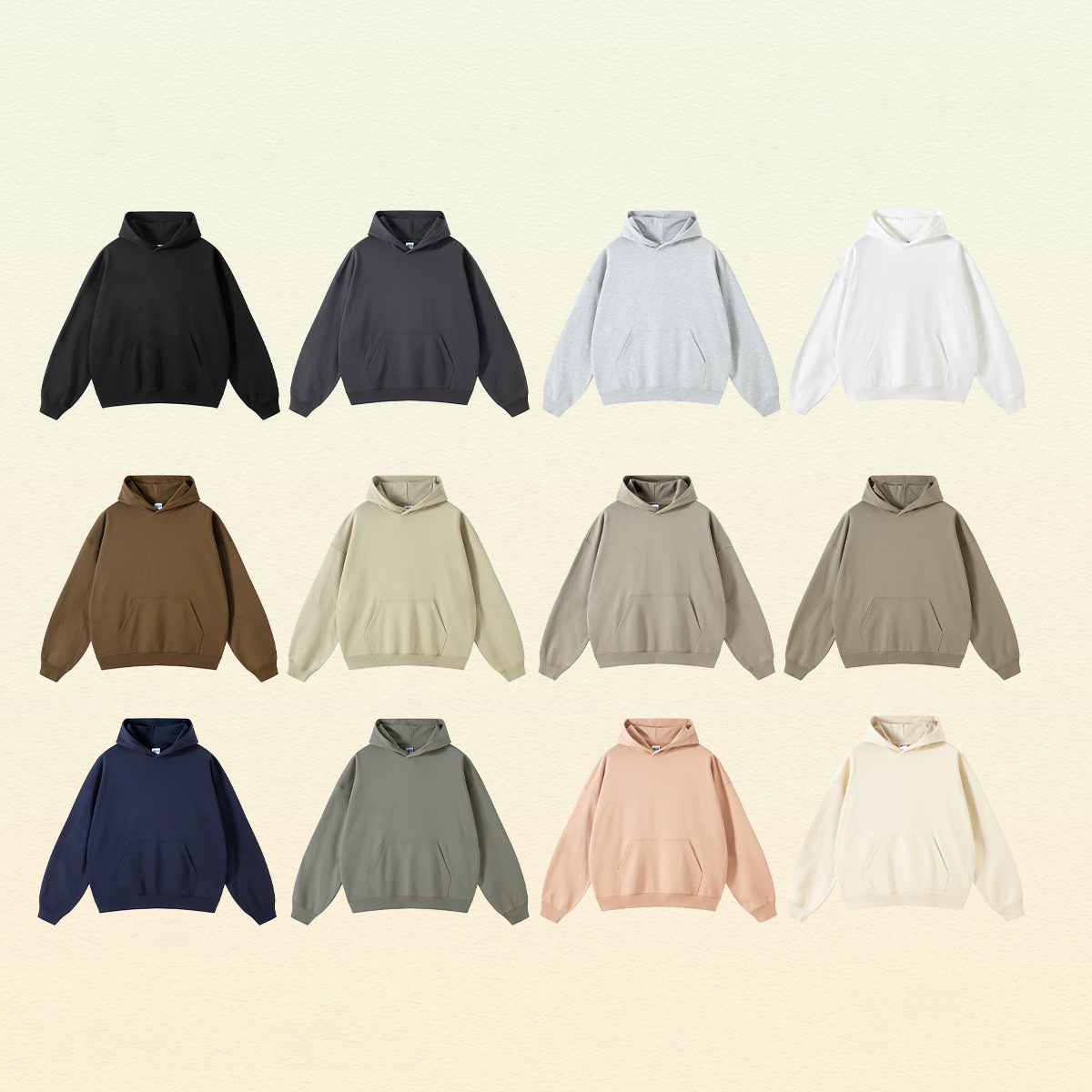
100% performance polyester at 100–160 gsm poses dye-migration risk: curing heat activates disperse dyes in the fabric, which bleed into the ink layer and ghost colors. Use only low-cure inks with a dye-blocker pre-treatment, and run wash tests before committing to production.
Bamboo and OEKO-TEX-certified organic cotton (140–260 gsm) perform comparably to conventional cotton — smooth surface and full cellulose content make them fully compatible with standard dtg printing workflows.
5. Customization & Design Options in DTG Printing
DTG printing unlocks creative output that screen printing cannot match — photorealistic artwork, seamless gradients, and sub-millimetre fine lines all reproduce faithfully. Understanding placement options, file specs, and cost drivers helps brands maximise quality and margin.
Print Placement and Graphic Scale Options
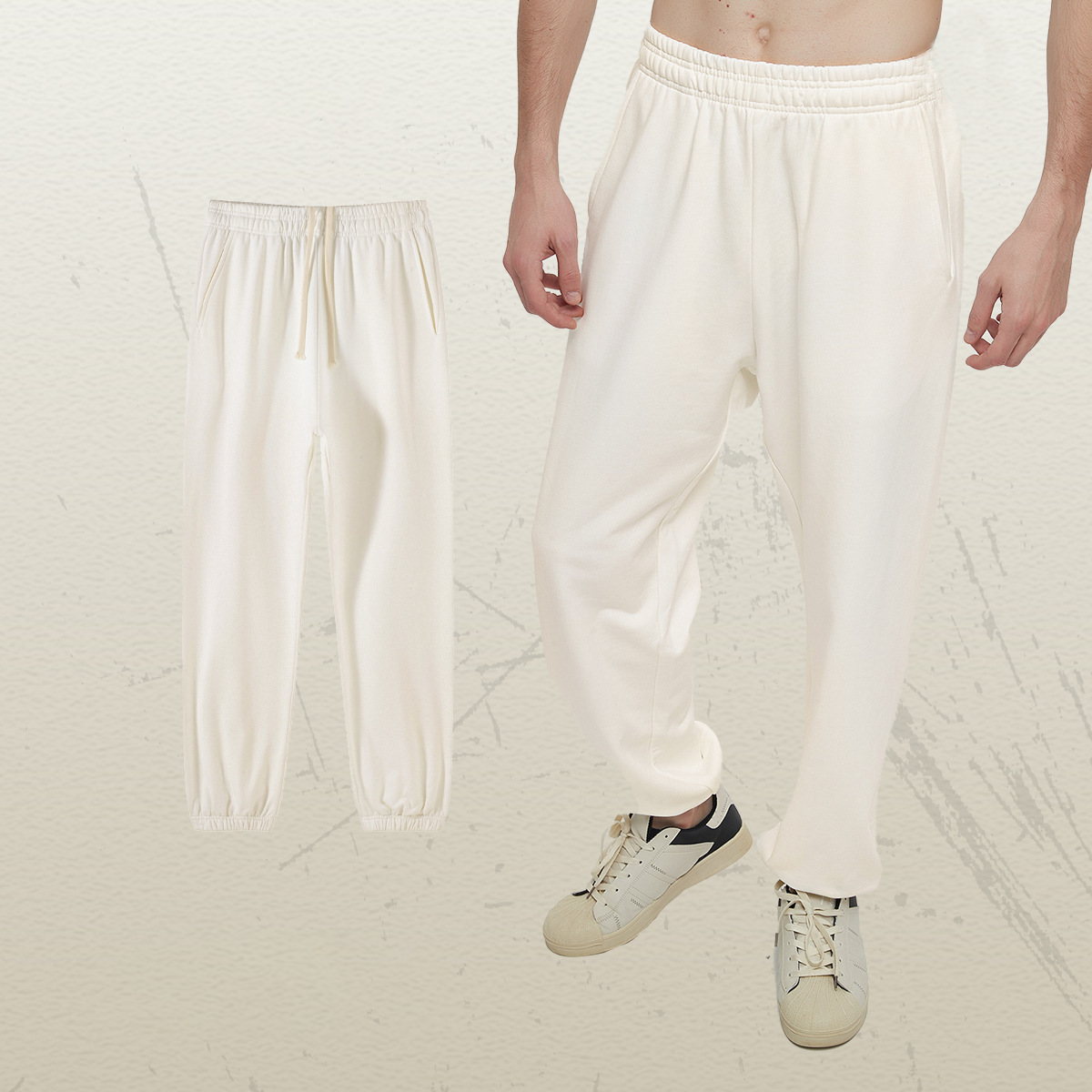
All-over printing covers the full garment panel (up to 24×34 in on most industrial DTG platens). Chest-placement prints typically sit in a 12×14 in zone; oversized streetwear graphics extend to 16×20 in or larger, anchoring the visual weight of drop-shoulder silhouettes.
Inside-neck label printing replaces woven labels, typically in a 2×3 in area, and outside-hem or sleeve branding adds a secondary touch point that premium streetwear buyers expect.
File Format and Colour Mode Requirements
Supply artwork at 300 dpi minimum as a PNG with a transparent background; lower resolution causes visible pixelation on press. JPEG files bake in a white background that bleeds onto dark garments.
DTG printers render in RGB colour space — files submitted in CMYK are auto-converted, often shifting saturated reds and oranges. Build and proof artwork in sRGB; note that Pantone matching is approximate, not exact, on DTG.
How Design Complexity Affects Cost
Ink volume is the primary cost lever in DTG printing: a high-coverage, full-chest graphic uses 3–5× more ink than a small logo print. Photorealistic multi-colour designs cost more than two-colour text drops but still undercut screen-printing setup fees below 50 units.
Fine-line artwork (hairlines under 0.5 pt) and halftone gradients require premium pretreatment settings; communicating these requirements upfront prevents reprints and delays.
Personalisation Drops as a Revenue Model

One-to-one personalisation — unique names, numbers, or QR codes per unit — is viable only with DTG printing; screen printing cannot switch artwork per piece economically. Brands charge a $3–8 per-unit premium for personalised drops, converting standard merch into high-margin keepsakes.
Event merchandise, sports kits, and creator fan-drops are proven channels; a MOQ as low as one unit means zero unsold inventory risk.
6. Print Quality: Key Elements That Separate Good from Great DTG Printing
Not all dtg printing outputs hold up equally across suppliers. Ink saturation, edge sharpness, and hand-feel vary based on machine calibration, ink brand, and operator skill — making thorough sample evaluation non-negotiable before committing to a production run.
Ink Saturation on Dark vs. Light Garments
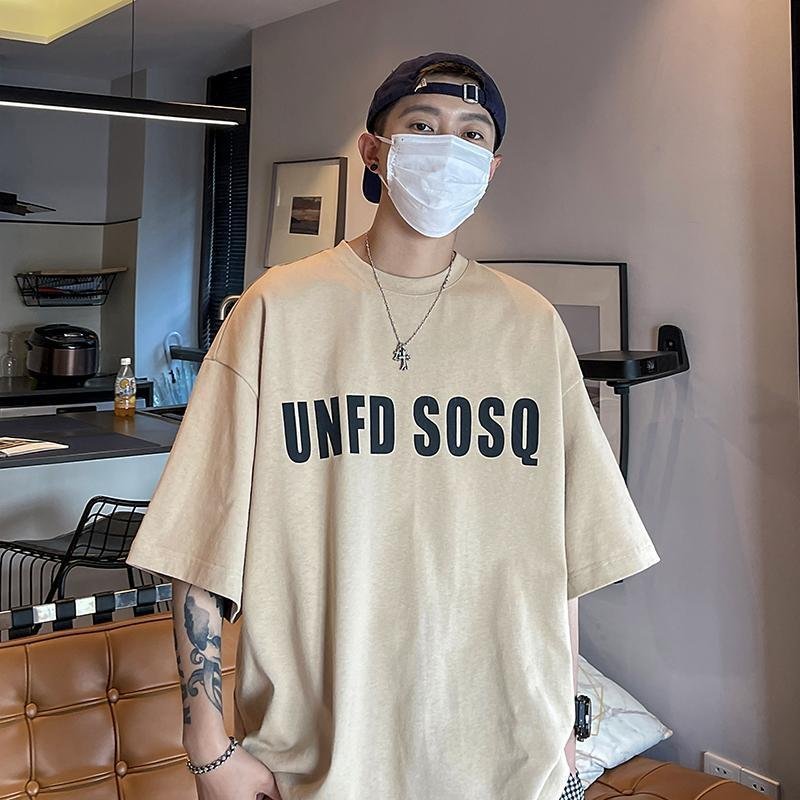
White ink underbase depth determines vibrancy on dark fabrics; without a properly calibrated underbase, colors appear washed out or muddy. On light garments, ink saturation is more forgiving, but RGB-to-CMYK conversion accuracy remains critical for Pantone-matched brand colors.
Wash-Fastness Standards
Industry benchmark is 50 wash cycles at 40°C per AATCC 61 or ISO 105-C06; prints should retain at least 80% color density to pass. Pre-treatment quality is the primary variable — under-treated fabric causes ink to crack within 10 to 15 washes.
Hand-Feel and Edge Sharpness
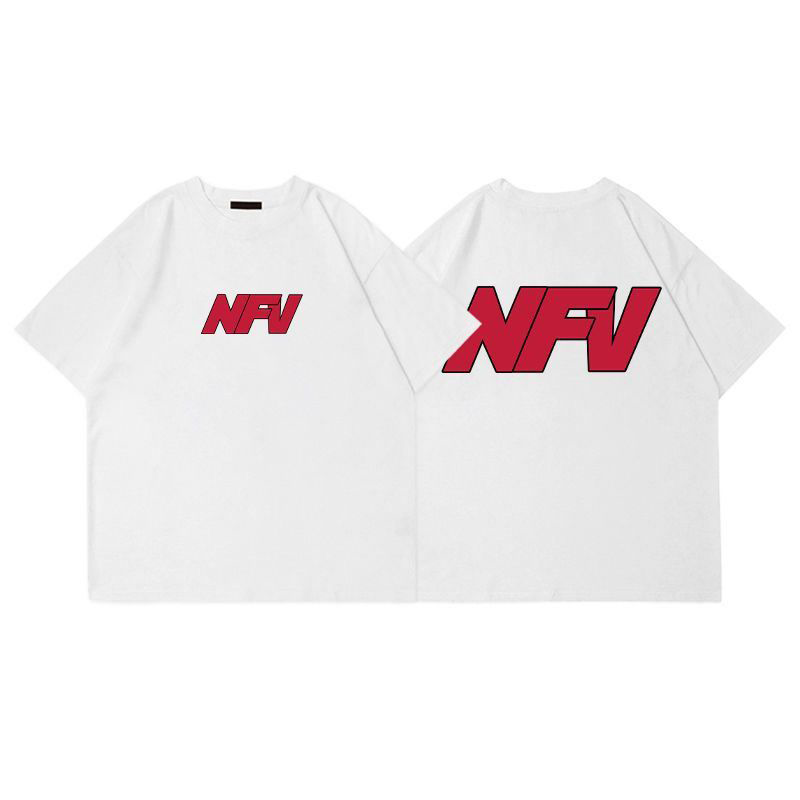
A stiff or plasticky finish signals excess ink layering or incorrect curing — water-based pigment inks typically cure between 150°C and 165°C. Pre-treatment bleed beyond the print boundary softens edges; inspect fine-line details and color transitions on every sample.
Machine Calibration and Operator Skill
Print-head height must be calibrated per fabric thickness — even a 2 mm variance degrades dot placement and sharpness on the final print. Operator proficiency in ink density curve profiling and pre-treatment volume adjustment for different GSM fabrics creates significant output variance even on identical machines.
Pre-Production Sample Checklist
Request a printed sample on the exact garment SKU before approving any production run. Evaluate it against all criteria below before sign-off.
- Check color vibrancy and underbase coverage on dark fabric under daylight and indoor lighting.
- Wash sample 20 times at 40°C; measure color retention and check for cracking or peeling.
- Press the print with your palm — reject any stiff, rubbery, or plasticky hand-feel.
- Use a loupe or macro lens to inspect edges; fine lines should show no pre-treatment bleed.
- Confirm print placement accuracy within ±3 mm against your tech pack specification.
7. How to Choose a DTG Printing Manufacturer
Choosing the right dtg printing partner goes beyond price comparisons. Systematically evaluate machine infrastructure, pre-treatment transparency, sample policies, and sustainability certifications before committing to any production agreement.
Machine Fleet and Pre-Treatment Transparency
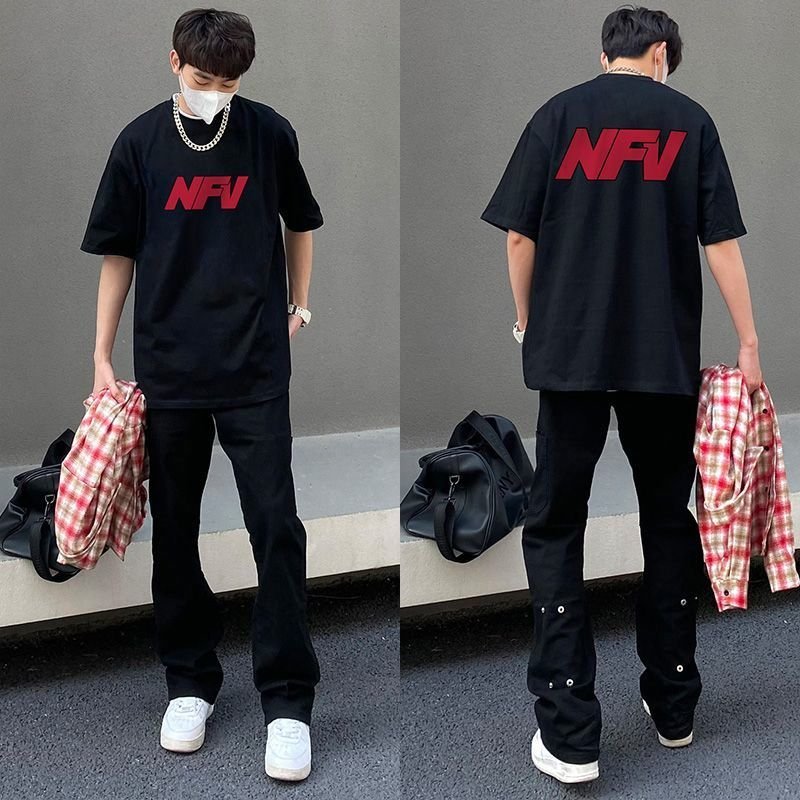
Kornit Atlas and Storm systems are the current dtg printing benchmark; older Epson F2100 units often produce inconsistent saturation on 300-plus GSM fleece.
Ask suppliers to name exact machine models and daily output capacity. Pre-treatment at 8–12 ml per garment is the professional standard — vague answers signal manual inconsistency and uneven print quality.
Sample Policies, MOQ, and Colour Proofs
Reliable dtg printing partners offer 1-piece MOQs and 3–7 business day sample turnaround. Any supplier requiring 12-plus units just to sample is not configured for streetwear’s small-batch demands.
Require a Pantone-referenced digital colour proof with ICC-profile confirmation before bulk production begins — this step catches colour drift before it scales to hundreds of units.
Wash-Test Policies and Certifications
Request ISO 105-C06 wash-fastness test results showing colour retention across at least 10 wash cycles before approving any bulk run.
Confirm inks carry OEKO-TEX Standard 100 or GOTS certification — the minimum bar for brands targeting EU and North American retail channels.
Red Flags and Questions to Ask
Disqualify any supplier who cannot answer the following in a 15-minute qualification call — it signals either inexperience or a deliberate attempt to obscure process quality.
- No sample offer, or sample minimum above 12 units per design
- Ink specs listed only as ‘water-based’ with no brand name or certification number
- Cannot confirm whether a colour-proof approval step exists before bulk
- Ask: ‘What exact DTG machine models does your facility run?’
- Ask: ‘Can you provide OEKO-TEX Standard 100 or GOTS ink certification documents?’
8. Common Mistakes Brands Make When Buying DTG Printing
New designers entering dtg printing procurement routinely make six costly errors that inflate per-unit costs and delay launch timelines. Catching each mistake before placing an order protects margins and product quality.
Supplying Low-Resolution Artwork Files
Artwork below 150 dpi at actual print size produces visibly pixelated output once ink hits fabric. Supply 300 dpi PNG or TIFF files at the exact print dimensions before sampling begins.
Choosing the Wrong Fabric Blanks
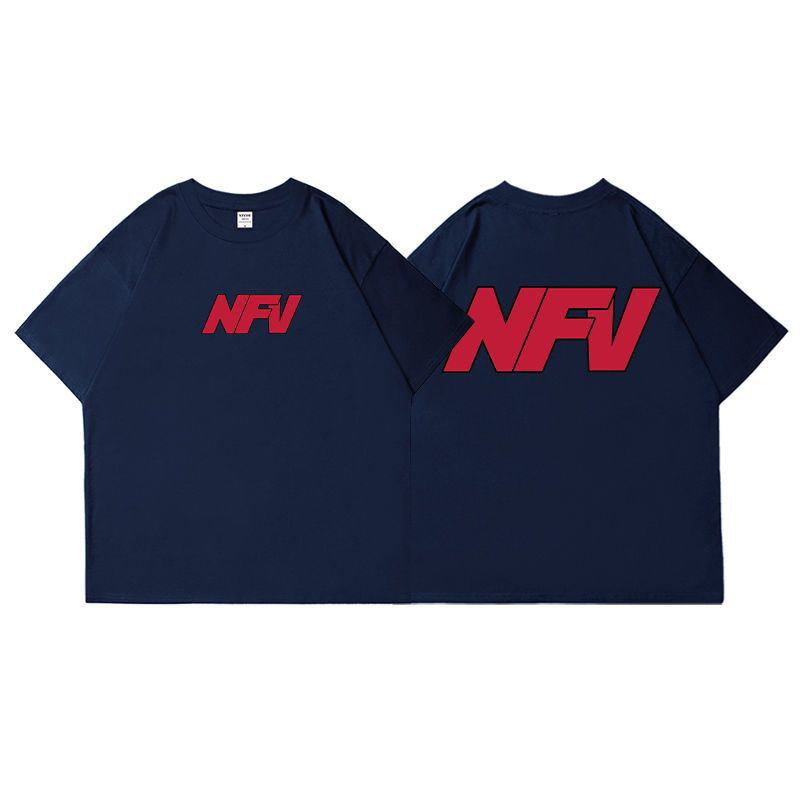
DTG ink bonds best to 100% ring-spun cotton at 180–220 GSM; high-polyester blends resist absorption and yield dull, undersaturated prints. Confirm blank fiber content and GSM with your supplier before approving artwork placement.
Skipping Pre-Shipment Wash Tests
Without a wash test, brands discover cracking or fading only after bulk stock is shipped. Request a 30-wash simulation on samples before approving production; most reputable DTG suppliers complete this within 5–7 business days.
Ignoring Pre-Treatment on Dark Garments
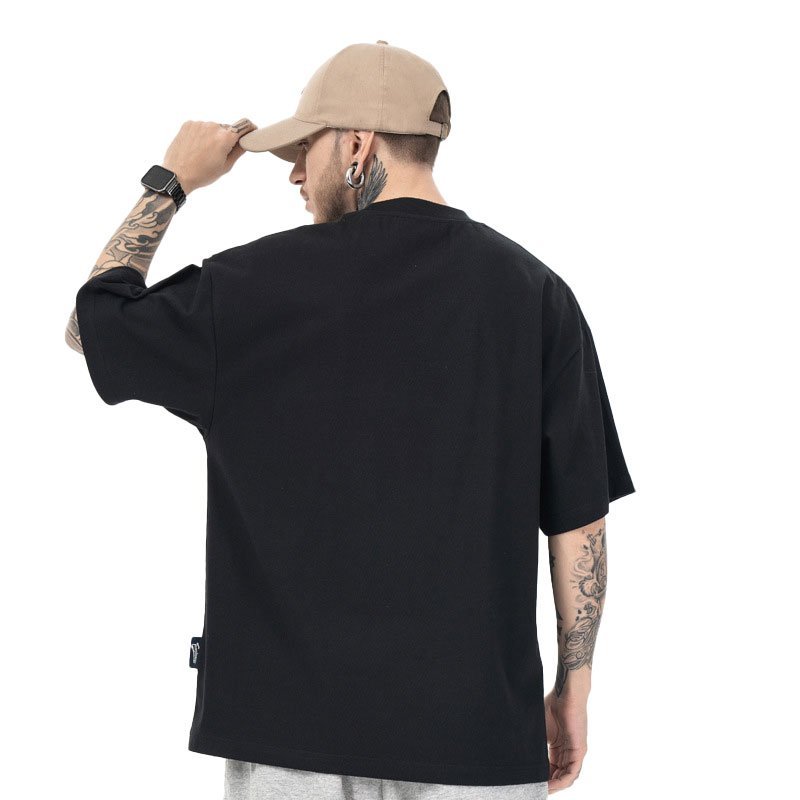
DTG ink on dark fabrics requires a white pre-treatment underbase for opacity; patchy application causes visible blotching and color inconsistency. Ask your manufacturer to show a pre-treatment test patch on the exact blank before committing to production.
Over-Ordering Before Validating Demand
DTG’s primary advantage is low MOQ — often 1–12 pieces per colorway — yet startups still bulk-order 300-plus units without validating consumer demand. Launch a 12–24 piece test run first; scale only once sell-through data supports it.
Confusing sRGB Screen Color with Print Output
Screen colors rendered in sRGB appear brighter than physical ink on cotton; expecting an exact match leads to rejected orders. Request a physical print proof and reference Pantone spot codes in your color brief to anchor expectations.
9. Steps to Launch Your Streetwear Brand with DTG Printing
Launching a streetwear brand on dtg printing demands a seven-step roadmap, not guesswork. Each stage exploits dtg printing’s low MOQ and fast sample turnaround to cut financial risk before committing to volume.
Validate Concepts with Small Sample Runs
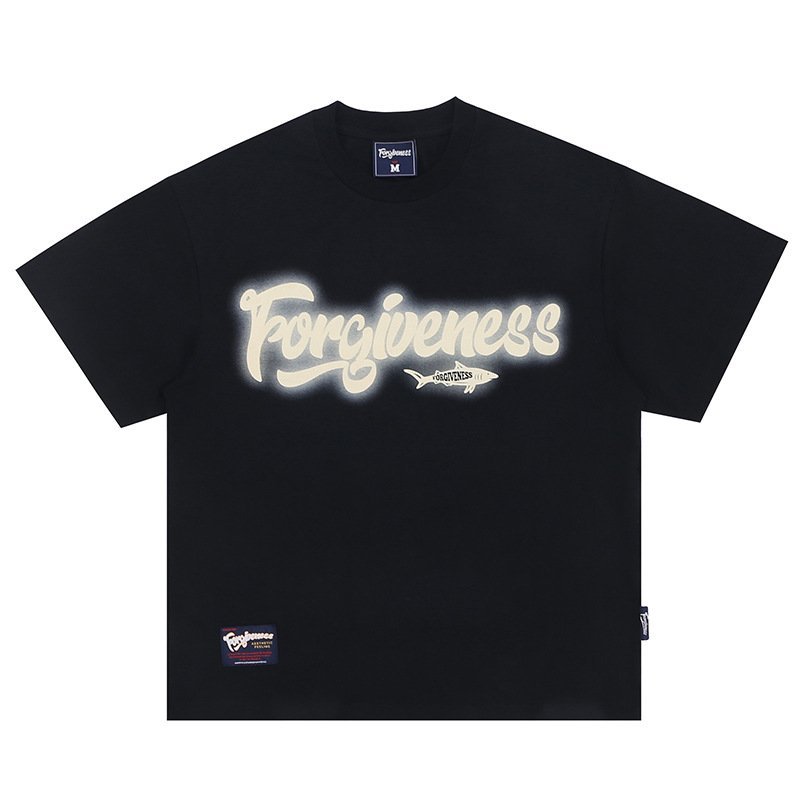
Order 1–3 units per design — most dtg printing suppliers accept single-piece samples. Print on 180–220 GSM ring-spun cotton blanks to evaluate how halftone gradients and fine line-work render before allocating any real budget.
Select Blank Garments by Fabric Test
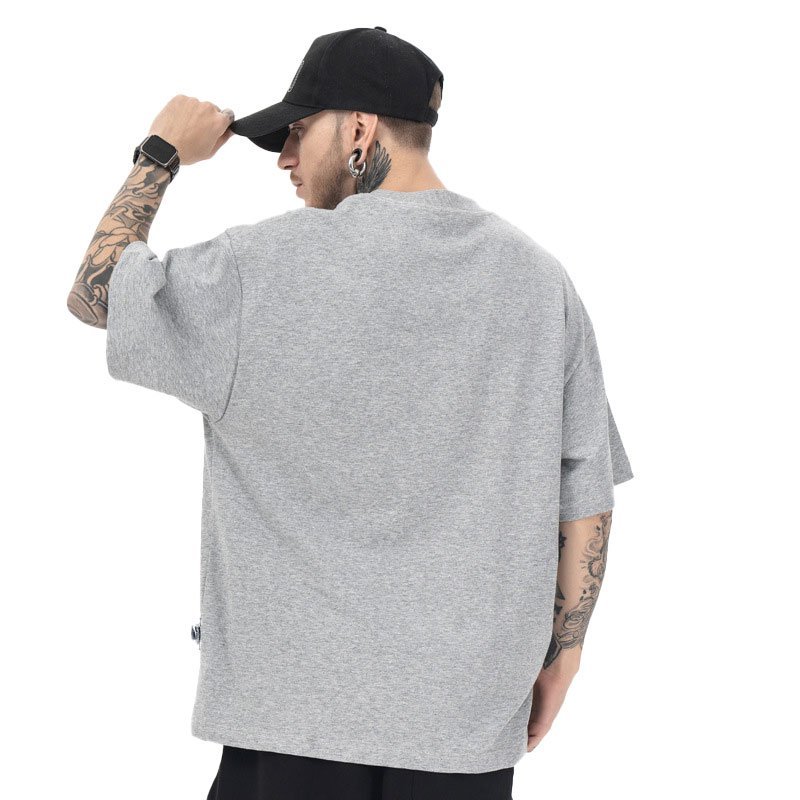
Compare at least three blank options: 100% ring-spun cotton, 50/50 cotton-polyester, and a tri-blend. Polyester content above 30% reduces ink absorption and mutes colour saturation, so fibre spec and GSM weigh as much as unit price.
Nail Colour Accuracy with Print Proofs
Request a Pantone-referenced colour proof alongside each physical sample. DTG printing uses CMYK inkjet chemistry, so an 85% Pantone match on pre-treated cotton is realistic; expect a 5–10% shift on darker or heavier base fabrics.
Run a Wash-Durability Test Before Launch
Wash samples five cycles at 40°C before approving any design for sale. DTG printing ink on properly pre-treated cotton should show less than 15% visible fade; failure signals a need to adjust pre-treatment concentration or cure temperature.
Place a Pilot Drop and Scale from Feedback
Start with a 12–30 unit pilot drop to test real-market demand. Collect size-run data and customer feedback within 30 days, then use those findings to refine artwork or garment specs before scaling a reorder to 50–200 units.
10. DTG Printing Pricing: What to Budget by Tier
DTG printing unit costs fall sharply with volume — from $18–$28 per garment at 1–10 pieces down to $5–$9 at 200+ units. Dark-garment orders requiring a white-ink under-base add $2–$5 per unit regardless of tier, and rush production (sub-5-day turnaround) carries a 20–30% premium on the base rate.
Screen printing becomes cost-competitive near the 50–75-unit crossover for simple 1–2 color designs, where $25–$50 per-color screen setup fees are amortized across enough pieces. For full-color, photo-realistic artwork or runs under 50 units, dtg printing consistently wins on total landed cost — no screens, no color minimums, no Pantone matching surcharges. Learn more about Clothing Manufacturer Ltd.
| Quantity Tier | Unit Price (est.) | Setup / Pre-treatment | Lead Time | Best-Fit Use Case |
|---|---|---|---|---|
| 1–10 pcs | $18–$28 | $2–$5 / garment | 3–5 days | Samples, POD, influencer gifting, one-off drops |
| 11–50 pcs | $12–$18 | $2–$5 / garment | 5–8 days | Brand launches, test SKUs, limited capsule releases |
| 51–200 pcs | $8–$13 | Included | 7–12 days | Mid-run streetwear collections, retail reorders |
| 200+ pcs | $5–$9 | Included | 10–15 days | High-volume drops; compare screen print at this tier |
Get Your DTG Printing Sample in 7 Days
Low MOQ, 5-step QC guarantee, and global shipping — built for startups and streetwear brands ready to scale.