
Heat Transfer Printing: Full Color, Any Design, 50-Piece MOQ
Bring any artwork to life with heat transfer printing — photorealistic, full-color results on any fabric, starting at just 50 pieces for brands worldwide.
Gallery of Heat Transfer Printing Samples
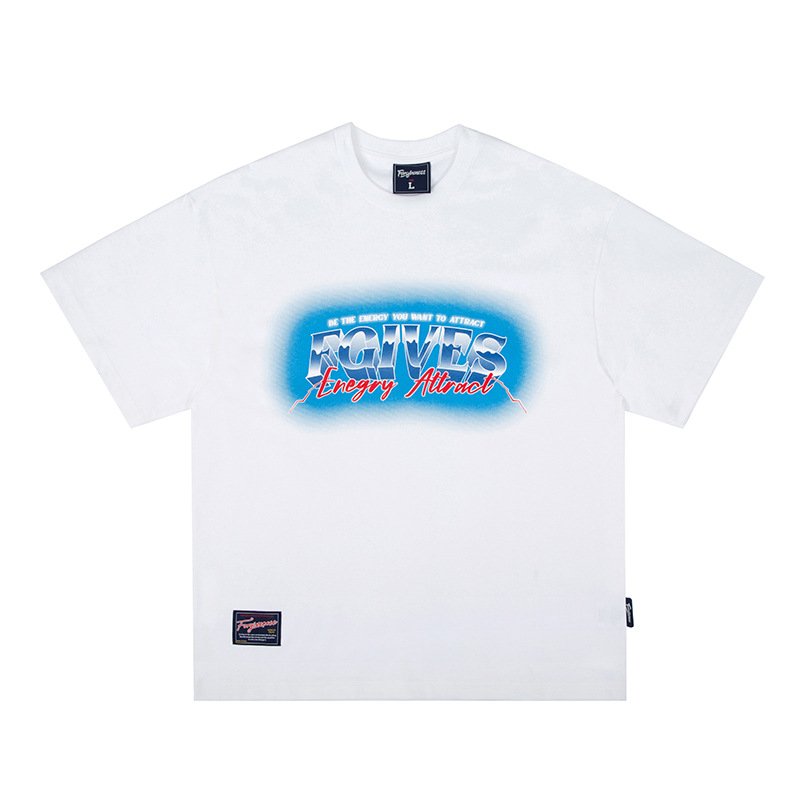
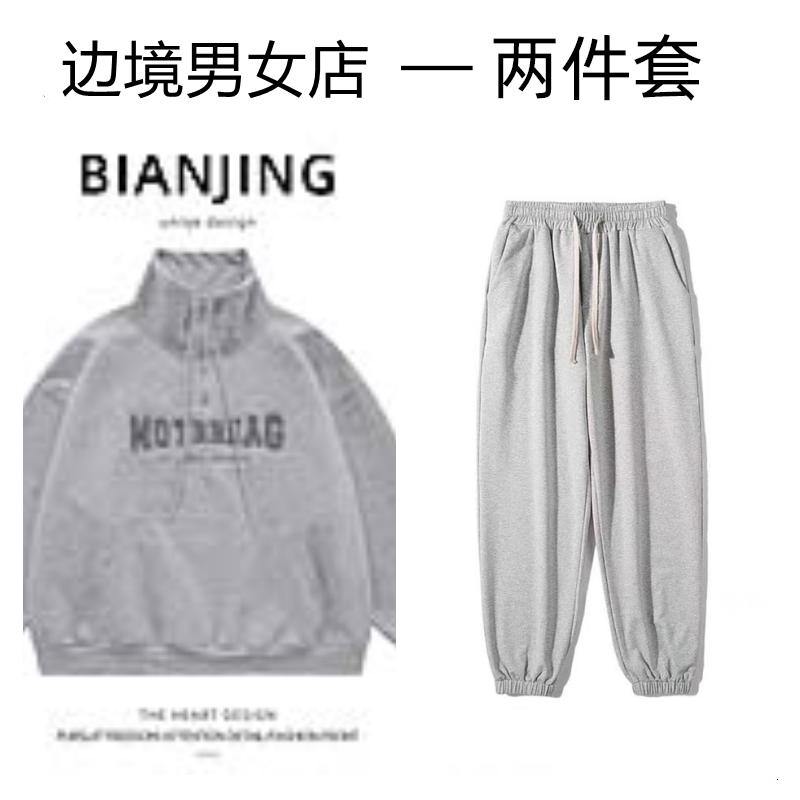
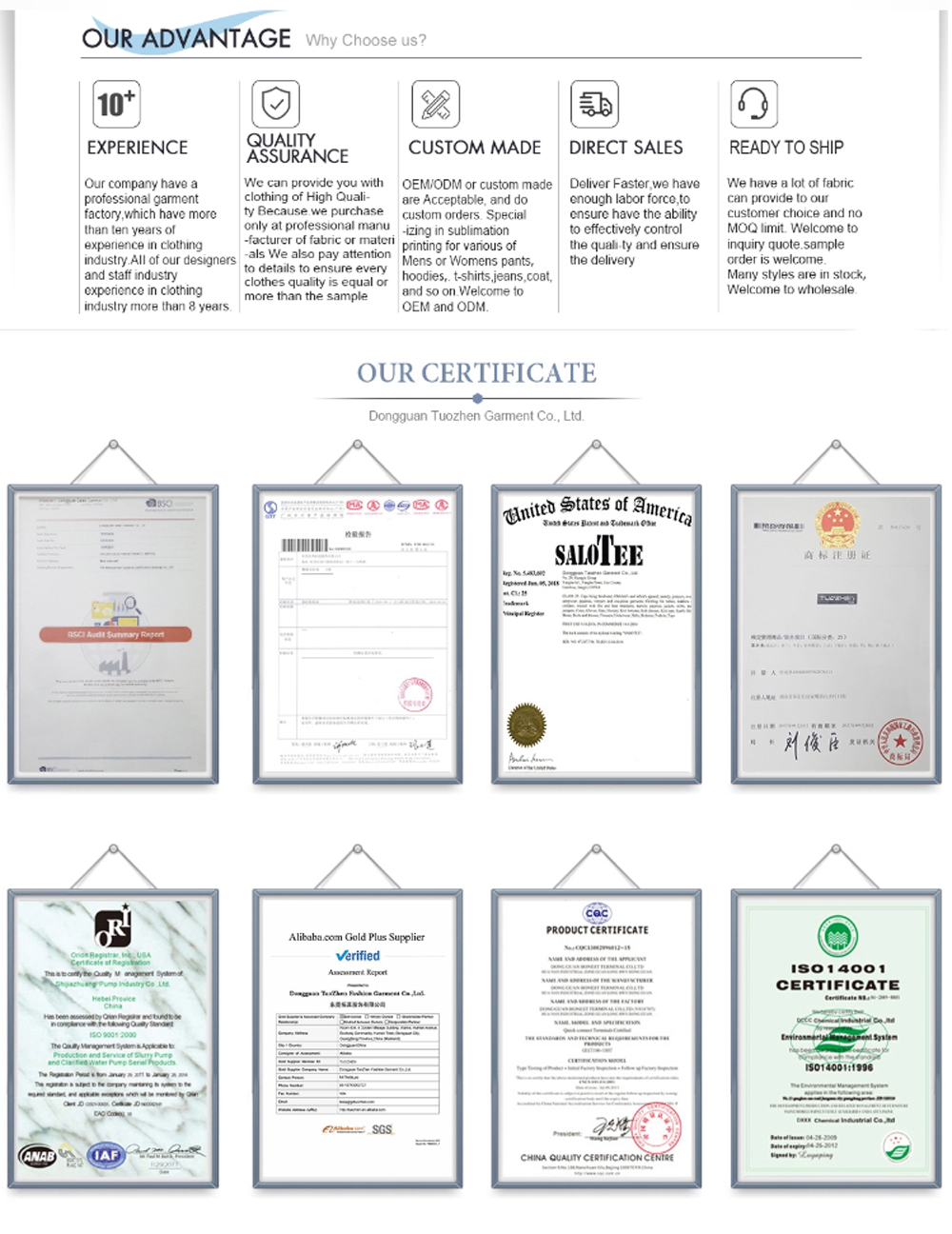
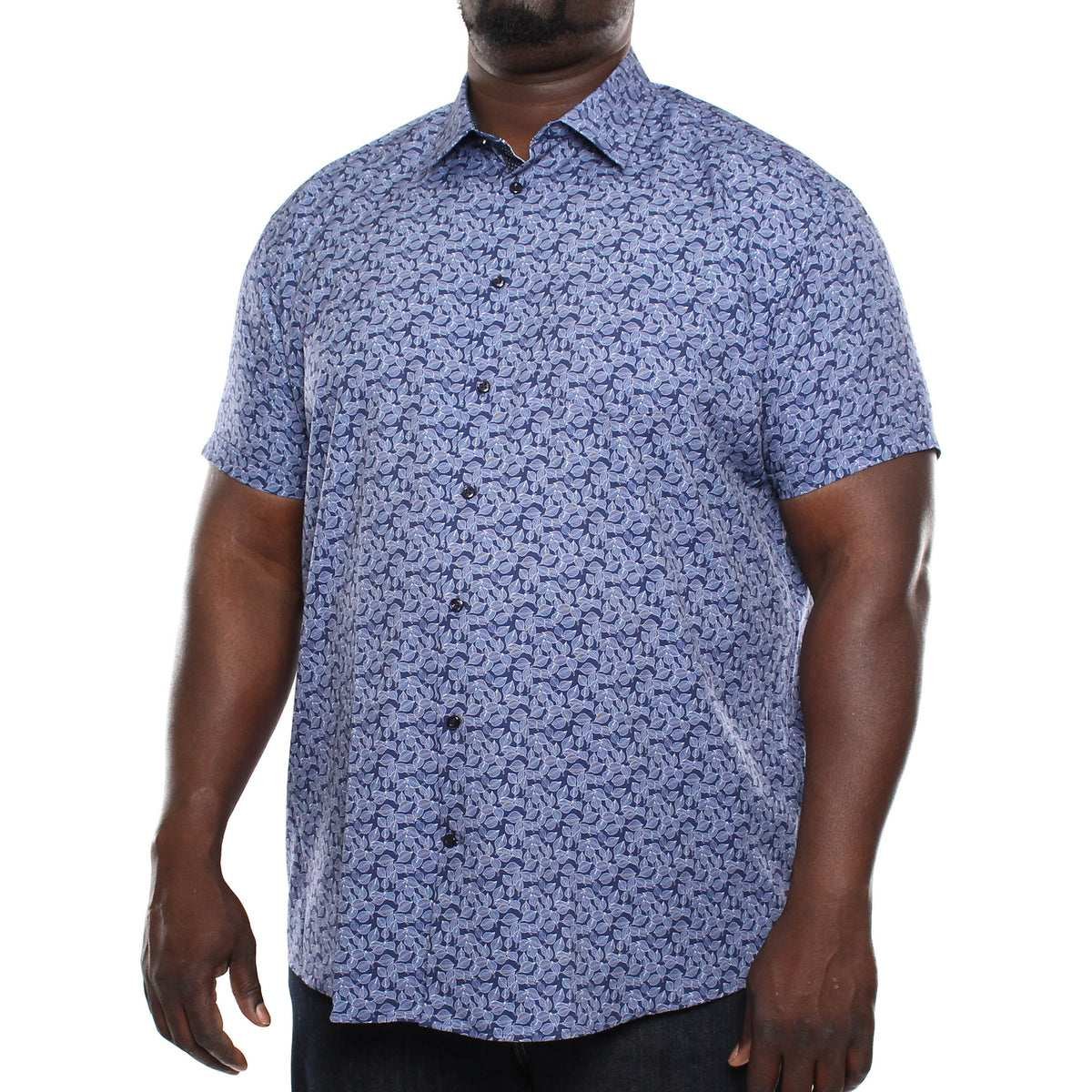
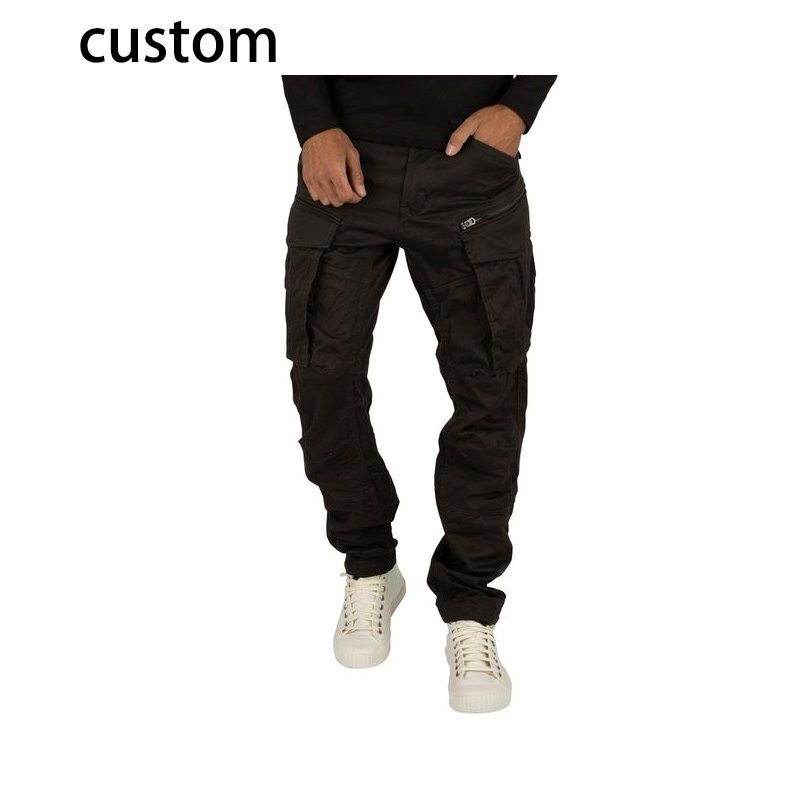
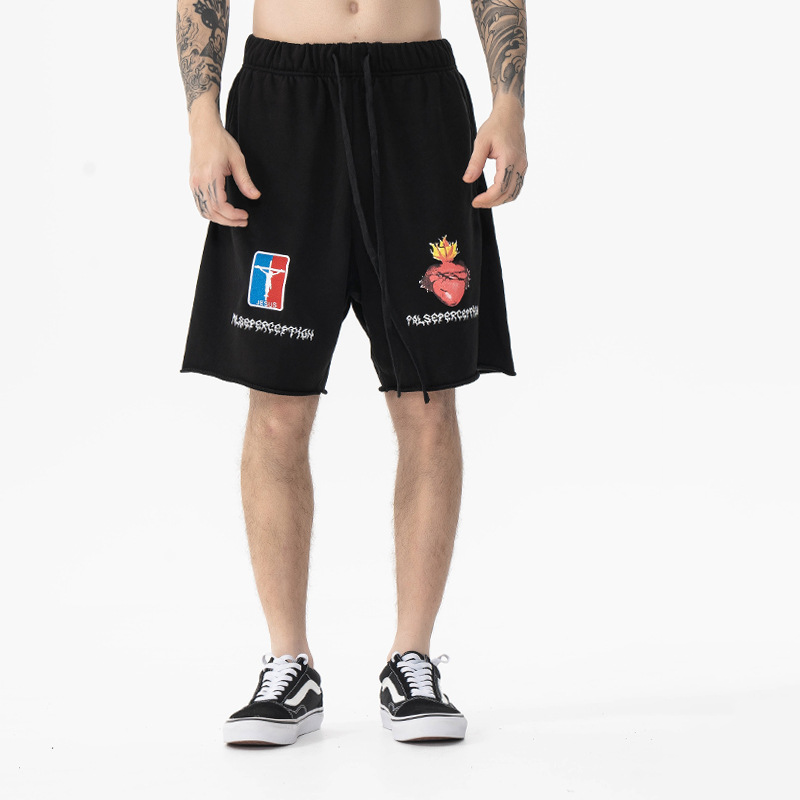
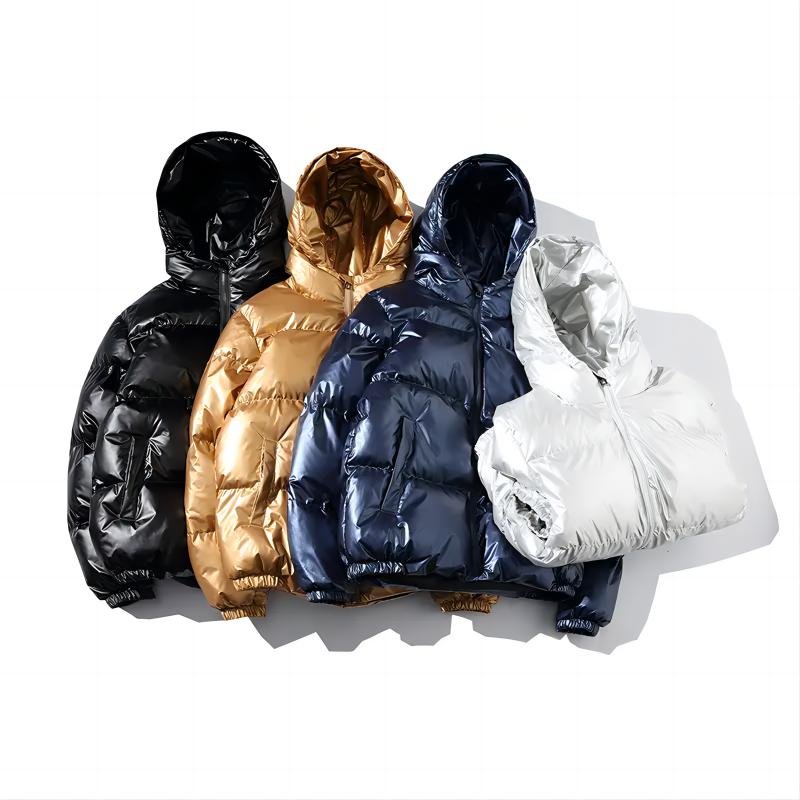
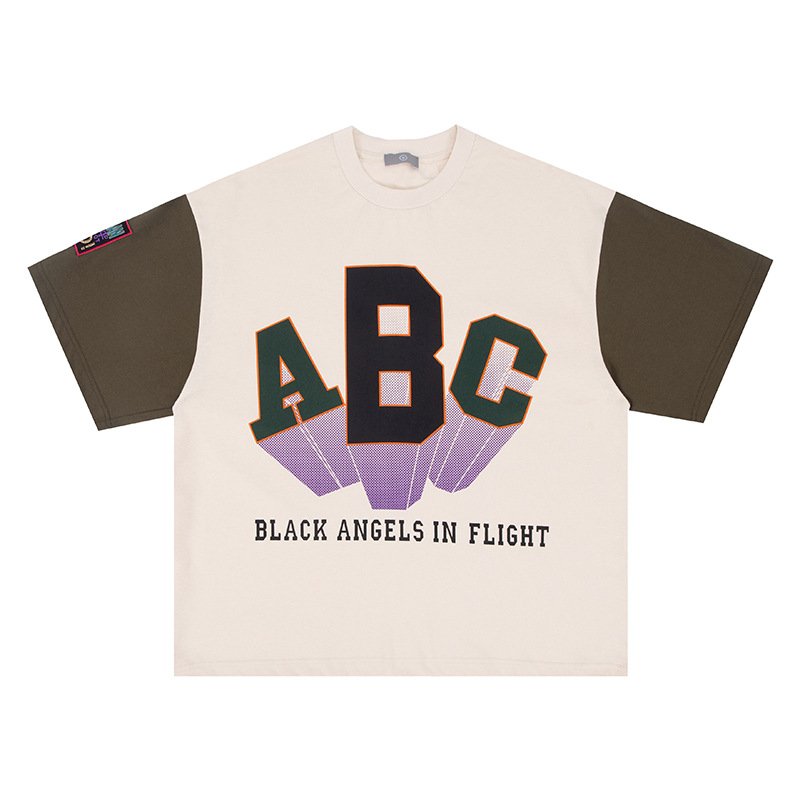
Key Advantages of Heat Transfer Printing
From photorealistic detail to zero color limits, discover why leading streetwear brands and independent designers trust our heat transfer printing capabilities.
Unlimited Colors, Zero Limits
Heat transfer printing reproduces millions of colors simultaneously with no color separation fees, making photorealistic and gradient-rich designs fully achievable.
Photorealistic Print Clarity
Reproduce detailed photos, intricate artwork, and subtle gradients with razor-sharp precision that screen printing simply cannot match.
No Color Separation Costs
Skip expensive film separations entirely — every color in your design prints as one, cutting setup costs on complex multi-tone artwork.
Low 50-Piece MOQ
Launch new collections or test bold graphics with a minimum of just 50 pieces, ideal for startups and independent streetwear designers.
Fast Turnaround, On-Time Drops
Our streamlined heat transfer printing workflow delivers production-ready orders quickly, keeping your seasonal collections and influencer launches on schedule.
5-Step Quality Guarantee
Every heat transfer printed garment passes our proprietary five-step QC process, ensuring flawless color accuracy, adhesion, and long-term wash durability.
Explore Heat Transfer Printing and Related Techniques
Whether you need photo-realistic full-color graphics, spot-color screen prints, all-over sublimation, or direct-to-garment detail, we help you match the right method to your brand, budget, and order size.
Streetwear Brand, Complex Graphics
Your streetwear designs feature gradients, photo-realistic artwork, and intricate details that traditional screen printing cannot reproduce without punishing setup costs and strict color-count limits.
Heat transfer printing delivers every gradient and micro-detail with zero color-count restrictions, no costly screens, and a 50-piece MOQ — ideal for high-impact limited drops.
Startup Launching First Collection
Screen printing minimums and sublimation substrate requirements price new independent designers out of production before a single unit sells, stalling your label before it even launches.
Our 50-piece MOQ and in-house sampling team make heat transfer printing accessible from day one — test designs, validate demand, and scale confidently without overcommitting your startup budget.
Influencer Merch, Trend-Speed Drops
Your audience moves at cultural speed. A slow traditional print run means the hype window closes before your merch drop ships, turning a viral moment into a missed opportunity.
Our fast-turnaround heat transfer printing workflow takes approved artwork to finished garments in days, so creator brands can capitalize on trending moments and deliver drops while demand peaks.
Comparing Screen Printing vs. Heat Transfer
You need an honest, side-by-side breakdown of screen printing, DTG, sublimation, and heat transfer printing before committing production budget to a technique that may not fit your SKUs.
Our specialists and in-depth comparison resources map each technique's strengths, ideal order volumes, and cost profiles — so every product in your catalog gets the printing method it deserves.
Global Retailer, Consistent Multi-Run Quality
Supplying retail across multiple markets demands batch-to-batch consistency — no color drift, no peel failures, no variation between production runs that erodes your brand's reputation on shelves worldwide.
Our 5-step QC process ensures every heat transfer printed garment meets identical standards run after run, backed by global shipping and logistics support for retailers serving customers across 100-plus countries.
10+ Years of Heat Transfer Printing Expertise
Founded in 2024 by Tesla Luo in Dongguan, China’s garment manufacturing heartland, Clothing Manufacturer Ltd. was built to prove that Chinese apparel production could stand for something better. With over 10 years of industry experience and a firsthand view of widespread quality failures, Tesla created a company where heat transfer printing and every other production process is governed by an uncompromising, quality-first philosophy.
Today, our 15-member R&D team, 10 registered patents, and full in-house design and sampling capabilities make us a serious production partner for streetwear brands, independent designers, and global retailers. We handle heat transfer printing runs from a low 50-piece MOQ up to high-volume seasonal orders, with fast turnaround times engineered to keep pace with trend-driven launch calendars and influencer drop schedules.
What truly sets us apart is our proprietary five-step quality control process, applied at every stage of production from materials inspection through finished garment review. Introduced in February 2025, this systematic QC framework ensures defects are caught and corrected before they compound, not after. The result is outgoing product that consistently meets your brand’s standards, backed by global shipping and logistics support reaching customers in over 100 countries.
The Heat Transfer Printing Process Explained
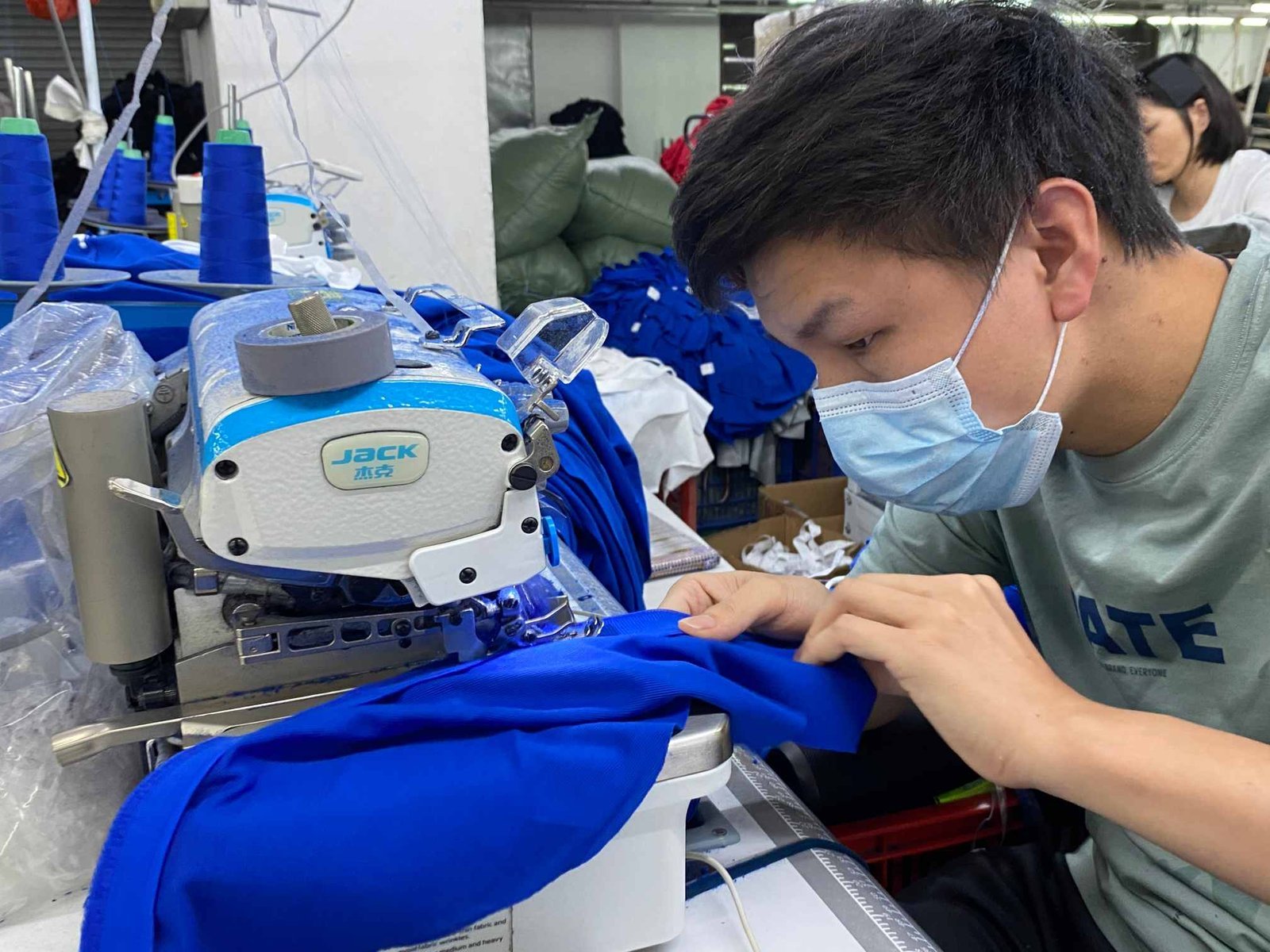
Transfer Film: The Foundation of Print Quality
Our heat transfer printing process begins with precision-engineered transfer films layered with thermally activated adhesives and pigment-rich inks formulated for streetwear durability. The result is vibrant, wash-resistant color that bonds at the molecular level with your garment’s fibers, print after print.
- Multi-layer PET film construction for dimensional stability and razor-sharp edge definition
- High-opacity pigment inks reproducing millions of colors without cracking, fading, or bleeding
- Thermally activated adhesive layer engineered for stretch, flex, and repeated wash cycles
- Film stock compatible with cotton, polyester, nylon, and performance fabric blends
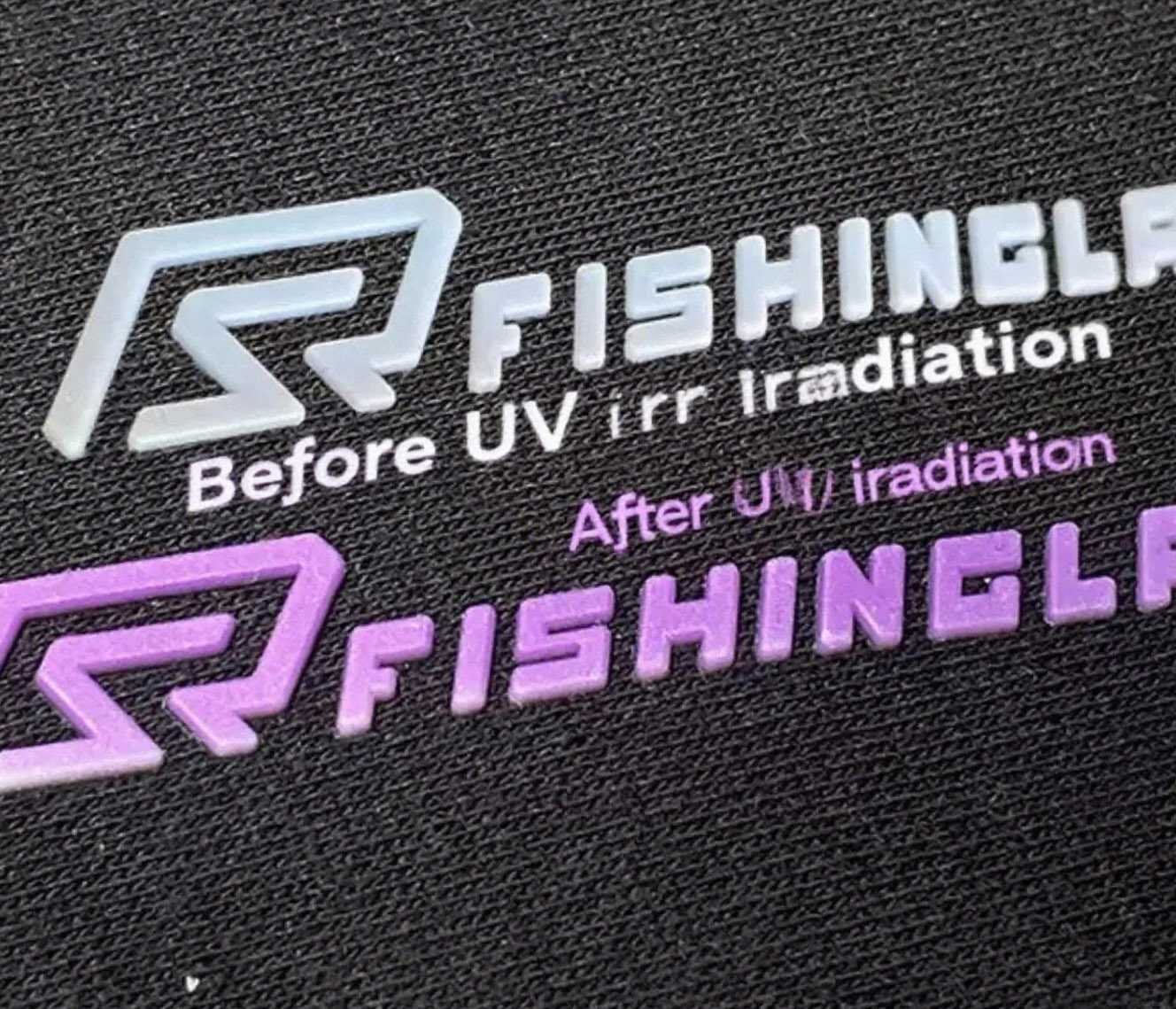
Precision Temperature Curves, Consistent Bond Every Time
Flawless heat transfer printing depends on dialing in exact temperature, pressure, and dwell time for each fabric type. Our press technicians calibrate every run to manufacturer specifications, eliminating bubbling, peeling, and color shift before a single garment ships.
- Temperature range 150-180°C calibrated per substrate for optimal adhesion strength
- Even-pressure hot-press technology eliminates cold spots and lifting edges across the print
- Dwell-time protocols individually adjusted per fabric weight and transfer film chemistry
- Hot-peel and cold-peel timing precisely controlled for each film variant's requirements
Design-Ready Files That Maximize Print Precision
Submitting correctly prepared artwork is critical to reproducing your vision in heat transfer printing. Our in-house design team accepts vector and raster files, corrects color profiles, and converts all elements for print-ready output at no extra charge.
- Vector files (AI, EPS, PDF) preferred for scalable, razor-sharp line and logo reproduction
- Minimum 300 DPI raster files accepted for photographic imagery and complex gradient artwork
- CMYK color profile conversion with Pantone spot-color matching available on request
- Free pre-press digital proofing and mockup approval completed before any production begins
5-Step QC That Guarantees Heat Transfer Durability
Our proprietary five-step quality control methodology catches defects before they reach your customers. From raw material inspection to finished garment review, every heat transfer print is tested for adhesion strength, color accuracy, wash fastness, and edge integrity.
- Materials QC: transfer film and ink batches inspected and tested before production starts
- In-process cutting and craft QC prevents substrate defects from ever reaching the press
- Adhesion pull test and wash-cycle simulation conducted on samples from every production run
- Final finished-garment color-delta measurement cross-checked against your approved proof
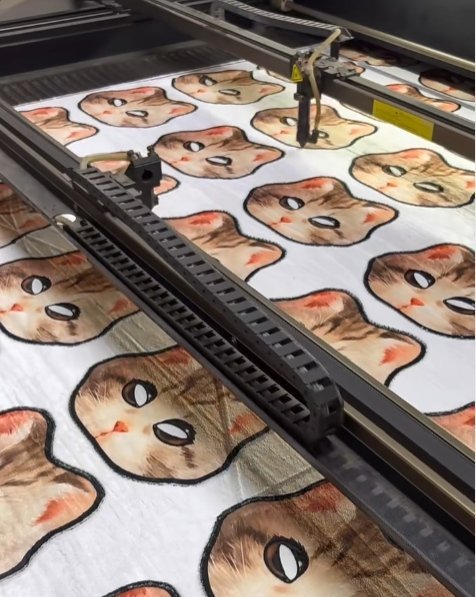
Heat Transfer Printing vs. Screen Printing: Pick the Right Process
Heat transfer printing delivers capabilities screen printing simply cannot match — especially for full-color streetwear drops, low MOQ launches, and stretch fabrics. See the differences that matter to buyers.
← 左右滑动查看 →
Heat Transfer Printing Production Workflow
From your design file to your doorstep — every stage is quality-checked, on schedule, and built to your brand’s exact standards.
Design File Intake & Review
We review your artwork files for resolution, color accuracy, and print-readiness, flagging any issues before production begins to eliminate costly reprints.
Color Separation & Film Output
Our team separates colors and outputs precision transfer films, ensuring every shade in your design prints with sharp, consistent results on fabric.
Materials & Fabric QC Check
Before a single transfer is pressed, fabrics undergo our proprietary materials QC test, confirming texture, weight, and compatibility for heat transfer printing.
Heat Press Print Application
Calibrated heat press machines apply each transfer at exact temperature and pressure settings, bonding vivid, wash-resistant prints to your chosen garment.
Sewing & Craft QC Inspection
Every printed piece passes our sewing and craft QC checkpoints, catching alignment issues, adhesion flaws, or fabric defects before they reach finishing.
Finishing & Brand Packaging
Garments are trimmed, tagged, folded, and packed to your brand specifications, ready for retail shelves, influencer drops, or direct-to-consumer fulfillment worldwide.
Global Shipping & Dispatch
We coordinate customs documentation, logistics partners, and real-time tracking for seamless delivery to your warehouse or fulfillment center across 100-plus countries.
How to Order Heat Transfer Printing Garments
From your first design file to delivered product, here is exactly how we take your heat transfer printing project from concept to customers in five transparent steps.
Submit Your Artwork and Brief
Share your design files, garment specs, and target quantity. Our team reviews artwork, advises on color profiles, and confirms all technical requirements for your heat transfer print.
Receive Your Free Sample First
We produce a physical sample at no charge so you can verify print quality, color accuracy, and garment fit before committing to full production.
Approve the Sample and Order
Once satisfied with the sample, confirm your order details, finalize quantities starting at just 50 pieces, and lock in your production timeline and pricing.
Produce With 5-Step Quality Control
Your order enters our five-step QC workflow covering materials, cutting, craft, sewing, and finished inspection, ensuring every heat transfer printing garment meets our exacting standards.
Ship Globally on Your Schedule
We manage packaging, customs paperwork, and freight coordination to over 100 countries, with express and sea freight options timed to your seasonal collection launch.
Real Brands, Real Results with Heat Transfer Printing
We ordered 300 hoodies with our full-color gradient logo using heat transfer printing, and every single piece came out pixel-perfect. After 40 wash cycles in our durability test, zero fading, zero peeling. The 5-step QC process is no marketing gimmick — it shows in the finished product.
I was nervous launching my first merch drop at just 50 units, but the heat transfer printing quality matched brands doing 10,000-piece runs. Sold out in 72 hours and immediately reordered 500 units. Turnaround was 14 days — fast enough to capitalize on the momentum.
We source from three continents, and Clothing Manufacturer Ltd. is the only factory that delivered a 1,500-unit heat transfer printing order with a 0% reject rate on arrival. Shipped to our EU distribution center in 18 days flat. They have earned a permanent spot in our supplier list.
Heat Transfer Printing FAQ: Your Questions Answered
Straight answers on fabric suitability, design limits, washability, MOQ, lead times, and everything else you need before placing your first order.
What fabrics does heat transfer printing work best on?
Is heat transfer printing durable enough to survive repeated washing?
Can I combine heat transfer printing with embroidery or screen printing on the same garment?
What is the minimum order quantity for custom heat transfer printing garments?
What are the maximum design size and color limits for heat transfer printing?
How long does production take from approved sample to final delivery?
What art file formats do you require for heat transfer printing production?
How much does a sample cost and how long does sampling take?
Do you handle customs, duties, and global shipping for printed apparel orders?
The Complete Buyer’s Guide to Heat Transfer Printing
A decision-ready framework covering every heat transfer printing method, fabric compatibility, supplier selection criteria, real-world pricing tiers, and the critical mistakes brands must avoid before placing their first production order.
1. What Is Heat Transfer Printing?
Heat transfer printing bonds a design onto fabric using a combination of heat — typically 150–200°C — and pressure applied through a heat press for 10–15 seconds. The graphic is first produced on a carrier sheet, either a release paper or film, then permanently fused to the garment surface, delivering durable, color-accurate results without the limitations of a screen or inkjet head.
Three decoration methods dominate apparel production: screen printing, direct-to-garment (DTG), and heat transfer printing. Screen printing excels for bulk runs of 100+ units with a limited Pantone color count, but requires costly setup per color; DTG prints near-photographic detail directly onto cotton yet carries high per-unit costs and slower throughput. Heat transfer printing removes screen-setup overhead and DTG’s garment-type restrictions, making it the most flexible choice for short-run orders, gradient artwork, and complex multi-color streetwear graphics.
Brands best suited for heat transfer printing include fashion startups launching a first capsule at 50-piece MOQs, influencer labels needing photographic-quality imagery on a fast turnaround, and streetwear designers working with bold graphics — skeleton motifs, animal prints, or color-gradient overlays — that exceed the practical color count of traditional screen printing. Branded merch programs, limited-edition drops, and pre-production samples all benefit from the method’s low setup cost and consistent color reproduction. If your brand demands full-color accuracy at modest quantities without extended lead times, heat transfer printing is the right fit.
2. The Evolution of Heat Transfer Printing in Fashion
Iron-on transfers emerged commercially in the early 1960s, when screen-printed plastisol sheets allowed garment decorators to apply pre-made graphics with a household iron. These early patches were limited to simple designs and faded quickly, but they established heat transfer printing as a viable alternative to direct embroidery for mass-market apparel.
By the 1980s and 1990s, plastisol heat transfers had matured into an industrial process used by licensed sportswear labels, enabling consistent multi-color logos at scale. The introduction of digital inkjet transfer paper in the late 1990s pushed the ceiling further — designers could now produce photographic imagery without screens or separation costs.
Fast fashion’s rise in the 2000s and the creator economy boom of the 2010s created intense pressure for shorter runs, faster turnarounds, and unlimited color options. Streetwear labels dropping weekly micro-collections demanded decorating methods that could scale down to small MOQs without sacrificing quality, accelerating the development of digital direct-to-film (DTF) and dye-sublimation technologies.
Today’s heat transfer printing — particularly DTF and sublimation — achieves wash-durability ratings comparable to screen printing, with OEKO-TEX-compliant inks, Pantone-matched color accuracy, and a soft hand-feel that older plastisol methods could not deliver. For a fashion startup or influencer brand, this maturity means a proven, 60-plus-year-old process now produces retail-quality results with the flexibility modern labels require.
3. Types of Heat Transfer Printing Explained
Five distinct heat transfer printing methods serve different production goals, fabric types, and order volumes. Understanding each method helps streetwear and retail brands select the right process for garment weight, color palette, and run size.
Plastisol Transfers for Dark Garments
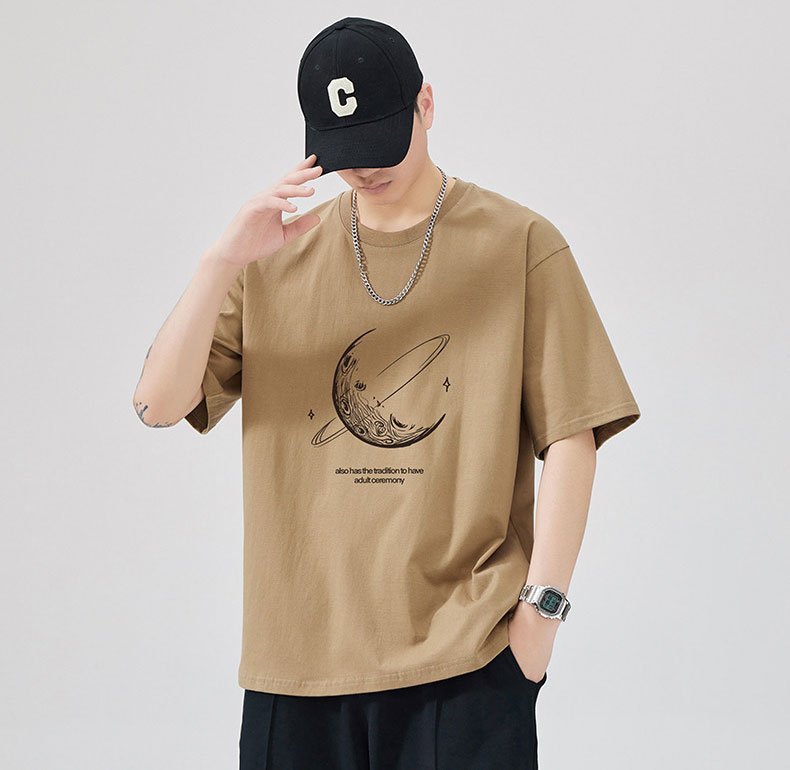
Plastisol transfers use PVC-based inks that bond under 350–375°F, producing opaque, high-coverage prints on 100% cotton and cotton-poly blends. Wash-fastness exceeds 50 cycles in standard testing, making this the default choice for heavyweight streetwear tees and hoodies. MOQs typically start at 24–50 pieces per design.
Digital Inkjet Transfers for Short Runs
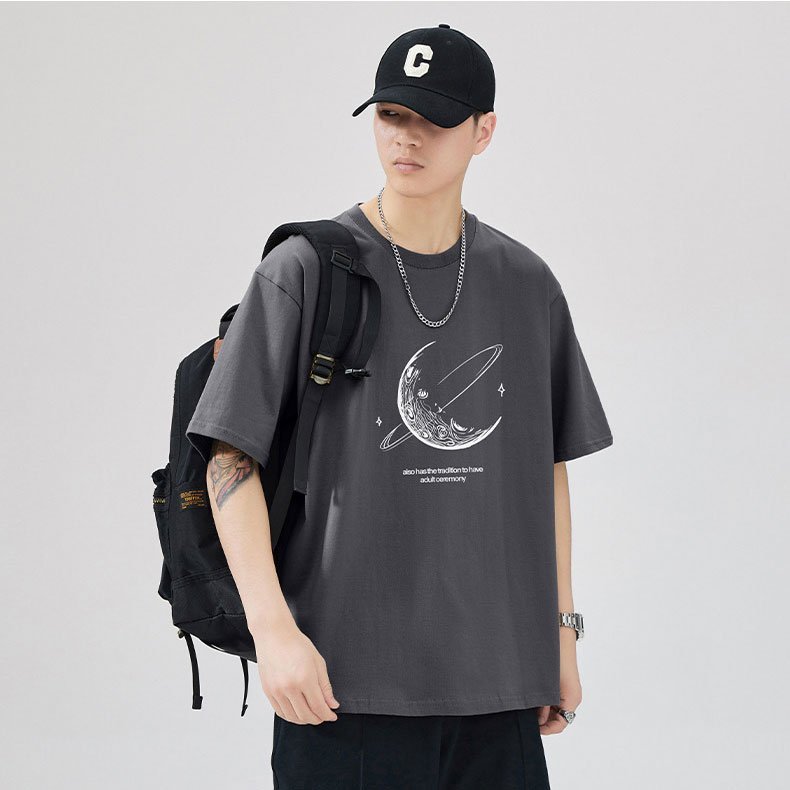
Inkjet transfers reproduce photographic detail and Pantone-matched gradients at runs as low as 1–12 pieces, ideal for sampling and limited drops. Print durability averages 25–35 washes before edge cracking on standard cotton. Cost per unit runs 3–5× higher than screen-based methods at low volumes.
Sublimation Printing on Polyester Fabrics
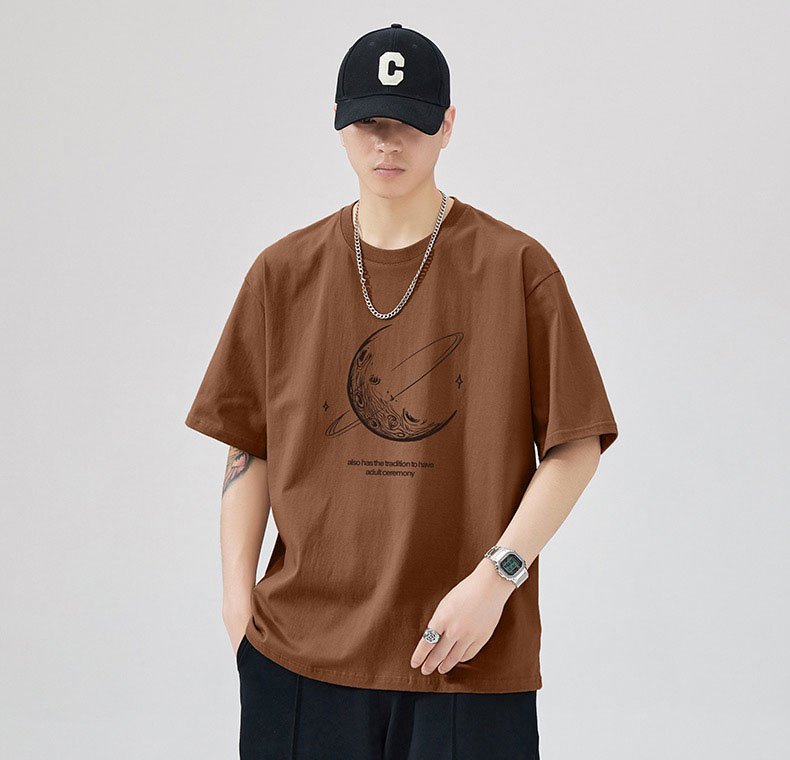
Sublimation converts dye to gas at 380–400°F, bonding permanently into polyester fibers with zero hand feel and no cracking. Coverage is limited to white or light-colored polyester substrates; it will not work on cotton. All-over prints on moisture-wicking activewear and jersey fabrics are the strongest use case.
Heat Transfer Vinyl for Cut Designs
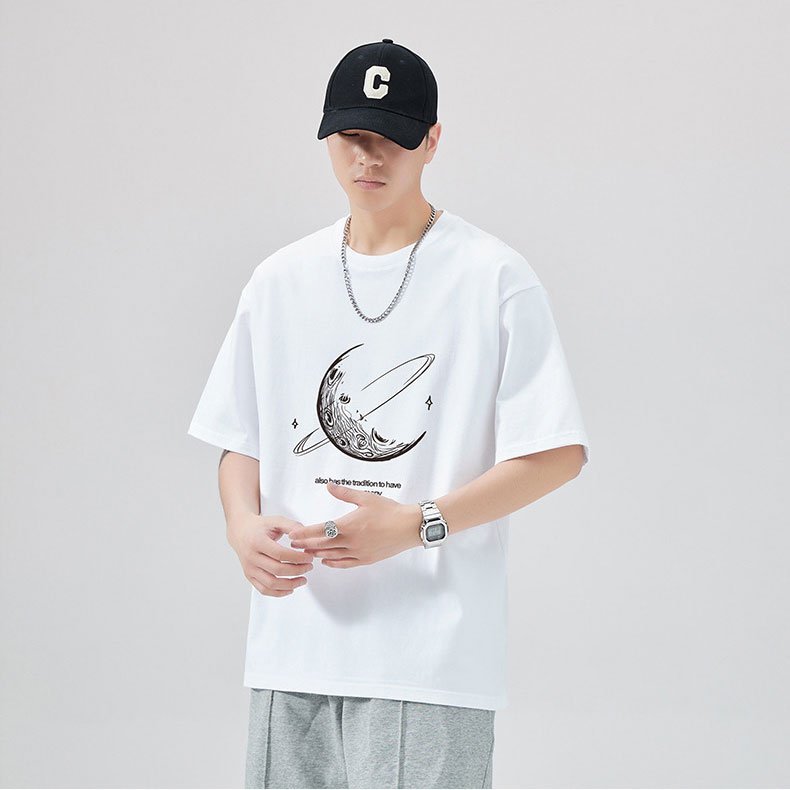
HTV uses a plotter to cut precise shapes from polyurethane film, applied at 300–320°F for 10–15 seconds. Solid colorways and number or letter applications on sportswear, team uniforms, and caps are the primary use. Layering multiple colors adds cost; complex multi-color artwork is better handled by another method.
Screen-Printed Transfers for High Volume
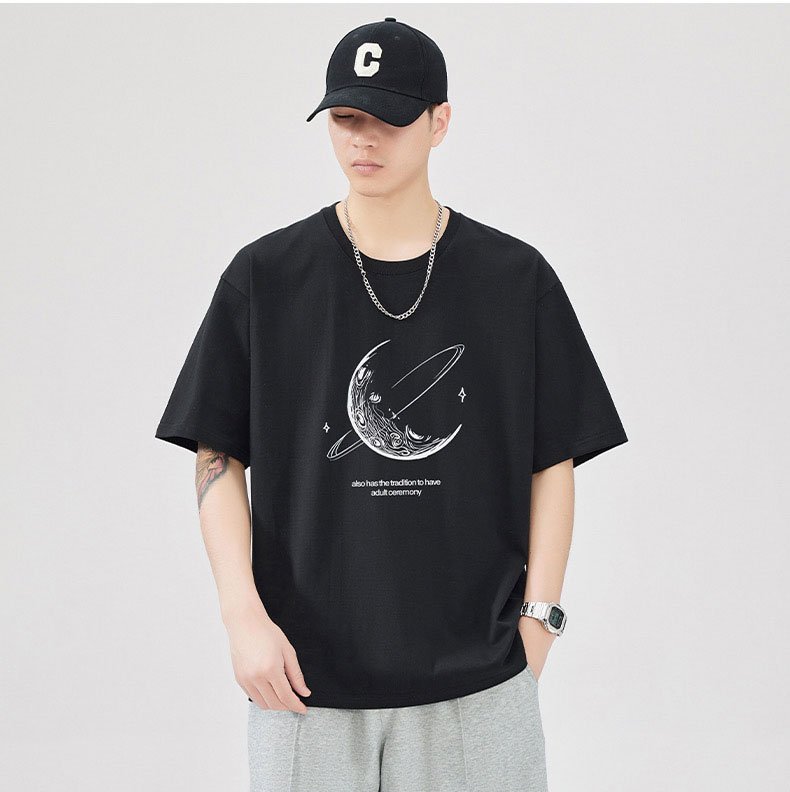
Screen-printed transfers pre-print designs onto release paper using plastisol or water-based inks, then heat-apply in bulk. Unit cost drops significantly above 500 pieces, making this the most cost-efficient choice for retail programs and global wholesale orders. Spot-color fidelity matches direct screen printing with added flexibility in application timing.
4. Materials & Fabrics Compatible with Heat Transfer Printing
Fabric composition is the single most critical variable in heat transfer printing outcomes. Get it wrong and you face peeling transfers, dye migration, or scorched fibers — even with a perfect design file.
| Fabric Type | Compatible Method | Wash Durability | Special Considerations |
|---|---|---|---|
| 100% Cotton | Plastisol, Digital HT | 50+ washes | Pre-press at 160°C to remove moisture |
| 100% Polyester | Dye-Sublimation | 60+ washes | Dye-migration risk with non-sublimation methods |
| Cotton-Poly Blend | Plastisol, HTV | 40–50 washes | Calibrate 150–170°C; test per blend ratio |
| Performance/Stretch | HTV, Low-Temp Transfer | 30–40 washes | Max 150°C; preserves wicking finish |
Cotton Fabrics
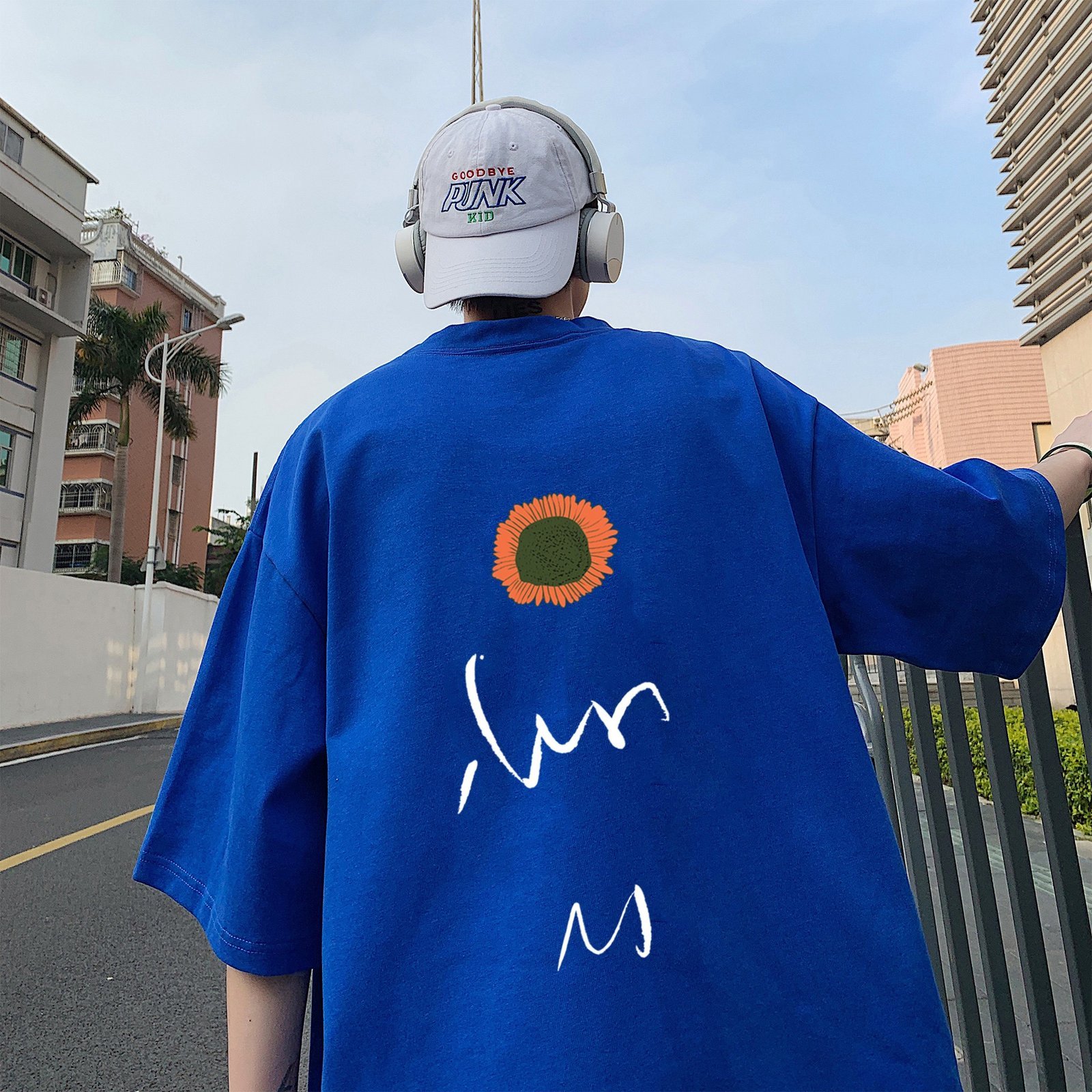
100% ring-spun cotton (180–220 GSM) absorbs plastisol and digital heat transfers exceptionally well, delivering rich color saturation. Pre-treat with a light press at 160°C for 5 seconds to remove moisture before final transfer application.
Polyester Fabrics

Polyester is the native substrate for dye-sublimation — color bonds at the molecular level at 180–205°C. Non-sublimation methods risk dye migration: heat activates the polyester dye, bleeding into lighter transfer layers.
Cotton-Poly Blends
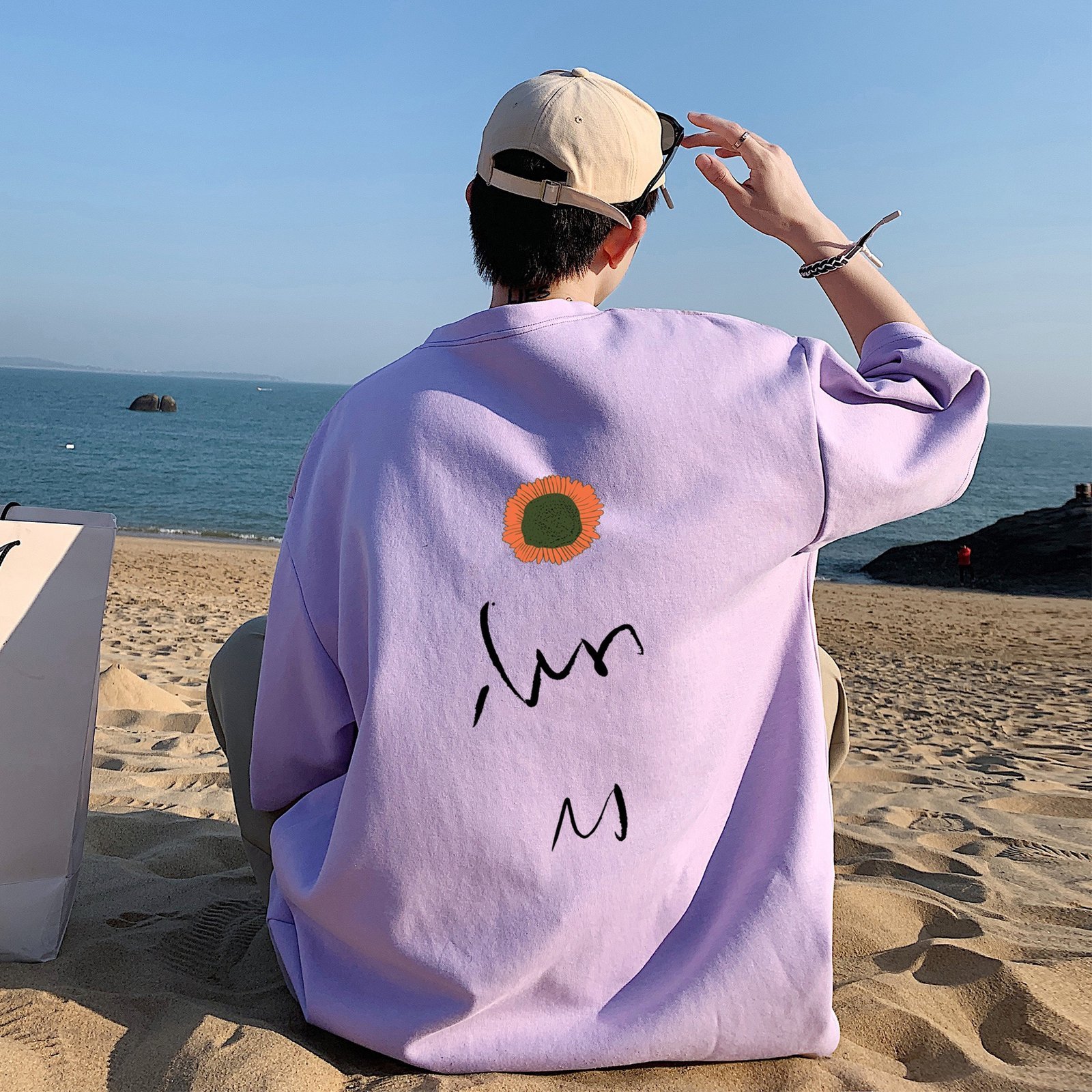
50/50 and 60/40 cotton-poly blends offer versatility but require calibrated press temperatures (150–170°C) to balance both fiber types. Test wash cycles at 40°C after application; blend ratios above 65% polyester increase dye-migration risk significantly.
Performance and Stretch Fabrics
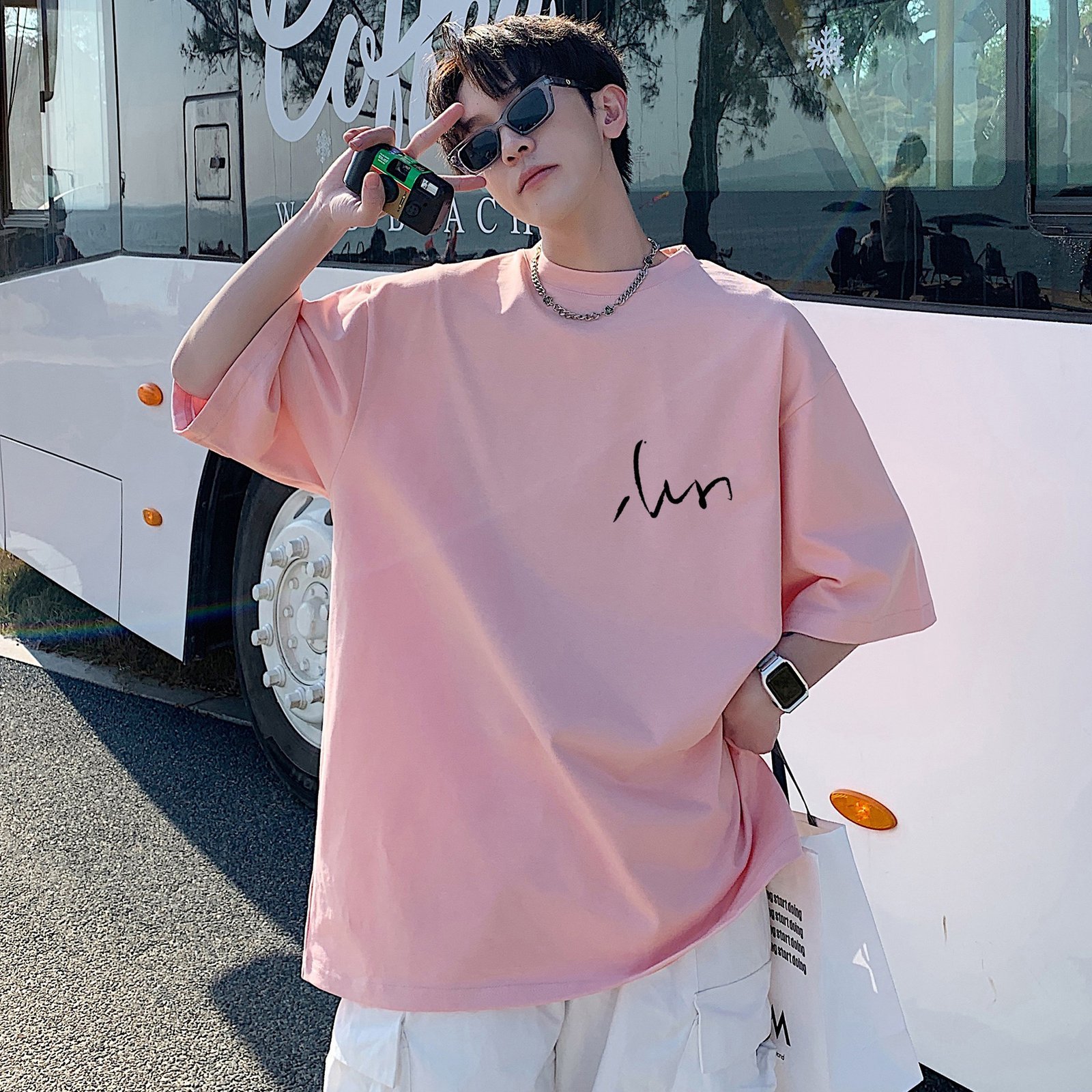
Moisture-wicking and four-way stretch fabrics — spandex/elastane blends, commonly 88/12 polyester-spandex — demand low-temperature HTV or cold-peel transfers applied at 130–150°C. High heat deactivates moisture-wicking finishes and permanently distorts the stretch structure.
5. Customization & Design Options for Heat Transfer Printing
Heat transfer printing supports a broader creative range than traditional screen printing at comparable MOQs. Streetwear designers and influencer brands can access full-color photographic imagery, specialty finishes, and custom placements starting at 50 pieces per colorway.
Print Effects and Finishes
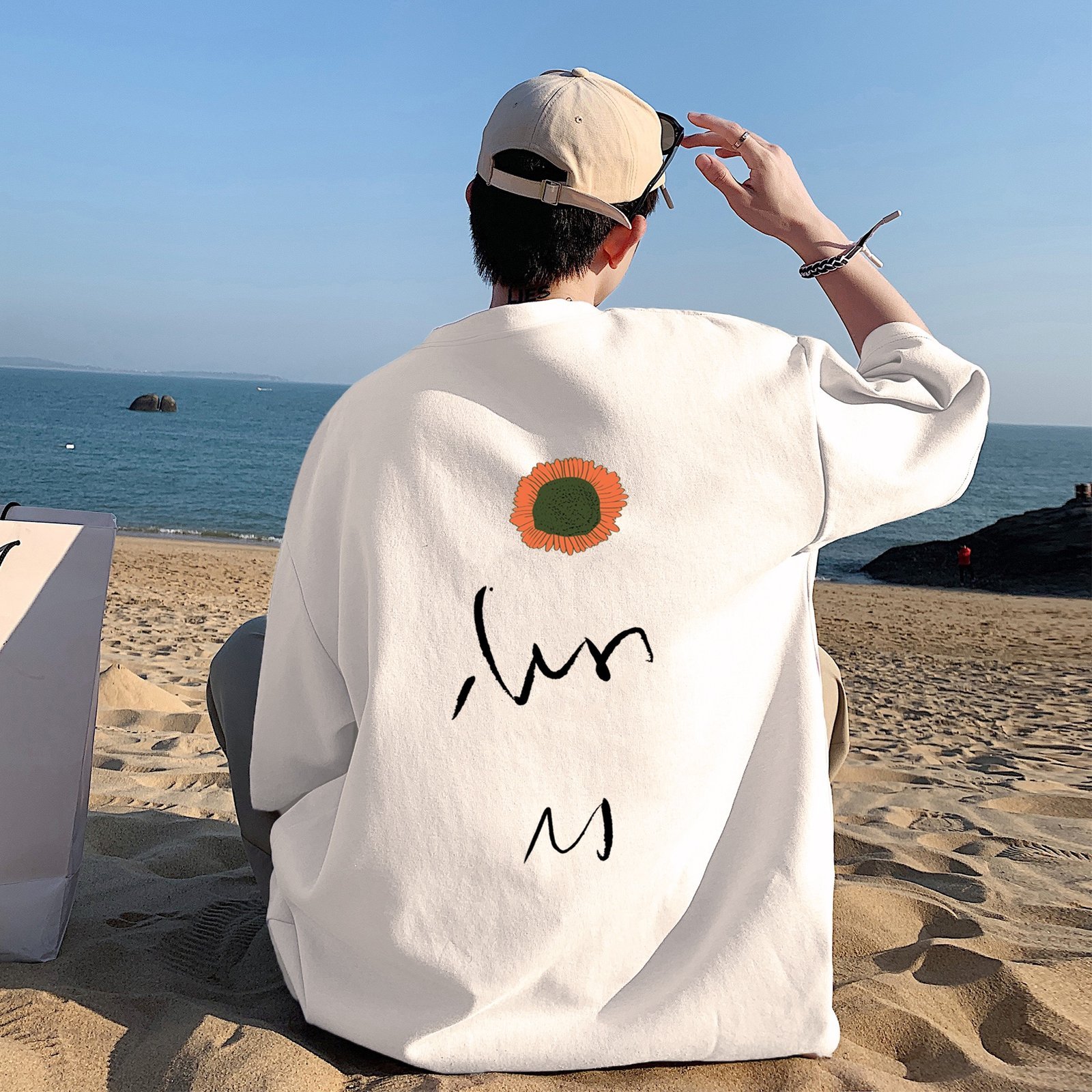
Six finish types are available: standard CMYK photographic, gradient blends, white ink underbase for dark substrates, metallic or foil transfers, glow-in-the-dark phosphorescent ink, and puff (raised 3D) transfers.
All-over prints require 95%+ polyester for sublimation; placement prints — typically 30×40 cm chest panels — work on cotton and blends via DTF or plastisol transfers.
File Requirements for Clean Output
Supply raster artwork at 300 DPI minimum at final print dimensions; for photographic all-overs, 150 DPI at 1:1 garment scale is the practical floor.
Vector format (AI, EPS, PDF) is preferred for logo marks and type-based graphics. Use sRGB color profile for digital proofing; the production RIP converts to CMYK separations automatically.
Placement Zones on the Garment
Standard heat transfer placements for streetwear cover five zones: left chest (approx. 21×21 cm), full back (up to 35×45 cm), sleeve panel, hem strip, and inside collar label (approx. 5×3 cm).
Collar label replacement via heat transfer is a cost-effective alternative to woven labels for brands at 50–100 MOQ, removing the itch factor of traditional woven neck labels.
6. Quality Standards in Heat Transfer Printing Production
Substandard heat transfer printing fails on physics before it fails on design. Buyers must demand documented proof across five technical checkpoints — press parameters, peel timing, color fastness, stretch recovery, and edge definition — before approving any bulk order.
Press Parameters: Temperature, Dwell Time, and Pressure
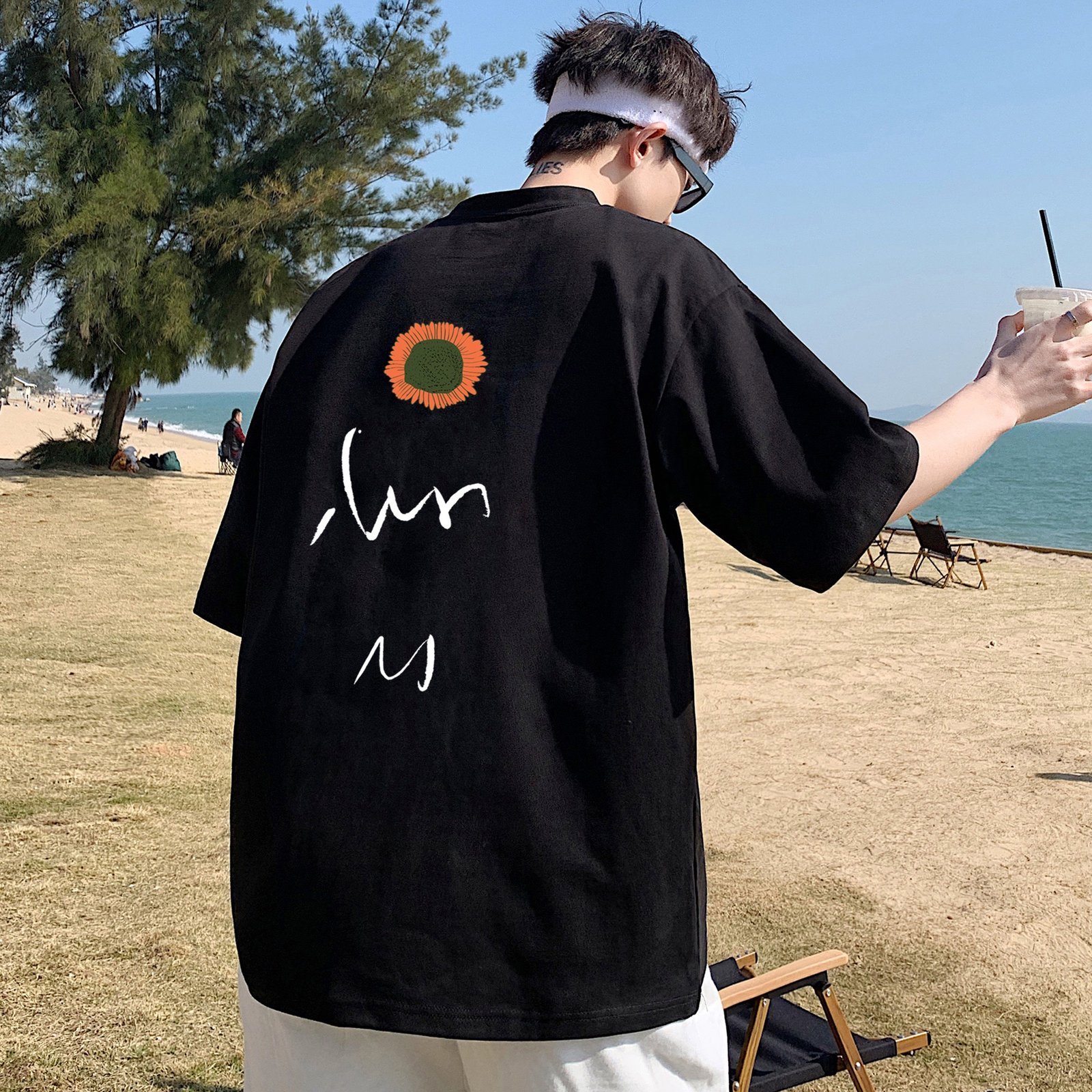
Industry-standard press temperature for most heat transfer films falls between 150°C and 165°C, with dwell times of 10–15 seconds. Pressure calibration across the full platen must remain consistent — uneven pressure causes edge lifting within the first wash cycle.
Hot Peel vs. Cold Peel Timing
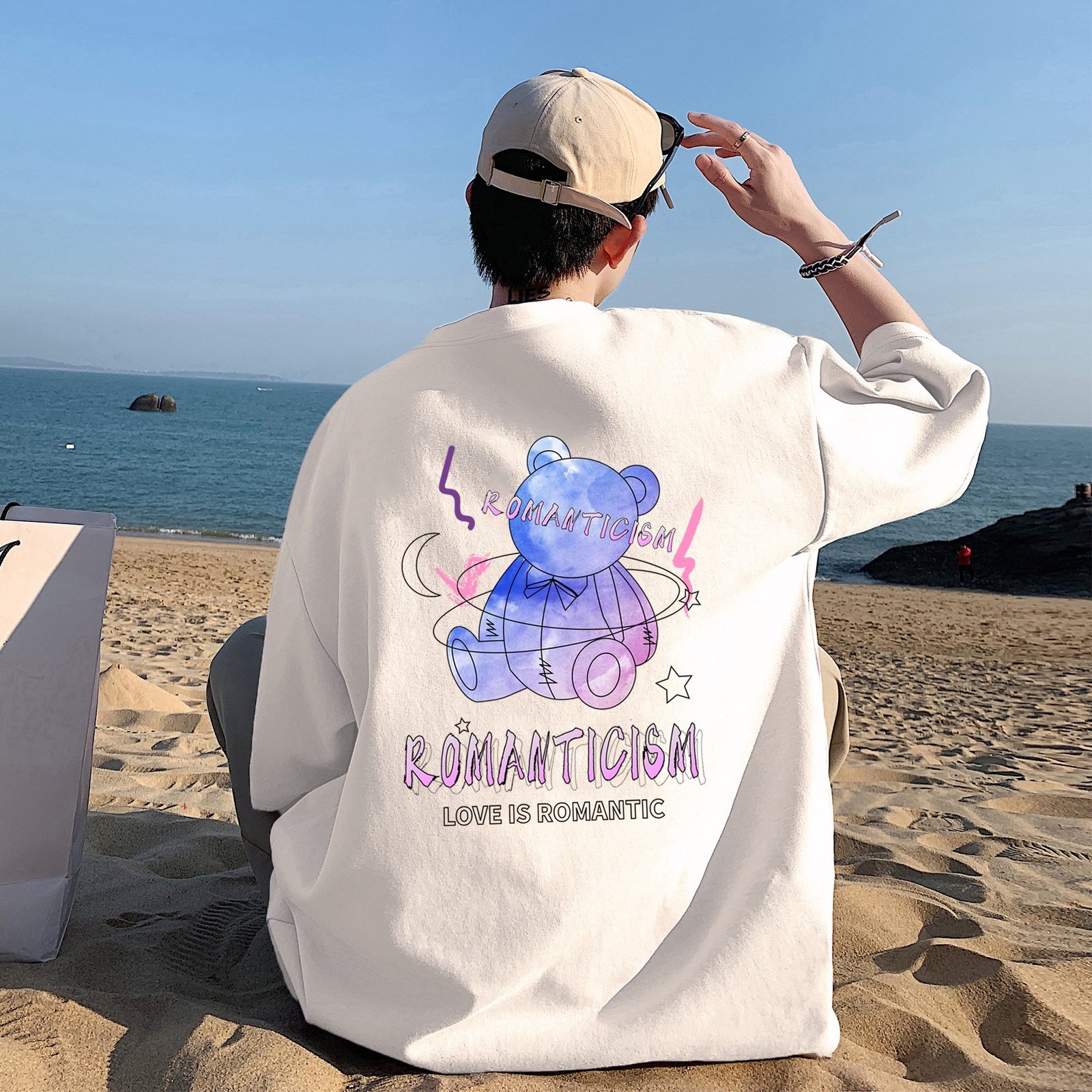
Hot-peel transfers release immediately after pressing; cold-peel films require 15–30 seconds of cooling before carrier removal. Peeling at the wrong moment distorts the graphic and weakens adhesion. Manufacturers must specify peel type on the transfer film datasheet for every SKU.
Color Fastness: ISO 105-C06 Wash Standard
ISO 105-C06 is the global benchmark for wash fastness — a minimum rating of 4 out of 5 is required for retail. Demand third-party lab certificates, not verbal assurances, before bulk approval. A reputable manufacturer supplies test reports per colorway.
Stretch Recovery and Edge Definition on Knits
Knit fabrics such as 200 GSM jersey require transfers that elongate and recover without cracking. Require a 30% stretch test across the print area before sign-off. Edge definition should measure less than 0.5mm of bleed beyond the artwork boundary.
Reading a Spec Sheet and Pre-Production Samples
A quality spec sheet lists press temperature, dwell time, peel type, wash-fastness rating, and stretch tolerance in measurable values. A pre-production sample must include a wash test result, a stretch test result, and a Pantone color match against approved artwork — all documented, not assumed.
7. How to Choose a Heat Transfer Printing Manufacturer
Choosing the right heat transfer printing manufacturer separates a successful launch from costly reprints and missed deadlines. Vet suppliers on MOQ flexibility, equipment type, certifications, and communication responsiveness before signing any contract.
MOQ Flexibility and Equipment Type
Startups and creator brands need suppliers who accept 50-piece minimums per colorway — not the industry-standard 300–500 pieces that lock up capital before a design is market-tested. Confirm whether the factory runs digital heat presses or rotary equipment; digital handles photographic gradients and small runs, while rotary suits high-volume repeat patterns.
Sampling lead times typically run 7–14 days; require a pre-production sample before approving a full run to catch color-shift and adhesion issues early.
Certifications and IP Protection
Request current certificates for OEKO-TEX Standard 100, BSCI, and ISO 9001 — these verify material safety, ethical auditing, and process consistency respectively. Global retailers frequently require all three before onboarding a new supplier.
Ask how the factory safeguards proprietary artwork; a credible supplier provides a signed NDA and restricts design-file access to production staff only, preventing unauthorized duplication across other client orders.
Qualifying Questions to Ask Suppliers
Use these questions to screen any heat transfer printing partner before committing to a production contract.
- What is your minimum order quantity per design, and can you fulfill 50-piece runs?
- Do you use digital or rotary heat transfer presses, and which suits my artwork complexity?
- What is your sample lead time, and what does a pre-production sample cost?
- Which certifications — OEKO-TEX, BSCI, ISO 9001 — do you currently hold and can verify?
- How do you protect client artwork and prevent duplication across other customer orders?
- Can you share references from streetwear, creator, or retail brands at a comparable scale?
8. Common Mistakes Brands Make with Heat Transfer Printing
First-time streetwear orders fail most often before production starts. Artwork errors, mismatched transfer types, and skipped samples account for the majority of costly reprints and missed launch windows that damage a brand’s early reputation.
Wrong Transfer Type for Your Fabric Content
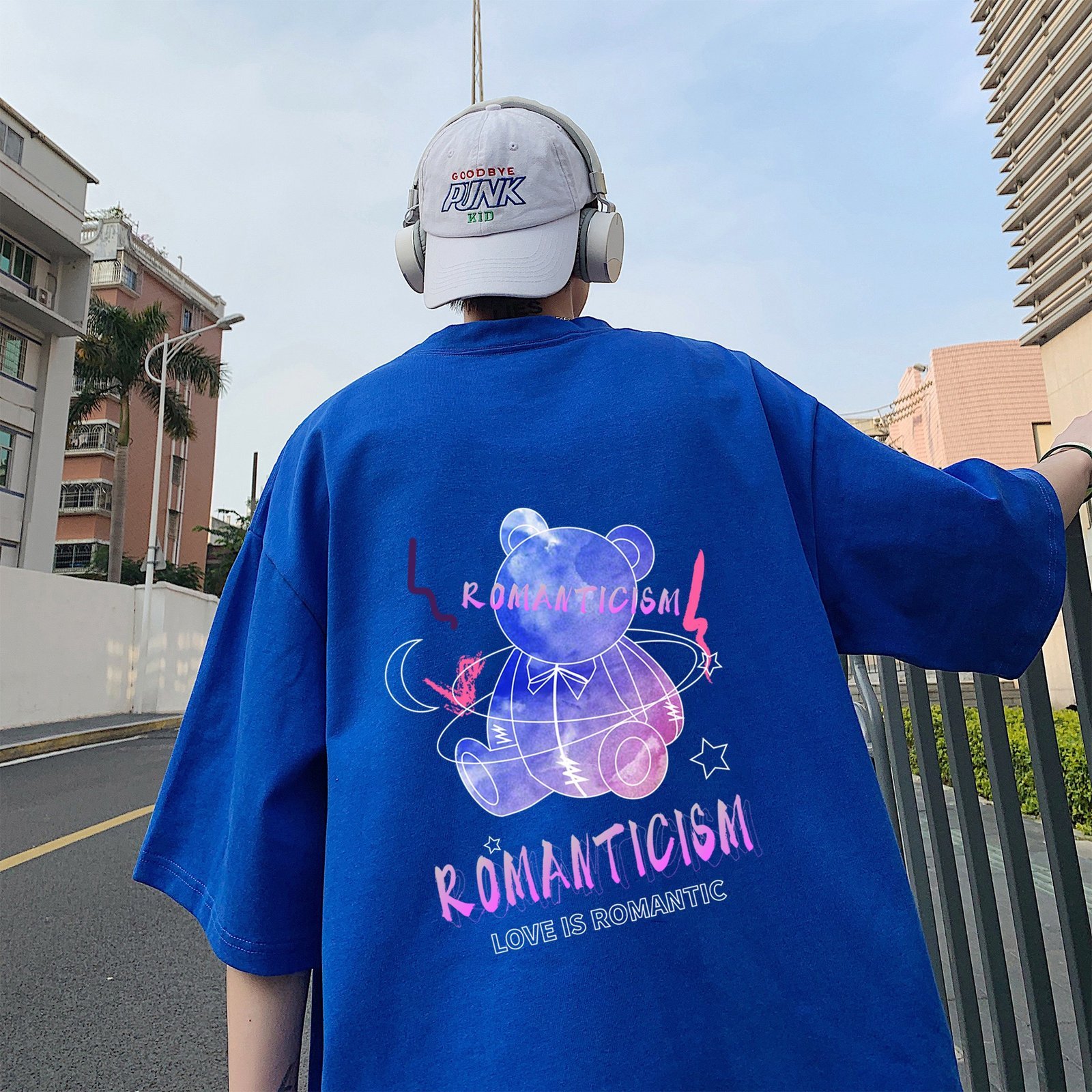
Plastisol heat transfers bond well to 100% cotton but crack on polyester blends above 50% synthetic content after 20-30 wash cycles. Sublimation transfers, by contrast, require at least 65% polyester to achieve full color saturation. Always confirm fabric GSM and fiber content with your manufacturer before selecting a heat transfer printing method.
Low-Resolution Artwork Ruins Print Quality
Files below 300 DPI at print size produce pixelated edges visible on finished garments, forcing reprints at full unit cost. Vector files in AI or EPS format eliminate this risk entirely. Submit artwork at 1:1 scale, 300 DPI minimum, with all fonts outlined before sending to production.
Skipping Pre-Production Samples Costs More Later
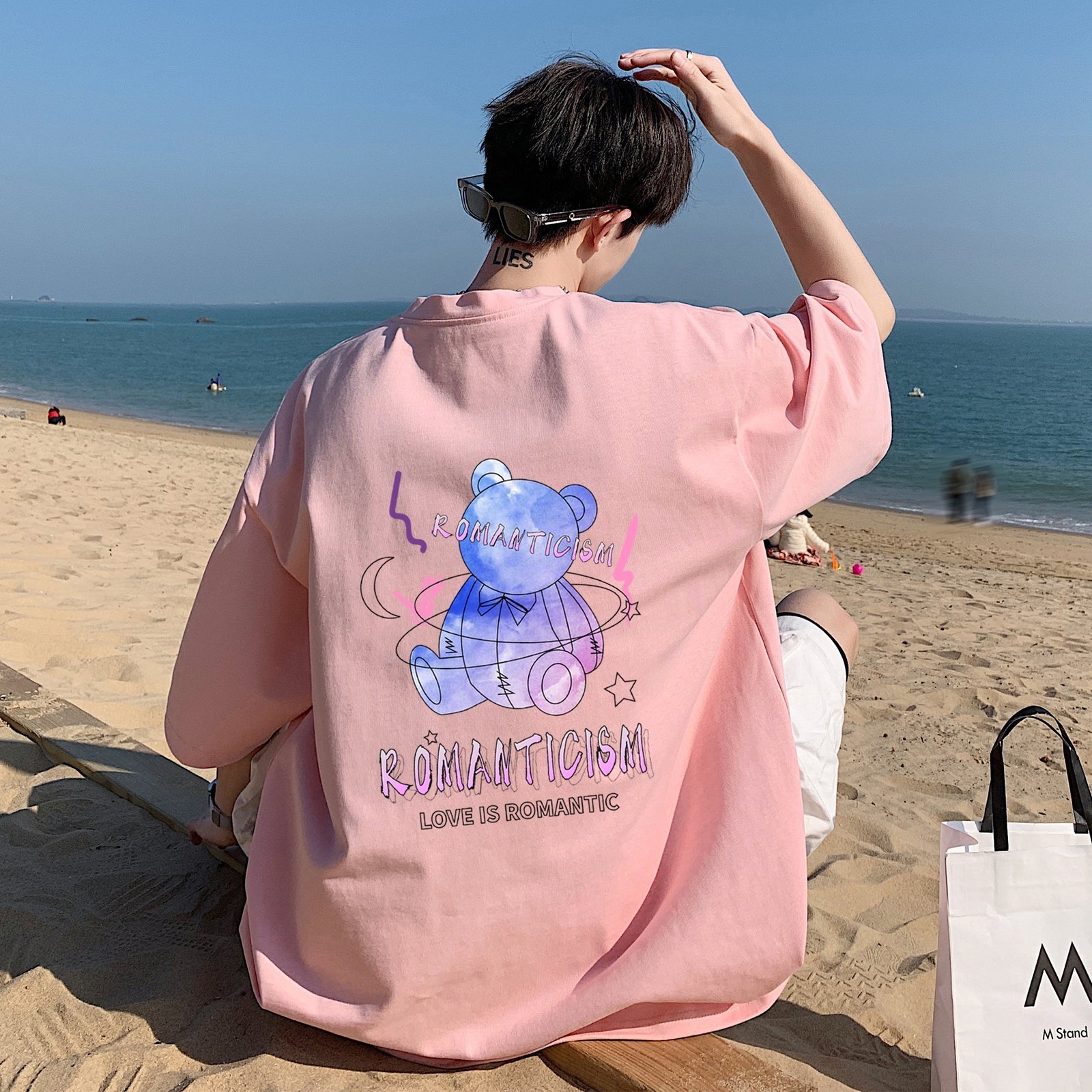
Ordering 200 units without a pre-production sample routinely produces 200 unsellable pieces after a color or placement error. A sample run, typically $30–$80 per unit, confirms Pantone color accuracy, transfer hand feel, and graphic placement before committing to full production. Negotiate a 1–3 piece sample minimum when cash flow is tight.
Misunderstanding Wash Durability Expectations
Economy DTF films average 25 wash cycles before visible cracking, while premium silicone transfers exceed 50 cycles at 40°C. Brands frequently relay manufacturer durability claims directly to customers without independent wash testing, triggering costly returns. Request documented wash-test data at both 30°C and 40°C before finalizing your transfer choice.
Choosing Manufacturers on Price Alone
Factories quoting 30–40% below market average frequently skip sewing and finished-goods QC, passing defects directly to customers. A rigorous five-step quality control process — covering materials, cutting, craft, sewing, and final inspection — adds cost but prevents chargebacks and returns that quickly erase any price savings. Audit sample quality and request QC documentation alongside every quote.
9. Steps to Launch Your Brand with Heat Transfer Printing
Launching a branded line with heat transfer printing follows a repeatable seven-step workflow that compresses market entry to as few as 15 days. Low 50-piece MOQs make influencer drops and capsule collections genuinely low-risk — test demand before committing to bulk inventory.
Finalize Artwork Files to Spec
Supply print-ready files at 300 DPI minimum in AI, EPS, or PDF vector format, with Pantone color codes called out on every layer.
Confirm bleed zones — typically 3 mm — and separate layers for each color pass to prevent misregistration during transfer film output.
Select Transfer Type and Fabric
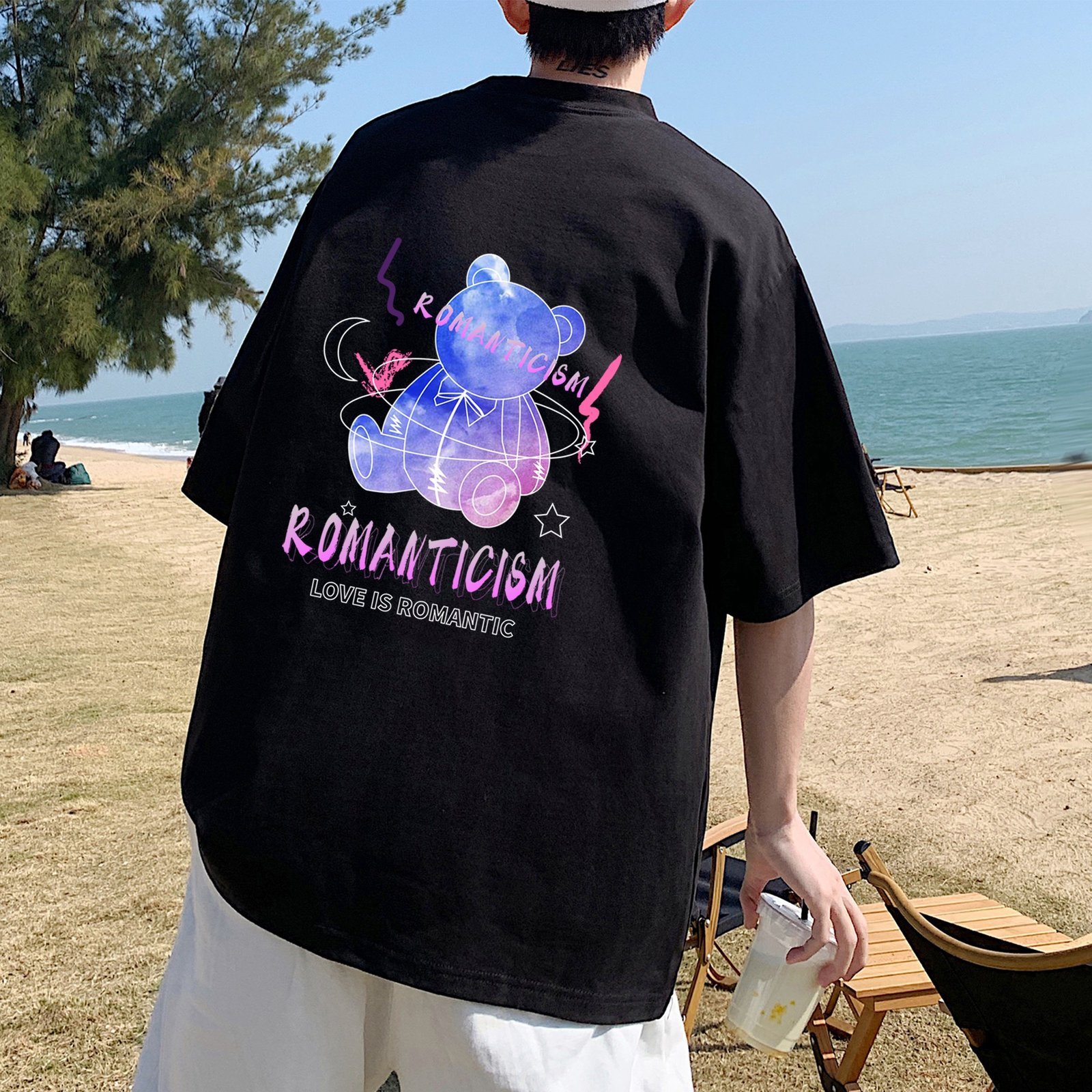
Match transfer method to substrate: DTF adheres reliably to 180–260 GSM cotton and cotton-poly blends, while plastisol suits heavier fleece at 280–380 GSM.
Confirm OEKO-TEX certified base fabric before locking in a transfer type to avoid adhesion failures at delivery.
Request Strike-Off Samples at 50-Piece MOQ
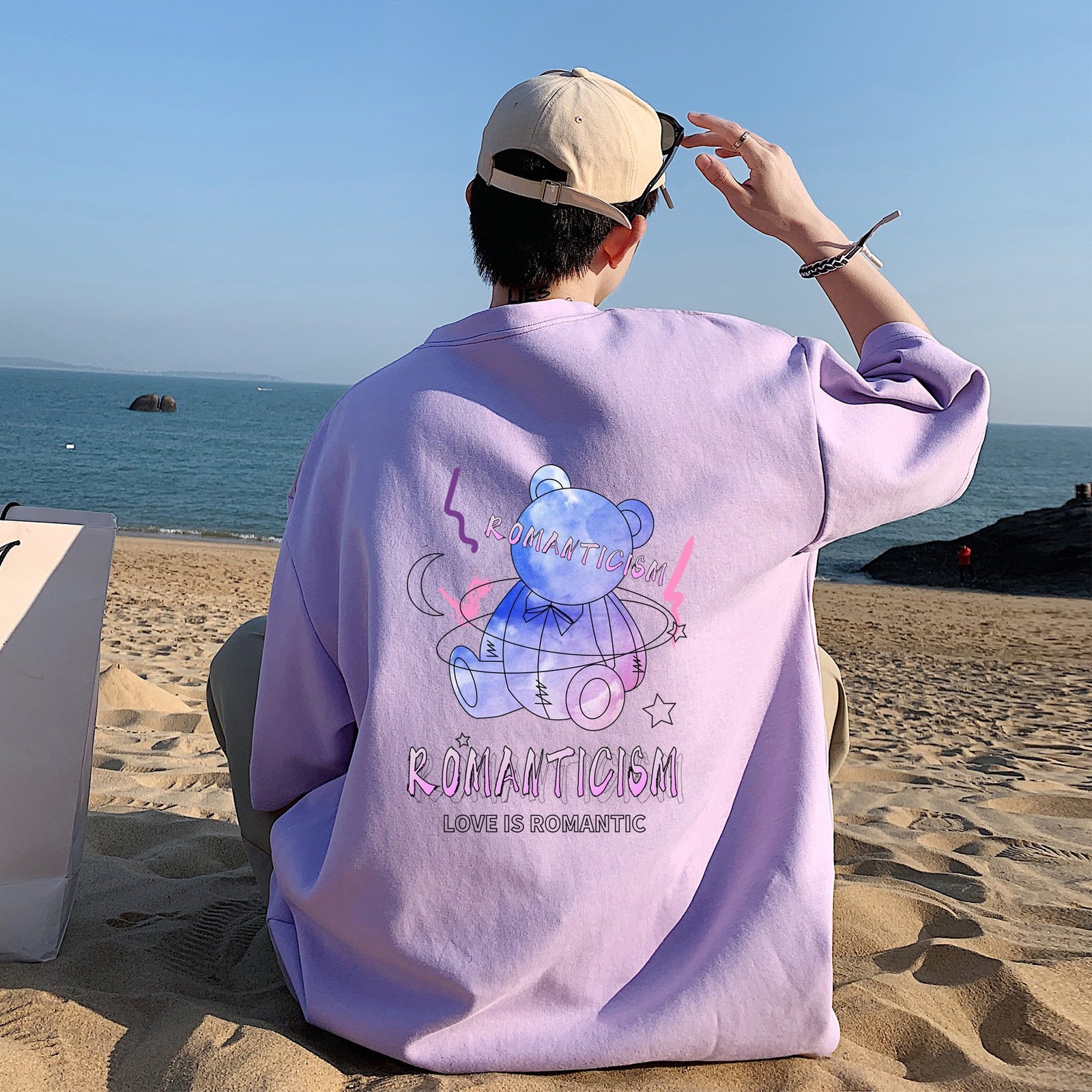
At 50-piece MOQ, request a full strike-off sample on production fabric — not a paper proof.
This single step surfaces color drift, hand-feel issues, and placement errors before bulk yardage is cut or inventory is committed.
Approve Sample and Release Production Order
Evaluate samples under D65 daylight-standard lighting against your Pantone reference, then launder one unit at 40°C to verify wash-fastness.
Once approved, confirm tech pack details — GSM, trim specs, label placement — and release the purchase order.
Quality-Check Delivery and Pack for Fulfillment

Apply AQL 2.5 inspection standards at delivery: check print registration, color consistency, and seam integrity across a statistical sample.
For DTC, polybag individual units with hang tags pre-attached; for retail wholesale, confirm carton labeling meets buyer compliance specs.
10. Heat Transfer Printing Pricing, MOQs & Lead Times
Setup fees for heat transfer printing run $30–$80 per design, with digital transfers at the lower end and HTV at the higher end due to cutting and weeding time. Sublimation averages $40–$60 but requires 100% polyester substrates, which narrows fabric choices.
Unit pricing shifts sharply with volume — a 50-piece run costs $4.50–$7.00 per placement, dropping to $1.20–$2.50 at 1,000 units. Each additional placement (front, back, sleeve) adds roughly 40–60% of the base per-print cost.
Rush production under 7 days carries a 20–35% surcharge on total order value. Standard lead times run 10–15 business days after artwork approval; digital and HTV transfers can compress to 5–7 days on rush, while sublimation all-overs typically require 7–10 days even expedited.
For margin modeling, retailers targeting a 2.5× keystone markup should budget total decorated-unit cost — garment plus print plus freight — against their wholesale floor. At 250 units, digital transfer streetwear basics typically land at $8–$14 all-in, supporting $20–$35 retail price points.
- Sublimation: lowest per-unit cost at scale; restricted to 100% polyester; all-over prints from $3.00–$5.00 at 100 units.
- HTV: bold 1–3 color graphics; $2.50–$5.00 per unit; higher setup time due to manual cutting and weeding.
- Digital transfer (DTF): broadest color range, no fabric restriction; $2.00–$4.50 per unit at 100 pieces.
| Quantity Tier | Unit Price Range | Setup / Origination | Standard Lead Time | Rush Lead Time |
|---|---|---|---|---|
| 50 units | $4.50–$7.00 | $50–$80 | 12–15 bus. days | 7–9 days |
| 100 units | $3.50–$5.50 | $40–$70 | 11–14 bus. days | 6–8 days |
| 250 units | $2.50–$4.00 | $35–$60 | 10–13 bus. days | 5–7 days |
| 500 units | $1.80–$3.00 | $30–$50 | 10–12 bus. days | 5–7 days |
| 1,000 units | $1.20–$2.50 | $30–$45 | 10–12 bus. days | 5–6 days |
Launch Your Heat Transfer Printing Line Starting at 50 Pieces
Request a free sample or instant quote and put your streetwear collection into production — backed by our 5-step QC guarantee.