
DTF Printing That Turns Bold Streetwear Designs Into Reality
Clothing Manufacturer Ltd delivers premium DTF printing with unlimited color options, low MOQ, and fast sample turnaround — built for streetwear brands, independent designers, and global retailers ready to scale.
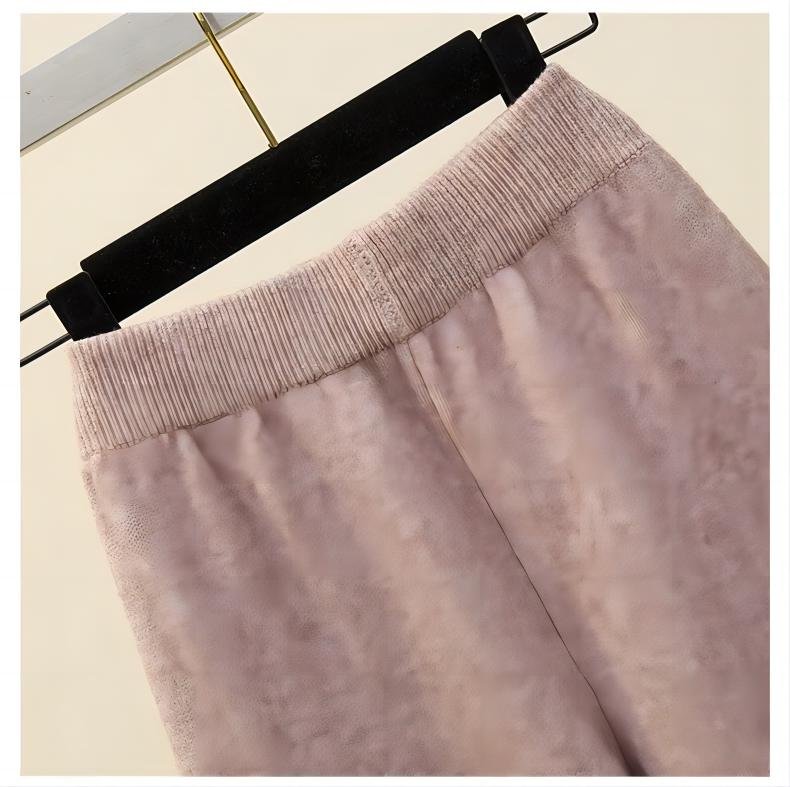
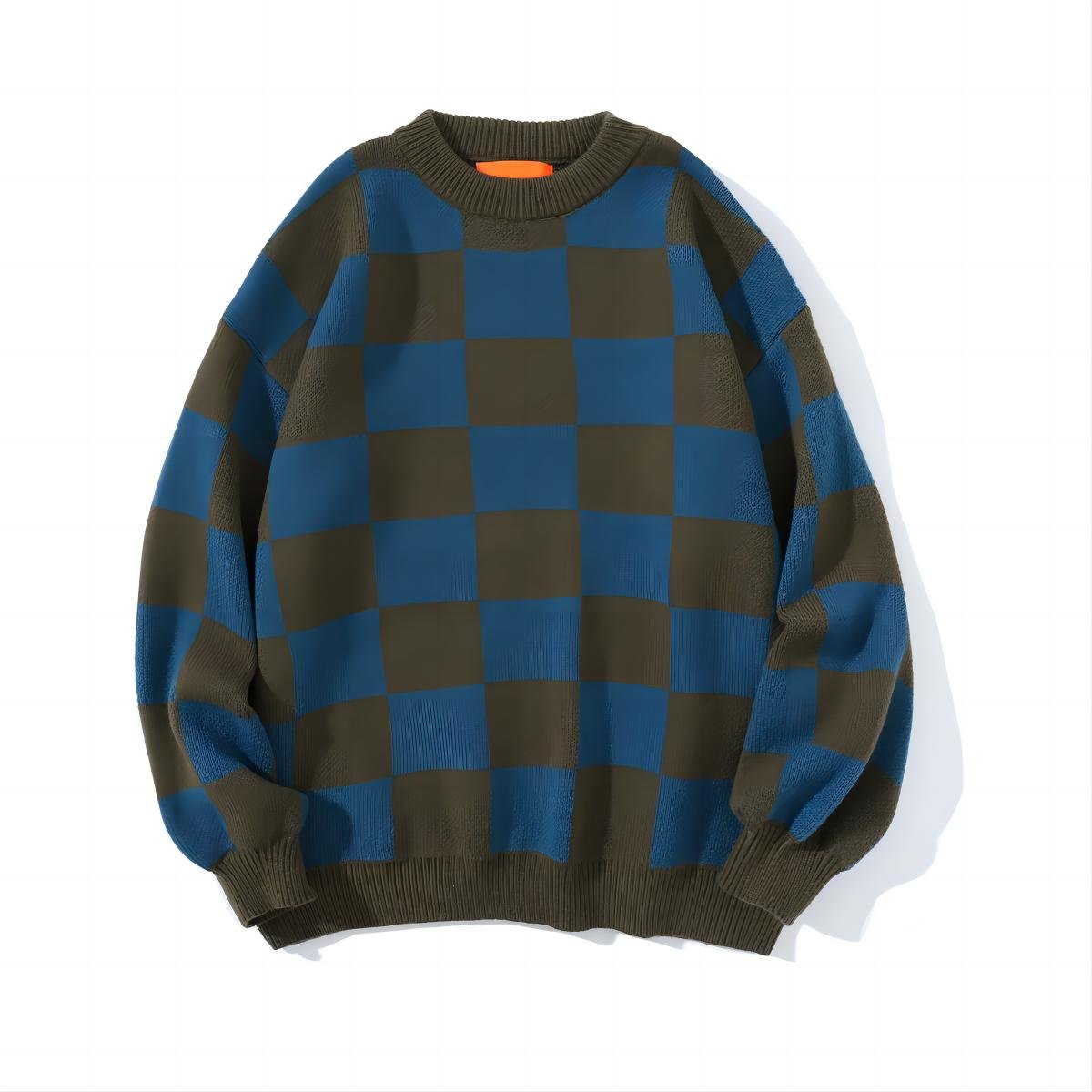
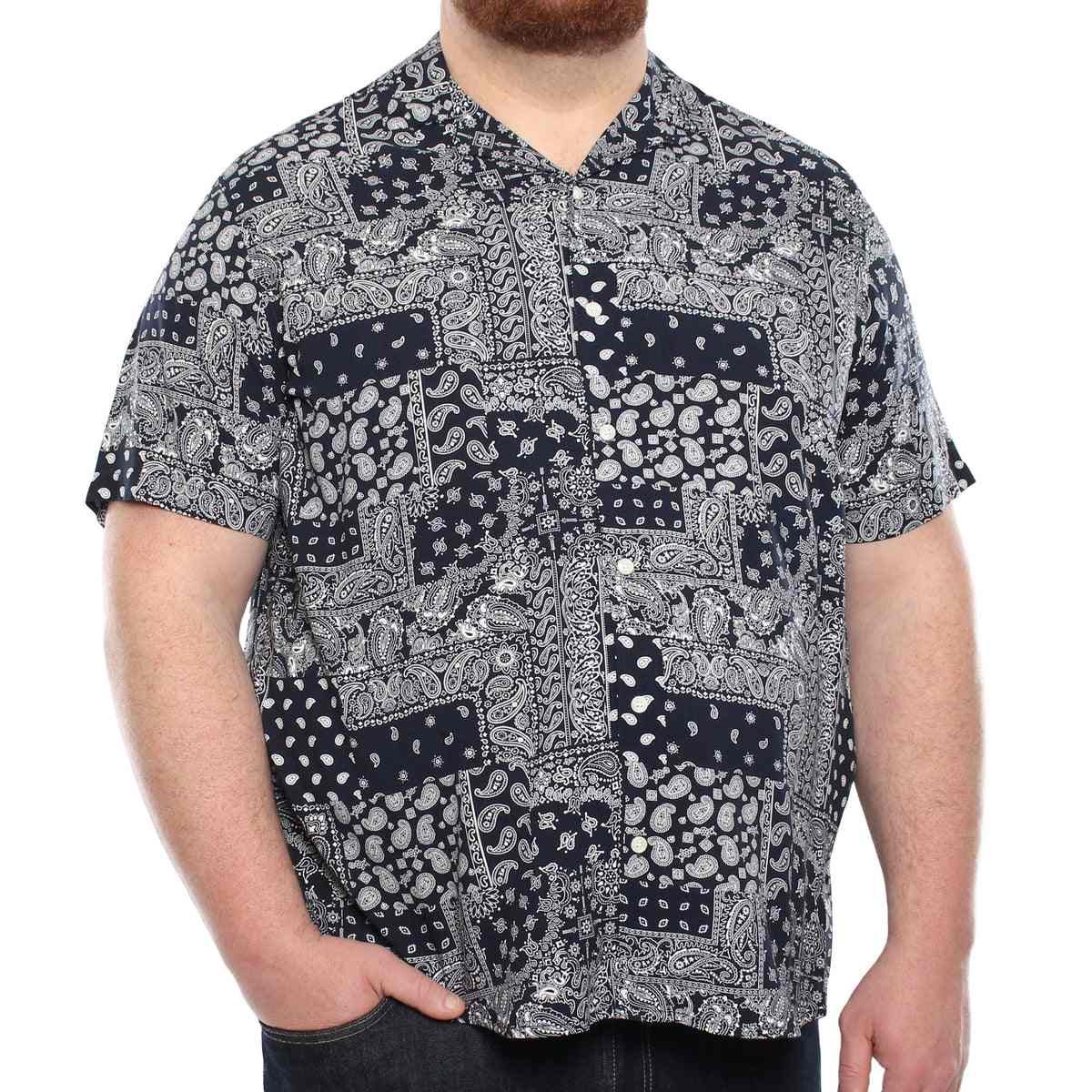
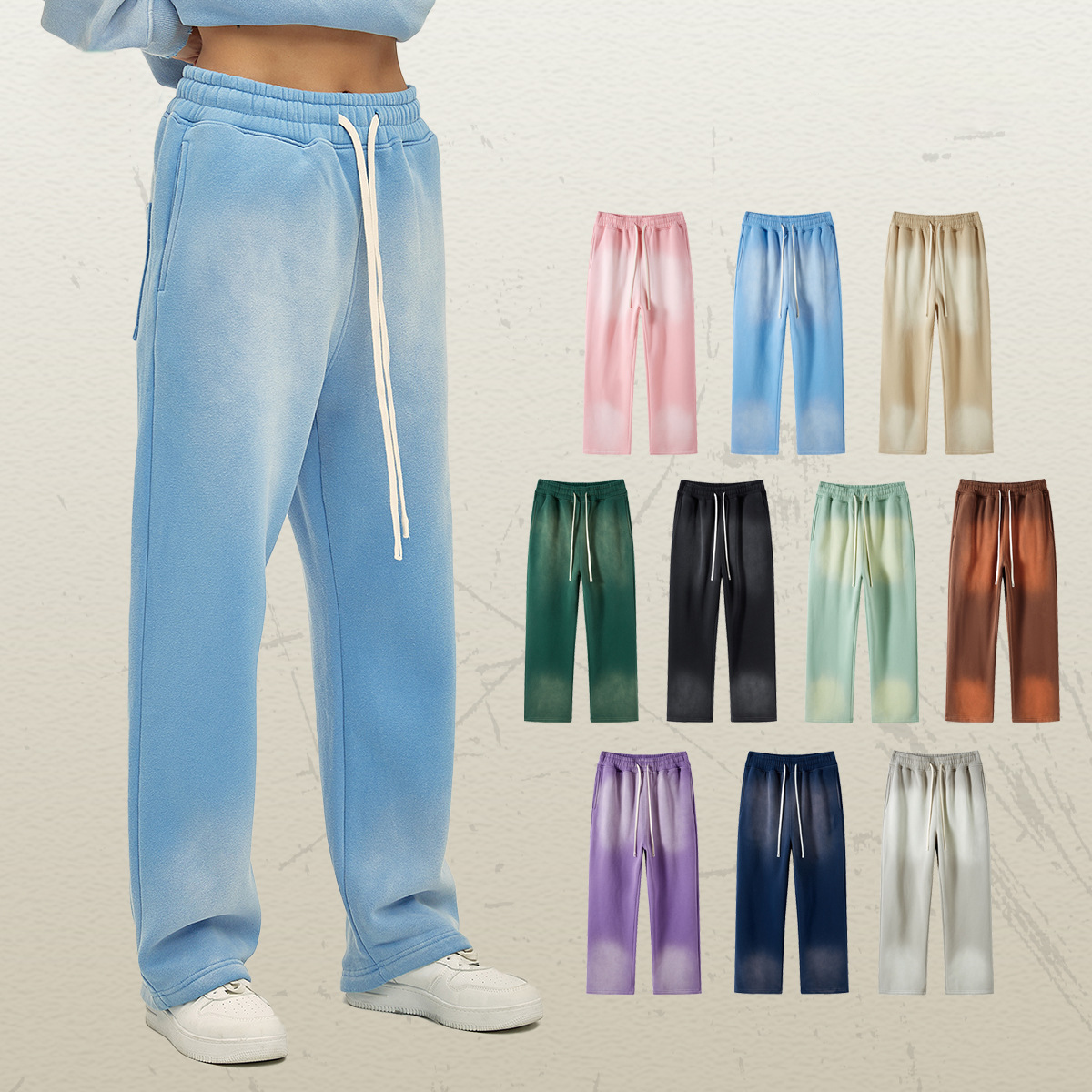
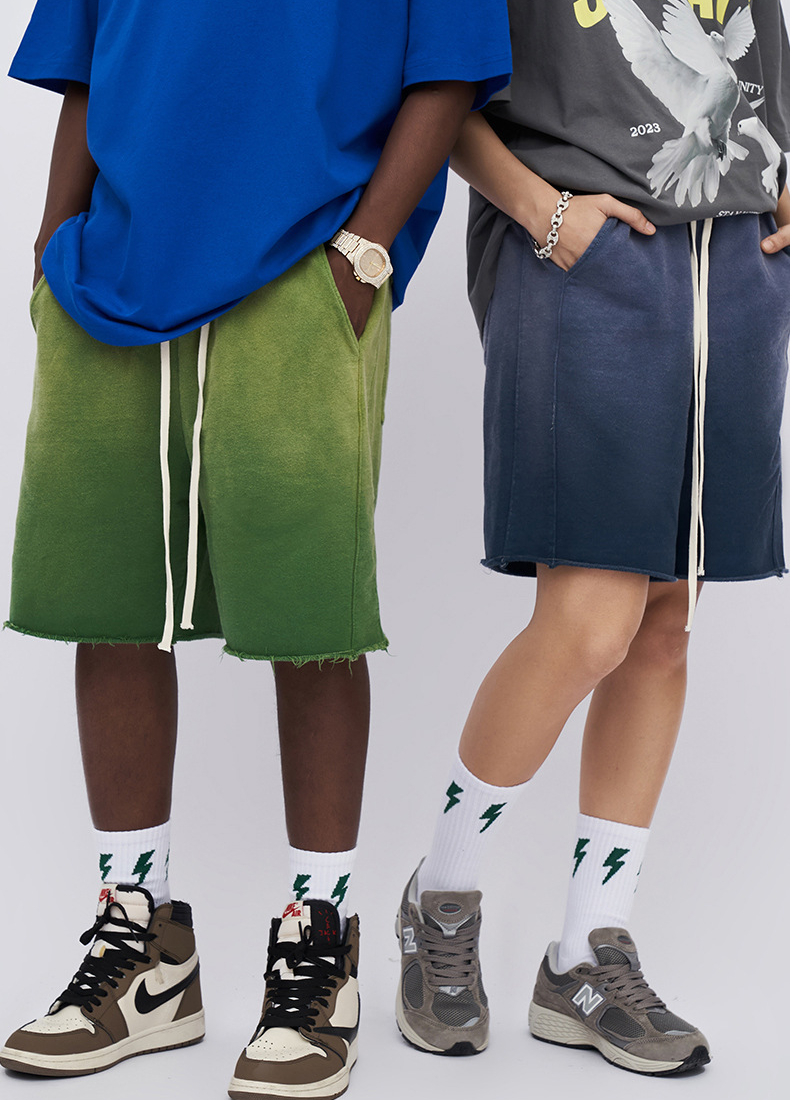
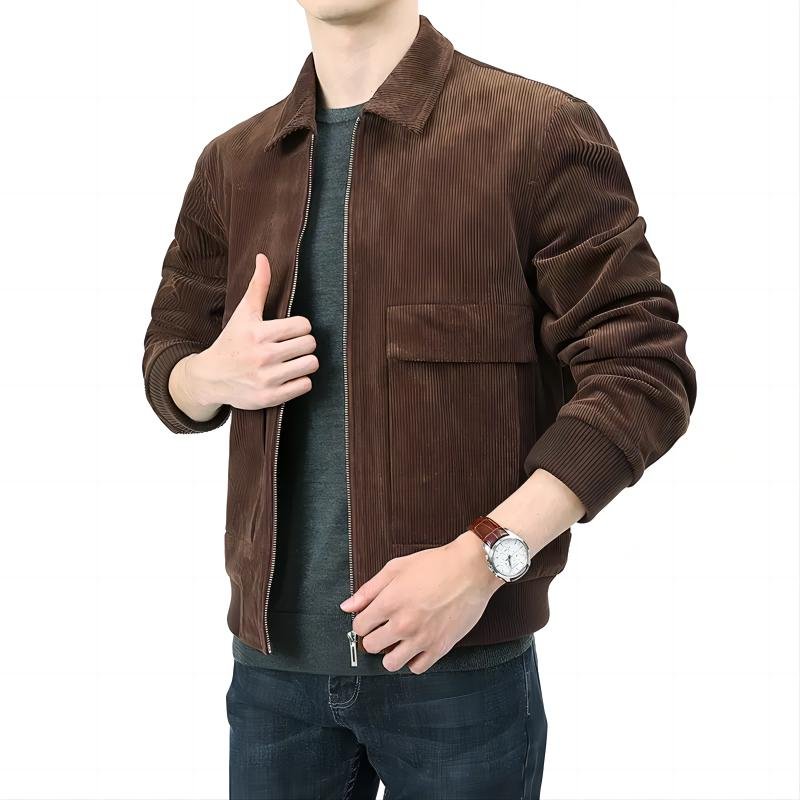
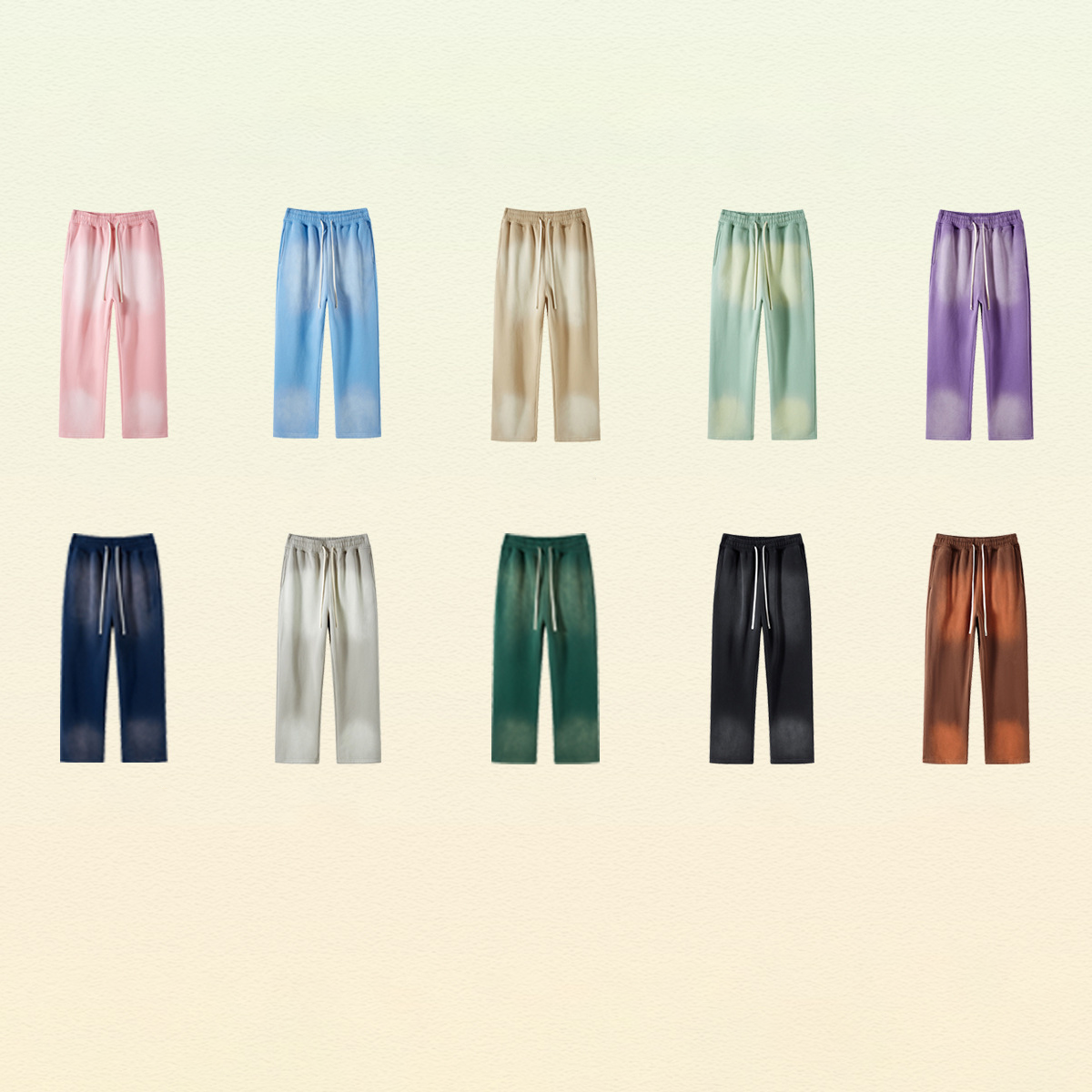
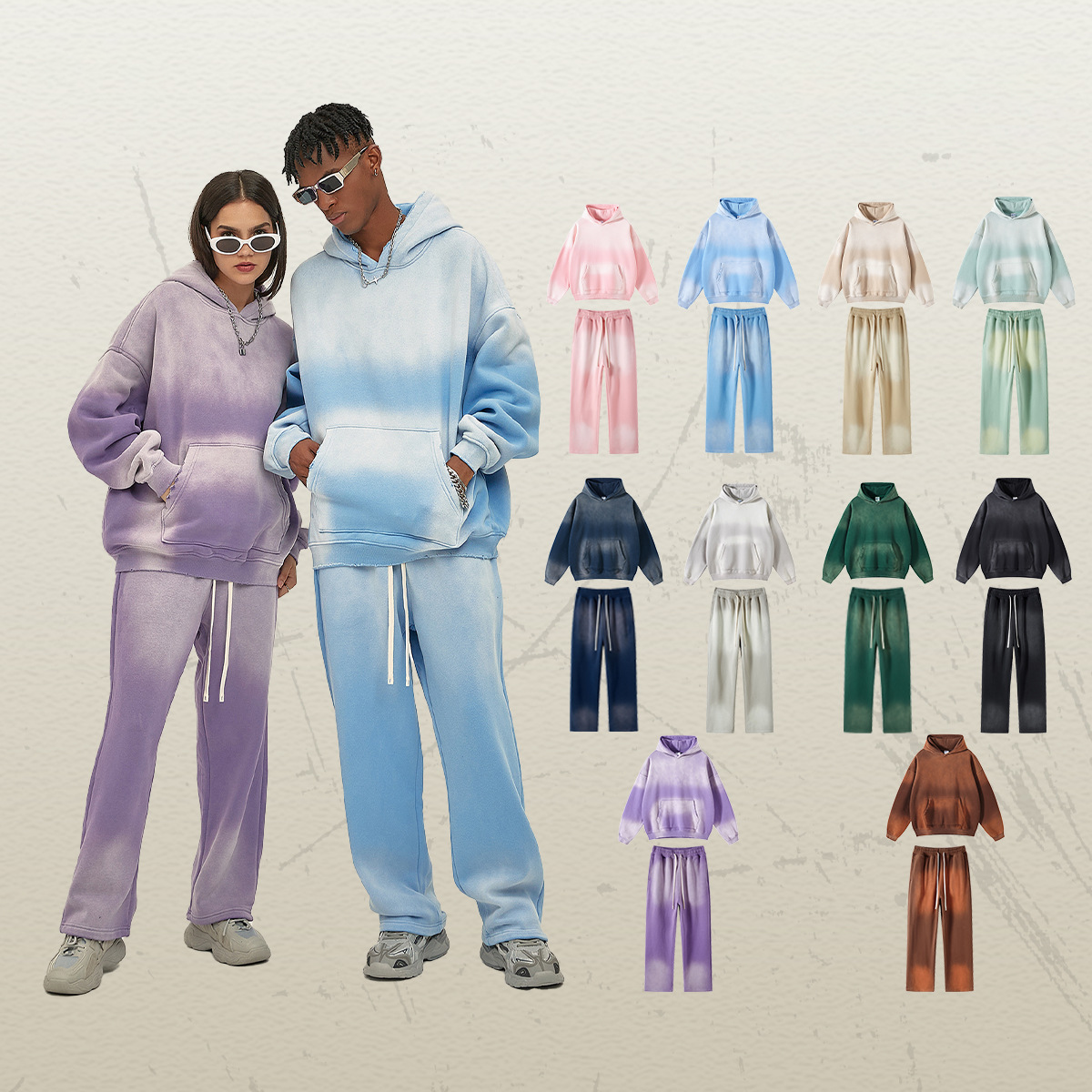
DTF Printed Apparel: Real Streetwear Samples
Why Brands Choose DTF Printing Over Screen & DTG
Six production-proven reasons streetwear labels, startups, and global retailers are switching to direct-to-film — and never looking back.
Unlimited Color Range
Print photorealistic gradients and unlimited colors with zero extra cost per hue — perfect for bold streetwear graphics.
Zero Screen Setup Required
No screens, no color separations, no minimums per design. Upload your file and production begins immediately.
Low MOQ, Any Quantity
Order as few as one piece — ideal for startups testing new drops or limited-edition influencer collections.
Fast Sample Turnaround
Receive production-ready samples in days, not weeks. Hit your seasonal launch window without compromising design quality.
Wash-Durable, Lasting Prints
Our DTF transfers withstand repeated washing without cracking, peeling, or fading — backed by our 5-step QC process.
Works on Any Fabric
DTF printing bonds to cotton, polyester, blends, nylon, and leather — no fabric limitations, maximum creative freedom.
DTF Printing & Beyond: Find Your Perfect Decoration Method
Not every design calls for the same technique. Compare methods side by side and navigate to the right solution for your artwork, fabric, and order size.
Full-Color, Complex Artwork
Your streetwear designs feature gradients, photographic detail, or dozens of colors that standard screen printing cannot reproduce cleanly or prices out of reach for small, high-impact runs.
DTF printing handles unlimited colors and fine detail with zero setup fees, making it the smartest choice for bold, complex streetwear drops at any order size.
High-Volume Logo Tees
You are scaling a two-color logo tee to 500 or more units and need the lowest cost per print without sacrificing the thick, vivid ink that defines streetwear staples.
Screen printing delivers the lowest cost per unit at scale with bold, wash-resistant ink deposits — the proven standard for high-volume streetwear basics and signature logo collections.
Premium Headwear & Structured Pieces
Your brand requires a tactile, elevated logo on caps, jackets, or polos where a flat printed graphic would undermine the premium quality perception your customers and stockists expect.
Embroidery adds dimension, texture, and lasting prestige to any structured garment, building the brand authority that streetwear labels and retail buyers notice and trust immediately.
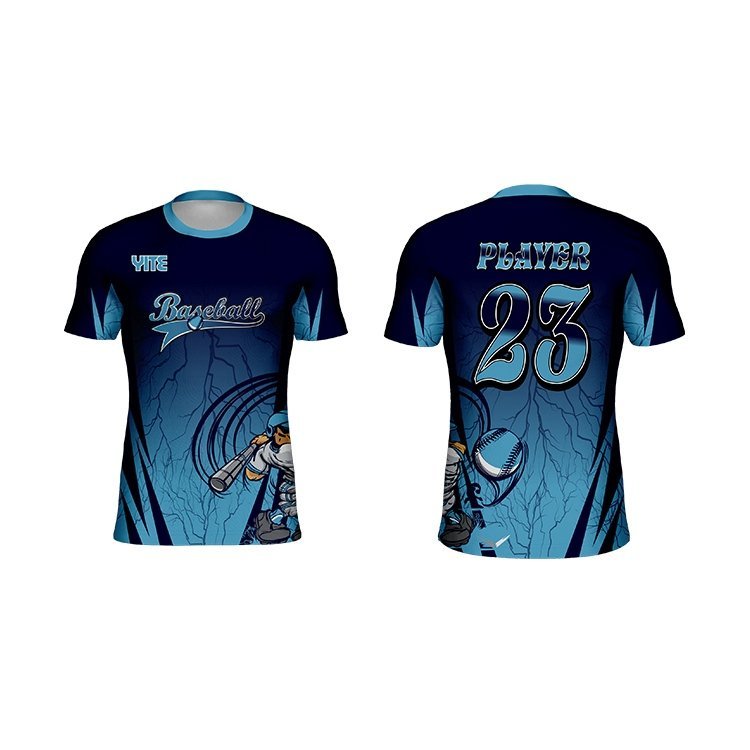
Custom Names & Sportswear Kits
You need to personalize jerseys, team kits, or limited-edition pieces with individual names and numbers in a small run, but standard screen print minimums make it cost-prohibitive.
Heat transfer vinyl personalizes each garment affordably with crisp, durable results on performance and stretch fabrics where DTF printing or screen printing may not bond cleanly.
On-Demand Proof Sampling
You want to validate a photo-quality or all-over design on soft cotton before committing to a production run, but high setup costs make single-piece sampling through other methods impractical.
Direct-to-garment printing lets you proof photo-realistic artwork with no minimums and zero screens, giving you real-world data before moving to a full DTF printing production run.
Expert DTF Printing Built on 10+ Years
Clothing Manufacturer Ltd. was founded in 2024 by Tesla Luo, a garment industry veteran who grew up on factory floors in Dongguan and spent over a decade mastering every stage of apparel production. His mission: build a dtf printing and streetwear manufacturing operation that restores trust in Chinese garment makers by treating quality control as a non-negotiable foundation, not a final checkbox.
Backed by parent company Dongguan TuoZhen Clothing Co., Ltd., a 15-member R&D team, and 10 production patents, we deliver consistent results for brands in more than 100 countries. Whether you are a startup launching your first collection or a global retailer scaling a seasonal run, our low MOQ options, in-house design and sampling team, and fast turnaround make professional production accessible at every stage of growth.
What truly sets us apart is our proprietary five-step QC methodology, covering materials, cutting, garment craft, sewing production, and finished product inspection. Introduced in February 2025 and embedded throughout every order, this framework catches and corrects defects at the source rather than the end of the line, so the streetwear and printed apparel leaving our facility consistently meets the standard your customers demand and your brand deserves.
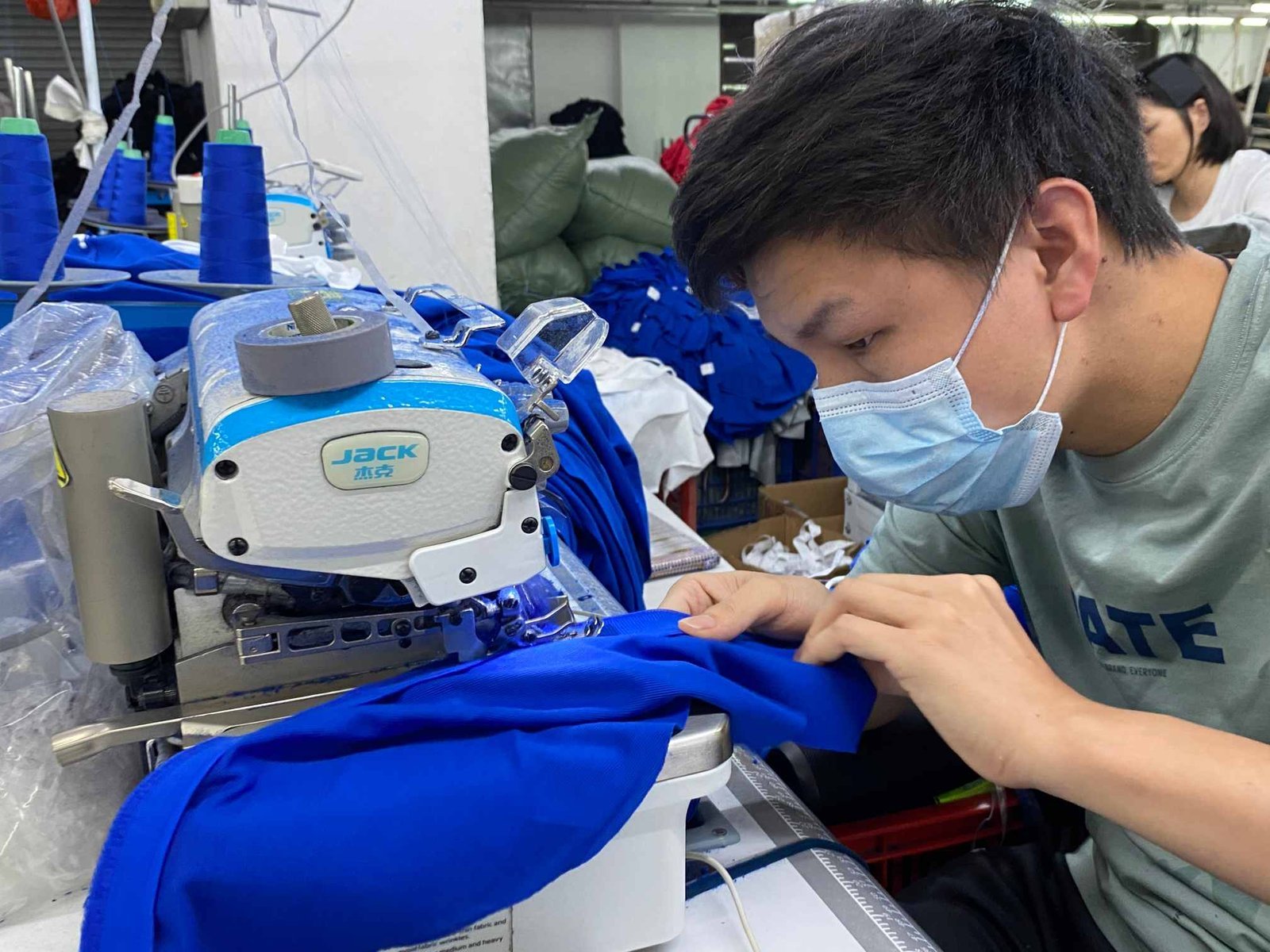
DTF Printing Excellence: Precision Ink Chemistry, Washability, Fabric Mastery
Ink Adhesion Chemistry Behind DTF Printing
Our DTF printing process uses precisely formulated CMYK plus white ink layers heat-pressed onto a PET film carrier, creating a molecular bond with fabric fibers that resists cracking, peeling, and fading from day one.
- Multi-layer CMYK plus spot-white ink deposition for full-spectrum color depth
- Hot-melt adhesive powder fused at controlled 160°C press cycles for lasting grip
- Cross-linking bond penetrates the fabric weave for flex-resistant, durable adhesion
- Compatible with water-based and specialty ink formulations for diverse design needs
Color Fastness Proven Across 50+ Wash Cycles
Fade resistance is engineered, not promised. Our DTF printing output meets ISO 105-C06 wash fastness standards, retaining vivid color accuracy and sharp detail through rigorous laundry testing that mirrors real-world consumer use.
- ISO 105-C06 grade 4-5 wash fastness rating consistently achieved across fabric types
- UV-stable inks maintain Pantone-accurate color after prolonged sun and heat exposure
- Crockfastness testing prevents color bleed or transfer to adjacent fabrics
- 5-step QC process includes wash cycle sampling before any full batch is approved
Universal Fabric Compatibility, Zero Pre-Treatment
Unlike screen printing or DTG, DTF printing adheres to cotton, polyester, nylon, blends, and performance fabrics without pre-treatment, letting streetwear brands run mixed-fabric SKUs in a single production order with zero quality compromise.
- Tested on 100% cotton, poly-cotton blends, nylon, and technical performance fabrics
- No chemical pre-treatment required for polyester or synthetic-heavy substrates
- Transfer integrity verified on fleece, French terry, ripstop, and open-mesh constructions
- Low MOQ per colorway enables multi-fabric sampling runs for startup and emerging brands
Durability Benchmarks Backed by 5-Step QC
Every DTF printing batch we ship undergoes peel strength testing, abrasion resistance checks, and stretch tests on finished garments, because our 5-step QC guarantee means defects are identified during production, never after the order reaches your customers.
- Peel adhesion strength tested at a minimum of 4N per centimeter per finished garment
- Flex and crease resistance verified through repeated bend-cycle testing on live samples
- Stretch compatibility confirmed on ribbed collars, cuffs, and elastane-blend panels
- Final QC inspection signed off by our quality team before every international shipment
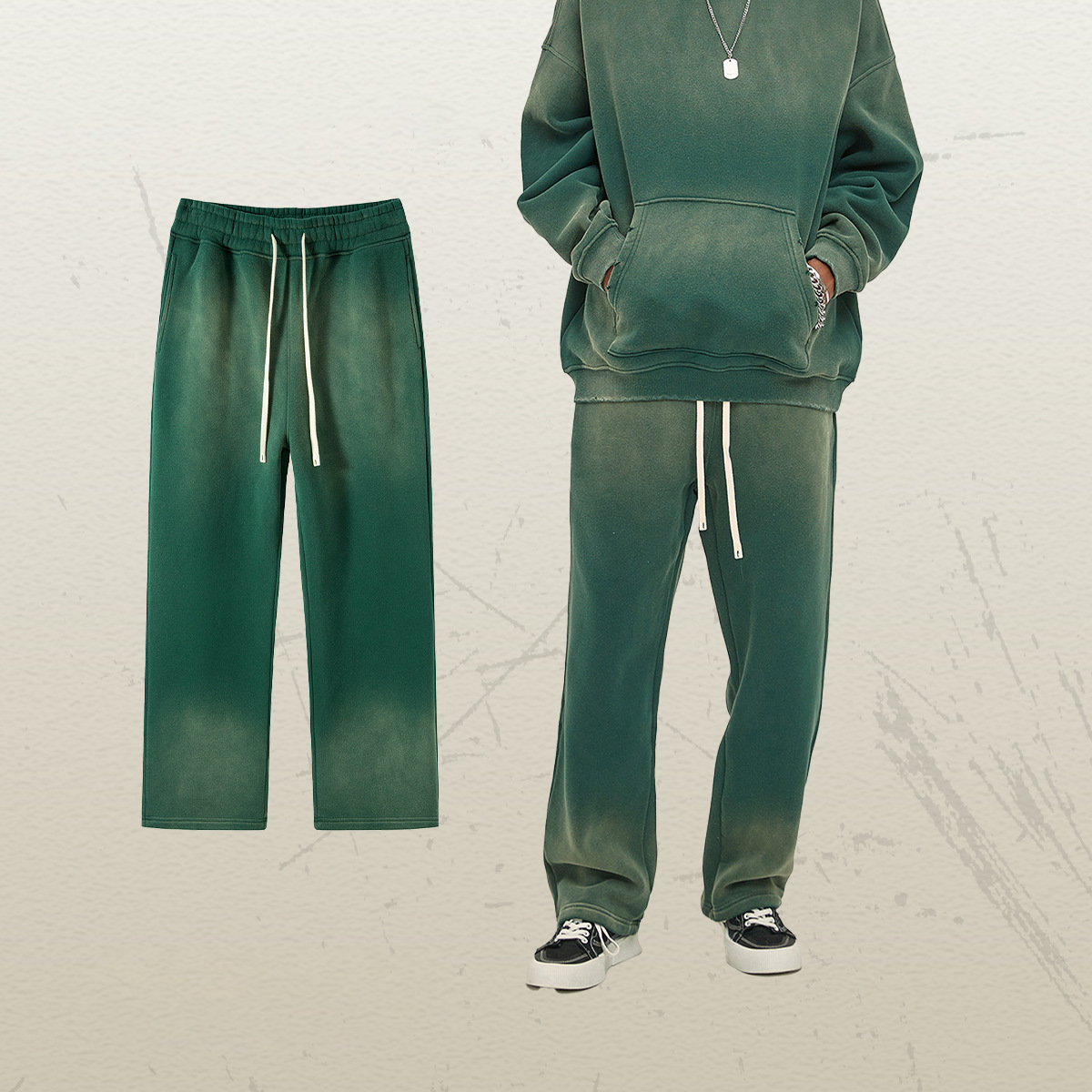
DTF Printing vs. Screen Printing: The Honest Side-by-Side
See exactly where DTF printing outperforms screen printing — and why streetwear brands worldwide are making the switch.
← 左右滑动查看 →
The DTF Printing Workflow: From Digital File to Finished Product
Six precision-controlled stages — each with built-in quality checkpoints — so every garment ships exactly as designed, on time, every time.
Design File Intake
Submit your artwork or collaborate with our in-house design team to prepare print-ready files optimized for DTF printing precision and color fidelity.
Film Output and Curing
Your design is printed onto specialized DTF film using CMYK+White inks, then heat-cured to bond the adhesive powder for a vibrant, wash-durable transfer.
Precision Heat-Press Application
Calibrated heat presses apply each film to the garment at exact temperature and pressure settings, delivering edge-perfect adhesion and consistent color reproduction across every piece.
5-Step QC Checkpoint
Mid-production inspectors verify color accuracy, adhesion strength, and placement against your approved sample, catching defects before they can spread across the full production run.
Finishing and Presentation
Every garment is steamed, folded, and packed to your brand spec — hangtags, poly bags, and custom packaging available to support your retail or DTC launch.
Global Dispatch and Tracking
Orders are consolidated, customs-documented, and handed to your chosen freight partner for reliable worldwide delivery, with full shipment tracking from our facility to your door.
Order DTF Printing Apparel in 5 Simple Steps
From your first design file to global delivery, our team partners with you at every stage — fast communication, zero guesswork, built for brands at any scale.
Submit Your Design Files
Share your artwork, brand assets, and garment specs. Our team reviews every file within 24 hours and flags any issues before a single cut is made.
Approve Your Physical Sample
We produce a real DTF printing sample for your sign-off, with fast revision cycles so colors, placement, and hand-feel match your exact creative vision.
Confirm Order Details
Lock in your MOQ, colorways, fabric selections, and delivery window with your dedicated account manager — everything documented in writing before production starts.
Clear Our 5-Step QC Process
Every production run passes materials, cutting, craft, sewing, and finished-goods inspections — defects caught early so only flawless garments leave our facility.
Receive Your Order Worldwide
We handle packaging, global shipping, and customs documentation, delivering your finished streetwear collection safely and on schedule to any destination worldwide.
Trusted by Global Brands: DTF Printing Success Stories
We launched our first drop of 300 hoodies using their DTF printing and sold out in 4 days. The color saturation on our skull graphics was identical to our original file — zero fading after 40 washes. Our followers are obsessed.
As a solo designer, MOQ was always my barrier. Clothing Manufacturer Ltd. let me start with 50 pieces. Their DTF printing nailed every gradient detail in my artwork, and samples arrived in 9 days. I’ve since scaled to 1,200 units per season.
We needed 800 tees turned around in under 3 weeks for a collab drop with a creator who has 400K followers. The DTF printing quality held up — vibrant, crack-free — and the 5-step QC meant zero rejects. We reordered within the month.
DTF Printing: Questions & Expert Answers
Everything streetwear brands, startups, and independent designers ask before placing their first order — answered straight from our production floor.
What fabrics work best with DTF printing?
What file format and resolution do I need to submit for DTF printing?
What is the minimum order quantity (MOQ) for DTF printing?
How durable and washable are DTF printed garments?
Can I combine DTF printing with embroidery, woven patches, or screen-printed elements on the same garment?
What is the lead time for samples versus bulk DTF printing orders?
Is there a color limit or maximum design size for DTF printing?
How much does a DTF printing sample cost?
Do you handle global shipping for DTF printed orders?
The Complete Buyer’s Guide to DTF Printing
Everything streetwear labels, fashion startups, and global retailers need to evaluate dtf printing suppliers — from print quality benchmarks and fabric compatibility to cost tiers, minimum order thresholds, and the critical mistakes that sink first-time buyers.
1. What Is DTF Printing and How Does It Work?
DTF printing — Direct-to-Film — is a four-stage transfer process: a modified inkjet printer deposits CMYK plus white ink onto a PET release film, hot-melt adhesive powder is shaken over the wet ink layer, a curing oven at 160–170°C bonds the powder to the ink, and a heat press at 150–165°C transfers the completed graphic onto the garment. No pre-treatment, weeding, or substrate color restriction is required, and the output delivers a full-color, flexible print that adheres to virtually any fabric construction.
Three pieces of equipment define a manufacturer’s DTF line: the inkjet film printer (typically 60 cm wide), a powder-application and curing oven, and a commercial dual-platen heat press. At Clothing Manufacturer Ltd., every transfer is validated through a five-step QC process — covering materials inspection, cutting, craft testing, sewing, and finished-goods inspection — before shipping, ensuring Pantone-referenced color accuracy and consistent peel adhesion across the run.
DTF printing suits orders from 1 to 10,000+ units with zero per-color plate costs, making it the practical default for streetwear capsule drops, custom hoodies, and pre-production samples. Confirm film width (standard 60 cm) and ink density specs with your manufacturer if any design exceeds 40 × 50 cm or uses sub-6 pt typography.
| Method | Compatible Substrates | Setup Cost | Practical MOQ | Key Limitation |
|---|---|---|---|---|
| DTF printing | Any fabric — cotton, poly, nylon, blends | None | 1 unit | Film width ceiling (~60 cm) |
| DTG | Cotton-rich (80%+ cotton) | None | 1 unit | Poor adhesion on polyester/nylon |
| Screen printing | Most woven and knit fabrics | Per-color screen fee | 50–100 units | High setup cost on low runs |
| Sublimation | White polyester only | None | 1 unit | Cannot print on cotton or dark fabrics |
2. The Evolution of DTF Printing in Apparel Manufacturing
Around 2010, dtf printing emerged as a commercial alternative to direct-to-garment (DTG) equipment, which required fabric pre-treatment and was restricted mainly to 100% cotton substrates. Early adopters were print shops seeking a method that could decorate polyester blends and dark fabrics without chemical pre-treatment, and the technology matured through the mid-2010s as pigment ink formulations and film carrier materials improved.
The hot-melt adhesive powder breakthrough — a thermoplastic polyurethane (TPU) compound heat-pressed at 160–180°C — became commercially standardized around 2017–2018, making dtf printing fabric-agnostic for the first time. That single advance allowed transfers to bond reliably to cotton, polyester, nylon, denim, and leather, eliminating the substrate restrictions that had long limited digital decoration methods.
Post-2020, supply chain disruptions pushed independent designers and streetwear labels toward on-demand production, and dtf printing filled that gap with MOQ tiers as low as 1 piece and turnaround windows of 3–7 days on gang-sheet orders. A single A3 gang sheet can nest 20–30 small graphics, cutting per-unit cost without screen setup fees or minimum run quantities. Limited-edition drop culture in streetwear accelerated adoption: brands could test colorways and motifs at near-zero inventory risk.
Today, high-speed dual-head dtf printers exceed 30 square meters per hour, and OEKO-TEX-certified ink systems are standard across commercial production lines. After more than a decade of refinement, dtf printing is not experimental technology — it is a mature, production-grade method used by thousands of facilities worldwide for everything from small indie runs to large wholesale orders.
3. Types of DTF Printing Techniques and Finishes
Not all dtf printing delivers the same result — five distinct techniques serve different product lines, durability requirements, and brand aesthetics. Matching the right variant to your fabric, surface, and customer use case is the first decision every serious buyer must make.
Standard Gang-Sheet DTF for Volume Production
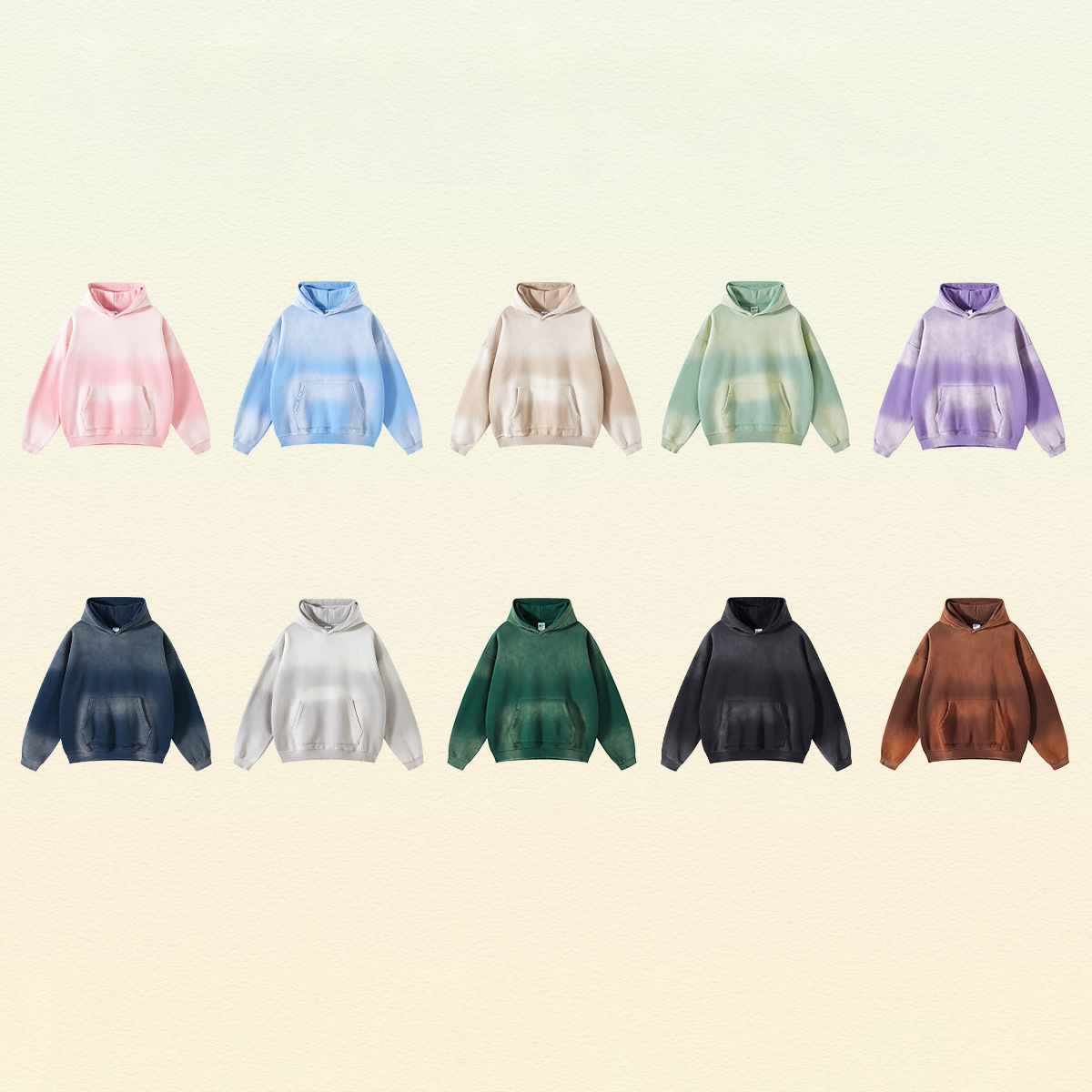
Standard gang-sheet dtf printing nests multiple designs on a single 24-inch transfer sheet, cutting per-print costs by 30–50% at volumes above 50 units. Wash-fastness typically reaches 40–50 cycles on cotton and poly-blend substrates before notable fade. Best for everyday tees, hoodies, and wholesale capsule collections.
UV-DTF for Hard-Surface Applications
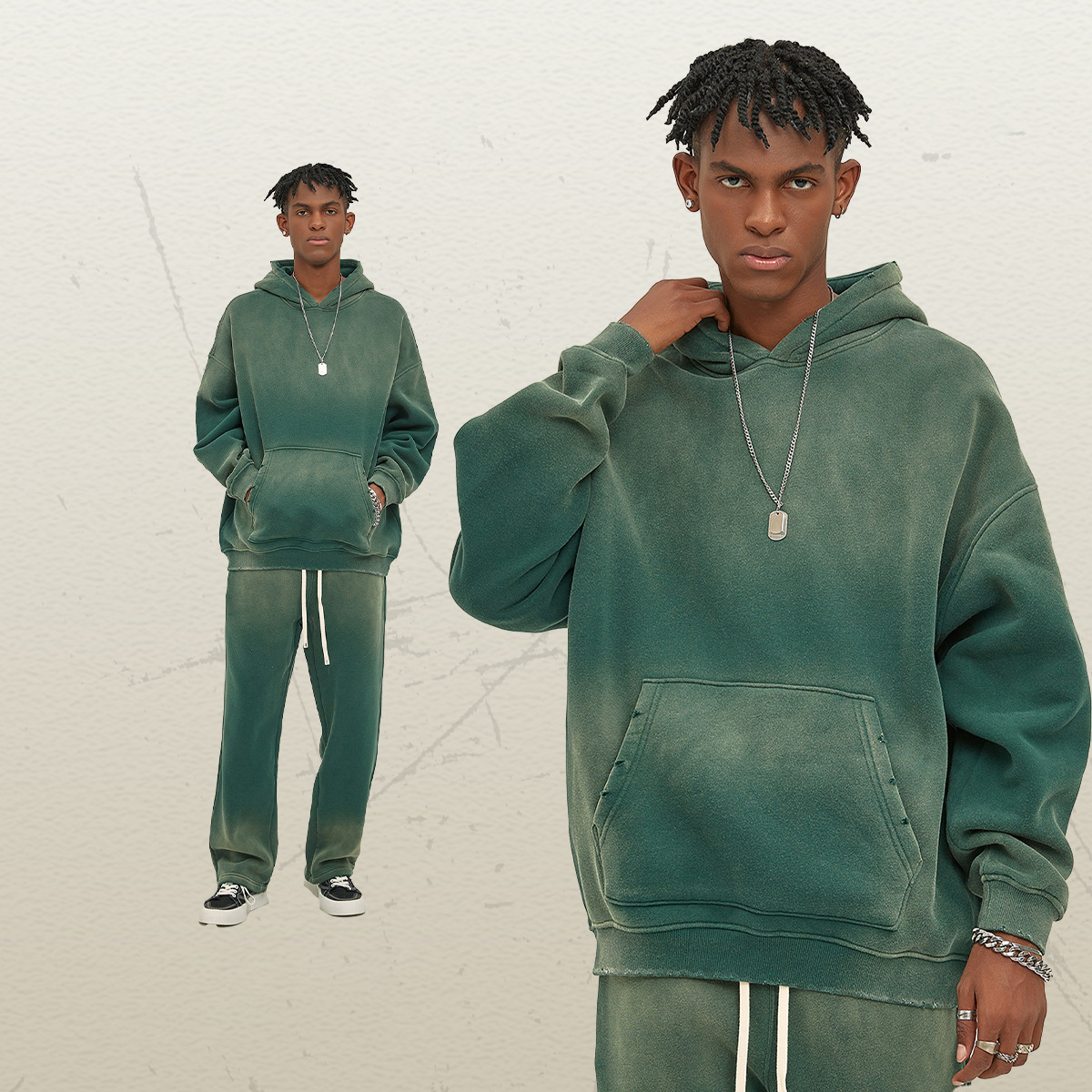
UV-DTF uses ultraviolet-cured inks transferred to rigid surfaces — phone cases, sneaker panels, leather patches — without hot-press adhesion. Durability is high on non-porous materials but unsuitable for machine-wash garment use. Ideal for creator brands adding custom hard accessories to apparel bundles.
Glitter and Specialty-Powder DTF
Specialty adhesive powders — holographic and chunky glitter grades — replace standard TPU powder to deliver tactile, high-refraction finishes prized in premium streetwear. This variant suits motifs like skeleton, rose, and demon elements where visual impact drives purchase. Wash-fastness averages 30–40 cycles; hand-wash extends longevity.
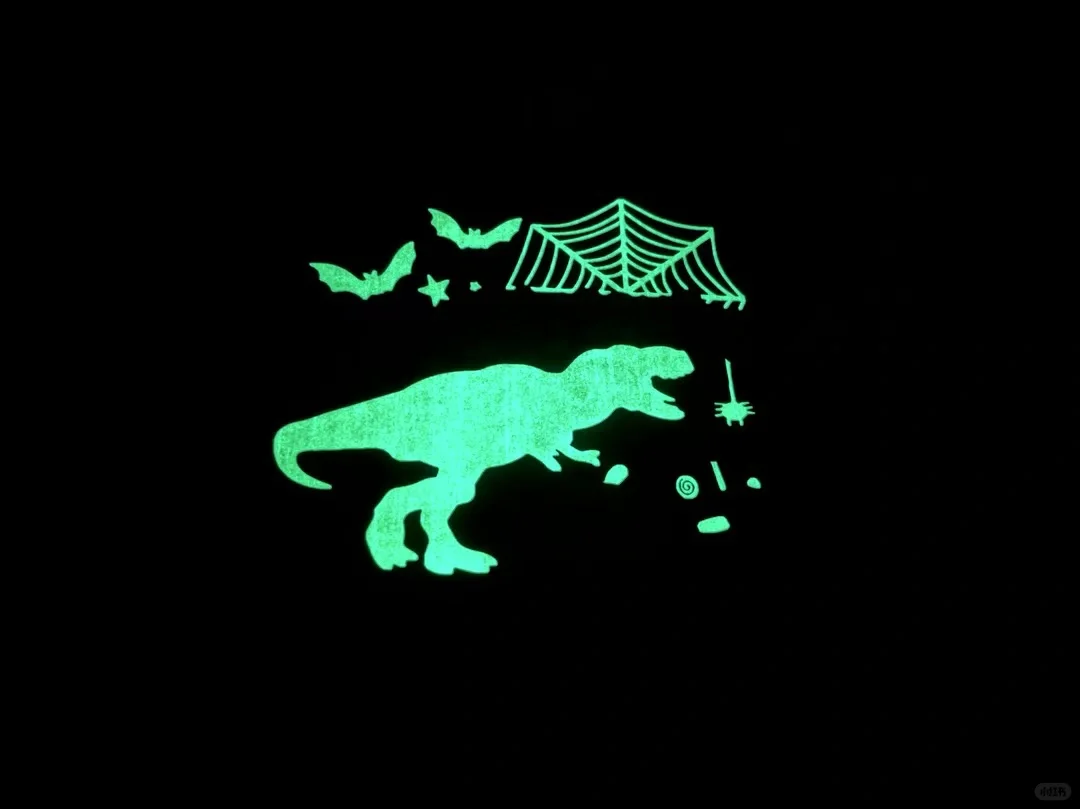
Glow-in-the-Dark and Reflective DTF
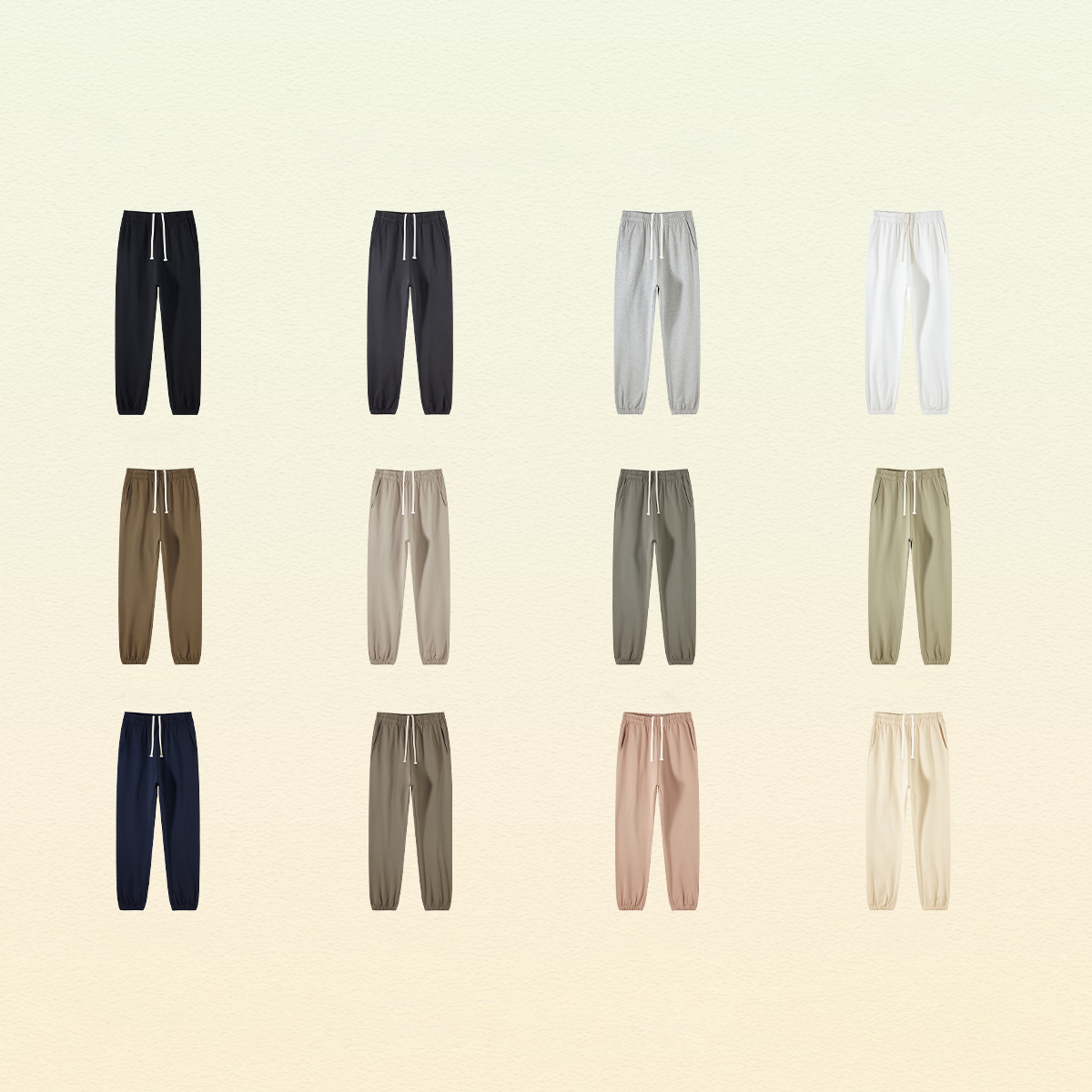
Photoluminescent or glass-bead reflective powders layered beneath the ink film create glow and retroreflective effects sought by influencer and creator brands. Reflective variants can meet EN 20471 visibility thresholds, adding value to collab drops. Durability matches standard DTF at 40–50 wash cycles.
Soft-Hand Low-Temperature DTF for Athletic Wear
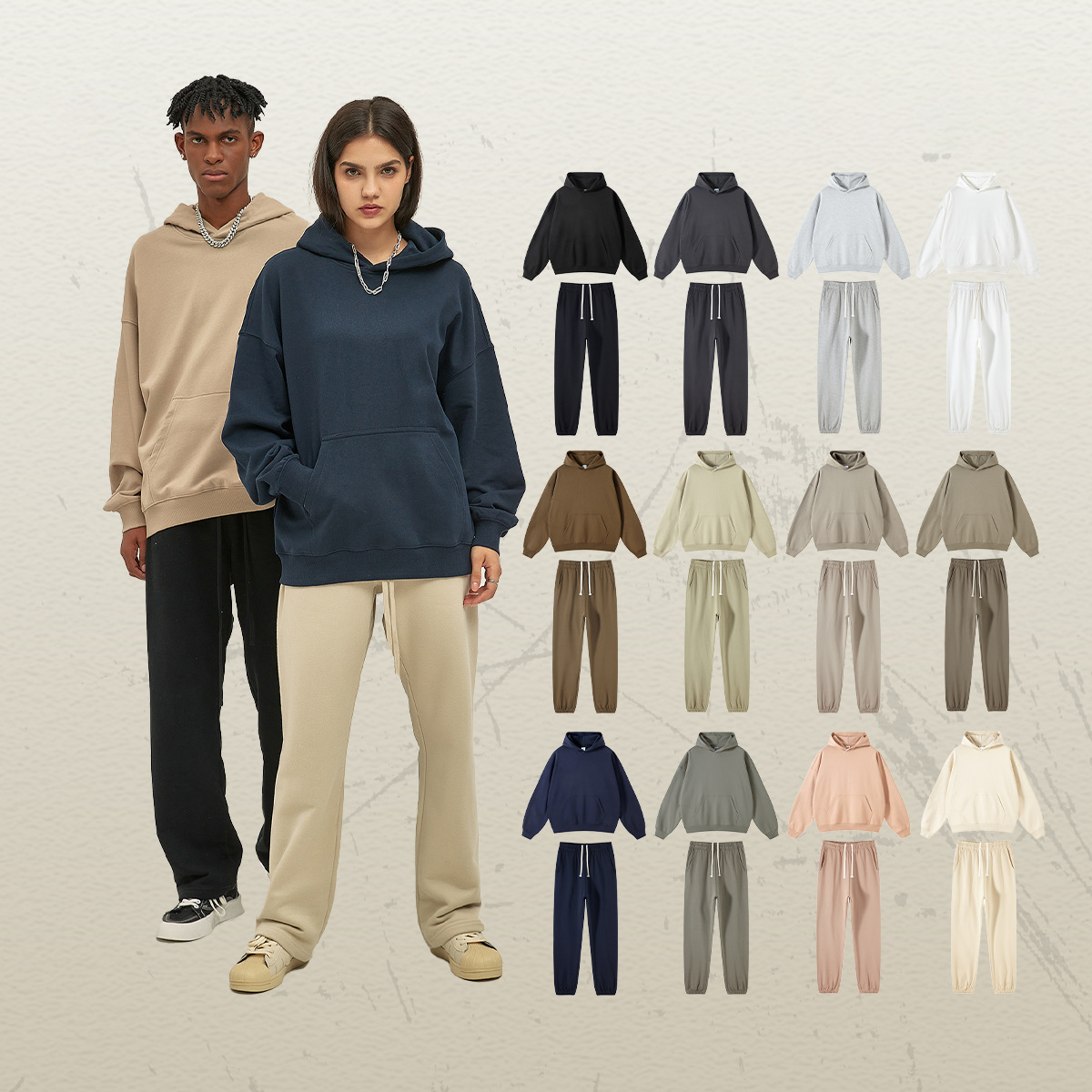
Low-temperature DTF cures at 130–150°C versus the standard 160°C, preserving stretch and soft hand-feel on performance fabrics — spandex blends, moisture-wicking polyester, and athletic mesh. Peel strength is marginally lower, so flat-lay storage prevents edge lifting. Best matched to activewear, yoga sets, and athletic streetwear lines.
4. Compatible Materials and Fabrics for DTF Printing
DTF printing adheres to virtually every fabric streetwear collections rely on, from ring-spun cotton to stretch performance shells. Adhesion strength and wash durability shift by fiber content and surface texture, so press settings must be matched to each substrate.
| Fabric Type | Adhesion Rating | Press Temp (°F) | Wash Cycles |
|---|---|---|---|
| 100% Cotton | Excellent | 300–320 | 40–50+ |
| 100% Polyester | Good | 270–290 | 30–40 |
| Poly-Cotton Blend | Excellent | 290–310 | 40–50+ |
| Nylon | Moderate | 250–270 | 25–35 |
| Denim | Very Good | 300–320 | 35–45 |
| Leather / PU | Moderate | 250–270 | 20–30 |
| Stretch / Performance | Good | 270–290 | 30–40 |
Cotton, Denim, and Poly-Cotton: Core Performers
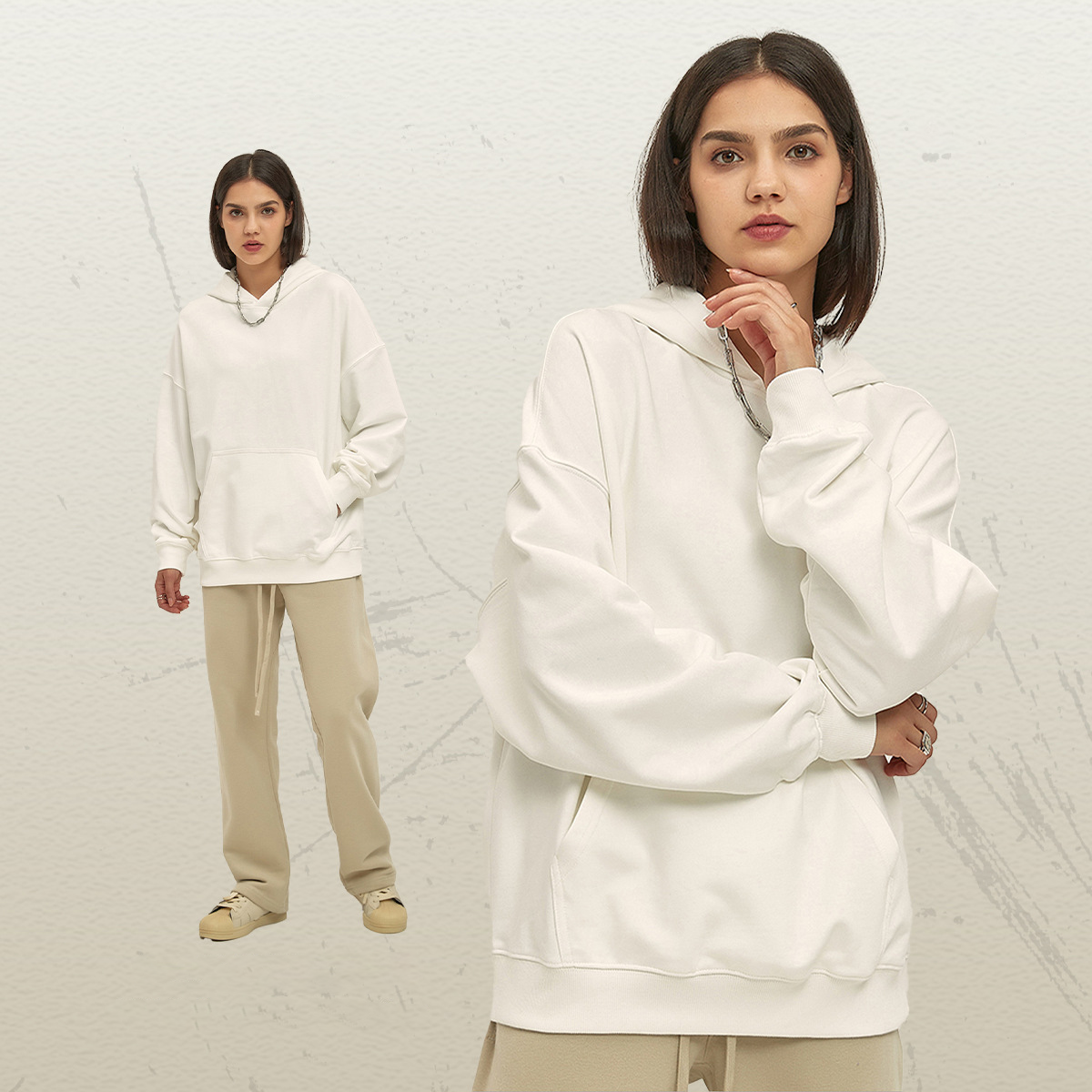
Cotton (180–280 GSM ring-spun) delivers the strongest DTF adhesion and routinely survives 40–50 wash cycles under standard cold-water care. Poly-cotton blends at 60/40 or 50/50 ratios closely match pure cotton performance while adding dimensional stability.
Denim behaves like cotton but needs a 2–3 second longer dwell time to penetrate its tighter weave; press at 300–320°F for a secure bond.
Polyester and Nylon: Lower Heat, Reliable Bond
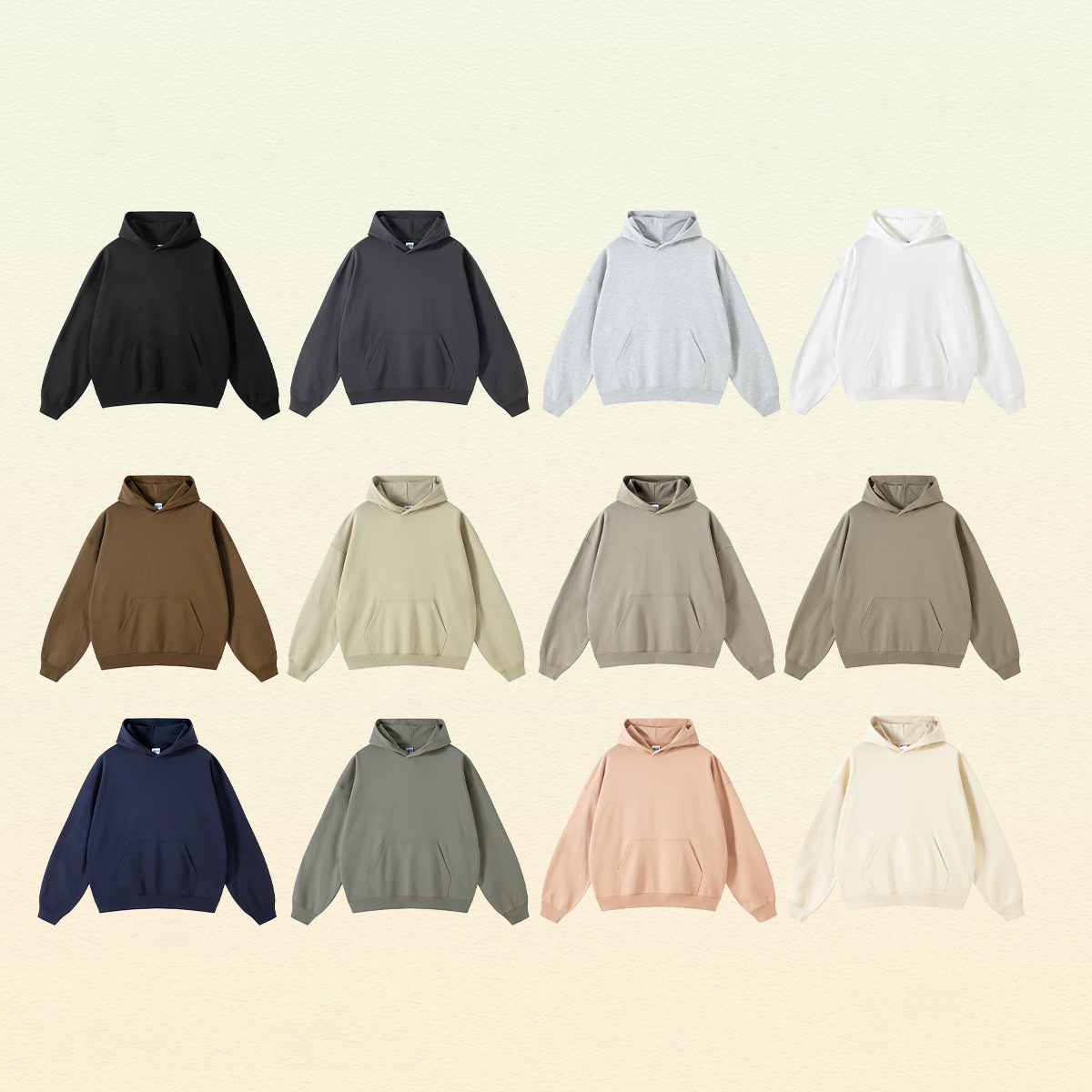
Polyester requires a reduced press temp of 270–290°F to prevent scorching, yet DTF adhesive cures fully and typically survives 30–40 wash cycles. Nylon demands the narrowest heat window — 250–270°F — and yields moderate adhesion with 25–35 durable cycles.
Both synthetics benefit from a silicone release sheet and light-to-medium pressure to prevent surface shine marks.
Stretch, Performance, and Leather Substrates
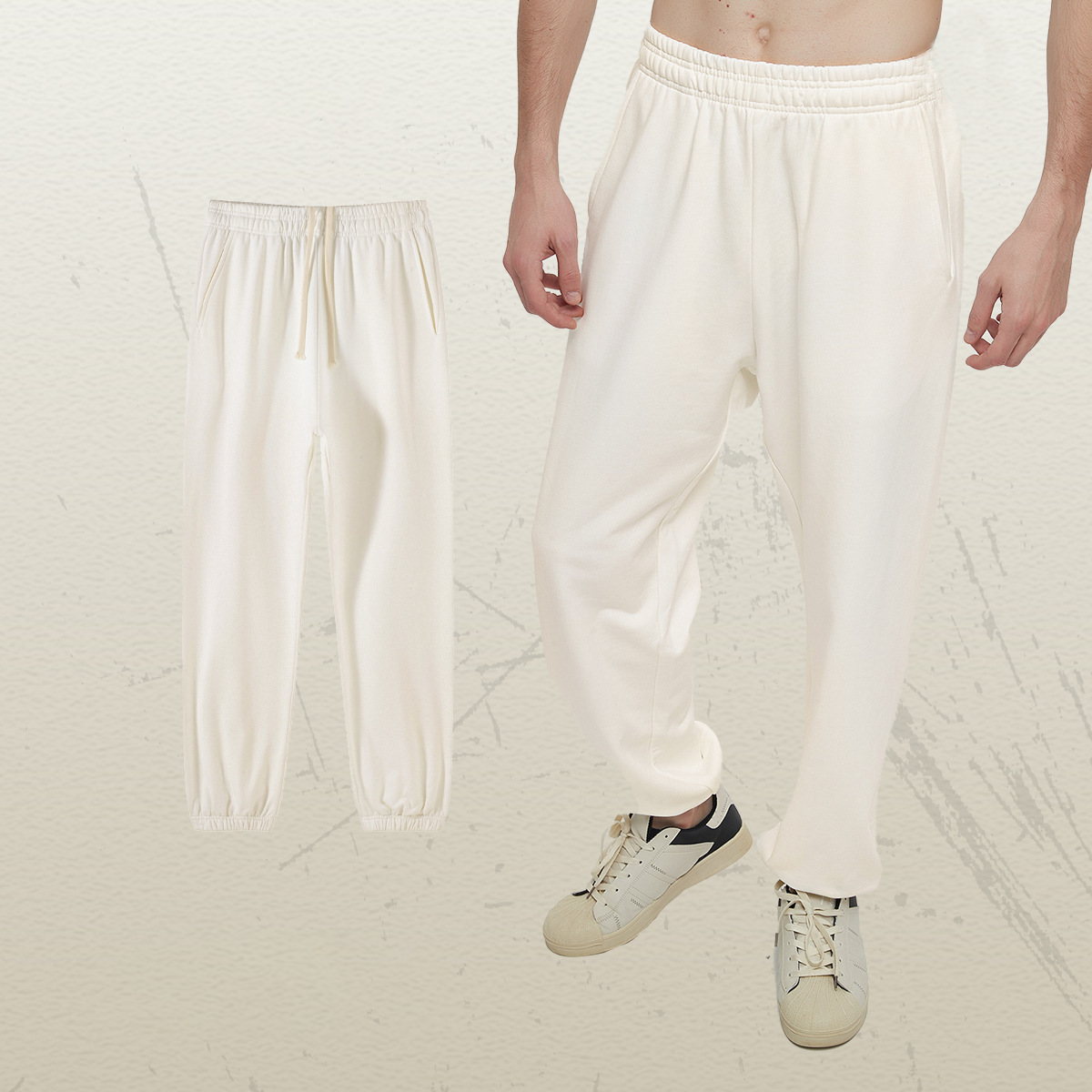
Four-way stretch and moisture-wicking performance fabrics require a flexible DTF adhesive powder; press at 270–290°F with medium pressure to prevent cracking during movement. Leather and PU panels accept DTF transfers cleanly but edge lift typically appears after 20–30 wash cycles.
Flag specialty substrates in your tech pack early so the production team can run a strike-off sample before committing to a full production run.
5. Customization and Design Options with DTF Printing
DTF printing places no ceiling on design complexity, handling unlimited color counts, photographic gradients, and sub-millimeter line detail that screen printing cannot replicate. These capabilities make it the preferred choice for streetwear graphics built on intricate motifs.
Color Range and Photographic Detail

DTF printing reproduces full CMYK-plus-white ink sets with no per-color cost penalty, enabling true photographic gradients and Pantone-adjacent spot accuracy in the same transfer. Fine lines down to 0.3 mm and halftone dots at 65 lpi print cleanly, supporting skeleton, rose, and graffiti elements common in streetwear.
White-Ink Underbase for Dark Garments
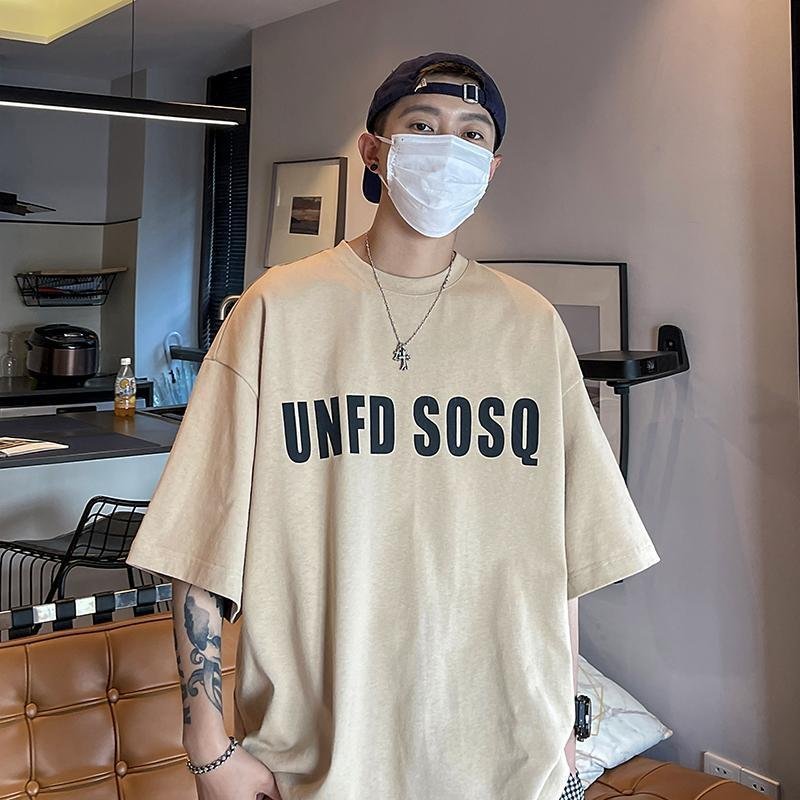
A white-ink underbase layer prints beneath the color image, blocking dark fabric from dulling saturation on black or navy substrates. Without it, CMYK inks appear muddy on dark grounds; with it, contrast and vibrancy match the original artwork file.
File Preparation Requirements
Supply artwork at 300 dpi minimum in PNG with a transparent background or TIFF format to prevent pixelation at print size. RGB color mode is standard for RIP software; CMYK files can introduce hue shifts unless the manufacturer’s ICC profile is loaded.
Gang-Sheet Layout for Cost Efficiency
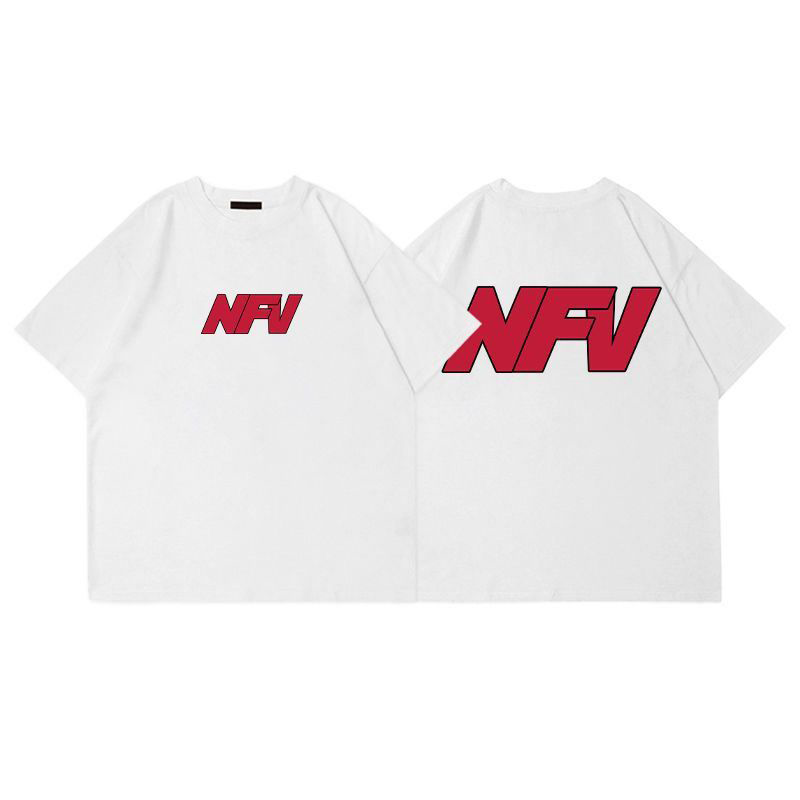
Gang-sheet printing nests multiple designs onto a single transfer film — common sheet sizes run 60 cm × 90 cm — spreading film and RIP costs across designs. A single sheet holds 8–12 standard chest graphics, cutting per-unit transfer cost by 30–50% versus individual sheets.
Short-Run Custom Colorways for Influencer Drops
DTF supports runs as low as 1 piece per colorway, making exclusive influencer drops of 3–5 colorways viable with no plate or screen cost. Gang-sheet transfers for short-run orders typically turn around in 3–5 business days from approved file.
6. Print Quality Benchmarks and Construction Standards
Premium dtf printing delivers measurable, verifiable results — not just vivid colors on a sample swatch. Buyers who benchmark against published standards protect against commodity-grade output that fails after the first wash cycle.
Color Gamut and White-Ink Opacity Standards
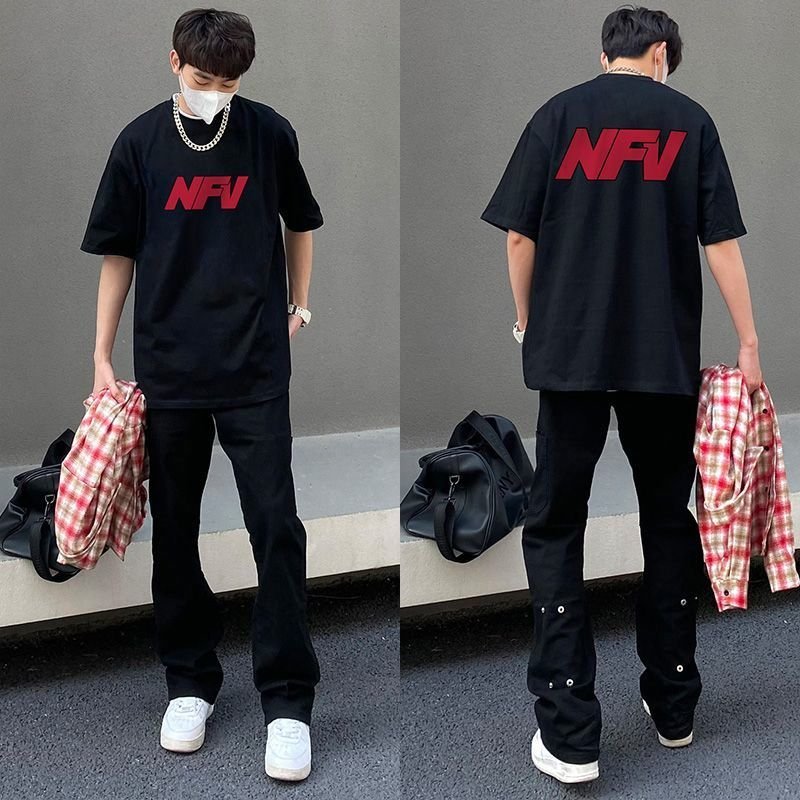
Top-tier dtf printing achieves 95–99% sRGB color gamut coverage; commodity printers typically fall below 85%. Request a spectrophotometer report (Delta-E ≤ 2) to confirm Pantone accuracy before approving bulk production.
White-ink opacity should read ≥ 90% on black fabric at 400% ink density. Thin white layers cause color shift when printed over dark substrates, producing washed-out results even at full saturation.
Peel Strength and ISO Wash-Fastness Ratings
Peel strength for bonded DTF film should exceed 8 N/cm² on cotton and 6 N/cm² on polyester blends. Request ASTM D903 or equivalent adhesion test results as part of your pre-production documentation.
ISO 105-C06 wash-fastness testing at 40°C for 30 cycles is the industry benchmark; acceptable ratings are ≥ 4 on a 1–5 scale for color change and staining.
Edge Sharpness and Hand-Feel Softness
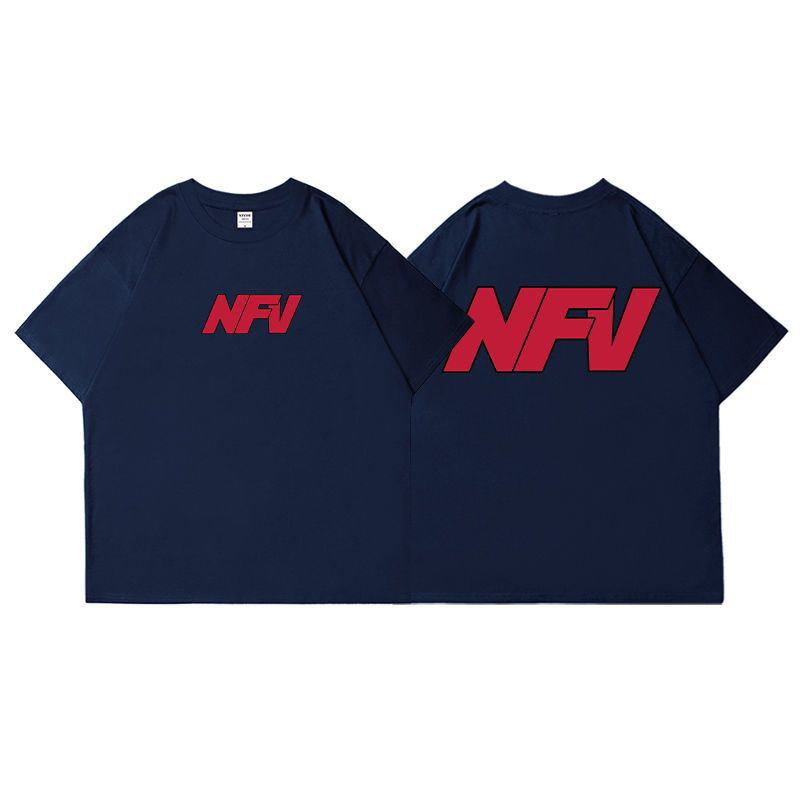
A 1 pt line weight should reproduce cleanly with no feathering at 300 dpi output resolution. Soft-hand adhesive powder (≤ 80-mesh particle size) reduces the plastic feel associated with older heat-transfer methods.
Requesting Lab Reports and Strike-Off Samples
Always request a pre-production strike-off sample on the actual fabric substrate before approving a purchase order. Lab test reports should accompany the sample and cover color gamut, opacity, peel strength, and wash-fastness ratings.
Gang-Sheet Registration and Rejection Criteria
Gang-sheet registration tolerance should not exceed ±0.5 mm; tighter tolerances (±0.3 mm) are required for multi-layer designs. Set clear rejection criteria in your PO: any print with visible misregistration, ink bleed exceeding 0.5 mm, or wash-fastness below ISO 4 is grounds for remake at no charge.
7. How to Choose a DTF Printing Manufacturer
Choosing a dtf printing partner demands a structured audit of equipment specs, ink certifications, and QC documentation — not just price. Risky suppliers skip all three; reliable ones can document each on request.
Equipment Specs and Ink Certification
Confirm the manufacturer runs printers at 1440 dpi minimum with industrial heads such as Epson i3200 or i1600 — these heads determine color consistency and lifespan.
Demand OEKO-TEX Standard 100 or GOTS-compliant ink certification. Uncertified inks fail EU REACH regulations and can cause skin irritation on direct-contact garments.
MOQ Flexibility and Sample Policy
Startups and creator brands need MOQs of 12–50 pieces per design; a manufacturer unwilling to flex below 100 units is not built for emerging labels.
Standard sample turnaround runs 7–14 days. Confirm the revision policy in writing — at least two rounds of corrections before bulk production protects against color-shift surprises.
Scalability and QC Reporting Standards
Retail reorder spikes — common after influencer drops — can double order volume in 48 hours. Ask for monthly production capacity in square meters and a lead-time guarantee at peak load.
QC reporting should include pre-production material checks, in-line sewing inspection, and a finished-goods report. A five-stage QC methodology catches defects before they reach packing.
Key Questions to Ask Every Supplier
Use these eight questions to filter suppliers that cannot back claims with documentation.
- What print head brand and DPI resolution does your DTF equipment run?
- Can you provide OEKO-TEX Standard 100 or GOTS ink certification documentation?
- What is your minimum order quantity per design for a new client?
- How many sample revision rounds are included before bulk production begins?
- What is your standard sample turnaround — and express option if available?
- What is your monthly production capacity, and can it scale 2× in 30 days?
- Do you provide a written QC report for each production batch?
- How do you handle reprints or refunds for dtf printing color deviation?
8. Common Mistakes Buyers Make with DTF Printing
Even experienced buyers lose money on dtf printing orders by repeating the same six avoidable errors. Each mistake compounds — a bad file choice alone can waste an entire sample run and delay a launch by two weeks.
Low-Resolution Artwork Approval
300 dpi at print size is the minimum for dtf printing; 72 dpi files print at roughly one-quarter the expected sharpness. Always request a 1:1 proof at 100% zoom before approving. Fix: supply vector files or rasterize artwork at 300 dpi minimum before sending to the factory.
Skipping Pre-Bulk Wash Tests
Ink adhesion degrades after repeated washing if cure temperature or dwell time is off by 5°C. Buyers who skip wash tests often discover cracking at 15 cycles after committing to bulk. Fix: require a 30-wash test report on the sample garment before signing bulk approval.
Confusing Hot and Cold Peel Adhesive
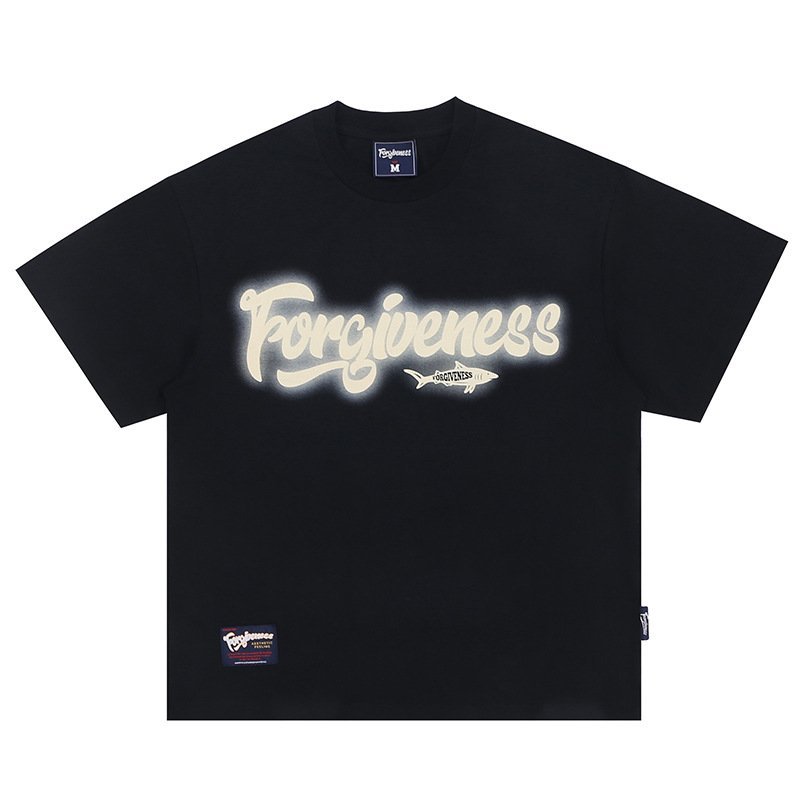
Hot-peel adhesive powder releases immediately after pressing at 160–170°C, while cold-peel grades require a 30-second cool-down for sharper edge definition. Using the wrong grade on structured fabrics causes ghosting or lifted edges. Fix: specify peel type explicitly in the purchase order, not just verbally.
Prioritizing Price Over Ink Certification
OEKO-TEX Standard 100 and REACH-compliant inks add 8–15% to ink cost but are required for EU and US retail compliance. Non-certified inks can trigger customs holds or retail rejection. Fix: demand OEKO-TEX or REACH certification documents from the manufacturer before placing any order.
Overlooking Gang-Sheet Layout Fees
Gang-sheet nesting fits multiple designs onto one film sheet, cutting material waste by 20–40%, but manufacturers often add a $15–$50 per-layout setup fee. Missing this line item causes budget overruns on small runs. Fix: request an itemized quote that separates layout, print, and transfer costs.
Misreading MOQ vs. Per-Design Minimums
A factory quoting a 50-piece MOQ may mean 50 pieces per design, not 50 units total across all designs. Startups ordering five colorways expect 50 units but receive invoices for 250. Fix: confirm per-design minimums in writing before submitting any artwork files or deposit.
9. Steps to Launch Your Brand Using DTF Printing
DTF printing compresses traditional 8–12 week launch timelines to as few as 3–4 weeks for small runs. Follow this sequence to move from concept to first shipment without the setup delays screen printing typically requires.
Artwork Prep and File Setup
Supply 300 DPI minimum PNG files with transparent backgrounds; vector-originated art scaled to final print size avoids pixelation. Convert color profiles to sRGB before submission and confirm Pantone references with your manufacturer so dtf printing film reproduces your colorways accurately.
Sourcing Blanks and Base Fabrics
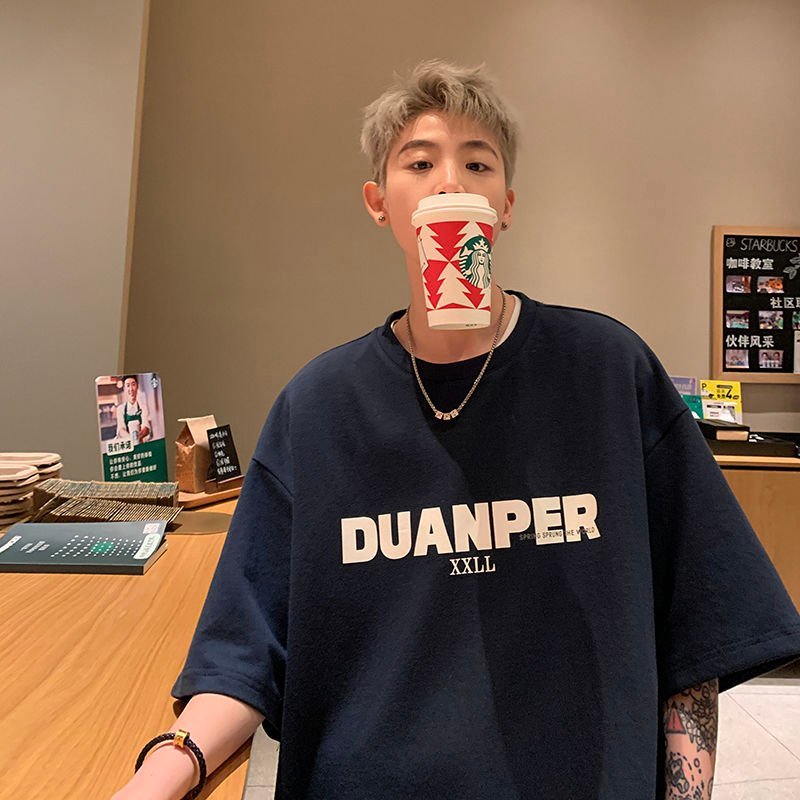
180–220 GSM ring-spun cotton jersey and 60/40 cotton-polyester blends accept DTF transfers cleanly. Source pre-shrunk, OEKO-TEX certified blanks; preshrinking prevents post-wash dimensional shift that distorts print registration on finished garments.
Requesting Samples and Wash Testing
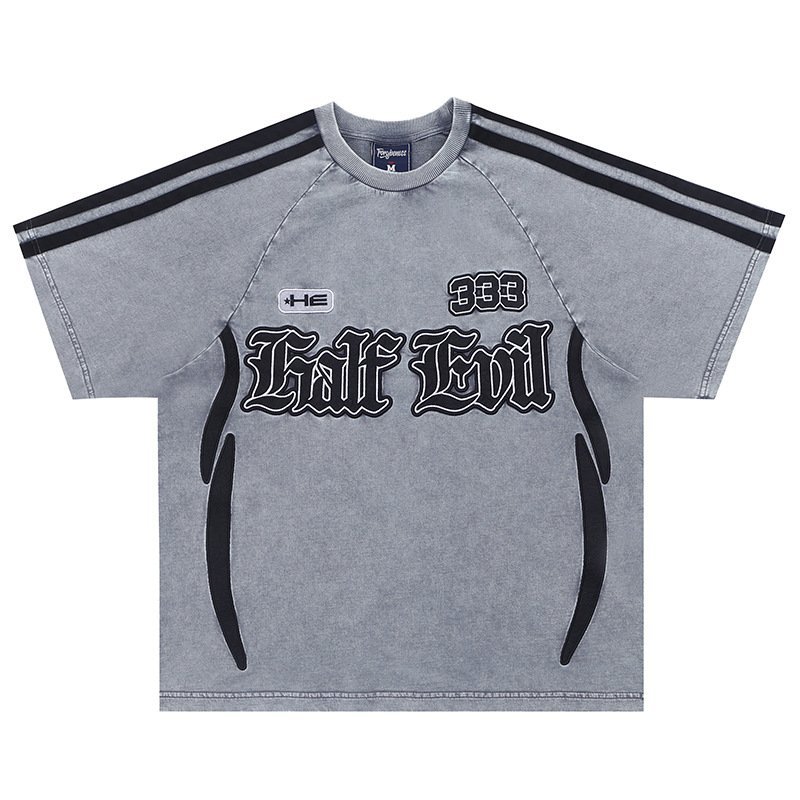
Order 2–3 strike-off samples before committing to a production run. Run a 5-cycle 40°C machine wash test — the streetwear industry standard — and inspect for ink cracking, edge lift, or color fade exceeding one Delta-E unit.
Negotiating MOQ and Pre-Production Approval
DTF MOQs start at 20–50 pieces per design vs. 144+ for screen printing — a decisive speed-to-market advantage for startups. Lock pricing at agreed GSM, colorway count, and transfer size, then sign off on a physical pre-production sample before releasing the bulk order.
Production QC Checkpoints and Fulfillment Readiness
Require inline QC at cutting, sewing, and post-press stages — not only a final end-of-line audit. Confirm hangtag, woven label, and country-of-origin compliance before packing; 3PL-ready carton specs (weight, barcode, SKU labeling) prevent receiving rejections at retail or fulfillment centers.
10. DTF Printing Pricing, MOQ Tiers, and Cost Breakdown
Four variables drive dtf printing unit cost: transfer size (A4 vs. A3 vs. gang-sheet), ink coverage percentage, adhesive powder grade (standard hot-melt vs. washfast), and press labor rate. A chest logo at 10% ink coverage costs roughly half the ink of a full-front graphic at 80% coverage.
At 100 units, dtf printing setup fees typically run $15–$25 regardless of color count, because the process requires no screens or plates. That fee disappears entirely above 500 units. Costs in the table below reflect transfer-only pricing; garment cost, shipping, and import duties are separate line items.
- DTF printing: $15–$25 setup, ~$1.50/unit at 100 pcs, 1-unit minimum — best for multicolor small runs
- Screen print: $100–$300/color setup, ~$1.00/unit at 100 pcs, 24-unit minimum — best for large single-color runs
- DTG: $0 setup, ~$3.50–$5.00/unit at 100 pcs, 1-unit minimum — best for on-demand individual units
- Sublimation: $20–$50 setup, ~$1.20/unit at 100 pcs, 50-unit minimum — polyester fabrics only
| Quantity Tier | Unit Transfer Cost | Setup Fee | Lead Time |
|---|---|---|---|
| 50 units | $1.80–$2.40 | $15–$25 | 5–7 days |
| 100 units | $1.20–$1.80 | $15–$25 | 5–7 days |
| 250 units | $0.85–$1.20 | $10–$15 | 7–10 days |
| 500 units | $0.60–$0.90 | $10–$15 | 7–10 days |
| 1,000+ units | $0.40–$0.65 | $0–$10 | 10–14 days |
Launch Your DTF Printing Collection Today
Request a free sample in 7 days, backed by our 5-step QC guarantee, low MOQ options, and direct access to our production team.