
Premium Streetwear Fabric Supplier with 5-Step Quality Control
Clothing Manufacturer Ltd. is the streetwear fabric supplier built for emerging brands, global retailers, and influencer lines — delivering zero-compromise quality across 100+ countries with low MOQ and 5-day samples.
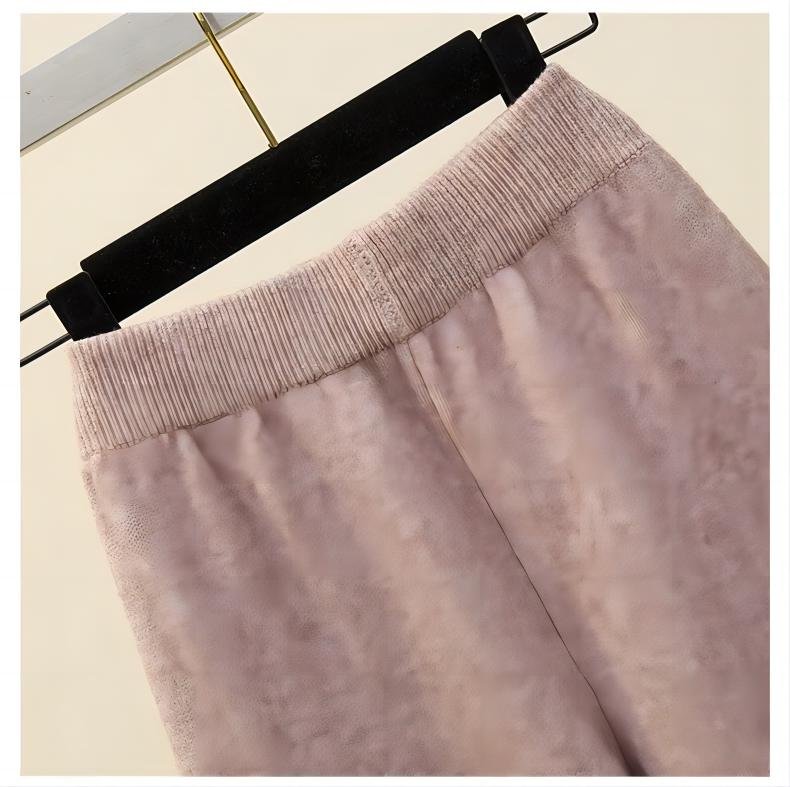
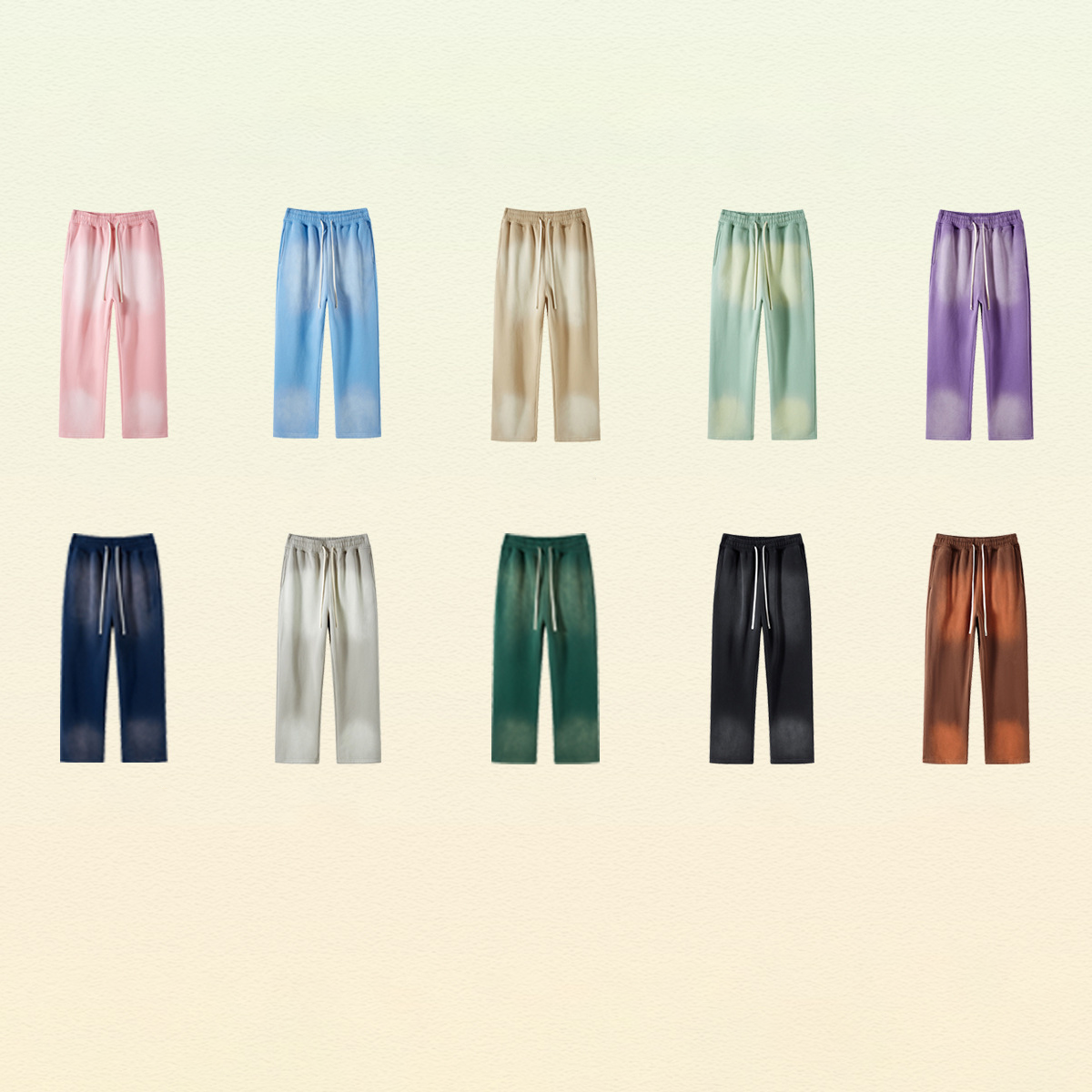
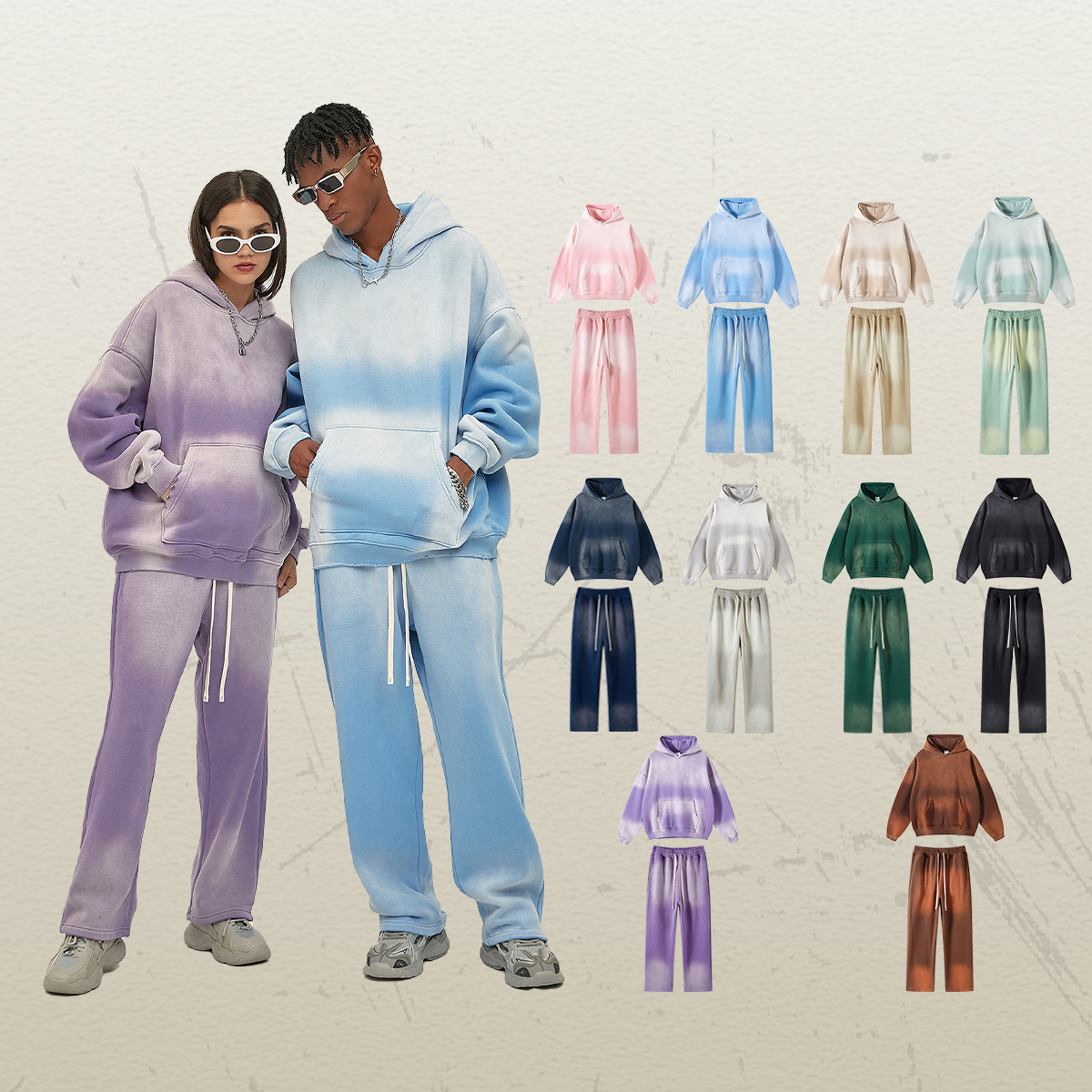
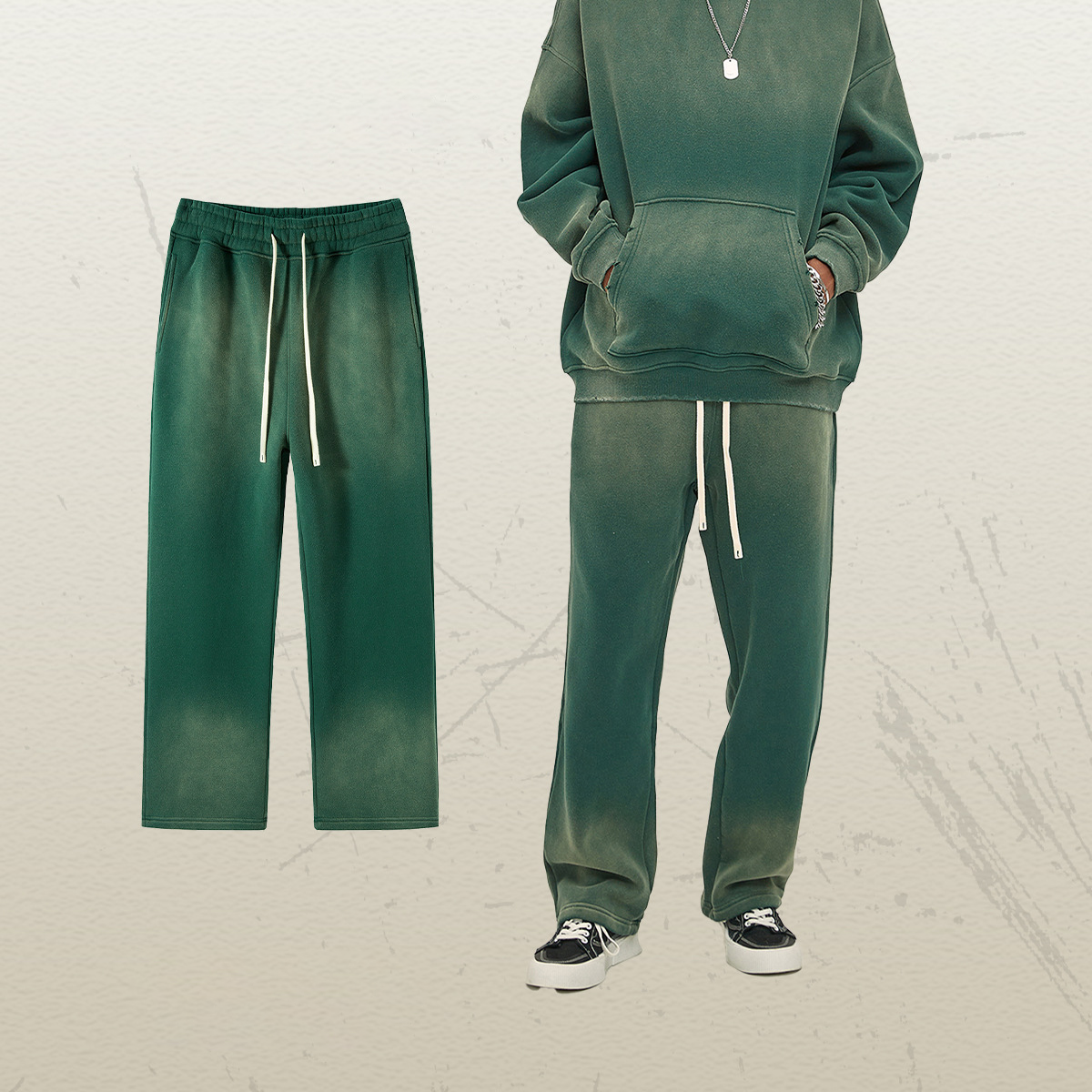
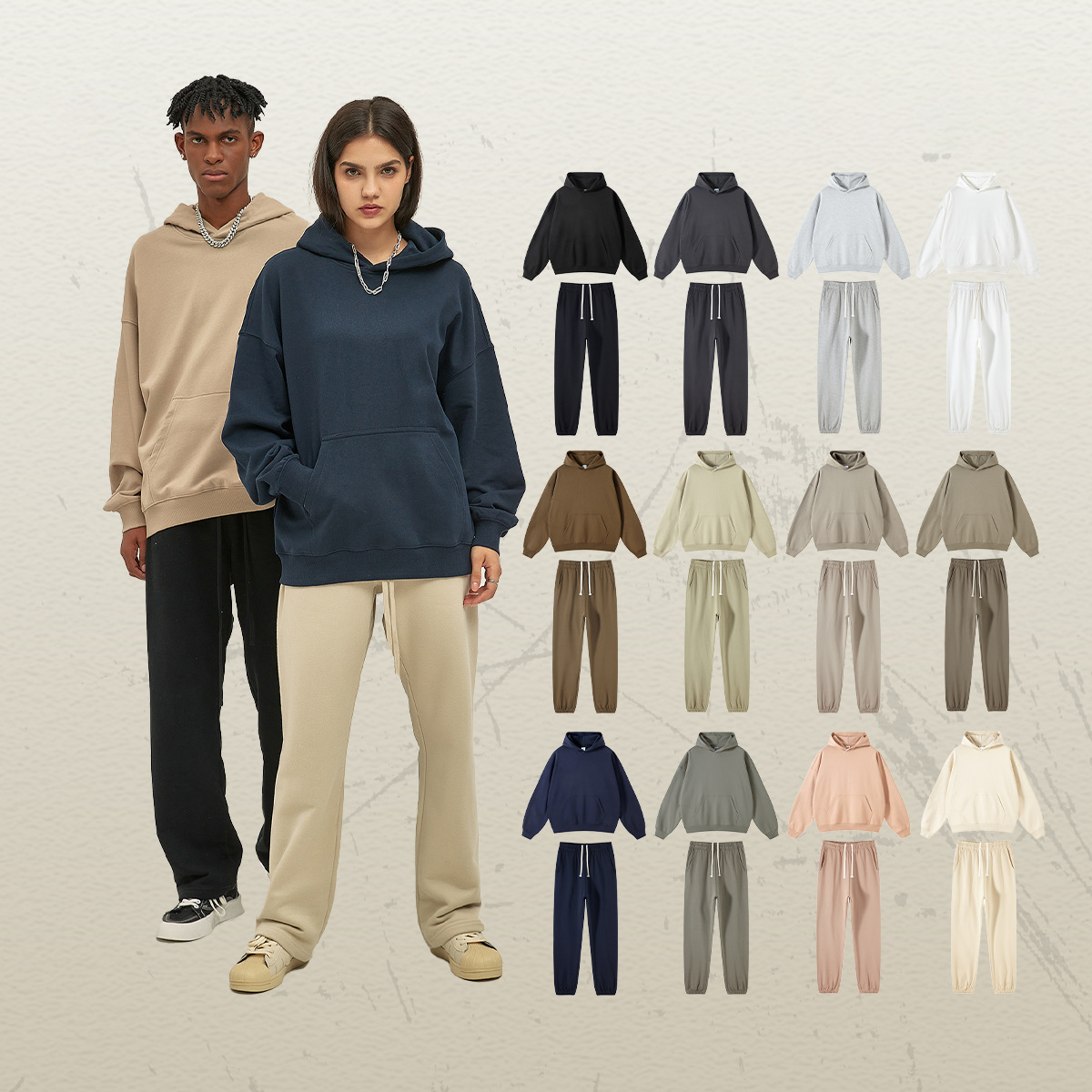
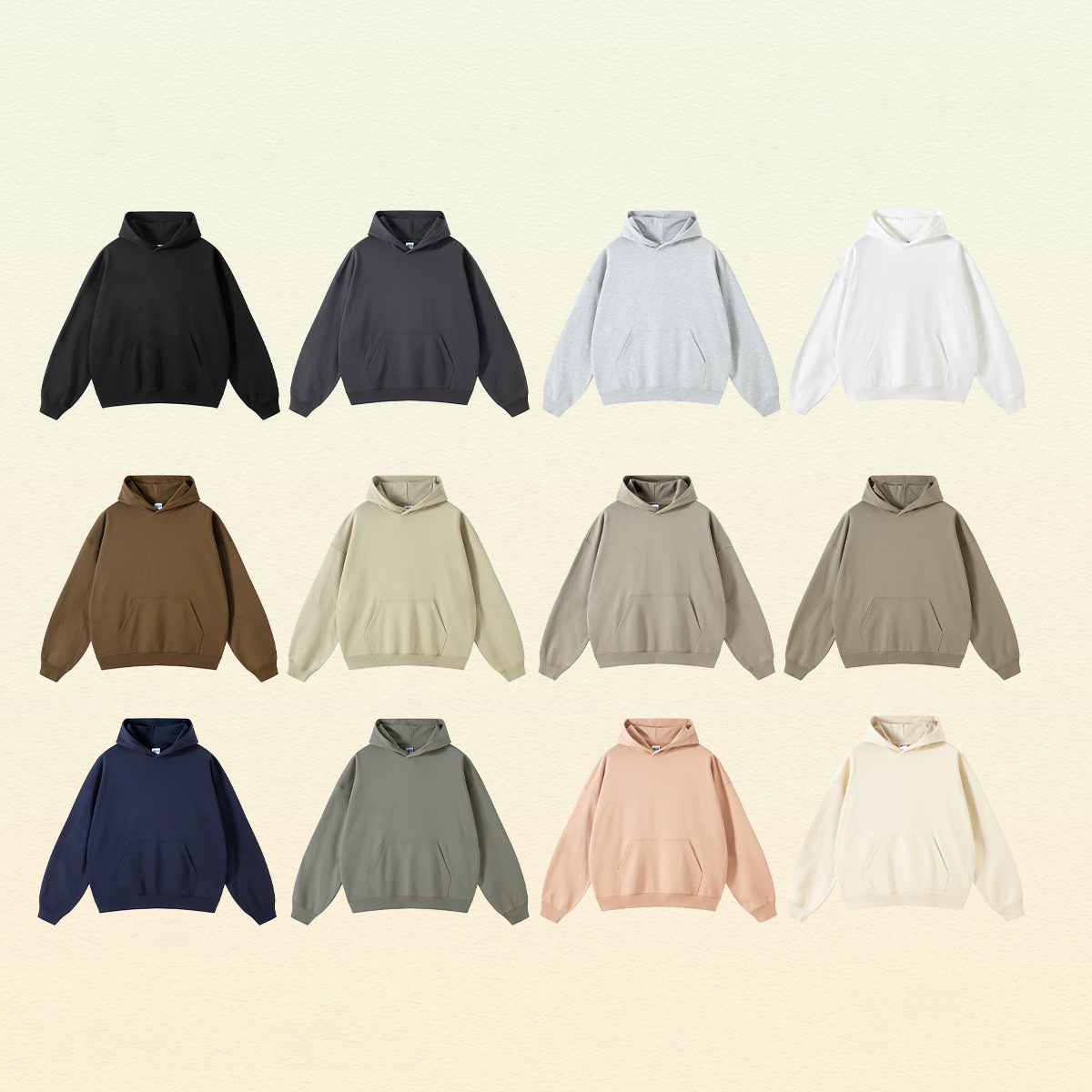
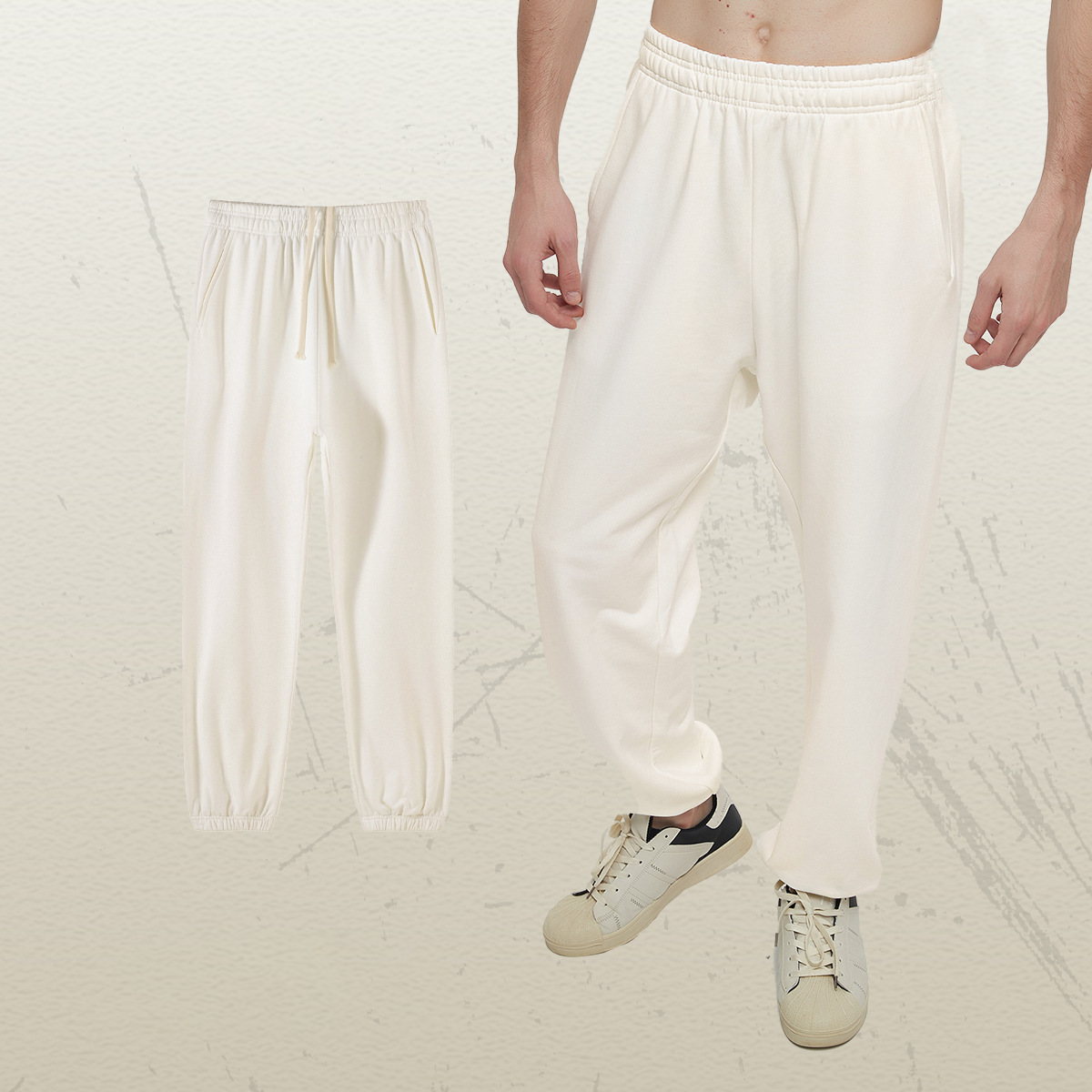
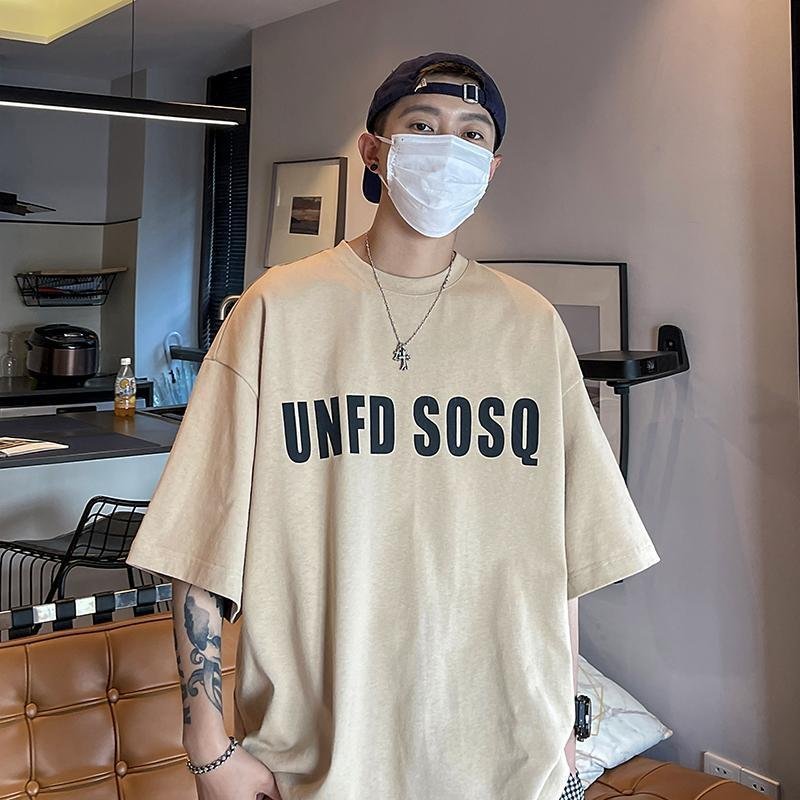
Finished Streetwear Collections We’ve Supplied
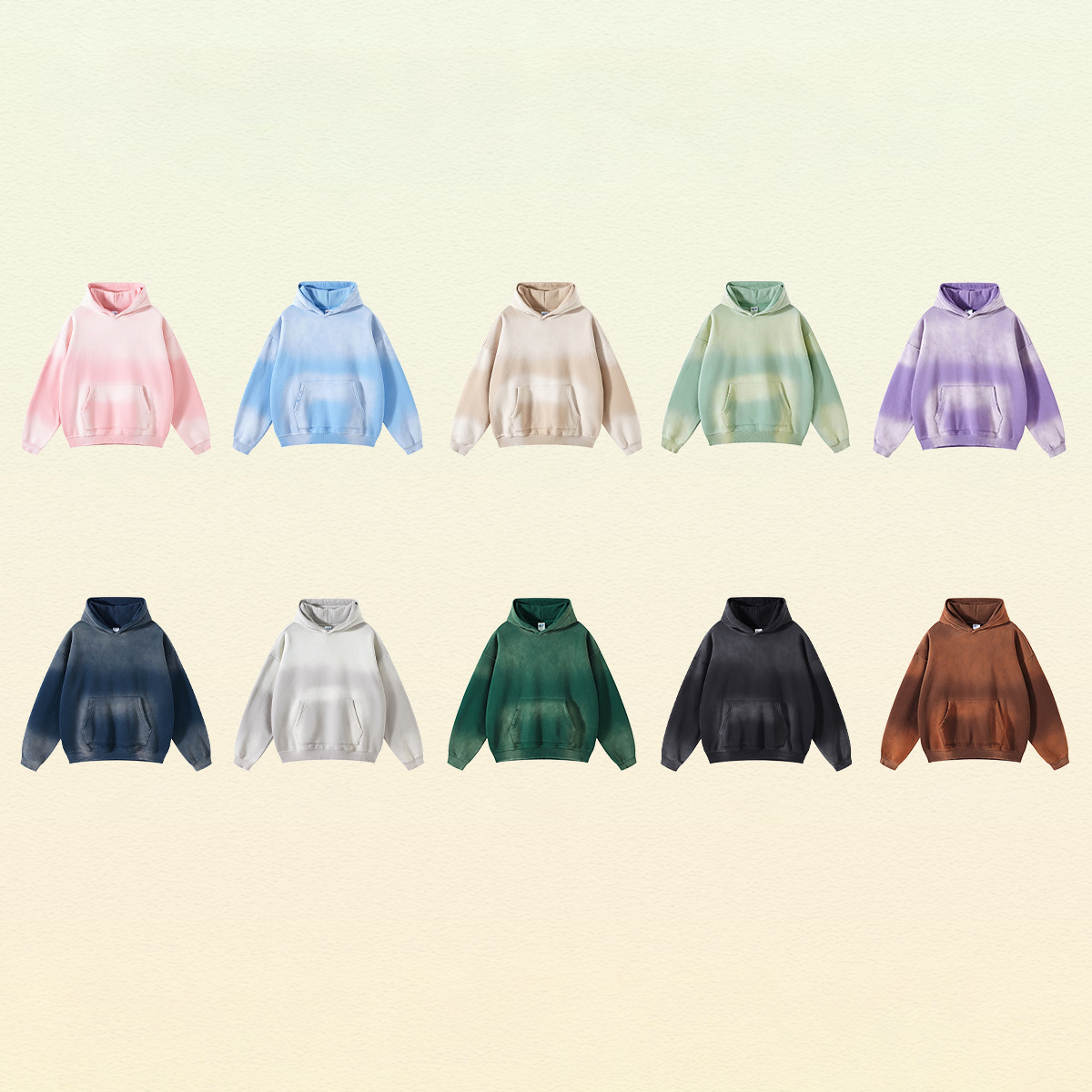
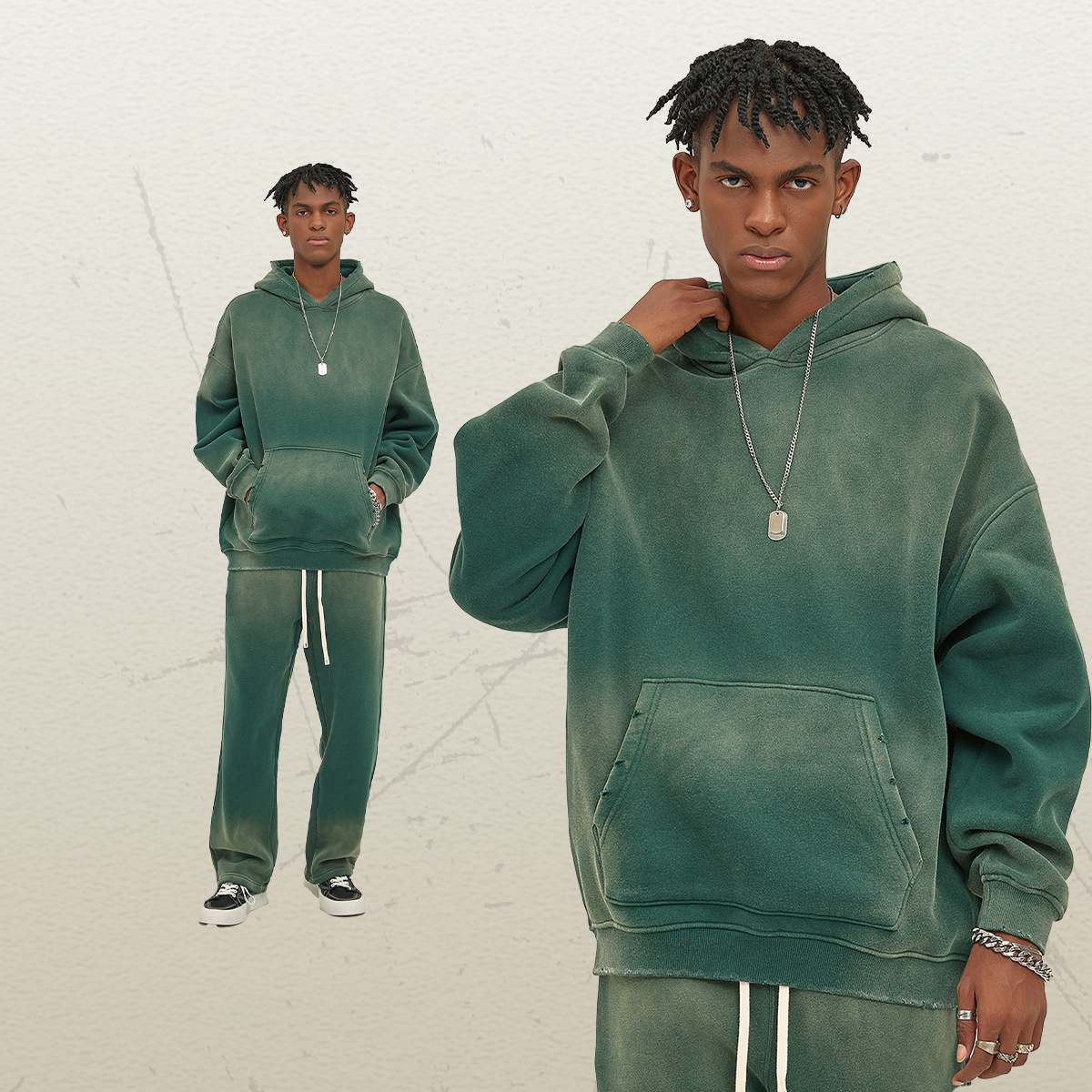
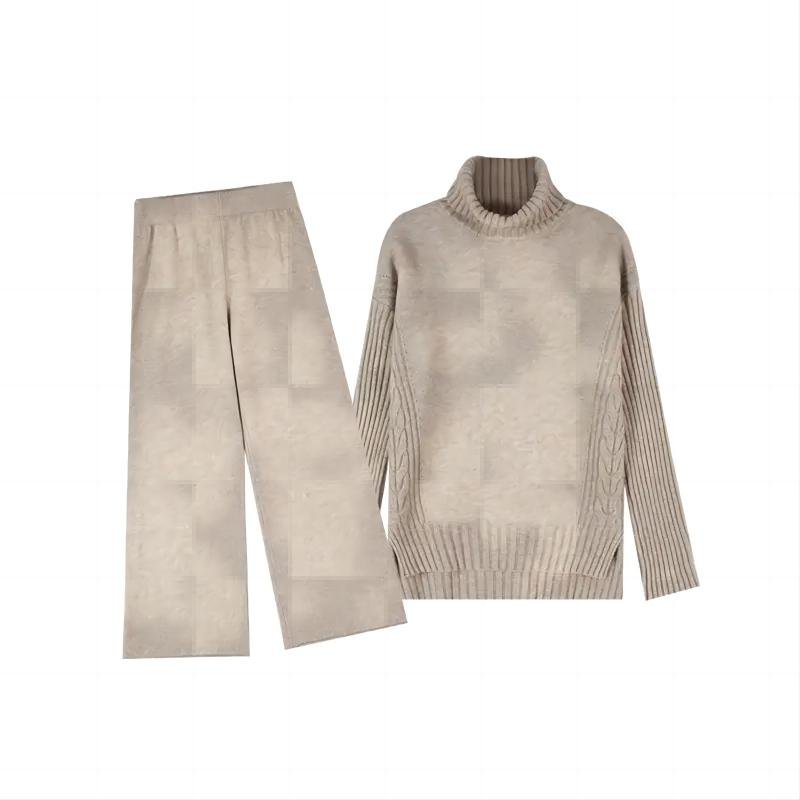
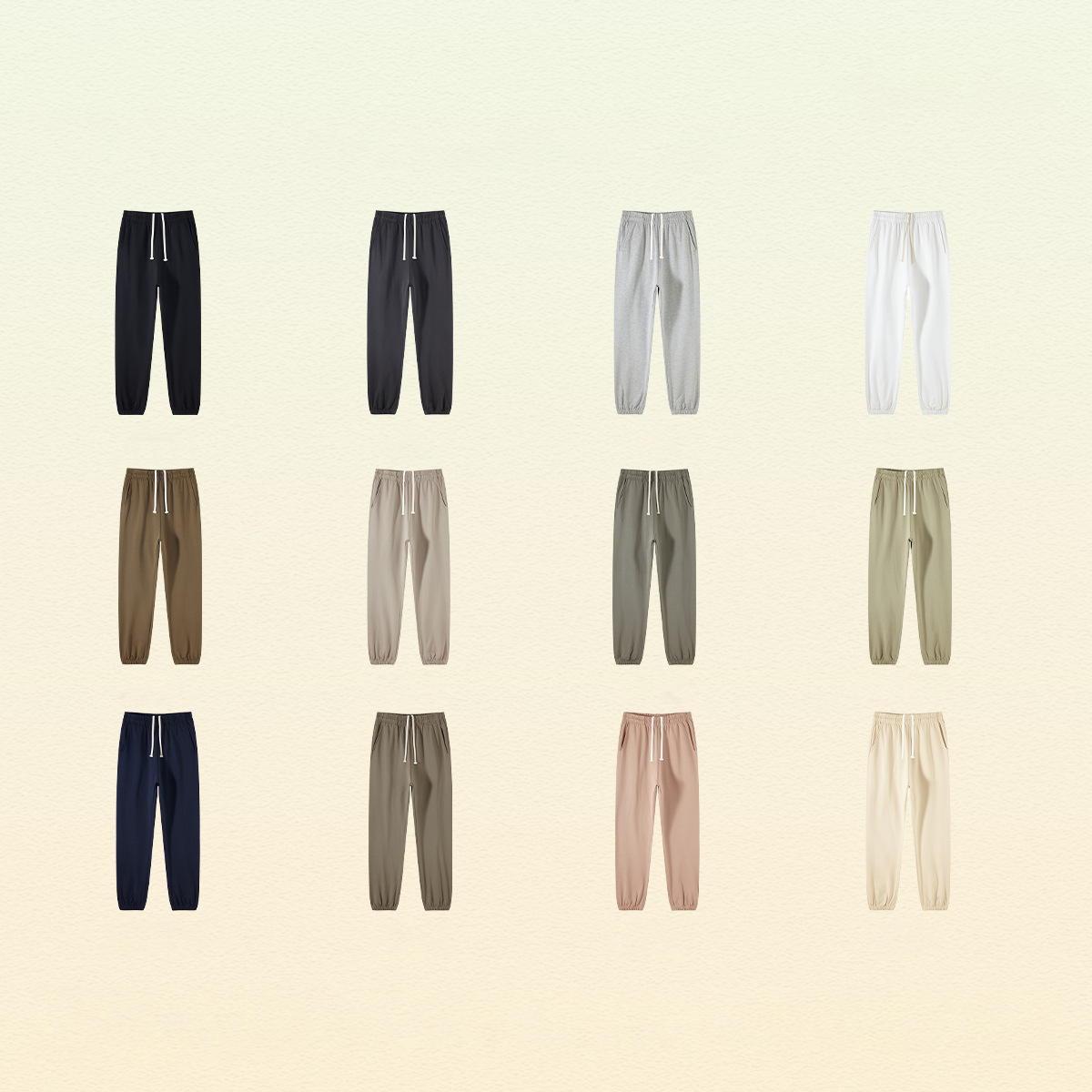
Streetwear Fabric Supplier Advantages That Set Us Apart
From premium material vetting to 5-day sampling, every edge we offer answers a concern your current supplier ignores.
5-Step Material QC Guarantee
Every fabric batch clears five dedicated checkpoints—materials, cutting, craft, sewing, and finished-goods inspection—before a single garment ships.
5-Day Production-Ready Samples
Rapid prototyping delivers full physical samples to your hands in as few as five days, not the industry-standard weeks.
Unlimited Fabric Customization Depth
Dial in custom weights, finishes, blends, and washes engineered precisely to your streetwear label’s creative and performance requirements.
Color Fastness & Durability Testing
Rigorous color fastness and tensile testing at source ensures your finished garments hold their look and structure wash after wash.
Low MOQ for Emerging Brands
Startup-friendly minimums remove the capital barrier so independent designers can launch and test collections without overcommitting to inventory.
Ethical, Production-Ready Sourcing
All fabrics are responsibly vetted for compliance and production compatibility, cutting lead times without sacrificing traceability or ethical standards.
Premium Fabrics Built for Streetwear Collections
From organic cotton basics to technical ripstop shells, every material we source passes our 5-step QC process before a single cut is made.
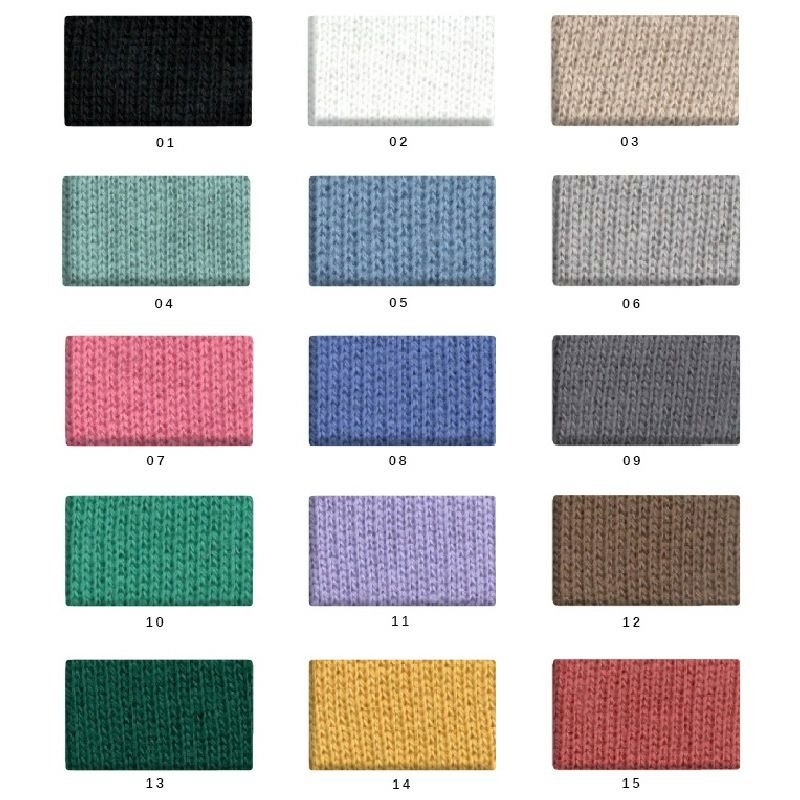
French Terry Fabric
A mid-weight, loop-backed knit with a soft brushed interior and breathable face. The go-to base fabric for hoodies, joggers, and crewneck sweatshirts. Holds screen prints and embroidery with exceptional clarity, making it ideal for branded drops, limited-edition collections, and influencer line staples.
Get a Quote
Heavyweight Fleece Fabric
Dense, brushed-interior fleece engineered for warmth without sacrificing drape. A defining fabric in premium streetwear for oversized hoodies, crewnecks, and outerwear shell liners. Available in high-GSM constructions that deliver the substantial, structured weight discerning brands and their customers expect from a quality cold-weather drop.
Get a Quote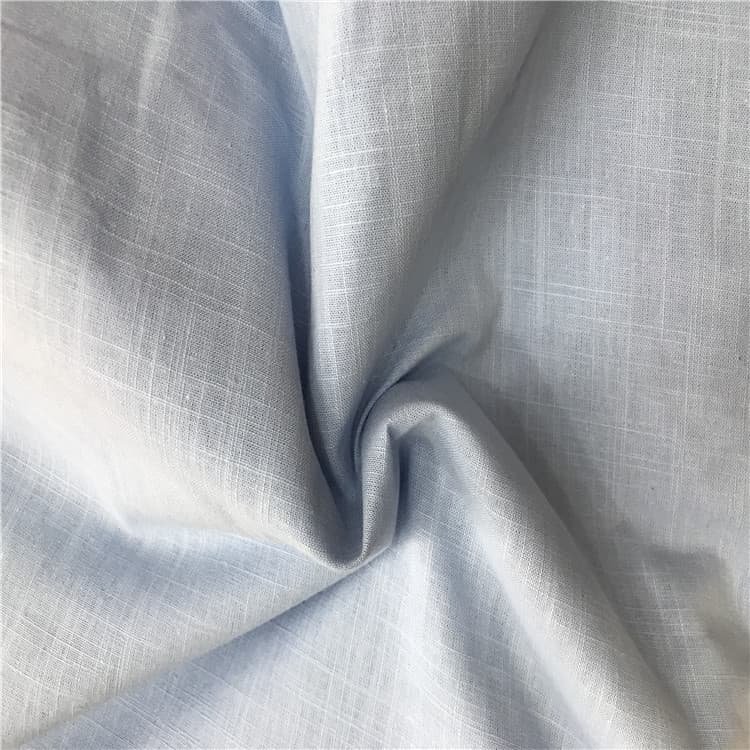
Cotton Jersey Knit Fabric
A versatile, naturally breathable single-knit that forms the foundation of every streetwear basics program. Suited for tees, long-sleeves, and underlayers across all seasons. Available in varying weights and ring-spun finishes, offering the soft hand feel and clean, printable surface that quality-first brands and independent designers require.
Get a Quote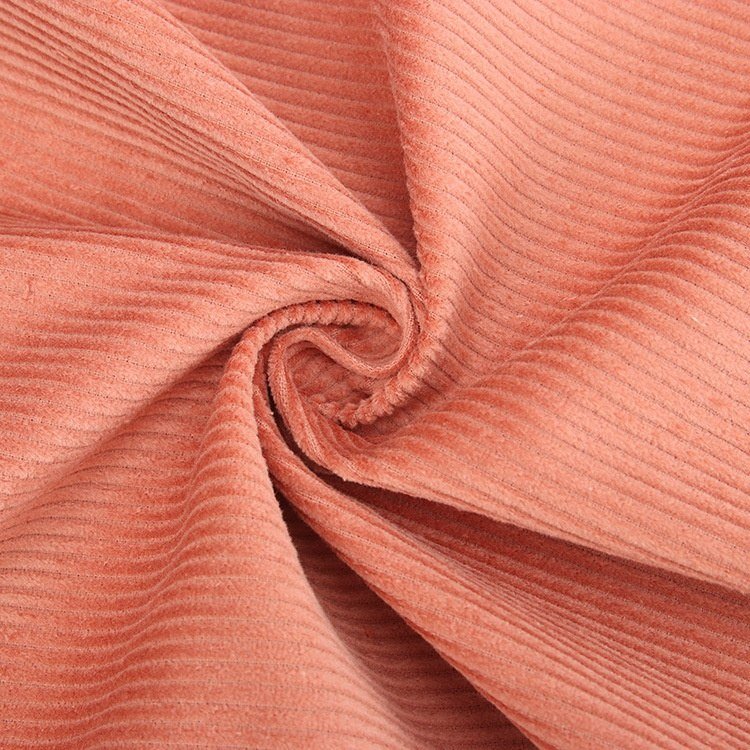
Pique Knit Fabric
A textured double-knit with a characteristic honeycomb or waffle surface that enhances breathability and shape retention. The preferred construction for polo shirts, performance-inspired tops, and structured casual pieces. Bridges athletic and street aesthetics cleanly, making it a strong choice for brands building versatile, year-round capsule collections.
Get a Quote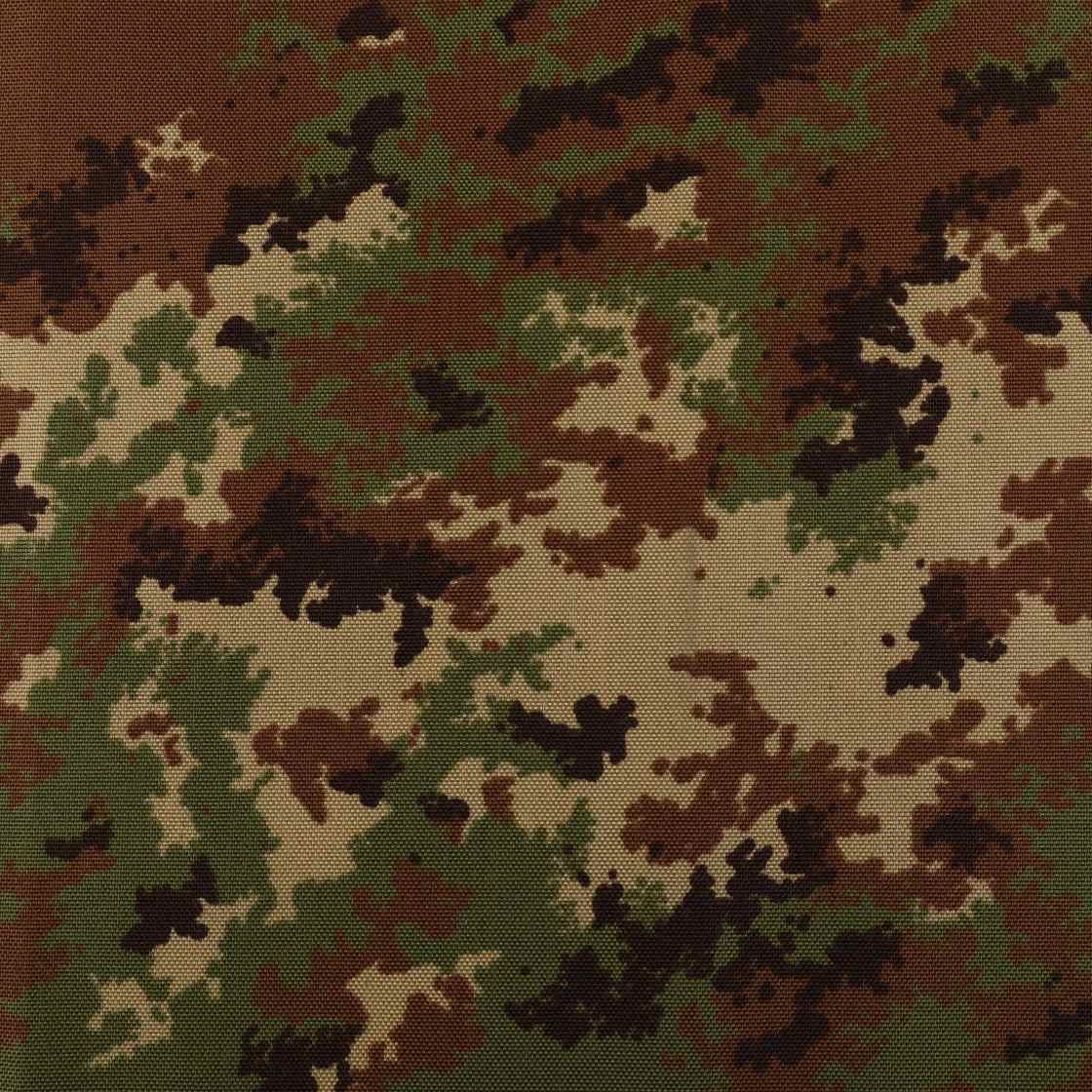
Ripstop Nylon Fabric
A reinforced nylon weave with an interlocking crosshatch grid engineered to resist tearing and abrasion under stress. Purpose-built for technical streetwear including cargo pants, shell jackets, and utility vests. Lightweight yet exceptionally durable, ripstop is a signature material in workwear-influenced and outdoor-inspired streetwear silhouettes.
Get a Quote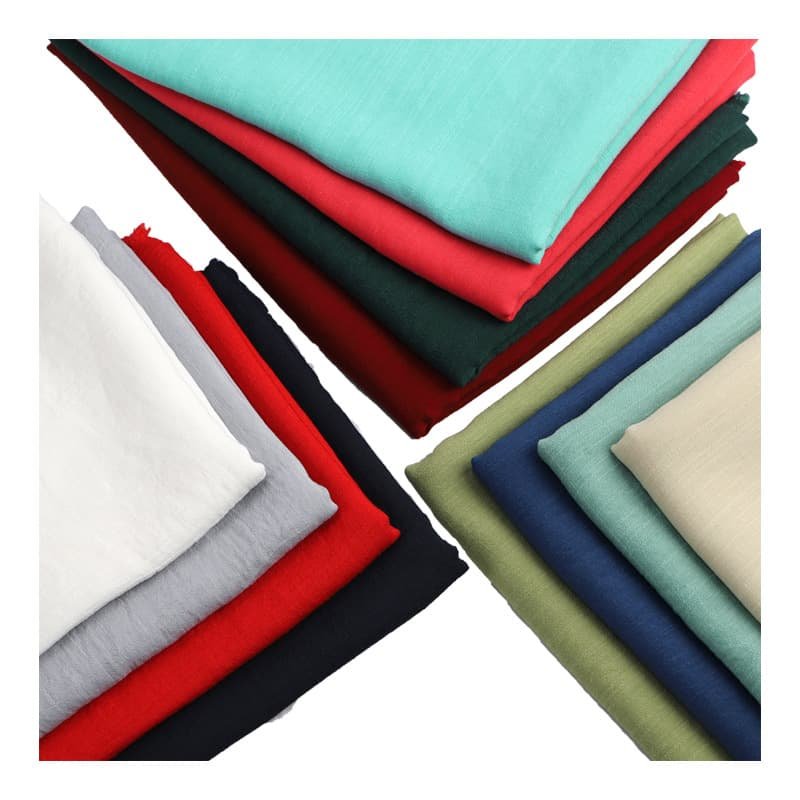
Organic Cotton Fabric
Certified organic cotton grown without synthetic pesticides, delivering a softer hand feel and superior breathability compared to conventional alternatives. An ideal base for brands targeting sustainability-minded consumers. Works across tees, hoodies, and everyday basics, allowing labels to lead with both product quality and a credible environmental commitment.
Get a Quote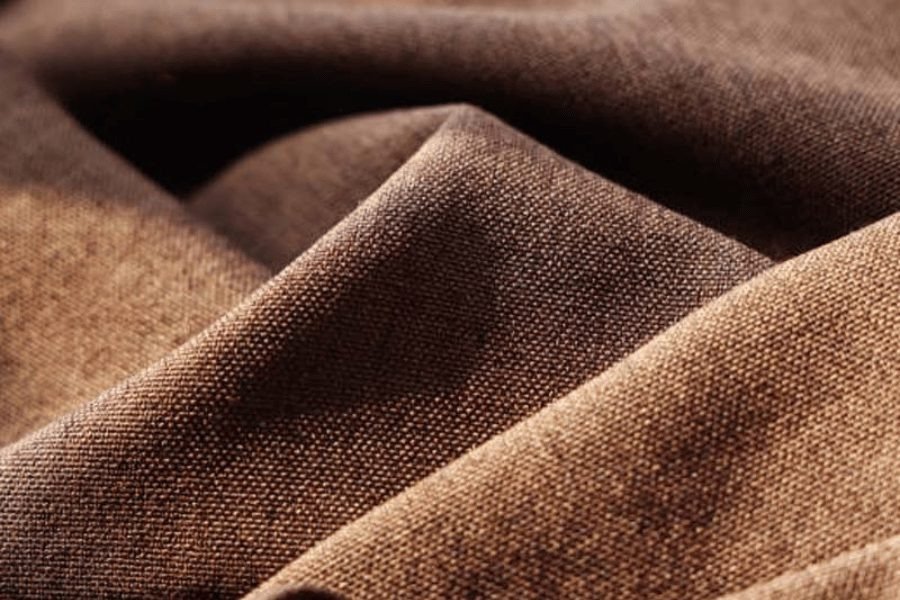
Recycled Polyester Fabric
Produced from post-consumer PET materials, this fabric delivers performance-grade durability with a measurably reduced environmental footprint. Wicks moisture effectively, retains color vibrancy through repeated washing, and suits activewear, outerwear, and technical streetwear pieces. A practical choice for brands whose customers expect performance alongside a transparent sustainability story.
Get a QuoteA Streetwear Fabric Supplier Built on Mastery
Tesla Luo founded Clothing Manufacturer Ltd. in August 2024 with one clear mission: eliminate the low-quality products that have long damaged the reputation of Chinese garment manufacturers. With 10-plus years of apparel manufacturing experience and 6 years specializing in streetwear design and production, he built this company on the principles of hard work, trustworthiness, and a zero-compromise quality philosophy.
Raised inside Dongguan’s garment factories, Luo personally trained in every production role — sewing, cutting, quality control, packing, ironing, and shipping. That hands-on fluency now powers a company serving clients in more than 100 countries and regions. Backed by a 15-member R&D team, 10 active patents, and the full manufacturing infrastructure of Dongguan TuoZhen Clothing Co., Ltd., we offer both specialist agility and serious production capacity.
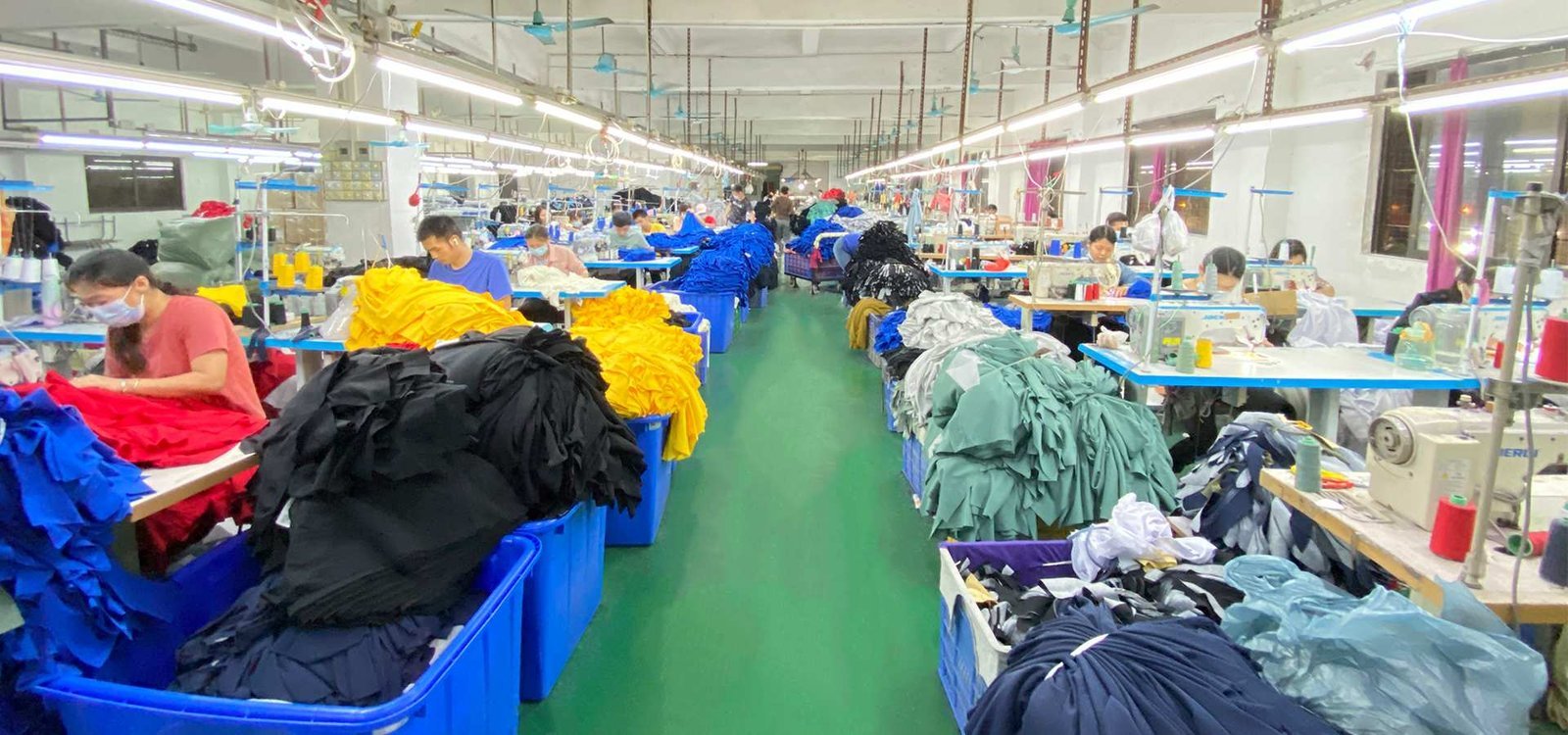
What makes us a trusted streetwear fabric supplier is our proprietary five-step quality control methodology — covering materials, cutting, craft, sewing, and finished-goods inspection. Unlike factories that go straight from the sewing line to packaging, we embed rigorous checks at every stage of production. From low-MOQ debut collections to high-volume influencer lines, every garment leaves our floor meeting an exacting standard.
Our Streetwear Fabric Supplier Process & Quality Standards
Premium Fabrics, Tested Before They’re Cut
Every fabric we source for your collection undergoes rigorous lab and hand-feel testing before a single pattern is cut. Our supplier network spans Guangdong’s top mills, ensuring on-trend textures, colorfast dyes, and the durability streetwear demands.
- Curated mill network across Guangdong's premier fabric hubs
- GSM weight, stretch recovery, and colorfastness verified before approval
- Fabric swatches submitted to clients for sign-off before bulk ordering
- Materials QC is Step 1 of our proprietary five-step quality guarantee
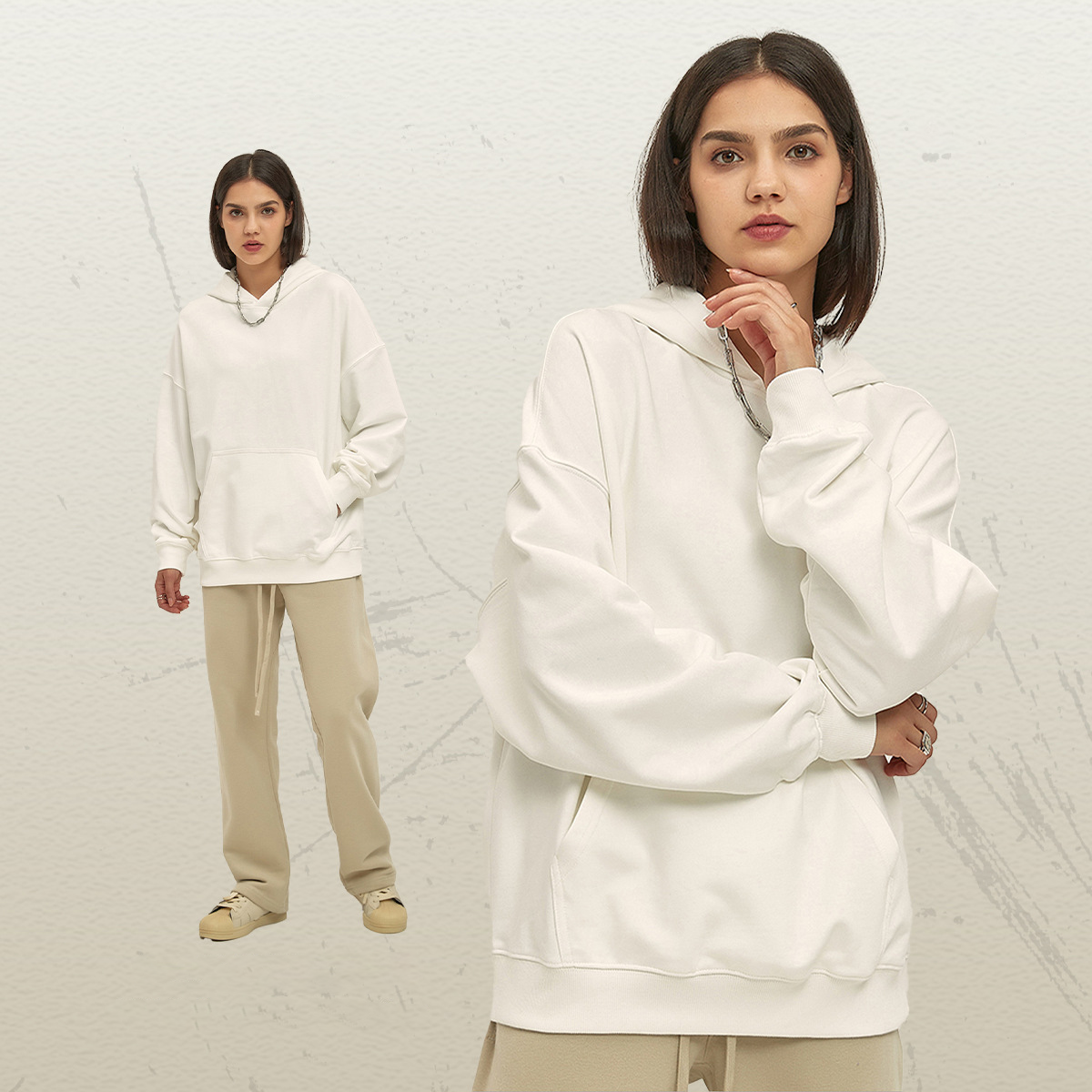
Five-Step QC: Zero Defects, Zero Compromises
Most manufacturers inspect only at the end. Our proprietary five-step QC system embeds quality checks at materials intake, cutting, craft, sewing, and final inspection — catching defects early so your finished streetwear ships flawless, on schedule.
- Step 1: Materials QC — fabric, trims, and labels tested before cutting begins
- Steps 2 and 3: Cutting and craft QC — pattern accuracy and construction technique verified mid-production
- Step 4: Sewing production QC — stitching tension, seam strength, and alignment checked in-line
- Step 5: Finished clothing inspection — every garment measured, pressed, and approved before packing
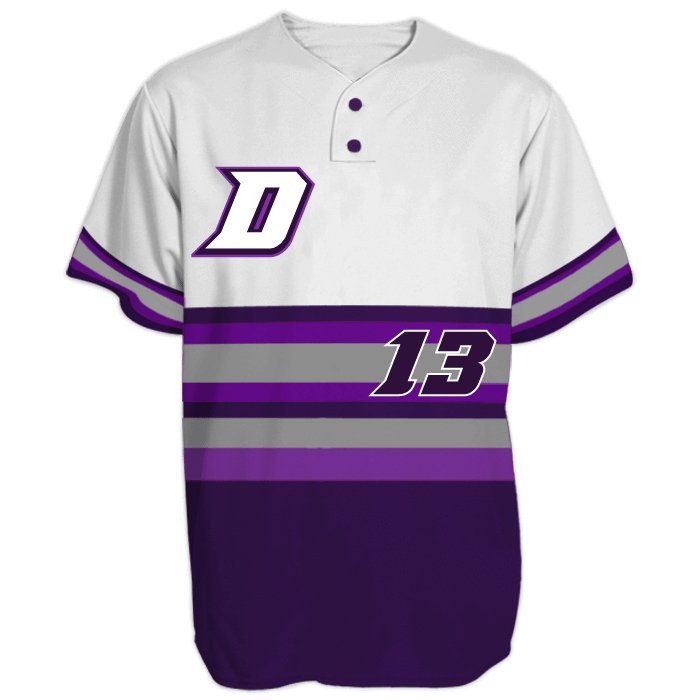
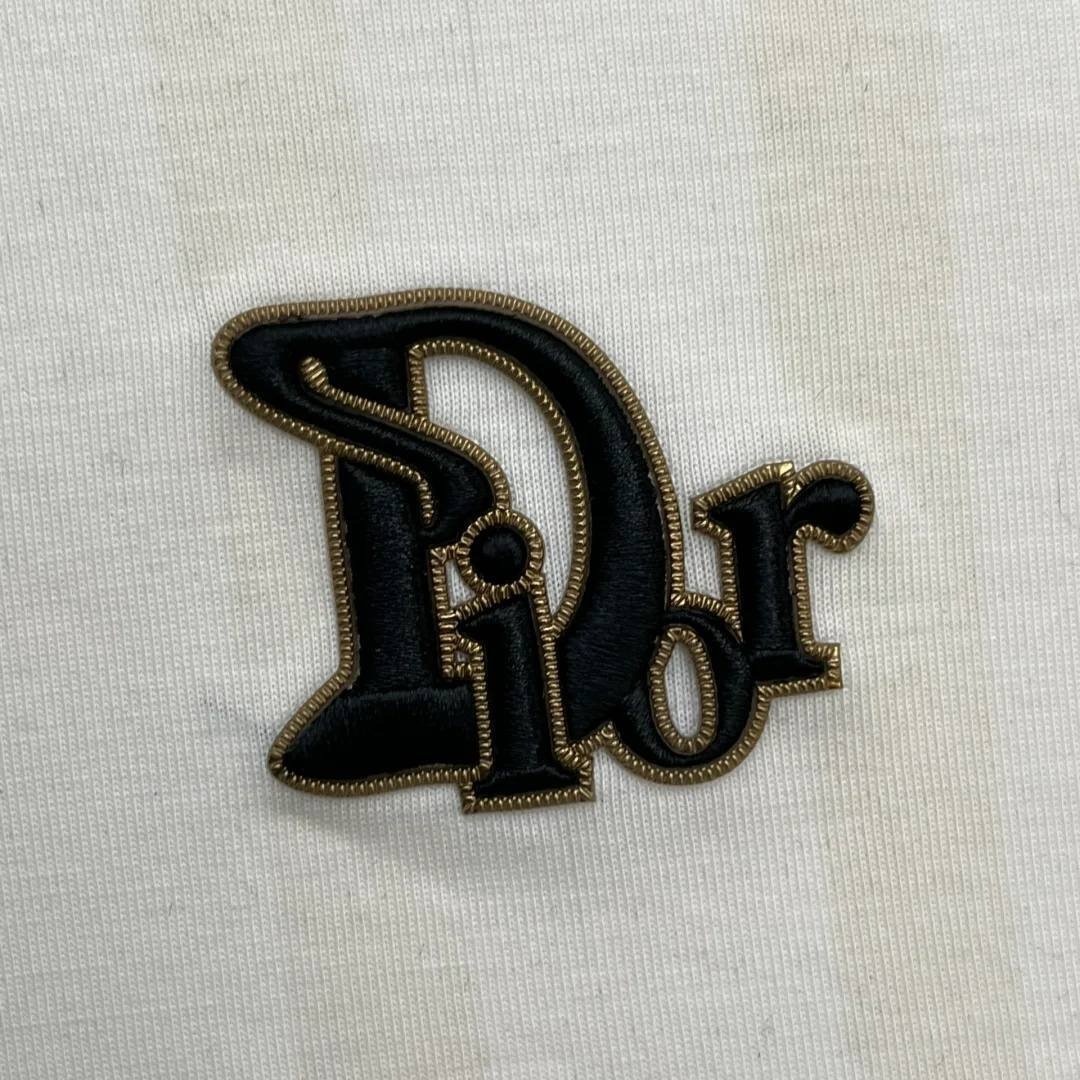
Custom Finishes That Define Your Brand Identity
From acid washes and garment dyeing to embossed patches, screen prints, and heat-transfer graphics, our in-house design and sampling team brings every streetwear aesthetic to life — skeleton motifs, graffiti prints, and beyond — with sample turnaround in as few as 5 days.
- Embroidery, screen printing, heat transfer, and woven label customization available
- Specialty washes: acid wash, enzyme wash, stone wash, and garment dye
- In-house sampling team delivers prototypes in as few as 5 business days
- Low MOQ from 50 units per style — designed for emerging labels and influencer brands
Responsible Sourcing, Transparent Supply Chain
As a trusted streetwear fabric supplier, we prioritize ethically sourced materials, fair labor conditions, and traceable supply chains. Our Humen Town facility operates under documented production standards, giving global retail partners and influencer brands the transparency today’s consumers demand.
- Supplier audits verify labor and environmental compliance at all partner mills
- OEKO-TEX and eco-certified fabric options available on request
- Full material traceability from raw fiber to finished, packaged garment
- Low-MOQ, on-demand production model actively reduces fabric overproduction and waste
Our Streetwear Fabric Supplier Advantage vs. Mass Producers
See why brands across 100+ countries choose Clothing Manufacturer Ltd. over low-QC mass producers — from premium fabric grades to our 5-step quality guarantee.
← 左右滑动查看 →
The 8-Step Streetwear Fabric Supplier Production Journey
Unlike manufacturers who inspect only at the end, our QC framework embeds quality checks at every critical stage so defects are caught early and never shipped out.
Fabric Sourcing & Approval
Our team hand-selects streetwear-grade materials and runs tensile, colorfastness, and shrinkage tests before a single yard is approved to enter the production floor.
Design & Technical Sampling
In-house designers convert your brief into production-ready samples, with low MOQ options that let emerging brands validate fits, prints, and colorways before committing to full runs.
Precision Cutting & Panel Check
Every cut panel is measured against pattern specs. Grain-line misalignment and size deviations are flagged and corrected immediately, before a single stitch is placed.
Expert Garment Construction
Skilled sewers assemble each piece to strict streetwear standards, with stitch density, seam integrity, and trim alignment verified at critical joining points throughout the build.
Mid-Stage QC Inspection
Inline checks on partially assembled garments catch stitching defects, print misalignment, and hardware failures in real time — far earlier than competitors who only inspect finished goods.
Finishing & Wash Testing
Garments undergo pressing, washing, or specialty treatments. Colorfastness, post-wash shrinkage, and surface quality are re-verified to ensure every piece arrives looking flawless and on-brand.
Final Inspection & Packing
Every finished piece clears a comprehensive finished-goods QC check. Measurements, labels, hangtags, and packaging are confirmed against your exact brand specification before the carton closes.
Global Shipping & Dispatch
Orders leave with full logistics support, customs documentation, and real-time tracking, delivering your streetwear collection reliably to customers across more than 100 countries.
How Our Streetwear Fabric Supplier Process Works
Five transparent steps from your initial design brief to global delivery — with free sampling, clear payment terms, and a 5-step QC guarantee built in from day one.
Submit Your Design Brief
Share artwork files at 300 dpi minimum in AI or PDF format, Pantone color codes, fabric preferences, and target quantities. Our team replies within 24 hours.
Receive Quote and Free Sample
Within two business days you receive a detailed, itemized quote. Free physical samples are produced and shipped within five days for your hands-on review.
Approve Samples, Finalize Tech Pack
Compare fabric swatches against your Pantone references, request refinements at no extra charge, then co-sign the tech pack to lock every construction detail.
Confirm Order and Payment Terms
Place your bulk order against our low MOQ tiers. A 30% deposit activates production; the remaining balance is settled before shipment with no hidden fees.
Track Production, QC, and Delivery
Monitor progress as our 5-step QC process verifies materials, cutting, craftsmanship, sewing, and finish before your order ships to any destination worldwide.
What Streetwear Brands Say About Our Fabrics & Service
We received production-ready samples in 5 days — no revisions, no color surprises. The 400gsm fleece matched our Pantone reference exactly. Ordering just 200 units as a new label, we were treated like a priority client from day one.
We scaled from 500 units to 10,000 across four seasonal drops and the fabric quality never wavered once. Zero color misses across every acid-wash colorway. Their team genuinely understands streetwear aesthetics — they get it right without lengthy back-and-forth.
We run drops across 15 countries and cannot afford delays. Clothing Manufacturer Ltd. delivered 8,500 units two days ahead of schedule with a 99.8% pass rate on finished goods. Best streetwear fabric supplier relationship we have built in seven years of global retail.
Your Streetwear Fabric Supplier Questions, Answered
Everything you need to know before placing your first order — from fabric types and MOQs to QC standards, sample costs, and global shipping.
What makes Clothing Manufacturer Ltd. a dependable streetwear fabric supplier for emerging brands?
What fabric types do you offer, and which work best for different streetwear seasons?
What is your minimum order quantity per style or colorway?
How does a streetwear fabric supplier like you handle rush orders and tight seasonal deadlines?
What exactly does your 5-step QC process check, and what happens when something fails?
How much do samples cost, and how fast can I receive one?
What file specs do I need to provide for custom prints, embroidery, and graphic details?
Do you offer sustainable or organic fabric options for eco-conscious streetwear lines?
How do I know a streetwear fabric supplier based in China will deliver consistent quality across repeat orders?
The Complete Buyer’s Guide to Choosing a Streetwear Fabric Supplier
Everything streetwear brands, fashion startups, and creator labels need to evaluate and select a streetwear fabric supplier — covering material types, customization options, supplier criteria, pricing tiers, quality red flags, and the most costly sourcing mistakes to avoid before placing your first order.
1. What Is a Streetwear Fabric Supplier?
A streetwear fabric supplier occupies a specific niche between a raw textile mill and a full cut-and-sew manufacturer. Unlike a general mill that sells greige goods in minimum rolls of 300–500 meters to industrial buyers, a streetwear fabric supplier curates trend-responsive inventories — ring-spun 240 GSM fleece, French terry, heavyweight 320 GSM cotton jersey — and offers them in low MOQs of 50–100 meters or even by the kilogram.
Core services extend well beyond raw yardage: fabric sourcing, colorway development against Pantone references, pre-production sampling with 5–7 day turnaround, and compliance documentation such as OEKO-TEX Standard 100 or GOTS certification. Some suppliers add wash-testing, shrinkage reports, and pilling-resistance data before a single garment is cut, screening out defects at the material stage rather than after sewing.
Four buyer profiles depend on this supplier type: independent designers building first capsule collections, DTC labels validating new SKUs before committing to full production runs, influencer and creator brands that must move from concept to drop in under 30 days, and global retailers stress-testing fabric performance on small repeat orders. Each group values the same combination — access to streetwear-specific materials, flexible order sizes, and fast sampling — that a standard textile mill simply does not offer.
2. The Evolution of Streetwear Fabric Supply
In the mid-1980s, skate and hip-hop communities in Los Angeles and New York began screen-printing oversized cotton fleece and 100% ring-spun jersey tees with bold graphics, creating the first real commercial demand on local converters for heavyweight 280–320 GSM blanks. DIY runs rarely exceeded 50 pieces and sourcing was entirely domestic. That informal supply chain is the earliest ancestor of today’s global streetwear fabric supplier ecosystem.
By the late 1990s and into the 2000s, fast fashion retailers proved that offshore cotton and polyester blends could cut input costs by 40–60% versus domestic mills, pulling indie labels toward Guangdong and Bangladesh sourcing hubs. Minimum order quantities at most Chinese fabric mills settled around 500–1,000 meters per colorway — manageable for scaling brands but prohibitive for startups. The cost pressure forced independent designers to either over-commit on inventory or compromise on fabric quality.
Around 2015–2018, GOTS and OEKO-TEX Standard 100 certifications gained serious traction as consumers began scrutinizing chemical treatments and labor conditions in the supply chain. Simultaneously, on-demand digital sublimation printing eliminated the 12–20 color-count ceiling of traditional screen printing and cut water and dye waste measurably. Those two shifts rewrote supplier qualification checklists across the industry.
After 2019, Instagram and TikTok compressed the streetwear trend cycle from 12–18 months down to as few as 6–8 weeks, forcing every credible streetwear fabric supplier to offer 5–7 day sample turnarounds and MOQs as low as 50–100 pieces per style. Influencer drop culture made speed and flexibility non-negotiable KPIs. Suppliers anchored to rigid minimums and 30-day sampling windows rapidly lost accounts to more agile Humen Town and Guangzhou competitors.
3. Types of Streetwear Fabric Suppliers to Know
Not every streetwear fabric supplier fits every brand stage. Six distinct supplier categories exist, each carrying different MOQ norms, lead times, and ideal growth applications — from first prototype to scaled production.
| Supplier Type | MOQ Range | Lead Time | Best Stage |
|---|---|---|---|
| Wholesale Fabric Mills | 500–1,000 m | 30–60 days | Full-scale production |
| Vertically Integrated Manufacturers | 50–200 pcs | 15–30 days | Growth to scale |
| On-Demand Print-and-Cut | 1–50 pcs | 5–10 days | Pre-launch prototyping |
| Domestic Suppliers | 50–300 pcs | 7–21 days | Speed-to-market pivots |
| Overseas Suppliers | 100–500 pcs | 20–45 days | Cost-optimized volume |
| Eco-Certified Suppliers | 200–500 pcs | 25–40 days | Sustainability-focused brands |
Wholesale Mills and Vertically Integrated Manufacturers
Wholesale mills supply raw yardage at 500–1,000 meters minimum; they suit brands already running full production runs.
Vertically integrated manufacturers like Clothing Manufacturer Ltd handle cutting, sewing, and QC under one roof with MOQs starting around 50 pieces — the better fit for growing streetwear labels seeking a single accountable partner.
On-Demand Print-and-Cut and Domestic Services
On-demand print-and-cut vendors accept 1–50 piece orders with 5–10 day turnarounds, ideal for validating a graphic before committing to bulk inventory.
Domestic suppliers cut transit time to 7–21 days and reduce import friction, though per-unit costs typically run 20–40% higher than comparable overseas production.
Eco-Certified and Sampling-First Partners
OEKO-TEX and GOTS-certified suppliers carry verified sustainable inputs; MOQs typically begin at 200–500 pieces with lead times of 25–40 days.
Boutique sampling-first partners prioritize fit development over volume, charging premium sample fees but holding no minimum order for prototypes — the right entry point for pre-launch brands validating silhouettes before scale.
4. Key Materials Every Streetwear Fabric Supplier Should Offer
Any credible streetwear fabric supplier stocks at least eight core fabric families — and getting the GSM right for each end use is non-negotiable. Choosing the wrong weight wastes sampling budget and produces garments that fail in wear. The table below maps each fabric to its functional sweet spot.
| Fabric Type | GSM Range | Ideal Garment | Cost Tier |
|---|---|---|---|
| Heavyweight Cotton Fleece | 300–400 GSM | Hoodies, crewnecks | Mid |
| French Terry | 240–280 GSM | Joggers, shorts | Mid |
| Ring-Spun Jersey | 160–220 GSM | Tees, long-sleeves | Low |
| Cotton Twill | 200–350 GSM | Pants, chino jackets | Mid |
| Ripstop Nylon | 70–120 GSM | Outerwear, shells | Mid-High |
| Athletic Mesh | 100–150 GSM | Jerseys, linings | Low |
| Denim | 280–420 GSM | Jeans, jackets | High |
| Performance Blends | 150–250 GSM | Activewear, joggers | Mid |
Cotton-Based Fabrics: Fleece, Terry, and Jersey

Heavyweight cotton fleece at 300–400 GSM is the backbone of any hoodie program — ring-spun construction adds pilling resistance over open-end yarn alternatives.
French terry (240–280 GSM) delivers a loop-back texture suited to joggers and shorts. Ring-spun jersey at 160–220 GSM covers tees and long-sleeves at the category’s lowest per-yard cost.
Technical Fabrics: Nylon, Mesh, Denim, and Blends
Ripstop nylon (70–120 GSM) provides tightly woven tear resistance for outerwear shells; athletic mesh (100–150 GSM) suits inner linings and jersey tops at minimal added cost.
Denim at 280–420 GSM commands the highest per-yard price but delivers unmatched abrasion resistance for jackets and jeans. Performance blends (150–250 GSM) layer polyester or spandex into cotton base cloth for moisture-wicking activewear and joggers.
5. Customization & Decoration Options for Streetwear
Choosing the right decoration method determines both visual identity and unit economics for a streetwear line. Eight core techniques cover every streetwear aesthetic, from bold screen-printed graphics to woven label branding.
| Method | Setup Cost | Per-Unit Cost | Wash Durability | Best Aesthetic |
|---|---|---|---|---|
| Screen Printing | $25–$80/color | $1–$3 | 50+ washes | Bold graphics, graffiti |
| DTG | $0 | $4–$12 | 30–40 washes | Photo art, complex prints |
| Embroidery | $10–$50 digitizing | $3–$8 | 80+ washes | Logos, hip-hop patches |
| Sublimation | Low | $3–$7 | Permanent | All-over, sport-inspired |
| Heat Transfer Vinyl | $0–$15 | $2–$6 | 25–35 washes | Lettering, minimalist |
| Garment Dyeing | $50–$150 | $2–$5 | 60+ washes | Vintage, washed look |
| Woven Labels | $30–$80 | $0.10–$0.50 | Permanent | Branding, tags |
| Patchwork | $20–$60 | $4–$10 | 50+ washes | Skate, eclectic layering |
Print-Based Decoration Methods
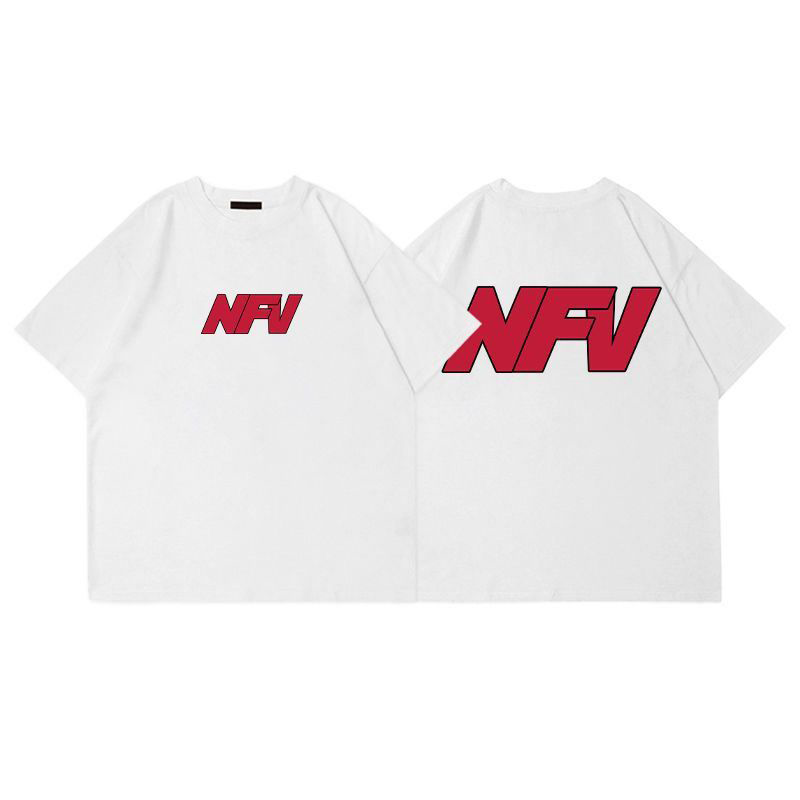
Screen printing suits high-contrast graphics at 24-piece minimums; DTG handles one-off photo prints with no setup fee. Sublimation bonds color permanently into polyester-blend fabrics, making it ideal for all-over streetwear patterns.
Structural and Brand-Identity Techniques
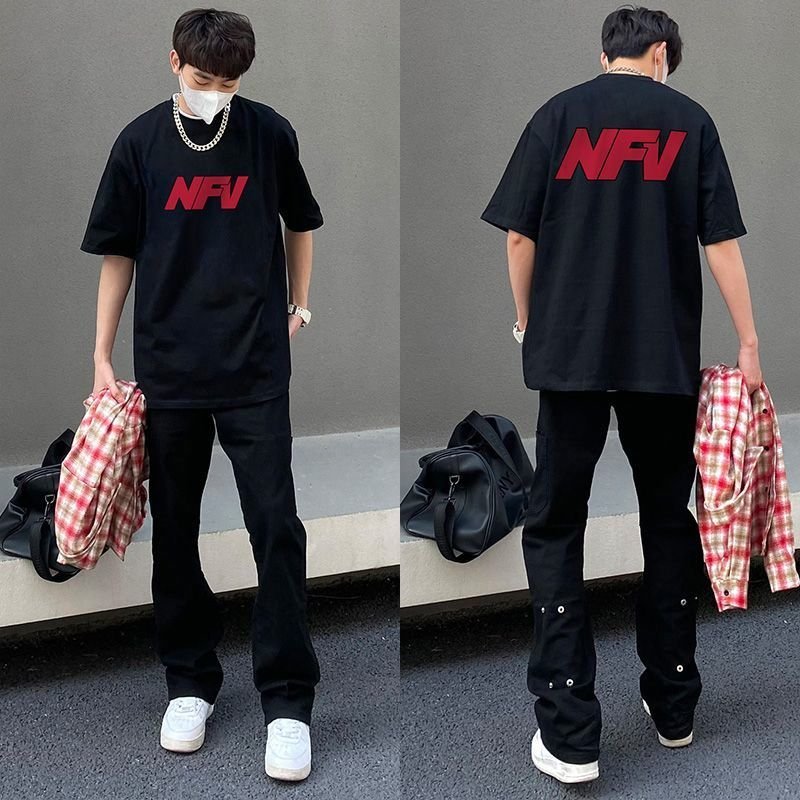
Embroidery lasts 80+ washes and anchors logo patches central to hip-hop and skate aesthetics. Woven labels and patchwork add tactile brand identity starting at 50-piece minimums, with per-unit costs ranging from $0.10 to $10.
Heat Transfer Vinyl and Garment Dyeing
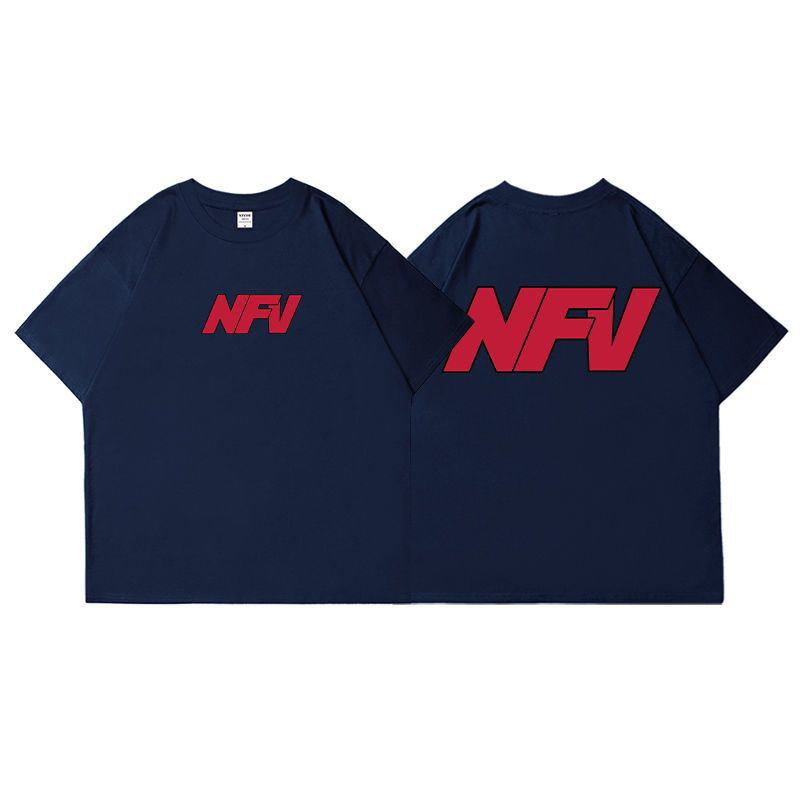
Heat transfer vinyl (HTV) starts at single-piece minimums, costing $2–$6 per unit, but durability drops after 25–35 wash cycles. Garment dyeing at 50-piece minimums adds a vintage washed finish for $2–$5 per unit.
6. Construction Quality Elements Every Buyer Must Verify
Raw fabric quality accounts for roughly half of a garment’s lifespan — construction technique covers the rest. A reliable streetwear fabric supplier embeds quality checks into every production stage, not just the final inspection.
Stitch Types That Signal Durability
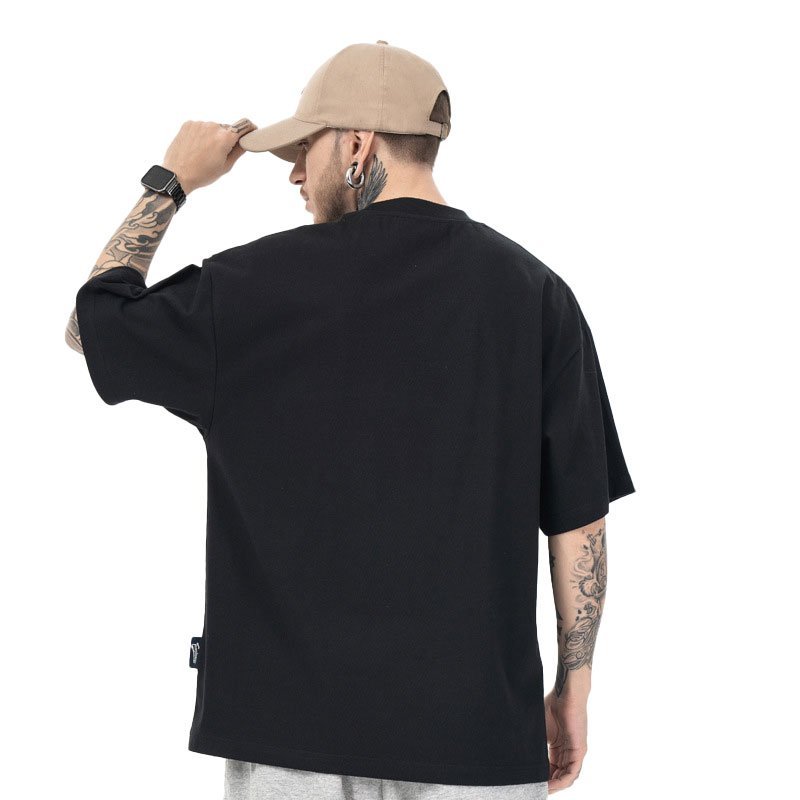
Flatlock seams (401 stitch class) lie flat and resist repeated stress — the minimum standard for heavyweight streetwear. Overlock handles raw edges cleanly. Chain stitch unravels under load; finding it on armholes or crotch seams is an immediate red flag.
GSM Batch Consistency
GSM tolerance should not exceed ±5% batch-to-batch — a 320 GSM fleece arriving at 295 GSM signals inconsistent knitting tension or poor yarn sourcing. Request a fabric test report for every production run, not just the development sample.
Colorfastness and Shrinkage Control
ISO 105-C06 wash-fastness testing scores dye retention on a 1–5 scale; streetwear should reach ≥4 for washing and ≥3 for dry rubbing. Pre-wash shrinkage must stay within ±3% — beyond that, size runs misalign after a single launder and customer returns spike.
Hardware Integrity: Zippers, Grommets, Drawcords
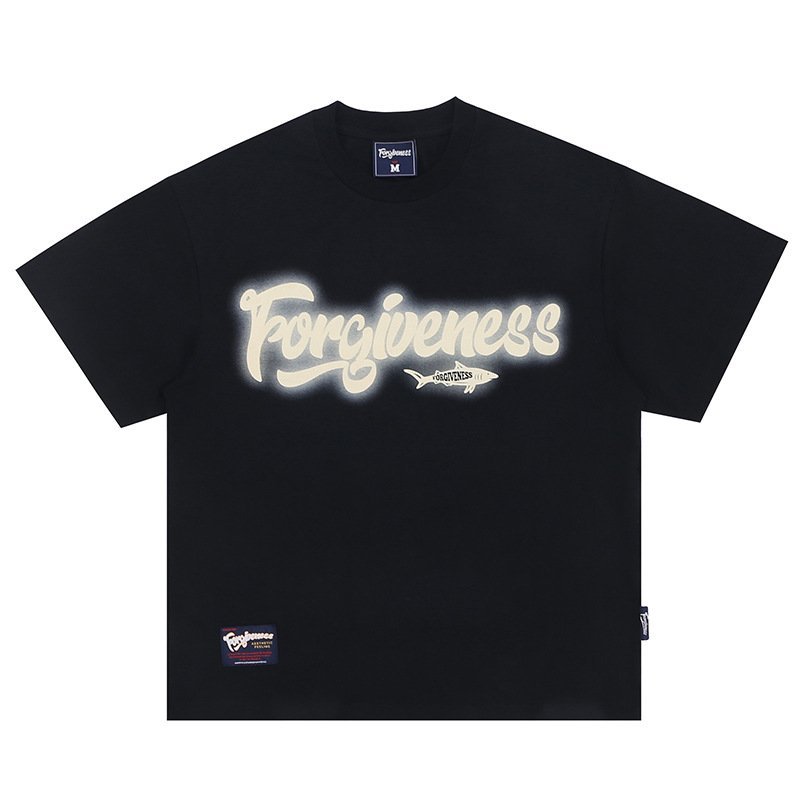
YKK zippers are the industry benchmark; any substitute should pass 500-cycle open/close testing without binding or tooth separation. Die-set grommets hold under 30+ lbs of tension; hand-set versions fail at 10–15 lbs. Drawcord tips must be heat-sealed or injection-molded — bare frayed ends are a quality disqualifier.
Red Flags to Reject on Sight
Suppliers who skip mid-production QC testing and inspect only at the end deliver defects that compound invisibly through cutting and sewing stages.
- Chain stitch on armhole, crotch, or pocket-bag seams
- GSM variance greater than ±5% vs. the approved sample
- No written colorfastness or shrinkage test report on request
- Hand-set grommets or unbranded zipper pulls
- Bare, unfinished drawcord tips with no heat-seal or tip mold
7. How to Choose the Right Streetwear Fabric Supplier
Choosing the right streetwear fabric supplier means matching supplier capabilities to your brand’s current growth stage. Use this checklist before any contract is signed or deposit clears.
| Criteria | Indie Designer | Established Brand (500+ units) |
|---|---|---|
| MOQ | 30–100 units per style | 500+ with colorway flexibility |
| Sample turnaround | 5-day benchmark | 5-day; priority slots available |
| Certifications | OEKO-TEX recommended | OEKO-TEX + BSCI required |
| Lead time | 30–45 days | 25–35 days |
| Payment terms | 30/70 T/T standard | Net-30 or LC negotiable |
MOQ Fit for Your Brand Stage
30–100 units per style is the typical MOQ range indie designers need when launching first collections. Established brands placing 500+ unit runs access better per-unit pricing and priority production slots.
Always confirm MOQ per colorway — a 50-piece minimum across 4 colorways becomes a 200-unit commitment.
Sampling Speed Benchmark
5-day sample turnaround is the benchmark for credible streetwear fabric suppliers, measured from tech pack approval to physical delivery. Delays beyond 10 days signal production bottlenecks or unreliable communication.
Request a dated milestone schedule in writing before any deposit transfers. Verbal commitments carry no enforceable weight.
Certifications and Factory Audits
OEKO-TEX, GOTS, and BSCI are the three certifications that distinguish accountable streetwear fabric suppliers from unverified ones. Request valid certificates before sampling, not after order placement.
- OEKO-TEX Standard 100: no harmful substances present in finished fabrics
- GOTS: organic fiber and processing chain independently verified end-to-end
- BSCI: factory social compliance and labor standards formally audited
Lead Time Transparency and Payment Terms
25–45 days is the standard post-approval production window for 100–500 unit streetwear orders. Demand a written calendar with dated milestones — verbal estimates offer no recourse if delivery slips.
30% deposit plus 70% balance before shipment is the standard payment structure. Buyers with established order history may negotiate net-30 or letter-of-credit terms.
8. Common Mistakes When Sourcing a Streetwear Fabric Supplier
First-time buyers working with a streetwear fabric supplier consistently repeat the same costly errors. Each mistake below carries a practical fix so startups and creator brands can avoid expensive restarts and delayed launches.
Choosing on Price Alone
Suppliers quoting below $3/unit on a 220 GSM French terry hoodie are almost always cutting corners on ring-spun yarn or skipping pre-shrink treatment. Request a full cost breakdown — fabric, cut, sew, trim, QC — before comparing any quotes.
Skipping Sample Evaluation
A sample run of 3–5 pieces reveals fit, stitching density, and colorway accuracy against a Pantone reference before bulk production locks in. Brands that skip this step frequently absorb 15–20% defect rates on their first production run.
Ignoring MOQ and Lead Time Terms
A supplier with a 500-piece MOQ minimum is mismatched for a creator brand launching a 100-unit drop. Always confirm MOQ by style and colorway — not just by total order — and get lead time guarantees in writing, including buffer days for Chinese national holidays.
Skipping Certifications and Wash Tests
OEKO-TEX Standard 100 and GOTS certifications confirm that dyes and materials meet safety thresholds your retail partners may require. Run a 30-wash durability test on samples — pilling, shrinkage over 3%, and color fade are deal-breakers that surface only after washing.
Vague Contracts and Over-Ordering Early
A contract without explicit clauses for defect tolerance (industry standard: under 1.5%), reorder pricing, and IP ownership of patterns exposes brands to costly disputes. Keep first-run orders at 100–300 units to validate sell-through before committing to scale.
9. Steps to Launch Your Streetwear Brand With a Supplier
Launching with a streetwear fabric supplier demands a sequenced approach — rushing any step inflates costs and delays your debut drop. Treat the first order as a structured paid trial, not a full production commitment.
Define Your SKUs and MOQ Budget
Start with 3–5 core SKUs — a heavyweight hoodie, graphic tee, and jogger cover most streetwear debuts.
Lock your per-colorway MOQ floor (typically 50–100 units) and total production budget before contacting any supplier.
Shortlist Suppliers and Request Samples
Shortlist 3–5 candidates and check production certifications (OEKO-TEX, WRAP, BSCI) alongside stated sample lead times.
Request samples with exact Pantone color calls and specified GSM — a 280 GSM French terry hoodie reveals construction quality fast. Budget 5–15 days for thorough sample evaluation.
Negotiate Pricing, Then Place a Pilot Order
Score each sample against your brief: check seam integrity, flatlock stitching, print registration, and wash fastness.
Negotiate lead times and unit price — pilot orders of 100–300 units typically carry a 15–20% premium over bulk pricing. Commit once quality clears your threshold.
Review Results and Scale With Confidence
After the pilot, review sell-through data and customer feedback before scaling.
Identify one or two fit or construction changes, relay them to your supplier in writing, then step up to 500–1,000 units per SKU with confidence.
10. Pricing & Cost Breakdown by Order Tier
At 25 units, estimated per-unit production cost for a standard 280 GSM French terry hoodie runs $18–$25; at 500+ units that same piece drops to $7–$10 — a 55–60% reduction driven by fabric bulk pricing and amortized cut-and-sew labor. A credible streetwear fabric supplier quotes these tiers upfront; opacity on unit cost at the inquiry stage is a procurement red flag.
Fabric weight, fiber content, and customization complexity are the three cost multipliers buyers most often underestimate. Upgrading from 240 GSM open-end fleece to 320 GSM ring-spun French terry adds $2–$4 per unit; layering in a woven label, YKK zipper pull, or all-over sublimation print stacks another $1–$3 each onto total landed cost.
- Screen print: $30–$80 setup + $1.50–$3.00/unit — best for bold, 1–4 color graphics on 180–220 GSM tees.
- Embroidery: $50–$120 digitizing fee + $3–$6/unit — ideal for logo patches on caps and chest hits.
- DTG (direct-to-garment): $0 setup + $4–$8/unit — cost-effective for low-MOQ photorealistic prints.
- Heat transfer / vinyl: $20–$50 setup + $2–$4/unit — suits small runs with sharp edge detail.
- All-over sublimation: $30–$80 setup + $3–$5/unit — requires 100% polyester base; vivid, dye-fast results.
| Order Qty | Est. Unit Cost | Sample Cost | Lead Time |
|---|---|---|---|
| 25 units | $18–$25 | $50–$80 | 15–20 days |
| 50 units | $15–$20 | $40–$60 | 12–18 days |
| 100 units | $12–$16 | $30–$50 | 10–15 days |
| 250 units | $9–$13 | $25–$40 | 10–14 days |
| 500+ units | $7–$10 | $20–$35 | 8–12 days |
Your Trusted Streetwear Fabric Supplier Starts Here
Join brands from 100+ countries — low MOQ, 5-day samples, and a 5-step QC guarantee that never cuts corners.