
Premium Recycled Polyester Fabric for Sustainable Streetwear
Deliver eco-conscious designs without compromising performance. Our recycled polyester fabric combines environmental responsibility with the durability and aesthetics today’s streetwear brands demand.
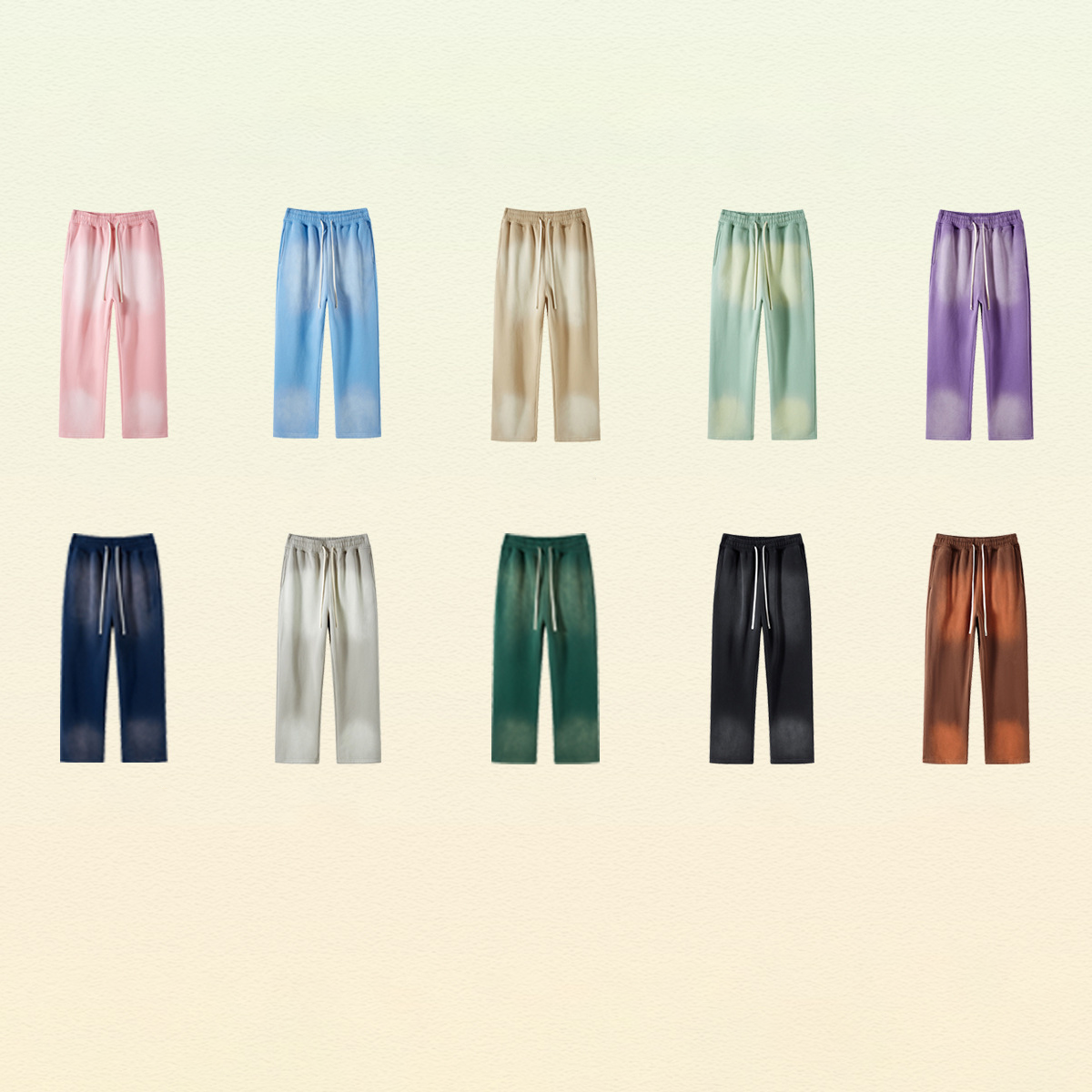
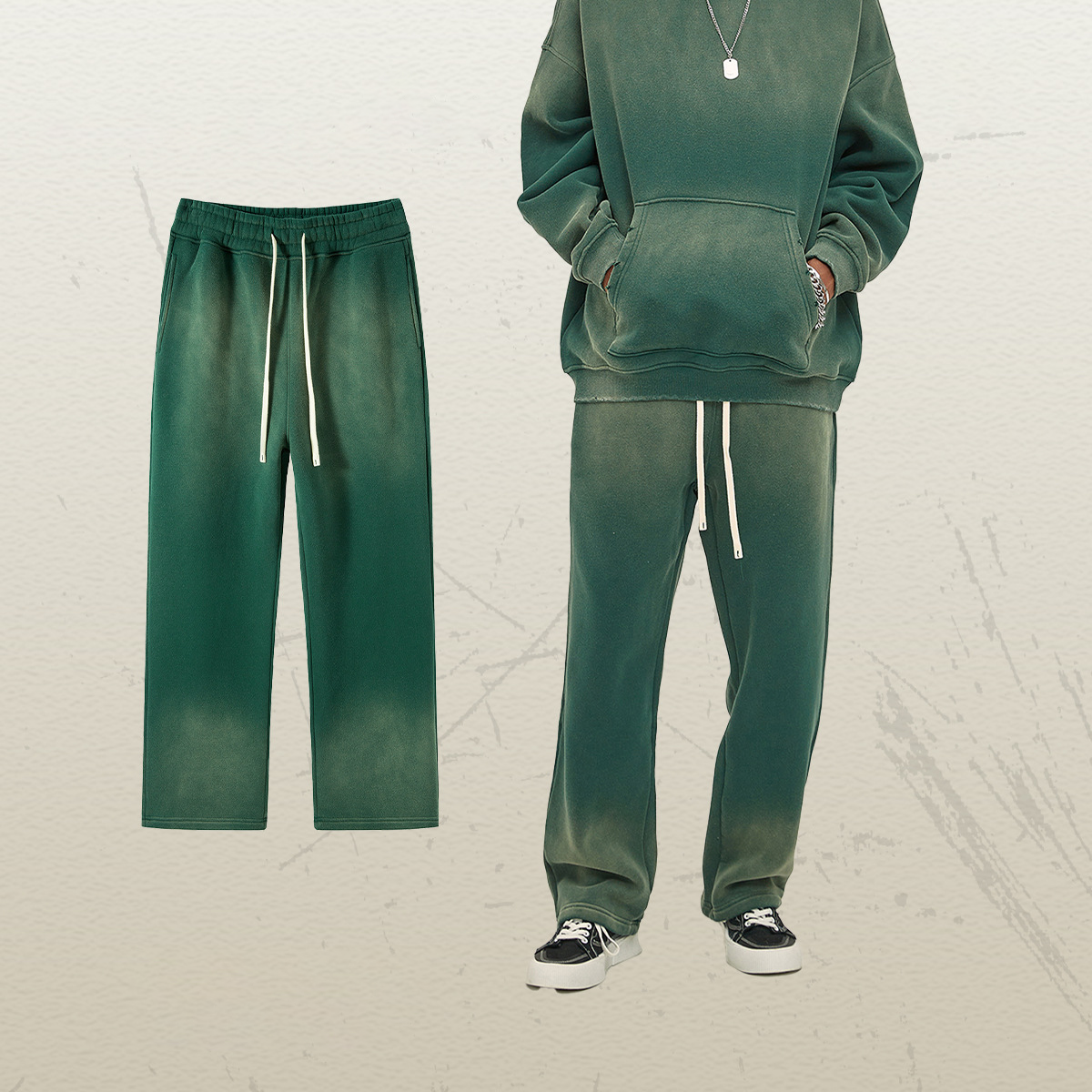
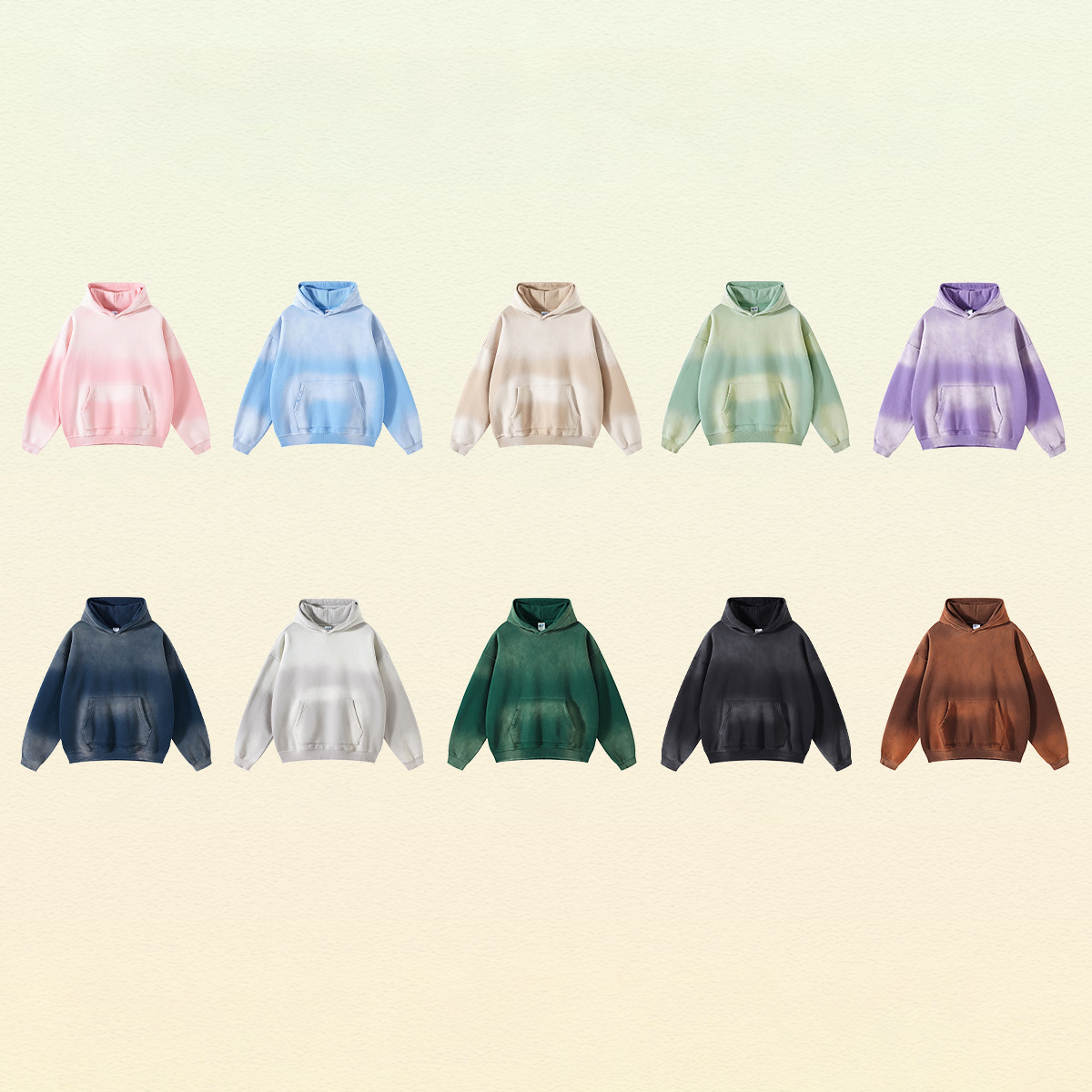
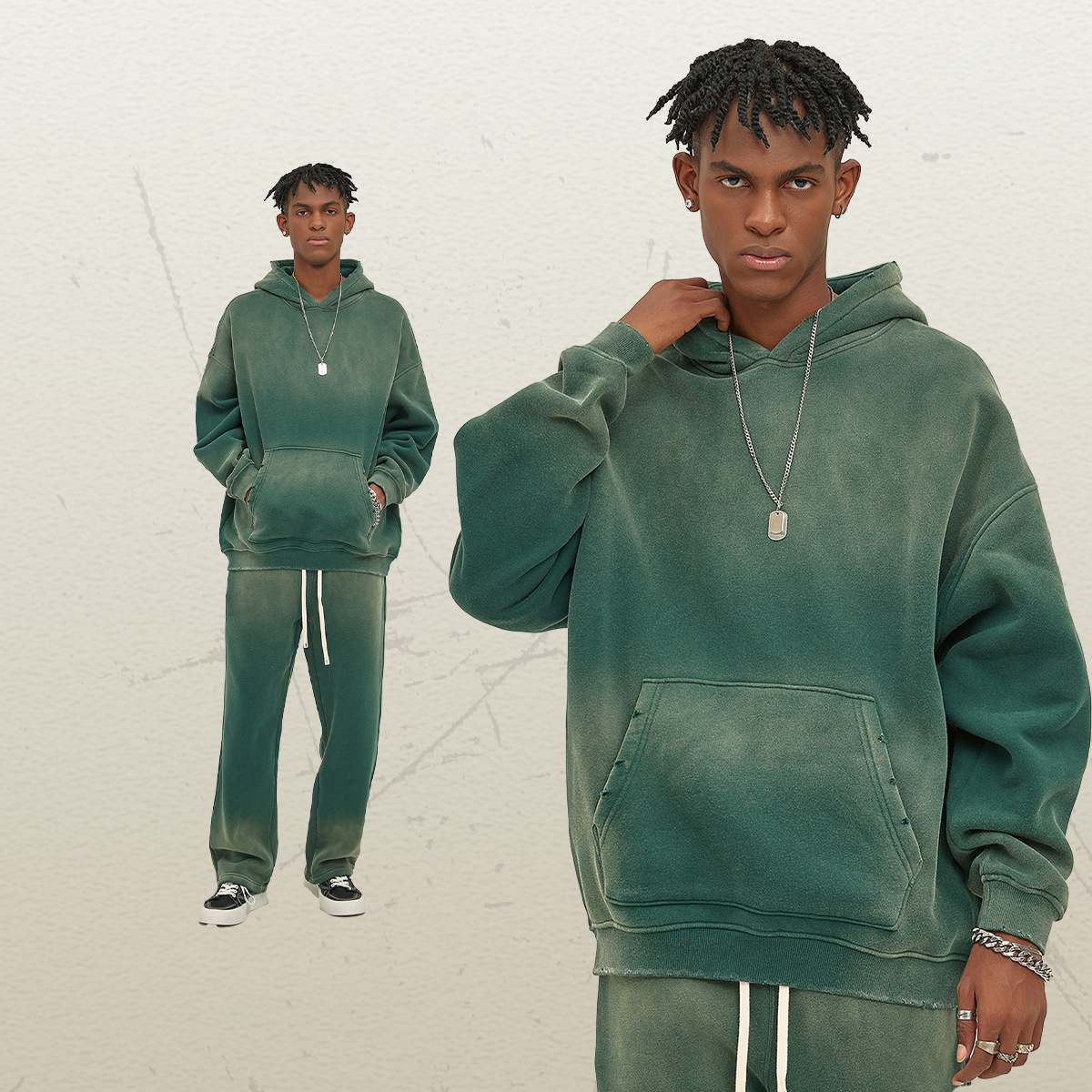
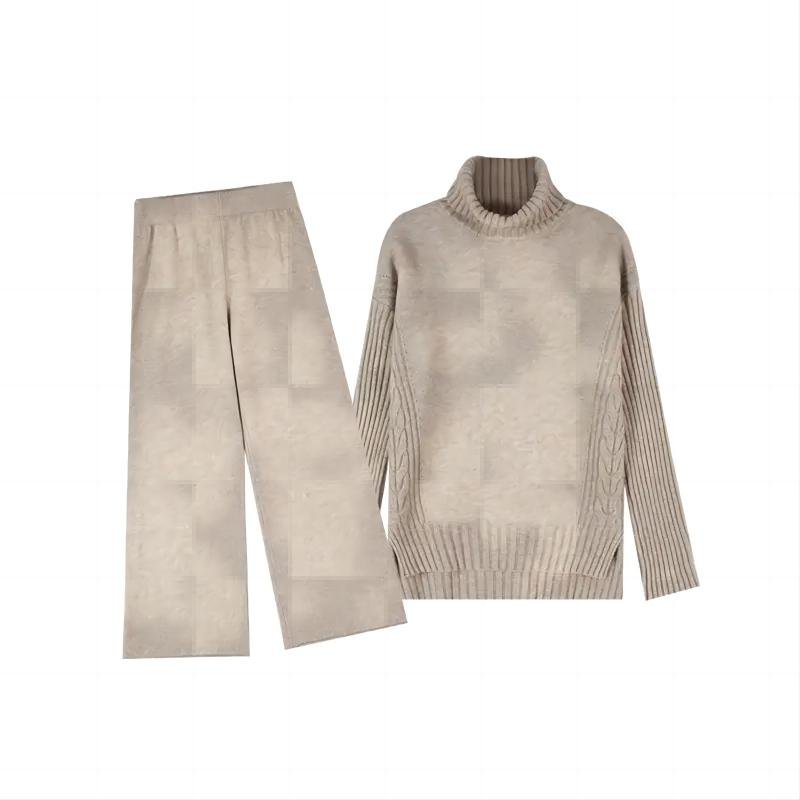
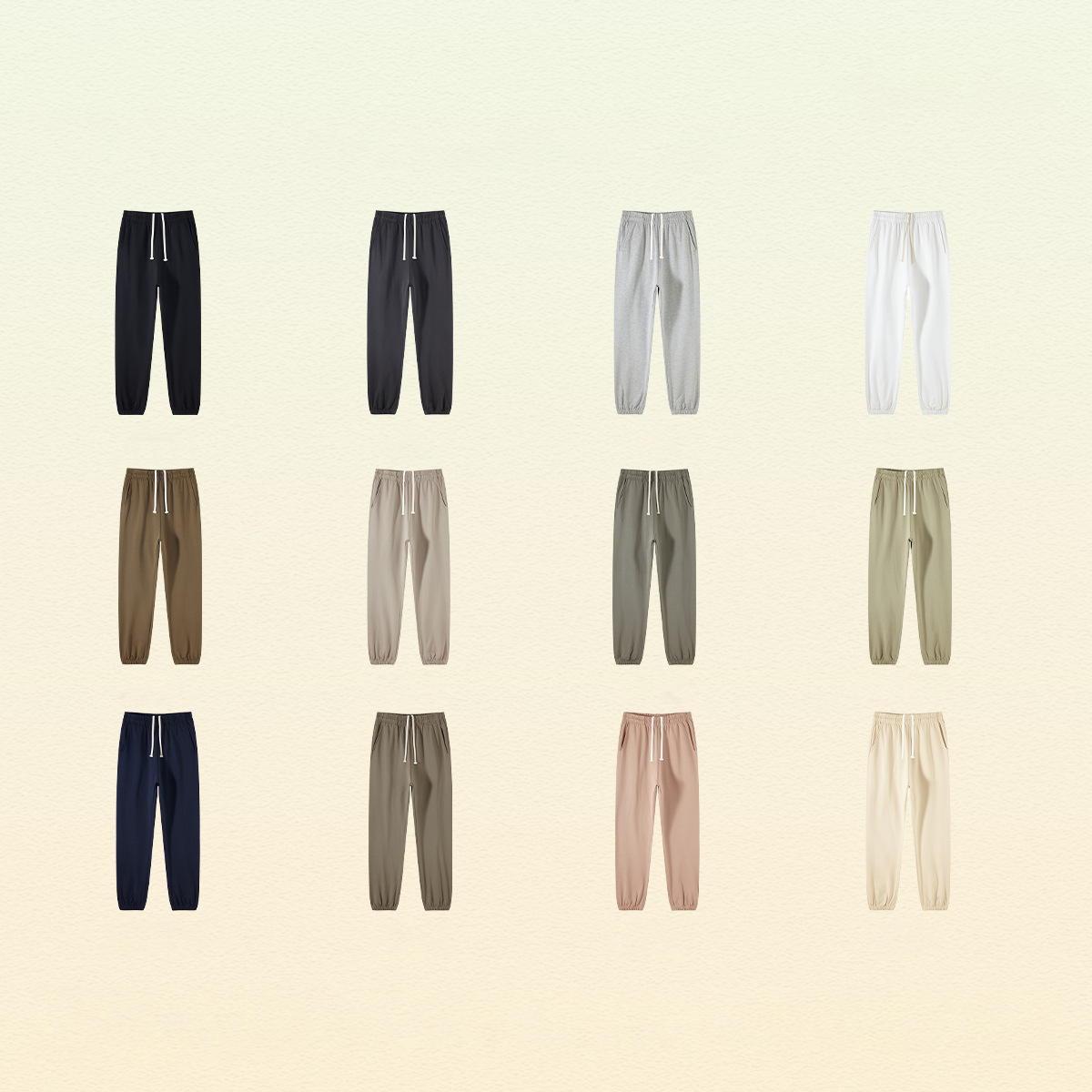
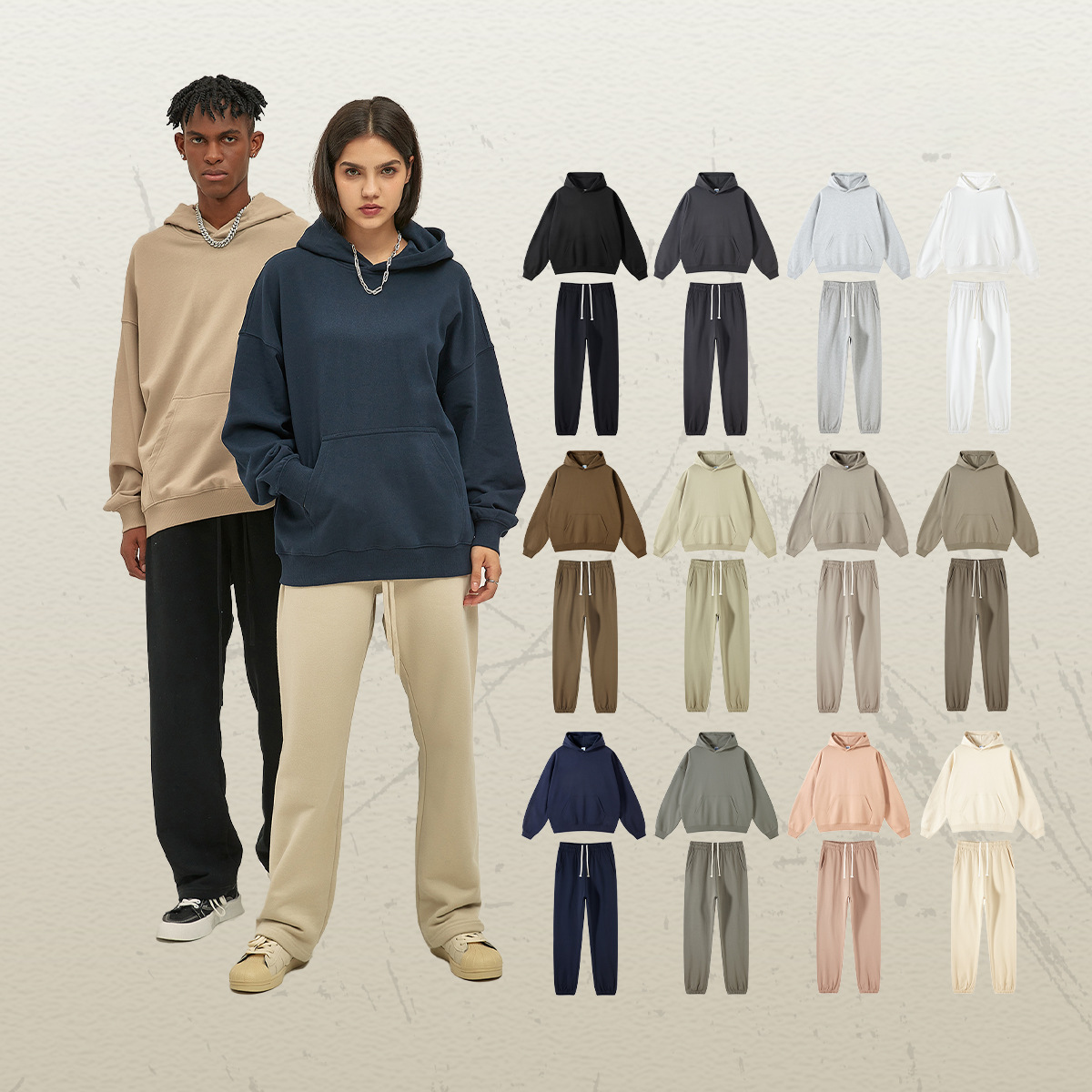
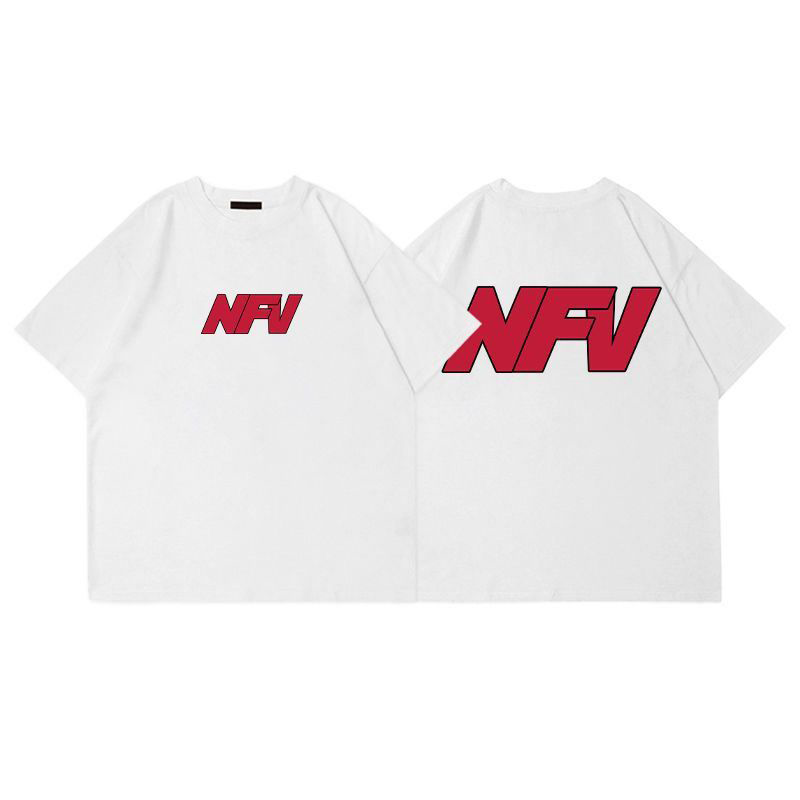
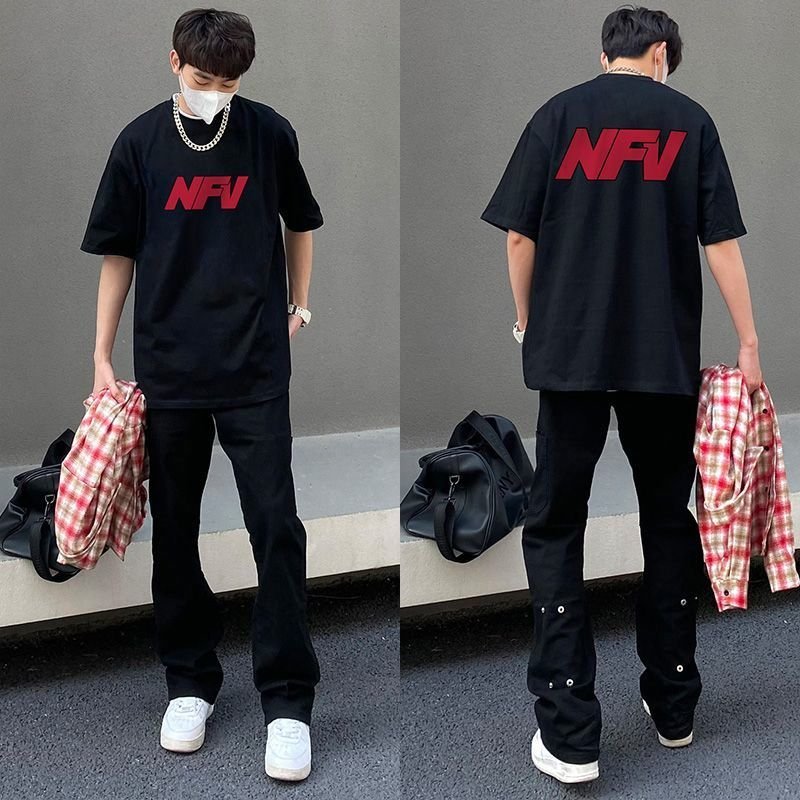
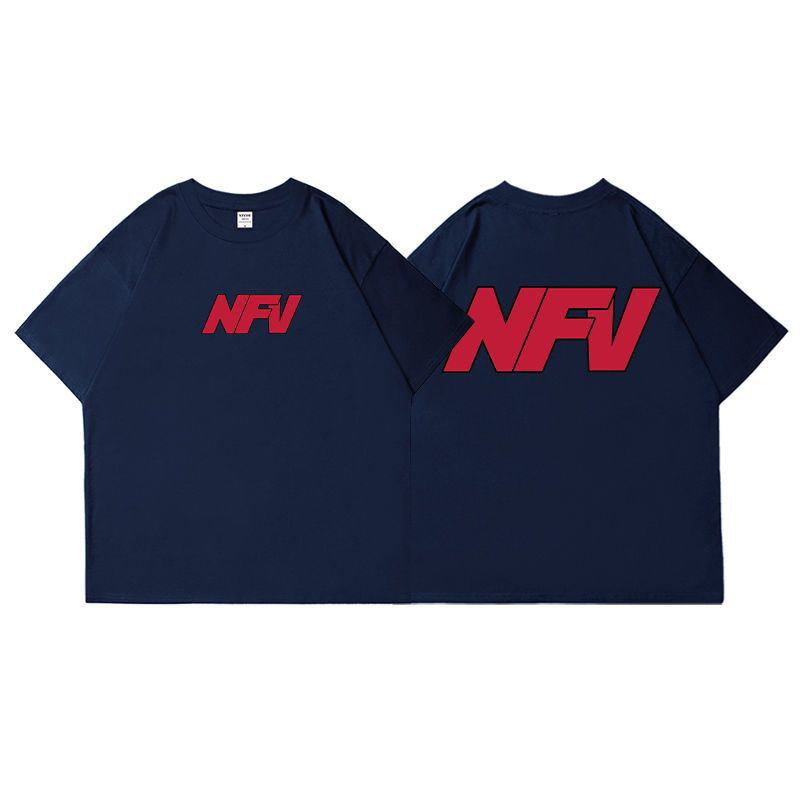
Finished Recycled Polyester Fabric Samples

Why Recycled Polyester Fabric Stands Out
The tangible qualities that set recycled polyester fabric apart—from durability and design versatility to sustainability and cost.
50+ Wash Cycle Durability
Recycled polyester fabric retains shape and color after 50+ industrial wash cycles, meeting premium streetwear durability standards without compromise.
Superior Color Fastness
Recycled polyester fabric achieves exceptional color retention under UV exposure and repeated laundering, eliminating fading concerns for vibrant streetwear designs.
Multi-Method Print Compatibility
Recycled polyester fabric bonds seamlessly with screen printing, DTG, embroidery, and heat transfer, enabling diverse design techniques without performance loss.
Lower Carbon Footprint
Recycled polyester fabric reduces CO2 emissions by up to 32% per batch versus virgin alternatives, supporting your brand’s sustainability commitments.
Competitive Pricing, Premium Quality
Recycled polyester fabric delivers enterprise-grade performance at 15–25% lower cost than virgin polyester, without sacrificing durability or appearance standards.
Low MOQ & Fast Turnaround
Recycled polyester fabric orders start at 500kg, with production samples in 7–10 days, enabling rapid collection launches for emerging brands.
Recycled Polyester Fabric for Startups, Retailers & Designers
See how brands across the spectrum—from startups to global retailers—use recycled polyester fabric to meet production and sustainability goals.
Launching Your First Sustainable Collection
Starting a streetwear brand with eco-conscious values requires finding premium recycled polyester fabric at low minimum order quantities without compromising on quality or risking excess inventory.
Recycled polyester fabric with low MOQ support, 5-step QC guarantee, and fast production timelines lets you launch your first collection confidently with zero-waste philosophy intact.
Building Authentic Influencer Apparel Lines
Creator communities demand genuinely sustainable, visually striking pieces. Communicating recycled polyester fabric value to followers requires transparent sourcing, premium presentation, and production speed to keep up with trend cycles.
Recycled polyester fabric with proven durability and premium luxury feel, combined with transparent environmental credentials and sustainability story, gives your influencer line authentic differentiation and Instagram-ready aesthetics.
Meeting Sustainability Targets at Scale
Large retailers face customer demand for sustainable apparel options while maintaining profit margins. Scaling production requires reliable suppliers with consistent quality, fast turnaround, and global logistics capabilities.
Recycled polyester fabric from our Dongguan facility delivers consistent quality through 5-step QC, seasonal collection speed, and worldwide shipping—supporting your sustainability commitments at volume.
Premium Small-Batch Designer Collections
Designers need customized patterns, small production runs, and in-house sampling expertise to validate designs before committing to full orders. Traditional manufacturers often impose high minimums.
Recycled polyester fabric with our in-house design team, low MOQ flexibility, and rapid sampling turnaround enables you to prototype collections confidently and bring unique visions to market.
Recycled Polyester Fabric: 10+ Years of Expertise
Founded in 2024, Clothing Manufacturer Ltd. draws on Tesla Luo’s decade of garment production and sourcing experience to deliver premium recycled polyester fabric for sustainable brands. Our mission centers on quality-driven sourcing and eliminating the practice of untested materials entering production, ensuring every recycled polyester fabric delivery meets rigorous standards from day one.
With certifications in GRS (Global Recycled Standard), OEKO-TEX, and PETA-approved partnerships, we source and grade premium recycled polyester fabric annually in volume. Our in-house team manages fiber quality testing, material procurement, and sustainable-supply vetting, giving emerging brands and established retailers access to verified recycled polyester fabric that aligns with global sustainability benchmarks.
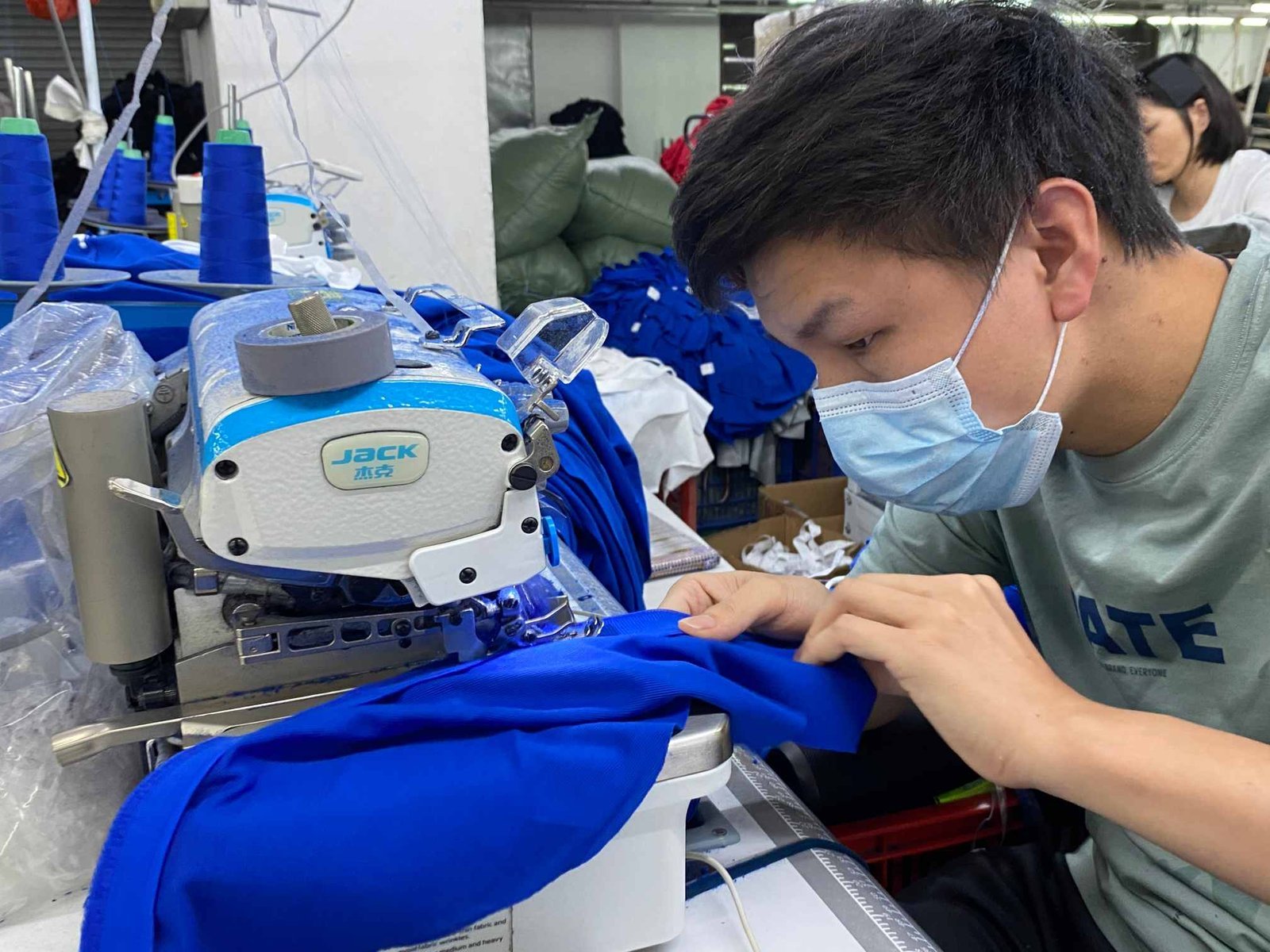
Our five-step quality-control guarantee—spanning materials testing, cutting, craft, sewing, and finished inspection—extends to every recycled polyester fabric order. This embedded-QC approach prevents defects at the source, distinguishing our recycled polyester fabric sourcing from competitors who delay testing until final inspection.
Recycled Polyester Fabric Testing Standards & Performance
Sourcing Premium Recycled Polyester Fiber
Our recycled polyester fabric starts with certified waste-stream reclaimed fiber, rigorously sorted and graded by denier consistency, color uniformity, and contamination levels. Each batch undergoes micron-level screening and full supply-chain documentation to ensure purity and consistent performance.
- Traceable reclaimed fiber from ISO-certified waste processors
- Multi-stage fiber sorting: denier, color, contamination screening
- Batch-level documentation from collection through mill entry
- Quality grade certification before blending or processing

Wash Durability Testing for Recycled Polyester Fabric
Every batch of recycled polyester fabric undergoes ASTM-standard industrial wash testing to verify shrinkage tolerance, color fastness, and pilling resistance. Our multi-cycle testing protocol simulates real-world consumer care, identifying issues before fabric reaches your production floor.
- ASTM D3803 multi-cycle wash testing, 50+ industrial cycles
- Shrinkage controlled to ±2% variance standards
- ISO 105-C06 color fastness verification, grade 4 minimum
- Pilling resistance tested at production-wash intensity
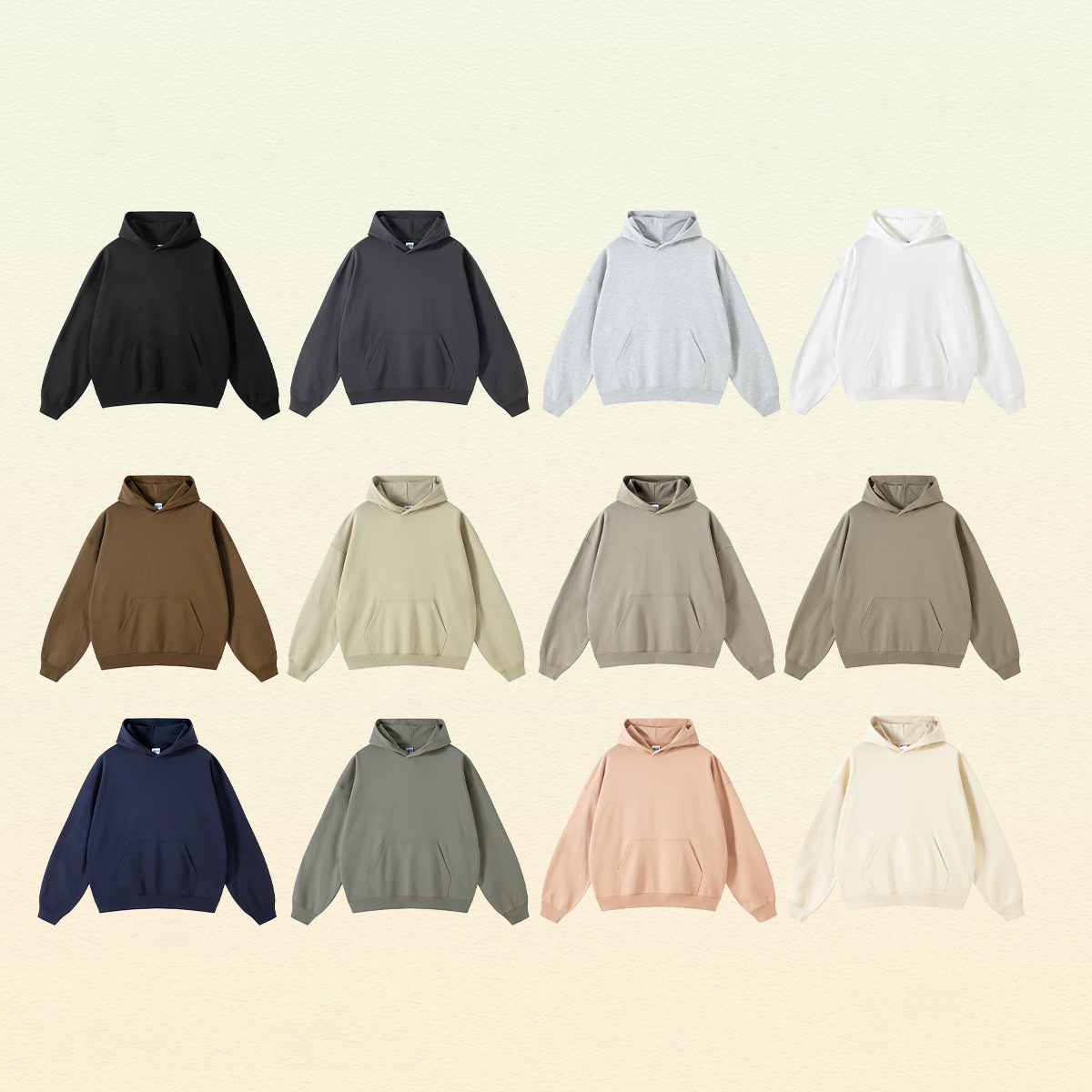
Dyeability & Color Precision for Recycled Polyester Fabric
Advanced disperse dye chemistry optimized for recycled polyester fiber uptake ensures Pantone-matched colors with lab-verified consistency. Batch-to-batch color repeatability protects your brand continuity and minimizes costly shade variation in large production runs.
- Pantone color matching within ±1 Delta E tolerance
- Specialized disperse dye formulations for recycled fiber
- Lab dye-out validation before full-scale production
- Batch documentation tracking shade consistency across runs
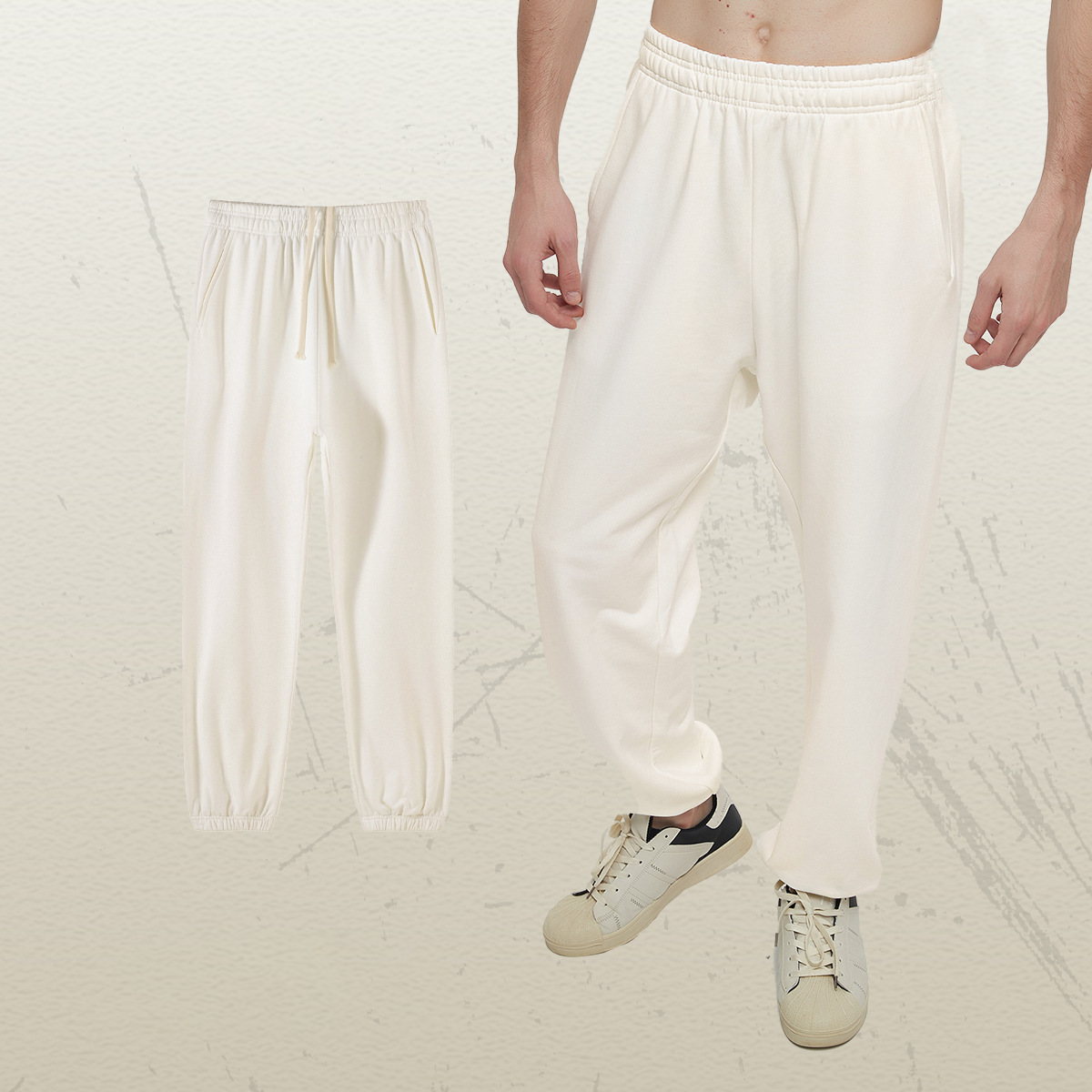
Print Durability & Stretch Recovery for Recycled Polyester Fabric
Recycled polyester fabric tested for screen print, direct-to-garment, and sublimation adhesion using ASTM standards. Stretch recovery exceeds 95% after typical wear extension, maintaining garment shape and comfort through thousands of washing cycles.
- Screen print peel resistance: ASTM D3359, 4B rating minimum
- DTG and sublimation ink adhesion across synthetic content
- Stretch recovery: 95%+ elasticity after 25% extension stress
- Multi-wash durability testing ensures long-term garment performance
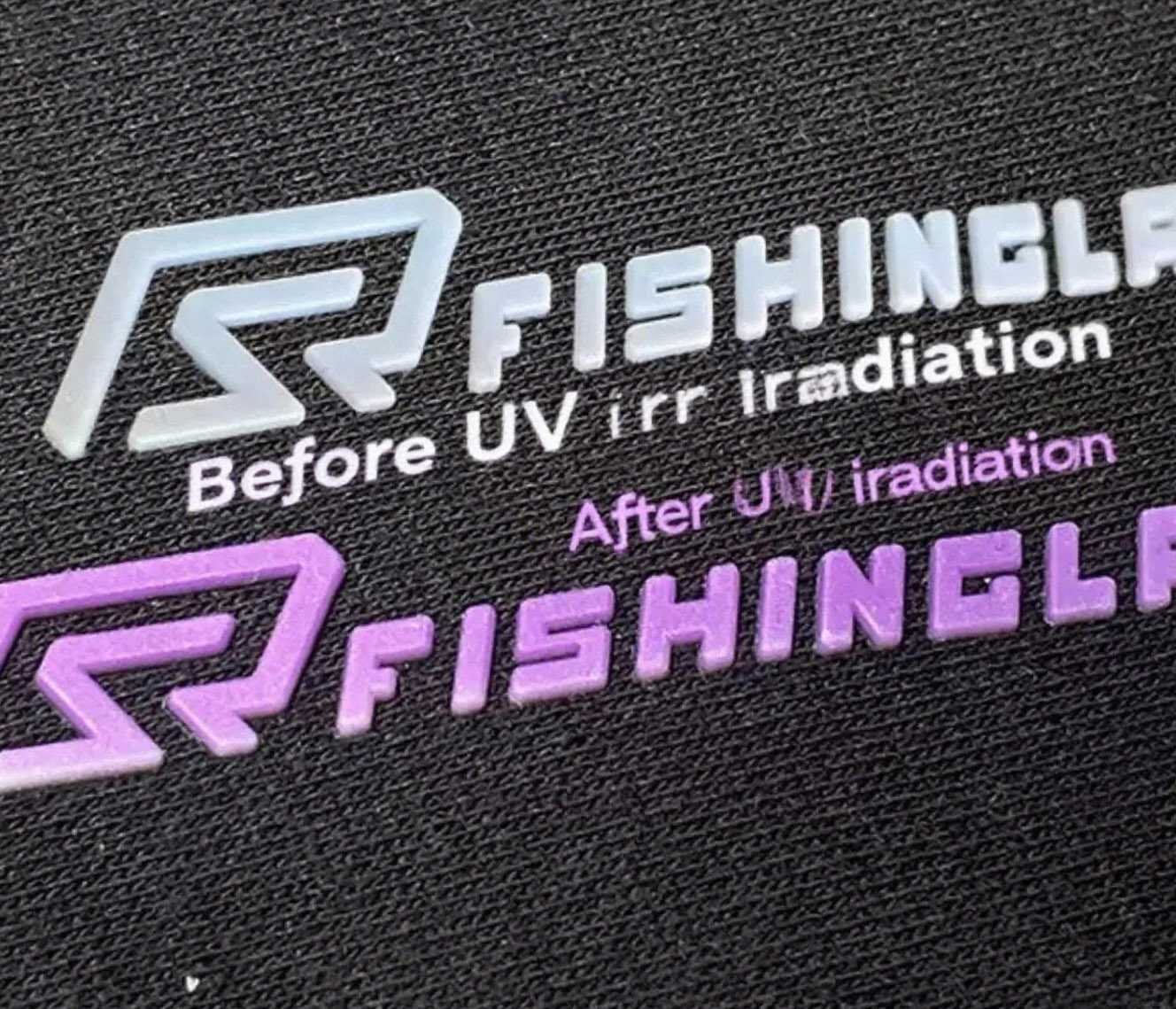
Recycled Polyester Fabric vs. Virgin Polyester: Why Brands Choose Recycled
Compare durability, cost, sustainability, and production capabilities side-by-side.
← 左右滑动查看 →
Recycled Polyester Fabric Production & Quality Timeline
Fiber Collection & Grading
Collected post-consumer recycled polyester is rigorously graded by quality standards. Materials QC testing verifies fiber composition, purity, and contamination levels to ensure premium input for yarn production.
Yarn Spinning & Preparation
Sorted recycled polyester fibers undergo advanced spinning to create consistent yarn. Yarn QC testing measures denier, tensile strength, and uniformity to guarantee optimal performance in weaving and knitting.
Fabric Weaving & Knitting
Yarn is interlaced or knitted into recycled polyester fabric using precision looms. Craft QC testing checks weave integrity, tension consistency, and yarn alignment before dyeing to catch defects early.
Dyeing & Fabric Finishing
Recycled polyester fabric receives color application and finishing treatments for durability and appearance. Finishing QC verifies color fastness, shrinkage rates, and chemical residue to meet global sustainability and performance standards.
Print-Ready & Final QC
Finished recycled polyester fabric undergoes print-readiness testing and comprehensive final inspection. All rolls verified for surface defects, dimensional accuracy, and compliance before shipment—ensuring zero-compromise quality for your streetwear designs.
How to Order Custom Recycled Polyester Fabric for Your Streetwear Brand
From design submission to certified shipment—streamlined sourcing with fast turnaround and our 5-step QC guarantee.
Submit Your Design & Specifications
Provide your design mockups, technical specs, and color references in vector format. Include Pantone codes, fabric weight requirements, and any finish preferences for your recycled polyester fabric order.
Request Recycled Polyester Fabric Swatches
We’ll send production-quality swatches for your review and approval. Test the feel, drape, and coloring of our recycled polyester fabric before committing to bulk production.
Place Your Minimum Order
With approval, place your order starting at just 50 pieces. Our low MOQ makes recycled polyester fabric sourcing accessible for emerging streetwear brands and independent designers.
Enter Production with Full QC
Your recycled polyester fabric enters our 5-step quality control process: materials testing, cutting QC, craft inspection, sewing production checks, and final finished-goods inspection with zero compromise.
Receive Certified Shipment Fast
Fast turnaround delivery of your finished recycled polyester fabric—production-ready for cutting and sewing. Full QC certification and global shipping logistics handled end-to-end by our team.
Streetwear & Fashion Brands Trust Our Recycled Polyester Fabric
We dropped 8,000 units across three SKUs with zero color variation issues. The recycled polyester fabric hit our specs perfectly—quality was retail-ready on day one. Huge confidence boost for our spring launch.
After 60 wash cycles, our recycled polyester fabric samples showed zero degradation. Plus, we saved 22% vs. virgin polyester costs. That’s the durability and value proposition we needed for our line.
Moving 12,000 recycled polyester units from order to warehouse in six weeks—on time, every time. The 5-step QC guarantee means we ship confident, which keeps our influencer partners happy.
Recycled Polyester Fabric: Sourcing, Durability & Sustainability FAQs
Everything you need to know about our certified recycled polyester fabric, from durability and print compatibility to MOQ, pricing, and sustainability standards.
What certifications does recycled polyester fabric have?
What’s the minimum order quantity for recycled polyester fabric?
How durable is recycled polyester fabric during repeated washing?
What printing techniques work best on recycled polyester fabric?
Does recycled polyester fabric pill easily?
How does recycled polyester fabric pricing compare to virgin polyester?
What file formats do you need for designs on recycled polyester fabric?
What’s the lead time for recycled polyester fabric production orders?
The Complete Buyer’s Guide to Recycled Polyester Fabric
Learn how to source quality recycled polyester fabric for your brand. This guide covers material types, customization options, manufacturer selection criteria, pricing strategies, and the most common sourcing mistakes brands make. Make confident decisions when choosing your supplier.
1. What Is Recycled Polyester Fabric?
Recycled polyester fabric is engineered from post-consumer plastic waste—discarded bottles, used textiles, and garment scraps—or post-industrial fibrous waste generated during cutting and manufacturing operations. The raw material undergoes sorting, melting, and re-extrusion into polyester filament fibers, which proceed through standard textile processing pipelines (spinning, weaving, knitting, dyeing) identical to virgin polyester production.
The primary distinction lies in sourcing and energy footprint: recycled polyester (rPET) consumes approximately 30–40% less energy than virgin polyester derived from petroleum feedstock, while matching virgin equivalents in tensile strength, dyeability, colorfastness, and elasticity retention. Both materials satisfy the technical performance demands of streetwear and apparel production.
Brands—from independent designers to global retailers—increasingly choose recycled polyester fabric to address consumer sustainability expectations without compromising performance or manufacturing cost. The material delivers measurable environmental credentials (reduced carbon footprint, landfill diversion) while maintaining the technical reliability that high-volume manufacturers and wholesale partners require.
Understanding recycled polyester fabric sourcing, manufacturing pathways, and performance properties is essential before engaging suppliers, negotiating pricing, or specifying customization—each dimension differs measurably from virgin alternatives based on sourcing tiers, certification frameworks, and end-application demands.
2. Why Recycled Polyester Fabric Matters
EU regulation and U.S. state mandates are driving rapid adoption of recycled polyester across apparel supply chains. The European Union’s Circular Economy Action Plan and Extended Producer Responsibility directives are reshaping procurement standards, while states like California and New York implement sustainability requirements for manufacturers and retailers. Brands sourcing recycled polyester fabric now position themselves ahead of compliance deadlines and consumer expectations.
Manufacturing recycled polyester reduces carbon emissions by approximately 30-50% compared to virgin polyester production, directly supporting brand sustainability commitments without sacrificing performance or durability. This environmental advantage resonates strongly with Gen Z and millennial audiences, who increasingly expect transparent supply chains and measurable environmental impact. For streetwear and independent brands, adopting recycled polyester fabric signals authentic commitment to sustainability—a positioning that commands market differentiation and builds customer loyalty.
Over the past 2-3 years, recycled polyester pricing has improved competitively, now approaching parity with virgin material costs in many markets. This price convergence makes adoption economically viable for startups and established retailers seeking sustainable sourcing without margin compression. Brands integrating recycled polyester fabric into collections today gain supply-chain stability, competitive positioning, and alignment with tightening global sustainability standards—advantages that drive market share growth as regulations accelerate.
3. Types of Recycled Polyester Fabric
Recycled polyester comes in four primary variants, each derived from different source materials and processing methods. Understanding these categories helps buyers match their sustainability goals, performance requirements, and cost constraints to the right fabric choice for their collections.
Bottle-Fed Recycled Polyester (rPET)

Bottle-fed rPET sourced from post-consumer beverage containers is the most established and cost-competitive option. Supply chains feature transparent tracking and readily available GRS or OEKO-TEX certifications. Performance matches virgin polyester in color fastness and durability, making it ideal for price-sensitive brands launching initial collections.
Mechanically Recycled Polyester
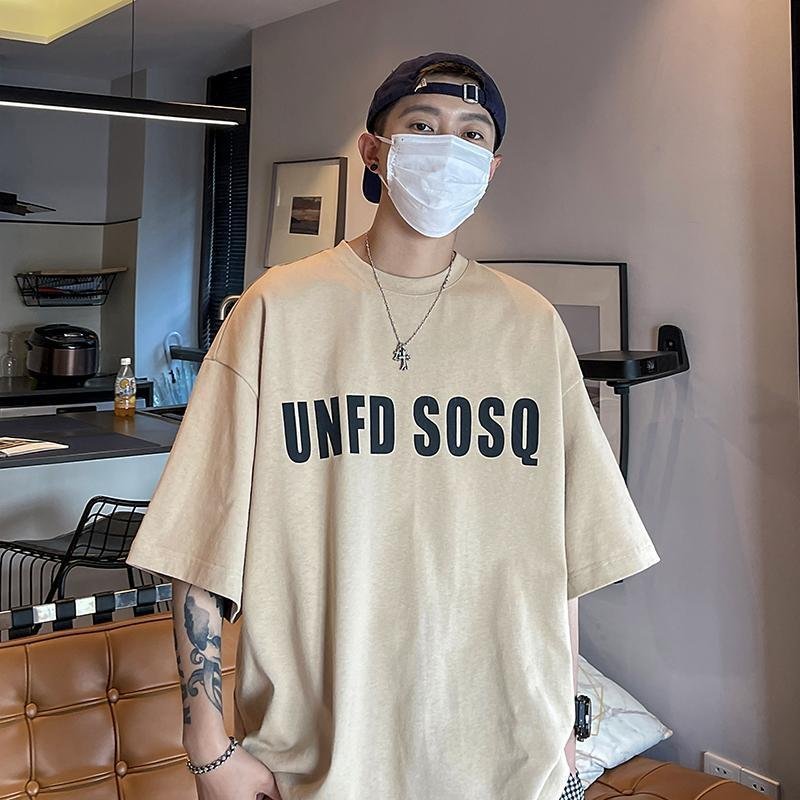
Mechanical recycling shreds and re-melts post-consumer or post-industrial textile waste without chemical reprocessing. This method costs 15–20% less than virgin polyester but tolerates only single-color and short-run production due to material inconsistency. Best suited for private-label basics and solid-color essentials where visual uniformity is secondary.
Chemically Recycled Polyester
Chemical recycling (depolymerization) breaks polymer chains into virgin-equivalent monomers, delivering superior color consistency and performance properties. Costs run 30–40% above virgin polyester, limiting adoption to premium brands prioritizing sustainability over margin. Supply is constrained and projected to scale beyond 2027 as dedicated recycling plants increase capacity.
Fiber-to-Fiber Blends
Fiber-to-fiber recycling incorporates recycled content into virgin yarn at ratios from 20% to 100%, balancing cost, performance, and certification appeal. Blends at 30–50% recycled content strike a middle ground: lower cost than pure chemical recycled, better consistency than mechanical, and strong marketing narrative for sustainability-conscious retailers.
4. Recycled Polyester Fabric Properties & Performance
Recycled polyester fabric performance depends on measurable properties: GSM weight, moisture management, colorfastness, and temperature resistance. These specifications define how fabric behaves in production and wear. Selecting the correct grade ensures your garments meet durability and comfort standards across end markets.
| Fabric Type | GSM Range | Key Properties | Best Applications |
|---|---|---|---|
| Lightweight Recycled Polyester | 100–150 GSM | High breathability, low durability, minimal pilling | Shirts, dresses, summer layers |
| Midweight Recycled Polyester | 150–250 GSM | Balanced durability, good moisture-wicking, grade 4 pilling | T-shirts, hoodies, everyday wear |
| Heavyweight Recycled Polyester | 250+ GSM | High tensile strength, reduced breathability, excellent durability | Outerwear, jogging suits, structured garments |
| Recycled Polyester/Spandex Blend | 150–200 GSM | 4–6% stretch, 90%+ recovery, form-fitting | Athletic wear, fitted streetwear, leggings |
GSM Weight & Fabric Density
GSM (grams per square meter) indicates recycled polyester weight and density. Lightweight: 100–150 GSM for shirts and linings. Midweight: 150–250 GSM for t-shirts and layering. Heavyweight: 250+ GSM for hoodies and outerwear. Matching GSM to your garment ensures durability and proper drape.
Durability & Pilling Resistance
Recycled polyester resists pilling due to synthetic polymer structure. Pilling grades range 1–5, with 4–5 indicating excellent resistance. Seam tensile strength typically exceeds 20 kg. Quality recycled polyester maintains integrity after 50+ wash cycles, making it ideal for everyday streetwear and athletic applications.
Moisture-Wicking & Breathability
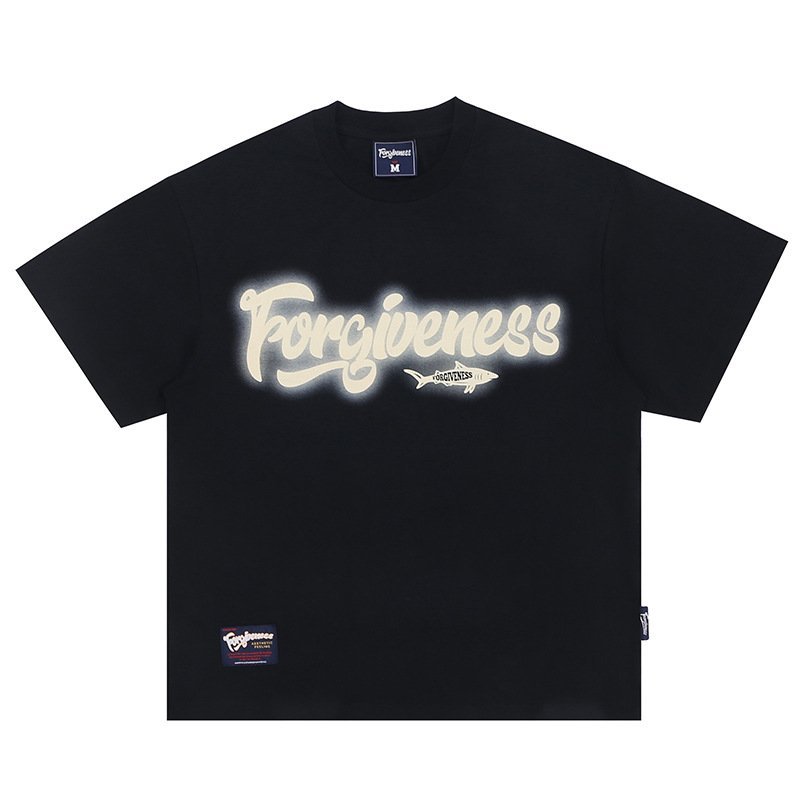
Recycled polyester’s moisture-wicking moves sweat away from skin, enhancing comfort in activewear. MVTR typically ranges 2,000–5,000 g/m²/24h, depending on knit density. Tightly woven fabrics offer lower breathability; open-knit constructions maximize airflow. Lightweight grades (100–150 GSM) provide better ventilation for summer styles.
Stretch Recovery & Elasticity
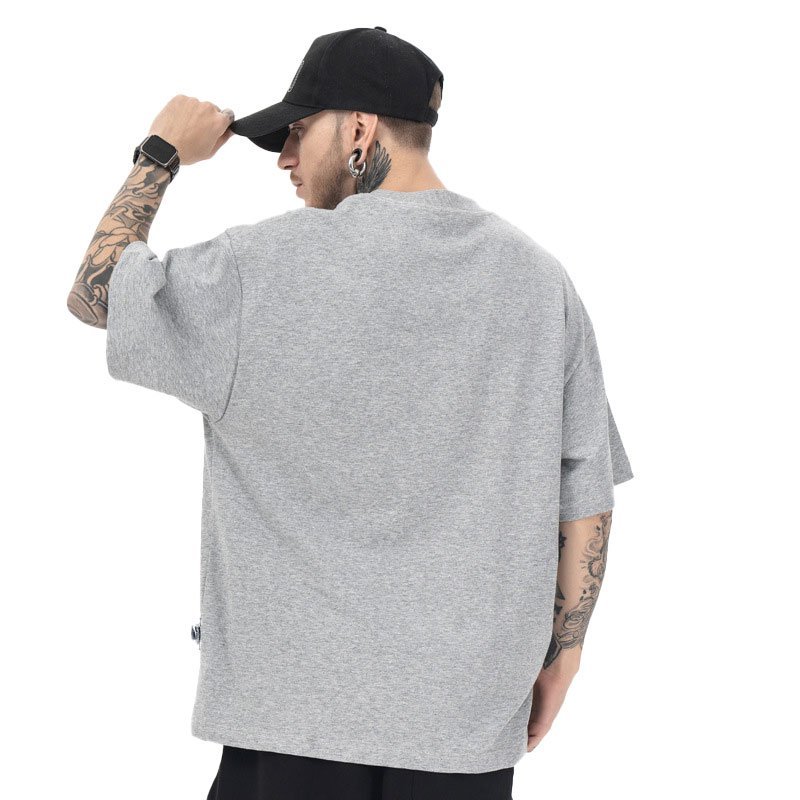
Recycled polyester blended with spandex (2–8% content) delivers stretch essential for fitted streetwear and athletic wear. Pure recycled polyester offers stability without stretch. Recovery rates typically reach 90–98% after a single cycle. Specify elastane content during fabric selection to ensure proper fit.
Colorfastness & Temperature Limits
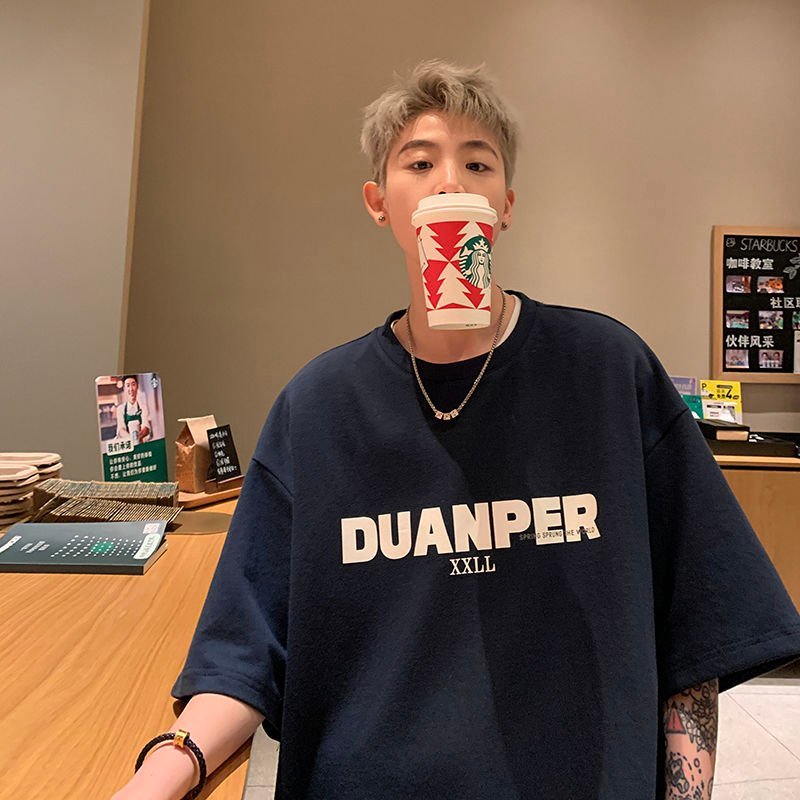
Colorfastness is rated on ISO 105 scales (3–5, where 5 = excellent). Quality recycled polyester dyed with reactive dyes achieves grades 4–5. Temperature stability ranges –40°C to 80°C for wear, with production setting around 180–200°C. Light exposure testing ensures color retention through extended wear.
5. Customization & Finishing Options
Recycled polyester fabric customization through dyeing, printing, and functional treatments transforms base inventory into branded product. Each finishing method carries distinct lead time, minimum order quantity, and cost implications. Aligning these choices with design vision and budget is essential for competitive streetwear production.
Dyeing Methods
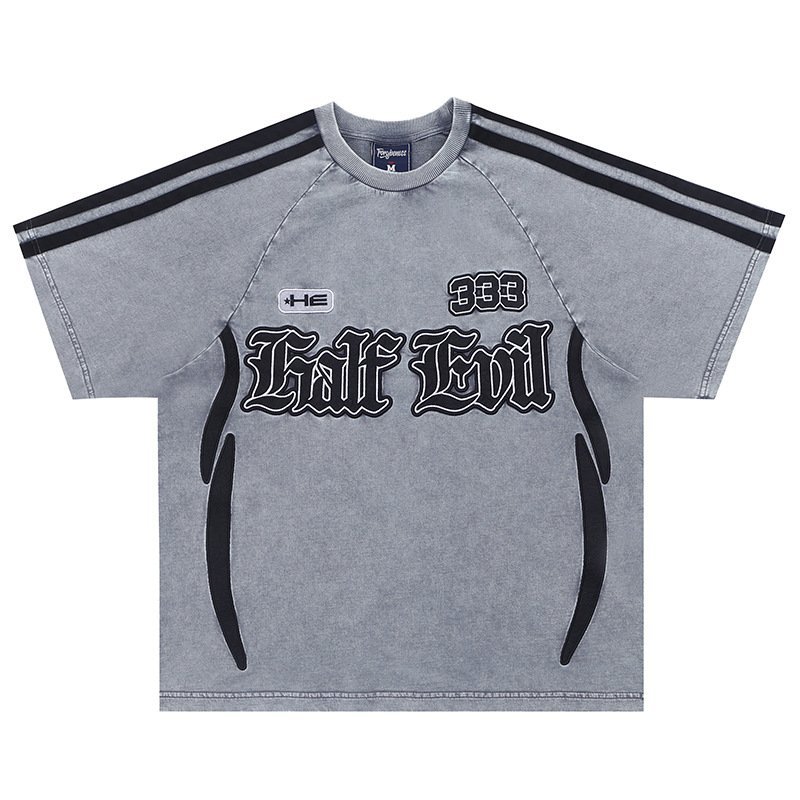
Piece-dyeing applies color after weaving; lead times run 2-3 weeks with 500 kg minimum orders. Yarn-dyeing colors fiber before weaving, ensuring superior consistency but requiring 4-6 weeks and 1,000 kg minimums.
Solution-dyeing integrates pigment during production—fastest timeline (2 weeks), lowest MOQ (~300 kg), premium cost. Choose based on color complexity, schedule, and volume.
Printing Techniques
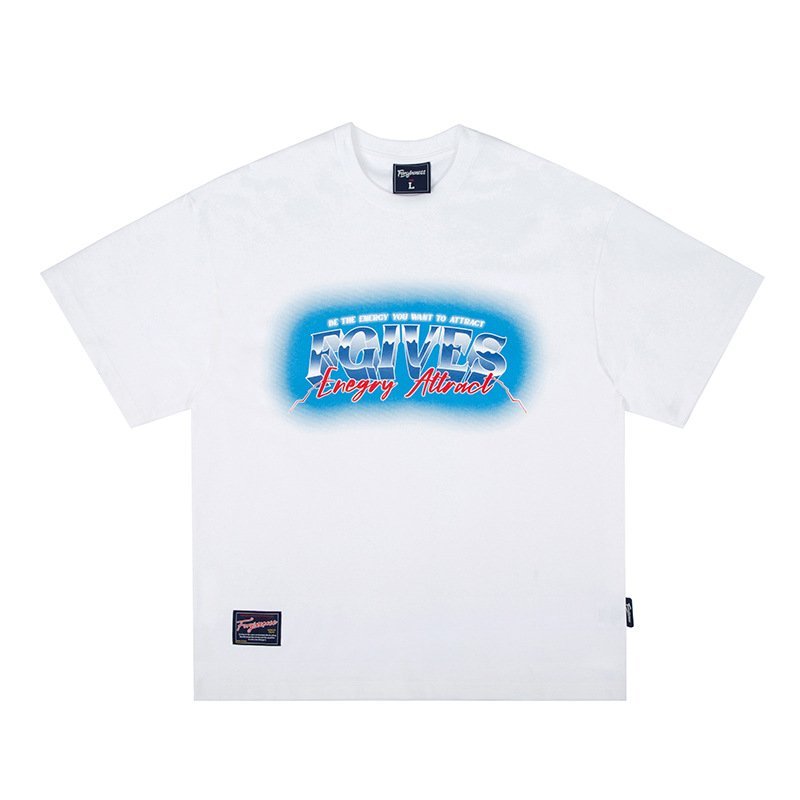
Screen printing suits bold, flat-color streetwear graphics with robust durability; expect 3-4 week lead times and 200-piece minimums per colorway. Digital printing offers unlimited colors and photographic detail but higher per-unit cost and 500-piece MOQs.
Sublimation requires synthetic base fabric and delivers vibrant, all-over prints with 1,000-piece minimums. Streetwear typically favors screen printing for its cost-effectiveness and authentic aesthetic.
Functional Finishes
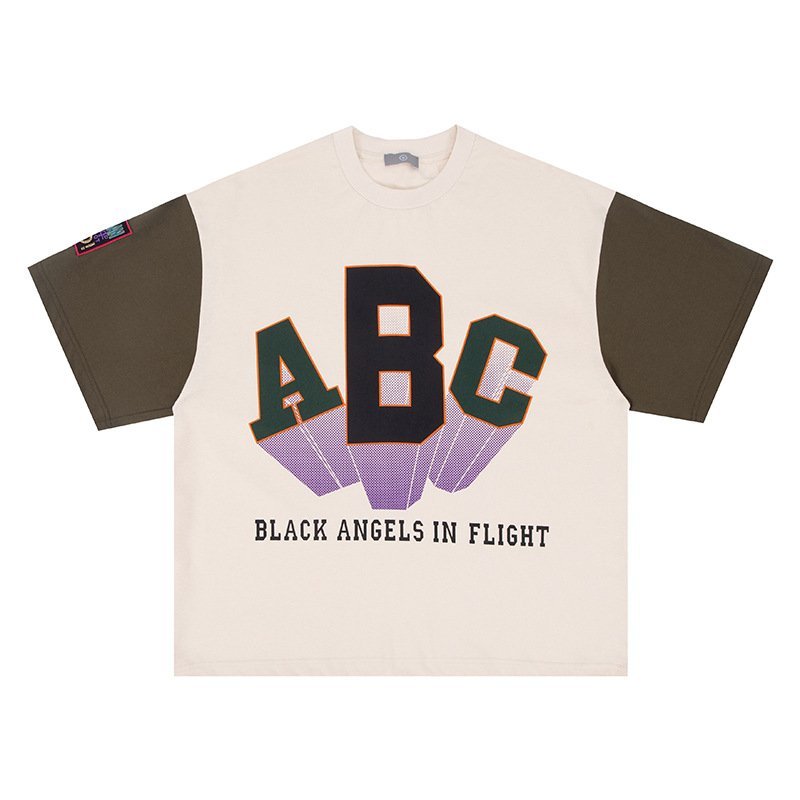
Water-repellent coatings (DWR) protect recycled polyester from moisture and staining; add 1-2 weeks and 15-30% cost premium. Flame-resistant treatments suit performance and safety-critical lines but increase cost 20-40% and may affect hand feel.
Anti-microbial finishes (silver ion or AEGIS) reduce odor and bacterial growth, ideal for activewear and high-touch pieces. Budget accordingly: finishes multiply base fabric cost.
Lead Time & Cost Impact
Combining multiple finishes—piece-dyeing plus digital printing plus water repellency—can extend lead times from 3 weeks to 8-10 weeks and increase unit cost 40-60%. MOQs compound: a custom dye + screen print + flame-resistant finish may require 1,000+ pieces per design.
Front-load finishing decisions early. Communicate finish priorities to suppliers to lock realistic timelines and quotas before sample approval.
Streetwear vs. Performance Applications
Streetwear typically prioritizes vivid aesthetics: piece-dyed base + bold screen printing, minimizing cost while maximizing visual impact. Performance wear demands finishes: water-repellent, breathable coatings, sometimes flame-resistant for safety.
Recycled polyester excels in both categories—its durability supports heavy print wear; its lower environmental footprint appeals to conscious streetwear brands. Match finish stack to end-use and market expectations.
6. Quality Standards & Certifications
Third-party certifications validate recycled polyester fabric quality and environmental claims, building brand trust and enabling premium pricing. GRS, OEKO-TEX, bluesign®, and regional standards verify content and safety. The right certification mix depends on target market and brand positioning.
Global Recycle Standard (GRS)
GRS v4.0+ tracks recycled polyester content from 20% to 100% via chain-of-custody documentation and addresses social and environmental criteria. It commands 15–25% price premiums and enables ‘Made from Recycled Materials’ claims in North America and Europe.
GRS verifies traceability but not chemical safety. Pair it with OEKO-TEX or bluesign® for comprehensive environmental and safety credibility.
OEKO-TEX & Chemical Safety Standards
OEKO-TEX Standard 100 ensures dyestuffs, finishes, and residues meet strict toxicity limits—mandatory or preferred for children’s clothing in EU and North American markets. Bluesign® restricts harmful chemicals upstream during dyeing and finishing, reducing environmental impact.
Both certifications complement GRS and add 4–8% to recycled polyester fabric costs.
Regional Compliance & ISO Standards
EU Green Claims Directive (2024) requires third-party verification; ISO 23977 establishes recycled-content verification methodology. UK retailers follow Product Safety Regulations; North American brands use FTC Green Guides.
REACH compliance (EU) and Restricted Substance Lists are mandatory for market access. ISO 14001 environmental management strengthens positioning but remains optional for entry-level suppliers.
Certification Strategy by Market
North America: prioritize GRS plus OEKO-TEX. Europe: add REACH compliance and ISO 14001. Emerging markets: GRS alone offers cost-effective entry. Streetwear and Creator Brands: stack GRS plus bluesign® plus OEKO-TEX for maximum credibility, accepting 8–12% cost premiums.
Budget-conscious startups begin with GRS, then layer certifications as volume grows. Always verify supplier third-party audit reports before large orders.
7. How to Select a Recycled Polyester Fabric Supplier
Selecting a reliable recycled polyester fabric supplier requires evaluating production capacity, quality systems, certifications, turnaround times, and communication. These five dimensions separate trustworthy partners from cost-cutters. Early vetting prevents costly delays and damaged brand reputation.
Production Capacity & MOQ Flexibility
Startup-friendly suppliers accept MOQs of 300–1,000 kg for recycled polyester fabric, while enterprise vendors may require 2,000+ kg. Request a capacity roadmap: what volume tier unlocks pricing breaks and expedited scheduling? Partners unable to scale with you create friction during critical growth phases.
Quality Control & Certifications
Five-step QC—materials, cutting, craft, sewing, and finished-product inspection—distinguishes premium suppliers. Demand OEKO-TEX, GOTS, or WRAP certifications. Red flag: suppliers claiming quality without documented testing or independent audits likely skip mid-production checks. Certifications provide accountability; vendor claims alone do not.
Turnaround Times & Sample Policies
Standard orders require 25–45 days from approval to shipment; under 14 days signals pre-made inventory or unrealistic promises. Request samples within 7–10 days. Free unlimited samples often indicate low quality or dangerous overcommitment. Paid samples or deposit-backed trials reflect realistic workflows.
Communication & Technical Support
Responsive communication reveals reliability. Evaluate 24-hour response times, willingness to explain fabric specs (weight, shrinkage, dye methods), and proactive updates. Suppliers dodging technical questions, overpromising delivery, or hiding cost breakdowns signal weakness. Trustworthy partners educate clients transparently and own errors.
Red Flags & Decision Checklist
Vendors exhibiting multiple red flags from the list are unlikely to protect your brand or scale reliably.
- No certifications or vague ‘eco-friendly’ claims
- Lead times under 14 days
- MOQs above 2,000 kg for startups
- No material datasheets or test reports
- Communication gaps exceeding 48 hours
- Pricing without transparent cost breakdown
8. Common Mistakes When Sourcing Recycled Polyester
Mistakes in sourcing recycled polyester fabric cost brands time, money, and reputation. Five critical pitfalls recur across startups and established manufacturers alike. Understanding these traps—and how to avoid them—separates successful launches from costly restarts.
Underestimating MOQs
Startups often assume suppliers negotiate below minimums—they typically don’t. Recycled polyester MOQs range 500–2,000 kg per color, with 15–30% markup penalties for exceptions.
Ignoring this upfront forces expensive alternatives or canceled orders. Confirm MOQ in writing during initial vendor contact to lock your cost structure.
Ignoring Shrinkage Specifications
Recycled polyester shrinks 2–4% in length, 1–2% in width when washed at 40°C. Brands ignoring shrinkage specs face fit failures and returns.
Request shrinkage data sheets, conduct sample testing, and adjust grading before production. This single step prevents costly rework and customer dissatisfaction.
Dye Lot Variation Pitfalls
Dye lots of recycled polyester vary more than virgin fabrics due to variable fiber makeup. Multi-shipment orders risk color shifts across inventory.
Specify ‘dye lot matching’ in POs and request strike-off samples before committing to production. Accept only colors within ΔE < 1 (Pantone standard).
Skipping Sample Approval
Factories beginning bulk cutting without sample approval waste time and money. Always request a pre-production sample (PPS) in your exact style and fabric before full production.
Approve or reject in writing—this catches shrinkage, dye, weight, and construction issues early. It’s the cheapest insurance against costly rework.
Lead Time Miscalculation
Recycled polyester lead times (10–14 weeks) exceed virgin options due to reprocessing. Brands assuming standard 6–8 week turnarounds miss seasonal launches.
Confirm lead time in writing and add 2-week buffer for customs, delays, and QC holds. Start planning 16+ weeks before your sales date—recycled sourcing is slower.
9. Pricing & Cost Structure
GSM weight and finish complexity are primary cost drivers for recycled polyester fabric. A standard 200 GSM jersey costs 20-30% more than virgin polyester equivalents, but volume discounts offset this premium; most manufacturers establish MOQs of 300-1,000 units for emerging brands. Lead time premiums of 15-20% apply to rush orders (4-5 weeks instead of 8-10 weeks), and sample fees range from $50-200 per colorway depending on print or finish complexity.
Quality testing and certification—OEKO-TEX, GRS, or WRAP—adds $300-500 per shipment and ensures compliance with global retail standards. An indie brand’s first 500-unit collection (single colorway, basic screen print) budgets approximately $4,500-6,500 all-in, including samples, lab testing, and production. A mid-size retailer ordering 5,000+ units of a core style achieves per-unit costs of $3.50-5.00, enabling healthy retail margins of 300-400% on wholesale-to-retail markup. Learn more about Clothing Manufacturer Ltd.
| Quantity Range | MOQ | Est. Price/Unit (USD) | Lead Time | Typical Use Case |
|---|---|---|---|---|
| 100–500 | 100 | $8.50–12.00 | 8–10 weeks | Indie brand samples & launches |
| 500–2,000 | 300 | $5.50–8.00 | 6–8 weeks | Small collections, limited drops |
| 2,000–5,000 | 1,000 | $3.50–5.50 | 5–6 weeks | Mid-size collections, core SKUs |
| 5,000+ | 5,000 | $2.50–4.00 | 4–5 weeks | Wholesale retailers, bulk orders |
Get Free Recycled Polyester Fabric Samples & Production Quote
7-day sample turnaround with our 5-step QC guarantee. Low 50-piece minimum for emerging brands. Free design consultation. Global shipping from Dongguan.