
Premium Pique Knit Fabric for Streetwear Brands
Premium pique knit fabric designed for streetwear success. Our 5-step QC guarantee delivers consistent quality from samples to full production runs.
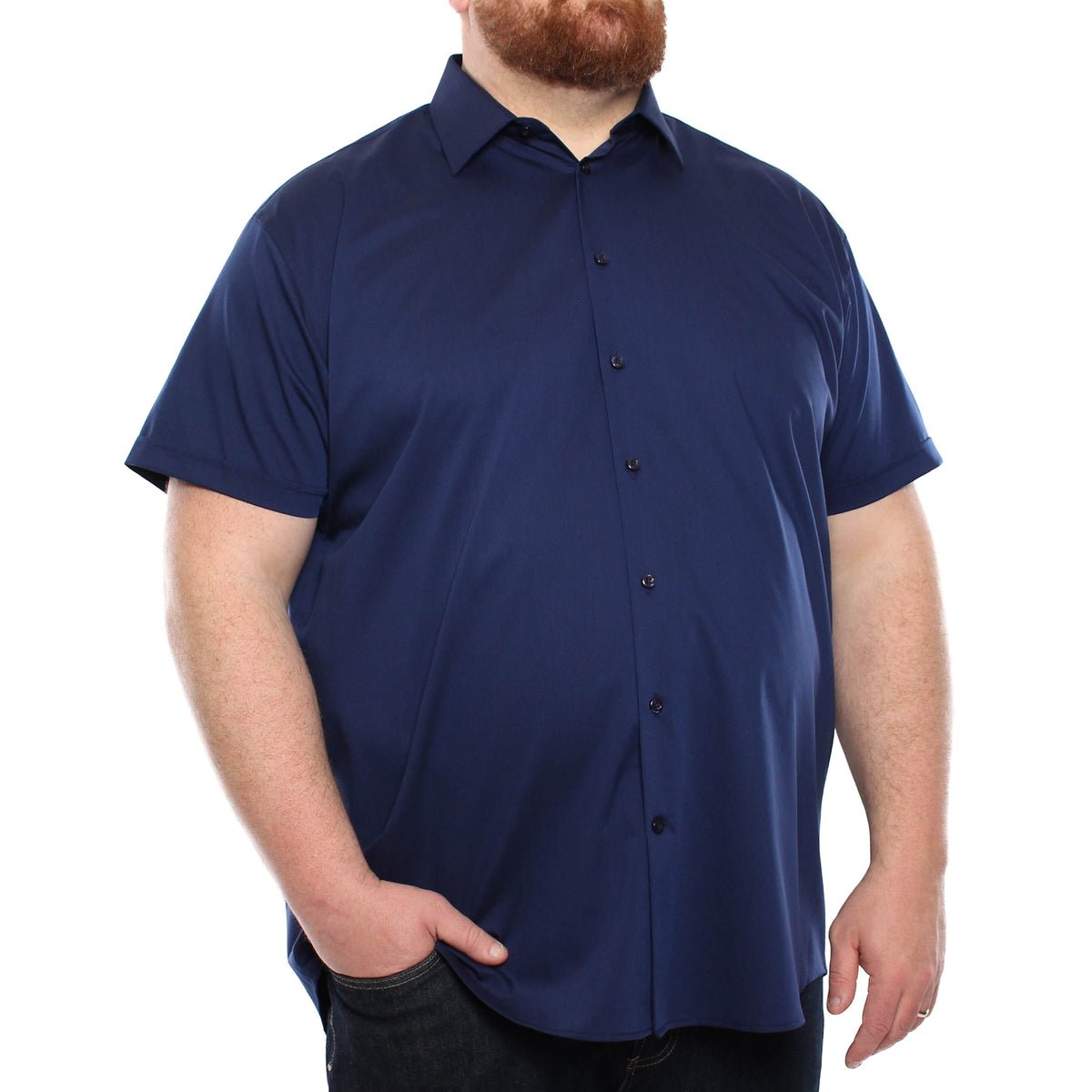
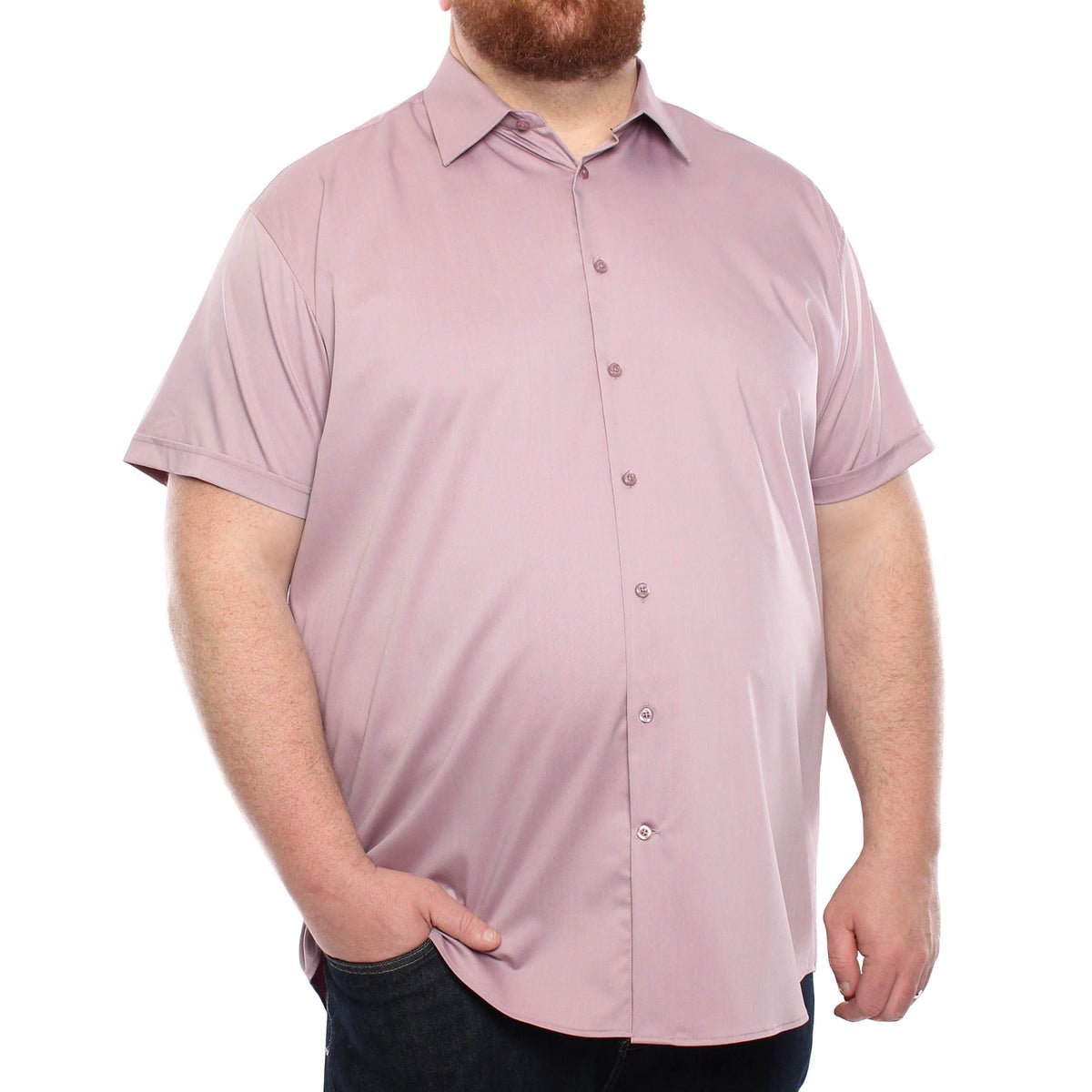
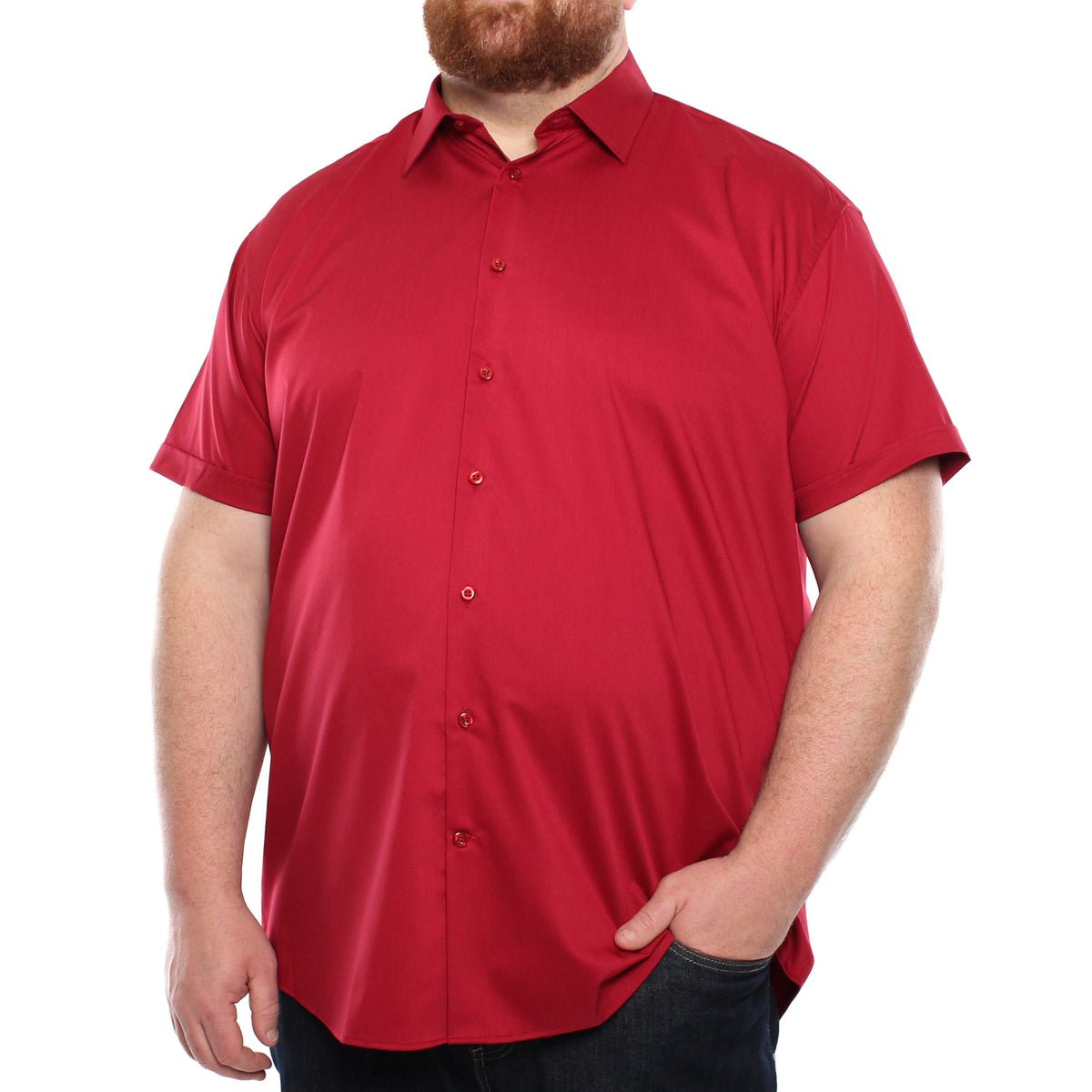
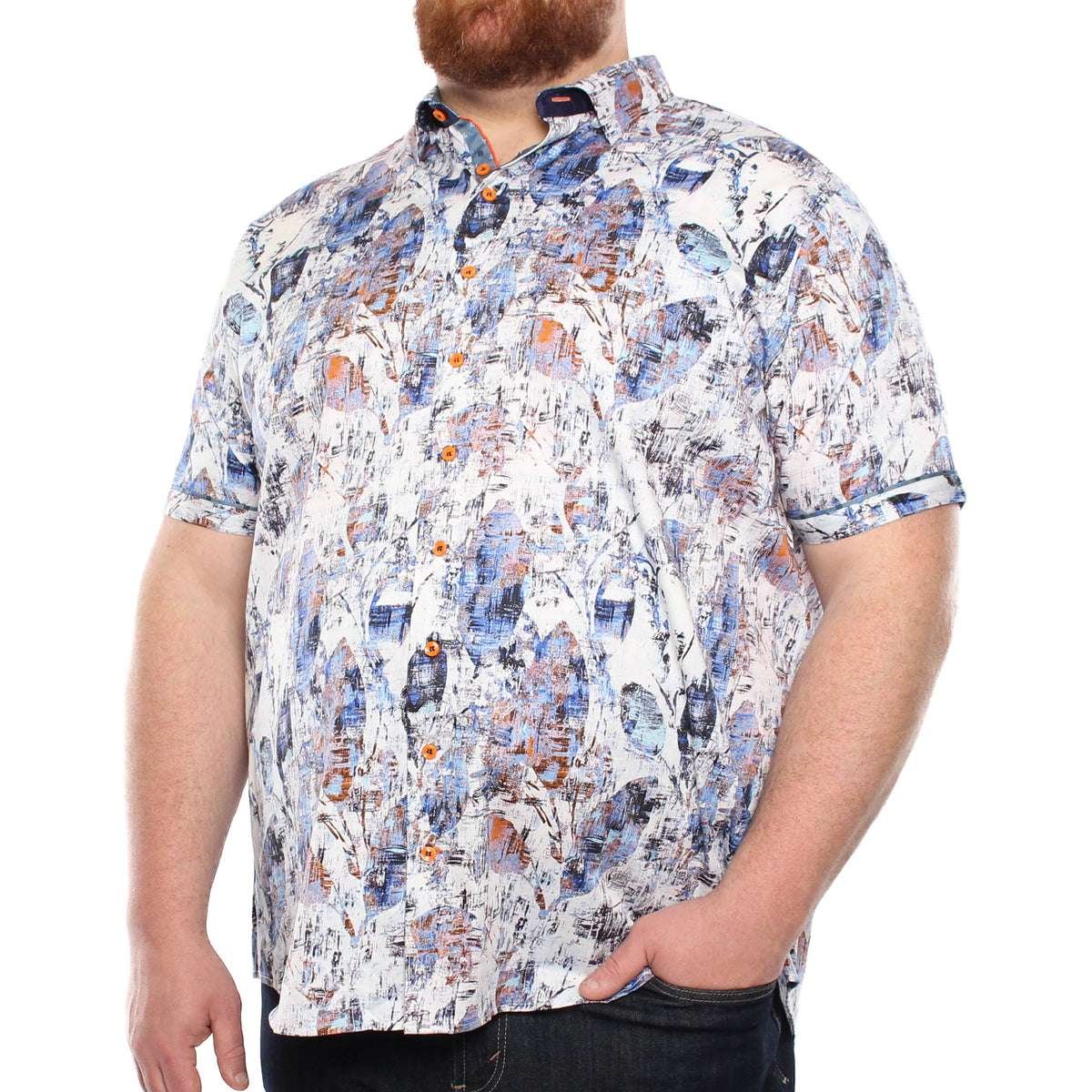
Pique Knit Fabric Samples in Action
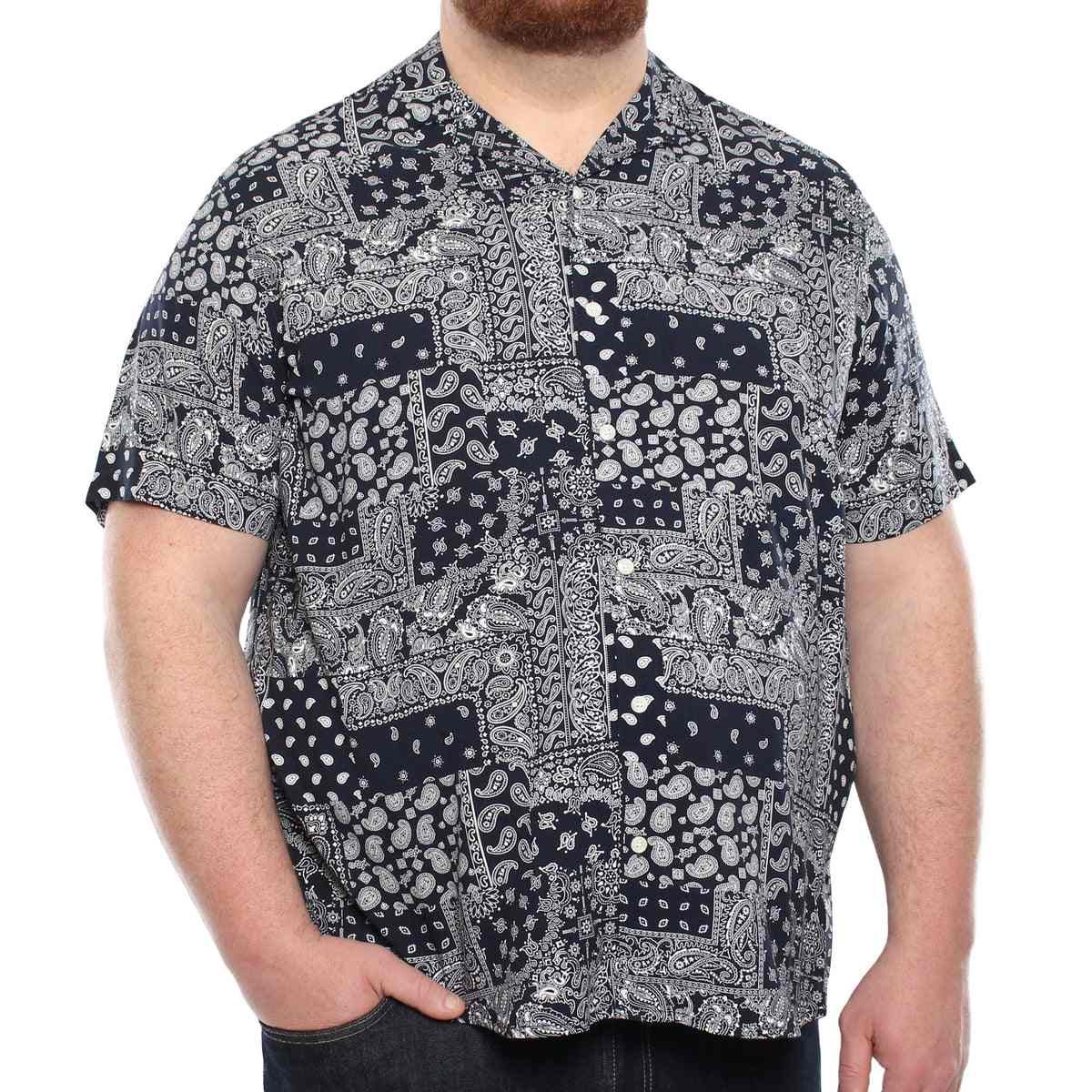
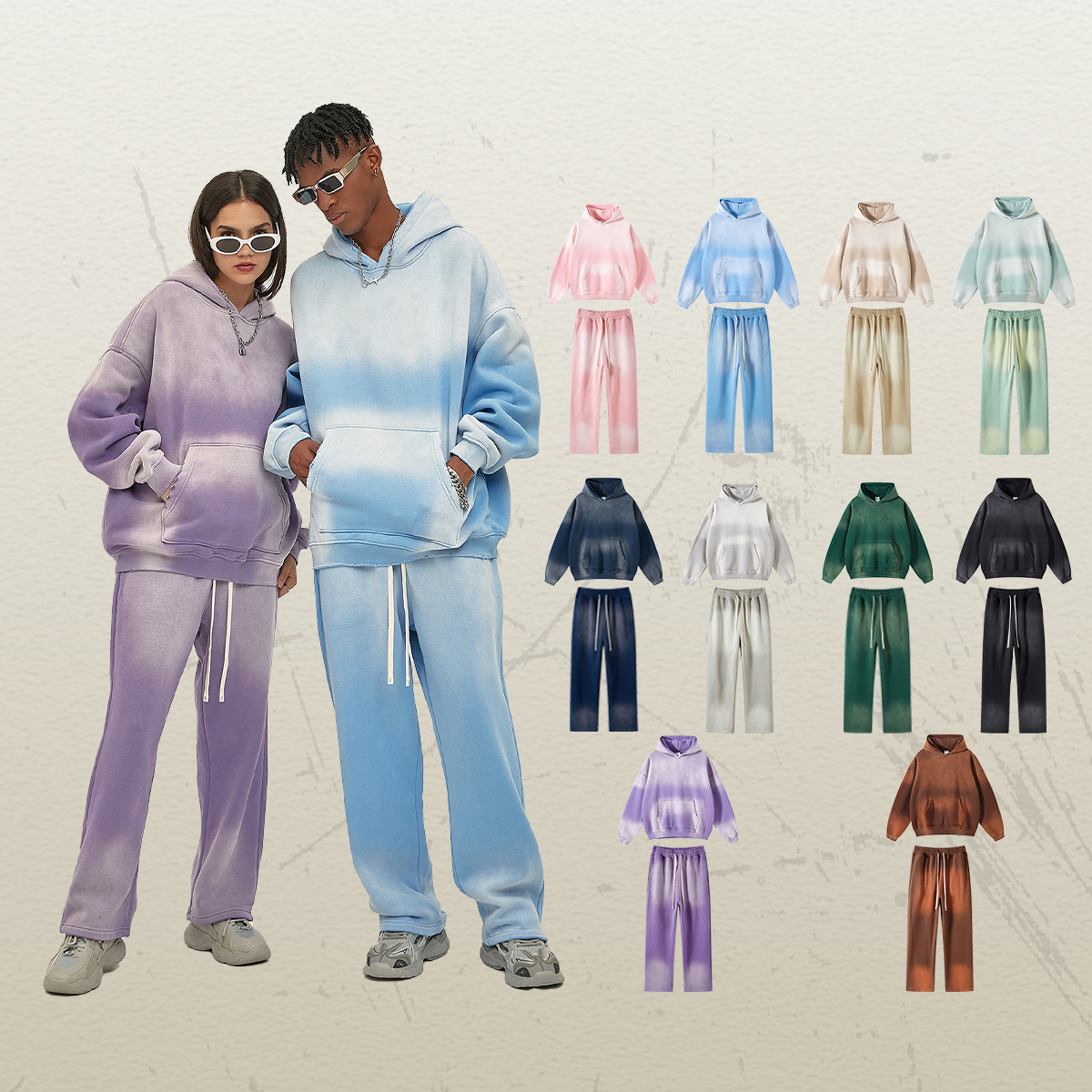
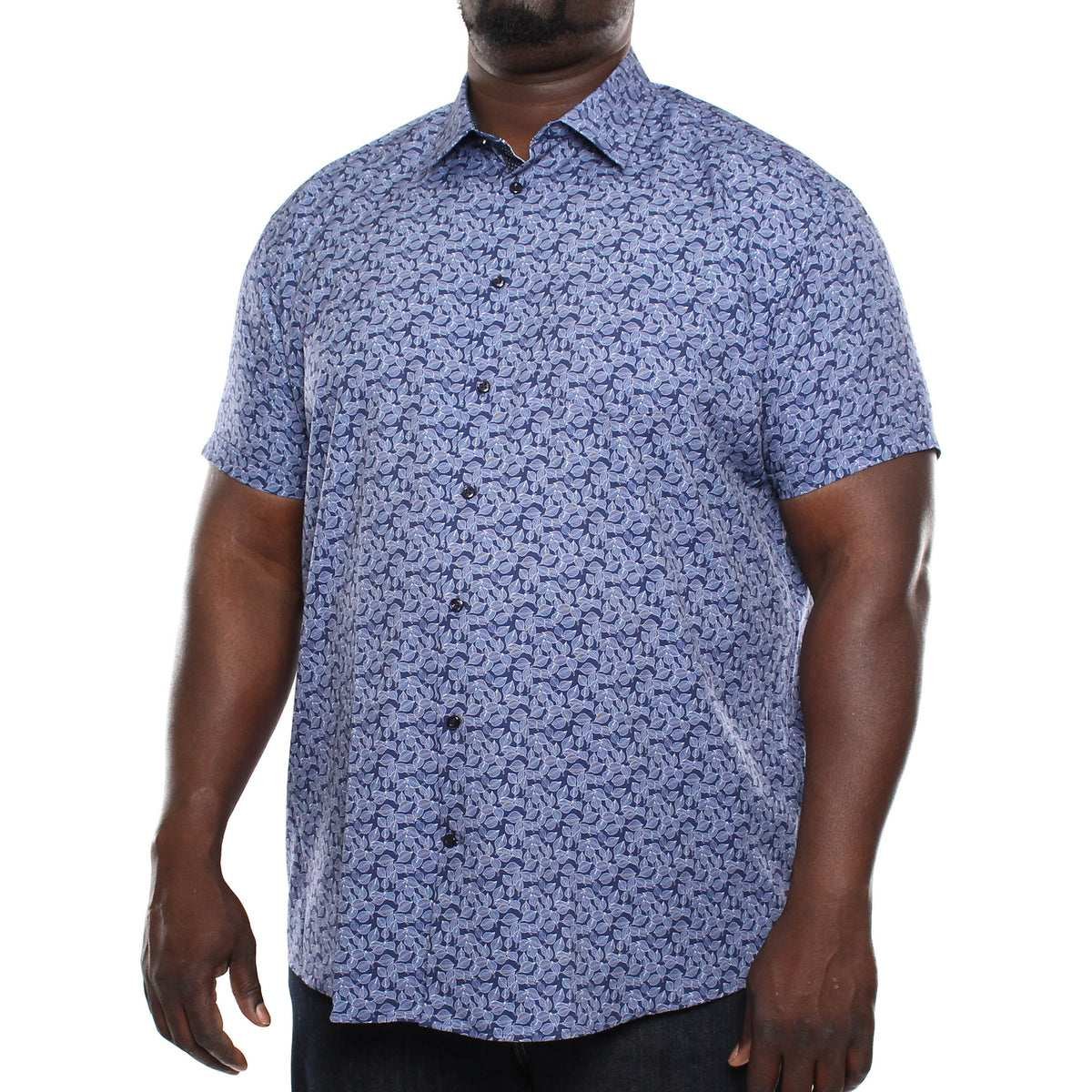
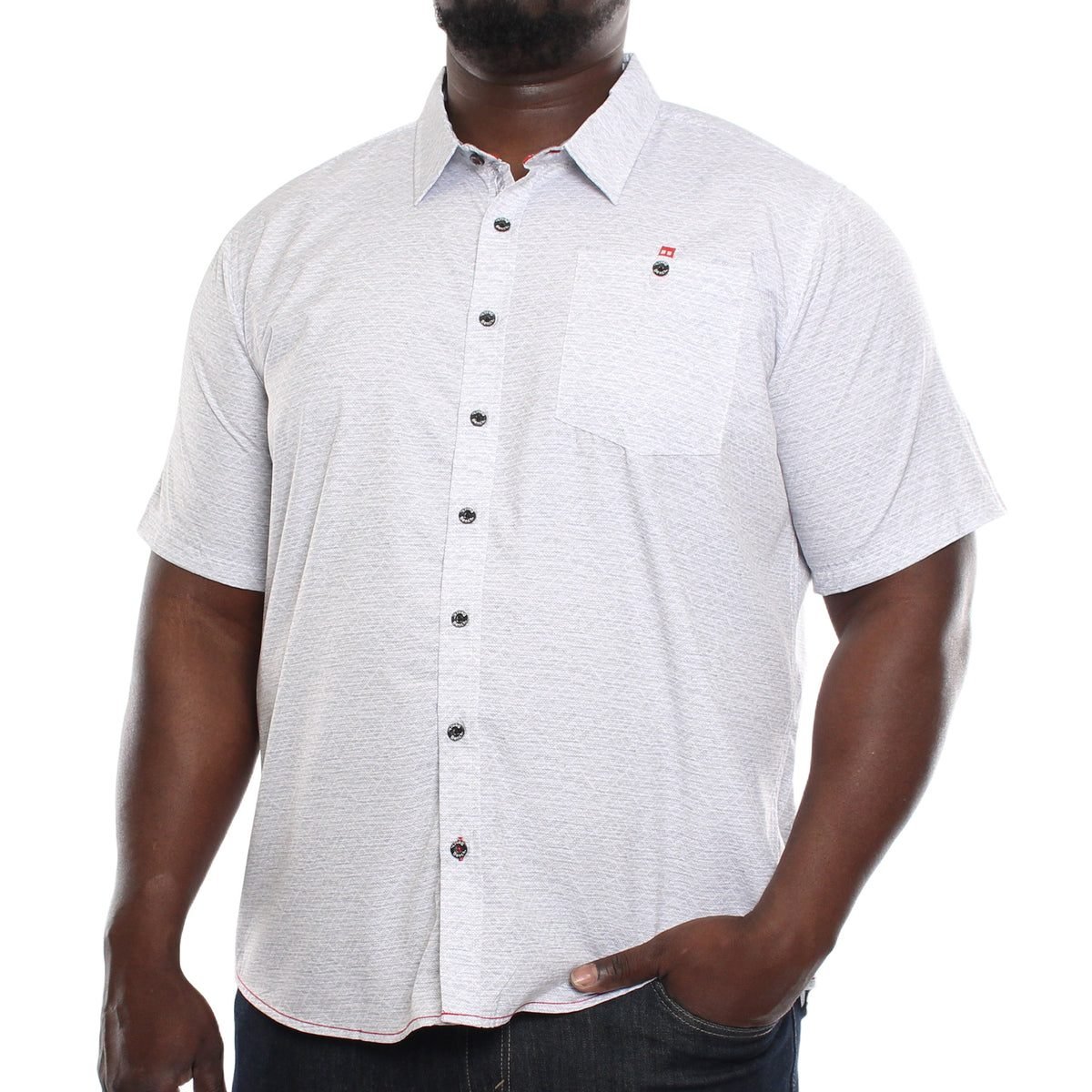
What Makes Premium Pique Knit Fabric Stand Out
Discover why pique knit fabric is the preferred choice for premium streetwear brands worldwide.
Superior Breathability for All-Day Wear
Pique knit fabric’s open weave structure delivers exceptional air circulation, keeping wearers cool and dry through active wear and streetwear styling.
Advanced Moisture-Wicking Technology
The fabric pulls sweat and moisture away from skin efficiently, maintaining performance and comfort during intense activity and all-day urban wear.
Iconic Dimpled Texture Profile
Pique knit fabric’s distinctive piqué weave creates immediate visual depth and premium tactile appeal, setting it apart from standard knit alternatives.
Vibrant Color That Holds
Pique knit fabric accepts dyes exceptionally well, delivering brilliant hues that stay vivid through repeated washing, perfect for bold streetwear designs.
Built for Washing & Wear
Premium pique knit fabric resists pilling and fading through frequent laundering, ensuring your streetwear pieces remain wearable and vibrant season after season.
Screen-Print & Embroidery Ready
The stable, uniform surface of pique knit fabric provides an ideal foundation for logos, graphics, and detailed embroidery without distortion or slippage.
How Brands Combine Pique Knit Fabric with Premium Techniques
From embroidery to custom dyeing—see how streetwear leaders pair pique knit fabric with complementary production capabilities.
Launch Mixed-Fabric Collections
Emerging brands face steep minimums when testing pique knit, mesh, and jersey together. Sampling across multiple suppliers costs time and money—often too much to justify early-stage collection experiments.
Our low MOQ and in-house sampling let you combine pique knit fabric with complementary weaves in one order. Fast prototyping, single production partner, consistent quality across all fabrics.
Build Signature Embroidered Pieces
Creator brands need branded pieces that stand out. Finding a manufacturer who masters both premium pique knit fabric AND precision embroidery—without sacrificing timeline—remains a constant challenge.
Our in-house embroidery team works directly with pique knit production. Your designs come to life faster, with perfect stitch alignment and color-matched branding across every signature piece.
Scale Seasonal Collections
Retailers need fresh seasonal drops with varied techniques: screen printing, custom dyeing, and mixed fabrics. Coordinating these across different manufacturers creates delays, inconsistencies, and quality headaches every quarter.
One partner for all seasonal pique knit fabric needs—with in-house screen printing, dyeing, and sampling. Fast turnaround, 5-step QC guarantee, and global shipping ensure consistency season after season.
Create Premium Hybrid Collections
High-end designers want textural contrast without sacrificing cohesion. Pairing pique knit fabric with waffle knit or mesh requires sourcing coordination, and most factories can't guarantee matching quality across knit types.
We produce pique knit, waffle knit, and jersey under one roof with identical 5-step QC protocols. Your collection feels unified and premium—all from one trusted manufacturing partner.
Pique Knit Fabric Expertise Backed by Industry Leadership
Founded in 2024 by Tesla Luo, Clothing Manufacturer Ltd. brings 10+ years of production mastery and 6 years of streetwear specialization to every pique knit fabric project. Raised in Dongguan’s garment manufacturing hub with parents in senior apparel roles, Luo rotated through every production step—sewing, cutting, QC, packing, shipping—mastering the quality standards that define premium streetwear production.
Our pique knit fabric offerings reach customers across 100+ countries. With an in-house R&D team of 15 experts, we design and refine samples in-house, cutting lead times for emerging brands and scaling established labels. We serve everyone from zero-to-one startups to global retailers—backed by Dongguan TuoZhen Clothing’s production infrastructure, which allows us to maintain low MOQs without compromising capacity.
What sets our pique knit fabric production apart is an unwavering commitment to zero-compromise quality. We implemented a proprietary 5-step QC methodology—materials testing, cutting QC, craft QC, sewing production QC, and final inspection—ensuring defects surface early. This approach, combined with fast seasonal turnaround and transparent communication, has earned trust from streetwear brands, influencer lines, and retailers who demand excellence without cutting corners.
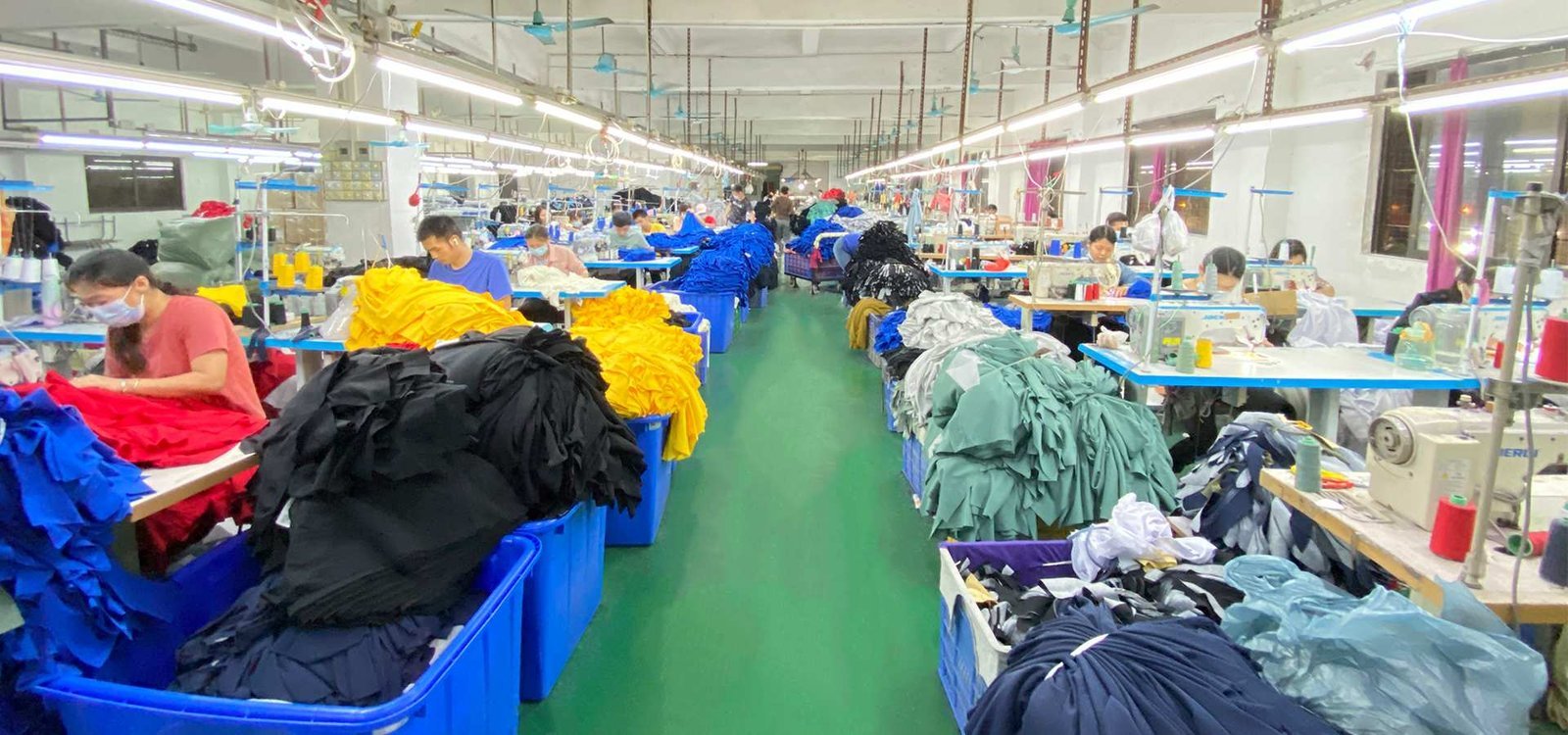
The Engineering Behind Premium Pique Knit Fabric Quality
Precision Pique Knit Stitch Density
Optimal stitch density is critical to pique knit fabric performance. Our precision knitting processes maintain consistent gauge, preventing loose stitches that cause pilling, stretching, or premature wear. Tighter construction means longer-lasting streetwear pieces for your customers.
- Gauge consistency from first stitch to finish for predictable fabric properties
- Tight knit construction resists pilling and extends garment lifespan
- Precision needle selection matched to yarn weight and pique structure
- Real-time tension monitoring during production ensures zero density variance
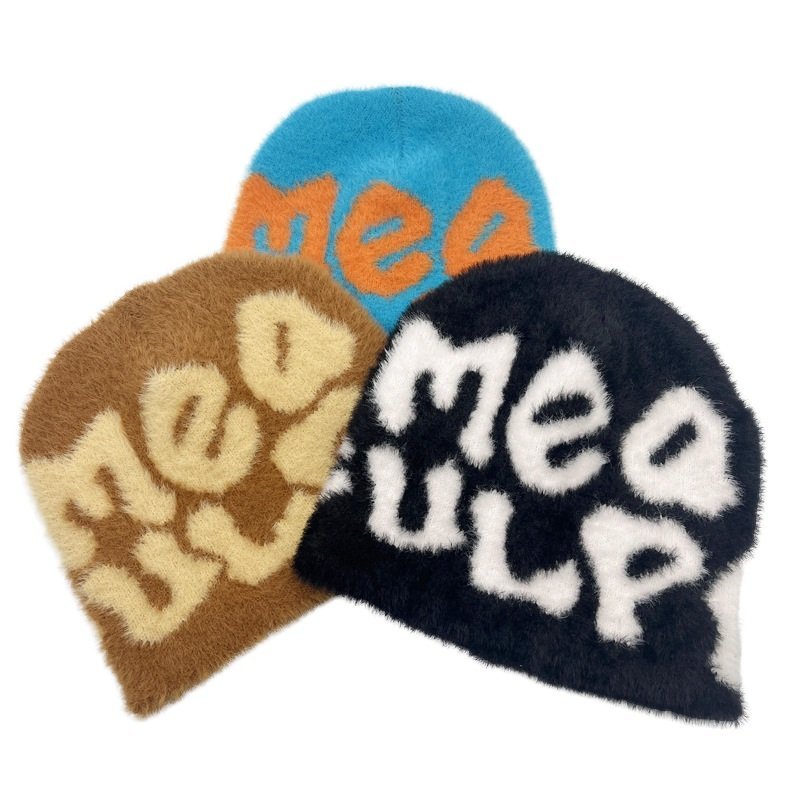
Premium Fiber Selection Excellence
The base material defines pique knit fabric quality. We source exclusively from certified mills producing virgin cotton and premium blends, rejecting recycled fibers that compromise feel or durability. Every bale is traced and tested before entering our production pipeline.
- 100% virgin cotton and premium fiber blends for superior hand feel
- Supplier certifications: ISO 9001, organic standards, ethical sourcing compliance
- Pre-production fiber testing ensures micronaire, staple length, and strength specs
- Bale-level traceability from mill to loom for accountability
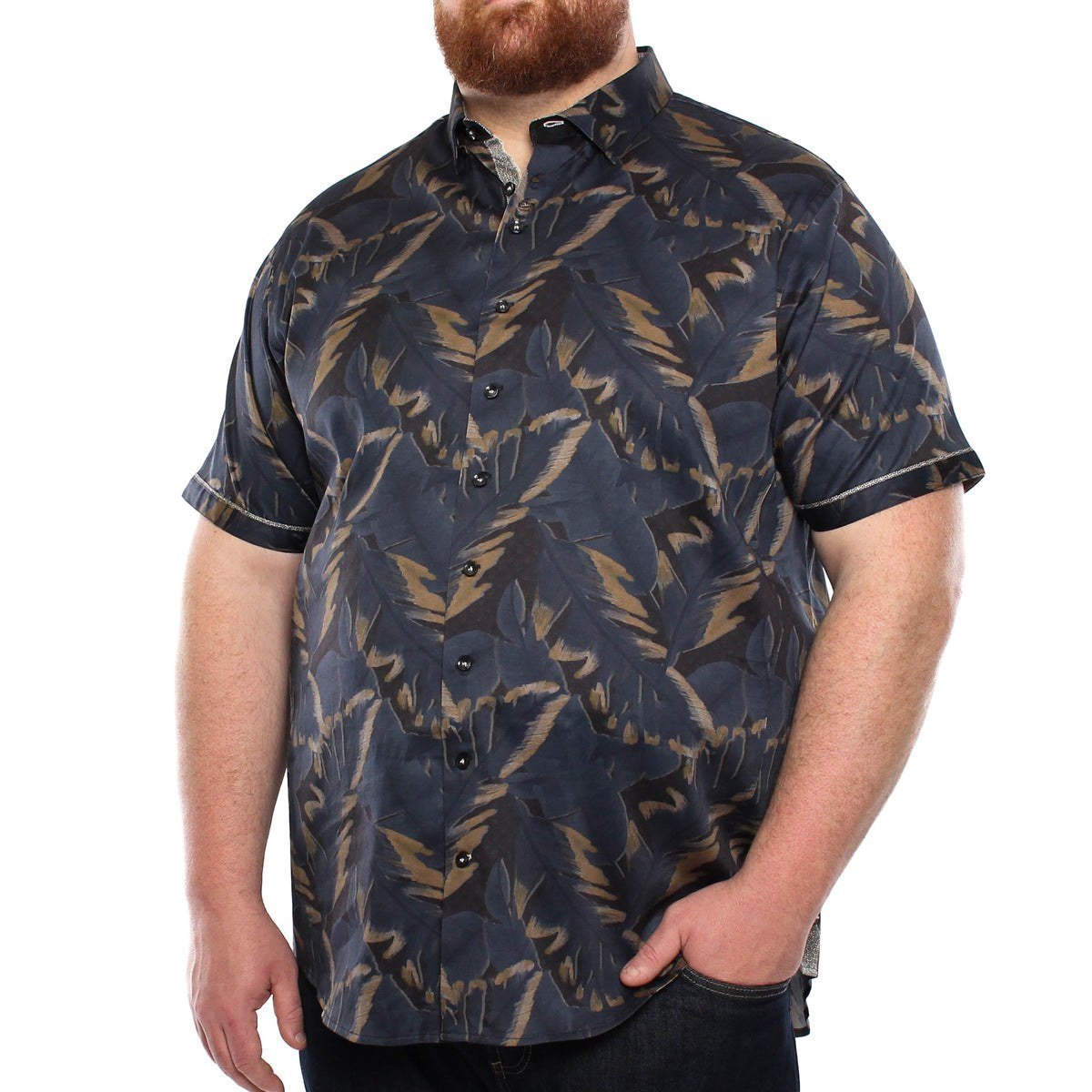
Colorfastness in Pique Knit Fabric
Color stability separates premium pique knit fabric from commodity alternatives. We employ exhaust and pad-dyeing methods optimized for cotton knits, with pre-treatment conditioning that locks dye molecules into fiber. Multi-stage rinsing removes residual dyes that bleed.
- ISO 105 color fastness testing: washing, perspiration, light, and rubbing
- Temperature-controlled dyebaths with precise timing and pH management
- Double-rinse protocol eliminates dye bleeding and cross-contamination risk
- Formulated color matching on every production run for consistency
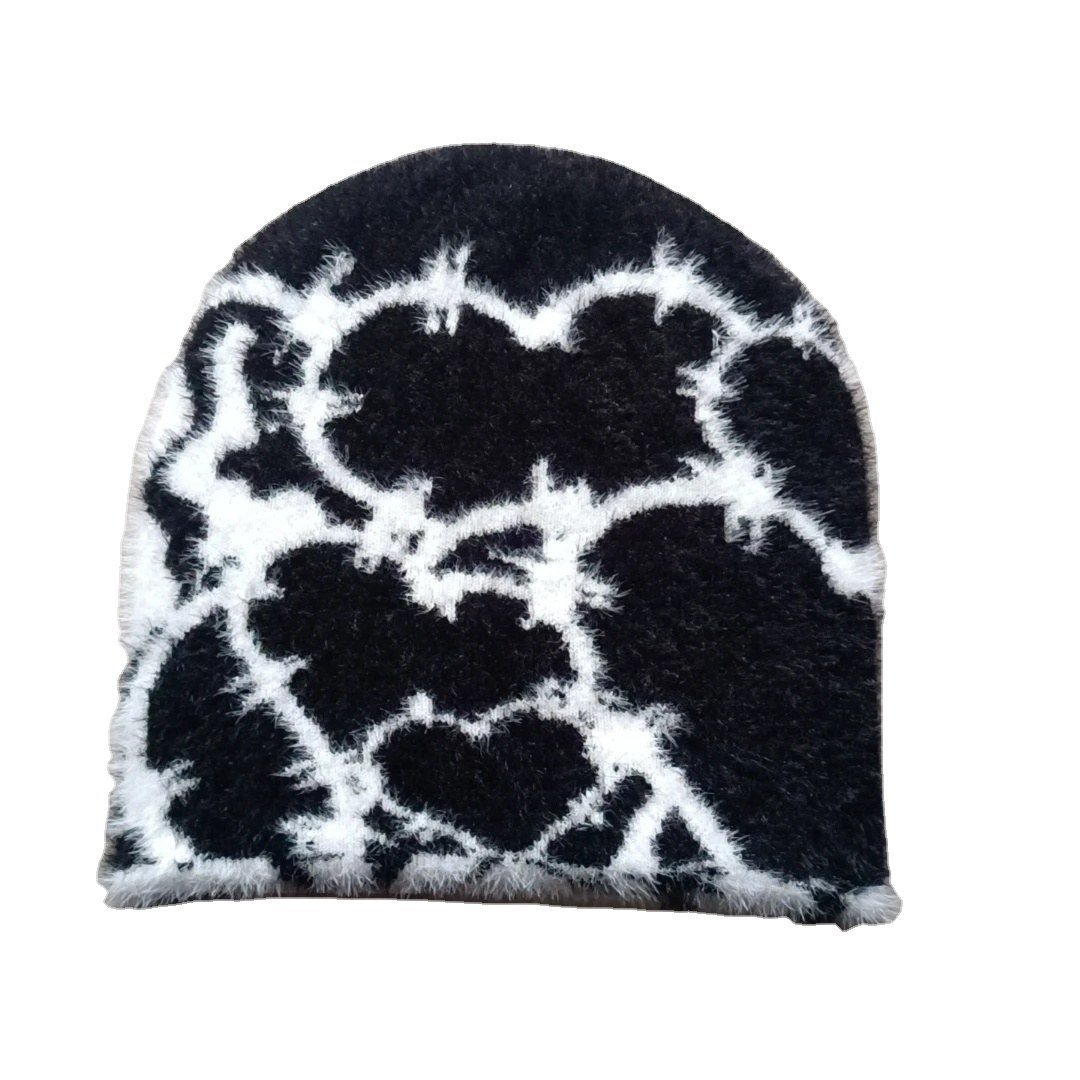
Durability Through Rigorous Testing
Our five-step quality process includes rigorous wash-testing to validate pique knit fabric durability. Finished samples undergo 25+ laundry cycles at controlled temperatures, with dimensional stability, color retention, and seam strength measured throughout to ensure every piece meets our zero-compromise standard.
- 25+ accelerated wash cycles at 40°C, 60°C, and hot-wash conditions
- Dimensional stability tracking: shrinkage limits maintained at <2% across all axes
- Color variance after 25 cycles must fall within Delta E < 1.0
- Seam tear-strength testing per ASTM D6775 ensures long garment lifespan
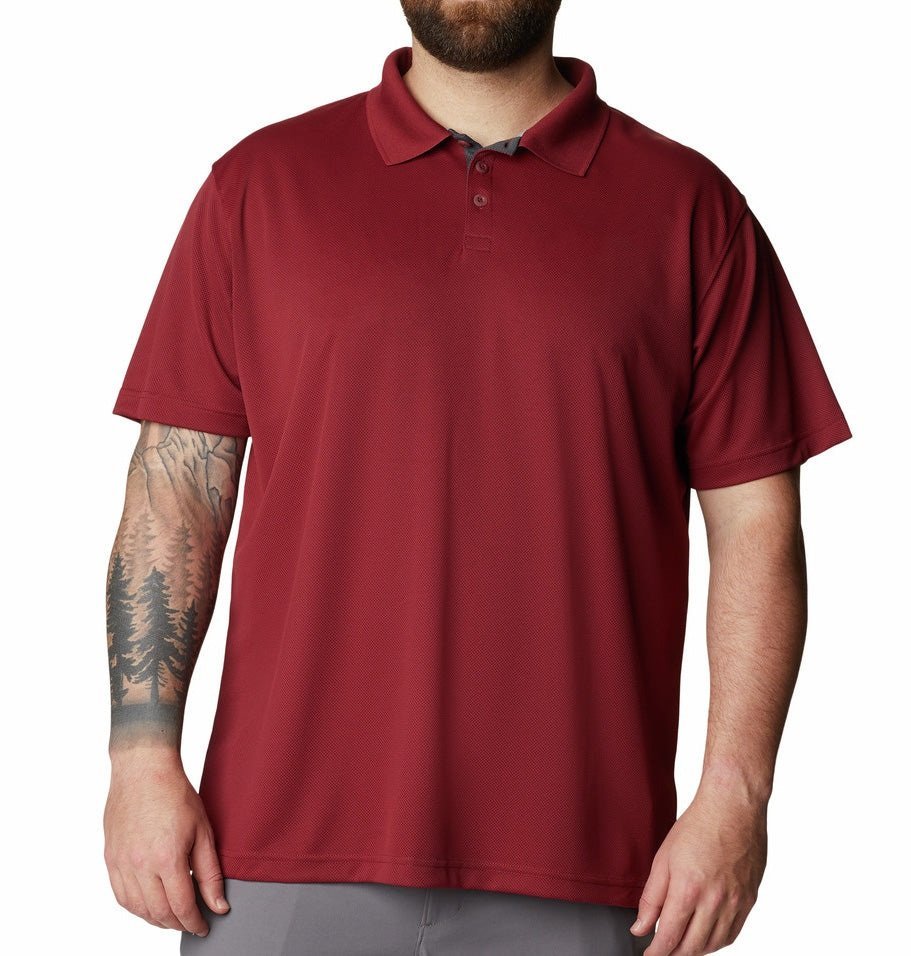
Pique Knit Fabric vs. Jersey Knit — Technical Advantages & Buyer Criteria
Compare pique knit fabric against jersey and other common knit types to select the best choice for your streetwear collection, MOQ needs, and production timeline.
← 左右滑动查看 →
How We Produce Premium Pique Knit Fabric
Our five-step quality control process ensures every pique knit garment meets the highest standards from material sourcing through final shipment.
Material Selection & QC
We source premium pique knit fabric materials and conduct rigorous QC testing to verify fiber quality, weight, and durability standards before production begins.
Pique Knit Production
Our specialized knitting equipment transforms premium materials into consistent, high-quality pique knit fabric with optimal texture and weight for streetwear applications.
Precision Cutting & Testing
We cut pique knit fabric pieces to exact specifications while performing rigorous QC checks to eliminate dimensional errors and ensure pattern accuracy.
Sewing Production QC
Expert seamstresses stitch pique knit garments with precision while our QC team inspects every seam, stitch count, and structural integrity in real-time.
Finishing & Quality Inspection
We apply professional finishing treatments to pique knit pieces, then conduct comprehensive final QC inspection to guarantee every product meets our standards.
Global Shipment & Logistics
Finished pique knit garments undergo final verification, careful packaging with your branding, and shipment via our global logistics network to retailers worldwide.
Order Your Custom Pique Knit Fabric Garments in 5 Steps
From artwork submission to shipped garments—our streamlined process ensures quality at every stage with our five-step QC guarantee.
Submit Your Design Artwork
Present your creative vision with design files and specifications. Our in-house design team reviews artwork compatibility with pique knit fabric properties to ensure production readiness.
Receive and Approve Samples
Get initial samples within our fast turnaround window. Evaluate fabric quality, color accuracy, and fit before committing to full production with zero-risk sampling.
Confirm Sizing and MOQ
Lock in your size range and quantity. We offer low MOQ for emerging brands, with transparent pricing and flexible options for seasonal collections.
Enter Production with 5-Step QC
Your order enters our proprietary five-step quality control process: materials QC, cutting QC, craft QC, sewing QC, and finished product inspection at every stage.
Ship with Global Tracking
Receive your pique knit fabric garments with global shipping support and complete tracking. We handle all logistics so you can focus on your brand.
Why Streetwear Brands Choose Our Pique Knit Fabric
We needed perfect color matching across 8,000 units of pique knit fabric for our seasonal drop. Clothing Manufacturer delivered flawless consistency despite tight timelines—zero returns from retailers. Their rigorous QC process was the game-changer.
We tested the pique knit fabric samples through 50+ wash cycles for durability guarantees. Results exceeded expectations—zero shrinkage, colors stayed vibrant. Our return rate dropped 40%, and customer satisfaction skyrocketed. The investment in premium quality paid for itself immediately.
Their turnaround was incredible—14 days from approval to shipping for our seasonal pique knit fabric collection. Embroidered logos came out perfect on every piece. We’ve cut production lead times by 30% and now launch collections exactly on schedule.
Pique Knit Fabric — Frequently Asked Questions
Everything you need to know about our pique knit production, from fiber options to quality certifications.
What is pique knit fabric?
What fiber blend options are available in pique knit fabric?
Can you screen print on pique knit fabric?
Is pique knit fabric suitable for embroidery?
What is your minimum order quantity (MOQ)?
How long does production take for pique knit orders?
What quality certifications and testing do you provide for pique knit fabric?
How do I care for pique knit fabric garments?
The Complete Buyer’s Guide to pique knit fabric
Learn the essential specifications, quality markers, and sourcing best practices for pique knit fabric. Navigate fabric types, materials, and production methods—then avoid costly mistakes when selecting manufacturers.
1. What is pique knit fabric?
Pique knit fabric is a warp-knitted textile characterized by a distinctive raised, textured surface that resembles small dimples or a waffle-like pattern. Unlike weft-knitted fabrics such as jersey, which flow flat and smooth, pique knit’s unique construction creates three-dimensional texture through the interlocking of vertical warp yarns at specific intervals, allowing the fabric to maintain its shape and structure even in warm conditions. Typical pique knit weighs between 180–220 GSM (grams per square meter), balancing durability with breathability.
Pique knit differs fundamentally from jersey in both structure and feel. Jersey is constructed from a single continuous yarn loop running horizontally (weft direction), creating a stretchy, flat face; pique knit uses multiple yarn systems where some fibers create the raised pattern while others anchor the structure underneath. This dual-layer construction gives pique knit superior durability, recovery, and resistance to pilling compared to jersey alternatives.
Pique knit fabric commands a premium price point compared to basic jersey due to its multi-layer construction and superior durability. Polo shirts and high-end casual wear represent the most iconic uses, because the fabric’s breathability and shape retention make it ideal for warm-weather collections. Brands select pique knit when they prioritize garment longevity and refined appearance, since the raised surface increases air circulation while resisting the pilling and sagging that plague single-knit alternatives.
2. History and Evolution of pique knit
1840s origins — pique originated as a luxury silk fabric from French looms, initially reserved for aristocratic garments and formal wear. This historical foundation established pique’s reputation for precision weaving and elevated construction quality.
Late 1800s to 1950s — manufacturers transitioned pique from expensive silk to durable cotton as industrial looms improved. This shift democratized the fabric, making it accessible to sportswear brands and mass-market manufacturers seeking structured, breathable alternatives to plain weaves.
1960s onward — pique knit fabric became the standard for polo shirts, casual button-ups, and athletic wear. Brands recognized that pique’s raised geometric pattern provided both aesthetic appeal and functional advantages: enhanced durability, moisture management, and a premium feel that justified higher retail positioning.
Today, advanced machinery enables production of pique in weights from 150 to 300 GSM, with fiber blends ranging from 100% cotton to cotton-poly-spandex combinations. For streetwear and indie brands building collections, pique offers a versatile foundation that signals quality and enables multiple decoration techniques—embroidery, screen printing, and sublimation—making it central to contemporary product strategies.
3. Types of pique knit fabric
Pique knit fabrics display distinct variations in surface texture, weight, and pattern visibility. Each variation serves specific garment styles and seasonal use. Understanding these differences helps you select the ideal pique type for your collection.
Honeycomb Pique
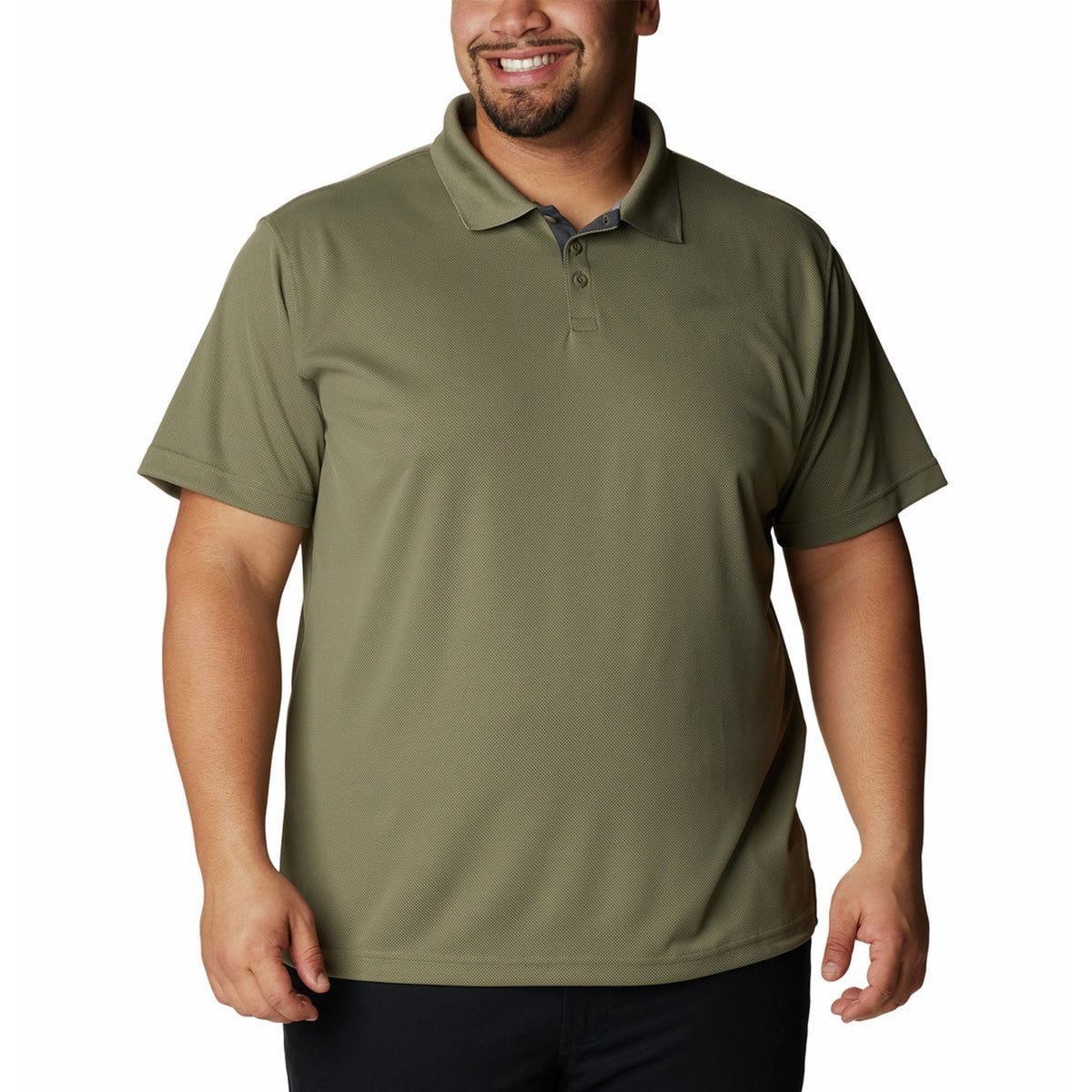
Honeycomb pique features a raised three-dimensional pattern resembling a honeycomb grid. Typical GSM ranges from 220-280, offering moderate weight and excellent breathability.
This variation suits polo shirts, sport coats, and premium casual wear. The textured surface adds visual interest while maintaining structured drape.
Waffle Pique
Waffle pique displays larger, more pronounced raised cells than honeycomb variants. GSM typically ranges 240-320 for heavier, more substantial feel.
The grid pattern remains highly visible and creates distinctive silhouette. Best for oversized streetwear, structured jackets, and fashion-forward basics.
Mesh Pique
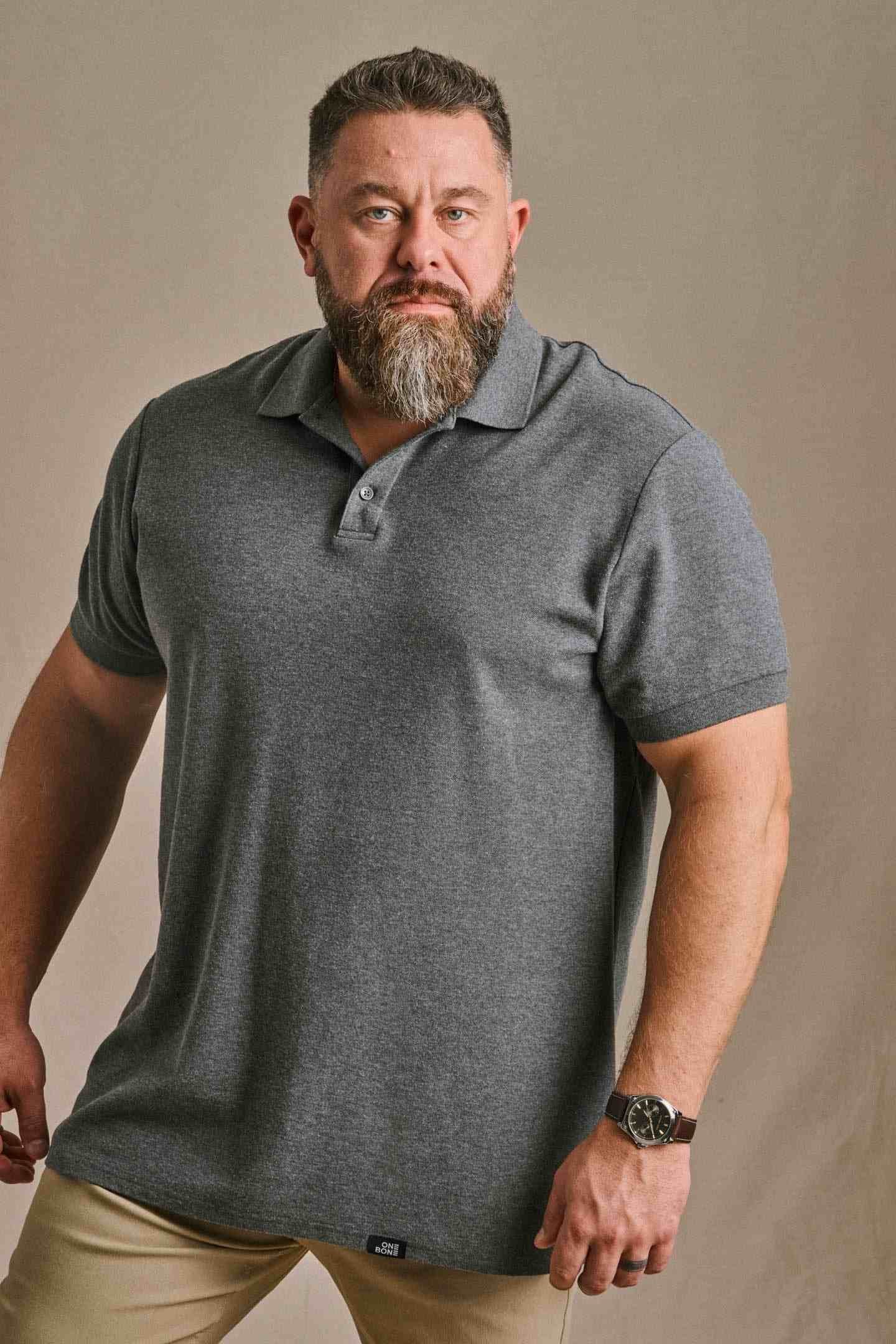
Mesh pique incorporates visible mesh openings throughout the knit structure. GSM ranges 180-240, making it the lightest variation.
Enhanced airflow and moisture-wicking ideal for warm-weather pieces and athletic wear. The open construction provides maximum breathability without sacrificing durability.
Mini Pique
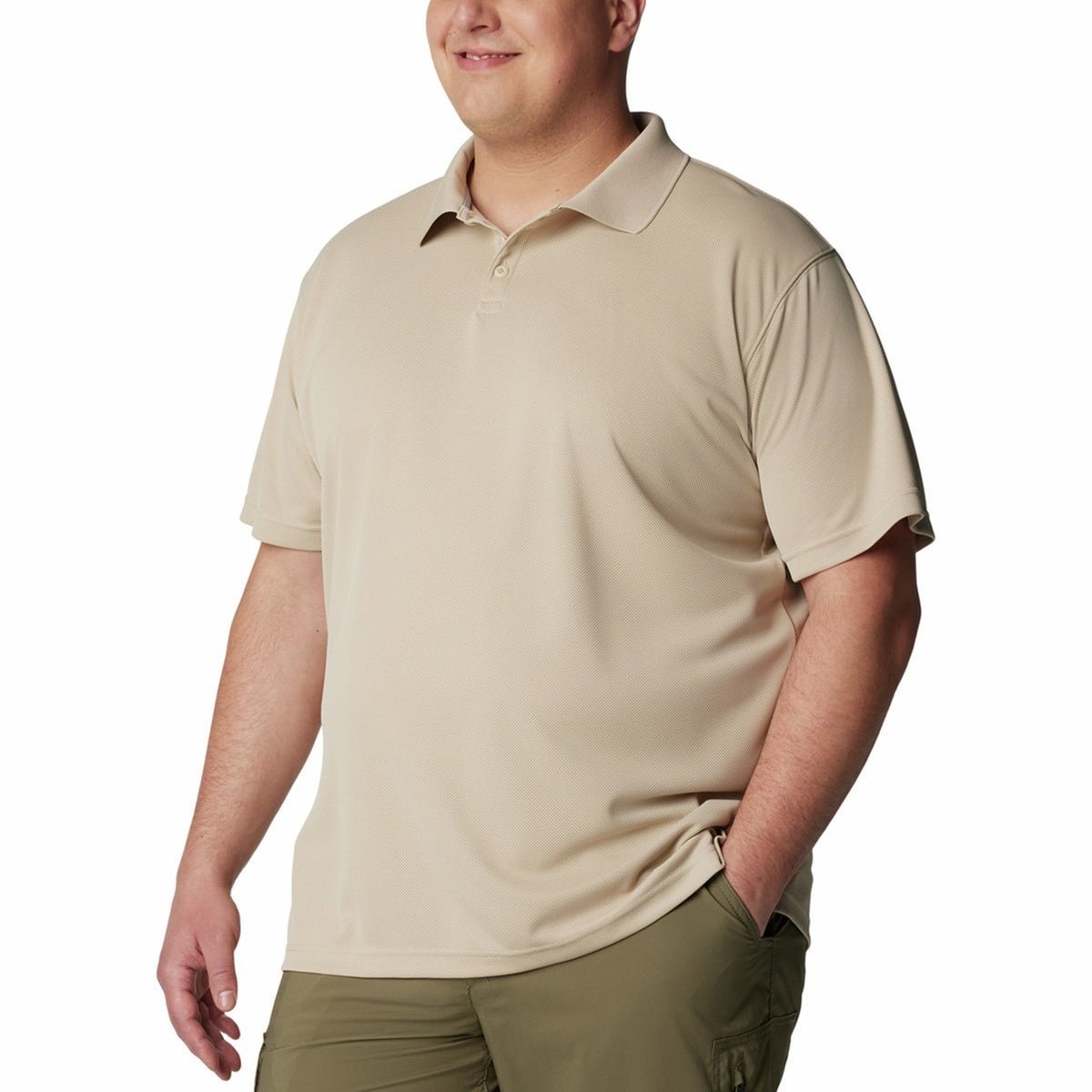
Mini pique features compact, subtle raised pattern for refined appearance. GSM typically 200-260 for versatile weight and drape.
The fine texture works well for fitted garments and premium basics. Minimal pattern visibility creates sophisticated look suitable for contemporary streetwear.
Jacquard Pique
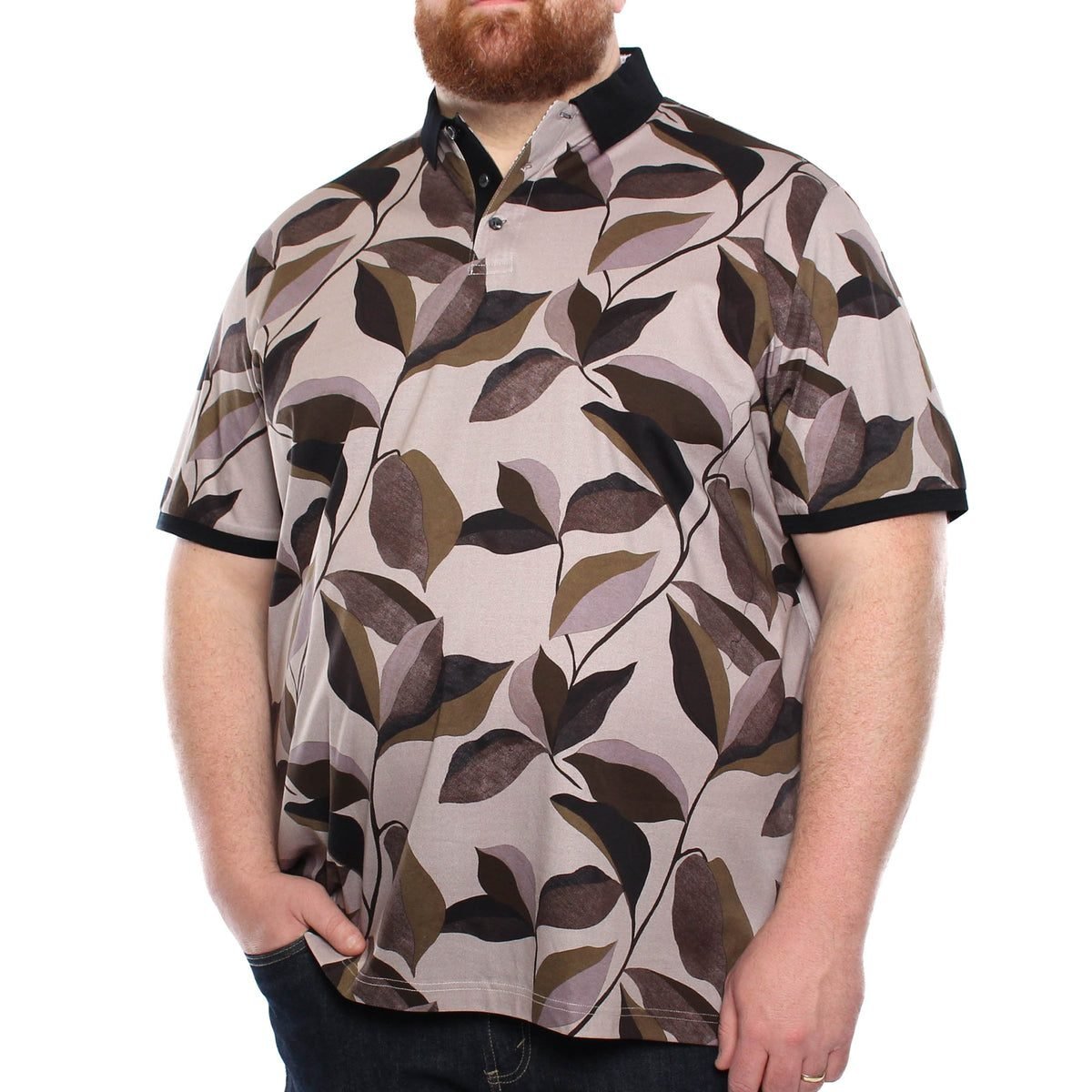
Jacquard pique integrates decorative knit patterns directly into the fabric structure. Pattern options range from geometric designs to custom brand motifs.
GSM varies 240-300 depending on pattern complexity. Ideal for branded pieces, collaborative collections, and statement garments.
4. Materials and Fiber Composition
Fiber composition is the foundation of pique knit fabric performance, determining breathability, durability, and maintenance demands. The 150–250 GSM range encompasses lightweight summer styles to structured garments. Choosing between pure cotton, blended, and synthetic options directly impacts your cost structure and brand perception.
| Fiber Type | GSM Range | Shrinkage | Breathability | Typical Care |
|---|---|---|---|---|
| 100% Cotton | 160–200 | 3–5% | Excellent | Gentle wash, air dry |
| Cotton-Poly (65/35) | 180–220 | <2% | Good | Machine wash 60°C |
| Polyester | 200–250 | <1% | Moderate | Machine wash, tumble dry |
Pure Cotton vs. Blended Fibers
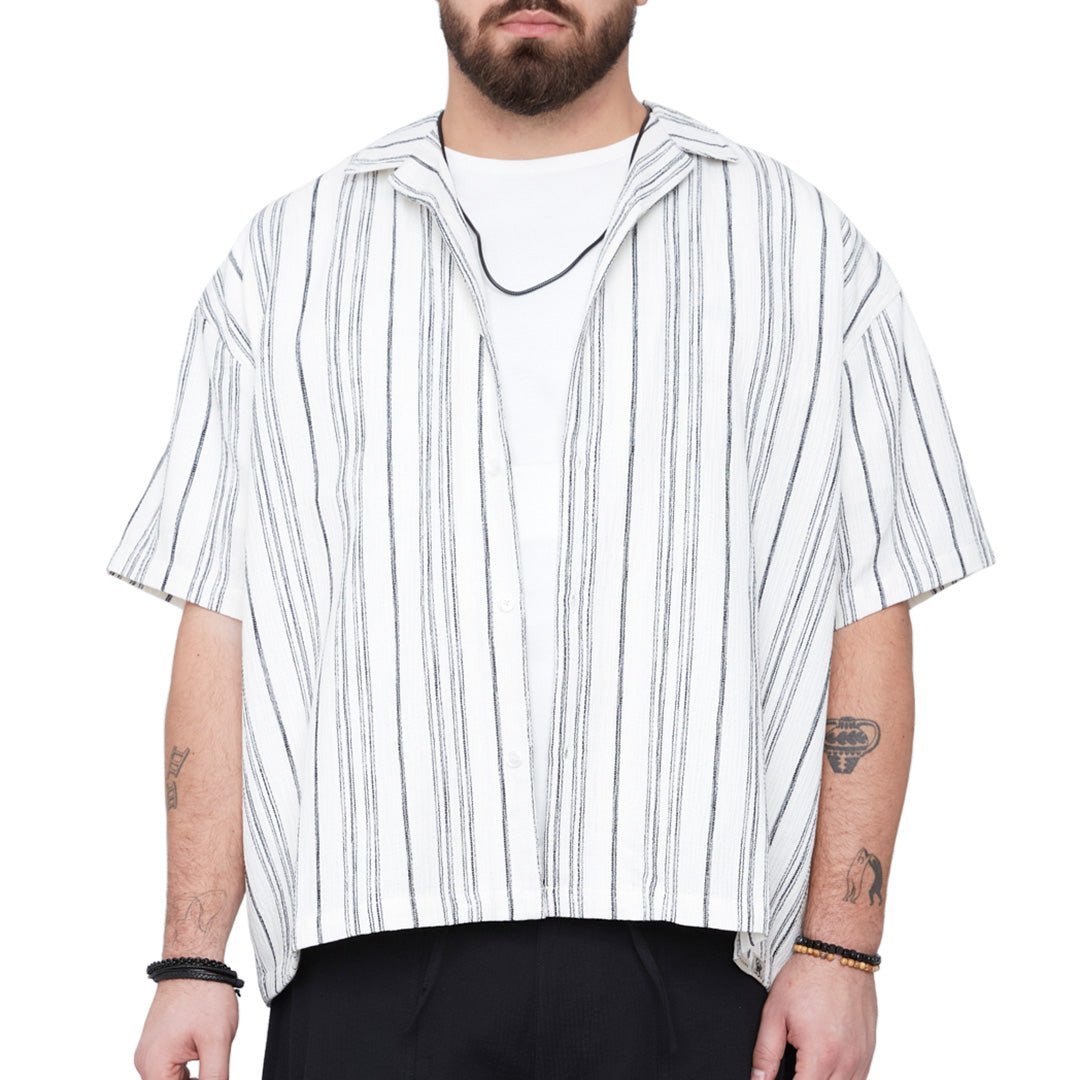
100% cotton pique (160–200 GSM) delivers luxury feel and breathability but shrinks 3–5%, requiring pre-treatment during manufacturing.
Cotton-polyester blends (typically 65/35, 180–220 GSM) reduce shrinkage to under 2%, improve color retention, and dominate competitive streetwear.
Synthetic piques (200–250 GSM) resist wrinkles and fading but sacrifice the tactile premium of cotton.
Breathability and Moisture Wicking
Cotton and cotton-rich blends provide superior moisture absorption — critical for active wear. Synthetic piques (100% polyester) absorb moisture poorly but wick sweat away effectively.
Blend ratio directly affects wearability: higher cotton percentages deliver better breathability and comfort, driving customer satisfaction and repeat purchases.
Care Requirements and Durability
100% cotton requires gentle washing and air drying to prevent shrinkage and pilling. Cotton-polyester blends tolerate machine washing at 60°C and low-heat drying while maintaining shape.
High-quality ring-spun and combed cotton resists pilling across 30+ wash cycles; this durability justifies premium positioning and builds customer loyalty.
Sustainability and Material Selection
OEKO-TEX and GOTS-certified cotton signals chemical compliance and ethical labor standards. Recycled polyester blends reduce environmental impact without sacrificing performance.
Certified sustainable fibers in pique knit fabrics typically command 5–15% price premiums; communicate sourcing transparently to attract environmentally conscious buyers.
5. Customization and Decoration Options
Pique knit’s distinctive textured surface creates both opportunities and constraints for decoration. Thread, ink, and dye compatibility with the three-dimensional knit structure determines finish quality and longevity. Multiple wash cycles test each decorative method’s durability.
Embroidery on Pique
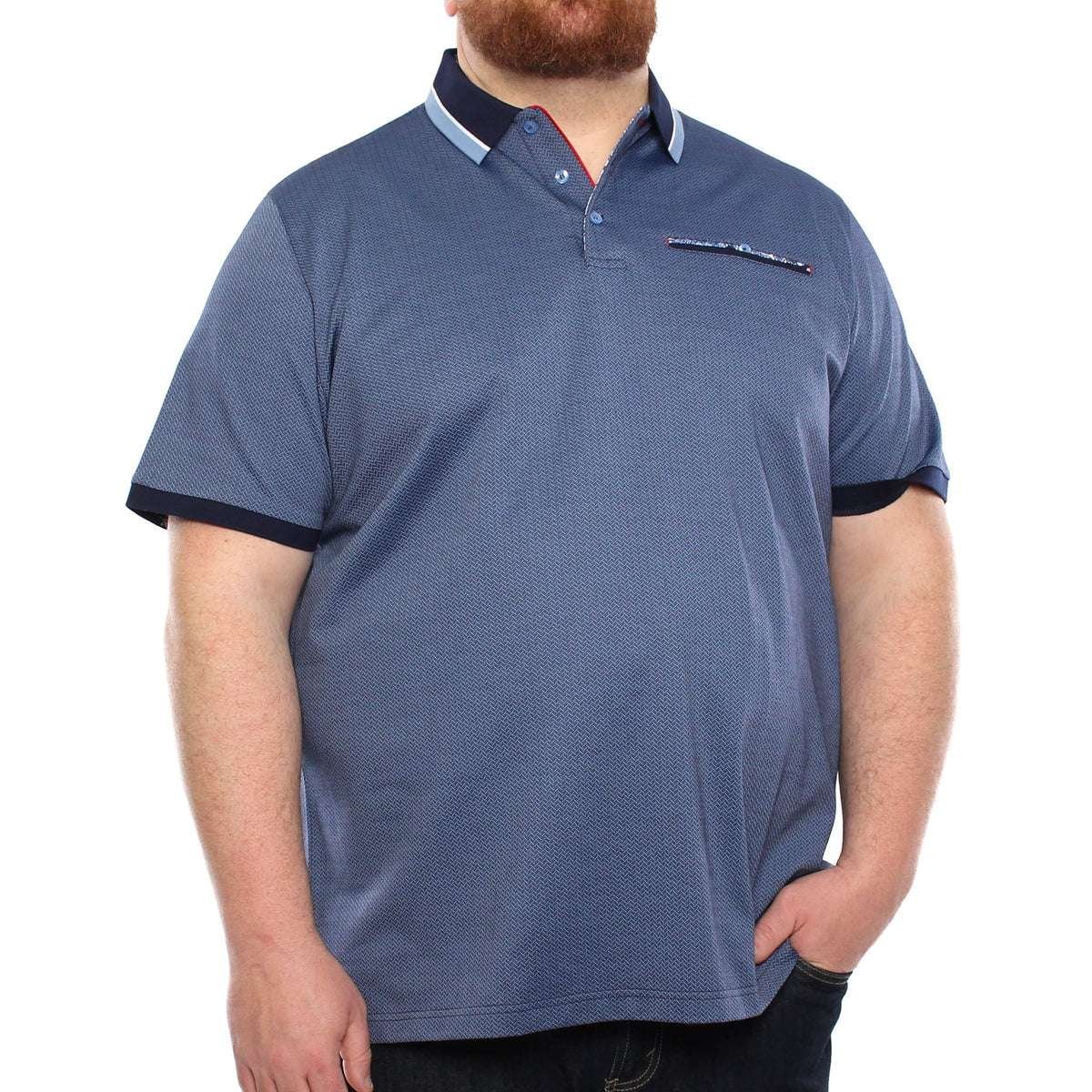
Polyester and nylon threads at 40-50 weight provide better coverage over pique’s textured peaks than finer threads.
Cross-stitch patterns distribute load effectively, preventing tension cracking. Stitch density should not exceed 4 stitches per centimeter to avoid puckering.
Screen Printing Durability
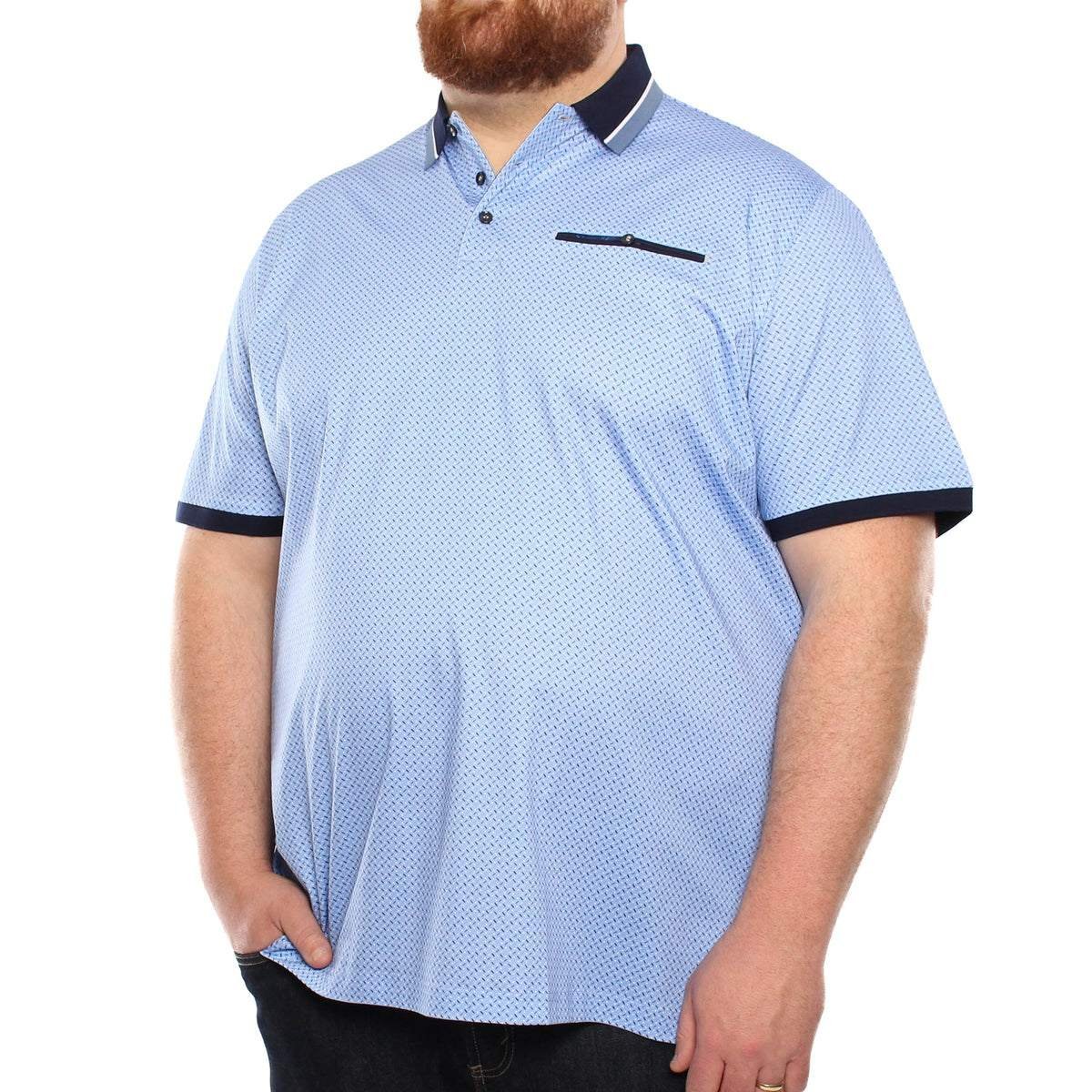
Soft-hand inks adhere better to pique than standard plastisol due to knit texture compatibility.
Prints survive 30+ wash cycles at 80-100 microns ink thickness. Longer dwell times during flash-cure accommodate pique’s air permeability.
Dye Options and Color Fastness
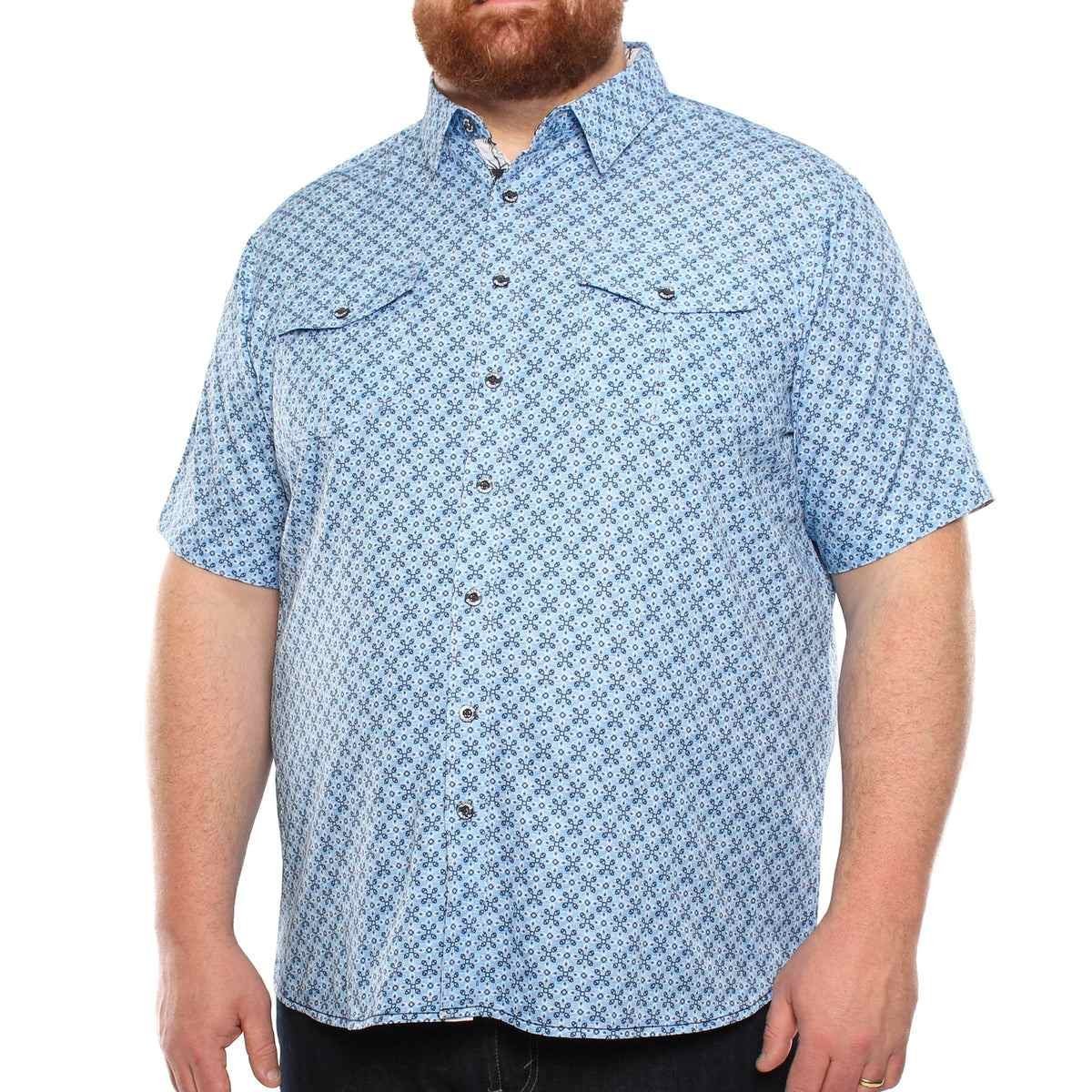
Reactive dyes bond directly to cellulose pique, achieving ISO 105-C06 grades 4-5 color fastness compared to synthetics.
Pre-dyed pique maintains color consistency within ±2 CIELAB units. Custom colors require 500+ kg minimum to justify dye setup and ensure even levelness.
Jacquard and Tonal Finishes
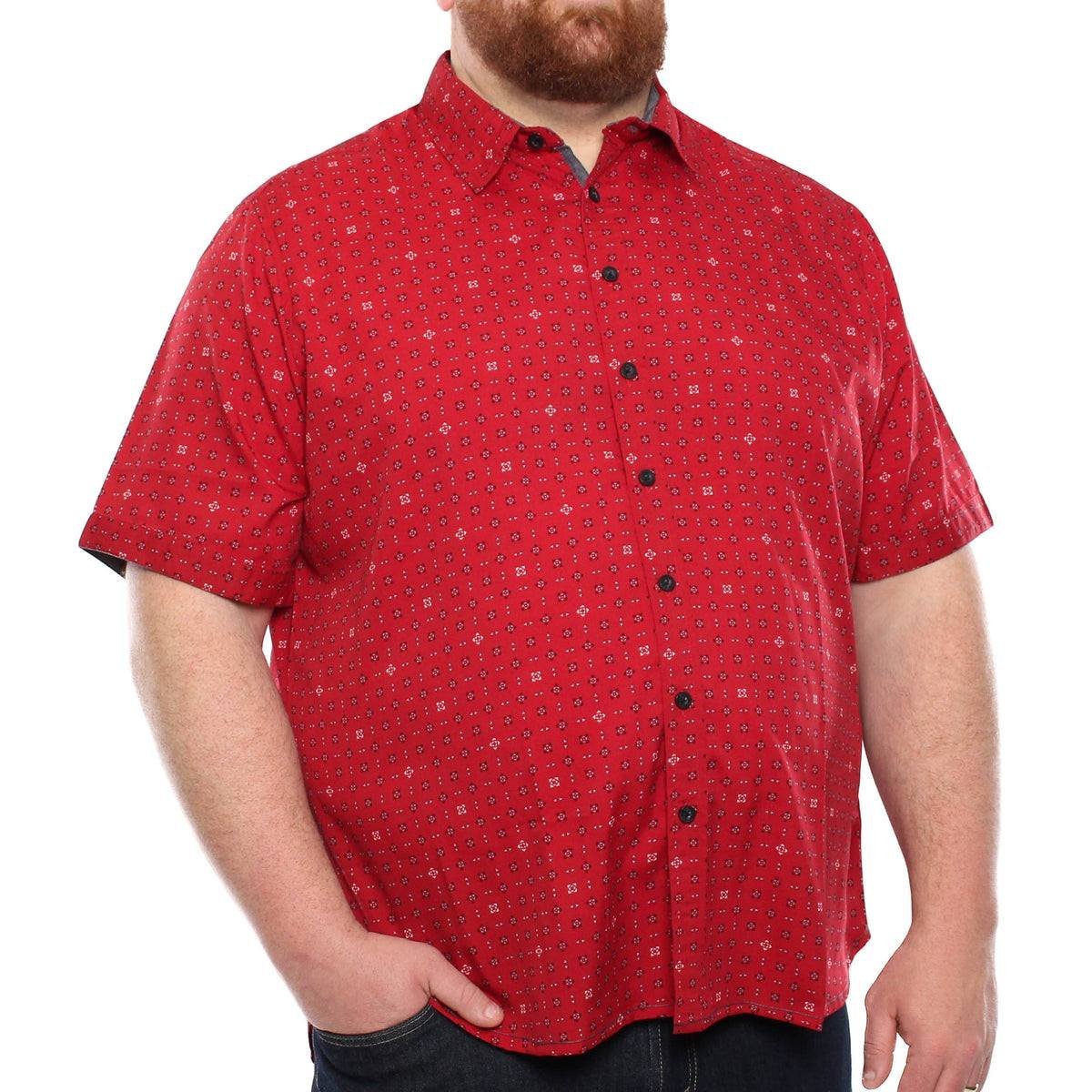
Jacquard weaving integrates color and texture during knit formation, avoiding limitations of surface decoration methods.
Two-color jacquard adds 20-30% to base cost but eliminates print durability risks. Tonal finishes via acid overdyes enhance texture without changing base color.
Design Constraints
Large solid prints crack if ink layers exceed 200 microns. Separate multi-color designs into thin passes to prevent delamination.
Tight corners and fine linework (under 2mm width) are prone to ink pooling. Design registration tolerance should be ±3-5mm wider than woven cotton.
6. Quality Markers in pique knit Production
Quality markers in pique knit distinguish manufacturers who skip checks from those who embed QC throughout production. Five measurable indicators—GSM accuracy, knit tension, seam strength, color stability, and pilling resistance—signal compliance with fabric and garment standards.
GSM Accuracy and Weight Consistency
Pique knit typically ranges 160–220 GSM for polo shirts, 220–280 GSM for heavier weights. Request mill certificates confirming actual measured GSM; deviations beyond ±3% signal uncontrolled dyeing or fiber blending. Quality manufacturers test every roll, not just delivery samples.
Even Knit Tension and Stitch Consistency
Uneven tension produces visible loops, slubs, or dropped stitches. Professional manufacturers inspect multiple points per roll using tension sensors. Request samples and inspect under bright light for loops, thin patches, or misaligned ribs. Consistent loop height indicates proper needle and feeder setup.
Seam Strength and Edge Consistency
Seams must meet ISO 13934-1 tensile requirements (≥18 kgf for apparel). Professional manufacturers use 12–16 stitches per inch and consistent thread quality. Edge finishes must be uniform across the garment. Inspect sample seams; uneven stitching signals poor operator training.
Color Stability and Shrinkage Resistance
Pique knit must meet ISO 105-C06 wash fastness and ASTM D2172 light fastness standards. Color batch variation creates visible defects in bulk orders. Quality manufacturers shrink-test at customer-specified wash temperature; pique typically shrinks 2–4% in length. Specify shrinkage allowance in grading before cutting.
Pilling Resistance and Ply Durability
Pilling—fiber balls on fabric surface—degrades appearance after wear. ISO 12945 pilling tests grade fabric 1–5 (5 = pill-free). Multi-ply pique resists pilling better than single-ply; confirm ply count from cross-sections. Quality manufacturers track ratings and reject batches below grade 4.
Evaluating Manufacturer Samples
Request presample cuts (3–5 meters per colorway) and finished sample garments (polos, hoodies). Wash and wear samples through your intended care cycle. Measure GSM, assess dye uniformity, and inspect ply cross-sections. Document results as your approval spec for bulk production.
7. How to Choose a Manufacturer
Selecting the right pique knit fabric manufacturer requires balancing production capacity, quality standards, and communication. Evaluate samples, certifications, and lead times before committing to orders. A trustworthy partner offers transparent processes, responsive support, and proven quality control at every stage.
Production Capacity and MOQ Flexibility
Confirm manufacturer capacity for your volume. Most pique knit specialists in Asia accept MOQs of 500–2,000 units per colorway.
Clothing Manufacturer Ltd offers flexible minimums for startups and brands scaling production. Request detailed capacity timelines to ensure they meet your growth projections.
Sample Turnaround and Lead Times
Fast sampling validates your designs. Leading manufacturers deliver pique knit samples within 7–14 days; production lead times run 30–45 days depending on customization.
Request written turnaround SLAs and confirm rush-fee structures. Build revision time into your timeline.
Quality Certifications and Testing
Require OEKO-TEX, GOTS, or WRAP certifications for pique knit production. Verify five-step quality control: materials QC, cutting QC, craft QC, sewing production QC, and final inspection.
Request test reports and defect benchmarks. Avoid suppliers who skip mid-production quality stages.
Payment Terms and Communication
Negotiate payment schedules: deposit (30–50%), pre-production balance, and final balance on delivery. Establish communication expectations—regular updates, response timelines, and escalation procedures.
Use project management tools or dedicated contacts. Clear communication reduces order surprises and quality issues.
Geographic Considerations and Red Flags
Avoid manufacturers quoting unrealistically low prices or skipping quality checks. Verify track records with references.
Humen, Dongguan—China’s garment hub—offers lower costs and pique knit expertise. However, calculate total lead time including shipping and customs clearance when choosing location.
8. Common Mistakes Buyers Make
Brands often rush pique knit fabric orders without accounting for critical variables that impact final fit, durability, and cost. Five oversights—from ignoring shrinkage to vague specifications—commonly derail timelines and increase waste.
Overlooking Shrinkage Allowance
Pique knit fabrics typically shrink 2–5% during standard home washing (30–40°C cycles). Many buyers design garment fit using greige (raw) measurements without accounting for this shrinkage, resulting in undersized pieces after customer’s first wash.
Mismatching Pique Weight to End Use
Selecting 220 GSM pique for tropical wear or lightweight 160 GSM for cold-weather layering undermines durability and wearer comfort. Appropriate weight—180–220 GSM for warm climates, 240–320 GSM for structured wear—ensures the finished garment performs in its intended market.
Skipping Sample Validation
Proceeding to bulk production without testing fit tolerance, dye consistency, shrinkage, and trim placement on pre-production samples compounds issues later. A proper sample cycle—typically 2–4 weeks—identifies and resolves problems before expensive bulk runs begin.
Writing Vague Specifications
Many buyers treat all pique knit fabric offerings as interchangeable and omit colorfastness standards (AATCC/ISO methods), fabric GSM minimums, or mid-production QC checkpoints from purchase agreements. Lower-cost vendors often skip critical quality steps; explicit specifications force accountability and consistency.
Underestimating Lead Times and MOQs
Complete pique production—fabric procurement, cutting, sewing, five-step QC, and packaging—requires 4–8 weeks; international logistics and customs add 1–3 weeks. MOQs typically range 500–2,000 units; smaller orders extend lead time and inflate per-unit costs by 20–40%.
9. Steps to Launch Your Brand
Launching a brand with pique knit fabric requires coordinated pre-production planning across sampling, sizing, and quality checkpoints. Moving efficiently from concept to first production run demands clear communication with your manufacturer about timelines, sizing strategies, quality standards, and scaling plans.
Fabric Selection and Sampling
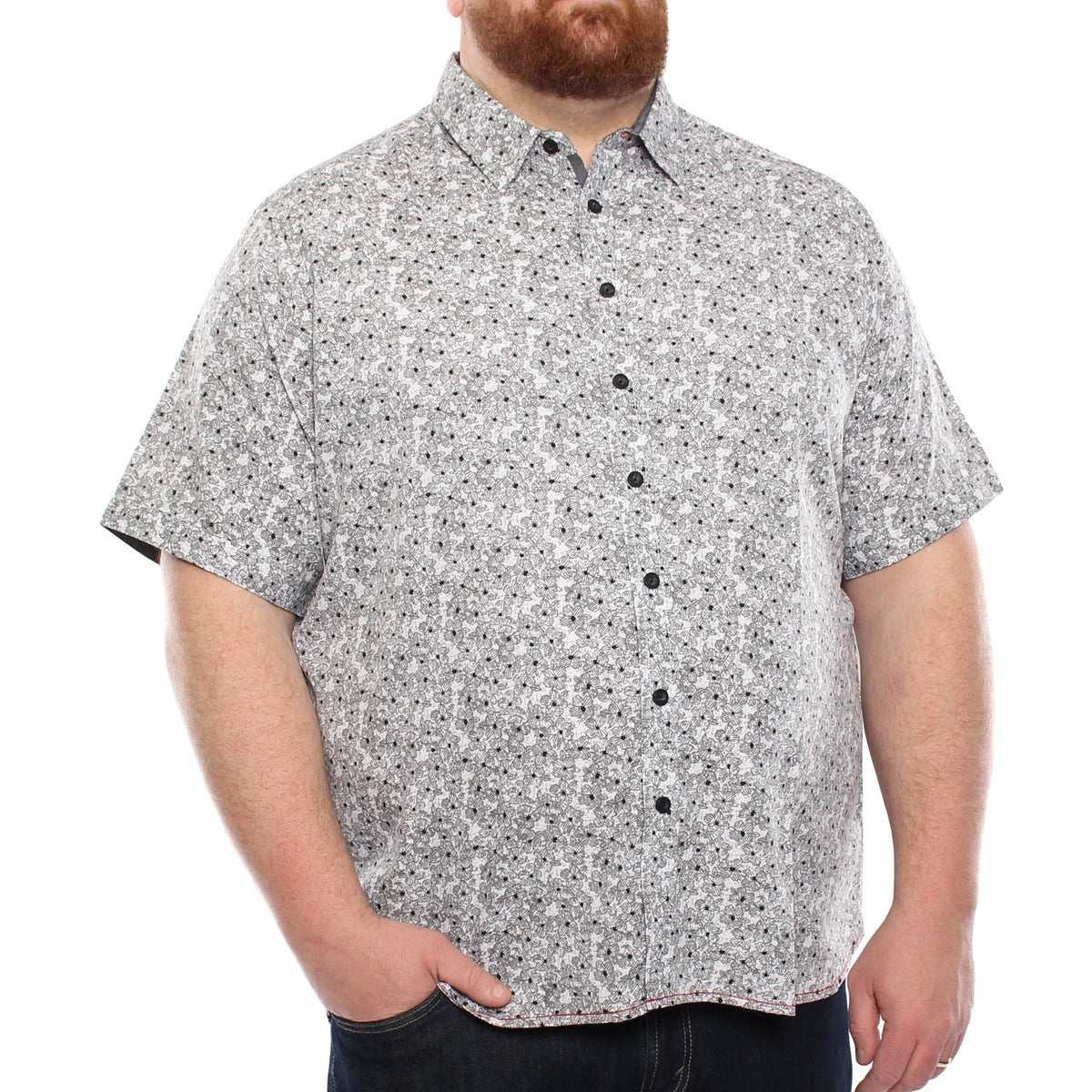
Select pique knit specifications—150-250 GSM typically, fiber blend, finish type—before sampling.
Request 3-5 swatches to evaluate construction quality, feel, and color accuracy.
Approve samples in writing within 1-2 weeks to keep the timeline on track for production.
Production Sizing and Fit
Collaborate with your manufacturer to develop accurate size grids based on your target market.
Create fit samples in your full size range for final sign-off before bulk production.
Most pique knit production runs need 2-3 weeks for complete sample and fit approval.
Quality Checkpoints and Specs
Lock down quality requirements: fabric GSM tolerance (±5%), yarn twist, seam type, and finished dimensions.
Request a detailed specification sheet and quality samples at pre-production stage.
During production, coordinate weekly progress reports to monitor quality, dye lots, and consistency.
Timeline and Communication
Expect 6-8 weeks for first orders: 2-3 weeks sampling, 4-5 weeks production.
Reorders take 3-4 weeks once samples are locked.
Establish a monthly forecast cadence with your manufacturer covering colorways, quantities, and estimated ship dates to optimize inventory planning.
Scaling from Initial to Repeat
Order packing and labeling specifications upfront; most manufacturers offer multiple packaging options.
As you scale, lock in colorways and sizing to reduce lead times.
Use data from your first production run—sales velocity, size distribution, returns—to forecast subsequent orders.
10. Pricing and Cost Structure
Most pique knit orders start at 100 units minimum, scaling to 1,000+ for enterprise clients seeking maximum cost reduction. Clothing Manufacturer Ltd. structures tiered pricing to serve emerging brands and established retailers equally, with volume discounts reaching 30% at 1,000-unit orders. Lead times compress from 3–4 weeks at entry-level volumes to 1–2 weeks for bulk production.
100% cotton pique ranges from $3–$6.50 per unit depending on GSM (280–380 typical) and fiber source. Blended pique (65% cotton/35% polyester) runs $2.50–$4 per unit, reducing costs while maintaining durability for streetwear applications. OEKO-TEX, GOTS, or BSCI certifications add $0.40–$0.75 per unit; sample testing and compliance audits run $500–$1,500 per order.
Screen printing, embroidery, and reactive dyeing add $0.50–$2.50 per piece depending on stitch count and color complexity. Placement restrictions and specialty techniques like flatlock embroidery command premium rates. Rush orders incur 15–30% expedite fees; prototype batches ($200–$800) enable design refinement before full production.
| Quantity Tier | Unit Price Range | Lead Time | Notes |
|---|---|---|---|
| 100–250 units | $5.50–$6.50 | 3–4 weeks | Standard MOQ; samples available |
| 251–500 units | $4.50–$5.25 | 2–3 weeks | 10% volume discount |
| 501–1,000 units | $3.75–$4.50 | 2–3 weeks | 20% discount; custom dyeing available |
| 1,001+ units | $3.00–$3.75 | 1–2 weeks | 30% discount; priority production |
| Sample order | $8.50–$12 per unit | 1–2 weeks | Low MOQ; $300–$500 minimum order |
Ready to Order Premium Pique Knit Fabric?
Order premium pique knit fabric samples with our 5-step QC guarantee. Fast turnaround, low MOQs for startups, and global shipping support.