
Premium Organic Cotton Fabric for Trendy Streetwear Brands
Organic cotton fabric engineered for streetwear that stands out. 5-step quality testing, 10+ years of expertise, low MOQ, and fast turnaround—premium sustainability with guaranteed durability.
Finished Organic Cotton Garments in Action
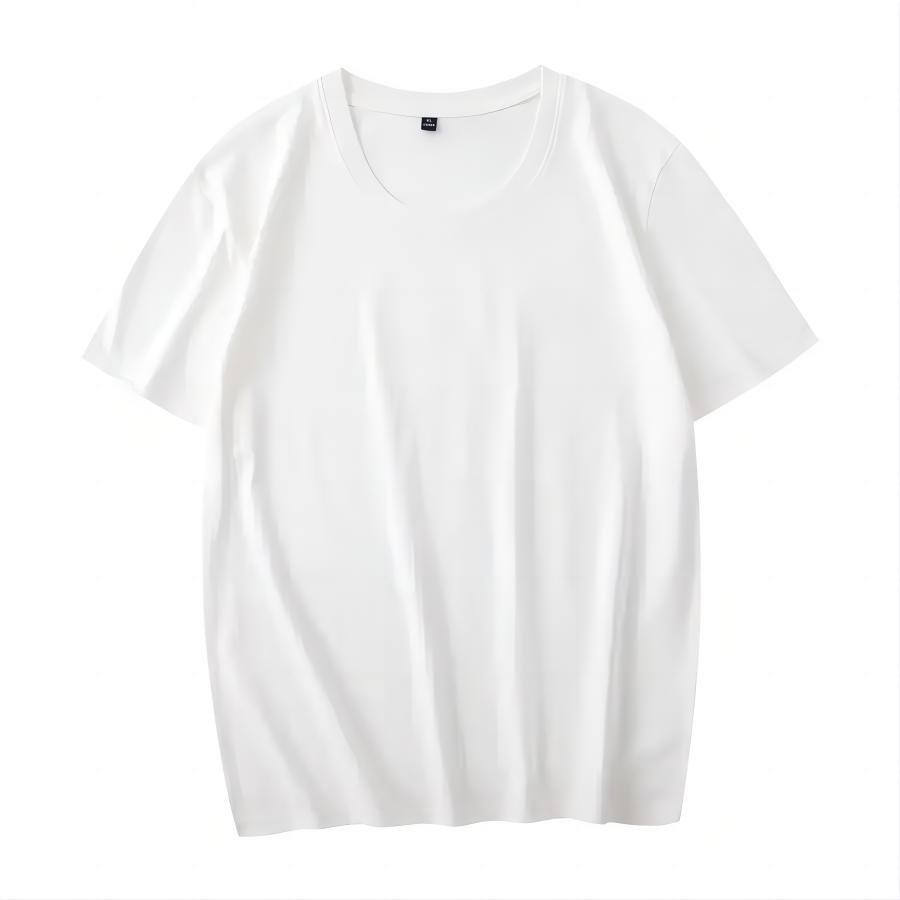
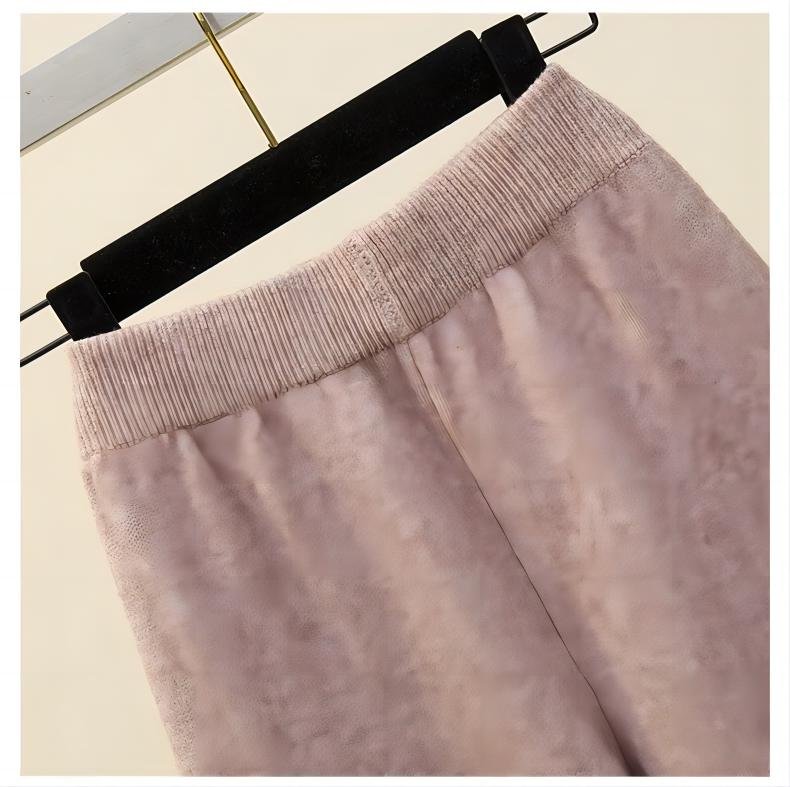
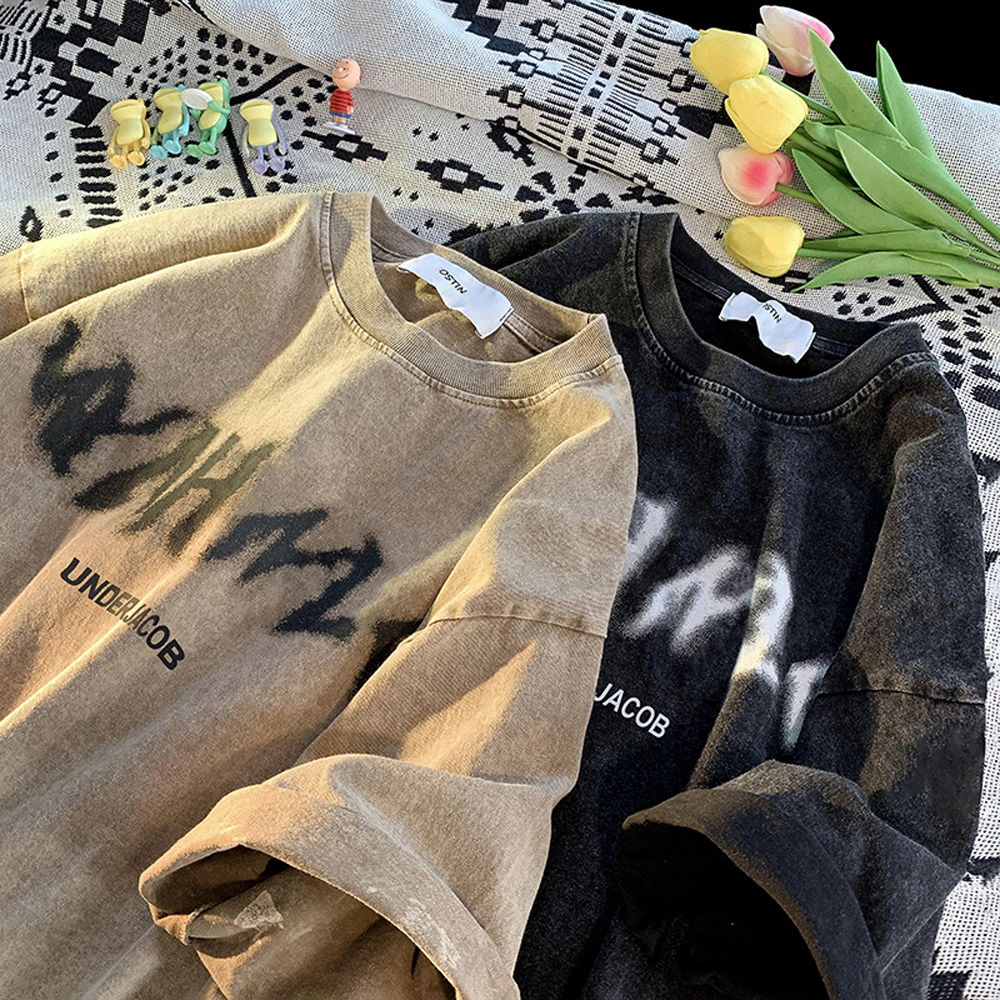
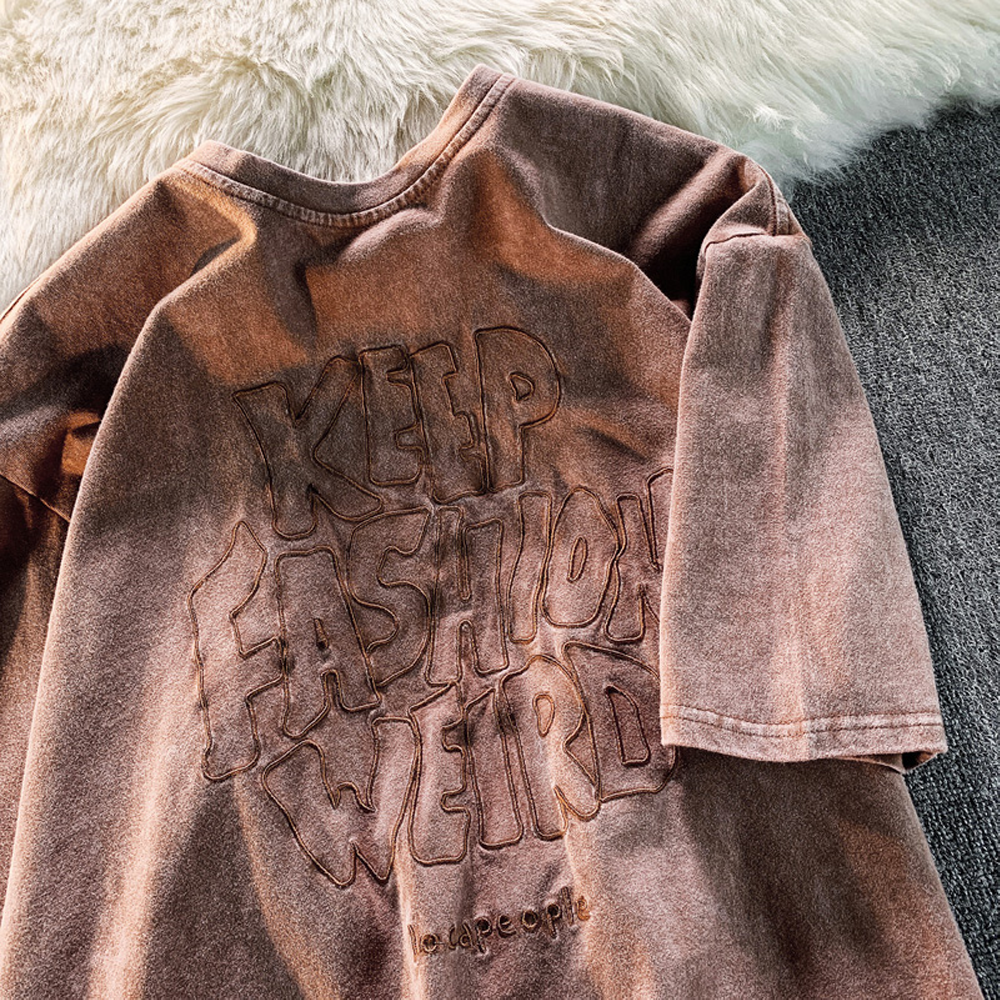
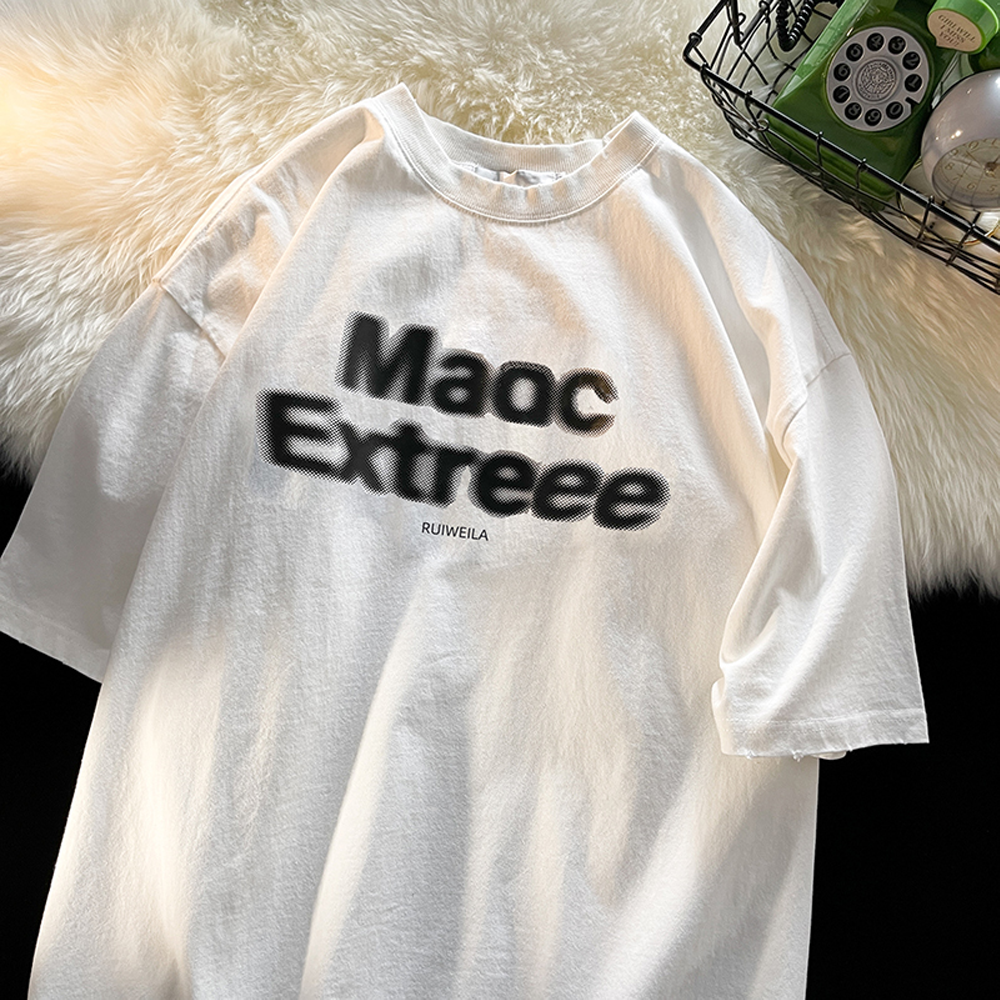
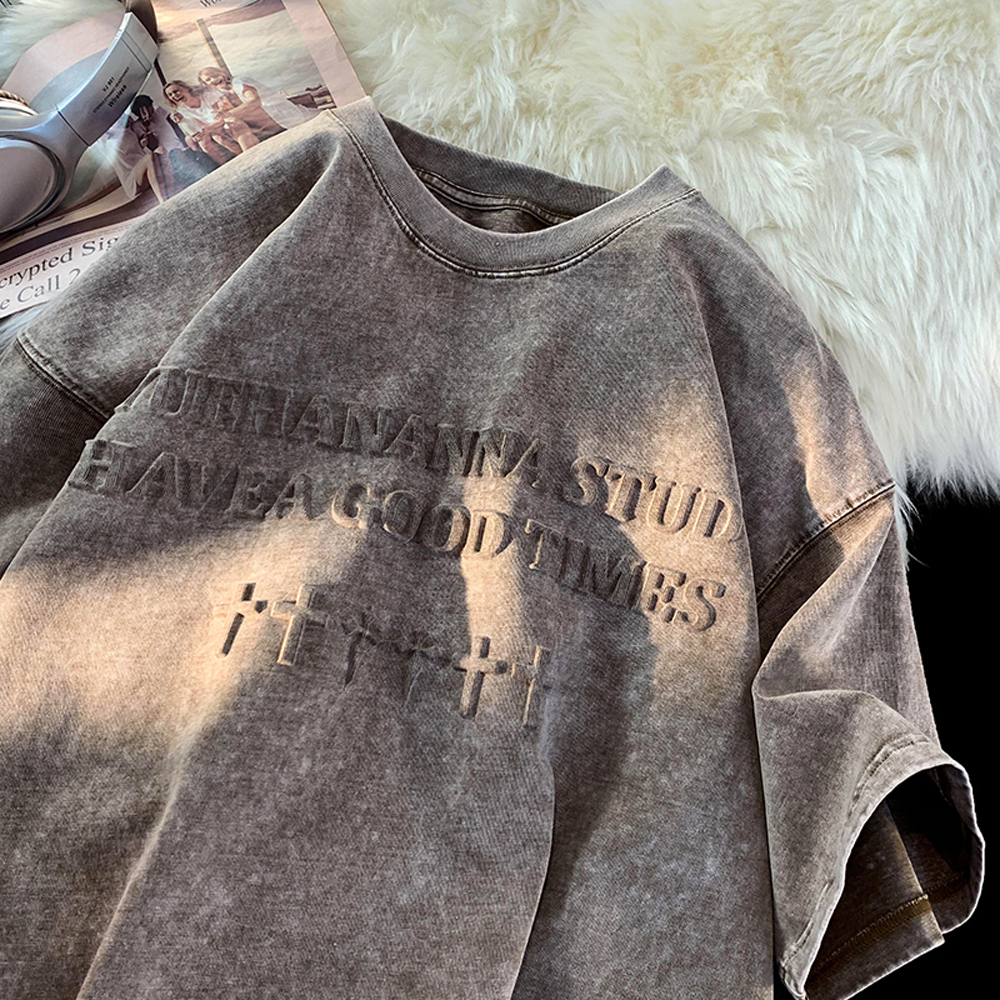
Why Organic Cotton Fabric Stands Out for Streetwear
Certified Organic, Globally Verified
Our organic cotton fabric meets GOTS standards with ethical sourcing and traceability. Zero harmful chemicals. Trusted by conscious streetwear brands worldwide.
Peak Breathability for Comfort
Organic cotton fabric breathes naturally, reducing heat buildup. Perfect for active streetwear that demands all-day wearability. Fans praise the soft-to-skin feel.
Colors That Pop and Stay
Our organic cotton fabric holds dyes brilliantly without synthetic fixes. Colors remain vivid through 30+ wash cycles. Prints that last.
Washable 50+ Times Without Degradation
Organic cotton fabric maintains structure and color after multiple wash-dry cycles. Streetwear drops that last seasons. Customer satisfaction guaranteed beyond initial wear.
Start Small, Never Compromise
As a startup-friendly manufacturer, we accept low minimums on organic cotton fabric orders. Every unit passes our 5-step QC guarantee. No bulk penalties.
From Order to Sampling Fast
Rush organic cotton fabric sampling in 7-10 days. Seasonal collection deadlines? We handle 3-week production runs. No delays on quality—our priority.
Organic Cotton Fabric Solutions for Every Streetwear Brand
Whether you’re launching sustainable collections, racing seasonal drops, scaling on a budget, perfecting samples, or sourcing globally — we’ve got the organic cotton fabric expertise and capabilities to match your goals.
Certified Organic Collections
Premium streetwear labels need certified organic cotton fabric that aligns with brand values while meeting customer expectations for sustainability, environmental responsibility, and full supply chain traceability.
Access GOTS and OEKO-certified organic cotton fabric with complete supply chain transparency, backed by our proprietary 5-step quality control guarantee ensuring every garment meets rigorous standards.
Rush Collections with Organic Cotton
Influencer and trendy brands launching seasonal drops need rapid organic cotton fabric sampling and production without sacrificing quality or exceeding budget minimums on initial orders.
Our low MOQ and accelerated production timelines let you launch seasonal organic cotton collections within weeks, not months, with full 5-step QC verification at every stage.
Organic Cotton for Emerging Brands
Emerging startups want the prestige and sustainability story of organic cotton fabric but face tight budgets and can't afford massive minimum order quantities or premium pricing.
Competitive organic cotton fabric pricing with flexible low MOQs means emerging brands access premium materials for their first collections without capital constraints or financial overcommitment.
Custom Organic Cotton Sampling
Small-batch designers need flexibility to experiment with organic cotton fabric specifications, perfect samples, and make adjustments before committing to larger production runs with their budget.
Our in-house design and sampling team rapidly prototype organic cotton garments, allowing you to refine every detail before full production, minimizing risk and waste significantly.
Organic Cotton Fabric Expert Guidance
Retailers sourcing across multiple fabric types need expert guidance on why organic cotton fabric makes sense for specific garment categories versus standard cotton or synthetic alternatives.
Direct consultation from our 10+ year industry experts helps you identify the ideal organic cotton fabric solutions for each product line, with global shipping support for any order.
10+ Years Mastering Organic Cotton Fabric Quality
Tesla Luo’s 10-year apparel journey began in Dongguan’s garment factories, where he learned every production stage from sewing to quality control. Recognizing that many manufacturers skip rigorous testing, Luo founded Clothing Manufacturer Ltd. in 2024 to restore Chinese manufacturing’s reputation through premium organic cotton fabric and zero-compromise quality standards.
Today, Clothing Manufacturer Ltd. serves over 100 countries with cutting-edge organic cotton fabric production and proven scalability. Our proprietary five-step quality control process—from materials testing through finished garment inspection—ensures every batch meets international standards. With in-house design, sampling, and fast turnaround capabilities, we support brands from their first collection to massive scale.
What sets us apart is our commitment to quality at every stage. By embedding rigorous testing throughout production—not just at the end—we catch defects early and prevent low-quality organic cotton fabric from reaching customers. This five-step guarantee, combined with streetwear expertise, fast MOQs, and transparent communication, makes us a trusted partner for ambitious brands.
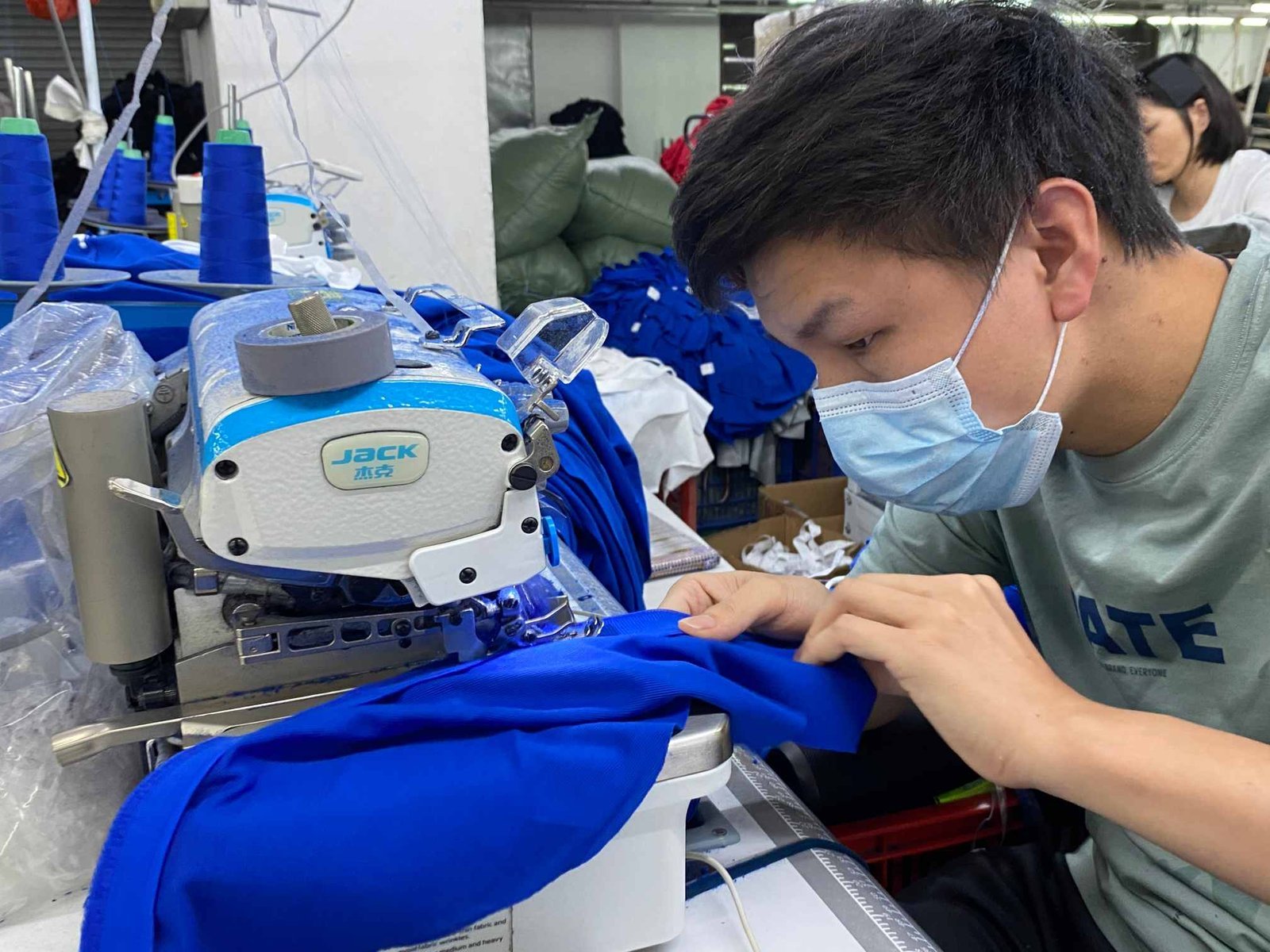
The Organic Cotton Fabric Difference: Certified Sourcing, Durability & Finish
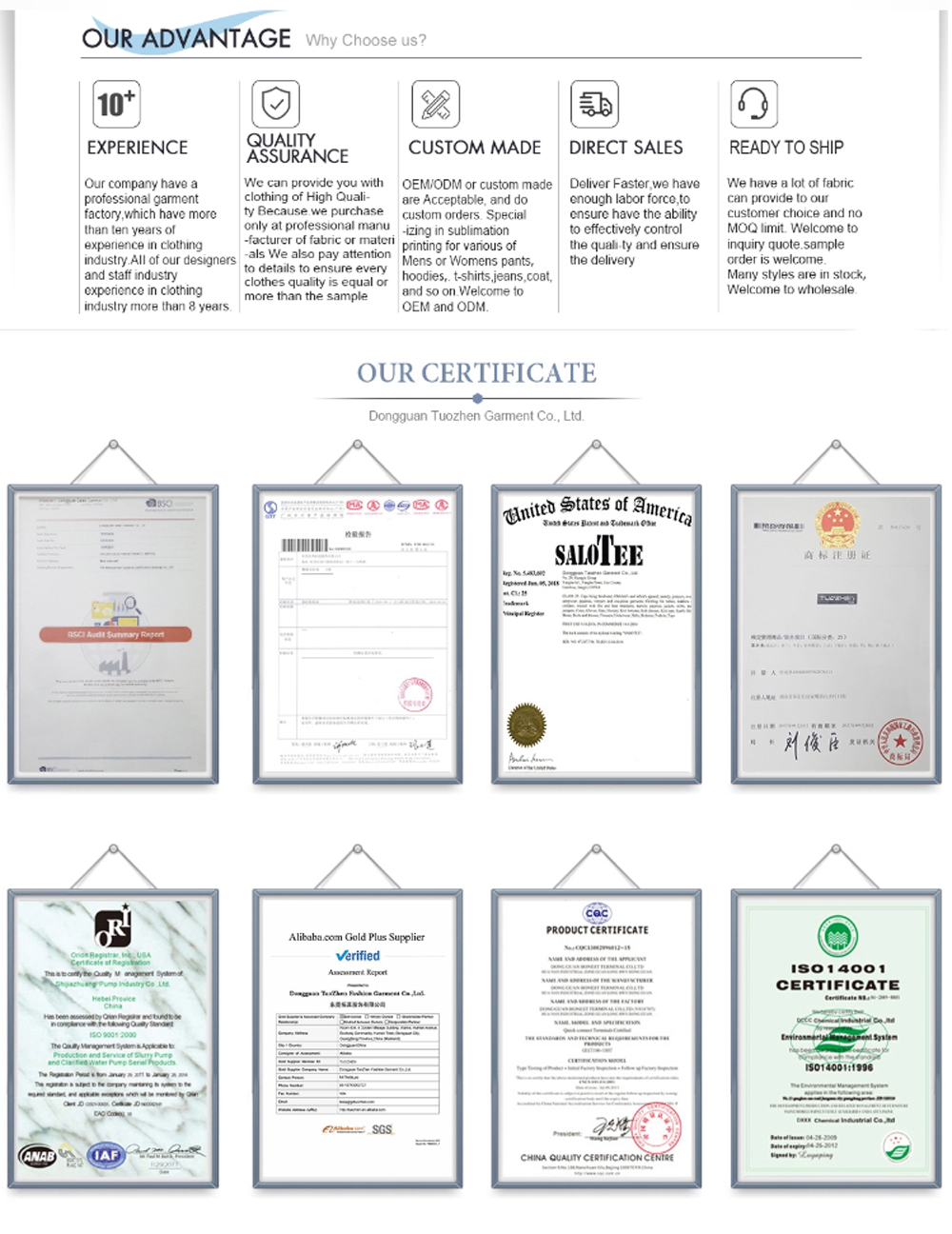
GOTS & OEKO-TEX Certified
Our organic cotton fabric meets Global Organic Textile Standard and OEKO-TEX certification requirements, ensuring chemical-free production from field to finished goods. Each batch undergoes rigorous testing for harmful substances, giving your brands absolute confidence in material integrity and safety standards.
- GOTS certified organic fiber sourcing with full traceability
- OEKO-TEX tested for harmful chemical absence
- Third-party verification at every production stage
- Documentation provided for brand transparency needs
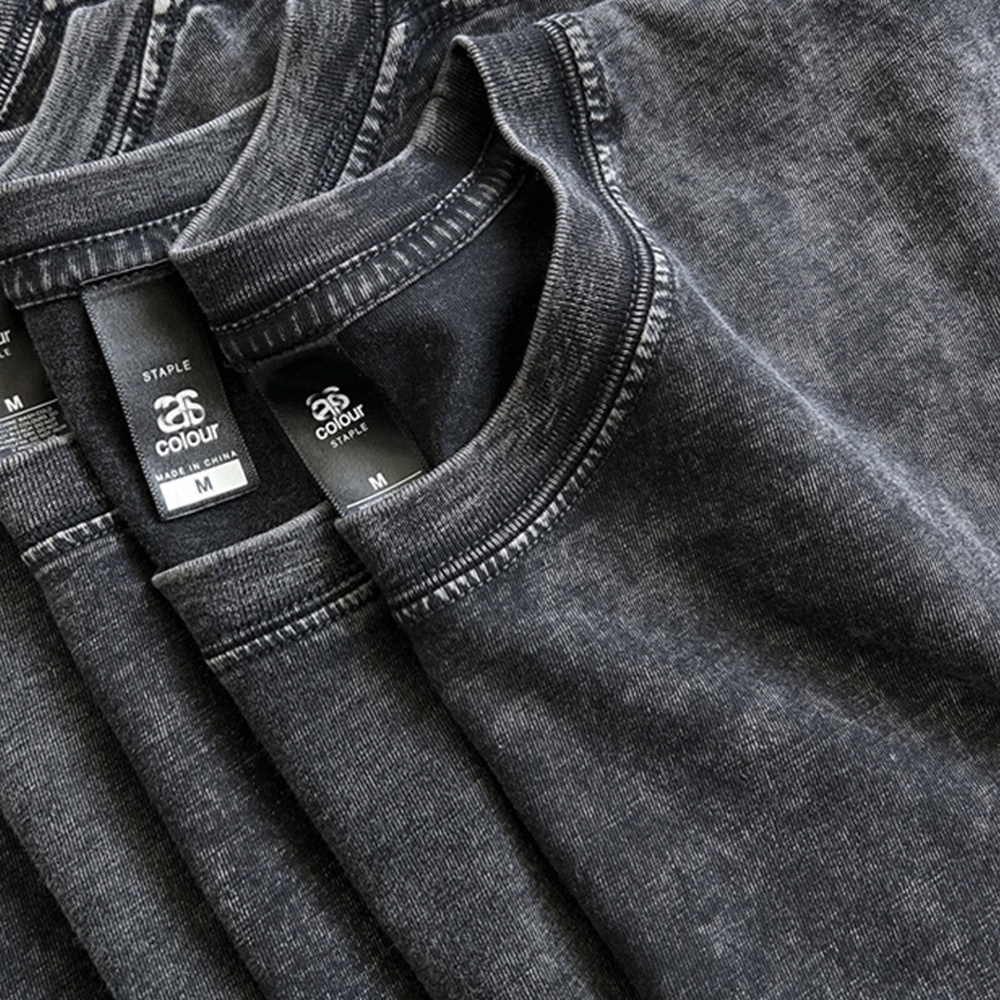
Durability Through Repeated Washing
Organic cotton fabric engineered for longevity—fiber strength maintained through 50+ wash cycles without pilling, fading, or structural breakdown. Our weave density and fiber quality ensure streetwear pieces withstand consumer wear patterns, building brand reputation through product lasting power.
- 50+ wash cycle durability testing verified
- Minimal pilling and fiber loss over time
- Maintains elasticity and shape integrity
- Supports sustainable brand narratives on longevity
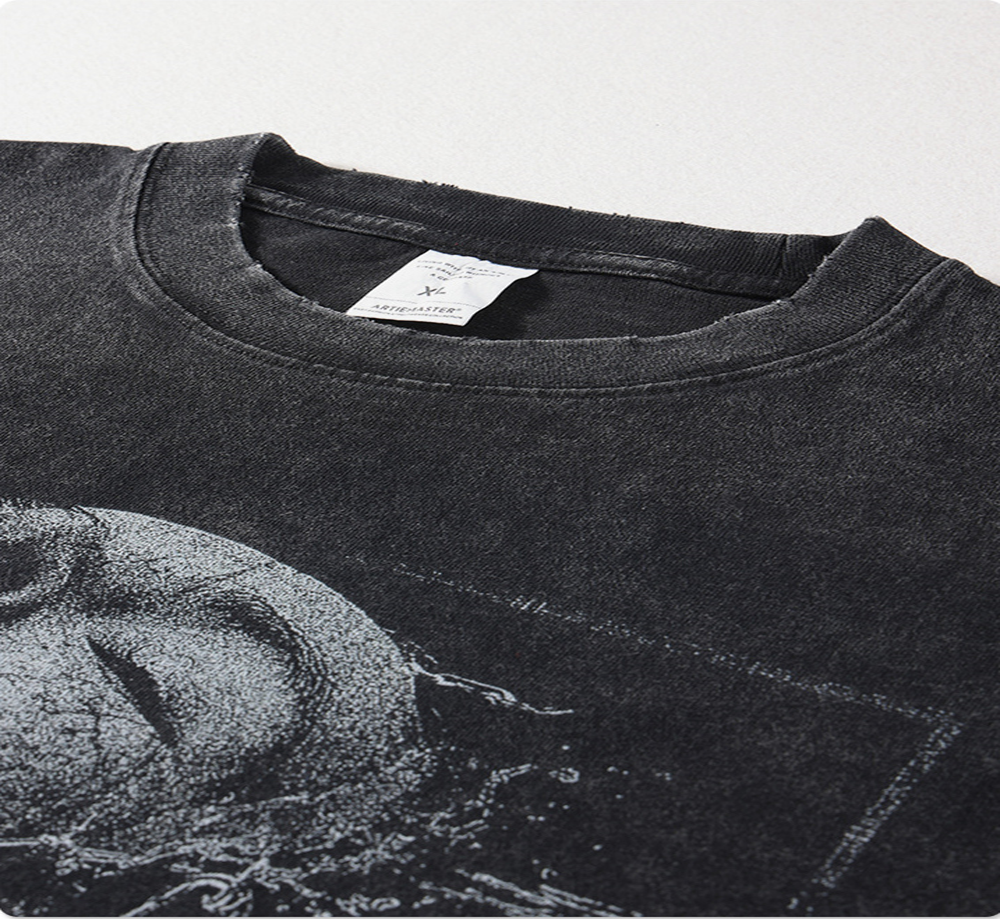
Color Fastness & Finish Standards
Professional-grade color retention ensures organic cotton fabric prints and dyes remain vivid through wash, sweat, and sunlight exposure. We employ Grade 4-5 color fastness standards, critical for streetwear brands where design fidelity directly drives consumer loyalty and repeat purchases.
- Grade 4-5 color fastness certification included
- Resistance to fading, bleeding, and crocking
- Compatible with specialized streetwear dyes
- 5-step QC process verifies finish consistency
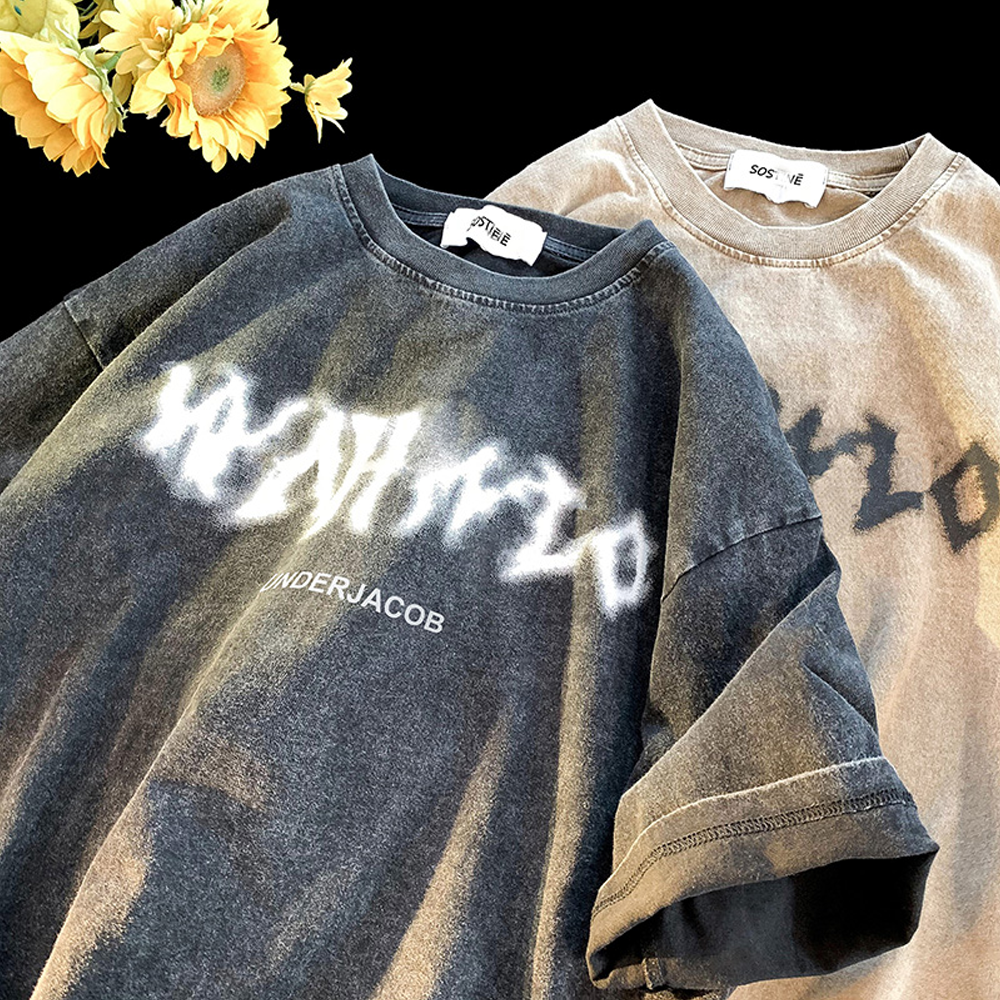
Custom GSM & Weave Density Options
Select organic cotton fabric weight and weave structure tailored to your specific silhouette and seasonal needs. From lightweight 140 GSM jerseys to heavyweight 320 GSM terry, our in-house sampling team creates precise specifications matching your design vision and production goals.
- Weights from 140 GSM (lightweight) to 320+ GSM (heavy)
- Weave density adjusted for drape, structure, and comfort
- In-house prototyping matches exact fabric specifications
- Low MOQ accommodates emerging brand experimentation
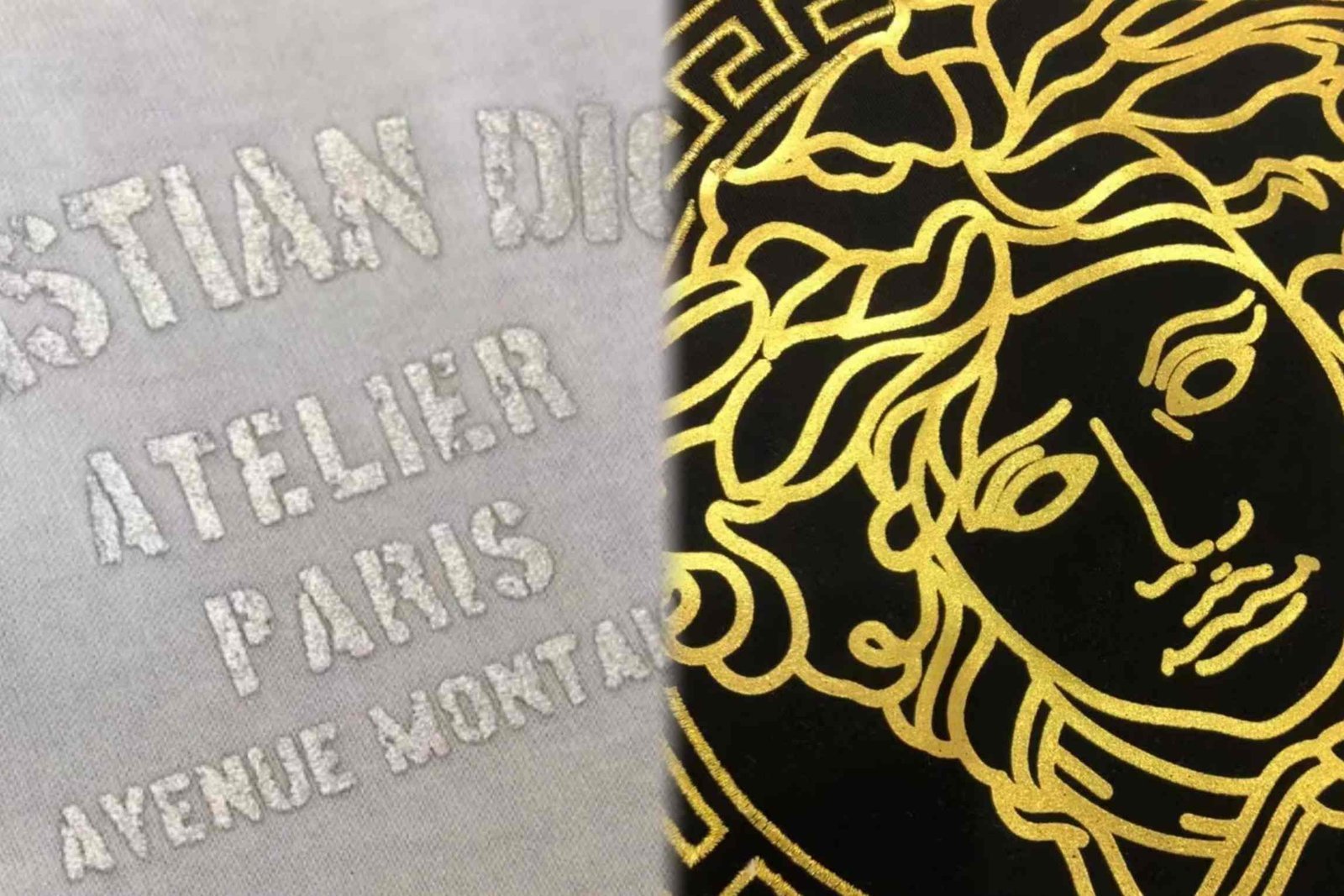
Organic Cotton Fabric vs. Standard Cotton: What Buyers Need to Know
See how organic cotton fabric delivers superior durability, certification, and environmental impact—plus understand the investment difference.
← 左右滑动查看 →
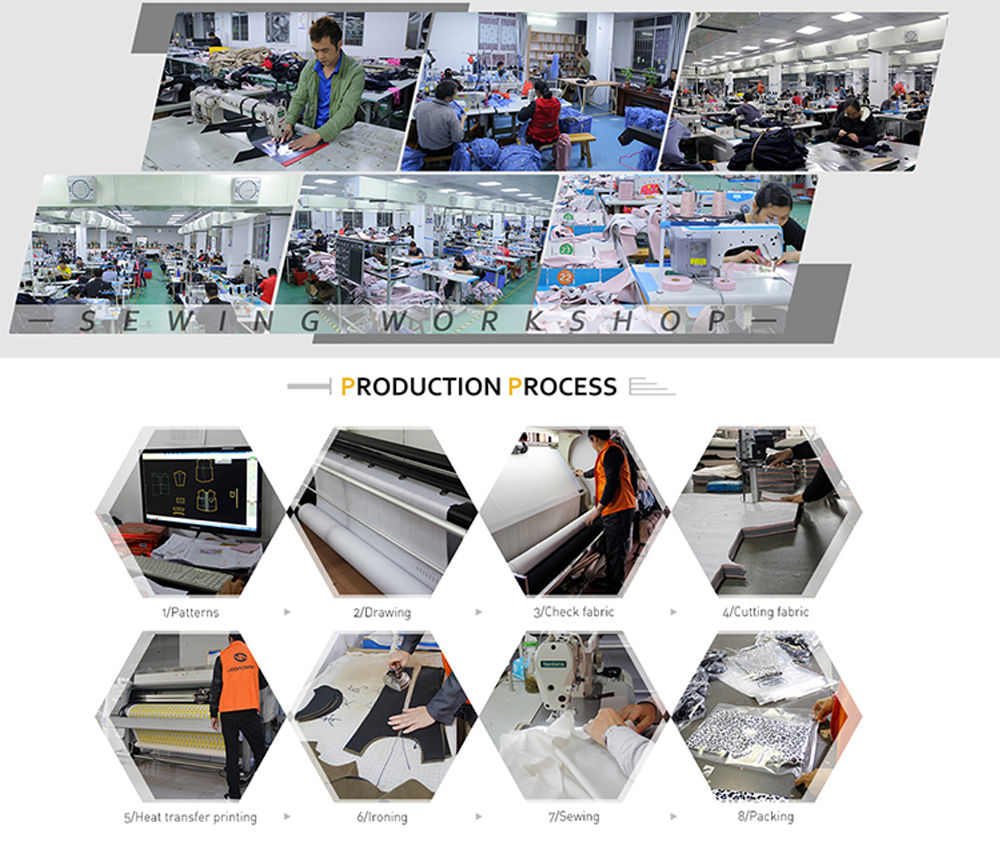
The Organic Cotton Fabric Process: Certified Sourcing Through 5-Step QC
From organic fiber verification through finished garment inspection—every step secured by our zero-compromise quality guarantee.
Certified Organic Sourcing
We partner with verified GOTS-certified suppliers of premium organic cotton fabric. Detailed certification review and comprehensive fiber testing confirm quality before production begins.
Materials QC Testing
Rigorous testing of organic cotton fabric confirms fiber durability, shrinkage resistance, and color absorption potential. Only premium materials pass inspection to continue production.
Dyeing & Color Finishing
Organic cotton fabric is dyed to vibrant streetwear colors using precision processes, then cured and finished for superior colorfastness and durability standards.
Cutting & Production QC
Precision cutting and stage-by-stage quality inspections during sewing and pressing catch defects early, ensuring production issues never reach final inspection stages.
Final Inspection & Delivery
Comprehensive final QC examines every finished garment for stitch quality, color consistency, and construction standards, then ships globally with our quality guarantee.
How to Order Organic Cotton Fabric: From Sample to Bulk Production
Your organic cotton fabric order, simplified into five transparent steps.
Request Samples with Technical Specs
Submit your fabric specifications including GSM, weave type, and color preferences. Our team curates organic cotton samples tailored to your streetwear brand’s aesthetic within 5-7 business days.
Design with Our In-House Experts
Collaborate with our in-house design team on knit patterns, dye lot specifications, and finish requirements. We refine organic cotton compositions to match your brand’s durability and comfort standards.
Approve & Place Your Order
Review your approved organic cotton fabric sample, confirm bulk order quantities (low MOQs available), and finalize technical specs—GSM, weave, dye lot—before entering production.
Monitor Production with 5-Step QC
Your organic cotton fabric production begins with certified sourcing, then undergoes our proprietary 5-step QC: materials testing, cutting, craftsmanship, sewing, and finished-product inspection.
Receive Your Certified Organic Cotton
Receive your certified organic cotton fabric with global shipping and logistics support. Complete documentation and dye lot tracking ensure seamless delivery to your production facility.
Streetwear Brands Trust Our Organic Cotton Fabric
Switched our SS24 collection to organic cotton fabric and eliminated color batch inconsistencies that were plaguing us. Customer returns dropped 42%, and repeat order rate jumped from 12% to 38% in three months.
Samples arrived in 5 days, production hit our holiday deadline flawlessly. That organic cotton fabric earned us a 73% inventory sell-through in week one and retention rate hit 61% — our highest ever.
Tested three organic cotton fabric suppliers. After 50+ washes, their fabric maintained color and fit better than competitors at half the cost. Now it’s our exclusive material for our premium streetwear tier.
Organic Cotton Fabric Questions Answered
From GOTS certification to wash durability, discover how our organic cotton fabric supports global brands at every scale.
What certifications does your organic cotton fabric have?
Is organic cotton fabric compatible with screen printing and embroidery?
What is the minimum order quantity (MOQ) for organic cotton fabric?
How fast can you deliver bulk orders?
What weight and GSM options do you offer?
How durable is organic cotton fabric after repeated washing?
What care instructions do you provide with finished garments?
How does organic cotton fabric pricing compare to standard cotton?
The Complete Buyer’s Guide to Organic Cotton Fabric
Learn what makes premium organic cotton fabric, how to evaluate suppliers, and which common pitfalls to avoid when sourcing for your brand. This guide walks you through every decision point.
1. What is Organic Cotton Fabric?
Organic cotton fabric is cultivated without synthetic pesticides, insecticides, or genetically modified seeds—a fundamental distinction from conventional cotton, which accounts for nearly 2.5% of global agricultural land yet consumes over 16% of global pesticide volume. This difference speaks directly to end-consumers in streetwear and trendy fashion who increasingly demand transparency; they align purchasing decisions with environmental stewardship and labor ethics, particularly among audiences following creators and influencers who emphasize responsible consumption.
GOTS (Global Organic Textile Standard) and OEKO-TEX (Standard 100) certifications represent industry gold-standard verifications, requiring independent audits throughout fiber production and textile processing. Certified organic cotton fabric must meet strict chemical and social compliance standards—no heavy-metal dyes, no azo colorants, and documented fair-labor practices across the entire supply chain, creating a verifiable story you can communicate to your end-customers.
Ring-spun organic cotton yarns from longer-staple varieties (typically 28–36 mm) deliver superior softness and durability compared to open-end conventional alternatives, retaining colorfastness longer because the fiber structure avoids pre-harvest chemical compromise. For streetwear brands, independent designers, and creator labels, investing in certified organic cotton justifies premium positioning: your customers recognize quality craftsmanship, and that signal of values alignment builds loyalty in competitive, trend-driven markets where authenticity matters more than fast fashion cycles.
2. Why Organic Cotton Fabric Matters
GOTS (Global Organic Textile Standard) was established in 2006 to harmonize organic textile certification across brands and manufacturers, creating the industry’s first unified system for organic cotton verification. Before this, fragmented standards left brands vulnerable to greenwashing and inconsistent quality control—issues that directly undermine long-term consumer trust and brand reputation.
The global organic cotton market reached approximately 1.2 million metric tons in 2023 and is projected to grow at 8–12% annually through 2030, driven by stricter EU and UK textile regulations. Regulations like the EU’s Corporate Sustainability Reporting Directive (CSRD) and the UK’s Environment Act now require supply chain transparency and environmental impact disclosure from major retailers and brands, making organic sourcing a strategic compliance requirement, not merely an ethical choice.
67% of Gen Z consumers actively research fiber sourcing before purchase, and organic cotton commands price premiums of 15–25% in streetwear and premium segments. Brands that invest in certified organic supply chains reduce supply chain risk, differentiate on transparency, and unlock access to conscious-consumer segments that drive long-term revenue growth.
Clothing Manufacturer Ltd prioritizes organic cotton fabric materials as part of its five-step quality control methodology and commitment to eliminating low-quality products. By sourcing GOTS-certified materials and implementing rigorous testing at every production stage, the company ensures that organic certification translates into tangible product quality and supply chain accountability for brands seeking competitive advantage through sustainable, trustworthy manufacturing.
3. Types of Organic Cotton Fabric
Organic cotton fabrics come in distinct weaves and knits, each offering different weight, drape, and durability for specific garments. Understanding these types helps you select the right base for t-shirts, hoodies, or jackets. Clothing Manufacturer Ltd. stocks all five primary categories.
Jersey
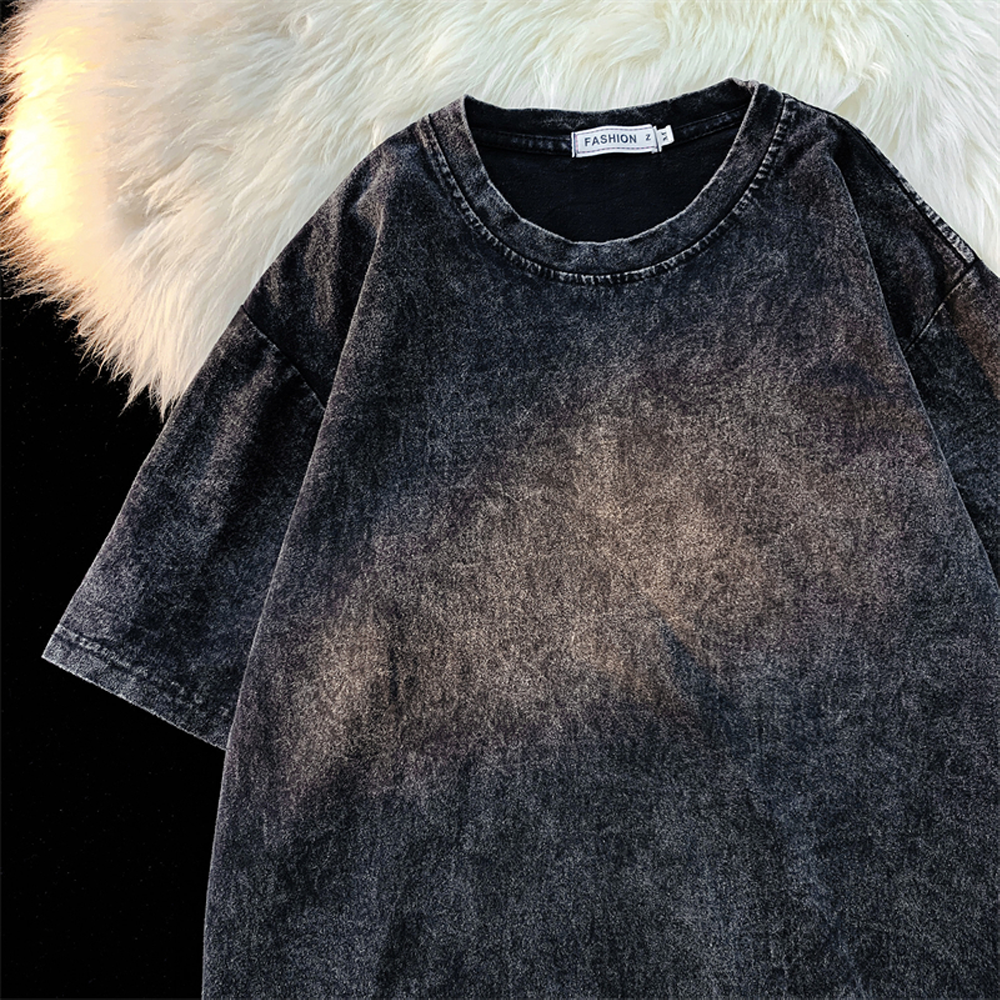
Jersey typically ranges 150–180 GSM and features a fluid, soft drape ideal for t-shirts, hoodies, and basics. The knit construction absorbs moisture and moves with the body, making it essential for casual streetwear.
Jersey washes well, maintaining color through 50+ laundry cycles when cured properly, and costs mid-range per yard.
Twill
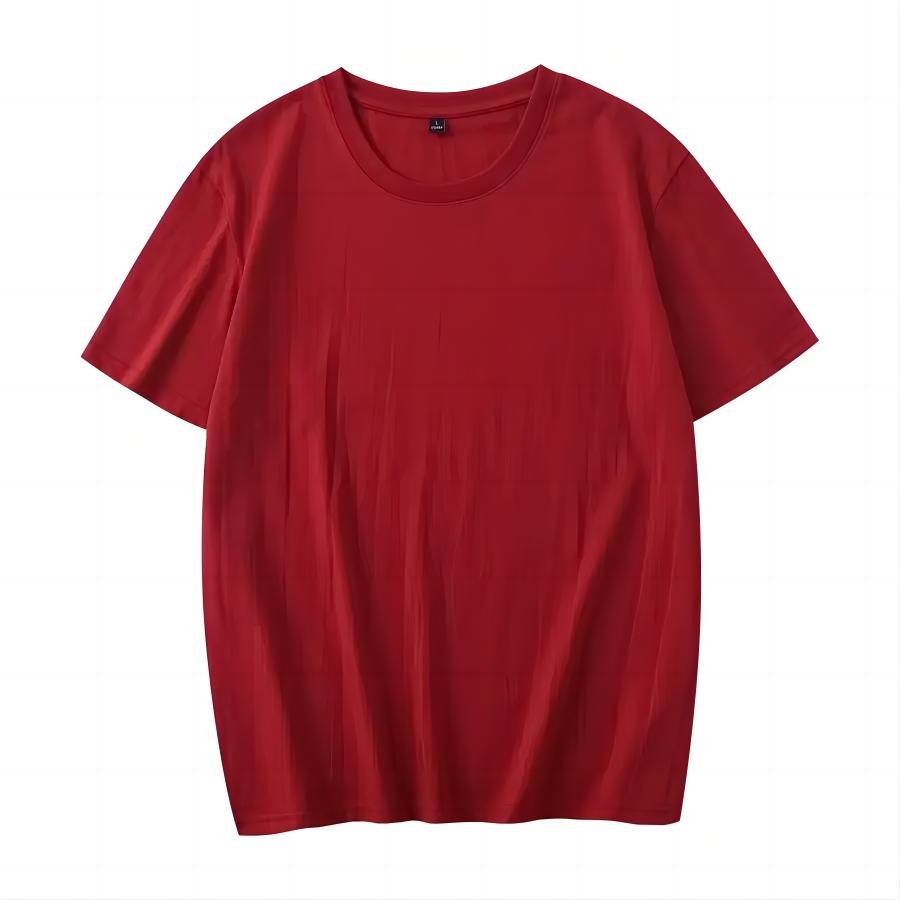
Twill weaves 240–280 GSM create structured, diagonal-pattern fabrics used for pants, shirts, and jacket shells. The tight weave resists wrinkles and withstands heavy wear, common in streetwear bottoms and overshirts.
Twill remains durable after 75+ wash cycles and costs mid-to-high per yard.
Canvas
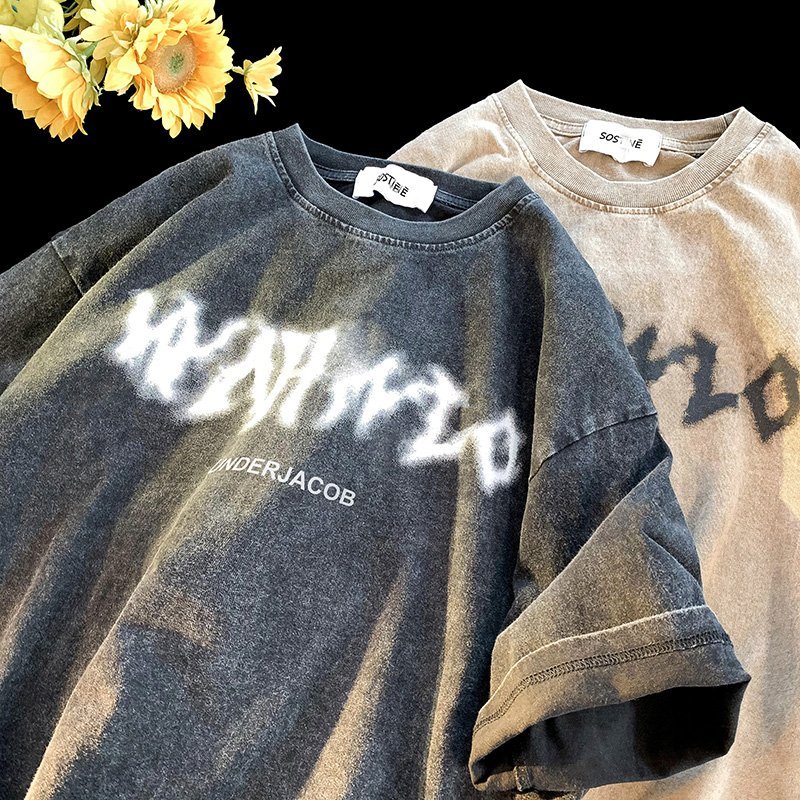
Canvas, woven at 280–400 GSM, provides stiff body and excellent durability for workwear-inspired jackets and heavy-duty streetwear pieces. The tight weave resists pilling and fading.
Canvas requires 5–10 washes to soften, costs mid-to-high per yard, and suits bold graphic prints.
Interlock
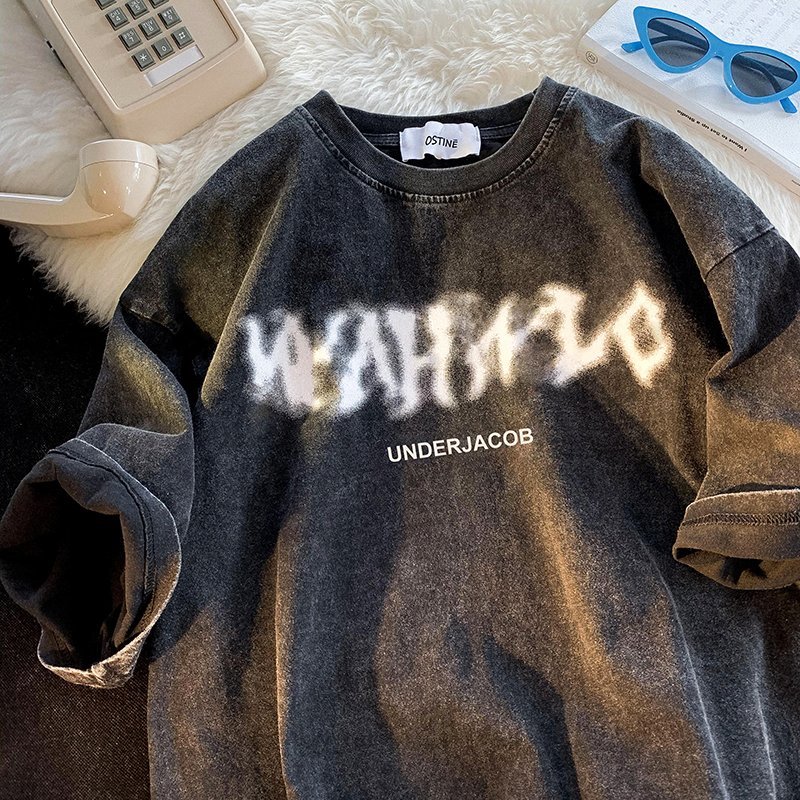
Interlock knits run 200–240 GSM and deliver smooth, dense surfaces with excellent color hold and softness. Commonly used for premium polos, tees, and layering pieces, interlock resists pilling and stretching.
The premium feel commands higher costs but justifies luxury streetwear positioning and withstands 100+ wash cycles.
Rib
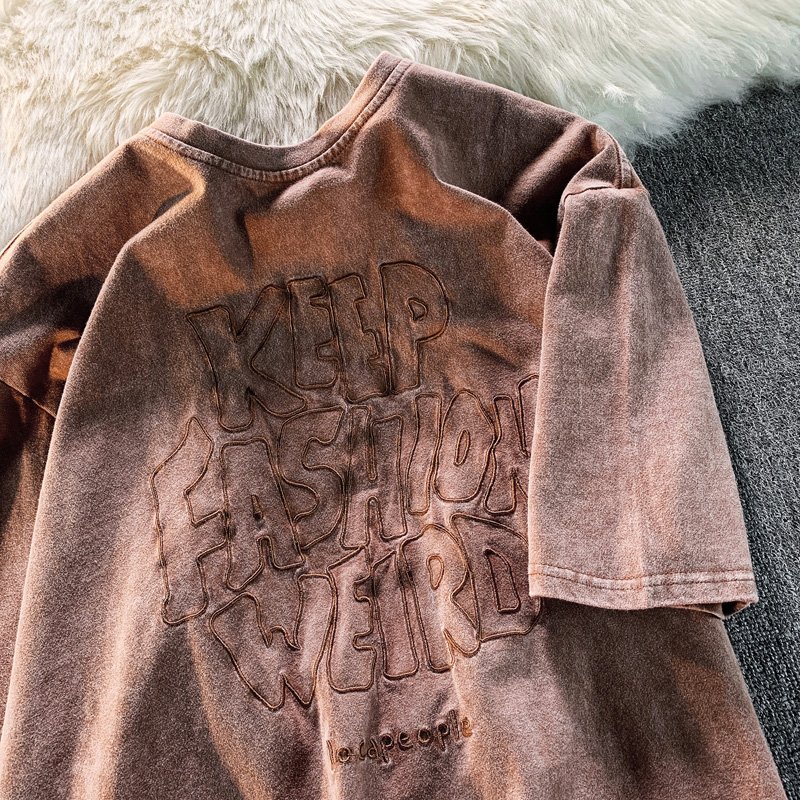
Rib knits—ranging 200–280 GSM—provide stretch and elasticity, typically reserved for cuffs, collars, sleeve hems, and trim applications. Ribs anchor garment shapes and add comfort without bulk.
Costs vary by end-use; quality ribs enhance sleeve and collar longevity. Rib pairs seamlessly with jersey and interlock bases.
4. Organic Cotton Fabric Materials & GSM
Organic cotton fabric weight and construction directly impact garment performance, durability, and manufacturing cost. GSM (grams per square meter), thread count, and weave structure determine how fabric drapes, breathes, and withstands everyday wear.
| GSM Range | Use Case | Price Range |
|---|---|---|
| 100–150 | Lightweight basics | $1.50–$2.50 |
| 150–200 | T-shirts & tees | $2.00–$3.20 |
| 200–250 | Hoodies, sweatshirts | $3.50–$5.00 |
| 250+ | Heavy-duty outerwear | $5.00–$7.50 |
GSM Weight Classifications
GSM measures fabric weight per square meter, ranging from 100–150 (lightweight) to 300+ (heavyweight). Most streetwear production uses 150–250 GSM, balancing durability with comfort.
Heavier GSM increases production costs due to extended yarn spinning and dye-bath cycles.
Thread Count and Density
Higher thread count (measured in TPI) creates tighter weaves and improved durability. Organic cotton apparel typically ranges from 80–200 TPI depending on use.
Denser fabrics demand finer yarns and tighter loom tension, raising production cost.
Weave Structures
Jersey (single knit) is lightweight and breathable, ideal for basic tees and tanks. Interlock is denser and more stable, suiting structured garments.
Rib adds stretch recovery and appears in cuffs and collars.
Lightweight vs Heavyweight Options
Lightweight organic cotton (140–170 GSM) reduces production timelines by 5–10%, ideal for fast turnarounds. Heavyweight (250–280 GSM) costs 15–20% more in labor and chemicals.
Most brands mix both: lightweight for basics, heavyweight for statement pieces.
Production Impact
Dye cycles extend for heavier weights: 8–12 hours versus 4–6 for lightweight. Shrinkage rates range from 3–5% (lightweight) to 5–8% (heavyweight).
Select GSM by garment type, end-user climate, and target price point.
5. Customization & Dyeing Options
Organic cotton customization balances eco-standards with production timelines and costs. Dyeing, printing, and embellishment each require specific lead times, material certifications, and quality controls that impact margins and sustainability credentials.
Natural & Low-Impact Dyes
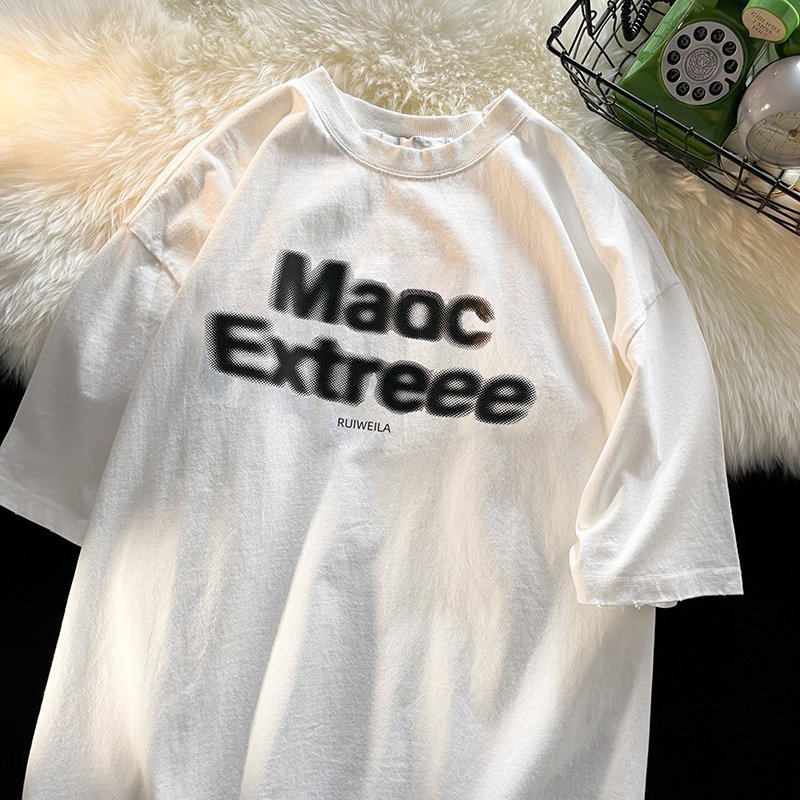
Low-impact reactive dyes are the eco-standard; they bind directly to cellulose without heavy metals.
Natural dyes—indigo, madder—offer premium positioning but add 15–25% lead time and 30–50% cost premiums. Verify GOTS-approved, AZO-free formulations before ordering.
Screen Printing
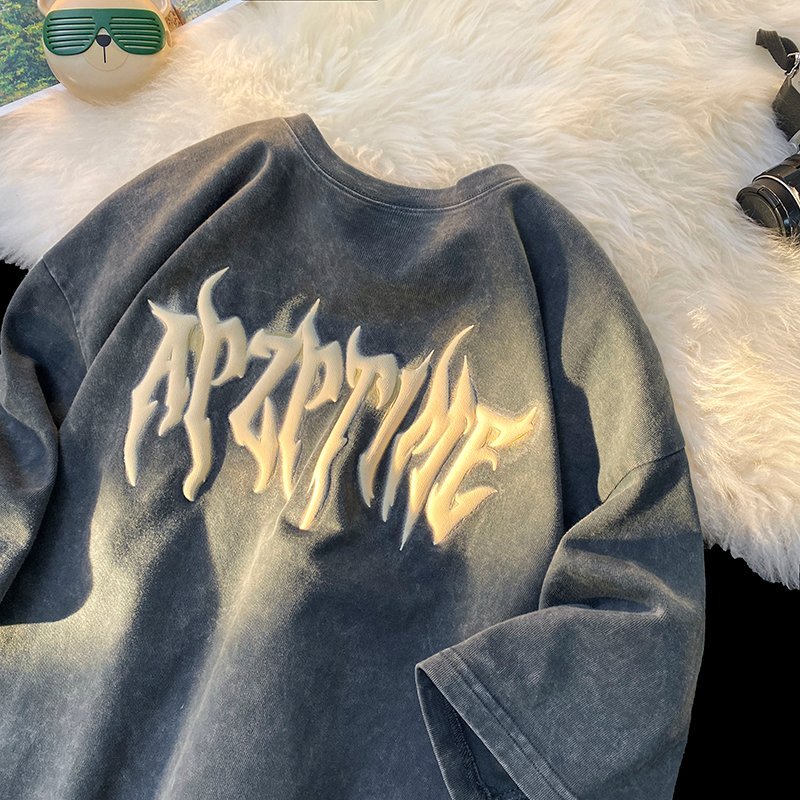
Water-based inks reduce VOC emissions 95% versus plastisol. Minimum runs: 50–100 pieces per design.
Discharge printing—removing dye rather than adding color—works only on dark cottons and adds 10–14 production days.
Embroidery & Woven Labels
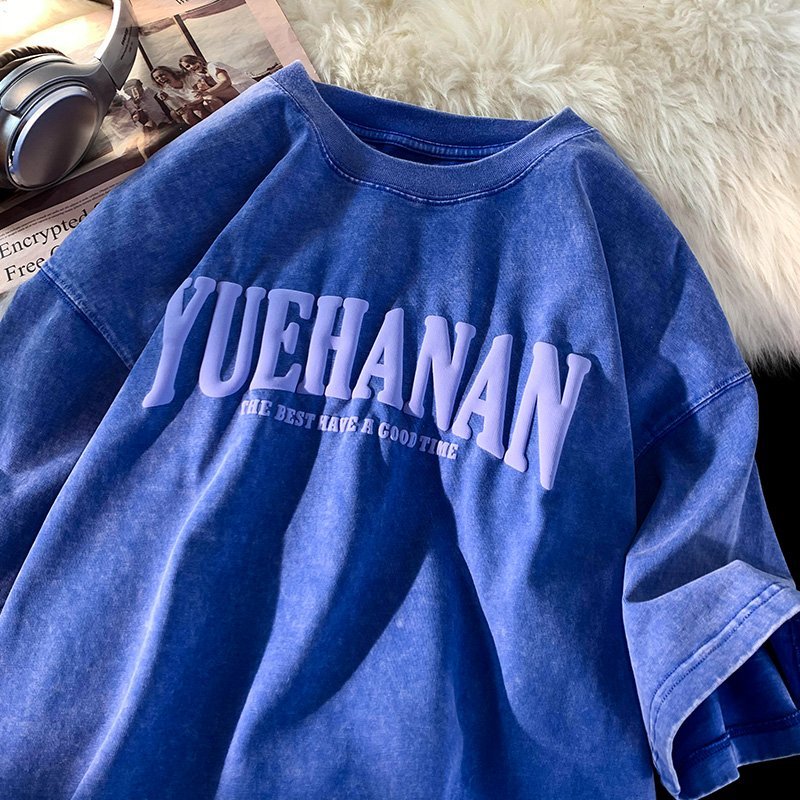
Embroidery adds 0.50–2.00 USD per piece depending on stitch count and thread type.
Woven labels integrate cleanly but require separate sourcing and 2–3 week lead times. Both methods avoid chemical additives, preserving organic certification.
Color Fastness Requirements
GOTS-certified organic cotton must meet ISO 105 color-fastness standards.
Vat dyes—used for deep blacks and jewel tones—are more stable than reactive dyes. Expect 1–3 washing/light fastness grades to drop slightly on lower-count fabrics.
Lead-Time & Cost Impact
Base production timelines for organic cotton are 4–6 weeks from cut-to-ship.
Custom dyeing adds 1–3 weeks; embellishment adds 1–2 weeks. Rush production incurs 15–30% surcharges. Plan customization early to avoid compounding delays.
Customization Cost Breakdown
Fabric base cost: USD 2–5 per piece. Dyeing: USD 0.30–0.80. Screen printing: USD 0.20–1.50.
Embroidery: USD 0.50–2.00 per piece. Total premiums for full customization can double unit cost. Negotiate volume discounts to preserve margins.
6. Quality Standards & Certifications
Certifications validate organic cotton quality and consumer trust. Third-party testing for shrinkage, colorfastness, and seam strength separates reliable suppliers from those cutting corners. Know which standards apply and how to verify them to protect your brand.
Global Organic Textile Standard
GOTS is the gold-standard certification for organic cotton, requiring that 95% of fiber is certified organic. It verifies production from harvest through spinning, weaving, dyeing, and garment construction.
Request GOTS certificates directly from suppliers; fake credentials are common in low-cost markets.
OEKO-TEX Standard 100
OEKO-TEX certifies fabrics are free of harmful chemicals and dyes, regardless of fiber type. It tests for pesticide residues, heavy metals, and formaldehyde across 100+ parameters.
For baby apparel, food-contact textiles, or premium streetwear, OEKO-TEX is essential; many major retailers require it.
Shrinkage & Dimensional Stability
Organic cotton typically shrinks 3–5% width and 4–7% length after first wash if not pre-shrunk. Pre-shrinking via steam or hot water reduces shrinkage to under 2%, critical for fitted garments.
Always request shrinkage test reports (ISO 5077 or equivalent) before bulk production.
Colorfastness & Dye Stability
Colorfastness standards (ISO 105-C06, ISO 105-E04) measure how well dyes survive washing, perspiration, and light exposure. Dark streetwear colors require minimum Grade 3 (AATCC) for wash stability; light colors should achieve Grade 4.
Testing costs $200–500 per colorway but prevents brand damage from bleeding and fading.
Seam Strength Requirements
Seam strength (ASTM D6775 or ISO 13935-2) measures resistance to tearing at stitched seams. Streetwear and casual apparel typically require 20–25 kg/f minimum; premium or fitted garments demand 30+ kg/f.
Weak seams fail under wear, triggering returns. Verify seam testing in pre-production samples.
Critical Questions for Suppliers
Ask suppliers: (1) Do you hold current GOTS and/or OEKO-TEX certificates? (2) Can you provide third-party shrinkage and colorfastness test reports? (3) What seam strength does your production meet? (4) Do you test in-process or only final?
Reputable suppliers answer all four promptly with documentation.
7. How to Choose an Organic Cotton Fabric Supplier
The supplier relationship makes or breaks product quality and timeline performance. Systematically evaluate candidates across MOQ flexibility, lead-time clarity, certifications, responsiveness, and verifiable track record rather than chasing the lowest quote.
Experience & Brand Fit
Request portfolio samples from brands similar to yours. Ask about design iteration and price-point experience.
Suppliers with 5+ years in streetwear understand production trade-offs and category-specific demands far better than generalists accustomed only to basics.
MOQ & Lead Time Clarity
Standard MOQ for organic cotton ranges 500–2,000 units per color, depending on supplier scale. Clarify mid-run change policies.
Lead times typically span 45–90 days factory-to-port, factoring dyeing and finishing complexity. Confirm whether quoted lead times include customs and last-mile logistics.
Certifications & Standards
GOTS, OEKO-TEX, or BSCI certification signals discipline. Request audit reports and lab results, not just logos.
Verify the supplier’s quality-control process: materials QC, cutting QC, garment construction, production, and finished-goods inspection. Skipped steps harbor hidden defects.
Communication & References
Test responsiveness during vendor assessment: submit sample requests, ask technical questions, measure reply time and detail level.
Request 3+ active references and call them directly. Ask about quality consistency, on-time delivery rate, and how the supplier handled problems.
Red Flags & Deal-Breakers
Avoid quotes 30–40% below market without explanation—likely corner-cutting. Beware unclear MOQ terms and resistance to sharing certifications.
Watch for pressure to place large deposits before sample approval, reluctance to sign quality agreements, or inability to explain production steps and QC checkpoints.
8. Common Mistakes When Sourcing Organic Cotton
Sourcing organic cotton fabric requires attention to detail and industry realities. A single oversight—from MOQ assumptions to certification skips—can delay product launch, erode margins, or damage brand reputation before market entry.
Unrealistic MOQ Assumptions
Many startups underestimate minimum order quantities. Organic cotton fabrics typically start at 500–2,000 kg per SKU. Ordering less locks you into premium pricing. Dongguan manufacturers leverage volume to deliver competitive rates without compromising quality.
Overlooking Shrinkage & Tolerance
Cotton naturally shrinks 5–8% when first washed. Budget for this in your sizing patterns. Ignoring shrinkage creates customer complaints and returns. Communication with your manufacturer about tolerance specs prevents costly recuts and delays.
Underestimating Dyeing Costs
Organic cotton dyeing accounts for 25–40% of total fabric cost. Custom Pantone matching adds 3–5 weeks and setup fees ($500–$1,500). Assuming dye is ‘included’ in fabric pricing creates budget surprises. Clarify all dye timelines and costs upfront.
Skipping Specification Sheets
Vague briefs become manufacturing guesses. Provide detailed specs: GSM, shrinkage tolerance, color swatch, thread type, seam quality. Ambiguity delays production and increases revisions. Dongguan manufacturers maintain spec transparency to prevent back-and-forth chaos.
Cutting Corners on Certifications
OEKO-TEX and GOTS certification add 2–4 weeks and $500–$2,000. Skipping them risks retailer rejection and customer skepticism. ‘Organic’ claims without proof damage brand credibility. Premium buyers expect verified certifications—treat them as non-negotiable.
Neglecting Swatch Approval
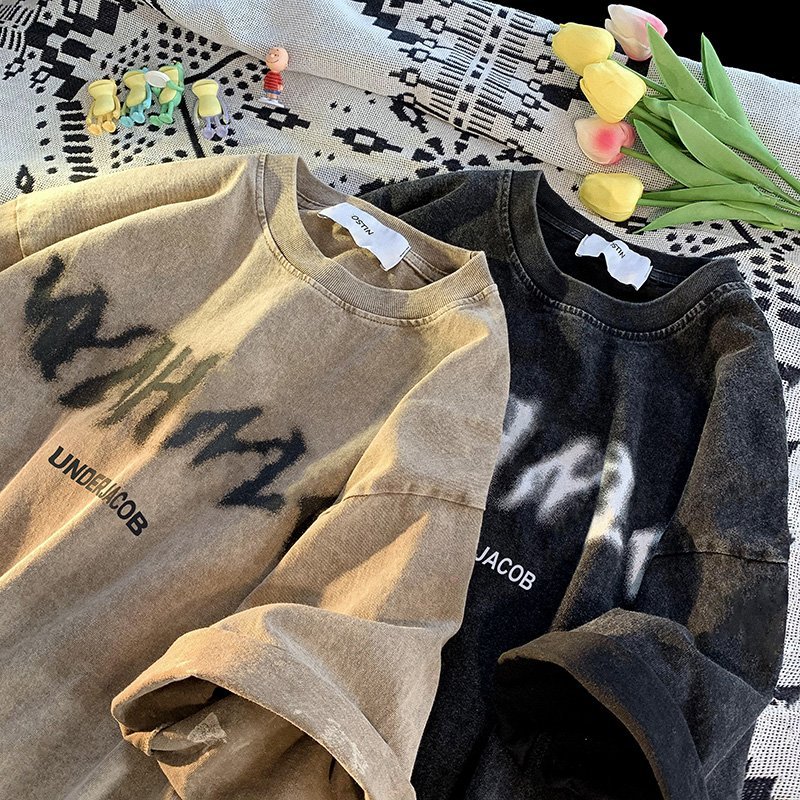
Never commit bulk orders without physical samples. Request a complete pre-production sample covering color, hand-feel, shrinkage. Sample delays by 7–14 days save weeks of rework. One small swatch adjustment beats thousands of units needing re-manufacture.
9. Launch Strategy: From Brief to Delivery
An organic cotton apparel launch requires 8–12 weeks from brief to shipment. Each milestone—sample approval, order placement, production gates, and QC checkpoints—is a decision point. Rushing these steps or skipping QC creates defects and delays.
Design Brief & Sample Request
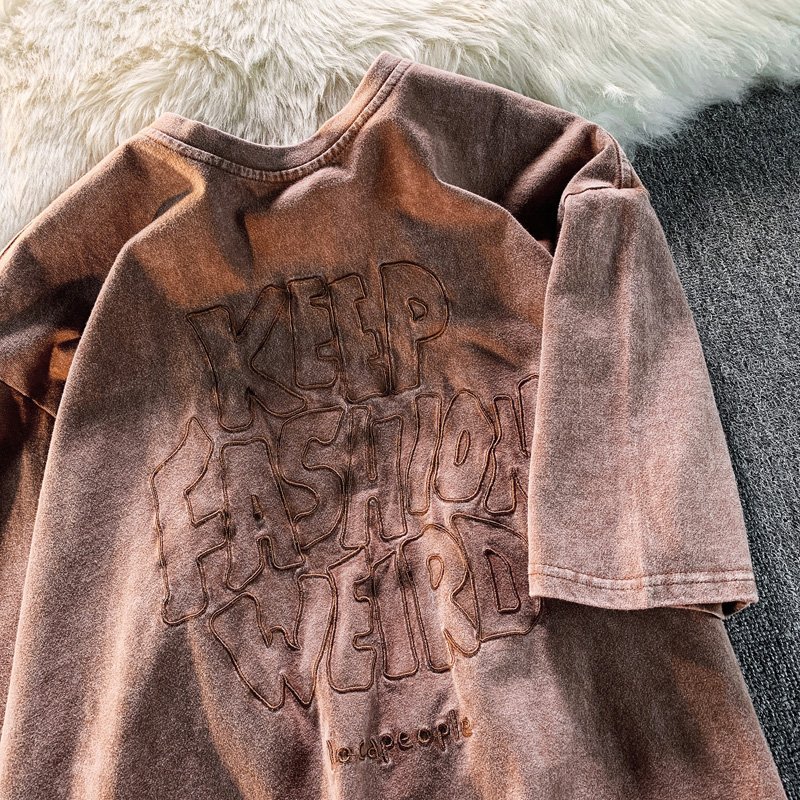
Submit detailed specifications: GSM weight, organic certification (OEKO-TEX or GOTS), color palette in Pantone, and construction method (jersey, fleece, twill). Manufacturers need 10–14 days to produce a first sample.
Quality begins here—confirm the organic cotton sample meets your expectations before scaling to production.
Sample Approval & Revision
Expect 1–3 revision rounds if shade, weight, or finish adjustments are needed. Each cycle takes 5–7 days and includes a fresh QC check. Sign off only when the sample precisely matches your brief—this locked specification governs all 500–2,000+ units.
Order Placement & MOQ
Minimum order quantities for organic cotton typically range 500–2,000 units per colorway and size. Once the purchase order is confirmed, the materials QC testing phase begins immediately—fabric is tested for fiber content, weight, shrinkage, and color fastness before cutting starts.
Production QC Checkpoints
Clothing Manufacturer Ltd implements five sequential gates: materials QC, cutting QC, craft QC, sewing production QC, and final finished inspection. Each stage identifies defects before they compound downstream. Stakeholders receive real-time updates at each checkpoint so issues are flagged early.
Pre-Shipment & Logistics
Final inspection confirms color consistency, seam quality, and packaging integrity. Shipment then moves through customs and logistics—typically 3–5 weeks ocean freight from Dongguan to North America or Europe. Requesting changes after this point introduces quality and timeline risk.
What Goes Wrong
Skipping or rushing the sample phase forces mass production defects—wrong shade, shrinkage, or construction flaws replicate across thousands of units. Collapsing the timeline skips meaningful QC steps. Not involving stakeholders early (design, QA, logistics) creates late-stage surprises and rework costs.
10. Pricing & Cost Structure
Clothing Manufacturer Ltd. establishes a 100-unit minimum order quantity (MOQ) per design and colorway, enabling independent designers, emerging streetwear brands, and small apparel retailers to validate market demand without massive upfront capital. Unit production costs include certified organic cotton purchasing, Pantone-matched dyeing (or natural finishes), precision laser or rotary cutting, interlocked seam production, quality inspection at each stage, and pre-production sample approvals; international ocean or air freight and destination customs clearance add USD $1–$4 per unit depending on method.
Wholesale FOB costs decrease substantially across quantity tiers as production runs scale—minimum dyeing batches shrink, cutting waste ratios improve, and labor allocation efficiency gains compound. Brands planning wholesale channels typically structure 100–200% retail markup; direct-to-consumer (DTC) models justify 200–300% margins to cover customer acquisition, content creation, and brand-building expenses against lower production volumes per SKU.
| Quantity Tier | Typical FOB Price per Unit (USD) | Production Lead Time | Wholesale Margin |
|---|---|---|---|
| 100 units | $8.00–$12.00 | 5–6 weeks | 100–150% |
| 500 units | $5.00–$8.00 | 4–5 weeks | 120–180% |
| 1,000 units | $3.50–$6.00 | 3–4 weeks | 140–200% |
| 5,000+ units | $2.50–$4.50 | 2–3 weeks | 160–220% |
Request Your Organic Cotton Fabric Sample Today
Request free organic cotton fabric samples, get custom bulk quotes, or schedule a design consultation with our experienced streetwear team.