
Bring Trending Streetwear to Market Faster with French Terry Fabric
Expert craftsmanship meets street culture. Our french terry fabric delivers premium comfort and durability backed by 5-step QC, fast production, and low minimums.
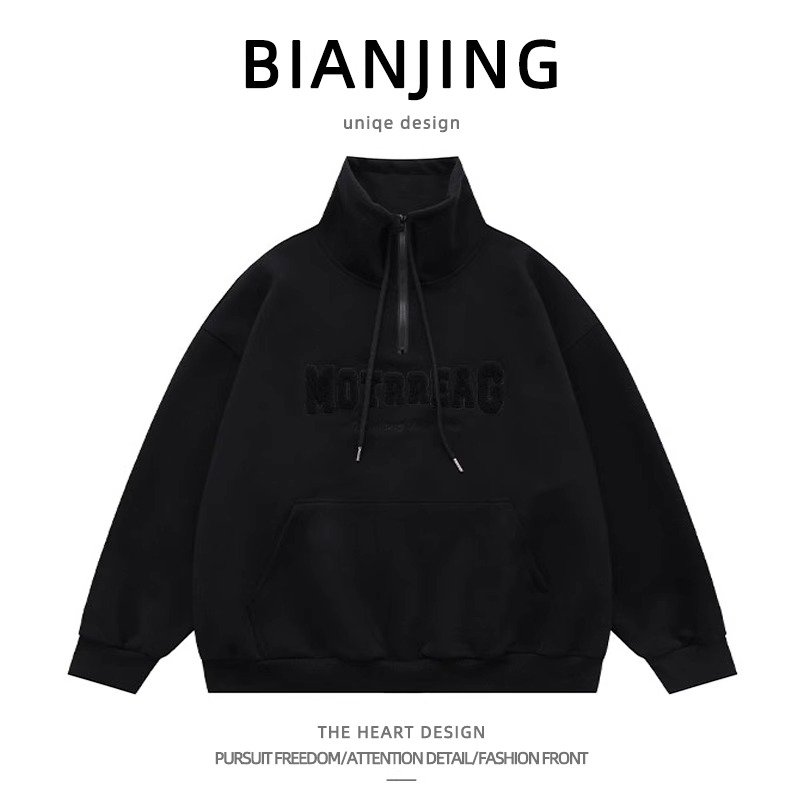
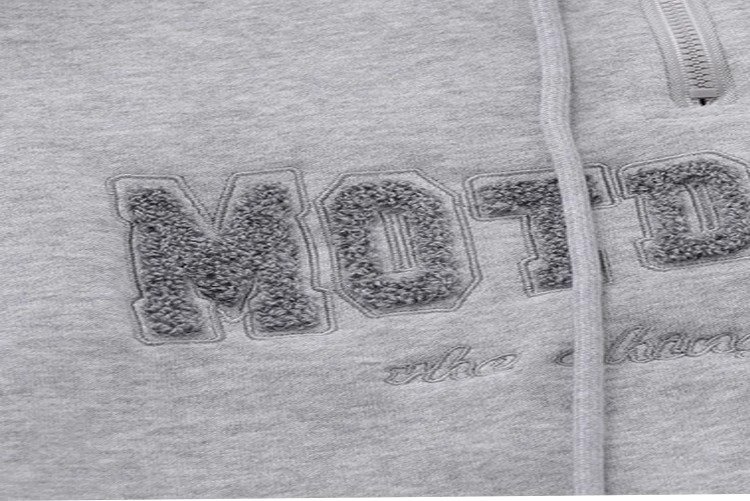
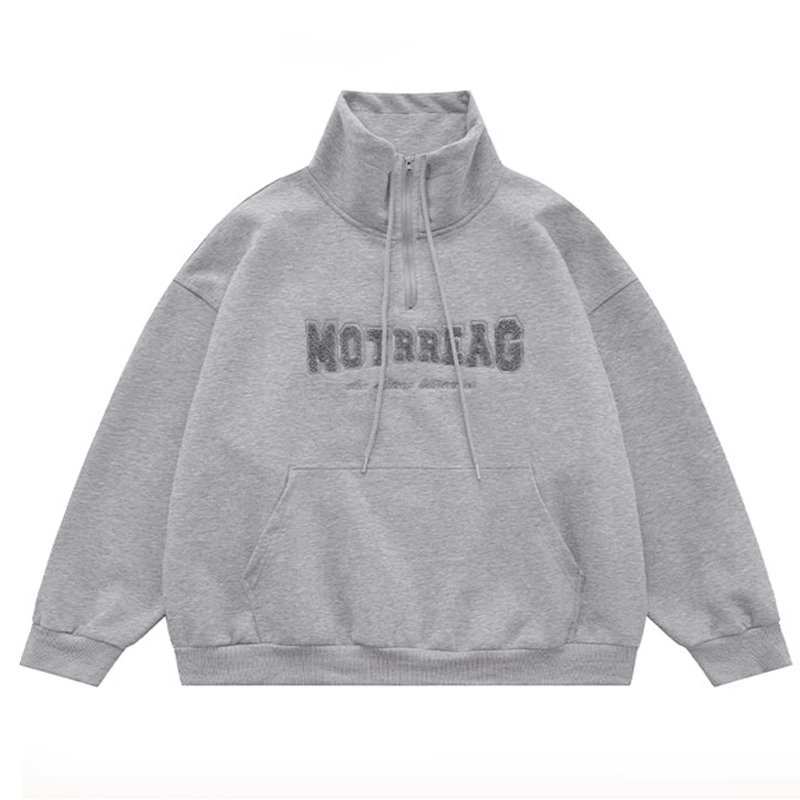
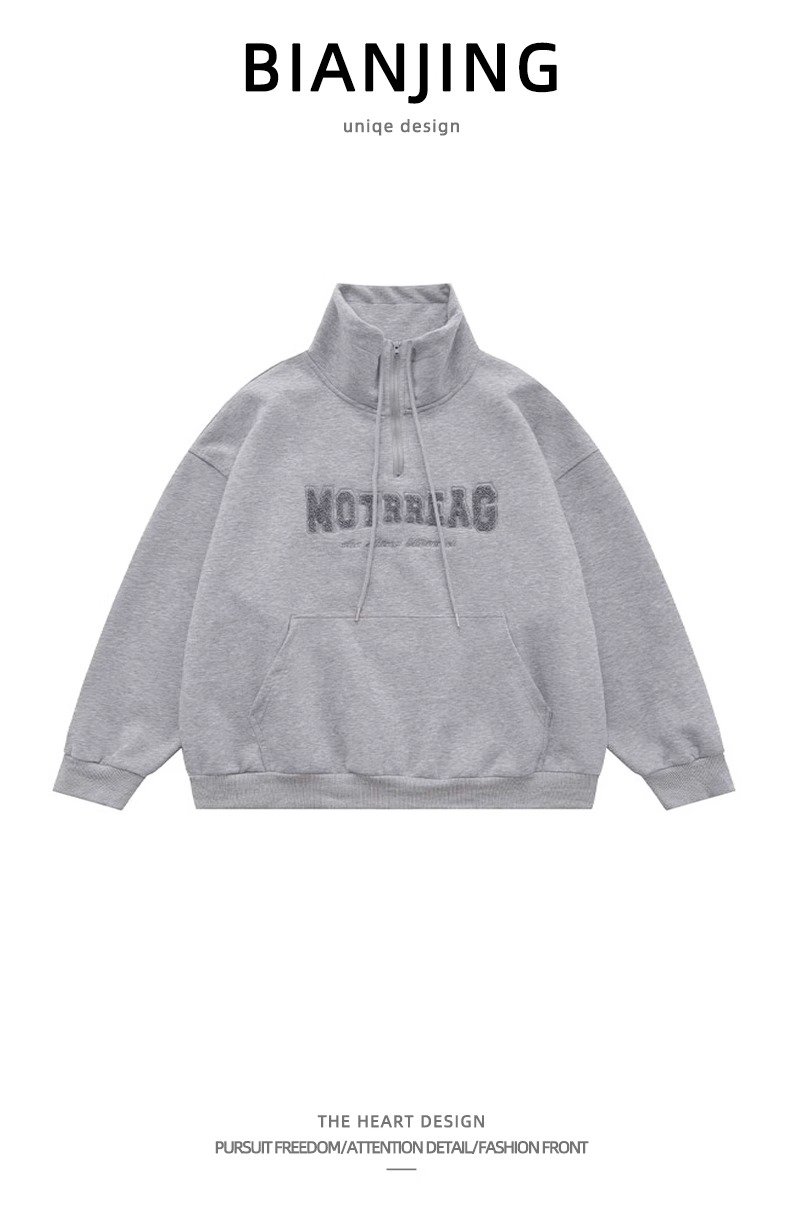
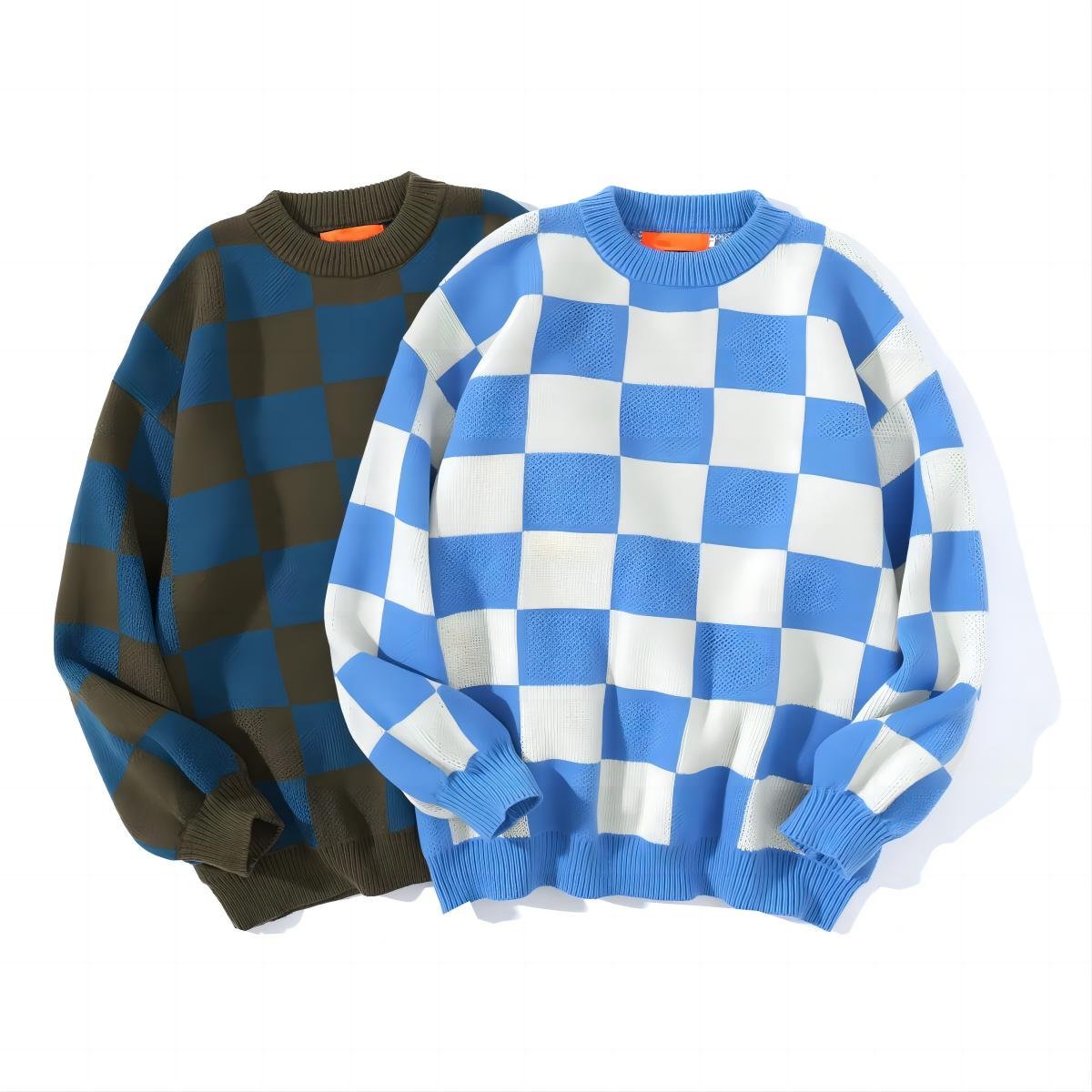
French Terry Fabric Samples & Finished Garments
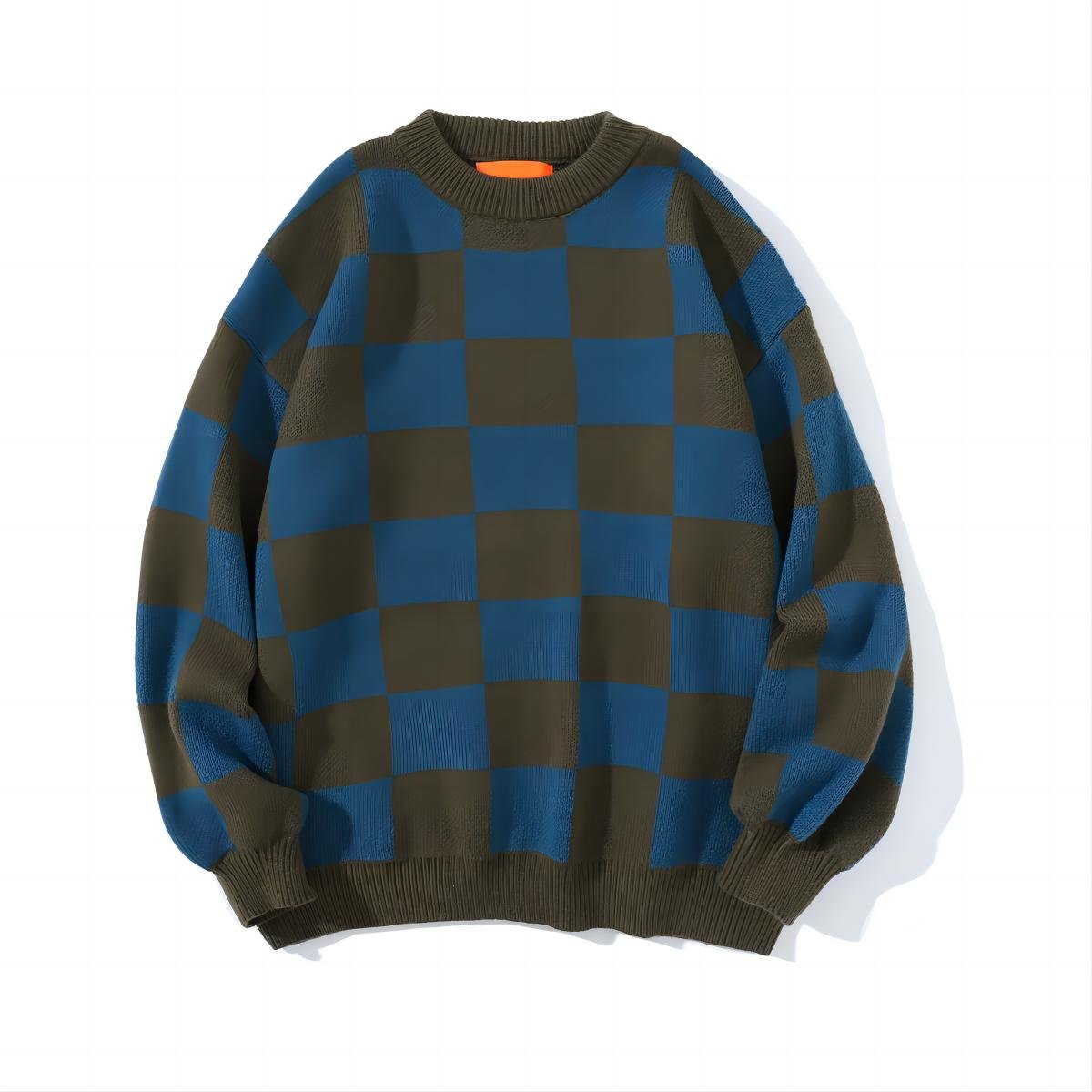
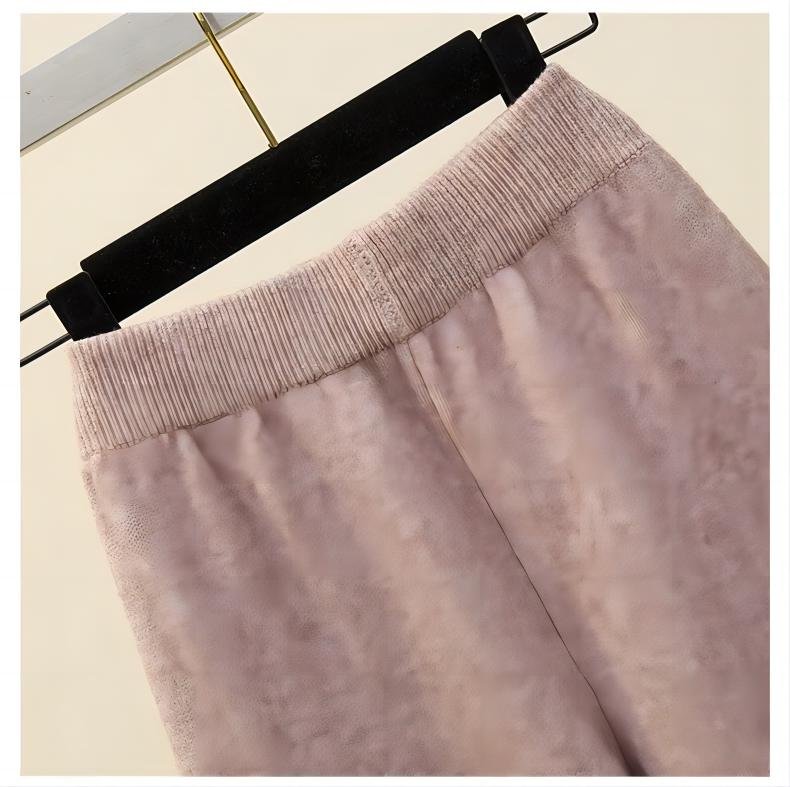
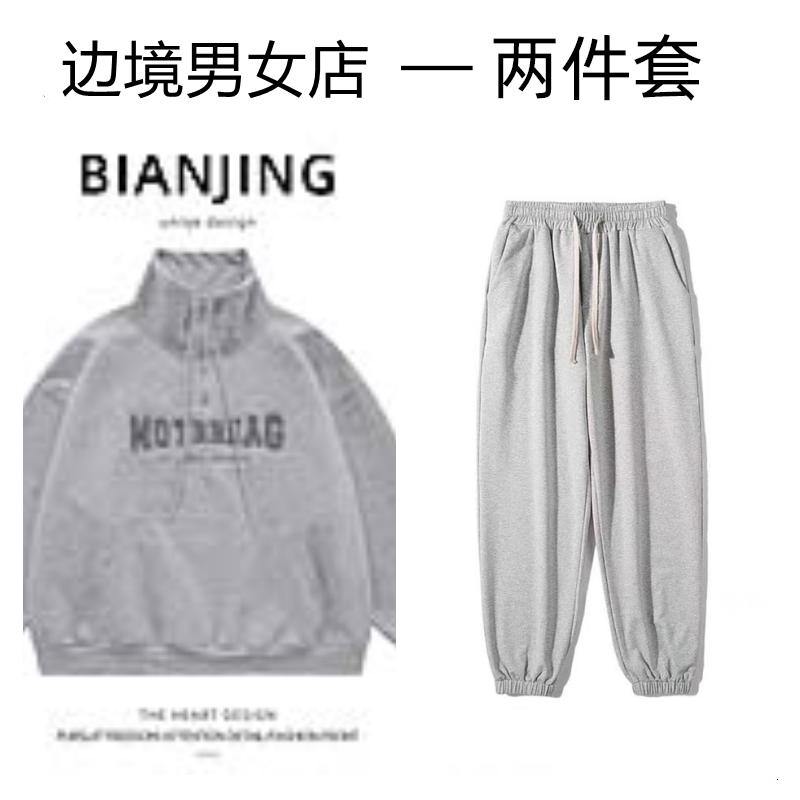
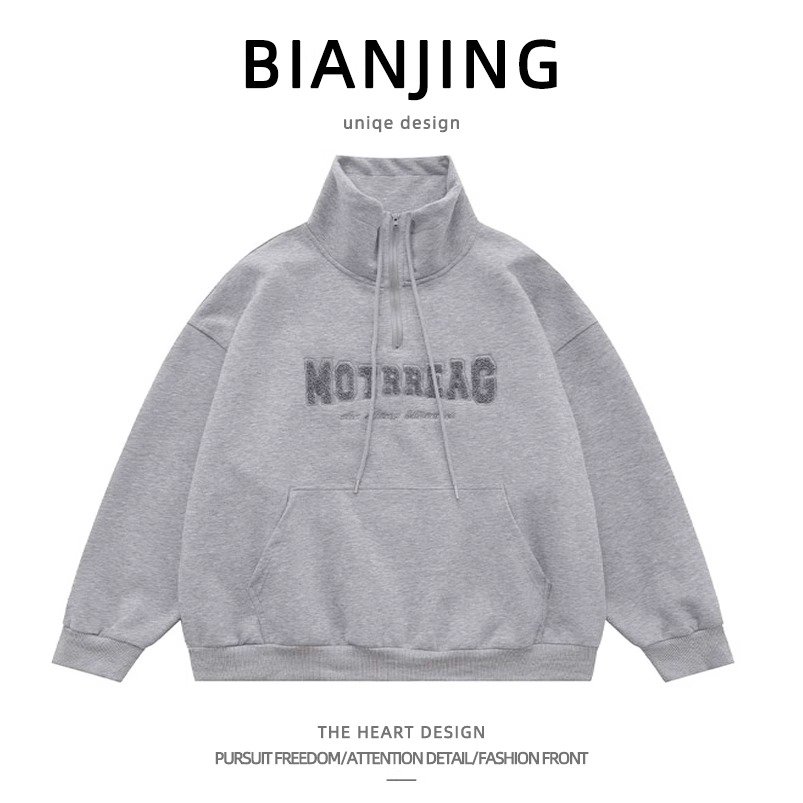
Why French Terry Fabric Stands Out in Streetwear Production
Discover why leading streetwear brands trust french terry fabric for superior comfort, durability, vibrant colors, and unmatched quality
French Terry Softness & Wearability
Plush, comfortable french terry fabric delivers the softness streetwear audiences demand, creating pieces customers want to wear repeatedly.
Wash-Proof Durability & Colorfastness
French terry fabric maintains structure and vibrancy through 50+ wash cycles, ensuring long-lasting streetwear quality your customers expect.
Breathable, Moisture-Wicking Performance
Naturally breathable construction allows air circulation and moisture management, ideal for active streetwear styles that move with wearers.
Vibrant Colors That Last
French terry fabric absorbs dyes beautifully and resists fading, delivering bold, saturated colors essential to streetwear brand identity.
Streetwear-Ready Aesthetic & Texture
The distinctive texture and weight of french terry fabric enhances print placement, embroidery, and oversized silhouettes streetwear brands love.
Quality-Assured at Every Stage
Our 5-step QC process tests french terry fabric materials, cutting, craft, sewing, and finishing to guarantee zero defects.
French Terry Fabric Use Cases for Streetwear Brands
From emerging labels to established retailers—see how streetwear brands leverage french terry fabric across production scales and trend cycles.
First Hoodie Collection Launch
New brands need a fabric that feels premium and luxurious but won't blow their budget on initial inventory. Small MOQs are essential, yet finding quality can be risky.
French terry fabric delivers that high-end streetwear look and feel while supporting emerging brands with low minimum orders. Our 5-step QC ensures quality from day one.
Rapid Seasonal Drops
Streetwear moves fast. Designers need to ship seasonal trends quickly before they fade, but mass-produced basics often sacrifice detail and feel. Speed versus quality is the constant battle.
French terry fabric combined with our in-house design team and fast sampling enables rapid production. Quality checks at every stage mean your trend-driven pieces arrive perfect, on time.
Multi-Order Consistency at Scale
Scaling from hundreds to thousands of units while maintaining consistent look, feel, and fit across orders is complex. Batch-to-batch variation with french terry can damage brand reputation.
Our standardized french terry production ensures identical quality, color, and weight across all batches and colorways. Scale confidently with our quality guarantee backing every shipment.
Bespoke Collab Lines and Drops
Influencers launching branded apparel need rapid prototyping, unique designs, and small production runs for exclusive drops. Most manufacturers cannot handle this speed and customization without huge MOQs.
Our in-house design team and low MOQ policy let influencer brands rapidly prototype french terry pieces and launch limited-edition drops. Fast sampling means your vision ships on schedule.
Streetwear-Native Quality Expertise
Large retailers expanding into streetwear need manufacturers who genuinely understand the culture, trends, and quality standards that streetwear communities expect. Typical apparel suppliers often miss the mark.
Clothing Manufacturer Ltd specializes in streetwear and french terry production, led by Tesla Luo with 10+ years in apparel and 6 years of streetwear expertise. You partner with insiders.
French Terry Fabric Expertise Built on 10+ Years
Tesla Luo founded Clothing Manufacturer Ltd. in August 2024 with a mission to restore Chinese garment manufacturers’ reputation through uncompromising quality. Born into a textile family—both parents held senior manufacturing roles—Luo brings 10+ years of production experience and 6 years of specialized streetwear expertise. His deep knowledge of french terry fabric production and streetwear design drives our commitment to delivering premium quality every time.
From our base in Humen Town, Dongguan, we serve over 100 countries and have built partnerships with emerging brands to established influencer labels. Our R&D team of 15 engineers and access to advanced manufacturing infrastructure enable us to produce french terry fabric garments at scale while maintaining strict quality standards. We understand the demands of streetwear brands seeking reliable, fast turnaround production.
What sets us apart is our proprietary five-step quality control process embedded throughout production—from materials testing through final inspection. We designed our french terry fabric sourcing and production workflows specifically for streetwear brands and designers seeking low-MOQ orders without compromising on quality or delivery speed. Our in-house design team brings the creative edge streetwear demands.
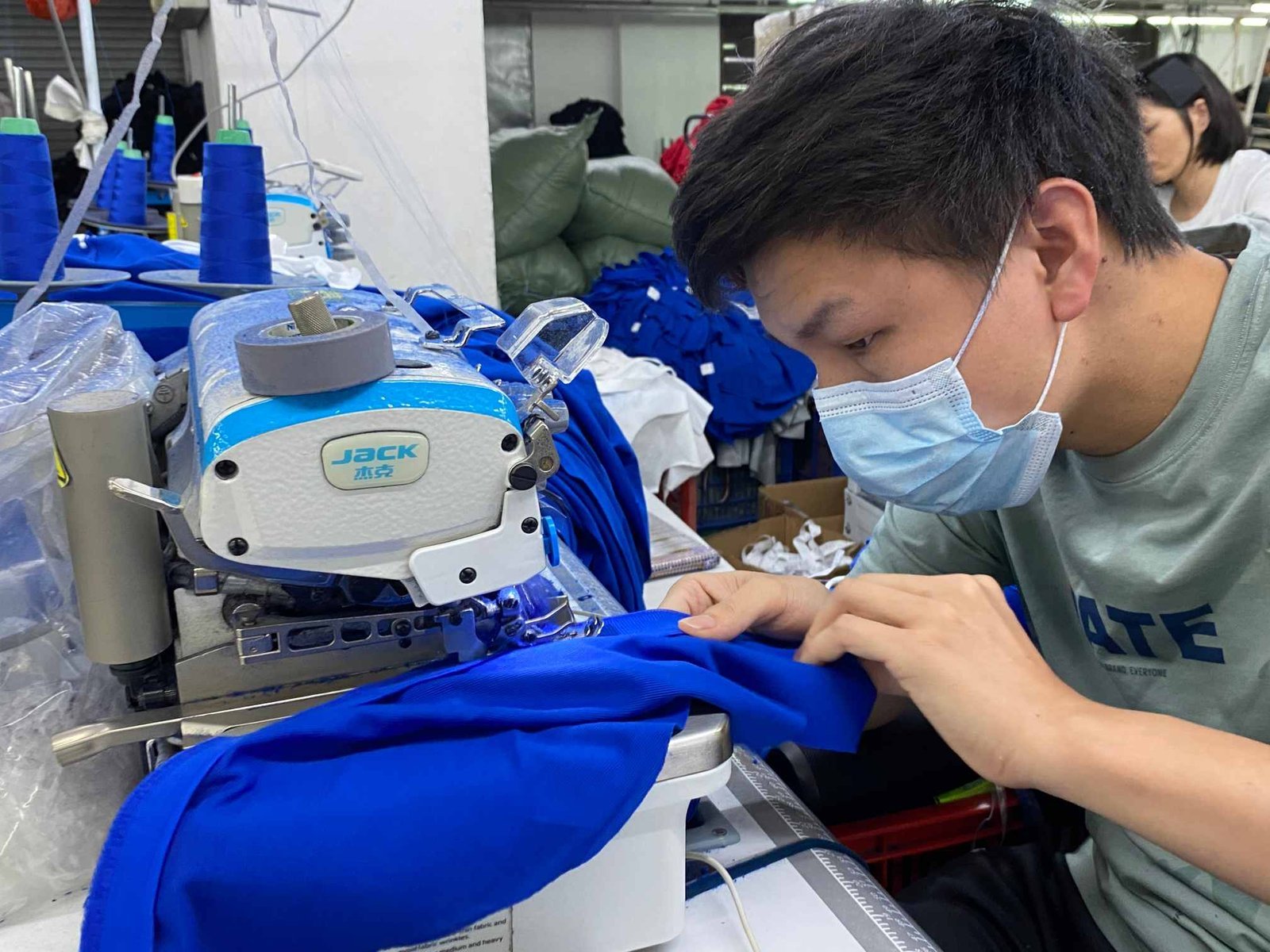
French Terry Production Excellence: The 5-Step QC Guarantee
French Terry Materials Tested & Certified
Every French terry fabric batch undergoes rigorous materials inspection before entering production. We verify weight, tensile strength, color consistency, and shrinkage rates. This first QC checkpoint ensures only premium-grade French terry meets our standards, protecting your brand’s reputation from the start.
- Fabric weight & GSM verification
- Tensile strength & durability testing
- Color consistency & dye fastness checks
- Shrinkage rate analysis
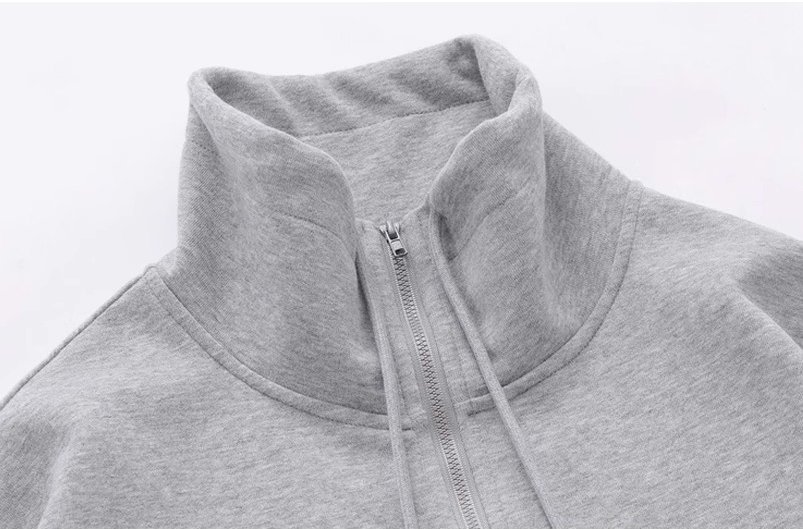
Precision Cutting for French Terry Patterns
Cut waste and dimensional errors don’t exist in our French terry production process. Laser-guided markers and precision cutting equipment ensure each garment pattern matches exact specifications. This second QC step eliminates costly rework and ensures consistent fit across your entire production run.
- Laser measurement alignment verification
- Pattern marker optimization
- Waste reduction tracking
- Dimensional accuracy auditing
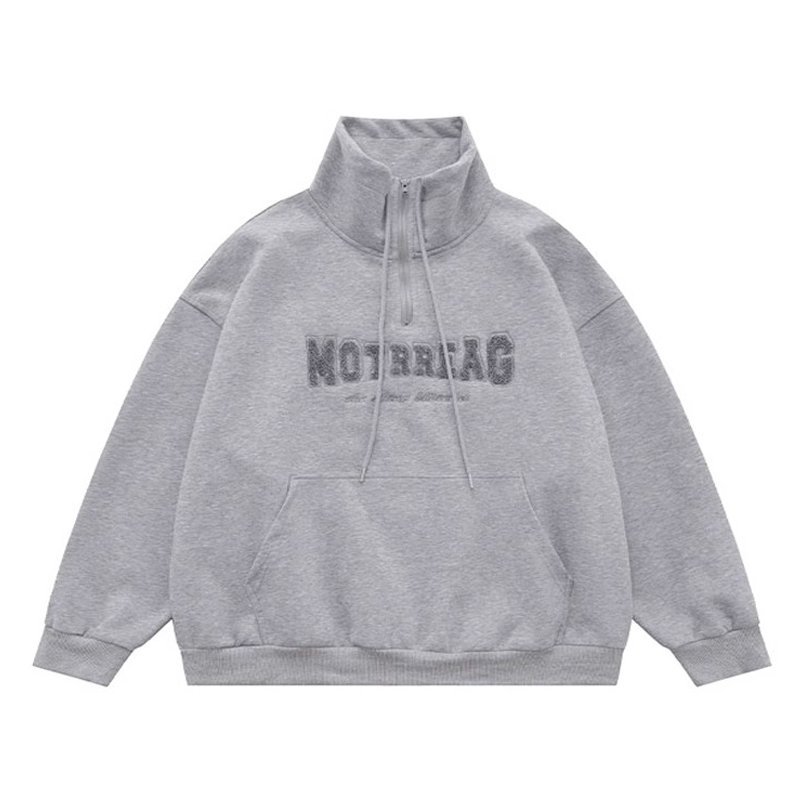
Sewing Quality Checkpoints at Every Stage
Production sewing for French terry garments passes through continuous monitoring. Stitch tension, seam strength, and construction techniques meet specifications at every checkpoint. Our multi-point sewing QC protocol—steps three and four of our guarantee—catches defects before they impact finished goods.
- Real-time stitch tension monitoring
- Seam strength verification between segments
- Hem construction consistency checks
- Needle deflection prevention protocols
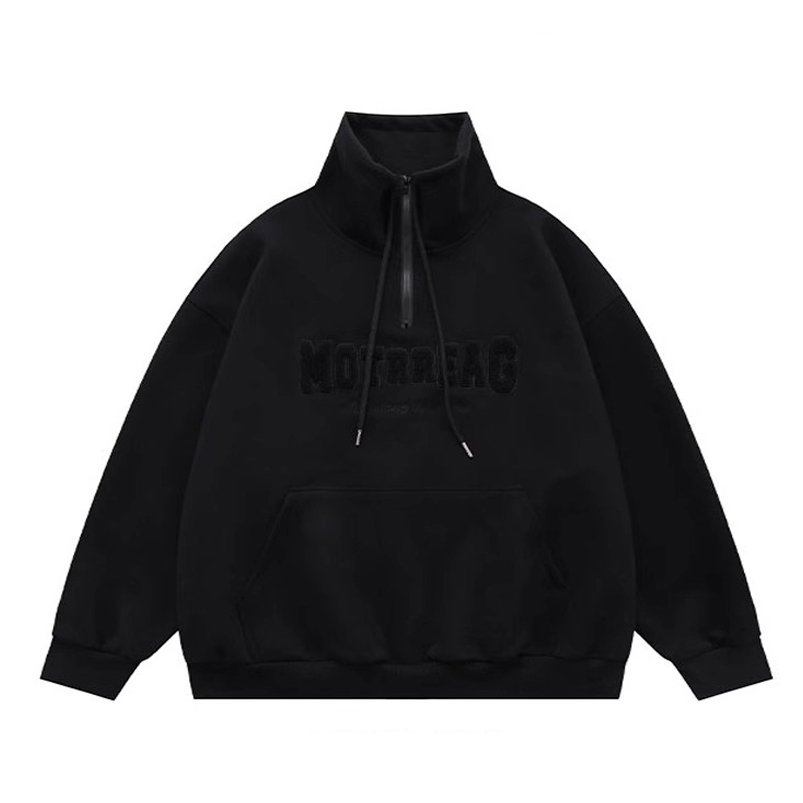
Final French Terry Quality Assurance Testing
Every finished French terry garment receives final inspection before shipment. We perform defect identification, fit verification, color fastness testing, and durability spot-checks. This conclusive fifth QC step ensures your streetwear meets global quality standards and delights end consumers.
- Visual defect identification & mapping
- Fit & drape accuracy verification
- Color fastness & wash testing
- Durability certification protocols
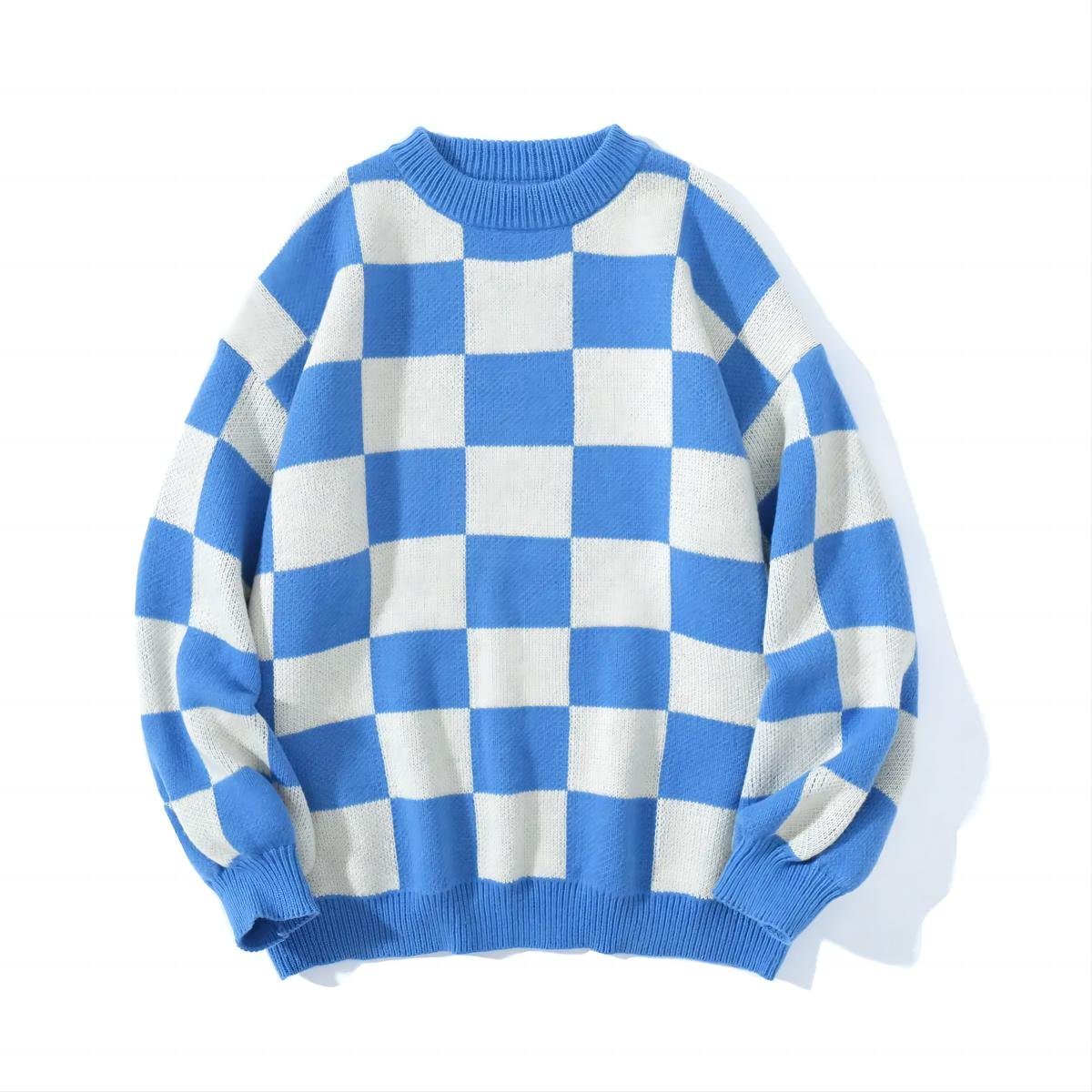
French Terry Fabric vs. Jersey, Fleece & Alternative Knits
See why streetwear brands choose French terry fabric for durability, design versatility, and production efficiency
← 左右滑动查看 →
French Terry Fabric Production Timeline & Quality Checkpoints
From material sourcing to final delivery, every french terry order passes through rigorous quality controls—designed for emerging brands and seasonal collections.
Materials & Fabric QC
Every french terry fabric batch undergoes intake testing for weight, density, color consistency, and shrinkage. Compliance verification ensures materials meet streetwear durability standards before cutting begins.
Design & Cutting QC
Our in-house design team creates patterns; cutting QC verifies accuracy of every panel. Rapid sampling cycles support seasonal collections and low MOQ production runs efficiently.
Garment Construction QC
Pre-sewing inspection ensures seam alignment, pocket placement, and hand-feel match specifications. French terry garments are inspected for craft quality before assembly begins.
Sewing & Production QC
In-process quality checks at every sewing station catch defects early. Seam strength, stitch density, and streetwear-specific details are verified continuously throughout production.
Final Inspection & Delivery
Complete finished-product QC, label verification, and packaging inspection ensure quality at delivery. Global logistics support gets your french terry orders to market fast.
How to Order Custom French Terry Fabric Apparel in 3 Steps
Collaborate on Design Details
Partner with our in-house design team to refine your french terry fabric specifications and garment construction details. We provide rapid consultation tailored to your brand’s aesthetic and production needs.
Approve Quality Samples Fast
Receive production-ready french terry fabric samples within 5-7 business days. Our rapid turnaround ensures startups and emerging brands can iterate on designs and secure approvals before committing to full production.
Begin Guaranteed Production
Enter production with our 5-step QC guarantee protecting your french terry fabric order at every stage. Even with low MOQ, we maintain zero-compromise quality across materials, cutting, sewing, and finishing.
What Streetwear Brands Say About Our French Terry Fabric
In 18 months, we’ve launched 4 seasonal drops using Clothing Manufacturer Ltd‘s french terry fabric manufacturing. The precision and 5-step QC guarantee ensure our designs come out perfect. Durability is excellent—customer retention jumped 35%.
We switched to Clothing Manufacturer Ltd for our emerging brand’s production. Their french terry fabric quality control is exceptional—defect rate dropped from 12% to under 2% in 3 months. Color accuracy after washing impressed our retailers most.
Clothing Manufacturer Ltd delivered on-time for 8 consecutive production runs—essential for our influencer brand launches. The french terry fabric consistency and precision keep our design team confident. Order scaling has been seamless.
Frequently Asked Questions About French Terry Fabric Manufacturing
Everything you need to know about our french terry fabric sourcing, lead times, quality standards, and custom production process.
What is french terry fabric and why choose it for streetwear?
What weights and colors does your french terry fabric come in?
What’s your minimum order quantity for french terry fabric?
What’s your lead time for french terry fabric orders?
Can you add custom prints, embroidery, or patches to french terry?
How durable is your french terry fabric after washing?
Do you offer sample production for french terry?
What certifications and compliance standards apply to your fabrics?
The Complete Buyer’s Guide to french terry fabric for Streetwear Brands
Master french terry fabric selection with our comprehensive guide covering quality standards, customization options, manufacturer evaluation, pricing tiers, and the five critical mistakes independent brands must avoid when sourcing premium streetwear basics.
1. What is french terry fabric?
French terry fabric represents a specialized knit construction combining a looped pile interior with a smooth, flat exterior. Originating in 18th-century French textile mills, this fabric design delivers the comfort and texture that modern streetwear and casual apparel demands. The double-faced construction—terry loops on the inside, flat knit on the outside—creates distinct performance properties that distinguish it from standard fleece or basic cotton knits.
The fabric typically weighs 280–400 GSM (grams per square meter) and exhibits inherent breathability despite its plush interior. Ring-spun or combed cotton construction at 200–280 gsm base density provides stretch recovery and durability across repeated wear cycles. These weight and density specifications align with industry standards for premium hoodie blanks, crew necks, and sweatshirts designed for longevity and comfort.
Contemporary apparel brands—particularly in streetwear, athleisure, and youth-focused segments—favor french terry because it signals quality through tactile softness while maintaining structural integrity through multiple wash cycles. The fabric’s aesthetic versatility supports trend-driven design elements including oversized silhouettes, dropped shoulders, and surface treatments like screen printing or embroidery. For emerging brands and established retailers alike, french terry fabric positioning communicates investment in both wearer experience and production credibility.
2. History and Evolution of french terry fabric
The origins of french terry date to 19th-century France, where weavers developed the distinctive looped pile construction to create soft, absorbent textiles for undergarments and casual wear. Hand-looming techniques produced narrow widths and required skilled labor, limiting scalability until power looms arrived in the early 1900s, enabling broader commercial production across European mills.
By the 1980s, American sportswear brands discovered french terry’s ideal performance properties—moisture absorption, breathability, and comfort—for casual tracksuits and athletic wear. The fabric gained cultural momentum through hip-hop fashion, where oversized terry track suits became visual signatures of emerging street style, connecting the material directly to authenticity and youth culture rather than purely functional sportswear.
Modern automation from the 1990s onward—including circular knitting machines and advanced finishing techniques—transformed french terry from specialty cloth into commodity-scale production. Today, manufacturers worldwide operate high-speed knit lines producing 300–500 kg per shift, with computerized dye houses enabling rapid color matching and consistent GSM weights (300–600 gsm range for streetwear). This evolution explains why sourcing decisions matter: understanding production lineage helps buyers distinguish genuine french terry quality—tight loop structure, proper weight retention post-wash—from cheaper fleece blends that mimic appearance but lack durability and cultural resonance with streetwear communities.
3. Types and Variations of french terry fabric
French terry fabric is produced in distinct weight categories, surface finishes, and fiber compositions to support diverse brand positioning and end-use requirements. Strategic selection across these dimensions optimizes production cost, market fit, and customer satisfaction.
GSM Weight Classes
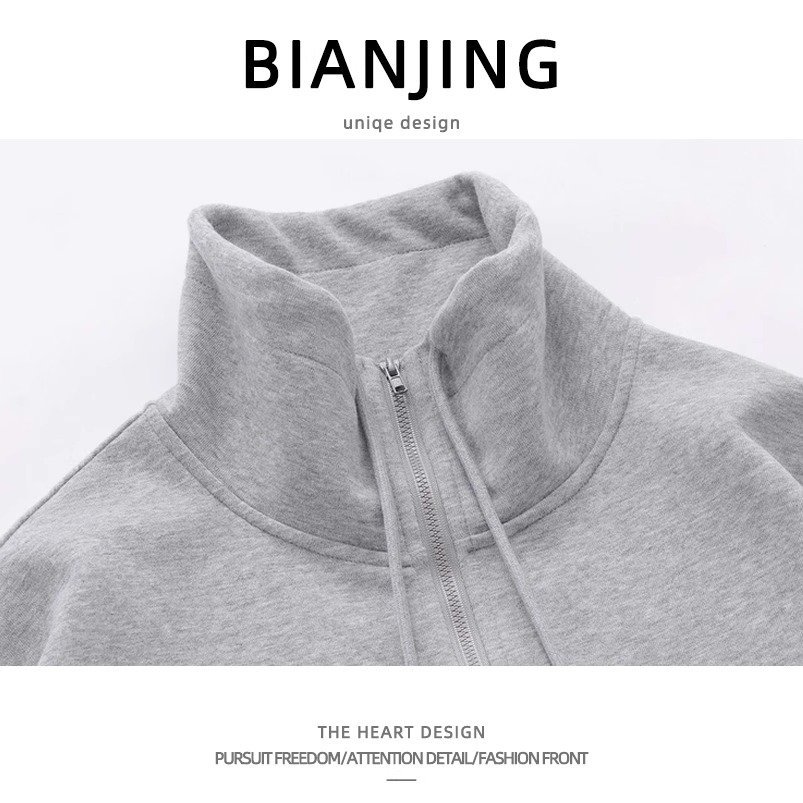
Weight directly affects garment performance and perceived quality. Lightweight french terry (240–290 GSM) suits premium basics with delicate hand-feel.
Midweight (290–380 GSM) dominates streetwear production for balanced durability and comfort. Heavyweight (380–450+ GSM) delivers heritage-quality garments with substantial structure and longevity for outerwear applications.
Brushed Versus Unbrushed Surfaces
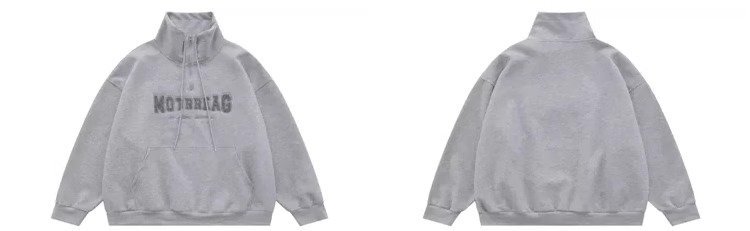
Brushed french terry features soft-finished loops on both sides, creating premium tactile quality favored by luxury brands. Unbrushed french terry displays smooth exterior and looped interior, offering design flexibility and accessibility positioning. Nap style influences perceived quality tier and directly correlates with 8–12% price premiums for brushed constructions.
Organic, Recycled, and Blended Fibers
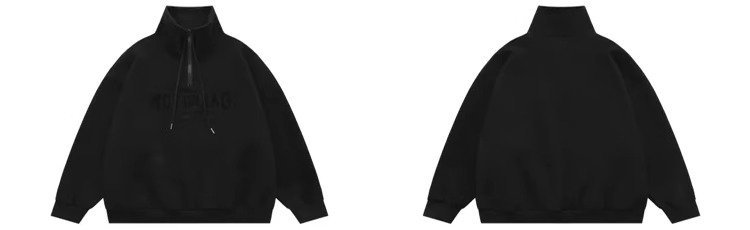
Organic cotton (GOTS-certified) appeals to sustainability-focused consumers and commands 15–20% price premiums. Virgin cotton delivers consistent quality and cost-efficient production for high-volume orders.
Recycled cotton blends strengthen environmental credentials but may require 2–4-week lead-time extensions. Cotton-polyester blends (70/30 standard) reduce shrinkage and enhance durability for retail-focused lines.
Selecting by End Use and Market
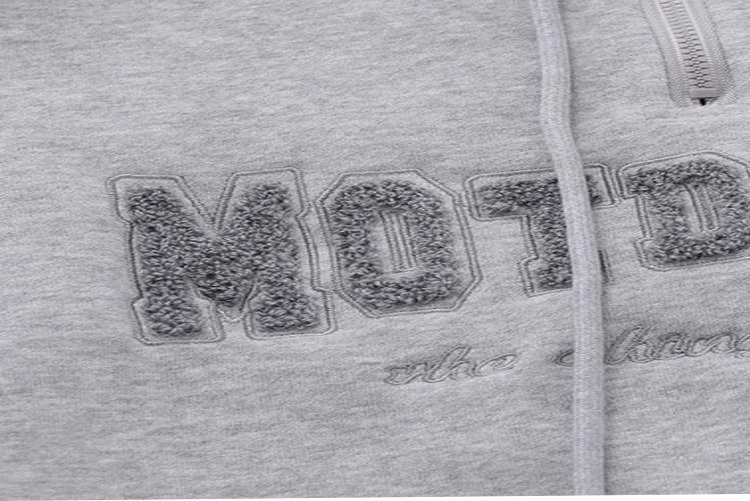
Match fabric specifications to customer expectations and price point. Premium heritage brands typically choose heavyweight brushed organic french terry, while accessible streetwear favors midweight unbrushed virgin cotton for production efficiency.
Direct-to-consumer labels often blend options—lightweight organic for seasonal drops, midweight virgin for core collections. Lead time, MOQ, and dyeing options should also factor into selection.
4. Materials and Construction Standards for french terry fabric
French terry’s durability and comfort depend on fiber blend, GSM weight, loop structure, and backing density. Material specifications directly control how garments perform through washing and wear.
| Fiber Blend | GSM Range | Shrinkage | Cost Relative to 100% Cotton |
|---|---|---|---|
| 100% Cotton | 280–320 | 2–4% | 1.0x |
| 80/20 Cotton-Polyester | 260–300 | 1–2% | 0.87x |
| Organic Cotton (GOTS) | 280–320 | 2–4% | 1.20x |
| Recycled Blend (30%) | 270–310 | 2–4% | 0.95x |
Fiber Composition: Cotton Blends and Synthetics
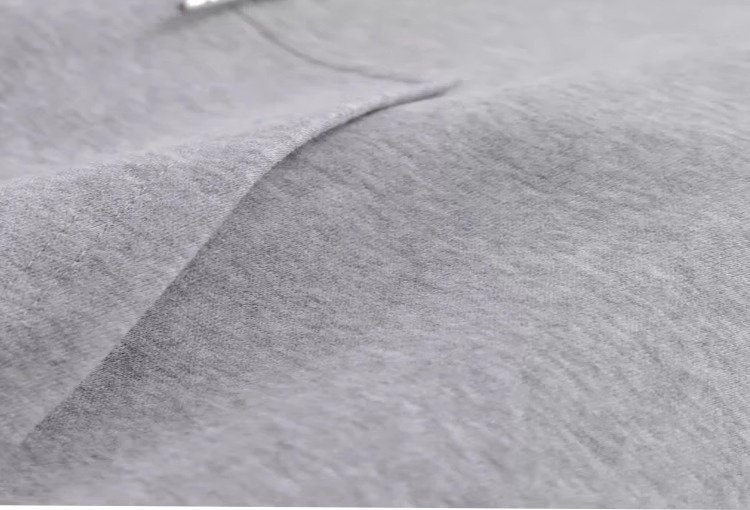
100% cotton French terry dominates premium streetwear, valued for breathability and durability. Cotton-polyester blends (80/20, 85/15) reduce shrinkage to 1–2% versus virgin cotton alone. Viscose additions (5–10%) enhance softness but reduce abrasion resistance; manufacturers typically limit viscose for durability-critical applications.
GSM Weight: Durability and Cost Trade-offs
French terry spans 200–350 GSM (grams per square meter). Most streetwear uses 280–320 GSM, balancing structure and breathability. Weights under 250 GSM pill easily during wear; 330+ GSM suits outerwear but increases drying time and adds $0.15–0.25 per yard per 10 GSM increase.
Loop Structure and Backing Density
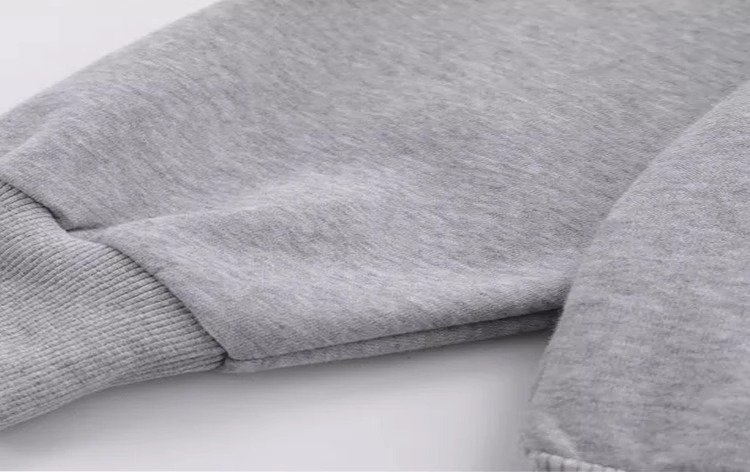
Cut-pile loops define French terry’s tactile character. Pile depth ranges 3–6mm; deeper piles feel luxurious but shed fibers during initial washes. Backing density is critical to durability—heavier, tighter backing prevents stretching and pilling after 20+ wash cycles.
Organic Cotton Versus Conventional and Recycled
GOTS-certified organic cotton costs 18–25% more than conventional cotton, eliminating pesticide residue and resonating with eco-conscious brands. Conventional cotton reduces input cost 15–20%. Recycled-content blends (15–30% reclaimed fiber) offer price and sustainability compromise; fiber quality varies and requires supplier batch testing.
Industrial Versus Single-Needle Construction
Industrial looms dominate production, enabling high-speed, cost-effective manufacturing at scale. Single-needle construction (rare, premium) allows custom backing density and specialty finishes but adds 25–35% labor cost. Most brands choose industrial for volumes above 500 units; single-needle suits limited-edition or collaborative runs.
5. Customization and Decoration Options for french terry fabric
French terry’s pile structure requires specialized decoration: screen printing risks pile flattening and weak ink adhesion, while embroidery and custom dyeing offer superior durability. Each technique has distinct MOQs, lead times, and cost implications.
Screen Printing and Pile Management
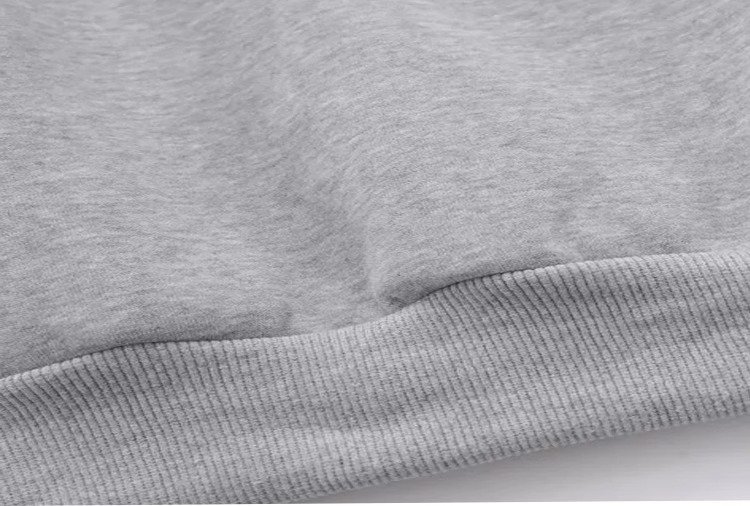
Screen printing requires 200–300 micron ink deposits to prevent pile absorption. Squeegee pressure over 5–8 PSI permanently flattens surface loops; cure must reach 140–160°C for wash-fastness.
MOQ: 300–500 units per color. Lead time: 10–14 days. Cost adds 15–25% versus blank pricing.
Embroidery: Fiber-Direct Durability

Embroidery bonds directly to yarns rather than sitting atop surface, surviving 50+ wash cycles with minimal color shift. Design placement on flat chest and sleeve areas prevents snags and breakage.
Cost runs 8–15 USD per 10,000 stitches. MOQ: 100 units. Lead time: 14–21 days.
Heat Transfer and Custom Dyeing

Heat transfer fuses design at 160–180°C, preserving pile texture and delivering consistent color saturation. MOQ: 100 units; lead time 5–7 days.
Custom dyeing (vat or reactive) integrates color into yarn before cutting, eliminating surface ink concerns. MOQ: 1,000+ units; lead time 15–20 days. Achieves AATCC 5–6 color fastness versus 4–5 for heat transfer.
Decoration Choices and Customer Perception
Embroidery and custom dyeing signal premium positioning; screen printing suits rapid prototyping and iterative design. Color fastness directly affects customer satisfaction, return rates, and repeat purchases.
Technique choice shapes business strategy: heat transfer enables 100-unit tests; embroidery supports low-volume direct-to-consumer; custom dyeing demands 1,000+ unit initial commitment but justifies premium brand positioning.
6. Quality Metrics and Standards for french terry fabric
French terry quality depends on five metrics: color fastness, shrinkage (3–5%), pilling resistance, seam strength, and loop retention. Request certification to ISO, OEKO-TEX, or GOTS. Audit samples before bulk orders.
Performance Benchmarks
Color fastness should grade 3–5 (AATCC). Shrinkage ranges 3–5% per ISO 6330. Pilling rated on Martindale at 10,000 cycles should grade 4+. Seam strength: 8–12 kg tensile. Loop retention: >90% after 50 washes prevents bagging.
- Color fastness: 3–5 grade, no bleeding
- Shrinkage: 3–5% tolerance
- Pilling: Martindale grade 4 minimum
- Seams: 8–12 kg tensile
- Loops: >90% retention after 50 cycles
Certifications and Audits
ISO 9001 covers quality systems; OEKO-TEX ensures dye safety; GOTS verifies organic production. Always request lab reports per batch. Red flags: missing materials QC, no shrinkage docs, vague ‘compliance’ claims without third-party proof.
- ISO 9001: quality management
- OEKO-TEX: chemical-free dyeing
- GOTS: organic and ethical sourcing
- Request batch-specific lab reports
- Demand traceability and transparency
Sample Testing Protocol
Order 1+ meter swatches in production dye lot. Wash 10 cycles at 40°C, tumble dry. Measure shrinkage with tape (pre/post 10 cm line); flag variance >±1%. Inspect color bleed, loop fuzz, seam strength.
- Request production-dye swatches (1+ meter)
- 10-cycle wash at 40°C
- Measure shrinkage variance
- Inspect color, loops, seams
Vendor Requirements Before MOQ
Before committing MOQ (500–2,000 units), demand documented QC reports at each stage: materials inspection, cutting, sewing, and finished goods. Best-practice manufacturers test at every stage, not just final inspection. If vendor resists sharing QC logs, red flag.
- Demand QC documentation per production stage
- Verify testing at materials, cutting, sewing, finished
- Red flag: vendor skips mid-process QC
7. How to Choose a french terry fabric Manufacturer
Selecting a french terry fabric manufacturer shapes your supply chain. Evaluate capacity, quality systems, and responsiveness alongside cost. The right partner scales with your brand from startup to established player.
Capacity and Minimum Order Quantities
Industry MOQ ranges span 500 to 5,000+ units per style. Startups often need 500–1,000-unit minimums; established retailers negotiate 2,000–10,000 runs. Confirm production capacity aligns with quarterly forecasts to avoid supply bottlenecks and unexpected delays.
Quality Certifications and Standards
OEKO-TEX and GOTS certifications signal rigorous material vetting. WRAP and BSCI ensure ethical labor standards. A five-step QC methodology—testing materials, cutting, craft, sewing, and finished goods—catches defects early. Request certificates and third-party audit reports before committing.
Lead Times and Sampling
Standard lead times run 30–60 days FOB. Request 2–4 week sampling turnarounds to evaluate hand, shrinkage, and color matching. Sample fees (typically USD 50–300 per style) reflect mold costs. Clarify payment terms: who covers sample shipping and final payment schedules.
Boutique Mills vs. Large Suppliers
Boutique mills (500–5,000 units/month) offer customization, short lead times, and hands-on support—ideal for startups and emerging brands navigating early-stage production needs.
Large suppliers (50,000+ units/month) provide competitive pricing, inventory buffers, and multi-SKU efficiency. Match manufacturer tier to your current growth stage and cash flow.
Your Vetting Checklist
Before committing to a french terry fabric manufacturer, systematically vet their capabilities and reliability. A structured approach prevents costly production errors and supply delays.
- Review certifications (OEKO-TEX, GOTS, WRAP, BSCI) and third-party audit reports
- Request client references from comparable brands and check turnaround claims
- Demand transparent pricing breakdown: fabric cost, labor, overhead, margin
- Confirm after-sales responsiveness: defect claim resolution time, return policies, communication channels
- Conduct a pilot order (500–1,000 units) before scaling to full production
8. Common Mistakes Buyers Make with french terry fabric
Buyers frequently overlook critical french terry fabric specifications when sourcing. These oversights compound during production, resulting in delays, defects, and excess inventory write-offs that directly impact your bottom line.
Ignoring Shrinkage Specifications
French terry typically shrinks 5–8% in length and 3–5% in width when washed. Skipping shrinkage testing leads to sizing mismatches after full production runs, forcing costly reprints or stock write-offs.
Remedy: Request documented shrinkage reports before cutting. Clothing Manufacturer includes shrinkage testing in its materials QC stage.
Underbidding MOQ to Reduce Costs
Minimum order quantities for french terry range 500–2,000 units per SKU. Accepting artificially low MOQs often triggers hidden surcharges, longer lead times, or production shortcuts once orders begin.
Remedy: Verify true per-unit cost at your MOQ in writing. Transparent pricing prevents surprise invoices.
Choosing Wrong GSM for End-Use
French terry ranges from 200–400 GSM; hoodies use 280–320 GSM, joggers 250–280 GSM. Incorrect weight produces oversized garments or insufficiently durable fabric.
Remedy: Specify GSM and test prototype fit before bulk production.
Skipping Sample Approval
Many brands waive pre-production sampling to accelerate timelines, then reject full shipments due to color drift or quality issues. Sample review costs $150–$500 but prevents six-figure losses.
Remedy: Always approve pre-production samples. Clothing Manufacturer includes sample gates within its QC framework.
Not Verifying Color Fastness
Color fastness standards (ASTM D2261, ISO 105) measure dye migration during washing. Brands that skip testing ship garments that bleed or fade after first wear, triggering returns and brand damage.
Remedy: Request ASTM/ISO Grade 4 test results. Lab testing costs $200–$400 and protects reputation.
9. Steps to Launch Your Brand with french terry fabric
Launching a streetwear brand with french terry demands systematic supplier selection and order discipline. Every decision—from fabric specs to quality controls—shapes profitability and reputation. Master realistic timelines, payment structures, and production workflows to ensure your first collection meets market standards.
Define Your Product Specifications
French terry for apparel ranges 240–340 GSM. Choose fiber content (100% cotton, cotton-poly, or synthetics) based on performance and cost. Select finish (brushed or plain), limit colors to 2–4 for launch, and specify dyeing method.
Request Samples from Vetted Suppliers
Contact 3–5 suppliers for samples with 30–45 day lead time at $50–150 per sample. Compare hand-feel, weight, color accuracy, and shrinkage. Request lab reports on tensile strength, pilling, and color fastness. Assess supplier responsiveness—it signals partnership quality.
Negotiate Payment Terms and MOQs
MOQs typically start 300–500 units per color. Negotiate 50% deposit and 50% on completion. Lock in 45–60 day lead time and 12-month price protection. Request tiered pricing: 5% discount at 1,000 units, 10% at 5,000+.
Place Order with QC Checkpoints
Submit formal PO with Pantone colors, GSM, and quantity. After 50% deposit clears, production starts within 5–10 days.
Schedule QC checkpoints at fabric arrival (materials QC), post-cutting (cutting QC), and final inspection (finished goods QC). Early detection prevents costly defects and rework.
Manage Inventory and Plan Reorders
Project your sales forecast and turnover rate. Place reorders 6–8 weeks before inventory runs out; lead time is 45–60 days.
Build relationships with your supplier for priority allocation during peak seasons. Maintain monthly contact to refine colors and delivery windows based on sales.
10. Pricing, Costs, and Budget Planning for french terry fabric
Minimum order quantities for french terry range from 100 units at premium per-unit rates ($8–$14) down to bulk pricing under $4 per piece for orders exceeding 5,000 units. Quantity-based discounts typically follow a tiered structure: 500–2,000 units drop per-unit costs by 20–30%, while 2,000–5,000 unit runs reduce costs another 15–25%. Orders above 5,000 units often qualify for custom fiber ratios and bespoke GSM specifications.
Fiber content and weight significantly impact pricing. 100% cotton french terry commands a 5–8% premium over cotton-polyester blends, while heavyweight variants (350+ GSM) add 10–15% to base costs compared to standard 280 GSM. Decoration add-ons—screenprinting, embroidery, custom labels—range from $0.50 to $3.00 per garment depending on complexity and order volume.
Hidden costs often exceed expectations in budget planning. Freight from Dongguan to North America typically adds $1,200–$3,500 per container, while currency fluctuations (CNY/USD), sampling fees ($200–$500), and customs brokerage ($300–$600) represent additional line items. Lead times stretch 10–30 days depending on quantity tier and season, with rush production incurring 20–40% upcharges.
Clothing Manufacturer Ltd. applies MOQ penalties only when orders fall below 100 units; starting at 100-unit minimums eliminates surprises. Accurate budget planning requires adding freight, tariffs, duties, and overhead to per-unit costs—layering these factors typically inflates landed cost by 25–40% above quoted fabric pricing.
| Quantity Tier | Unit Price (USD) | Lead Time | Key Notes |
|---|---|---|---|
| 100–500 units | $8–14 | 25–30 days | Standard GSM 280–320 options |
| 500–2,000 units | $6–11 | 20–25 days | GSM 280–450 available |
| 2,000–5,000 units | $5–9 | 15–20 days | Custom fiber blends; 15–25% bulk discount |
| 5,000+ units | $4–7 | 10–15 days | Full customization; GSM/fiber negotiable |
Request Your French Terry Fabric Sample or Production Quote Today
Get your free sample swatch. Submit artwork for quotes in 24 hours. Scale with low MOQ and fast turnaround—backed by our 5-step QC guarantee.