
Premium Ripstop Nylon Fabric for Streetwear — Durability, Performance & Bold Designs
Premium ripstop nylon fabric trusted by streetwear brands worldwide. Fast samples, 5-step quality control, and durability that delivers—everything you need for high-impact streetwear.
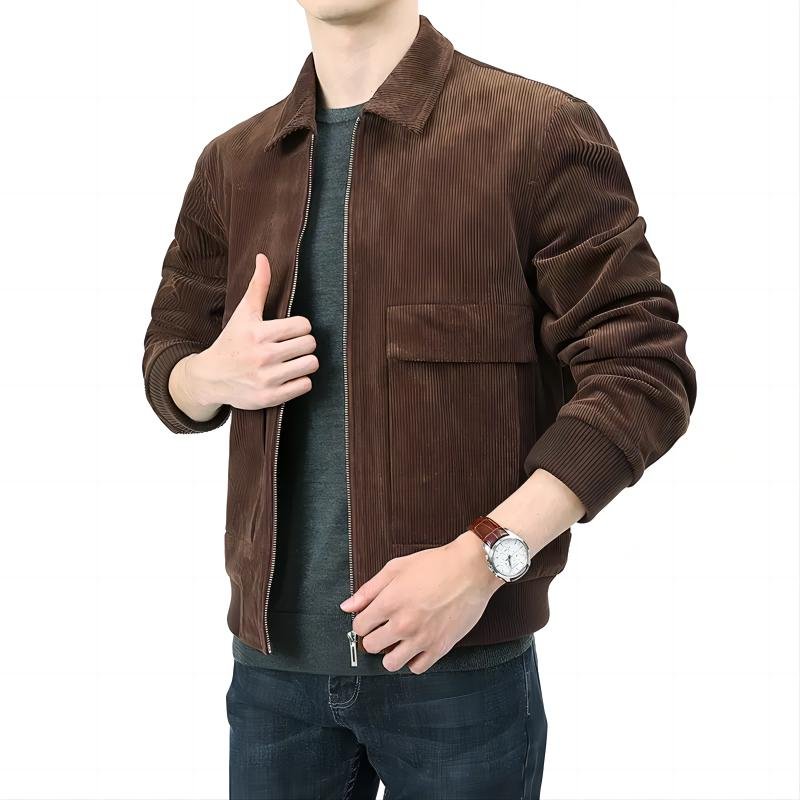
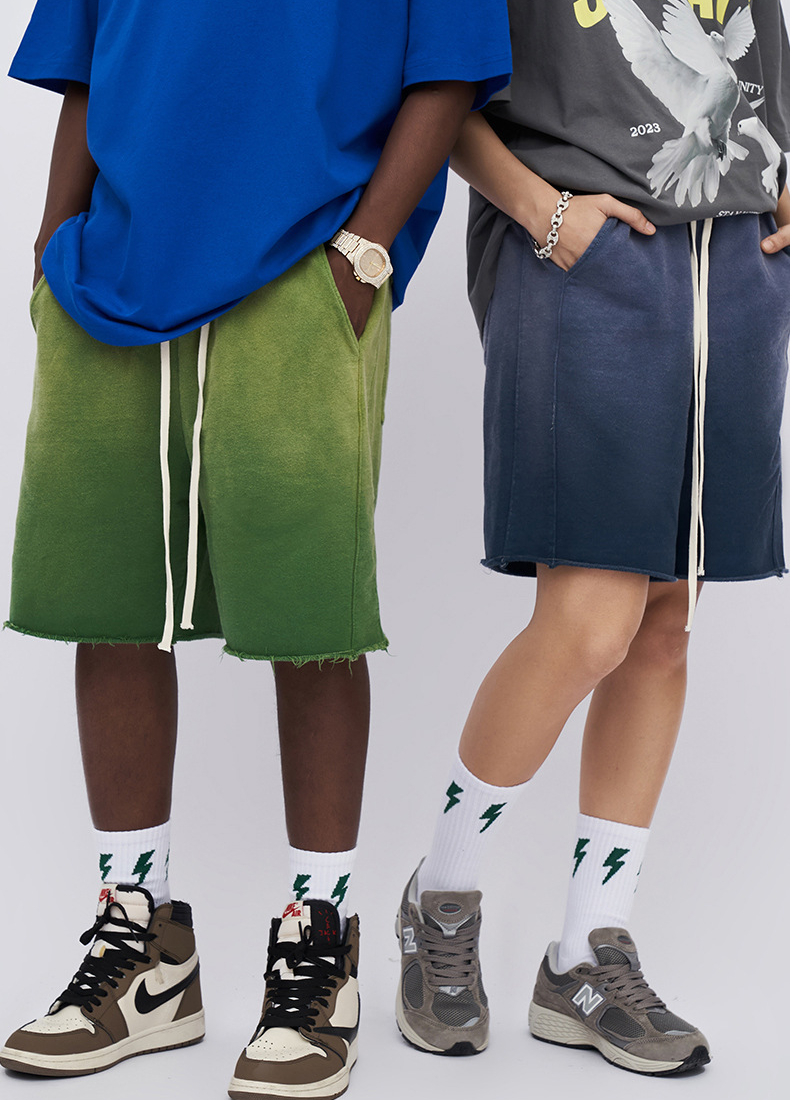
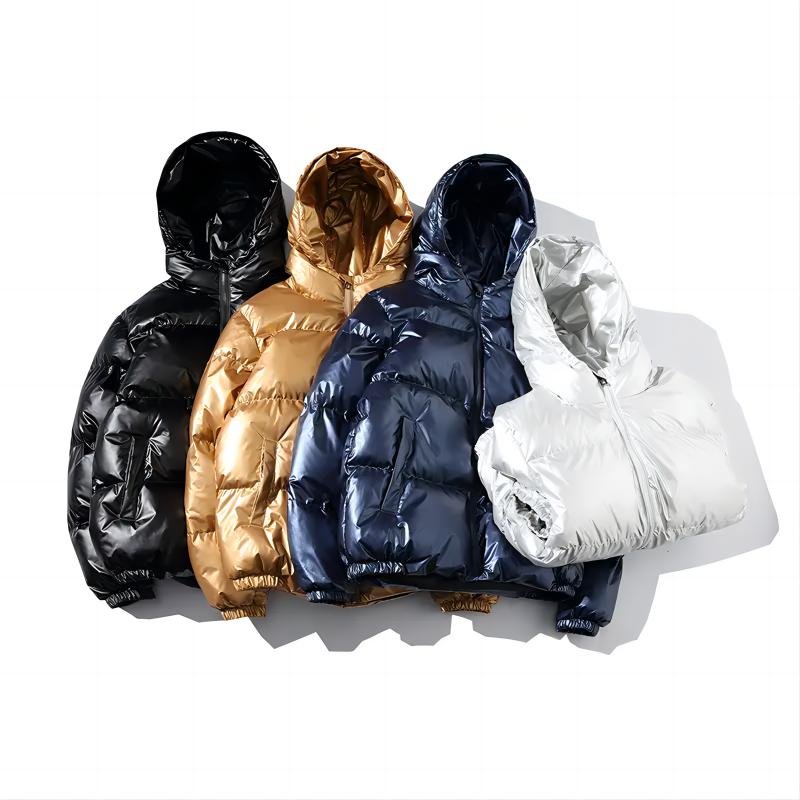
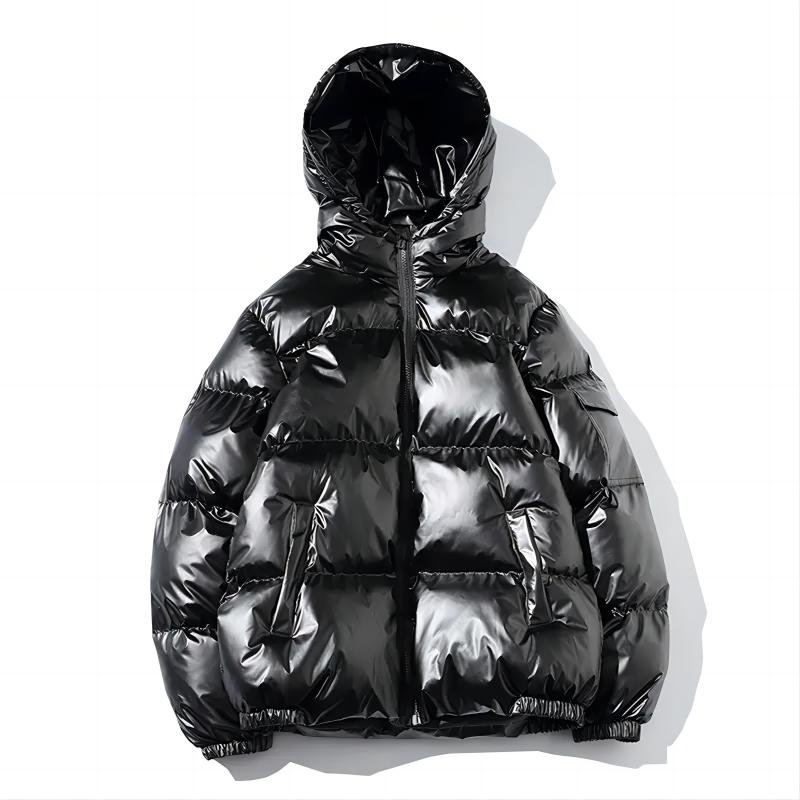
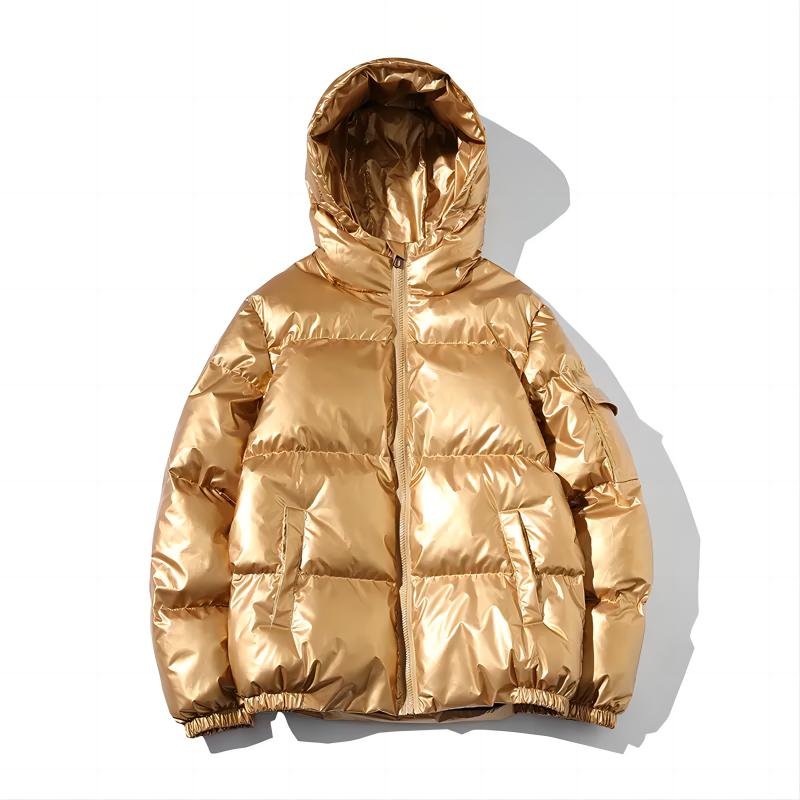
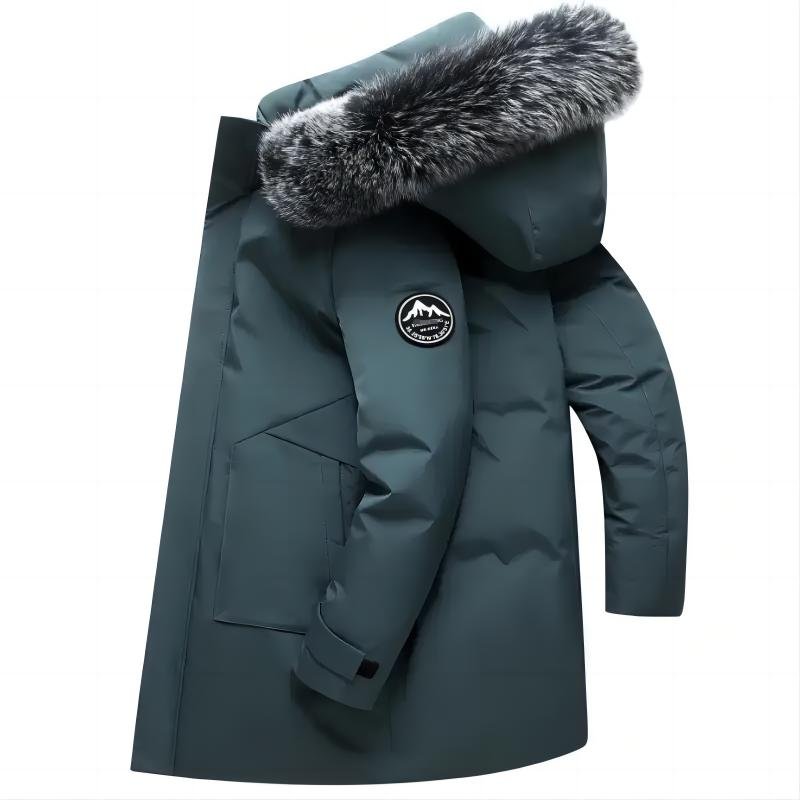
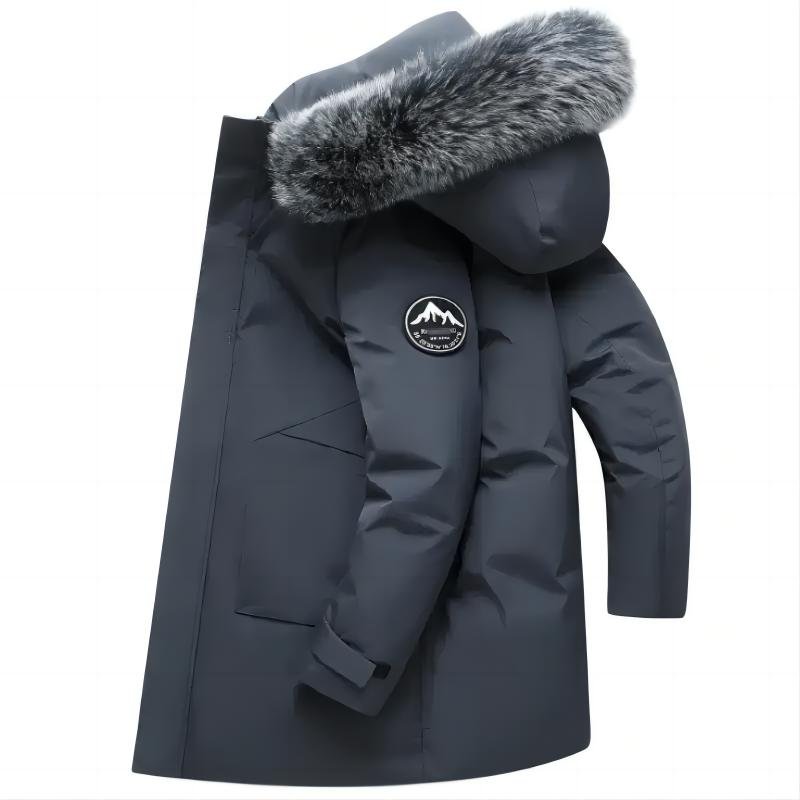
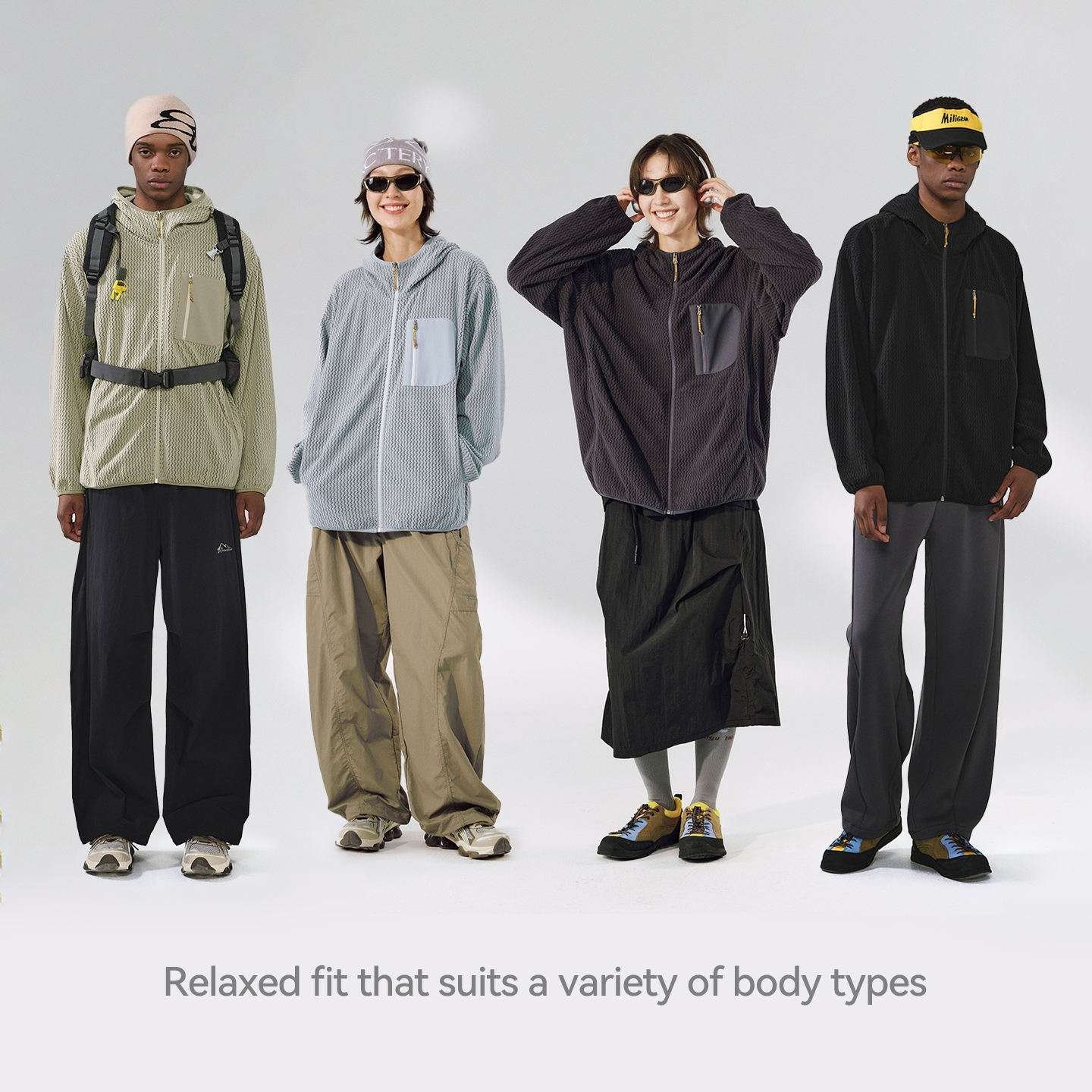
Ripstop Nylon Fabric Samples & Finished Garments
Why Ripstop Nylon Fabric Stands Out
Tear-Resistant Weave Design
Ripstop nylon’s interlocking grid pattern prevents rips from spreading, protecting high-impact areas and maximizing garment lifespan in active wear.
Featherweight Performance
Ripstop nylon weighs less than standard nylon yet maintains exceptional strength, making garments comfortable for all-day active wear.
Unlimited Color Palette
Ripstop nylon absorbs vivid dyes exceptionally well, offering streetwear designers bold custom color options without compromising fabric integrity.
Surface Durability
Tight weave structure resists scraping and friction wear, keeping ripstop nylon fabric looking fresh through intense daily use.
Water-Resistant Finish
Ripstop nylon naturally repels moisture and dries quickly, making it ideal for dynamic streetwear performing in all weather conditions.
Ripstop Nylon Fabric Solutions for Every Streetwear Brand
From emerging labels to global retailers, discover how brands leverage ripstop nylon fabric for performance and style.
Emerging Streetwear Brands Launching Collections
Need premium, bold materials that command attention on shelves and social, but with low MOQ thresholds and fast sampling to stay agile with limited budgets.
Access premium ripstop nylon fabric with low minimum orders, rapid prototyping, and our zero-compromise 5-step QC process. Launch collections with confidence knowing every garment meets rigorous standards.
Influencer Brands with Seasonal Drops
Seasonal and viral momentum demands rapid-fire production and sampling. Delays cost followers and sales, yet rushing through quality checks or sampling risks damaging your brand's reputation permanently.
Express sampling and rapid-turnaround ripstop nylon fabric production keep seasonal drops on schedule. Our 5-step QC ensures zero defects, so your drops build brand loyalty, not damage.
Global Retailers Scaling Across Markets
Managing consistent product quality and reliable delivery across multiple countries, customer tiers, and regional standards. Supply chain complexity, logistics delays, and inconsistent vendor performance threaten your reputation.
Dependable ripstop nylon fabric production, transparent end-to-end communication, and our 5-step QC system ensure consistent quality across all shipments. Global logistics and regional expertise support your growth.
Independent Designers Crafting Signature Pieces
Sourcing premium materials that resist wear, align with your creative vision, and deliver heirloom-quality feel is costly. Many suppliers cut corners on fabric quality or construction to hit price targets.
Premium ripstop nylon fabric resists wear and tear while delivering the bold aesthetic and technical properties you envisioned. Our 5-step QC guarantees every piece meets your signature-quality standards.
Technical & Functional Fashion Lines
Creating streetwear that looks bold while performing technically—resisting tears, shedding water, staying lightweight—is rare. Most performance fabrics sacrifice style; most statement fabrics lack durability or function.
Ripstop nylon fabric delivers the durability, tear resistance, and lightweight construction your apparel needs—without sacrificing the bold, trendsetting aesthetic that attracts customers and commands premium positioning.
Our Expertise in Ripstop Nylon Fabric
Founded in 2024 by Tesla Luo, Clothing Manufacturer Ltd. brings 10+ years of apparel expertise to ripstop nylon fabric manufacturing. Luo’s mission: eliminate low-quality products through rigorous quality control. Having rotated through every major production role—from sewing to QC to shipping—Luo understands ripstop nylon’s demands and applies those insights to every order, no matter size.
With customers across 100+ countries, we’ve built production expertise at every scale—from emerging streetwear startups to global retailers. Our in-house design and sampling team specializes in ripstop nylon applications, understanding how this durable fabric works in hoodies, jackets, and technical wear. Every ripstop nylon order goes through our proprietary five-step quality control process, ensuring materials, cuts, and finished garments meet uncompromising standards.
Most manufacturers test ripstop nylon fabric only at the end. We test at every stage—materials QC, cutting QC, craft QC, sewing production QC, and finished inspection. This embedded quality philosophy means defects in ripstop weave, seams, or finish are caught early, not discovered by your customers. With global shipping infrastructure and transparent communication, we’ve earned trust from 200+ brands worldwide.
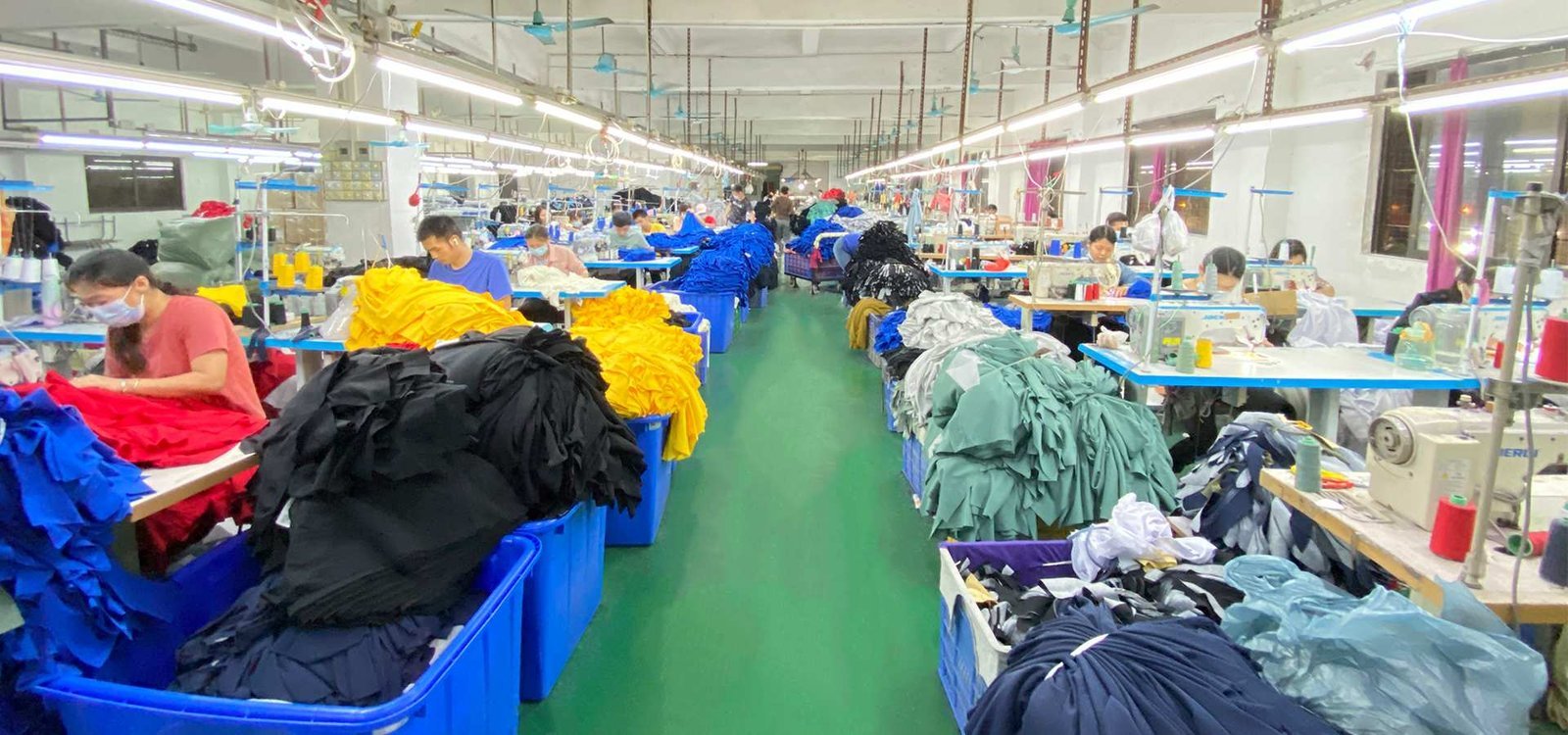
Ripstop Nylon Fabric: Quality Control, Durability & Innovation
Ripstop Nylon Fabric: Five-Step Quality Control
Every ripstop nylon fabric batch undergoes rigorous testing at five distinct production stages: material inspection, cutting precision verification, craft quality checks, production-line monitoring, and final finished-product inspection. This embedded QC framework ensures defects are caught and corrected early, not after production ends.
- Material integrity and grid pattern validation
- Cutting precision and craft quality checks
- Real-time sewing production monitoring
- Final 100% defect inspection before shipment
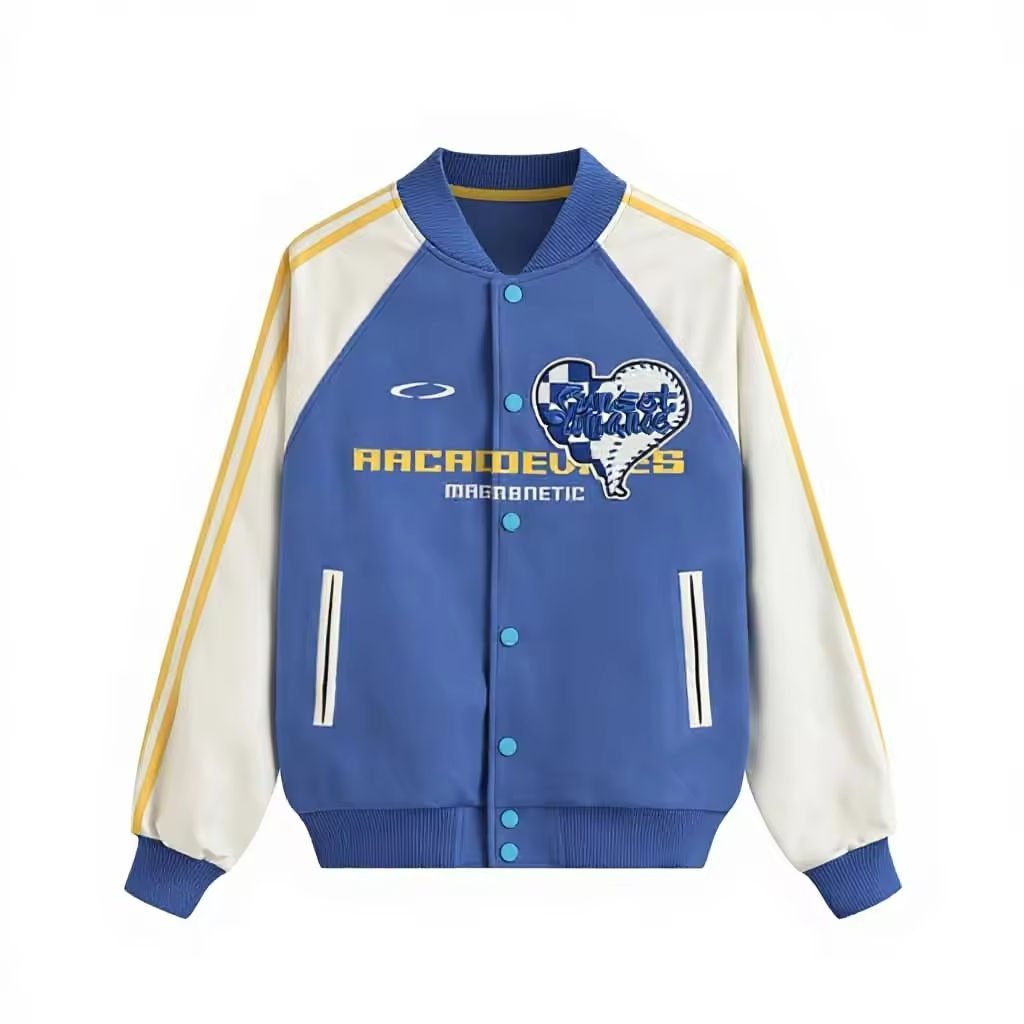
Ripstop Nylon Tear-Strength Testing & Validation
Ripstop nylon’s distinctive grid weave pattern is engineered to resist tearing and impact damage. We validate this durability through rigorous laboratory testing that simulates real-world streetwear conditions including abrasion, tension, and puncture resistance, ensuring your designs hold up under demanding use.
- Grid pattern tear-propagation testing
- Abrasion and impact resistance validation
- Puncture and snag resistance verification
- Real-world durability simulation
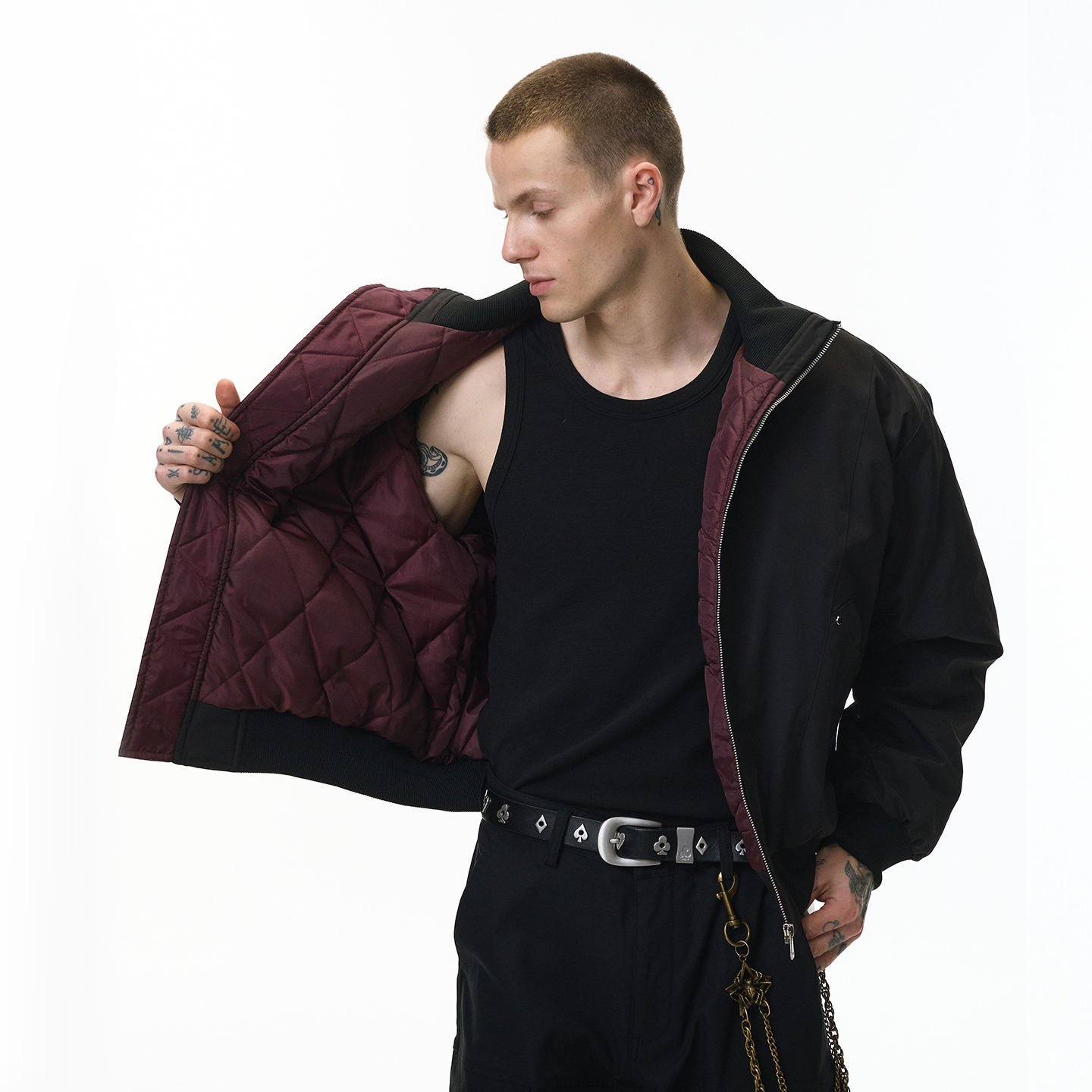
Color Fastness Testing in Ripstop Nylon
Color retention is critical for streetwear. Our ripstop nylon fabric undergoes professional dye fastness testing across multiple wash cycles, perspiration exposure, and light-fastness standards. We validate that colors remain vibrant and don’t bleed or fade, protecting your brand’s aesthetic through the product’s lifecycle.
- Colorfastness testing to international standards
- Multi-cycle wash durability validation
- Perspiration and UV light-fastness testing
- Dye stability verification across color ranges
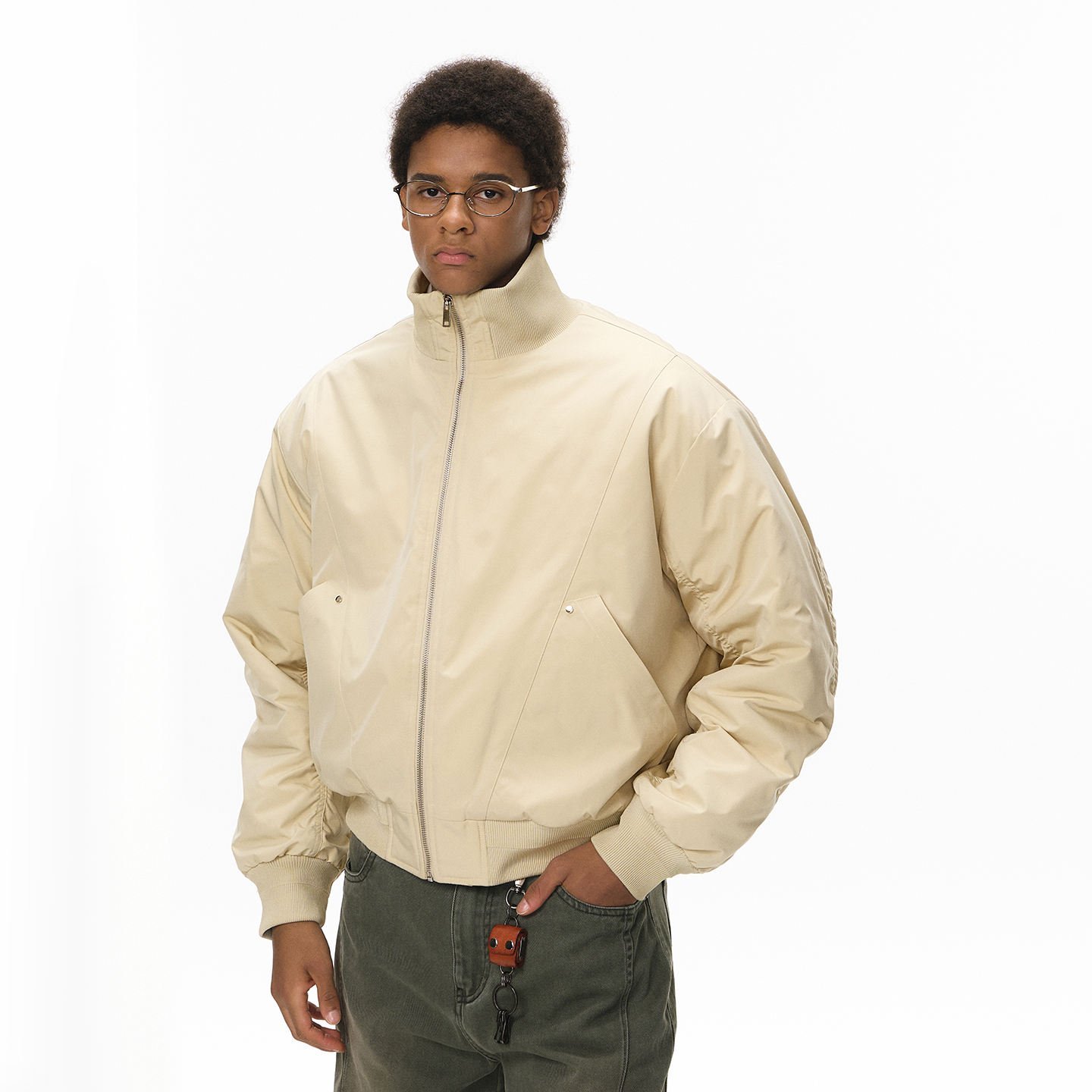
Consistent Ripstop Nylon Production & Innovation
Our in-house R&D team and sampling specialists ensure every ripstop nylon batch maintains identical specifications. With proprietary production techniques and real-time quality monitoring, we deliver consistent results batch-to-batch, enabling fast turnarounds for seasonal collections and low MOQs for emerging brands.
- 15-person in-house R&D team
- Proprietary sampling and testing protocols
- Batch-to-batch specification consistency
- Fast production turnarounds for seasonal orders
Ripstop Nylon Fabric vs. Standard Nylon: Durability & Performance
Choose the right nylon for your streetwear line — understand tear resistance, durability, and design flexibility.
← 左右滑动查看 →
Ripstop Nylon Fabric Production Workflow
Raw fiber to premium fabric—five integrated quality checkpoints ensure every batch of ripstop nylon meets our uncompromising standards.
Raw Material Receiving & Testing
Incoming ripstop nylon fibers undergo rigorous inspection. First QC checkpoint verifies durability standards and dimensional specifications for premium quality baseline.
Cross-Ply Reinforcement Weaving
Specialized looms weave fibers into ripstop nylon’s signature cross-ply pattern. Second QC checkpoint ensures weave integrity and reinforcement consistency across full fabric width.
Thermal Stabilization Treatment
Heat-setting locks fiber positions and enhances durability. Third QC checkpoint confirms dimensional stability and physical properties meet ripstop nylon performance standards.
Dyeing & Pattern Application
Vibrant colors and bold streetwear patterns applied to ripstop nylon using advanced dyeing techniques. Fourth QC checkpoint validates color consistency, saturation, and pattern alignment.
Final Quality Inspection & Packaging
Comprehensive fifth QC checkpoint inspects finished ripstop nylon fabric for defects. Premium packaging ensures fabric arrives pristine, ready for rapid sampling and production.
How to Order Ripstop Nylon Fabric — Our Collaboration Process
From design consultation to global delivery, we simplify ripstop nylon sourcing for emerging brands and established retailers.
Collaborate on Fabric Selection
Our in-house design team works with you to choose the right ripstop nylon fabric weight, color, and weave construction that matches your streetwear aesthetic and performance needs.
Request Rapid Fabric Samples
Receive sample cuts of your selected ripstop nylon fabric within 5-7 business days. Test quality, hand-feel, and durability before committing to production volume.
Confirm Production Specifications
Finalize your ripstop nylon fabric specifications, grading, and minimum order quantity. For emerging brands and startups, our flexible MOQ begins at just 500 pieces per style.
Enter Production with 5-Step QC
Production begins with our proprietary five-step quality control. Rigorous testing at each stage—from materials to finished garments—ensures your ripstop nylon clothing meets zero-compromise standards.
Deliver Globally on Schedule
We manage all packing, logistics, and worldwide shipping. Typical production-to-delivery is 25-30 days. Our network reaches 100+ countries with reliable, transparent tracking.
Streetwear Brands Trust Our Ripstop Nylon Fabric
We tested our first ripstop nylon batch through 60 washes. Zero pilling, colors stayed vibrant. Our customers noticed immediately. We’ve reordered 3 times in 6 months. This ripstop nylon fabric isn’t just durable—it builds brand loyalty.
Sample delivery in 5 days. We tested the ripstop nylon fabric on our Q3 drop—200 pieces sold out in 48 hours. The durability and weight felt premium. Now all our collections use this ripstop nylon.
Ordered 5,000 units across 8 colors. Every piece matched the sample perfectly. Color consistency on the ripstop nylon fabric batch after batch is exceptional. Zero returns, zero quality issues. That’s rare in this industry.
Ripstop Nylon Fabric FAQs
Get answers about ripstop nylon fabric sourcing, sampling, production timelines, design specifications, and order minimums.
What is ripstop nylon fabric?
Why should we use ripstop nylon fabric for streetwear?
Can you embroider and add patches to ripstop nylon fabric?
What’s the MOQ for ripstop nylon fabric orders?
How fast can you provide samples?
What color options are available?
Do you provide samples at no cost?
What file formats and specifications do you need for designs?
The Complete Buyer’s Guide to ripstop nylon fabric
Master ripstop nylon fabric selection with our comprehensive guide covering fabric types, suppliers, QC standards, and common pitfalls. Learn how to choose the right material for your brand and avoid costly sourcing mistakes.
1. What is ripstop nylon fabric?
Originally developed in the 1930s for parachute production, ripstop nylon fabric is a high-performance synthetic material engineered with a distinctive crosshatch weave pattern designed to prevent tear propagation. This fabric combines exceptional tear resistance with lightweight construction, making it the preferred choice for garments that demand durability without added bulk. The fabric’s inherent water resistance and quick-drying properties further enhance its utility across demanding applications.
Across three major categories—outerwear, activewear, and accessories—ripstop nylon fabric delivers consistent performance in cargo pants, jackets, vests, backpacks, and cross-body bags due to its resistance to high-impact wear, athletic movement, and storage stress. The fabric’s versatility allows designers to maintain trend-driven aesthetics—whether incorporating skeleton motifs, color blocking, or minimalist lines—while delivering the performance durability that young consumers increasingly demand. Its lightweight profile reduces shipping costs and customer fatigue during all-day wear.
Nylon 6 and Nylon 6,6 formulations are commonly used for ripstop nylon fabric, delivering superior durability-per-gram efficiency compared to conventional cotton blends and heavier synthetics. The fabric accommodates diverse decoration techniques—screen printing, embroidery, sublimation, and digital printing—without compromising structural integrity. For designers and retailers scaling production, ripstop nylon’s consistent performance across batches ensures reliable quality standards and customer satisfaction, justifying its premium positioning in the competitive streetwear market.
2. The Evolution of ripstop nylon fabric
Ripstop nylon emerged in the 1930s as a military innovation designed to prevent small tears from spreading across parachutes and tent fabrics. The distinctive grid-weave pattern—typically created by inserting thicker reinforcement yarns at regular intervals (often 4–8mm spacing)—allowed tears to be contained without compromising overall fabric integrity or weight.
Throughout the 1970s and 1980s, innovations in coating and lamination techniques transformed ripstop nylon into a performance fabric suited for apparel. Manufacturers developed urethane coatings and PVC laminations that added water resistance, durability, and abrasion protection while maintaining breathability. These advances made ripstop nylon attractive for outdoor wear, sporting goods, and eventually streetwear brands seeking fabrics that combined durability with lightweight construction.
Standards for ripstop nylon varieties multiplied alongside apparel demand, with commercial fabrics now typically ranging from 30–100 GSM (grams per square meter). Brands standardized on weight, coating thickness, and color availability as performance and aesthetic requirements drove differentiation. Quality certifications like OEKO-TEX and ISO evolved as baseline requirements, reflecting how production innovation and buyer expectations reshaped this military-legacy material into a fashion standard.
3. Types of ripstop nylon fabric
Ripstop nylon fabric variants are engineered for specific performance needs. Four primary types—standard, coated, laminated, and stretch—each optimize for weight, protection, and flexibility. Selecting the right ripstop nylon fabric variant ensures garment functionality.
| Variant | GSM Range | Primary Use Cases | Key Trade-off |
|---|---|---|---|
| Standard Ripstop | 40–70 | Lightweight jackets, packs, casual wear | Lower GSM lacks durability |
| Coated | 80–120 | Technical outerwear, storm covers, bags | Coating degrades under UV |
| Laminated | 100–150 | Technical jackets, competitive sportswear | Higher cost, limited breathability |
| Stretch | 50–80 | Form-fitting sportswear, climbing wear | Elastane degrades quickly |
Standard Nylon Ripstop
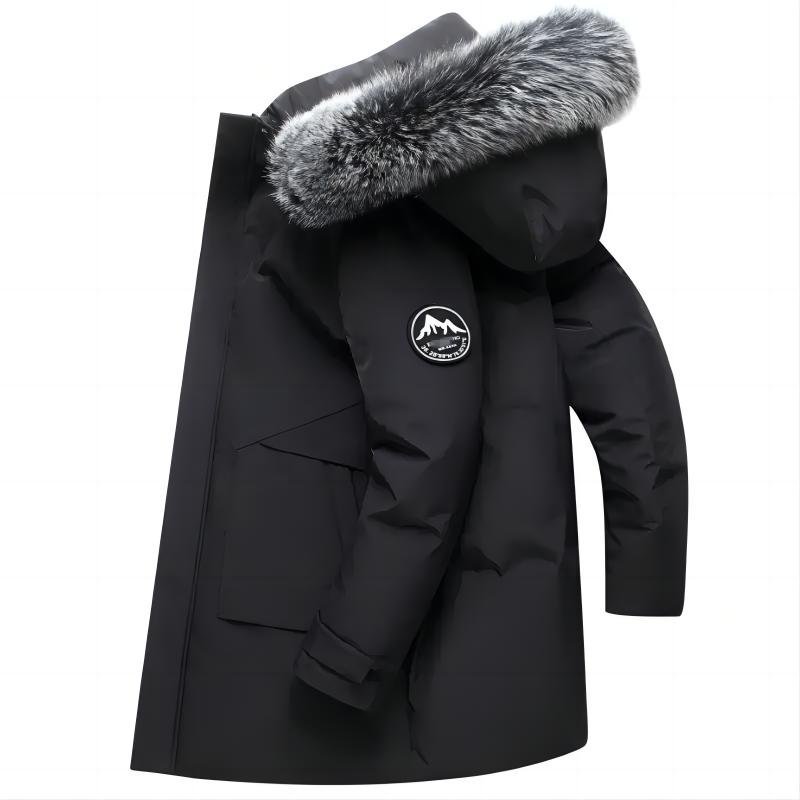
Standard ripstop nylon fabric ranges 40–70 GSM with the crosshatch weave resisting tear propagation. Used in lightweight jackets, pack covers, casual streetwear.
Lower GSM (40–50) prioritizes packability; higher GSM (60–70) extends durability.
Coated & Water-Resistant
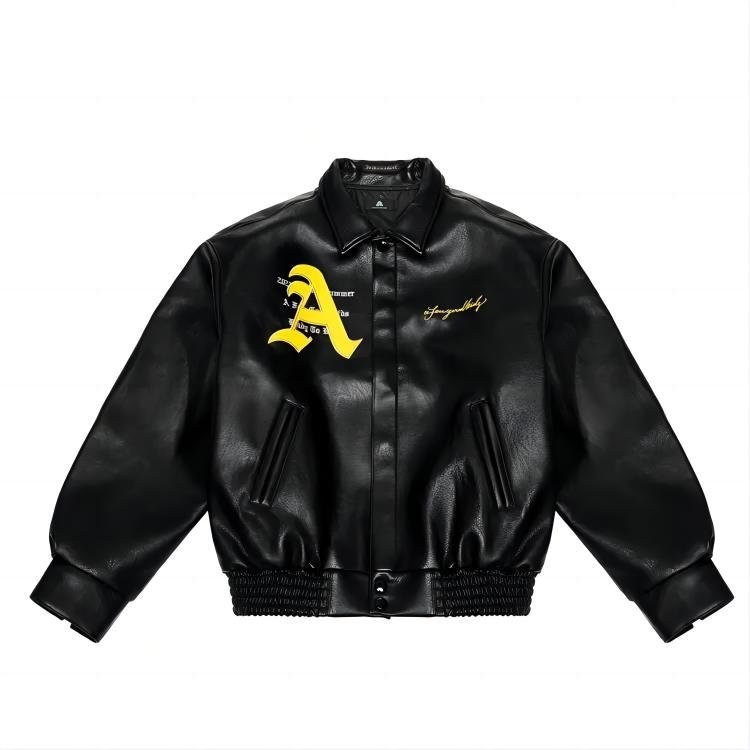
Polyurethane or polyvinyl chloride finish over nylon weave; 80–120 GSM. Sheds water effectively but reduces breathability.
Standard in technical outerwear, storm covers, protective bags. Coating eventually degrades under UV exposure.
Laminated Ripstop

Bonds PTFE or polyester film to ripstop nylon; 100–150 GSM. Maximum water resistance and wind blocking.
Ideal for high-end technical jackets and competitive sportswear. Higher cost and limited breathability.
Stretch Ripstop
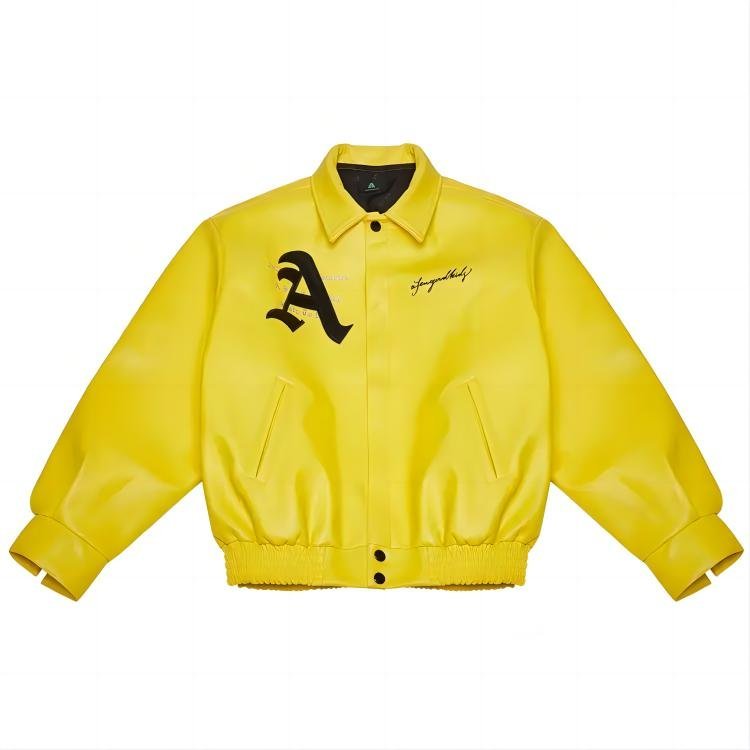
5–10% spandex or elastane content; 50–80 GSM with 4-way or 2-way stretch. Essential for form-fitting sportswear, climbing wear, performance streetwear.
Elastane degrades faster under UV; shorter lifespan than non-stretch variants.
4. Understanding ripstop nylon fabric: Materials & Composition
Ripstop nylon fabric’s real-world performance depends on four material choices: nylon polymer type, denier thickness, coating system, and fabric weight. Each parameter directly affects durability, water-resistance, breathability, and cost. Learning to read and specify these details ensures you get exactly what your production needs.
| Coating Type | Breathability | Waterproofing | Typical Use | Cost |
|---|---|---|---|---|
| Polyurethane (PU) | Good | Excellent (1.5–2 mil) | Streetwear, outdoor | Mid-range |
| PVC | Poor | Superior | Workwear, tactical | Low |
| TPU | Moderate | Very Good | Premium streetwear | Premium |
Nylon Polymers & Denier
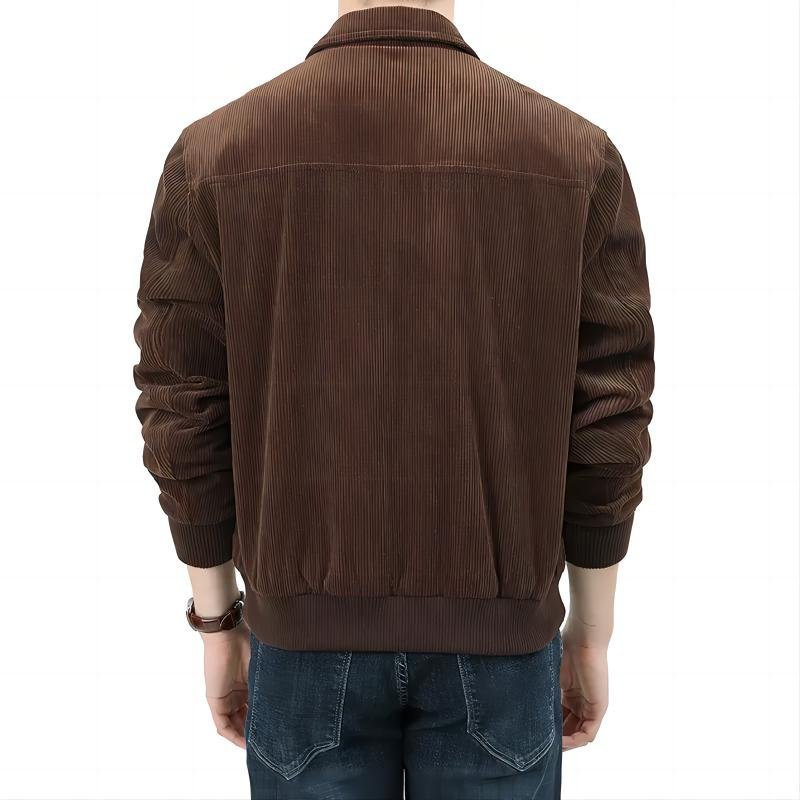
Nylon 6.6 melts at 262°C and delivers superior chemical resistance compared to nylon 6, preferred for outdoor and tactical wear. Nylon 6 offers faster dyeing, lower cost, and easier processing—common in streetwear.
Denier measures fiber thickness: 210D (light), 330D (medium), and 500D (heavy) are standard ripstop weights. Most streetwear blends use 210D–330D for optimal balance between durability and drape.
Coating Systems & Trade-Offs
Polyurethane (PU) is industry standard: breathable, flexible, and rated 1.5–2 mil thickness for full waterproofing. PVC offers superior water-blocking at lower cost but sacrifices breathability and flexibility—suited for heavy workwear. TPU splits the difference: premium hand-feel and excellent flexibility for high-end streetwear, though at premium price.
Fabric Weight Standards
Ripstop nylon weight spans 100–500 GSM (grams per square meter). Uncoated fabric runs 80–120 GSM; add a 1 mil PU coating and weight jumps to 140–250 GSM (standard streetwear). Heavy tactical ripstop reaches 300–500 GSM. Always cross-reference denier, coating type, and GSM on spec sheets—they’re interdependent.
Dyestuffs & Color Fastness
Acid and disperse dyes are standard for nylon ripstop; nylon 6.6 responds better to specialty disperse formulations. ISO 105 color-fastness standards range 1–8 for light-fastness and 1–5 for wash-fastness. Outdoor streetwear should specify level 4+ to ensure durability. Custom Pantone matching adds 2–3 weeks lead time.
5. Customization & Decoration Techniques
Ripstop nylon accepts multiple decoration methods with distinct durability and cost profiles. Choosing the right technique requires balancing aesthetic goals, production volume, and performance demands.
| Technique | Durability | Cost | Lead Time | Best Use |
|---|---|---|---|---|
| Screen Print | 500+ cycles | 1.0x | 5–10 days | High-volume streetwear |
| DTG | 200–300 cycles | 1.3x | 2–3 days | Prototypes, low volume |
| Sublimation | 300+ cycles | 1.5x | 3–5 days | Full color, light ripstop |
| Solution Dye | 500+ cycles | 1.0x | 2–3 days | Solid color bases |
| Lamination | 600+ cycles | 1.8x | 3–5 days | Technical outerwear |
Screen Printing on Ripstop Nylon
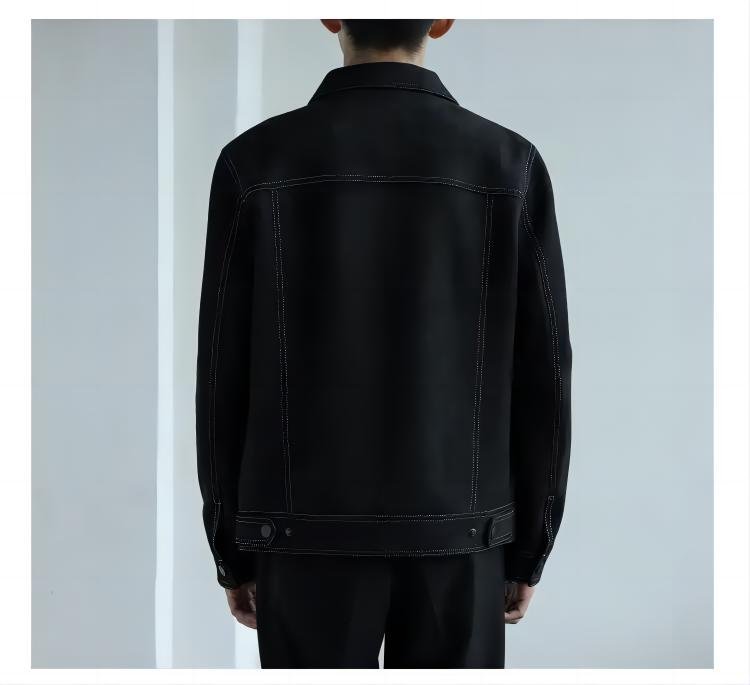
Screen printing delivers 500+ wash cycles on ripstop nylon fabric when properly cured 3–5 minutes at 320–350°F. The tight weave bonds ink firmly to fibers. Standard MOQ: 100–300 units; lead time: 5–10 days after production setup.
Direct-to-Garment & Sublimation Printing
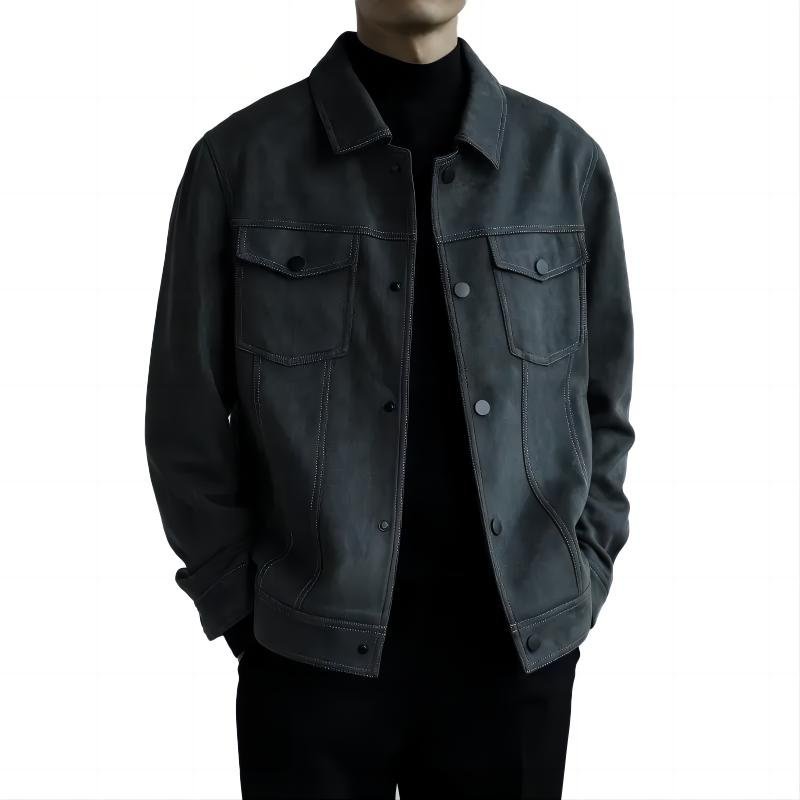
DTG inks adhere moderately; expect 200–300 wash cycles. Sublimation (300–350°F) on pre-treated ripstop achieves 300+ cycles but only on light colors. DTG MOQ: 1+ units, 2–3 day lead time. Sublimation MOQ: 30+, requires surface preparation.
Dyeing: Piece Dye vs Solution Dye
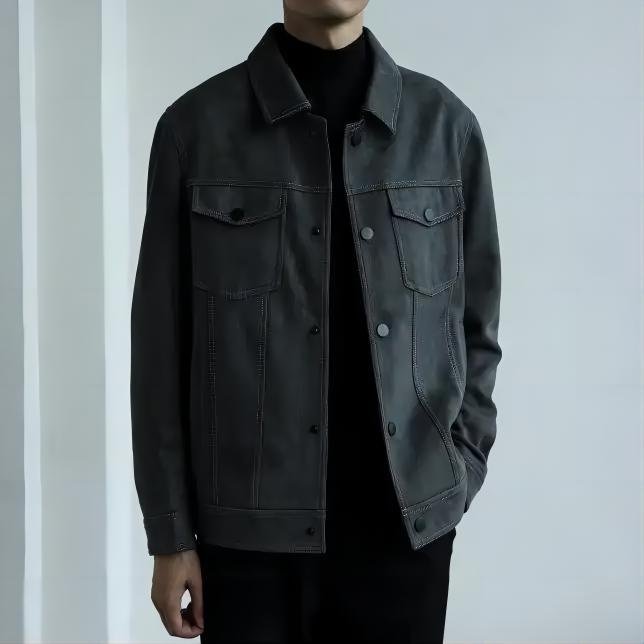
Solution-dyed ripstop nylon fabric resists fading 500+ cycles, costs 15–25% less than piece-dyed versions. Piece dyeing enables custom colors, adds 4–7 days. Use solution dye for solid colors; piece dyeing for specialty hues and texture variation.
Lamination & Bonding on Ripstop
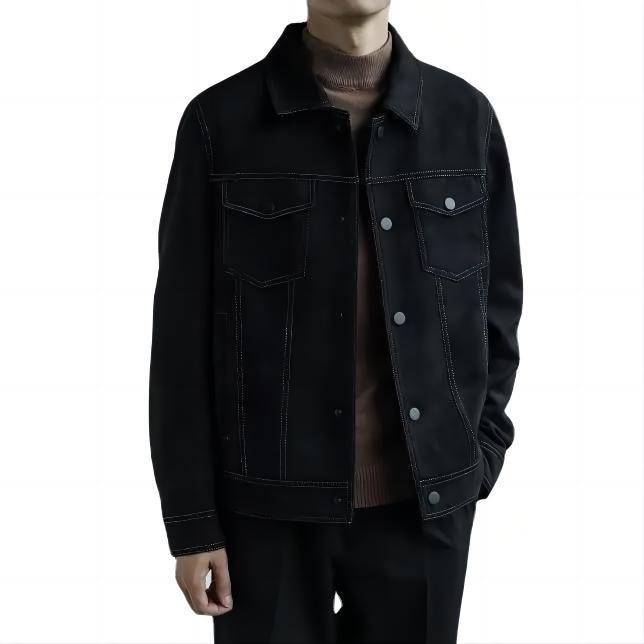
Laminated ripstop (PU or TPU) withstands 600+ wash cycles with superior water resistance. PU costs 20–35% more but provides better durability. Both add 3–5 days lead time. Choose based on performance needs and budget.
Matching Technique to Design Goals
High-volume streetwear (1000+ units) favors screen printing for cost efficiency and durability. Boutique runs (100–500 units) suit DTG flexibility. Technical outerwear benefits from lamination with solution-dyed ripstop. Proofs: DTG turnaround. Full production: screen print.
6. Quality Standards for ripstop nylon fabric
Ripstop nylon quality depends on measurable performance metrics and recognized certifications. Understanding tear strength (ASTM D6775), GSM consistency, coating adhesion, colorfastness, and seam strength standards helps buyers select premium fabrics and avoid costly production failures.
Key Performance Metrics
Tear strength (ASTM D6775) measures ripping resistance; premium ripstop shows ≥25 lbf in warp and weft directions. GSM (grams per square meter) must stay within ±5% of target to ensure consistent weight and drape across production batches.
Coating adhesion determines durability; qualified PU or PA coatings withstand 500+ peel test cycles. Colorfastness (AATCC 16) must rate ≥4 after 5 home laundry cycles. Seam strength should equal or exceed yarn strength; weak stitching fails at 30–50% of fabric tensile capacity.
- Tear strength (ASTM D6775): ≥25 lbf in warp and weft
- GSM consistency: within ±5% of target specification
- Coating adhesion: 500+ peel test cycles without delamination
- Seam strength: equals or exceeds yarn strength
Certifications & Standards
OEKO-TEX Standard 100 verifies absence of harmful chemicals; Class I or II certification indicates strict substance compliance. ISO 9001:2015 ensures systematic quality management throughout production workflows.
GOTS (Global Organic Textile Standard) certifies organic content and ethical labor practices. WRAP (Worldwide Responsible Accredited Production) covers safe working conditions. These third-party certifications confirm ripstop nylon meets chemical safety and production standards.
- OEKO-TEX Standard 100: verifies chemical safety and compliance
- ISO 9001:2015: demonstrates systematic quality management
- GOTS: certifies organic content and ethical labor
- WRAP: ensures safe working conditions
Red Flags in Low-Quality Fabric
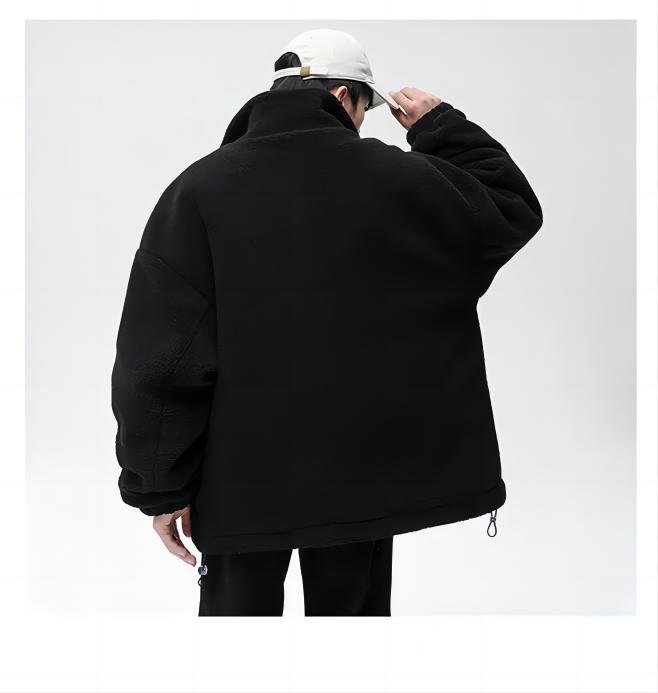
Uneven coating shows visible streaks, thin patches, or inconsistent gloss—causing accelerated delamination and reduced water resistance. Poor dye batching creates color drift (±2–3 Pantone units), indicating inadequate quality controls.
Weak stitching—thread breaks below 15 lbf during testing—signals inadequate tension or material choice. Heavy pilling after abrasion (ASTM D6775, 10,000 cycles) suggests low-quality nylon. Misaligned pattern cuts and uneven GSM (±10% or worse) point to skipped sample approval steps.
- Uneven coating: visible streaks, thin patches, inconsistent gloss
- Poor dye batching: color drift ±2–3 Pantone units
- Weak stitching: thread breaks below 15 lbf during tests
- Heavy pilling or misaligned cuts: inadequate pre-production checks
Establishing Your QC Criteria
Request mill test reports (MTRs) covering tear strength, GSM, coating adhesion, and colorfastness for each batch. Compare findings against written specifications; deviations >5% warrant investigation or sample rejection.
Inspect physical samples from every 5th production roll; conduct peel tests, seam-strength pulls, and visual inspections. Document all findings in a QC matrix. A five-step QC process—materials inspection, cutting inspection, craft inspection, sewing production inspection, and finished goods inspection—catches defects early and prevents costly rework.
- Request mill test reports (MTRs) for each batch
- Inspect samples from every 5th production roll
- Test coating adhesion, seam strength, and colorfastness
- Implement five-step QC throughout production cycle
7. Choosing the Right Supplier
Selecting the right ripstop nylon fabric supplier requires vetting multiple dimensions. Evaluate MOQs, lead times, quality certifications, communication responsiveness, and facility transparency before committing capital to partnership.
| Role | Lead Time | Typical MOQ | Customization |
|---|---|---|---|
| Mill | 35–60 days | 500–2000m/color | High |
| Trader | 14–28 days | 100–500m/color | Low |
| Agent | 21–45 days | Variable | Variable |
Vetting Supplier Credentials
Request certifications including OEKO-TEX, GOTS, or WRAP for environmental and labor standards. Verify facilities through video documentation or in-person visits.
Check production history with comparable clients and request 3+ references across geographies.
- Request OEKO-TEX or GOTS certification
- Video facility tour or on-site visit
- Collect 3+ references from comparable orders
Understanding Supply Chain Roles
Clarify your counterparty: mills own machinery and inventory, traders buy stock and restock, agents coordinate orders. Ripstop nylon fabric sourcing varies by tier—mills offer custom colors but longer minimums; traders have faster samples but less customization.
Each carries distinct lead times and cost implications for your production timeline.
Key Supplier Questions
Request lead times and MOQs in writing. Ask about ripstop nylon fabric sourcing—stock or custom-order? Confirm sample cost structure (refundable vs. sunk), dye lot consistency, and if lead times include quality control testing periods.
- Lead time and MOQ commitments in writing
- Sample approval timelines before bulk production
- Quality testing included in lead time?
Payment Terms and Red Flags
Standard streetwear suppliers request 50% deposit at order, 50% on shipment. Full prepayment signals risk; prices 30% below market warrant investigation.
Insist on sample approval before production and written specifications for ripstop nylon fabric weight, color, and construction details.
- 50/50 deposit is market standard
- Prepayment-only suppliers should be avoided
- Get specs in writing before tooling
Communication and Responsiveness
Test responsiveness during sampling—slow replies predict production delays. Establish named contacts and escalation protocols.
Suppliers evasive about quality testing or timelines warrant deprioritization before you commit to bulk orders.
8. Common Buyer Mistakes & How to Avoid Them
Ripstop nylon sourcing failures rarely stem from market unavailability—they emerge from overlooked technical specs and rushed approvals. Addressing five critical mistakes can eliminate batch rejections, production delays, and brand reputation damage.
Omitting GSM and Tear-Strength
Ripstop nylon typically ranges 70–200 GSM; tear-strength must be specified in N/5cm. Without these specs, suppliers interpret durability differently, causing seam failures and early tearing.
This mistake alone drives 30 percent of first-order rejections. Always lock specs in writing before production begins.
Price-First Supplier Selection
Cheapest suppliers frequently skip sewing and finishing QC checks. A 15–20% premium on proven suppliers typically prevents costly batch rejections.
Request OEKO-TEX or WRAP certification and demand pre-production samples before committing volume.
Insufficient Pre-Production Sampling
Skipping hand samples causes over 40 percent of first-order rejections. Request color swatches, finish samples, and a cut-and-sewn test piece.
Approve all samples in writing before production begins. No exceptions—unsigned approvals lead to disputes.
Vague Color and Finish Specs
‘Dark blue’ invites interpretation and color bleeding across dye lots. Use Pantone codes, attach physical color chips, and specify finish measurably.
Example: ‘waxed matte, 40° gloss angle.’ Lock specs before production to prevent costly rework.
Missing Wash and Durability Tests
Shrinkage and fading appear only after customer use. Require ISO 3175 wash tests and ASTM D6775 abrasion testing pre-production.
A single test run costs $200–400 and prevents thousands in returns and reputation damage.
9. Your 5-Step Sourcing Roadmap
Moving from concept to production with ripstop nylon fabric follows five distinct steps: specify materials, request samples, evaluate quality, negotiate terms, and finalize your order. Understanding each phase’s timeline and documentation prevents costly mistakes and accelerates your brand launch.
Define Fabric Specifications
Document ripstop nylon fabric requirements: weight in grams per square meter (GSM—typically 70–400 for apparel), weave structure, finished width, and coating type. Create a single-page technical brief specifying colors and special requirements. Clear specifications prevent costly mid-production revisions and signal professionalism to manufacturers.
Request Samples & Quotes
Request 2–4 swatches in your target colorways with a standard 5–10 day lead time. Submit a detailed inquiry form noting order quantity and budget.
Expect sample fees of $20–100 per variation; confirm they apply toward your first production run. Gather competitive quotes from 3+ suppliers to benchmark pricing.
Evaluate Materials & Lock Specs
Within 1–2 weeks, test samples for hand feel, dye consistency, weight accuracy, and durability. Use a standardized checklist: tensile strength, tear resistance, color accuracy.
Provide technical feedback (e.g., ‘increase GSM by 10%’) rather than vague comments. Approve final samples before committing to production.
Negotiate MOQ & Production Terms
Minimum order quantities for ripstop nylon fabric typically start at 500–1,000 meters per color, dropping at 2,000+ meters. Confirm lead time (4–6 weeks post-approval), payment terms (50% deposit, 50% pre-shipment).
Ensure quality-control checkpoints align with your standards and integrate with the supplier’s five-step testing protocol.
Place PO & Monitor Production
Execute a signed PO with five key elements: specifications, quantity, color codes, delivery date, and total cost. Request production photos at cutting, sampling, and finished-roll stages.
Arrange final incoming inspection to verify ripstop nylon fabric batch meets your sample standards and quality requirements before acceptance.
10. Pricing & Cost Breakdown
Ripstop nylon fabric sourced from Dongguan manufacturers typically ranges from $3–$8 per meter for base stock, depending on weight (200–500 GSM), finish quality, and order volume. Minimum order quantities start at 500 meters for standard colors, with pricing tiers that reward larger commitments: 500–2,000 meters receives one price; 2,001–5,000 meters steps down 8–12%; orders exceeding 10,000 meters unlock volume discounts of 15–25%.
Three customization methods—screen printing, dyeing, and lamination—each add surcharges. Screen-print runs cost $0.50–$2.00 per unit depending on color count and placement; digital printing ranges $1.50–$4.00 per garment. Custom dyeing adds $0.80–$1.50 per meter, while lamination or coating runs $1.00–$3.00 per meter for streetwear durability.
Sample runs typically incur flat fees of $150–$400 per style to cover setup, cutting, and sewing labor, with 1–2 week lead times. Bulk fabric samples cost $50–$100 per meter. Shipping costs depend on destination: Asia-Pacific routes average $0.15–$0.30 per kilogram; transatlantic shipments run $0.40–$0.70 per kilogram. Duty rates typically add 10–25% to landed cost in the US and EU.
Four factors drive final ripstop nylon fabric pricing: raw material cost fluctuations (oil prices impact nylon), labor efficiency (integrated QC adds 3–5% to production cost but reduces defect losses), shipping distance and logistics, and customization complexity. Buyers should expect lead times of 4–6 weeks for 2,000–5,000-meter orders, with expedited production (2–3 weeks) commanding a 15–20% rush premium. Learn more about Clothing Manufacturer Ltd.
| Order Volume | Price/Meter | Total Order Cost | Lead Time | Volume Discount |
|---|---|---|---|---|
| 500–2,000 m | $5.00–$7.00 | $2,500–$14,000 | 5–6 weeks | Standard |
| 2,001–5,000 m | $4.00–$6.00 | $8,000–$30,000 | 4–5 weeks | 8–12% off |
| 5,001–10,000 m | $3.50–$5.50 | $17,500–$55,000 | 3–4 weeks | 15% off |
| 10,000+ m | $3.00–$5.00 | $30,000+ | 2–3 weeks | 20–25% off |
Get Your Free Ripstop Nylon Fabric Sample
Talk with our material specialists about your collection, get fast samples, and discover why leading streetwear brands trust our 5-step quality guarantee.