
Heavyweight Fleece Fabric for Premium, Durable Streetwear
Heavyweight fleece fabric built to outlast trends. Superior weight, structural integrity, and tactile softness—the premium material foundation for collections that command attention.
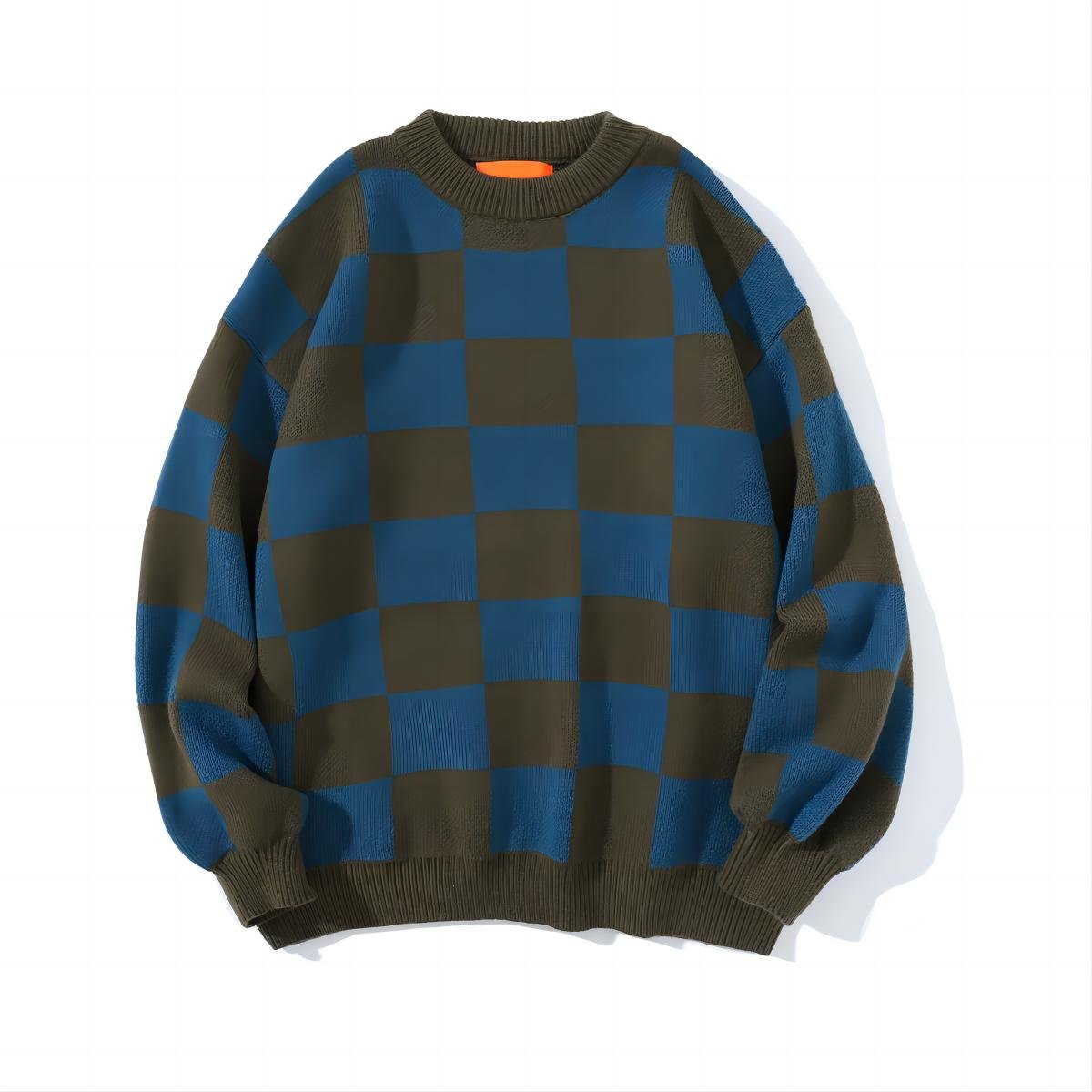
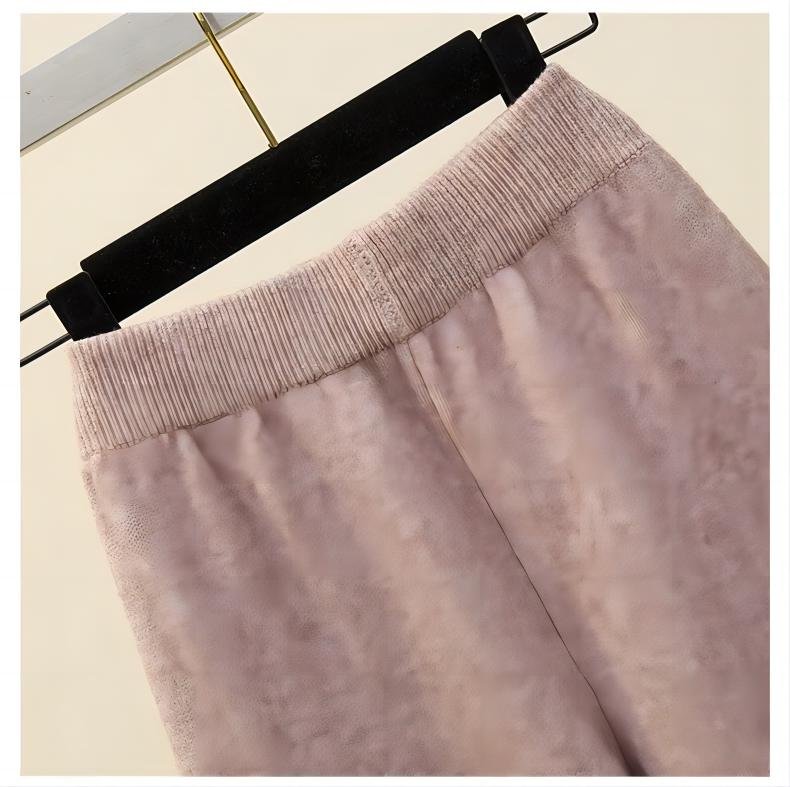
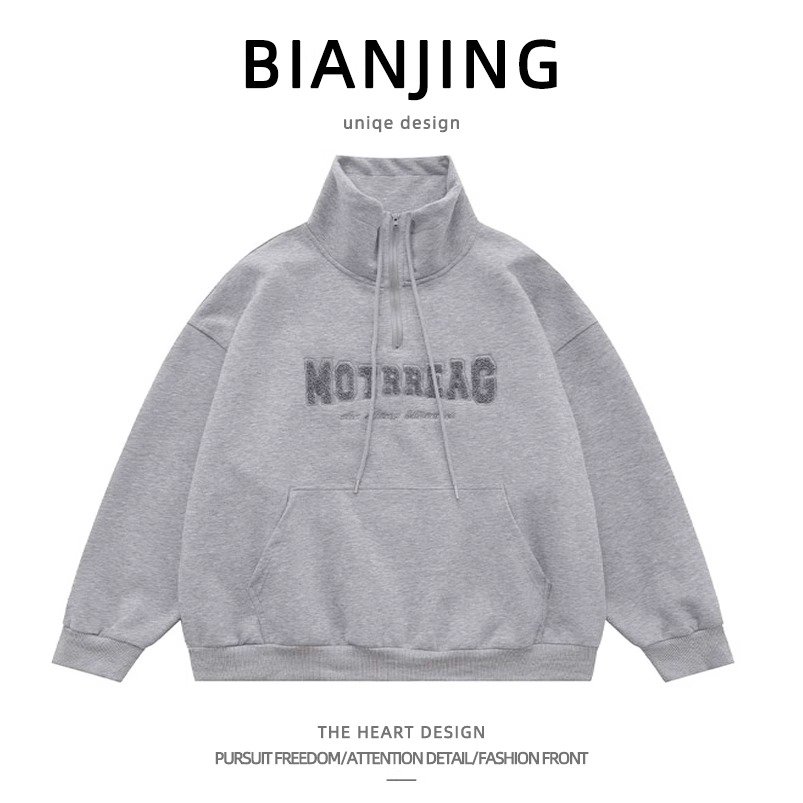
Heavyweight Fleece Fabric Samples
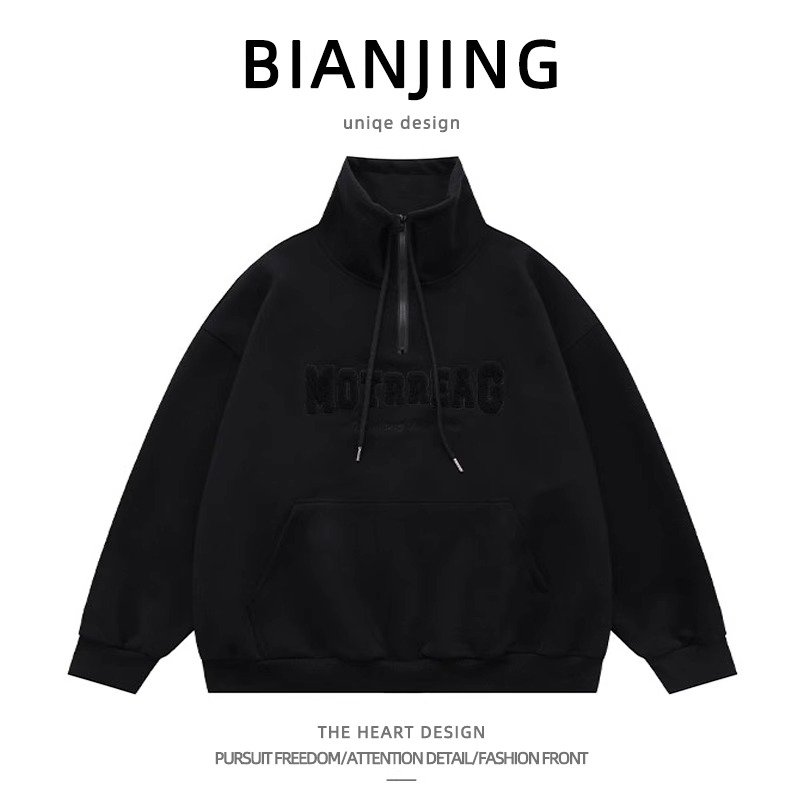
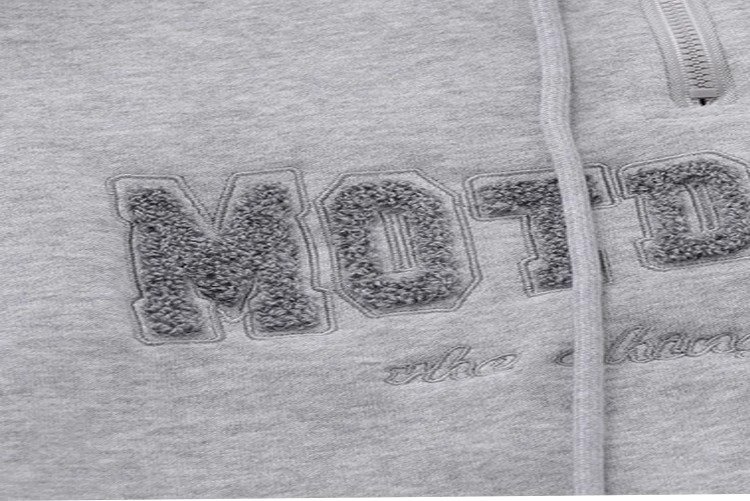
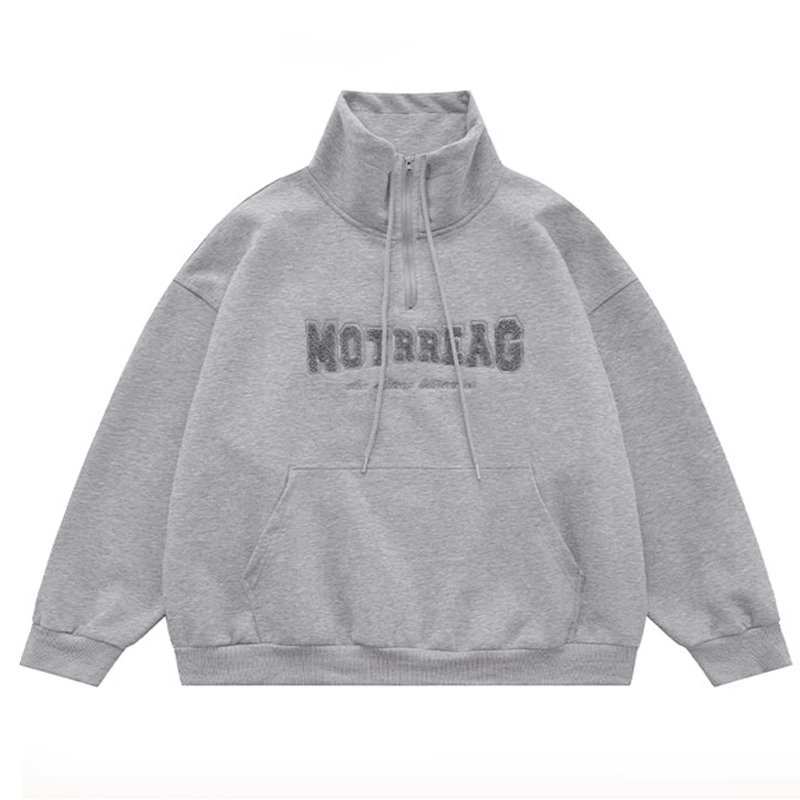
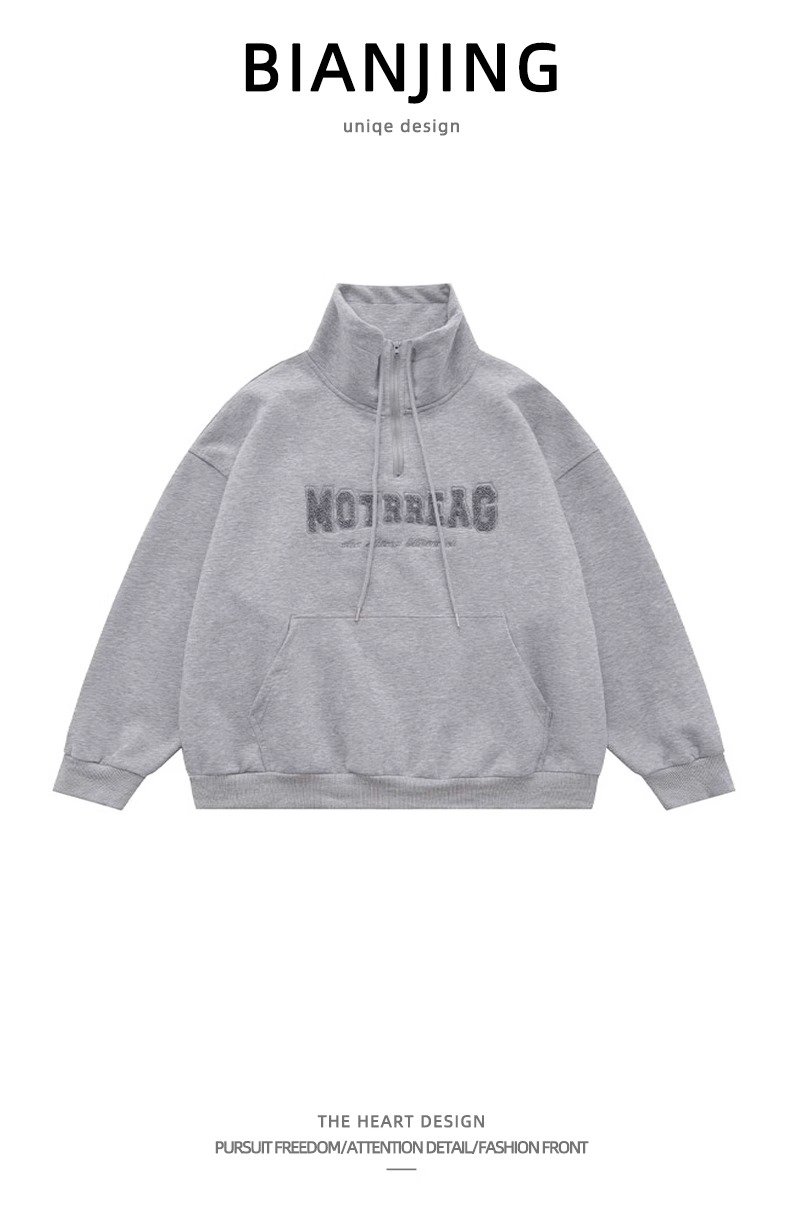
Why Heavyweight Fleece Fabric Stands Out
Experience superior durability, comfort, and performance that keeps your brands at the forefront of streetwear.
Weight Retention Through Washing
Our heavyweight fleece fabric maintains its original weight and structure across repeated wash cycles, ensuring long-term durability and performance.
Premium Plush Softness
The brushed surface creates an exceptionally soft hand feel that distinguishes streetwear pieces, elevating customer satisfaction and repeat purchases.
Superior Tear Strength
High-density fiber construction resists ripping and damage, making our heavyweight fleece ideal for active wear and high-performance streetwear collections.
Vibrant Color Absorption
Our heavyweight fleece fabric accepts dyes uniformly and retains vivid colors wash after wash, perfect for bold streetwear designs.
Minimal Pilling Resistance
Dense fiber structure prevents surface pilling, maintaining a pristine appearance that reflects premium quality in your finished streetwear products.
Five-Step QC Guarantee
Every heavyweight fleece batch passes our proprietary quality control process from raw materials to finished goods, ensuring zero defects.
Heavyweight Fleece Fabric Across Brands & Scenarios
See how growing brands leverage heavyweight fleece fabric for quality, speed, and scale
Premium Hoodie Collections
High-end streetwear brands need substantial, structured hoodie fabrics that won't sag or lose shape after multiple washes, with visible design details requiring reliable base materials.
Heavyweight fleece provides the structure and durability premium brands demand. Our 5-step QC ensures every batch meets exacting standards. Fast sampling lets you perfect designs before production runs.
Influencer Brand Seasonal Drops
Creator-led brands launching trending seasonal collections need rapid sampling and production turnaround to capitalize on cultural moments and social media buzz without lengthy lead times.
We deliver fast samples and aggressive production timelines perfect for seasonal drops. Our in-house design team understands streetwear trends deeply. Low MOQs work for limited editions while maintaining quality.
Emerging Brand Scaling to Retail
Growing streetwear startups transitioning to retail accounts need consistent quality and reliable production capacity as order volumes climb from hundreds to thousands of units per run.
We have scaled 200+ brands from zero to major retail accounts. Heavyweight fleece consistency across batches ensures retail partners stay confident. Our 5-step QC and global logistics support seamless growth.
Sustainable & Durable Collections
Eco-conscious brands need fabrics that deliver premium longevity and minimal wear degradation, proving durability as a sustainable alternative to disposable fast fashion consumption.
Heavyweight fleece's density naturally resists pilling and fading over time. Our rigorous QC catches defects early, ensuring every piece meets durability standards. Premium longevity becomes your competitive advantage.
Designer Samples & Limited Runs
Independent designers need gallery-quality samples and minimal-order production runs to showcase concepts to investors, boutique retailers, and direct consumers without overcommitting to capital and inventory.
Low MOQs, in-house design expertise, and fast sampling turnaround enable indie designers to launch with confidence. Our 5-step QC ensures samples impress. We understand streetwear aesthetics.
10+ Years of Heavyweight Fleece Production Expertise
Clothing Manufacturer Ltd. was founded in 2024 by Tesla Luo, who brings 10+ years of apparel manufacturing experience and deep streetwear expertise. After witnessing widespread quality shortcuts in China’s garment industry, Luo established the company on a commitment to eliminate low-quality clothing through rigorous testing. His mission: restore the reputation of Chinese manufacturers by delivering premium quality that global brands deserve.
Since launching, we’ve served brands and designers across 100+ countries while maintaining our five-step quality control guarantee—testing materials, cuts, stitching, and finished products at every stage. Our proprietary methodology ensures defects are caught early, not at the end. This systematic approach to heavyweight fleece fabric quality sets us apart in an industry where many competitors skip critical checks entirely.
Our in-house R&D team of 15 specializes in streetwear design and production, backed by decades of combined experience rotating through every role—sewing, cutting, QC, ironing, shipping. We understand what today’s brands demand: premium heavyweight fleece fabric that performs, trendy designs that sell, and transparent communication from sample to shipment. For emerging labels and established retailers alike, we’re partners in growth.
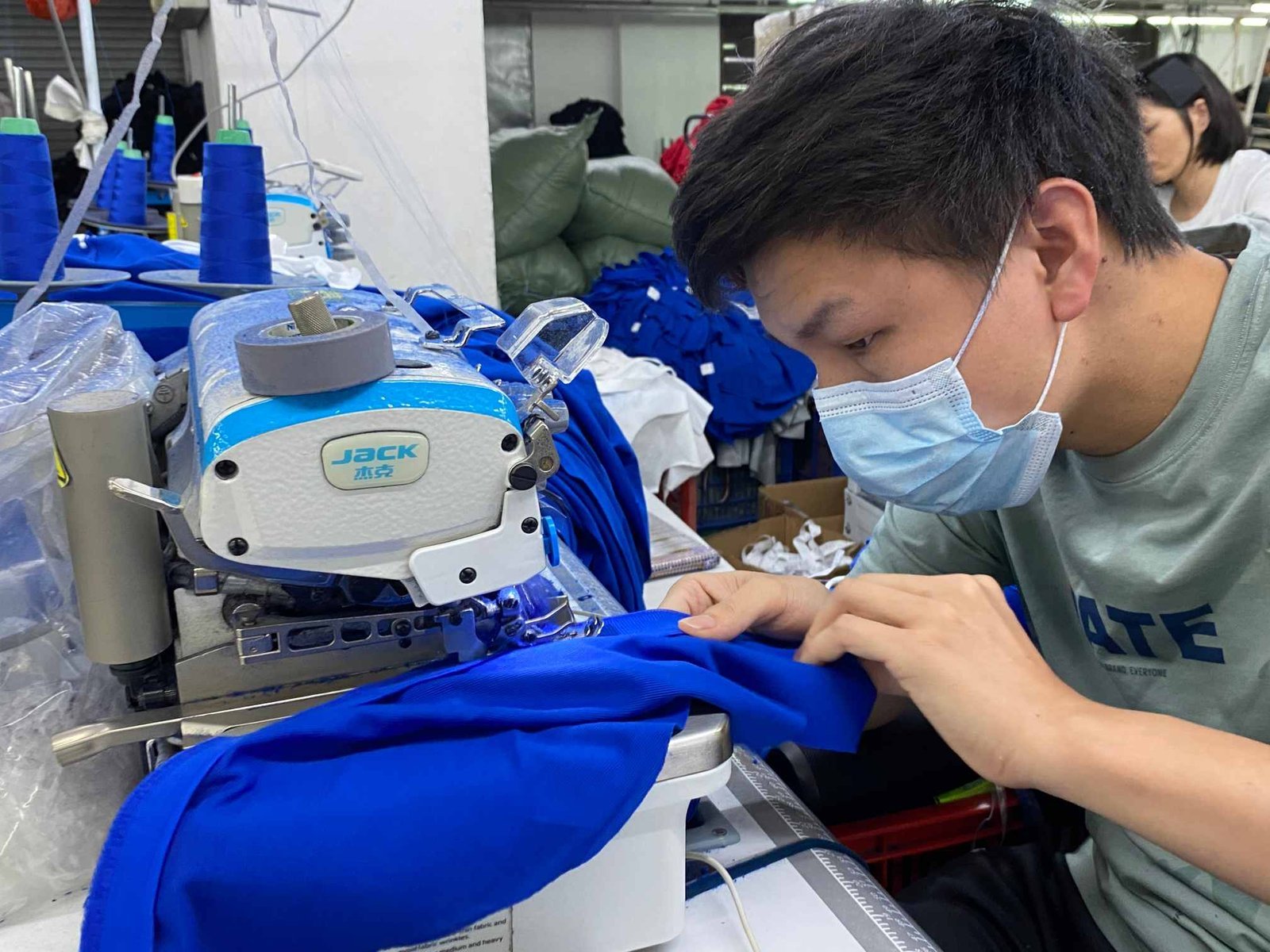
Heavyweight Fleece Fabric Quality Standards & Specifications
Heavyweight Fleece Specifications
Our heavyweight fleece fabric meets precise technical standards: 380–450 GSM weight, premium virgin polyester core with soft-touch treatment, consistent loop density for durability. Every batch undergoes material certification testing to guarantee fiber composition, shrinkage tolerance under ±3%, and dimensional stability across production runs.
- 380–450 GSM weight engineered for premium streetwear
- 100% virgin polyester or premium blends available
- Consistent loop density for lasting softness and comfort
- Shrinkage tolerance certified at ±3% maximum
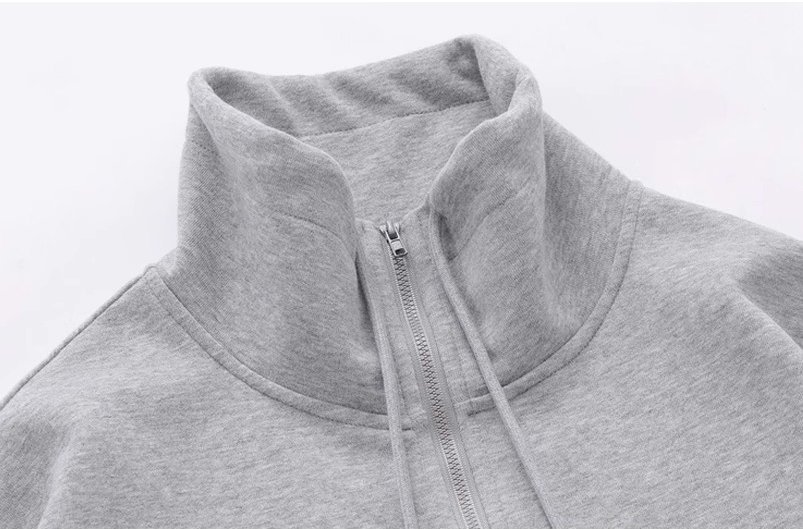
Five-Stage Quality Control System
We embed quality checks throughout production, not just at the end. Our proprietary five-step QC methodology—materials, cutting, craft, sewing, and finished goods inspection—mirrors the rigor Tesla Luo observed in globally trusted manufacturers, ensuring heavyweight fleece fabric reaches you defect-free.
- Materials QC: fiber composition and GSM verification
- Cutting QC: precision pattern tolerance and ply alignment
- Craft QC: stitch quality, seam strength, and finish
- Finished goods inspection: dimensional, color, and durability compliance
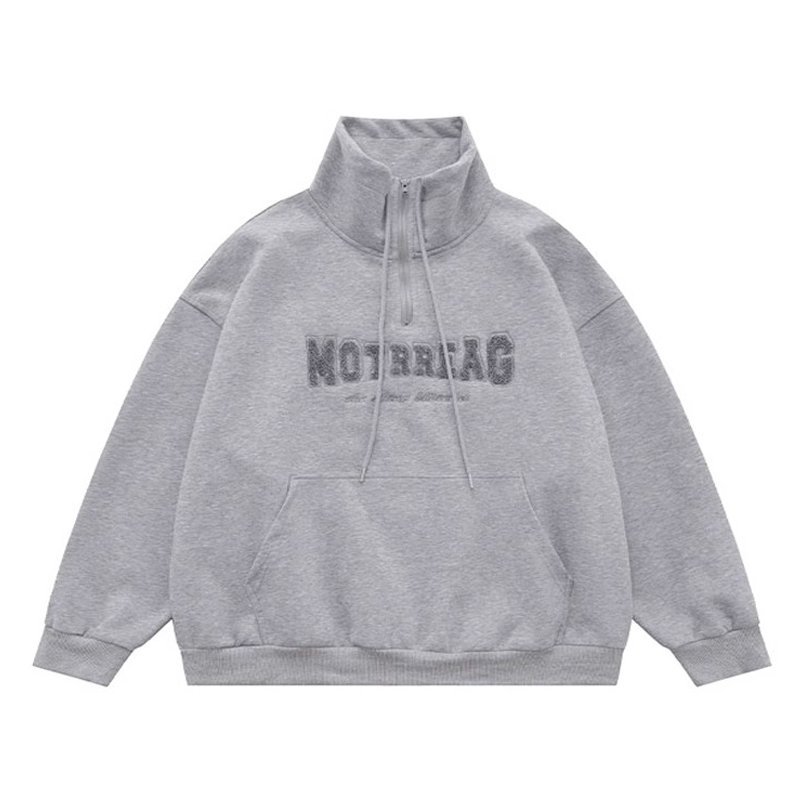
Heavyweight Fleece Durability Testing
Performance testing validates heavyweight fleece fabric under real-world conditions. We run standardized wash cycle testing (ASTM D6775), pilling resistance evaluation (ASTM D3884), color fastness assessment, and shrinkage monitoring across 20+ wash cycles to guarantee longevity and brand reputation protection.
- Wash cycle durability: 20+ cycles ASTM D6775 certified
- Pilling resistance testing to ASTM D3884 standards
- Color fastness verification across all washability profiles
- Dimensional stability and shrinkage tracking with detailed logs
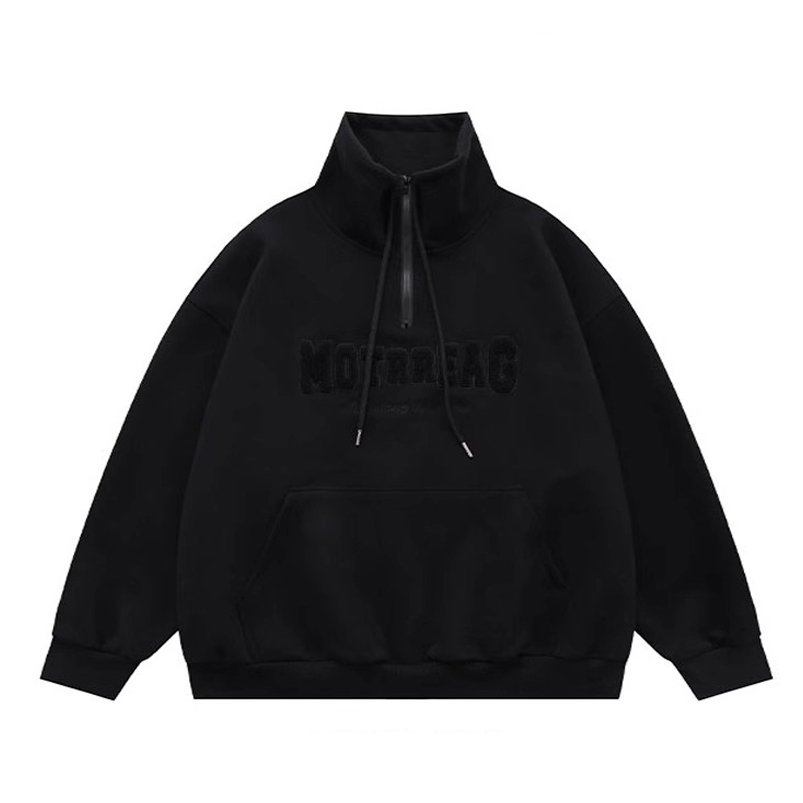
Batch-to-Batch Consistency Guarantee
Zero-compromise quality means every heavyweight fleece fabric batch meets the same exacting standards. We maintain detailed traceability logs, statistical process control monitoring, and defect rate targets below 2%, ensuring your brand receives identical quality whether ordering 100 or 10,000 units.
- Full traceability: fiber lot-to-finished-garment documentation
- Statistical defect monitoring maintained below 2%
- Batch verification protocols with retained archival samples
- Real-time production alerts for out-of-specification variance
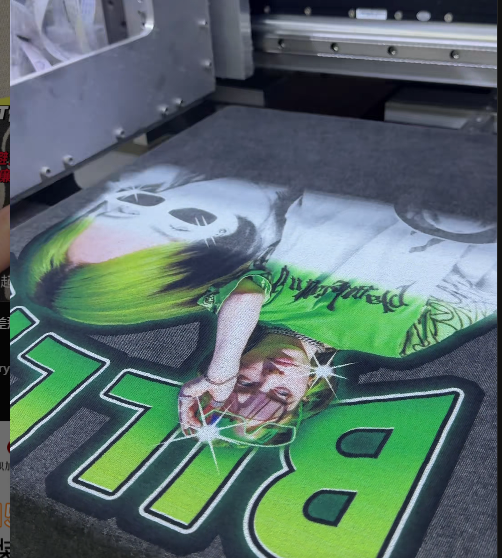
Heavyweight Fleece Fabric vs. Lightweight Fleece: Durability & Quality Compared
Compare weight, durability, design compatibility, and ideal applications to choose the right fleece for your brand.
← 左右滑动查看 →
Heavyweight Fleece Fabric Production: From Raw Material to Finished Garment
See how our 5-step QC process ensures premium heavyweight fleece at every stage
Material Selection & Testing
We source premium heavyweight fleece from certified mills and conduct comprehensive material QC testing to ensure durability, weight, and fabric consistency before entering production.
Design & In-House Sampling
Our design team develops patterns and creates sample garments, incorporating streetwear-specific details. Fast sampling turnaround ensures rapid iteration for seasonal collections and custom designs.
Precision Cutting & QC Verification
Advanced cutting equipment and techniques minimize waste while ensuring consistent dimensions. Cutting QC verification confirms alignment and precision before sewing to eliminate downstream issues.
Sewing with Reinforced Seams
Production sewing includes reinforced seaming techniques for heavyweight fleece durability. Continuous sewing production QC monitoring ensures stitch quality and structural integrity throughout this critical stage.
Finishing & Detailed QC
Garments undergo ironing, trimming, and inspection. Final heavyweight fleece quality verification checks every seam, finish, and specification to guarantee premium standards before packaging.
Global Packaging & Logistics
Secure packaging protects finished garments during transit. Our global shipping and logistics support ensures timely delivery to retailers and brands worldwide.
Order Custom Heavyweight Fleece Fabric Garments
From design submission to finished product in four straightforward steps
Submit Your Fleece Design Specs
Share detailed design specifications, fabric weight requirements, and quantity parameters with our in-house team for technical review and heavyweight fleece feasibility assessment.
Receive Rapid Heavyweight Fleece Samples
Leverage our fast-turnaround in-house design team to get production samples quickly. Review quality and fit to confirm your heavyweight fleece standards before committing to full production orders.
Approve & Finalize Specifications
Confirm sample quality, color accuracy, and fit. Lock final specs including low MOQ options perfect for emerging streetwear brands launching seasonal collections with heavyweight fleece garments.
Launch Production & Quality Check
Place your production order with guaranteed fast turnaround. Every heavyweight fleece garment passes our rigorous 5-step quality control process and ships globally with secure logistics support.
Why Brands Trust Our Heavyweight Fleece Fabric
We switched to Clothing Manufacturer Ltd. for our heavyweight fleece fabric collection last season. After 50+ wash tests, the color integrity and fit remained flawless. Their 5-step QC process is unmatched. Our return rate dropped to under 2%.
As a startup brand, we needed quality heavyweight fleece fabric without massive MOQ barriers. They delivered 300 pieces in just 14 days with perfect color matching. We launched on time and sold out in three weeks.
We source heavyweight fleece fabric for 12 global markets. Their consistency across batches is exceptional, and their logistics support made scaling painless. We’ve grown from 2 to 8 retail locations in 18 months.
Heavyweight Fleece Fabric — Common Questions
Answers to your top questions about sourcing, producing, and customizing with premium heavyweight fleece fabric.
What is the MOQ for heavyweight fleece fabric?
What is the lead time for heavyweight fleece fabric production?
What is heavyweight fleece fabric made from?
Can I embroider or screen print on heavyweight fleece fabric?
How durable is heavyweight fleece fabric?
What shrinkage should I expect from heavyweight fleece fabric?
Does your heavyweight fleece fabric come with certifications like OEKO-TEX or GOTS?
How do you match colors in heavyweight fleece fabric?
The Complete Buyer’s Guide to Heavyweight Fleece Fabric for Brands
Learn how to source premium heavyweight fleece fabric, evaluate supplier capabilities, compare material grades and construction techniques, and avoid costly mistakes when scaling your brand with the right manufacturing partner.
1. What Is Heavyweight Fleece Fabric?
Heavyweight fleece fabric begins at 400 grams per square meter (GSM), roughly twice the weight of lightweight fleece below 250 GSM. A knit base—typically ring-spun polyester or cotton-poly blends—supports a brushed surface that traps air and delivers the insulation and softness streetwear brands expect.
Ring-spun polyester fibers offer 15–20% greater tensile strength than open-end alternatives, reducing pilling and color fading through repeated wear and washing. The napping process that creates the fleece’s signature texture adds production cost but ensures dimensional stability and eliminates the transparency issues that compromise premium brand positioning.
Most luxury and mainstream streetwear labels specify heavyweight fleece for core pieces because the density prevents show-through, resists distortion in high-stress areas, and maintains color saturation after 50+ home laundries—a durability baseline that defines performance expectations.
Streetwear hoodies, joggers, and bombers built from heavyweight fleece become signature products that signal quality to consumers skeptical of fast-fashion alternatives. Activewear brands similarly demand this weight class for training apparel where moisture-wicking, durability, and premium hand-feel justify higher retail price points.
2. Evolution of Fleece & Heavyweight Variants
DuPont’s polyester invention in the 1950s provided the polymer foundation for fleece, which emerged commercially in the 1970s as a synthetic alternative to natural wool. Early fleece was lightweight, relatively brittle, and prone to pilling, limiting its appeal for performance wear and streetwear applications alike.
Beginning in the 1980s, advances in brushing technology—mechanical abrasion of knit surfaces—dramatically improved fleece’s softness, warmth retention, and aesthetic texture. Simultaneously, innovations in knit construction and backing techniques increased durability and reduced pilling. These improvements shifted fleece from utilitarian workwear into a premium fabric category capable of handling high-stress applications.
Heavyweight fleece fabric—typically 300+ GSM—became central to streetwear culture from the 1990s onward, adopted by hip-hop artists, skateboarders, and graffiti crews who valued its bold silhouette and visible texture. Premium brands now prioritize heavyweight options over lighter alternatives because the increased weight provides superior drape, stronger structural integrity, and a more luxurious hand feel that commands retail price premiums. Heavyweight constructions also resist pilling far better than lighter-weight variants, aligning with consumer expectations for durability in streetwear garments.
3. Types of Heavyweight Fleece Fabric
Heavyweight fleece variants fall into four construction types, each with distinct GSM ranges and performance profiles. All heavyweight fabric exceeds 400 GSM; bonded variants reach 600+. Understanding the differences helps you match fabric to garment aesthetic and functional requirements.
| Type | GSM Range | Hand-Feel | Ideal For |
|---|---|---|---|
| Brushed | 400–480 | Plush, soft nap | Premium hoodies, loungewear |
| Smooth | 450–550 | Refined, compact | Streetwear, logo apparel |
| Technical Blend | 480–550 | Functional, stretch | Active lifestyle, performance wear |
| Bonded | 600+ | Substantial, insulated | Luxury outerwear, ultra-premium streetwear |
Brushed Heavyweight Fleece
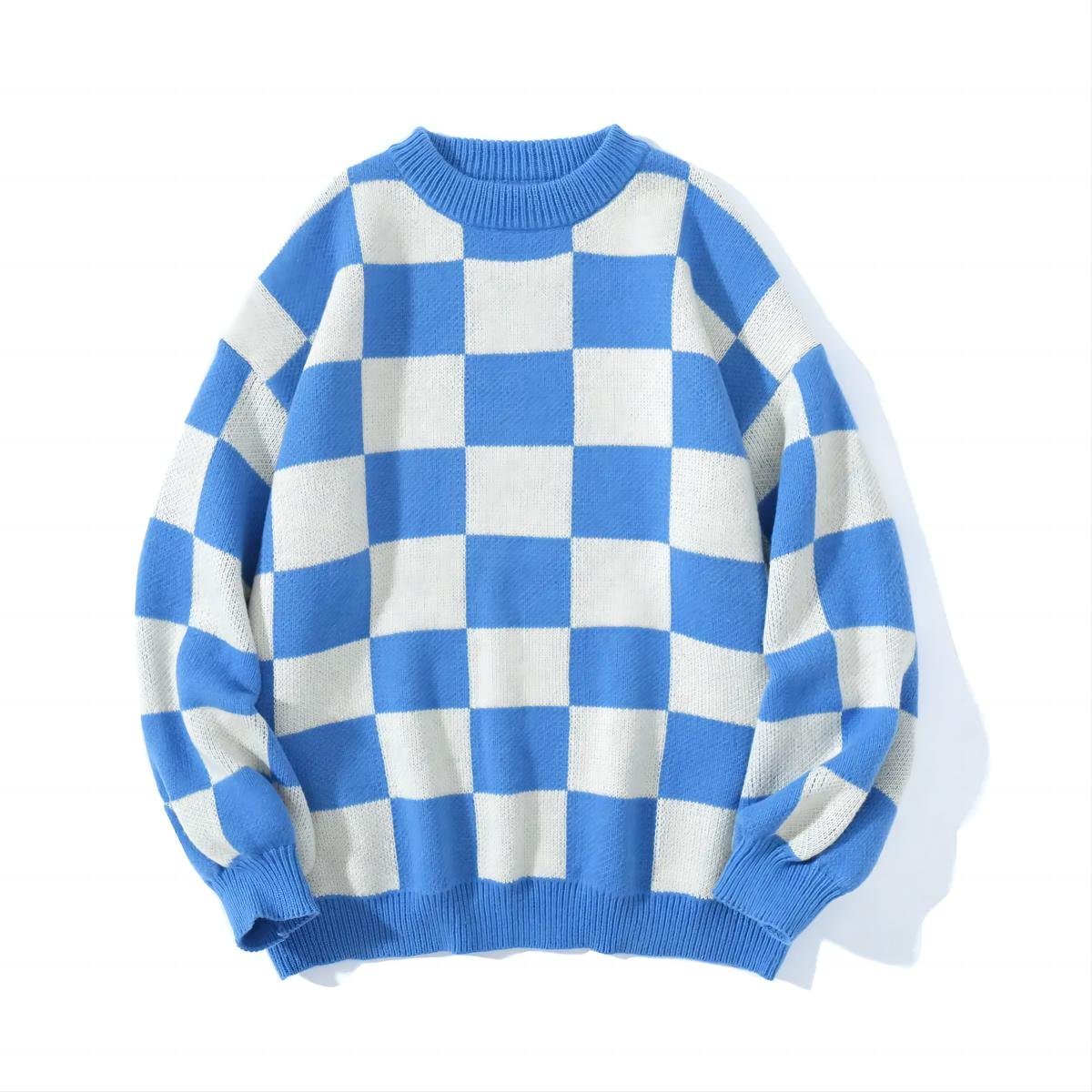
Brushing raises fiber ends to create a plush surface ideal for skin contact.
At 400–450 GSM, brushed fleece balances softness with durability for mainstream streetwear. Premium 450–480 GSM variants deliver ultra-soft luxury positioning.
Smooth Heavyweight Fleece
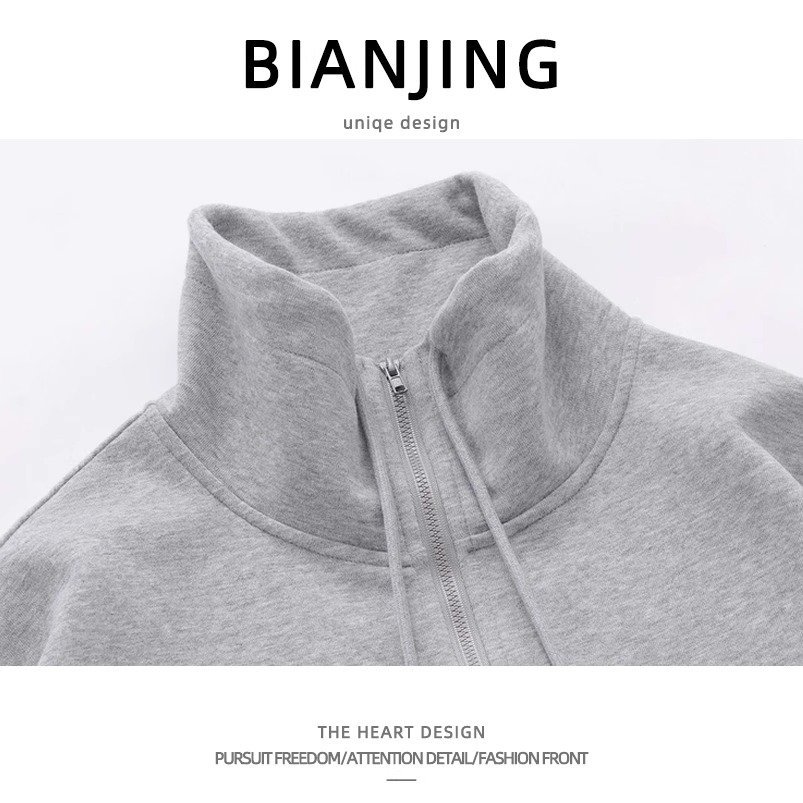
Smooth-surface construction resists pilling and displays logos and prints sharply.
At 450–550 GSM, this variant suits branded merchandise and technical streetwear where visual clarity matters. The compact face maintains structure through repeated wear.
Technical Blend Fleece
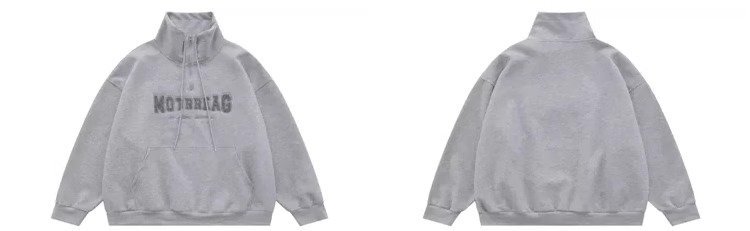
Blending performance fibers—polyester-spandex or nylon—into the base fleece adds moisture-wicking or stretch recovery.
GSM ranges 480–550 grams, targeting active-lifestyle brands. These variants deliver warmth without sacrificing functional performance.
Bonded Heavyweight Fleece
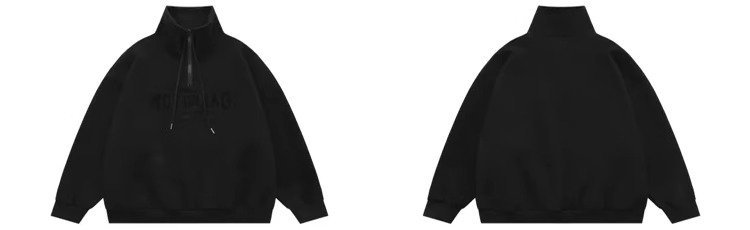
Laminating fleece to tricot or thermal backing creates ultra-dense, 600+ GSM garments with maximum insulation and structure.
This construction signals luxury and permanence, dominating high-end outerwear and premium streetwear collections.
4. Materials in Premium Heavyweight Fleece Fabric
Material composition and construction method in heavyweight fleece fabric determine cost, performance, and durability.
Fiber selection, ply structure, and surface treatments fundamentally shape finished product performance in market.
| Material | GSM Range | Cost | Key Benefit |
|---|---|---|---|
| 100% Polyester | 280-400 | Premium | Performance |
| Cotton Blend | 260-380 | Mid | Softness |
| Single-Knit | 180-240 | Low | Lightweight |
| Double-Knit | 280-400 | Premium | Insulation |
Fiber Composition & Blends
100% polyester dominates performance fleece; 3-5% elastane adds stretch without bulk. Cotton blends (50/50 or 70/30) reduce cost 8-15% but sacrifice moisture-wicking and pilling resistance. Request GSM-to-fiber specifications from suppliers—300 GSM polyester outperforms 300 GSM cotton-blend at equivalent weight.
Ply Structure & Construction
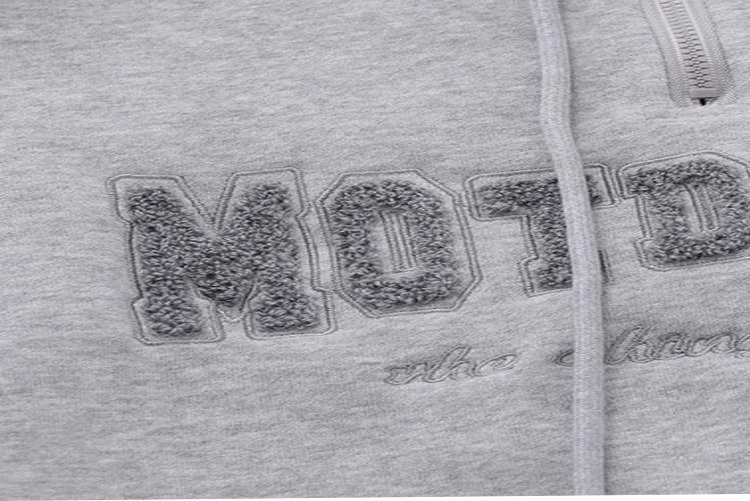
Single-knit fleece (180-240 GSM) costs less, weighs lighter. Double-knit construction (280-400 GSM) adds thermal insulation and stability, commanding 20-40% cost premium. Specify ply count in RFQ to avoid unexpected costs.
Dyeing Methods & Color Options
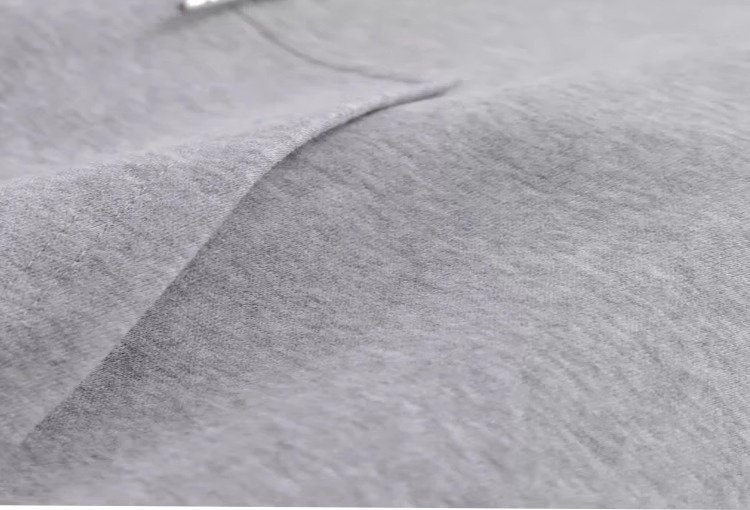
Yarn-dye fleece (colored yarn before knitting) costs 12-18% more but delivers superior color depth and long-term fade resistance. Piece-dye (finished fabric dyed) runs faster and cheaper, suits smaller production runs. Reactive dyes for darker shades add minimal cost.
Brushing & Surface Treatment
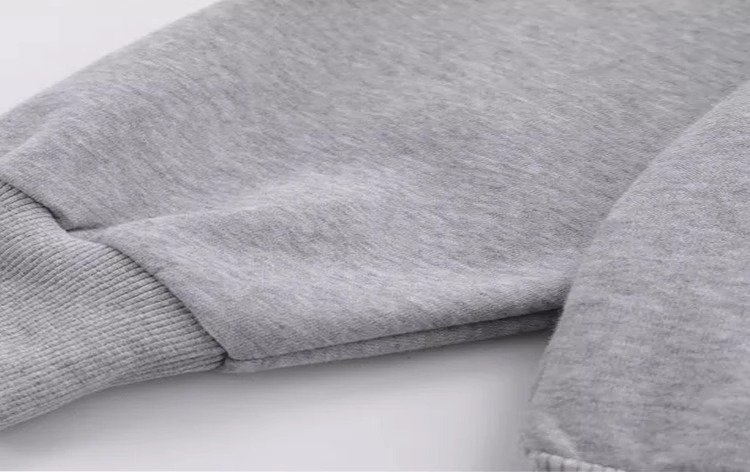
Brushing intensity ranges light (1-2 passes), medium (2-3 passes), heavy (4+ passes). Each additional pass adds $0.30-0.60 per yard and surface softness but increases pilling risk if polyester quality is substandard. Specify brush density and nap direction in purchase orders.
Bonding Layers & Backing
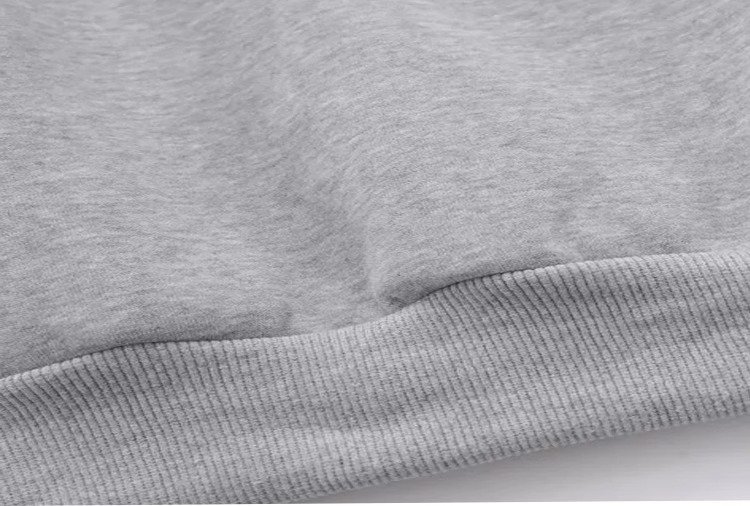
Fleece often bonded to tricot or knit backing via thermal adhesive for shape retention and stability. Bonded construction reduces stretch and improves drape, adding $0.40-0.80 per yard. Unbonded fleece preferred when maximum stretch is required. Specify in RFQ.
Specification Checklist for Sourcing
Request these specifications from fleece suppliers to ensure consistent quality and cost predictability:
- Fiber composition (% polyester, cotton, elastane)
- GSM weight range (tolerance ±5%)
- Ply structure (single vs. double)
- Brushing specification (passes, density)
- Bonding type and adhesive/thermal method
- Shrinkage rates (vertical and horizontal %)
- Pilling resistance grade (ASTM D3512, 1-5 scale)
- MOQ and lead time
5. Customizing Heavyweight Fleece Fabric
Customizing heavyweight fleece fabric requires aligning dyeing processes with decoration methods. Solution-dye, piece-dye, and yarn-dye approaches each influence final color consistency, cost, and production timeline. Selecting the right combination ensures optimal results for screen printing, embroidery, sublimation, and other finish techniques.
Dyeing Processes for Heavyweight Fleece
Solution-dyed fleece delivers uniform color across all 300+ GSM batches, ideal for bulk orders requiring consistency. Piece-dyeing offers flexibility for custom shades and small MOQs, adding 7–10 days to lead time but enabling vibrant colors. Yarn-dye methods build color into individual fibers before weaving, supporting complex patterns and multi-color constructions.
Decoration Compatibility & Methods
Screen printing bonds cleanly to 300–400 GSM heavyweight fleece with standard polyurethane inks; limit designs to 4–6 colors for cost efficiency. Embroidery suits 280–350 GSM weights; heavier bases risk puckering or fabric distortion.
Sublimation demands polyester-rich blends and pre-treatment. Laser cutting produces crisp edges on dense constructions; appliqué adds texture for logo-forward designs.
- Screen printing: $0.40–1.20 per piece, 5–7 day lead time
- Embroidery: $1.50–4.00 per piece, 3–5 day lead time
- Sublimation: $0.60–1.50 per piece, polyester blends only
- Laser cutting: $0.80–2.00 per piece, tightest tolerances
Lead Times and Cost Structures
Standard piece-dyed fleece ships in 28–35 days; solution-dye custom orders require 35–45 days. Decoration adds 3–7 days depending on method. Per-piece cost adders range from $0.40 for single-color screen printing to $4.00 for dense embroidery. Volume commitments (500+ units) unlock per-piece discounts of 15–25 percent.
Color Fastness and Standards
AATCC 16 and ISO 105 standards define color fastness grades. Premium heavyweight fleece targets Grade 3–4 minimum (suitable for consumer apparel). Solution-dyed pieces achieve Grade 4–5; piece-dyed stock typically grades 3. Test fastness to washing, perspiration, and light per apparel end-use; darker colors demand higher specifications.
6. Quality Factors in Heavyweight Fleece
Heavyweight fleece fabric quality is measurable, not subjective. The difference between premium-grade output and low-cost alternatives shows up in ASTM-certified pilling resistance, ISO color fastness scores, and consistent weight tolerance across every roll.
Performance Benchmarks
GSM weight variance should not exceed ±5% of the target; a 450 GSM fleece might range 427–478 GSM.
Shrinkage limits of ±3–5% after ISO 6330 cold-water wash cycles are standard. Pilling resistance rated ASTM D3939 on a 1–5 scale: grade 4 or higher is acceptable for streetwear.
Color Fastness & Wash Testing
ISO 105 C06 cold-water wash fastness should score ≥4 (1–5 scale) for all dyes.
Rub fastness—ISO 105 X12 dry and wet—must rate ≥3 to avoid color transfer. Consistent color matching across dye lots, validated via Pantone or standard color cards, prevents unexpected batch variations.
Seam Strength & Durability
Seam strength, measured under ASTM D6775 or ISO 13935-2, must withstand minimum 15 kgf (kilograms-force) pull before tearing.
Flatlock or zigzag stitching on heavyweight fleece reduces seam stress and improves longevity. Test samples include seam-rip trials after 10 wash cycles to ensure thread durability and needle-hole integrity.
Certifications Matter
OEKO-TEX Standard 100 certifies absence of harmful chemicals. GOTS (Global Organic Textile Standard) verifies organic fiber content and ethical sourcing.
ISO 9001 confirms the supplier’s quality management system. GRS (Global Recycled Standard) validates recycled content percentage and chain of custody, critical for brands marketing sustainability claims.
Audit & Red Flags
Request pre-production samples (PP) and approved samples (AP) from your supplier; compare side-by-side against production deliveries.
Red flags include missing batch test certificates, GSM variance >±5%, visible pilling after 5 wash cycles, or seam failure under light tension. Random third-party audits—SGS or Bureau Veritas—validate compliance independently.
7. How to Choose a Heavyweight Fleece Fabric Supplier
Evaluating a heavyweight fleece supplier requires assessing MOQ, lead time, quality standards, and communication transparency. Focus on three dimensions: production capacity and timelines, certifications, and responsiveness to specifications.
Minimum Order and Lead Times
Standard MOQ: 200–1,000 kg for custom heavyweight fleece; smaller orders carry premium pricing. Lead times: 4–8 weeks from approval through production, dyeing, testing, and shipment.
Critical questions: How quickly can they sample? What is the reorder MOQ? Do they maintain 300–400 GSM inventory? Capacity constraints often emerge mid-season; confirm they can scale.
Certifications and Testing Protocols
Legitimate suppliers hold OEKO-TEX, GOTS, WRAP, or BSCI certification verified by audits, not marketing claims. Request toxicity test reports and lab certificates (ASTM, ISO standards).
Five-step QC—materials, cutting, craft, sewing, finished inspection—catches defects early. Ask: Do they test shrinkage, pilling, and colorfastness on every batch or samples only?
Critical Specification Questions
Verify supplier capability and quality commitment by requesting honest answers on shrinkage, dyeing, defect rates, and batch consistency.
- Shrinkage rate after washing? (2–5% standard)
- Dyed in-house or outsourced? (In-house ensures consistency)
- Defect rate and reporting process?
- Colorfast guarantee? (Pantone ±1–2 ΔE units)
- Will bulk production come from same batch as approved sample?
Sample Ordering Best Practices
Order 50–100-yard lab dips before bulk commitment. Allow 2–3 weeks for dyeing and testing; rushing samples invites shortcuts. Request samples on exact knit construction and weight.
Ask: Will bulk production come from the same batch as your approved sample? What is the re-sampling fee if color drifts? Clear answers signal trustworthy partners.
Red Flags and Communication
Avoid suppliers with vague specifications, missing test data, hidden fees, slow responses, or refusal to sample. Those skipping QA or rushing samples cut corners. Transparent timelines, honest defect rates, and prompt communication distinguish quality partners from transactional vendors.
8. Mistakes to Avoid When Sourcing Fleece
Sourcing heavyweight fleece demands precision in specifications and supplier communication. Cutting corners during sample validation or overlooking production realities leads to customer returns, brand damage, and unexpected costs. The following mistakes are costly—and preventable.
Ignoring GSM Specifications
Heavyweight fleece typically ranges from 280 to 450 GSM. Failing to specify GSM creates ambiguity with suppliers, resulting in deliveries lighter or heavier than intended.
Consequences include mismatched hand feel, performance failures, and customer dissatisfaction. Mitigation: lock GSM ranges in writing before sampling, and request mill certificates confirming fabric weight.
Neglecting Shrinkage Testing
Fleece shrinks 2-5% in width and length post-wash unless pre-shrunk. Underestimating shrinkage forces costly size corrections or grade-downs. Mitigation: conduct 5-wash cycles on lab samples before full production approval, allowing 3-5% tolerance into pattern grading.
Skipping Pre-Production Samples
Approving designs without multiple wear-and-wash cycles is false economy. Pilling, color bleeding, and seam strength failures emerge only after consumer use.
Mitigation: order 20-30 unit samples, wash and wear for 10-14 days, inspect carefully before committing to bulk orders.
Chasing Price Over Consistency
Lowest-cost suppliers often cut corners on fiber blends, thread quality, or QC. Initial savings evaporate when returns spike.
Mitigation: compare landed cost, not unit price—factor in defect rates, lead time, and supplier QC transparency. Clothing Manufacturer’s five-step QC methodology (materials, cutting, craft, sewing, finished goods) prevents costly surprises mid-production.
Misaligned Decoration Methods
Embroidery shrinkage, screen print cracking, or dye-lot mismatches compound fleece variability. Mitigation: test decoration on pre-shrunk fleece samples specific to your production batch, not generic swatches.
Inadequate Lead-Time Planning
Rushing suppliers into 2-week cycles sacrifices testing windows. Bulk orders without buffer time lock in undiscovered defects. Mitigation: build 8-12 week timelines, dedicating 2-3 weeks to sample refinement, production, and post-production inspection.
9. Launching Your Brand With Heavyweight Fleece
Launching with heavyweight fleece fabric requires strategic color sequencing and timeline planning. Secure micro-influencer partnerships, build feedback loops, and manage inventory before scaling.
Color Strategy and Lineup
Start with black, gray, and navy—the three core colors represent approximately 70% of initial streetwear demand and minimize inventory risk.
Once core SKUs sell through 60–70% within 8 weeks, introduce premium shades like sage green, burgundy, or off-white. This phased approach reduces capital and responds to customer preferences.
MOQ and Production Timeline
An initial MOQ of 250–500 units per design balances factory commitments with manageable inventory risk. Most manufacturers require this tier for competitive pricing on heavyweight fleece fabric.
Plan 8–10 weeks from sample approval to delivery: 2–3 weeks sampling and revisions, 1 week ordering, 3–4 weeks production, 1–2 weeks inspection and logistics.
Micro-Influencer Testing and Feedback
Launch pre-production drops with 5–10 micro-influencers (50k–200k followers) 4 weeks before full release. Request 90-day wear tests, fit feedback, and honest content.
Their feedback on durability, shrinkage, comfort, and fit shapes production specs. This de-risks your first large order and generates authentic social proof.
Content Strategy and Positioning
Build content around three pillars: fit breakdowns (models S–XL), material close-ups (GSM weight, stitching, texture), and behind-the-scenes production (cutting accuracy, quality inspection).
Emphasize craftsmanship and rigorous QC. Highlight that your heavyweight fleece fabric undergoes five-step quality inspection before shipping—differentiate on reliability, not price.
Inventory Management and Feedback Loops
Track sell-through velocity weekly. Reorder core colors at 60% depletion to avoid stockouts.
Collect customer reviews and fit notes within 30 days of delivery. Feed this into next-season specs and color selection, creating a continuous improvement cycle.
10. Pricing & Cost Breakdown
Most heavyweight fleece fabric costs break down across five components: raw polyester material ($1.50–$3.50 per yard depending on GSM and fiber quality), dyeing and finishing treatments ($0.50–$1.20 per yard), labor and cutting ($0.30–$0.60 per unit), overhead allocation, and manufacturer margin (typically 15–25% on finished goods). At Dongguan Clothing Manufacturer Ltd., the five-step quality control process—materials QC, cutting QC, craft QC, sewing production QC, and finished goods inspection—adds cost but eliminates rework waste and ensures consistent output across all production stages.
Minimum order quantities for heavyweight fleece typically range from 100–500 pieces per style, with unit costs dropping sharply at 500+ units and again at 1,000+ pieces. Bulk discounts of 10–20% are standard at 1,000 units and above, reflecting economies of scale in material purchasing, setup labor, and dyeing batching. Screen printing setup costs $50–$150 per design, with per-piece decoration running $0.50–$2.00 depending on print size and complexity; embroidery adds $2.00–$5.00 per piece for mid-range density designs.
Lead times typically extend 25–45 days from order confirmation to shipment, with expedited production available at 10–15% cost premiums. Most manufacturers require 50% deposit upon order placement and final payment before shipment.
| Quantity Tier | Price per Unit (Base) | Lead Time | Includes |
|---|---|---|---|
| 100–200 pieces | $8.50–$12.00 | 35–45 days | Full five-step QC, small-batch setup |
| 300–500 pieces | $6.80–$9.50 | 30–40 days | Material batch discounts begin |
| 1,000+ pieces | $5.20–$7.80 | 25–35 days | Maximum bulk discount (15–20%) |
| Screen print setup | $50–$150 per design | Included in lead time | One-time cost per artwork |
| Screen print per piece | $0.50–$2.00 | Included in lead time | Depends on print size & colors |
| Embroidery per piece | $2.00–$5.00 | Included in lead time | Mid-range density designs |
Get Your Heavyweight Fleece Fabric Samples Today
Request zero-obligation samples, fast turnaround on custom orders, and expert guidance for your collection—backed by our 5-step quality guarantee.