
Premium Cotton Jersey Knit Fabric — Built for Streetwear Brands
Discover cotton jersey knit fabric engineered for premium streetwear. Low MOQ, fast turnaround, and our legendary 5-step quality control—backed by 10+ years of streetwear expertise.
Cotton Jersey Knit Fabric Samples in Action
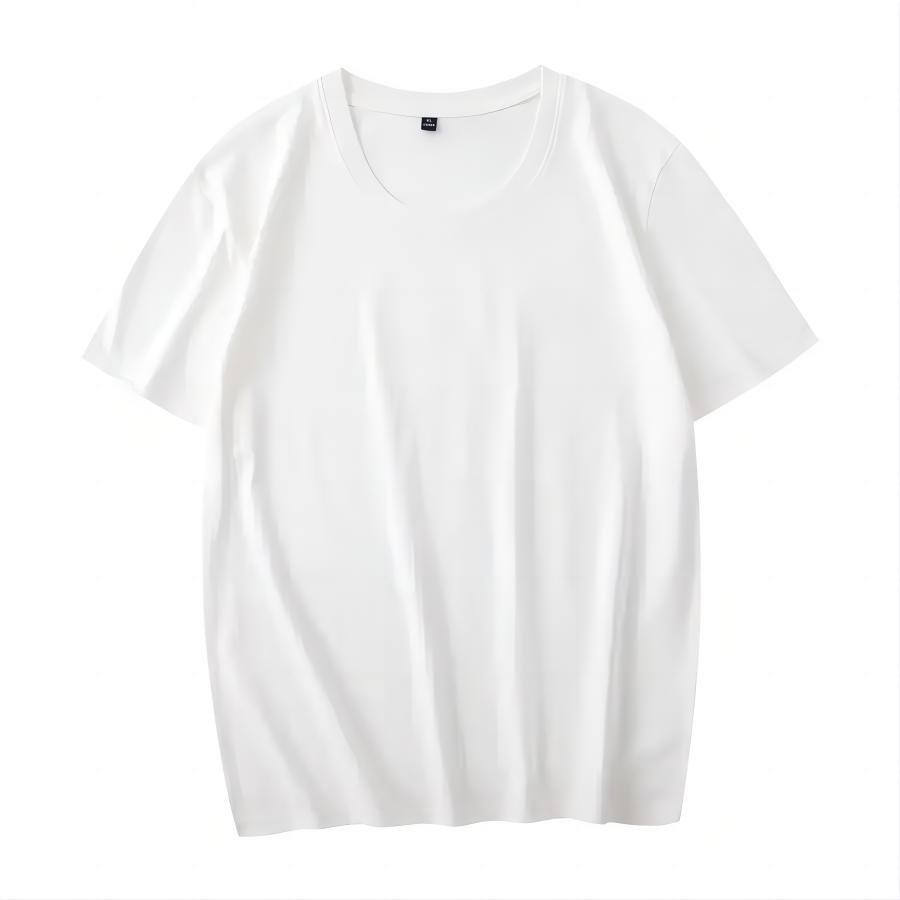
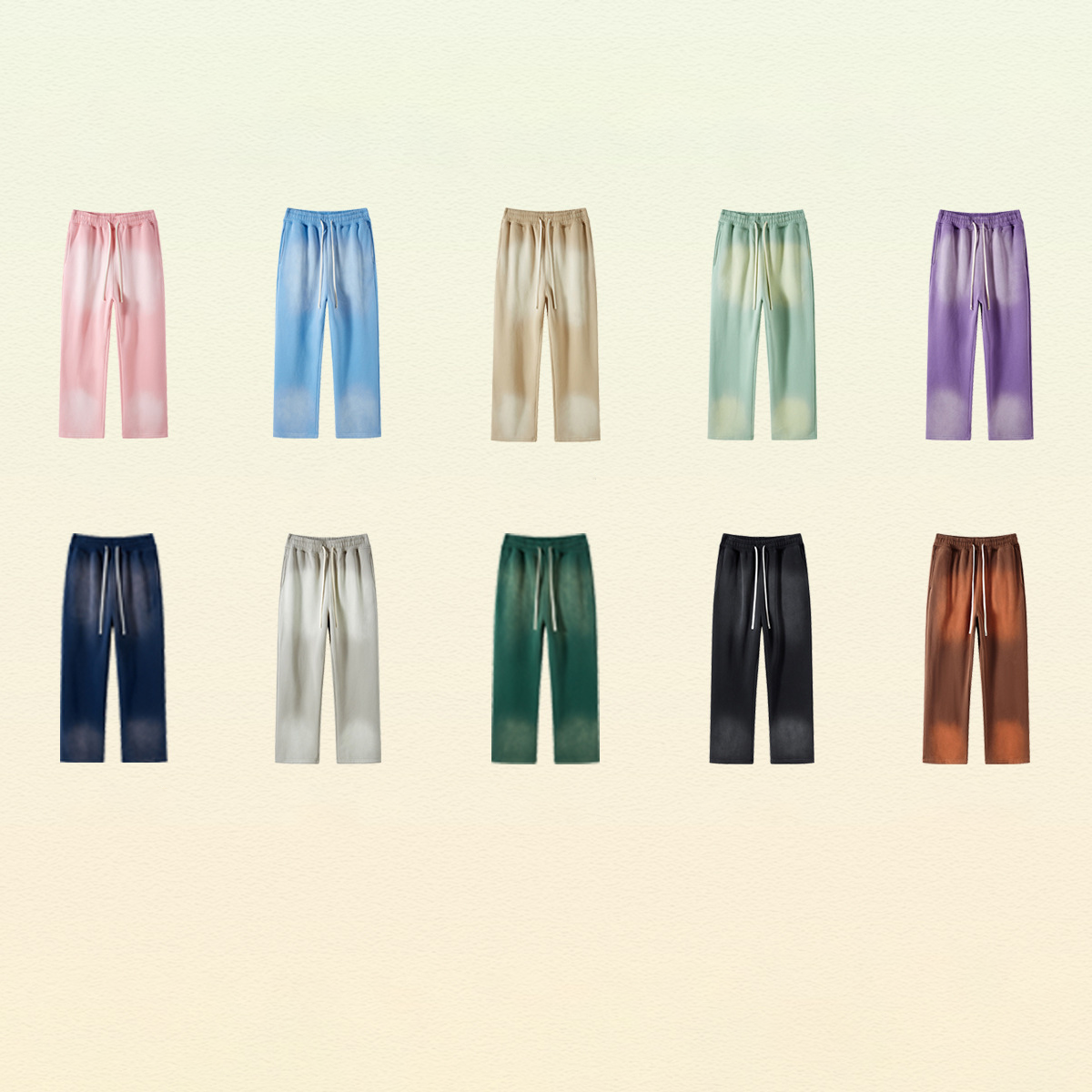
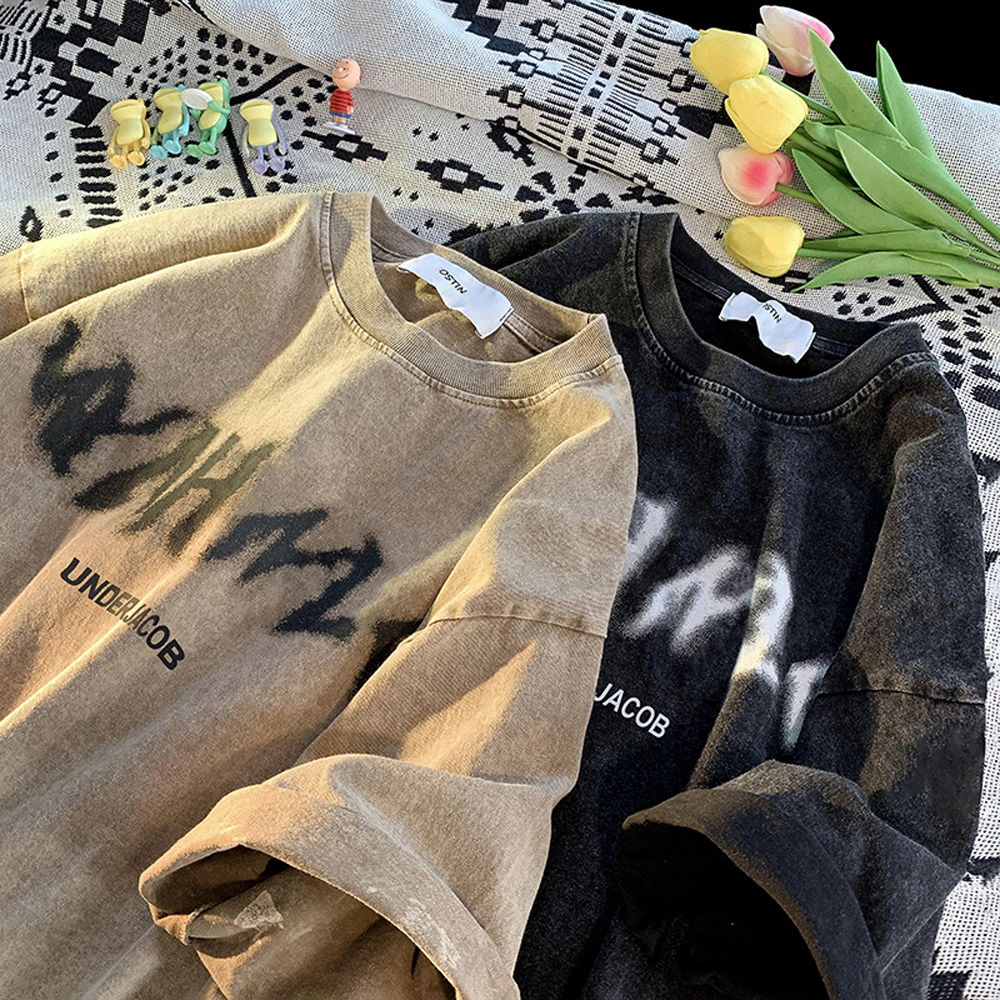
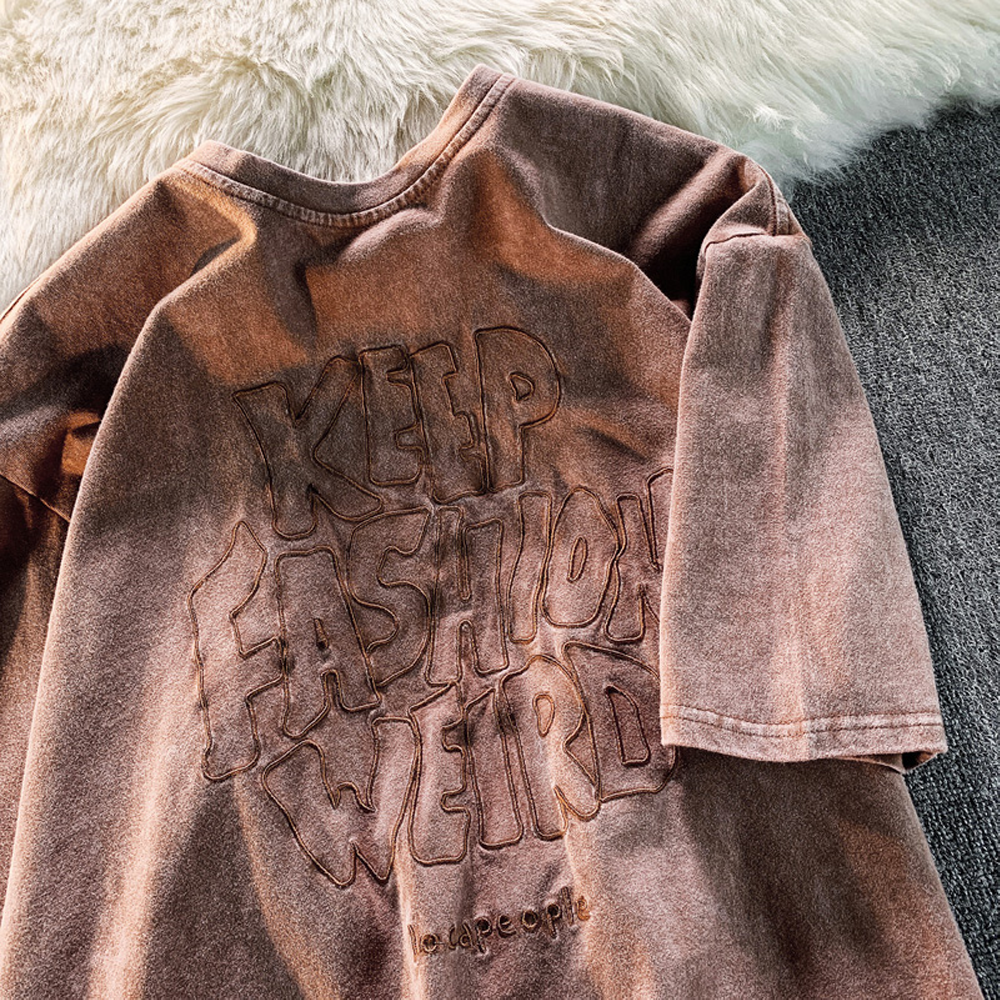
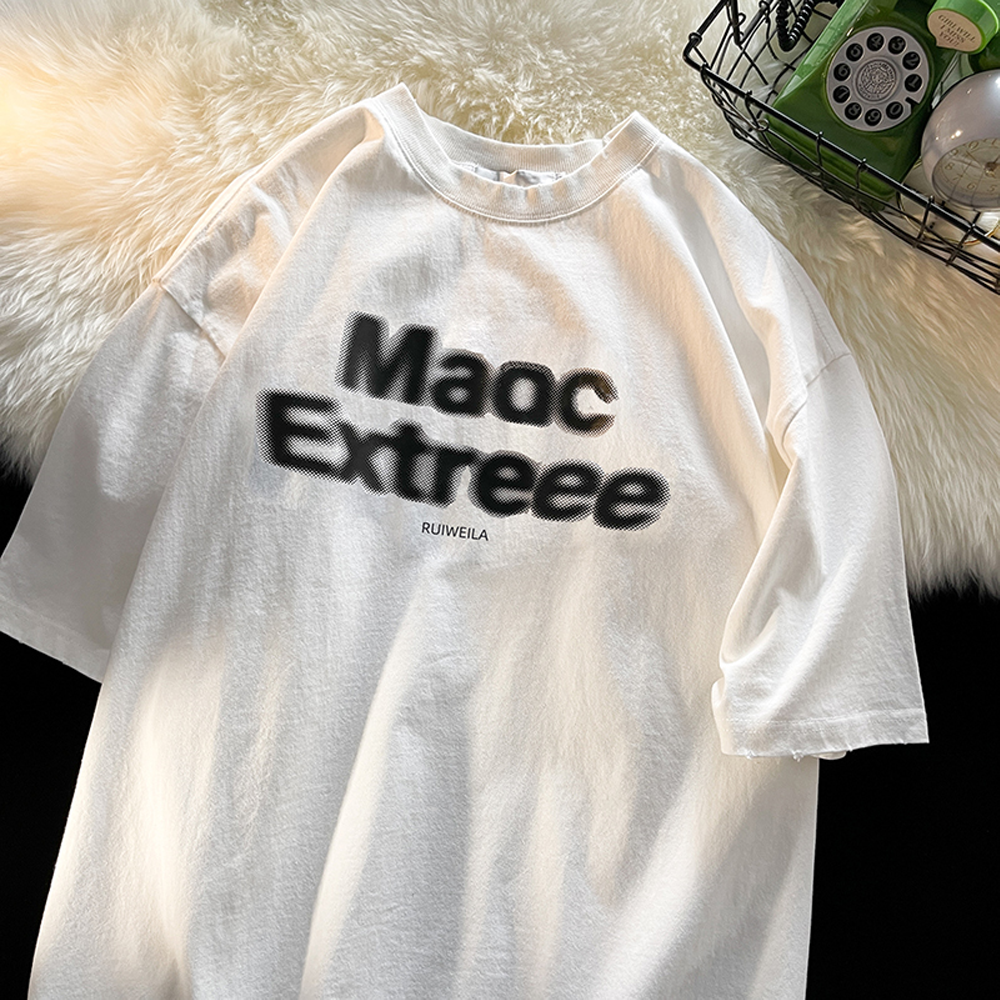
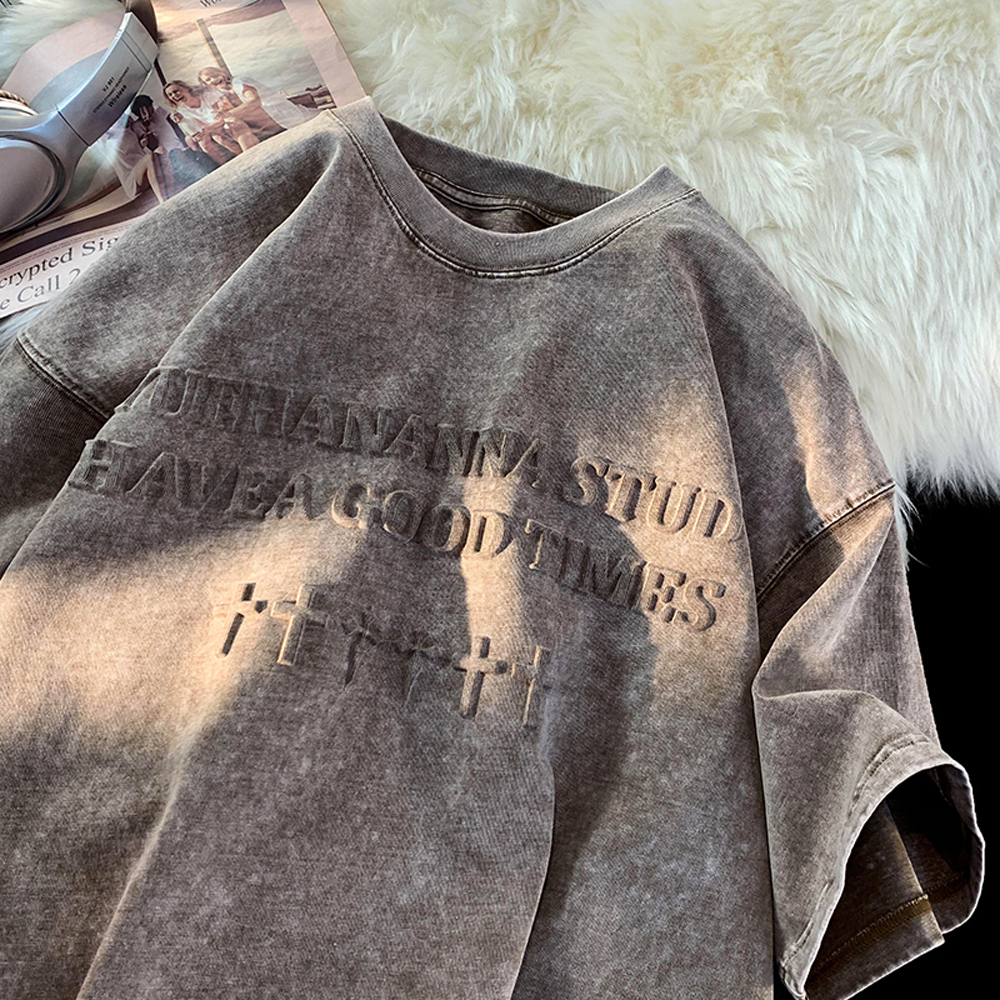
Why Cotton Jersey Knit Fabric Stands Out
The performance attributes that make cotton jersey knit fabric the preferred choice for premium streetwear brands and emerging designers.
Soft Hand-Feel & Comfort
Ultra-soft cotton jersey knit fabric delivers luxurious comfort against skin, ideal for everyday streetwear that consumers want to wear repeatedly.
Exceptional Breathability
Natural moisture-wicking keeps wearers cool and dry. Cotton jersey knit fabric’s open weave structure ensures superior ventilation for all-day comfort.
Proven Durability
Withstands 50+ wash cycles without degradation. Our cotton jersey knit fabric is engineered to maintain structural integrity and appearance through repeated wear.
Superior Color Retention
Vibrant prints and dyes stay true through countless washes. Cotton jersey knit fabric holds color beautifully, protecting your brand’s visual identity.
Natural Stretch & Recovery
Inherent elasticity provides comfortable fit and movement. Cotton jersey knit fabric bounces back, maintaining garment shape and silhouette after wearing.
Consistent Weight & Spec Compliance
Every batch of cotton jersey knit fabric meets precise GSM and thickness specifications. Our five-step QC guarantee ensures batch-to-batch consistency.
Cotton Jersey Knit Fabric Solutions for Growing Brands
See how streetwear brands, startups, and global retailers leverage premium cotton jersey knit fabric to scale their collections.
Streetwear Brands Building Collections
Need premium basics capturing street culture's authentic edge while maintaining quality. Finding manufacturers fluent in streetwear design language, trend cycles, and street aesthetics remains a consistent challenge.
Get premium cotton jersey knit fabric with our in-house streetwear expertise, industry-leading 5-step QC guarantee, and proven 30-day production turnaround for seasonal collections and drops.
Independent Designers’ First Production
High MOQ requirements and steep setup costs block emerging designers from producing quality apparel. Limited design support and expensive sampling rounds make launching new collections risky.
Launch with confidence using low-MOQ cotton jersey knit production (50+ units), complimentary design consultation, rapid sampling turnaround, and our 5-step QC guarantee eliminating risk.
Influencer Brands Seizing Trends
Viral moments and trending designs have short windows. Slow manufacturers miss deadlines, killing momentum and revenue opportunities. Speed to market determines success in influencer-driven fashion.
Rapid 14–21 day cotton jersey knit production with priority sampling and custom design support. Capitalize on trending moments while inventory lasts with our agile process.
Global Retailers Managing Inventory
Sourcing across regions requires consistent fabric quality and reliable delivery. Managing international logistics, customs, and supplier variability creates fulfillment complexity across multiple markets and regions.
Unified cotton jersey knit sourcing across 100+ countries with transparent pricing, global shipping, full customs support, and 5-step QC ensuring consistent quality everywhere you sell.
Established Brands Expanding Lines
Adding new fabric categories requires matching existing quality standards and timelines. Finding trustworthy manufacturers who scale flexibly without compromising reputation or operational efficiency is critical.
Scale cotton jersey knit production from small tests to full-season runs. Leverage our 10+ years expertise, transparent pricing, and proven track record with established brands.
10+ Years of Cotton Jersey Knit Fabric Excellence
Tesla Luo founded Clothing Manufacturer Ltd. in 2024 to restore excellence to cotton jersey knit fabric production. With over a decade in apparel manufacturing and six years specializing in streetwear, Luo recognized that skipped quality stages damaged Chinese manufacturers globally. Today we partner with vetted cotton suppliers and apply rigorous standards from raw material inspection through finished goods—no shortcuts.
Our five-step QC process for cotton jersey knit fabric sets us apart. Materials testing inspects raw fibers, then checks cutting, craft, sewing, and finished quality. This systematic approach guarantees consistent hand-feel, color retention, and durability on every bolt. Whether you need 500 or 50,000 pieces, our infrastructure delivers fast turnarounds without compromising quality.
In just over a year, we’ve served 100+ countries, from independent designers to global retailers. Our R&D team holds 10 patents in production innovation. We source premium cotton from signature vendors, maintaining low MOQs for emerging brands. Each order reflects our commitment to excellence that defines our streetwear expertise and distinguishes us in the global market.
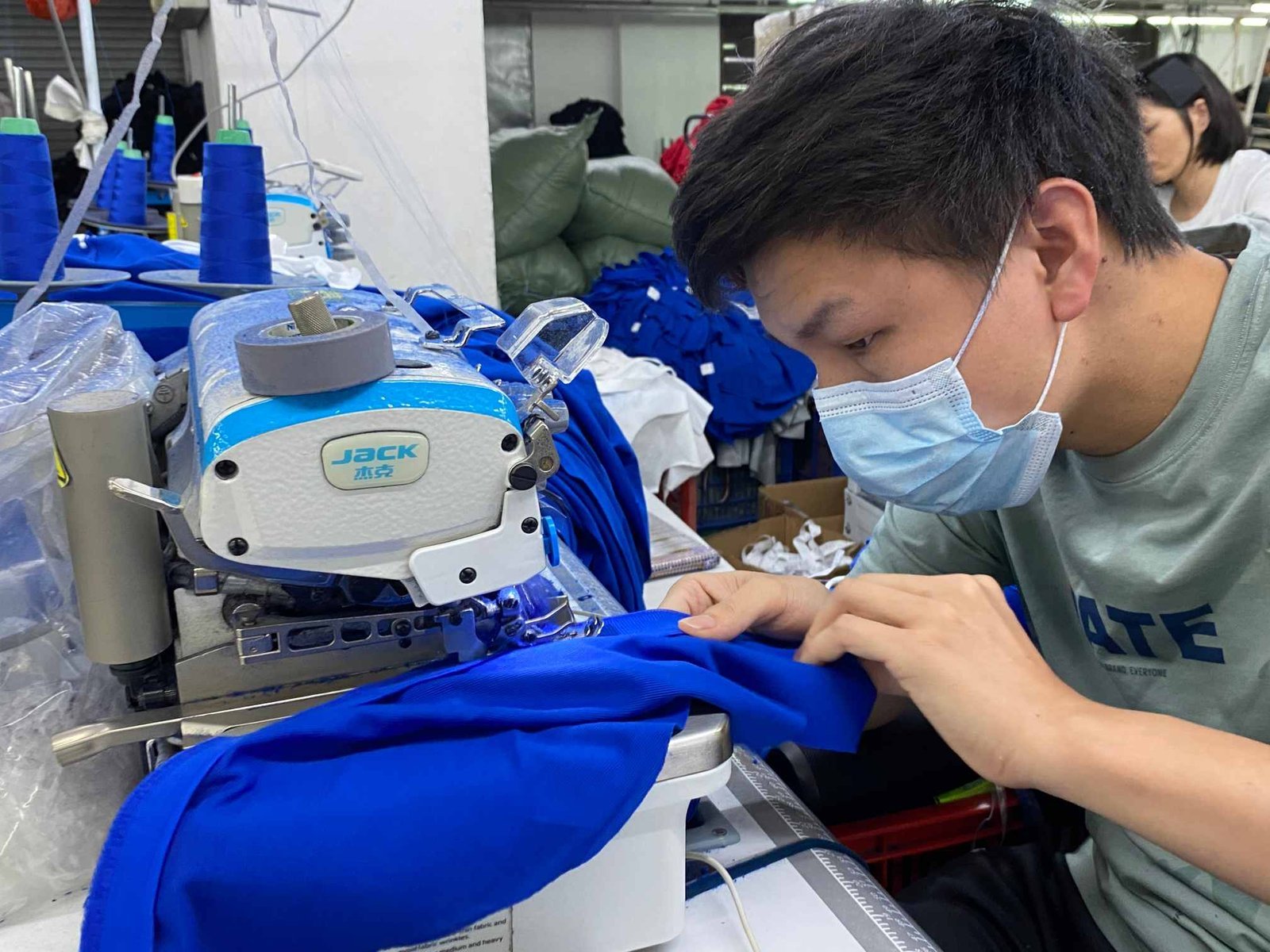
The Science Behind Cotton Jersey Knit Fabric Quality
Yarn Weight and Loop Construction
Our cotton jersey knit fabric precision engineering begins with meticulous yarn selection and denier control. We optimize loop construction density and pile height specifications to ensure uniform texture, consistent drape, and reliable performance across every production batch and shipment.
- Denier-specific yarn sourcing for desired weight and hand-feel
- Controlled loop formation via calibrated knitting machine tension
- Pile density monitoring to maintain surface consistency
- In-house specification documentation for batch traceability
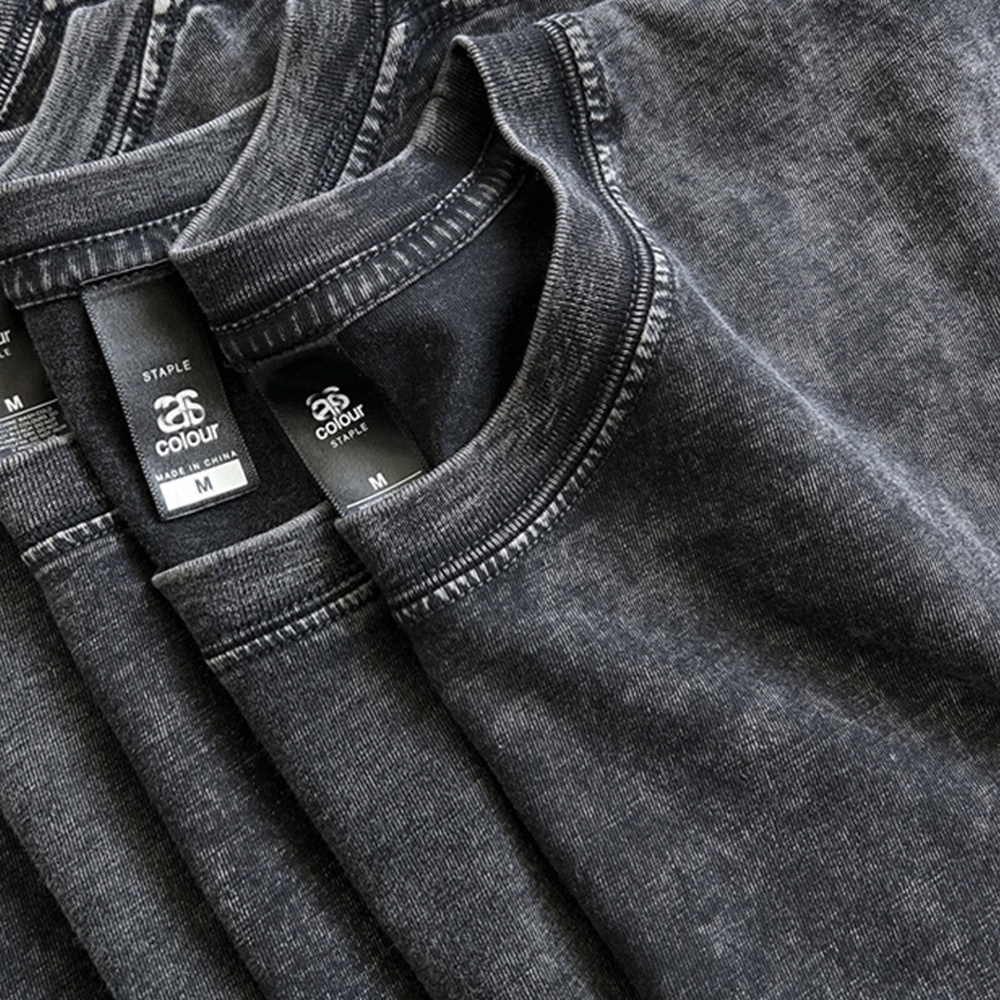
Weight Per Square Meter Control
Cotton jersey knit fabric weight specifications are critical for fit and performance. We maintain GSM ranges (150–300 per customer specification) and conduct rigorous shrinkage testing post-wash to guarantee dimensional stability. Our five-step QC process captures deviations early, ensuring zero surprises.
- GSM range: 150–300 per customer specification
- Post-wash shrinkage validation: vertical and horizontal shrink testing
- Cold water and warm wash cycle simulation testing
- Dimensional stability guarantee via QC checkpoints
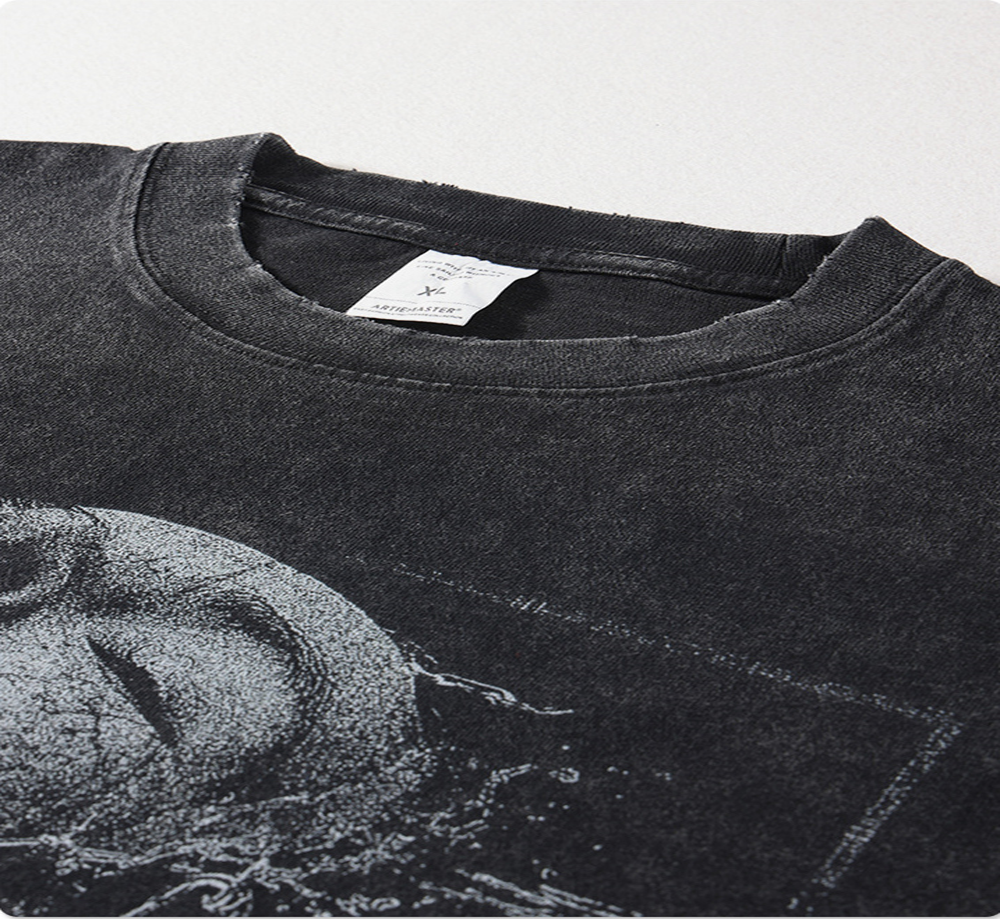
Color Fastness and Dye Protocols
Cotton jersey knit fabric color consistency depends on rigorous dye-setting chemistry and ISO-compliant testing. We employ industrial dye-bath protocols, temperature controls, and fastness-to-washing (ISO 105-C06) verification to prevent shade variation and color bleeding across batches. Every run includes spectrophotometer validation.
- ISO 105-C06 fastness-to-wash testing (cold, warm, hot cycles)
- Spectrophotometer color matching for batch-to-batch consistency
- Controlled dye-bath temperature and duration protocols
- Fastness-to-rubbing and light exposure compliance verification
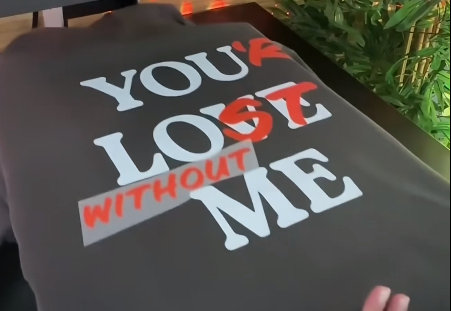
Guaranteed Batch Repeatability
Our five-step QC guarantee embedded throughout cotton jersey knit fabric production ensures zero drift between batches. From materials QC at intake through finished-goods inspection, every checkpoint validates yarn specs, loop density, GSM, shrinkage, and color. This eliminates supply-chain surprises.
- Five-step QC embedded across all production stages
- Dye-lot traceability and raw material batch documentation
- Statistical process control (SPC) for yarn and fabric metrics
- Guaranteed consistency or replacement guarantee
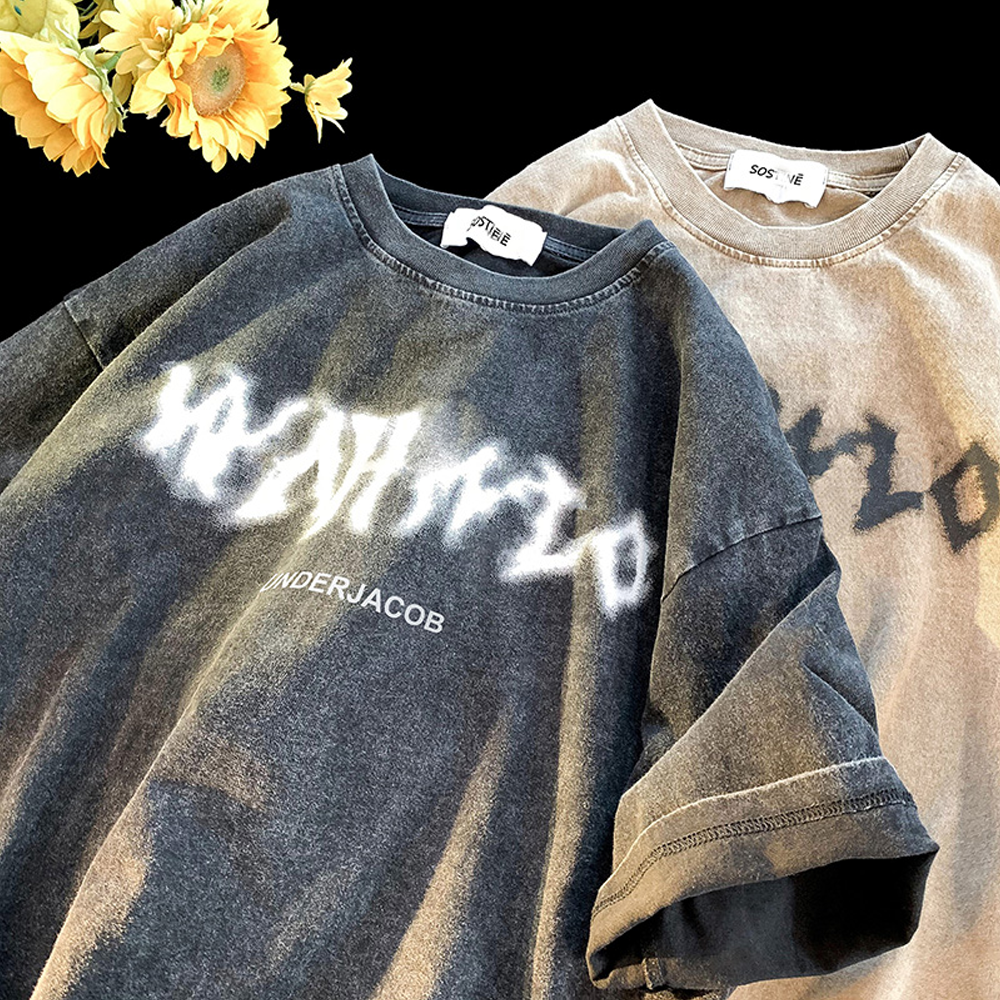
Cotton Jersey Knit Fabric vs. Polyester Jersey: Why Streetwear Brands Choose Cotton
See how cotton jersey knit fabric outperforms polyester jersey in comfort, customization, and durability.
← 左右滑动查看 →
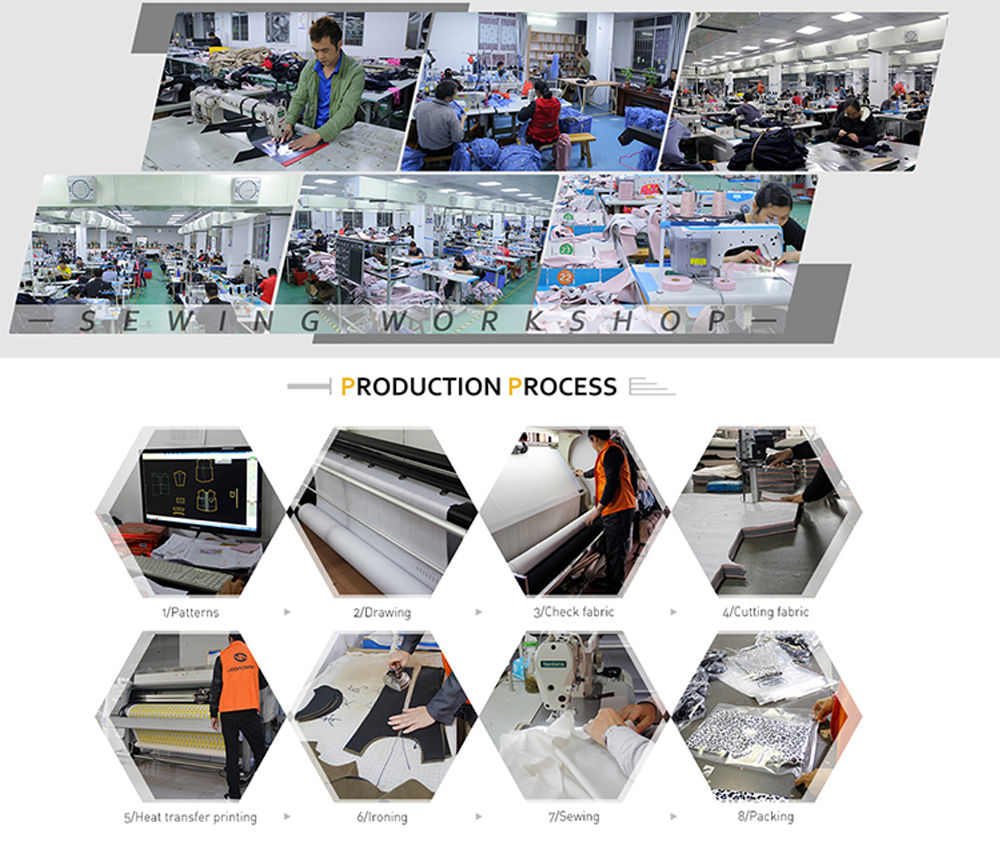
Cotton Jersey Knit Fabric Production Workflow
Our 7-phase process with integrated quality control at every step
Raw Cotton Sourcing & Testing
We source premium-grade cotton from trusted global suppliers. Each batch undergoes fiber-length, strength, and contamination QC testing to ensure optimal yarn and fabric quality.
Yarn Spinning & Twist Control
Precision spinning equipment converts raw cotton into consistent yarn with precise twist levels. Our QC checkpoint verifies yarn thickness, twist uniformity, and strength specifications.
Knit-Machine Construction
Advanced knitting machines form the cotton jersey knit fabric base with controlled loop density and gauge. Inline tension monitoring and pattern QC catch defects in real-time.
Desizing & Stabilization Wash
Removes residual sizing agents and stabilizes the cotton jersey knit fabric structure. This QC phase ensures even water absorption and prepares fabric for dyeing without shrinkage surprises.
Dyeing with Color-Match QC
Precision dyeing equipment applies color with temperature and pH control. Each dye batch is tested against brand color standards to guarantee consistent, vibrant cotton jersey knit fabric hues.
Finishing & Softening
Specialized finishing agents enhance hand-feel and apply shrink-set treatment. Cotton jersey knit fabric undergoes softness verification and dimensional stability testing before final packaging.
Final Inspection & Baling
Our most rigorous QC stage inspects the finished cotton jersey knit fabric for defects under bright light. Approved rolls are precisely measured, baled, and labeled for shipment.
How to Order Cotton Jersey Knit Fabric from Clothing Manufacturer Ltd
Five transparent steps from fabric specs to certified shipment—backed by our 5-step QC guarantee.
Submit Fabric Specifications & Request Sample
Provide your GSM, color, and yarn count requirements. Our team prepares a production-quality sample with comprehensive QC testing documentation included at no extra cost.
Receive Sample with Complete QC Documentation
Your sample arrives within seven days, fully tested and certified. Every piece includes shrinkage data, color stability results, and compliance certifications to inform your decision.
Approve Swatch & Finalize Technical Specs
Review the sample quality and confirm final specifications for GSM, color, yarn count, and shrinkage tolerance. Our specialists ensure every detail meets your brand standards.
Place Your Bulk Order Now
Select your quantity and receive a transparent lead-time quote. We offer low MOQs for emerging brands and fast turnaround for seasonal collections with flexible scheduling.
Receive Certified Shipment Worldwide
Your cotton jersey knit fabric ships with full compliance documentation and quality certificates. We manage global logistics to ensure on-time, damage-free delivery to your facility.
Streetwear Brands Trust Our Cotton Jersey Knit Fabric
Our oversized hoodie collection required exceptional drape and consistency. Clothing Manufacturer Ltd‘s cotton jersey knit fabric delivered perfect hand feel across 12,000+ units. Their 5-step QC process eliminated defects we’d seen elsewhere. Game-changer for our seasonal drop.
We tested their cotton jersey knit fabric on 5,000+ pieces across multiple wash cycles. Zero shrinkage. Zero color fading. As an emerging streetwear brand, their low MOQ policy and rapid sampling enabled us to move fast and stay consistent. Exactly what we needed.
For our global influencer collaboration, we needed Pantone-matched cotton jersey knit fabric across 8,500 units and a 14-day turnaround. They delivered flawlessly. Every piece hit spec. Their logistics team handled distribution to 12 countries without a hiccup. Professionals.
Cotton Jersey Knit Fabric — Frequently Asked Questions
Everything you need to know about specifications, MOQs, production timelines, and quality standards.
What is cotton jersey knit fabric and why is it ideal for streetwear?
What is the minimum order quantity (MOQ) for cotton jersey knit fabric?
How long does production take for cotton jersey knit fabric orders?
Can you embroider or apply DTF prints on cotton jersey knit fabric?
What GSM and weight options do you offer?
Do you offer custom colors, and what are the setup costs?
What shrinkage should we expect from cotton jersey knit fabric, and do you offer shrink-set options?
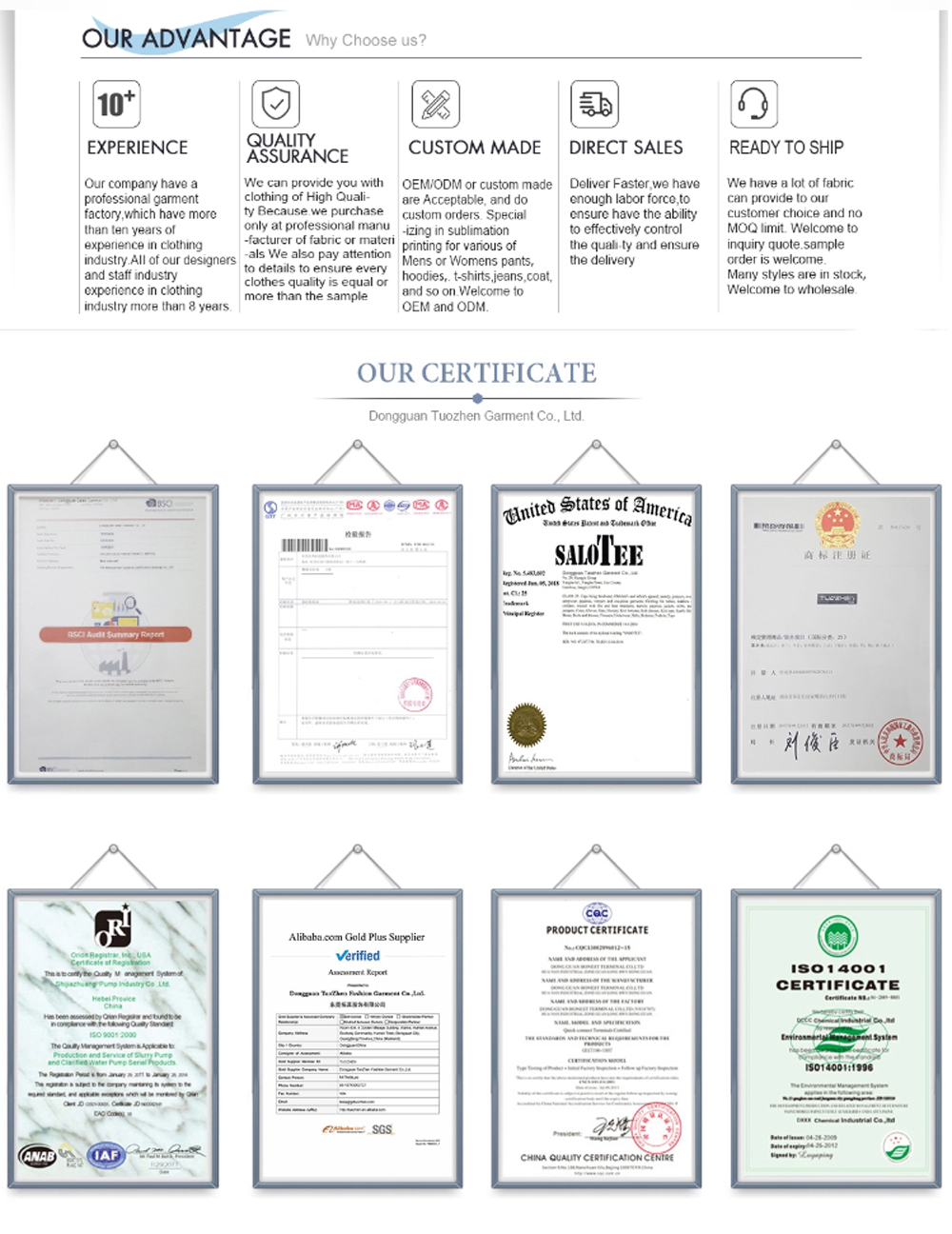
What quality certifications do your fabrics carry?
The Complete Buyer’s Guide to Cotton Jersey Knit Fabric
Learn how to source premium cotton jersey knit fabric with confidence. This guide covers supplier evaluation criteria, quality standards, customization options, and critical mistakes to avoid when choosing your manufacturer.
1. What is Cotton Jersey Knit Fabric?
Cotton jersey knit fabric is a single-layer, warp-knit textile made from 100% cotton or cotton-rich blends, characterized by a smooth face and textured back. Unlike woven fabrics, which use interlocking threads in horizontal and vertical directions, jersey is created by looping yarn in continuous vertical columns—a production method that has dominated casual apparel manufacturing since the 1920s. Single knit jersey features loops only on the face side, while double knit (sometimes called interlock) adds a second layer of loops for added weight and stability, typically ranging from 140–210 GSM compared to single knit’s 120–180 GSM.
The signature qualities of cotton jersey knit fabric make it indispensable for streetwear and casual basics: superior breathability due to the open loop structure, natural drape that follows the body without stiffness, and reliable stretch recovery that returns to its original shape after repeated wear. Ring-spun cotton jersey—yarn spun using the traditional ring-frame method—delivers a softer hand feel and reduced pilling compared to open-end spun alternatives, justifying its premium in the market.
Brands across 100+ countries choose cotton jersey knit fabric for t-shirts, hoodies, long-sleeves, and loungewear because it balances comfort, durability, and production efficiency. The fabric’s inherent elasticity reduces the need for synthetic fibers, and its OEKO-TEX and GOTS certification options appeal to sustainability-conscious manufacturers. Unlike heavy fleece or stiff interlock, jersey delivers the lightweight, form-fitting silhouette that defines modern streetwear aesthetics—a reason why independent designers and influencer brands prioritize it for signature collections.
2. Evolution & Market History
Jersey knit emerged in industrial UK textile mills during the 1970s and 1980s, designed initially as a lighter alternative to heavier rib knits for casual wear. The fabric’s breathability and comfort made it ideal for basic t-shirts and layering pieces that early street culture embraced.
By the 1990s, cotton jersey knit fabric became the foundational textile for streetwear, hip-hop, and skate culture as brands prioritized affordable, durable basics over tailored silhouettes. Its soft hand-feel, consistent drape, and ability to showcase bold graphics through screen printing and embroidery made it the default choice for independent designers and mass retailers alike.
Production shifted decisively to Southeast Asia and China between 2000 and 2015, driven by labor costs and established textile infrastructure in regions like Guangdong Province. Modern manufacturers now integrate automation, digital pattern grading, and real-time quality monitoring to maintain 200–280 GSM densities and thread counts that define premium cotton jersey knit fabric.
Recent years have seen a pivot toward certified cotton sources (GOTS, OEKO-TEX) and closed-loop dye houses, with five-step in-process QC becoming industry standard among quality-focused makers. Rising demand from fast-fashion retailers and athleisure brands has driven R&D into performance finishes—moisture-wicking treatments, anti-pill technologies, and color-stability protocols—that extend product lifespan and reduce waste.
3. Types of Cotton Jersey Knit Fabric
Six primary jersey varieties serve different product categories and price points. Each offers distinct GSM ranges, hand-feel, durability, and cost profiles.
| Type | GSM Range | Typical Use | Cost Multiplier |
|---|---|---|---|
| Single Knit | 130–180 | Basic t-shirts | 1.0x |
| Double Knit | 280–450 | Hoodies, sweatshirts | 1.4–1.6x |
| Piqué | 180–220 | Polos, premium basics | 1.25–1.35x |
| Heathered | 150–200 | Streetwear | 1.15–1.2x |
| Slub | 140–190 | Contemporary streetwear | 1.2–1.3x |
| Pigment-Dyed | 160–210 | Vintage streetwear | 1.3–1.5x |
Single Knit Jersey
Single knit runs 130–180 GSM, the lightest and most economical jersey. One-needle construction creates soft, breathable fabric ideal for basic t-shirts and summer wear.
Limited stretch recovery makes it unsuitable for structured garments, but minimal cost suits high-volume brands.
Double Knit Jersey
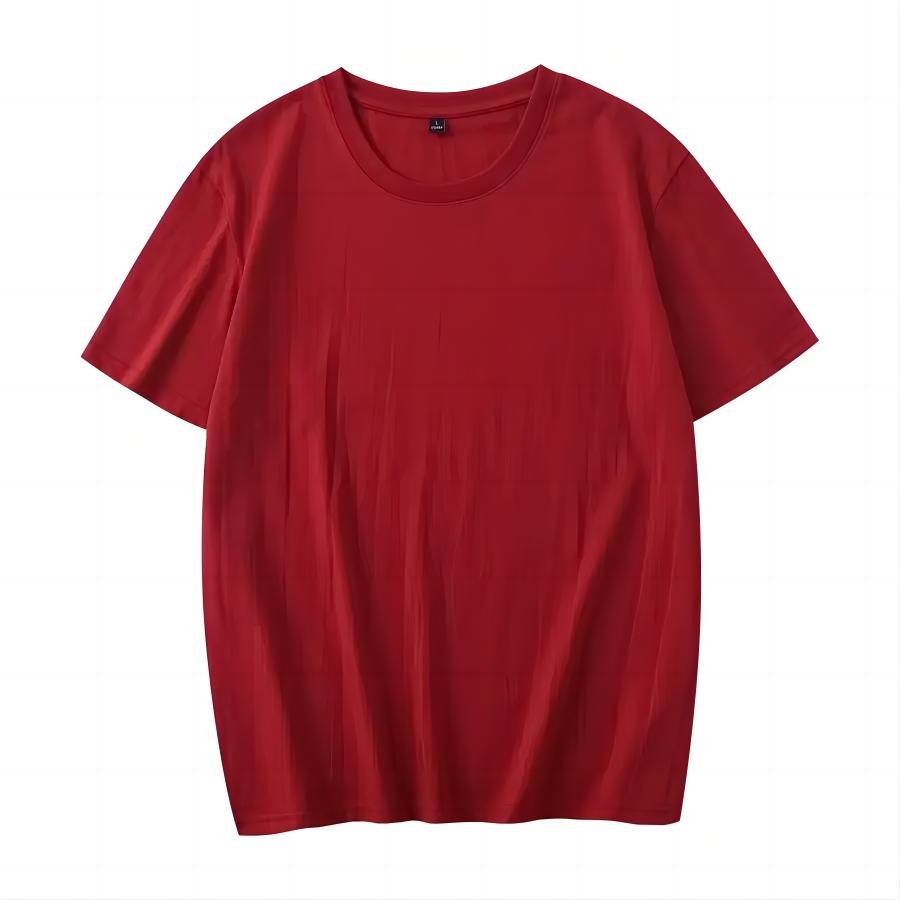
Double knit weighs 280–450 GSM with superior durability and shape retention. Interlocking needles create dense fabric that resists pilling, dominating hoodie and sweatshirt production.
Expect 40–60% price premiums over single knit for premium positioning.
Piqué Jersey
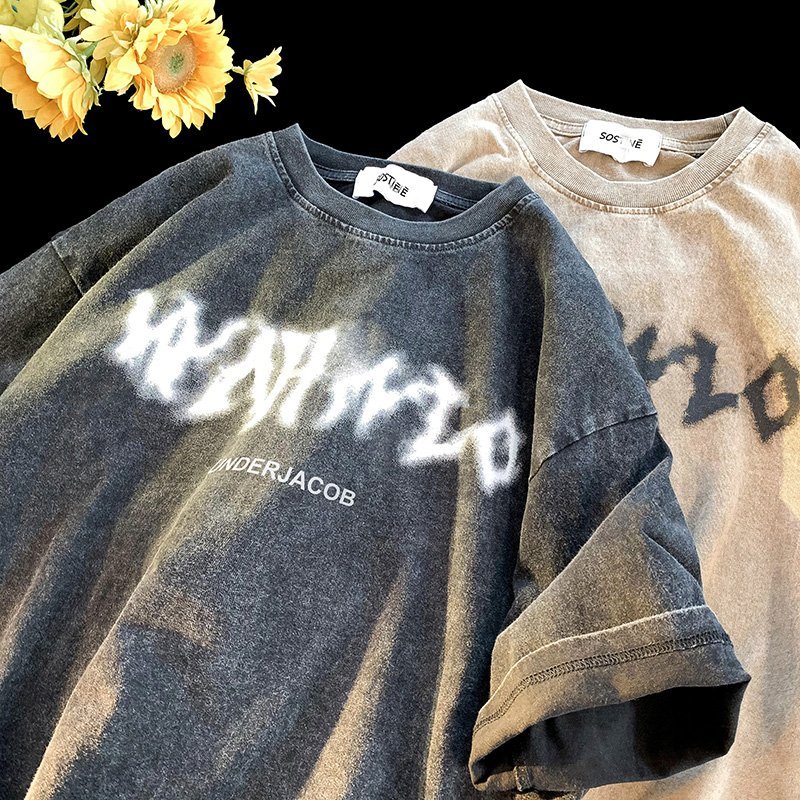
Piqué ranges 180–220 GSM with a raised, textured surface. Three-needle construction delivers a quilted appearance for polos and elevated basics.
Requires technical expertise and commands 25–35% premiums.
Heathered Jersey
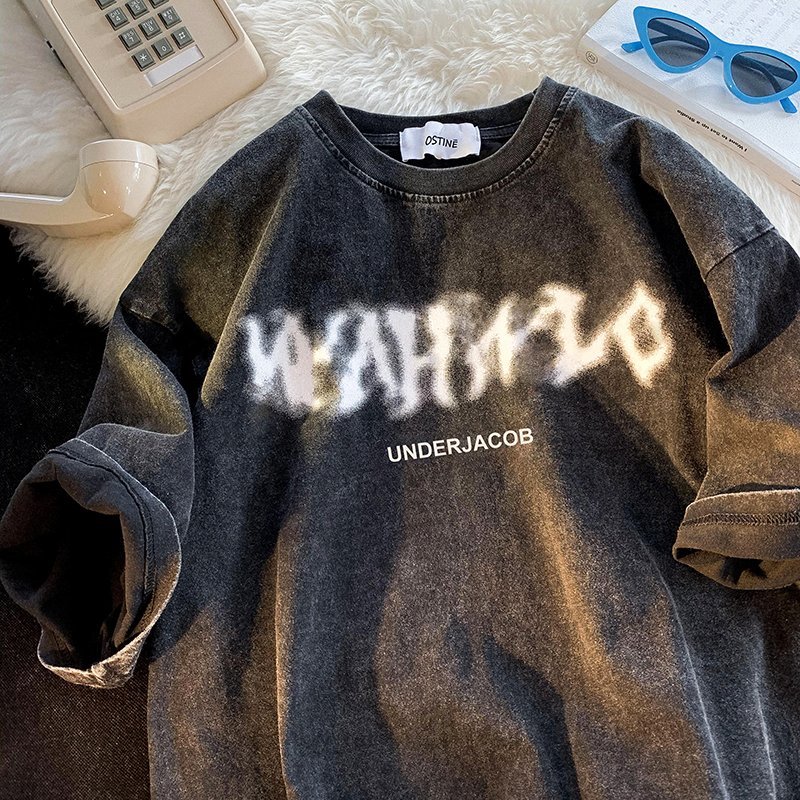
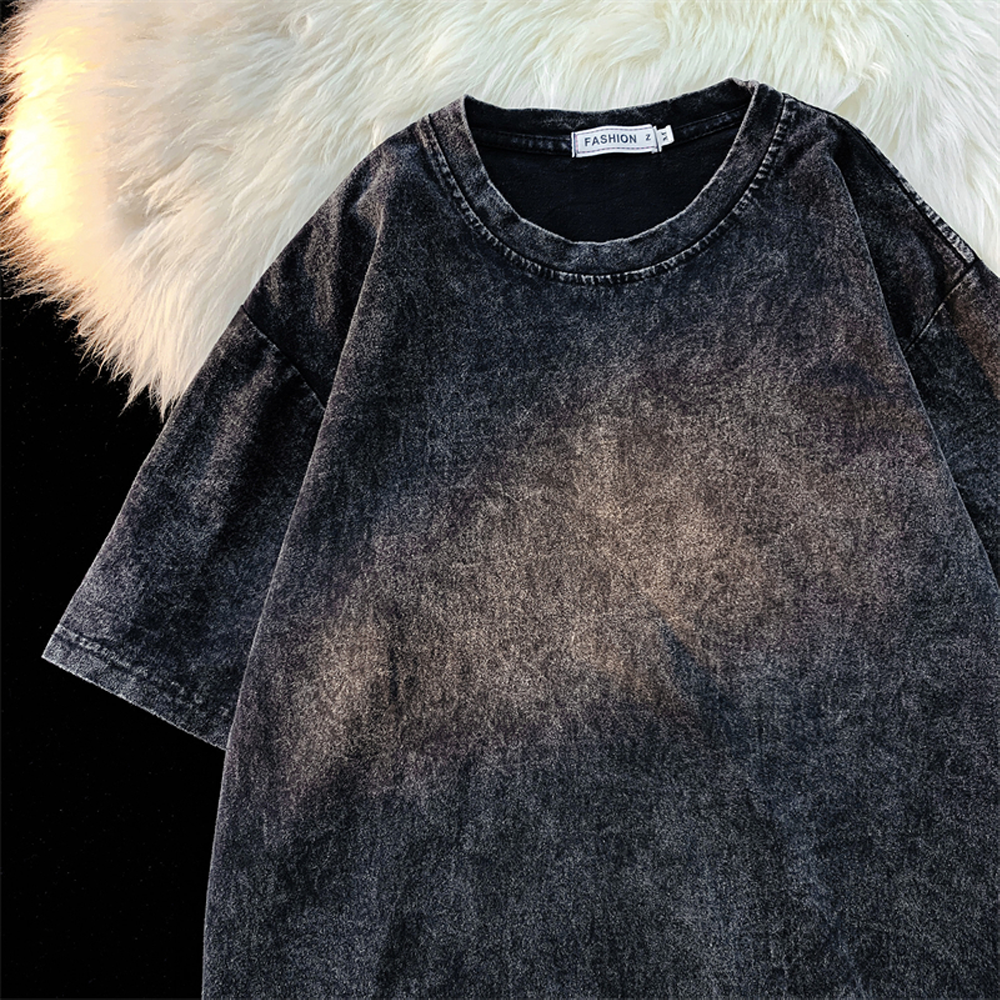
Heathered blends colored and white fibers before knitting at 150–200 GSM, creating mottled, vintage aesthetics. Popular in streetwear, it costs 15–20% more than solid single knit while providing visual distinction without screen printing.
Slub Jersey
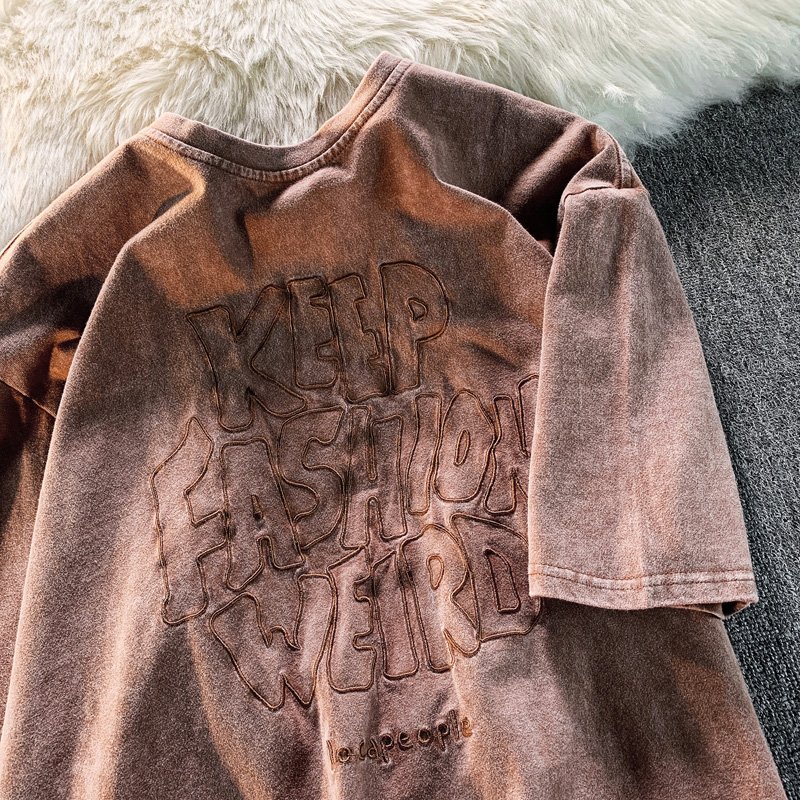
Slub yarn contains intentional irregularities for an artisanal appearance at 140–190 GSM. Trendy in contemporary streetwear, slub costs 20–30% more due to specialized yarn.
The irregular texture conveys authenticity.
Pigment-Dyed Jersey
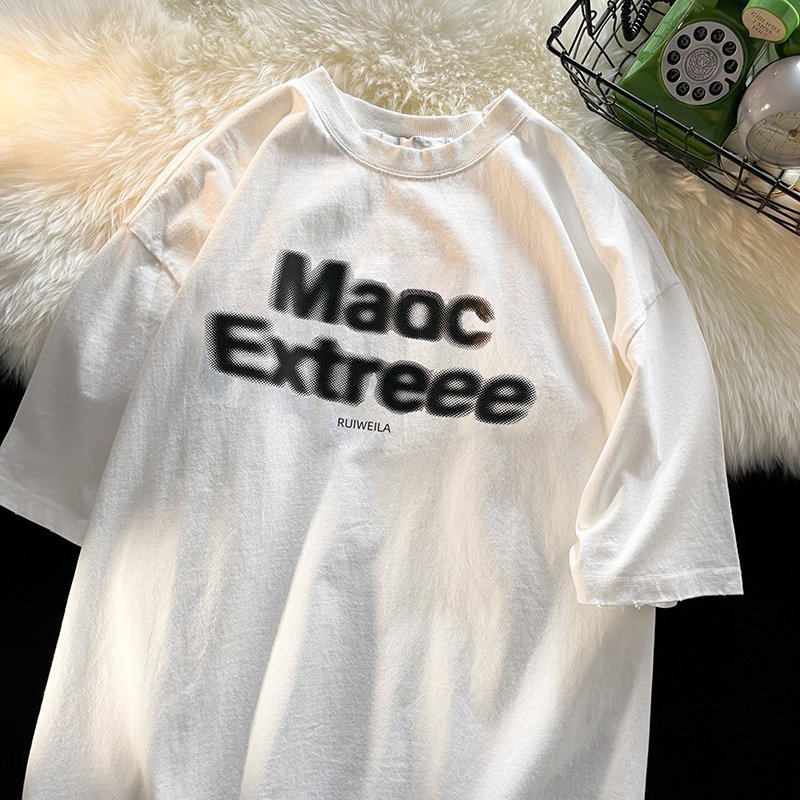
Pigment dyeing applies color after construction, creating intentionally faded, weathered looks at 160–210 GSM. Essential for vintage streetwear, it adds 30–50% to base costs.
Requires precise chemistry for consistent results.
4. Materials & Fiber Composition
Cotton jersey construction starts with fiber selection and GSM weight. These foundational choices directly impact durability, stretch, and production costs. Understanding fiber blends and weight classifications helps match fabrics to brand performance requirements and price targets.
| Fiber Type | GSM Range | Key Benefits | Cost Impact |
|---|---|---|---|
| 100% Cotton | 150–200 | Breathability, lightweight | Base cost |
| 100% Cotton | 200–280 | Industry standard, durability | Base cost |
| 100% Cotton | 280+ | Structure, pilling resistance | +15–25% |
| Cotton-Poly 65/35 | 150–280 | Shrinkage control, care ease | −8–15% |
| Pima Cotton | 150–280 | Softness, strength, durability | +30–50% |
| Organic Cotton | 150–280 | Eco-positioning, GOTS certified | +20–30% |
Understanding GSM & Weight
GSM (grams per square meter) is the industry standard for weight classification. Lightweight jersey at 150–200 GSM drapes freely and suits warm-weather pieces.
Mid-weight (200–280 GSM) is standard for t-shirts and everyday wear. Heavyweight (280+ GSM) provides structure for hoodies and resists pilling through repeated washing.
Fiber Blends & Quality
100% cotton jersey maximizes breathability and comfort but can shrink 3–5% without proper finishing. Cotton-polyester blends (typically 65/35) reduce shrinkage to under 2% and lower production costs by 8–15%.
Upland cotton (90% of global supply) is affordable but prone to pilling. Pima cotton offers superior softness at 30–50% premium. Organic cotton adds 20–30% cost but supports eco-conscious positioning with GOTS certification.
Cost & Performance Decisions
Premium fibers enhance brand perception but compress margins on budget lines. Lighter GSM reduces shipping costs by 5–8%, critical for international expansion.
Blend selection affects care requirements: 100% cotton needs consumer care instructions, while poly blends tolerate casual laundering. Clothing Manufacturer Ltd. validates all combinations through five-step QC to ensure durability and customer satisfaction.
5. Customization & Decoration Options
Cotton jersey knit fabric’s aesthetic and longevity depend entirely on finishing and decoration choices. Each method—from dyeing to embellishment—carries distinct lead-time costs, durability implications, and visual impact on your final brand positioning.
Standard Finishes for Cotton Jersey
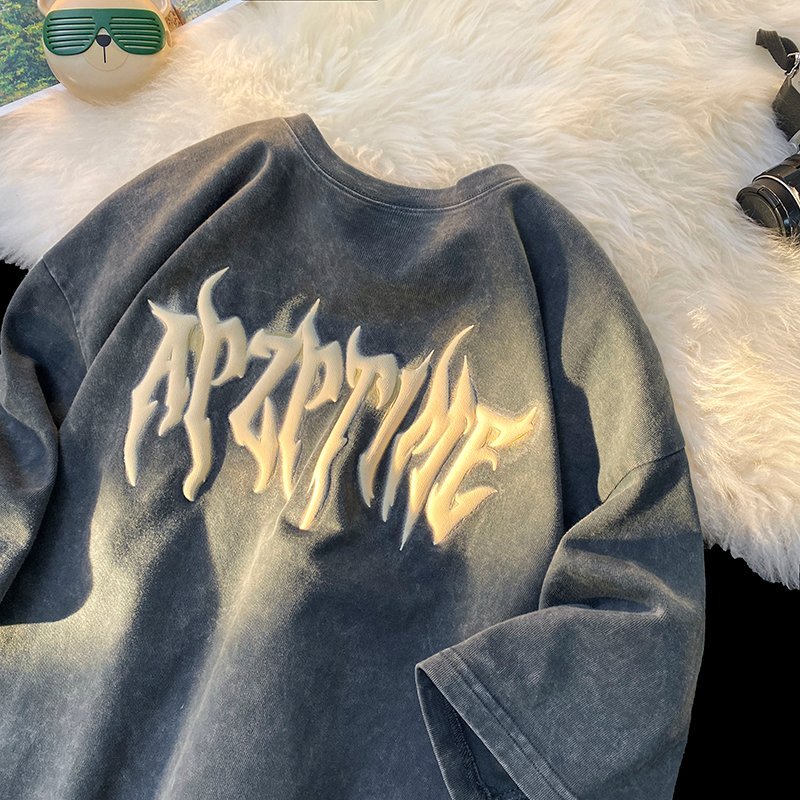
Pre-shrunk finishing controls residual shrinkage to 2-3%, essential for fit consistency. Enzyme-washing adds softness with a vintage feel; stonewashing creates the aged aesthetic popular in streetwear.
Lead times: pre-shrunk 1-2 weeks (+8-12% cost), enzyme-wash 2-3 weeks (+10-15% cost), stonewash 3-4 weeks (+12-18% cost).
Reactive & Vat Dyeing
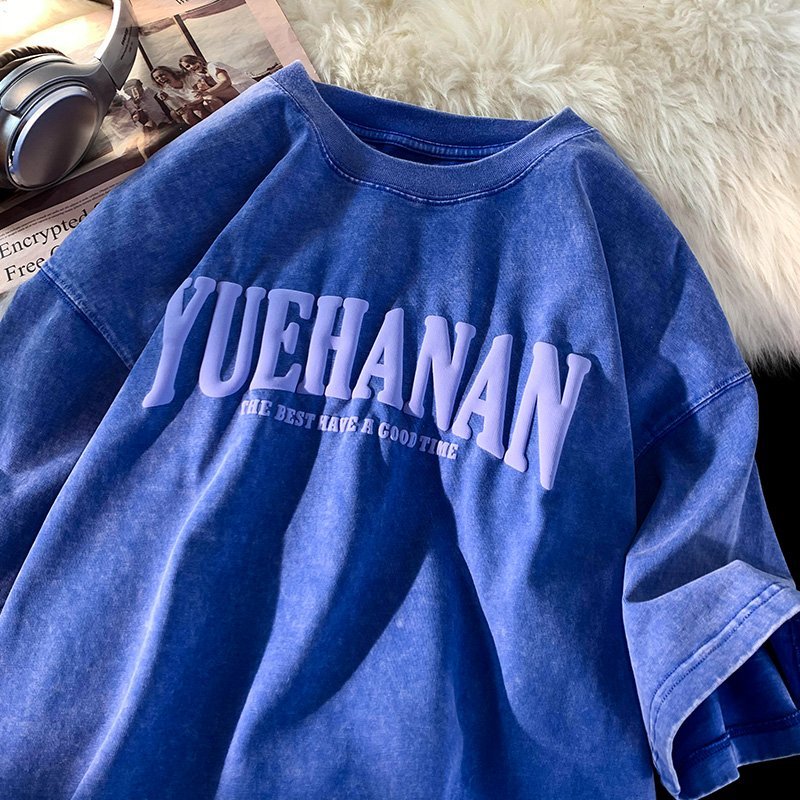
Reactive dyes deliver vibrant colors with Grade 3-4 wash fastness on cotton jersey. Vat dyes achieve darker shades with superior Grade 4-5 fastness; processing adds 3-5 weeks to lead time.
Discharge printing removes dye for vintage effects (+2-3 weeks). Choose based on aesthetic: reactive for bright streetwear, vat for deep color, discharge for retro positioning.
Screen Printing vs. Embroidery vs. DTG
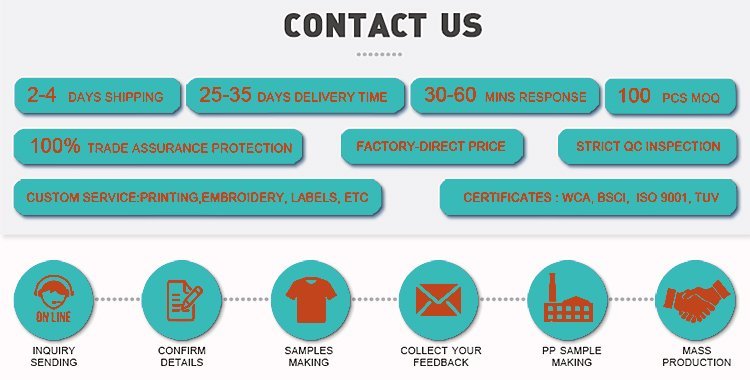
Screen printing is the industry standard for cotton jersey: cost-effective, durable (Grade 4-5 fastness), ideal for high-volume runs. Each color adds $0.20-0.40 per unit at 500+ MOQ.
Embroidery costs 2-4x more with 2-4 week lead time but delivers premium aesthetic. Direct-to-garment (DTG) printing offers photo-quality detail on smaller MOQs (100+ units) but costs $3-8 per print and shows lower wash fastness (Grade 2-3).
Lead Times & Cost Factors
Decoration and finishing layers compound lead time and cost. Combining multiple processes—dye plus screen print, for example—requires sequential production steps. The table below maps the time and cost impact of each common method, assuming 500+ MOQ orders.
| Method | Lead Time | Cost per Unit | Fastness |
|---|---|---|---|
| Pre-shrunk | 1-2 weeks | +$0.10-0.20 | N/A |
| Reactive dye | 2-3 weeks | +$0.30-0.50 | 3-4 |
| Vat dye | 3-5 weeks | +$0.50-0.80 | 4-5 |
| Screen print (1 color) | 1-2 weeks | +$0.40-0.80 | 4-5 |
| Embroidery | 2-4 weeks | +$1.50-3.00 | N/A |
| DTG print | 1-2 weeks | +$3.00-8.00 | 2-3 |
6. Key Quality Elements in Cotton Jersey Knit Fabric
Cotton jersey knit fabric quality depends on rigorous testing at every production stage. Critical QC checkpoints—from fiber integrity to finished seams—separate premium products from unreliable stock. Third-party laboratory certification against AATCC and ISO standards ensures your fabric meets both buyer expectations and brand reputation standards.
Pilling Resistance & Surface Quality
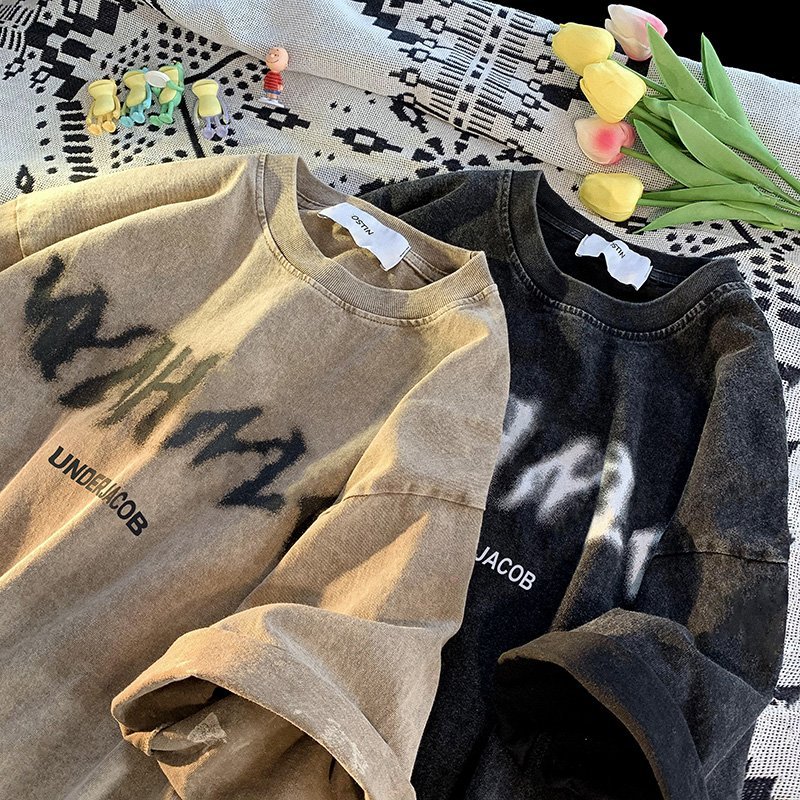
Needle slubs (uneven yarn thickness) create visible bumps on cotton jersey knit fabric. Pilling—fabric balling under friction—compromises durability. These defects are caught during materials QC (inspection under 2–5× magnification) and surface-quality testing per ASTM D3786, grading pill resistance 0–5.
Shrinkage & Dimensional Stability
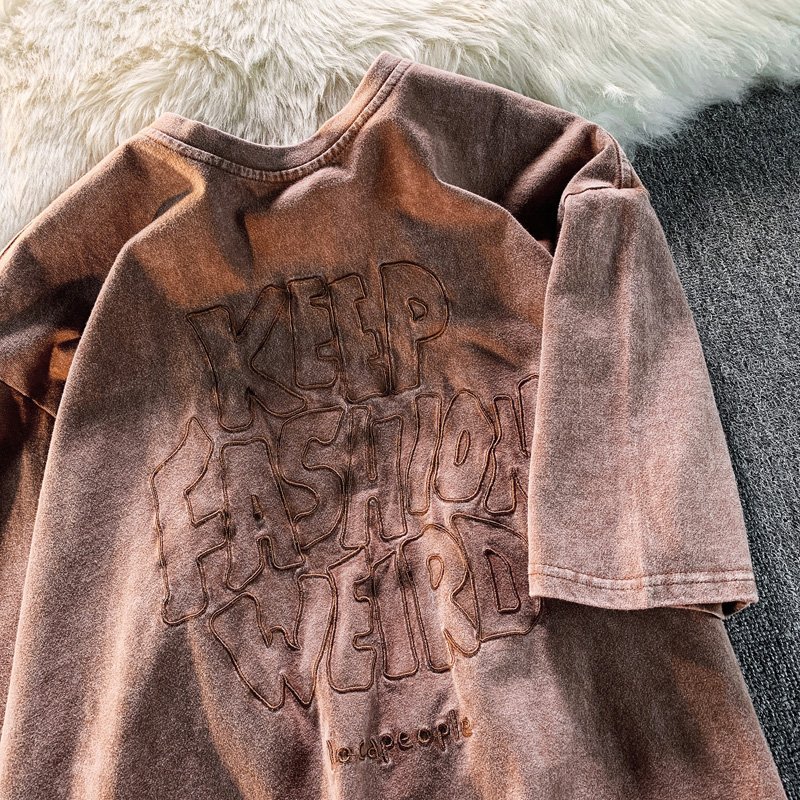
ISO 6330 or AATCC 124 methods measure shrinkage after wash cycles. Cotton jersey typically shrinks 3–8% in both directions; precise tolerances prevent fit complaints. This test occurs in the finished-goods QC stage to validate dye-lot consistency and pre-shrunk specifications for retail labeling.
Color Fastness Requirements
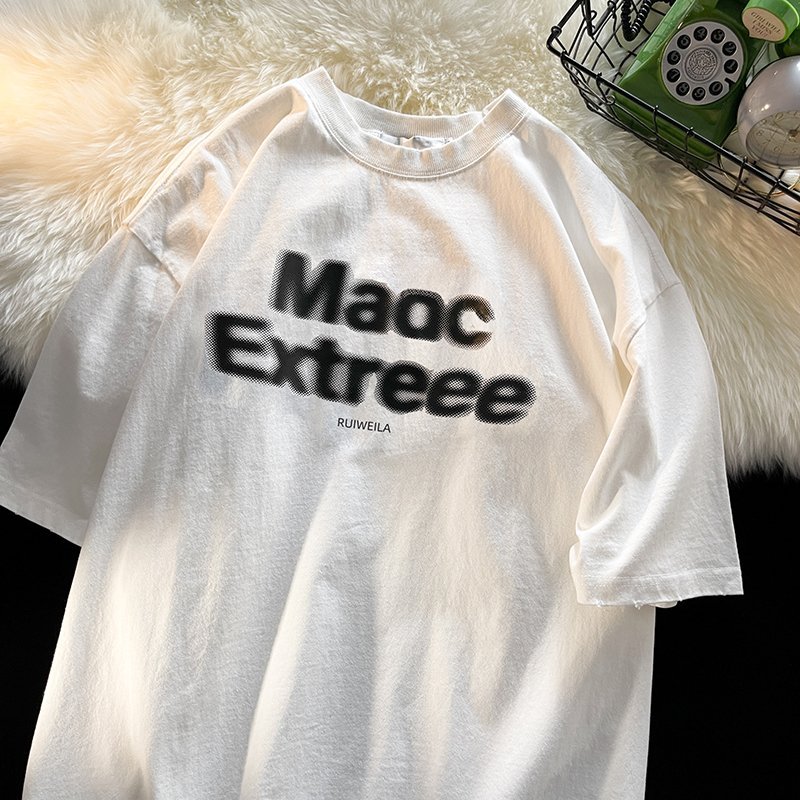
AATCC 16 and ISO 105 evaluate color stability to washing, rubbing, and light exposure. Grades 3–5 are commercial-acceptable; Grade 5 (excellent) commands premium positioning. Certified dye-house testing is non-negotiable for piece-dyed and printed cotton jersey products.
Seam Strength Standards
ISO 13017 measures seam rupture force under tension. Finished cotton jersey seams require ≥40–60 N (newtons) minimum to withstand consumer wear and repeated laundering. This QC checkpoint validates thread quality, stitch density, and construction method—critical in the sewing production QC stage.
Print & Adhesion Durability
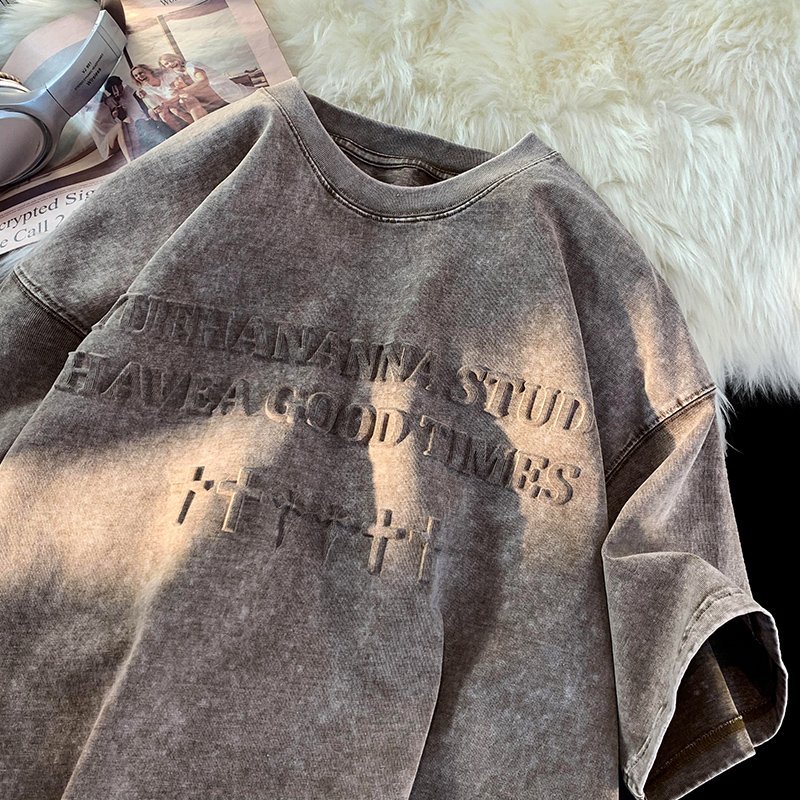
Screen prints and direct-to-garment designs must pass AATCC 61 (wash resistance) and hand-rub tests. Poor adhesion causes cracking or fading after 5–10 washes. Certified testing during finished-goods inspection prevents costly recalls and brand damage.
Third-Party Certification Value
Accredited laboratory reports (AATCC, ISO, OEKO-TEX) provide independent verification. Transparent QC documentation across all five stages—materials, cutting, craft, sewing, and finished goods—protects your brand credibility and assures retail partners of consistent quality for cotton jersey products.
7. How to Choose a Cotton Jersey Manufacturer
Selecting a cotton jersey knit fabric manufacturer requires evaluating production capacity, quality certifications, and operational reliability. Prioritize suppliers who offer flexible MOQs, transparent pricing, consistent lead times, and documented quality control.
Production Capacity & MOQ Flexibility
Most cotton jersey manufacturers enforce 500–1,000-unit minimum orders, but specialized factories offer 300-unit MOQs for emerging brands.
Confirm annual production capacity, staffing levels, and whether they maintain buffer stock for rush orders or work on made-to-order only.
Certifications & Standards
OEKO-TEX Standard 100, GOTS, and WRAP certifications verify compliance with environmental, safety, and labor standards. Request third-party lab test reports and audit documentation; manufacturers claiming only in-house testing are a red flag.
Sample Turnaround & Lead Times
Professional factories deliver samples within 7–14 days and production runs within 30–45 days for standard orders.
Quotes exceeding 60 days for sampling suggest capacity constraints; compare turnarounds against benchmarks to identify reliable partners.
Pricing & Transparency
Transparent suppliers provide itemized quotes breaking down fabric cost, labor, and finishing separately.
Red flags: refusing to justify per-unit costs, dramatic sample undercutting, or ‘surprise’ charges post-confirmation—these often indicate quality shortcuts.
Key Questions to Ask
Suppliers responding quickly with specific answers and inviting site visits demonstrate confidence and transparency in their operations.
- What is your five-step quality control process and testing timeline?
- Can you provide references from established streetwear brands?
- Which certifications (OEKO-TEX, GOTS, WRAP) do you hold?
- How do you manage rush orders or custom specifications?
8. Common Mistakes Buyers Make
Purchasing cotton jersey knit fabric without quality-first strategy creates cascading problems. Many buyers default to lowest-cost vendors, vague specs, and minimal pre-production oversight—mistakes that surface only after thousands of units are cut.
Price-Only Sourcing
The cheapest quote rarely yields the lowest landed cost. Budget suppliers skip QC to meet price targets, often running 8-12% defect rates versus 1-2%.
Scrap, remakes, and logistics overhead dwarf price savings. Viable suppliers embed quality checks into every production stage.
Ignoring Shrinkage Allowances
Standard cotton jersey shrinks 3-5% unless pre-shrunk. Buyers who omit shrinkage specs face fit issues.
A 5,000-unit run sized for zero shrinkage becomes unwearable. Specify pre-shrink treatment or +3-5% pattern allowances in your sample approval.
Underestimating Lead Times
Standard lead time is 30-45 days ex-factory, plus 10-15 days transit. Booking production 20 days before launch triggers 20-40% rush premiums.
Transparent suppliers confirm real timelines and flag bottlenecks upfront. Plan backwards from ship date, not order date.
Not Specifying GSM or Fiber Blend
Jersey weight ranges 140-180 GSM; lighter feels flimsy, heavier stiff. Vague specs invite cheaper open-end substitutes or lower GSM blends.
Specify GSM, fiber content, and spin type in writing. Request GSM test results on pre-production samples.
Skipping Pre-Production QC
Defects in materials cost pennies; defects in finished goods cost dollars. A single flaw in 5,000 units forces remake or heavy discount.
Rigorous suppliers run five QC gates. Inspect fabrics and pre-production samples yourself or hire third-party QC audit.
Not Requesting Swatch Approvals
Pantone match, hand-feel, shrinkage, and finish must be locked in writing before cutting. Verbal approvals invite disputes.
Request physical approved swatches labeled GSM, dye lot, and treatment. This becomes your binding spec against production variations.
9. Steps to Launch Your Cotton Jersey Brand
Launching a cotton jersey knit fabric brand requires 12–16 weeks from concept to shipment. Success requires parallel workflows: define specs, source samples, and negotiate terms simultaneously. Staged quality inspections and documentation eliminate costly delays.
Specify Fabric Technical Requirements
A technical pack specifies fiber content (100% combed cotton or blends), weight (150–300 GSM), construction (single jersey, interlock, rib), and dye method. Include Pantone standards, colorfastness targets (AATCC Grade 4 minimum), and shrinkage tolerances (±3%). Attach swatches for 3–5 colorways and request your manufacturer’s materials QC protocol upfront.
Evaluate Strike-Off Samples
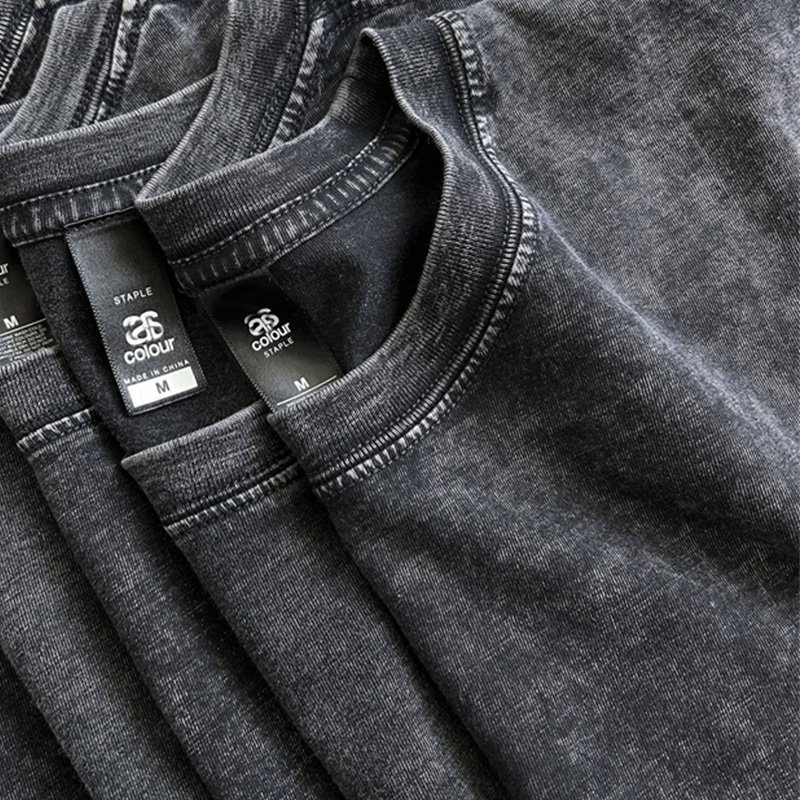
Order samples within 2–3 weeks (cost: 30–50 USD per colorway). Evaluate hand-feel, drape, color match (Pantone), pilling resistance (ASTM D3884), fabric width, shrinkage, and thread count against your spec. Request corrections without charge if samples fall short; never approve on visual inspection alone—lab verification is mandatory.
Negotiate Terms and Lock PO
MOQs for cotton jersey start at 500–1,000 kg per colorway; startups may negotiate lower with experienced partners like Clothing Manufacturer Ltd. Lock payment terms (30–50% deposit, remainder at shipment), lead time, and Incoterms (FOB/CIF). Require written specs, packing lists, and lab certificates before transferring funds.
Track Five-Stage QC
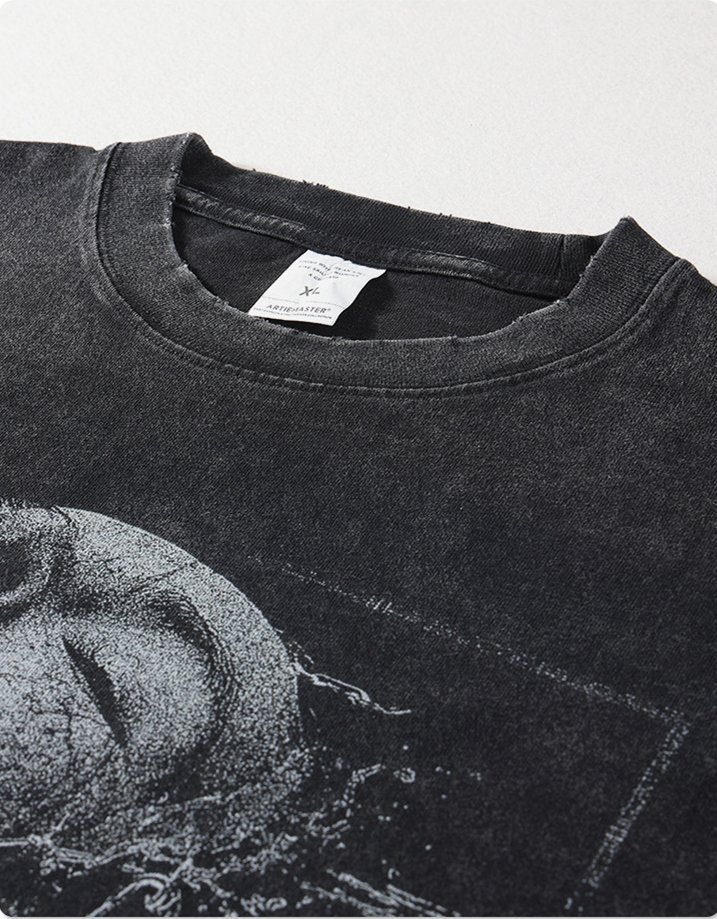
Require QC at five checkpoints: materials (fiber, tensile strength), cutting (ply alignment), sewing (stitch density per ASTM D6775), finished goods (shrinkage, colorfastness, pilling), and pre-shipment 100% inspection. Request weekly inline reports and verify a mid-production sample at 50% production for color and construction alignment. Immediately correct any deviation exceeding ±3% shrinkage or ΔE 2.0 color drift.
Secure Documentation Before Shipment
Before shipment, require full final inspection (100% first-article for orders <10,000 kg), Pantone verification, seam strength data, and colorfastness test reports matching your original spec. Ensure packing lists match invoices by style and colorway, and obtain a Certificate of Analysis covering fiber content, GSM, construction, and safety certifications (OEKO-TEX/GOTS if applicable). These documents are mandatory for North American and EU retail distribution.
10. Pricing & Lead Times
Minimum order quantities (MOQ) for cotton jersey knit fabric garments typically range from 300 to 1,000 units per style. Base unit pricing depends heavily on fabric weight (140–200 GSM), fiber composition, and production volume. Orders under 500 units incur MOQ premiums of 15–25% above the standard tier pricing, while bulk orders of 2,500+ units unlock volume discounts of 10–20%. The cost structure reflects setup costs, minimum production runs, and overhead allocation across smaller batches.
Standard production timelines span 8–12 weeks from pattern approval to finished goods shipment, accounting for material sourcing, quality control testing, cutting, sewing, inspection, and packing. Repeat orders with pre-approved designs and specifications compress lead times to 4–6 weeks, making reorder velocity critical for seasonal restocking and fast-fashion strategy. This distinction rewards brands that maintain consistent design iterations and long-term supplier partnerships.
Custom decoration—screen printing, direct-to-garment (DTG), pigment dyeing, and embroidery—adds $1.50–$4.00 per unit and extends lead time by 2–4 weeks. Rush delivery fees for expedited international shipping cost 20–40% above standard ocean freight. Complex multi-color prints and specialty finishes (OEKO-TEX certification, flame-resistant treatment) compound both cost and schedule.
| MOQ Tier | Unit Price (Base) | Typical Decoration | Lead Time |
|---|---|---|---|
| 300–500 units | $8–$14 | Single-color print | 8–12 weeks |
| 500–1,500 units | $5–$9 | Standard graphics | 8–12 weeks |
| 1,500–2,500+ units | $4–$7 | Complex multi-color | 8–12 weeks |
| Repeat orders (approved designs) | Base rate | Various | 4–6 weeks |
Get Your Cotton Jersey Knit Fabric Sample Today
Request a free cotton jersey knit fabric sample today. Get 7-day turnaround, zero obligation, worldwide shipping, and full access to our 5-step QC guarantee.