
Premium Cut and Sew Manufacturing for Streetwear Brands
Clothing Manufacturer Ltd. delivers cut and sew manufacturing with a proprietary 5-step QC guarantee, low MOQ, and fast turnaround for global streetwear brands and startups.
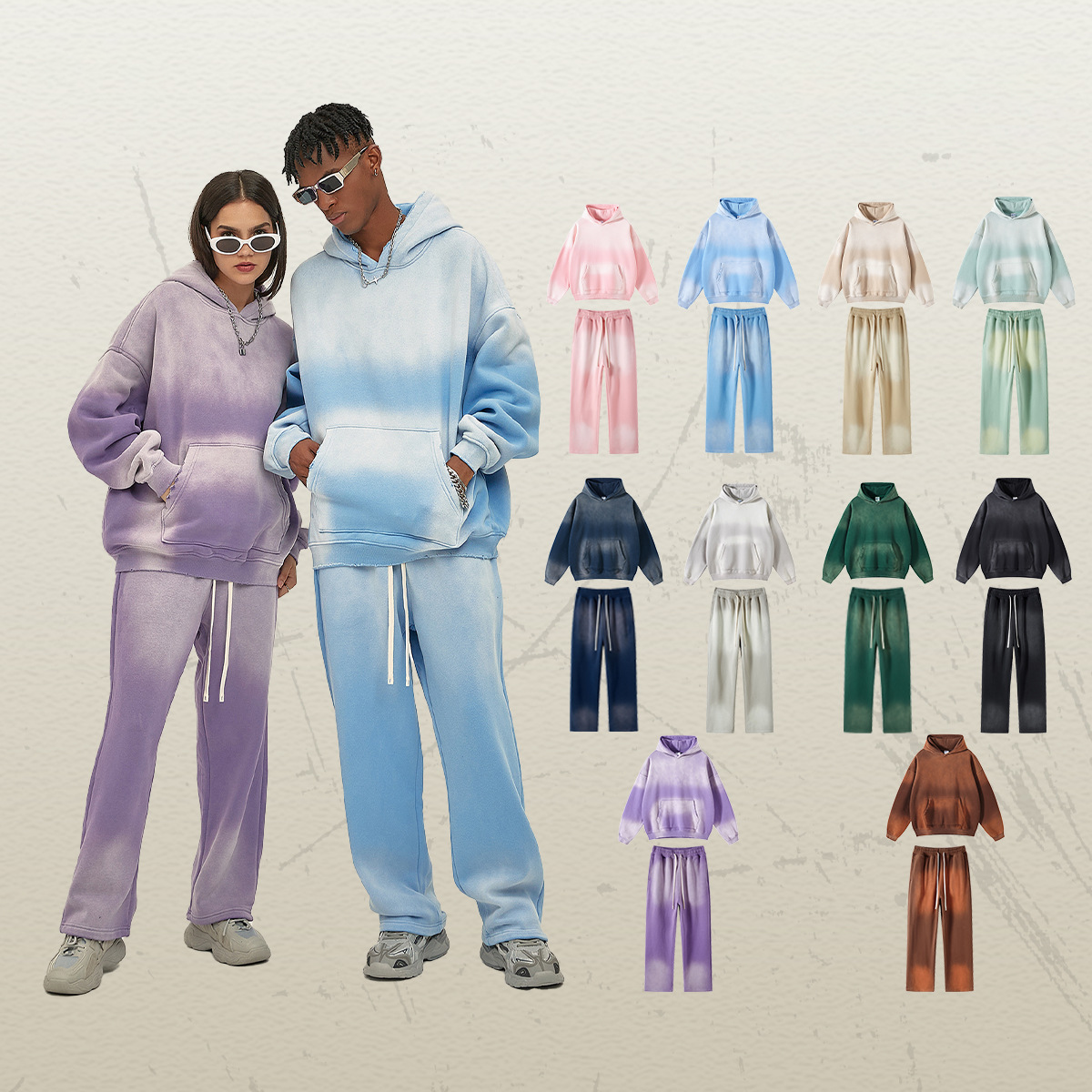
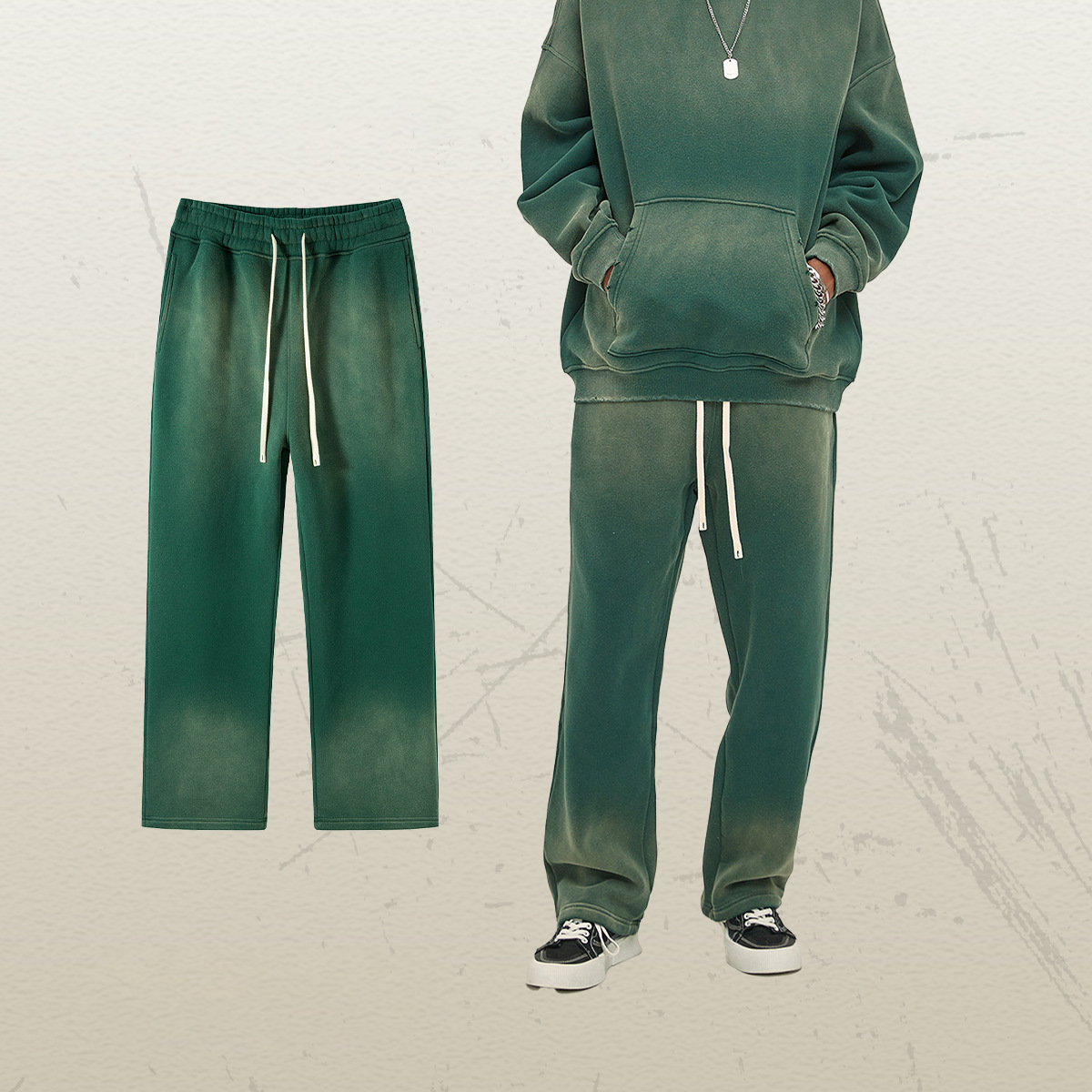
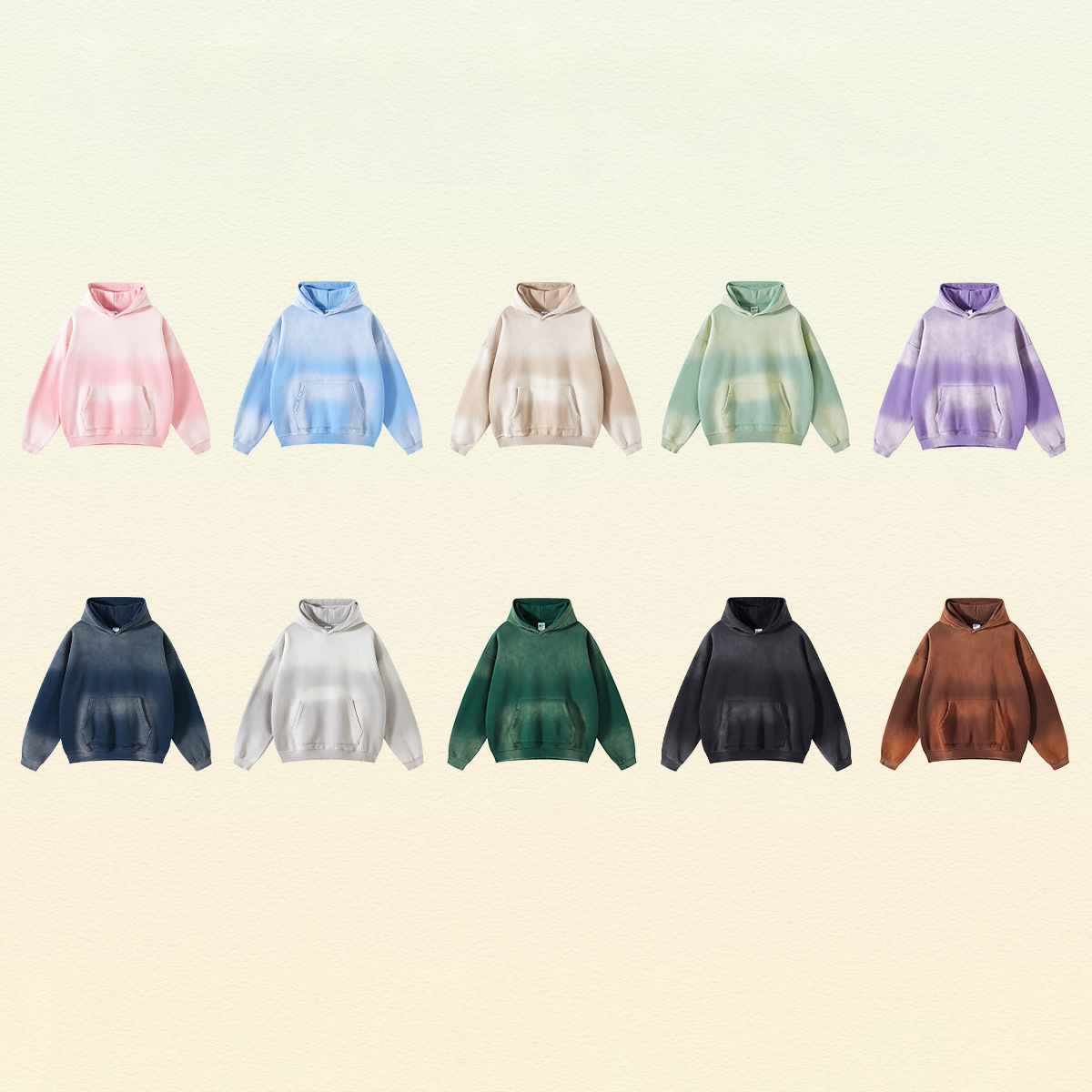
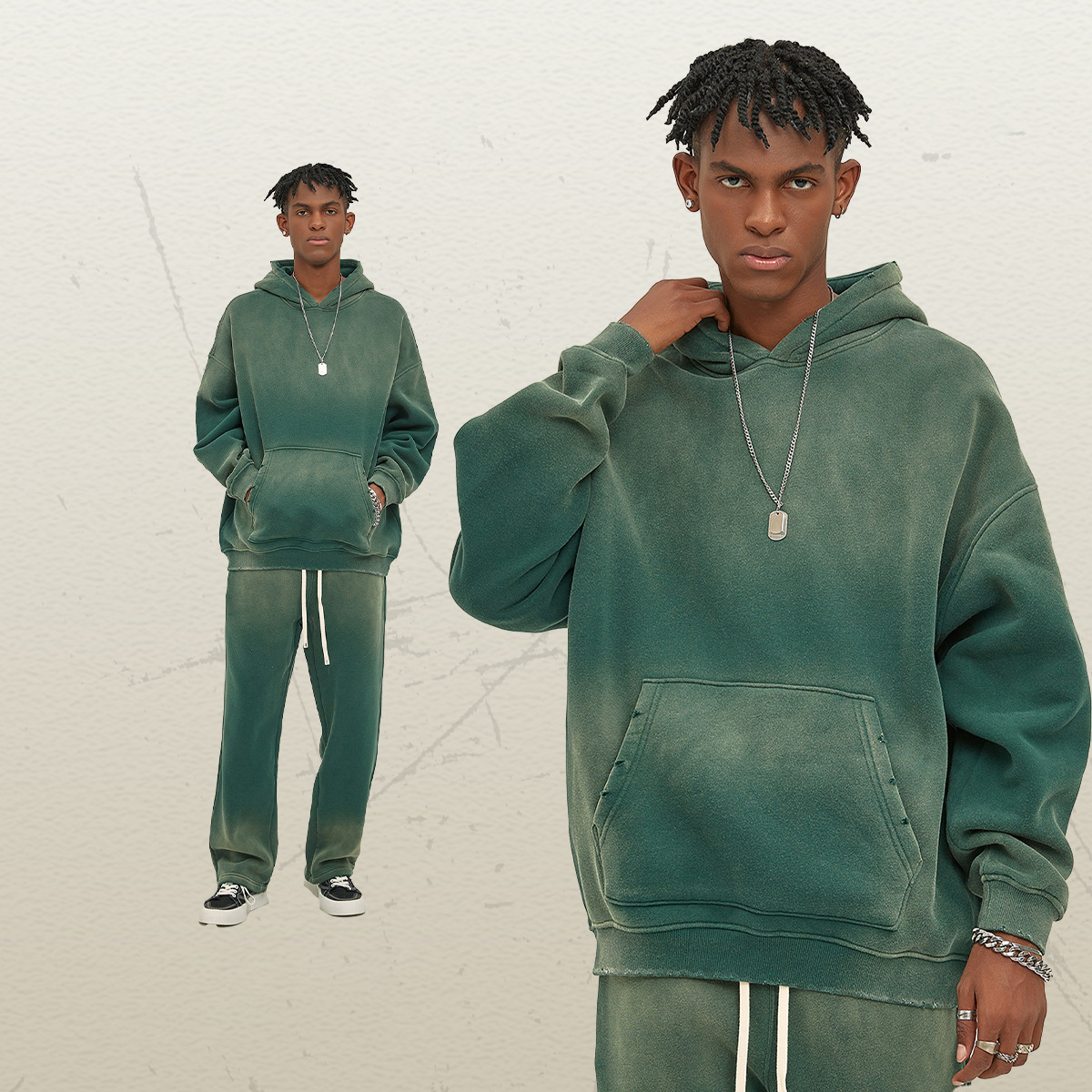
Streetwear Collections We’ve Manufactured
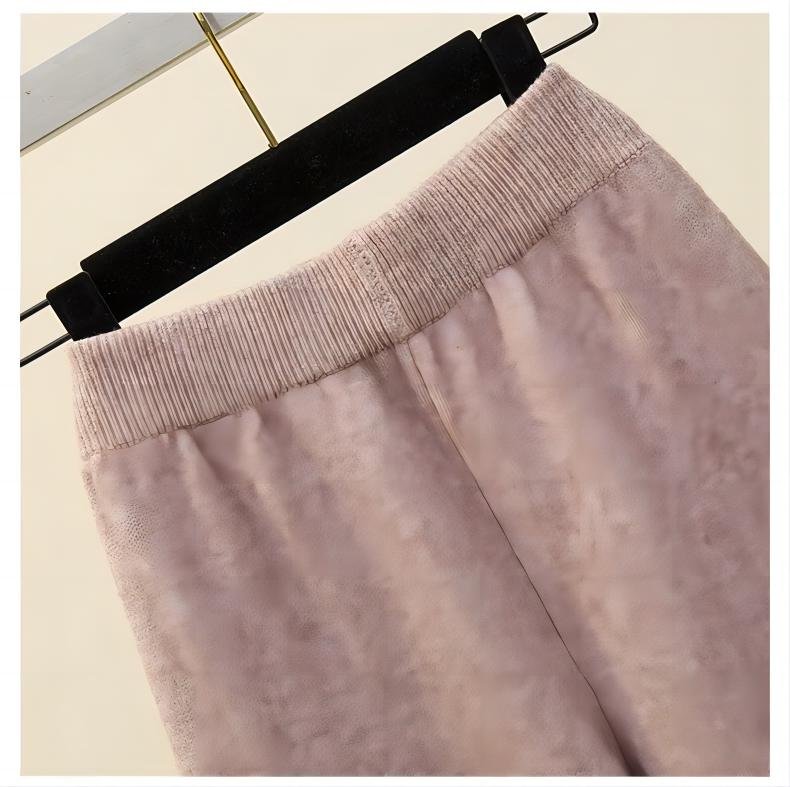
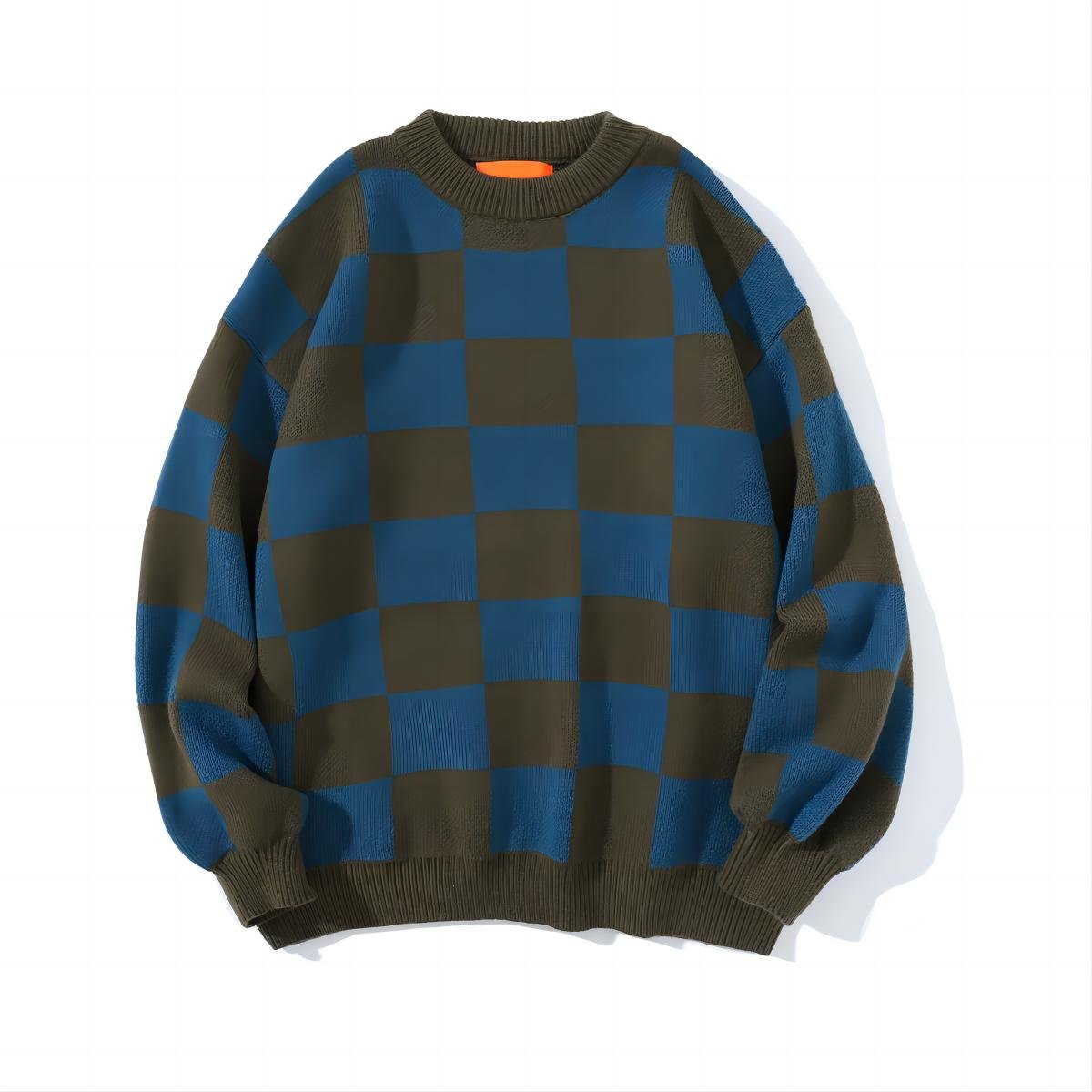
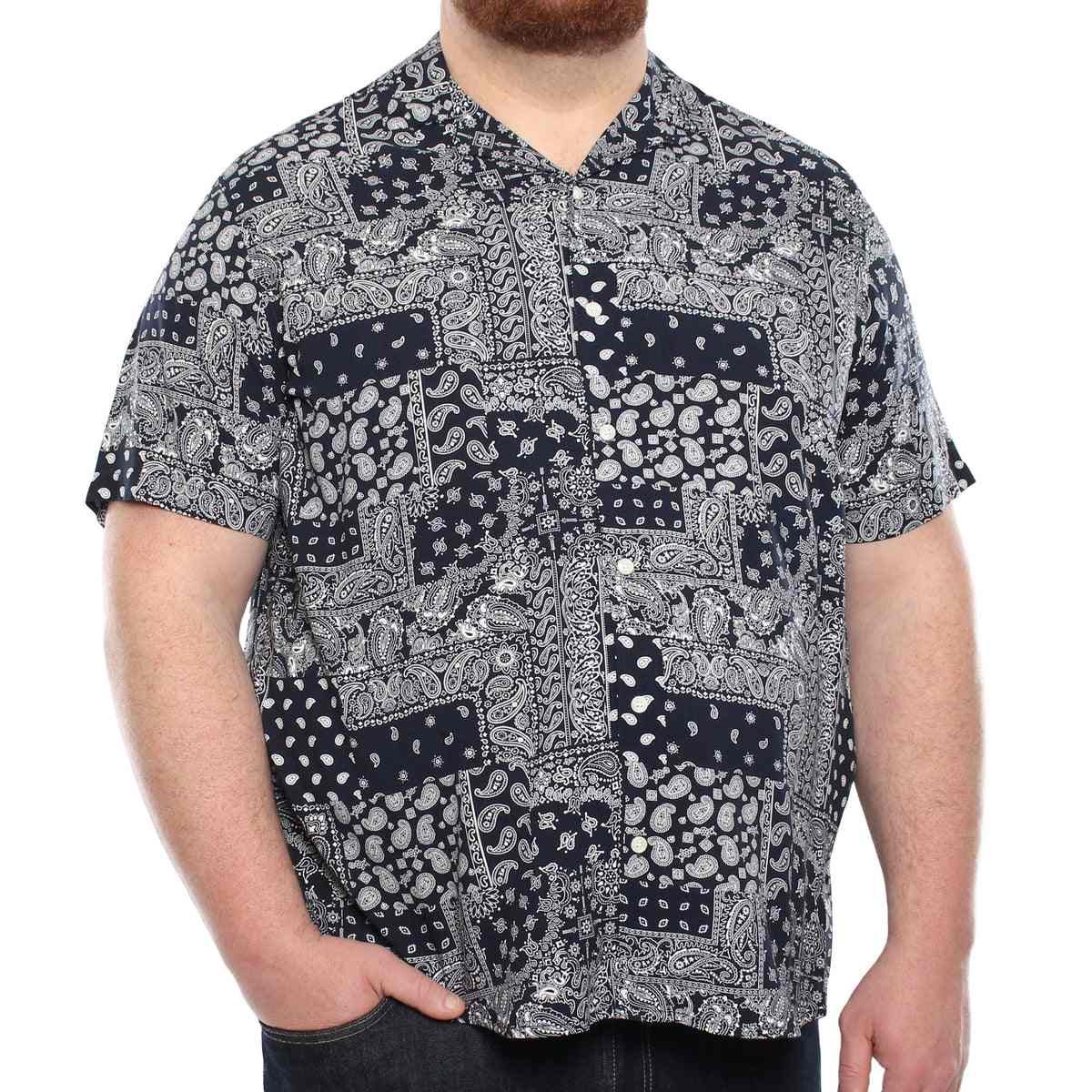
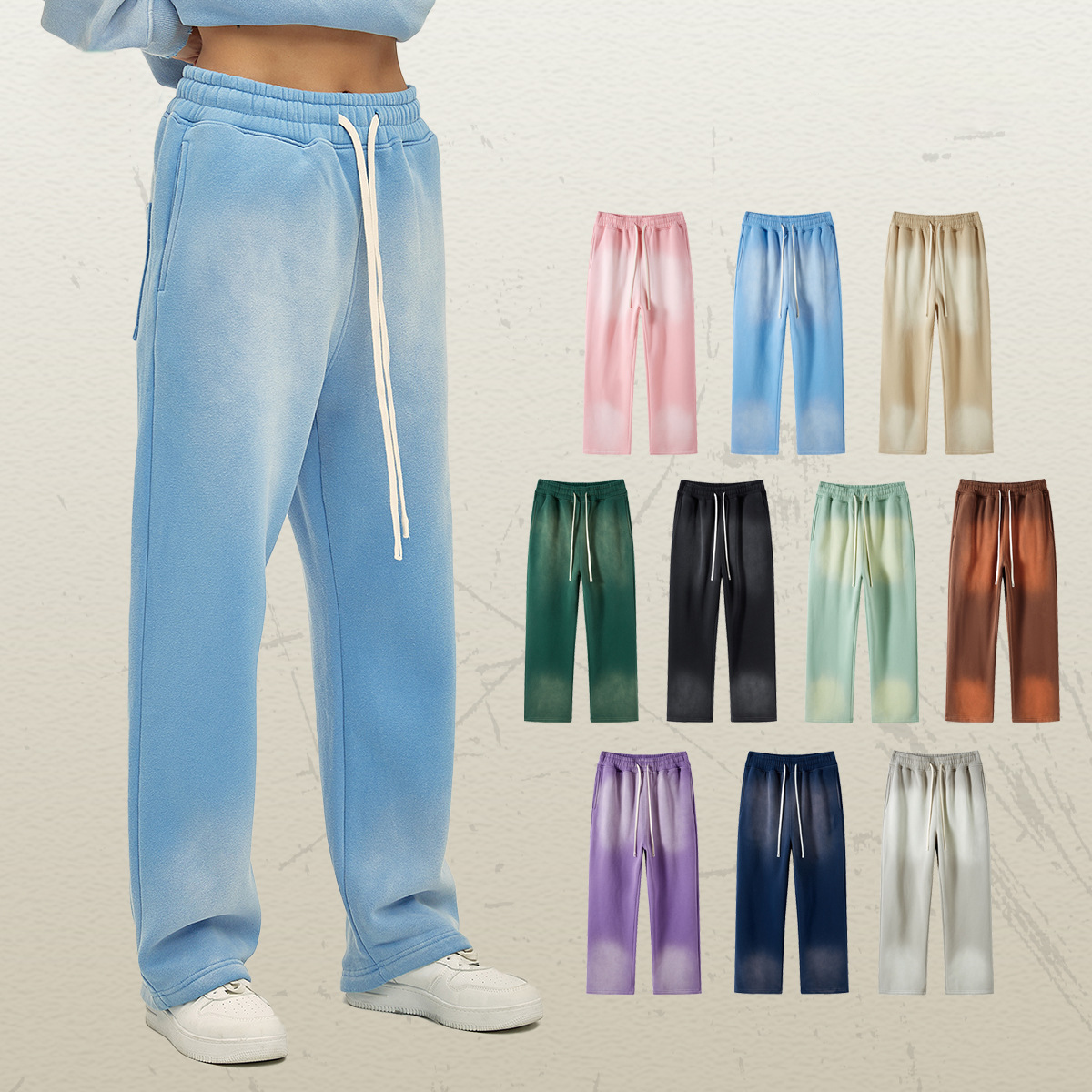
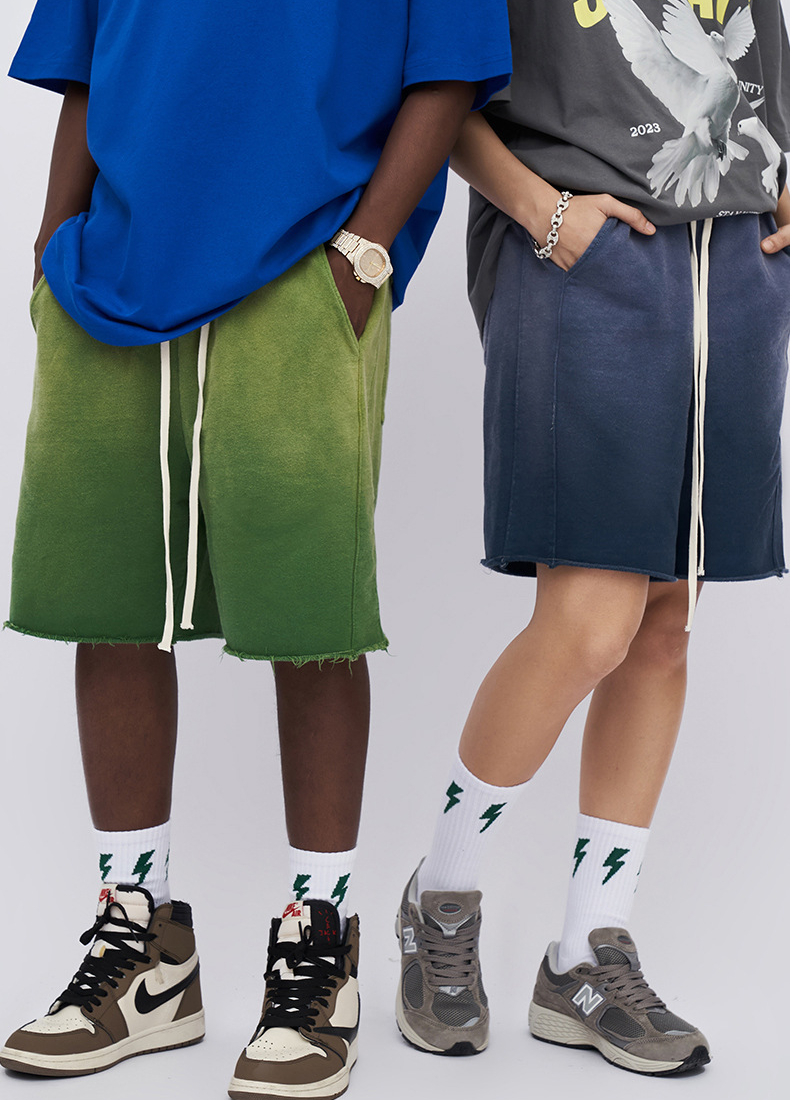
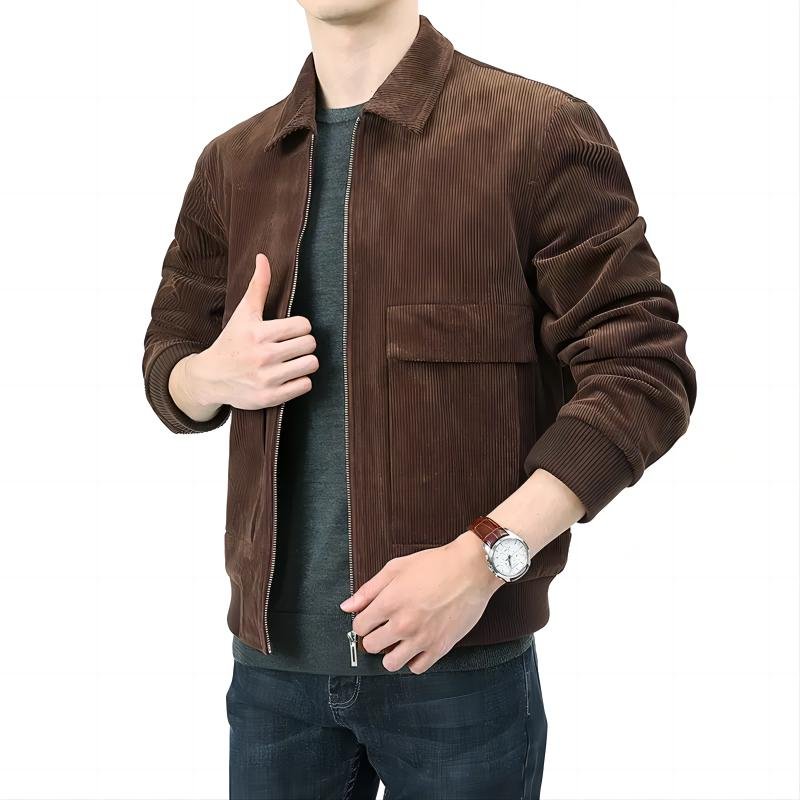
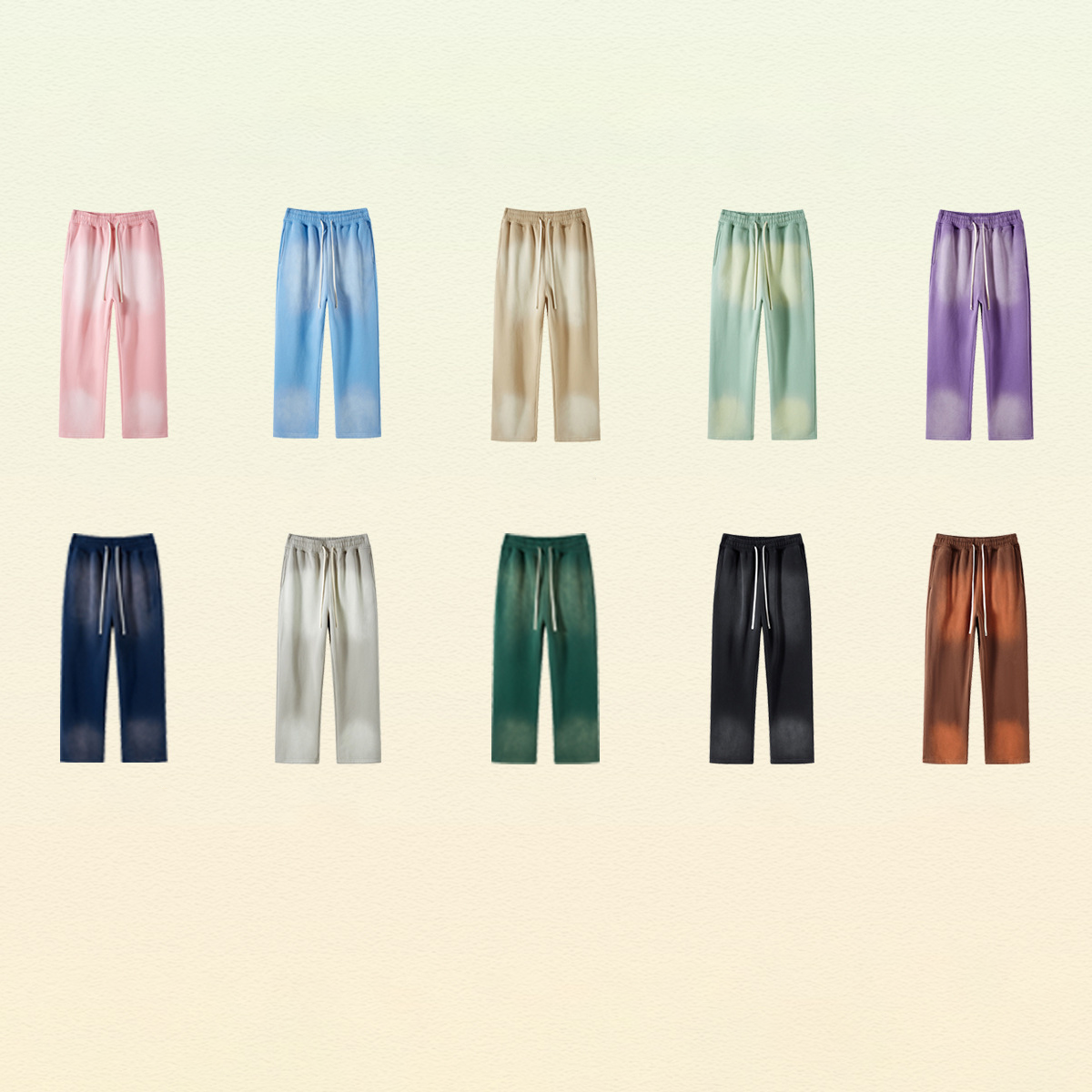
Why Our Cut and Sew Manufacturing Stands Apart
From first sketch to final shipment, every advantage is built to help streetwear brands and emerging designers create without compromise.
5-Step QC at Every Stage
Our proprietary quality control process inspects materials, cutting, craft, sewing, and finished garments — defects caught early, never shipped out.
In-House Design and Sampling
Our 15-member R&D team builds patterns and prototypes in-house, slashing revision cycles and getting production-ready samples into your hands faster.
Low MOQ for Emerging Brands
Flexible minimum order quantities let startups and independent designers launch new styles and scale their line without risky, oversized production commitments.
Fast Turnaround, Every Season
Streamlined workflows and in-house capacity keep your seasonal deadlines achievable, so collections drop on time and your brand stays ahead of trends.
Deep Streetwear Design Expertise
From skeleton graphics and graffiti motifs to rose and cross elements, our team brings authentic cultural fluency to every streetwear garment we produce.
Global Shipping and Logistics Support
End-to-end logistics, customs documentation, and delivery coordination ensure finished garments reach your customers reliably across more than 100 countries.
Precision Cut & Sew Across Every Specialty
From initial pattern to final garment inspection, our specialized teams bring technical rigor and streetwear expertise to every stage of production.

Clothing Pattern Making
We develop accurate, production-ready patterns tailored to your design specs, including block patterns, fitted constructions, and technical adjustments for streetwear silhouettes. Our pattern makers work from your sketches, tech packs, or reference samples, ensuring consistent sizing and construction integrity across every cut.
Get a Quote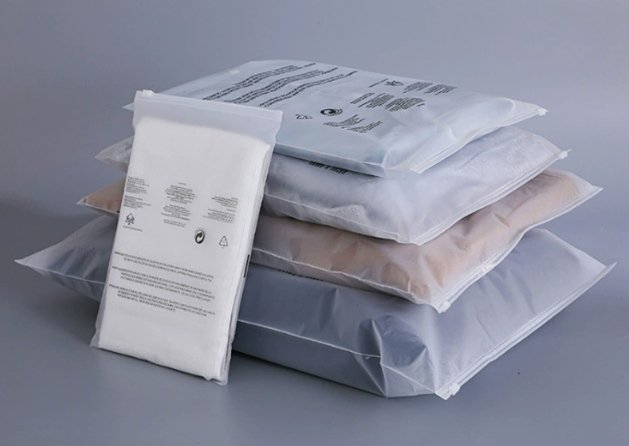
Tech Pack Development
We produce complete, factory-ready tech packs that include detailed flat sketches, construction specs, material callouts, colorways, and measurement charts. Whether you are launching your first collection or scaling an existing line, our documentation eliminates production ambiguity and gives the manufacturing floor everything it needs to execute your design accurately.
Get a Quote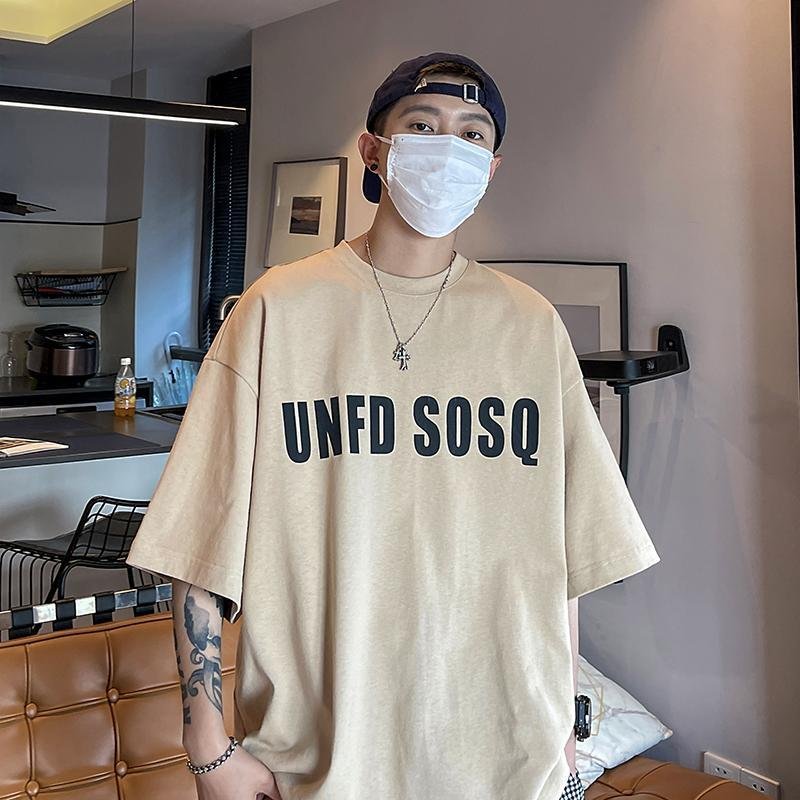
Clothing Sampling Service
We produce fit samples, counter samples, and pre-production samples so you can validate construction, material feel, and aesthetics before committing to a full production run. Low-MOQ sampling is available for startups and independent designers testing a new silhouette, graphic treatment, or colorway for the first time.
Get a Quote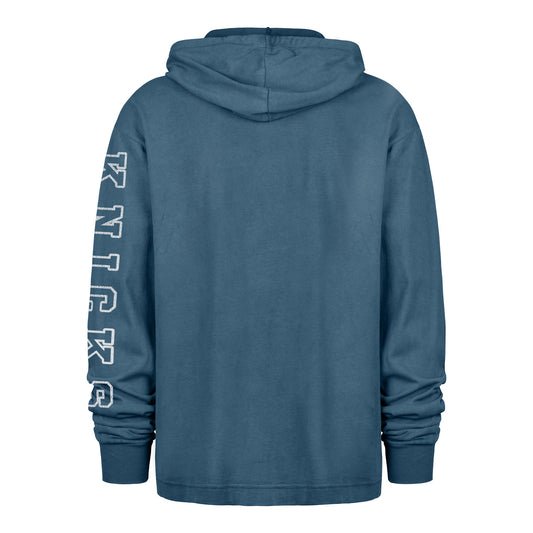
Size Grading Service
Our size grading team scales your approved base pattern across your full size range, XS through 4XL or custom increments, maintaining proportional fit consistency at every size. Accurate grading reduces fitting issues in production and ensures your streetwear pieces look intentional, not stretched or compressed, across the entire size run.
Get a Quote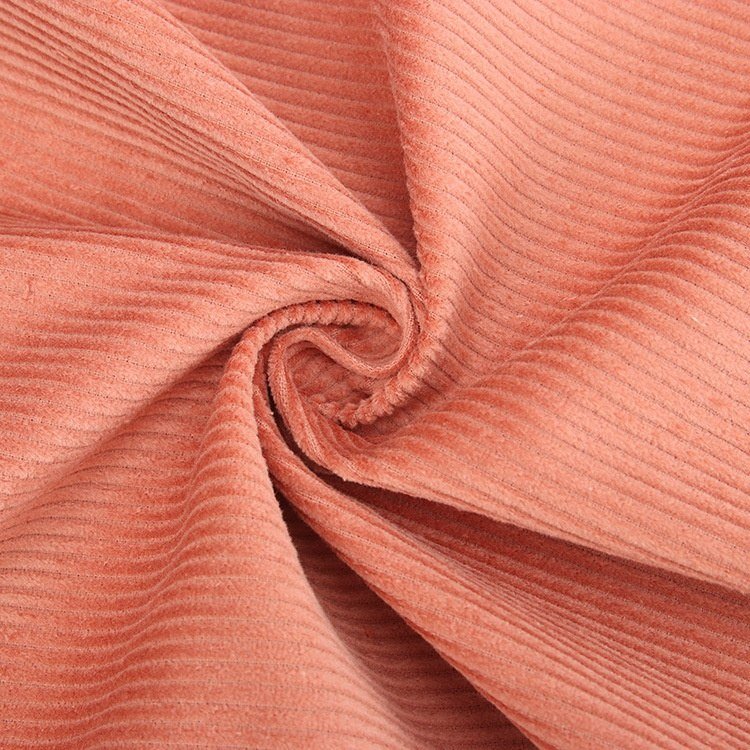
Apparel Fabric Sourcing
We source from vetted mills and suppliers across Guangdong and beyond, covering performance fleece, heavyweight cotton, French terry, woven twills, and specialty streetwear fabrics. All incoming materials undergo our first-stage QC inspection for weight, colorfastness, shrinkage, and defect rates before they enter the cutting and production line.
Get a Quote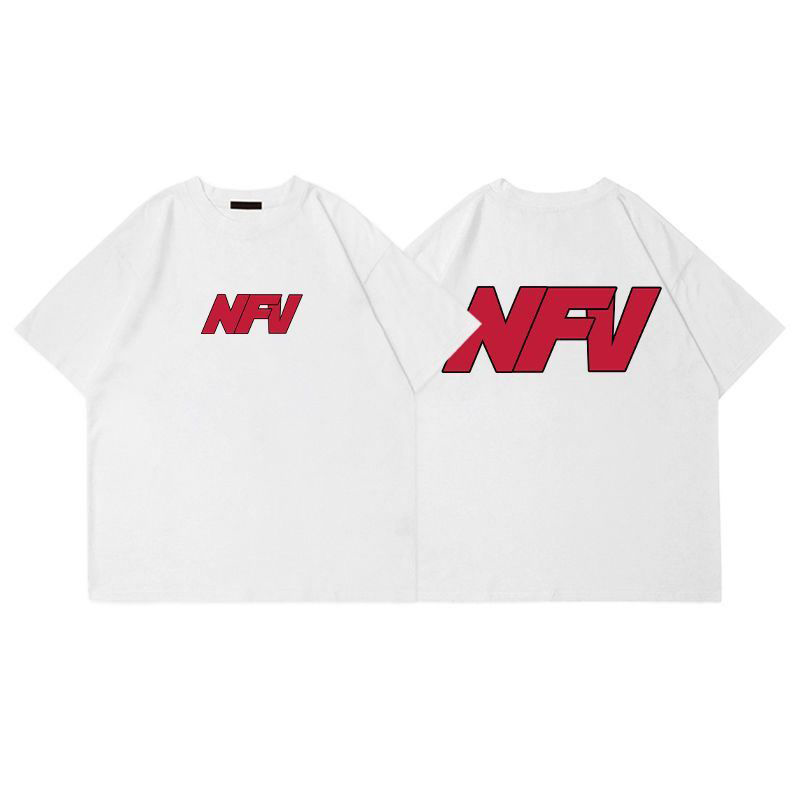
Clothing Quality Control Inspection
Our proprietary five-step QC process runs checks at materials intake, cutting, craft execution, sewing, and final inspection, not only at the end of the line. Every outgoing garment is measured against written standards for stitching integrity, dimensional accuracy, print registration, and finish quality before it ships to your customers.
Get a QuoteCut and Sew Manufacturing Rooted in Heritage
Clothing Manufacturer Ltd. was founded in August 2024 by Tesla Luo, who grew up inside China’s garment industry and personally mastered every production role — sewing, cutting, quality control, ironing, and shipping. With more than 10 years in apparel manufacturing and 6 dedicated years in specialized streetwear, Luo built this company on one uncompromising mission: eliminate low-quality clothing from the global market.
Backed by parent company Dongguan TuoZhen Clothing Co., Ltd. and a 15-member in-house R&D team holding 10 production patents, we deliver the technical depth of a large factory with the focused agility of a streetwear specialist. Our cut and sew manufacturing operation serves clients across more than 100 countries, from independent designers launching debut collections to established global retailers scaling proven lines.
What sets us apart is our proprietary five-step quality control methodology, introduced in February 2025, which embeds QC checks at every production stage — materials, cutting, clothing craft, sewing, and final inspection — not only at the end. Paired with low MOQ options, fast seasonal turnaround, and genuine cultural fluency in streetwear design, we are the manufacturing partner for brands that refuse to compromise on quality.
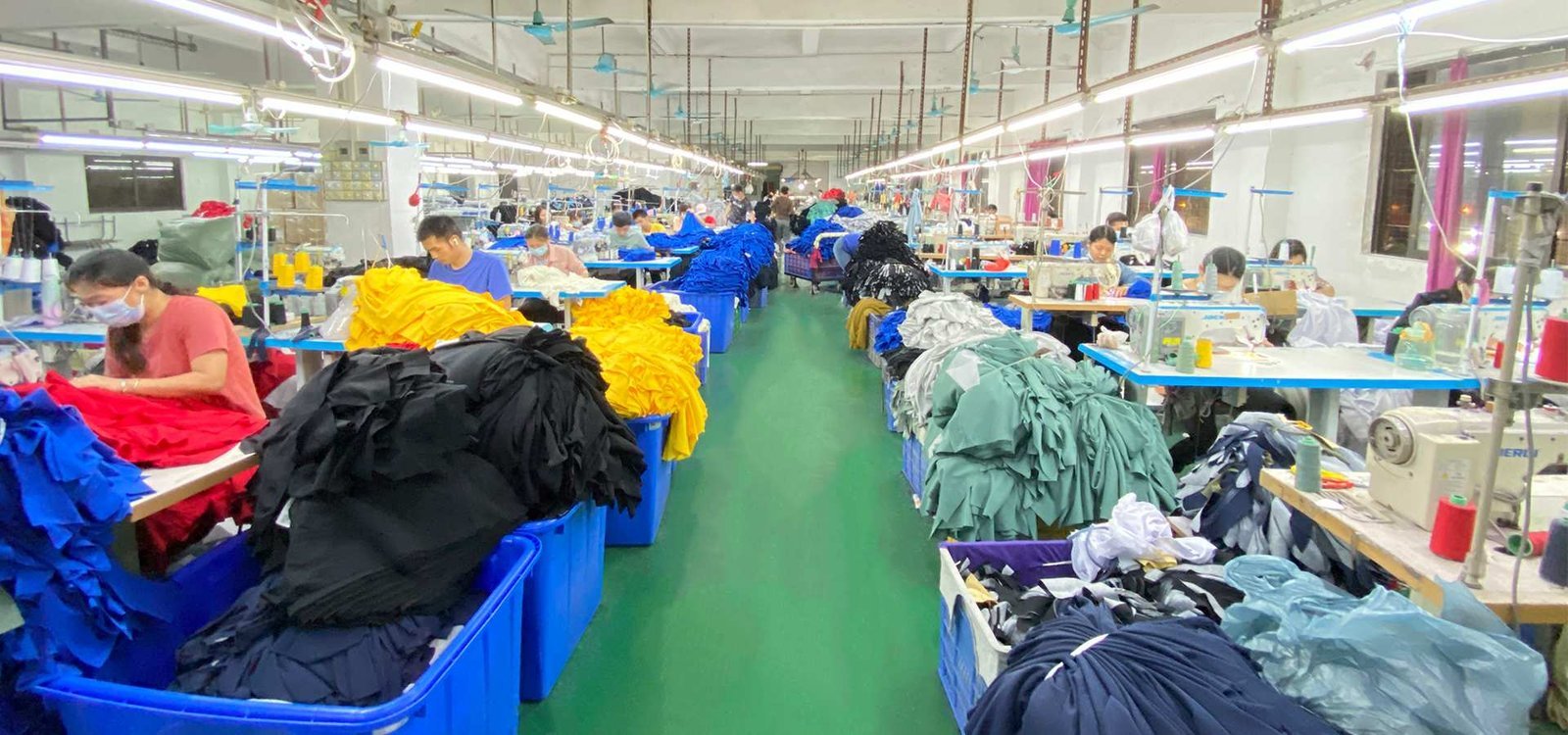
Inside Our Cut and Sew Manufacturing: Precision at Every Step
Materials QC: The Foundation of Premium Output
Before a single cut is made, our materials QC team tests every fabric and trim component against strict benchmarks. From tensile strength to colorfastness and shrinkage rates, only materials passing our two-stage intake inspection enter the production floor.
- Fabric tensile strength and colorfastness tested before any production begins
- Trims, hardware, and labels verified against brand specification sheets
- Rejected materials flagged and replaced within 24 hours to protect delivery timelines
- Full material traceability records maintained per order for complete accountability
Pattern Grading and Cutting: Millimeter-Level Precision
Our in-house pattern and grading team converts approved tech packs into production-ready cut files with tolerances measured in millimeters. Computer-aided cutting systems minimize fabric waste while ensuring every panel lands within spec for consistent fits across all size runs.
- CAD-graded patterns aligned to each brand's custom size chart specifications
- Cutting QC inspection verifies every panel dimension before sewing begins
- Fabric utilization optimized to reduce per-garment material waste on every run
- First-cut samples reviewed and signed off by QC before full-run cutting proceeds
Inline Sewing Monitoring Catches Defects in Real Time
Our sewing floor operates under continuous inline QC monitoring. Supervisors audit stitch density, seam allowance, and construction sequencing at every workstation, correcting issues in real time rather than surfacing costly rework problems in a final end-of-line audit.
- Stitch density and seam integrity checked at each production workstation continuously
- Craft QC sign-off required before garments advance to the next production stage
- Sewing QC covers embroidery placement, screen-print registration, and all applied details
- Defect rates tracked per operator with immediate corrective action protocols enforced

Final QC Inspection: Zero Shortcuts Before Shipment
Every finished garment passes a five-point final inspection covering measurements, construction, aesthetics, labeling, and packaging compliance. This last gate in our cut and sew manufacturing process guarantees every piece leaving our facility matches the approved sample exactly.
- Garment measurements verified against tech pack specs across every size in the run
- Aesthetic review covers print alignment, color consistency, and overall finishing quality
- Packaging and labeling audited against each brand's specific compliance requirements
- AQL-referenced pass/fail standards applied before any shipment is authorized for dispatch
Clothing Manufacturer Ltd. vs. Standard Cut and Sew Manufacturing Suppliers
Not all cut and sew manufacturing partners deliver the same results. See how our 5-step QC process, in-house design capability, and deep streetwear expertise stack up against typical production-only factories.
← 左右滑动查看 →
The Cut and Sew Manufacturing Production Timeline
Six precision-driven phases, five embedded QC checkpoints — engineered to move fast without sacrificing a stitch of quality.
Design & Artwork Review
Submit your tech pack or creative brief. Our in-house design team refines artwork, aligns streetwear aesthetics, and locks all specs before production advances.
Sample Development
A physical prototype is constructed to your approved specs. Fit, fabric hand, and construction details are reviewed and signed off before bulk production begins.
Materials QC Testing
Every fabric and trim undergoes our Step 1 QC inspection — weight, composition, colorfastness, and durability verified so only premium materials enter the cut room.
Pattern Grading & Precision Cutting
Patterns are graded across your full size run and a cutting QC checkpoint confirms alignment and accuracy before any panel moves to the sewing floor.
Sewing Production QC
Live craft and sewing QC checkpoints run at every station throughout our cut and sew manufacturing process, catching defects early and maintaining consistent tolerances.
Finishing, Final QC & Delivery
Every completed garment clears our full five-step QC final inspection, then is pressed, tagged, and packed before global logistics dispatch direct to your door.
How to Order Cut and Sew Manufacturing: 4 Simple Steps
From design brief to delivered collection, here is how Clothing Manufacturer Ltd. turns your streetwear concept into a zero-compromise finished product.
Submit Your Design Brief
Upload your AI or PSD files, fabric references, and garment specs. Our team reviews feasibility and replies with a technical assessment within 24 hours.
Receive Quote and Pre-Production Sample
Get a transparent quote covering MOQ, unit pricing, and lead times, plus a physical pre-production sample to review, fit-test, and approve before committing.
Approve Specs and Place Order
Confirm your approved sample, lock in colorways and construction details, and finalize payment terms to officially launch your cut and sew manufacturing order.
Manufacture, QC Inspect, and Ship
Your collection runs through our proprietary 5-step QC process, then ships globally from Dongguan with full tracking and customs documentation included.
Real Results: Streetwear Brands Built With Our Cut and Sew Manufacturing
We went from zero to 85,000 Instagram followers in under a year, and our drop quality was a massive factor. Clothing Manufacturer Ltd. reproduced every skeleton graphic and stitch detail perfectly across 500 units — not a single return on that first collection.
As a startup, low MOQ was non-negotiable. We started at 50 pieces per style, received our samples in just 9 days, and their 5-step QC caught a seam issue before anything shipped. Our launch sold out in 18 days. We’ve since tripled our order volume.
We scaled from 300 to 2,500 units a season and quality never wavered. Their cut and sew manufacturing team handles our complex rose and graffiti colorway pieces flawlessly, and we’ve hit every seasonal deadline for four consecutive drops.
Cut and Sew Manufacturing FAQs
Everything streetwear brands, startups, and independent designers need to know before placing their first order with Clothing Manufacturer Ltd.
What fabrics work best for cut and sew manufacturing?
Can cut and sew manufacturing be combined with screen printing or embroidery?
What is the maximum design size and color count for cut and sew manufacturing?
What fabric blends do you recommend for streetwear pieces?
What is the minimum order quantity (MOQ) for a cut and sew order?
How long does sampling and full production take?
What file formats do you accept for design submissions?
How much does a sample cost, and is it credited toward production?
What payment terms and shipping options do you offer?
The Complete Buyer’s Guide to Cut and Sew Manufacturing
Everything streetwear founders, independent designers, and global retailers need to evaluate cut and sew manufacturing partners — covering supplier criteria, fabric selection, quality benchmarks, pricing tiers, and the critical mistakes that derail first-time brand launches.
1. What Is Cut and Sew Manufacturing?
Cut and sew manufacturing is a production method in which raw fabric — purchased by the yard or kilogram — is cut to precise pattern pieces and then sewn into finished garments from scratch. Every seam, panel, and construction detail is built to spec, giving brands complete control over fit, fabric choice, and private-label ownership.
This differs fundamentally from buying blanks, where a brand purchases pre-made tees or hoodies and adds screen-print or embroidery decoration — limited to a supplier’s standard silhouette and GSM range, typically 180–280 GSM for cotton jersey. It also differs from fully-fashioned knitting, which shapes garments on a machine loop by loop and suits sweater-knit structures but cannot replicate woven fabrics or multi-panel streetwear construction.
3 concrete advantages explain why growth-stage brands choose cut and sew manufacturing: full fit control via custom graded patterns, fabric freedom to spec ring-spun cotton, French terry, or OEKO-TEX certified fabrics at any weight, and true private-label ownership with no third-party branding embedded in the garment. MOQs at specialist manufacturers typically start at 50–100 pieces per colorway.
The decision is straightforward: if your brand needs a proprietary silhouette, a specific GSM, or streetwear details such as dropped shoulders, raglan sleeves, or flatlock seam finishes, cut and sew manufacturing is the correct route. Buying blanks suits a concept test under 30 units; cut and sew is the right choice at every scale beyond that.
2. The Evolution of Cut and Sew Manufacturing
By the 1970s, cut and sew manufacturing had industrialized into large-scale offshore operations, with brands chasing lower labor costs first to Asia’s newly opened export zones, then accelerating through the 1980s–2000s as quota systems under the Multi Fibre Arrangement shaped sourcing decisions across the entire global apparel trade.
1994 marked a turning point for small-batch cut and sew: independent skate labels in California and New York began producing limited runs of heavyweight 280–320 GSM fleece hoodies and ring-spun jersey tees rather than buying blank stock, using exclusivity itself as the product. That direct link between controlled production volume and brand desirability became the blueprint for the drop-model hype labels that followed two decades later.
The 2010s saw fast fashion compress lead times to under three weeks, but the same era produced a backlash. Brands and consumers began demanding verified origin, OEKO-TEX or GOTS certification, and MOQs in the 50–200 unit range that mass factories refused to accommodate — accelerating interest in reshoring, nearshoring to Portugal and Mexico, and on-demand micro-run facilities.
Today, cut and sew manufacturing operates across three distinct tiers: heritage domestic facilities, mid-scale nearshore contractors, and specialist offshore partners in manufacturing hubs like Humen Town, Dongguan — historically one of China’s densest garment production corridors. Brands evaluating partners now weigh stage-by-stage quality control as heavily as unit price, a shift directly traceable to decades of end-of-line inspection failures that let defective goods reach retail.
3. Types of Cut and Sew Manufacturing Explained
Cut and sew manufacturing splits into four production models, each shifting sourcing risk and MOQ thresholds differently. Matching the right model to your brand’s growth stage determines lead time, unit cost, and cash exposure from day one.
| Model | Typical MOQ | Lead Time | Sourcing Risk | Best For |
|---|---|---|---|---|
| Full-Package | 300–500 units | 45–75 days | Factory | Scaling brands |
| CMT | 100–300 units | 30–45 days | Buyer | Brands with own fabric |
| OEM | 200–500 units | 60–90 days | Factory | Retailers, creator brands |
| Small-Batch | 30–100 units | 20–35 days | Buyer | Startups, limited drops |
Full-Package Production
Full-package has the factory source all fabrics, trims, and labels on the buyer’s behalf. MOQs start at 300–500 units per style with 45–75-day lead times, suiting scaling brands that want a single point of accountability across the supply chain.
CMT (Cut-Make-Trim)
CMT requires the buyer to supply pre-approved fabric; the factory cuts, sews, and applies trims only. MOQs drop to 100–300 units with 30–45-day lead times, making it the preferred model for brands holding OEKO-TEX certified or deadstock material.
OEM Manufacturing
OEM factories develop design and finished garment together, providing tech packs drawn from in-house pattern libraries. MOQs range 200–500 units; lead times reach 60–90 days including design iteration, suiting global retailers and creator brands building private-label collections without an in-house design team.
Small-Batch and On-Demand Production
Small-batch cut and sew manufacturing accepts MOQs as low as 30–100 units per colorway with lead times of 20–35 days. Per-unit costs run 15–25% above volume rates and the buyer bears sourcing risk, making this model ideal for startups validating new SKUs or influencer brands releasing limited drops.
4. Materials & Fabrics for Cut and Sew Manufacturing
Fabric choice locks in hand-feel, drape, and durability before a single seam is sewn. In cut and sew manufacturing, matching GSM weight to end use prevents costly re-samples and unhappy customers.
| Fabric Type | GSM Range | Best Garment Use | Cost Tier |
|---|---|---|---|
| Cotton Jersey | 140–180 | Tees, tanks | Low |
| French Terry | 280–320 | Sweatshirts | Mid |
| Fleece | 300–450 | Heavyweight hoodies | Mid |
| Woven Twill | 200–300 | Jackets, cargo pants | Mid |
| Organic Cotton Jersey | 150–200 | Premium tees | High |
| rPET Fleece | 150–250 | Eco sweatshirts | Mid–High |
| Tencel / Lyocell | 120–200 | Premium basics | High |
| Nylon Ripstop | 70–150 | Outerwear, tech pants | Mid–High |
| Poly-Cotton Blend | 180–220 | Athletic streetwear | Low–Mid |
Knits vs. Woven Fabrics
Cotton jersey (140–180 GSM) is the default for tees; French terry (280–320 GSM) suits midweight sweatshirts; fleece (300–450 GSM) handles heavyweight hoodies. Knits stretch naturally and accept flatlock or coverstitch finishing.
Woven twills (200–300 GSM) add structure for jackets and cargo pants but require wider seam allowances and a different cut plan than knits.
Sustainable Fabric Options
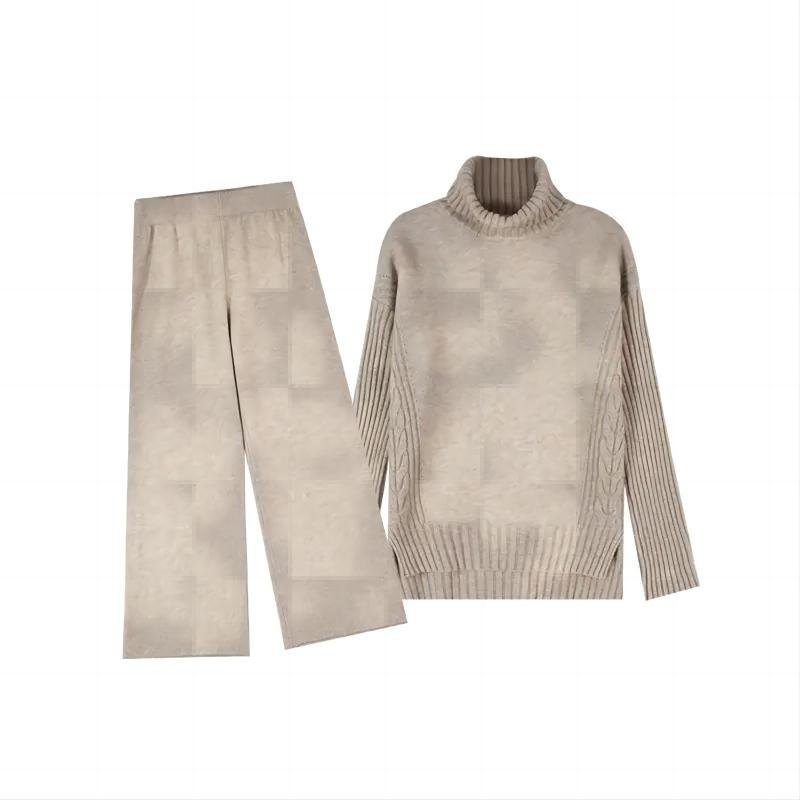
GOTS-certified organic cotton runs 15–30% above conventional ring-spun pricing but satisfies eco-conscious consumers and enables credible green marketing. Recycled polyester (rPET) fleece, 150–250 GSM, carries GRS certification and diverts plastic waste.
Tencel/Lyocell, 120–200 GSM, delivers silky drape for premium basics and qualifies for OEKO-TEX Standard 100 labeling.
Performance and Blended Textiles
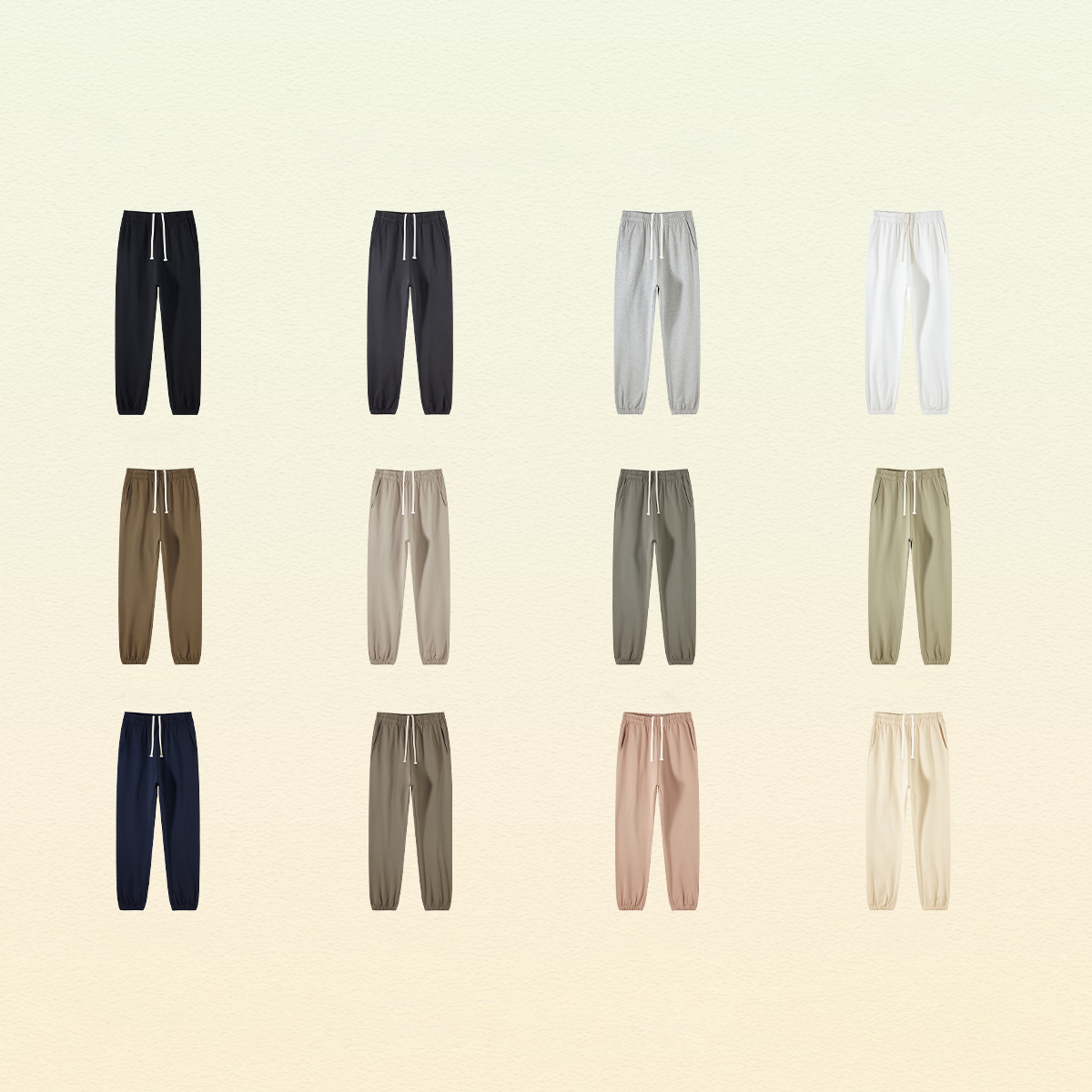
Polyester-cotton blends (60/40, 180–220 GSM) reduce shrink and wick moisture — standard for athletic streetwear. Nylon ripstop (70–150 GSM) resists tears in outerwear shells and technical pants.
Fabrics with 8–12% elastane enable four-way stretch for fitted silhouettes without restricting movement.
5. Customization & Decoration Options in Cut and Sew
Cut and sew manufacturing unlocks customization far beyond silhouette. Each decoration method carries distinct MOQ thresholds and lead-time add-ons. Specifying them in your tech pack before sampling prevents costly rework downstream.
Custom Labels and Woven Patches
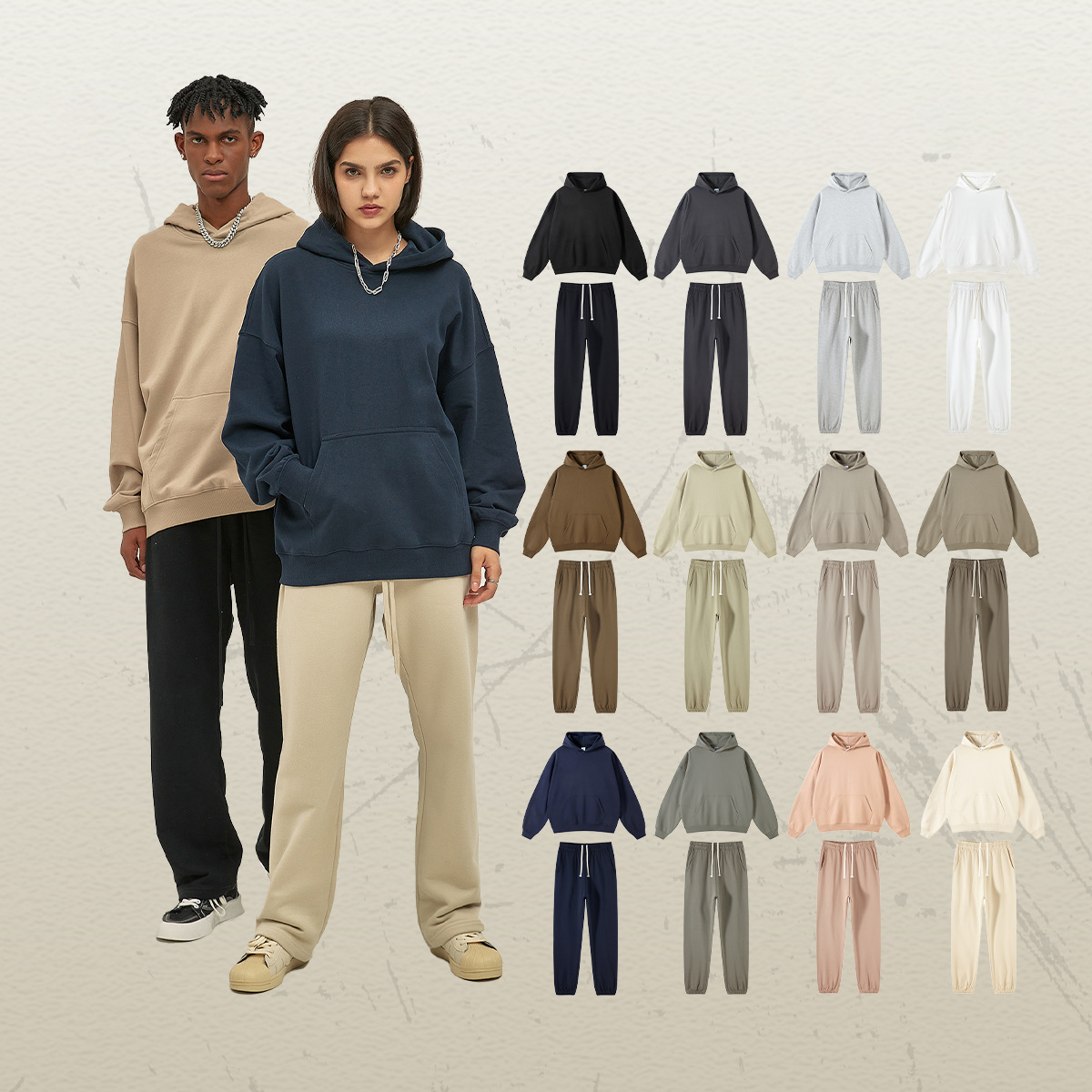
Woven labels and patches require 100–300 piece MOQs with 7–14 day production lead times — specify Pantone codes and placement in the tech pack before sampling.
Heat-transfer labels suit lightweight jersey; woven patches suit outerwear and heavy fleece. Post-sample label changes add 5–10 days to the timeline.
Embroidery and All-Over Print Panels
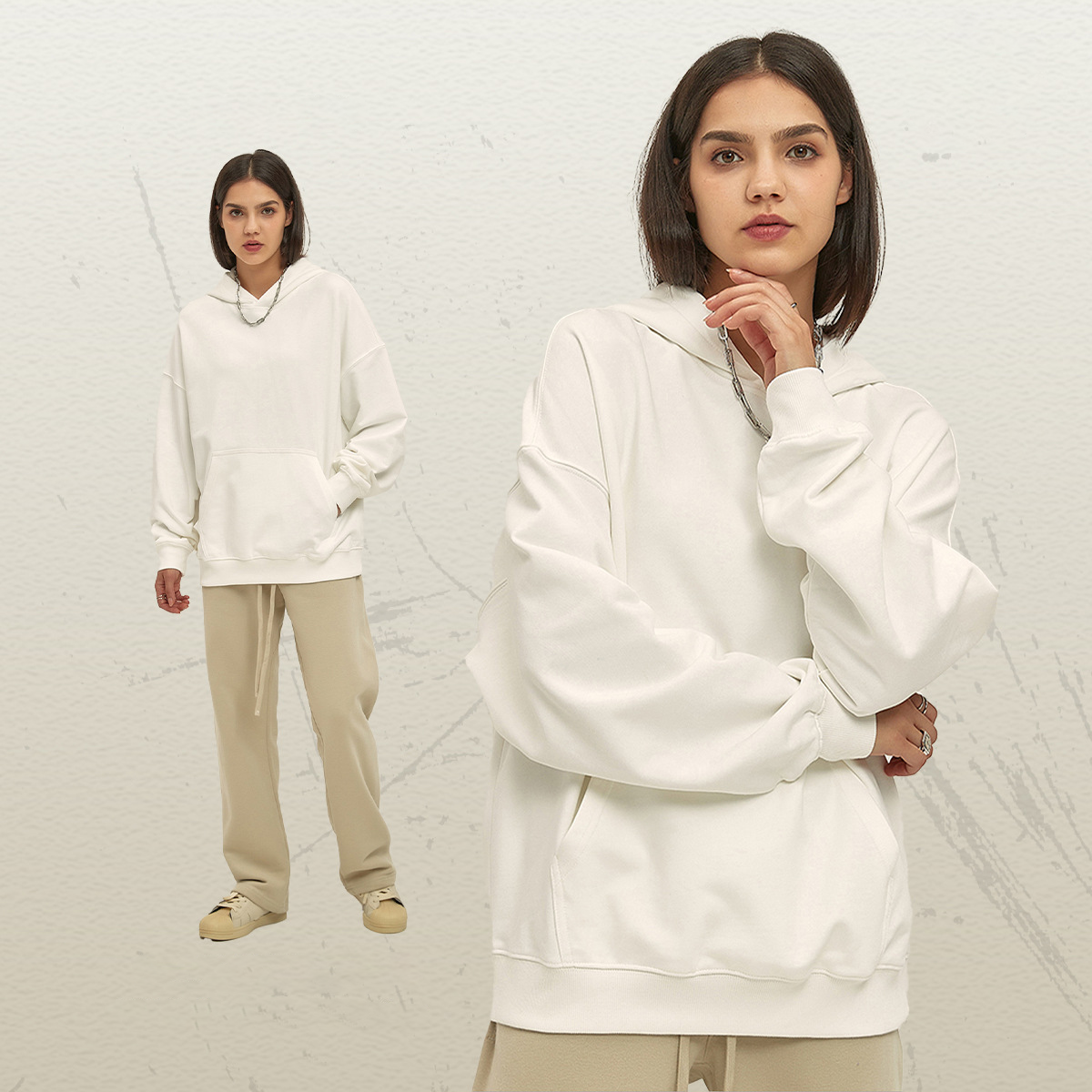
Embroidery is a tech-pack-stage commitment: stitch count directly sets cost, with 5,000–10,000 stitches adding $1–3 per piece to the unit price.
All-over print (AOP) requires panels printed before assembly. Submit artwork at 300 DPI pre-cut — late changes break seam-alignment registration and force re-cutting.
Garment Dye and Enzyme Wash
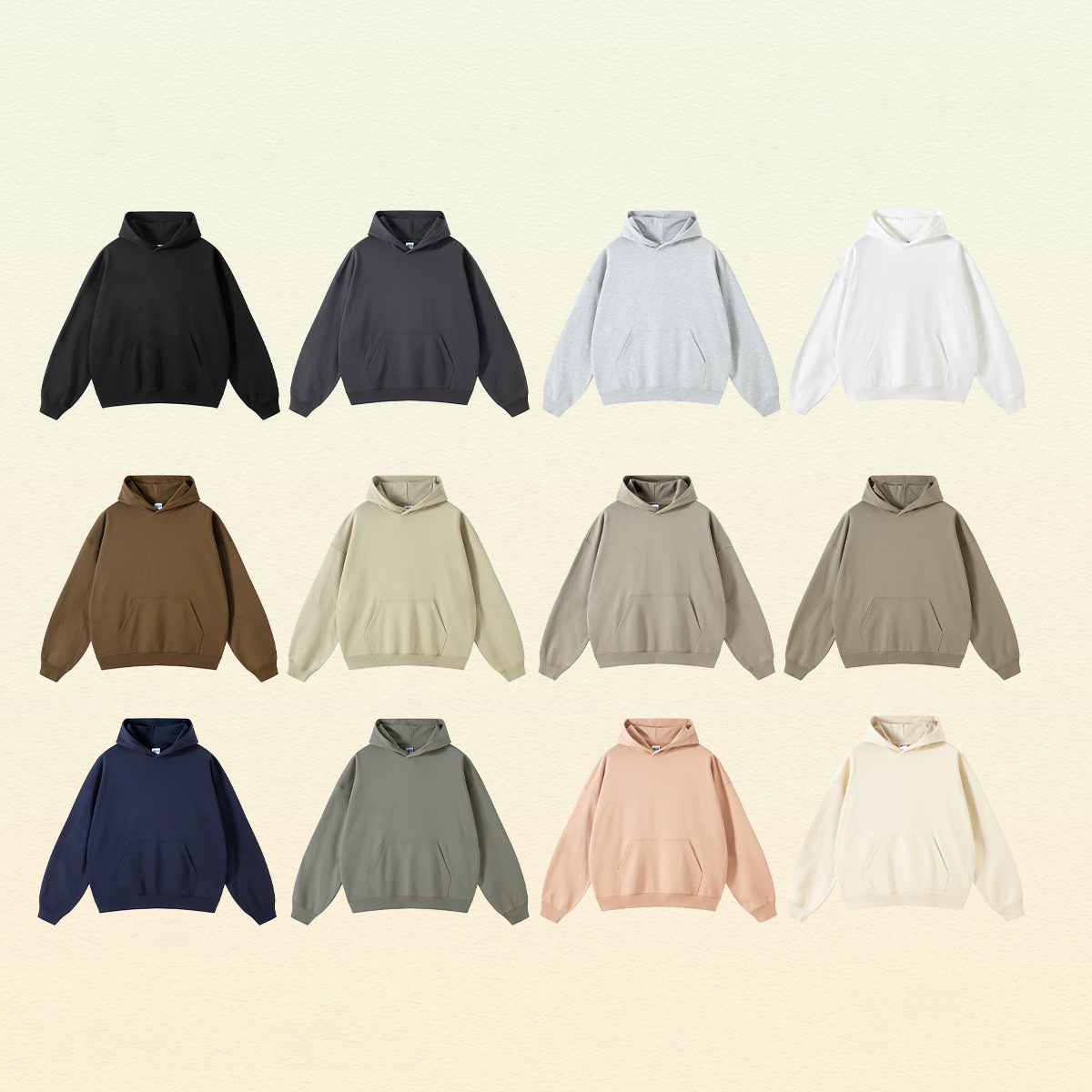
Garment dyeing and enzyme washing are post-assembly processes that add 3–7 days to production. MOQs typically start at 100 pieces per colorway.
Specify wash shade via physical swatch, not screen reference. Enzyme wash removes 5–8% of fabric weight — build this shrinkage into your finished-weight spec.
Hardware and Contrast Stitching
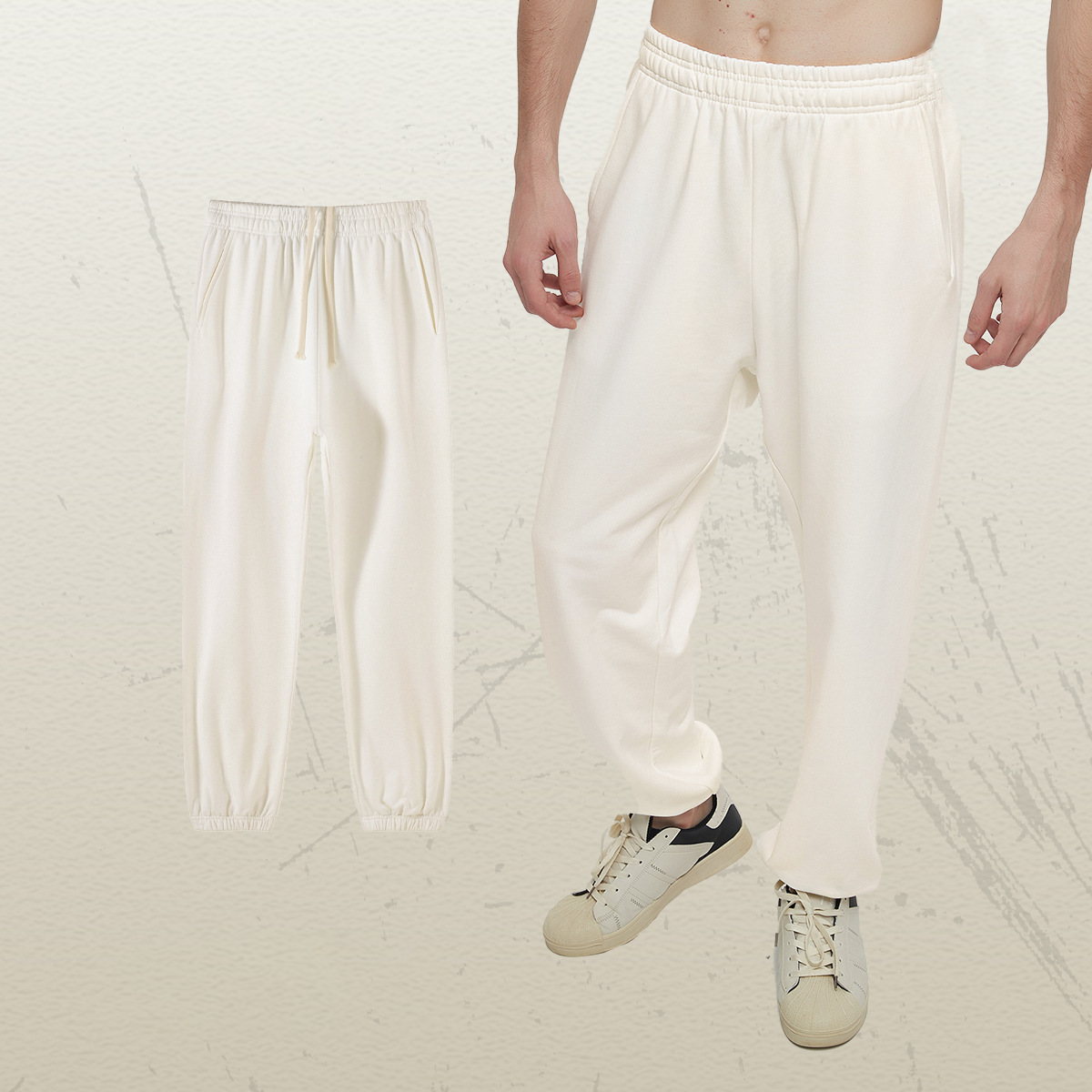
YKK zippers, grommets, and drawcords must be specified at pattern stage — hardware placement drives seam allowances and lining decisions made before cutting.
Contrast stitching requires Pantone-matched thread approval before cutting begins. Hardware MOQs run 50–100 units, but custom zipper pulls or branded aglets add 7–10 days to lead time.
6. Key Construction Quality Elements to Evaluate
A well-made cut and sew manufacturing sample reveals its quality in measurable, structural details rather than surface appearance. Inspect the following elements on every pre-production sample before approving a bulk run.
Seam Integrity and Stitch Quality
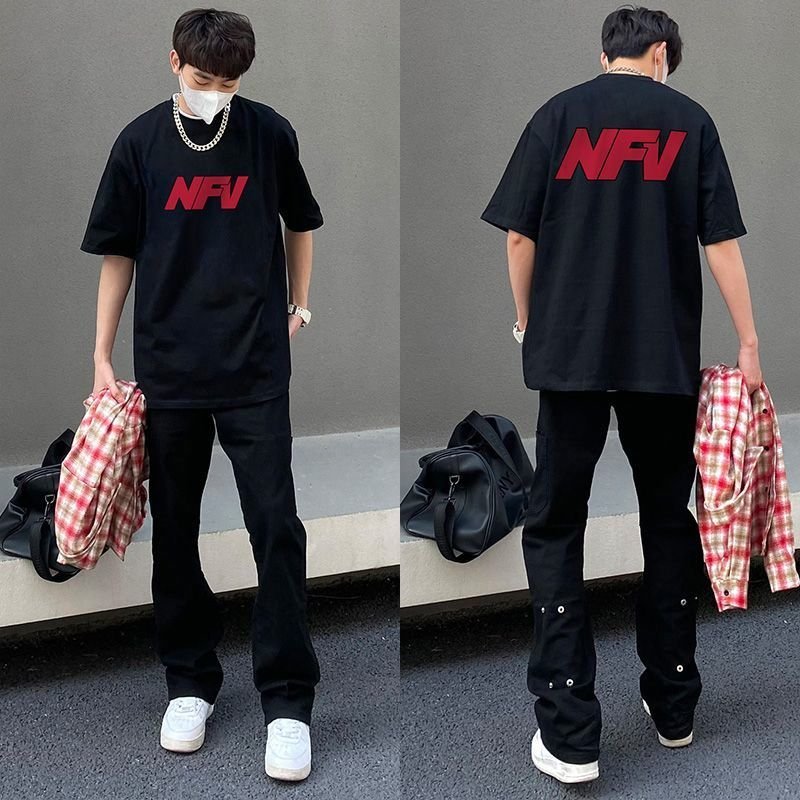
Flatlock suits interior and athletic seams where flat construction reduces bulk; coverstitch secures stretch hems on knits; overlock closes raw edges on wovens.
Stitch density of 8–12 SPI is the industry baseline — below 7 SPI signals poor durability. Bartack reinforcement at pocket corners, belt loops, and zipper bases is mandatory at all stress points.
- Flatlock: interior athletic seams, reduces bulk and skin chafe
- Coverstitch: stretch hem finish on knit and jersey panels
- Overlock (serger): raw edge finishing on woven shell fabrics
Fit Accuracy vs. Tech Pack Spec
Measure every critical point — chest, sleeve length, body length, and shoulder — against your tech pack tolerances, typically ±0.5 cm for wovens and ±1 cm for stretch knits. A sample 2 cm off-spec at the shoulder carries that error into every unit in the bulk run.
Also verify pattern alignment at seams — stripes and plaids must match within 2 mm at all visible joins. Misalignment signals poor cutting control and multiplies across bulk.
Hardware and Trim Durability
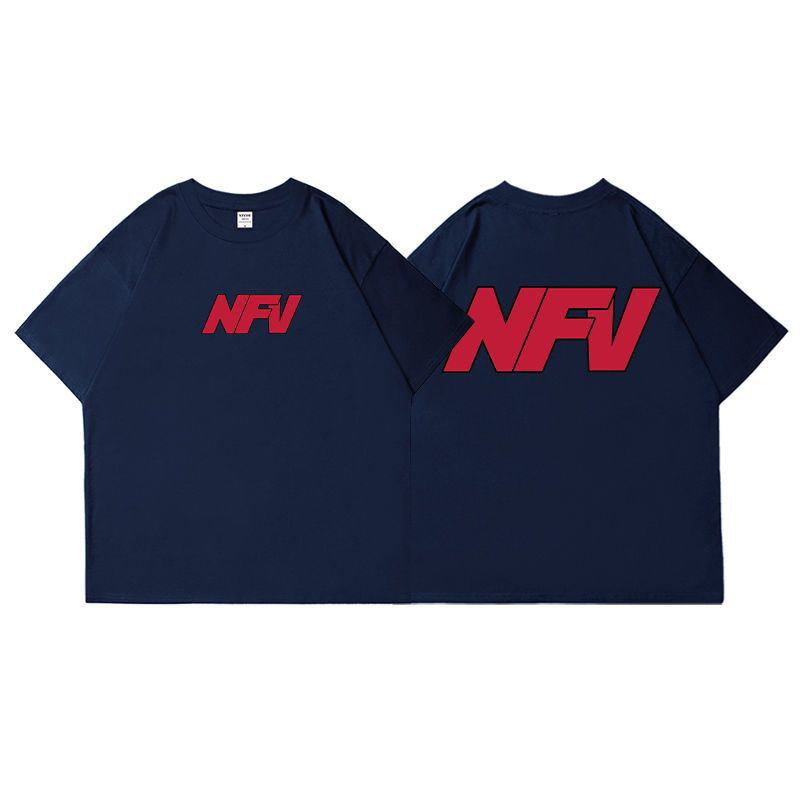
Zippers should be YKK or equivalent — test for smooth pull, no skipping, and locked sliders under tension. Buttons and snaps must pass a minimum 50-cycle pull test without deformation.
Rivets on denim-style pieces should be brass or nickel-plated and flush-set, with no sharp backs exposed to skin.
7. How to Choose a Cut and Sew Manufacturing Partner
Vetting a cut and sew manufacturing partner requires more than a price quote — six concrete criteria separate reliable factories from brokers and low-QC shops that skip mid-production checks entirely.
Certifications to Require
OEKO-TEX STANDARD 100, GOTS, WRAP, and BSCI certifications signal independently verified labor and chemical safety standards. Request current certificate numbers and cross-check validity on each certifying body’s public registry — expired certificates are an immediate disqualifier.
MOQ Fit for Your Growth Stage
Startups typically need MOQs of 50–100 units per style; scaling brands require 300–500+. Confirm whether minimums apply per colorway or per style — colorway-level MOQs compound inventory costs quickly and can strand a small brand’s cash flow.
Sample Turnaround Speed
A capable factory returns sealed, production-representative samples within 7–14 days. Turnarounds exceeding 21 days signal capacity bottlenecks or disorganized project management — problems that reliably resurface at bulk-production scale.
Communication and Tech-Pack Literacy
Confirm the team can read and annotate a full tech pack covering Pantone color calls, construction diagrams, stitch-per-inch specs, and trim details. Any factory that asks you to ‘simplify’ your tech pack lacks the expertise required for serious cut and sew manufacturing.
References from Comparable Brands
Request contacts from at least three brands with similar order volumes and product complexity. Ask each reference specifically about defect rates and on-time delivery percentages — not general satisfaction, which rarely surfaces production-floor problems.
Factory Audit Transparency
Legitimate factories provide video walkthroughs, third-party audit reports (BSCI, WRAP), and on-site inspection access. Brokers posing as factories deflect audit requests, cite ‘partner facilities,’ or refuse production-floor photos — walk away from any supplier unwilling to show you exactly where your garments are cut and sewn.
8. Common Mistakes Brands Make in Cut and Sew Manufacturing
Even experienced buyers repeat the same six errors in cut and sew manufacturing, and each one generates measurable losses. Catching these mistakes at the planning stage is the fastest cost-saving move any brand can make.
Skipping a Detailed Tech Pack
A missing tech pack forces factories to interpret measurements, stitch types, and Pantone color references on their own. Misinterpretation adds 2–3 weeks of sample rework and inflated revision costs.
Supply every spec — seam type, GSM target, stitch density, and hardware callouts — before sampling begins.
Ordering Bulk Before PP Sample Approval
The pre-production (PP) sample is the last checkpoint before fabric is cut at scale. Skipping sign-off means the entire bulk run reflects unvetted standards.
Require written approval of the PP sample before releasing any cut order, regardless of deadline pressure.
Ignoring Trim Lead-Time Buffers
YKK zippers, woven labels, and custom hardware carry independent lead times of 3–6 weeks. Overlooking this stalls sewing starts and pushes ship dates past seasonal windows.
Place trim purchase orders at the same time as the fabric order, not after sampling is complete.
Choosing a Factory on Price Alone
A low FOB price frequently reflects skipped mid-production QC — many factories move directly from sewing to ironing and packing with zero in-line inspection. This is precisely the practice that damages the reputation of Chinese garment manufacturers globally.
Evaluate the factory’s quality control methodology and third-party certifications such as BSCI or WRAP alongside any quoted price.
Failing to Define Measurement Tolerances
Without written tolerance specs — typically ±0.5 cm on chest width and body length — factories ship garments that pass their own undefined standard. Out-of-tolerance goods drive customer returns and reorder losses.
Add a measurement tolerance table to every tech pack before production is approved.
Neglecting Packaging and Labeling Compliance
Target-market labeling rules differ significantly: the FTC mandates fiber content and country-of-origin disclosures for the U.S., while the EU applies its own textile regulation requirements. Non-compliant labeling triggers customs holds or costly product recalls.
Confirm all packaging and labeling requirements for each destination market before artwork is finalized.
9. Steps to Launch Your Brand with Cut and Sew Manufacturing
Turning a streetwear concept into warehouse inventory requires five sequential phases of cut and sew manufacturing work. Skipping any phase—especially sampling or milestone QC—multiplies error costs exponentially once bulk cutting begins.
Develop Your Concept and Tech Pack
A finalized tech pack—including flat sketches, Pantone color codes, GSM fabric specs, stitch counts, and trim details—is the mandatory input every factory needs before quoting. Budget 1–2 weeks; incomplete packs are the single most common cause of sampling delays.
Source and Vet Manufacturing Partners
Request factory audits (BSCI or WRAP certification), MOQ tiers, and sample lead times before shortlisting. A partner with in-house cut and sew manufacturing capability and documented QC protocols reduces re-work risk significantly. Allow 1–2 weeks for vetting.
Order and Approve Proto and PP Samples
A proto sample confirms construction and fit; a pre-production (PP) sample locks approved fabrics, trims, and colorways before bulk cutting. Expect 2–3 weeks per sample round, with one to two revision cycles, totaling 3–5 weeks.
Place Bulk Production with QC Checkpoints
Issue a purchase order only after PP sample sign-off. Schedule milestone QC checks at cutting, sewing, and finishing stages—not just a final end-line inspection. Bulk lead times for streetwear styles typically run 4–8 weeks depending on order volume.
Arrange Inspection, Freight, and Customs
Book a third-party AQL inspection before cargo is sealed. Sea freight from Guangdong to major ports runs 18–30 days; air freight cuts that to 5–7 days at 3–5× the cost. File HS codes and commercial invoices 1–2 weeks before vessel departure.
10. Cut and Sew Manufacturing Pricing & Cost Breakdown
A typical cut and sew manufacturing cost breaks into five line items: fabric (40–55% of unit cost), CMT labor (25–35%), trims and packaging (8–12%), QC inspection (3–5%), and outbound freight (5–10%). Premium ring-spun cotton jersey at 200 GSM runs $3–6 per yard, while 300 GSM French terry or fleece reaches $5–9 per yard — fabric weight is the single largest lever on unit cost.
Re-negotiate price whenever your order volume crosses a tier threshold — 250, 500, or 1,000 units — or when you commit to three or more seasonal orders per year. To calculate landed cost, add the ex-factory unit price, sea freight ($0.80–1.50 per unit by ocean at 500+ units), US import duty (12–32% of FOB value under HTS Chapter 61–62 for knit and woven apparel), and last-mile delivery charges.
| Quantity Tier | Est. Unit Cost (USD) | Lead Time | Production Model |
|---|---|---|---|
| 50 units | $32–48 | 28–35 days | Small-batch CMT |
| 100 units | $22–34 | 22–30 days | Small-batch CMT |
| 250 units | $15–24 | 18–25 days | Full-package |
| 500 units | $10–17 | 15–22 days | Full-package |
| 1,000+ units | $7–13 | 12–18 days | Full-package / OEM |
Start Your Cut and Sew Manufacturing Order Today
Submit your brief and join brands across 100+ countries scaling with our 5-step QC guarantee, low MOQ, and fast global turnaround.