
Clothing Pattern Making: Design to Production in 7 Days
Clothing pattern making that delivers 7-day samples with proven accuracy—converting your design concepts into production-ready patterns your brand can trust.
Patterns Across Every Silhouette & Fit
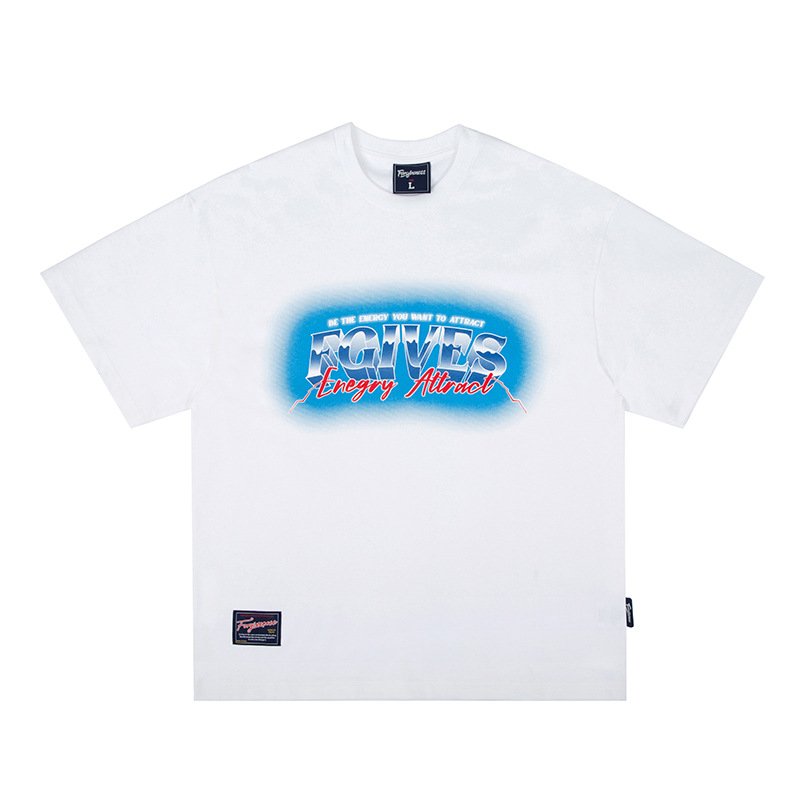
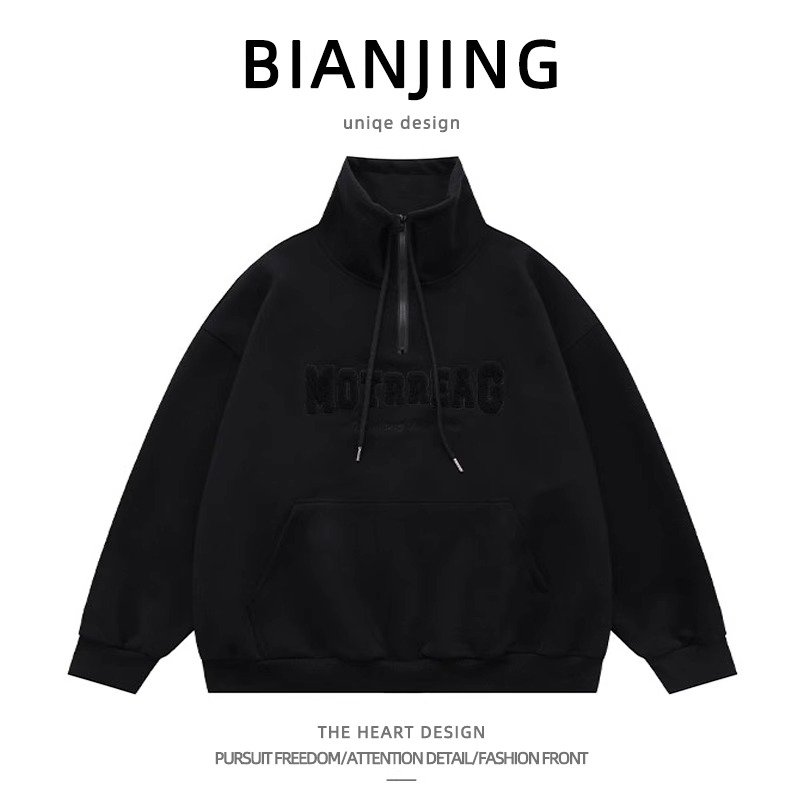
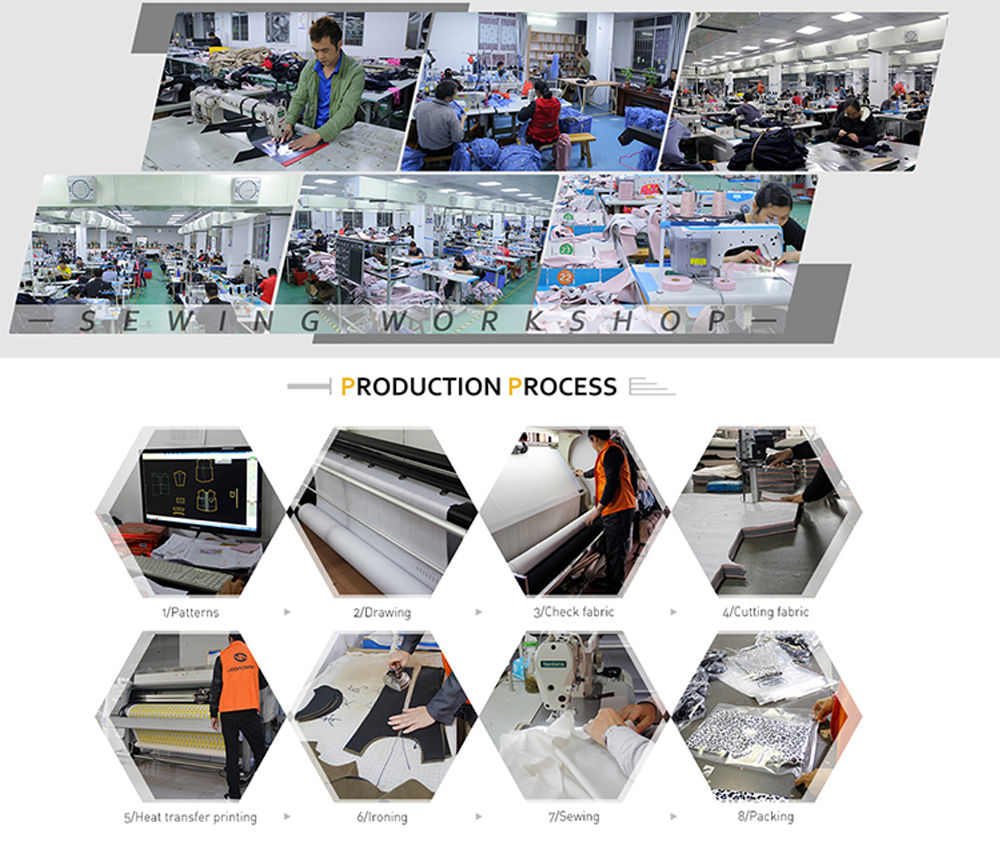
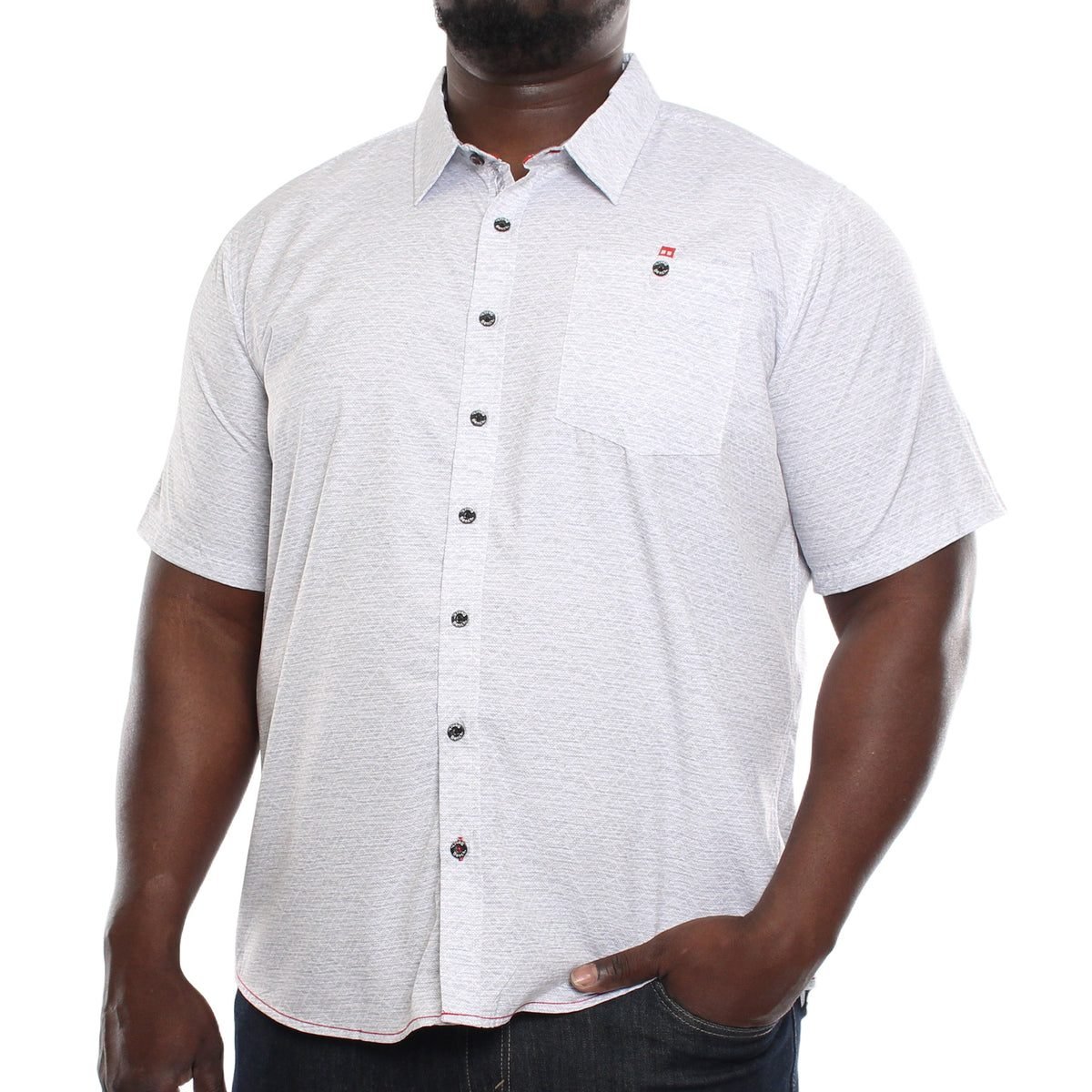
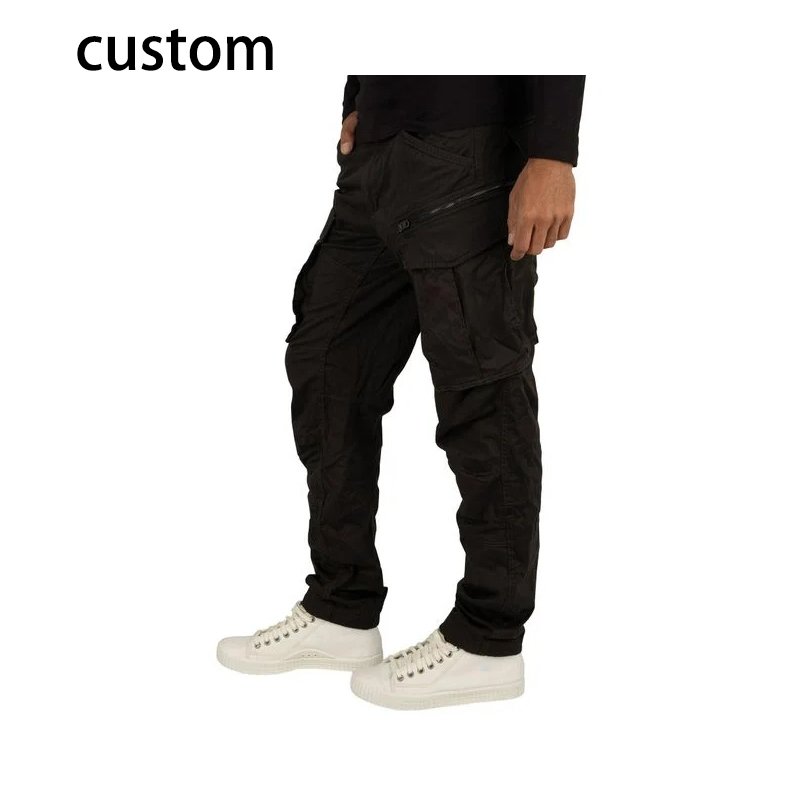
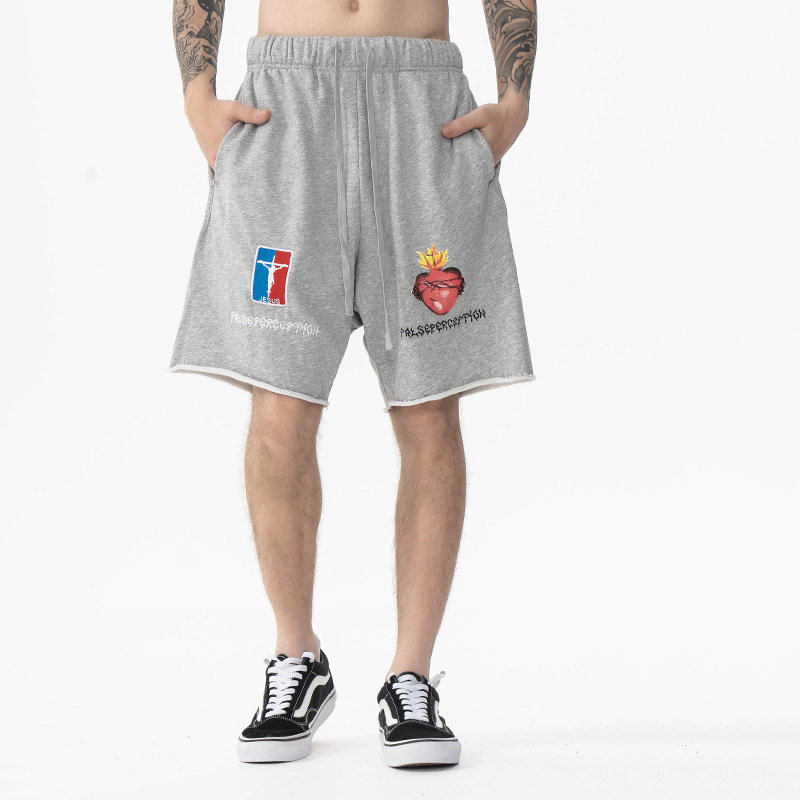
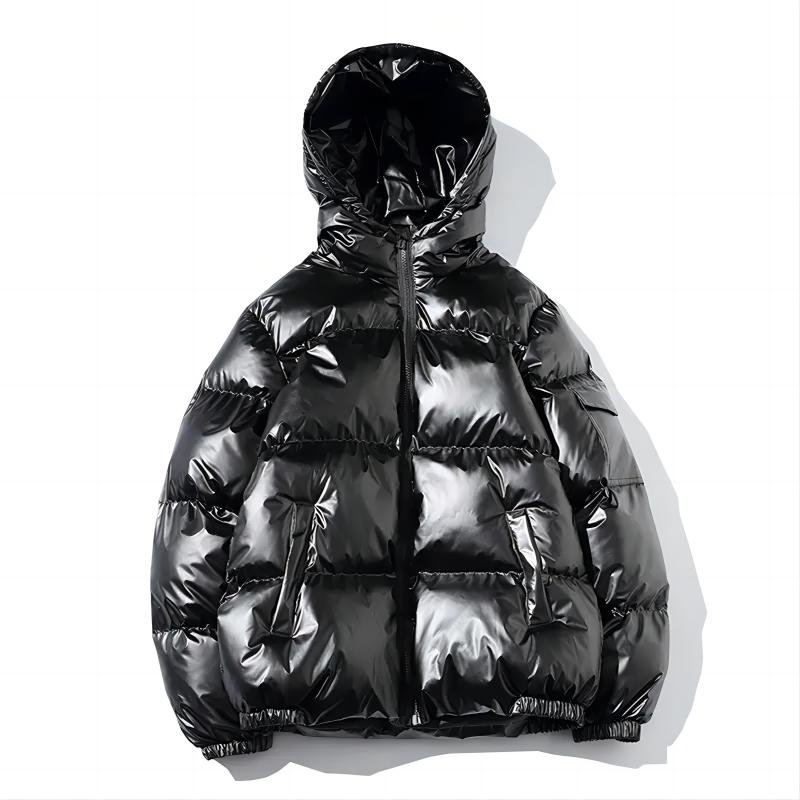
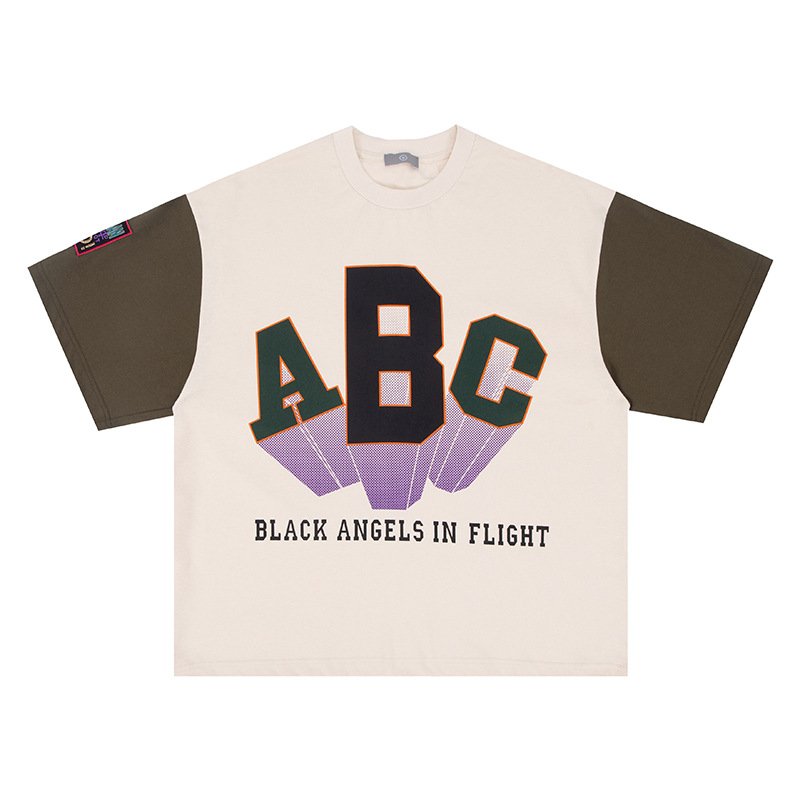
What Makes Our Clothing Pattern Making Stand Out
CAD Grading & Precision
Advanced computer-aided design software ensures consistent patterns across all sizes with zero tolerance drift, eliminating costly revisions.
7-Day Turnaround Sampling
Production-ready patterns delivered within one week, keeping seasonal collections on schedule and enabling rapid design iteration cycles.
Multi-Size Fit Consistency
Grade sizing across entire size runs with proportional accuracy, ensuring every fit matches your brand’s design intent exactly.
In-House Expert Designers
Our 15-member R&D team brings 10+ years of streetwear pattern expertise, translating sketches to manufacturable specs instantly.
Unlimited Pattern Iterations
Refine designs with multiple sampling rounds and feedback without penalties, perfecting fit before committing to mass production.
Clothing Pattern Making Integrated Into Your Cut-and-Sew Process
See how our pattern-making expertise powers each stage of manufacturing for brands at every scale.
Launch Your First Collection Fast
Launching your inaugural streetwear collection but lack pattern-making expertise and timeline is tight for seasonal market. Need expert patterns without the development cost of hiring in-house teams.
Receive production-ready patterns in 7 days, integrated with cutting and sewing capabilities, so you launch on schedule with proven size accuracy and trend-aligned designs.
Scale Design Vision Into Production
Your original sketches and fit concepts need professional pattern engineering and grading, but small sample batches often reveal costly errors late in development, slowing time-to-market.
Custom patterns engineered by our R&D team; seamless handoff to cutting and sewing; 5-step QC catches issues early, letting you approve samples and move to production with confidence.
Capitalize on Trends Before They Fade
Previous batch had fit inconsistencies; new collection must drop within weeks to stay relevant and maintain audience excitement, but complex design details slow pattern creation.
Fast pattern development paired with rapid cutting and sewing turnaround; trend-driven expertise ensures designs resonate; consistent sizing scales your production without sacrificing the edge your followers expect.
One Partner for Global Consistency
Managing pattern specs, cutting standards, and sewing quality across multiple manufacturers in different regions creates inconsistency, miscommunication, and delayed shipments to your target markets worldwide.
Unified pattern management, integrated cutting and sewing under one roof, global logistics support. Centralize control, eliminate coordination overhead, deliver consistent products worldwide from one trusted partner.
Master Complex Silhouettes at Scale
Signature styles feature intricate construction details, unique seaming, and specialized techniques that make pattern creation the production bottleneck before your designs can move to cutting and sewing.
15-member R&D team creates precision patterns for complex designs; integrated production workflow ensures cutting and sewing match pattern intent exactly; tested at scale before full production runs.
10+ Years of Clothing Pattern Making Excellence
Tesla Luo founded Clothing Manufacturer Ltd. to transform clothing pattern making after witnessing a decade of quality shortcuts across China’s garment industry. With 10+ years in production and 6 years specializing in streetwear design, he built a company that treats pattern accuracy and precision grading not as luxuries, but as essentials every global brand deserves.
Since its launch in August 2024, we’ve provided precision clothing pattern making and end-to-end production to businesses across 100+ countries. Our in-house R&D team of 15 engineers, backed by established manufacturing infrastructure, delivers low MOQs for startups and the production scale needed by enterprise retailers—proving a specialized partner can compete on every front.
Our proprietary five-step quality control process embeds rigor throughout clothing pattern making—from materials testing and cutting precision, through craft and sewing validation, to finished-product inspection. By catching defects early and validating every pattern grade at production checkpoints, we ensure your designs realize perfectly, your fits remain consistent, and your brand scales on the foundation of uncompromised quality.
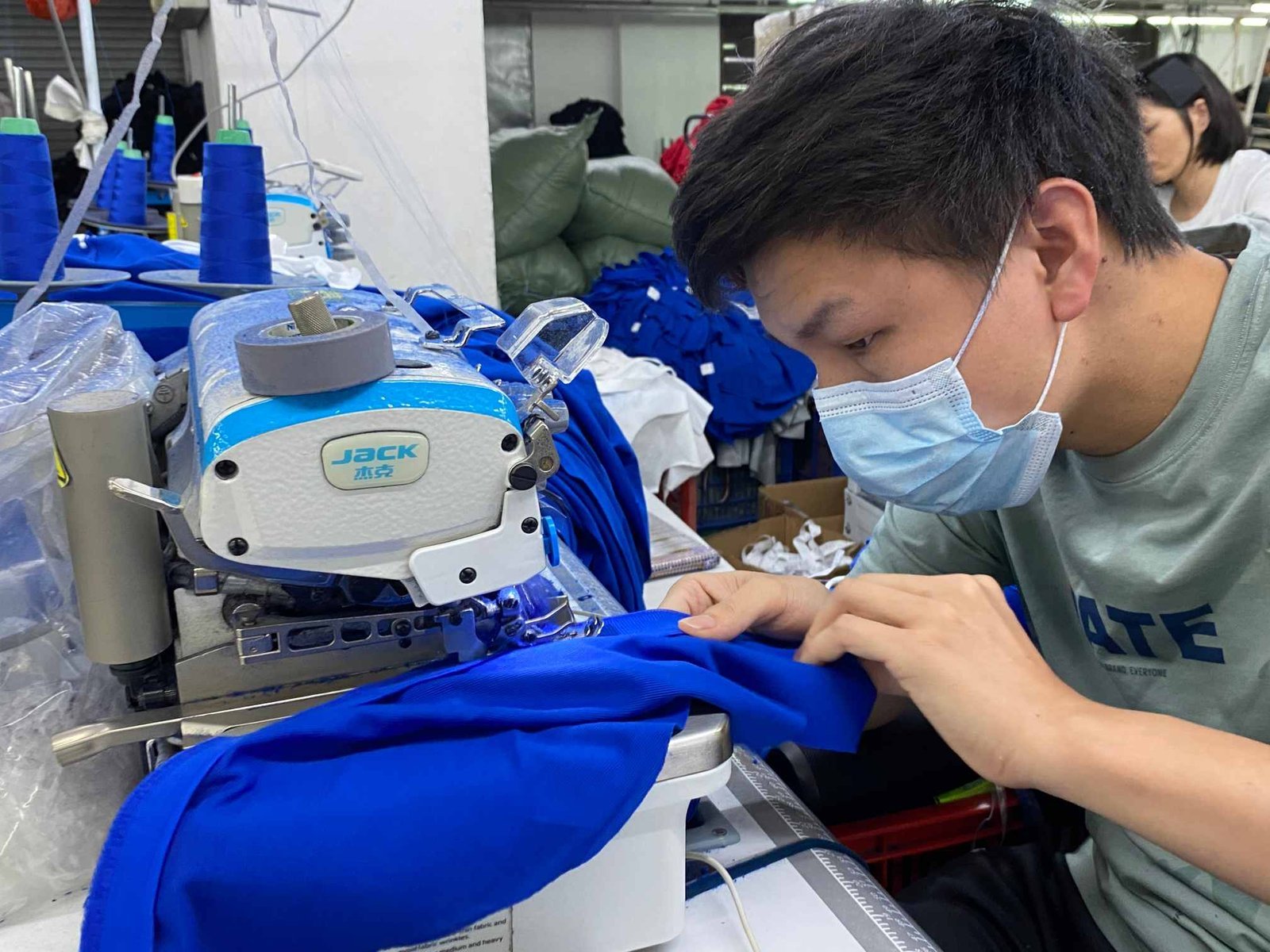
Precision & Innovation in Clothing Pattern Making
Precision Fit Tolerance Standards
We maintain micro-level tolerance ranges across every dimension of your patterns, ensuring consistent grading from sample to bulk production. Each size is tested and verified to meet our zero-compromise QC standards before patterns move to production.
- Tolerance ranges tested to ±0.5cm across all key measurements
- Automated grading verification at each size point
- Cross-fabric testing to ensure consistency despite material variation
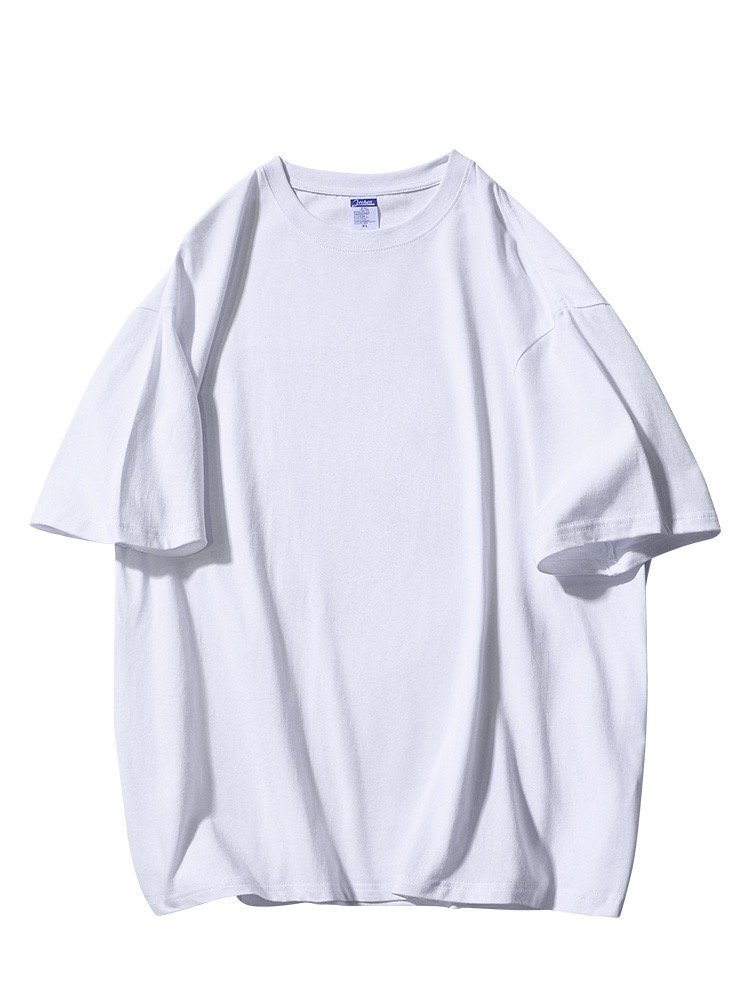
CAD Grading for Consistent Sizing
Our in-house design team uses advanced pattern grading software to scale your base pattern mathematically across all sizes. This eliminates human error and ensures that proportions remain true whether you’re producing XS or 3XL without compromise.
- Digital-first clothing pattern making with precision CAD tools
- Automated grade sheets eliminate manual scaling errors
- Multi-size consistency verified before production begins
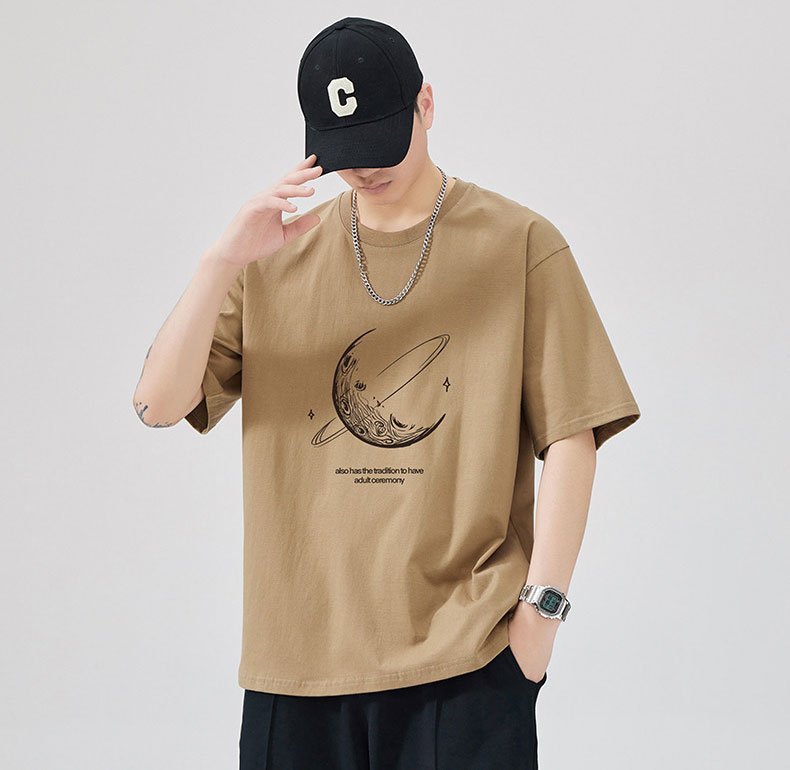
Rapid Design Iteration Cycles
Our 15-member R&D and design team transforms your vision into production-ready patterns in just 7 days. We handle unlimited revisions during sampling, so your pattern is locked only when you’re completely satisfied with every detail.
- In-house design and sampling team for rapid turnaround
- 7-day sample delivery from design brief to sewn prototype
- Unlimited revisions included until pattern meets your exact specifications
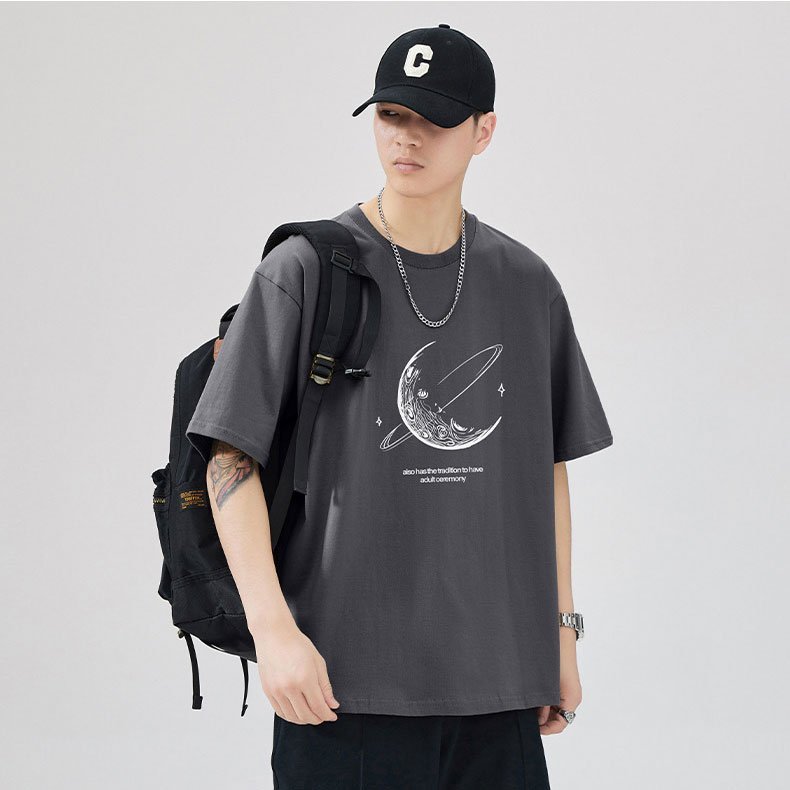
Fabric-Adaptive Pattern Methodology
Different fabrics shrink, stretch, and behave differently during production. Our patterns account for these variables through pre-production fabric testing and material-specific adjustments, ensuring your final garment hits target dimensions regardless of the fabric type or supplier.
- Pre-production shrinkage testing for each fabric type
- Stretch compensation built into pattern specifications
- Fabric QC testing integrated into our proprietary 5-step process
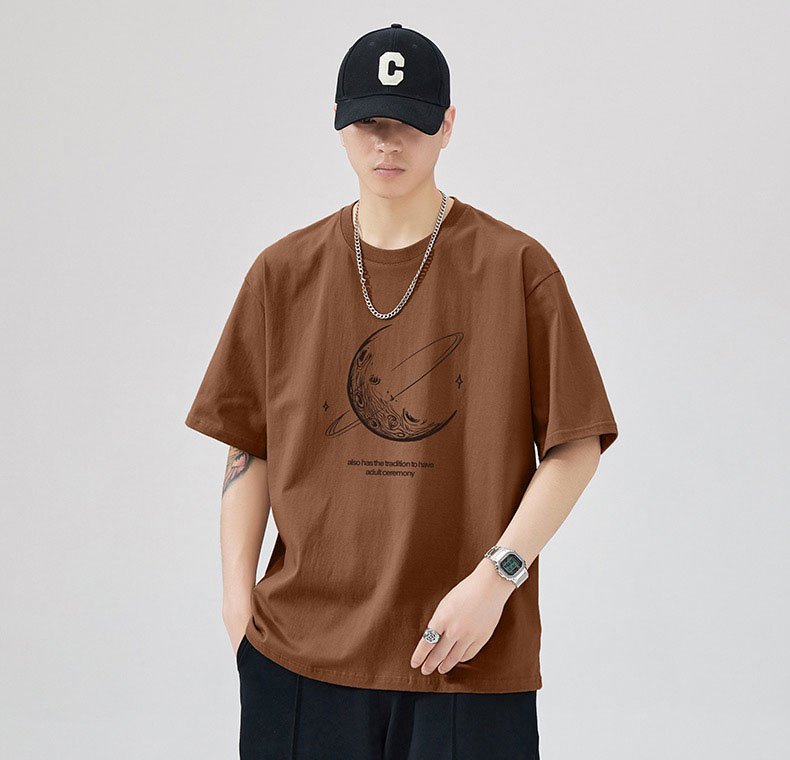
Professional Clothing Pattern Making vs. Generic Sizing Templates
Understand the trade-offs in fit, design flexibility, turnaround, and quality control
← 左右滑动查看 →
Clothing Pattern Making: From Design Brief to Production Ready
Our systematic 7-day workflow ensures every pattern is graded to precision, tested in fit samples, and verified for mass production readiness.
Design Brief & Technical Specs
Capture silhouette vision, sizing requirements, and fabric specifications. Our team reviews mood boards, fit references, and brand guidelines to align on pattern scope and technical delivery requirements.
Digital Pattern Development
Develop base patterns using precision CAD software. Our team grades across all sizes, maintaining silhouette integrity, ease distribution, and construction logic throughout your size run.
Fit Sample Production
Cut and sew a production-grade fit sample in your chosen fabric. Ready in 3–5 days, this sample lets you evaluate drape, seam placement, and comfort.
Fit Review & Revisions
Evaluate the fit sample against your design intent. Feedback drives adjustments: we refine ease, seam lines, length, and sleeve pitch to match your brand’s fit philosophy.
Pattern Quality Control
Our clothing pattern making quality control verifies all graded sizes: seam curves, notch placement, grain alignment, and construction feasibility. Each piece is signed off before production delivery.
Production-Ready Pattern Handoff
Receive complete pattern files: digital CAD, printed markers, and cutting guides formatted for your manufacturing partner. Ready for full-scale cut-and-sew production.
How Clothing Pattern Making Works: From Brief to Production
Submit Design Brief & Technical Files
Provide your complete design vision, mood boards, technical file references, material specifications, and sizing data in our required digital formats.
Confirm File Specs & Technical Accuracy
Our expert team validates all file formats, pattern dimensions, sizing accuracy, and material specifications to ensure workflow efficiency and manufacturing readiness.
Receive Production-Ready Sample Pattern
We develop your precision-engineered 7-day sample pattern using your approved specifications and complete technical documentation for your immediate fit evaluation.
Test, Approve & Iterate Fit
Evaluate fit quality of your sample pattern, approve it for production, or request targeted revisions before your bulk manufacturing begins.
Launch Full-Scale Production
Finalize pattern approval and launch full-scale bulk production with our proprietary 5-step quality control guarantee embedded at every manufacturing stage.
Brands That Scaled: Success Stories in Clothing Pattern Making
Their clothing pattern making was a game-changer. We needed patterns for our first drop in just 3 weeks—we hit the date, sold 2,500 units, and got zero fit complaints. Best investment in our startup.
As a creator brand, fit is everything. Their clothing pattern making ensured perfect consistency across all 15,000 units we ordered. Every size graded perfectly. Our community noticed—zero fit-related returns. Highly recommend.
We launch 8 seasonal collections annually. Their pattern making delivers sample-to-production patterns in just 5 days. We scaled from zero to $50K monthly revenue in under a year because of this speed.
Clothing Pattern Making: Answers to Your Questions
Clear answers to critical questions about pattern development—from file formats to revisions, MOQ to size grading.
What is clothing pattern making?
How long does clothing pattern making take?
What file formats do you accept for clothing pattern making?
What’s your minimum order quantity for production samples?
How many pattern revisions are included?
Do you offer size grading automation?
What fabrics work best for your patterns?
Can patterns include embroidery or other finishes?
The Complete Buyer’s Guide to Clothing Pattern Making
Discover how to select the right clothing pattern making partner with proven quality standards, cost models, and vendor selection criteria. Avoid common pitfalls that derail fashion brands—learn what separates reliable manufacturers from inconsistent suppliers.
1. What Is Clothing Pattern Making?
A standard garment pattern comprises 8 to 14 size variants graded across dimensions like shoulder width, sleeve length, and chest circumference. Clothing pattern making is the technical process of creating these precise two-dimensional templates that guide garment construction from raw fabric to finished product, functioning as engineering blueprints that specify every component—sleeves, panels, collars, and hems—ensuring identical reproduction across production runs.
Custom patterns diverge from industry standards by embedding brand-specific body proportions and design features. A streetwear brand might specify oversized shoulder drops of 1.5 to 2 inches beyond standard menswear proportions, extended sleeve lengths, or unconventional cutouts that define visual identity and cannot be replicated from generic patterns.
Even 0.5-inch errors in sleeve length or shoulder width cascade through cutting, sewing, and finishing stages, multiplying fabric waste and rework hours. Precision pattern making directly reduces defect rates, optimizes fabric utilization to lower material costs by 5 to 15 percent, and ensures brand consistency across shipments to 100-plus countries—making pattern accuracy foundational to both production efficiency and cost control.
2. The Evolution of Clothing Pattern Making
1960s pattern drafting relied entirely on paper, manual measurements, and physical grading—each size variation required a completely new hand-drawn pattern. This process demanded 3–5 days per garment and offered no digital archive or revision history, making corrections costly and time-consuming.
Computer-aided design (CAD) software emerged in the 1980s and transformed precision and speed dramatically. Modern pattern-making systems like Gerber, Lectra, and Optitek reduced single-pattern development from days to hours and eliminated hand-measurement errors, with tolerance accuracy now reaching 0.5 millimeters—critical for repeatable production at scale.
Digital grading automation now generates 15–20 size variations in minutes rather than weeks of manual redrafting. CAD systems also enable instant color-separation exports, digital lay-planning for zero-waste cutting optimization, and seamless communication between design, sampling, and production—shrinking sample lead times from 14–21 days to 7 days or less.
Understanding this evolution matters for brand strategy: emerging labels benefit from quick 7-day sampling and low-cost iterations via digital partners, while established retailers requiring 1,000+ unit production runs leverage advanced CAD grading and automated marker making to maintain margins and consistency across regions.
3. Types of Clothing Pattern Making Methods
Modern clothing pattern making employs five distinct methodologies, each optimized for different brand scales, budgets, and turnaround requirements. Understanding these approaches helps manufacturers and brands select the most cost-effective and efficient process for their specific production needs and design complexity.
| Method | Turnaround | Cost per Style | Best For |
|---|---|---|---|
| Hand-Drafting | 5–10 days | $150–$400 | Small-batch, custom designs |
| Digital CAD | 3–5 days | $250–$600 | Mid-sized brands, multiple SKUs |
| 3D Virtual | 2–4 days | $400–$800 | Complex styles, fast-fashion |
| Automated Grading | 1–3 days | $300–$700 | High-volume, rapid iteration |
Hand-Drafting & Manual Grading
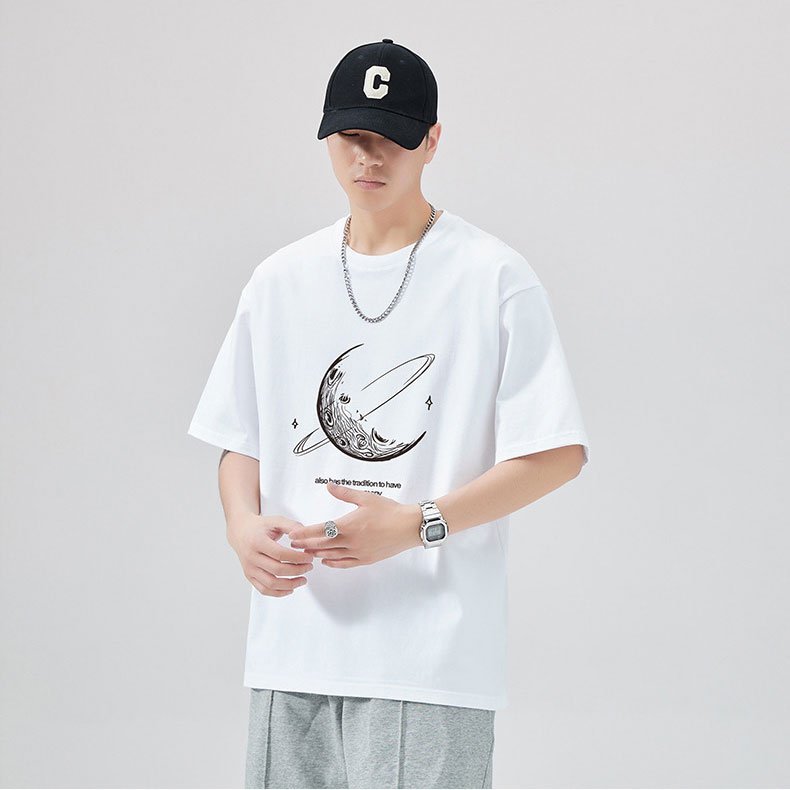
Traditional pattern makers use rulers, curve tools, and Pilot paper to draft patterns by hand, grading sizes by adding or subtracting incremental measurements.
Turnaround is 5–10 days per style; costs range from $150–$400 per pattern set. Ideal for small-batch brands, one-off designs, and designers who prioritize customization over speed.
Digital CAD Pattern Systems
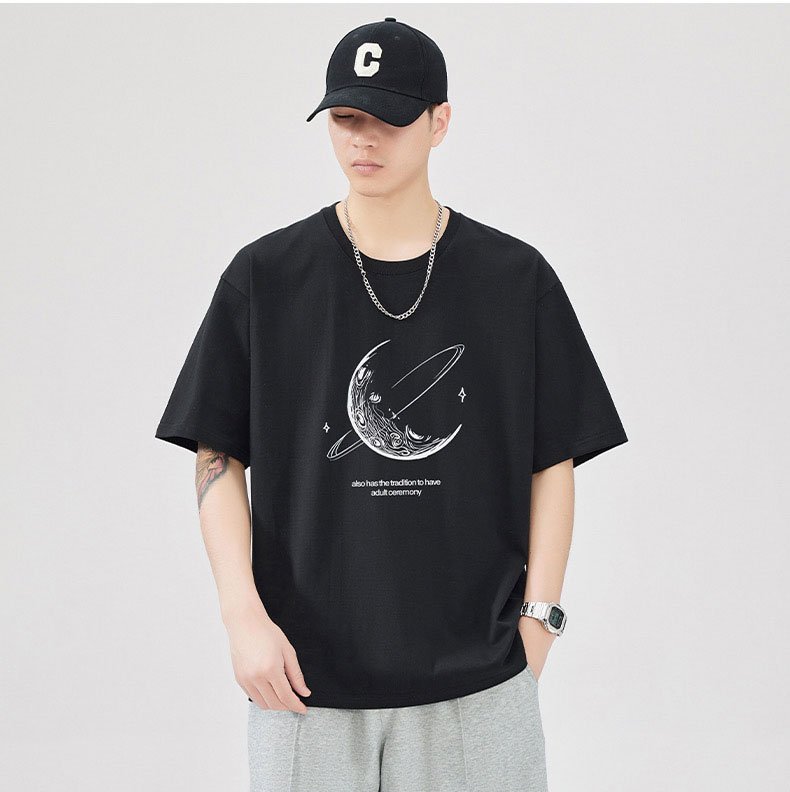
Software like Gerber AccuMark, Lectra Kaledo, and PatternMaker automate 2D pattern drafting and grading, reducing manual rework and increasing consistency.
Turnaround drops to 3–5 days; costs are $250–$600 per pattern because software setup requires trained operators. Best for mid-sized brands running multiple SKUs or makers seeking traceability across seasons.
3D Virtual Sampling
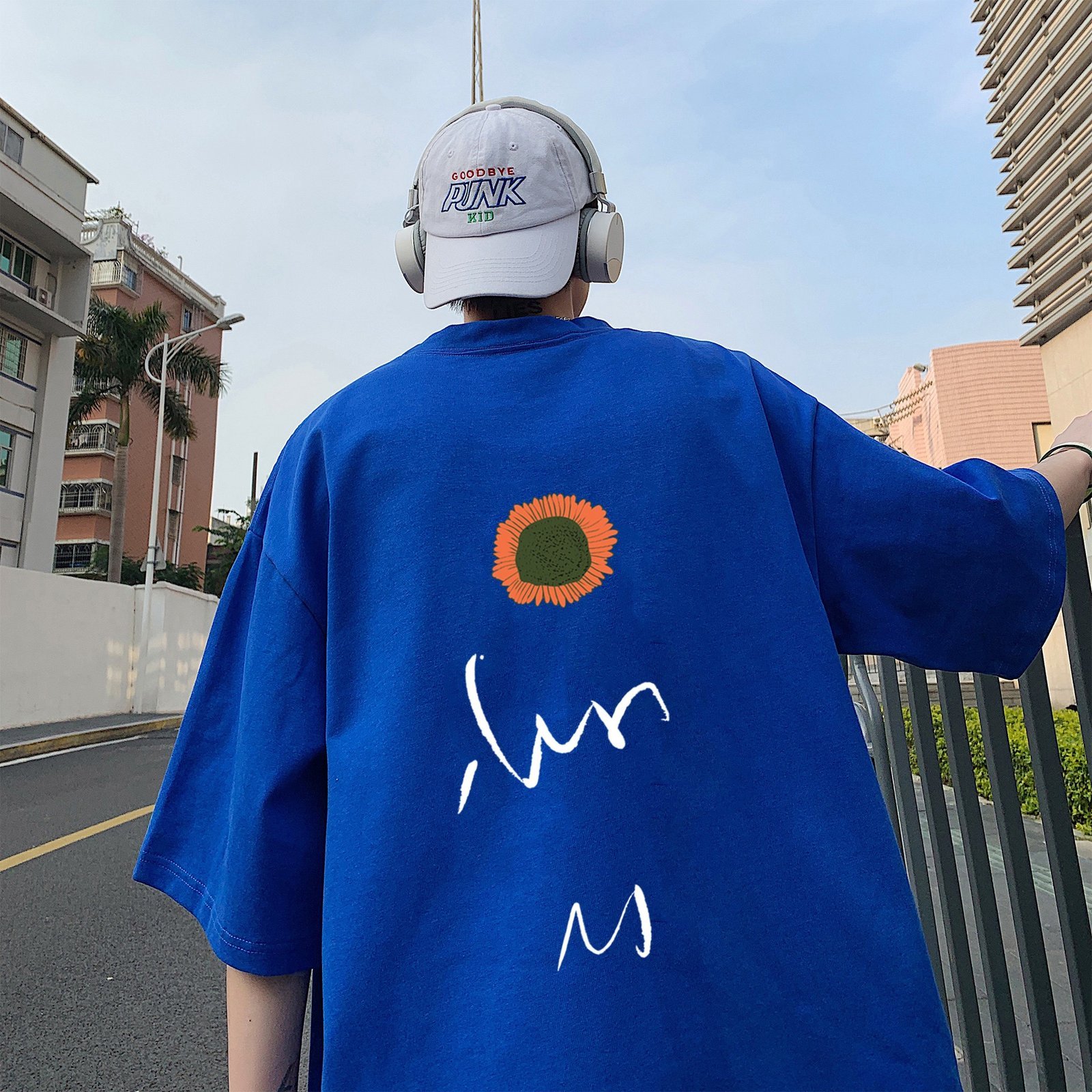
3D design software (Browzwear, CLO, Optitex) renders garments digitally before fabric cutting, reducing physical samples and accelerating design iteration.
Turnaround is 2–4 days; costs $400–$800 per style because of licensing and expertise. Suits brands developing complex styles, fast-fashion labels, and anyone previewing fit before bulk production.
Automated Grading & Hybrid Methods
AI-assisted grading algorithms scale patterns across sizes with minimal manual input, maintaining proportional accuracy from XS to XXL.
Turnaround is 1–3 days; costs $300–$700. Essential for high-volume retailers, global brands, and companies requiring rapid iteration without sacrificing fit consistency.
4. Materials & Fabrics for Pattern Sampling
Fabric selection directly impacts clothing pattern making accuracy and production scalability. Test fabrics must replicate intended production weight and fiber content to validate fit and construction before manufacturing at scale.
| Fabric Type | GSM Range | Durability | Typical Application |
|---|---|---|---|
| Jersey (Ring-Spun Cotton) | 140–160 | High | T-shirts, basics |
| French Terry | 280–320 | Very High | Hoodies, sweatshirts |
| Twill (Cotton/Poly) | 240–280 | High | Pants, jackets |
| Lightweight Fleece | 200–240 | Very High | Hoodies, pullovers |
| Performance Knit (Poly/Spandex) | 160–200 | Very High | Athletic streetwear |
Understanding Fabric Weight and GSM
GSM (grams per square meter) ranges from 100-300+ depending on garment type. Lightweight fabrics (100-150 GSM) suit t-shirts; midweight (150-250 GSM) works for polos and light jackets; heavyweight (250+ GSM) for hoodies and sweatshirts.
Sampling with correct GSM ensures patterns account for fabric drape and seam stress.
Fiber Blends and Performance Features
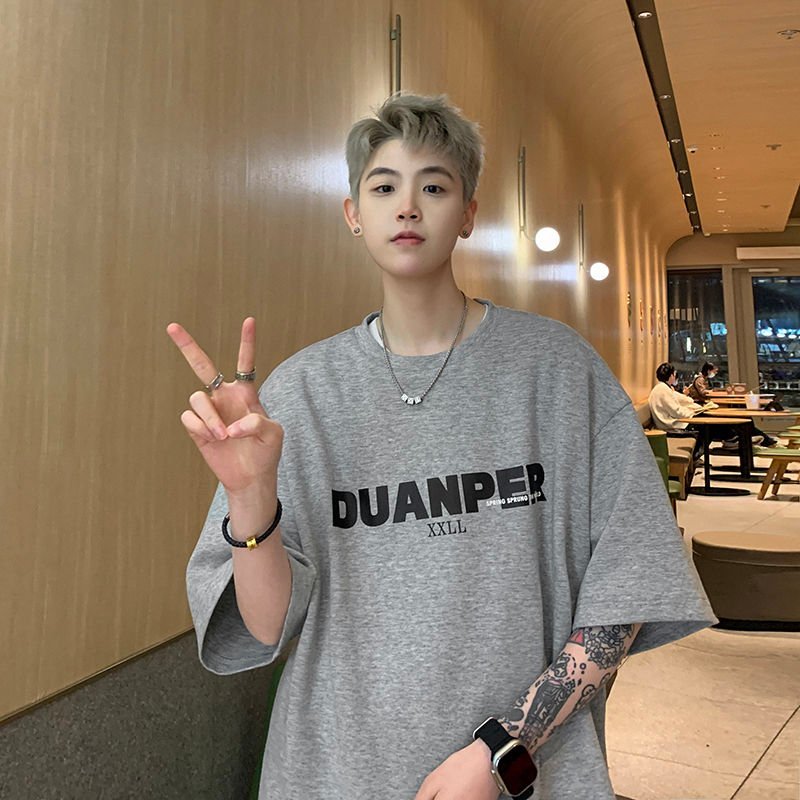
Cotton blends (cotton/polyester) offer durability and printability; 100% cotton provides breathability and prestige feel.
Performance fabrics include moisture-wicking polyester, anti-microbial treatments, and stretch blends for active streetwear. Fiber content affects pattern grading, seam strength, and final garment cost during production.
Selecting Test Fabrics for Patterns
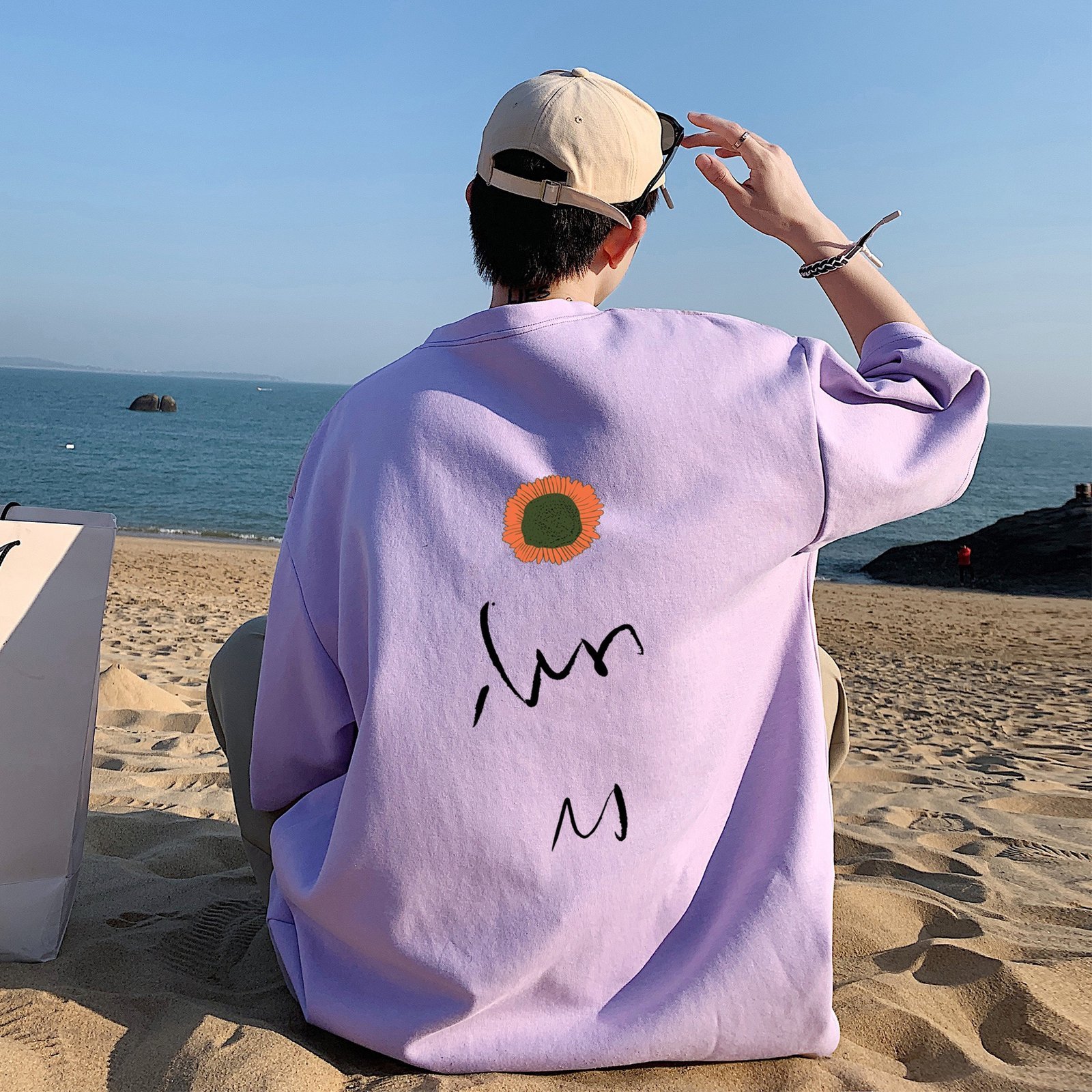
Pattern makers use pre-production fabric samples matching final fiber content, GSM, and finish.
Testing with production-spec fabric reveals fit issues before full-run commitments. Streetwear brands test multiple fabric sources—domestic mills vs. Asian suppliers—to compare hand-feel, shrinkage, and color consistency before placing bulk orders.
Sustainability in Fabric Selection
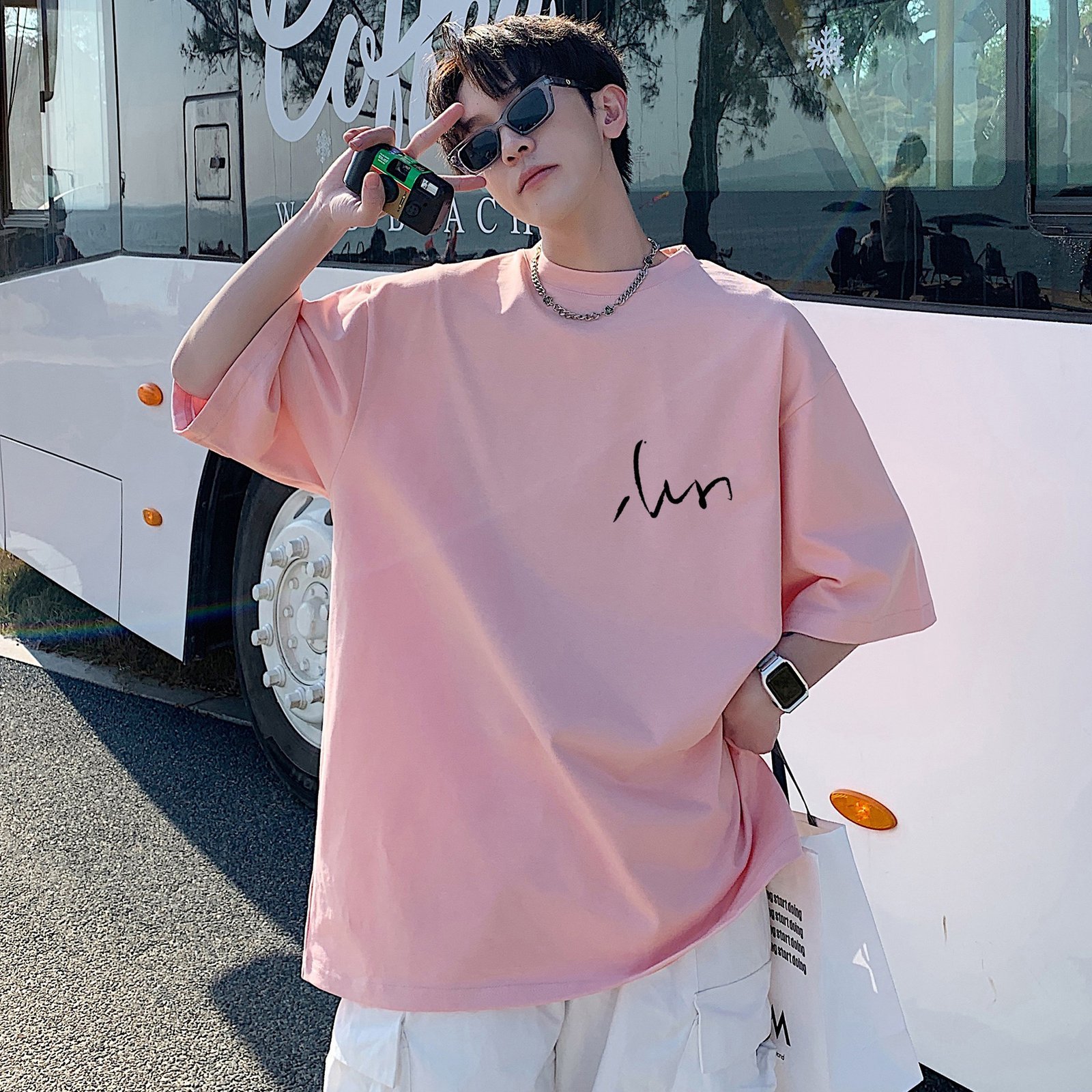
OEKO-TEX and GOTS certifications verify chemical safety and organic fiber sourcing.
Recycled polyester reduces environmental footprint while maintaining durability. Sustainable fabric sourcing aligns with brand values; many retailers and independent designers now require compliance certifications from suppliers during pattern approval and production.
5. Customization Options in Clothing Pattern Making
Pattern customization determines brand identity while affecting production economics. Choices range from basic sizing adjustments to full brand-specific embellishment suites, each carrying distinct MOQ, lead-time, and per-unit cost implications.
| Customization Level | MOQ Range | Lead Time | Cost Per Unit | Best For |
|---|---|---|---|---|
| Single-Size Test | 50–150 units | 10–14 days | +$3–$8 | Testing, Small Drops |
| Multi-Size Grading | 200–500 units | 18–25 days | +$0.50–$1.50 | Emerging Brands |
| Full Custom Suite | 500+ units | 21–28 days | −$2–$5 | Established Labels |
Fit & Silhouette Grading
Sizing runs follow S-M-L-XL or numeric grading. Creating markers for each size adds 2–5 working days and 8–12% to pattern costs.
Full curve grading suits inclusive sizing but requires advanced software. Brands invest when targeting premium retail ($45+ wholesale) or DTC loyalty channels.
Construction Details
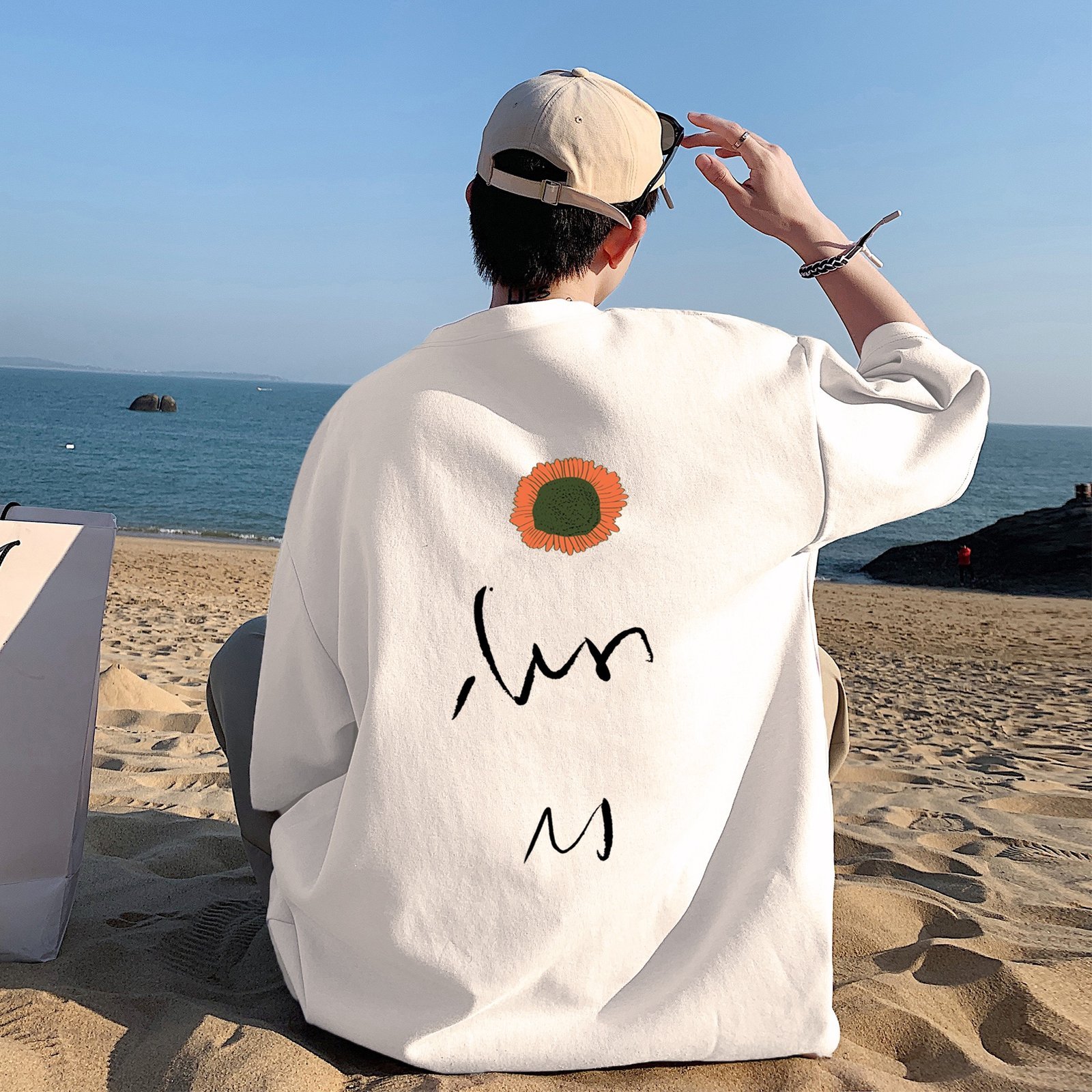
Specialty details—YKK zippers, metal snaps, flat-locked seams—add $0.40–$1.80 per unit and 2–7 working days. Pocket placement and collar height are pattern changes costing $50–$200 in design labor.
Streetswear brands layer multiple details for brand reinforcement while ensuring coordination with fabric weight and sewing equipment.
Trend-Driven Adaptation
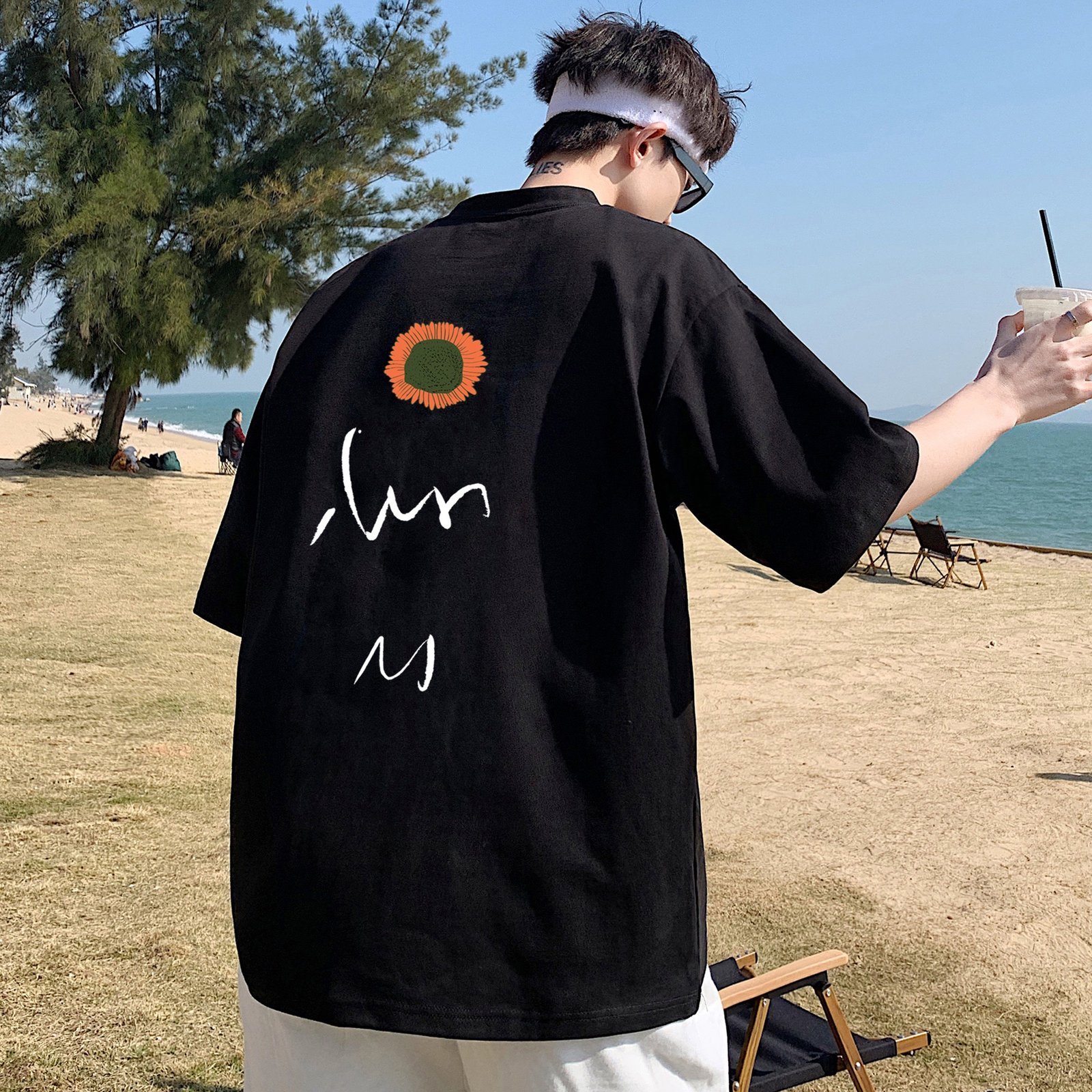
Seasonal drops adapt base patterns through sleeve silhouette shifts, color blocking repositioning, and embellishment zone changes. Resampling a 50-yard validation batch takes 7–10 working days with existing tooling.
Agile manufacturers embed trend research into pattern libraries, reducing seasonal customization to $100–$300 in design fees and 5–7 day lead times—critical for capturing viral moments.
Cost & Lead-Time Scale
Single-size test batches (MOQ 50–150 units) complete in 10–14 days but carry $3–$8 per-unit overhead. Multi-size runs (MOQ 200–500) realize $0.50–$1.50 per-unit savings but extend to 18–25 days.
Full brand packages (MOQ 500+, 21–28 days) enable $2–$5 per-unit savings and embed brand identity into production workflows.
6. Key Quality Indicators in Pattern Construction
Pattern quality directly impacts production efficiency and final garment consistency. Manufacturers must audit grading accuracy, seam alignment, and closure placement against documented tolerances during production, not after finishing. Defects caught early prevent costly rework downstream.
Grading Accuracy & Size Progression
Grades must scale proportionally across sizes. Industry standards allow ±0.5 to ±1.25 inches tolerance depending on piece complexity. Non-linear progression indicates rushed digitization and causes fit failure.
Verify each grade increment against spec sheets before cutting. Catching grading flaws in pattern costs 10× less than rework in sewn pieces.
- Check sleeve length and width increments against specs
- Flag grade jumps exceeding 10% deviation
- Compare curves across front, back, and sleeve
Seam Alignment & Closure Placement
Misaligned seams create visible twists when worn. Shoulder seams must mirror within 0.25 inches; button placement within 0.125 inches (3.2 mm). Both defects amplify in production runs.
Inspect samples under strong light at 45-degree angles. Test closure action on finished samples before approving full-scale production. Asymmetry in plackets or cuffs signals rushed pattern matching.
- Measure front-to-back shoulder symmetry on both sides
- Verify buttonhole spacing matches button placement ±0.125 inches
- Check zip centering and closure tension
Quality Audit Checkpoints
Leading manufacturers implement QC during pattern grading and digitization, not after production. Pattern errors discovered in sample cost 10–15× more to fix in full production.
Request grade progression reports, digital pattern files, and first-article inspection records from suppliers. Inconsistent spacing or asymmetry across samples signals skipped QC steps. Build an intake checklist covering grade accuracy, seam alignment, and closure precision.
- Request grade progression spreadsheets and CAD pattern files
- Inspect first 10 cut pieces for consistency before scale-up
- Document all findings on QC cards before packing
7. How to Choose a Clothing Pattern Making Partner
Selecting a pattern-making partner requires evaluating technical expertise, turnaround speed, quality systems, and communication protocols. Leading manufacturers operate CAD-driven workflows, maintain transparent revision policies, and deliver consistent 7-day sample turnarounds.
Technical Certifications & Portfolio
Verify OEKO-TEX or GOTS certifications on finished samples. Request portfolio work across streetwear silhouettes: hoodies, oversized tees, joggers.
Confirm hands-on experience with construction techniques like flatlock seams, gussets, overdyes, and specialty finishes.
- OEKO-TEX and GOTS certifications on samples
- Portfolio work across 5+ streetwear silhouettes
- Proven flatlock, gusset, and overdye techniques
CAD Systems & Grading Capability
Confirm Gerber or Lectra CAD proficiency—industry standards for digital pattern development and grading.
Ask whether pattern files integrate with automated grading systems for size scaling. Verify digital pattern libraries enable faster production runs.
Turnaround & Revision Terms
Industry standard is 7-14 days for initial sample patterns. Negotiate unlimited revisions included in upfront fees.
Clarify rush options and contract penalties for missed deadlines. Request written commitments on timeline and costs.
Approval Workflows & Ownership
Define weekly touchpoints via email or video. Establish approval signoff process: digital markup, fit session attendance, or sample approval.
Clarify who retains pattern IP, revision history, and archived file access. This protects your brand’s design assets.
Red Flags & Vendor Assessment
Avoid partners demanding upfront payment without signed agreements. Be skeptical of 3-day turnarounds or unlimited free revisions.
Request references from three comparable brands. Verify physical location and response time to inquiries.
- Upfront payment without signed contracts
- Turnaround promises under 3 days
- Unlimited free revisions after initial fee
- Fewer than three client references available
8. Common Mistakes Brands Make in Clothing Pattern Making
Five critical pitfalls delay production and inflate costs: inadequate fit testing, flawed grading logic, inconsistent specs, compressed timelines, and vague revisions. Prevent costly rework with systematic checklists and clear communication.
Inadequate Fit Testing
Brands testing only one or two sizes discover fit issues post-production, requiring full sample runs, revised patterns, and delayed launches.
Industry standard: minimum 3-size fit matrix plus real-world wearer feedback before production approval.
- Test XS, M, XL minimum (head, shoulders, arm mobility)
- Validate on target demographic body types
- Document fit feedback with photos, measurements
Flawed Grading Ratios
Grading must scale proportionally across bust, waist, hip, and sleeve length; uniform 0.5-inch increments create mismatches where size L sleeves don’t align with the body and size XL shoulders bunch.
Your 3–5 graded samples require ratio validation against your target market’s anthropometric data.
- Use size-specific grading (0.5-inch bust ≠ 0.5-inch waist across all sizes)
- Validate 3–5 graded sizes before production
- Compare to competitor garment specs
Inconsistent Vendor Specs
A 22-inch chest specification means nothing without tolerance, measurement methodology, and reference standards. One facility measures rib cage; another measures under-arm.
Sending the same spec pack to multiple vendors typically yields 2–3 inch variance. Standardize measurement points, tolerance bands (±0.5 inch), reference garments, and signed-off pattern sheets.
- Photograph measurement points on reference garment
- Define tolerance per measurement (front, back, sleeves)
- Cross-check 2+ vendors on same spec
Compressed Timelines and Vague Revisions
Patterns require 2–3 weeks minimum for proper grading, sampling, and fit testing cycles. Vague requests like ‘make it look cooler’ force vendors to guess.
Define revision scope: maximum 2 revision rounds per phase, specific change requests (e.g., ‘narrow collar 0.5 inch’), and hard approval dates.
- Schedule 21–28 days for pattern development
- Limit revision rounds to 2 per phase
- Attach technical sketches with every revision request
9. Steps to Launch Your Brand with Custom Clothing Patterns
Launching a brand requires coordinating concept development, pattern creation, sampling, and final quality sign-off. Most startups underestimate the 6-12 week timeline from concept to production-ready patterns. This section walks through each phase, cross-functional roles, realistic timelines, and critical deliverables.
Define Concept & Specifications
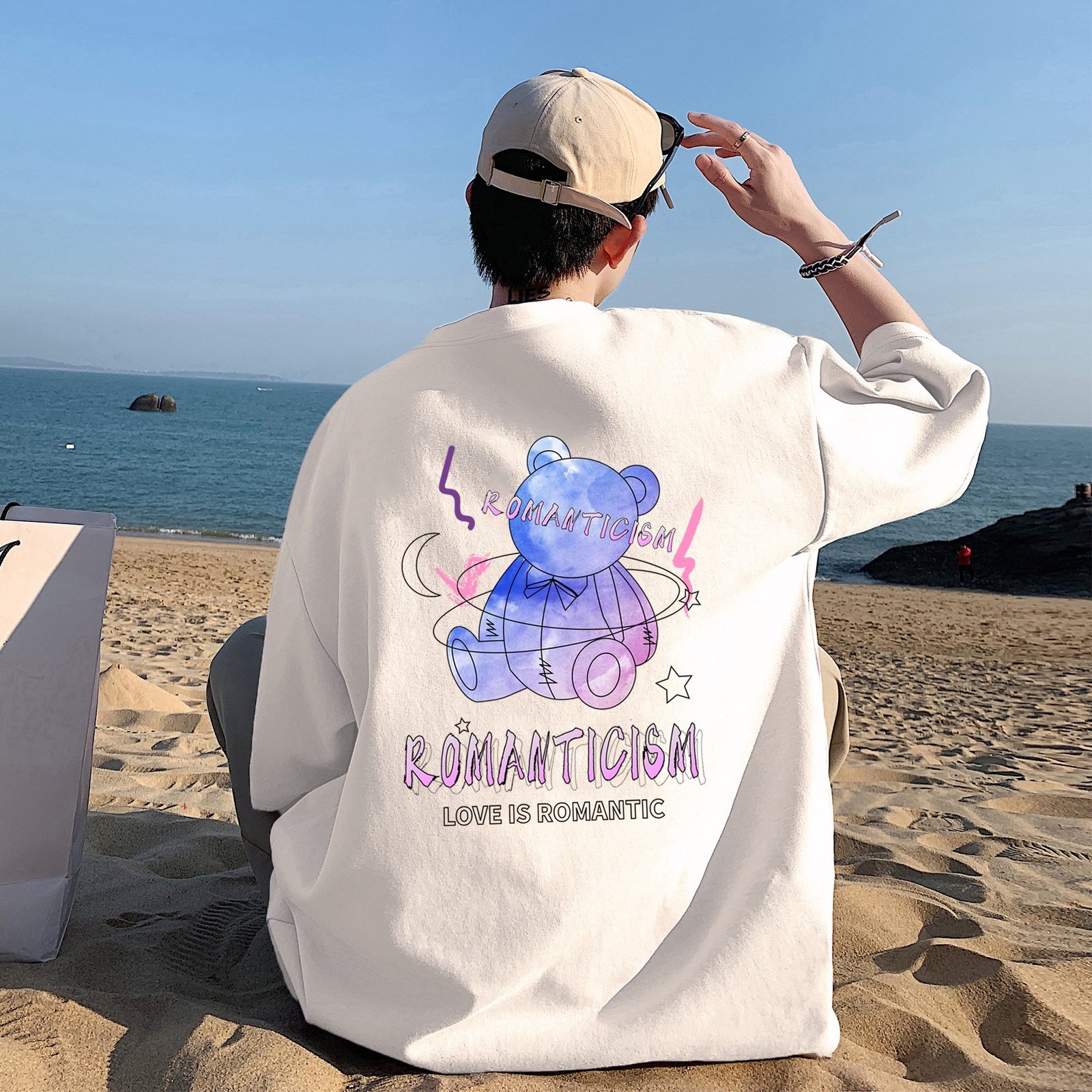
Most brands allocate 2-3 weeks to concept definition. Document fabric weight (290 GSM for hoodies), color count (typically 3-5 launch colors), size range, and design elements. A complete specification sheet includes technical drawings, construction details, and stitch specifications.
Your pattern maker references this throughout development. Incomplete specs add 4-8 weeks to development cycles.
Create & Approve Patterns
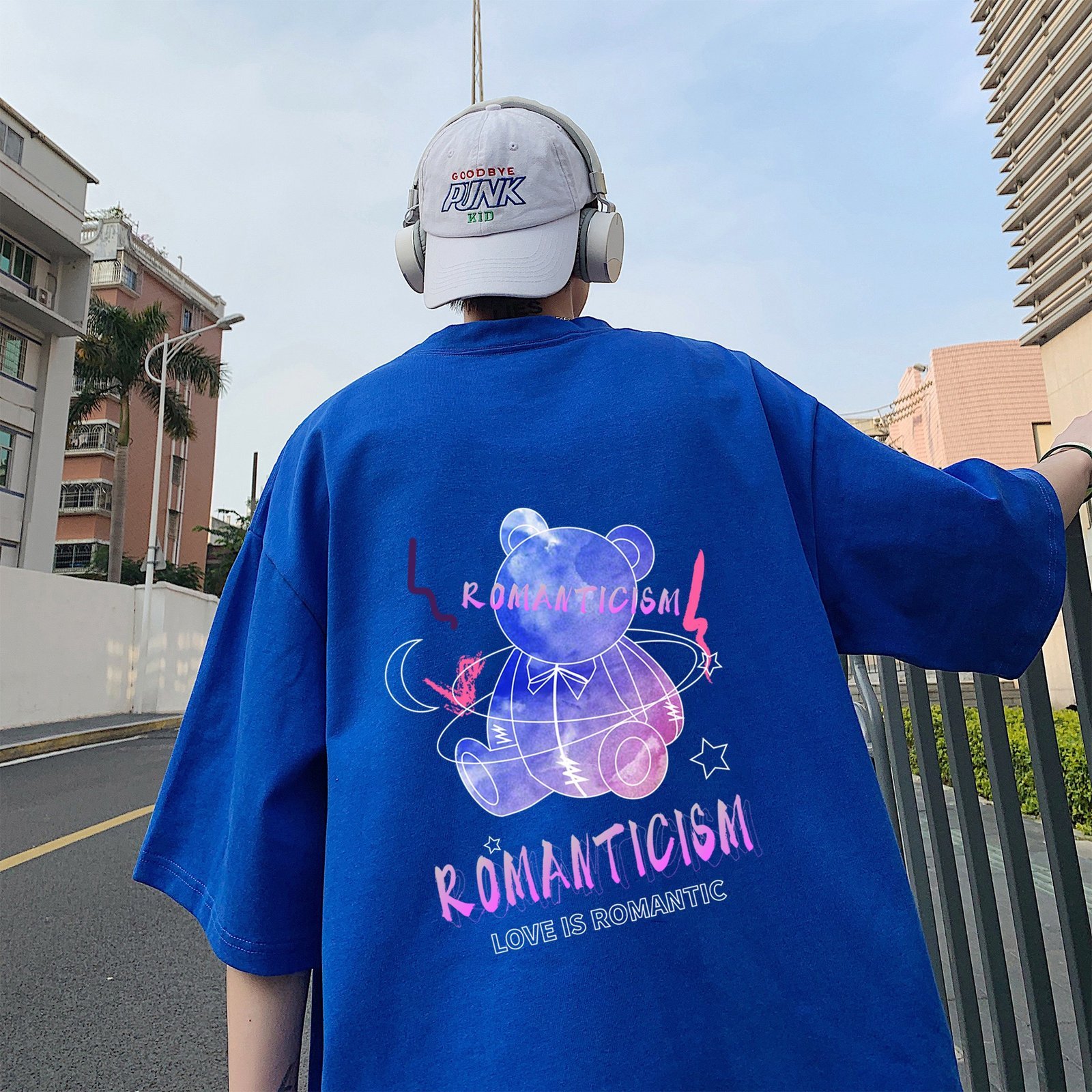
Professional pattern making requires 1-2 weeks from approved specs. Expect size grading (typically XS-XL or XXS-XXL) with individual pattern pieces generated per size. Request patterns in CAD format or PDF.
Multiple revision cycles are standard. Allow 3-5 days per revision round.
Develop & Iterate Samples
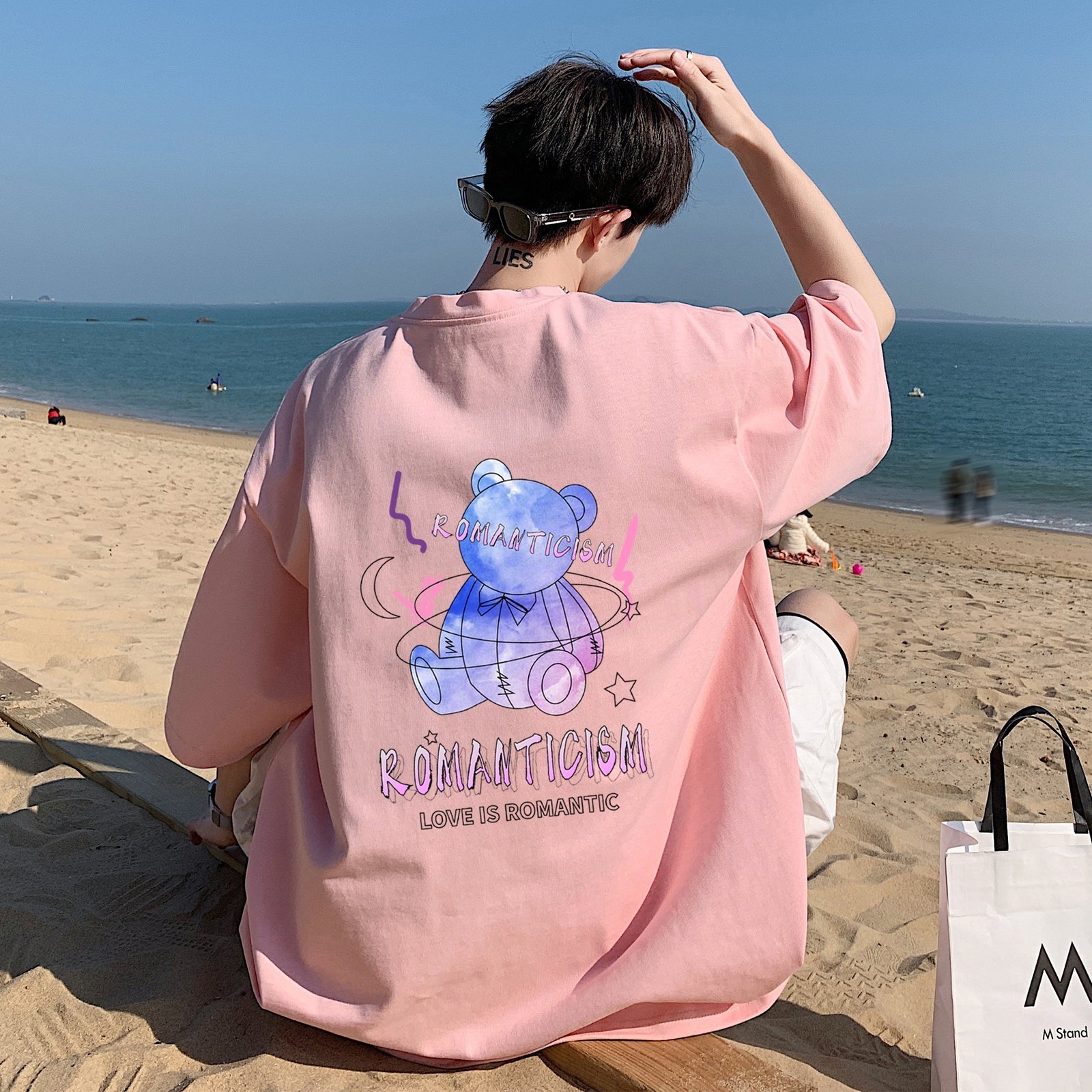
Sample development spans 3-4 weeks and is essential for startups validating fit and production feasibility. Quality checks at cutting, sewing, and finishing stages identify defects early. First sample validates pattern accuracy; second verifies production fit and quality.
Provide detailed feedback on color accuracy, construction, and sizing. Most brands complete 2-3 sample iterations before approval.
Production Grading & Testing
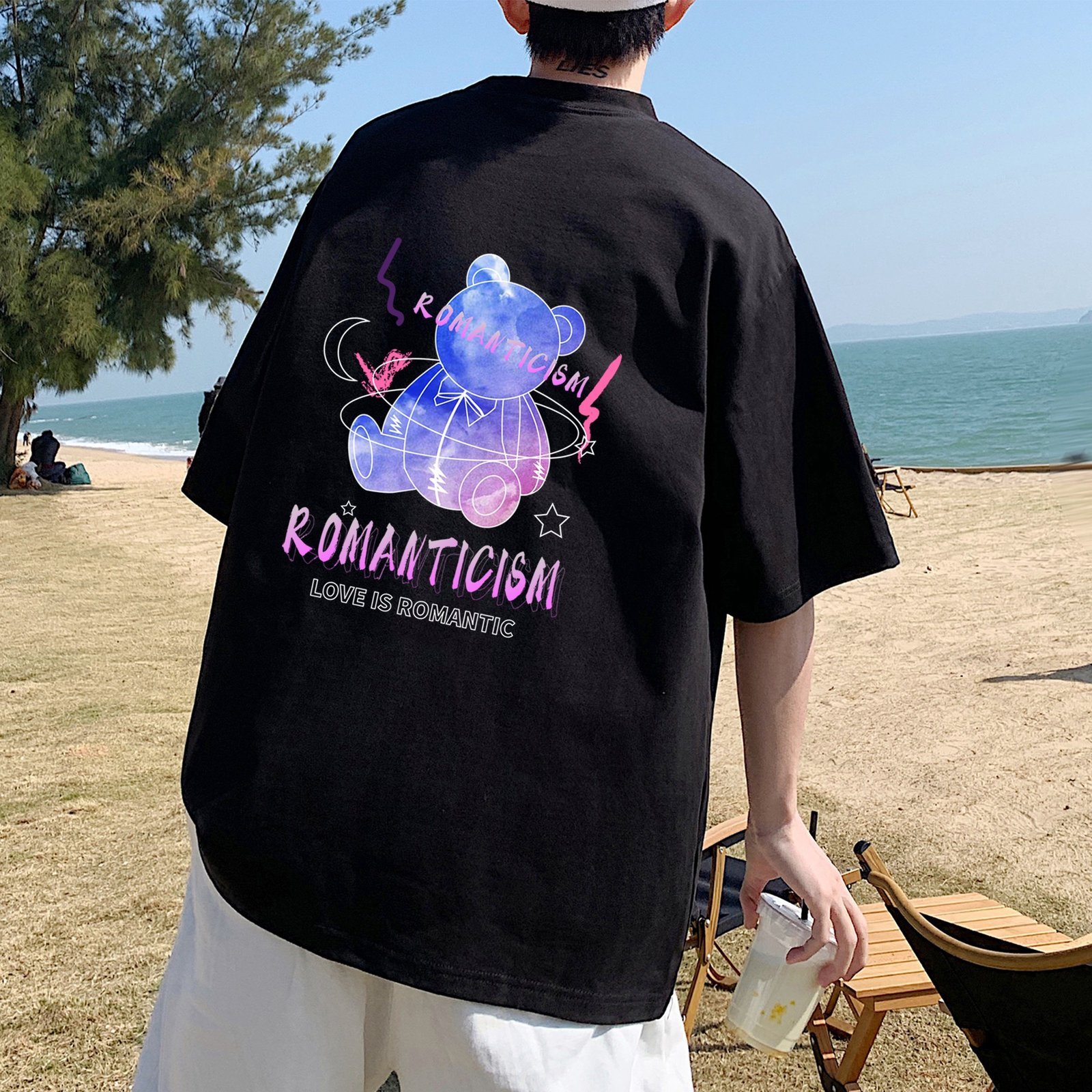
Once patterns are approved, production grading ensures consistency across all sizes. Your QA team verifies seam strength (minimum 10 kg per standard), fabric shrinkage, color fastness (OEKO-TEX or GOTS when applicable), and zipper/button durability. Timeline: 1-2 weeks. Documentation includes care labels and compliance certificates.
Handoff & Production Launch
Final sign-off requires consensus from design, pattern maker, and QA teams. Create a master production file with approved patterns, trim specifications, color references, and documented quality standards. Provide your manufacturer with signed-off patterns plus a physical reference sample so production floor teams maintain consistency throughout the run.
Launch production once all stakeholders sign documentation.
10. Pricing & Cost Models for Clothing Pattern Making
Minimum order quantities in clothing pattern making typically start at 10 pieces for sampling and prototyping, with meaningful cost reductions appearing at 50-piece and 500-piece tiers. Pattern complexity—measured by number of panels, seam configurations, and design details—drives unit costs dramatically; a simple T-shirt pattern costs one-third to one-half the price of a complex technical piece with structural seaming, darts, and multiple collar variations.
Three to five free revisions are standard in most production partnerships, with additional revisions charged at $50–$150 per iteration depending on scope. Rush fees for 3-day turnaround run 20–40% premiums over standard lead times, while technology licensing for specialized embroidery patterns or heat-transfer designs adds $200–$500 per design to the project cost.
Smart buyers negotiate fixed-cost pattern packages rather than per-revision fees, clarify what constitutes a ‘revision’ in writing, and request itemized quotes separating materials, labor, and overhead. Hidden costs often hide in approval cycles (rounds of samples your team rejects) and communication delays across time zones—Dongguan-based partners typically expect clear digital mockups and specification sheets upfront to avoid costly rework cycles. Learn more about Clothing Manufacturer Ltd.
| Quantity | Simple Pattern (per unit) | Moderate Pattern (per unit) | Complex Pattern (per unit) | Lead Time |
|---|---|---|---|---|
| 10 pieces | $180 | $320 | $550 | 10–14 days |
| 50 pieces | $95 | $180 | $320 | 7–10 days |
| 500 pieces | $40 | $80 | $150 | 5–7 days |
Start Your Clothing Pattern Making Project Today
Get a free pattern review within 24 hours. Zero MOQ minimum, 7-day turnaround, and backed by our zero-compromise 5-step quality control guarantee.