
Premium Clothing Sampling Service for Streetwear Brands
Launch your collection faster. Our clothing sampling service delivers production-ready samples in days with rigorous quality control, expert streetwear design, and dedicated support for emerging brands.
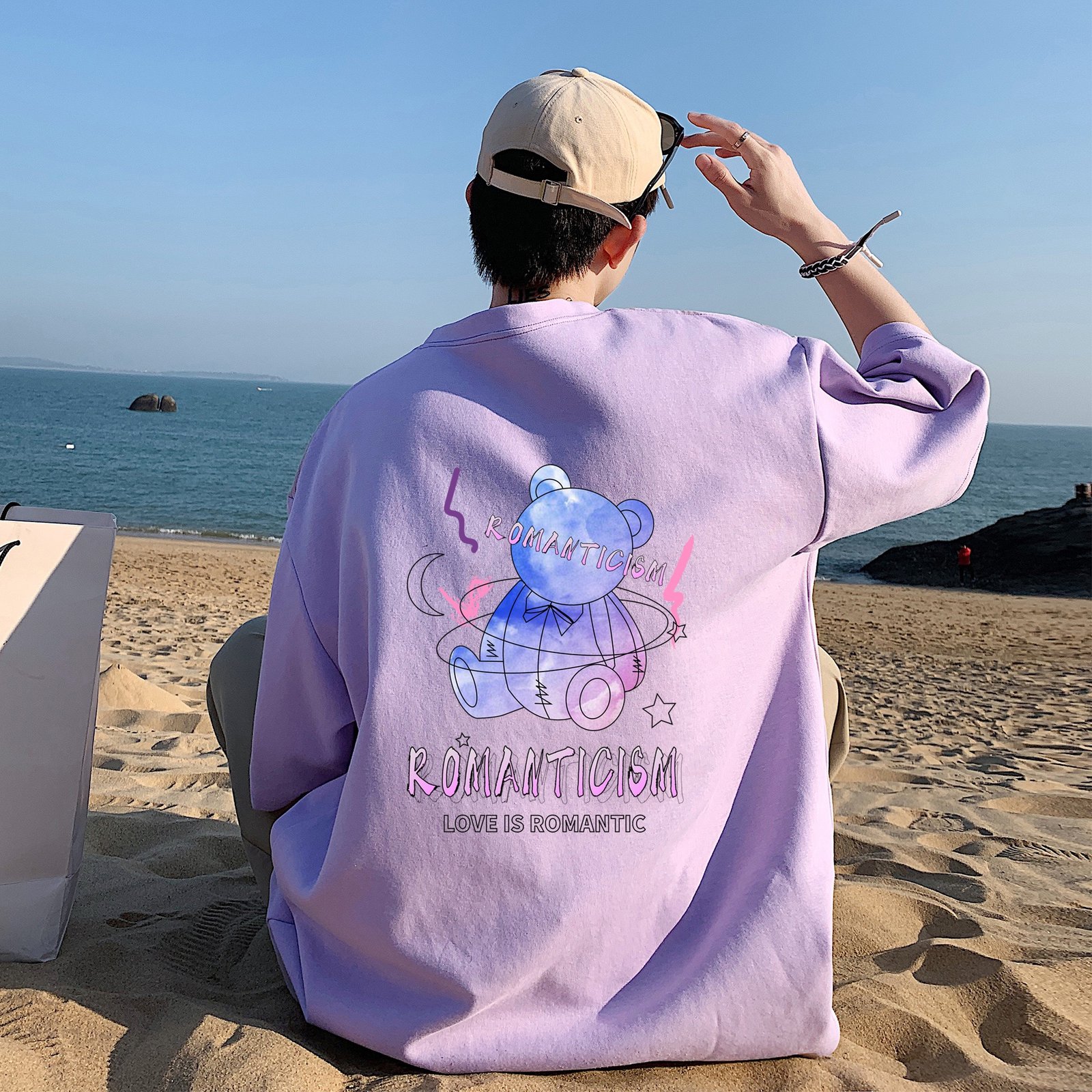
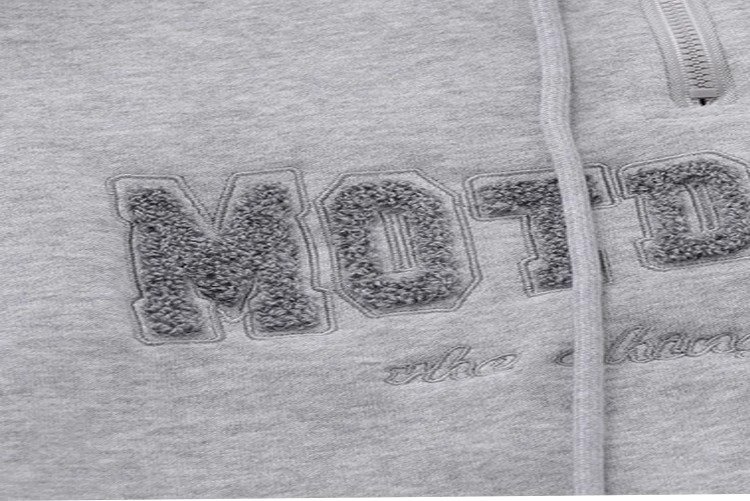
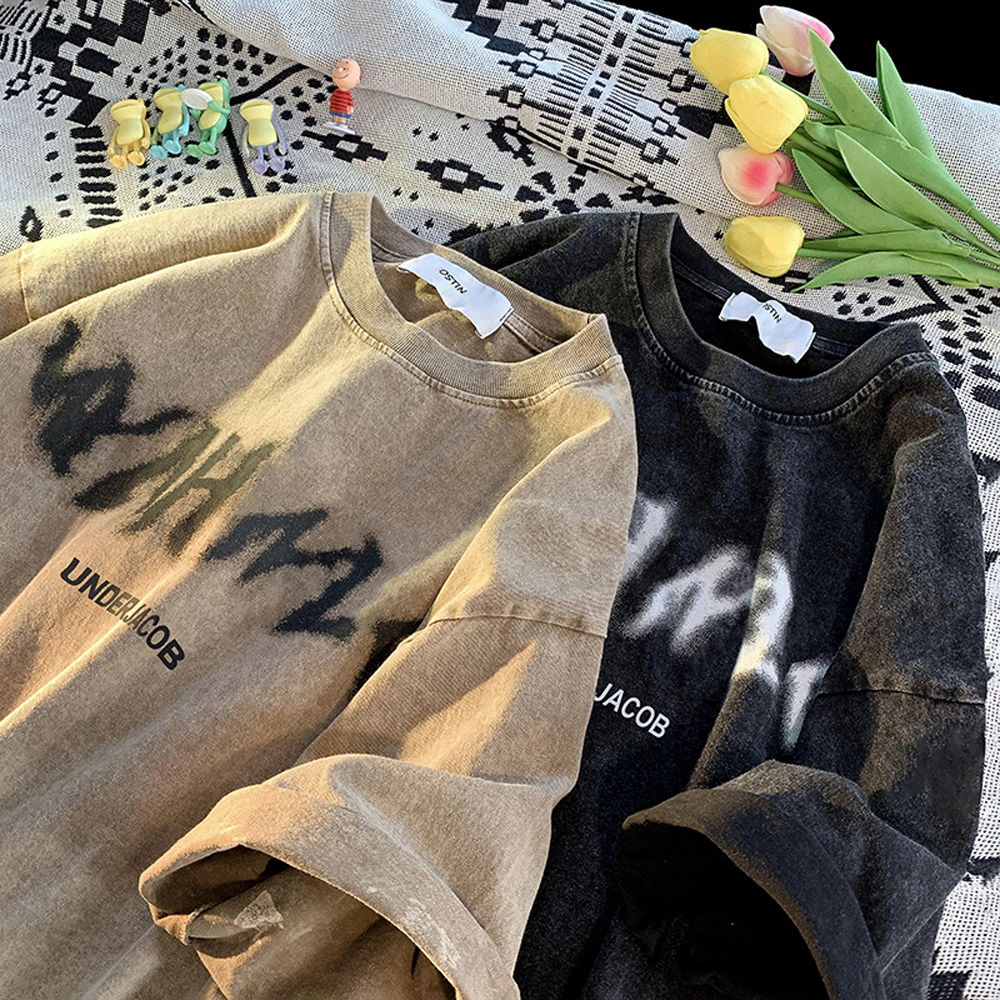
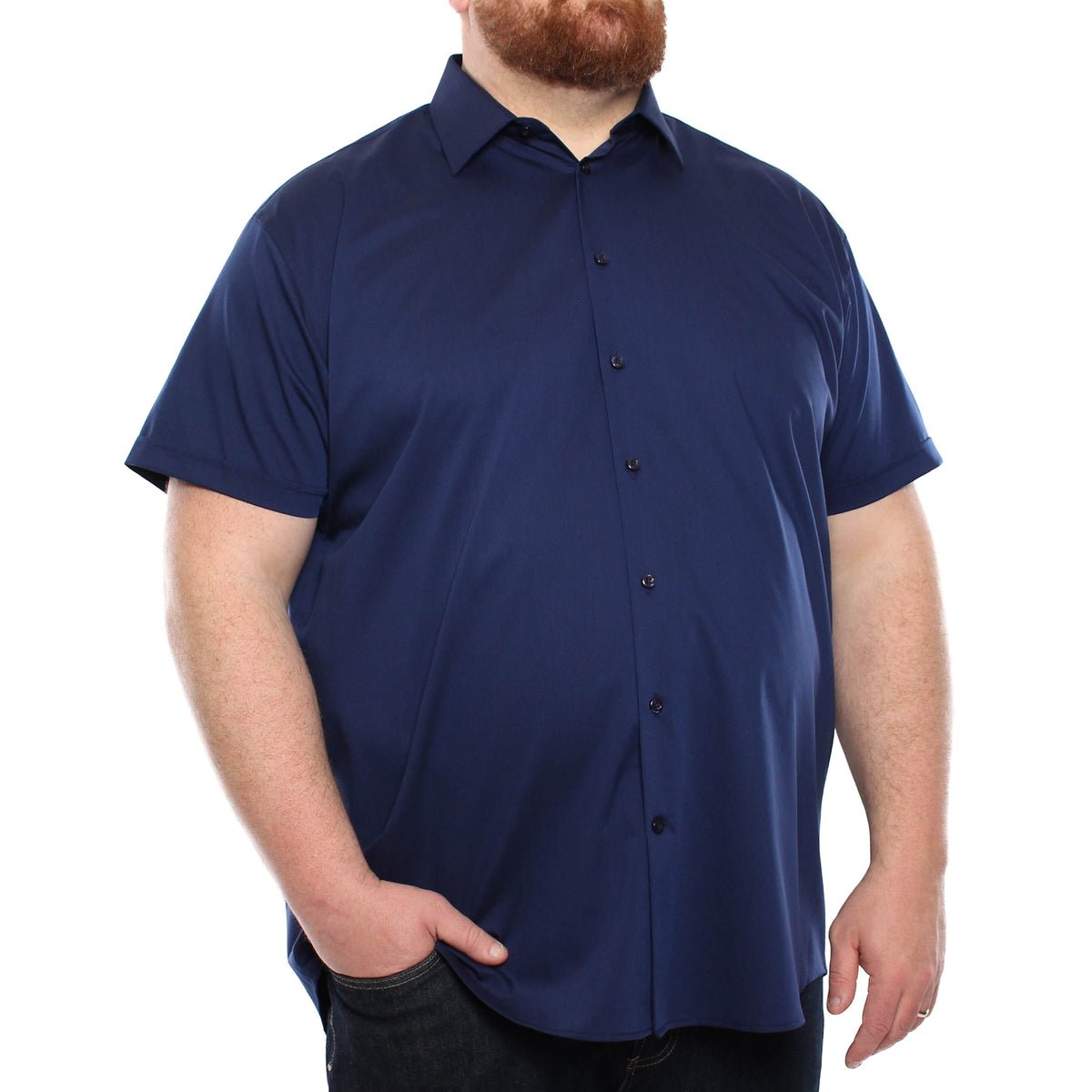
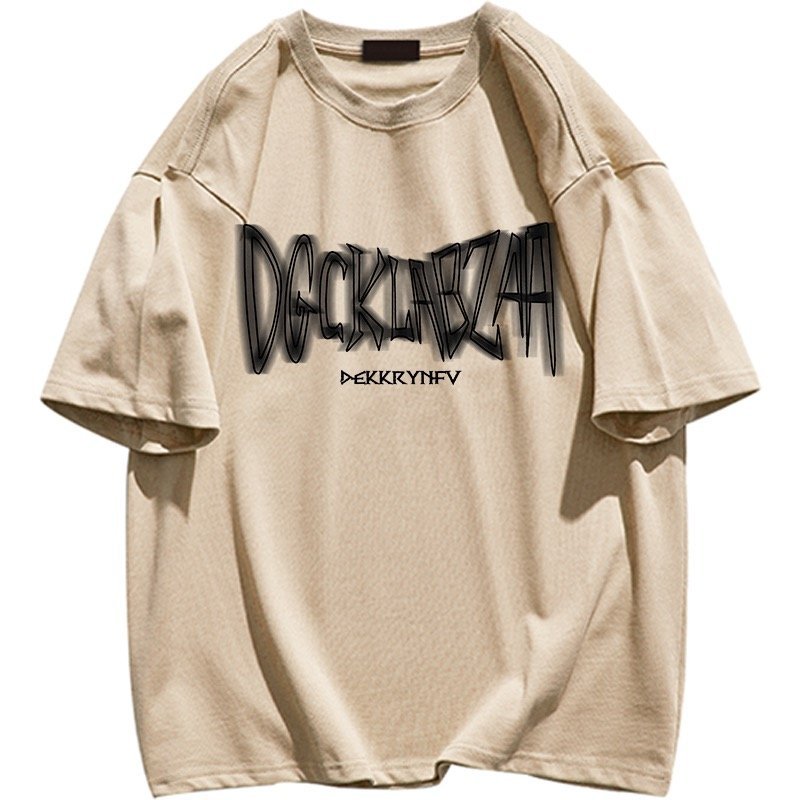
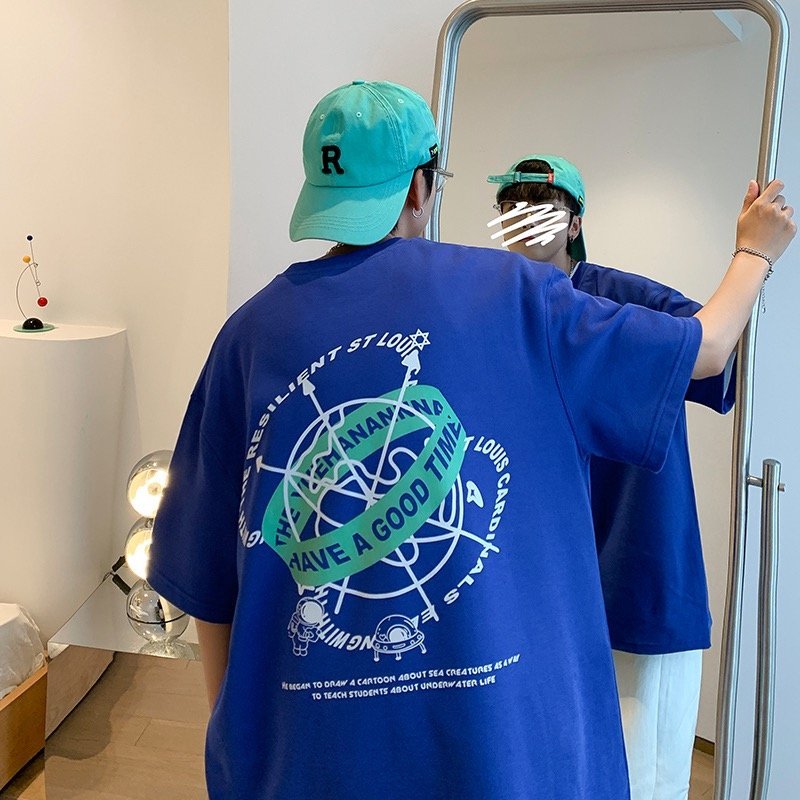
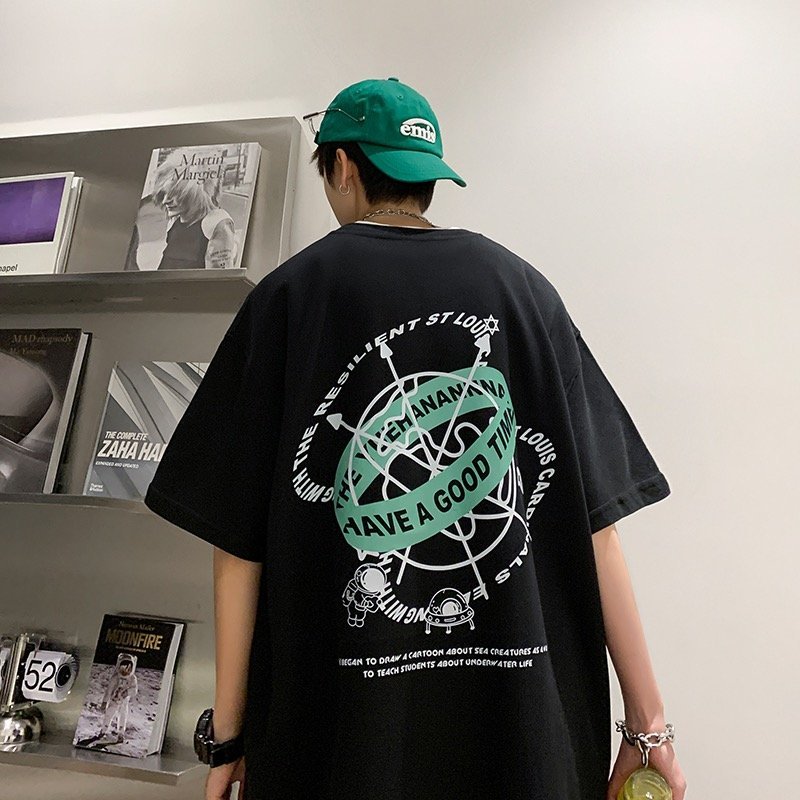
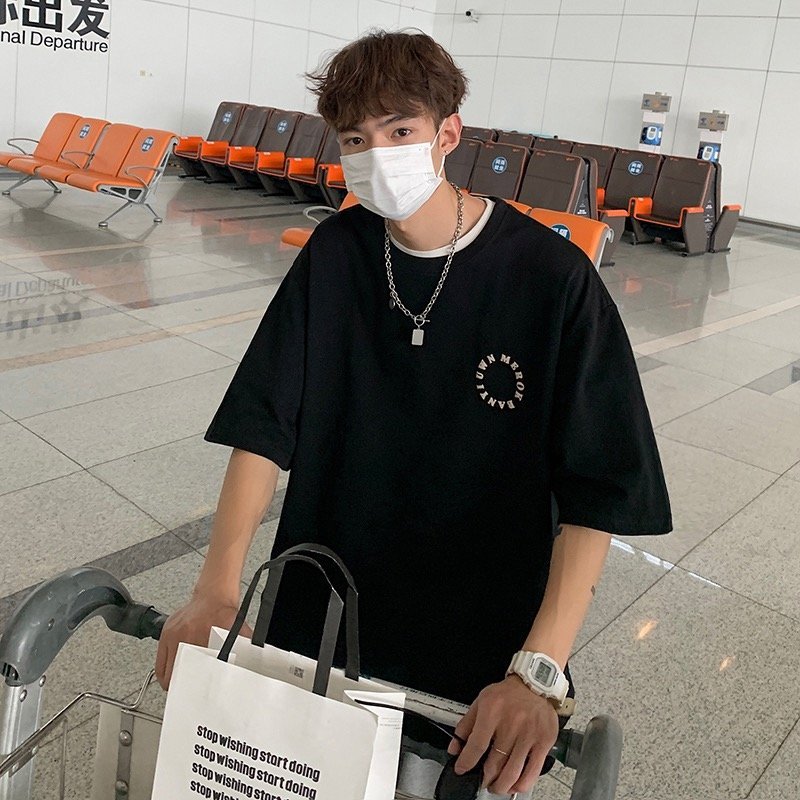
Clothing Sampling Service Gallery: Finished Streetwear Samples
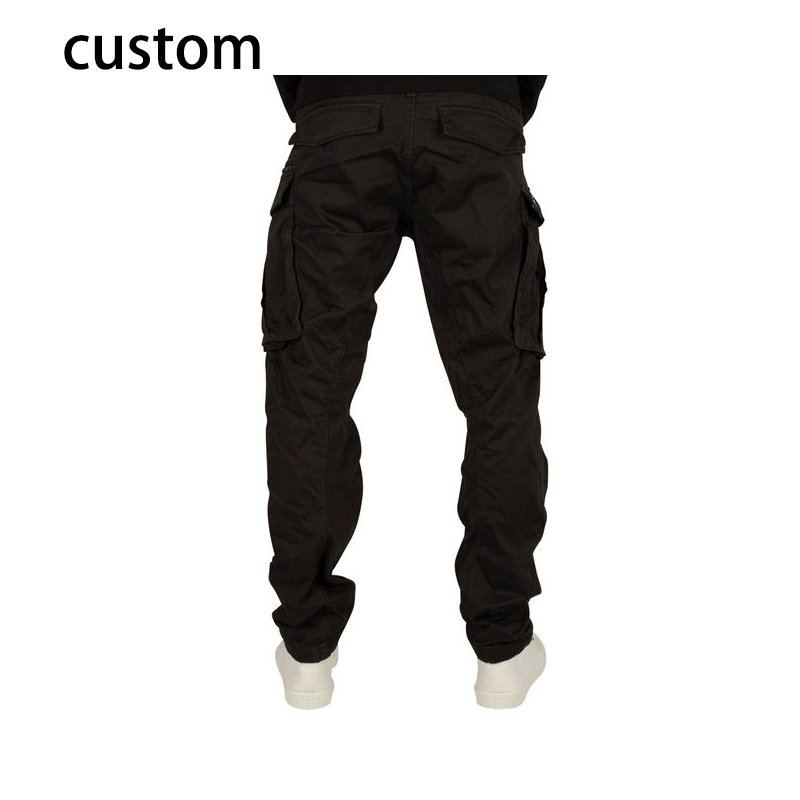
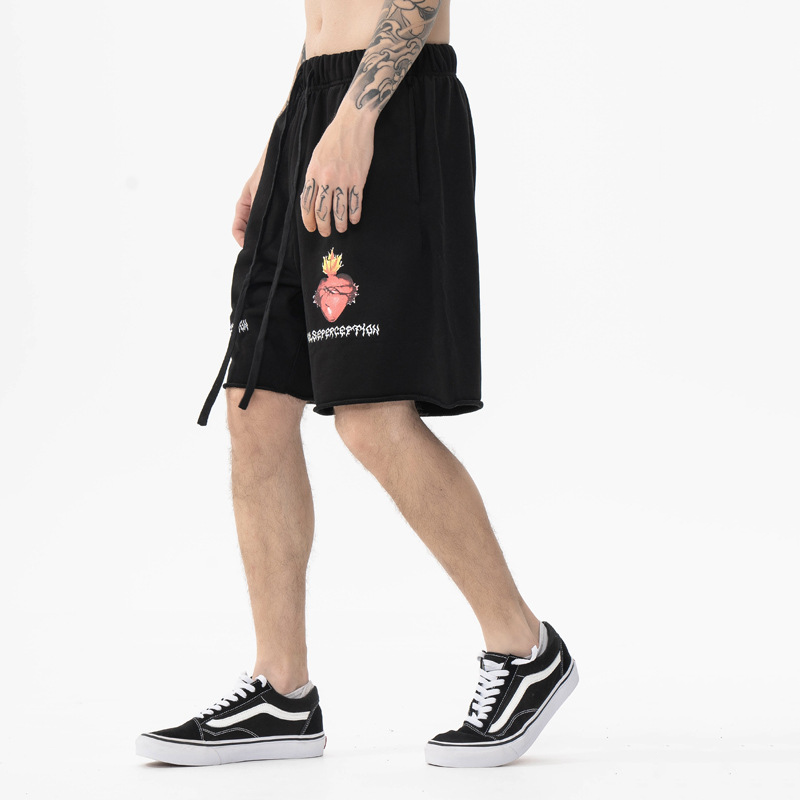
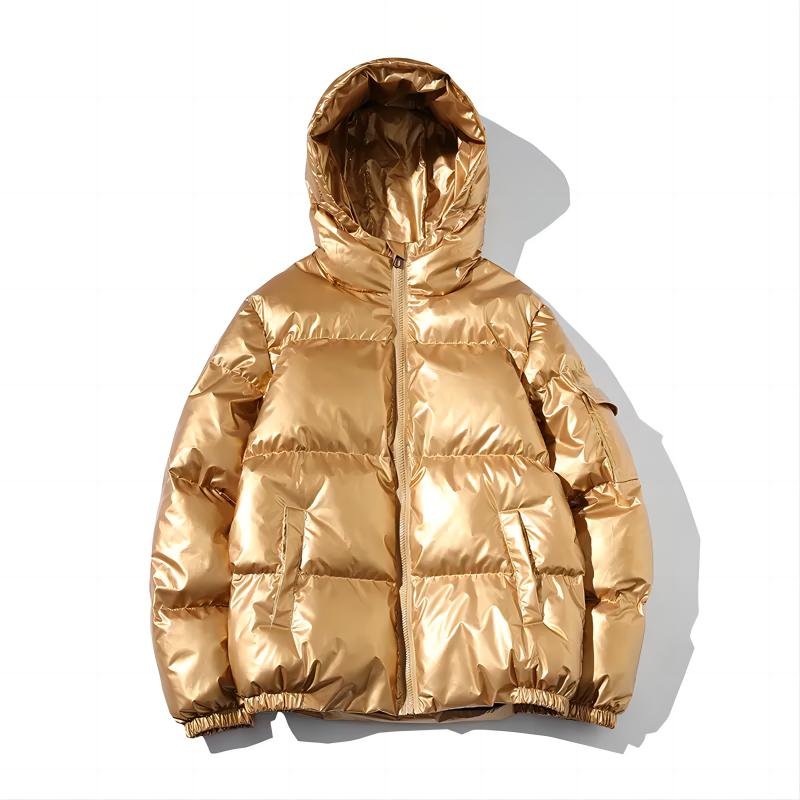
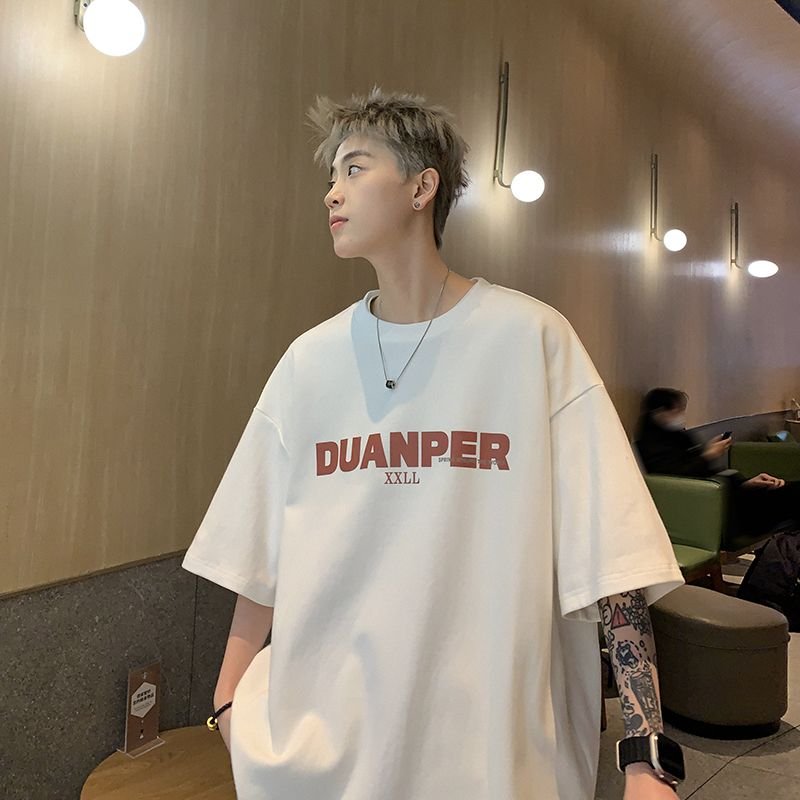
Key Advantages of Our Clothing Sampling Service
Everything you need to launch faster, test cheaper, and maintain quality at scale
7-Day Sample Turnaround
Rush your first sample in just one week—perfect for seasonal launches and trending designs that demand speed without compromising quality.
Low MOQ Sampling
Start with 50–100 units per style. Emerging brands and independent designers test markets fast without risking excessive capital investment upfront.
In-House Design Team
Our 15-member R&D team collaborates from concept to pattern, translating your streetwear vision into market-ready samples faster than traditional competitors.
5-Step QC Guarantee
Every clothing sampling service includes materials testing, cutting QC, craft inspection, production monitoring, and final quality review—zero shortcuts, zero compromises.
Global Logistics Network
We handle customs, international freight, and doorstep delivery across 100+ countries—freeing you to focus on sales, not shipping complexities.
Consistent Quality Standards
Streetwear samples ship week after week at the same premium level. No quality dips, no inconsistent stitching—reliability you can count on.
Clothing Sampling Service at Every Stage of Your Brand’s Growth
Explore how emerging brands validate designs, then scale manufacturing to meet market demand.
Design Validation for Emerging Brands
You've sketched your first streetwear collection but worry about manufacturing feasibility and cost before committing to a full production run. Validating designs with low risk is critical.
Our clothing sampling service lets you create production-ready samples with minimal commitment. Validate designs, iterate quickly, then scale to full manufacturing when demand is proven.
Fast-Turnaround Samples for Seasonal Drops
Your influencer brand needs samples within weeks, not months. Seasonal trends move fast, and you can't wait for traditional sampling timelines to test new designs.
Our 7-phase sampling process delivers quality samples in record time. Once approved by your community, scale up with our full-scale manufacturing and add custom printing or embroidery.
Trend Sampling Before Bulk Orders
You want to stock emerging streetwear trends but can't commit to bulk quantities without seeing quality and fit. Sampling is your crucial first step.
Request samples through our clothing sampling service to inspect quality and verify market fit. Convert winning designs into bulk production orders with embroidery, printing, or standard manufacturing.
Growing Beyond Samples Into Production
Your samples proved market fit, and demand exceeds expectations. You need a production partner who understands your brand's quality standards and can handle rapid scaling.
Transition seamlessly from our clothing sampling service to full-scale manufacturing with the same quality standards. Our 5-step QC guarantee and expanded capacity grow with your brand.
Iterative Design Refinement for Perfectionists
You need multiple sampling rounds to perfect construction details, patch placement, and colorway options. Each iteration must maintain consistent quality without production timelines creeping longer.
Use our clothing sampling service for unlimited iteration cycles with fast turnarounds. Our in-house design and sampling team ensures continuous refinement until your vision matches our execution.
Clothing Sampling Service: Founded on 10+ Years Expertise
With over a decade in apparel production and six years specializing in streetwear, our founder Tesla Luo established this clothing sampling service to restore quality standards in garment manufacturing. After witnessing too many suppliers skip quality control, he committed to embedding rigorous testing throughout production—not as an afterthought, but at every stage.
Since 2024, our clothing sampling service has evolved to serve brands across 100+ countries, backed by an in-house R&D team of 15 specialists and 10 patents in production innovation. Our proprietary five-step QC process—testing materials, cutting, craft, sewing, and finished goods—ensures every sample meets exacting standards before shipment. This discipline defines our approach.
We design and sample for streetwear brands, startups, independent designers, and retailers seeking production partners who combine technical expertise with cultural fluency in trend-driven streetwear. Every project—from concept to finished sample—benefits from our on-site design and sampling capabilities, fast turnaround times, and willingness to work with emerging brands at low minimum order quantities.
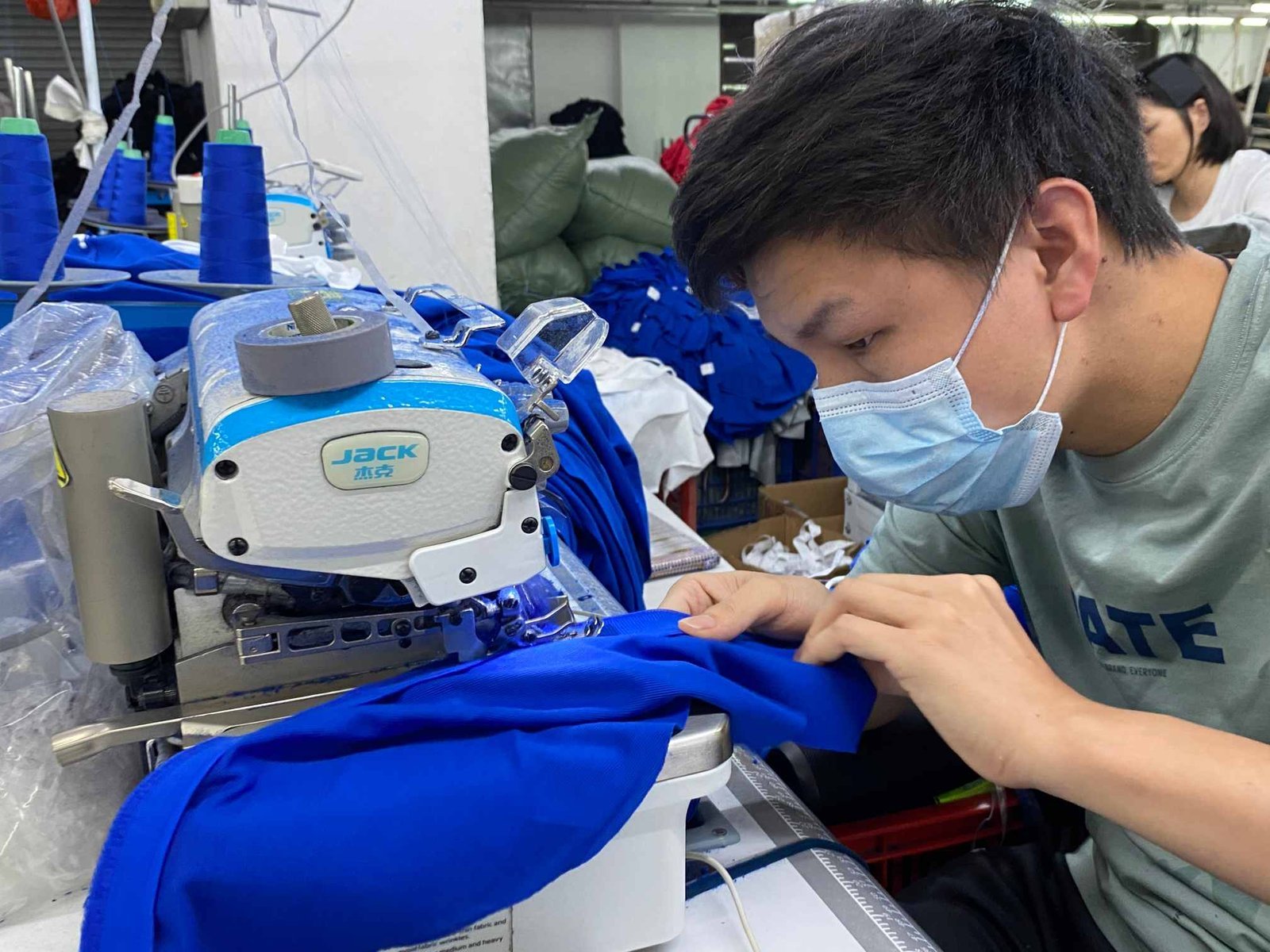
Inside Our Clothing Sampling Service: Quality, Speed & Design Excellence
Five-Step Quality Control for Flawless Samples
Our proprietary five-step QC process ensures every clothing sample meets premium standards. We test materials, inspect cuts, verify craft quality, validate sewing, and perform final inspections—catching defects early rather than at the end. This systematic approach eliminates low-quality output before samples leave our facility.
- Materials QC testing validates fabric durability and colorfastness from day one
- Cutting inspection ensures pattern accuracy and minimal waste
- Craft and sewing QC catch imperfections before finishing
- Final inspection verifies compliance with design specifications
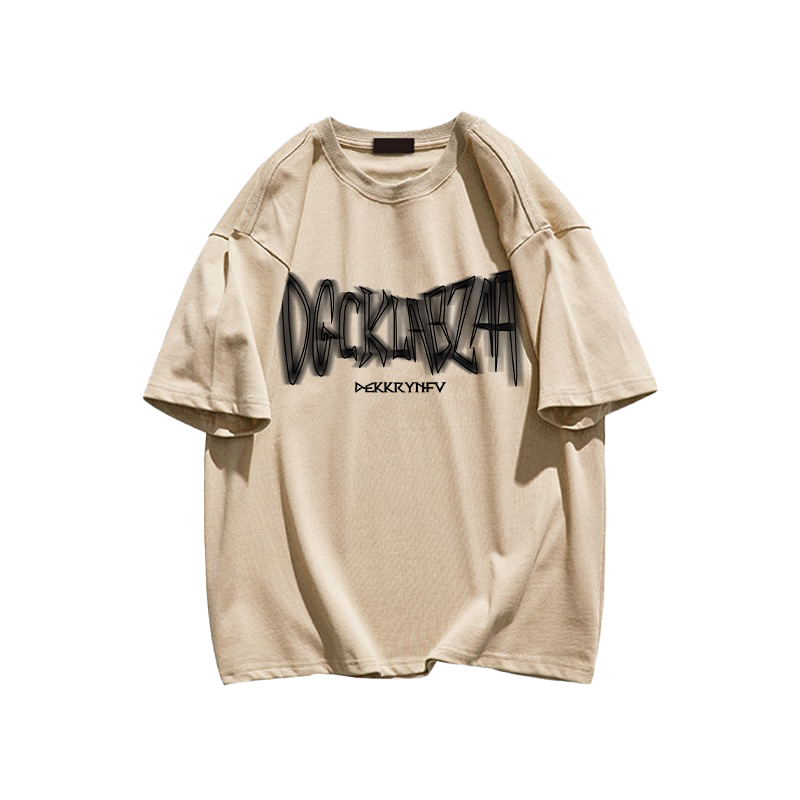
Seven-Day Turnaround for Seasonal Samples
Speed without compromise defines our clothing sampling service. By streamlining cutting, sewing, and QC workflows, we deliver finished samples in seven days while maintaining our rigorous five-step quality checks. Our parallel processing approach prevents bottlenecks and enables brands to test designs before committing to full production.
- Expedited cutting and sewing with zero compromise on precision
- Parallel QC checks eliminate sequential bottlenecks
- Real-time status updates keep you informed throughout production
- Priority logistics for fast global sample delivery
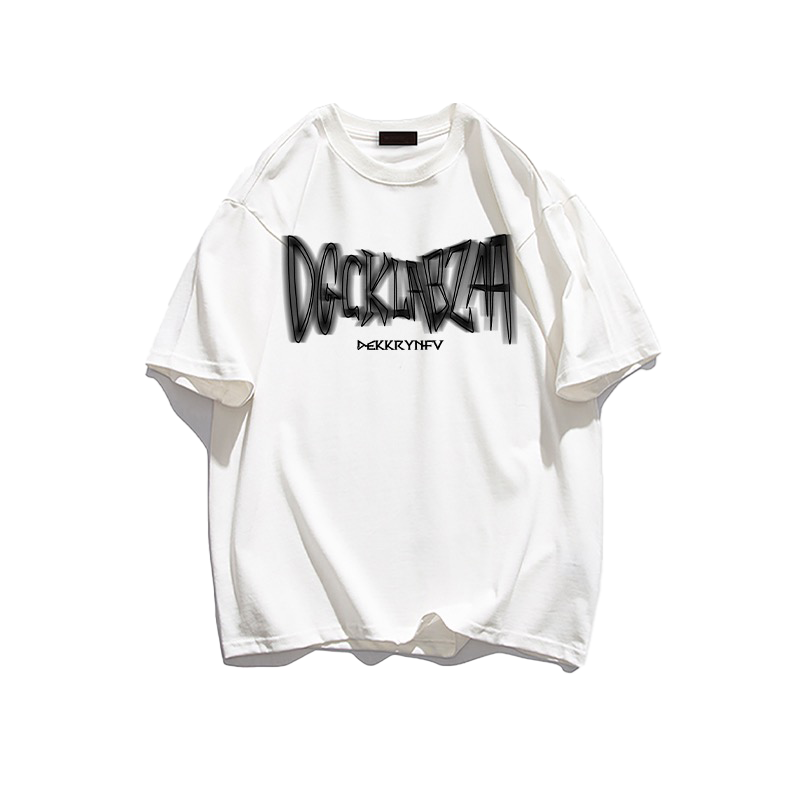
In-House Design & Pattern Development Team
Our fifteen-member R&D team specializes in streetwear aesthetics and technical manufacturing. From skeleton motifs to animal prints and cultural symbolism, we translate your brand vision into production-ready patterns. Our design team also optimizes for manufacturing efficiency, reducing iterations and accelerating your path to market.
- Streetwear design expertise across hip-hop, sports, and street art influences
- CAD pattern development optimized for sewing efficiency
- Material pairing consultation for color and texture impact
- Technical specification support for sizing and compliance
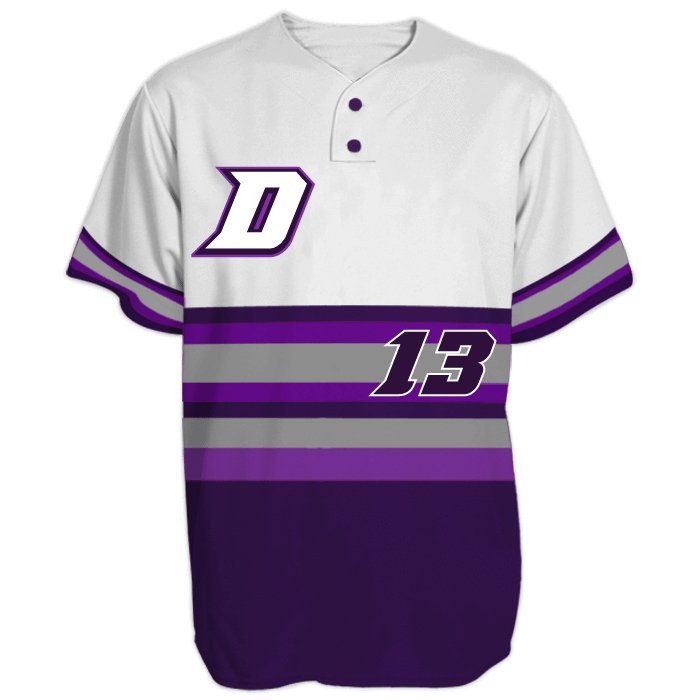
Premium Fabric Sourcing with Material QC
Access tier-one streetwear fabrics through our established supplier network. Every material undergoes rigorous testing for weight, stretch, colorfastness, and durability before becoming part of your sample. We maintain trend-aligned seasonal availability and cost-optimize sourcing for emerging brands and established retailers alike.
- Direct partnerships with premier fabric mills and suppliers
- Material QC testing ensures performance across wear cycles
- Trend-forecasted color palettes and seasonal fabric ranges
- Cost-conscious sourcing to support emerging brand budgets
Clothing Sampling Service vs. In-House Operations
Why leading streetwear brands choose outsourced sampling
← 左右滑动查看 →
Clothing Sampling Service Production Timeline: 6 Phases to Finished Sample
Follow our proven production flow where quality control happens at every phase, delivering fast-turnaround samples that meet our zero-compromise standards.
Design Brief & Specifications
Receive design requirements, technical drawings, fit specifications. Our in-house design team reviews all details, creates technical packs, and prepares components list for production approval.
Fabric Selection & Materials QC
Source premium streetwear fabrics and trims matching your brand aesthetic. Materials QC checkpoint: verify fabric weight, color consistency, shrinkage resistance, and durability before cutting begins.
Pattern Grading & Cutting QC
Grade patterns to your specifications across all sizes. Set cutting dies and cut components with precision. Cutting QC testing validates dimensional accuracy and material optimization.
Sewing Production & Craft QC
Execute garment construction with staged quality checkpoints throughout. Monitor stitch quality, seam strength, component alignment, and craftsmanship. Production QC ensures every garment meets your approved specification.
Finishing, Details & Embellishment
Apply hemming, embroidery, heat transfer, appliqué, or brand graphics. Secondary quality gate inspects finishing quality and detail accuracy before moving to final inspection stage.
Final Inspection & Dimensional QC
Comprehensive dimensional verification against approved spec sheet. Test seam strength, color permanence, and finished-clothing quality. Final QC checkpoint confirms every sample meets our zero-compromise standard.
How Our Clothing Sampling Service Works: 4 Steps to Your Sample
From design brief to finished sample with transparent timelines and weekly progress updates.
Submit Your Design Brief & Materials
Provide vector artwork, Pantone color references, detailed sizing specs, and material selections. Our clothing sampling service ensures every submission is reviewed within 24 hours for production readiness.
Get Your Quote & Timeline
Receive a transparent quote and production timeline based on complexity, materials, and your deadlines. We confirm all costs and delivery dates upfront.
Track Production Weekly
Receive progress updates every week as your sample moves through our 5-step QC process. Weekly photos and status reports keep you fully informed throughout.
Receive & Refine
Get your finished sample with a detailed QC inspection report. Revisions are handled quickly—our team works with you until satisfied.
Brands Growing With Our Clothing Sampling Service
We needed samples approved quickly before launching our first collection. Clothing Manufacturer Ltd.’s 7-day design turnaround and their in-house design team eliminated back-and-forth delays. We went from concept to full launch in under 3 months—exactly what a startup needs.
Testing 100+ SKU variations with different fits, colors, and materials was crucial before bulk production. Their sampling service allowed us to perfect every detail. We ordered with confidence knowing each variation had passed rigorous quality testing.
As a global retailer, durability is non-negotiable. Their 5-step QC process and durability testing on samples gave us proof our bulk order would meet standards. We’re now ordering quarterly across 5 regional collections without compromise.
Frequently Asked Questions About Our Clothing Sampling Service
Answers to common questions about sampling costs, turnaround times, fabric options, design support, and technical specifications.
What does your clothing sampling service include?
How much does a clothing sampling service cost?
What’s the turnaround time for a clothing sampling service?
Can I add embroidery, heat transfer, and custom tags to my samples?
What fabric types does your clothing sampling service work with?
What’s the minimum order quantity for samples?
Do you provide design consultation and art direction during sampling?
What file formats and technical specifications do you need?
The Complete Buyer’s Guide to clothing sampling service
Learn how to select the right clothing sampling service for your brand, evaluate supplier capabilities, understand quality benchmarks, and avoid costly mistakes when developing your first collections.
1. What Is a Clothing Sampling Service?
A clothing sampling service creates pre-production garment prototypes for brands, designers, and retailers before committing to full manufacturing runs. These samples allow clients to evaluate design accuracy, fabric quality, fit, and construction before placing bulk orders—typically ranging from 100 to 1,000 units per style. Unlike mass production, which requires minimum order quantities (MOQs) of 500 to 5,000 units or more, sampling enables design refinement with lower volume commitments, reducing the financial risk of untested designs.
Streetwear brands, fashion startups, independent designers, and global retailers rely on sampling services as a critical stage in the product development cycle. Samples allow teams to assess how a design translates from concept to finished garment, validate color matching using Pantone standards, test construction techniques such as flatlock seaming or reinforced stitching, and identify fit issues before mass production begins. This quality gate protects brand reputation by catching defects early—a responsibility that distinguishes manufacturing partners serious about product integrity from those that skip sampling entirely and proceed directly to production.
The distinction between sampling and production reflects two fundamentally different objectives. Sampling prioritizes accuracy, flexibility, and rapid iteration for design validation; production emphasizes volume, cost efficiency, and consistency across thousands of units. A professional clothing sampling service bridges this gap, using the same materials, techniques, and quality standards as production to ensure that approved samples accurately predict bulk manufacturing results.
2. The Evolution of Clothing Sampling Services
Three decades ago, clothing sampling relied entirely on manual pattern cutting and hand-sewn prototypes, with lead times stretching 6-12 weeks between design approval and physical sample receipt. Designers worked with hand-drawn specs and color swatches, communicating changes through faxes and phone calls before digital design software existed.
By the early 2000s, CAD software and digital color matching (Pantone systems) shortened sampling windows to 4-8 weeks, though physical samples still required weeks of international shipping and customs clearance. Globalization and offshore manufacturing, especially in Southeast Asia, made sampling more affordable but introduced new coordination delays between design teams and distant factories.
The fast-fashion explosion of the 2010s—driven by brands like Zara and H&M releasing 50+ collections annually—forced sampling services to compress timelines to 2-4 weeks. Brands now demand rapid iteration: design, approve sample, modify, re-sample, move to production within a month. Digital pre-production tools (3D visualization, fit simulation) emerged alongside expedited shipping options.
Today’s sampling services integrate CAD, color management, quality checks, and express logistics as standard. Streetwear and independent brands especially require customization at sampling stage—design tweaks, test dye runs, pattern experiments—not just production verification. Modern sampling is no longer a formality but a competitive tool for speed and market responsiveness.
3. Types of Clothing Sampling Services
Sampling approaches vary by production stage and timeline. Brands choose between rapid design validation and rigorous pre-production testing. Understanding each type—and whether to use in-house, outsourced, or offshore resources—determines launch speed.
Initial Design Samples
Design samples are first-pass concepts, typically one-off pieces for color and silhouette approval. Turnaround is 1–3 weeks.
Manufacturers charge 5–8 times the mass-production cost due to low-volume setup, but samples are essential for pitch approvals and buyer feedback before committing to larger runs.
Fit and Sizing Samples
Fit samples validate construction across multiple sizes (typically XS to XL), checking sleeve length, shoulder width, torso fit, and scaling consistency. Manufacturers produce 2–8 pieces; turnaround adds 1–2 weeks.
This stage catches fit issues—armhole depth, rise misalignment—before bulk production, avoiding costly rework.
Pre-Production Samples
Pre-production samples replicate your production run in miniature—typically 10–50 pieces in multiple sizes and colorways—validating construction, fabric weight, seam durability, print clarity, and finishing. Turnaround is 2–4 weeks.
Rigorous quality inspection at this stage catches defects before authorizing bulk manufacturing.
In-House vs. Outsourced
In-house sampling teams reduce lead time to 5–10 days but require established capacity and infrastructure. Outsourced domestic providers offer 1–2 week turnaround with flexibility.
Offshore providers (primarily Asia) provide lower costs but add 2–4 weeks for air freight and communication. Most startups and emerging brands use offshore sampling for cost efficiency and production integration.
4. Materials and Fabrics for Clothing Sampling
Fabric selection directly determines sample fit, appearance, and cost trajectory. Choosing appropriate materials upfront prevents costly revisions and ensures samples accurately represent production realities.
| Fabric Type | Common GSM | Best For | Typical Lead Time |
|---|---|---|---|
| Cotton Jersey | 160–180 gsm | Basic tees, polos | 3–5 days |
| Poly-Cotton Blend | 180–200 gsm | Affordable basics | 3–5 days |
| French Terry | 300–350 gsm | Hoodies, sweatshirts | 5–7 days |
| Ring-Spun Cotton | 140–160 gsm | Premium basics | 5–7 days |
Natural vs. Synthetic Fibers
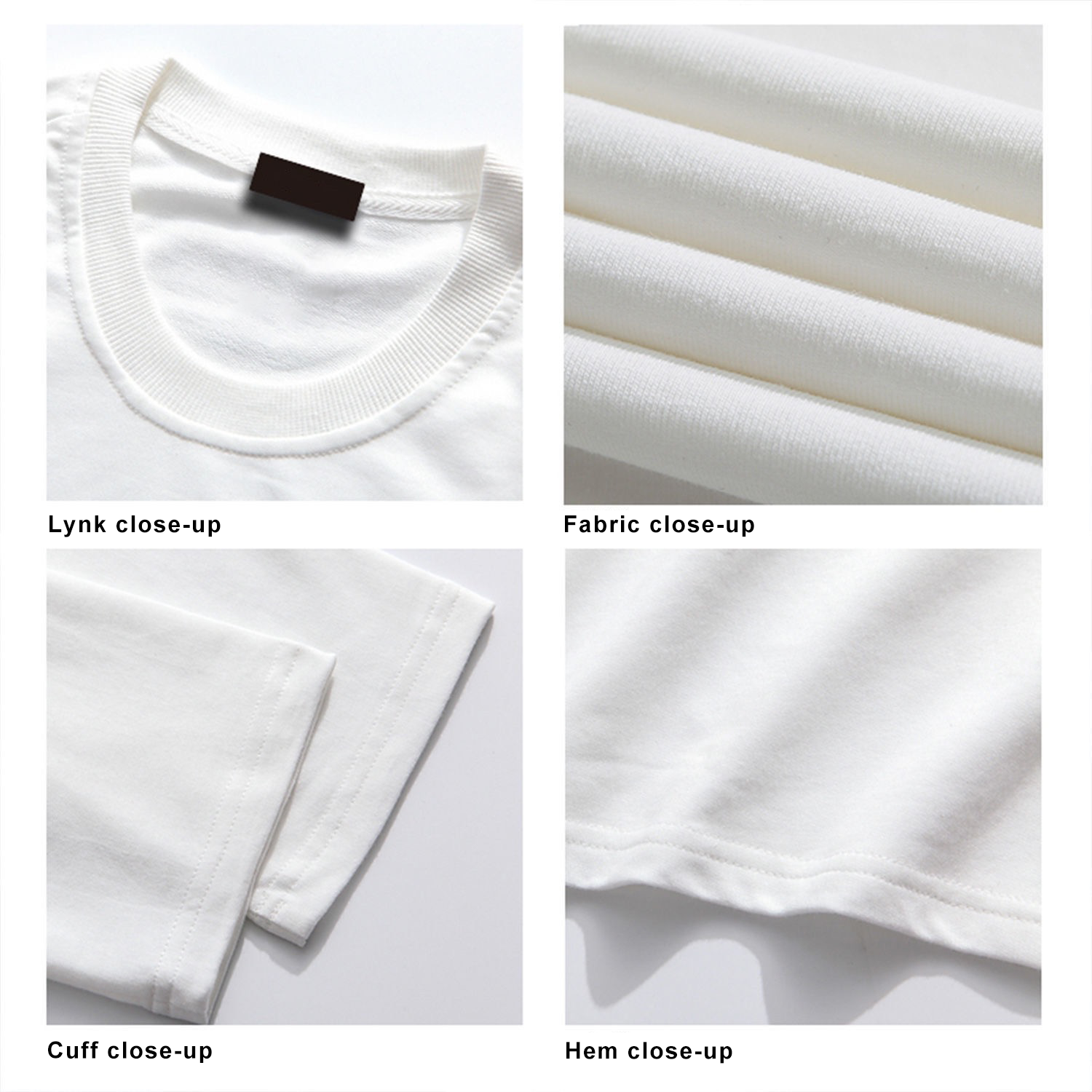
Cotton offers breathability and natural feel but may shrink 3–5 percent without preshrinking. Polyester provides durability and low maintenance but lower moisture-wicking. Cotton-polyester blends (typically 65/35 or 80/20) balance cost and performance.
Jersey knit dominates fitted samples due to its stretch recovery and comfort, particularly for tees and streetwear basics.
Fabric Weight and GSM
Fabric weight directly impacts drape, stretch, and production cost. Standard tee samples use 160–180 GSM jersey; hoodies and sweatshirts require 280–380 GSM French terry or fleece. Heavier fabrics demand more precise cutting and longer stitch lengths, increasing sample production time and cost.
Test GSM consistency before committing production runs, as variance affects garment fit and consumer perception.
Fabric Sourcing and Lead Times
Most fabric mills operate on minimum roll orders (typically 300–500 kg per color). Small-batch sourcing from regional distributors adds 1–3 weeks to sampling lead times but avoids excess fabric waste. Communicate fabric requirements early; specialty finishes (OEKO-TEX certification, water-resistant coatings) extend procurement timelines by 2–4 weeks.
Humen suppliers access Guangdong mills directly, shortening domestic sourcing to 5–10 days for standard stocks.
Testing Fabric Quality Before Commitment
Pre-production fabric testing identifies shrinkage, color fastness, pilling resistance, and seam slippage before scaling production. Shrinkage tests (ISO 6330) and Colorfastness to washing tests (ISO 105–C) typically cost 200–500 USD per fabric per test.
Streetwear fabrics benefit from durability testing due to heavy wear patterns. Catching fabric issues in the sample phase prevents thousands in failed production batches.
5. Customization and Decoration for Sample Garments
Customization elevates sample quality by showcasing finished branding and design direction. Printing, embroidery, and label options range from low-setup digital methods to traditional techniques, each with distinct cost and timeline implications for small-volume pre-production runs.
Screen Printing and Heat Transfer
Screen printing requires $30–80 per-color setup but offers lowest unit costs at scale.
Heat transfer eliminates setup, delivers samples in 24–48 hours, and suits multi-color designs. DTG printing costs $8–15 per sample for photorealistic detail.
Embroidery and Stitched Details
Embroidery adds premium feel but requires thread-color selection and minimum 500-unit digitized runs.
Sample embroidery costs $5–12 per piece depending on stitch count and complexity. Flat embroidery and 3D puff techniques suit different aesthetic profiles.
Labels and Branding
Woven labels cost $0.30–0.60 per unit; printed labels run $0.15–0.40 each.
Custom hang tags and care labels ship in 3–5 days. YKK zippers and branded buttons integrate with no additional tooling.
Setup Costs and Turnaround
Decoration setup ranges from zero (heat transfer) to $100+ (screen printing).
Decorated samples typically ship within 7–10 days of design approval. Allow 2–3 extra days for multiple decoration techniques or custom hardware integration.
6. Quality Standards in Clothing Sampling
Samples must meet specific benchmarks: seam strength (12-15 kg/inch), hem tolerance (±2-3mm), stitching density (12-16 stitches/inch), and precise collar/cuff alignment. Systematic inspection at multiple stages catches defects early.
Construction Standards
Seams require uniform tension, no puckering, and breaking strength for normal wear. Collars and cuffs demand consistent width, straight edges, and 90-degree attachment.
Hems need even fold depth, thread color match, and secure anchoring. Zippers must operate smoothly with no twisting.
Quality Checkpoints
Materials QC tests GSM accuracy (±5%), shrinkage (3%), and color fastness. Cutting QC verifies pattern alignment and dimension accuracy.
Sewing production checks stitch tension and seam straightness. Final inspection covers measurements (±1cm), assembly quality, and surface defects. This multi-stage approach catches problems early.
Grading Standards
Most suppliers use A-Grade (shippable), B-Grade (minor flaws), and C-Grade (defective). Request clear definitions upfront and specify non-negotiable issues—seam failure, misalignment—versus acceptable minor variations like loose thread ends or slight color shifts.
Inspection Documentation
Reputable providers deliver detailed reports with photos, measurements, and defect mapping. Documentation should include GSM readings, shrinkage test results, seam strength data, and defect locations. QR-coded sheets create traceability and provide objective evidence of quality standards met.
7. How to Choose a Clothing Sampling Service Provider
Selecting the right clothing sampling service provider requires evaluating multiple dimensions: production scale, quality standards, technological capabilities, and communication practices. This section outlines the key criteria to assess when shortlisting partners for your sample development.
Production Capacity & Turnaround Time
Verify the provider’s monthly output in units and whether they handle your target fabric weight and garment complexity. Request baseline turnaround times for standard samples—competitive providers deliver within 5–10 business days.
Minimum Order Quantities & Sampling Flexibility
Ask whether sample MOQ is per style or per unit, and whether they charge setup fees. Leading clothing sampling service providers accept 1–5 piece minimums per style to support brand experimentation.
Quality Standards & QC Methodology
Request their QC process: do they inspect materials, cutting, sewing, and finished garments? Five-stage QC workflows catch defects early. Providers should document methods, reject rates, and issue inspection reports.
Technology Integration
Confirm whether they use 3D sampling tools, CAD patterns, or digital design software. Tech-enabled providers reduce iterations and improve accuracy. Ask about integration with your design platform and file format compatibility.
Vetting Checklist
Develop a shortlist of providers by reviewing the following dimensions. Evaluate at least three candidates, request references from existing brand partners, and schedule a consultation to assess communication quality and cultural fit.
- Production capacity and sample turnaround times
- Sample MOQ, setup fees, and sampling flexibility
- QC methodology and documented inspection reports
- 3D/CAD and design software compatibility
- Pricing transparency, communication, and geographic logistics
8. Common Mistakes When Using Clothing Sampling Services
Sampling success depends on clear communication and realistic expectations. Many brands encounter delays, quality discrepancies, and cost overruns because they overlook fundamental supplier management practices during the sampling phase. Understanding these pitfalls helps protect timelines and maintain design integrity.
Vague Specifications and Design Briefs
Ambiguous technical specifications create room for supplier interpretation errors. Provide detailed Pantone colors, GSM weights, thread types, construction methods, and fit measurements in writing.
Use tech packs (garment specification sheets) that include sketches, seam types, trim locations, and finish requirements to ensure your clothing sampling service provider executes your vision precisely.
Unrealistic Timelines and Poor Communication
Most sampling runs require 3–5 weeks minimum, not 5 business days. Rush orders carry premium fees (often 30–50% surcharges) and risk quality shortcuts.
Establish communication cadence upfront: weekly check-ins, progress photo updates, and clear escalation protocols prevent misalignment and rework cycles.
Skipping Fit Testing and Feedback Loops
Request multiple fit samples (S, M, L, XL) before approving the production cut. One-size fit approval frequently leads to customer returns and brand reputation damage.
Build a 2–4 week feedback loop into timelines: receive sample, test fit, request adjustments, receive revised sample.
9. Steps to Launch Your Brand With Sampling Services
A structured clothing sampling service workflow compresses lead times and minimizes miscommunication. Begin with comprehensive design documentation, submit clear sample requests, iterate quickly on feedback, and maintain a documented approval trail before scaling to full production.
Design Conception & Spec Sheets
Translate your brand aesthetic into a detailed technical specification sheet (tech pack). Include fabric content percentages, Pantone color references, stitch counts per inch (SPI), seam allowances, care symbols, and measurements across all sizes.
A complete tech pack reduces sample iteration cycles from 3–4 rounds to 1–2 rounds.
Sample Request & Communication
Submit sample requests with 3–5 reference images, MOQ targets, target retail price, and preferred lead time (typically 10–15 days for initial samples). Establish a single point of contact and confirm communication cadence—weekly check-ins prevent misalignment and accelerate modifications.
Feedback Loops & Modifications
Review samples against your tech pack specifications. Document deviations in writing—color shifts, sleeve length, weight discrepancies, or print alignment.
Most providers accept 1–3 rounds of modifications within 5–7 days each. Prioritize changes by criticality; defer cosmetic tweaks to production run approval phases.
Final Approval & Documentation
Sign off on samples via email or digital signature, creating an immutable record. Approve the production tech pack, label placement, hang tag design, and packaging.
This documentation becomes your binding reference for 100% compliance during full-run production, minimizing post-delivery disputes.
Scaling to Production
Once samples are approved, confirm production MOQ, lead time (typically 20–30 days for full runs), payment schedule, and inspection protocol. Clothing Manufacturer Ltd employs a five-step QC process throughout production.
Request weekly production photos and a pre-shipment quality hold to verify final output matches approved samples.
10. Pricing and Turnaround for Clothing Sampling Services
Most clothing sampling services charge $12–$25 per sample unit for streetwear items with basic customization, though complexity—embroidery, digital prints, specialized fabrics—can push per-piece costs to $35–$50. Setup fees (design grading, pattern making, fabric sourcing) typically range $80–$200 per style, added to initial sample orders. Standard lead times for samples run 7–14 days; rush options add 30–50% to unit cost but compress turnaround to 3–5 days.
Bulk pricing shifts significantly at MOQ thresholds of 100, 300, and 500 units. At 100 pieces, per-unit production cost drops to $5–$12, while 300–500 unit runs command $3–$8 per piece, reflecting economies of scale in fabric purchasing and cutting efficiency. Most manufacturers offer tiered quotes: initial samples fund design validation, then pilot production runs (50–100 pieces) at intermediate pricing, before committing to full-scale orders.
Payment structure typically follows 50% deposit, 50% balance-on-completion for samples; production runs may require 30% upfront, 70% before shipment, depending on order size and relationship.
| Order Volume | Unit Cost | Standard Lead Time | Notes |
|---|---|---|---|
| 1–5 samples | $15–$35 | 10–14 days | Includes $100–$200 setup fee per style |
| 5–10 samples | $12–$25 | 7–10 days | Volume discount begins |
| 50–100 pilot run | $6–$12 | 5–7 days | Pre-production pricing |
| 100–300 units | $5–$10 | 5–7 days | First bulk MOQ tier |
| 300+ units | $3–$8 | 7–14 days | Production scale economies |
Order Your Clothing Sampling Service Today—7-Day Turnaround Guaranteed
Expert design feedback on every sample. Our proprietary 5-step QC guarantee. No lengthy minimum orders. Fast turnaround you can depend on.