
Apparel Fabric Sourcing: Premium Quality, Fast Delivery
Our apparel fabric sourcing delivers trend-aligned materials with 5-step quality control and fast sampling—enabling you to launch seasonal collections in weeks. Trusted by streetwear brands and fashion startups worldwide.
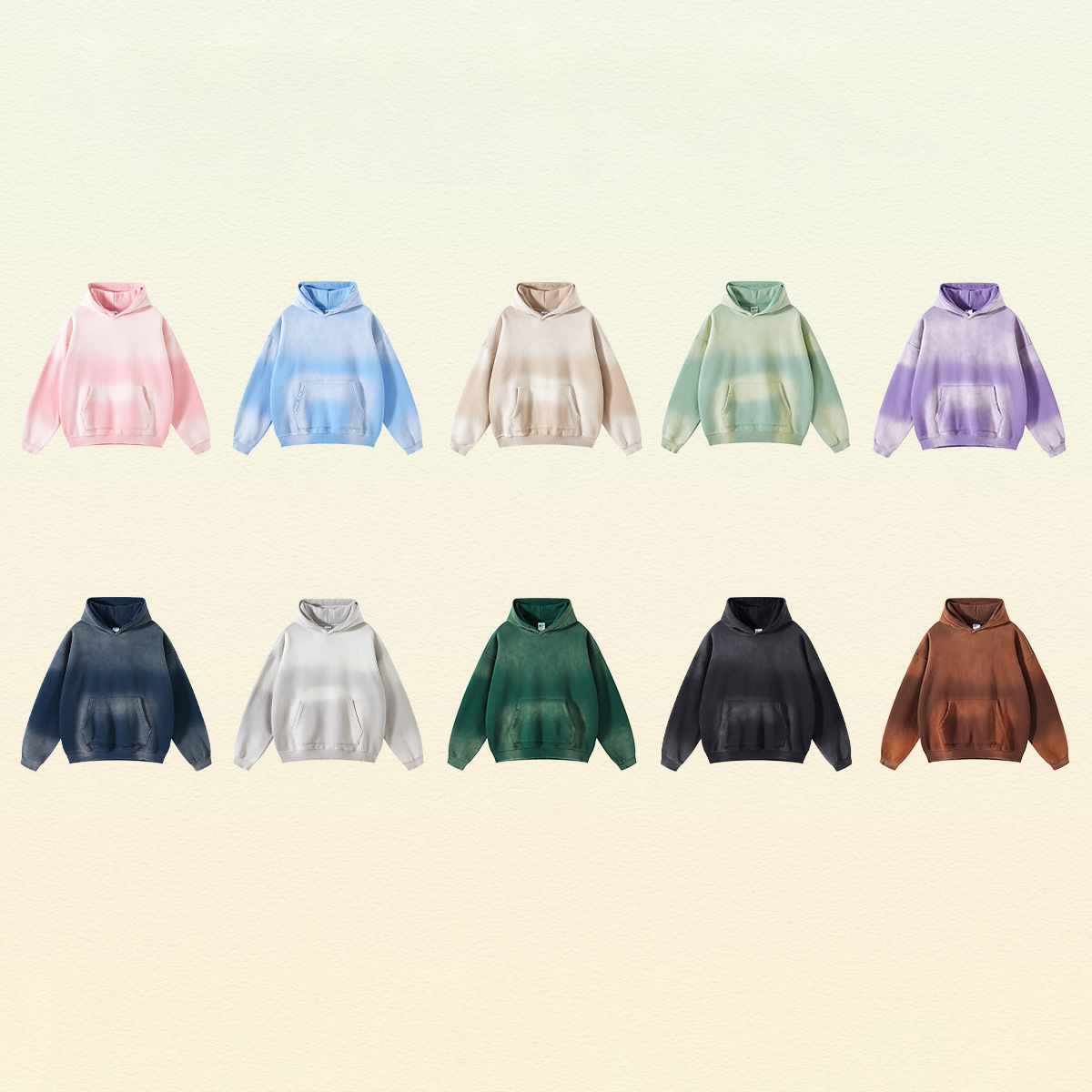
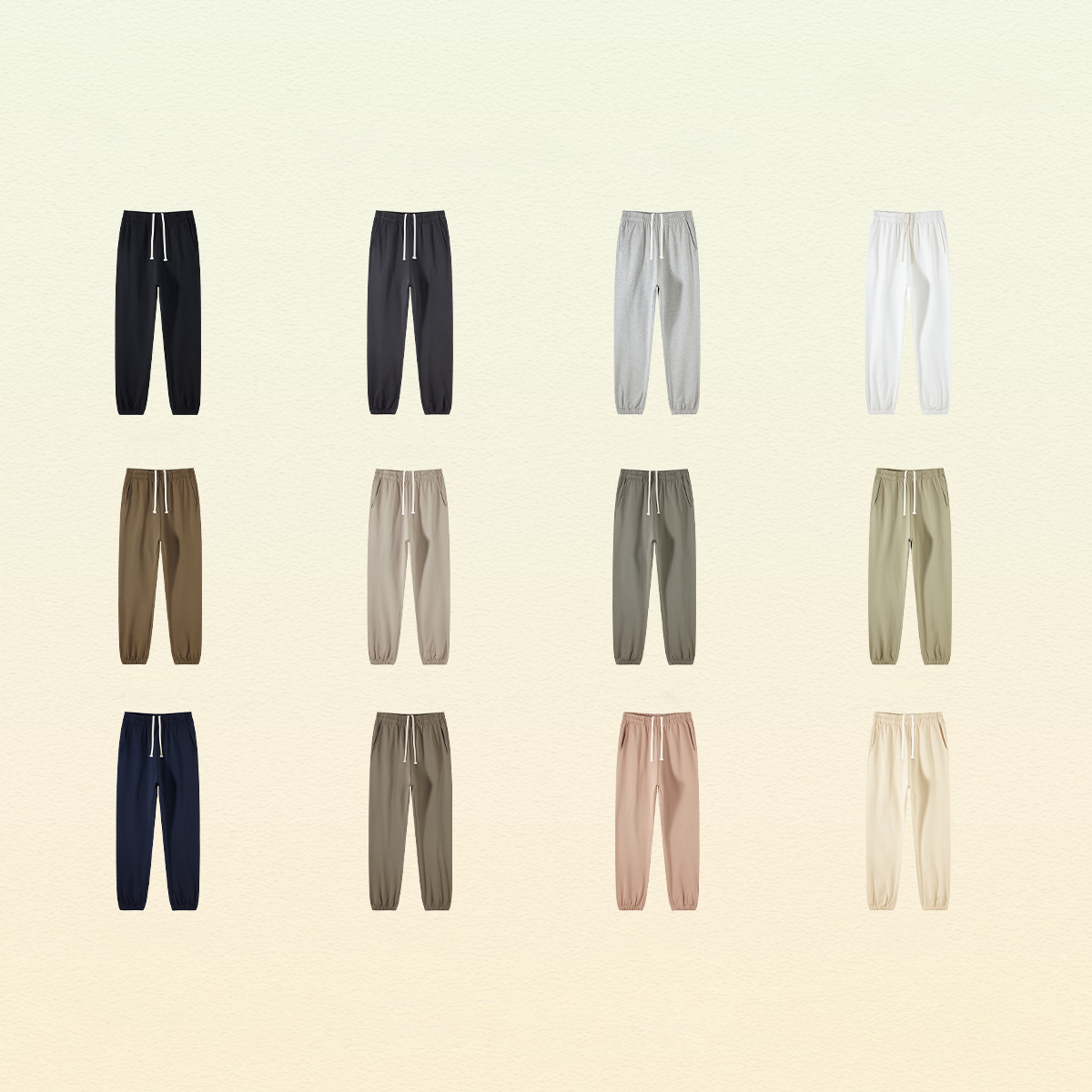
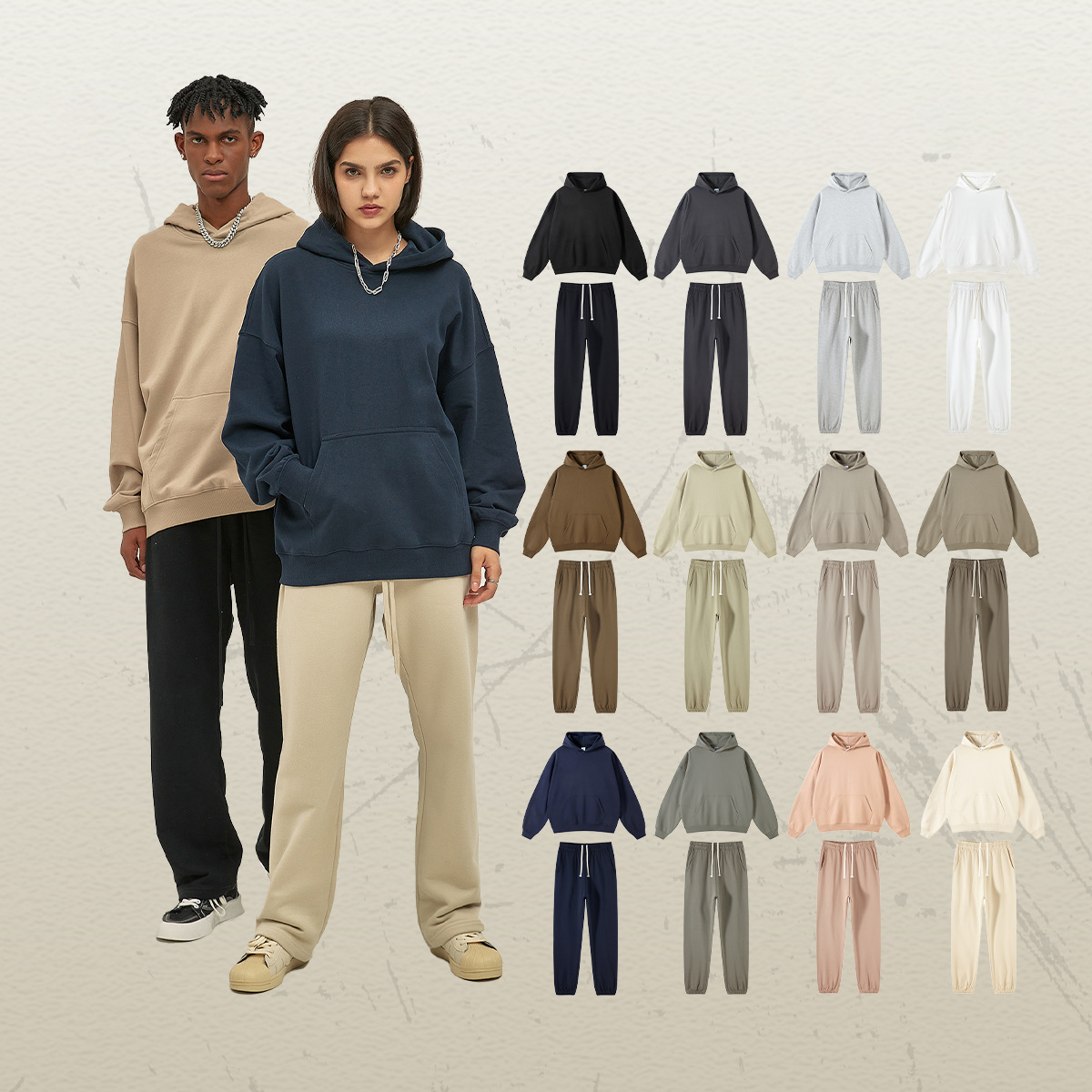
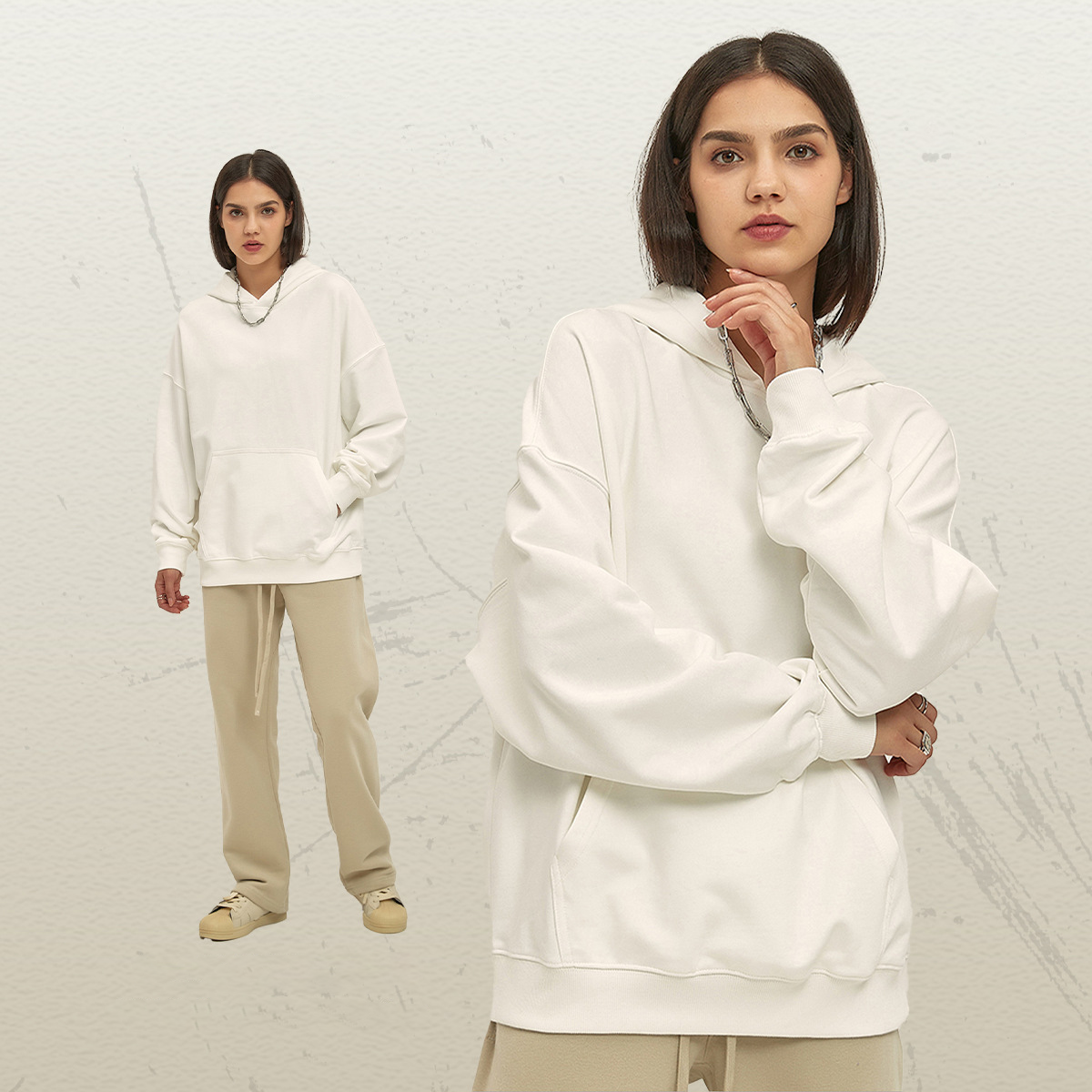
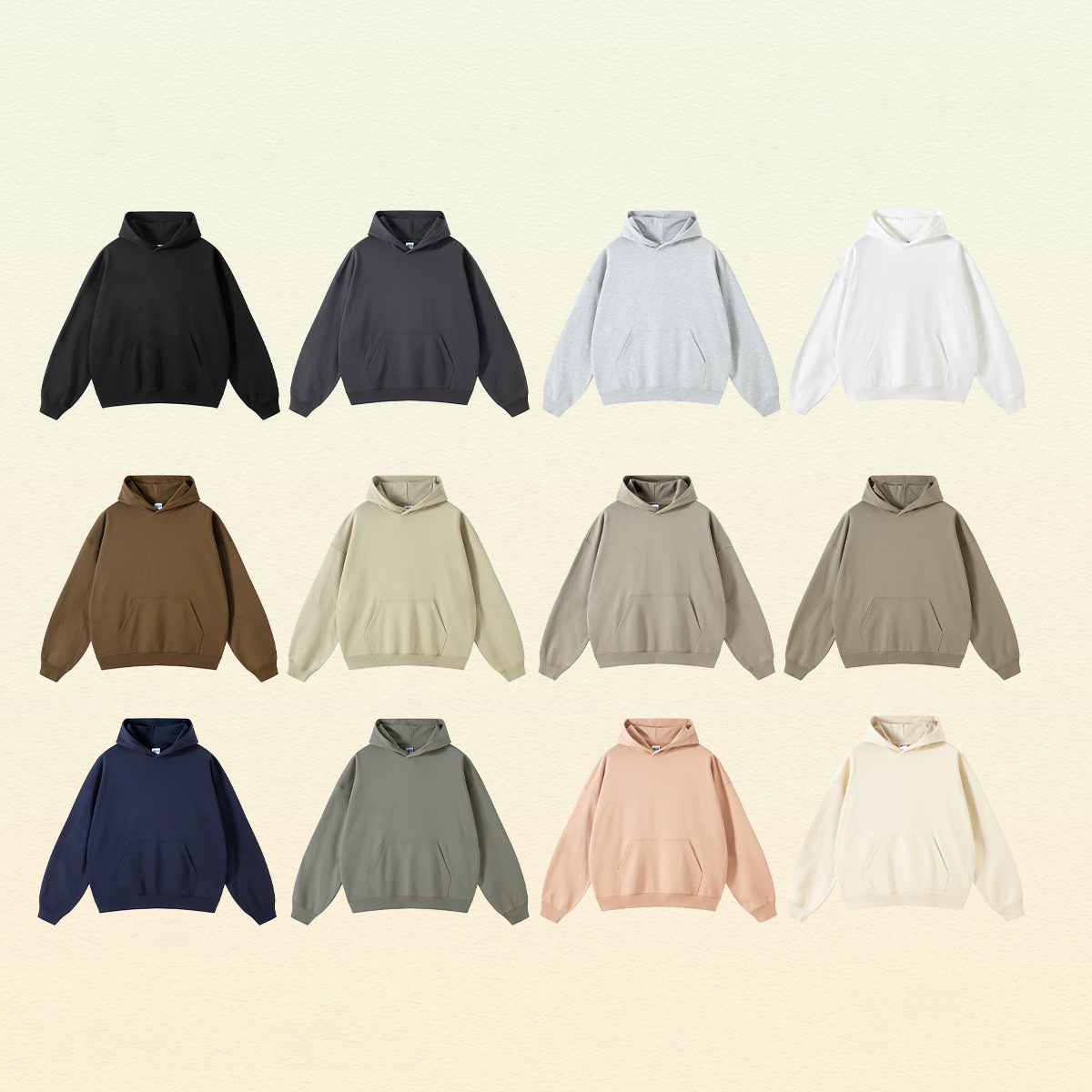
Sample Collections Sourced & Produced
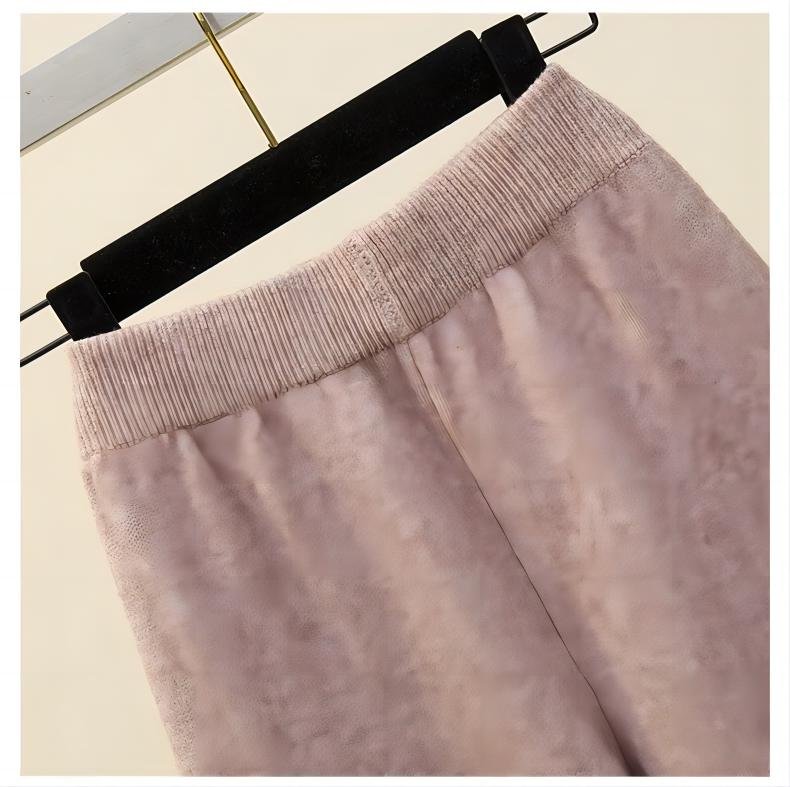
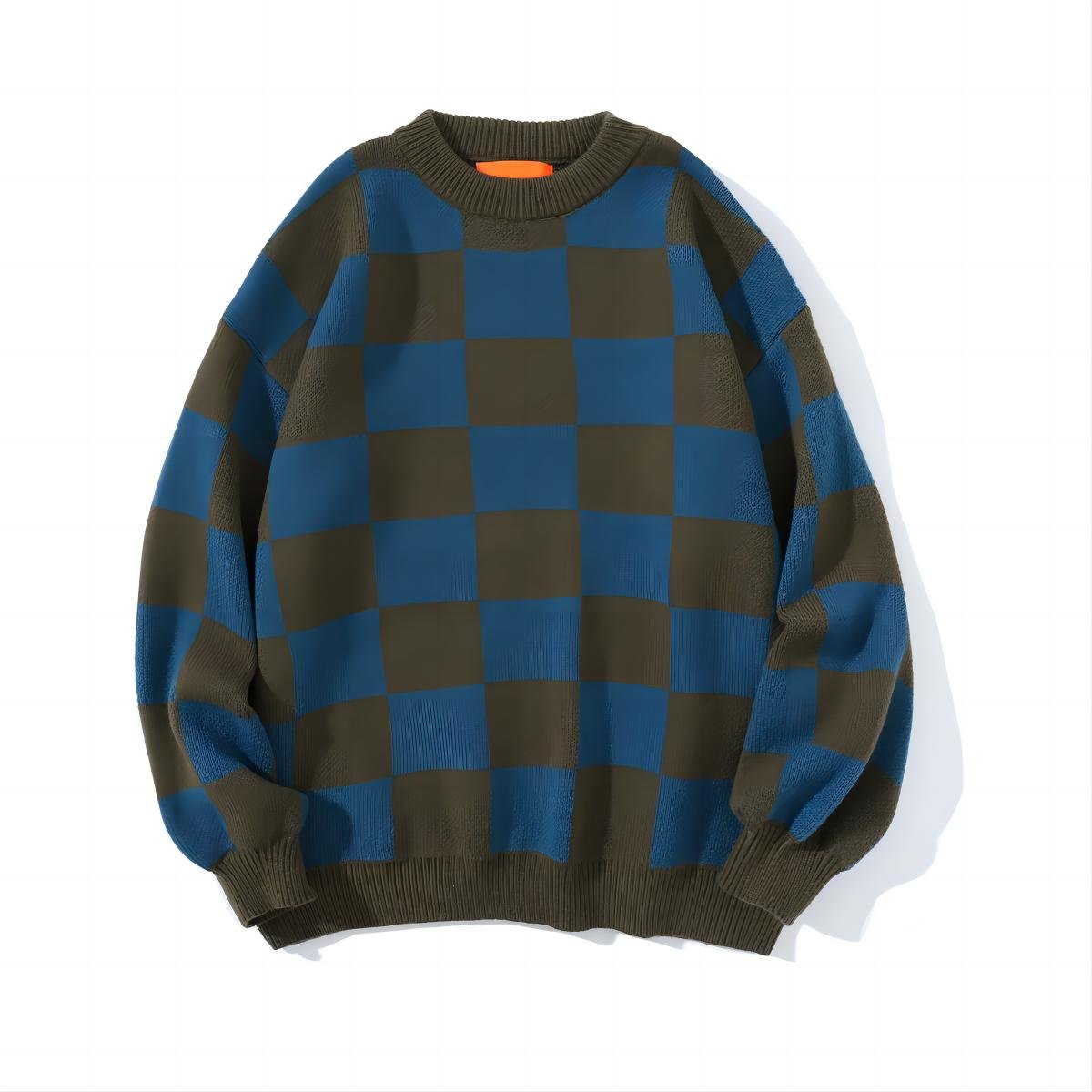
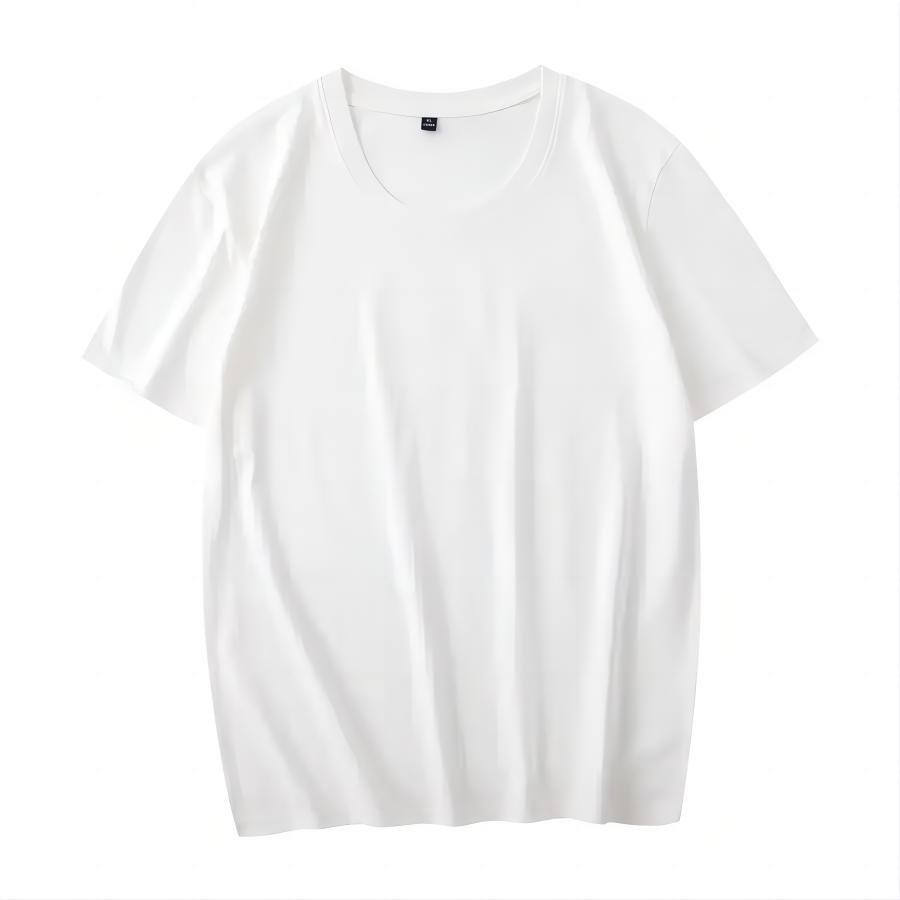
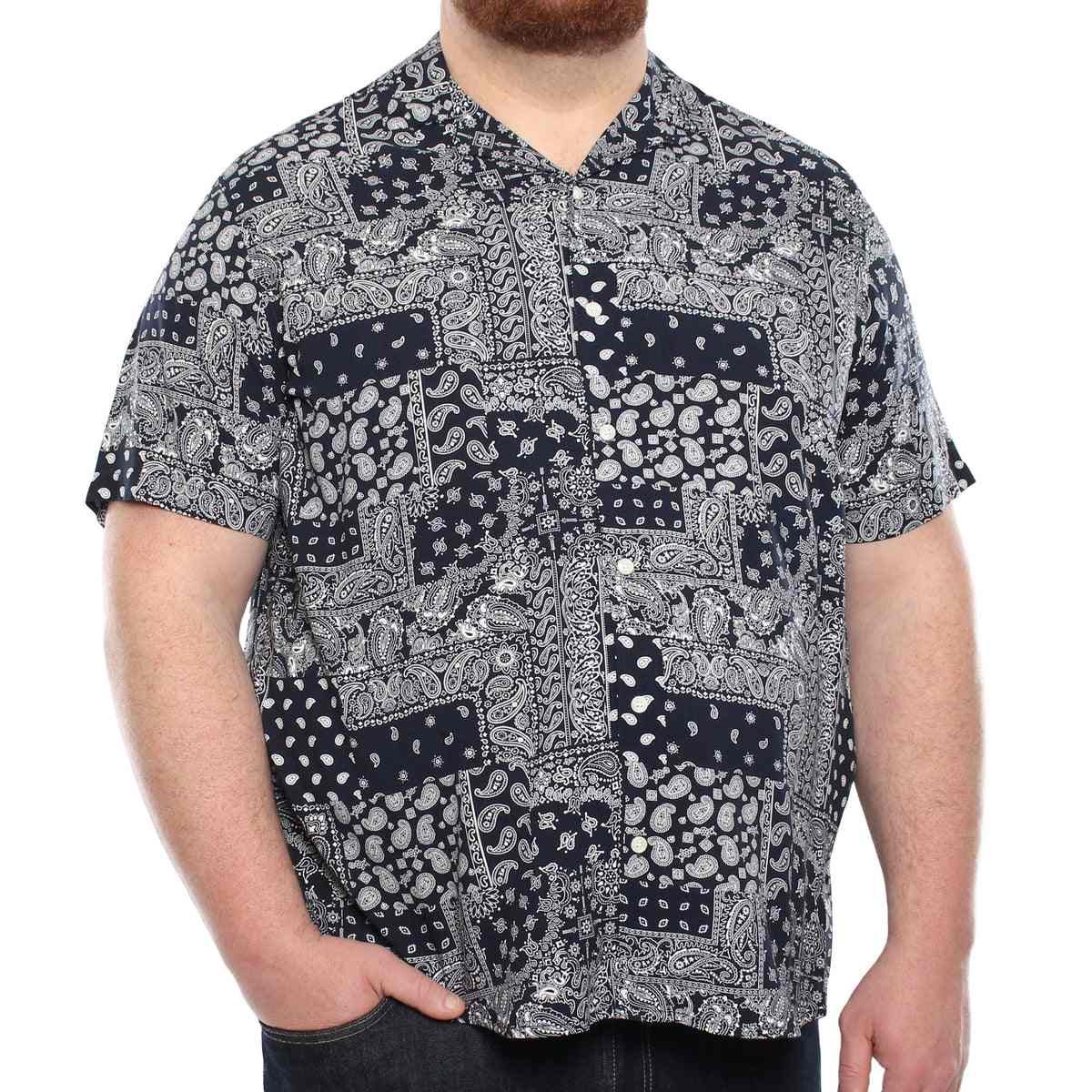
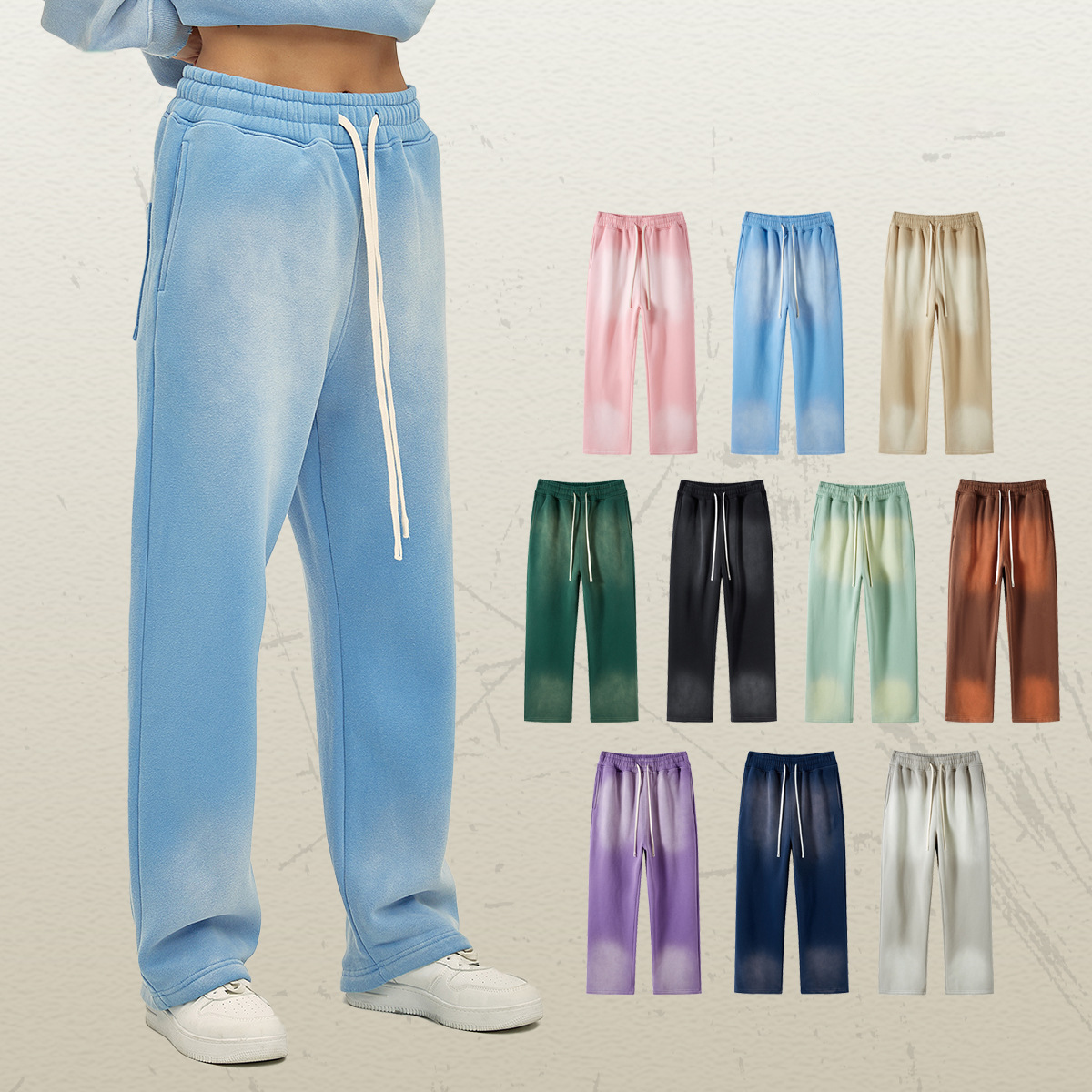
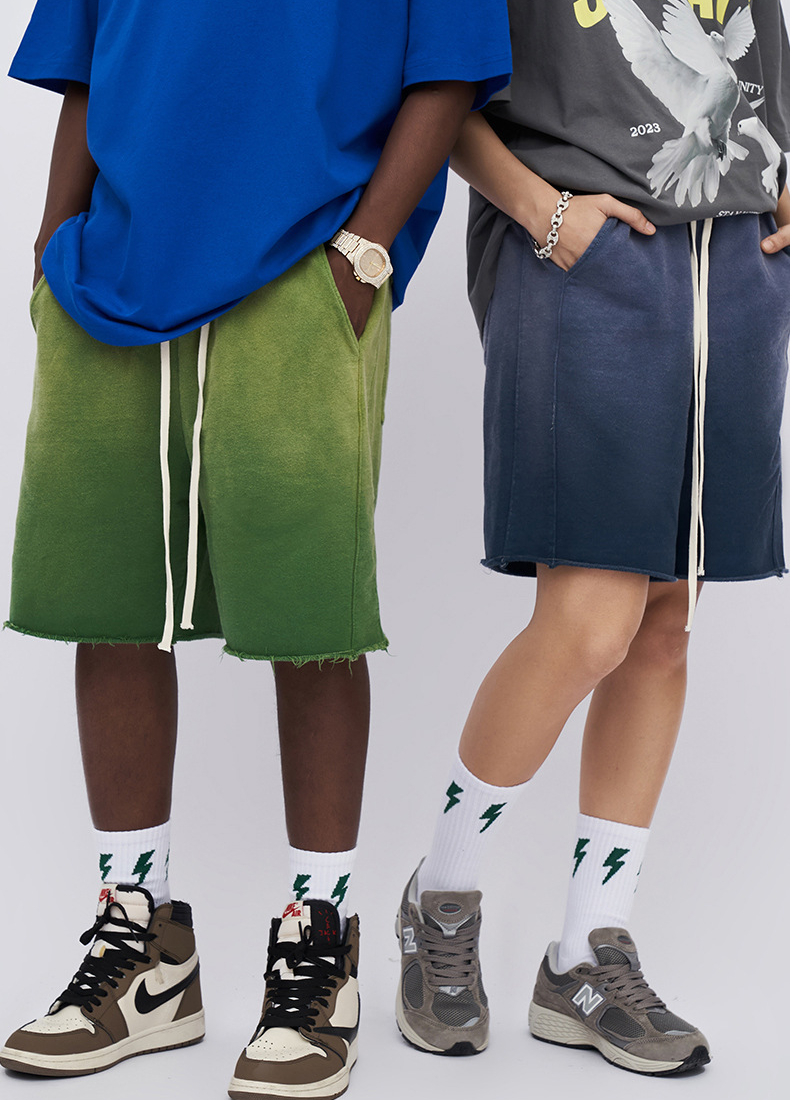
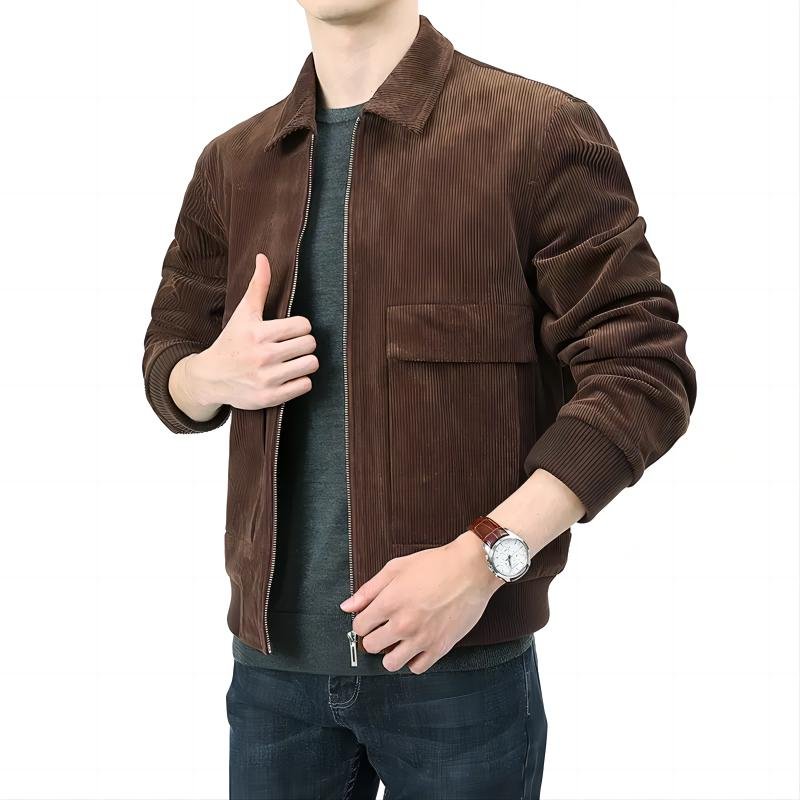
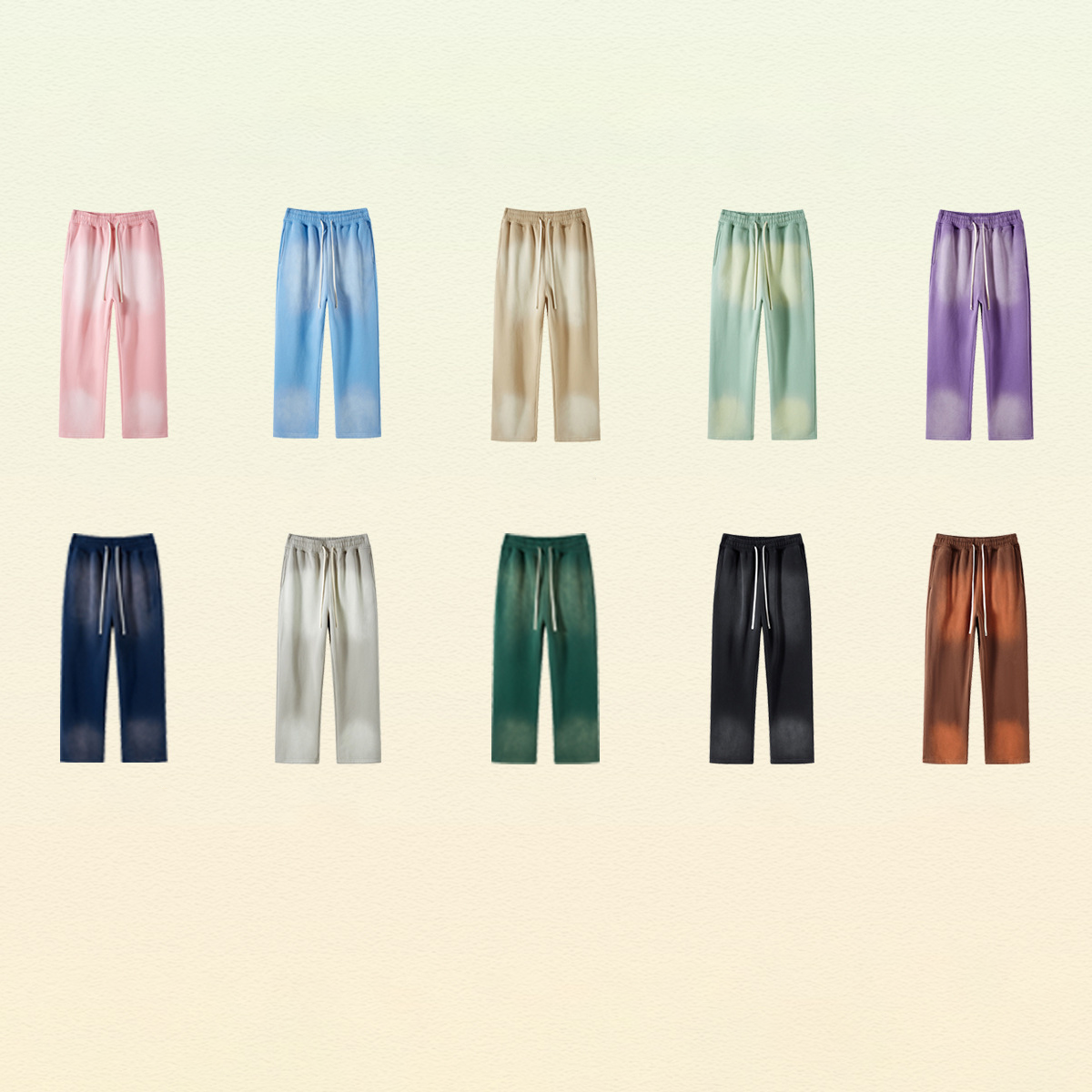
What Makes Our Apparel Fabric Sourcing Stand Out
Six key differentiators that set our fabric sourcing service apart for emerging brands and established retailers alike
Five-Step Quality Control Guarantee
Materials, cutting, craft, sewing, and finished product inspection ensure zero-compromise quality at every stage of apparel fabric sourcing.
Advanced Fabric Material Testing
Each fabric tested for durability, shrinkage, and colorfastness before approval, protecting your brand’s reputation and customer satisfaction globally.
Trend-Driven Streetwear Curation
In-house expertise in skeleton, pattern, and statement elements creates fabrics that resonate with style-conscious consumers seeking bold self-expression.
Rapid Sampling & Turnaround
Fast-tracked design and sampling from our in-house team enables fashion startups and designers to meet seasonal collection deadlines.
Low MOQ, Scale Your Way
Flexible minimum order quantities designed for emerging brands and independent designers building their fashion lines from zero upward.
Global Access, Reliable Logistics
Serving 100+ countries with seamless shipping and customs support ensures your apparel fabric sourcing reaches markets worldwide efficiently.
Apparel Fabric Sourcing Powers Your Growth
Discover how brands of every size leverage integrated fabric sourcing and production to accelerate growth.
Streetwear Brands Scaling Production
Established streetwear brands struggle to coordinate fabric sourcing, design, cutting, sewing, and quality control across multiple vendors, risking inconsistency and delays as orders grow.
Source premium fabrics directly while leveraging integrated cut-and-sew services and 5-step QC, ensuring brand consistency, faster delivery, and simplified vendor management from fabric to finished product.
Fashion Startups Launching First Lines
Emerging designers lack capital for large MOQs and need affordable sampling, rapid iteration, and accessible production to test market demand before committing to scale.
Low MOQs on apparel fabric sourcing paired with in-house sampling and rapid turnaround enable startups to launch collections quickly, validate designs, and iterate without massive upfront investment.
Creator Brands Building Influencer Lines
Influencers and content creators want branded apparel but lack supply chain expertise, face minimum order complexities, and struggle to maintain quality while scaling merchandise production.
Our apparel fabric sourcing and production expertise handles everything from fabric selection to finished goods, enabling creators to focus on brand building while we ensure quality streetwear hits shelves.
Global Retailers Scaling Operations
Retailers managing multi-country distribution need consistent apparel fabric sourcing, transparent production timelines, reliable quality, and efficient logistics—often juggling dozens of suppliers across continents.
Unified sourcing from fabric through production and global shipping consolidates your supply chain, improves visibility, reduces complexity, and ensures on-time delivery to markets worldwide.
Designers Creating Custom Collections
Boutique designers seeking custom apparel fabric sourcing with specialized finishing often waste time and resources juggling multiple vendors across sourcing, dyeing, and quality control.
Our ecosystem connects custom apparel fabric sourcing with in-house design, finishing, and dyeing capabilities, allowing designers to create bespoke collections without sourcing from multiple vendors.
Decades of Expertise in Apparel Fabric Sourcing
Founded in 2024 by Tesla Luo, Clothing Manufacturer Ltd brings over a decade of apparel fabric sourcing and production expertise to every project. With six years specializing in streetwear, Luo established the company to eliminate low-quality products through rigorous quality control—a commitment rooted in his hands-on experience across every manufacturing stage.
Since launch, we’ve partnered with emerging brands, established retailers, and influencer-led labels across 100+ countries. Our global team has personally guided over 200 customers through every stage of apparel fabric sourcing—from material selection to final delivery. This scale reflects our commitment to reliable, transparent partnerships that grow alongside our clients.
What sets our apparel fabric sourcing apart is our proprietary five-step quality control methodology. Rather than inspecting finished products, we embed rigorous testing throughout production—from raw materials through sewing and finishing. This systematic approach, introduced in early 2025, ensures every garment meets exacting standards and reflects the premium quality your brand demands.
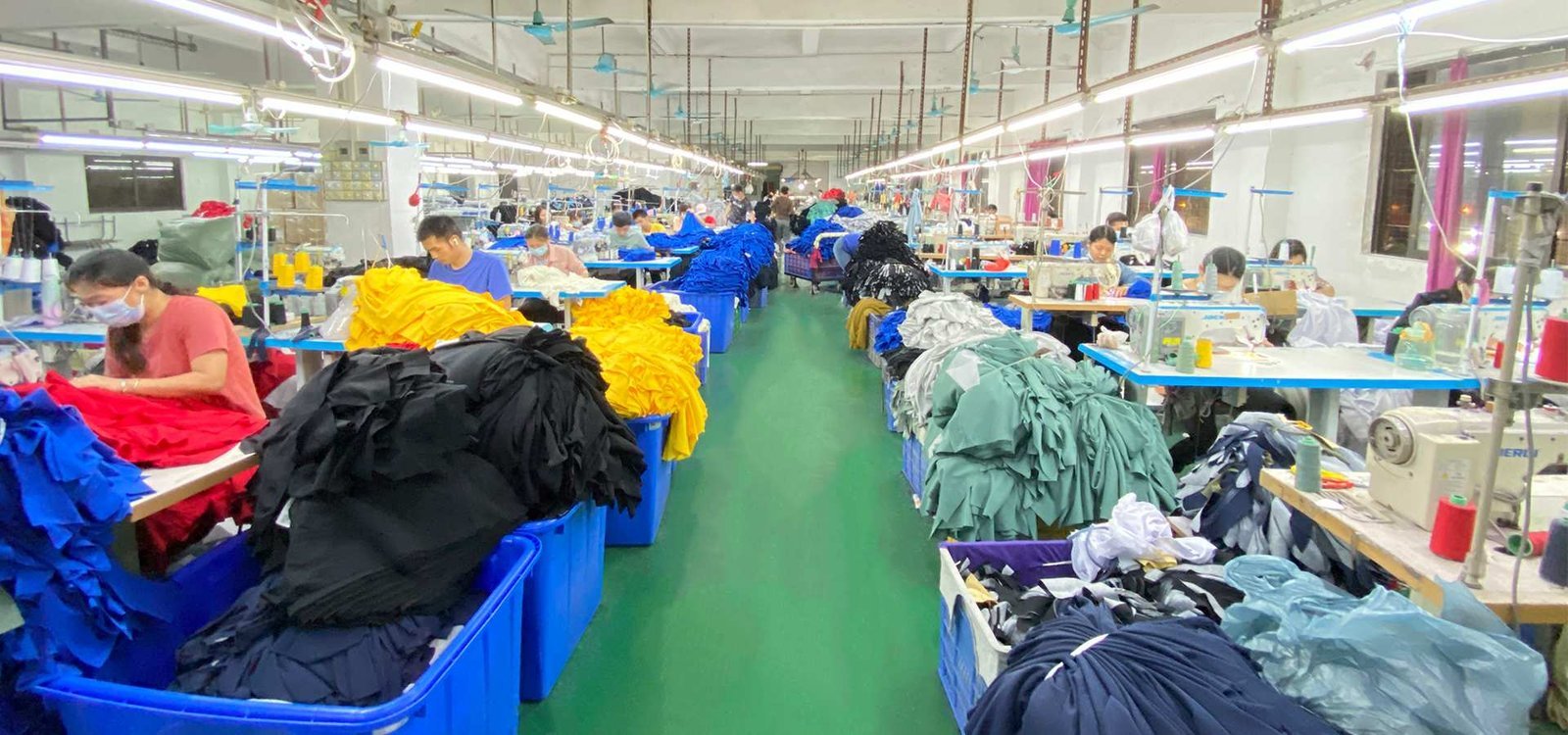
Four Pillars of Our Apparel Fabric Sourcing
Rigorous Material QC Testing at Every Stage
Our five-step QC protocol begins with rigorous material testing, ensuring every fabric meets strict quality standards before cutting. We test durability, colorfastness, shrinkage, and composition to eliminate defects early. This foundational quality checkpoint protects your brand reputation and minimizes costly rejections.
- Materials tested for durability, shrinkage, and colorfastness
- Comprehensive composition and fiber analysis
- Early defect detection prevents production waste
- Detailed material testing reports included
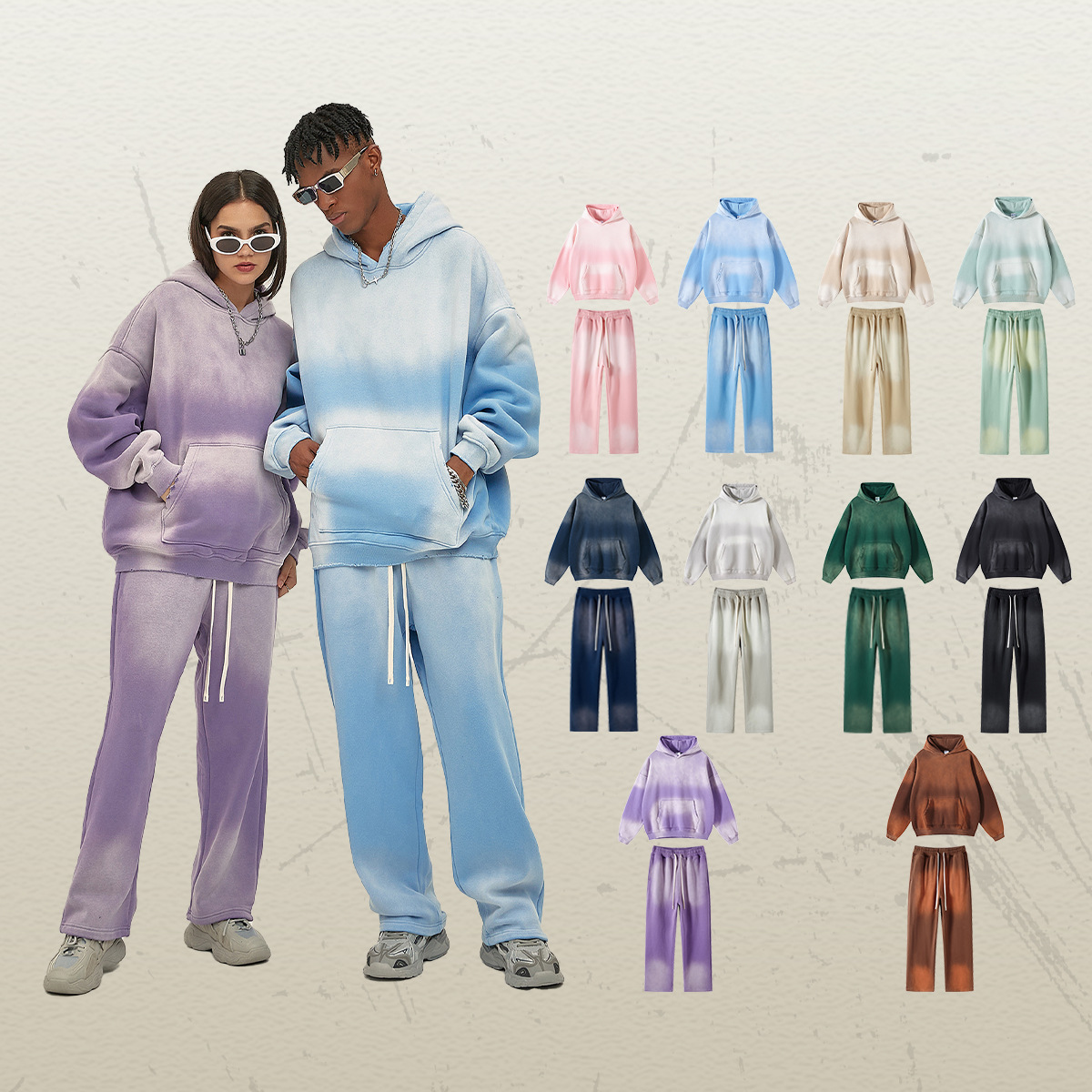
Streetwear Trend Forecasting & Design Innovation
Backed by deep streetwear expertise and an in-house design team of 15, we integrate emerging trend insights into fabric selection. We study hip-hop, skateboarding, graffiti, and street art influences to align your apparel fabric sourcing with what’s resonating now. Trend-driven collections launch faster than competitors.
- 15-member in-house R&D and design team
- Deep cultural fluency in streetwear aesthetics
- Real-time trend monitoring and forecasting
- Faster sample-to-production turnaround on seasonal drops
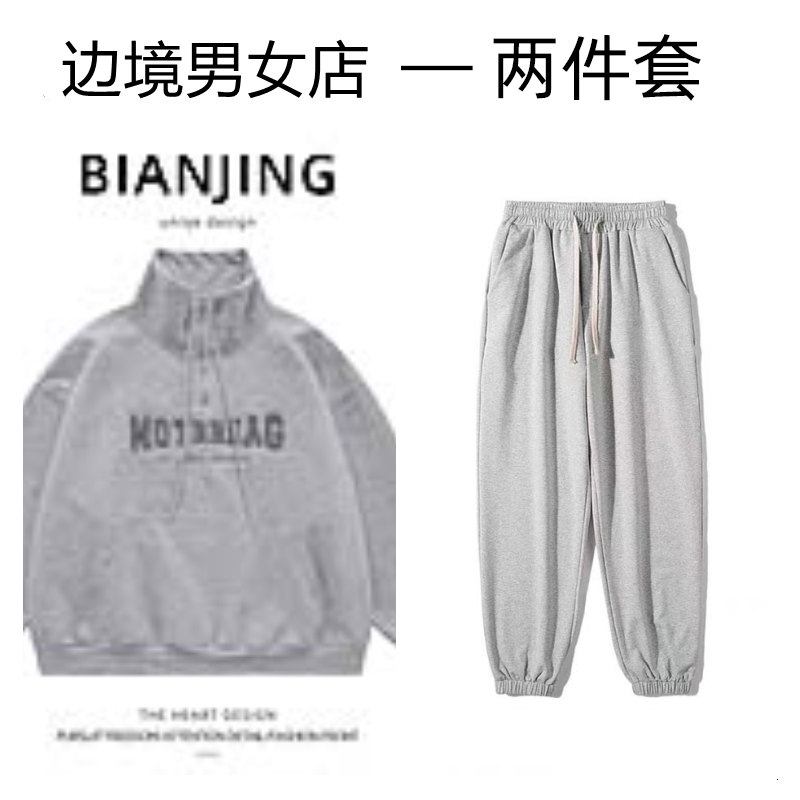
Global Apparel Fabric Sourcing Network
We’ve built relationships with vetted fabric suppliers across multiple regions, ensuring reliable access to premium materials at competitive costs. Our global network supports brands from emerging startups to established retailers, with proven logistics for fast, transparent delivery to over 100 countries.
- Supplier relationships across Asia, Europe, and Americas
- Low MOQ for emerging and independent brands
- Transparent pricing and quality consistency
- Proven logistics to 100+ countries globally

Sustainable Apparel Fabric Sourcing Practices
Apparel fabric sourcing that respects both quality and ethics. We prioritize suppliers meeting environmental and labor standards, reducing your brand’s ecological footprint. Transparent sourcing practices build consumer trust and align with modern brand values around sustainability and responsible manufacturing.
- Partner suppliers meeting environmental standards
- Ethical labor practices verification
- Transparent sourcing and certification documentation
- Sustainable material options available
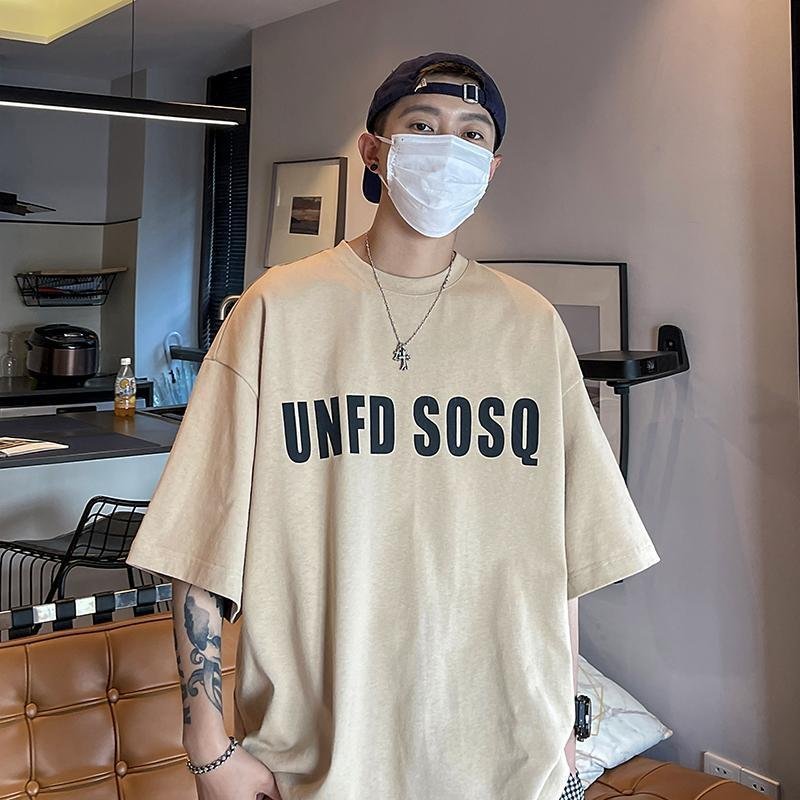
Apparel Fabric Sourcing vs. Standard Wholesale
Why QC-first sourcing with design support beats bulk commodity buying
← 左右滑动查看 →
Apparel Fabric Sourcing: Inquiry to Delivery
Every garment begins with clear communication and ends with rigorous quality assurance.
Inquiry & Requirements Capture
Understand your brand’s vision, collection scope, seasonal timelines, and fabric preferences. Our team captures all specifications needed for accurate material sourcing and production planning.
Material Selection & Testing
Source premium fabrics aligned with your aesthetic. Every material undergoes QC testing as step one of our five-step quality control guarantee.
Design Samples & Approval
Our in-house design team develops swatches and prototypes reflecting your vision. Fast sample turnaround keeps you on track for seasonal collection launches.
Production Setup & Cutting
Optimize cutting plans and production efficiency. Cutting QC testing ensures dimensional accuracy and precision from the first cut through assembly stages.
Manufacturing & Five-Step QC
Execute production with embedded quality checks—materials, cutting, craft, sewing, and finishing. Every garment undergoes our zero-compromise five-step QC process throughout manufacturing.
Quality Inspection & Shipping
Comprehensive finished product quality inspection and quality documentation. Global shipping and logistics support ensure your apparel collection arrives on schedule, worldwide.
How to Source Apparel Fabrics & Launch Your Collection
Submit your fabric specs, receive samples in 7 days, and launch with confidence in our quality-assured process.
Submit Your Design & Fabric Specs
Share your design brief, fabric requirements (weight, fiber content), Pantone color codes, and target MOQ. Our in-house design and sampling team launches your project immediately.
Receive Samples Within 7 Days
Our fast-turnaround sampling process delivers fabric swatches with test reports to your door. Evaluate color, texture, weight, and drape before committing to full production.
Approve & Finalize Specifications
Confirm your fabric selection, approve Pantone matches, and lock weight and finish. We incorporate all feedback into final production-ready specs for manufacturing.
Place Your Purchase Order
Submit your PO with approved fabric specs and collection timeline. We confirm pricing, lead time, and production schedule for your streetwear collection.
Track Production Through QC Stages
Monitor apparel fabric sourcing from material testing through finished goods inspection. Our five-step QC guarantee ensures every batch meets your quality standards before shipment.
How Our Apparel Fabric Sourcing Powers Global Brands
Clothing Manufacturer Ltd. nailed our fabric sourcing for our first collection launch. Their 5-step QC caught inconsistencies we’d have missed, and they delivered in 6 weeks. We ordered just 500 units at MOQ—perfect for testing before scaling to 5,000.
As a growing influencer brand, consistency is everything. Clothing Manufacturer’s apparel fabric sourcing team understood our streetwear aesthetic instantly and matched our color specs across three reorders. We’ve grown from 2,000 monthly units to 15,000 in 8 months—their speed and quality made it possible.
We source from 12+ manufacturers globally, and Clothing Manufacturer stands out. Their apparel fabric sourcing process with on-site QC testing eliminated defects that used to cost us $45K annually. Now we’re ordering 40% more volume with zero returns. That’s real impact.
Frequently Asked Questions: Apparel Fabric Sourcing
Everything you need to know about sourcing quality fabrics for your streetwear collection.
What’s the minimum order quantity (MOQ) for apparel fabric sourcing?
What does apparel fabric sourcing include at your facility?
How long does apparel fabric sourcing take for rush orders?
What’s included in your sampling and swatch service?
Can fabrics be screen-printed, embroidered, or heat-transferred after sourcing?
Do you offer white-label or private-label manufacturing?
What design files and color specifications do you require?
Are the fabrics you source tested for durability and wash performance?
Do you source sustainable or eco-certified fabrics?
The Ultimate Buyer’s Guide to apparel fabric sourcing
Master the essentials of global apparel fabric sourcing with our decision framework, supplier selection criteria, and guidance on avoiding costly mistakes. From material selection to quality assurance, learn how to source fabrics like a pro.
1. What is apparel fabric sourcing?
Over 60 million metric tons of textiles are produced annually worldwide, making strategic fabric sourcing a make-or-break decision for fashion brands. Apparel fabric sourcing is the systematic process of identifying, evaluating, and partnering with textile suppliers who deliver raw materials meeting your quality standards, design specifications, and production timelines. From choosing between ring-spun and open-end cotton to selecting weight specifications (measured in grams per square meter, or GSM, typically 150–400 GSM for apparel), sourcing directly shapes your product’s performance, durability, and market positioning.
Minimum order quantities (MOQs) typically range from 500 to 2,000 kilograms per fabric, while lead times span 30 to 90+ days depending on supplier location and production complexity. Leading brands evaluate suppliers across sustainability certifications (OEKO-TEX, GOTS, WRAP, BSCI), quality consistency across color batches, and logistics costs. Finding the right global partner—whether in China, Vietnam, India, or Turkey—requires navigating language barriers and variable quality standards that can make or break your collection timeline.
Strategic fabric sourcing impacts three critical success factors: cost competitiveness through volume discounts and efficient supply chains, product differentiation via access to exclusive or innovative fabrics like flatlock-finished or custom-dyed materials, and operational reliability through partners who deliver on time and meet specifications consistently. Brands sourcing thoughtfully gain faster time-to-market, fewer quality defects, and stronger profit margins—advantages that multiply as production scales.
2. The evolution of apparel fabric sourcing
Before 2000, apparel fabric sourcing relied primarily on domestic textile mills in Western markets, with lead times measured in weeks and production concentrated near consumption hubs. Globalization and rising labor costs shifted the industry dramatically toward Asia, particularly China, India, and Vietnam, compressing costs but extending supply chains to 120+ day lead times. This offshore concentration created both efficiency gains and unprecedented vulnerability to disruption.
Since 2015, sustainable apparel fabric sourcing has become a competitive requirement, not a novelty. Certifications like OEKO-TEX Standard 100, GOTS (Global Organic Textile Standard), WRAP, and BSCI now govern material selection and factory practices for most major retailers. Brands discovered that environmental and labor transparency directly influence consumer purchase intent, particularly among Gen Z buyers.
The integration of AI and blockchain into apparel fabric sourcing emerged around 2018–2020, offering real-time inventory visibility, predictive demand forecasting, and end-to-end traceability from mill to finished garment. These tools revealed hidden inefficiencies: long lead times, hidden inventory, and margin leakage that linear sourcing couldn’t detect.
The 2020 pandemic exposed the fragility of single-source offshore concentration. Major retailers faced weeks-long bottlenecks at ports and factory closures that halted entire collections. This shock prompted strategic reshoring and nearshoring: brands now maintain regional production hubs in Eastern Europe, Mexico, and Southeast Asia to balance cost and resilience. Understanding this evolution—from localized to globalized to regionally hybrid—is essential for navigating modern lead times, quality demands, and supply chain risk.
3. Key types of apparel fabric sourcing solutions
Four primary sourcing models dominate apparel fabric procurement: direct-from-mill, trading companies, agents, and vertically integrated suppliers. Each model offers distinct trade-offs in cost, lead time, MOQ, quality control, and communication. Understanding these differences helps brands align sourcing with production scale, budget, and quality expectations.
| Model | Cost | Lead Time | MOQ | Quality Control |
|---|---|---|---|---|
| Direct-from-Mill | Lowest | 12–16 weeks | 5,000–10,000 kg | Mill-dependent |
| Trading Company | Mid-range | 8–12 weeks | 1,000–2,000 kg | Vetted fabric libraries |
| Agent/Specialist | Mid-range | 10–14 weeks | 2,000–5,000 kg | Often outsourced |
| Vertically Integrated | Highest | 2–4 weeks | Flexible | In-house controlled |
Direct-from-Mill Sourcing
Mills sell directly to brands without intermediaries, offering the lowest per-unit pricing. However, direct-mill sourcing requires minimum orders of 5,000–10,000 kg per color and lead times of 12–16 weeks. Large brands with stable demand benefit most; smaller labels typically lack the volume to justify mill minimums.
Trading Companies
Trading companies maintain pre-vetted fabric libraries and serve as intermediaries between brands and mills. They reduce MOQ to 1,000–2,000 kg and compress lead times to 8–12 weeks, enabling mid-sized brands to access quality fabrics economically. Pricing sits between mill and agent models, with markup typically 15–25%.
Agents & Sourcing Specialists
Agents leverage relationships with mills to negotiate custom orders and navigate language and cultural barriers. MOQ flexibility ranges from 2,000–5,000 kg depending on the mill. Lead times extend to 10–14 weeks. Agents typically don’t hold inventory; communication can suffer when mills prioritize large orders over smaller agent requests.
Vertically Integrated Suppliers
Suppliers controlling spinning, weaving, and finishing in-house offer consistent quality, proprietary innovations, and flexible MOQ. Sample lead times shrink to 2–4 weeks. Upfront costs are higher, but reliability and customization justify the premium for brands prioritizing quality and timeline predictability.
4. Materials & fabrics for your collection
Fabric selection is foundational to your collection’s performance and aesthetics. Different fibers deliver distinct comfort, durability, and care properties. Understanding weight, composition, and weave helps match materials to your design vision and target audience through effective apparel fabric sourcing.
| Fiber Type | GSM Range | Key Properties | Best Use Case | Price Tier |
|---|---|---|---|---|
| 100% Cotton Ring-Spun | 130–200 (light) | Breathable, soft, durable | T-shirts, basics | Budget-Mid |
| Cotton-Poly Blend (65/35) | 150–220 | Durability + comfort, print stability | Printed tees, hoodies | Mid |
| Polyester Performance | 140–180 | Moisture-wicking, color-fast | Athletic wear, active | Mid-Premium |
| Cotton + Elastane (98/2) | 160–210 | Stretch recovery, fitted silhouette | Joggers, fitted tops | Mid |
| Organic Cotton (GOTS) | 140–200 | Sustainable, eco-certified | Premium basics, conscious brands | Premium |
| Recycled Polyester Blend | 130–190 | Eco-friendly, durable, performance | Eco-conscious collections | Premium |
Natural Fibers: Cotton Essentials
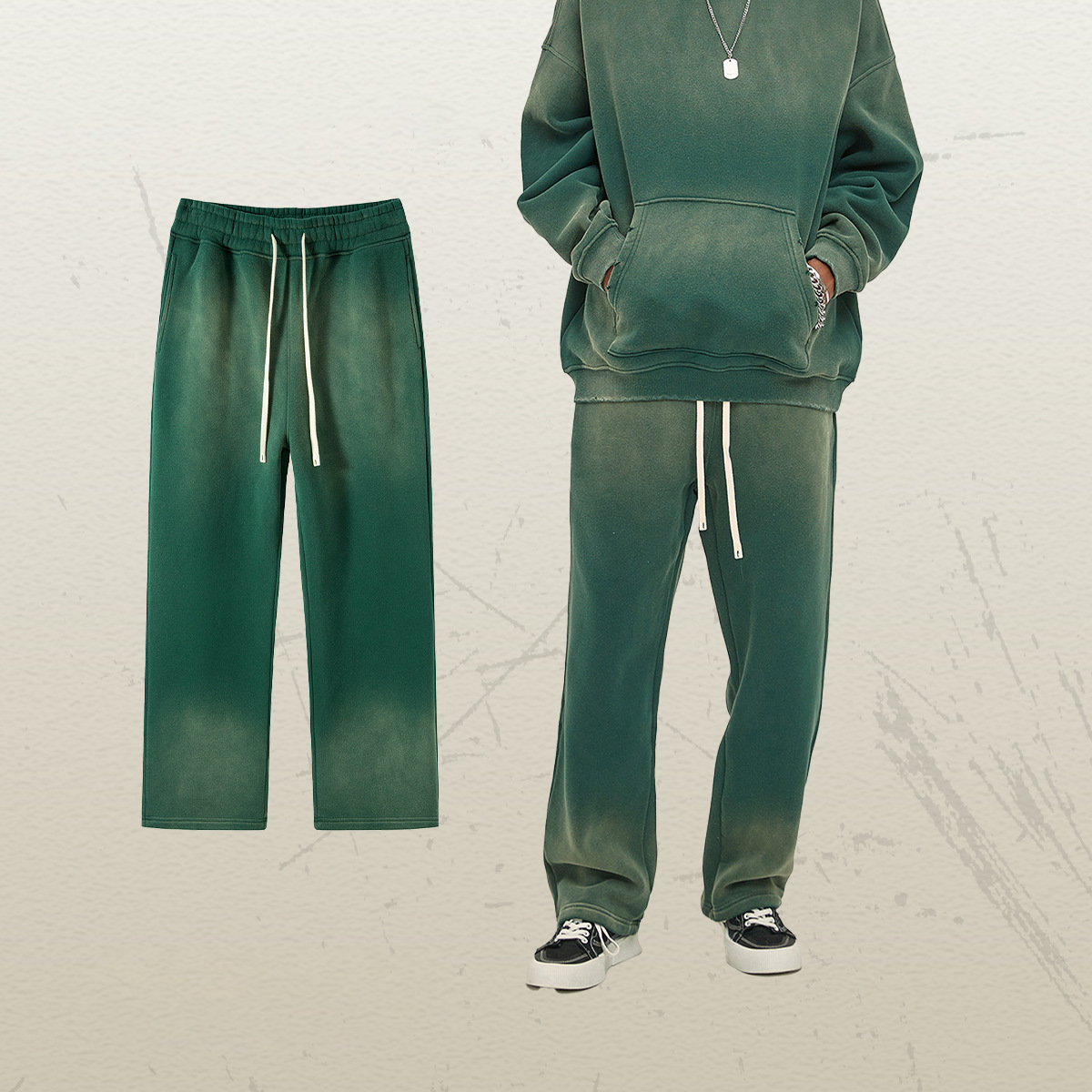
100% cotton and cotton blends account for roughly 25% of global fiber consumption. Ring-spun cotton offers superior softness versus open-end variants.
Cotton GSM ranges from 130–200 for lightweight basics to 300+ for heavy fleece. Breathability makes cotton ideal for warm-weather streetwear and classic essentials.
Polyester & Stretch Blends
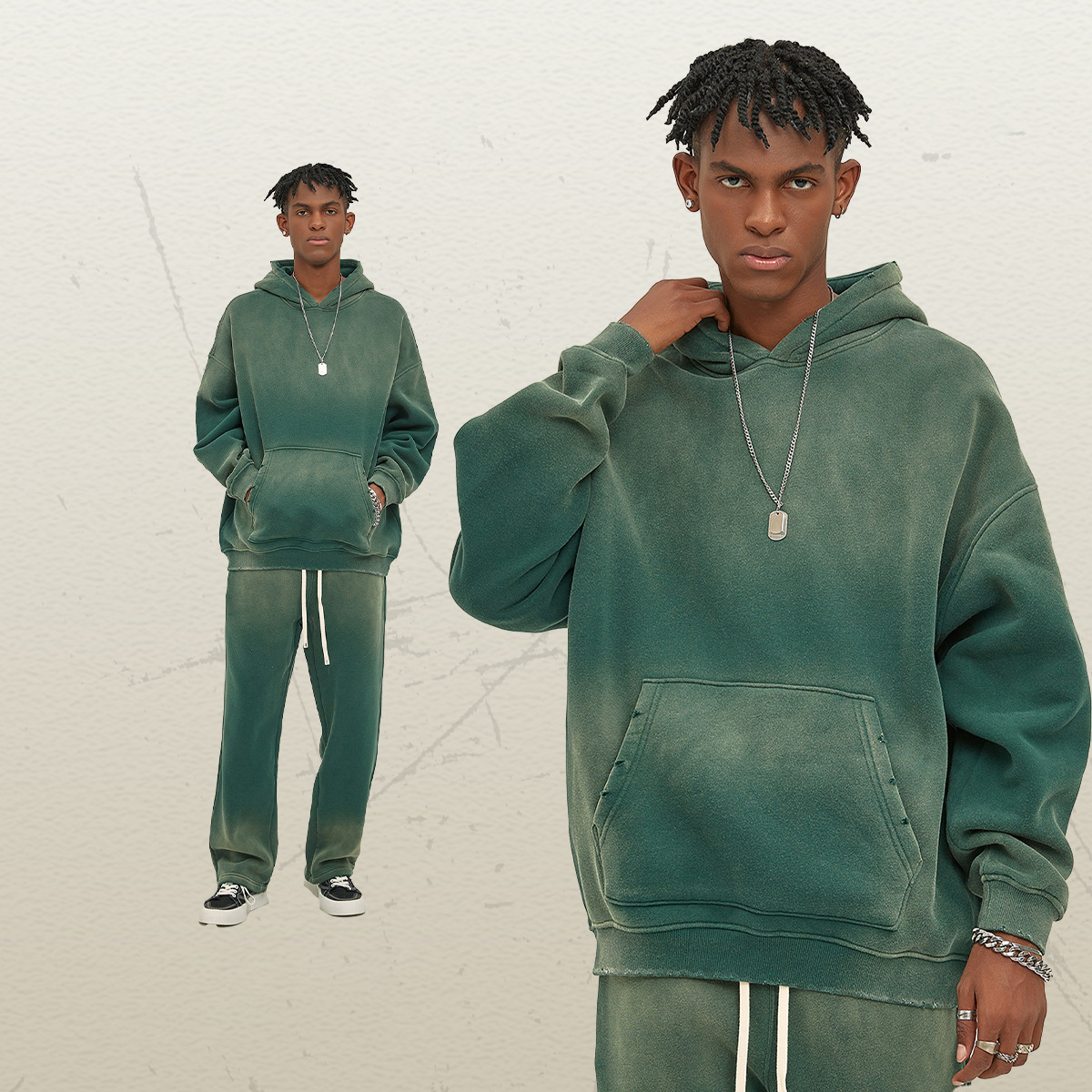
Polyester delivers durability and moisture-wicking crucial for active streetwear. Blends combining 65% polyester with 35% cotton balance performance and comfort, commonly used in print-heavy designs.
Elastane (spandex) blends at 2–5% add crucial stretch recovery for fitted silhouettes without bulk.
Technical Fabrics for Performance
Four-way stretch and moisture-management fabrics suit athletic and high-movement streetwear. Nylon blends resist pilling and abrasion, extending garment lifespan.
Technical fabrics typically command 15–30% premium over basic cotton. Consider these for premium collections targeting active lifestyles and demanding outdoor use.
Sustainable & Certified Fabrics
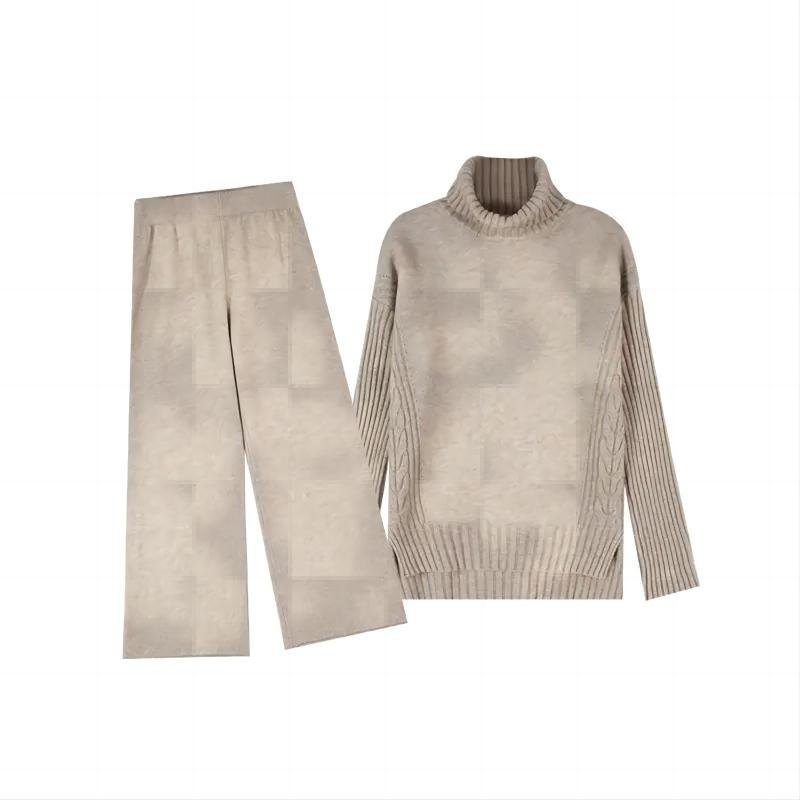
Organic cotton (GOTS-certified) and recycled polyester appeal to conscious consumers and command 20–40% price premiums. OEKO-TEX certification signals low-chemical processing.
Sustainability positioning strengthens brand loyalty among Gen Z and millennial audiences. Budget organic lines starting at MOQ 500–1,000 units for smaller brands.
5. Customization & decoration techniques
Five decoration methods dominate apparel customization, each suited to different volumes and budgets. Selecting the right technique impacts unit cost, turnaround time, durability, and quality.
Screen Printing
Screen printing is most cost-effective for high-volume runs over 500 units. Costs range from $0.75–2.50 per piece with 48–72-hour turnaround.
Excellent durability on cotton and cotton-blend fabrics (50+ wash cycles typical). Minimum order quantities: 50–100 pieces per color.
- Best for: 500+ units
- Durability: 50+ wash cycles
- Fabrics: cotton, poly-cotton
Embroidery
Embroidery delivers premium durability and tactile quality at $1.50–5.00 per piece (depending on stitch count).
Ideal for structured fabrics like twill, denim, and canvas. Best for 25–500-piece runs when brand prestige matters.
- Stitch range: 1,000–15,000
- Turnaround: 72–120 hours
Heat Transfer
Heat transfer offers the lowest per-piece cost ($0.30–1.00) with minimal minimums (10–25 units).
Moderate durability (20–30 wash cycles). Works best on polyester and poly-cotton blends rather than heavy cotton.
- Turnaround: 24–48 hours
- Best fabrics: polyester, blends
DTG & Sublimation
DTG (direct-to-garment) excels for photographic detail and ultra-small runs (1–10 pieces) on 100% cotton, costing $1.50–4.00 per piece.
Sublimation offers superior photo-quality on synthetics only ($1.00–3.00/piece). Both techniques deliver 24–72-hour turnaround.
High-Volume vs. Limited-Edition
High-volume orders (1,000+) favor screen printing for unit-cost efficiency. Limited-edition runs (1–100) benefit from DTG or heat transfer to minimize design waste and inventory risk.
Multi-color designs often make sublimation or DTG more economical despite higher per-piece costs.
- Choose by production scale
- Match technique to fabric type
- Plan inventory accordingly
6. Quality standards & construction elements
Quality in apparel fabric sourcing extends beyond final inspection—it encompasses rigorous testing at every production stage. Leading manufacturers implement systematic QC checkpoints to catch defects early and ensure consistency across sewn construction and material specifications.
Five-Step Quality Control Process
QC testing occurs at five distinct stages: materials assessment, cutting accuracy, craft validation, sewing construction, and finished goods inspection. Early detection prevents costly defects and rework.
Thread quality, seam integrity, and material consistency are verified at specific checkpoints. This systematic approach ensures garments meet specification before shipping.
Key Quality Metrics & Testing
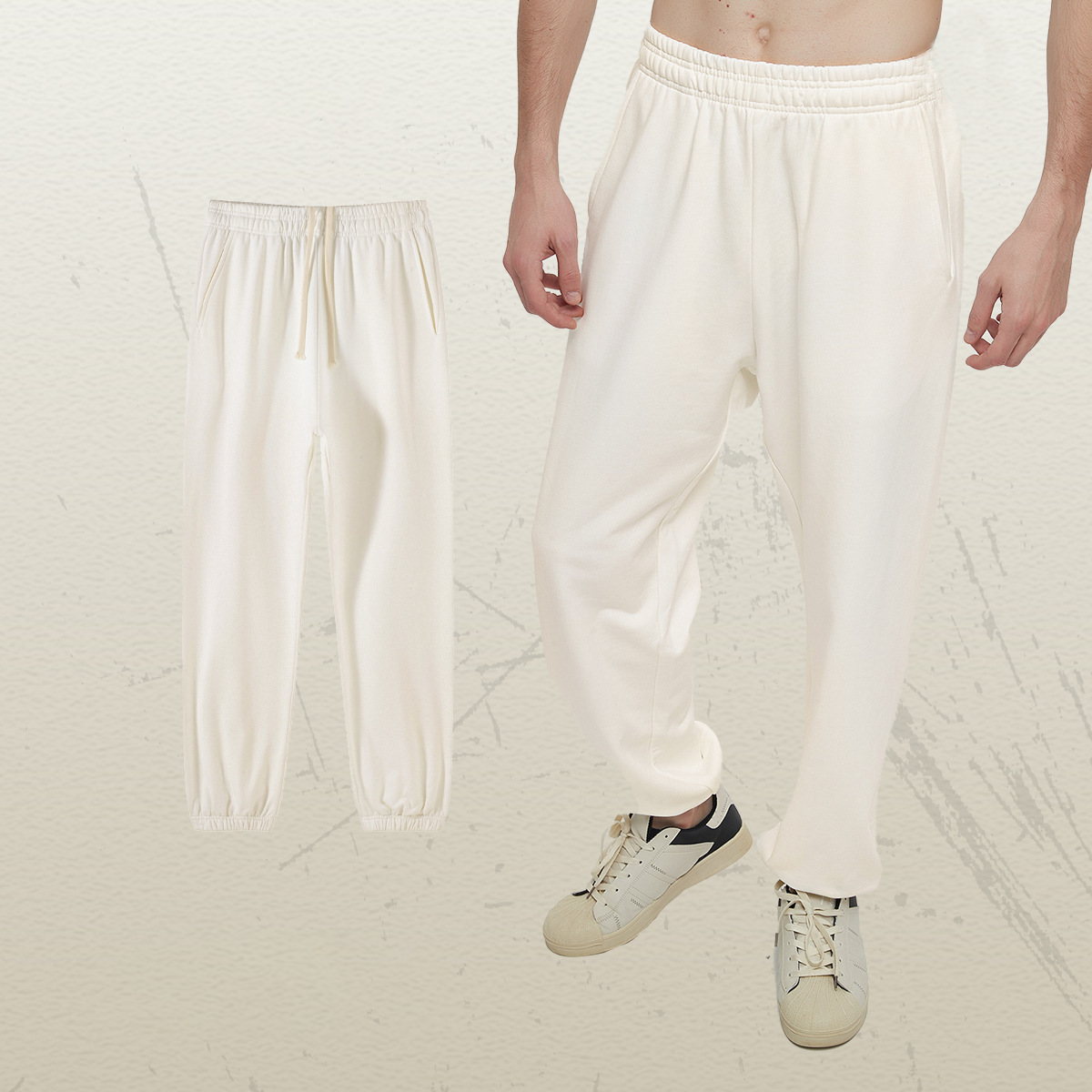
Seam strength is measured by tensile testing per ASTM D6775, ensuring stitches withstand normal wear. Colorfastness testing per ISO 105 standards validates dye stability across washing and sunlight.
Pilling resistance, shrinkage rates (ISO 6330), and thread quality are verified to meet brand specifications.
International Standards & Certifications
ISO standards govern testing methodology (ISO 105 for colorfastness, ISO 6330 for shrinkage), while ASTM standards specify seam strength and tensile properties. Oeko-Tex certification verifies chemical safety and environmental compliance.
Understanding which standards apply to your market ensures regulatory alignment.
Construction & Finishing Details
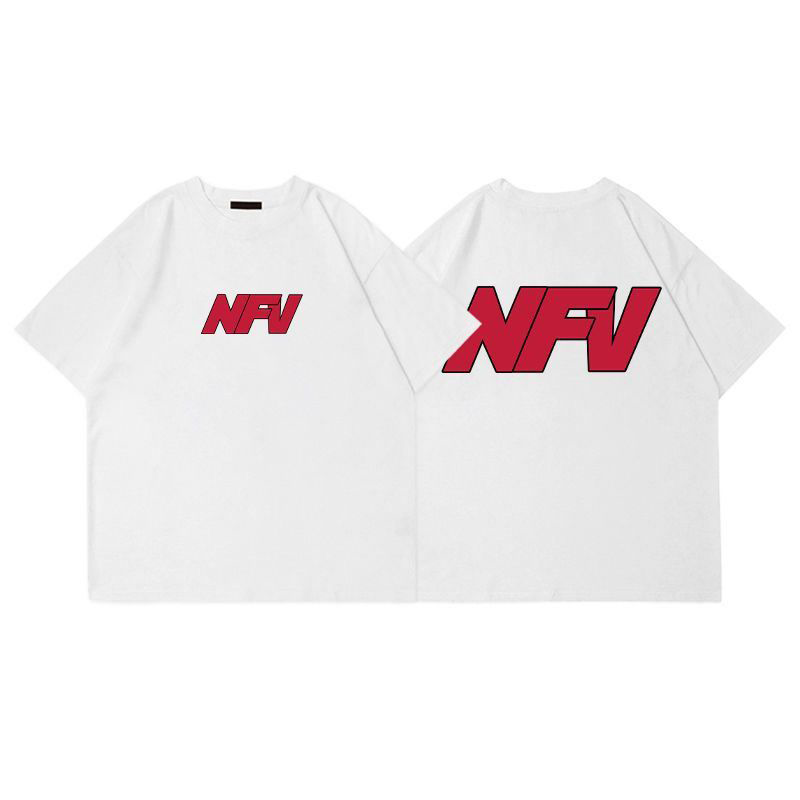
Seam placement, stitch density (typically 20–24 stitches per inch for streetwear), and thread type directly affect durability and aesthetics. Finishing techniques—flatlock seams, bound edges, or reinforced stress points—are tailored to garment type.
Clear construction specifications prevent misalignment between design intent and production execution.
Specifying Your Quality Requirements
Communicate specific tolerances for shrinkage (e.g., ≤3% in length), colorfastness grades (e.g., 4–5 on ISO scale), and seam strength minimums. Request samples tested against your chosen standards before full production.
This clarity eliminates ambiguity and ensures your sourcing partner delivers consistent results.
7. How to select the right sourcing partner
Choosing an apparel fabric sourcing partner directly impacts your brand’s quality, timeline, and reputation. A systematic evaluation framework—spanning certifications, samples, communication, and references—separates reliable manufacturers from those cutting corners.
Verify Certifications & Track Record
Reputable manufacturers hold certifications like OEKO-TEX, GOTS, WRAP, or BSCI. Request documentation and confirm current validity; outdated ones signal compliance neglect.
Ask how many QC checkpoints they implement during production, not just final inspection. Manufacturers performing quality checks at multiple stages consistently ship fewer defects than those inspecting only at the end.
Request & Evaluate Samples
Order samples in your specified fabrics and techniques before full production. Quality manufacturers deliver samples within 7–14 days; slow responses suggest bottlenecks.
Inspect stitching consistency, seam strength, color accuracy against Pantone references, and finish quality. Inconsistent sample quality predicts inconsistent production output.
Assess Communication & Lead Times
Confirm production timelines for your MOQ. A 45–60 day lead time is standard for bulk orders; peak seasons extend this.
Request dedicated account managers who resolve issues faster than generic email. Clear communication during pre-production discussions predicts smoother execution.
Clarify Pricing & Terms
Request itemized cost breakdowns (fabric, labor, trim, packaging) rather than lump sums. Compare across 3–5 suppliers to benchmark market rates.
Be skeptical of quotes 20–30% below market—they signal corner-cutting on materials or QC. Negotiate payment terms, MOQs, and reorder discounts in writing.
Identify Red Flags & Green Flags
Request 3–5 references from recent clients in your size category. Red flags: refusal to share certifications, response times >48 hours, inconsistent samples, QC secrecy.
Green flags: published quality standards, transparency about production limitations, proactive problem-solving. These indicators predict long-term partnership success.
8. Common pitfalls in apparel sourcing
Brands often stumble in apparel fabric sourcing when overlooking operational fundamentals. MOQ miscalculations, lead time delays, quality lapses, communication breakdowns, supplier dependency, and payment misalignment cause cascading problems before production starts.
Minimum Order Quantity Misalignment
Most suppliers set MOQs between 500–2,000 units per style. A brand assuming 100-piece flexibility discovers 2,000-unit minimums after design samples, forcing costly scaling or project abandonment. Verify MOQ tiers in the initial quote before committing design and development resources.
Lead Time Underestimation
Manufacturers require 8–12 weeks from confirmed order to FOB shipment, not the 3–4 weeks brands assume. Fabric, cutting, sewing, and QC each extend timelines. Missing launches costs revenue and positioning. Calculate lead time backwards from your launch date and add a 2-week buffer.
Quality Control Gaps
Defects surface in retail when QC happens only at delivery. Many suppliers skip mid-production checks to cut costs. Five-step QC (materials, cutting, craft, sewing, finish) catches problems early, reducing rejection from 10–15% to under 2%. Insist QC checkpoints are documented in manufacturing agreements.
Sample Communication Breakdown
Vague sample requests—’Make it look streetwear’—lead to revision cycles before alignment. Manufacturers interpret requests through their own lens, wasting weeks. Lock sample specs in writing: Pantone colorway, seam placement, cuff width, label position. Use visual mockups and scheduled calls to eliminate email-only misinterpretation.
Supplier Dependency & Payment Risk
Relying on one supplier risks production halts from shipping delays or quality failures. A second approved supplier adds 10–15% cost but prevents catastrophic revenue loss. Negotiate payment terms (30% deposit, 70% pre-shipment inspection) and consider currency hedging if sourcing in volatile markets.
9. Your roadmap to launching with confidence
Launching a branded apparel collection requires orchestrating multiple milestones—from design finalization through inventory arrival. This roadmap walks you through apparel fabric sourcing from concept to commerce, with clear timelines and decision points at each stage.
| Phase | Timeline | Key Decision |
|---|---|---|
| Design Finalization | Weeks 1–2 | Approve tech pack |
| Supplier & Sampling | Weeks 2–8 | Select manufacturer and prototype |
| Production Order | Week 8 | Confirm MOQ and payment terms |
| Manufacturing | Weeks 8–18 | Monitor in-process QC |
| Final Inspection & Shipping | Weeks 18–20+ | Verify quality and arrange delivery |
| Launch Ready | Week 20+ | Inventory arrives |
Design Finalization & Tech Pack
Create detailed technical specifications for each garment: fabric type (e.g., 280 GSM ringspun cotton), construction details, stitching methods (flatlock, triple-stitch), hardware (YKK zippers), color specifications (Pantone numbers), and sizing grading.
A complete tech pack prevents costly revisions during production.
Supplier Evaluation & Selection
Assess manufacturers on production capacity, quality systems, and lead times. Request references from similar brands.
Verify their QC methodology—look for in-process testing at materials, cutting, and sewing stages, not just end inspection. Your product quality depends entirely on this selection.
Sampling & Iteration
Allocate 4–6 weeks for sampling. Your manufacturer should produce pre-production samples at no charge or minimal cost.
Review fit, fabric hand-feel, stitching quality, and color accuracy. Expect 2–3 revision rounds before approving production. Document all feedback in writing.
Production Order & MOQ
Confirm minimum order quantities (typically 500–2,000 units per style). Negotiate lead time—standard is 8–12 weeks from order approval to delivery.
Lock in pricing, payment terms, and shipping method upfront in a written agreement.
Quality Checkpoints & Shipping
In-process QC catches defects before they reach finished goods. Request fabric testing results (shrinkage, colorfastness per OEKO-TEX standards).
Review production photos at 50% and 80% completion. Conduct final inspection before shipment. Use freight tracking to monitor your inventory arrival date.
10. Pricing & cost structure
MOQ requirements typically range from 100 to 500 units for custom streetwear orders, with setup costs spread across production runs directly impacting per-unit pricing. This threshold determines whether brands can achieve the margins needed for profitable retail distribution.
Fabric type, print method, and third-party certifications (OEKO-TEX, GOTS, BSCI) significantly raise unit cost, as do order complexity, customization density, and color variety. Sourcing from Dongguan Humen introduces 4 to 8 weeks of production and transit time, a factor critical to inventory forecasting and working capital planning.
Bulk orders of 5,000 units or more typically reduce per-unit cost by 30 to 50 percent compared to MOQ levels, directly improving break-even calculations and retail margin potential. Understanding these cost drivers—fabric selection, order size, lead time, and compliance—allows brands to align production commitments with growth projections and cash flow capacity.
| Quantity Tier | Unit Cost (USD) | Typical Lead Time |
|---|---|---|
| MOQ (100–150 units) | $15–20 | 4–5 weeks |
| 500 units | $10–14 | 5–6 weeks |
| 1,000 units | $7–10 | 6–7 weeks |
| 5,000+ units | $5–8 | 7–8 weeks |
Start Your Apparel Fabric Sourcing — Free Sample Kit
Get a free fabric sample kit, schedule a design consultation, or submit your custom apparel fabric sourcing RFQ today—all risk-free.