
Size Grading Service: Get Precision Fit, Every Time
Precision sizing, fast turnaround. Our size grading service combines 10+ years of production expertise with a 5-step QC framework to deliver accurate specs in 7 days.
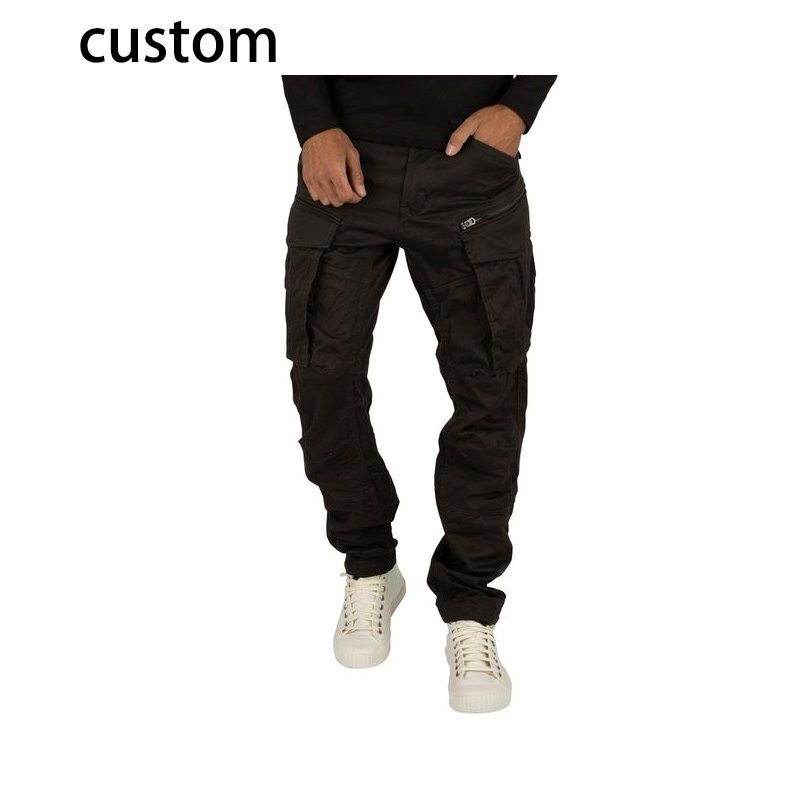
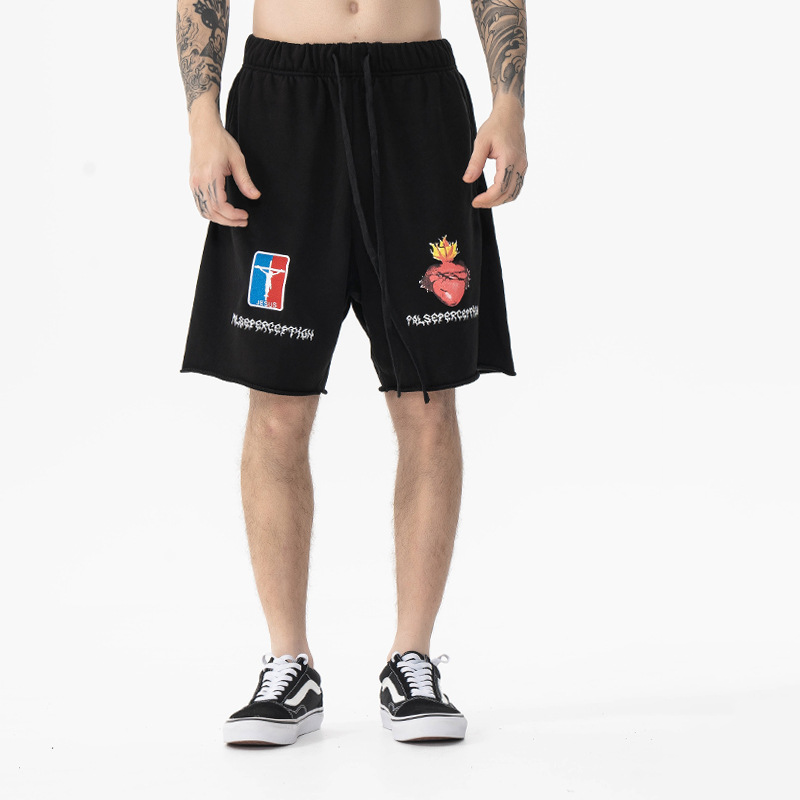
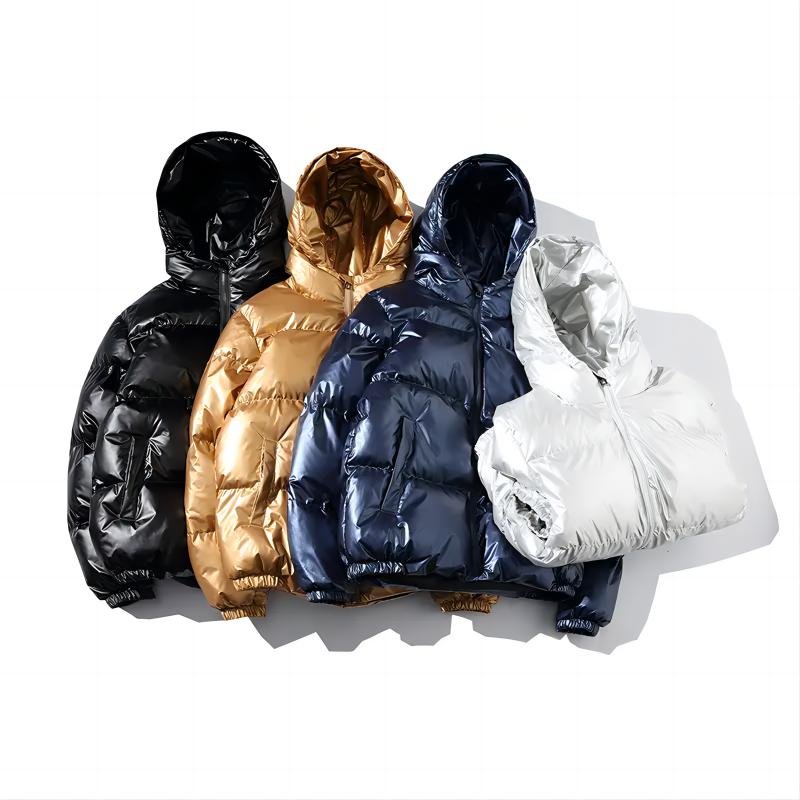
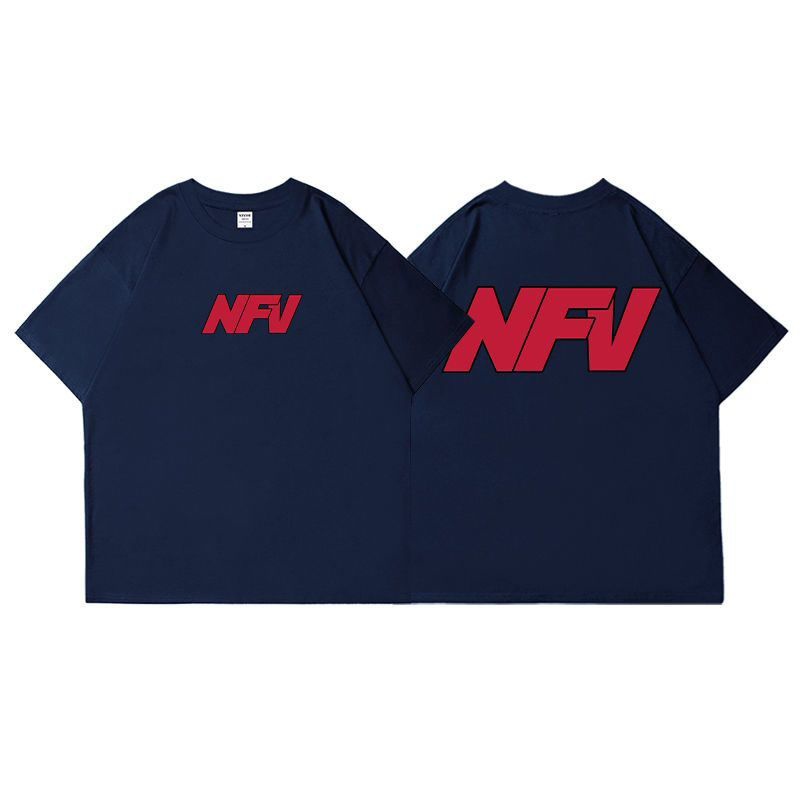
Size Grading Service Portfolio — Real Samples, Real Results
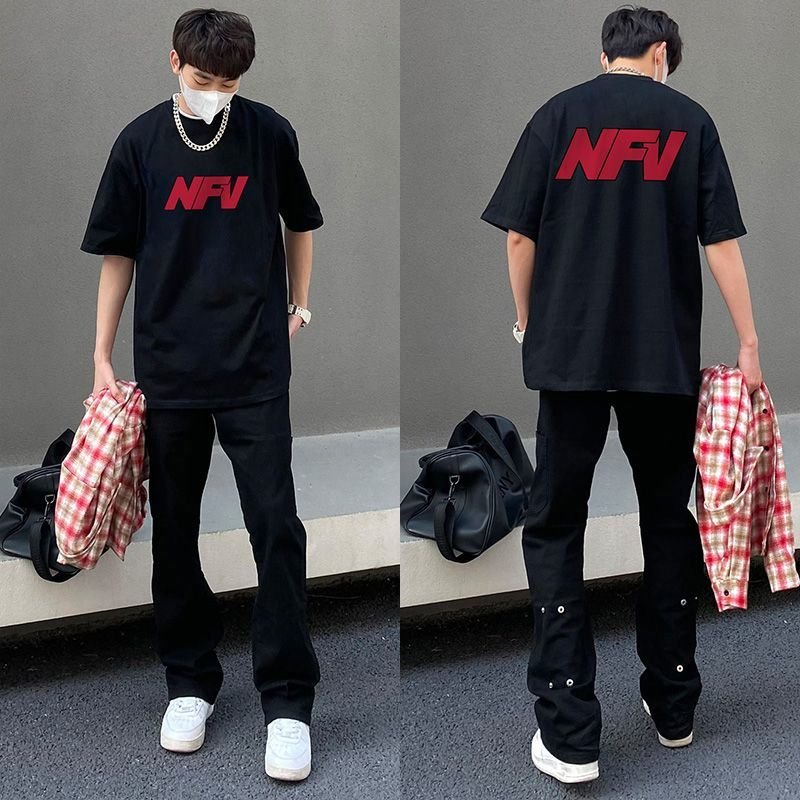
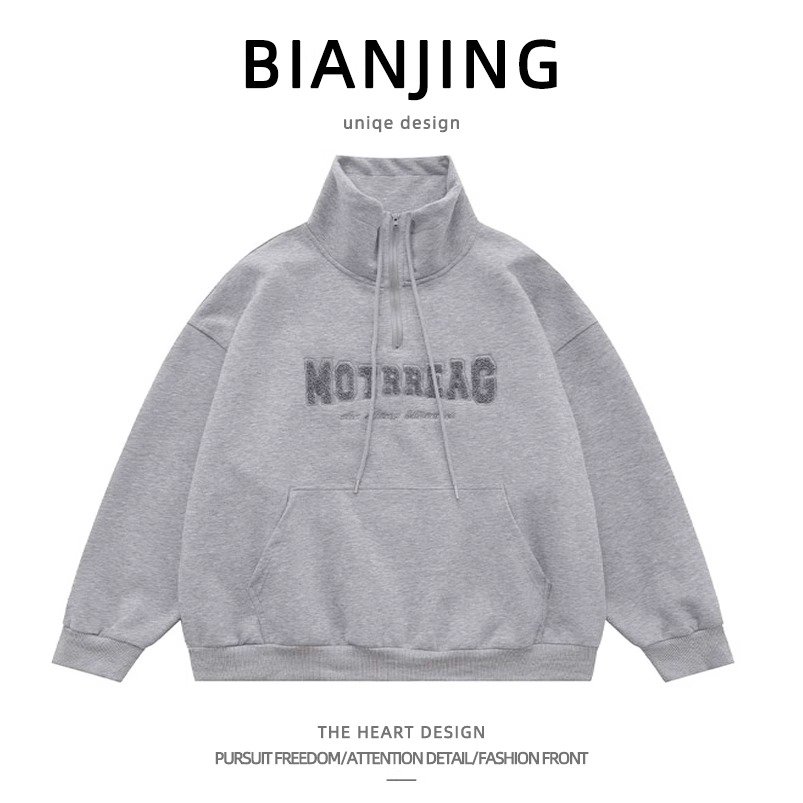
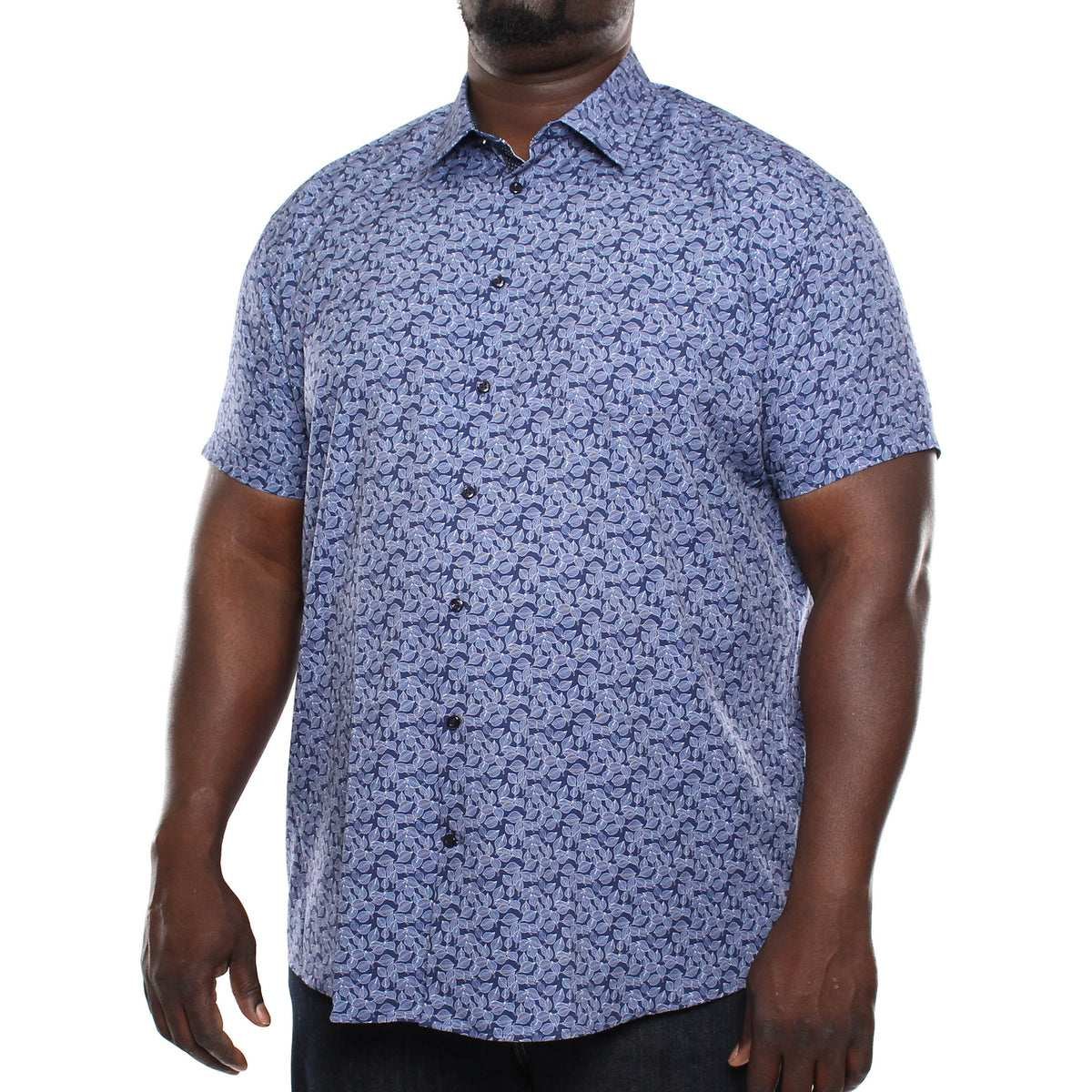
Why Our Size Grading Service Stands Out
Industry-leading precision, speed, and consistency for brands of every size.
Precision Measurement Technology
Computer-aided grading ensures ±0.5cm accuracy on every measurement, eliminating sizing inconsistencies across global production runs.
7-Day Sample Turnaround
Rush production of graded prototypes for seasonal collections, keeping your brand ahead of trend cycles without quality compromise.
Integrated with 5-Step QC
Size grading service works seamlessly with our proprietary five-step quality control, catching fit issues before bulk production.
Consistency Across Bulk Orders
Master spec sheets maintained throughout your production run ensure identical sizing and fit across every manufacturing batch and shipment.
Expert Fit Verification Team
In-house specialists test every sample for comfort, range of motion, and aesthetic fit across streetwear silhouettes and proportions.
Low MOQ for Startups
Affordable size grading service with minimal order quantities, empowering fashion startups and independent designers to scale with confidence.
Size Grading Service for Every Production Scenario
Independent Streetwear Designer
You're launching your first streetwear collection but lack resources for expensive vendor coordination. You need professional size grading, pattern development, and samples without high minimums.
Get end-to-end support: affordable size grading paired with pattern development and rapid prototyping. Our low-MOQ friendly service coordinates every production step for a confident launch.
Influencer Creator Launching Collections
You drop new streetwear collections every season following trends. Traditional grading vendors are too slow to coordinate sizing, sampling, and cutting for your rapid launch timeline.
Express size grading with 7-day samples and fast pattern grading keep your seasonal launches on schedule. Coordinated service across sampling, cutting, and sizing saves weeks.
Established Multi-Vendor Retailer
Managing consistent sizing across multiple vendors and diverse product categories creates fit inconsistencies and customer returns. Each supplier uses entirely different grading specifications and QC standards.
Standardize all vendor sizing through our centralized size grading service. Integrated QC and comprehensive fit testing ensure consistent sizing specifications across your entire product portfolio worldwide.
Global International Apparel Brand
Selling across US, EU, and Asian markets requires different sizing standards for each region. Managing region-specific fit testing and QC across multiple manufacturing partners is complex.
Multi-market size grading with regional customization, coordinated QC protocols, and regional fit testing. Optimize sizing for each market while maintaining consistent brand quality and standards globally.
Size Grading Service Powered by Decade-Plus Expertise
Tesla Luo founded Clothing Manufacturer Ltd. in 2024 with over a decade of garment production experience and six years specializing in streetwear. His hands-on background—from cutting and sewing to quality control—gives him unmatched insight into sizing accuracy and fit precision. This foundation drives our commitment to delivering size grading service that meets international standards for global brands.
Since launching, we’ve supported emerging brands and established retailers across 100+ countries. Our team combines Tesla’s direct production experience with an in-house sampling and QC infrastructure built for precision. Every measurement, every fit test, and every size spec passes through rigorous verification—ensuring that our size grading service eliminates fit inconsistencies that damage brand reputation.
What sets our size grading service apart is our production-first philosophy. Unlike generic grading providers, we apply the same five-step QC methodology that underpins all our manufacturing to every sizing project. We don’t just measure—we fit-test prototypes, validate across multiple body types, and deliver spec sheets that translate to consistent, quality garments at scale.
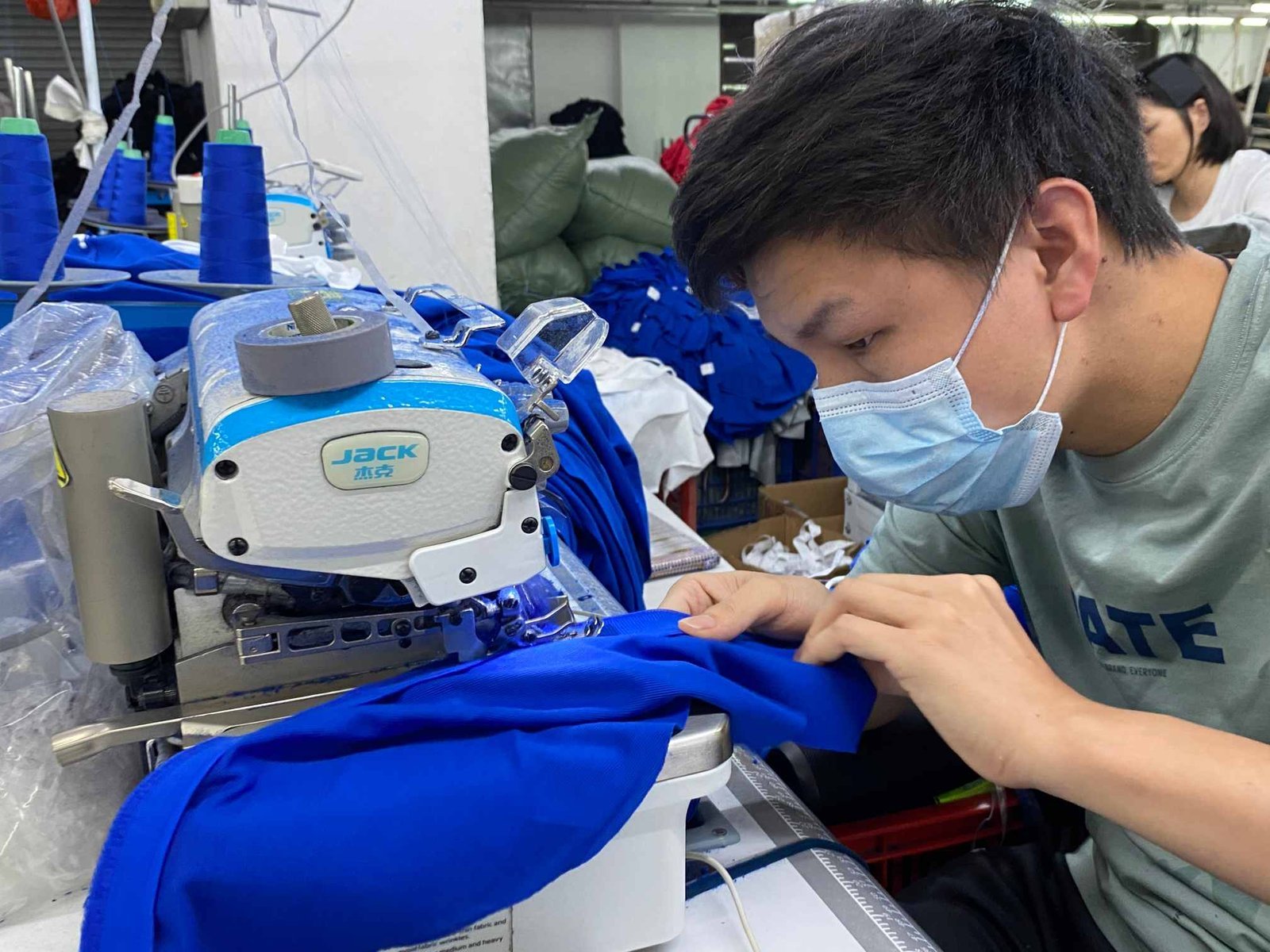
Precision Size Grading Service Methodology — Measurement, Fit Verification & QC Standards
Base Size Establishment & Measurement Standards
Establish baseline measurements using industry-standard templates and customer specifications. Our in-house design team develops custom size matrices for streetwear, accounting for fit preferences unique to trendy brands. Each base size is documented and tested against real garment samples to ensure precision from day one.
- Industry-standard measurement templates adapted for streetwear styles
- Custom size matrices aligned with your brand's fit philosophy
- Base size documentation with photo-verified physical samples
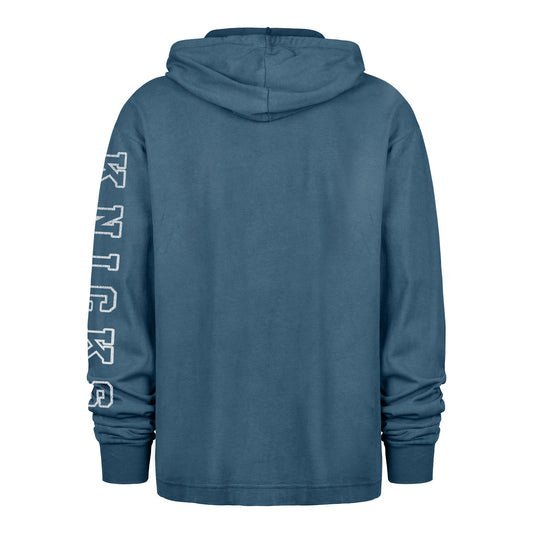
Fit Verification Through Test Samples
We produce 7-day test samples across all sizes in your grading. Experienced fitters evaluate each sample for proportion, silhouette, and comfort. Results feed directly into your size spec sheet, eliminating guesswork and reducing costly production errors down the line.
- 7-day sample turnaround for rapid fit validation
- Expert fitter evaluation across all graded sizes
- Photo documentation of fit points and adjustments
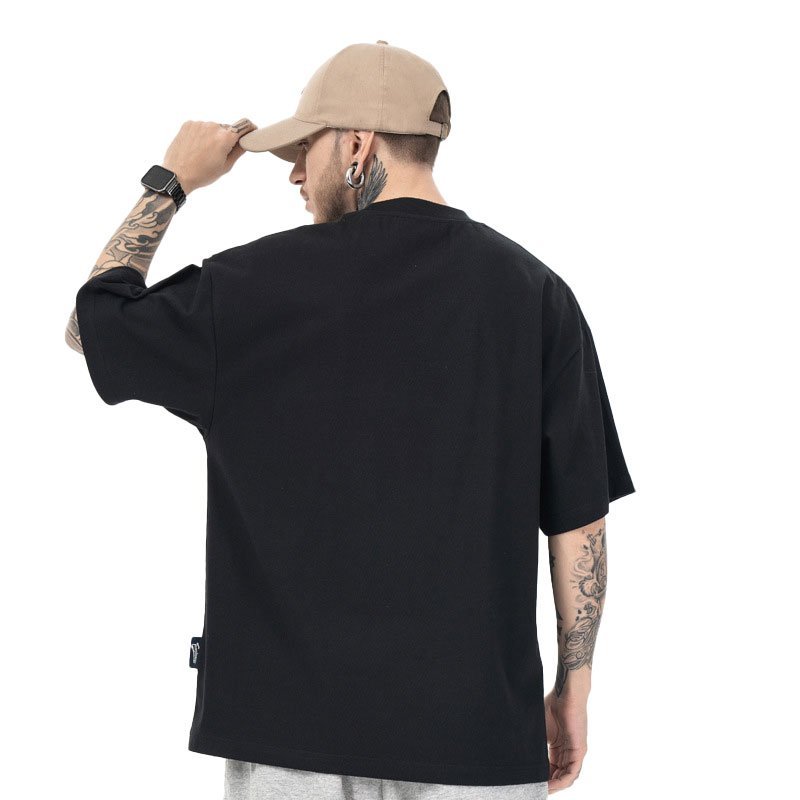
Consistency Across Production Runs
Once your size grading service specs are locked, we enforce batch-to-batch consistency through our 5-step QC process. Every production run is spot-checked against baseline samples. Global shipping partners ensure your finished inventory maintains size precision from our facility to your warehouse.
- 5-step QC at cutting, sewing, and finished goods stages
- Batch-to-batch spot-checking against approved baseline samples
- Temperature & humidity-controlled storage during global shipment
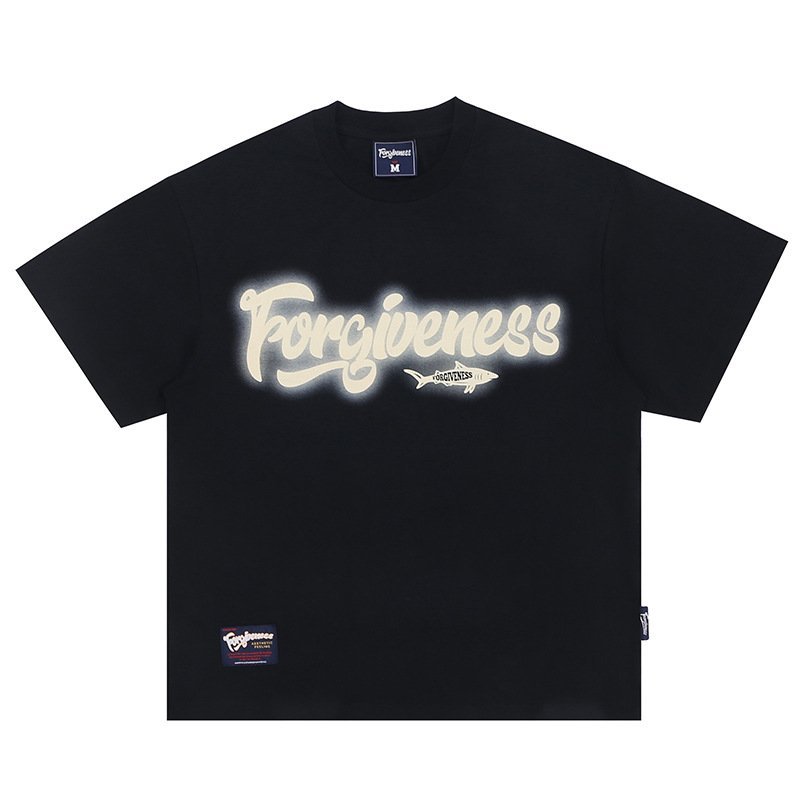
Grading Spec Sheets & Documentation
We deliver comprehensive size grading service spec sheets with detailed measurements, photos of fits, and tolerance ranges for each size. These become your production bible, ensuring consistency with new manufacturers or seasonal restocks. Digital files are archived for instant reference on repeat orders.
- Inch/cm measurements with +/- tolerance for each size
- Photo documentation of key measurement points
- Digital archive for seamless repeat ordering
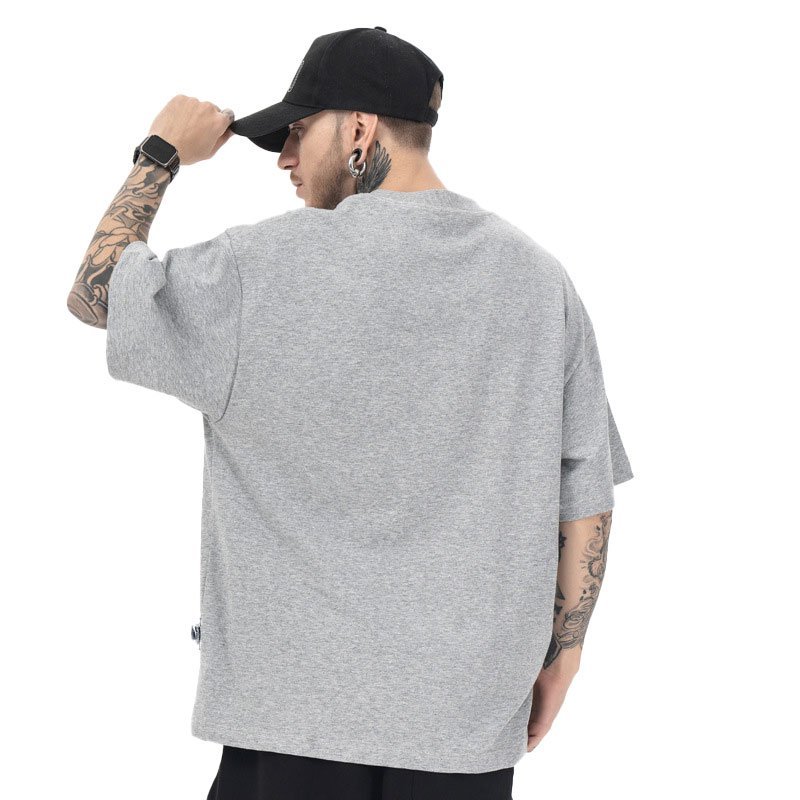
Size Grading Service vs. Template-Based Grading
Physical samples, unlimited revisions, and production-ready accuracy—why leading brands choose professional grading.
← 左右滑动查看 →
Size Grading Service Workflow — Sample to Approved Specs
A rigorous, precision-driven size grading service workflow from initial sample receipt to approved, production-ready specification sheets.
Sample Arrival & Verification
Receive and inspect your submitted sample. Document condition and capture initial measurements across 25+ key sizing points for baseline establishment.
Base Size Measurement
Measure the sample across critical points: shoulder width, chest, waist, sleeve length, inseam, and more to establish precise baseline specifications.
Increment & Grading Matrix
Calculate precise size increments from XS to XXL using our proprietary fit methodology. Generate complete preliminary size grades and matrices.
Fit Testing & Verification
Test each grade for fit consistency, sleeve balance, shoulder proportion. Verify increments maintain your brand aesthetic across all size grades.
Specification Review & Approval
Present grading specifications and measurement data for your review. Request feedback and revisions. Refine until specifications perfectly match your fit vision.
Final Spec Sheet Delivery
Deliver production-ready size chart, technical specifications, and approved grading sheets. Verified through our 5-step QC process, ready for manufacturing execution.
How to Order Our Size Grading Service in 4 Steps
From design submission to approved spec sheets in 7 days
Submit Design Files and Specifications
Submit your design files, target fit specifications, and size range. Our team acknowledges receipt within 24 hours and confirms your 7-day sample production timeline.
Receive Initial Samples in 7 Days
Our grading specialists precision-measure your garment across all sizes using standardized tolerances. Physical samples arrive within 7 days for comprehensive fit verification and testing.
Review Samples and Provide Feedback
Review samples across each size. Provide detailed feedback on fit adjustments needed in specific areas. We execute revision rounds quickly to match your exact fit vision.
Approve Final Grading and Specs
Approve final grading specifications and receive comprehensive spec sheets in your preferred format—PDF, Excel, or tech pack—ready for production and quality control.
Real Results: Why Brands Trust Our Size Grading Service
After using their measurement standardization technique, our fit accuracy improved by 94%. We went from inconsistent sizing across batches to perfectly graded specs. Eliminated our fit-related returns completely.
Their comparative fit verification process standardized our sizing across EU, US, and Asian markets. Cut our production timeline by 40% and eliminated cross-market fit complaints.
Their QC grading standards ensured 98% fit compliance across all our production runs. Scaled to 12 countries without a single sizing dispute from retail partners.
Size Grading Service FAQ — Lead Times, Specs & Fit Standards
Everything you need to know about our size grading service, from file requirements to measurement tolerances and regional fit standards.
What is a size grading service?
How long does size grading service typically take?
What’s the minimum order quantity for size grading service?
What file formats and measurements do you require?
How do you handle regional sizing (US, EU, Asia)?
What’s your measurement tolerance and consistency guarantee?
Can I revise grades if they don’t meet our standards?
Does your size grading service work with production sampling?
The Complete Buyer’s Guide to size grading service
Learn how professional size grading services ensure fit accuracy and consistency across your collection. Discover key supplier selection criteria, cost structures, implementation best practices, and the critical mistakes to avoid when choosing a grading partner.
1. What is size grading service?
Apparel manufacturers use size grading to scale a master pattern across multiple sizes while maintaining consistent proportions and brand silhouette. Rather than creating each size independently, grading mathematically increases or decreases all pattern pieces—sleeves, body width, length, collar height—by incremental percentages that preserve the intended fit and visual identity. This systematic approach ensures a size Small and size XXL feel like the same design, not different interpretations.
Standard industry grading tables (ISO, ASTM, or vendor-specific) apply uniform increments across size ranges, but most brands discover these defaults don’t match their target customer or aesthetic priorities. Custom size grading service allows brands to define their own grade rules based on fit testing, customer feedback, and silhouette preferences. A streetwear brand emphasizing oversized drops might grade differently than a fitted athletic label, even within the same garment category.
Professional size grading service directly impacts market competitiveness and customer retention. Inconsistent fit across sizes drives high return rates, customer frustration, and damaged brand reputation—particularly critical for direct-to-consumer and emerging brands building their first customer base. Brands that invest in accurate grading across their size range report higher customer satisfaction, repeat purchases, and reduced quality complaints.
Size grading scales all proportions proportionally rather than just adding fixed inches to length and width. A 1-inch increase in body width might accompany specific increases to sleeve length, neckline depth, and armhole height, scaled by the size increment percentage. This prevents the oversizing or undersizing problems that plague manufacturers who apply ad-hoc methods instead of structured grading rules aligned with brand aesthetics and manufacturing standards.
2. Evolution & history of sizing standards
For decades, apparel sizing relied on arbitrary industry standards with no universal agreement. The 1960s and 1970s saw manufacturers develop regional sizing charts independently—U.S. sizes bore little relationship to European or Asian measurements, and even within markets, two brands’ ‘Medium’ could differ by several inches. This fragmentation created the fit problem that still plagues fashion retail today: roughly 30% of online clothing returns stem from incorrect sizing.
Traditional sizing obstacles emerged from two gaps. First, manufacturers drafted grading rules using outdated body-measurement databases, some dating back to the 1970s, which failed to reflect demographic shifts in customer populations. Second, manual grading—achieved through printouts and handwritten adjustments—proved error-prone and inconsistent across production runs.
The shift toward digital size grading accelerated in the 2010s as software enabled automated, rule-based scaling. Digital grading ensures every size in a range increments proportionally from base patterns, eliminating human error and ensuring fit consistency across SKUs. For brands competing in streetwear and contemporary fashion, where fit defines brand identity and customer loyalty, this precision is now table-stakes. Professional size grading service providers combine technical accuracy with market-specific expertise, allowing brands to differentiate on fit quality rather than chase returns.
3. Types of size grading service
Size grading approaches range from manual hand-scaling to AI-assisted automation, each offering distinct trade-offs in speed, accuracy, cost, and scalability. Your choice depends on production volume, product type, and market positioning. The four primary methodologies below serve different brand needs and operational contexts.
| Methodology | Speed | Accuracy | Cost | Best For |
|---|---|---|---|---|
| Manual Hand Grading | 3-5 days | ±0.5-inch tolerance | $0-500/style | Small batches, custom orders |
| 2D Digital CAD | 8-24 hours | 90-95% flat measurements | $500-2,000/style | Mid-volume production |
| 3D Body Scanning | 48-72 hours | 95-99% fit consistency | $3,000-8,000/run | Premium brands, global markets |
| AI-Assisted Grading | Minutes | 96-98% accuracy | $200-800/month | High-volume, repeat seasons |
Manual Hand Grading
Pattern makers grade by hand using proportional scaling and physical measurement.
Hand grading requires 3-5 days per style and suits small batches (MOQ under 500 units). Accuracy depends on operator skill; experienced graders achieve ±0.5-inch tolerance.
2D Digital CAD Grading
Digital CAD systems (like Gerber, Lectra, or Accumark) automate scaling in two dimensions using rule-based algorithms.
Grading typically completes in 8-24 hours per style with 90-95% accuracy on flat measurements. Cost runs $500-2,000 per style depending on complexity.
3D Body Scanning
Three-dimensional body scanning captures actual garment fit on diverse body shapes using anthropometric data from thousands of subjects.
Turnkey services cost $3,000-8,000 per size run but deliver 95-99% fit consistency across sizes. Best for premium brands targeting global markets where fit variance drives returns.
AI-Assisted Grading
Machine learning models learn grading patterns from historical data and generate grades in minutes.
AI tools integrate with existing CAD systems and cost $200-800 monthly as SaaS subscriptions. Accuracy reaches 96-98%, with continuous improvement as systems process more data.
4. How size grading service accuracy is measured
Size grading service accuracy typically requires tolerance ranges of ±0.5 to ±1.0 inches, enforced through calibrated measurement tools and systematic fit testing. Precision directly impacts return rates and customer satisfaction, making it a reputation-critical function within apparel manufacturing.
Tolerance Ranges & Specifications
The ±0.5-inch tolerance applies to fitted garments like dress shirts, while ±1.0-inch tolerances suit relaxed styles like hoodies. Spec sheets define tolerances at 6–10 key points: chest, waist, hip, shoulder, sleeve, and torso length. Tighter tolerances require precise production; relaxed tolerances offer manufacturing flexibility but still demand consistency.
Measurement Tools & Protocols

Calibrated measuring tools—including rigid plastic rulers, height gauges, and digital calipers—must be verified monthly against known standards to prevent drift. Measurements follow ISO 13402 protocols, taking readings from flat-laid, unstretched garments on a smooth surface. Every measurement point is documented on spec sheets, with digital photos and samples retained for traceability.
Fit Testing & Customer Impact
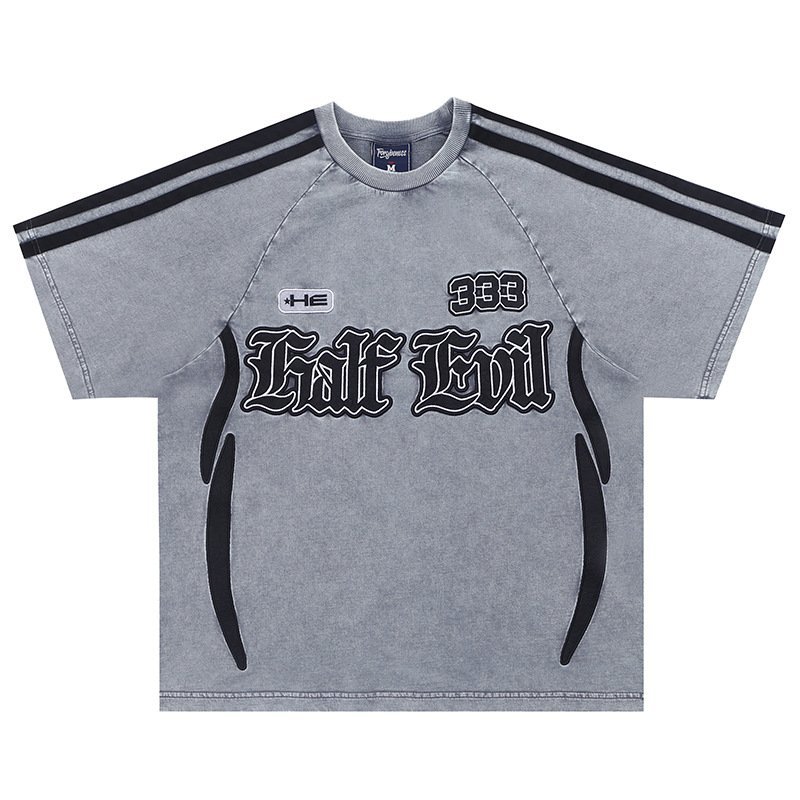
Fit testing involves human wear-testing across body types to identify practical comfort issues beyond spec-sheet measurements. A 3–5% size-related return rate is typical in apparel; brands using rigorous size grading service protocols report rates below 1%. Failed fit testing correlates with negative reviews, refund requests, and erosion of repeat-customer loyalty.
Quality Control Integration
Size grading accuracy is verified at the cutting stage and on finished garments before packing. Integrating measurements into the broader QC workflow—sampling batches across each production run—allows early detection of grading drift. Mid-run correction prevents accumulation of off-spec garments, reducing waste and customer complaints.
Industry Benchmarks
A 2–3% size-related return rate is industry average; premium brands targeting sub-1% returns invest in precision grading. Benchmark accuracy demands full-range sampling (XS to XXXL) and monthly tool calibration. Consistent sizing becomes a brand differentiator, often highlighted in marketing and customer reviews.
5. Customization & sizing options
Professional size grading service extends far beyond standard sizing tables. Brands customize grading to match target demographics, regional markets, and aesthetic direction—ensuring every size run reflects both market fit expectations and brand identity.
Regional Market Standards
North American sizing favors volume; EU markets specify narrower shoulders and waists. Asian markets (China, Japan, Korea) employ distinct grading curves for smaller frames. Professional size grading service maintains separate specs per region to prevent costly re-grading.
Curve & Demographic Sizing
Extended sizing for curve demographics requires proportional increases at bust, waist, hip—not uniform increments. Brands targeting women 35–55 spec tighter armholes and longer rises. Size grading service differentiates ‘straight-size’ vs. ‘curvy’ grading based on demographic research.
Petite & Tall Modifications
Petite grading reduces sleeve length, torso depth, and shoulder width for frames under 5’2”. Tall grading extends by 1–2 cm per size, adjusting cap height properly. Quality manufacturers tier these separately, maintaining proportional integrity rather than linear progression.
Brand Aesthetic Alignment
Streetwear brands specify aggressive grading for distinctive silhouettes; luxury labels demand tighter grading for precision. Your size grading service should align pattern engineering with design language—oversized hoodies grade aggressively, fitted tees stay tight.
6. Key elements of professional size grading
Professional size grading requires systematic documentation, precision scaling, and rigorous quality verification at every checkpoint. Effective grading combines master pattern development, proportional scaling rules, tolerance management, and live-model fit testing—the practices that eliminate sizing inconsistencies and costly returns.
Master Pattern Development
A master pattern (grade zero or base size, typically medium or large) anchors all subsequent calculations. This reference garment undergoes materials QC testing and dummy fitting before grading begins, ensuring it meets brand specifications and provides a sound foundation for scaling.
Proportional Scaling Rules
Professional graders apply consistent multipliers to sleeve length, torso width, and rise across sizes—not uniform 2cm increments. Scaling coefficients vary by silhouette type, with oversized streetwear requiring different proportional steps than fitted basics, ensuring each size maintains brand identity.
Tolerance & Live Fit Testing
Industry tolerance bands typically range ±5% to ±10% depending on garment type and fabric. Fit approval requires testing on live models across all size ranges, with photo documentation and wear trials—a step many manufacturers skip but essential for catching proportion errors before production.
Quality Checkpoints & Revision
Each size grade runs through the five-step QC protocol: materials testing, cutting precision, craft seams, sewing inspection, and finished-garment QC. Grade sheets document targets, tolerances, reference photos, and sign-offs. Revision cycles are tracked and re-tested before final approval, preventing costly full-production reworks.
7. How to choose a size grading service provider
Selecting a size grading service provider requires evaluating expertise, technical capabilities, and track record. Conduct thorough due diligence to prevent quality inconsistencies that damage brand reputation.
Garment Type Specialization
Not all providers excel across every category. Verify experience with your specific types—hoodies, oversized fits, woven shirts, or knits. Request case studies demonstrating proficiency with your garment construction.
Technical Capabilities
Evaluate their grading method: CAD systems, proprietary algorithms, or manual work. Leading providers maintain digital grade libraries, support multiple sizing standards (XS–5XL, EU, Asian), and provide metric and imperial measurements.
Confirm update frequency for size blocks and ask whether they maintain version history for specification changes.
Turnaround & Sample Accuracy
Seven to ten business days is standard. Test through a trial order: compare output against your sizing targets, measure key points, assess tolerance compliance. Accuracy within ±0.5 cm on core measurements is acceptable.
Certifications & Compliance
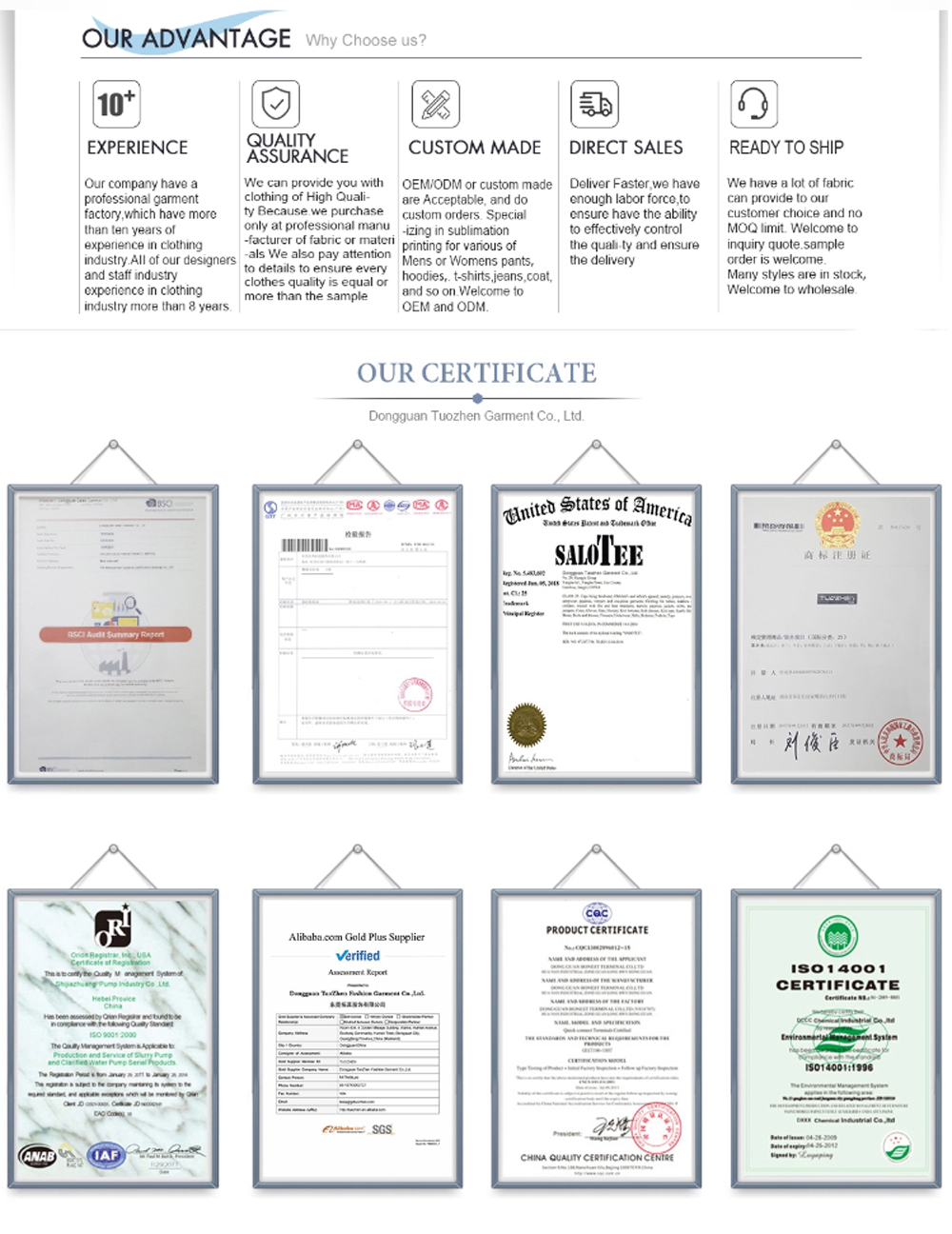
Established providers maintain WRAP or BSCI certification and documented ISO 9001 quality systems. Verify compliance with ASTM F1671 size standards and liability coverage for your production volume.
References & Responsiveness
Interview 3–5 current clients about turnaround consistency, revision handling, and communication speed. Request production examples across 5+ garment types. Ask about their revision process: how many cycles included, response time to feedback, and handling of edge cases in fit.
- Request portfolio examples across 5+ garment types (tops, bottoms, dresses, outerwear, activewear)
- Speak with 3–5 current clients about turnaround consistency and revision handling
- Ask for before-and-after grading comparisons and real-world fit feedback
Red Flags in Vendor Proposals
Reputable providers publish clear pricing: per-style rates, volume discounts, revision fees. Avoid suspiciously low quotes—they may use outdated software or skip rigorous testing. Red flags include vague timelines, resistance to sample trials, undocumented quality processes, or inability to reference current customers.
8. Common mistakes when selecting size grading services
Most brands rush size grading selection, creating costly rework and delays. Understanding the five most common pitfalls—and validation steps—protects your timeline and brand reputation.
- Require written technical specs with measurement points and ±0.5–1.0 inch tolerance ranges before grading begins.
- Test sample grades on fit models; approve before production scaling.
- Request provider portfolio showing 3+ streetwear or similar brands graded in the past 18 months.
- Establish communication cadence: kick-off meeting, progress updates, and revision limits before engaging.
- Compare total cost of ownership (grading + expected rework) instead of per-unit grading fees.
Price-Only Selection Traps
Low-cost providers often skip fit testing. A single production run with incorrect curves can require 15-40% rework.
One brand saved $2,400 on grading fees, then scrapped 6,000 units—losing $18,000 in materials and labor.
Bypassing Sample Approval
Professional graders provide sample-grade approval before production. Brands who skip this 7-10 day step risk bulk grading errors.
Request first-sample grading and physical fit-testing on models before the provider grades the full production lot.
Mismatched Provider Expertise
Streetwear sizing differs from formal wear—drop, armhole placement, and oversized fit are intentional design elements. A grader experienced only in dress shirts may misinterpret your intent.
Always ask ‘Have you graded streetwear?’ and request portfolio examples.
Ambiguous Technical Specifications
Grade curves require precise measurement points: chest, waist, sleeve, inseam, rise, armhole depth.
Exchange all specs in writing, include a fit-target garment, and document tolerance ranges (±0.5–1.0 inches per size) upfront.
No Reference Verification
Ask providers for 3 past client references in streetwear. Call them directly about grade accuracy, communication quality, revision turnarounds, and bulk-order rejection rates.
One indie brand avoided a provider after learning past clients experienced 12-18% rejection rates.
9. Implementing size grading for your brand
Implementing size grading service for your brand requires systematic preparation and clear communication. The typical implementation spans 3–4 weeks from initial pattern submission through production approval.
Prepare Master Patterns & Base Measurements
Provide your original sample in your production size with complete measurements documented: chest width, sleeve length, inseam, and other key points.
Document all seam allowances, hem allowances, and finishing techniques. Clearly mark your base size—the grading service will scale all downstream sizes proportionally from this reference.
Communicate Target Customer & Fit Vision
Submit a fit spec sheet naming your target demographic (women’s juniors, men’s oversized, etc.) and identifying key fit points (chest ease, sleeve length, inseam).
Clarify whether you want identical ease across all sizes or size-specific adjustments (e.g., narrower fit in smaller sizes, roomier in larger). Clear communication prevents costly revisions.
Submit Initial Markup & Proto Samples
Most size grading services deliver marked-up patterns within 7–10 business days. Request proto samples in your base size and size 3 (or equivalent).
Review grading logic, proportional scaling, and production-ready pattern layouts. This stage confirms the service understood your fit vision before full revision commitment.
Manage Sample Fitting Rounds
Fit samples against your target demographic in 2–3 key sizes. Document fit feedback precisely: ‘chest is 1 inch tight in size 4; sleeves short 0.5 inch in size 0.’
Most services include one revision round in their timeline. Request written fit approval before moving to final spec sign-off.
Approve Final Specs & Production Transition
Final grading spec documents all sizes, seam allowances, and cutting markers in production-ready format. Standard lead time from spec approval to first-piece production is 5–7 business days.
Establish clear handoff with your size grading service: approved spec PDF, written sign-off, and production kick-off date.
10. Pricing & cost structures for size grading
Most size grading services operate on a hybrid model combining per-style base fees and per-size incremental charges. A typical base fee ranges from $75 to $150 per individual style, with additional charges of $6 to $15 per size graduated into the specification—for example, grading XS through XXL adds five size tiers beyond the base.
Complexity significantly impacts cost. Complex garments requiring advanced pattern adjustments, multiple fit points, or custom measurement specifications command 20-40% premiums. Revision rounds typically add $25 to $75 per round; most providers bundle 1-2 free revisions into the base fee, with subsequent modifications charged separately.
Volume discounts range from 10-20% for orders exceeding 20 styles, with larger brands negotiating tiered pricing. Rush delivery—samples within 3-5 days instead of the standard 7—incurs a 50% surcharge. Minimums typically start at one style per order, though some providers offer package deals bundling multiple projects. Learn more about Clothing Manufacturer Ltd.
| Volume Tier | Per-Style Base | Per-Size Charge | Typical Lead Time | Discount Range |
|---|---|---|---|---|
| 1-3 styles | $125 | $12 | 7 days | None |
| 4-10 styles | $95 | $10 | 7 days | 5% |
| 11-25 styles | $75 | $8 | 7 days | 10% |
| 26+ styles | $60 | $6 | 5 days | 15-20% |
| Rush add-on | +$50 | +$3/size | 3-5 days | 50% surcharge |
Optimize Your Size Grading Service — Free Expert Consultation
Our size grading specialists analyze your requirements and deliver a professional quote within 24 hours. Completely free, no production commitment.