
Tech Pack Development for Streetwear: Premium Design, Fast Turnaround
Comprehensive tech pack development ensures your streetwear designs reach factories with zero ambiguity. We combine premium design documentation, technical accuracy, and quality oversight to accelerate your path to production.
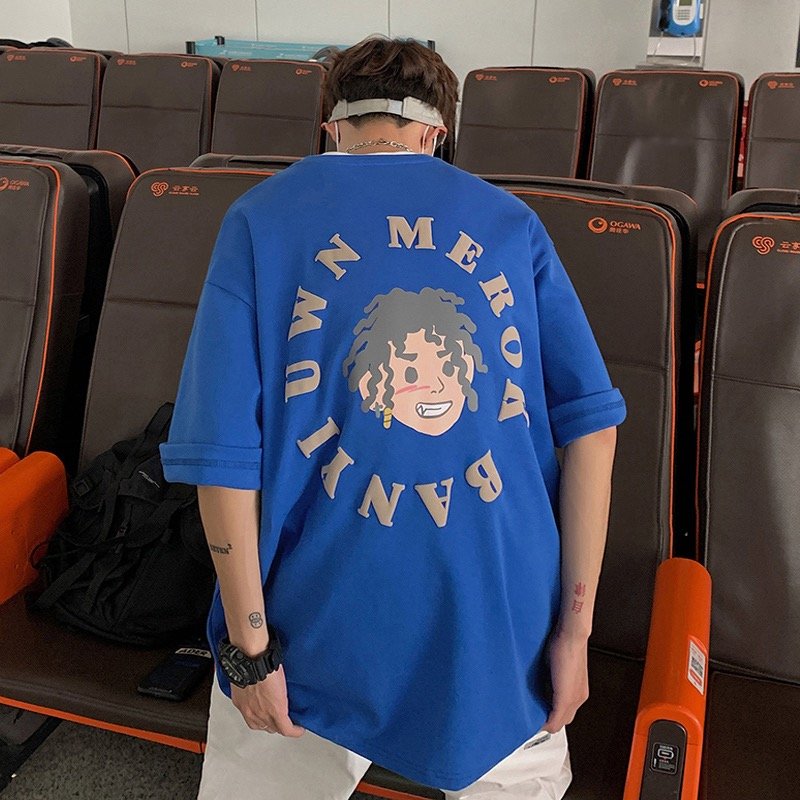
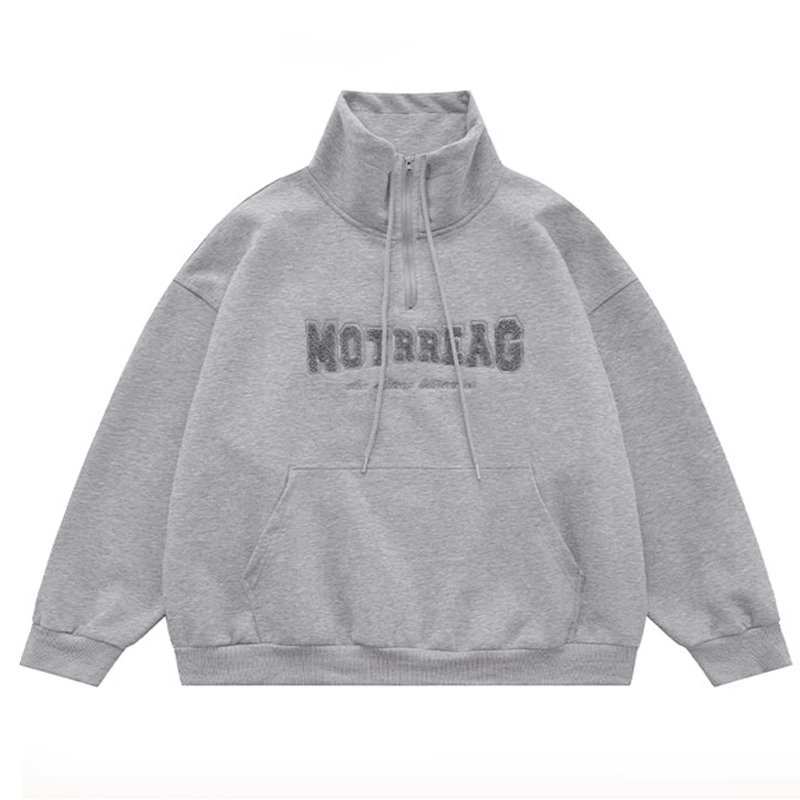
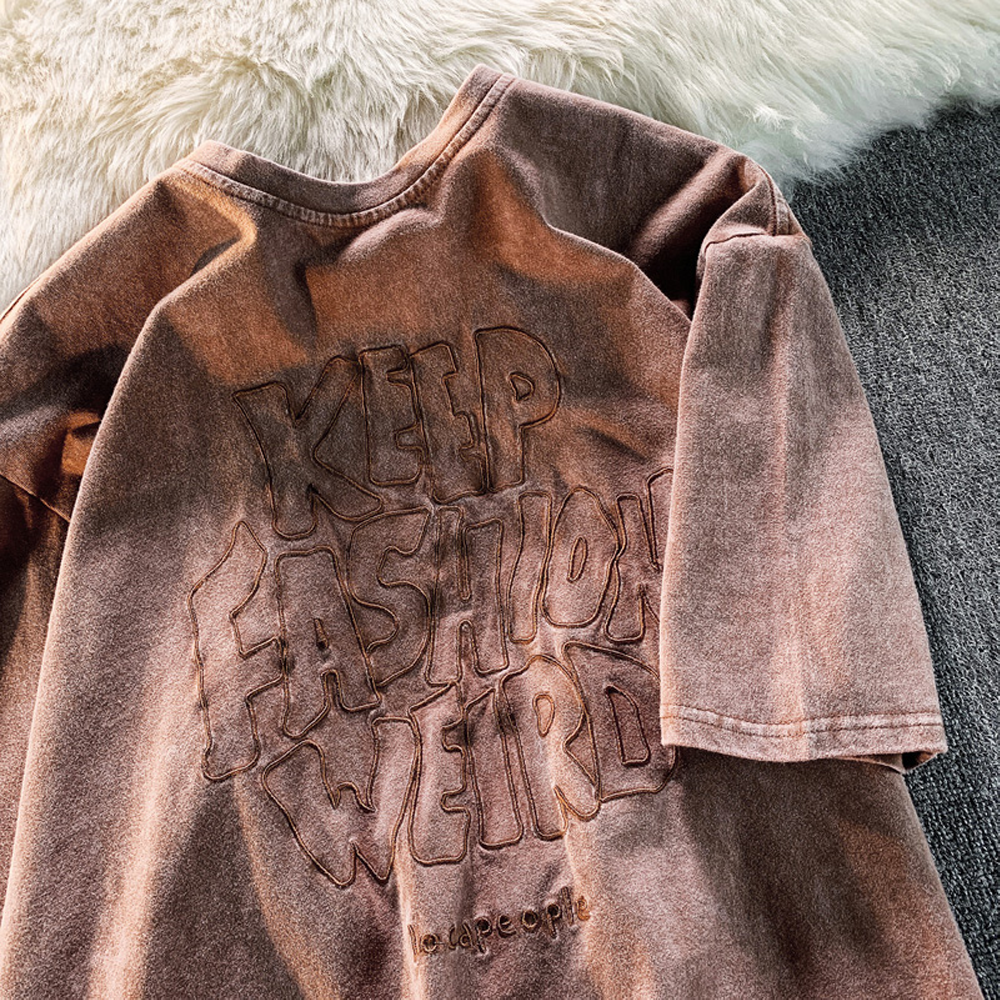
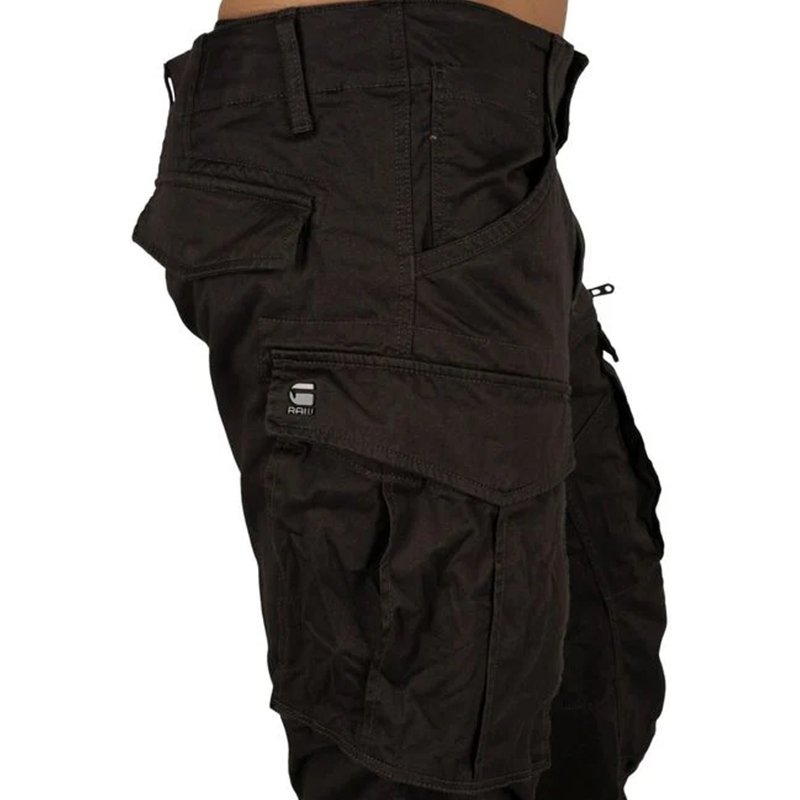
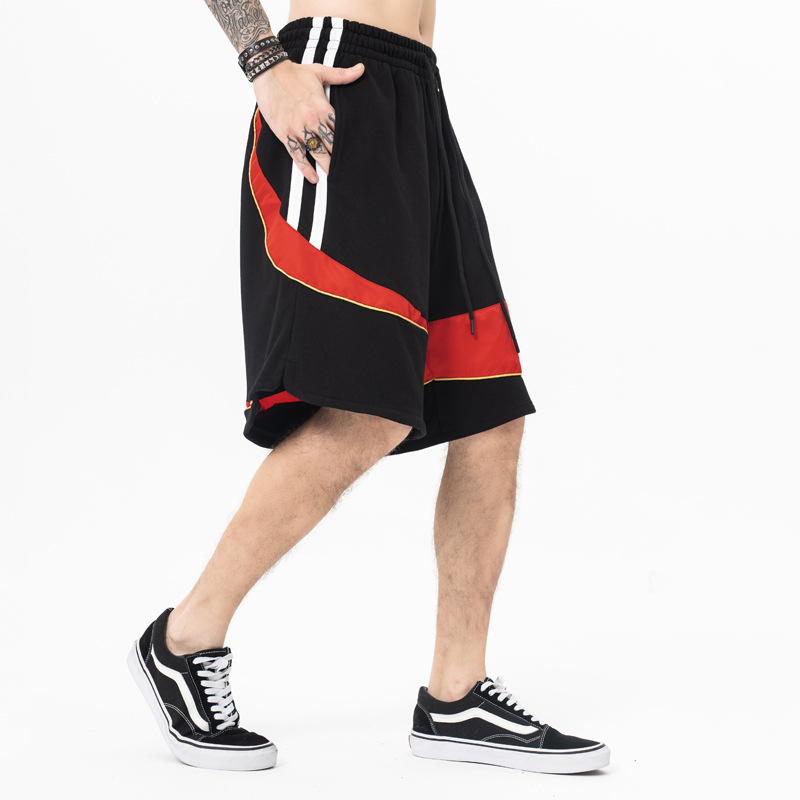
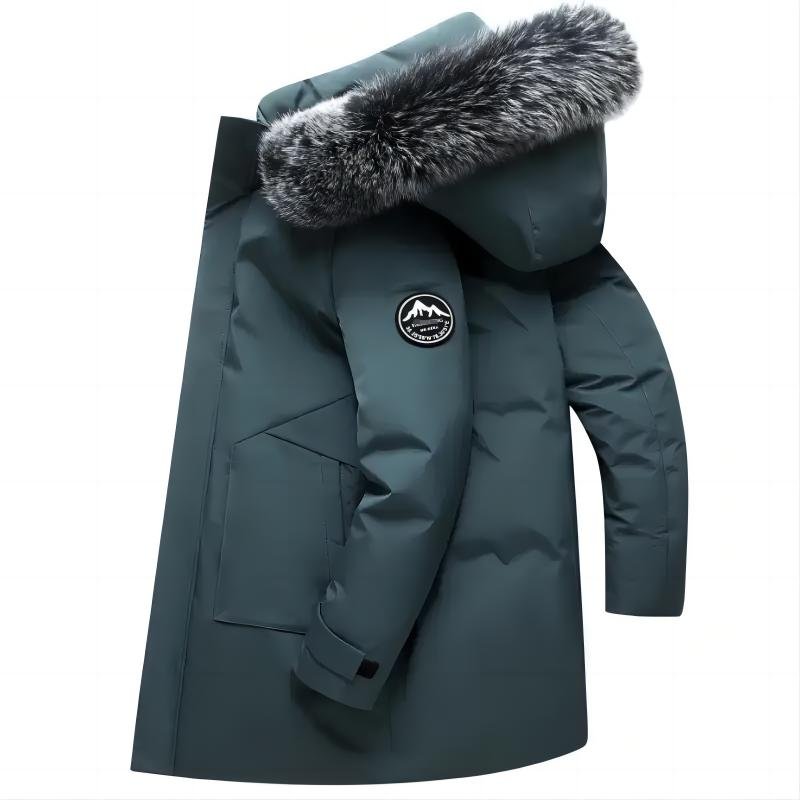
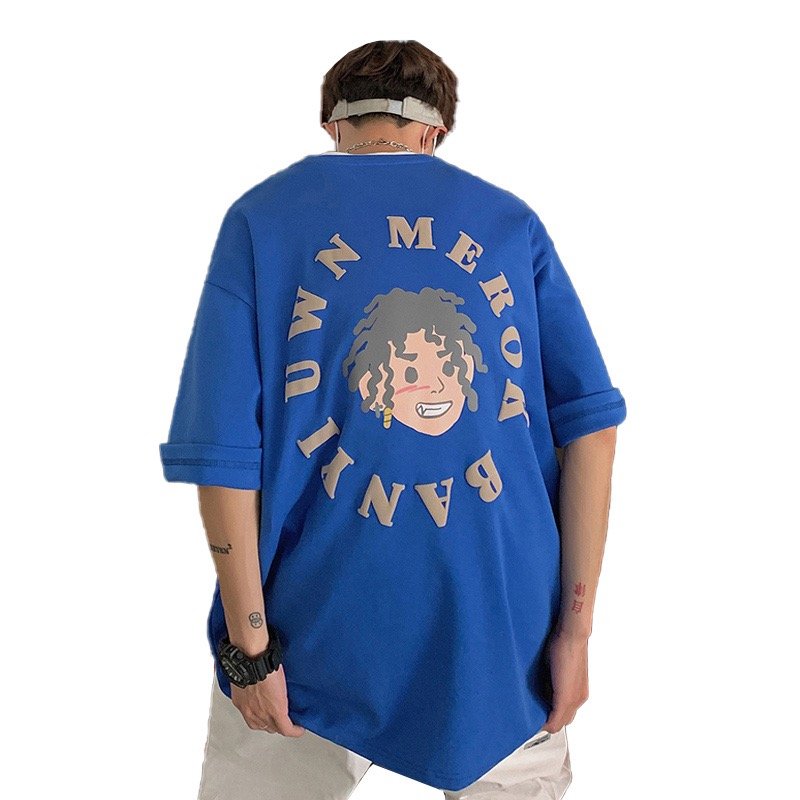
Tech Pack Design Examples & Sample Deliverables
What Makes Our Tech Pack Development Stand Out
Five essential capabilities that define our tech pack development approach for streetwear brands worldwide.
In-House CAD Design Services
Our 15-member design team creates precise, production-ready technical packs using advanced CAD software for all garment types and styles.
Precision Pattern Grading
Accurate size grading across your complete range ensures consistent fit and proportions from XS to XXL for global retail markets.
Comprehensive Specification Sheets
Detailed tech pack documentation includes material callouts, construction specs, trim placement, and measurement tables ready for production handoff.
5-Step Quality Control
Every tech pack undergoes our proprietary five-step QC process: materials testing, cutting verification, craft specs, sewing standards, and finished review.
Fast Revision Turnaround
Rapid iteration cycles meet seasonal fashion deadlines. Quick revisions keep your tech pack development on schedule for trending collection launches.
Tech Pack Development & Complete Apparel Services
Pair your tech pack development with sampling, pattern grading, production support, and more—all from one experienced team.
Launching Your First Collection
Building your first streetwear collection requires comprehensive design documentation and production samples to validate designs function correctly before committing to bulk manufacturing and inventory investment.
Tech pack development combined with our rapid sampling service delivers production-ready specifications and validated prototypes, enabling confident brand launches with zero production rework and delays.
Scaling Seasonal Streetwear Drops
Influencer brands releasing multiple seasonal collections need fast tech pack development and accurate pattern grading across various sizes without sacrificing design consistency or quality standards.
Rapid tech pack development paired with professional pattern grading enables multiple seasonal drops on schedule, maintaining design integrity and our 5-step quality assurance across all sizes.
Expanding into New Markets
Growing into new global markets requires adapting streetwear designs for different regions, fabrics, and production partners while maintaining brand consistency and quality through professional documentation.
Tech pack development integrated with fabric sourcing consultation ensures your streetwear designs adapt seamlessly across regions and materials, connecting you with reliable global production partners.
Bringing Designs to Reality
Independent designers have original creative vision but lack technical production documentation and manufacturing connections needed to transform streetwear concepts from sketches into full-scale commercial production.
Professional tech pack development translates your creative streetwear vision into comprehensive production specifications, enabling seamless handoff to manufacturing partners with zero miscommunication, rework, or delays.
Building a House Brand
Private label retailers need multiple tech packs delivered quickly while ensuring every SKU meets strict quality standards throughout all production stages, from materials to finished goods.
Batch tech pack development combined with our signature 5-step quality control guarantee ensures consistent specifications, zero quality defects, and reliable production across your entire private label line.
Tech Pack Development Expertise Built Over 10+ Years
Clothing Manufacturer Ltd. was founded in August 2024 by Tesla Luo, bringing 10+ years of apparel production expertise and 6 years of specialized streetwear experience. Our mission is straightforward: deliver premium tech pack development and eliminate low-quality clothing through rigorous quality control. We combine deep industry knowledge with a quality-first philosophy, partnering with brands at every growth stage.
Behind our tech pack development services is an in-house design team of 15 specialists, 10 registered patents, and Tesla Luo’s hands-on familiarity with every production stage—from fabric selection to final QC. We’ve served brands across 100+ countries, from emerging labels launching first collections to established retailers scaling seasonal lines, all with low MOQ and fast turnaround.
What sets our tech pack development apart is our five-step QC methodology: materials testing, cutting inspection, craft review, sewing verification, and finished-product inspection. Rather than quality checking at the end, we embed quality control throughout production, catching and correcting issues early. This commitment reflects our belief that excellence in tech pack development and manufacturing is non-negotiable.
The Technical Foundations of Tech Pack Development
Pattern Grading: Precision Across Every Size
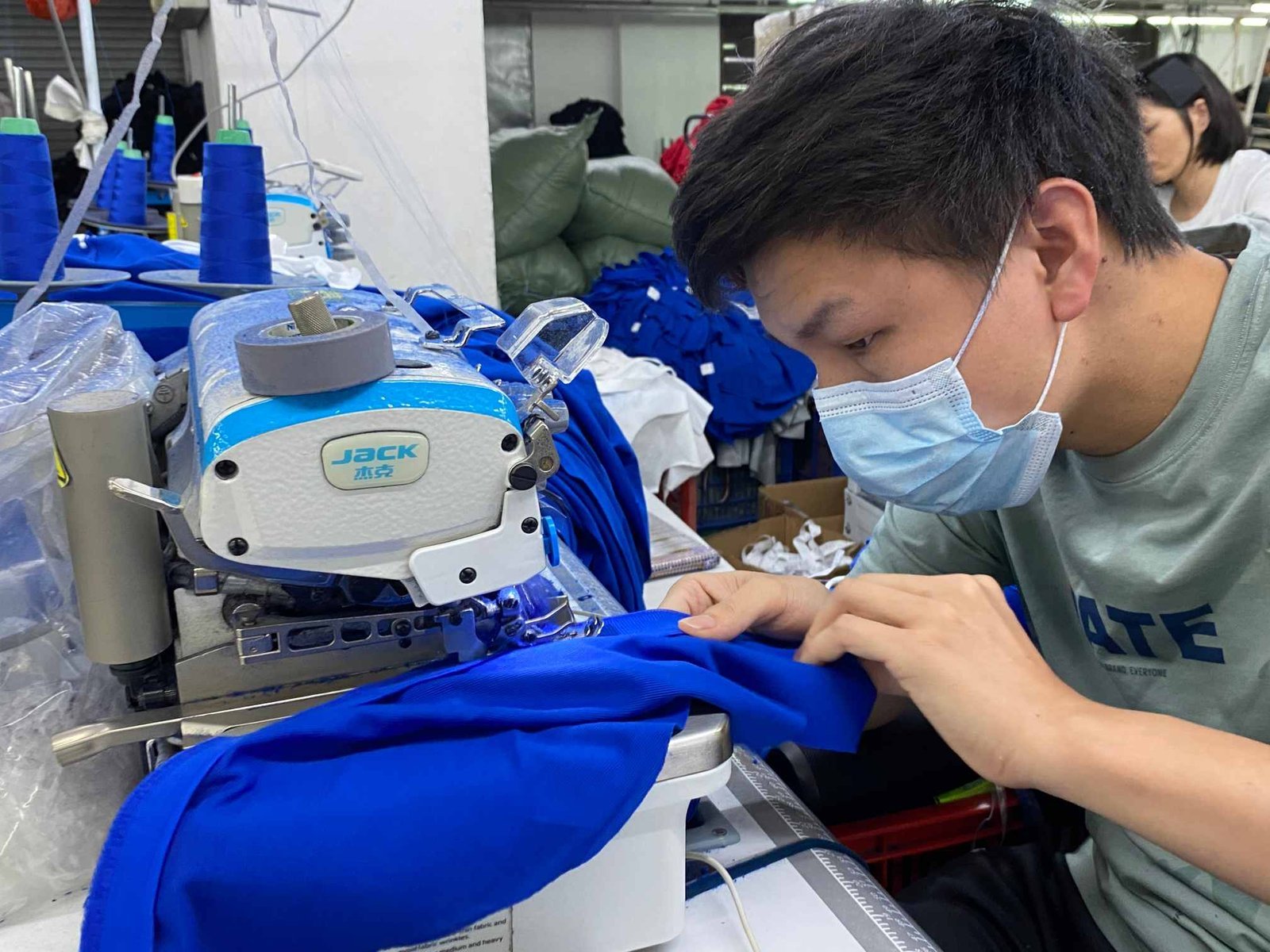
Pattern grading ensures consistent fit and construction across all size runs. Our team uses industry-standard grading increments, maintaining seam placement, proportions, and design integrity. Every grade is validated against fit standards before approval.
- Industry-standard grading increments for consistent fit progression
- Validated seam alignment and proportion maintenance across sizes
- Pre-production grading audit to eliminate fit variables

Comprehensive Spec Sheets for Manufacturing Ready
Every tech pack includes detailed specification sheets that translate design intent into production instructions. Measurements, material callouts, construction details, and hardware specifications are documented with precision to eliminate ambiguity in manufacturing.
- Point-to-point measurements in both inches and centimeters
- Complete material specifications including fiber content and weights
- Detailed construction notes and hardware callouts
- Visual callout diagrams aligned with measurement data
CAD-Grade Tech Packs Using Industry Standards
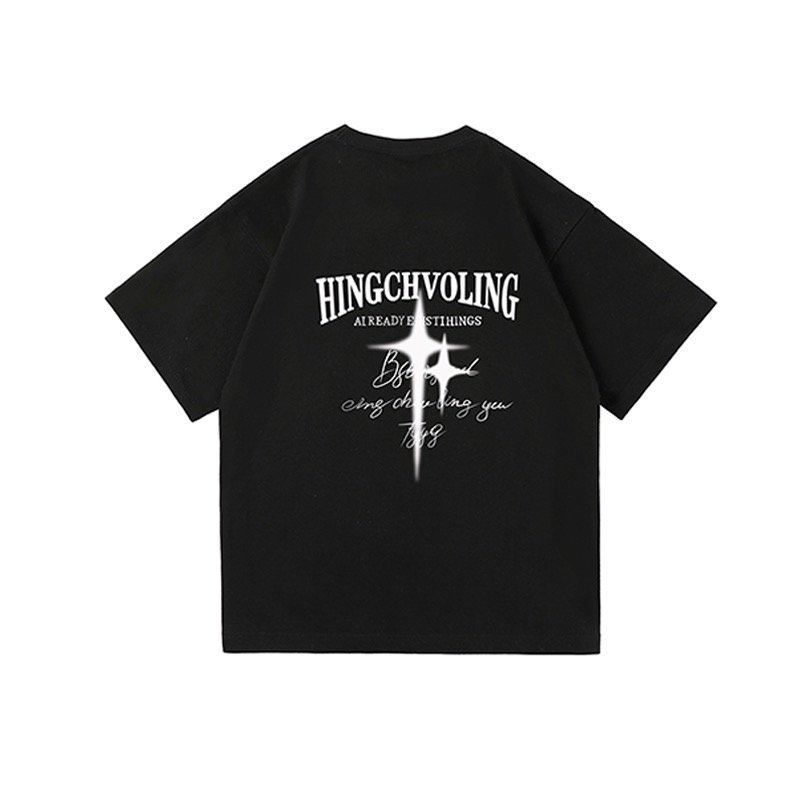
Our in-house design team works with professional CAD and design software to create tech packs that manufacturers recognize immediately. Digital files are delivered in standard formats (PDF, AI, PNG) with precise color matching and technical accuracy.
- Professional CAD design with accurate technical rendering
- Multiple file formats for manufacturing software compatibility
- Accurate color specification in Pantone and industry formats
- Design files optimized for production workflow integration
Tech Pack QC: Five-Step Manufacturing Validation
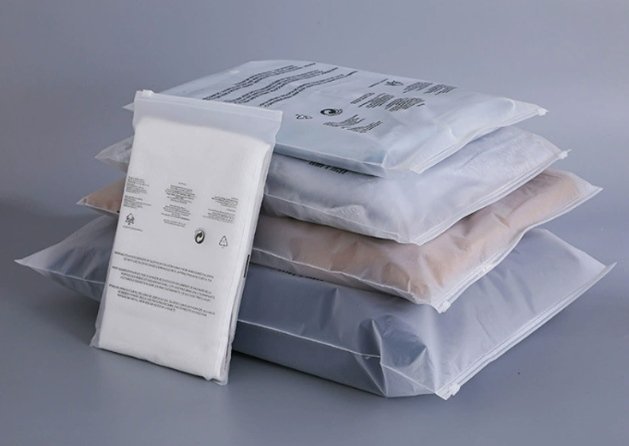
Our proprietary 5-step QC process applies rigorous testing to every tech pack deliverable. From design accuracy verification to sample validation against specifications, we ensure your tech pack meets manufacturing readiness standards and eliminates production delays.
- Design accuracy verification against brand guidelines and requirements
- Specification sheet validation for completeness and precision
- Sample production testing against final tech pack standards
- Manufacturing readiness certification before delivery
Tech Pack Development vs. DIY, Freelancers & In-House Design
See why thousands of streetwear brands outsource tech pack development instead of building teams or designing solo.
← 左右滑动查看 →
The Tech Pack Development Process: From Brief to Final Sign-Off
Our 6-phase tech pack development workflow transforms design concepts into complete, production-ready specifications backed by our proprietary 5-step quality control guarantee.
Design Brief & Concept Review
Submit your design concepts, inspiration, and specifications. Our in-house team reviews your brief, provides initial feedback, and aligns on vision to guide development.
Pattern Creation & Grading
Expert designers develop graded patterns across all sizes. Deliverables include 2D sketches, pattern pieces, seam details, and preliminary technical specifications for review.
Tech Pack Specifications
Comprehensive technical documentation including all materials specifications, measurements, construction methods, trimming details, seam placements, care instructions, and production requirements.
Quality Review & Sampling
Our QC team reviews tech pack accuracy and production feasibility. Sample garments are tested against our five-step quality standards for compliance verification.
Revision & Final Sign-Off
All client feedback is incorporated and refined. Final review round ensures complete alignment between tech pack and production requirements before approval.
Production-Ready Delivery
Complete approved tech pack delivered with all technical drawings, measurements, material specifications, and documentation ready for immediate manufacturing to begin.
How to Order Tech Pack Development Services
From initial brief to production-ready deliverables—our transparent process gets your designs to market fast.
Submit Your Design Brief
Share your streetwear vision, technical specifications, mood boards, and sizing requirements. Our design team reviews every tech pack development brief within 24 hours, confirming feasibility and discussing design strategy.
Get Transparent Quotation
Receive detailed pricing for tech pack development including design, sampling, and unlimited revisions. We confirm fast turnaround timelines for seasonal collections and ensure low MOQ pricing accessible to emerging brands.
Design, Sample & Revise
Our 15-person in-house design team creates patterns, technical grading, and physical samples, embedding our 5-step QC process throughout. Unlimited revisions ensure construction quality and fit align perfectly with your specifications.
Receive Final Tech Pack
Complete technical deliverables including detailed specifications, construction diagrams, size charts, BOM, and COM—production-ready and quality-guaranteed. Global shipping and logistics support ensure your tech pack reaches manufacturers worldwide quickly.
Brands Who Trust Our Tech Pack Development Services
Their tech pack development cut our sample turnaround from 6 weeks to 2 weeks. The 5-step QC process caught fabric inconsistencies we would’ve missed. We launched on schedule, and our first collection hit 10K in pre-orders.
As a new brand, we couldn’t commit to massive orders. Their tech pack development service and low MOQ policy let us launch with just 500 units per style. Our first 3 designs sold out in 8 weeks, and they’re helping us scale.
They understood our streetwear aesthetic immediately. The in-house design team refined our sketches into production-ready specs, and their tech pack development nailed every detail. Our collab collection generated 50K+ social impressions and zero quality complaints.
Tech Pack Development: Frequently Asked Questions
What’s included in tech pack development?
How long does tech pack development typically take?
What file formats do you provide in tech pack development?
What’s the minimum order quantity after tech pack approval?
Can you develop tech packs for designers outside your country?
How many design revisions come with your tech pack service?
Do you offer private label and confidential tech pack development?
Can you create tech packs for streetwear with complex graphics and embellishments?
The Complete Buyer’s Guide to Tech Pack Development
Navigate the essentials of selecting quality tech pack development partners, understand critical specifications and design elements needed for production success, identify common pitfalls that delay launches, and establish clear criteria for evaluating manufacturers.
1. What Is Tech Pack Development?
A tech pack, or technical specification package, is the foundational blueprint that translates a designer’s vision into production-ready garments. Created before manufacturing begins, it serves as the single source of truth between designers and manufacturers, ensuring consistent quality at every production stage.
Five essential components make a complete tech pack: garment specifications (style number, color range, sizes), precise measurements in inches and centimeters, construction details (seam types, stitch counts per inch, techniques like flatlock or single-needle seams), material requirements (fabric type, GSM weight, fiber composition, supplier codes), and technical drawings with fabric swatches and hardware samples. For streetwear, construction specificity directly affects perceived quality—ring-spun versus open-end cotton impacts drape, while seam treatments define durability and aesthetic appeal.
Incomplete or ambiguous tech packs trigger manufacturing delays, costly rework, and shipment rejections that damage brand reputation. When manufacturers receive unclear specifications, they must make assumptions that often contradict the designer’s intent, resulting in mismatched colors, wrong fabric choices, or construction methods that fail brand standards. Detailed, unambiguous tech packs eliminate guesswork, reduce revision cycles, and ensure every unit produced matches the approved sample.
2. Evolution of Tech Pack Development Standards
Before the 1990s, apparel tech packs relied primarily on hand-sketched designs, paper specifications, and verbal communication between designers and manufacturers. This approach created frequent misinterpretations, rework cycles, and quality inconsistencies that manufacturers like those in Dongguan struggled to resolve. The introduction of CAD software in the early 2000s—particularly tools like Adobe Illustrator and specialized garment software—enabled designers to create precise, scalable specifications and reduce ambiguity on the production floor.
By the 2010s, PLM (Product Lifecycle Management) systems emerged as the industry standard for managing tech pack data across supply chains, centralizing grading tables, fabric specifications, and revision control in cloud-accessible formats. This shift aligned with global standardization efforts such as the VICS standards (Voluntary Inter-industry Commerce Standards) and ASTM International guidelines, which codified measurement tolerances, construction terminology, and quality metrics across regions. Today, best practices in tech pack development demand version-controlled digital files, photorealistic renderings, stitch-by-stitch construction details, and material specifications compliant with standards like OEKO-TEX or GOTS—a stark contrast to the era of hand-drawn sketches.
Professional tech packs now eliminate costly revisions, accelerate time-to-market, and establish clear contractual alignment between designer and manufacturer on every detail from seam placement to color standards. This standardization has become essential infrastructure for global supply chains seeking consistent quality and efficient scaling.
3. Types of Tech Pack Development
Different types of tech packs serve different production scales and brand maturity levels. The four main types—basic, advanced, compliance, and digital-first—each address specific manufacturing needs and business phases.
Basic Tech Packs
For emerging brands and first-time manufacturers, basic tech packs cover essential specifications: silhouettes, sizing grids, basic seam placements, and colorways. Typically include 5–15 pages with sketches, measurements, and fabric types.
MOQ requirements start at 100–200 units per style, making these accessible for startups launching initial collections.
Advanced Tech Packs
Established brands requiring precise construction details use advanced tech packs. These 20–40 page documents specify stitch types, thread counts, seam allowances, hem widths, zipper specifications (e.g., YKK sliders), label placement, and care instructions.
Typically prepared for brands with MOQs of 500+ units, supporting 15–50 SKUs per season. Essential when scaling production across multiple factories.
Compliance Tech Packs
Retailers and brands targeting North American or European markets require compliance tech packs integrating regulatory specifications. Include OEKO-TEX, GOTS, or WRAP certifications; flammability testing standards (CPSC); lead content limits; and sustainability credentials.
Increasingly demanded by major retailers. Add 10–15% to development cost but prevent costly market rejections and ensure brand credibility.
Digital-First Tech Packs
High-volume brands and fashion tech companies employ 3D pattern grading, virtual sampling, and CAD specifications. Tools like Gerber AccuMark or Lectra Modaris reduce sampling iterations from 4–6 to 1–2 rounds.
Ideal for brands producing 5,000+ units monthly across multiple colorways. Initial setup costs $3,000–8,000 but recoup through reduced sampling waste and faster time-to-market.
4. Core Elements of Tech Pack Development
A complete tech pack development eliminates ambiguity at every production stage. Six core elements—fit and sizing, material specs, construction details, color specifications, labeling, and quality standards—form the foundation that prevents costly rework and ensures consistency across production runs.
Fit and Sizing Specifications
Detailed grading tables establish sizing consistency across all production runs. Document chest, waist, length, and sleeve for each size, with ±2–3% tolerance. Specify fit intent—oversized or tailored. Clear sizing prevents costly rework before shipment.
Material and Fabric Details
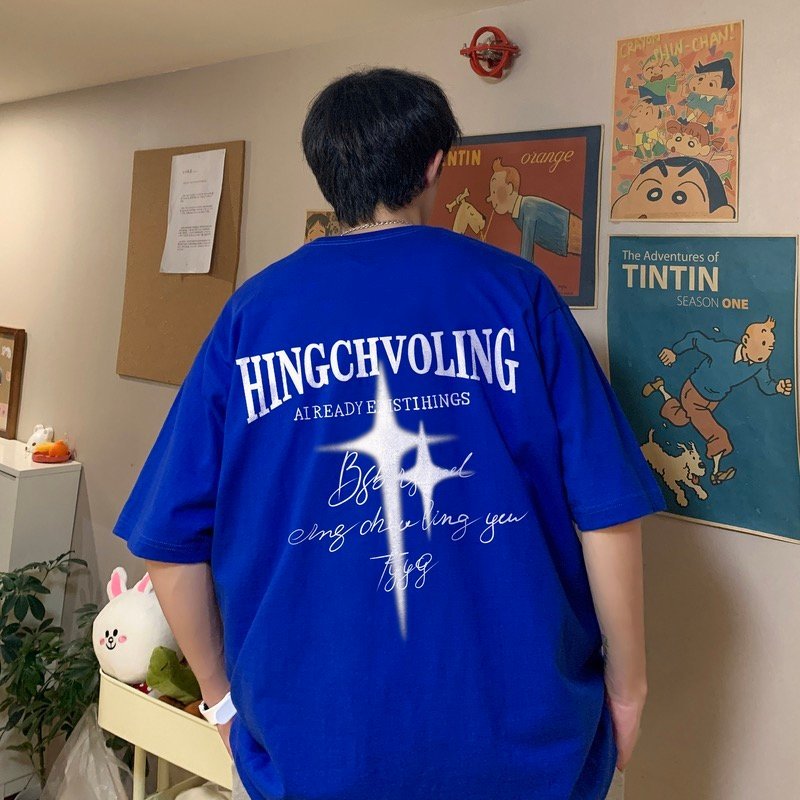
Specify fiber content, weight (GSM), and weave type for each component. Include supplier references, swatch samples, and lab test results (OEKO-TEX, GOTS). Consistent material ensures uniform dye uptake and durability across batches.
Construction Specifications
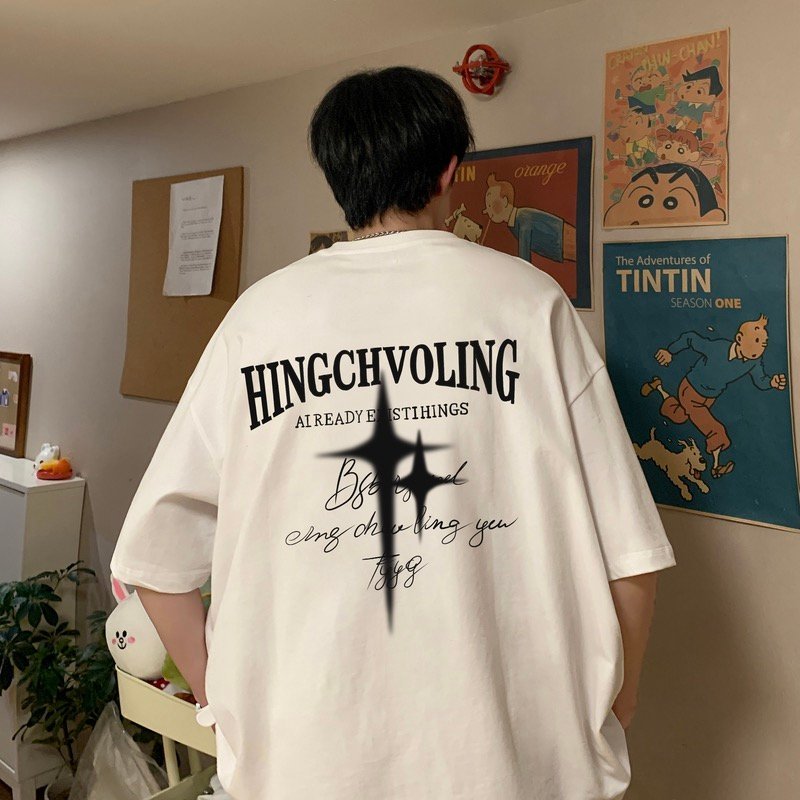
Detail seam types (flat-lock, topstitch), hem widths (0.5–1 inch), collar construction, and hardware placement. Include thread color specs. Manufacturing teams use these details to avoid rework from misaligned collars or weak seams.
Color and Branding Elements

Communicate exact colors using Pantone or RGB plus physical swatches. Specify print location, size, and pattern for logos. Screen printing or embroidery require precise placement; deviations trigger costly screen remakes.
Labeling and Care Instructions

Include label placement, care symbols, content percentages, and country-of-origin requirements. Provide translations for target markets. Size labels must match local regulations. Errors delay retail distribution.
Quality Standards and Inspection Points
Define inspection criteria at cutting, sewing, and finished-goods stages. Specify allowed defects and variance tolerances. Clear QC specs align inspection teams on pass/fail decisions, reducing dispute-driven rework.
5. Materials & Fabric Specifications
Streetwear fabrics define durability, aesthetics, and production consistency. Detailed material specifications—weight in GSM, weave type, and finish details—are critical to prevent manufacturer substitutions that compromise brand quality and ensure every batch meets design intent.
Cotton Blends & Ring-Spun Construction

Ring-spun cotton creates stronger, smoother yarn than open-end construction. Lightweight jerseys run 140–160 GSM; midweight 180–220 GSM suits year-round pieces; heavy fleece reaches 280–320 GSM. Choosing the right weight prevents low-cost substitutions with inferior alternatives.
Performance Fabrics & Technical Finishes
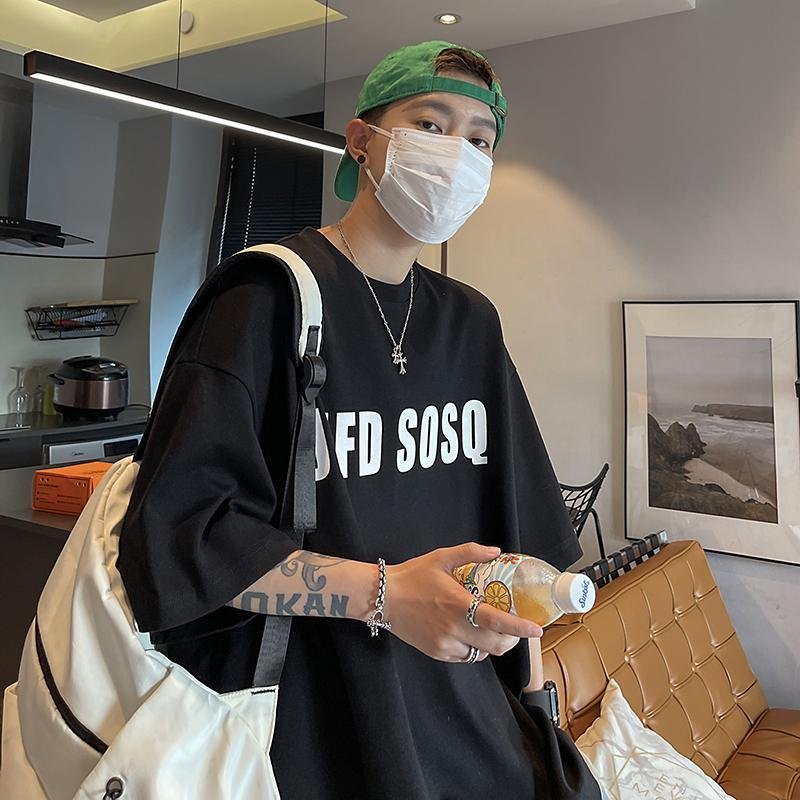
Polyester-cotton blends (65/35 or 80/20) offer moisture-wicking and durability for athletic streetwear. Specify finishes—enzyme wash, pre-shrink, anti-pill coating—in tech packs. These details prevent factories from using untreated, cheaper alternatives that deteriorate quickly.
Sustainable & Certified Options

GOTS-certified organic cotton and OEKO-TEX Standard 100 materials meet growing demand from conscious consumers. Recycled polyester reduces environmental impact without sacrificing performance. Streetwear brands increasingly use WRAP or BSCI certifications to verify ethical labor and environmental standards throughout the supply chain.
Preventing Manufacturer Substitution
Incomplete specs invite cost-cutting swaps. Include swatch samples, fiber composition, GSM tolerances (±5%), and weave diagrams in tech packs. Require supplier QC testing—pull tests, shrinkage, color fastness—before mass production. Documentation closes loopholes.
6. Customization & Design Options in Tech Packs
Customization techniques define streetwear brand identity and must be specified in tech packs from the beginning. Placement coordinates, Pantone color standards, and production constraints for each decoration method ensure consistent results across production runs.
Embroidery & Thread Color Matching
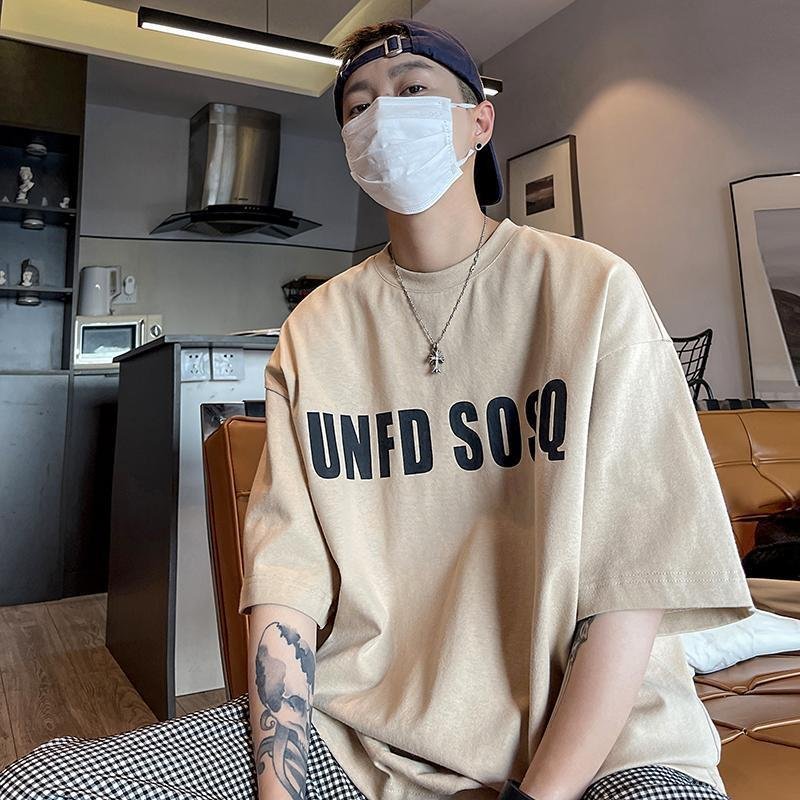
Thread color matching via Pantone standards ensures brand consistency across production runs. Placement coordinates (chest, sleeve, back yoke) and stitch density (500–1000 stitches per square inch for detail work) define quality specifications.
Suppliers require embroidery digitization files (.pes, .dst, .exp formats). Design setup costs range from $50–200. Minimum orders typically start at 50–100 units per design depending on stitch count and complexity.
Screen Printing & Placement Specs
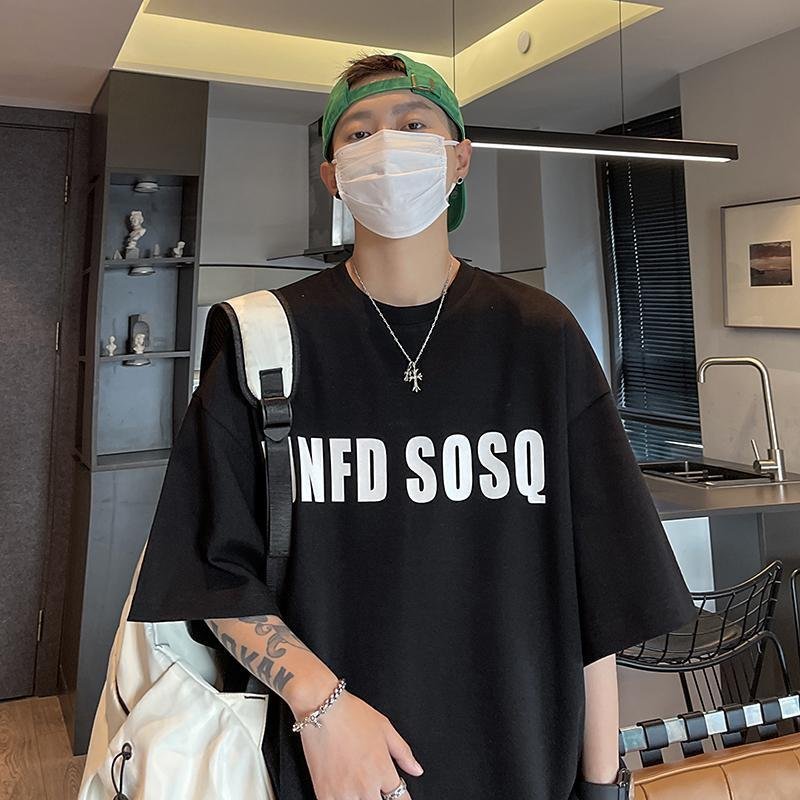
Pantone Matching System (PMS) or Hex color codes specify inks in tech pack artwork files. Screen count (60–110 mesh) and ink opacity affect durability and hand-feel. Placement is measured in inches from seams; front chest prints typically sit 2–4 inches below neckline.
Color separations for 4-color prints cost $75–150. Ink coverage and substrate type influence per-unit pricing. Setup fees cover screens and labor.
Direct-To-Garment (DTG) Printing
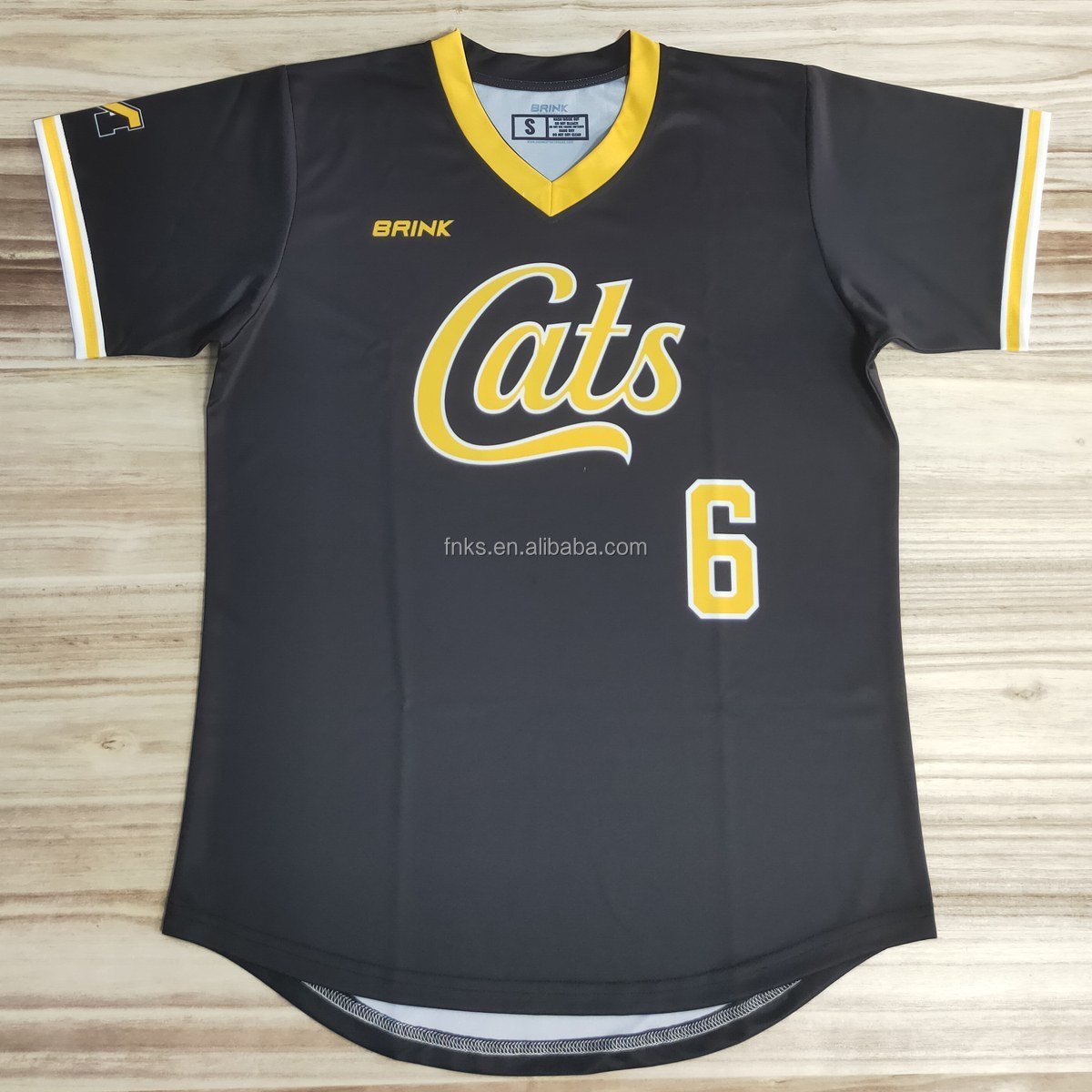
DTG deposits ink directly onto fabric without setup fees, enabling photo-realistic multi-color designs. Design files require 300 DPI minimum resolution. Low-volume runs and complex artwork leverage DTG’s cost efficiency.
Pre-treatment chemicals and heat curing improve durability and color vibrancy. Per-garment costs range from $3–8 depending on ink coverage and design complexity. No minimum order quantity restrictions.
Specialty Finishes & Effects
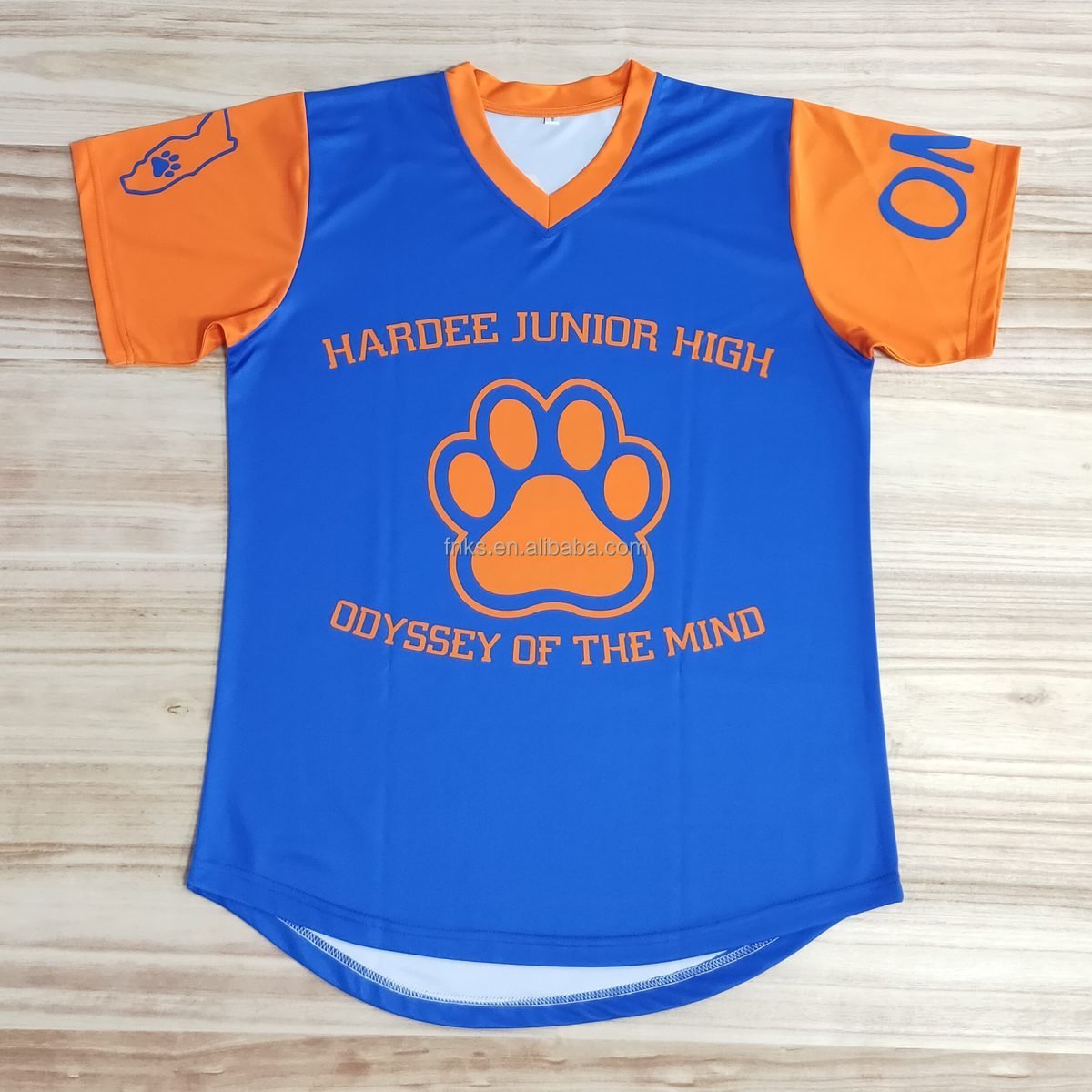
Distressing, tie-dye, and bleach-wash effects require documented parameters: spray angle, chemical concentration, and pre-treatment steps. Consistency across 500+ units depends on temperature control and precise chemical ratios.
Tie-dye requires Pantone or hex color reference and tie/fold pattern mapping. Distressing specifies grinding intensity and wear-pattern placement for authentic streetwear aesthetics.
7. Choosing a Tech Pack Development Partner
Selecting the right manufacturer determines launch success, budget control, and quality standards. Prioritize expertise in your product category, transparent communication, and rigorous quality protocols throughout production. Strong partnerships start with clear vetting.
Category Expertise & Portfolio Review
Streetwear requires specialized knowledge: trend cycles, cultural references, and distinct construction finishes. Review 10-15 completed projects in streetwear or trendy categories. Look for consistency in quality, design execution, and visual brand aesthetic.
Production Capacity & MOQ
MOQs range 50-500 units per style depending on production model. Standard turnaround runs 30-45 days from sample approval to shipment. Confirm factory can scale during peak seasons and consolidate small orders.
Quality Certifications & QC Standards
ISO 9001, OEKO-TEX, GOTS, and BSCI certifications signal quality commitment. Certifications alone don’t guarantee output quality. Prioritize multi-stage QC testing at materials, cutting, stitching, and finishing stages versus end-only inspection.
Communication & Revision Cycles
24-48 hour response times and 2-3 revision rounds before re-cut fees define most factory agreements. Designate a dedicated account manager. Poor communication extends timelines and dramatically increases costs.
Sample Approval & Key Questions
10-15 business days for initial prototype plus $150-400 per sample shipment are standard costs. Ensure feasibility feedback comes early, not after tech pack approval. Ask targeted questions about MOQ, QC testing stages, and streetwear client references.
- What’s your MOQ and do you consolidate orders across clients?
- How many production stages include QC testing versus end inspection?
- Who’s my dedicated contact and what’s your standard response time?
- Can you reference 3 streetwear or trendy apparel brands?
- When do revision cycle fees apply and what’s included per round?
8. Common Mistakes in Tech Pack Development
Most tech pack failures stem from incomplete specifications. Overlooking construction details, sizing standards, color specs, QC checkpoints, and timelines creates costly delays and quality mismatches between design intent and finished product.
Vague Specifications and Missing Construction Details
80% of manufacturing disputes stem from vague sewing instructions and missing construction details. Tech packs must specify seam types—flat-lock, overlock, twin-needle—thread gauge, color, tolerances, and stitch count. Approved thread brands eliminate production guesswork.
Inconsistent Sizing Specifications
Mixing measurement systems or single-size grading causes fit disasters. Include Grading Rules for each size with tolerance ranges, lay-flat specs, and sleeve progression. Reference ASTM D5585 standards and supply fit model photos at multiple sizes.
Poor Color Specifications
Pantone matching alone causes shade mismatches. Specify each color using Pantone, CMYK, and supplier dye codes. Supply physical swatches and define acceptable variance (Delta E). Note dye lot numbers and seasonal availability to prevent mid-run substitutions.
Overlooking Care Labels and Shrinkage
Pre-washed fabrics shrink 5-8% on first wash; untreated fabrics may shrink 10-15%. Tech packs must specify shrinkage, laundry temperature limits, and fabric treatment status. Include hang-tag copy, fiber content, and care symbols (ISO 3758). Missing shrinkage specs force guesswork and result in sizing errors.
Ignoring Quality Control Steps
Many manufacturers skip mid-production QC—cutting inspection, sewing verification, and pre-finish testing—testing only finished goods. This catches defects too late. A five-step QC framework—materials testing, cutting, craft, sewing production, and finished goods—identifies and resolves issues early, reducing waste and rework costs by 30–40%.
Underestimating Production Lead Times
Tech pack development requires 2–4 weeks for grading, sewing samples, and revisions. Add fabric sourcing (4–8 weeks), sample approval (2–3 weeks), and production lead time (6–12 weeks by volume). Underestimating total lead time creates bottlenecks and forces manufacturers to skip QC steps. Buffer for quality checkpoints.
9. Launching Your Brand with Professional Tech Packs
Professional tech packs require precise specifications across measurements, materials, color codes, and construction details to minimize sampling revisions. Clear specifications established before manufacturing begins prevent costly iterations. The workflow from approved pack through sampling approval and production ramp must enforce quality gates at each major milestone to ensure brand compliance.
Pre-Production Checklist
Verify fabric swatches, measurements in inches and centimeters, and Pantone or lab color codes before submission. Confirm zipper types (YKK #5 or #8), button materials, thread weight, and seam allowances.
Incomplete specs delay material sourcing; allocate 5–7 days for this review before requesting samples.
Sample Approval Workflow
First samples arrive within 10–15 days for basic styles, 20–30 for complex cuts. Evaluate fit, color, seam quality, and finishing details. Document all revisions with photos and written specifications.
Most brands iterate 2–3 times before final sign-off. Establish a firm go/no-go decision date upfront to prevent indefinite revision loops.
Quality Gates at Scale
Apply five-step QC consistently: materials testing, cutting QC, craft QC, sewing production QC, and finished goods inspection. Early-stage QC catches issues before they compound downstream.
Establish defect thresholds (zero critical flaws, <2% minor stitching variances) in writing. Conduct regular factory audits to verify compliance and maintain production standards.
Production Ramp Timeline
Allow 2–3 weeks from tech pack approval to first production run. Factory books equipment, schedules cutting, and sources materials immediately upon approval.
Bulk production follows within 5–10 days; shipment readiness in 30–60 days depending on order volume and style complexity. Confirm all dates in writing; stagger multi-SKU timelines to manage cash flow.
10. Pricing & Cost for Tech Pack Development
Initial tech pack creation typically requires 80–160 hours of design and technical drafting labor, costing $1,200–$3,200 depending on complexity, revision cycles, and fabric specifications. This foundational investment ensures accurate construction drawings, spec sheets, and grading matrices that prevent costly production errors downstream.
Per-unit material costs scale inversely with MOQ: a 500-unit run may carry $8–$12 in fabric and trims per garment, while a 2,000-unit order drops to $5–$7 through volume discounts and optimized cutting waste. Most Asian manufacturers offer MOQ windows of 100–500 units per style to balance setup overhead against unit economics.
Manufacturing overhead and labor add $2–$4 per garment, while setup fees for custom embroidery, screen-printing, or special dyeing run $150–$500 per technique. Clothing Manufacturer Ltd.’s proprietary five-step QC process—materials testing, cutting inspection, craft assessment, sewing audits, and finished-goods verification—embeds quality labor at approximately $0.30–$0.60 per unit, preventing expensive returns and brand damage that typical single-stage QC misses.
Total landed cost for a 1,000-unit streetwear order typically ranges $12–$18 per garment; retail margins of 3–5× mean a $45–$60 wholesale price recovers all costs plus profit in the first 400–600 units sold. Transparent cost breakdowns from your manufacturer let you right-size MOQ, negotiate payment terms, and forecast cash flow with confidence.
Start Your Brand’s Tech Pack Development Today
Get a free consultation with our in-house design team. Fast turnaround, 5-step QC guarantee, zero-compromise quality for your streetwear brand.