
Clothing Quality Control Inspection: Zero-Defect Guarantee for Global Brands
Eliminate production defects forever. Our 5-step clothing quality control inspection process catches every flaw from fabric selection through finished goods, ensuring your brand ships only premium-quality garments to global customers.
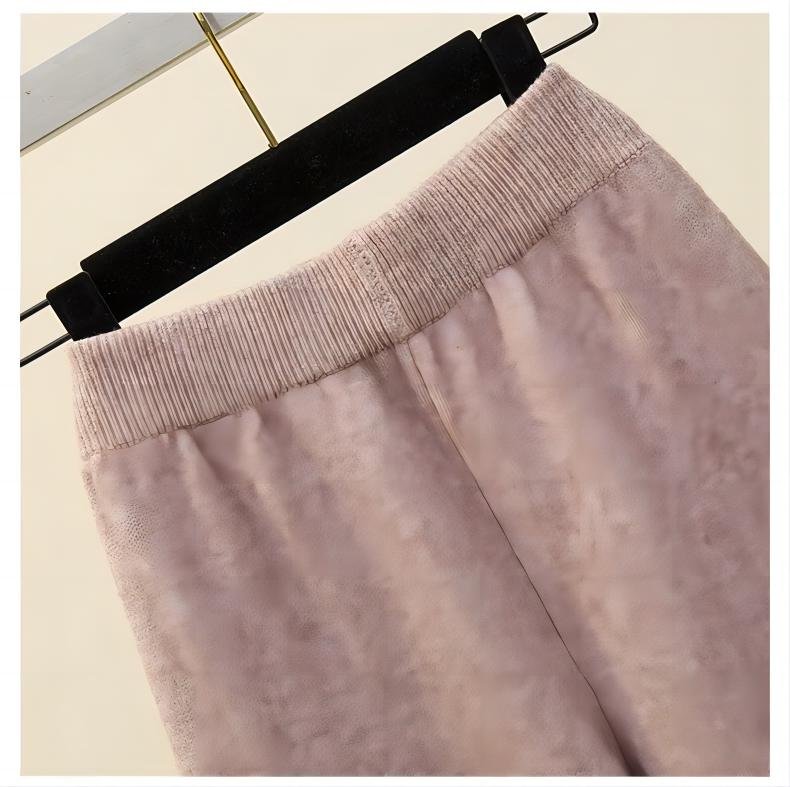
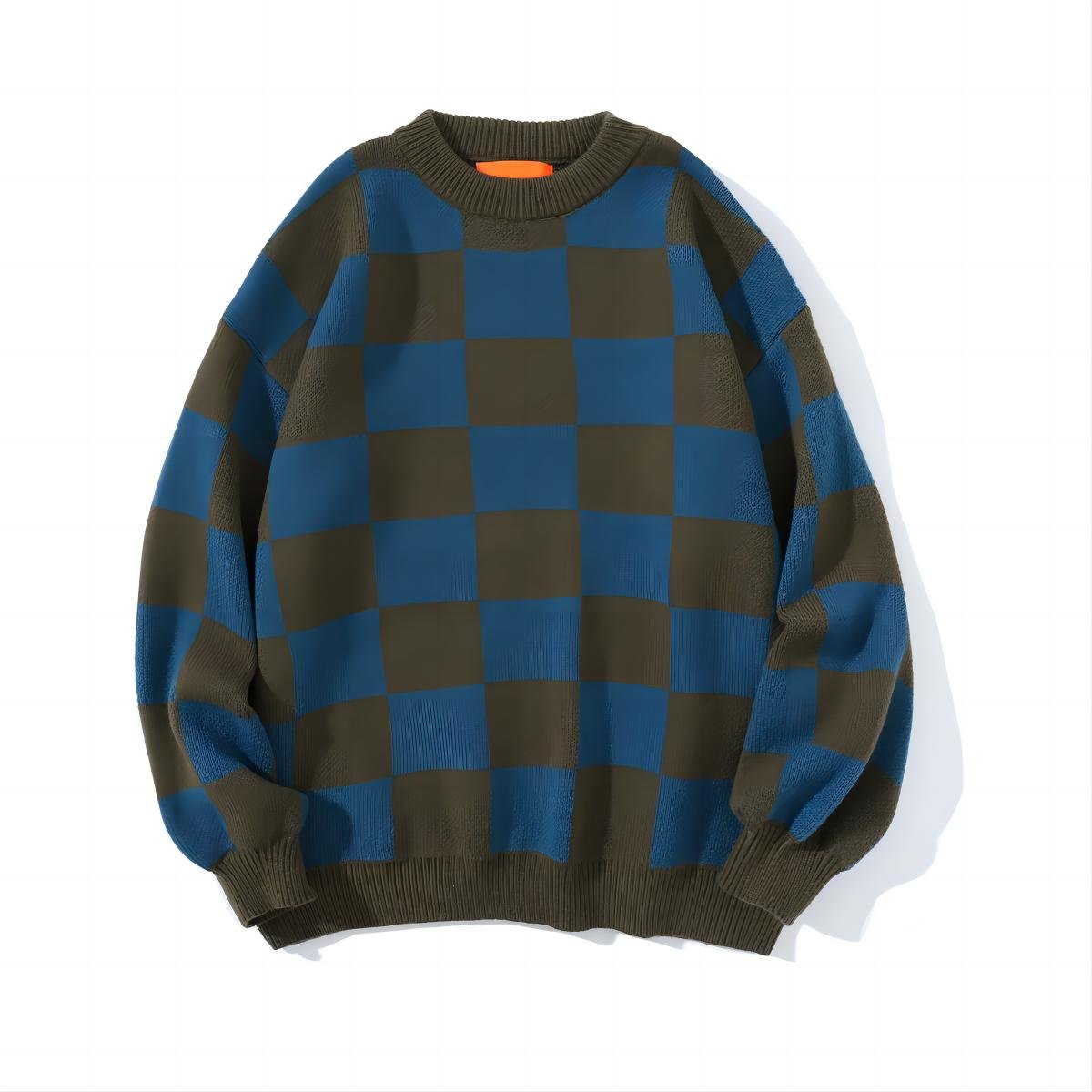
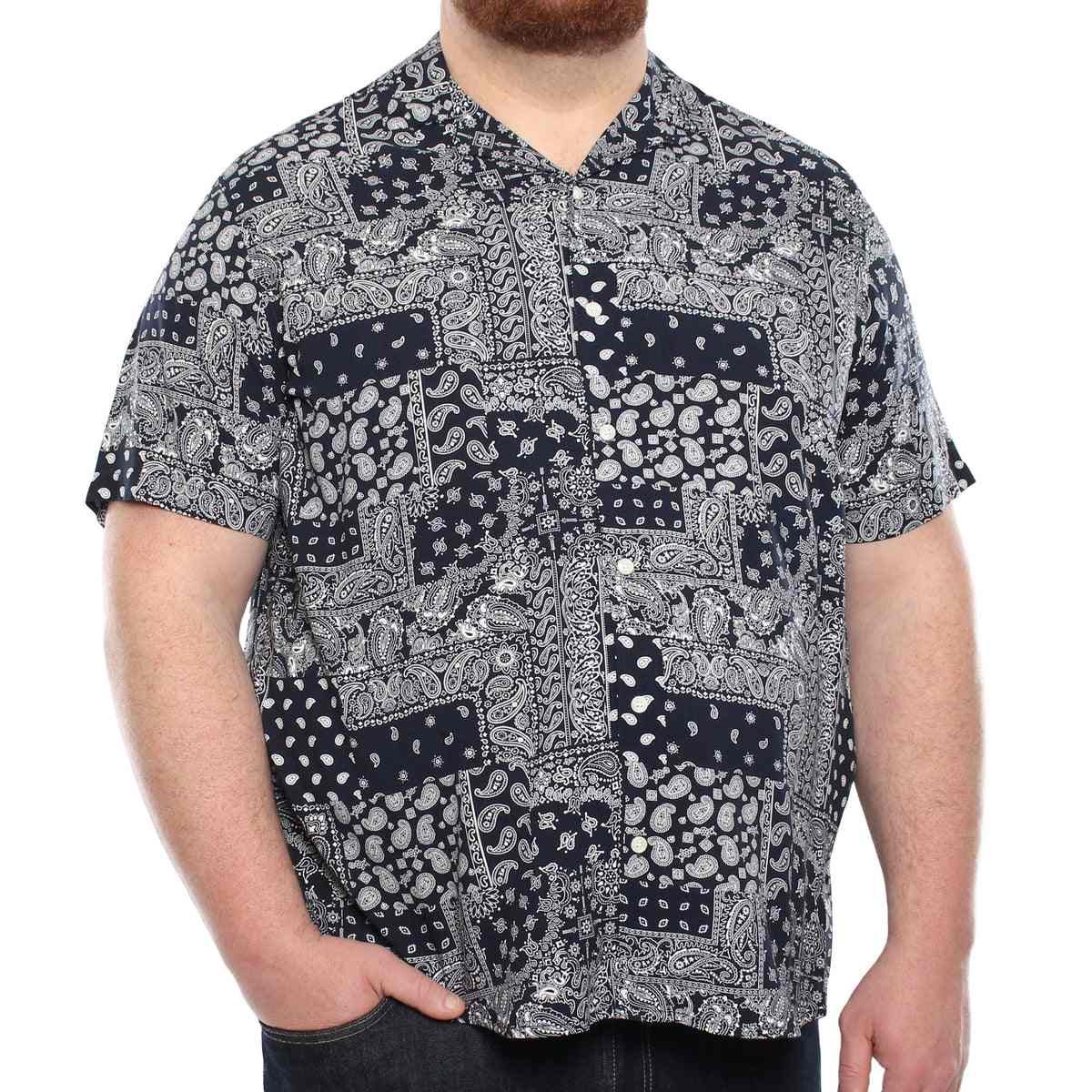
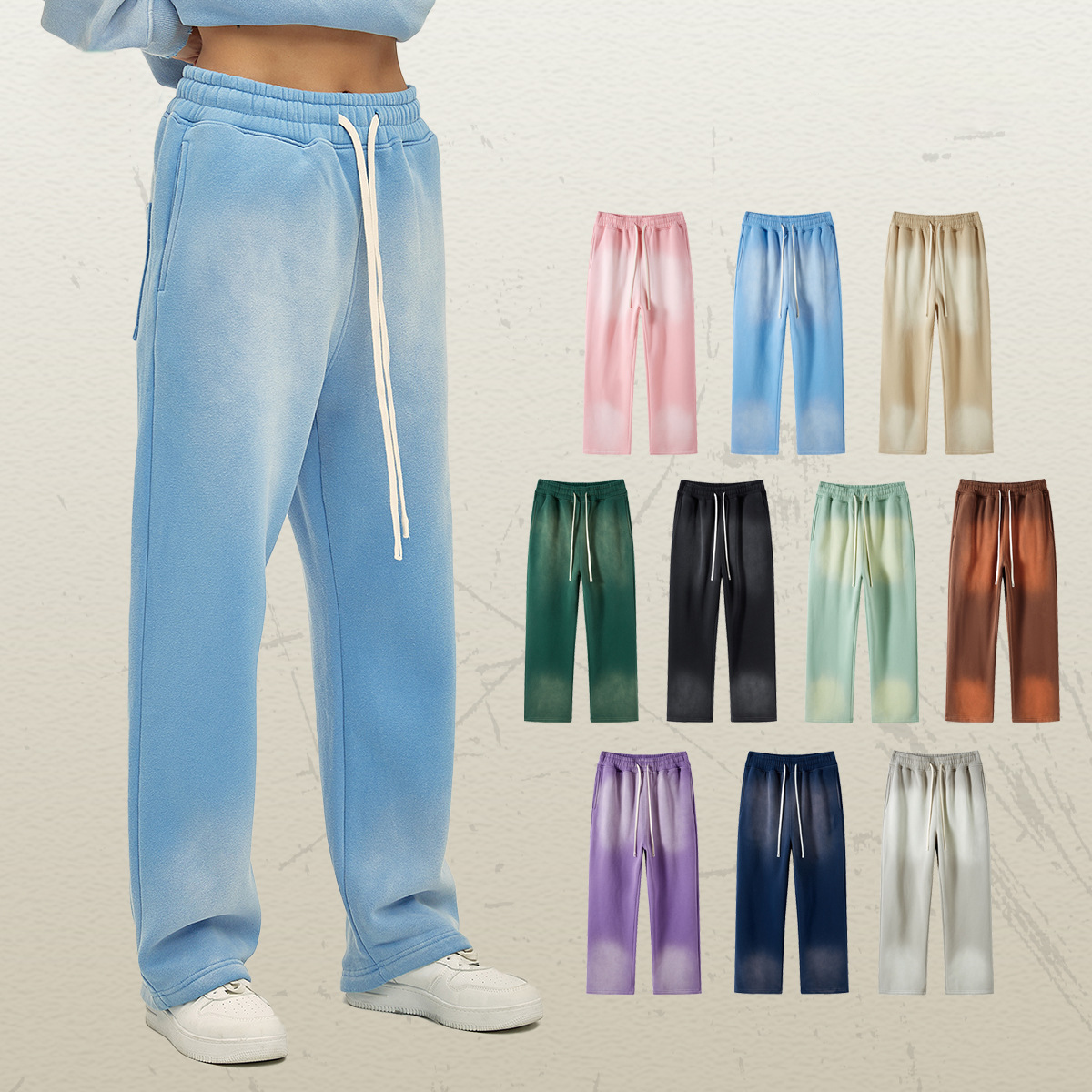
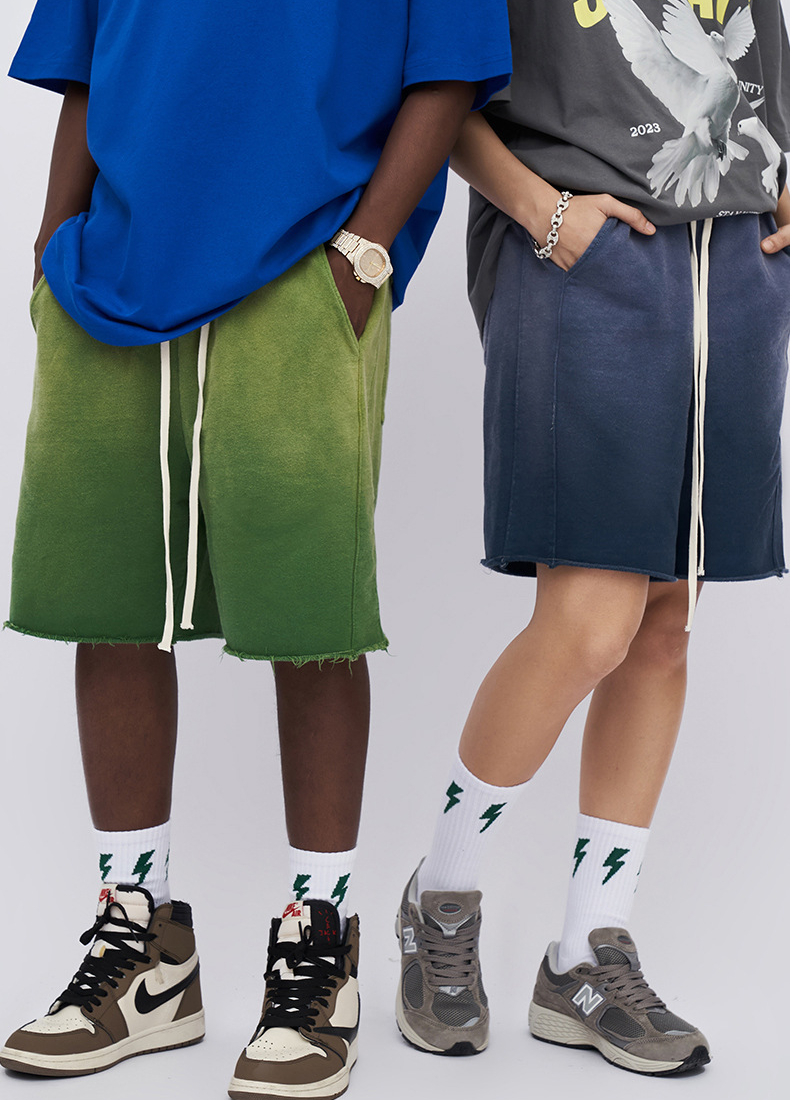
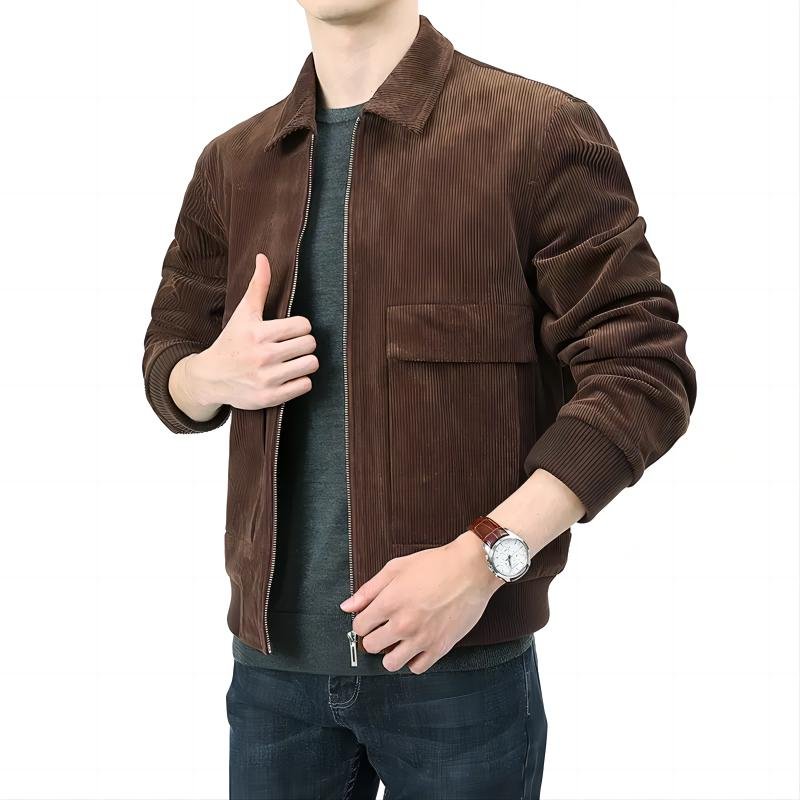
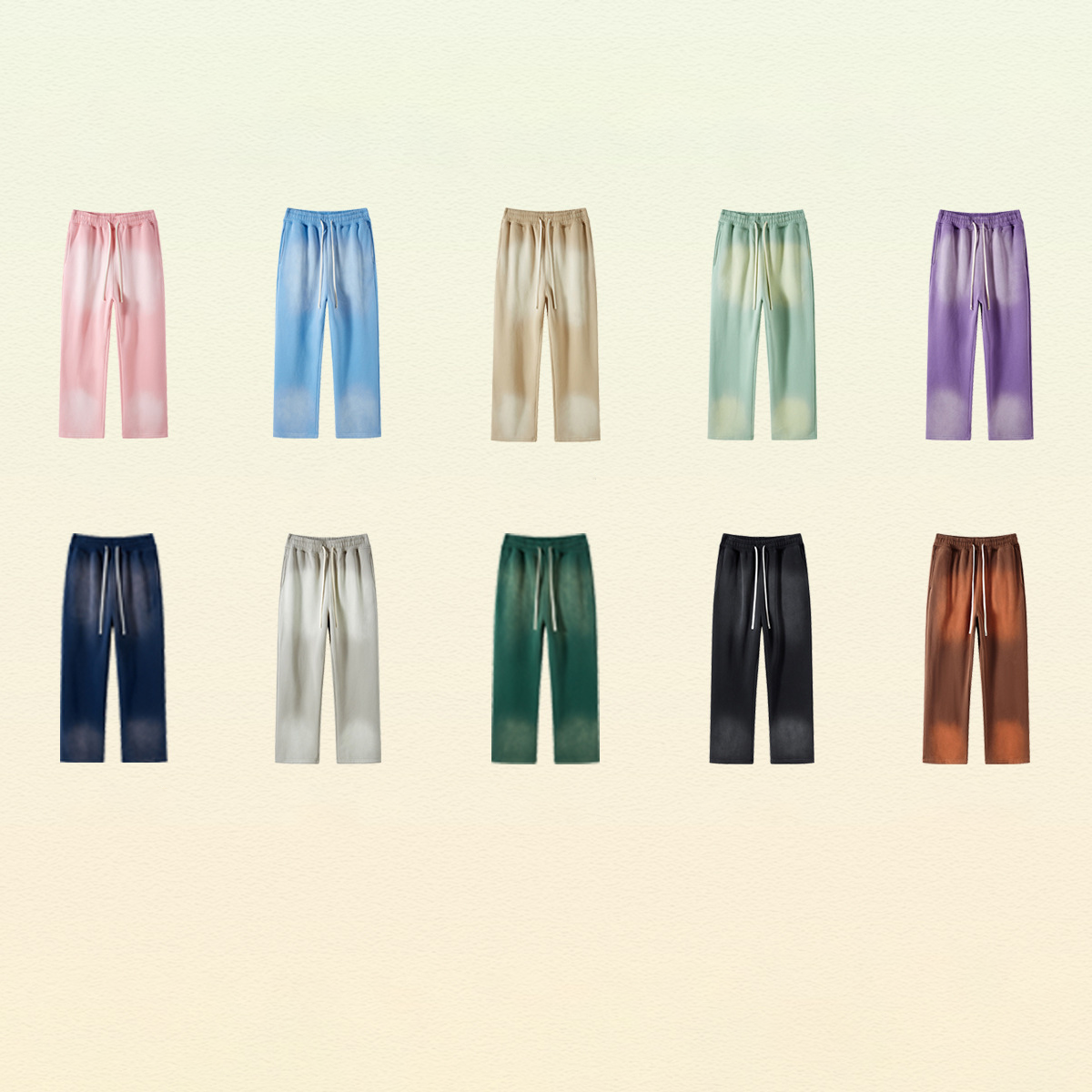
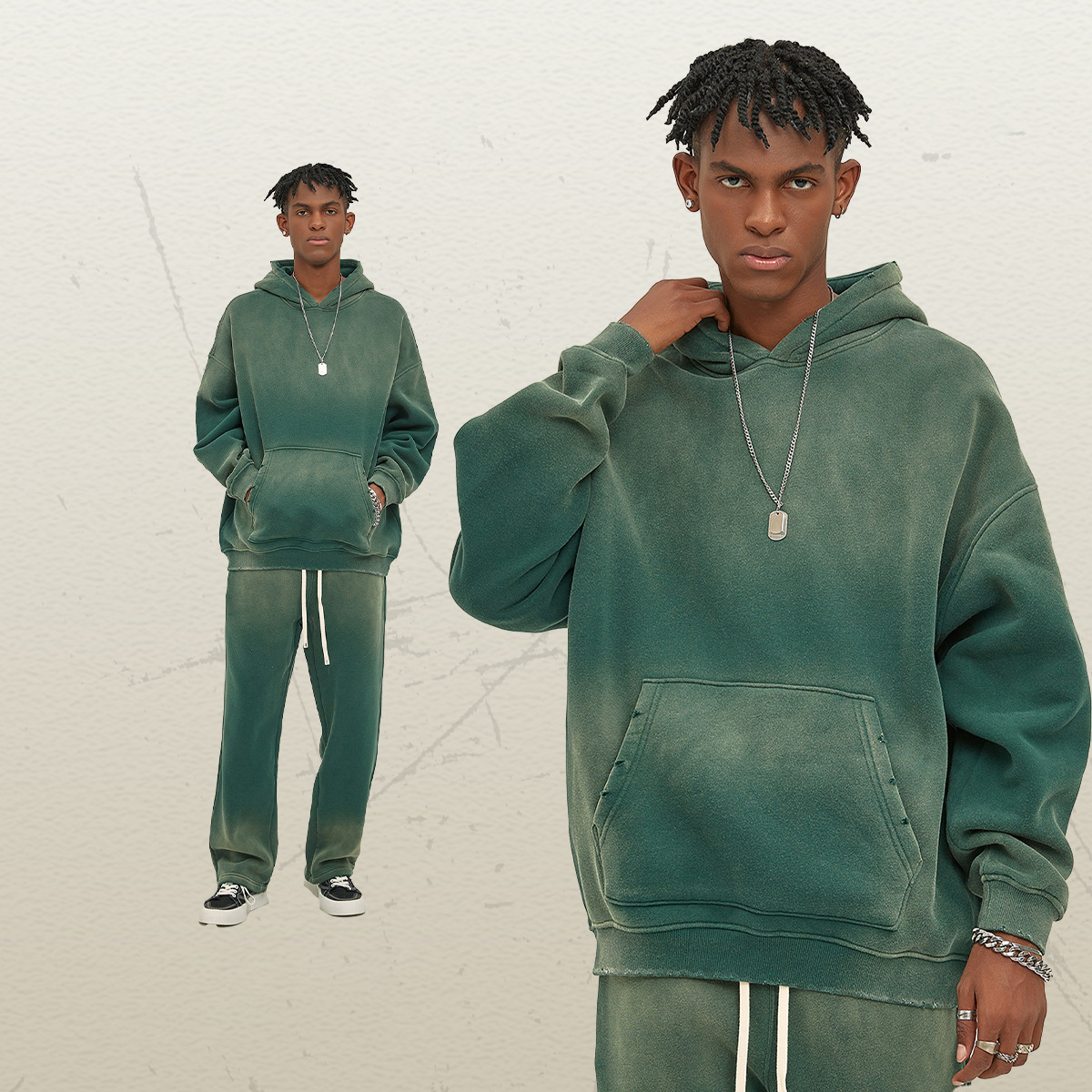
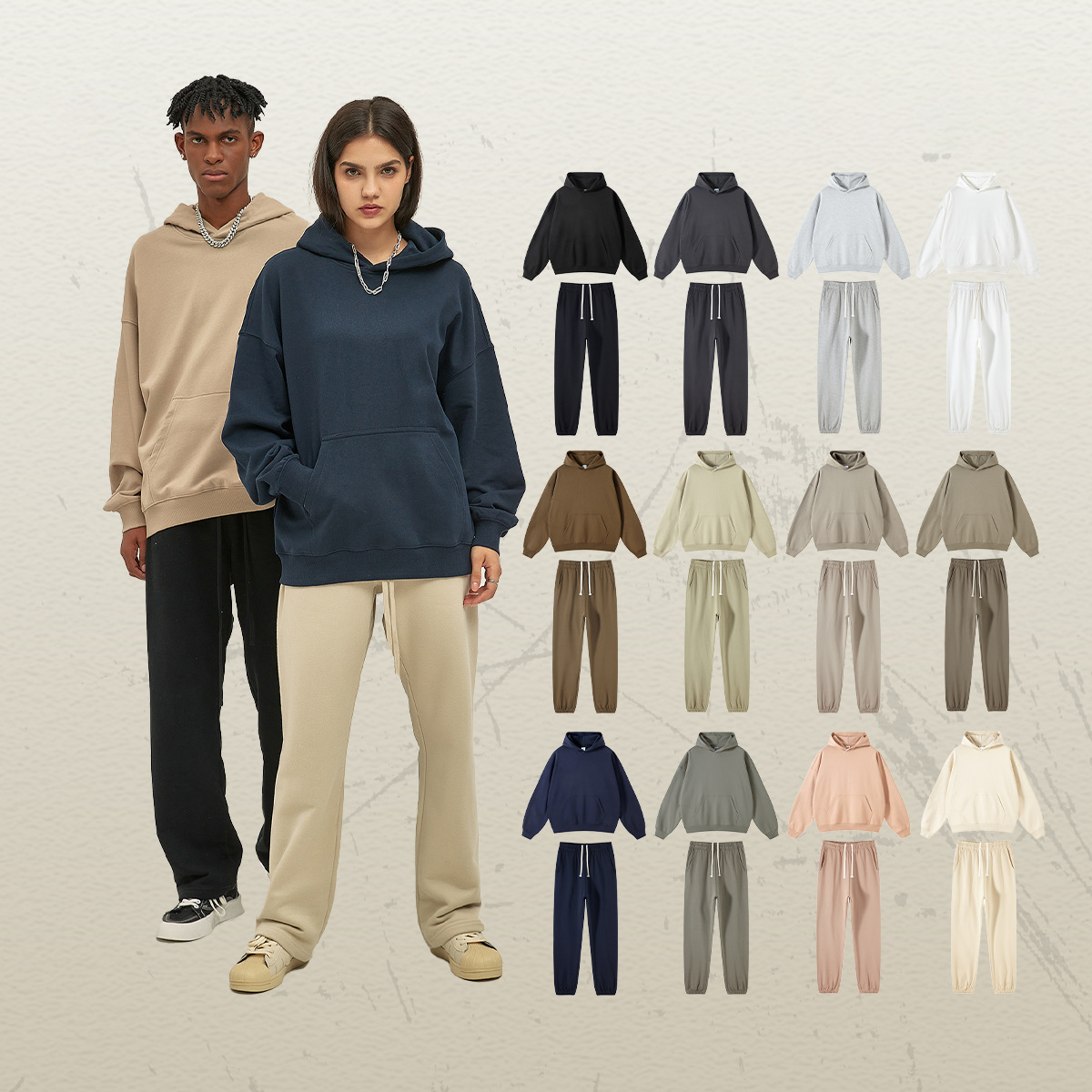
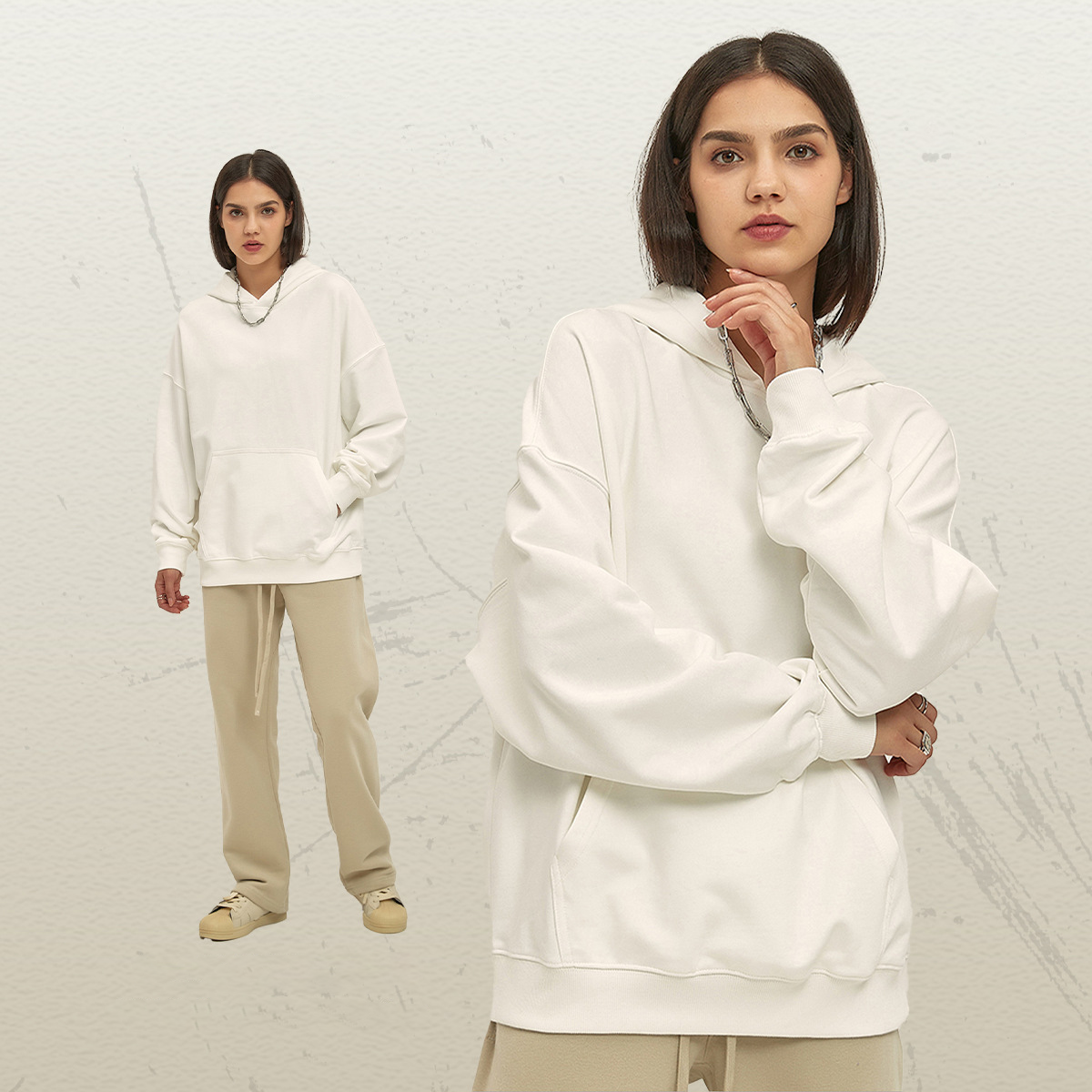
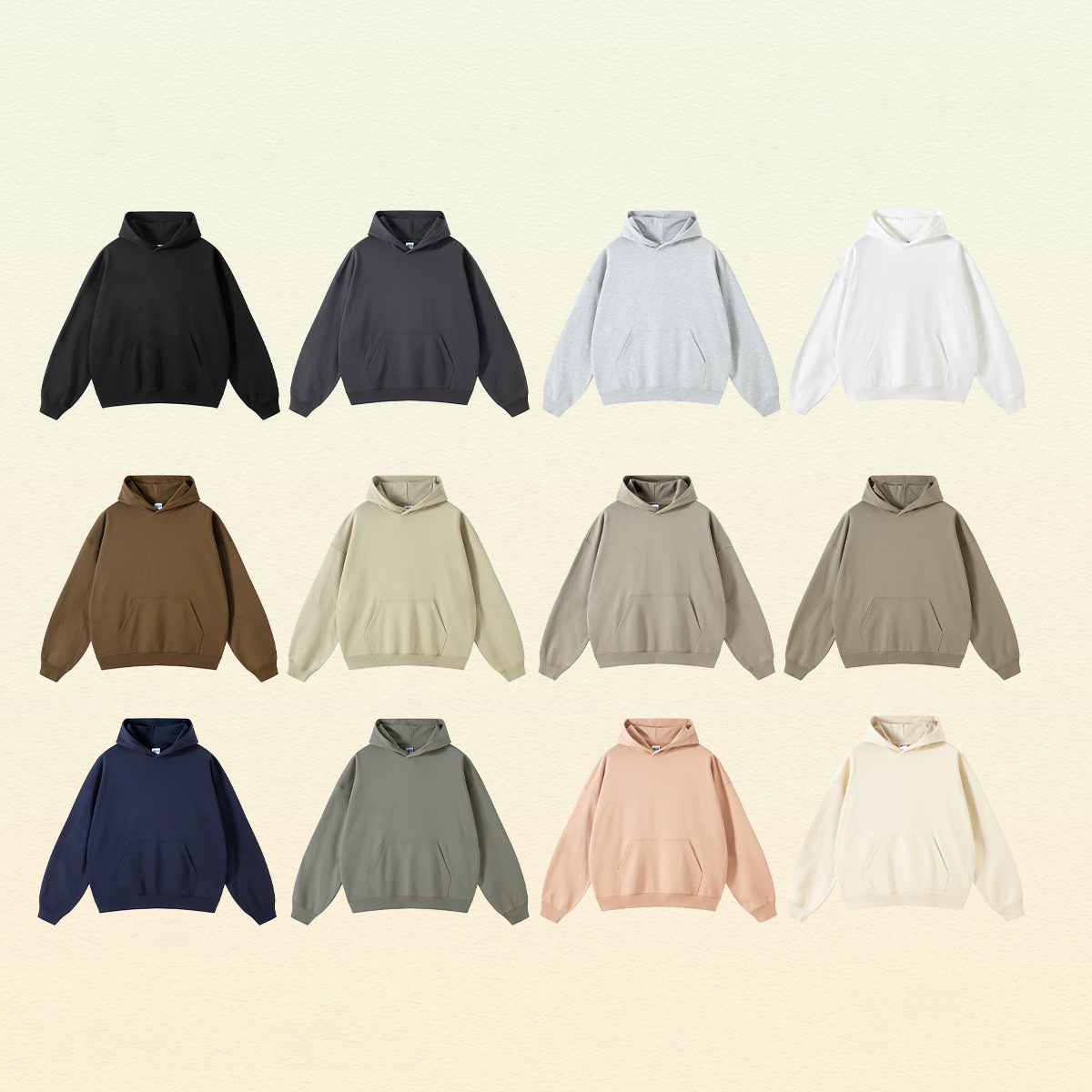
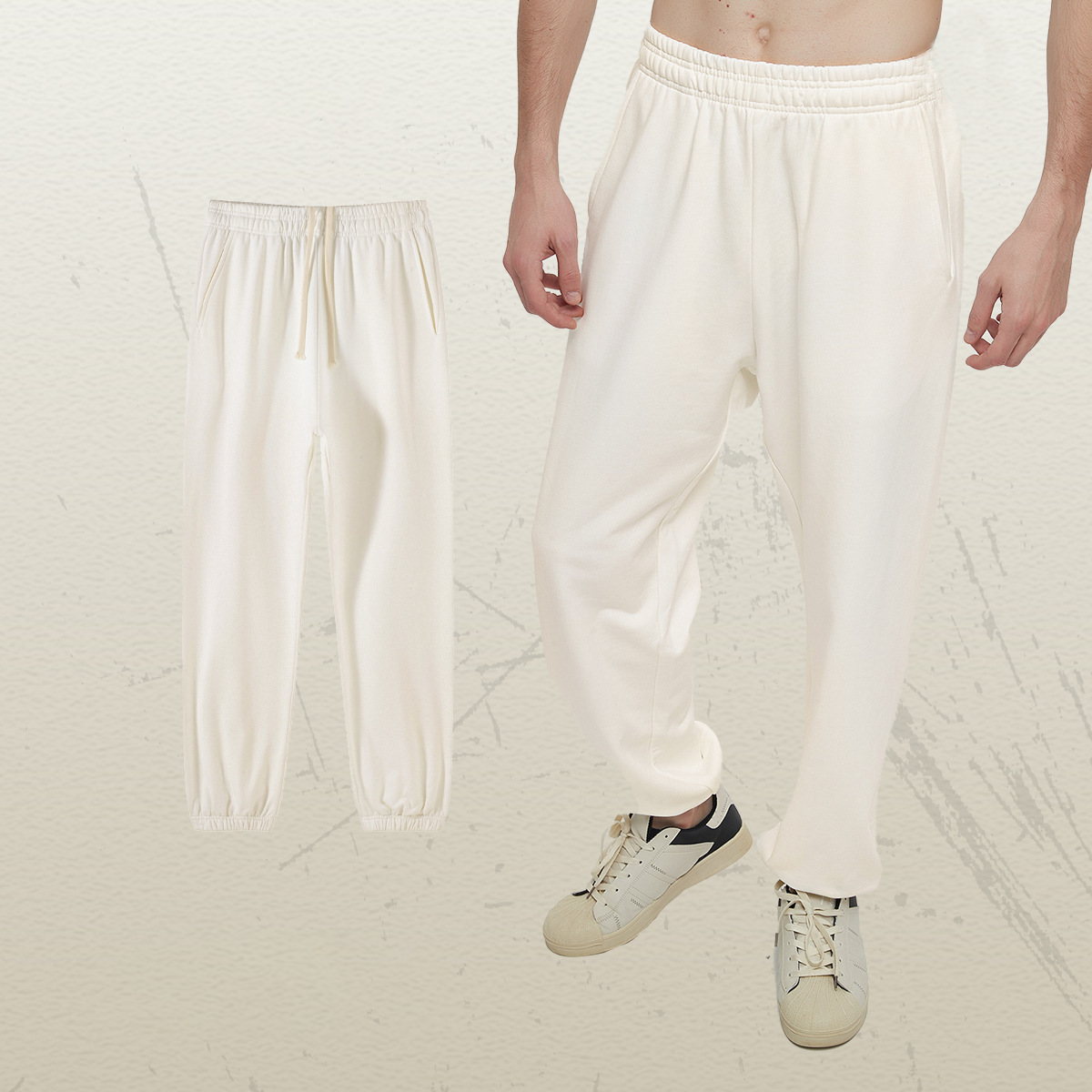
Gallery of QC-Certified Finished Garments
What Sets Our Clothing Quality Control Inspection Apart
Six core capabilities—from five-step inspections to complete traceability—that eliminate defects and protect your brand reputation.
Five-Step Inspection Framework
Materials, cutting, craft, sewing, and finished clothing QC testing at every production stage ensures defects catch early and get corrected immediately.
Zero-Defect Commitment
Every piece meets international standards before shipment. No exceptions, no sampling—rigorous testing guarantees outgoing clothing quality every single time.
Rapid In-Process Defect Correction
Problems identified and fixed during production, not after packing. Minimizes waste, accelerates timelines, and protects your brand reputation globally.
International Standards Compliance
Certified to global regulations. WRAP, ISO, and major brand compliance standards built into our five-step clothing quality control inspection process.
Full Batch Documentation & Traceability
Every garment tracked from fabric to shipment. Complete QC records, photo documentation, and compliance certificates included with every delivery.
Design Integrity Protection
Pattern accuracy, fit consistency, and brand standards verified at every checkpoint. Your streetwear designs arrive exactly as intended, every time.
Clothing Quality Control Inspection for Every Production Workflow
See how our 5-step QC process adapts to streetwear brands, retailers, startups, and creator lines across the globe.
Trendy Streetwear Seasonal Drops
Launching new streetwear collections every season requires capturing trend momentum fast. Balancing speed-to-market with zero defects on skeleton prints, rose elements, and intricate graphics is challenging.
Our 5-step clothing quality control inspection accelerates production cycles while protecting your brand's reputation. Every drop launches flawless, maintaining customer loyalty and social media credibility.
Fashion Startup Scaling Production
Transitioning from small samples to thousands of units per order exposes quality gaps invisible in prototypes. Poor execution on early orders damages startup credibility irreparably and burns through limited capital.
Structured clothing quality control inspection guides you through each production stage, identifying issues early. Your scaled-up orders maintain sample-quality standards, building customer trust from day one.
Global Multi-SKU Retailer
Managing consistent quality standards across multiple suppliers, geographies, and hundreds of SKU variations tests coordination capabilities. Defects bypass inspection, eroding customer satisfaction and damaging your retail reputation.
Centralized clothing quality control inspection frameworks standardize quality across your entire global supply chain. Consistency builds customer confidence and reduces costly returns, chargebacks, and brand damage.
Creator Influencer Limited Drops
Viral moments create 48-hour production windows. Rushing limited-edition drops to keep fans engaged risks skipping quality checks that protect your brand's reputation and loyal community.
Fast-track clothing quality control inspection processes keep your drops on schedule with zero-defect guarantee. Ship with confidence, ship on time, and delight your audience every release.
Our Clothing Quality Control Inspection: 10+ Years, Zero Compromise
Founded in 2024 by Tesla Luo, Clothing Manufacturer Ltd. emerged from a decade of production expertise and a mission to eliminate low-quality clothing products. Luo’s journey began in childhood, rotating through every major role in his family’s garment factories, from sewing to quality control. This hands-on foundation shaped his conviction: rigorous clothing quality control inspection must be embedded throughout production, not treated as an afterthought.
Operating from Humen Town, Dongguan, Clothing Manufacturer Ltd. now serves brands across 100+ countries. Our proprietary 5-step quality control methodology—materials testing, cutting inspection, craft verification, sewing production checks, and finished clothing quality assessment—intercepts defects at every stage. With an in-house R&D team of 15 and 10 patents driving innovation, we deliver the infrastructure and expertise of an established manufacturer with the agility of a focused streetwear specialist.
Unlike manufacturers who move directly from sewing to packaging, we’ve built clothing quality control inspection into every phase. Our founder’s deep immersion in streetwear culture—from hip-hop to skateboarding aesthetics—combines with technical mastery of garment construction. We don’t just make clothing; we partner with brands to elevate their output, ensuring zero-compromise quality that resonates with audiences worldwide seeking bold, authentic self-expression.
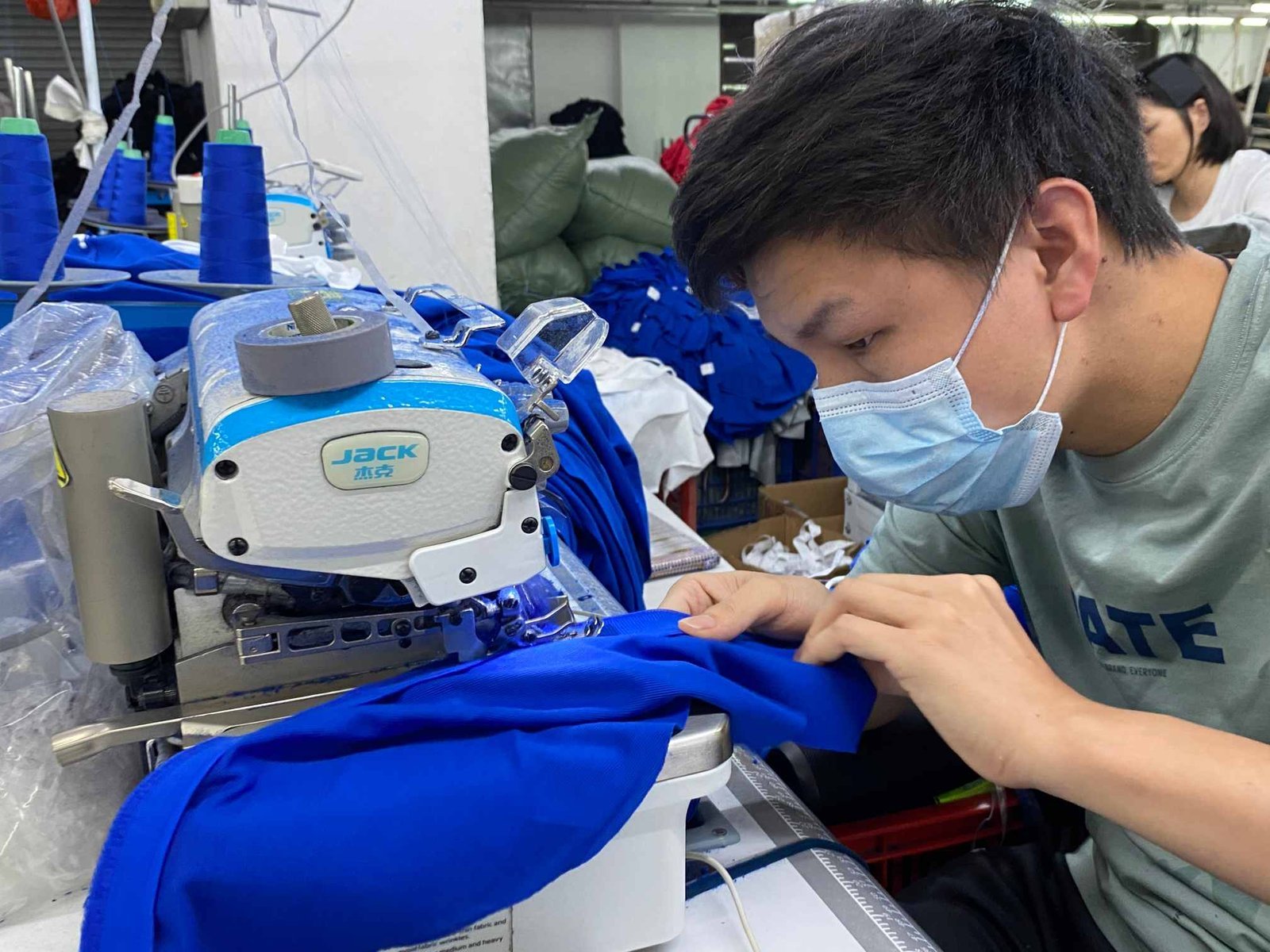
Inside Our 5-Step Clothing Quality Control Inspection Framework
Step 1: Fabric Quality Baseline
Every material begins rigorous inspection before entering production. We verify fiber content, tensile strength, color fastness, and shrinkage rates using laboratory equipment. Materials failing our tolerance thresholds are rejected immediately, preventing downstream defects that would require costly rework or customer returns.
- Tensile strength and fiber durability testing
- Color fastness and dyeing consistency verification
- Shrinkage rate analysis and regulatory documentation
- Comprehensive fiber content labeling compliance
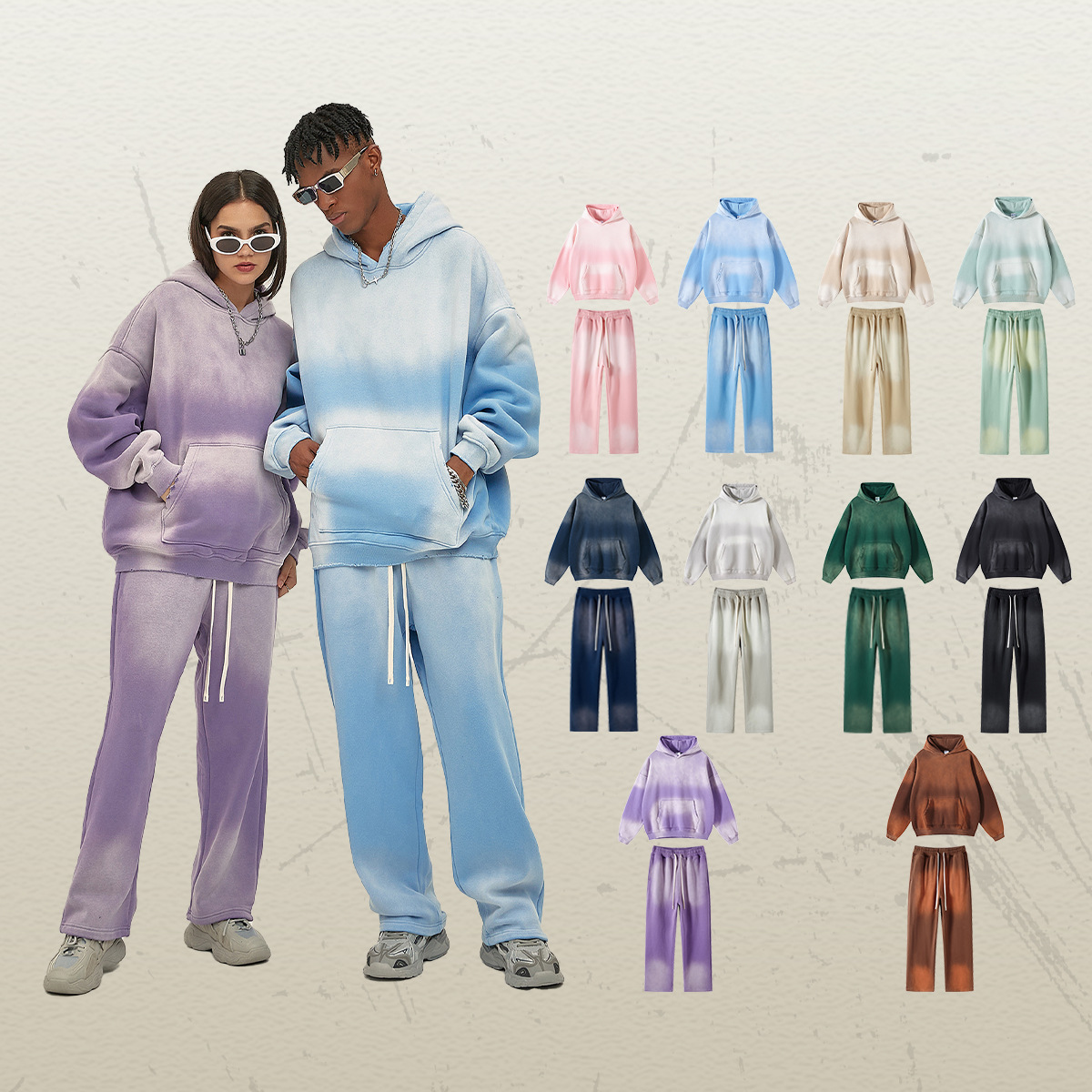
Step 2: Pattern Accuracy Verification
Precision cutting is non-negotiable in streetwear production. Our team inspects each pattern marker for alignment accuracy, blade integrity, and piece dimension consistency. Tight tolerances ensure zero pattern mismatches and minimal fabric waste, accelerating production timelines for seasonal collections.
- Pattern alignment and positioning accuracy checks
- Blade sharpness and cut-edge quality assessment
- Marker efficiency and fabric waste minimization
- Dimensional tolerance verification across all pieces
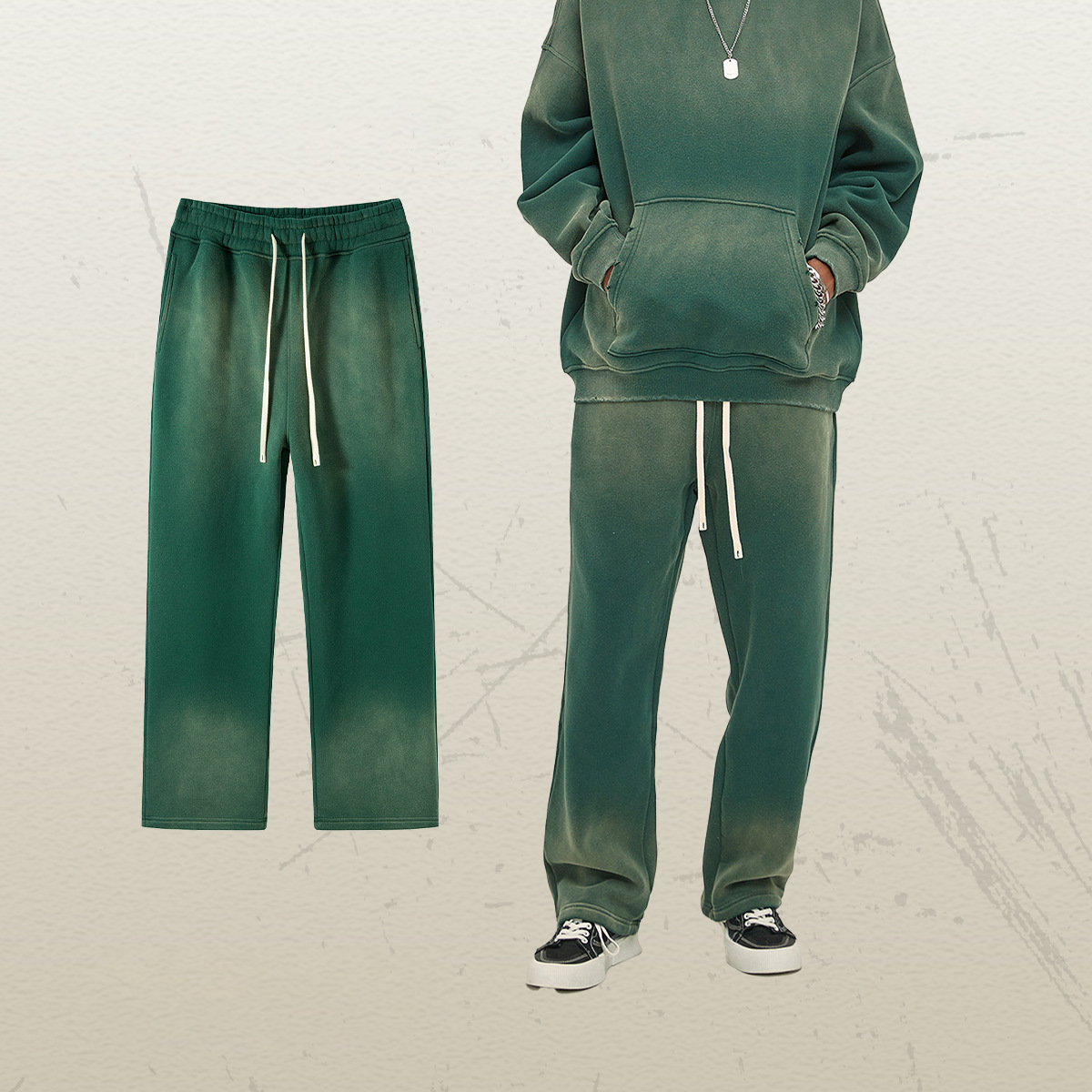
Step 3: Craft Elements Quality Check
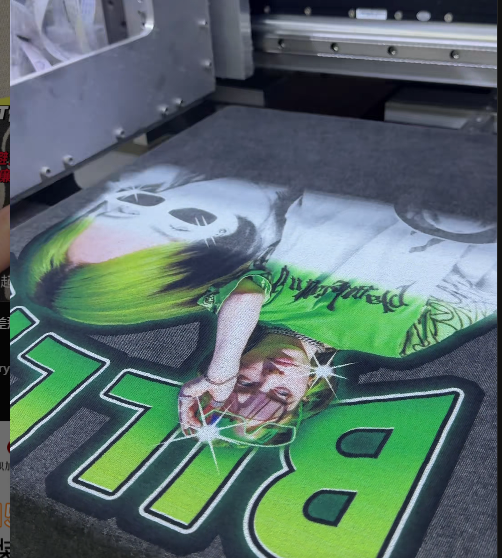
Streetwear lives or dies by its design elements. We inspect embroidery precision, print durability, heat-transfer quality, and graphics alignment with meticulous standards. Our in-house design team verifies that every skull graphic, rose motif, and cross element matches the approved spec before garments advance.
- Embroidery stitch precision and thread color accuracy
- Print durability and ink adhesion testing
- Heat-transfer and sublimation consistency verification
- Design element positioning and alignment tolerance
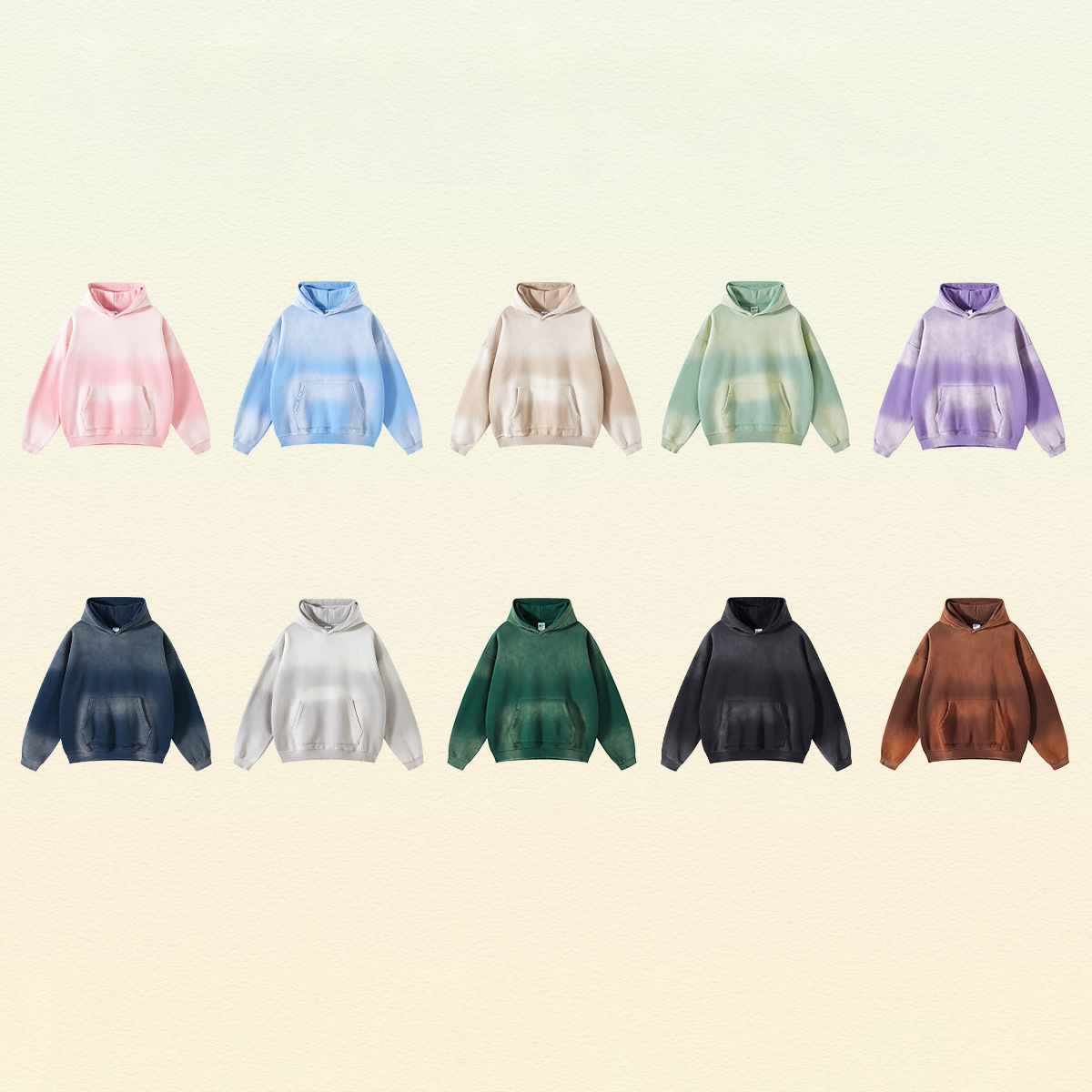
Step 4: Sewing Integrity Validation
Structural integrity depends on sewing excellence. We continuously monitor stitch tension, seam strength, zipper durability, and button attachment resistance throughout production. Each seam is tested for straightness, consistency, and longevity, catching defects before finished goods leave the production floor.
- Stitch tension and seam strength testing
- Zipper pull-force and button shear-resistance verification
- Seam straightness and finish quality inspection
- Thread color and tension consistency documentation
Step 5: Complete Garment Inspection
The final stage of our clothing quality control inspection is comprehensive: every garment undergoes complete measurement verification, visual defect inspection, and label accuracy checking. We confirm fit against spec, document compliance, and ensure packing standards meet global retail requirements—guaranteeing your branded apparel arrives flawless.
- Full garment measurements and fit verification
- Visual inspection for defects, damage, or contamination
- Label accuracy and care instruction verification
- Packaging and shipping documentation certification
Clothing Quality Control Inspection: In-Process vs End-of-Line
See how comprehensive in-process QC prevents costly rework and protects your margins
← 左右滑动查看 →
Clothing Quality Control Inspection: Our 5-Step Process
Discover where QC checkpoints catch defects and protect your brand at every production stage.
Design & Materials QC
We evaluate fabric quality, weave consistency, color fastness, and material specifications. Every material undergoes testing before cutting begins, ensuring only premium inputs move forward in production.
Cutting & Layout Inspection
Precision cutting QC verifies pattern accuracy, grain line alignment, and zero-waste efficiency. We catch sizing inconsistencies here, before fabric enters the sewing stage, reducing rework costs dramatically.
Craft Quality Checkpoint
Seams, hems, and structural elements are inspected for consistency, tension, and durability. Craft QC prevents construction defects from advancing, catching issues that would compromise the finished garment’s integrity.
Sewing Production QC
In-process sewing inspections verify stitch count, seam strength, and color matching. Continuous monitoring during production allows real-time corrections, preventing bulk defects and reducing time spent on rework cycles.
Finished Goods Inspection & Shipment
Every garment receives comprehensive final inspection: fit, visual defects, labels, and packing accuracy. QC-approved items are packaged with certifications and shipped globally, ensuring zero-defect delivery to retailers worldwide.
Commission Your Apparel with Our Clothing Quality Control Inspection Guarantee
See how our 5-step process transforms your designs into zero-defect collections, from sampling through final shipment.
Submit Your Designs for Approval
Provide technical files, tech packs, and brand guidelines. Our in-house design team reviews submissions within 3–5 business days. MOQ as low as 50 units for emerging brands.
Produce Samples Using Our 5-Step QC
We create samples using our 5-step clothing quality control inspection protocol, testing materials, cutting, craft, sewing, and finishing quality. Typical turnaround: 10–14 business days.
Approve Samples and Lock Artwork
Review sample fit, fabric hand, and finish. Provide feedback; we refine as needed. Once approved, production files are locked and colorways, labels, and sizing confirmed.
Launch Production with Quality Checkpoints
Bulk production begins with integrated clothing quality control inspection at every stage: materials, cutting, sewing, and craft. Defects caught early, never at final stage.
Conduct Final QC and Ship
Every garment undergoes comprehensive clothing quality control inspection before packing. Confirmed defects are replaced at no extra charge. Orders ship globally within 5–7 business days.
Zero Defects Delivered: Why Brands Trust Our Clothing Quality Control Inspection
Shipped 500 units globally with zero defects found. Their 5-step process caught and fixed issues before shipping. Customers got flawless product—that’s what built our brand loyalty.
Reduced our rework costs by 40% in the first run. Fast turnarounds plus consistent quality let us scale from 2,000 to 15,000 monthly units in just three months.
Twelve production batches, zero customer quality complaints across six months. On-schedule delivery every shipment. This QC process is why we exclusively work with them now.
Common Questions About Clothing Quality Control Inspection
Everything you need to know about our five-step QC process and how it protects your brand.
What fabrics and colors does clothing quality control inspection cover?
How thorough is your clothing quality control inspection compared to visual-only checks?
Can I add embroidery, patches, or screen printing with your QC service?
What are your defect standards and acceptable quality limits?
What is the minimum order quantity for clothing quality control inspection?
How long does clothing quality control inspection take?
What does a sample cost, and how quickly can I receive it?
Do you hold international compliance certifications for clothing QC?
The Complete Buyer’s Guide to Clothing Quality Control Inspection
Master the essential framework for evaluating manufacturing partners, defining quality standards, avoiding costly defects, and ensuring consistent zero-defect production across your apparel brand. Learn what separates professional QC from industry shortcuts.
1. What Is Clothing Quality Control Inspection?
Clothing quality control inspection—a systematic examination of garments at multiple production stages from raw materials to finished products—exists to identify and eliminate defects before they reach customers. Unlike quality assurance (QA), which focuses on preventing defects through process design and documentation, clothing quality control inspection is the active testing and verification that ensures each item meets specified standards. Research from the apparel industry shows that post-launch product defects cost fashion brands 3-5 times more than early intervention, when factoring in returns, customer service, brand damage, and replacement logistics.
Defects found post-launch—such as dropped stitches, color inconsistencies, or misaligned prints—trigger customer returns and social media backlash that new brands simply cannot absorb. For fashion startups and independent designers, a single defective streetwear piece reaching an influencer can undo months of marketing investment and halt growth. Comprehensive inspection programs catching issues at cut, sew, and finish stages protect both short-term reputation and long-term customer loyalty.
Dongguan Clothing Manufacturer Ltd. implements a five-step quality control methodology introduced on February 12, 2025: materials QC testing, cutting QC testing, clothing craft QC testing, sewing production QC testing, and finished clothing quality QC inspection. This embedded approach treats quality as a process requirement rather than a final checkpoint—a philosophy that distinguishes manufacturers truly committed to zero-defect delivery and restoring global confidence in Chinese apparel production.
2. The Evolution of QC Standards in Fashion
1980s saw the rise of formalized quality management systems in apparel manufacturing, with ISO 9001 emerging as the first globally recognized standard for quality assurance. This framework shifted the industry from reactive inspection at the end of production to preventive quality management embedded throughout the supply chain.
ISO 9001 paved the way for industry-specific certifications like SEDEX (Supplier Ethical Data Exchange) in 2003 and BSCI (Business Social Compliance Initiative) shortly after, which combined quality standards with ethical labor and environmental requirements. These certifications became non-negotiable for brands supplying major retailers and institutional buyers worldwide.
Modern clothing quality control inspection directly impacts brand competitiveness and regulatory compliance—retailers now reject shipments that exceed defect thresholds, and consumer protection laws in North America, Europe, and Asia increasingly hold brands liable for product defects. A single viral social media post about clothing failure can erode brand trust permanently, making QC investment a business imperative rather than a cost center.
The industry has shifted decisively toward zero-defect manufacturing, where defects are caught and eliminated at every stage rather than sorted out at final inspection. This upstream approach reduces costs by preventing rework, scrap, and returns while ensuring that products reaching consumers meet the consistent quality standards that today’s connected consumers demand.
3. Types of Clothing Quality Control Inspection
Clothing manufacturers employ three primary inspection points—pre-production, in-line, and final—each targeting distinct defect categories. The choice between statistical sampling (AQL-based) and 100% inspection depends on product complexity, price point, and risk tolerance.
Pre-Production Inspection
Pre-production QC tests incoming materials against specification before cutting begins. Fabric GSM, color consistency (Pantone), weave density, shrinkage, and tensile strength are verified against lab standards.
This earliest checkpoint prevents defective raw materials from entering production, eliminating rework costs and timeline delays.
In-Line Production Inspection
In-line QC monitors cutting accuracy, ply alignment, and stitch formation during sewing. Inspectors check seam tension, needle penetration, and thread color at regular intervals—typically every 50–100 pieces depending on style complexity.
Early detection of operator errors or machine drift allows real-time correction before hundreds of units are compromised.
Final Inspection
Final QC examines finished pieces for construction defects, print/embroidery alignment, label placement, and packaging integrity. Inspectors use standardized grading rubrics (critical, major, minor defects) and compare against AQL thresholds.
2.5%, 4.0%, and 6.5% represent common AQL acceptance levels used across the industry. This stage is the last quality gate before shipment.
Sampling vs. 100% Inspection
AQL (Acceptance Quality Level) sampling reduces inspection costs by testing smaller populations—2.5% AQL means up to 2.5% defects remain acceptable in a lot. For basics like t-shirts and hoodies where defect impact is low, AQL sampling of 125–315 pieces per lot is standard.
Premium or complex items (structured jackets, embroidered apparel) often require 100% inspection due to higher stakes and defect severity.
4. Critical Defects in Apparel: What QC Catches
Clothing quality control inspection identifies defects by severity—critical, major, and minor—each affecting approval decisions differently. Most brands enforce zero-critical-defect policies; even one critical flaw typically triggers rejection or rework. Clear defect classifications help buyers set realistic standards with manufacturers.
Critical Defects
Critical defects render garments unsaleable: broken or misaligned zippers, split seams, severe color runs or dye bleeding, and major print registration errors. Any single critical defect typically triggers full batch rejection under zero-defect policies, the industry standard for high-end and mid-tier brands.
Seam & Hardware Quality
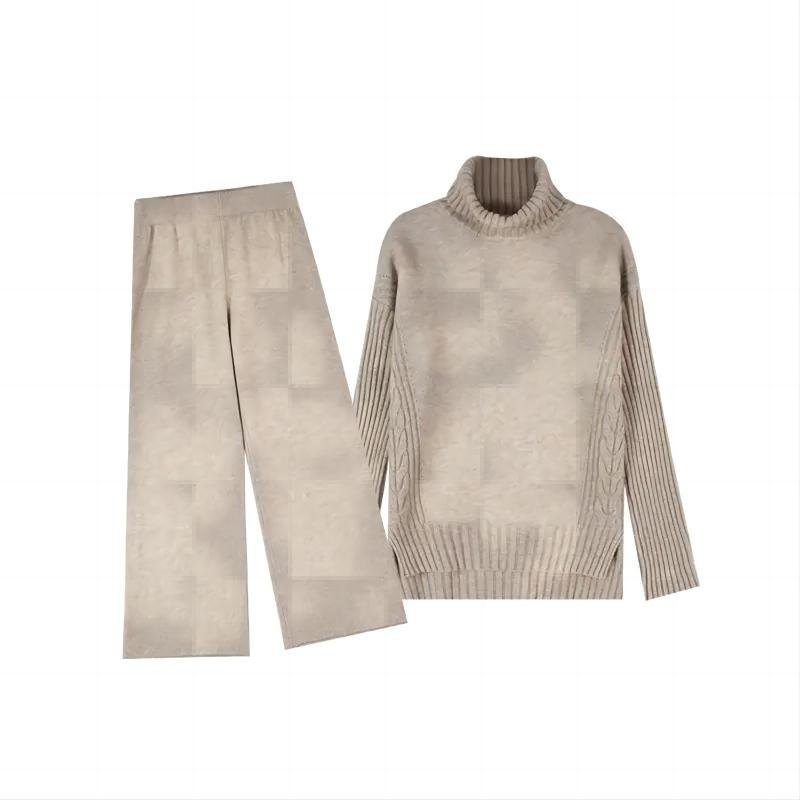
Seam failures—stitching that pulls, tears under wear, or shows excessive puckering—are among the most common construction defects.
Zipper jams, broken zipper teeth, and misaligned closure placement fall here. Minor zipper stiffness or a few loose threads may qualify as major defects rather than critical, depending on placement and brand standards.
Color & Print Issues
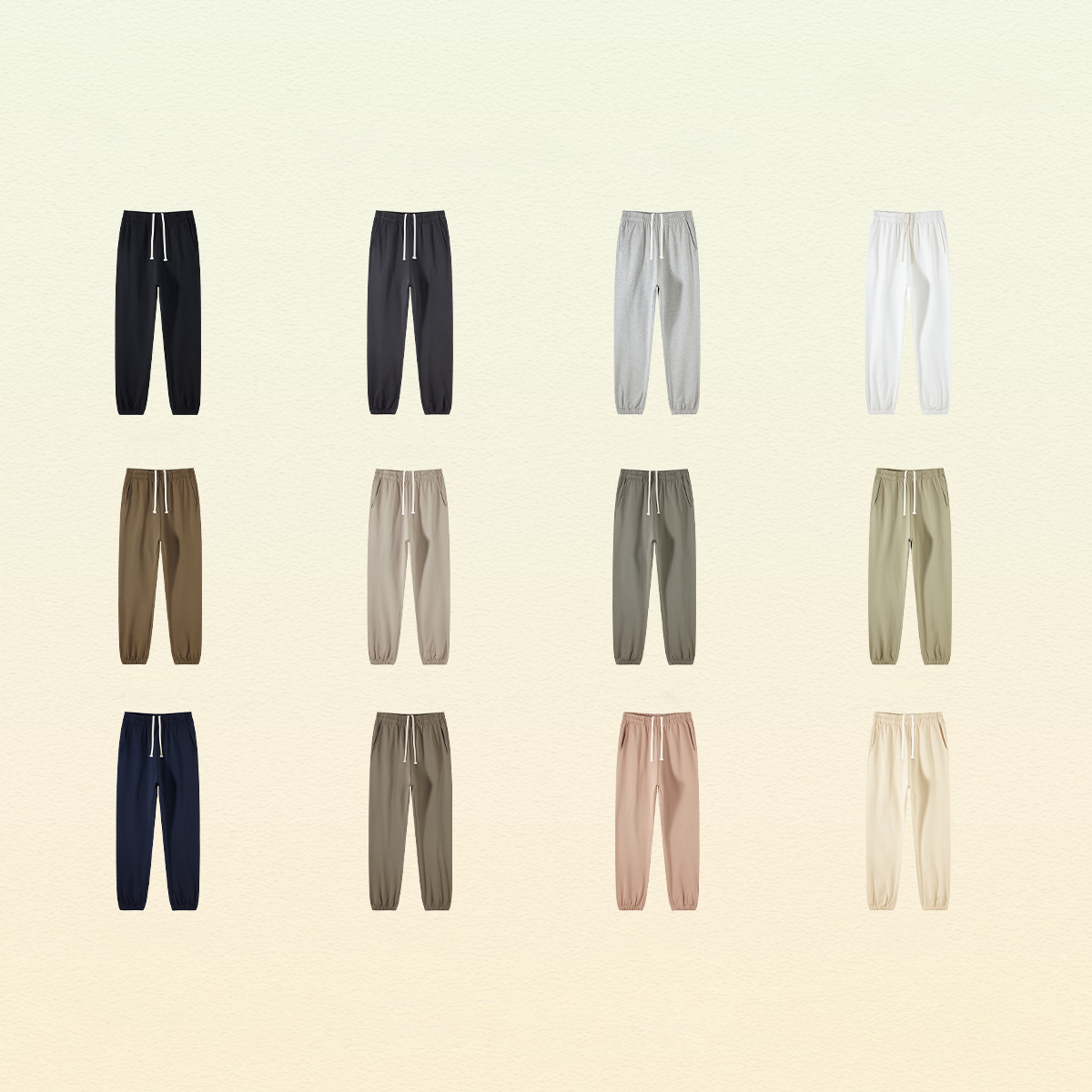
Color inconsistencies across dye lots, fading patterns, or bleeding into adjacent fabrics are caught during clothing quality control inspection.
Print flaws include smudging, cracking after washing, misaligned designs, and ink separation. Slight shade variation in non-visible seams rates as minor; prominent color shifts across the front qualify as critical.
Sizing & Approval Workflows
Sizing deviations beyond tolerance (typically ±1 inch on chest/length for most casual wear) constitute major or critical defects.
Acceptable Quality Levels (AQL) standards specify allowable defects: AQL 1.5 for premium brands means 1–2 defects per 100 units; AQL 2.5 for mass-market brands allow slightly higher rates. Final approval hinges on total defect count and severity mix.
5. Materials & Fabric Assessment in Clothing Quality Control Inspection
Fabric testing gates the entire QC process, validating GSM, weight, strength, and colorfastness before cutting. AQL 2.5 allows 0.65% critical defects; AQL 1.0–1.5 serves premium brands. Fabric approval failure cascades defects across hundreds of units.
| Fabric Type | GSM Range | Tensile Strength (kg/cm) | Streetwear Application |
|---|---|---|---|
| Ring-Spun Jersey | 150–180 | 4.5–5.5 | T-shirts, lightweight tops |
| French Terry | 240–300 | 4.0–4.8 | Hoodies, sweatshirts |
| Fleece | 250–350 | 3.5–4.5 | Outerwear, cold weather |
| Open-End Spun | 140–170 | 3.8–4.2 | Budget basics, linings |
Core Fabric Metrics
GSM (grams per square meter) specifies fabric density and weight. T-shirt jersey ranges 150–180 GSM; hoodie fleece runs 240–300 GSM. Manufacturing tolerance is ±5% of specification. Ring-spun cotton outperforms open-end for consistent weight distribution.
Tensile Strength & Durability
Tensile strength (kg/cm) predicts how garments survive wear and repeated washing. Ring-spun cotton achieves 4.5–5.5 kg/cm; open-end spun drops to 3.8–4.2 kg/cm. ASTM D6775 governs test protocols. A single weak point in a 500-unit batch fails approval.
Shrinkage & Colorfastness Standards
Shrinkage testing per AATCC 135 simulates home washing; acceptable range is ±2–3%. Colorfastness to wash (AATCC 61) and light (AATCC 16) must rate 4–5. A rating of 3 triggers rejection. Streetwear’s bold dyes demand dye-lot verification across every roll.
AQL Thresholds for Raw Materials
AQL 2.5 allows 0.65% critical defects; AQL 1.5 or 1.0 applies to high-end brands. Visible flaws include holes, thin spots, slubs, color streaks, and weaving inconsistencies. Rejecting borderline batches prevents amplifying defects across production runs.
Fabric Approval as QC Foundation
No downstream QC step can recover compromised raw material. Manufacturers bypassing fabric approval ship defects across hundreds of units per batch. Fabric sign-off is not overhead; it is the foundation of brand reputation and customer retention worldwide.
6. Decoration & Customization Quality Standards
Decoration and customization elements distinguish branded streetwear from commodity basics. Misaligned screen printing, color mismatches, thread pull, or loose patches destroy brand value instantly. Systematic clothing quality control inspection for decorative finishes prevents costly returns and protects reputation.
Screen Printing & DTG Precision

Screen printing and DTG require placement accuracy within ±3mm and color matching to Pantone or custom formulation. Registration (alignment of multiple colors) must hold ±2mm across the print area.
Ink adhesion testing via ASTM D3359 peel testing ensures graphics survive 30+ home washes without cracking or fading.
Embroidery & Thread Quality
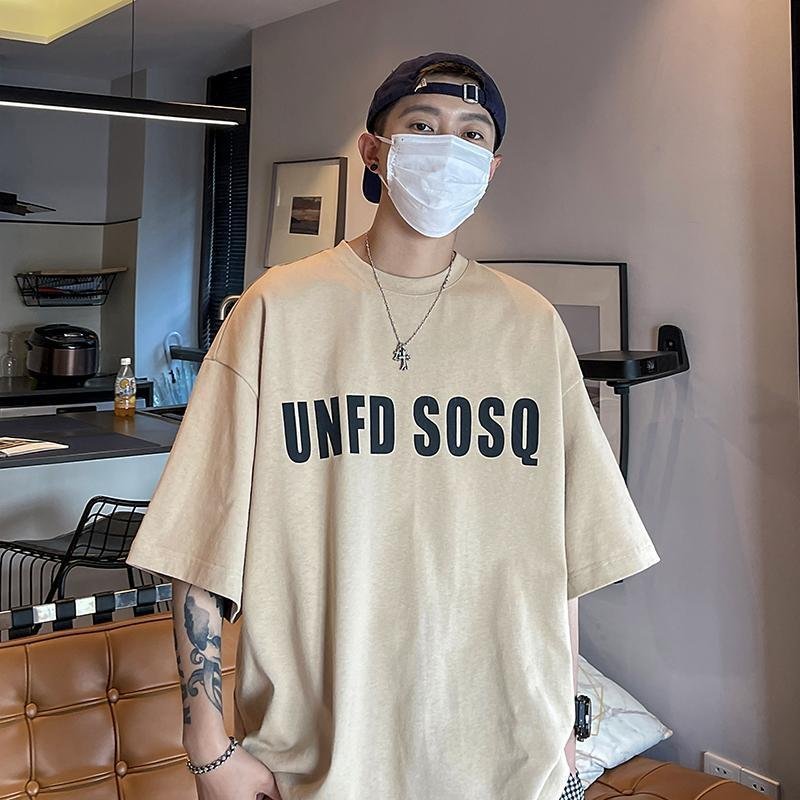
Embroidery demands 100% polyester or 35wt rayon threads to prevent shedding and color bleed during wash. Stitch density (0.5–0.7 mm pitch) must remain consistent; loose stitches risk thread pull.
Post-production durability testing includes 10-wash cycles at 40°C to verify no thread breakage, color loss, or backing separation.
Labels & Patches Attachment
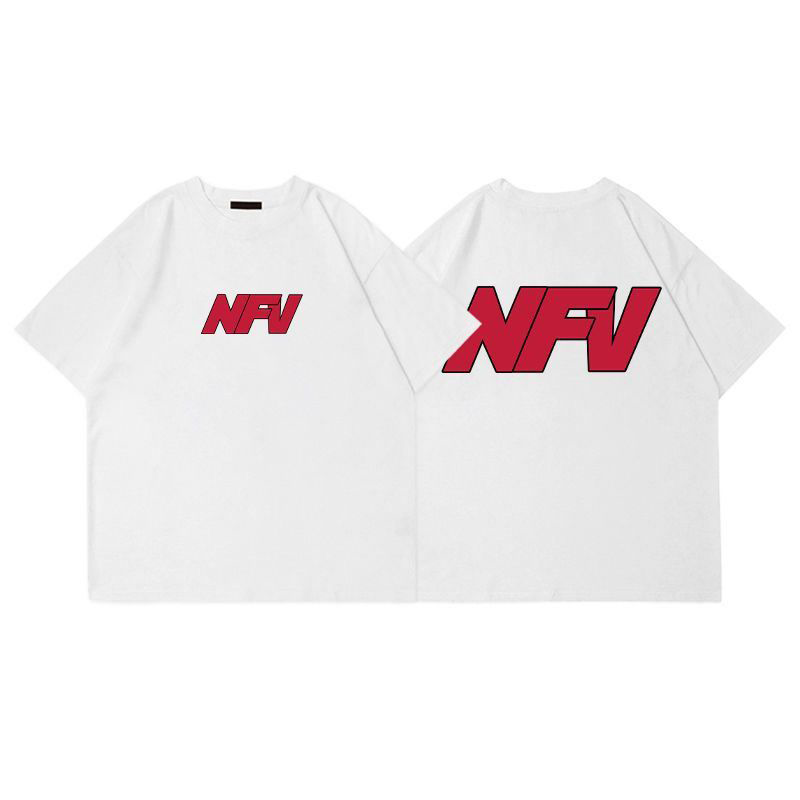
Care labels and woven patches must adhere permanently via heat, sonic, or mechanical bonding. Peel testing (ASTM D1876) verifies patch retention at ≥4 lbs/inch force.
All labels and patches are inspected for straight placement, secure corners, and zero loose threads before packing.
Defect Classification Standards
Defect severity determines final grading and rework requirements. Critical defects (missing graphics, reversed orientation, color shifts ±ΔE >5) require rework or rejection.
Major defects (placement 3–5mm off, minor thread slip, ink spots <1cm²) may proceed with buyer approval. Minor defects (dust, color variance ±ΔE <2) do not trigger rework.
7. Choosing a Manufacturer with Proven QC Expertise
Selecting a manufacturer with robust quality control infrastructure directly impacts your brand’s reputation and customer satisfaction. Evaluate potential partners across certifications, equipment capability, team expertise, documentation practices, and historical performance.
Certifications and Standards
ISO 9001 signals systematic quality management. SEDEX and BSCI demonstrate ethical commitment. Request current certifications and renewal dates. Ask for audit reports from recent production cycles documenting third-party validation of QC processes.
Equipment and Testing Capability
Modern QC requires specialized equipment for objective, repeatable testing. Ask about equipment age, calibration frequency, and which testing standards they follow (ASTM, ISO 13764 for shrinkage). Equipment investment signals commitment to thorough inspection.
- Tensile testers (fabric strength assessment)
- Color matching cabinets with standardized lighting
- Pilling resistance and durability testers
- Shrinkage and dimensional stability testing
QC Team Training and Experience
Experienced inspectors catch defects automation misses. Ask about certifications, ongoing training programs, and inspector tenure. Streetwear specialists understand color fastness, embroidery alignment, and print durability—critical for trend-driven apparel. High turnover signals unstable QC.
Audit Trails and Process Documentation
Manufacturers must maintain detailed inspection logs documenting what was tested, when, and by whom. Standard procedures (SOPs) prevent inconsistent results. Request sample inspection reports showing how defects trigger corrective actions. Transparent records build confidence.
Corrective Action Response Time
Quality issues demand swift investigation and fixes. Ask how long corrective actions typically take. References from past clients reveal whether actions prevented recurrence. Manufacturers committing to specific turnaround times demonstrate accountability.
Performance Metrics and Track Record
Request defect rates from recent production runs and acceptance criteria they maintain. Ask for pass/fail ratios across different garment categories. Improving trends show QC is working. Poor historical data may signal processes exist only on paper.
8. Common QC Mistakes Buyers Make
Many buyers unknowingly compromise clothing quality by skipping critical preparation steps before production begins. These common oversights—from vague standards to poor communication—compound during manufacturing, resulting in costly rejections and customer dissatisfaction.
Skipping Pre-Production Approvals
Many buyers send technical packs directly to production without confirming sample approvals first.
This skips the chance to catch design misalignments early. Rework after 5,000 units are cut costs 3–5x more than fixing approved samples before production starts.
Vague Standards & No AQL Levels
Saying ‘good quality’ without defining AQL (Acceptable Quality Level) leaves inspectors guessing.
ISO 2859-1 AQL levels range from 0.4% to 4%, depending on defect severity. Without pre-agreed thresholds, the same product passes one factory but fails another.
Poor Specification Communication
Tech packs often lack detailed seam allowances, stitch counts, thread tension specs, or color tolerances.
When suppliers default to lowest-cost materials without constraints, seams pucker at wash or colors shift 15+ Pantone units off target. Spec clarity prevents 80% of sewing issues.
Ignoring Fabric Shrinkage Testing
Many buyers skip pre-production shrinkage tests and discover after the first wash that 100% cotton jersey shrinks 4–6%, ruining fits.
ASTM D3632 shrinkage testing costs $150–300 per fabric but prevents customer returns worth thousands. Test before cutting main production.
Relying Only on Photos
Digital images hide seam defects, pilling, color banding, and hand-feel issues caught in person.
A photo of a hoodie drawstring looks perfect but may pull unevenly in the 3D garment. Request physical samples before full production; photos miss 40% of fixable flaws.
9. Implementing Your Quality Control Program
Building a reliable clothing quality control inspection process requires more than selecting a vendor with good intentions. You must establish concrete standards, timelines, and accountability measures across every production stage to catch defects early.
Define Objectives and Defect Tolerances
Your QC program begins with written acceptance criteria. Specify acceptable quality levels (AQL): typically 2.5% for major defects, 4% for minor.
Document color variance limits (±5 CIELAB units), measurement tolerances (±0.5 inches), and seam standards. Written benchmarks prevent disputes and ensure consistent inspections.
Create Detailed Spec Sheets
Spec sheets must include construction diagrams, stitch counts, fabric weight (GSM), approved trim suppliers, and color references (Pantone or lab values).
Add measurement tables for key points: chest, sleeve, inseam. Attach photo samples showing acceptable and unacceptable work. Detailed specs eliminate ambiguity and accelerate approvals.
Pre-Production Audits and Timelines
Schedule a pre-production meeting 4–6 weeks before cutting. Review fabric for color consistency, weight variance, and defects.
Approve lab dips for embroideries, prints, or dyes. Conduct a first-article inspection (FAI) on the first 50 units. Sign off before bulk production starts.
Approval Workflows and Checkpoints
Establish formal checkpoints at cutting, sewing, finishing, and packing. Assign responsibility and turnaround times for each gate: 24–48 hours for lab feedback.
Use a checklist or software to track results. Require written approval from supplier and brand before advancing to the next stage.
Corrective Action and Documentation
When defects arise, issue a nonconformance report (NCR) describing the issue, root cause, and required corrective action (re-thread seams, re-dye units).
Set a deadline for implementation and require evidence of the fix. Document all NCRs and resolutions to identify patterns and drive improvement.
10. Budgeting for Quality: The True Cost of Clothing Quality Control Inspection
Clothing quality control inspection costs break into five components: inspection labor ($250–$1,200 per order), third-party lab fees for fabric testing ($150–$600), pre-production sample runs ($100–$500), AQL audit expenses ($100–$300 per shipment), and equipment amortization. Total QC investment typically ranges $600–$2,800 per order, depending on complexity and volume.
A single defect-driven return with 50+ rejected units costs $8–$15 per unit in replacement, logistics, and brand damage—erasing a typical QC budget immediately. Without prior clothing quality control inspection, orders showing 3–5% post-delivery defects cost twice their quality program investment in immediate remediation alone.
A 500-unit run allocates $1.20–$2.50 per garment to clothing quality control inspection; a 5,000-unit run drops to $0.15–$0.30 per garment. Risk-averse startups require maximum inspection rigor; established retailers with historical 3–5% defect tolerance can optimize QC spend by volume tier.
| Quantity Tier | QC Labor | Lab & Testing | Pre-Samples | Cost per Unit |
|---|---|---|---|---|
| 100–500 units | $250–$400 | $150–$250 | $100–$150 | $1.00–$1.90 |
| 500–2,000 units | $350–$600 | $200–$350 | $150–$250 | $0.40–$0.68 |
| 2,000–5,000 units | $500–$900 | $250–$450 | $200–$350 | $0.17–$0.34 |
| 5,000+ units | $700–$1,200 | $300–$500 | $300–$500 | $0.12–$0.24 |
Clothing Quality Control Inspection: Zero-Defect Orders Start Here
Get your first collection quality-assessed at no cost. Submit designs, request pricing, and launch with our certified 5-step QC guarantee protecting every order.