
Custom Clothing Packaging That Builds Your Brand
From 50 units, our custom clothing packaging transforms every delivery into a brand statement — backed by 7-day sampling and a 5-step QC guarantee.
Packaging Samples That Inspire
Why Our Custom Clothing Packaging Stands Apart
Every box, bag, and label we produce is backed by a 5-step QC guarantee, startup-friendly MOQs, and a design team that lives streetwear.
5-Step QC, Zero Compromises
Our proprietary 5-step quality control process inspects packaging at every production stage, ensuring flawless output before it ever ships.
50-Unit MOQ for Every Brand
Start with as few as 50 units — ideal for startups and independent designers validating concepts without overcommitting capital.
7-Day Packaging Sample Turnaround
Receive physical packaging samples in as little as 7 days so you can approve and move to full production fast.
In-House Design & Sampling Team
Our 15-member R&D team translates your brand brief into print-ready artwork, from initial concept sketches to approved final samples.
Eco-Friendly Material Options
Choose from sustainable, recycled, and biodegradable packaging materials that reflect your brand values and meet global market expectations.
Unboxing Experience That Converts
We optimize tissue wraps, inserts, and finishes to craft an unboxing moment that turns first-time buyers into loyal brand advocates.
Packaging Built for Every Streetwear Drop
From mailers to hangtags, every packaging format is engineered to reinforce your brand identity and deliver a consistent experience from factory floor to end customer.
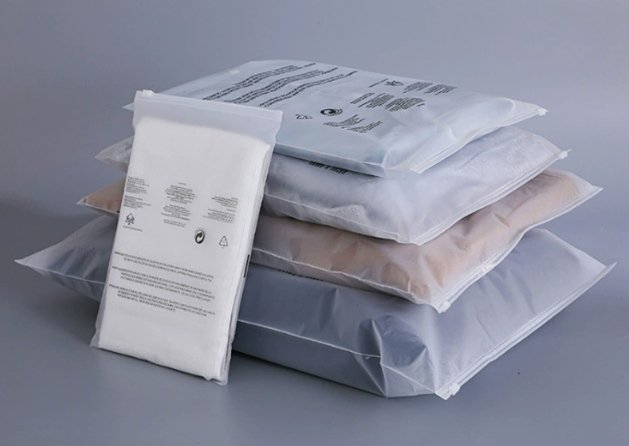
Custom Poly Mailer Bags
For streetwear brands shipping direct-to-consumer, custom poly mailers protect garments in transit while reinforcing brand identity at the moment of unboxing. Available in lightweight, tear-resistant materials with full custom print. Ideal for influencer lines and online-first brands managing high-volume seasonal releases.
Get a Quote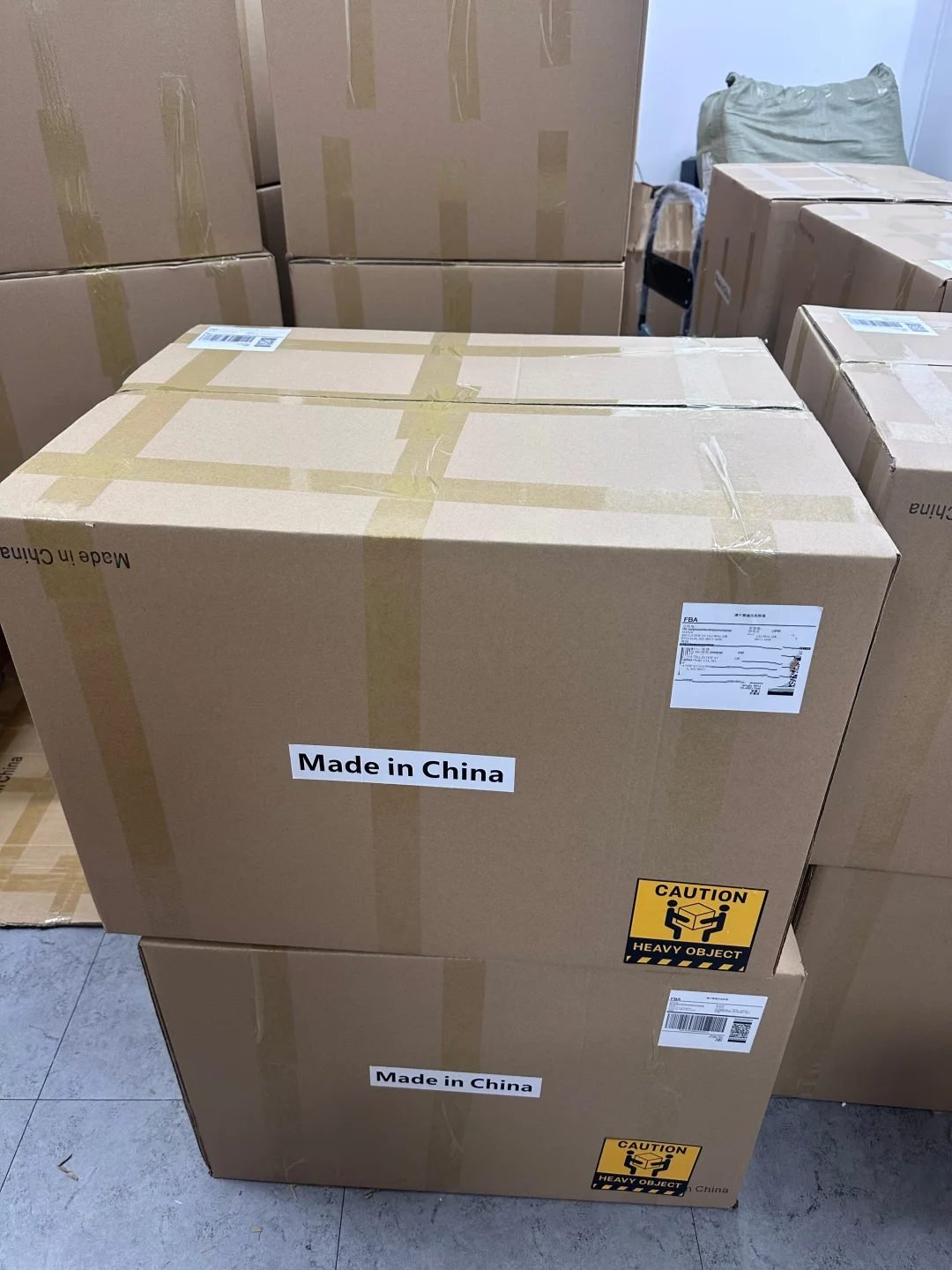
Branded Apparel Packaging
Structured boxes and branded packaging designed for premium streetwear labels, retail stockists, and gifting drops. Elevates perceived product value and supports consistent brand presentation across every channel. Scales from low-MOQ startup runs to high-volume retailer orders without compromising finish quality.
Get a Quote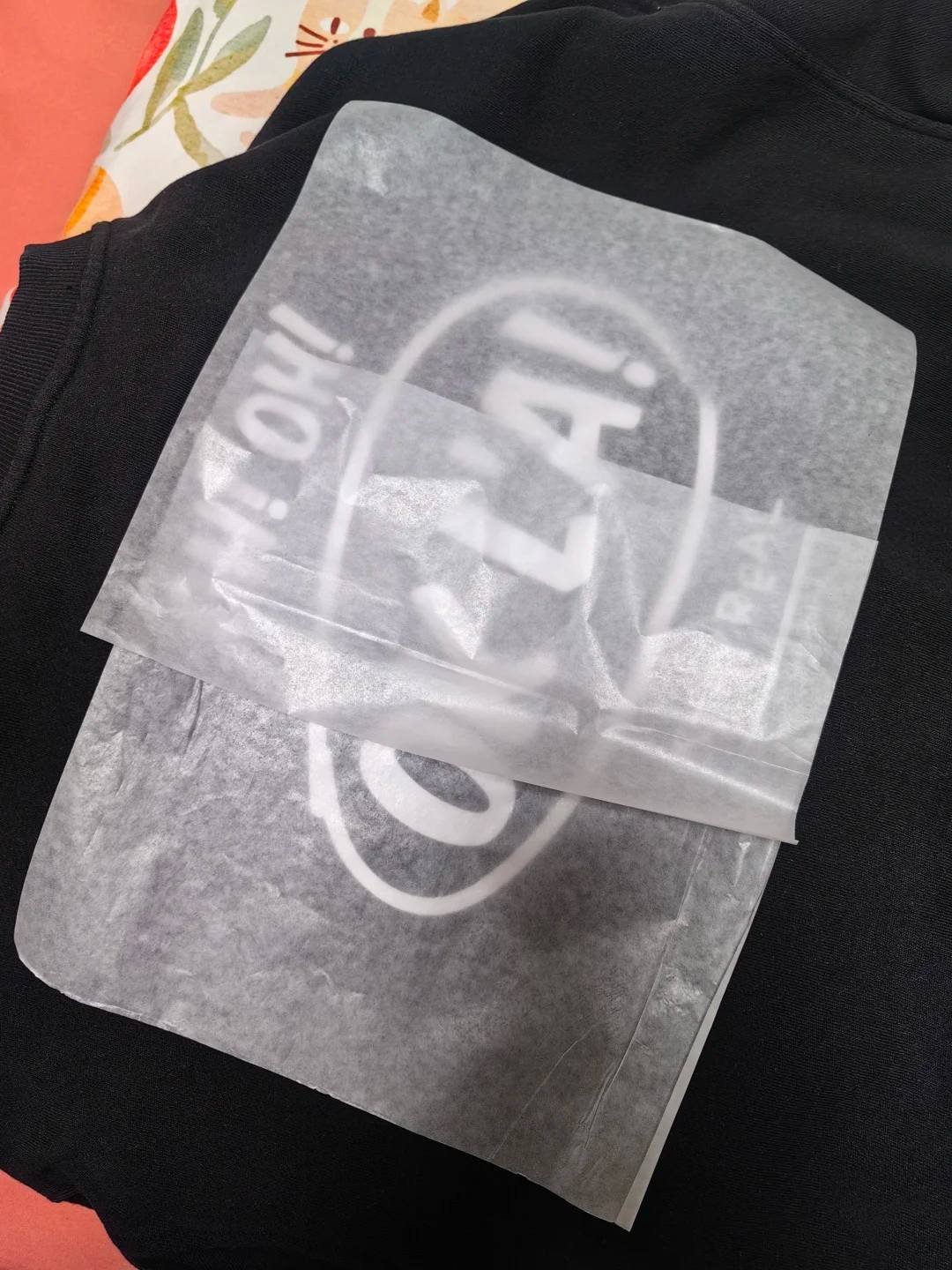
Custom Tissue Paper
Printed tissue wrapping adds a tactile, premium layer to every unboxing — critical for influencer content creation, gifting, and retail positioning. Available in custom colors, patterns, and logo prints across all apparel categories, reinforcing brand identity before the garment is even touched.
Get a Quote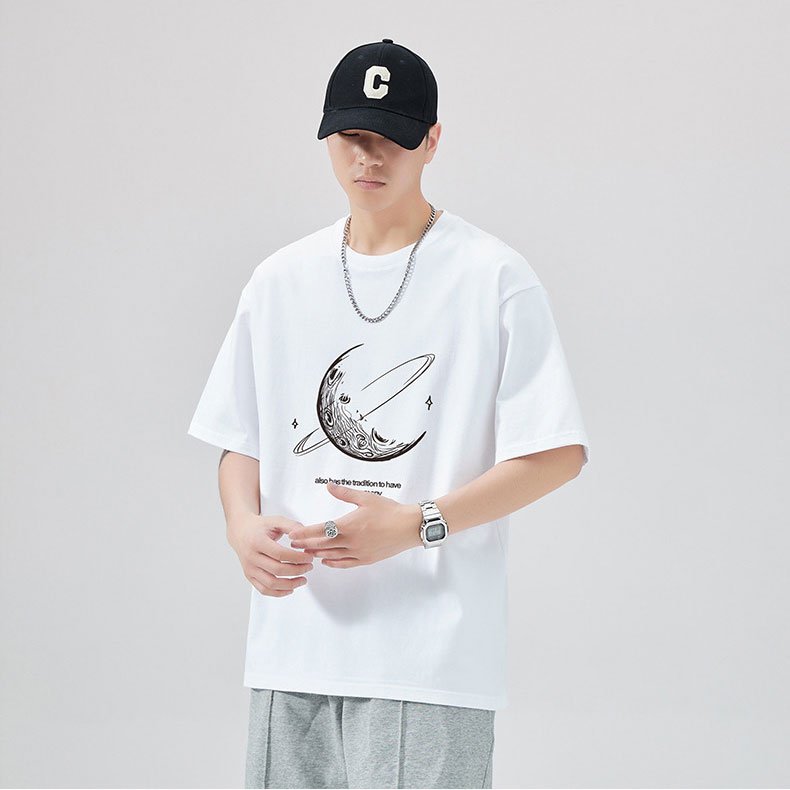
Custom Clothing Hangtags
Die-cut and printed hangtags carry size, care, and brand information while serving as a physical brand touchpoint on every piece. Available in varied materials, finishes, and attachment styles. Essential for retail-ready collections and independent designers building their label’s visual identity from the first drop.
Get a QuoteCustom Clothing Packaging Expertise Rooted in Streetwear Culture
Tesla Luo founded Clothing Manufacturer Ltd. in 2024 with a clear conviction: every touchpoint of a garment, including its packaging, must reflect the brand it represents. With more than 10 years of hands-on production experience and 6 years immersed in streetwear culture, Luo built a company where custom clothing packaging is treated as a brand asset, not an afterthought — backed by a zero-compromise, 5-step quality control guarantee.
Based in Humen Town, Dongguan — China’s historic garment manufacturing hub — we operate with a 15-member in-house R&D team and hold 10 proprietary production patents. Our five-step QC process runs from raw material inspection through finished packaging review, catching defects early so every order ships with confidence. Low MOQ orders starting at 50 units make premium packaging accessible to emerging labels and established retailers alike.
What sets us apart is genuine cultural fluency. Founder Tesla Luo spent years studying streetwear’s boldest aesthetics — skeleton motifs, graffiti graphics, rose patterns, and hip-hop-inspired typography — and that knowledge flows directly into our packaging design consultations. Having served brands across more than 100 countries, from influencer labels launching debut drops to global apparel retailers, we understand how powerful packaging shapes lasting brand identity.
From Brief to Unboxing: How We Craft Your Custom Clothing Packaging
Design Consultation That Locks Your Vision
Your custom clothing packaging journey begins with a dedicated design consultation. Our 15-person in-house R&D team translates mood boards, logo files, and brand references into precise technical specifications and 3D dieline mockups before a single sample is produced.
- Dedicated design consultant assigned to your brand from day one
- 3D dieline mockups delivered within 48 hours of brief submission
- Streetwear-informed aesthetic guidance drawing on 10-plus years of production expertise
- Unlimited revision rounds until the concept is fully locked and approved
Sample Prototyping and Proof Approval in 7 Days
Approved concepts move immediately into physical sample prototyping. You receive a tangible proof of your custom packaging — exact substrate, Pantone-matched print colors, and chosen finishes — so you can hold, stress-test, and sign off before committing to a full run.
- Physical samples ready in as few as 7 days from design sign-off
- Pantone-matched color proofing on your chosen final substrate
- Structural drop and seal tests confirm durability before approval
- Low MOQ sample runs starting at just 50 units for emerging brands
Premium Materials and Precision Finishing Techniques
We source only rigorously vetted materials — premium kraft boards, specialty coated papers, and sustainable options — then apply in-house finishing that transforms packaging into a brand statement: hot foil stamping, UV spot coating, embossing, debossing, and soft-touch lamination.
- Curated material library spanning eco-kraft, rigid board, and luxury specialty papers
- Hot foil stamping, UV coating, embossing, and debossing handled entirely in-house
- Custom ribbon pulls, tissue paper inserts, and branded garment tags available
- Consistent color fidelity and finish quality maintained across every production run
5-Step QC Inspection and Global Shipment
Every order passes our proprietary five-step quality control process — covering materials, cutting, craft, assembly, and finished packaging inspection — before global dispatch. Brands across more than 100 countries receive their custom clothing packaging on schedule and defect-free.
- Five-stage QC: materials intake, cutting, craft, assembly, and final finished inspection
- Itemized QC sign-off report shared with every client before shipment authorization
- DDP and FOB shipping options available for all major international markets
- Real-time order tracking from the production floor to your warehouse door
Custom Clothing Packaging: Clothing Manufacturer Ltd vs. Generic Suppliers
Not all packaging partners deliver the same results. See how our streetwear-specialized, QC-driven approach measures up against generic packaging suppliers across every dimension your brand actually cares about.
← 左右滑动查看 →
How We Produce Your Custom Clothing Packaging
Six transparent production phases, each with dedicated quality checks built in, so your packaging arrives brand-perfect every time.
Brand Brief & Artwork
Submit your logo, color palette, and size specs. A dedicated specialist reviews all assets within 24 hours and maps your custom clothing packaging requirements.
Design Proof Creation
Our in-house design team builds precise digital mockups reflecting your brand identity and aesthetic. You review, request revisions, and sign off before any material is ordered.
Material Sourcing & Approval
We source premium papers, boards, and specialty finishes matched to your approved brief. Physical swatches are dispatched so you can confirm materials before full production begins.
Print & Finishing Production
Approved artwork enters press with specialty finishes — foiling, embossing, and spot UV — applied under continuous monitoring to ensure every unit matches your confirmed proof exactly.
Five-Step QC Inspection
Our proprietary 5-step QC process checks print registration, color accuracy, structural integrity, and finish quality at each production stage — catching defects early, not at the end.
Global Shipment Coordination
Finished packaging ships alongside your apparel or independently, with full customs documentation and global logistics support ensuring on-time arrival at your warehouse or 3PL.
How to Order Custom Clothing Packaging for Your Brand
From your first file upload to final delivery, here is exactly how your order comes to life — with a 7-day sample turnaround and a 50-unit MOQ.
Submit Your Brief and Artwork
Share your brand guidelines and artwork files in PDF or AI format. Our design team reviews your specs and packaging vision within one business day.
Receive Your Mockup and Quote
Within 48 hours we deliver a detailed design mockup and a transparent, itemized quote tailored to your custom clothing packaging specs and order volume.
Approve Your 7-Day Sample
Greenlight the design and receive a production-quality sample in just 7 days. Inspect every material, finish, and dimension before committing to your bulk run.
Lock In Your Order Details
Confirm your MOQ starting at 50 units, production timeline, material specs, and shipping details. Our team handles every logistics, customs, and compliance requirement.
Start Production and Ship Globally
Your order enters our 5-step QC-guaranteed production line. We ship worldwide with full logistics support so your packaging arrives on time, every time.
Brands That Trust Our Custom Clothing Packaging
We switched from generic poly bags to Clothing Manufacturer‘s custom boxes and our repeat purchase rate climbed 34% in just 60 days. The color accuracy on our logo was perfect, and the unboxing moment is now something our community actively shares.
We placed a 50-unit sample order and received it in 7 days, spot-on with our brand colors. Three customers filmed unboxing videos that brought us over 2,000 new Instagram followers overnight. An incredible first impression for our debut drop.
We fulfilled a 500-unit winter drop across 12 retail partners with zero packaging defects. Delivery landed 3 days ahead of schedule. The QC consistency was so reliable we doubled our next order without hesitation.
Custom Clothing Packaging: Questions Answered
Everything streetwear brands, startups, and independent designers ask before placing their first packaging order — answered straight from our production team.
What is the MOQ for custom clothing packaging?
How long does it take to receive samples of custom clothing packaging?
What file formats and artwork specs do you require for custom clothing packaging?
What material options are available for custom clothing packaging?
Do you offer eco-friendly custom clothing packaging?
What printing and finishing options are available for clothing packaging?
Can I get my logo printed on small-run custom clothing packaging at the 50-unit MOQ?
Can you handle both garment manufacturing and custom clothing packaging in one order?
The Complete Buyer’s Guide to Custom Clothing Packaging
A decision framework covering every type, material, and print technique — plus supplier vetting criteria, brand-building best practices, and the most costly mistakes to avoid before placing your first order.
1. What Is Custom Clothing Packaging?
Over 70 percent of consumers say packaging influences their repeat purchase decision, making the outer wrapper of your product as strategic as the garment inside it. Custom clothing packaging means every touchpoint — from the shipping mailer to the tissue paper inside — carries your brand’s colors, logo, and personality, rather than a plain box pulled from a stock supplier’s shelf. The difference is immediate: a generic poly mailer signals commodity; a printed, branded mailer signals a real label.
The unboxing moment lasts roughly 90 seconds and is the first physical encounter a customer has with your brand. Branded packaging converts that window into a micro-marketing event — one that drives social shares, review photos, and repeat orders without additional ad spend. For fashion startups launching with 50-unit MOQ runs, that single moment is often the brand impression that sticks longest.
Six components typically fall under the term custom clothing packaging: rigid or folding boxes, poly mailers, tissue paper, hang tags, stickers or labels, and ribbon or twine closures. Each element can be spec’d independently — a 350 GSM rigid gift box, Pantone-matched tissue, a UV-spot-coated hang tag — or designed as a cohesive unboxing system that reinforces one visual identity.
The sections ahead break down materials, decoration techniques, quality checkpoints, and real cost structures so you can build a packaging brief that protects your product and amplifies your brand from day one.
2. A Brief History of Custom Clothing Packaging
Before 1950, most garments shipped in plain kraft-paper parcels or unprinted chipboard boxes — functional containers with zero brand intent. Department stores like Macy’s and Selfridges introduced tissue-lined boxes carrying store names during the 1920s and 1930s, but branded packaging remained a privilege of high-volume retailers, not independent labels.
The 1980s marked the first major turning point, when luxury houses — Chanel, Louis Vuitton, Gucci — standardized the heavyweight paper shopping bag as a status signal in its own right. By the mid-1990s, the ‘carrier bag as billboard’ principle had filtered into premium high-street retail, pushing suppliers to offer foil-stamped and embossed short runs at minimum order quantities of 500 to 1,000 units.
Instagram’s launch in 2010 and TikTok’s global rise after 2018 converted the unboxing moment into measurable marketing reach — a single viral clip can deliver thousands of brand impressions at zero paid-media cost. Simultaneously, direct-to-consumer e-commerce and limited streetwear drops — typically 50 to 200 units per colorway — created intense demand for custom clothing packaging at MOQs under 100 units. Manufacturers who adapted sampling and tooling workflows to serve micro-brands gained a structural advantage that now defines the low-MOQ segment.
3. Types of Custom Clothing Packaging Explained
Six packaging formats cover virtually every scenario in custom clothing packaging, from luxury unboxing to high-volume DTC fulfillment. The table below maps each format to its best audience and channel at a glance.
| Format | Best Audience | Primary Channel | Key Trade-off |
|---|---|---|---|
| Rigid gift / apparel box | Luxury, premium streetwear | In-store, gifting | High impact; highest cost per unit |
| Folding carton / flat-pack | Startups, mid-tier brands | E-commerce, retail shelf | Cost-efficient; less structural rigidity |
| Poly / biodegradable mailer | Creator merch, DTC brands | E-commerce fulfillment | Lightweight, cheap; minimal unboxing feel |
| Kraft paper bag | Streetwear, retail, pop-ups | In-store, markets | Eco-friendly, reusable; less protection |
| Tissue paper / inner wrap | All tiers | All channels | High perceived value; adds labor |
| Hang tags, stickers, branded tape | All tiers | All channels | Low MOQ; flexible brand touchpoint |
Rigid Boxes and Folding Cartons
Rigid apparel boxes, typically 1,200–2,000 gsm board, deliver a premium unboxing moment suited to luxury and high-end streetwear drops. Folding cartons run 300–450 gsm and fold flat, cutting shipping costs for startups on tighter budgets.
Poly Mailers and Kraft Paper Bags
Poly mailers weigh under 30 g each and cut fulfillment cost for DTC creator brands shipping at volume. Kraft paper bags, typically 100–150 gsm, double as carry bags at pop-up retail and align with eco-conscious streetwear positioning.
Tissue Wraps, Hang Tags, and Branded Tape
Tissue paper at 17–20 gsm and branded inner wraps add perceived luxury to any format for under $0.05 per sheet at volume. Hang tags, custom stickers, and branded tape are low-MOQ accessories that layer brand identity across every packaging tier.
4. Materials Used in Custom Clothing Packaging
Substrate selection determines shelf presence, shipping durability, and sustainability credentials simultaneously. The seven materials most common in custom clothing packaging span rigid board constructions, paper-based wraps, and alternative substrates including biodegradable poly and fabric dust bags.
| Material | GSM / Thickness | Eco Rating | Print Compatibility | Cost Tier |
|---|---|---|---|---|
| Single-wall corrugated | 300–500 GSM, 3mm | FSC available | Flexo, litho | Low |
| Double-wall corrugated | 500–900 GSM, 6mm | FSC available | Flexo | Low-mid |
| Rigid greyboard | 1,200–2,000 GSM | Recyclable | Offset, foil stamp | High |
| Coated art paper | 128–350 GSM | Recyclable | CMYK, UV, foil | Low-mid |
| Kraft paper | 80–120 GSM | FSC certified | Flexo, screen | Low |
| Cornstarch poly bag | 30–50 micron | Compostable | Flexo | Mid |
| Cotton dust bag | 120–180 GSM canvas | Organic option | Screen, jacquard | Mid-high |
Rigid Board: Corrugated and Greyboard
Single-wall corrugated (300–500 GSM, 3mm flute) handles transit loads up to 15 kg; double-wall at 6mm doubles crush resistance. Rigid greyboard (1,200–2,000 GSM) suits luxury set-up boxes — offset and foil stamping adhere cleanly, and FSC-sourced board is widely available.
Paper Substrates: Art Paper and Kraft
Coated art paper (128–350 GSM) delivers sharp CMYK, spot UV, and hot-foil finishes at low cost — ideal for tissue wraps and retail shopping bags. Unbleached kraft (80–120 GSM) carries FSC certification readily and suits flat-pack mailers and inner wraps for lightweight tees.
Alternative Substrates: Eco Poly and Fabric Bags
Cornstarch-based biodegradable poly bags (30–50 micron) compost within 180 days and accept flexographic imprints for branding. Cotton canvas dust bags (120–180 GSM) elevate premium outerwear and footwear — screen printing or jacquard-woven labels both bond cleanly to the woven surface.
5. Customization & Decoration Options for Custom Clothing Packaging
Decoration choices determine whether custom clothing packaging reads as luxury or affordable chic. Each technique carries distinct setup costs, per-unit uplifts, and minimum order quantities — knowing the trade-offs lets brands place budget where shelf impact is highest.
| Technique | Setup Cost | Per-Unit Uplift | MOQ | Effect |
|---|---|---|---|---|
| CMYK Digital | $0–$50 | +$0.10–$0.30 | 50 units | Full color, low entry |
| CMYK Offset | $150–$400 | +$0.05–$0.15 | 500 units | Sharp, cost-efficient at scale |
| Spot UV | $80–$200 | +$0.20–$0.50 | 200 units | Gloss accent, luxury cue |
| Hot Foil Stamp | $100–$300 | +$0.30–$0.80 | 200 units | Metallic sheen, premium tier |
| Emboss/Deboss | $150–$400 | +$0.25–$0.60 | 300 units | Tactile depth, high-end feel |
| Matte/Gloss Lam | $50–$150 | +$0.10–$0.25 | 100 units | Surface finish + protection |
| Screen Print (bag) | $30–$80/color | +$0.15–$0.40 | 100 units | Bold color, streetwear appeal |
Print Methods: CMYK Offset and Digital
CMYK digital print has near-zero setup and suits 50-unit runs — ideal for startups testing colorways. Offset printing costs $150–$400 in plates but drops per-unit spend below $0.10 beyond 500 units.
Surface Finishes and Foil Stamping
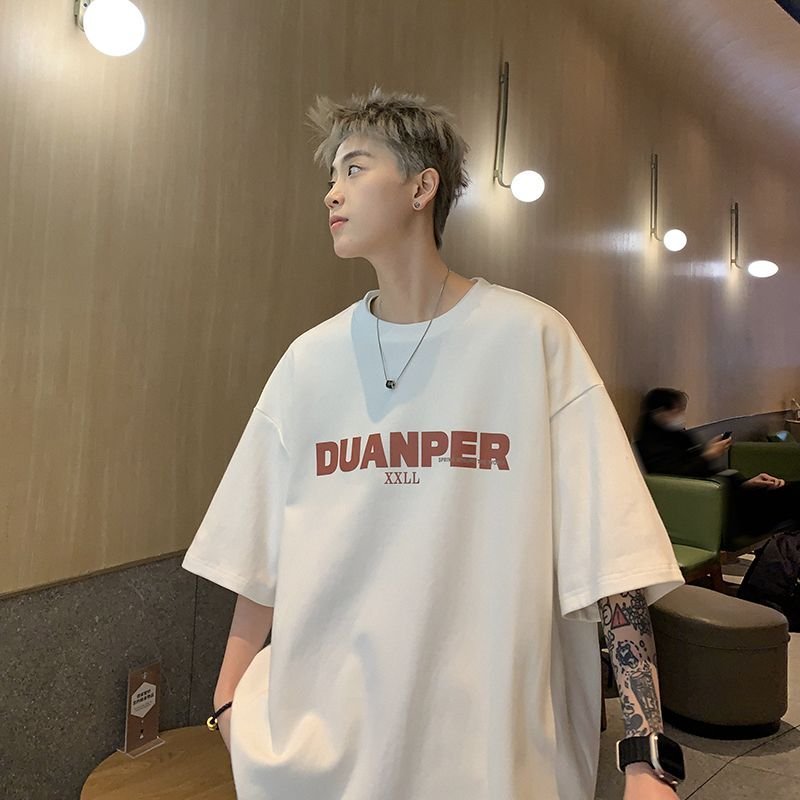
Spot UV (setup $80–$200) applies clear gloss to selected zones, signaling luxury at lower cost than full foil. Hot foil stamping ($100–$300) delivers metallic sheen linked to tier-one luxury; cold foil skips the die, trimming setup ~40%. Matte lamination reads editorial; gloss reads bold and commercial.
Embossing, Die-Cuts, and Screen Printing
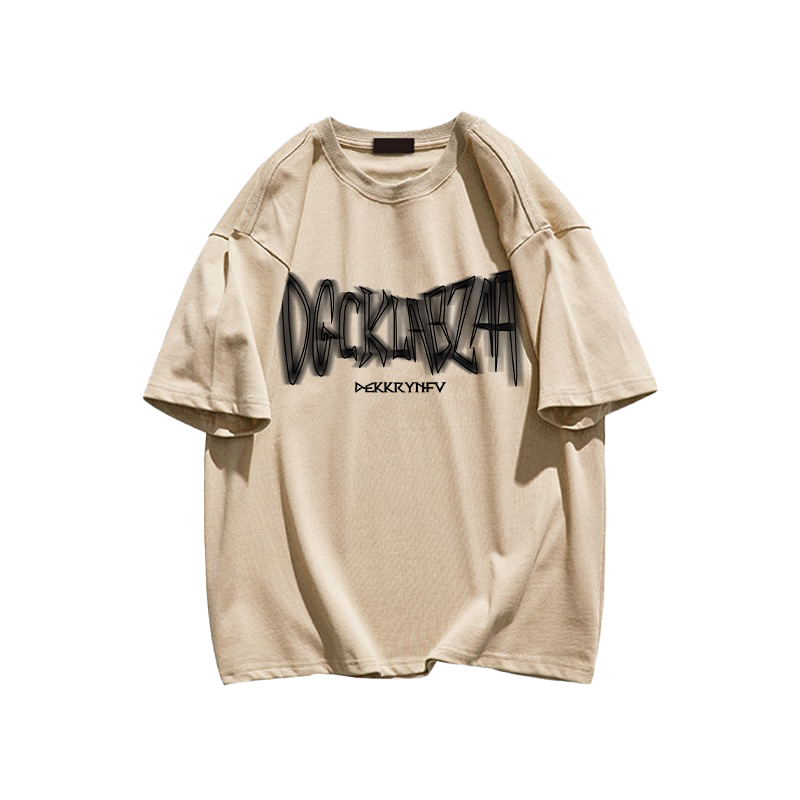
Steel emboss/deboss dies cost $150–$400 and add tactile depth on rigid boxes. Custom die-cuts carry similar tooling fees, enabling brand-silhouette cutouts from ~300-unit MOQs.
Screen printing on poly bags runs $30–$80 per color at 100-unit minimums — an affordable-chic staple for streetwear brands.
Inside Printing: Tissue Patterns and Inner-Box Art
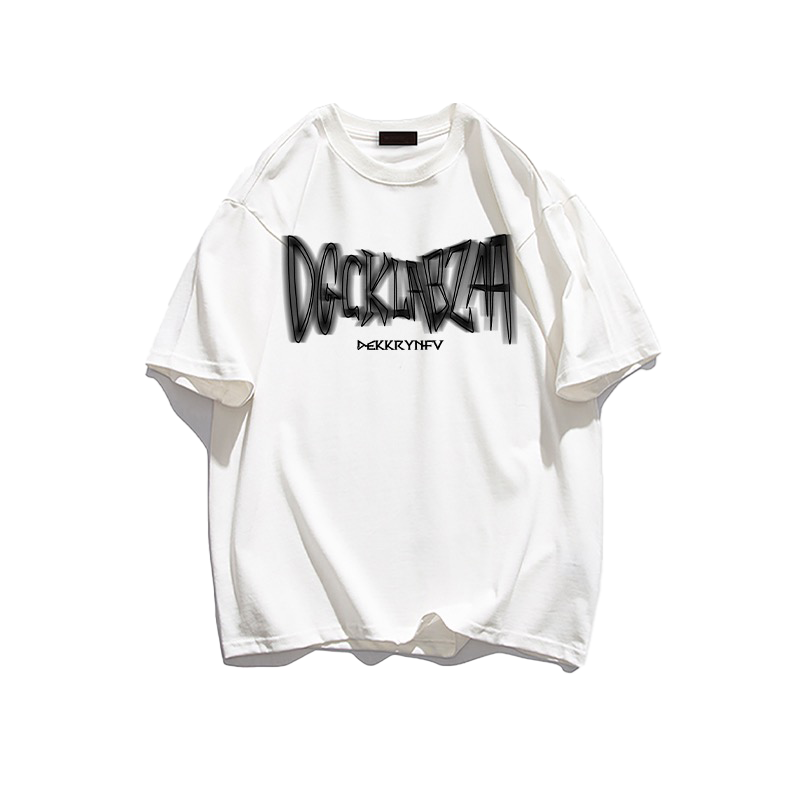
Tissue paper printed with a repeating brand motif costs $0.05–$0.15 per sheet above plain white, with no die fee.
Inner-box art — a full-color CMYK liner inside a rigid box — delivers a premium unboxing moment achievable from 200 units.
6. Key Quality Elements to Inspect Before You Order
Ordering custom clothing packaging without reviewing physical samples is a costly shortcut. A structured inspection covers board rigidity, print registration, lamination adhesion, structural integrity, and ink safety compliance before any production run commits.
Pre-Production Proofing Steps
Request a Pantone-matched physical proof — not just a digital PDF — before approving any run. Digital screens render colour differently; only a printed swatch confirms ink-to-substrate accuracy within a Delta-E tolerance of 2 or less.
Confirm the factory prints a dieline mockup assembled into a finished box. Fold lines must score cleanly without cracking on 350 gsm board; white cracking at the fold indicates incorrect grain direction.
Physical Sample Checklist
Inspect every sample against these criteria before issuing production approval.
- Board rigidity: 350–450 gsm for rigid boxes; flex the panel — no visible bowing under hand pressure
- Score-fold quality: zero white cracking or delamination along any fold line
- Print registration: all colour layers align within 0.3 mm; check fine text and logo edges
- Lamination adhesion: attempt a corner peel — film must not lift at ambient temperature
- Stacking integrity: stack 10 filled units; base box must not buckle or collapse
- Ink safety: request REACH and Proposition 65 compliance documents before approving production
Factory Audit Red Flags
Three warning signs indicate a factory cuts corners on custom packaging orders. Surface these issues during a pre-order audit or supplier questionnaire before placing any deposit.
- Cannot produce REACH or Prop 65 test reports on request
- Ships a competitor’s finished sample rather than printing your actual dieline spec
- Pushes straight to bulk production with no physical mock-up or assembly test
- Cannot confirm board GSM or caliper measurements in writing
7. How to Choose a Custom Clothing Packaging Manufacturer
Selecting the right supplier for custom clothing packaging shapes brand perception before a customer opens the box. Evaluate MOQ flexibility, sampling speed, certifications, and communication quality before committing to any factory.
Domestic vs. Overseas Sourcing Trade-Offs
Overseas factories — particularly in Dongguan, China — offer MOQs starting at 50 units versus domestic minimums of 250–500 units, with unit costs 30–50% lower.
Domestic sourcing cuts shipping lead times to 5–10 days but narrows material options. Overseas suppliers holding ISO 9001 or FSC certification close much of the compliance gap.
How to Read a Factory Quote
A credible quote itemizes substrate cost, print setup fees, die-cut tooling charges, and per-unit run cost separately. Reputable suppliers deliver samples within 7 days and credit tooling costs against confirmed bulk orders.
Confirm whether pricing reflects SEDEX-audited labor compliance; factories without third-party audits often compete on price alone.
Questions to Ask Before Signing
Ask every shortlisted supplier these questions before issuing a purchase order. Answers reveal capacity, compliance posture, and whether a factory can genuinely support brand growth.
- What is your minimum MOQ — can you start at 50 units for custom clothing packaging?
- What is your sample turnaround — do you hit 7 days or fewer consistently?
- Which certifications do you hold: ISO 9001, FSC, or SEDEX?
- Can you share a portfolio of fashion or streetwear brand clients?
- What is your standard reorder lead time on repeat runs?
What a Strong NDA/IP Clause Looks Like
An enforceable NDA must name the governing jurisdiction — ideally dual — define ‘confidential information’ to cover dielines, Pantone colorways, and brand assets, and carry a minimum 3-year term.
IP ownership clauses must explicitly vest custom tooling, dies, and all artwork in your brand — not the factory. Any supplier unwilling to sign before sampling is a disqualifying signal.
8. Common Mistakes Brands Make With Custom Clothing Packaging
Even experienced operators make costly errors when ordering custom clothing packaging for the first time. Six recurring mistakes account for the majority of wasted spend, missed brand moments, and customer churn at the point of unboxing.
Approving Only Digital Mockups, Skipping Physical Samples
A brand approved a navy tissue wrap via digital mockup, then received 5,000 units in mismatched blue-grey at delivery.
Physical samples cost $50–$150 and expose color drift, print registration errors, and structural weaknesses that screen renders cannot reveal. Always sign off on a physical proto before releasing production funds.
Ignoring Dimensional Weight Impact on Shipping Costs
Carriers calculate freight on dimensional weight (L×W×H ÷ 139 in imperial), not actual weight.
Trimming a mailer 3 cm in one dimension can cut per-unit shipping cost by $1.50–$3.00. Audit die lines against your carrier’s DIM divisor before finalizing packaging specs.
Over-Ordering Before Market Validation
Locking 10,000 custom packaging units before any sales data ties up capital and warehouse space.
MOQs of 500–1,000 units support a viable launch test. Confirm sell-through rate and customer response before scaling to full production runs.
Choosing Materials That Alienate Eco-Conscious Buyers
Virgin plastic polybags and non-certified papers can trigger social-media backlash within hours of an unboxing post.
FSC-certified paper and OEKO-TEX-certified tissue add roughly $0.08–$0.20 per unit but protect brand equity with eco-conscious Gen Z buyers who scan packaging claims closely.
Neglecting Unboxing as a Social-Sharing Trigger
Unboxing content on TikTok generates organic reach worth thousands in paid-media equivalent; plain brown boxes surrender that moment entirely.
A branded tissue layer, a sticker seal, and a thank-you card cost under $0.50 combined and routinely prompt shareable posts without any ad spend.
Mismatching Packaging Tier With Brand Positioning
A luxury streetwear label shipping in 200 GSM corrugated mailers with no interior finish signals low quality before the garment is even seen.
Match packaging spend to product tier — typically 3–6% of retail price — to avoid margin erosion on the low end or brand dilution on the high end.
9. Steps to Launch Your Brand With Custom Clothing Packaging
Six structured steps take a brand from concept to shelf-ready custom clothing packaging without wasted sampling rounds or costly reprints. Follow this roadmap in sequence — each step feeds directly into the next.
Define Brand Identity and Packaging Brief
Three elements anchor every packaging brief: Pantone-referenced color palette, typography system, and brand tone. A one-page document listing target customer, price tier, and three to five competitor references cuts revision rounds significantly.
Choose Format and Materials
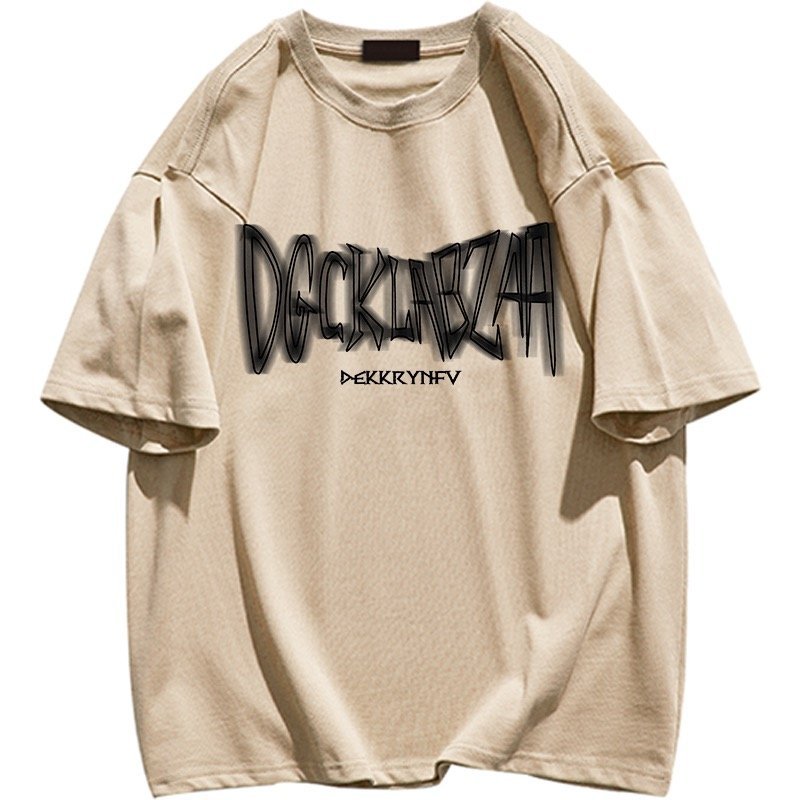
Three core formats cover most streetwear use cases: poly mailer (under 100 g), rigid gift box, and kraft hang-tag. Match material weight to brand tier — 350 GSM recycled board for sustainability-led labels, gloss-laminated 400 GSM for premium streetwear.
Request Samples at 50-Unit MOQ
A 50-unit sample run with a 7-day turnaround lets you validate print accuracy, structural integrity, and tactile feel before committing to bulk. Request CMYK proof sheets alongside physical samples so digital and print versions align.
Test the Unboxing Experience
10–15 sample units shipped to real customers yield the clearest unboxing feedback. Track first-impression score, perceived value versus price point, and ease of opening — three data points that justify final design decisions.
Finalise Artwork Files to Supplier Spec
3 mm bleed, CMYK colour mode, and a manufacturer-supplied dieline are the three non-negotiable file specs for print production. Embedding fonts and flattening transparency layers prevents rejections that typically delay production by 5–10 business days.
Scale Up and Align Reorder Cycles
15–25 days is the typical bulk production lead time for packaging runs above 500 units — log this against your inventory cycle the moment samples are approved. Set a reorder trigger at 30 days of remaining stock to prevent stockouts during peak drops, then request a quote to start your first run.
10. Custom Clothing Packaging Pricing & Cost Breakdown
Four variables drive unit cost for custom clothing packaging: board grade (250–400 gsm kraft vs. 1,200–2,000 gsm rigid chipboard), print pass count, finish complexity (matte lamination vs. soft-touch vs. UV spot), and lead time. Rush turnarounds inside 7 days typically add a 20–35% premium over a standard 15–20 day production window.
Five quantity tiers — 50 through 5,000 units — illustrate the per-unit price curve across poly mailers, kraft bags, folding cartons, and rigid boxes in the table below. Rigid box costs assume 1,400 gsm greyboard in a two-piece lid-and-base construction; folding carton assumes 350 gsm C1S board with 4-color offset. A 50-unit MOQ sample run eliminates over-commitment risk — the lowest-cost way to validate your custom clothing packaging before a full production order.
Setup fees range from $0 (digital print) to $300 (emboss die); per-unit decoration uplifts on top of substrate cost run $0.06–$0.28. The bullets below map each technique for a quick comparison before quoting.
- Screen print (1–2 colors): $50–$90 plate setup, +$0.06–$0.10 per-unit uplift — best for bold logo work.
- CMYK digital print: no plate fee, +$0.18–$0.28 per-unit — ideal for photographic or gradient artwork.
- Hot stamp or foil block: $120–$200 die cost, +$0.14–$0.18 per-unit — premium shelf presence.
- Emboss or deboss: $150–$300 die, +$0.10–$0.14 per-unit — adds tactile depth to rigid box lids.
- UV spot coat: $80–$150 film setup, +$0.08–$0.12 per-unit — contrasts gloss logo against matte ground.
| Qty Tier | Poly Mailer | Kraft Bag | Folding Carton | Rigid Box |
|---|---|---|---|---|
| 50 units | $0.45 | $0.82 | $1.90 | $4.80 |
| 250 units | $0.32 | $0.62 | $1.25 | $3.40 |
| 500 units | $0.24 | $0.48 | $0.98 | $2.65 |
| 1,000 units | $0.17 | $0.36 | $0.72 | $2.10 |
| 5,000 units | $0.11 | $0.24 | $0.46 | $1.55 |
Get Custom Clothing Packaging Built for Your Brand
Submit your packaging brief, request free samples, or book a design consultation — our in-house team delivers streetwear-ready solutions from just 50 units.