
Custom Clothing Hangtags: Elevate Your Brand on Every Piece
Custom clothing hangtags transform your unboxing experience into a branding opportunity. Create a lasting impression that turns customers into brand advocates, starting with the first touchpoint.
Custom Clothing Hangtags Samples & Gallery

What Makes Custom Clothing Hangtags Distinctive
Premium Materials, Endless Choices
Choose from kraft paper, structured cardboard, or specialty stocks. Each material enhances your brand’s unboxing experience and reflects quality commitment.
Vibrant Colors That Endure
Advanced printing ensures brilliant color reproduction and fade resistance. Your custom clothing hangtags maintain striking visual impact through shipping and display.
Eco-Friendly & Certified
FSC-certified papers and sustainable inks resonate with conscious brands. Showcase your environmental commitment on every custom clothing hangtag your customers receive.
Custom Shapes & Die-Cuts
Move beyond rectangles with unique die-cut shapes, embossing, and metallic finishes. Our in-house design team transforms your vision into reality.
Unboxing Moments That Convert
Transform package opening into a branded experience. Custom clothing hangtags elevate perceived value and create shareable moments that drive customer loyalty.
Zero-Compromise Quality Control
Our proprietary five-step QC process inspects materials, printing, finishing, and final output. Every hangtag meets our uncompromising quality standard before shipment.
Custom Clothing Hangtags Work With Every Branding Strategy
Streetwear Brands & Seasonal Drops
You need to launch limited-edition streetwear collections on tight timelines while maintaining premium brand authenticity and quality standards that resonate with your core audience and followers.
Get custom hangtags with accelerated turnarounds, complemented by matching woven labels and heat transfers—all backed by our proven 5-step quality control process for maximum impact.
Fashion Startups & Emerging Brands
Starting out means limited production volumes and tight budgets. You need distinctive custom hangtags that tell your brand story without high minimums that other manufacturers demand.
Our low MOQ custom hangtags plus in-house design team let you create distinctive branding with printed labels and specialty patches at affordable startup-friendly pricing and scale.
Influencer & Creator Brands
Your collaborations and drops move fast, and your followers expect premium quality on every detail. You need custom hangtags that match the hype without delays.
Premium custom hangtags with proven 5-step quality guarantees plus coordinated printed labels ensure every limited-edition drop looks and feels premium while building lasting follower loyalty.
Global Apparel Retailers
Managing private label collections across multiple regions demands consistent, scalable custom hangtag production with reliable worldwide shipping and unwavering quality control standards maintained every time.
Our proven scalable production system and global logistics network deliver consistent custom hangtags paired with matching woven labels and integrated branding solutions—on time, everywhere.
Independent Designers & Artisans
Small-batch production requires ultra-custom details and premium packaging presentation. Traditional manufacturers impose prohibitively high minimums that simply don't work for limited drops and artisanal collections.
Custom hangtags tailored exactly to your specifications, created by our in-house design team and paired with specialty patches and premium finishes—no minimums, no compromises.
Custom Clothing Hangtags: 10+ Years, Five-Step QC Mastery
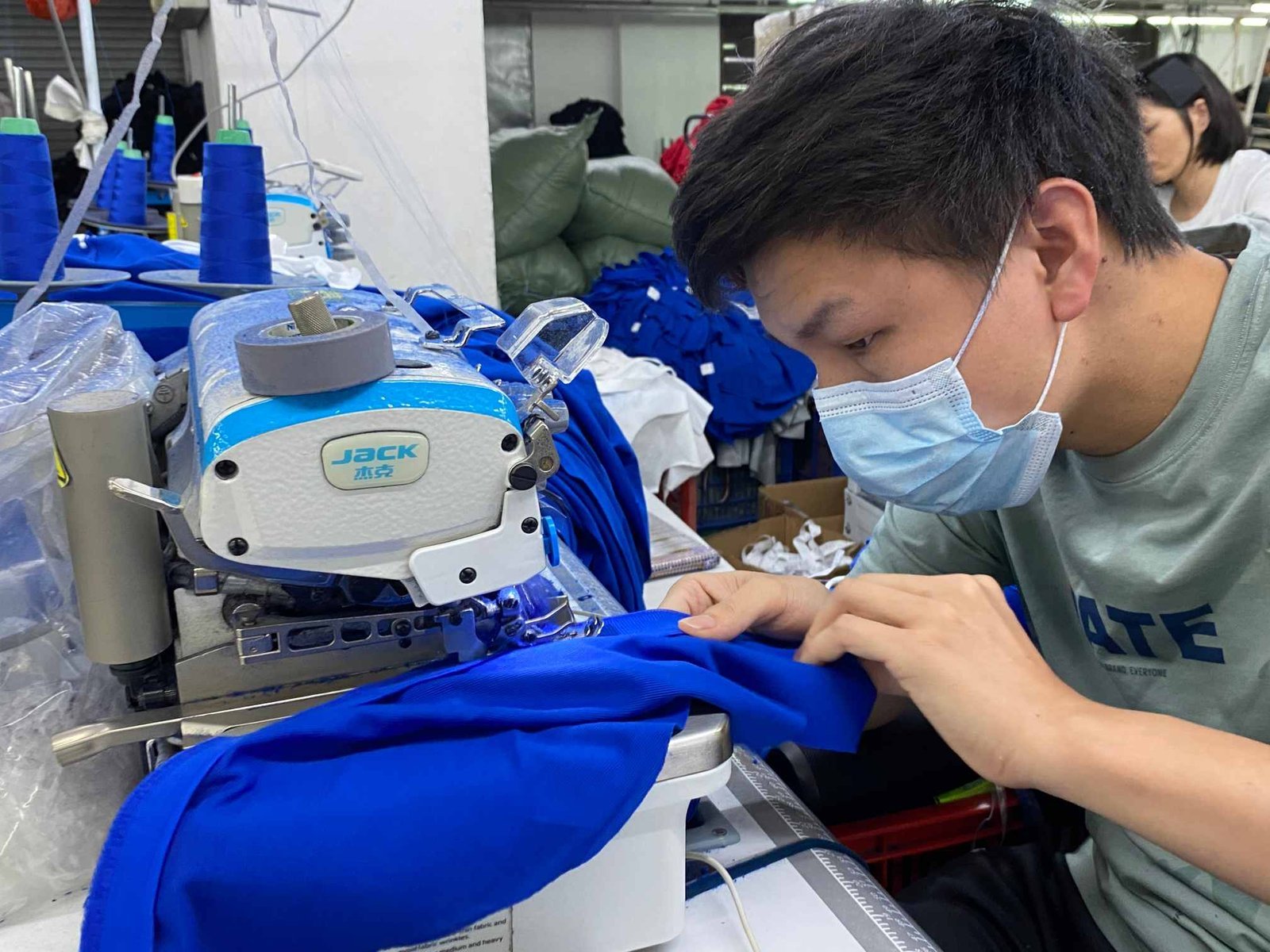
Founded in August 2024 by Tesla Luo, who brings over a decade of clothing manufacturing expertise and six years specializing in streetwear production, Clothing Manufacturer Ltd. was established with a singular mission: to eliminate low-quality clothing through rigorous quality control. Luo’s hands-on experience across every production role—from cutting to shipping—shapes our zero-compromise approach to every hangtag and garment we produce.
Today, Clothing Manufacturer Ltd. serves streetwear brands, startups, and retailers across 100-plus countries worldwide. Our in-house R&D team of 15 specialists holds 10 patents on production innovations, backed by the manufacturing infrastructure of our parent company, Dongguan TuoZhen Clothing Co., Ltd. This combination delivers both the agility of a focused specialist and the production capacity of an established operation.
What sets us apart: our proprietary five-step QC methodology, implemented throughout every production stage. Rather than inspecting quality only at the end, we test materials, cutting, craft, sewing, and finished goods at each step. This embedded quality philosophy ensures defects are caught and corrected early, and that every custom hangtag leaving our facility meets uncompromising standards. It’s how we restore trust in Chinese manufacturing.
The Craft Behind Premium Custom Clothing Hangtags
Premium Cardstock for Lasting Durability
Custom clothing hangtags demand exceptional cardstock that withstands repeated handling, washing, and storage. We source certified-grade materials and apply protective finishes—matte, gloss, or soft-touch—that preserve color vibrancy and structural integrity over the product’s entire lifespan.
- Premium, eco-certified cardstock grades
- Multiple finish options (matte, gloss, soft-touch)
- Durability tested for wash-resistance and longevity
- Fade-resistant inks and protective coatings
Precision Color Matching & Effects
Our custom clothing hangtags showcase color accuracy through advanced CMYK printing combined with specialty inks including metallics, glow-in-the-dark, and thermal-reactive options. Every tag meets strict color tolerance standards and Pantone-matched specifications for brand consistency.
- Pantone-matched color precision
- Specialty inks (metallic, glow, thermal-reactive)
- High-resolution digital and offset printing
- QC color testing on every batch
Custom Shapes & Infinite Design
Break free from standard rectangle designs. Custom clothing hangtags can feature die-cut shapes—rounded corners, complex geometries, or brand-specific silhouettes. Unlimited color separations and full-bleed printing enable bold, eye-catching designs that reflect your brand identity.
- Unlimited custom die-cut shapes
- Full-bleed, edge-to-edge printing
- Complex multi-color design support
- Fast turnaround on design iterations
Eco-Conscious Material & Processes
Sustainable custom clothing hangtags use recycled cardstock, eco-certified inks, and reduced-waste production methods. Our commitment to environmental responsibility means premium tags that align with modern consumer values without compromising quality or aesthetic impact.
- FSC-certified and recycled cardstock options
- Eco-friendly soy-based and water-based inks
- Zero-waste cutting and production processes
- Carbon-neutral shipping available
Why Custom Clothing Hangtags Outperform Woven Labels
See how custom clothing hangtags deliver superior design flexibility, competitive pricing at low volumes, and faster turnaround.
← 左右滑动查看 →
How Custom Clothing Hangtags Are Made: Our 5-Step QC Process
Every custom clothing hangtag passes through rigorous quality gates at every production phase—from material sourcing to final shipment.
Design Approval & Sampling
Your custom design is reviewed, digitally sampled, and approved before production begins. We lock final specifications and color requirements completely.
Materials QC & Testing
Premium cardstock is sourced and tested rigorously for durability, finish quality, and hand-feel. Every batch meets our strict material standards.
Printing & Color Proofing
High-fidelity color proofing ensures accurate brand colors and crystal-clear image sharpness. Registration and alignment are verified before full production begins.
Die-Cutting & Precision
Precision die-cutting creates exact hangtag dimensions and custom shapes. Every single piece is inspected for clean edges and dimensional accuracy.
Assembly & Attachment QC
Eyelets and branded strings are attached with exacting precision. Attachment strength is tested rigorously to ensure durability in customers’ hands.
Final Inspection & Packaging
Comprehensive final quality inspection verifies every custom clothing hangtag meets brand standards. Secure packaging protects your entire order during global shipping.
How to Order Custom Clothing Hangtags: 4-Step Process
Our in-house design team partners with you from specification through delivery, applying our five-step quality control guarantee to every hangtag order.
Specify Your Hangtag Specifications
Share your custom clothing hangtags specifications: dimensions, materials, finish options, and attachment types. Our team gathers all technical details needed for design and production timeline.
Submit and Approve Mockups
Provide vector files, Pantone color references, and layout details including eyelet positioning. We create detailed mockups for your custom hangtags and refine designs before production begins.
Confirm Production Schedule
Approve your timeline. Our in-house team schedules manufacturing with our five-step quality control, monitoring every stage of your custom clothing hangtags production from materials to finish.
Receive Your Branded Hangtags
Receive custom clothing hangtags packaged and ready for distribution. We handle global shipping and logistics, ensuring your branded hangtags arrive on schedule and in perfect condition.
Why Brands Trust Custom Clothing Hangtags from Clothing Manufacturer Ltd
The custom clothing hangtags transformed our unboxing experience. Instagram engagement on unboxing posts jumped 45% in the first month. Our customers love the quality and premium feel.
We needed professional custom clothing hangtags to enter retail partnerships. Within 3 months, we landed 8 new retailer accounts. The tags gave us instant credibility we couldn’t achieve alone.
We reordered custom clothing hangtags for 4 consecutive seasonal drops. Color matching was perfect every time, and turnaround stayed under 3 weeks. Zero defects across 50,000 units.
Custom Clothing Hangtags: Frequently Asked Questions
What are custom clothing hangtags, and why should I use them for my brand?
What materials are available for custom clothing hangtags?
What is the minimum order quantity for custom clothing hangtags?
How long does production take for custom clothing hangtags?
What design file formats and specifications do you require?
Can custom clothing hangtags work with different fabric types and attachment methods?
Are custom clothing hangtags durable and wash-safe?
Do you offer eco-friendly or sustainable options for custom clothing hangtags?
The Complete Buyer’s Guide to Custom Clothing Hangtags
Discover everything you need to know about selecting, customizing, and sourcing high-quality custom clothing hangtags. Learn supplier evaluation criteria, material options, decoration techniques, and avoid costly mistakes when launching your branded merchandise strategy.
1. What Are Custom Clothing Hangtags?
Custom clothing hangtags are printed or woven cardstock, fabric, or specialty material tags attached to garments via string, ribbon, or plastic loop, serving as the primary brand touchpoint and product identifier at point-of-purchase and unboxing. Unlike woven labels sewn directly into seams, hangtags dangle freely from the collar, sleeve, or waistband, making them impossible to miss from customer’s first impression.
Standard hangtag dimensions range from 2″ × 3″ to 4″ × 6″, with most streetwear and fashion brands opting for the 2.5″ × 4″ or 3″ × 5″ format to balance visual impact and production cost. Placement typically occurs at the neckline via reinforced hole or grommet, ensuring the tag survives multiple wearings and wash cycles without tearing free prematurely.
Custom clothing hangtags communicate brand story, pricing, sizing, care instructions, material composition, country of origin, and compliance certifications (OEKO-TEX, GOTS, WRAP) in a single, controlled visual presentation. Premium hangtags signal quality positioning to retailers and end consumers alike, justifying higher wholesale margins and retail price points that hangtags themselves enable through perceived value.
Brands invest in premium hangtags because they cost 2–8% of garment retail price yet influence 40–60% of purchase decisions at retail and significantly impact unboxing perception in e-commerce. For independent designers and startups particularly, a distinctive hangtag transforms generic wholesale basics into signature branded products that command customer loyalty and resale visibility on resale platforms.
2. History & Evolution of Branded Hangtags
Hangtags emerged in the 1950s as purely functional care-instruction labels, attached to garments to communicate fiber content, washing instructions, and safety warnings mandated by the Federal Trade Commission and similar regulatory bodies. For decades, manufacturers treated them as compliance necessities rather than brand elements.
The 1990s marked a turning point when luxury houses including Hermès, Louis Vuitton, and Gucci began using branded hangtags as visible status symbols and quality markers. These fashion leaders recognized that the point-of-sale unboxing moment created an emotional connection; a well-designed tag signaled authenticity, heritage, and premium positioning to consumers before they even touched the garment.
Streetwear brands accelerated this trend in the 2000s, embracing custom clothing hangtags as essential design canvases that could display bold graphics, cultural references, and brand narratives that resonated with younger audiences. What began as regulatory tags had become core to brand identity and perceived value.
Since 2015, the industry has shifted toward custom hangtags made from recycled kraft paper, unbleached cotton, and FSC-certified materials, driven by consumer demand for sustainable practices. Today’s brands view hangtags not as afterthoughts but as strategic touchpoints that communicate values, craft quality, and authentic brand story at the moment consumers first engage with the product.
3. Types of Custom Clothing Hangtags
Hangtag formats vary by brand positioning and attachment method. The primary categories—shaped, rectangular, folded, swing, and specialty materials—each offer distinct visual and functional advantages for streetwear, luxury, and eco-conscious collections.
Die-Cut Shaped Tags
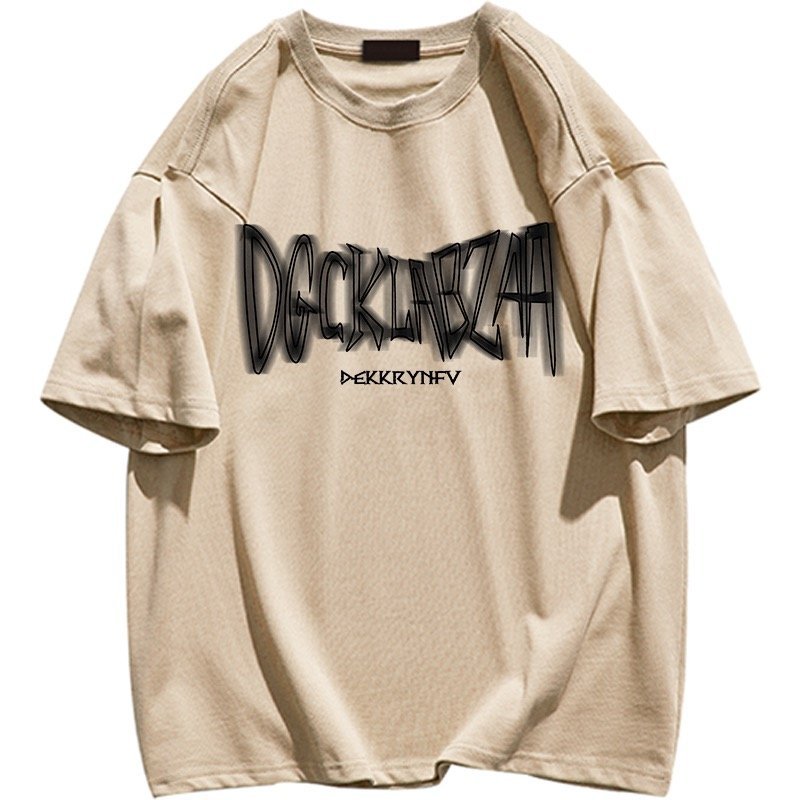
Custom die-cut hangtags range from 2″ × 3″ to 4″ × 6″, cut into brand-specific silhouettes. Attachment methods include punch holes, reinforced eyelets, or heat-sealed cord loops. Popular with streetwear brands seeking bold visual differentiation and limited-edition drops.
Rectangular Standard Tags
Rectangular hangtags measure 2″ × 3.5″ to 3″ × 4″ and accommodate dense information: care instructions, size charts, and QR codes. Typically attached via single-hole punch with string or elastic cord. The default choice for mid-market retail and fast-fashion operations seeking cost efficiency.
Folded Hang Tags
Folded tags—typically 2″ × 4″ when flat—present brand story across interior and exterior panels. Accordion or Z-fold designs hide secondary content. Frequently used by luxury and sustainable brands to reinforce narrative-driven positioning. Attachment via brass eyelet with cotton cord.
Swing Tags with Strings
Swing tags (2.5″ × 3.75″ typical) dangle from fabric or seams via nylon, polyester, or cotton string. Monofilament loops enable near-invisible attachment. Common in heritage brands, designer collections, and streetwear collaborations. String colors and material communicate brand status and sustainability intent.
Leather Labels & Patches
Leather hangtags (sizes 1.5″ × 2″ to 2.5″ × 3.5″) attach via woven loop, rivet, or snap. Premium material and tactile finish signal luxury positioning. Primarily used by high-end streetwear, heritage menswear, and eco-conscious brands emphasizing durability. Embossed branding enhances perceived value.
4. Materials for Premium Custom Clothing Hangtags
Premium hangtag materials range from cardstock (250–400 gsm) to specialty fabrics, each offering distinct texture, durability, and sustainability profiles. Selecting the right substrate directly impacts brand perception, product longevity, and production costs.
| Material | Typical Weight/GSM | Durability | Sustainability | Cost Tier | Best For |
|---|---|---|---|---|---|
| Premium Cardstock | 250–400 gsm | High | Medium | $$ | Premium, volume |
| Kraft Paper | 120–150 gsm | Medium | Very High | $ | Eco brands |
| Cotton Blend | N/A (fabric) | Very High | Medium | $$$ | Luxury streetwear |
| Recycled Cardstock | 200–300 gsm | High | Very High | $$–$$$ | Sustainable |
| Leather/Microfiber | N/A (material) | Excellent | Low | $$$$ | Ultra-luxury |
| Specialty Coatings | Varies | High | Medium | $$–$$$ | Fashion-forward |
Premium Cardstock & Paper Weights
Cardstock (250–400 gsm) delivers premium feel and crease-resistance. At 250 gsm, cost remains manageable for volume orders; 350–400 gsm suits luxury brands. Matte or gloss coatings extend durability through handling and retail display.
Kraft & Natural Papers
Kraft paper (120–150 gsm) attracts eco-conscious brands—biodegradable and recyclable. Texture signals authenticity. Creasing risk is higher; cost savings: 30–40% below premium cardstock.
Cotton & Woven Blends
Cotton-blend custom clothing hangtags offer woven texture and hand-feel (2–3x cardstock cost). Longevity outperforms paper. Popular for high-end streetwear, designer collaborations, and independent brands.
Recycled & Sustainable Materials
Recycled cardstock (200–300 gsm) cuts environmental impact without sacrificing durability. OEKO-TEX or GOTS certification strengthens ESG positioning. Cost: 5–15% premium, typically offset by brand trust.
Leather & Specialty Treatments
Leather tags convey ultra-luxury; microfiber alternatives cost 40–60% less. Specialty coatings elevate perceived value. Best for limited-edition drops and flagship collections.
5. Customization & Decoration Techniques
Seven primary decoration techniques dominate custom clothing hangtag production, each balancing print quality, color range, setup cost, and durability. Selection depends on design complexity, target volume, budget constraints, and desired shelf impact. Understanding each technique’s strengths ensures cost-effective production decisions.
| Technique | Setup Cost | Per-Unit Cost | Turnaround | Best For |
|---|---|---|---|---|
| Offset Printing | $150–300 | $0.08–0.15 | 7–10 days | High volume (5,000+) |
| Digital Printing | $0 | $0.08–0.25 | 3–5 days | Short runs, samples |
| Screen Printing | $80–150/color | $0.06–0.12 | 5–7 days | Bold, solid designs |
| Foil Stamping | $200–400 | $0.12–0.30 | 7–10 days | Premium collections |
| Embossing | $150–350 | $0.10–0.25 | 5–8 days | Texture-focused |
| Laser Engraving | $0 | $0.15–0.40 | 2–3 days | Custom, artisan |
Offset Printing
Photographic-quality reproduction with precise Pantone color matching. Requires custom aluminum or polymer plates ($150–$300 setup), making it ideal for high-volume runs of 5,000+ units. Per-unit cost drops below $0.15 at scale. Turnaround typically 7–10 days.
Digital Printing
Zero setup costs enable small runs (100+ units). Per-unit pricing $0.08–$0.25 depending on design complexity. Full-color photographic images in 3–5 days. Ideal for sampling, limited editions, or testing designs before offset commitment.
Screen Printing
Vibrant, opaque colors with exceptional durability (5+ years outdoor exposure). Setup costs $80–$150 per color separation. Per-unit pricing starts $0.06 at volume. Limited to 6–8 colors; turnaround 5–7 days. Best for bold, solid designs.
Foil Stamping

Creates premium metallic or holographic effects. Die setup $200–$400. Per-unit $0.12–$0.30. Delivers luxury appearance with excellent durability. Turnaround 7–10 days. Ideal for premium or limited-edition collections.
Embossing & Debossing
Raises (embossing) or recesses (debossing) design elements. Die setup $150–$350. Per-unit $0.10–$0.25. Creates tactile dimension without ink. Turnaround 5–8 days. Works on kraft, cardboard, premium papers.
Laser Engraving
Burns precise detail with zero setup costs. Per-unit $0.15–$0.40; ideal ultra-small runs (1–50 units). Turnaround 2–3 days. Works on wood, leather, thick cardboard.
6. Quality Standards & Construction Elements
Quality hangtags demand precision in edge finishing, print registration, and material consistency. Industry-standard die-cut tolerances are ±1.5 mm, and color accuracy should meet CMYK ΔE 2. Develop QA checklists early to prevent revisions and ensure first-run approval.
Die-Cut Precision & Edge Finishing
Die-cut tolerances of ±1.5 mm are standard; ±1 mm is premium. Deckle edges appear softer; clean-cut edges require sharper blade maintenance.
Inspect edges with a 10x loupe for micro-tears, burrs, or chatter marks — early signs of blade wear.
Print Registration & Color Accuracy
CMYK registration tolerance is ±0.5 mm; misalignment causes visible color shifts. Request Pantone reference swatches and aim for Lab color ΔE ≤2 accuracy.
RGB-to-CMYK separation errors are the leading cause of color complaints. G7 certification signals print discipline.
Ink Durability & Fold Testing
ASTM D1891 rub testing (200 cycles) identifies ink adhesion failures. Fold-test samples to verify ink doesn’t crack or migrate when hangtags crease during application.
Visual inspection under 10x magnification catches early flaking. Washed samples confirm durability in real-world use.
String & Attachment Security
Eyelet pullout strength (ISO 5627, minimum 25 Newtons) prevents hangtag loss during shipping. Pull samples at 45-degree angles to verify knot integrity.
Die-cuts that create stress concentration near attachment holes are red flags. Request pull-test data from manufacturers.
Sample Inspection Checklist
Use a standardized QA checklist covering edge quality, print sharpness, color match, fold crease integrity, string attachment, and material defects. Request 5–10 production samples before approving the full run.
Document deviations with photos and Lab color measurements. This creates accountability and provides baseline data for future orders.
7. How to Choose a Custom Hangtag Manufacturer
Selecting a hangtag manufacturer requires evaluating MOQ, production capacity, quality standards, and geographic fit. Pricing transparency, certifications, and sample policies are essential. Alignment with your timeline and brand values ensures a productive partnership.
Production Capacity and MOQ
Minimum order quantities range from 500–2,000 units overseas and 100–500 domestically. Monthly capacity typically spans 20,000–50,000+ units at serious manufacturers; verify this matches your growth timeline. Request 2–3 customer references and portfolio examples in your product category.
Material specialization varies significantly—woven labels, heat-stamped tags, and embroidered designs require different equipment and expertise. Ask for portfolio examples in streetwear or your specific niche to confirm they’ve mastered your decoration method.
Quality Standards and Lead Times
Lead times range 15–45 days post-sampling. In-production QC (materials testing, cutting checks, sewing inspection) identifies defects early, while end-of-run inspection catches issues only after production completes. OEKO-TEX, GOTS, BSCI, and WRAP certifications verify labor and environmental compliance.
Documented sample revision policies should allow 2–3 rounds of feedback before production. Clothing Manufacturer Ltd. employs a five-stage QC system from fabric intake through finished goods, embedding quality throughout rather than inspecting only at shipment.
Pricing and Geographic Considerations
Overseas suppliers typically quote 15–40% lower per-unit than domestic manufacturers. Transparent pricing breaks down material, labor, decoration, and packaging costs separately. Volume-discount thresholds commonly trigger at 500, 1,000, or 5,000 unit milestones.
Suspiciously low pricing often signals corner-cutting, incomplete feature packages, or hidden upsells. Dedicated account managers and reliable cross-timezone responsiveness separate professional vendors from transactional suppliers. Verify that all features—thread color, print method, hardware, packaging—are included in quotes.
Red Flags and Next Steps
Manufacturers lacking documented QC processes, uncertain lead times, or reluctant to provide samples indicate operational weakness or opacity. Vendors who avoid discussing certifications, labor practices, or shipping liability typically signal either inexperience or deliberate evasion. Portfolio transparency and detailed responses to technical questions separate reliable partners from risky bets.
8. Common Mistakes When Sourcing Custom Clothing Hangtags
Most hangtag sourcing delays stem from six preventable planning errors. Manufacturers must prepare artwork correctly, confirm timelines early, secure proofs, match materials to garment purpose, budget realistically for low MOQs, and verify regulatory compliance. These steps prevent costly redesigns, missed launch dates, and inventory surprises.
Underestimating Lead Times
Most hangtag runs require 4–8 weeks from approval to delivery. Brands often expect 2–3 weeks and miss launch dates.
Confirm timelines immediately, add buffer weeks for proofs and approvals, and communicate deadlines early. This prevents missed seasonal windows and urgent fees.
Skipping Proofs & Physical Samples
Approving hangtags without physical proofs costs thousands in reprints. Request both digital and physical samples before mass production.
Review for color accuracy, text clarity, and cutting alignment. Provide written approval only after verifying samples match your specifications precisely.
Unrealistic Unit Costs for Low MOQs
Unit costs for 100–500 tags are 5–15x higher than bulk orders because setup and tooling costs are fixed across smaller volumes. Startups often expect bulk pricing and face sticker shock.
Negotiate total project cost rather than per-unit price. Build realistic per-unit costs into your product pricing as order volumes grow.
Material Mismatches & Compliance Gaps
Glossy synthetic stock degrades on moisture-heavy garments; thin paper tears on luxury goods in international shipping. Missing care symbols, fiber content, or country-of-origin labels blocks retail placement and invites regulatory fines.
Verify all labeling requirements for your target markets—US, EU, and Asia standards differ. Match substrate durability to garment type and brand positioning.
Pre-Order Validation Checklist
Before placing your hangtag order, confirm these critical elements to avoid redesigns and delays:
- File specs: 300 DPI, CMYK, vector, 3–5 mm bleed
- Proofs: digital and physical, reviewed and approved in writing
- Lead time: confirmed in writing, includes 2–3 week approval buffer
- Compliance: all required labels for your target markets verified
- Budget: realistic per-unit costs aligned to your MOQ tier
9. Steps to Launch Branded Hangtags for Your Line
Launching custom clothing hangtags requires a systematic five-phase workflow spanning 8–12 weeks from design concept to shipping. This guide walks you through each checkpoint, realistic timelines, and critical documentation your manufacturer needs to execute your order flawlessly.
Design Brief & Inspiration Gathering
Compile mood boards and color references aligned with your brand voice. Share 2–5 reference hangtags you admire to clarify aesthetic direction quickly. Allow 1–2 weeks for research. Most manufacturers expect written briefs and high-resolution mood images.
Technical File Preparation
Submit vector files (AI, EPS, PDF) at 300 DPI minimum for your custom clothing hangtags. Include technical specs: dimensions in mm, material choice (kraft, cotton blend), print finishes (CMYK, foil, emboss), and Pantone codes. Clean file organization prevents costly revisions.
Sampling & Approval Cycle
Request 5–10 physical samples of your custom clothing hangtags across material and print variations. Review for color accuracy, texture, durability (fold test), and legibility. Budget 3–5 business days for sampling. Approve or revise before committing to production—MOQs typically range 1,000–5,000 units.
Production Setup & QC Workflow
Your manufacturer implements quality gates at each stage: materials inspection, print test runs, and cutting precision checks. Clothing Manufacturer Ltd. applies a proprietary five-step QC methodology across materials, cutting, craft, sewing, and finished goods inspection. Standard MOQ production typically completes in 10–15 business days.
Packaging & Shipping Logistics
Specify packaging format (individual polybags, bulk boxes, custom packaging). Confirm destination, incoterms (CIF, FOB, DDP), and documentation needs. Most Asia-based manufacturers ship within 5–7 days after final QC sign-off and payment.
10. Pricing, MOQs & Cost Optimization
Most custom clothing hangtag suppliers impose MOQ tiers starting at 500 units, though specialty finishes demand higher minimums. Clothing Manufacturer Ltd operates transparent pricing across five standard tiers: unit costs decline progressively from $0.35 at 500-unit runs to $0.08 at 50,000+ units. Volume incentives typically grant 60–65% cost reductions on per-unit pricing when buyers exceed 25,000 pieces.
Offset-printed cardstock tags (250 GSM) represent the baseline cost option, while foil-stamped or embossed finishes add $0.12–$0.18 per unit during production. Negotiating longer lead times (45–60 days vs. 14–21 days standard) unlocks 10–15% cost reductions by optimizing cutting and ink schedules. Bulk decoration orders and seasonal minimums also qualify for tiered discounts.
Strategic procurement through custom clothing hangtag manufacturers often includes free design revisions, complimentary color proofing, and consolidated domestic shipping at zero margin. Early commitment to annual forecasts yields additional 8–12% savings when placed six months in advance.
| Quantity Tier | Price per Unit (USD) | Lead Time (Days) |
|---|---|---|
| 500–2,500 units | $0.35 | 21 |
| 2,501–10,000 units | $0.22 | 18 |
| 10,001–25,000 units | $0.14 | 16 |
| 25,001–50,000 units | $0.10 | 14 |
| 50,000+ units | $0.08 | 12 |
Get Your Custom Clothing Hangtags Started Today
Get a free design mockup with your brand logo, order sample batches to verify quality, or request a competitive quote for your next collection.