
Premium Custom Screen Printing for Global Streetwear Brands
Unlock custom screen printing from 50 pieces with 7-day samples, a proprietary 5-step QC guarantee, and trend-driven craftsmanship built for brands that refuse to compromise.
Custom Screen Printing Portfolio: Real Samples, Real Quality
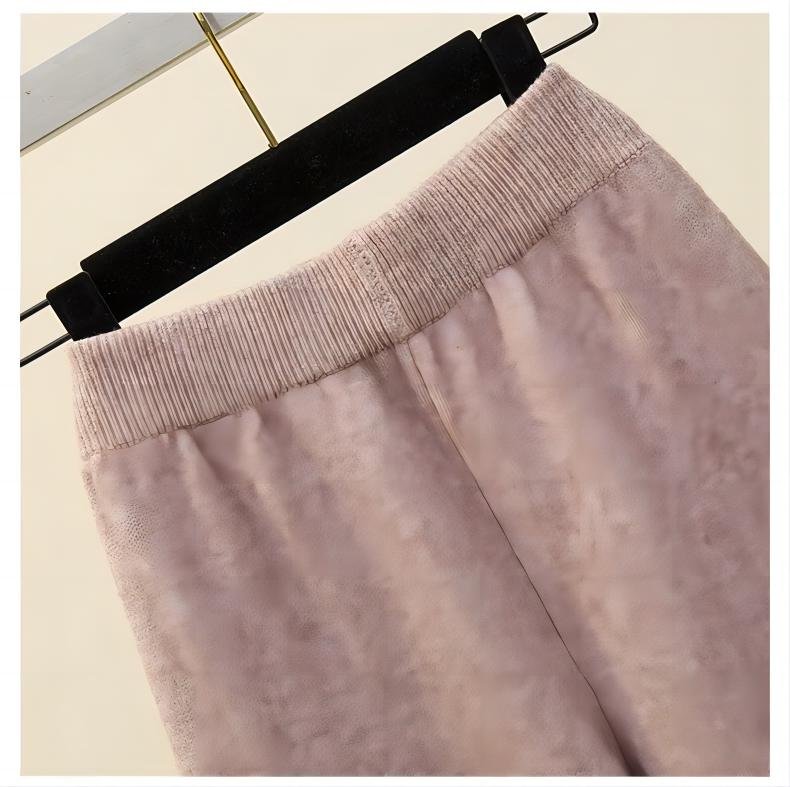
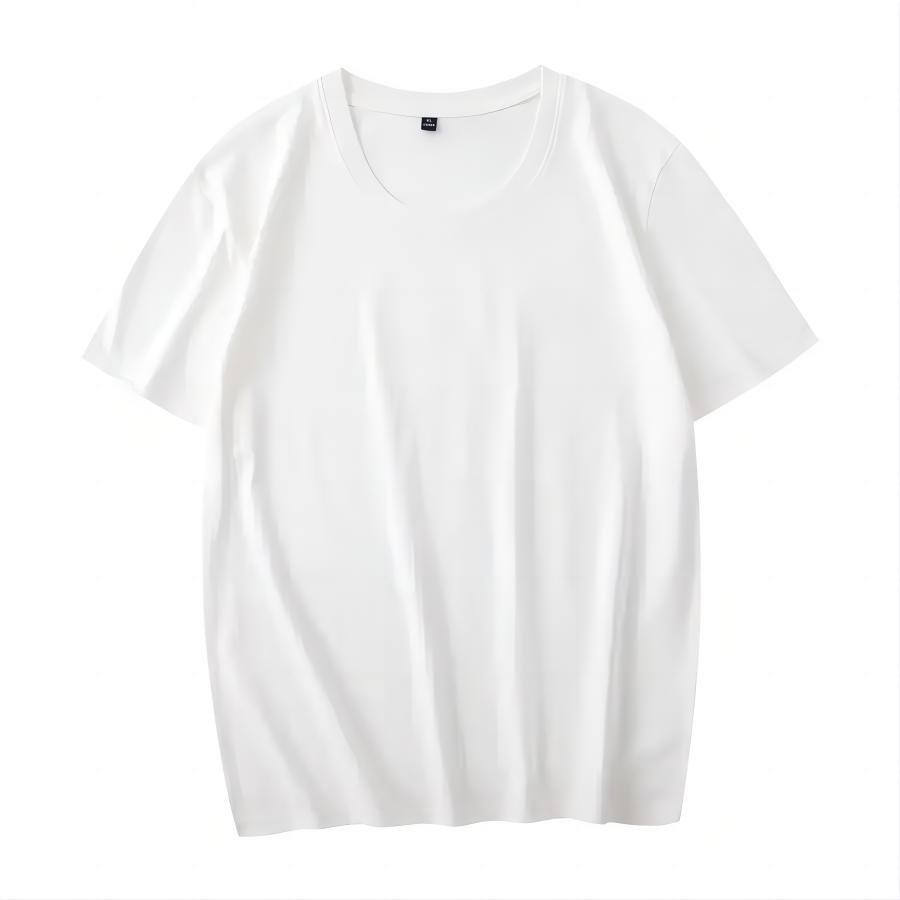
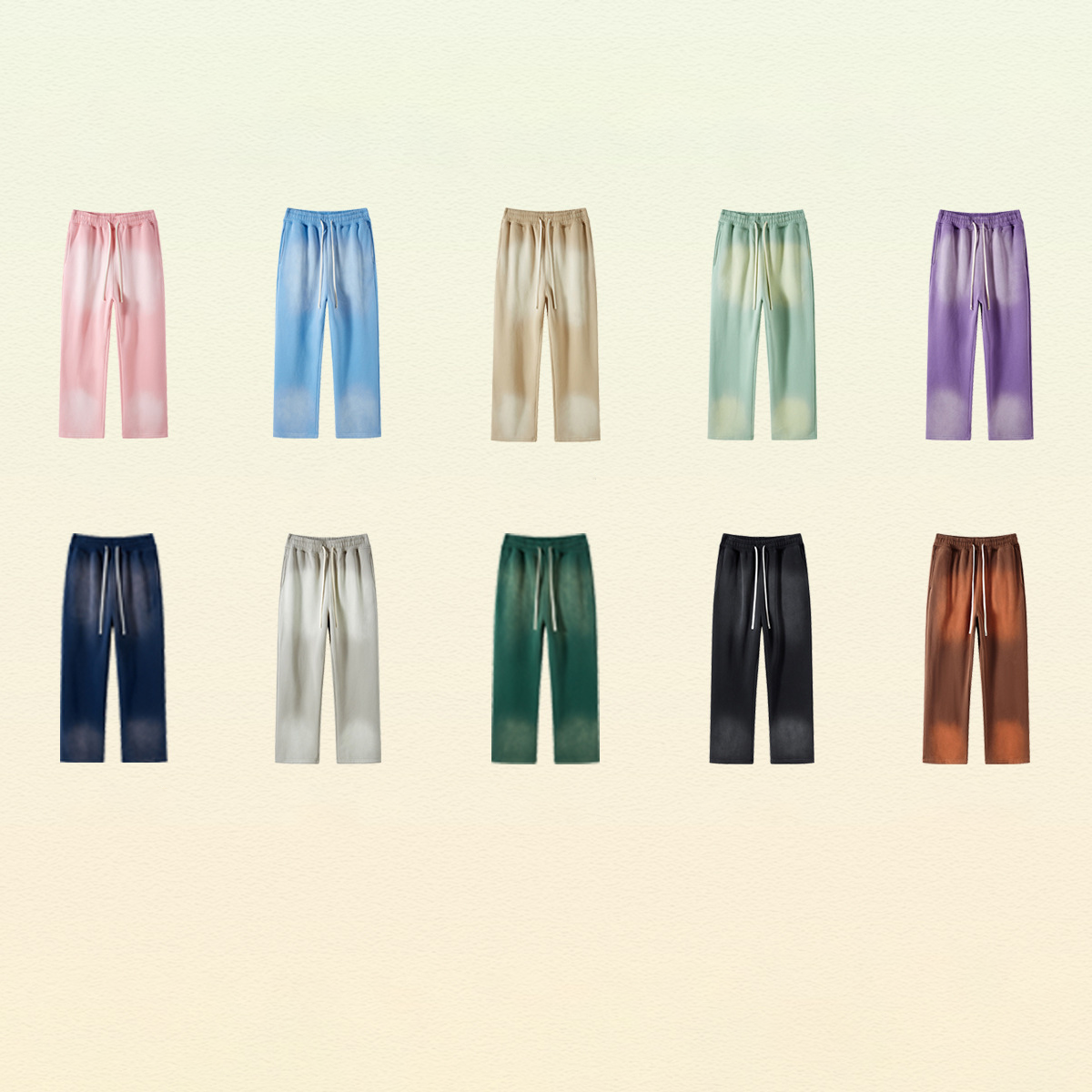
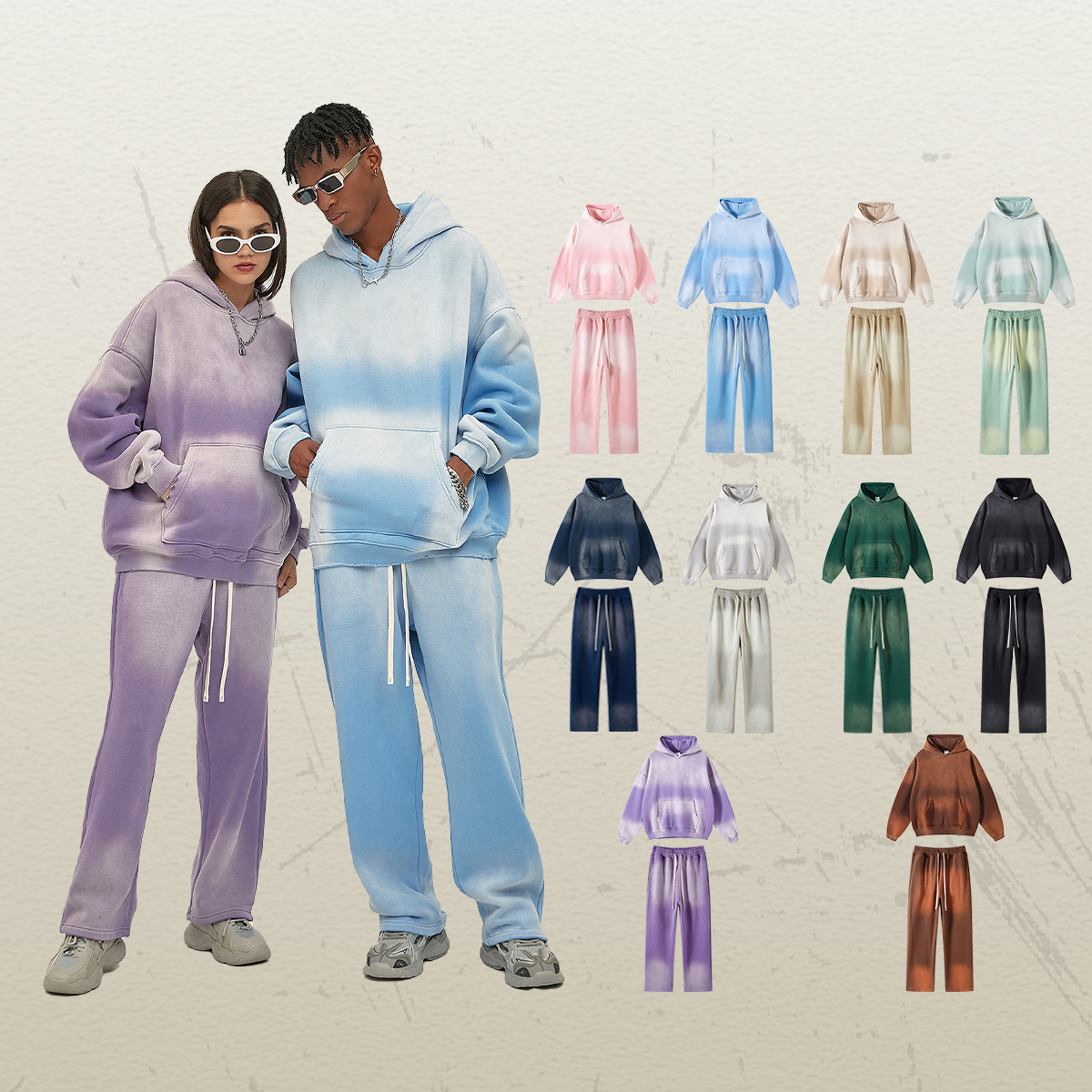
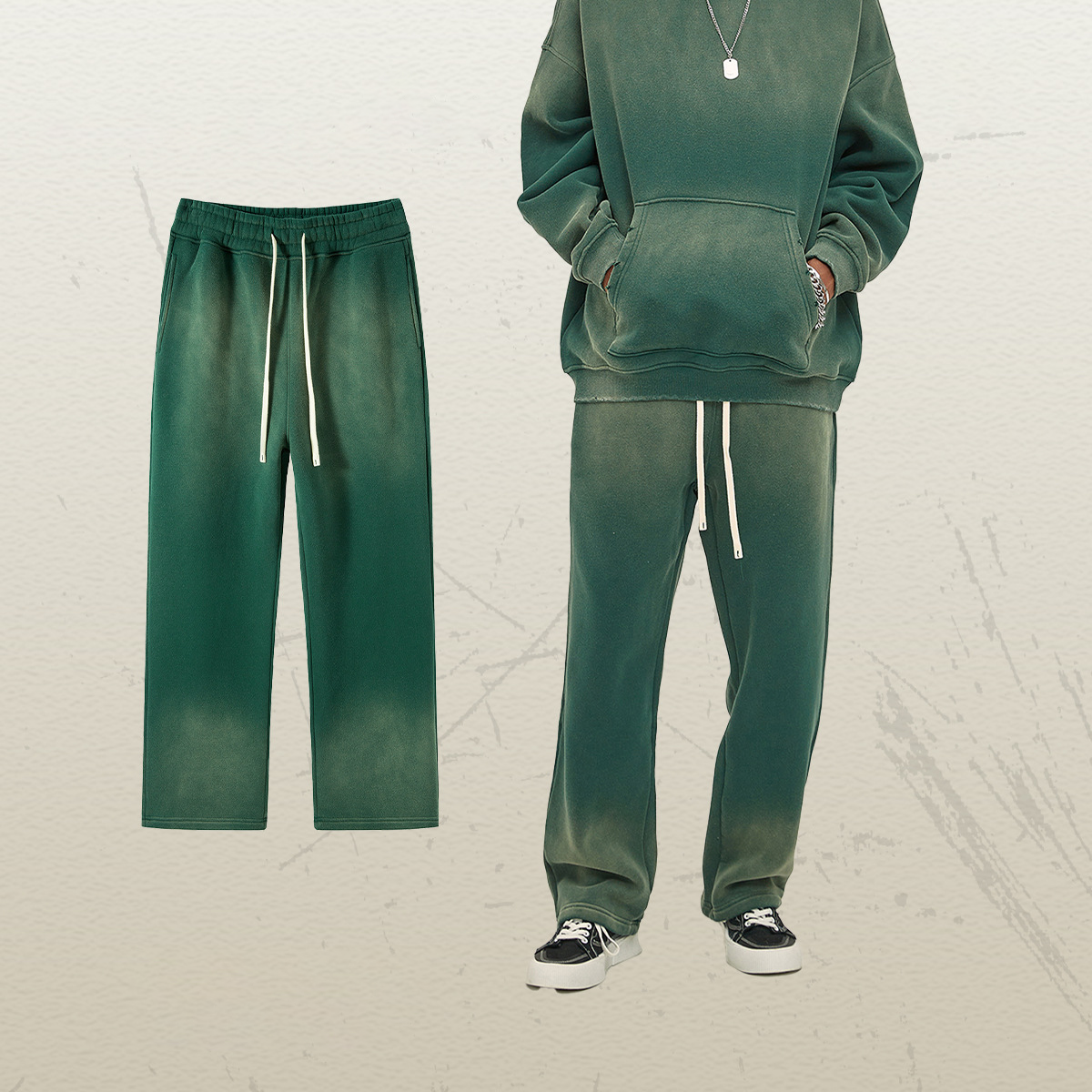
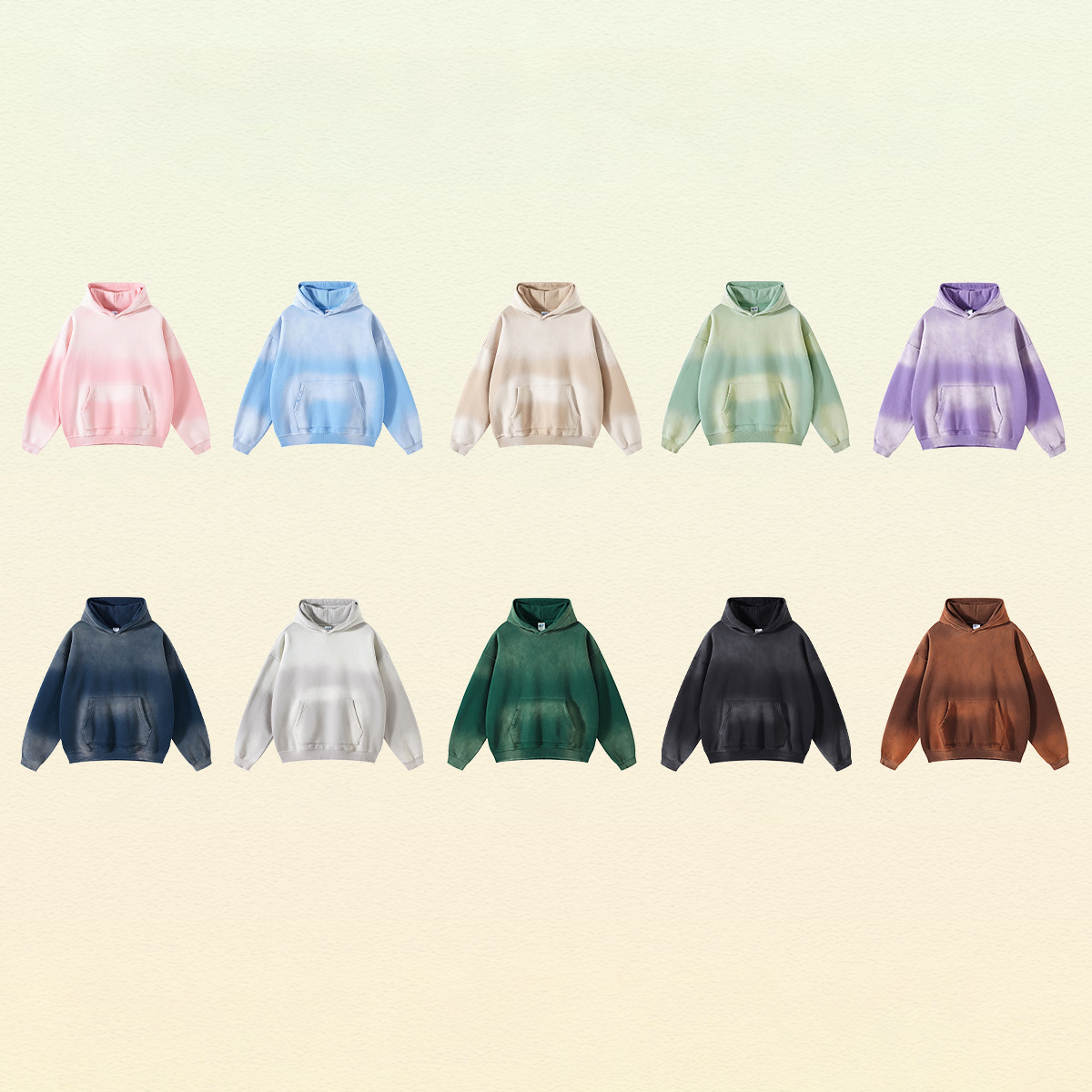
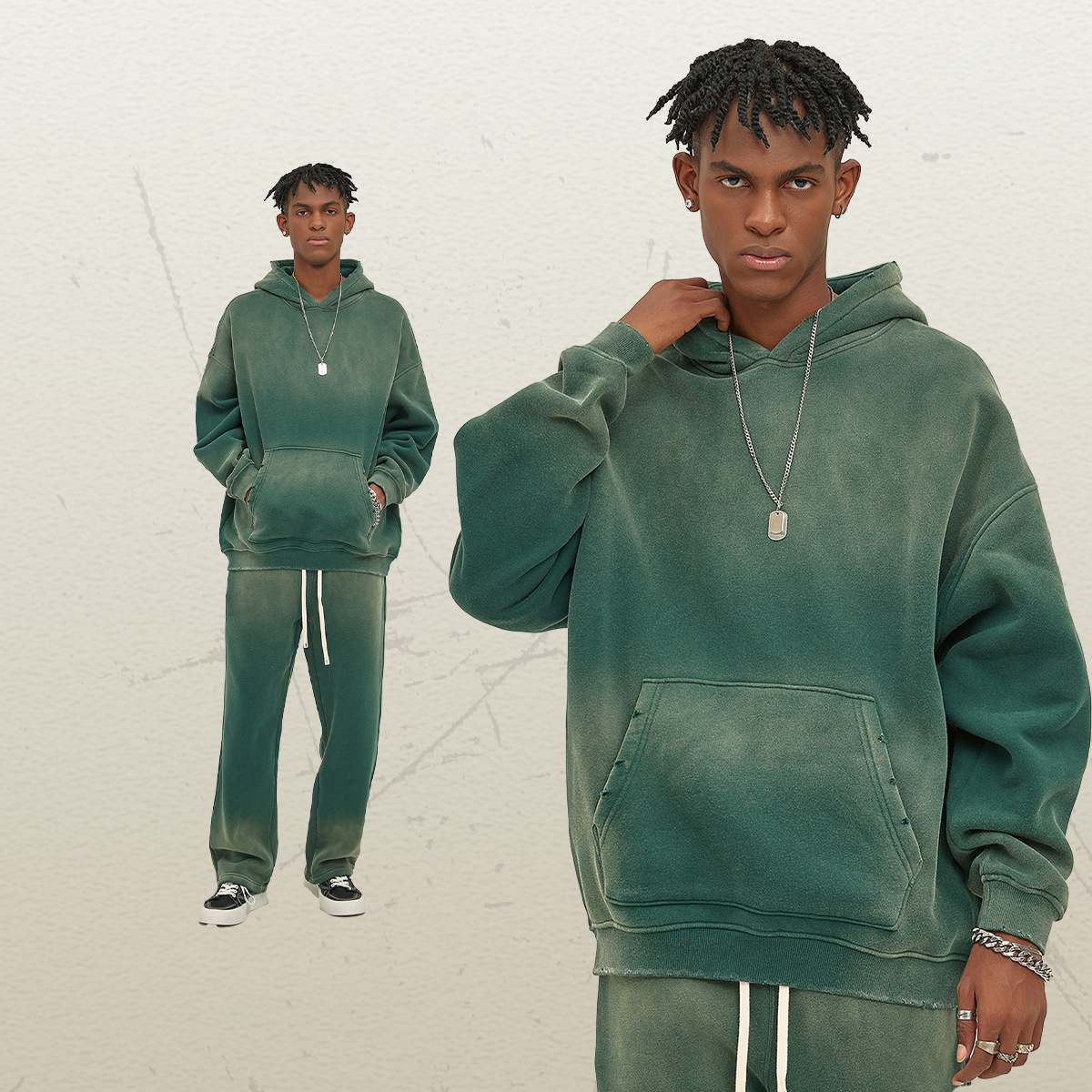
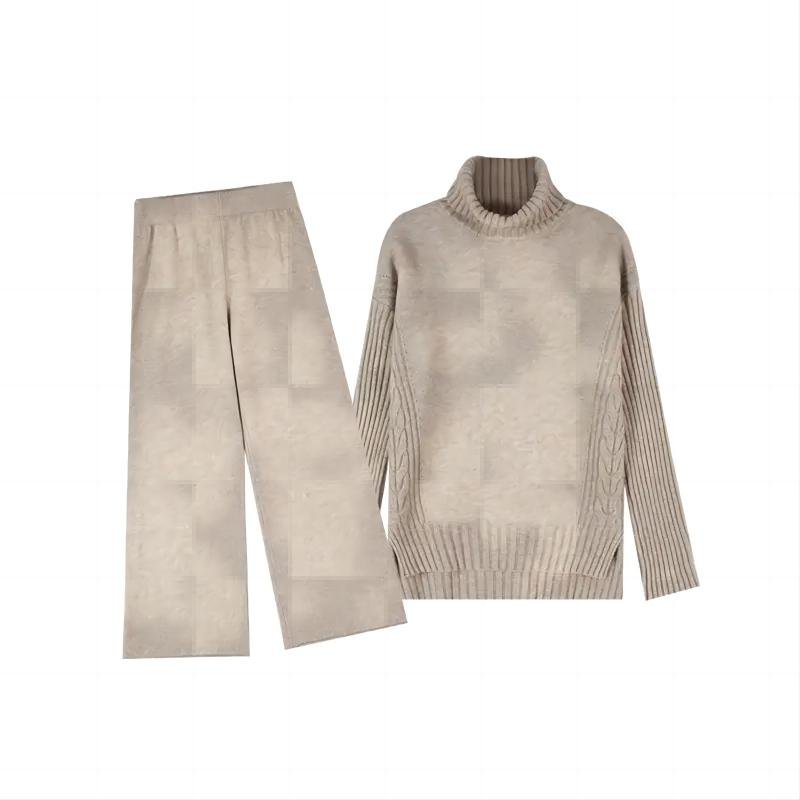
Why Custom Screen Printing Delivers Commercial-Grade Results
Six production-tested capabilities that set our custom screen printing apart — and keep global streetwear brands ordering season after season.
Vibrant, Long-Lasting Color Output
Custom screen printing delivers saturated, fade-resistant inks that retain brilliance through 50+ commercial wash cycles, guaranteed by our QC process.
Precision Dot Registration, Zero Bleed
Multi-layer alignment within strict tolerances ensures every color lands exactly right, producing razor-sharp graphics with zero bleed or ghosting.
50+ Wash Durability Certified
Every garment batch undergoes wash-fastness testing to 50+ cycles, proving your printed streetwear survives daily wear without fading or cracking.
Versatile Across All Garment Types
From oversized tees to hoodies and joggers, we print across all garment types, sizes, and fabric weights with consistent results.
7-Day Sample Turnaround
Receive your first printed sample within seven days so your seasonal collection hits the market before the trend window closes.
5-Step In-Process QC Guarantee
Our five-step QC checks materials, cutting, craft, sewing, and final inspection, driving defect rates to near zero on every order.
Screen Printing Techniques Built for Streetwear
Ten specialty print methods, executed under our 5-step QC guarantee, so every finish ships consistent, vibrant, and defect-free across your full production run.
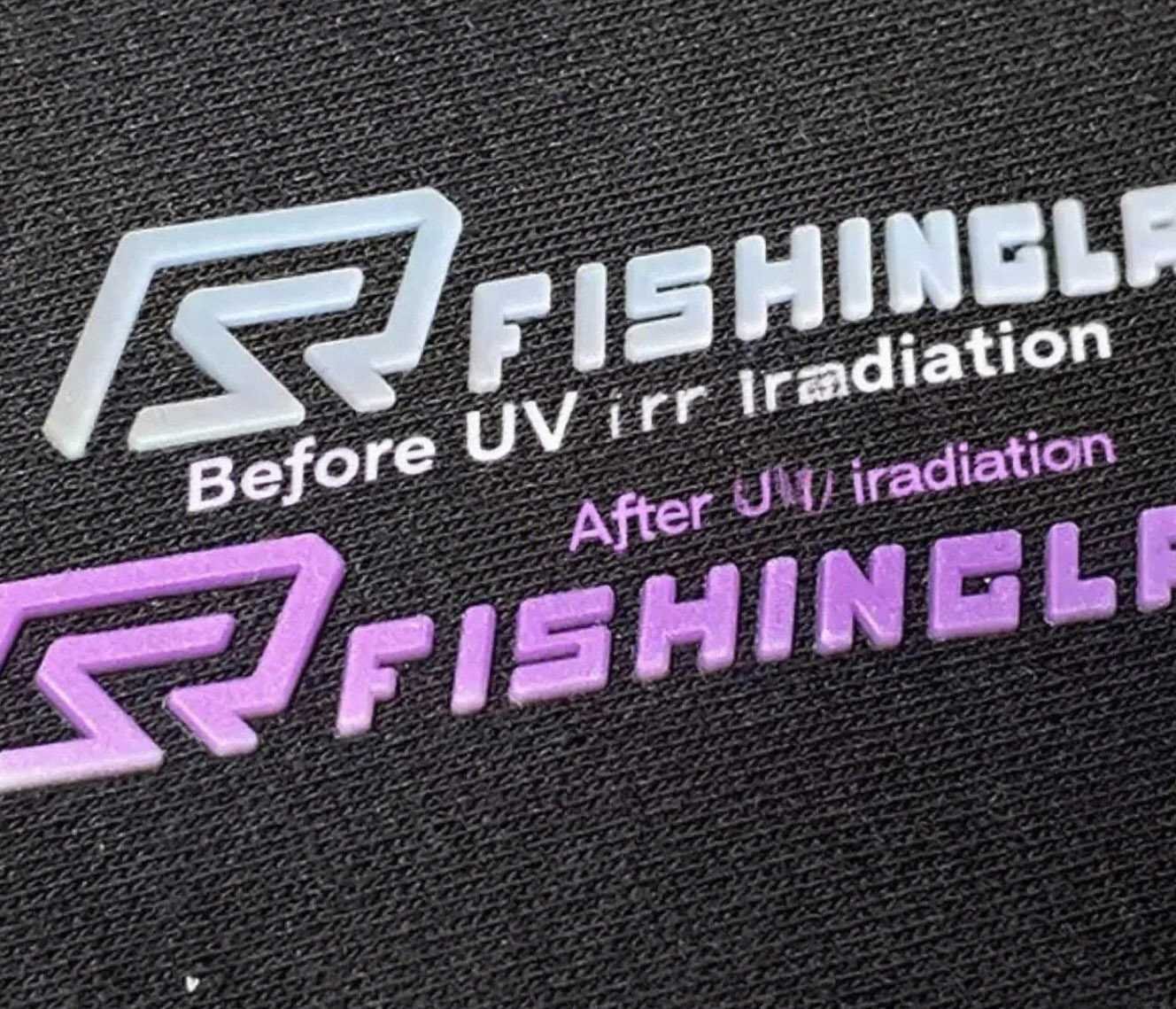
Plastisol Screen Printing
The industry benchmark for opacity and color vibrancy on dark and mid-tone fabrics. Plastisol delivers crisp edges, excellent wash durability, and reliable reproduction across large runs. Suited for bold streetwear graphics, oversized chest prints, and high-contrast multi-color artwork that needs to perform through heavy daily wear.
Get a Quote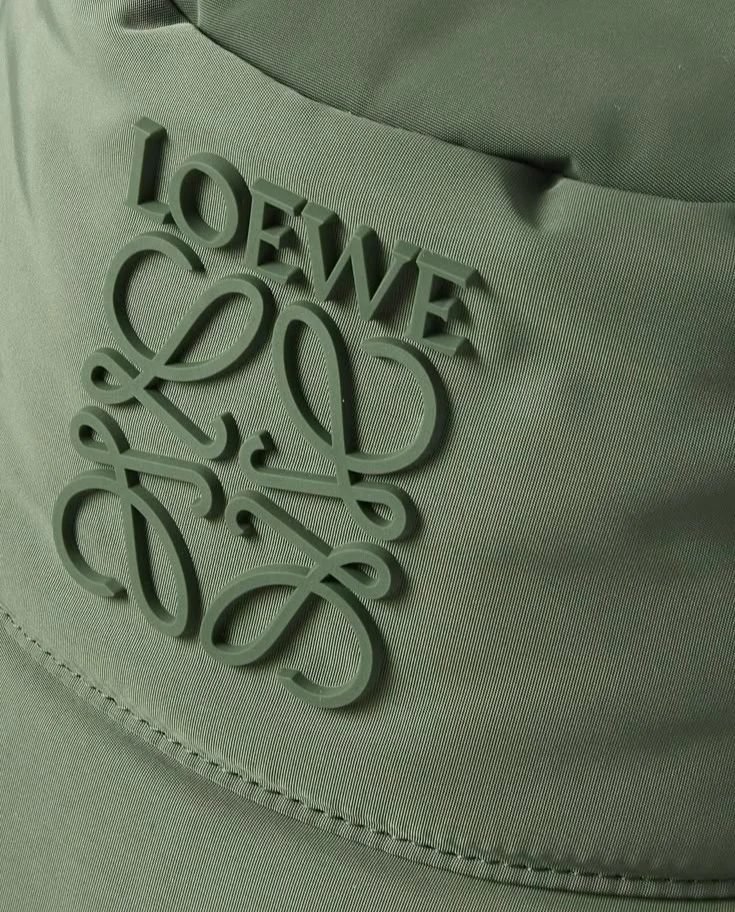
Water Based Screen Printing
Water-based inks absorb into the fabric rather than sitting on top, producing a soft-hand finish with a breathable feel. Preferred for lightweight tees, eco-conscious collections, and vintage-adjacent streetwear aesthetics. Our formulations meet environmental compliance standards while maintaining consistent color brightness and wash retention throughout production.
Get a Quote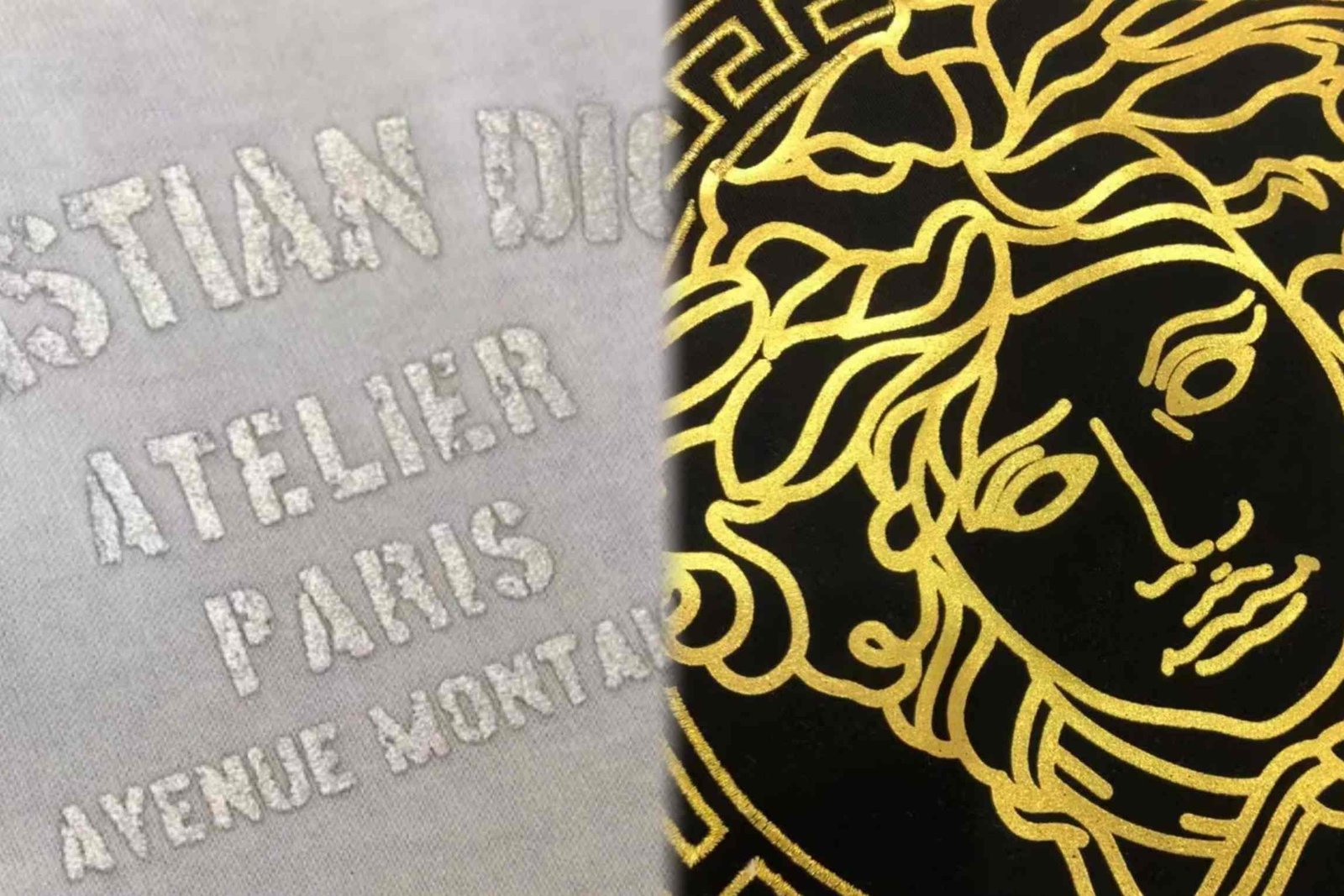
Discharge Printing
Discharge printing chemically removes the base fabric dye and replaces it with pigment, resulting in zero ink buildup and an ultra-soft, worn-in surface. Best executed on 100% cotton and ring-spun constructions. Delivers the lived-in, vintage aesthetic central to premium streetwear drops and heritage-inspired seasonal collections.
Get a Quote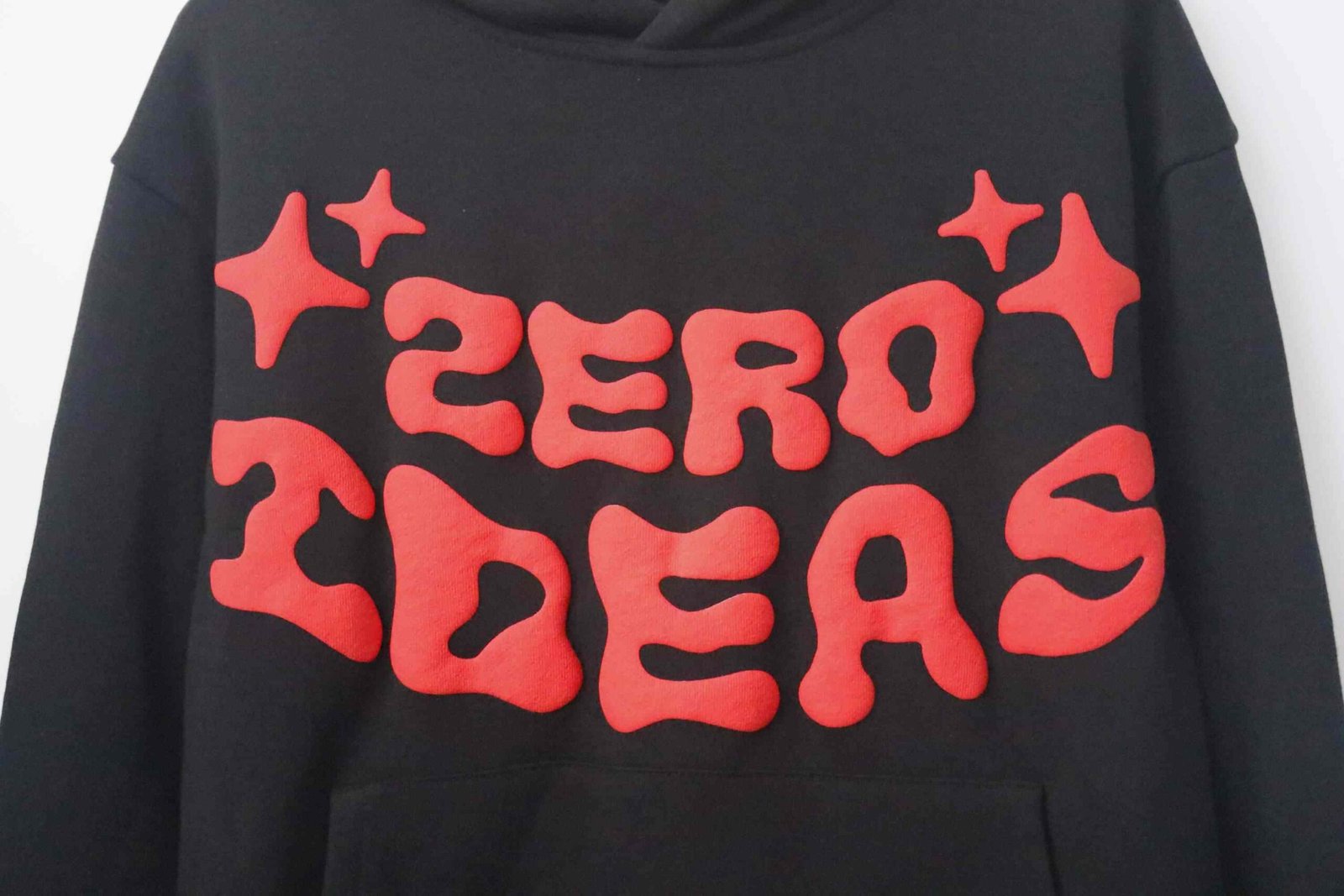
Puff Print
A heat-activated additive causes the ink to expand during curing, lifting the print off the fabric surface into a raised, three-dimensional texture. Effective on lettering, brand marks, and graphic focal points. Adds a tactile, high-touch quality to hoodies and tees that communicates premium construction without embroidery costs.
Get a Quote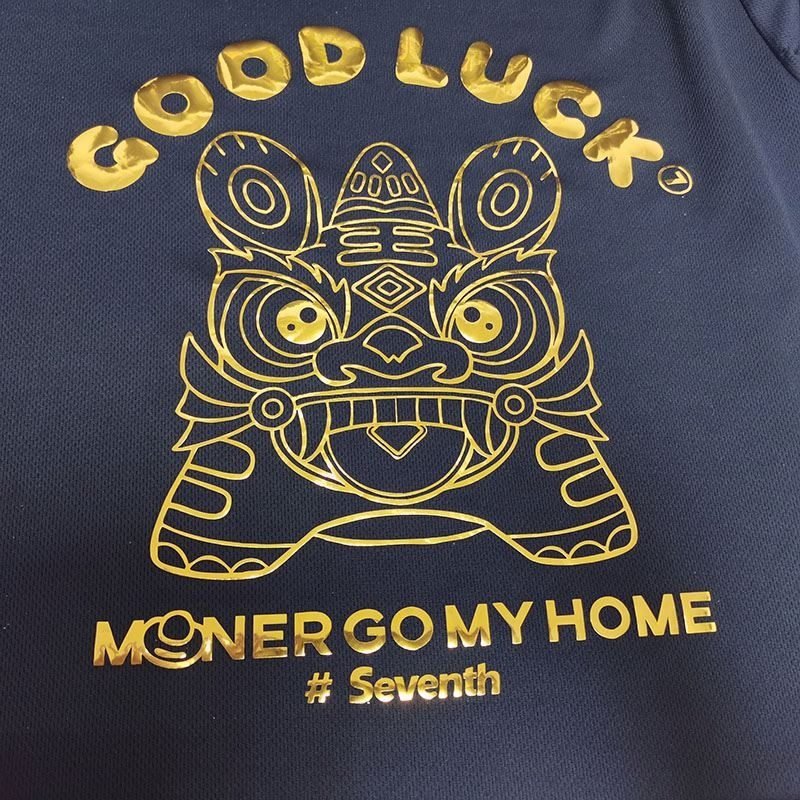
High Density Screen Printing
Multiple thick ink layers are built up and cured to create a sculpted, molded relief with significant visual weight and sharp definition. Produces a premium alternative to embroidery for logos and wordmarks. Popular with streetwear brands seeking a bold, architectural graphic presence on seasonal hero pieces and limited-run drops.
Get a Quote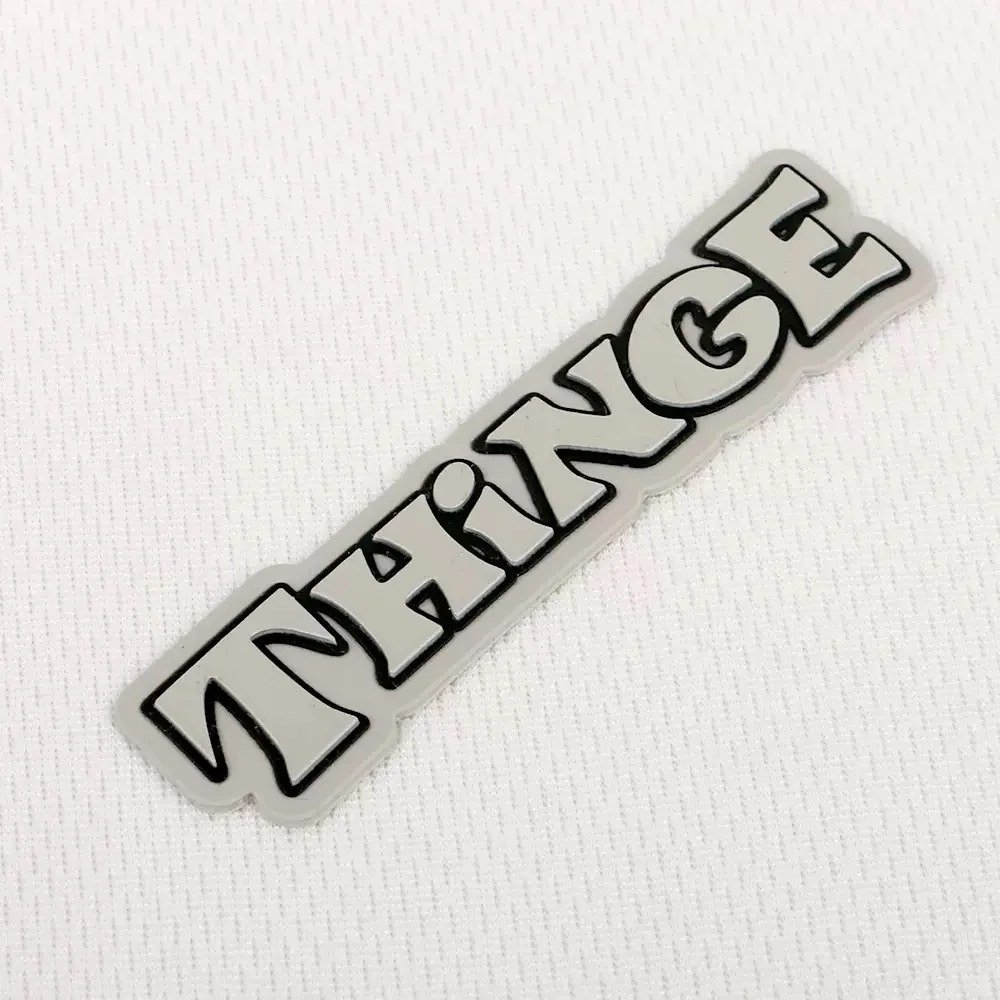
Silicone Screen Printing
Silicone ink bonds directly to the fabric, forming a smooth, rubberized surface that is heat-resistant, highly flexible, and stretch-tolerant. Performs reliably on athletic and performance streetwear constructions. Maintains full print integrity through moisture, movement, and repeated washing without cracking, peeling, or delaminating over time.
Get a Quote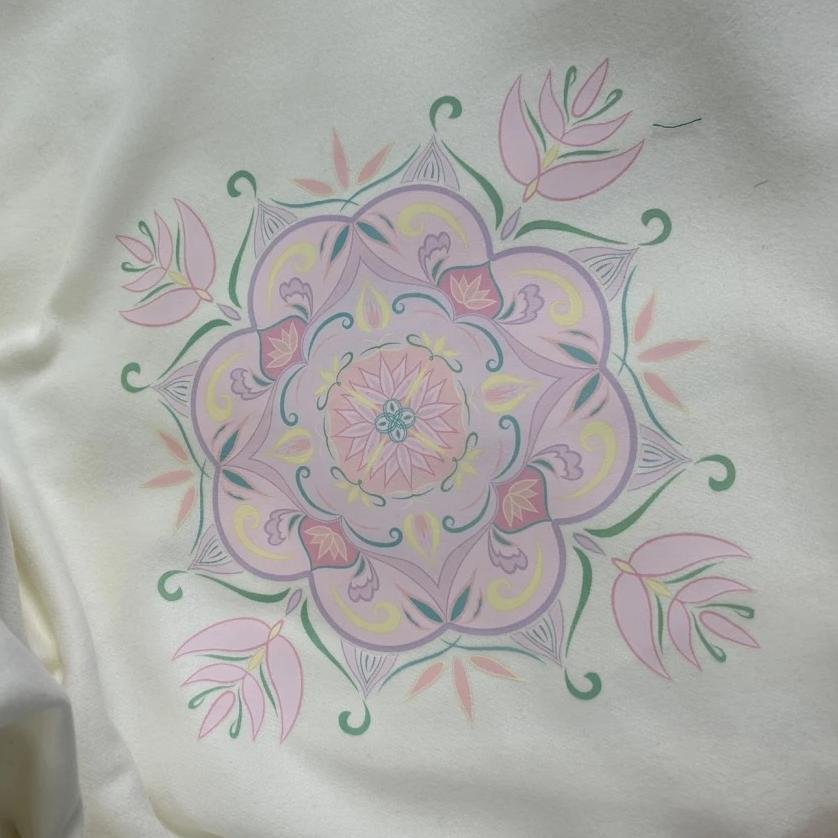
Foil Printing
A metallic film is transferred to the garment surface using heat and pressure, producing a mirror-bright finish available in gold, silver, holographic, and custom color options. Used to accent logos, typography, and graphic details. Adds a high-impact visual effect well-suited to drop-model releases and influencer-driven streetwear collections.
Get a Quote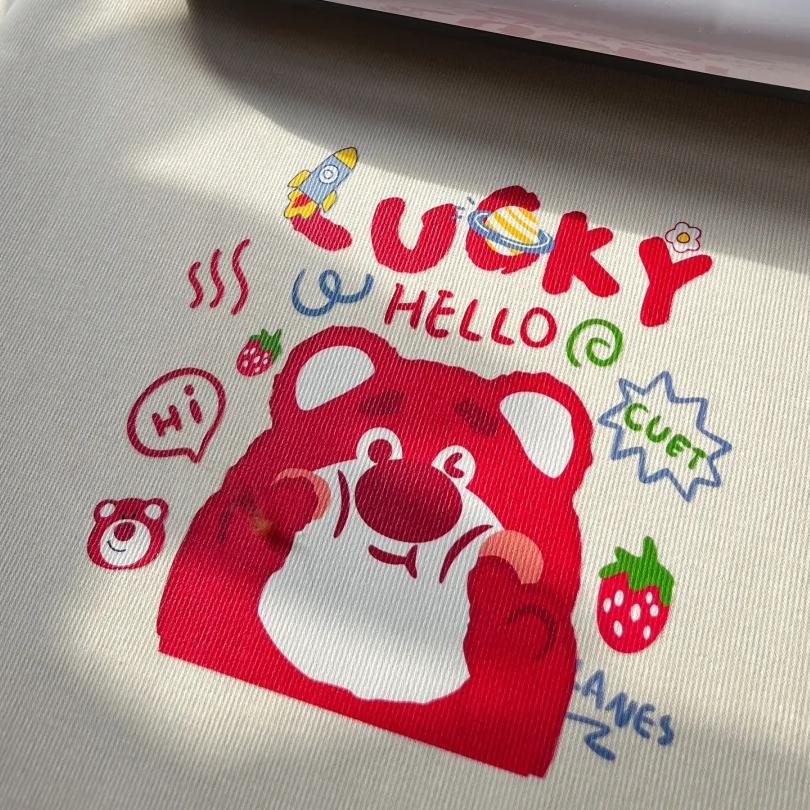
Flock Printing
Fine fibers are electrostatically bonded to the garment surface over an adhesive base, creating a velvety, raised texture with a distinct material contrast against surrounding fabric. Frequently applied to lettering and brand marks on hoodies and jackets. The tactile finish adds a high-fashion dimension suited to premium and limited-run lines.
Get a Quote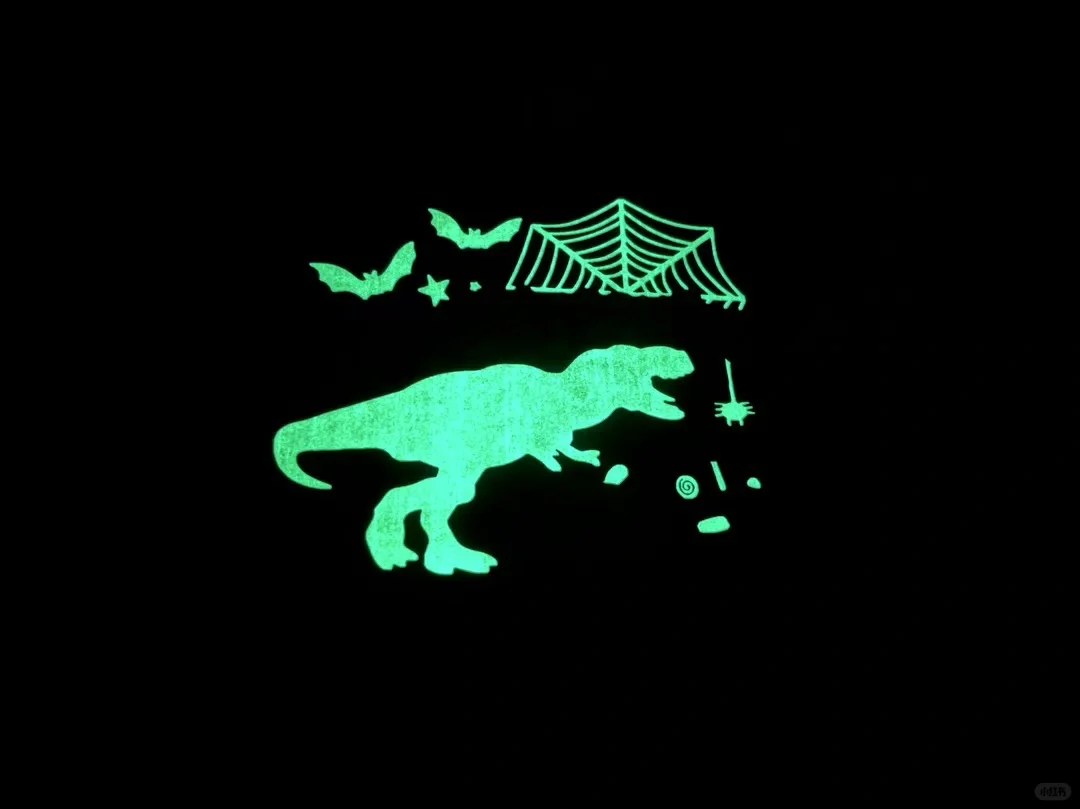
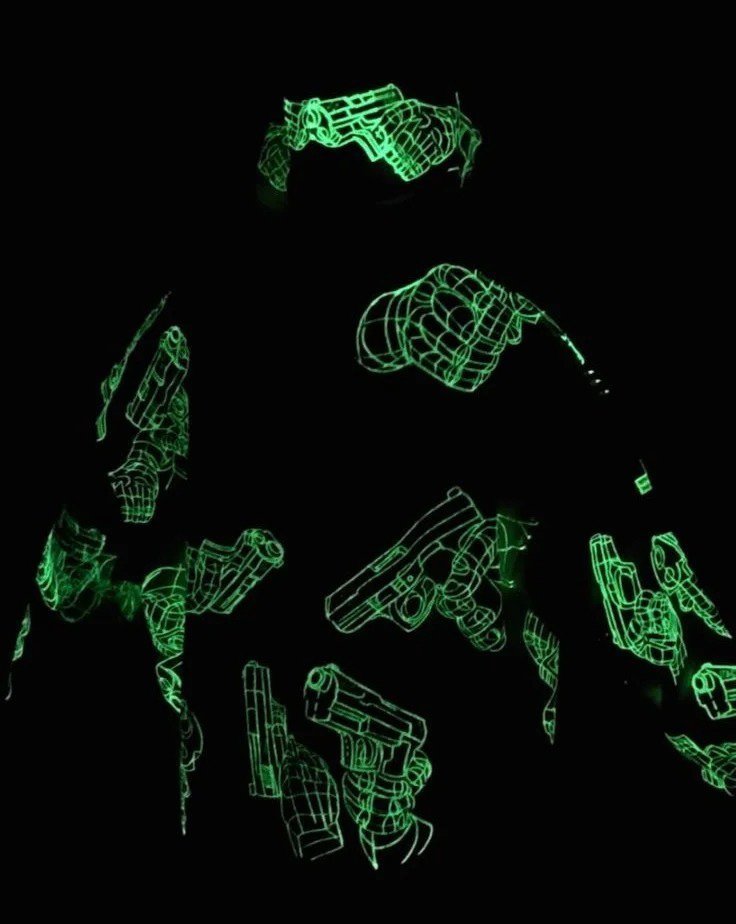
Glow in the Dark Printing
Photoluminescent inks absorb ambient or UV light and emit a visible glow in low-light conditions. Effective for skeleton motifs, mystery symbols, graffiti-style graphics, and night-event apparel central to streetwear culture. Our QC process verifies glow intensity and wash durability at the finished-goods stage before any order ships.
Get a Quote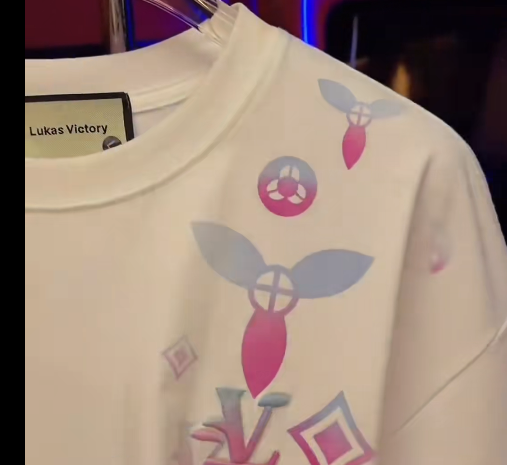
Reflective Printing
Micro-glass bead technology reflects light directly back toward its source, activating under camera flash and direct lighting to create a high-visibility effect. Widely applied to streetwear logos and graphic overlays that amplify brand presence in social media content. Holds reflective performance through repeated wash cycles without noticeable degradation.
Get a QuoteCustom Screen Printing Specialists for Streetwear Brands
Clothing Manufacturer Ltd. was founded in 2024 by Tesla Luo, a second-generation garment professional with over 10 years of apparel manufacturing experience and 6 years specializing in streetwear. Raised inside Dongguan’s factories — rotating through sewing, cutting, quality control, and logistics — Tesla built comprehensive mastery of every production stage that most industry leaders never experience directly.
Operating from Humen Town, the historic core of China’s garment industry, we draw on the established infrastructure of parent company Dongguan TuoZhen Clothing Co., Ltd., an in-house R&D team of 15, and 10 production patents. Whether you are a startup seeking low-MOQ custom screen printing or a global retailer scaling seasonal drops, we deliver premium craftsmanship to brands across more than 100 countries and regions.
Our defining difference is a proprietary 5-step QC process — covering materials, cutting, garment craft, sewing, and final inspection — that identifies defects at every production stage, not just at the end of the line. This zero-compromise philosophy was Tesla’s founding conviction: that manufacturers earn global trust through rigorous in-process testing, honest communication, and an unwavering commitment to the brands they serve.
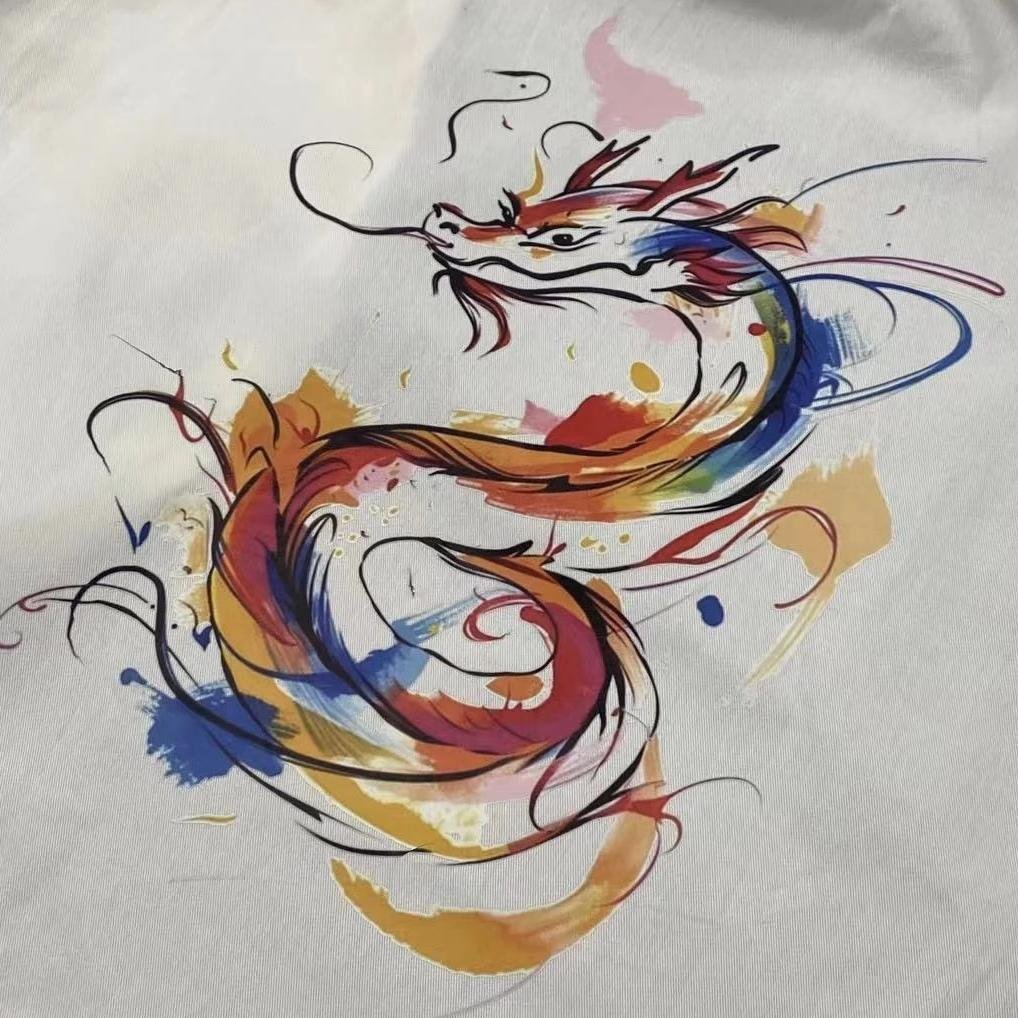
The Art & Science of Our Custom Screen Printing
Pre-Press Color Separation & Film Output
Before ink touches fabric, our pre-press team executes channel-by-channel color separation using industry-standard RIP software, producing film positives at 65-85 lpi with sub-0.01 mm tolerance — eliminating registration drift before production even begins.
- Dedicated pre-press specialists handle every artwork file, including spot-color conversions and halftone builds
- Film positives output at high resolution with each color channel precisely aligned to your approved artwork
- Screen exposure times calibrated per mesh count to prevent under- or over-hardening of emulsion
- First-article proof reviewed and signed off before the full production run is authorized
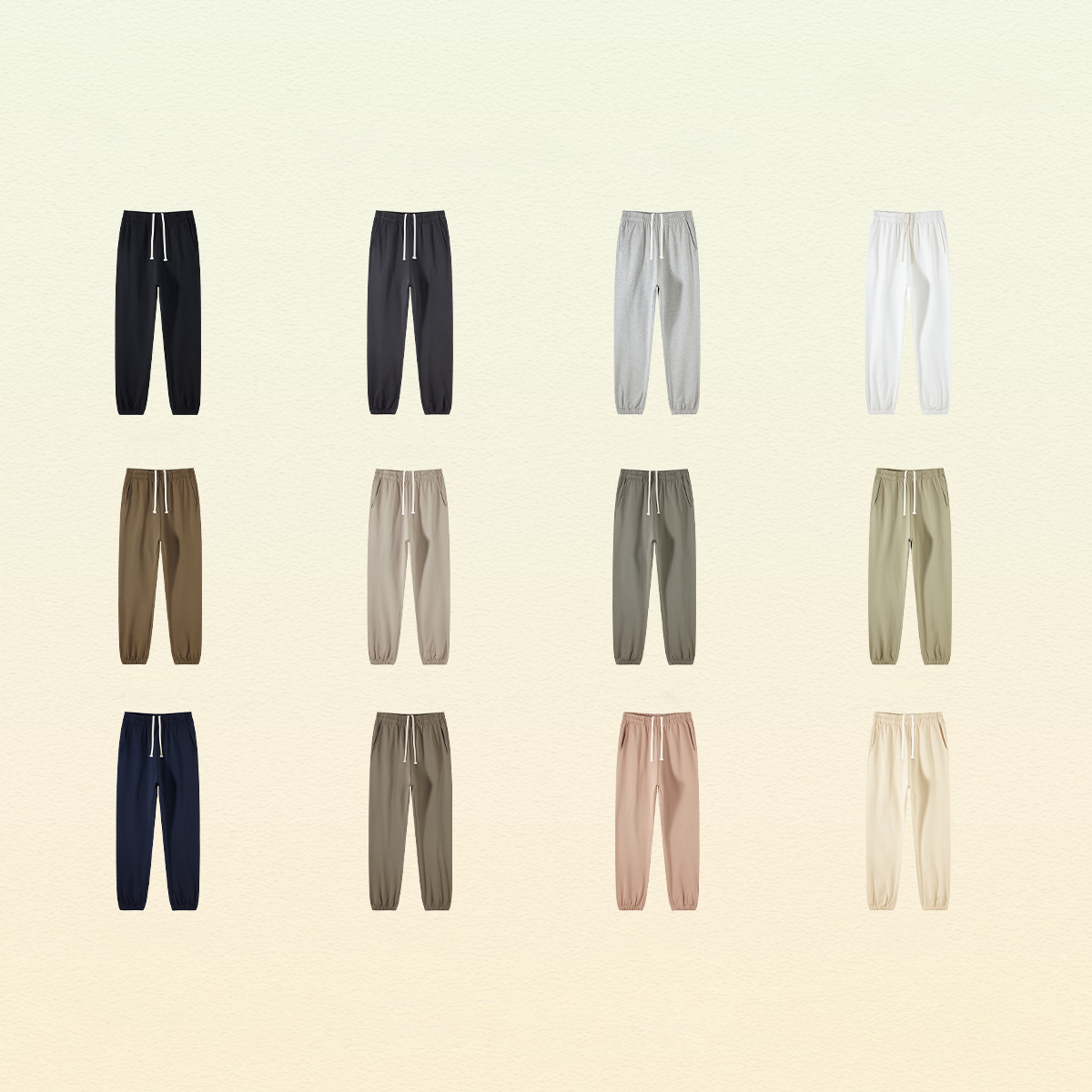
Ink Formulation Chemistry for Vivid, Lasting Color
We compound plastisol, water-based, and discharge inks in-house, adjusting viscosity, pigment load, and cure temperature to match each fabric substrate. The result is saturated color that survives 50-plus wash cycles without fade, cracking, or loss of hand feel.
- Plastisol inks deliver bold opacity on dark streetwear blanks; water-based inks achieve a soft-hand feel on premium tees
- Discharge chemistry strips base fabric dye for a dyed-in finish with zero print thickness on the hand
- Specialty metallic, puff, and glow-in-the-dark formulations available for limited-edition drops and influencer collections
- All ink batches logged with pigment load and cure data to ensure batch-to-batch color consistency across reorders
Optimized Flash and Cure Cycles for Every Layer
Multi-layer custom screen printing demands precise flash and full-cure timing between colors. Our tunnel dryers maintain plus-or-minus 2 degrees Celsius temperature consistency, and each ink layer passes wash adhesion checks before the full run advances, preventing costly reprints.
- Flash cure units positioned between color stations to gel under-layers without compromising inter-coat bond surfaces
- Tunnel conveyor speed and temperature logged per job for repeatable results on seasonal reorders
- Wash adhesion test performed on strike-off samples before approving ink-to-substrate bond for the full production run
- Multi-color halftone and simulated-process builds verified at each deposited layer for dot gain and ink integrity
Five-Step QC Woven Into Every Print Run
Our proprietary 5-step quality control methodology places checkpoints from fabric intake through finished garment inspection. Dedicated QC staff verify ink adhesion, color accuracy, squeegee pressure records, and print registration at every stage, not just at the end.
- Materials QC confirms fabric weight, shrinkage, and surface texture before screens are loaded onto the press
- Cutting and pre-production QC catches substrate defects that affect ink lay-down before any printing starts
- Sewing and craft QC checks garment construction alongside print placement for brand-ready finished goods
- Final finished-goods inspection measures color delta against the approved strike-off and rejects any non-conforming units
Custom Screen Printing That Standard Suppliers Can’t Match
See exactly where Clothing Manufacturer Ltd pulls ahead — on equipment, ink technology, QC rigor, turnaround, and every detail that shapes your final product.
← 左右滑动查看 →
Custom Screen Printing Production Timeline: From Art to Garment
Seven precision-controlled stages with embedded quality gates at every step — because flawless results are built in, not inspected in at the end.
Design Approval & Artwork Prep
Client artwork is reviewed for print-readiness, color counts confirmed, and files optimized to exact garment specs before any production resource is committed.
Color Separation & Screen Exposure
Each color layer is separated digitally, emulsion-coated screens are precision-exposed under UV light, and tension-checked for sharp, registration-accurate ink transfer.
Ink Mixing & Materials QC
Inks are custom-mixed to Pantone specification and tested for viscosity, adhesion, and wash-fastness on sample swatches before a single production garment is touched.
Multi-Pass Printing & In-Line QC
Garments move through each color station while our 5-step QC technicians verify registration, opacity, and color accuracy after every pass to catch defects immediately.
Curing & Heat-Set Verification
Printed pieces pass through calibrated dryer tunnels; cure temperature and dwell time are logged and spot-tested to guarantee ink bonds that survive 50-plus wash cycles.
Final Inspection, Pack & Ship
Every finished garment clears a full QC audit covering measurements, color match, and print integrity before poly-bagging, carton-packing, and dispatch via your chosen global logistics channel.
How to Order Custom Screen Printing: Simple, Transparent, Fast
From your first file upload to final delivery, every step is built for clarity, speed, and zero surprises — no matter where you are in the world.
Submit Your Artwork and Specs
Upload print-ready files in AI, PDF, or PSD format along with your garment specs. Our team flags any issues before a single screen is burned.
Get Your Free Design Review
Our in-house design team checks your artwork for printability, color accuracy, and placement, returning detailed feedback within 24 hours at no charge.
Approve Your Sample and Quote
Receive a physical sample within 7 days alongside a transparent, line-item quote. Approve both before any bulk custom screen printing order begins.
Begin Five-Step QC Production
Your order enters our proprietary 5-step QC process covering materials, cutting, craft, sewing, and finished-goods inspection, so defects are caught early, never at the end.
Receive Order with Full Documentation
Your shipment arrives with QC sign-off reports, a packing list, and real-time logistics tracking, giving your team complete visibility from our factory to your door.
What Brands Say About Our Custom Screen Printing
We ordered 200 hoodies with a 12-color screen print for our fall drop. Every garment matched our Pantone specs, and after 40+ washes in our stress test the ink held perfectly. We have already placed three repeat orders.
As a creator launching my first apparel line, the low MOQ and 7-day sample turnaround were game-changers. The custom screen printing reproduced our gothic artwork with zero misregistration. We sold out all 300 units within 48 hours of launch.
We have worked with factories across three continents, but Clothing Manufacturer Ltd. is the only team that caught a screen-layer misalignment before our 500-piece run went into production. Their 5-step QC process genuinely saved the entire collection.
Custom Screen Printing: Frequently Asked Questions
Everything you need to know before placing your first order — fabric compatibility, color limits, file formats, MOQ, lead times, and more.
What fabrics work best for custom screen printing?
How many colors can I include in one custom screen printing design?
What is the minimum order quantity for custom screen printing?
What file formats do I need to submit for my screen printing artwork?
How durable is screen printed ink after repeated washing?
Can you match a specific Pantone color for my screen printing order?
What are the maximum print dimensions available for screen printing on a T-shirt or hoodie?
Do you offer eco-friendly or water-based ink options for custom screen printing?
How long does sampling take before full screen printing production begins?
The Complete Buyer’s Guide to Custom Screen Printing for Brands
Cut through the noise with a proven decision framework — covering print types, fabric compatibility, supplier vetting criteria, real cost breakdowns, and the critical mistakes that sink first-time orders before a single shirt ships.
1. What Is Custom Screen Printing?
Custom screen printing forces plastisol or water-based ink through a mesh stencil — called a screen — directly onto fabric, depositing one color layer at a time. Each color requires its own screen, typically registered within ±0.5 mm for clean edges. The result is ink that sits on top of the fiber, producing sharp outlines and dense, opaque coverage that no other high-volume decoration method matches.
Over 60% of decorated-apparel volume globally moves through screen printing, and the core reason is ink opacity on dark fabrics. A single plastisol layer achieves near-100% opacity on a black 240 GSM ring-spun cotton tee — something digital/DTG printing needs a white underbase plus multiple passes to approximate. For streetwear brands working with bold graphics and Pantone-matched colors, that opacity gap is decisive.
Setup costs — screen burning and registration — run roughly $15–$40 per color and are fixed regardless of run size, so per-unit price drops steeply beyond a 48-piece minimum. Digital/DTG printing carries near-zero setup cost but a higher per-unit ink cost, making it cost-effective only for runs under 24 pieces. At 144 pieces and above, custom screen printing is almost always the lower-cost path.
This guide covers every decision a brand builder faces before placing a custom screen printing order — technique selection, fabric compatibility, quality inspection checkpoints, and full cost structures.
2. A Brief History of Custom Screen Printing
In 1907, Samuel Simon of Manchester patented the first silk-screen process, pushing ink through silk mesh stretched over a wooden frame to transfer stenciled designs onto fabric. By the 1930s, American commercial printers had replaced hand-cut masks with photo-emulsion stencils, making precise multi-color registration achievable at production scale.
Andy Warhol’s 1962 ‘Campbell’s Soup Cans’ series brought screen printing into mainstream culture, demonstrating that the method could replicate bold, flat-color graphics with machine-like consistency. That pop-art crossover directly shaped graphic tee design through the 1970s and 1980s, when high-volume apparel producers adopted screen printing as their primary logo decoration method.
By the 1990s, automated rotary carousel presses capable of 1,200 impressions per hour had displaced hand-cranked equipment on serious production floors. Plastisol inks standardized around Pantone-matched formulations, while water-based and discharge alternatives emerged for brands requiring softer hand-feel and OEKO-TEX-compliant outputs.
Streetwear’s global surge through the 2000s — rooted in hip-hop, skateboarding, and graffiti culture — turned custom screen printing into the default method for limited-run drops and fast-turn brand launches. More than a century of refinement means the process is deeply understood by manufacturers worldwide, with documented quality benchmarks at every stage: ink viscosity, mesh count, cure temperature, and wash-fastness. That proven track record is precisely why global apparel brands, from early-stage startups to established retailers, continue to specify screen printing as their decorating method of choice.
3. Types of Custom Screen Printing Techniques
Not all custom screen printing techniques produce the same look, feel, or durability. The right ink type affects washfastness, hand feel, and brand fit. Five core variants cover 95% of streetwear production decisions.
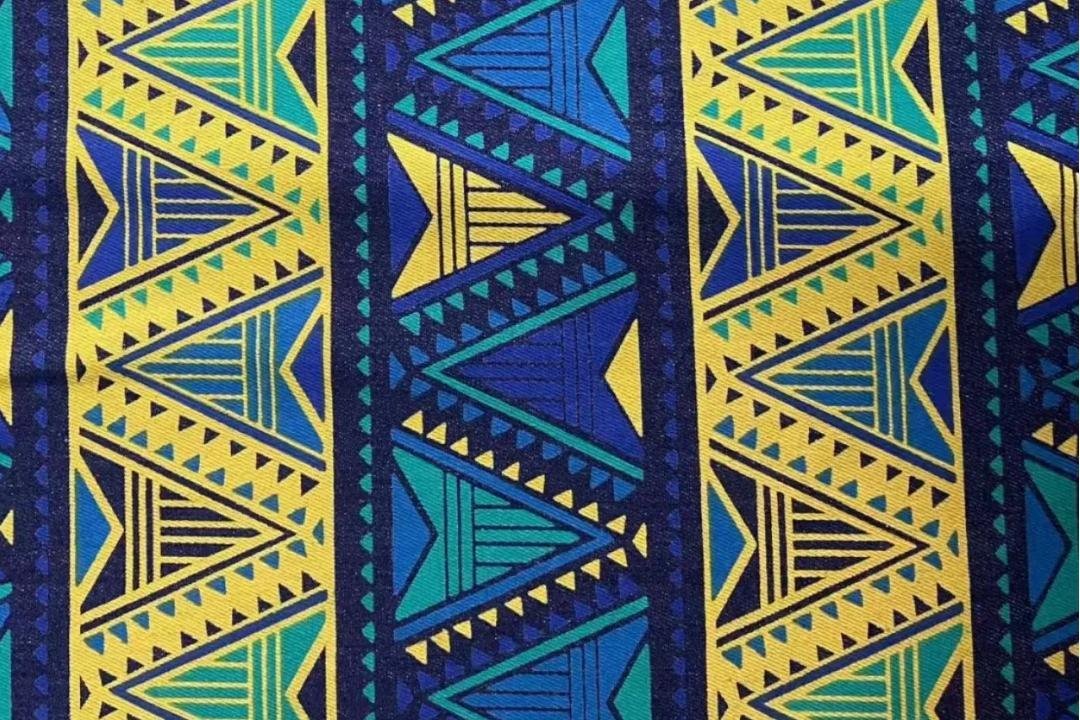
Plastisol Inks
Plastisol is the PVC-based industry default — opaque and color-vivid on dark substrates. It holds detail to 35-mesh halftone dots and bonds to cotton, polyester, and blends.
Best for bold block logos and Pantone-matched graphics where run-to-run color consistency is non-negotiable.
Water-Based Inks
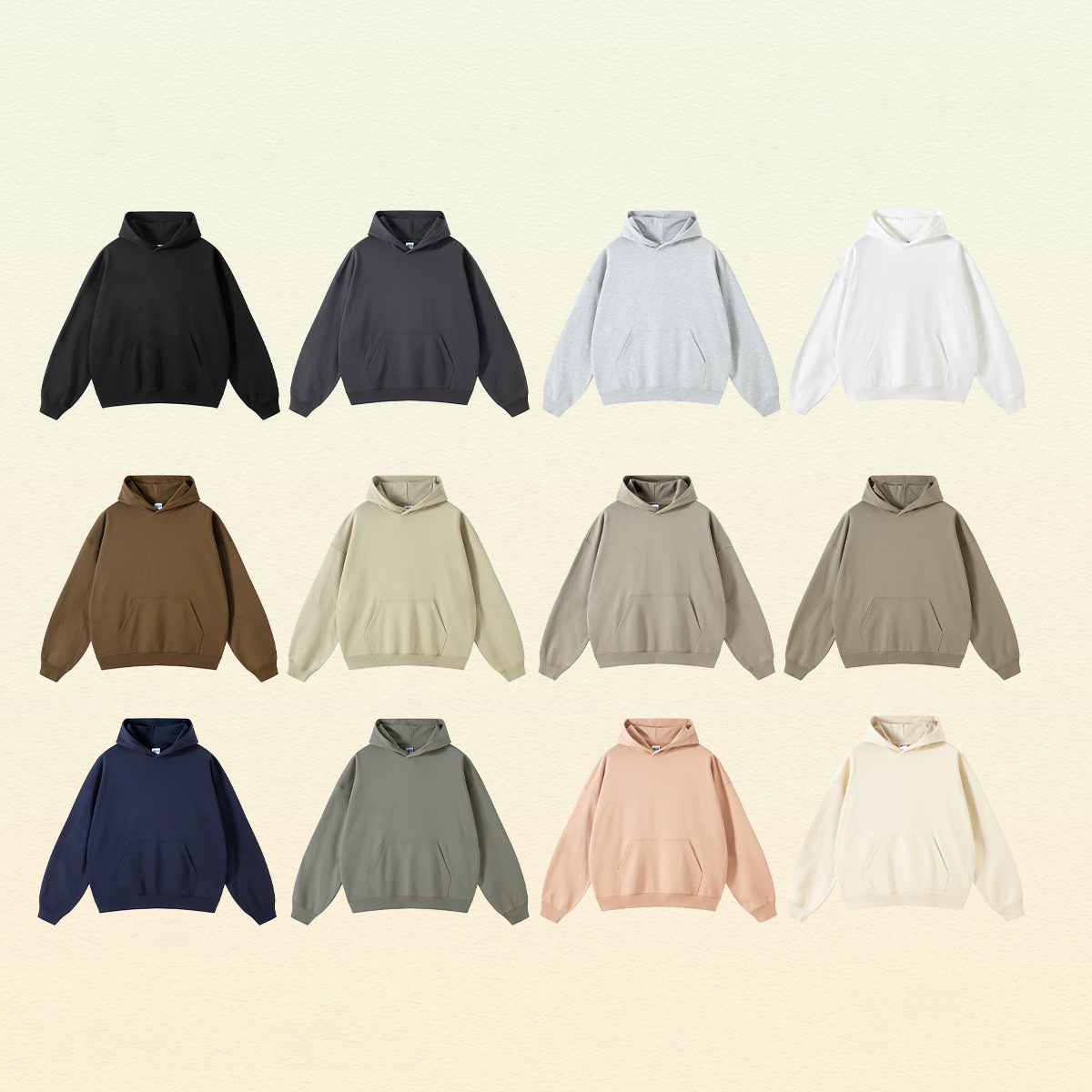
Water-based inks penetrate fiber rather than sitting on top, producing a soft, breathable hand feel. They perform best on 100% ring-spun cotton above 140 GSM.
Vibrancy drops on dark grounds, making this technique ideal for light-base minimalist or vintage brand aesthetics.
Discharge Printing
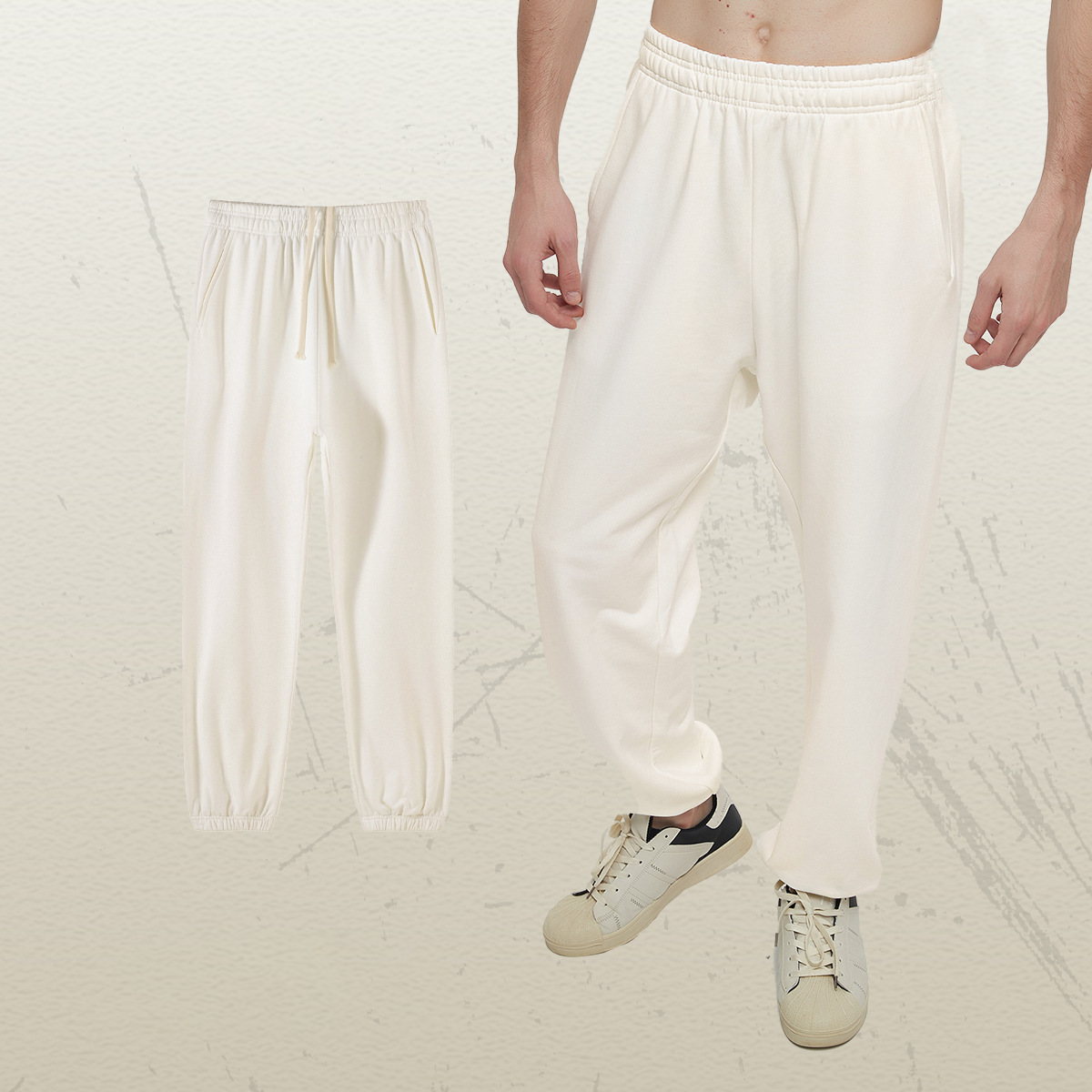
Discharge activates a chemical agent to strip reactive dye from the base fabric, leaving pigment embedded in the fiber — zero hand feel, zero cracking over time. It bonds exclusively to reactive-dyed 100% cotton.
Best for premium basics where a ‘no print’ tactile feel defines the brand identity.
Simulated Process Printing
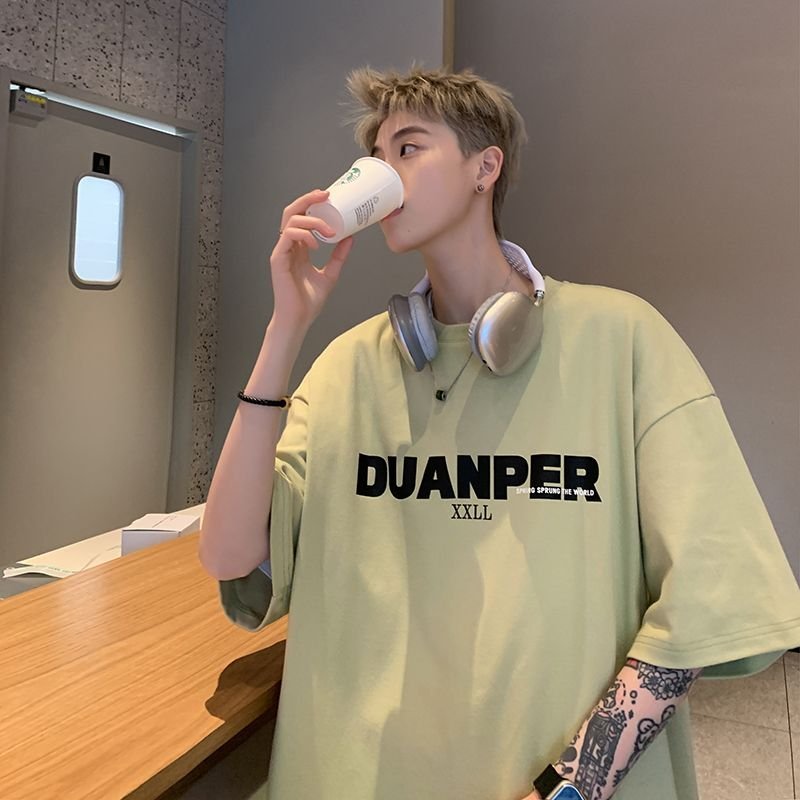
Simulated process uses 6-12 spot-color separations to reproduce photographic gradients and complex artwork on dark garments, holding mid-tone detail that single-color plastisol cannot.
Requires high-cotton fabric above 160 GSM and skilled color separations. MOQs typically start at 48 pieces per design.
Specialty Inks: Puff, Foil, Metallic, and Glow
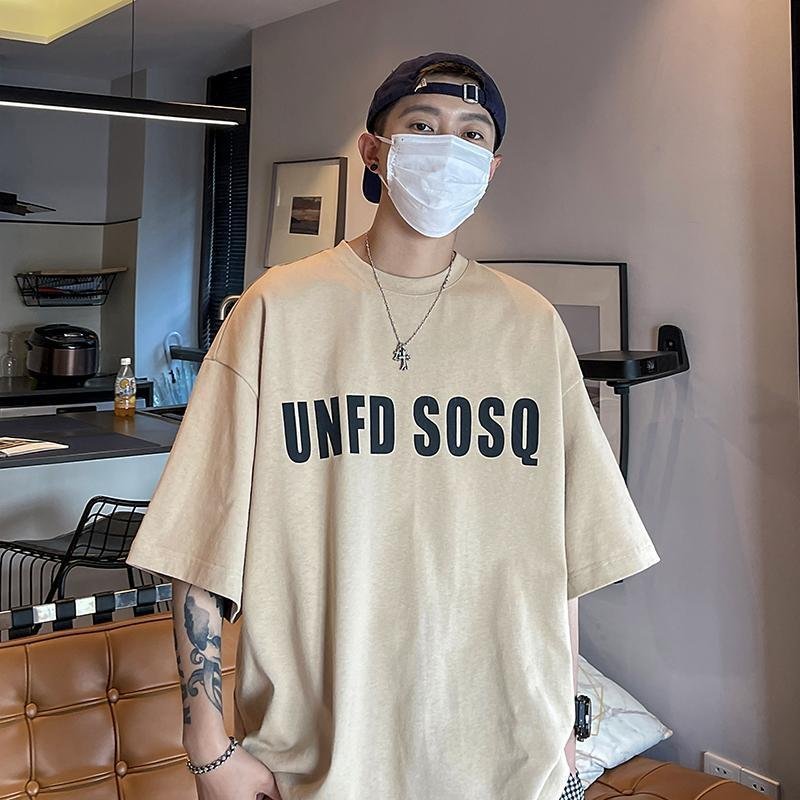
Puff ink expands 1-3 mm during heat curing, adding raised tactile dimension to logos and wordmarks. Foil and metallic inks produce mirror or shimmer finishes suited for limited-edition drops.
Glow-in-the-dark inks re-emit absorbed UV light — a proven differentiator for festival, nightlife, and youth streetwear brands.
4. Fabrics & Materials for Custom Screen Printing
Fabric composition directly determines how well custom screen printing ink bonds, how vivid colors appear, and how many wash cycles a print survives. Cotton, poly-cotton blends, tri-blends, and performance polyester each behave differently under a squeegee.
| Fabric Type | Ink Compatibility | Recommended Technique | Durability | GSM Range |
|---|---|---|---|---|
| 100% Cotton | Plastisol, Water-Based | Standard, Discharge | Excellent | 160–320 |
| Poly-Cotton 50/50 | Plastisol | Standard Screen Print | Good | 180–280 |
| Tri-Blend | Low-Bleed Plastisol | Simulated Process | Good | 140–200 |
| Performance Polyester | Low-Migration Plastisol | Specialty Only | Fair–Good | 120–180 |
Cotton and Poly-Cotton Print Performance
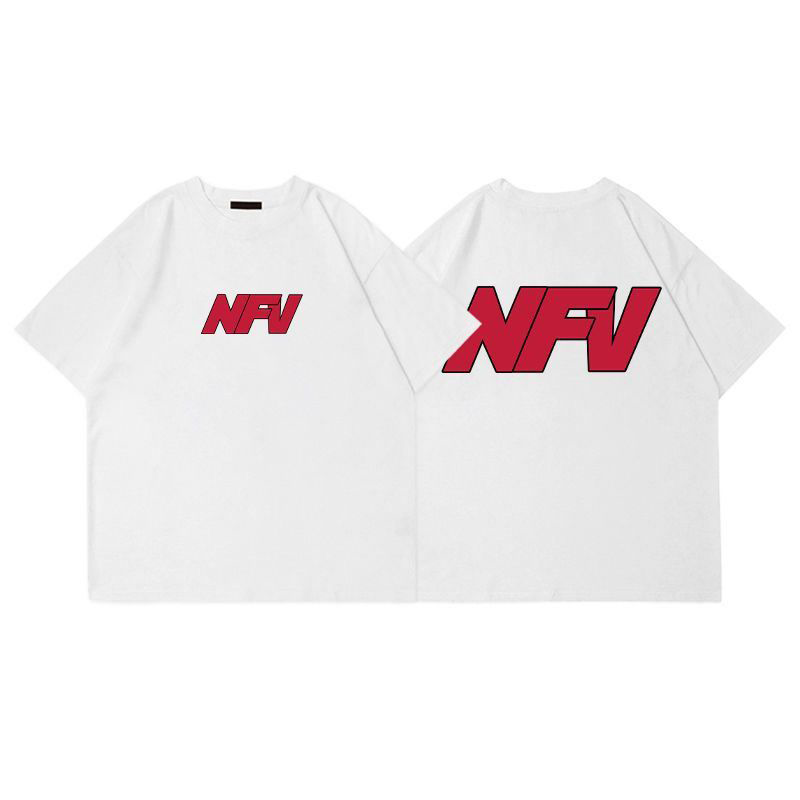
Ring-spun 100% cotton at 160–200 GSM for tees and 280–320 GSM for hoodies delivers the highest ink adhesion and color vibrancy with plastisol inks. Poly-cotton blends (50/50 or 65/35) reduce shrinkage but yield slightly softer color payoff due to polyester’s smoother, less porous fiber structure.
Dye Migration on Synthetic Fabrics
Performance polyester and tri-blends (50% polyester/25% cotton/25% rayon) require low-bleed or dye-blocker inks.
Standard plastisol applied to synthetic fabrics allows heat-activated dye migration during curing, permanently discoloring the printed image. Specify polyester-rated inks and confirm your manufacturer uses them before approving samples on any synthetic substrate.
5. Customization & Decoration Options in Custom Screen Printing
Eight placement zones and five ink finishes are available in custom screen printing, each carrying different setup costs and visual weight. Choosing the right combination is how designers create a product line that stands apart from commodity basics.
| Decoration Option | Setup Complexity | Typical Add-On Cost | Best Brand Style |
|---|---|---|---|
| Oversized front print | Low | $0–1/unit | Streetwear, drop-label |
| All-over print | High | $2–4/unit | Festival, art brands |
| Sleeve print | Medium | $0.50–1.50/unit | Sporty, capsule collections |
| Inside-neck label | Low | $0.30–0.80/unit | Premium basics, DTC |
| High-density 3D ink | Medium | $0.50–1.50/unit | Luxury streetwear |
| Screen print + embroidery | High | $2–5/unit | Heritage, varsity style |
Placement Zones Beyond the Chest
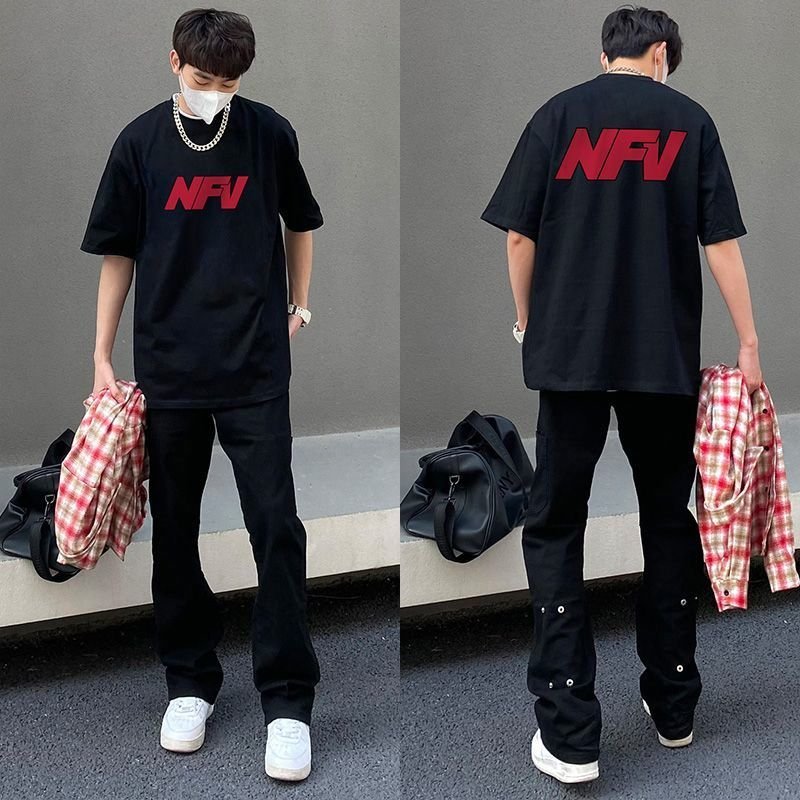
Oversized prints cover 90%+ of the torso; all-over prints use discharge or water-based inks across the full fabric panel; sleeve, inside-neck label, and hem-tag placements each add 0.50–4 USD per unit depending on surface area and ink volume.
Inside-neck screen-printed labels replace woven tags at a 0.20–0.50 USD per-unit saving while reinforcing brand identity on every wear.
Ink Finish Profiles That Drive Perceived Value
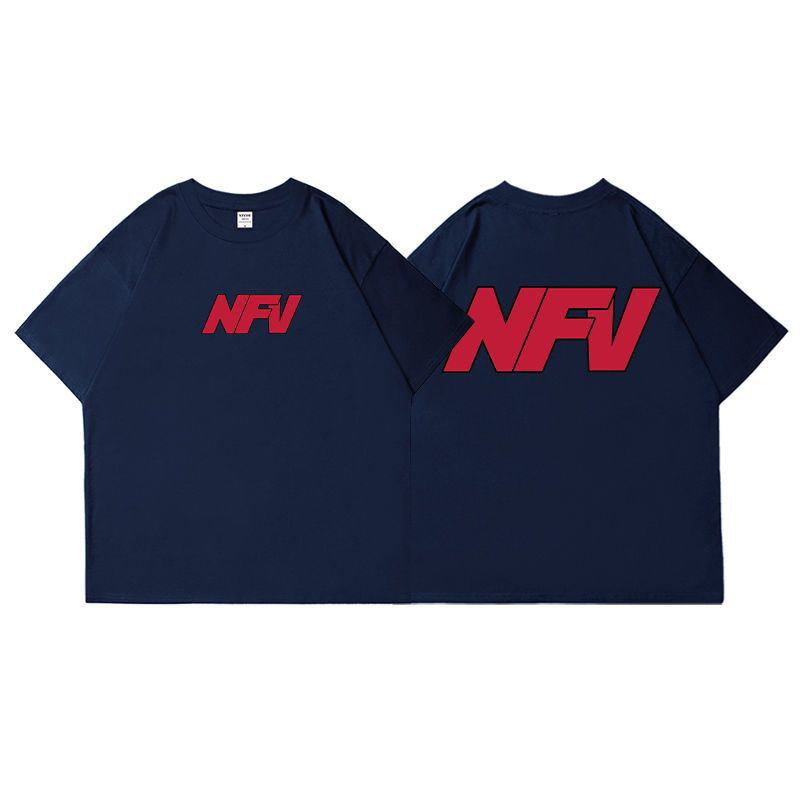
Matte inks absorb light and read as premium on 300 GSM fleece; gloss inks create contrast on dark 180 GSM jersey. High-density 3D ink builds 2–4 mm of raised relief, adding tactile depth at roughly 0.50–1.50 USD per unit extra.
Crack-resistant plastisol suits 50+ wash-cycle durability; water-based inks serve softer hand-feel demands on ring-spun cotton.
Multi-Color, Halftone, and Combined Embellishments
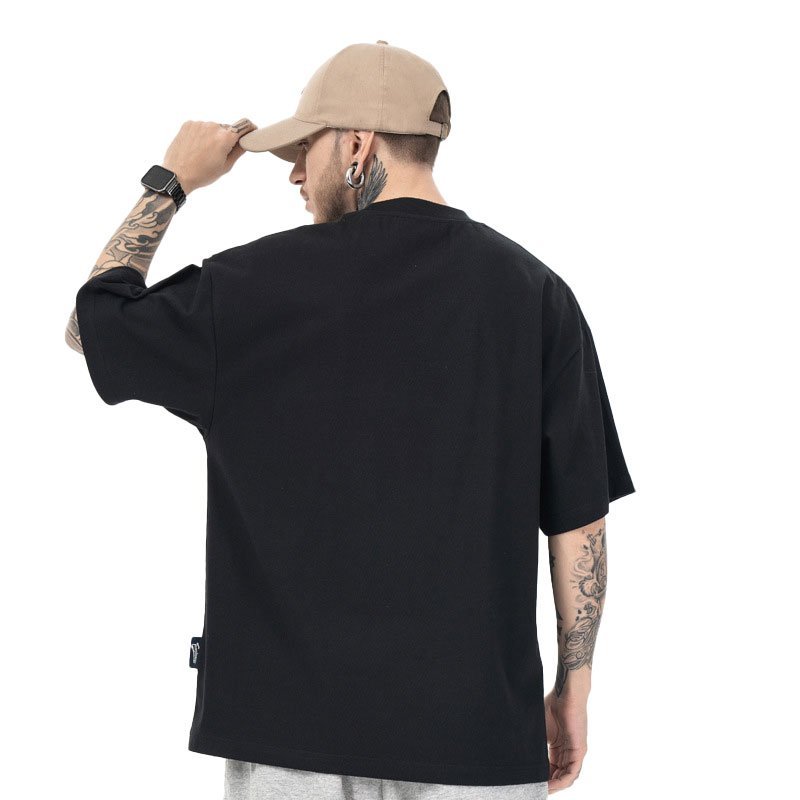
Each Pantone color in a multi-color build requires its own screen — budget 15–25 USD setup per color. Halftone gradients simulate full-color photography using dot patterns; high-tension mesh at 160+ threads/cm is required for clean output and sharp tonal transitions.
Pairing custom screen printing with embroidery raises perceived retail value by 20–40%; expect 2–5 USD per-unit add-on plus a one-time 20–50 USD digitizing fee per embroidery file.
6. Quality Indicators Every Buyer Should Inspect
A single rejected shipment costs weeks of lost sell-through. Knowing which print attributes to verify before bulk production ships turns a gut-check into a repeatable, documented process for any custom screen printing order.
Ink Opacity and Edge Definition
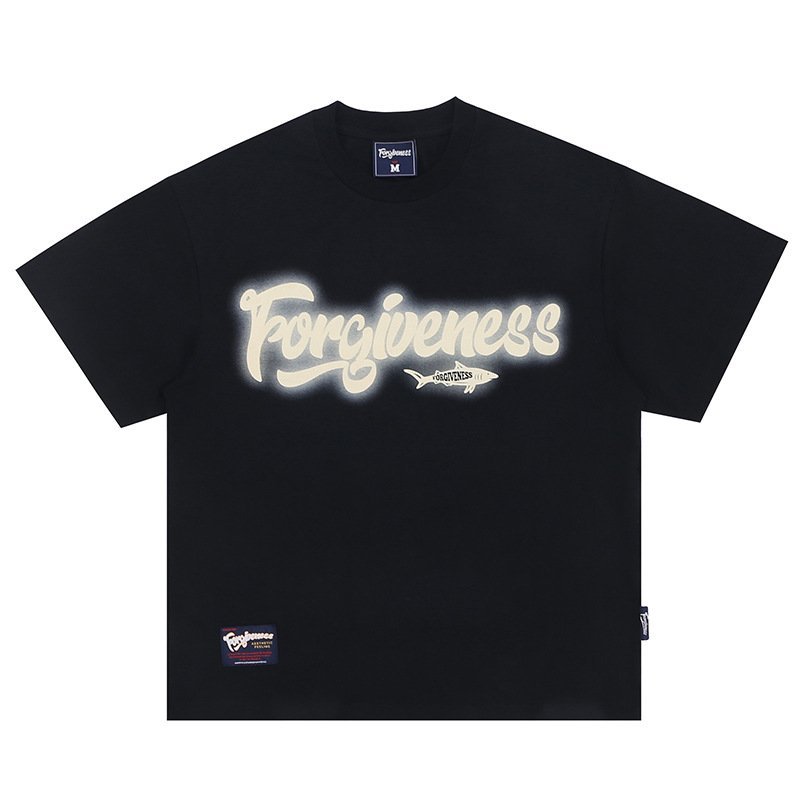
Opacity measures how fully ink covers the base fabric; a premium print shows zero show-through at 100% coverage zones. Inspect edges under 10× magnification for halftone dot clarity and zero ink bleed beyond the artwork boundary.
Pantone Matching and Multi-Colour Registration
Specify every colour by Pantone Matching System (PMS) number; acceptable tolerance is Delta-E ≤ 2.0 under D65 lighting. On multi-colour jobs, misregistration beyond 0.5 mm creates visible fringing — request a registration proof on the first strike-off.
Wash-Fastness Standards
ISO 105-C06 and AATCC 61 are the benchmark wash-fastness protocols; specify a minimum grey-scale rating of 4 out of 5. Require 20 machine-wash cycles at 40°C before signing off on the production sample.
Hand-Feel: Stiff Versus Soft
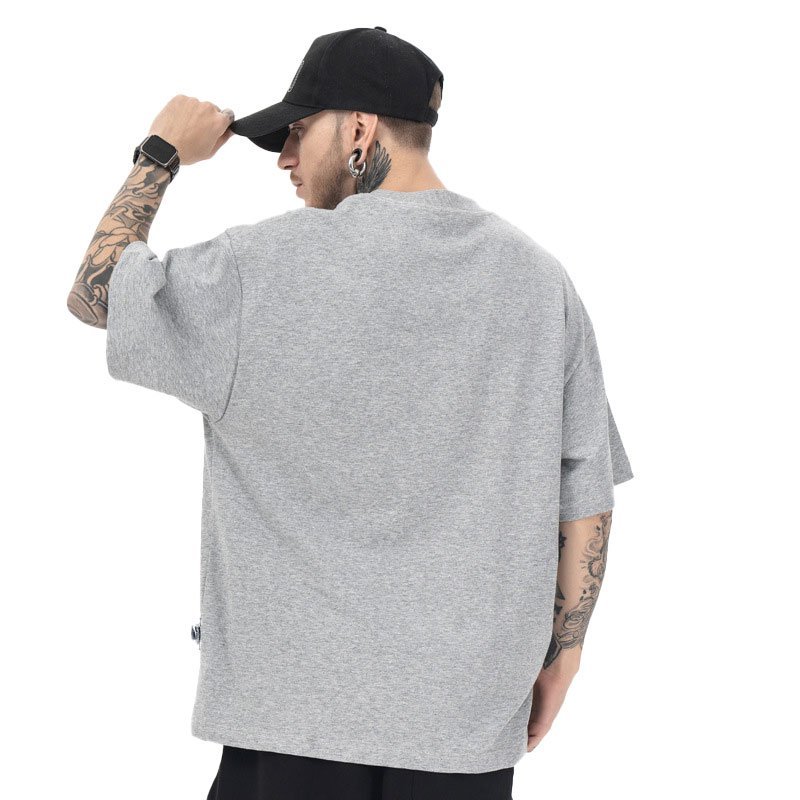
Plastisol inks cure harder than water-based inks, producing a raised, slightly stiff texture detectable on fabrics above 180 GSM. Soft-hand additives reduce stiffness 30–40% but can lower opacity; specify both texture preference and minimum opacity in your brief.
Building Your Quality Spec Sheet
A production-ready spec sheet eliminates floor-level guesswork. Set placement tolerance at ±3 mm and attach a signed strike-off sample as the physical reference.
- PMS code for every ink layer, Delta-E tolerance ≤ 2.0
- Ink type: plastisol, water-based, or discharge
- Mesh count range: 110–160 threads per inch for standard prints
- Print dimensions and exact placement coordinates in millimetres
- Wash-fastness protocol (ISO 105-C06) and minimum grade (4/5)
7. How to Choose a Custom Screen Printing Manufacturer
Picking the wrong custom screen printing supplier costs more than money — it costs launch windows. Vet every candidate against a structured checklist before committing to a production run, from MOQ terms to certification status.
MOQ Flexibility and Sample Turnaround
Low MOQ — typically 12–50 pieces per colorway — lets startups test demand without tying up capital in unsold inventory. Suppliers offering 7-day sample turnaround allow trend-reactive brands to validate a design before a seasonal window closes.
In-House Versus Outsourced Printing
In-house printing gives the manufacturer direct control over ink viscosity, squeegee pressure, and cure temperature — variables that determine wash durability. Outsourced printing adds a middleman, typically extending lead times by 5–10 days and reducing accountability when defects appear.
Certifications and Colour-Matching Process
OEKO-TEX Standard 100, GOTS, and BSCI audits signal that a factory meets chemical safety and labour standards increasingly required by global retailers. Colour matching should reference Pantone PMS codes; confirm the supplier provides a physical ink strike-off for approval before bulk runs begin.
File Formats and Communication Standards
Vector files (AI, EPS, PDF) reproduce at any scale; raster files (PNG, PSD) must be supplied at 300 dpi minimum at final print size. A supplier who replies within 24 hours across time zones is far easier to manage through artwork revisions.
Key Questions Before Placing an Order
Ask these six questions before signing any purchase order with a custom screen printing partner.
- What is your minimum order quantity per colorway, and does it decrease on reorders?
- Do you print in-house, or subcontract to a third-party facility?
- Which certifications do you hold — OEKO-TEX, GOTS, or BSCI?
- Can you provide a Pantone-matched ink strike-off before bulk production approval?
- What file formats do you require, and what resolution for raster artwork?
- Can you share reference brands or past clients in our product category?
8. Common Mistakes Buyers Make with Custom Screen Printing
Even experienced buyers stumble on the same preventable errors when ordering custom screen printing. Catching these six mistakes before production begins saves time, money, and the frustration of a rejected or misaligned run.
Supplying Low-Resolution Artwork Files
Files below 300 DPI at print size force printers to upscale, producing jagged edges and muddy halftones in the finished output. Supply vector files (AI or EPS) at 1:1 print scale to guarantee clean color separation and sharp edges.
Choosing Too Many Colors Without Budgeting
Each additional Pantone color requires a separate screen, typically adding $25–$60 per color per run. A six-color design can double per-unit cost at low quantities. Cap new designs at 3–4 colors until order volumes exceed 300 units.
Skipping the Physical Pre-Production Sample
Approving digital mockups only leaves ink opacity, hand feel, and placement accuracy unverified. A physical strike-off costs $50–$150 but catches registration errors before a full run of 200+ units is committed.
Ignoring Fabric Shrinkage on Print Placement
Cotton fabrics can shrink 3–8% after the first wash, shifting a chest print noticeably off-center. Specify print coordinates on the pre-washed garment, not the raw panel, and confirm shrinkage rates with your manufacturer’s QC team.
Under-Ordering and Missing Volume Price Breaks
Most manufacturers tier pricing at 50, 100, 300, and 500 units. Ordering 95 units when 100 unlocks a 15–20% per-piece discount leaves meaningful margin on the table. Map out 6-month demand before setting your final quantity.
Omitting Washcare Instructions from the Tech Pack
Leaving out wash temperature and drying instructions hands the factory a decision that directly affects print longevity. Plastisol inks degrade faster above 60°C; water-based inks require air-dry or low-heat settings. Include ASTM or ISO care-label specs in every tech pack.
9. Steps to Launch Your Brand with Custom Screen Printing
Moving from concept to shelf with custom screen printing demands a clear, repeatable sequence. Seven focused steps compress lead times, cut costly revisions, and ensure your first production run delivers the quality your brand requires.
Finalise Artwork and Select Your Garment Base
Supply all graphics as .AI or .EPS vector files at final print size — raster files cause bleed on fine-mesh screens above 200 DPI. Pair artwork with a garment base in the 180–220 GSM ring-spun cotton range; it handles plastisol ink with minimal hand-feel distortion.
Lock Pantone color references at this stage to eliminate resampling delays once your sample enters production.
Choose Technique, Placement, and Request a Sample
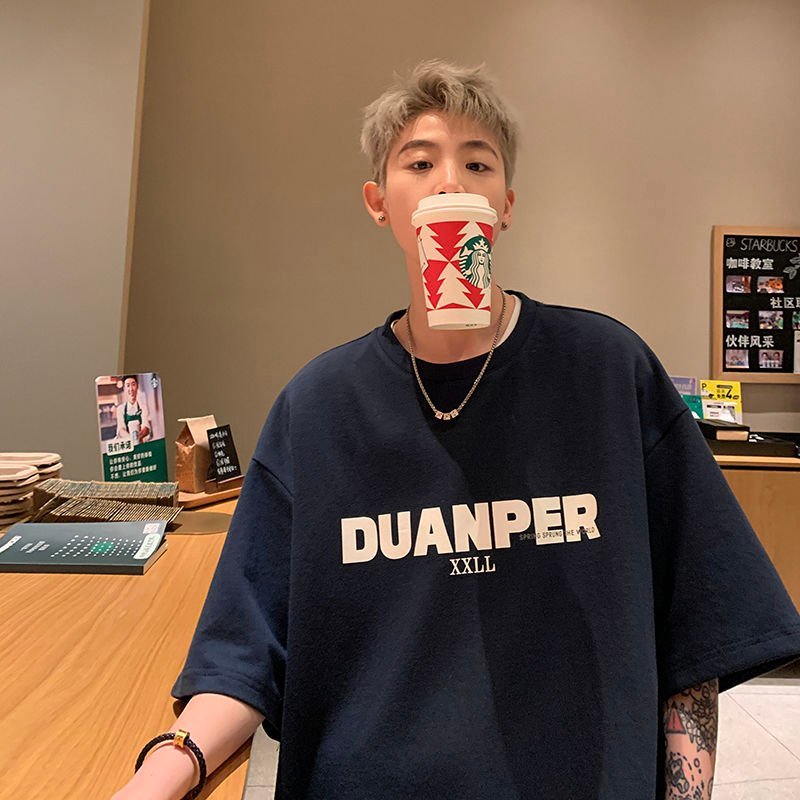
Select plastisol for opacity, water-based for a soft hand, or discharge for vintage streetwear texture, then specify placement — chest center, oversized back graphic, or sleeve hit. Request a physical sample; a 7-day turnaround lets creator brands validate color and artwork before committing to MOQ.
Confirm mesh count (110–160 for standard artwork) with your manufacturer before signing off.
Approve Quality, Confirm Order, and Plan Fulfilment
Inspect the sample against Pantone references and run one 40°C wash before final sign-off — discharge inks can shift tone after laundering. Confirm MOQ (typically 50–100 pieces per colorway) and production lead time (15–25 days post-approval).
Schedule woven neck labels, hang tags, and poly-bag packaging in parallel with production so the finished order ships as one complete, retail-ready branded unit.
10. Custom Screen Printing Pricing & Cost Breakdown
Color count is the single largest cost lever in custom screen printing — each additional Pantone color requires a separate screen, adding $15–$30 in setup fees and extending press time per unit.
Garment base cost compounds quickly — a standard 180 GSM ring-spun cotton blank runs $2–$5, while specialty inks such as discharge, metallic, or puff add $0.50–$2.00 per unit above standard plastisol rates.
Rush production (under 7 business days) typically carries a 20–35% surcharge; ordering 250+ units in 3–4 standard colors keeps per-unit landed cost most competitive for growing streetwear labels.
- Plastisol ink: $35–$65 screen setup; no per-unit premium — the standard for bold, opaque streetwear graphics on 100% cotton.
- Discharge ink: $50–$80 screen setup; +$0.80–$1.50 per unit — removes dye for a soft, vintage hand feel.
- Metallic / foil: $60–$100 screen setup; +$1.00–$2.00 per unit — high visual impact for limited-edition drops.
- Puff / 3D ink: $55–$90 screen setup; +$0.75–$1.50 per unit — raised texture popular in premium streetwear.
| Quantity Tier | Price per Unit | Setup / Screen Fee | Lead Time |
|---|---|---|---|
| 12 units | $12.00–$18.00 | $50–$80 per color | 10–14 days |
| 50 units | $7.00–$11.00 | $45–$75 per color | 9–12 days |
| 100 units | $5.00–$8.00 | $40–$70 per color | 8–12 days |
| 250 units | $3.50–$5.50 | $35–$60 per color | 7–10 days |
| 500 units | $2.50–$4.00 | $30–$50 per color | 7–10 days |
| 1,000 units | $1.80–$3.00 | $25–$45 per color | 7–10 days |
Start Your Custom Screen Printing Order Today
50-piece MOQ, 7-day samples, a 5-step QC guarantee, and global shipping — get your free quote and launch with confidence.