
Custom Garment Trims Trusted by Brands in 100+ Countries
Low MOQ from 100 pieces, 7-10 day samples, and a 5-step QC guarantee on every custom garment trim we produce.
Custom Garment Trims Showcase
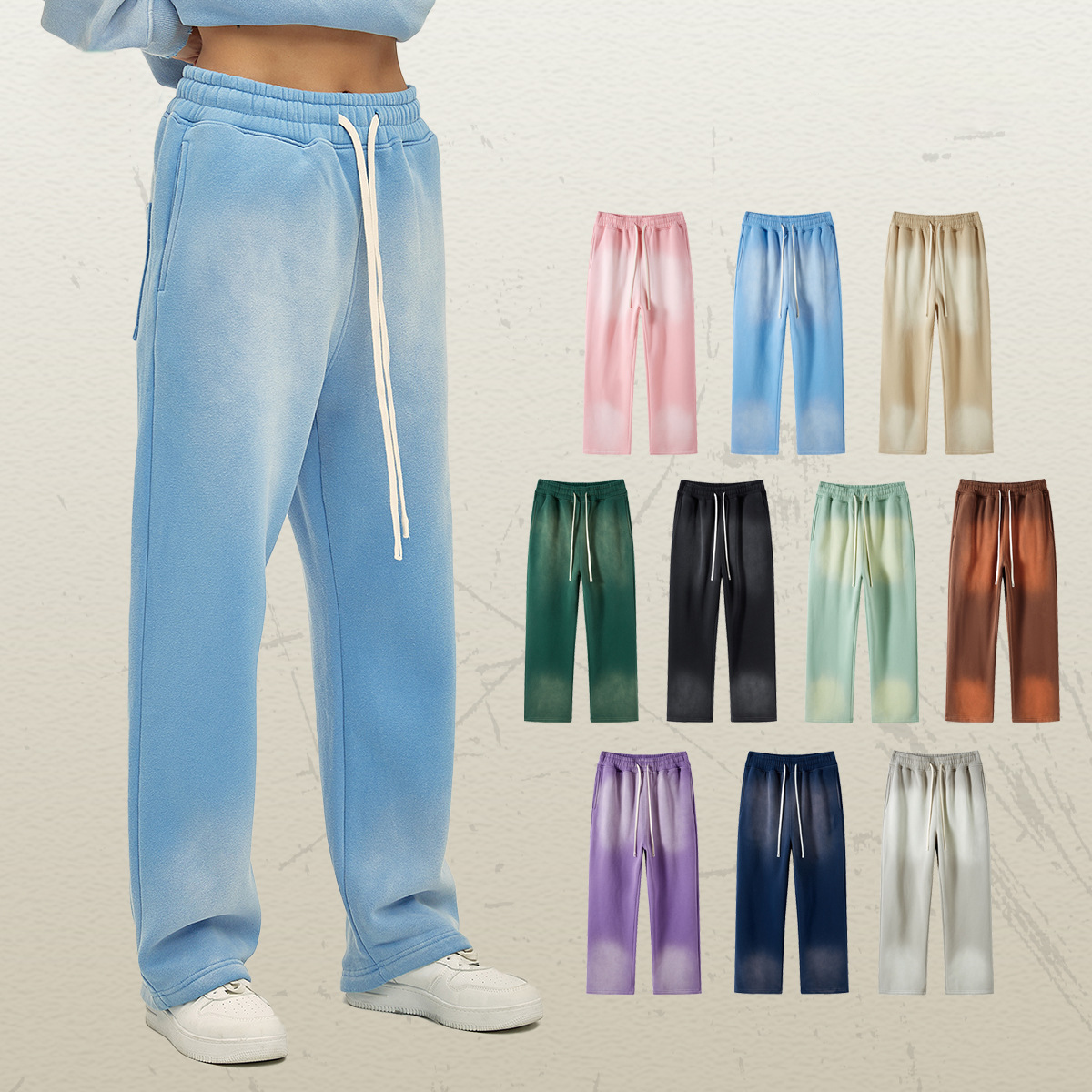
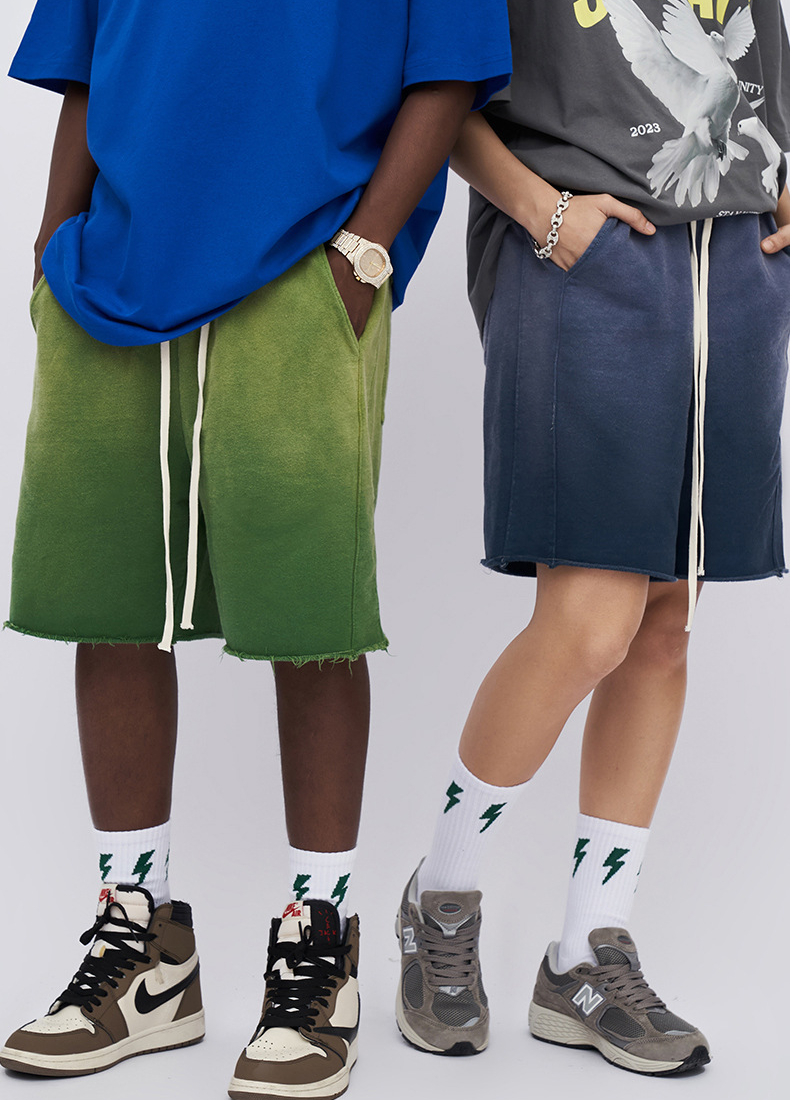
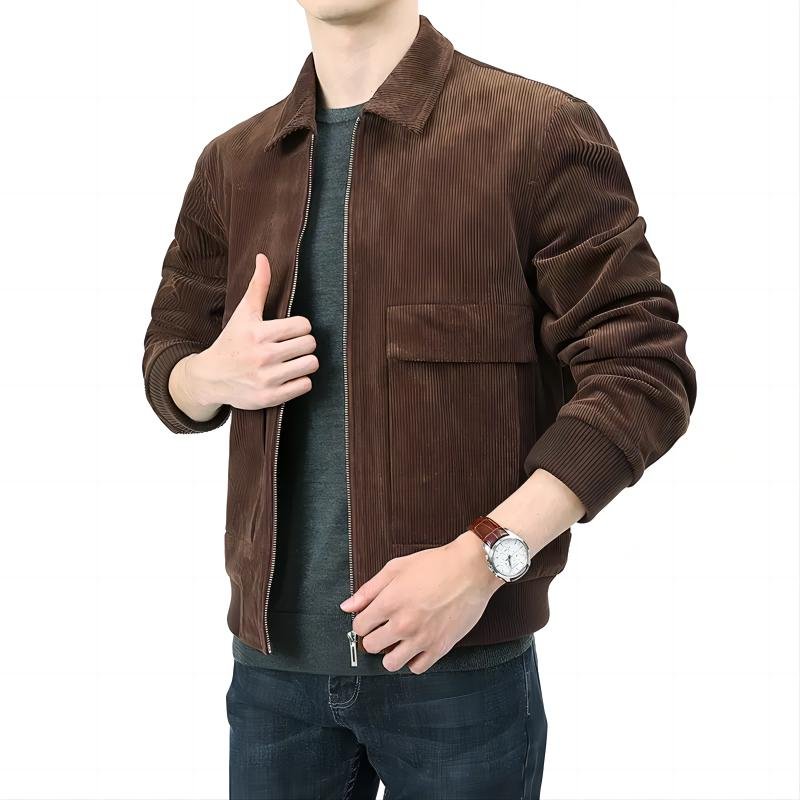
Why Custom Garment Trims Matter for Your Brand
From Pantone-matched color accuracy to low MOQ sampling, every advantage is engineered to help your brand move fast and look sharp.
Pantone-Matched Color Fidelity
Every custom garment trim is color-matched to exact Pantone specs, ensuring your brand palette stays razor-sharp across every production run.
Wash & Wear Durability Testing
Shrink and colorfastness QC tests validate every trim survives repeated washes, so your streetwear stays sharp well beyond launch day.
Fast Sampling for Seasonal Drops
Rapid sample turnaround lets you validate trim designs before full production, keeping your seasonal collections on schedule and on-trend.
Deep Material & Finish Options
Choose from woven labels, rubber patches, metal hardware, embroidered badges, and specialty finishes to express your brand’s unique streetwear identity.
Low MOQ for Emerging Brands
Test new trim concepts with accessible minimum order quantities—no massive upfront commitment required, ideal for startups validating fresh designs.
5-Step QC at Every Stage
Our proprietary five-step quality control process checks custom garment trims from raw materials through finished goods—zero defects shipped.
Trim & Hardware, Customized to Zero Compromise
From zipper pulls to reflective tape, every trim detail is spec’d to your brand and produced under our 5-step QC process.
Custom Zippers
Available in YKK, SBS, or house-branded pulls in metal, resin, or coil variants. Choose from invisible, chunky, or contrast-tape finishes to match your silhouette. Ideal for hoodies, jackets, and cargo pants where zipper hardware doubles as a visible brand statement.
Get a Quote
Custom Drawcords
Sourced in flat, tubular, or braided constructions across cotton, polyester, nylon, and waxed-cord options. Tip types — metal aglets, heat-shrink, or branded silicone — add a premium finish to hoodies, joggers, and shorts waistbands. Fully matched to your colorway.
Get a Quote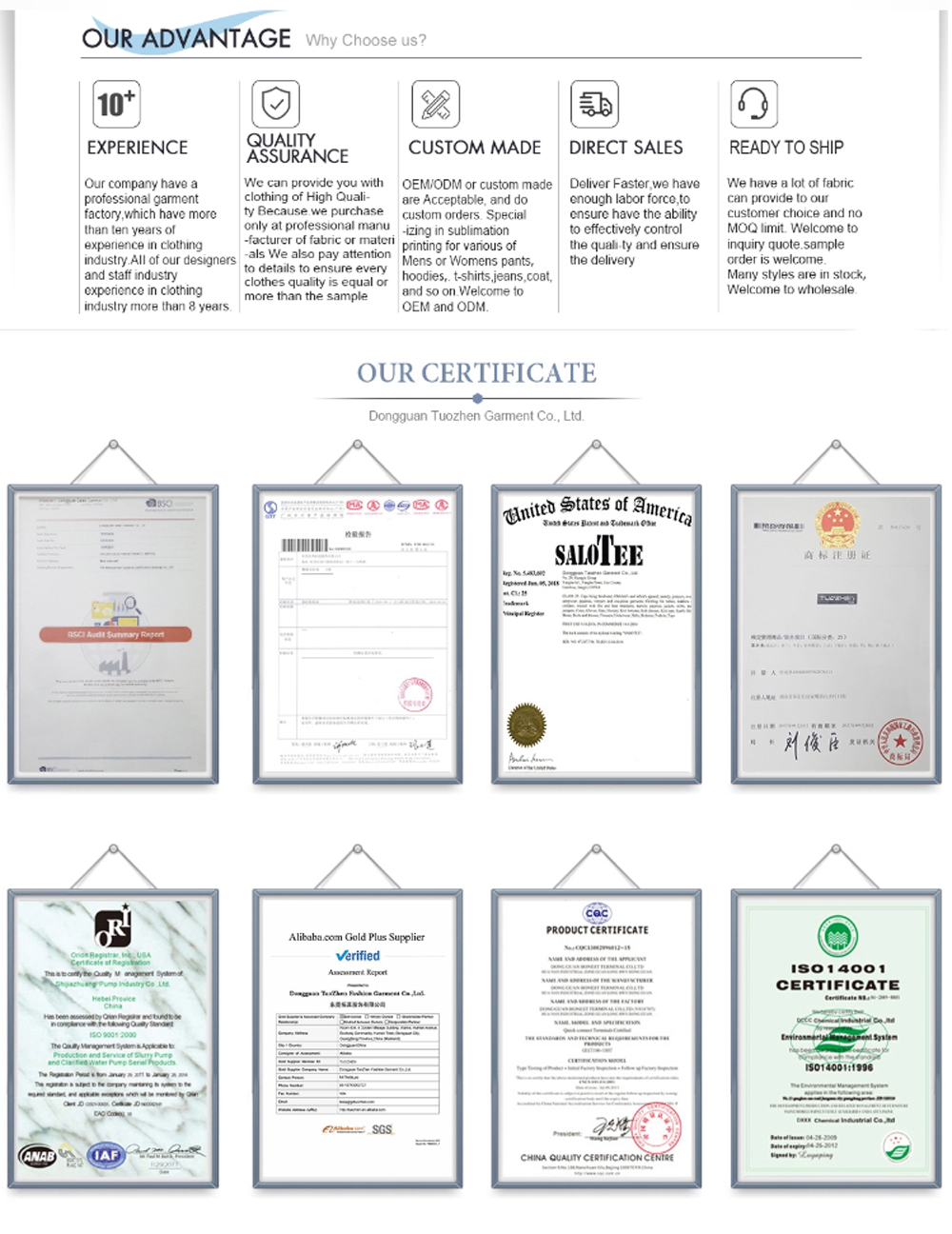
Custom Cord Locks
Produced in plastic, metal, or silicone in single- and double-hole configurations. Match colorways to your palette or stamp your logo for a subtle but consistent brand touchpoint. Standard on drawstring bags, hoodies, and adjustable hems across all streetwear silhouettes.
Get a Quote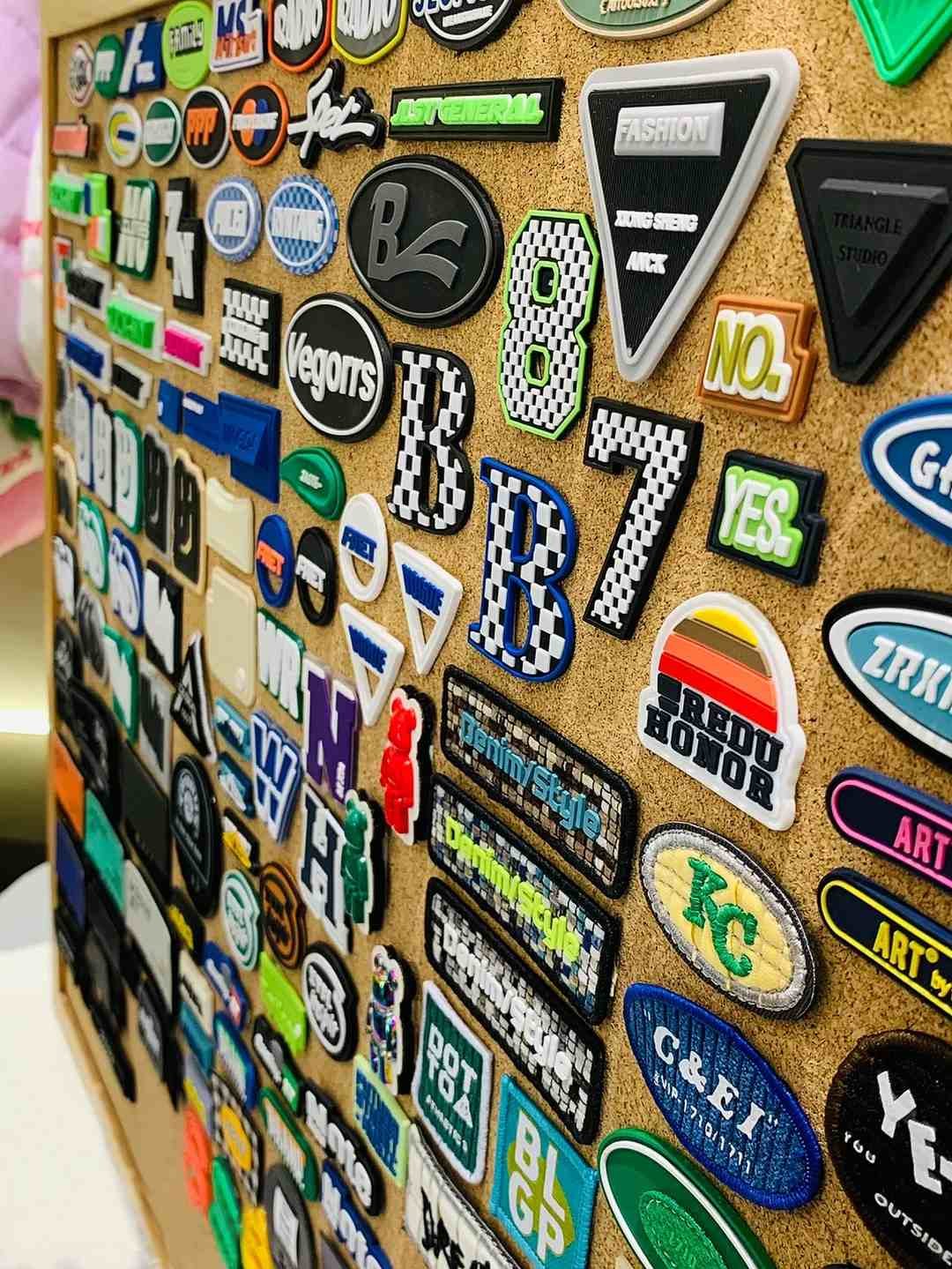
Custom Woven Labels
Woven on high-density looms in damask, satin, or taffeta weaves carrying full-color logos, size indicators, and care symbols at fine thread counts. The definitive brand identity element for neck labels, hem tags, and interior patch applications on premium streetwear collections.
Get a Quote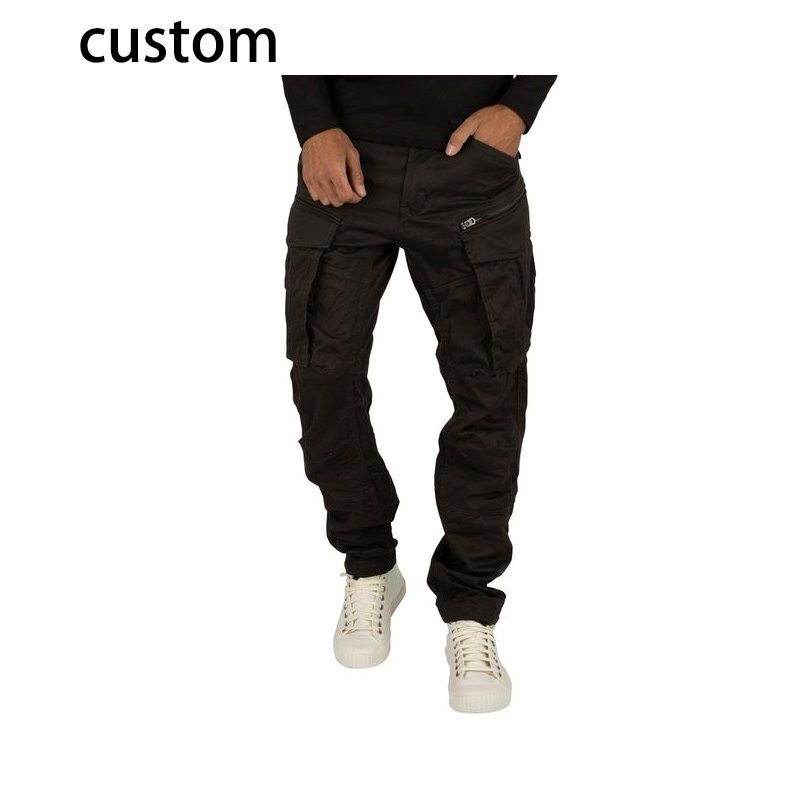
Custom Hang Tags
Printed on 350–450 gsm kraft, coated, or textured stock with foil stamping, embossing, or spot UV available. Shape, hole placement, and cord color are fully customizable. Critical for retail shelf presence and communicating brand story at first point of consumer contact.
Get a Quote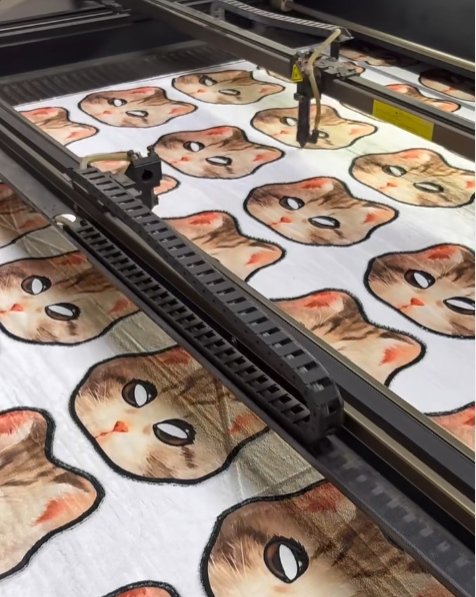
Heat Transfer Labels
Printed via digital or screen-transfer methods onto heat-activated film, eliminating scratchy woven edges. Ideal for athletic, innerwear, and youth lines where skin comfort is non-negotiable. Supports full-color gradients and fine detail reproduction not achievable through standard woven label construction.
Get a Quote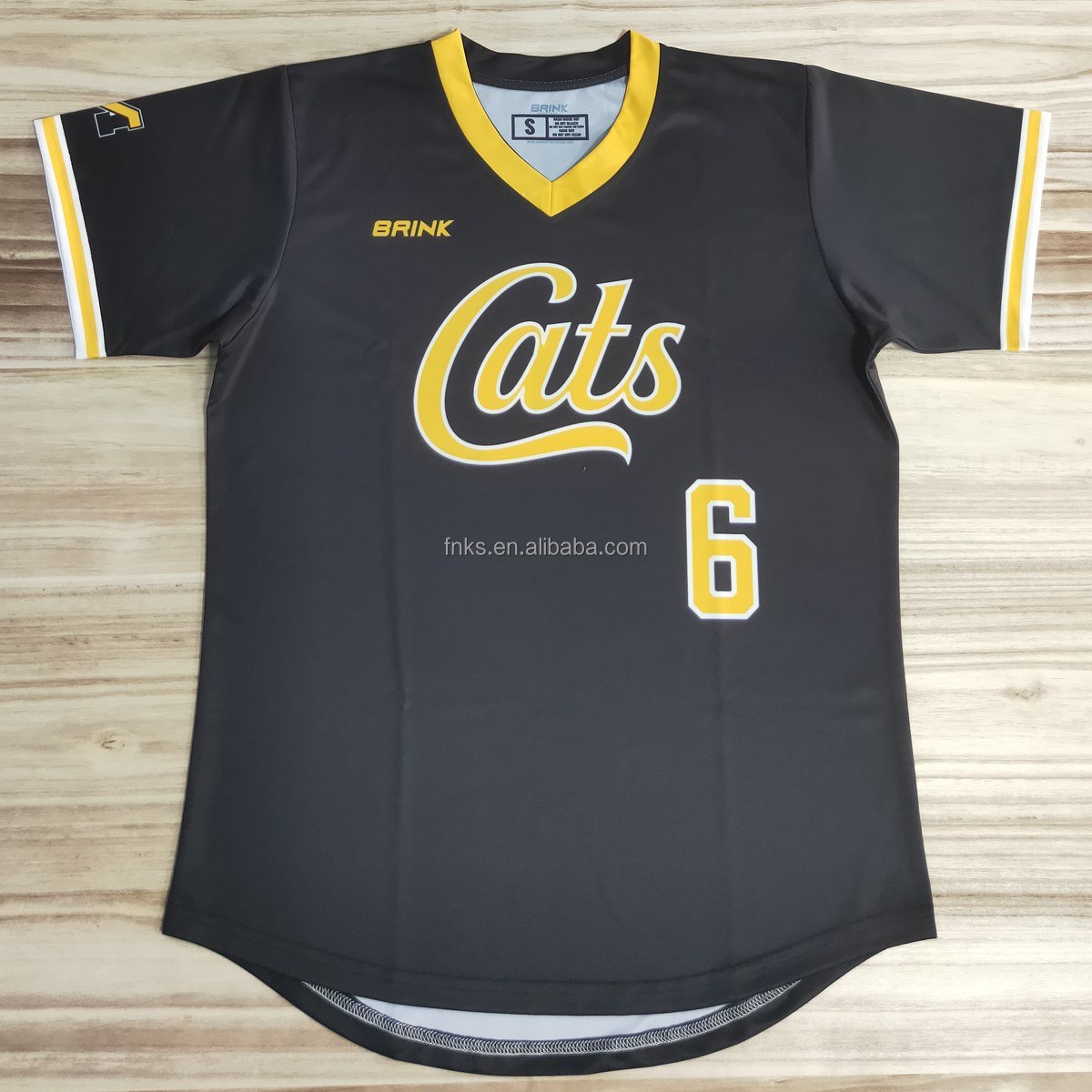
Custom Snap Buttons
Available in four-part press studs in brass, stainless steel, or resin with matte, polished, antique, or painted finishes. Logo engraving or debossing is standard on cap and socket faces. The preferred closure for outerwear, denim, and utility-style streetwear silhouettes.
Get a Quote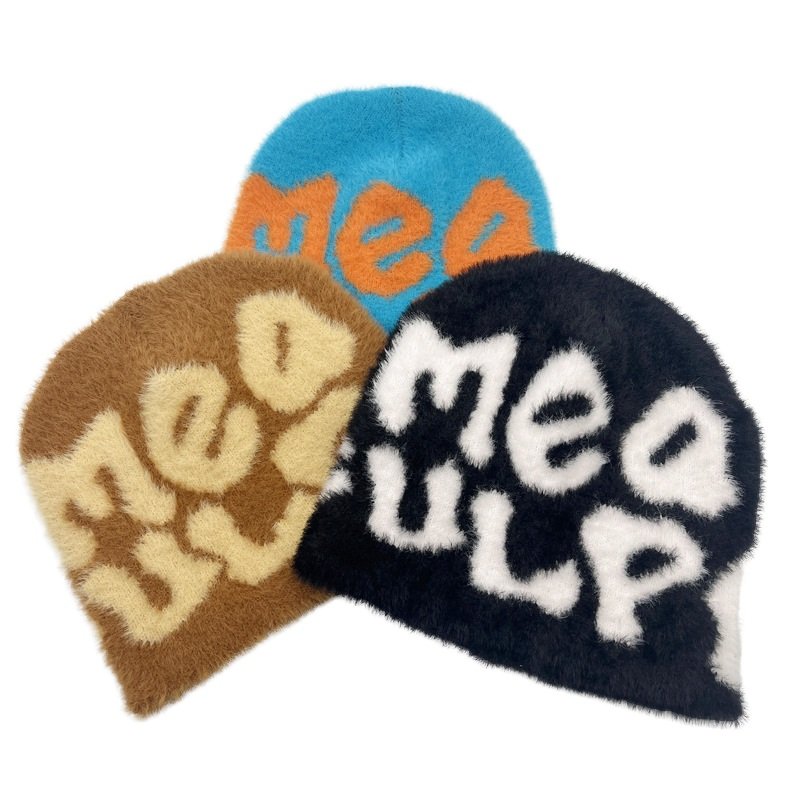
Custom Rib Knit Trim
Knitted in 1×1, 2×2, or custom rib structures in cotton, poly-cotton, or spandex blends engineered for lasting stretch retention. Applied to cuffs, collars, waistbands, and hem bands. Stripe and jacquard patterning available for color-blocked or logo-branded finishes on fleece and jersey.
Get a Quote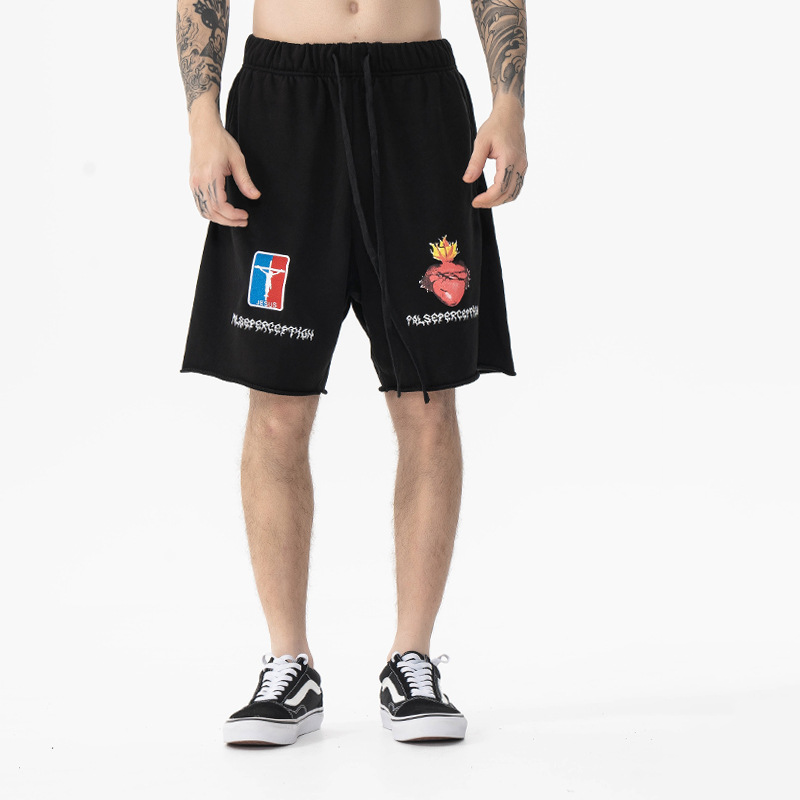
Custom Grommets and Eyelets
Supplied in brass, aluminum, or stainless steel with rolled, plain, or spur-back types in raw, painted, or oxidized finishes. Functional on lace-up panels, ventilation zones, and cinch-cord exits — and a bold decorative hardware accent across oversized and deconstructed streetwear silhouettes.
Get a Quote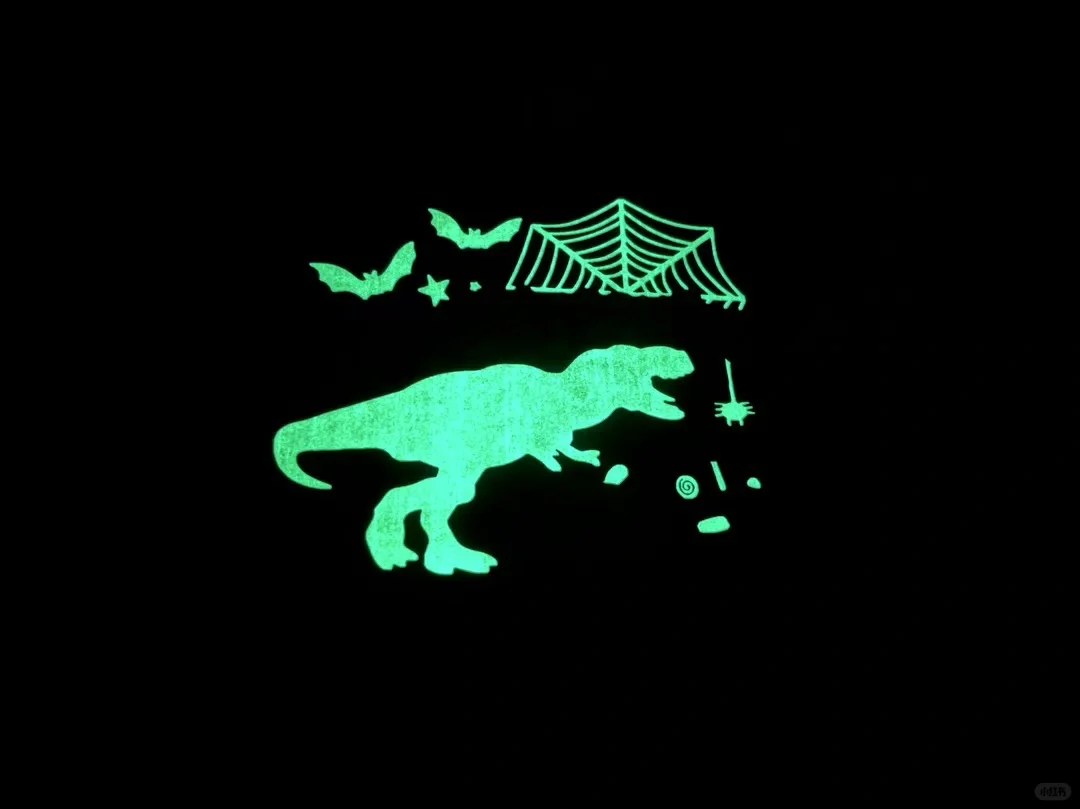
Reflective Trim
Engineered from 3M Scotchlite or equivalent retroreflective materials in tape, piping, or printed-patch form. High-visibility at night; a signature aesthetic for streetwear and technical-wear collections. Applied to seams, hems, panel borders, and logo outlines without adding bulk or compromising drape.
Get a QuoteCustom Garment Trims With Zero-Compromise Craftsmanship
Tesla Luo founded Clothing Manufacturer Ltd. in August 2024 with one clear mission: eliminate the low-quality production practices eroding trust in Chinese garment manufacturing. With more than 10 years of hands-on apparel experience spanning cutting, sewing, QC, packing, and shipping — plus 6 years immersed in streetwear culture, from skeleton and rose motifs to demons-and-angels design themes — he built a company where quality is non-negotiable at every stage.
At the heart of every order is our proprietary five-step QC process: materials, cutting, craft, sewing, and finished goods inspection — checks embedded throughout production, not added as an afterthought. This guarantees that every custom garment trim leaving our facility is defect-free and brand-ready. Backed by a 15-member R&D team, 10 registered patents, and proven experience scaling influencer labels from zero to hundreds of thousands of followers, we deliver results.
Headquartered in Humen Town, Dongguan — a historic hub of China’s garment industry — we combine Tesla Luo’s streetwear cultural fluency with the production infrastructure of our parent company, Dongguan TuoZhen Clothing Co., Ltd. From low-MOQ launches for emerging designers to fast-turnaround seasonal runs for global retailers, we serve brands across more than 100 countries with the craftsmanship and transparency they deserve.
Core Custom Garment Trim Techniques: From Design to Delivery
Beaded Applique: 500+ Suppliers, Precision Placement
Access our network of 500+ vetted global suppliers to source beads, crystals, and mixed-media appliques for any aesthetic. Our artisans execute both hand-placement and machine-placement, delivering flawless results across custom garment trims for streetwear, luxury, and influencer collections.
- 500+ pre-vetted global bead and applique suppliers for maximum design flexibility
- Hand-placement and machine-placement options to balance detail accuracy with production scale
- Material range includes glass beads, resin crystals, metal studs, and mixed-media appliques
- Bulk production begins within 15 days of approved sample sign-off
Woven Labels: Color-Fast Dyes, Custom Branding
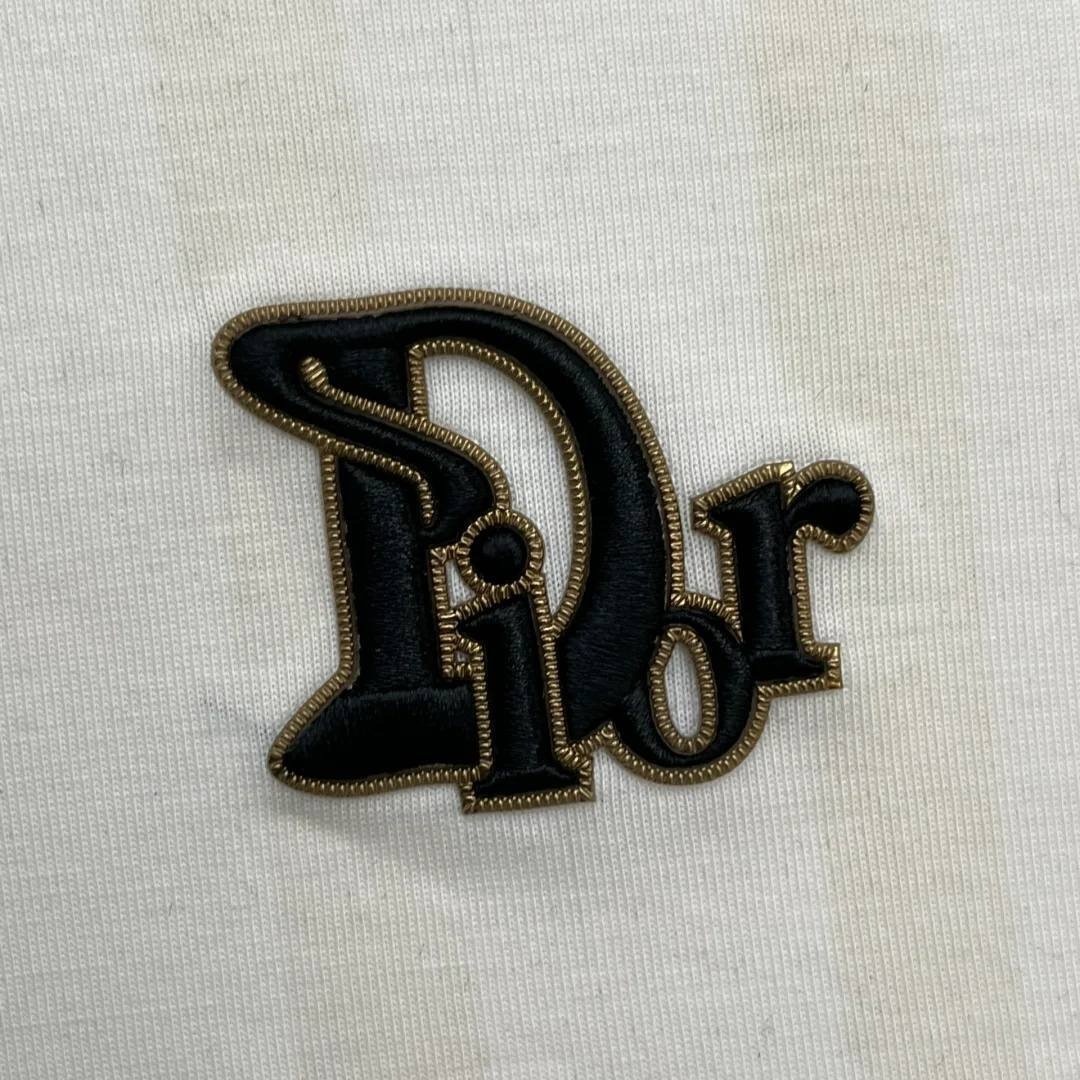
Our in-house production team crafts woven labels using color-fast reactive dyes engineered to retain full vibrancy through 50+ wash cycles. From embroidered logos to foil finishes, every label reinforces your brand identity on the finished garment.
- Reactive dyes tested to hold color through 50+ wash cycles without fading
- Custom sizing, edge finishes — heat-cut, folded, merrowed — and backing options available
- Supports embroidered lettering, woven logos, foil stamping, and QR-code integration
- Low MOQ from 100 units, purpose-built for fashion startups and independent designers
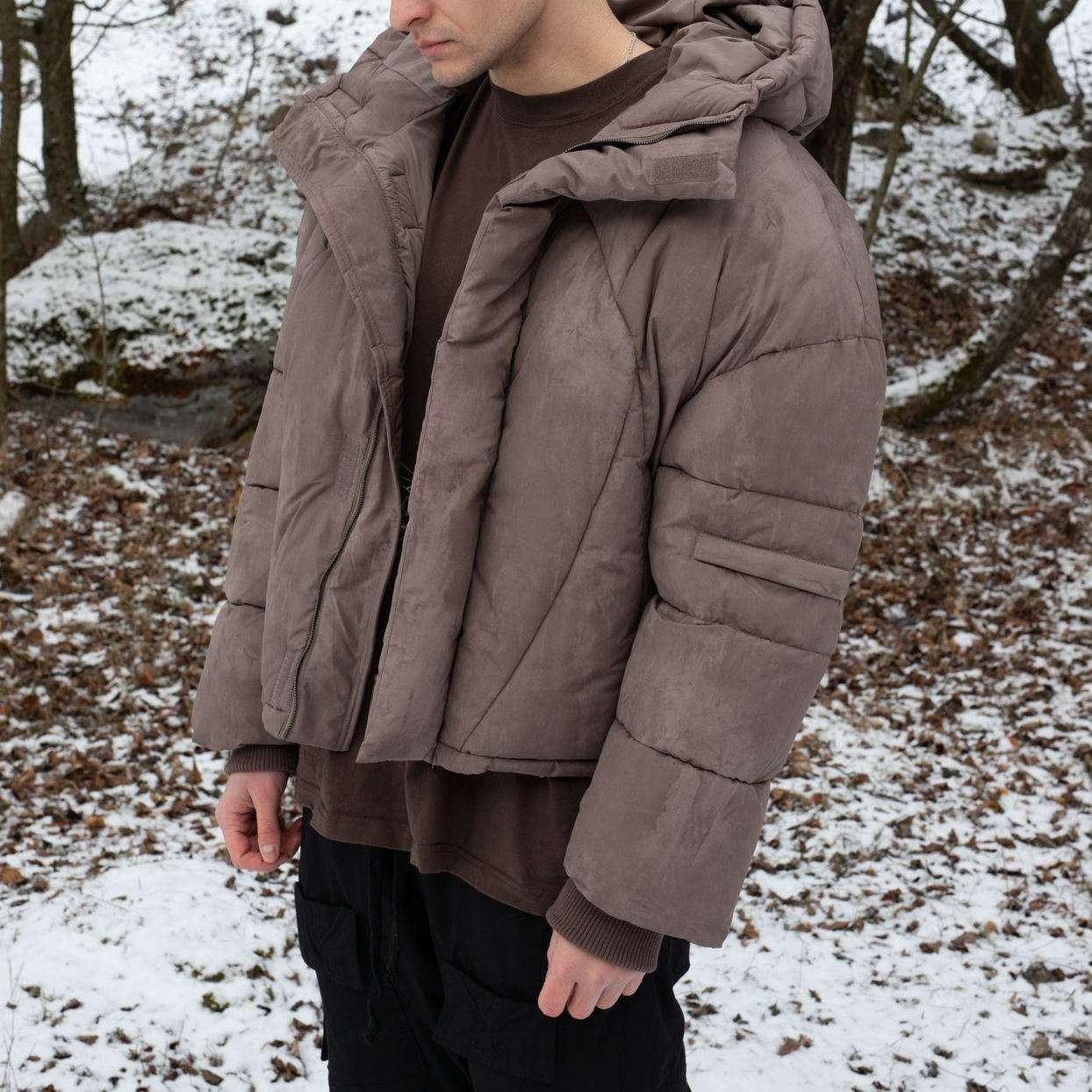
Embroidered Patch Digitization and Thread Matching
From sketch to stitch-ready file, our digitization team converts your artwork into precision-coded embroidery programs with exact Pantone thread-color matching. These patches integrate seamlessly as standalone pieces or direct-embroidered details across all custom garment trims in your collection.
- In-house digitization converts vector or raster artwork into stitch-ready embroidery programs
- Pantone-matched thread selection across 500+ color options for brand-accurate output
- Supports chenille, 3D puff, flat-fill, and chain-stitch embroidery techniques
- Iron-on, sew-on, velcro-back, and adhesive attachment methods all available
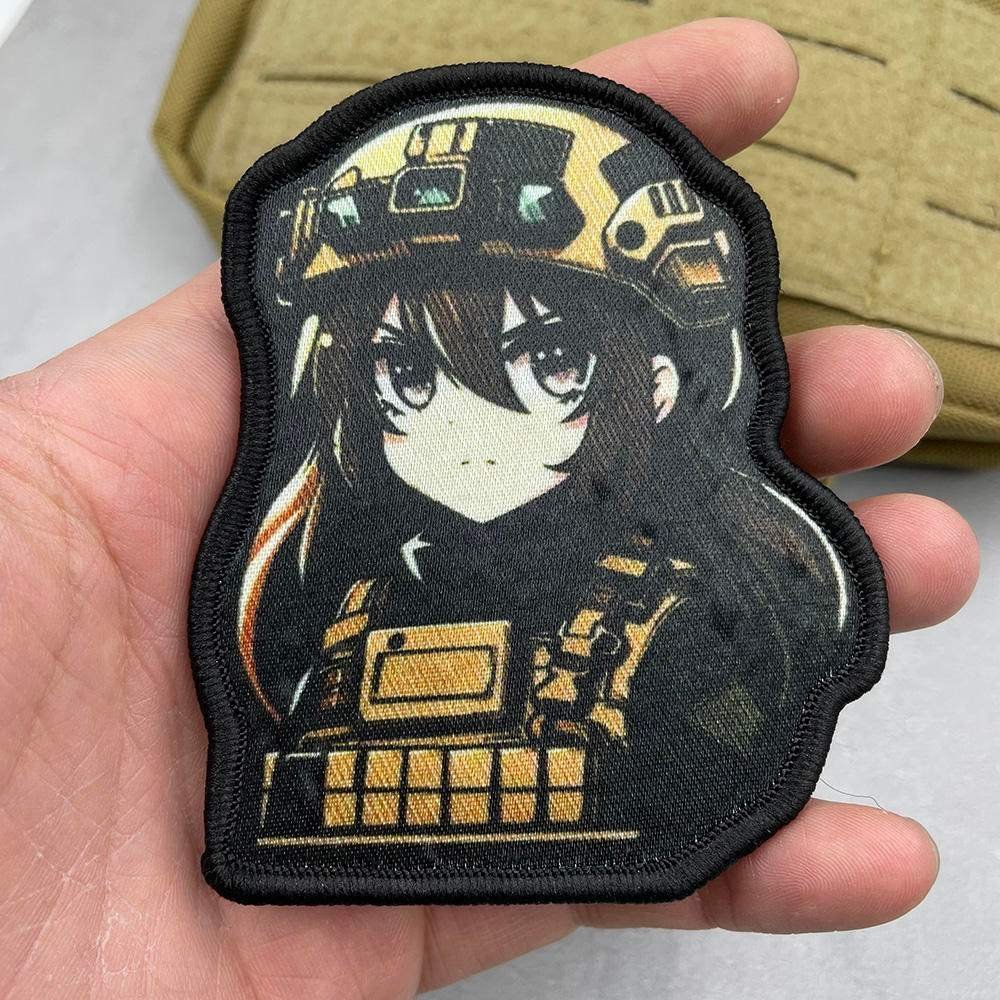
Laser-Cut Trims: ±2mm Precision, Zero Fraying
Our industrial laser-cutting systems achieve tolerances as tight as ±2mm on every piece, handling leather, synthetic, woven, and heat-transfer materials with sealed, fray-free edges. This engineering precision ensures every laser-cut trim integrates cleanly at the final assembly stage.
- ±2mm cutting tolerance across leather, synthetic fabrics, woven webbing, and heat-transfer film
- Laser-sealed edges eliminate fraying on all supported materials without post-processing
- Custom shapes, branded die-cuts, and geometric repeat patterns all in scope
- First laser-cut samples delivered within 7 business days of artwork approval
Why Our Custom Garment Trims Outperform the Competition
See how Clothing Manufacturer Ltd stacks up against typical trim suppliers across every dimension that matters to your brand.
← 左右滑动查看 →
How We Produce Custom Garment Trims
Quality is never applied at the end — our 5-step QC framework is embedded at every phase, from artwork approval to final packing and global dispatch.
Design Review & Approval
Your artwork is digitized, color-matched, and cross-checked by our in-house design team. Every specification for your custom garment trims is locked and signed off before production begins.
Materials Sourcing & QC
Threads, base fabrics, hardware, and beading materials are vetted through Step 1 of our 5-step QC — testing colorfastness, tensile strength, and supplier compliance before any component is cut.
Cutting & Component Prep
Each trim component is precision-cut to exact specification. Step 2 cutting QC verifies dimensions, edge quality, and piece counts, eliminating errors before embroidery, weaving, or beading commences.
Craft Application & Production
Embroidery, beading, laser-cutting, weaving, and specialty techniques are applied under Step 3 craft QC oversight, ensuring flawless execution of every design detail across the full production run.
Sewing, Assembly & Line QC
Trims are attached and assembled under Step 4 sewing QC — stitch tension, bond strength, and alignment are verified live on the production line, preventing defects from compounding downstream.
Final Inspection, Pack & Ship
Every finished piece clears Step 5 QC: shrink tests, color-fastness validation, and durability inspections. Approved custom garment trims are securely packed and dispatched via our global logistics network.
How to Commission Custom Garment Trims
Five trim-specific steps take your artwork from initial brief to QC-certified bulk delivery — with zero guesswork and full transparency at every stage.
Submit Your Trim Design Brief
Share artwork in AI, PDF, PNG, or TIF format alongside Pantone color references, preferred materials, and attachment style requirements for an accurate quote.
Receive Your Quote and Sample Plan
Within 48 hours, get a detailed quote and a 7–10 day sample timeline calibrated to your custom garment trims specifications, volume, and color tolerances.
Approve Samples and Confirm Design
Evaluate physical samples for Pantone color accuracy, shrinkage tolerance compliance, and attachment quality — sew-on, iron-on, snap, or adhesive — before greenlighting production.
Lock In Bulk Production Details
Confirm order quantity, finalize lead times, and set any last trim-specific requirements so our production team can schedule your run with zero ambiguity.
Receive Final QC Report and Shipment
Our 5-step QC covers every production stage. A comprehensive final inspection report accompanies your shipment, with global logistics support arranged door to door.
Brands Trust Our Custom Garment Trims to Deliver
We needed woven labels and embroidered patches that could survive 50+ industrial wash cycles without fading. Clothing Manufacturer Ltd. nailed the color accuracy on the first sample. Our drop sold out in 72 hours — trim quality was a huge part of the hype.
As a startup, I couldn’t commit to 1,000-unit minimums. Their low MOQ on custom garment trims let me test 150 pieces for my first collection. The embroidery matched my original artwork pixel-for-pixel, and I had samples in hand within 9 days.
We run seasonal drops on a tight calendar. Clothing Manufacturer Ltd.’s 5-step QC caught a dye inconsistency on the woven trims before bulk production — saving us from a costly misprint. Fast turnaround meant our fall collection launched two weeks ahead of schedule.
Custom Garment Trims: Frequently Asked Questions
Everything streetwear brands, startups, and independent designers need to know before placing their first order — from MOQs and lead times to durability and Pantone matching.
What is your MOQ for custom garment trims?
Can beading and embroidery be combined on one custom garment trim?
How long does it take to receive samples of custom garment trims?
Are your custom garment trims compatible with cotton, polyester, and blended fabrics?
Do you match Pantone colors for embroidery threads and woven trims?
How durable are embroidered patches and trims after repeated washing?
What artwork file formats do you require to begin production?
Can you produce custom hang tags and inner labels alongside my trim order?
What are the minimum and maximum design dimensions for custom trims?
The Complete Buyer’s Guide to Custom Garment Trims
Discover a proven decision framework for sourcing custom garment trims — covering types, materials, decoration techniques, supplier criteria, quality benchmarks, and the costliest mistakes brands make — so you launch faster with fewer revisions.
1. What Are Custom Garment Trims?
Every finished garment is built from two distinct layers of components: the base fabric and everything attached to it. That second layer — woven labels, YKK zippers, buttons, drawcords, heat-transfer graphics, metal rivets, embroidered patches, and care tags — is what the industry calls garment trims, and in streetwear they can account for 15–30% of a product’s perceived premium without adding equivalent weight to the base fabric cost.
Stock trims are manufacturer-held inventory: generic rivets, plain white care labels, and zippers in a handful of standard colors. Custom garment trims, by contrast, are produced against your exact brief — a woven label in Pantone-matched thread, a debossed silicone patch bearing your proprietary artwork, or a metal zipper pull cast from your own die — giving you control that off-the-shelf components simply cannot offer.
For fashion startups and creator brands ordering their first 50–200 pieces, the practical difference between stock and custom trims is brand identity ownership. Custom trims establish IP over every consumer touchpoint on the garment, enforce color consistency across reorder runs, and prevent visual copying. A manufacturer that tests trim materials at intake — before cutting begins — catches color drift, thread-count shortfalls, and closure failures before they compound into costly finished-goods defects.
2. Evolution of Custom Garment Trims Through Fashion History
By the 13th century, European textile guilds mandated hand-sewn marks on finished cloth to identify the craftsman, town of origin, and quality tier — the earliest recorded use of garment trims as authentication and brand signals. These woven or embroidered identifiers carried legal weight, protecting buyers from counterfeit goods in markets from Florence to Bruges.
The industrial revolution of the 1840s introduced mechanized woven labels, allowing manufacturers to attach standardized brand names and fiber content at scale for the first time. By the early 20th century, care instruction labels became a regulatory requirement in major export markets, turning a craft detail into a legal compliance item embedded in every sewn garment.
Between 1980 and 1995, American streetwear pioneers — drawing from hip-hop culture, skateboarding, and graffiti — redefined the neck label, hangtag, and woven patch as primary brand equity vehicles rather than secondary finishing details. Custom garment trims from subculture-rooted labels commanded instant recognition: the silhouette of a logo patch or the colorway of a rubber badge signaled community membership more powerfully than the cut of the garment itself.
Today, digitally printed heat-transfer labels and NFC-enabled smart tags represent the current frontier, allowing a single trim to carry a Pantone-matched visual identity, OEKO-TEX compliance data, and a scannable product authentication link simultaneously. For streetwear and influencer brands — where perceived exclusivity directly drives resale value — custom garment trims have evolved from functional afterthoughts into measurable brand equity embedded at the point of production.
3. Types of Custom Garment Trims Explained
Custom garment trims span six functional categories, each signaling brand identity and build quality before a consumer reads a single stitch. Choosing the right mix determines perceived value, durability, and retail price point.
Labels: Woven, Printed, Leather-Patch, Silicone
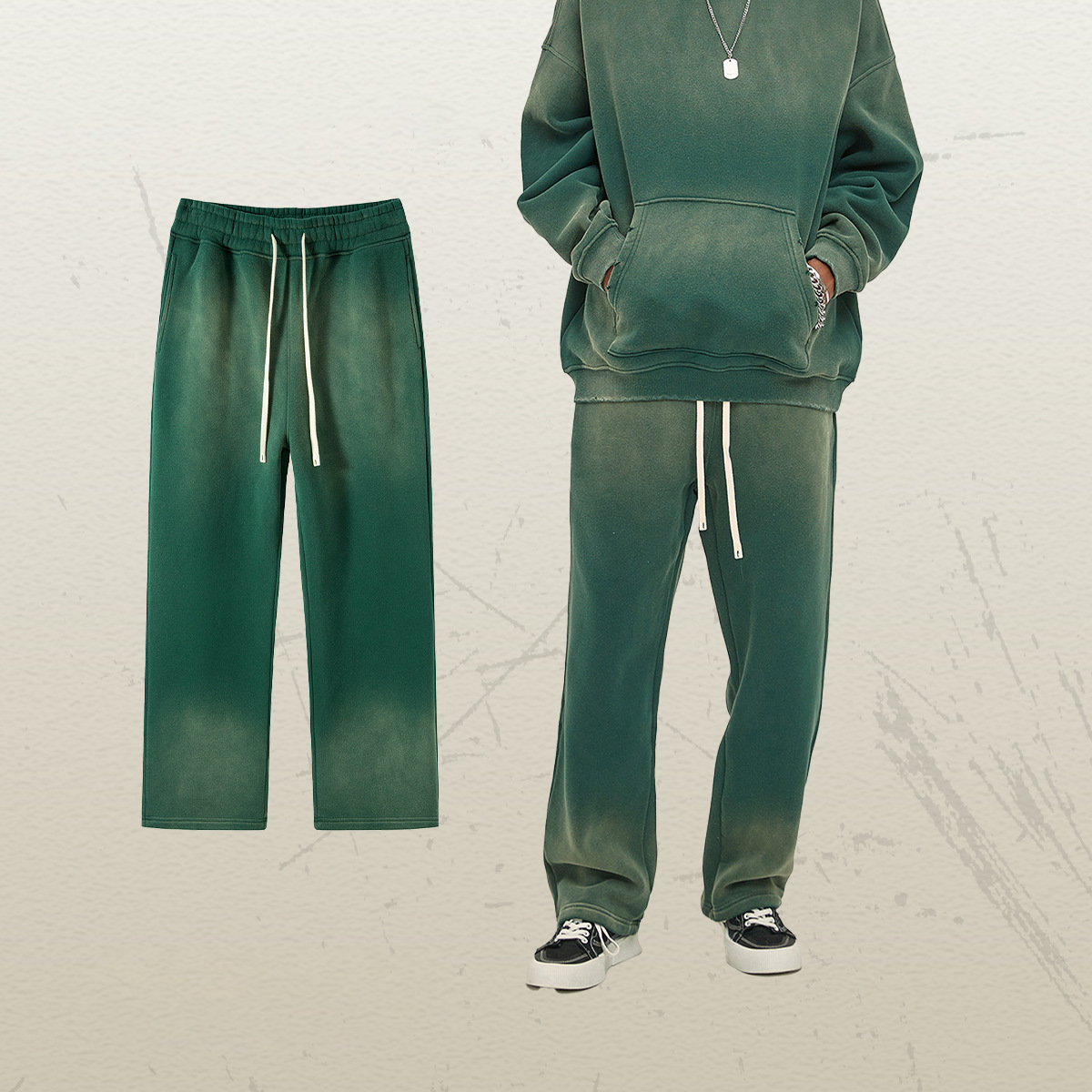
Woven labels handle 500+ wash cycles without fading — ideal for streetwear brands demanding longevity. Printed labels cut cost for startups at low MOQ. Leather-patch and silicone labels add premium texture; retailers use them to anchor mid-tier price points.
Fasteners: Buttons, Snaps, Rivets, Hooks
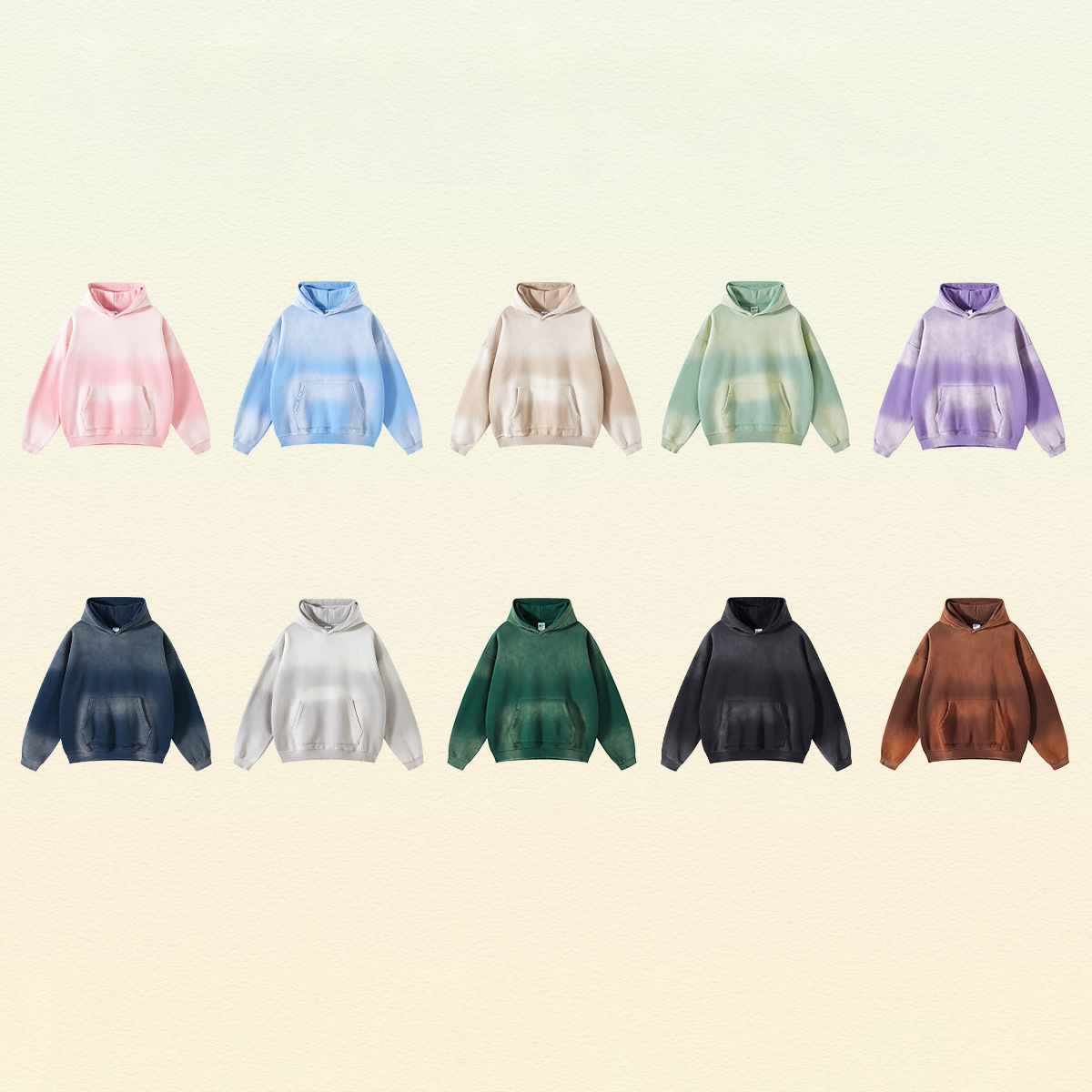
4-hole shank buttons suit tailored retail pieces; heavy brass rivets reinforce denim stress points for streetwear. Metal snaps and hook-and-bar closures appear across outerwear. Startups often specify mixed fastener sets to differentiate first collections without raising fabric cost.
Zippers: YKK, Coil, Metal, Invisible
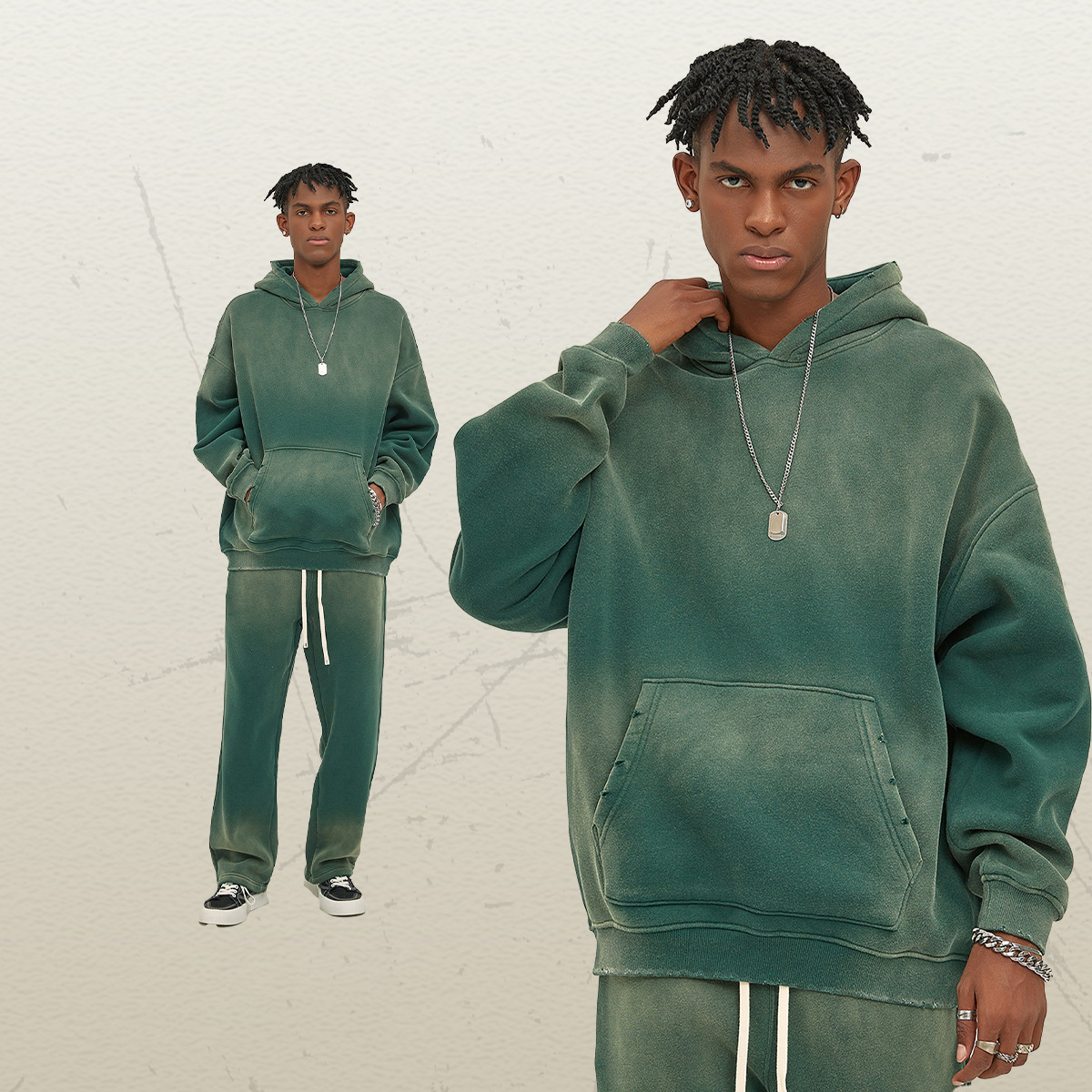
YKK #5 metal zippers retail at $0.30–$0.80 per unit and outlast generic alternatives by 3–5× in pull-cycle testing. Coil zippers suit lightweight hoodies and bags; invisible zippers hide seams in dresses. Streetwear brands default to chunky brass-tooth metal for visual impact.
Drawcords and Aglets
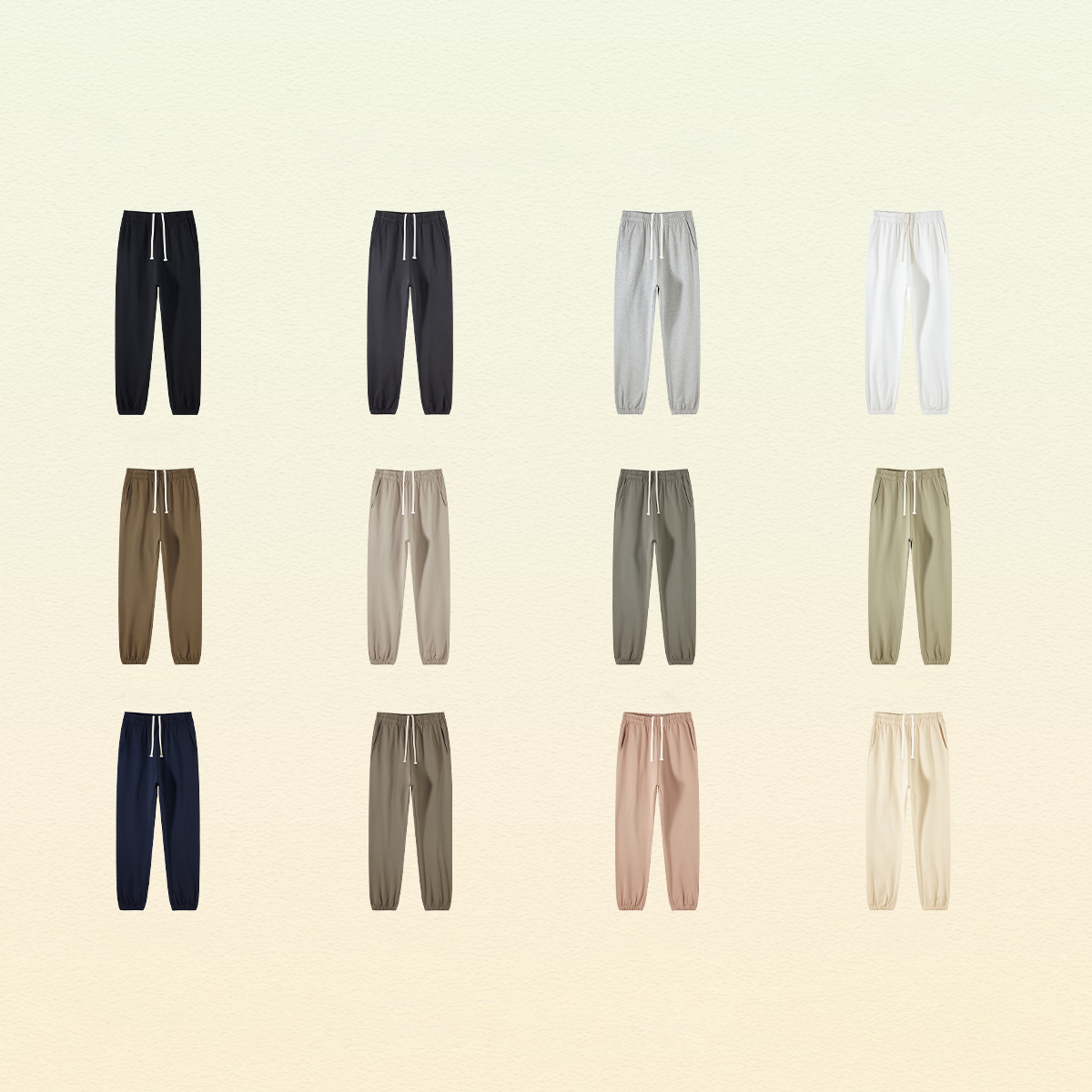
Flat and round drawcords in 6–10 mm widths are standard for hoodies and joggers. Metal or custom-molded plastic aglets — the tip reinforcement — brand a drawcord at low per-unit cost, making them popular with creator brands seeking high-visibility customization at minimal MOQ.
Patches and Emblems: Embroidered, Woven, Rubber
Embroidered patches carry 3D texture that streetwear buyers prize; woven patches reproduce fine logo detail at thinner profiles. Rubber/PVC emblems resist moisture and suit outerwear and bags. All three attach via heat seal, sew-on, or iron-on, giving independent designers flexible placement options.
Packaging Trims: Hangtags, Tissue, Custom Poly Bags
Hangtags printed with brand story and QR codes lift perceived value; retailers often require MSRP printed on-tag. Custom-printed poly bags and branded tissue paper convert unboxing into a marketing moment. Startups shipping DTC gain the most from packaging trims, which cost $0.05–$0.50 per unit.
4. Materials Used in Custom Garment Trims
Material selection determines durability, wash-fastness, and brand perception for every custom garment trim. Matching the right family to your positioning — premium, sustainable, or streetwear-heavy — starts with understanding what each option delivers at production scale.
| Material Family | Durability | Wash-Fastness | Cost / Piece | Sustainability |
|---|---|---|---|---|
| Woven polyester/nylon | High | 50+ cycles | $0.05–$0.20 | Recycled-PET option |
| Brass/zinc alloy hardware | Very high | Rust-resistant | $0.10–$0.80 | Recycled brass option |
| Cotton/recycled-PET twill tape | Medium-high | OEKO-TEX rated | $0.03–$0.15 | GRS-certified PET |
| Genuine leather patch | Premium | Dry-clean only | $0.30–$1.50 | Limited |
| PU leather patch | Medium | 30+ cycles | $0.10–$0.50 | Vegan-friendly |
| Silicone badge | High | 100+ cycles | $0.08–$0.40 | Recyclable |
| Cork / wood / PLA | Medium | Hand-wash only | $0.15–$0.60 | Biodegradable |
Woven Labels and Metal Hardware
Woven polyester and nylon labels are the industry default for main labels and care labels, delivering stable color after 50-plus wash cycles at MOQs as low as 500 pieces.
Cotton and recycled-PET twill-tape drawcords run $0.03–$0.15 per piece; OEKO-TEX and GRS-certified options satisfy clean-label brand requirements.
Brass hardware suits premium positioning; zinc alloy cuts hardware cost 30–50% at comparable aesthetics, and stainless steel handles marine or outdoor wash protocols.
Leather Patches and Silicone Badges
Genuine leather patches signal craftsmanship on premium denim and workwear but require dry-clean care labels and carry a $0.30–$1.50 per-piece cost floor. PU leather delivers 30-plus wash durability at $0.10–$0.50, meeting vegan brand policies without sacrificing the patch aesthetic.
Silicone badges outlast 100 wash cycles, hold sub-millimeter debossed detail, and are heat-bondable — reducing sewing labor for streetwear drops.
Eco Specialty Materials
Cork, wood, and biodegradable PLA trims are priced at $0.15–$0.60 per piece and align tightly with zero-waste and artisan brand positioning. Wash-fastness is limited, so hand-wash or dry-clean care instructions are mandatory — but these materials generate strong earned-media value for sustainability-led collections.
5. Customization & Decoration Options for Garment Trims
Decoration technique shapes color fidelity, MOQ threshold, wash durability, and production lead time across all custom garment trims. The comparison table below maps eight methods so buyers can match technique to run size and budget.
| Technique | Color Fidelity | MOQ | Wash Durability | Lead Time |
|---|---|---|---|---|
| Damask Woven Label | 20+ Pantone colors | 100 pcs | 50+ cycles | 7–10 days |
| Satin/Taffeta Label | 8–10 colors | 100 pcs | 30–40 cycles | 7 days |
| Embroidered Patch | 14 thread colors | 50 pcs | 60°C safe | 7 days |
| Screen Print | 1–8 Pantone | 50 pcs | 30–40 washes | 5–7 days |
| DTF Transfer | Photographic | 1 pc | 40+ washes | 3–5 days |
| Deboss/Emboss (PU) | Ink-free, tactile | 100 pcs | Permanent | 7 days |
| Laser Engraving | Ink-free, precise | 100 pcs | Permanent | 5 days |
| NFC/QR Embed | N/A | 50 pcs | Permanent | 10–14 days |
Woven Labels and Embroidered Patches
Damask woven labels reproduce 20+ Pantone colors at 68 threads per cm²; satin and taffeta weaves handle simpler 8–10 color marks at lower cost. Both require MOQ 100 pieces with a 7–10-day lead time and survive 50+ machine wash cycles.
Embroidered patches use up to 14 thread colors, carry a 50-piece MOQ, and are rated safe at 60°C wash cycles with a 7-day production lead.
Printing and Heat Transfer Techniques

Screen printing matches 1–8 Pantone colors at MOQ 50 pieces in 5–7 days but loses definition after 30–40 washes on labels and hangtags. DTF (direct-to-film) transfer handles photographic-grade detail with no MOQ floor, ships in 3–5 days, and survives 40+ wash cycles — making it the default for short streetwear runs.
Hardware Finishing and Smart Embedding
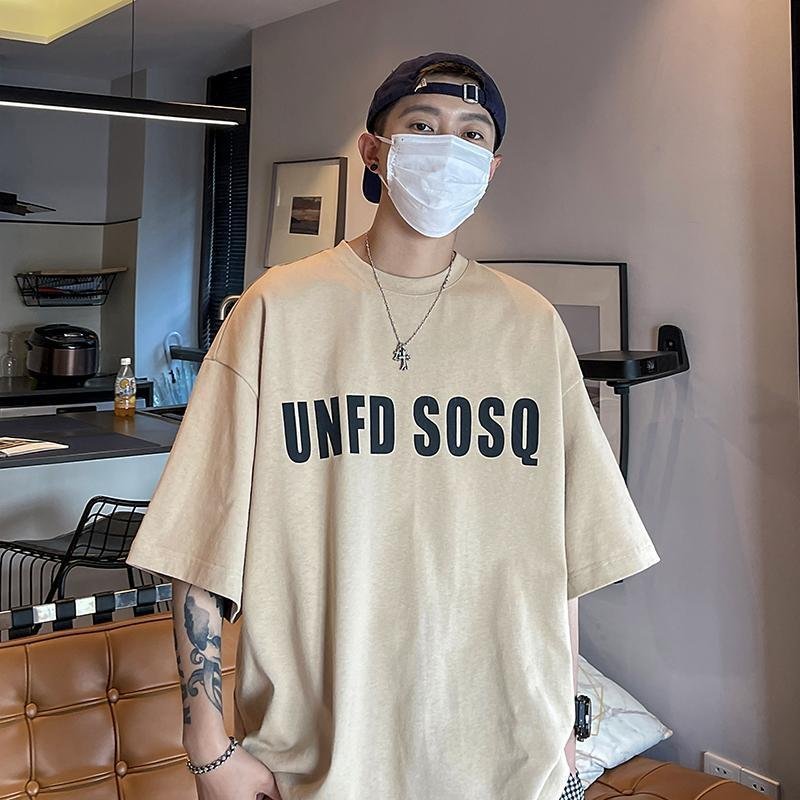
Laser engraving on zinc-alloy hardware and debossing or embossing on leather or PU trim are permanent, ink-free techniques requiring MOQ 100 pieces with a 5–7-day lead. NFC chip or QR code embedding starts at 50 pieces with a 10–14-day lead, enabling authentication scanning and brand storytelling directly from the trim.
6. Key Quality Elements to Inspect in Custom Garment Trims
Sourcing custom garment trims without a written QC checklist leaves rejection decisions to supplier discretion. Knowing exact, measurable standards lets you write enforceable criteria into your purchase order and spec sheet.
Colorfastness: ISO 105 Wash Test Standards
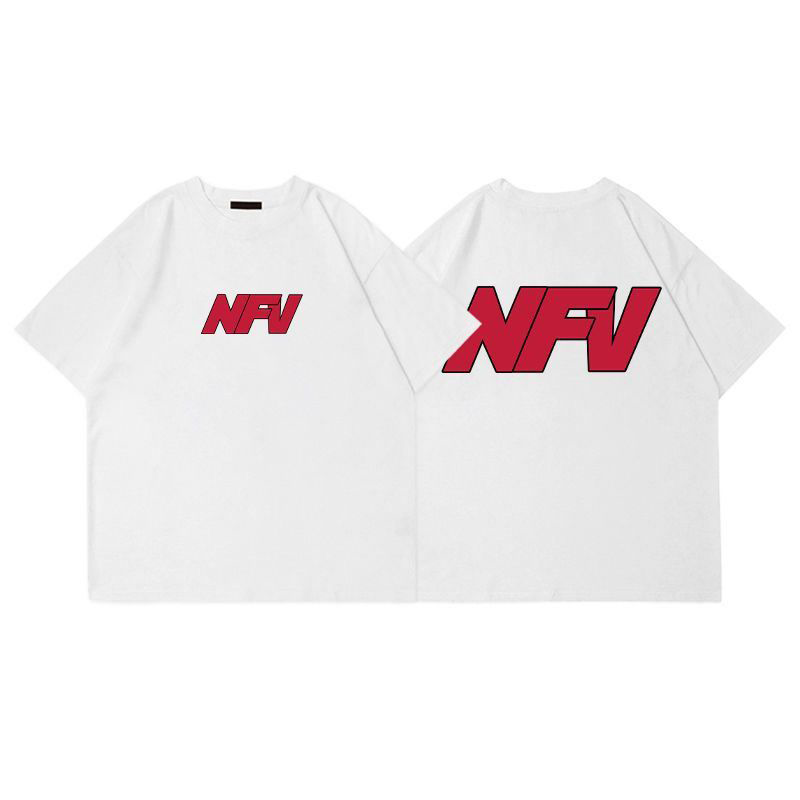
ISO 105-C06 wash-fastness testing rates colorfastness on a 1–5 grey scale; demand a minimum Grade 4 for all dyed woven labels and printed patches. Anything below Grade 3 bleeds visibly after five home washes — make it an automatic reject in your spec sheet.
Edge-Finish Methods and Defect Thresholds
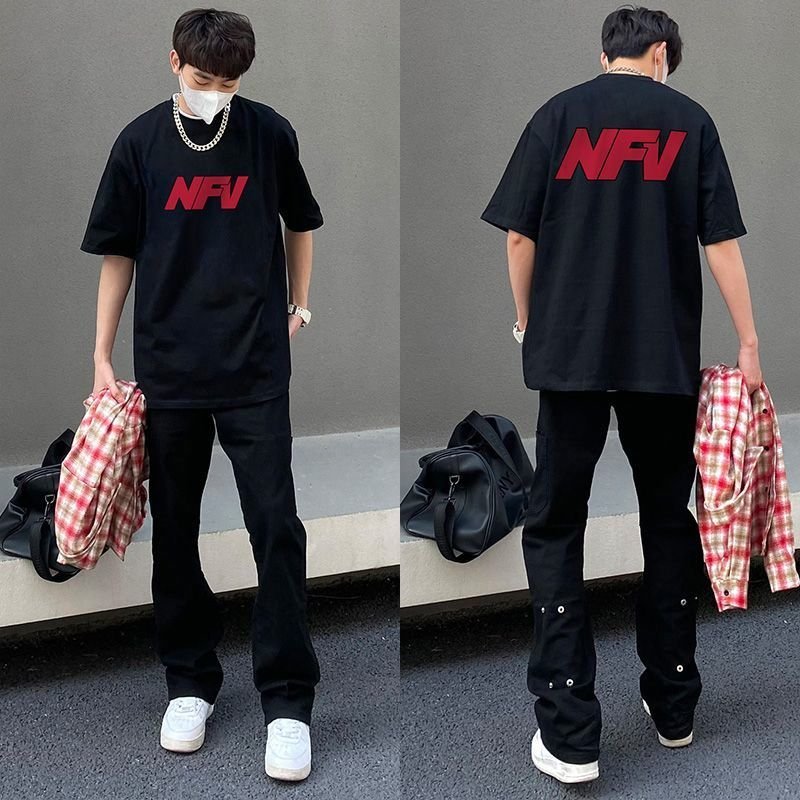
Merrowed edges suit woven labels up to 4 cm wide; folded (turned-edge) construction costs 20–30% more but removes exposed threads entirely. Laser-cut edges work only on polyester and nylon substrates — confirm the supplier tests for edge melt uniformity before approving bulk.
Stitching Density and Print Resolution on Labels
Woven labels need a minimum 40 l/cm weft density for legible 6 pt text. For printed labels, demand 300 DPI minimum for standard copy; fine logos under 4 mm require 600 DPI — below these thresholds, edges show visible dot gain after repeated washing.
Hardware Plating Adhesion and Zipper Pull Tension
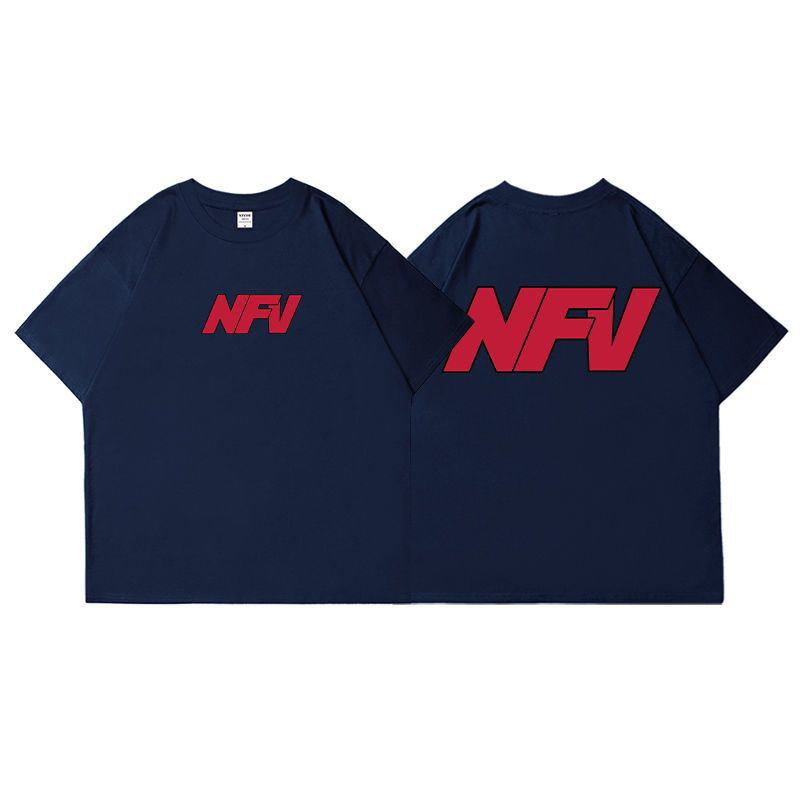
Salt-spray adhesion testing (ASTM B117) is the benchmark: require 24 hours minimum for brass-plated snaps and 48 hours for outerwear zipper sliders. YKK #5 coil zipper pull-force should measure 15–25 N; pulls outside this range signal weak tape bonding or faulty slider casting.
Clothing Manufacturer Ltd.’s Five-Step QC Process
Clothing Manufacturer Ltd. embeds quality checks at five sequential stages: materials, cutting, clothing craft, sewing production, and finished goods inspection. Catching defects at the cutting stage — before any sewing begins — eliminates rework costs that compound through each downstream step.
7. How to Choose the Right Custom Garment Trims Manufacturer
Selecting a manufacturer for custom garment trims involves more than comparing price sheets. Evaluate suppliers across six criteria — MOQ, sample speed, decoration capability, certifications, communication, and references — before committing production dollars.
MOQ Flexibility and Sample Turnaround Time
Startups and creator brands typically need MOQs under 100 units per trim SKU. Offshore manufacturers in China’s Humen Town hub — including Clothing Manufacturer Ltd. — accept low-MOQ orders and return samples within 7–10 business days, versus 30–45 days at higher-MOQ factories.
Nearshore vendors may offer faster shipping lanes but rarely match offshore pricing or trim variety at small quantities.
Certifications That Actually Matter
OEKO-TEX Standard 100 confirms no harmful substances — required for EU and North American retail compliance. BSCI audits social accountability; ISO 9001 documents a quality management system spanning the full production cycle.
Always request certificate numbers and verify them on the issuing body’s database. An unverifiable certificate is a disqualifying red flag.
In-House Versus Outsourced Decoration
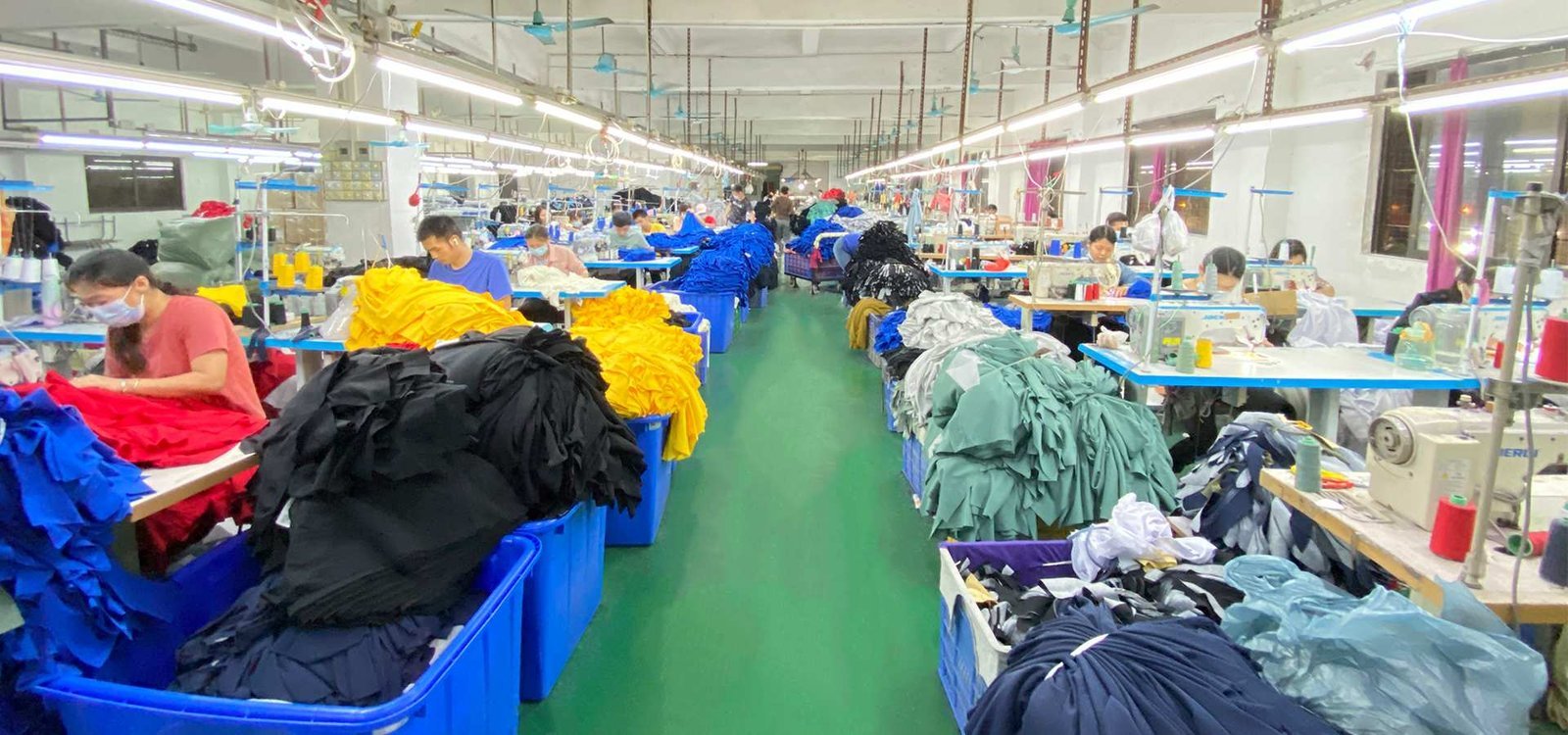
Factories that sub-contract embroidery, screen printing, or woven-label production to third parties lose timeline control and defect traceability. Request a factory floor video or equipment photos to confirm on-site capability.
In-house decoration cuts 5–10 days off lead time and keeps QC accountability with one party.
Red Flags That Signal Unreliable Vendors
Five patterns consistently identify factories that deliver late, defective, or misrepresented trims.
- No in-process QC — inspection only at the finished-goods stage
- MOQ terms that shift after the deposit clears
- Sample lead times quoted at 30-plus days with no milestone schedule
- No references from brands in a comparable category or order size
- Communication gaps exceeding 48 hours during the quoting stage
8. Common Mistakes Buyers Make with Custom Garment Trims
Sourcing custom garment trims without a written spec sheet is the fastest way to destroy a launch timeline. Six recurring mistakes account for most bulk rejections, regulatory holdups, and costly IP disputes.
Under-Specifying Pantone Colors
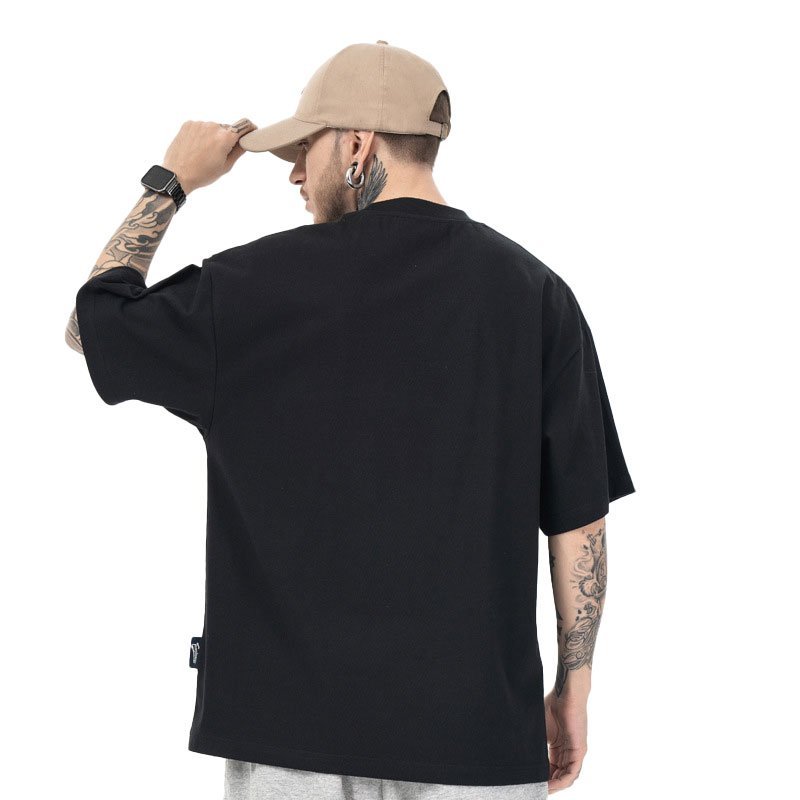
Color drift between orders is almost always traceable to a missing Pantone TCX code on the trim spec sheet. Accepting ‘navy’ or ‘red’ instead of a numbered reference gives the factory room to drift 3–5 ΔE units — visible to the naked eye on finished product.
Skipping Pre-Production Trim Samples
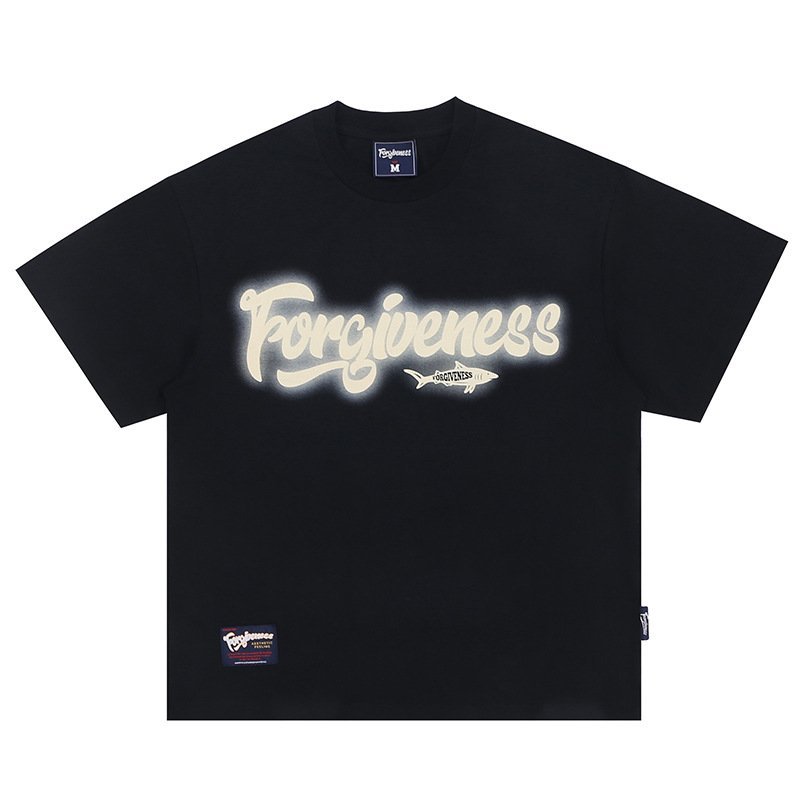
A pre-production sample costs roughly $50–$150 per trim component; a bulk rejection of 5,000 units costs multiples of the entire order value. Approve a physical sample — signed and dated — before any cutting or embroidery begins.
Choosing the Lowest-MOQ Supplier Blindly
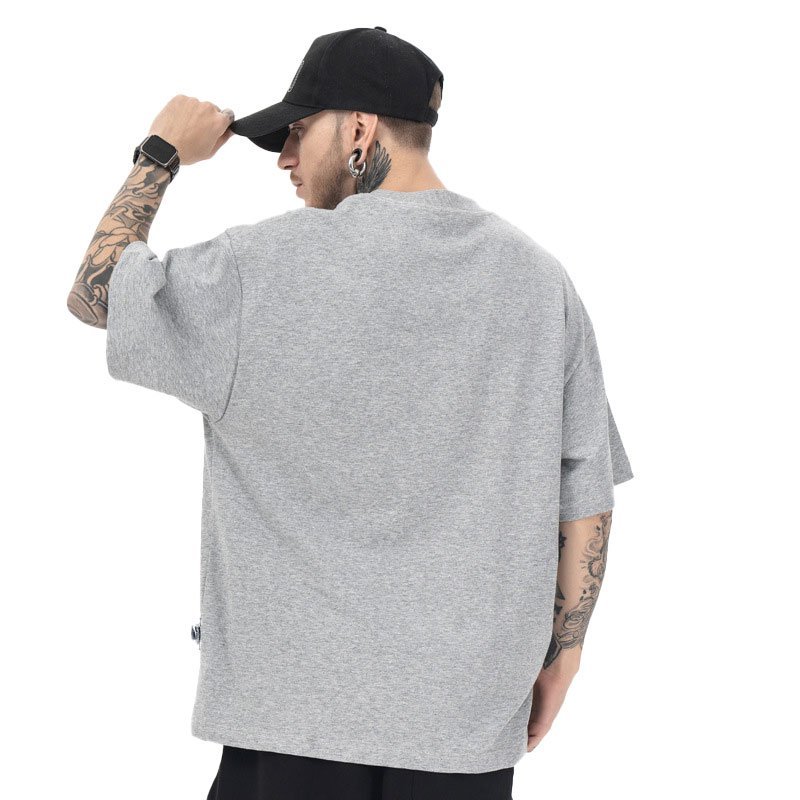
Low-MOQ woven labels and iron-on patches from unvetted suppliers frequently use substandard adhesive that delaminates after 10–15 washes. Request a wash-fastness test report to AATCC TM135 or ISO 6330 before committing to bulk production.
Ignoring Wash-Care Label Compliance Laws
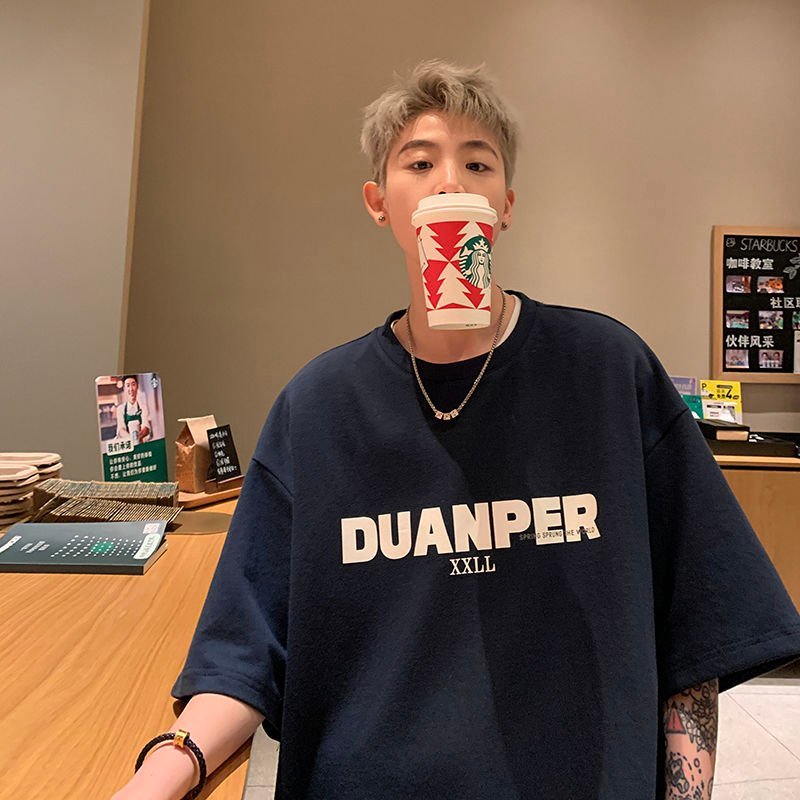
The US FTC mandates care labeling under 16 CFR Part 423; the EU requires Regulation (EU) No 1007/2011 for fiber content disclosure. Non-compliant labels trigger import holds, fines reaching $16,000 per violation, and potential product recalls.
Ordering Trims Separately from Garments
Trim lead times typically run 15–30 days; cut-and-sew garment lead times run 45–60 days. Ordering on separate schedules routinely leaves finished shells waiting on labels, zippers, or hardware — stalling shipment by 2–4 weeks and missing sell-through windows.
No IP Agreement on Custom Tooling Dies
Custom metal dies, molds, and engraving plates produced for your brand are supplier property by default unless an IP ownership clause is signed at order placement. Without that clause, a factory can legally sell your exact trim tooling to competitors.
9. Steps to Launch Your Brand with Custom Garment Trims
Launching a brand on custom garment trims requires more than choosing a logo patch — it demands a repeatable process. These six steps align streetwear labels, startups, and retail buyers with production reality from day one.
Define Brand Identity and Trim Touchpoints
Streetwear brands prioritize woven labels and heat-transfer patches; retailers weigh hang-tag consistency across SKUs; startups often overlook care labels until late.
List every trim touchpoint — neck label, hem tag, zipper pull, button — before any supplier outreach begins.
Build a Trim Spec Sheet
A complete spec sheet includes Pantone PMS color references, material call-outs (woven vs. printed, brass vs. alloy hardware), dimensional tolerances, and placement diagrams in millimeters.
Retailers need this document for vendor compliance audits; startups use it to obtain comparable quotes from multiple suppliers.
Request Samples from Multiple Suppliers
Contact 2–3 manufacturers and request physical samples matched against your spec sheet. Clothing Manufacturer Ltd.’s guided sampling process walks new clients through material selection, color matching, and prototype sign-off — cutting revision rounds from the typical 4–6 down to 2–3.
Conduct Wash and Wear Testing
Run samples through 10–30 wash cycles at 40°C per ISO 6330 and inspect for color fastness, edge fraying, and adhesive failure on heat-press trims.
Streetwear garments face heavier wash frequency than tailored pieces, making this step non-negotiable before committing production budget.
Place a Pilot Production Run
A pilot run of 50–200 units stress-tests trim consistency across a real production batch. Startups validate MOQ viability at this stage; retail buyers use pilot results to meet range-room deadlines before committing to full seasonal volumes.
Build a Reorder Schedule
Map reorder windows to your launch calendar — woven and embroidered trims carry 90–120 day lead times on average.
Streetwear labels on a drop model should maintain 15–20% safety stock above forecast to absorb supplier lead-time variance across seasonal launches.
10. Pricing & Cost Guide for Custom Garment Trims
Setup fees and sample costs are the first line items most buyers miss: budget $30–80 for woven label loom setup, $30–60 for embroidered patch digitizing, and $80–200 for custom metal button die tooling. Sample production typically runs 7–10 days and costs $15–50 per trim type, billed once regardless of how many SKUs you test.
Three variables drive unit price up fastest: color count (each additional color in a woven or printed label adds $0.02–0.05 per unit), weave density (damask weave runs 20–30% more than taffeta for custom garment trims), and hardware plating (gold or antique-brass finish on metal buttons adds $0.05–0.12 per unit). Consolidate label sizes across SKUs and combine trim types into one factory order to reach higher quantity tiers without inflating total volume.
| Trim Type | 50 units | 100 units | 500 units | 1,000 units | 5,000 units |
|---|---|---|---|---|---|
| Woven Label | $0.55 / 8d | $0.38 / 8d | $0.20 / 12d | $0.13 / 12d | $0.08 / 18d |
| Printed Label | $0.30 / 7d | $0.22 / 7d | $0.10 / 10d | $0.07 / 10d | $0.04 / 14d |
| Metal Button | $0.55 / 10d | $0.40 / 10d | $0.22 / 14d | $0.15 / 14d | $0.09 / 20d |
| YKK Zipper | $1.10 / 10d | $0.80 / 10d | $0.55 / 14d | $0.40 / 14d | $0.25 / 20d |
| Embroidered Patch | $1.80 / 10d | $1.20 / 10d | $0.65 / 14d | $0.45 / 14d | $0.22 / 20d |
| Hangtag | $0.40 / 7d | $0.28 / 7d | $0.15 / 10d | $0.10 / 10d | $0.06 / 14d |
Ready to Elevate Your Brand with Custom Garment Trims
Submit your artwork for a free quote, receive samples in 7-10 days, and ship to 100+ countries backed by our 5-step QC guarantee.