
Reflective Trim: Premium Urban Visibility for Streetwear Collections
Reflective trim elevates your streetwear with premium nighttime visibility and bold urban aesthetics. Low MOQ, fast samples, and our 5-step QC guarantee—trusted by brands in 100+ countries.
Reflective Trim Samples & Design Gallery
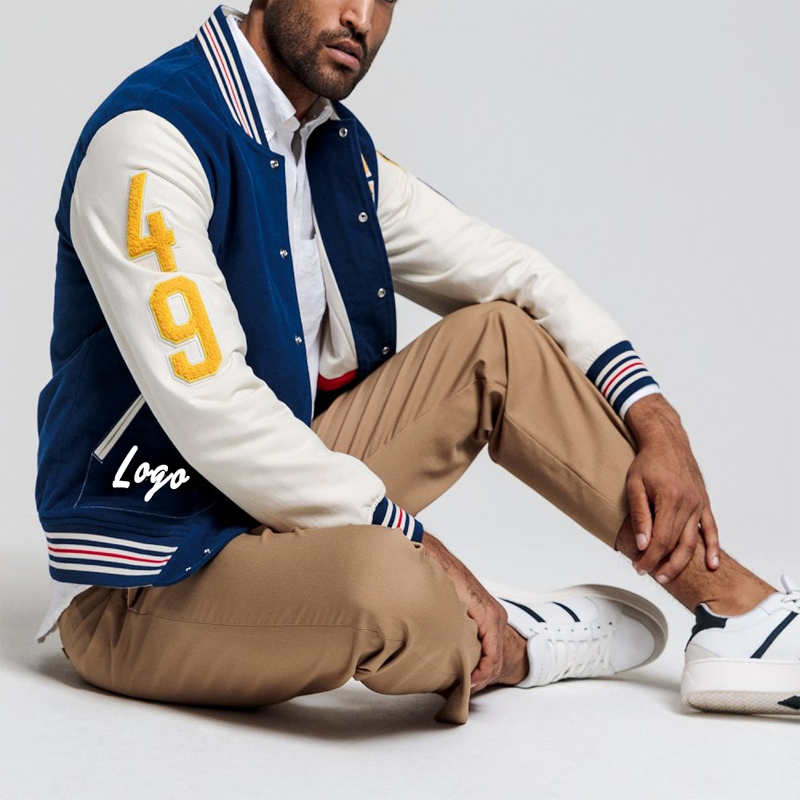

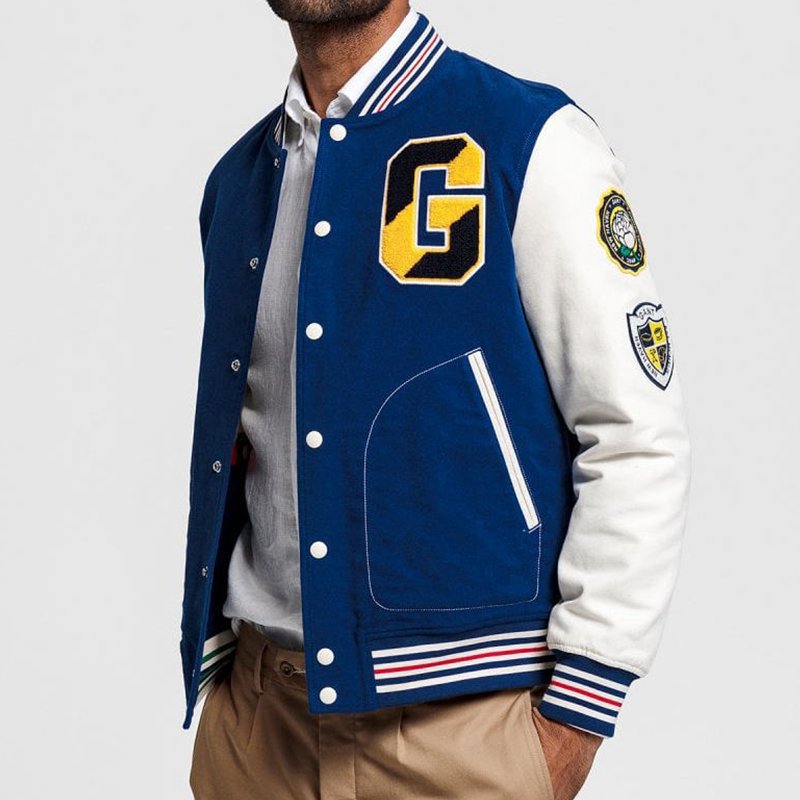

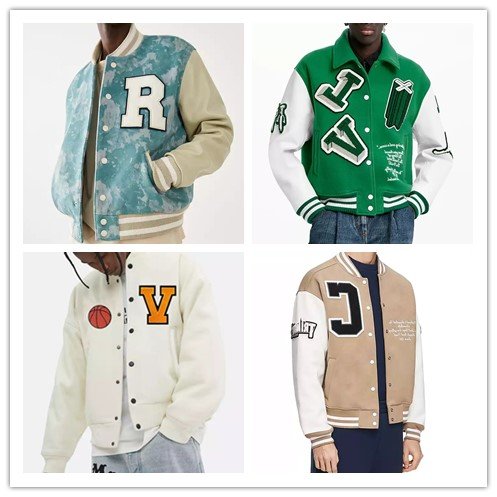

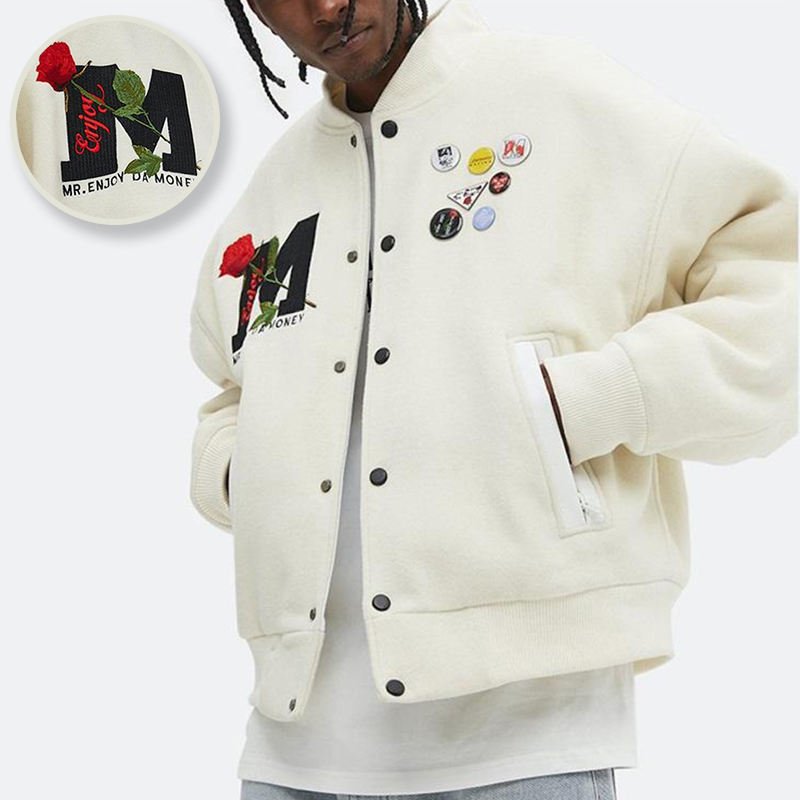
What Makes Our Reflective Trim Stand Out
Technical excellence meets streetwear design. Here’s why brands worldwide choose our reflective trim solutions.
Premium Visibility Standards
Meets international safety regulations for streetwear visibility. High-lumen reflective material ensures visibility in urban environments, day and night.
Machine-Wash Durability
Tested reflective trim withstands 50+ wash cycles. Your designs maintain premium visibility and aesthetic appeal through everyday wear and care.
Unlimited Customization
Custom colors, patterns, sizes, and placement. Collaborate with our design team to integrate reflective trim seamlessly into your collections.
Fast Sample Turnaround
Receive reflective trim samples in 5-7 business days. Test designs quickly before committing to full production runs.
5-Step Quality Testing
Reflective trim tested at materials, cutting, craft, sewing, and final inspection. Zero-compromise quality ensures every piece exceeds standards.
Low MOQ Production
Start with minimal order quantities perfect for emerging brands. Test reflective trim innovations before scaling larger collection releases.
Reflective Trim for Every Streetwear Need
From emerging brands to established retailers, see how reflective trim adapts to your production stage and brand vision.
Launch Your First Reflective Collection
Starting streetwear brands need visibility without big risks. You want affordable minimum orders and quick samples to test market fit. Traditional manufacturers demand high MOQ, slowing your launch timeline.
Low MOQ reflective trim and rapid sampling let you launch faster and cheaper. Test designs, validate demand, then scale with quality assurance. Build your reputation with confidence.
Drop Limited Reflective Editions Quarterly
Influencer brands thrive on speed and exclusivity. Seasonal and limited-drop collections keep followers engaged. You need rapid sampling, transparent timelines, and guaranteed quality to match your brand promise.
Fast reflective trim sampling supports planned drops weeks in advance. Transparent 5-step QC means zero defects reach your customers. Consistent quality builds collector loyalty and repeat seasonal drops.
Blend Reflective Trim With Premium Techniques
Premium streetwear brands want layered design—reflective trim for visibility plus embroidery or patches for depth. Coordinating multiple vendors adds complexity, delays, and quality inconsistency across materials.
Single-vendor reflective trim, embroidery, and patch coordination ensures seamless design integration. Unified QC across all techniques reduces delays and errors. Achieve premium aesthetics without logistical friction.
Scale Reflective Trim Across Your Catalog
Retailers with 50+ SKUs need consistent quality and reliable global shipping. Adding reflective options to existing lines requires a trustworthy partner with proven logistics and zero-compromise inspection.
Bulk reflective trim orders ship globally on schedule, every time. 5-step QC guarantee delivers retail-ready quality without surprises. Your buyers trust the consistency; your costs remain competitive.
Find Your Trim Technique Sweet Spot
Comparing reflective trim, embroidery, patches, and heat transfer feels overwhelming. Each technique differs in cost, durability, and aesthetic. You need clear guidance on which ROI-wise fits your brand and timeline.
Expert comparison resources show which trim type matches your brand, budget, and production timeline. You make confident choices, avoid waste, and maximize impact with the right technique.
Reflective Trim Expertise: 10+ Years, 100+ Countries Served
Tesla Luo brings 10+ years of garment manufacturing experience and 6+ years of streetwear specialization to Clothing Manufacturer Ltd., founded in August 2024. His mission: restore credibility to Chinese apparel production by implementing rigorous reflective trim quality standards at every manufacturing stage, rejecting the industry shortcuts that damage reputations.
We’ve produced reflective trim for emerging brands and global retailers across 100+ countries, leveraging in-house R&D (15 specialists), advanced cutting and application equipment, and certified materials that meet durability and visibility standards. Our 5-step QC process—materials testing, cutting inspection, craft verification, production checks, and finished-product inspection—ensures every reflective trim piece meets your brand’s exacting standards.
What sets our reflective trim apart: proprietary production techniques, custom colorway and pattern options, fast sampling turnaround for seasonal collections, low MOQ for startups, and transparent, collaborative partnerships from sample to full-scale production. We don’t just manufacture reflective trim; we engineer visibility solutions that amplify your streetwear’s urban appeal.
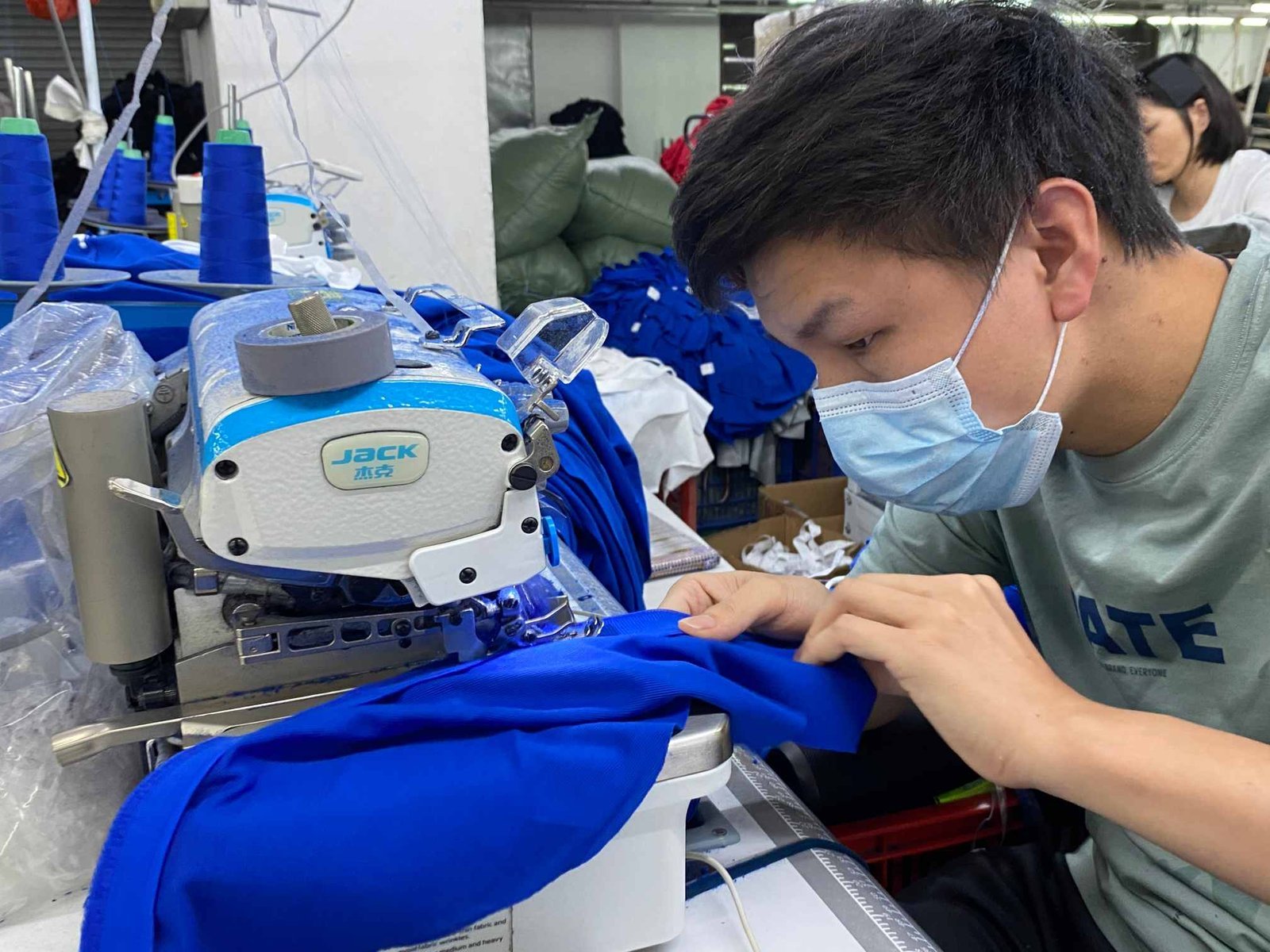
Reflective Trim Quality: Visibility Standards, Durability & Customization
3M Retroreflectivity Standards Compliance
Our reflective trim meets or exceeds 3M Grade Prismatic standards and EN 20471 visibility certification. Every batch undergoes retroreflectivity testing to guarantee consistent light-return performance, ensuring your streetwear designs remain visible and compliant across global markets.
- 3M Grade Prismatic or Diamond retroreflectivity ratings
- EN 20471 and ANSI visibility compliance testing
- Angle-dependent retroreflectivity verification per batch
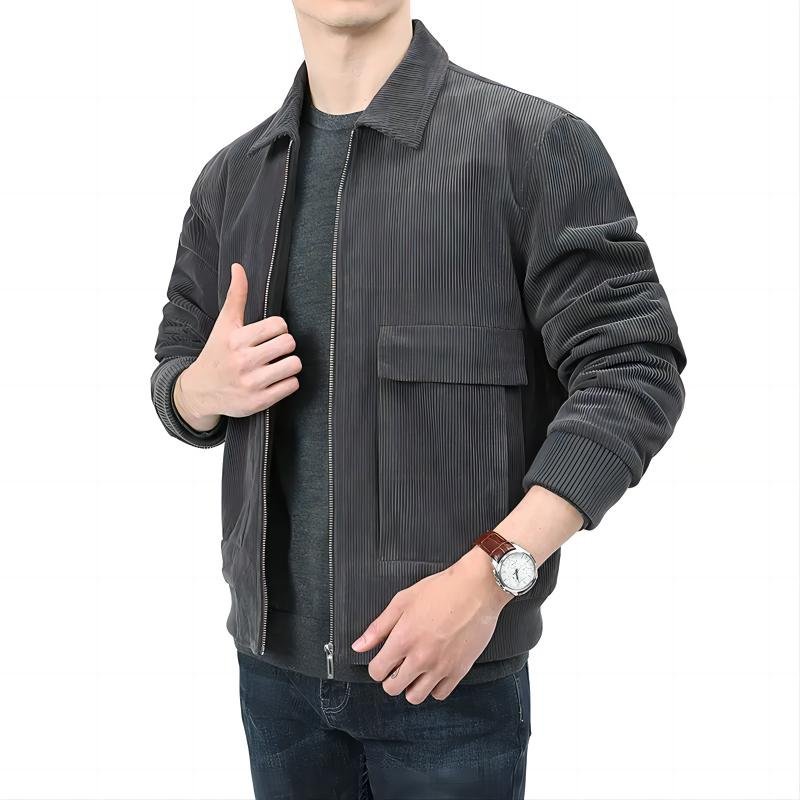
Industrial Wash Durability & Colorfastness
Reflective trim durability goes beyond initial installation. We test color retention through 50+ industrial wash cycles at 60°C, ensuring the reflective coating and thread maintain brightness and adhesion throughout the product’s lifecycle.
- 50+ cycle wash fastness testing (ISO 105-C06)
- Color retention and coating adhesion verification
- Temperature and detergent stress testing protocols
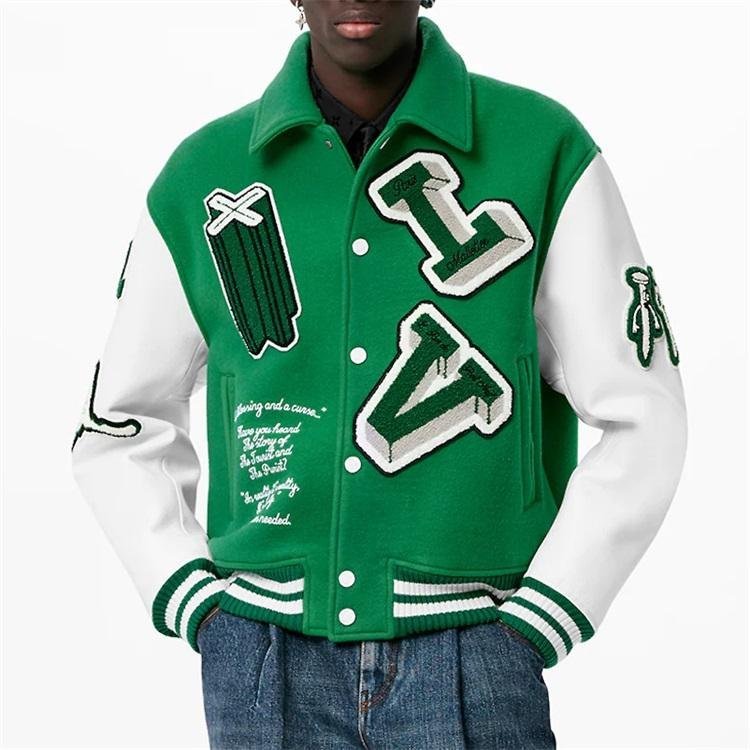
Thread & Color Customization Options
Tailor reflective trim to your brand identity with custom thread and color combinations. Our in-house team develops bespoke palettes—from neon accents to classic silver—so your reflective trim becomes a brand signature, not a commodity component.
- 30+ thread color and reflective material options
- Brand-matched color digitization and sampling
- Limited MOQ for emerging brands and test collections
Precision Stitching & Seam Reinforcement
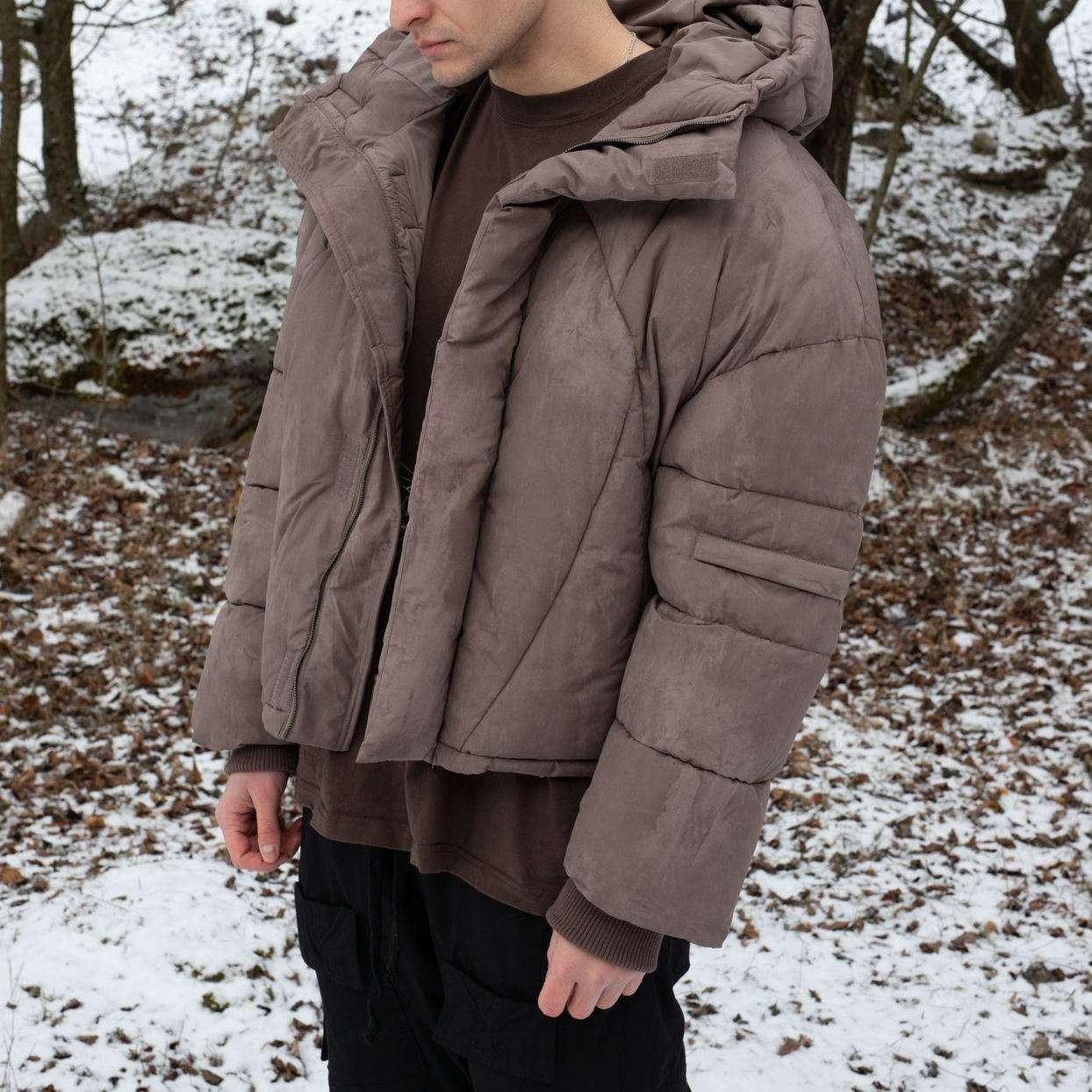
Reflective trim attachment isn’t just surface-level. Our precision stitching uses lock-stitch and double-pass reinforcement techniques to ensure the trim withstands stress points—especially critical for streetwear activewear and high-movement garments.
- Lock-stitch precision with 3.5mm stitch length regulation
- Double-pass seam reinforcement at stress points
- Five-step QC verification from cutting through finishing
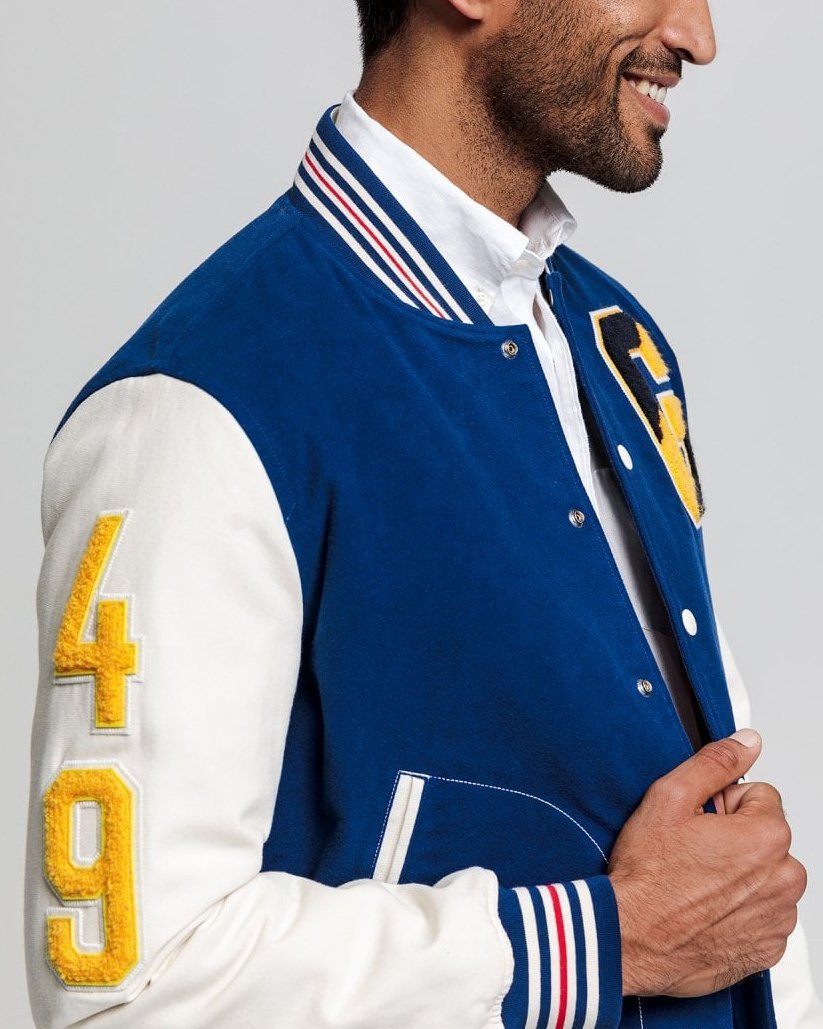
Reflective Trim vs. Embroidery: Visibility, Durability & Design
Discover why streetwear brands and startups prefer reflective trim over traditional embroidery for high-performance, visible branding.
← 左右滑动查看 →
Reflective Trim Production: Design to Quality Inspection
Five transparent phases with embedded quality checkpoints guarantee reflective trim excellence—from material selection to finished goods inspection.
Material Selection & Testing
Choose premium reflective trim grades with materials QC testing. We verify luminosity, adhesion strength, and color accuracy before production begins.
Sample Design & Approval
Develop reflective trim samples and test craft specifications. Clothing craft QC testing ensures samples meet your brand’s design and quality standards.
Cutting & Precision QC
Cut reflective trim materials precisely to pattern specifications. Cutting QC testing verifies dimensions, material integrity, and edge quality for every piece.
Stitching & Heat-Setting
Stitch and heat-set reflective trim securely onto garment pieces. Sewing production QC testing monitors stitch quality and adhesion during this critical phase.
Final Inspection & Packaging
Complete finished clothing quality QC inspection on every garment with reflective trim. Quality-approved pieces move directly to packaging and global shipment.
How to Order Custom Reflective Trim for Your Collection
From concept to production—here’s how to order custom reflective trim for your streetwear brand, with fast samples and transparent timelines.
Submit Design Specifications
Your design team submits reflective trim design files, color requirements, placement specifications, and technical requirements for review and production sampling approval.
Select Reflective Materials & Type
Choose your fabric base (woven or knit), reflective coating technology (high-visibility or 3M Scotchlite), trim width, and production length requirements.
Review & Approve Samples
Receive fast-turnaround samples within your timeframe for visual and technical approval. Our team confirms reflective performance, durability, and color accuracy before production commences.
Place Bulk Order
Finalize order quantity, delivery timeline, and production schedule. Our low MOQ supports emerging brands; production begins immediately with our five-step rigorous quality control process.
Brands That Trust Our Reflective Trim
We launched our first collection with reflective trim from Clothing Manufacturer. Their samples arrived in 5 days, and the durability through two seasons proved exceptional. Zero defects across 3,000 pieces—exactly what emerging brands need.
Our limited reflective trim drop targeted 50K followers. Clothing Manufacturer delivered 2,000 units with perfect visibility specs in 14 days. Feedback was instant—our crew loved the quality and premium aesthetic.
We tested reflective trim across 8 SKUs for Asian markets. Defect rates stayed below 0.3% across 12,000+ pieces. Their 5-step QC process became our new standard for every supplier partnership.
Reflective Trim FAQs: MOQ, Durability, Customization
Everything you need to know about minimum orders, durability, and custom specifications for your reflective trim project.
What’s the minimum order quantity for reflective trim?
How long does reflective trim sampling take?
How much does a reflective trim sample cost?
What fabrics work best with reflective trim?
Can reflective trim be combined with embroidery or patches?
How durable is reflective trim after washing?
Do you offer certifications for reflective trim?
What file formats do you need for reflective trim designs?
The Complete Buyer’s Guide to reflective trim
Navigate reflective trim sourcing with essential criteria for manufacturers, material specifications, customization options, and proven strategies. Learn what separates premium suppliers from costly mistakes, plus actionable steps to launch your brand with confidence.
1. What Is Reflective Trim?
Reflective trim consists of a fabric or tape embedded with microscopic glass beads or reflective pigments that bounce light back toward its source, a property known as retroreflectivity. This optical technology has become central to contemporary streetwear design, where visibility and luminescent aesthetics drive consumer appeal. Unlike conventional reflective materials that simply show up at night, premium reflective trim maintains consistent performance across a range of viewing angles and light intensities.
3M™ Scotchlite remains the industry-standard material for high-performance reflective trim, using tiny glass spheres embedded in a durable polymer matrix. These glass beads bend incoming light and reflect it back along the same path it arrived, creating the distinctive glow seen on safety gear, streetwear edges, and high-end outerwear. Most premium reflective trim achieves a retroreflectivity rating between 75 to 200 candelas per lux per square meter (cd/lux/m²), depending on bead size and density.
Streetwear brands now integrate reflective trim into hoodies, jackets, cargo pants, and vests as both functional safety features and statement design elements. Contemporary urban fashion draws heavily from skate, hip-hop, and graffiti cultures, where reflective accents signal edge and personality while improving wearer visibility in low-light conditions. Brands targeting younger demographics increasingly expect reflective applications as a baseline customization option.
Market adoption across global apparel retailers has accelerated since 2020, driven by streetwear’s mainstream ascent and consumer demand for garments that perform multiple roles—functional safety and visual impact. For independent designers and emerging brands, reflective trim offers affordable differentiation without requiring in-house coating facilities or specialized equipment, making it accessible across minimum order quantities and production scales.
2. The Evolution of Reflective Trim in Fashion
The 1970s marked reflective trim’s emergence in workwear and safety equipment, where luminous properties addressed occupational hazards in low-light settings. This utilitarian origin defined reflective materials as functional rather than fashionable for nearly two decades.
The 1980s and 1990s saw reflective trim migrate into streetwear culture, where hip-hop artists, skateboarders, and graffiti enthusiasts embraced its high-visibility aesthetic as a symbol of urban rebellion and nighttime presence. This shift transformed reflective surfaces from safety necessity to aspirational style marker among consumers valuing bold self-expression and counter-culture messaging.
The 2000s solidified the transition when luxury brands including Nike ACG, The North Face, and Stüssy integrated reflective trim into premium collections, validating street-level adoption at the designer tier. These collaborations positioned reflective trim as an element bridging functional and aspirational design—simultaneously practical and visually distinctive.
The 2010s expansion of luxury streetwear brands drove reflective trim into mainstream collections and high-price-point consumer consciousness. Contemporary demand now stems from three factors: the mainstreaming of streetwear into high fashion, the social currency of night visibility aesthetics, and authentic design heritage connecting current collections to 1980s-2000s street culture, making reflective trim both technically sound and culturally legible to global consumers recognizing the visual language of urban resilience and distinctive personal style.
3. Types of Reflective Trim Available Today
Reflective trim divides into distinct categories by material composition, visibility class, and application form. Each type balances brightness, durability, cost, and aesthetic impact differently. Selecting the right combination depends on your garment’s end-use environment and brand positioning.
Material Composition: Micro-Prismatic vs. Glass-Bead
Micro-prismatic reflective materials achieve 500–1000+ candela per lux per square meter via precision-engineered lens arrays. Glass-bead variants reach 300–500 candela.
Micro-prismatic trim retains brightness through 50+ wash cycles; glass-bead fades within 10–15 cycles. Micro-prismatic costs 40–60% more but suits premium streetwear and outdoor apparel demanding extended product lifetime.
Visibility Class: 1, 2, and 3 Standards
ISO 20471 defines Class 1 (100–150 cd/m²/lx), Class 2 (200–300 cd/m²/lx), and Class 3 (400+ cd/m²/lx). Class 2 is standard for athletic and streetwear pieces.
Class 3 suits premium outdoor and motorsport apparel. Most trendy brands select Class 2 reflective trim for visibility balanced with aesthetic appeal.
Application Forms: Woven, Strip, and Puff
Woven reflective trim (3–6mm width) is durable, washable, and cost-effective—ideal for hems, cuffs, and seams. Strip form (0.5–2mm) offers precision placement on thin edges and zippers with lower visual profile.
Puff reflective trim (embossed, 1–2mm height) adds texture and visual pop, popular on drawcords, chest logos, and sleeve badges.
- Woven: maximum durability; best for high-wear zones
- Strip: precision detail; suits slim or minimal design
- Puff: visual statement; creates 3D aesthetic effect
4. Materials & Performance Standards for Reflective Trim
Reflective trim durability depends on backing material, bead type, and adhesive technology. Polyester and nylon offer distinct performance; glass and prismatic beads trade cost against longevity. Matching specifications to end-use environment ensures consistent quality across production runs.
| Material Type | Cost vs. Baseline | Wash Cycles @ 60°C | Durability | Typical Use |
|---|---|---|---|---|
| Polyester Backing | Baseline | 40–50 | Moderate | Standard apparel |
| Nylon Backing | +15–25% | 80+ | High | Active wear |
| Glass Bead | Baseline | High resistance | Moderate fade | Budget-conscious |
| Prismatic Bead | +30–50% | Very high | 3–5+ years | Premium brands |
Backing Fabrics and Bead Technology
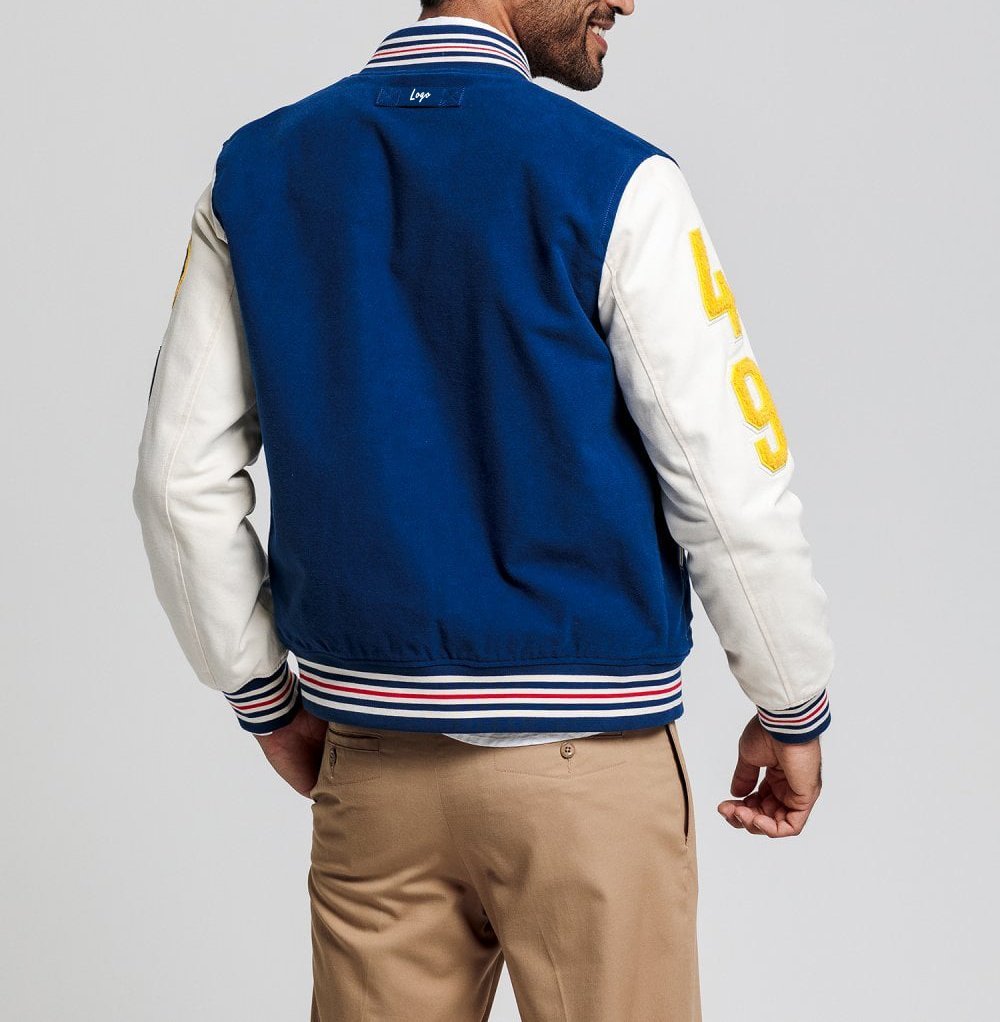
Polyester backing (75% market share) costs less but withstands only 40–50 wash cycles at 60°C. Nylon costs 15–25% more while handling 80+ cycles.
Glass beads cost less but fade faster under UV; prismatic beads maintain reflectivity 3–5 years longer with 30–50% premiums. Backing weights: 150–400 GSM, affecting application compatibility.
Adhesive Systems and Application
Heat-applied adhesives cost 10–15% less than PSA systems and require 24–48 hour cure time. Polyurethane and hot-melt are standard at 50–100 micron thickness, correlating with seam durability.
PSA systems need no curing but tolerate fewer washing cycles, often chosen for faster sample timelines.
Durability Standards and Certifications
EN 20471 and ANSI 107-2010 mandate retroreflectance of 100–200 cd/m²/lux by application class. ISO 105 C06 colorfastness testing rates fade on a 1–5 scale; Grade 4 minimum satisfies retail compliance.
Certification is essential for regulated markets; verify that suppliers document third-party testing.
Cost versus Performance Trade-Offs
Polyester + glass-bead = baseline cost. Polyester + prismatic = +30%, extending durability 3–5 years. Nylon + prismatic = +50%, justified only for high-volume active-wear.
MOQs (500 meters per configuration) affect sample speed and bulk pricing; understanding these thresholds optimizes negotiations.
5. Customization & Application Methods for Reflective Trim
Customizing reflective trim requires selecting decoration and attachment methods that align with production timeline, minimum orders, and brand specifications. Clothing Manufacturer Ltd. offers multiple techniques to fit any volume level and design complexity.
Decoration Techniques for Reflective Trim
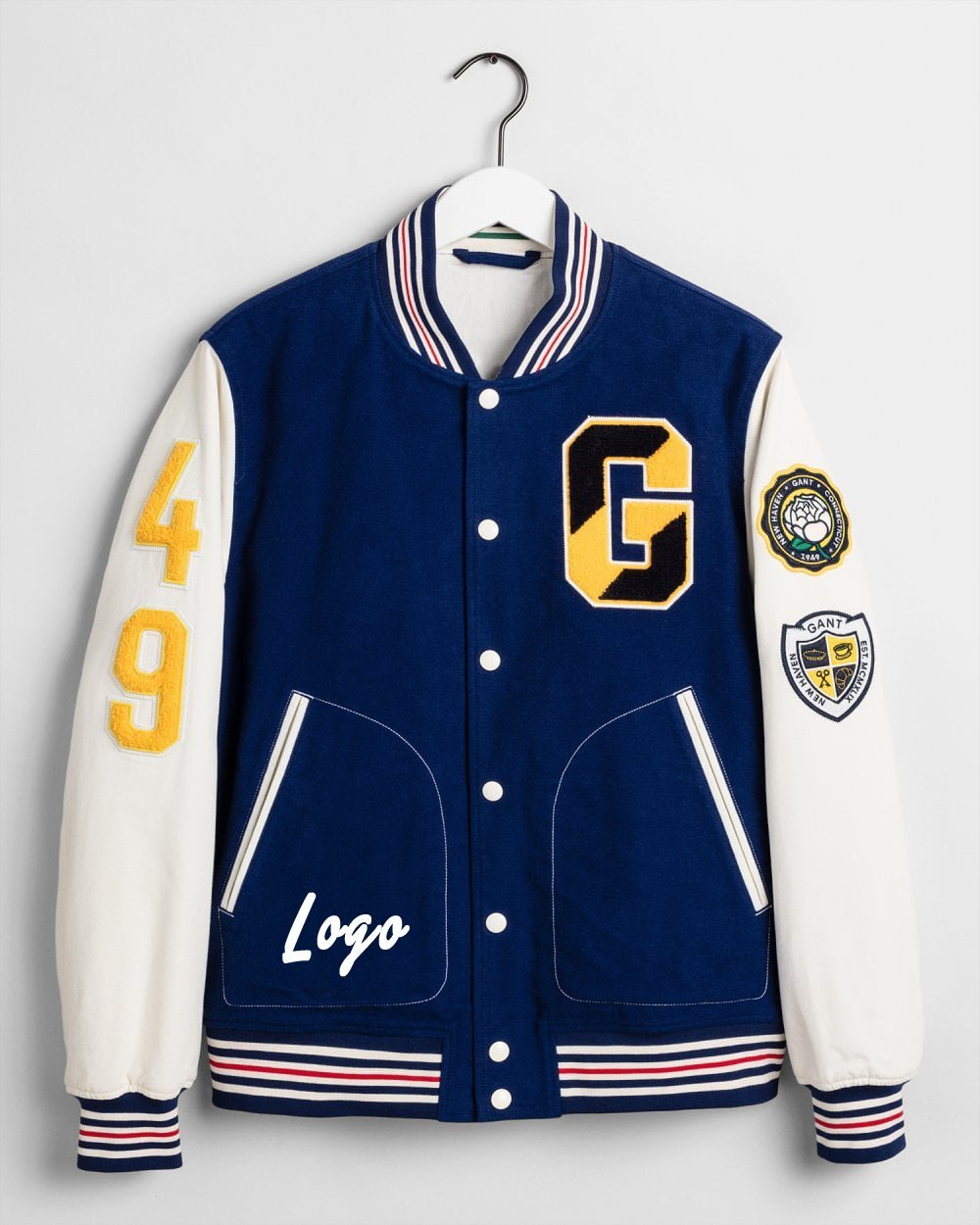
Screen printing and embroidery apply logos to reflective bases. Laser-cut patterns preserve reflectivity while creating sharp graphic details.
Each technique offers distinct outcomes. Screen print suits simple graphics at high volume. Embroidery adds dimensional texture and premium perception. Laser-cut excels at precision geometric patterns.
- Screen print: cost-effective for large volumes, flat finish
- Embroidery: dimensional texture, premium perception, slightly slower production
- Laser-cut: sharp edges, no ink or thread, ideal for geometric patterns
Attachment Methods
Sewing remains the durability standard for seams and structural placement. Heat-seal bonding works for center-panel applications.
Adhesive backing suits temporary or decorative placements. Your selection hinges on garment fabric, end-use performance requirements, and production timeline.
Lead Times, MOQ & Design Specs
Standard reflective trim MOQ ranges 100–500 pieces per style depending on customization. Solid-color trim ships 5–7 days from confirmation; custom-decorated trim requires 10–14 days for artwork setup.
Trim width varies 0.5–4 inches by intended placement. Position all trim at least 0.5 inches from garment seams. Account for 1–3 percent shrinkage under heat during final pressing.
Color & Logo Integration
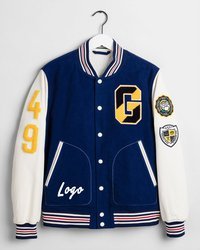
Standard reflective trim colors include silver (brightest, 5000+ mcd/m²/lux), white, and fluorescent orange. Custom Pantone matching is available for premium orders.
Logos can be applied via embroidery before attachment or integrated during the printing process. Multi-layer designs combining reflective base with printed overlay add 3–5 production days and elevate brand positioning.
6. Quality Standards for Reflective Trim
Quality reflective trim meets strict seam density, edge finish, and optical standards. ASTM D6603 brightness retention testing shows why cheap trim fades within 5–10 washes. Verify ISO 20471 and EN 13356 certifications before production commitment.
Seam Consistency and Edge Finish
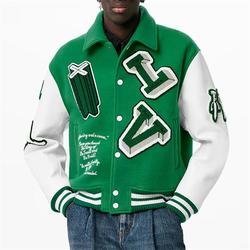
Premium reflective trim maintains 4–6 stitches per inch along retroreflective edges, preventing base-layer separation.
Sealed or bound edges resist fraying and water ingress. Budget manufacturers skip edge finishing entirely, causing field delamination after a few wash cycles.
Beam Angle and Optical Properties
Beam angle (ASTM D6603 metric) measures light reflection tightness. Premium trim achieves 10–15° beam spread at driver-eye level. Substandard trim spreads light 30° or wider, reducing visibility by 50%. Retroreflective coefficient: premium exceeds 500 cd/(m²·lx); economy falls below 200.
Brightness Retention and Wash Cycles
ASTM D6603 testing simulates laundry and weathering effects. Premium trim retains 70–85% brightness after 20 wash cycles (ISO 6330).
Budget trim drops below 50% in half the cycles. Ultraviolet and detergent degrade unprotected retroreflective beads.
Durability Testing and Fastness
Color fastness (ASTM D3597) verifies reflective trim dyes don’t bleed when wet. Flex durability (ASTM D2176) ensures seams in reflective trim resist repeated bending. Abrasion resistance (Martindale method) confirms surfaces withstand friction. Cheap manufacturers skip tests, revealing flaws only after purchase.
Essential Certifications and Standards
ISO 20471 (High-Visibility Safety) and EN 13356 (retroreflective materials) are mandatory for reflective trim. OEKO-TEX confirms no harmful substances. Request third-party lab reports, not factory self-certifications. Reputable manufacturers obtain certifications for every reflective trim production batch, not just samples.
7. How to Evaluate & Choose a Reflective Trim Manufacturer
Evaluating a reflective trim manufacturer requires assessing multiple dimensions beyond price. A rigorous framework covers sample quality, capacity validation, certification standards, and sourcing geography. Test suppliers with pilot orders before committing to volume production.
Sample Quality & Consistency
Request 3 sample batches from different production dates to verify consistency. Test reflectance retention after 50 wash cycles per ISO 13686.
Examine thread quality, seam reinforcement, and adhesive stability. Reject suppliers unable to provide documented wear-testing results or whose samples vary between batches.
Certifications & Compliance
Demand OEKO-TEX Standard 100 for chemical safety and REACH documentation for Europe. Require EN 20471 or ANSI/ISEA 107 certificates for retroreflective performance.
Verify ISO 9001 quality management. Be skeptical of unverified claims—request lab test results from accredited facilities with documented audit trails.
Production Capacity & MOQ
Verify annual production capacity in linear meters. Ask how suppliers flex MOQs seasonally—Humen manufacturers typically hold 5K–10K meter minimums for custom prints but negotiate down for bulk wholesale.
Request documented lead times: China averages 25–35 days, India 30–40, Europe 20–28 days from order confirmation.
Red Flags
Avoid suppliers unwilling to share production specs or timelines. Skip factories cutting prices 40%+ below market—corners are cut.
Watch for inconsistent communication, delayed responses to technical questions, or certificates lacking issuer names and test dates. Run a small pilot order before scaling volume.
Choosing by Region
China, India, and Europe each offer distinct advantages and tradeoffs.
| Region | MOQ Typical | Lead Time | Cert Focus | Cost Range |
|---|---|---|---|---|
| China | 5K–10K meters | 25–35 days | ISO 9001 | $0.45–$0.95 |
| India | 3K–8K meters | 30–40 days | GOTS/OEKO | $0.38–$0.80 |
| Europe | 2K–5K meters | 20–28 days | REACH/EN | $1.20–$2.50 |
8. Common Mistakes Brands Make With Reflective Trim
Five critical oversights undermine reflective trim success: insufficient wash testing, misaligned placement, incompatible backing materials, inadequate minimum orders, and skipped pre-production line sheets. Early intervention prevents costly rework.
Neglecting Wash Testing

Brands often skip AATCC 61 wash-fade testing before mass production. After 20 laundering cycles, poorly constructed reflective trim loses 30–50% brightness.
This creates customer complaints and return requests that damage reputation. Test samples in week 1, not week 8.
Poor Placement Design
Uneven reflective trim coverage defeats the safety and aesthetic purpose. Sleeves positioned at different heights, seam offsets of 5mm or more, and asymmetric side panels create visual defects.
Require detailed mockups and CAD specifications before cutting begins.
Wrong Backing Material

Polyester-backed reflective tape cracks after 50 wash cycles; TPU (thermoplastic polyurethane) backing offers 200+ cycles. Many suppliers substitute cheaper backings without disclosure.
Specify backing type and durability in SOPs; request material certs before production.
Undersized MOQs Causing Delays
Minimum order quantities below 500 meters of reflective trim force manufacturers to consolidate shipments, adding 2–3 weeks to lead times. Brands miss launch windows.
1,000m MOQs unlock consistent 7–10 day turnarounds and quality stability.
Skipping Pre-Production Line Sheets
Many brands provide vague design specs (‘add reflective trim to cuffs’) without formal line sheets. Manufacturers interpret freely, resulting in mismatched width, color, placement angle, and stitch pattern.
Detailed CAD drawings and physical reference samples prevent this entirely.
Pre-Production Sampling Strategy
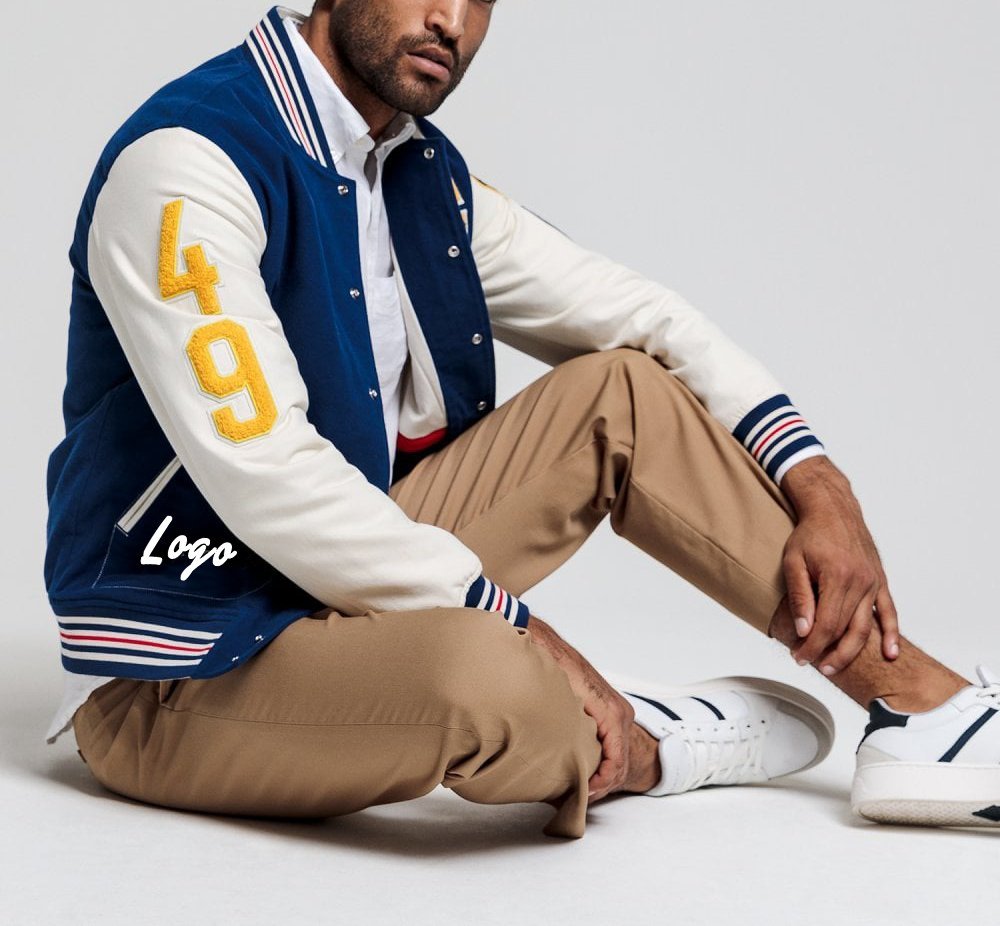
Allocate 1–2 weeks for pre-production samples. Order 3–5 prototypes in your exact reflective trim width, color, and backing type. Conduct wash tests per AATCC 61 Class A (household wash).
Sign off on samples before cutting begins. This 5% upfront investment eliminates 50% of rework costs.
9. From Design to Launch: Your Reflective Trim Strategy
Launching reflective trim successfully requires coordinated design placement, rapid sampling, and strategic inventory planning. Execute with quality gates and seasonal timing to maximize retail impact.
Design Placement & Sampling Timeline
Specify trim placement in technical flats during design—chest, collar, cuff, sleeves typical for streetwear. Request samples within 5-7 days and evaluate light-reflectance, seam quality, and color matching under daylight and low-light conditions.
Iterate across 2-3 rounds before production commitment. Partner with manufacturers offering quick design revisions without tooling changes to meet seasonal deadlines.
Quality Gates & SKU Strategy
Scale production aligned with pre-orders using AQL 2.5 inspection at finished-product stage. Check reflectance consistency, seam adhesion, and trim durability; implement quality holds at cutting, sewing, and packing within your five-step QC framework.
Define SKU matrix by color (3-5 reflective shades), size (XS-XXXL), and placement variants. Document minimum volumes per SKU for cost efficiency and forecast demand based on historical trends and pre-orders.
Seasonal Timing & Consumer Marketing
Peak reflective demand aligns with fall/winter when safety-conscious consumers seek visibility features. Plan production 60-90 days pre-launch; coordinate with retailers on shelf readiness, POS materials, and inventory allocation across channels.
Position reflective trim as premium (+8-12% retail markup) and market dual benefits: streetwear style credibility and functional safety for evening commuters. Educate on care instructions and durability through content showcasing nighttime performance.
10. Reflective Trim Pricing & Minimum Orders
Most reflective trim custom orders at Clothing Manufacturer Ltd. carry a flat setup fee of $150–$300 depending on backing material complexity and embroidery specifications. Sample orders of 10–50 meters typically cost $8–$15 per meter and ship within 7–10 business days, with rush delivery options available at a 40% premium.
Volume tiers drive significant per-unit savings. At 500 units, reflective trim ranges from $0.45–$0.85 USD per meter; at 1,000 units, $0.35–$0.65; at 5,000 units, $0.25–$0.50; and at 10,000+ units, $0.18–$0.38, depending on adhesive backing type (woven, knit, or mesh) and customization (heat-transfer, screen-print, or laser-cut edges).
Custom color matching via Pantone, PMS, or RGB adds $50–$100 per colorway and extends standard lead times from 14–21 days to 21–28 days. Rush production (7–10 days) incurs a 35% surcharge; ultra-rush (5–7 days) costs 60% more. Minimum order quantities (MOQs) start at 500 meters for stock colors, 1,000 meters for custom dyes.
| Quantity Tier | Unit Price (USD/meter) | Lead Days |
|---|---|---|
| 500 units | $0.45–$0.85 | 21 |
| 1,000 units | $0.35–$0.65 | 21 |
| 5,000 units | $0.25–$0.50 | 14 |
| 10,000+ units | $0.18–$0.38 | 14 |
Ready to Add Reflective Trim to Your Next Streetwear Drop?
Start small, move fast. Send artwork, get samples within weeks. Our 5-step QC guarantee ensures premium reflective trim quality every collection.