
Heat Transfer Labels That Build Brand Recognition
Custom heat transfer labels add branded identity, compliance information, and care instructions to finished garments—differentiating your products while building authentic global brand recognition.
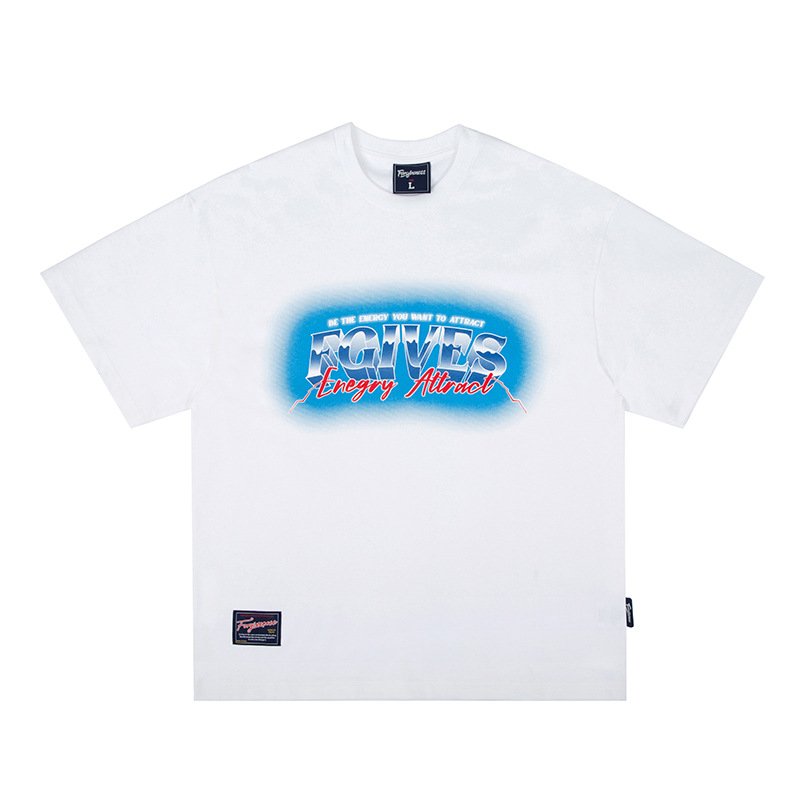
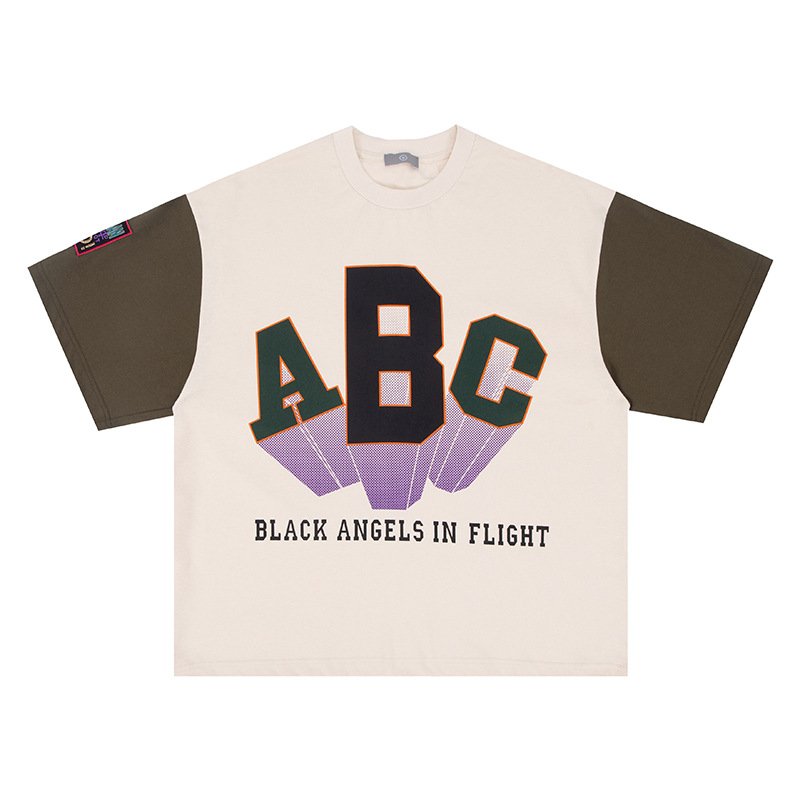
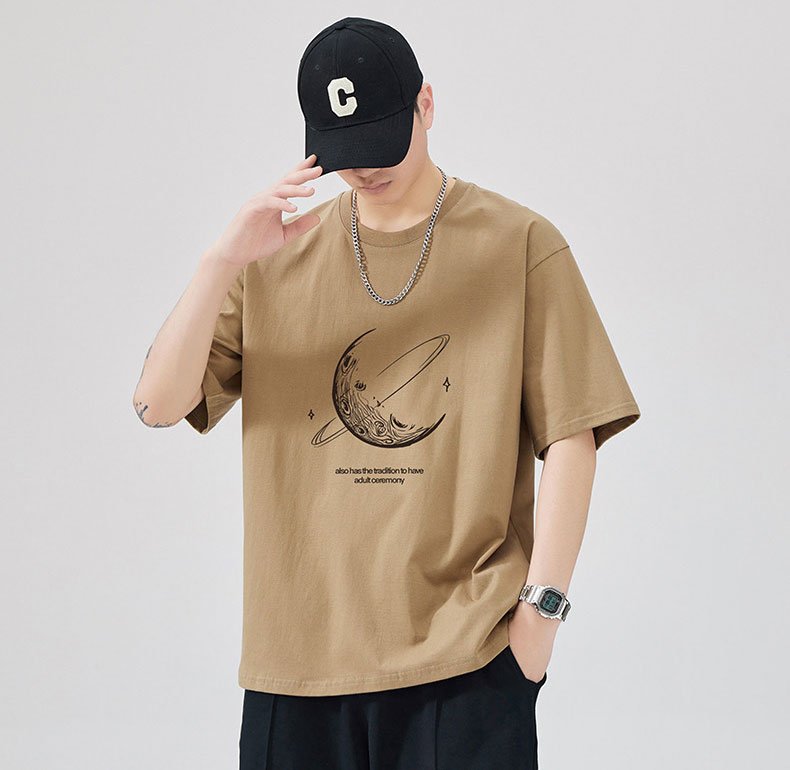
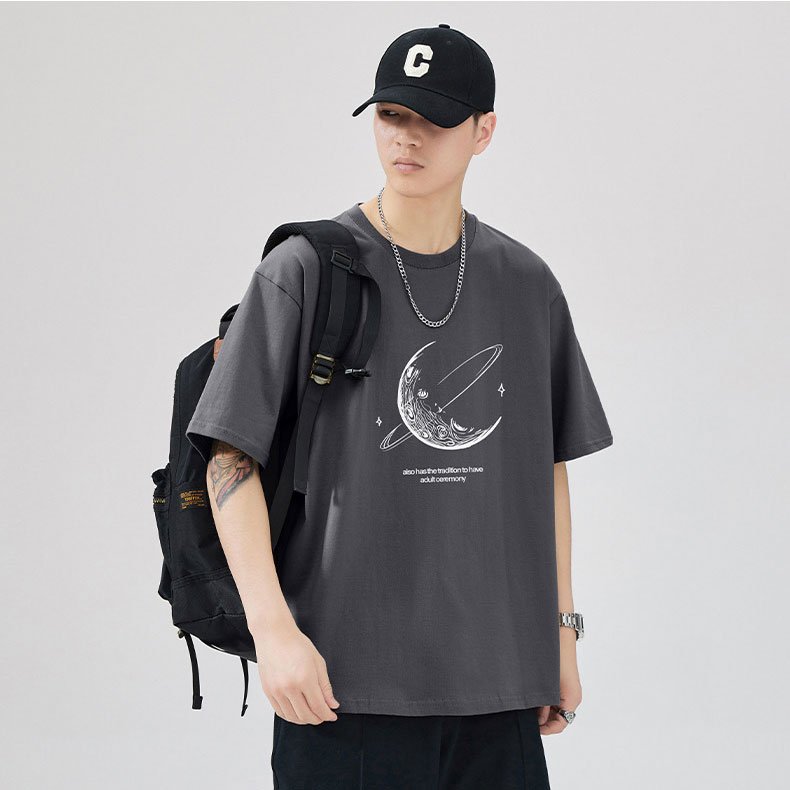
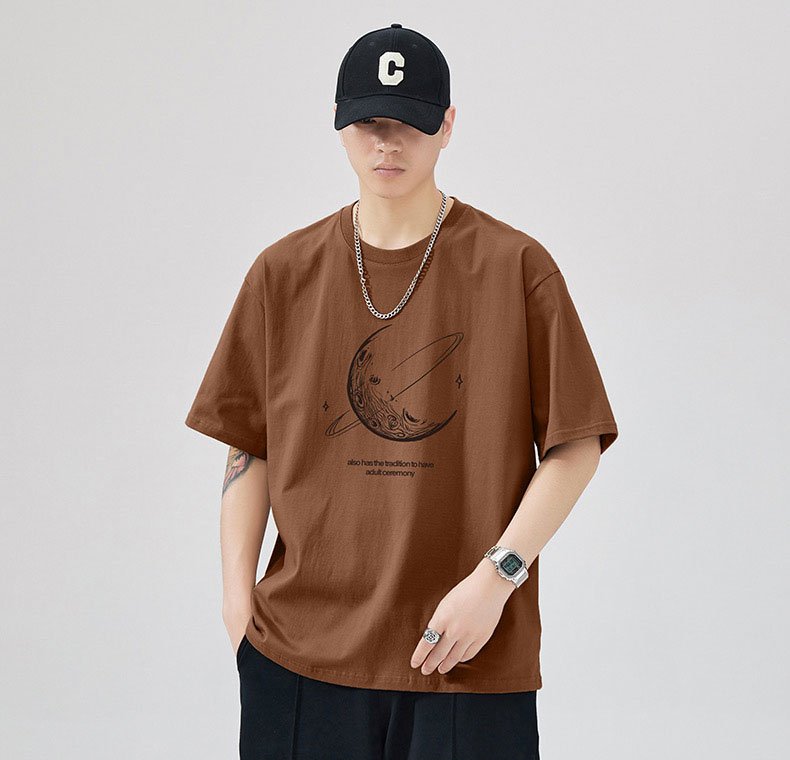
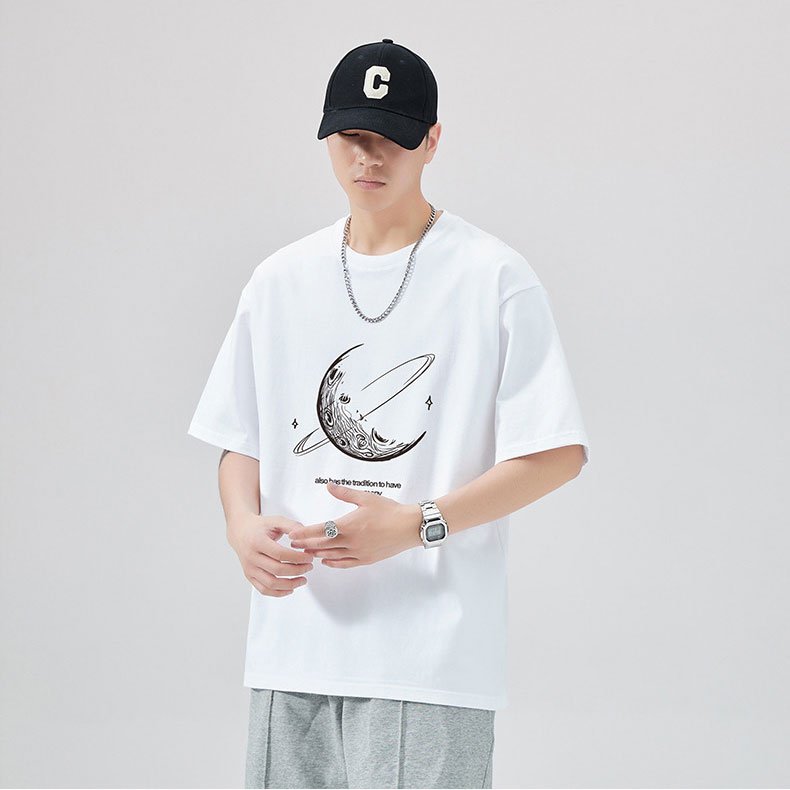
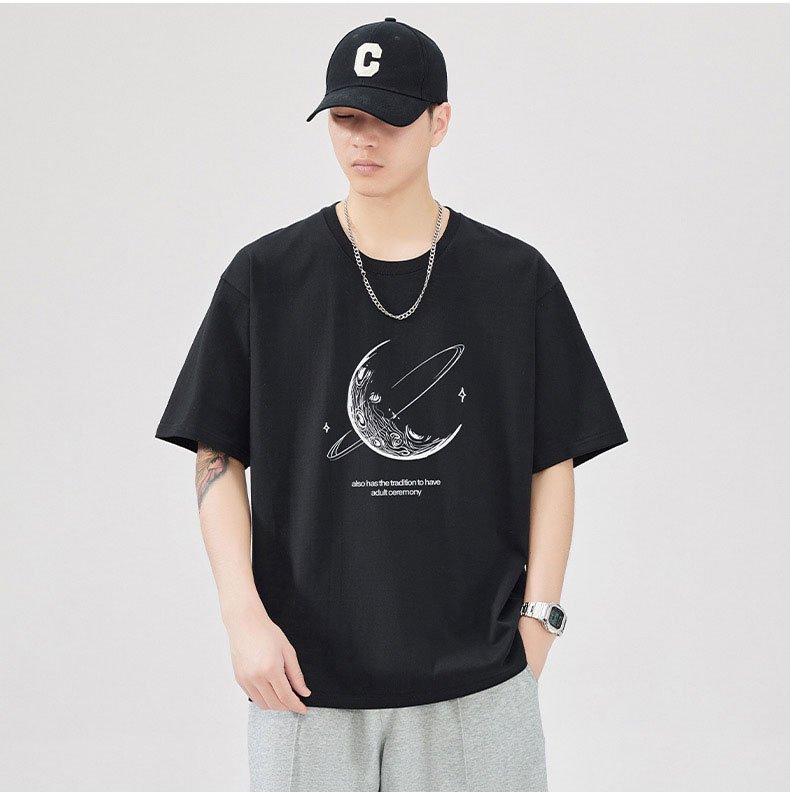
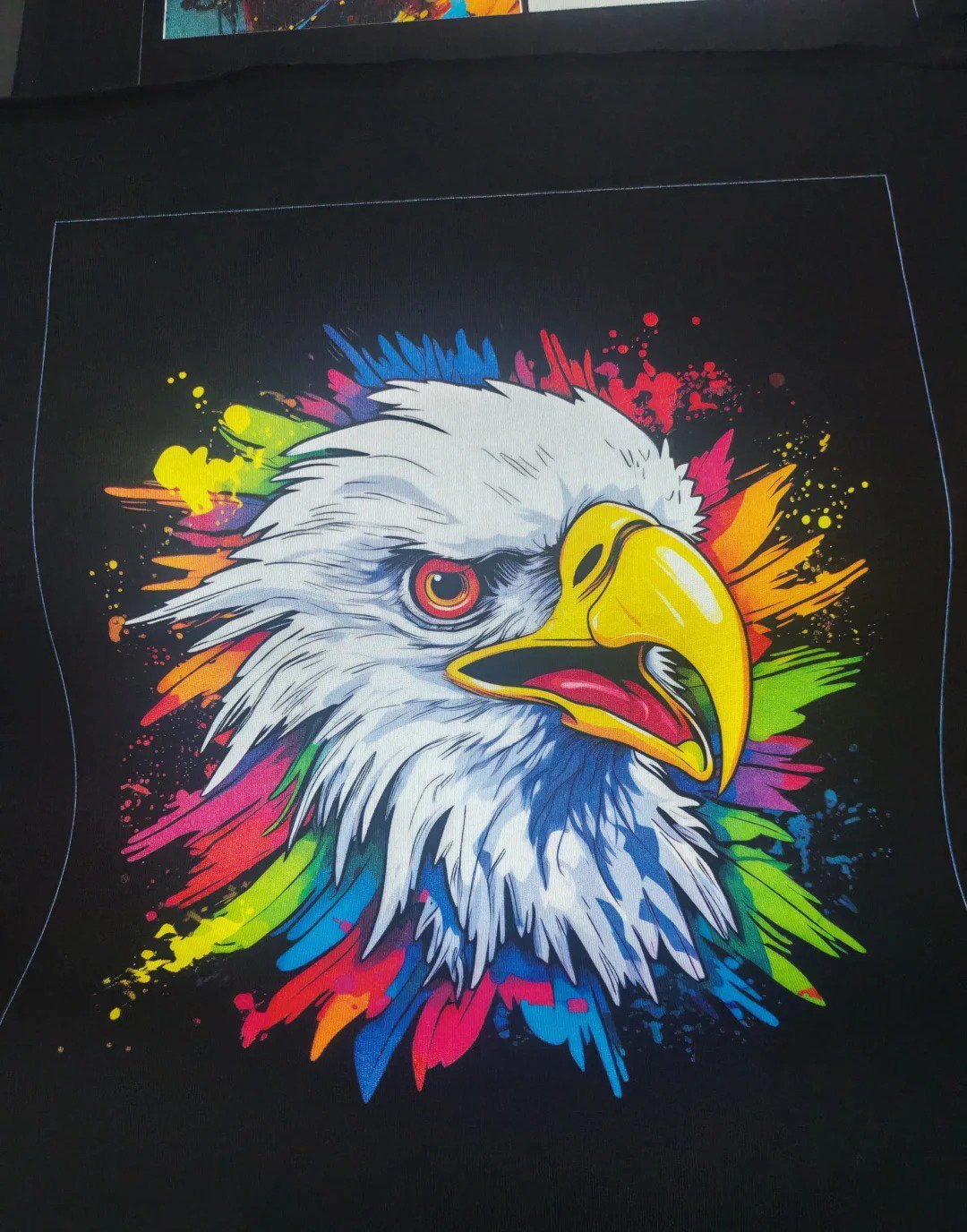
Heat Transfer Labels Sample Collection
What Makes Our Heat Transfer Labels Stand Out
Premium durability, custom fit, and enterprise-grade quality control for every order
Durability Through Hundreds of Washes
Heat transfer labels withstand 50+ commercial wash cycles without fading or peeling, maintaining vibrant colors and sharp detail throughout the garment’s lifespan.
Stretch Without Cracking or Peeling
Our heat transfer labels adapt seamlessly to lycra, spandex, and elastic fabrics, flexing with movement while maintaining adhesion and print quality.
Razor-Sharp Graphics and Tiny Details
Capture fine lines, small text, and intricate logos with precision. Our heat transfer labels reproduce designs with photographic clarity, even at micro scales.
Exact Brand Color Matching
We color-match your specific brand palette using advanced heat transfer technology, ensuring every label reflects your exact visual identity across all garments.
Affordable at Low Minimum Orders
Get premium heat transfer labels starting at just 100 units. Perfect for emerging brands and seasonal collections without bulk inventory burden.
Zero-Compromise 5-Step Quality Control
Every heat transfer label batch passes through materials QC, cutting QC, craft QC, sewing QC, and final inspection—no corners cut, ever.
Heat Transfer Labels & Related Finishing Techniques
Find the perfect finishing technique for your brand’s identity and production goals
Care Instructions & Sizing
Your garments need water-resistant, durable labels for care instructions and size information that survive repeated washing, drying cycles, and regular wear without degradation or peeling.
Heat transfer labels provide permanent, crisp bonding to fabric with fade-resistant printing, delivering professional care instructions and sizing that maintain integrity throughout the garment's lifespan.
Premium Brand Identity
You want your main brand label to communicate luxury, heritage, and authentic craftsmanship through a tactile, dimensional design that justifies premium pricing and brand positioning.
Woven labels deliver an upscale, tactile experience with fully custom patterns and intricate detail, positioning your brand as premium and creating a sensory unboxing experience.
Vibrant Graphic Designs
Your streetwear collections' designs require high-resolution full-color graphics with complex artwork or intricate illustrations that simply aren't feasible with traditional woven or embroidered label techniques.
Screen-printed tags reproduce your exact artwork with vivid, multi-color precision and cost-effective pricing, enabling bold graphic storytelling and precise design fidelity on every single garment.
Heritage & Luxury Positioning
You're positioning your brand as an artisanal, heritage-focused, or luxury-tier label, requiring dimensional, textured labels that clearly communicate handcrafted quality and distinctly premium brand values.
Embroidered patches create distinctive, heirloom-quality branding with three-dimensional texture and tactile luxury appeal, effectively elevating perceived value and powerfully reinforcing your brand's premium market positioning.
Comprehensive Finishing Strategy
Global brands require multiple finishing techniques—care labels, main branding labels, size tags, and decorative accents—each serving distinctly different functional and aesthetic brand purposes.
Combining heat transfer labels, woven labels, screen-printed tags, and embroidered patches strategically creates layered brand presence across all product touchpoints, maximizing visual impact and market positioning.
Our Heat Transfer Label Experience & Expertise
Tesla Luo founded Clothing Manufacturer Ltd. in August 2024, drawing on over a decade of garment manufacturing experience and six years specializing in streetwear production. Our mission is to restore quality and integrity to clothing manufacturing—a commitment born from observing shortcuts that damage the reputation of the industry. Heat transfer labels are critical touchpoints between brand and consumer, demanding rigorous quality standards at every production step.
Since inception, we’ve served emerging designers and established retailers across 100+ countries. Our in-house R&D team specializes in custom heat transfer label solutions that align with streetwear aesthetics, from bespoke artwork to advanced durability testing. We prioritize low minimum order quantities for startups and accelerated production timelines for seasonal launches—enabling ambitious brands to scale without compromising on quality or speed.
We apply a proprietary five-step quality control process to every heat transfer label: materials testing, artwork verification, adhesive application standards, heat-setting performance, and finished durability inspection. This systematic approach—applied throughout production rather than only at the end—reflects Tesla Luo’s conviction that quality assurance must be embedded in every stage. It’s the difference that separates us from competitors who skip critical steps.
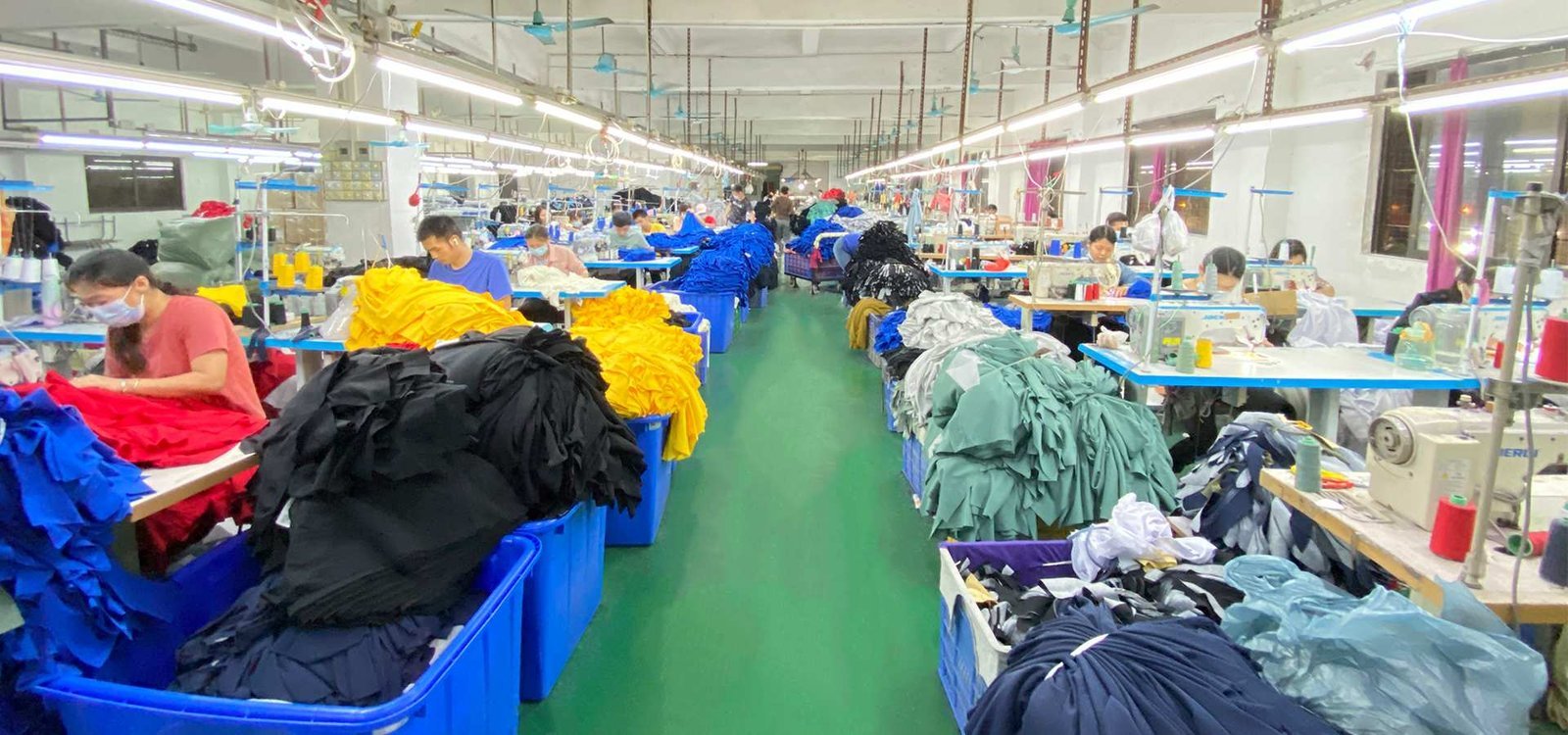
Heat Transfer Labels: Premium Durability, Design Precision & Quality Control
Heat Press Temperature & Pressure Calibration
Precise temperature and pressure calibration ensures optimal heat transfer label adhesion and longevity. Our equipment maintains consistent application across every production run, bonding without fabric damage or label lift. Each batch is temperature-mapped to prevent hot spots and uneven heat distribution across the garment.
- Temperature profiles locked to fabric type (cotton, polyester blends, performance fabrics)
- Pressure settings calibrated to prevent image cracking and premature edge lift
- Dwell time optimized for complete adhesive activation and substrate bonding
- Real-time monitoring to catch equipment drift before it affects labels
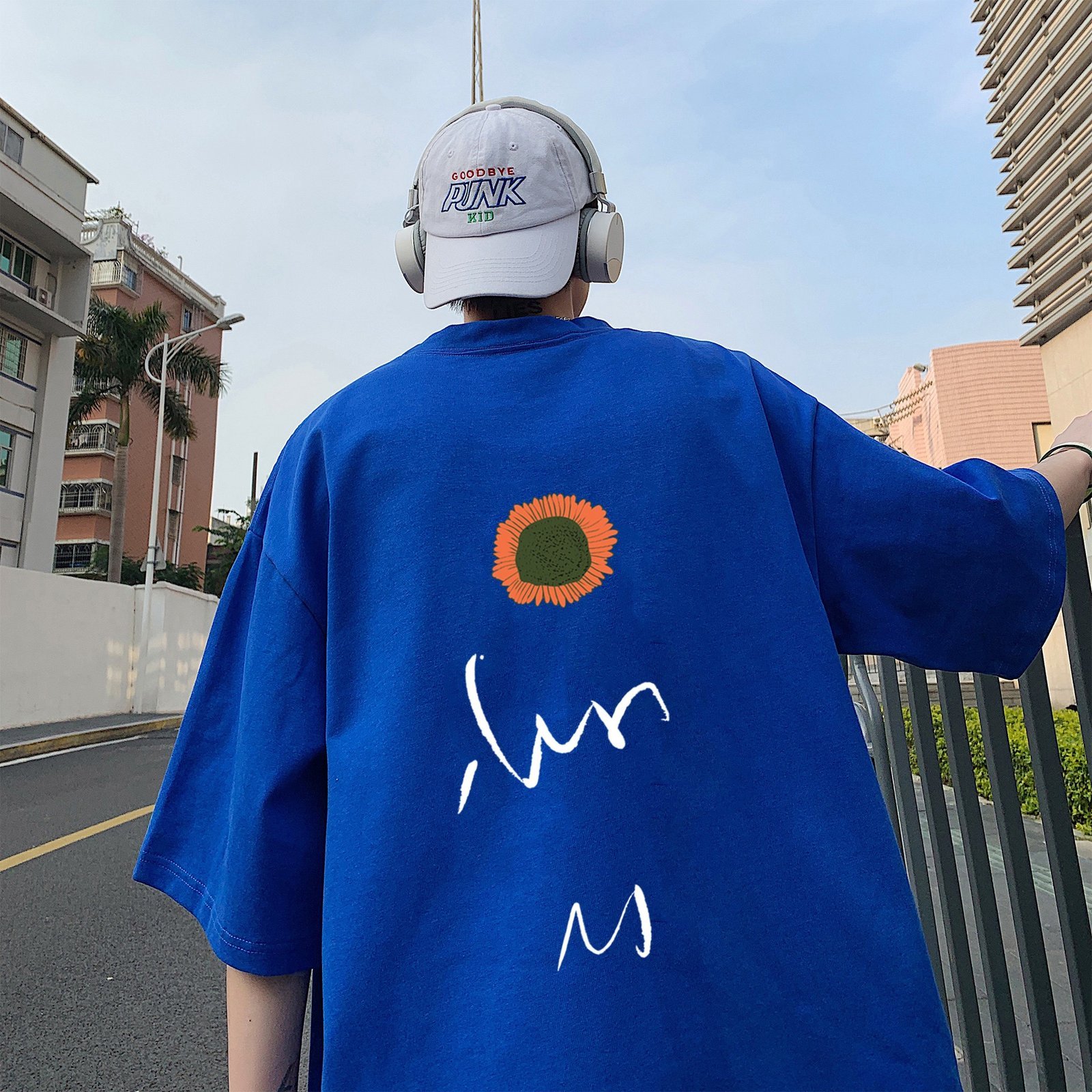
Adhesive Chemistry & Wash-Cycle Testing
Our heat transfer label adhesives are engineered for durability through 50+ industrial wash cycles at 60°C without peeling, color fade, or brittleness. We test every adhesive batch for compatibility with common detergents, fabric softeners, and bleach, ensuring labels survive real-world consumer care.
- Adhesive formulations tested for color fastness against fading and crocking
- Wash cycle protocols exceed ASTM D6775 standards for commercial laundry durability
- Thermal stability testing prevents adhesive breakdown in high-heat dryer cycles
- Chemical compatibility checks ensure no interaction with common fabric treatments
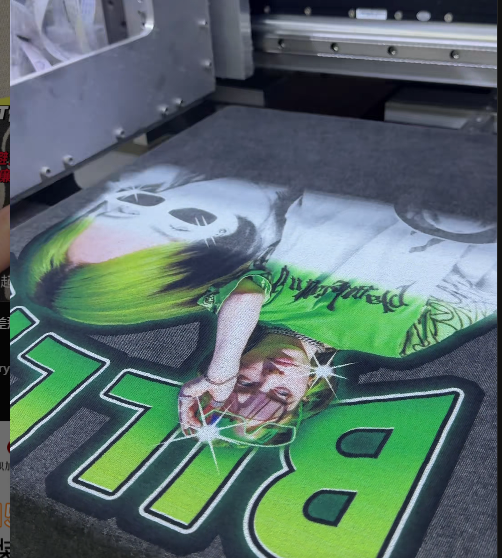
Design Registration & Print Accuracy Standards
Precise design alignment on heat transfer labels prevents misregistration that degrades brand perception. Our registration tolerance is ±0.5mm across the entire label, ensuring clean edges, accurate color layering, and professional presentation on every garment. Every design is proofed before bulk production to verify alignment.
- Color separation and layer registration validated against master artwork before production
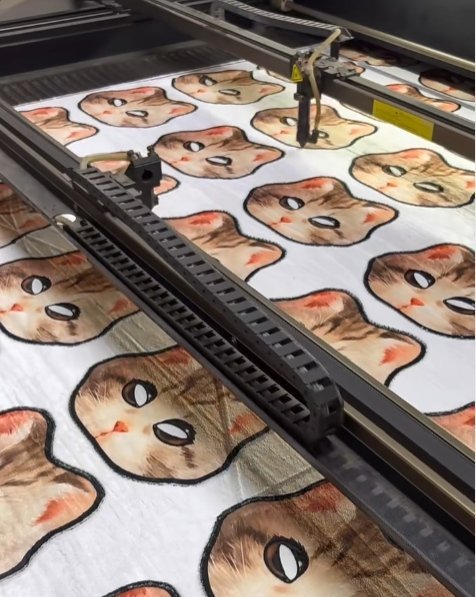
- Edge clarity maintained through precision cutting and substrate positioning controls
- Design files converted to optimal heat transfer formats (separations, halftone patterns)
- Pre-production samples approved to catch alignment issues before bulk runs
Five-Step QC: From Raw Materials to Finished Labels
Our proprietary 5-step quality control process inspects heat transfer labels at every production stage, not just at the end. Materials testing, cutting verification, craft QC, application testing, and finished label inspection ensure every label meets brand standards. Early detection of defects prevents waste and guarantees consistent output.
- Materials QC: Adhesive composition, substrate durability, and carrier film quality verified
- Cutting QC: Precision cuts checked for edge straightness, dimensions, and no fraying
- Application QC: Bonds tested for peel resistance, heat distribution, and adhesive coverage
- Finished label inspection: Color accuracy, durability, and packaging standards verified
Heat Transfer Labels vs. Woven Labels
Find the right labeling method for your brand with this detailed comparison.
← 左右滑动查看 →
Heat Transfer Label Production Process
From design precision to durability testing—our rigorous 6-phase workflow ensures premium, long-lasting labels for every garment.
Design & Color Matching
Review your artwork, match Pantone colors to specification, and prepare all digital files optimized for your heat transfer labels production with precision.
Film Material Selection
Select the optimal film type—glossy, matte, or specialty finishes—for your heat transfer labels based on garment fabric and specific design requirements.
Precision Cutting & Positioning
Cut heat transfer film to exact dimensions and position transfers on release paper for consistent, accurate application across all labels.
Heat Press Application
Apply precise temperature, pressure, and dwell time to permanently bond heat transfer labels to garments, ensuring durability and vibrant colors.
Durability Testing
Test heat transfer labels for wash resistance, cracking, and adhesion through rigorous quality checks to guarantee long-lasting wear and color retention.
Quality Packing & Shipment
Pack finished heat transfer labels with protective packaging, prepare for immediate global shipment, and provide full traceability and tracking information.
How to Order Heat Transfer Labels: Our 5-Step Engagement Process
From design submission to global delivery—here’s exactly how we bring your branded labels to life.
Submit Heat Transfer Label Art Files
Share your heat transfer label designs and specifications with our team. Our in-house design and sampling experts review each submission for technical feasibility and alignment with our quality standards.
Approve Your Sample Heat Transfer Labels
We produce your heat transfer labels sample at no cost. Review the sample, provide design feedback, and approve before we proceed to full production at scale.
Confirm Heat Transfer Labels Order Details
Finalize your heat transfer labels bulk order with confirmed quantities—we offer low MOQ for emerging brands and fast turnaround for seasonal collections. Set your delivery timeline.
Execute Production with Quality Control
Your heat transfer labels enter our five-step QC process: materials testing, cutting verification, craft inspection, sewing production checks, and finished product quality inspection at every stage.
Ship Heat Transfer Labels Globally
After final heat transfer label quality verification, your order ships globally with transparent logistics support, tracking, and handling by our trusted partners across 100+ countries and regions.
Brands Trusting Heat Transfer Labels From Clothing Manufacturer Ltd
Clothing Manufacturer Ltd‘s heat transfer labels transformed how we brand our collections. We grew from 2,000 Instagram followers to 47,000 in one year. The quality tags made all the difference in customer perception.
Before switching to Clothing Manufacturer Ltd, our seasonal production always ran 8 weeks. Their heat transfer labels and streamlined process cut that to 4 weeks, letting us launch 3 new collections annually instead of just 2.
We manage heat transfer labels across 500+ SKUs for 12 different brands. Clothing Manufacturer Ltd’s consistency and their 5-step QC guarantee means defect rates dropped from 3.2% to under 0.5%. Their support is outstanding for retailers our scale.
Heat Transfer Labels FAQ: Design, Durability, MOQ & Turnaround
From design files to durability standards—everything you need to know before ordering heat transfer labels for your brand.
What are heat transfer labels and how do they differ from woven or printed tags?
What file format and design specifications do you need for heat transfer labels?
What’s the minimum order quantity for heat transfer labels?
Can heat transfer labels be combined with other finishing techniques like embroidery or patches?
Are heat transfer labels washable and durable? Do you offer ISO compliance?
What fabrics work best with heat transfer labels?
How much does sampling cost and how long does it take?
What color matching accuracy can we expect on heat transfer labels?
Do you offer regulatory compliance markings on heat transfer labels?
The Complete Buyer’s Guide to Heat Transfer Labels
Navigate sizing, materials, and manufacturers with confidence. Learn what sets premium heat transfer labels apart from budget alternatives, avoid costly mistakes, and find suppliers aligned with your brand’s MOQ and timeline.
1. What Are Heat Transfer Labels?
Heat transfer labels represent one of the three primary branding methods in apparel production—alongside woven and screen-printed labels. A heat transfer label is a pre-designed graphic adhesive transferred onto fabric through application of controlled heat and pressure, typically between 300–350°F (150–175°C) for 10–15 seconds, depending on label material and garment substrate. Unlike woven labels, which are stitched or glued and can shift or degrade with repeated washing, heat transfer labels create a permanent bond at the fiber level, making them resistant to peeling, cracking, and color fading over the garment’s lifetime.
The distinction from printed alternatives is significant. Screen printing applies design across large fabric areas; heat transfer labels are pre-manufactured graphics applied at specific locations (neck, side seam, or sleeve), enabling design flexibility between production runs without full retooling. This matters for startups and independent designers at MOQs of 500–2,000 units, where heat transfer labels can incorporate photographic imagery and gradients that woven labels cannot achieve.
Brands launching collections in the 50–500-unit test-phase range favor heat transfer labels because the method enables rapid design updates without incurring full production retooling costs, directly strengthening brand differentiation and customer perception. The permanent adhesion achieved through controlled heat and pressure creates a visual quality that consumers recognize as premium, reinforcing brand loyalty across every touchpoint and wearing cycle. For independent designers and influencer brands scaling rapidly, heat transfer labels offer the flexibility to match design innovation velocity without inventory waste or prohibitive setup costs.
2. The Evolution of Heat Transfer Labeling
Traditional woven labels—the industry standard from the 1990s through the early 2010s—required minimum order quantities of 10,000 to 50,000 units, making premium branding accessible only to established manufacturers and retailers. These labels involved complex loom setup, intricate yarn weaving, and lead times of 8 to 12 weeks, with color options constrained by yarn availability and production limitations.
Digital heat transfer technology matured between 2015 and 2018, driven by innovations in direct-to-film (DTF) printing, screen-printed transfers, and specialized heat-press equipment. Today’s heat transfer labels achieve MOQs as low as 50 to 500 units per design, reducing initial costs by 70–85 percent and cutting production timelines to 7–14 days, while delivering full-color, high-resolution designs that rival traditional woven durability.
This shift has transformed access for streetwear brands, fashion startups, and independent designers who can now launch collections with authentic, premium-quality heat transfer labels without massive capital expenditure or months of waiting. Emerging creator brands and influencer labels can test designs, iterate quickly, and scale production in real-time—capabilities previously exclusive to large manufacturers.
Sustainable transfer materials have become increasingly standard, with water-based inks, recycled film backings, and reduced chemical processing replacing legacy methods. OEKO-TEX and GOTS-certified transfer materials are now accessible at competitive pricing, reflecting a genuine industry-wide shift toward responsible production that aligns with consumer values and brand positioning without premium cost barriers.
3. Types of Heat Transfer Labels You’ll Encounter
Heat transfer labels come in four primary categories, each suited to different fabric types and production timelines. Understanding their color vibrancy, durability, and ideal end-uses guides selection for your streetwear or apparel brand.
Direct Transfer

Digital printing onto heat-transfer film produces vibrant, photographic color on light-colored garments. Saturation and detail reproduction rival screen printing without the setup costs. Durability typically ranges 30–50 ISO-standard wash cycles, making it ideal for limited editions and seasonal releases.
Optimal for intricate streetwear artwork with gradients, photographs, or small-run batches. Timeline: 3–5 days from final approval to finished labels.
Reverse Transfer
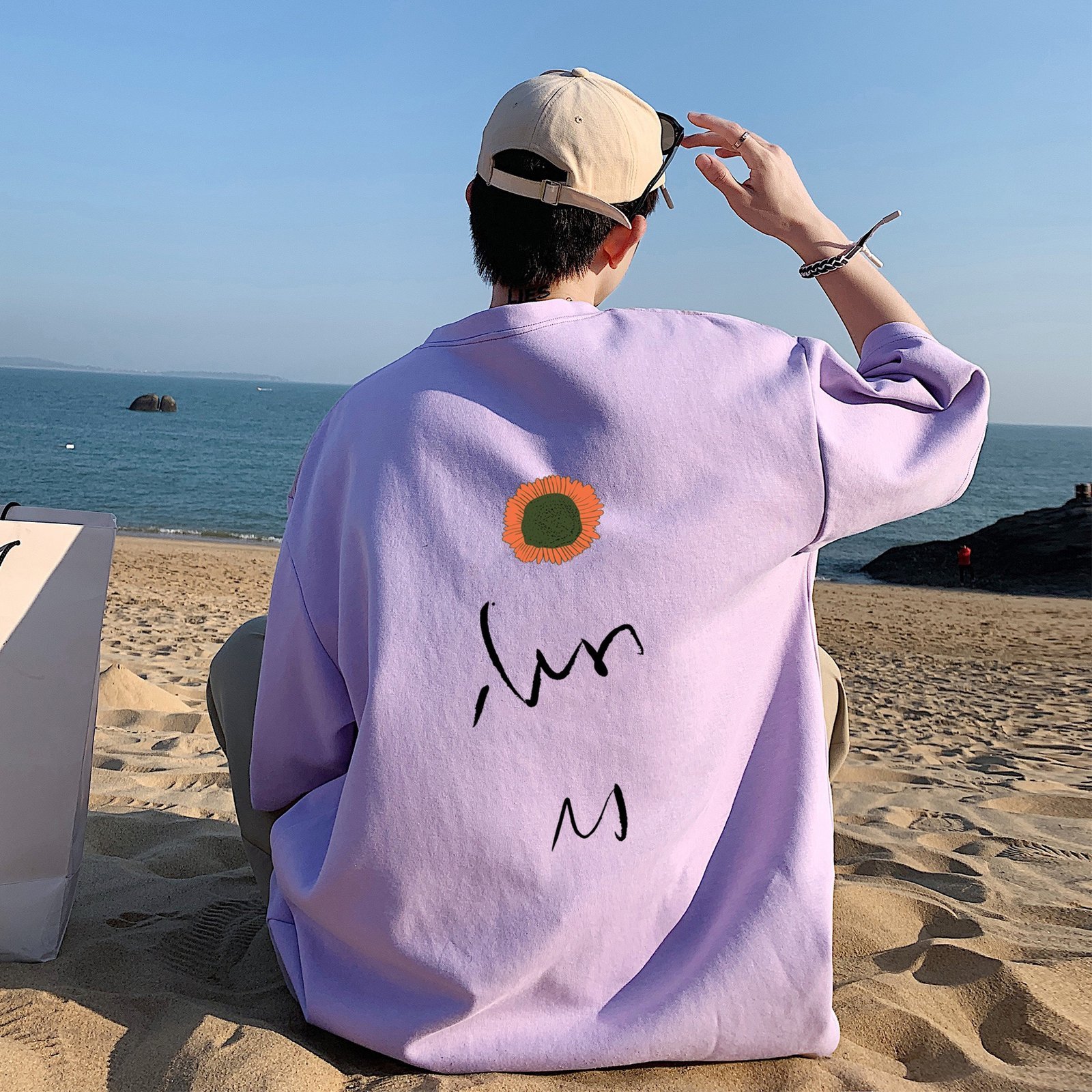
Specialized for dark fabrics, reverse transfer uses color-inverted digital printing where pigment bonds directly to fiber during heat application. This process delivers wash-fastness exceeding 50 cycles without fading or cracking.
Black hoodies, windbreakers, and athletic wear benefit most from this method. Timeline: 5–7 days; larger minimums (typically 250–500 units) apply.
Woven Hybrid Transfers
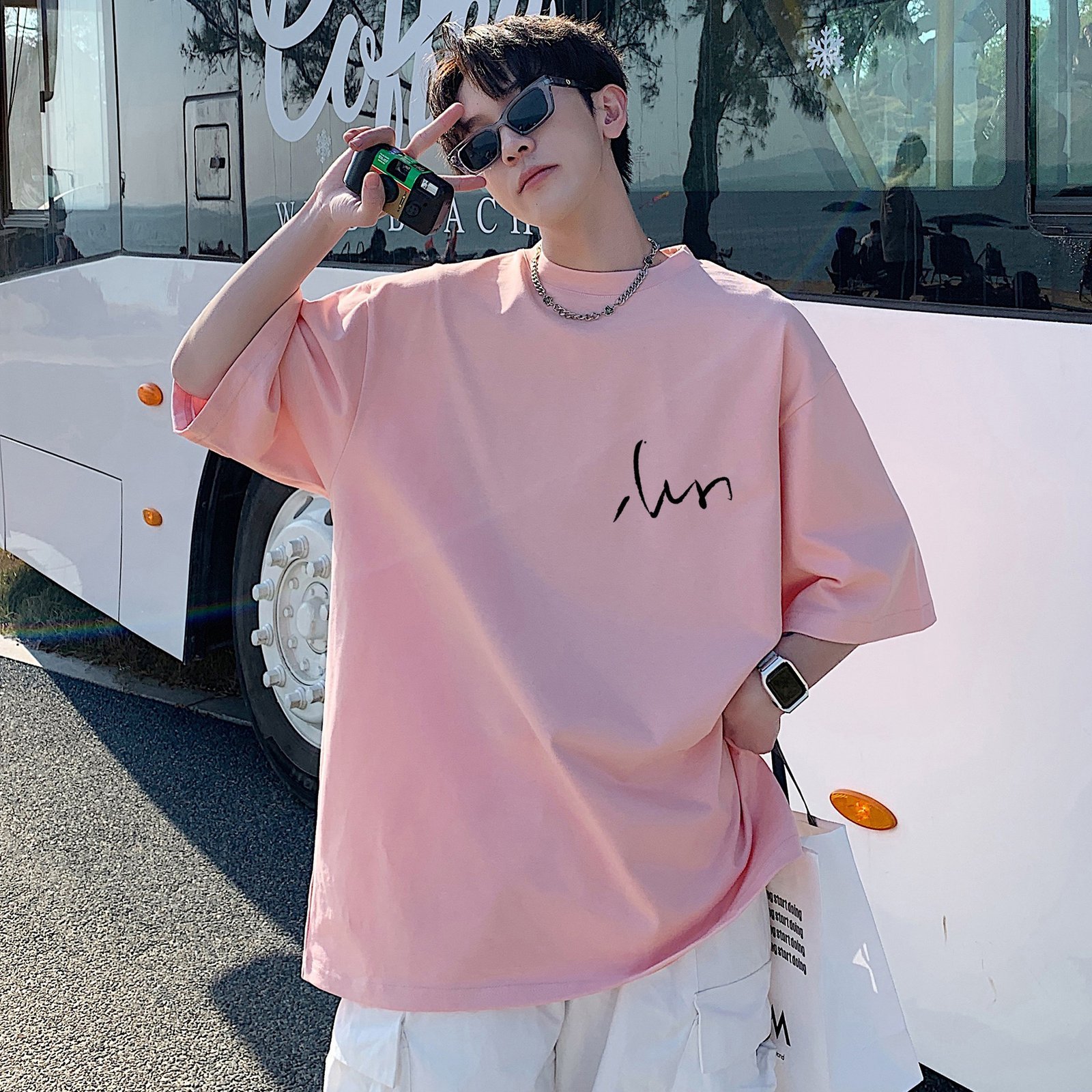
Blending woven construction (durability and prestige) with heat-seal borders and digital-printed sections combines premium aesthetics with technical performance. These labels withstand 100+ wash cycles while maintaining structural integrity.
Ideal for luxury streetwear and contemporary designer brands positioning quality as a selling point. 10–14 day lead time and 500-unit minimums are standard.
Specialty Variants

Reflective, glow-in-the-dark, and foil transfers add functional or decorative effects. Reflective fabrics meet ANSI/OSHA visibility standards for activewear; foil finishes create striking visual contrast. Durability varies: reflective 40–60 cycles, glow 50–70, foil 40–80 depending on application method.
Skateboard brands, limited-edition releases, and statement pieces leverage these effects. Timeline: 7–10 days.
4. Materials for Your Heat Transfer Labels
Heat transfer label durability hinges on three material factors: fabric substrate, adhesive formulation, and finish option. The substrate—polyester, cotton blend, or nylon—determines water resistance and wash longevity. Adhesive type controls initial bond strength and how labels survive temperature swings and sweat exposure on active wear.
| Material Composition | Durability Rating | Wash Cycles Before Degradation | Cost per 100 Units |
|---|---|---|---|
| 100% Polyester | High | 50–75 cycles | $0.45–$0.65 |
| 65/35 Polyester-Cotton Blend | Medium-High | 35–50 cycles | $0.55–$0.75 |
| 100% Nylon | High | 60–80 cycles | $0.50–$0.70 |
| Polyester + Acrylic Finish | Premium | 75–100+ cycles | $0.70–$1.00 |
Fabric Substrates for Heat Transfer
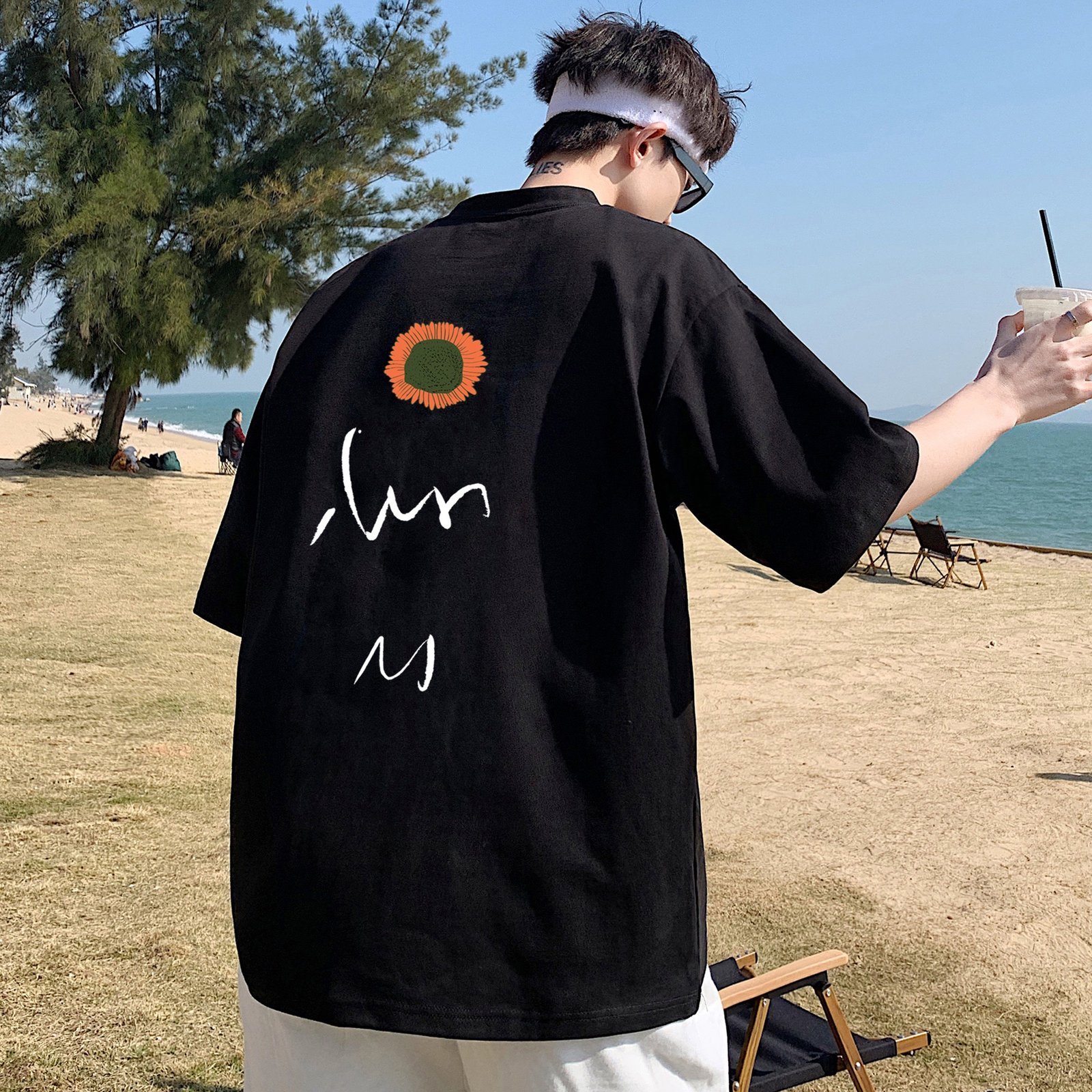
Polyester dominates heat transfer applications because it resists moisture and survives 50–75 wash cycles without peeling. Costs run $0.45–$0.65 per 100 units.
Cotton blends (65/35 poly-cotton) soften the feel but degrade after 35–50 cycles. Nylon substrates last 60–80 cycles ($0.50–$0.70)—ideal for performance streetwear requiring maximum durability.
Adhesive Formulations and Performance
Rubber-based adhesives deliver immediate tack for quick-turnaround production and low MOQ runs. Polyurethane formulations cure slower but provide superior sweat and heat resistance, extending label life 15–25%.
Acrylic blends balance cost and performance, offering $0.60–$0.85 per 100 units for 60–80 cycle durability across varied water temperatures.
Finish Options and Aesthetics
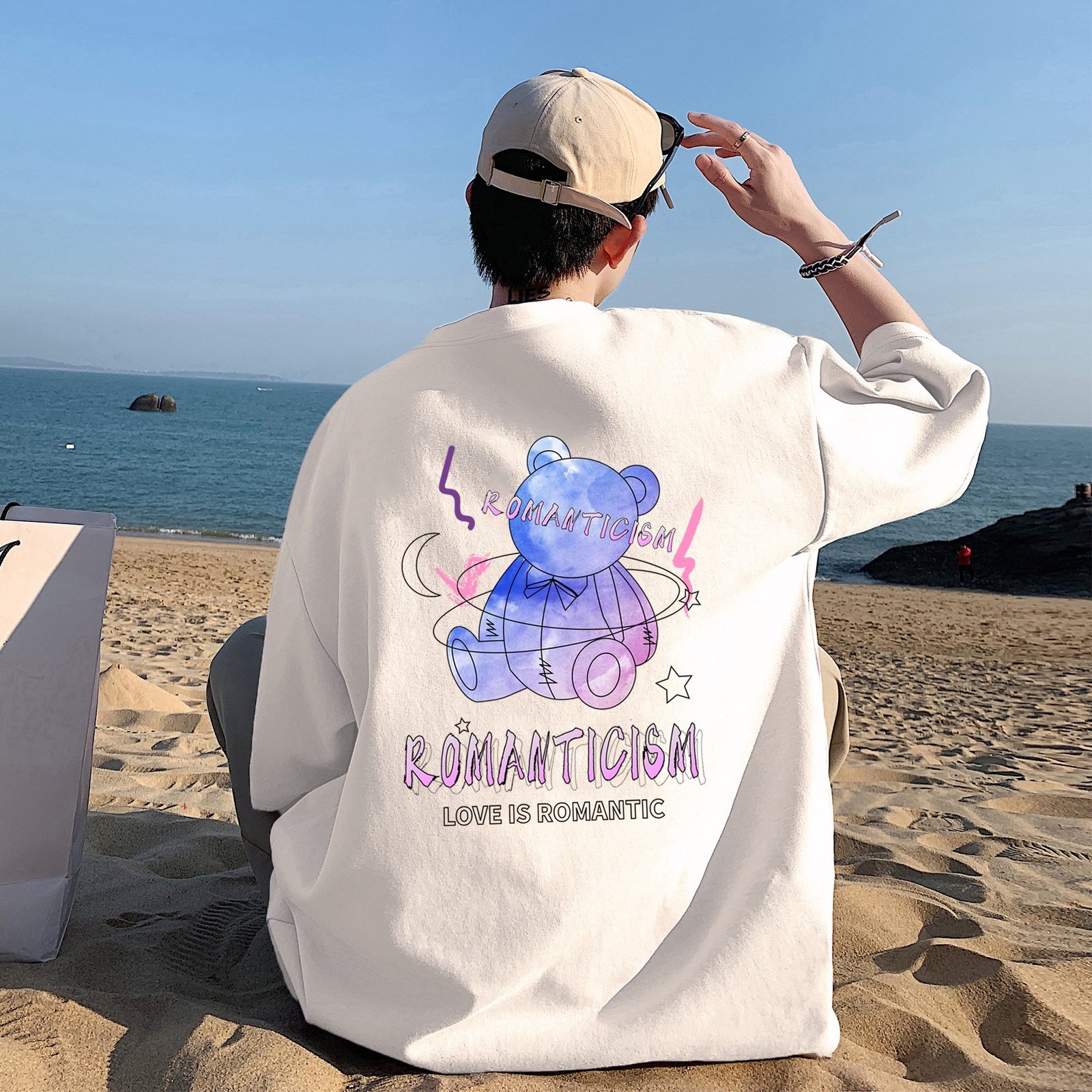
Matte finishes hide fingerprints and suit premium streetwear design; gloss finishes enhance color vibrancy for graphic-heavy labels. Satin offers subtle sheen without glare.
Textured finishes (embossed or perforated) add tactile depth but reduce durability by 10–20%, requiring premium adhesive formulations to maintain wash performance above 50 cycles.
Durability and Testing Standards
AATCC 135 and ISO 105-C06 protocols govern standard wash performance testing. Premium labels with polyester substrates and polyurethane adhesives typically endure 100+ simulated wash cycles with minimal degradation.
Sweat and chlorine exposure require acrylic-reinforced finishes. Variable water temperatures (cold-to-hot cycling) favor nylon substrates over 100% polyester in demanding applications.
5. Custom Design and Personalization Options
Custom heat transfer labels deliver precise color matching, flexible sizing, and specialty effects that drive brand differentiation on streetwear. Startups and established retailers alike can achieve complex designs efficiently without excessive tooling costs when working with manufacturers who understand file requirements and color workflows.
Color Accuracy and File Preparation
Pantone matching and CMYK color separation are standard. Provide vector files (EPS, AI, PDF) at 300 DPI minimum. Manufacturers typically include 1–2 proof revisions. Request Pantone swatches before production to verify color fidelity; expect 5% variation due to heat and substrate interaction.
Shape, Size, and Specialty Finishes
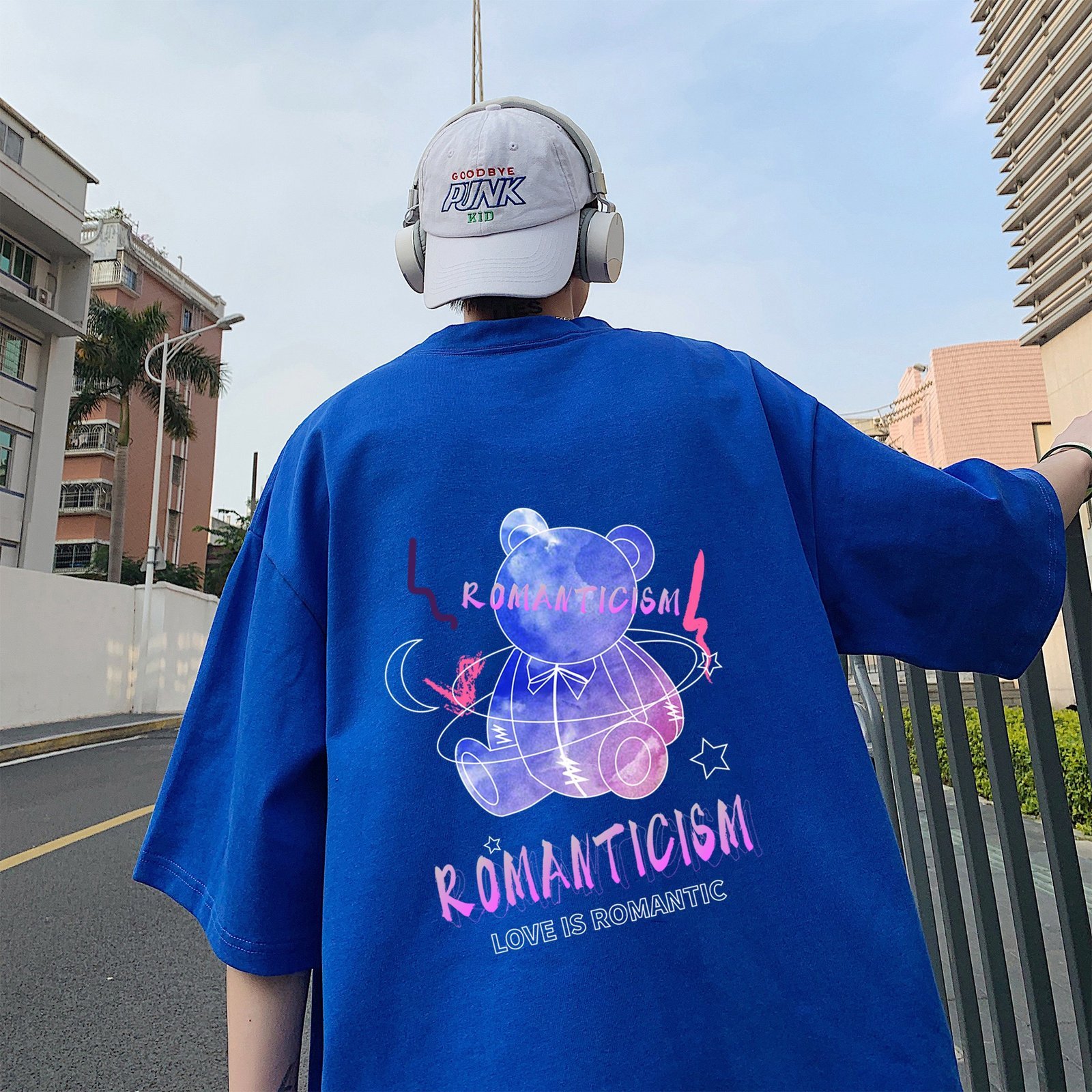
Heat transfer labels support any rectangular or curved shape via die-cutting. Standard sizes range 0.5 × 0.5 to 4 × 6 inches; custom dimensions adjust MOQs. Metallic inks cost 15–30% more; holographic inks add premium effect. Embroidery elements (thread applied post-production) cost 2–4× standard pricing.
Variable Data and Modular Design
Serial numbers, QR codes, and barcode variants are economical at 500+ units when CSV-formatted. Digital overprinting eliminates per-variant tooling costs. Modular designs—fixed core graphics with interchangeable text blocks or colors—reduce file iterations and production complexity for emerging brands launching multiple SKUs.
Proof Timelines and Revision Policies
Digital proofs require 1–3 days; physical samples take 5–10 business days post-approval. Expedited timelines (3–5 days) cost 20–50% more. Clarify revision limits in contracts—structural changes (new color separations, file rebuilds) may incur $50–$200 per revision to prevent scope creep.
6. Quality Standards and Construction Elements
Quality in heat transfer labels rests on measurable, testable standards—not marketing claims. Manufacturers should provide documented proof of adhesion strength, color fastness, and durability across wash cycles, verified by third-party labs accredited to ISO 17025.
Adhesion Strength Testing
Heat transfer adhesion is quantified in grams-force per centimeter squared (g/cm²). ASTM D6775 specifies minimum 500 g/cm² for apparel labels after 10 launders at 40°C. Labels falling below 300 g/cm² within five washes indicate inadequate bonding chemistry.
- Minimum baseline: 500+ g/cm² for streetwear
- Post-wash retention: 80%+ after 10 cycles
- Request test certificates with baseline and post-wash data
Edge Precision and Fraying
Edges must be cut clean with ±1mm tolerance; fraying indicates inadequate blade maintenance. Stitch lines should maintain ±2mm straightness across the perimeter. Examine samples under magnification for burrs or loose threads—visible fraying to the naked eye warrants rejection.
Color Fastness Standards
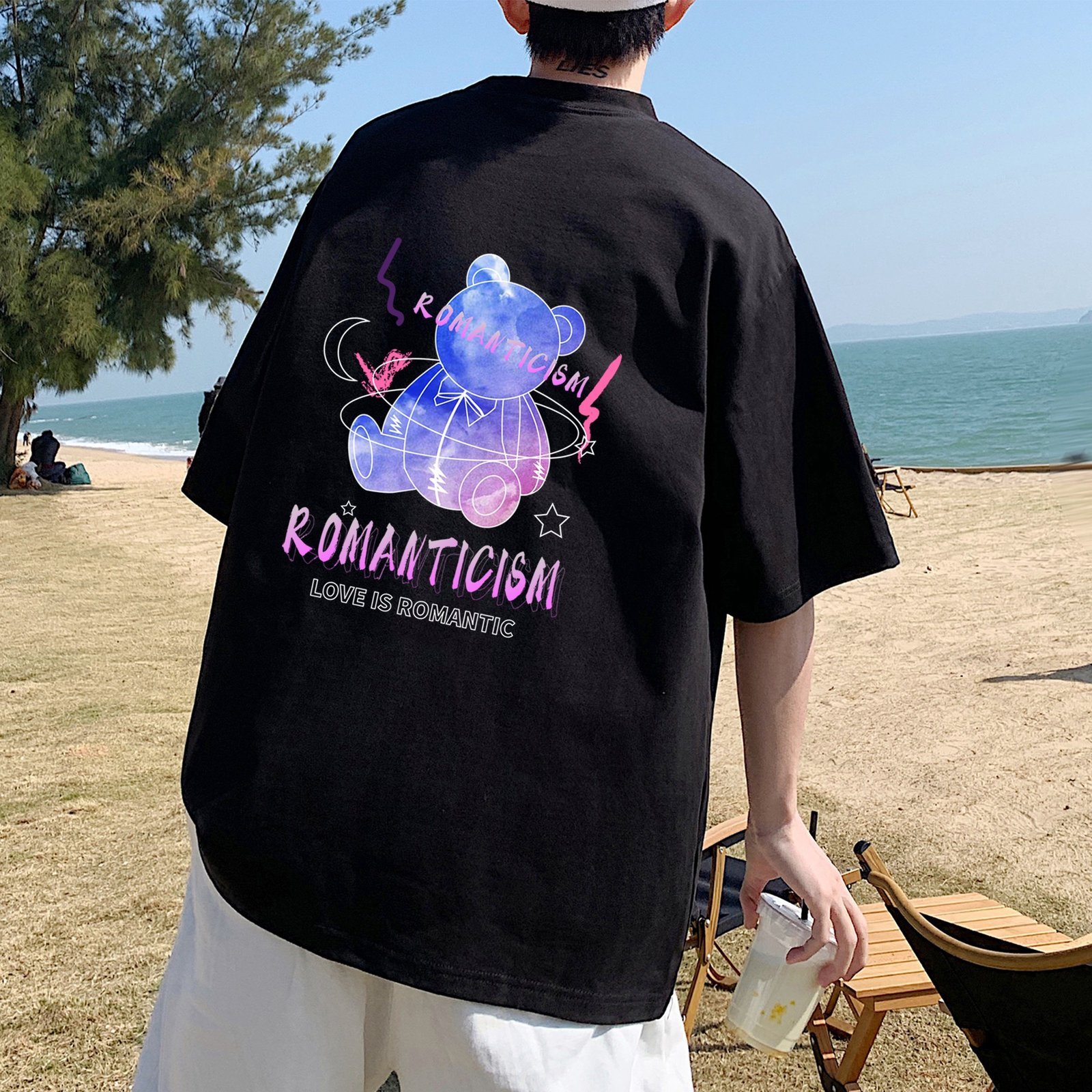
ISO 105-C06 and AATCC 135 define wash fastness at 40°C–95°C. Labels must retain color uniformity with minimal bleeding after 10 wash cycles. Gray Scale rating should score 4–5 (minimal change). Demand color-fastness certificates specifying test temperature and cycle count.
Defect Red Flags Checklist
Request first-article inspection reports showing stitch count, adhesive thickness (40–60 microns), and edge cleanliness. Red flags: fraying, color bleeding, uneven transfer, missing sections, adhesive residue, or thickness variation >10%. Reject any lot exceeding 2% defect rate.
- Adhesive thickness: 40–60 microns only
- Color bleeding: zero tolerance
- Defect threshold: reject if >2%
Third-Party Testing and Verification
Require independent test reports from ISO/IEC 17025 accredited labs covering adhesion (ASTM D6775), wash durability (ISO 105-C06), and tensile strength. Certificates must include lot numbers, test dates, and specific parameters. In-house testing alone does not protect your brand.
Warranty and Performance Guarantees
Negotiate written warranties specifying: ‘labels retain >80% adhesion and zero color bleeding after 20 domestic wash cycles at 40°C.’ Define remedies (replacement or credit) and enforce testing timelines. Heat transfer adhesive degrades over time; reject labels stored >12 months at room temperature.
7. How to Choose Your Heat Transfer Label Manufacturer
Selecting a heat transfer label manufacturer requires evaluating more than price alone. You need production capacity aligned with your growth, responsive communication, proven quality standards, and sample-to-production speed that respects your timeline. The right partner scales with your brand.
Production Capacity and MOQ Flexibility
Most manufacturers set MOQs of 500–5,000 units per design. Emerging brands benefit from tiered minimums—ask if your supplier bundles designs to reduce per-unit costs.
Lead time depends on complexity. Standard woven labels ship in 10–14 days; embroidered or holographic variants take 21–28 days. Always confirm whether quoted timelines include sample revisions.
Quality Certifications and Compliance
ISO 9001, OEKO-TEX 100, or GOTS certification prove quality discipline. Request documentation—verbal assurance isn’t enough. Confirm QC happens during production, not post-completion.
Multi-stage QC—testing materials, cutting, sewing, and finished goods—prevents defects from reaching customers. Dongguan manufacturers like Clothing Manufacturer Ltd employ this rigor systematically.
Critical Vendor Questions
Ask every potential supplier these five questions—their answers reveal operational maturity, QC rigor, and scalability. Suppliers who hesitate or provide vague responses may cut corners.
Don’t settle for ‘best price’ claims. Transparency in process, QC, and timelines separates reliable vendors from opportunists.
- What is your MOQ, and do you offer tiered minimums?
- How long is sample approval, and does it include revisions?
- Do you hold ISO 9001 or equivalent certification?
- Can you describe your QC process during production?
- What is your typical lead time for standard vs. custom labels?
Recognize and Avoid Red Flags
Slow responses to inquiries (>48 hours), vague material specifications, absence of visible certifications, or reluctance to share QC details are major red flags. Vendors who compete on ‘best price’ often sacrifice quality control. Choose transparency and proven reliability over discounts.
Compare and Decide
Create a simple scorecard: rate each supplier 0–5 on MOQ flexibility, sample speed, QC transparency, certifications, communication, and pricing. Score >24/30 indicates reliability; below 18/30 warrants further searching. This objective framework beats gut-feel decisions.
8. Common Mistakes Buyers Make and How to Avoid
Most heat transfer label failures stem from preventable sourcing oversights, not manufacturing defects. Six critical mistakes account for the majority of costly rework, delays, and brand reputation damage. Understanding these pitfalls protects both your budget and brand perception.
Ignoring Durability and Color-Fastness Standards
Most brands skip wash and light-fastness specifications, assuming defaults apply. Result: labels fade after 10–15 washes or bleed during first wash. Best practice: Specify AATCC 61 test results upfront. Request wash-fastness Grade 4–5 and light-fastness Grade 5+. A 2% rework rate costs $500–2,000 per order.
Wrong Color Choice for Fabric Tone
Selecting label colors on-screen without fabric swatches fails predictably. White labels on dark navy show excessive pilling; pastels on light garments vanish entirely. Best practice: Request strike-offs on your actual fabric before production. Pantone standards vary by material. A $100 sample prevents $5,000+ waste.
Skipping Pre-Production Sampling
Brands skip pre-production samples to save time, approving digital proofs alone. Result: thermal transfer adhesion, edge curl, or color registration issues don’t emerge until production arrives. Best practice: Mandate a 50-piece sample. Test seam integrity, heat application, and wash durability. This 5–7 day step prevents weeks of delays.
Overlooking MOQ and Lead-Time Realities
New brands assume heat transfer label MOQs match cut-and-sew minimums—they don’t. Typical MOQs run 500–1,000 pieces; lead times span 15–30 days plus shipping. Missing this forces expensive rush orders. Best practice: Plan orders 8–10 weeks before launch. Confirm MOQ, production window, and timeline before sample approval.
Vague or Inconsistent Artwork Specifications
Artwork without precise format, color mode, or registration marks causes misalignment. RGB specs and low-resolution PDFs trigger delays. Best practice: Deliver CMYK at 1,200 DPI minimum as AI or PDF with named colors. Include exact dimensions (mm), seam allowances, and tolerances. This eliminates 80% of pre-production back-and-forth.
Switching Suppliers Mid-Season
Brands chase lower quotes mid-run without realizing adhesion, dye migration, and edge finish vary between manufacturers. Switching mid-season creates visible inconsistencies across your inventory. Best practice: Lock in one supplier for the season or year, even if costs fluctuate slightly. A 3–5% premium protects brand perception far more than batch cost-cutting can justify.
9. Pricing, MOQ, and Lead Times
Clothing Manufacturer Ltd. sets minimum order quantities at 100 units for custom heat transfer labels, with five-tier volume pricing that rewards scale. This low MOQ enables emerging brands to test designs affordably while independent designers scale gradually without overcommitting capital.
Lead times depend on volume and design complexity. Standard orders of 500-1000 units typically ship in 5-7 business days, while rush turnarounds for under 500 units extend to 7-10 days. High-volume orders of 5000+ units often compress to 3-5 days when artwork is pre-approved, and production can start the same business day.
Setup and art fees range from $50-150 per unique design, covering color separation, digital film mastering, and heat press calibration—charged only once. After that initial investment, reorders from the same design file drop dramatically in per-unit cost, making repeat production very affordable for seasonal collections or ongoing brand needs.
| Quantity Tier | Per-Unit Price (USD) | Setup/Art Fee (USD) | Lead Time (Days) |
|---|---|---|---|
| 100-499 units | $4.50–6.50 | $100–150 | 7–10 |
| 500-999 units | $3.00–4.50 | $75–100 | 5–7 |
| 1,000–4,999 units | $1.50–3.00 | $50–75 | 5 |
| 5,000–9,999 units | $0.85–1.50 | $50 | 3–5 |
| 10,000+ units | $0.50–0.85 | $50 | 2–3 |
Order Custom Heat Transfer Labels Sample – Free Quote
Zero MOQ on samples. Get your custom heat transfer labels in days with our proven 5-step quality guarantee. Global shipping included.