
Premium Custom Rib Knit Trim for Streetwear & Apparel
Premium custom rib knit trim engineered for streetwear brands seeking refined edge finishes, superior comfort, and lasting durability. 50-pc MOQ, 7-day turnaround, with 5-step QC.
Custom Rib Knit Trim Collections
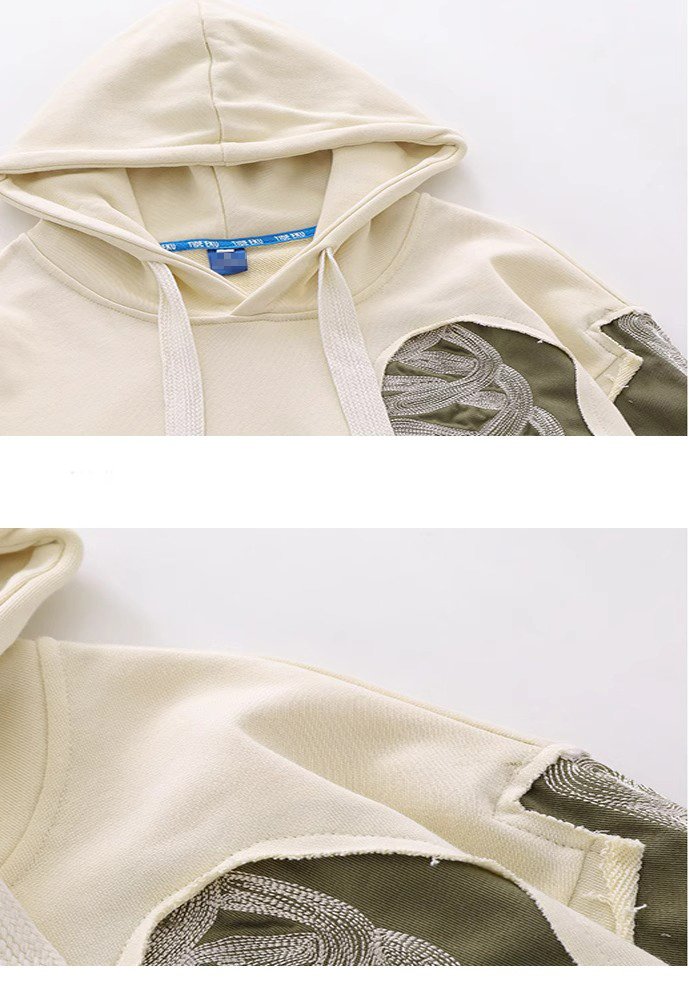
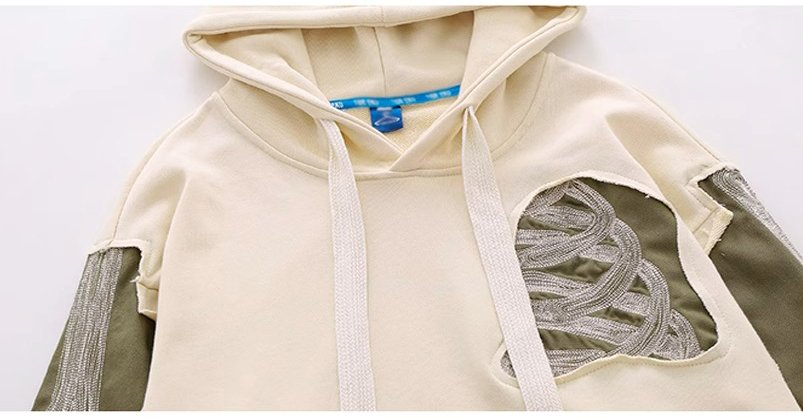
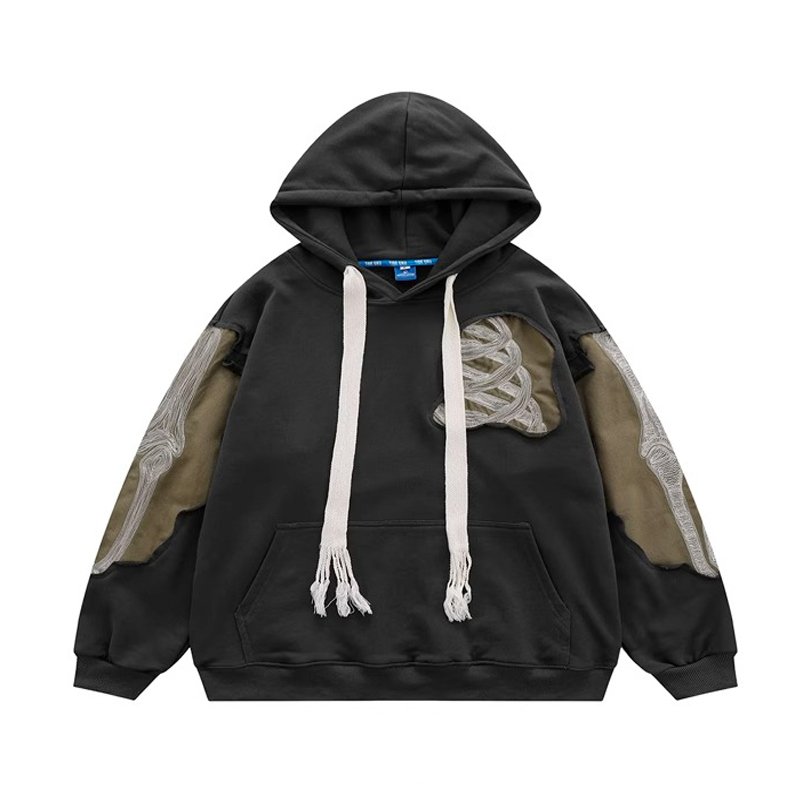
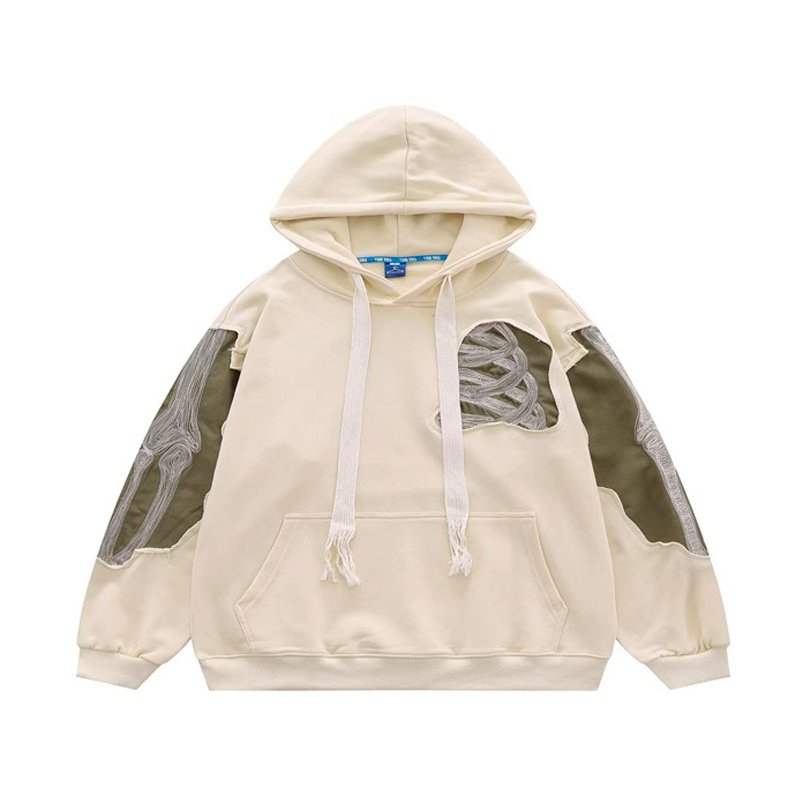
What Sets Our Custom Rib Knit Trim Apart
Premium features engineered for streetwear durability and design excellence
Superior Stretch & Recovery
Custom rib knit trim maintains elasticity through hundreds of wears and washes, ensuring consistent comfort and fit longevity for your streetwear designs.
Built for Wash Durability
Our custom rib knit trim withstands repeated wash cycles at commercial and home temperatures without pilling, separation, or structural degradation.
Professional Color-Fastness Tested
Custom rib knit trim meets ISO color-fastness standards, resisting fading and bleeding across light, medium, and dark wash conditions.
Breathable Design Comfort
Custom rib knit trim’s open-knit structure promotes air circulation, ideal for neck bands, armholes, and waistbands in high-wear zones.
Customizable Designs & Colors
Create custom rib knit trim in any color, pattern, or width with our in-house design team and 7-day turnaround guarantee.
Works With Any Weight
Custom rib knit trim seamlessly integrates with lightweight jersey to heavyweight canvas, supporting all garment construction methods and techniques.
Custom Rib Knit Trim for Every Streetwear & Apparel Brand
Premium Streetwear Collections
Established streetwear brands demand custom rib knit trim finishes that embody their aesthetic and withstand the rigorous expectations of trend-conscious consumers. Off-the-shelf trim compromises your brand identity and durability reputation.
Custom rib knit trim designed to your exact specifications ensures your hoodies, tees, and jackets feel as premium as they look. Our five-step QC process guarantees every piece reinforces your brand's quality promise.
Independent Designer Launches
As an emerging designer brand, you need custom rib knit trim that differentiates your work from mass-market competitors. But 1000-piece minimums and long lead times make it impossible to test, iterate, and launch affordably.
Our 50-piece MOQ and seven-day turnaround empower you to launch custom rib knit trim collections with zero waste and maximum speed. Test designs, iterate based on market feedback, and scale confidently as your brand grows.
Worldwide Retail Expansion
Scaling apparel across multiple continents demands trim consistency. Sourcing from local vendors creates specification gaps; your customers notice quality variance. You need one trusted partner ensuring identical custom rib knit trim standards globally.
Clothing Manufacturer Ltd. delivers custom rib knit trim with unified quality specs across all markets. Our global logistics and five-step QC ensure your retail partners see the same premium finish everywhere, building worldwide customer confidence.
Creator Brand Drops
Your influencer brand moves at internet speed. Each limited drop must feel exclusive and on-trend, driving urgency and social engagement. Slow production partners and inflexible customization kill momentum before your hype peaks.
Our in-house design team and seven-day turnaround turn your custom rib knit trim vision into reality at speed. Launch limited-edition drops while social buzz is live, collaborate directly with production, and maximize each release's sales impact.
Custom Rib Knit Trim Expertise at Clothing Manufacturer Ltd
Founded in 2024 by Tesla Luo, Clothing Manufacturer Ltd. brings over 10 years of apparel production expertise directly to custom rib knit trim manufacturing. Luo’s career spans every production role—cutting, sewing, quality control, and logistics—giving him comprehensive knowledge to craft premium trim that outperforms industry standards. Our mission: eliminate low-quality trim through rigorous testing at every production stage.
We produce thousands of custom rib knit trim units annually using state-of-the-art knitting and finishing equipment. Serving over 100 countries and partnering with influencer-led streetwear brands, we’ve built a reputation for reliability and speed. Every spool undergoes our proprietary 5-step quality control process—materials QC, production QC, craft QC, stitching QC, and finished trim inspection—ensuring zero defects.
Unlike competitors who skip mid-production quality checks, we embed testing throughout the custom rib knit trim manufacturing cycle. Our in-house R&D team of 15 specialists develops innovative trim designs and samples. We accept 50-piece MOQs with 7-day turnaround, empowering emerging streetwear brands and established retailers alike to scale confidently without compromise.

Custom Rib Knit Trim Quality Standards Deep Dive
Precision Yarn Tension Calibration
Every spool that enters our production line meets calibrated tension specifications. This prevents pilling, maintains consistent elasticity, and ensures uniform knit appearance across every garment. Our machinery is tuned to exacting standards before each production run, guaranteeing custom rib knit trim meets the tightest tolerances.
- Pre-production tension profiling on all equipment
- Elasticity retention within ±2% tolerance band
- Real-time monitoring during high-speed knitting cycles
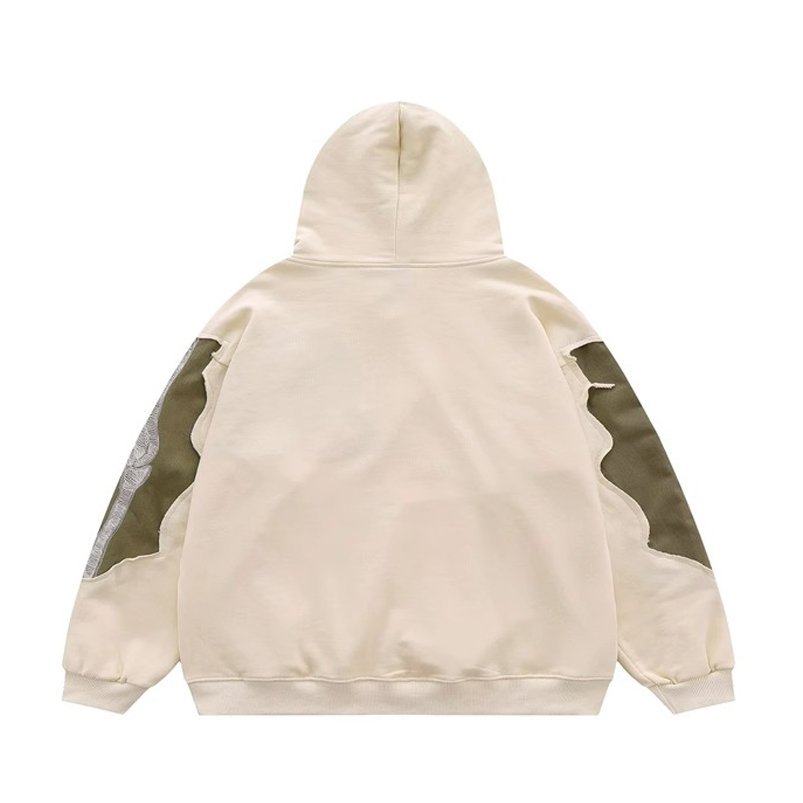
Dye-Fastness & Color Retention Standards
Our custom rib knit trim undergoes rigorous color testing: rubbing, washing, and perspiration fastness per ISO 105 standards. We source premium dyes and validate every color lot before production. This ensures your finished garments maintain vibrant color wash after wash, building brand trust and repeat customer loyalty.
- ISO 105-C02 & ISO 105-E01 compliance testing
- 4+ grade rating on AATCC dye-fastness scale
- Zero color bleed across 40+ wash cycles
Elasticity Recovery After 30+ Wash Cycles
Our durability benchmarking tests every custom rib knit trim variant at 30, 50, and 100 wash cycles. We measure stretch-loss, snap-back recovery, and dimensional stability using ASTM standards. Top-performing trims retain 90%+ elasticity, ensuring necklines, cuffs, and waistbands stay fitted through seasons of wear.
- ASTM D4157 elasticity recovery testing protocol
- 90%+ stretch retention after 30+ wash cycles
- Dimensional stability within ±5% across waistbands & cuffs
Sewability Across Diverse Fabric Weights
Custom rib knit trim must perform flawlessly on jersey, fleece, and heavy twill. We validate needle compatibility, seam puckering resistance, and stitch skip rates across all garment weights. Our lab confirms that our trim integrates smoothly whether you’re binding a lightweight tank or a heavyweight hoodie.
- Tested on 150–600 gsm fabric weights
- Puckering resistance at 3000+ SPM (stitches per minute)
- Zero needle deflection on standard lockstitch machines
Custom Rib Knit Trim Advantages vs. Flat Woven Trim
Understand why leading brands choose custom rib knit trim for superior stretch, durability, and production flexibility.
← 左右滑动查看 →
Custom Rib Knit Trim Production Flow
From premium yarn to finished trim — every step embedded with quality checkpoints
Material QC & Yarn Sourcing
Source premium yarns and conduct rigorous material testing. Every fiber batch undergoes QC inspection to verify composition, strength, and dyeability before entering production.
Precision Knitting
Knit custom rib structures to exact gauge specifications. Advanced machinery ensures consistent stitch tension and rib pattern definition. QC checkpoint verifies knit quality and dimensional accuracy.
Color Dyeing to Spec
Dye the knitted trim to your exact color specifications using precision equipment. Multiple shade checks ensure color consistency. Final QC inspection verifies dye uniformity across all trim runs.
Width & Weight Customization
Cut and adjust custom rib knit trim width and weight per your garment requirements. Precision cutting tools ensure clean edges. QC testing confirms dimensional and weight specifications.
Final QC & Packaging
Finished custom rib knit trim undergoes final QC inspection for defects, durability, and appearance. Carefully packaged for global shipping with full documentation and quality certifications included.
Order Custom Rib Knit Trim in 4 Easy Steps
From specifications to production — our streamlined process gets your custom rib knit trim sourced and delivered fast.
Specify Your Trim Requirements
Define dimensions, color, yarn content, and weight for your custom rib knit trim. Our team clarifies specifications to ensure perfect fit for your garments.
Submit Your Garment Reference
Provide a mockup, sample garment, or reference image showing how the custom rib knit trim will be applied. This guides our design and sampling team.
Receive Your Free Sample
We deliver a production-quality sample within 7 days for your approval. Review the custom rib knit trim finish, texture, and color accuracy.
Confirm Specs and Place Order
Approve final specifications and lock in your MOQ. Our low minimums and fast turnaround ensure your custom rib knit trim ships on schedule worldwide.
Streetwear Brands Using Our Custom Rib Knit Trim
Their custom rib knit trim maintained perfect color consistency across our 2,500-piece quarterly drop. The durability and flex on collars exceeded expectations, and we’ve cut our sourcing time from 6 weeks to just 10 days.
Starting with just 50-piece orders, their custom rib knit trim quality made us competitive with bigger brands. We got samples in 5 days and launched three seasonal collections in 9 months—impossible without their speed and low minimums.
We place monthly 5,000+ piece orders for our influencer collab line. Their custom rib knit trim hasn’t missed a deadline in 18 months, and the 5-step QC process ensures zero defect rates on finished goods. That’s partnership-level reliability.
Custom Rib Knit Trim: Sourcing FAQ
What is custom rib knit trim and what garments does it work best on?
What’s the minimum order quantity (MOQ) for custom rib knit trim?
How long does production take for custom rib knit trim?
Can you combine custom rib knit trim with embroidery or other finishing details?
What fiber content and width options are available for custom rib knit trim?
How much does a sample cost for custom rib knit trim?
Will my custom rib knit trim shrink or fade after washing?
What volume discounts are available for custom rib knit trim orders?
The Complete Buyer’s Guide to Custom Rib Knit Trim
Discover everything you need to know about sourcing custom rib knit trim for your brand—from material selection and construction quality to choosing the right manufacturer, cost optimization, and avoiding costly mistakes that impact your product’s performance and reputation.
1. What is Custom Rib Knit Trim?
Custom rib knit trim is a stretchy, tubular knit fabric engineered specifically for finishing edges and seams on premium apparel—typically used on necklines, cuffs, waistbands, and hemlines. The core construction involves interlocking loops of yarn in a vertical rib pattern, most commonly 1×1 (alternating knit and purl columns) or 2×2 rib formations. This structure creates elasticity without the bulkiness of traditional bindings or single-layer hems.
Most rib knit trims are produced from yarn weights between 200–350 GSM and are typically cut on-grain to preserve recovery properties. The tubular design allows manufacturers to fold the trim around garment edges, machine-stitching it in place during construction. Unlike standard trim tape or binding—which adds visible layering and bulk—rib knit trim maintains a seamless aesthetic, often contrasting subtly with the main fabric or matching it perfectly for a clean, integrated look.
Brands choose custom rib knit trim because it signals premium construction. The elasticity ensures a comfortable fit around curves (shoulders, wrists, ankles) without restricting movement, while the knit structure resists curling and rolling after repeated wear and washing. For streetwear particularly, where silhouette and durability matter equally, quality rib knit trim demonstrates that a brand invested in professional finishing rather than cutting corners with cheaper alternatives, making it a hallmark of high-end production across athletic wear, hoodies, t-shirts, and tailored pieces alike.
2. Why Custom Rib Knit Trim Matters in Streetwear
1970s athletic wear established rib knit trim as a functional closure—binding arm holes and necklines with elasticity that withstood repeated wear. Sportswear manufacturers standardized this construction across cotton and synthetic blends, prioritizing durability over aesthetics. The component remained utilitarian for decades, largely invisible to consumers who viewed it as mechanical infrastructure rather than design language.
Premium streetwear and workwear brands elevated custom rib knit trim into a visible status marker beginning in the 2000s. Intentional color contrast, branded embroidery, and refined weave patterns transformed trim from anonymous binding into a design statement. This shift—from invisible support to design focal point—signaled craftsmanship, justifying price premiums of 15-30% over mass-market equivalents without premium finishing.
Today’s streetwear consumer expects custom rib knit trim as evidence of thoughtful construction and brand intentionality. Trending finishes include contrast weaving, flatlock seaming, and embroidered logos at collar and cuffs. Buyers increasingly evaluate trim quality as a marker of overall garment QC and production rigor.
Custom rib knit trim differentiates collections by demonstrating brand competency in finishing details. Emerging designers and independent labels use premium trim to signal investment in quality across every component, not just visible panels. For retailers and wholesalers, offering custom rib knit trim at accessible MOQs allows inventory differentiation that builds brand loyalty through perceived exclusivity and craft.
3. Types of Custom Rib Knit Trim Constructions
Three primary rib structures define the landscape of custom rib knit trim: 1×1, 2×1, and 2×2 ribs, each offering distinct durability, stretch recovery, and aesthetic impact. Construction method—single-needle versus double-needle—and form factor—tubular versus flat—further shape performance and appearance.
1×1 Rib Structure
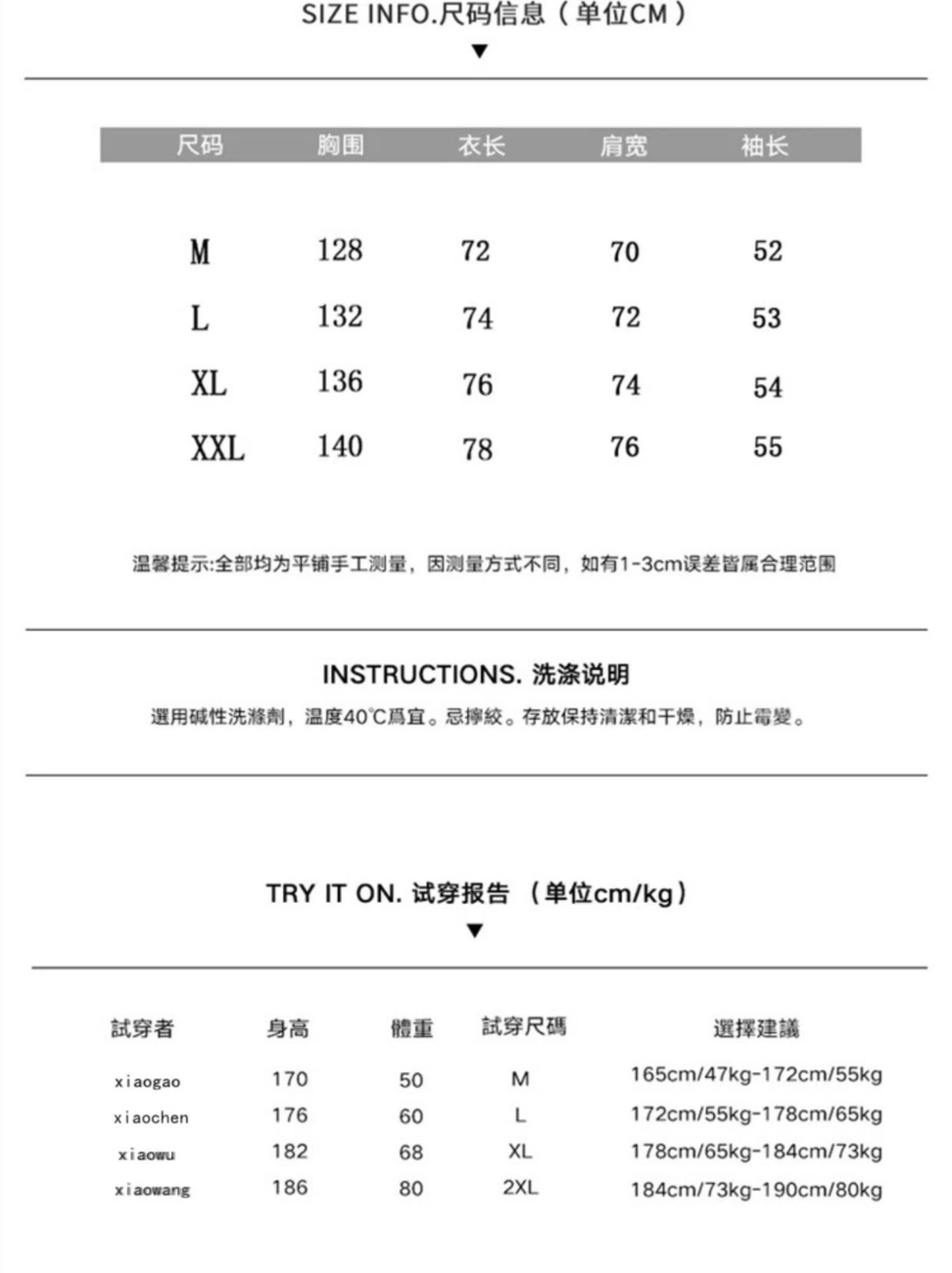
The 1×1 rib alternates one knit and one purl column, creating balanced stretch and recovery. This construction dominates streetwear for cuffs, collars, and waistbands because it balances visibility and comfort.
1×1 ribs return to shape efficiently and suit mid-weight jersey bodies. Brands targeting everyday wear prefer this structure for its neutral aesthetic.
2×1 and 2×2 Rib Structures
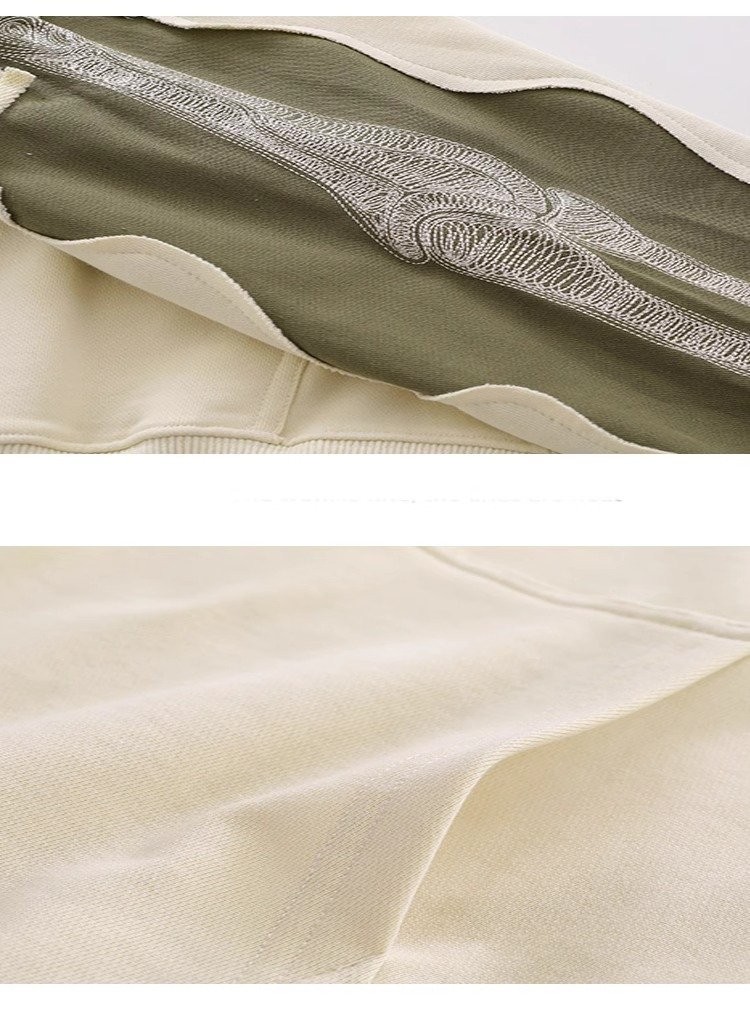
2×1 ribs (two knit, one purl) and 2×2 ribs (two knit, two purl) stack more vertical relief, creating heavier trims with reduced stretch. These constructions appear on premium and oversized silhouettes where structured cuffs signal quality.
2×2 ribs compress fabric further, ideal for winter wear and branded looks where rigidity matters.
Single-Needle vs. Double-Needle
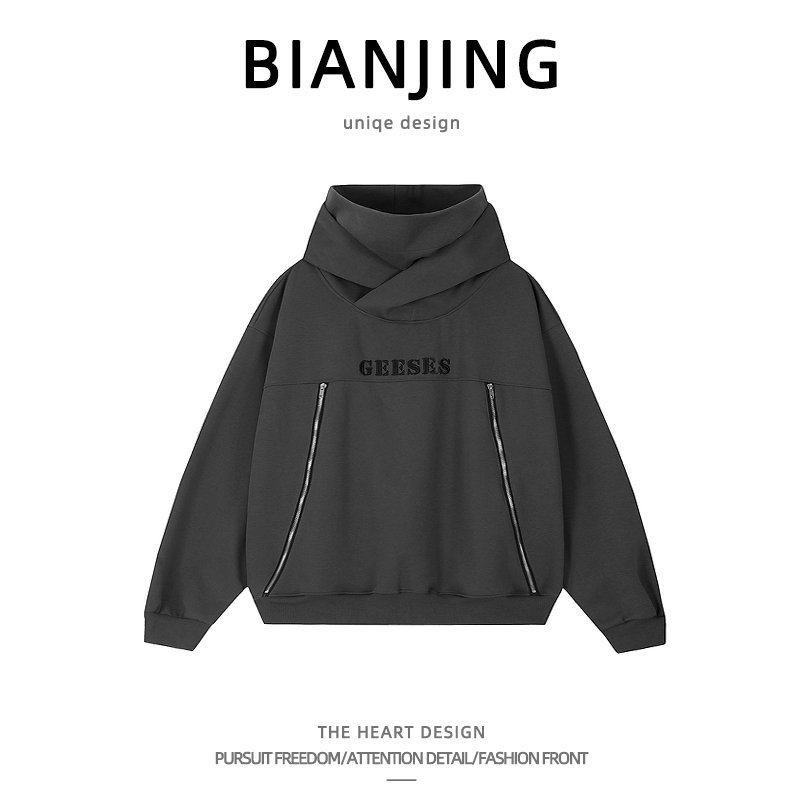
Single-needle construction produces finer, flatter ribs with minimal ridge—favored for minimal aesthetic brands. Double-needle techniques create a visible textured ridge on one face, adding visual weight and presence.
Double-needle double-knits offer enhanced durability for high-wear zones. Choose single-needle for understated luxury; double-needle when the trim detail should be prominent.
Tubular vs. Flat Constructions
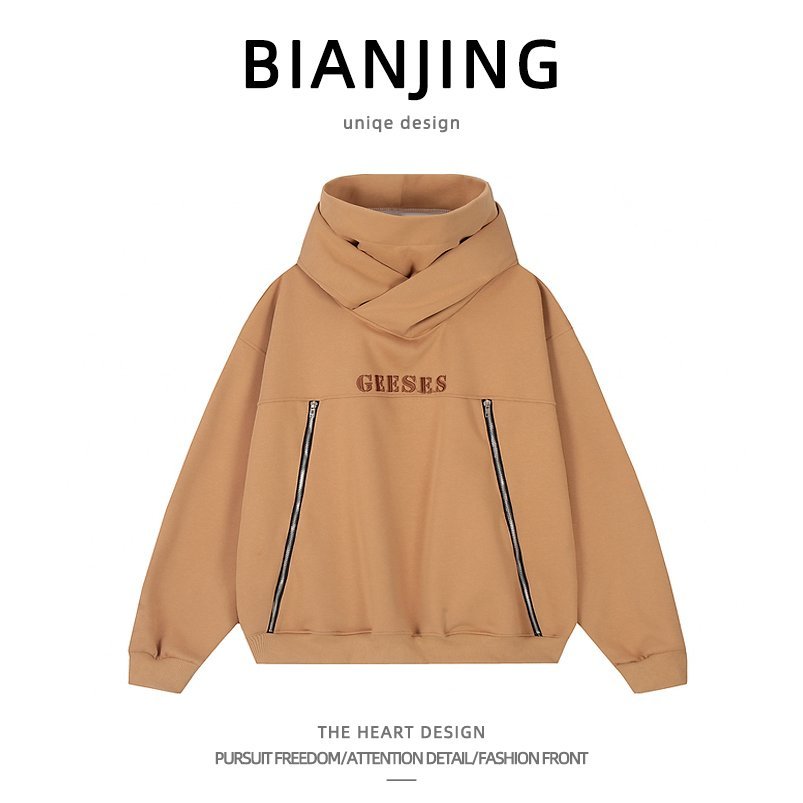
Tubular ribs are seamlessly loop-joined, eliminating interior seams for comfort at cuffs and collars. Flat ribs exist as single-layer panels, applied to garment edges via cover-stitch or blind-stitch machines.
Tubular suits intimate contact (neck, wrist). Flat trims work for visual-only applications where cost and speed matter.
Choosing by Brand Positioning & Garment Type
Streetwear staples—oversized hoodies, drop-sleeve tees—pair well with 2×1 or 2×2 double-needle tubular ribs for visual impact. Minimalist and heritage brands favor 1×1 single-needle flat trims that recede into silhouette.
Performance wear and technical streetwear benefit from denser, high-recovery 2×2 structures. Influencer-led brands gravitate toward double-needle finishes that photograph distinctly.
4. Materials & Fabrics for Custom Rib Knit Trim
Custom rib knit trim material selection drives both product performance and total production cost. Fiber composition—cotton, polyester blends, elastane, and viscose—directly affects stretch recovery, durability, colorfastness, and consumer comfort across multiple wash cycles.
| Fabric Type | Fiber Blend | GSM Range | Cost Tier | Durability Rating |
|---|---|---|---|---|
| Standard Cotton Blend | 85% Cotton, 15% Polyester | 200-220 | Mid ($) | Good (4/5) |
| Performance Poly-Elastane | 90% Polyester, 10% Elastane | 180-200 | Mid-Premium ($$) | Excellent (5/5) |
| Luxury Cotton | 100% Cotton Ring-Spun | 240-280 | Premium ($$$) | Very Good (4/5) |
| Specialty Viscose Blend | 50% Viscose, 50% Cotton | 210-240 | Premium ($$$) | Good (4/5) |
Core Fiber Blends
85-90% cotton with 10-15% polyester blends dominate premium streetwear due to softness and breathability. 88-92% polyester with 8-12% elastane formulations excel in fitted custom rib knit trim where shape recovery is critical.
50/50 viscose-cotton blends introduce drape and surface luster for luxury positioning, though they require specialized dyes during coloring processes.
Performance Properties
GSM (grams per square meter) ranges from 180-280 for custom rib knit trim, with higher values indicating denser fabric. Elastane percentage directly controls stretch—2-5% delivers moderate recovery, while 6-8% elastane maximizes elongation for fitted applications.
Colorfastness to AATCC washing standards and seam strength determine real-world durability across multiple wear and wash cycles.
Cost & Commercial Factors
Entry-level cotton-poly blends cost 30-40% less than premium 100% cotton or specialty viscose formulations. Mid-tier 85/15 cotton-poly with 6-7% elastane represents the volume sweet spot for brands scaling production.
Luxury materials command 50-80% premiums but justify through enhanced hand-feel, recovery, and perceived brand quality.
5. Customization & Decoration Options
Custom rib knit trim accepts multiple personalization methods, each with distinct setup costs, per-unit pricing, and manufacturing timelines. Streetwear brands can layer decoration techniques to achieve brand identity while meeting production minimums and timelines.
| Technique | Setup Cost | Per-Unit Cost | Lead Time | MOQ |
|---|---|---|---|---|
| PMS Dye Colors | None (50–500 pc) | $0.15–$0.35 | +3–5 days | 50–500 |
| Screen Print/DTG | $150–$400 | $0.50–$2.00 | +1–2 days | 50–100 |
| Woven Labels | $200–$500 | $0.30–$0.75 | +5–7 days | 100–200 |
| Embroidery | None | $0.60–$3.00 | +6–8 days | 50+ |
PMS-Matched Dye Colors
PMS (Pantone Matching System) is the industry standard for custom rib knit trim colors. No setup charge when volume meets 50–500 pieces; 3–5 extra days added to lead time. Multi-color trim (2–4 colors) adds $0.15–$0.35/unit and 2–3 days.
Screen-Printed & Digital Logos
Screen printing and direct-to-garment (DTG) logos require $150–$400 setup per design. Per-unit costs run $0.50–$2.00 depending on ink coverage and colors. DTG handles 1–4 color graphics without color separations; adds 1–2 days. Minimums: 50–100 pieces per design.
Woven Labels
Custom woven labels integrate directly into custom rib knit trim seams. Setup costs: $200–$500 per label design; typically none for stock labels. Per-unit adds $0.30–$0.75. Lead time: 5–7 days for new designs. Minimum order: 100–200 pieces ensures cost efficiency.
Embroidery Placement
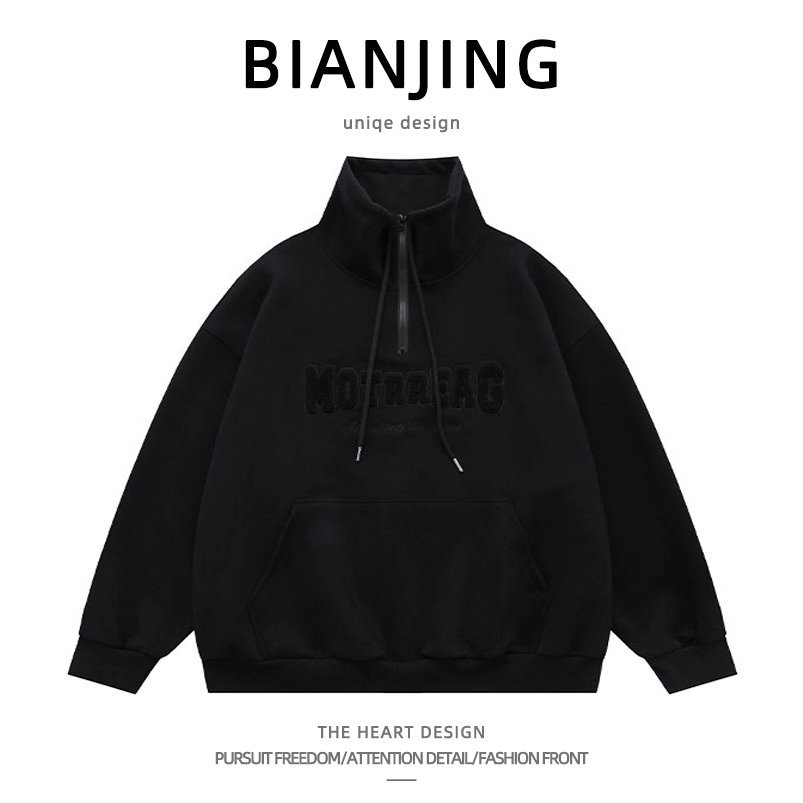
Embroidery on trim adds $0.60–$1.50/unit for small logos (under 2 inches) and $1.50–$3.00 for larger patches. No embroidery setup fees on digital machines; 6–8 day lead time. Design digitization: $50–$150 one-time. MOQ: 50 pieces minimum.
6. Quality Standards & Construction Elements
Premium custom rib knit trim requires precision at every construction stage. From needle gauge and stitch density to edge finishing and colorfastness testing, quality standards determine long-term garment performance and customer satisfaction.
Needle Gauge & Stitch Density
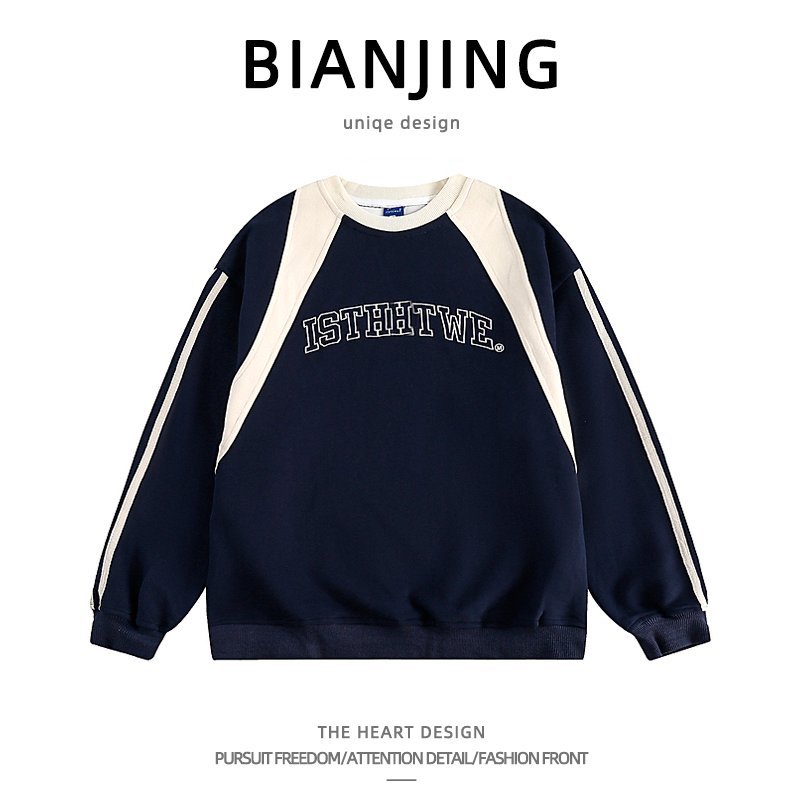
Rib knit trim typically ranges 12–28 gauge, with 18–24 standard for apparel collars and cuffs. Stitch density of 80–120 loops per inch ensures balanced elasticity and recovery without distortion.
Higher gauges produce finer ribs that enhance premium perception while maintaining durability through 50+ wash cycles.
Edge Finishing & Seam Strength
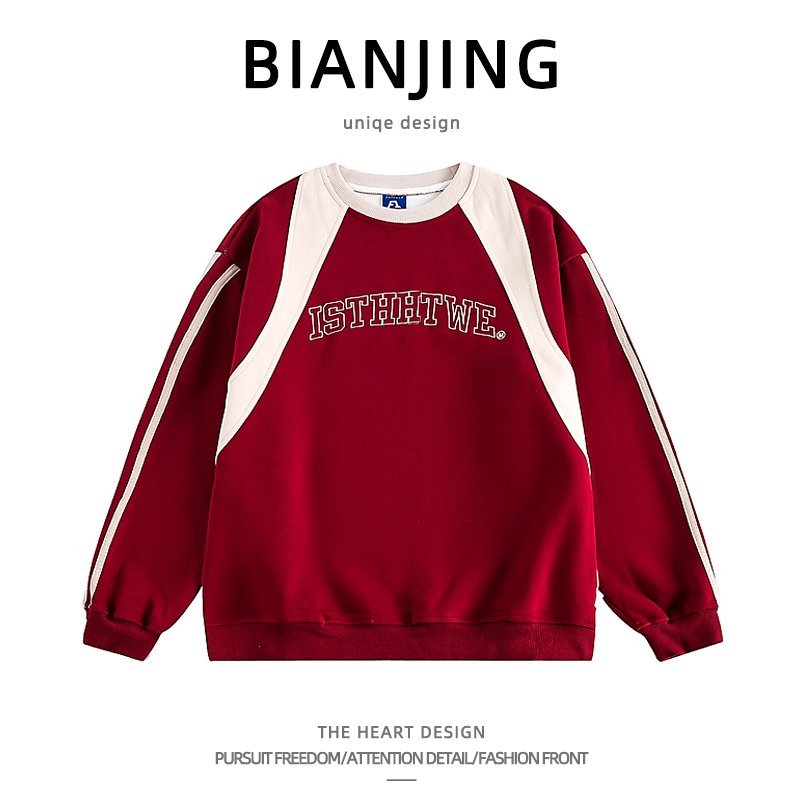
Edge finishing—flatlock, binding, or double-needle—affects seam durability and aesthetics. Double-needle with 1.6 mm spacing achieves 25–40 N minimum seam strength.
Flatlock eliminates bulk while preserving flexibility, ideal for crew necks and armholes on high-wear garments.
Colorfastness & Shrinkage Control
Colorfastness testing per ASTM D2172 ensures trim retains color through repeated washing and UV exposure. Target shrinkage limits: ±3% length, ±2% width after 5 industrial cycles.
Pilling resistance via ASTM D3512 (Martindale) must achieve Grade 3.5–4.0 for premium streetwear applications.
Five-Stage Quality Control
Embedded five-stage QC testing covers materials, cutting precision, craft specifications, production seams, and finished products. Testing at each production stage—not only at the end—catches defects early and prevents costly rework.
This approach ensures consistent custom rib knit trim performance across every order.
Certifications & Industry Standards
Premium custom rib knit trim should carry third-party certifications: OEKO-TEX Standard 100 (safety), GOTS (organic), or WRAP (labor practices). ISO 13448 validates colorfastness; ISO 12945-2 confirms pilling resistance.
Third-party audits demonstrate commitment to safety and sustainability for retail partners.
7. How to Choose a Custom Rib Knit Trim Manufacturer
Selecting a custom rib knit trim manufacturer requires evaluating production capacity, quality systems, and supply chain transparency. Beyond unit pricing, assess MOQ flexibility, turnaround reliability, certifications, and labor compliance. A responsive partner with documented quality controls ensures specifications are met consistently, protecting your brand’s reputation.
Production Capacity & MOQ Flexibility
Confirm the manufacturer’s monthly output capacity and minimum order quantities. Most specialists handle 50-piece MOQs for custom rib knit trim with 7-day turnarounds. Request pricing tiers for scaled volumes and clarify whether rush orders are supported or require longer lead times.
Quality Certifications & Compliance
Ask for OEKO-TEX, GOTS, or BSCI certifications proving materials and labor standards. Request third-party audit reports and environmental compliance documentation. Confirm their quality control process: do they test at cutting, sewing, and finishing stages, or only final inspection?
Turnaround Times & Sample Costs
Typical lead times for custom rib knit trim range from 7 to 14 days production plus 5–10 days shipping. Clarify sample costs upfront—quality manufacturers usually charge $50–$200 per sample. Confirm whether sampling fees are credited toward bulk orders and what happens if samples don’t meet specifications.
Supply Chain Transparency & Responsiveness
Request their supplier list and primary sourcing regions to understand nearshoring vs. offshore trade-offs. Verify they assign a dedicated account manager and check response times to RFQ inquiries during evaluation. Ask for case studies or references from brands in your category to assess their track record.
RFQ & Negotiation Best Practices
Provide detailed specs: yarn composition, GSM weight, Pantone color codes, and custom stitching requirements. Include visual references and physical samples when possible. Request itemized quotes separating materials, labor, packaging, and freight; compare at least two manufacturers before negotiating terms.
8. Common Mistakes When Sourcing Custom Rib Knit Trim
Five common sourcing mistakes—from supplier selection to sample approval—cost emerging brands significant time, inventory, and reputation risk. Understanding each pitfall and its prevention strategy is essential for protecting margins and ensuring consistent trim quality.
Price-Only Supplier Selection
Cost pressure drives many emerging brands to the lowest quote, but a 15% discount evaporates with missed deadlines and poor samples. Small trial orders and reference checks cost minimal time but prevent expensive re-runs.
- Request 3-5 supplier references from similar brands
- Conduct a 20-50 unit trial order before committing
- Evaluate lead time, responsiveness, and sample quality
MOQ Miscalculation
Custom rib knit trim MOQs (typically 50-150 meters per colorway) trap brands in overstocking or under-ordering. Forecast by colorway and negotiate MOQ splits across multiple styles to distribute risk.
- Map demand across all SKUs before ordering
- Request MOQ flexibility or mixed-colorway minimums
- Track on-hand inventory rigorously each season
Shrinkage Miscalculation
Cotton-blend rib knits shrink 2-5% in width and 1-3% in length post-processing. Brands ignoring this misalign trim placement, affecting every finished unit. Request pre-shrunk samples and specify shrinkage tolerance in your brief.
- Confirm shrinkage assumptions in your tech pack
- Test wash pre-production samples at home
- Allow 3-5% placement margin in design specs
Poor Color-Matching Communication
Pantone reference alone fails; dye batch variation spans ±3-5 ΔE units. Provide physical strike-off samples, request daylight and indoor approval photos, and specify numeric tolerances to avoid costly re-dyes.
- Submit Pantone plus physical reference strike-offs
- Review photos under multiple lighting conditions
- Define numeric color tolerance (ΔE units)
Skipped Pre-Production Samples
Counter samples catch weave density, seam tape, and edge-finish defects before bulk production. Insist on approval photos and physical samples across all colorways before production runs commence.
- Request counter samples for all colorways
- Inspect weave density, seam tape, and edges
- Photograph samples under consistent lighting before approval
9. Steps to Launch Your Brand with Custom Rib Knit Trim
Launching with custom rib knit trim spans 8-12 weeks from design lock to market entry. This roadmap covers supplier selection, sampling, production scaling, and final quality checkpoints.
Design & Specification
Weeks 1-2: Define colorways, collar construction, and custom rib knit trim type (1×1, 2×2, flatlock). Specify GSM (220-350), fiber content, and Pantone color standards.
Request supplier samples and confirm 50-piece MOQ, 7-14 day lead time, and pricing by week 3.
Sample & Test
Order 3-5 samples by week 4 with trim fully attached. Conduct AATCC colorfastness, shrinkage, and 15-lbs seam-strength tests. Verify dye-lot consistency and secure sign-off by week 5.
Any spec changes now cost 2-3 days; delays in sampling compound during production.
Scale Production
Weeks 6-8: Lock collection quantity (500+ units), order trim covering full production plus 2-3% overage, and coordinate delivery with main fabrics and findings.
Weeks 8-10: Begin production with QC checkpoints at cutting, sewing, and trim attachment. Weekly reports prevent timeline slippage.
Final QC & Launch
Weeks 9-10: Final inspection on 100% of units—verify trim security, color consistency, and seam integrity.
Weeks 10-12: Apply labels and care tags, prepare shipments, coordinate customs HS codes, and confirm final QC before logistics handoff.
10. Pricing & Cost Structures for Custom Rib Knit Trim
Dongguan Clothing Manufacturer Ltd. establishes a 50-piece minimum order quantity for custom rib knit trim, enabling startup brands to test market viability without massive upfront investment. Materials costs—yarn weight typically 200–400 GSM, dyes, finishing agents—form your production base, while construction techniques like flatlock seaming or jacquard patterning add 15–25% complexity premiums.
Custom color matching and decoration carry separate setup fees: Pantone dye customization incurs a one-time 800–1,200 CNY setup and requires 2–3 weeks lead time, while embroidery or logo screen-print on trim adds 300–500 CNY per design setup. These investments front-load your project cost but amortize significantly at higher volumes.
Standard production delivers finished trim in 7 days; rush service (3–4 days) commands a 30–40% premium. Volume discounts accelerate aggressively: 500–2,000 units unlock 20–35% per-unit savings, while 5,000+ piece orders unlock custom mill partnerships and direct fabric sourcing.
| Quantity Tier | Unit Cost (CNY) | Standard Lead Time | Rush Option |
|---|---|---|---|
| 50–100 | 25–35 | 7 days | +40% (3–4 days) |
| 101–500 | 18–28 | 7 days | +35% (3–4 days) |
| 501–2,000 | 12–22 | 7 days | +30% (3–4 days) |
| 2,001–5,000 | 8–16 | 7 days | +25% (2–3 days) |
| 5,000+ | Negotiated | 5–7 days | +20% (1–2 days) |
Ready to Source Premium Custom Rib Knit Trim?
Submit your specifications for a free sample in 7 days. Low MOQ (50 pieces), fast turnaround, and our five-step QC guarantee.