
Custom Woven Labels: Premium Branding for Streetwear & Apparel
Custom woven labels designed for authentic streetwear brand identity. Premium weave technology, fast samples, low MOQ, backed by our 5-step QC guarantee worldwide.
Custom Woven Label Samples & Real-World Applications
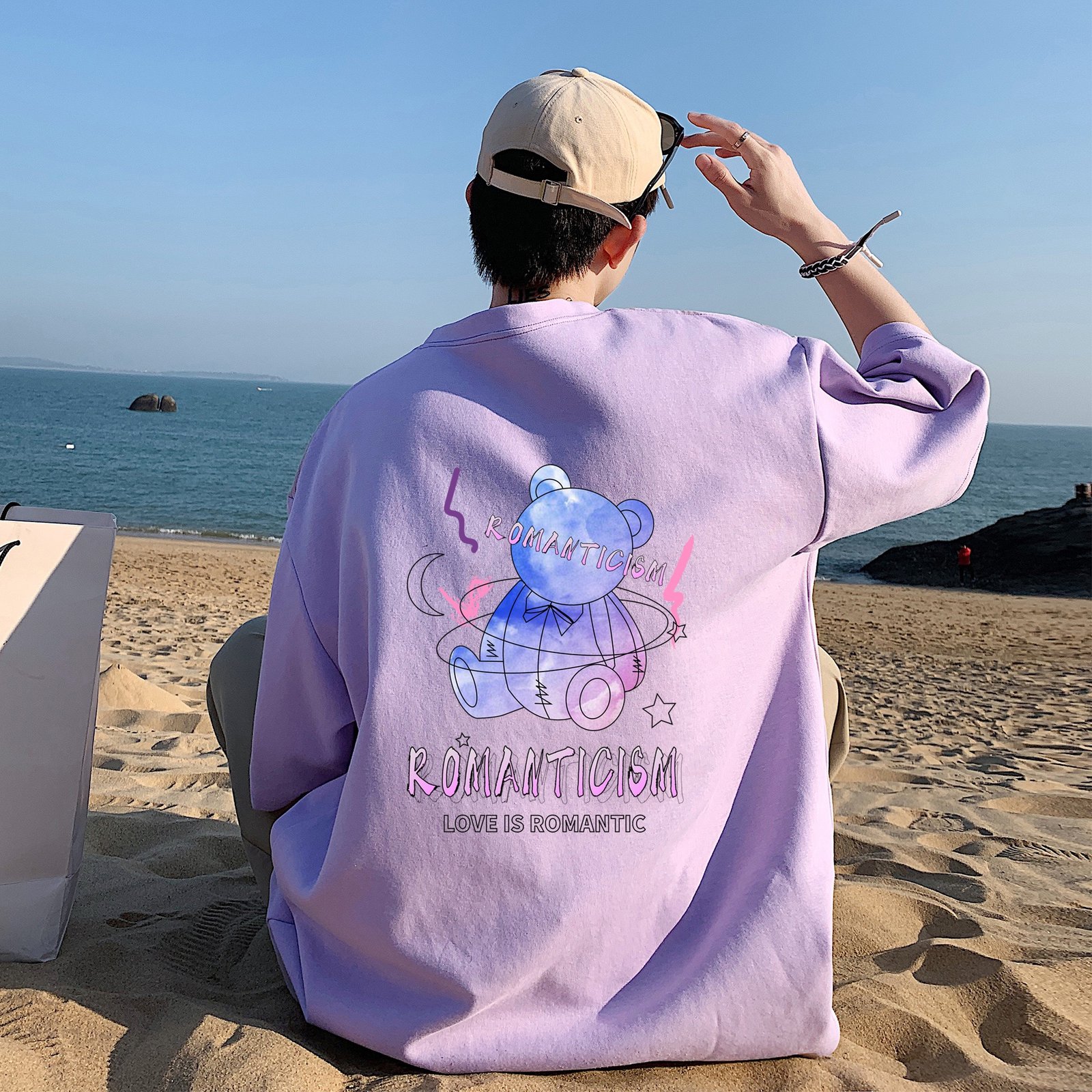
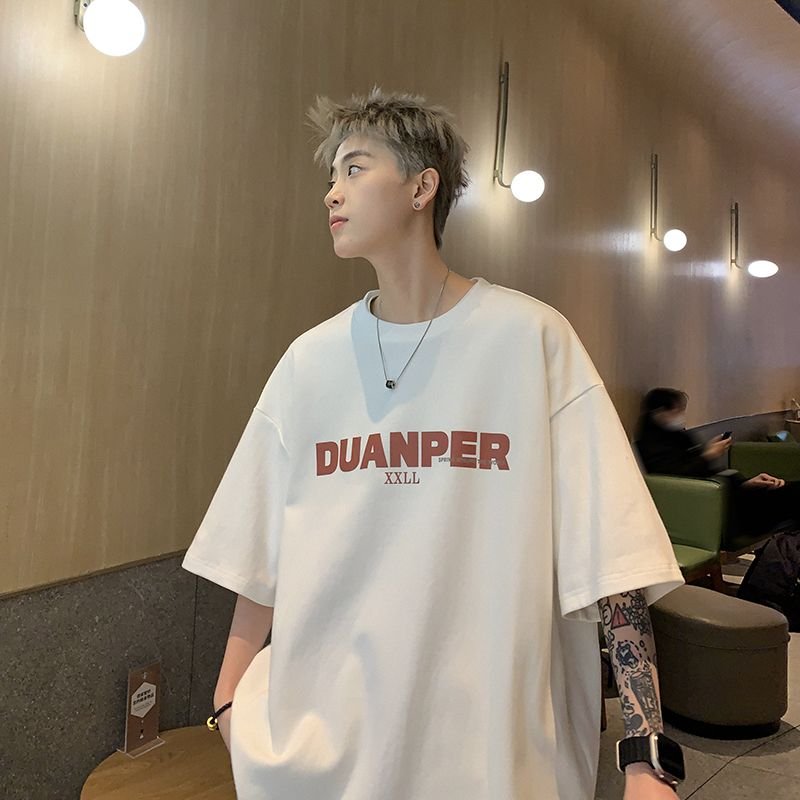
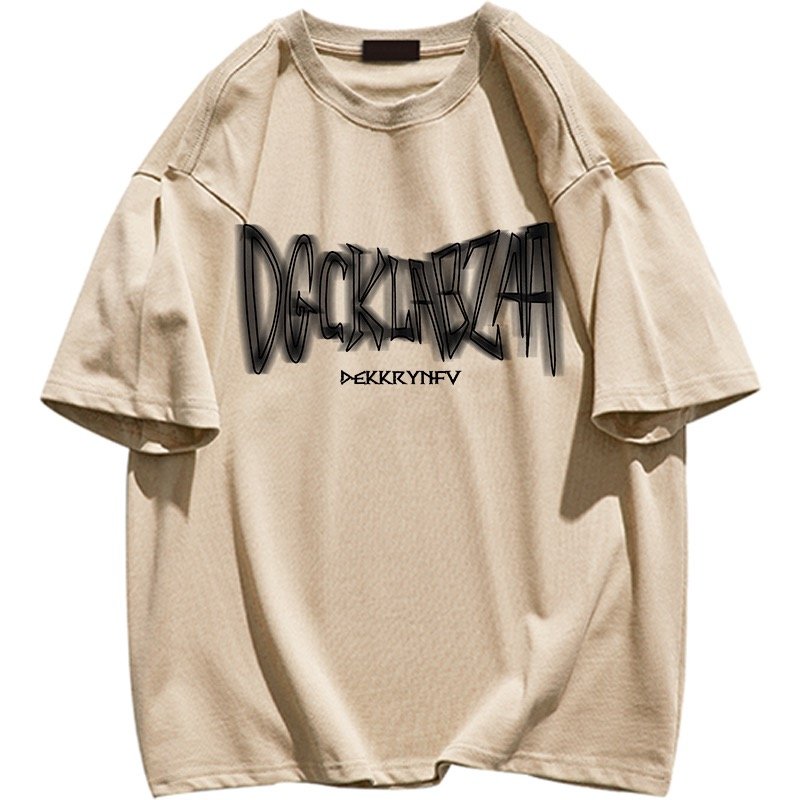
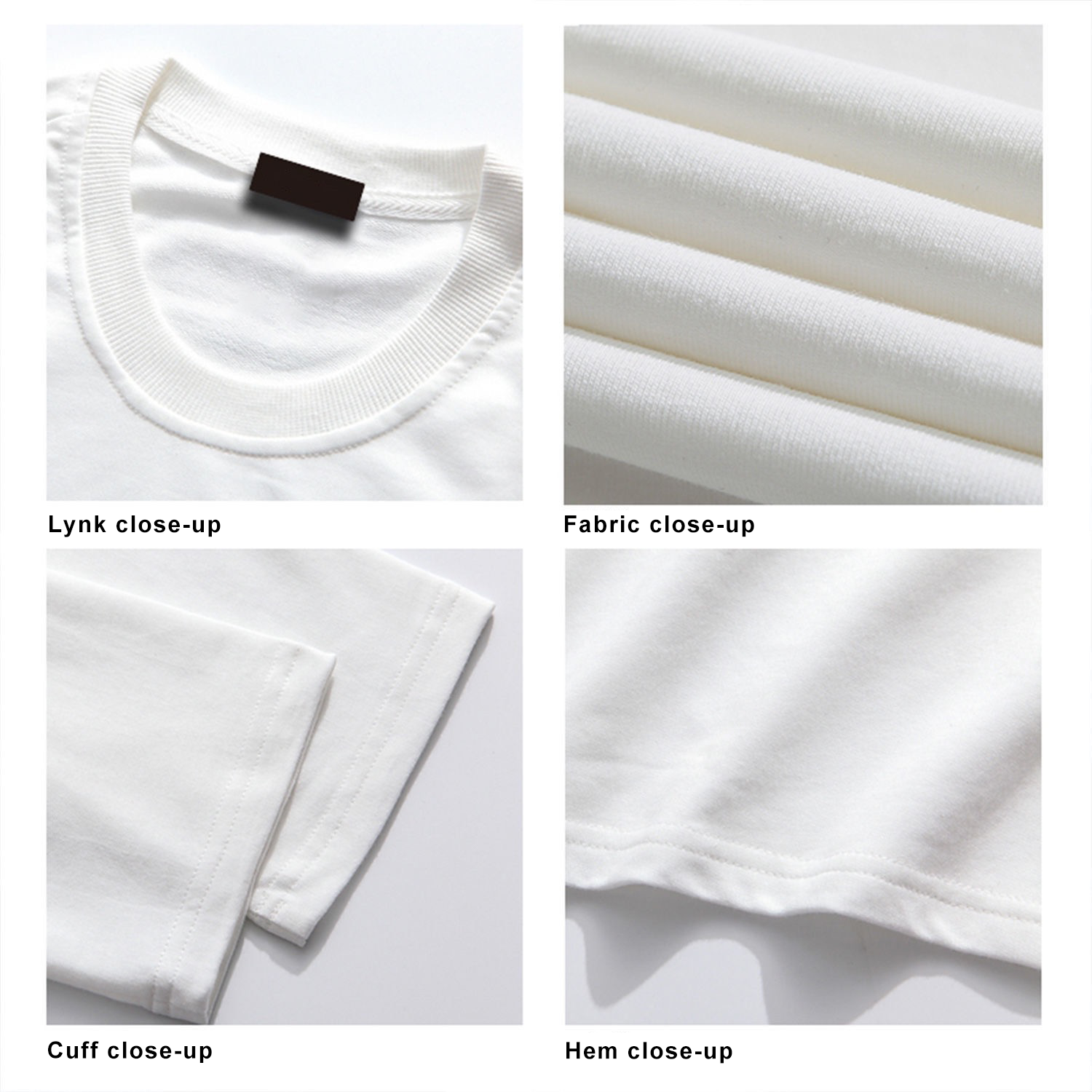
What Makes Our Custom Woven Labels Distinctive
Every label built to outlast your competition and define your brand
Premium Weave Density
Dense weave structure that looks premium, feels substantial, and endures hundreds of industrial and home washes without degradation or pilling.
Vibrant Color Fastness
Color-fixed technology locks hues against fading, bleeding, and UV damage—keeping your brand identity bold through every wash and wear.
Custom Sizing & Shapes
From small tag labels to large pocket pieces—any dimension, any contour, produced exactly as your design and placement require.
Five-Step Quality Testing
Materials tested, weave density verified, design alignment checked, seams inspected, and finished labels validated before shipment to ensure zero defects.
Rapid Sampling & Production
In-house design studio produces sample labels within days and full production runs within weeks—ideal for seasonal collections and trend launches.
Custom Woven Labels for Every Brand Stage
From emerging streetwear startups to global retailers, discover how brands use custom woven labels to build identity and scale production.
Emerging Streetwear Startups
Launching your first collection but struggling with high minimum orders and upfront costs. You need premium branded labels that signal quality without draining your budget.
Access low-MOQ custom woven labels with fast samples in days, backed by our 5-step QC guarantee that proves premium craftsmanship from day one.
Global Apparel Retailers
Managing seasonal production across multiple regions demands consistent label quality, reliable supply chains, and logistics support. Supplier delays directly threaten your go-to-market timeline.
Scale with bulk custom woven label production backed by QC at every stage, plus global shipping logistics and supply-chain support built into our service.
Influencer & Creator Brands
Your audience demands fast seasonal drops tied to emerging trends. Custom labels must match your evolving aesthetic and ship on demand without long production lead times.
Our in-house design team creates trend-driven custom woven labels and rapid samples, enabling agile production workflows that keep pace with your seasonal campaigns.
Independent Designers & Boutique Labels
Your custom labels must perfectly reflect your unique vision and premium positioning. You need design expertise, quality assurance, and hands-on support from concept to production.
Partner with our in-house R&D and design team to perfect your custom woven labels, with comprehensive QC and premium packaging support throughout production.
Our Experience with Custom Woven Labels
Tesla Luo founded Clothing Manufacturer Ltd. in 2024 with a clear mission: eliminate low-quality labels through rigorous quality control. Drawing on 10+ years of garment manufacturing experience and deep expertise in streetwear production, Luo built the company on principles of trust and transparency. Every custom woven label we create reflects decades of hands-on industry knowledge and an unwavering commitment to premium craftsmanship.
Since launch, we’ve served brands across 100+ countries, from emerging creators to established influencer lines. Our proprietary five-step quality control methodology ensures every custom woven label meets exacting standards: materials testing, cutting precision, craft inspection, production oversight, and finished-product verification. This approach, rooted in decades of observing both best practices and industry shortcuts, distinguishes our custom woven labels in the marketplace.
Our in-house R&D team of 15 holds 10 patents in production innovation and weave technology. We combine cultural fluency in streetwear trends with technical mastery of label construction—from fiber selection through advanced weaving, colorfastness testing, and precision finishing. For brands committed to standing out, custom woven labels represent the ultimate branding investment: durable, distinctive, and unmistakably premium.
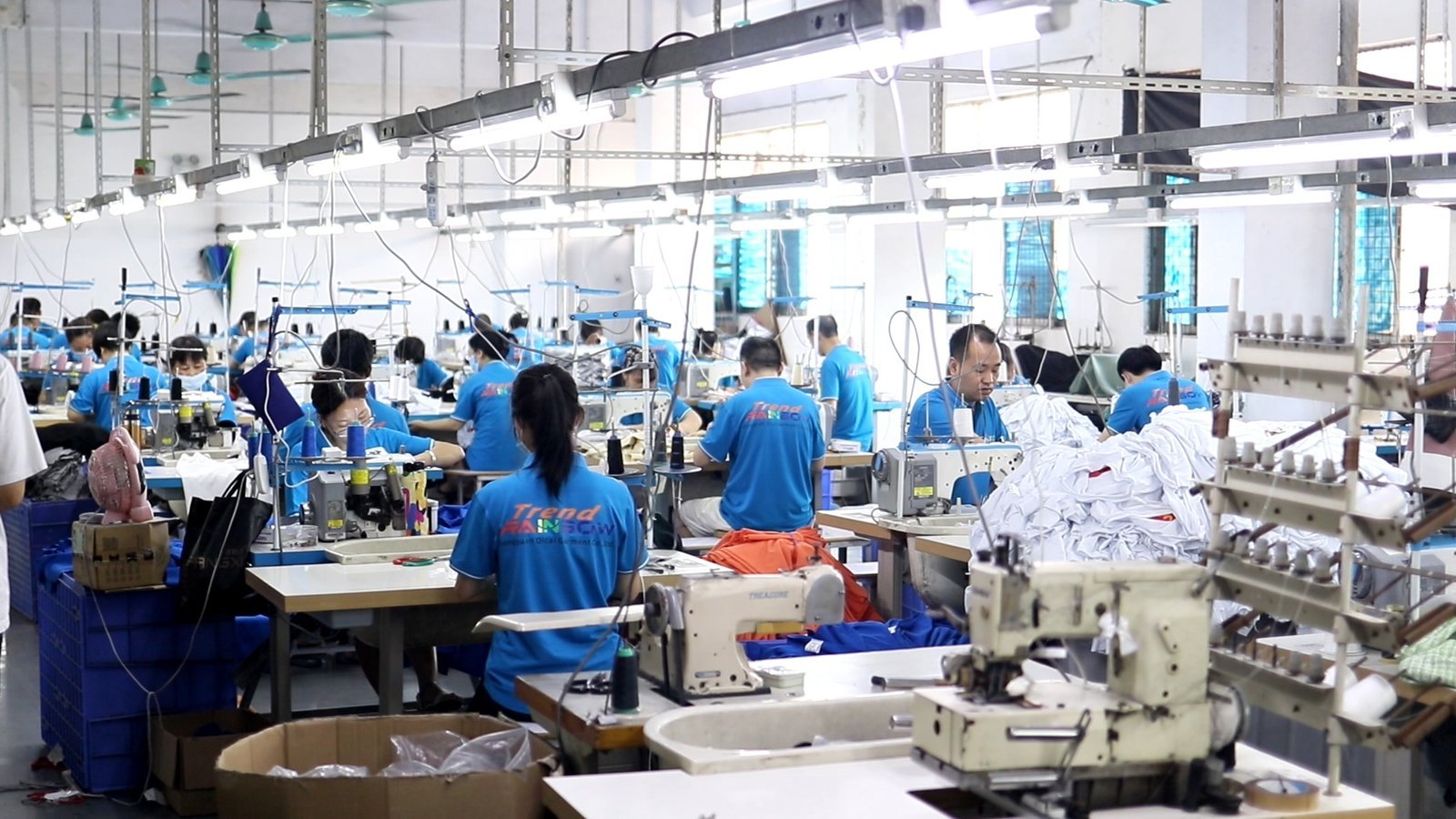
Custom Woven Labels: Superior Quality & Durability Standards
Premium Thread & Weave Density
Every custom woven label begins with superior materials. We source premium polyester and nylon threads, then specify exact weave densities to ensure crisp edges and long-lasting durability. Our in-house quality team validates thread specifications before production begins.
- Premium polyester and nylon thread options
- Precise weave-density specifications (20, 25, 30+ TPI)
- QC testing on thread integrity and strength
- Tight tolerances prevent fraying and edge degradation
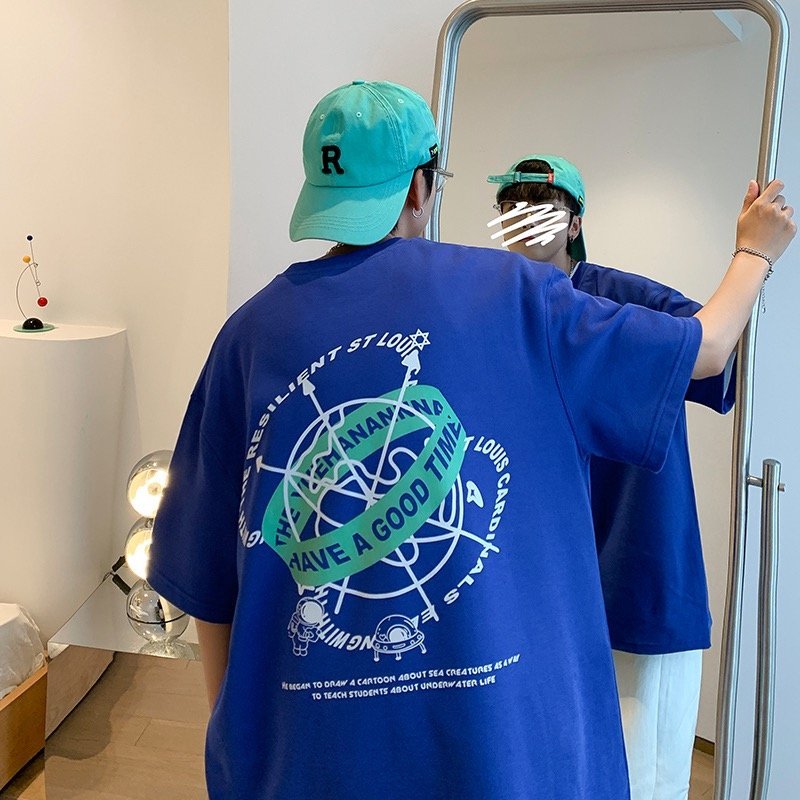
Professional Dyeing & Color Stability
Color fastness isn’t optional—it’s essential for streetwear credibility. Our advanced dyeing process ensures vibrant, stable colors that resist fading under UV exposure and repeated washing. Each batch is tested for color bleed and fade resistance.
- OEKO-TEX and color-fastness certifications
- No color bleeding or dye transfer onto garments
- UV and wash resistance validated in-lab
- Consistent color reproduction across production runs
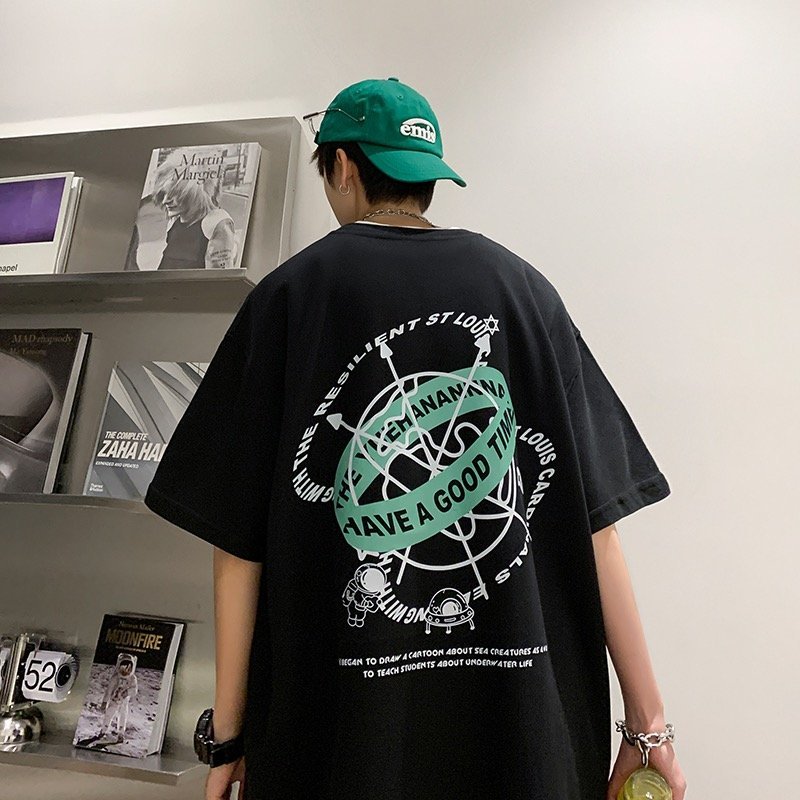
Lab-Tested Wash Durability Standards
Custom woven labels must survive 50+ wash cycles without degradation. We run comprehensive durability testing at our facility to ensure labels withstand real-world wear, maintain crisp edges, and preserve their aesthetic appeal throughout the garment’s lifespan.
- 50+ industrial wash cycle testing protocols
- Edge stability and shrinkage validation
- Dimensional accuracy confirmed post-wash
- Durability proof before shipment to your brand
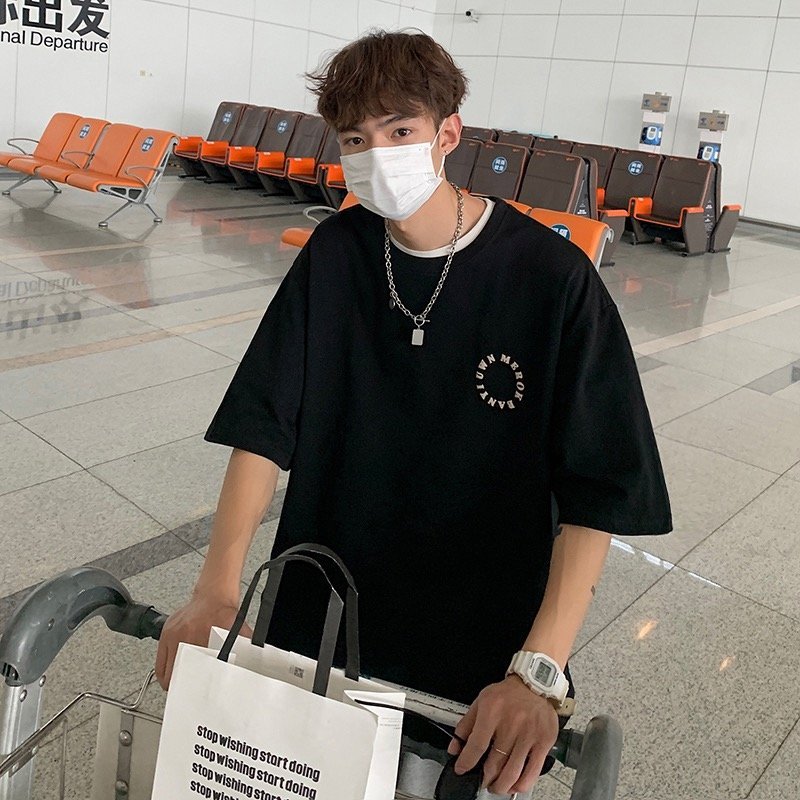
Unlimited Design Customization & Fast Samples
Our 15-person in-house design and sampling team brings your custom woven label concepts to life in 48–72 hours. Low minimum order quantities and rapid turnaround make it easy for emerging brands and influencer lines to launch without design compromise.
- In-house design team fluent in streetwear aesthetics
- Low MOQ starting at 100 units per style
- 48–72 hour sampling for seasonal collection deadlines
- Unlimited design revisions until you approve production
Custom Woven Labels vs. Printed Labels: Durability & Quality
Why premium streetwear brands trust woven labels for lasting impact.
← 左右滑动查看 →
The Custom Woven Label Production Timeline
From design through shipment, our custom woven labels undergo rigorous quality inspection at every production phase.
Design & Color Approval
Collaborate on your custom woven label design. We create initial samples, match brand colors precisely, and secure approval before production begins.
Yarn Sourcing & QC Testing
Source premium yarn fibers for your custom woven labels. Each material batch passes rigorous quality testing for color fastness, strength, and durability.
Loom Programming & Weaving
Program precision looms with your custom woven label specifications. We monitor weaving output continuously, ensuring pattern accuracy and edge quality throughout production.
Color Correction & Testing
Evaluate your custom woven labels for color accuracy against approved samples. We test thread strength, weave density, and color fastness to meet durability.
Finishing, Folding & QC
Trim, finish, and fold each custom woven label to specification. Inspect folding precision and edge quality, adding specialized backings if required by your brand.
Final Inspection & Packaging
Perform comprehensive final quality checks on all finished custom woven labels. Package securely for global shipment with full documentation and traceability.
How to Order Your Custom Woven Labels
Fast, transparent, and backed by our zero-compromise quality guarantee.
Submit Your Logo and Design Specifications
Submit vector artwork (AI, EPS, PDF) with thread-count preference, label dimensions, and Pantone colors. Our in-house design team reviews submissions for technical feasibility and weaving compatibility.
Approve Your Color and Design Proof
Receive a detailed color proof matching your Pantone specifications. We verify thread colors and design placement on sample labels, ensuring every detail meets your brand’s standards before production begins.
Order Samples and Approve
Place a low-MOQ sample order for custom woven labels with fast turnaround—typically within 7-10 business days. Approve the final product quality before committing to full production runs.
Confirm Production and Scaling
Authorize your full production run with confidence. Our five-step quality control process monitors materials, cutting, craftsmanship, sewing, and finished goods—ensuring consistent excellence across every custom woven label.
Ship Globally and Track
Receive your complete order with global shipping and logistics support. We handle all customs documentation and delivery coordination for brands worldwide—your labels arrive on time, every time.
Brands Trust Us for Custom Woven Labels
Our streetwear line needed labels that could survive aggressive wash cycles. The custom woven labels maintained perfect color saturation through 60+ washes—something printed alternatives couldn’t match. Game-changing durability.
We were a 6-month-old startup with zero brand recognition. The custom woven labels’ premium feel elevated our entire collection perception. Customer reviews jumped 34% after the rebrand. That label made us legit.
Fast samples, on-time production—exactly what our seasonal drops need. We launched our summer collection 3 weeks ahead of competitors because of their quick turnaround. Our custom woven labels arrived when promised, every time.
Custom Woven Labels: Your Questions Answered
Everything apparel brands need to know about our custom woven label process, MOQ, and quality standards.
What’s the minimum order quantity (MOQ) for custom woven labels?
Which fabrics work best with custom woven labels?
Can you combine custom woven labels with embroidery or patches?
What file formats do you need for custom woven label designs?
What’s the typical lead time for custom woven labels?
How many thread colors can custom woven labels have?
Are custom woven labels durable after repeated washing?
Can I request a sample before placing a bulk order?
The Complete Buyer’s Guide to custom woven labels
Master the fundamentals of sourcing quality custom woven labels for your brand. Learn how to evaluate materials, customization options, and manufacturers—plus the common pitfalls to avoid when selecting a supplier for your apparel line.
1. What Are Custom Woven Labels?
Custom woven labels are produced using interlocking threads on a loom, creating a fabric structure that remains intact after hundreds of washes and normal wear cycles—far outlasting screen-printed or embroidered alternatives. Unlike printed labels, which sit on the surface of polyester or cotton backing and degrade under friction and repeated laundering, woven labels are constructed from the fibers themselves, making durability inherent to their structure rather than applied as a coating.
Streetwear and fashion brands choose custom woven labels because they communicate quality and permanence to consumers who inspect garment construction as a marker of authenticity and value. A neck label that withstands 50+ wash cycles without fading, cracking, or peeling reinforces the message that the brand invested in production integrity, not just visual branding—a signal particularly important to the audiences of independent designers and emerging apparel retailers who compete on craftsmanship and trust.
Custom woven labels appear on neck tags, hang tags, interior waistband panels, pocket enclosures, and sleeve tags—anywhere visibility and durability matter equally. Each placement serves a distinct purpose: neck labels establish brand presence at first handling, care labels survive machine washing for the garment’s lifetime, and hang tags create unboxing impressions at point of sale.
The tactile experience of a woven label—its weight, weave pattern, and three-dimensional texture—differentiates premium streetwear visually and physically on the rack and in hand. This sensory dimension is why many global apparel retailers and influencer brands specify woven over printed as a non-negotiable production requirement, even at higher unit costs.
2. Types of Custom Woven Labels
Woven label construction varies significantly, affecting durability, aesthetic appeal, and cost. Each type—damask, satin, grosgrain, twill, and jacquard—employs distinct weaving techniques and material combinations. Selecting the right label type aligns with your brand positioning, target market expectations, and product category.
| Label Type | Weave Pattern | Visual Character | Best For | Price Tier |
|---|---|---|---|---|
| Damask | Flat, subtle | Classic | Heritage brands | Mid |
| Satin | Smooth, lustrous | Premium | Luxury wear | Premium |
| Grosgrain | Ribbed texture | Technical | Outdoor, workwear | Mid |
| Twill | Diagonal bias | Structured | Utilitarian | Mid |
| Jacquard | Multi-color woven | Complex | Limited-edition | Ultra-premium |
Damask Woven Labels
Damask labels use flat weave construction with subtle, reversible patterns reflecting traditional European manufacturing. They offer classic versatility suitable for heritage brands and workwear.
Damask labels sit in the mid-price range, balancing cost-efficiency with visual sophistication for established brands seeking timeless aesthetics.
Satin Woven Labels
Satin weaves produce smooth, lustrous surfaces through cross-directional fiber interlocking. This finish delivers premium tactile qualities and vibrant color reproduction.
Ideal for luxury streetwear, high-fashion collaborations, and upscale retail, satin labels justify higher per-unit costs—typically 30-50% above damask—for brands targeting affluent consumers.
Grosgrain Woven Labels
Grosgrain construction creates ribbed textures via horizontal cotton or silk warp threads, signaling durability. Common in workwear and performance apparel, grosgrain suits emerging streetwear brands emphasizing rugged aesthetics.
Mid-range pricing and strong color saturation make it cost-accessible for startups building brand recognition.
Twill Woven Labels
Twill weaves use diagonal threading patterns, creating robust, textured surfaces with superior tensile strength. This construction resists flex damage and fading.
Ideal for workwear, outdoor brands, and utilitarian streetwear, twill labels project durability and functionality. Pricing is competitive with damask and grosgrain.
Jacquard Woven Labels
Jacquard looms execute complex, multi-color patterns directly into the weave, eliminating printing. This allows unlimited design complexity and superior color permanence.
Ideal for premium streetwear and collector drops. As the most expensive category—typically 60-100% above damask—jacquard appeals to established brands and limited-edition releases.
3. Materials & Fabrics for Custom Woven Labels
Material selection directly impacts label durability, brand perception, and cost. Polyester, cotton, cotton-poly blends, and silk each suit different price tiers and performance needs. Understanding GSM weight standards and thread quality helps balance premium positioning with production budgets.
| Fabric Type | Typical GSM | Durability Profile | Primary Use Case | Relative Cost |
|---|---|---|---|---|
| Polyester | 200–300 GSM | High durability; excellent colorfastness | Budget labels; high-volume production | $ |
| Cotton | 150–250 GSM | Medium durability; premium feel; moisture-sensitive | Premium designer labels | $$$ |
| Cotton-Poly Blend | 180–280 GSM | Medium-high durability; natural aesthetics | All-purpose; streetwear | $$ |
| Silk Accents | 300–400 GSM | High luxury; delicate handling required | Luxury collections; limited editions | $$$$ |
Polyester vs. Cotton vs. Blends
Polyester labels (200-300 GSM) deliver superior durability and colorfastness at lower cost—ideal for high-volume production. Cotton (150-250 GSM) projects premium feel but proves moisture-sensitive and pricier. Cotton-poly blends (180-280 GSM, typically 65/35 ratio) balance durability with natural aesthetics, making them popular for streetwear brands seeking midrange positioning without polyester’s ‘cheap’ perception.
Understanding GSM as Quality Signal
GSM (grams per square meter) directly correlates with durability and cost. Below 150 GSM, labels feel flimsy; 200-280 GSM represents the industry standard for custom woven labels. Premium positioning requires 300+ GSM. Higher GSM increases production costs 15-25%, so align GSM choice with target brand tier and retail price point.
Thread Quality & Colorfastness Standards
Premium thread (ring-spun construction) resists pilling and fraying better than open-end. Colorfastness testing (OEKO-TEX, ISO 105-C06) ensures labels withstand washing and sunlight. Retail and luxury brands should require third-party certification; cutting this corner risks fading complaints and reputation damage, especially for bold streetwear colors.
4. Customization & Decoration Options
Three primary decoration methods distinguish custom woven labels in streetwear: jacquard weaving integrates logos directly into the fabric structure, embroidery adds metallic and dimensional effects on top, and multi-color techniques expand pattern complexity. Each method carries distinct implications for lead time, tooling costs, and minimum order quantities that shape production timelines.
Jacquard Weaving: Direct Pattern Integration
Jacquard looms weave logos and designs directly into the label fabric using color-separated threads, eliminating need for post-production decoration. This method produces seamless branding with no appliqué or topstitching required.
Setup requires creating jacquard cards or digital loom files; first-article lead times range 2–4 weeks. Minimum order quantities typically start at 500–1000 units, reflecting the digital programming overhead.
Embroidery Overlays: Dimensional Branding
Thread embroidery adds metallic, rayon, or specialty threads on top of finished labels, creating tactile depth and premium visual appeal. This method suits logos requiring shine, fine detail, or raised dimensional effects.
Setup costs are lower than jacquard (digitizing design files only); lead times compress to 1–2 weeks. MOQs often permit smaller runs, starting around 200–300 units, making embroidery accessible to emerging brands.
Multi-Color Weaving: Pattern Complexity
Expanding beyond single-color jacquard, multi-color weaving incorporates 4–8+ colors directly into label fabric for intricate geometric, graphic, or photographic patterns. This technique demands precise color management and loom configuration.
Lead times extend 3–5 weeks; MOQ thresholds rise to 1000+ units due to color-separation complexity and loom setup overhead. Results rival screen printing in visual durability and fade-resistance.
Edge Finishes: Structural Details
Folded edges (selvage finishing) and cut edges (raw, finished with picot, or topstitched) frame label appearance and durability. Folded edges require additional weaving passes and increase lead time by 5–7 days.
This choice affects perceived quality and brand narrative—folded edges convey premium positioning, while clean-cut edges suit minimalist streetwear aesthetics. Both are included in base MOQ quotes.
Lead Times & Cost Trade-offs
Jacquard setup requires 10–15 days for loom programming; embroidery digitizing takes 3–5 days. Tooling costs range $150–500 for embroidery to $400–1200+ for complex jacquard.
Choose jacquard for high-volume, long-lifecycle collections; embroidery for rapid seasonal pivots or collaborative drops. Early design freeze and clear specifications accelerate approval cycles; last-minute changes incur rush fees of 15–25% across all methods.
5. Key Quality Elements & Construction
Premium custom woven labels combine precise engineering with rigorous quality control. Three key dimensions—weave structure, dyeing consistency, and edge finishing—separate market-grade labels from production defects. Smart manufacturers conduct multi-stage quality checks to ensure durability and professional appearance.
Weave Density & Ply Structure
Two-ply and three-ply constructions offer different durability profiles. Two-ply suits lighter branding; three-ply supports high-wear applications with enhanced strength.
Thread count—typically 140–200 per inch for woven labels—directly impacts label lifespan. Higher density reduces fraying and maintains color saturation through repeated washing and handling.
Crisp Edge Finishing
Precisely cut edges distinguish premium labels from budget alternatives. Laser or die-cut edges prevent fraying and loose threads during packaging, washing, and wear.
Sealed or satin-stitched edges add a luxury feel and protect label integrity for years. Poor edge finishing results in visible degradation within weeks.
Dyeing & Color Consistency
Even dyeing ensures no color bleeding, fading, or blotchy patches across the label surface. OEKO-TEX certified dyes meet international standards for colorfastness and safety.
Quality manufacturers conduct fastness testing—rubbing, washing, and light exposure—before shipping. Inconsistent dyeing signals inadequate QC and damages brand perception.
Multi-Stage Quality Control
Industry-standard QC spans thread inspection, color matching against Pantone standards, weave uniformity checks, edge assessment, and dimensional accuracy. Defects like loose threads, bleeding, or inconsistent density should halt shipment.
Clothing Manufacturer Ltd employs a five-step QC methodology—materials, cutting, craft, sewing production, and finished quality inspection—to catch issues early.
- Thread color uniformity and tension consistency
- Weave density and ply alignment
- Edge crispness and seal integrity
- Color fastness (washing, rubbing, light exposure)
- Dimensional accuracy and alignment
Evaluating Samples Before Ordering
Request sample labels and inspect weave tightness, thread color uniformity, and edge crispness under magnification. Wash and dry samples to confirm colorfastness and durability.
Test label flexibility to ensure comfort when worn. Comparing samples from competing manufacturers reveals differences in density, edge quality, and finish. Transparent manufacturers encourage detailed evaluation and provide QC documentation.
6. How to Choose a Custom Woven Label Manufacturer
The right custom woven label manufacturer balances production capacity, quality standards, and communication speed. Emerging brands should prioritize vendors with low MOQ tolerance and fast sample turnaround. This guide outlines the evaluation criteria and vetting process to identify the best fit for your brand.
Production Capacity & MOQ Tolerance
Many manufacturers demand 500-1,000 piece MOQs. Specialized producers accept MOQs as low as 50-100 units, recognizing that startups drive long-term relationships.
Verify MOQ policies upfront through your RFQ rather than discovering inflexibility after placement. Ask about flexibility during peak seasons to ensure consistent pricing.
- Ask explicitly about MOQ flexibility during off-peak vs. peak seasons
- Confirm pricing remains consistent for small orders
- Request written MOQ terms in your contract
Quality Certifications & References
Manufacturers holding OEKO-TEX, GOTS, or WRAP certifications demonstrate compliance with international quality and labor standards.
Request 3-5 recent client references. Unwillingness to share references is a critical red flag and signals potential hidden quality or delivery issues.
Sample Process & Timelines
Quality samples typically require 7-14 days and cost $50-200 per design. Avoid manufacturers promising 3-day turnarounds without documented quality testing.
Always request physical samples, not photographs, for accurate color matching and hand-feel evaluation. Vague sample images indicate manufacturing shortcuts and poor attention to detail.
- Insist on physical sample approvals before production begins
- Request clarification on sample cost refund policies upon production commitment
- Confirm that samples reflect final production specifications exactly
Communication & Language Support
Language barriers and slow response times create production delays and costly misunderstandings. Prioritize manufacturers with English-speaking account managers and documented response protocols.
Demand guaranteed sub-24-hour response times and video communication capability. Confirm time zone overlap to facilitate rapid decision-making and minimize production delays.
The Vetting Process
Begin with a detailed RFQ listing specifications, quantities, delivery dates, and budget. Reputable manufacturers respond with itemized quotes and technical clarity.
Narrow to 2-3 finalists and request samples while conducting simultaneous reference checks. Only after approving samples and validating references should you place a pilot order (100-200 units) to verify production quality.
7. Common Mistakes When Ordering Custom Woven Labels
First-time buyers overlook critical steps in custom woven label ordering, causing rework costs, delays, and brand damage. Understanding common pitfalls — from quantity miscalculations to supplier shortcuts — protects timelines and budgets.
- Request samples and approval before committing to full production runs
- Use Pantone codes and physical color swatches for color specs
- Confirm MOQs, lead times, and QC procedures in writing
- Account for 2–5% shrinkage when positioning designs near seams
- Verify supplier quality checkpoints (materials, cutting, sewing, finishing)
Underestimating Quantity & Lead Times
Minimum Order Quantities (MOQs) for custom woven labels typically range 500–2,000 units. Ordering below triggers rush fees of 20–40%.
Most production runs take 6–8 weeks. Confirming lead times in writing before commitment prevents supply chain shocks and unexpected costs.
Skipping Mockups & Samples
Physical mockups catch design errors that digital previews miss: thread color drift, weave distortion, and embroidered detail bleeding.
Requesting a sample (typically $50–150 per design) costs far less than reprinting 10,000 labels post-production. Approve samples before full production.
Poor Color Communication
Color mismatches are the leading cause of label reorders.
Specify colors using Pantone or CMYK codes, not phone photos. Provide physical swatches or calibrated digital files. Include finishes in written specs.
Ignoring Shrinkage & Seam Placement
Woven labels shrink 2–5% during dyeing and finishing. Designs too close to seams distort when applied to garments.
Work with your manufacturer on placement before artwork finalization. Test seam integration on prototype garments to confirm visual alignment.
Choosing Suppliers on Price Alone
The cheapest quote often hides cost-cutting that damages brand perception. Low-cost suppliers skip quality checkpoints, resulting in misaligned threading or color fading.
Verify that candidates use multi-stage QC (materials, cutting, production, finishing) before finalizing contracts.
8. Pricing, MOQs & Lead Times
Minimum order quantities for custom woven labels typically start at 100 units but scale dramatically with decoration complexity and fiber selection. For plain woven labels without embellishments, MOQs can dip to 50–100 units; adding Jacquard or embroidery weaving often pushes minimums to 500 units, reflecting setup costs in custom dyeing and loom programming.
$0.12–$0.35 per unit at volume—that’s the baseline for 50×25mm plain-woven polyester labels at 5,000+ quantities. Costs climb to $0.60–$1.20 at 500-unit minimums, while Jacquard-woven labels run 40–80 percent higher due to custom dye-lot and loom programming. Embroidered labels top out at $0.80–$2.50 per unit depending on thread density and colorway complexity, making them ideal for premium branding but cost-prohibitive at entry-level volumes.
10–15 days is standard lead time for plain labels, extending to 15–20 days for Jacquard or embroidery once designs are approved. Sample production costs $150–$500 per design; emerging brands should negotiate these into first-order agreements, as responsible manufacturers absorb sample fees once purchase orders reach 500 units. Rush production adds $200–$800 per design and compresses timelines by just 3–5 days—rarely worth the premium.
50 percent deposit, 50 percent before shipment—that’s the industry-standard payment split. Hidden fees cluster in four categories: rush charges ($200–$800), colorway revisions beyond two iterations ($100–$200 each), weight-based shipping surcharges on bulk orders, and custom packaging upgrades. Startups should request itemized breakdowns in writing and confirm whether quoted unit prices include secondary operations like cut, fold, or bag-and-tag.
| Quantity | Plain Woven | Jacquard | Embroidered |
|---|---|---|---|
| 100 units | $0.80–$1.50 / 12 days | $1.20–$2.50 / 14 days | $1.50–$2.50 / 16 days |
| 500 units | $0.60–$1.20 / 12 days | $1.00–$2.00 / 14 days | $1.20–$2.50 / 16 days |
| 1,000 units | $0.35–$0.75 / 12 days | $0.60–$1.30 / 14 days | $0.95–$2.00 / 16 days |
| 5,000+ units | $0.12–$0.35 / 12 days | $0.30–$0.65 / 14 days | $0.80–$1.50 / 16 days |
9. Steps to Launch Your Brand with Custom Woven Labels
Launching a branded apparel line requires coordination between your design and manufacturing partner. The label ordering process typically spans 8–12 weeks from brief to delivery.
| Phase | Duration |
|---|---|
| Define Brief & Specs | 1–2 weeks |
| Request Samples | 5–7 business days |
| Review & Approve Samples | 1–2 weeks |
| Bulk Production | 3–4 weeks |
| QC & Delivery | 1 week |
Define Your Brief & Specifications
Labels typically range 0.5–2 inches (12–50 mm) wide and 0.25–1.5 inches tall, depending on placement. Specify exact dimensions in millimeters, intended placement (neck, sleeve, or hem), desired thread colors, and artwork files in vector format at 300 DPI minimum.
Provide these details upfront to prevent costly design revisions.
Request Samples and RFQ
Request a formal quotation (RFQ) once your brief is finalized. Most manufacturers offer sample runs at 50–100 unit minimums within 5–7 business days, allowing you to evaluate weave density, thread quality, and color accuracy before committing to bulk production.
Budget 400–800 USD for this sampling phase.
Review and Approve Samples
Inspect edge quality, thread tension, and embroidery sharpness under magnification. Request a digital technical spec sheet detailing GSM (grams per square meter), thread type (polyester, silk, or rayon), and Pantone color matching values.
Formal approval requires sign-off on a pre-production sample (PPS) that matches your final bulk specifications exactly.
Order and QC
Once approved, place your bulk order specifying MOQ (usually 500–2,000 units minimum), desired delivery date, and shipping terms. Standard lead time from order placement to finished goods is 3–4 weeks.
Upon arrival, conduct incoming inspection on 10–15% of your shipment and integrate labels into your apparel workflow only after full sign-off. Learn more about Clothing Manufacturer Ltd.
Order Your Custom Woven Labels Today
Send your logo for a free sample. Experience premium custom woven labels backed by our 5-step quality guarantee—ready for your next collection.